The convergence of traditional finance and blockchain infrastructure is gradually introducing new questions about the future of digital money.
As financial institutions explore stablecoin technology, the distinction between conventional financial products and crypto-native monetary mechanisms becomes increasingly relevant.
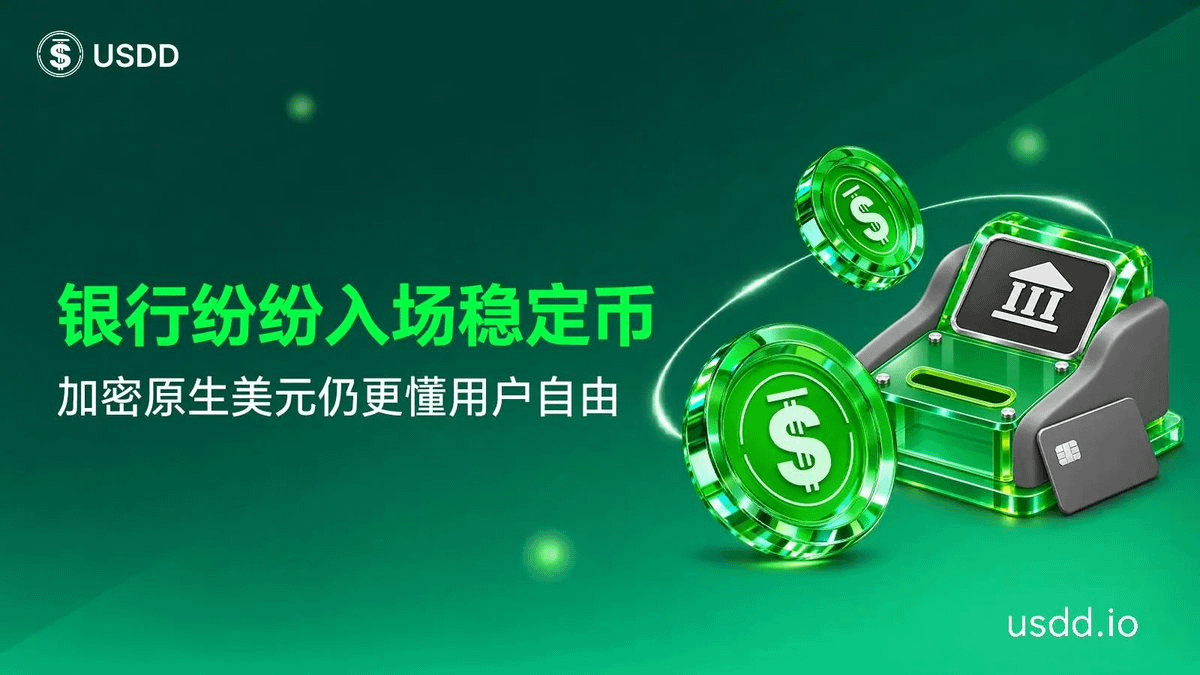
USDD recently highlighted ChainCatcher's coverage of this subject, raising the question of what unique advantages crypto-native dollars may offer as banks embrace stablecoins.
The discussion extends beyond transaction speed or digital representation.
It involves different approaches to accessibility, collateral management, programmability, and financial participation.
Understanding these distinctions can provide a more balanced perspective on how different stablecoin models might coexist.
𝗦𝘁𝗮𝗿𝘁𝗲𝗱 🌱
Three dimensions deserve attention:
✅ Crypto-native stablecoins can interact with programmable financial applications through compatible blockchain infrastructure.
✅ Collateralized monetary mechanisms introduce alternatives to conventional bank-issued digital liabilities.
✅ Public blockchain records can provide opportunities to examine certain aspects of financial activity independently.
𝗪𝗵𝘆 𝗨𝗦𝗗𝗗 𝗠𝗮𝘁𝘁𝗲𝗿𝘀
USDD provides a context for exploring several characteristics of crypto-native finance.
𝗣𝗿𝗼𝗴𝗿𝗮𝗺𝗺𝗮𝗯𝗶𝗹𝗶𝘁𝘆: Stablecoins can participate in smart contract-based financial mechanisms.
𝗖𝗼𝗺𝗽𝗼𝘀𝗮𝗯𝗶𝗹𝗶𝘁𝘆: Compatible applications can create complementary services around a common digital asset.
𝗔𝗰𝗰𝗲𝘀𝘀𝗶𝗯𝗶𝗹𝗶𝘁𝘆: Blockchain infrastructure introduces alternative ways to transfer and manage digital value, subject to applicable restrictions.
𝗧𝗿𝗮𝗻𝘀𝗽𝗮𝗿𝗲𝗻𝗰𝘆: Publicly observable transactions and collateral information can support independent analysis where available.
Nevertheless, crypto-native stablecoins introduce their own dependencies, including smart contract security, collateral volatility, governance, and market liquidity.
Bank-associated stablecoins may offer different advantages involving institutional integration, compliance frameworks, or redemption arrangements.
Neither category should be evaluated through technological identity alone.
𝗙𝗶𝗻𝗮𝗹 𝗜𝗻𝘀𝗶𝗴𝗵𝘁 🌸
The future of stablecoins may involve several monetary architectures serving different financial requirements.
USDD's relevance lies in exploring how programmable, crypto-native dollars can support decentralized applications and practical financial participation.
For TRON, this creates opportunities to develop infrastructure around accessible and interconnected financial services.
The most important question is not which model will completely replace the others.
It is which mechanisms can deliver reliable value, understandable risks, and meaningful utility within their intended environments.
@justinsuntron @USDD - Decentralized USD #TRONEcoStar