


The Tech Sell-Off Storm: AI Spending Fatigue, Oil Surges, and Inflation Anxieties Reshape Global Markets
Global financial markets are currently navigating a turbulent crossroads. A sharp correction in the technology and artificial intelligence (AI) sectors has collided head-on with surging energy prices and sticky inflation data, triggering widespread caution among institutional and retail investors alike.
This comprehensive analysis dives deep into the two major catalysts dominating market sentiment: the massive tech and AI stock sell-off, and the compounding pressures of crude oil spikes and interest rate anxieties.
1. The Tech & AI Sector Correction: Anatomy of a Sell-Off
For months, the unstoppable rally of artificial intelligence and semiconductor giants drove major indices to record highs. However, a sudden shift in market psychology has exposed deep-seated vulnerabilities within the tech ecosystem.
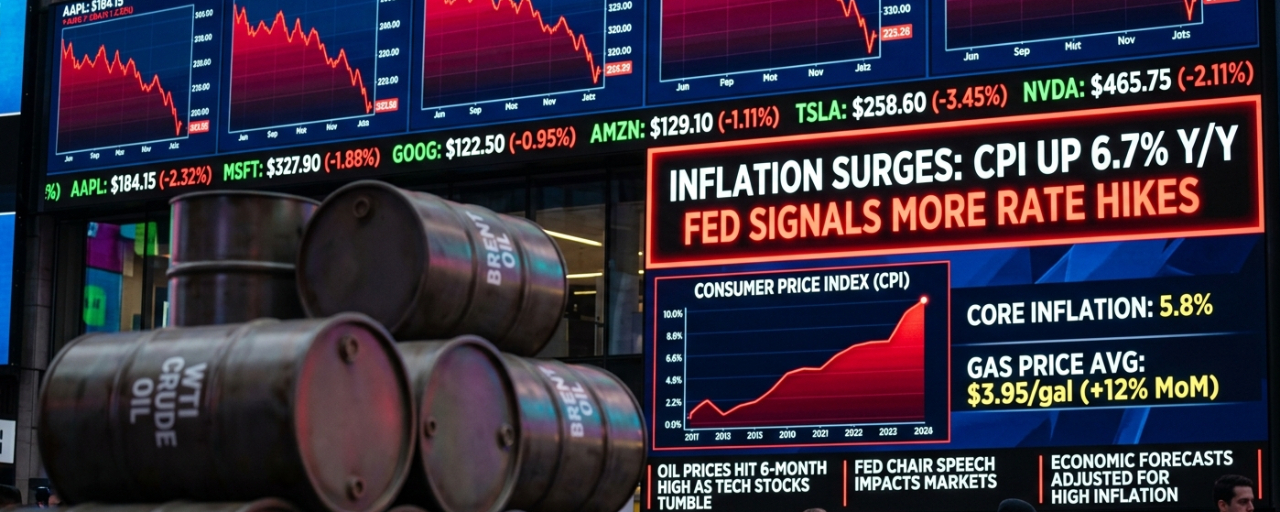
Nasdaq and S&P 500 Plunge: The tech-heavy Nasdaq composite tumbled 2.1% in a single session, while the broader S&P 500 index retreated by 1.1%. This downward pressure was heavily catalyzed by mounting concerns over massive, ongoing capital expenditures (CapEx) in Artificial Intelligence infrastructure without immediate, tangible returns on investment. Furthermore, cautionary spending guidance from major chipmakers and semiconductor bellwethers—most notably Micron and Intel—sent shockwaves through the hardware and software supply chains.
Severe Weekly Losses: The cumulative damage of this risk-off sentiment resulted in a brutal week for technology equities. Over the course of the week, the Nasdaq plummeted by approximately 4.5%, erasing billions in market capitalization and forcing portfolio managers to aggressively reallocate capital away from high-growth tech valuations into safer, defensive assets.
2. Crude Oil Shocks and Inflationary Pressures: The Macro Threat
While tech equities grapple with overvaluation and spending concerns, the macroeconomic landscape is being heavily pressured by the energy and commodity sectors.
Crude Oil Surge: Crude oil prices climbed more than 3% in recent trading sessions, fueled by persistent geopolitical tensions in the Middle East and lingering supply-chain vulnerability anxieties. Because energy costs serve as a foundational input for global manufacturing, transportation, and consumer goods, rising oil prices act as an immediate tax on global economic growth.
The Return of Interest Rate Fears: Compounding the energy shock is the release of hotter-than-expected inflation data. Recent Consumer Price Index (CPI) and Producer Price Index (PPI) reports came in above consensus expectations, signaling that inflationary pressures are proving more resilient than anticipated. Consequently, bond markets and equity investors are rapidly pricing in the growing fear that central banks (such as the U.S. Federal Reserve) may be forced to keep interest rates higher for longer—or even consider further tightening—stifling liquidity and increasing borrowing costs across the board.
Conclusion: Navigating the New Market Reality
The convergence of a major tech and AI valuation reset alongside rising energy costs and stubborn inflation creates a complex environment for market participants. Investors are shifting away from pure speculation and focusing heavily on balance sheet strength, operational efficiency, and cash flow visibility. As the market digests these multi-faceted headwinds, volatility is expected to remain a defining characteristic of the global financial landscape.
#StrategySharesFall9%OnFriday #CelestiaLaunchesEdenToTestAIAgentTrading