
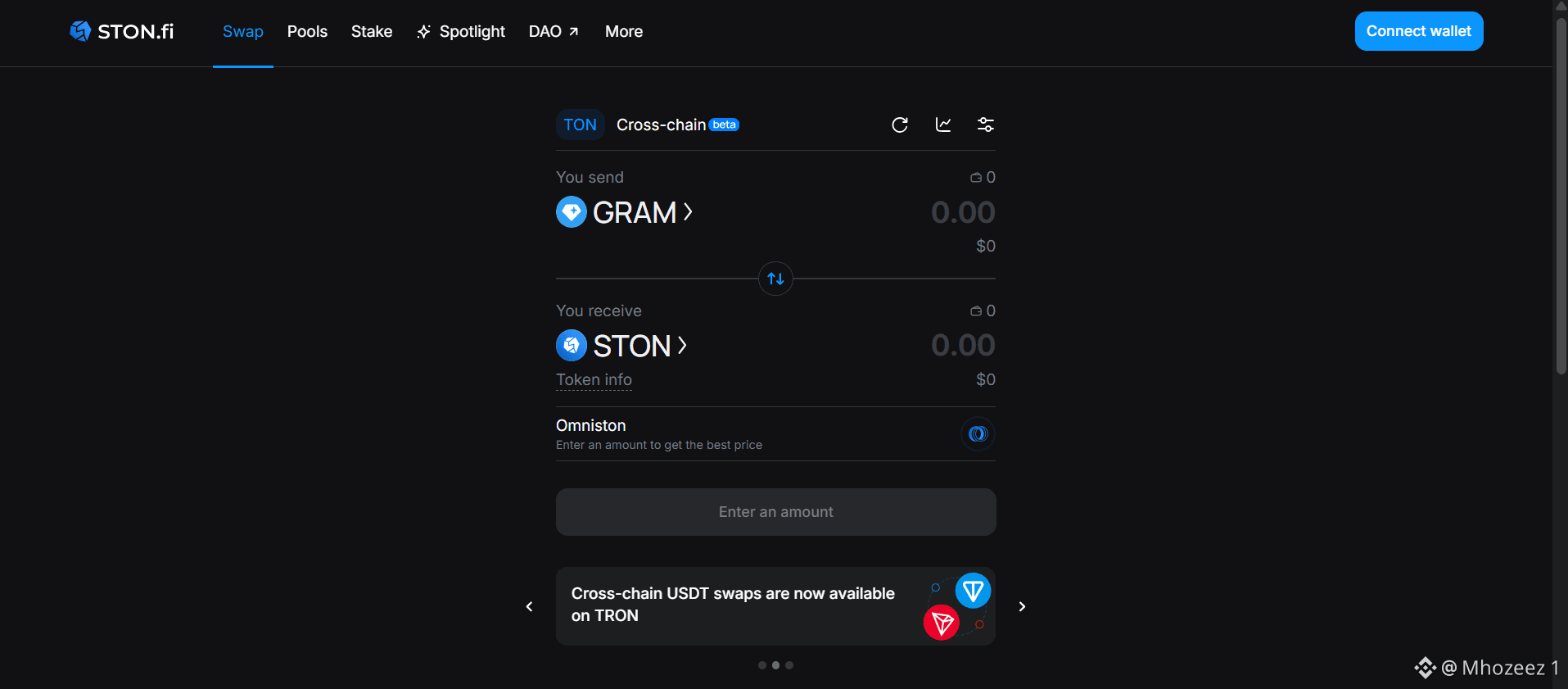
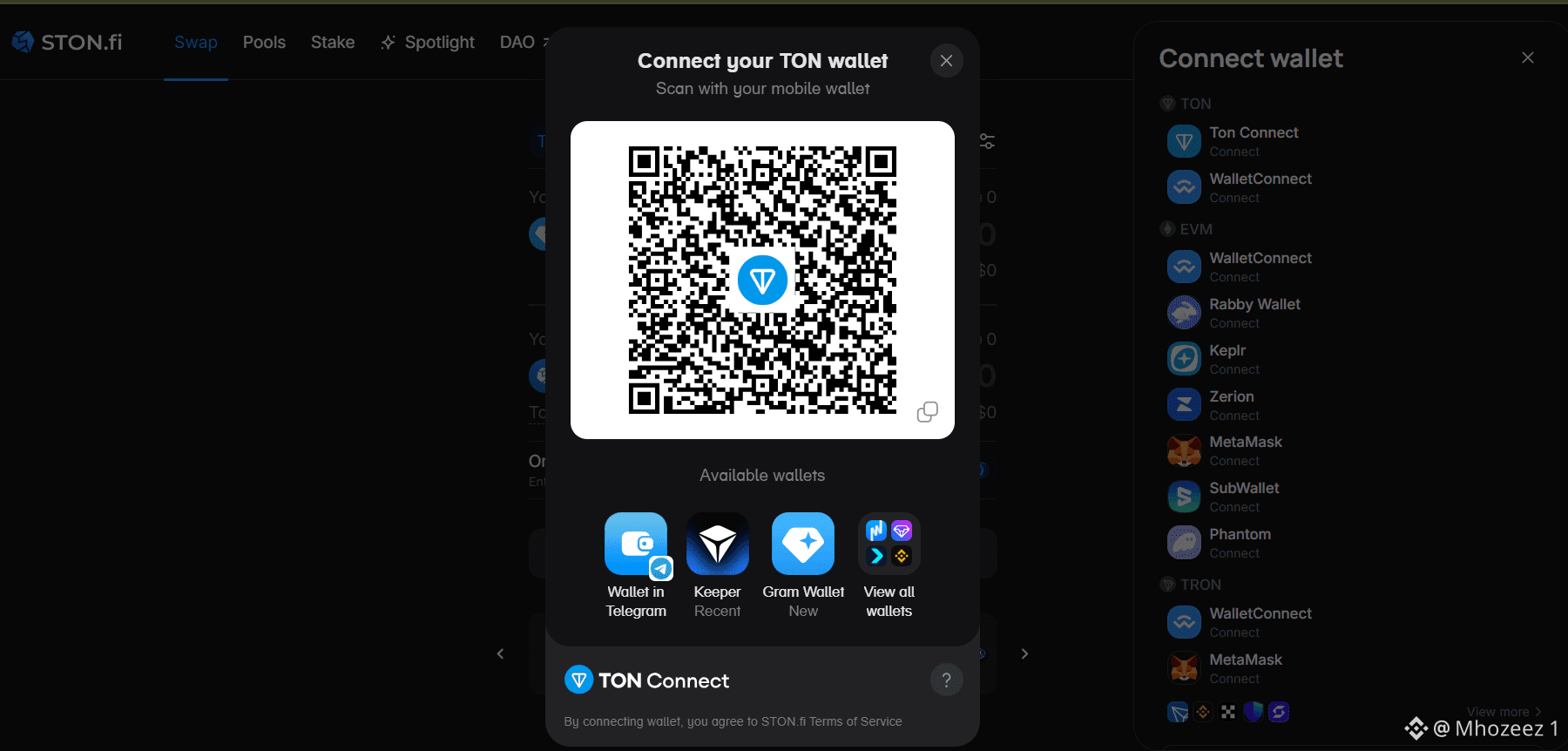
💡WHAT HAPPENS WHEN YOU APPROVE A CONNECTION TO YOUR WALLET ••••••••••••••••••••••••••••••••• Here's what it does and doesn't do👇 Connecting a wallet to a DEX is not the same as handing over control of it. When you connect, you're letting the site see your public wallet address and, usually, your balances. The same information anyone could see by looking up that address on a blockchain explorer. Nothing is being authorized yet. No funds can move from a connection alone, and no site can act on your behalf just because it can see your address. The moment that actually matters comes after youve approved a wallet signing. Every time a dApp wants to move your funds, approve a token, or execute a swap, it sends a transaction request to your wallet, and your wallet asks you to review and sign it. That signature is the real permission. Connecting opens communication. Signing grants access. This distinction is exactly why phishing sites work as well as they do. A fake dApp can look identical to the real one, and connecting to it feels harmless because, mechanically, it mostly is. The danger shows up the moment you're asked to sign something or approve a transaction. An approval with a scope far wider than the action needs, or a transaction that doesn't match what you thought you were doing. On TON, this flow runs through TON Connect the standard STONfi and other TON dApps use to link a wallet without ever exposing your seed phrase. The wallet stays in control. The site only request for an action or a one signature at a time. So, be sure to research about where you connect your wallet before signing an approval. $GRAM


Publicación
Aviso legal: Incluye opiniones de terceros. No es asesoramiento. Binance Ai puede utilizarse sin garantía. Consultar Términos y condiciones.