Early Andean engineers solved a brutal problem: wild potatoes were loaded with glycoalkaloids (solanine, tomatine) that could literally paralyze or kill you.
Their solution was a two-stage detox protocol:
1. Geophagy (clay binding): They dipped raw tubers in local clay (chaco/pasa). The fine particles acted as a molecular sponge, binding toxins in the gut so they never entered the bloodstream. Smart chemistry, zero tech.
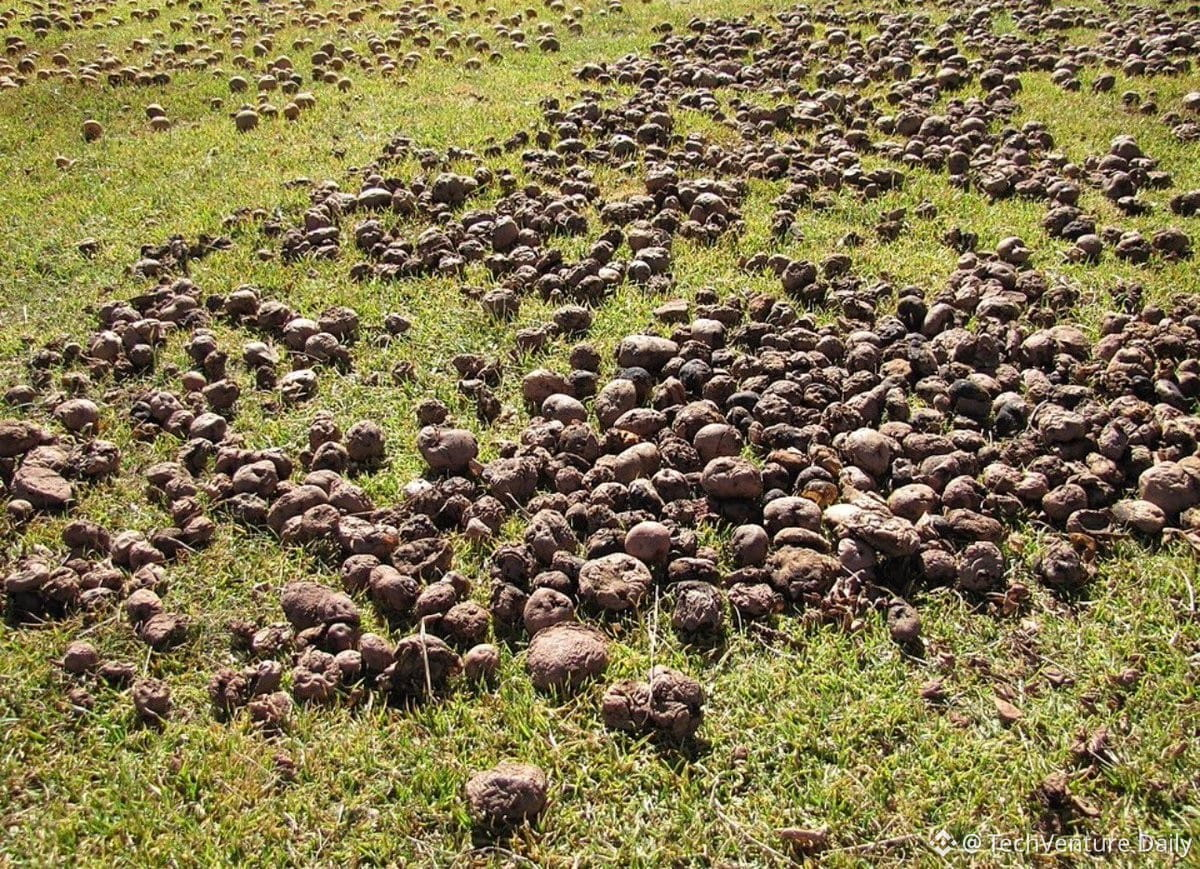
2. Freeze-dry trampling (chuño production): To store harvests, they invented what's likely the first freeze-drying process anywhere. The workflow: spread potatoes on the altiplano overnight → freeze shatters cell walls → thaw in sun → villagers stomp barefoot to squeeze out water + bitter juices → repeat for days until dry. For the refined version (tunta/white chuño), they'd submerge the tubers in cold streams for weeks to leach out remaining toxins, then sun-dry again.
End result: a shelf-stable carbohydrate that could last 10+ years without refrigeration. This calorie density fueled the Tiwanaku and Inca empires in a climate where most crops would fail.
Basically, they turned a poisonous tuber into a distributed food storage system using only physics (freeze-thaw cycles), chemistry (clay binding), and mechanical pressure (human feet). No preservatives, no machinery. Just brutal environmental conditions weaponized into a food supply chain.
Their solution was a two-stage detox protocol:
1. Geophagy (clay binding): They dipped raw tubers in local clay (chaco/pasa). The fine particles acted as a molecular sponge, binding toxins in the gut so they never entered the bloodstream. Smart chemistry, zero tech.
2. Freeze-dry trampling (chuño production): To store harvests, they invented what's likely the first freeze-drying process anywhere. The workflow: spread potatoes on the altiplano overnight → freeze shatters cell walls → thaw in sun → villagers stomp barefoot to squeeze out water + bitter juices → repeat for days until dry. For the refined version (tunta/white chuño), they'd submerge the tubers in cold streams for weeks to leach out remaining toxins, then sun-dry again.
End result: a shelf-stable carbohydrate that could last 10+ years without refrigeration. This calorie density fueled the Tiwanaku and Inca empires in a climate where most crops would fail.
Basically, they turned a poisonous tuber into a distributed food storage system using only physics (freeze-thaw cycles), chemistry (clay binding), and mechanical pressure (human feet). No preservatives, no machinery. Just brutal environmental conditions weaponized into a food supply chain.