


STONfi vs DEX de Base: Liquidez nativa de TON y ejecución de Omniston
El trading descentralizado se entiende mucho más fácilmente cuando dejas de mirar solo la interfaz y en su lugar planteas una pregunta más fundamental:
¿Dónde vive la liquidez y cómo se ejecuta realmente la operación?
Esa distinción es importante al comparar STONfi en TON con DEX que operan en Base, como Uniswap y Aerodrome.
A primera vista, la comparación puede parecer simplemente TON vs. Base. En la práctica, la comparación más útil es entre un entorno de liquidez nativa y una arquitectura de ejecución capaz de coordinar liquidez entre distintas redes.
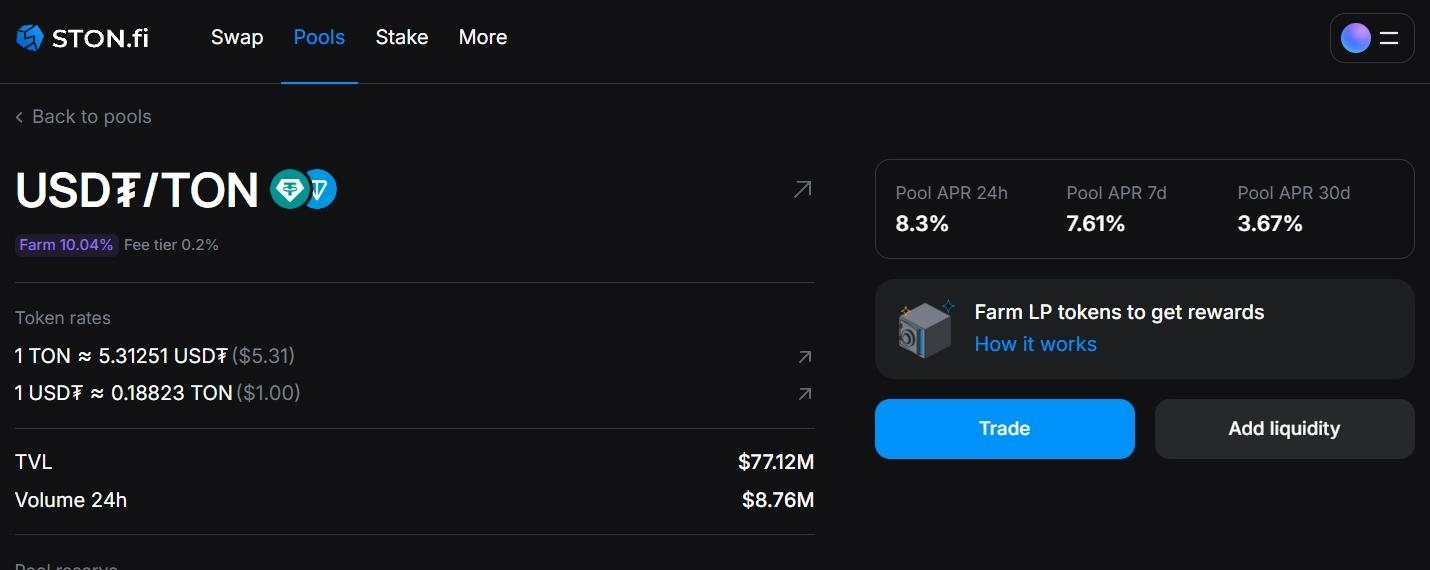
STONfi proporciona liquidez nativa de AMM para TON, mientras que Omniston amplía la ruta de ejecución agregando fuentes de liquidez y coordinando swaps entre cadenas. Mientras tanto, los DEX nativos de Base están optimizados principalmente para activos y liquidez ya desplegados en Base.
Comprender esta diferencia ayuda a los traders a elegir una ruta según desde dónde comienzan sus activos, hacia dónde necesitan llegar y si la transacción permanece en una sola red o cruza entre ecosistemas.
Dónde vive la liquidez
Lo primero que hay que entender es que la liquidez no es automáticamente universal entre blockchains.
Las pools de AMM de STONfi viven en TON. Usan activos nativos de TON y Jettons, lo que permite a los usuarios intercambiar activos que ya existen dentro del ecosistema de TON. La liquidez, por lo tanto, es local a TON y puede accederse directamente a través del entorno de contratos inteligentes de TON.
Los DEX de Base siguen el mismo principio básico dentro de su propio ecosistema. Plataformas como Uniswap y Aerodrome proporcionan liquidez para activos desplegados en Base. Cuando un trader intercambia un activo nativo de Base por otro activo nativo de Base, la transacción puede permanecer completamente dentro de la red Base.
Esto crea una regla simple:
El trading en la misma cadena es naturalmente local.
Un usuario de TON que intercambia un activo de TON por otro puede usar liquidez de TON. Un usuario de Base que intercambia un activo de Base por otro puede usar liquidez de Base.
La complejidad aparece cuando el activo deseado existe en otra blockchain.
Intercambios en la misma cadena vs. intercambios entre cadenas
Un AMM convencional está diseñado para operar dentro del entorno donde existen sus pools.
Supongamos que tienes un activo de TON y quieres otro activo de TON. Una fuente de liquidez nativa de TON puede ejecutar esa transacción sin requerir que otra blockchain participe.
Del mismo modo, si ya tienes un activo en Base y quieres intercambiarlo por otro activo disponible en Base, un DEX nativo de Base generalmente puede gestionar la operación de forma local.
Pero considera un escenario diferente:
Tienes un activo en TON y quieres un activo en Base.
Un AMM de TON no puede simplemente acceder a una pool de liquidez de Base y completar el otro lado de la transacción. Las dos redes tienen estados separados, entornos de transacción separados y mecanismos de liquidación separados.
Ahí es donde una capa de ejecución como Omniston se vuelve importante.
Cómo Omniston cambia el modelo de ejecución
Omniston está diseñado para operar más allá de las limitaciones de una sola pool de liquidez o de una sola blockchain.
Para swaps nativos de TON, Omniston puede agregar liquidez AMM disponible y resolvers de RFQ, permitiendo que distintas fuentes de ejecución compitan por la operación.
En lugar de obligar al usuario a evaluar manualmente cada posible fuente de liquidez, la capa de agregación puede evaluar rutas disponibles e identificar un camino ejecutable en función de las condiciones actuales del mercado.
Para operaciones entre cadenas, el modelo se vuelve más avanzado.
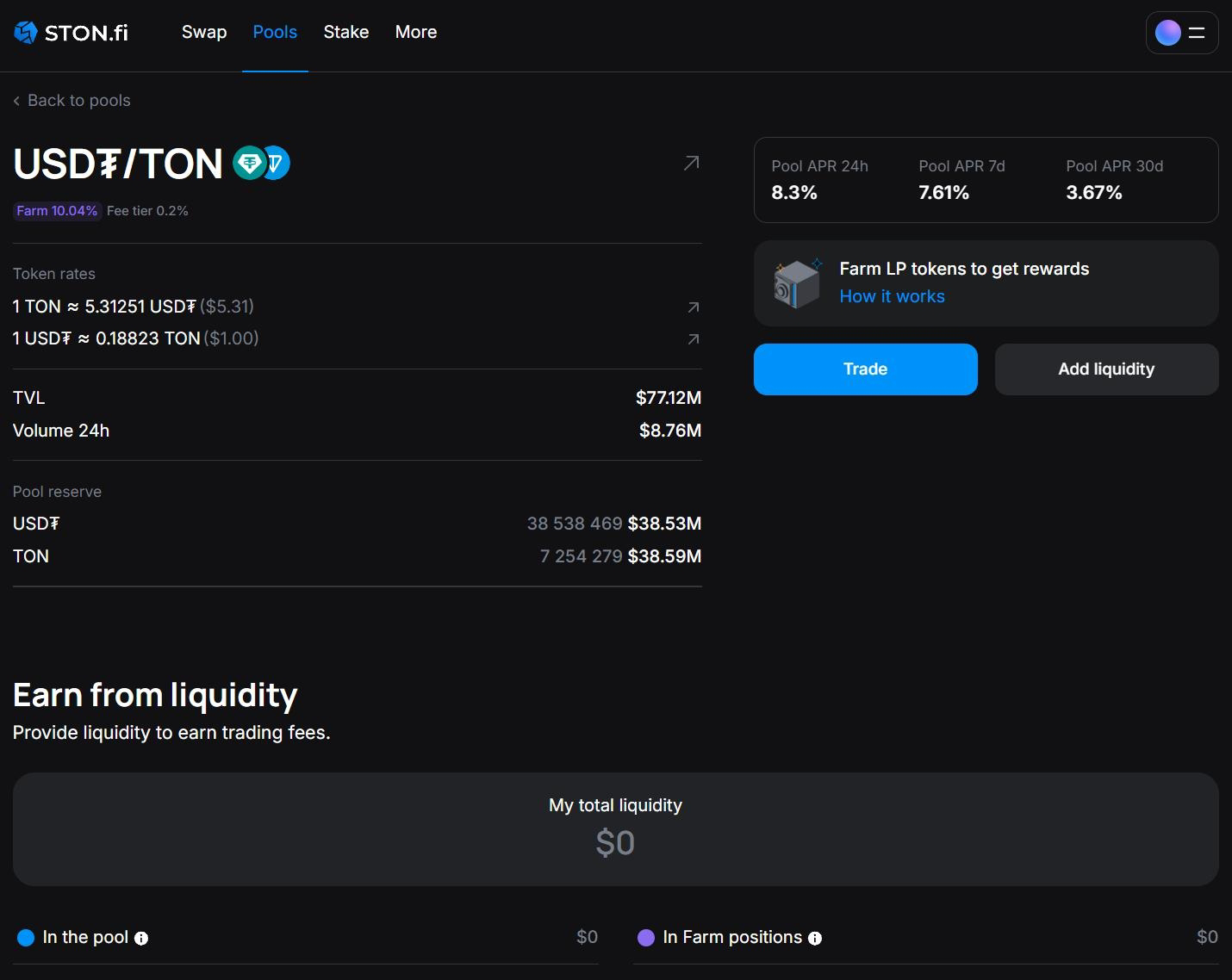
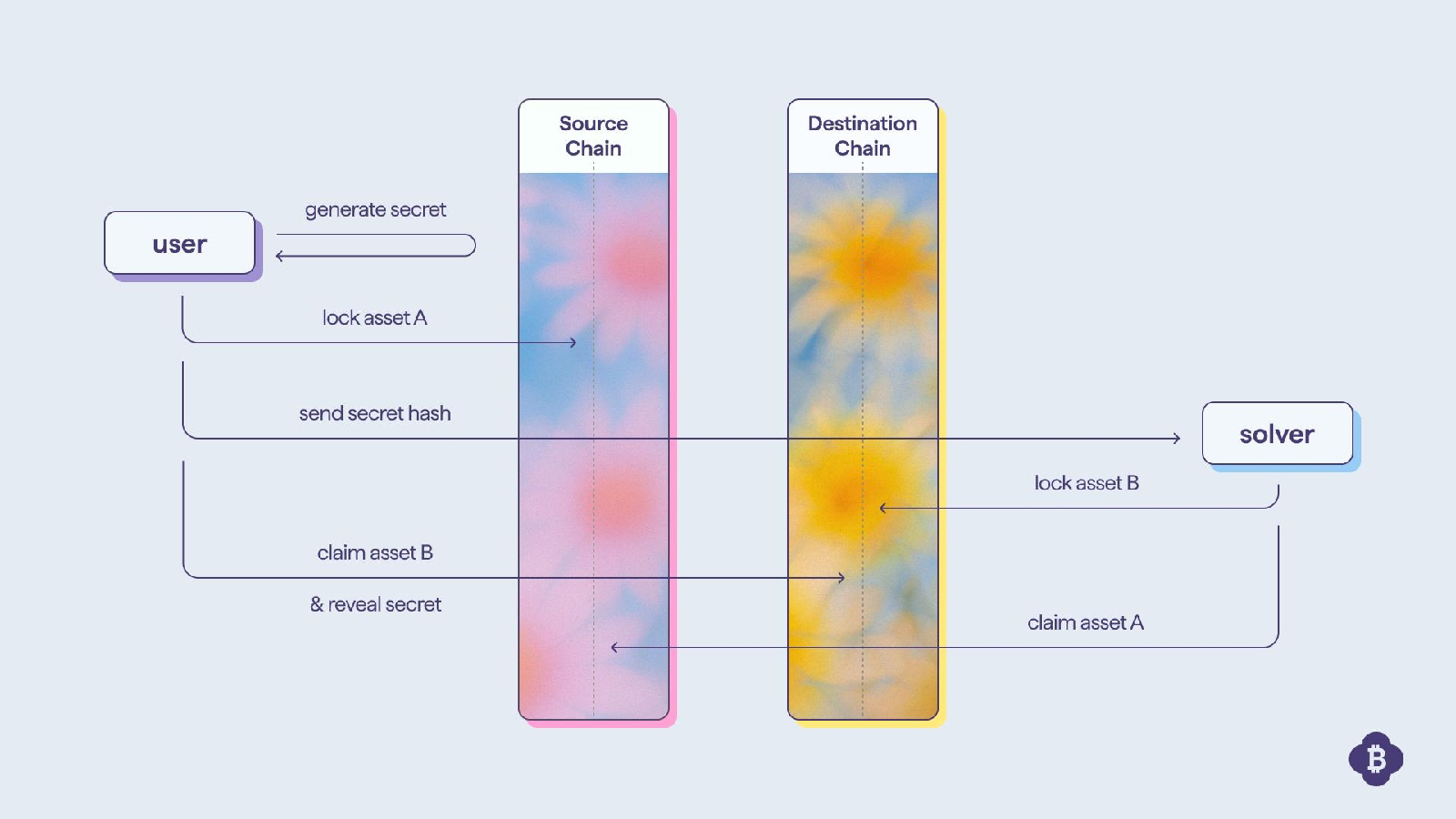
Al mover operaciones entre TON y Base, Omniston puede coordinar resolvers en competencia y usar Contratos de Timelock Hashed Enlazados (HTLCs) para establecer condiciones de liquidación sincronizadas entre las dos cadenas.
El concepto importante es que la capa de ejecución no hace que las dos blockchains se conviertan en una sola blockchain.
En cambio, crea un mecanismo coordinado que permite que redes independientes participen en la misma operación.
Entendiendo el resolver
Los resolvers son una parte importante de esta arquitectura.
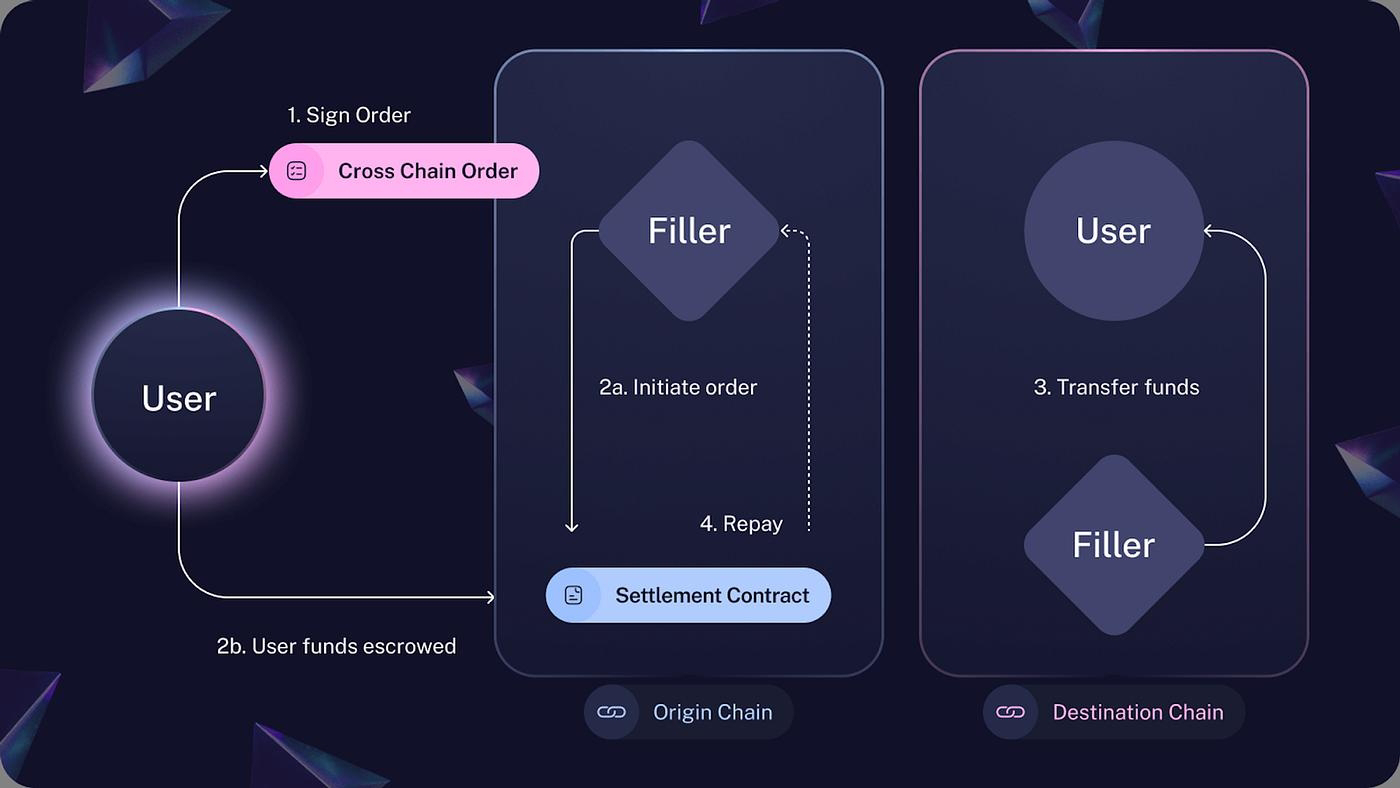
En lugar de exigir que una sola pool de AMM proporcione ambos lados de una transacción entre cadenas, un resolver puede ayudar a proporcionar el activo de destino, mientras que las condiciones de liquidación garantizan que la transacción siga las reglas de ejecución acordadas.
Esto introduce competencia en el proceso de ejecución.
Los resolvers pueden competir según los términos que ofrecen, mientras que la capa de ejecución coordina la transacción entre las redes necesarias.
Para el trader, esto puede reducir la necesidad de construir manualmente un proceso de puente y swap complicado de varios pasos.
El objetivo no es simplemente mover tokens entre cadenas. Es crear un intercambio coordinado de activo por activo entre entornos separados de blockchain.
Por qué esto importa para usuarios de TON
La distinción se vuelve especialmente útil cuando se determina qué ruta tiene más sentido para una operación en particular.
Si tu activo ya está en TON y tu activo objetivo también está en TON, la liquidez nativa de TON a través de STONfi o una operación de TON enrutada por Omniston es el lugar natural para buscar.
Si tu activo ya está en Base y tu objetivo es otro activo de Base, un DEX nativo de Base puede ser la ruta más directa, porque la liquidez y la liquidación permanecen dentro de la misma red.
Pero cuando los activos existen en cadenas opuestas, el problema cambia.
Un AMM convencional de una sola cadena ya no es suficiente. La operación requiere coordinación entre redes independientes.
Aquí es donde el modelo de ejecución entre cadenas de Omniston se vuelve especialmente relevante.
No es necesario pensar solo en el wrapping
Una de las ventajas prácticas de una arquitectura entre cadenas basada en resolvers es que el usuario no necesariamente necesita pensar en obtener manualmente una representación intermedia envuelta (wrapped) del activo deseado.
En su lugar, el sistema de ejecución puede coordinar el intercambio entre los activos de origen y destino mediante los resolvers participantes y los mecanismos de liquidación.
Eso no significa que el trading entre cadenas se vuelva libre de riesgos o que elimine mágicamente todas las dependencias técnicas.
Significa que la complejidad puede gestionarse mediante la arquitectura de ejecución en lugar de quedar expuesta por completo al trader a través de múltiples pasos manuales.
La idea clave es:
El usuario solicita un resultado; la capa de ejecución coordina la ruta necesaria para lograrlo.
STONfi y los DEX de Base sirven para puntos de inicio diferentes
Esta comparación no debe interpretarse como que un ecosistema sea universalmente mejor que el otro.
La fortaleza de STONfi está en su posición dentro del entorno de liquidez nativa de TON.
Los DEX de Base tienen su propia ventaja cuando los activos y la liquidez requeridos ya existen en Base.
Por lo tanto, el factor decisivo suele no ser la marca del DEX, sino la ubicación de los activos y la estructura de la operación.
Un modelo mental útil es:
Activo de TON → Activo de TON:
Busca liquidez nativa de TON, incluyendo STONfi y rutas compatibles con Omniston.
Activo de Base → Activo de Base:
Busca liquidez nativa de Base, como Uniswap o Aerodrome.
Activo de TON → Activo de Base:
Ten en cuenta la ejecución entre cadenas de Omniston y las rutas disponibles del resolver.
Activo de Base → Activo de TON:
Una vez más, la ejecución entre cadenas se convierte en el requisito central.
Qué deben revisar los traders antes de firmar
La conveniencia entre cadenas nunca debería reemplazar la verificación.
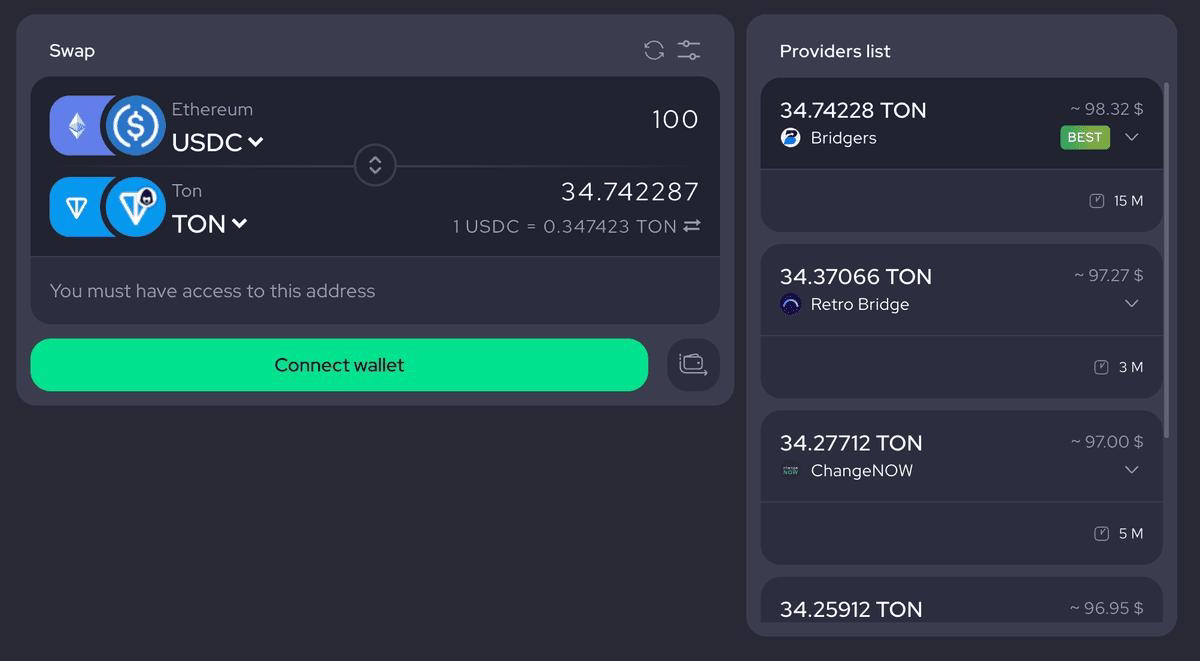
Antes de aprobar una transacción, los traders deben revisar la red de origen, la red de destino, los tokens de entrada y salida exactos, las cantidades cotizadas, las tarifas de ejecución, los costos de enrutamiento, la validez de la cotización y la disponibilidad actual de la ruta.
Una cotización puede cambiar a medida que cambien las condiciones del mercado y la liquidez.
La ruta mostrada en un momento puede no seguir disponible más tarde, y la cantidad final recibida puede depender de las condiciones de ejecución asociadas con la ruta seleccionada.
Entender estos detalles es especialmente importante cuando la operación cruza cadenas, porque hay más piezas móviles que en un simple swap de AMM dentro de la misma red.
La imagen más grande
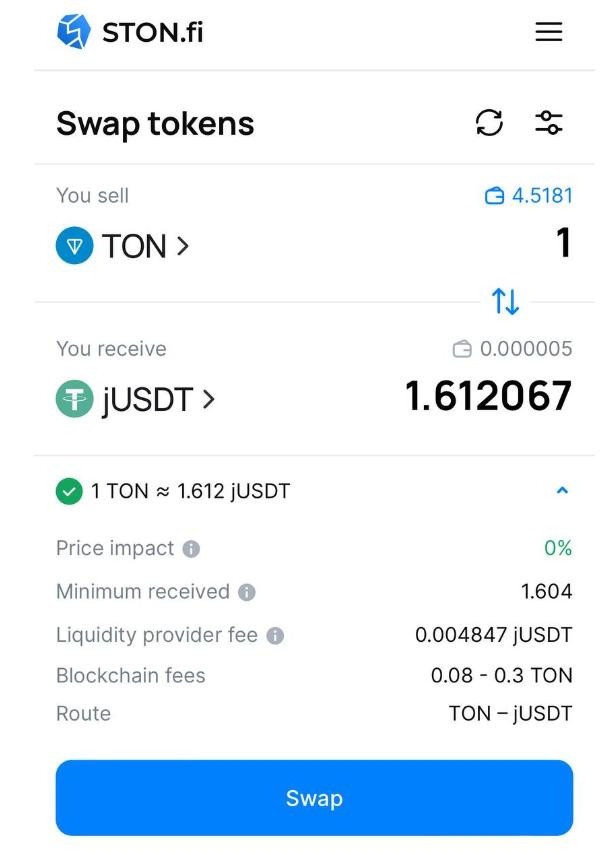
STONfi y los DEX de Base ilustran dos enfoques diferentes pero complementarios para la liquidez descentralizada.
Las pools de STONfi siguen siendo fuentes de liquidez nativa de TON.
Proporcionan el entorno de liquidez subyacente para los swaps que ocurren en TON.
Omniston amplía la capa de ejecución.
Puede agregar liquidez y coordinar la ejecución entre distintas fuentes, mientras que su arquitectura entre cadenas permite que los resolvers y los mecanismos de liquidación enlazados conecten operaciones entre redes como TON y Base.
Esto crea un modelo de trading más amplio en el que la pregunta importante ya no es simplemente:
“¿Qué DEX debería usar?”
La mejor pregunta es:
“¿Dónde están ahora mis activos, a dónde quiero que lleguen y qué ruta de ejecución puede conectar esos dos estados de la forma más eficiente?”
Para una operación de TON a TON, la liquidez nativa de TON puede ser todo lo que necesitas.
Para una operación de Base a Base, un DEX nativo de Base puede proporcionar el entorno más directo.
Sin embargo, para una transacción de TON a Base o de Base a TON, una capa de ejecución capaz de coordinar varias redes se vuelve mucho más valiosa.
Esa es la distinción práctica entre liquidez nativa y ejecución entre cadenas.
El futuro del trading descentralizado no consiste necesariamente en elegir una cadena sobre otra. Cada vez más se trata de conectar los entornos de liquidez y de ejecución que ya existen en ellas.
Y ahí es donde la combinación de la liquidez nativa de TON de STONfi y la arquitectura más amplia de enrutamiento y ejecución entre cadenas de Omniston resulta especialmente interesante.