

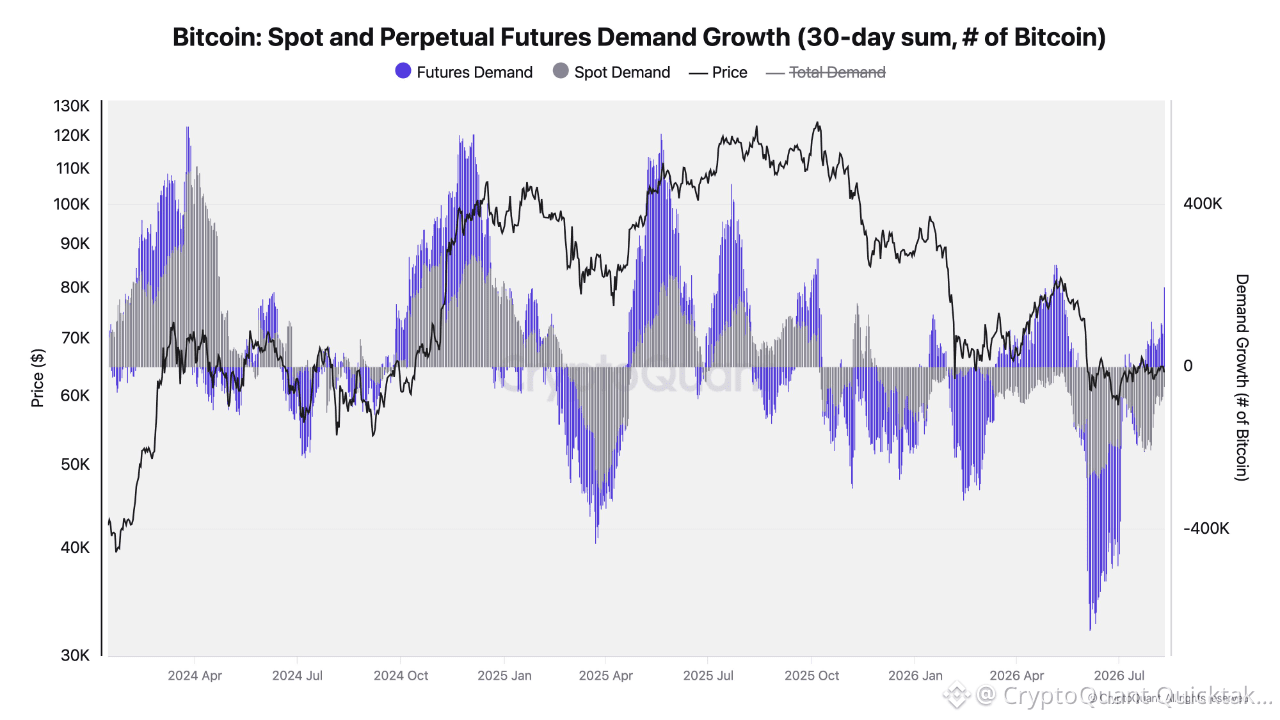
CryptoQuant data shows that 30-day perpetual futures demand has returned to positive territory, while on-chain spot demand remains negative. In other words, traders are increasing leveraged exposure before genuine spot buying has fully recovered.
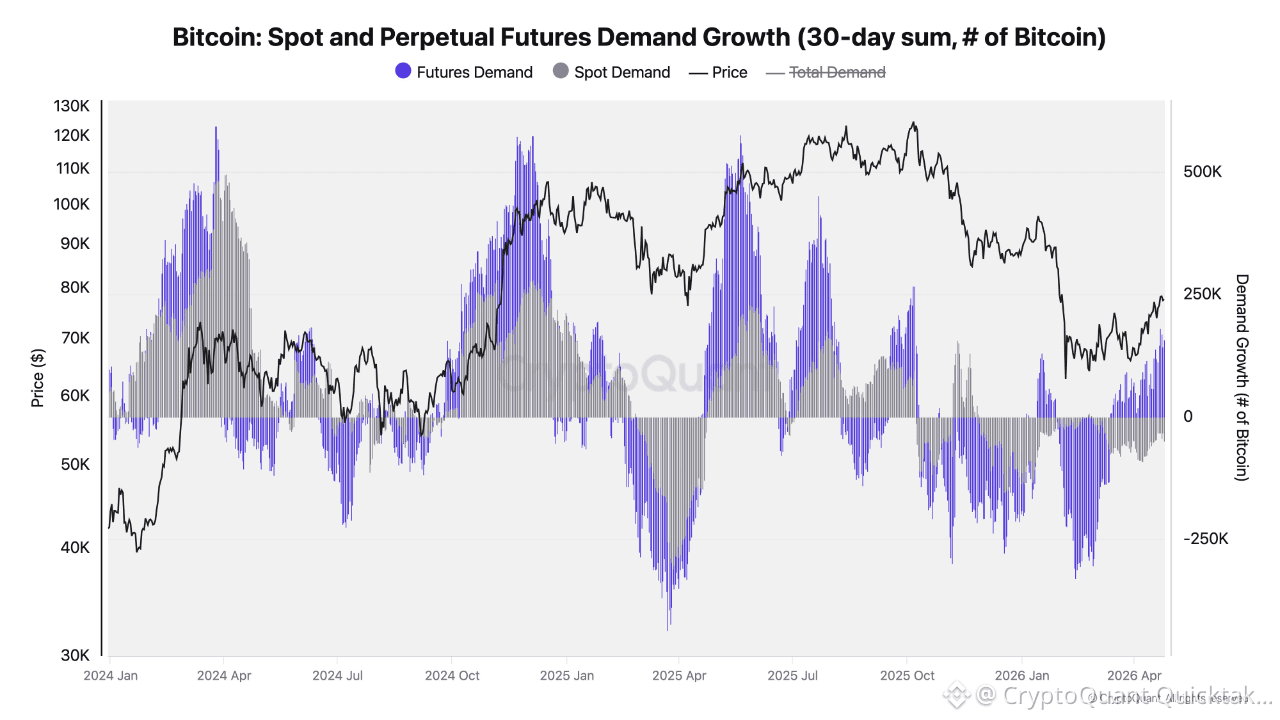
This matters because a similar structure appeared in April 2026. Bitcoin rallied from roughly $66,000 to $79,000 as futures demand surged, but spot demand stayed weak. Without sufficient spot support, the rally eventually faded.
There is one important difference today: U.S. spot Bitcoin ETF inflows have started to recover. The current structure is therefore:
Futures demand ↑
ETF flows ↑
On-chain spot demand ↓
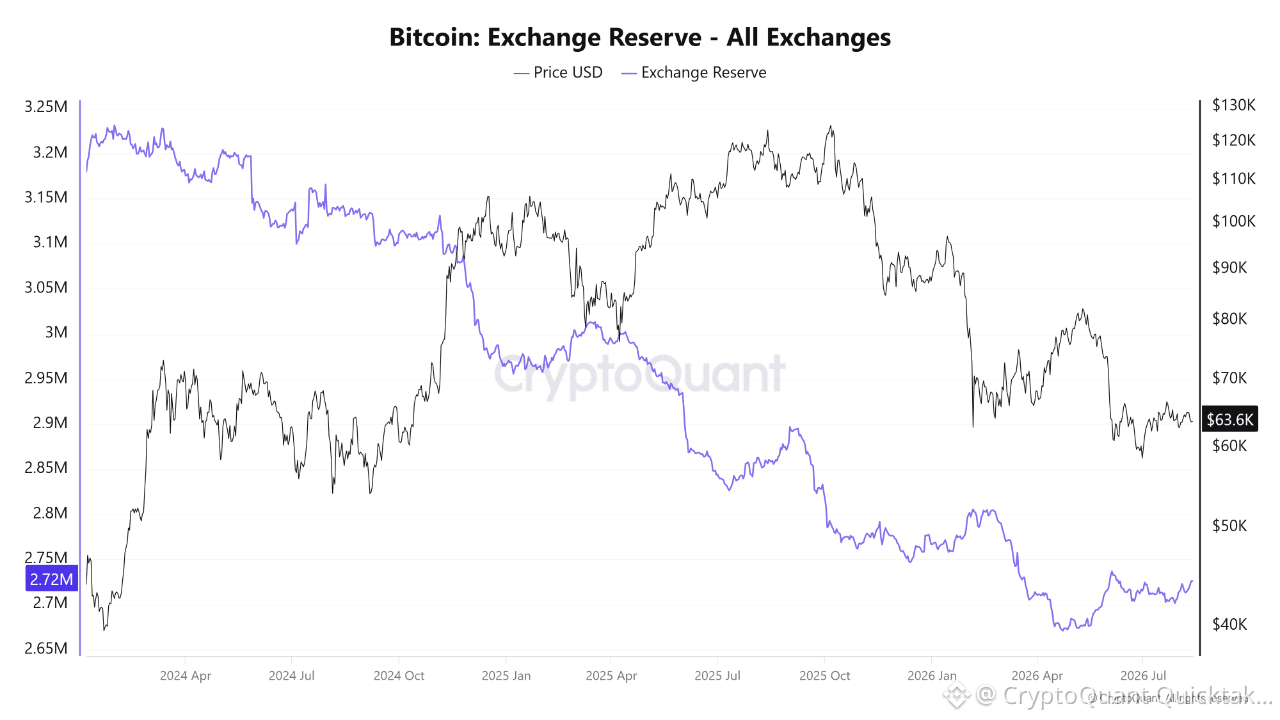
This suggests buyers are returning, but they have not yet absorbed enough existing supply to create broad-based spot demand.
The next confirmation is clear: spot demand needs to turn positive.
If futures demand, ETF inflows and spot buying rise together, Bitcoin could transition from a leveraged rebound into a more sustainable uptrend.
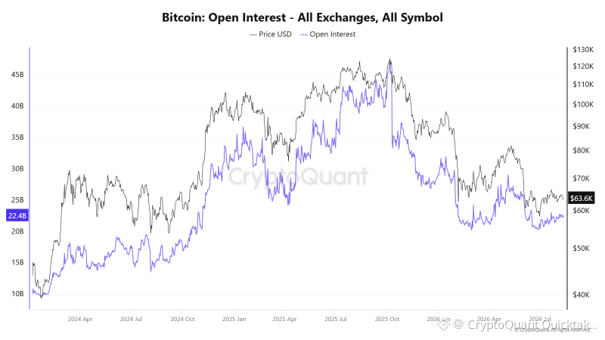
But if open interest continues rising while spot demand stays negative, the market remains vulnerable to another leverage-driven reversal.
The key question is not simply whether Bitcoin is rising. It is who is buying it — and in which market.
Written by XWIN Japan