
#vemp
vemp
216,562 visualizaciones
111 participa(n) en el debate
Populares
Novedades
Parcialmente cierto
DRAM: Este ETF tiene un gran problema con SK Hynix, Micron Technology y SamsungEl ETF Roundhill Memory (DRAM) está en llamas, funcionando a toda máquina en medio de la creciente demanda por las empresas que lo componen. Saltó a un récord de $62 esta semana, subiendo un 120% desde su mínimo histórico. Este repunte, junto con sus fuertes entradas de capital, han llevado sus activos bajo gestión (AUM) a $12.18 mil millones, convirtiéndolo en el ETF de más rápido crecimiento de todos los tiempos.
El ETF Roundhill Memory está yendo muy bien este año, impulsado por la demanda continua de memoria en medio del auge de la IA que ha llevado a una escasez global. Esta escasez ha generado un crecimiento robusto en los ingresos y rentabilidad en la industria.
DRAM: Este ETF tiene un gran problema con SK Hynix, Micron Technology y Samsung
El ETF Roundhill Memory (DRAM) está en llamas, funcionando a toda máquina en medio de la creciente demanda por las empresas que lo componen. Saltó a un récord de $62 esta semana, subiendo un 120% desde su mínimo histórico. Este repunte, junto con sus fuertes entradas de capital, han llevado sus activos bajo gestión (AUM) a $12.18 mil millones, convirtiéndolo en el ETF de más rápido crecimiento de todos los tiempos.
El ETF Roundhill Memory está yendo muy bien este año, impulsado por la demanda continua de memoria en medio del auge de la IA que ha llevado a una escasez global. Esta escasez ha generado un crecimiento robusto en los ingresos y rentabilidad en la industria.
El ETF Roundhill Memory está yendo muy bien este año, impulsado por la demanda continua de memoria en medio del auge de la IA que ha llevado a una escasez global. Esta escasez ha generado un crecimiento robusto en los ingresos y rentabilidad en la industria.
1
810

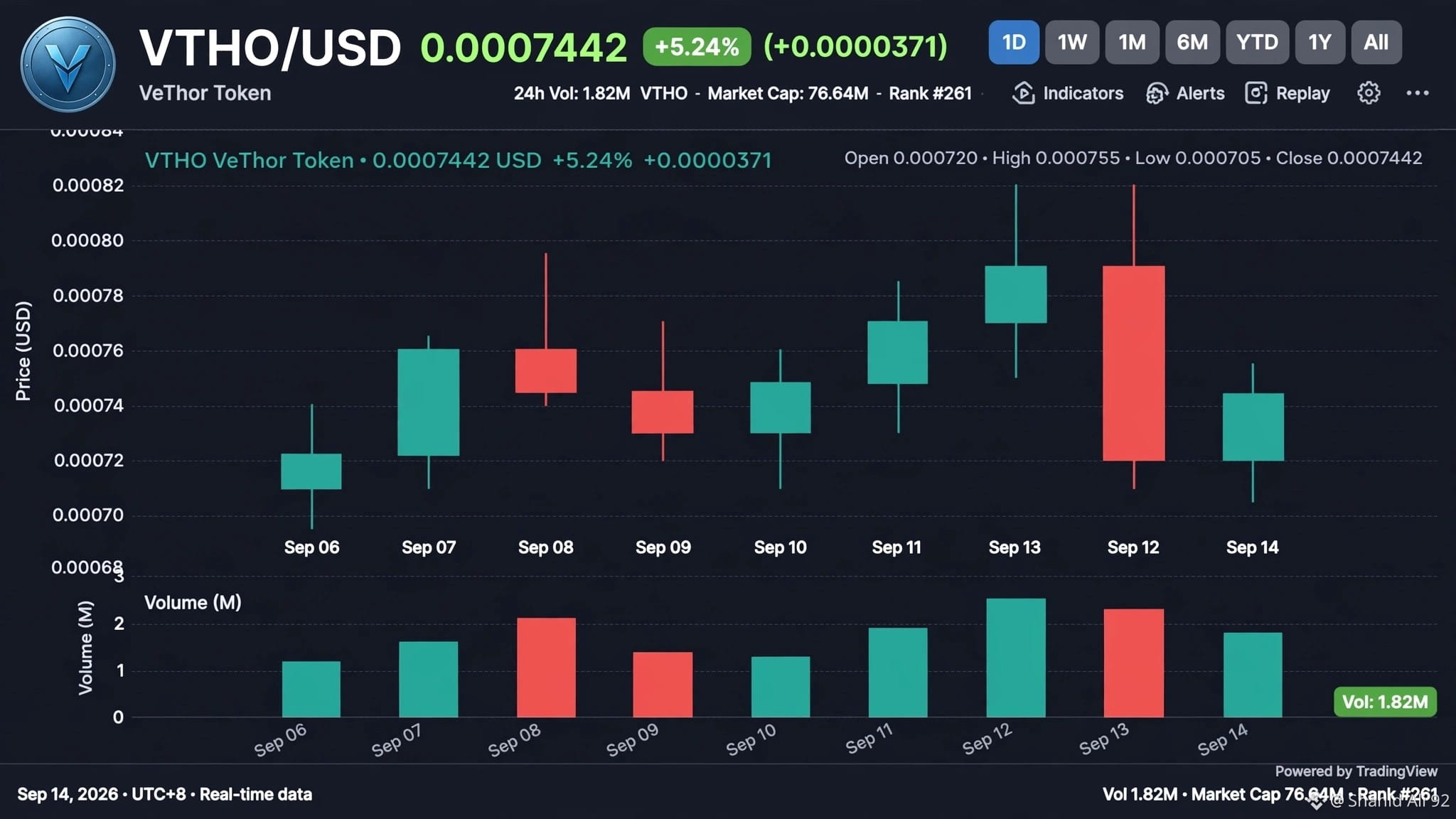
$VTHO es el token de gas utilizado en la blockchain VeChainThor.
Su utilidad principal es pagar las comisiones de transacción en la red.
El precio de VTHO puede reaccionar a cambios en el sentimiento del mercado y la actividad de trading.
Un mayor volumen de operaciones puede indicar una participación del mercado más fuerte.
Los traders deberían vigilar de cerca el precio actual y el volumen.
Los niveles clave de soporte pueden ayudar a identificar áreas donde los compradores podrían intervenir.
Los niveles de resistencia son importantes para detectar posibles zonas de ruptura.
Una ruptura respaldada por un volumen sólido puede mejorar el impulso alcista.
La pérdida de un soporte importante podría aumentar el riesgo de una corrección.
Siempre revisa el $VTHO gráfico en vivo antes de tomar cualquier decisión de trading.
⚠️ Análisis de mercado únicamente — no es asesoramiento financiero.
#VEMP #VTHOUSDT #VTHO #FedHikeOddsRiseTo89%
{future}(VTHOUSDT)
$VTHO es el token de gas utilizado en la blockchain VeChainThor.
Su utilidad principal es pagar las comisiones de transacción en la red.
El precio de VTHO puede reaccionar a cambios en el sentimiento del mercado y la actividad de trading.
Un mayor volumen de operaciones puede indicar una participación del mercado más fuerte.
Los traders deberían vigilar de cerca el precio actual y el volumen.
Los niveles clave de soporte pueden ayudar a identificar áreas donde los compradores podrían intervenir.
Los niveles de resistencia son importantes para detectar posibles zonas de ruptura.
Una ruptura respaldada por un volumen sólido puede mejorar el impulso alcista.
La pérdida de un soporte importante podría aumentar el riesgo de una corrección.
Siempre revisa el $VTHO gráfico en vivo antes de tomar cualquier decisión de trading.
⚠️ Análisis de mercado únicamente — no es asesoramiento financiero.
#VEMP #VTHOUSDT #VTHO #FedHikeOddsRiseTo89%
Su utilidad principal es pagar las comisiones de transacción en la red.
El precio de VTHO puede reaccionar a cambios en el sentimiento del mercado y la actividad de trading.
Un mayor volumen de operaciones puede indicar una participación del mercado más fuerte.
Los traders deberían vigilar de cerca el precio actual y el volumen.
Los niveles clave de soporte pueden ayudar a identificar áreas donde los compradores podrían intervenir.
Los niveles de resistencia son importantes para detectar posibles zonas de ruptura.
Una ruptura respaldada por un volumen sólido puede mejorar el impulso alcista.
La pérdida de un soporte importante podría aumentar el riesgo de una corrección.
Siempre revisa el $VTHO gráfico en vivo antes de tomar cualquier decisión de trading.
⚠️ Análisis de mercado únicamente — no es asesoramiento financiero.
#VEMP #VTHOUSDT #VTHO #FedHikeOddsRiseTo89%
152

$VTHO ¡Jóvenes, solo ahora VTHO 🚀 !
📍 Zona de entrada: 0.000580 - 0.000608
🎯 Objetivo 1: 0.000670
🎯 Objetivo 2: 0.000730
🛑 Stop loss: 0.000540
El movimiento es fuerte y el impulso augura una oportunidad prometedora; no pierdas el momento y mantente siempre un paso delante del mercado con nosotros. Pulsa en Seguir (Follow) y no te pierdas ninguna operación que venga. 🔥📈
#VTHO THO #VEMP Thor #crypt o #تداول
{future}(VTHOUSDT)
$NVDAB $AAPLB #US10YTreasuryYieldHitsHighestSinceNov2023
$VTHO ¡Jóvenes, solo ahora VTHO 🚀 !
📍 Zona de entrada: 0.000580 - 0.000608
🎯 Objetivo 1: 0.000670
🎯 Objetivo 2: 0.000730
🛑 Stop loss: 0.000540
El movimiento es fuerte y el impulso augura una oportunidad prometedora; no pierdas el momento y mantente siempre un paso delante del mercado con nosotros. Pulsa en Seguir (Follow) y no te pierdas ninguna operación que venga. 🔥📈
#VTHO THO #VEMP Thor #crypt o #تداول
$NVDAB $AAPLB #US10YTreasuryYieldHitsHighestSinceNov2023
📍 Zona de entrada: 0.000580 - 0.000608
🎯 Objetivo 1: 0.000670
🎯 Objetivo 2: 0.000730
🛑 Stop loss: 0.000540
El movimiento es fuerte y el impulso augura una oportunidad prometedora; no pierdas el momento y mantente siempre un paso delante del mercado con nosotros. Pulsa en Seguir (Follow) y no te pierdas ninguna operación que venga. 🔥📈
#VTHO THO #VEMP Thor #crypt o #تداول
$NVDAB $AAPLB #US10YTreasuryYieldHitsHighestSinceNov2023
1
322

·
--
Alcista
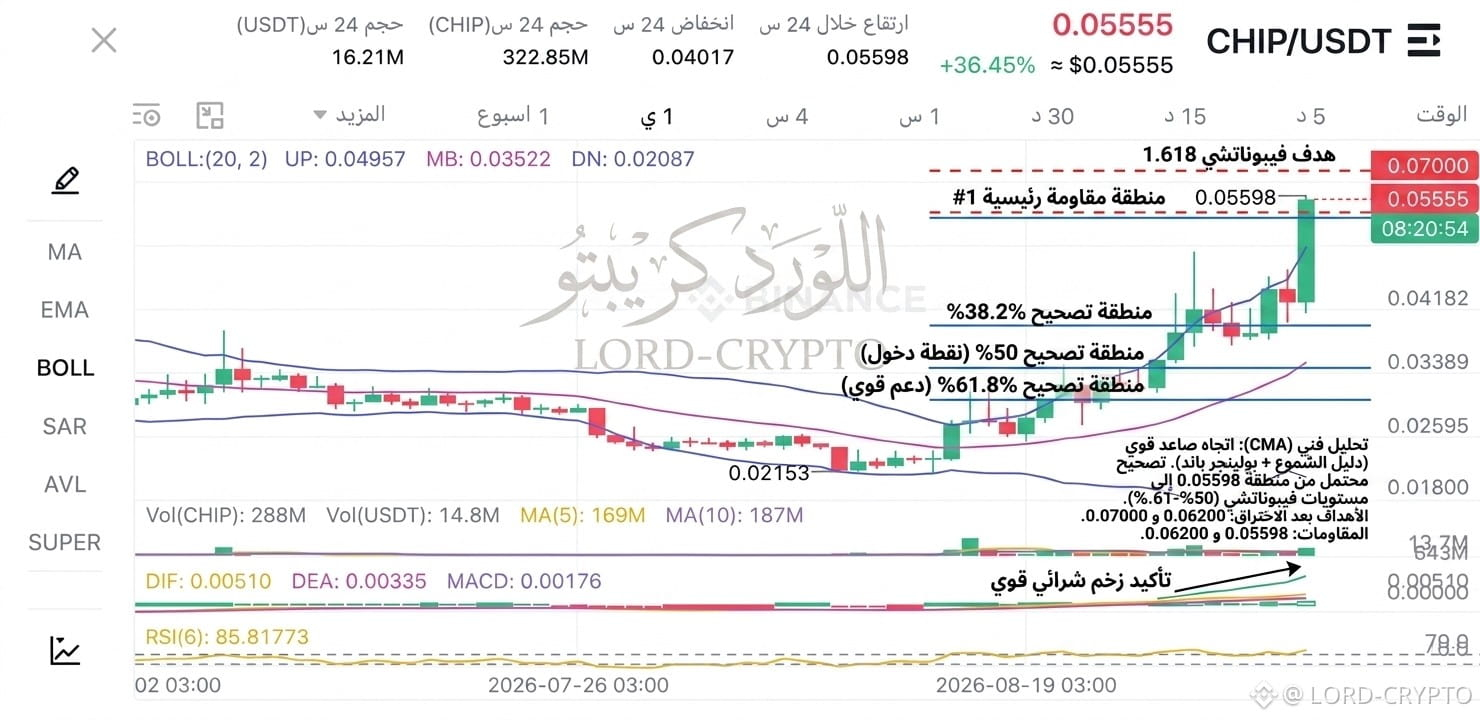
Actualización del análisis del gráfico realizado por/ $CHIP
Adjunto la imagen que muestra el análisis completo
🎯 Objetivo de Fibonacci
🎯 Zonas de corrección
🎯 Zonas de resistencia
Que tengan buena suerte a todos
Adjunto la imagen del análisis
Alcanzaremos nuestros objetivos y luego volvemos a analizar el gráfico
#VEMP #cryptouniverseofficial #Square #BTC
$DOT $SHIB
{spot}(CHIPUSDT)
Actualización del análisis del gráfico realizado por/ $CHIP
Adjunto la imagen que muestra el análisis completo
🎯 Objetivo de Fibonacci
🎯 Zonas de corrección
🎯 Zonas de resistencia
Que tengan buena suerte a todos
Adjunto la imagen del análisis
Alcanzaremos nuestros objetivos y luego volvemos a analizar el gráfico
#VEMP #cryptouniverseofficial #Square #BTC
$DOT $SHIB
Adjunto la imagen que muestra el análisis completo
🎯 Objetivo de Fibonacci
🎯 Zonas de corrección
🎯 Zonas de resistencia
Que tengan buena suerte a todos
Adjunto la imagen del análisis
Alcanzaremos nuestros objetivos y luego volvemos a analizar el gráfico
#VEMP #cryptouniverseofficial #Square #BTC
$DOT $SHIB

كل الحب والتقدير لك
De LORDCRYPTO
1
1
1
118
Trump dice que el conflicto con Irán ha terminado, Nasdaq marca un máximo histórico, Bitcoin sube un 2.5%Trump envió una carta formal al presidente de la Cámara de Representantes Mike Johnson y al presidente pro tempore del Senado Chuck Grassley el 1 de mayo de 2026, declarando que las hostilidades que comenzaron el 28 de febrero de 2026 "han terminado". La Casa Blanca utilizó la declaración para argumentar que no se requiere nueva autorización del Congreso para la postura militar actual de EE. UU. en Oriente Medio.
El conflicto comenzó cuando Estados Unidos, coordinando con los ataques israelíes, lanzó operaciones militares contra Irán en lo que algunos informes llamaron "Operación Furia Épica". Los ataques se dirigieron a instalaciones nucleares iraníes, programas de misiles, infraestructura militar y sitios de liderazgo. Irán respondió y amenazó brevemente el Estrecho de Ormuz. Trump notificó formalmente al Congreso sobre las hostilidades el 2 de marzo de 2026, iniciando el conteo de los poderes de guerra.
Trump dice que el conflicto con Irán ha terminado, Nasdaq marca un máximo histórico, Bitcoin sube un 2.5%
Trump envió una carta formal al presidente de la Cámara de Representantes Mike Johnson y al presidente pro tempore del Senado Chuck Grassley el 1 de mayo de 2026, declarando que las hostilidades que comenzaron el 28 de febrero de 2026 "han terminado". La Casa Blanca utilizó la declaración para argumentar que no se requiere nueva autorización del Congreso para la postura militar actual de EE. UU. en Oriente Medio.
El conflicto comenzó cuando Estados Unidos, coordinando con los ataques israelíes, lanzó operaciones militares contra Irán en lo que algunos informes llamaron "Operación Furia Épica". Los ataques se dirigieron a instalaciones nucleares iraníes, programas de misiles, infraestructura militar y sitios de liderazgo. Irán respondió y amenazó brevemente el Estrecho de Ormuz. Trump notificó formalmente al Congreso sobre las hostilidades el 2 de marzo de 2026, iniciando el conteo de los poderes de guerra.
El conflicto comenzó cuando Estados Unidos, coordinando con los ataques israelíes, lanzó operaciones militares contra Irán en lo que algunos informes llamaron "Operación Furia Épica". Los ataques se dirigieron a instalaciones nucleares iraníes, programas de misiles, infraestructura militar y sitios de liderazgo. Irán respondió y amenazó brevemente el Estrecho de Ormuz. Trump notificó formalmente al Congreso sobre las hostilidades el 2 de marzo de 2026, iniciando el conteo de los poderes de guerra.
93

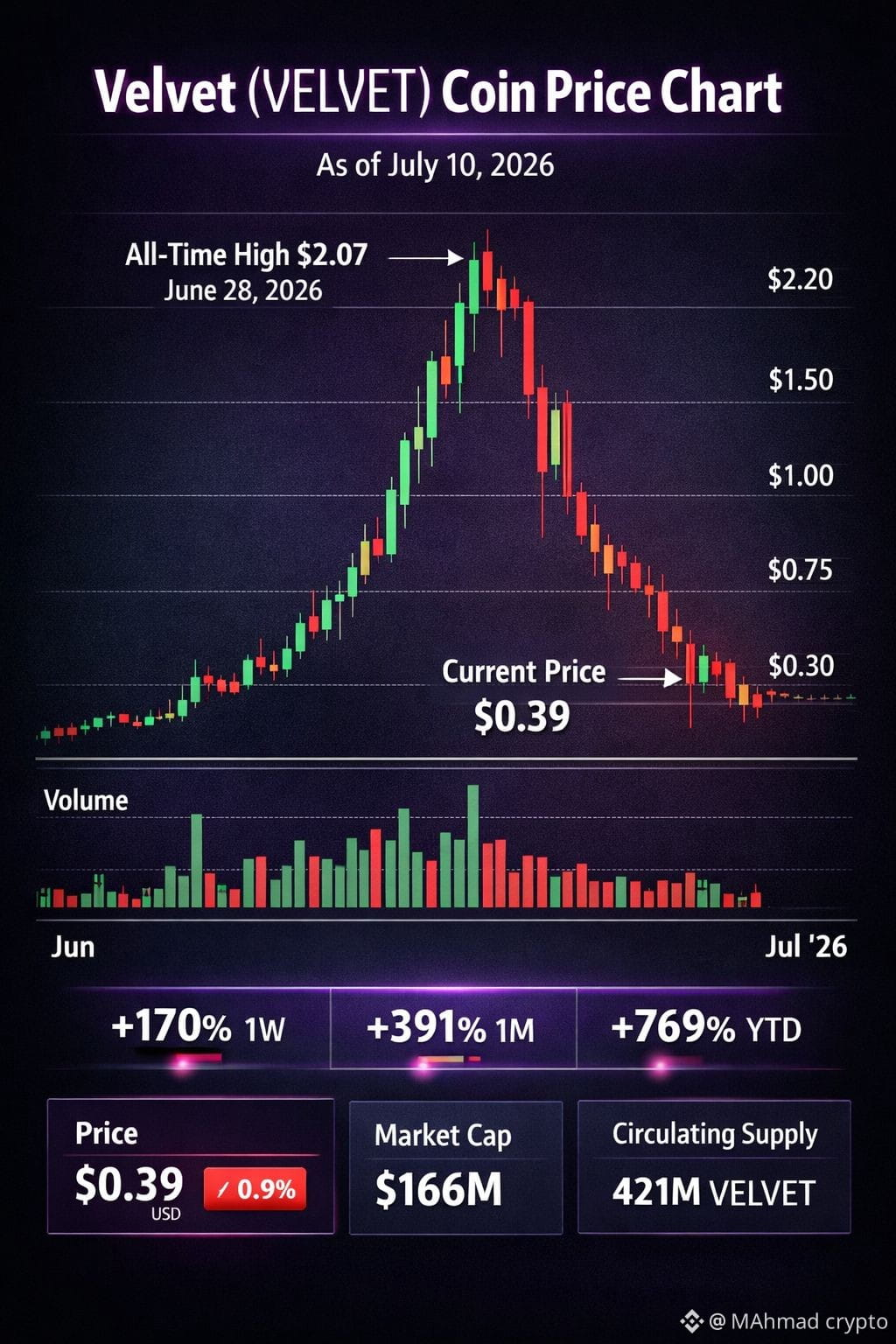
⚠️ análisis de mercado más reciente $VELVET — Base
{alpha}(560x8b194370825e37b33373e74a41009161808c1488)
Precio: $0.5037
Cambio 24h: +22.04%
Volumen 24h: $8.44M
Capitalización de mercado: $4.00M
Liquidez: $3.54M
Tenedores: 9,010
Rango 24h: $0.4072 → $0.7318
Contrato: 0xbf927b841994731c573bdf09ceb0c6b0aa887cdd
Lectura rápida
Es un movimiento de alto impulso, pero también muy volátil.
Lo que sugieren los datos más recientes
Fuerte ruptura en 24h: +22% en el último día.
Alta actividad de trading: 109,336 transacciones en 24h, que es mucho para un token con ~ $4M de cap.
Enfriamiento a corto plazo: a pesar del fuerte avance diario, el token baja 27.26% en 4h y baja 0.86% en 1h, lo que sugiere una corrección tras una subida brusca.
Gran pico intradía: llegó hasta $0.7318 antes de retroceder cerca de $0.50.
Flujo compra/venta casi equilibrado: el volumen de compra en 24h es de ~$4.24M frente a ventas de $4.20M, así que el impulso es real, pero no es una compra por pánico unilateral.
Resumen de estructura / riesgo
Los 10 mayores tenedores controlan: 75.18%
Tenencia de KOL: 0.87%
Tenencia de Pro: 2.48%
Tenedores de dinero inteligente: 0
Señal de riesgo: los resultados de búsqueda mostraron riskLevel 0 para esta versión de Base, y los metadatos indican que está en lista blanca.
Mi opinión
Esto parece un token que tuvo una expansión especulativa fuerte, seguida de un rechazo intradía pronunciado desde los máximos. Eso suele significar que:
los alcistas aún tienen interés,
pero los compradores tardíos cerca de la cima pueden haber quedado atrapados,
y el precio podría mantenerse irregular (choppy) hasta que recupere el área $0.57–$0.60 o pierda el soporte $0.49–$0.50.
Niveles clave de las velas más recientes
Resistencia: alrededor de $0.57, luego $0.70–$0.73
Soporte: alrededor de $0.49–$0.50, luego $0.44–$0.46
Si quieres, también puedo darte:
a un plan de escenario alcista/bajista para $VELVET ,
un análisis técnico a corto plazo desde las velas de 1h, o
una comparación de las versiones Base vs BSC VELVET.#VEMP #LABTokenDrops94%
#Velo #VelvetTokenBreakoutWatch
⚠️ análisis de mercado más reciente $VELVET — Base
Precio: $0.5037
Cambio 24h: +22.04%
Volumen 24h: $8.44M
Capitalización de mercado: $4.00M
Liquidez: $3.54M
Tenedores: 9,010
Rango 24h: $0.4072 → $0.7318
Contrato: 0xbf927b841994731c573bdf09ceb0c6b0aa887cdd
Lectura rápida
Es un movimiento de alto impulso, pero también muy volátil.
Lo que sugieren los datos más recientes
Fuerte ruptura en 24h: +22% en el último día.
Alta actividad de trading: 109,336 transacciones en 24h, que es mucho para un token con ~ $4M de cap.
Enfriamiento a corto plazo: a pesar del fuerte avance diario, el token baja 27.26% en 4h y baja 0.86% en 1h, lo que sugiere una corrección tras una subida brusca.
Gran pico intradía: llegó hasta $0.7318 antes de retroceder cerca de $0.50.
Flujo compra/venta casi equilibrado: el volumen de compra en 24h es de ~$4.24M frente a ventas de $4.20M, así que el impulso es real, pero no es una compra por pánico unilateral.
Resumen de estructura / riesgo
Los 10 mayores tenedores controlan: 75.18%
Tenencia de KOL: 0.87%
Tenencia de Pro: 2.48%
Tenedores de dinero inteligente: 0
Señal de riesgo: los resultados de búsqueda mostraron riskLevel 0 para esta versión de Base, y los metadatos indican que está en lista blanca.
Mi opinión
Esto parece un token que tuvo una expansión especulativa fuerte, seguida de un rechazo intradía pronunciado desde los máximos. Eso suele significar que:
los alcistas aún tienen interés,
pero los compradores tardíos cerca de la cima pueden haber quedado atrapados,
y el precio podría mantenerse irregular (choppy) hasta que recupere el área $0.57–$0.60 o pierda el soporte $0.49–$0.50.
Niveles clave de las velas más recientes
Resistencia: alrededor de $0.57, luego $0.70–$0.73
Soporte: alrededor de $0.49–$0.50, luego $0.44–$0.46
Si quieres, también puedo darte:
a un plan de escenario alcista/bajista para $VELVET ,
un análisis técnico a corto plazo desde las velas de 1h, o
una comparación de las versiones Base vs BSC VELVET.#VEMP #LABTokenDrops94%
#Velo #VelvetTokenBreakoutWatch
Precio: $0.5037
Cambio 24h: +22.04%
Volumen 24h: $8.44M
Capitalización de mercado: $4.00M
Liquidez: $3.54M
Tenedores: 9,010
Rango 24h: $0.4072 → $0.7318
Contrato: 0xbf927b841994731c573bdf09ceb0c6b0aa887cdd
Lectura rápida
Es un movimiento de alto impulso, pero también muy volátil.
Lo que sugieren los datos más recientes
Fuerte ruptura en 24h: +22% en el último día.
Alta actividad de trading: 109,336 transacciones en 24h, que es mucho para un token con ~ $4M de cap.
Enfriamiento a corto plazo: a pesar del fuerte avance diario, el token baja 27.26% en 4h y baja 0.86% en 1h, lo que sugiere una corrección tras una subida brusca.
Gran pico intradía: llegó hasta $0.7318 antes de retroceder cerca de $0.50.
Flujo compra/venta casi equilibrado: el volumen de compra en 24h es de ~$4.24M frente a ventas de $4.20M, así que el impulso es real, pero no es una compra por pánico unilateral.
Resumen de estructura / riesgo
Los 10 mayores tenedores controlan: 75.18%
Tenencia de KOL: 0.87%
Tenencia de Pro: 2.48%
Tenedores de dinero inteligente: 0
Señal de riesgo: los resultados de búsqueda mostraron riskLevel 0 para esta versión de Base, y los metadatos indican que está en lista blanca.
Mi opinión
Esto parece un token que tuvo una expansión especulativa fuerte, seguida de un rechazo intradía pronunciado desde los máximos. Eso suele significar que:
los alcistas aún tienen interés,
pero los compradores tardíos cerca de la cima pueden haber quedado atrapados,
y el precio podría mantenerse irregular (choppy) hasta que recupere el área $0.57–$0.60 o pierda el soporte $0.49–$0.50.
Niveles clave de las velas más recientes
Resistencia: alrededor de $0.57, luego $0.70–$0.73
Soporte: alrededor de $0.49–$0.50, luego $0.44–$0.46
Si quieres, también puedo darte:
a un plan de escenario alcista/bajista para $VELVET ,
un análisis técnico a corto plazo desde las velas de 1h, o
una comparación de las versiones Base vs BSC VELVET.#VEMP #LABTokenDrops94%
#Velo #VelvetTokenBreakoutWatch
1
185

·
--
Bajista
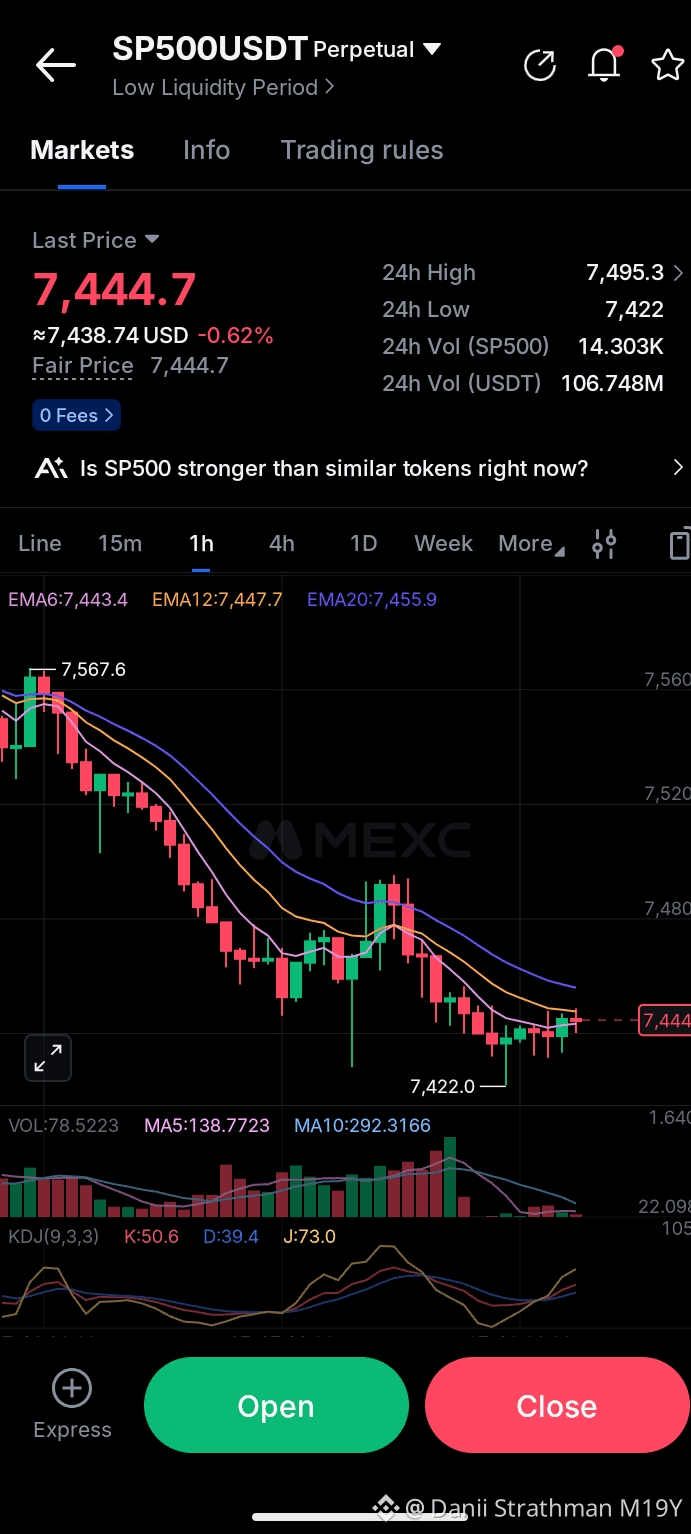
🔴$Sp500 🔴📢 siguiendo la caída de la operación toma cortos, sal de los largos y vende tus órdenes si quieres tomar ganancias en lugar de pérdidas y también recuperar tu pérdida #VEMP #DelistingAlert #altcoins #ARB
🔴$Sp500 🔴📢 siguiendo la caída de la operación toma cortos, sal de los largos y vende tus órdenes si quieres tomar ganancias en lugar de pérdidas y también recuperar tu pérdida #VEMP #DelistingAlert #altcoins #ARB
46
Artículo
🚀 Haré tu **publicación original diaria en X** sobre cripto en torno al mercado actualitcoin actualmente está alrededor de **$63K**, con un sentimiento cauteloso en el mercado cripto en general. Informes recientes apuntan a flujos débiles de ETF e incertidumbre regulatoria que pesan sobre BTC, mientras que ETH se mantiene alrededor de la zona de **$1.8K–$1.9K**.
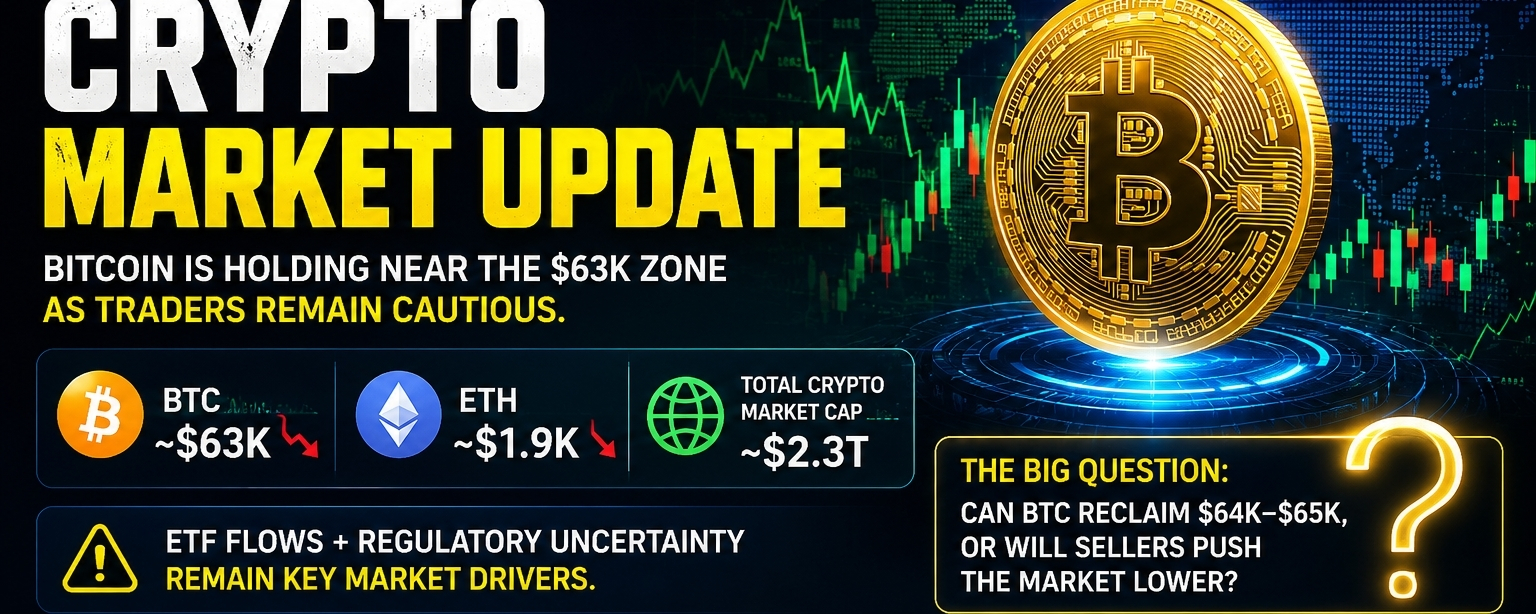
🚨 ACTUALIZACIÓN DEL MERCADO CRIPTO — 15 AGO 2026
Bitcoin se mantiene cerca de la zona de $63K mientras los traders siguen cautelosos.
📉 BTC: ~$63K
🔹 ETH: ~$1.9K
🌐 Mercado total de criptomonedas: ~$2.3T
⚠️ Los flujos de ETF + la incertidumbre regulatoria siguen siendo los principales impulsores del mercado.
La gran pregunta: ¿Puede BTC recuperar los $64K–$65K, o los vendedores empujarán el mercado hacia abajo?
🚀 Haré tu **publicación original diaria en X** sobre cripto en torno al mercado actual
itcoin actualmente está alrededor de **$63K**, con un sentimiento cauteloso en el mercado cripto en general. Informes recientes apuntan a flujos débiles de ETF e incertidumbre regulatoria que pesan sobre BTC, mientras que ETH se mantiene alrededor de la zona de **$1.8K–$1.9K**.
🚨 ACTUALIZACIÓN DEL MERCADO CRIPTO — 15 AGO 2026
Bitcoin se mantiene cerca de la zona de $63K mientras los traders siguen cautelosos.
📉 BTC: ~$63K
🔹 ETH: ~$1.9K
🌐 Mercado total de criptomonedas: ~$2.3T
⚠️ Los flujos de ETF + la incertidumbre regulatoria siguen siendo los principales impulsores del mercado.
La gran pregunta: ¿Puede BTC recuperar los $64K–$65K, o los vendedores empujarán el mercado hacia abajo?
🚨 ACTUALIZACIÓN DEL MERCADO CRIPTO — 15 AGO 2026
Bitcoin se mantiene cerca de la zona de $63K mientras los traders siguen cautelosos.
📉 BTC: ~$63K
🔹 ETH: ~$1.9K
🌐 Mercado total de criptomonedas: ~$2.3T
⚠️ Los flujos de ETF + la incertidumbre regulatoria siguen siendo los principales impulsores del mercado.
La gran pregunta: ¿Puede BTC recuperar los $64K–$65K, o los vendedores empujarán el mercado hacia abajo?
73
Texas encuentra deficiencias en el plan de emergencia por inundaciones de Camp Mystic para su reapertura24 de abril (Reuters) - Camp Mystic, el campamento cristiano de verano para chicas donde murieron 27 personas, abre una nueva pestaña en una inundación relámpago de 2025, no puede obtener licencia para reabrir, dijeron las autoridades de Texas, citando casi dos docenas de deficiencias en el plan de preparación para emergencias del campamento frente al río.
Un aviso de 11 páginas del Departamento de Salud y Servicios Humanos del estado le da al campamento 45 días para presentar un nuevo plan de emergencia para resolver las deficiencias que la agencia identificó, incluyendo fallas en las medidas de evacuación y advertencia de inundaciones del campamento.
Texas encuentra deficiencias en el plan de emergencia por inundaciones de Camp Mystic para su reapertura
24 de abril (Reuters) - Camp Mystic, el campamento cristiano de verano para chicas donde murieron 27 personas, abre una nueva pestaña en una inundación relámpago de 2025, no puede obtener licencia para reabrir, dijeron las autoridades de Texas, citando casi dos docenas de deficiencias en el plan de preparación para emergencias del campamento frente al río.
Un aviso de 11 páginas del Departamento de Salud y Servicios Humanos del estado le da al campamento 45 días para presentar un nuevo plan de emergencia para resolver las deficiencias que la agencia identificó, incluyendo fallas en las medidas de evacuación y advertencia de inundaciones del campamento.
Un aviso de 11 páginas del Departamento de Salud y Servicios Humanos del estado le da al campamento 45 días para presentar un nuevo plan de emergencia para resolver las deficiencias que la agencia identificó, incluyendo fallas en las medidas de evacuación y advertencia de inundaciones del campamento.
115

·
--
xaut#XAUT #TrumpNFT #VEMP #StrategyBTCPurchase #KelpDAOFacesAttack $Tether Gold (XAUt) es un activo digital diseñado para representar la propiedad de oro físico. Cada token XAUt está respaldado por una onza troy fina de 99.99% de oro puro almacenado en bóvedas seguras en Suiza.
Precio actual: Aproximadamente $4,785.85 USD.
Posición en el mercado: Es una stablecoin respaldada por oro que te permite poseer, comerciar y almacenar oro digitalmente sin los desafíos logísticos de tener lingotes físicos.
Cómo funciona: Debido a que está tokenizado, puedes transferirlo a través de blockchains (como Ethereum) al igual que otras criptomonedas, y es divisible en fracciones tan pequeñas como 0.000001 onzas troy finas.
xaut
#XAUT #TrumpNFT #VEMP #StrategyBTCPurchase #KelpDAOFacesAttack $Tether Gold (XAUt) es un activo digital diseñado para representar la propiedad de oro físico. Cada token XAUt está respaldado por una onza troy fina de 99.99% de oro puro almacenado en bóvedas seguras en Suiza.
Precio actual: Aproximadamente $4,785.85 USD.
Posición en el mercado: Es una stablecoin respaldada por oro que te permite poseer, comerciar y almacenar oro digitalmente sin los desafíos logísticos de tener lingotes físicos.
Cómo funciona: Debido a que está tokenizado, puedes transferirlo a través de blockchains (como Ethereum) al igual que otras criptomonedas, y es divisible en fracciones tan pequeñas como 0.000001 onzas troy finas.
Precio actual: Aproximadamente $4,785.85 USD.
Posición en el mercado: Es una stablecoin respaldada por oro que te permite poseer, comerciar y almacenar oro digitalmente sin los desafíos logísticos de tener lingotes físicos.
Cómo funciona: Debido a que está tokenizado, puedes transferirlo a través de blockchains (como Ethereum) al igual que otras criptomonedas, y es divisible en fracciones tan pequeñas como 0.000001 onzas troy finas.
1
126

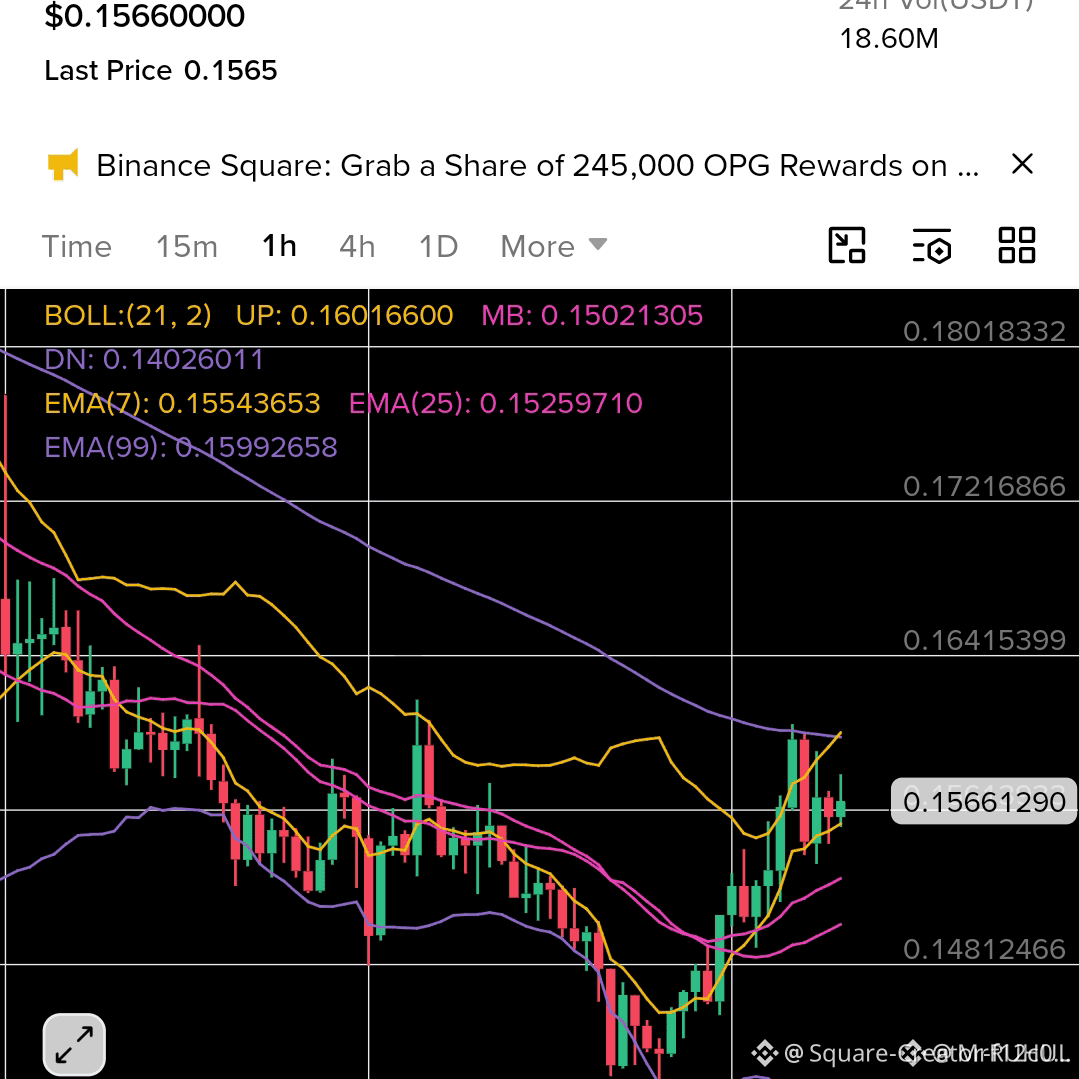
$OPG Largo
Entrada: 0.155 – 0.1575
TP1: 0.1601
TP2: 0.172
SL: 0.148
Para operar, haz clic aquí👇
$OPG
{future}(OPGUSDT)
#Binance #VEMP #TrendingTopic #Web3 #yescoinairdrop
$OPG Largo
Entrada: 0.155 – 0.1575
TP1: 0.1601
TP2: 0.172
SL: 0.148
Para operar, haz clic aquí👇
$OPG
#Binance #VEMP #TrendingTopic #Web3 #yescoinairdrop
Entrada: 0.155 – 0.1575
TP1: 0.1601
TP2: 0.172
SL: 0.148
Para operar, haz clic aquí👇
$OPG
#Binance #VEMP #TrendingTopic #Web3 #yescoinairdrop
2
47

Entendiendo la Paradoja de VolatilidadLos tokens bio-crypto (tokens que representan datos genómicos, créditos de investigación biomédica o activos DeSci) exhiben una "Paradoja de Volatilidad" única. A diferencia de los memecoins puros o los L1s estándar, su acción de precio no solo está impulsada por el sentimiento cripto, sino por los cronogramas científicos—que son inherentemente erráticos.
Factores Clave de Volatilidad:
1. El Catalizador Binario (Riesgo de I+D): La volatilidad más extrema proviene de las publicaciones de datos clínicos o de investigación.
· Ventaja: Un token vinculado a un pliegue de proteína exitoso o un catalizador de ensayo temprano puede experimentar rallies del 200-500% en horas.
Entendiendo la Paradoja de Volatilidad
Los tokens bio-crypto (tokens que representan datos genómicos, créditos de investigación biomédica o activos DeSci) exhiben una "Paradoja de Volatilidad" única. A diferencia de los memecoins puros o los L1s estándar, su acción de precio no solo está impulsada por el sentimiento cripto, sino por los cronogramas científicos—que son inherentemente erráticos.
Factores Clave de Volatilidad:
1. El Catalizador Binario (Riesgo de I+D): La volatilidad más extrema proviene de las publicaciones de datos clínicos o de investigación.
· Ventaja: Un token vinculado a un pliegue de proteína exitoso o un catalizador de ensayo temprano puede experimentar rallies del 200-500% en horas.
Factores Clave de Volatilidad:
1. El Catalizador Binario (Riesgo de I+D): La volatilidad más extrema proviene de las publicaciones de datos clínicos o de investigación.
· Ventaja: Un token vinculado a un pliegue de proteína exitoso o un catalizador de ensayo temprano puede experimentar rallies del 200-500% en horas.
186

$DEXE
Nuestras operaciones están brillando como de costumbre. Cada operación que abro y comparto contigo ha sido un éxito. ¡Bien hecho! Alcanzó el cuarto objetivo, según el escenario que te describimos con una sola quema, y rebotó hasta el tercer objetivo. Actualmente, existe la posibilidad de que vuelva a superar el cuarto objetivo desde este punto, como te explicamos. $BEAT
$LTC #COPA #BETAX #DOXAI #Kong #VEMP
$DEXE
Nuestras operaciones están brillando como de costumbre. Cada operación que abro y comparto contigo ha sido un éxito. ¡Bien hecho! Alcanzó el cuarto objetivo, según el escenario que te describimos con una sola quema, y rebotó hasta el tercer objetivo. Actualmente, existe la posibilidad de que vuelva a superar el cuarto objetivo desde este punto, como te explicamos. $BEAT
$LTC #COPA #BETAX #DOXAI #Kong #VEMP
Nuestras operaciones están brillando como de costumbre. Cada operación que abro y comparto contigo ha sido un éxito. ¡Bien hecho! Alcanzó el cuarto objetivo, según el escenario que te describimos con una sola quema, y rebotó hasta el tercer objetivo. Actualmente, existe la posibilidad de que vuelva a superar el cuarto objetivo desde este punto, como te explicamos. $BEAT
$LTC #COPA #BETAX #DOXAI #Kong #VEMP
1
217

Bitmine compró en la caída, realizando su mayor compra de ether en 2026 mientras los precios se desplomabanLa empresa compró 126,971 ETH la semana pasada, valorados en aproximadamente $214 millones a los precios actuales, a pesar de las llamadas anteriores del presidente Tom Lee para frenar las compras.
La compra elevó las tenencias totales de la firma a 5.54 millones de ETH, valorados en unos $9.3 mil millones a los precios actuales, según el informe. La firma también tenía $247 millones en efectivo, algo de bitcoin y participaciones en Beast Industries y Eightco Holdings.
La adquisición marca un cambio respecto a la llamada anterior de la empresa para frenar la acumulación a medida que se acerca a su objetivo de acaparar el 5% del suministro circulante de ether. La empresa ahora posee el 4.59% del suministro del token y está lista para alcanzar el objetivo del 5% más adelante este año.
Bitmine compró en la caída, realizando su mayor compra de ether en 2026 mientras los precios se desplomaban
La empresa compró 126,971 ETH la semana pasada, valorados en aproximadamente $214 millones a los precios actuales, a pesar de las llamadas anteriores del presidente Tom Lee para frenar las compras.
La compra elevó las tenencias totales de la firma a 5.54 millones de ETH, valorados en unos $9.3 mil millones a los precios actuales, según el informe. La firma también tenía $247 millones en efectivo, algo de bitcoin y participaciones en Beast Industries y Eightco Holdings.
La adquisición marca un cambio respecto a la llamada anterior de la empresa para frenar la acumulación a medida que se acerca a su objetivo de acaparar el 5% del suministro circulante de ether. La empresa ahora posee el 4.59% del suministro del token y está lista para alcanzar el objetivo del 5% más adelante este año.
La compra elevó las tenencias totales de la firma a 5.54 millones de ETH, valorados en unos $9.3 mil millones a los precios actuales, según el informe. La firma también tenía $247 millones en efectivo, algo de bitcoin y participaciones en Beast Industries y Eightco Holdings.
La adquisición marca un cambio respecto a la llamada anterior de la empresa para frenar la acumulación a medida que se acerca a su objetivo de acaparar el 5% del suministro circulante de ether. La empresa ahora posee el 4.59% del suministro del token y está lista para alcanzar el objetivo del 5% más adelante este año.
1
30
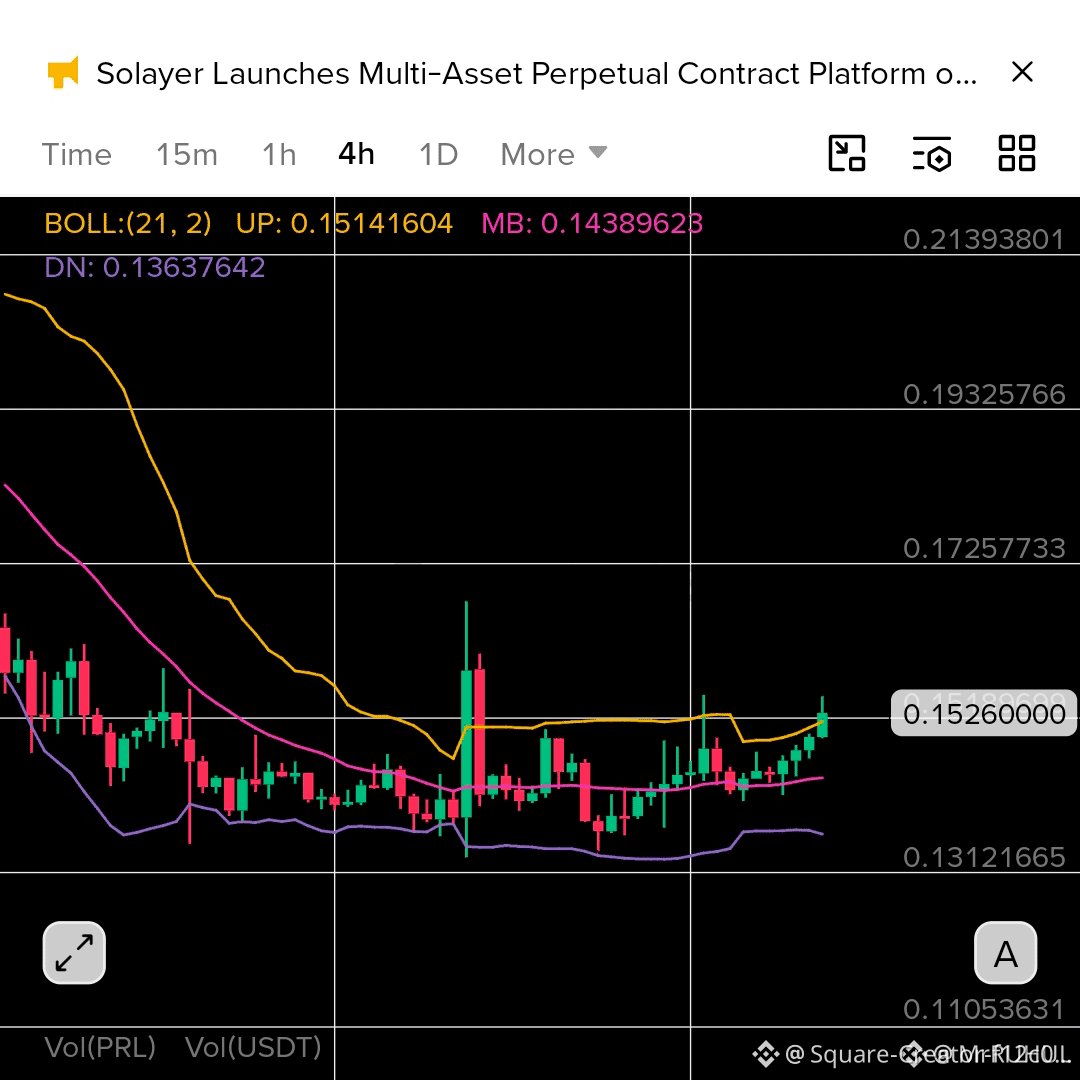
$PRL Hombres fuertes con un multiplicador 20x como máximo
Entrada: 0.148 – 0.155
SL: 0.143
TP1: 0.162
TP2: 0.170
Este PRL ha estado en una tendencia alcista fuerte y empujando hacia arriba con buen impulso. El indicador RSI ya está en 80, así que se encuentra en zona de sobrecompra. Podría continuar hacia 0.162-0.165 si se mantiene por encima de 0.145, pero después de este movimiento brusco, también podría producirse una ligera corrección a 0.148-0.149.
Pulsa abajo para tomar la operación 👇
$PRL
{future}(PRLUSDT)
#VTHO #viralpost #VeChainNodeMarketplace #VEMP #VOTEme
$PRL Hombres fuertes con un multiplicador 20x como máximo
Entrada: 0.148 – 0.155
SL: 0.143
TP1: 0.162
TP2: 0.170
Este PRL ha estado en una tendencia alcista fuerte y empujando hacia arriba con buen impulso. El indicador RSI ya está en 80, así que se encuentra en zona de sobrecompra. Podría continuar hacia 0.162-0.165 si se mantiene por encima de 0.145, pero después de este movimiento brusco, también podría producirse una ligera corrección a 0.148-0.149.
Pulsa abajo para tomar la operación 👇
$PRL
#VTHO #viralpost #VeChainNodeMarketplace #VEMP #VOTEme
Entrada: 0.148 – 0.155
SL: 0.143
TP1: 0.162
TP2: 0.170
Este PRL ha estado en una tendencia alcista fuerte y empujando hacia arriba con buen impulso. El indicador RSI ya está en 80, así que se encuentra en zona de sobrecompra. Podría continuar hacia 0.162-0.165 si se mantiene por encima de 0.145, pero después de este movimiento brusco, también podría producirse una ligera corrección a 0.148-0.149.
Pulsa abajo para tomar la operación 👇
$PRL
#VTHO #viralpost #VeChainNodeMarketplace #VEMP #VOTEme
2
212

🔥🚨 Urgente | El estrecho de Ormuz en una situación crítica 🚨🔥
La región está hirviendo… y las declaraciones se intensifican.
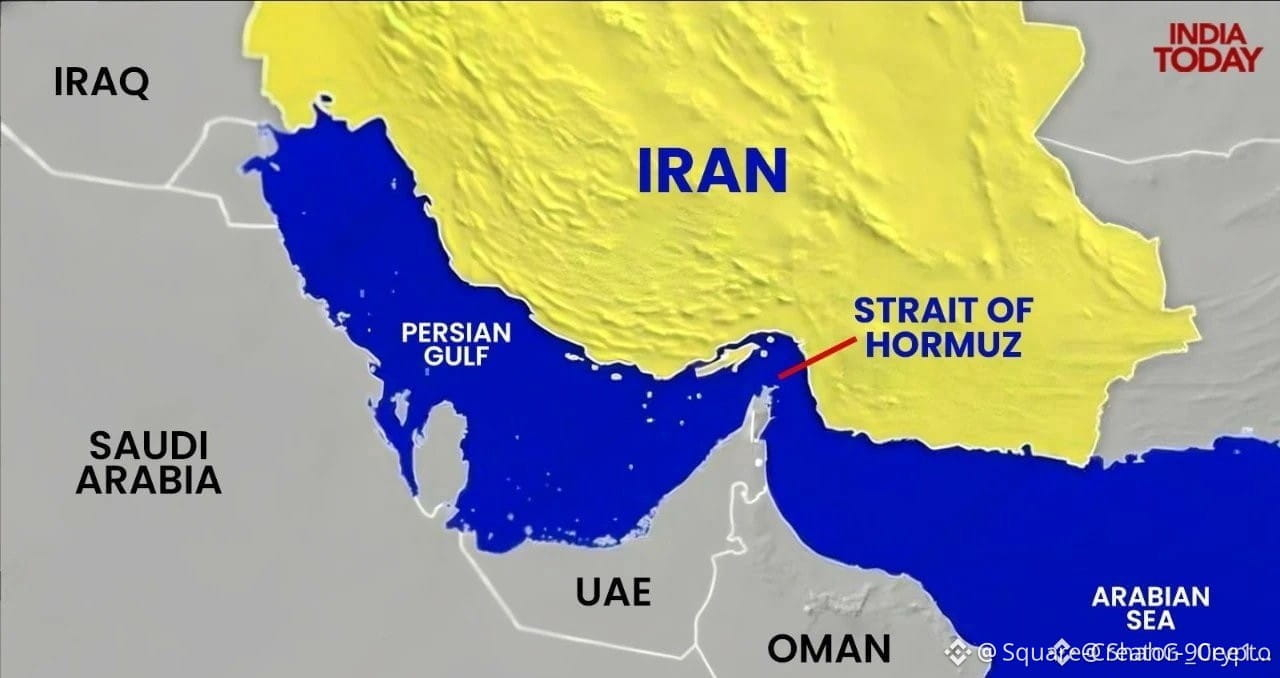
Informes de medios — entre ellos la agencia Reuters — indican que Irán ha informado a algunos barcos sobre la posibilidad de considerar el cierre del estrecho de Ormuz, uno de los pasajes marítimos más peligrosos e importantes del mundo.
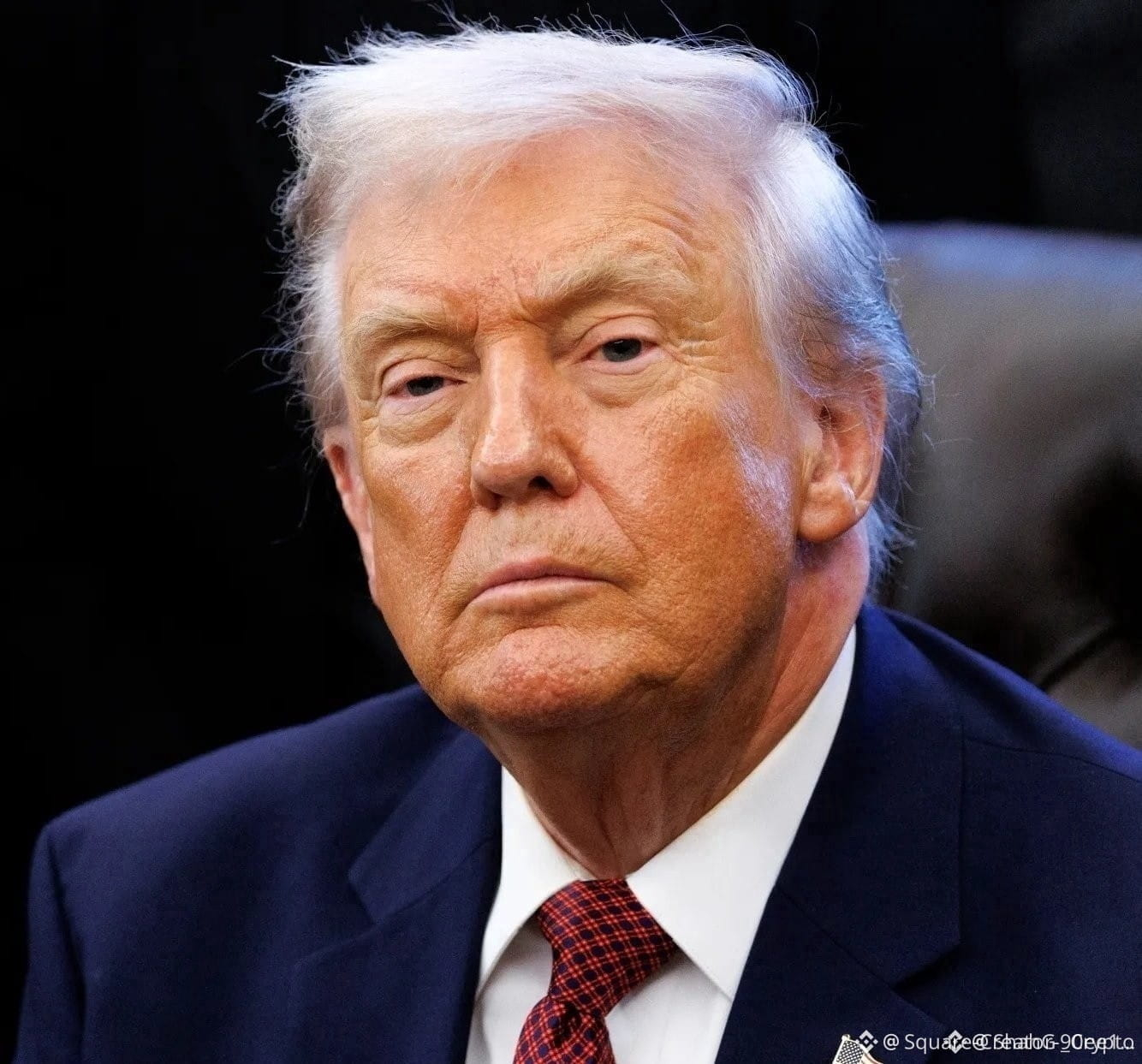
Por otro lado, el expresidente estadounidense Donald Trump ha emitido advertencias incendiarias, lo que ha aumentado la tensión en el escenario…
¿Pero hasta ahora?
❗ No hay anuncio oficial sobre un cierre real
❗ No hay confirmación de ninguna acción militar directa
⚠️ ¿Por qué el mundo observa con preocupación?
🔴 El estrecho de Ormuz no es solo un pasaje marítimo… es la arteria energética mundial.
🔴 Más del 20% de las exportaciones de petróleo pasan por él diariamente.
🔴 Cualquier interrupción — incluso por horas — podría disparar inmediatamente los precios del petróleo.
🔴 Los mercados globales podrían entrar en una ola de turbulencia violenta.
Pero la imagen no es unidireccional…
El cierre del estrecho también presionaría a Irán mismo, ya que una gran parte de sus exportaciones de petróleo depende de la misma ruta.
📊 ¿Qué está sucediendo ahora?
• La información se basa en informes de medios, y no son datos oficiales.
• No hay declaración de guerra ni decisión de cierre real hasta el momento.
• La tensión es política — pero los mercados lo toman en serio.
💬 ¿Estamos ante un mensaje de presión política?
¿O la región se acerca a una escalada real que podría cambiar la ecuación energética a nivel mundial?
La mirada está en el Golfo…
y los mercados en un estado de máxima espera.
#USIsraelStrikeIran #AnthropicUSGovClash #Write2Earn #BTC走势分析 #VEMP $GOOGLon $NVDAon $MSFTon
🔥🚨 Urgente | El estrecho de Ormuz en una situación crítica 🚨🔥
La región está hirviendo… y las declaraciones se intensifican.
Informes de medios — entre ellos la agencia Reuters — indican que Irán ha informado a algunos barcos sobre la posibilidad de considerar el cierre del estrecho de Ormuz, uno de los pasajes marítimos más peligrosos e importantes del mundo.
Por otro lado, el expresidente estadounidense Donald Trump ha emitido advertencias incendiarias, lo que ha aumentado la tensión en el escenario…
¿Pero hasta ahora?
❗ No hay anuncio oficial sobre un cierre real
❗ No hay confirmación de ninguna acción militar directa
⚠️ ¿Por qué el mundo observa con preocupación?
🔴 El estrecho de Ormuz no es solo un pasaje marítimo… es la arteria energética mundial.
🔴 Más del 20% de las exportaciones de petróleo pasan por él diariamente.
🔴 Cualquier interrupción — incluso por horas — podría disparar inmediatamente los precios del petróleo.
🔴 Los mercados globales podrían entrar en una ola de turbulencia violenta.
Pero la imagen no es unidireccional…
El cierre del estrecho también presionaría a Irán mismo, ya que una gran parte de sus exportaciones de petróleo depende de la misma ruta.
📊 ¿Qué está sucediendo ahora?
• La información se basa en informes de medios, y no son datos oficiales.
• No hay declaración de guerra ni decisión de cierre real hasta el momento.
• La tensión es política — pero los mercados lo toman en serio.
💬 ¿Estamos ante un mensaje de presión política?
¿O la región se acerca a una escalada real que podría cambiar la ecuación energética a nivel mundial?
La mirada está en el Golfo…
y los mercados en un estado de máxima espera.
#USIsraelStrikeIran #AnthropicUSGovClash #Write2Earn #BTC走势分析 #VEMP $GOOGLon $NVDAon $MSFTon
La región está hirviendo… y las declaraciones se intensifican.
Informes de medios — entre ellos la agencia Reuters — indican que Irán ha informado a algunos barcos sobre la posibilidad de considerar el cierre del estrecho de Ormuz, uno de los pasajes marítimos más peligrosos e importantes del mundo.
Por otro lado, el expresidente estadounidense Donald Trump ha emitido advertencias incendiarias, lo que ha aumentado la tensión en el escenario…
¿Pero hasta ahora?
❗ No hay anuncio oficial sobre un cierre real
❗ No hay confirmación de ninguna acción militar directa
⚠️ ¿Por qué el mundo observa con preocupación?
🔴 El estrecho de Ormuz no es solo un pasaje marítimo… es la arteria energética mundial.
🔴 Más del 20% de las exportaciones de petróleo pasan por él diariamente.
🔴 Cualquier interrupción — incluso por horas — podría disparar inmediatamente los precios del petróleo.
🔴 Los mercados globales podrían entrar en una ola de turbulencia violenta.
Pero la imagen no es unidireccional…
El cierre del estrecho también presionaría a Irán mismo, ya que una gran parte de sus exportaciones de petróleo depende de la misma ruta.
📊 ¿Qué está sucediendo ahora?
• La información se basa en informes de medios, y no son datos oficiales.
• No hay declaración de guerra ni decisión de cierre real hasta el momento.
• La tensión es política — pero los mercados lo toman en serio.
💬 ¿Estamos ante un mensaje de presión política?
¿O la región se acerca a una escalada real que podría cambiar la ecuación energética a nivel mundial?
La mirada está en el Golfo…
y los mercados en un estado de máxima espera.
#USIsraelStrikeIran #AnthropicUSGovClash #Write2Earn #BTC走势分析 #VEMP $GOOGLon $NVDAon $MSFTon
279

·
--
El Trader Con 23 Operaciones Ganadoras Consecutivas Está de Vuelta en AcciónLos mercados de cripto $$ETH están una vez más atentos a uno de los traders más seguidos en la cadena. Después de cerrar con éxito una masiva posición short de 60,000 ETH y asegurar aproximadamente $5.8 millones en ganancias, la billetera conocida como pension-usdt.eth ha regresado rápidamente al mercado.
El trader, $ETH que ahora ha logrado una impresionante racha de 23 operaciones rentables consecutivas, ha abierto otra posición bajista en Ethereum. Según datos on-chain, la billetera ha entrado en un short de ETH con 3x de apalancamiento, involucrando 28,351 ETH, con un valor total de posición de alrededor de $49.23 millones.
El Trader Con 23 Operaciones Ganadoras Consecutivas Está de Vuelta en Acción
Los mercados de cripto $$ETH están una vez más atentos a uno de los traders más seguidos en la cadena. Después de cerrar con éxito una masiva posición short de 60,000 ETH y asegurar aproximadamente $5.8 millones en ganancias, la billetera conocida como pension-usdt.eth ha regresado rápidamente al mercado.
El trader, $ETH que ahora ha logrado una impresionante racha de 23 operaciones rentables consecutivas, ha abierto otra posición bajista en Ethereum. Según datos on-chain, la billetera ha entrado en un short de ETH con 3x de apalancamiento, involucrando 28,351 ETH, con un valor total de posición de alrededor de $49.23 millones.
El trader, $ETH que ahora ha logrado una impresionante racha de 23 operaciones rentables consecutivas, ha abierto otra posición bajista en Ethereum. Según datos on-chain, la billetera ha entrado en un short de ETH con 3x de apalancamiento, involucrando 28,351 ETH, con un valor total de posición de alrededor de $49.23 millones.
104
Inicia sesión para explorar más contenidos
Únete a usuarios de criptomonedas de todo el mundo en Binance Square
⚡️ Obtén la información más reciente y útil sobre criptomonedas.
💬 Confía en el mayor exchange de criptomonedas del mundo.
👍 Descubre opiniones reales de creadores verificados.
Correo electrónico/número de teléfono
Temas en tendencia
1
#ChainlinkPowersBottomlinePaymentPlatform
2,253 visualizaciones
104 participa(n) en el debate
2
#StellarActivatesProtocol28At211TPS
10,301 visualizaciones
287 participa(n) en el debate
3
#SECGrantsInnovationExemptionForTokenizedStocks
8,434 visualizaciones
236 participa(n) en el debate
4
#XRPGains3%AsRippleAddsMPPSupport
6,581 visualizaciones
179 participa(n) en el debate
5
#SPGlobalToAcquireOpenZeppelin
4,196 visualizaciones
135 participa(n) en el debate
6
#WorldLaunchesSelfCustodyAppIn150Countries
1,348 visualizaciones
56 participa(n) en el debate
7
#BitcoinSurpasses$77000
21,357 visualizaciones
247 participa(n) en el debate
8
#ParadigmDisclosesZECHolding
93,055 visualizaciones
1,266 participa(n) en el debate
9
#BitcoinETFsShed$450M
29,808 visualizaciones
232 participa(n) en el debate
10
#USWeeklyJoblessClaimsFallTo196K
50,384 visualizaciones
729 participa(n) en el debate