
#learntogether
learntogether
1.8M visualizaciones
2,074 participa(n) en el debate
Populares
Novedades

·
--
Artículo
Osiris ExchangeVamos a aprender juntos; esto es el comienzo. Sigue para más. Comparte, no te lo lleves solo.
Lección 1: ¿Qué es el dinero?
Imagina esto
Imagina que tu escuela tiene una tienda de bocadillos.
Normalmente, compras comida con efectivo.
Un día, la escuela dice:
"No queremos usar efectivo más. Todos reciben monedas digitales de la escuela."
Ahora puedes usar esas monedas para comprar comida, bebidas y bocadillos.
Esas monedas digitales no son físicas. No puedes sostenerlas. Solo existen en la computadora de la escuela.
Esa es la idea básica del dinero digital.
¿Qué es la criptomoneda?
Osiris Exchange
Vamos a aprender juntos; esto es el comienzo. Sigue para más. Comparte, no te lo lleves solo.
Lección 1: ¿Qué es el dinero?
Imagina esto
Imagina que tu escuela tiene una tienda de bocadillos.
Normalmente, compras comida con efectivo.
Un día, la escuela dice:
"No queremos usar efectivo más. Todos reciben monedas digitales de la escuela."
Ahora puedes usar esas monedas para comprar comida, bebidas y bocadillos.
Esas monedas digitales no son físicas. No puedes sostenerlas. Solo existen en la computadora de la escuela.
Esa es la idea básica del dinero digital.
¿Qué es la criptomoneda?
Lección 1: ¿Qué es el dinero?
Imagina esto
Imagina que tu escuela tiene una tienda de bocadillos.
Normalmente, compras comida con efectivo.
Un día, la escuela dice:
"No queremos usar efectivo más. Todos reciben monedas digitales de la escuela."
Ahora puedes usar esas monedas para comprar comida, bebidas y bocadillos.
Esas monedas digitales no son físicas. No puedes sostenerlas. Solo existen en la computadora de la escuela.
Esa es la idea básica del dinero digital.
¿Qué es la criptomoneda?
88

·
--
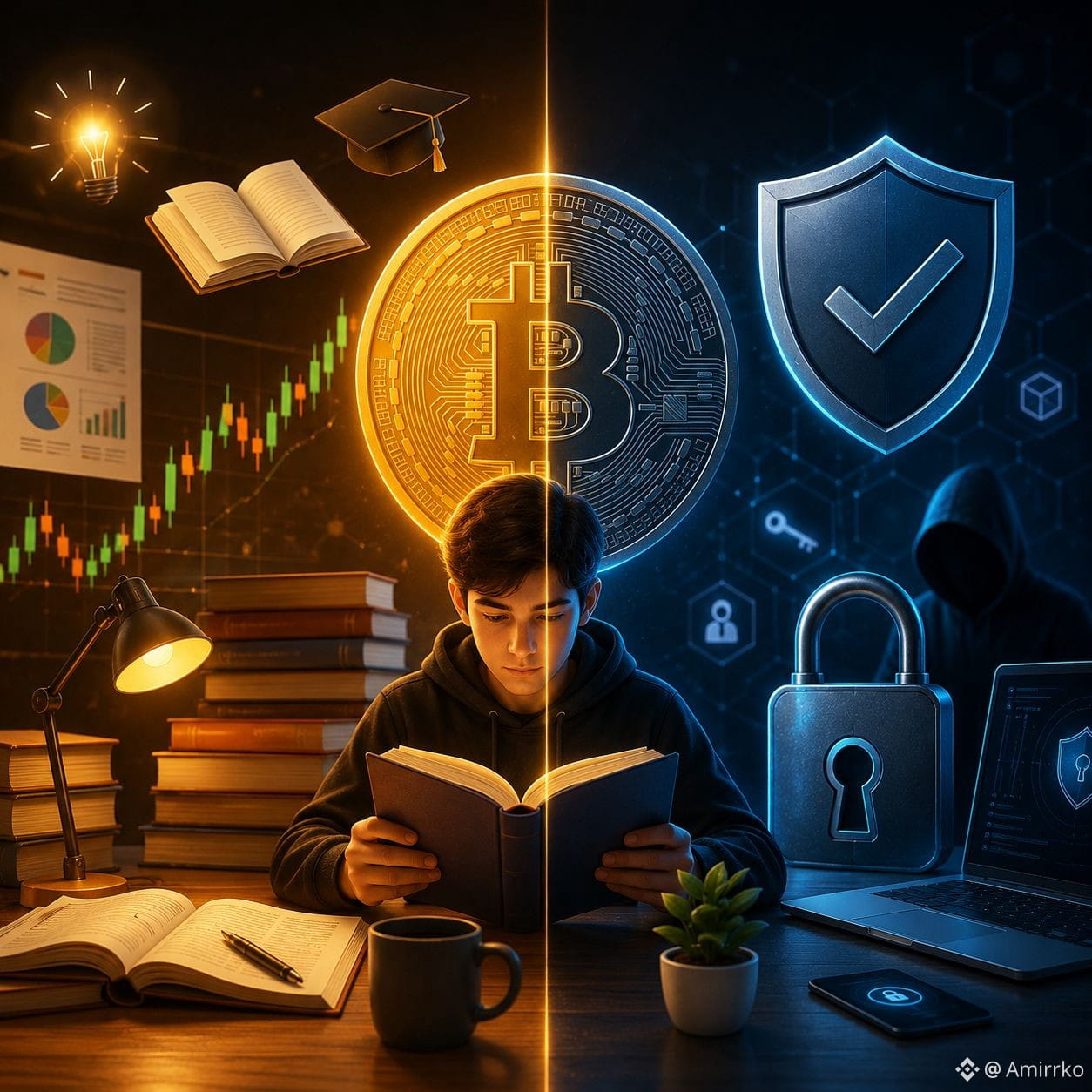
¿Qué es lo más importante para un principiante?
> 📚 Aprender
> 💰 Invertir
> 📊 Análisis técnico
> 🔐 Seguridad
> Mi elección: **Aprender + Seguridad**.
> ¿Cuál es la tuya? 👇
#LearnTogether #learntotrade #InvestSmart #Investing" #TechnicalAnalysis_Tickeron
¿Qué es lo más importante para un principiante?
> 📚 Aprender
> 💰 Invertir
> 📊 Análisis técnico
> 🔐 Seguridad
> Mi elección: **Aprender + Seguridad**.
> ¿Cuál es la tuya? 👇
#LearnTogether #learntotrade #InvestSmart #Investing" #TechnicalAnalysis_Tickeron
> 📚 Aprender
> 💰 Invertir
> 📊 Análisis técnico
> 🔐 Seguridad
> Mi elección: **Aprender + Seguridad**.
> ¿Cuál es la tuya? 👇
#LearnTogether #learntotrade #InvestSmart #Investing" #TechnicalAnalysis_Tickeron
45

·
--
Alcista
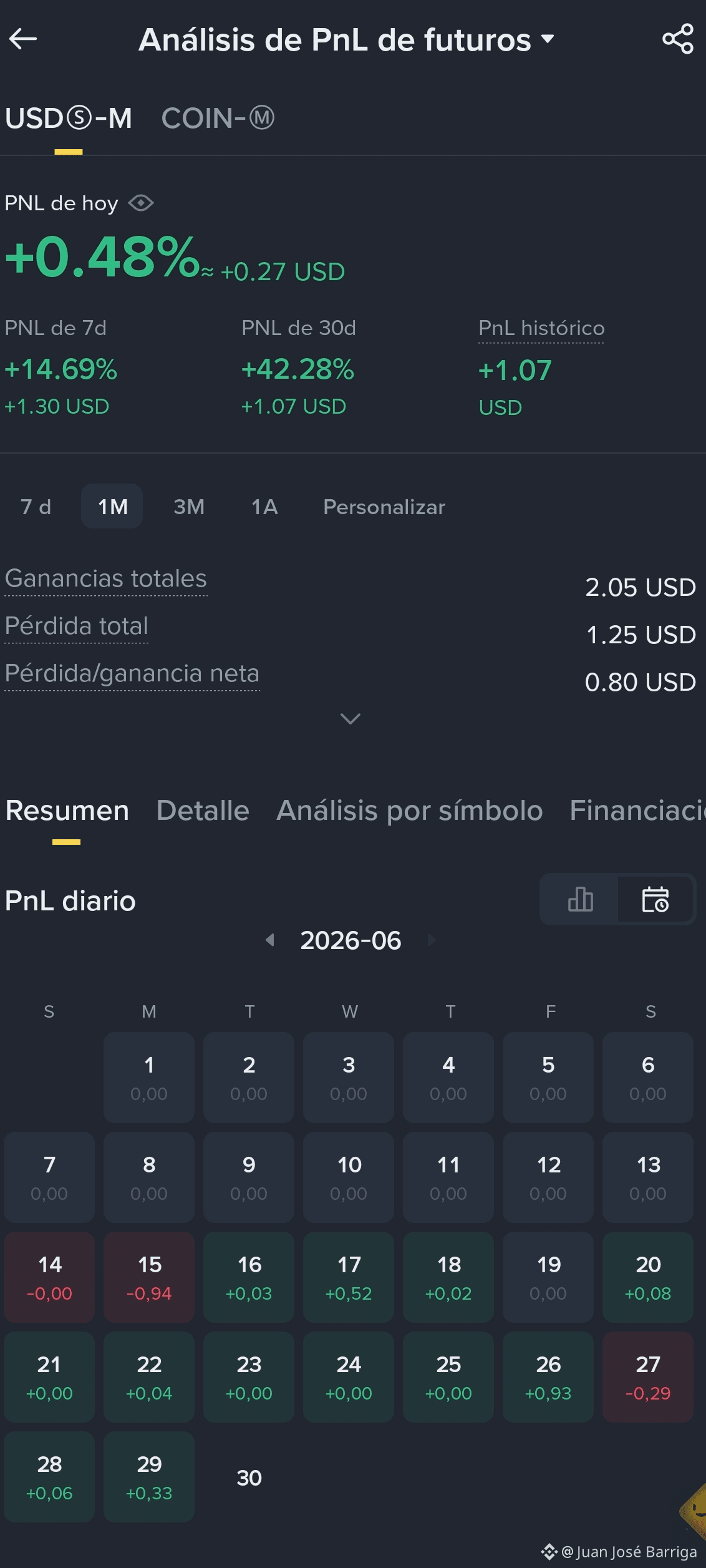
Cerrando junio con un PnL positivo. 📈 Recién estoy empezando en el mundo del trading y uno de mis principales objetivos es desarrollar disciplina y consistencia, más que buscar ganancias rápidas. Estos son mis resultados hasta ahora. ¿Qué creen que debería mejorar para julio? Toda crítica constructiva y consejo es bienvenido. ¡Gracias! #XRP’ #LearnTogether
Cerrando junio con un PnL positivo. 📈 Recién estoy empezando en el mundo del trading y uno de mis principales objetivos es desarrollar disciplina y consistencia, más que buscar ganancias rápidas. Estos son mis resultados hasta ahora. ¿Qué creen que debería mejorar para julio? Toda crítica constructiva y consejo es bienvenido. ¡Gracias! #XRP’ #LearnTogether
1
267

·
--
😱 Si entiendes esto😮 entiendes el futuro de las finanzas ✅
BLOCK-CHAIN ❤
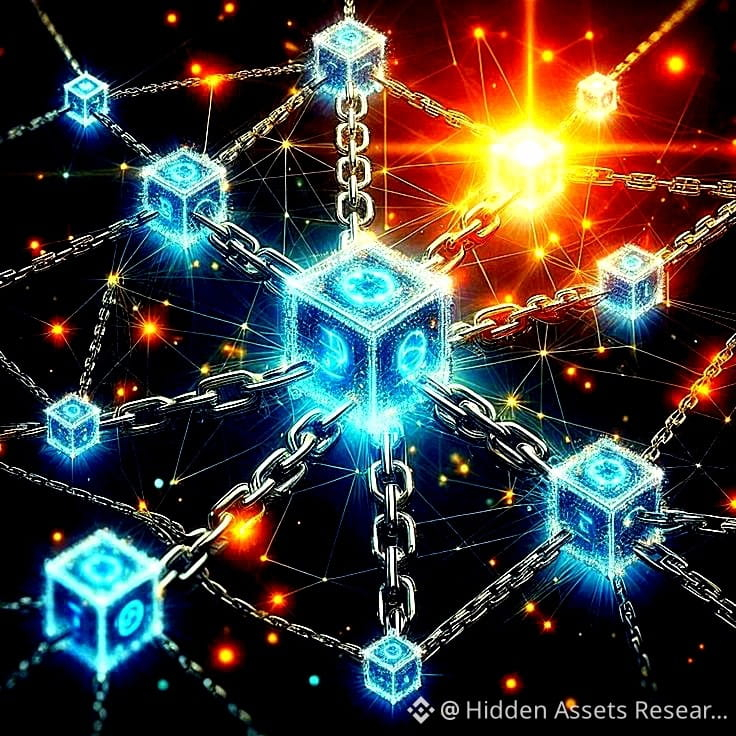
La Blockchain es un sistema digital que almacena información de manera segura y transparente.
En lugar de que una sola empresa controle los datos, se comparte entre muchas computadoras en todo el mundo.
Cada bloque contiene datos, y cada bloque está conectado al anterior — formando una “cadena.”
💡 Por qué es importante:
Sin control central
Muy difícil de hackear o cambiar datos
Sistema completamente transparente
Elimina intermediarios innecesarios
🚀 Usos reales:
Transacciones cripto (como Bitcoin)
Contratos inteligentes
Identidad digital
Seguimiento de la cadena de suministro
La Blockchain no es solo sobre cripto — se trata de confianza, seguridad y el futuro de los sistemas digitales.
#LearnTogether
#viralmypost
😱 Si entiendes esto😮 entiendes el futuro de las finanzas ✅
BLOCK-CHAIN ❤
La Blockchain es un sistema digital que almacena información de manera segura y transparente.
En lugar de que una sola empresa controle los datos, se comparte entre muchas computadoras en todo el mundo.
Cada bloque contiene datos, y cada bloque está conectado al anterior — formando una “cadena.”
💡 Por qué es importante:
Sin control central
Muy difícil de hackear o cambiar datos
Sistema completamente transparente
Elimina intermediarios innecesarios
🚀 Usos reales:
Transacciones cripto (como Bitcoin)
Contratos inteligentes
Identidad digital
Seguimiento de la cadena de suministro
La Blockchain no es solo sobre cripto — se trata de confianza, seguridad y el futuro de los sistemas digitales.
#LearnTogether
#viralmypost
BLOCK-CHAIN ❤
La Blockchain es un sistema digital que almacena información de manera segura y transparente.
En lugar de que una sola empresa controle los datos, se comparte entre muchas computadoras en todo el mundo.
Cada bloque contiene datos, y cada bloque está conectado al anterior — formando una “cadena.”
💡 Por qué es importante:
Sin control central
Muy difícil de hackear o cambiar datos
Sistema completamente transparente
Elimina intermediarios innecesarios
🚀 Usos reales:
Transacciones cripto (como Bitcoin)
Contratos inteligentes
Identidad digital
Seguimiento de la cadena de suministro
La Blockchain no es solo sobre cripto — se trata de confianza, seguridad y el futuro de los sistemas digitales.
#LearnTogether
#viralmypost

61
·
--
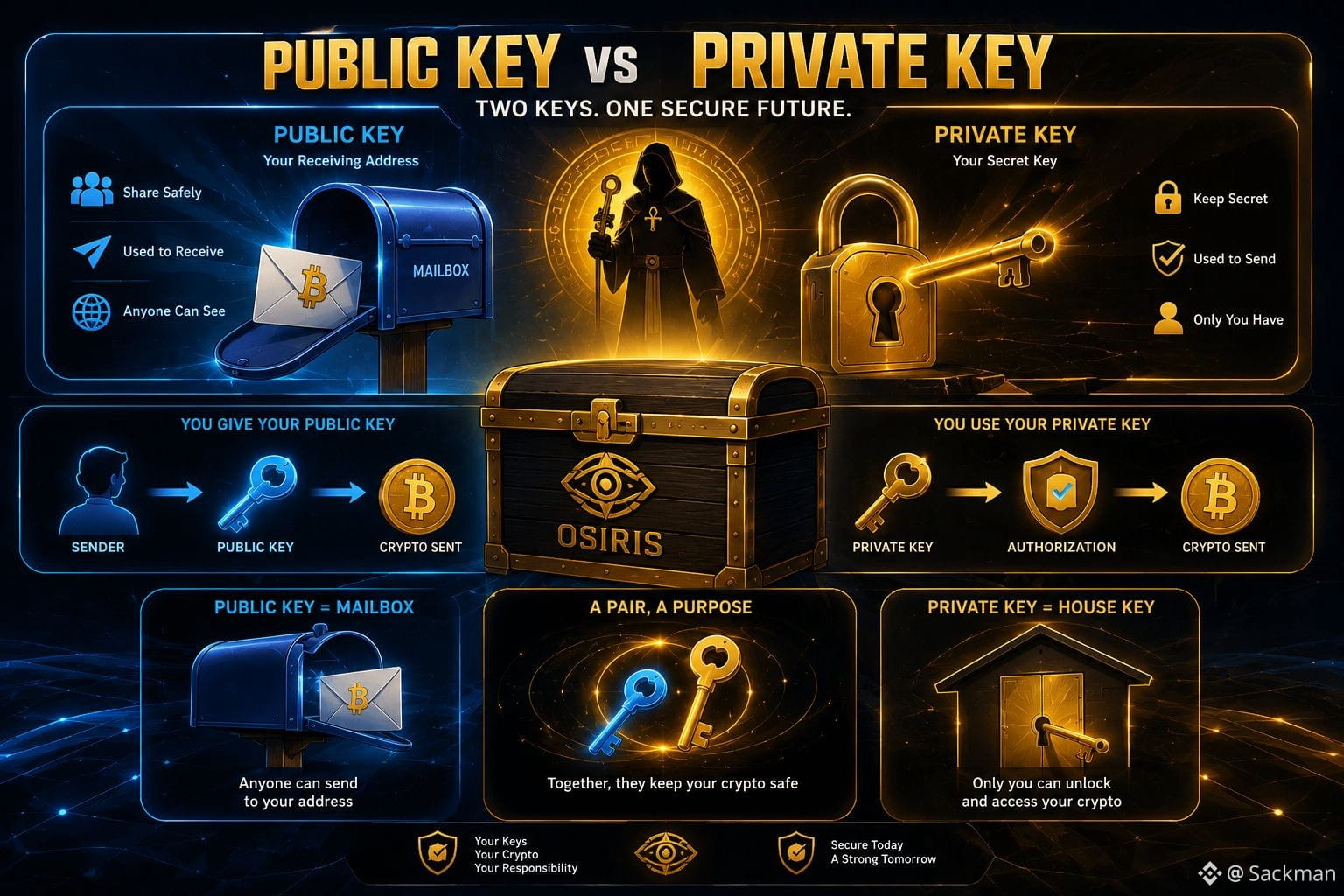
Academia de Exchange OSIRIS | Lección 7
Una clave debe compartirse.
Una clave nunca debe compartirse.
Entender la diferencia entre una clave pública y una clave privada es una de las lecciones más importantes en la seguridad cripto.
🔑 Idea clave: Tu clave pública ayuda a otros a enviarte criptomonedas. Tu clave privada te da el control sobre ellas. Protégela con cuidado.
📝 Tarea
¿Qué es una clave pública?
¿Qué es una clave privada?
¿Cuál es la que nunca debes compartir?
Sigue a OSIRIS Exchange Academy @Sackmantrails mientras seguimos construyendo tu conocimiento cripto, una lección a la vez. Adquiere sabiduría espiritual y cripto...
ART 🎭 — Tu Inicio. Tu Palabra. #LearnTogether #Learn $BTC
Academia de Exchange OSIRIS | Lección 7
Una clave debe compartirse.
Una clave nunca debe compartirse.
Entender la diferencia entre una clave pública y una clave privada es una de las lecciones más importantes en la seguridad cripto.
🔑 Idea clave: Tu clave pública ayuda a otros a enviarte criptomonedas. Tu clave privada te da el control sobre ellas. Protégela con cuidado.
📝 Tarea
¿Qué es una clave pública?
¿Qué es una clave privada?
¿Cuál es la que nunca debes compartir?
Sigue a OSIRIS Exchange Academy @Sackmantrails mientras seguimos construyendo tu conocimiento cripto, una lección a la vez. Adquiere sabiduría espiritual y cripto...
ART 🎭 — Tu Inicio. Tu Palabra. #LearnTogether #Learn $BTC
Una clave debe compartirse.
Una clave nunca debe compartirse.
Entender la diferencia entre una clave pública y una clave privada es una de las lecciones más importantes en la seguridad cripto.
🔑 Idea clave: Tu clave pública ayuda a otros a enviarte criptomonedas. Tu clave privada te da el control sobre ellas. Protégela con cuidado.
📝 Tarea
¿Qué es una clave pública?
¿Qué es una clave privada?
¿Cuál es la que nunca debes compartir?
Sigue a OSIRIS Exchange Academy @Sackmantrails mientras seguimos construyendo tu conocimiento cripto, una lección a la vez. Adquiere sabiduría espiritual y cripto...
ART 🎭 — Tu Inicio. Tu Palabra. #LearnTogether #Learn $BTC
121
·
--
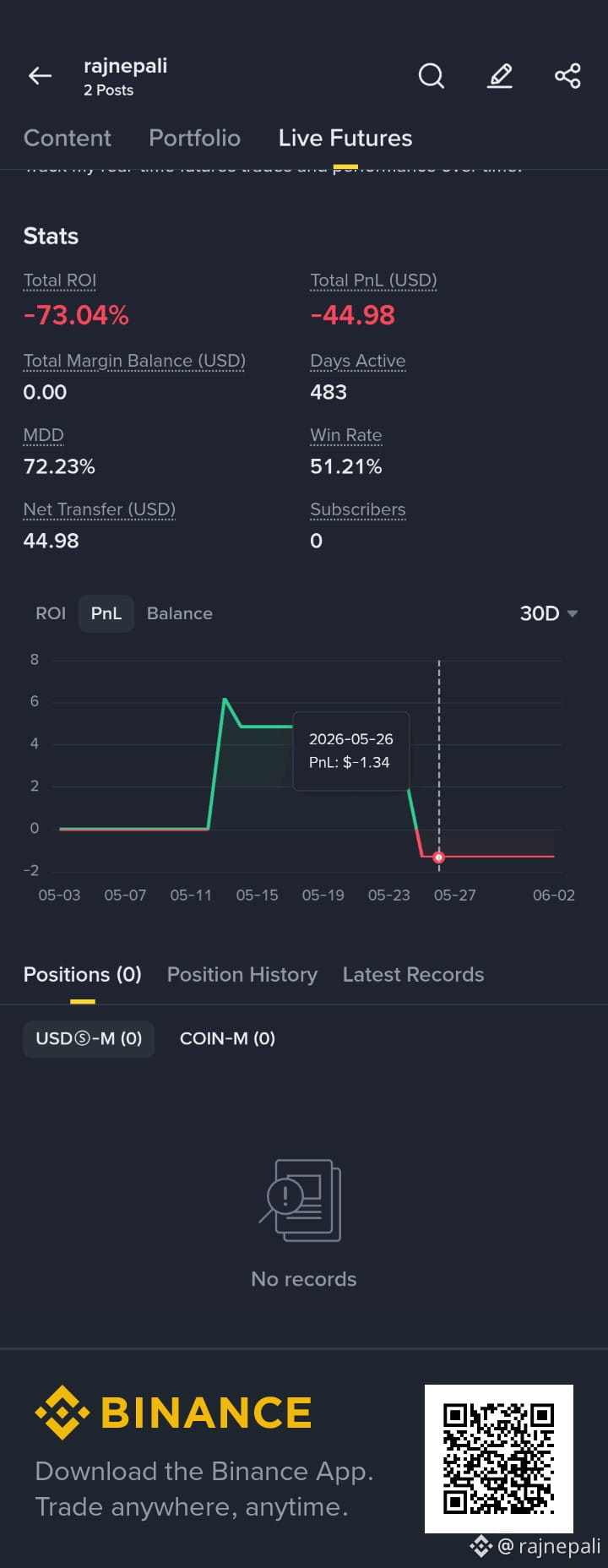
Aún estoy atrapado en la etapa de aprendizaje y no he podido comenzar a ganar todavía. 😭😭
#gain
#LearnTogether
#LearnFromMistakes
#DECIPLINE
Aún estoy atrapado en la etapa de aprendizaje y no he podido comenzar a ganar todavía. 😭😭
#gain
#LearnTogether
#LearnFromMistakes
#DECIPLINE
#gain
#LearnTogether
#LearnFromMistakes
#DECIPLINE
220
Cómo configurar el Stop-Loss en Binance Spot (Guía para principiantes)
Muchos principiantes preguntan cómo configurar el Stop-Loss en Binance.
Pasos en Spot:
1. Ve a Spot > Vender 2. Selecciona Stop-Limit 3. Configura el precio de Stop y el precio Límite por debajo de tu entrada 4. Confirma
Esto ayuda a gestionar el riesgo. No es una garantía de ganancias.
Tengo una guía completa paso a paso en mi perfil y mi enlace oficial de referido de Binance está en la página de mi perfil si estás creando una cuenta.
¿Ya has configurado el Stop-Loss antes? Comenta SÍ o NECESITAS AYUDA y haré un video.
Solo con fines educativos. Crypto es volátil. Haz tu propia investigación.
#BinanceSquareTalks #LearnTogether
Cómo configurar el Stop-Loss en Binance Spot (Guía para principiantes)
Muchos principiantes preguntan cómo configurar el Stop-Loss en Binance.
Pasos en Spot:
1. Ve a Spot > Vender 2. Selecciona Stop-Limit 3. Configura el precio de Stop y el precio Límite por debajo de tu entrada 4. Confirma
Esto ayuda a gestionar el riesgo. No es una garantía de ganancias.
Tengo una guía completa paso a paso en mi perfil y mi enlace oficial de referido de Binance está en la página de mi perfil si estás creando una cuenta.
¿Ya has configurado el Stop-Loss antes? Comenta SÍ o NECESITAS AYUDA y haré un video.
Solo con fines educativos. Crypto es volátil. Haz tu propia investigación.
#BinanceSquareTalks #LearnTogether
Muchos principiantes preguntan cómo configurar el Stop-Loss en Binance.
Pasos en Spot:
1. Ve a Spot > Vender 2. Selecciona Stop-Limit 3. Configura el precio de Stop y el precio Límite por debajo de tu entrada 4. Confirma
Esto ayuda a gestionar el riesgo. No es una garantía de ganancias.
Tengo una guía completa paso a paso en mi perfil y mi enlace oficial de referido de Binance está en la página de mi perfil si estás creando una cuenta.
¿Ya has configurado el Stop-Loss antes? Comenta SÍ o NECESITAS AYUDA y haré un video.
Solo con fines educativos. Crypto es volátil. Haz tu propia investigación.
#BinanceSquareTalks #LearnTogether
1
87
·
--
Artículo
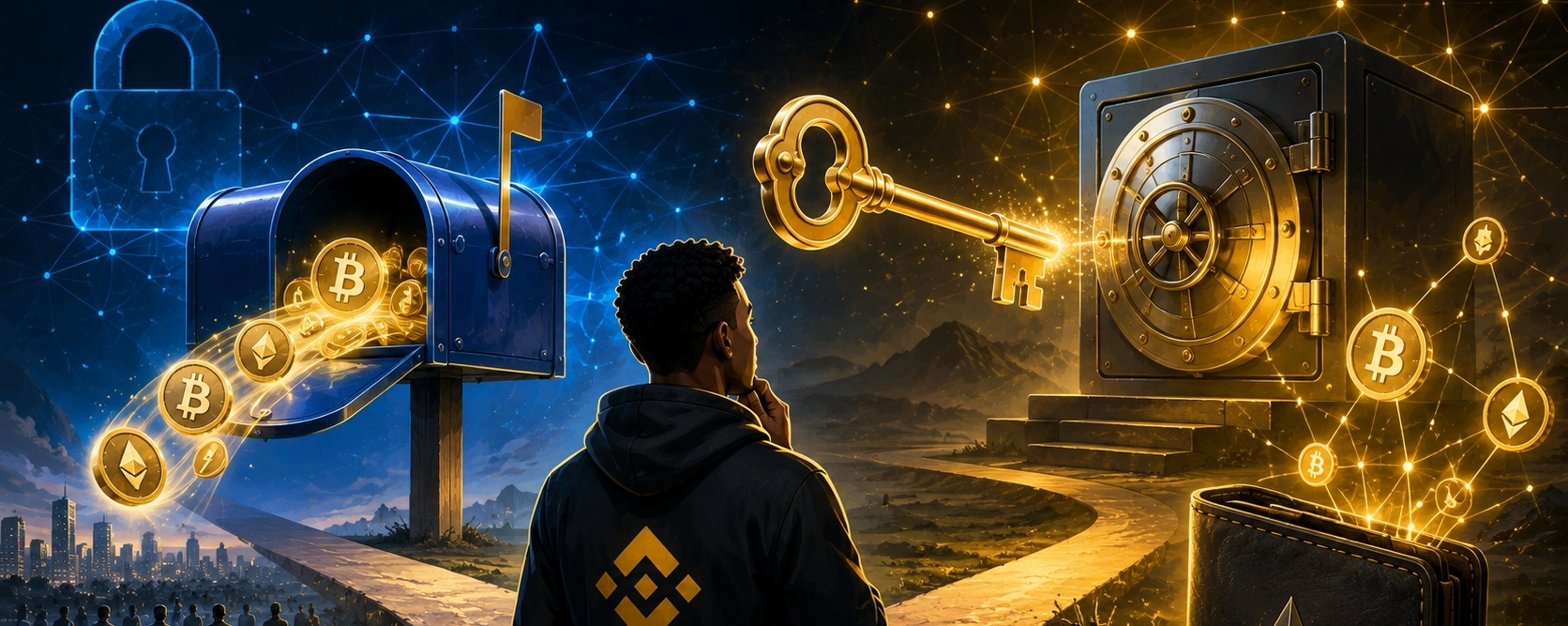
Lección 7: ¿Qué es una Clave Pública y una Clave Privada?Imagina esto...
Imagina que tienes una casa.
Tu casa tiene:
📬 Un buzón donde cualquiera puede enviarte cartas.
🔑 Una llave de casa que solo tú deberías tener.
El buzón es como tu Clave Pública.
La llave de tu casa es como tu Clave Privada.
Una está pensada para compartirse.
La otra debe permanecer en secreto.
¿Qué es una Clave Pública?
Una Clave Pública es una dirección única que permite que la gente te envíe criptomonedas.
Puedes compartirla con seguridad con cualquiera.
Piensa en ella como tu:
Número de cuenta bancaria
Dirección de correo electrónico
Buzón de casa
La gente puede enviar a eso, pero no puede gastar tu cripto con ello.
Lección 7: ¿Qué es una Clave Pública y una Clave Privada?
Imagina esto...
Imagina que tienes una casa.
Tu casa tiene:
📬 Un buzón donde cualquiera puede enviarte cartas.
🔑 Una llave de casa que solo tú deberías tener.
El buzón es como tu Clave Pública.
La llave de tu casa es como tu Clave Privada.
Una está pensada para compartirse.
La otra debe permanecer en secreto.
¿Qué es una Clave Pública?
Una Clave Pública es una dirección única que permite que la gente te envíe criptomonedas.
Puedes compartirla con seguridad con cualquiera.
Piensa en ella como tu:
Número de cuenta bancaria
Dirección de correo electrónico
Buzón de casa
La gente puede enviar a eso, pero no puede gastar tu cripto con ello.
Imagina que tienes una casa.
Tu casa tiene:
📬 Un buzón donde cualquiera puede enviarte cartas.
🔑 Una llave de casa que solo tú deberías tener.
El buzón es como tu Clave Pública.
La llave de tu casa es como tu Clave Privada.
Una está pensada para compartirse.
La otra debe permanecer en secreto.
¿Qué es una Clave Pública?
Una Clave Pública es una dirección única que permite que la gente te envíe criptomonedas.
Puedes compartirla con seguridad con cualquiera.
Piensa en ella como tu:
Número de cuenta bancaria
Dirección de correo electrónico
Buzón de casa
La gente puede enviar a eso, pero no puede gastar tu cripto con ello.
92
·
--
Empecé mi viaje en crypto con $32. Esto es lo que he aprendido hasta ahora"
Voy a ser honesta contigo, no soy trader. No soy experta en finanzas. Solo soy una mujer normal que decidió dejar de tener miedo al crypto y hacer algo al respecto.
Abrí mi billetera de Binance con $32. Eso es todo. No $500. No $1,000. Treinta y dos dólares.
¿Lo primero que aprendí? $32 no te harán rico de la noche a la mañana. Cualquiera que te diga lo contrario está mintiendo. Pero aquí está lo que SÍ puede hacer: puede enseñarte. Puede construir un hábito. Puede ser la semilla de algo más grande.
Así que en lugar de intentar hacer trading con ello (las comisiones me devorarían), lo puse en Simple Earn y lo dejé descansar mientras me enfocaba en realmente aprender cómo funciona todo esto.
Esto es lo que me sorprendió como principiante:
• No necesitas miles para empezar
• Binance tiene educación gratuita integrada
• La mayor inversión no es dinero, es tiempo dedicado a aprender
Estoy documentando este viaje desde cero.
Si también estás comenzando con poco, sígueme. Lo resolveremos juntos.
#Binance #LearnTogether #LearnAndGrow
Empecé mi viaje en crypto con $32. Esto es lo que he aprendido hasta ahora"
Voy a ser honesta contigo, no soy trader. No soy experta en finanzas. Solo soy una mujer normal que decidió dejar de tener miedo al crypto y hacer algo al respecto.
Abrí mi billetera de Binance con $32. Eso es todo. No $500. No $1,000. Treinta y dos dólares.
¿Lo primero que aprendí? $32 no te harán rico de la noche a la mañana. Cualquiera que te diga lo contrario está mintiendo. Pero aquí está lo que SÍ puede hacer: puede enseñarte. Puede construir un hábito. Puede ser la semilla de algo más grande.
Así que en lugar de intentar hacer trading con ello (las comisiones me devorarían), lo puse en Simple Earn y lo dejé descansar mientras me enfocaba en realmente aprender cómo funciona todo esto.
Esto es lo que me sorprendió como principiante:
• No necesitas miles para empezar
• Binance tiene educación gratuita integrada
• La mayor inversión no es dinero, es tiempo dedicado a aprender
Estoy documentando este viaje desde cero.
Si también estás comenzando con poco, sígueme. Lo resolveremos juntos.
#Binance #LearnTogether #LearnAndGrow
Voy a ser honesta contigo, no soy trader. No soy experta en finanzas. Solo soy una mujer normal que decidió dejar de tener miedo al crypto y hacer algo al respecto.
Abrí mi billetera de Binance con $32. Eso es todo. No $500. No $1,000. Treinta y dos dólares.
¿Lo primero que aprendí? $32 no te harán rico de la noche a la mañana. Cualquiera que te diga lo contrario está mintiendo. Pero aquí está lo que SÍ puede hacer: puede enseñarte. Puede construir un hábito. Puede ser la semilla de algo más grande.
Así que en lugar de intentar hacer trading con ello (las comisiones me devorarían), lo puse en Simple Earn y lo dejé descansar mientras me enfocaba en realmente aprender cómo funciona todo esto.
Esto es lo que me sorprendió como principiante:
• No necesitas miles para empezar
• Binance tiene educación gratuita integrada
• La mayor inversión no es dinero, es tiempo dedicado a aprender
Estoy documentando este viaje desde cero.
Si también estás comenzando con poco, sígueme. Lo resolveremos juntos.
#Binance #LearnTogether #LearnAndGrow
1
191

🌟 Mi viaje cripto con Binance
Hoy completé otra lección de Binance Learn & Earn y recibí una pequeña recompensa en BNB. Puede que sea poco, pero cada paso me ayuda a aprender más sobre las criptomonedas y la blockchain.
Me emociona seguir aprendiendo y creciendo en el mundo cripto. 🚀
¿Cuál es tu moneda favorita: BTC, BNB o ETH?
#BinanceSquareFamily #LearnTogether $BTC $BNB $USDT #BlockchainNews
📈 Creo que aprender es la mejor inversión.
Todos los días dedico unos minutos a aprender sobre Bitcoin y blockchain en Binance. Las recompensas pequeñas están bien, pero el conocimiento vale aún más.
¿Cuál fue la primera criptomoneda que compraste? 👇
#Crypto #Bitcoin #BNB #BinanceSquare #LearnAndEarn"
🌟 Mi viaje cripto con Binance
Hoy completé otra lección de Binance Learn & Earn y recibí una pequeña recompensa en BNB. Puede que sea poco, pero cada paso me ayuda a aprender más sobre las criptomonedas y la blockchain.
Me emociona seguir aprendiendo y creciendo en el mundo cripto. 🚀
¿Cuál es tu moneda favorita: BTC, BNB o ETH?
#BinanceSquareFamily #LearnTogether $BTC $BNB $USDT #BlockchainNews
📈 Creo que aprender es la mejor inversión.
Todos los días dedico unos minutos a aprender sobre Bitcoin y blockchain en Binance. Las recompensas pequeñas están bien, pero el conocimiento vale aún más.
¿Cuál fue la primera criptomoneda que compraste? 👇
#Crypto #Bitcoin #BNB #BinanceSquare #LearnAndEarn"
Hoy completé otra lección de Binance Learn & Earn y recibí una pequeña recompensa en BNB. Puede que sea poco, pero cada paso me ayuda a aprender más sobre las criptomonedas y la blockchain.
Me emociona seguir aprendiendo y creciendo en el mundo cripto. 🚀
¿Cuál es tu moneda favorita: BTC, BNB o ETH?
#BinanceSquareFamily #LearnTogether $BTC $BNB $USDT #BlockchainNews
📈 Creo que aprender es la mejor inversión.
Todos los días dedico unos minutos a aprender sobre Bitcoin y blockchain en Binance. Las recompensas pequeñas están bien, pero el conocimiento vale aún más.
¿Cuál fue la primera criptomoneda que compraste? 👇
#Crypto #Bitcoin #BNB #BinanceSquare #LearnAndEarn"
99
·
--
Academia OSIRIS Exchange | Lección 6
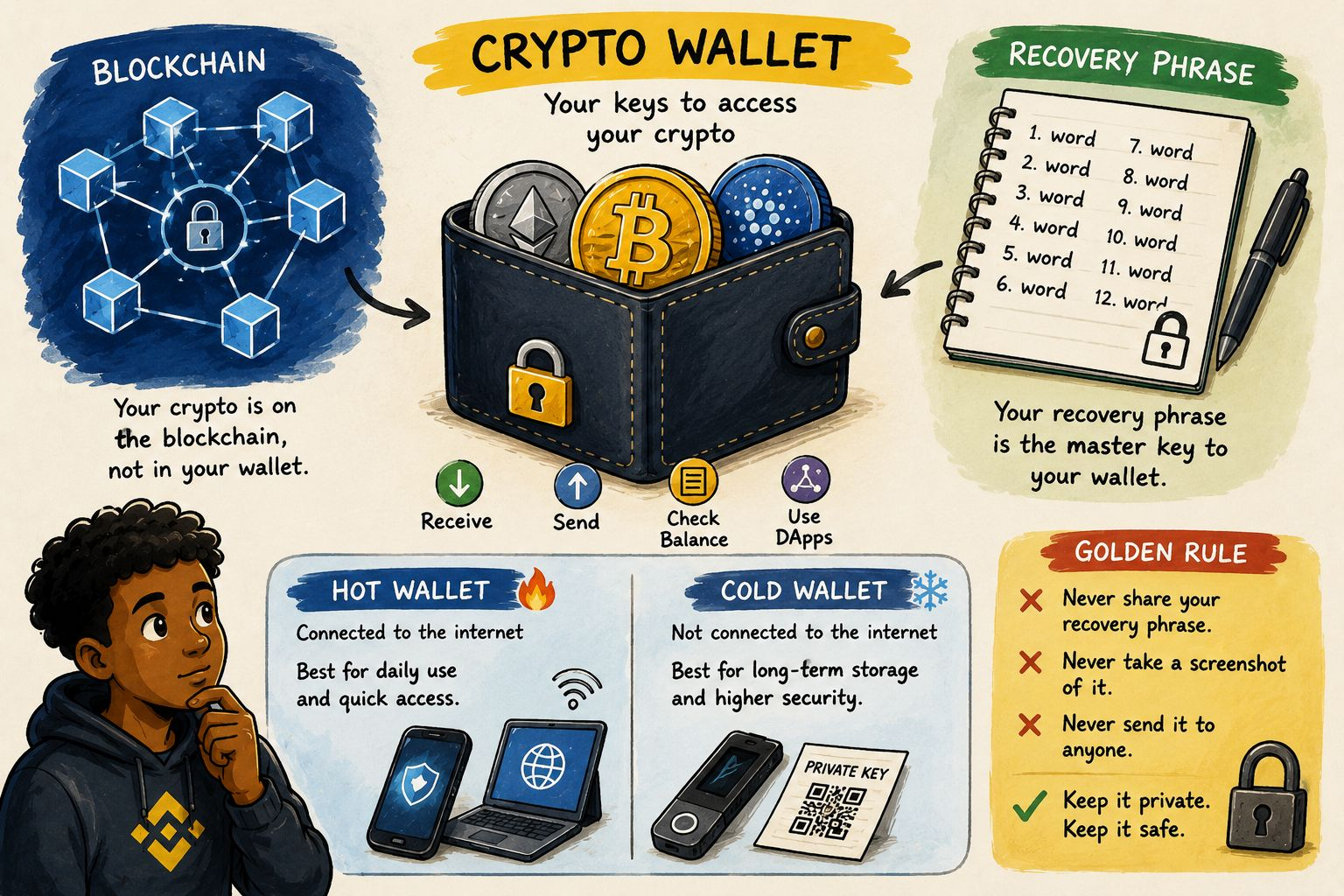
Muchos principiantes piensan que una billetera de criptomonedas almacena Bitcoin como una billetera física guarda efectivo.
No es así.
Tus criptomonedas permanecen en la blockchain. Tu billetera te proporciona las claves seguras necesarias para acceder a ella y gestionarla.
🔑 Idea clave: Tu frase de recuperación es la parte más importante de tu billetera. Manténla privada y segura. Quien tenga acceso a ella puede controlar tus criptos.
📝 Tarea
¿Qué es una billetera de criptomonedas?
¿Cuál es la diferencia entre una billetera caliente y una billetera fría?
¿Por qué nunca deberías compartir tu frase de recuperación?
Sigue a OSIRIS Exchange Academy @ Sackmantrails en todas las plataformas sociales; seguimos construyendo tu conocimiento de cripto desde cero.
ART 🎭 — Tu comienzo. Tu palabra.
#LearnTogether #IntelRises9%AfterHours
Academia OSIRIS Exchange | Lección 6
Muchos principiantes piensan que una billetera de criptomonedas almacena Bitcoin como una billetera física guarda efectivo.
No es así.
Tus criptomonedas permanecen en la blockchain. Tu billetera te proporciona las claves seguras necesarias para acceder a ella y gestionarla.
🔑 Idea clave: Tu frase de recuperación es la parte más importante de tu billetera. Manténla privada y segura. Quien tenga acceso a ella puede controlar tus criptos.
📝 Tarea
¿Qué es una billetera de criptomonedas?
¿Cuál es la diferencia entre una billetera caliente y una billetera fría?
¿Por qué nunca deberías compartir tu frase de recuperación?
Sigue a OSIRIS Exchange Academy @ Sackmantrails en todas las plataformas sociales; seguimos construyendo tu conocimiento de cripto desde cero.
ART 🎭 — Tu comienzo. Tu palabra.
#LearnTogether #IntelRises9%AfterHours
Muchos principiantes piensan que una billetera de criptomonedas almacena Bitcoin como una billetera física guarda efectivo.
No es así.
Tus criptomonedas permanecen en la blockchain. Tu billetera te proporciona las claves seguras necesarias para acceder a ella y gestionarla.
🔑 Idea clave: Tu frase de recuperación es la parte más importante de tu billetera. Manténla privada y segura. Quien tenga acceso a ella puede controlar tus criptos.
📝 Tarea
¿Qué es una billetera de criptomonedas?
¿Cuál es la diferencia entre una billetera caliente y una billetera fría?
¿Por qué nunca deberías compartir tu frase de recuperación?
Sigue a OSIRIS Exchange Academy @ Sackmantrails en todas las plataformas sociales; seguimos construyendo tu conocimiento de cripto desde cero.
ART 🎭 — Tu comienzo. Tu palabra.
#LearnTogether #IntelRises9%AfterHours
19

Acabo de comenzar mi viaje en Binance Square 👋
Hay tanta información en cripto que puede ser abrumadora al principio. Una cosa que ya estoy aprendiendo es que hacer tu propia investigación es mucho más importante que seguir la moda.
Estoy aquí para aprender, compartir lo que descubro y conectar con otros que estén interesados en cripto y blockchain.
Si has estado en cripto por un tiempo, ¿cuál es una lección que desearías haber sabido cuando comenzaste?
#NEW #crypto #LearnTogether #LearningFromMistakes
Acabo de comenzar mi viaje en Binance Square 👋
Hay tanta información en cripto que puede ser abrumadora al principio. Una cosa que ya estoy aprendiendo es que hacer tu propia investigación es mucho más importante que seguir la moda.
Estoy aquí para aprender, compartir lo que descubro y conectar con otros que estén interesados en cripto y blockchain.
Si has estado en cripto por un tiempo, ¿cuál es una lección que desearías haber sabido cuando comenzaste?
#NEW #crypto #LearnTogether #LearningFromMistakes
Hay tanta información en cripto que puede ser abrumadora al principio. Una cosa que ya estoy aprendiendo es que hacer tu propia investigación es mucho más importante que seguir la moda.
Estoy aquí para aprender, compartir lo que descubro y conectar con otros que estén interesados en cripto y blockchain.
Si has estado en cripto por un tiempo, ¿cuál es una lección que desearías haber sabido cuando comenzaste?
#NEW #crypto #LearnTogether #LearningFromMistakes
156
·
--
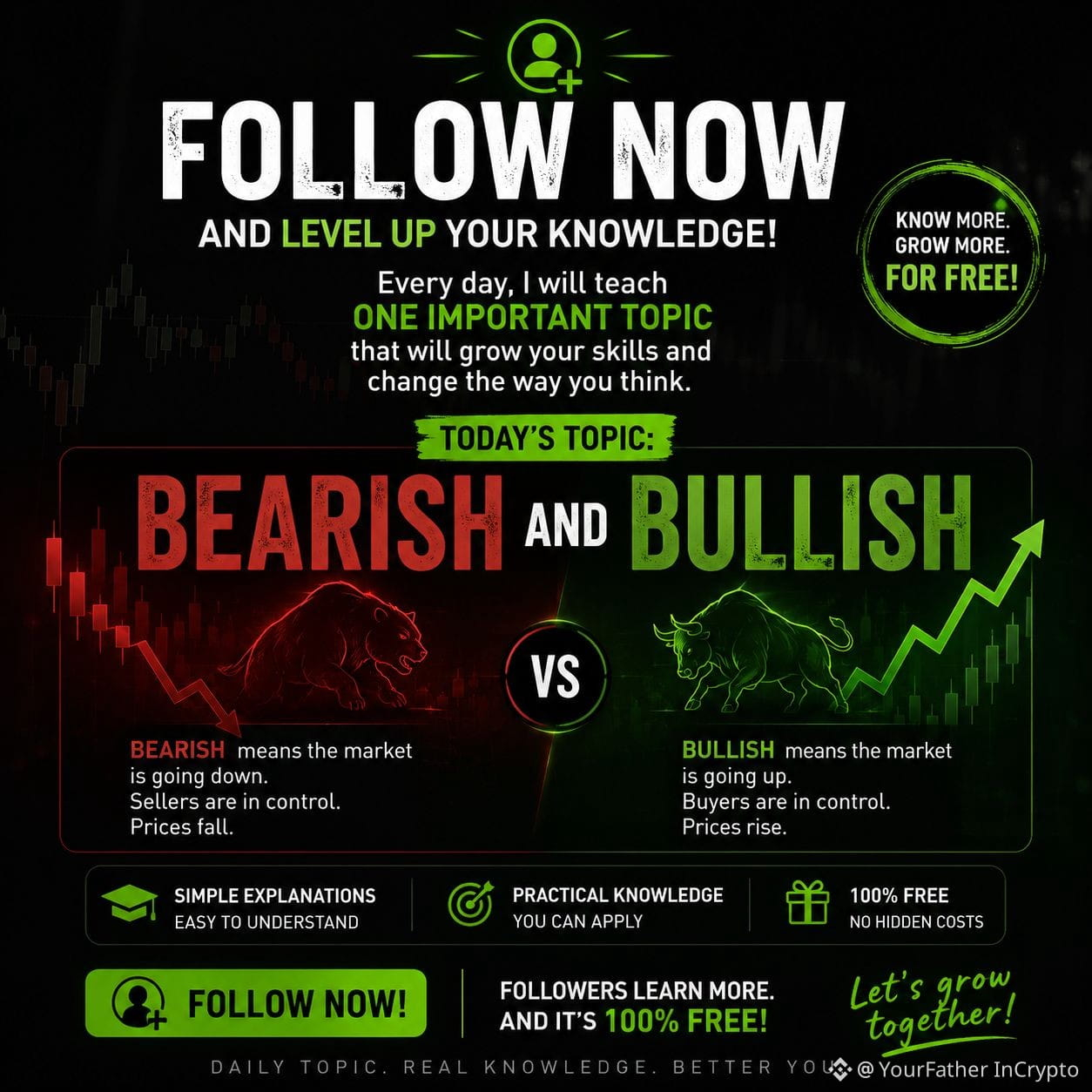
📈 Alcista vs 📉 Bajista – La base de todo trader
Antes de entrar en cualquier operación, la primera pregunta que debes hacer es: ¿El mercado es alcista o bajista?
Un mercado alcista significa que los compradores tienen el control, empujando los precios hacia arriba. Verás con frecuencia que el gráfico forma Máximos Más Altos (HH) y Mínimos Más Bajos (HL), lo que muestra que la demanda es más fuerte que la oferta. En este entorno, los traders normalmente buscan oportunidades de compra (long), especialmente después de un retroceso hacia el soporte o tras una ruptura confirmada.
Ejemplo: Si Bitcoin sube de $100,000 a $105,000, retrocede a $103,000 y luego continúa hasta $108,000, el mercado está creando máximos más altos y mínimos más altos: una señal clara de tendencia alcista.
Un mercado bajista es lo contrario. Los vendedores dominan y los precios caen. El gráfico forma Mínimos Más Bajos (LH) y Mínimos Más Bajos (LL), mostrando que cada repunte es más débil que el anterior. En este caso, los traders se enfocan en oportunidades de venta (short), especialmente cerca de la resistencia o después de una ruptura confirmada.
Ejemplo: Si Ethereum cae de $3,000 a $2,800, rebota a $2,900 y luego baja a $2,600, está creando máximos más bajos y mínimos más bajos, confirmando una tendencia bajista.
Entender si el mercado es alcista o bajista es una de las habilidades más importantes en trading. Te ayuda a evitar operar en contra de la tendencia y aumenta tus probabilidades de tomar mejores decisiones.
👉 Sigue esta página para que nunca te pierdas mis lecciones diarias de trading gratis. Cada día, desglosaré un concepto esencial de trading de una manera simple y práctica para ayudarte a convertirte en un trader más inteligente y seguro.$TSLAB $SPCXB #LearnTogether
📈 Alcista vs 📉 Bajista – La base de todo trader
Antes de entrar en cualquier operación, la primera pregunta que debes hacer es: ¿El mercado es alcista o bajista?
Un mercado alcista significa que los compradores tienen el control, empujando los precios hacia arriba. Verás con frecuencia que el gráfico forma Máximos Más Altos (HH) y Mínimos Más Bajos (HL), lo que muestra que la demanda es más fuerte que la oferta. En este entorno, los traders normalmente buscan oportunidades de compra (long), especialmente después de un retroceso hacia el soporte o tras una ruptura confirmada.
Ejemplo: Si Bitcoin sube de $100,000 a $105,000, retrocede a $103,000 y luego continúa hasta $108,000, el mercado está creando máximos más altos y mínimos más altos: una señal clara de tendencia alcista.
Un mercado bajista es lo contrario. Los vendedores dominan y los precios caen. El gráfico forma Mínimos Más Bajos (LH) y Mínimos Más Bajos (LL), mostrando que cada repunte es más débil que el anterior. En este caso, los traders se enfocan en oportunidades de venta (short), especialmente cerca de la resistencia o después de una ruptura confirmada.
Ejemplo: Si Ethereum cae de $3,000 a $2,800, rebota a $2,900 y luego baja a $2,600, está creando máximos más bajos y mínimos más bajos, confirmando una tendencia bajista.
Entender si el mercado es alcista o bajista es una de las habilidades más importantes en trading. Te ayuda a evitar operar en contra de la tendencia y aumenta tus probabilidades de tomar mejores decisiones.
👉 Sigue esta página para que nunca te pierdas mis lecciones diarias de trading gratis. Cada día, desglosaré un concepto esencial de trading de una manera simple y práctica para ayudarte a convertirte en un trader más inteligente y seguro.$TSLAB $SPCXB #LearnTogether
Antes de entrar en cualquier operación, la primera pregunta que debes hacer es: ¿El mercado es alcista o bajista?
Un mercado alcista significa que los compradores tienen el control, empujando los precios hacia arriba. Verás con frecuencia que el gráfico forma Máximos Más Altos (HH) y Mínimos Más Bajos (HL), lo que muestra que la demanda es más fuerte que la oferta. En este entorno, los traders normalmente buscan oportunidades de compra (long), especialmente después de un retroceso hacia el soporte o tras una ruptura confirmada.
Ejemplo: Si Bitcoin sube de $100,000 a $105,000, retrocede a $103,000 y luego continúa hasta $108,000, el mercado está creando máximos más altos y mínimos más altos: una señal clara de tendencia alcista.
Un mercado bajista es lo contrario. Los vendedores dominan y los precios caen. El gráfico forma Mínimos Más Bajos (LH) y Mínimos Más Bajos (LL), mostrando que cada repunte es más débil que el anterior. En este caso, los traders se enfocan en oportunidades de venta (short), especialmente cerca de la resistencia o después de una ruptura confirmada.
Ejemplo: Si Ethereum cae de $3,000 a $2,800, rebota a $2,900 y luego baja a $2,600, está creando máximos más bajos y mínimos más bajos, confirmando una tendencia bajista.
Entender si el mercado es alcista o bajista es una de las habilidades más importantes en trading. Te ayuda a evitar operar en contra de la tendencia y aumenta tus probabilidades de tomar mejores decisiones.
👉 Sigue esta página para que nunca te pierdas mis lecciones diarias de trading gratis. Cada día, desglosaré un concepto esencial de trading de una manera simple y práctica para ayudarte a convertirte en un trader más inteligente y seguro.$TSLAB $SPCXB #LearnTogether
133

·
--
Artículo
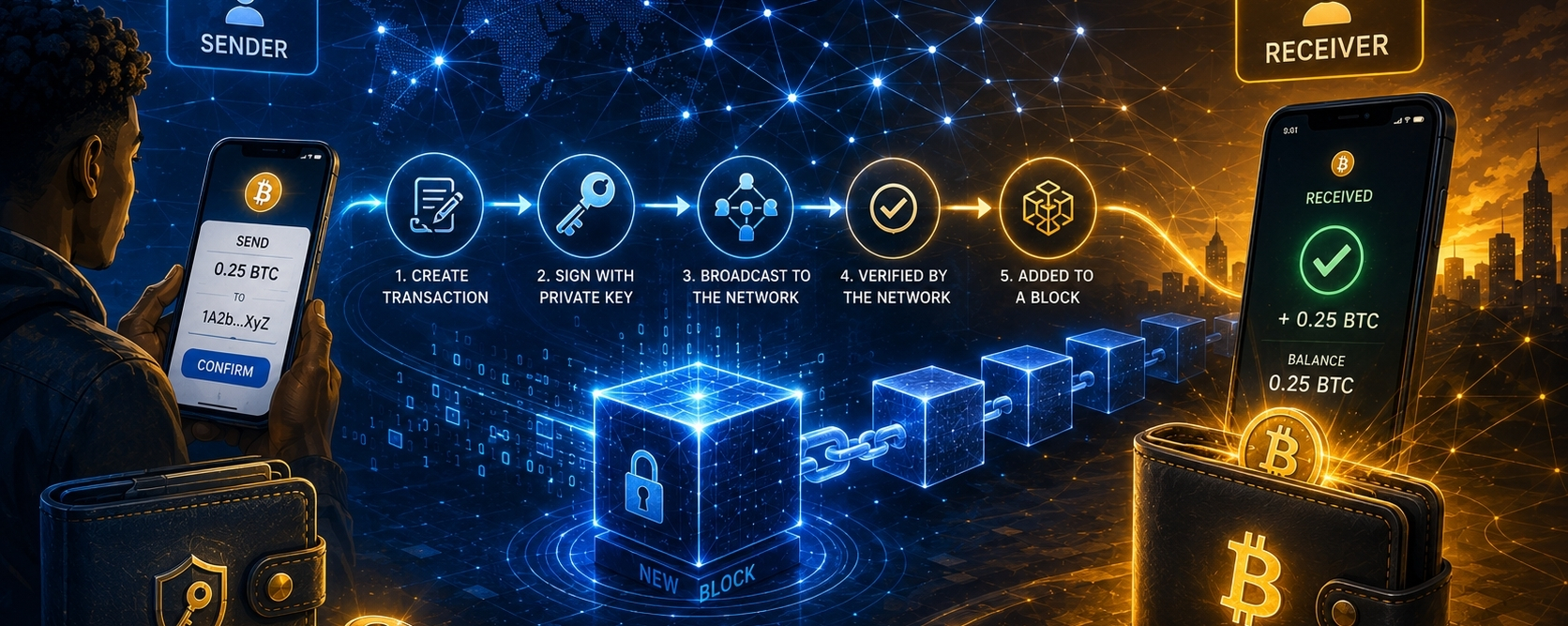
Lección 8: ¿Qué es una transacción de criptomonedas?Imagínate esto...
Imagina que quieres enviarle una carta a tu amigo.
Escribes su dirección en el sobre.
La oficina de correos lo revisa.
La carta viaja a través de diferentes centros de clasificación.
Por fin, llega a tu amigo.
Una transacción de criptomonedas funciona de manera similar.
En vez de enviar una carta, estás enviando un valor digital.
¿Qué es una transacción de criptomonedas?
Una transacción de criptomonedas es el proceso de transferir criptomonedas de una billetera a otra mediante una red blockchain.
Cada transacción se verifica antes de convertirse en una parte permanente de la blockchain.
Lección 8: ¿Qué es una transacción de criptomonedas?
Imagínate esto...
Imagina que quieres enviarle una carta a tu amigo.
Escribes su dirección en el sobre.
La oficina de correos lo revisa.
La carta viaja a través de diferentes centros de clasificación.
Por fin, llega a tu amigo.
Una transacción de criptomonedas funciona de manera similar.
En vez de enviar una carta, estás enviando un valor digital.
¿Qué es una transacción de criptomonedas?
Una transacción de criptomonedas es el proceso de transferir criptomonedas de una billetera a otra mediante una red blockchain.
Cada transacción se verifica antes de convertirse en una parte permanente de la blockchain.
Imagina que quieres enviarle una carta a tu amigo.
Escribes su dirección en el sobre.
La oficina de correos lo revisa.
La carta viaja a través de diferentes centros de clasificación.
Por fin, llega a tu amigo.
Una transacción de criptomonedas funciona de manera similar.
En vez de enviar una carta, estás enviando un valor digital.
¿Qué es una transacción de criptomonedas?
Una transacción de criptomonedas es el proceso de transferir criptomonedas de una billetera a otra mediante una red blockchain.
Cada transacción se verifica antes de convertirse en una parte permanente de la blockchain.
102

·
--
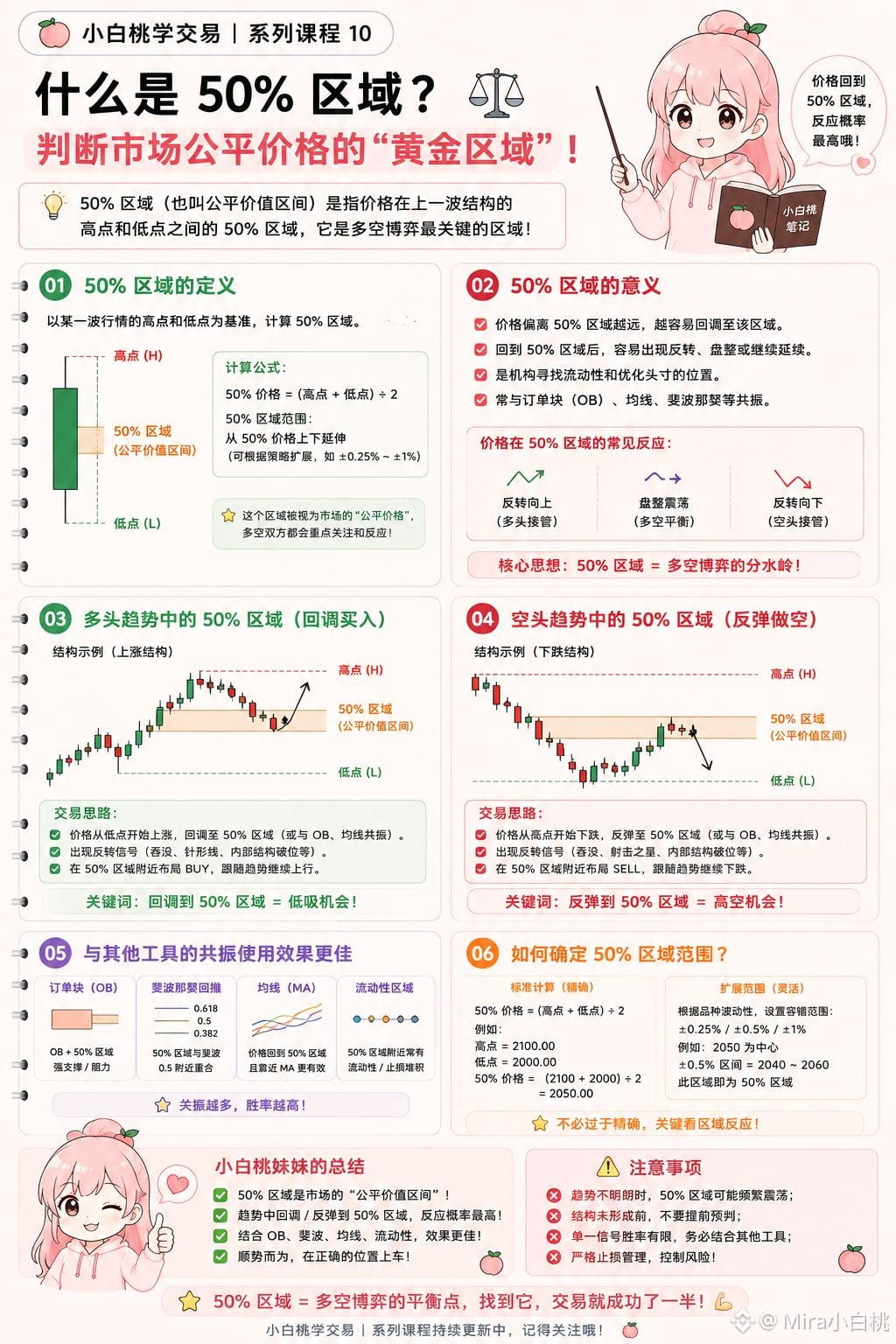
Material de estudio, ¡la décima lección de hoy ya llegó!
¡Aprendamos juntos, crezcamos juntos!
#学习 #LearnTogether
Material de estudio, ¡la décima lección de hoy ya llegó!
¡Aprendamos juntos, crezcamos juntos!
#学习 #LearnTogether
¡Aprendamos juntos, crezcamos juntos!
#学习 #LearnTogether
259
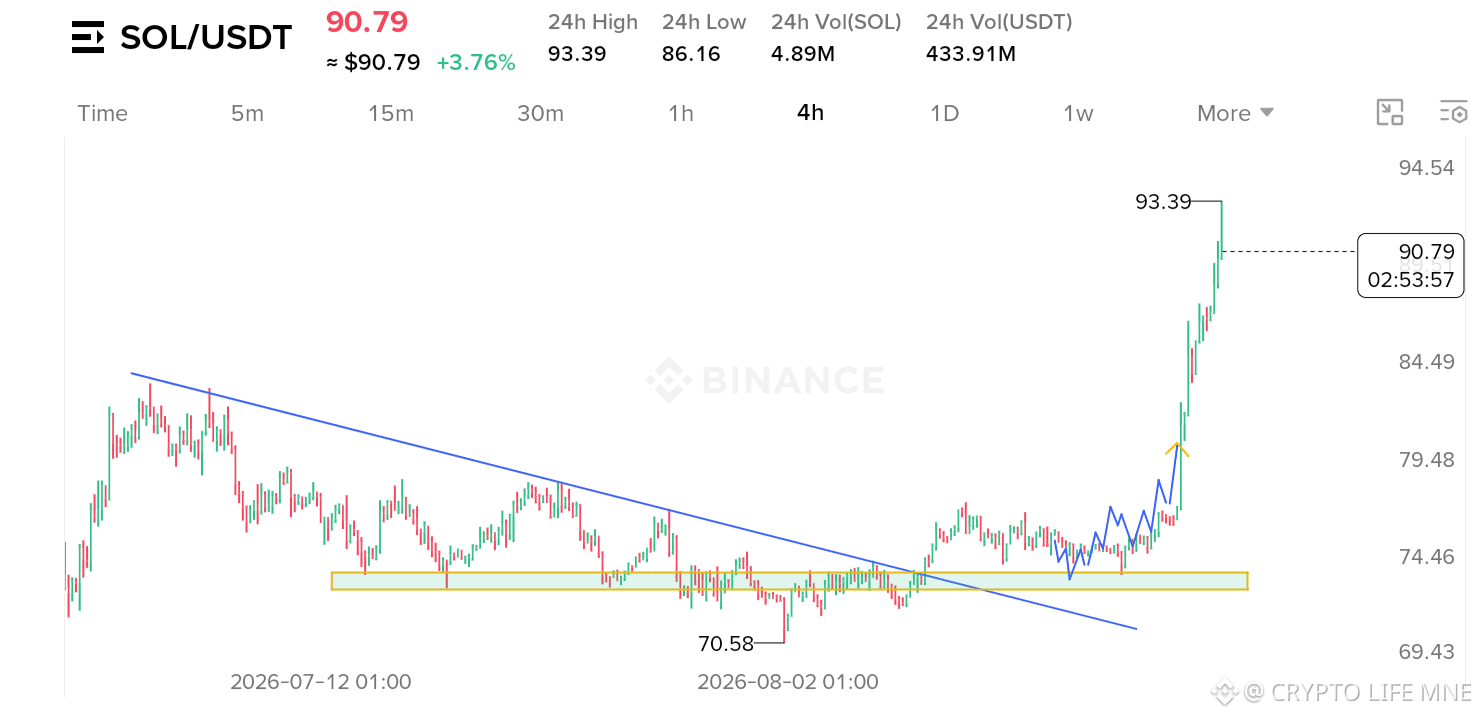
La mayoría de los traders se perdieron este movimiento. ¿Tú también?...... 📈👀
Esto no fue un breakout común: movimientos como este requieren meses de acumulación silenciosa para formarse.
Tanto si atrapaste esta subida como si te la perdiste por completo, recuerda esto: perderse un movimiento no es un fracaso, es una lección.
Si quieres operar como un pro:
Deja de pagarle a "gurús" caros por señales.
Aprende a ser paciente durante las fases largas de consolidación.
Siéntate a solas, registra en un diario tu entrada/salida y estudia lo que pasó.
Tus propios errores y aciertos son los mejores maestros. Domina los gráficos tú mismo, construye disciplina y las ganancias llegarán. ✍️
¿Montaste este $SOL breakout o estás esperando la próxima oportunidad de re-test o pullback??
$SOL
{future}(SOLUSDT)
#sol #solana #TechnicalAnalysis #LearnTogether
La mayoría de los traders se perdieron este movimiento. ¿Tú también?...... 📈👀
Esto no fue un breakout común: movimientos como este requieren meses de acumulación silenciosa para formarse.
Tanto si atrapaste esta subida como si te la perdiste por completo, recuerda esto: perderse un movimiento no es un fracaso, es una lección.
Si quieres operar como un pro:
Deja de pagarle a "gurús" caros por señales.
Aprende a ser paciente durante las fases largas de consolidación.
Siéntate a solas, registra en un diario tu entrada/salida y estudia lo que pasó.
Tus propios errores y aciertos son los mejores maestros. Domina los gráficos tú mismo, construye disciplina y las ganancias llegarán. ✍️
¿Montaste este $SOL breakout o estás esperando la próxima oportunidad de re-test o pullback??
$SOL
#sol #solana #TechnicalAnalysis #LearnTogether
Esto no fue un breakout común: movimientos como este requieren meses de acumulación silenciosa para formarse.
Tanto si atrapaste esta subida como si te la perdiste por completo, recuerda esto: perderse un movimiento no es un fracaso, es una lección.
Si quieres operar como un pro:
Deja de pagarle a "gurús" caros por señales.
Aprende a ser paciente durante las fases largas de consolidación.
Siéntate a solas, registra en un diario tu entrada/salida y estudia lo que pasó.
Tus propios errores y aciertos son los mejores maestros. Domina los gráficos tú mismo, construye disciplina y las ganancias llegarán. ✍️
¿Montaste este $SOL breakout o estás esperando la próxima oportunidad de re-test o pullback??
$SOL
#sol #solana #TechnicalAnalysis #LearnTogether
CRYPTO LIFE MNE
·
--
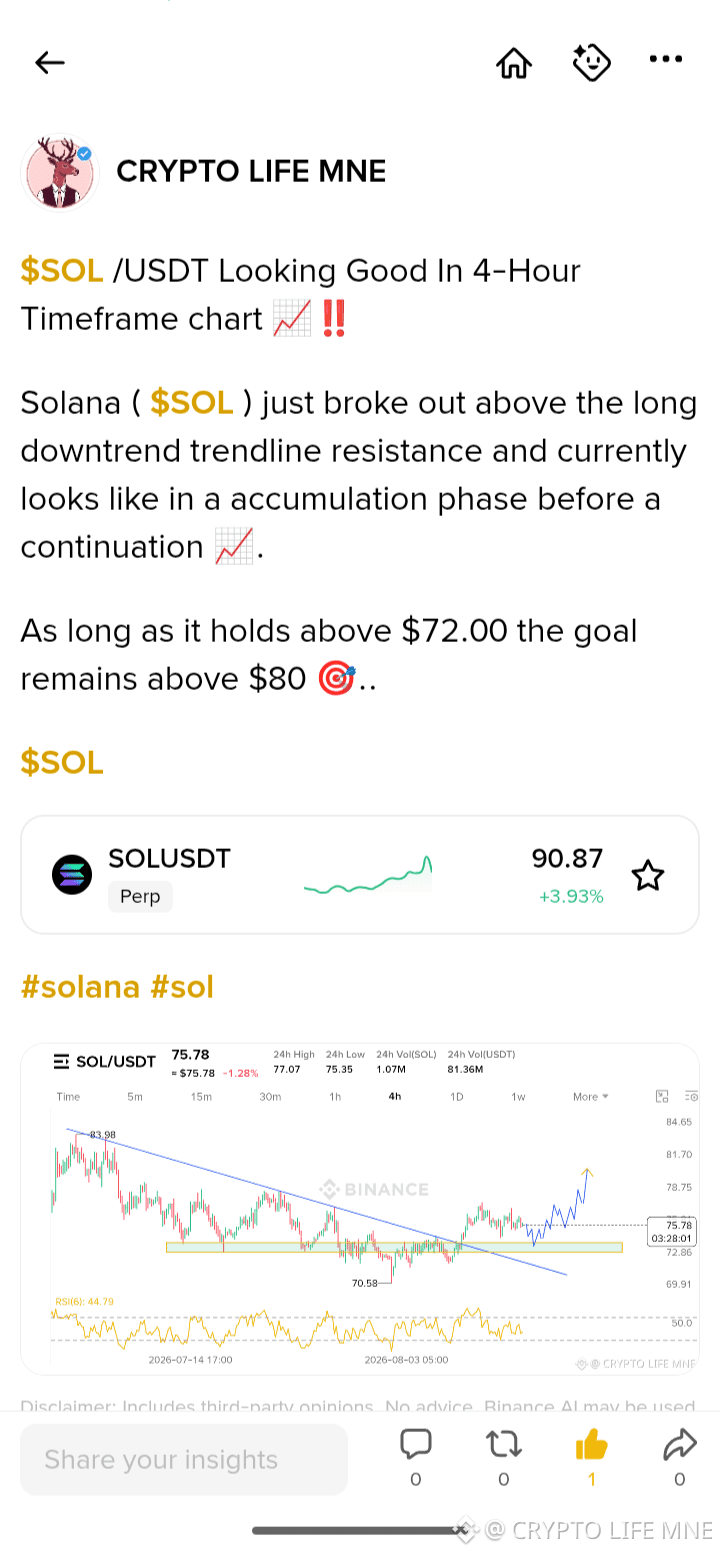
$SOL /USDT Se ve genial en el gráfico del marco de 4 horas 📈‼️
Solana ( $SOL ) acaba de romper por encima de la resistencia de la línea de tendencia de fuerte bajada y actualmente parece estar en una fase de acumulación antes de una continuación 📈.
Mientras se mantenga por encima de $72.00, el objetivo sigue estando por encima de $80 🎯..
$SOL
#solana #sol
Solana ( $SOL ) acaba de romper por encima de la resistencia de la línea de tendencia de fuerte bajada y actualmente parece estar en una fase de acumulación antes de una continuación 📈.
Mientras se mantenga por encima de $72.00, el objetivo sigue estando por encima de $80 🎯..
$SOL
#solana #sol
244

·
--
Alcista
¿Qué es la capitalización de mercado de las criptomonedas?
El término “crypto market cap es” es la abreviatura de “capitalización bursátil de criptomonedas”, que es una métrica usada para determinar el tamaño y el valor relativos de una criptomoneda. Puedes calcularla simplemente multiplicando el precio actual de una moneda por la cantidad total de monedas en circulación. Sin embargo, puede que ni siquiera necesites hacerlo, ya que muchas plataformas de criptomonedas la calculan por ti.
La capitalización de mercado de las criptomonedas a menudo se utiliza para clasificar criptomonedas, y una capitalización más alta generalmente indica una criptomoneda más estable y ampliamente aceptada. Por el contrario, una capitalización más baja suele señalar un activo más especulativo o volátil.
No obstante, ten en cuenta que esto es solo uno de los muchos factores a considerar al evaluar el potencial de una criptomoneda. También se deben considerar otros factores, como la tecnología, el equipo, la tokenómica y los casos de uso, al investigar criptomonedas.
#SheinToStartHKIPOBookbuildingAsSoonAsNextWeek #cryptobasics #LearnTogether
{spot}(MITOUSDT)
{alpha}(560x8b194370825e37b33373e74a41009161808c1488)
¿Qué es la capitalización de mercado de las criptomonedas?
El término “crypto market cap es” es la abreviatura de “capitalización bursátil de criptomonedas”, que es una métrica usada para determinar el tamaño y el valor relativos de una criptomoneda. Puedes calcularla simplemente multiplicando el precio actual de una moneda por la cantidad total de monedas en circulación. Sin embargo, puede que ni siquiera necesites hacerlo, ya que muchas plataformas de criptomonedas la calculan por ti.
La capitalización de mercado de las criptomonedas a menudo se utiliza para clasificar criptomonedas, y una capitalización más alta generalmente indica una criptomoneda más estable y ampliamente aceptada. Por el contrario, una capitalización más baja suele señalar un activo más especulativo o volátil.
No obstante, ten en cuenta que esto es solo uno de los muchos factores a considerar al evaluar el potencial de una criptomoneda. También se deben considerar otros factores, como la tecnología, el equipo, la tokenómica y los casos de uso, al investigar criptomonedas.
#SheinToStartHKIPOBookbuildingAsSoonAsNextWeek #cryptobasics #LearnTogether
El término “crypto market cap es” es la abreviatura de “capitalización bursátil de criptomonedas”, que es una métrica usada para determinar el tamaño y el valor relativos de una criptomoneda. Puedes calcularla simplemente multiplicando el precio actual de una moneda por la cantidad total de monedas en circulación. Sin embargo, puede que ni siquiera necesites hacerlo, ya que muchas plataformas de criptomonedas la calculan por ti.
La capitalización de mercado de las criptomonedas a menudo se utiliza para clasificar criptomonedas, y una capitalización más alta generalmente indica una criptomoneda más estable y ampliamente aceptada. Por el contrario, una capitalización más baja suele señalar un activo más especulativo o volátil.
No obstante, ten en cuenta que esto es solo uno de los muchos factores a considerar al evaluar el potencial de una criptomoneda. También se deben considerar otros factores, como la tecnología, el equipo, la tokenómica y los casos de uso, al investigar criptomonedas.
#SheinToStartHKIPOBookbuildingAsSoonAsNextWeek #cryptobasics #LearnTogether
113

·
--
📚 Principiantes en Crypto:
¿Cuál es tu mayor desafío?
1️⃣ Trading 2️⃣ Análisis Técnico 3️⃣ Gestión de Riesgos
#learncrypto #LearnTogether
📚 Principiantes en Crypto:
¿Cuál es tu mayor desafío?
1️⃣ Trading 2️⃣ Análisis Técnico 3️⃣ Gestión de Riesgos
#learncrypto #LearnTogether
¿Cuál es tu mayor desafío?
1️⃣ Trading 2️⃣ Análisis Técnico 3️⃣ Gestión de Riesgos
#learncrypto #LearnTogether
19

🧠 Publicación 5 — Consejo para principiantes sobre trading
¿Eres nuevo en el trading de criptomonedas? Empieza aquí 👇
1️⃣ Aprende análisis técnico básico
2️⃣ Entiende la gestión del riesgo
3️⃣ Empieza con posiciones pequeñas
4️⃣ Evita el apalancamiento excesivo
5️⃣ Lleva un diario de trading
6️⃣ Nunca operes basándote solo en la llamada de otra persona
Tu objetivo no es ganar en cada operación. Tu objetivo es sobrevivir y mejorar. 📚📈
#Beginnersguide #LearnTogether
🧠 Publicación 5 — Consejo para principiantes sobre trading
¿Eres nuevo en el trading de criptomonedas? Empieza aquí 👇
1️⃣ Aprende análisis técnico básico
2️⃣ Entiende la gestión del riesgo
3️⃣ Empieza con posiciones pequeñas
4️⃣ Evita el apalancamiento excesivo
5️⃣ Lleva un diario de trading
6️⃣ Nunca operes basándote solo en la llamada de otra persona
Tu objetivo no es ganar en cada operación. Tu objetivo es sobrevivir y mejorar. 📚📈
#Beginnersguide #LearnTogether
¿Eres nuevo en el trading de criptomonedas? Empieza aquí 👇
1️⃣ Aprende análisis técnico básico
2️⃣ Entiende la gestión del riesgo
3️⃣ Empieza con posiciones pequeñas
4️⃣ Evita el apalancamiento excesivo
5️⃣ Lleva un diario de trading
6️⃣ Nunca operes basándote solo en la llamada de otra persona
Tu objetivo no es ganar en cada operación. Tu objetivo es sobrevivir y mejorar. 📚📈
#Beginnersguide #LearnTogether
77
Inicia sesión para explorar más contenidos
Únete a usuarios de criptomonedas de todo el mundo en Binance Square
⚡️ Obtén la información más reciente y útil sobre criptomonedas.
💬 Confía en el mayor exchange de criptomonedas del mundo.
👍 Descubre opiniones reales de creadores verificados.
Correo electrónico/número de teléfono
Temas en tendencia
1
#USAugustPPIRisesLessThanExpected
72,251 visualizaciones
969 participa(n) en el debate
2
#SECApprovesNasdaqTexasCommodityTrustRule
36,976 visualizaciones
663 participa(n) en el debate
3
#ECBRaisesRatesSecondTimeTo2.5%
32,619 visualizaciones
471 participa(n) en el debate
4
#USContinuingJoblessClaims1.774M
43,611 visualizaciones
567 participa(n) en el debate
5
#USAugustPPIYoYRisesTo5.4%
39,474 visualizaciones
431 participa(n) en el debate
6
#AppleDebutsFoldablePhone
120,848 visualizaciones
1,611 participa(n) en el debate
7
#TSMCAugustRevenueUp53.3%YoY
29,299 visualizaciones
570 participa(n) en el debate
8
#IranSaysReadyToEscalateWarWithUS
44,293 visualizaciones
562 participa(n) en el debate
9
#EUExtendsCentralContactPointToCASPs
36,278 visualizaciones
560 participa(n) en el debate
10
#US10YTreasuryYieldHitsHighestSinceNov2023
78,106 visualizaciones
882 participa(n) en el debate