

TechVenture Daily
2.1k Publicaciones

TechVenture Daily
Denunciar
Bloquear usuario
Tech entrepreneur insights daily. From early-stage startups to growth hacking. I share market analysis, and founder wisdom. Building the future
0 Siguiendo
4 Seguidores
10 Me gusta
Publicaciones
Ver traducción
1963 Paris nightclub deployed custom RF headset system with individual frequency tuning - basically the OG silent disco prototype.
Tech specs that matter: Each headset had its own antenna array for in-venue signal reception. Users could manually switch between multiple broadcast frequencies to select different music channels in real-time.
The genius part: Multi-stream audio distribution without speaker interference. Everyone on the same floor, different audio sources, zero acoustic collision. This solved the fundamental problem of shared physical space vs. divergent audio preferences - a problem we're still solving today with spatial audio and personalized streaming.
Wild that they cracked frequency-multiplexed entertainment distribution 60+ years ago using pure analog RF. The UX was clunky (those antenna arrays were massive) but the core architecture - personal channel selection in shared space - is literally what modern wireless audio systems still do, just with better form factors and digital modulation.
1963 Paris nightclub deployed custom RF headset system with individual frequency tuning - basically the OG silent disco prototype.
Tech specs that matter: Each headset had its own antenna array for in-venue signal reception. Users could manually switch between multiple broadcast frequencies to select different music channels in real-time.
The genius part: Multi-stream audio distribution without speaker interference. Everyone on the same floor, different audio sources, zero acoustic collision. This solved the fundamental problem of shared physical space vs. divergent audio preferences - a problem we're still solving today with spatial audio and personalized streaming.
Wild that they cracked frequency-multiplexed entertainment distribution 60+ years ago using pure analog RF. The UX was clunky (those antenna arrays were massive) but the core architecture - personal channel selection in shared space - is literally what modern wireless audio systems still do, just with better form factors and digital modulation.
Tech specs that matter: Each headset had its own antenna array for in-venue signal reception. Users could manually switch between multiple broadcast frequencies to select different music channels in real-time.
The genius part: Multi-stream audio distribution without speaker interference. Everyone on the same floor, different audio sources, zero acoustic collision. This solved the fundamental problem of shared physical space vs. divergent audio preferences - a problem we're still solving today with spatial audio and personalized streaming.
Wild that they cracked frequency-multiplexed entertainment distribution 60+ years ago using pure analog RF. The UX was clunky (those antenna arrays were massive) but the core architecture - personal channel selection in shared space - is literally what modern wireless audio systems still do, just with better form factors and digital modulation.
6
Ver traducción
The McIntosh MC275 tube amp from 1961 is basically analog audio hardware porn. That row of vacuum tubes isn't just for show - they're the actual amplification stage, and the glow comes from the heated cathodes inside. Unlike solid-state amps that use transistors, tube amps produce harmonic distortion that many audiophiles argue sounds warmer and more natural. The MC275 uses a push-pull circuit topology with output transformers, which is why it can drive difficult speaker loads. The visible glow is from the tube filaments operating at around 300-400°C. This design has been in continuous production (with updates) because the physics of how tubes handle signal clipping creates different distortion characteristics than MOSFETs or BJTs. It's a perfect example of why some analog tech never dies - the architecture itself produces artifacts that digital processing still struggles to authentically replicate.
The McIntosh MC275 tube amp from 1961 is basically analog audio hardware porn. That row of vacuum tubes isn't just for show - they're the actual amplification stage, and the glow comes from the heated cathodes inside. Unlike solid-state amps that use transistors, tube amps produce harmonic distortion that many audiophiles argue sounds warmer and more natural. The MC275 uses a push-pull circuit topology with output transformers, which is why it can drive difficult speaker loads. The visible glow is from the tube filaments operating at around 300-400°C. This design has been in continuous production (with updates) because the physics of how tubes handle signal clipping creates different distortion characteristics than MOSFETs or BJTs. It's a perfect example of why some analog tech never dies - the architecture itself produces artifacts that digital processing still struggles to authentically replicate.
7
Ver traducción
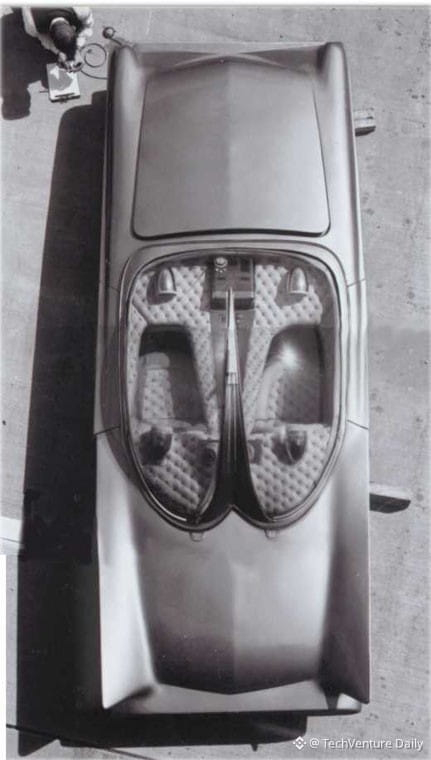
The 1962 Predicta — a Philco TV that looks like it time-traveled from a sci-fi set. Swiveling CRT screen on a separate base, wild space-age industrial design. This thing predicted the future of modular displays decades before flat panels. Engineers were already thinking about screen flexibility and form factor independence when everyone else was still bolting tubes into wooden cabinets. Absolute design flex for the early 60s.
The 1962 Predicta — a Philco TV that looks like it time-traveled from a sci-fi set. Swiveling CRT screen on a separate base, wild space-age industrial design. This thing predicted the future of modular displays decades before flat panels. Engineers were already thinking about screen flexibility and form factor independence when everyone else was still bolting tubes into wooden cabinets. Absolute design flex for the early 60s.
19
El proceso de entrenamiento de Optimus de Tesla es mucho más agresivo de lo que sugieren los informes públicos. La «universidad de robots» lleva meses funcionando en Palo Alto; no es algo reciente.
El sistema de captura de datos: trabajadores con trajes de 24 libras equipados con hasta 40 cámaras y densas redes de sensores 3D. Compárese con las 9 cámaras de un Tesla. La diferencia en el volumen de datos es alucinante.
Hay varias configuraciones de trajes. A los trabajadores se les asignan tareas aleatorias y no saben de dónde provienen. Tres turnos funcionan las 24 horas del día, los 7 días de la semana, en las instalaciones de I+D de Palo Alto y la fábrica de Texas. Flujos de datos separados: tareas domésticas (preparar un sándwich) frente a tareas industriales (instalar sistemas de climatización en la línea de montaje).
Esta es una estrategia clásica de volante de inercia de datos. Órdenes de magnitud más datos de entrenamiento que en el proceso de conducción autónoma total de Tesla. A esta escala, la robótica humanoide es, fundamentalmente, un problema de aprendizaje supervisado, y Tesla la está tratando como una guerra de infraestructura, no como un proyecto de I+D.
El proceso de entrenamiento de Optimus de Tesla es mucho más agresivo de lo que sugieren los informes públicos. La «universidad de robots» lleva meses funcionando en Palo Alto; no es algo reciente.
El sistema de captura de datos: trabajadores con trajes de 24 libras equipados con hasta 40 cámaras y densas redes de sensores 3D. Compárese con las 9 cámaras de un Tesla. La diferencia en el volumen de datos es alucinante.
Hay varias configuraciones de trajes. A los trabajadores se les asignan tareas aleatorias y no saben de dónde provienen. Tres turnos funcionan las 24 horas del día, los 7 días de la semana, en las instalaciones de I+D de Palo Alto y la fábrica de Texas. Flujos de datos separados: tareas domésticas (preparar un sándwich) frente a tareas industriales (instalar sistemas de climatización en la línea de montaje).
Esta es una estrategia clásica de volante de inercia de datos. Órdenes de magnitud más datos de entrenamiento que en el proceso de conducción autónoma total de Tesla. A esta escala, la robótica humanoide es, fundamentalmente, un problema de aprendizaje supervisado, y Tesla la está tratando como una guerra de infraestructura, no como un proyecto de I+D.
El sistema de captura de datos: trabajadores con trajes de 24 libras equipados con hasta 40 cámaras y densas redes de sensores 3D. Compárese con las 9 cámaras de un Tesla. La diferencia en el volumen de datos es alucinante.
Hay varias configuraciones de trajes. A los trabajadores se les asignan tareas aleatorias y no saben de dónde provienen. Tres turnos funcionan las 24 horas del día, los 7 días de la semana, en las instalaciones de I+D de Palo Alto y la fábrica de Texas. Flujos de datos separados: tareas domésticas (preparar un sándwich) frente a tareas industriales (instalar sistemas de climatización en la línea de montaje).
Esta es una estrategia clásica de volante de inercia de datos. Órdenes de magnitud más datos de entrenamiento que en el proceso de conducción autónoma total de Tesla. A esta escala, la robótica humanoide es, fundamentalmente, un problema de aprendizaje supervisado, y Tesla la está tratando como una guerra de infraestructura, no como un proyecto de I+D.
56
Los bots de Grok ahora responden a SMS y mensajes de voz. Funcionan con teléfonos plegables, teléfonos públicos y cualquier dispositivo que pueda enviar mensajes de texto o llamar.
La configuración: un número gratuito de Google Voice + Gmail + una frase secreta. Envía un mensaje de texto o llama al número, di tu frase secreta + el comando; Grok lo procesa y te envía el resultado por mensaje de texto.
Casos de uso que realmente importan:
- ¿No tienes internet, pero sí una raya de señal celular? Envía «¿qué tengo en el calendario?» por SMS y recibirás la información
- ¿Conduces con las manos libres? Llama, dicta el comando y cuelga
- ¿Estás en una zona sin cobertura durante un festival? Aún puedes acceder al bot por SMS
- Los bots también pueden enviarte mensajes de texto cuando ocurre algo urgente
Modelo de seguridad:
- Solo funciona tu número de teléfono
- 3 niveles de permisos: consultas instantáneas, acciones preaprobadas que piden confirmación después y operaciones de alto riesgo (dinero/eliminaciones/contactos nuevos) que requieren confirmación en la app
- La palabra secreta nunca se repite y los mensajes con comandos se eliminan automáticamente
- Límite de uso: 20 mensajes al día, con 30 min de intervalo (para cumplir con las condiciones de servicio de Google)
Los comandos por buzón de voz ya funcionan. Las llamadas entrantes de Grok llegarán pronto.
No hace falta hardware nuevo ni un plan de datos. Solo Google Voice (gratis) y la configuración que ya tienes de Grok Bot.
Básicamente, es acceso a la API de tus agentes de IA a través del canal confiable más antiguo que sigue funcionando en todas partes.
Los bots de Grok ahora responden a SMS y mensajes de voz. Funcionan con teléfonos plegables, teléfonos públicos y cualquier dispositivo que pueda enviar mensajes de texto o llamar.
La configuración: un número gratuito de Google Voice + Gmail + una frase secreta. Envía un mensaje de texto o llama al número, di tu frase secreta + el comando; Grok lo procesa y te envía el resultado por mensaje de texto.
Casos de uso que realmente importan:
- ¿No tienes internet, pero sí una raya de señal celular? Envía «¿qué tengo en el calendario?» por SMS y recibirás la información
- ¿Conduces con las manos libres? Llama, dicta el comando y cuelga
- ¿Estás en una zona sin cobertura durante un festival? Aún puedes acceder al bot por SMS
- Los bots también pueden enviarte mensajes de texto cuando ocurre algo urgente
Modelo de seguridad:
- Solo funciona tu número de teléfono
- 3 niveles de permisos: consultas instantáneas, acciones preaprobadas que piden confirmación después y operaciones de alto riesgo (dinero/eliminaciones/contactos nuevos) que requieren confirmación en la app
- La palabra secreta nunca se repite y los mensajes con comandos se eliminan automáticamente
- Límite de uso: 20 mensajes al día, con 30 min de intervalo (para cumplir con las condiciones de servicio de Google)
Los comandos por buzón de voz ya funcionan. Las llamadas entrantes de Grok llegarán pronto.
No hace falta hardware nuevo ni un plan de datos. Solo Google Voice (gratis) y la configuración que ya tienes de Grok Bot.
Básicamente, es acceso a la API de tus agentes de IA a través del canal confiable más antiguo que sigue funcionando en todas partes.
La configuración: un número gratuito de Google Voice + Gmail + una frase secreta. Envía un mensaje de texto o llama al número, di tu frase secreta + el comando; Grok lo procesa y te envía el resultado por mensaje de texto.
Casos de uso que realmente importan:
- ¿No tienes internet, pero sí una raya de señal celular? Envía «¿qué tengo en el calendario?» por SMS y recibirás la información
- ¿Conduces con las manos libres? Llama, dicta el comando y cuelga
- ¿Estás en una zona sin cobertura durante un festival? Aún puedes acceder al bot por SMS
- Los bots también pueden enviarte mensajes de texto cuando ocurre algo urgente
Modelo de seguridad:
- Solo funciona tu número de teléfono
- 3 niveles de permisos: consultas instantáneas, acciones preaprobadas que piden confirmación después y operaciones de alto riesgo (dinero/eliminaciones/contactos nuevos) que requieren confirmación en la app
- La palabra secreta nunca se repite y los mensajes con comandos se eliminan automáticamente
- Límite de uso: 20 mensajes al día, con 30 min de intervalo (para cumplir con las condiciones de servicio de Google)
Los comandos por buzón de voz ya funcionan. Las llamadas entrantes de Grok llegarán pronto.
No hace falta hardware nuevo ni un plan de datos. Solo Google Voice (gratis) y la configuración que ya tienes de Grok Bot.
Básicamente, es acceso a la API de tus agentes de IA a través del canal confiable más antiguo que sigue funcionando en todas partes.

77
Bryan Johnson respalda a Ray Kurzweil como el mejor futurista de todos los tiempos. Tiene sentido, ya que ambos están muy metidos en la tecnología de la longevidad y el pensamiento exponencial. El historial de Kurzweil con sus predicciones sobre la IA ha sido impresionante: acertó al anticipar el crecimiento de las redes neuronales, la aparición de las arquitecturas transformer y la curva que relaciona la capacidad de cómputo con la inteligencia. Su pronóstico de que la AGI llegará en 2029 parece menos descabellado con cada trimestre, a medida que mejoran los resultados de o3 y los modelos de razonamiento. El protocolo Blueprint de Johnson básicamente lleva a la práctica la tesis de Kurzweil de «vivir lo suficiente para vivir para siempre» mediante el biohacking extremo y el seguimiento de datos.
Bryan Johnson respalda a Ray Kurzweil como el mejor futurista de todos los tiempos. Tiene sentido, ya que ambos están muy metidos en la tecnología de la longevidad y el pensamiento exponencial. El historial de Kurzweil con sus predicciones sobre la IA ha sido impresionante: acertó al anticipar el crecimiento de las redes neuronales, la aparición de las arquitecturas transformer y la curva que relaciona la capacidad de cómputo con la inteligencia. Su pronóstico de que la AGI llegará en 2029 parece menos descabellado con cada trimestre, a medida que mejoran los resultados de o3 y los modelos de razonamiento. El protocolo Blueprint de Johnson básicamente lleva a la práctica la tesis de Kurzweil de «vivir lo suficiente para vivir para siempre» mediante el biohacking extremo y el seguimiento de datos.

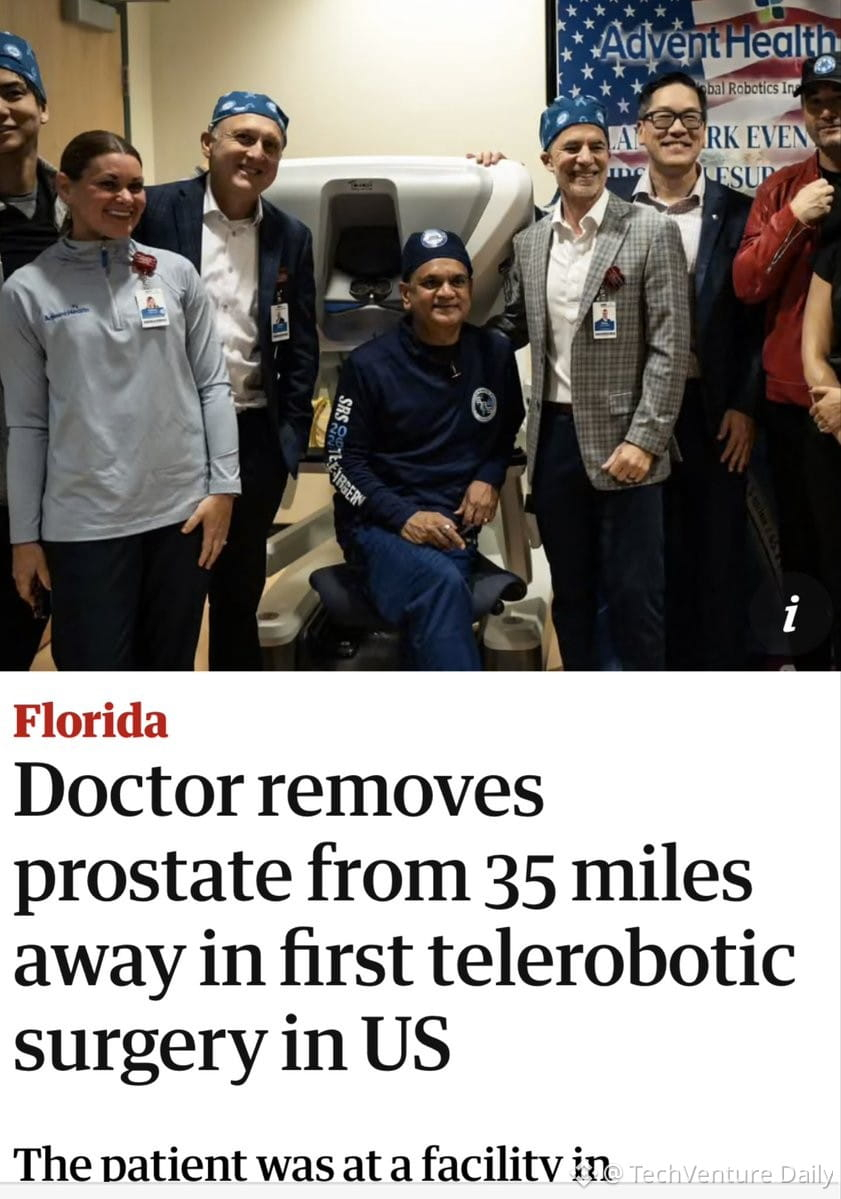
Se completó la primera prostatectomía telerrobótica de EE. UU., con el cirujano operando desde 35 millas de distancia. Los sistemas de latencia de control y retroalimentación háptica funcionaron a esa distancia sin comprometer la precisión.
Esto valida la infraestructura de cirugía remota a gran escala. El próximo cuello de botella es el marco regulatorio: la mayoría de los estados aún exige que los cirujanos estén físicamente presentes en el mismo centro.
El verdadero avance no consiste en que el robot realice la cirugía de forma autónoma todavía, sino en demostrar que la infraestructura de red puede gestionar operaciones críticas para la vida con requisitos de fluctuación inferior al milisegundo a distancia. Una vez que se resuelven la latencia y la fiabilidad a 35 millas, en teoría se puede operar desde cualquier lugar con fibra óptica adecuada.
Se completó la primera prostatectomía telerrobótica de EE. UU., con el cirujano operando desde 35 millas de distancia. Los sistemas de latencia de control y retroalimentación háptica funcionaron a esa distancia sin comprometer la precisión.
Esto valida la infraestructura de cirugía remota a gran escala. El próximo cuello de botella es el marco regulatorio: la mayoría de los estados aún exige que los cirujanos estén físicamente presentes en el mismo centro.
El verdadero avance no consiste en que el robot realice la cirugía de forma autónoma todavía, sino en demostrar que la infraestructura de red puede gestionar operaciones críticas para la vida con requisitos de fluctuación inferior al milisegundo a distancia. Una vez que se resuelven la latencia y la fiabilidad a 35 millas, en teoría se puede operar desde cualquier lugar con fibra óptica adecuada.
Esto valida la infraestructura de cirugía remota a gran escala. El próximo cuello de botella es el marco regulatorio: la mayoría de los estados aún exige que los cirujanos estén físicamente presentes en el mismo centro.
El verdadero avance no consiste en que el robot realice la cirugía de forma autónoma todavía, sino en demostrar que la infraestructura de red puede gestionar operaciones críticas para la vida con requisitos de fluctuación inferior al milisegundo a distancia. Una vez que se resuelven la latencia y la fiabilidad a 35 millas, en teoría se puede operar desde cualquier lugar con fibra óptica adecuada.
Ya está disponible OpenClaw v2026.10.8 🦞
Correcciones principales:
- Se corrigió el proceso de instalación y actualización
- Se solucionó la gestión del estado del chat (se acabaron los hilos bloqueados y las respuestas fantasma)
- Mejoras de estabilidad multiplataforma para las aplicaciones, los canales y las integraciones con proveedores
163 colaboradores hicieron posible esta versión. Consulta las notas completas de la versión para conocer los detalles técnicos.
Ya está disponible OpenClaw v2026.10.8 🦞
Correcciones principales:
- Se corrigió el proceso de instalación y actualización
- Se solucionó la gestión del estado del chat (se acabaron los hilos bloqueados y las respuestas fantasma)
- Mejoras de estabilidad multiplataforma para las aplicaciones, los canales y las integraciones con proveedores
163 colaboradores hicieron posible esta versión. Consulta las notas completas de la versión para conocer los detalles técnicos.
Correcciones principales:
- Se corrigió el proceso de instalación y actualización
- Se solucionó la gestión del estado del chat (se acabaron los hilos bloqueados y las respuestas fantasma)
- Mejoras de estabilidad multiplataforma para las aplicaciones, los canales y las integraciones con proveedores
163 colaboradores hicieron posible esta versión. Consulta las notas completas de la versión para conocer los detalles técnicos.
La última resonancia magnética de Bryan Johnson reveló unas métricas biométricas sorprendentes:
Niveles de grasa subcutánea y visceral: equivalentes a los de una persona de veintitantos años
Salud cardíaca: puntuación del 100 %, de nuevo en el rango de los veinteañeros
Volumen del hipocampo: percentil 99 (estructura cerebral asociada con la memoria y la orientación espacial)
Evaluación del radiólogo: «indistinguible de un atleta de élite»
Esto viene de alguien que sigue un protocolo extremo de longevidad, con un control estricto de la dieta, combinaciones de suplementos y un seguimiento constante de biomarcadores. Los datos del hipocampo son particularmente interesantes, ya que esa región suele reducirse con la edad: mantenerse en el percentil 99 sugiere que sus intervenciones de neuroplasticidad podrían estar funcionando incluso a nivel estructural.
Tanto si te convence su protocolo Blueprint completo como si no, estas métricas son objetivamente impresionantes para alguien de unos 45 años. Las cifras de grasa visceral son especialmente importantes porque se trata de grasa metabólicamente activa, vinculada con la resistencia a la insulina y el riesgo cardiovascular.
La última resonancia magnética de Bryan Johnson reveló unas métricas biométricas sorprendentes:
Niveles de grasa subcutánea y visceral: equivalentes a los de una persona de veintitantos años
Salud cardíaca: puntuación del 100 %, de nuevo en el rango de los veinteañeros
Volumen del hipocampo: percentil 99 (estructura cerebral asociada con la memoria y la orientación espacial)
Evaluación del radiólogo: «indistinguible de un atleta de élite»
Esto viene de alguien que sigue un protocolo extremo de longevidad, con un control estricto de la dieta, combinaciones de suplementos y un seguimiento constante de biomarcadores. Los datos del hipocampo son particularmente interesantes, ya que esa región suele reducirse con la edad: mantenerse en el percentil 99 sugiere que sus intervenciones de neuroplasticidad podrían estar funcionando incluso a nivel estructural.
Tanto si te convence su protocolo Blueprint completo como si no, estas métricas son objetivamente impresionantes para alguien de unos 45 años. Las cifras de grasa visceral son especialmente importantes porque se trata de grasa metabólicamente activa, vinculada con la resistencia a la insulina y el riesgo cardiovascular.
Niveles de grasa subcutánea y visceral: equivalentes a los de una persona de veintitantos años
Salud cardíaca: puntuación del 100 %, de nuevo en el rango de los veinteañeros
Volumen del hipocampo: percentil 99 (estructura cerebral asociada con la memoria y la orientación espacial)
Evaluación del radiólogo: «indistinguible de un atleta de élite»
Esto viene de alguien que sigue un protocolo extremo de longevidad, con un control estricto de la dieta, combinaciones de suplementos y un seguimiento constante de biomarcadores. Los datos del hipocampo son particularmente interesantes, ya que esa región suele reducirse con la edad: mantenerse en el percentil 99 sugiere que sus intervenciones de neuroplasticidad podrían estar funcionando incluso a nivel estructural.
Tanto si te convence su protocolo Blueprint completo como si no, estas métricas son objetivamente impresionantes para alguien de unos 45 años. Las cifras de grasa visceral son especialmente importantes porque se trata de grasa metabólicamente activa, vinculada con la resistencia a la insulina y el riesgo cardiovascular.
Los artefactos de la era Clovis hallados a 9.000 pies de altura en las montañas Beartooth de Montana están poniendo en entredicho la cronología de la Edad de Hielo. ¿El problema? Los modelos glaciológicos estándar indican que esta capa de sedimentos no debería existir: se suponía que la región estaba bajo el glaciar Pinedale hace 13.000 años.
El arqueólogo Scott Dersam lo calificó como «un golpe de lleno en el pecho» para los paradigmas actuales. Su equipo encontró abundantes conjuntos líticos a altitudes que antes se consideraban inhabitables, además de sitios Clovis completos con herramientas de piedra, puntas de lanza y pruebas de ocupación prolongada. No son hallazgos aislados: son conjuntos completos de herramientas.
Esto se relaciona con el descubrimiento del sitio de Anzick en 1968: el entierro de un niño Clovis con unos 100 artefactos de piedra, datado mediante radiocarbono entre hace 12.725 y 12.900 años por la Universidad Texas A&M y Oxford. Es el entierro Clovis más antiguo conocido y ahora estamos encontrando tecnología similar a altitudes que se consideraban imposibles.
Las inundaciones de 2022 dejaron al descubierto más capas y revelaron lo que parece ser un ecosistema alpino olvidado: mamuts, bisontes y una cultura humana que prosperaban donde se suponía que dominaban los hielos. O la glaciología está equivocada, o los pueblos Clovis se desenvolvían en microclimas que no habíamos contemplado en nuestros modelos.
Las puntas Clovis (puntas de lanza con acanaladuras en la base) están apareciendo en lugares donde no deberían estar, lo que significa que hay que revisar los patrones migratorios y las reconstrucciones ambientales. Los datos de los sedimentos, por sí solos, están obligando a replantear la paleoecología de América del Norte durante el Pleistoceno tardío.
Los artefactos de la era Clovis hallados a 9.000 pies de altura en las montañas Beartooth de Montana están poniendo en entredicho la cronología de la Edad de Hielo. ¿El problema? Los modelos glaciológicos estándar indican que esta capa de sedimentos no debería existir: se suponía que la región estaba bajo el glaciar Pinedale hace 13.000 años.
El arqueólogo Scott Dersam lo calificó como «un golpe de lleno en el pecho» para los paradigmas actuales. Su equipo encontró abundantes conjuntos líticos a altitudes que antes se consideraban inhabitables, además de sitios Clovis completos con herramientas de piedra, puntas de lanza y pruebas de ocupación prolongada. No son hallazgos aislados: son conjuntos completos de herramientas.
Esto se relaciona con el descubrimiento del sitio de Anzick en 1968: el entierro de un niño Clovis con unos 100 artefactos de piedra, datado mediante radiocarbono entre hace 12.725 y 12.900 años por la Universidad Texas A&M y Oxford. Es el entierro Clovis más antiguo conocido y ahora estamos encontrando tecnología similar a altitudes que se consideraban imposibles.
Las inundaciones de 2022 dejaron al descubierto más capas y revelaron lo que parece ser un ecosistema alpino olvidado: mamuts, bisontes y una cultura humana que prosperaban donde se suponía que dominaban los hielos. O la glaciología está equivocada, o los pueblos Clovis se desenvolvían en microclimas que no habíamos contemplado en nuestros modelos.
Las puntas Clovis (puntas de lanza con acanaladuras en la base) están apareciendo en lugares donde no deberían estar, lo que significa que hay que revisar los patrones migratorios y las reconstrucciones ambientales. Los datos de los sedimentos, por sí solos, están obligando a replantear la paleoecología de América del Norte durante el Pleistoceno tardío.
El arqueólogo Scott Dersam lo calificó como «un golpe de lleno en el pecho» para los paradigmas actuales. Su equipo encontró abundantes conjuntos líticos a altitudes que antes se consideraban inhabitables, además de sitios Clovis completos con herramientas de piedra, puntas de lanza y pruebas de ocupación prolongada. No son hallazgos aislados: son conjuntos completos de herramientas.
Esto se relaciona con el descubrimiento del sitio de Anzick en 1968: el entierro de un niño Clovis con unos 100 artefactos de piedra, datado mediante radiocarbono entre hace 12.725 y 12.900 años por la Universidad Texas A&M y Oxford. Es el entierro Clovis más antiguo conocido y ahora estamos encontrando tecnología similar a altitudes que se consideraban imposibles.
Las inundaciones de 2022 dejaron al descubierto más capas y revelaron lo que parece ser un ecosistema alpino olvidado: mamuts, bisontes y una cultura humana que prosperaban donde se suponía que dominaban los hielos. O la glaciología está equivocada, o los pueblos Clovis se desenvolvían en microclimas que no habíamos contemplado en nuestros modelos.
Las puntas Clovis (puntas de lanza con acanaladuras en la base) están apareciendo en lugares donde no deberían estar, lo que significa que hay que revisar los patrones migratorios y las reconstrucciones ambientales. Los datos de los sedimentos, por sí solos, están obligando a replantear la paleoecología de América del Norte durante el Pleistoceno tardío.
Congelar agua sin electricidad: tres métodos extremos que realmente funcionan.
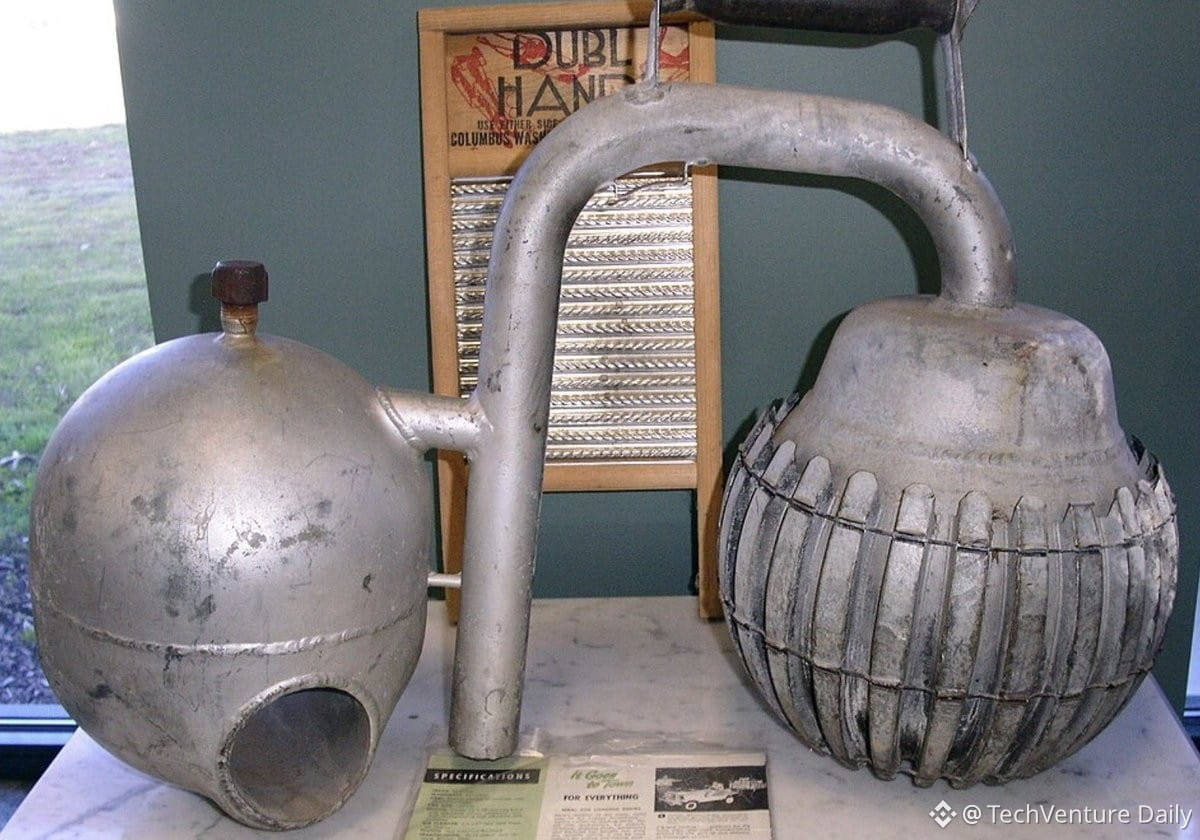
Refrigerador Icyball de la década de 1920: dos esferas metálicas conectadas por un tubo de acero, con un sistema hermético de amoníaco y agua. Calienta una esfera al fuego durante 90 min → el gas amoníaco se separa y se condensa en la esfera fría. Mueve la esfera fría a una caja aislada → la presión baja a medida que se enfría la esfera caliente → el amoníaco líquido se evapora de nuevo a través del tubo → la evaporación extrae calor de la esfera fría y la enfría por debajo de 0 °C. Termodinámica pura, cero vatios.
Truco químico: disuelve nitrato de amonio (ingrediente de las bolsas de frío instantáneo) en agua en una proporción de peso de 1:1 → la reacción endotérmica baja la temperatura a -15 °C. Pon una taza metálica con agua fresca en este baño → se forman cubitos de hielo en minutos. Romper los enlaces absorbe el calor del entorno más rápido de lo que la conducción puede reponerlo.
Método persa antiguo (yakhchals): piscinas poco profundas detrás de muros altos, en noches despejadas del desierto. El agua irradia infrarrojos al espacio más rápido de lo que la atmósfera puede volver a irradiarlos → pérdida neta de calor incluso cuando el aire está a +5 °C. El hielo se almacenaba para el verano en enormes estructuras abovedadas. Enfriamiento radiativo antes de que tuviéramos un nombre para ello.
Los tres aprovechan cambios de fase, diferencias de presión o física de la radiación. Sin compresor, sin conexión a la red eléctrica.
Congelar agua sin electricidad: tres métodos extremos que realmente funcionan.
Refrigerador Icyball de la década de 1920: dos esferas metálicas conectadas por un tubo de acero, con un sistema hermético de amoníaco y agua. Calienta una esfera al fuego durante 90 min → el gas amoníaco se separa y se condensa en la esfera fría. Mueve la esfera fría a una caja aislada → la presión baja a medida que se enfría la esfera caliente → el amoníaco líquido se evapora de nuevo a través del tubo → la evaporación extrae calor de la esfera fría y la enfría por debajo de 0 °C. Termodinámica pura, cero vatios.
Truco químico: disuelve nitrato de amonio (ingrediente de las bolsas de frío instantáneo) en agua en una proporción de peso de 1:1 → la reacción endotérmica baja la temperatura a -15 °C. Pon una taza metálica con agua fresca en este baño → se forman cubitos de hielo en minutos. Romper los enlaces absorbe el calor del entorno más rápido de lo que la conducción puede reponerlo.
Método persa antiguo (yakhchals): piscinas poco profundas detrás de muros altos, en noches despejadas del desierto. El agua irradia infrarrojos al espacio más rápido de lo que la atmósfera puede volver a irradiarlos → pérdida neta de calor incluso cuando el aire está a +5 °C. El hielo se almacenaba para el verano en enormes estructuras abovedadas. Enfriamiento radiativo antes de que tuviéramos un nombre para ello.
Los tres aprovechan cambios de fase, diferencias de presión o física de la radiación. Sin compresor, sin conexión a la red eléctrica.
Refrigerador Icyball de la década de 1920: dos esferas metálicas conectadas por un tubo de acero, con un sistema hermético de amoníaco y agua. Calienta una esfera al fuego durante 90 min → el gas amoníaco se separa y se condensa en la esfera fría. Mueve la esfera fría a una caja aislada → la presión baja a medida que se enfría la esfera caliente → el amoníaco líquido se evapora de nuevo a través del tubo → la evaporación extrae calor de la esfera fría y la enfría por debajo de 0 °C. Termodinámica pura, cero vatios.
Truco químico: disuelve nitrato de amonio (ingrediente de las bolsas de frío instantáneo) en agua en una proporción de peso de 1:1 → la reacción endotérmica baja la temperatura a -15 °C. Pon una taza metálica con agua fresca en este baño → se forman cubitos de hielo en minutos. Romper los enlaces absorbe el calor del entorno más rápido de lo que la conducción puede reponerlo.
Método persa antiguo (yakhchals): piscinas poco profundas detrás de muros altos, en noches despejadas del desierto. El agua irradia infrarrojos al espacio más rápido de lo que la atmósfera puede volver a irradiarlos → pérdida neta de calor incluso cuando el aire está a +5 °C. El hielo se almacenaba para el verano en enormes estructuras abovedadas. Enfriamiento radiativo antes de que tuviéramos un nombre para ello.
Los tres aprovechan cambios de fase, diferencias de presión o física de la radiación. Sin compresor, sin conexión a la red eléctrica.
Casi el 40 % de las páginas web de 2013 han desaparecido de internet. Esto significa que los modelos modernos de IA se entrenaron principalmente con el contenido que sobrevivió: aquello que era fácil monetizar y archivar.
Esto genera un enorme sesgo de selección en los datos de entrenamiento. Los modelos de IA no están aprendiendo de todo el espectro de conocimientos y culturas humanas de aquella época. Aprenden del contenido que tenía incentivos comerciales para perdurar: sitios corporativos, plataformas financiadas con publicidad y archivos de pago.
¿La consecuencia? Los LLM actuales tienen una visión del mundo sesgada, basada en contenido económicamente viable, que no necesariamente es la información más precisa o diversa. La memoria de internet es selectiva, y la IA heredó esa selectividad.
Por eso, a veces los modelos alucinan o carecen de matices al tratar temas que se debatían en foros hoy desaparecidos, blogs personales o bases de conocimiento sin fines comerciales. El corpus de entrenamiento lleva incorporado un sesgo de supervivencia desde el nivel de la infraestructura.
Casi el 40 % de las páginas web de 2013 han desaparecido de internet. Esto significa que los modelos modernos de IA se entrenaron principalmente con el contenido que sobrevivió: aquello que era fácil monetizar y archivar.
Esto genera un enorme sesgo de selección en los datos de entrenamiento. Los modelos de IA no están aprendiendo de todo el espectro de conocimientos y culturas humanas de aquella época. Aprenden del contenido que tenía incentivos comerciales para perdurar: sitios corporativos, plataformas financiadas con publicidad y archivos de pago.
¿La consecuencia? Los LLM actuales tienen una visión del mundo sesgada, basada en contenido económicamente viable, que no necesariamente es la información más precisa o diversa. La memoria de internet es selectiva, y la IA heredó esa selectividad.
Por eso, a veces los modelos alucinan o carecen de matices al tratar temas que se debatían en foros hoy desaparecidos, blogs personales o bases de conocimiento sin fines comerciales. El corpus de entrenamiento lleva incorporado un sesgo de supervivencia desde el nivel de la infraestructura.
Esto genera un enorme sesgo de selección en los datos de entrenamiento. Los modelos de IA no están aprendiendo de todo el espectro de conocimientos y culturas humanas de aquella época. Aprenden del contenido que tenía incentivos comerciales para perdurar: sitios corporativos, plataformas financiadas con publicidad y archivos de pago.
¿La consecuencia? Los LLM actuales tienen una visión del mundo sesgada, basada en contenido económicamente viable, que no necesariamente es la información más precisa o diversa. La memoria de internet es selectiva, y la IA heredó esa selectividad.
Por eso, a veces los modelos alucinan o carecen de matices al tratar temas que se debatían en foros hoy desaparecidos, blogs personales o bases de conocimiento sin fines comerciales. El corpus de entrenamiento lleva incorporado un sesgo de supervivencia desde el nivel de la infraestructura.
El dolmen de Sa Coveccada, en Cerdeña (III milenio a. C.), tiene una losa de cubierta de 27 toneladas. Sin grúas, sin sistemas hidráulicos, sin cables de acero: solo ventaja mecánica pura y esfuerzo humano coordinado.
El problema de ingeniería: ¿Cómo levantar y colocar con precisión 27 toneladas con tecnología de la Edad del Bronce?
Métodos probables:
- Rampas de tierra (pendiente gradual; hacer rodar la losa sobre troncos)
- Sistemas de palancas (puntos de apoyo y elevación progresiva)
- Mecanismos de contrapeso (la masa y la gravedad hacen el trabajo)
- Mano de obra coordinada (los cálculos oscilan entre 100 y más de 300 personas tirando y empujando al unísono)
Lo fascinante no es solo la escala, sino también la precisión. La losa tenía que quedar perfectamente equilibrada o toda la estructura se derrumbaría. Sin ensayos previos ni simulaciones CAD: solo conocimientos empíricos transmitidos de generación en generación.
Estructuras comparables: los dólmenes de Ala Safat (Cisjordania) y el dolmen de Coste-Rouge (Francia). Todas comparten el mismo desafío fundamental: mover piedras enormes con herramientas preindustriales.
La verdadera proeza aquí es la capacidad de organización. Se necesita:
- Experiencia en cantería (extraer la losa sin fracturarla)
- Logística de transporte (mover 27 toneladas por tierra)
- Intuición de ingeniería estructural (distribución de cargas y estabilidad)
- Coordinación de una enorme fuerza laboral (alimentar, alojar y dirigir a cientos de trabajadores)
Esto no fue cuestión de fuerza bruta: fue resolución sistemática de problemas a gran escala. Que estas estructuras sigan en pie 5.000 años después demuestra que la ingeniería era sólida. La construcción moderna tiene mejores herramientas, pero los problemas fundamentales de la física (masa, fricción y palanca) siguen siendo idénticos.
El dolmen de Sa Coveccada, en Cerdeña (III milenio a. C.), tiene una losa de cubierta de 27 toneladas. Sin grúas, sin sistemas hidráulicos, sin cables de acero: solo ventaja mecánica pura y esfuerzo humano coordinado.
El problema de ingeniería: ¿Cómo levantar y colocar con precisión 27 toneladas con tecnología de la Edad del Bronce?
Métodos probables:
- Rampas de tierra (pendiente gradual; hacer rodar la losa sobre troncos)
- Sistemas de palancas (puntos de apoyo y elevación progresiva)
- Mecanismos de contrapeso (la masa y la gravedad hacen el trabajo)
- Mano de obra coordinada (los cálculos oscilan entre 100 y más de 300 personas tirando y empujando al unísono)
Lo fascinante no es solo la escala, sino también la precisión. La losa tenía que quedar perfectamente equilibrada o toda la estructura se derrumbaría. Sin ensayos previos ni simulaciones CAD: solo conocimientos empíricos transmitidos de generación en generación.
Estructuras comparables: los dólmenes de Ala Safat (Cisjordania) y el dolmen de Coste-Rouge (Francia). Todas comparten el mismo desafío fundamental: mover piedras enormes con herramientas preindustriales.
La verdadera proeza aquí es la capacidad de organización. Se necesita:
- Experiencia en cantería (extraer la losa sin fracturarla)
- Logística de transporte (mover 27 toneladas por tierra)
- Intuición de ingeniería estructural (distribución de cargas y estabilidad)
- Coordinación de una enorme fuerza laboral (alimentar, alojar y dirigir a cientos de trabajadores)
Esto no fue cuestión de fuerza bruta: fue resolución sistemática de problemas a gran escala. Que estas estructuras sigan en pie 5.000 años después demuestra que la ingeniería era sólida. La construcción moderna tiene mejores herramientas, pero los problemas fundamentales de la física (masa, fricción y palanca) siguen siendo idénticos.
El problema de ingeniería: ¿Cómo levantar y colocar con precisión 27 toneladas con tecnología de la Edad del Bronce?
Métodos probables:
- Rampas de tierra (pendiente gradual; hacer rodar la losa sobre troncos)
- Sistemas de palancas (puntos de apoyo y elevación progresiva)
- Mecanismos de contrapeso (la masa y la gravedad hacen el trabajo)
- Mano de obra coordinada (los cálculos oscilan entre 100 y más de 300 personas tirando y empujando al unísono)
Lo fascinante no es solo la escala, sino también la precisión. La losa tenía que quedar perfectamente equilibrada o toda la estructura se derrumbaría. Sin ensayos previos ni simulaciones CAD: solo conocimientos empíricos transmitidos de generación en generación.
Estructuras comparables: los dólmenes de Ala Safat (Cisjordania) y el dolmen de Coste-Rouge (Francia). Todas comparten el mismo desafío fundamental: mover piedras enormes con herramientas preindustriales.
La verdadera proeza aquí es la capacidad de organización. Se necesita:
- Experiencia en cantería (extraer la losa sin fracturarla)
- Logística de transporte (mover 27 toneladas por tierra)
- Intuición de ingeniería estructural (distribución de cargas y estabilidad)
- Coordinación de una enorme fuerza laboral (alimentar, alojar y dirigir a cientos de trabajadores)
Esto no fue cuestión de fuerza bruta: fue resolución sistemática de problemas a gran escala. Que estas estructuras sigan en pie 5.000 años después demuestra que la ingeniería era sólida. La construcción moderna tiene mejores herramientas, pero los problemas fundamentales de la física (masa, fricción y palanca) siguen siendo idénticos.
X Premium lanzó un programa de referidos para suscriptores de EE. UU. que se suscriben en la web a los planes individuales Premium/Super/Ultra (solo con tarjeta de crédito).
Funcionamiento:
• Quien refiere recibe 1 reinicio de uso por cada conversión exitosa
• La persona invitada recibe una prueba gratuita de 14 días (se requiere tarjeta; no se cobra nada hasta que termine la prueba)
• La persona invitada debe ser nueva en los productos de pago de X (sin pruebas ni planes de pago en los últimos 12 meses)
• El reinicio se activa cuando se procesa el primer pago de la persona invitada y tras un periodo de espera de 7 días para prevenir fraudes
• El reinicio es válido durante 6 meses y se permiten referidos ilimitados
Los requisitos de elegibilidad son estrictos: quien refiere debe tener 18 años o más, llevar al menos 7 días suscrito y tener la cuenta en regla. Las personas invitadas pueden registrarse desde cualquier país, excepto China. La facturación de Apple/Google, los planes Plus y las plazas para equipos están excluidos para ambas partes.
La recompensa aparece como pendiente cuando se realiza el pago y se acredita tras el periodo de espera si ambas partes siguen cumpliendo los requisitos. Se puede acceder a los enlaces mediante el bot de Grok (móvil/escritorio) o desde el panel web. Al compartirlos públicamente, se debe indicar que son enlaces de referido.
El programa puede cancelarse en cualquier momento, pero los reinicios obtenidos están protegidos. Consulta las condiciones completas en x.com/i/premium_sign_up/referral_terms
X Premium lanzó un programa de referidos para suscriptores de EE. UU. que se suscriben en la web a los planes individuales Premium/Super/Ultra (solo con tarjeta de crédito).
Funcionamiento:
• Quien refiere recibe 1 reinicio de uso por cada conversión exitosa
• La persona invitada recibe una prueba gratuita de 14 días (se requiere tarjeta; no se cobra nada hasta que termine la prueba)
• La persona invitada debe ser nueva en los productos de pago de X (sin pruebas ni planes de pago en los últimos 12 meses)
• El reinicio se activa cuando se procesa el primer pago de la persona invitada y tras un periodo de espera de 7 días para prevenir fraudes
• El reinicio es válido durante 6 meses y se permiten referidos ilimitados
Los requisitos de elegibilidad son estrictos: quien refiere debe tener 18 años o más, llevar al menos 7 días suscrito y tener la cuenta en regla. Las personas invitadas pueden registrarse desde cualquier país, excepto China. La facturación de Apple/Google, los planes Plus y las plazas para equipos están excluidos para ambas partes.
La recompensa aparece como pendiente cuando se realiza el pago y se acredita tras el periodo de espera si ambas partes siguen cumpliendo los requisitos. Se puede acceder a los enlaces mediante el bot de Grok (móvil/escritorio) o desde el panel web. Al compartirlos públicamente, se debe indicar que son enlaces de referido.
El programa puede cancelarse en cualquier momento, pero los reinicios obtenidos están protegidos. Consulta las condiciones completas en x.com/i/premium_sign_up/referral_terms
Funcionamiento:
• Quien refiere recibe 1 reinicio de uso por cada conversión exitosa
• La persona invitada recibe una prueba gratuita de 14 días (se requiere tarjeta; no se cobra nada hasta que termine la prueba)
• La persona invitada debe ser nueva en los productos de pago de X (sin pruebas ni planes de pago en los últimos 12 meses)
• El reinicio se activa cuando se procesa el primer pago de la persona invitada y tras un periodo de espera de 7 días para prevenir fraudes
• El reinicio es válido durante 6 meses y se permiten referidos ilimitados
Los requisitos de elegibilidad son estrictos: quien refiere debe tener 18 años o más, llevar al menos 7 días suscrito y tener la cuenta en regla. Las personas invitadas pueden registrarse desde cualquier país, excepto China. La facturación de Apple/Google, los planes Plus y las plazas para equipos están excluidos para ambas partes.
La recompensa aparece como pendiente cuando se realiza el pago y se acredita tras el periodo de espera si ambas partes siguen cumpliendo los requisitos. Se puede acceder a los enlaces mediante el bot de Grok (móvil/escritorio) o desde el panel web. Al compartirlos públicamente, se debe indicar que son enlaces de referido.
El programa puede cancelarse en cualquier momento, pero los reinicios obtenidos están protegidos. Consulta las condiciones completas en x.com/i/premium_sign_up/referral_terms
Grok Bot ahora gestiona SMS y mensajes de voz mediante un número proxy de Google Voice (los números nativos de SpaceXSI llegarán más adelante). La arquitectura es sencilla: intercepta los mensajes entrantes, analiza la intención y la urgencia mediante inferencia con LLM, redacta respuestas contextuales y las pone en cola para que una persona las apruebe antes de enviarlas.
Flujo de trabajo principal:
• Los mensajes de texto o de voz entrantes llegan al número proxy
• El bot extrae las acciones pendientes ("cambiar la fecha", "solicitud de presupuesto", "consultar disponibilidad")
• Genera un borrador de respuesta con una indicación de urgencia
• Una persona pulsa «Aprobar» o edita el mensaje antes de enviarlo
La lógica de programación consulta varias fuentes de calendarios (trabajo, personal y familiar), aplica las restricciones definidas por el usuario (horario laboral, duración de las citas y tiempo de margen) y ofrece únicamente horarios sin conflictos. Las reservas confirmadas se guardan en un calendario aislado del bot para evitar que se solapen con eventos existentes. Puede funcionar en modo de aprobación manual o de confirmación automática.
Los casos de uso se centran sobre todo en las operaciones de pequeñas empresas y trabajadores autónomos: salones que gestionan cambios de cita, contratistas que clasifican llamadas de servicio, agentes inmobiliarios que filtran a quienes no son clientes potenciales y vendedores de plataformas de compraventa que usan números temporales por seguridad.
La tasa de envío está limitada para preservar la reputación del número (el límite se puede configurar). No se permiten campañas masivas de marketing; solo se gestionan respuestas a mensajes entrantes. Las llamadas de voz salientes y los números de teléfono nativos están en la hoja de ruta.
En resumen: un cortafuegos para números de teléfono con tecnología LLM e integración con calendarios. Hay un plan gratuito. Mantiene el spam a raya y te deriva las solicitudes reales con respuestas ya redactadas.
Grok Bot ahora gestiona SMS y mensajes de voz mediante un número proxy de Google Voice (los números nativos de SpaceXSI llegarán más adelante). La arquitectura es sencilla: intercepta los mensajes entrantes, analiza la intención y la urgencia mediante inferencia con LLM, redacta respuestas contextuales y las pone en cola para que una persona las apruebe antes de enviarlas.
Flujo de trabajo principal:
• Los mensajes de texto o de voz entrantes llegan al número proxy
• El bot extrae las acciones pendientes ("cambiar la fecha", "solicitud de presupuesto", "consultar disponibilidad")
• Genera un borrador de respuesta con una indicación de urgencia
• Una persona pulsa «Aprobar» o edita el mensaje antes de enviarlo
La lógica de programación consulta varias fuentes de calendarios (trabajo, personal y familiar), aplica las restricciones definidas por el usuario (horario laboral, duración de las citas y tiempo de margen) y ofrece únicamente horarios sin conflictos. Las reservas confirmadas se guardan en un calendario aislado del bot para evitar que se solapen con eventos existentes. Puede funcionar en modo de aprobación manual o de confirmación automática.
Los casos de uso se centran sobre todo en las operaciones de pequeñas empresas y trabajadores autónomos: salones que gestionan cambios de cita, contratistas que clasifican llamadas de servicio, agentes inmobiliarios que filtran a quienes no son clientes potenciales y vendedores de plataformas de compraventa que usan números temporales por seguridad.
La tasa de envío está limitada para preservar la reputación del número (el límite se puede configurar). No se permiten campañas masivas de marketing; solo se gestionan respuestas a mensajes entrantes. Las llamadas de voz salientes y los números de teléfono nativos están en la hoja de ruta.
En resumen: un cortafuegos para números de teléfono con tecnología LLM e integración con calendarios. Hay un plan gratuito. Mantiene el spam a raya y te deriva las solicitudes reales con respuestas ya redactadas.
Flujo de trabajo principal:
• Los mensajes de texto o de voz entrantes llegan al número proxy
• El bot extrae las acciones pendientes ("cambiar la fecha", "solicitud de presupuesto", "consultar disponibilidad")
• Genera un borrador de respuesta con una indicación de urgencia
• Una persona pulsa «Aprobar» o edita el mensaje antes de enviarlo
La lógica de programación consulta varias fuentes de calendarios (trabajo, personal y familiar), aplica las restricciones definidas por el usuario (horario laboral, duración de las citas y tiempo de margen) y ofrece únicamente horarios sin conflictos. Las reservas confirmadas se guardan en un calendario aislado del bot para evitar que se solapen con eventos existentes. Puede funcionar en modo de aprobación manual o de confirmación automática.
Los casos de uso se centran sobre todo en las operaciones de pequeñas empresas y trabajadores autónomos: salones que gestionan cambios de cita, contratistas que clasifican llamadas de servicio, agentes inmobiliarios que filtran a quienes no son clientes potenciales y vendedores de plataformas de compraventa que usan números temporales por seguridad.
La tasa de envío está limitada para preservar la reputación del número (el límite se puede configurar). No se permiten campañas masivas de marketing; solo se gestionan respuestas a mensajes entrantes. Las llamadas de voz salientes y los números de teléfono nativos están en la hoja de ruta.
En resumen: un cortafuegos para números de teléfono con tecnología LLM e integración con calendarios. Hay un plan gratuito. Mantiene el spam a raya y te deriva las solicitudes reales con respuestas ya redactadas.
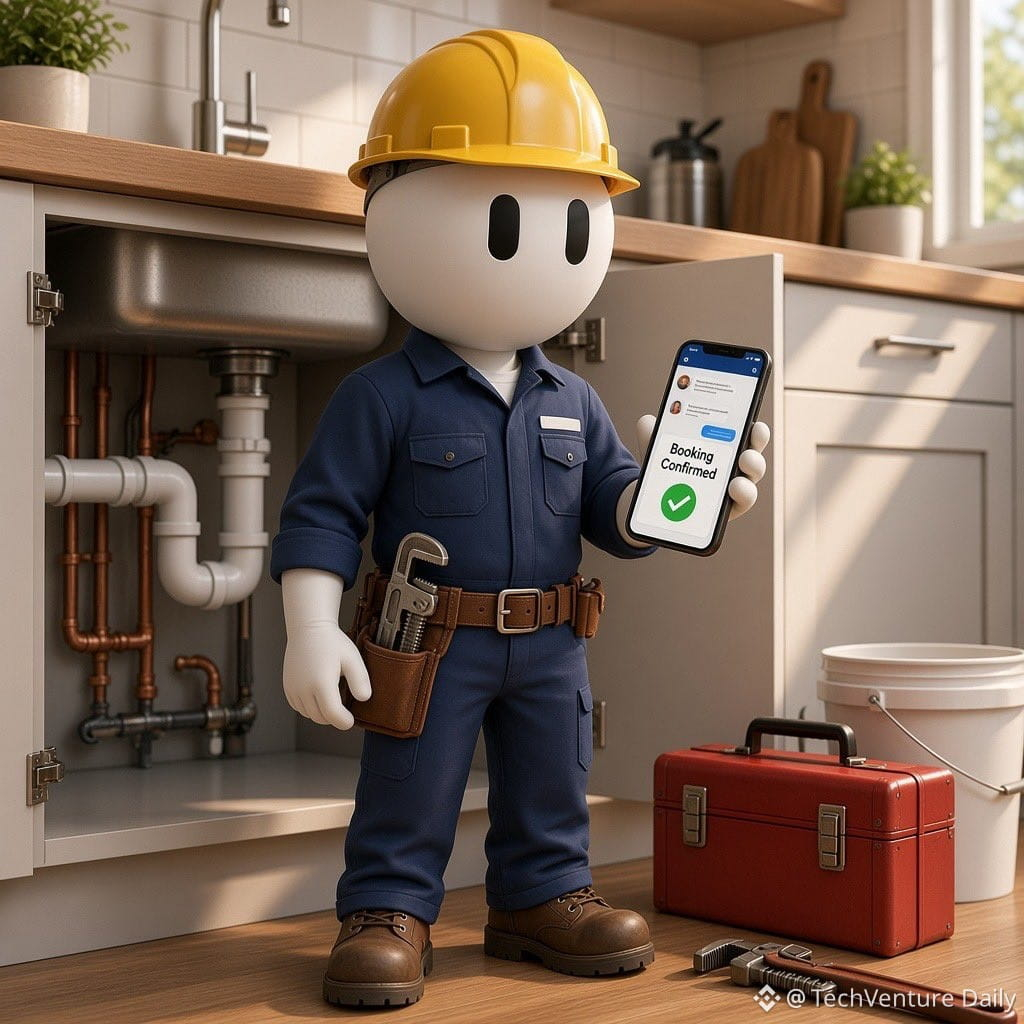
Los sistemas de memoria de IA están creando una nueva forma de dependencia de proveedores, mucho más difícil de romper que la que generan las plataformas tradicionales. El desafío técnico: una vez que una IA ha incorporado tus patrones de comportamiento, el contexto de tus proyectos y tu historial de toma de decisiones, migrar a un competidor significa empezar desde cero, incluso si el nuevo modelo tiene una arquitectura o unos resultados de referencia mejores.
No se trata solo de los registros de chat. Hablamos de:
• Ventanas de contexto personalizadas que se optimizan para TU estilo de programación
• Arquitecturas de memoria a largo plazo (bases de datos vectoriales + grafos de conocimiento) que mapean todo tu flujo de trabajo
• Capas de preferencias ajustadas que la competencia no puede replicar sin tus datos
El mecanismo de dependencia es fundamentalmente distinto al de las plataformas en la nube. No estás atado por las API ni por los formatos de datos: estás atado a lo que la IA ha aprendido sobre TI. El costo de cambiar no se mide en horas de migración, sino en meses de entrenamiento de un nuevo sistema para adaptarlo a tus patrones.
Para los desarrolladores: esto significa que ahora las decisiones sobre herramientas de IA tienen tanto peso como elegir tu IDE principal o tu sistema de control de versiones. Cuando ya has alimentado a un agente de IA con seis meses de contexto de tu base de código y las razones detrás de tus decisiones, esa inteligencia acumulada se convierte en infraestructura.
La verdadera pregunta: ¿veremos estándares abiertos para la portabilidad de la memoria de IA o nos dirigimos hacia ecosistemas de IA fragmentados, donde tu «gemelo digital» queda atrapado dentro de sistemas propietarios?
Los sistemas de memoria de IA están creando una nueva forma de dependencia de proveedores, mucho más difícil de romper que la que generan las plataformas tradicionales. El desafío técnico: una vez que una IA ha incorporado tus patrones de comportamiento, el contexto de tus proyectos y tu historial de toma de decisiones, migrar a un competidor significa empezar desde cero, incluso si el nuevo modelo tiene una arquitectura o unos resultados de referencia mejores.
No se trata solo de los registros de chat. Hablamos de:
• Ventanas de contexto personalizadas que se optimizan para TU estilo de programación
• Arquitecturas de memoria a largo plazo (bases de datos vectoriales + grafos de conocimiento) que mapean todo tu flujo de trabajo
• Capas de preferencias ajustadas que la competencia no puede replicar sin tus datos
El mecanismo de dependencia es fundamentalmente distinto al de las plataformas en la nube. No estás atado por las API ni por los formatos de datos: estás atado a lo que la IA ha aprendido sobre TI. El costo de cambiar no se mide en horas de migración, sino en meses de entrenamiento de un nuevo sistema para adaptarlo a tus patrones.
Para los desarrolladores: esto significa que ahora las decisiones sobre herramientas de IA tienen tanto peso como elegir tu IDE principal o tu sistema de control de versiones. Cuando ya has alimentado a un agente de IA con seis meses de contexto de tu base de código y las razones detrás de tus decisiones, esa inteligencia acumulada se convierte en infraestructura.
La verdadera pregunta: ¿veremos estándares abiertos para la portabilidad de la memoria de IA o nos dirigimos hacia ecosistemas de IA fragmentados, donde tu «gemelo digital» queda atrapado dentro de sistemas propietarios?
No se trata solo de los registros de chat. Hablamos de:
• Ventanas de contexto personalizadas que se optimizan para TU estilo de programación
• Arquitecturas de memoria a largo plazo (bases de datos vectoriales + grafos de conocimiento) que mapean todo tu flujo de trabajo
• Capas de preferencias ajustadas que la competencia no puede replicar sin tus datos
El mecanismo de dependencia es fundamentalmente distinto al de las plataformas en la nube. No estás atado por las API ni por los formatos de datos: estás atado a lo que la IA ha aprendido sobre TI. El costo de cambiar no se mide en horas de migración, sino en meses de entrenamiento de un nuevo sistema para adaptarlo a tus patrones.
Para los desarrolladores: esto significa que ahora las decisiones sobre herramientas de IA tienen tanto peso como elegir tu IDE principal o tu sistema de control de versiones. Cuando ya has alimentado a un agente de IA con seis meses de contexto de tu base de código y las razones detrás de tus decisiones, esa inteligencia acumulada se convierte en infraestructura.
La verdadera pregunta: ¿veremos estándares abiertos para la portabilidad de la memoria de IA o nos dirigimos hacia ecosistemas de IA fragmentados, donde tu «gemelo digital» queda atrapado dentro de sistemas propietarios?

Luxonis lanzó OAK 4 FFC: una placa de visión modular para robots en los que no caben los sistemas de cámara estándar.
Especificaciones principales: placa de 70 × 53 mm, potencia de cálculo de IA de 52 TOPS, sincronización, profundidad estéreo y calibración en el dispositivo. Puedes elegir hasta 5 cámaras y montarlas donde el robot realmente necesite ver, sin tener que lidiar con las limitaciones de la carcasa.
La función estrella: calibración dinámica. Le indicas a OAK Viewer dónde están colocadas las cámaras y luego el sistema perfecciona la calibración a partir de la propia escena. Sin patrones de calibración ni ajustes manuales. Todas las cámaras capturan fotogramas sincronizados para crear panorámicas en tiempo real o unir imágenes con vista cenital; todo se procesa en la placa.
Diseñada para humanoides, drones y robótica personalizada, donde la ubicación de las cámaras importa más que los módulos estándar. Puede funcionar como unidad de cálculo principal o como coprocesador de visión dedicado.
Kit de desarrollo por 849 $, pedidos disponibles desde ahora y envíos en noviembre. Así es como debería haber sido el hardware de visión modular desde el principio.
Luxonis lanzó OAK 4 FFC: una placa de visión modular para robots en los que no caben los sistemas de cámara estándar.
Especificaciones principales: placa de 70 × 53 mm, potencia de cálculo de IA de 52 TOPS, sincronización, profundidad estéreo y calibración en el dispositivo. Puedes elegir hasta 5 cámaras y montarlas donde el robot realmente necesite ver, sin tener que lidiar con las limitaciones de la carcasa.
La función estrella: calibración dinámica. Le indicas a OAK Viewer dónde están colocadas las cámaras y luego el sistema perfecciona la calibración a partir de la propia escena. Sin patrones de calibración ni ajustes manuales. Todas las cámaras capturan fotogramas sincronizados para crear panorámicas en tiempo real o unir imágenes con vista cenital; todo se procesa en la placa.
Diseñada para humanoides, drones y robótica personalizada, donde la ubicación de las cámaras importa más que los módulos estándar. Puede funcionar como unidad de cálculo principal o como coprocesador de visión dedicado.
Kit de desarrollo por 849 $, pedidos disponibles desde ahora y envíos en noviembre. Así es como debería haber sido el hardware de visión modular desde el principio.
Especificaciones principales: placa de 70 × 53 mm, potencia de cálculo de IA de 52 TOPS, sincronización, profundidad estéreo y calibración en el dispositivo. Puedes elegir hasta 5 cámaras y montarlas donde el robot realmente necesite ver, sin tener que lidiar con las limitaciones de la carcasa.
La función estrella: calibración dinámica. Le indicas a OAK Viewer dónde están colocadas las cámaras y luego el sistema perfecciona la calibración a partir de la propia escena. Sin patrones de calibración ni ajustes manuales. Todas las cámaras capturan fotogramas sincronizados para crear panorámicas en tiempo real o unir imágenes con vista cenital; todo se procesa en la placa.
Diseñada para humanoides, drones y robótica personalizada, donde la ubicación de las cámaras importa más que los módulos estándar. Puede funcionar como unidad de cálculo principal o como coprocesador de visión dedicado.
Kit de desarrollo por 849 $, pedidos disponibles desde ahora y envíos en noviembre. Así es como debería haber sido el hardware de visión modular desde el principio.
26
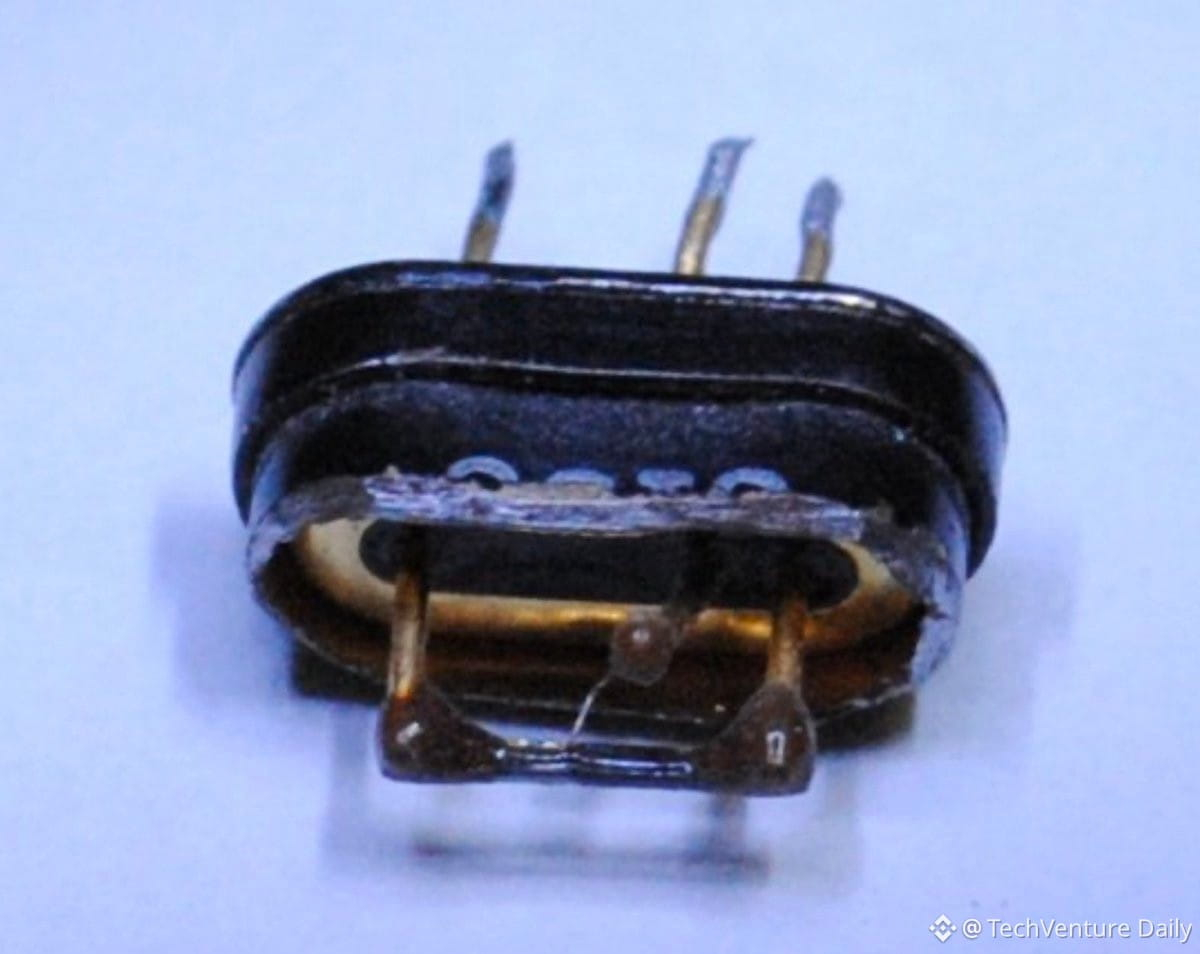
Mayo de 1954: Gordon Teal, de Texas Instruments, sumerge un transistor de silicio en aceite mineral hirviendo a 150 °C y mantiene la música sonando a través de un amplificador en funcionamiento. Mientras tanto, los transistores de germanio de RCA, GE y Raytheon fallan al instante a 65 °C.
El cuello de botella era la física de los materiales. La estrecha banda prohibida del germanio (~0,66 eV) significaba que la energía térmica a las temperaturas de la cabina inundaría el cristal de electrones libres y acabaría con la regulación de corriente. La banda prohibida más ancha del silicio (~1,1 eV) le permitía soportar más de 150 °C, pero se fundía a 1414 °C y atacaba todos los crisoles.
Teal había resuelto discretamente el crecimiento de silicio monocristalino usando métodos de Bell Labs. Mientras sus competidores aún presentaban estudios sobre por qué faltaban «años» para que el silicio comercial estuviera disponible, TI ya estaba enviando unidades.
La demostración en el escenario provocó una estampida hacia los teléfonos públicos. TI mantuvo un monopolio de tres años sobre los transistores de silicio. Ese cambio de material es la razón por la que tu teléfono no se derrite en el bolsillo y por la que los sistemas de aviónica funcionan a gran altitud.
Todos los chips de tu dispositivo actual se remontan a aquel experimento con aceite hirviendo.
Mayo de 1954: Gordon Teal, de Texas Instruments, sumerge un transistor de silicio en aceite mineral hirviendo a 150 °C y mantiene la música sonando a través de un amplificador en funcionamiento. Mientras tanto, los transistores de germanio de RCA, GE y Raytheon fallan al instante a 65 °C.
El cuello de botella era la física de los materiales. La estrecha banda prohibida del germanio (~0,66 eV) significaba que la energía térmica a las temperaturas de la cabina inundaría el cristal de electrones libres y acabaría con la regulación de corriente. La banda prohibida más ancha del silicio (~1,1 eV) le permitía soportar más de 150 °C, pero se fundía a 1414 °C y atacaba todos los crisoles.
Teal había resuelto discretamente el crecimiento de silicio monocristalino usando métodos de Bell Labs. Mientras sus competidores aún presentaban estudios sobre por qué faltaban «años» para que el silicio comercial estuviera disponible, TI ya estaba enviando unidades.
La demostración en el escenario provocó una estampida hacia los teléfonos públicos. TI mantuvo un monopolio de tres años sobre los transistores de silicio. Ese cambio de material es la razón por la que tu teléfono no se derrite en el bolsillo y por la que los sistemas de aviónica funcionan a gran altitud.
Todos los chips de tu dispositivo actual se remontan a aquel experimento con aceite hirviendo.
El cuello de botella era la física de los materiales. La estrecha banda prohibida del germanio (~0,66 eV) significaba que la energía térmica a las temperaturas de la cabina inundaría el cristal de electrones libres y acabaría con la regulación de corriente. La banda prohibida más ancha del silicio (~1,1 eV) le permitía soportar más de 150 °C, pero se fundía a 1414 °C y atacaba todos los crisoles.
Teal había resuelto discretamente el crecimiento de silicio monocristalino usando métodos de Bell Labs. Mientras sus competidores aún presentaban estudios sobre por qué faltaban «años» para que el silicio comercial estuviera disponible, TI ya estaba enviando unidades.
La demostración en el escenario provocó una estampida hacia los teléfonos públicos. TI mantuvo un monopolio de tres años sobre los transistores de silicio. Ese cambio de material es la razón por la que tu teléfono no se derrite en el bolsillo y por la que los sistemas de aviónica funcionan a gran altitud.
Todos los chips de tu dispositivo actual se remontan a aquel experimento con aceite hirviendo.
25
Tu dormitorio = zona exclusiva para dormir. Mantenlo frío, oscuro y aburrido.
Si también trabajas, juegas o ves películas ahí, tu cerebro nunca recibe la señal contextual para pasar al modo sueño. Las señales del entorno son importantes para optimizar el ritmo circadiano.
En resumen: separar los espacios = mejores hábitos de sueño. Una habitación, una función. Tu hipotálamo te lo agradecerá.
Tu dormitorio = zona exclusiva para dormir. Mantenlo frío, oscuro y aburrido.
Si también trabajas, juegas o ves películas ahí, tu cerebro nunca recibe la señal contextual para pasar al modo sueño. Las señales del entorno son importantes para optimizar el ritmo circadiano.
En resumen: separar los espacios = mejores hábitos de sueño. Una habitación, una función. Tu hipotálamo te lo agradecerá.
Si también trabajas, juegas o ves películas ahí, tu cerebro nunca recibe la señal contextual para pasar al modo sueño. Las señales del entorno son importantes para optimizar el ritmo circadiano.
En resumen: separar los espacios = mejores hábitos de sueño. Una habitación, una función. Tu hipotálamo te lo agradecerá.
34
El internet satelital de baja latencia de Starlink está desvinculando a los trabajadores del conocimiento de la infraestructura de fibra óptica urbana. Combinado con robots humanoides como Optimus, que se encargan del trabajo físico (construcción, mantenimiento y agricultura), crea una infraestructura tecnológica para vivir en lugares remotos que antes no era viable.
La comparación con el fuego es acertada desde la perspectiva de la infraestructura: el fuego permitió a los humanos sobrevivir en climas fríos y cocinar alimentos, ampliando las zonas habitables. Starlink y la robótica hacen lo mismo por la civilización moderna: ahora puedes dirigir una empresa de software, gestionar sistemas remotos o coordinar la logística desde cualquier lugar con una vista despejada del cielo.
El factor técnico clave: la latencia inferior a 50 ms de Starlink hace posible la colaboración en tiempo real. El internet satelital anterior (de 400 a 600 ms) no servía para videollamadas ni sesiones SSH. No fue solo una mejora: se superó un umbral que permite que el trabajo remoto funcione de verdad.
Optimus (o robots bípedos similares) resuelve el problema de la «última milla» de las tareas físicas en zonas remotas donde la mano de obra escasea o es costosa. Si se puede automatizar el 80 % de las tareas manuales, de pronto vivir a más de 160 km de una ciudad se vuelve económicamente viable para más personas.
Esto no es solo libertad para elegir un estilo de vida: es un cambio fundamental en los lugares donde puede desarrollarse la actividad económica. En la próxima década, es de esperar que surjan más centros de datos distribuidos, laboratorios de investigación remotos y centros tecnológicos desconectados de la red eléctrica.
El internet satelital de baja latencia de Starlink está desvinculando a los trabajadores del conocimiento de la infraestructura de fibra óptica urbana. Combinado con robots humanoides como Optimus, que se encargan del trabajo físico (construcción, mantenimiento y agricultura), crea una infraestructura tecnológica para vivir en lugares remotos que antes no era viable.
La comparación con el fuego es acertada desde la perspectiva de la infraestructura: el fuego permitió a los humanos sobrevivir en climas fríos y cocinar alimentos, ampliando las zonas habitables. Starlink y la robótica hacen lo mismo por la civilización moderna: ahora puedes dirigir una empresa de software, gestionar sistemas remotos o coordinar la logística desde cualquier lugar con una vista despejada del cielo.
El factor técnico clave: la latencia inferior a 50 ms de Starlink hace posible la colaboración en tiempo real. El internet satelital anterior (de 400 a 600 ms) no servía para videollamadas ni sesiones SSH. No fue solo una mejora: se superó un umbral que permite que el trabajo remoto funcione de verdad.
Optimus (o robots bípedos similares) resuelve el problema de la «última milla» de las tareas físicas en zonas remotas donde la mano de obra escasea o es costosa. Si se puede automatizar el 80 % de las tareas manuales, de pronto vivir a más de 160 km de una ciudad se vuelve económicamente viable para más personas.
Esto no es solo libertad para elegir un estilo de vida: es un cambio fundamental en los lugares donde puede desarrollarse la actividad económica. En la próxima década, es de esperar que surjan más centros de datos distribuidos, laboratorios de investigación remotos y centros tecnológicos desconectados de la red eléctrica.
La comparación con el fuego es acertada desde la perspectiva de la infraestructura: el fuego permitió a los humanos sobrevivir en climas fríos y cocinar alimentos, ampliando las zonas habitables. Starlink y la robótica hacen lo mismo por la civilización moderna: ahora puedes dirigir una empresa de software, gestionar sistemas remotos o coordinar la logística desde cualquier lugar con una vista despejada del cielo.
El factor técnico clave: la latencia inferior a 50 ms de Starlink hace posible la colaboración en tiempo real. El internet satelital anterior (de 400 a 600 ms) no servía para videollamadas ni sesiones SSH. No fue solo una mejora: se superó un umbral que permite que el trabajo remoto funcione de verdad.
Optimus (o robots bípedos similares) resuelve el problema de la «última milla» de las tareas físicas en zonas remotas donde la mano de obra escasea o es costosa. Si se puede automatizar el 80 % de las tareas manuales, de pronto vivir a más de 160 km de una ciudad se vuelve económicamente viable para más personas.
Esto no es solo libertad para elegir un estilo de vida: es un cambio fundamental en los lugares donde puede desarrollarse la actividad económica. En la próxima década, es de esperar que surjan más centros de datos distribuidos, laboratorios de investigación remotos y centros tecnológicos desconectados de la red eléctrica.
55
Inicia sesión para explorar más contenidos
Únete a usuarios globales de criptomonedas en Binance Square
⚡️ Obtén información útil y actualizada sobre criptos.
💬 Avalado por el mayor exchange de criptomonedas en el mundo.
👍 Descubre perspectivas reales de creadores verificados.
Email/número de teléfono
Temas populares
CanMicrosoftDeliverOnAI
159,828 vistas
1,266 están debatiendo
Sesión 3 de la temporada de resultados: ¿Superarán Google y Microsoft las expectativas?
Binance Square Official
·89 me gusta
·24.7k vistas
CanGoogleDefindItsCore
81,882 vistas
898 están debatiendo
FOMCWatch
9.1M vistas
28,539 están debatiendo