
O L I V I E
13.5k Publicaciones

O L I V I E
Denunciar
Bloquear usuario

Traders League Badge Expert
Abrir trade
Trader frecuente
1.3 año(s)
430 Siguiendo
19.4K+ Seguidores
21.4K+ Me gusta
1 Insignias
Publicaciones
Cartera
Todo
Citas
Live
PINNED
·
--

Artículo
Pixels y la Realidad Detrás del Diseño de Juegos RetroSiempre surge una pregunta cuando miras juegos como Pixels. ¿Es el estilo retro pixelado una dirección creativa o solo un atajo práctico? La respuesta honesta suele estar en algún lugar en el medio, y eso no es una debilidad. Así es como se construyen la mayoría de los productos reales.
El look pixelado en 2D a menudo se ve como nostalgia. La gente lo asocia con los juegos más antiguos con los que crecieron, y esa capa emocional es real. Pero la nostalgia por sí sola no es suficiente para mantener a los jugadores enganchados en un juego en vivo durante meses o años. Si la jugabilidad no es sólida, ningún estilo visual puede sostenerlo por mucho tiempo.
Pixels y la Realidad Detrás del Diseño de Juegos Retro
Siempre surge una pregunta cuando miras juegos como Pixels. ¿Es el estilo retro pixelado una dirección creativa o solo un atajo práctico? La respuesta honesta suele estar en algún lugar en el medio, y eso no es una debilidad. Así es como se construyen la mayoría de los productos reales.
El look pixelado en 2D a menudo se ve como nostalgia. La gente lo asocia con los juegos más antiguos con los que crecieron, y esa capa emocional es real. Pero la nostalgia por sí sola no es suficiente para mantener a los jugadores enganchados en un juego en vivo durante meses o años. Si la jugabilidad no es sólida, ningún estilo visual puede sostenerlo por mucho tiempo.
El look pixelado en 2D a menudo se ve como nostalgia. La gente lo asocia con los juegos más antiguos con los que crecieron, y esa capa emocional es real. Pero la nostalgia por sí sola no es suficiente para mantener a los jugadores enganchados en un juego en vivo durante meses o años. Si la jugabilidad no es sólida, ningún estilo visual puede sostenerlo por mucho tiempo.
6
25
276
·
--
Artículo
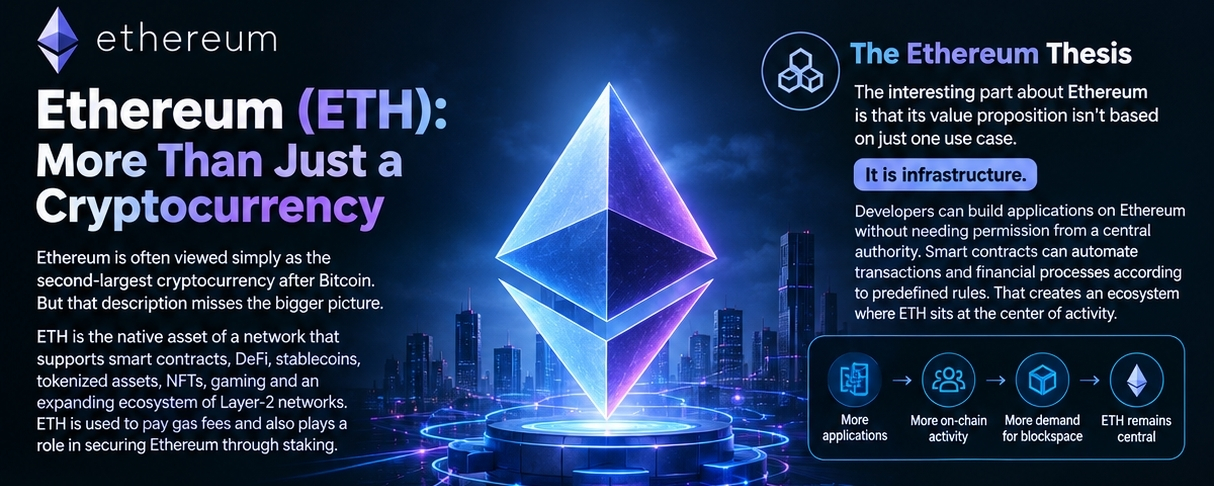
Ethereum (ETH): Más que solo una criptomonedaA menudo, se ve a Ethereum simplemente como la segunda criptomoneda más grande después de Bitcoin. Pero esa descripción no capta la imagen completa.
ETH es el activo nativo de una red que admite contratos inteligentes, DeFi, stablecoins, activos tokenizados, NFTs, gaming y un ecosistema en expansión de redes de Capa 2. ETH se utiliza para pagar las tarifas de gas y también desempeña un papel en la seguridad de Ethereum mediante el staking.
ethereum.org +1
La Tesis de Ethereum
Lo interesante sobre Ethereum es que su propuesta de valor no se basa en un solo caso de uso.
Ethereum (ETH): Más que solo una criptomoneda
A menudo, se ve a Ethereum simplemente como la segunda criptomoneda más grande después de Bitcoin. Pero esa descripción no capta la imagen completa.
ETH es el activo nativo de una red que admite contratos inteligentes, DeFi, stablecoins, activos tokenizados, NFTs, gaming y un ecosistema en expansión de redes de Capa 2. ETH se utiliza para pagar las tarifas de gas y también desempeña un papel en la seguridad de Ethereum mediante el staking.
ethereum.org +1
La Tesis de Ethereum
Lo interesante sobre Ethereum es que su propuesta de valor no se basa en un solo caso de uso.
ETH es el activo nativo de una red que admite contratos inteligentes, DeFi, stablecoins, activos tokenizados, NFTs, gaming y un ecosistema en expansión de redes de Capa 2. ETH se utiliza para pagar las tarifas de gas y también desempeña un papel en la seguridad de Ethereum mediante el staking.
ethereum.org +1
La Tesis de Ethereum
Lo interesante sobre Ethereum es que su propuesta de valor no se basa en un solo caso de uso.
1
111
·
--
Los mercados de predicción están siendo cada vez más interesantes 👀
Polymarket muestra cómo las personas pueden usar los mercados para expresar opiniones sobre eventos del mundo real y probabilidades, en lugar de limitarse a operar gráficos de precios.
Para los usuarios de Binance, esta es otra parte interesante del ecosistema cripto más amplio, donde se unen blockchain, los datos del mercado y las predicciones de los usuarios.
La gran pregunta es: ¿los mercados de predicción se convertirán en un caso de uso cripto convencional?
Estoy siguiendo de cerca este tema. #Polymarket
Los mercados de predicción están siendo cada vez más interesantes 👀
Polymarket muestra cómo las personas pueden usar los mercados para expresar opiniones sobre eventos del mundo real y probabilidades, en lugar de limitarse a operar gráficos de precios.
Para los usuarios de Binance, esta es otra parte interesante del ecosistema cripto más amplio, donde se unen blockchain, los datos del mercado y las predicciones de los usuarios.
La gran pregunta es: ¿los mercados de predicción se convertirán en un caso de uso cripto convencional?
Estoy siguiendo de cerca este tema. #Polymarket
Polymarket muestra cómo las personas pueden usar los mercados para expresar opiniones sobre eventos del mundo real y probabilidades, en lugar de limitarse a operar gráficos de precios.
Para los usuarios de Binance, esta es otra parte interesante del ecosistema cripto más amplio, donde se unen blockchain, los datos del mercado y las predicciones de los usuarios.
La gran pregunta es: ¿los mercados de predicción se convertirán en un caso de uso cripto convencional?
Estoy siguiendo de cerca este tema. #Polymarket

135
·
--

Artículo
Bitcoin: De activo digital a infraestructura financiera globalBitcoin a menudo se ve a través de una sola lente: el precio. La gente observa la gráfica, analiza niveles de soporte y resistencia, e intenta predecir el siguiente movimiento. Pero la historia más amplia de Bitcoin va mucho más allá de las velas diarias.
Bitcoin ha evolucionado gradualmente desde una moneda digital experimental hasta convertirse en un activo financiero global, con una participación cada vez mayor de individuos, instituciones, negocios y mercados financieros. La pregunta más importante ahora no es simplemente si Bitcoin puede alcanzar un precio más alto, sino cómo continúa evolucionando su papel en el sistema financiero global.
Bitcoin: De activo digital a infraestructura financiera global
Bitcoin a menudo se ve a través de una sola lente: el precio. La gente observa la gráfica, analiza niveles de soporte y resistencia, e intenta predecir el siguiente movimiento. Pero la historia más amplia de Bitcoin va mucho más allá de las velas diarias.
Bitcoin ha evolucionado gradualmente desde una moneda digital experimental hasta convertirse en un activo financiero global, con una participación cada vez mayor de individuos, instituciones, negocios y mercados financieros. La pregunta más importante ahora no es simplemente si Bitcoin puede alcanzar un precio más alto, sino cómo continúa evolucionando su papel en el sistema financiero global.
Bitcoin ha evolucionado gradualmente desde una moneda digital experimental hasta convertirse en un activo financiero global, con una participación cada vez mayor de individuos, instituciones, negocios y mercados financieros. La pregunta más importante ahora no es simplemente si Bitcoin puede alcanzar un precio más alto, sino cómo continúa evolucionando su papel en el sistema financiero global.
192
·
--
Artículo
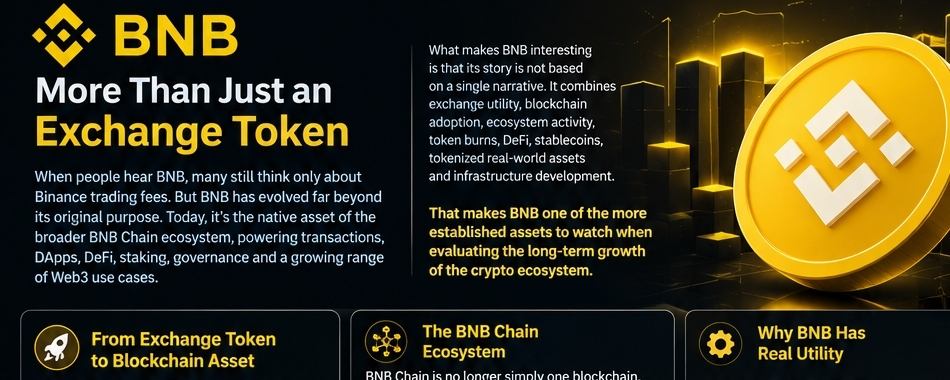
BNB: Más que solo un token de intercambioCuando la gente oye BNB, muchos todavía piensan solo en las comisiones de trading de Binance.
Pero BNB ha evolucionado mucho más allá de su propósito original.
Hoy, BNB es el activo nativo del ecosistema más amplio de BNB Chain, impulsando transacciones, aplicaciones descentralizadas, DeFi, el staking, la gobernanza y una gama cada vez mayor de casos de uso de Web3.
Lo que hace interesante a BNB es que su historia no se basa en una sola narrativa. Combina la utilidad del intercambio, la adopción de la blockchain, la actividad del ecosistema, las quemas de tokens, DeFi, las stablecoins, los activos del mundo real tokenizados y el desarrollo de infraestructura.
BNB: Más que solo un token de intercambio
Cuando la gente oye BNB, muchos todavía piensan solo en las comisiones de trading de Binance.
Pero BNB ha evolucionado mucho más allá de su propósito original.
Hoy, BNB es el activo nativo del ecosistema más amplio de BNB Chain, impulsando transacciones, aplicaciones descentralizadas, DeFi, el staking, la gobernanza y una gama cada vez mayor de casos de uso de Web3.
Lo que hace interesante a BNB es que su historia no se basa en una sola narrativa. Combina la utilidad del intercambio, la adopción de la blockchain, la actividad del ecosistema, las quemas de tokens, DeFi, las stablecoins, los activos del mundo real tokenizados y el desarrollo de infraestructura.
Pero BNB ha evolucionado mucho más allá de su propósito original.
Hoy, BNB es el activo nativo del ecosistema más amplio de BNB Chain, impulsando transacciones, aplicaciones descentralizadas, DeFi, el staking, la gobernanza y una gama cada vez mayor de casos de uso de Web3.
Lo que hace interesante a BNB es que su historia no se basa en una sola narrativa. Combina la utilidad del intercambio, la adopción de la blockchain, la actividad del ecosistema, las quemas de tokens, DeFi, las stablecoins, los activos del mundo real tokenizados y el desarrollo de infraestructura.
1
1
191
·
--
Artículo
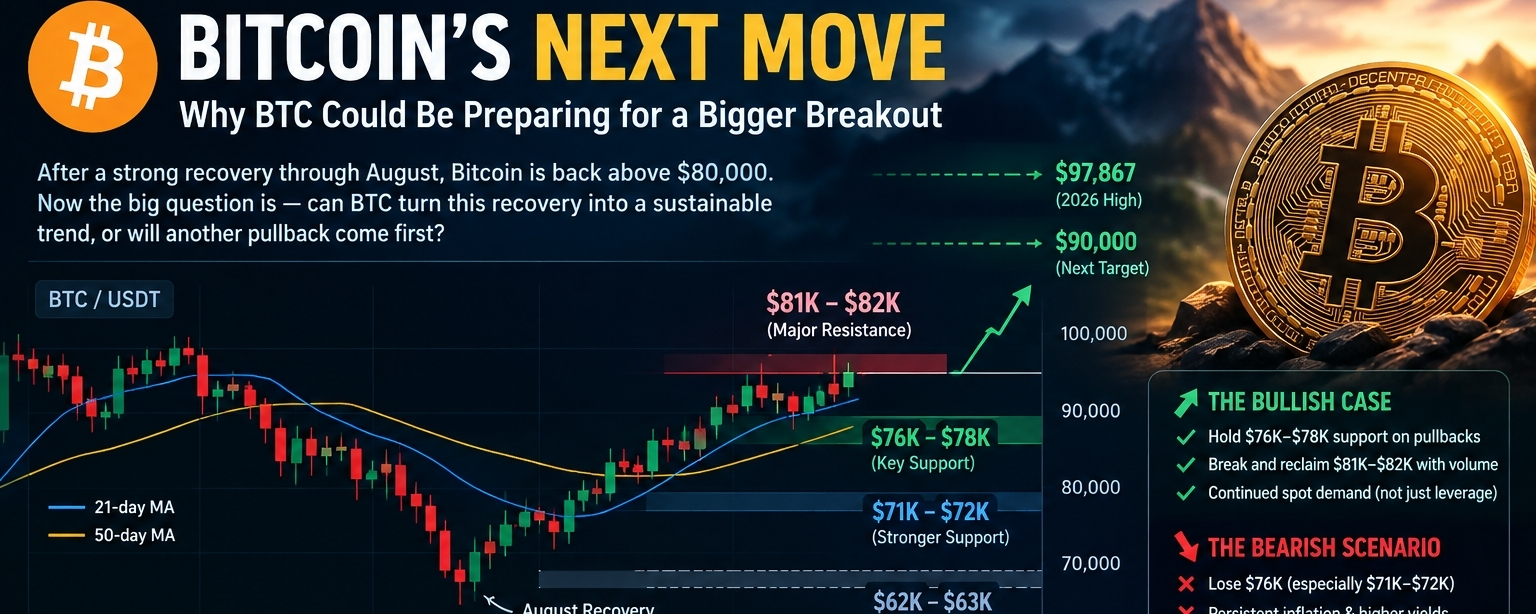
El siguiente movimiento de Bitcoin: por qué el BTC podría estar preparándose para un gran avanceBitcoin vuelve a estar en un punto en el que las próximas sesiones podrían definir la dirección del mercado cripto en general.
Tras una fuerte recuperación durante agosto, el BTC superó los 80.000 dólares y llegó a cotizar brevemente por encima de los 81.000 dólares antes de que el impulso se enfriara. El mercado ahora está observando si Bitcoin puede convertir esta recuperación en una tendencia sostenible o si primero llegará otro retroceso.
Lo que hace que el escenario actual sea interesante es que Bitcoin ya no muestra la misma estructura que tenía durante la debilidad anterior. El reciente repunte llevó al BTC de nuevo por encima de varias medias móviles importantes, mientras que la media móvil de 21 días también ha formado una señal alcista. Eso no garantiza otro repunte, pero sugiere que los compradores están recuperando gradualmente el control.
El siguiente movimiento de Bitcoin: por qué el BTC podría estar preparándose para un gran avance
Bitcoin vuelve a estar en un punto en el que las próximas sesiones podrían definir la dirección del mercado cripto en general.
Tras una fuerte recuperación durante agosto, el BTC superó los 80.000 dólares y llegó a cotizar brevemente por encima de los 81.000 dólares antes de que el impulso se enfriara. El mercado ahora está observando si Bitcoin puede convertir esta recuperación en una tendencia sostenible o si primero llegará otro retroceso.
Lo que hace que el escenario actual sea interesante es que Bitcoin ya no muestra la misma estructura que tenía durante la debilidad anterior. El reciente repunte llevó al BTC de nuevo por encima de varias medias móviles importantes, mientras que la media móvil de 21 días también ha formado una señal alcista. Eso no garantiza otro repunte, pero sugiere que los compradores están recuperando gradualmente el control.
Tras una fuerte recuperación durante agosto, el BTC superó los 80.000 dólares y llegó a cotizar brevemente por encima de los 81.000 dólares antes de que el impulso se enfriara. El mercado ahora está observando si Bitcoin puede convertir esta recuperación en una tendencia sostenible o si primero llegará otro retroceso.
Lo que hace que el escenario actual sea interesante es que Bitcoin ya no muestra la misma estructura que tenía durante la debilidad anterior. El reciente repunte llevó al BTC de nuevo por encima de varias medias móviles importantes, mientras que la media móvil de 21 días también ha formado una señal alcista. Eso no garantiza otro repunte, pero sugiere que los compradores están recuperando gradualmente el control.
216
·
--
Bitcoin está mostrando por qué la paciencia importa en las criptomonedas. Después de la reciente volatilidad, $BTC está manteniendo niveles clave mientras los compradores siguen defendiendo la estructura del mercado.
Aún así, la imagen más amplia se ve constructiva, pero el próximo movimiento depende de si Bitcoin puede recuperar y sostener una resistencia más alta con un volumen fuerte. Una ruptura limpia podría atraer un impulso nuevo, mientras que perder un soporte importante podría provocar otro retroceso.
Por ahora, estoy vigilando de cerca la acción del precio, el volumen y la liquidez. Sin FOMO: deja que el mercado confirme el movimiento. 👀
#BTC走势分析
Bitcoin está mostrando por qué la paciencia importa en las criptomonedas. Después de la reciente volatilidad, $BTC está manteniendo niveles clave mientras los compradores siguen defendiendo la estructura del mercado.
Aún así, la imagen más amplia se ve constructiva, pero el próximo movimiento depende de si Bitcoin puede recuperar y sostener una resistencia más alta con un volumen fuerte. Una ruptura limpia podría atraer un impulso nuevo, mientras que perder un soporte importante podría provocar otro retroceso.
Por ahora, estoy vigilando de cerca la acción del precio, el volumen y la liquidez. Sin FOMO: deja que el mercado confirme el movimiento. 👀
#BTC走势分析
Aún así, la imagen más amplia se ve constructiva, pero el próximo movimiento depende de si Bitcoin puede recuperar y sostener una resistencia más alta con un volumen fuerte. Una ruptura limpia podría atraer un impulso nuevo, mientras que perder un soporte importante podría provocar otro retroceso.
Por ahora, estoy vigilando de cerca la acción del precio, el volumen y la liquidez. Sin FOMO: deja que el mercado confirme el movimiento. 👀
#BTC走势分析
128
·
--
BNB: La historia más amplia detrás de uno de los activos más reconocidos de las criptomonedasCuando la gente habla de BNB, la conversación a menudo empieza con Binance.
Pero esa es solo una parte de la historia.
BNB ha pasado de ser un token de utilidad de un exchange a convertirse en un activo importante dentro de un ecosistema blockchain mucho más amplio. Hoy, su relevancia está estrechamente vinculada a BNB Chain, donde usuarios, desarrolladores, protocolos DeFi, stablecoins, juegos y aplicaciones Web3 interactúan en la cadena.
Y esa evolución es lo que hace que valga la pena seguir de cerca a BNB.
El mercado de las criptomonedas ha cambiado significativamente a lo largo de los años. Las narrativas iniciales giraban principalmente en torno a Bitcoin, los exchanges y la especulación. Hoy, la mayor oportunidad se centra cada vez más en la infraestructura: las redes que realmente dan soporte a los usuarios y las aplicaciones.
BNB: La historia más amplia detrás de uno de los activos más reconocidos de las criptomonedas
Cuando la gente habla de BNB, la conversación a menudo empieza con Binance.
Pero esa es solo una parte de la historia.
BNB ha pasado de ser un token de utilidad de un exchange a convertirse en un activo importante dentro de un ecosistema blockchain mucho más amplio. Hoy, su relevancia está estrechamente vinculada a BNB Chain, donde usuarios, desarrolladores, protocolos DeFi, stablecoins, juegos y aplicaciones Web3 interactúan en la cadena.
Y esa evolución es lo que hace que valga la pena seguir de cerca a BNB.
El mercado de las criptomonedas ha cambiado significativamente a lo largo de los años. Las narrativas iniciales giraban principalmente en torno a Bitcoin, los exchanges y la especulación. Hoy, la mayor oportunidad se centra cada vez más en la infraestructura: las redes que realmente dan soporte a los usuarios y las aplicaciones.
Pero esa es solo una parte de la historia.
BNB ha pasado de ser un token de utilidad de un exchange a convertirse en un activo importante dentro de un ecosistema blockchain mucho más amplio. Hoy, su relevancia está estrechamente vinculada a BNB Chain, donde usuarios, desarrolladores, protocolos DeFi, stablecoins, juegos y aplicaciones Web3 interactúan en la cadena.
Y esa evolución es lo que hace que valga la pena seguir de cerca a BNB.
El mercado de las criptomonedas ha cambiado significativamente a lo largo de los años. Las narrativas iniciales giraban principalmente en torno a Bitcoin, los exchanges y la especulación. Hoy, la mayor oportunidad se centra cada vez más en la infraestructura: las redes que realmente dan soporte a los usuarios y las aplicaciones.
246
·
--
Artículo
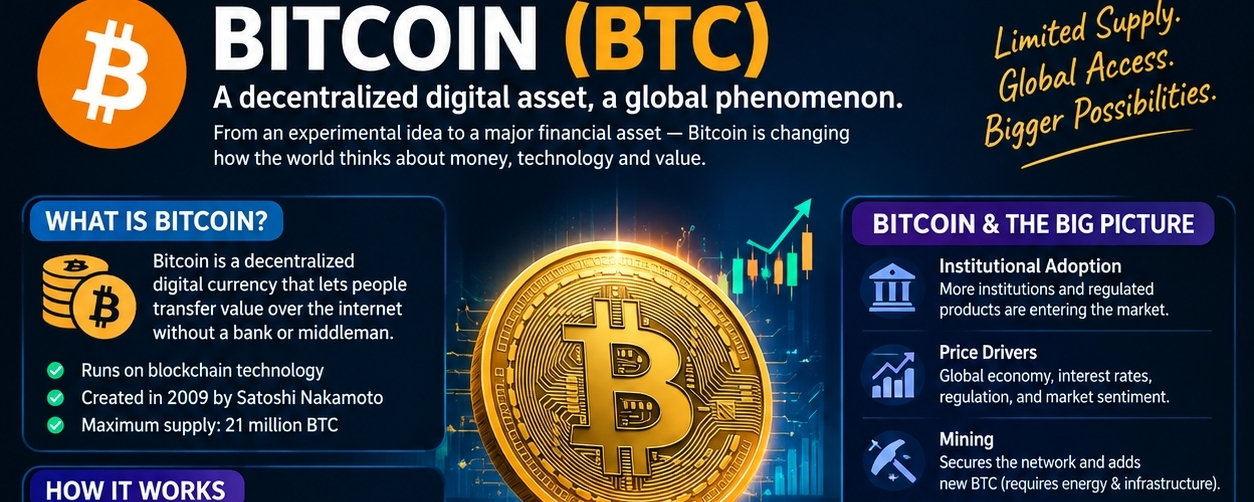
Bitcoin (BTC): La criptomoneda líder en el mundoIntroducción
Bitcoin (BTC) es un activo digital descentralizado que ha transformado el panorama financiero y tecnológico. A diferencia de las monedas tradicionales, Bitcoin funciona sin un banco central y utiliza la tecnología blockchain para registrar las transacciones.
Desde su lanzamiento en 2009, Bitcoin ha ganado atención a nivel mundial debido a su oferta limitada, su descentralización y su potencial como reserva de valor digital.
¿Qué es Bitcoin?
Bitcoin permite a los usuarios transferir valor digitalmente sin depender de un banco tradicional ni de intermediarios. Las transacciones son verificadas por una red descentralizada y registradas en una blockchain pública.
Bitcoin (BTC): La criptomoneda líder en el mundo
Introducción
Bitcoin (BTC) es un activo digital descentralizado que ha transformado el panorama financiero y tecnológico. A diferencia de las monedas tradicionales, Bitcoin funciona sin un banco central y utiliza la tecnología blockchain para registrar las transacciones.
Desde su lanzamiento en 2009, Bitcoin ha ganado atención a nivel mundial debido a su oferta limitada, su descentralización y su potencial como reserva de valor digital.
¿Qué es Bitcoin?
Bitcoin permite a los usuarios transferir valor digitalmente sin depender de un banco tradicional ni de intermediarios. Las transacciones son verificadas por una red descentralizada y registradas en una blockchain pública.
Bitcoin (BTC) es un activo digital descentralizado que ha transformado el panorama financiero y tecnológico. A diferencia de las monedas tradicionales, Bitcoin funciona sin un banco central y utiliza la tecnología blockchain para registrar las transacciones.
Desde su lanzamiento en 2009, Bitcoin ha ganado atención a nivel mundial debido a su oferta limitada, su descentralización y su potencial como reserva de valor digital.
¿Qué es Bitcoin?
Bitcoin permite a los usuarios transferir valor digitalmente sin depender de un banco tradicional ni de intermediarios. Las transacciones son verificadas por una red descentralizada y registradas en una blockchain pública.
1
1
637
·
--
Bitcoin (BTC): El giro institucional se está volviendo más difícil de ignorar
Bitcoin ya no es solo una historia sobre traders minoristas, adoptores tempranos y empresas nativas de las criptomonedas.
La historia más grande ahora es qué tan rápido el BTC se está convirtiendo en parte del sistema financiero tradicional.
Desde los fondos cotizados (spot ETFs) hasta la custodia institucional, la infraestructura regulada de negociación y la entrada de grandes bancos en el mercado de criptoactivos, Bitcoin se está tratando cada vez más como un activo financiero legítimo en lugar de una tecnología experimental.
Y ese cambio podría importar más para la trayectoria a largo plazo de Bitcoin que cualquier movimiento puntual del precio a corto plazo.
Bitcoin ya no es solo una historia sobre traders minoristas, adoptores tempranos y empresas nativas de las criptomonedas.
La historia más grande ahora es qué tan rápido el BTC se está convirtiendo en parte del sistema financiero tradicional.
Desde los fondos cotizados (spot ETFs) hasta la custodia institucional, la infraestructura regulada de negociación y la entrada de grandes bancos en el mercado de criptoactivos, Bitcoin se está tratando cada vez más como un activo financiero legítimo en lugar de una tecnología experimental.
Y ese cambio podría importar más para la trayectoria a largo plazo de Bitcoin que cualquier movimiento puntual del precio a corto plazo.
Bitcoin (BTC): El giro institucional se está volviendo más difícil de ignorar
Bitcoin ya no es solo una historia sobre traders minoristas, adoptores tempranos y empresas nativas de las criptomonedas.
La historia más grande ahora es qué tan rápido el BTC se está convirtiendo en parte del sistema financiero tradicional.
Desde los fondos cotizados (spot ETFs) hasta la custodia institucional, la infraestructura regulada de negociación y la entrada de grandes bancos en el mercado de criptoactivos, Bitcoin se está tratando cada vez más como un activo financiero legítimo en lugar de una tecnología experimental.
Y ese cambio podría importar más para la trayectoria a largo plazo de Bitcoin que cualquier movimiento puntual del precio a corto plazo.
1
2
429
·
--
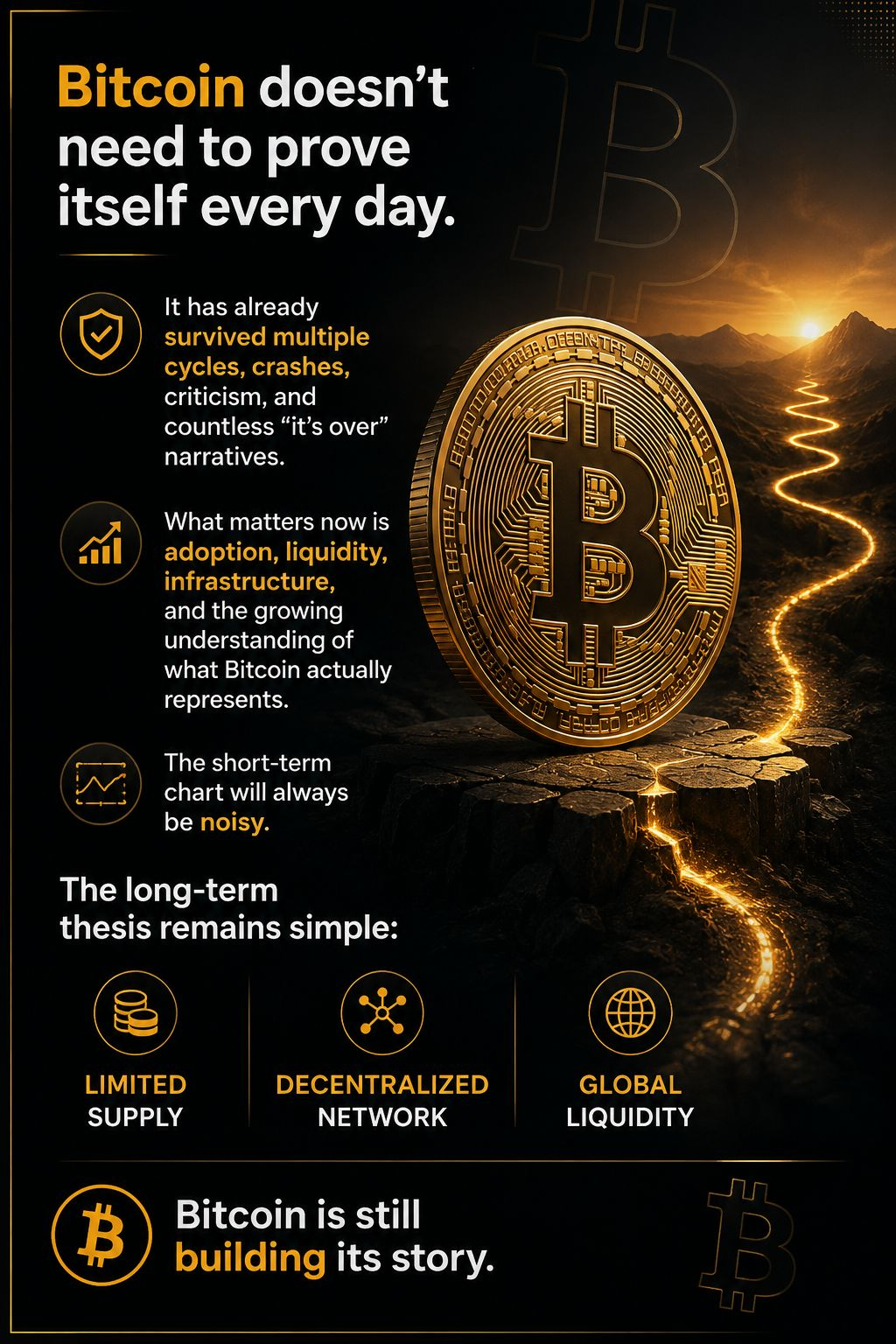
Bitcoin no necesita demostrarse cada día.
Ya ha sobrevivido a varios ciclos, caídas, críticas y a innumerables narrativas de “se acabó”.
Lo que importa ahora es la adopción, la liquidez, la infraestructura y la creciente comprensión de lo que realmente representa Bitcoin.
El gráfico a corto plazo siempre será ruidoso.
La tesis a largo plazo sigue siendo simple:
Oferta limitada. Red descentralizada. Liquidez global.
Bitcoin todavía está construyendo su historia. #BTC走势分析
Bitcoin no necesita demostrarse cada día.
Ya ha sobrevivido a varios ciclos, caídas, críticas y a innumerables narrativas de “se acabó”.
Lo que importa ahora es la adopción, la liquidez, la infraestructura y la creciente comprensión de lo que realmente representa Bitcoin.
El gráfico a corto plazo siempre será ruidoso.
La tesis a largo plazo sigue siendo simple:
Oferta limitada. Red descentralizada. Liquidez global.
Bitcoin todavía está construyendo su historia. #BTC走势分析
Ya ha sobrevivido a varios ciclos, caídas, críticas y a innumerables narrativas de “se acabó”.
Lo que importa ahora es la adopción, la liquidez, la infraestructura y la creciente comprensión de lo que realmente representa Bitcoin.
El gráfico a corto plazo siempre será ruidoso.
La tesis a largo plazo sigue siendo simple:
Oferta limitada. Red descentralizada. Liquidez global.
Bitcoin todavía está construyendo su historia. #BTC走势分析
225
·
--
Configuración Long de Bitcoin: Vigilando el Próximo Movimiento 🚀Bitcoin vuelve a acercarse a una zona crítica donde los compradores podrían intentar recuperar el control. Después de la reciente volatilidad, el enfoque ahora es si BTC puede construir suficiente impulso para avanzar hacia niveles más altos.
📊 Configuración Long de BTC
Par: BTC/USDT
Dirección: Long 📈
Zona de entrada: $77,000–$77,800
Soporte: $76,000–$76,500
Resistencia: $80,000–$81,000
TP1: $79,000
TP2: $80,500
TP3: $82,000
Stop Loss: $75,500
El nivel clave a vigilar es la zona de soporte de $76K. Si los compradores logran defender esta área y el volumen comienza a aumentar, BTC podría intentar un movimiento de regreso hacia $80K y potencialmente más alto.
Configuración Long de Bitcoin: Vigilando el Próximo Movimiento 🚀
Bitcoin vuelve a acercarse a una zona crítica donde los compradores podrían intentar recuperar el control. Después de la reciente volatilidad, el enfoque ahora es si BTC puede construir suficiente impulso para avanzar hacia niveles más altos.
📊 Configuración Long de BTC
Par: BTC/USDT
Dirección: Long 📈
Zona de entrada: $77,000–$77,800
Soporte: $76,000–$76,500
Resistencia: $80,000–$81,000
TP1: $79,000
TP2: $80,500
TP3: $82,000
Stop Loss: $75,500
El nivel clave a vigilar es la zona de soporte de $76K. Si los compradores logran defender esta área y el volumen comienza a aumentar, BTC podría intentar un movimiento de regreso hacia $80K y potencialmente más alto.
📊 Configuración Long de BTC
Par: BTC/USDT
Dirección: Long 📈
Zona de entrada: $77,000–$77,800
Soporte: $76,000–$76,500
Resistencia: $80,000–$81,000
TP1: $79,000
TP2: $80,500
TP3: $82,000
Stop Loss: $75,500
El nivel clave a vigilar es la zona de soporte de $76K. Si los compradores logran defender esta área y el volumen comienza a aumentar, BTC podría intentar un movimiento de regreso hacia $80K y potencialmente más alto.
269
·
--
Artículo
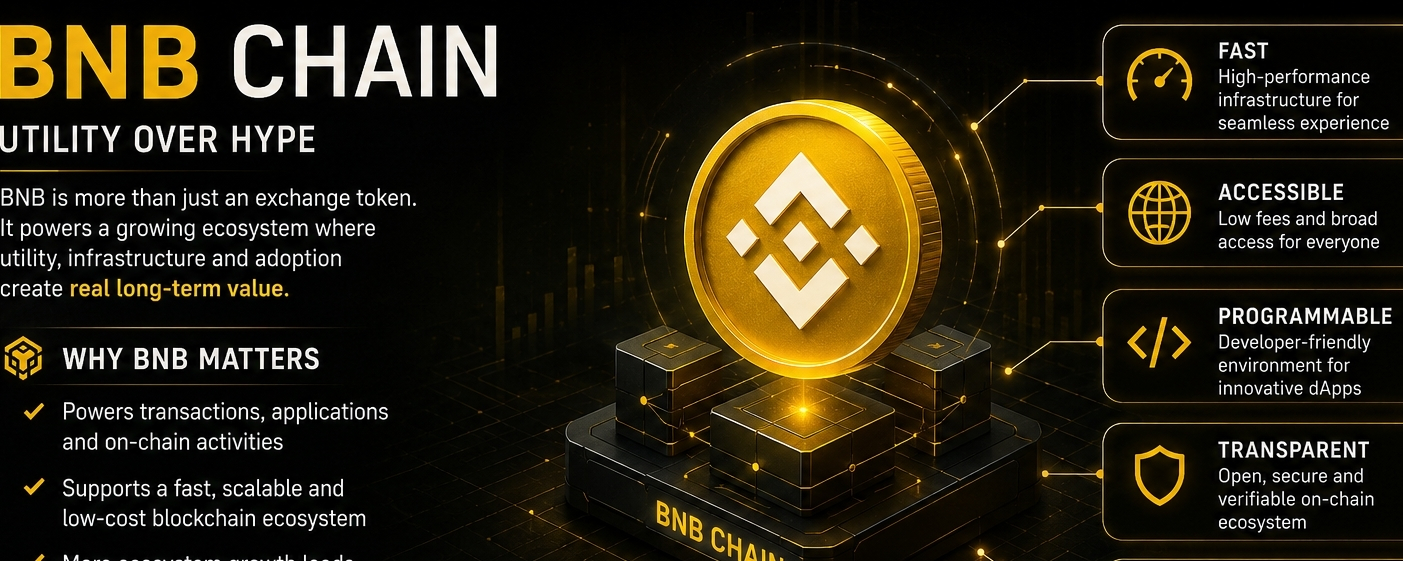
BNB: Más que un token de intercambio Por qué su ecosistema sigue importando 🚀En cripto, algunos activos se vuelven populares solo por la razón de sus gráficos de precios, y otros se convierten en una parte importante de un ecosistema completo.
BNB es uno de esos activos.
Cuando escuchamos el nombre de BNB, a menudo su enfoque es solo el movimiento del precio. Pero para entender BNB, no basta con mirar el gráfico.
La conexión de BNB está con un ecosistema blockchain mucho más grande, donde los usuarios pueden participar en DeFi, aplicaciones descentralizadas, gaming, NFTs y otras actividades on-chain, además del trading.
BNB: Más que un token de intercambio Por qué su ecosistema sigue importando 🚀
En cripto, algunos activos se vuelven populares solo por la razón de sus gráficos de precios, y otros se convierten en una parte importante de un ecosistema completo.
BNB es uno de esos activos.
Cuando escuchamos el nombre de BNB, a menudo su enfoque es solo el movimiento del precio. Pero para entender BNB, no basta con mirar el gráfico.
La conexión de BNB está con un ecosistema blockchain mucho más grande, donde los usuarios pueden participar en DeFi, aplicaciones descentralizadas, gaming, NFTs y otras actividades on-chain, además del trading.
BNB es uno de esos activos.
Cuando escuchamos el nombre de BNB, a menudo su enfoque es solo el movimiento del precio. Pero para entender BNB, no basta con mirar el gráfico.
La conexión de BNB está con un ecosistema blockchain mucho más grande, donde los usuarios pueden participar en DeFi, aplicaciones descentralizadas, gaming, NFTs y otras actividades on-chain, además del trading.
275
·
--
Bitcoin está entrando en una nueva fase: del experimento cripto al activo financiero globalEl bitcoin siempre ha sido más que un gráfico de precios.
Durante años, la conversación sobre BTC estuvo dominada por la volatilidad, la especulación, los mercados alcistas, las caídas y la pregunta de si las criptomonedas alguna vez formarían parte de las finanzas convencionales.
Esa conversación está cambiando.
El bitcoin se está discutiendo cada vez más junto con los activos financieros tradicionales, las carteras institucionales, los ETF, la política macroeconómica y la liquidez global. El mercado todavía es muy volátil, pero la infraestructura que rodea al bitcoin se ha vuelto significativamente más madura.
Bitcoin está entrando en una nueva fase: del experimento cripto al activo financiero global
El bitcoin siempre ha sido más que un gráfico de precios.
Durante años, la conversación sobre BTC estuvo dominada por la volatilidad, la especulación, los mercados alcistas, las caídas y la pregunta de si las criptomonedas alguna vez formarían parte de las finanzas convencionales.
Esa conversación está cambiando.
El bitcoin se está discutiendo cada vez más junto con los activos financieros tradicionales, las carteras institucionales, los ETF, la política macroeconómica y la liquidez global. El mercado todavía es muy volátil, pero la infraestructura que rodea al bitcoin se ha vuelto significativamente más madura.
Durante años, la conversación sobre BTC estuvo dominada por la volatilidad, la especulación, los mercados alcistas, las caídas y la pregunta de si las criptomonedas alguna vez formarían parte de las finanzas convencionales.
Esa conversación está cambiando.
El bitcoin se está discutiendo cada vez más junto con los activos financieros tradicionales, las carteras institucionales, los ETF, la política macroeconómica y la liquidez global. El mercado todavía es muy volátil, pero la infraestructura que rodea al bitcoin se ha vuelto significativamente más madura.
237
·
--
Artículo
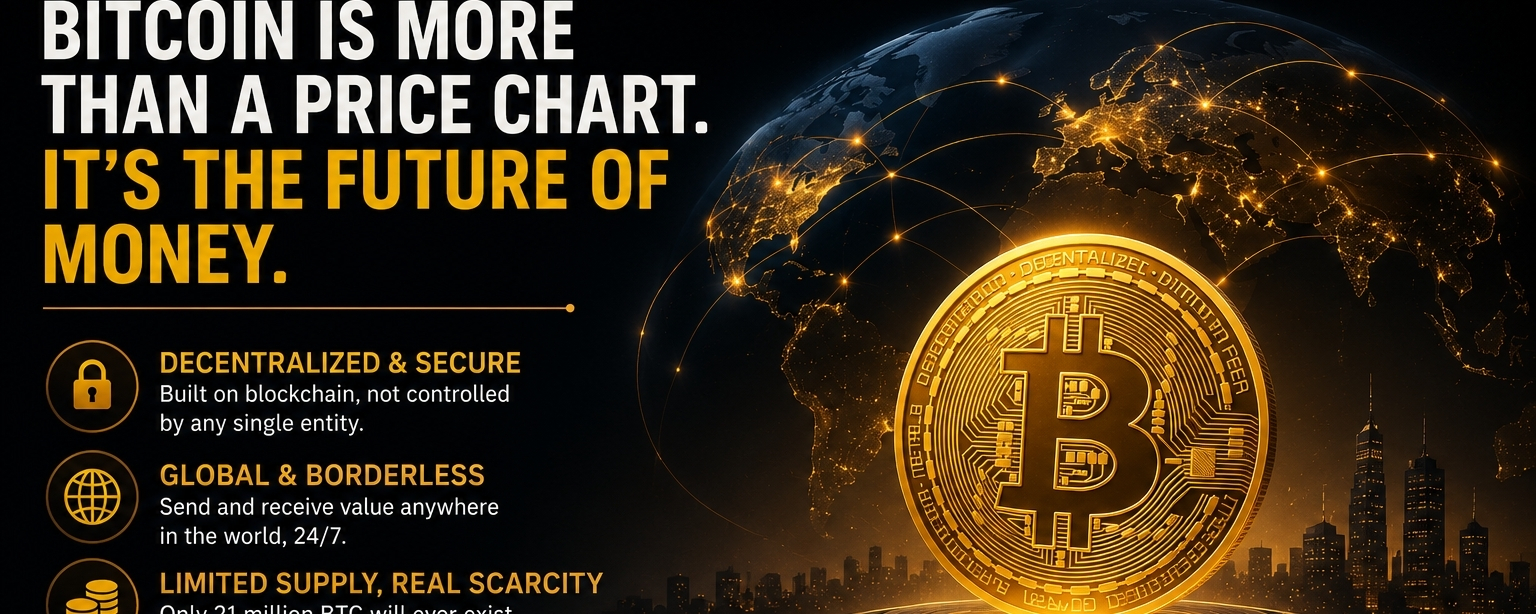
Bitcoin: La evolución de una nueva era financieraBitcoin comenzó como una idea que cuestionó una de las suposiciones más antiguas en las finanzas: que el dinero siempre debe depender de una autoridad central.
Hoy en día, Bitcoin ha crecido mucho más allá de aquel concepto original. Se ha convertido en uno de los activos digitales más comentados del mundo, atrayendo a inversores, instituciones, desarrolladores, empresas y millones de personas que están interesadas en el futuro del dinero.
Pero entender Bitcoin va más allá de solo ver cómo su precio sube o baja.
¿Qué hace que Bitcoin sea diferente?
Bitcoin: La evolución de una nueva era financiera
Bitcoin comenzó como una idea que cuestionó una de las suposiciones más antiguas en las finanzas: que el dinero siempre debe depender de una autoridad central.
Hoy en día, Bitcoin ha crecido mucho más allá de aquel concepto original. Se ha convertido en uno de los activos digitales más comentados del mundo, atrayendo a inversores, instituciones, desarrolladores, empresas y millones de personas que están interesadas en el futuro del dinero.
Pero entender Bitcoin va más allá de solo ver cómo su precio sube o baja.
¿Qué hace que Bitcoin sea diferente?
Hoy en día, Bitcoin ha crecido mucho más allá de aquel concepto original. Se ha convertido en uno de los activos digitales más comentados del mundo, atrayendo a inversores, instituciones, desarrolladores, empresas y millones de personas que están interesadas en el futuro del dinero.
Pero entender Bitcoin va más allá de solo ver cómo su precio sube o baja.
¿Qué hace que Bitcoin sea diferente?
1
218
·
--
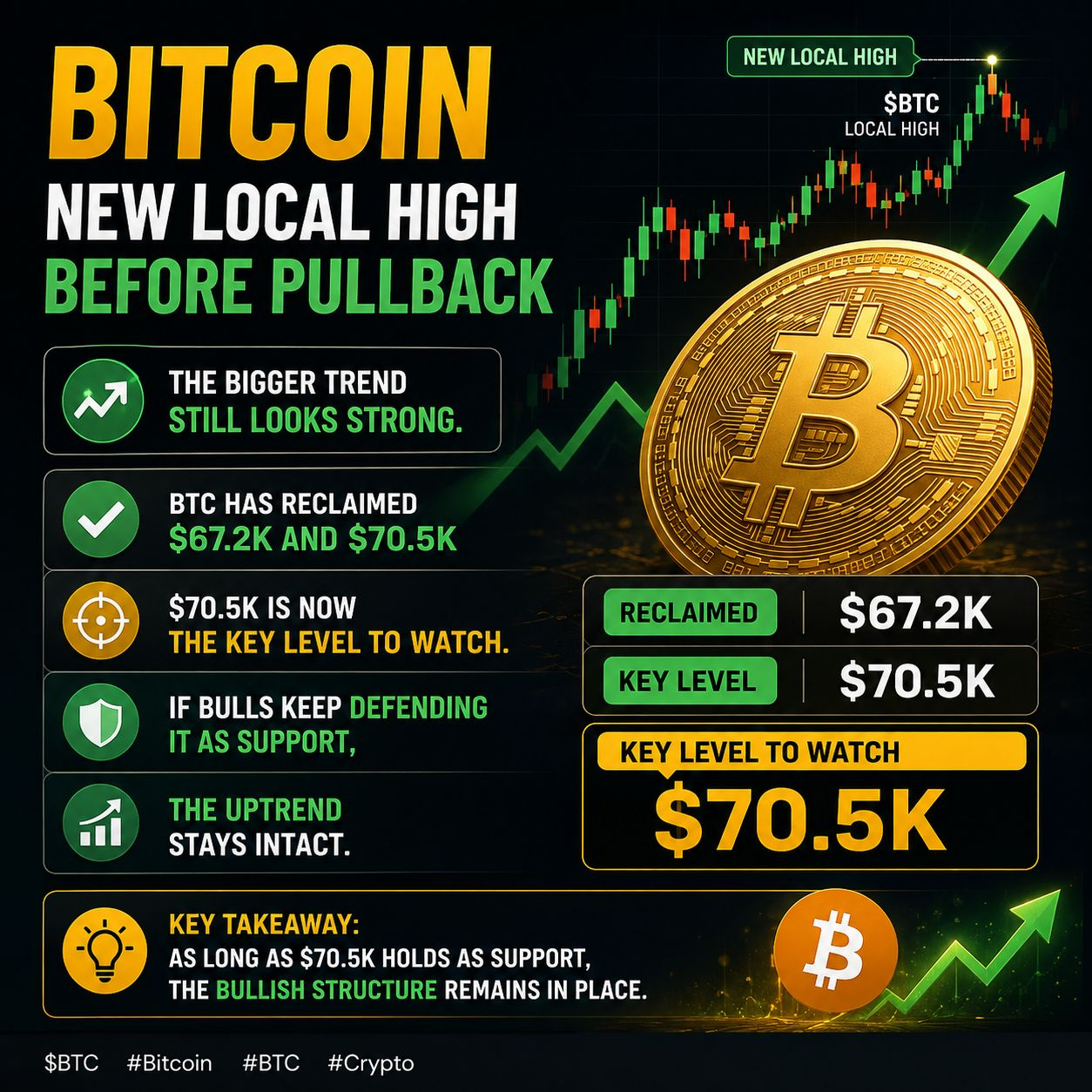
Bitcoin acaba de alcanzar un máximo local nuevo antes de experimentar un ligero retroceso. 📈
La estructura general del mercado todavía luce alcista.
BTC ha recuperado los niveles de $67.2K y $70.5K, y ahora $70.5K sirve como el soporte clave a vigilar.
Si los compradores siguen defendiendo esta zona, la tendencia alcista actual podría mantenerse fuerte. 👀
$BTC #Bitcoin #BTC
Bitcoin acaba de alcanzar un máximo local nuevo antes de experimentar un ligero retroceso. 📈
La estructura general del mercado todavía luce alcista.
BTC ha recuperado los niveles de $67.2K y $70.5K, y ahora $70.5K sirve como el soporte clave a vigilar.
Si los compradores siguen defendiendo esta zona, la tendencia alcista actual podría mantenerse fuerte. 👀
$BTC #Bitcoin #BTC
La estructura general del mercado todavía luce alcista.
BTC ha recuperado los niveles de $67.2K y $70.5K, y ahora $70.5K sirve como el soporte clave a vigilar.
Si los compradores siguen defendiendo esta zona, la tendencia alcista actual podría mantenerse fuerte. 👀
$BTC #Bitcoin #BTC
1
210
·
--
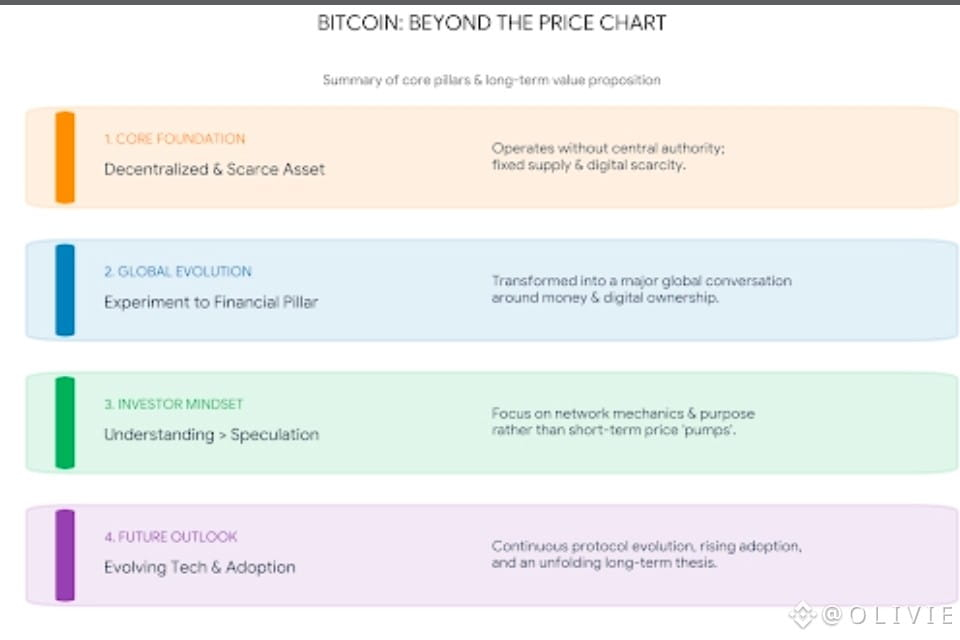
Bitcoin es más que un simple gráfico de precios.
Lo que hace que BTC sea interesante es la idea que hay detrás: un activo digital descentralizado y escaso que funciona sin depender de una única autoridad central.
Con los años, Bitcoin ha pasado de ser un experimento a convertirse en una parte importante de la conversación global sobre el dinero, la tecnología y la propiedad digital.
Para muchos inversores, la lección más grande no es predecir la próxima subida. Es entender por qué se creó Bitcoin, cómo funciona su red y qué papel podría desempeñar en un sistema financiero en transformación.
La tecnología sigue evolucionando, la adopción sigue creciendo y la conversación sobre Bitcoin continúa expandiéndose.
La historia a largo plazo todavía se está escribiendo. #BTC走势分析
Bitcoin es más que un simple gráfico de precios.
Lo que hace que BTC sea interesante es la idea que hay detrás: un activo digital descentralizado y escaso que funciona sin depender de una única autoridad central.
Con los años, Bitcoin ha pasado de ser un experimento a convertirse en una parte importante de la conversación global sobre el dinero, la tecnología y la propiedad digital.
Para muchos inversores, la lección más grande no es predecir la próxima subida. Es entender por qué se creó Bitcoin, cómo funciona su red y qué papel podría desempeñar en un sistema financiero en transformación.
La tecnología sigue evolucionando, la adopción sigue creciendo y la conversación sobre Bitcoin continúa expandiéndose.
La historia a largo plazo todavía se está escribiendo. #BTC走势分析
Lo que hace que BTC sea interesante es la idea que hay detrás: un activo digital descentralizado y escaso que funciona sin depender de una única autoridad central.
Con los años, Bitcoin ha pasado de ser un experimento a convertirse en una parte importante de la conversación global sobre el dinero, la tecnología y la propiedad digital.
Para muchos inversores, la lección más grande no es predecir la próxima subida. Es entender por qué se creó Bitcoin, cómo funciona su red y qué papel podría desempeñar en un sistema financiero en transformación.
La tecnología sigue evolucionando, la adopción sigue creciendo y la conversación sobre Bitcoin continúa expandiéndose.
La historia a largo plazo todavía se está escribiendo. #BTC走势分析
249
·
--
¿Estás diciendo que todo este encuentro fue solo una trampa para que nos liquidaran? 😂
En este punto, de verdad se siente así.
Aun así, ahora mismo no estoy alcista con $BTC .
¿Estás diciendo que todo este encuentro fue solo una trampa para que nos liquidaran? 😂
En este punto, de verdad se siente así.
Aun así, ahora mismo no estoy alcista con $BTC .
En este punto, de verdad se siente así.
Aun así, ahora mismo no estoy alcista con $BTC .
128
·
--
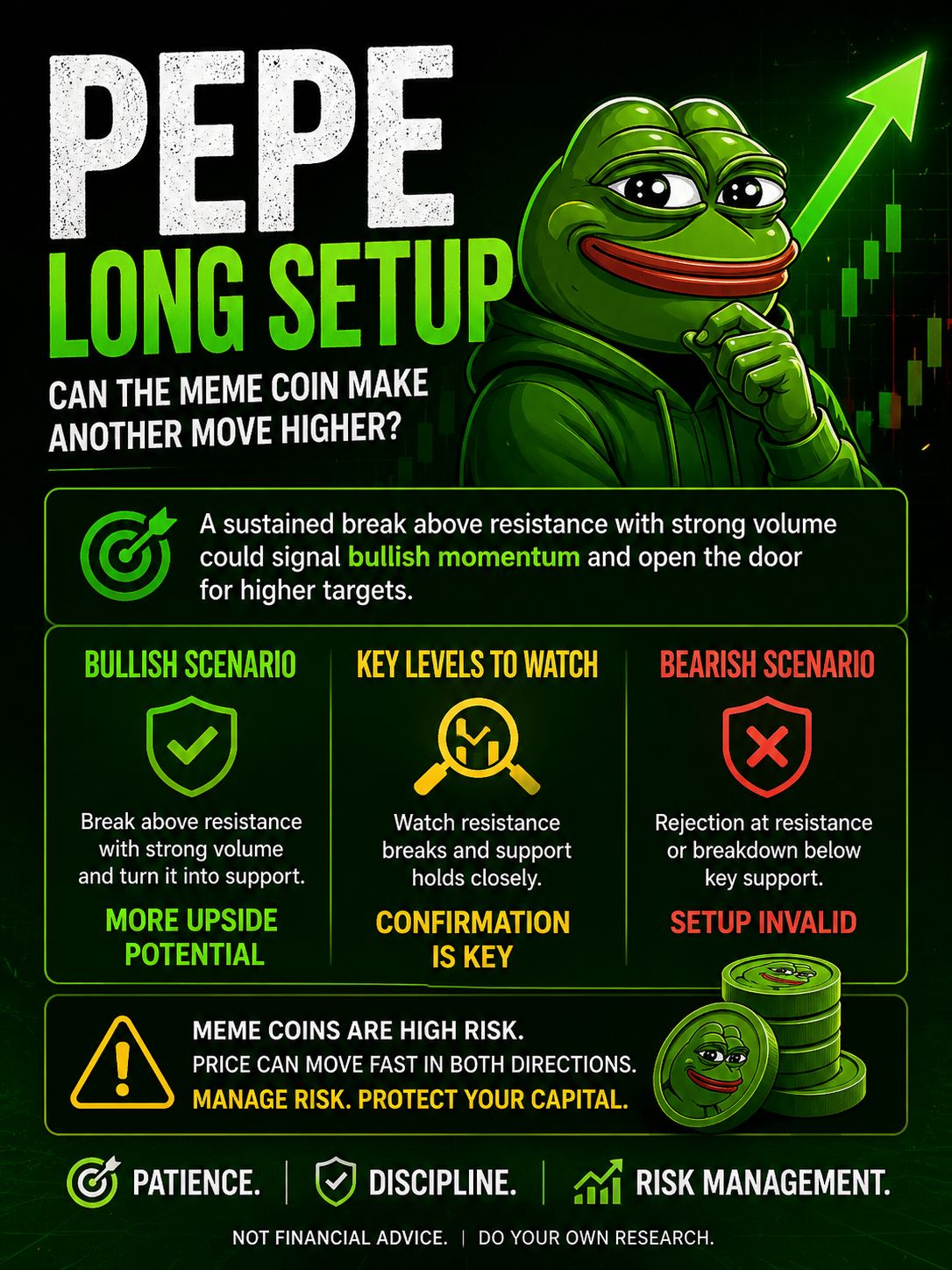
Configuración larga de PEPE: ¿Puede la memecoin hacer otro movimiento hacia arriba?
PEPE sigue atrayendo atención cada vez que el impulso regresa al mercado de las memecoins. Después de periodos de consolidación y retrocesos pronunciados, los traders vuelven a observar señales de que los compradores podrían recuperar el control.
La clave para una configuración larga de PEPE es la confirmación, más que simplemente perseguir un repunte repentino. Un movimiento sostenido por encima de la resistencia reciente, respaldado por un aumento del volumen, podría indicar que el impulso alcista vuelve. Si los compradores logran convertir esa resistencia en soporte, PEPE podría tener margen para probar niveles más altos.
Al mismo tiempo, la gestión del riesgo sigue siendo importante. Las memecoins pueden moverse rápidamente en ambas direcciones, así que un rechazo en la resistencia o una caída por debajo de un soporte clave podría invalidar la configuración alcista.
Por ahora, PEPE sigue siendo una moneda interesante para vigilar mientras mejora el sentimiento del mercado. La combinación de un volumen de operaciones renovado, el fuerte interés de la comunidad y el impulso más amplio del sector de las memecoins podría crear oportunidades, pero la paciencia y una gestión disciplinada del riesgo siguen siendo esenciales.#BTC突破7万大关 #PEPE创历史新高
Configuración larga de PEPE: ¿Puede la memecoin hacer otro movimiento hacia arriba?
PEPE sigue atrayendo atención cada vez que el impulso regresa al mercado de las memecoins. Después de periodos de consolidación y retrocesos pronunciados, los traders vuelven a observar señales de que los compradores podrían recuperar el control.
La clave para una configuración larga de PEPE es la confirmación, más que simplemente perseguir un repunte repentino. Un movimiento sostenido por encima de la resistencia reciente, respaldado por un aumento del volumen, podría indicar que el impulso alcista vuelve. Si los compradores logran convertir esa resistencia en soporte, PEPE podría tener margen para probar niveles más altos.
Al mismo tiempo, la gestión del riesgo sigue siendo importante. Las memecoins pueden moverse rápidamente en ambas direcciones, así que un rechazo en la resistencia o una caída por debajo de un soporte clave podría invalidar la configuración alcista.
Por ahora, PEPE sigue siendo una moneda interesante para vigilar mientras mejora el sentimiento del mercado. La combinación de un volumen de operaciones renovado, el fuerte interés de la comunidad y el impulso más amplio del sector de las memecoins podría crear oportunidades, pero la paciencia y una gestión disciplinada del riesgo siguen siendo esenciales.#BTC突破7万大关 #PEPE创历史新高
PEPE sigue atrayendo atención cada vez que el impulso regresa al mercado de las memecoins. Después de periodos de consolidación y retrocesos pronunciados, los traders vuelven a observar señales de que los compradores podrían recuperar el control.
La clave para una configuración larga de PEPE es la confirmación, más que simplemente perseguir un repunte repentino. Un movimiento sostenido por encima de la resistencia reciente, respaldado por un aumento del volumen, podría indicar que el impulso alcista vuelve. Si los compradores logran convertir esa resistencia en soporte, PEPE podría tener margen para probar niveles más altos.
Al mismo tiempo, la gestión del riesgo sigue siendo importante. Las memecoins pueden moverse rápidamente en ambas direcciones, así que un rechazo en la resistencia o una caída por debajo de un soporte clave podría invalidar la configuración alcista.
Por ahora, PEPE sigue siendo una moneda interesante para vigilar mientras mejora el sentimiento del mercado. La combinación de un volumen de operaciones renovado, el fuerte interés de la comunidad y el impulso más amplio del sector de las memecoins podría crear oportunidades, pero la paciencia y una gestión disciplinada del riesgo siguen siendo esenciales.#BTC突破7万大关 #PEPE创历史新高
322
·
--
Artículo
Bitcoin: Comprender la criptomoneda líder del mundoBitcoin ha crecido desde una moneda digital experimental hasta convertirse en uno de los activos más reconocidos en el mercado financiero global. Desde su lanzamiento en 2009, Bitcoin ha atraído a inversores, traders, desarrolladores, instituciones y usuarios cotidianos que están interesados en la idea de una forma descentralizada de dinero.
Pero Bitcoin es más que un gráfico de precios. Para entender por qué sigue atrayendo la atención, es importante comprender qué es Bitcoin, cómo funciona, por qué tiene valor y qué riesgos conlleva tenerlo.
Bitcoin: Comprender la criptomoneda líder del mundo
Bitcoin ha crecido desde una moneda digital experimental hasta convertirse en uno de los activos más reconocidos en el mercado financiero global. Desde su lanzamiento en 2009, Bitcoin ha atraído a inversores, traders, desarrolladores, instituciones y usuarios cotidianos que están interesados en la idea de una forma descentralizada de dinero.
Pero Bitcoin es más que un gráfico de precios. Para entender por qué sigue atrayendo la atención, es importante comprender qué es Bitcoin, cómo funciona, por qué tiene valor y qué riesgos conlleva tenerlo.
Pero Bitcoin es más que un gráfico de precios. Para entender por qué sigue atrayendo la atención, es importante comprender qué es Bitcoin, cómo funciona, por qué tiene valor y qué riesgos conlleva tenerlo.
197
Inicia sesión para explorar más contenidos
Únete a usuarios globales de criptomonedas en Binance Square
⚡️ Obtén información útil y actualizada sobre criptos.
💬 Avalado por el mayor exchange de criptomonedas en el mundo.
👍 Descubre perspectivas reales de creadores verificados.
Email/número de teléfono
Temas populares
SECReceivesGrayscaleLitecoinTrustETFFiling
50,903 vistas
1,017 están debatiendo
#secreceivesgrayscalelitecointrustetffiling
🚨🔥 ÚLTIMA HORA | #Litecoin ETF 🔥🚨
🐺 Grayscale vuelve a mover ficha en Wall Street.
La SEC de EE.UU. ha recibido una solicitud de Grayscale para convertir su Litecoin Trust en el Grayscale Litecoin Trust ETF y buscar su cotización en NYSE Arca bajo el ticker $LTCN.
💰 ¿Por qué importa?
✅ Mayor acceso institucional a Litecoin
✅ Más visibilidad para $LTC
✅ Posible aumento de liquidez
✅ Otro paso hacia la adopción masiva de las criptomonedas
📈 El movimiento sigue la estrategia que Grayscale utilizó anteriormente con productos vinculados a Bitcoin y Ethereum.
👀 Los inversores estarán atentos a la decisión regulatoria, ya que una eventual aprobación podría convertirse en uno de los catalizadores más importantes para Litecoin.
⚡ ¿Se prepara $LTC para su próximo gran impulso?
🔄 Comparte si crees que Litecoin aún tiene mucho por demostrar.
#Litecoin #LTC #ETF #CryptoNews #Blockchain #Grayscale #SEC #Altcoins #BullRun #ElCryptoBoy 🐟🚀🌊
By ElCryptoBoy ✍️🔥
ELCRYPTOBOY
·0 me gusta
·168 vistas
ClarityActFacesProceduralVoteSept15
170,671 vistas
1,944 están debatiendo
US10YearTreasuryYieldNears5%
58,103 vistas
1,057 están debatiendo