
The Market Updates
6.6k Publicaciones

The Market Updates
Denunciar
Bloquear usuario
Crypto Trader Since 2007.
5 Siguiendo
12.0K+ Seguidores
19.2K+ Me gusta
Publicaciones
Todo
Citas
Videos
🚨 ÚLTIMA HORA 🚨
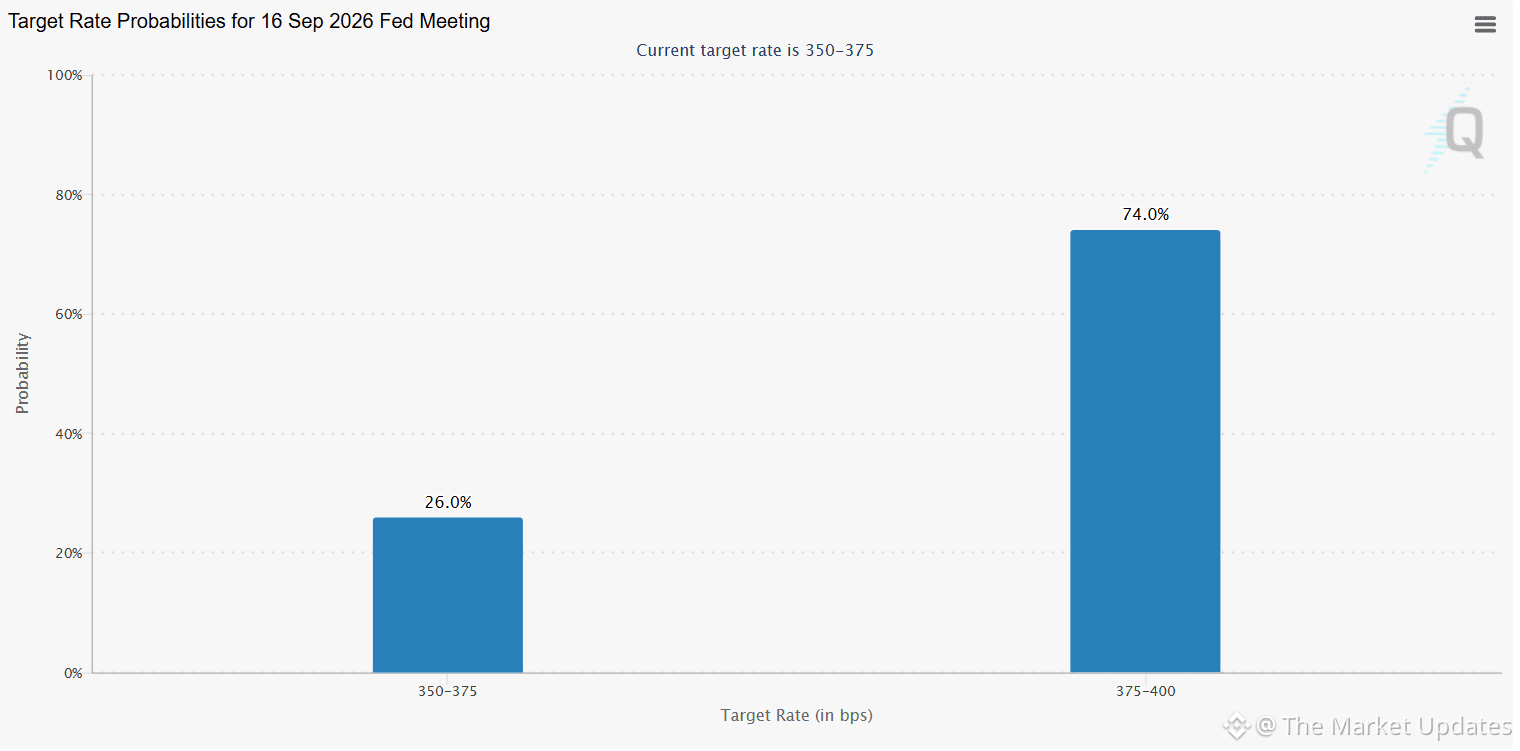
Las probabilidades de una subida de tipos de la Fed acaban de alcanzar el 74%.
🚨 ÚLTIMA HORA 🚨
Las probabilidades de una subida de tipos de la Fed acaban de alcanzar el 74%.
Las probabilidades de una subida de tipos de la Fed acaban de alcanzar el 74%.
29
Parcialmente cierto
RUPTURA:
🇺🇸 El PPI de EE. UU. llegó al 5.4%
Expectativas: 5.3%
Máximo nivel en 2 meses.
RUPTURA:
🇺🇸 El PPI de EE. UU. llegó al 5.4%
Expectativas: 5.3%
Máximo nivel en 2 meses.
🇺🇸 El PPI de EE. UU. llegó al 5.4%
Expectativas: 5.3%
Máximo nivel en 2 meses.
1
100
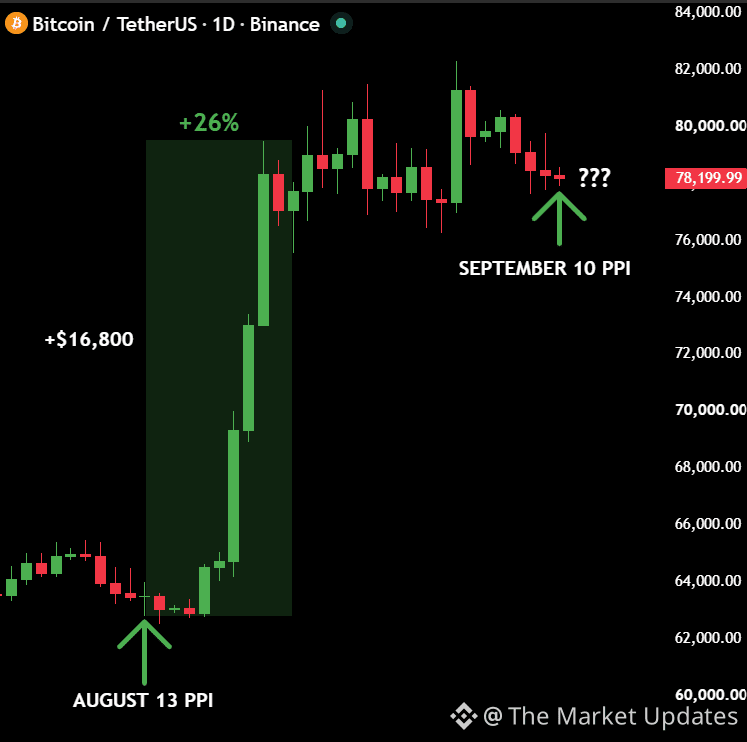
La última vez que se publicaron los datos de PPI, $BTC subió un 26% en 8 días.
Hoy, se volverán a publicar los datos de PPI.
La última vez que se publicaron los datos de PPI, $BTC subió un 26% en 8 días.
Hoy, se volverán a publicar los datos de PPI.
Hoy, se volverán a publicar los datos de PPI.
67
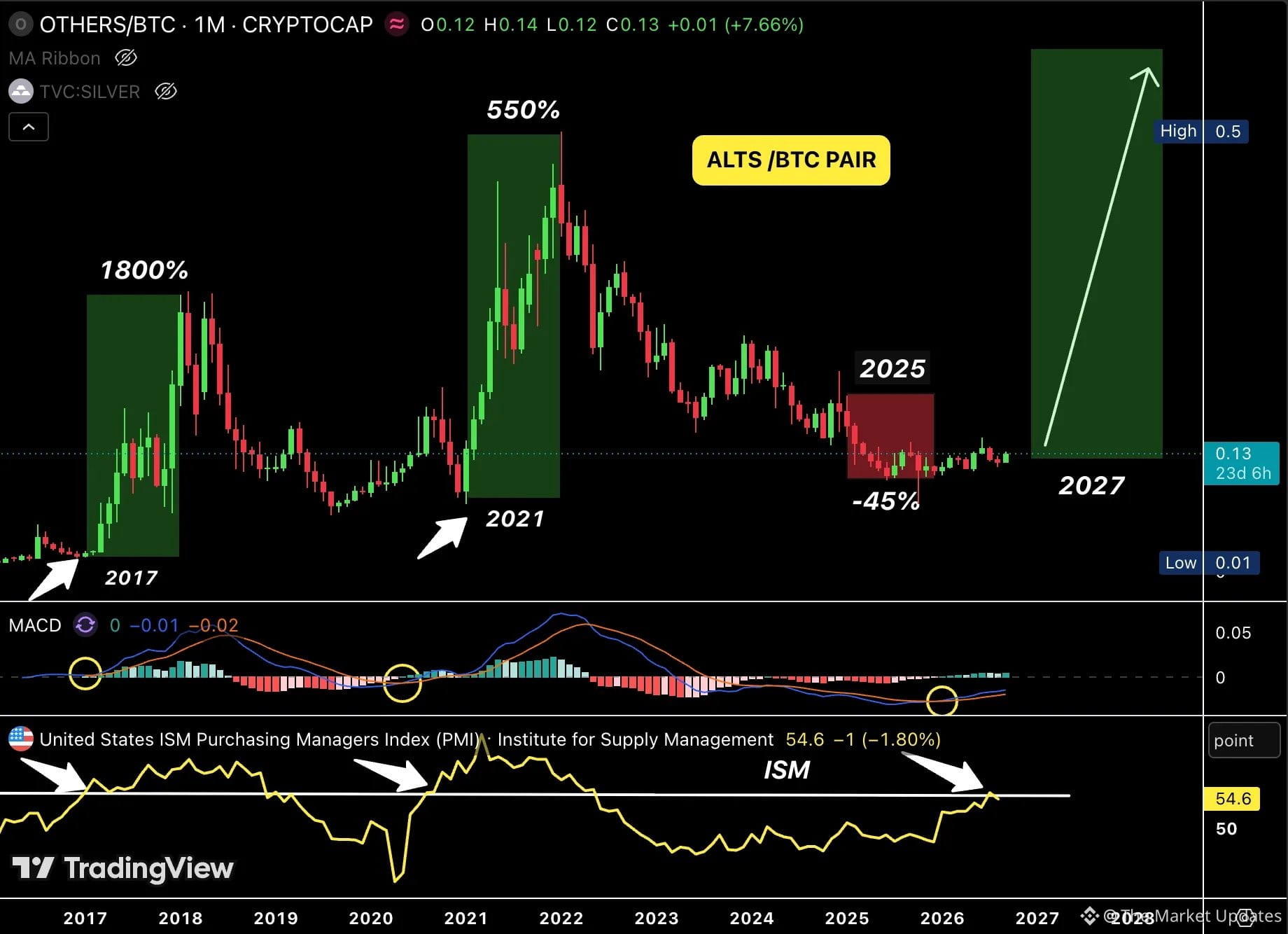
Este gráfico es la respuesta de por qué no tuvimos un Altseason adecuado en 2025.
2017: el ISM se activó. Las altcoins explotaron +1.800% vs Bitcoin.
2021: el ISM volvió a activarse. Las altcoins explotaron +550% vs Bitcoin.
2025: el ISM se mantuvo por debajo de 50. Las altcoins cayeron -45% vs Bitcoin. El MACD mensual también se mantuvo en rojo.
Simplemente no hubo un setup de Alteason limpio, pero ahora está cambiando.
Alts/BTC está en una larga consolidación y el ISM volvió a estar por encima de 54.
Si el ISM sigue mejorando y Alts/BTC rompe al alza, 2027 podría ser el verdadero altseason.
Este gráfico es la respuesta de por qué no tuvimos un Altseason adecuado en 2025.
2017: el ISM se activó. Las altcoins explotaron +1.800% vs Bitcoin.
2021: el ISM volvió a activarse. Las altcoins explotaron +550% vs Bitcoin.
2025: el ISM se mantuvo por debajo de 50. Las altcoins cayeron -45% vs Bitcoin. El MACD mensual también se mantuvo en rojo.
Simplemente no hubo un setup de Alteason limpio, pero ahora está cambiando.
Alts/BTC está en una larga consolidación y el ISM volvió a estar por encima de 54.
Si el ISM sigue mejorando y Alts/BTC rompe al alza, 2027 podría ser el verdadero altseason.
2017: el ISM se activó. Las altcoins explotaron +1.800% vs Bitcoin.
2021: el ISM volvió a activarse. Las altcoins explotaron +550% vs Bitcoin.
2025: el ISM se mantuvo por debajo de 50. Las altcoins cayeron -45% vs Bitcoin. El MACD mensual también se mantuvo en rojo.
Simplemente no hubo un setup de Alteason limpio, pero ahora está cambiando.
Alts/BTC está en una larga consolidación y el ISM volvió a estar por encima de 54.
Si el ISM sigue mejorando y Alts/BTC rompe al alza, 2027 podría ser el verdadero altseason.
1
1
66
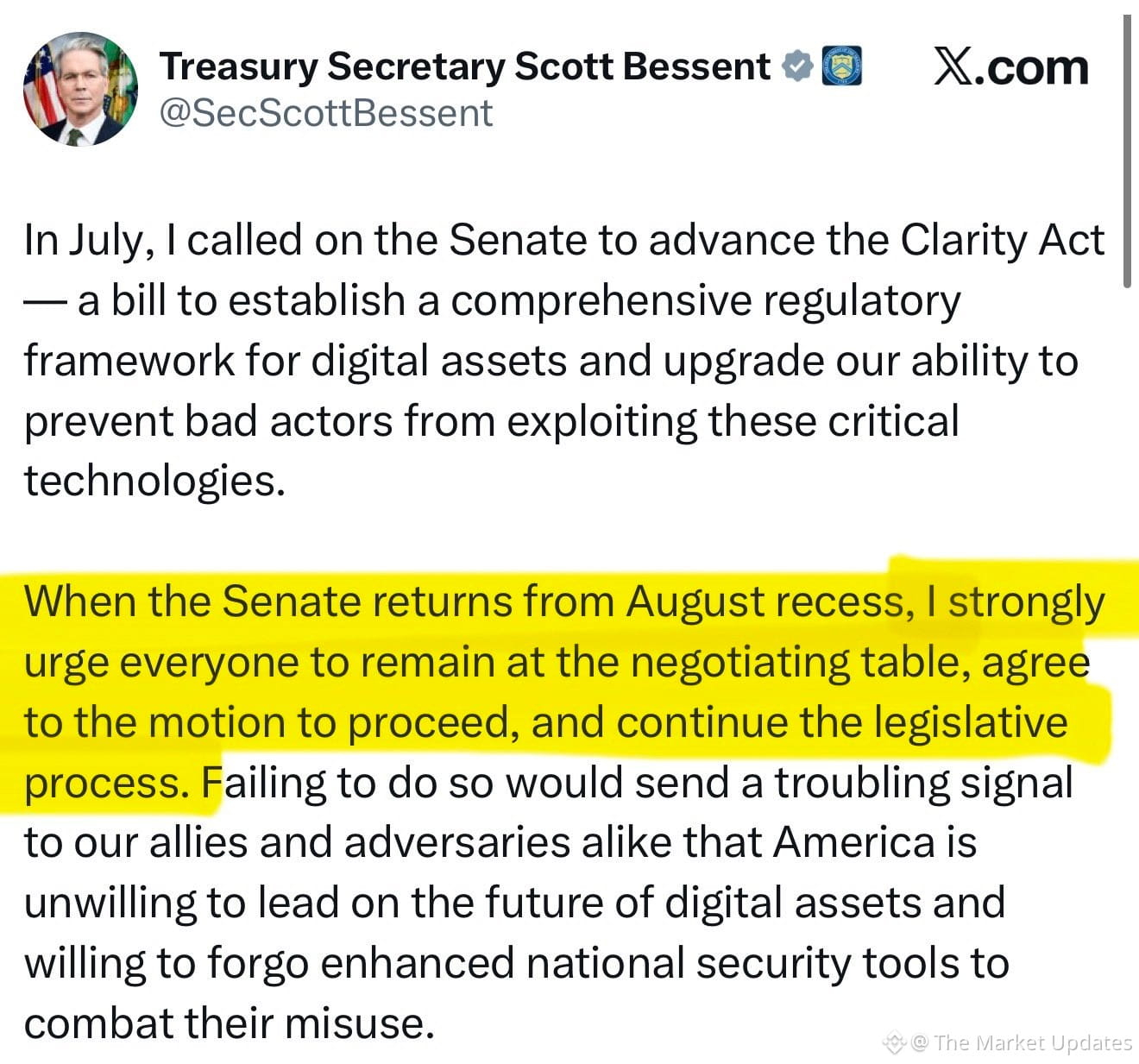
ALERTA: 🇺🇸 El secretario del Tesoro, Scott Bessent, está presionando al Senado de EE. UU. para que apruebe la Ley de Claridad Cripto el 15 de septiembre.
¡APRUEBEN LA LEY DE CLARIDAD!
ALERTA: 🇺🇸 El secretario del Tesoro, Scott Bessent, está presionando al Senado de EE. UU. para que apruebe la Ley de Claridad Cripto el 15 de septiembre.
¡APRUEBEN LA LEY DE CLARIDAD!
¡APRUEBEN LA LEY DE CLARIDAD!
2
297
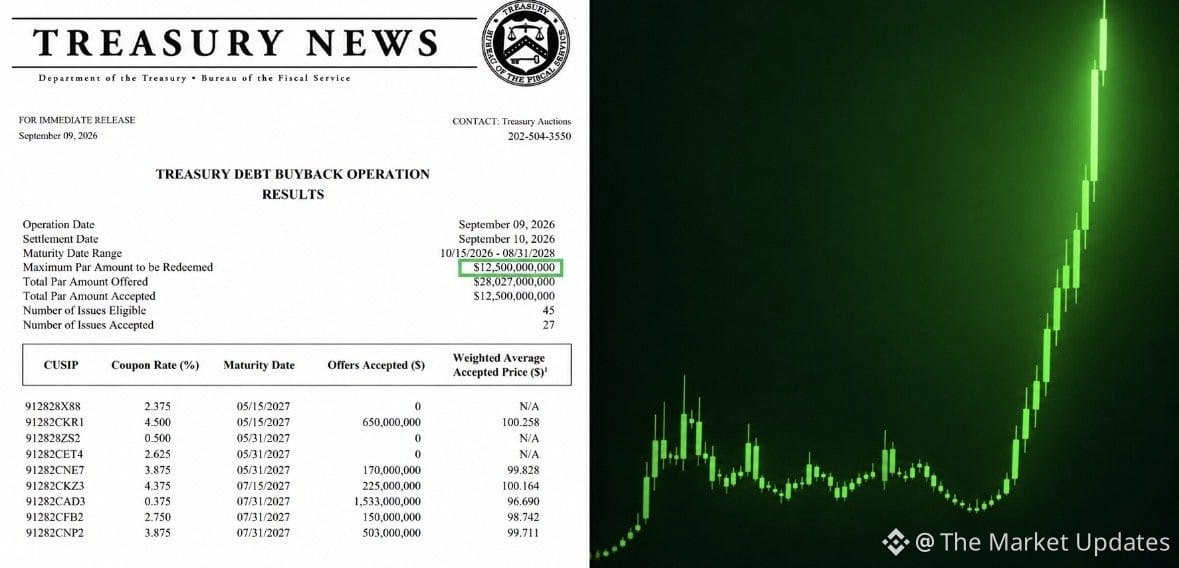
URGENTE: 🇺🇸 El Tesoro de EE. UU. acaba de recomprar $12.5 mil millones de su propia deuda, lo que hace un total de $25 mil millones este mes.
URGENTE: 🇺🇸 El Tesoro de EE. UU. acaba de recomprar $12.5 mil millones de su propia deuda, lo que hace un total de $25 mil millones este mes.
47
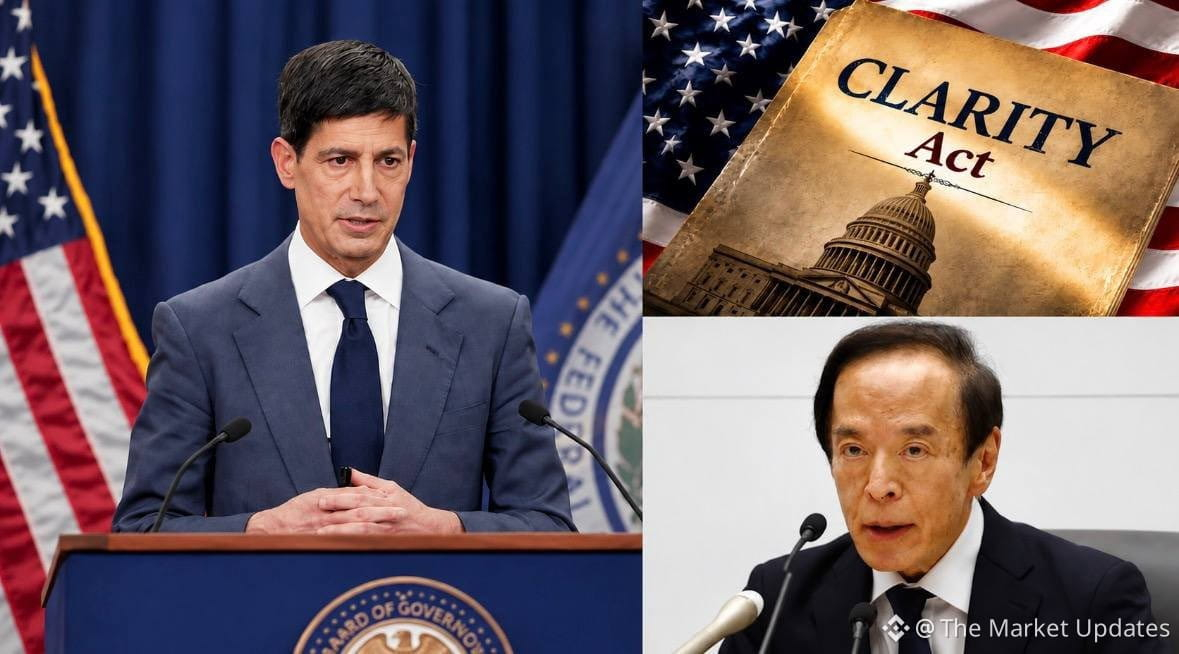
LOS PRÓXIMOS 10 DÍAS PODRÍAN SER SALVAJES PARA LOS MERCADOS.
5 grandes catalizadores vienen uno tras otro:
📅 10 de septiembre — PPI
🔥 PPI caliente → el Oro podría caer
❄️ PPI fresco → el Oro podría subir
📅 11 de septiembre — CPI
Este es el GRANDE.
🔥 CPI caliente = la Fed más agresiva = Oro ABAJO
❄️ CPI fresco = se desvanece la presión de alzas de tasas = Oro ARRIBA
📅 15 de septiembre — CLARITY ACT
Gran día para el sentimiento en cripto. Un resultado positivo podría impulsar los activos de riesgo y añadir volatilidad en todo el mercado.
📅 16 de septiembre — DECISIÓN DE LA FED
Fed agresiva → presión sobre el Oro
Fed moderada → Oro alcista
📅 18 de septiembre — BOJ
Una BOJ más agresiva podría fortalecer el yen y sacudir los mercados globales, creando otra ola de volatilidad.
🟡 PLAN DE ACCIÓN PARA EL ORO:
Inflación caliente + Fed agresiva → 🔻 ORO
Inflación fresca + Fed moderada → 🚀 ORO
LOS PRÓXIMOS 10 DÍAS PODRÍAN SER SALVAJES PARA LOS MERCADOS.
5 grandes catalizadores vienen uno tras otro:
📅 10 de septiembre — PPI
🔥 PPI caliente → el Oro podría caer
❄️ PPI fresco → el Oro podría subir
📅 11 de septiembre — CPI
Este es el GRANDE.
🔥 CPI caliente = la Fed más agresiva = Oro ABAJO
❄️ CPI fresco = se desvanece la presión de alzas de tasas = Oro ARRIBA
📅 15 de septiembre — CLARITY ACT
Gran día para el sentimiento en cripto. Un resultado positivo podría impulsar los activos de riesgo y añadir volatilidad en todo el mercado.
📅 16 de septiembre — DECISIÓN DE LA FED
Fed agresiva → presión sobre el Oro
Fed moderada → Oro alcista
📅 18 de septiembre — BOJ
Una BOJ más agresiva podría fortalecer el yen y sacudir los mercados globales, creando otra ola de volatilidad.
🟡 PLAN DE ACCIÓN PARA EL ORO:
Inflación caliente + Fed agresiva → 🔻 ORO
Inflación fresca + Fed moderada → 🚀 ORO
5 grandes catalizadores vienen uno tras otro:
📅 10 de septiembre — PPI
🔥 PPI caliente → el Oro podría caer
❄️ PPI fresco → el Oro podría subir
📅 11 de septiembre — CPI
Este es el GRANDE.
🔥 CPI caliente = la Fed más agresiva = Oro ABAJO
❄️ CPI fresco = se desvanece la presión de alzas de tasas = Oro ARRIBA
📅 15 de septiembre — CLARITY ACT
Gran día para el sentimiento en cripto. Un resultado positivo podría impulsar los activos de riesgo y añadir volatilidad en todo el mercado.
📅 16 de septiembre — DECISIÓN DE LA FED
Fed agresiva → presión sobre el Oro
Fed moderada → Oro alcista
📅 18 de septiembre — BOJ
Una BOJ más agresiva podría fortalecer el yen y sacudir los mercados globales, creando otra ola de volatilidad.
🟡 PLAN DE ACCIÓN PARA EL ORO:
Inflación caliente + Fed agresiva → 🔻 ORO
Inflación fresca + Fed moderada → 🚀 ORO
74
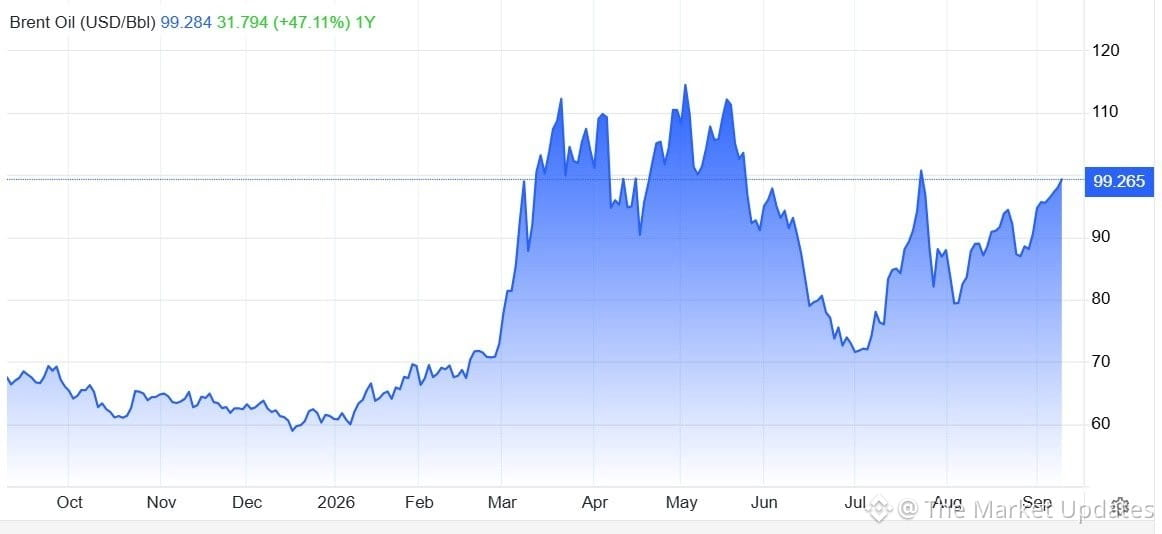
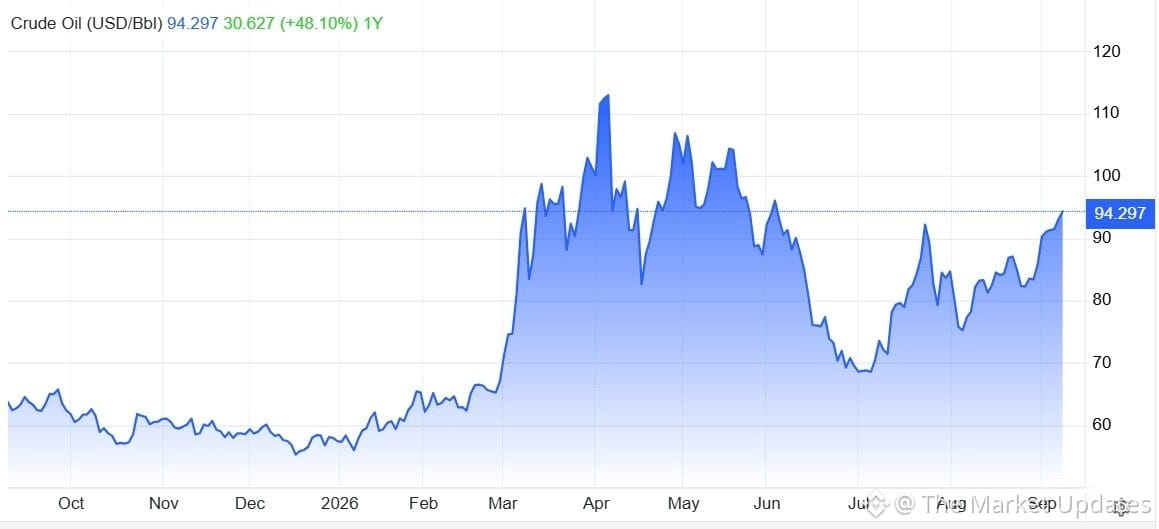
🇺🇸🇮🇷 El petróleo vuelve a subir después del último intercambio entre EE. UU. e Irán
Brent ahora se sitúa cerca de los 99 dólares por barril, justo al borde de los 100, mientras que el WTI cotiza por encima de los 94 y se acerca a los 95.
Ambos han subido casi un 50% en el último año.
🇺🇸🇮🇷 El petróleo vuelve a subir después del último intercambio entre EE. UU. e Irán
Brent ahora se sitúa cerca de los 99 dólares por barril, justo al borde de los 100, mientras que el WTI cotiza por encima de los 94 y se acerca a los 95.
Ambos han subido casi un 50% en el último año.
Brent ahora se sitúa cerca de los 99 dólares por barril, justo al borde de los 100, mientras que el WTI cotiza por encima de los 94 y se acerca a los 95.
Ambos han subido casi un 50% en el último año.
377
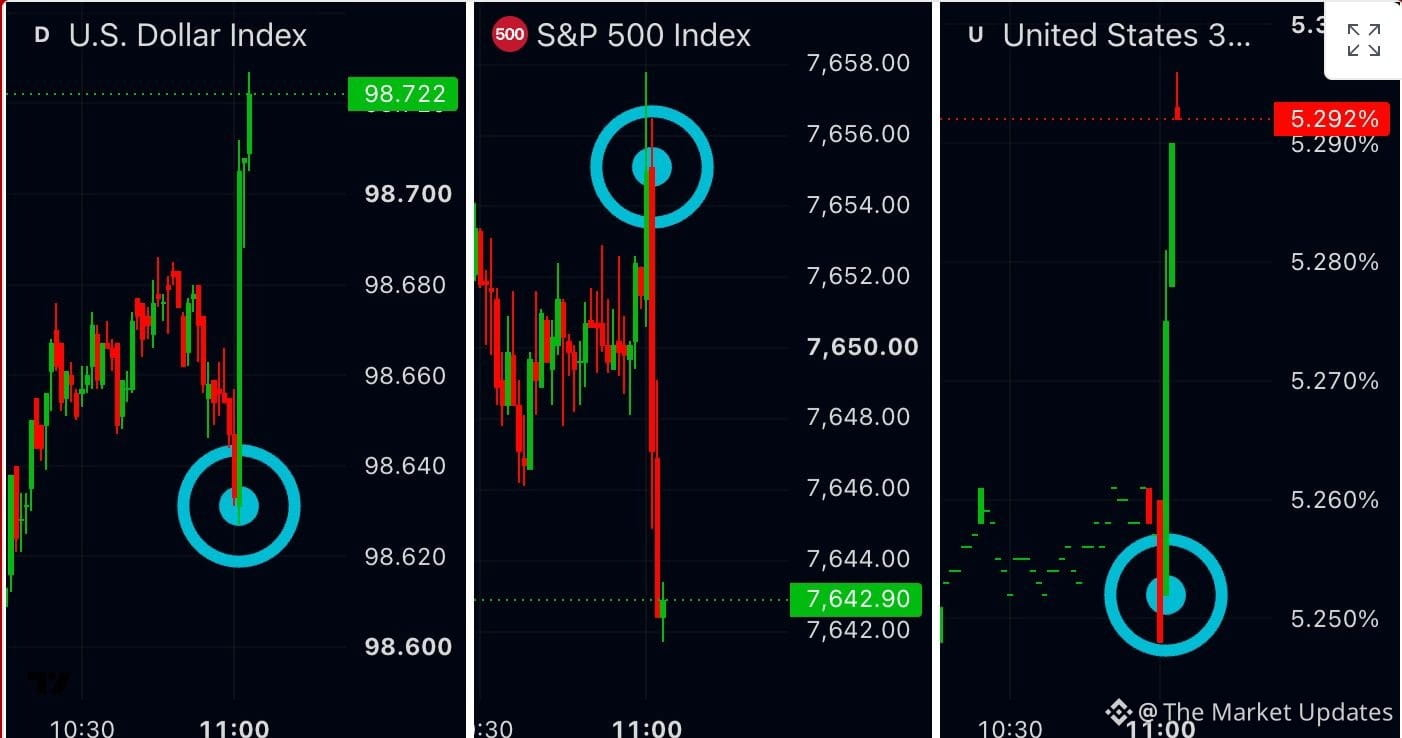
🚨🇺🇸 El Tesoro le acaba de decir al mercado que recomprará $6 BILLONES en deuda con vencimientos más largos mañana, y las pantallas se dispararon...
Eso sube desde $4 mil millones la última vez, y TRIPLICA la cantidad habitual.
Alrededor de las 11 a.m., el dólar se disparó, el S&P cayó y los rendimientos a corto plazo se dispararon.
Washington está quitando papel del tramo largo. Los traders lo trataron como un shock, no como un favor.
La gestión de liquidez acaba de convertirse en un evento de mercado.
Fuente: CNBC
🚨🇺🇸 El Tesoro le acaba de decir al mercado que recomprará $6 BILLONES en deuda con vencimientos más largos mañana, y las pantallas se dispararon...
Eso sube desde $4 mil millones la última vez, y TRIPLICA la cantidad habitual.
Alrededor de las 11 a.m., el dólar se disparó, el S&P cayó y los rendimientos a corto plazo se dispararon.
Washington está quitando papel del tramo largo. Los traders lo trataron como un shock, no como un favor.
La gestión de liquidez acaba de convertirse en un evento de mercado.
Fuente: CNBC
Eso sube desde $4 mil millones la última vez, y TRIPLICA la cantidad habitual.
Alrededor de las 11 a.m., el dólar se disparó, el S&P cayó y los rendimientos a corto plazo se dispararon.
Washington está quitando papel del tramo largo. Los traders lo trataron como un shock, no como un favor.
La gestión de liquidez acaba de convertirse en un evento de mercado.
Fuente: CNBC
120
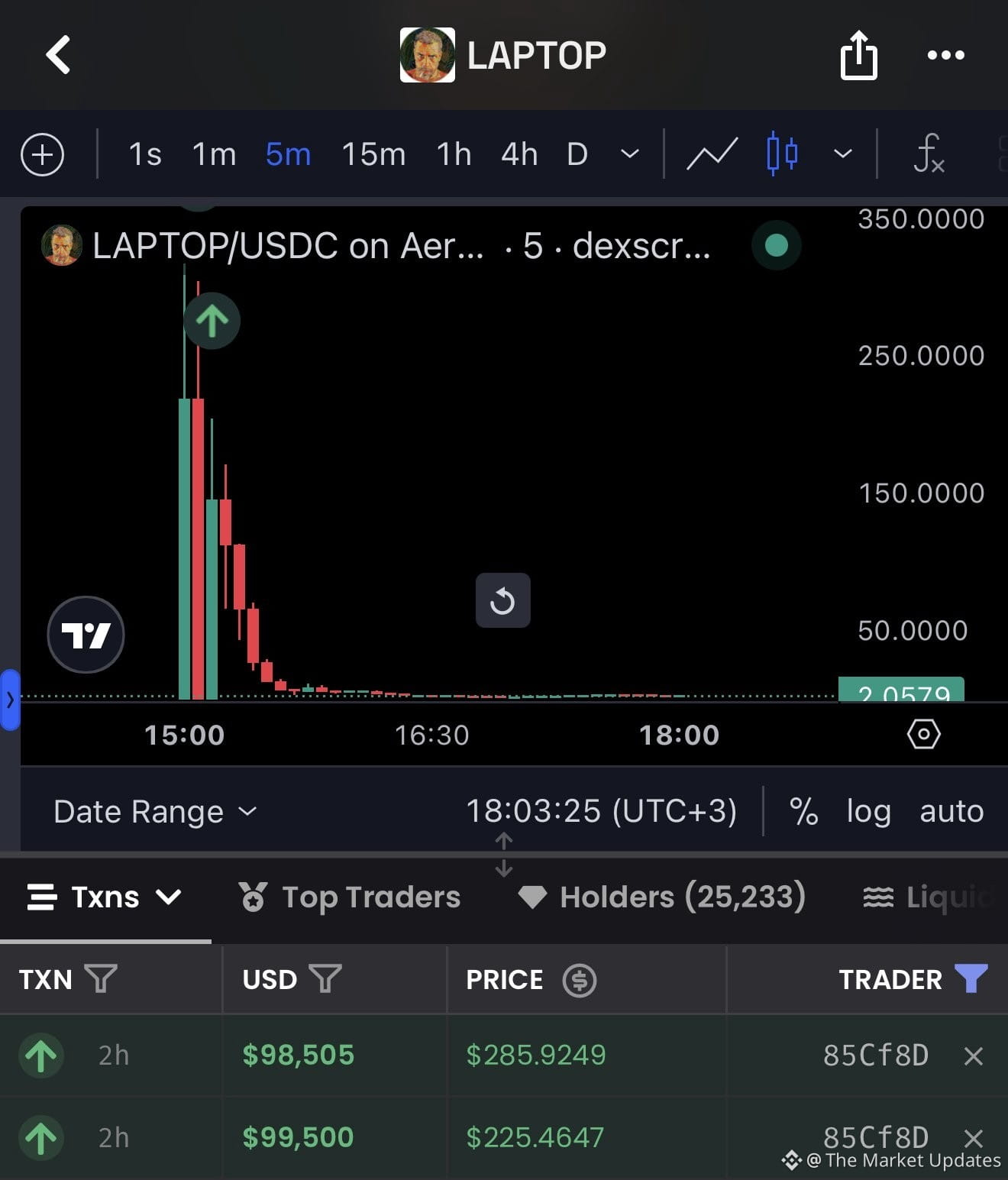
Si tienes un mal día...
Alguien compró $198,000 en $LAPTOP por $255.
Ahora vale $2,100.
Si tienes un mal día...
Alguien compró $198,000 en $LAPTOP por $255.
Ahora vale $2,100.
Alguien compró $198,000 en $LAPTOP por $255.
Ahora vale $2,100.
135
Parcialmente cierto
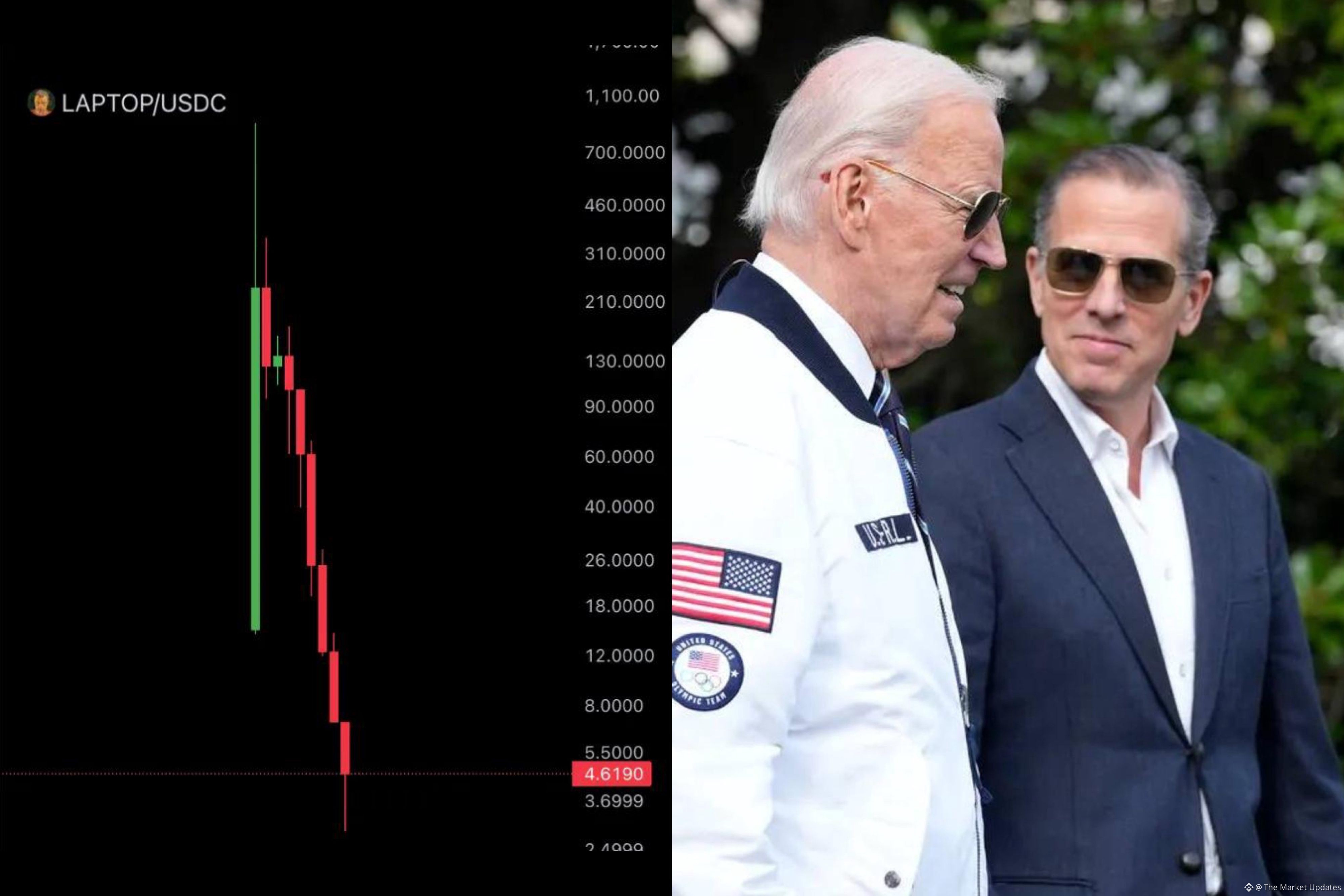
ESTO ES INSANO
La memecoin de Hunter Biden, $LAPTOP, se estrelló un 98% en minutos después de su lanzamiento.
Se suponía que iba a compensar a los perdedores de $TRUMP
ESTO ES INSANO
La memecoin de Hunter Biden, $LAPTOP, se estrelló un 98% en minutos después de su lanzamiento.
Se suponía que iba a compensar a los perdedores de $TRUMP
La memecoin de Hunter Biden, $LAPTOP, se estrelló un 98% en minutos después de su lanzamiento.
Se suponía que iba a compensar a los perdedores de $TRUMP
2
21
31.3k
🚨ÚLTIMA HORA: 🇩🇪 Alemania planea un impuesto del 25% sobre las ganancias de criptomonedas a partir de 2027.
Esto pone fin al período de tenencia libre de impuestos de un año.
🚨ÚLTIMA HORA: 🇩🇪 Alemania planea un impuesto del 25% sobre las ganancias de criptomonedas a partir de 2027.
Esto pone fin al período de tenencia libre de impuestos de un año.
Esto pone fin al período de tenencia libre de impuestos de un año.
36
Verificado
URGENTE: 🇯🇵 2.8 billones de Citi Bank lanzarán pagos transfronterizos tokenizados en Japón, lo que permitirá a las empresas enviar dinero 24/7 en cinco países.
Los bancos están pasando a la cadena de bloques.
URGENTE: 🇯🇵 2.8 billones de Citi Bank lanzarán pagos transfronterizos tokenizados en Japón, lo que permitirá a las empresas enviar dinero 24/7 en cinco países.
Los bancos están pasando a la cadena de bloques.
Los bancos están pasando a la cadena de bloques.
1
6
1.4k
🚨 ÚLTIMA HORA 🚨
🇺🇸 Los republicanos del Senado dicen que la Ley de Claridad probablemente fracasará la próxima semana.
Jódete con esto.
🚨 ÚLTIMA HORA 🚨
🇺🇸 Los republicanos del Senado dicen que la Ley de Claridad probablemente fracasará la próxima semana.
Jódete con esto.
🇺🇸 Los republicanos del Senado dicen que la Ley de Claridad probablemente fracasará la próxima semana.
Jódete con esto.
1
119
Esto es absolutamente una locura.
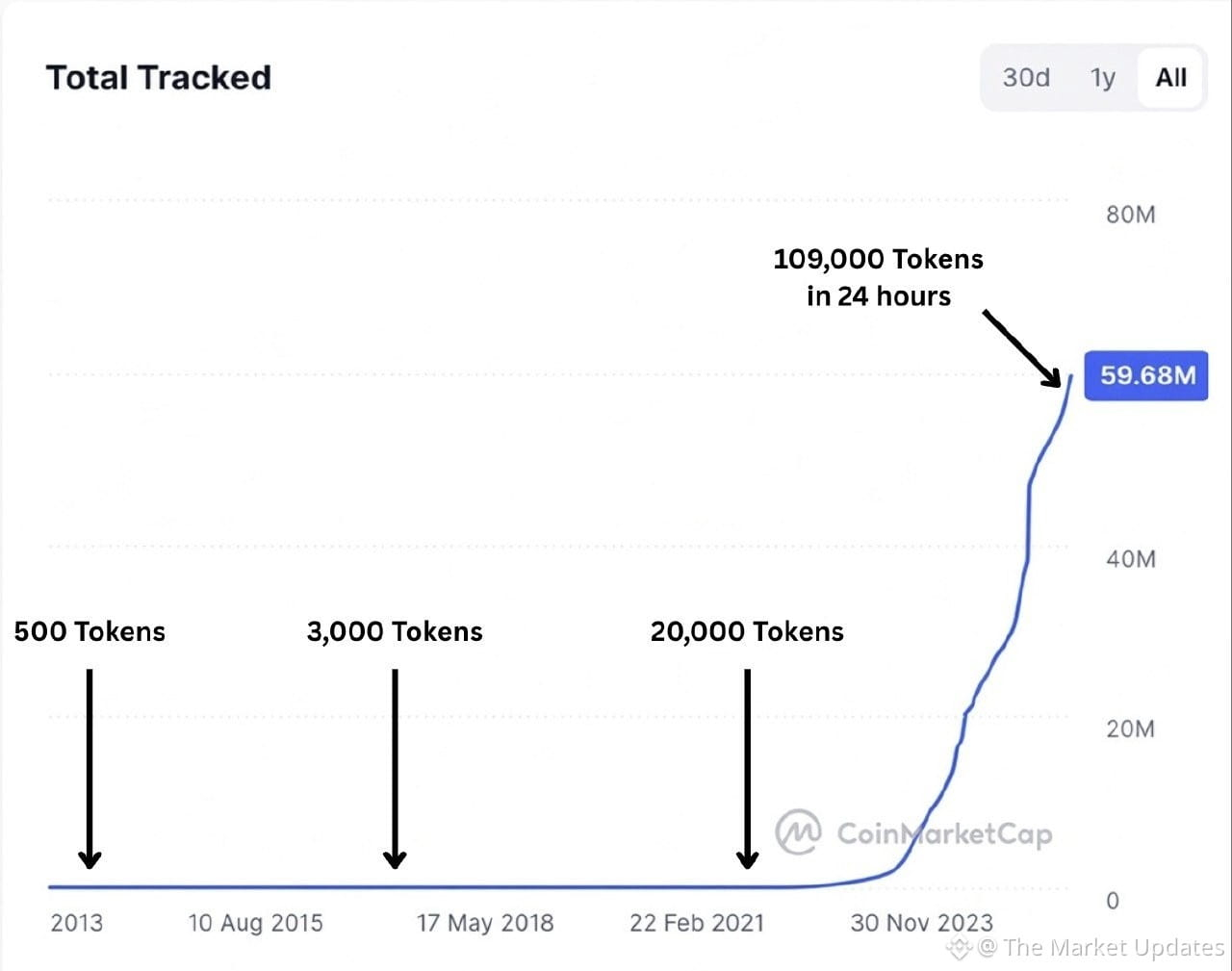
2013: existían 500 tokens
2017: existían 3,000 tokens
2021: existían 20,000 tokens
Hoy: se crearon 109,000 tokens en 24 horas.
El mercado está diluido AF
Esto es absolutamente una locura.
2013: existían 500 tokens
2017: existían 3,000 tokens
2021: existían 20,000 tokens
Hoy: se crearon 109,000 tokens en 24 horas.
El mercado está diluido AF
2013: existían 500 tokens
2017: existían 3,000 tokens
2021: existían 20,000 tokens
Hoy: se crearon 109,000 tokens en 24 horas.
El mercado está diluido AF
127
📊 ACTUALIZACIÓN $SOL
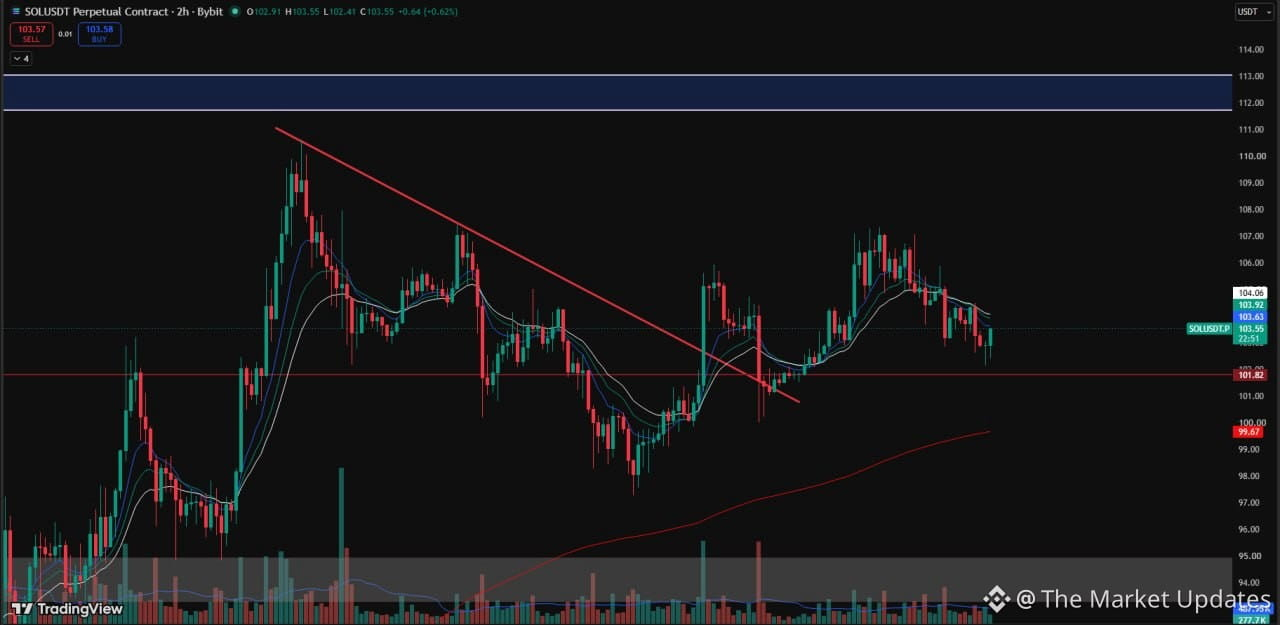
SOL actualmente está consolidando tras el reciente rompimiento.
La línea de tendencia descendente se ha roto, pero el precio ahora está probando el clúster de medias móviles exponenciales (EMA) alrededor de 104 después del rechazo de 106–107.
Soporte:
101.82
99.67
Resistencia:
104.00–104.10
106–107
📊 ACTUALIZACIÓN $SOL
SOL actualmente está consolidando tras el reciente rompimiento.
La línea de tendencia descendente se ha roto, pero el precio ahora está probando el clúster de medias móviles exponenciales (EMA) alrededor de 104 después del rechazo de 106–107.
Soporte:
101.82
99.67
Resistencia:
104.00–104.10
106–107
SOL actualmente está consolidando tras el reciente rompimiento.
La línea de tendencia descendente se ha roto, pero el precio ahora está probando el clúster de medias móviles exponenciales (EMA) alrededor de 104 después del rechazo de 106–107.
Soporte:
101.82
99.67
Resistencia:
104.00–104.10
106–107
188
·
--
Bajista
🩸DESCARGO:
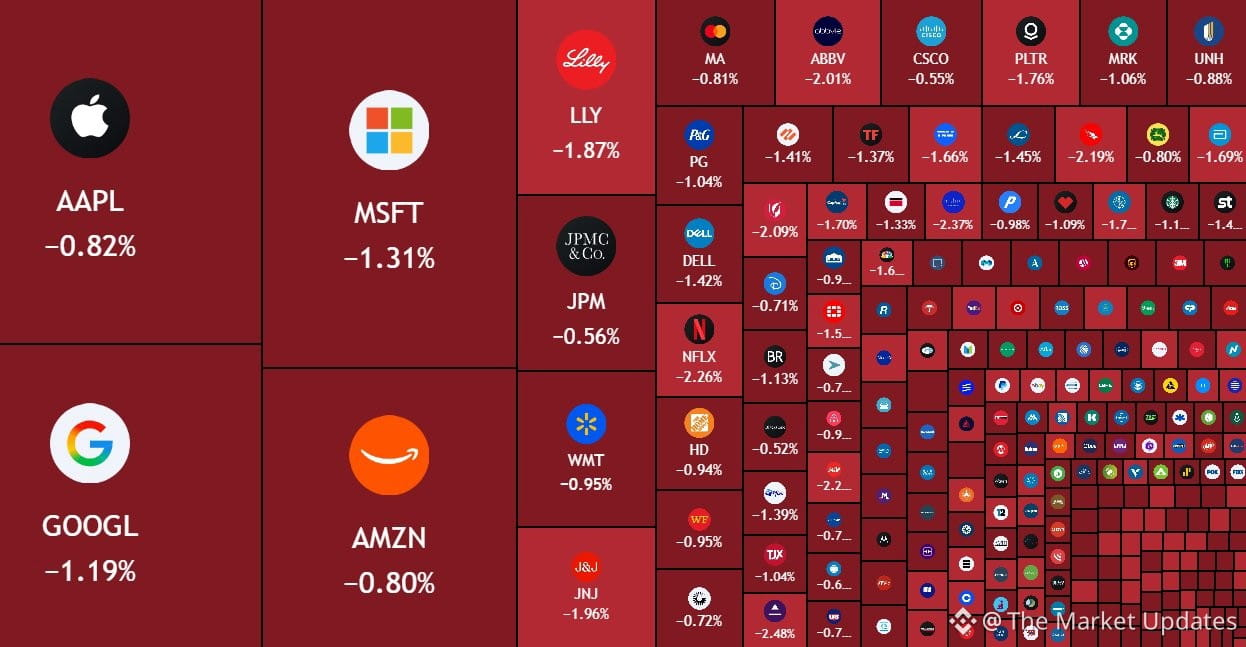
$320,000,000,000 borrados del mercado de valores de EE. UU. en 30 minutos.
🩸DESCARGO:
$320,000,000,000 borrados del mercado de valores de EE. UU. en 30 minutos.
$320,000,000,000 borrados del mercado de valores de EE. UU. en 30 minutos.
1
301
🔥ENORME:
La Fundación Ethereum apunta a la fecha límite de «diciembre de 2029» para hacer que Ethereum sea totalmente resistente a la computación cuántica.
El catalizador para $10K ETH ya está aquí.
🔥ENORME:
La Fundación Ethereum apunta a la fecha límite de «diciembre de 2029» para hacer que Ethereum sea totalmente resistente a la computación cuántica.
El catalizador para $10K ETH ya está aquí.
La Fundación Ethereum apunta a la fecha límite de «diciembre de 2029» para hacer que Ethereum sea totalmente resistente a la computación cuántica.
El catalizador para $10K ETH ya está aquí.
104
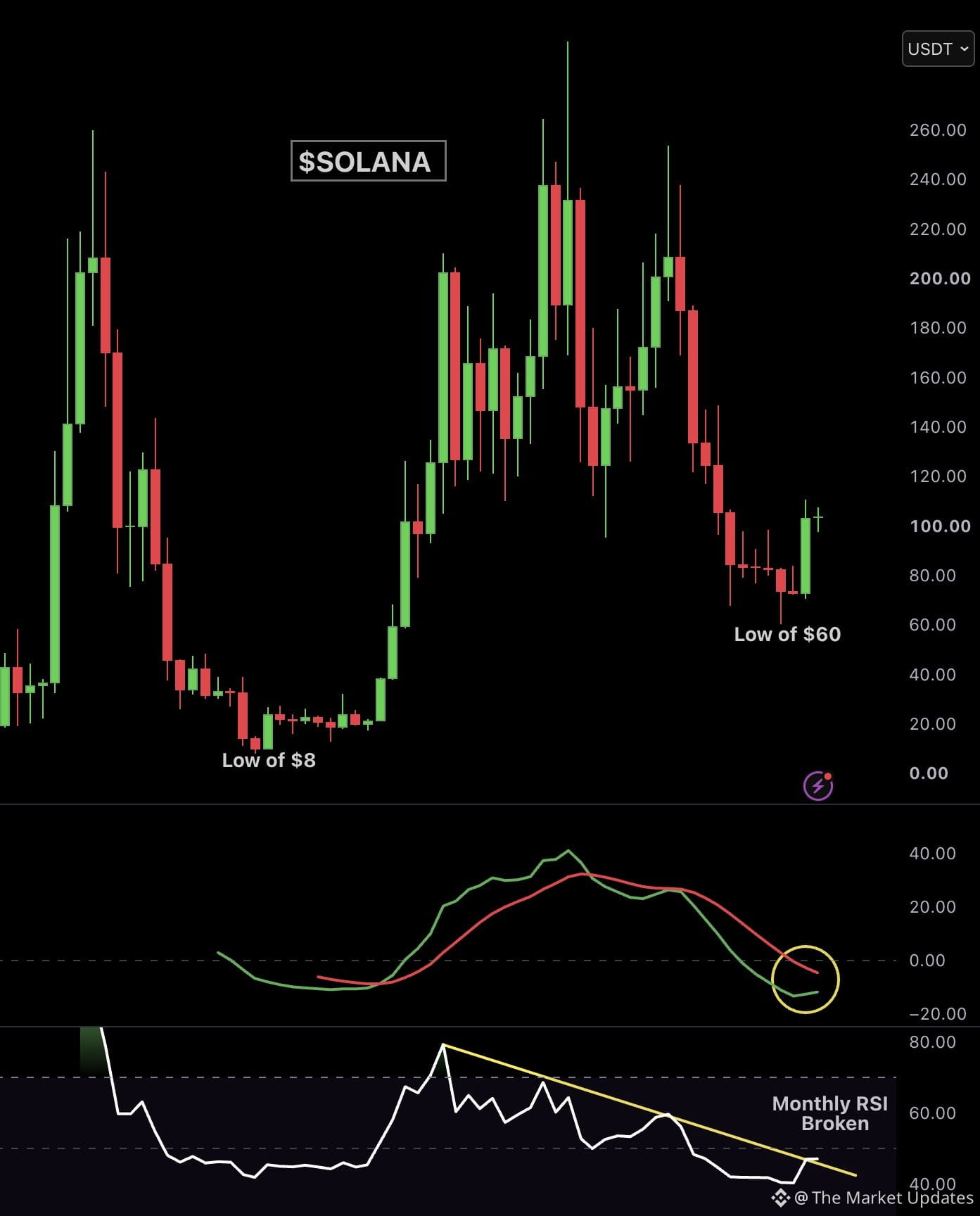
$SOL está mostrando una de las configuraciones más alcistas en cripto ahora mismo.
- Cerró su primera vela mensual verde en 10 meses
- El MACD mensual está a punto de cruzar a alcista
- El RSI mensual ha roto una tendencia bajista de 2 años
¿SOL está empezando su gran reversión alcista?
$SOL está mostrando una de las configuraciones más alcistas en cripto ahora mismo.
- Cerró su primera vela mensual verde en 10 meses
- El MACD mensual está a punto de cruzar a alcista
- El RSI mensual ha roto una tendencia bajista de 2 años
¿SOL está empezando su gran reversión alcista?
- Cerró su primera vela mensual verde en 10 meses
- El MACD mensual está a punto de cruzar a alcista
- El RSI mensual ha roto una tendencia bajista de 2 años
¿SOL está empezando su gran reversión alcista?
123
Inicia sesión para explorar más contenidos
Únete a usuarios globales de criptomonedas en Binance Square
⚡️ Obtén información útil y actualizada sobre criptos.
💬 Avalado por el mayor exchange de criptomonedas en el mundo.
👍 Descubre perspectivas reales de creadores verificados.
Email/número de teléfono
Temas populares
SECApprovesNasdaqTexasCommodityTrustRule
11 vistas
49 están debatiendo
📜 SEC aprueba regla de Nasdaq Texas: ¿alivio a mediano plazo?
La SEC aprobó de forma acelerada una modificación en las reglas de listado de Nasdaq Texas que introduce un "colchón" del 15% para ETFs vinculados a materias primas, incluyendo criptomonedas.
📜 ¿Qué cambia?
La nueva regla 5711(d) permite que un "Commodity-Based Trust Share" mantenga al menos el 85% de su valor en activos elegibles. El 15% restante puede invertirse en activos que no cumplen los criterios, como "commodities digitales" (criptomonedas). La SEC incluye una definición formal de "commodity digital" y menciona explícitamente que Bitcoin, $ETH , $SOL y $XRP cumplen los criterios.
⏳ ¿Por qué es a mediano plazo?
1. No cambia la clasificación federal. La SEC fue explícita: esto no convierte a XRP o Solana en commodities a nivel federal. Es una guía para que Nasdaq Texas liste productos, pero la batalla regulatoria sigue pendiente de la CLARITY Act.
2. Impacto gradual en precios. El mercado ya descontó gran parte de las buenas noticias regulatorias. Su efecto se verá cuando los emisores presenten solicitudes de ETFs diversificados bajo el nuevo marco, un proceso de meses.
3. Es un "puente" hasta la CLARITY Act. La votación de procedimiento está programada para el 15 de septiembre. Esta regla es una solución provisional que permite a los mercados operar con claridad mientras la legislación federal no llega.
🎯 Impacto por plazo
Plazo Impacto
Corto Mínimo. Ya descontado. No esperes rally por esta noticia.
Mediano Alivio estructural. Facilita ETFs diversificados y da claridad a emisores.
Largo Depende de la CLARITY Act. Si se aprueba, será un complemento.
🧠 Conclusión
Es un alivio a mediano plazo, no el fin de la incertidumbre. Un paso táctico que da a los mercados un marco para operar mientras se resuelve la legislación federal.
¿Crees que la CLARITY Act se aprobará el 15 de septiembre? 👇
#SEC #CLARITYAct #NASDAQ #etf
#SECApprovesNasdaqTexasCommodityTrustRule
ChristianRLbx
·0 me gusta
·53 vistas
ECBRaisesRatesSecondTimeTo2.5%
26 vistas
28 están debatiendo
USContinuingJoblessClaims1.774M
1,449 vistas
128 están debatiendo