

NotFoundBiel
3.3k Publicaciones

NotFoundBiel
Denunciar
Bloquear usuario
Trader frecuente
5.7 año(s)
15 Siguiendo
1.3K+ Seguidores
1.6K+ Me gusta
Publicaciones
Todo
Live
PINNED
·
--
Artículo
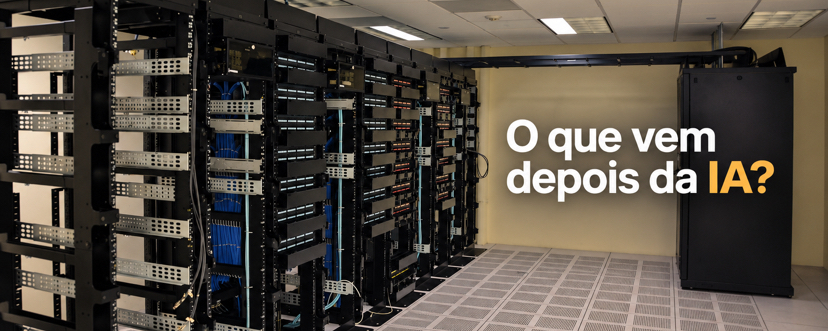
Más allá de la IA: ¿dónde están las próximas grandes oportunidades?Como desarrollador de tecnología y dueño de una software house, tengo formación académica orientada a la Ingeniería Blockchain. Una de las tecnologías que elegí aprender para dominar mejor esta área fue, precisamente, la Inteligencia Artificial.
Como alguien formado y activo en el sector, creo que estamos atravesando una verdadera metamorfosis tecnológica. Mi visión para el avance de la Inteligencia Artificial a largo plazo es optimista, pero creo que algunas de las mayores oportunidades pueden estar precisamente fuera de las empresas que hoy llamamos directamente empresas de IA.
Más allá de la IA: ¿dónde están las próximas grandes oportunidades?
Como desarrollador de tecnología y dueño de una software house, tengo formación académica orientada a la Ingeniería Blockchain. Una de las tecnologías que elegí aprender para dominar mejor esta área fue, precisamente, la Inteligencia Artificial.
Como alguien formado y activo en el sector, creo que estamos atravesando una verdadera metamorfosis tecnológica. Mi visión para el avance de la Inteligencia Artificial a largo plazo es optimista, pero creo que algunas de las mayores oportunidades pueden estar precisamente fuera de las empresas que hoy llamamos directamente empresas de IA.
Como alguien formado y activo en el sector, creo que estamos atravesando una verdadera metamorfosis tecnológica. Mi visión para el avance de la Inteligencia Artificial a largo plazo es optimista, pero creo que algunas de las mayores oportunidades pueden estar precisamente fuera de las empresas que hoy llamamos directamente empresas de IA.
2
1
4
1.5k
·
--
Ver traducción
Analysis: RSI/MACD Momentum
📊 $ETH Technical Setup | Bearish (Short) 📊
🔴 Pair: $ETH
⚡ Market Bias: Bearish (Short)
━━━━━━━━━━━━━━━━━━━━━
📍 Entry Zone: $2325.48
🎯 Target 1: $2301.01 (+1.05%)
🎯 Target 2: $2276.55 (+2.10%)
🎯 Target 3: $2247.19 (+3.37%)
⛔ Invalidation / Stop: $2351.58 (-1.12%)
━━━━━━━━━━━━━━━━━━━━━
📈 Technical Context:
RSI/MACD Momentum: momentum SHORT, structure SHORT. Rule score 86/100, not a success probability.
👉 Follow on Square & Socials: @notfoundbiel for daily crypto market analyses!
$ETH #Crypto
Analysis: RSI/MACD Momentum
📊 $ETH Technical Setup | Bearish (Short) 📊
🔴 Pair: $ETH
⚡ Market Bias: Bearish (Short)
━━━━━━━━━━━━━━━━━━━━━
📍 Entry Zone: $2325.48
🎯 Target 1: $2301.01 (+1.05%)
🎯 Target 2: $2276.55 (+2.10%)
🎯 Target 3: $2247.19 (+3.37%)
⛔ Invalidation / Stop: $2351.58 (-1.12%)
━━━━━━━━━━━━━━━━━━━━━
📈 Technical Context:
RSI/MACD Momentum: momentum SHORT, structure SHORT. Rule score 86/100, not a success probability.
👉 Follow on Square & Socials: @notfoundbiel for daily crypto market analyses!
$ETH #Crypto
📊 $ETH Technical Setup | Bearish (Short) 📊
🔴 Pair: $ETH
⚡ Market Bias: Bearish (Short)
━━━━━━━━━━━━━━━━━━━━━
📍 Entry Zone: $2325.48
🎯 Target 1: $2301.01 (+1.05%)
🎯 Target 2: $2276.55 (+2.10%)
🎯 Target 3: $2247.19 (+3.37%)
⛔ Invalidation / Stop: $2351.58 (-1.12%)
━━━━━━━━━━━━━━━━━━━━━
📈 Technical Context:
RSI/MACD Momentum: momentum SHORT, structure SHORT. Rule score 86/100, not a success probability.
👉 Follow on Square & Socials: @notfoundbiel for daily crypto market analyses!
$ETH #Crypto
·
--
La carrera por tokenizar las acciones tradicionales se está intensificando, pero el panorama cambia rápidamente. Mientras el mercado general de acciones tokenizadas se ha disparado hasta alcanzar la enorme cifra de 3.300 millones de dólares, ha surgido un importante vacío de poder. El valor de las acciones tokenizadas de Securitize (SECZ) se ha reducido a la mitad, con una capitalización de mercado de 208,6 millones de dólares. En marcado contraste, los tokens vinculados a Circle se han disparado hasta sumar 383,6 millones de dólares entre varios emisores, lo que indica una clara preferencia de los actores institucionales por la infraestructura de Circle. Esta divergencia pone de relieve la importancia crucial de los efectos de red y la profundidad de la liquidez en el sector de los RWA (activos del mundo real).
• La capitalización de mercado onchain de SECZ se ha reducido a la mitad, hasta los 208,6 millones de dólares, lo que indica una pérdida de cuota de mercado.
• Los tokens vinculados a Circle suman ahora 383,6 millones de dólares, casi el doble de la valoración de SECZ.
• El mercado total de acciones tokenizadas ha crecido hasta los 3.300 millones de dólares, demostrando el enorme interés institucional.
Esta reasignación de capital sugiere que los inversores se están concentrando en plataformas con mayor liquidez y una adopción más amplia por parte de los emisores. Para los traders, esto significa que la cuestión en torno a los RWA ya no es *si* ocurrirá, sino *quién* liderará la infraestructura. Con BTC estable en 80,370.01 (+0.10% en 24 h), el entorno macroeconómico se mantiene estable, lo que permite que se desarrollen rotaciones sectoriales como esta sin una volatilidad más amplia del mercado. El dominio de los activos vinculados a Circle podría marcar la pauta para el futuro de las finanzas tokenizadas y atraer potencialmente a más gigantes de las finanzas tradicionales al sector.
¿Crees que la infraestructura de Circle se convertirá en la opción predeterminada para las acciones tokenizadas? ¿O contraatacarán otros emisores? ¡Cuéntanos qué piensas en los comentarios! 👇
#BinanceSquare #CryptoNews #Bitcoin
La carrera por tokenizar las acciones tradicionales se está intensificando, pero el panorama cambia rápidamente. Mientras el mercado general de acciones tokenizadas se ha disparado hasta alcanzar la enorme cifra de 3.300 millones de dólares, ha surgido un importante vacío de poder. El valor de las acciones tokenizadas de Securitize (SECZ) se ha reducido a la mitad, con una capitalización de mercado de 208,6 millones de dólares. En marcado contraste, los tokens vinculados a Circle se han disparado hasta sumar 383,6 millones de dólares entre varios emisores, lo que indica una clara preferencia de los actores institucionales por la infraestructura de Circle. Esta divergencia pone de relieve la importancia crucial de los efectos de red y la profundidad de la liquidez en el sector de los RWA (activos del mundo real).
• La capitalización de mercado onchain de SECZ se ha reducido a la mitad, hasta los 208,6 millones de dólares, lo que indica una pérdida de cuota de mercado.
• Los tokens vinculados a Circle suman ahora 383,6 millones de dólares, casi el doble de la valoración de SECZ.
• El mercado total de acciones tokenizadas ha crecido hasta los 3.300 millones de dólares, demostrando el enorme interés institucional.
Esta reasignación de capital sugiere que los inversores se están concentrando en plataformas con mayor liquidez y una adopción más amplia por parte de los emisores. Para los traders, esto significa que la cuestión en torno a los RWA ya no es *si* ocurrirá, sino *quién* liderará la infraestructura. Con BTC estable en 80,370.01 (+0.10% en 24 h), el entorno macroeconómico se mantiene estable, lo que permite que se desarrollen rotaciones sectoriales como esta sin una volatilidad más amplia del mercado. El dominio de los activos vinculados a Circle podría marcar la pauta para el futuro de las finanzas tokenizadas y atraer potencialmente a más gigantes de las finanzas tradicionales al sector.
¿Crees que la infraestructura de Circle se convertirá en la opción predeterminada para las acciones tokenizadas? ¿O contraatacarán otros emisores? ¡Cuéntanos qué piensas en los comentarios! 👇
#BinanceSquare #CryptoNews #Bitcoin
• La capitalización de mercado onchain de SECZ se ha reducido a la mitad, hasta los 208,6 millones de dólares, lo que indica una pérdida de cuota de mercado.
• Los tokens vinculados a Circle suman ahora 383,6 millones de dólares, casi el doble de la valoración de SECZ.
• El mercado total de acciones tokenizadas ha crecido hasta los 3.300 millones de dólares, demostrando el enorme interés institucional.
Esta reasignación de capital sugiere que los inversores se están concentrando en plataformas con mayor liquidez y una adopción más amplia por parte de los emisores. Para los traders, esto significa que la cuestión en torno a los RWA ya no es *si* ocurrirá, sino *quién* liderará la infraestructura. Con BTC estable en 80,370.01 (+0.10% en 24 h), el entorno macroeconómico se mantiene estable, lo que permite que se desarrollen rotaciones sectoriales como esta sin una volatilidad más amplia del mercado. El dominio de los activos vinculados a Circle podría marcar la pauta para el futuro de las finanzas tokenizadas y atraer potencialmente a más gigantes de las finanzas tradicionales al sector.
¿Crees que la infraestructura de Circle se convertirá en la opción predeterminada para las acciones tokenizadas? ¿O contraatacarán otros emisores? ¡Cuéntanos qué piensas en los comentarios! 👇
#BinanceSquare #CryptoNews #Bitcoin

13
·
--
Análisis: impulso RSI/MACD
📊 $AVAX Configuración técnica | Alcista (largo) 📊
🟢 Par: $AVAX
⚡ Sesgo del mercado: alcista (largo)
━━━━━━━━━━━━━━━━━━━━━
📍 Zona de entrada: $8.949
🎯 Objetivo 1: $9.0711 (+1.36%)
🎯 Objetivo 2: $9.1932 (+2.73%)
🎯 Objetivo 3: $9.3397 (+4.37%)
⛔ Invalidación / Stop: $8.8188 (-1.45%)
━━━━━━━━━━━━━━━━━━━━━
📈 Contexto técnico:
Impulso RSI/MACD: impulso LARGO, estructura LARGA. Puntuación de la regla: 86/100; no es una probabilidad de éxito.
👉 Síguenos en Square y redes sociales: @notfoundbiel para recibir análisis diarios del mercado cripto.
$AVAX #Cripto
Análisis: impulso RSI/MACD
📊 $AVAX Configuración técnica | Alcista (largo) 📊
🟢 Par: $AVAX
⚡ Sesgo del mercado: alcista (largo)
━━━━━━━━━━━━━━━━━━━━━
📍 Zona de entrada: $8.949
🎯 Objetivo 1: $9.0711 (+1.36%)
🎯 Objetivo 2: $9.1932 (+2.73%)
🎯 Objetivo 3: $9.3397 (+4.37%)
⛔ Invalidación / Stop: $8.8188 (-1.45%)
━━━━━━━━━━━━━━━━━━━━━
📈 Contexto técnico:
Impulso RSI/MACD: impulso LARGO, estructura LARGA. Puntuación de la regla: 86/100; no es una probabilidad de éxito.
👉 Síguenos en Square y redes sociales: @notfoundbiel para recibir análisis diarios del mercado cripto.
$AVAX #Cripto
📊 $AVAX Configuración técnica | Alcista (largo) 📊
🟢 Par: $AVAX
⚡ Sesgo del mercado: alcista (largo)
━━━━━━━━━━━━━━━━━━━━━
📍 Zona de entrada: $8.949
🎯 Objetivo 1: $9.0711 (+1.36%)
🎯 Objetivo 2: $9.1932 (+2.73%)
🎯 Objetivo 3: $9.3397 (+4.37%)
⛔ Invalidación / Stop: $8.8188 (-1.45%)
━━━━━━━━━━━━━━━━━━━━━
📈 Contexto técnico:
Impulso RSI/MACD: impulso LARGO, estructura LARGA. Puntuación de la regla: 86/100; no es una probabilidad de éxito.
👉 Síguenos en Square y redes sociales: @notfoundbiel para recibir análisis diarios del mercado cripto.
$AVAX #Cripto
·
--
🚨 ÚLTIMA HORA: ¡Se descubre una vulnerabilidad crítica en la billetera $BTC : los hackers pueden robar fondos sin las claves privadas!
En una importante llamada de atención sobre la seguridad para la industria cripto, investigadores han descubierto una sofisticada vulnerabilidad que permite a los atacantes secuestrar transacciones de Bitcoin sin llegar a tocar tus claves privadas. No se trata de un riesgo meramente teórico: es una amenaza activa que podría convertir un ajuste rutinario de comisiones en una pérdida catastrófica de activos. Mientras $BTC se mantiene en $80,538.54 (+0.25% en 24 h), esta revelación subraya que incluso en un mercado alcista, una buena higiene de seguridad es el factor más importante para proteger tu cartera.
• **La amenaza:** Un ataque a un servidor malicioso puede manipular los aumentos manuales de las comisiones y engañar a los usuarios para que aprueben pagos destinados a direcciones controladas por los atacantes.
• **La solución:** Se lanzó la versión 4.8.3 para corregir esta vulnerabilidad específica y garantizar que los ajustes de comisiones ya no activen aprobaciones de transacciones no autorizadas.
• **Qué hacer:** Es necesario actualizar la billetera de inmediato. Si utilizas un programa afectado, actualízalo ahora mismo a la versión 4.8.3 o posterior para proteger tus fondos.
Este incidente pone de manifiesto una brecha crítica en la forma en que los usuarios interactúan con las interfaces de las billeteras y demuestra que la superficie de ataque va más allá de la gestión de claves e incluye la lógica de firma de transacciones. Aunque el sentimiento actual del mercado se mantiene estable y $BTC cotiza cerca de los $80.5k, este tipo de brechas de seguridad puede provocar ventas de pánico repentinas si no se abordan rápidamente. Los operadores y quienes mantienen sus activos a largo plazo deben permanecer alerta, ya que la integridad del ecosistema depende de una infraestructura sólida y libre de errores. El rápido lanzamiento de una corrección es una señal positiva, pero también nos recuerda que, en el mundo cripto, tú eres tu propio banco y tu software es tu bóveda.
¿Confías en los protocolos de seguridad actuales de tu proveedor de billetera? ¿Ya actualizaste el software? ¡Cuéntanos qué piensas aquí abajo! 👇
#BinanceSquare #CryptoNews #Bitcoin
🚨 ÚLTIMA HORA: ¡Se descubre una vulnerabilidad crítica en la billetera $BTC : los hackers pueden robar fondos sin las claves privadas!
En una importante llamada de atención sobre la seguridad para la industria cripto, investigadores han descubierto una sofisticada vulnerabilidad que permite a los atacantes secuestrar transacciones de Bitcoin sin llegar a tocar tus claves privadas. No se trata de un riesgo meramente teórico: es una amenaza activa que podría convertir un ajuste rutinario de comisiones en una pérdida catastrófica de activos. Mientras $BTC se mantiene en $80,538.54 (+0.25% en 24 h), esta revelación subraya que incluso en un mercado alcista, una buena higiene de seguridad es el factor más importante para proteger tu cartera.
• **La amenaza:** Un ataque a un servidor malicioso puede manipular los aumentos manuales de las comisiones y engañar a los usuarios para que aprueben pagos destinados a direcciones controladas por los atacantes.
• **La solución:** Se lanzó la versión 4.8.3 para corregir esta vulnerabilidad específica y garantizar que los ajustes de comisiones ya no activen aprobaciones de transacciones no autorizadas.
• **Qué hacer:** Es necesario actualizar la billetera de inmediato. Si utilizas un programa afectado, actualízalo ahora mismo a la versión 4.8.3 o posterior para proteger tus fondos.
Este incidente pone de manifiesto una brecha crítica en la forma en que los usuarios interactúan con las interfaces de las billeteras y demuestra que la superficie de ataque va más allá de la gestión de claves e incluye la lógica de firma de transacciones. Aunque el sentimiento actual del mercado se mantiene estable y $BTC cotiza cerca de los $80.5k, este tipo de brechas de seguridad puede provocar ventas de pánico repentinas si no se abordan rápidamente. Los operadores y quienes mantienen sus activos a largo plazo deben permanecer alerta, ya que la integridad del ecosistema depende de una infraestructura sólida y libre de errores. El rápido lanzamiento de una corrección es una señal positiva, pero también nos recuerda que, en el mundo cripto, tú eres tu propio banco y tu software es tu bóveda.
¿Confías en los protocolos de seguridad actuales de tu proveedor de billetera? ¿Ya actualizaste el software? ¡Cuéntanos qué piensas aquí abajo! 👇
#BinanceSquare #CryptoNews #Bitcoin
En una importante llamada de atención sobre la seguridad para la industria cripto, investigadores han descubierto una sofisticada vulnerabilidad que permite a los atacantes secuestrar transacciones de Bitcoin sin llegar a tocar tus claves privadas. No se trata de un riesgo meramente teórico: es una amenaza activa que podría convertir un ajuste rutinario de comisiones en una pérdida catastrófica de activos. Mientras $BTC se mantiene en $80,538.54 (+0.25% en 24 h), esta revelación subraya que incluso en un mercado alcista, una buena higiene de seguridad es el factor más importante para proteger tu cartera.
• **La amenaza:** Un ataque a un servidor malicioso puede manipular los aumentos manuales de las comisiones y engañar a los usuarios para que aprueben pagos destinados a direcciones controladas por los atacantes.
• **La solución:** Se lanzó la versión 4.8.3 para corregir esta vulnerabilidad específica y garantizar que los ajustes de comisiones ya no activen aprobaciones de transacciones no autorizadas.
• **Qué hacer:** Es necesario actualizar la billetera de inmediato. Si utilizas un programa afectado, actualízalo ahora mismo a la versión 4.8.3 o posterior para proteger tus fondos.
Este incidente pone de manifiesto una brecha crítica en la forma en que los usuarios interactúan con las interfaces de las billeteras y demuestra que la superficie de ataque va más allá de la gestión de claves e incluye la lógica de firma de transacciones. Aunque el sentimiento actual del mercado se mantiene estable y $BTC cotiza cerca de los $80.5k, este tipo de brechas de seguridad puede provocar ventas de pánico repentinas si no se abordan rápidamente. Los operadores y quienes mantienen sus activos a largo plazo deben permanecer alerta, ya que la integridad del ecosistema depende de una infraestructura sólida y libre de errores. El rápido lanzamiento de una corrección es una señal positiva, pero también nos recuerda que, en el mundo cripto, tú eres tu propio banco y tu software es tu bóveda.
¿Confías en los protocolos de seguridad actuales de tu proveedor de billetera? ¿Ya actualizaste el software? ¡Cuéntanos qué piensas aquí abajo! 👇
#BinanceSquare #CryptoNews #Bitcoin

12
·
--
Análisis: impulso RSI/MACD
📊 $POL Configuración técnica | Alcista (posición larga) 📊
🟢 Par: $POL
⚡ Sesgo del mercado: Alcista (posición larga)
━━━━━━━━━━━━━━━━━━━━━
📍 Zona de entrada: $0.08965
🎯 Objetivo 1: $0.09085 (+1.34%)
🎯 Objetivo 2: $0.09205 (+2.68%)
🎯 Objetivo 3: $0.09349 (+4.28%)
⛔ Invalidación / Stop: $0.08837 (-1.43%)
━━━━━━━━━━━━━━━━━━━━━
📈 Contexto técnico:
Impulso RSI/MACD: impulso alcista, estructura alcista. Puntuación de la regla: 86/100; no es una probabilidad de éxito.
👉 Sígueme en Square y en redes sociales: @notfoundbiel para recibir análisis diarios del mercado cripto.
$POL #Crypto
Análisis: impulso RSI/MACD
📊 $POL Configuración técnica | Alcista (posición larga) 📊
🟢 Par: $POL
⚡ Sesgo del mercado: Alcista (posición larga)
━━━━━━━━━━━━━━━━━━━━━
📍 Zona de entrada: $0.08965
🎯 Objetivo 1: $0.09085 (+1.34%)
🎯 Objetivo 2: $0.09205 (+2.68%)
🎯 Objetivo 3: $0.09349 (+4.28%)
⛔ Invalidación / Stop: $0.08837 (-1.43%)
━━━━━━━━━━━━━━━━━━━━━
📈 Contexto técnico:
Impulso RSI/MACD: impulso alcista, estructura alcista. Puntuación de la regla: 86/100; no es una probabilidad de éxito.
👉 Sígueme en Square y en redes sociales: @notfoundbiel para recibir análisis diarios del mercado cripto.
$POL #Crypto
📊 $POL Configuración técnica | Alcista (posición larga) 📊
🟢 Par: $POL
⚡ Sesgo del mercado: Alcista (posición larga)
━━━━━━━━━━━━━━━━━━━━━
📍 Zona de entrada: $0.08965
🎯 Objetivo 1: $0.09085 (+1.34%)
🎯 Objetivo 2: $0.09205 (+2.68%)
🎯 Objetivo 3: $0.09349 (+4.28%)
⛔ Invalidación / Stop: $0.08837 (-1.43%)
━━━━━━━━━━━━━━━━━━━━━
📈 Contexto técnico:
Impulso RSI/MACD: impulso alcista, estructura alcista. Puntuación de la regla: 86/100; no es una probabilidad de éxito.
👉 Sígueme en Square y en redes sociales: @notfoundbiel para recibir análisis diarios del mercado cripto.
$POL #Crypto
3
·
--
La marea ha cambiado oficialmente para la exposición institucional al Bitcoin. Tras dos semanas consecutivas de persistentes salidas de capital, los ETF de Bitcoin al contado de EE. UU. registraron entradas netas decisivas de 301 millones de dólares durante la semana, lo que indica un posible cambio en el sentimiento del mercado. Este giro es crucial para los operadores, ya que sugiere que el apetito institucional está regresando pese a la reciente volatilidad de los precios en torno al nivel de los 80.000 dólares.
• 📈 **Racha interrumpida:** Dos semanas de salidas terminaron con un flujo neto semanal positivo de 301 millones.
• ⚖️ **Mezcla de volatilidad:** Las fuertes entradas iniciales se vieron compensadas parcialmente por importantes retiros más adelante en la semana.
• 🏦 **Señal institucional:** El regreso de las compras netas indica una confianza renovada por parte de los grandes inversores.
Con BTC cotizando actualmente a 80.235,15 dólares (-0,21 % en 24 h), estos datos de entradas proporcionan un soporte técnico crucial. El hecho de que hubiera entradas pese a los retiros de mitad de semana sugiere que el interés por comprar durante las caídas es sólido. Si este impulso continúa, podríamos ver una ruptura por encima de niveles de resistencia clave, ya que los flujos de los ETF suelen preceder a las subidas generales del mercado al reducir la presión vendedora.
¿Crees que estas entradas de 301 millones marcan el inicio de una tendencia alcista institucional sostenida o solo una pausa temporal en las salidas? ¡Cuéntanos qué piensas abajo! 👇
#BinanceSquare #CryptoNews #Bitcoin
BTC
La marea ha cambiado oficialmente para la exposición institucional al Bitcoin. Tras dos semanas consecutivas de persistentes salidas de capital, los ETF de Bitcoin al contado de EE. UU. registraron entradas netas decisivas de 301 millones de dólares durante la semana, lo que indica un posible cambio en el sentimiento del mercado. Este giro es crucial para los operadores, ya que sugiere que el apetito institucional está regresando pese a la reciente volatilidad de los precios en torno al nivel de los 80.000 dólares.
• 📈 **Racha interrumpida:** Dos semanas de salidas terminaron con un flujo neto semanal positivo de 301 millones.
• ⚖️ **Mezcla de volatilidad:** Las fuertes entradas iniciales se vieron compensadas parcialmente por importantes retiros más adelante en la semana.
• 🏦 **Señal institucional:** El regreso de las compras netas indica una confianza renovada por parte de los grandes inversores.
Con BTC cotizando actualmente a 80.235,15 dólares (-0,21 % en 24 h), estos datos de entradas proporcionan un soporte técnico crucial. El hecho de que hubiera entradas pese a los retiros de mitad de semana sugiere que el interés por comprar durante las caídas es sólido. Si este impulso continúa, podríamos ver una ruptura por encima de niveles de resistencia clave, ya que los flujos de los ETF suelen preceder a las subidas generales del mercado al reducir la presión vendedora.
¿Crees que estas entradas de 301 millones marcan el inicio de una tendencia alcista institucional sostenida o solo una pausa temporal en las salidas? ¡Cuéntanos qué piensas abajo! 👇
#BinanceSquare #CryptoNews #Bitcoin
BTC
• 📈 **Racha interrumpida:** Dos semanas de salidas terminaron con un flujo neto semanal positivo de 301 millones.
• ⚖️ **Mezcla de volatilidad:** Las fuertes entradas iniciales se vieron compensadas parcialmente por importantes retiros más adelante en la semana.
• 🏦 **Señal institucional:** El regreso de las compras netas indica una confianza renovada por parte de los grandes inversores.
Con BTC cotizando actualmente a 80.235,15 dólares (-0,21 % en 24 h), estos datos de entradas proporcionan un soporte técnico crucial. El hecho de que hubiera entradas pese a los retiros de mitad de semana sugiere que el interés por comprar durante las caídas es sólido. Si este impulso continúa, podríamos ver una ruptura por encima de niveles de resistencia clave, ya que los flujos de los ETF suelen preceder a las subidas generales del mercado al reducir la presión vendedora.
¿Crees que estas entradas de 301 millones marcan el inicio de una tendencia alcista institucional sostenida o solo una pausa temporal en las salidas? ¡Cuéntanos qué piensas abajo! 👇
#BinanceSquare #CryptoNews #Bitcoin
BTC

14
·
--
Análisis: impulso RSI/MACD
📊 $LTC Configuración técnica | Bajista (corto) 📊
🔴 Par: $LTC
⚡ Sesgo del mercado: Bajista (corto)
━━━━━━━━━━━━━━━━━━━━━
📍 Zona de entrada: $56.32
🎯 Objetivo 1: $55.6568 (+1.18%)
🎯 Objetivo 2: $54.9937 (+2.35%)
🎯 Objetivo 3: $54.1979 (+3.77%)
⛔ Invalidación / Stop: $57.0274 (-1.26%)
━━━━━━━━━━━━━━━━━━━━━
📈 Contexto técnico:
Impulso RSI/MACD: impulso CORTO, estructura CORTA. Puntuación según reglas: 86/100; no es una probabilidad de éxito.
👉 Sígueme en Square y en redes sociales: @notfoundbiel para recibir análisis diarios del mercado de criptomonedas.
$LTC #Cripto
Análisis: impulso RSI/MACD
📊 $LTC Configuración técnica | Bajista (corto) 📊
🔴 Par: $LTC
⚡ Sesgo del mercado: Bajista (corto)
━━━━━━━━━━━━━━━━━━━━━
📍 Zona de entrada: $56.32
🎯 Objetivo 1: $55.6568 (+1.18%)
🎯 Objetivo 2: $54.9937 (+2.35%)
🎯 Objetivo 3: $54.1979 (+3.77%)
⛔ Invalidación / Stop: $57.0274 (-1.26%)
━━━━━━━━━━━━━━━━━━━━━
📈 Contexto técnico:
Impulso RSI/MACD: impulso CORTO, estructura CORTA. Puntuación según reglas: 86/100; no es una probabilidad de éxito.
👉 Sígueme en Square y en redes sociales: @notfoundbiel para recibir análisis diarios del mercado de criptomonedas.
$LTC #Cripto
📊 $LTC Configuración técnica | Bajista (corto) 📊
🔴 Par: $LTC
⚡ Sesgo del mercado: Bajista (corto)
━━━━━━━━━━━━━━━━━━━━━
📍 Zona de entrada: $56.32
🎯 Objetivo 1: $55.6568 (+1.18%)
🎯 Objetivo 2: $54.9937 (+2.35%)
🎯 Objetivo 3: $54.1979 (+3.77%)
⛔ Invalidación / Stop: $57.0274 (-1.26%)
━━━━━━━━━━━━━━━━━━━━━
📈 Contexto técnico:
Impulso RSI/MACD: impulso CORTO, estructura CORTA. Puntuación según reglas: 86/100; no es una probabilidad de éxito.
👉 Sígueme en Square y en redes sociales: @notfoundbiel para recibir análisis diarios del mercado de criptomonedas.
$LTC #Cripto
·
--
El ecosistema de Solana acaba de dar un salto adelante en su infraestructura DeFi. El nuevo lanzamiento «Create» de Reflect, promocionado oficialmente por el equipo de Solana el 22 de octubre, ofrece una vía rápida y simplificada para emitir tokens con marca propia que generan rendimiento. Para traders e inversores, no se trata solo de una nueva interfaz, sino de lo fácil que resulta desplegar capital en productos de rendimiento estructurados sin alterar los mecanismos de garantía subyacentes.
• 🚀 **Emisión instantánea:** Una interfaz simplificada permite desplegar rápidamente tokens de rendimiento con marca propia, sin necesidad de programar contratos inteligentes complejos.
• 💰 **Economía respaldada por garantías:** El rendimiento depende estrictamente de la calidad de las garantías y del reparto de intereses, lo que garantiza parámetros de riesgo transparentes.
• ⚡ **La velocidad de Solana:** Al aprovechar el alto rendimiento de $SOL, estos tokens ofrecen liquidaciones prácticamente instantáneas y comisiones bajas para los usuarios finales.
A medida que el mercado madura, la capacidad de tokenizar el rendimiento de forma eficiente se está convirtiendo en un factor diferenciador clave para las blockchains L1. Con $BTC manteniéndose cerca de los 80.000, altcoins como $SOL buscan capturar valor mediante herramientas superiores para desarrolladores e innovación DeFi. Este movimiento indica que Solana no solo compite en velocidad, sino también en la sofisticación de sus primitivas financieras. ¿Reducirá esta menor barrera de entrada el acceso y propiciará una nueva ola de adopción institucional de DeFi basada en Solana?
¿Crees que la emisión simplificada de rendimiento dominará la próxima subida alcista? ¡Comparte tu opinión abajo! 👇
#BinanceSquare #CryptoNews #Solana
El ecosistema de Solana acaba de dar un salto adelante en su infraestructura DeFi. El nuevo lanzamiento «Create» de Reflect, promocionado oficialmente por el equipo de Solana el 22 de octubre, ofrece una vía rápida y simplificada para emitir tokens con marca propia que generan rendimiento. Para traders e inversores, no se trata solo de una nueva interfaz, sino de lo fácil que resulta desplegar capital en productos de rendimiento estructurados sin alterar los mecanismos de garantía subyacentes.
• 🚀 **Emisión instantánea:** Una interfaz simplificada permite desplegar rápidamente tokens de rendimiento con marca propia, sin necesidad de programar contratos inteligentes complejos.
• 💰 **Economía respaldada por garantías:** El rendimiento depende estrictamente de la calidad de las garantías y del reparto de intereses, lo que garantiza parámetros de riesgo transparentes.
• ⚡ **La velocidad de Solana:** Al aprovechar el alto rendimiento de $SOL , estos tokens ofrecen liquidaciones prácticamente instantáneas y comisiones bajas para los usuarios finales.
A medida que el mercado madura, la capacidad de tokenizar el rendimiento de forma eficiente se está convirtiendo en un factor diferenciador clave para las blockchains L1. Con $BTC manteniéndose cerca de los 80.000, altcoins como $SOL buscan capturar valor mediante herramientas superiores para desarrolladores e innovación DeFi. Este movimiento indica que Solana no solo compite en velocidad, sino también en la sofisticación de sus primitivas financieras. ¿Reducirá esta menor barrera de entrada el acceso y propiciará una nueva ola de adopción institucional de DeFi basada en Solana?
¿Crees que la emisión simplificada de rendimiento dominará la próxima subida alcista? ¡Comparte tu opinión abajo! 👇
#BinanceSquare #CryptoNews #Solana
• 🚀 **Emisión instantánea:** Una interfaz simplificada permite desplegar rápidamente tokens de rendimiento con marca propia, sin necesidad de programar contratos inteligentes complejos.
• 💰 **Economía respaldada por garantías:** El rendimiento depende estrictamente de la calidad de las garantías y del reparto de intereses, lo que garantiza parámetros de riesgo transparentes.
• ⚡ **La velocidad de Solana:** Al aprovechar el alto rendimiento de $SOL , estos tokens ofrecen liquidaciones prácticamente instantáneas y comisiones bajas para los usuarios finales.
A medida que el mercado madura, la capacidad de tokenizar el rendimiento de forma eficiente se está convirtiendo en un factor diferenciador clave para las blockchains L1. Con $BTC manteniéndose cerca de los 80.000, altcoins como $SOL buscan capturar valor mediante herramientas superiores para desarrolladores e innovación DeFi. Este movimiento indica que Solana no solo compite en velocidad, sino también en la sofisticación de sus primitivas financieras. ¿Reducirá esta menor barrera de entrada el acceso y propiciará una nueva ola de adopción institucional de DeFi basada en Solana?
¿Crees que la emisión simplificada de rendimiento dominará la próxima subida alcista? ¡Comparte tu opinión abajo! 👇
#BinanceSquare #CryptoNews #Solana

26
·
--
Análisis: impulso RSI/MACD
📊 $SOL Configuración técnica | Bajista (corto) 📊
🔴 Par: $SOL
⚡ Sesgo del mercado: Bajista (corto)
━━━━━━━━━━━━━━━━━━━━━
📍 Zona de entrada: $100.7
🎯 Objetivo 1: $99.5386 (+1.15%)
🎯 Objetivo 2: $98.3771 (+2.31%)
🎯 Objetivo 3: $96.9834 (+3.69%)
⛔ Invalidación / Stop: $101.9389 (-1.23%)
━━━━━━━━━━━━━━━━━━━━━
📈 Contexto técnico:
Impulso RSI/MACD: impulso BAJISTA, estructura BAJISTA. Puntuación de la regla: 86/100; no es una probabilidad de éxito.
👉 Sígueme en Square y redes sociales: @notfoundbiel para recibir análisis diarios del mercado cripto.
$SOL #Crypto
Análisis: impulso RSI/MACD
📊 $SOL Configuración técnica | Bajista (corto) 📊
🔴 Par: $SOL
⚡ Sesgo del mercado: Bajista (corto)
━━━━━━━━━━━━━━━━━━━━━
📍 Zona de entrada: $100.7
🎯 Objetivo 1: $99.5386 (+1.15%)
🎯 Objetivo 2: $98.3771 (+2.31%)
🎯 Objetivo 3: $96.9834 (+3.69%)
⛔ Invalidación / Stop: $101.9389 (-1.23%)
━━━━━━━━━━━━━━━━━━━━━
📈 Contexto técnico:
Impulso RSI/MACD: impulso BAJISTA, estructura BAJISTA. Puntuación de la regla: 86/100; no es una probabilidad de éxito.
👉 Sígueme en Square y redes sociales: @notfoundbiel para recibir análisis diarios del mercado cripto.
$SOL #Crypto
📊 $SOL Configuración técnica | Bajista (corto) 📊
🔴 Par: $SOL
⚡ Sesgo del mercado: Bajista (corto)
━━━━━━━━━━━━━━━━━━━━━
📍 Zona de entrada: $100.7
🎯 Objetivo 1: $99.5386 (+1.15%)
🎯 Objetivo 2: $98.3771 (+2.31%)
🎯 Objetivo 3: $96.9834 (+3.69%)
⛔ Invalidación / Stop: $101.9389 (-1.23%)
━━━━━━━━━━━━━━━━━━━━━
📈 Contexto técnico:
Impulso RSI/MACD: impulso BAJISTA, estructura BAJISTA. Puntuación de la regla: 86/100; no es una probabilidad de éxito.
👉 Sígueme en Square y redes sociales: @notfoundbiel para recibir análisis diarios del mercado cripto.
$SOL #Crypto
1
·
--
🚨 ÚLTIMA HORA: ¡Corea del Sur se prepara para retrasar por 4.ª vez el impuesto cripto del 22%!
Corea del Sur está considerando una vez más posponer por cuarta vez su controvertido impuesto del 22% sobre las ganancias de criptomonedas. Esta decisión ofrece un alivio regulatorio significativo para uno de los centros de trading minorista más activos del mundo, evitando posibles ventas provocadas por impuestos y manteniendo la liquidez del mercado.
Puntos clave:
• Se propone un 4.º retraso: Los legisladores surcoreanos se están moviendo para aplazar el estricto impuesto del 22% sobre las ganancias de capital de los activos cripto.
• Gran alivio para los traders: Protege la liquidez interna y evita la fuga prematura de capital desde los exchanges surcoreanos.
• Estabilidad macro del mercado: Elimina la presión fiscal inmediata, dando a los inversores mayor confianza durante la actual consolidación del mercado.
Con $BTC rondando los $80,123, eliminar la fricción regulatoria a corto plazo en jurisdicciones asiáticas clave brinda un apoyo crucial al sentimiento del mercado global. Mantener el capital local activo dentro del ecosistema ayuda a conservar un volumen de negociación saludable en las principales mesas de trading.
¿Crees que aplazar los impuestos cripto impulsará repuntes más fuertes en la sesión asiática para $BTC? ¡Comparte tu opinión abajo! 👇
$BTC
#BinanceSquare #CryptoNews #Bitcoin
🚨 ÚLTIMA HORA: ¡Corea del Sur se prepara para retrasar por 4.ª vez el impuesto cripto del 22%!
Corea del Sur está considerando una vez más posponer por cuarta vez su controvertido impuesto del 22% sobre las ganancias de criptomonedas. Esta decisión ofrece un alivio regulatorio significativo para uno de los centros de trading minorista más activos del mundo, evitando posibles ventas provocadas por impuestos y manteniendo la liquidez del mercado.
Puntos clave:
• Se propone un 4.º retraso: Los legisladores surcoreanos se están moviendo para aplazar el estricto impuesto del 22% sobre las ganancias de capital de los activos cripto.
• Gran alivio para los traders: Protege la liquidez interna y evita la fuga prematura de capital desde los exchanges surcoreanos.
• Estabilidad macro del mercado: Elimina la presión fiscal inmediata, dando a los inversores mayor confianza durante la actual consolidación del mercado.
Con $BTC rondando los $80,123, eliminar la fricción regulatoria a corto plazo en jurisdicciones asiáticas clave brinda un apoyo crucial al sentimiento del mercado global. Mantener el capital local activo dentro del ecosistema ayuda a conservar un volumen de negociación saludable en las principales mesas de trading.
¿Crees que aplazar los impuestos cripto impulsará repuntes más fuertes en la sesión asiática para $BTC ? ¡Comparte tu opinión abajo! 👇
$BTC
#BinanceSquare #CryptoNews #Bitcoin
Corea del Sur está considerando una vez más posponer por cuarta vez su controvertido impuesto del 22% sobre las ganancias de criptomonedas. Esta decisión ofrece un alivio regulatorio significativo para uno de los centros de trading minorista más activos del mundo, evitando posibles ventas provocadas por impuestos y manteniendo la liquidez del mercado.
Puntos clave:
• Se propone un 4.º retraso: Los legisladores surcoreanos se están moviendo para aplazar el estricto impuesto del 22% sobre las ganancias de capital de los activos cripto.
• Gran alivio para los traders: Protege la liquidez interna y evita la fuga prematura de capital desde los exchanges surcoreanos.
• Estabilidad macro del mercado: Elimina la presión fiscal inmediata, dando a los inversores mayor confianza durante la actual consolidación del mercado.
Con $BTC rondando los $80,123, eliminar la fricción regulatoria a corto plazo en jurisdicciones asiáticas clave brinda un apoyo crucial al sentimiento del mercado global. Mantener el capital local activo dentro del ecosistema ayuda a conservar un volumen de negociación saludable en las principales mesas de trading.
¿Crees que aplazar los impuestos cripto impulsará repuntes más fuertes en la sesión asiática para $BTC ? ¡Comparte tu opinión abajo! 👇
$BTC
#BinanceSquare #CryptoNews #Bitcoin
439
·
--
Ver traducción
Analysis: RSI/MACD Momentum
📊 $LINK Technical Setup | Bearish (Short) 📊
🔴 Pair: $LINK
⚡ Market Bias: Bearish (Short)
━━━━━━━━━━━━━━━━━━━━━
📍 Entry Zone: $11.358
🎯 Target 1: $11.2017 (+1.38%)
🎯 Target 2: $11.0454 (+2.75%)
🎯 Target 3: $10.8578 (+4.40%)
⛔ Invalidation / Stop: $11.5247 (-1.47%)
━━━━━━━━━━━━━━━━━━━━━
📈 Technical Context:
RSI/MACD Momentum: momentum SHORT, structure SHORT. Rule score 86/100, not a success probability.
👉 Follow on Square & Socials: @notfoundbiel for daily crypto market analyses!
$LINK #Crypto
Analysis: RSI/MACD Momentum
📊 $LINK Technical Setup | Bearish (Short) 📊
🔴 Pair: $LINK
⚡ Market Bias: Bearish (Short)
━━━━━━━━━━━━━━━━━━━━━
📍 Entry Zone: $11.358
🎯 Target 1: $11.2017 (+1.38%)
🎯 Target 2: $11.0454 (+2.75%)
🎯 Target 3: $10.8578 (+4.40%)
⛔ Invalidation / Stop: $11.5247 (-1.47%)
━━━━━━━━━━━━━━━━━━━━━
📈 Technical Context:
RSI/MACD Momentum: momentum SHORT, structure SHORT. Rule score 86/100, not a success probability.
👉 Follow on Square & Socials: @notfoundbiel for daily crypto market analyses!
$LINK #Crypto
📊 $LINK Technical Setup | Bearish (Short) 📊
🔴 Pair: $LINK
⚡ Market Bias: Bearish (Short)
━━━━━━━━━━━━━━━━━━━━━
📍 Entry Zone: $11.358
🎯 Target 1: $11.2017 (+1.38%)
🎯 Target 2: $11.0454 (+2.75%)
🎯 Target 3: $10.8578 (+4.40%)
⛔ Invalidation / Stop: $11.5247 (-1.47%)
━━━━━━━━━━━━━━━━━━━━━
📈 Technical Context:
RSI/MACD Momentum: momentum SHORT, structure SHORT. Rule score 86/100, not a success probability.
👉 Follow on Square & Socials: @notfoundbiel for daily crypto market analyses!
$LINK #Crypto
·
--
Análisis: impulso del RSI/MACD
📊 $APT Configuración técnica | Bajista (corto) 📊
🔴 Par: $APT
⚡ Sesgo del mercado: Bajista (corto)
━━━━━━━━━━━━━━━━━━━━━
📍 Zona de entrada: $0.6931
🎯 Objetivo 1: $0.6802 (+1.86%)
🎯 Objetivo 2: $0.6673 (+3.72%)
🎯 Objetivo 3: $0.65182 (+5.96%)
⛔ Invalidación / Stop: $0.70686 (-1.99%)
━━━━━━━━━━━━━━━━━━━━━
📈 Contexto técnico:
Impulso del RSI/MACD: impulso CORTO, estructura CORTA. Puntuación de reglas: 86/100; no es una probabilidad de éxito.
👉 Sígueme en Square y redes sociales: @notfoundbiel para análisis diarios del mercado cripto.
$APT #Cripto
Análisis: impulso del RSI/MACD
📊 $APT Configuración técnica | Bajista (corto) 📊
🔴 Par: $APT
⚡ Sesgo del mercado: Bajista (corto)
━━━━━━━━━━━━━━━━━━━━━
📍 Zona de entrada: $0.6931
🎯 Objetivo 1: $0.6802 (+1.86%)
🎯 Objetivo 2: $0.6673 (+3.72%)
🎯 Objetivo 3: $0.65182 (+5.96%)
⛔ Invalidación / Stop: $0.70686 (-1.99%)
━━━━━━━━━━━━━━━━━━━━━
📈 Contexto técnico:
Impulso del RSI/MACD: impulso CORTO, estructura CORTA. Puntuación de reglas: 86/100; no es una probabilidad de éxito.
👉 Sígueme en Square y redes sociales: @notfoundbiel para análisis diarios del mercado cripto.
$APT #Cripto
📊 $APT Configuración técnica | Bajista (corto) 📊
🔴 Par: $APT
⚡ Sesgo del mercado: Bajista (corto)
━━━━━━━━━━━━━━━━━━━━━
📍 Zona de entrada: $0.6931
🎯 Objetivo 1: $0.6802 (+1.86%)
🎯 Objetivo 2: $0.6673 (+3.72%)
🎯 Objetivo 3: $0.65182 (+5.96%)
⛔ Invalidación / Stop: $0.70686 (-1.99%)
━━━━━━━━━━━━━━━━━━━━━
📈 Contexto técnico:
Impulso del RSI/MACD: impulso CORTO, estructura CORTA. Puntuación de reglas: 86/100; no es una probabilidad de éxito.
👉 Sígueme en Square y redes sociales: @notfoundbiel para análisis diarios del mercado cripto.
$APT #Cripto
3
·
--
Elon Musk acaba de lanzar una alarmante advertencia: más de 200 proveedores de «neocloud» de IA están al borde de la extinción, y describió su destino como una «muerte al nivel de un guppy». Esto no es solo chisme tecnológico; es una señal contundente para la economía digital en general. Según las previsiones de Gartner, más del 80 % de los proveedores especializados de servicios en la nube dejarán de operar de forma independiente para 2030. La infraestructura que sustenta la próxima ola de innovación en IA atraviesa una brutal fase de consolidación. Para los inversores en criptomonedas, esto pone de relieve la importancia fundamental de contar con una infraestructura de red sólida, descentralizada y resiliente, capaz de soportar esa volatilidad del mercado.
• Musk prevé la extinción masiva de más de 200 startups de servicios en la nube de IA.
• Los datos de Gartner indican que el 80 % de las empresas especializadas en servicios en la nube desaparecerá para 2030.
• La consolidación del mercado se está acelerando, favoreciendo a las redes consolidadas y de gran capacidad.
Con $BTC cotizando a 80.263,33 $ (-0,43 % en 24 h), el mercado está asimilando actualmente estos cambios macroeconómicos y tecnológicos. Aunque la evolución inmediata del precio es neutral, la implicación a largo plazo es clara: el capital está fluyendo hacia activos con seguridad comprobada y utilidad descentralizada. A medida que las estructuras tradicionales de la nube se resquebrajan bajo el peso de la demanda de IA, se fortalece la narrativa en torno a la computación descentralizada y a activos digitales seguros como Bitcoin, que sirven de cobertura frente a fallos de la infraestructura centralizada. Los operadores deberían estar atentos a posibles efectos indirectos en el sector tecnológico, que suele correlacionarse con el apetito por el riesgo en el mercado cripto.
¿Crees que las soluciones de nube descentralizadas son la única forma de sobrevivir al auge de la IA? ¡Cuéntanos qué opinas abajo! 👇
$BTC
#BinanceSquare #CryptoNews #Bitcoin
Elon Musk acaba de lanzar una alarmante advertencia: más de 200 proveedores de «neocloud» de IA están al borde de la extinción, y describió su destino como una «muerte al nivel de un guppy». Esto no es solo chisme tecnológico; es una señal contundente para la economía digital en general. Según las previsiones de Gartner, más del 80 % de los proveedores especializados de servicios en la nube dejarán de operar de forma independiente para 2030. La infraestructura que sustenta la próxima ola de innovación en IA atraviesa una brutal fase de consolidación. Para los inversores en criptomonedas, esto pone de relieve la importancia fundamental de contar con una infraestructura de red sólida, descentralizada y resiliente, capaz de soportar esa volatilidad del mercado.
• Musk prevé la extinción masiva de más de 200 startups de servicios en la nube de IA.
• Los datos de Gartner indican que el 80 % de las empresas especializadas en servicios en la nube desaparecerá para 2030.
• La consolidación del mercado se está acelerando, favoreciendo a las redes consolidadas y de gran capacidad.
Con $BTC cotizando a 80.263,33 $ (-0,43 % en 24 h), el mercado está asimilando actualmente estos cambios macroeconómicos y tecnológicos. Aunque la evolución inmediata del precio es neutral, la implicación a largo plazo es clara: el capital está fluyendo hacia activos con seguridad comprobada y utilidad descentralizada. A medida que las estructuras tradicionales de la nube se resquebrajan bajo el peso de la demanda de IA, se fortalece la narrativa en torno a la computación descentralizada y a activos digitales seguros como Bitcoin, que sirven de cobertura frente a fallos de la infraestructura centralizada. Los operadores deberían estar atentos a posibles efectos indirectos en el sector tecnológico, que suele correlacionarse con el apetito por el riesgo en el mercado cripto.
¿Crees que las soluciones de nube descentralizadas son la única forma de sobrevivir al auge de la IA? ¡Cuéntanos qué opinas abajo! 👇
$BTC
#BinanceSquare #CryptoNews #Bitcoin
• Musk prevé la extinción masiva de más de 200 startups de servicios en la nube de IA.
• Los datos de Gartner indican que el 80 % de las empresas especializadas en servicios en la nube desaparecerá para 2030.
• La consolidación del mercado se está acelerando, favoreciendo a las redes consolidadas y de gran capacidad.
Con $BTC cotizando a 80.263,33 $ (-0,43 % en 24 h), el mercado está asimilando actualmente estos cambios macroeconómicos y tecnológicos. Aunque la evolución inmediata del precio es neutral, la implicación a largo plazo es clara: el capital está fluyendo hacia activos con seguridad comprobada y utilidad descentralizada. A medida que las estructuras tradicionales de la nube se resquebrajan bajo el peso de la demanda de IA, se fortalece la narrativa en torno a la computación descentralizada y a activos digitales seguros como Bitcoin, que sirven de cobertura frente a fallos de la infraestructura centralizada. Los operadores deberían estar atentos a posibles efectos indirectos en el sector tecnológico, que suele correlacionarse con el apetito por el riesgo en el mercado cripto.
¿Crees que las soluciones de nube descentralizadas son la única forma de sobrevivir al auge de la IA? ¡Cuéntanos qué opinas abajo! 👇
$BTC
#BinanceSquare #CryptoNews #Bitcoin

16
·
--
Análisis: impulso del RSI/MACD
📊 $UNI Configuración técnica | Alcista (larga) 📊
🟢 Par: $UNI
⚡ Sesgo del mercado: alcista (largo)
━━━━━━━━━━━━━━━━━━━━━
📍 Zona de entrada: $6.923
🎯 Objetivo 1: $7.0529 (+1.88%)
🎯 Objetivo 2: $7.1828 (+3.75%)
🎯 Objetivo 3: $7.3387 (+6.00%)
⛔ Invalidación / Stop: $6.7844 (-2.00%)
━━━━━━━━━━━━━━━━━━━━━
📈 Contexto técnico:
Impulso del RSI/MACD: impulso largo, estructura larga. Puntuación de la regla: 86/100, no es una probabilidad de éxito.
👉 Síguenos en Square y redes sociales: @notfoundbiel para análisis diarios del mercado de criptomonedas.
$UNI #Cripto
Análisis: impulso del RSI/MACD
📊 $UNI Configuración técnica | Alcista (larga) 📊
🟢 Par: $UNI
⚡ Sesgo del mercado: alcista (largo)
━━━━━━━━━━━━━━━━━━━━━
📍 Zona de entrada: $6.923
🎯 Objetivo 1: $7.0529 (+1.88%)
🎯 Objetivo 2: $7.1828 (+3.75%)
🎯 Objetivo 3: $7.3387 (+6.00%)
⛔ Invalidación / Stop: $6.7844 (-2.00%)
━━━━━━━━━━━━━━━━━━━━━
📈 Contexto técnico:
Impulso del RSI/MACD: impulso largo, estructura larga. Puntuación de la regla: 86/100, no es una probabilidad de éxito.
👉 Síguenos en Square y redes sociales: @notfoundbiel para análisis diarios del mercado de criptomonedas.
$UNI #Cripto
📊 $UNI Configuración técnica | Alcista (larga) 📊
🟢 Par: $UNI
⚡ Sesgo del mercado: alcista (largo)
━━━━━━━━━━━━━━━━━━━━━
📍 Zona de entrada: $6.923
🎯 Objetivo 1: $7.0529 (+1.88%)
🎯 Objetivo 2: $7.1828 (+3.75%)
🎯 Objetivo 3: $7.3387 (+6.00%)
⛔ Invalidación / Stop: $6.7844 (-2.00%)
━━━━━━━━━━━━━━━━━━━━━
📈 Contexto técnico:
Impulso del RSI/MACD: impulso largo, estructura larga. Puntuación de la regla: 86/100, no es una probabilidad de éxito.
👉 Síguenos en Square y redes sociales: @notfoundbiel para análisis diarios del mercado de criptomonedas.
$UNI #Cripto
3
·
--
🚨 ÚLTIMA ACTUALIZACIÓN DEL MERCADO | $XRP
Avance de Ripple Swell: las pruebas que hay que observar cuando se encuentran las finanzas y los desarrolladores
━━━━━━━━━━━━━━━━━━━━━
📌 PUNTOS CLAVE (TL;DR):
• La conferencia Swell de Ripple está programada del 27 al 29 de octubre en Nueva York y combinará su evento institucional con el encuentro de desarrolladores Apex. Antes de la inauguración, la pregunta útil es qué anuncios conectarán una promesa comercial con un producto funcional y una ruta de implementación clara.
• Los flujos institucionales y los patrones de liquidez están reaccionando activamente a esta noticia.
• Los operadores deberían vigilar de cerca las zonas clave de soporte y resistencia de $XRP.
📊 IMPLICACIONES PARA EL MERCADO:
A medida que aumenta la volatilidad en el conjunto del mercado de activos digitales, $XRP sigue siendo un foco central para el impulso del mercado. Vigila la profundidad del libro de órdenes y las tasas de financiación para confirmar antes de abrir posiciones con un alto apalancamiento.
💬 PULSO DE LA COMUNIDAD:
¿Cómo creen que esto afectará al mercado esta semana? ¿Tienen una perspectiva alcista 🟢 o bajista 🔴 sobre $XRP? ¡Cuéntennos en los comentarios! 👇
━━━━━━━━━━━━━━━━━━━━━
$XRP #BinanceSquare #CryptoNews #Bitcoin
🚨 ÚLTIMA ACTUALIZACIÓN DEL MERCADO | $XRP
Avance de Ripple Swell: las pruebas que hay que observar cuando se encuentran las finanzas y los desarrolladores
━━━━━━━━━━━━━━━━━━━━━
📌 PUNTOS CLAVE (TL;DR):
• La conferencia Swell de Ripple está programada del 27 al 29 de octubre en Nueva York y combinará su evento institucional con el encuentro de desarrolladores Apex. Antes de la inauguración, la pregunta útil es qué anuncios conectarán una promesa comercial con un producto funcional y una ruta de implementación clara.
• Los flujos institucionales y los patrones de liquidez están reaccionando activamente a esta noticia.
• Los operadores deberían vigilar de cerca las zonas clave de soporte y resistencia de $XRP .
📊 IMPLICACIONES PARA EL MERCADO:
A medida que aumenta la volatilidad en el conjunto del mercado de activos digitales, $XRP sigue siendo un foco central para el impulso del mercado. Vigila la profundidad del libro de órdenes y las tasas de financiación para confirmar antes de abrir posiciones con un alto apalancamiento.
💬 PULSO DE LA COMUNIDAD:
¿Cómo creen que esto afectará al mercado esta semana? ¿Tienen una perspectiva alcista 🟢 o bajista 🔴 sobre $XRP ? ¡Cuéntennos en los comentarios! 👇
━━━━━━━━━━━━━━━━━━━━━
$XRP #BinanceSquare #CryptoNews #Bitcoin
Avance de Ripple Swell: las pruebas que hay que observar cuando se encuentran las finanzas y los desarrolladores
━━━━━━━━━━━━━━━━━━━━━
📌 PUNTOS CLAVE (TL;DR):
• La conferencia Swell de Ripple está programada del 27 al 29 de octubre en Nueva York y combinará su evento institucional con el encuentro de desarrolladores Apex. Antes de la inauguración, la pregunta útil es qué anuncios conectarán una promesa comercial con un producto funcional y una ruta de implementación clara.
• Los flujos institucionales y los patrones de liquidez están reaccionando activamente a esta noticia.
• Los operadores deberían vigilar de cerca las zonas clave de soporte y resistencia de $XRP .
📊 IMPLICACIONES PARA EL MERCADO:
A medida que aumenta la volatilidad en el conjunto del mercado de activos digitales, $XRP sigue siendo un foco central para el impulso del mercado. Vigila la profundidad del libro de órdenes y las tasas de financiación para confirmar antes de abrir posiciones con un alto apalancamiento.
💬 PULSO DE LA COMUNIDAD:
¿Cómo creen que esto afectará al mercado esta semana? ¿Tienen una perspectiva alcista 🟢 o bajista 🔴 sobre $XRP ? ¡Cuéntennos en los comentarios! 👇
━━━━━━━━━━━━━━━━━━━━━
$XRP #BinanceSquare #CryptoNews #Bitcoin
20
·
--
Ver traducción
Analysis: RSI/MACD Momentum
📊 $NEAR Technical Setup | Bearish (Short) 📊
🔴 Pair: $NEAR
⚡ Market Bias: Bearish (Short)
━━━━━━━━━━━━━━━━━━━━━
📍 Entry Zone: $4.487
🎯 Target 1: $4.37 (+2.61%)
🎯 Target 2: $4.253 (+5.22%)
🎯 Target 3: $4.1126 (+8.34%)
⛔ Invalidation / Stop: $4.6118 (-2.78%)
━━━━━━━━━━━━━━━━━━━━━
📈 Technical Context:
RSI/MACD Momentum: momentum SHORT, structure SHORT. Rule score 86/100, not a success probability.
👉 Follow on Square & Socials: @notfoundbiel for daily crypto market analyses!
$NEAR #Crypto
Analysis: RSI/MACD Momentum
📊 $NEAR Technical Setup | Bearish (Short) 📊
🔴 Pair: $NEAR
⚡ Market Bias: Bearish (Short)
━━━━━━━━━━━━━━━━━━━━━
📍 Entry Zone: $4.487
🎯 Target 1: $4.37 (+2.61%)
🎯 Target 2: $4.253 (+5.22%)
🎯 Target 3: $4.1126 (+8.34%)
⛔ Invalidation / Stop: $4.6118 (-2.78%)
━━━━━━━━━━━━━━━━━━━━━
📈 Technical Context:
RSI/MACD Momentum: momentum SHORT, structure SHORT. Rule score 86/100, not a success probability.
👉 Follow on Square & Socials: @notfoundbiel for daily crypto market analyses!
$NEAR #Crypto
📊 $NEAR Technical Setup | Bearish (Short) 📊
🔴 Pair: $NEAR
⚡ Market Bias: Bearish (Short)
━━━━━━━━━━━━━━━━━━━━━
📍 Entry Zone: $4.487
🎯 Target 1: $4.37 (+2.61%)
🎯 Target 2: $4.253 (+5.22%)
🎯 Target 3: $4.1126 (+8.34%)
⛔ Invalidation / Stop: $4.6118 (-2.78%)
━━━━━━━━━━━━━━━━━━━━━
📈 Technical Context:
RSI/MACD Momentum: momentum SHORT, structure SHORT. Rule score 86/100, not a success probability.
👉 Follow on Square & Socials: @notfoundbiel for daily crypto market analyses!
$NEAR #Crypto
7
·
--
🚨 ÚLTIMA ACTUALIZACIÓN DEL MERCADO | $SOL
Hong Kong considera estratégica a una empresa de Solana que cotiza en Nasdaq
━━━━━━━━━━━━━━━━━━━━━
📌 PUNTOS CLAVE (RESUMEN):
• La empresa que cotiza en Nasdaq dijo que planea establecer operaciones de validación de Solana en Hong Kong.
• Los flujos institucionales y los patrones de liquidez están reaccionando activamente a esta noticia.
• Los traders deberían vigilar de cerca las principales zonas de soporte y resistencia de $SOL.
📊 IMPLICACIONES PARA EL MERCADO:
A medida que aumenta la volatilidad en todo el mercado de activos digitales, $SOL sigue siendo un punto central para el impulso del mercado. Vigila la profundidad del libro de órdenes y las tasas de financiación para obtener confirmación antes de abrir posiciones con alto apalancamiento.
💬 PULSO DE LA COMUNIDAD:
¿Cómo crees que esto afectará al mercado esta semana? ¿Tienes una perspectiva alcista 🟢 o bajista 🔴 sobre $SOL? ¡Cuéntanos en los comentarios! 👇
━━━━━━━━━━━━━━━━━━━━━
$SOL #BinanceSquare #CryptoNews #Bitcoin
🚨 ÚLTIMA ACTUALIZACIÓN DEL MERCADO | $SOL
Hong Kong considera estratégica a una empresa de Solana que cotiza en Nasdaq
━━━━━━━━━━━━━━━━━━━━━
📌 PUNTOS CLAVE (RESUMEN):
• La empresa que cotiza en Nasdaq dijo que planea establecer operaciones de validación de Solana en Hong Kong.
• Los flujos institucionales y los patrones de liquidez están reaccionando activamente a esta noticia.
• Los traders deberían vigilar de cerca las principales zonas de soporte y resistencia de $SOL .
📊 IMPLICACIONES PARA EL MERCADO:
A medida que aumenta la volatilidad en todo el mercado de activos digitales, $SOL sigue siendo un punto central para el impulso del mercado. Vigila la profundidad del libro de órdenes y las tasas de financiación para obtener confirmación antes de abrir posiciones con alto apalancamiento.
💬 PULSO DE LA COMUNIDAD:
¿Cómo crees que esto afectará al mercado esta semana? ¿Tienes una perspectiva alcista 🟢 o bajista 🔴 sobre $SOL ? ¡Cuéntanos en los comentarios! 👇
━━━━━━━━━━━━━━━━━━━━━
$SOL #BinanceSquare #CryptoNews #Bitcoin
Hong Kong considera estratégica a una empresa de Solana que cotiza en Nasdaq
━━━━━━━━━━━━━━━━━━━━━
📌 PUNTOS CLAVE (RESUMEN):
• La empresa que cotiza en Nasdaq dijo que planea establecer operaciones de validación de Solana en Hong Kong.
• Los flujos institucionales y los patrones de liquidez están reaccionando activamente a esta noticia.
• Los traders deberían vigilar de cerca las principales zonas de soporte y resistencia de $SOL .
📊 IMPLICACIONES PARA EL MERCADO:
A medida que aumenta la volatilidad en todo el mercado de activos digitales, $SOL sigue siendo un punto central para el impulso del mercado. Vigila la profundidad del libro de órdenes y las tasas de financiación para obtener confirmación antes de abrir posiciones con alto apalancamiento.
💬 PULSO DE LA COMUNIDAD:
¿Cómo crees que esto afectará al mercado esta semana? ¿Tienes una perspectiva alcista 🟢 o bajista 🔴 sobre $SOL ? ¡Cuéntanos en los comentarios! 👇
━━━━━━━━━━━━━━━━━━━━━
$SOL #BinanceSquare #CryptoNews #Bitcoin
6
·
--
Análisis: impulso RSI/MACD
📊 $POL Configuración técnica | Bajista (corto) 📊
🔴 Par: $POL
⚡ Sesgo del mercado: Bajista (corto)
━━━━━━━━━━━━━━━━━━━━━
📍 Zona de entrada: $0.08846
🎯 Objetivo 1: $0.08726 (+1.36%)
🎯 Objetivo 2: $0.08606 (+2.71%)
🎯 Objetivo 3: $0.08462 (+4.34%)
⛔ Invalidación / Stop: $0.08974 (-1.45%)
━━━━━━━━━━━━━━━━━━━━━
📈 Contexto técnico:
Impulso RSI/MACD: impulso CORTO, estructura CORTA. Puntuación de reglas: 86/100; no es una probabilidad de éxito.
👉 Sígueme en Square y en redes sociales: @notfoundbiel para recibir análisis diarios del mercado cripto.
$POL #Cripto
Análisis: impulso RSI/MACD
📊 $POL Configuración técnica | Bajista (corto) 📊
🔴 Par: $POL
⚡ Sesgo del mercado: Bajista (corto)
━━━━━━━━━━━━━━━━━━━━━
📍 Zona de entrada: $0.08846
🎯 Objetivo 1: $0.08726 (+1.36%)
🎯 Objetivo 2: $0.08606 (+2.71%)
🎯 Objetivo 3: $0.08462 (+4.34%)
⛔ Invalidación / Stop: $0.08974 (-1.45%)
━━━━━━━━━━━━━━━━━━━━━
📈 Contexto técnico:
Impulso RSI/MACD: impulso CORTO, estructura CORTA. Puntuación de reglas: 86/100; no es una probabilidad de éxito.
👉 Sígueme en Square y en redes sociales: @notfoundbiel para recibir análisis diarios del mercado cripto.
$POL #Cripto
📊 $POL Configuración técnica | Bajista (corto) 📊
🔴 Par: $POL
⚡ Sesgo del mercado: Bajista (corto)
━━━━━━━━━━━━━━━━━━━━━
📍 Zona de entrada: $0.08846
🎯 Objetivo 1: $0.08726 (+1.36%)
🎯 Objetivo 2: $0.08606 (+2.71%)
🎯 Objetivo 3: $0.08462 (+4.34%)
⛔ Invalidación / Stop: $0.08974 (-1.45%)
━━━━━━━━━━━━━━━━━━━━━
📈 Contexto técnico:
Impulso RSI/MACD: impulso CORTO, estructura CORTA. Puntuación de reglas: 86/100; no es una probabilidad de éxito.
👉 Sígueme en Square y en redes sociales: @notfoundbiel para recibir análisis diarios del mercado cripto.
$POL #Cripto
3
·
--
Ver traducción
Analysis: RSI/MACD Momentum
📊 $ADA Technical Setup | Bearish (Short) 📊
🔴 Pair: $ADA
⚡ Market Bias: Bearish (Short)
━━━━━━━━━━━━━━━━━━━━━
📍 Entry Zone: $0.2022
🎯 Target 1: $0.1992 (+1.48%)
🎯 Target 2: $0.1962 (+2.97%)
🎯 Target 3: $0.1926 (+4.75%)
⛔ Invalidation / Stop: $0.2054 (-1.58%)
━━━━━━━━━━━━━━━━━━━━━
📈 Technical Context:
RSI/MACD Momentum: momentum SHORT, structure SHORT. Rule score 86/100, not a success probability.
👉 Follow on Square & Socials: @notfoundbiel for daily crypto market analyses!
$ADA #Crypto
Analysis: RSI/MACD Momentum
📊 $ADA Technical Setup | Bearish (Short) 📊
🔴 Pair: $ADA
⚡ Market Bias: Bearish (Short)
━━━━━━━━━━━━━━━━━━━━━
📍 Entry Zone: $0.2022
🎯 Target 1: $0.1992 (+1.48%)
🎯 Target 2: $0.1962 (+2.97%)
🎯 Target 3: $0.1926 (+4.75%)
⛔ Invalidation / Stop: $0.2054 (-1.58%)
━━━━━━━━━━━━━━━━━━━━━
📈 Technical Context:
RSI/MACD Momentum: momentum SHORT, structure SHORT. Rule score 86/100, not a success probability.
👉 Follow on Square & Socials: @notfoundbiel for daily crypto market analyses!
$ADA #Crypto
📊 $ADA Technical Setup | Bearish (Short) 📊
🔴 Pair: $ADA
⚡ Market Bias: Bearish (Short)
━━━━━━━━━━━━━━━━━━━━━
📍 Entry Zone: $0.2022
🎯 Target 1: $0.1992 (+1.48%)
🎯 Target 2: $0.1962 (+2.97%)
🎯 Target 3: $0.1926 (+4.75%)
⛔ Invalidation / Stop: $0.2054 (-1.58%)
━━━━━━━━━━━━━━━━━━━━━
📈 Technical Context:
RSI/MACD Momentum: momentum SHORT, structure SHORT. Rule score 86/100, not a success probability.
👉 Follow on Square & Socials: @notfoundbiel for daily crypto market analyses!
$ADA #Crypto
5
Inicia sesión para explorar más contenidos
Únete a usuarios globales de criptomonedas en Binance Square
⚡️ Obtén información útil y actualizada sobre criptos.
💬 Avalado por el mayor exchange de criptomonedas en el mundo.
👍 Descubre perspectivas reales de creadores verificados.
Email/número de teléfono
Temas populares
BinancePick
2.6M vistas
142,242 están debatiendo
¡Únete a #TemporadaDeResultados: predice resultados en Binance Pick y comparte tu opinión en Binance Square!
Binance Square Official
·401 me gusta
·338.6k vistas
EarningsSeason
5M vistas
24,412 están debatiendo
FranklinTempletonFilesForTwoDividendToBitcoinETFs
2,462 vistas
129 están debatiendo