

Mastering Crypto
16.6k Publicaciones
Mastering Crypto
 Verificado Plus de Binance Square
Denunciar
Bloquear usuario
Twitter(X) @ MasteringCrypt

Creator Awards 2024

Traders League Badge Expert

#BinanceTurns7 task 2
Abrir trade
Traders de alta frecuencia
4.6 año(s)
241 Siguiendo
398.9K+ Seguidores
242.2K+ Me gusta
5 Insignias
Publicaciones
Cartera
Todo
Citas
Videos
Live
PINNED
Desbloquea $1000 USDT Diarios Con Futuros 🗝
No uno… no dos…
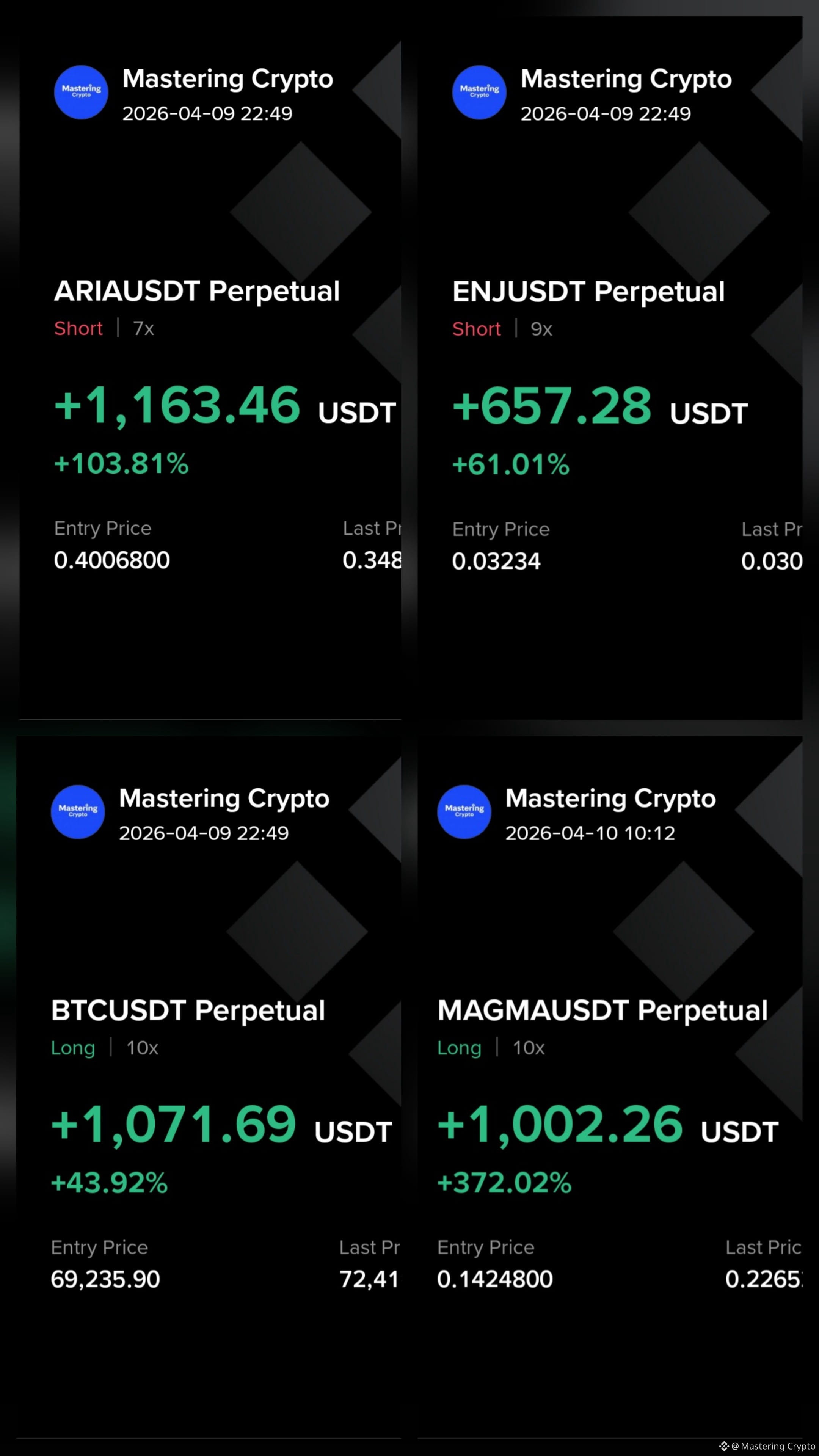
CUATRO operaciones. Todas fueron verdes.💚
[Join My Premium Club For Highly Profitable Trades](https://app.binance.com/uni-qr/group-chat-landing?channelToken=jMv1tS4NA7v8KtC8c1jFqw&type=1&entrySource=sharing_link)
$ARIA corto… +$1,163 ✅
$BTC largo… +$1,071 ✅
$ENJ corto… +$657 ✅
$MAGMA largo… +$1,002 ✅
Eso es más de $3,800 en un solo día 👀
Y cada uno de estos…
fue compartido dentro de mi Grupo Premium
antes de que sucediera. 🤝
Si aún estás operando solo…
seguir mirando gráficos por horas…
seguir terminando el día en rojo…
Quiero preguntarte algo honestamente…
¿Cuánto tiempo seguirás haciendo esto? 💀
Porque mientras tú estabas perdiendo…
mis miembros estaban ganando.
No porque tengan suerte…
no porque sean expertos…
Algunos de ellos eran completos principiantes
hace solo unas semanas 😏
¿La diferencia?
Dejaron de adivinar…
y empezaron a seguir un sistema que funciona.
Cada día dentro de mi grupo👇🏻
Configuraciones de operaciones reales antes del movimiento ✅
Entrada, TP, SL… todo claro ✅
Operaciones de futuros explicadas simplemente ✅
Resultados como estos… diarios 💰
Sin confusión. Sin ruido.
Solo operaciones limpias y ganancias reales.
Si estás cansado de las pérdidas…
cansado de ver a otros ganar…
cansado de no saber lo que estás haciendo…
Este es tu momento 👀
Los lugares son limitados…
y se están llenando rápido 🚨
La pregunta es simple…
¿vas a seguir perdiendo solo…
o empezar a ganar con nosotros? 💯
{future}(ARIAUSDT)
{future}(BTCUSDT)
{future}(ENJUSDT)
#freedomofmoney #CZonTBPNInterview
Desbloquea $1000 USDT Diarios Con Futuros 🗝
No uno… no dos…
CUATRO operaciones. Todas fueron verdes.💚
Join My Premium Club For Highly Profitable Trades
$ARIA corto… +$1,163 ✅
$BTC largo… +$1,071 ✅
$ENJ corto… +$657 ✅
$MAGMA largo… +$1,002 ✅
Eso es más de $3,800 en un solo día 👀
Y cada uno de estos…
fue compartido dentro de mi Grupo Premium
antes de que sucediera. 🤝
Si aún estás operando solo…
seguir mirando gráficos por horas…
seguir terminando el día en rojo…
Quiero preguntarte algo honestamente…
¿Cuánto tiempo seguirás haciendo esto? 💀
Porque mientras tú estabas perdiendo…
mis miembros estaban ganando.
No porque tengan suerte…
no porque sean expertos…
Algunos de ellos eran completos principiantes
hace solo unas semanas 😏
¿La diferencia?
Dejaron de adivinar…
y empezaron a seguir un sistema que funciona.
Cada día dentro de mi grupo👇🏻
Configuraciones de operaciones reales antes del movimiento ✅
Entrada, TP, SL… todo claro ✅
Operaciones de futuros explicadas simplemente ✅
Resultados como estos… diarios 💰
Sin confusión. Sin ruido.
Solo operaciones limpias y ganancias reales.
Si estás cansado de las pérdidas…
cansado de ver a otros ganar…
cansado de no saber lo que estás haciendo…
Este es tu momento 👀
Los lugares son limitados…
y se están llenando rápido 🚨
La pregunta es simple…
¿vas a seguir perdiendo solo…
o empezar a ganar con nosotros? 💯
#freedomofmoney #CZonTBPNInterview
No uno… no dos…
CUATRO operaciones. Todas fueron verdes.💚
Join My Premium Club For Highly Profitable Trades
$ARIA corto… +$1,163 ✅
$BTC largo… +$1,071 ✅
$ENJ corto… +$657 ✅
$MAGMA largo… +$1,002 ✅
Eso es más de $3,800 en un solo día 👀
Y cada uno de estos…
fue compartido dentro de mi Grupo Premium
antes de que sucediera. 🤝
Si aún estás operando solo…
seguir mirando gráficos por horas…
seguir terminando el día en rojo…
Quiero preguntarte algo honestamente…
¿Cuánto tiempo seguirás haciendo esto? 💀
Porque mientras tú estabas perdiendo…
mis miembros estaban ganando.
No porque tengan suerte…
no porque sean expertos…
Algunos de ellos eran completos principiantes
hace solo unas semanas 😏
¿La diferencia?
Dejaron de adivinar…
y empezaron a seguir un sistema que funciona.
Cada día dentro de mi grupo👇🏻
Configuraciones de operaciones reales antes del movimiento ✅
Entrada, TP, SL… todo claro ✅
Operaciones de futuros explicadas simplemente ✅
Resultados como estos… diarios 💰
Sin confusión. Sin ruido.
Solo operaciones limpias y ganancias reales.
Si estás cansado de las pérdidas…
cansado de ver a otros ganar…
cansado de no saber lo que estás haciendo…
Este es tu momento 👀
Los lugares son limitados…
y se están llenando rápido 🚨
La pregunta es simple…
¿vas a seguir perdiendo solo…
o empezar a ganar con nosotros? 💯
#freedomofmoney #CZonTBPNInterview
81
3
75
9.2k
PINNED
Disfruta de señales de trading de alta calidad y genera más ingresos con menos riesgo en Binance Futures. 📈
[Join here 👈](https://app.binance.com/uni-qr/group-chat-landing?channelToken=jMv1tS4NA7v8KtC8c1jFqw&type=1&entrySource=sharing_link)
Únete a mi grupo premium y apoya a Mastering Crypto Ecosystem en Binance.
Obtendrás toda la ayuda relacionada con el trading y señales anticipadas para maximizar tus ganancias.
Deja de perder y empieza a ganar dinero real 💸
Disfruta de señales de trading de alta calidad y genera más ingresos con menos riesgo en Binance Futures. 📈
Join here 👈
Únete a mi grupo premium y apoya a Mastering Crypto Ecosystem en Binance.
Obtendrás toda la ayuda relacionada con el trading y señales anticipadas para maximizar tus ganancias.
Deja de perder y empieza a ganar dinero real 💸
Join here 👈
Únete a mi grupo premium y apoya a Mastering Crypto Ecosystem en Binance.
Obtendrás toda la ayuda relacionada con el trading y señales anticipadas para maximizar tus ganancias.
Deja de perder y empieza a ganar dinero real 💸
29
1
46
882
·
--
Bajista
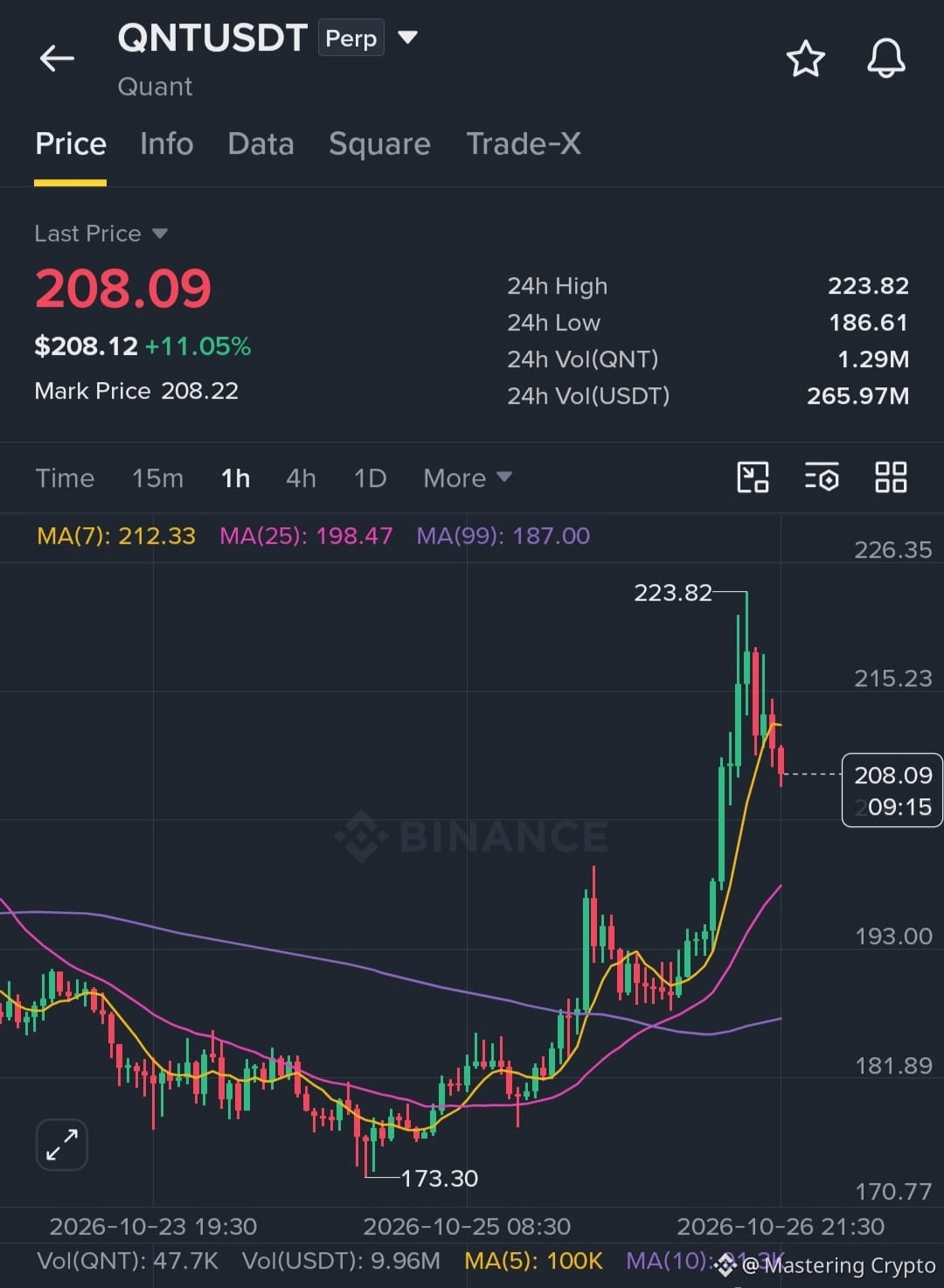
$QNT Se enfrenta a una resistencia masiva
Venta en corto $QNT (entradas DCA)
EP1: 208.50 – 50%
EP2: 213.00 – 30%
EP3: 218.00 – 20%
SL: 235.50
TP1: 203.00
TP2: 198.50
TP3: 193.00
TP4: 187.00
Nota: Si no se alcanzan EP2 y EP3, entra con el 100% en EP1.
🫂 Únete al chat grupal de Binance y ganemos juntos en cada operación.
Opera con $QNT aquí 👇
{future}(QNTUSDT)
$QNT Se enfrenta a una resistencia masiva
Venta en corto $QNT (entradas DCA)
EP1: 208.50 – 50%
EP2: 213.00 – 30%
EP3: 218.00 – 20%
SL: 235.50
TP1: 203.00
TP2: 198.50
TP3: 193.00
TP4: 187.00
Nota: Si no se alcanzan EP2 y EP3, entra con el 100% en EP1.
🫂 Únete al chat grupal de Binance y ganemos juntos en cada operación.
Opera con $QNT aquí 👇
Venta en corto $QNT (entradas DCA)
EP1: 208.50 – 50%
EP2: 213.00 – 30%
EP3: 218.00 – 20%
SL: 235.50
TP1: 203.00
TP2: 198.50
TP3: 193.00
TP4: 187.00
Nota: Si no se alcanzan EP2 y EP3, entra con el 100% en EP1.
🫂 Únete al chat grupal de Binance y ganemos juntos en cada operación.
Opera con $QNT aquí 👇
1
714
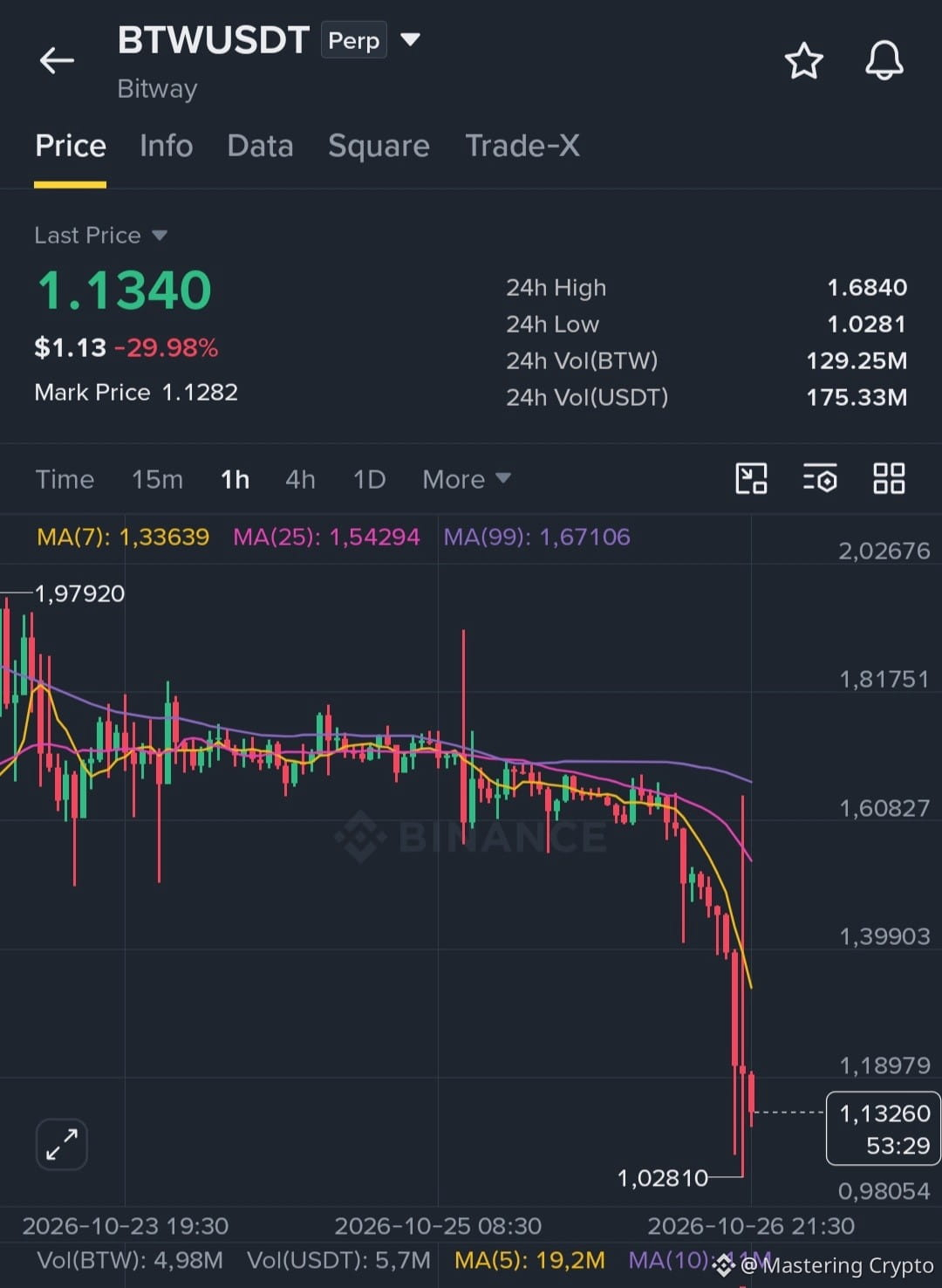
$BTW está en modo de caída total
Venta en corto de $BTW (entradas DCA)
EP1: 1.15 – 60%
EP2: 1.25 – 20%
EP3: 1.35 – 20%
SL: 1.75
TP1: 1.05
TP2: 0.95
TP3: 0.80
TP4: 0.60
Nota: Si no se alcanzan EP2 y EP3, entra con el 100% en EP1.
🫂 Únete a mi grupo de chat de Binance y ganemos juntos cada operación.
Opera $BTW aquí 👇
{future}(BTWUSDT)
$BTW está en modo de caída total
Venta en corto de $BTW (entradas DCA)
EP1: 1.15 – 60%
EP2: 1.25 – 20%
EP3: 1.35 – 20%
SL: 1.75
TP1: 1.05
TP2: 0.95
TP3: 0.80
TP4: 0.60
Nota: Si no se alcanzan EP2 y EP3, entra con el 100% en EP1.
🫂 Únete a mi grupo de chat de Binance y ganemos juntos cada operación.
Opera $BTW aquí 👇
Venta en corto de $BTW (entradas DCA)
EP1: 1.15 – 60%
EP2: 1.25 – 20%
EP3: 1.35 – 20%
SL: 1.75
TP1: 1.05
TP2: 0.95
TP3: 0.80
TP4: 0.60
Nota: Si no se alcanzan EP2 y EP3, entra con el 100% en EP1.
🫂 Únete a mi grupo de chat de Binance y ganemos juntos cada operación.
Opera $BTW aquí 👇
2
814
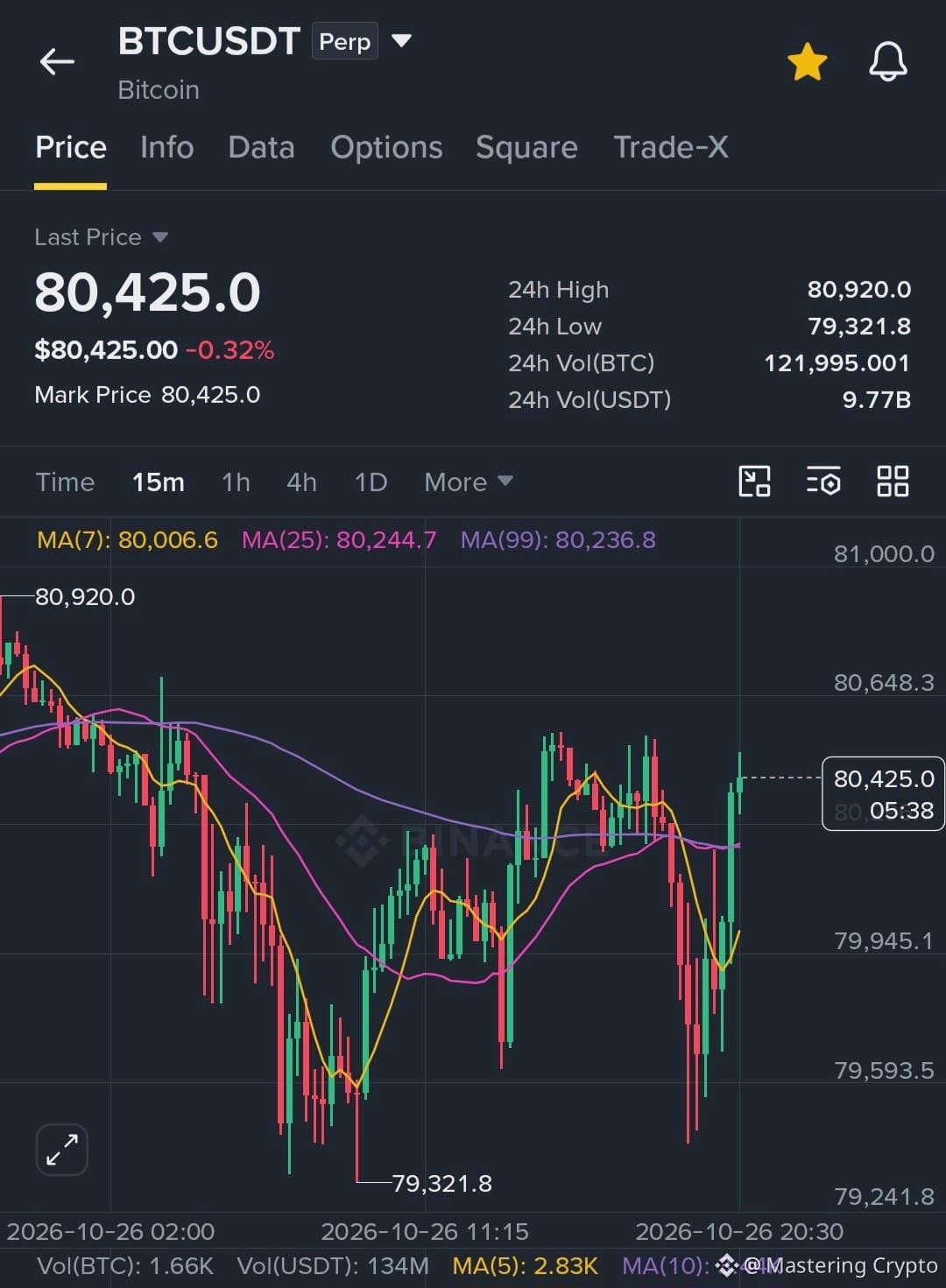
$BTC está a punto de experimentar una gran compresión de cortos 💀
Largo en $BTC (entradas DCA)
EP1: 80,300 – 60%
EP2: 80,000 – 20%
EP3: 79,500 – 20%
SL: 78,500
TP1: 80,900
TP2: 81,300
TP3: 81,800
TP4: 82,600
Nota: Si no se alcanzan EP2 y EP3, entra con el 100% en EP1.
🫂 Únete a mi chat grupal de Binance y ganemos juntos cada operación.
Opera con $BTC aquí 👇
{future}(BTCUSDT)
$BTC está a punto de experimentar una gran compresión de cortos 💀
Largo en $BTC (entradas DCA)
EP1: 80,300 – 60%
EP2: 80,000 – 20%
EP3: 79,500 – 20%
SL: 78,500
TP1: 80,900
TP2: 81,300
TP3: 81,800
TP4: 82,600
Nota: Si no se alcanzan EP2 y EP3, entra con el 100% en EP1.
🫂 Únete a mi chat grupal de Binance y ganemos juntos cada operación.
Opera con $BTC aquí 👇
Largo en $BTC (entradas DCA)
EP1: 80,300 – 60%
EP2: 80,000 – 20%
EP3: 79,500 – 20%
SL: 78,500
TP1: 80,900
TP2: 81,300
TP3: 81,800
TP4: 82,600
Nota: Si no se alcanzan EP2 y EP3, entra con el 100% en EP1.
🫂 Únete a mi chat grupal de Binance y ganemos juntos cada operación.
Opera con $BTC aquí 👇
1
443
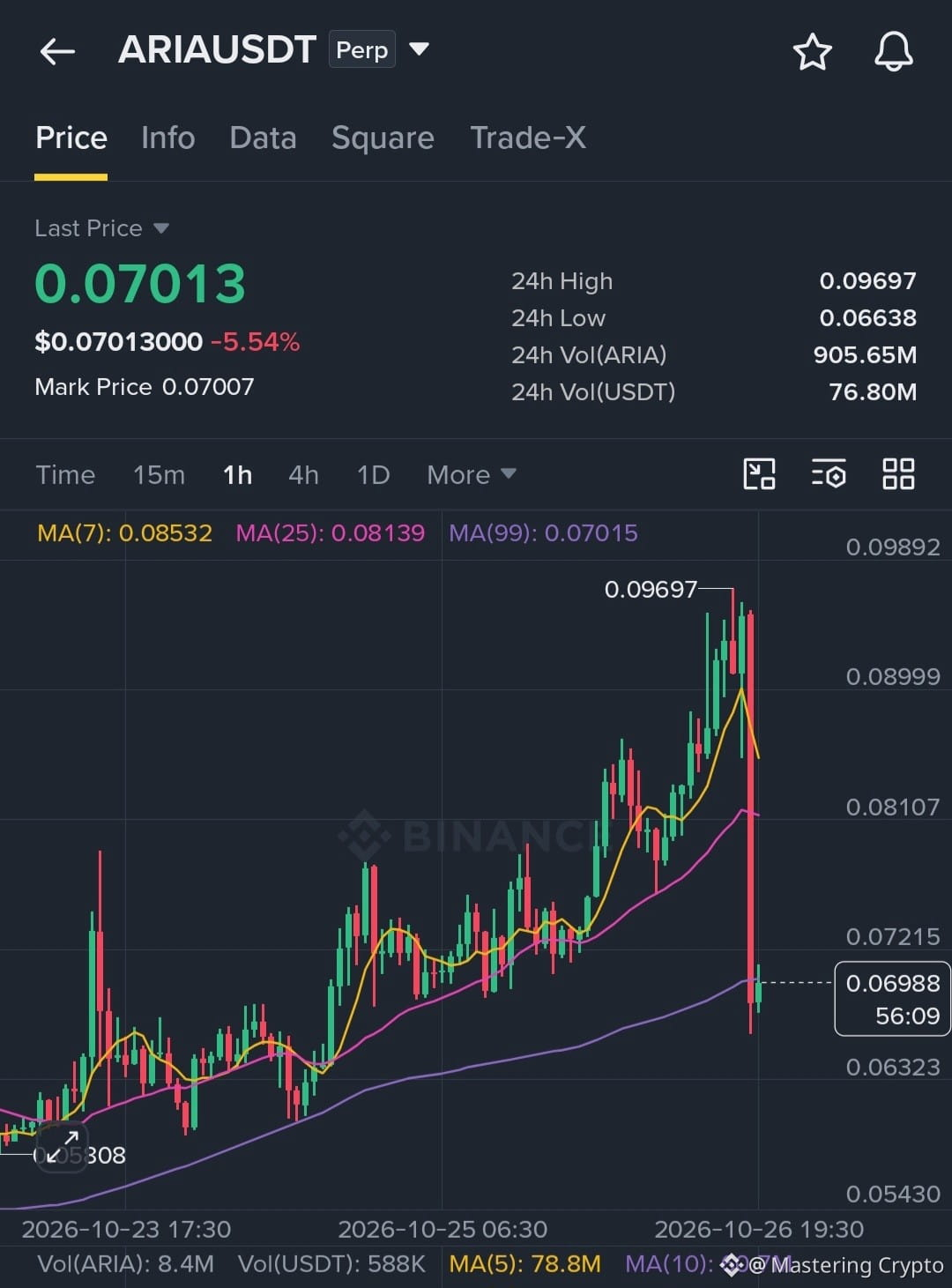
$ARIA Los alcistas acaban de ser liquidados
Venta en corto $ARIA (entradas DCA)
EP1: 0.0750 – 60%
EP2: 0.0800 – 20%
EP3: 0.0850 – 20%
SL: 0.0960
TP1: 0.06800
TP2: 0.06600
TP3: 0.06300
TP4: 0.06000
Nota: Si no se alcanzan EP2 y EP3, entra con el 100% en EP1.
🫂 Únete a mi grupo de Binance y ganemos juntos en cada operación.
Opera con $ARIA aquí 👇
{future}(ARIAUSDT)
$ARIA Los alcistas acaban de ser liquidados
Venta en corto $ARIA (entradas DCA)
EP1: 0.0750 – 60%
EP2: 0.0800 – 20%
EP3: 0.0850 – 20%
SL: 0.0960
TP1: 0.06800
TP2: 0.06600
TP3: 0.06300
TP4: 0.06000
Nota: Si no se alcanzan EP2 y EP3, entra con el 100% en EP1.
🫂 Únete a mi grupo de Binance y ganemos juntos en cada operación.
Opera con $ARIA aquí 👇
Venta en corto $ARIA (entradas DCA)
EP1: 0.0750 – 60%
EP2: 0.0800 – 20%
EP3: 0.0850 – 20%
SL: 0.0960
TP1: 0.06800
TP2: 0.06600
TP3: 0.06300
TP4: 0.06000
Nota: Si no se alcanzan EP2 y EP3, entra con el 100% en EP1.
🫂 Únete a mi grupo de Binance y ganemos juntos en cada operación.
Opera con $ARIA aquí 👇
590
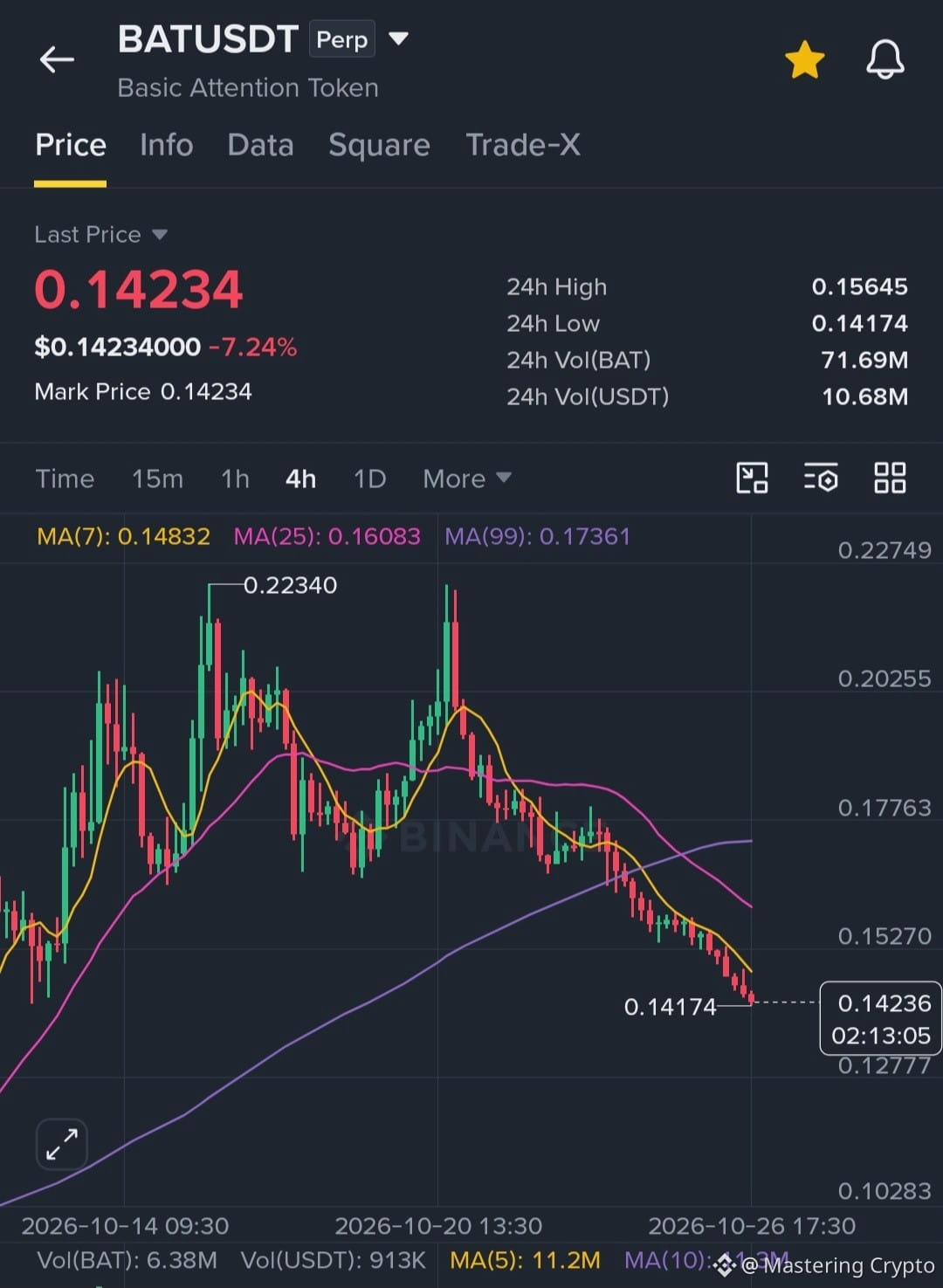
$BAT Los osos siguen presionando con fuerza
Corto $BAT (entradas DCA)
EP1: 0.14250 – 60%
EP2: 0.14700 – 20%
EP3: 0.15200 – 20%
SL: 0.1580
TP1: 0.13800
TP2: 0.13300
TP3: 0.12800
TP4: 0.12200
Nota: Si no se alcanzan EP2 y EP3, entra con el 100% en EP1.
🫂 Únete a mi chat grupal de Binance y ganemos juntos cada operación.
Opera $BAT aquí 👇
{future}(BATUSDT)
$BAT Los osos siguen presionando con fuerza
Corto $BAT (entradas DCA)
EP1: 0.14250 – 60%
EP2: 0.14700 – 20%
EP3: 0.15200 – 20%
SL: 0.1580
TP1: 0.13800
TP2: 0.13300
TP3: 0.12800
TP4: 0.12200
Nota: Si no se alcanzan EP2 y EP3, entra con el 100% en EP1.
🫂 Únete a mi chat grupal de Binance y ganemos juntos cada operación.
Opera $BAT aquí 👇
Corto $BAT (entradas DCA)
EP1: 0.14250 – 60%
EP2: 0.14700 – 20%
EP3: 0.15200 – 20%
SL: 0.1580
TP1: 0.13800
TP2: 0.13300
TP3: 0.12800
TP4: 0.12200
Nota: Si no se alcanzan EP2 y EP3, entra con el 100% en EP1.
🫂 Únete a mi chat grupal de Binance y ganemos juntos cada operación.
Opera $BAT aquí 👇
418
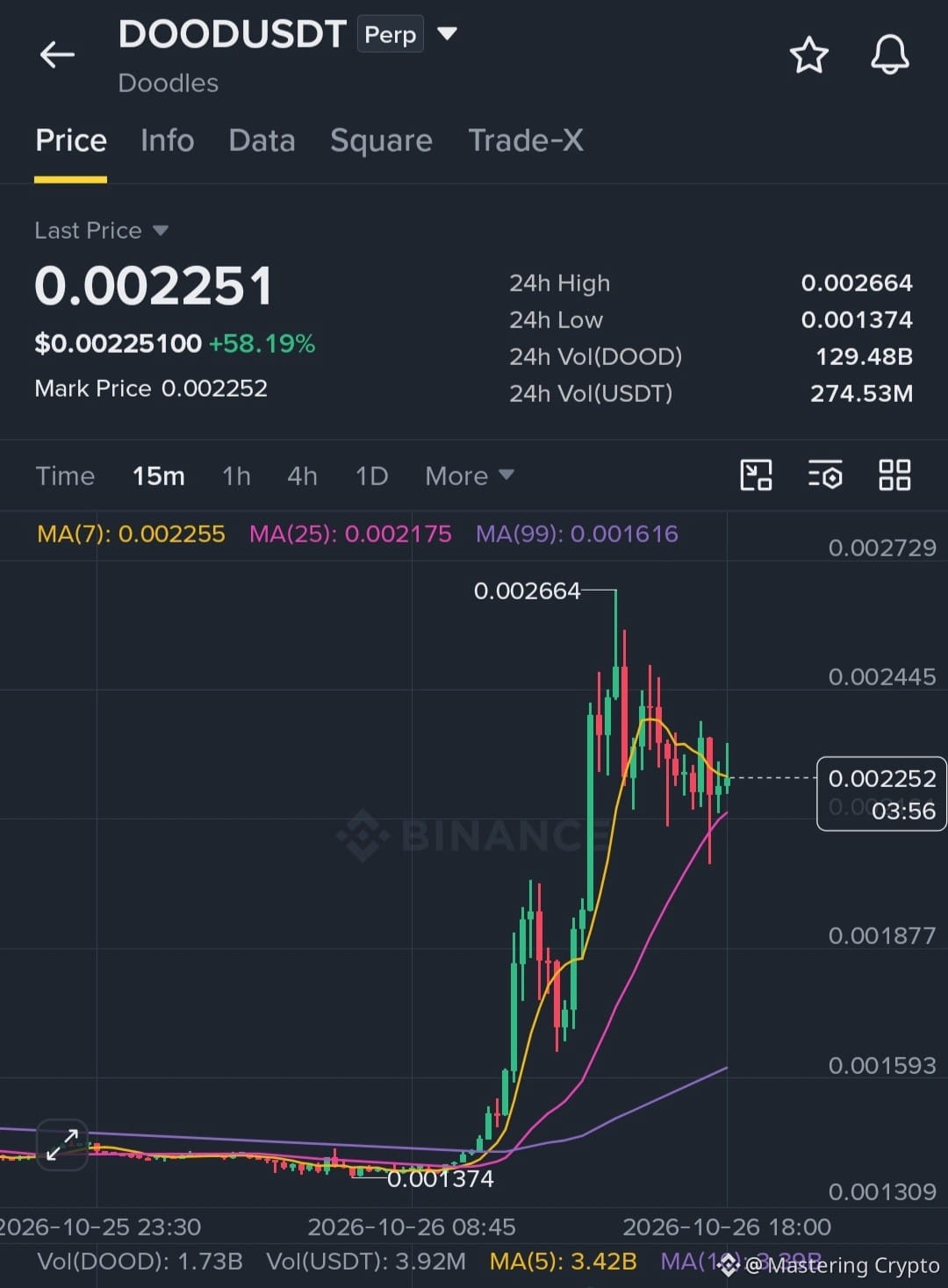
$DOOD atrapado en la distribución
Venta en corto $DOOD (Entradas DCA)
EP1: 0.00225 – 50%
EP2: 0.00245 – 30%
EP3: 0.00265 – 20%
SL: 0.00325
TP1: 0.00215
TP2: 0.00200
TP3: 0.00185
TP4: 0.00165
Nota: Si no se alcanzan EP2 y EP3, entra con el 100% en EP1.
🫂 Únete a mi chat grupal de Binance y ganemos juntos cada operación.
Opera $DOOD aquí 👇
{future}(DOODUSDT)
$DOOD atrapado en la distribución
Venta en corto $DOOD (Entradas DCA)
EP1: 0.00225 – 50%
EP2: 0.00245 – 30%
EP3: 0.00265 – 20%
SL: 0.00325
TP1: 0.00215
TP2: 0.00200
TP3: 0.00185
TP4: 0.00165
Nota: Si no se alcanzan EP2 y EP3, entra con el 100% en EP1.
🫂 Únete a mi chat grupal de Binance y ganemos juntos cada operación.
Opera $DOOD aquí 👇
Venta en corto $DOOD (Entradas DCA)
EP1: 0.00225 – 50%
EP2: 0.00245 – 30%
EP3: 0.00265 – 20%
SL: 0.00325
TP1: 0.00215
TP2: 0.00200
TP3: 0.00185
TP4: 0.00165
Nota: Si no se alcanzan EP2 y EP3, entra con el 100% en EP1.
🫂 Únete a mi chat grupal de Binance y ganemos juntos cada operación.
Opera $DOOD aquí 👇
680
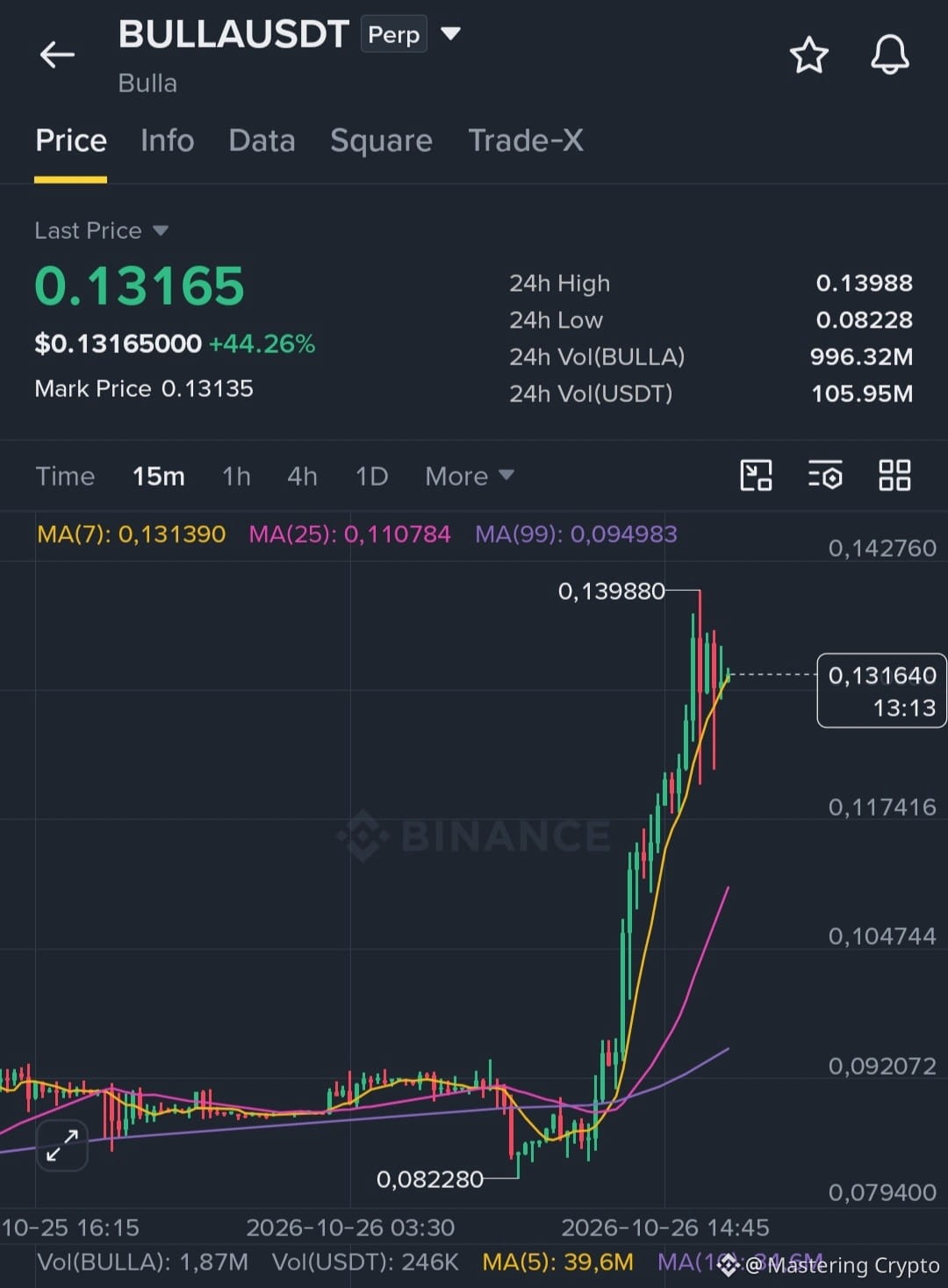
$BULLA Los alcistas avanzan hacia niveles más altos
Posición larga en $BULLA (entradas DCA)
EP1: 0.126 – 60%
EP2: 0.123 – 20%
EP3: 0.118 – 20%
SL: 0.112
TP1: 0.1400
TP2: 0.1480
TP3: 0.1550
TP4: 0.1650
Nota: Si no se alcanzan EP2 y EP3, entonces entra con el 100% en EP1.
🫂 Únete a mi chat grupal de Binance y ganemos juntos cada operación.
Opera $BULLA aquí 👇
{future}(BULLAUSDT)
$BULLA Los alcistas avanzan hacia niveles más altos
Posición larga en $BULLA (entradas DCA)
EP1: 0.126 – 60%
EP2: 0.123 – 20%
EP3: 0.118 – 20%
SL: 0.112
TP1: 0.1400
TP2: 0.1480
TP3: 0.1550
TP4: 0.1650
Nota: Si no se alcanzan EP2 y EP3, entonces entra con el 100% en EP1.
🫂 Únete a mi chat grupal de Binance y ganemos juntos cada operación.
Opera $BULLA aquí 👇
Posición larga en $BULLA (entradas DCA)
EP1: 0.126 – 60%
EP2: 0.123 – 20%
EP3: 0.118 – 20%
SL: 0.112
TP1: 0.1400
TP2: 0.1480
TP3: 0.1550
TP4: 0.1650
Nota: Si no se alcanzan EP2 y EP3, entonces entra con el 100% en EP1.
🫂 Únete a mi chat grupal de Binance y ganemos juntos cada operación.
Opera $BULLA aquí 👇
2
466
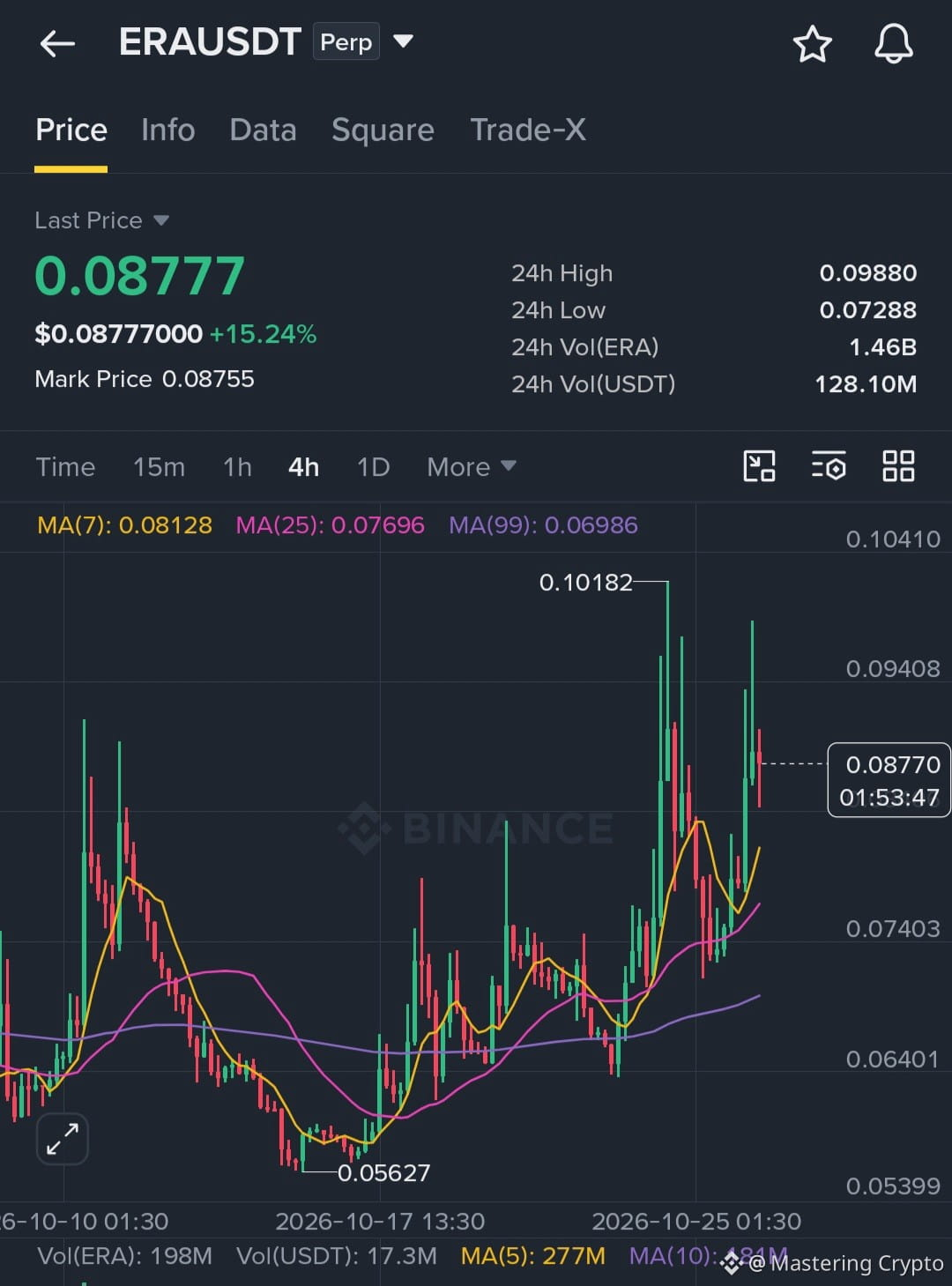
$ERA está atascado en la distribución
Venta en corto $ERA (Entradas DCA)
EP1: 0.090 – 40%
EP2: 0.095 – 30%
EP3: 0.105 – 30%
SL: 0.135
TP1: 0.0830
TP2: 0.0790
TP3: 0.0740
TP4: 0.0700
Nota: Si no se alcanzan EP2 y EP3, entra con el 100% en EP1.
🫂 Únete a mi chat grupal de Binance y ganemos juntos en cada operación.
Opera $ERA aquí 👇
{future}(ERAUSDT)
$ERA está atascado en la distribución
Venta en corto $ERA (Entradas DCA)
EP1: 0.090 – 40%
EP2: 0.095 – 30%
EP3: 0.105 – 30%
SL: 0.135
TP1: 0.0830
TP2: 0.0790
TP3: 0.0740
TP4: 0.0700
Nota: Si no se alcanzan EP2 y EP3, entra con el 100% en EP1.
🫂 Únete a mi chat grupal de Binance y ganemos juntos en cada operación.
Opera $ERA aquí 👇
Venta en corto $ERA (Entradas DCA)
EP1: 0.090 – 40%
EP2: 0.095 – 30%
EP3: 0.105 – 30%
SL: 0.135
TP1: 0.0830
TP2: 0.0790
TP3: 0.0740
TP4: 0.0700
Nota: Si no se alcanzan EP2 y EP3, entra con el 100% en EP1.
🫂 Únete a mi chat grupal de Binance y ganemos juntos en cada operación.
Opera $ERA aquí 👇
423
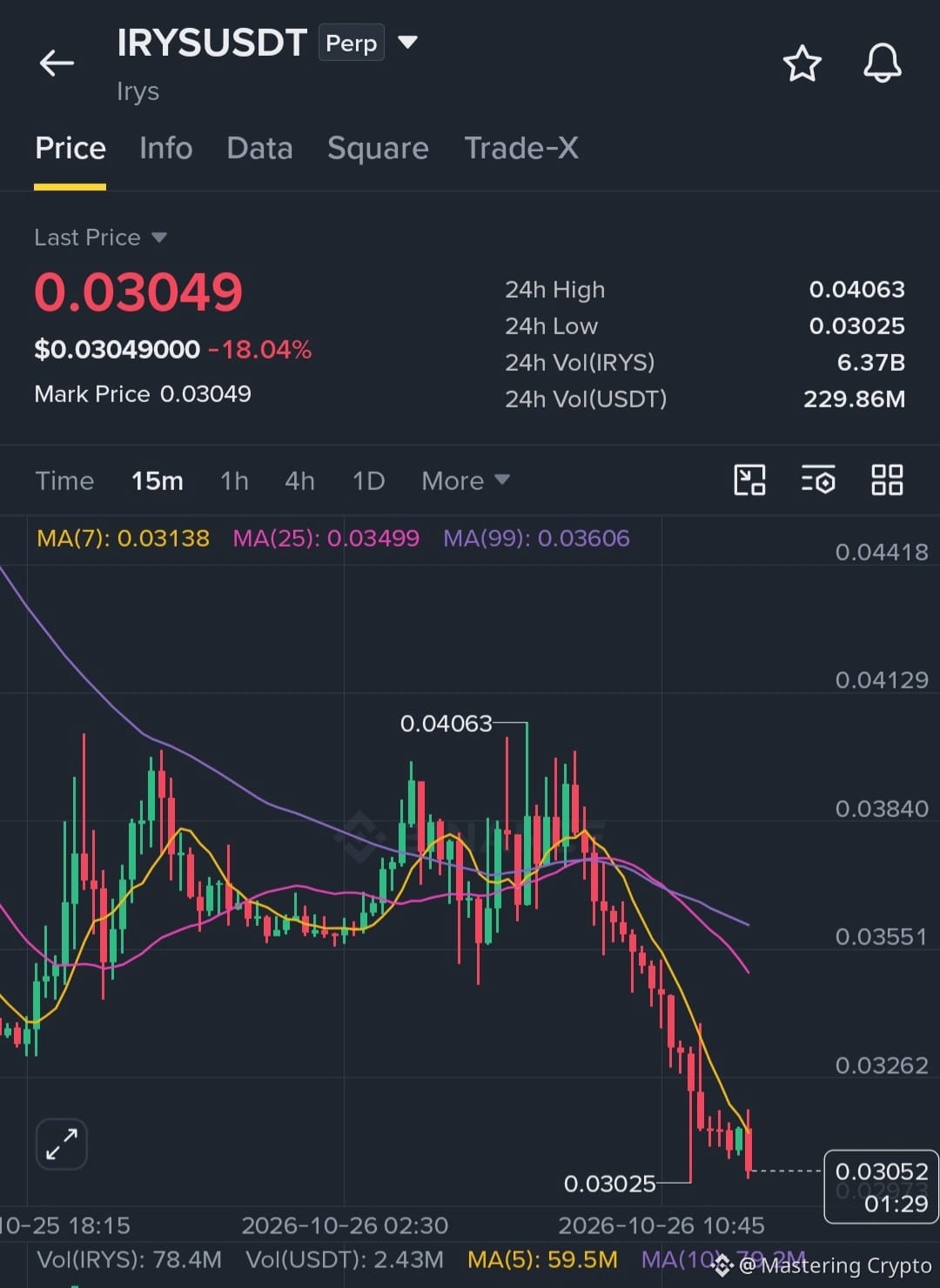
$IRYS Los vendedores están presionando con fuerza para lograr una corrección más profunda
Corto $IRYS (entradas DCA)
EP1: 0.0305 – 60%
EP2: 0.0325 – 20%
EP3: 0.0350 – 20%
SL: 0.0450
TP1: 0.0300
TP2: 0.0280
TP3: 0.0240
TP4: 0.0200
Nota: Si no se alcanzan EP2 y EP3, entra con el 100% en EP1.
🫂 Únete a mi grupo de Binance y ganemos juntos cada operación.
Opera $IRYS aquí 👇
{future}(IRYSUSDT)
$IRYS Los vendedores están presionando con fuerza para lograr una corrección más profunda
Corto $IRYS (entradas DCA)
EP1: 0.0305 – 60%
EP2: 0.0325 – 20%
EP3: 0.0350 – 20%
SL: 0.0450
TP1: 0.0300
TP2: 0.0280
TP3: 0.0240
TP4: 0.0200
Nota: Si no se alcanzan EP2 y EP3, entra con el 100% en EP1.
🫂 Únete a mi grupo de Binance y ganemos juntos cada operación.
Opera $IRYS aquí 👇
Corto $IRYS (entradas DCA)
EP1: 0.0305 – 60%
EP2: 0.0325 – 20%
EP3: 0.0350 – 20%
SL: 0.0450
TP1: 0.0300
TP2: 0.0280
TP3: 0.0240
TP4: 0.0200
Nota: Si no se alcanzan EP2 y EP3, entra con el 100% en EP1.
🫂 Únete a mi grupo de Binance y ganemos juntos cada operación.
Opera $IRYS aquí 👇
1
459
$ARIA configuración de operación en largo totalmente brutal 🌋
$ARIA La operación en largo alcanzó con éxito todos los objetivos de ganancias y sigue avanzando con fuerza🤑
Imagina haber entrado con mi señal temprana de compra en largo a $0.087 y haber obtenido todas las ganancias a $0.07 con un apalancamiento de 15X. Mira cuánto habrías ganado fácilmente hasta ahora💰
Todos te daban solo señales para operar en corto. Solo Mastering te dio la señal correcta para operar en largo, y los resultados hablan por sí solos🚀
Los miembros de mi grupo de chat de Binance aumentan cada día gracias a configuraciones de operaciones de alta calidad como esta 😍
Únete a mi grupo de chat de Binance y disfruta de configuraciones de operaciones diarias para hacer crecer tu capital con una gestión de riesgos adecuada 🫂
#ARİA está empezando a cambiar de tendencia y la próxima estrategia se compartirá exclusivamente en mi grupo de chat de Binance, así que mejor únete ahora o te arrepentirás después 🌀
$ARIA configuración de operación en largo y enlace para entrar a mi grupo de chat de Binance abajo 👇
$ARIA configuración de operación en largo totalmente brutal 🌋
$ARIA La operación en largo alcanzó con éxito todos los objetivos de ganancias y sigue avanzando con fuerza🤑
Imagina haber entrado con mi señal temprana de compra en largo a $0.087 y haber obtenido todas las ganancias a $0.07 con un apalancamiento de 15X. Mira cuánto habrías ganado fácilmente hasta ahora💰
Todos te daban solo señales para operar en corto. Solo Mastering te dio la señal correcta para operar en largo, y los resultados hablan por sí solos🚀
Los miembros de mi grupo de chat de Binance aumentan cada día gracias a configuraciones de operaciones de alta calidad como esta 😍
Únete a mi grupo de chat de Binance y disfruta de configuraciones de operaciones diarias para hacer crecer tu capital con una gestión de riesgos adecuada 🫂
#ARİA está empezando a cambiar de tendencia y la próxima estrategia se compartirá exclusivamente en mi grupo de chat de Binance, así que mejor únete ahora o te arrepentirás después 🌀
$ARIA configuración de operación en largo y enlace para entrar a mi grupo de chat de Binance abajo 👇
$ARIA La operación en largo alcanzó con éxito todos los objetivos de ganancias y sigue avanzando con fuerza🤑
Imagina haber entrado con mi señal temprana de compra en largo a $0.087 y haber obtenido todas las ganancias a $0.07 con un apalancamiento de 15X. Mira cuánto habrías ganado fácilmente hasta ahora💰
Todos te daban solo señales para operar en corto. Solo Mastering te dio la señal correcta para operar en largo, y los resultados hablan por sí solos🚀
Los miembros de mi grupo de chat de Binance aumentan cada día gracias a configuraciones de operaciones de alta calidad como esta 😍
Únete a mi grupo de chat de Binance y disfruta de configuraciones de operaciones diarias para hacer crecer tu capital con una gestión de riesgos adecuada 🫂
#ARİA está empezando a cambiar de tendencia y la próxima estrategia se compartirá exclusivamente en mi grupo de chat de Binance, así que mejor únete ahora o te arrepentirás después 🌀
$ARIA configuración de operación en largo y enlace para entrar a mi grupo de chat de Binance abajo 👇
Mastering Crypto
·
--
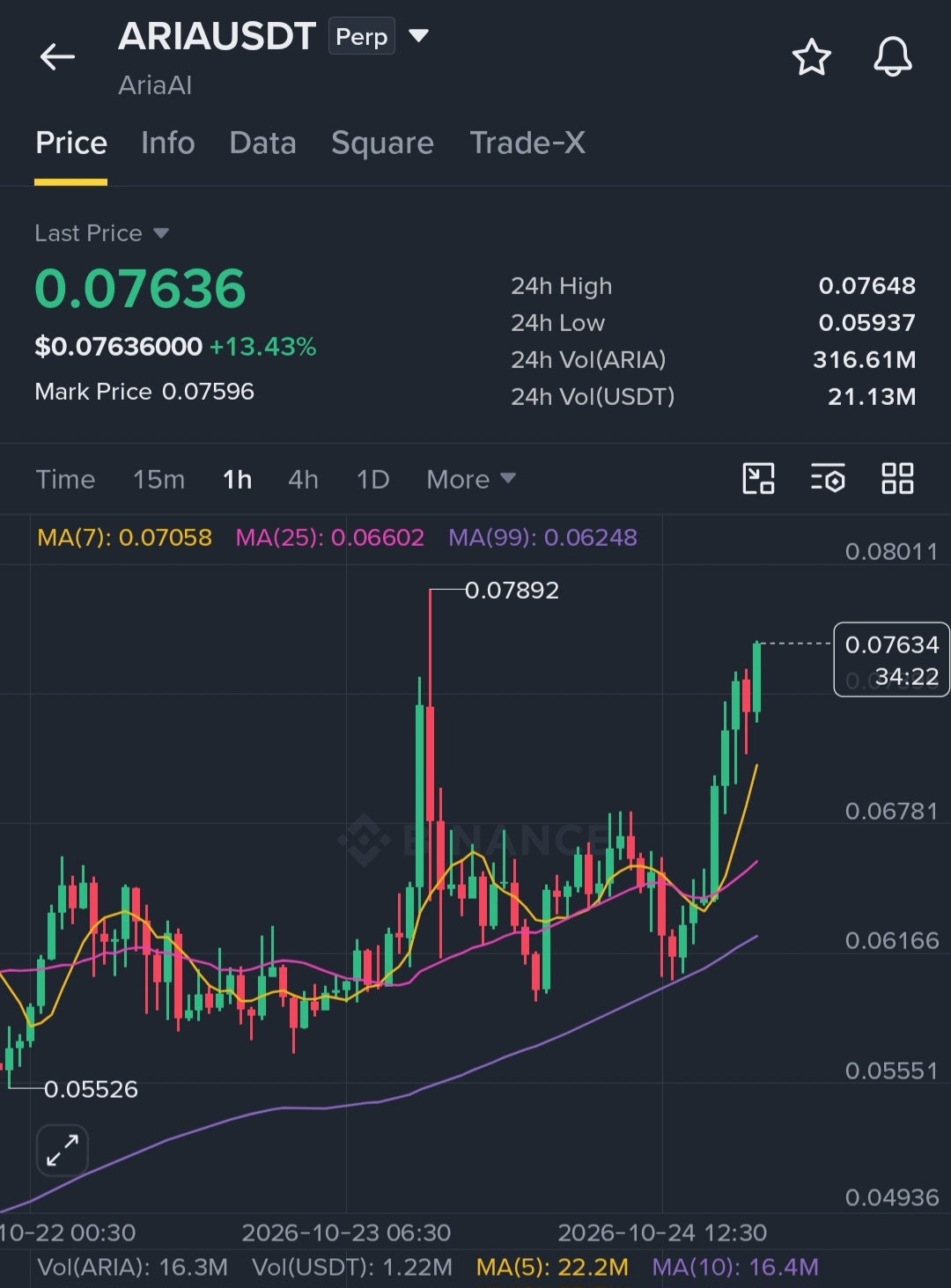
$ARIA Los alcistas avanzan hacia la resistencia
Posición larga $ARIA (entradas DCA)
EP1: 0.0725 – 40%
EP2: 0.0700 – 30%
EP3: 0.0685 – 30%
SL: 0.0660
TP1: 0.0775
TP2: 0.0820
TP3: 0.0860
TP4: 0.0900
Nota: Si no se alcanzan EP2 y EP3, entra con el 100% en EP1.
🫂 Únete a mi chat grupal de Binance y ganemos juntos todas las operaciones.
Opera $ARIA aquí 👇
Posición larga $ARIA (entradas DCA)
EP1: 0.0725 – 40%
EP2: 0.0700 – 30%
EP3: 0.0685 – 30%
SL: 0.0660
TP1: 0.0775
TP2: 0.0820
TP3: 0.0860
TP4: 0.0900
Nota: Si no se alcanzan EP2 y EP3, entra con el 100% en EP1.
🫂 Únete a mi chat grupal de Binance y ganemos juntos todas las operaciones.
Opera $ARIA aquí 👇
599
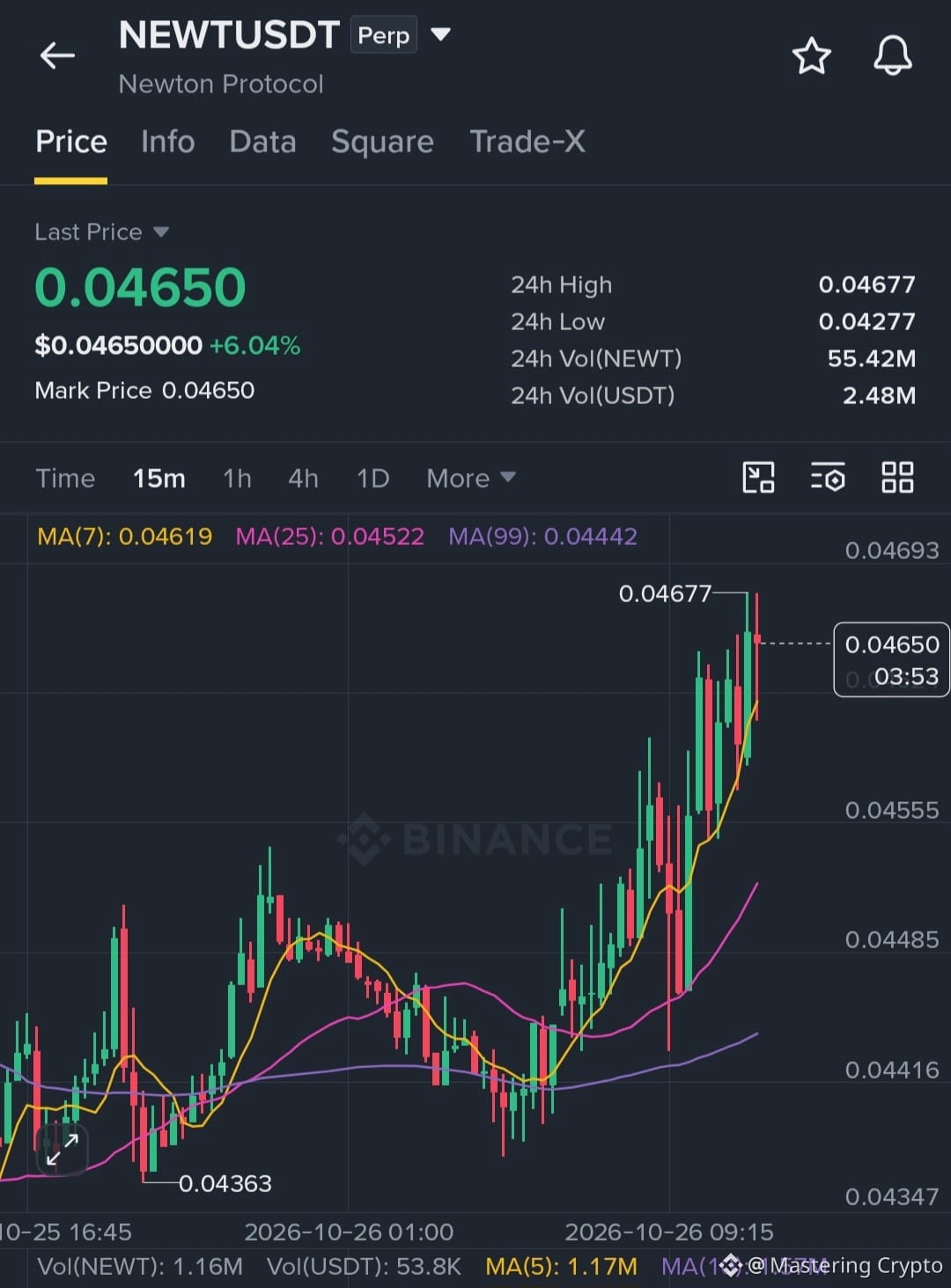
$NEWT Los alcistas se acercan a una ruptura alcista
Largo $NEWT (entradas DCA)
EP1: 0.0465 – 50%
EP2: 0.0455 – 30%
EP3: 0.0450 – 20%
SL: 0.0440
TP1: 0.0475
TP2: 0.0490
TP3: 0.0505
TP4: 0.0525
Nota: Si no se alcanzan EP2 y EP3, entonces entra con el 100% en EP1.
🫂 Únete a mi grupo de Binance y ganemos juntos cada operación.
Opera aquí $NEWT 👇
{future}(NEWTUSDT)
$NEWT Los alcistas se acercan a una ruptura alcista
Largo $NEWT (entradas DCA)
EP1: 0.0465 – 50%
EP2: 0.0455 – 30%
EP3: 0.0450 – 20%
SL: 0.0440
TP1: 0.0475
TP2: 0.0490
TP3: 0.0505
TP4: 0.0525
Nota: Si no se alcanzan EP2 y EP3, entonces entra con el 100% en EP1.
🫂 Únete a mi grupo de Binance y ganemos juntos cada operación.
Opera aquí $NEWT 👇
Largo $NEWT (entradas DCA)
EP1: 0.0465 – 50%
EP2: 0.0455 – 30%
EP3: 0.0450 – 20%
SL: 0.0440
TP1: 0.0475
TP2: 0.0490
TP3: 0.0505
TP4: 0.0525
Nota: Si no se alcanzan EP2 y EP3, entonces entra con el 100% en EP1.
🫂 Únete a mi grupo de Binance y ganemos juntos cada operación.
Opera aquí $NEWT 👇
450
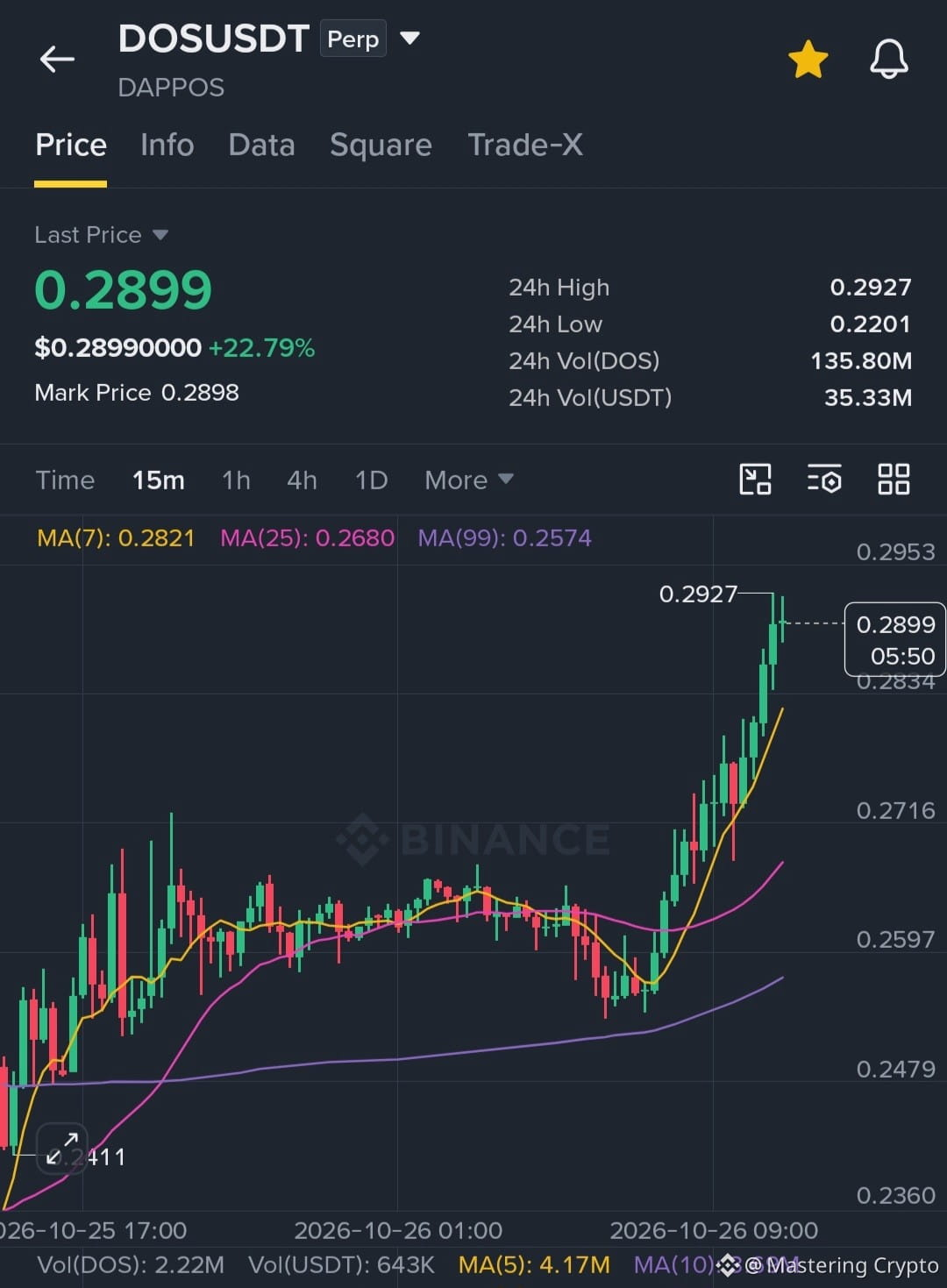
$DOS ¿Los alcistas esperan que este repunte rompa al alza?
Largo $DOS (entradas DCA)
EP1: 0.285 – 50%
EP2: 0.278 – 30%
EP3: 0.272 – 20%
SL: 0.255
TP1: 0.3000
TP2: 0.3100
TP3: 0.3250
TP4: 0.3400
Nota: Si no se alcanzan EP2 y EP3, entra con el 100% en EP1.
🫂 Únete a mi chat grupal de Binance y ganemos juntos cada operación.
Opera $DOS aquí 👇
{future}(DOSUSDT)
$DOS ¿Los alcistas esperan que este repunte rompa al alza?
Largo $DOS (entradas DCA)
EP1: 0.285 – 50%
EP2: 0.278 – 30%
EP3: 0.272 – 20%
SL: 0.255
TP1: 0.3000
TP2: 0.3100
TP3: 0.3250
TP4: 0.3400
Nota: Si no se alcanzan EP2 y EP3, entra con el 100% en EP1.
🫂 Únete a mi chat grupal de Binance y ganemos juntos cada operación.
Opera $DOS aquí 👇
Largo $DOS (entradas DCA)
EP1: 0.285 – 50%
EP2: 0.278 – 30%
EP3: 0.272 – 20%
SL: 0.255
TP1: 0.3000
TP2: 0.3100
TP3: 0.3250
TP4: 0.3400
Nota: Si no se alcanzan EP2 y EP3, entra con el 100% en EP1.
🫂 Únete a mi chat grupal de Binance y ganemos juntos cada operación.
Opera $DOS aquí 👇
444
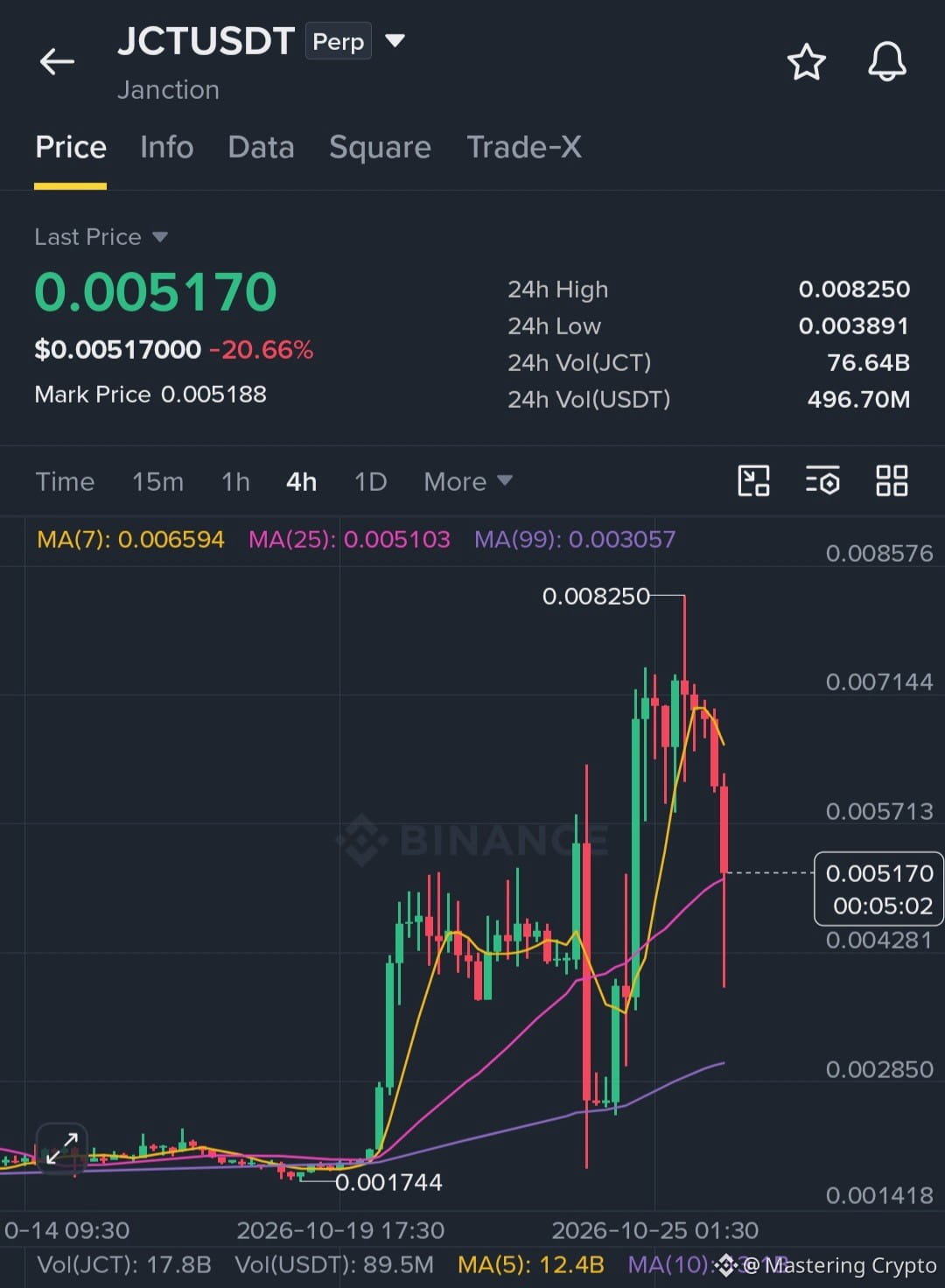
$JCT en modo de caída total
Corto $JCT (entradas DCA)
EP1: 0.00520 – 50%
EP2: 0.00570 – 30%
EP3: 0.00630 – 20%
SL: 0.00750
TP1: 0.0048
TP2: 0.0043
TP3: 0.0039
TP4: 0.0033
Nota: Si no se alcanzan EP2 y EP3, entra con el 100% en EP1.
🫂 Únete a mi chat grupal de Binance y ganemos juntos cada operación.
Opera $JCT aquí 👇
{future}(JCTUSDT)
$JCT en modo de caída total
Corto $JCT (entradas DCA)
EP1: 0.00520 – 50%
EP2: 0.00570 – 30%
EP3: 0.00630 – 20%
SL: 0.00750
TP1: 0.0048
TP2: 0.0043
TP3: 0.0039
TP4: 0.0033
Nota: Si no se alcanzan EP2 y EP3, entra con el 100% en EP1.
🫂 Únete a mi chat grupal de Binance y ganemos juntos cada operación.
Opera $JCT aquí 👇
Corto $JCT (entradas DCA)
EP1: 0.00520 – 50%
EP2: 0.00570 – 30%
EP3: 0.00630 – 20%
SL: 0.00750
TP1: 0.0048
TP2: 0.0043
TP3: 0.0039
TP4: 0.0033
Nota: Si no se alcanzan EP2 y EP3, entra con el 100% en EP1.
🫂 Únete a mi chat grupal de Binance y ganemos juntos cada operación.
Opera $JCT aquí 👇
2
3
694
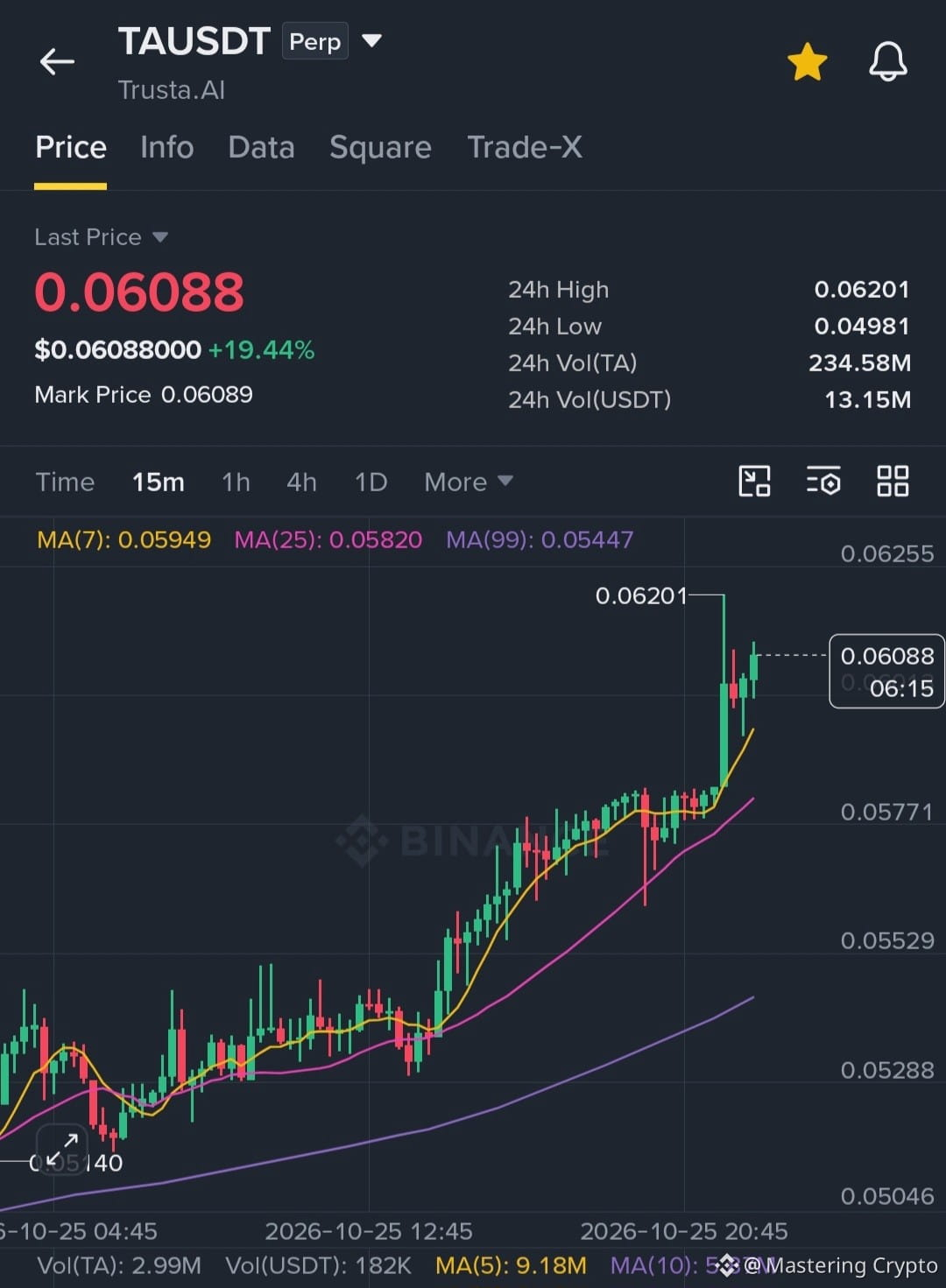
$TA Se dirige con fuerza hacia niveles más altos
Posición larga en $TA (Entradas DCA)
EP1: 0.0600 – 50%
EP2: 0.0590 – 30%
EP3: 0.0575 – 20%
SL: 0.0560
TP1: 0.0625
TP2: 0.0650
TP3: 0.0690
TP4: 0.0730
Nota: Si no se alcanzan EP2 y EP3, entra con el 100% en EP1.
🫂 Únete a mi chat grupal de Binance y ganemos juntos cada operación.
Opera con $TA aquí 👇
{future}(TAUSDT)
$TA Se dirige con fuerza hacia niveles más altos
Posición larga en $TA (Entradas DCA)
EP1: 0.0600 – 50%
EP2: 0.0590 – 30%
EP3: 0.0575 – 20%
SL: 0.0560
TP1: 0.0625
TP2: 0.0650
TP3: 0.0690
TP4: 0.0730
Nota: Si no se alcanzan EP2 y EP3, entra con el 100% en EP1.
🫂 Únete a mi chat grupal de Binance y ganemos juntos cada operación.
Opera con $TA aquí 👇
Posición larga en $TA (Entradas DCA)
EP1: 0.0600 – 50%
EP2: 0.0590 – 30%
EP3: 0.0575 – 20%
SL: 0.0560
TP1: 0.0625
TP2: 0.0650
TP3: 0.0690
TP4: 0.0730
Nota: Si no se alcanzan EP2 y EP3, entra con el 100% en EP1.
🫂 Únete a mi chat grupal de Binance y ganemos juntos cada operación.
Opera con $TA aquí 👇
1
4
666
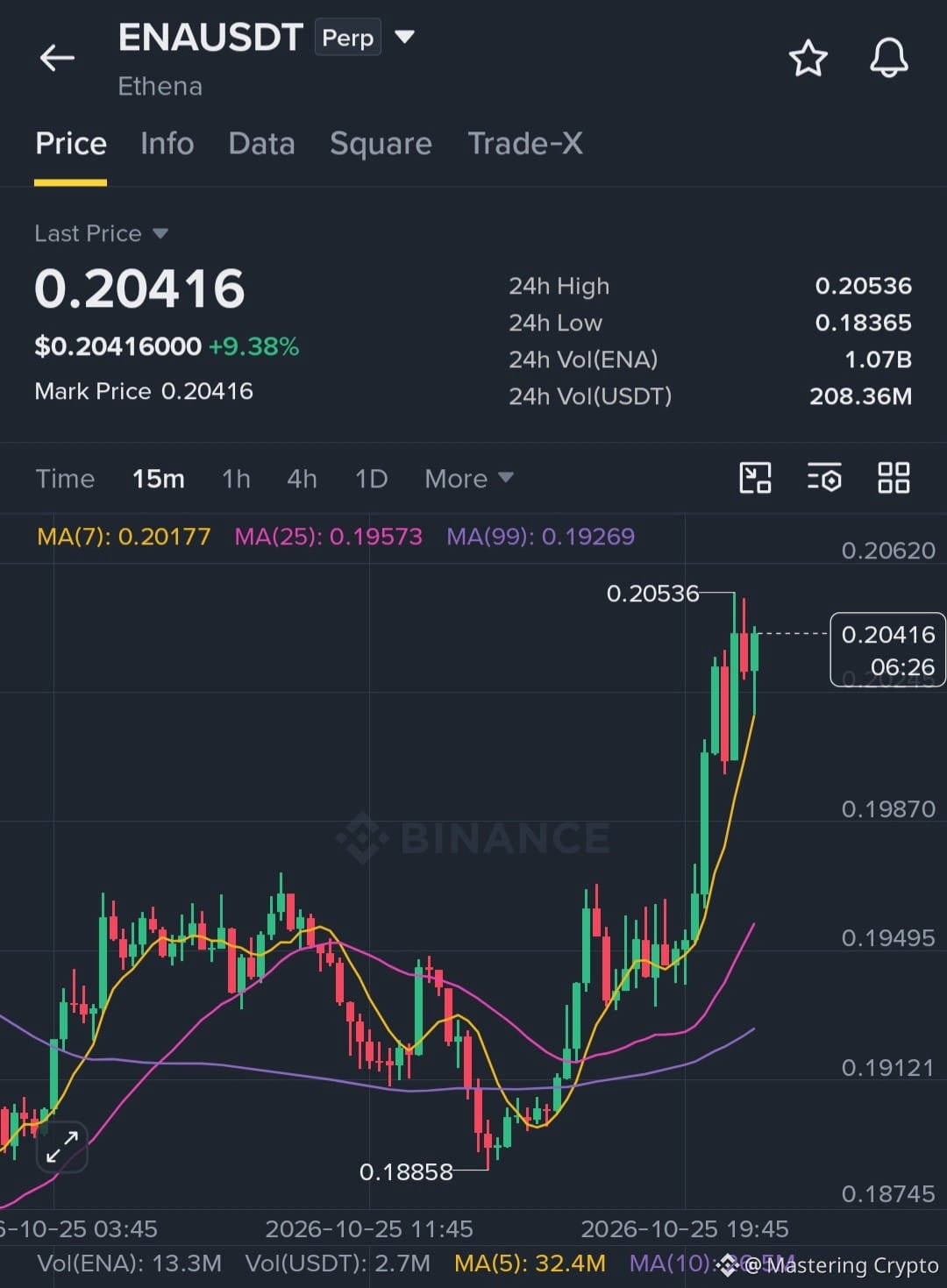
$ENA La próxima ruptura está a la vuelta de la esquina
Largo $ENA (entradas DCA)
EP1: 0.2025 – 50%
EP2: 0.2000 – 30%
EP3: 0.1960 – 20%
SL: 0.1900
TP1: 0.2100
TP2: 0.2160
TP3: 0.2230
TP4: 0.2320
Nota: Si no se alcanzan EP2 y EP3, entra con el 100% en EP1.
🫂 Únete a mi grupo de Binance y ganemos juntos cada operación.
Opera $ENA aquí 👇
{future}(ENAUSDT)
$ENA La próxima ruptura está a la vuelta de la esquina
Largo $ENA (entradas DCA)
EP1: 0.2025 – 50%
EP2: 0.2000 – 30%
EP3: 0.1960 – 20%
SL: 0.1900
TP1: 0.2100
TP2: 0.2160
TP3: 0.2230
TP4: 0.2320
Nota: Si no se alcanzan EP2 y EP3, entra con el 100% en EP1.
🫂 Únete a mi grupo de Binance y ganemos juntos cada operación.
Opera $ENA aquí 👇
Largo $ENA (entradas DCA)
EP1: 0.2025 – 50%
EP2: 0.2000 – 30%
EP3: 0.1960 – 20%
SL: 0.1900
TP1: 0.2100
TP2: 0.2160
TP3: 0.2230
TP4: 0.2320
Nota: Si no se alcanzan EP2 y EP3, entra con el 100% en EP1.
🫂 Únete a mi grupo de Binance y ganemos juntos cada operación.
Opera $ENA aquí 👇
5
766
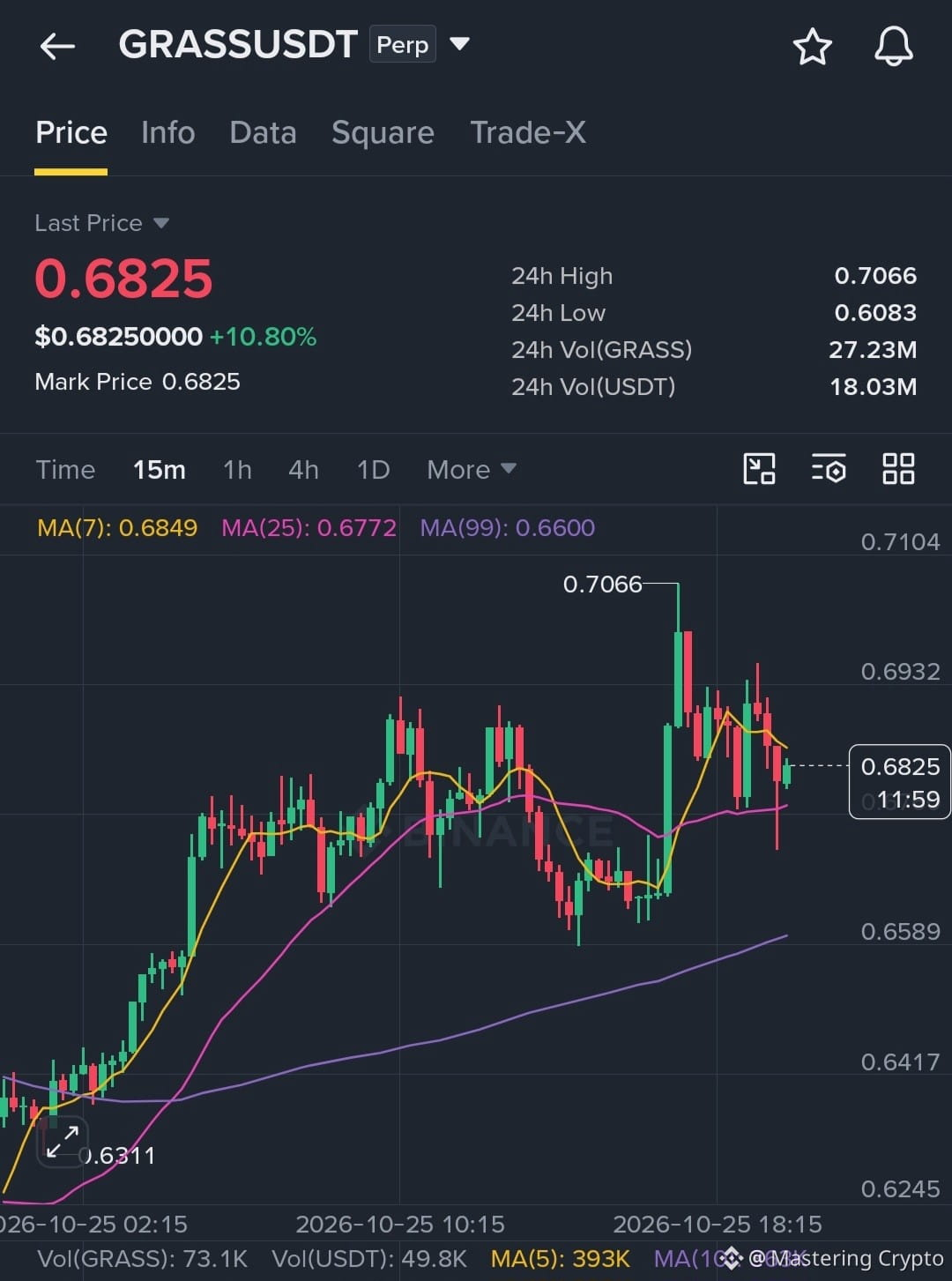
$GRASS Los alcistas están defendiendo la tendencia con mucha fuerza
Posición larga en $GRASS (entradas DCA)
EP1: 0.680 – 50%
EP2: 0.675 – 30%
EP3: 0.665 – 20%
SL: 0.6500
TP1: 0.6950
TP2: 0.7065
TP3: 0.7300
TP4: 0.7550
Nota: Si no se alcanzan EP2 y EP3, entra con el 100% en EP1.
🫂 Únete al chat grupal de Binance y ganemos juntos cada operación.
Opera $GRASS aquí 👇
{future}(GRASSUSDT)
$GRASS Los alcistas están defendiendo la tendencia con mucha fuerza
Posición larga en $GRASS (entradas DCA)
EP1: 0.680 – 50%
EP2: 0.675 – 30%
EP3: 0.665 – 20%
SL: 0.6500
TP1: 0.6950
TP2: 0.7065
TP3: 0.7300
TP4: 0.7550
Nota: Si no se alcanzan EP2 y EP3, entra con el 100% en EP1.
🫂 Únete al chat grupal de Binance y ganemos juntos cada operación.
Opera $GRASS aquí 👇
Posición larga en $GRASS (entradas DCA)
EP1: 0.680 – 50%
EP2: 0.675 – 30%
EP3: 0.665 – 20%
SL: 0.6500
TP1: 0.6950
TP2: 0.7065
TP3: 0.7300
TP4: 0.7550
Nota: Si no se alcanzan EP2 y EP3, entra con el 100% en EP1.
🫂 Únete al chat grupal de Binance y ganemos juntos cada operación.
Opera $GRASS aquí 👇
1
433
·
--
Alcista
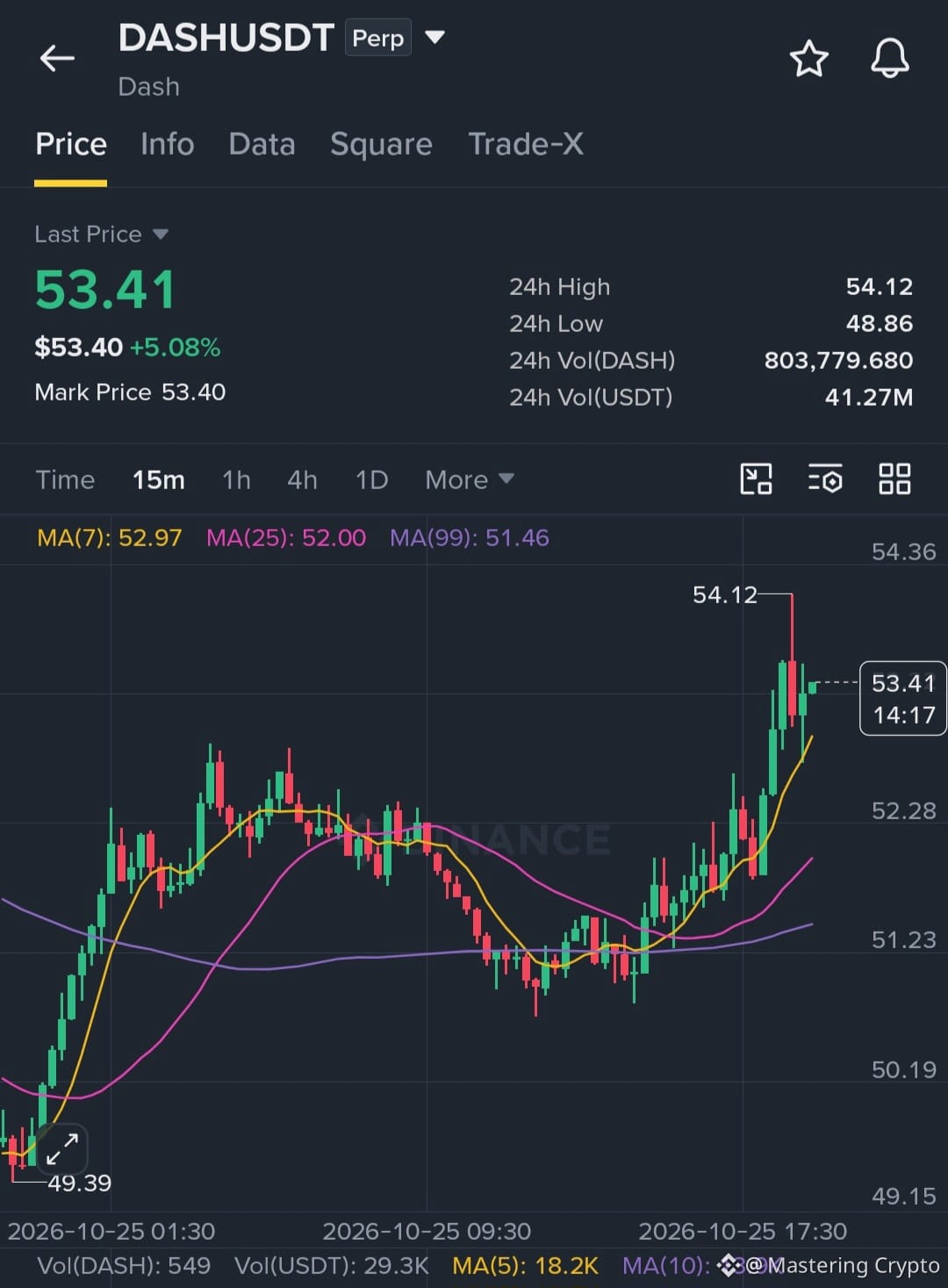
$DASH Los alcistas avanzan hacia los $55
Posición larga $DASH (entradas DCA)
EP1: 53.00 – 60%
EP2: 52.50 – 20%
EP3: 51.50 – 20%
SL: 51.20
TP1: 54.10
TP2: 55.00
TP3: 56.00
TP4: 57.50
Nota: Si no se alcanzan EP2 y EP3, entra con el 100% en EP1.
🫂 Únete a mi grupo de Binance y ganemos juntos cada operación.
Opera $DASH aquí 👇
{future}(DASHUSDT)
$DASH Los alcistas avanzan hacia los $55
Posición larga $DASH (entradas DCA)
EP1: 53.00 – 60%
EP2: 52.50 – 20%
EP3: 51.50 – 20%
SL: 51.20
TP1: 54.10
TP2: 55.00
TP3: 56.00
TP4: 57.50
Nota: Si no se alcanzan EP2 y EP3, entra con el 100% en EP1.
🫂 Únete a mi grupo de Binance y ganemos juntos cada operación.
Opera $DASH aquí 👇
Posición larga $DASH (entradas DCA)
EP1: 53.00 – 60%
EP2: 52.50 – 20%
EP3: 51.50 – 20%
SL: 51.20
TP1: 54.10
TP2: 55.00
TP3: 56.00
TP4: 57.50
Nota: Si no se alcanzan EP2 y EP3, entra con el 100% en EP1.
🫂 Únete a mi grupo de Binance y ganemos juntos cada operación.
Opera $DASH aquí 👇
3
490
Chicos, ¿ya han usado su voto de hoy? 🗳
[Click Here To Vote For Me in Blockchain 100 👈](https://app.binance.com/uni-qr/cact26user/533?uc=app_square_share_link&us=copylink)
Es fácil y solo les llevará 10 segundos. Aprovechen su privilegio y voten por Mastering Crypto en Blockchain 100.
Chicos, ¿ya han usado su voto de hoy? 🗳
Click Here To Vote For Me in Blockchain 100 👈
Es fácil y solo les llevará 10 segundos. Aprovechen su privilegio y voten por Mastering Crypto en Blockchain 100.
Click Here To Vote For Me in Blockchain 100 👈
Es fácil y solo les llevará 10 segundos. Aprovechen su privilegio y voten por Mastering Crypto en Blockchain 100.

2
394
Inicia sesión para explorar más contenidos
Únete a usuarios globales de criptomonedas en Binance Square
⚡️ Obtén información útil y actualizada sobre criptos.
💬 Avalado por el mayor exchange de criptomonedas en el mundo.
👍 Descubre perspectivas reales de creadores verificados.
Email/número de teléfono
Temas populares
BinancePick
3.2M vistas
158,104 están debatiendo
¡Únete a #TemporadaDeResultados: predice resultados en Binance Pick y comparte tu opinión en Binance Square!
Binance Square Official
·413 me gusta
·344.1k vistas
EarningsSeason
5.4M vistas
26,303 están debatiendo
BitmineAdds10452ETH
56 vistas
19 están debatiendo