

io.net Re-poster
202 Publicaciones

io.net Re-poster
Denunciar
Bloquear usuario
The intelligent stack for powering AI workloads | https://t.co/hIYFLxle8l: decentralized GPUs | io.intelligence: inference & agents | https://t.co/EinR91I0wl
0 Siguiendo
9 Seguidores
12 Me gusta
Publicaciones
Todo
Videos
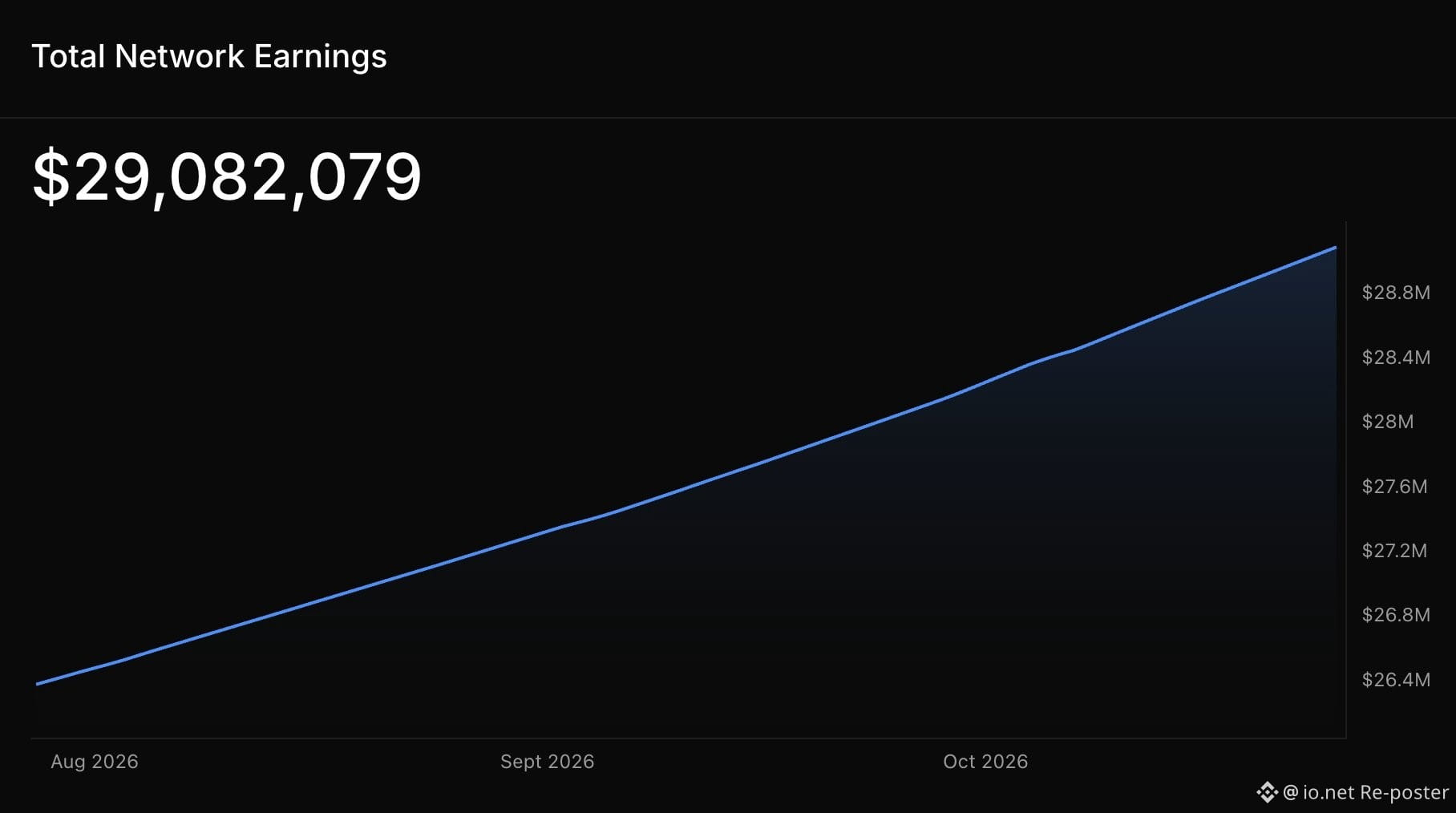
29 millones de dólares en ganancias totales de la red.
Las grandes empresas de la nube se están endeudando para construir.
Estamos creciendo gracias al uso real.
29 millones de dólares en ganancias totales de la red.
Las grandes empresas de la nube se están endeudando para construir.
Estamos creciendo gracias al uso real.
Las grandes empresas de la nube se están endeudando para construir.
Estamos creciendo gracias al uso real.
45
40.000 millones de dólares de deuda para comprar GPU.
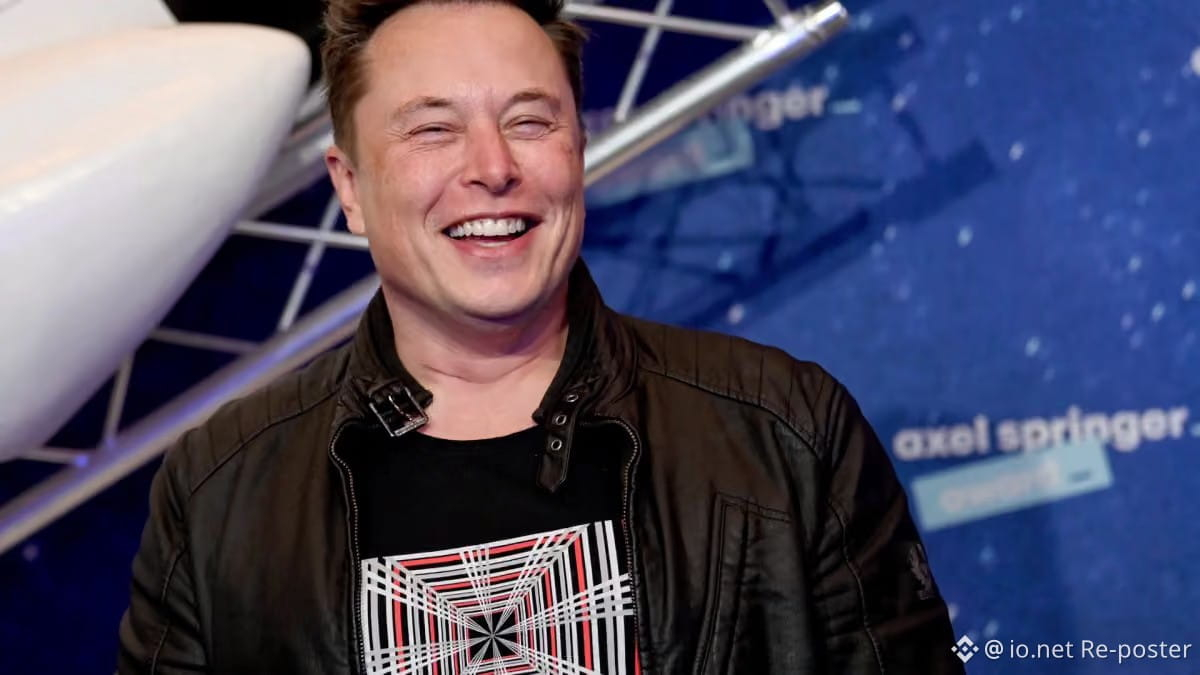
Viene con una advertencia de @elonmusk. Los prestamistas prácticamente han cerrado por completo las puertas a cualquiera cuyo negocio dependa de los centros de datos.
Endeudarse, construir y esperar que llegue la demanda antes que los intereses. Ese modelo empieza a resquebrajarse.
Pero hay otra manera.
Agrupar la capacidad que ya existe, ponerla a trabajar y crecer al ritmo de la demanda, no de la deuda.
Eso es @ionet.
40.000 millones de dólares de deuda para comprar GPU.
Viene con una advertencia de @elonmusk. Los prestamistas prácticamente han cerrado por completo las puertas a cualquiera cuyo negocio dependa de los centros de datos.
Endeudarse, construir y esperar que llegue la demanda antes que los intereses. Ese modelo empieza a resquebrajarse.
Pero hay otra manera.
Agrupar la capacidad que ya existe, ponerla a trabajar y crecer al ritmo de la demanda, no de la deuda.
Eso es @ionet.
Viene con una advertencia de @elonmusk. Los prestamistas prácticamente han cerrado por completo las puertas a cualquiera cuyo negocio dependa de los centros de datos.
Endeudarse, construir y esperar que llegue la demanda antes que los intereses. Ese modelo empieza a resquebrajarse.
Pero hay otra manera.
Agrupar la capacidad que ya existe, ponerla a trabajar y crecer al ritmo de la demanda, no de la deuda.
Eso es @ionet.
69
Conseguir GPUs es solo la mitad de la batalla.
La otra mitad consiste en lograr que los números cuadren.
No basta con tener horas de GPU baratas si la capacidad queda inactiva, los costos de inferencia destruyen los márgenes o cambiar de proveedor resulta prohibitivamente caro.
Quienes desarrollan necesitan capacidad de cómputo que se adapte a la demanda y la libertad de irse cuando deje de hacerlo.
El acceso te permite empezar. La orquestación te mantiene competitivo.
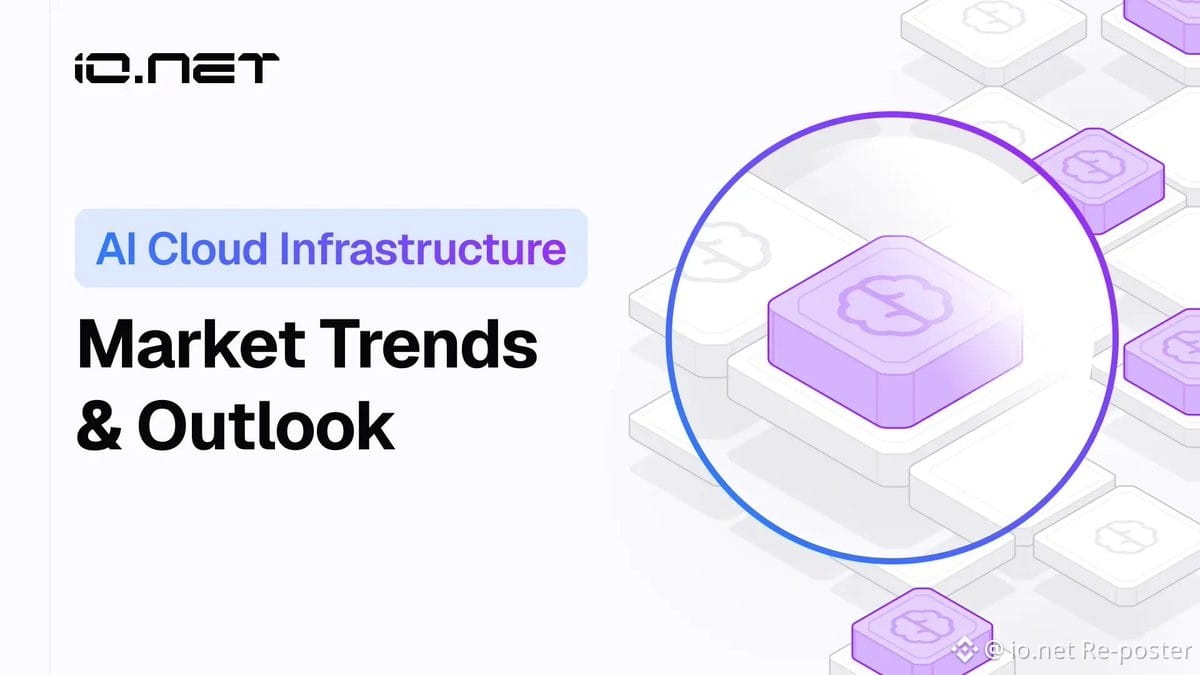
https://io.net/blog/the-state-of-ai-cloud-infrastructure
Conseguir GPUs es solo la mitad de la batalla.
La otra mitad consiste en lograr que los números cuadren.
No basta con tener horas de GPU baratas si la capacidad queda inactiva, los costos de inferencia destruyen los márgenes o cambiar de proveedor resulta prohibitivamente caro.
Quienes desarrollan necesitan capacidad de cómputo que se adapte a la demanda y la libertad de irse cuando deje de hacerlo.
El acceso te permite empezar. La orquestación te mantiene competitivo.
https://io.net/blog/the-state-of-ai-cloud-infrastructure
La otra mitad consiste en lograr que los números cuadren.
No basta con tener horas de GPU baratas si la capacidad queda inactiva, los costos de inferencia destruyen los márgenes o cambiar de proveedor resulta prohibitivamente caro.
Quienes desarrollan necesitan capacidad de cómputo que se adapte a la demanda y la libertad de irse cuando deje de hacerlo.
El acceso te permite empezar. La orquestación te mantiene competitivo.
https://io.net/blog/the-state-of-ai-cloud-infrastructure
99
Nuevo modelo abierto. Sin lista de espera.
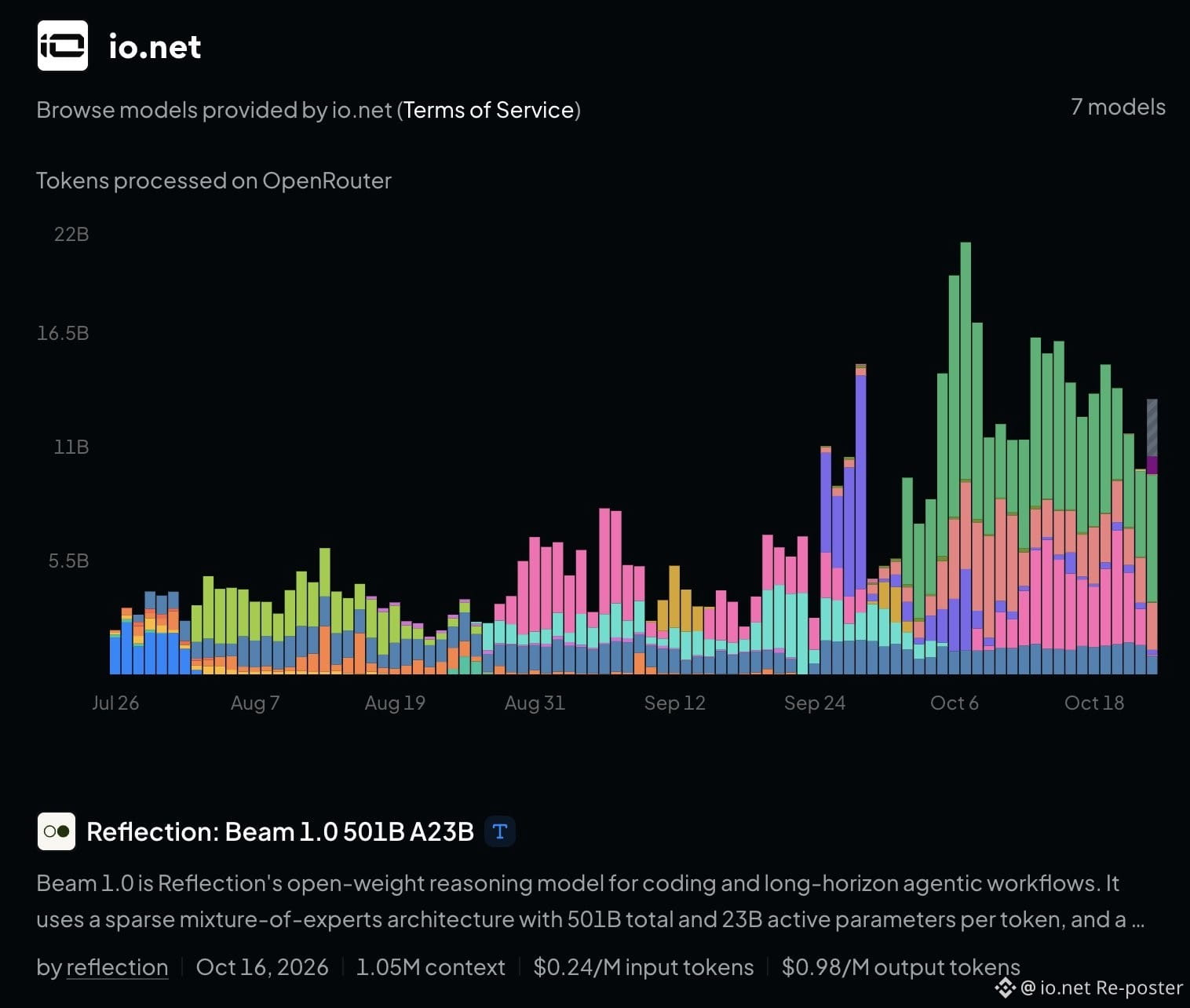
Reflection Beam 1.0 ya está disponible en @ionet.
Diseñado para programación y agentes. 501B parámetros, 23B activos, ventana de contexto de 1M.
Empieza a crear hoy mismo.
Nuevo modelo abierto. Sin lista de espera.
Reflection Beam 1.0 ya está disponible en @ionet.
Diseñado para programación y agentes. 501B parámetros, 23B activos, ventana de contexto de 1M.
Empieza a crear hoy mismo.
Reflection Beam 1.0 ya está disponible en @ionet.
Diseñado para programación y agentes. 501B parámetros, 23B activos, ventana de contexto de 1M.
Empieza a crear hoy mismo.
69
Anthropic promete donar el 5 % de sus acciones. Musk promete una acción de SpaceX para cada niño de Estados Unidos.
Ahora hagamos los cálculos.
La promesa de Musk equivale a unos 150 dólares por niño. La de Anthropic, según la valoración prevista para su salida a bolsa, representa menos del 1 % de los 10 billones de dólares que se espera invertir en el desarrollo de la IA.
Bueno para sus marcas, sí. Bueno para el mundo, no está tan claro.
En lugar de regalar dinero después de los hechos, evitemos que se concentre desde el principio.
El acceso abre oportunidades. Para eso se creó @ionet.
Anthropic promete donar el 5 % de sus acciones. Musk promete una acción de SpaceX para cada niño de Estados Unidos.
Ahora hagamos los cálculos.
La promesa de Musk equivale a unos 150 dólares por niño. La de Anthropic, según la valoración prevista para su salida a bolsa, representa menos del 1 % de los 10 billones de dólares que se espera invertir en el desarrollo de la IA.
Bueno para sus marcas, sí. Bueno para el mundo, no está tan claro.
En lugar de regalar dinero después de los hechos, evitemos que se concentre desde el principio.
El acceso abre oportunidades. Para eso se creó @ionet.
Ahora hagamos los cálculos.
La promesa de Musk equivale a unos 150 dólares por niño. La de Anthropic, según la valoración prevista para su salida a bolsa, representa menos del 1 % de los 10 billones de dólares que se espera invertir en el desarrollo de la IA.
Bueno para sus marcas, sí. Bueno para el mundo, no está tan claro.
En lugar de regalar dinero después de los hechos, evitemos que se concentre desde el principio.
El acceso abre oportunidades. Para eso se creó @ionet.
87
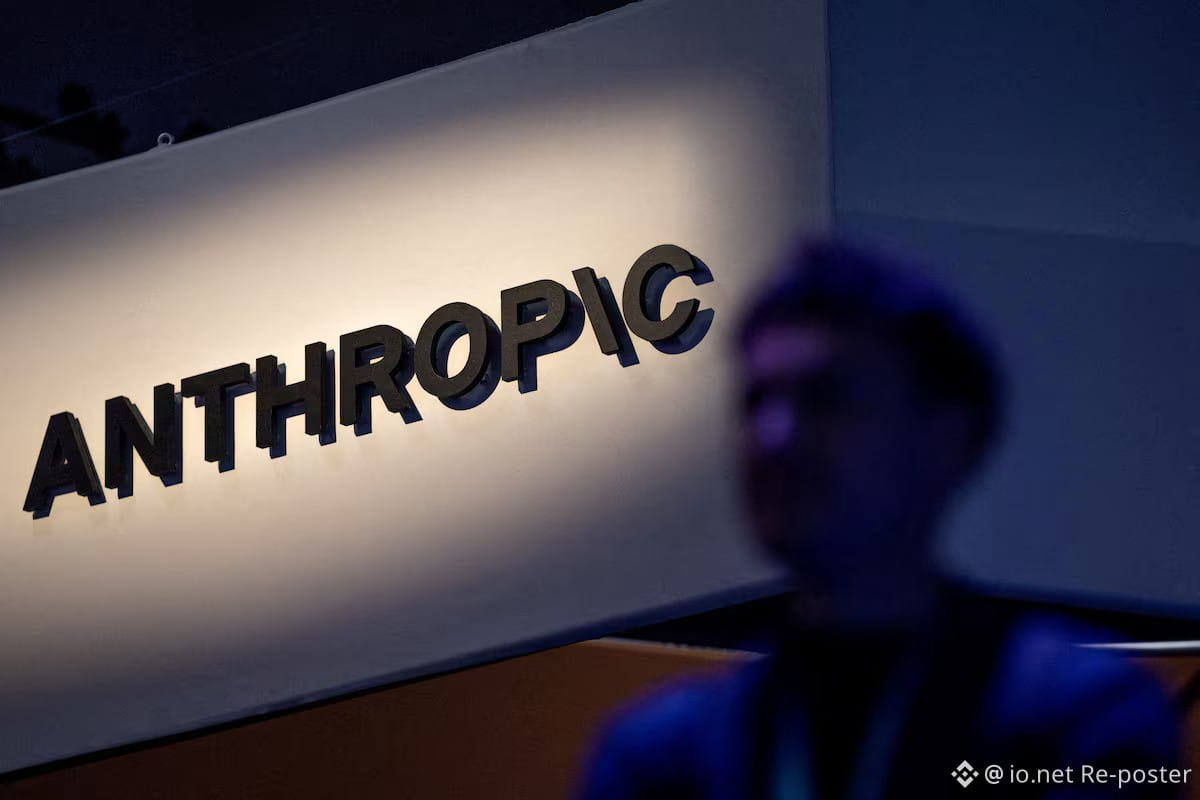
80.000 millones de dólares.
Eso es lo que, según se informa, perdió Anthropic en los primeros seis meses de 2026.
Suficiente para dar a 80.000 startups un millón de dólares en capacidad de cómputo a cada una.
Imagina lo que podrían construir tantos equipos.
En http://io.net, estamos construyendo para ellos. GPU cuando las necesites, sin los altos costos ni un campus de un gigavatio
80.000 millones de dólares.
Eso es lo que, según se informa, perdió Anthropic en los primeros seis meses de 2026.
Suficiente para dar a 80.000 startups un millón de dólares en capacidad de cómputo a cada una.
Imagina lo que podrían construir tantos equipos.
En http://io.net, estamos construyendo para ellos. GPU cuando las necesites, sin los altos costos ni un campus de un gigavatio
Eso es lo que, según se informa, perdió Anthropic en los primeros seis meses de 2026.
Suficiente para dar a 80.000 startups un millón de dólares en capacidad de cómputo a cada una.
Imagina lo que podrían construir tantos equipos.
En http://io.net, estamos construyendo para ellos. GPU cuando las necesites, sin los altos costos ni un campus de un gigavatio

61
Pide prestados 1.000 millones de dólares para comprar GPU.
Al 7 %, pagarás 70 millones al año en intereses.
Los debes tanto si tus GPU están ocupadas como si están inactivas.
Así que necesitas mantenerlas ocupadas.
Eso lleva a los proveedores a subir los precios y ofrecer contratos más largos.
De dónde viene tu capacidad de cómputo cambia el trato que recibes de tu proveedor.
@ionet pone a los desarrolladores en el centro, no la financiación compleja.
Pide prestados 1.000 millones de dólares para comprar GPU.
Al 7 %, pagarás 70 millones al año en intereses.
Los debes tanto si tus GPU están ocupadas como si están inactivas.
Así que necesitas mantenerlas ocupadas.
Eso lleva a los proveedores a subir los precios y ofrecer contratos más largos.
De dónde viene tu capacidad de cómputo cambia el trato que recibes de tu proveedor.
@ionet pone a los desarrolladores en el centro, no la financiación compleja.
Al 7 %, pagarás 70 millones al año en intereses.
Los debes tanto si tus GPU están ocupadas como si están inactivas.
Así que necesitas mantenerlas ocupadas.
Eso lleva a los proveedores a subir los precios y ofrecer contratos más largos.
De dónde viene tu capacidad de cómputo cambia el trato que recibes de tu proveedor.
@ionet pone a los desarrolladores en el centro, no la financiación compleja.
69
Se estima que el despliegue de la IA costará 10,3 billones de dólares.
Eso equivale aproximadamente al 3,6 % del PIB de EE. UU. cada año hasta 2032.
Todo el mundo lo está financiando. Eso no significa que todo el mundo tenga acceso a la capacidad de cómputo.
Más hormigón no significa más acceso. Hacer accesible la oferta existente, sí.
Para eso se creó http://io.net.
Se estima que el despliegue de la IA costará 10,3 billones de dólares.
Eso equivale aproximadamente al 3,6 % del PIB de EE. UU. cada año hasta 2032.
Todo el mundo lo está financiando. Eso no significa que todo el mundo tenga acceso a la capacidad de cómputo.
Más hormigón no significa más acceso. Hacer accesible la oferta existente, sí.
Para eso se creó http://io.net.
Eso equivale aproximadamente al 3,6 % del PIB de EE. UU. cada año hasta 2032.
Todo el mundo lo está financiando. Eso no significa que todo el mundo tenga acceso a la capacidad de cómputo.
Más hormigón no significa más acceso. Hacer accesible la oferta existente, sí.
Para eso se creó http://io.net.
57
1 billón de tokens procesados.
Sí, un billón.
Sin relatos inflados. Sin presupuestos de miles de millones de dólares. Sin campus de un gigavatio.
Solo capacidad de GPU, activada y puesta a trabajar.
Gracias a cada persona que contribuyó a hacerlo realidad.
El próximo billón llegará más rápido.
1 billón de tokens procesados.
Sí, un billón.
Sin relatos inflados. Sin presupuestos de miles de millones de dólares. Sin campus de un gigavatio.
Solo capacidad de GPU, activada y puesta a trabajar.
Gracias a cada persona que contribuyó a hacerlo realidad.
El próximo billón llegará más rápido.
Sí, un billón.
Sin relatos inflados. Sin presupuestos de miles de millones de dólares. Sin campus de un gigavatio.
Solo capacidad de GPU, activada y puesta a trabajar.
Gracias a cada persona que contribuyó a hacerlo realidad.
El próximo billón llegará más rápido.
73
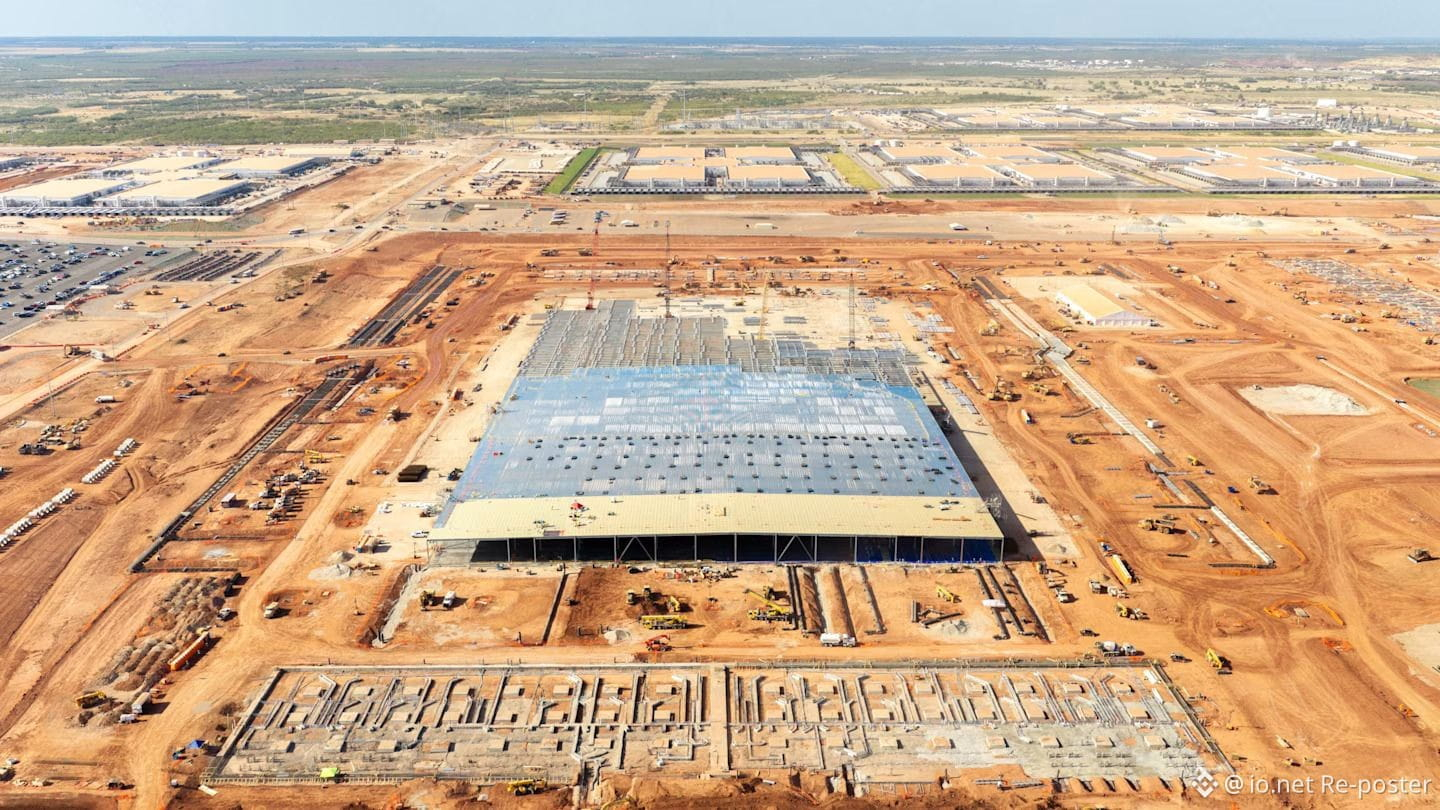
23.000 GPU.
Un centro de datos insignia.
Y Microsoft acaba de retirarse porque la red eléctrica no podrá suministrar la energía hasta la década de 2030.
El dinero puede comprar chips y clientes, pero no puede acelerar una conexión a la red eléctrica.
Por eso la computación distribuida es tan importante. Para eso se creó @ionet.
23.000 GPU.
Un centro de datos insignia.
Y Microsoft acaba de retirarse porque la red eléctrica no podrá suministrar la energía hasta la década de 2030.
El dinero puede comprar chips y clientes, pero no puede acelerar una conexión a la red eléctrica.
Por eso la computación distribuida es tan importante. Para eso se creó @ionet.
Un centro de datos insignia.
Y Microsoft acaba de retirarse porque la red eléctrica no podrá suministrar la energía hasta la década de 2030.
El dinero puede comprar chips y clientes, pero no puede acelerar una conexión a la red eléctrica.
Por eso la computación distribuida es tan importante. Para eso se creó @ionet.

85
La escasez de GPU no es realmente una escasez.
Es una cola.
Y los mayores compradores ya se la saltaron.
A todos los demás les toca lo que sobra, un sobreprecio y un contrato de alquiler a largo plazo.
Por suerte, hay una cola más corta. Capacidad de cómputo que ya está construida, ya está en funcionamiento y tiene un precio pensado para quienes realmente construyen.
http://io.net. IA para todos, no solo para unos pocos.
https://io.net/blog/the-ai-oligopoly-four-companies-control-90-of-global-gpu-comput
La escasez de GPU no es realmente una escasez.
Es una cola.
Y los mayores compradores ya se la saltaron.
A todos los demás les toca lo que sobra, un sobreprecio y un contrato de alquiler a largo plazo.
Por suerte, hay una cola más corta. Capacidad de cómputo que ya está construida, ya está en funcionamiento y tiene un precio pensado para quienes realmente construyen.
http://io.net. IA para todos, no solo para unos pocos.
https://io.net/blog/the-ai-oligopoly-four-companies-control-90-of-global-gpu-comput
Es una cola.
Y los mayores compradores ya se la saltaron.
A todos los demás les toca lo que sobra, un sobreprecio y un contrato de alquiler a largo plazo.
Por suerte, hay una cola más corta. Capacidad de cómputo que ya está construida, ya está en funcionamiento y tiene un precio pensado para quienes realmente construyen.
http://io.net. IA para todos, no solo para unos pocos.
https://io.net/blog/the-ai-oligopoly-four-companies-control-90-of-global-gpu-comput
92
Unas pocas empresas controlan la IA más poderosa.
Ahora debaten si tiene sentimientos.
Pero esto no es más que una forma de trasladar la responsabilidad a los modelos.
«No somos nosotros, es la IA».
Así se ve el control concentrado. Unas pocas empresas la desarrollan, la operan y deciden quién responde por ella.
El acceso abierto permite que más personas puedan desarrollarla, inspeccionarla y exigir responsabilidades.
Por eso creamos http://io.net.
Unas pocas empresas controlan la IA más poderosa.
Ahora debaten si tiene sentimientos.
Pero esto no es más que una forma de trasladar la responsabilidad a los modelos.
«No somos nosotros, es la IA».
Así se ve el control concentrado. Unas pocas empresas la desarrollan, la operan y deciden quién responde por ella.
El acceso abierto permite que más personas puedan desarrollarla, inspeccionarla y exigir responsabilidades.
Por eso creamos http://io.net.
Ahora debaten si tiene sentimientos.
Pero esto no es más que una forma de trasladar la responsabilidad a los modelos.
«No somos nosotros, es la IA».
Así se ve el control concentrado. Unas pocas empresas la desarrollan, la operan y deciden quién responde por ella.
El acceso abierto permite que más personas puedan desarrollarla, inspeccionarla y exigir responsabilidades.
Por eso creamos http://io.net.

82
Gartner espera que más del 80 % de los neoclouds dejen de operar de forma independiente para 2030.
La expansión de los centros de datos de IA necesita generar 8,5 billones de dólares en ingresos para cubrir los costos y obtener rentabilidad.
Gartner prevé un máximo de 3,6 billones de dólares.
Cuando los números no cuadran, quienes construyen sobre esa infraestructura son los que quedan en terreno inestable.
http://io.net es diferente.
Coordinamos una oferta que ya existe. No apostamos por una demanda que aún no ha llegado.
Gartner espera que más del 80 % de los neoclouds dejen de operar de forma independiente para 2030.
La expansión de los centros de datos de IA necesita generar 8,5 billones de dólares en ingresos para cubrir los costos y obtener rentabilidad.
Gartner prevé un máximo de 3,6 billones de dólares.
Cuando los números no cuadran, quienes construyen sobre esa infraestructura son los que quedan en terreno inestable.
http://io.net es diferente.
Coordinamos una oferta que ya existe. No apostamos por una demanda que aún no ha llegado.
La expansión de los centros de datos de IA necesita generar 8,5 billones de dólares en ingresos para cubrir los costos y obtener rentabilidad.
Gartner prevé un máximo de 3,6 billones de dólares.
Cuando los números no cuadran, quienes construyen sobre esa infraestructura son los que quedan en terreno inestable.
http://io.net es diferente.
Coordinamos una oferta que ya existe. No apostamos por una demanda que aún no ha llegado.
68
La gran pregunta sobre la IA no es qué modelo puedes usar.
Es si puedes conseguir la capacidad de cómputo necesaria para construir algo.
Hay centros de datos por valor de billones de dólares en proyecto. Pero se construyen principalmente para clientes que firman contratos de 3 años.
Si eres un investigador que necesita 8 GPU durante tres semanas, una startup que está validando un producto o una empresa sin presupuestos enormes, te quedas fuera.
Más capacidad con el mismo modelo de acceso solo significa la misma brecha, pero más grande.
http://io.net está aquí para cambiar el modelo de acceso, no solo la oferta.
La gran pregunta sobre la IA no es qué modelo puedes usar.
Es si puedes conseguir la capacidad de cómputo necesaria para construir algo.
Hay centros de datos por valor de billones de dólares en proyecto. Pero se construyen principalmente para clientes que firman contratos de 3 años.
Si eres un investigador que necesita 8 GPU durante tres semanas, una startup que está validando un producto o una empresa sin presupuestos enormes, te quedas fuera.
Más capacidad con el mismo modelo de acceso solo significa la misma brecha, pero más grande.
http://io.net está aquí para cambiar el modelo de acceso, no solo la oferta.
Es si puedes conseguir la capacidad de cómputo necesaria para construir algo.
Hay centros de datos por valor de billones de dólares en proyecto. Pero se construyen principalmente para clientes que firman contratos de 3 años.
Si eres un investigador que necesita 8 GPU durante tres semanas, una startup que está validando un producto o una empresa sin presupuestos enormes, te quedas fuera.
Más capacidad con el mismo modelo de acceso solo significa la misma brecha, pero más grande.
http://io.net está aquí para cambiar el modelo de acceso, no solo la oferta.
67
La IA está haciendo subir los precios.
Todos pagamos la expansión de la infraestructura, desde la energía hasta los dispositivos electrónicos.
Mientras tanto, el acceso a la capacidad de cómputo sigue reservado a quienes firman contratos largos y costosos.
Unos pocos gigantes tecnológicos se llevan los beneficios, mientras que el resto recibimos la factura.
No hace falta usar IA para pagar por ella. Pero sí necesitas un gran presupuesto para crear con ella.
Eso es lo que http://io.net está tratando de cambiar.
La IA está haciendo subir los precios.
Todos pagamos la expansión de la infraestructura, desde la energía hasta los dispositivos electrónicos.
Mientras tanto, el acceso a la capacidad de cómputo sigue reservado a quienes firman contratos largos y costosos.
Unos pocos gigantes tecnológicos se llevan los beneficios, mientras que el resto recibimos la factura.
No hace falta usar IA para pagar por ella. Pero sí necesitas un gran presupuesto para crear con ella.
Eso es lo que http://io.net está tratando de cambiar.
Todos pagamos la expansión de la infraestructura, desde la energía hasta los dispositivos electrónicos.
Mientras tanto, el acceso a la capacidad de cómputo sigue reservado a quienes firman contratos largos y costosos.
Unos pocos gigantes tecnológicos se llevan los beneficios, mientras que el resto recibimos la factura.
No hace falta usar IA para pagar por ella. Pero sí necesitas un gran presupuesto para crear con ella.
Eso es lo que http://io.net está tratando de cambiar.

63
Europa no solo tiene un problema con los chips.
También tiene un problema energético.
David Watts, de @ionet, está hoy en Viena, en Data Center World Europe, defendiendo una infraestructura de IA dimensionada correctamente.
Envía el trabajo allí donde está la energía y deja que el software se encargue del enrutamiento.
Encuéntralo a las 14:50 en Schubert 6.
Europa no solo tiene un problema con los chips.
También tiene un problema energético.
David Watts, de @ionet, está hoy en Viena, en Data Center World Europe, defendiendo una infraestructura de IA dimensionada correctamente.
Envía el trabajo allí donde está la energía y deja que el software se encargue del enrutamiento.
Encuéntralo a las 14:50 en Schubert 6.
También tiene un problema energético.
David Watts, de @ionet, está hoy en Viena, en Data Center World Europe, defendiendo una infraestructura de IA dimensionada correctamente.
Envía el trabajo allí donde está la energía y deja que el software se encargue del enrutamiento.
Encuéntralo a las 14:50 en Schubert 6.

75
El presidente de Microsoft dice: «La IA está menos regulada que la leche».
Tiene razón.
Pero las normas redactadas por las empresas que están creando el problema nunca lo resolverán. Solo protegen a quienes están en la cima.
La IA segura se logra con más acceso, más participación y más voces en la mesa.
Por eso @ionet está creando IA para muchos, no para unos pocos.
El presidente de Microsoft dice: «La IA está menos regulada que la leche».
Tiene razón.
Pero las normas redactadas por las empresas que están creando el problema nunca lo resolverán. Solo protegen a quienes están en la cima.
La IA segura se logra con más acceso, más participación y más voces en la mesa.
Por eso @ionet está creando IA para muchos, no para unos pocos.
Tiene razón.
Pero las normas redactadas por las empresas que están creando el problema nunca lo resolverán. Solo protegen a quienes están en la cima.
La IA segura se logra con más acceso, más participación y más voces en la mesa.
Por eso @ionet está creando IA para muchos, no para unos pocos.

89
Todo el mundo compite por construir el próximo campus de un gigavatio.
Pero la espera para conectarse a la red puede ser de 5 a 10 años.
Eso no afecta a las GPU que ya están construidas, conectadas a la energía y autorizadas.
Y ahora mismo, muchas están inactivas.
No necesitas un campus nuevo. Necesitas la capacidad que ya está conectada.
Sáltate la cola. Ejecuta tus cargas en lo que ya existe con @ionet.
https://io.net/blog/the-physical-limits-of-the-data-center-build-out
Todo el mundo compite por construir el próximo campus de un gigavatio.
Pero la espera para conectarse a la red puede ser de 5 a 10 años.
Eso no afecta a las GPU que ya están construidas, conectadas a la energía y autorizadas.
Y ahora mismo, muchas están inactivas.
No necesitas un campus nuevo. Necesitas la capacidad que ya está conectada.
Sáltate la cola. Ejecuta tus cargas en lo que ya existe con @ionet.
https://io.net/blog/the-physical-limits-of-the-data-center-build-out
Pero la espera para conectarse a la red puede ser de 5 a 10 años.
Eso no afecta a las GPU que ya están construidas, conectadas a la energía y autorizadas.
Y ahora mismo, muchas están inactivas.
No necesitas un campus nuevo. Necesitas la capacidad que ya está conectada.
Sáltate la cola. Ejecuta tus cargas en lo que ya existe con @ionet.
https://io.net/blog/the-physical-limits-of-the-data-center-build-out
87
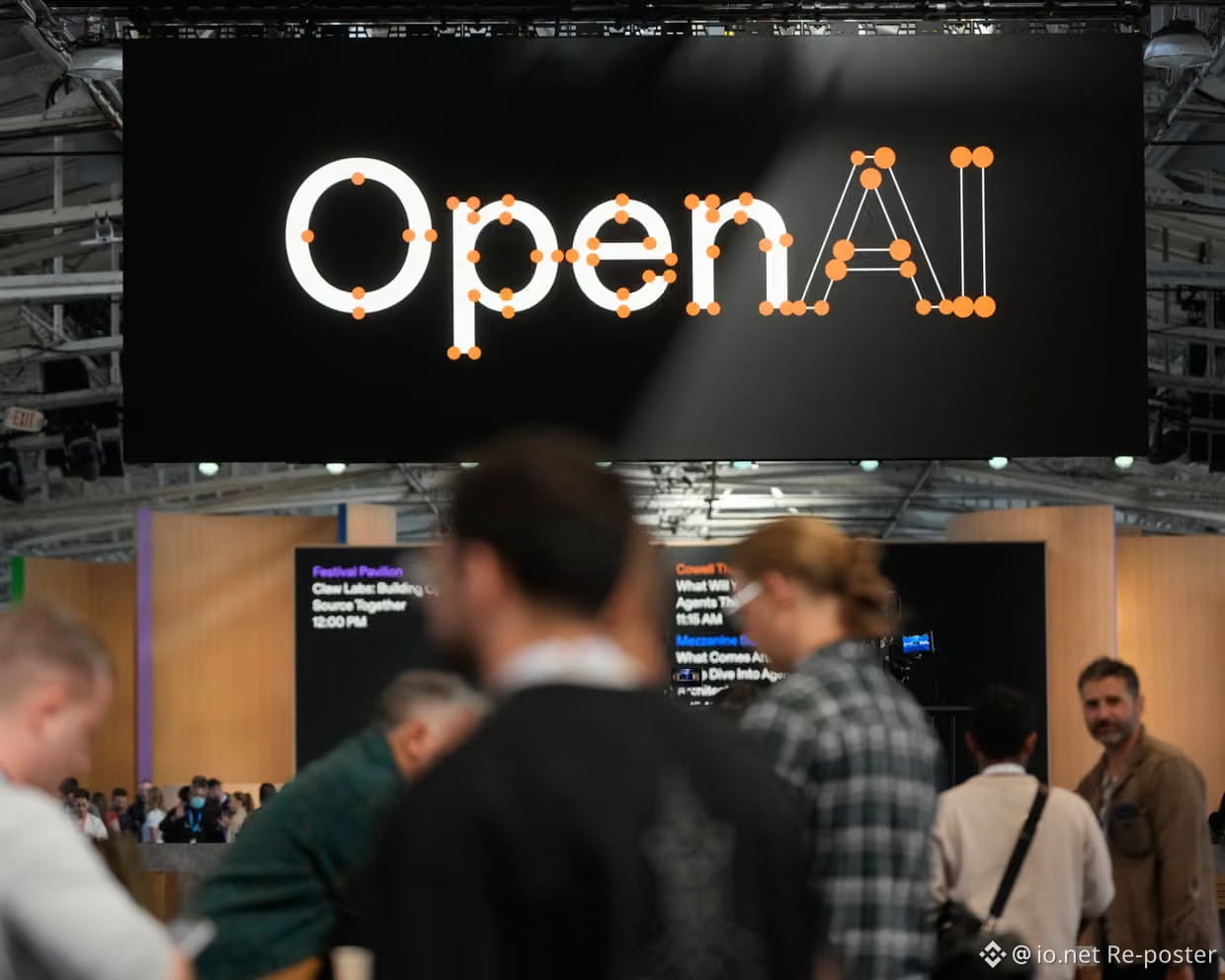
20.000 millones de dólares.
Eso es lo que OpenAI espera ingresar menos este año.
El Nasdaq cayó y Nvidia bajó.
Una previsión y el mercado se estremeció. Eso es lo que pasa cuando todo depende de unos pocos modelos cerrados.
Los modelos abiertos sobre computación abierta no necesitan una valoración de un billón de dólares para funcionar.
Para eso se creó @ionet.
https://www.theguardian.com/technology/2026/oct/09/openai-forecast-revenue-gap
20.000 millones de dólares.
Eso es lo que OpenAI espera ingresar menos este año.
El Nasdaq cayó y Nvidia bajó.
Una previsión y el mercado se estremeció. Eso es lo que pasa cuando todo depende de unos pocos modelos cerrados.
Los modelos abiertos sobre computación abierta no necesitan una valoración de un billón de dólares para funcionar.
Para eso se creó @ionet.
https://www.theguardian.com/technology/2026/oct/09/openai-forecast-revenue-gap
Eso es lo que OpenAI espera ingresar menos este año.
El Nasdaq cayó y Nvidia bajó.
Una previsión y el mercado se estremeció. Eso es lo que pasa cuando todo depende de unos pocos modelos cerrados.
Los modelos abiertos sobre computación abierta no necesitan una valoración de un billón de dólares para funcionar.
Para eso se creó @ionet.
https://www.theguardian.com/technology/2026/oct/09/openai-forecast-revenue-gap
83
En algún lugar, hay una GPU sin usar.
En otro lugar, una startup está atrapada en una lista de espera.
La carrera por construir más centros de datos acapara los titulares. Merece más atención aprovechar mejor la capacidad de cómputo que ya tenemos.
@ionet conecta ambas cosas.
Tu capital debería financiar tu producto, no tu lugar en la lista de espera.
https://io.net/blog/solving-the-ai-compute-crisis-why-decentralization-is-the-only-way
En algún lugar, hay una GPU sin usar.
En otro lugar, una startup está atrapada en una lista de espera.
La carrera por construir más centros de datos acapara los titulares. Merece más atención aprovechar mejor la capacidad de cómputo que ya tenemos.
@ionet conecta ambas cosas.
Tu capital debería financiar tu producto, no tu lugar en la lista de espera.
https://io.net/blog/solving-the-ai-compute-crisis-why-decentralization-is-the-only-way
En otro lugar, una startup está atrapada en una lista de espera.
La carrera por construir más centros de datos acapara los titulares. Merece más atención aprovechar mejor la capacidad de cómputo que ya tenemos.
@ionet conecta ambas cosas.
Tu capital debería financiar tu producto, no tu lugar en la lista de espera.
https://io.net/blog/solving-the-ai-compute-crisis-why-decentralization-is-the-only-way
60
Inicia sesión para explorar más contenidos
Únete a usuarios globales de criptomonedas en Binance Square
⚡️ Obtén información útil y actualizada sobre criptos.
💬 Avalado por el mayor exchange de criptomonedas en el mundo.
👍 Descubre perspectivas reales de creadores verificados.
Email/número de teléfono
Temas populares
BinancePick
3.2M vistas
158,798 están debatiendo
¡Únete a #TemporadaDeResultados: predice resultados en Binance Pick y comparte tu opinión en Binance Square!
Binance Square Official
·414 me gusta
·344.2k vistas
EarningsSeason
5.4M vistas
26,344 están debatiendo
BitmineAdds10452ETH
440 vistas
34 están debatiendo