

Decentralised News
524 Publicaciones

Decentralised News
Denunciar
Bloquear usuario
X: @decentraliseda
Coinmarketcap @decentralisednews
0 Siguiendo
891 Seguidores
1.6K+ Me gusta
Publicaciones
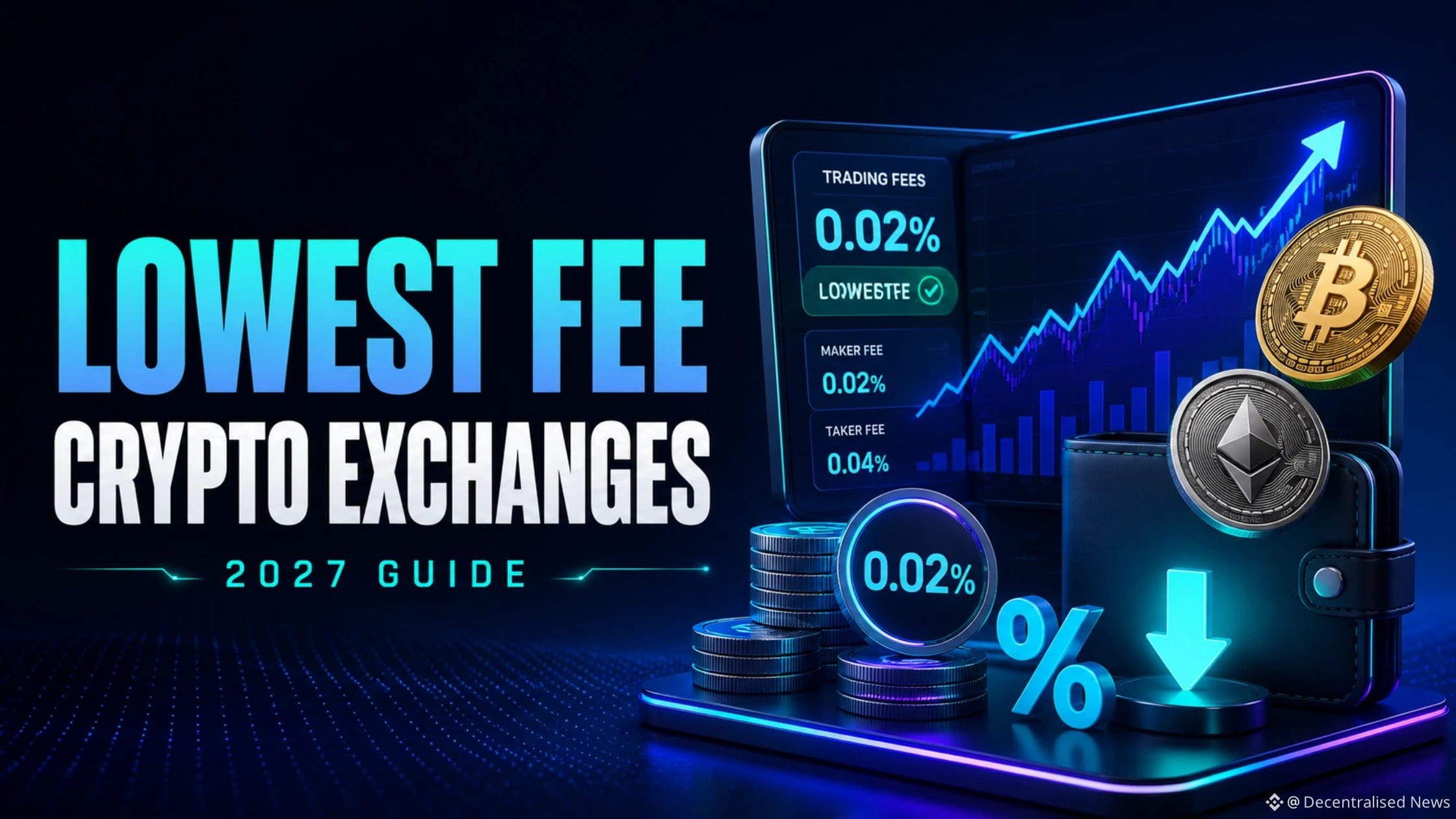
Calculadora del coste de cambiar de plataforma de criptomonedas en 2027: ¿Vale la pena trasladar tu capital de trading para acceder a un nivel de comisiones mejor?
Un nivel de comisiones mejor puede parecer un motivo obvio para cambiar de exchange de criptomonedas.
Pero la tarifa anunciada es solo una parte del cálculo.
Antes de trasladar tu capital de trading, ten en cuenta:
→ El coste de cerrar y volver a abrir posiciones
→ Los costes de transferencia y la configuración operativa
→ Cuánto tardarás en cumplir los requisitos para acceder al nivel de comisiones mejor de la nueva plataforma
→ Las diferencias en los spreads, el deslizamiento y la calidad de ejecución
→ Si el ahorro se mantiene cuando disminuye tu volumen de trading
Las pequeñas diferencias en las comisiones pueden ser importantes a gran escala. También lo son las complicaciones que implica aprovecharlas.
La calculadora del coste de cambiar de plataforma de DN reúne estos factores en un modelo para estimar los costes de migración, el ahorro mensual y el tiempo necesario para recuperar el coste del cambio.
También incluye un análisis de sensibilidad con la mitad del volumen, porque un cambio que tiene sentido durante un mes de mucha actividad puede parecer muy distinto cuando esta disminuye.
La pregunta clave: ¿cuánto ahorrarás realmente durante el periodo en que prevés operar?
Lee el artículo y explora la calculadora en Decentralised.News
Los valores predeterminados de la calculadora son ilustrativos. Confirma tus comisiones, requisitos de elegibilidad y condiciones operativas antes de tomar una decisión.
#TradingCripto #ExchangesDeCriptomonedas #CostesDeTrading #EficienciaDelCapital #DecentralisedNews
Calculadora del coste de cambiar de plataforma de criptomonedas en 2027: ¿Vale la pena trasladar tu capital de trading para acceder a un nivel de comisiones mejor?
Un nivel de comisiones mejor puede parecer un motivo obvio para cambiar de exchange de criptomonedas.
Pero la tarifa anunciada es solo una parte del cálculo.
Antes de trasladar tu capital de trading, ten en cuenta:
→ El coste de cerrar y volver a abrir posiciones
→ Los costes de transferencia y la configuración operativa
→ Cuánto tardarás en cumplir los requisitos para acceder al nivel de comisiones mejor de la nueva plataforma
→ Las diferencias en los spreads, el deslizamiento y la calidad de ejecución
→ Si el ahorro se mantiene cuando disminuye tu volumen de trading
Las pequeñas diferencias en las comisiones pueden ser importantes a gran escala. También lo son las complicaciones que implica aprovecharlas.
La calculadora del coste de cambiar de plataforma de DN reúne estos factores en un modelo para estimar los costes de migración, el ahorro mensual y el tiempo necesario para recuperar el coste del cambio.
También incluye un análisis de sensibilidad con la mitad del volumen, porque un cambio que tiene sentido durante un mes de mucha actividad puede parecer muy distinto cuando esta disminuye.
La pregunta clave: ¿cuánto ahorrarás realmente durante el periodo en que prevés operar?
Lee el artículo y explora la calculadora en Decentralised.News
Los valores predeterminados de la calculadora son ilustrativos. Confirma tus comisiones, requisitos de elegibilidad y condiciones operativas antes de tomar una decisión.
#TradingCripto #ExchangesDeCriptomonedas #CostesDeTrading #EficienciaDelCapital #DecentralisedNews
Un nivel de comisiones mejor puede parecer un motivo obvio para cambiar de exchange de criptomonedas.
Pero la tarifa anunciada es solo una parte del cálculo.
Antes de trasladar tu capital de trading, ten en cuenta:
→ El coste de cerrar y volver a abrir posiciones
→ Los costes de transferencia y la configuración operativa
→ Cuánto tardarás en cumplir los requisitos para acceder al nivel de comisiones mejor de la nueva plataforma
→ Las diferencias en los spreads, el deslizamiento y la calidad de ejecución
→ Si el ahorro se mantiene cuando disminuye tu volumen de trading
Las pequeñas diferencias en las comisiones pueden ser importantes a gran escala. También lo son las complicaciones que implica aprovecharlas.
La calculadora del coste de cambiar de plataforma de DN reúne estos factores en un modelo para estimar los costes de migración, el ahorro mensual y el tiempo necesario para recuperar el coste del cambio.
También incluye un análisis de sensibilidad con la mitad del volumen, porque un cambio que tiene sentido durante un mes de mucha actividad puede parecer muy distinto cuando esta disminuye.
La pregunta clave: ¿cuánto ahorrarás realmente durante el periodo en que prevés operar?
Lee el artículo y explora la calculadora en Decentralised.News
Los valores predeterminados de la calculadora son ilustrativos. Confirma tus comisiones, requisitos de elegibilidad y condiciones operativas antes de tomar una decisión.
#TradingCripto #ExchangesDeCriptomonedas #CostesDeTrading #EficienciaDelCapital #DecentralisedNews
67
La empresa agéntica unipersonal: cinco funciones, un cuello de botella humano
Cinco funciones asistidas por IA pueden compartir un mismo cuello de botella: la persona fundadora.
El modelo de empresa agéntica unipersonal de DN conecta investigación, ventas, entrega, finanzas y soporte mediante contratos de trabajo explícitos, permisos y etapas de aprobación.
En el escenario ficticio de planificación de 100 elementos, las revisiones rutinarias, la gestión de excepciones y las operaciones fijas requieren 15,22 horas semanales de la persona propietaria, un poco más de las 15 horas disponibles. El gasto en software modelado es de 408,54 unidades monetarias al mes, sin asignar un valor al tiempo de la persona fundadora.
Se trata de cálculos de planificación condicionales, no de resultados empresariales medidos ni de precios de proveedores.
Explora 27 combinaciones predefinidas de demanda, perfil de carga de trabajo y tiempo disponible de la persona propietaria. La herramienta descargable permite introducir tus propios datos, mientras que el artículo explica los límites de reintentos, los resultados aceptados y las responsabilidades de recuperación.
Úsala para identificar dónde la capacidad de revisión se convierte en una limitación antes de ampliar el flujo de trabajo.
Guía completa en Decentralised.News
#AIAgents #Solopreneurs #AgenticFinance
La empresa agéntica unipersonal: cinco funciones, un cuello de botella humano
Cinco funciones asistidas por IA pueden compartir un mismo cuello de botella: la persona fundadora.
El modelo de empresa agéntica unipersonal de DN conecta investigación, ventas, entrega, finanzas y soporte mediante contratos de trabajo explícitos, permisos y etapas de aprobación.
En el escenario ficticio de planificación de 100 elementos, las revisiones rutinarias, la gestión de excepciones y las operaciones fijas requieren 15,22 horas semanales de la persona propietaria, un poco más de las 15 horas disponibles. El gasto en software modelado es de 408,54 unidades monetarias al mes, sin asignar un valor al tiempo de la persona fundadora.
Se trata de cálculos de planificación condicionales, no de resultados empresariales medidos ni de precios de proveedores.
Explora 27 combinaciones predefinidas de demanda, perfil de carga de trabajo y tiempo disponible de la persona propietaria. La herramienta descargable permite introducir tus propios datos, mientras que el artículo explica los límites de reintentos, los resultados aceptados y las responsabilidades de recuperación.
Úsala para identificar dónde la capacidad de revisión se convierte en una limitación antes de ampliar el flujo de trabajo.
Guía completa en Decentralised.News
#AIAgents #Solopreneurs #AgenticFinance
Cinco funciones asistidas por IA pueden compartir un mismo cuello de botella: la persona fundadora.
El modelo de empresa agéntica unipersonal de DN conecta investigación, ventas, entrega, finanzas y soporte mediante contratos de trabajo explícitos, permisos y etapas de aprobación.
En el escenario ficticio de planificación de 100 elementos, las revisiones rutinarias, la gestión de excepciones y las operaciones fijas requieren 15,22 horas semanales de la persona propietaria, un poco más de las 15 horas disponibles. El gasto en software modelado es de 408,54 unidades monetarias al mes, sin asignar un valor al tiempo de la persona fundadora.
Se trata de cálculos de planificación condicionales, no de resultados empresariales medidos ni de precios de proveedores.
Explora 27 combinaciones predefinidas de demanda, perfil de carga de trabajo y tiempo disponible de la persona propietaria. La herramienta descargable permite introducir tus propios datos, mientras que el artículo explica los límites de reintentos, los resultados aceptados y las responsabilidades de recuperación.
Úsala para identificar dónde la capacidad de revisión se convierte en una limitación antes de ampliar el flujo de trabajo.
Guía completa en Decentralised.News
#AIAgents #Solopreneurs #AgenticFinance

93
Mejores regiones VPS y en la nube para bots de trading de criptomonedas en 2027: Londres vs. Fráncfort vs. Singapur vs. Tokio vs. Virginia
El servidor más cercano a tu escritorio puede no ser el mejor hogar para tu bot de trading de criptomonedas.
Londres, Fráncfort, Singapur, Tokio y el norte de Virginia deberían estar en cualquier lista de opciones seria. Para elegir entre ellas, hay que probar la API exacta del exchange que usa tu cuenta.
Nuestra guía de DN explica por qué un ping bajo, por sí solo, no permite determinar la calidad de ejecución, y qué medir en su lugar:
• Latencia P50/P95/P99, incluida la variabilidad en los casos más lentos.
• Continuidad de WebSocket, reconexiones y confirmaciones de órdenes.
• Preparación para la conmutación por error, con un único proceso controlado que envíe órdenes.
Incluye un protocolo de prueba de 24 horas y el Diagnóstico interactivo de adecuación de regiones de DN, para que puedas comparar las regiones candidatas con tus propias mediciones.
Para los traders sudafricanos, la guía también distingue entre la monitorización local y el lugar donde debería ejecutarse el trading sensible a la latencia.
Antes de cambiar de servidor tu bot, mide la conexión de la que realmente depende tu estrategia.
Lee la guía en Decentralised News
#TradingDeCripto #BotsDeTrading #InfraestructuraEnLaNube
Mejores regiones VPS y en la nube para bots de trading de criptomonedas en 2027: Londres vs. Fráncfort vs. Singapur vs. Tokio vs. Virginia
El servidor más cercano a tu escritorio puede no ser el mejor hogar para tu bot de trading de criptomonedas.
Londres, Fráncfort, Singapur, Tokio y el norte de Virginia deberían estar en cualquier lista de opciones seria. Para elegir entre ellas, hay que probar la API exacta del exchange que usa tu cuenta.
Nuestra guía de DN explica por qué un ping bajo, por sí solo, no permite determinar la calidad de ejecución, y qué medir en su lugar:
• Latencia P50/P95/P99, incluida la variabilidad en los casos más lentos.
• Continuidad de WebSocket, reconexiones y confirmaciones de órdenes.
• Preparación para la conmutación por error, con un único proceso controlado que envíe órdenes.
Incluye un protocolo de prueba de 24 horas y el Diagnóstico interactivo de adecuación de regiones de DN, para que puedas comparar las regiones candidatas con tus propias mediciones.
Para los traders sudafricanos, la guía también distingue entre la monitorización local y el lugar donde debería ejecutarse el trading sensible a la latencia.
Antes de cambiar de servidor tu bot, mide la conexión de la que realmente depende tu estrategia.
Lee la guía en Decentralised News
#TradingDeCripto #BotsDeTrading #InfraestructuraEnLaNube
El servidor más cercano a tu escritorio puede no ser el mejor hogar para tu bot de trading de criptomonedas.
Londres, Fráncfort, Singapur, Tokio y el norte de Virginia deberían estar en cualquier lista de opciones seria. Para elegir entre ellas, hay que probar la API exacta del exchange que usa tu cuenta.
Nuestra guía de DN explica por qué un ping bajo, por sí solo, no permite determinar la calidad de ejecución, y qué medir en su lugar:
• Latencia P50/P95/P99, incluida la variabilidad en los casos más lentos.
• Continuidad de WebSocket, reconexiones y confirmaciones de órdenes.
• Preparación para la conmutación por error, con un único proceso controlado que envíe órdenes.
Incluye un protocolo de prueba de 24 horas y el Diagnóstico interactivo de adecuación de regiones de DN, para que puedas comparar las regiones candidatas con tus propias mediciones.
Para los traders sudafricanos, la guía también distingue entre la monitorización local y el lugar donde debería ejecutarse el trading sensible a la latencia.
Antes de cambiar de servidor tu bot, mide la conexión de la que realmente depende tu estrategia.
Lee la guía en Decentralised News
#TradingDeCripto #BotsDeTrading #InfraestructuraEnLaNube

83
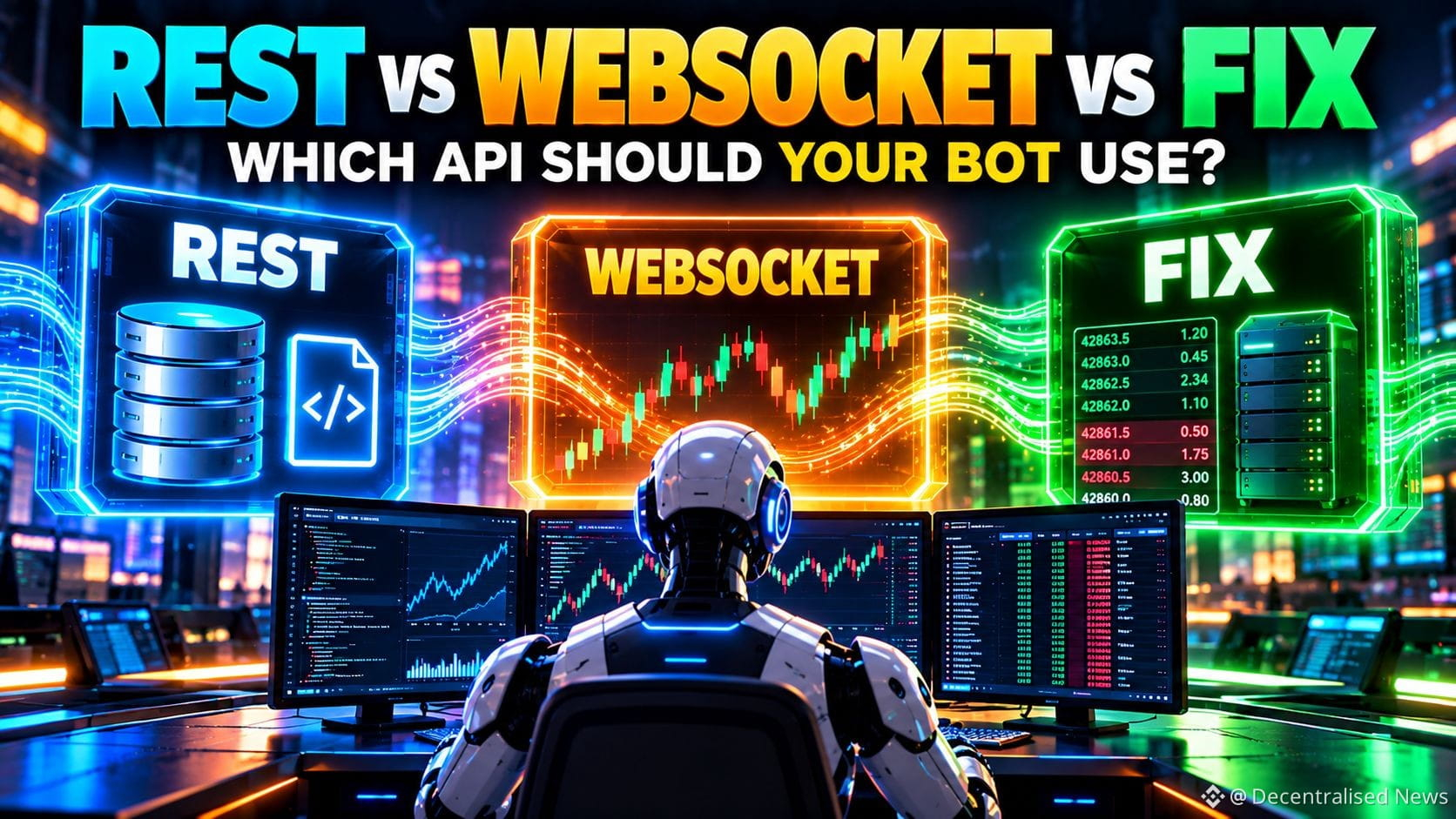
REST vs. WebSocket vs. FIX para el trading de criptomonedas en 2027: ¿qué API debería usar realmente tu bot?
La mayoría de los bots de trading de criptomonedas no deberían elegir entre REST, WebSocket y FIX.
Deberían asignarle a cada protocolo la tarea para la que realmente es bueno.
REST es excelente para instantáneas, metadatos y para reparar estados inciertos.
Por lo general, WebSocket debería transportar datos de mercado en tiempo real, ejecuciones, saldos, posiciones y otra información que cambia continuamente.
FIX resulta valioso cuando la ejecución institucional, la secuenciación y la integración con OMS/EMS justifican la complejidad adicional.
Nuestra nueva investigación de DN también explica dónde encaja SBE y por qué es una capa de codificación, en lugar de ser simplemente una «cuarta API más rápida».
Presentamos la Matriz de Adecuación de Protocolos de DN, la Deuda de Frescura del Estado, la Escalera de Migración de Protocolos y un selector de pila de API para el diseño de sistemas de trading.
Lee la investigación completa en Decentralised.News
#TradingAlgorítmico #TradingDeCriptomonedas #InfraestructuraDeTrading
REST vs. WebSocket vs. FIX para el trading de criptomonedas en 2027: ¿qué API debería usar realmente tu bot?
La mayoría de los bots de trading de criptomonedas no deberían elegir entre REST, WebSocket y FIX.
Deberían asignarle a cada protocolo la tarea para la que realmente es bueno.
REST es excelente para instantáneas, metadatos y para reparar estados inciertos.
Por lo general, WebSocket debería transportar datos de mercado en tiempo real, ejecuciones, saldos, posiciones y otra información que cambia continuamente.
FIX resulta valioso cuando la ejecución institucional, la secuenciación y la integración con OMS/EMS justifican la complejidad adicional.
Nuestra nueva investigación de DN también explica dónde encaja SBE y por qué es una capa de codificación, en lugar de ser simplemente una «cuarta API más rápida».
Presentamos la Matriz de Adecuación de Protocolos de DN, la Deuda de Frescura del Estado, la Escalera de Migración de Protocolos y un selector de pila de API para el diseño de sistemas de trading.
Lee la investigación completa en Decentralised.News
#TradingAlgorítmico #TradingDeCriptomonedas #InfraestructuraDeTrading
La mayoría de los bots de trading de criptomonedas no deberían elegir entre REST, WebSocket y FIX.
Deberían asignarle a cada protocolo la tarea para la que realmente es bueno.
REST es excelente para instantáneas, metadatos y para reparar estados inciertos.
Por lo general, WebSocket debería transportar datos de mercado en tiempo real, ejecuciones, saldos, posiciones y otra información que cambia continuamente.
FIX resulta valioso cuando la ejecución institucional, la secuenciación y la integración con OMS/EMS justifican la complejidad adicional.
Nuestra nueva investigación de DN también explica dónde encaja SBE y por qué es una capa de codificación, en lugar de ser simplemente una «cuarta API más rápida».
Presentamos la Matriz de Adecuación de Protocolos de DN, la Deuda de Frescura del Estado, la Escalera de Migración de Protocolos y un selector de pila de API para el diseño de sistemas de trading.
Lee la investigación completa en Decentralised.News
#TradingAlgorítmico #TradingDeCriptomonedas #InfraestructuraDeTrading
73
Creación de mercado con IA para pequeñas tesorerías: ¿puedes recuperar el efectivo?
Un bot de trading puede declarar ganancias positivas por diferencial mientras la tesorería pierde dinero.
Nuestra última guía de Decentralised News examina la cuestión del efectivo que plantea la creación de mercado con IA: ¿qué fondos siguen estando disponibles cuando se dejan de emitir cotizaciones?
Un ejemplo sintético claramente identificado obtiene 60 $ después de las comisiones de trading, pero termina con una pérdida de 180 $ tras contabilizar las pérdidas de inventario y los costes operativos. Otro sigue una orden de compra ejecutada parcialmente hasta su cancelación y muestra por qué solo el importe restante sin ejecutar libera efectivo.
La guía distingue entre reservas operativas, fondos retenidos en el exchange, inventario de tokens e ingresos condicionales por salida. También explica qué controles deben quedar fuera del supervisor de IA.
Incluye un planificador editable de efectivo e inventario de tesorería de DN, además de una lista práctica de comprobación de evidencias para revisar los supuestos. Las cifras ilustran la contabilidad; no son resultados de trading en tiempo real ni previsiones de rentabilidad.
Lee la guía y descarga el planificador en Decentralised News
#FinanzasAgénticas #GestiónDeTesorería #CreaciónDeMercado
Creación de mercado con IA para pequeñas tesorerías: ¿puedes recuperar el efectivo?
Un bot de trading puede declarar ganancias positivas por diferencial mientras la tesorería pierde dinero.
Nuestra última guía de Decentralised News examina la cuestión del efectivo que plantea la creación de mercado con IA: ¿qué fondos siguen estando disponibles cuando se dejan de emitir cotizaciones?
Un ejemplo sintético claramente identificado obtiene 60 $ después de las comisiones de trading, pero termina con una pérdida de 180 $ tras contabilizar las pérdidas de inventario y los costes operativos. Otro sigue una orden de compra ejecutada parcialmente hasta su cancelación y muestra por qué solo el importe restante sin ejecutar libera efectivo.
La guía distingue entre reservas operativas, fondos retenidos en el exchange, inventario de tokens e ingresos condicionales por salida. También explica qué controles deben quedar fuera del supervisor de IA.
Incluye un planificador editable de efectivo e inventario de tesorería de DN, además de una lista práctica de comprobación de evidencias para revisar los supuestos. Las cifras ilustran la contabilidad; no son resultados de trading en tiempo real ni previsiones de rentabilidad.
Lee la guía y descarga el planificador en Decentralised News
#FinanzasAgénticas #GestiónDeTesorería #CreaciónDeMercado
Un bot de trading puede declarar ganancias positivas por diferencial mientras la tesorería pierde dinero.
Nuestra última guía de Decentralised News examina la cuestión del efectivo que plantea la creación de mercado con IA: ¿qué fondos siguen estando disponibles cuando se dejan de emitir cotizaciones?
Un ejemplo sintético claramente identificado obtiene 60 $ después de las comisiones de trading, pero termina con una pérdida de 180 $ tras contabilizar las pérdidas de inventario y los costes operativos. Otro sigue una orden de compra ejecutada parcialmente hasta su cancelación y muestra por qué solo el importe restante sin ejecutar libera efectivo.
La guía distingue entre reservas operativas, fondos retenidos en el exchange, inventario de tokens e ingresos condicionales por salida. También explica qué controles deben quedar fuera del supervisor de IA.
Incluye un planificador editable de efectivo e inventario de tesorería de DN, además de una lista práctica de comprobación de evidencias para revisar los supuestos. Las cifras ilustran la contabilidad; no son resultados de trading en tiempo real ni previsiones de rentabilidad.
Lee la guía y descarga el planificador en Decentralised News
#FinanzasAgénticas #GestiónDeTesorería #CreaciónDeMercado
1
64
Cómo auditar los resultados en tiempo real de un bot de trading con IA: reconstruye las pérdidas y ganancias netas a partir del registro de operaciones
Un bot de trading con IA puede informar de $600 en ganancias realizadas mientras su cuenta registra una pérdida de $520 durante el mismo periodo.
¿Qué falta? Las pérdidas de posiciones abiertas, las comisiones de trading y la financiación. Si se añade una suscripción pagada fuera de la cuenta, el resultado económico vuelve a cambiar.
Nuestra nueva guía de Decentralised News explica un ejemplo ficticio que concilia cada dólar y ofrece a los lectores una hoja de cálculo práctica de pérdidas y ganancias para usar con sus propios registros.
Aborda los depósitos que inflan el rendimiento aparente, las posiciones abiertas, las exportaciones incompletas, el doble recuento de comisiones y la diferencia entre una contabilidad precisa y demostrar que la IA generó las operaciones.
La pregunta que conviene hacerse después de ver un panel impresionante: ¿pueden la cuenta y el registro de operaciones explicar el mismo resultado neto?
Lee la guía y usa la hoja de cálculo en Decentralised News
#AITrading #AgenticFinance #RiskManagement
Cómo auditar los resultados en tiempo real de un bot de trading con IA: reconstruye las pérdidas y ganancias netas a partir del registro de operaciones
Un bot de trading con IA puede informar de $600 en ganancias realizadas mientras su cuenta registra una pérdida de $520 durante el mismo periodo.
¿Qué falta? Las pérdidas de posiciones abiertas, las comisiones de trading y la financiación. Si se añade una suscripción pagada fuera de la cuenta, el resultado económico vuelve a cambiar.
Nuestra nueva guía de Decentralised News explica un ejemplo ficticio que concilia cada dólar y ofrece a los lectores una hoja de cálculo práctica de pérdidas y ganancias para usar con sus propios registros.
Aborda los depósitos que inflan el rendimiento aparente, las posiciones abiertas, las exportaciones incompletas, el doble recuento de comisiones y la diferencia entre una contabilidad precisa y demostrar que la IA generó las operaciones.
La pregunta que conviene hacerse después de ver un panel impresionante: ¿pueden la cuenta y el registro de operaciones explicar el mismo resultado neto?
Lee la guía y usa la hoja de cálculo en Decentralised News
#AITrading #AgenticFinance #RiskManagement
Un bot de trading con IA puede informar de $600 en ganancias realizadas mientras su cuenta registra una pérdida de $520 durante el mismo periodo.
¿Qué falta? Las pérdidas de posiciones abiertas, las comisiones de trading y la financiación. Si se añade una suscripción pagada fuera de la cuenta, el resultado económico vuelve a cambiar.
Nuestra nueva guía de Decentralised News explica un ejemplo ficticio que concilia cada dólar y ofrece a los lectores una hoja de cálculo práctica de pérdidas y ganancias para usar con sus propios registros.
Aborda los depósitos que inflan el rendimiento aparente, las posiciones abiertas, las exportaciones incompletas, el doble recuento de comisiones y la diferencia entre una contabilidad precisa y demostrar que la IA generó las operaciones.
La pregunta que conviene hacerse después de ver un panel impresionante: ¿pueden la cuenta y el registro de operaciones explicar el mismo resultado neto?
Lee la guía y usa la hoja de cálculo en Decentralised News
#AITrading #AgenticFinance #RiskManagement
84
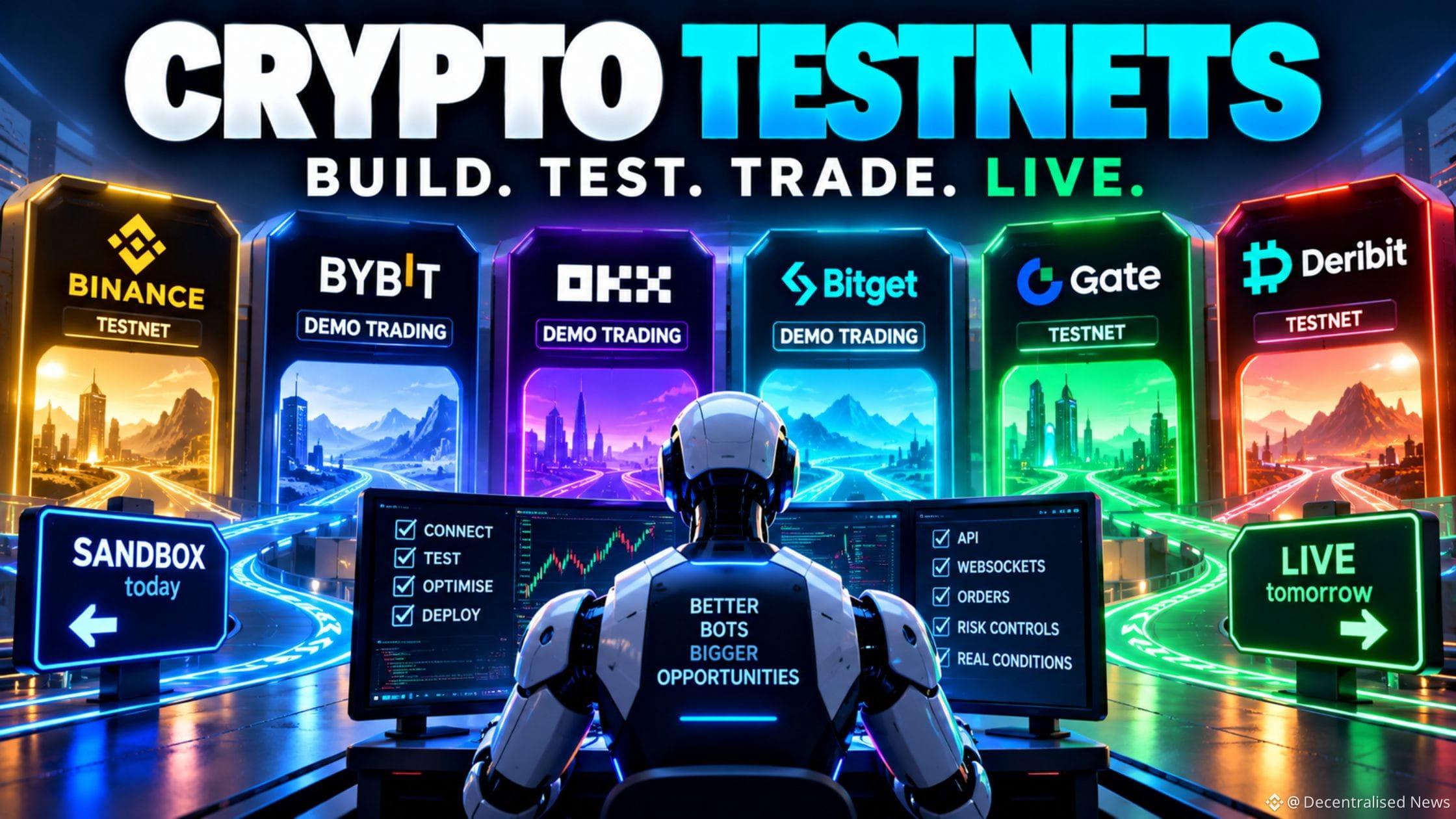
Sandbox de criptomonedas y benchmark de testnet 2027: Binance vs Bybit vs OKX vs Bitget vs Gate vs Deribit
Tu bot de trading funciona perfectamente en testnet.
Eso no significa que esté listo para operar con capital real.
Un sandbox puede validar:
• autenticación de API
• cargas útiles de órdenes
• estado de WebSocket
• lógica de reconexión
• cancelaciones
• gestión de errores
• filtros del exchange
Pero puede no decirte prácticamente nada sobre:
• deslizamiento real
• posición en la cola
• probabilidad de ejecución
• impacto en el mercado
• latencia bajo estrés
• cascadas de liquidaciones
Por eso creamos el Benchmark de Sandbox y Testnet de Criptomonedas DN 2027.
Comparamos:
[Binance](https://www.binance.com/en/activity/referral-entry/CPA?fromActivityPage=true&ref=CPA_00SXKU7IO9)
Gate
Bybit
Bitget
OKX
Deribit
en cuanto a:
Paridad con la API de producción
Amplitud de productos
Realismo de los datos de mercado
Controles de estado y pruebas
Paridad con protocolos profesionales
Documentación y limitaciones
El artículo también presenta:
Puntuación de preparación para sandbox DN
Brecha de paper trading a trading real DN
Diagnóstico de implementación de sandbox DN
Escalera de implementación de bots DN de 7 etapas
El principio más importante:
Un sandbox puede demostrar que tu bot se comunica correctamente con el exchange. No puede demostrar que tu estrategia sobreviva al mercado.
La progresión adecuada es:
reproducción histórica → sandbox del exchange → pruebas de caos → modo sombra en mainnet → operaciones reales con cantidades mínimas → producción controlada
Lee la investigación en Decentralised.News
#Criptomonedas #TradingAlgorítmico #BotsDeTrading #TradingCuantitativo #API #Python #FinTech #HFT #EstructuraDelMercado #TradingDeCriptomonedas
Sandbox de criptomonedas y benchmark de testnet 2027: Binance vs Bybit vs OKX vs Bitget vs Gate vs Deribit
Tu bot de trading funciona perfectamente en testnet.
Eso no significa que esté listo para operar con capital real.
Un sandbox puede validar:
• autenticación de API
• cargas útiles de órdenes
• estado de WebSocket
• lógica de reconexión
• cancelaciones
• gestión de errores
• filtros del exchange
Pero puede no decirte prácticamente nada sobre:
• deslizamiento real
• posición en la cola
• probabilidad de ejecución
• impacto en el mercado
• latencia bajo estrés
• cascadas de liquidaciones
Por eso creamos el Benchmark de Sandbox y Testnet de Criptomonedas DN 2027.
Comparamos:
Binance
Gate
Bybit
Bitget
OKX
Deribit
en cuanto a:
Paridad con la API de producción
Amplitud de productos
Realismo de los datos de mercado
Controles de estado y pruebas
Paridad con protocolos profesionales
Documentación y limitaciones
El artículo también presenta:
Puntuación de preparación para sandbox DN
Brecha de paper trading a trading real DN
Diagnóstico de implementación de sandbox DN
Escalera de implementación de bots DN de 7 etapas
El principio más importante:
Un sandbox puede demostrar que tu bot se comunica correctamente con el exchange. No puede demostrar que tu estrategia sobreviva al mercado.
La progresión adecuada es:
reproducción histórica → sandbox del exchange → pruebas de caos → modo sombra en mainnet → operaciones reales con cantidades mínimas → producción controlada
Lee la investigación en Decentralised.News
#Criptomonedas #TradingAlgorítmico #BotsDeTrading #TradingCuantitativo #API #Python #FinTech #HFT #EstructuraDelMercado #TradingDeCriptomonedas
Tu bot de trading funciona perfectamente en testnet.
Eso no significa que esté listo para operar con capital real.
Un sandbox puede validar:
• autenticación de API
• cargas útiles de órdenes
• estado de WebSocket
• lógica de reconexión
• cancelaciones
• gestión de errores
• filtros del exchange
Pero puede no decirte prácticamente nada sobre:
• deslizamiento real
• posición en la cola
• probabilidad de ejecución
• impacto en el mercado
• latencia bajo estrés
• cascadas de liquidaciones
Por eso creamos el Benchmark de Sandbox y Testnet de Criptomonedas DN 2027.
Comparamos:
Binance
Gate
Bybit
Bitget
OKX
Deribit
en cuanto a:
Paridad con la API de producción
Amplitud de productos
Realismo de los datos de mercado
Controles de estado y pruebas
Paridad con protocolos profesionales
Documentación y limitaciones
El artículo también presenta:
Puntuación de preparación para sandbox DN
Brecha de paper trading a trading real DN
Diagnóstico de implementación de sandbox DN
Escalera de implementación de bots DN de 7 etapas
El principio más importante:
Un sandbox puede demostrar que tu bot se comunica correctamente con el exchange. No puede demostrar que tu estrategia sobreviva al mercado.
La progresión adecuada es:
reproducción histórica → sandbox del exchange → pruebas de caos → modo sombra en mainnet → operaciones reales con cantidades mínimas → producción controlada
Lee la investigación en Decentralised.News
#Criptomonedas #TradingAlgorítmico #BotsDeTrading #TradingCuantitativo #API #Python #FinTech #HFT #EstructuraDelMercado #TradingDeCriptomonedas
6
Índice de concentración de plataformas de criptoactivos 2027: ¿Cinco cuentas de trading son realmente cinco riesgos independientes?
Tu capital en criptoactivos puede estar repartido entre cinco cuentas y, aun así, depender en gran medida de un único emisor, custodio o red de liquidación.
La diversificación entre cuentas y la diversificación de dependencias son medidas distintas.
El Índice de concentración de plataformas de criptoactivos 2027 de DN presenta una calculadora para explorar:
• La concentración de capital entre grupos de dependencias definidos por el usuario
• El número efectivo de grupos de asignación
• La exposición a una interrupción de un grupo seleccionado
• Las pérdidas permanentes y la indisponibilidad temporal a modo ilustrativo
En el ejemplo sintético, cinco cuentas con el mismo saldo corresponden a grupos de dependencias que concentran el 40 %, el 40 % y el 20 % del capital. Esto da como resultado un número efectivo de grupos de asignación de 2,78.
Esto mide la concentración. No demuestra que exista independencia, no evalúa la seguridad de las plataformas ni predice fallos.
Explora el marco en Decentralised News
#TradingDeCripto #RiesgoDeContraparte #GestiónDeCarteras #Custodia #DecentralisedNews
Índice de concentración de plataformas de criptoactivos 2027: ¿Cinco cuentas de trading son realmente cinco riesgos independientes?
Tu capital en criptoactivos puede estar repartido entre cinco cuentas y, aun así, depender en gran medida de un único emisor, custodio o red de liquidación.
La diversificación entre cuentas y la diversificación de dependencias son medidas distintas.
El Índice de concentración de plataformas de criptoactivos 2027 de DN presenta una calculadora para explorar:
• La concentración de capital entre grupos de dependencias definidos por el usuario
• El número efectivo de grupos de asignación
• La exposición a una interrupción de un grupo seleccionado
• Las pérdidas permanentes y la indisponibilidad temporal a modo ilustrativo
En el ejemplo sintético, cinco cuentas con el mismo saldo corresponden a grupos de dependencias que concentran el 40 %, el 40 % y el 20 % del capital. Esto da como resultado un número efectivo de grupos de asignación de 2,78.
Esto mide la concentración. No demuestra que exista independencia, no evalúa la seguridad de las plataformas ni predice fallos.
Explora el marco en Decentralised News
#TradingDeCripto #RiesgoDeContraparte #GestiónDeCarteras #Custodia #DecentralisedNews
Tu capital en criptoactivos puede estar repartido entre cinco cuentas y, aun así, depender en gran medida de un único emisor, custodio o red de liquidación.
La diversificación entre cuentas y la diversificación de dependencias son medidas distintas.
El Índice de concentración de plataformas de criptoactivos 2027 de DN presenta una calculadora para explorar:
• La concentración de capital entre grupos de dependencias definidos por el usuario
• El número efectivo de grupos de asignación
• La exposición a una interrupción de un grupo seleccionado
• Las pérdidas permanentes y la indisponibilidad temporal a modo ilustrativo
En el ejemplo sintético, cinco cuentas con el mismo saldo corresponden a grupos de dependencias que concentran el 40 %, el 40 % y el 20 % del capital. Esto da como resultado un número efectivo de grupos de asignación de 2,78.
Esto mide la concentración. No demuestra que exista independencia, no evalúa la seguridad de las plataformas ni predice fallos.
Explora el marco en Decentralised News
#TradingDeCripto #RiesgoDeContraparte #GestiónDeCarteras #Custodia #DecentralisedNews

77
Índice de eficiencia del colateral cripto 2027: ¿Dónde rinden más 100.000 $ de capital de trading?
¿Dónde rinden más 100.000 $ de capital para operar con criptomonedas?
El apalancamiento anunciado no responde a esa pregunta.
Una comparación más útil es cuánto capital queda después de aplicar los recortes de valoración del colateral, el margen inicial, los costes y una reserva de estrés realista.
El Índice de eficiencia del colateral cripto 2027 de DN presenta una calculadora interactiva y tres escenarios ilustrativos transparentes, junto con comparaciones de la documentación de [Binance](https://www.binance.com/en/activity/referral-entry/CPA?fromActivityPage=true&ref=CPA_00SXKU7IO9), Bybit, Deribit y Hyperliquid.
La conclusión principal: la mayor eficiencia de capital inicial no necesariamente se traduce en el saldo de capital más sólido bajo estrés.
Usa la calculadora para explorar los supuestos que sustentan tu presupuesto de trading en Decentralised.News
#TradingCripto #EficienciaDeCapital #MargenDeCartera #GestiónDelRiesgo #DecentralisedNews
Índice de eficiencia del colateral cripto 2027: ¿Dónde rinden más 100.000 $ de capital de trading?
¿Dónde rinden más 100.000 $ de capital para operar con criptomonedas?
El apalancamiento anunciado no responde a esa pregunta.
Una comparación más útil es cuánto capital queda después de aplicar los recortes de valoración del colateral, el margen inicial, los costes y una reserva de estrés realista.
El Índice de eficiencia del colateral cripto 2027 de DN presenta una calculadora interactiva y tres escenarios ilustrativos transparentes, junto con comparaciones de la documentación de Binance, Bybit, Deribit y Hyperliquid.
La conclusión principal: la mayor eficiencia de capital inicial no necesariamente se traduce en el saldo de capital más sólido bajo estrés.
Usa la calculadora para explorar los supuestos que sustentan tu presupuesto de trading en Decentralised.News
#TradingCripto #EficienciaDeCapital #MargenDeCartera #GestiónDelRiesgo #DecentralisedNews
¿Dónde rinden más 100.000 $ de capital para operar con criptomonedas?
El apalancamiento anunciado no responde a esa pregunta.
Una comparación más útil es cuánto capital queda después de aplicar los recortes de valoración del colateral, el margen inicial, los costes y una reserva de estrés realista.
El Índice de eficiencia del colateral cripto 2027 de DN presenta una calculadora interactiva y tres escenarios ilustrativos transparentes, junto con comparaciones de la documentación de Binance, Bybit, Deribit y Hyperliquid.
La conclusión principal: la mayor eficiencia de capital inicial no necesariamente se traduce en el saldo de capital más sólido bajo estrés.
Usa la calculadora para explorar los supuestos que sustentan tu presupuesto de trading en Decentralised.News
#TradingCripto #EficienciaDeCapital #MargenDeCartera #GestiónDelRiesgo #DecentralisedNews

78
El índice centralizado de futuros 2027: 25 exchanges clasificados
La mayor diferencia entre un exchange centralizado de futuros y un DEX de perpetuos no está en el gráfico.
Está en dónde se encuentra tu colateral.
En un exchange centralizado, tu margen es, en última instancia, un derecho de crédito frente al exchange.
Eso ofrece enormes ventajas a los traders:
libros de órdenes profundos
margen de cartera
colateral cruzado
API maduras
operaciones en bloque
acceso a moneda fiat
atención al cliente
Pero también genera algo que los traders de DEX de perpetuos no enfrentan de la misma manera:
riesgo de contraparte centralizada.
Por eso creamos el nuevo Índice de Futuros Centralizados de DN 2027.
Clasificamos 25 exchanges centralizados de futuros de criptomonedas según:
• liquidez y profundidad
• interés abierto
• comisiones de trading
• condiciones de financiación
• transparencia de contraparte
• prueba de reservas
• perfil regulatorio
• herramientas para derivados
• amplitud de mercado
• fiabilidad de la API
• experiencia de usuario para traders
Los 10 primeros actualmente:
1. [Binance](https://www.binance.com/en/activity/referral-entry/CPA?fromActivityPage=true&ref=CPA_00SXKU7IO9) — 9.8/10
2. OKX — 9.6/10
3. Bybit — 9.4/10
4. Gate — 9.3/10
5. Bitget — 9.2/10
6. MEXC — 9.1/10
7. Deribit by Coinbase — 9.1/10
8. Kraken — 9.0/10
9. BingX — 8.8/10
10. KuCoin — 8.6/10
Pero las clasificaciones no son el hallazgo más interesante. Por eso también creamos el: DN CEX Futures Pathfinder + Motor de Exposición a Contraparte
Introduce:
tamaño de la posición
apalancamiento
maker/taker
periodo de tenencia
supuesto de financiación
deslizamiento
saldo en el exchange
y tu prioridad
La herramienta calcula:
✓ margen estimado
✓ comisión de ida y vuelta
✓ financiación
✓ deslizamiento
✓ coste total
✓ coste como % del margen
✓ capital expuesto al riesgo de contraparte del exchange
✓ plataformas recomendadas
Surgió otra tendencia importante. Los exchanges centralizados de criptomonedas se están convirtiendo en plataformas globales de mercados apalancados.
Acciones.
Índices.
Divisas.
Materias primas.
Metales.
Exposición a empresas antes de su salida a bolsa.
Es una batalla mucho más grande.
Lee el análisis técnico completo en Decentralised.News
#Crypto #Futures #Binance #Derivatives #Trading #Bitcoin #CryptoTrading #DecentralisedNews
El índice centralizado de futuros 2027: 25 exchanges clasificados
La mayor diferencia entre un exchange centralizado de futuros y un DEX de perpetuos no está en el gráfico.
Está en dónde se encuentra tu colateral.
En un exchange centralizado, tu margen es, en última instancia, un derecho de crédito frente al exchange.
Eso ofrece enormes ventajas a los traders:
libros de órdenes profundos
margen de cartera
colateral cruzado
API maduras
operaciones en bloque
acceso a moneda fiat
atención al cliente
Pero también genera algo que los traders de DEX de perpetuos no enfrentan de la misma manera:
riesgo de contraparte centralizada.
Por eso creamos el nuevo Índice de Futuros Centralizados de DN 2027.
Clasificamos 25 exchanges centralizados de futuros de criptomonedas según:
• liquidez y profundidad
• interés abierto
• comisiones de trading
• condiciones de financiación
• transparencia de contraparte
• prueba de reservas
• perfil regulatorio
• herramientas para derivados
• amplitud de mercado
• fiabilidad de la API
• experiencia de usuario para traders
Los 10 primeros actualmente:
1. Binance — 9.8/10
2. OKX — 9.6/10
3. Bybit — 9.4/10
4. Gate — 9.3/10
5. Bitget — 9.2/10
6. MEXC — 9.1/10
7. Deribit by Coinbase — 9.1/10
8. Kraken — 9.0/10
9. BingX — 8.8/10
10. KuCoin — 8.6/10
Pero las clasificaciones no son el hallazgo más interesante. Por eso también creamos el: DN CEX Futures Pathfinder + Motor de Exposición a Contraparte
Introduce:
tamaño de la posición
apalancamiento
maker/taker
periodo de tenencia
supuesto de financiación
deslizamiento
saldo en el exchange
y tu prioridad
La herramienta calcula:
✓ margen estimado
✓ comisión de ida y vuelta
✓ financiación
✓ deslizamiento
✓ coste total
✓ coste como % del margen
✓ capital expuesto al riesgo de contraparte del exchange
✓ plataformas recomendadas
Surgió otra tendencia importante. Los exchanges centralizados de criptomonedas se están convirtiendo en plataformas globales de mercados apalancados.
Acciones.
Índices.
Divisas.
Materias primas.
Metales.
Exposición a empresas antes de su salida a bolsa.
Es una batalla mucho más grande.
Lee el análisis técnico completo en Decentralised.News
#Crypto #Futures #Binance #Derivatives #Trading #Bitcoin #CryptoTrading #DecentralisedNews
La mayor diferencia entre un exchange centralizado de futuros y un DEX de perpetuos no está en el gráfico.
Está en dónde se encuentra tu colateral.
En un exchange centralizado, tu margen es, en última instancia, un derecho de crédito frente al exchange.
Eso ofrece enormes ventajas a los traders:
libros de órdenes profundos
margen de cartera
colateral cruzado
API maduras
operaciones en bloque
acceso a moneda fiat
atención al cliente
Pero también genera algo que los traders de DEX de perpetuos no enfrentan de la misma manera:
riesgo de contraparte centralizada.
Por eso creamos el nuevo Índice de Futuros Centralizados de DN 2027.
Clasificamos 25 exchanges centralizados de futuros de criptomonedas según:
• liquidez y profundidad
• interés abierto
• comisiones de trading
• condiciones de financiación
• transparencia de contraparte
• prueba de reservas
• perfil regulatorio
• herramientas para derivados
• amplitud de mercado
• fiabilidad de la API
• experiencia de usuario para traders
Los 10 primeros actualmente:
1. Binance — 9.8/10
2. OKX — 9.6/10
3. Bybit — 9.4/10
4. Gate — 9.3/10
5. Bitget — 9.2/10
6. MEXC — 9.1/10
7. Deribit by Coinbase — 9.1/10
8. Kraken — 9.0/10
9. BingX — 8.8/10
10. KuCoin — 8.6/10
Pero las clasificaciones no son el hallazgo más interesante. Por eso también creamos el: DN CEX Futures Pathfinder + Motor de Exposición a Contraparte
Introduce:
tamaño de la posición
apalancamiento
maker/taker
periodo de tenencia
supuesto de financiación
deslizamiento
saldo en el exchange
y tu prioridad
La herramienta calcula:
✓ margen estimado
✓ comisión de ida y vuelta
✓ financiación
✓ deslizamiento
✓ coste total
✓ coste como % del margen
✓ capital expuesto al riesgo de contraparte del exchange
✓ plataformas recomendadas
Surgió otra tendencia importante. Los exchanges centralizados de criptomonedas se están convirtiendo en plataformas globales de mercados apalancados.
Acciones.
Índices.
Divisas.
Materias primas.
Metales.
Exposición a empresas antes de su salida a bolsa.
Es una batalla mucho más grande.
Lee el análisis técnico completo en Decentralised.News
#Crypto #Futures #Binance #Derivatives #Trading #Bitcoin #CryptoTrading #DecentralisedNews
1
87
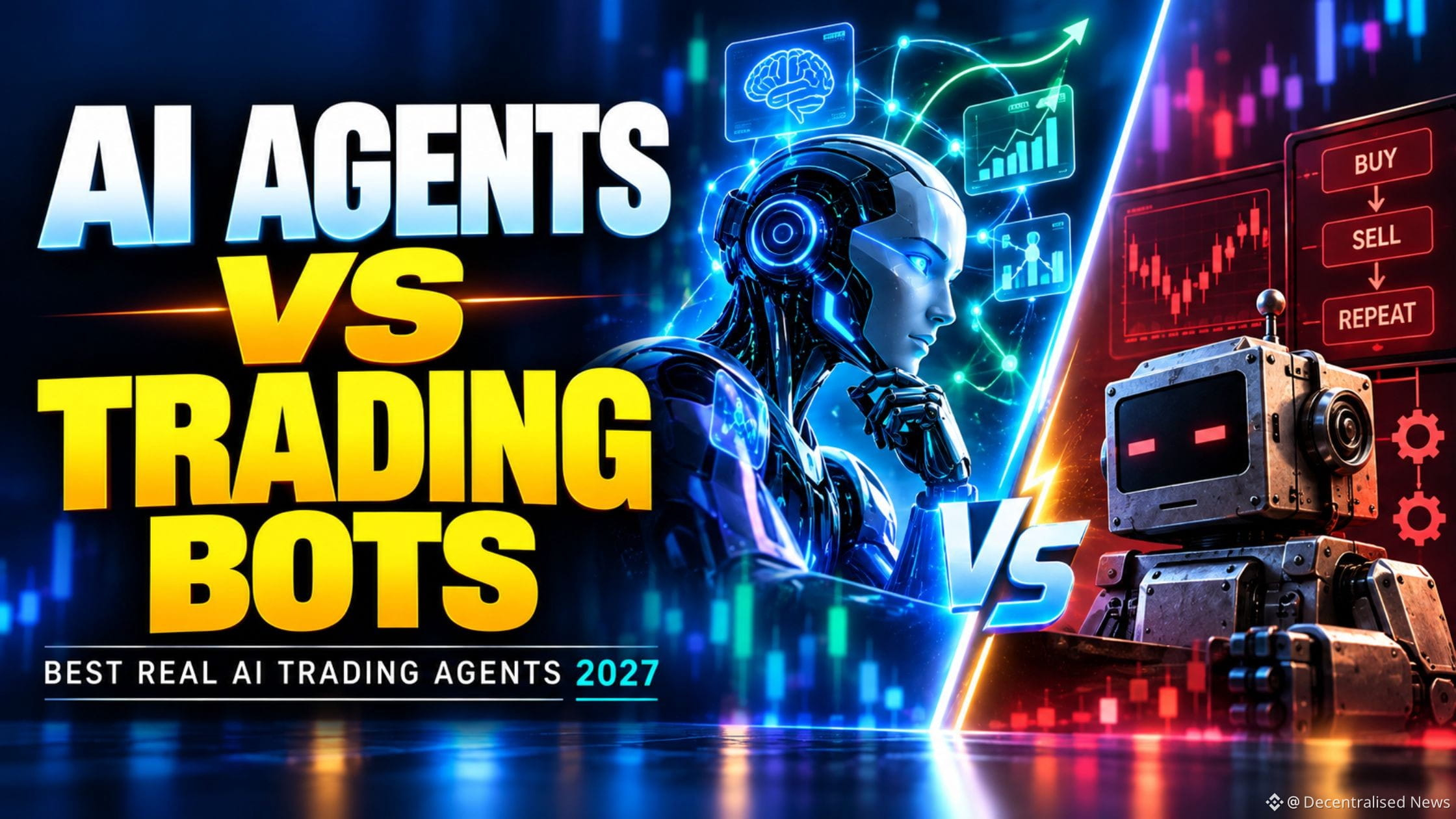
Agente de trading con IA vs. bot de trading: comparación de 7 plataformas
Un bot de trading tradicional sigue reglas.
Un agente de trading con IA puede decidir **qué pasos son necesarios para lograr un objetivo.**
Esa diferencia está volviéndose mucho más importante.
Comparamos **7 arquitecturas reales de agentes de trading con IA**:
Wayfinder
QuantPilot
Coinrule MCP
3Commas MCP
HaasOnline MCP
Tickeron AI Agents
ASCN AI
frente a bots de trading tradicionales como:
Gunbot
Bitsgap
Pionex
Cryptohopper
La diferencia no es simplemente si el software usa IA.
Es:
**¿Cuánta discreción existe entre tu objetivo y la acción financiera?**
Dile a un bot de Grid:
“Opera BTC entre estos dos precios usando 50 grids.”
Ejecuta la regla.
Dile a un agente de IA:
“Mi portafolio de BTC tiene demasiada exposición a caídas. Encuentra una cobertura razonable sin vender la posición spot.”
Ahora el sistema puede necesitar:
inspeccionar el portafolio,
investigar mercados,
comparar sedes,
verificar el funding,
evaluar estructuras de cobertura,
seleccionar herramientas,
calcular el tamaño,
y potencialmente ejecutar.
A ese rango de decisiones que la máquina puede tomar le llamamos:
**El Discretion Envelope (Rango de Discreción).**
Y la capacidad útil creada por esa discreción:
**The Agentic Delta (Delta Agéntico).**
Si la tarea es:
comprar todos los lunes,
mantener un Grid,
rebalancear mensualmente,
o ejecutar una regla fija basada en un indicador,
el Agentic Delta puede estar cerca de cero.
Un bot determinista podría ser realmente la mejor herramienta.
Pero si la tarea es:
investigar varias estructuras de cobertura,
averiguar por qué una estrategia dejó de funcionar,
construir y probar una lógica nueva,
comparar rutas de ejecución,
o coordinar varias herramientas,
la agencia empieza a importar.
Las arquitecturas más interesantes también mantienen separados la inteligencia y la autoridad financiera.
Lee la investigación completa y usa el clasificador gratuito Agente-o-Bot en Decentralised.News
#AITrading #AIAgents #TradingBots #AgenticFinance #CryptoTrading #ArtificialIntelligence #Automation #MCP #Crypto #Fintech #DecentralisedNews
Agente de trading con IA vs. bot de trading: comparación de 7 plataformas
Un bot de trading tradicional sigue reglas.
Un agente de trading con IA puede decidir **qué pasos son necesarios para lograr un objetivo.**
Esa diferencia está volviéndose mucho más importante.
Comparamos **7 arquitecturas reales de agentes de trading con IA**:
Wayfinder
QuantPilot
Coinrule MCP
3Commas MCP
HaasOnline MCP
Tickeron AI Agents
ASCN AI
frente a bots de trading tradicionales como:
Gunbot
Bitsgap
Pionex
Cryptohopper
La diferencia no es simplemente si el software usa IA.
Es:
**¿Cuánta discreción existe entre tu objetivo y la acción financiera?**
Dile a un bot de Grid:
“Opera BTC entre estos dos precios usando 50 grids.”
Ejecuta la regla.
Dile a un agente de IA:
“Mi portafolio de BTC tiene demasiada exposición a caídas. Encuentra una cobertura razonable sin vender la posición spot.”
Ahora el sistema puede necesitar:
inspeccionar el portafolio,
investigar mercados,
comparar sedes,
verificar el funding,
evaluar estructuras de cobertura,
seleccionar herramientas,
calcular el tamaño,
y potencialmente ejecutar.
A ese rango de decisiones que la máquina puede tomar le llamamos:
**El Discretion Envelope (Rango de Discreción).**
Y la capacidad útil creada por esa discreción:
**The Agentic Delta (Delta Agéntico).**
Si la tarea es:
comprar todos los lunes,
mantener un Grid,
rebalancear mensualmente,
o ejecutar una regla fija basada en un indicador,
el Agentic Delta puede estar cerca de cero.
Un bot determinista podría ser realmente la mejor herramienta.
Pero si la tarea es:
investigar varias estructuras de cobertura,
averiguar por qué una estrategia dejó de funcionar,
construir y probar una lógica nueva,
comparar rutas de ejecución,
o coordinar varias herramientas,
la agencia empieza a importar.
Las arquitecturas más interesantes también mantienen separados la inteligencia y la autoridad financiera.
Lee la investigación completa y usa el clasificador gratuito Agente-o-Bot en Decentralised.News
#AITrading #AIAgents #TradingBots #AgenticFinance #CryptoTrading #ArtificialIntelligence #Automation #MCP #Crypto #Fintech #DecentralisedNews
Un bot de trading tradicional sigue reglas.
Un agente de trading con IA puede decidir **qué pasos son necesarios para lograr un objetivo.**
Esa diferencia está volviéndose mucho más importante.
Comparamos **7 arquitecturas reales de agentes de trading con IA**:
Wayfinder
QuantPilot
Coinrule MCP
3Commas MCP
HaasOnline MCP
Tickeron AI Agents
ASCN AI
frente a bots de trading tradicionales como:
Gunbot
Bitsgap
Pionex
Cryptohopper
La diferencia no es simplemente si el software usa IA.
Es:
**¿Cuánta discreción existe entre tu objetivo y la acción financiera?**
Dile a un bot de Grid:
“Opera BTC entre estos dos precios usando 50 grids.”
Ejecuta la regla.
Dile a un agente de IA:
“Mi portafolio de BTC tiene demasiada exposición a caídas. Encuentra una cobertura razonable sin vender la posición spot.”
Ahora el sistema puede necesitar:
inspeccionar el portafolio,
investigar mercados,
comparar sedes,
verificar el funding,
evaluar estructuras de cobertura,
seleccionar herramientas,
calcular el tamaño,
y potencialmente ejecutar.
A ese rango de decisiones que la máquina puede tomar le llamamos:
**El Discretion Envelope (Rango de Discreción).**
Y la capacidad útil creada por esa discreción:
**The Agentic Delta (Delta Agéntico).**
Si la tarea es:
comprar todos los lunes,
mantener un Grid,
rebalancear mensualmente,
o ejecutar una regla fija basada en un indicador,
el Agentic Delta puede estar cerca de cero.
Un bot determinista podría ser realmente la mejor herramienta.
Pero si la tarea es:
investigar varias estructuras de cobertura,
averiguar por qué una estrategia dejó de funcionar,
construir y probar una lógica nueva,
comparar rutas de ejecución,
o coordinar varias herramientas,
la agencia empieza a importar.
Las arquitecturas más interesantes también mantienen separados la inteligencia y la autoridad financiera.
Lee la investigación completa y usa el clasificador gratuito Agente-o-Bot en Decentralised.News
#AITrading #AIAgents #TradingBots #AgenticFinance #CryptoTrading #ArtificialIntelligence #Automation #MCP #Crypto #Fintech #DecentralisedNews
79
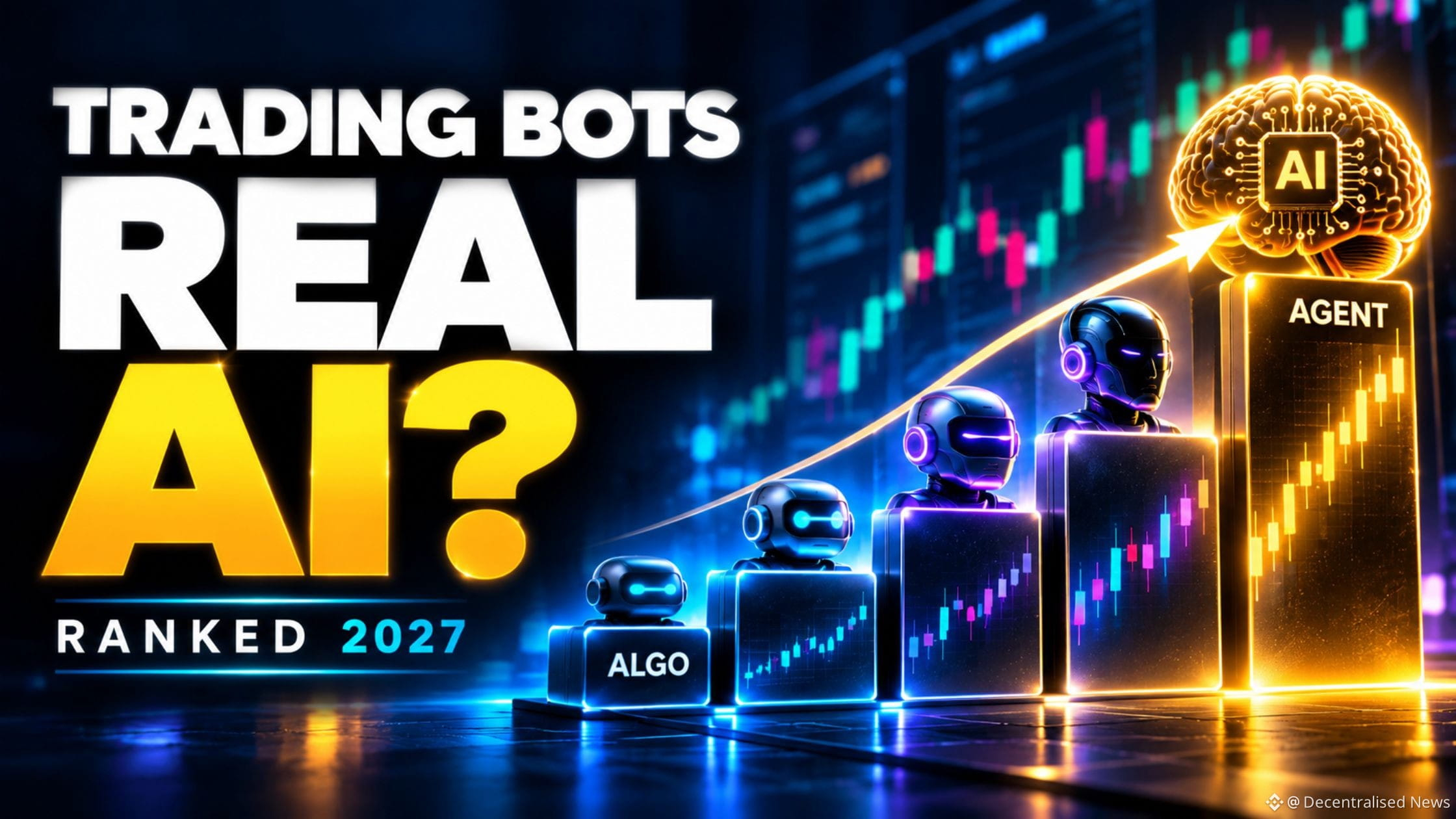
¿Qué bots de trading con IA realmente usan IA? 10 plataformas comparadas
Casi todos los bots de trading de repente se vuelven **“impulsados por IA”.**
Pero, ¿qué hace realmente la IA?
Investigamos **10 plataformas de trading etiquetadas como IA o cercanas a la IA**:
QuantPilot
Tickeron
Coinrule
3Commas v2
HaasOnline
Capitalise(dot)ai
Gunbot
Bitsgap
Pionex
Cryptohopper
Y encontramos tecnologías completamente distintas escondidas detrás de la misma frase:
**bot de trading con IA.**
Algunos usan aprendizaje automático para generar señales.
Otros permiten que LLMs llamen herramientas de trading.
Algunos usan IA para escribir código de estrategia.
Algunos usan IA solo para configurar un bot.
Algunos usan algoritmos históricos para recomendar parámetros.
Y algunos son principalmente automatización determinista.
¿El ejemplo más claro?
Cryptohopper afirma explícitamente que su establecida **“A.I.” significa Algorithmic Intelligence (Inteligencia Algorítmica), no Artificial Intelligence (Inteligencia Artificial).**
Pionex AI Grid usa backtests históricos y algoritmos cuantitativos para sugerir configuraciones de Grid.
El Asistente de IA de Bitsgap ayuda a configurar una cartera de bots, pero los bots subyacentes ejecutan estrategias basadas en reglas.
Coinrule permite que LLMs compatibles usen herramientas de trading autorizadas mediante MCP.
HaasOnline va incluso más arriba.
Su agente de IA puede:
inspeccionar bots,
analizar el contexto en vivo,
escribir código de estrategia,
compilarlo,
y ejecutar backtests.
Pero su Cloud MCP actual, a propósito, **no** expone herramientas de colocación de órdenes en tiempo real.
Luego está QuantPilot, donde agentes autónomos pueden investigar mercados, escribir código de estrategia, hacer backtests y optimizar iterativamente las estrategias.
No es la misma arquitectura.
Así que creamos la:
**DN AI Trading Reality Ladder**
0 → Bot Determinista
1 → Optimizador Algorítmico
2 → Constructor Asistido por IA
3 → Sistema de Decisión con ML
4 → Usuario de Herramientas con LLM
5 → Agente Acotado
Y presentamos otro concepto:
**Proximidad de la IA al Capital.**
La pregunta importante no es solo cuánto AI usa una plataforma.
Es:
**¿Qué tan cerca está la salida de una IA probabilística de una acción financiera irreversible?**
Lee la investigación completa y usa el verificador gratuito de IA para la Realidad del Trading en Decentralised.News
#AITrading #AIAgents #TradingBots
¿Qué bots de trading con IA realmente usan IA? 10 plataformas comparadas
Casi todos los bots de trading de repente se vuelven **“impulsados por IA”.**
Pero, ¿qué hace realmente la IA?
Investigamos **10 plataformas de trading etiquetadas como IA o cercanas a la IA**:
QuantPilot
Tickeron
Coinrule
3Commas v2
HaasOnline
Capitalise(dot)ai
Gunbot
Bitsgap
Pionex
Cryptohopper
Y encontramos tecnologías completamente distintas escondidas detrás de la misma frase:
**bot de trading con IA.**
Algunos usan aprendizaje automático para generar señales.
Otros permiten que LLMs llamen herramientas de trading.
Algunos usan IA para escribir código de estrategia.
Algunos usan IA solo para configurar un bot.
Algunos usan algoritmos históricos para recomendar parámetros.
Y algunos son principalmente automatización determinista.
¿El ejemplo más claro?
Cryptohopper afirma explícitamente que su establecida **“A.I.” significa Algorithmic Intelligence (Inteligencia Algorítmica), no Artificial Intelligence (Inteligencia Artificial).**
Pionex AI Grid usa backtests históricos y algoritmos cuantitativos para sugerir configuraciones de Grid.
El Asistente de IA de Bitsgap ayuda a configurar una cartera de bots, pero los bots subyacentes ejecutan estrategias basadas en reglas.
Coinrule permite que LLMs compatibles usen herramientas de trading autorizadas mediante MCP.
HaasOnline va incluso más arriba.
Su agente de IA puede:
inspeccionar bots,
analizar el contexto en vivo,
escribir código de estrategia,
compilarlo,
y ejecutar backtests.
Pero su Cloud MCP actual, a propósito, **no** expone herramientas de colocación de órdenes en tiempo real.
Luego está QuantPilot, donde agentes autónomos pueden investigar mercados, escribir código de estrategia, hacer backtests y optimizar iterativamente las estrategias.
No es la misma arquitectura.
Así que creamos la:
**DN AI Trading Reality Ladder**
0 → Bot Determinista
1 → Optimizador Algorítmico
2 → Constructor Asistido por IA
3 → Sistema de Decisión con ML
4 → Usuario de Herramientas con LLM
5 → Agente Acotado
Y presentamos otro concepto:
**Proximidad de la IA al Capital.**
La pregunta importante no es solo cuánto AI usa una plataforma.
Es:
**¿Qué tan cerca está la salida de una IA probabilística de una acción financiera irreversible?**
Lee la investigación completa y usa el verificador gratuito de IA para la Realidad del Trading en Decentralised.News
#AITrading #AIAgents #TradingBots
Casi todos los bots de trading de repente se vuelven **“impulsados por IA”.**
Pero, ¿qué hace realmente la IA?
Investigamos **10 plataformas de trading etiquetadas como IA o cercanas a la IA**:
QuantPilot
Tickeron
Coinrule
3Commas v2
HaasOnline
Capitalise(dot)ai
Gunbot
Bitsgap
Pionex
Cryptohopper
Y encontramos tecnologías completamente distintas escondidas detrás de la misma frase:
**bot de trading con IA.**
Algunos usan aprendizaje automático para generar señales.
Otros permiten que LLMs llamen herramientas de trading.
Algunos usan IA para escribir código de estrategia.
Algunos usan IA solo para configurar un bot.
Algunos usan algoritmos históricos para recomendar parámetros.
Y algunos son principalmente automatización determinista.
¿El ejemplo más claro?
Cryptohopper afirma explícitamente que su establecida **“A.I.” significa Algorithmic Intelligence (Inteligencia Algorítmica), no Artificial Intelligence (Inteligencia Artificial).**
Pionex AI Grid usa backtests históricos y algoritmos cuantitativos para sugerir configuraciones de Grid.
El Asistente de IA de Bitsgap ayuda a configurar una cartera de bots, pero los bots subyacentes ejecutan estrategias basadas en reglas.
Coinrule permite que LLMs compatibles usen herramientas de trading autorizadas mediante MCP.
HaasOnline va incluso más arriba.
Su agente de IA puede:
inspeccionar bots,
analizar el contexto en vivo,
escribir código de estrategia,
compilarlo,
y ejecutar backtests.
Pero su Cloud MCP actual, a propósito, **no** expone herramientas de colocación de órdenes en tiempo real.
Luego está QuantPilot, donde agentes autónomos pueden investigar mercados, escribir código de estrategia, hacer backtests y optimizar iterativamente las estrategias.
No es la misma arquitectura.
Así que creamos la:
**DN AI Trading Reality Ladder**
0 → Bot Determinista
1 → Optimizador Algorítmico
2 → Constructor Asistido por IA
3 → Sistema de Decisión con ML
4 → Usuario de Herramientas con LLM
5 → Agente Acotado
Y presentamos otro concepto:
**Proximidad de la IA al Capital.**
La pregunta importante no es solo cuánto AI usa una plataforma.
Es:
**¿Qué tan cerca está la salida de una IA probabilística de una acción financiera irreversible?**
Lee la investigación completa y usa el verificador gratuito de IA para la Realidad del Trading en Decentralised.News
#AITrading #AIAgents #TradingBots
33
Cómo probar servidores MCP antes de otorgar autoridad real a los agentes
Un servidor MCP puede estar en línea mientras el flujo de trabajo del agente falla.
Una herramienta de datos de mercado puede devolver un precio desactualizado.
Una herramienta de CRM puede crear el mismo registro dos veces después de un reintento.
Un endpoint accesible aún puede rechazar solicitudes válidas o aceptar solicitudes no autorizadas.
Nuestro Índice de Confiabilidad de Servidores MCP 2027 propone cinco dimensiones para la evaluación:
• Resultados de herramientas aceptados
• Disponibilidad
• Compatibilidad de esquemas
• Recuperación
• Aplicación de la autorización
El calculador DN mantiene los fallos graves separados de la puntuación ponderada, de modo que un promedio alto no puede ocultar una acción no autorizada ni una escritura duplicada.
Esta primera edición publica la metodología y el calculador ilustrativo. No afirma la existencia de un ranking de proveedores verificados.
Lee la guía completa en Decentralised.News
#MCP #AIAgents #AgenticAI #AIInfrastructure
Cómo probar servidores MCP antes de otorgar autoridad real a los agentes
Un servidor MCP puede estar en línea mientras el flujo de trabajo del agente falla.
Una herramienta de datos de mercado puede devolver un precio desactualizado.
Una herramienta de CRM puede crear el mismo registro dos veces después de un reintento.
Un endpoint accesible aún puede rechazar solicitudes válidas o aceptar solicitudes no autorizadas.
Nuestro Índice de Confiabilidad de Servidores MCP 2027 propone cinco dimensiones para la evaluación:
• Resultados de herramientas aceptados
• Disponibilidad
• Compatibilidad de esquemas
• Recuperación
• Aplicación de la autorización
El calculador DN mantiene los fallos graves separados de la puntuación ponderada, de modo que un promedio alto no puede ocultar una acción no autorizada ni una escritura duplicada.
Esta primera edición publica la metodología y el calculador ilustrativo. No afirma la existencia de un ranking de proveedores verificados.
Lee la guía completa en Decentralised.News
#MCP #AIAgents #AgenticAI #AIInfrastructure
Un servidor MCP puede estar en línea mientras el flujo de trabajo del agente falla.
Una herramienta de datos de mercado puede devolver un precio desactualizado.
Una herramienta de CRM puede crear el mismo registro dos veces después de un reintento.
Un endpoint accesible aún puede rechazar solicitudes válidas o aceptar solicitudes no autorizadas.
Nuestro Índice de Confiabilidad de Servidores MCP 2027 propone cinco dimensiones para la evaluación:
• Resultados de herramientas aceptados
• Disponibilidad
• Compatibilidad de esquemas
• Recuperación
• Aplicación de la autorización
El calculador DN mantiene los fallos graves separados de la puntuación ponderada, de modo que un promedio alto no puede ocultar una acción no autorizada ni una escritura duplicada.
Esta primera edición publica la metodología y el calculador ilustrativo. No afirma la existencia de un ranking de proveedores verificados.
Lee la guía completa en Decentralised.News
#MCP #AIAgents #AgenticAI #AIInfrastructure

1
101
Mejores herramientas de trading con IA para principiantes en cripto: 11 plataformas comparadas
El trading con IA está haciéndose más fácil.
Eso no significa automáticamente que sea más seguro para principiantes.
Un principiante completo ahora puede:
pedirle a la IA una estrategia,
convertir el inglés sencillo en reglas de trading,
hacer backtest,
lanzar un bot,
conectar un exchange,
y automatizar la ejecución.
A veces, en minutos.
¿Cuál es el problema?
**El software puede volverse capaz más rápido de lo que el usuario se vuelve conocedor.**
A esto le llamamos:
**Brecha de comprensión de la automatización.**
Es la diferencia entre:
**lo que el sistema de trading puede hacer**
y
**lo que el usuario realmente entiende sobre lo que está haciendo.**
Por eso comparamos **11 herramientas de trading con IA para principiantes completos** usando un marco de trabajo muy distinto.
No:
Quién promete el mayor rendimiento?
En cambio:
• Facilidad de configuración
• Valor de aprendizaje
• Acceso a simulación
• Seguridad de permisos
• Observabilidad
• Autenticidad de la IA
• Carga de complejidad
La lista actual incluye:
Coinrule
Capitalise(dot)ai
3Commas v2
Cornix
TradeSanta
TradingView
ASCN AI
Cryptohopper
Bitsgap
Tickeron
Gunbot
Y las diferencias importan.
Algunas usan IA real.
Otras usan herramientas conectadas a LLM.
Algunas son bots deterministas.
Otras son sistemas de investigación.
Algunas usan aprendizaje automático.
+ La **A.I.** establecida de Cryptohopper en realidad significa **Inteligencia Algorítmica**, no Inteligencia Artificial.
+ Bitsgap permite a los usuarios probar los bots en demostración, pero su Asistente de IA actualmente no está incluido en el Modo Demo.
+ TradingView no es, en absoluto, un trader autónomo con IA.
Aun así, puede ser una de las herramientas más inteligentes para principiantes, porque aprender a definir una alerta puede ser más útil que automatizar una orden de inmediato.
Eso lleva a otro concepto DN:
**Techo de autoridad del principiante.**
Un principiante no debería otorgarle a una máquina más autoridad financiera solo porque el software lo permite.
Los permisos deberían ampliarse más despacio que la comprensión.
Lee la guía completa en Decentralised.News
#AITrading #CryptoTrading #AIAgents #TradingBots #ChatGPT #Crypto #AgenticFinance #Automation #ArtificialIntelligence #Fintech #DecentralisedNews
Mejores herramientas de trading con IA para principiantes en cripto: 11 plataformas comparadas
El trading con IA está haciéndose más fácil.
Eso no significa automáticamente que sea más seguro para principiantes.
Un principiante completo ahora puede:
pedirle a la IA una estrategia,
convertir el inglés sencillo en reglas de trading,
hacer backtest,
lanzar un bot,
conectar un exchange,
y automatizar la ejecución.
A veces, en minutos.
¿Cuál es el problema?
**El software puede volverse capaz más rápido de lo que el usuario se vuelve conocedor.**
A esto le llamamos:
**Brecha de comprensión de la automatización.**
Es la diferencia entre:
**lo que el sistema de trading puede hacer**
y
**lo que el usuario realmente entiende sobre lo que está haciendo.**
Por eso comparamos **11 herramientas de trading con IA para principiantes completos** usando un marco de trabajo muy distinto.
No:
Quién promete el mayor rendimiento?
En cambio:
• Facilidad de configuración
• Valor de aprendizaje
• Acceso a simulación
• Seguridad de permisos
• Observabilidad
• Autenticidad de la IA
• Carga de complejidad
La lista actual incluye:
Coinrule
Capitalise(dot)ai
3Commas v2
Cornix
TradeSanta
TradingView
ASCN AI
Cryptohopper
Bitsgap
Tickeron
Gunbot
Y las diferencias importan.
Algunas usan IA real.
Otras usan herramientas conectadas a LLM.
Algunas son bots deterministas.
Otras son sistemas de investigación.
Algunas usan aprendizaje automático.
+ La **A.I.** establecida de Cryptohopper en realidad significa **Inteligencia Algorítmica**, no Inteligencia Artificial.
+ Bitsgap permite a los usuarios probar los bots en demostración, pero su Asistente de IA actualmente no está incluido en el Modo Demo.
+ TradingView no es, en absoluto, un trader autónomo con IA.
Aun así, puede ser una de las herramientas más inteligentes para principiantes, porque aprender a definir una alerta puede ser más útil que automatizar una orden de inmediato.
Eso lleva a otro concepto DN:
**Techo de autoridad del principiante.**
Un principiante no debería otorgarle a una máquina más autoridad financiera solo porque el software lo permite.
Los permisos deberían ampliarse más despacio que la comprensión.
Lee la guía completa en Decentralised.News
#AITrading #CryptoTrading #AIAgents #TradingBots #ChatGPT #Crypto #AgenticFinance #Automation #ArtificialIntelligence #Fintech #DecentralisedNews
El trading con IA está haciéndose más fácil.
Eso no significa automáticamente que sea más seguro para principiantes.
Un principiante completo ahora puede:
pedirle a la IA una estrategia,
convertir el inglés sencillo en reglas de trading,
hacer backtest,
lanzar un bot,
conectar un exchange,
y automatizar la ejecución.
A veces, en minutos.
¿Cuál es el problema?
**El software puede volverse capaz más rápido de lo que el usuario se vuelve conocedor.**
A esto le llamamos:
**Brecha de comprensión de la automatización.**
Es la diferencia entre:
**lo que el sistema de trading puede hacer**
y
**lo que el usuario realmente entiende sobre lo que está haciendo.**
Por eso comparamos **11 herramientas de trading con IA para principiantes completos** usando un marco de trabajo muy distinto.
No:
Quién promete el mayor rendimiento?
En cambio:
• Facilidad de configuración
• Valor de aprendizaje
• Acceso a simulación
• Seguridad de permisos
• Observabilidad
• Autenticidad de la IA
• Carga de complejidad
La lista actual incluye:
Coinrule
Capitalise(dot)ai
3Commas v2
Cornix
TradeSanta
TradingView
ASCN AI
Cryptohopper
Bitsgap
Tickeron
Gunbot
Y las diferencias importan.
Algunas usan IA real.
Otras usan herramientas conectadas a LLM.
Algunas son bots deterministas.
Otras son sistemas de investigación.
Algunas usan aprendizaje automático.
+ La **A.I.** establecida de Cryptohopper en realidad significa **Inteligencia Algorítmica**, no Inteligencia Artificial.
+ Bitsgap permite a los usuarios probar los bots en demostración, pero su Asistente de IA actualmente no está incluido en el Modo Demo.
+ TradingView no es, en absoluto, un trader autónomo con IA.
Aun así, puede ser una de las herramientas más inteligentes para principiantes, porque aprender a definir una alerta puede ser más útil que automatizar una orden de inmediato.
Eso lleva a otro concepto DN:
**Techo de autoridad del principiante.**
Un principiante no debería otorgarle a una máquina más autoridad financiera solo porque el software lo permite.
Los permisos deberían ampliarse más despacio que la comprensión.
Lee la guía completa en Decentralised.News
#AITrading #CryptoTrading #AIAgents #TradingBots #ChatGPT #Crypto #AgenticFinance #Automation #ArtificialIntelligence #Fintech #DecentralisedNews
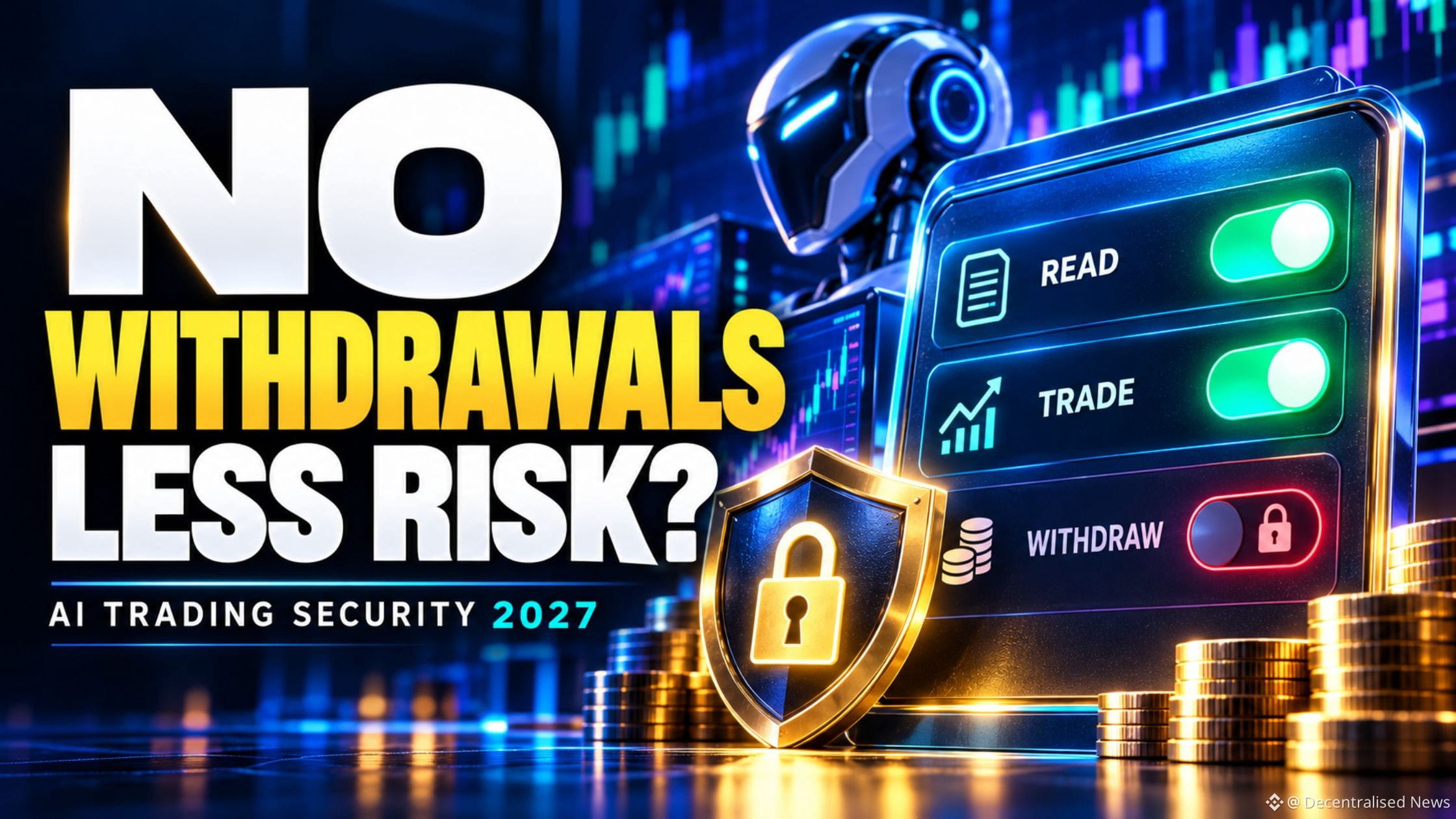
58
Las mejores cuentas demo de trading con IA para 2027
No necesitas arriesgar dinero real para descubrir si un sistema de trading con IA es útil.
De hecho, probablemente eso debería ser lo último que hagas.
Comparamos **9 agentes de trading con IA y plataformas automatizadas que puedes probar con dinero de papel, cuentas demo o simulación antes de salir en vivo.**
El hallazgo más importante:
**El paper trading no es una sola cosa.**
Hay al menos cuatro tipos diferentes:
Backtesting histórico
Paper trading en tiempo real
Cuentas demo de la plataforma
Sandboxes de IA de solo lectura
Y prueban cosas distintas.
Un backtest rentable no demuestra una ejecución en vivo.
Un bot demo no demuestra que la capa de IA funcione.
Un agente de solo lectura no demuestra que el comportamiento con permisos de escritura sea seguro.
Y un P&L virtual en verde definitivamente no prueba la rentabilidad futura.
Por eso construimos el:
**DN Paper-First Fit**
Evaluamos plataformas en:
• Profundidad de la simulación
• Relevancia de la IA / Agente
• Seguridad de permisos
• Observabilidad
• Disciplina para la transición a lo real
• Vigencia de la evidencia
Lee la guía completa y echa un vistazo al **DN Paper-First AI Trading Selector** para emparejar a los usuarios con el tipo de experimento adecuado en nuestro sitio principal.
#AITrading #TradingBots #AIAgents #CryptoTrading #PaperTrading #ChatGPT #AgenticFinance #Automation #ArtificialIntelligence #Crypto #DecentralisedNews
Las mejores cuentas demo de trading con IA para 2027
No necesitas arriesgar dinero real para descubrir si un sistema de trading con IA es útil.
De hecho, probablemente eso debería ser lo último que hagas.
Comparamos **9 agentes de trading con IA y plataformas automatizadas que puedes probar con dinero de papel, cuentas demo o simulación antes de salir en vivo.**
El hallazgo más importante:
**El paper trading no es una sola cosa.**
Hay al menos cuatro tipos diferentes:
Backtesting histórico
Paper trading en tiempo real
Cuentas demo de la plataforma
Sandboxes de IA de solo lectura
Y prueban cosas distintas.
Un backtest rentable no demuestra una ejecución en vivo.
Un bot demo no demuestra que la capa de IA funcione.
Un agente de solo lectura no demuestra que el comportamiento con permisos de escritura sea seguro.
Y un P&L virtual en verde definitivamente no prueba la rentabilidad futura.
Por eso construimos el:
**DN Paper-First Fit**
Evaluamos plataformas en:
• Profundidad de la simulación
• Relevancia de la IA / Agente
• Seguridad de permisos
• Observabilidad
• Disciplina para la transición a lo real
• Vigencia de la evidencia
Lee la guía completa y echa un vistazo al **DN Paper-First AI Trading Selector** para emparejar a los usuarios con el tipo de experimento adecuado en nuestro sitio principal.
#AITrading #TradingBots #AIAgents #CryptoTrading #PaperTrading #ChatGPT #AgenticFinance #Automation #ArtificialIntelligence #Crypto #DecentralisedNews
No necesitas arriesgar dinero real para descubrir si un sistema de trading con IA es útil.
De hecho, probablemente eso debería ser lo último que hagas.
Comparamos **9 agentes de trading con IA y plataformas automatizadas que puedes probar con dinero de papel, cuentas demo o simulación antes de salir en vivo.**
El hallazgo más importante:
**El paper trading no es una sola cosa.**
Hay al menos cuatro tipos diferentes:
Backtesting histórico
Paper trading en tiempo real
Cuentas demo de la plataforma
Sandboxes de IA de solo lectura
Y prueban cosas distintas.
Un backtest rentable no demuestra una ejecución en vivo.
Un bot demo no demuestra que la capa de IA funcione.
Un agente de solo lectura no demuestra que el comportamiento con permisos de escritura sea seguro.
Y un P&L virtual en verde definitivamente no prueba la rentabilidad futura.
Por eso construimos el:
**DN Paper-First Fit**
Evaluamos plataformas en:
• Profundidad de la simulación
• Relevancia de la IA / Agente
• Seguridad de permisos
• Observabilidad
• Disciplina para la transición a lo real
• Vigencia de la evidencia
Lee la guía completa y echa un vistazo al **DN Paper-First AI Trading Selector** para emparejar a los usuarios con el tipo de experimento adecuado en nuestro sitio principal.
#AITrading #TradingBots #AIAgents #CryptoTrading #PaperTrading #ChatGPT #AgenticFinance #Automation #ArtificialIntelligence #Crypto #DecentralisedNews
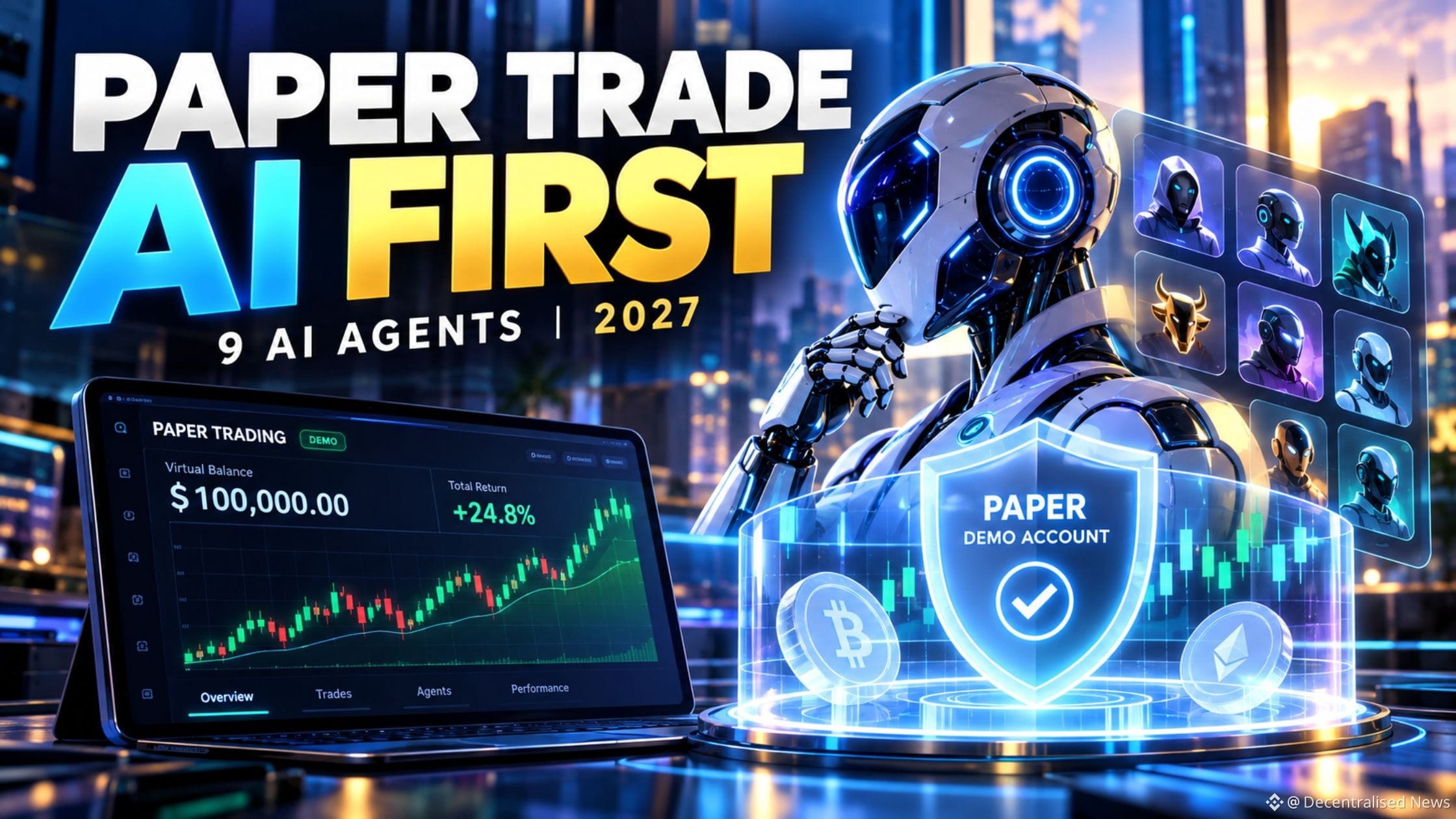
121
Las 25 mejores pruebas de trading con IA para intentar en 2027: de ChatGPT a agentes totalmente autónomos
Todos quieren saber:
**“¿Cuál es el mejor bot de trading con IA?”**
Esa puede ser la pregunta equivocada.
Antes de dar acceso a una IA a un capital real, hay decenas de experimentos de menor riesgo que puedes ejecutar primero.
Mapeamos **25 experimentos de trading con IA para 2027**, avanzando desde:
investigación de mercados con IA
↓
red teaming de tesis de trading
↓
diarios de trading con IA
↓
seguimiento del régimen de mercado
↓
alertas de TradingView
↓
trading en papel
↓
estrategias generadas por IA
↓
herramientas de trading conectadas a ChatGPT
↓
ejecución aprobada por humanos
↓
bots con API solo para trading
↓
escritorios de trading multiagente
↓
agentes con billetera acotada
↓
agentes de trading totalmente autónomos
La variable importante no es solo cuán inteligente sea la IA.
Es cuánta **autoridad** le das.
Lo llamamos:
**Superficie de Autoridad.**
Un asistente de investigación no puede perder directamente tu cartera.
Un bot habilitado para operar, sí.
Un agente que puede transferir activos crea una superficie de fallo aún mayor.
Eso nos lleva a otro marco DN:
**Radio de Explosión del Agente.**
Si el agente comete el peor error permitido por su acceso actual, ¿qué es lo que realmente puede ocurrir?
Por eso, el camino más inteligente hacia el trading con IA no es:
Humano → trader autónomo de IA.
Es:
**Investigación → Monitoreo → Simulación → Aprobación → Automatización → Agente.**
También construimos el **DN AI Trading Pathfinder**, que recomienda el experimento de menor autoridad capaz de lograr tu objetivo en función de:
• experiencia
• capital
• capacidad técnica
• automatización deseada
• autoridad de la máquina
El trading con IA se está volviendo real.
Pero la arquitectura ganadora tal vez no sea:
**“Que el modelo más inteligente controle el dinero.”**
Puede ser:
**razonamiento probabilístico aguas arriba, control determinista del riesgo aguas abajo.**
Deja que la IA interprete información caótica.
Deja que el código decida qué se le permite hacer a la IA con el capital.
Lee la investigación completa de Decentralised News en nuestro sitio principal.
#AITrading
Las 25 mejores pruebas de trading con IA para intentar en 2027: de ChatGPT a agentes totalmente autónomos
Todos quieren saber:
**“¿Cuál es el mejor bot de trading con IA?”**
Esa puede ser la pregunta equivocada.
Antes de dar acceso a una IA a un capital real, hay decenas de experimentos de menor riesgo que puedes ejecutar primero.
Mapeamos **25 experimentos de trading con IA para 2027**, avanzando desde:
investigación de mercados con IA
↓
red teaming de tesis de trading
↓
diarios de trading con IA
↓
seguimiento del régimen de mercado
↓
alertas de TradingView
↓
trading en papel
↓
estrategias generadas por IA
↓
herramientas de trading conectadas a ChatGPT
↓
ejecución aprobada por humanos
↓
bots con API solo para trading
↓
escritorios de trading multiagente
↓
agentes con billetera acotada
↓
agentes de trading totalmente autónomos
La variable importante no es solo cuán inteligente sea la IA.
Es cuánta **autoridad** le das.
Lo llamamos:
**Superficie de Autoridad.**
Un asistente de investigación no puede perder directamente tu cartera.
Un bot habilitado para operar, sí.
Un agente que puede transferir activos crea una superficie de fallo aún mayor.
Eso nos lleva a otro marco DN:
**Radio de Explosión del Agente.**
Si el agente comete el peor error permitido por su acceso actual, ¿qué es lo que realmente puede ocurrir?
Por eso, el camino más inteligente hacia el trading con IA no es:
Humano → trader autónomo de IA.
Es:
**Investigación → Monitoreo → Simulación → Aprobación → Automatización → Agente.**
También construimos el **DN AI Trading Pathfinder**, que recomienda el experimento de menor autoridad capaz de lograr tu objetivo en función de:
• experiencia
• capital
• capacidad técnica
• automatización deseada
• autoridad de la máquina
El trading con IA se está volviendo real.
Pero la arquitectura ganadora tal vez no sea:
**“Que el modelo más inteligente controle el dinero.”**
Puede ser:
**razonamiento probabilístico aguas arriba, control determinista del riesgo aguas abajo.**
Deja que la IA interprete información caótica.
Deja que el código decida qué se le permite hacer a la IA con el capital.
Lee la investigación completa de Decentralised News en nuestro sitio principal.
#AITrading
Todos quieren saber:
**“¿Cuál es el mejor bot de trading con IA?”**
Esa puede ser la pregunta equivocada.
Antes de dar acceso a una IA a un capital real, hay decenas de experimentos de menor riesgo que puedes ejecutar primero.
Mapeamos **25 experimentos de trading con IA para 2027**, avanzando desde:
investigación de mercados con IA
↓
red teaming de tesis de trading
↓
diarios de trading con IA
↓
seguimiento del régimen de mercado
↓
alertas de TradingView
↓
trading en papel
↓
estrategias generadas por IA
↓
herramientas de trading conectadas a ChatGPT
↓
ejecución aprobada por humanos
↓
bots con API solo para trading
↓
escritorios de trading multiagente
↓
agentes con billetera acotada
↓
agentes de trading totalmente autónomos
La variable importante no es solo cuán inteligente sea la IA.
Es cuánta **autoridad** le das.
Lo llamamos:
**Superficie de Autoridad.**
Un asistente de investigación no puede perder directamente tu cartera.
Un bot habilitado para operar, sí.
Un agente que puede transferir activos crea una superficie de fallo aún mayor.
Eso nos lleva a otro marco DN:
**Radio de Explosión del Agente.**
Si el agente comete el peor error permitido por su acceso actual, ¿qué es lo que realmente puede ocurrir?
Por eso, el camino más inteligente hacia el trading con IA no es:
Humano → trader autónomo de IA.
Es:
**Investigación → Monitoreo → Simulación → Aprobación → Automatización → Agente.**
También construimos el **DN AI Trading Pathfinder**, que recomienda el experimento de menor autoridad capaz de lograr tu objetivo en función de:
• experiencia
• capital
• capacidad técnica
• automatización deseada
• autoridad de la máquina
El trading con IA se está volviendo real.
Pero la arquitectura ganadora tal vez no sea:
**“Que el modelo más inteligente controle el dinero.”**
Puede ser:
**razonamiento probabilístico aguas arriba, control determinista del riesgo aguas abajo.**
Deja que la IA interprete información caótica.
Deja que el código decida qué se le permite hacer a la IA con el capital.
Lee la investigación completa de Decentralised News en nuestro sitio principal.
#AITrading
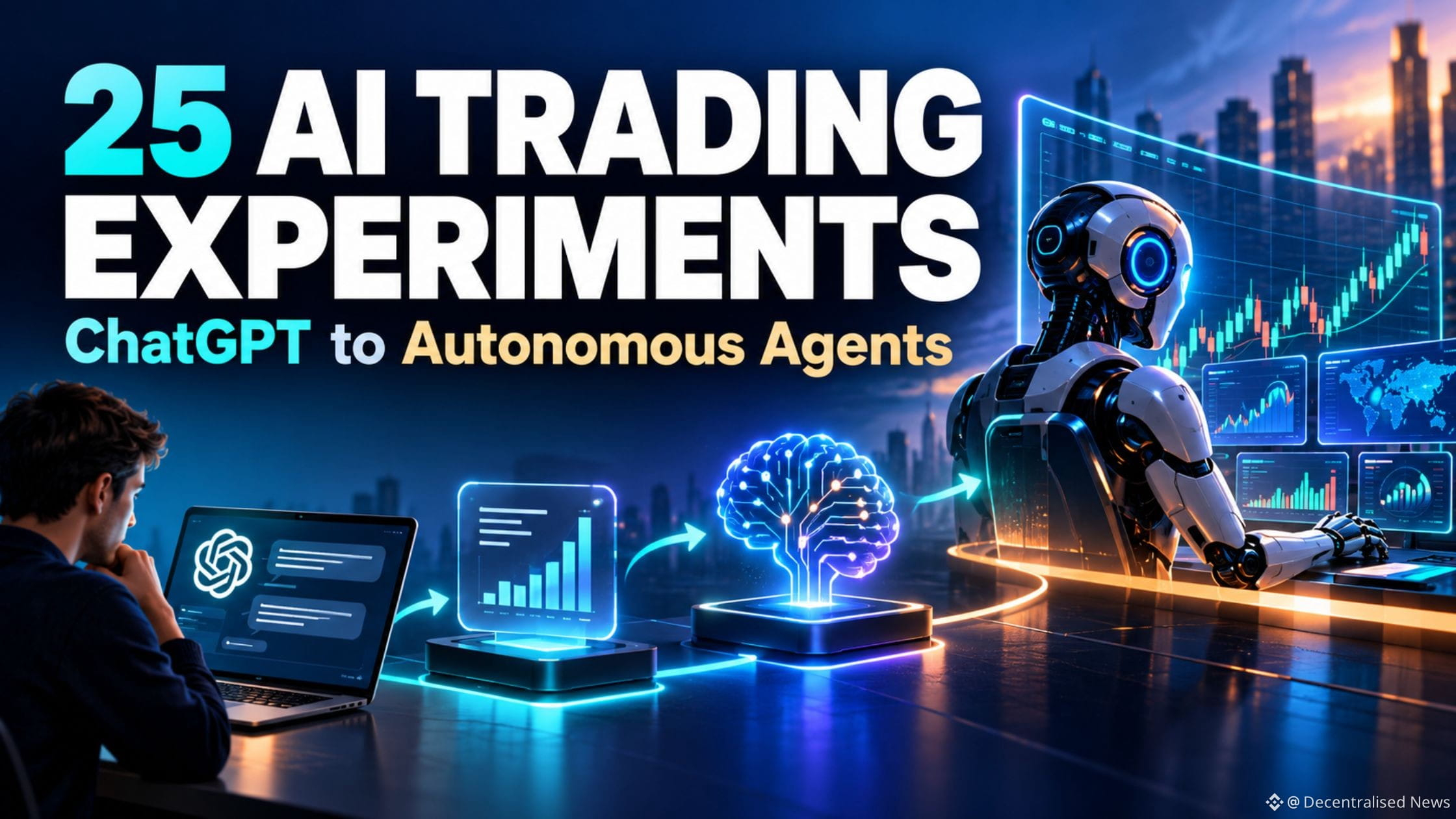
118
¿Las categorías VIP de Crypto valen la pena? Binance vs Bybit vs OKX vs Kraken vs Deribit
La comisión más barata para operar criptomonedas no siempre es la operación más barata.
Esto se vuelve especialmente importante cuando las bolsas empiezan a empujar a los traders hacia categorías VIP.
Creamos el Modelo DN de Punto de Equilibrio para VIP para responder una pregunta más útil:
¿Cuándo vale la pena perseguir realmente una categoría VIP de criptomonedas?
El modelo va más allá de la comisión anunciada e incluye:
• Volumen orgánico mensual
• Mezcla maker vs taker
• Volumen adicional negociado solo para calificar
• Penalizaciones por spread y slippage
• Requisitos de balance de activos
• Requisitos de tokens de la bolsa
• Costo de oportunidad del capital
• Concentración del enrutamiento
Con $1M de volumen spot y una mezcla maker-taker 50/50, la reducción bruta de comisiones modelada en la primera categoría VIP importante es aproximadamente:
[Binance](https://www.binance.com/en/activity/referral-entry/CPA?fromActivityPage=true&ref=CPA_00SXKU7IO9): $50/mes
OKX: $162.50/mes
Bybit: $262.50/mes
Pero esos números por sí solos pueden ser engañosos.
Si para alcanzar la categoría se requiere un volumen innecesario, una ejecución peor o capital adicional ocioso, el “descuento” puede desaparecer.
También introducimos dos conceptos DN:
Ratio de Búsqueda de Categoría
Beneficio VIP ÷ costo de operar solo para calificar.
Efecto de Bloqueo del Enrutamiento VIP
La tendencia a enrutar órdenes a un venue inferior porque mantener un umbral VIP se ha vuelto económicamente importante.
La conclusión central:
No optimices por la comisión más baja. Optimiza por el menor costo total de ejecución.
La investigación incluye un Calculador Interactivo DN de Punto de Equilibrio para VIP.
Lee el análisis completo en Decentralised.News
#Crypto #CryptoTrading #QuantTrading #InstitutionalTrading #HFT #MarketStructure #Exchanges #FinTech
¿Las categorías VIP de Crypto valen la pena? Binance vs Bybit vs OKX vs Kraken vs Deribit
La comisión más barata para operar criptomonedas no siempre es la operación más barata.
Esto se vuelve especialmente importante cuando las bolsas empiezan a empujar a los traders hacia categorías VIP.
Creamos el Modelo DN de Punto de Equilibrio para VIP para responder una pregunta más útil:
¿Cuándo vale la pena perseguir realmente una categoría VIP de criptomonedas?
El modelo va más allá de la comisión anunciada e incluye:
• Volumen orgánico mensual
• Mezcla maker vs taker
• Volumen adicional negociado solo para calificar
• Penalizaciones por spread y slippage
• Requisitos de balance de activos
• Requisitos de tokens de la bolsa
• Costo de oportunidad del capital
• Concentración del enrutamiento
Con $1M de volumen spot y una mezcla maker-taker 50/50, la reducción bruta de comisiones modelada en la primera categoría VIP importante es aproximadamente:
Binance: $50/mes
OKX: $162.50/mes
Bybit: $262.50/mes
Pero esos números por sí solos pueden ser engañosos.
Si para alcanzar la categoría se requiere un volumen innecesario, una ejecución peor o capital adicional ocioso, el “descuento” puede desaparecer.
También introducimos dos conceptos DN:
Ratio de Búsqueda de Categoría
Beneficio VIP ÷ costo de operar solo para calificar.
Efecto de Bloqueo del Enrutamiento VIP
La tendencia a enrutar órdenes a un venue inferior porque mantener un umbral VIP se ha vuelto económicamente importante.
La conclusión central:
No optimices por la comisión más baja. Optimiza por el menor costo total de ejecución.
La investigación incluye un Calculador Interactivo DN de Punto de Equilibrio para VIP.
Lee el análisis completo en Decentralised.News
#Crypto #CryptoTrading #QuantTrading #InstitutionalTrading #HFT #MarketStructure #Exchanges #FinTech
La comisión más barata para operar criptomonedas no siempre es la operación más barata.
Esto se vuelve especialmente importante cuando las bolsas empiezan a empujar a los traders hacia categorías VIP.
Creamos el Modelo DN de Punto de Equilibrio para VIP para responder una pregunta más útil:
¿Cuándo vale la pena perseguir realmente una categoría VIP de criptomonedas?
El modelo va más allá de la comisión anunciada e incluye:
• Volumen orgánico mensual
• Mezcla maker vs taker
• Volumen adicional negociado solo para calificar
• Penalizaciones por spread y slippage
• Requisitos de balance de activos
• Requisitos de tokens de la bolsa
• Costo de oportunidad del capital
• Concentración del enrutamiento
Con $1M de volumen spot y una mezcla maker-taker 50/50, la reducción bruta de comisiones modelada en la primera categoría VIP importante es aproximadamente:
Binance: $50/mes
OKX: $162.50/mes
Bybit: $262.50/mes
Pero esos números por sí solos pueden ser engañosos.
Si para alcanzar la categoría se requiere un volumen innecesario, una ejecución peor o capital adicional ocioso, el “descuento” puede desaparecer.
También introducimos dos conceptos DN:
Ratio de Búsqueda de Categoría
Beneficio VIP ÷ costo de operar solo para calificar.
Efecto de Bloqueo del Enrutamiento VIP
La tendencia a enrutar órdenes a un venue inferior porque mantener un umbral VIP se ha vuelto económicamente importante.
La conclusión central:
No optimices por la comisión más baja. Optimiza por el menor costo total de ejecución.
La investigación incluye un Calculador Interactivo DN de Punto de Equilibrio para VIP.
Lee el análisis completo en Decentralised.News
#Crypto #CryptoTrading #QuantTrading #InstitutionalTrading #HFT #MarketStructure #Exchanges #FinTech

123
Las mejores APIs de intercambio de criptomonedas para bots, quants y HFT en 2027
La «API de intercambio de criptomonedas más rápida» no necesariamente es la que tiene el menor ping.
Para bots, quants y creadores de mercado, el bucle real de ejecución es:
Estrategia → Serialización → Red → Gateway → Motor de matching → ACK → Datos de mercado
Eso significa que el RTT bruto es solo una parte del rompecabezas de la latencia.
Creamos el DN API Latency Benchmark 2027 para comparar la infraestructura detrás de los principales exchanges de criptomonedas en:
• Arquitectura WebSocket y REST
• Soporte FIX y SBE
• Rendimiento de entrada de órdenes
• Telemetría de confirmación (acknowledgement) de órdenes
• Entrega de datos de mercado
• Límites de tasa (rate limits)
• Conmutación por error (failover) y resiliencia
• Conectividad institucional
• Estabilidad de latencia P95/P99
Uno de los hallazgos más importantes:
La variación de la latencia puede importar más que la latencia media (mediana).
Un centro con una respuesta mediana de 15 ms, pero con picos frecuentes de 200–500 ms, puede ser más difícil de operar de forma sistemática que uno con una ruta estable de 25–30 ms.
Por eso introdujimos el DN Latency Stability Ratio:
Latencia P95 del ACK de la orden ÷ Latencia mediana del ACK de la orden
Cuanto menor sea el ratio, más predecible es la ruta de ejecución.
También construimos un DN API Latency Lab interactivo para que los traders introduzcan su propio RTT, tiempos de confirmación (ack), retraso del feed y datos de desconexión para calcular una puntuación de latencia en tiempo real.
Lee el benchmark completo en Decentralised.News
#Crypto #QuantTrading #AlgorithmicTrading #HFT #TradingBots #MarketMaking #WebSocket #FIX #CryptoTrading #APIs #FinTech
Las mejores APIs de intercambio de criptomonedas para bots, quants y HFT en 2027
La «API de intercambio de criptomonedas más rápida» no necesariamente es la que tiene el menor ping.
Para bots, quants y creadores de mercado, el bucle real de ejecución es:
Estrategia → Serialización → Red → Gateway → Motor de matching → ACK → Datos de mercado
Eso significa que el RTT bruto es solo una parte del rompecabezas de la latencia.
Creamos el DN API Latency Benchmark 2027 para comparar la infraestructura detrás de los principales exchanges de criptomonedas en:
• Arquitectura WebSocket y REST
• Soporte FIX y SBE
• Rendimiento de entrada de órdenes
• Telemetría de confirmación (acknowledgement) de órdenes
• Entrega de datos de mercado
• Límites de tasa (rate limits)
• Conmutación por error (failover) y resiliencia
• Conectividad institucional
• Estabilidad de latencia P95/P99
Uno de los hallazgos más importantes:
La variación de la latencia puede importar más que la latencia media (mediana).
Un centro con una respuesta mediana de 15 ms, pero con picos frecuentes de 200–500 ms, puede ser más difícil de operar de forma sistemática que uno con una ruta estable de 25–30 ms.
Por eso introdujimos el DN Latency Stability Ratio:
Latencia P95 del ACK de la orden ÷ Latencia mediana del ACK de la orden
Cuanto menor sea el ratio, más predecible es la ruta de ejecución.
También construimos un DN API Latency Lab interactivo para que los traders introduzcan su propio RTT, tiempos de confirmación (ack), retraso del feed y datos de desconexión para calcular una puntuación de latencia en tiempo real.
Lee el benchmark completo en Decentralised.News
#Crypto #QuantTrading #AlgorithmicTrading #HFT #TradingBots #MarketMaking #WebSocket #FIX #CryptoTrading #APIs #FinTech
La «API de intercambio de criptomonedas más rápida» no necesariamente es la que tiene el menor ping.
Para bots, quants y creadores de mercado, el bucle real de ejecución es:
Estrategia → Serialización → Red → Gateway → Motor de matching → ACK → Datos de mercado
Eso significa que el RTT bruto es solo una parte del rompecabezas de la latencia.
Creamos el DN API Latency Benchmark 2027 para comparar la infraestructura detrás de los principales exchanges de criptomonedas en:
• Arquitectura WebSocket y REST
• Soporte FIX y SBE
• Rendimiento de entrada de órdenes
• Telemetría de confirmación (acknowledgement) de órdenes
• Entrega de datos de mercado
• Límites de tasa (rate limits)
• Conmutación por error (failover) y resiliencia
• Conectividad institucional
• Estabilidad de latencia P95/P99
Uno de los hallazgos más importantes:
La variación de la latencia puede importar más que la latencia media (mediana).
Un centro con una respuesta mediana de 15 ms, pero con picos frecuentes de 200–500 ms, puede ser más difícil de operar de forma sistemática que uno con una ruta estable de 25–30 ms.
Por eso introdujimos el DN Latency Stability Ratio:
Latencia P95 del ACK de la orden ÷ Latencia mediana del ACK de la orden
Cuanto menor sea el ratio, más predecible es la ruta de ejecución.
También construimos un DN API Latency Lab interactivo para que los traders introduzcan su propio RTT, tiempos de confirmación (ack), retraso del feed y datos de desconexión para calcular una puntuación de latencia en tiempo real.
Lee el benchmark completo en Decentralised.News
#Crypto #QuantTrading #AlgorithmicTrading #HFT #TradingBots #MarketMaking #WebSocket #FIX #CryptoTrading #APIs #FinTech
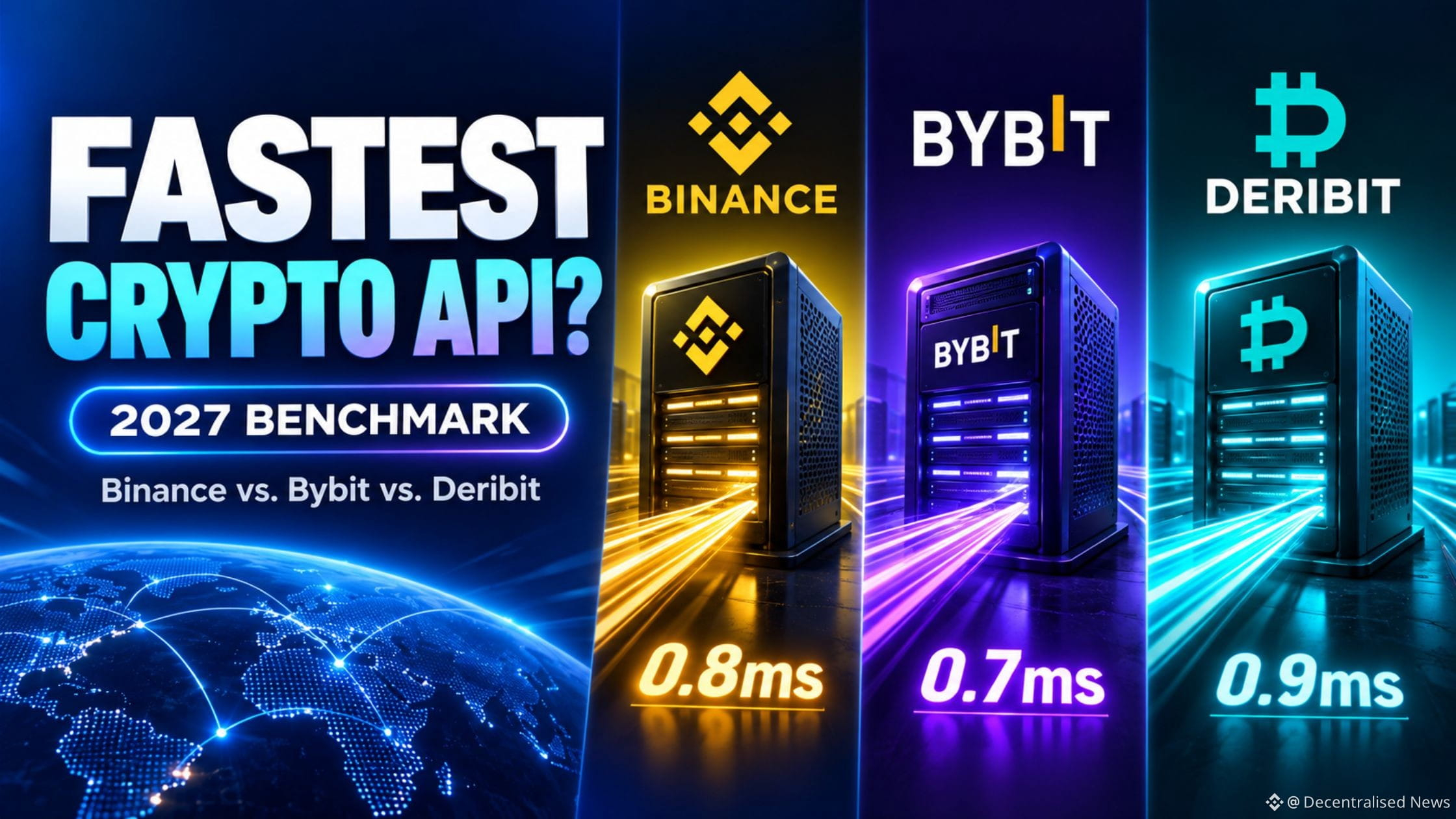
92
Cómo configurar un bot de trading de criptomonedas en Binance usando 3Commas
El trading algorítmico ya no es solo para fondos de cobertura.
Plataformas como 3Commas están democratizando la automatización para traders minoristas... conectando directamente con [Binance](https://www.binance.com/en/activity/referral-entry/CPA?fromActivityPage=true&ref=CPA_00SXKU7IO9), el mayor exchange del mundo.
Escribí una guía completa sobre:
• Configurar claves API de forma segura
• Configurar bots de DCA
• Hacer backtesting de estrategias
• Gestión de riesgos para la automatización
Si estás operando cripto manualmente, estás compitiendo contra máquinas.
Guía completa en Decentralised.News
#Crypto #Trading #Automation #Binance #3Commas #fintech
Cómo configurar un bot de trading de criptomonedas en Binance usando 3Commas
El trading algorítmico ya no es solo para fondos de cobertura.
Plataformas como 3Commas están democratizando la automatización para traders minoristas... conectando directamente con Binance, el mayor exchange del mundo.
Escribí una guía completa sobre:
• Configurar claves API de forma segura
• Configurar bots de DCA
• Hacer backtesting de estrategias
• Gestión de riesgos para la automatización
Si estás operando cripto manualmente, estás compitiendo contra máquinas.
Guía completa en Decentralised.News
#Crypto #Trading #Automation #Binance #3Commas #fintech
El trading algorítmico ya no es solo para fondos de cobertura.
Plataformas como 3Commas están democratizando la automatización para traders minoristas... conectando directamente con Binance, el mayor exchange del mundo.
Escribí una guía completa sobre:
• Configurar claves API de forma segura
• Configurar bots de DCA
• Hacer backtesting de estrategias
• Gestión de riesgos para la automatización
Si estás operando cripto manualmente, estás compitiendo contra máquinas.
Guía completa en Decentralised.News
#Crypto #Trading #Automation #Binance #3Commas #fintech

70
Cómo automatizar el trading de criptomonedas cuando no puedes programar (Guía 2026)
El trading algorítmico ya no es solo para fondos de cobertura.
Plataformas como CoinRule están democratizando la automatización: no se requiere código.
Escribí una guía completa sobre cómo:
• Crear reglas de trading "Si Esto, Entonces Aquello"
• Hacer backtesting de estrategias con datos históricos
• Conectarse a 20+ exchanges, incluido [Binance](https://www.binance.com/en/activity/referral-entry/CPA?fromActivityPage=true&ref=CPA_00SXKU7IO9)
• Implementar primero con trading en papel
Si estás en cripto y no automatizas, estás compitiendo contra máquinas de forma manual.
Guía completa en Decentralised.News
Aviso legal: Esto no es asesoramiento financiero. El trading automatizado conlleva un riesgo significativo, incluido el posible riesgo de perder toda tu inversión. El rendimiento pasado de las estrategias de trading no garantiza resultados futuros. Haz siempre tu propia investigación y nunca inviertas capital que no puedas permitirte perder.
#Cripto #Trading #Automatización #FinTech #CoinRule
Cómo automatizar el trading de criptomonedas cuando no puedes programar (Guía 2026)
El trading algorítmico ya no es solo para fondos de cobertura.
Plataformas como CoinRule están democratizando la automatización: no se requiere código.
Escribí una guía completa sobre cómo:
• Crear reglas de trading "Si Esto, Entonces Aquello"
• Hacer backtesting de estrategias con datos históricos
• Conectarse a 20+ exchanges, incluido Binance
• Implementar primero con trading en papel
Si estás en cripto y no automatizas, estás compitiendo contra máquinas de forma manual.
Guía completa en Decentralised.News
Aviso legal: Esto no es asesoramiento financiero. El trading automatizado conlleva un riesgo significativo, incluido el posible riesgo de perder toda tu inversión. El rendimiento pasado de las estrategias de trading no garantiza resultados futuros. Haz siempre tu propia investigación y nunca inviertas capital que no puedas permitirte perder.
#Cripto #Trading #Automatización #FinTech #CoinRule
El trading algorítmico ya no es solo para fondos de cobertura.
Plataformas como CoinRule están democratizando la automatización: no se requiere código.
Escribí una guía completa sobre cómo:
• Crear reglas de trading "Si Esto, Entonces Aquello"
• Hacer backtesting de estrategias con datos históricos
• Conectarse a 20+ exchanges, incluido Binance
• Implementar primero con trading en papel
Si estás en cripto y no automatizas, estás compitiendo contra máquinas de forma manual.
Guía completa en Decentralised.News
Aviso legal: Esto no es asesoramiento financiero. El trading automatizado conlleva un riesgo significativo, incluido el posible riesgo de perder toda tu inversión. El rendimiento pasado de las estrategias de trading no garantiza resultados futuros. Haz siempre tu propia investigación y nunca inviertas capital que no puedas permitirte perder.
#Cripto #Trading #Automatización #FinTech #CoinRule

79
Inicia sesión para explorar más contenidos
Únete a usuarios globales de criptomonedas en Binance Square
⚡️ Obtén información útil y actualizada sobre criptos.
💬 Avalado por el mayor exchange de criptomonedas en el mundo.
👍 Descubre perspectivas reales de creadores verificados.
Email/número de teléfono
Temas populares
BinancePick
2.7M vistas
144,120 están debatiendo
¡Únete a #TemporadaDeResultados: predice resultados en Binance Pick y comparte tu opinión en Binance Square!
Binance Square Official
·402 me gusta
·339.3k vistas
EarningsSeason
5M vistas
24,720 están debatiendo
SouthKoreaReportedlyWeighsFourthCryptoTaxDelay
3,523 vistas
140 están debatiendo