
CryptoQuill_5
1.7k Publicaciones

CryptoQuill_5
1.1K+ Siguiendo
10.1K+ Seguidores
1.6K+ Me gusta
Publicaciones
Todo
Citas
Live
PINNED
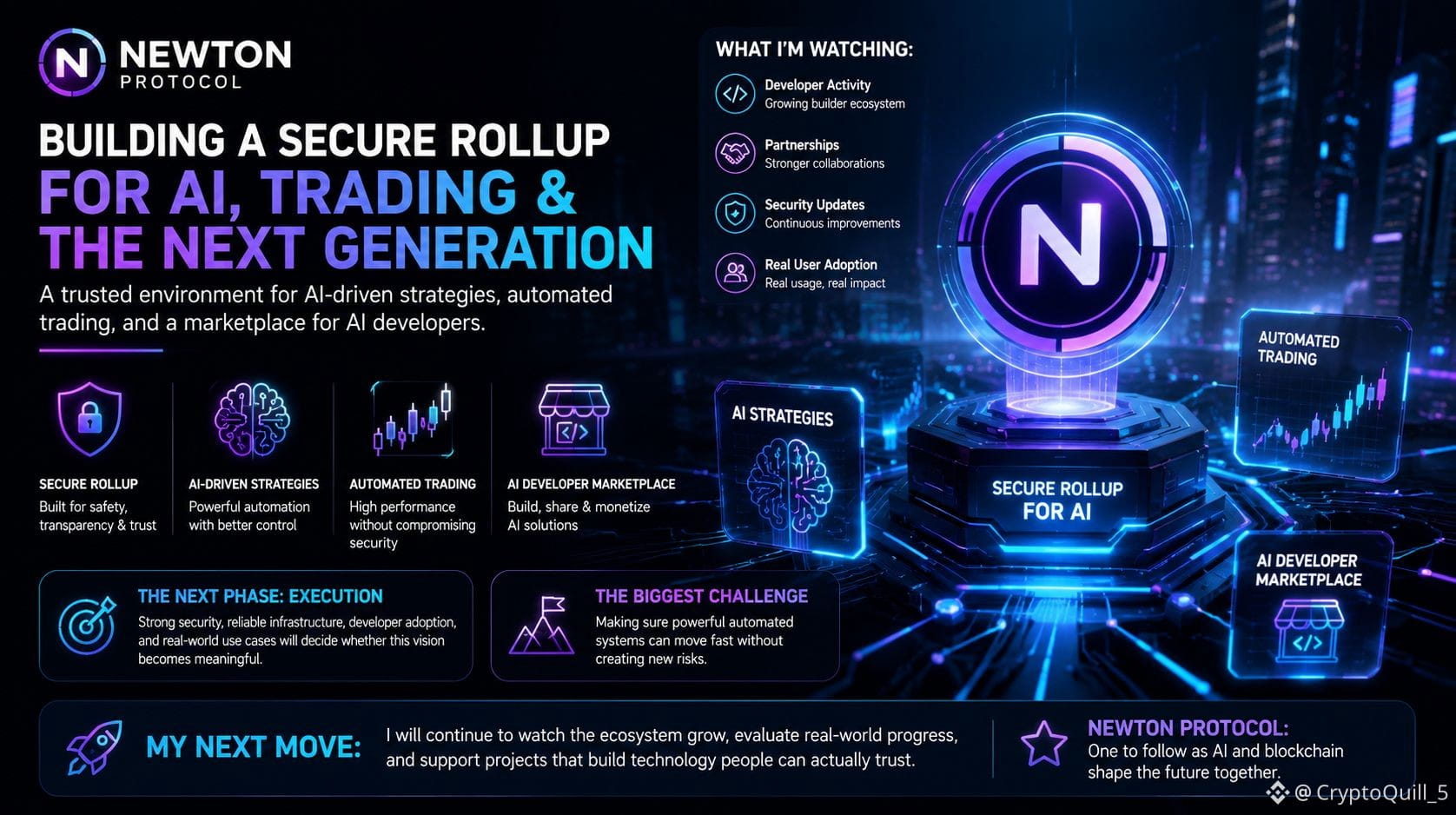
What stands out to me is the focus on building a secure rollup environment designed for AI strategies, automated trading, and a marketplace where AI developers can create and share solutions. The idea is not only about speed, but also about creating a trusted space where automation can operate with better control and transparency.
I think the next phase will be about execution. Strong security, reliable infrastructure, developer adoption, and real-world use cases will decide whether this vision becomes meaningful. The biggest challenge is making sure powerful automated systems can move fast without creating new risks.
My next move is to watch the ecosystem growth: developer activity, partnerships, security updates, and how real users interact with the technology. In this space, attention is easy to get, but lasting value comes from building something people can actually trust.
Newton Protocol is one to follow as the connection between AI and blockchain continues to evolve.
@NewtonProtocol #newt $NEWT
I think the next phase will be about execution. Strong security, reliable infrastructure, developer adoption, and real-world use cases will decide whether this vision becomes meaningful. The biggest challenge is making sure powerful automated systems can move fast without creating new risks.
My next move is to watch the ecosystem growth: developer activity, partnerships, security updates, and how real users interact with the technology. In this space, attention is easy to get, but lasting value comes from building something people can actually trust.
Newton Protocol is one to follow as the connection between AI and blockchain continues to evolve.
@NewtonProtocol #newt $NEWT
like or comment please 🙏🙏🙏🙏😭

Bull Fox 29
·
--
BajistaMost people are still chasing the next narrative.
I’m paying attention to where capital becomes more efficient.
That’s what caught my eye about OpenGradient.
At first glance, it looks like an AI infrastructure network focused on hosting, inference, and verification. But the deeper opportunity is how value can move across multiple ecosystems without forcing users to lock themselves into a single path.
One thing I’ve learned in crypto is that idle capital is expensive. If an asset is sitting still, it’s probably underperforming. The projects that win often find ways to increase utility without sacrificing flexibility.
That’s why the idea of restaking while maintaining liquidity is becoming increasingly interesting. It opens the door to additional earning opportunities while keeping capital active across Ethereum, Bitcoin, and DePIN ecosystems instead of being trapped in one place.
What excites me is not the headline metrics. It’s the possibility of creating a network where AI infrastructure, economic incentives, and asset efficiency reinforce each other.
The market often focuses on what a project does today.
I’m more interested in what becomes possible when liquidity, security, and intelligent infrastructure start working together.
Feels like many people are still looking at OpenGradient through the wrong lens.
What am I missing?
@OpenGradient #OPG $OPG
I’m paying attention to where capital becomes more efficient.
That’s what caught my eye about OpenGradient.
At first glance, it looks like an AI infrastructure network focused on hosting, inference, and verification. But the deeper opportunity is how value can move across multiple ecosystems without forcing users to lock themselves into a single path.
One thing I’ve learned in crypto is that idle capital is expensive. If an asset is sitting still, it’s probably underperforming. The projects that win often find ways to increase utility without sacrificing flexibility.
That’s why the idea of restaking while maintaining liquidity is becoming increasingly interesting. It opens the door to additional earning opportunities while keeping capital active across Ethereum, Bitcoin, and DePIN ecosystems instead of being trapped in one place.
What excites me is not the headline metrics. It’s the possibility of creating a network where AI infrastructure, economic incentives, and asset efficiency reinforce each other.
The market often focuses on what a project does today.
I’m more interested in what becomes possible when liquidity, security, and intelligent infrastructure start working together.
Feels like many people are still looking at OpenGradient through the wrong lens.
What am I missing?
@OpenGradient #OPG $OPG
like or comment please 🙏

Matthew t
·
--
BajistaI’ve been researching OpenGradient, and I think the market is focusing on the wrong narrative.
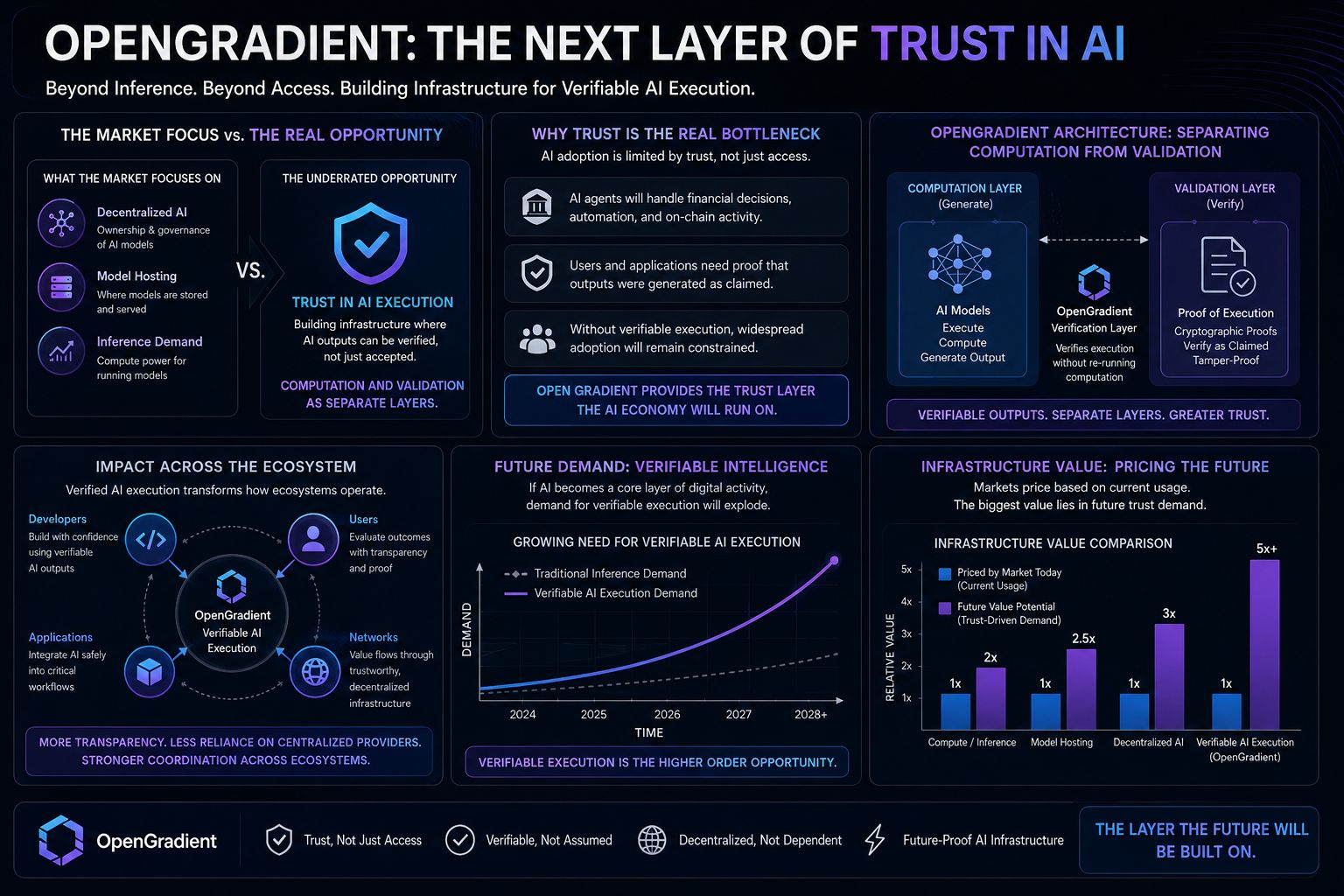
Most discussions revolve around decentralized AI, model hosting, or inference demand. But the more interesting piece is how OpenGradient could reshape trust in AI execution. The project is building infrastructure where AI outputs can be verified rather than simply accepted, creating a system where computation and validation operate as separate layers.
That distinction matters because AI adoption is increasingly limited by trust, not just access. As AI agents begin handling financial decisions, automation, and on-chain activity, users and applications will need proof that outputs were generated as claimed. OpenGradient is positioning itself around that future requirement.
What I find underrated is the potential impact on coordination across ecosystems. Verified AI execution could reduce reliance on centralized providers while enabling applications to interact with AI in a more transparent way. That changes how developers build, how users evaluate outcomes, and how value flows through decentralized networks.
The market often prices infrastructure based on current usage. I think the bigger opportunity lies in future demand for verifiable intelligence. If AI becomes a core layer of digital activity, networks that can reliably prove execution may become far more important than the market currently expects.
That’s the layer I’m watching.
@OpenGradient #OPG $OPG
Most discussions revolve around decentralized AI, model hosting, or inference demand. But the more interesting piece is how OpenGradient could reshape trust in AI execution. The project is building infrastructure where AI outputs can be verified rather than simply accepted, creating a system where computation and validation operate as separate layers.
That distinction matters because AI adoption is increasingly limited by trust, not just access. As AI agents begin handling financial decisions, automation, and on-chain activity, users and applications will need proof that outputs were generated as claimed. OpenGradient is positioning itself around that future requirement.
What I find underrated is the potential impact on coordination across ecosystems. Verified AI execution could reduce reliance on centralized providers while enabling applications to interact with AI in a more transparent way. That changes how developers build, how users evaluate outcomes, and how value flows through decentralized networks.
The market often prices infrastructure based on current usage. I think the bigger opportunity lies in future demand for verifiable intelligence. If AI becomes a core layer of digital activity, networks that can reliably prove execution may become far more important than the market currently expects.
That’s the layer I’m watching.
@OpenGradient #OPG $OPG
#openledger $OPEN I’ve been watching OpenLedger (OPEN) closely, and what stands out to me is its vision of turning data, models, and agents into assets that can generate value instead of sitting unused. While many projects focus only on infrastructure, OpenLedger is building an economic layer where contributors can potentially monetize what they create and share.
What excites me is the idea of unlocking liquidity around AI-related assets. Data powers intelligent systems, models provide capabilities, and agents perform tasks. OpenLedger aims to connect these pieces through a blockchain-based ecosystem where ownership, attribution, and rewards can be tracked more transparently.
The opportunity here is not just technology—it’s creating incentives. If builders, researchers, and contributors are rewarded fairly, the network could attract more participation and accelerate growth. That makes OPEN a project worth keeping on the radar.
My next move is simple: I’m monitoring ecosystem development, community growth, partnerships, and real-world adoption. I want to see how many developers build on the network and whether users actively engage with its tools and services. Strong utility and consistent activity often matter more than hype.
For now, OpenLedger looks like a bold attempt to bridge blockchain and AI economics. If execution matches the vision, OPEN could become an important player in the emerging market for data, models, and autonomous agents.
@OpenLedger #OpenLedger
$PORTAL
$LAB
What excites me is the idea of unlocking liquidity around AI-related assets. Data powers intelligent systems, models provide capabilities, and agents perform tasks. OpenLedger aims to connect these pieces through a blockchain-based ecosystem where ownership, attribution, and rewards can be tracked more transparently.
The opportunity here is not just technology—it’s creating incentives. If builders, researchers, and contributors are rewarded fairly, the network could attract more participation and accelerate growth. That makes OPEN a project worth keeping on the radar.
My next move is simple: I’m monitoring ecosystem development, community growth, partnerships, and real-world adoption. I want to see how many developers build on the network and whether users actively engage with its tools and services. Strong utility and consistent activity often matter more than hype.
For now, OpenLedger looks like a bold attempt to bridge blockchain and AI economics. If execution matches the vision, OPEN could become an important player in the emerging market for data, models, and autonomous agents.
@OpenLedger #OpenLedger
$PORTAL
$LAB
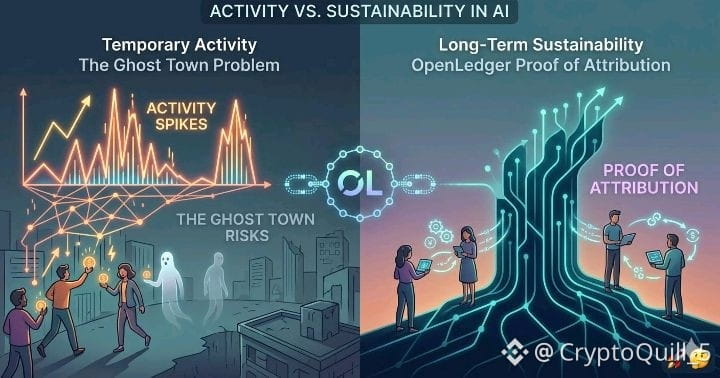
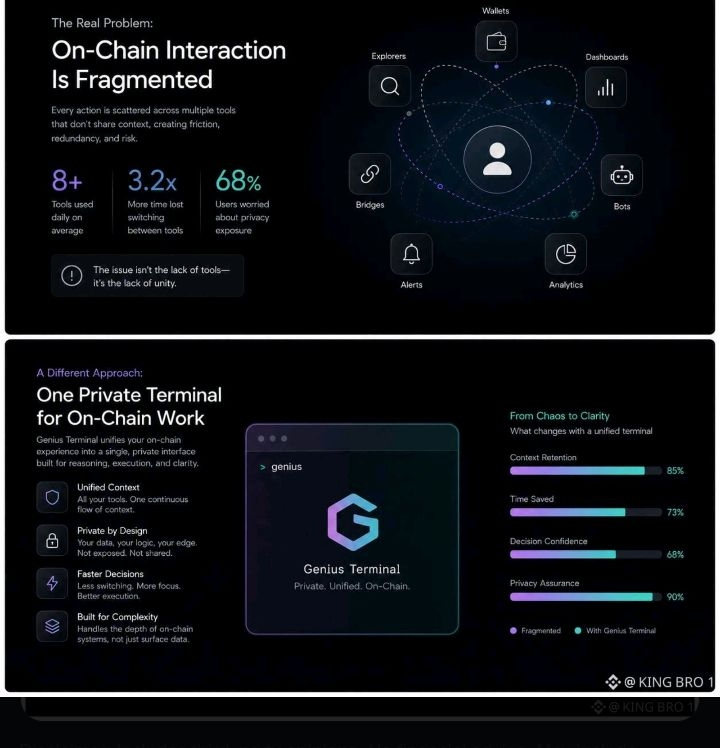
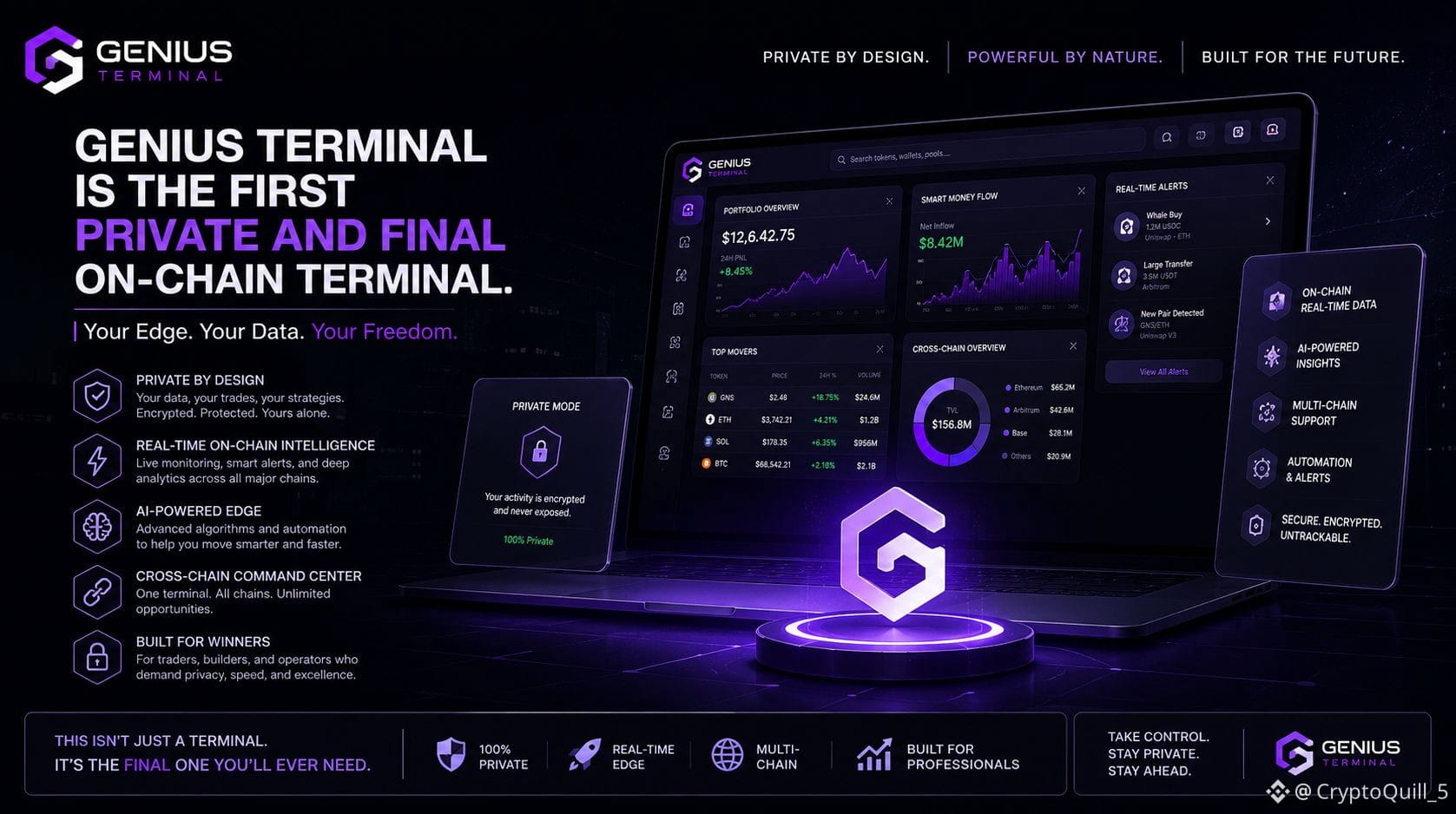
#genius $GENIUS I've been watching Genius Terminal, and what stands out to me is its focus on something many traders and on-chain users care about: privacy. While most platforms leave traces across multiple tools and dashboards, Genius Terminal is positioning itself as the first private and final on-chain terminal, aiming to bring everything together in one place.
What caught my attention is the idea of reducing complexity. Instead of jumping between different apps for research, execution, and monitoring, Genius Terminal is building a streamlined experience that keeps users closer to the chain while maintaining privacy. In a market where information moves fast and every second matters, having a dedicated terminal can be a serious advantage.
I think the biggest opportunity here is adoption. If the team can continue improving features, security, and user experience, Genius Terminal could become a key tool for active on-chain participants. Privacy is no longer a luxury—it's becoming a necessity.
My next move is simple: I'll keep tracking product updates, community growth, and feature releases. I'll also watch for partnerships, user adoption metrics, and feedback from experienced traders. If the platform continues delivering on its vision, Genius Terminal could become one of the more interesting infrastructure projects to follow in the on-chain ecosystem.
For now, I'm staying focused, doing my research, and keeping Genius Terminal on my watchlist.
@GeniusOfficial #genius
$LAB
$ALLO
What caught my attention is the idea of reducing complexity. Instead of jumping between different apps for research, execution, and monitoring, Genius Terminal is building a streamlined experience that keeps users closer to the chain while maintaining privacy. In a market where information moves fast and every second matters, having a dedicated terminal can be a serious advantage.
I think the biggest opportunity here is adoption. If the team can continue improving features, security, and user experience, Genius Terminal could become a key tool for active on-chain participants. Privacy is no longer a luxury—it's becoming a necessity.
My next move is simple: I'll keep tracking product updates, community growth, and feature releases. I'll also watch for partnerships, user adoption metrics, and feedback from experienced traders. If the platform continues delivering on its vision, Genius Terminal could become one of the more interesting infrastructure projects to follow in the on-chain ecosystem.
For now, I'm staying focused, doing my research, and keeping Genius Terminal on my watchlist.
@GeniusOfficial #genius
$LAB
$ALLO
#openledger $OPEN
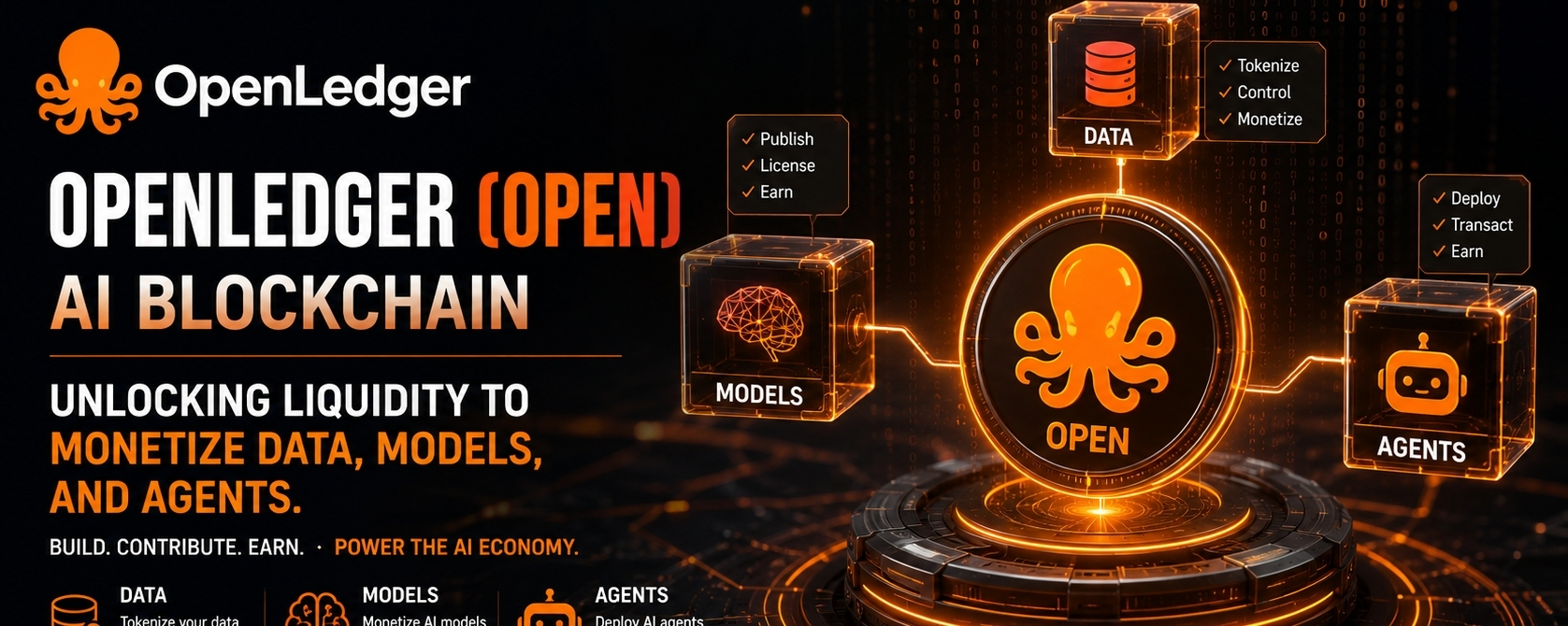
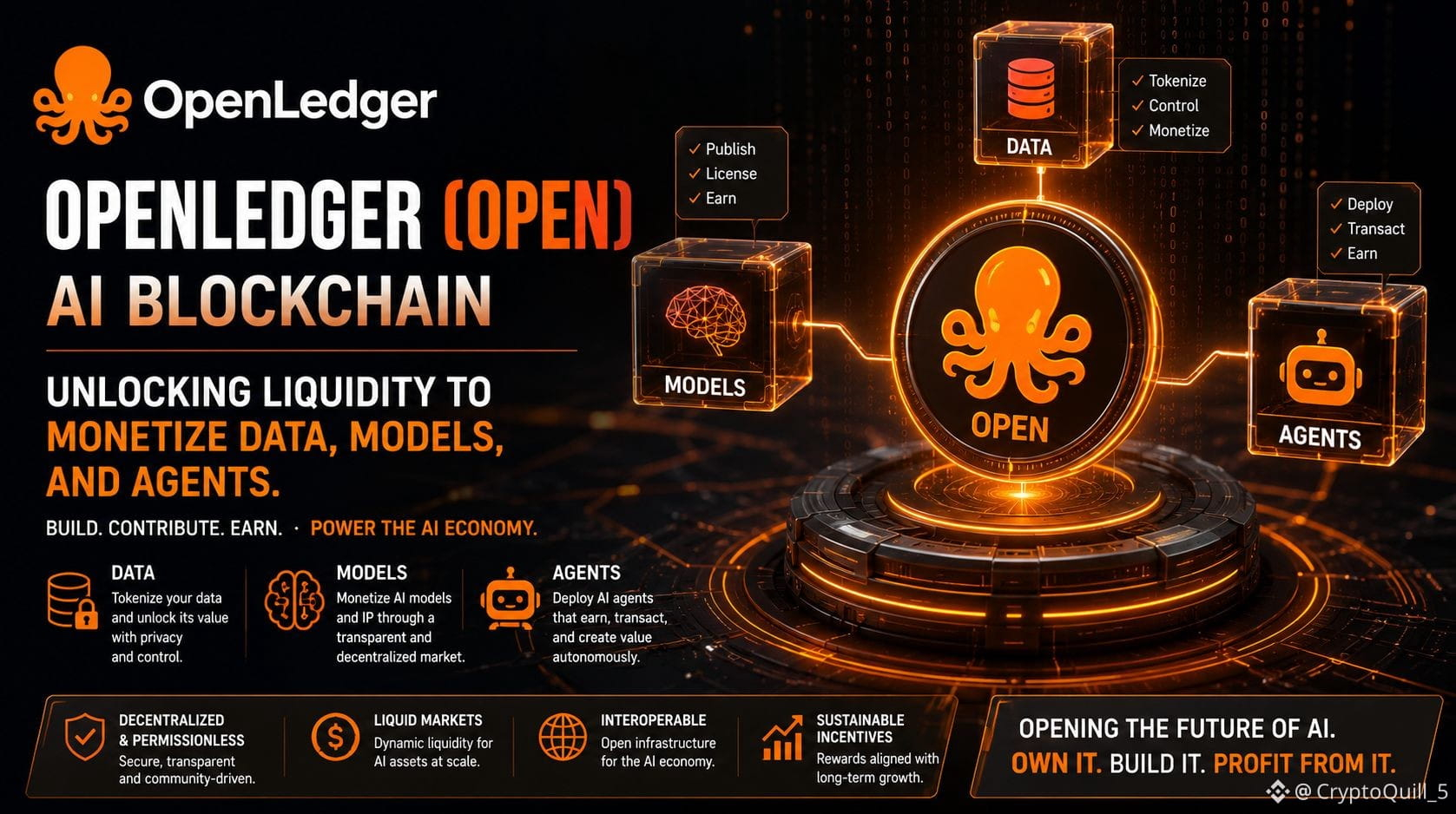
I’ve been watching the growth of OpenLedger closely, and what stands out to me is its focus on turning data, models, and agents into assets that can generate value instead of sitting idle.
Most platforms talk about innovation, but OpenLedger is building an economic layer where contributors can potentially monetize what they create. Data providers, model builders, and agent developers all play a role in the ecosystem, creating a structure that rewards participation and encourages growth.
What excites me is the liquidity aspect. In many ecosystems, valuable resources remain locked away with limited ways to capture their worth. OpenLedger aims to change that by creating mechanisms that connect creation with economic opportunity. If successful, this could make AI infrastructure more accessible, transparent, and rewarding for contributors.
My next move is simple: I’m watching ecosystem growth, developer activity, partnerships, and real-world adoption. Technology is important, but usage is what ultimately determines long-term value. I want to see how many builders join, how assets are utilized, and whether the network can sustain meaningful economic activity.
OpenLedger is not just competing on technology—it is competing on ownership, incentives, and value distribution. If adoption continues to expand, OPEN could become one of the projects worth keeping on the radar as the digital asset economy evolves.
@OpenLedger #OpenLedger
$PORTAL
$LAB
I’ve been watching the growth of OpenLedger closely, and what stands out to me is its focus on turning data, models, and agents into assets that can generate value instead of sitting idle.
Most platforms talk about innovation, but OpenLedger is building an economic layer where contributors can potentially monetize what they create. Data providers, model builders, and agent developers all play a role in the ecosystem, creating a structure that rewards participation and encourages growth.
What excites me is the liquidity aspect. In many ecosystems, valuable resources remain locked away with limited ways to capture their worth. OpenLedger aims to change that by creating mechanisms that connect creation with economic opportunity. If successful, this could make AI infrastructure more accessible, transparent, and rewarding for contributors.
My next move is simple: I’m watching ecosystem growth, developer activity, partnerships, and real-world adoption. Technology is important, but usage is what ultimately determines long-term value. I want to see how many builders join, how assets are utilized, and whether the network can sustain meaningful economic activity.
OpenLedger is not just competing on technology—it is competing on ownership, incentives, and value distribution. If adoption continues to expand, OPEN could become one of the projects worth keeping on the radar as the digital asset economy evolves.
@OpenLedger #OpenLedger
$PORTAL
$LAB
Verificado
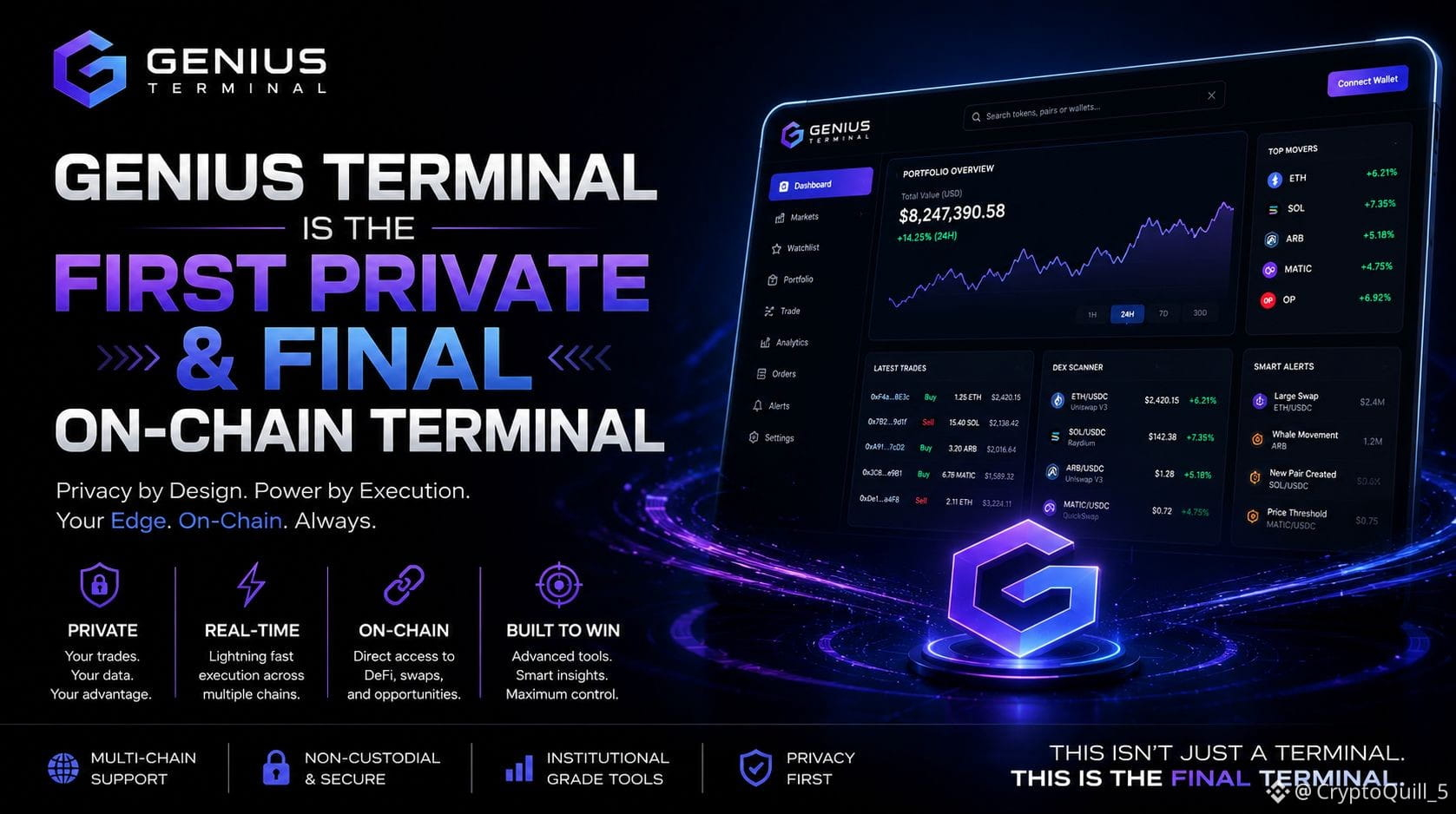
#genius $GENIUS I’ve been watching the evolution of on-chain tools for a while, and Genius Terminal stands out for a simple reason: it is built around privacy and execution, not noise. While most platforms focus on dashboards, signals, and endless data streams, Genius Terminal positions itself as the first private and final on-chain terminal, designed for traders who want to move from information to action quickly.
What caught my attention is the focus on keeping critical trading activity streamlined. In a market where every second matters, reducing friction can be just as important as finding the right opportunity. Privacy, speed, and direct on-chain access create an environment where decisions can be executed with confidence rather than delayed by unnecessary complexity.
I see a larger trend forming here. As on-chain activity grows, users will demand tools that combine intelligence, privacy, and execution into a single workflow. Genius Terminal appears to be building toward that future.
My next move is to monitor platform updates, explore newly released features, and watch how adoption develops across the trading community. Strong user growth, deeper integrations, and consistent product improvements could become key indicators of long-term momentum.
For now, Genius Terminal is a project on my radar because it is targeting a real problem: making on-chain execution private, efficient, and practical for serious users.
@GeniusOfficial #genius
$LAB
$ALLO
What caught my attention is the focus on keeping critical trading activity streamlined. In a market where every second matters, reducing friction can be just as important as finding the right opportunity. Privacy, speed, and direct on-chain access create an environment where decisions can be executed with confidence rather than delayed by unnecessary complexity.
I see a larger trend forming here. As on-chain activity grows, users will demand tools that combine intelligence, privacy, and execution into a single workflow. Genius Terminal appears to be building toward that future.
My next move is to monitor platform updates, explore newly released features, and watch how adoption develops across the trading community. Strong user growth, deeper integrations, and consistent product improvements could become key indicators of long-term momentum.
For now, Genius Terminal is a project on my radar because it is targeting a real problem: making on-chain execution private, efficient, and practical for serious users.
@GeniusOfficial #genius
$LAB
$ALLO
ok

KINGBHAI 29
·
--
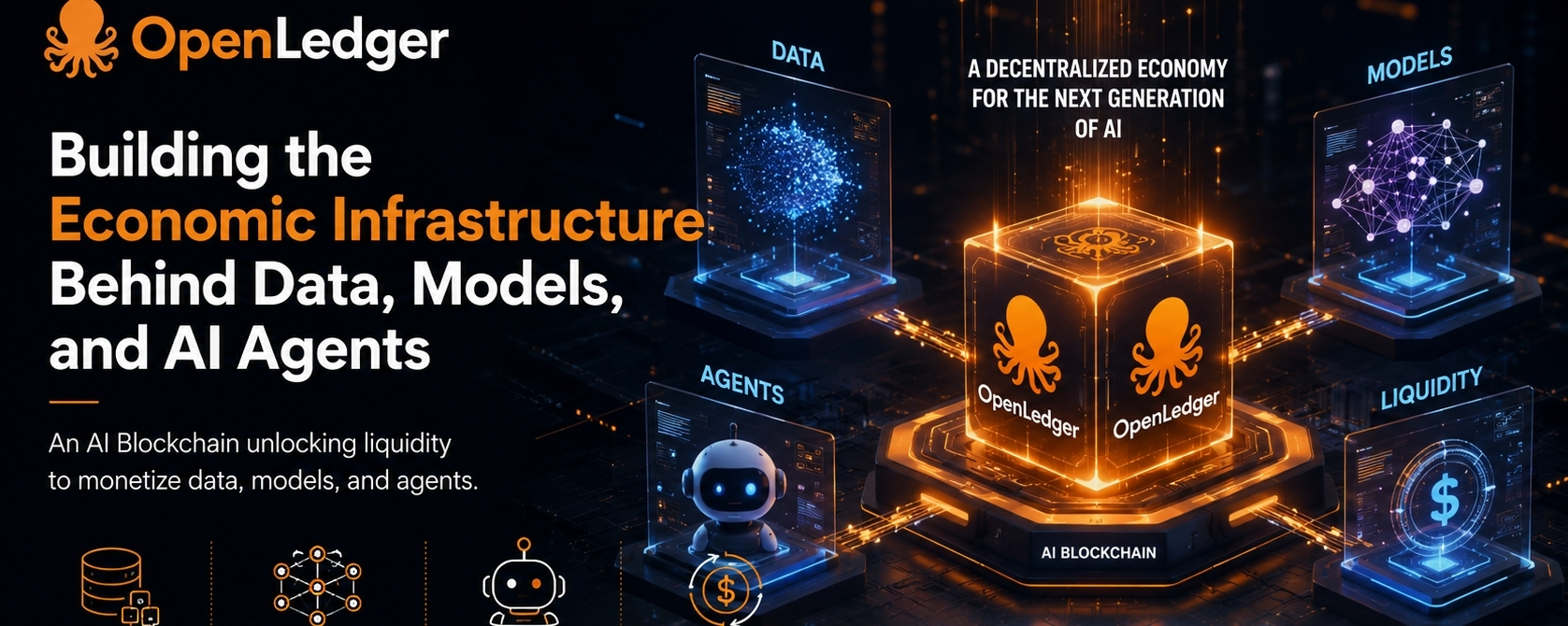
OpenLedger: Building the Economic Infrastructure Behind Data, Models, and AI Agents
When I look at OpenLedger, I do not immediately see another blockchain trying to attach itself to the AI narrative. What I see is an attempt to solve a coordination problem that is becoming more visible as AI systems grow larger and involve more participants.
Today, AI development is rarely the result of a single contributor. Data providers generate datasets, developers build models, operators run infrastructure, and users create demand through real-world usage. Each participant contributes value, but the economic relationship between them is often unclear. Technical progress continues, yet ownership, incentives, and monetization remain fragmented. OpenLedger appears to be designed around this specific gap.
The idea behind OpenLedger is straightforward at a conceptual level. It introduces an AI blockchain that treats data, models, and agents as economic assets. Instead of existing as isolated components inside separate platforms, these resources can potentially become measurable and monetizable units within a shared economic system.
I find this interesting because many discussions around AI focus almost entirely on intelligence itself. Most attention goes toward model performance, training methods, or computational scale. Yet as AI ecosystems mature, economic coordination becomes equally important. A system can be technically impressive while still struggling to attract contributors if value distribution remains uncertain.
OpenLedger approaches the problem by introducing liquidity around AI-related assets. In practical terms, this means the protocol is exploring ways for contributions to become part of an economic layer rather than remaining invisible inputs. The underlying assumption is that participants are more likely to contribute valuable resources when ownership and rewards are easier to track and understand.
From an infrastructure perspective, this shifts the conversation away from pure computation. The challenge is no longer only about building better models. It becomes a question of how value moves between participants. Data creators want recognition for their contributions. Model developers want sustainable incentives. Users want access to useful services. Agents may eventually operate independently and generate economic activity on their own. Coordinating all of these relationships is not a simple technical problem.
What makes this design notable is that it treats AI as an ecosystem rather than a collection of separate tools. Data, models, and agents are connected through economic relationships. If one part of the system creates value, there is an attempt to make that value visible and transferable across the network. Whether that works in practice is another question, but the direction itself addresses a real challenge.
I often compare this type of architecture to modern supply chains. A finished product may appear simple from the outside, but behind it exists a network of suppliers, manufacturers, logistics providers, and distributors. The final outcome depends on contributions from many different participants. AI ecosystems increasingly resemble this structure. Multiple contributors participate in creating value, yet the mechanisms for measuring and rewarding those contributions remain immature.
A practical scenario helps explain the concept. Imagine a developer building an AI application that relies on external datasets, specialized models, and autonomous agents performing tasks for users. In many environments today, tracking the economic contribution of each component can become difficult. OpenLedger's approach suggests a framework where these resources are treated as identifiable assets within the network. The goal is not only technical interoperability but also economic visibility.
This is where the idea of liquidity becomes important. Liquidity is often discussed in financial terms, but in this context it reflects the ability of assets to participate in economic activity. If data, models, and agents can be represented within a shared economic system, contributors may have clearer paths toward monetization. That possibility could influence developer behavior over time.
However, I also see several structural challenges. Creating an economic layer is easier than creating an economic layer that participants genuinely trust. The system must provide reliable attribution, transparent ownership mechanisms, and predictable incentives. If contributors question how value is measured or distributed, adoption becomes difficult regardless of technical quality.
Another challenge involves complexity. Every additional economic mechanism introduces new operational requirements. Developers often prefer systems that reduce friction rather than increase it. If participation becomes too complicated, many builders will choose simpler alternatives even if the economic model appears theoretically superior.
There is also the question of long-term sustainability. Incentives can attract initial activity, but durable ecosystems usually emerge when participants receive consistent utility. OpenLedger's future depends not only on whether assets can be monetized but also on whether developers, operators, and users find the system valuable during everyday usage.
What I find most significant is that OpenLedger is addressing a problem that extends beyond AI itself. As digital systems become more interconnected, questions about ownership, contribution tracking, and value distribution become increasingly important. Technical innovation alone does not automatically create healthy ecosystems. Economic coordination often determines whether a network grows, stagnates, or fragments.
My view is that OpenLedger should be evaluated less as an AI product and more as economic infrastructure for AI ecosystems. The central question is not whether AI will continue to expand. The central question is whether contributors can participate in that expansion through transparent and sustainable economic relationships.
In the long run, success will depend on the protocol's ability to make ownership, incentives, and monetization feel natural rather than forced. If participants can clearly understand how value is created and distributed, the architecture gains relevance. If economic coordination becomes more complicated than the problem it is trying to solve, adoption will remain limited.
That is ultimately how I see OpenLedger. It is not attempting to solve intelligence itself. It is attempting to solve the economic relationships that form around intelligence. Whether that becomes valuable infrastructure or an overly complex experiment will depend on how effectively those relationships function in real-world use.
@OpenLedger #OpenLedger $OPEN
Today, AI development is rarely the result of a single contributor. Data providers generate datasets, developers build models, operators run infrastructure, and users create demand through real-world usage. Each participant contributes value, but the economic relationship between them is often unclear. Technical progress continues, yet ownership, incentives, and monetization remain fragmented. OpenLedger appears to be designed around this specific gap.
The idea behind OpenLedger is straightforward at a conceptual level. It introduces an AI blockchain that treats data, models, and agents as economic assets. Instead of existing as isolated components inside separate platforms, these resources can potentially become measurable and monetizable units within a shared economic system.
I find this interesting because many discussions around AI focus almost entirely on intelligence itself. Most attention goes toward model performance, training methods, or computational scale. Yet as AI ecosystems mature, economic coordination becomes equally important. A system can be technically impressive while still struggling to attract contributors if value distribution remains uncertain.
OpenLedger approaches the problem by introducing liquidity around AI-related assets. In practical terms, this means the protocol is exploring ways for contributions to become part of an economic layer rather than remaining invisible inputs. The underlying assumption is that participants are more likely to contribute valuable resources when ownership and rewards are easier to track and understand.
From an infrastructure perspective, this shifts the conversation away from pure computation. The challenge is no longer only about building better models. It becomes a question of how value moves between participants. Data creators want recognition for their contributions. Model developers want sustainable incentives. Users want access to useful services. Agents may eventually operate independently and generate economic activity on their own. Coordinating all of these relationships is not a simple technical problem.
What makes this design notable is that it treats AI as an ecosystem rather than a collection of separate tools. Data, models, and agents are connected through economic relationships. If one part of the system creates value, there is an attempt to make that value visible and transferable across the network. Whether that works in practice is another question, but the direction itself addresses a real challenge.
I often compare this type of architecture to modern supply chains. A finished product may appear simple from the outside, but behind it exists a network of suppliers, manufacturers, logistics providers, and distributors. The final outcome depends on contributions from many different participants. AI ecosystems increasingly resemble this structure. Multiple contributors participate in creating value, yet the mechanisms for measuring and rewarding those contributions remain immature.
A practical scenario helps explain the concept. Imagine a developer building an AI application that relies on external datasets, specialized models, and autonomous agents performing tasks for users. In many environments today, tracking the economic contribution of each component can become difficult. OpenLedger's approach suggests a framework where these resources are treated as identifiable assets within the network. The goal is not only technical interoperability but also economic visibility.
This is where the idea of liquidity becomes important. Liquidity is often discussed in financial terms, but in this context it reflects the ability of assets to participate in economic activity. If data, models, and agents can be represented within a shared economic system, contributors may have clearer paths toward monetization. That possibility could influence developer behavior over time.
However, I also see several structural challenges. Creating an economic layer is easier than creating an economic layer that participants genuinely trust. The system must provide reliable attribution, transparent ownership mechanisms, and predictable incentives. If contributors question how value is measured or distributed, adoption becomes difficult regardless of technical quality.
Another challenge involves complexity. Every additional economic mechanism introduces new operational requirements. Developers often prefer systems that reduce friction rather than increase it. If participation becomes too complicated, many builders will choose simpler alternatives even if the economic model appears theoretically superior.
There is also the question of long-term sustainability. Incentives can attract initial activity, but durable ecosystems usually emerge when participants receive consistent utility. OpenLedger's future depends not only on whether assets can be monetized but also on whether developers, operators, and users find the system valuable during everyday usage.
What I find most significant is that OpenLedger is addressing a problem that extends beyond AI itself. As digital systems become more interconnected, questions about ownership, contribution tracking, and value distribution become increasingly important. Technical innovation alone does not automatically create healthy ecosystems. Economic coordination often determines whether a network grows, stagnates, or fragments.
My view is that OpenLedger should be evaluated less as an AI product and more as economic infrastructure for AI ecosystems. The central question is not whether AI will continue to expand. The central question is whether contributors can participate in that expansion through transparent and sustainable economic relationships.
In the long run, success will depend on the protocol's ability to make ownership, incentives, and monetization feel natural rather than forced. If participants can clearly understand how value is created and distributed, the architecture gains relevance. If economic coordination becomes more complicated than the problem it is trying to solve, adoption will remain limited.
That is ultimately how I see OpenLedger. It is not attempting to solve intelligence itself. It is attempting to solve the economic relationships that form around intelligence. Whether that becomes valuable infrastructure or an overly complex experiment will depend on how effectively those relationships function in real-world use.
@OpenLedger #OpenLedger $OPEN
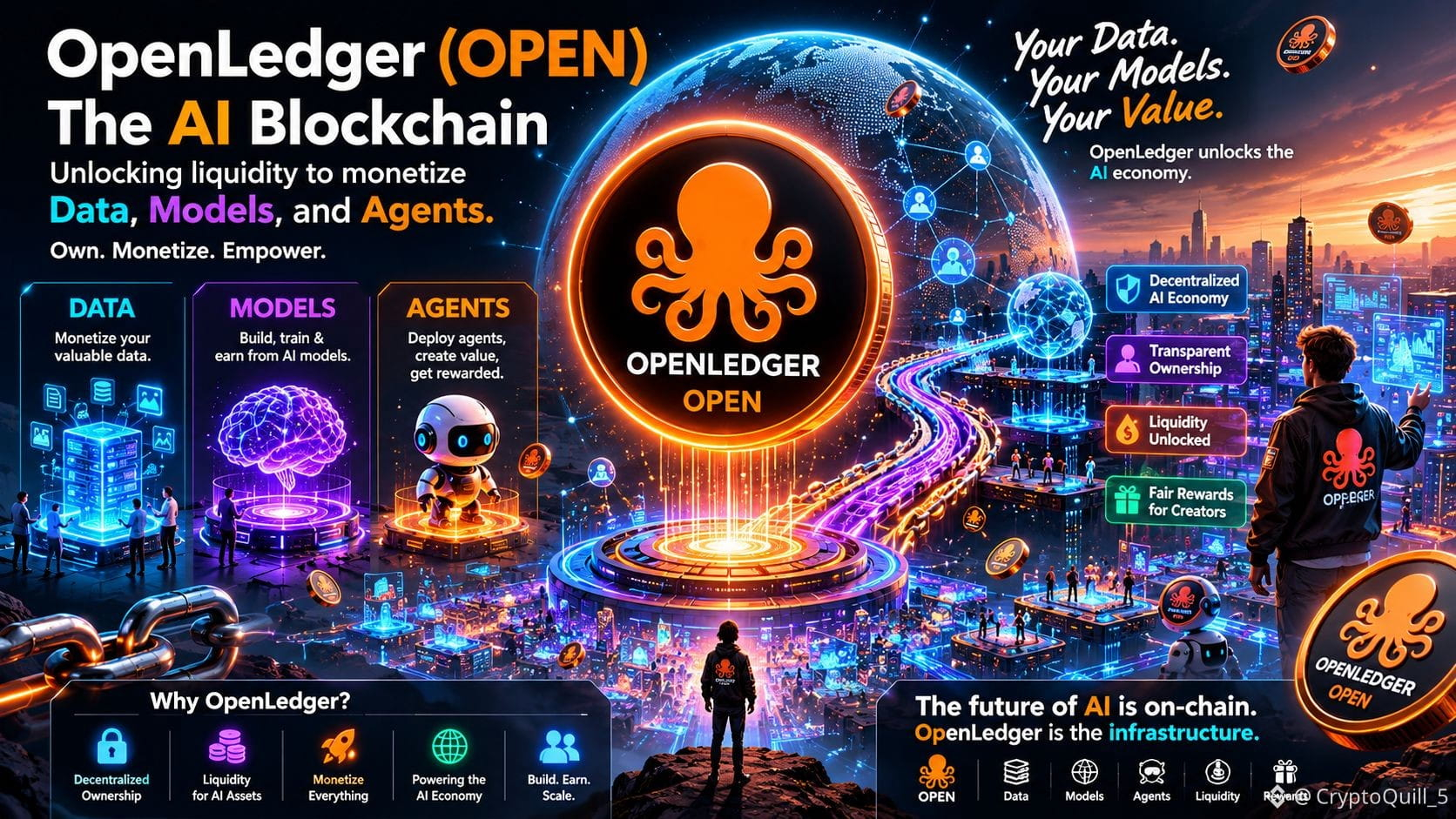
#openledger $OPEN I’ve been watching OpenLedger ($OPEN ) closely, and what stands out to me is its mission to turn data, models, and agents into real digital assets that can create value. Instead of letting useful information sit idle, OpenLedger focuses on giving creators and contributors a way to benefit from what they build and share.
What excites me most is the idea of unlocking liquidity around data and intelligence. As demand for smart applications continues to grow, projects that connect contributors, developers, and users through a transparent blockchain infrastructure could gain significant attention. OpenLedger is positioning itself at the center of that movement by creating an ecosystem where valuable resources can be discovered, used, and rewarded.
From a market perspective, I’m watching for ecosystem growth, new partnerships, developer activity, and increasing adoption. These factors often play a major role in determining whether a blockchain project can maintain long-term momentum.
My next move is simple: I’m keeping on my watchlist, following project updates, tracking community growth, and looking for signs of expanding utility. If adoption continues to increase and the network attracts more builders, OpenLedger could become one of the more interesting projects to follow in the evolving blockchain space.
For now, I’m staying patient, doing my research, and watching how the story of develops from here.
@OpenLedger #OpenLedger
$ALLO
$ID
What excites me most is the idea of unlocking liquidity around data and intelligence. As demand for smart applications continues to grow, projects that connect contributors, developers, and users through a transparent blockchain infrastructure could gain significant attention. OpenLedger is positioning itself at the center of that movement by creating an ecosystem where valuable resources can be discovered, used, and rewarded.
From a market perspective, I’m watching for ecosystem growth, new partnerships, developer activity, and increasing adoption. These factors often play a major role in determining whether a blockchain project can maintain long-term momentum.
My next move is simple: I’m keeping on my watchlist, following project updates, tracking community growth, and looking for signs of expanding utility. If adoption continues to increase and the network attracts more builders, OpenLedger could become one of the more interesting projects to follow in the evolving blockchain space.
For now, I’m staying patient, doing my research, and watching how the story of develops from here.
@OpenLedger #OpenLedger
$ALLO
$ID

Verificado
#genius $GENIUS I’ve been watching the growth of Genius Terminal, and one thing immediately stands out: it aims to be the first private and final on-chain terminal built for users who want speed, control, and privacy in one place. In a space where information moves fast and every second matters, having a terminal designed to simplify on-chain activity could become a major advantage.
What interests me most is the focus on privacy. Many tools provide data, but Genius Terminal is working toward giving users a cleaner and more secure way to interact with on-chain opportunities. The idea of combining important insights, execution tools, and real-time access into a single terminal creates a smoother experience for traders, researchers, and everyday users.
I believe the next move is simple: keep an eye on ecosystem updates, product releases, and community announcements. New features, partnerships, and integrations can often reveal the direction of a project before the broader market notices. I also think it is important to explore the platform firsthand, understand its tools, and follow how adoption grows over time.
For me, Genius Terminal is not just another dashboard. It represents a push toward a more efficient and private on-chain experience. If development continues at a strong pace, this project could become an important destination for users looking to navigate the blockchain world with greater confidence and precision.
@GeniusOfficial l #genius
$BASED
$WARD
What interests me most is the focus on privacy. Many tools provide data, but Genius Terminal is working toward giving users a cleaner and more secure way to interact with on-chain opportunities. The idea of combining important insights, execution tools, and real-time access into a single terminal creates a smoother experience for traders, researchers, and everyday users.
I believe the next move is simple: keep an eye on ecosystem updates, product releases, and community announcements. New features, partnerships, and integrations can often reveal the direction of a project before the broader market notices. I also think it is important to explore the platform firsthand, understand its tools, and follow how adoption grows over time.
For me, Genius Terminal is not just another dashboard. It represents a push toward a more efficient and private on-chain experience. If development continues at a strong pace, this project could become an important destination for users looking to navigate the blockchain world with greater confidence and precision.
@GeniusOfficial l #genius
$BASED
$WARD
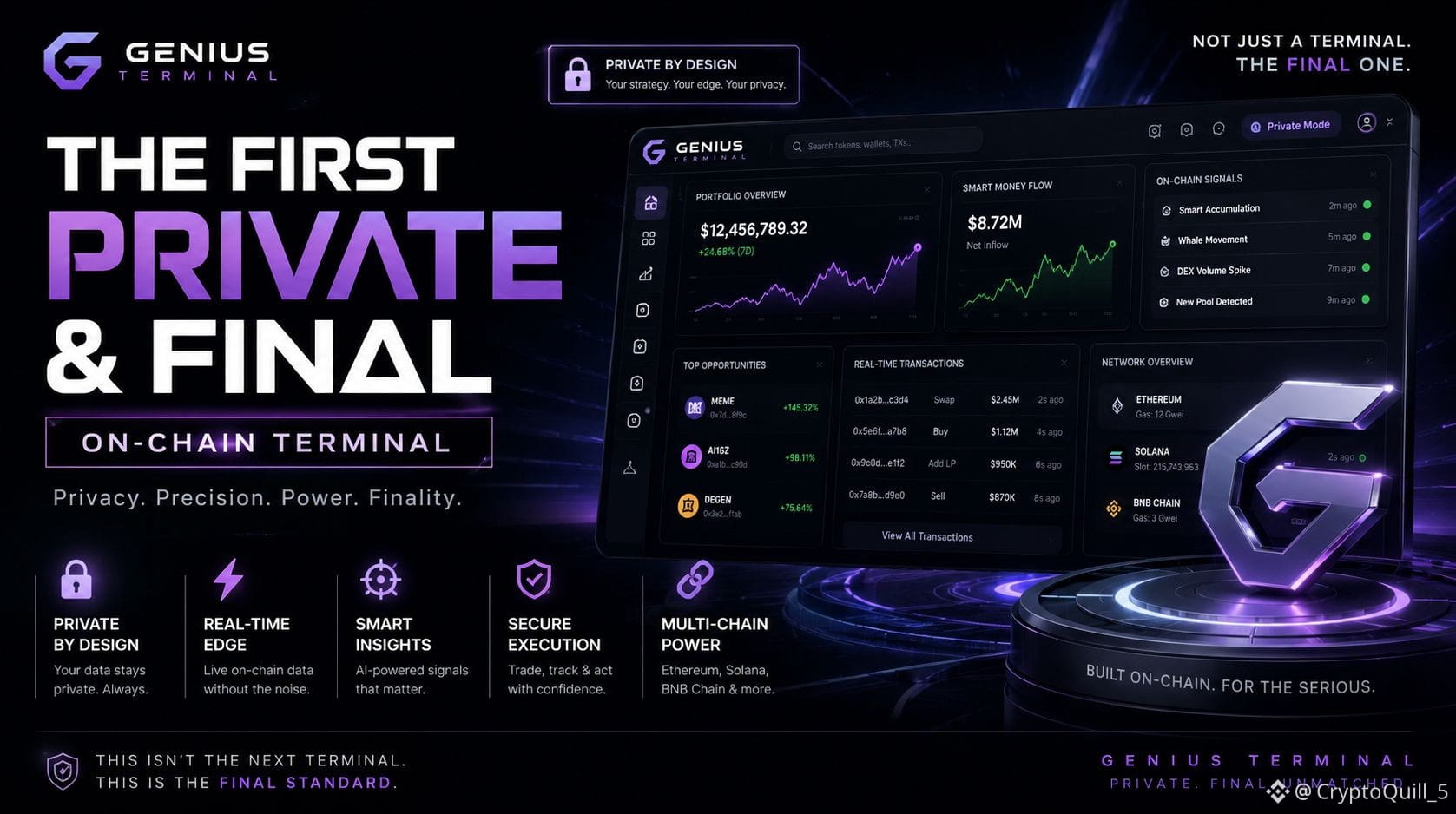
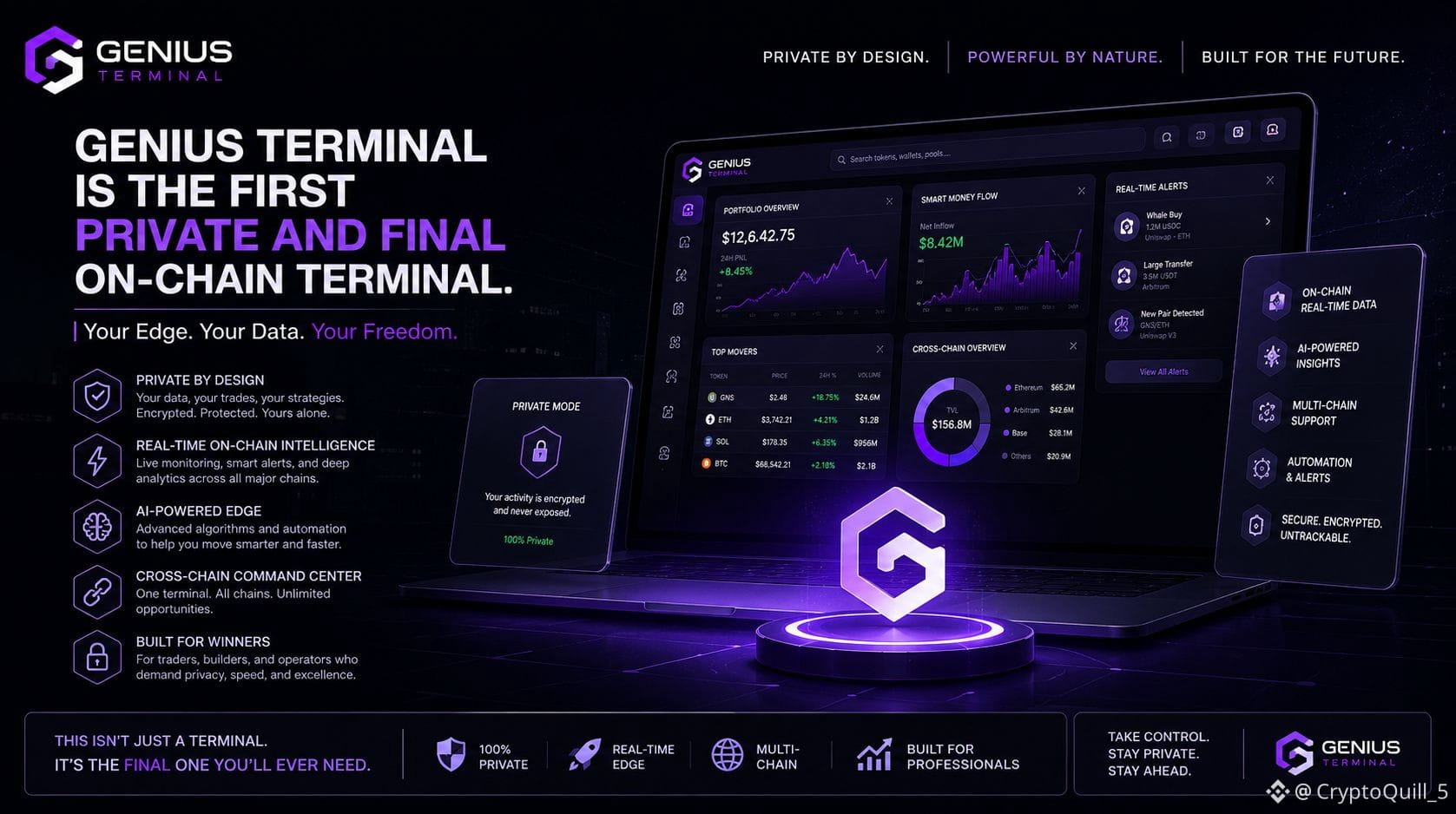
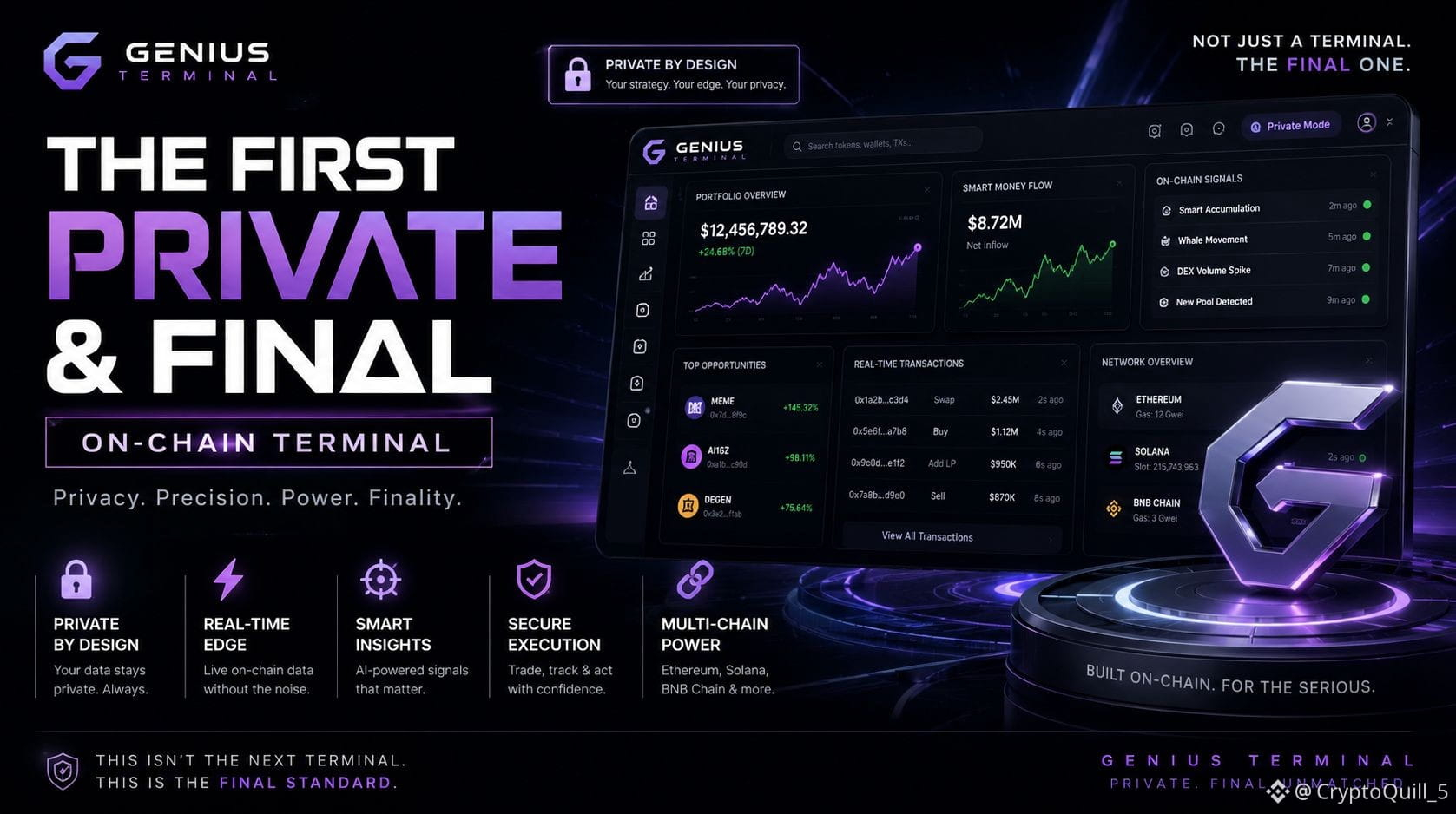
#genius $GENIUS I’ve been watching the rise of on-chain tools for a long time, but Genius Terminal feels different. It is not trying to be loud. It is trying to be final. That’s what caught my attention first. In a space full of noise, fake signals, and delayed reactions, I see Genius Terminal building a private environment where speed and precision matter more than hype.
What excites me most is the focus on privacy and execution. I can track opportunities, manage activity, and react faster without exposing every move to the public. That changes the game completely. Most traders are still using outdated dashboards while the market moves in seconds. Genius Terminal looks built for the next phase of on-chain trading where information control becomes power.
I also think this is bigger than a normal terminal. It feels like infrastructure for serious users who want cleaner data, smarter decisions, and stronger protection while navigating volatile markets.
My next move is simple: I’m watching ecosystem growth, user adoption, and upcoming integrations closely. If the team continues delivering powerful tools while keeping the platform private and efficient, I believe Genius Terminal could become one of the most important names in the on-chain world. @geniusofficial #genius $GENIUS
What excites me most is the focus on privacy and execution. I can track opportunities, manage activity, and react faster without exposing every move to the public. That changes the game completely. Most traders are still using outdated dashboards while the market moves in seconds. Genius Terminal looks built for the next phase of on-chain trading where information control becomes power.
I also think this is bigger than a normal terminal. It feels like infrastructure for serious users who want cleaner data, smarter decisions, and stronger protection while navigating volatile markets.
My next move is simple: I’m watching ecosystem growth, user adoption, and upcoming integrations closely. If the team continues delivering powerful tools while keeping the platform private and efficient, I believe Genius Terminal could become one of the most important names in the on-chain world. @geniusofficial #genius $GENIUS
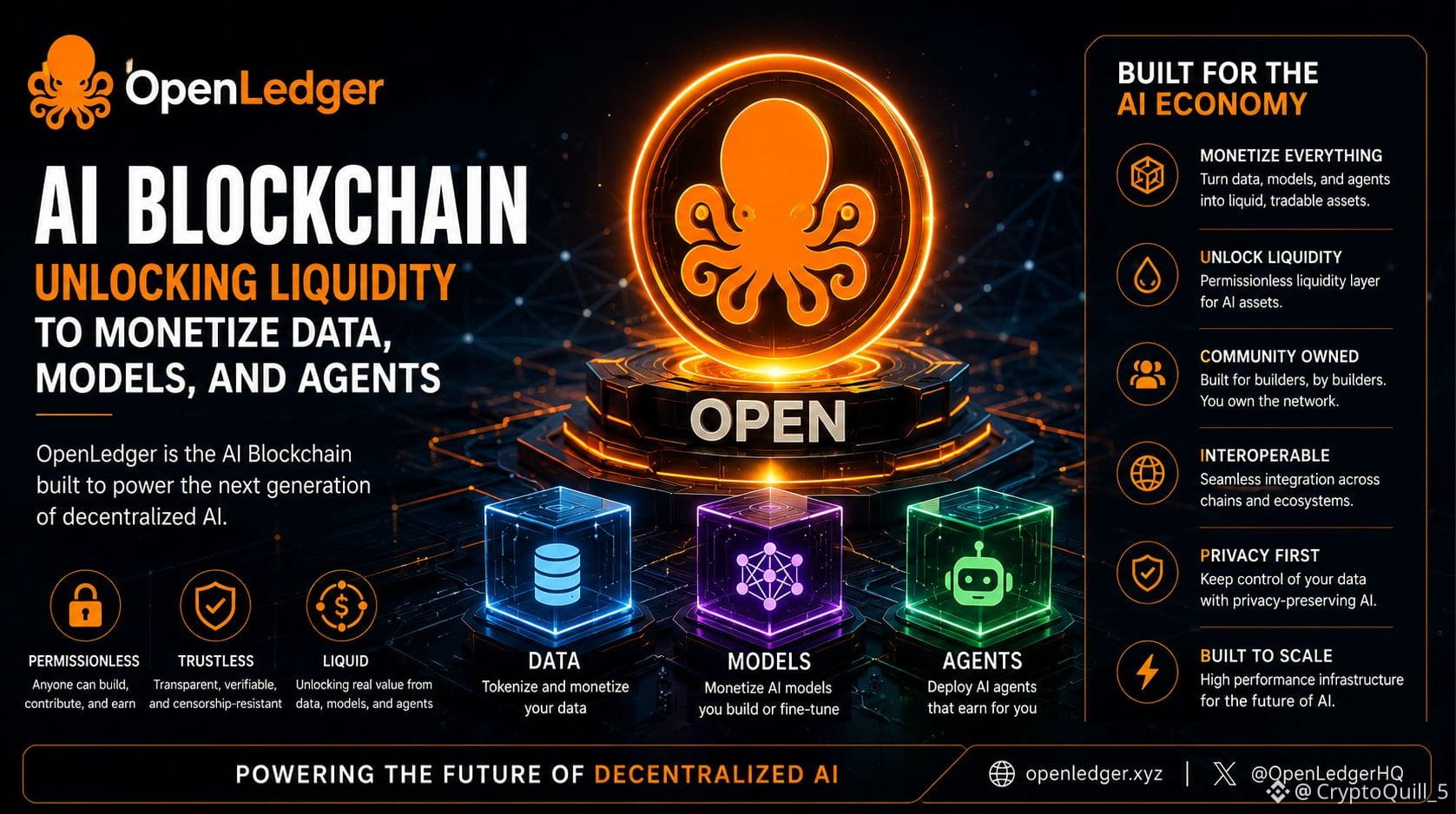
#openledger $OPEN I’ve been watching how fast the digital economy is changing, and honestly, OpenLedger feels like one of the few projects trying to solve a real problem instead of chasing hype. OpenLedger is building a system where data, models, and agents are no longer locked away without value. The idea that people can finally earn from what they create, train, or contribute changes the game completely.
What caught my attention is the liquidity layer behind it. Most platforms collect user activity while the community gets almost nothing back. OpenLedger is pushing a different direction where value can move back to creators, builders, and contributors. I see this becoming important as demand for smarter digital systems keeps growing.
I’m also noticing how OPEN is positioning itself around long-term utility instead of temporary excitement. That matters. Projects survive when they create ecosystems people actually use. If adoption grows, the network effect around data and agents could become massive.
My next move is simple: I’m watching ecosystem growth, partnerships, developer activity, and how fast new tools launch on the chain. I also think early community participation could matter later if the platform expands the way many expect.
Right now, OpenLedger feels less like noise and more like infrastructure being built quietly before the crowd fully notices it.
$OPEN
What caught my attention is the liquidity layer behind it. Most platforms collect user activity while the community gets almost nothing back. OpenLedger is pushing a different direction where value can move back to creators, builders, and contributors. I see this becoming important as demand for smarter digital systems keeps growing.
I’m also noticing how OPEN is positioning itself around long-term utility instead of temporary excitement. That matters. Projects survive when they create ecosystems people actually use. If adoption grows, the network effect around data and agents could become massive.
My next move is simple: I’m watching ecosystem growth, partnerships, developer activity, and how fast new tools launch on the chain. I also think early community participation could matter later if the platform expands the way many expect.
Right now, OpenLedger feels less like noise and more like infrastructure being built quietly before the crowd fully notices it.
$OPEN
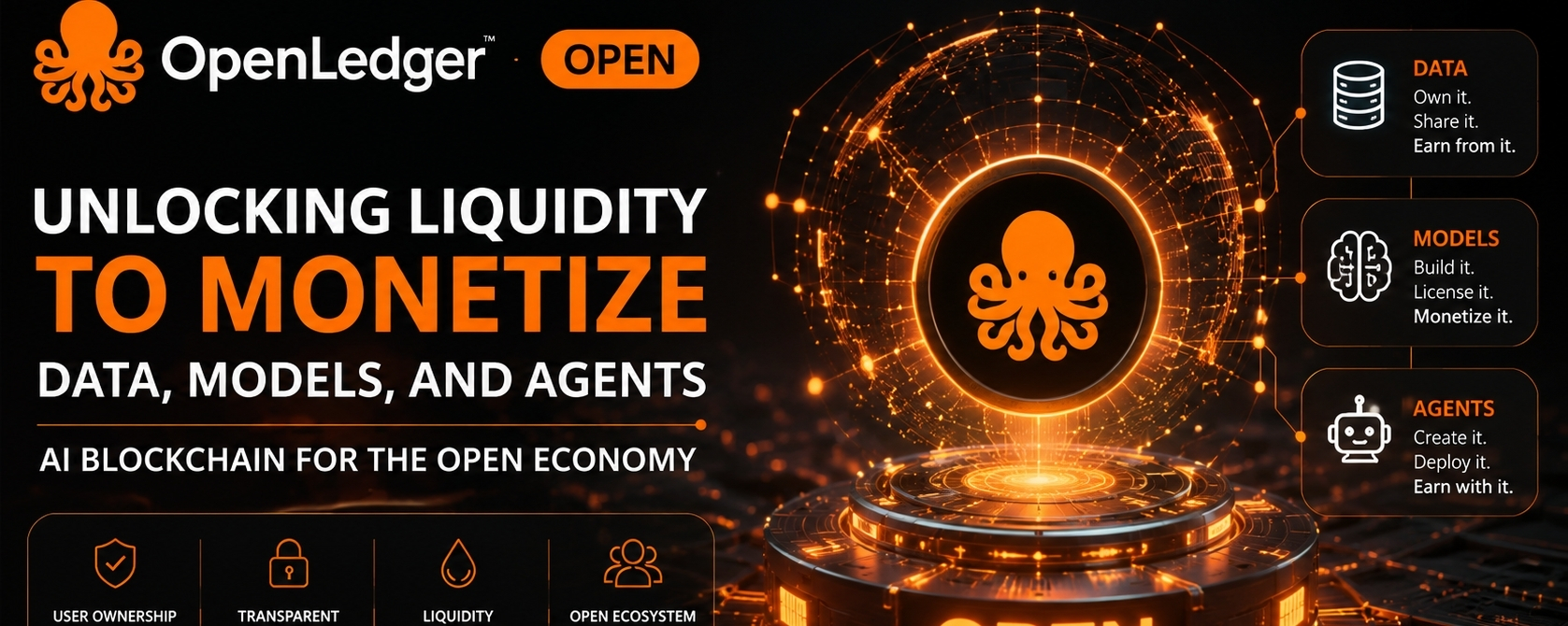
Most AI chains talk about speed. Few talk about ownership. That’s why I’m watching @OpenLedger closely. $OPEN is building infrastructure where data, models, and AI agents can actually become monetizable assets instead of free fuel for centralized platforms.
The interesting part is not just TPS or hype cycles — it’s the liquidity layer behind AI contributions. If OpenLedger succeeds, creators and developers may finally capture value from the intelligence they produce on-chain.
I think the next phase of crypto will reward networks that combine AI utility with transparent economic incentives, and #OpenLedger is positioning itself right in that conversation. $OPEN
Here’s an original Binance Square post you@OpenLedger #OpenLedger $OPEN
The interesting part is not just TPS or hype cycles — it’s the liquidity layer behind AI contributions. If OpenLedger succeeds, creators and developers may finally capture value from the intelligence they produce on-chain.
I think the next phase of crypto will reward networks that combine AI utility with transparent economic incentives, and #OpenLedger is positioning itself right in that conversation. $OPEN
Here’s an original Binance Square post you@OpenLedger #OpenLedger $OPEN
I’ve been watching closely, and the vision behind $GENIUS is starting to look bigger than most people realize. Privacy-first infrastructure, powerful on-chain intelligence, and a terminal built for the next generation of traders feels like the beginning of a serious shift in crypto.
What stands out to me is how Genius focuses on speed without sacrificing security or user control. In a market full of noise, projects with real utility and strong execution usually win long term.
My next move? I’m tracking ecosystem updates, watching community growth, and positioning early before wider attention arrives. The smartest opportunities often appear before the crowd understands them.
$GENIUS could become one of the most talked-about on-chain intelligence plays this cycle. #genius
Here’s a thrilling Binance Square post you can use:
@GeniusOfficial #genius $GENIUS
What stands out to me is how Genius focuses on speed without sacrificing security or user control. In a market full of noise, projects with real utility and strong execution usually win long term.
My next move? I’m tracking ecosystem updates, watching community growth, and positioning early before wider attention arrives. The smartest opportunities often appear before the crowd understands them.
$GENIUS could become one of the most talked-about on-chain intelligence plays this cycle. #genius
Here’s a thrilling Binance Square post you can use:
@GeniusOfficial #genius $GENIUS
#genius $GENIUS I’ve been watching the evolution of on-chain infrastructure for years, but Genius Terminal feels different. This isn’t just another trading dashboard pretending to be revolutionary. It’s positioning itself as the first private and final on-chain terminal a place where execution, intelligence, and privacy collide in one battlefield-ready system.
What caught my attention is the focus on privacy at a time when most on-chain activity is fully exposed. In crypto, information leaks are expensive. Wallet tracking, copy trading, and front-running have become part of the game. Genius Terminal appears to be building for traders and operators who want speed without sacrificing stealth. That changes the dynamics completely.
I’m also noticing growing interest around AI-assisted analytics, terminal automation, and cross-chain monitoring. If Genius Terminal executes correctly, it could become more than a tool it could evolve into an operating layer for serious on-chain participants.
My next move is simple: I’m watching ecosystem growth, user adoption, partnerships, and token utility very closely. I want to see whether the platform can sustain real volume and attract high-level traders, not just hype cycles. If momentum continues building, Genius Terminal could become one of the most important infrastructure narratives in the next phase of crypto markets.
@GeniusOfficial #genius $GENIUS
What caught my attention is the focus on privacy at a time when most on-chain activity is fully exposed. In crypto, information leaks are expensive. Wallet tracking, copy trading, and front-running have become part of the game. Genius Terminal appears to be building for traders and operators who want speed without sacrificing stealth. That changes the dynamics completely.
I’m also noticing growing interest around AI-assisted analytics, terminal automation, and cross-chain monitoring. If Genius Terminal executes correctly, it could become more than a tool it could evolve into an operating layer for serious on-chain participants.
My next move is simple: I’m watching ecosystem growth, user adoption, partnerships, and token utility very closely. I want to see whether the platform can sustain real volume and attract high-level traders, not just hype cycles. If momentum continues building, Genius Terminal could become one of the most important infrastructure narratives in the next phase of crypto markets.
@GeniusOfficial #genius $GENIUS
Inicia sesión para explorar más contenidos