

T E R E S S A
9.7k Publicaciones

T E R E S S A
 Verificado Plus de Binance Square
Denunciar
Bloquear usuario
Crypto enthusiast sharing Binance insights; join the blockchain buzz! X: @TeressaInsights
Trader frecuente
1.5 año(s)
228 Siguiendo
32.4K+ Seguidores
26.3K+ Me gusta
Publicaciones
Todo
Citas
Videos
Live
PINNED
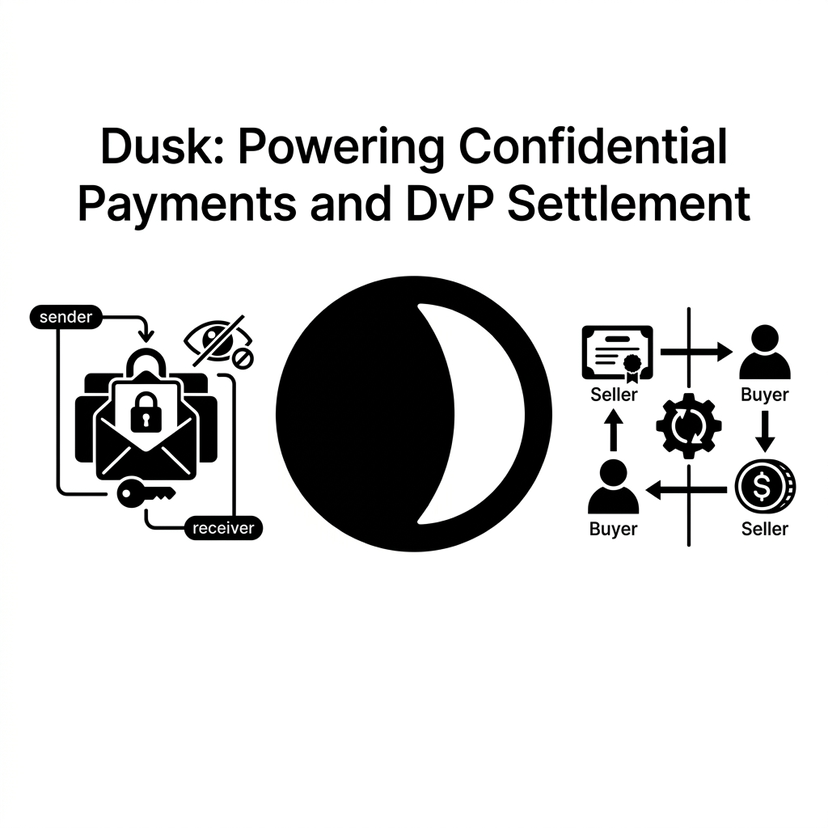
Crepúsculo: Habilitar pagos confidenciales y la liquidación DvP
Asumimos que el pago y la entrega son, de forma natural, eventos separados. Una parte paga, luego espera y después recibe. Esa brecha entre etapas siempre ha conllevado riesgo, y hemos aprendido a vivir con ello en silencio.
Entrega contra pago cierra esa brecha por diseño. Sin esperas. Sin exposición entre el momento en que el valor sale y el momento en que llega.
La confidencialidad añade algo completamente distinto. La transacción se liquida correctamente, pero sin difundir los detalles a cada observador en el camino.
Esa combinación no debería sorprender. Así es como la mayoría de las transacciones financieras serias ya quieren funcionar.
Quizá la pregunta real sea por qué tardó tanto en construirse una infraestructura que cumpliera con esa expectativa.
Si el pago y la entrega pudieran liquidarse siempre de forma simultánea y privada, ¿qué encontraríamos que ya no necesitamos para confiar?
$TUT
{spot}(TUTUSDT)
$DUSK
{spot}(DUSKUSDT)
$GIGGLE
{spot}(GIGGLEUSDT)
#dusk @Dusk
Crepúsculo: Habilitar pagos confidenciales y la liquidación DvP
Asumimos que el pago y la entrega son, de forma natural, eventos separados. Una parte paga, luego espera y después recibe. Esa brecha entre etapas siempre ha conllevado riesgo, y hemos aprendido a vivir con ello en silencio.
Entrega contra pago cierra esa brecha por diseño. Sin esperas. Sin exposición entre el momento en que el valor sale y el momento en que llega.
La confidencialidad añade algo completamente distinto. La transacción se liquida correctamente, pero sin difundir los detalles a cada observador en el camino.
Esa combinación no debería sorprender. Así es como la mayoría de las transacciones financieras serias ya quieren funcionar.
Quizá la pregunta real sea por qué tardó tanto en construirse una infraestructura que cumpliera con esa expectativa.
Si el pago y la entrega pudieran liquidarse siempre de forma simultánea y privada, ¿qué encontraríamos que ya no necesitamos para confiar?
$TUT
$DUSK
$GIGGLE
#dusk @Dusk
Asumimos que el pago y la entrega son, de forma natural, eventos separados. Una parte paga, luego espera y después recibe. Esa brecha entre etapas siempre ha conllevado riesgo, y hemos aprendido a vivir con ello en silencio.
Entrega contra pago cierra esa brecha por diseño. Sin esperas. Sin exposición entre el momento en que el valor sale y el momento en que llega.
La confidencialidad añade algo completamente distinto. La transacción se liquida correctamente, pero sin difundir los detalles a cada observador en el camino.
Esa combinación no debería sorprender. Así es como la mayoría de las transacciones financieras serias ya quieren funcionar.
Quizá la pregunta real sea por qué tardó tanto en construirse una infraestructura que cumpliera con esa expectativa.
Si el pago y la entrega pudieran liquidarse siempre de forma simultánea y privada, ¿qué encontraríamos que ya no necesitamos para confiar?
$TUT
$DUSK
$GIGGLE
#dusk @Dusk
17
16
815
PINNED
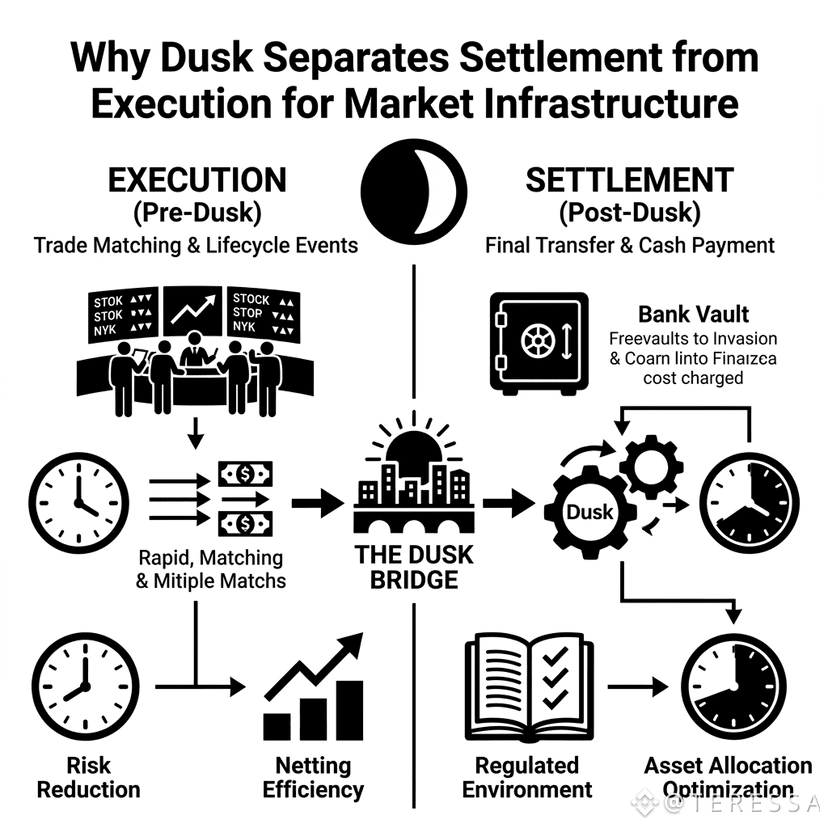
¿Por qué Dusk separa la liquidación de la ejecución para la infraestructura del mercado?
Suponemos que la liquidación y la ejecución pertenecen juntas. Una desencadena la otra, y agruparlas pareció eficiencia. Separarlas sonó como agregar pasos a un proceso que ya funcionaba.
Pero los sistemas agrupados también conllevan fallos agrupados. Cuando la ejecución se detiene, la liquidación espera. Cuando la liquidación se atrasa, la ejecución pierde sentido.
La separación le da a cada capa espacio para ser exactamente lo que necesita. La ejecución puede moverse rápido. La liquidación puede avanzar correctamente. Ninguna tiene que ceder por la otra.
La mayor parte de la infraestructura del mercado heredó esa suposición de sistema integrado sin cuestionarla. Dusk trata la separación como la característica, no como la complicación.
Si las dos pudieran perfeccionarse de forma independiente, ¿qué más hemos estado retrasando al mantenerlas juntas?
$AVAX
{spot}(AVAXUSDT)
$TRUMP
$DUSK
{spot}(TRUMPUSDT)
{spot}(DUSKUSDT)
#dusk @Dusk_Foundation
¿Por qué Dusk separa la liquidación de la ejecución para la infraestructura del mercado?
Suponemos que la liquidación y la ejecución pertenecen juntas. Una desencadena la otra, y agruparlas pareció eficiencia. Separarlas sonó como agregar pasos a un proceso que ya funcionaba.
Pero los sistemas agrupados también conllevan fallos agrupados. Cuando la ejecución se detiene, la liquidación espera. Cuando la liquidación se atrasa, la ejecución pierde sentido.
La separación le da a cada capa espacio para ser exactamente lo que necesita. La ejecución puede moverse rápido. La liquidación puede avanzar correctamente. Ninguna tiene que ceder por la otra.
La mayor parte de la infraestructura del mercado heredó esa suposición de sistema integrado sin cuestionarla. Dusk trata la separación como la característica, no como la complicación.
Si las dos pudieran perfeccionarse de forma independiente, ¿qué más hemos estado retrasando al mantenerlas juntas?
$AVAX
$TRUMP
$DUSK
#dusk @Dusk
Suponemos que la liquidación y la ejecución pertenecen juntas. Una desencadena la otra, y agruparlas pareció eficiencia. Separarlas sonó como agregar pasos a un proceso que ya funcionaba.
Pero los sistemas agrupados también conllevan fallos agrupados. Cuando la ejecución se detiene, la liquidación espera. Cuando la liquidación se atrasa, la ejecución pierde sentido.
La separación le da a cada capa espacio para ser exactamente lo que necesita. La ejecución puede moverse rápido. La liquidación puede avanzar correctamente. Ninguna tiene que ceder por la otra.
La mayor parte de la infraestructura del mercado heredó esa suposición de sistema integrado sin cuestionarla. Dusk trata la separación como la característica, no como la complicación.
Si las dos pudieran perfeccionarse de forma independiente, ¿qué más hemos estado retrasando al mantenerlas juntas?
$AVAX
$TRUMP
$DUSK
#dusk @Dusk
25
13
893
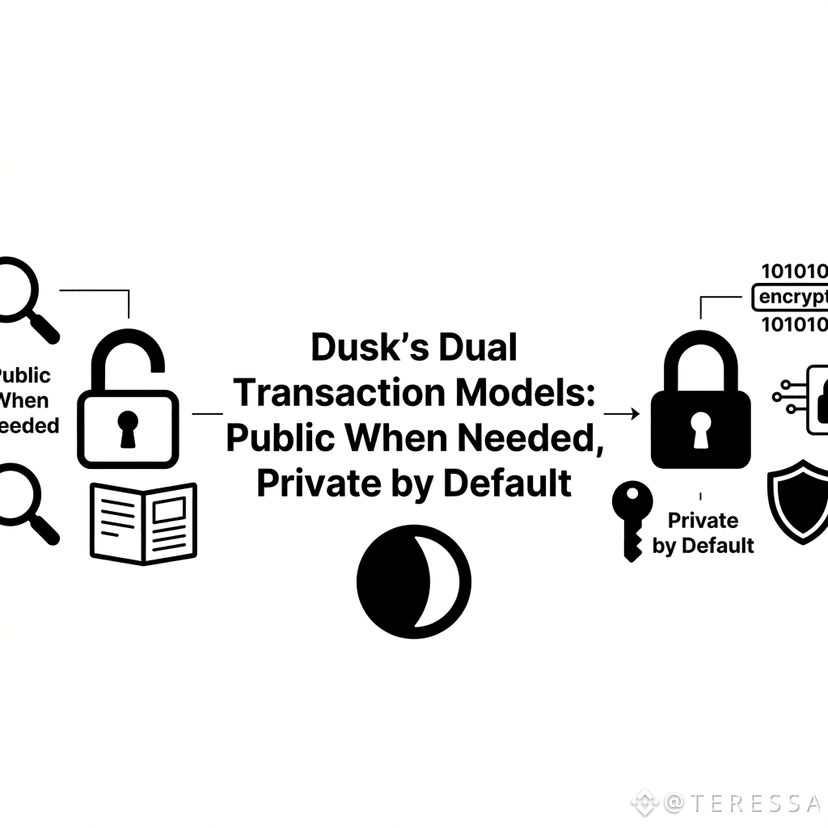
Modelos de transacciones duales de Dusk: público cuando haga falta, privado por defecto
Suponemos que lo público es el ajuste predeterminado más seguro. Si todo es visible, nada puede ocultarse incorrectamente. Esa lógica se siente responsable, incluso virtuosa, cuando se aplica a sistemas financieros.
Pero lo público por defecto significa que otra persona decidió tu base. Tú eliges la privacidad en lugar de decidir cuándo compartir.
Dusk lo invierte en silencio. Privado por defecto devuelve la posición inicial al individuo. Público se vuelve un acto deliberado, no una condición en la que naciste en cadena.
Eso es menos una distinción técnica que una filosófica. Quién establece la base importa tanto como cuál es la base.
Si la privacidad fuera el ajuste predeterminado en todas partes, ¿en qué pensaríamos de manera diferente sobre lo que decidimos hacer visible?
$ONG
{spot}(ONGUSDT)
$ENA
{spot}(ENAUSDT)
$DUSK
{spot}(DUSKUSDT)
#dusk @Dusk
Modelos de transacciones duales de Dusk: público cuando haga falta, privado por defecto
Suponemos que lo público es el ajuste predeterminado más seguro. Si todo es visible, nada puede ocultarse incorrectamente. Esa lógica se siente responsable, incluso virtuosa, cuando se aplica a sistemas financieros.
Pero lo público por defecto significa que otra persona decidió tu base. Tú eliges la privacidad en lugar de decidir cuándo compartir.
Dusk lo invierte en silencio. Privado por defecto devuelve la posición inicial al individuo. Público se vuelve un acto deliberado, no una condición en la que naciste en cadena.
Eso es menos una distinción técnica que una filosófica. Quién establece la base importa tanto como cuál es la base.
Si la privacidad fuera el ajuste predeterminado en todas partes, ¿en qué pensaríamos de manera diferente sobre lo que decidimos hacer visible?
$ONG
$ENA
$DUSK
#dusk @Dusk
Suponemos que lo público es el ajuste predeterminado más seguro. Si todo es visible, nada puede ocultarse incorrectamente. Esa lógica se siente responsable, incluso virtuosa, cuando se aplica a sistemas financieros.
Pero lo público por defecto significa que otra persona decidió tu base. Tú eliges la privacidad en lugar de decidir cuándo compartir.
Dusk lo invierte en silencio. Privado por defecto devuelve la posición inicial al individuo. Público se vuelve un acto deliberado, no una condición en la que naciste en cadena.
Eso es menos una distinción técnica que una filosófica. Quién establece la base importa tanto como cuál es la base.
Si la privacidad fuera el ajuste predeterminado en todas partes, ¿en qué pensaríamos de manera diferente sobre lo que decidimos hacer visible?
$ONG
$ENA
$DUSK
#dusk @Dusk
68
33
2.6k
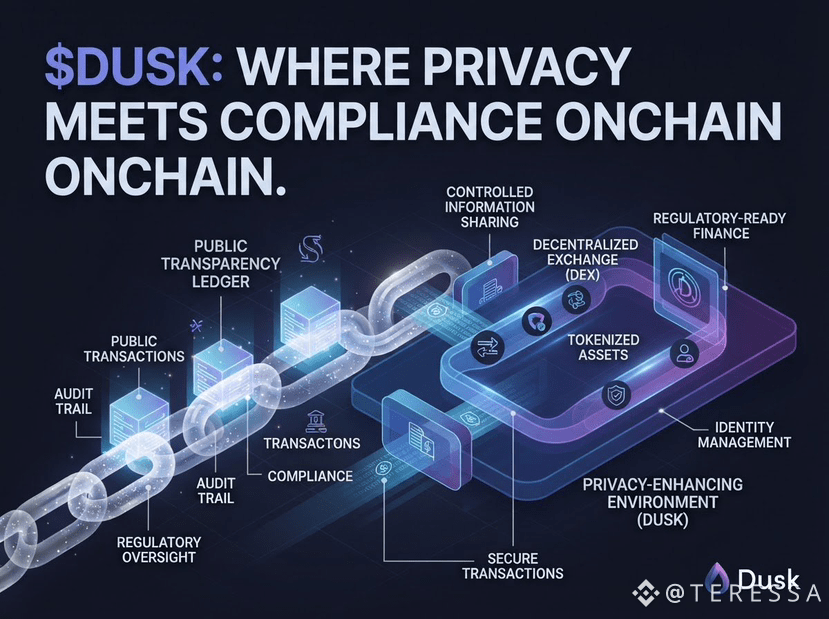
Suponemos que el cumplimiento y la lógica on-chain pertenecen a mundos distintos. Uno vive en documentos legales y en la supervisión humana. El otro se ejecuta en código, de forma autónoma e indiferente a los reglamentos.
Esa separación siempre ha resultado incómoda. Los flujos regulados necesitan reglas que los sigan, no reglas que se detengan en el borde de la cadena.
Dusk integra el cumplimiento directamente en la lógica. No como un filtro aplicado después, sino como una condición incorporada en la forma en que se ejecutan las transacciones.
Ese es un cambio significativo. Las reglas dejan de ser restricciones externas y pasan a formar parte de lo que el sistema realmente hace.
El cumplimiento nunca fue el enemigo de la programabilidad. Quizá solo estaba esperando ser escrito en el lenguaje adecuado.
Si la regulación pudiera vivir dentro del contrato en lugar de rodearlo, ¿qué cambiaría eso sobre quién puede participar?
#dusk
$ONG
@Dusk_Foundation
$DUSK
{spot}(ONGUSDT)
{spot}(DUSKUSDT)
$ACE
{spot}(ACEUSDT)
Suponemos que el cumplimiento y la lógica on-chain pertenecen a mundos distintos. Uno vive en documentos legales y en la supervisión humana. El otro se ejecuta en código, de forma autónoma e indiferente a los reglamentos.
Esa separación siempre ha resultado incómoda. Los flujos regulados necesitan reglas que los sigan, no reglas que se detengan en el borde de la cadena.
Dusk integra el cumplimiento directamente en la lógica. No como un filtro aplicado después, sino como una condición incorporada en la forma en que se ejecutan las transacciones.
Ese es un cambio significativo. Las reglas dejan de ser restricciones externas y pasan a formar parte de lo que el sistema realmente hace.
El cumplimiento nunca fue el enemigo de la programabilidad. Quizá solo estaba esperando ser escrito en el lenguaje adecuado.
Si la regulación pudiera vivir dentro del contrato en lugar de rodearlo, ¿qué cambiaría eso sobre quién puede participar?
#dusk
$ONG
@Dusk
$DUSK
$ACE
Esa separación siempre ha resultado incómoda. Los flujos regulados necesitan reglas que los sigan, no reglas que se detengan en el borde de la cadena.
Dusk integra el cumplimiento directamente en la lógica. No como un filtro aplicado después, sino como una condición incorporada en la forma en que se ejecutan las transacciones.
Ese es un cambio significativo. Las reglas dejan de ser restricciones externas y pasan a formar parte de lo que el sistema realmente hace.
El cumplimiento nunca fue el enemigo de la programabilidad. Quizá solo estaba esperando ser escrito en el lenguaje adecuado.
Si la regulación pudiera vivir dentro del contrato en lugar de rodearlo, ¿qué cambiaría eso sobre quién puede participar?
#dusk
$ONG
@Dusk
$DUSK
$ACE
28
22
809
¿Qué hace a Dusk ideal para DeFi institucional y valores tokenizados?
Asumimos que las instituciones tardan en adoptar porque son cautelosas por naturaleza. Son reacias al riesgo, con mucho peso de la conformidad y siempre esperando a que alguien más dé el primer paso. Esa forma de verlo hace que parezcan obstáculos.
Pero las instituciones no están evitando DeFi porque no les guste. Están evitando una infraestructura que no fue diseñada pensando en ellas.
Dusk cambia ese punto de partida. Privacidad desde el diseño, compatibilidad regulatoria, finalidad rápida. No son funciones añadidas después, sino decisiones tomadas desde el principio.
Esa es la diferencia entre adaptarse a un sistema y crearlo con un propósito.
La mayoría de los proyectos de blockchain esperaron a que las instituciones se adaptaran. Dusk parece haber preguntado qué haría falta para que no tuvieran que hacerlo.
Si la infraestructura adecuada siempre hubiera existido, ¿cuánto capital institucional nunca se mostró realmente reacio, solo estaba esperando? #dusk @Dusk_Foundation
$DUSK $BOME
{spot}(BOMEUSDT)
{spot}(DUSKUSDT)
$RED
{spot}(REDUSDT)
¿Qué hace a Dusk ideal para DeFi institucional y valores tokenizados?
Asumimos que las instituciones tardan en adoptar porque son cautelosas por naturaleza. Son reacias al riesgo, con mucho peso de la conformidad y siempre esperando a que alguien más dé el primer paso. Esa forma de verlo hace que parezcan obstáculos.
Pero las instituciones no están evitando DeFi porque no les guste. Están evitando una infraestructura que no fue diseñada pensando en ellas.
Dusk cambia ese punto de partida. Privacidad desde el diseño, compatibilidad regulatoria, finalidad rápida. No son funciones añadidas después, sino decisiones tomadas desde el principio.
Esa es la diferencia entre adaptarse a un sistema y crearlo con un propósito.
La mayoría de los proyectos de blockchain esperaron a que las instituciones se adaptaran. Dusk parece haber preguntado qué haría falta para que no tuvieran que hacerlo.
Si la infraestructura adecuada siempre hubiera existido, ¿cuánto capital institucional nunca se mostró realmente reacio, solo estaba esperando? #dusk @Dusk
$DUSK $BOME
$RED
Asumimos que las instituciones tardan en adoptar porque son cautelosas por naturaleza. Son reacias al riesgo, con mucho peso de la conformidad y siempre esperando a que alguien más dé el primer paso. Esa forma de verlo hace que parezcan obstáculos.
Pero las instituciones no están evitando DeFi porque no les guste. Están evitando una infraestructura que no fue diseñada pensando en ellas.
Dusk cambia ese punto de partida. Privacidad desde el diseño, compatibilidad regulatoria, finalidad rápida. No son funciones añadidas después, sino decisiones tomadas desde el principio.
Esa es la diferencia entre adaptarse a un sistema y crearlo con un propósito.
La mayoría de los proyectos de blockchain esperaron a que las instituciones se adaptaran. Dusk parece haber preguntado qué haría falta para que no tuvieran que hacerlo.
Si la infraestructura adecuada siempre hubiera existido, ¿cuánto capital institucional nunca se mostró realmente reacio, solo estaba esperando? #dusk @Dusk
$DUSK $BOME
$RED
97
36
1.2k
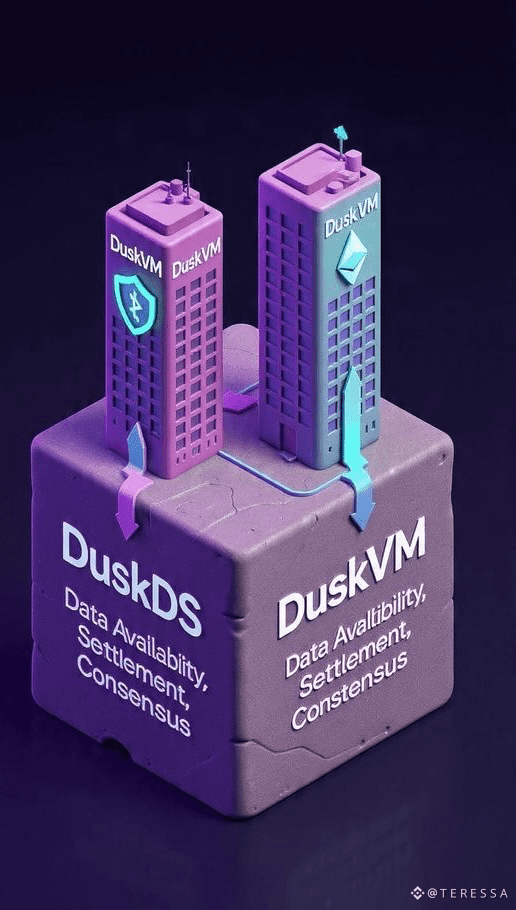
Crepúsculo: Arquitectura modular con DuskDS, DuskEVM y DuskVM
Suponemos que una blockchain tiene que apostar por una idea fundamental. Una sola máquina virtual, un solo entorno de ejecución, una sola forma de hacer las cosas. Ese compromiso se sintió como integridad, no como limitación.
Pero las aplicaciones no piensan todas de la misma manera. Un contrato confidencial y un contrato inteligente público no son solo diferentes en privacidad. Son diferentes en lo que necesitan, fundamentalmente, de la infraestructura.
La arquitectura modular reconoce eso. DuskDS, DuskEVM y DuskVM cumplen cada una una función distinta en esa realidad, sin fingir que una sola talla encaja perfectamente.
Eso no es fragmentación. Eso es precisión.
La mayoría de los diseños monolíticos optimizan la simplicidad a costa de encajar. La modularidad pregunta si importa más tener la herramienta adecuada para cada tarea que la comodidad de una única respuesta.
Si una blockchain pudiera, de verdad, adaptar su entorno de ejecución a lo que cada aplicación necesita, ¿qué nos quedaría por comprometer?
$DUSK
{spot}(DUSKUSDT)
$SOXSB
{spot}(SOXSBUSDT)
$ACE
#dusk
@Dusk_Foundation
{spot}(ACEUSDT)
Crepúsculo: Arquitectura modular con DuskDS, DuskEVM y DuskVM
Suponemos que una blockchain tiene que apostar por una idea fundamental. Una sola máquina virtual, un solo entorno de ejecución, una sola forma de hacer las cosas. Ese compromiso se sintió como integridad, no como limitación.
Pero las aplicaciones no piensan todas de la misma manera. Un contrato confidencial y un contrato inteligente público no son solo diferentes en privacidad. Son diferentes en lo que necesitan, fundamentalmente, de la infraestructura.
La arquitectura modular reconoce eso. DuskDS, DuskEVM y DuskVM cumplen cada una una función distinta en esa realidad, sin fingir que una sola talla encaja perfectamente.
Eso no es fragmentación. Eso es precisión.
La mayoría de los diseños monolíticos optimizan la simplicidad a costa de encajar. La modularidad pregunta si importa más tener la herramienta adecuada para cada tarea que la comodidad de una única respuesta.
Si una blockchain pudiera, de verdad, adaptar su entorno de ejecución a lo que cada aplicación necesita, ¿qué nos quedaría por comprometer?
$DUSK
$SOXSB
$ACE
#dusk
@Dusk
Suponemos que una blockchain tiene que apostar por una idea fundamental. Una sola máquina virtual, un solo entorno de ejecución, una sola forma de hacer las cosas. Ese compromiso se sintió como integridad, no como limitación.
Pero las aplicaciones no piensan todas de la misma manera. Un contrato confidencial y un contrato inteligente público no son solo diferentes en privacidad. Son diferentes en lo que necesitan, fundamentalmente, de la infraestructura.
La arquitectura modular reconoce eso. DuskDS, DuskEVM y DuskVM cumplen cada una una función distinta en esa realidad, sin fingir que una sola talla encaja perfectamente.
Eso no es fragmentación. Eso es precisión.
La mayoría de los diseños monolíticos optimizan la simplicidad a costa de encajar. La modularidad pregunta si importa más tener la herramienta adecuada para cada tarea que la comodidad de una única respuesta.
Si una blockchain pudiera, de verdad, adaptar su entorno de ejecución a lo que cada aplicación necesita, ¿qué nos quedaría por comprometer?
$DUSK
$SOXSB
$ACE
#dusk
@Dusk
81
35
844
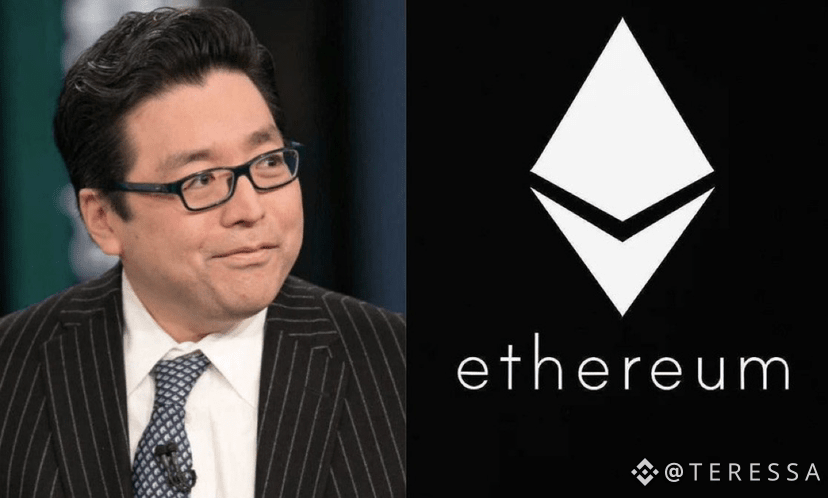
ALERTA: BitMine de Tom Lee compró la semana pasada $18.9 Millones en bienes por valor de $ETH , elevando sus tenencias totales a $11.04 Mil Millones.
{spot}(ETHUSDT)
ALERTA: BitMine de Tom Lee compró la semana pasada $18.9 Millones en bienes por valor de $ETH , elevando sus tenencias totales a $11.04 Mil Millones.
2
6
209
Verificado
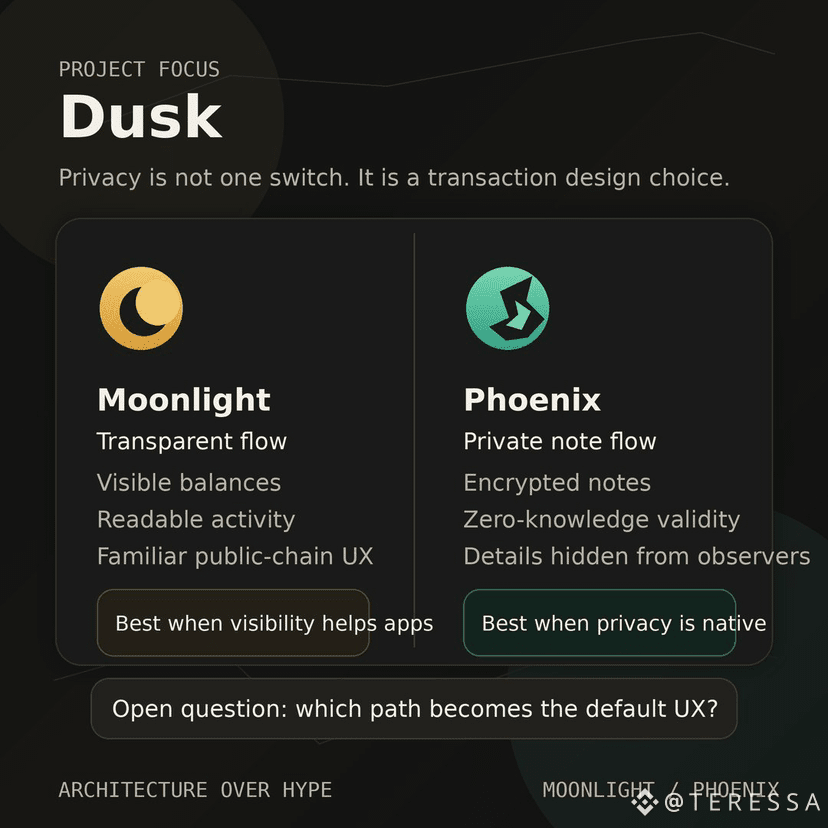
Cómo Dusk combina la transparencia de la luz de la luna y la confidencialidad del Fénix
Suponemos que los sistemas tienen que elegir un bando. Transparente o privado, abierto o cerrado, visible u oculto. Ese binario ha dado forma silenciosamente a cómo se diseña la mayor parte de la infraestructura financiera.
Moonlight y Phoenix están en la misma cadena, satisfaciendo necesidades distintas sin obligar a nadie a comprometerse.
Eso es más difícil de construir que elegir uno. Requiere entender que la transparencia pertenece en algunos momentos y la confidencialidad en otros, y que el usuario, no el protocolo, debería decidir cuál.
La mayoría de los sistemas toman esa decisión por ti, desde el principio y de forma permanente.
Dusk lo trata como una pregunta que merece quedar abierta. No porque la respuesta sea incierta, sino porque realmente depende.
Si un solo protocolo pudiera sostener tanto la transparencia como la confidencialidad sin contradicción, ¿qué sugiere eso sobre cada sistema que te dijo que tenías que elegir?
$DUSK
$GPS
$HEMI
{spot}(HEMIUSDT)
{spot}(GPSUSDT)
{spot}(DUSKUSDT)
#dusk @Dusk
Cómo Dusk combina la transparencia de la luz de la luna y la confidencialidad del Fénix
Suponemos que los sistemas tienen que elegir un bando. Transparente o privado, abierto o cerrado, visible u oculto. Ese binario ha dado forma silenciosamente a cómo se diseña la mayor parte de la infraestructura financiera.
Moonlight y Phoenix están en la misma cadena, satisfaciendo necesidades distintas sin obligar a nadie a comprometerse.
Eso es más difícil de construir que elegir uno. Requiere entender que la transparencia pertenece en algunos momentos y la confidencialidad en otros, y que el usuario, no el protocolo, debería decidir cuál.
La mayoría de los sistemas toman esa decisión por ti, desde el principio y de forma permanente.
Dusk lo trata como una pregunta que merece quedar abierta. No porque la respuesta sea incierta, sino porque realmente depende.
Si un solo protocolo pudiera sostener tanto la transparencia como la confidencialidad sin contradicción, ¿qué sugiere eso sobre cada sistema que te dijo que tenías que elegir?
$DUSK
$GPS
$HEMI
#dusk @Dusk
Suponemos que los sistemas tienen que elegir un bando. Transparente o privado, abierto o cerrado, visible u oculto. Ese binario ha dado forma silenciosamente a cómo se diseña la mayor parte de la infraestructura financiera.
Moonlight y Phoenix están en la misma cadena, satisfaciendo necesidades distintas sin obligar a nadie a comprometerse.
Eso es más difícil de construir que elegir uno. Requiere entender que la transparencia pertenece en algunos momentos y la confidencialidad en otros, y que el usuario, no el protocolo, debería decidir cuál.
La mayoría de los sistemas toman esa decisión por ti, desde el principio y de forma permanente.
Dusk lo trata como una pregunta que merece quedar abierta. No porque la respuesta sea incierta, sino porque realmente depende.
Si un solo protocolo pudiera sostener tanto la transparencia como la confidencialidad sin contradicción, ¿qué sugiere eso sobre cada sistema que te dijo que tenías que elegir?
$DUSK
$GPS
$HEMI
#dusk @Dusk
145
51
1k
Liquidación final rápida de Dusk mediante consenso de atestación concisa
Asumimos que la finalidad toma tiempo. Esa espera tiene un costo: la certeza, y apurarla significa recortar en algún lugar invisible. La liquidación lenta se convirtió en una señal de seriedad.
Pero la velocidad y la certeza nunca estuvieron realmente en conflicto. Solo que aún no habían encontrado el mecanismo adecuado.
La atestación concisa cambia esa perspectiva. El consenso no tiene que ser ruidoso ni lento para ser real. Solo tiene que ser demostrablemente correcto en el momento en que importa.
Esa es una relación distinta con el tiempo. No esperar un acuerdo, sino llegar a él de manera más eficiente.
Si la liquidación pudiera ser instantánea y, a la vez, genuinamente final, ¿qué estábamos comprando realmente con toda esa espera?
#dusk @Dusk_Foundation
$CHIP
{spot}(CHIPUSDT)
$BORR.US
{stock_us}(BORR.US)
$DUSK
{spot}(DUSKUSDT)
Liquidación final rápida de Dusk mediante consenso de atestación concisa
Asumimos que la finalidad toma tiempo. Esa espera tiene un costo: la certeza, y apurarla significa recortar en algún lugar invisible. La liquidación lenta se convirtió en una señal de seriedad.
Pero la velocidad y la certeza nunca estuvieron realmente en conflicto. Solo que aún no habían encontrado el mecanismo adecuado.
La atestación concisa cambia esa perspectiva. El consenso no tiene que ser ruidoso ni lento para ser real. Solo tiene que ser demostrablemente correcto en el momento en que importa.
Esa es una relación distinta con el tiempo. No esperar un acuerdo, sino llegar a él de manera más eficiente.
Si la liquidación pudiera ser instantánea y, a la vez, genuinamente final, ¿qué estábamos comprando realmente con toda esa espera?
#dusk @Dusk
$CHIP
$BORR.US
$DUSK
Asumimos que la finalidad toma tiempo. Esa espera tiene un costo: la certeza, y apurarla significa recortar en algún lugar invisible. La liquidación lenta se convirtió en una señal de seriedad.
Pero la velocidad y la certeza nunca estuvieron realmente en conflicto. Solo que aún no habían encontrado el mecanismo adecuado.
La atestación concisa cambia esa perspectiva. El consenso no tiene que ser ruidoso ni lento para ser real. Solo tiene que ser demostrablemente correcto en el momento en que importa.
Esa es una relación distinta con el tiempo. No esperar un acuerdo, sino llegar a él de manera más eficiente.
Si la liquidación pudiera ser instantánea y, a la vez, genuinamente final, ¿qué estábamos comprando realmente con toda esa espera?
#dusk @Dusk
$CHIP
$BORR.US
$DUSK
False Security
50%
Network Inertia
0%
Outdated assumptions
0%
Nothing useful
50%
2 Voto(s) • Votación cerrada
116
45
870
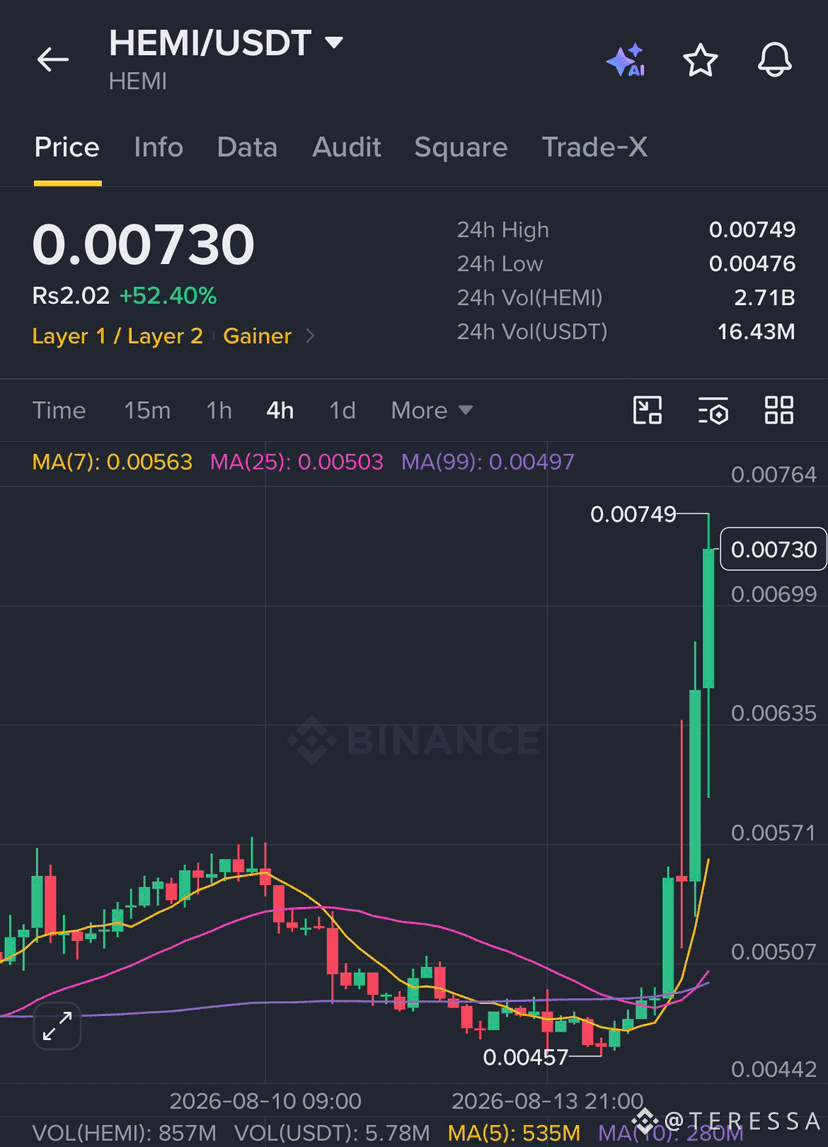
$HEMI : Largo
• Entrada: 0.00720–0.00740
• TP1: 0.00749
• TP2: 0.00764
• SL: 0.00699
{spot}(HEMIUSDT)
$HEMI : Largo
• Entrada: 0.00720–0.00740
• TP1: 0.00749
• TP2: 0.00764
• SL: 0.00699
• Entrada: 0.00720–0.00740
• TP1: 0.00749
• TP2: 0.00764
• SL: 0.00699
3
297
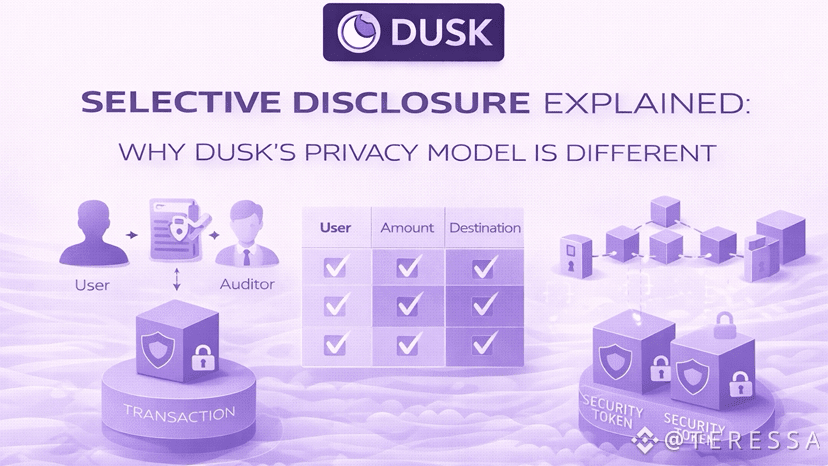
Por qué Dusk ofrece privacidad desde el diseño con divulgación selectiva
Suponemos que la privacidad significa ocultar. Si algo es privado, está oculto, no disponible, fuera del alcance. Esa forma de entender la privacidad la hace sentir como un muro construido contra la rendición de cuentas.
Pero la divulgación selectiva sugiere algo más sutil. No ocultarlo todo, elegir qué revelar, a quién, y exactamente cuándo importa.
Eso se parece más a cómo funciona la privacidad en la vida cotidiana. No compartes tu salario con todo el mundo, pero sí lo compartes cuando realmente cuenta.
Dusk incorpora esa sutileza directamente en el propio protocolo. La privacidad no es una idea añadida al final. Es el supuesto de partida.
Si pudieras demostrar exactamente lo necesario sin revelar nada más, ¿quién seguiría argumentando que la transparencia exige una exposición?
$COW
{spot}(COWUSDT)
$BMT
{spot}(BMTUSDT)
$DUSK
{spot}(DUSKUSDT)
#dusk @Dusk
Por qué Dusk ofrece privacidad desde el diseño con divulgación selectiva
Suponemos que la privacidad significa ocultar. Si algo es privado, está oculto, no disponible, fuera del alcance. Esa forma de entender la privacidad la hace sentir como un muro construido contra la rendición de cuentas.
Pero la divulgación selectiva sugiere algo más sutil. No ocultarlo todo, elegir qué revelar, a quién, y exactamente cuándo importa.
Eso se parece más a cómo funciona la privacidad en la vida cotidiana. No compartes tu salario con todo el mundo, pero sí lo compartes cuando realmente cuenta.
Dusk incorpora esa sutileza directamente en el propio protocolo. La privacidad no es una idea añadida al final. Es el supuesto de partida.
Si pudieras demostrar exactamente lo necesario sin revelar nada más, ¿quién seguiría argumentando que la transparencia exige una exposición?
$COW
$BMT
$DUSK
#dusk @Dusk
Suponemos que la privacidad significa ocultar. Si algo es privado, está oculto, no disponible, fuera del alcance. Esa forma de entender la privacidad la hace sentir como un muro construido contra la rendición de cuentas.
Pero la divulgación selectiva sugiere algo más sutil. No ocultarlo todo, elegir qué revelar, a quién, y exactamente cuándo importa.
Eso se parece más a cómo funciona la privacidad en la vida cotidiana. No compartes tu salario con todo el mundo, pero sí lo compartes cuando realmente cuenta.
Dusk incorpora esa sutileza directamente en el propio protocolo. La privacidad no es una idea añadida al final. Es el supuesto de partida.
Si pudieras demostrar exactamente lo necesario sin revelar nada más, ¿quién seguiría argumentando que la transparencia exige una exposición?
$COW
$BMT
$DUSK
#dusk @Dusk
140
49
1.6k
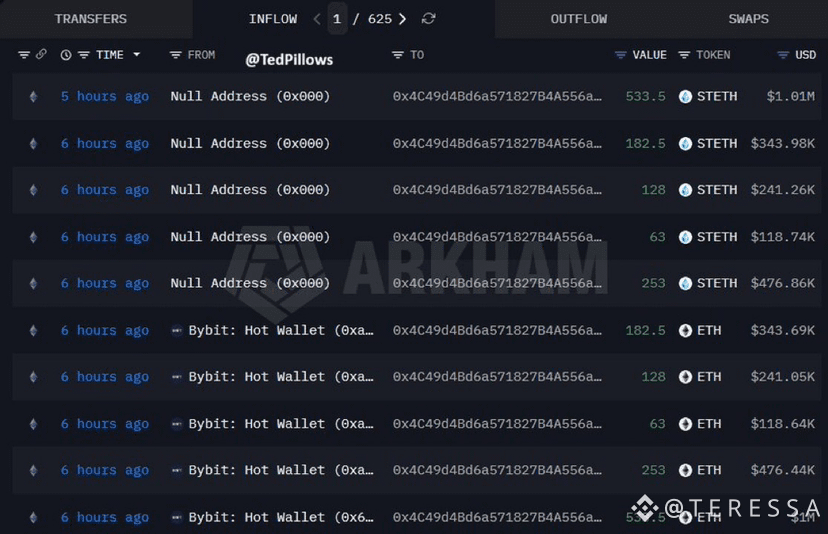
Una ballena compró $3,930,000 en $ETH today.
Ahora posee $53,128,000 en Ethereum.
{spot}(ETHUSDT)
Una ballena compró $3,930,000 en $ETH today.
Ahora posee $53,128,000 en Ethereum.
Ahora posee $53,128,000 en Ethereum.
1
169
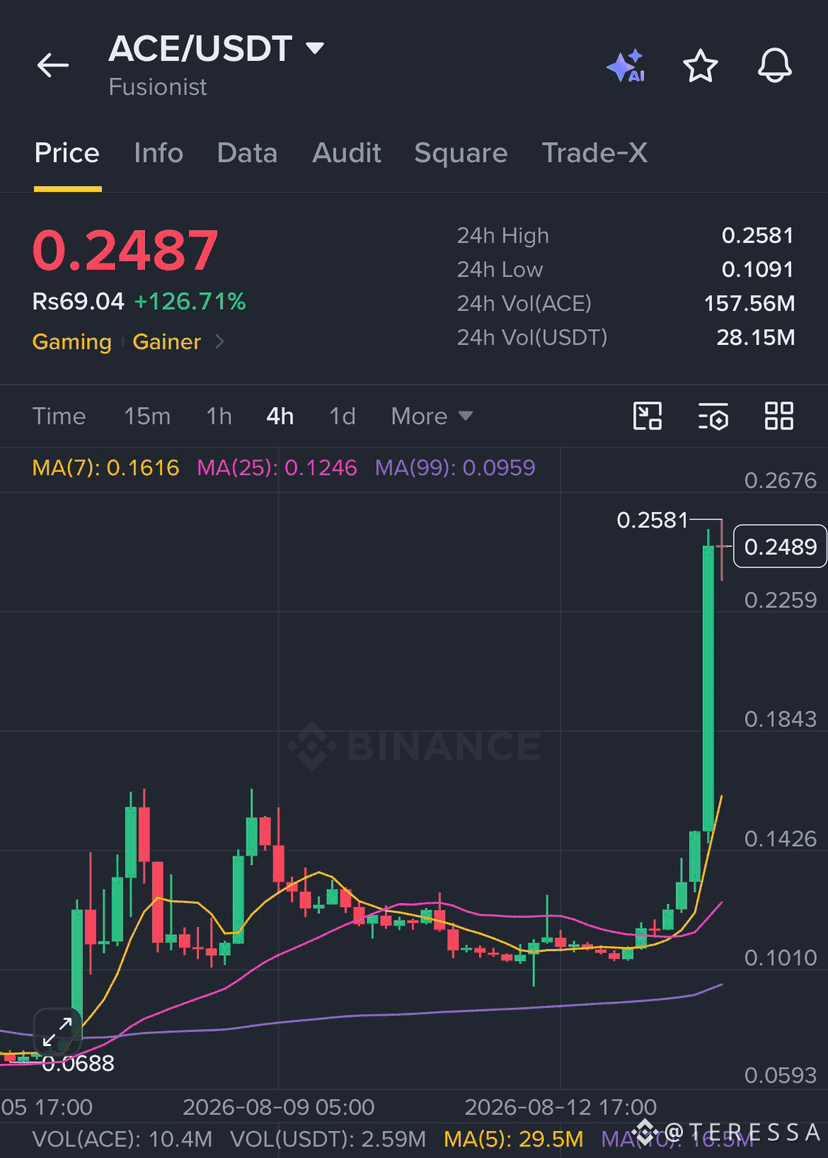
$ACE : Larga
• Entrada: 0.245–0.252
• TP1: 0.258
• TP2: 0.268
• SL: 0.226
{spot}(ACEUSDT)
$ACE : Larga
• Entrada: 0.245–0.252
• TP1: 0.258
• TP2: 0.268
• SL: 0.226
• Entrada: 0.245–0.252
• TP1: 0.258
• TP2: 0.268
• SL: 0.226
1
1
281
Crepúsculo: Diseñado para Mercados Regulados y Activos del Mundo Real
Solemos asumir que la regulación y la blockchain no pertenecen en la misma frase. Una representa el control, la otra fue creada para resistirlo. Esa tensión ha mantenido a la mayor parte del dinero institucional observando desde la distancia.
Pero los mercados regulados no van a desaparecer. Los activos del mundo real necesitan marcos legales para significar algo más allá de una cartera.
@Dusk_Foundation no lucha contra esa realidad. Se construye alrededor de ella, tratando el cumplimiento de forma silenciosa como una característica, en lugar de un compromiso.
Eso replantea toda la conversación. Quizá el objetivo nunca fue escapar de la regulación, sino hacerla funcionar sin sacrificar lo que las blockchains realmente hacen bien.
Si una blockchain pudiera satisfacer por igual a reguladores y usuarios, ¿de qué nos quedaríamos discutiendo?
$ACE
{spot}(ACEUSDT)
$DAX.ETF
{etf_us}(DAX.ETF)
$DUSK
{spot}(DUSKUSDT)
#dusk
Crepúsculo: Diseñado para Mercados Regulados y Activos del Mundo Real
Solemos asumir que la regulación y la blockchain no pertenecen en la misma frase. Una representa el control, la otra fue creada para resistirlo. Esa tensión ha mantenido a la mayor parte del dinero institucional observando desde la distancia.
Pero los mercados regulados no van a desaparecer. Los activos del mundo real necesitan marcos legales para significar algo más allá de una cartera.
@Dusk no lucha contra esa realidad. Se construye alrededor de ella, tratando el cumplimiento de forma silenciosa como una característica, en lugar de un compromiso.
Eso replantea toda la conversación. Quizá el objetivo nunca fue escapar de la regulación, sino hacerla funcionar sin sacrificar lo que las blockchains realmente hacen bien.
Si una blockchain pudiera satisfacer por igual a reguladores y usuarios, ¿de qué nos quedaríamos discutiendo?
$ACE
$DAX.ETF
$DUSK
#dusk
Solemos asumir que la regulación y la blockchain no pertenecen en la misma frase. Una representa el control, la otra fue creada para resistirlo. Esa tensión ha mantenido a la mayor parte del dinero institucional observando desde la distancia.
Pero los mercados regulados no van a desaparecer. Los activos del mundo real necesitan marcos legales para significar algo más allá de una cartera.
@Dusk no lucha contra esa realidad. Se construye alrededor de ella, tratando el cumplimiento de forma silenciosa como una característica, en lugar de un compromiso.
Eso replantea toda la conversación. Quizá el objetivo nunca fue escapar de la regulación, sino hacerla funcionar sin sacrificar lo que las blockchains realmente hacen bien.
Si una blockchain pudiera satisfacer por igual a reguladores y usuarios, ¿de qué nos quedaríamos discutiendo?
$ACE
$DAX.ETF
$DUSK
#dusk
104
34
1.5k
Suponemos que la transparencia es lo que hace que los sistemas financieros sean confiables. Libros contables abiertos, transacciones visibles, todo auditable por cualquiera. Esa lógica ha dado forma a cómo se construyeron la mayoría de las blockchains.
Pero transparencia y privacidad siempre han estado en tensión, especialmente en finanzas. Las instituciones no comparten posiciones. Las personas no publican saldos. El mundo real nunca adoptó por completo la apertura radical.
@Dusk_Foundation está en ese espacio. Contratos confidenciales que aún se liquidan correctamente. Privacidad que no significa falta de rendición de cuentas.
Construir eso es algo más difícil que cualquiera de los extremos por separado.
Quizá el supuesto nunca fue transparencia versus privacidad. Quizá siempre se trató de encontrar lo que cada momento realmente requiere.
Si la infraestructura financiera pudiera ser a la vez demostrablemente correcta y genuinamente privada, ¿qué suposición sobre blockchain tendrías que abandonar primero?
$DUSK
{spot}(DUSKUSDT)
$BANK
{spot}(BANKUSDT)
$COTI
{spot}(COTIUSDT)
#dusk
Suponemos que la transparencia es lo que hace que los sistemas financieros sean confiables. Libros contables abiertos, transacciones visibles, todo auditable por cualquiera. Esa lógica ha dado forma a cómo se construyeron la mayoría de las blockchains.
Pero transparencia y privacidad siempre han estado en tensión, especialmente en finanzas. Las instituciones no comparten posiciones. Las personas no publican saldos. El mundo real nunca adoptó por completo la apertura radical.
@Dusk está en ese espacio. Contratos confidenciales que aún se liquidan correctamente. Privacidad que no significa falta de rendición de cuentas.
Construir eso es algo más difícil que cualquiera de los extremos por separado.
Quizá el supuesto nunca fue transparencia versus privacidad. Quizá siempre se trató de encontrar lo que cada momento realmente requiere.
Si la infraestructura financiera pudiera ser a la vez demostrablemente correcta y genuinamente privada, ¿qué suposición sobre blockchain tendrías que abandonar primero?
$DUSK
$BANK
$COTI
#dusk
Pero transparencia y privacidad siempre han estado en tensión, especialmente en finanzas. Las instituciones no comparten posiciones. Las personas no publican saldos. El mundo real nunca adoptó por completo la apertura radical.
@Dusk está en ese espacio. Contratos confidenciales que aún se liquidan correctamente. Privacidad que no significa falta de rendición de cuentas.
Construir eso es algo más difícil que cualquiera de los extremos por separado.
Quizá el supuesto nunca fue transparencia versus privacidad. Quizá siempre se trató de encontrar lo que cada momento realmente requiere.
Si la infraestructura financiera pudiera ser a la vez demostrablemente correcta y genuinamente privada, ¿qué suposición sobre blockchain tendrías que abandonar primero?
$DUSK
$BANK
$COTI
#dusk
124
53
2.8k
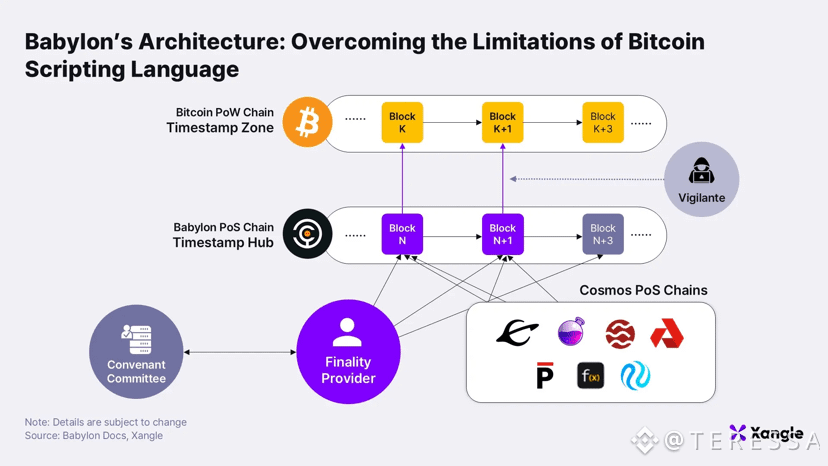
Por qué BitVM3 de Babylon supera las limitaciones de HTLC y EOTS
Hemos construido mucha infraestructura cripto alrededor de soluciones alternativas. Los HTLC y los EOTS resolvieron problemas reales en su momento, y seguimos recurriendo a ellos mucho después de que sus límites empezaran a notarse.
Las limitaciones tienen la particularidad de volverse invisibles cuando la alternativa todavía no existe.
BitVM3 ofrece esa alternativa en silencio. No parcheando lo que ya estaba, sino replanteando lo que el protocolo requiere realmente en términos de ejecución forzada y finalización.
Ese es otro tipo de progreso. Menos sobre arreglar y más sobre reconsiderar la pregunta original.
A veces, la limitación no está en la herramienta. Está en cuánto tiempo seguimos usándola después de que ya había dado su respuesta.
Si siempre hubiera sido posible contar con primitivas mejores, ¿qué dice eso sobre los mecanismos alternativos que confundimos con soluciones?
$BABY
{spot}(BABYUSDT)
$BANK
{spot}(BANKUSDT)
$HOME
#baby
@BabylonLabs_io
Por qué BitVM3 de Babylon supera las limitaciones de HTLC y EOTS
Hemos construido mucha infraestructura cripto alrededor de soluciones alternativas. Los HTLC y los EOTS resolvieron problemas reales en su momento, y seguimos recurriendo a ellos mucho después de que sus límites empezaran a notarse.
Las limitaciones tienen la particularidad de volverse invisibles cuando la alternativa todavía no existe.
BitVM3 ofrece esa alternativa en silencio. No parcheando lo que ya estaba, sino replanteando lo que el protocolo requiere realmente en términos de ejecución forzada y finalización.
Ese es otro tipo de progreso. Menos sobre arreglar y más sobre reconsiderar la pregunta original.
A veces, la limitación no está en la herramienta. Está en cuánto tiempo seguimos usándola después de que ya había dado su respuesta.
Si siempre hubiera sido posible contar con primitivas mejores, ¿qué dice eso sobre los mecanismos alternativos que confundimos con soluciones?
$BABY
$BANK
$HOME
#baby
@BabylonLabs_io
Hemos construido mucha infraestructura cripto alrededor de soluciones alternativas. Los HTLC y los EOTS resolvieron problemas reales en su momento, y seguimos recurriendo a ellos mucho después de que sus límites empezaran a notarse.
Las limitaciones tienen la particularidad de volverse invisibles cuando la alternativa todavía no existe.
BitVM3 ofrece esa alternativa en silencio. No parcheando lo que ya estaba, sino replanteando lo que el protocolo requiere realmente en términos de ejecución forzada y finalización.
Ese es otro tipo de progreso. Menos sobre arreglar y más sobre reconsiderar la pregunta original.
A veces, la limitación no está en la herramienta. Está en cuánto tiempo seguimos usándola después de que ya había dado su respuesta.
Si siempre hubiera sido posible contar con primitivas mejores, ¿qué dice eso sobre los mecanismos alternativos que confundimos con soluciones?
$BABY
$BANK
$HOME
#baby
@BabylonLabs_io
114
41
3.2k
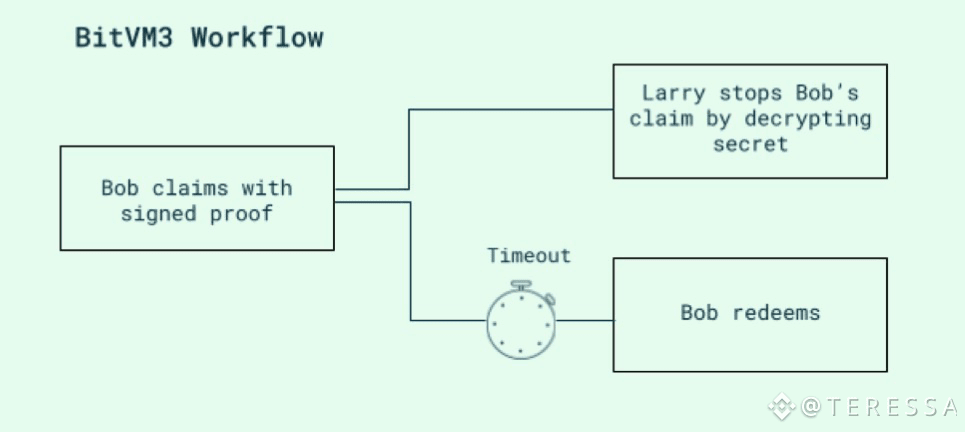
Cómo Babylon utiliza BitVM3 y circuitos garbled para imponer cumplimiento en DeFi
Solemos asumir que la supervisión es necesaria para el cumplimiento. Para que las normas se mantengan, alguien tiene que vigilar. Esa suposición está profundamente arraigada en la manera en que pensamos los sistemas financieros, tanto en cadena como fuera de ella.
Los circuitos garbled cuestionan eso en silencio. Permiten que la computación ocurra con entradas ocultas, haciendo cumplir la lógica sin exponer los datos subyacentes. La regla se ejecuta. Nadie lo ve todo.
Esa es una forma extraña de autoridad. No es transparente, pero aun así es verificable. No es abierta, pero aun así es sin confianza.
La mayor parte del cumplimiento en DeFi se ha apoyado en la apertura como base. Esto sugiere que la corrección y la privacidad quizá no sean el intercambio que dábamos por hecho.
Si un sistema pudiera imponer normas sin ver todo lo que rige, ¿qué cambia en cuanto a a quién confiamos la supervisión?
#baby $BABY
{spot}(BABYUSDT)
@BabylonLabs_io
Cómo Babylon utiliza BitVM3 y circuitos garbled para imponer cumplimiento en DeFi
Solemos asumir que la supervisión es necesaria para el cumplimiento. Para que las normas se mantengan, alguien tiene que vigilar. Esa suposición está profundamente arraigada en la manera en que pensamos los sistemas financieros, tanto en cadena como fuera de ella.
Los circuitos garbled cuestionan eso en silencio. Permiten que la computación ocurra con entradas ocultas, haciendo cumplir la lógica sin exponer los datos subyacentes. La regla se ejecuta. Nadie lo ve todo.
Esa es una forma extraña de autoridad. No es transparente, pero aun así es verificable. No es abierta, pero aun así es sin confianza.
La mayor parte del cumplimiento en DeFi se ha apoyado en la apertura como base. Esto sugiere que la corrección y la privacidad quizá no sean el intercambio que dábamos por hecho.
Si un sistema pudiera imponer normas sin ver todo lo que rige, ¿qué cambia en cuanto a a quién confiamos la supervisión?
#baby $BABY
@BabylonLabs_io
Solemos asumir que la supervisión es necesaria para el cumplimiento. Para que las normas se mantengan, alguien tiene que vigilar. Esa suposición está profundamente arraigada en la manera en que pensamos los sistemas financieros, tanto en cadena como fuera de ella.
Los circuitos garbled cuestionan eso en silencio. Permiten que la computación ocurra con entradas ocultas, haciendo cumplir la lógica sin exponer los datos subyacentes. La regla se ejecuta. Nadie lo ve todo.
Esa es una forma extraña de autoridad. No es transparente, pero aun así es verificable. No es abierta, pero aun así es sin confianza.
La mayor parte del cumplimiento en DeFi se ha apoyado en la apertura como base. Esto sugiere que la corrección y la privacidad quizá no sean el intercambio que dábamos por hecho.
Si un sistema pudiera imponer normas sin ver todo lo que rige, ¿qué cambia en cuanto a a quién confiamos la supervisión?
#baby $BABY
@BabylonLabs_io
101
47
595
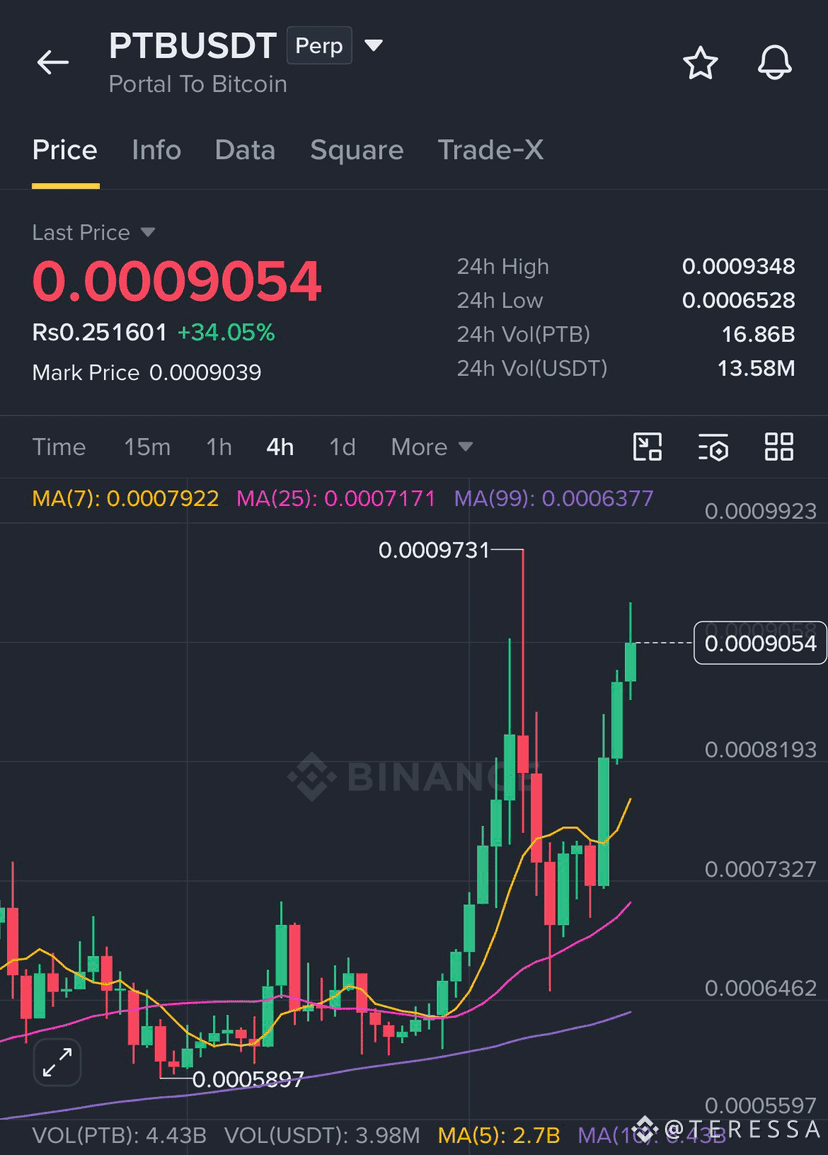
$PTB : Largo
• Entrada: 0.00089–0.00092
• TP1: 0.000935
• TP2: 0.000973
• SL: 0.000819
{future}(PTBUSDT)
$PTB : Largo
• Entrada: 0.00089–0.00092
• TP1: 0.000935
• TP2: 0.000973
• SL: 0.000819
• Entrada: 0.00089–0.00092
• TP1: 0.000935
• TP2: 0.000973
• SL: 0.000819
2
178
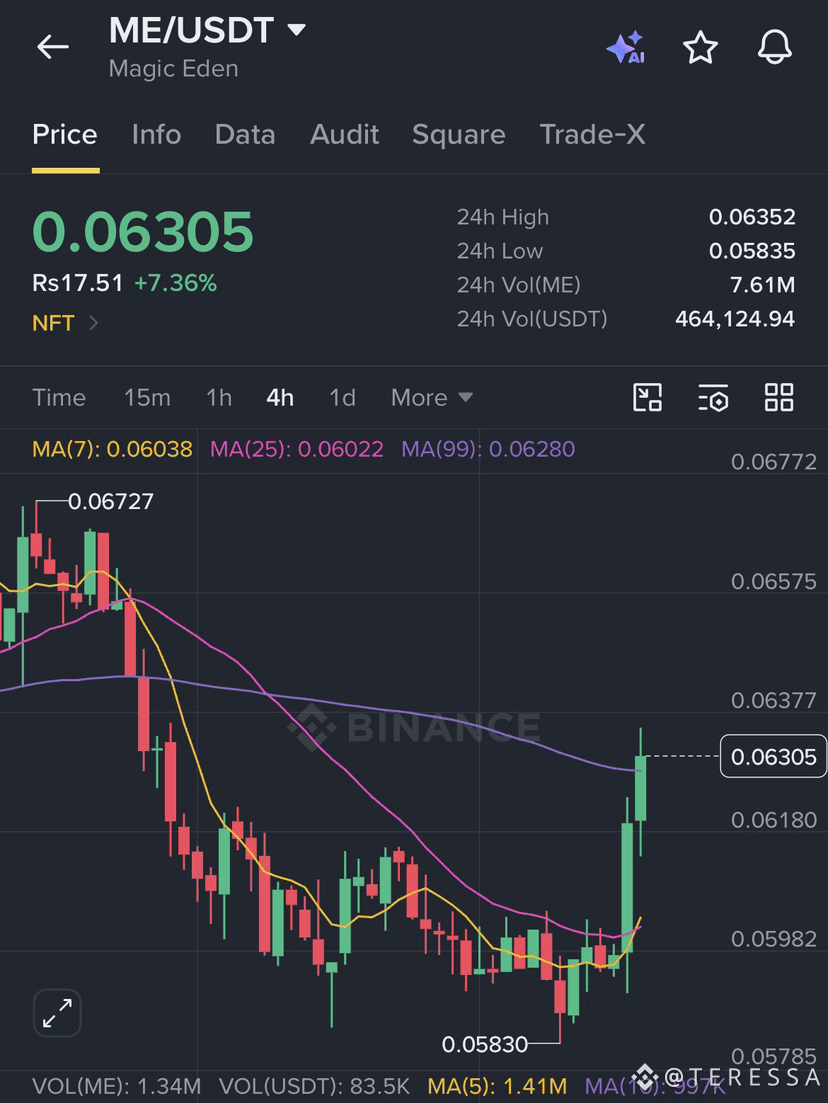
$ME : Largo
• Entrada: 0.0628–0.0633
• TP1: 0.0658
• TP2: 0.0673
• SL: 0.0618
{spot}(MEUSDT)
$ME : Largo
• Entrada: 0.0628–0.0633
• TP1: 0.0658
• TP2: 0.0673
• SL: 0.0618
• Entrada: 0.0628–0.0633
• TP1: 0.0658
• TP2: 0.0673
• SL: 0.0618
2
310
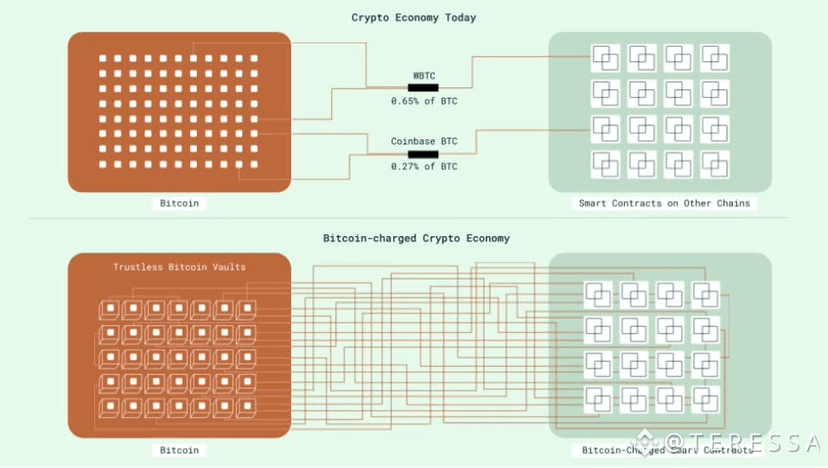
Por qué el diseño de BitVM3 de Babylon hace que los bóvedas de Bitcoin sean realmente programables
Hemos aceptado a Bitcoin como deliberadamente simple. Esa simplicidad fue la característica, no una limitación. La programabilidad pertenecía a otras cadenas, y Bitcoin observaba desde lejos.
Pero simple y programable nunca fueron realmente opuestos. Solo nunca tuvieron el diseño adecuado para conectarlos.
BitVM3 cambia silenciosamente ese planteamiento. No le pide a Bitcoin que se vuelva más complejo. Encuentra la programabilidad ya latente dentro de las reglas existentes de Bitcoin y luego construye con cuidado alrededor de ella.
Esa distinción importa. De verdad programable no significa que todo esté permitido. Podría significar que, por fin, se puedan hacer las cosas correctas.
Si la simplicidad de Bitcoin siempre fue compatible con la programabilidad, ¿qué es lo que realmente estábamos esperando que alguien construyera?
#baby
$BABY
{spot}(BABYUSDT)
@babylonlabs_io
$BTC
{spot}(BTCUSDT)
$ETH
{spot}(ETHUSDT)
Por qué el diseño de BitVM3 de Babylon hace que los bóvedas de Bitcoin sean realmente programables
Hemos aceptado a Bitcoin como deliberadamente simple. Esa simplicidad fue la característica, no una limitación. La programabilidad pertenecía a otras cadenas, y Bitcoin observaba desde lejos.
Pero simple y programable nunca fueron realmente opuestos. Solo nunca tuvieron el diseño adecuado para conectarlos.
BitVM3 cambia silenciosamente ese planteamiento. No le pide a Bitcoin que se vuelva más complejo. Encuentra la programabilidad ya latente dentro de las reglas existentes de Bitcoin y luego construye con cuidado alrededor de ella.
Esa distinción importa. De verdad programable no significa que todo esté permitido. Podría significar que, por fin, se puedan hacer las cosas correctas.
Si la simplicidad de Bitcoin siempre fue compatible con la programabilidad, ¿qué es lo que realmente estábamos esperando que alguien construyera?
#baby
$BABY
@BabylonLabs_io
$BTC
$ETH
Hemos aceptado a Bitcoin como deliberadamente simple. Esa simplicidad fue la característica, no una limitación. La programabilidad pertenecía a otras cadenas, y Bitcoin observaba desde lejos.
Pero simple y programable nunca fueron realmente opuestos. Solo nunca tuvieron el diseño adecuado para conectarlos.
BitVM3 cambia silenciosamente ese planteamiento. No le pide a Bitcoin que se vuelva más complejo. Encuentra la programabilidad ya latente dentro de las reglas existentes de Bitcoin y luego construye con cuidado alrededor de ella.
Esa distinción importa. De verdad programable no significa que todo esté permitido. Podría significar que, por fin, se puedan hacer las cosas correctas.
Si la simplicidad de Bitcoin siempre fue compatible con la programabilidad, ¿qué es lo que realmente estábamos esperando que alguien construyera?
#baby
$BABY
@BabylonLabs_io
$BTC
$ETH
101
37
716
Inicia sesión para explorar más contenidos
Únete a usuarios globales de criptomonedas en Binance Square
⚡️ Obtén información útil y actualizada sobre criptos.
💬 Avalado por el mayor exchange de criptomonedas en el mundo.
👍 Descubre perspectivas reales de creadores verificados.
Email/número de teléfono
Temas populares
BinanceLaunchesBinanceIntelligence
814,168 vistas
5,074 están debatiendo
🚨 BINANCE ADENTRA MÁS LA IA EN EL MUNDO CRIPTO.
Binance ha lanzado Binance Intelligence: una nueva capa basada en IA, diseñada en torno a la investigación de mercado, los procesos de trading y los datos cripto.
¿Lo más interesante?
No es una sola herramienta.
🧠 Binance AI → análisis de mercado personalizados, alertas e información sobre la cartera
⚡ Binance AI Pro → transforma ideas expresadas en lenguaje natural en procesos de trading
🤖 Agent OS → conecta agentes de IA con las capacidades del mercado, las carteras y la blockchain
Es un gran cambio.
Las plataformas cripto ya no se limitan a proporcionar gráficos y datos a los traders.
Están empezando a ofrecerles sistemas de IA capaces de interpretar esos datos.
La verdadera pregunta es:
¿La IA se volverá tan habitual entre los traders como lo son hoy los indicadores y los gráficos? 👀
$BTC
$GRIFFAIN
$NMR
#BinanceLaunchesBinanceIntelligence
Jacob trade
·0 me gusta
·127 vistas
BTCFallsBelow$84K
48,155 vistas
148 están debatiendo
DubaiVARAIssuesReserveAssetAuditCircular
18,400 vistas
602 están debatiendo