

ayoxeth
183 Publicaciones

ayoxeth
Denunciar
Bloquear usuario
Crypto Writer | Airdrop Hunter | Crypto Researcher | CMC KOL
3.5 año(s)
19 Siguiendo
32 Seguidores
119 Me gusta
Publicaciones
·
--
📊 $BTC PLAN DE TRADING
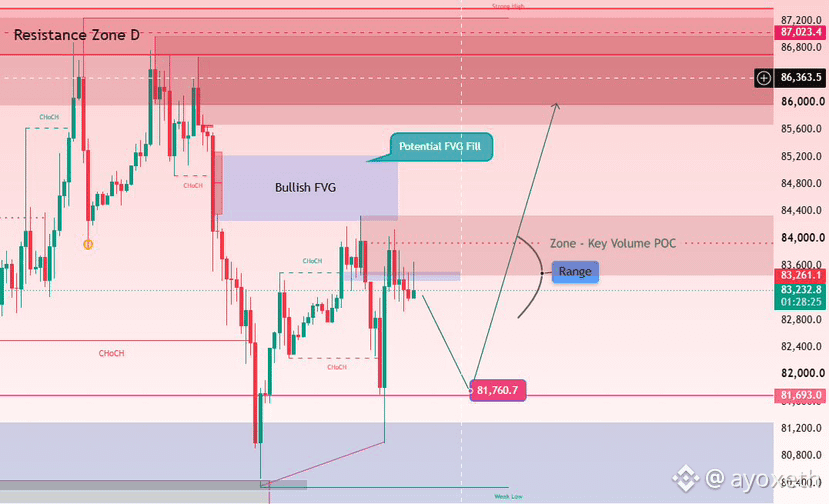
El precio se está comprimiendo dentro de un estrecho rango de consolidación alrededor de 82,800 – 83,600 tras la barrida del mínimo anterior. Configuración principal: esperar una barrida de liquidez más profunda hacia la zona de demanda de 81,700 – 82,000 para eliminar la liquidez del lado vendedor, seguida de un fuerte impulso que atraviese el POC de volumen clave en 84,000, complete el FVG alcista y apunte a la Zona de Resistencia D en 86,000 – 87,000
📌 NIVELES CLAVE A OBSERVAR:
Barrida de liquidez / Zona de demanda: 81,700 – 82,000 (Objetivo de la barrida en 81,760.7 / zona óptima de entrada)
Rango de trading actual: 82,800 – 83,600 (Zona de fluctuación: no perseguir el precio)
POC de volumen clave de la zona: 83,900 – 84,000 (Obstáculo de volumen intermedio)
Posible llenado del FVG: 84,400 – 85,200 (Zona objetivo del desequilibrio)
Zona de Resistencia D (objetivo final): 86,000 – 87,020 (Bloque de oferta H4 / diario)
Configuración larga: evitar la fluctuación en la mitad del rango. Tener paciencia y esperar la barrida provocada hacia 81,700 – 82,000
#BTCPricePredictions
📊 $BTC PLAN DE TRADING
El precio se está comprimiendo dentro de un estrecho rango de consolidación alrededor de 82,800 – 83,600 tras la barrida del mínimo anterior. Configuración principal: esperar una barrida de liquidez más profunda hacia la zona de demanda de 81,700 – 82,000 para eliminar la liquidez del lado vendedor, seguida de un fuerte impulso que atraviese el POC de volumen clave en 84,000, complete el FVG alcista y apunte a la Zona de Resistencia D en 86,000 – 87,000
📌 NIVELES CLAVE A OBSERVAR:
Barrida de liquidez / Zona de demanda: 81,700 – 82,000 (Objetivo de la barrida en 81,760.7 / zona óptima de entrada)
Rango de trading actual: 82,800 – 83,600 (Zona de fluctuación: no perseguir el precio)
POC de volumen clave de la zona: 83,900 – 84,000 (Obstáculo de volumen intermedio)
Posible llenado del FVG: 84,400 – 85,200 (Zona objetivo del desequilibrio)
Zona de Resistencia D (objetivo final): 86,000 – 87,020 (Bloque de oferta H4 / diario)
Configuración larga: evitar la fluctuación en la mitad del rango. Tener paciencia y esperar la barrida provocada hacia 81,700 – 82,000
#BTCPricePredictions
El precio se está comprimiendo dentro de un estrecho rango de consolidación alrededor de 82,800 – 83,600 tras la barrida del mínimo anterior. Configuración principal: esperar una barrida de liquidez más profunda hacia la zona de demanda de 81,700 – 82,000 para eliminar la liquidez del lado vendedor, seguida de un fuerte impulso que atraviese el POC de volumen clave en 84,000, complete el FVG alcista y apunte a la Zona de Resistencia D en 86,000 – 87,000
📌 NIVELES CLAVE A OBSERVAR:
Barrida de liquidez / Zona de demanda: 81,700 – 82,000 (Objetivo de la barrida en 81,760.7 / zona óptima de entrada)
Rango de trading actual: 82,800 – 83,600 (Zona de fluctuación: no perseguir el precio)
POC de volumen clave de la zona: 83,900 – 84,000 (Obstáculo de volumen intermedio)
Posible llenado del FVG: 84,400 – 85,200 (Zona objetivo del desequilibrio)
Zona de Resistencia D (objetivo final): 86,000 – 87,020 (Bloque de oferta H4 / diario)
Configuración larga: evitar la fluctuación en la mitad del rango. Tener paciencia y esperar la barrida provocada hacia 81,700 – 82,000
#BTCPricePredictions
80
·
--
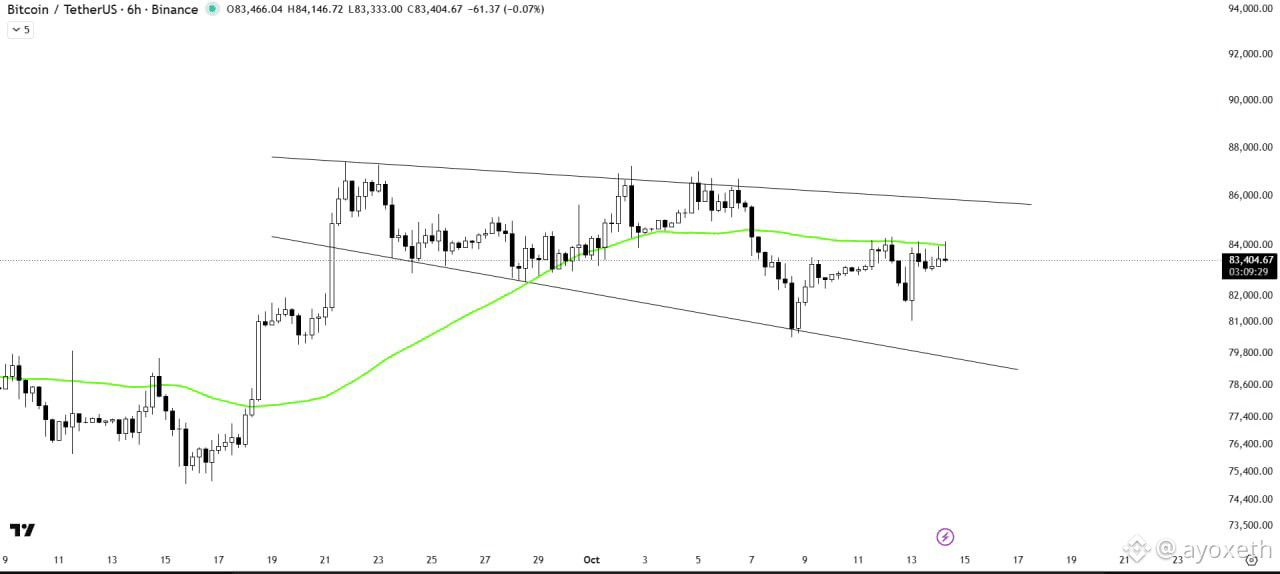
$BTC se está consolidando dentro de un patrón de cuña descendente de ensanchamiento y actualmente cotiza por debajo de la media móvil de 50 períodos, que actúa como una barrera de resistencia clave.
Una ruptura sólida por encima tanto de la media móvil de 50 períodos como de la línea de tendencia de resistencia de la cuña podría ofrecer una fuerte confirmación alcista y desencadenar nuevas subidas.
Por otro lado, un rechazo en estos niveles de resistencia podría provocar nuevas caídas. Mantente muy atento a la evolución del precio en los próximos días.
$BTC se está consolidando dentro de un patrón de cuña descendente de ensanchamiento y actualmente cotiza por debajo de la media móvil de 50 períodos, que actúa como una barrera de resistencia clave.
Una ruptura sólida por encima tanto de la media móvil de 50 períodos como de la línea de tendencia de resistencia de la cuña podría ofrecer una fuerte confirmación alcista y desencadenar nuevas subidas.
Por otro lado, un rechazo en estos niveles de resistencia podría provocar nuevas caídas. Mantente muy atento a la evolución del precio en los próximos días.
Una ruptura sólida por encima tanto de la media móvil de 50 períodos como de la línea de tendencia de resistencia de la cuña podría ofrecer una fuerte confirmación alcista y desencadenar nuevas subidas.
Por otro lado, un rechazo en estos niveles de resistencia podría provocar nuevas caídas. Mantente muy atento a la evolución del precio en los próximos días.
97
·
--
¡El mercado ha estado extremadamente volátil últimamente!
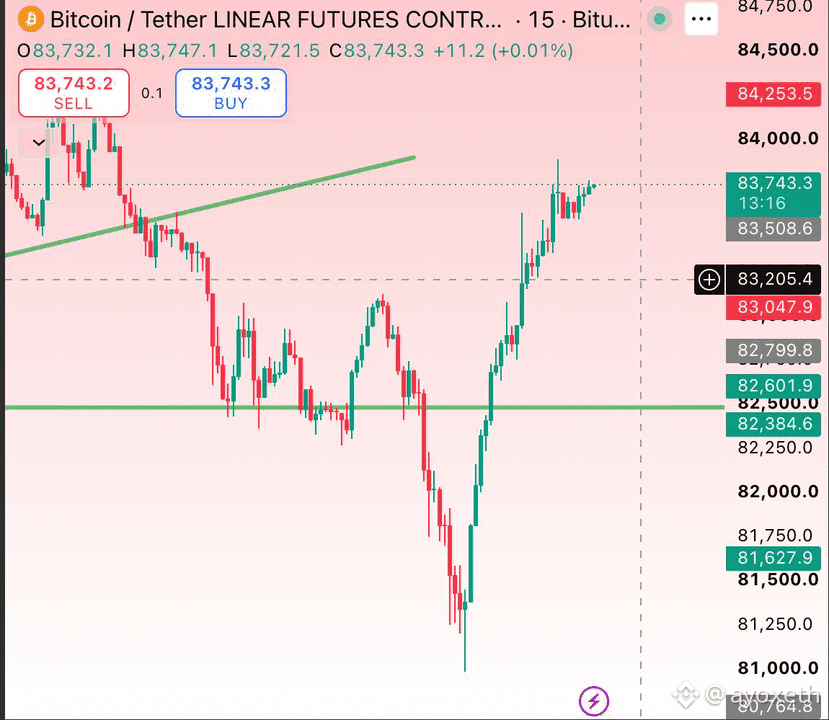
$BTC cayó de 84K a 81K y luego volvió a subir hasta 84K. Estamos en un período de intensa volatilidad y de repetidos barridos de liquidez.
#bitcoin
¡El mercado ha estado extremadamente volátil últimamente!
$BTC cayó de 84K a 81K y luego volvió a subir hasta 84K. Estamos en un período de intensa volatilidad y de repetidos barridos de liquidez.
#bitcoin
$BTC cayó de 84K a 81K y luego volvió a subir hasta 84K. Estamos en un período de intensa volatilidad y de repetidos barridos de liquidez.
#bitcoin
62
·
--
$BTC está rebotando desde la línea de tendencia de soporte, pero sigue cotizando por debajo de la línea de tendencia horizontal de resistencia.
La nube de Ichimoku actúa como una importante barrera de resistencia por encima de la acción actual del precio.
Una ruptura clara por encima de la línea de tendencia de resistencia podría impulsar nuevas subidas, mientras que un rechazo en este nivel podría provocar otro movimiento bajista.
$BTC está rebotando desde la línea de tendencia de soporte, pero sigue cotizando por debajo de la línea de tendencia horizontal de resistencia.
La nube de Ichimoku actúa como una importante barrera de resistencia por encima de la acción actual del precio.
Una ruptura clara por encima de la línea de tendencia de resistencia podría impulsar nuevas subidas, mientras que un rechazo en este nivel podría provocar otro movimiento bajista.
La nube de Ichimoku actúa como una importante barrera de resistencia por encima de la acción actual del precio.
Una ruptura clara por encima de la línea de tendencia de resistencia podría impulsar nuevas subidas, mientras que un rechazo en este nivel podría provocar otro movimiento bajista.
111
·
--
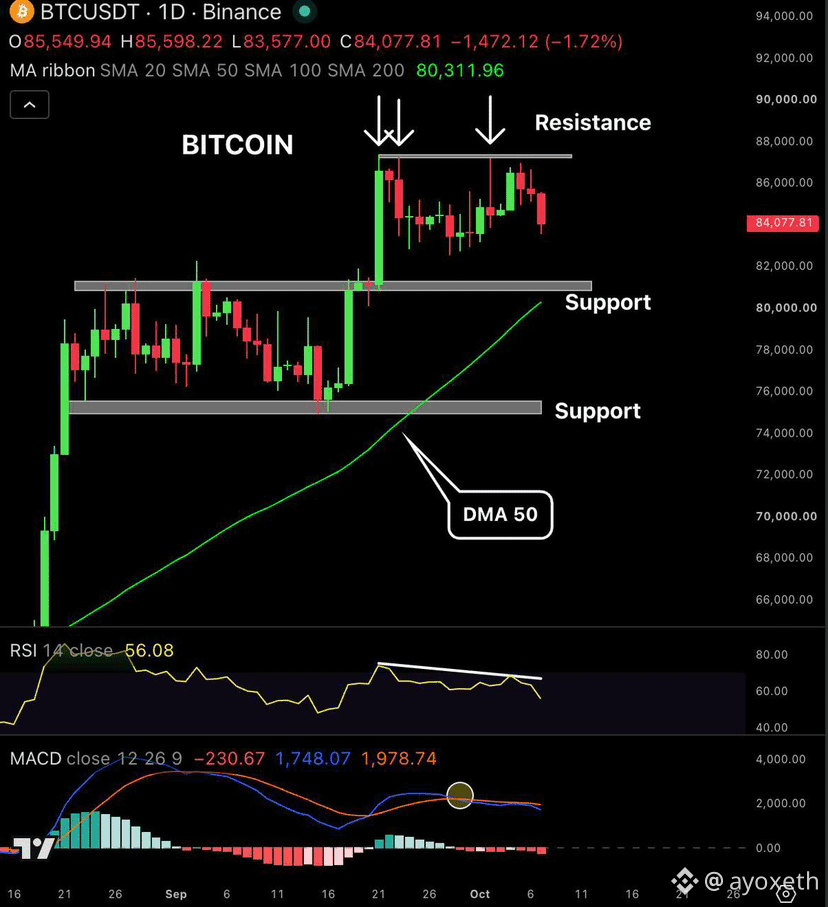
$BTC cayó por debajo de los 84.000 $ mientras el gobierno de EE. UU. movía monedas por primera vez en seis semanas 🪙
El martes, las carteras vinculadas al gobierno transfirieron 833.6 #BTC . Poco más de 71 millones de dólares. Primer movimiento desde el 26 de agosto
71 millones de dólares es una cantidad pequeña, pero es probable que la gente entre en pánico porque la cartera está activa
Parece una corrección muy habitual después de una gran subida
Vigila las zonas de soporte: 82.500-80.000 $
$BTC cayó por debajo de los 84.000 $ mientras el gobierno de EE. UU. movía monedas por primera vez en seis semanas 🪙
El martes, las carteras vinculadas al gobierno transfirieron 833.6 #BTC . Poco más de 71 millones de dólares. Primer movimiento desde el 26 de agosto
71 millones de dólares es una cantidad pequeña, pero es probable que la gente entre en pánico porque la cartera está activa
Parece una corrección muy habitual después de una gran subida
Vigila las zonas de soporte: 82.500-80.000 $
El martes, las carteras vinculadas al gobierno transfirieron 833.6 #BTC . Poco más de 71 millones de dólares. Primer movimiento desde el 26 de agosto
71 millones de dólares es una cantidad pequeña, pero es probable que la gente entre en pánico porque la cartera está activa
Parece una corrección muy habitual después de una gran subida
Vigila las zonas de soporte: 82.500-80.000 $
125
·
--
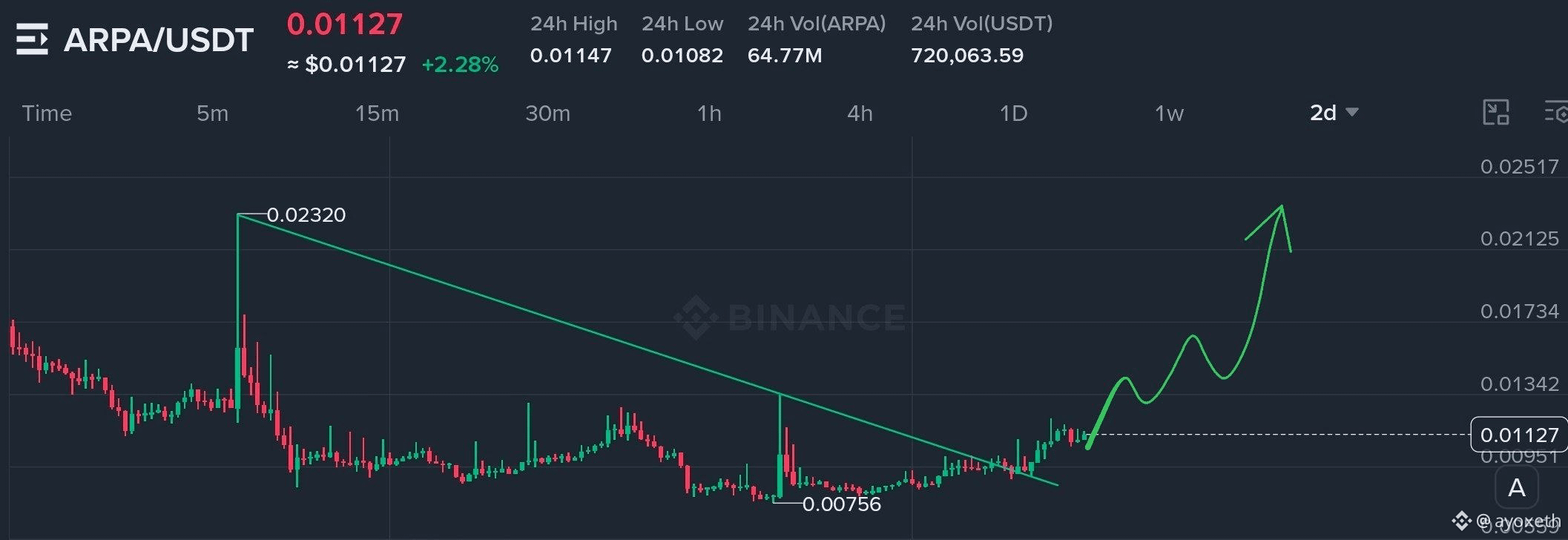
$ARPA ya ha superado la línea de tendencia a la baja y ha completado el retroceso. Ahora la estructura se está moviendo hacia una fase de continuación.
Mi enfoque aquí está en la siguiente confirmación: un avance limpio por encima del máximo reciente con un volumen fuerte. Si eso sucede, buscaré continuación hacia los próximos niveles de resistencia. Si el precio pierde la zona del retroceso, me apartaré y esperaré a que la estructura se reinicie.
El escenario está claro: ahora se trata de la ejecución y la gestión del riesgo.
$ARPA ya ha superado la línea de tendencia a la baja y ha completado el retroceso. Ahora la estructura se está moviendo hacia una fase de continuación.
Mi enfoque aquí está en la siguiente confirmación: un avance limpio por encima del máximo reciente con un volumen fuerte. Si eso sucede, buscaré continuación hacia los próximos niveles de resistencia. Si el precio pierde la zona del retroceso, me apartaré y esperaré a que la estructura se reinicie.
El escenario está claro: ahora se trata de la ejecución y la gestión del riesgo.
Mi enfoque aquí está en la siguiente confirmación: un avance limpio por encima del máximo reciente con un volumen fuerte. Si eso sucede, buscaré continuación hacia los próximos niveles de resistencia. Si el precio pierde la zona del retroceso, me apartaré y esperaré a que la estructura se reinicie.
El escenario está claro: ahora se trata de la ejecución y la gestión del riesgo.
211
·
--
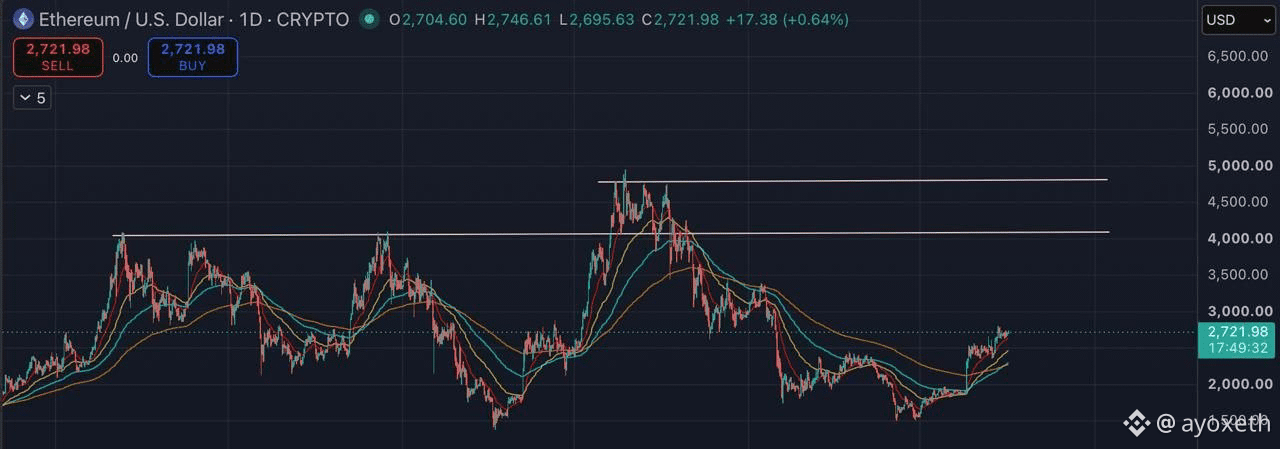
ETH está empezando a despertarse 📈
ETH vuelve a estar alrededor de la zona de $2.7K, y el gráfico diario está mostrando una estructura mucho más sólida en comparación con los mínimos recientes.
El nivel importante para mí es $2.8K. Si ETH se rompe por encima de esa zona y la mantiene como soporte, el siguiente nivel a vigilar sería $3K. A partir de ahí, el gráfico tiene una resistencia mucho mayor alrededor de $4K y eventualmente la región de $4.7K–$4.8K.
Lo que destaca es la forma en que $ETH ha estado construyendo impulso mientras recupera las medias móviles. Si esta estructura continúa desarrollándose, el próximo movimiento importante podría ser interesante.
#Ethereum
ETH está empezando a despertarse 📈
ETH vuelve a estar alrededor de la zona de $2.7K, y el gráfico diario está mostrando una estructura mucho más sólida en comparación con los mínimos recientes.
El nivel importante para mí es $2.8K. Si ETH se rompe por encima de esa zona y la mantiene como soporte, el siguiente nivel a vigilar sería $3K. A partir de ahí, el gráfico tiene una resistencia mucho mayor alrededor de $4K y eventualmente la región de $4.7K–$4.8K.
Lo que destaca es la forma en que $ETH ha estado construyendo impulso mientras recupera las medias móviles. Si esta estructura continúa desarrollándose, el próximo movimiento importante podría ser interesante.
#Ethereum
ETH vuelve a estar alrededor de la zona de $2.7K, y el gráfico diario está mostrando una estructura mucho más sólida en comparación con los mínimos recientes.
El nivel importante para mí es $2.8K. Si ETH se rompe por encima de esa zona y la mantiene como soporte, el siguiente nivel a vigilar sería $3K. A partir de ahí, el gráfico tiene una resistencia mucho mayor alrededor de $4K y eventualmente la región de $4.7K–$4.8K.
Lo que destaca es la forma en que $ETH ha estado construyendo impulso mientras recupera las medias móviles. Si esta estructura continúa desarrollándose, el próximo movimiento importante podría ser interesante.
#Ethereum
123
·
--
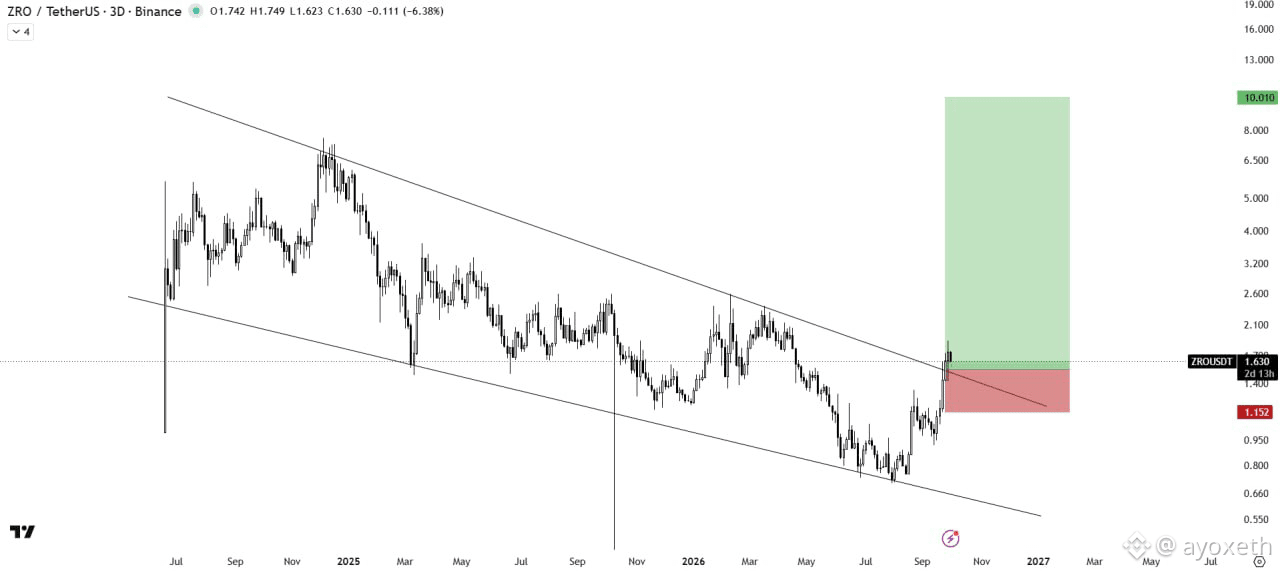
$ZRO se ha salido del patrón de cuña descendente con un volumen significativo, señalando un fuerte impulso alcista.
Actualmente, está realizando un retest del nivel de ruptura, que es una zona clave a vigilar para confirmar. Un retest exitoso y la permanencia por encima del nivel de ruptura podrían desencadenar una fuerte carrera alcista. 🚀
$ZRO se ha salido del patrón de cuña descendente con un volumen significativo, señalando un fuerte impulso alcista.
Actualmente, está realizando un retest del nivel de ruptura, que es una zona clave a vigilar para confirmar. Un retest exitoso y la permanencia por encima del nivel de ruptura podrían desencadenar una fuerte carrera alcista. 🚀
Actualmente, está realizando un retest del nivel de ruptura, que es una zona clave a vigilar para confirmar. Un retest exitoso y la permanencia por encima del nivel de ruptura podrían desencadenar una fuerte carrera alcista. 🚀
1
179
·
--
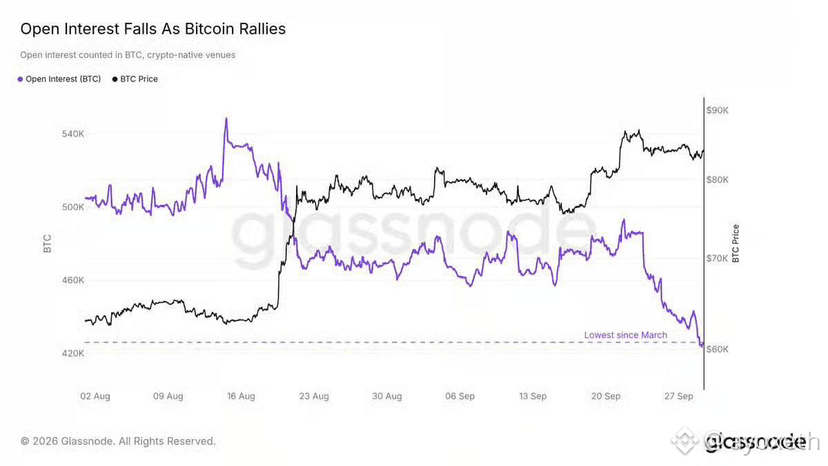
#bitcoin open interest ahora está casi un 20% por debajo de su nivel de agosto, según datos de Glassnode citados por The Block.
El apalancamiento se ha enfriado significativamente, mientras $BTC todavía cotiza bien por encima de su mínimo de agosto. Esto sugiere que el mercado ha experimentado un restablecimiento significativo del apalancamiento sin una caída comparable en el precio.
👉 Un menor apalancamiento podría ayudar a crear una estructura de mercado más saludable y reducir el riesgo de liquidaciones excesivas durante el próximo gran movimiento.
#bitcoin open interest ahora está casi un 20% por debajo de su nivel de agosto, según datos de Glassnode citados por The Block.
El apalancamiento se ha enfriado significativamente, mientras $BTC todavía cotiza bien por encima de su mínimo de agosto. Esto sugiere que el mercado ha experimentado un restablecimiento significativo del apalancamiento sin una caída comparable en el precio.
👉 Un menor apalancamiento podría ayudar a crear una estructura de mercado más saludable y reducir el riesgo de liquidaciones excesivas durante el próximo gran movimiento.
El apalancamiento se ha enfriado significativamente, mientras $BTC todavía cotiza bien por encima de su mínimo de agosto. Esto sugiere que el mercado ha experimentado un restablecimiento significativo del apalancamiento sin una caída comparable en el precio.
👉 Un menor apalancamiento podría ayudar a crear una estructura de mercado más saludable y reducir el riesgo de liquidaciones excesivas durante el próximo gran movimiento.
55
·
--
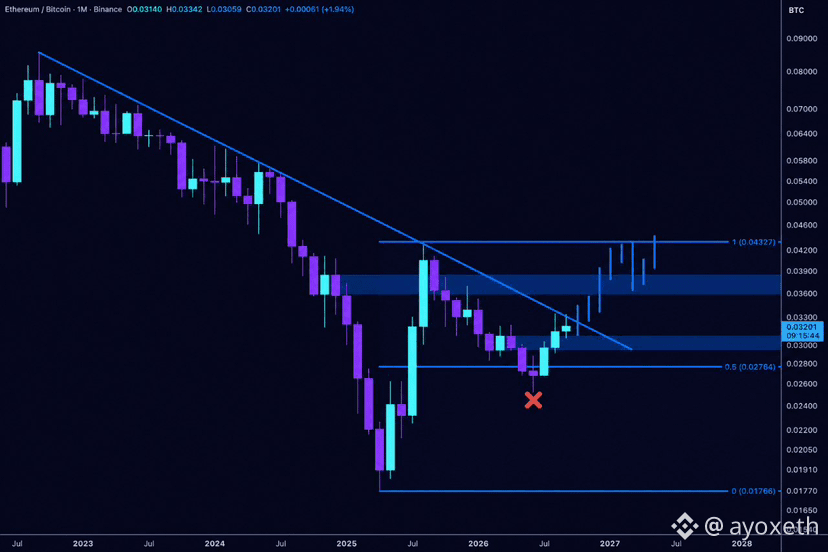
#ETH está absolutamente listo para romper esta resistencia de varios años. ¡Hay al menos un movimiento del 35% en la pareja $BTC en el horizonte, lo cual es enorme!
¡Se avecinan nuevos máximos para 💰$ETH en los próximos un par de años; todo lo que tienes que hacer es estar preparado!
#ETH está absolutamente listo para romper esta resistencia de varios años. ¡Hay al menos un movimiento del 35% en la pareja $BTC en el horizonte, lo cual es enorme!
¡Se avecinan nuevos máximos para 💰$ETH en los próximos un par de años; todo lo que tienes que hacer es estar preparado!
¡Se avecinan nuevos máximos para 💰$ETH en los próximos un par de años; todo lo que tienes que hacer es estar preparado!
68
·
--
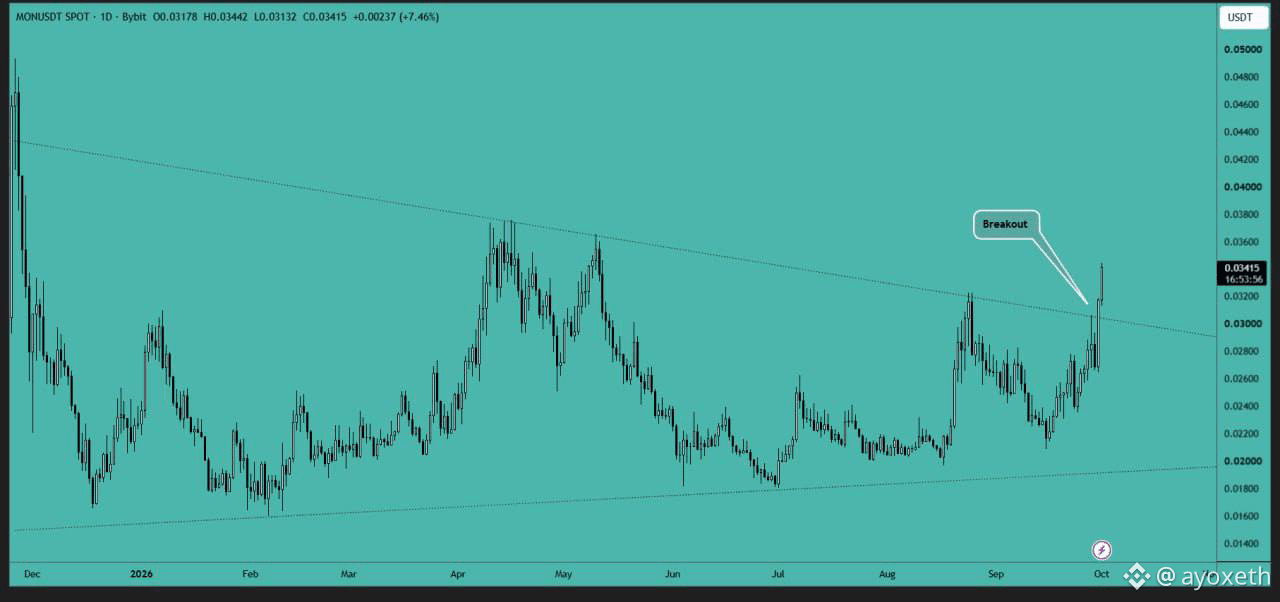
$MON El precio está rompiendo el patrón de triángulo, lo cual es una buena señal. Puedes abrir posiciones largas durante la retest en el rango de $0.030-$0.032. Estoy esperando una fuerte subida en los próximos días.
$MON El precio está rompiendo el patrón de triángulo, lo cual es una buena señal. Puedes abrir posiciones largas durante la retest en el rango de $0.030-$0.032. Estoy esperando una fuerte subida en los próximos días.
236
·
--
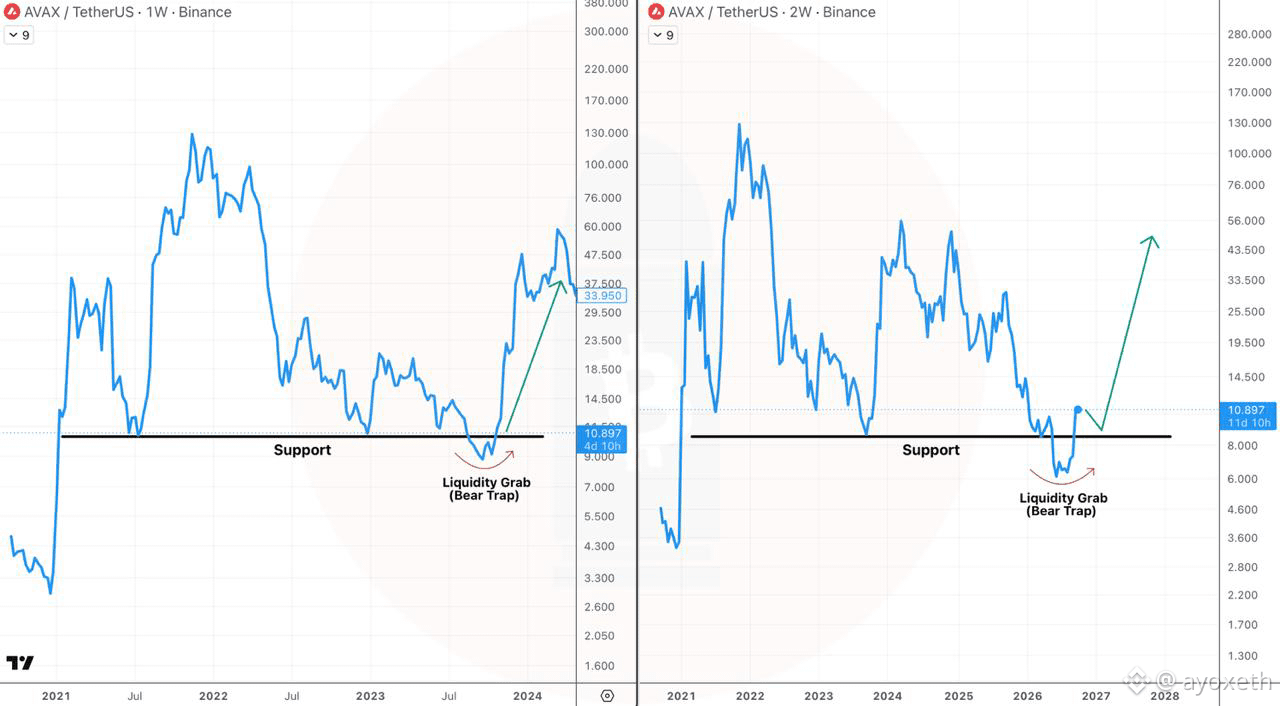
La trampa del oso que $AVAX impresa en el Verano de 2026 es casi idéntica a la Trampa del Oso impresa en agosto-octubre de 2023
Estoy muy optimista con $AVAX para 2027-2028 📈
La trampa del oso que $AVAX impresa en el Verano de 2026 es casi idéntica a la Trampa del Oso impresa en agosto-octubre de 2023
Estoy muy optimista con $AVAX para 2027-2028 📈
Estoy muy optimista con $AVAX para 2027-2028 📈
106
·
--
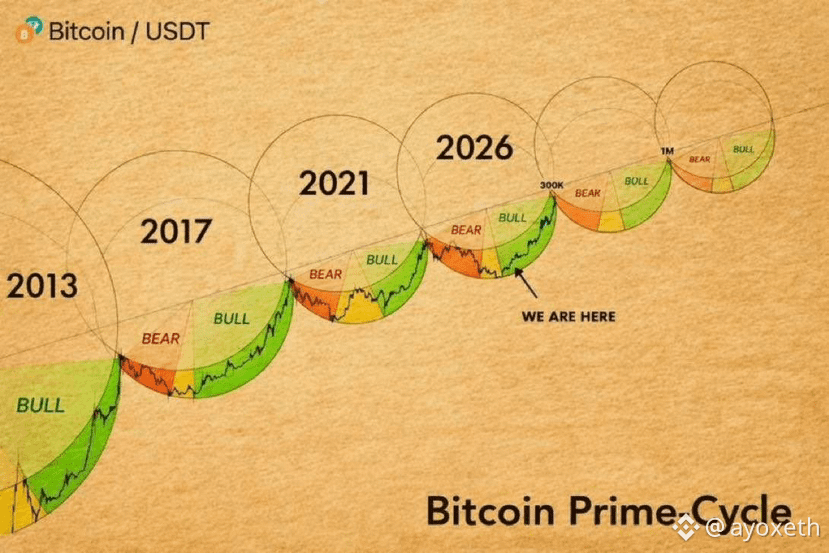
Se acerca un gran impulso de las criptomonedas. ¡PREPÁRATE 🚀
Se acerca un gran impulso de las criptomonedas. ¡PREPÁRATE 🚀
4
6
2.1k
·
--
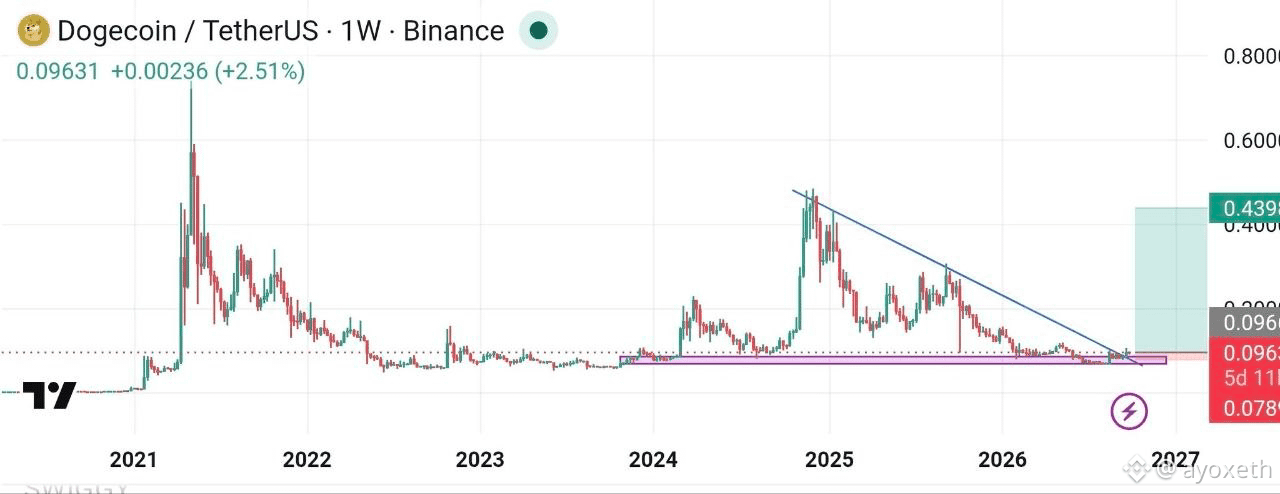
$DOGE está sentado sobre una importante zona de soporte a largo plazo alrededor de $0.09, mientras que el gráfico semanal muestra una línea de tendencia descendente de varios años acercándose al precio.
Una ruptura por encima de esa línea de tendencia podría ser el detonante para un movimiento mucho más grande. El gráfico también apunta hacia la zona de $0.40+ como un objetivo principal al alza.
#DOGE comprar y mantener. El gran movimiento podría estar cargándose.
$DOGE está sentado sobre una importante zona de soporte a largo plazo alrededor de $0.09, mientras que el gráfico semanal muestra una línea de tendencia descendente de varios años acercándose al precio.
Una ruptura por encima de esa línea de tendencia podría ser el detonante para un movimiento mucho más grande. El gráfico también apunta hacia la zona de $0.40+ como un objetivo principal al alza.
#DOGE comprar y mantener. El gran movimiento podría estar cargándose.
Una ruptura por encima de esa línea de tendencia podría ser el detonante para un movimiento mucho más grande. El gráfico también apunta hacia la zona de $0.40+ como un objetivo principal al alza.
#DOGE comprar y mantener. El gran movimiento podría estar cargándose.
2
1
4
3k
·
--
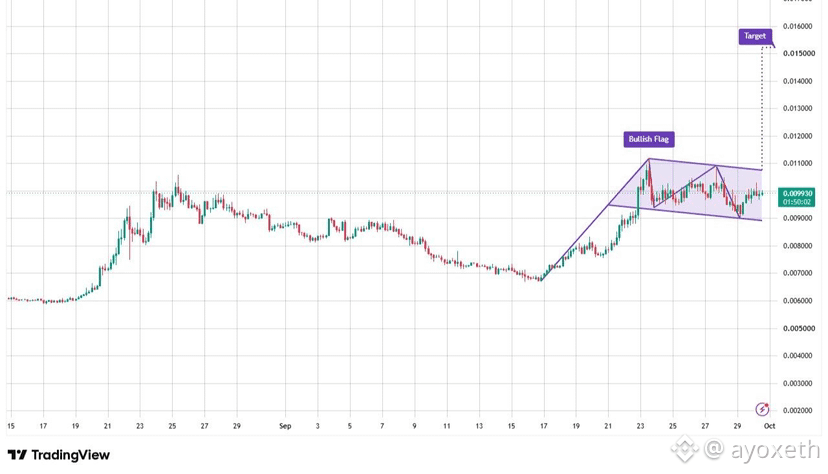
$PENGU se está ajustando dentro de una bandera alcista después del movimiento anterior.
Una ruptura por encima de $0.011 podría abrir el camino hacia $0.015–$0.016. Hasta entonces, el área de $0.009–$0.0095 sigue siendo un soporte importante.
PENGUUSDT — compra, mantén y espera el gran movimiento.
#Pengu
$PENGU se está ajustando dentro de una bandera alcista después del movimiento anterior.
Una ruptura por encima de $0.011 podría abrir el camino hacia $0.015–$0.016. Hasta entonces, el área de $0.009–$0.0095 sigue siendo un soporte importante.
PENGUUSDT — compra, mantén y espera el gran movimiento.
#Pengu
Una ruptura por encima de $0.011 podría abrir el camino hacia $0.015–$0.016. Hasta entonces, el área de $0.009–$0.0095 sigue siendo un soporte importante.
PENGUUSDT — compra, mantén y espera el gran movimiento.
#Pengu
278
·
--
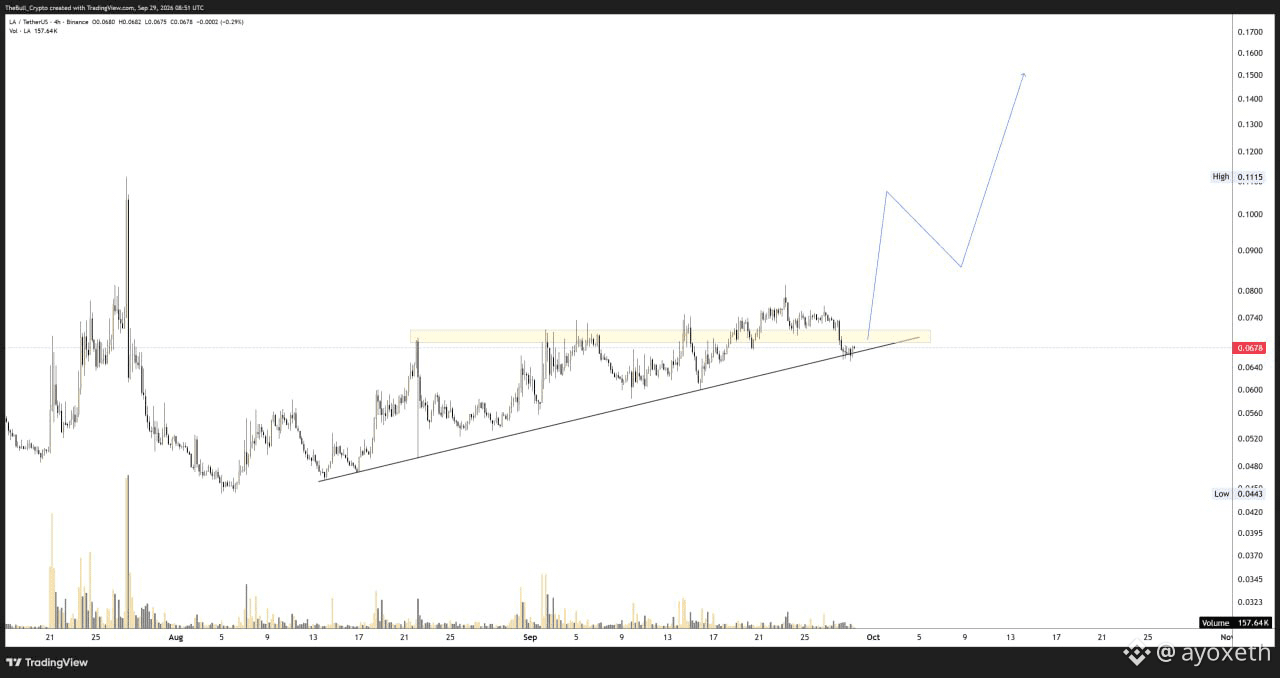
Estoy añadiendo más $LA aquí, pero no estoy persiguiendo el movimiento.
El precio se está moviendo cerca de la línea de tendencia alcista y la zona de 0.067–0.070 dólares. Yo buscaría una retención/retest limpio de esta zona antes de añadir de forma agresiva.
Si ese soporte se mantiene y $LA rompe el máximo reciente del rango, la siguiente zona alcista en mi gráfico está alrededor de 0.10 dólares, con el objetivo mayor cerca de 0.15.
Para mí, primero la confirmación; luego aumento el tamaño.
Estoy añadiendo más $LA aquí, pero no estoy persiguiendo el movimiento.
El precio se está moviendo cerca de la línea de tendencia alcista y la zona de 0.067–0.070 dólares. Yo buscaría una retención/retest limpio de esta zona antes de añadir de forma agresiva.
Si ese soporte se mantiene y $LA rompe el máximo reciente del rango, la siguiente zona alcista en mi gráfico está alrededor de 0.10 dólares, con el objetivo mayor cerca de 0.15.
Para mí, primero la confirmación; luego aumento el tamaño.
El precio se está moviendo cerca de la línea de tendencia alcista y la zona de 0.067–0.070 dólares. Yo buscaría una retención/retest limpio de esta zona antes de añadir de forma agresiva.
Si ese soporte se mantiene y $LA rompe el máximo reciente del rango, la siguiente zona alcista en mi gráfico está alrededor de 0.10 dólares, con el objetivo mayor cerca de 0.15.
Para mí, primero la confirmación; luego aumento el tamaño.
425
·
--
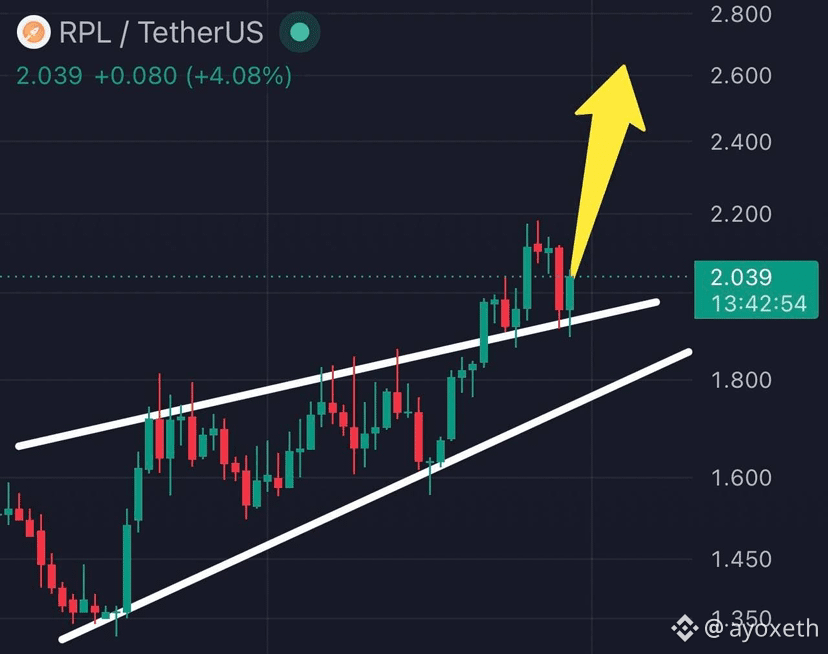
$RPL está en un punto interesante alrededor de 2.04 dólares. La estructura ascendente aún se mantiene intacta, y el precio está empujando de nuevo por encima de la línea de tendencia superior.
Mi estrategia aquí sería entrar con fuerza, pero solo después de que #RPL confirme una ruptura limpia por encima de la resistencia reciente de 2.15–2.20 dólares. Un cierre de vela fuerte por encima de esa zona me daría la confirmación que busco.
Si se produce esa ruptura, estaría observando primero 2.40 dólares y luego 2.60 como las siguientes zonas alcistas.
El escenario cambia si el precio cae de nuevo por debajo de la línea de tendencia y pierde el área de 1.90 dólares.
$RPL está en un punto interesante alrededor de 2.04 dólares. La estructura ascendente aún se mantiene intacta, y el precio está empujando de nuevo por encima de la línea de tendencia superior.
Mi estrategia aquí sería entrar con fuerza, pero solo después de que #RPL confirme una ruptura limpia por encima de la resistencia reciente de 2.15–2.20 dólares. Un cierre de vela fuerte por encima de esa zona me daría la confirmación que busco.
Si se produce esa ruptura, estaría observando primero 2.40 dólares y luego 2.60 como las siguientes zonas alcistas.
El escenario cambia si el precio cae de nuevo por debajo de la línea de tendencia y pierde el área de 1.90 dólares.
Mi estrategia aquí sería entrar con fuerza, pero solo después de que #RPL confirme una ruptura limpia por encima de la resistencia reciente de 2.15–2.20 dólares. Un cierre de vela fuerte por encima de esa zona me daría la confirmación que busco.
Si se produce esa ruptura, estaría observando primero 2.40 dólares y luego 2.60 como las siguientes zonas alcistas.
El escenario cambia si el precio cae de nuevo por debajo de la línea de tendencia y pierde el área de 1.90 dólares.
1
209
·
--
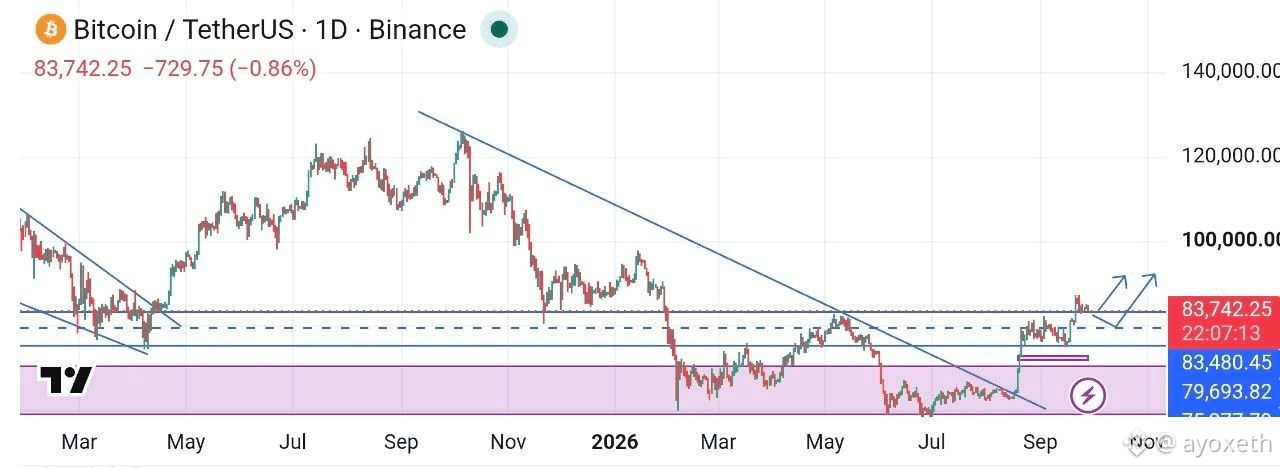
$BTC está mostrando un interesante patrón aquí.
El precio ha rompido por encima de la línea descendente de largo plazo y ahora cotiza alrededor de $83.7K, lo que pone el foco en si esta ruptura puede mantenerse.
Yo vigilaría de cerca $83.5K–$84K. Si #BTC sostiene esta zona y la convierte en soporte, el siguiente movimiento podría abrir la puerta hacia $90K+. Pero si el precio es rechazado y cae de nuevo por debajo de la zona de ruptura, prefiero esperar un retroceso más profundo hacia el área de soporte de $80K–$79.7K.
Para mí, lo clave es la confirmación, no perseguir la ruptura. $BTC ha dado el primer paso; ahora quiero ver si los compradores realmente pueden defender estos niveles. 📊
Ahí es donde podría estar el verdadero alfa.
$BTC está mostrando un interesante patrón aquí.
El precio ha rompido por encima de la línea descendente de largo plazo y ahora cotiza alrededor de $83.7K, lo que pone el foco en si esta ruptura puede mantenerse.
Yo vigilaría de cerca $83.5K–$84K. Si #BTC sostiene esta zona y la convierte en soporte, el siguiente movimiento podría abrir la puerta hacia $90K+. Pero si el precio es rechazado y cae de nuevo por debajo de la zona de ruptura, prefiero esperar un retroceso más profundo hacia el área de soporte de $80K–$79.7K.
Para mí, lo clave es la confirmación, no perseguir la ruptura. $BTC ha dado el primer paso; ahora quiero ver si los compradores realmente pueden defender estos niveles. 📊
Ahí es donde podría estar el verdadero alfa.
El precio ha rompido por encima de la línea descendente de largo plazo y ahora cotiza alrededor de $83.7K, lo que pone el foco en si esta ruptura puede mantenerse.
Yo vigilaría de cerca $83.5K–$84K. Si #BTC sostiene esta zona y la convierte en soporte, el siguiente movimiento podría abrir la puerta hacia $90K+. Pero si el precio es rechazado y cae de nuevo por debajo de la zona de ruptura, prefiero esperar un retroceso más profundo hacia el área de soporte de $80K–$79.7K.
Para mí, lo clave es la confirmación, no perseguir la ruptura. $BTC ha dado el primer paso; ahora quiero ver si los compradores realmente pueden defender estos niveles. 📊
Ahí es donde podría estar el verdadero alfa.
19
·
--
$NVDA aumenta su autorización de recompra de acciones a 235 mil millones de dólares después de aprobar $150 mil millones adicionales.
La empresa espera recompras hasta el año fiscal 2028.
#NVDA #USstock
$NVDA aumenta su autorización de recompra de acciones a 235 mil millones de dólares después de aprobar $150 mil millones adicionales.
La empresa espera recompras hasta el año fiscal 2028.
#NVDA #USstock
La empresa espera recompras hasta el año fiscal 2028.
#NVDA #USstock
164
·
--
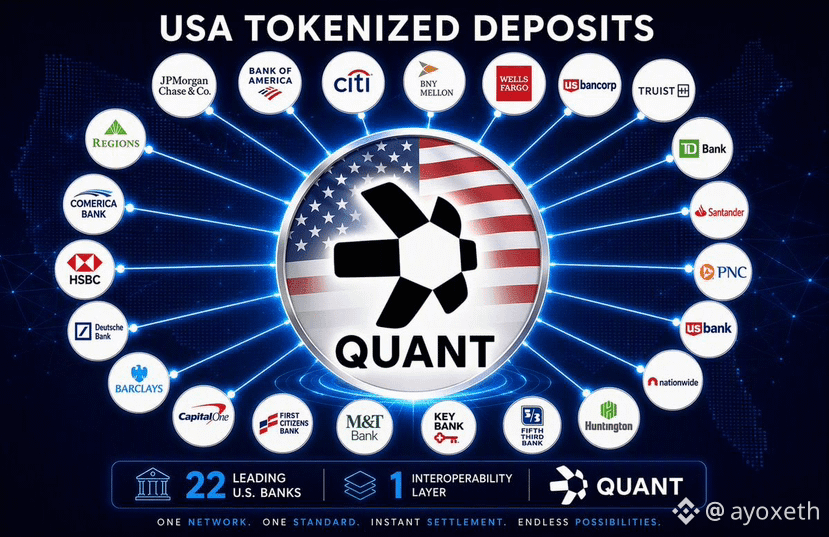
22 de los principales bancos de EE. UU. utilizarán toda la infraestructura $QNT para depósitos tokenizados.
22 de los principales bancos de EE. UU. utilizarán toda la infraestructura $QNT para depósitos tokenizados.
151
Inicia sesión para explorar más contenidos
Únete a usuarios globales de criptomonedas en Binance Square
⚡️ Obtén información útil y actualizada sobre criptos.
💬 Avalado por el mayor exchange de criptomonedas en el mundo.
👍 Descubre perspectivas reales de creadores verificados.
Email/número de teléfono
Temas populares
CanMicrosoftDeliverOnAI
127,039 vistas
975 están debatiendo
Sesión 3 de la temporada de resultados: ¿Superarán Google y Microsoft las expectativas?
Binance Square Official
·76 me gusta
·20.7k vistas
CanGoogleDefindItsCore
62,003 vistas
695 están debatiendo
FOMCWatch
9.1M vistas
28,250 están debatiendo