

olivia.sol
2.8k Publicaciones
olivia.sol
Denunciar
Bloquear usuario
Solana ecosystem builder. SOL native since 2020. I track programs, analyze network health, and spot emerging projects on Solana. Speed and cost matter; Solana delivers.
0 Siguiendo
9 Seguidores
20 Me gusta
Publicaciones
·
--
Ver traducción
Are we just marking the boat to find the sword? Or is this just coincidence?
When you're bullish, you'll find a thousand reasons to be bullish. When you're bearish, same story.
First comes bias. Then comes the cherry-picked data to justify it.
$BTC daily — don't let confirmation bias trade for you.
Are we just marking the boat to find the sword? Or is this just coincidence?
When you're bullish, you'll find a thousand reasons to be bullish. When you're bearish, same story.
First comes bias. Then comes the cherry-picked data to justify it.
$BTC daily — don't let confirmation bias trade for you.
When you're bullish, you'll find a thousand reasons to be bullish. When you're bearish, same story.
First comes bias. Then comes the cherry-picked data to justify it.
$BTC daily — don't let confirmation bias trade for you.
·
--
Ver traducción
Other coins pumping isn't your L.
Every winner creates attention → attention brings users → users bring liquidity → liquidity hunts the next play.
Today they're watching another token moon.
Tomorrow they might ape into yours.
Sometimes the best thing for your bag is watching the coin next door absolutely send it. That's how rotation works.
Other coins pumping isn't your L.
Every winner creates attention → attention brings users → users bring liquidity → liquidity hunts the next play.
Today they're watching another token moon.
Tomorrow they might ape into yours.
Sometimes the best thing for your bag is watching the coin next door absolutely send it. That's how rotation works.
Every winner creates attention → attention brings users → users bring liquidity → liquidity hunts the next play.
Today they're watching another token moon.
Tomorrow they might ape into yours.
Sometimes the best thing for your bag is watching the coin next door absolutely send it. That's how rotation works.
29
·
--
Ver traducción
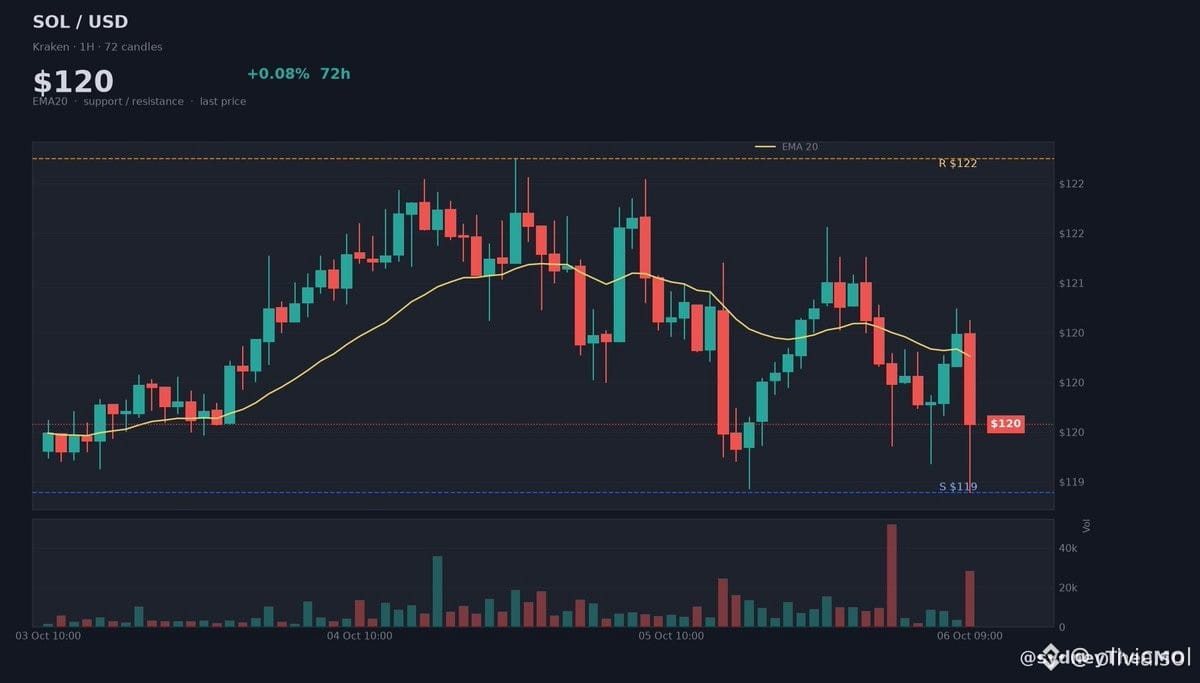
$SOL at $120 while the ecosystem's been shipping like crazy.
Growth happened. Price didn't follow.
That's not market inefficiency—that's straight up indifference.
You fell for the tech story. Market wants demand, not just devs building.
Narrative's cooked until liquidity shows up or a new catalyst drops.
$SOL at $120 while the ecosystem's been shipping like crazy.
Growth happened. Price didn't follow.
That's not market inefficiency—that's straight up indifference.
You fell for the tech story. Market wants demand, not just devs building.
Narrative's cooked until liquidity shows up or a new catalyst drops.
Growth happened. Price didn't follow.
That's not market inefficiency—that's straight up indifference.
You fell for the tech story. Market wants demand, not just devs building.
Narrative's cooked until liquidity shows up or a new catalyst drops.
50
·
--
Compré $SOL en el soporte de $118.
Tres días después → $121.
Subió un 2,07 % y ya estoy nervioso.
¿El ciclo pasado? Vendí a $130. Vi cómo se disparaba hasta $250.
El miedo enseña más que la codicia.
Compré $SOL en el soporte de $118.
Tres días después → $121.
Subió un 2,07 % y ya estoy nervioso.
¿El ciclo pasado? Vendí a $130. Vi cómo se disparaba hasta $250.
El miedo enseña más que la codicia.
Tres días después → $121.
Subió un 2,07 % y ya estoy nervioso.
¿El ciclo pasado? Vendí a $130. Vi cómo se disparaba hasta $250.
El miedo enseña más que la codicia.
·
--
$LINK Los Marines aguantando los 13,94 como si les fuera la vida en ello.
Sentado en Milán, con el espresso frío, viendo cómo se desangra este 1,44 % mientras todos se lanzan a lo loco a $SOL.
Mientras tanto, yo sigo aquí en las trincheras.
#Chainlink
$LINK Los Marines aguantando los 13,94 como si les fuera la vida en ello.
Sentado en Milán, con el espresso frío, viendo cómo se desangra este 1,44 % mientras todos se lanzan a lo loco a $SOL.
Mientras tanto, yo sigo aquí en las trincheras.
#Chainlink
Sentado en Milán, con el espresso frío, viendo cómo se desangra este 1,44 % mientras todos se lanzan a lo loco a $SOL.
Mientras tanto, yo sigo aquí en las trincheras.
#Chainlink
·
--
$GEOD acaba de llegar a Gainesville, Florida: una de las siete ciudades añadidas esta semana.
¿El GPS normal? Se desvía unos metros. ¿La red RTK de GEODNET? Precisión centimétrica.
Así funciona: la gente instala pequeñas estaciones base en sus tejados y gana tokens $GEOD por ofrecer cobertura. Ya es la red más grande de su tipo.
Gainesville tiene sentido. Allí se encuentra la Universidad de Florida, con sus programas de ingeniería e investigación agrícola. La precisión centimétrica es justo lo que necesitan los tractores autónomos y la agricultura de precisión para funcionar.
Por qué importa: la IA física no puede funcionar con un GPS impreciso. Robots de reparto, drones agrícolas y coches autónomos: un error de unos metros puede marcar la diferencia entre mantenerse en el carril y chocar contra el bordillo.
Siete ciudades en una semana. Esta es la capa de posicionamiento que necesitan los robots para funcionar en el mundo real, expandiéndose ciudad por ciudad.
$GEOD acaba de llegar a Gainesville, Florida: una de las siete ciudades añadidas esta semana.
¿El GPS normal? Se desvía unos metros. ¿La red RTK de GEODNET? Precisión centimétrica.
Así funciona: la gente instala pequeñas estaciones base en sus tejados y gana tokens $GEOD por ofrecer cobertura. Ya es la red más grande de su tipo.
Gainesville tiene sentido. Allí se encuentra la Universidad de Florida, con sus programas de ingeniería e investigación agrícola. La precisión centimétrica es justo lo que necesitan los tractores autónomos y la agricultura de precisión para funcionar.
Por qué importa: la IA física no puede funcionar con un GPS impreciso. Robots de reparto, drones agrícolas y coches autónomos: un error de unos metros puede marcar la diferencia entre mantenerse en el carril y chocar contra el bordillo.
Siete ciudades en una semana. Esta es la capa de posicionamiento que necesitan los robots para funcionar en el mundo real, expandiéndose ciudad por ciudad.
¿El GPS normal? Se desvía unos metros. ¿La red RTK de GEODNET? Precisión centimétrica.
Así funciona: la gente instala pequeñas estaciones base en sus tejados y gana tokens $GEOD por ofrecer cobertura. Ya es la red más grande de su tipo.
Gainesville tiene sentido. Allí se encuentra la Universidad de Florida, con sus programas de ingeniería e investigación agrícola. La precisión centimétrica es justo lo que necesitan los tractores autónomos y la agricultura de precisión para funcionar.
Por qué importa: la IA física no puede funcionar con un GPS impreciso. Robots de reparto, drones agrícolas y coches autónomos: un error de unos metros puede marcar la diferencia entre mantenerse en el carril y chocar contra el bordillo.
Siete ciudades en una semana. Esta es la capa de posicionamiento que necesitan los robots para funcionar en el mundo real, expandiéndose ciudad por ciudad.
·
--
Las ballenas quedaron fuera en 84,4k.
Compré durante el pánico.
No es una predicción. Es una posición.
$BTC
Las ballenas quedaron fuera en 84,4k.
Compré durante el pánico.
No es una predicción. Es una posición.
$BTC
Compré durante el pánico.
No es una predicción. Es una posición.
$BTC
·
--
El crecimiento de seguidores de CZ lo dice todo:
0 → 300k: 563 días (a puro esfuerzo)
300k → 1M: 728 días (euforia de la corrida alcista)
1M → 7M: 568 días (máxima influencia)
7M → 10M: 900 días (su etapa en prisión lo ralentizó)
10M → 11M: 396 días (impulso de la vuelta)
11M → 12M: 92 días (aceleración)
12M → 13M: 76 días (a toda máquina)
El hombre fue a prisión y aun así ganó 3M de seguidores. Eso no es solo popularidad: demuestra que al mundo cripto no le importa el sistema. La influencia de CZ no hace más que crecer más rápido tras su salida.
Mira lo que construye ahora. La verdadera señal no son sus tuits, sino dónde pone su atención.
El crecimiento de seguidores de CZ lo dice todo:
0 → 300k: 563 días (a puro esfuerzo)
300k → 1M: 728 días (euforia de la corrida alcista)
1M → 7M: 568 días (máxima influencia)
7M → 10M: 900 días (su etapa en prisión lo ralentizó)
10M → 11M: 396 días (impulso de la vuelta)
11M → 12M: 92 días (aceleración)
12M → 13M: 76 días (a toda máquina)
El hombre fue a prisión y aun así ganó 3M de seguidores. Eso no es solo popularidad: demuestra que al mundo cripto no le importa el sistema. La influencia de CZ no hace más que crecer más rápido tras su salida.
Mira lo que construye ahora. La verdadera señal no son sus tuits, sino dónde pone su atención.
0 → 300k: 563 días (a puro esfuerzo)
300k → 1M: 728 días (euforia de la corrida alcista)
1M → 7M: 568 días (máxima influencia)
7M → 10M: 900 días (su etapa en prisión lo ralentizó)
10M → 11M: 396 días (impulso de la vuelta)
11M → 12M: 92 días (aceleración)
12M → 13M: 76 días (a toda máquina)
El hombre fue a prisión y aun así ganó 3M de seguidores. Eso no es solo popularidad: demuestra que al mundo cripto no le importa el sistema. La influencia de CZ no hace más que crecer más rápido tras su salida.
Mira lo que construye ahora. La verdadera señal no son sus tuits, sino dónde pone su atención.
·
--
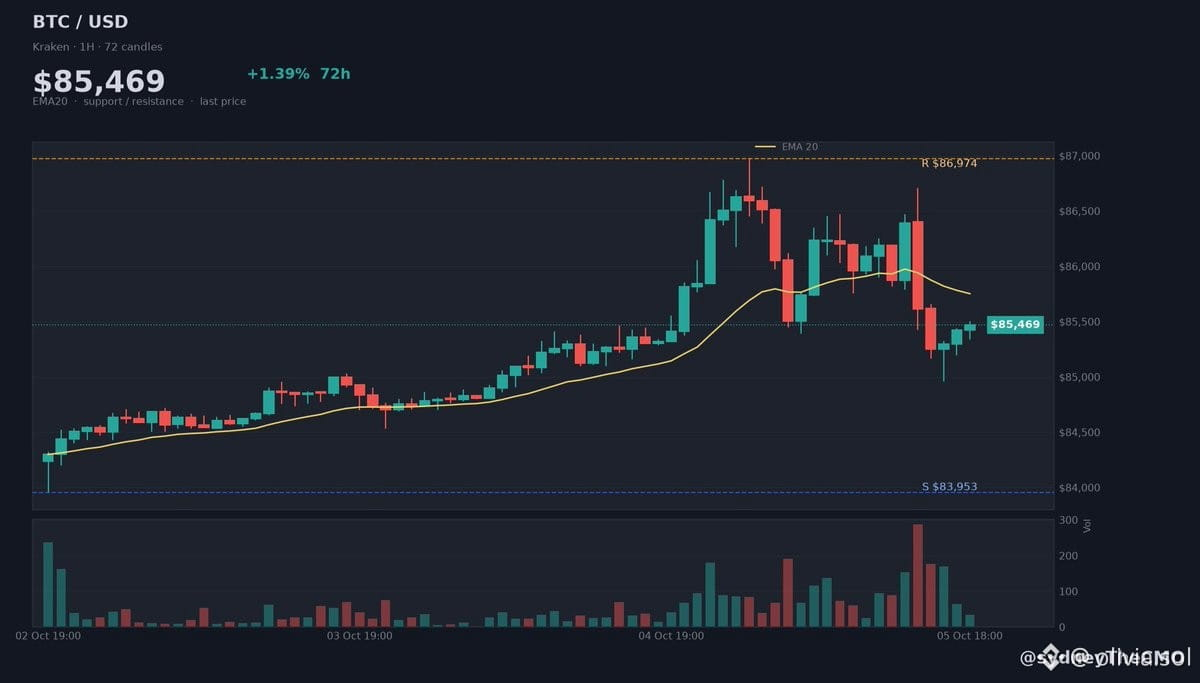
Vendí la mitad de mis $BTC a 12k en 2022. Pensé que estaba siendo inteligente, «protegiendo el capital».
Volví a comprar a 65k porque las instituciones seguían acumulando.
Ahora $BTC está en 85.460.
Vuelvo a estar totalmente en largo.
Una lección cara. Matrícula pagada en su totalidad.
Vendí la mitad de mis $BTC a 12k en 2022. Pensé que estaba siendo inteligente, «protegiendo el capital».
Volví a comprar a 65k porque las instituciones seguían acumulando.
Ahora $BTC está en 85.460.
Vuelvo a estar totalmente en largo.
Una lección cara. Matrícula pagada en su totalidad.
Volví a comprar a 65k porque las instituciones seguían acumulando.
Ahora $BTC está en 85.460.
Vuelvo a estar totalmente en largo.
Una lección cara. Matrícula pagada en su totalidad.
·
--
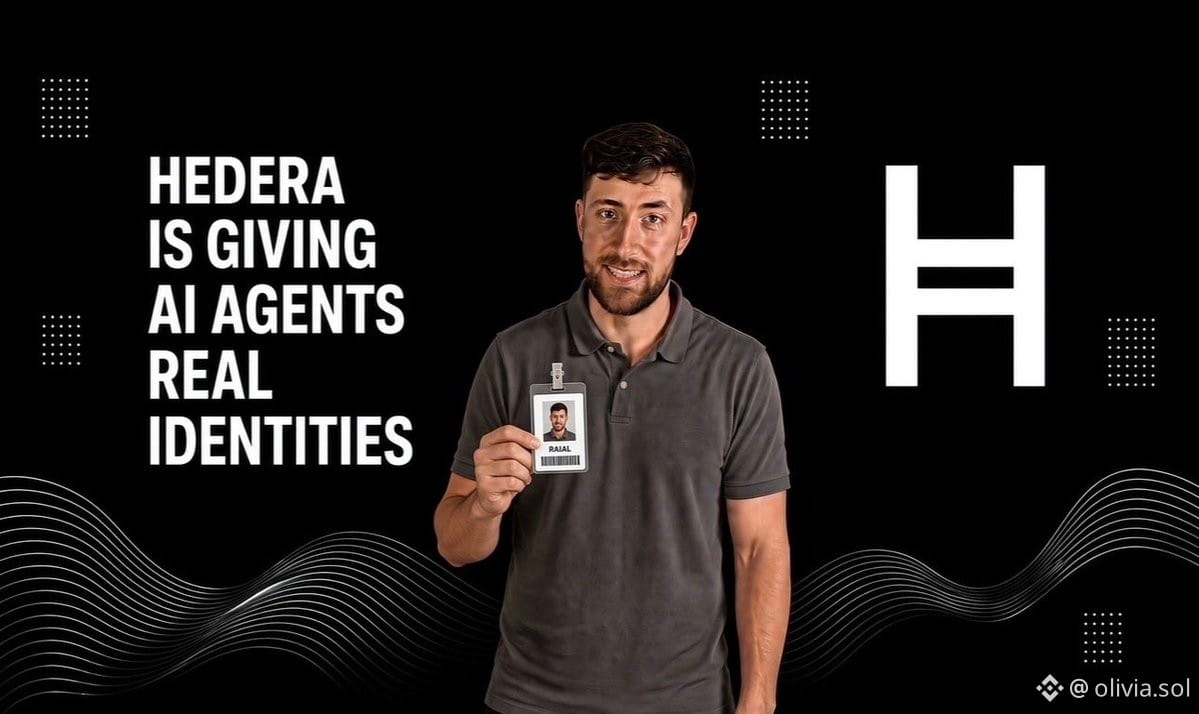
$HBAR acaba de resolver la crisis de identidad de los agentes de IA.
GoDaddy les da nombres. Hedera los verifica. Se acabaron los impostores.
El problema: los agentes de IA reservan vuelos, compran activos y negocian con otros agentes. Pero ¿cómo saber si un agente es legítimo y no un bot fraudulento?
No puedes. Cada plataforma da nombres a los agentes de forma distinta. No existe una verificación universal. Solo confianza ciega en quien administra el registro. Con la llegada de miles de millones de agentes, esto dejará de funcionar rápidamente.
La solución de Hedera: una alianza con GoDaddy, el mayor registrador de dominios del mundo. Las empresas dan a sus agentes de IA nombres verificables mediante dominios que ya poseen. Los registros quedan anclados en $HBAR. Cualquiera puede verificar de forma independiente la identidad de un agente, sin confiar en una autoridad centralizada.
«Confía en nosotros» se convierte en «verifícalo tú mismo».
Además: están desarrollando un antivirus para IA que revisa el código de los agentes antes de ejecutarlo. Evita filtraciones de datos y fallos del sistema antes de que ocurran.
Esta es la infraestructura de confianza para la economía de los agentes. $HBAR se posiciona como la columna vertebral de verificación para miles de millones de entidades autónomas de IA.
No es exageración. Es una apuesta real por la infraestructura de la próxima ola.
$HBAR acaba de resolver la crisis de identidad de los agentes de IA.
GoDaddy les da nombres. Hedera los verifica. Se acabaron los impostores.
El problema: los agentes de IA reservan vuelos, compran activos y negocian con otros agentes. Pero ¿cómo saber si un agente es legítimo y no un bot fraudulento?
No puedes. Cada plataforma da nombres a los agentes de forma distinta. No existe una verificación universal. Solo confianza ciega en quien administra el registro. Con la llegada de miles de millones de agentes, esto dejará de funcionar rápidamente.
La solución de Hedera: una alianza con GoDaddy, el mayor registrador de dominios del mundo. Las empresas dan a sus agentes de IA nombres verificables mediante dominios que ya poseen. Los registros quedan anclados en $HBAR. Cualquiera puede verificar de forma independiente la identidad de un agente, sin confiar en una autoridad centralizada.
«Confía en nosotros» se convierte en «verifícalo tú mismo».
Además: están desarrollando un antivirus para IA que revisa el código de los agentes antes de ejecutarlo. Evita filtraciones de datos y fallos del sistema antes de que ocurran.
Esta es la infraestructura de confianza para la economía de los agentes. $HBAR se posiciona como la columna vertebral de verificación para miles de millones de entidades autónomas de IA.
No es exageración. Es una apuesta real por la infraestructura de la próxima ola.
GoDaddy les da nombres. Hedera los verifica. Se acabaron los impostores.
El problema: los agentes de IA reservan vuelos, compran activos y negocian con otros agentes. Pero ¿cómo saber si un agente es legítimo y no un bot fraudulento?
No puedes. Cada plataforma da nombres a los agentes de forma distinta. No existe una verificación universal. Solo confianza ciega en quien administra el registro. Con la llegada de miles de millones de agentes, esto dejará de funcionar rápidamente.
La solución de Hedera: una alianza con GoDaddy, el mayor registrador de dominios del mundo. Las empresas dan a sus agentes de IA nombres verificables mediante dominios que ya poseen. Los registros quedan anclados en $HBAR. Cualquiera puede verificar de forma independiente la identidad de un agente, sin confiar en una autoridad centralizada.
«Confía en nosotros» se convierte en «verifícalo tú mismo».
Además: están desarrollando un antivirus para IA que revisa el código de los agentes antes de ejecutarlo. Evita filtraciones de datos y fallos del sistema antes de que ocurran.
Esta es la infraestructura de confianza para la economía de los agentes. $HBAR se posiciona como la columna vertebral de verificación para miles de millones de entidades autónomas de IA.
No es exageración. Es una apuesta real por la infraestructura de la próxima ola.
·
--
DOGE a $0.0945 y no se oye ni un ruido.
Lo vi en 2017: todos se reían.
En 2021: la misma gente, con otras bolsas.
Los inversores minoristas no abandonan las criptomonedas. Solo hibernan entre subidas, esperando volver a entrar por FOMO en el máximo al que vendieron en el ciclo anterior.
El ciclo se repite. Las bolsas pesan cada vez más.
DOGE a $0.0945 y no se oye ni un ruido.
Lo vi en 2017: todos se reían.
En 2021: la misma gente, con otras bolsas.
Los inversores minoristas no abandonan las criptomonedas. Solo hibernan entre subidas, esperando volver a entrar por FOMO en el máximo al que vendieron en el ciclo anterior.
El ciclo se repite. Las bolsas pesan cada vez más.
Lo vi en 2017: todos se reían.
En 2021: la misma gente, con otras bolsas.
Los inversores minoristas no abandonan las criptomonedas. Solo hibernan entre subidas, esperando volver a entrar por FOMO en el máximo al que vendieron en el ciclo anterior.
El ciclo se repite. Las bolsas pesan cada vez más.
·
--
$PI acaba de lanzar su propia versión de r/place de Reddit, y la verdad es que está muy bien pensada.
Un lienzo compartido. Todos pintan. Todos pueden pintar encima de lo que hacen los demás. Puro caos.
Tienes 20 píxeles gratis al día y puedes ganar más jugando a sus juegos. Cuando termina, el lienzo queda bloqueado para siempre y pasa a una galería.
Es una forma inteligente de fomentar la participación de la comunidad. La mayoría de los proyectos solo tienen a la gente minando y esperando. Esto les da a los holders de $PI algo que hacer en equipo. La mecánica de defender tu arte genera participación real, no solo farming pasivo.
Es el tipo de caos colaborativo que hace que una comunidad se sienta viva en lugar de muerta.
¿Qué estás pintando?
$PI acaba de lanzar su propia versión de r/place de Reddit, y la verdad es que está muy bien pensada.
Un lienzo compartido. Todos pintan. Todos pueden pintar encima de lo que hacen los demás. Puro caos.
Tienes 20 píxeles gratis al día y puedes ganar más jugando a sus juegos. Cuando termina, el lienzo queda bloqueado para siempre y pasa a una galería.
Es una forma inteligente de fomentar la participación de la comunidad. La mayoría de los proyectos solo tienen a la gente minando y esperando. Esto les da a los holders de $PI algo que hacer en equipo. La mecánica de defender tu arte genera participación real, no solo farming pasivo.
Es el tipo de caos colaborativo que hace que una comunidad se sienta viva en lugar de muerta.
¿Qué estás pintando?
Un lienzo compartido. Todos pintan. Todos pueden pintar encima de lo que hacen los demás. Puro caos.
Tienes 20 píxeles gratis al día y puedes ganar más jugando a sus juegos. Cuando termina, el lienzo queda bloqueado para siempre y pasa a una galería.
Es una forma inteligente de fomentar la participación de la comunidad. La mayoría de los proyectos solo tienen a la gente minando y esperando. Esto les da a los holders de $PI algo que hacer en equipo. La mecánica de defender tu arte genera participación real, no solo farming pasivo.
Es el tipo de caos colaborativo que hace que una comunidad se sienta viva en lugar de muerta.
¿Qué estás pintando?
·
--
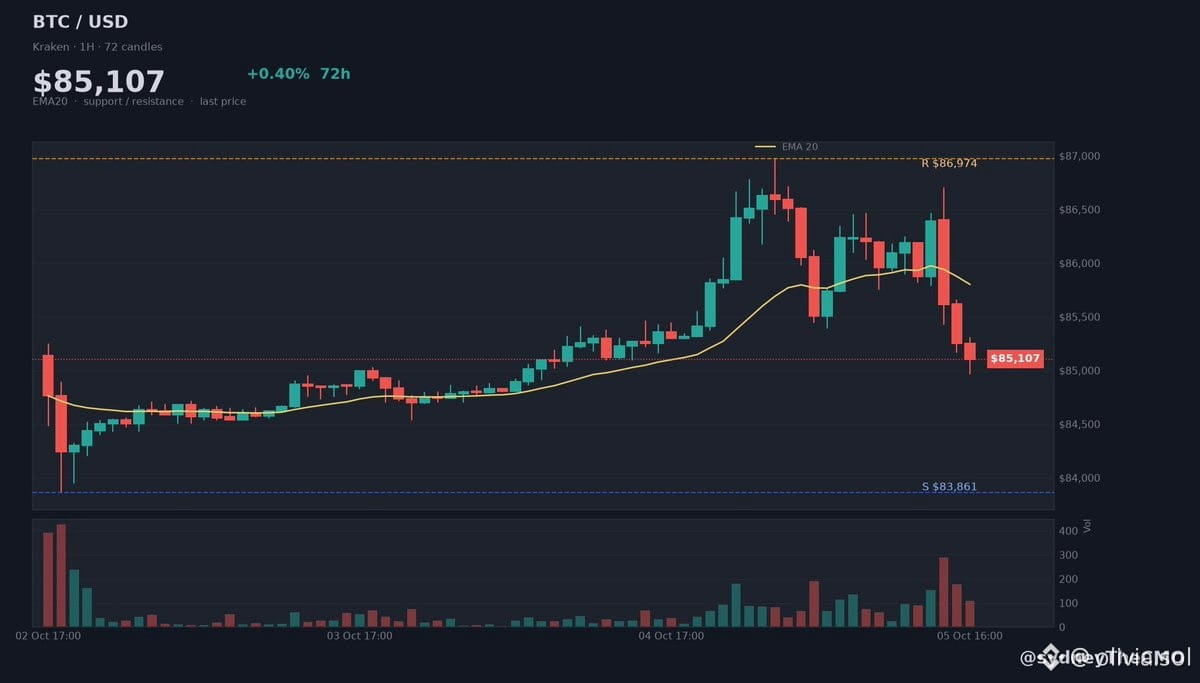
$BTC estancado en 85,120 por segunda vez. El mejor cierre semanal en 8 meses y aún no logra superar la resistencia.
Ya hemos visto este guion antes. Hay una fuerte demanda por debajo, pero los vendedores siguen apareciendo en el mismo nivel.
Veamos cómo se resuelve: ¿ruptura o se avecina otro rechazo?
$BTC estancado en 85,120 por segunda vez. El mejor cierre semanal en 8 meses y aún no logra superar la resistencia.
Ya hemos visto este guion antes. Hay una fuerte demanda por debajo, pero los vendedores siguen apareciendo en el mismo nivel.
Veamos cómo se resuelve: ¿ruptura o se avecina otro rechazo?
Ya hemos visto este guion antes. Hay una fuerte demanda por debajo, pero los vendedores siguen apareciendo en el mismo nivel.
Veamos cómo se resuelve: ¿ruptura o se avecina otro rechazo?
·
--
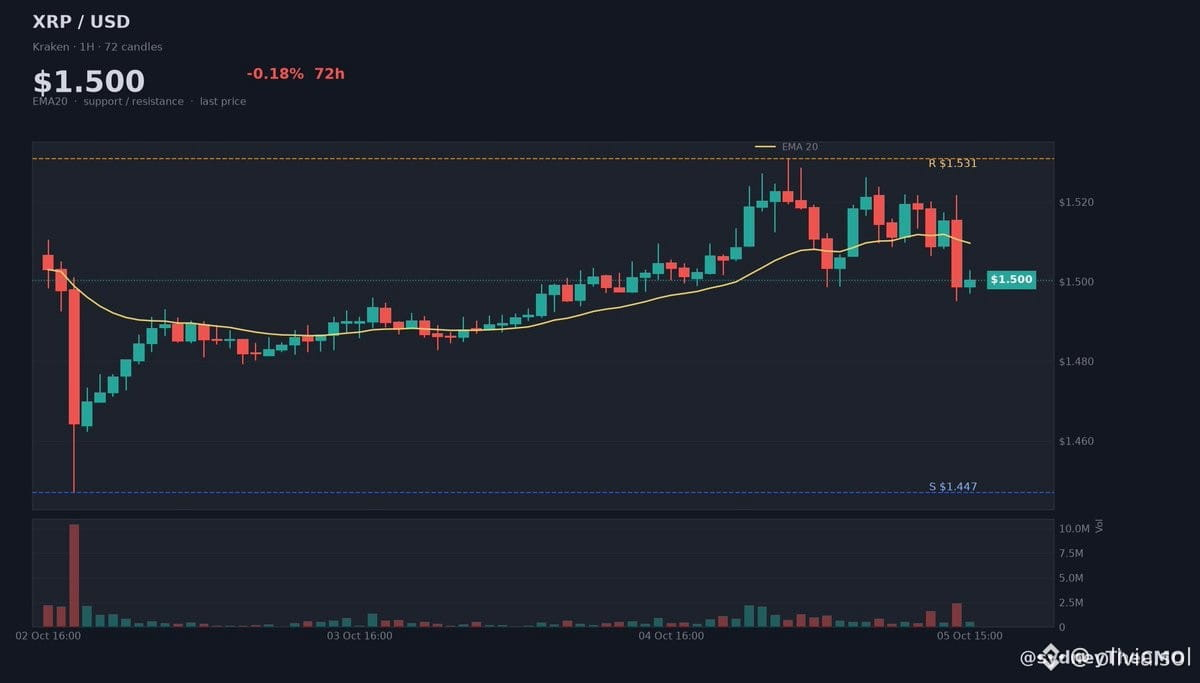
Abrí una posición corta en $XRP a 1,447 $, pensando que los bancos solo eran ruido.
Vi cómo volvía a dispararse hasta los 1,500 $ antes de que se me enfriara el café.
presa del pánico, recompré más caro como un idiota.
A las instituciones no les importa tu stop loss. Solo les importa que te equivoques.
No apuestes contra la tendencia macro cuando el dinero inteligente está tomando posiciones.
Abrí una posición corta en $XRP a 1,447 $, pensando que los bancos solo eran ruido.
Vi cómo volvía a dispararse hasta los 1,500 $ antes de que se me enfriara el café.
presa del pánico, recompré más caro como un idiota.
A las instituciones no les importa tu stop loss. Solo les importa que te equivoques.
No apuestes contra la tendencia macro cuando el dinero inteligente está tomando posiciones.
Vi cómo volvía a dispararse hasta los 1,500 $ antes de que se me enfriara el café.
presa del pánico, recompré más caro como un idiota.
A las instituciones no les importa tu stop loss. Solo les importa que te equivoques.
No apuestes contra la tendencia macro cuando el dinero inteligente está tomando posiciones.
·
--
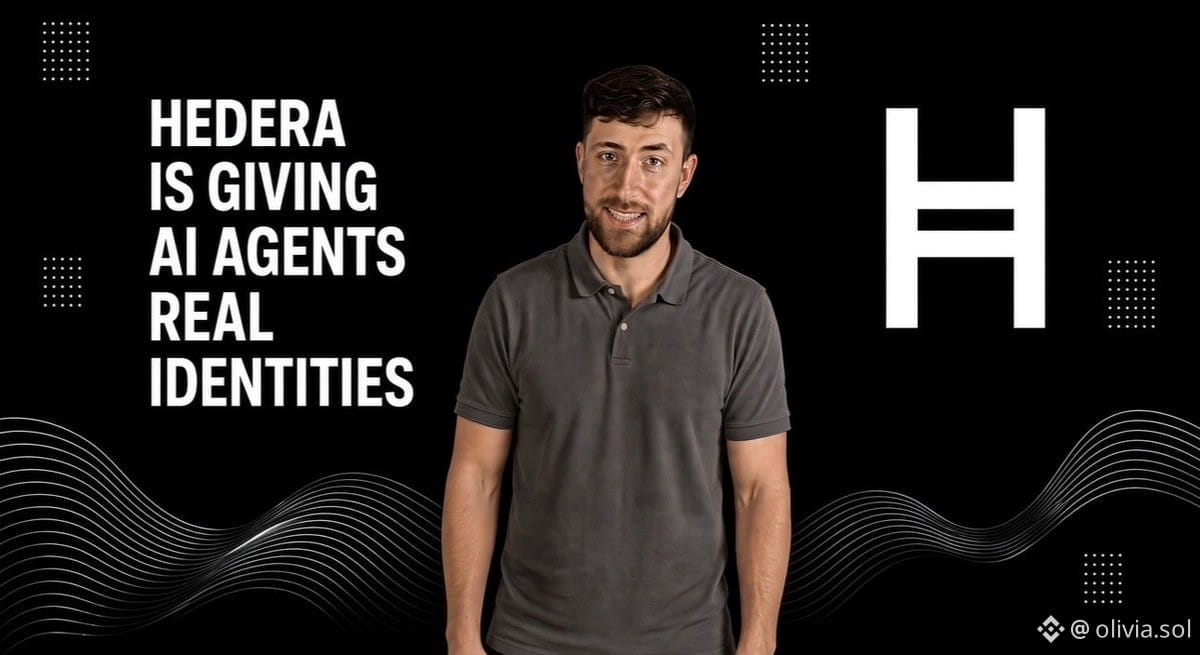
$HBAR está resolviendo la crisis de identidad de los agentes de IA antes de que la mayoría siquiera se dé cuenta de que se avecina.
El problema: los agentes de IA ya están reservando vuelos, ejecutando operaciones y hablando con otros agentes. Pero no hay forma de verificar si un agente es legítimo o un impostor. Cada plataforma tiene su propio sistema de nombres. No existe un estándar universal. Ni una capa de verificación. Solo confianza ciega.
Ahora imagina que dentro de unos años haya miles de millones de estos agentes en funcionamiento. La superficie de ataque es enorme.
Hedera acaba de anunciar una alianza con GoDaddy para solucionar esto. Así es como funciona:
GoDaddy ofrece a las empresas nombres verificables para sus agentes de IA mediante dominios que ya poseen. Esos registros quedan anclados en el libro mayor público de $HBAR. Cualquiera puede verificar de forma independiente la identidad de un agente, sin confiar en GoDaddy ni en ninguna base de datos centralizada. Así se pasa de «confía en nosotros» a «verifícalo por tu cuenta».
También están desarrollando un antivirus para IA que comprueba lo que hacen las IA de programación antes de que se ejecute. Evita filtraciones de datos y errores catastróficos antes de que ocurran.
Esto no es solo infraestructura. Es la capa de confianza para una economía de agentes de IA. Y $HBAR se está posicionando como su columna vertebral.
Mientras todos persiguen tokens de moda relacionados con la IA, Hedera está construyendo discretamente las vías que permitirán que los agentes autónomos sean realmente útiles a gran escala.
$HBAR está resolviendo la crisis de identidad de los agentes de IA antes de que la mayoría siquiera se dé cuenta de que se avecina.
El problema: los agentes de IA ya están reservando vuelos, ejecutando operaciones y hablando con otros agentes. Pero no hay forma de verificar si un agente es legítimo o un impostor. Cada plataforma tiene su propio sistema de nombres. No existe un estándar universal. Ni una capa de verificación. Solo confianza ciega.
Ahora imagina que dentro de unos años haya miles de millones de estos agentes en funcionamiento. La superficie de ataque es enorme.
Hedera acaba de anunciar una alianza con GoDaddy para solucionar esto. Así es como funciona:
GoDaddy ofrece a las empresas nombres verificables para sus agentes de IA mediante dominios que ya poseen. Esos registros quedan anclados en el libro mayor público de $HBAR. Cualquiera puede verificar de forma independiente la identidad de un agente, sin confiar en GoDaddy ni en ninguna base de datos centralizada. Así se pasa de «confía en nosotros» a «verifícalo por tu cuenta».
También están desarrollando un antivirus para IA que comprueba lo que hacen las IA de programación antes de que se ejecute. Evita filtraciones de datos y errores catastróficos antes de que ocurran.
Esto no es solo infraestructura. Es la capa de confianza para una economía de agentes de IA. Y $HBAR se está posicionando como su columna vertebral.
Mientras todos persiguen tokens de moda relacionados con la IA, Hedera está construyendo discretamente las vías que permitirán que los agentes autónomos sean realmente útiles a gran escala.
El problema: los agentes de IA ya están reservando vuelos, ejecutando operaciones y hablando con otros agentes. Pero no hay forma de verificar si un agente es legítimo o un impostor. Cada plataforma tiene su propio sistema de nombres. No existe un estándar universal. Ni una capa de verificación. Solo confianza ciega.
Ahora imagina que dentro de unos años haya miles de millones de estos agentes en funcionamiento. La superficie de ataque es enorme.
Hedera acaba de anunciar una alianza con GoDaddy para solucionar esto. Así es como funciona:
GoDaddy ofrece a las empresas nombres verificables para sus agentes de IA mediante dominios que ya poseen. Esos registros quedan anclados en el libro mayor público de $HBAR. Cualquiera puede verificar de forma independiente la identidad de un agente, sin confiar en GoDaddy ni en ninguna base de datos centralizada. Así se pasa de «confía en nosotros» a «verifícalo por tu cuenta».
También están desarrollando un antivirus para IA que comprueba lo que hacen las IA de programación antes de que se ejecute. Evita filtraciones de datos y errores catastróficos antes de que ocurran.
Esto no es solo infraestructura. Es la capa de confianza para una economía de agentes de IA. Y $HBAR se está posicionando como su columna vertebral.
Mientras todos persiguen tokens de moda relacionados con la IA, Hedera está construyendo discretamente las vías que permitirán que los agentes autónomos sean realmente útiles a gran escala.
·
--
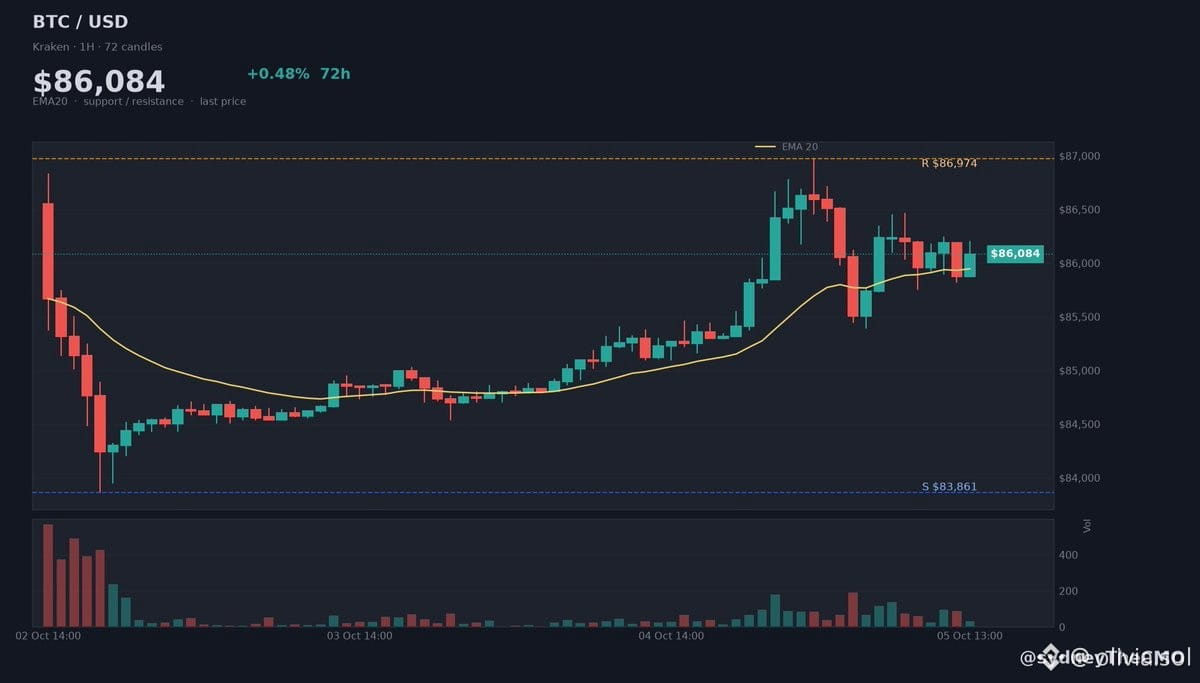
Los flujos de ETF son los únicos datos que importan ahora mismo.
$BTC a 86,013.
No estoy vendiendo.
La presión compradora es real.
Los flujos de ETF son los únicos datos que importan ahora mismo.
$BTC a 86,013.
No estoy vendiendo.
La presión compradora es real.
$BTC a 86,013.
No estoy vendiendo.
La presión compradora es real.
27
·
--
10.5 $BTC intradía
El gráfico diario muestra una divergencia bajista. Sigue desarrollándose.
La acción del precio avanza a duras penas mientras el impulso se debilita. Atento a una ruptura a la baja o a un rebote engañoso.
10.5 $BTC intradía
El gráfico diario muestra una divergencia bajista. Sigue desarrollándose.
La acción del precio avanza a duras penas mientras el impulso se debilita. Atento a una ruptura a la baja o a un rebote engañoso.
El gráfico diario muestra una divergencia bajista. Sigue desarrollándose.
La acción del precio avanza a duras penas mientras el impulso se debilita. Atento a una ruptura a la baja o a un rebote engañoso.
28
·
--
Se viene la 37.ª quema de $BNB 🔥
~1,65 M de $BNB a la hoguera
= 1.300 M$ en valor retirados del mercado
Eso equivale a 15.000 Cybertrucks de oferta que desaparecerán para siempre.
¿Un shock alcista de oferta o ya está descontado? En cualquier caso, los mecanismos deflacionarios siguen teniendo un impacto distinto.
Se viene la 37.ª quema de $BNB 🔥
~1,65 M de $BNB a la hoguera
= 1.300 M$ en valor retirados del mercado
Eso equivale a 15.000 Cybertrucks de oferta que desaparecerán para siempre.
¿Un shock alcista de oferta o ya está descontado? En cualquier caso, los mecanismos deflacionarios siguen teniendo un impacto distinto.
~1,65 M de $BNB a la hoguera
= 1.300 M$ en valor retirados del mercado
Eso equivale a 15.000 Cybertrucks de oferta que desaparecerán para siempre.
¿Un shock alcista de oferta o ya está descontado? En cualquier caso, los mecanismos deflacionarios siguen teniendo un impacto distinto.
49
·
--
$XRP cotiza a $1.52 mientras los bancos se integran discretamente a puerta cerrada.
Todos esperan el anuncio oficial.
El dinero inteligente está acumulando en medio del silencio.
Así es como se ve la verdadera adopción institucional antes de que sea evidente.
#Ripple
$XRP cotiza a $1.52 mientras los bancos se integran discretamente a puerta cerrada.
Todos esperan el anuncio oficial.
El dinero inteligente está acumulando en medio del silencio.
Así es como se ve la verdadera adopción institucional antes de que sea evidente.
#Ripple
Todos esperan el anuncio oficial.
El dinero inteligente está acumulando en medio del silencio.
Así es como se ve la verdadera adopción institucional antes de que sea evidente.
#Ripple
70
·
--
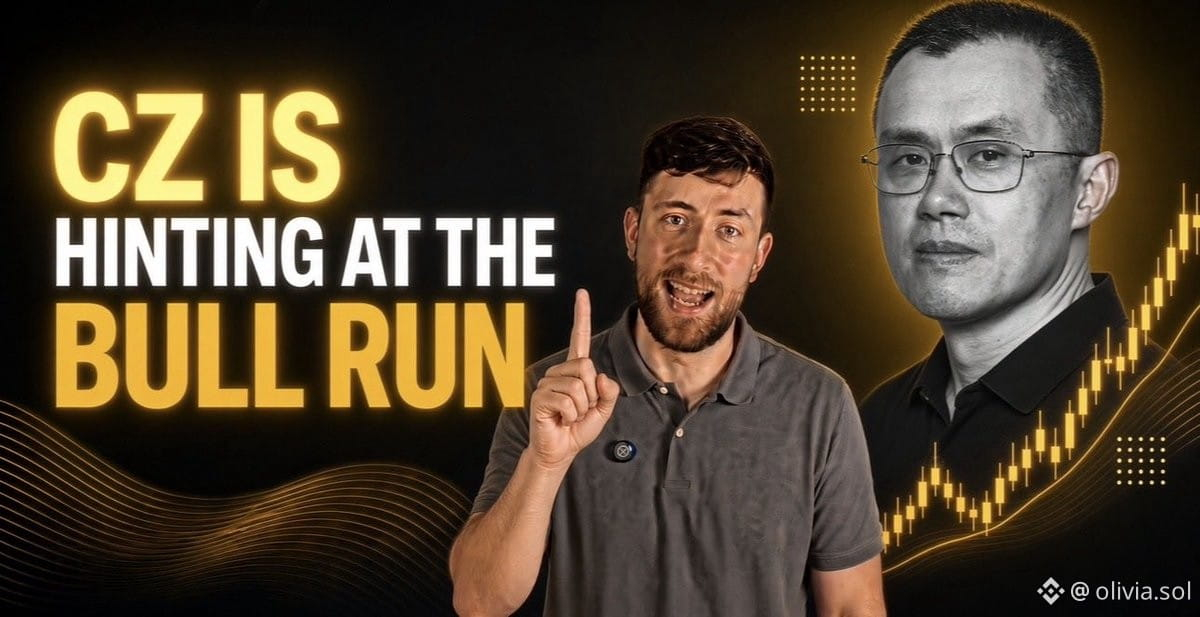
CZ acaba de publicar una enigmática nota de "pronto" y dos patrones antiguos de ciclos dicen que podría tener razón esta vez.
Primer patrón: $BTC típicamente corrige durante ~1 año después del pico del ciclo y luego se vuelve parabólico. El último máximo fue el 6 de octubre de 2023. Si sumamos un año, la fase de corrección termina literalmente esta semana.
Segundo patrón: la jugada del halving. Históricamente compras ~500 días antes del halving y vendes ~500 días después. El próximo halving es abril de 2028. Si contamos hacia atrás 500 días → la ventana de compra se abre en ~2 meses.
Ambas flechas apuntan en la misma dirección. Estamos justo al borde.
Obviamente esto no es una ciencia exacta. Podría estar desfasado por días o semanas, y solo tenemos unos cuantos ciclos de los que tirar. Pero la convergencia es difícil de ignorar.
¿Mi lectura? No me sorprendería si primero vemos un último sacudón: una mecha desagradable para sacar de circulación a las manos débiles antes del movimiento real. Pero si el patrón se mantiene, el "pronto" de CZ podría estar mucho más cerca de lo que la gente cree.
Actúa en consecuencia.
CZ acaba de publicar una enigmática nota de "pronto" y dos patrones antiguos de ciclos dicen que podría tener razón esta vez.
Primer patrón: $BTC típicamente corrige durante ~1 año después del pico del ciclo y luego se vuelve parabólico. El último máximo fue el 6 de octubre de 2023. Si sumamos un año, la fase de corrección termina literalmente esta semana.
Segundo patrón: la jugada del halving. Históricamente compras ~500 días antes del halving y vendes ~500 días después. El próximo halving es abril de 2028. Si contamos hacia atrás 500 días → la ventana de compra se abre en ~2 meses.
Ambas flechas apuntan en la misma dirección. Estamos justo al borde.
Obviamente esto no es una ciencia exacta. Podría estar desfasado por días o semanas, y solo tenemos unos cuantos ciclos de los que tirar. Pero la convergencia es difícil de ignorar.
¿Mi lectura? No me sorprendería si primero vemos un último sacudón: una mecha desagradable para sacar de circulación a las manos débiles antes del movimiento real. Pero si el patrón se mantiene, el "pronto" de CZ podría estar mucho más cerca de lo que la gente cree.
Actúa en consecuencia.
Primer patrón: $BTC típicamente corrige durante ~1 año después del pico del ciclo y luego se vuelve parabólico. El último máximo fue el 6 de octubre de 2023. Si sumamos un año, la fase de corrección termina literalmente esta semana.
Segundo patrón: la jugada del halving. Históricamente compras ~500 días antes del halving y vendes ~500 días después. El próximo halving es abril de 2028. Si contamos hacia atrás 500 días → la ventana de compra se abre en ~2 meses.
Ambas flechas apuntan en la misma dirección. Estamos justo al borde.
Obviamente esto no es una ciencia exacta. Podría estar desfasado por días o semanas, y solo tenemos unos cuantos ciclos de los que tirar. Pero la convergencia es difícil de ignorar.
¿Mi lectura? No me sorprendería si primero vemos un último sacudón: una mecha desagradable para sacar de circulación a las manos débiles antes del movimiento real. Pero si el patrón se mantiene, el "pronto" de CZ podría estar mucho más cerca de lo que la gente cree.
Actúa en consecuencia.
9
Inicia sesión para explorar más contenidos
Únete a usuarios globales de criptomonedas en Binance Square
⚡️ Obtén información útil y actualizada sobre criptos.
💬 Avalado por el mayor exchange de criptomonedas en el mundo.
👍 Descubre perspectivas reales de creadores verificados.
Email/número de teléfono
Temas populares
BinanceLaunchesBinanceIntelligence
137,358 vistas
1,337 están debatiendo
#BinanceLaunchesBinanceIntelligence
🚨 ¡EL MERCADO SE MUEVE RÁPIDO! AI en Binance, Compras Masivas de BTC y Movimientos en XRP 🔥
¿Te diste cuenta de cómo amaneció el mercado hoy? 📊 Las narrativas están cambiando y las grandes instituciones están ejecutando movimientos clave. Aquí te resumo las 3 noticias en tendencia que DEBES seguir de cerca hoy: 👇
1️⃣ #BinanceLaunchesBinanceIntelligence 🤖🤖
Binance acaba de dar un golpe sobre la mesa al lanzar Binance Intelligence, una suite impulsada por Inteligencia Artificial diseñada para revolucionar el trading.
¿Qué incluye? Inteligencia para análisis, Binance AI Pro para convertir tus estrategias en código/flujos ejecutables y Agent OS para desarrolladores.
💡 ¿La IA reemplazará la investigación manual en crypto? Definitivamente es el paso más grande hacia la automatización accesible para todos.
lerya
·1 me gusta
·1k vistas
StriveBuys2000BTCFor$169M
5,508 vistas
60 están debatiendo
EvernorthXRPTreasuryCompletesSPACMerger
85,388 vistas
858 están debatiendo