

BTC S
5.7k Publicaciones

BTC S
Denunciar
Bloquear usuario
446 Siguiendo
8.3K+ Seguidores
3.4K+ Me gusta
Publicaciones
Todo
Citas
Live
·
--
Artículo
# 🎃👻 Halloween se encuentra con Binance: ¡una noche cripto espeluznante! 🧛♂️🟠🔍 Primero, una confesión rápida: no encontré información sólida sobre este evento en concreto. Así que lo trataré como lo que parece: una noche comunitaria de temporada en una plataforma de intercambio enorme. Cuando especule sobre cómo funciona, lo diré.
🤔 En realidad, no dejo de preguntarme algo más básico. ¿Por qué tanta gente común sigue manteniendo las criptomonedas a distancia?
😰 No creo que sea la tecnología. Creo que es el miedo a hacer clic donde no debes. Envías dinero a una dirección equivocada y lo pierdes. Nadie contesta el teléfono, nadie puede revertir la operación. 🏦 Las instituciones sienten una versión más adulta de este miedo y se preocupan por la custodia, el cumplimiento normativo y cómo podría afectarles un titular. ⚖️ A los reguladores les preocupa algo un poco distinto: cuando todo sale mal, ¿quién tiene que responder?
# 🎃👻 Halloween se encuentra con Binance: ¡una noche cripto espeluznante! 🧛♂️🟠
🔍 Primero, una confesión rápida: no encontré información sólida sobre este evento en concreto. Así que lo trataré como lo que parece: una noche comunitaria de temporada en una plataforma de intercambio enorme. Cuando especule sobre cómo funciona, lo diré.
🤔 En realidad, no dejo de preguntarme algo más básico. ¿Por qué tanta gente común sigue manteniendo las criptomonedas a distancia?
😰 No creo que sea la tecnología. Creo que es el miedo a hacer clic donde no debes. Envías dinero a una dirección equivocada y lo pierdes. Nadie contesta el teléfono, nadie puede revertir la operación. 🏦 Las instituciones sienten una versión más adulta de este miedo y se preocupan por la custodia, el cumplimiento normativo y cómo podría afectarles un titular. ⚖️ A los reguladores les preocupa algo un poco distinto: cuando todo sale mal, ¿quién tiene que responder?
🤔 En realidad, no dejo de preguntarme algo más básico. ¿Por qué tanta gente común sigue manteniendo las criptomonedas a distancia?
😰 No creo que sea la tecnología. Creo que es el miedo a hacer clic donde no debes. Envías dinero a una dirección equivocada y lo pierdes. Nadie contesta el teléfono, nadie puede revertir la operación. 🏦 Las instituciones sienten una versión más adulta de este miedo y se preocupan por la custodia, el cumplimiento normativo y cómo podría afectarles un titular. ⚖️ A los reguladores les preocupa algo un poco distinto: cuando todo sale mal, ¿quién tiene que responder?
105
·
--
Alcista
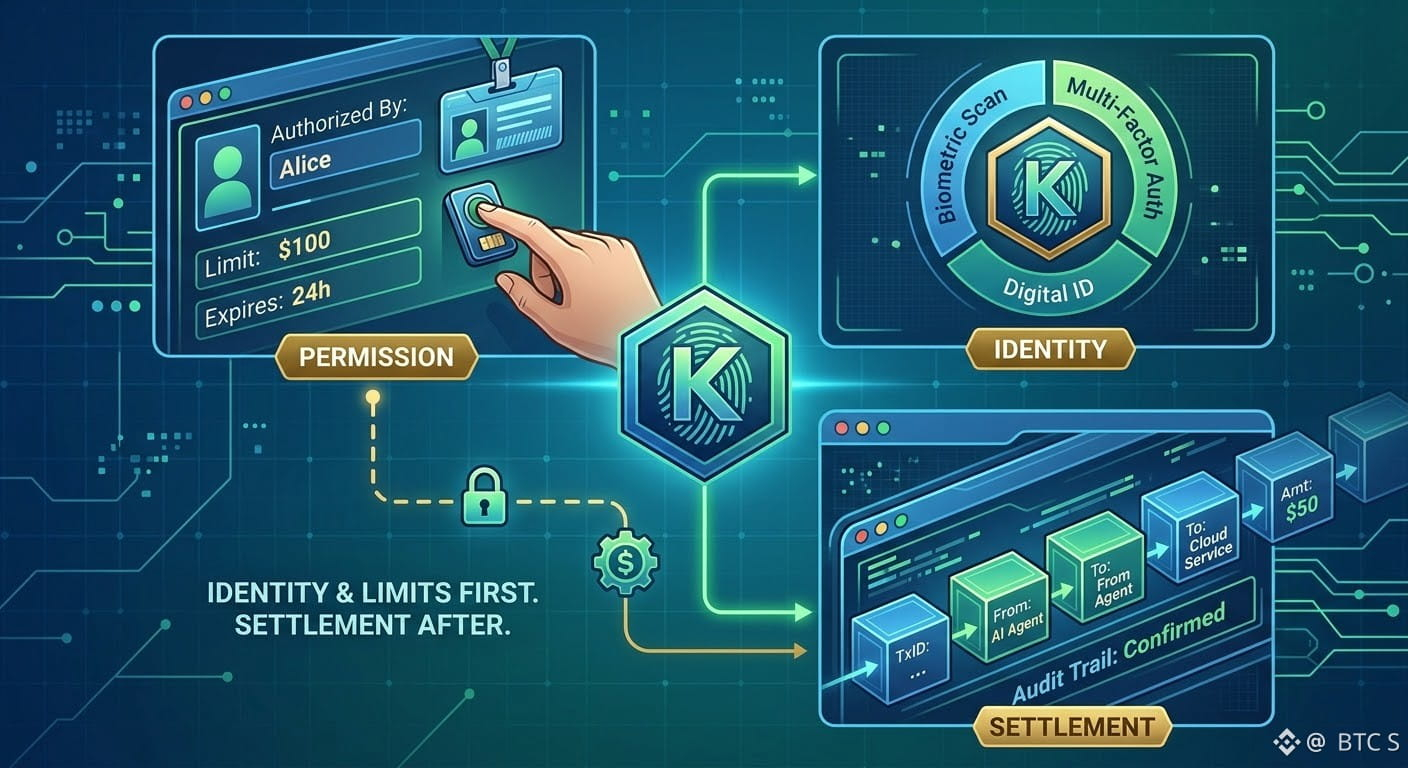
Sinceramente, la forma en que la mayoría de la gente le da dinero a un agente de IA es un poco disparatada. Pegas un número de tarjeta, metes una clave en un archivo de configuración y cruzas los dedos. Todo va bien hasta que el agente hace algo raro a las 3 de la mañana y te quedas preguntándote cuál fue, quién lo autorizó y cuál se suponía que era el límite.
Esa es la pregunta a la que siempre vuelvo cuando veo que Kite es el socio Premium exclusivo de The Blockchain. Genial para ganar visibilidad, claro. Pero una insignia no me dice si alguien ha resuelto la parte aburrida.
Las tarjetas presuponen que una persona está haciendo clic en algún sitio. Muchas soluciones cripto se van al extremo opuesto y le dan al bot su propia billetera. Es rápido, pero te deja con la misma pregunta sin respuesta. A un comerciante o a un auditor no le importa lo rápida que haya sido la transferencia. Quieren saber quién la autorizó y hasta dónde llega ese permiso.
Así que, cuando miro a Kite, lo interpreto como una apuesta por esa respuesta: primero la identidad y los límites de gasto, después la liquidación. No es emocionante, y probablemente por eso se pasa por alto.
¿Podría estar dándole demasiada importancia? Sin duda. Las disputas, el cumplimiento normativo y conseguir que los comerciantes se sumen avanzan despacio, y nada de eso queda bien en un gráfico.
Si funciona, esperaría que los primeros usuarios de verdad fueran desarrolladores y equipos que necesitan explicar los gastos de las máquinas a un departamento financiero. Si fracasa, dudo que sea de forma dramática. Lo más probable es que muy pocos agentes muevan dinero real como para justificar una cadena propia. Estaré pendiente del uso, no de los anuncios.
$KITE #KiteBBW @GoKiteAI
{spot}(KITEUSDT)
Sinceramente, la forma en que la mayoría de la gente le da dinero a un agente de IA es un poco disparatada. Pegas un número de tarjeta, metes una clave en un archivo de configuración y cruzas los dedos. Todo va bien hasta que el agente hace algo raro a las 3 de la mañana y te quedas preguntándote cuál fue, quién lo autorizó y cuál se suponía que era el límite.
Esa es la pregunta a la que siempre vuelvo cuando veo que Kite es el socio Premium exclusivo de The Blockchain. Genial para ganar visibilidad, claro. Pero una insignia no me dice si alguien ha resuelto la parte aburrida.
Las tarjetas presuponen que una persona está haciendo clic en algún sitio. Muchas soluciones cripto se van al extremo opuesto y le dan al bot su propia billetera. Es rápido, pero te deja con la misma pregunta sin respuesta. A un comerciante o a un auditor no le importa lo rápida que haya sido la transferencia. Quieren saber quién la autorizó y hasta dónde llega ese permiso.
Así que, cuando miro a Kite, lo interpreto como una apuesta por esa respuesta: primero la identidad y los límites de gasto, después la liquidación. No es emocionante, y probablemente por eso se pasa por alto.
¿Podría estar dándole demasiada importancia? Sin duda. Las disputas, el cumplimiento normativo y conseguir que los comerciantes se sumen avanzan despacio, y nada de eso queda bien en un gráfico.
Si funciona, esperaría que los primeros usuarios de verdad fueran desarrolladores y equipos que necesitan explicar los gastos de las máquinas a un departamento financiero. Si fracasa, dudo que sea de forma dramática. Lo más probable es que muy pocos agentes muevan dinero real como para justificar una cadena propia. Estaré pendiente del uso, no de los anuncios.
$KITE #KiteBBW @KITE AI 中文
Esa es la pregunta a la que siempre vuelvo cuando veo que Kite es el socio Premium exclusivo de The Blockchain. Genial para ganar visibilidad, claro. Pero una insignia no me dice si alguien ha resuelto la parte aburrida.
Las tarjetas presuponen que una persona está haciendo clic en algún sitio. Muchas soluciones cripto se van al extremo opuesto y le dan al bot su propia billetera. Es rápido, pero te deja con la misma pregunta sin respuesta. A un comerciante o a un auditor no le importa lo rápida que haya sido la transferencia. Quieren saber quién la autorizó y hasta dónde llega ese permiso.
Así que, cuando miro a Kite, lo interpreto como una apuesta por esa respuesta: primero la identidad y los límites de gasto, después la liquidación. No es emocionante, y probablemente por eso se pasa por alto.
¿Podría estar dándole demasiada importancia? Sin duda. Las disputas, el cumplimiento normativo y conseguir que los comerciantes se sumen avanzan despacio, y nada de eso queda bien en un gráfico.
Si funciona, esperaría que los primeros usuarios de verdad fueran desarrolladores y equipos que necesitan explicar los gastos de las máquinas a un departamento financiero. Si fracasa, dudo que sea de forma dramática. Lo más probable es que muy pocos agentes muevan dinero real como para justificar una cadena propia. Estaré pendiente del uso, no de los anuncios.
$KITE #KiteBBW @KITE AI 中文
2
3
100
·
--
Alcista
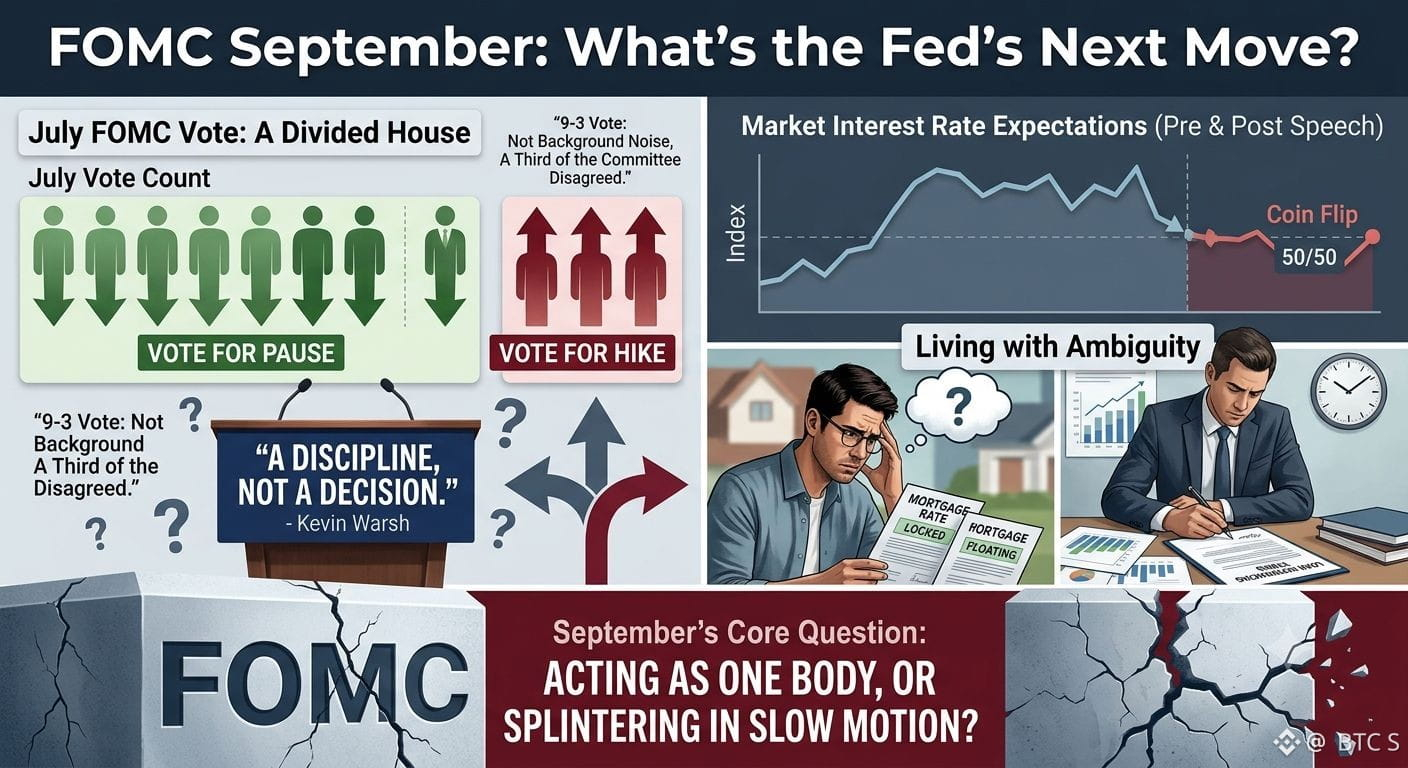
FOMC septiembre: ¿Cuál es el siguiente movimiento de la Fed?
Honestamente, me sigo quedando atascado en lo mismo. Hablamos de "la decisión de la Fed" como si fuera una sola mente la que toma una llamada, pero la votación de julio fue 9–3. Tres personas ya querían una subida antes de que Warsh subiera al podio en Jackson Hole. Eso no es ruido de fondo: es un tercio del comité en el registro que no está de acuerdo.
Luego Warsh da este discurso en el que dice que la Fed está comprometida con "una disciplina, no una decisión". He dado vueltas a esa frase un par de veces y de verdad no sé si es una filosofía real o simplemente una forma de eludir la responsabilidad si las cosas se tuercen. Pero hizo algo concreto: el mercado pasó, en cuestión de días, de esperar en su mayoría una pausa a estar básicamente en modo moneda al aire sobre una subida. Eso no es la Fed calmando a los mercados. Eso es la Fed entregando a los mercados una pregunta abierta y dejándoles discutir la respuesta.
Y las personas que en realidad tienen que vivir con esa ambigüedad no son traders mirando dot plots por diversión. Es alguien fijando una tasa hipotecaria esta semana, o una empresa decidiendo si extiende un préstamo a plazo antes del miércoles. Ellos no obtienen "una disciplina". Reciben un número, frío, y tienen que actuar en consecuencia.
Así que no creo que septiembre sea realmente sobre si son 25 puntos básicos al alza o nada. Es sobre si este comité todavía actúa como un solo cuerpo, o si lo estamos viendo fragmentarse en cámara lenta.
$ZEC
{spot}(ZECUSDT)
$BTC
{spot}(BTCUSDT)
$LSK
{spot}(LSKUSDT)
FOMC septiembre: ¿Cuál es el siguiente movimiento de la Fed?
Honestamente, me sigo quedando atascado en lo mismo. Hablamos de "la decisión de la Fed" como si fuera una sola mente la que toma una llamada, pero la votación de julio fue 9–3. Tres personas ya querían una subida antes de que Warsh subiera al podio en Jackson Hole. Eso no es ruido de fondo: es un tercio del comité en el registro que no está de acuerdo.
Luego Warsh da este discurso en el que dice que la Fed está comprometida con "una disciplina, no una decisión". He dado vueltas a esa frase un par de veces y de verdad no sé si es una filosofía real o simplemente una forma de eludir la responsabilidad si las cosas se tuercen. Pero hizo algo concreto: el mercado pasó, en cuestión de días, de esperar en su mayoría una pausa a estar básicamente en modo moneda al aire sobre una subida. Eso no es la Fed calmando a los mercados. Eso es la Fed entregando a los mercados una pregunta abierta y dejándoles discutir la respuesta.
Y las personas que en realidad tienen que vivir con esa ambigüedad no son traders mirando dot plots por diversión. Es alguien fijando una tasa hipotecaria esta semana, o una empresa decidiendo si extiende un préstamo a plazo antes del miércoles. Ellos no obtienen "una disciplina". Reciben un número, frío, y tienen que actuar en consecuencia.
Así que no creo que septiembre sea realmente sobre si son 25 puntos básicos al alza o nada. Es sobre si este comité todavía actúa como un solo cuerpo, o si lo estamos viendo fragmentarse en cámara lenta.
$ZEC
$BTC
$LSK
Honestamente, me sigo quedando atascado en lo mismo. Hablamos de "la decisión de la Fed" como si fuera una sola mente la que toma una llamada, pero la votación de julio fue 9–3. Tres personas ya querían una subida antes de que Warsh subiera al podio en Jackson Hole. Eso no es ruido de fondo: es un tercio del comité en el registro que no está de acuerdo.
Luego Warsh da este discurso en el que dice que la Fed está comprometida con "una disciplina, no una decisión". He dado vueltas a esa frase un par de veces y de verdad no sé si es una filosofía real o simplemente una forma de eludir la responsabilidad si las cosas se tuercen. Pero hizo algo concreto: el mercado pasó, en cuestión de días, de esperar en su mayoría una pausa a estar básicamente en modo moneda al aire sobre una subida. Eso no es la Fed calmando a los mercados. Eso es la Fed entregando a los mercados una pregunta abierta y dejándoles discutir la respuesta.
Y las personas que en realidad tienen que vivir con esa ambigüedad no son traders mirando dot plots por diversión. Es alguien fijando una tasa hipotecaria esta semana, o una empresa decidiendo si extiende un préstamo a plazo antes del miércoles. Ellos no obtienen "una disciplina". Reciben un número, frío, y tienen que actuar en consecuencia.
Así que no creo que septiembre sea realmente sobre si son 25 puntos básicos al alza o nada. Es sobre si este comité todavía actúa como un solo cuerpo, o si lo estamos viendo fragmentarse en cámara lenta.
$ZEC
$BTC
$LSK
395
·
--
Alcista
Verificado
Sigo volviendo a la misma molestia cada semana del IPC: todo el mundo trata un solo dato mensual como si estuviera diseñado para resolver algo, cuando en realidad nunca se construyó para ese trabajo. Hay ruido estacional, rarezas de muestreo, una o dos categorías haciendo casi todo el trabajo; esta vez fueron los servicios, una vez que separas energía y vivienda. Pero la Fed tiene una reunión en el calendario ocurra lo que ocurra, con los datos “limpios” o no, así que durante un par de días el mercado… decide creer que el número significa más de lo que probablemente significa.
Entonces, ¿qué pasó? El IPC subyacente llegó al 0,3% mensual, una décima más caliente de lo esperado, y casi de inmediato las probabilidades de subidas de tipos saltaron a alrededor del 85%. No creo que esto sea realmente sorprendente si estabas atento: los futuros ya estaban cerca del 73% después del dato del PPI dos días antes. Esto no cambió la opinión de nadie. Solo les dio permiso para decir en voz alta lo que ya sospechaban.
Aun así, tengo dudas sobre sonar demasiado seguro de todo esto. Los propios funcionarios de la Fed decían que la llamada (la reunión) se veía “finamente equilibrada” de cara al inicio, y honestamente su reacción a cualquier publicación única en estos días parece más improvisada que guiada por reglas. Un aumento de un cuarto de punto la próxima semana no me sorprendería. Tampoco una pausa: si hay suficiente desacuerdo en la sala, eso también es plausible.
En realidad, quienes de verdad necesitan preocuparse son los que tienen deuda a tipo variable o un escritorio de bonos que está recalibrando el riesgo esta semana. Los demás que lo están viendo como si fuera un gran descubrimiento probablemente le estén dando más importancia de la que merece.
#CPIWatch
¿Qué tan rápido crees que cambia el funding de los perps si hoy el dato sale caliente?
$MET
{spot}(METUSDT)
$BTC
{spot}(BTCUSDT)
$牛来
{spot}(牛来USDT)
Sigo volviendo a la misma molestia cada semana del IPC: todo el mundo trata un solo dato mensual como si estuviera diseñado para resolver algo, cuando en realidad nunca se construyó para ese trabajo. Hay ruido estacional, rarezas de muestreo, una o dos categorías haciendo casi todo el trabajo; esta vez fueron los servicios, una vez que separas energía y vivienda. Pero la Fed tiene una reunión en el calendario ocurra lo que ocurra, con los datos “limpios” o no, así que durante un par de días el mercado… decide creer que el número significa más de lo que probablemente significa.
Entonces, ¿qué pasó? El IPC subyacente llegó al 0,3% mensual, una décima más caliente de lo esperado, y casi de inmediato las probabilidades de subidas de tipos saltaron a alrededor del 85%. No creo que esto sea realmente sorprendente si estabas atento: los futuros ya estaban cerca del 73% después del dato del PPI dos días antes. Esto no cambió la opinión de nadie. Solo les dio permiso para decir en voz alta lo que ya sospechaban.
Aun así, tengo dudas sobre sonar demasiado seguro de todo esto. Los propios funcionarios de la Fed decían que la llamada (la reunión) se veía “finamente equilibrada” de cara al inicio, y honestamente su reacción a cualquier publicación única en estos días parece más improvisada que guiada por reglas. Un aumento de un cuarto de punto la próxima semana no me sorprendería. Tampoco una pausa: si hay suficiente desacuerdo en la sala, eso también es plausible.
En realidad, quienes de verdad necesitan preocuparse son los que tienen deuda a tipo variable o un escritorio de bonos que está recalibrando el riesgo esta semana. Los demás que lo están viendo como si fuera un gran descubrimiento probablemente le estén dando más importancia de la que merece.
#CPIWatch
¿Qué tan rápido crees que cambia el funding de los perps si hoy el dato sale caliente?
$MET
$BTC
$牛来
Entonces, ¿qué pasó? El IPC subyacente llegó al 0,3% mensual, una décima más caliente de lo esperado, y casi de inmediato las probabilidades de subidas de tipos saltaron a alrededor del 85%. No creo que esto sea realmente sorprendente si estabas atento: los futuros ya estaban cerca del 73% después del dato del PPI dos días antes. Esto no cambió la opinión de nadie. Solo les dio permiso para decir en voz alta lo que ya sospechaban.
Aun así, tengo dudas sobre sonar demasiado seguro de todo esto. Los propios funcionarios de la Fed decían que la llamada (la reunión) se veía “finamente equilibrada” de cara al inicio, y honestamente su reacción a cualquier publicación única en estos días parece más improvisada que guiada por reglas. Un aumento de un cuarto de punto la próxima semana no me sorprendería. Tampoco una pausa: si hay suficiente desacuerdo en la sala, eso también es plausible.
En realidad, quienes de verdad necesitan preocuparse son los que tienen deuda a tipo variable o un escritorio de bonos que está recalibrando el riesgo esta semana. Los demás que lo están viendo como si fuera un gran descubrimiento probablemente le estén dando más importancia de la que merece.
#CPIWatch
¿Qué tan rápido crees que cambia el funding de los perps si hoy el dato sale caliente?
$MET
$BTC
$牛来

6
1
6
1.7k
·
--
Alcista
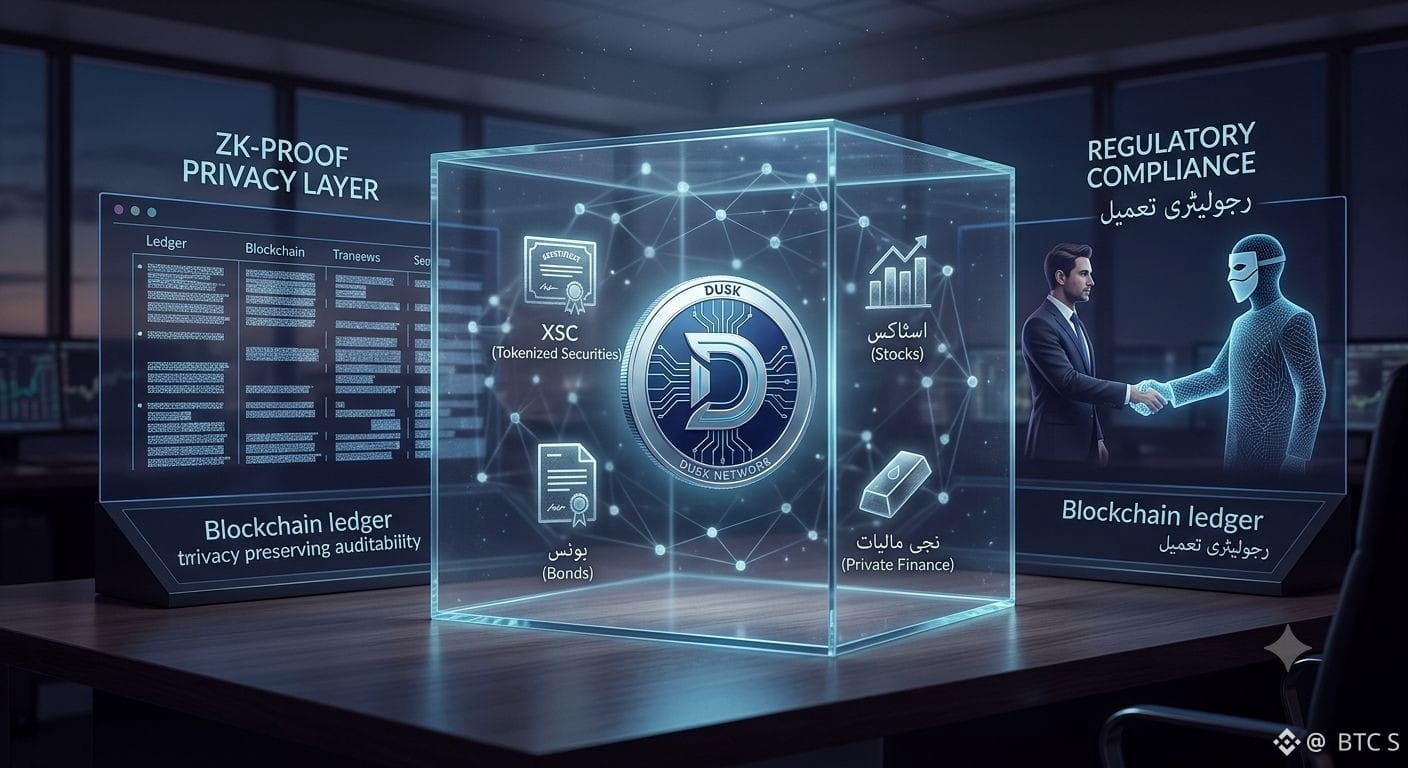
Sigo volviendo a un problema bastante básico: en la mayoría de las blockchains, todo el mundo lo ve todo. Si una mesa de trading mueve una posición, o una empresa transfiere fondos de tesorería, simplemente... es visible. Para competidores, para cualquiera que tenga curiosidad suficiente como para mirar. Y cuando lo planteas así, queda claro por qué el dinero serio se queda atrás. Nadie quiere operar con sus cartas boca arriba sobre la mesa.
Las soluciones que he visto no lo arreglan realmente; solo desplazan el problema. Los mezcladores se tratan como una bandera roja en cuanto compliance los detecta. Los rollups de conocimiento cero, en su mayoría, hacen la ejecución más rápida, pero no ocultan quién está tratando con quién. Así terminas con una privacidad que se siente añadida a posteriori, encima de un sistema que nunca fue diseñado para ser privado; y entonces los reguladores no pueden distinguir entre alguien que protege una posición normal y alguien que oculta algo que no debería.
Lo que parece que Dusk está haciendo de forma distinta es intentar construir la privacidad en la capa base misma, en lugar de añadirla encima, y hacerlo de una manera que siga siendo auditable cuando sea necesario. El estándar XSC apunta a un problema bastante específico: valores tokenizados que deben pasar controles regulatorios sin exponer públicamente a cada contraparte. Es una meta más estrecha que «cripto privada para todos», pero creo que ahí está precisamente su punto a favor.
Si funciona o no probablemente no es una pregunta técnica. Es si las instituciones reguladas están dispuestas a confiar en carriles desconocidos con dinero real. Eso es lento. Y podría estancarse por motivos que no tienen nada que ver con el código.
#dusk @Dusk_Foundation
$DUSK
{spot}(DUSKUSDT)
$BTR
{future}(BTRUSDT)
$FOREST
{alpha}(560x11cf6bf6d87cb0eb9c294fd6cbfec91ee3a1a7d0)
Sigo volviendo a un problema bastante básico: en la mayoría de las blockchains, todo el mundo lo ve todo. Si una mesa de trading mueve una posición, o una empresa transfiere fondos de tesorería, simplemente... es visible. Para competidores, para cualquiera que tenga curiosidad suficiente como para mirar. Y cuando lo planteas así, queda claro por qué el dinero serio se queda atrás. Nadie quiere operar con sus cartas boca arriba sobre la mesa.
Las soluciones que he visto no lo arreglan realmente; solo desplazan el problema. Los mezcladores se tratan como una bandera roja en cuanto compliance los detecta. Los rollups de conocimiento cero, en su mayoría, hacen la ejecución más rápida, pero no ocultan quién está tratando con quién. Así terminas con una privacidad que se siente añadida a posteriori, encima de un sistema que nunca fue diseñado para ser privado; y entonces los reguladores no pueden distinguir entre alguien que protege una posición normal y alguien que oculta algo que no debería.
Lo que parece que Dusk está haciendo de forma distinta es intentar construir la privacidad en la capa base misma, en lugar de añadirla encima, y hacerlo de una manera que siga siendo auditable cuando sea necesario. El estándar XSC apunta a un problema bastante específico: valores tokenizados que deben pasar controles regulatorios sin exponer públicamente a cada contraparte. Es una meta más estrecha que «cripto privada para todos», pero creo que ahí está precisamente su punto a favor.
Si funciona o no probablemente no es una pregunta técnica. Es si las instituciones reguladas están dispuestas a confiar en carriles desconocidos con dinero real. Eso es lento. Y podría estancarse por motivos que no tienen nada que ver con el código.
#dusk @Dusk
$DUSK
$BTR
$FOREST
Las soluciones que he visto no lo arreglan realmente; solo desplazan el problema. Los mezcladores se tratan como una bandera roja en cuanto compliance los detecta. Los rollups de conocimiento cero, en su mayoría, hacen la ejecución más rápida, pero no ocultan quién está tratando con quién. Así terminas con una privacidad que se siente añadida a posteriori, encima de un sistema que nunca fue diseñado para ser privado; y entonces los reguladores no pueden distinguir entre alguien que protege una posición normal y alguien que oculta algo que no debería.
Lo que parece que Dusk está haciendo de forma distinta es intentar construir la privacidad en la capa base misma, en lugar de añadirla encima, y hacerlo de una manera que siga siendo auditable cuando sea necesario. El estándar XSC apunta a un problema bastante específico: valores tokenizados que deben pasar controles regulatorios sin exponer públicamente a cada contraparte. Es una meta más estrecha que «cripto privada para todos», pero creo que ahí está precisamente su punto a favor.
Si funciona o no probablemente no es una pregunta técnica. Es si las instituciones reguladas están dispuestas a confiar en carriles desconocidos con dinero real. Eso es lento. Y podría estancarse por motivos que no tienen nada que ver con el código.
#dusk @Dusk
$DUSK
$BTR
$FOREST
335
·
--
Alcista
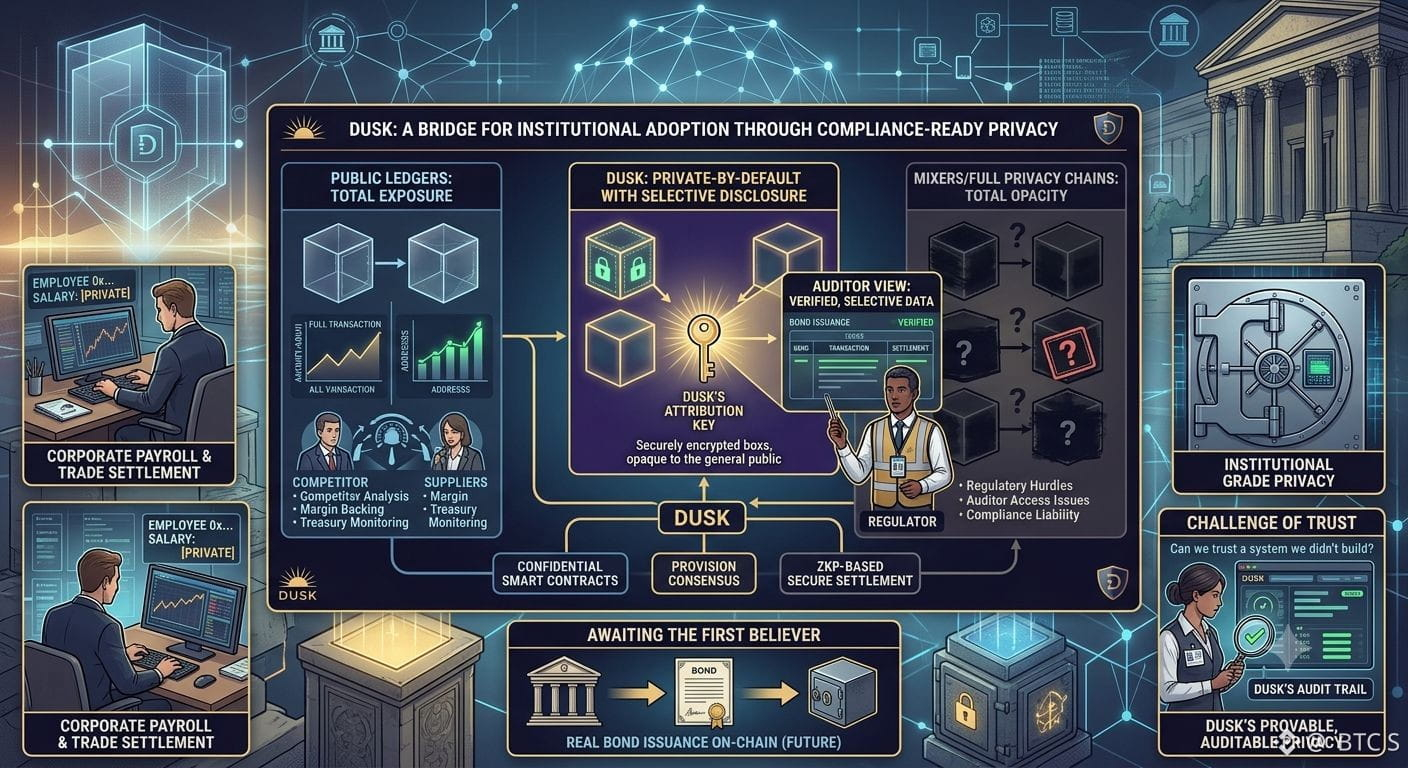
Honestamente, lo que me molesta de las blockchains públicas es lo ingenuas que son. Todo está ahí, para siempre: cada wallet, cada transferencia, cada vez que moviste dinero y cuánto. Está bien si eres algún trader anónimo intercambiando tokens a las 2 a. m. No está bien si eres una empresa que hace nóminas, o un fondo liquidando una operación, o un banco moviendo básicamente cualquier cosa, porque ahora tu libro mayor es también… decirle a todo el mundo tu vida. Los proveedores pueden deducir tus márgenes. Los competidores pueden mirar tu tesorería como si fuera una transmisión en vivo. No es un caso extremo por el que la gente se preocupe: es simplemente lo que pasa cuando “transparente” es todo el diseño.
Así que, naturalmente, la gente busca herramientas de privacidad, y la mayoría termina rompiendo otra cosa en el proceso. Los mezcladores te hacen parecer que estás ocultando algo incluso cuando no lo estás; ahora pareces un blanqueador de dinero por usar una privacidad financiera básica. Y las cadenas totalmente privadas se van demasiado al otro extremo: ocultan cosas de la única persona que en realidad debería verlas, el auditor, el regulador. Así que te quedas eligiendo entre exposición total y opacidad total, y ninguna de las dos es realmente utilizable si eres un negocio regulado de verdad.
Lo que Dusk intenta lograr es ese punto medio incómodo: privada por defecto, pero con algún tipo de clave que permita que la persona correcta vea la información correcta cuando la necesite. Es una buena idea sobre el papel. Pero no creo que la parte difícil haya sido nunca la criptografía. La parte difícil es conseguir que algún oficial de cumplimiento en un banco realmente confíe en un sistema de divulgación que no construyeron, que no pueden auditar por completo, y que nunca han visto fallar (o funcionar) en el mundo real.
Todavía no me convence. Un conjunto de validadores pequeño, un caso de uso que solo importa de verdad si aparecen instituciones, y que las instituciones se mueven lentamente a propósito. Me gustaría ver una emisión real de bonos o una liquidación de valores que esté realmente funcionando allí, y que se quede allí, antes de llamar a esto algo más que una buena idea esperando a su primer creyente.
#dusk @Dusk_Foundation
$DUSK
{spot}(DUSKUSDT)
$DEBIT
{alpha}(560x66661c7229901f568f16bd1551b3ba826f83ce49)
$BTR
{future}(BTRUSDT)
Honestamente, lo que me molesta de las blockchains públicas es lo ingenuas que son. Todo está ahí, para siempre: cada wallet, cada transferencia, cada vez que moviste dinero y cuánto. Está bien si eres algún trader anónimo intercambiando tokens a las 2 a. m. No está bien si eres una empresa que hace nóminas, o un fondo liquidando una operación, o un banco moviendo básicamente cualquier cosa, porque ahora tu libro mayor es también… decirle a todo el mundo tu vida. Los proveedores pueden deducir tus márgenes. Los competidores pueden mirar tu tesorería como si fuera una transmisión en vivo. No es un caso extremo por el que la gente se preocupe: es simplemente lo que pasa cuando “transparente” es todo el diseño.
Así que, naturalmente, la gente busca herramientas de privacidad, y la mayoría termina rompiendo otra cosa en el proceso. Los mezcladores te hacen parecer que estás ocultando algo incluso cuando no lo estás; ahora pareces un blanqueador de dinero por usar una privacidad financiera básica. Y las cadenas totalmente privadas se van demasiado al otro extremo: ocultan cosas de la única persona que en realidad debería verlas, el auditor, el regulador. Así que te quedas eligiendo entre exposición total y opacidad total, y ninguna de las dos es realmente utilizable si eres un negocio regulado de verdad.
Lo que Dusk intenta lograr es ese punto medio incómodo: privada por defecto, pero con algún tipo de clave que permita que la persona correcta vea la información correcta cuando la necesite. Es una buena idea sobre el papel. Pero no creo que la parte difícil haya sido nunca la criptografía. La parte difícil es conseguir que algún oficial de cumplimiento en un banco realmente confíe en un sistema de divulgación que no construyeron, que no pueden auditar por completo, y que nunca han visto fallar (o funcionar) en el mundo real.
Todavía no me convence. Un conjunto de validadores pequeño, un caso de uso que solo importa de verdad si aparecen instituciones, y que las instituciones se mueven lentamente a propósito. Me gustaría ver una emisión real de bonos o una liquidación de valores que esté realmente funcionando allí, y que se quede allí, antes de llamar a esto algo más que una buena idea esperando a su primer creyente.
#dusk @Dusk
$DUSK
$DEBIT
$BTR
Así que, naturalmente, la gente busca herramientas de privacidad, y la mayoría termina rompiendo otra cosa en el proceso. Los mezcladores te hacen parecer que estás ocultando algo incluso cuando no lo estás; ahora pareces un blanqueador de dinero por usar una privacidad financiera básica. Y las cadenas totalmente privadas se van demasiado al otro extremo: ocultan cosas de la única persona que en realidad debería verlas, el auditor, el regulador. Así que te quedas eligiendo entre exposición total y opacidad total, y ninguna de las dos es realmente utilizable si eres un negocio regulado de verdad.
Lo que Dusk intenta lograr es ese punto medio incómodo: privada por defecto, pero con algún tipo de clave que permita que la persona correcta vea la información correcta cuando la necesite. Es una buena idea sobre el papel. Pero no creo que la parte difícil haya sido nunca la criptografía. La parte difícil es conseguir que algún oficial de cumplimiento en un banco realmente confíe en un sistema de divulgación que no construyeron, que no pueden auditar por completo, y que nunca han visto fallar (o funcionar) en el mundo real.
Todavía no me convence. Un conjunto de validadores pequeño, un caso de uso que solo importa de verdad si aparecen instituciones, y que las instituciones se mueven lentamente a propósito. Me gustaría ver una emisión real de bonos o una liquidación de valores que esté realmente funcionando allí, y que se quede allí, antes de llamar a esto algo más que una buena idea esperando a su primer creyente.
#dusk @Dusk
$DUSK
$DEBIT
$BTR
2
3
434
·
--
Alcista
Honestamente, la cosa que me hace pensar en los valores tokenizados es bastante mundana: no es una gran cuestión filosófica, es solo esto: ¿por qué el hecho de poner un valor en una blockchain siempre parece significar que todo el mundo puede verlo? Si has pasado algún tiempo cerca de los mercados de capitales, sabes que eso va al revés. Una tabla de cap no es pública. Que una operación sea visible a mitad de ejecución puede mover el precio en tu contra antes de que siquiera hayas terminado. Las cadenas públicas resuelven la confianza mostrando a todos todo, y el derecho de valores resuelve la confianza controlando exactamente quién puede ver qué. Esas dos ideas no encajan naturalmente entre sí, y la mayoría de los proyectos no realmente lo discuten; simplemente eligen un bando y actúan como si el otro no hubiera sido un problema desde el principio.
Lo interesante de Dusk es que al menos está intentando sentarse en ese incómodo punto medio. XSC oculta los términos y las identidades, pero se supone que te permite demostrar que algo es verdadero ante un auditor o un regulador sin abrir todo para que lo vea cualquiera. Me parece un punto de partida más honesto que la mayoría de propuestas de “cadena de privacidad”, porque aquí la privacidad no es una ideología: es una privacidad moldeada en torno a quién realmente tiene derecho a la información, legalmente.
Pero diré la parte que no puedo pasar por alto: no sé si una prueba de conocimiento cero aguanta lo mismo que lo haría un documento presentado ante una citación, en una disputa real, ante un regulador real. Eso no es algo que pueda responder un whitepaper por ti. Y debajo de eso están las cosas menos emocionantes: liquidez limitada, una capitalización de mercado pequeña, e instituciones que se mueven al ritmo de su equipo legal, no al de su equipo de ingeniería.
Así que mi lectura honesta es: es un intento serio de abordar un problema que vale la pena resolver. Si llega o no a algún lugar probablemente dependa de algún oficial de cumplimiento en algún momento decidiendo que es lo suficientemente bueno como para dar luz verde para su firma, no de que la criptografía sea especialmente ingeniosa.
#dusk $DUSK @Dusk_Foundation
{spot}(DUSKUSDT)
$TAC
{future}(TACUSDT)
$PENGUIN
{alpha}(CT_5018Jx8AAHj86wbQgUTjGuj6GTTL5Ps3cqxKRTvpaJApump)
Honestamente, la cosa que me hace pensar en los valores tokenizados es bastante mundana: no es una gran cuestión filosófica, es solo esto: ¿por qué el hecho de poner un valor en una blockchain siempre parece significar que todo el mundo puede verlo? Si has pasado algún tiempo cerca de los mercados de capitales, sabes que eso va al revés. Una tabla de cap no es pública. Que una operación sea visible a mitad de ejecución puede mover el precio en tu contra antes de que siquiera hayas terminado. Las cadenas públicas resuelven la confianza mostrando a todos todo, y el derecho de valores resuelve la confianza controlando exactamente quién puede ver qué. Esas dos ideas no encajan naturalmente entre sí, y la mayoría de los proyectos no realmente lo discuten; simplemente eligen un bando y actúan como si el otro no hubiera sido un problema desde el principio.
Lo interesante de Dusk es que al menos está intentando sentarse en ese incómodo punto medio. XSC oculta los términos y las identidades, pero se supone que te permite demostrar que algo es verdadero ante un auditor o un regulador sin abrir todo para que lo vea cualquiera. Me parece un punto de partida más honesto que la mayoría de propuestas de “cadena de privacidad”, porque aquí la privacidad no es una ideología: es una privacidad moldeada en torno a quién realmente tiene derecho a la información, legalmente.
Pero diré la parte que no puedo pasar por alto: no sé si una prueba de conocimiento cero aguanta lo mismo que lo haría un documento presentado ante una citación, en una disputa real, ante un regulador real. Eso no es algo que pueda responder un whitepaper por ti. Y debajo de eso están las cosas menos emocionantes: liquidez limitada, una capitalización de mercado pequeña, e instituciones que se mueven al ritmo de su equipo legal, no al de su equipo de ingeniería.
Así que mi lectura honesta es: es un intento serio de abordar un problema que vale la pena resolver. Si llega o no a algún lugar probablemente dependa de algún oficial de cumplimiento en algún momento decidiendo que es lo suficientemente bueno como para dar luz verde para su firma, no de que la criptografía sea especialmente ingeniosa.
#dusk $DUSK @Dusk
$TAC
$PENGUIN
Lo interesante de Dusk es que al menos está intentando sentarse en ese incómodo punto medio. XSC oculta los términos y las identidades, pero se supone que te permite demostrar que algo es verdadero ante un auditor o un regulador sin abrir todo para que lo vea cualquiera. Me parece un punto de partida más honesto que la mayoría de propuestas de “cadena de privacidad”, porque aquí la privacidad no es una ideología: es una privacidad moldeada en torno a quién realmente tiene derecho a la información, legalmente.
Pero diré la parte que no puedo pasar por alto: no sé si una prueba de conocimiento cero aguanta lo mismo que lo haría un documento presentado ante una citación, en una disputa real, ante un regulador real. Eso no es algo que pueda responder un whitepaper por ti. Y debajo de eso están las cosas menos emocionantes: liquidez limitada, una capitalización de mercado pequeña, e instituciones que se mueven al ritmo de su equipo legal, no al de su equipo de ingeniería.
Así que mi lectura honesta es: es un intento serio de abordar un problema que vale la pena resolver. Si llega o no a algún lugar probablemente dependa de algún oficial de cumplimiento en algún momento decidiendo que es lo suficientemente bueno como para dar luz verde para su firma, no de que la criptografía sea especialmente ingeniosa.
#dusk $DUSK @Dusk
$TAC
$PENGUIN

3
6
373
·
--
Alcista
Sinceramente, lo que me tropieza cada vez que alguien dice "blockchain de privacidad" es que esas dos palabras están un poco en guerra entre sí. El punto de venta de una blockchain es que cualquiera puede comprobarla sin pedir permiso. Privacidad significa lo contrario: nadie puede comprobar nada. Así que la mayoría de proyectos simplemente eligen un bando en silencio. O está totalmente blindada, lo cual está genial hasta que un auditor o un regulador necesite verificar algo de verdad y no hay nada que mostrarles. O es "privada" solo de nombre, y por debajo es simplemente una cadena transparente normal con mejor branding. Ninguna de las dos se sostiene cuando entra dinero real e instituciones reales.
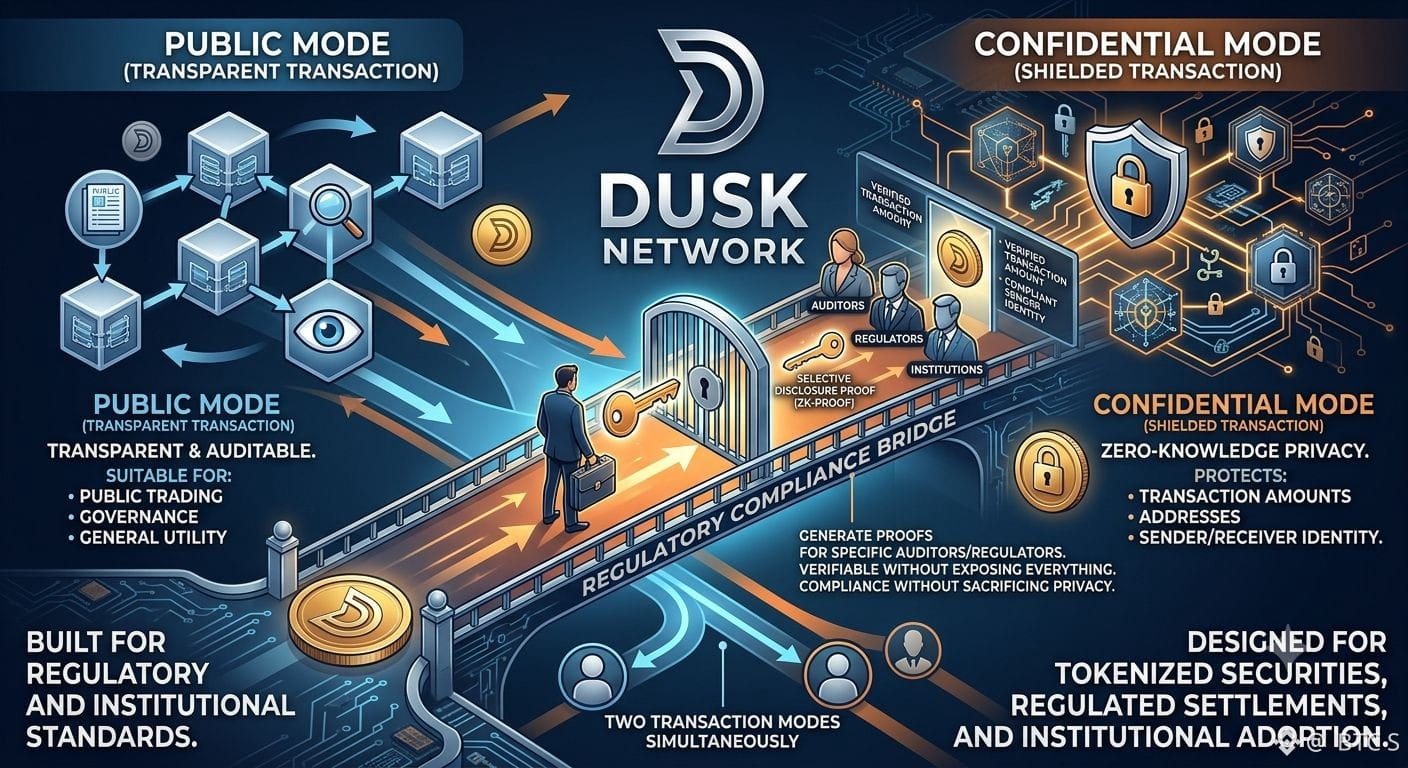
Esa es la perspectiva que yo pondría alrededor de Dusk. Lo que realmente me llamó la atención no es el discurso de la privacidad — todos lo dicen — es la idea de poder blindar una transacción pero, aun así, generar una prueba para la persona concreta a la que se supone que debe verla. Un auditor, un regulador, quien sea. Es una promesa mucho más pequeña y menos impresionante que la de "anonimato total", pero sinceramente probablemente es la única versión de la privacidad que tiene alguna oportunidad en cosas como valores tokenizados o liquidaciones reguladas, donde "confía en nosotros" no funciona.
También noté que ejecutan dos modos de transacción separados en lugar de forzar un único ajuste de privacidad para todo el mundo. Da la sensación de que alguien realmente se sentó a pensar en distintos casos de uso en vez de construir alrededor de un eslogan. Aunque tener más modos también significa más lugares donde algo puede salir mal en silencio.
No me involucraría en nada de esto hasta que haya pasado por una auditoría real con dinero institucional real en juego. El fallo que vigilaría es el obvio — "confidencial" que acaba ocultando cosas precisamente a la parte que se suponía que debía proteger.
#dusk @Dusk_Foundation
$TUT
{spot}(TUTUSDT)
$DUSK
{spot}(DUSKUSDT)
$RE
{spot}(REUSDT)
Sinceramente, lo que me tropieza cada vez que alguien dice "blockchain de privacidad" es que esas dos palabras están un poco en guerra entre sí. El punto de venta de una blockchain es que cualquiera puede comprobarla sin pedir permiso. Privacidad significa lo contrario: nadie puede comprobar nada. Así que la mayoría de proyectos simplemente eligen un bando en silencio. O está totalmente blindada, lo cual está genial hasta que un auditor o un regulador necesite verificar algo de verdad y no hay nada que mostrarles. O es "privada" solo de nombre, y por debajo es simplemente una cadena transparente normal con mejor branding. Ninguna de las dos se sostiene cuando entra dinero real e instituciones reales.
Esa es la perspectiva que yo pondría alrededor de Dusk. Lo que realmente me llamó la atención no es el discurso de la privacidad — todos lo dicen — es la idea de poder blindar una transacción pero, aun así, generar una prueba para la persona concreta a la que se supone que debe verla. Un auditor, un regulador, quien sea. Es una promesa mucho más pequeña y menos impresionante que la de "anonimato total", pero sinceramente probablemente es la única versión de la privacidad que tiene alguna oportunidad en cosas como valores tokenizados o liquidaciones reguladas, donde "confía en nosotros" no funciona.
También noté que ejecutan dos modos de transacción separados en lugar de forzar un único ajuste de privacidad para todo el mundo. Da la sensación de que alguien realmente se sentó a pensar en distintos casos de uso en vez de construir alrededor de un eslogan. Aunque tener más modos también significa más lugares donde algo puede salir mal en silencio.
No me involucraría en nada de esto hasta que haya pasado por una auditoría real con dinero institucional real en juego. El fallo que vigilaría es el obvio — "confidencial" que acaba ocultando cosas precisamente a la parte que se suponía que debía proteger.
#dusk @Dusk
$TUT
$DUSK
$RE
Esa es la perspectiva que yo pondría alrededor de Dusk. Lo que realmente me llamó la atención no es el discurso de la privacidad — todos lo dicen — es la idea de poder blindar una transacción pero, aun así, generar una prueba para la persona concreta a la que se supone que debe verla. Un auditor, un regulador, quien sea. Es una promesa mucho más pequeña y menos impresionante que la de "anonimato total", pero sinceramente probablemente es la única versión de la privacidad que tiene alguna oportunidad en cosas como valores tokenizados o liquidaciones reguladas, donde "confía en nosotros" no funciona.
También noté que ejecutan dos modos de transacción separados en lugar de forzar un único ajuste de privacidad para todo el mundo. Da la sensación de que alguien realmente se sentó a pensar en distintos casos de uso en vez de construir alrededor de un eslogan. Aunque tener más modos también significa más lugares donde algo puede salir mal en silencio.
No me involucraría en nada de esto hasta que haya pasado por una auditoría real con dinero institucional real en juego. El fallo que vigilaría es el obvio — "confidencial" que acaba ocultando cosas precisamente a la parte que se suponía que debía proteger.
#dusk @Dusk
$TUT
$DUSK
$RE
5
4
314
·
--
Alcista
Okay, aquí va el asunto que realmente me hizo pensar en esto, no el rollo del whitepaper primero.
Supongamos que trabajas en un gestor de activos de tamaño medio y alguien te sugiere mover la liquidación de bonos a la cadena. Tu primera pregunta no es "¿está lo suficientemente descentralizado?" — es "¿pueden mis competidores ver mi posición?" Tu segunda pregunta, cinco minutos después, es "¿puede mi regulador verla cuando la pidan?" Esas dos necesidades tiran en direcciones opuestas y, honestamente, la mayoría de los proyectos cripto eligen una cosa y fingen que la otra no importa. Las monedas de privacidad ignoran el cumplimiento. Las cadenas compatibles renuncian a la privacidad por completo y lo llaman "transparencia" como si fuera una característica.
Entonces la propuesta de Dusk — contratos inteligentes confidenciales, esto de XSC — al menos apunta a la tensión real en lugar de esquivarla. No estás ocultando para siempre; estás ocultando por defecto y revelando bajo demanda. Eso se parece más a cómo funciona una auditoría real. Nadie en un banco quiere anonimato total; quieren controlar quién ve qué y cuándo.
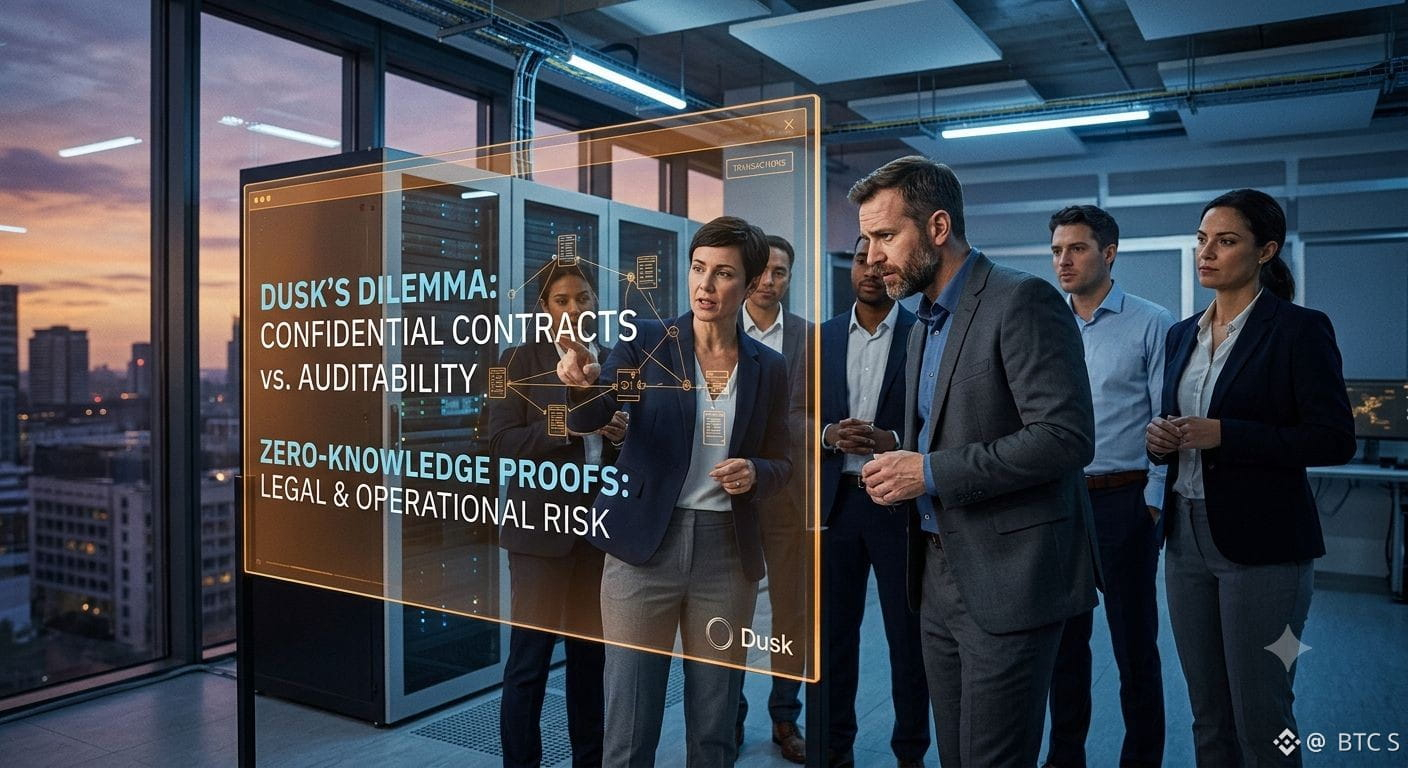
Aunque no estoy convencido del todo. Las pruebas de conocimiento cero suenan herméticas en un papel, pero la primera vez que el abogado de un regulador pregunte "¿y si la prueba en sí está mal, quién se hace responsable", todo se pone complicado muy rápido: es una pregunta legal, no matemática. Y un conjunto más pequeño de validadores que cargue con dinero institucional es un riesgo real por sí mismo, sin importar lo buena que sea la cripto por debajo.
Si esto llega a algún lado, no será ruidoso. Será algún flujo de liquidación de back-office del que nadie tuitea. Esa es, honestamente, la única versión de "éxito" que tiene sentido aquí.
#dusk @Dusk_Foundation
$TUT
{future}(TUTUSDT)
$DUSK
{future}(DUSKUSDT)
$BABYSHARK
{alpha}(560x777bf78ad4546b61607a17bf4a1977dbbea98c28)
Okay, aquí va el asunto que realmente me hizo pensar en esto, no el rollo del whitepaper primero.
Supongamos que trabajas en un gestor de activos de tamaño medio y alguien te sugiere mover la liquidación de bonos a la cadena. Tu primera pregunta no es "¿está lo suficientemente descentralizado?" — es "¿pueden mis competidores ver mi posición?" Tu segunda pregunta, cinco minutos después, es "¿puede mi regulador verla cuando la pidan?" Esas dos necesidades tiran en direcciones opuestas y, honestamente, la mayoría de los proyectos cripto eligen una cosa y fingen que la otra no importa. Las monedas de privacidad ignoran el cumplimiento. Las cadenas compatibles renuncian a la privacidad por completo y lo llaman "transparencia" como si fuera una característica.
Entonces la propuesta de Dusk — contratos inteligentes confidenciales, esto de XSC — al menos apunta a la tensión real en lugar de esquivarla. No estás ocultando para siempre; estás ocultando por defecto y revelando bajo demanda. Eso se parece más a cómo funciona una auditoría real. Nadie en un banco quiere anonimato total; quieren controlar quién ve qué y cuándo.
Aunque no estoy convencido del todo. Las pruebas de conocimiento cero suenan herméticas en un papel, pero la primera vez que el abogado de un regulador pregunte "¿y si la prueba en sí está mal, quién se hace responsable", todo se pone complicado muy rápido: es una pregunta legal, no matemática. Y un conjunto más pequeño de validadores que cargue con dinero institucional es un riesgo real por sí mismo, sin importar lo buena que sea la cripto por debajo.
Si esto llega a algún lado, no será ruidoso. Será algún flujo de liquidación de back-office del que nadie tuitea. Esa es, honestamente, la única versión de "éxito" que tiene sentido aquí.
#dusk @Dusk
$TUT
$DUSK
$BABYSHARK
Supongamos que trabajas en un gestor de activos de tamaño medio y alguien te sugiere mover la liquidación de bonos a la cadena. Tu primera pregunta no es "¿está lo suficientemente descentralizado?" — es "¿pueden mis competidores ver mi posición?" Tu segunda pregunta, cinco minutos después, es "¿puede mi regulador verla cuando la pidan?" Esas dos necesidades tiran en direcciones opuestas y, honestamente, la mayoría de los proyectos cripto eligen una cosa y fingen que la otra no importa. Las monedas de privacidad ignoran el cumplimiento. Las cadenas compatibles renuncian a la privacidad por completo y lo llaman "transparencia" como si fuera una característica.
Entonces la propuesta de Dusk — contratos inteligentes confidenciales, esto de XSC — al menos apunta a la tensión real en lugar de esquivarla. No estás ocultando para siempre; estás ocultando por defecto y revelando bajo demanda. Eso se parece más a cómo funciona una auditoría real. Nadie en un banco quiere anonimato total; quieren controlar quién ve qué y cuándo.
Aunque no estoy convencido del todo. Las pruebas de conocimiento cero suenan herméticas en un papel, pero la primera vez que el abogado de un regulador pregunte "¿y si la prueba en sí está mal, quién se hace responsable", todo se pone complicado muy rápido: es una pregunta legal, no matemática. Y un conjunto más pequeño de validadores que cargue con dinero institucional es un riesgo real por sí mismo, sin importar lo buena que sea la cripto por debajo.
Si esto llega a algún lado, no será ruidoso. Será algún flujo de liquidación de back-office del que nadie tuitea. Esa es, honestamente, la única versión de "éxito" que tiene sentido aquí.
#dusk @Dusk
$TUT
$DUSK
$BABYSHARK
3
3
549
·
--
Alcista
Vale, aquí está lo que en realidad me hizo pensar en esto. Todo el mundo sigue diciendo que los bancos y las instituciones "quieren privacidad on-chain", y sí, en algún sentido abstracto lo hacen. Pero cuando te sientas y miras lo que eso significa en la práctica, se desmorona bastante rápido. Una mesa de trading no quiere ocultarse a los reguladores: esa es una excelente forma de acabar en una reunión muy incómoda. Lo que quieren es ocultarse entre ellos. Competidores. Contrapartes. El resto del mercado. Y, por separado, aún así poder demostrar a un auditor que no pasó nada turbio. Esas son dos solicitudes distintas, y la mayoría de proyectos de "blockchain de privacidad" solo resuelven realmente la primera; que, de forma incómoda, es la parte que casi nadie tiene permitido querer sin condiciones.
Eso es lo que me hizo hacer una pausa con Dusk. No el discurso de privacidad en sí: todo el mundo tiene ese discurso. Lo interesante es que no fingieron que la privacidad es un ajuste que solo activas. Hay Moonlight para cosas que deberían estar a la vista, Phoenix para cosas que no deberían. Partirlo así se siente menos como una decisión de marketing y más como alguien admitiendo que el problema es más complicado de lo que normalmente deja ver un whitepaper.
Donde me pongo inquieto es en el lado del consenso: sortición, comités, modos de respaldo, un modo de emergencia. Todo razonable en el papel. Pero he visto sistemas como este antes, y por lo general no se rompen donde estás mirando. Se rompen en silencio, meses después, bajo condiciones para las que nadie probó.
Entonces, ¿para quién es esto en realidad? Honestamente, no para nosotros. Probablemente para instituciones que estén dispuestas a moverse despacio por claridad legal en vez de rápido por el hype. Que funcione depende menos de la criptografía y más de si "confidencial" y "oculto" alguna vez se tratan como cosas diferentes por las personas que están escribiendo las reglas.#dusk @Dusk_Foundation
$DUSK
{spot}(DUSKUSDT)
$BTC
{spot}(BTCUSDT)
$LAB
{future}(LABUSDT)
Vale, aquí está lo que en realidad me hizo pensar en esto. Todo el mundo sigue diciendo que los bancos y las instituciones "quieren privacidad on-chain", y sí, en algún sentido abstracto lo hacen. Pero cuando te sientas y miras lo que eso significa en la práctica, se desmorona bastante rápido. Una mesa de trading no quiere ocultarse a los reguladores: esa es una excelente forma de acabar en una reunión muy incómoda. Lo que quieren es ocultarse entre ellos. Competidores. Contrapartes. El resto del mercado. Y, por separado, aún así poder demostrar a un auditor que no pasó nada turbio. Esas son dos solicitudes distintas, y la mayoría de proyectos de "blockchain de privacidad" solo resuelven realmente la primera; que, de forma incómoda, es la parte que casi nadie tiene permitido querer sin condiciones.
Eso es lo que me hizo hacer una pausa con Dusk. No el discurso de privacidad en sí: todo el mundo tiene ese discurso. Lo interesante es que no fingieron que la privacidad es un ajuste que solo activas. Hay Moonlight para cosas que deberían estar a la vista, Phoenix para cosas que no deberían. Partirlo así se siente menos como una decisión de marketing y más como alguien admitiendo que el problema es más complicado de lo que normalmente deja ver un whitepaper.
Donde me pongo inquieto es en el lado del consenso: sortición, comités, modos de respaldo, un modo de emergencia. Todo razonable en el papel. Pero he visto sistemas como este antes, y por lo general no se rompen donde estás mirando. Se rompen en silencio, meses después, bajo condiciones para las que nadie probó.
Entonces, ¿para quién es esto en realidad? Honestamente, no para nosotros. Probablemente para instituciones que estén dispuestas a moverse despacio por claridad legal en vez de rápido por el hype. Que funcione depende menos de la criptografía y más de si "confidencial" y "oculto" alguna vez se tratan como cosas diferentes por las personas que están escribiendo las reglas.#dusk @Dusk
$DUSK
$BTC
$LAB
Eso es lo que me hizo hacer una pausa con Dusk. No el discurso de privacidad en sí: todo el mundo tiene ese discurso. Lo interesante es que no fingieron que la privacidad es un ajuste que solo activas. Hay Moonlight para cosas que deberían estar a la vista, Phoenix para cosas que no deberían. Partirlo así se siente menos como una decisión de marketing y más como alguien admitiendo que el problema es más complicado de lo que normalmente deja ver un whitepaper.
Donde me pongo inquieto es en el lado del consenso: sortición, comités, modos de respaldo, un modo de emergencia. Todo razonable en el papel. Pero he visto sistemas como este antes, y por lo general no se rompen donde estás mirando. Se rompen en silencio, meses después, bajo condiciones para las que nadie probó.
Entonces, ¿para quién es esto en realidad? Honestamente, no para nosotros. Probablemente para instituciones que estén dispuestas a moverse despacio por claridad legal en vez de rápido por el hype. Que funcione depende menos de la criptografía y más de si "confidencial" y "oculto" alguna vez se tratan como cosas diferentes por las personas que están escribiendo las reglas.#dusk @Dusk
$DUSK
$BTC
$LAB

4
1
493
·
--
Alcista
Sigo pensando en un problema simple y molesto: si te tomas en serio cualquier tipo de negocio, no puedes simplemente poner tus movimientos de dinero en una blockchain pública. Todo el mundo lo vería: competidores, clientes, gente cualquiera. Así que o bien la gente evita del todo cadenas como esta, o recurre a versiones "privadas" que nadie puede verificar desde fuera, lo cual solo mueve el problema de la confianza a otro sitio en lugar de resolverlo. Ninguna de las dos opciones es realmente suficiente, y creo que por eso tanta charla sobre "blockchain empresarial" ha sonado vacía durante años.
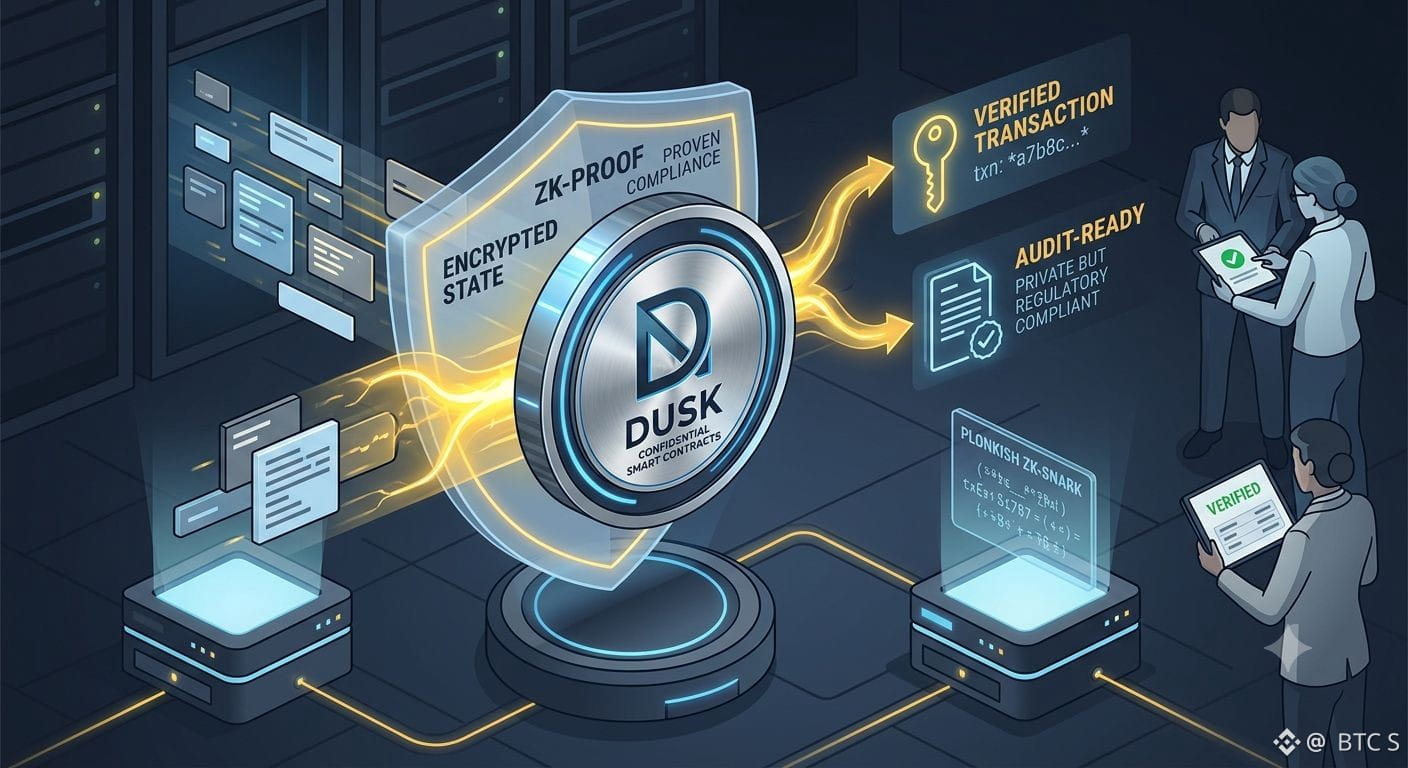
Dusk Network es uno de los proyectos que intenta realmente convivir con esa incomodidad en lugar de tomar partido. La idea, según lo entiendo, es contratos que permanecen confidenciales pero que aun así pueden demostrar que están cumpliendo las reglas, sin abrirlo todo a la vista pública. Ese es un objetivo razonable. Solo que no creo que sea algo fácil de lograr. Las pruebas de conocimiento cero no son baratas, no son simples de hacer bien y "privado pero demostrablemente conforme" es exactamente el tipo de afirmación que suena genial hasta que un regulador o un auditor empieza a hurgar.
Así que no voy a fingir que sé cómo se desarrolla esto. Si llega a importar, probablemente no será ruidoso: alguna institución lo usará en silencio porque resuelve un dolor real de liquidación de forma más barata o más segura que lo que tenían antes. Y si falla, probablemente sea por razones ordinarias: falta de uso real, falta de liquidez o una historia de cumplimiento que se rompe a la primera vez que alguien realmente la pone a prueba.
#dusk @Dusk_Foundation
$DUSK
{future}(DUSKUSDT)
$ONG
{future}(ONGUSDT)
$PEOPLE
{future}(PEOPLEUSDT)
Sigo pensando en un problema simple y molesto: si te tomas en serio cualquier tipo de negocio, no puedes simplemente poner tus movimientos de dinero en una blockchain pública. Todo el mundo lo vería: competidores, clientes, gente cualquiera. Así que o bien la gente evita del todo cadenas como esta, o recurre a versiones "privadas" que nadie puede verificar desde fuera, lo cual solo mueve el problema de la confianza a otro sitio en lugar de resolverlo. Ninguna de las dos opciones es realmente suficiente, y creo que por eso tanta charla sobre "blockchain empresarial" ha sonado vacía durante años.
Dusk Network es uno de los proyectos que intenta realmente convivir con esa incomodidad en lugar de tomar partido. La idea, según lo entiendo, es contratos que permanecen confidenciales pero que aun así pueden demostrar que están cumpliendo las reglas, sin abrirlo todo a la vista pública. Ese es un objetivo razonable. Solo que no creo que sea algo fácil de lograr. Las pruebas de conocimiento cero no son baratas, no son simples de hacer bien y "privado pero demostrablemente conforme" es exactamente el tipo de afirmación que suena genial hasta que un regulador o un auditor empieza a hurgar.
Así que no voy a fingir que sé cómo se desarrolla esto. Si llega a importar, probablemente no será ruidoso: alguna institución lo usará en silencio porque resuelve un dolor real de liquidación de forma más barata o más segura que lo que tenían antes. Y si falla, probablemente sea por razones ordinarias: falta de uso real, falta de liquidez o una historia de cumplimiento que se rompe a la primera vez que alguien realmente la pone a prueba.
#dusk @Dusk
$DUSK
$ONG
$PEOPLE
Dusk Network es uno de los proyectos que intenta realmente convivir con esa incomodidad en lugar de tomar partido. La idea, según lo entiendo, es contratos que permanecen confidenciales pero que aun así pueden demostrar que están cumpliendo las reglas, sin abrirlo todo a la vista pública. Ese es un objetivo razonable. Solo que no creo que sea algo fácil de lograr. Las pruebas de conocimiento cero no son baratas, no son simples de hacer bien y "privado pero demostrablemente conforme" es exactamente el tipo de afirmación que suena genial hasta que un regulador o un auditor empieza a hurgar.
Así que no voy a fingir que sé cómo se desarrolla esto. Si llega a importar, probablemente no será ruidoso: alguna institución lo usará en silencio porque resuelve un dolor real de liquidación de forma más barata o más segura que lo que tenían antes. Y si falla, probablemente sea por razones ordinarias: falta de uso real, falta de liquidez o una historia de cumplimiento que se rompe a la primera vez que alguien realmente la pone a prueba.
#dusk @Dusk
$DUSK
$ONG
$PEOPLE
4
4
190
·
--
Alcista
Honestamente, lo que me pone a pensar sobre esto no es la tecnología en absoluto: es una pregunta mucho más simple: ¿por qué «privado» y «cumplidor» nunca parecen ir de la mano en cripto? Uno pensaría que, a estas alturas, alguien ya lo habría resuelto, pero cada vez que miro con atención, los proyectos se decantan por un solo lado. O todo está a la vista, lo cual es un problema en cuanto hay dinero real: nadie quiere que un competidor vea cómo se desarrollan sus operaciones en vivo; o todo está oculto, lo cual suena bien hasta que recuerdas que existen reguladores y no van a desaparecer.
Así que cuando escucho «contratos inteligentes confidenciales», mi primera reacción no es emoción, es una especie de curiosidad cansada. Vale, pero confidencial, ¿cómo? Porque existe una versión que solo significa «oculto para todos», y otra que significa «oculto para el público, pero aún verificable para quien legalmente necesite verlo». Solo una de esas es realmente utilizable por una institución. La otra es simplemente una versión con mejor nombre del mismo problema de siempre.
No sé si Dusk lo tiene bien. De verdad no. Los sistemas de conocimiento cero todavía son un poco quisquillosos en la práctica, y una infraestructura como esta no se demuestra con un buen discurso: se demuestra años después, cuando una liquidación aburrida simplemente... funciona, y no explota nada.
Mi apuesta más honesta es que, si esto despega, no será ruidoso. Será algún emisor de tamaño medio probándolo en silencio, con el equipo de cumplimiento incluido, y todos mirando para ver si aguanta la presión. Esa es la prueba real. No el whitepaper.
#dusk @Dusk_Foundation
$DUSK
{spot}(DUSKUSDT)
$RE
{spot}(REUSDT)
$BB
{spot}(BBUSDT)
Honestamente, lo que me pone a pensar sobre esto no es la tecnología en absoluto: es una pregunta mucho más simple: ¿por qué «privado» y «cumplidor» nunca parecen ir de la mano en cripto? Uno pensaría que, a estas alturas, alguien ya lo habría resuelto, pero cada vez que miro con atención, los proyectos se decantan por un solo lado. O todo está a la vista, lo cual es un problema en cuanto hay dinero real: nadie quiere que un competidor vea cómo se desarrollan sus operaciones en vivo; o todo está oculto, lo cual suena bien hasta que recuerdas que existen reguladores y no van a desaparecer.
Así que cuando escucho «contratos inteligentes confidenciales», mi primera reacción no es emoción, es una especie de curiosidad cansada. Vale, pero confidencial, ¿cómo? Porque existe una versión que solo significa «oculto para todos», y otra que significa «oculto para el público, pero aún verificable para quien legalmente necesite verlo». Solo una de esas es realmente utilizable por una institución. La otra es simplemente una versión con mejor nombre del mismo problema de siempre.
No sé si Dusk lo tiene bien. De verdad no. Los sistemas de conocimiento cero todavía son un poco quisquillosos en la práctica, y una infraestructura como esta no se demuestra con un buen discurso: se demuestra años después, cuando una liquidación aburrida simplemente... funciona, y no explota nada.
Mi apuesta más honesta es que, si esto despega, no será ruidoso. Será algún emisor de tamaño medio probándolo en silencio, con el equipo de cumplimiento incluido, y todos mirando para ver si aguanta la presión. Esa es la prueba real. No el whitepaper.
#dusk @Dusk
$DUSK
$RE
$BB
Así que cuando escucho «contratos inteligentes confidenciales», mi primera reacción no es emoción, es una especie de curiosidad cansada. Vale, pero confidencial, ¿cómo? Porque existe una versión que solo significa «oculto para todos», y otra que significa «oculto para el público, pero aún verificable para quien legalmente necesite verlo». Solo una de esas es realmente utilizable por una institución. La otra es simplemente una versión con mejor nombre del mismo problema de siempre.
No sé si Dusk lo tiene bien. De verdad no. Los sistemas de conocimiento cero todavía son un poco quisquillosos en la práctica, y una infraestructura como esta no se demuestra con un buen discurso: se demuestra años después, cuando una liquidación aburrida simplemente... funciona, y no explota nada.
Mi apuesta más honesta es que, si esto despega, no será ruidoso. Será algún emisor de tamaño medio probándolo en silencio, con el equipo de cumplimiento incluido, y todos mirando para ver si aguanta la presión. Esa es la prueba real. No el whitepaper.
#dusk @Dusk
$DUSK
$RE
$BB
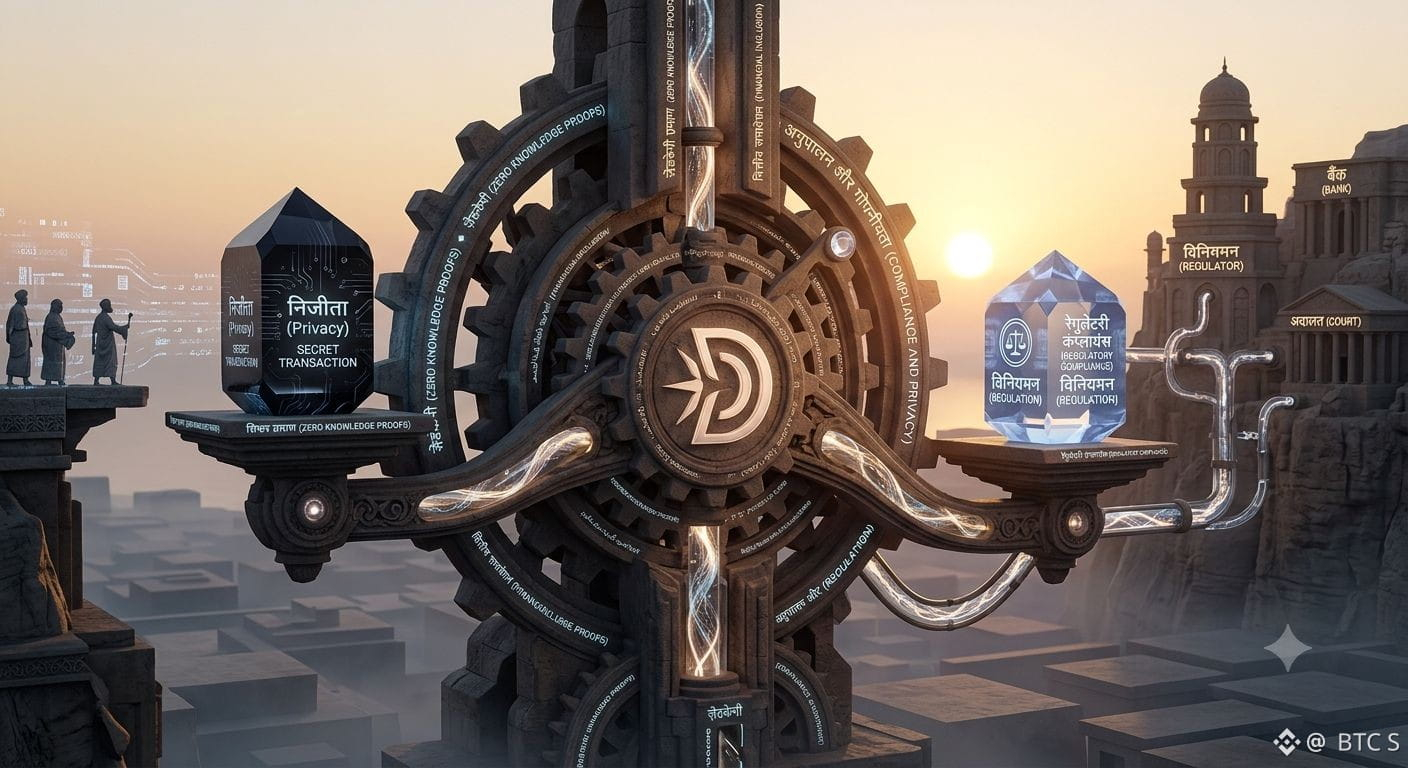
1
1
211
·
--
Alcista
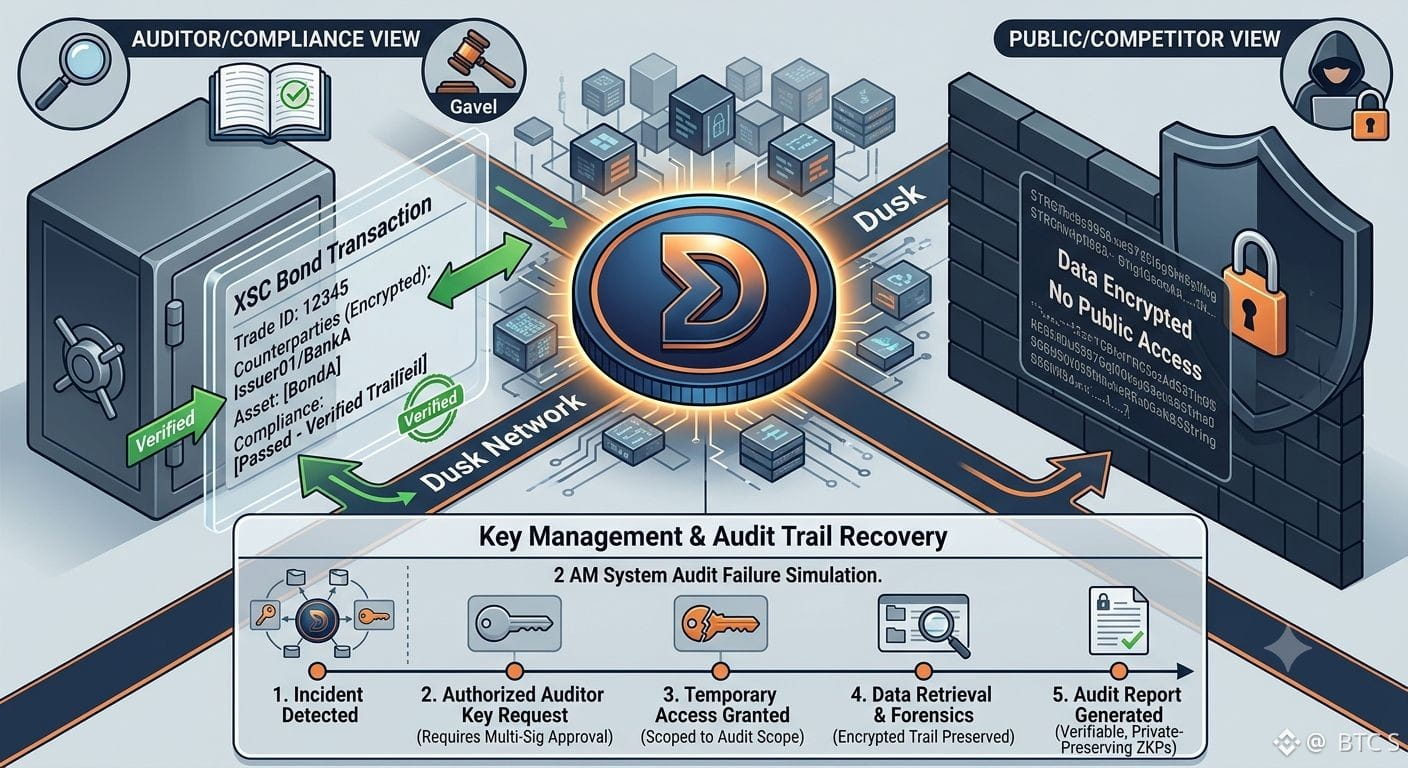
Vale, entonces vuelvo una y otra vez a este asunto de Dusk Network, y la pregunta que de verdad me molesta no es “¿la tecnología es impresionante?”. Es más sencillo. Supongamos que un banco quiere mover un bono on-chain. Su responsable de cumplimiento tiene que ver la operación. Su competidor, absolutamente no. ¿El público en general? Tampoco. Y la mayoría de blockchains simplemente no tienen un dial para eso: o estás gritando todo tu balance a internet, o te has ido full dark y ahora ni siquiera las personas a las que legalmente se les debe una revisión pueden conseguirla. Así es como nunca ha funcionado la finanza de verdad. Siempre ha habido un libro contable que alguien podría solicitar por orden judicial, no uno que cualquiera pudiera desplazarse por él.
Así que cuando Dusk habla de contratos confidenciales — este estándar XSC — la parte que me interesa no es el ocultamiento. Ocultar es la parte fácil, sinceramente. Lo importante es si la parte de “mostrar cuando sea requerido” realmente se sostiene fuera de una demostración. ¿Puede un auditor obtener lo que necesita sin que todo termine convirtiéndose en “solo confía en el protocolo”? Eso es menos una pregunta de cripto y más una pregunta de nervios legales, y no he visto a nadie realmente ponerlo a prueba.
Si estoy adivinando quién lo tocará primero, no son personas normales comerciando tokens. Es alguien que emite un activo regulado y quiere discreción frente a rivales, pero no frente a reguladores. Y si sobrevive, probablemente dependa de algo poco glamuroso: recuperación de claves, cómo se ve realmente un rastro de auditoría a las 2 a.m. cuando algo salió mal. Ahí es donde normalmente estas cosas se rompen en silencio.
#dusk @Dusk_Foundation
$DUSK
{spot}(DUSKUSDT)
$LAB
{future}(LABUSDT)
$ESP
{spot}(ESPUSDT)
Vale, entonces vuelvo una y otra vez a este asunto de Dusk Network, y la pregunta que de verdad me molesta no es “¿la tecnología es impresionante?”. Es más sencillo. Supongamos que un banco quiere mover un bono on-chain. Su responsable de cumplimiento tiene que ver la operación. Su competidor, absolutamente no. ¿El público en general? Tampoco. Y la mayoría de blockchains simplemente no tienen un dial para eso: o estás gritando todo tu balance a internet, o te has ido full dark y ahora ni siquiera las personas a las que legalmente se les debe una revisión pueden conseguirla. Así es como nunca ha funcionado la finanza de verdad. Siempre ha habido un libro contable que alguien podría solicitar por orden judicial, no uno que cualquiera pudiera desplazarse por él.
Así que cuando Dusk habla de contratos confidenciales — este estándar XSC — la parte que me interesa no es el ocultamiento. Ocultar es la parte fácil, sinceramente. Lo importante es si la parte de “mostrar cuando sea requerido” realmente se sostiene fuera de una demostración. ¿Puede un auditor obtener lo que necesita sin que todo termine convirtiéndose en “solo confía en el protocolo”? Eso es menos una pregunta de cripto y más una pregunta de nervios legales, y no he visto a nadie realmente ponerlo a prueba.
Si estoy adivinando quién lo tocará primero, no son personas normales comerciando tokens. Es alguien que emite un activo regulado y quiere discreción frente a rivales, pero no frente a reguladores. Y si sobrevive, probablemente dependa de algo poco glamuroso: recuperación de claves, cómo se ve realmente un rastro de auditoría a las 2 a.m. cuando algo salió mal. Ahí es donde normalmente estas cosas se rompen en silencio.
#dusk @Dusk
$DUSK
$LAB
$ESP
Así que cuando Dusk habla de contratos confidenciales — este estándar XSC — la parte que me interesa no es el ocultamiento. Ocultar es la parte fácil, sinceramente. Lo importante es si la parte de “mostrar cuando sea requerido” realmente se sostiene fuera de una demostración. ¿Puede un auditor obtener lo que necesita sin que todo termine convirtiéndose en “solo confía en el protocolo”? Eso es menos una pregunta de cripto y más una pregunta de nervios legales, y no he visto a nadie realmente ponerlo a prueba.
Si estoy adivinando quién lo tocará primero, no son personas normales comerciando tokens. Es alguien que emite un activo regulado y quiere discreción frente a rivales, pero no frente a reguladores. Y si sobrevive, probablemente dependa de algo poco glamuroso: recuperación de claves, cómo se ve realmente un rastro de auditoría a las 2 a.m. cuando algo salió mal. Ahí es donde normalmente estas cosas se rompen en silencio.
#dusk @Dusk
$DUSK
$LAB
$ESP
1
1
269
·
--
Alcista
He estado en suficientes conversaciones de este tipo como para saber el momento exacto en que la gente deja de prestar atención. Estás explicando alguna nueva cadena, todos asienten, y entonces alguien—normalmente la persona que en realidad se encarga del dinero para ganarse la vida—pregunta: "vale, pero ¿quién más puede ver esto?" Y la respuesta honesta es: todos. Cada monedero, cada saldo, cada movimiento, ahí sentados en público para siempre. Ahí es cuando se acaban los asentimientos. No porque sean anti-cripto. Sino porque han hecho este trabajo el tiempo suficiente como para saber que no diriges un negocio con los libros abiertos para tus competidores.
Y mira, las soluciones que ya existen para esto siempre se sienten un poco... improvisadas. Mezcladores que hacen que el equipo de cumplimiento de un intercambio entre en pánico. Monedas de privacidad que se dejan caer en silencio en cuanto un regulador levanta una ceja. Side-chains donde técnicamente evitas un problema de confianza creando uno más pequeño y más raro. Nada de eso parece algo que uno realmente construiría encima de una emisión de bonos.
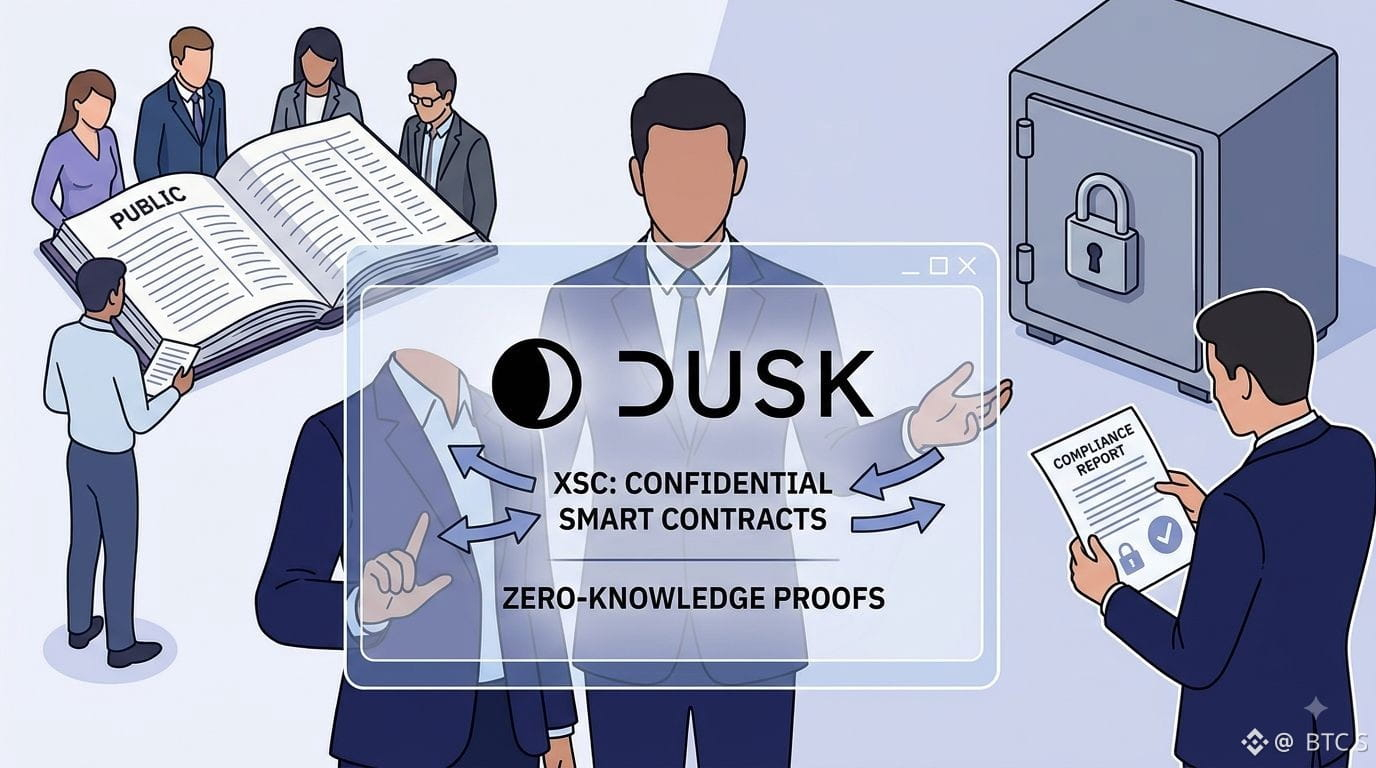
Así que la premisa de Dusk, al menos, apunta a la pregunta correcta. No le agregues privacidad después—escríbela en el contrato desde el principio. Eso es lo que se supone que hace XSC: permitir que una transacción demuestre que está limpia sin mostrarle a nadie qué es lo que hay dentro.
De verdad no sé si aguanta cuando entra volumen real. Los sistemas de verificación se vuelven caros muy rápido, y conseguir que un regulador se sienta cómodo con "confía en la prueba" en lugar de "muéstrame el libro mayor" es un problema lento y humano, no uno técnico.
Si esto funciona para alguien, es para los jugadores aburridos y regulados que necesitan privacidad y cumplimiento al mismo tiempo—no para traders que buscan una emoción. Poca audiencia. Quizá la adecuada.
#dusk @Dusk_Foundation
$DUSK
{spot}(DUSKUSDT)
$RED
{spot}(REDUSDT)
$EDEN
{spot}(EDENUSDT)
He estado en suficientes conversaciones de este tipo como para saber el momento exacto en que la gente deja de prestar atención. Estás explicando alguna nueva cadena, todos asienten, y entonces alguien—normalmente la persona que en realidad se encarga del dinero para ganarse la vida—pregunta: "vale, pero ¿quién más puede ver esto?" Y la respuesta honesta es: todos. Cada monedero, cada saldo, cada movimiento, ahí sentados en público para siempre. Ahí es cuando se acaban los asentimientos. No porque sean anti-cripto. Sino porque han hecho este trabajo el tiempo suficiente como para saber que no diriges un negocio con los libros abiertos para tus competidores.
Y mira, las soluciones que ya existen para esto siempre se sienten un poco... improvisadas. Mezcladores que hacen que el equipo de cumplimiento de un intercambio entre en pánico. Monedas de privacidad que se dejan caer en silencio en cuanto un regulador levanta una ceja. Side-chains donde técnicamente evitas un problema de confianza creando uno más pequeño y más raro. Nada de eso parece algo que uno realmente construiría encima de una emisión de bonos.
Así que la premisa de Dusk, al menos, apunta a la pregunta correcta. No le agregues privacidad después—escríbela en el contrato desde el principio. Eso es lo que se supone que hace XSC: permitir que una transacción demuestre que está limpia sin mostrarle a nadie qué es lo que hay dentro.
De verdad no sé si aguanta cuando entra volumen real. Los sistemas de verificación se vuelven caros muy rápido, y conseguir que un regulador se sienta cómodo con "confía en la prueba" en lugar de "muéstrame el libro mayor" es un problema lento y humano, no uno técnico.
Si esto funciona para alguien, es para los jugadores aburridos y regulados que necesitan privacidad y cumplimiento al mismo tiempo—no para traders que buscan una emoción. Poca audiencia. Quizá la adecuada.
#dusk @Dusk
$DUSK
$RED
$EDEN
Y mira, las soluciones que ya existen para esto siempre se sienten un poco... improvisadas. Mezcladores que hacen que el equipo de cumplimiento de un intercambio entre en pánico. Monedas de privacidad que se dejan caer en silencio en cuanto un regulador levanta una ceja. Side-chains donde técnicamente evitas un problema de confianza creando uno más pequeño y más raro. Nada de eso parece algo que uno realmente construiría encima de una emisión de bonos.
Así que la premisa de Dusk, al menos, apunta a la pregunta correcta. No le agregues privacidad después—escríbela en el contrato desde el principio. Eso es lo que se supone que hace XSC: permitir que una transacción demuestre que está limpia sin mostrarle a nadie qué es lo que hay dentro.
De verdad no sé si aguanta cuando entra volumen real. Los sistemas de verificación se vuelven caros muy rápido, y conseguir que un regulador se sienta cómodo con "confía en la prueba" en lugar de "muéstrame el libro mayor" es un problema lento y humano, no uno técnico.
Si esto funciona para alguien, es para los jugadores aburridos y regulados que necesitan privacidad y cumplimiento al mismo tiempo—no para traders que buscan una emoción. Poca audiencia. Quizá la adecuada.
#dusk @Dusk
$DUSK
$RED
$EDEN
2
2
272
·
--
Alcista
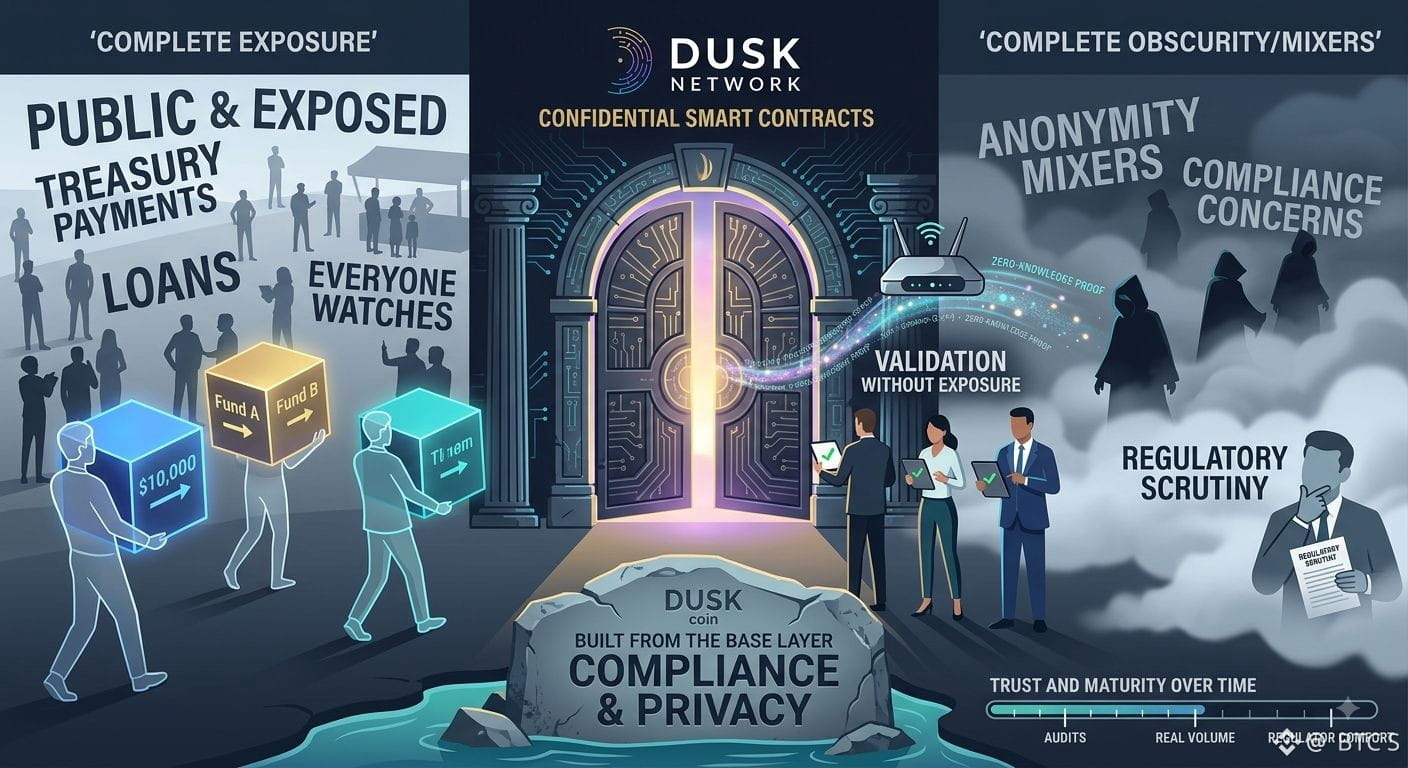
Di que estás moviendo dinero real en una blockchain pública: un pago del tesoro, un préstamo, una liquidación entre dos fondos. Todo el mundo puede verlo. No solo el monto, sino quién, cuándo, con qué frecuencia y toda la forma que va tomando con el tiempo. Esa es la parte que casi nunca se dice en voz alta. No es que el cripto no tenga funciones de privacidad, exactamente. Es que la privacidad en la cadena suele ser todo o nada. O estás completamente expuesto, o estás usando algo como un mezclador, y lo segundo hace que cualquier persona de cumplimiento se quede callada y empiece a teclear notas. Ninguna de las dos cosas es realmente utilizable si estás moviendo capital real.
Lo que Dusk busca, por lo que puedo ver, es el punto medio: contratos inteligentes confidenciales donde una transacción prueba que es válida sin mostrarle a todo el mundo lo que hay dentro, pero donde la parte correcta aún podría revisarlo después si llegara a necesitarlo. Eso es lo que vale la pena querer. Todavía nadie lo ha logrado de forma limpia. Y construirlo en la capa base en lugar de añadirlo después es un camino más difícil y lento: conjuntos de validadores más pequeños al principio, liquidez más delgada, un tramo largo en el que nada se siente realmente comprobado. Los reguladores no van a confiar simplemente en la criptografía porque sea elegante. Necesitan verla resistir la prueba durante años antes de que alguien con dinero real se sienta cómodo.
Así que no me emocionaría con este en particular. Solo le echaría un ojo — ¿sigue funcionando, sigue auditándose, alguien con volumen real realmente lo está tocando? Si es que sí, eventualmente probablemente sea porque alguien lo necesitaba lo bastante como para esperar. Si no, es porque una confianza como esta es lenta, y la mayoría de las cosas no llega tan lejos.
#dusk $DUSK @Dusk_Foundation
{spot}(DUSKUSDT)
Di que estás moviendo dinero real en una blockchain pública: un pago del tesoro, un préstamo, una liquidación entre dos fondos. Todo el mundo puede verlo. No solo el monto, sino quién, cuándo, con qué frecuencia y toda la forma que va tomando con el tiempo. Esa es la parte que casi nunca se dice en voz alta. No es que el cripto no tenga funciones de privacidad, exactamente. Es que la privacidad en la cadena suele ser todo o nada. O estás completamente expuesto, o estás usando algo como un mezclador, y lo segundo hace que cualquier persona de cumplimiento se quede callada y empiece a teclear notas. Ninguna de las dos cosas es realmente utilizable si estás moviendo capital real.
Lo que Dusk busca, por lo que puedo ver, es el punto medio: contratos inteligentes confidenciales donde una transacción prueba que es válida sin mostrarle a todo el mundo lo que hay dentro, pero donde la parte correcta aún podría revisarlo después si llegara a necesitarlo. Eso es lo que vale la pena querer. Todavía nadie lo ha logrado de forma limpia. Y construirlo en la capa base en lugar de añadirlo después es un camino más difícil y lento: conjuntos de validadores más pequeños al principio, liquidez más delgada, un tramo largo en el que nada se siente realmente comprobado. Los reguladores no van a confiar simplemente en la criptografía porque sea elegante. Necesitan verla resistir la prueba durante años antes de que alguien con dinero real se sienta cómodo.
Así que no me emocionaría con este en particular. Solo le echaría un ojo — ¿sigue funcionando, sigue auditándose, alguien con volumen real realmente lo está tocando? Si es que sí, eventualmente probablemente sea porque alguien lo necesitaba lo bastante como para esperar. Si no, es porque una confianza como esta es lenta, y la mayoría de las cosas no llega tan lejos.
#dusk $DUSK @Dusk
Lo que Dusk busca, por lo que puedo ver, es el punto medio: contratos inteligentes confidenciales donde una transacción prueba que es válida sin mostrarle a todo el mundo lo que hay dentro, pero donde la parte correcta aún podría revisarlo después si llegara a necesitarlo. Eso es lo que vale la pena querer. Todavía nadie lo ha logrado de forma limpia. Y construirlo en la capa base en lugar de añadirlo después es un camino más difícil y lento: conjuntos de validadores más pequeños al principio, liquidez más delgada, un tramo largo en el que nada se siente realmente comprobado. Los reguladores no van a confiar simplemente en la criptografía porque sea elegante. Necesitan verla resistir la prueba durante años antes de que alguien con dinero real se sienta cómodo.
Así que no me emocionaría con este en particular. Solo le echaría un ojo — ¿sigue funcionando, sigue auditándose, alguien con volumen real realmente lo está tocando? Si es que sí, eventualmente probablemente sea porque alguien lo necesitaba lo bastante como para esperar. Si no, es porque una confianza como esta es lenta, y la mayoría de las cosas no llega tan lejos.
#dusk $DUSK @Dusk
18
6
147
·
--
Alcista
Los bancos no liquidan un bono en cadena porque, en el momento en que la operación llega al libro mayor público, todo el tamaño de cada posición, cada contraparte y cada patrón de flujo se vuelve visible para cualquiera. No se trata de alguna preferencia de privacidad: es un requisito legal directo bajo casi cualquier marco regulatorio de valores. Los reguladores necesitan auditar, no estar a ciegas. Así que las instituciones se limitan. No porque estén en contra de blockchain, sino porque la configuración predeterminada de blockchain de "todo es transparente" es, en la práctica, el principal obstáculo de cumplimiento.
La mayoría de las cadenas de privacidad intenta evadir eso ocultándolo todo. Los reguladores lo señalan al instante: no puedes auditar si estás ciego.
Los contratos XSC de Dusk intentan algo distinto. Confidencial por defecto, pero demostrable de forma selectiva cuando un regulador o un auditor realmente necesita verificar algo. Esa idea de divulgación selectiva es el verdadero reto de ingeniería ahora mismo. Las pruebas de conocimiento cero que encajan en rastros de auditoría reales bajo la normativa de valores todavía son bastante recientes, así que la "privacidad compatible" es mucho más limitada que un simple "privado". La adopción va a avanzar lentamente hasta que los reguladores decidan si la divulgación selectiva cuenta como evidencia de auditoría adecuada.
Cualquier cadena que afirme ofrecer al mismo tiempo la finalización de la liquidación y la divulgación regulatoria, básicamente está peleando contra la física. Esos dos objetivos tiran en direcciones opuestas y cada proyecto termina eligiendo uno y vendiendo el otro. Dusk es de los pocos que no finge que el compromiso no existe. Ese tipo de franqueza directa es refrescante.
Las únicas personas que realmente lo usarán son los emisores regulados que ejecutan pilotos de bonos tokenizados. Los traders minoristas no lo tocarán: quieren liquidez y descubrimiento de precios, no teatro de privacidad. Solo funciona si las pruebas son rápidas, baratas y encajan directamente en los sistemas de cumplimiento existentes... y si los reguladores aceptan que la divulgación selectiva es suficiente para la auditoría. Hasta entonces, sigue siendo solo una idea de "deberíamos probar esto cuando podamos", no una realidad de "tenemos que usarlo".
#dusk $DUSK @Dusk_Foundation
{spot}(DUSKUSDT)
Los bancos no liquidan un bono en cadena porque, en el momento en que la operación llega al libro mayor público, todo el tamaño de cada posición, cada contraparte y cada patrón de flujo se vuelve visible para cualquiera. No se trata de alguna preferencia de privacidad: es un requisito legal directo bajo casi cualquier marco regulatorio de valores. Los reguladores necesitan auditar, no estar a ciegas. Así que las instituciones se limitan. No porque estén en contra de blockchain, sino porque la configuración predeterminada de blockchain de "todo es transparente" es, en la práctica, el principal obstáculo de cumplimiento.
La mayoría de las cadenas de privacidad intenta evadir eso ocultándolo todo. Los reguladores lo señalan al instante: no puedes auditar si estás ciego.
Los contratos XSC de Dusk intentan algo distinto. Confidencial por defecto, pero demostrable de forma selectiva cuando un regulador o un auditor realmente necesita verificar algo. Esa idea de divulgación selectiva es el verdadero reto de ingeniería ahora mismo. Las pruebas de conocimiento cero que encajan en rastros de auditoría reales bajo la normativa de valores todavía son bastante recientes, así que la "privacidad compatible" es mucho más limitada que un simple "privado". La adopción va a avanzar lentamente hasta que los reguladores decidan si la divulgación selectiva cuenta como evidencia de auditoría adecuada.
Cualquier cadena que afirme ofrecer al mismo tiempo la finalización de la liquidación y la divulgación regulatoria, básicamente está peleando contra la física. Esos dos objetivos tiran en direcciones opuestas y cada proyecto termina eligiendo uno y vendiendo el otro. Dusk es de los pocos que no finge que el compromiso no existe. Ese tipo de franqueza directa es refrescante.
Las únicas personas que realmente lo usarán son los emisores regulados que ejecutan pilotos de bonos tokenizados. Los traders minoristas no lo tocarán: quieren liquidez y descubrimiento de precios, no teatro de privacidad. Solo funciona si las pruebas son rápidas, baratas y encajan directamente en los sistemas de cumplimiento existentes... y si los reguladores aceptan que la divulgación selectiva es suficiente para la auditoría. Hasta entonces, sigue siendo solo una idea de "deberíamos probar esto cuando podamos", no una realidad de "tenemos que usarlo".
#dusk $DUSK @Dusk
La mayoría de las cadenas de privacidad intenta evadir eso ocultándolo todo. Los reguladores lo señalan al instante: no puedes auditar si estás ciego.
Los contratos XSC de Dusk intentan algo distinto. Confidencial por defecto, pero demostrable de forma selectiva cuando un regulador o un auditor realmente necesita verificar algo. Esa idea de divulgación selectiva es el verdadero reto de ingeniería ahora mismo. Las pruebas de conocimiento cero que encajan en rastros de auditoría reales bajo la normativa de valores todavía son bastante recientes, así que la "privacidad compatible" es mucho más limitada que un simple "privado". La adopción va a avanzar lentamente hasta que los reguladores decidan si la divulgación selectiva cuenta como evidencia de auditoría adecuada.
Cualquier cadena que afirme ofrecer al mismo tiempo la finalización de la liquidación y la divulgación regulatoria, básicamente está peleando contra la física. Esos dos objetivos tiran en direcciones opuestas y cada proyecto termina eligiendo uno y vendiendo el otro. Dusk es de los pocos que no finge que el compromiso no existe. Ese tipo de franqueza directa es refrescante.
Las únicas personas que realmente lo usarán son los emisores regulados que ejecutan pilotos de bonos tokenizados. Los traders minoristas no lo tocarán: quieren liquidez y descubrimiento de precios, no teatro de privacidad. Solo funciona si las pruebas son rápidas, baratas y encajan directamente en los sistemas de cumplimiento existentes... y si los reguladores aceptan que la divulgación selectiva es suficiente para la auditoría. Hasta entonces, sigue siendo solo una idea de "deberíamos probar esto cuando podamos", no una realidad de "tenemos que usarlo".
#dusk $DUSK @Dusk
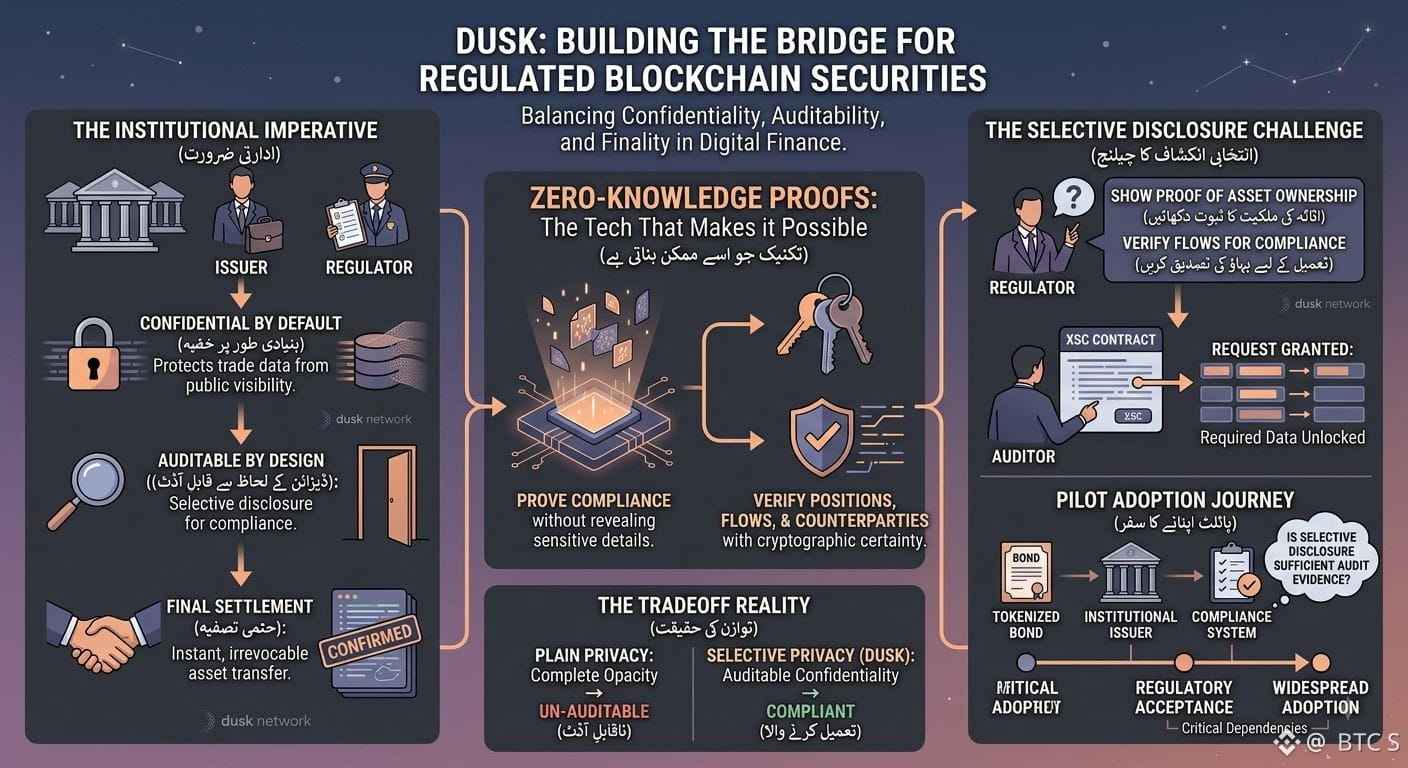
28
12
172
·
--
Alcista
Tengo una pregunta que no puedo sacarme de la cabeza: ¿por qué el dinero institucional serio aún no ha tocado la mayoría de las "blockchains de privacidad"? No es falta de interés. Los bancos y los administradores de activos querrían mover cosas a la cadena —liquidación más barata, menos intermediarios—. Pero no pueden publicar sus posiciones de negociación para que todo el mundo las vea, y los reguladores no van a aprobar algo que no puedan examinar cuando lo necesiten. Así que terminas necesitando dos cosas que parecen opuestas: mantenerlo en privado, pero que sea demostrable bajo demanda. La mayoría de los proyectos eligen una de las dos. Las cadenas totalmente transparentes filtran todo. Las totalmente privadas no le dan a los reguladores nada con lo que quedarse, lo que las convierte en una opción inviable para cualquier cosa regulada.
Ahí es donde parece que Dusk está intentando hacer un agujero: contratos confidenciales que aun así pueden producir una prueba para la parte correcta sin difundir los detalles al resto. En papel, esa es la forma correcta de la solución. En la práctica, yo querría saber si un regulador o un auditor realmente aceptaría una prueba de conocimiento cero como evidencia suficiente, porque esa confianza no nace de la criptografía ingeniosa: nace de años en los que las instituciones la prueban y no se queman.
Dudo que esto sea para usuarios cotidianos: es una apuesta lenta y estrecha, dirigida a emisores que necesitan privacidad y auditabilidad juntas, y que han estado esperando porque nadie ofrecía ambas cosas honestamente. Funciona si los reguladores realmente llegan a confiar en las pruebas con el tiempo. Falla en silencio si no lo hacen, y la tecnología simplemente se queda ahí, correcta pero sin uso.
#dusk $DUSK @Dusk_Foundation
Tengo una pregunta que no puedo sacarme de la cabeza: ¿por qué el dinero institucional serio aún no ha tocado la mayoría de las "blockchains de privacidad"? No es falta de interés. Los bancos y los administradores de activos querrían mover cosas a la cadena —liquidación más barata, menos intermediarios—. Pero no pueden publicar sus posiciones de negociación para que todo el mundo las vea, y los reguladores no van a aprobar algo que no puedan examinar cuando lo necesiten. Así que terminas necesitando dos cosas que parecen opuestas: mantenerlo en privado, pero que sea demostrable bajo demanda. La mayoría de los proyectos eligen una de las dos. Las cadenas totalmente transparentes filtran todo. Las totalmente privadas no le dan a los reguladores nada con lo que quedarse, lo que las convierte en una opción inviable para cualquier cosa regulada.
Ahí es donde parece que Dusk está intentando hacer un agujero: contratos confidenciales que aun así pueden producir una prueba para la parte correcta sin difundir los detalles al resto. En papel, esa es la forma correcta de la solución. En la práctica, yo querría saber si un regulador o un auditor realmente aceptaría una prueba de conocimiento cero como evidencia suficiente, porque esa confianza no nace de la criptografía ingeniosa: nace de años en los que las instituciones la prueban y no se queman.
Dudo que esto sea para usuarios cotidianos: es una apuesta lenta y estrecha, dirigida a emisores que necesitan privacidad y auditabilidad juntas, y que han estado esperando porque nadie ofrecía ambas cosas honestamente. Funciona si los reguladores realmente llegan a confiar en las pruebas con el tiempo. Falla en silencio si no lo hacen, y la tecnología simplemente se queda ahí, correcta pero sin uso.
#dusk $DUSK @Dusk
Ahí es donde parece que Dusk está intentando hacer un agujero: contratos confidenciales que aun así pueden producir una prueba para la parte correcta sin difundir los detalles al resto. En papel, esa es la forma correcta de la solución. En la práctica, yo querría saber si un regulador o un auditor realmente aceptaría una prueba de conocimiento cero como evidencia suficiente, porque esa confianza no nace de la criptografía ingeniosa: nace de años en los que las instituciones la prueban y no se queman.
Dudo que esto sea para usuarios cotidianos: es una apuesta lenta y estrecha, dirigida a emisores que necesitan privacidad y auditabilidad juntas, y que han estado esperando porque nadie ofrecía ambas cosas honestamente. Funciona si los reguladores realmente llegan a confiar en las pruebas con el tiempo. Falla en silencio si no lo hacen, y la tecnología simplemente se queda ahí, correcta pero sin uso.
#dusk $DUSK @Dusk
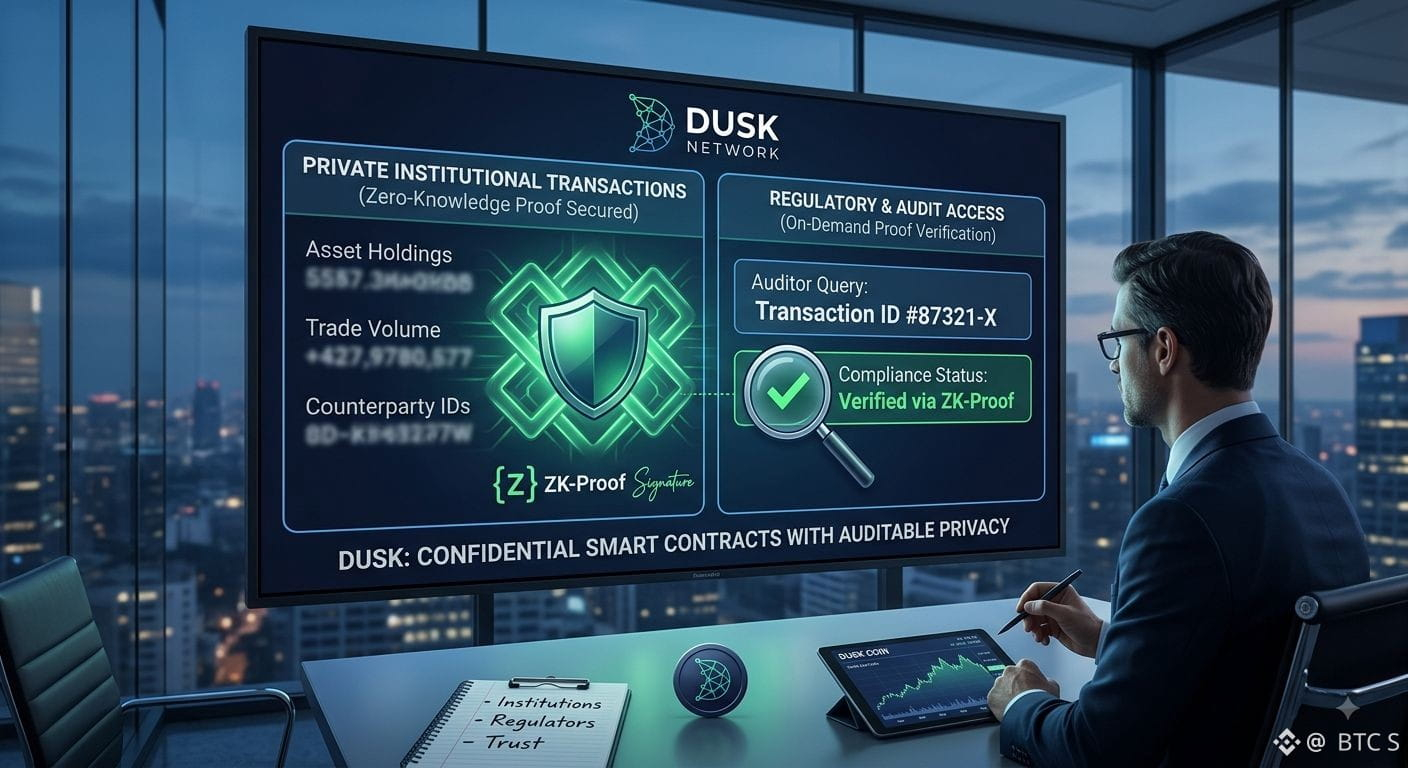
19
7
170
·
--
Alcista
Honestamente, lo que me molesta de la mayoría de los discursos sobre privacidad en cripto es que se saltan el problema real. La gente se va directo a las "pruebas de conocimiento cero" como si eso fuera autoexplicativo, cuando la pregunta verdadera es mucho más simple: ¿por qué una empresa no puede emitir acciones en una blockchain sin que todo el mundo esté viendo quién compró qué?
Porque esa es la situación actual. Pones una seguridad en una cadena pública y, básicamente, publicas tu tabla de capitalización. Cada operación, cada reequilibrio, visible para los competidores en tiempo real. Ninguna institución seria se apunta a eso. No porque estén ocultando algo turbio —solo porque así nunca ha funcionado la finanza. Incluso los mercados públicos no te muestran en tiempo real las intenciones del libro de órdenes.
La era de las monedas de privacidad intentó arreglar esto y, en gran medida, solo puso nerviosos a los reguladores, porque "nadie puede ver nada" no es cumplimiento; es solo opacidad con mejor marketing.
Lo que está intentando Dusk se siente más como una admisión de que ambos extremos están equivocados. Mantener la transacción privada, pero construirla de modo que la persona correcta —un auditor, un regulador— pueda revisarla cuando realmente lo necesite, sin exponerla a todo el mundo. Eso es algo genuinamente difícil de hacer bien, y lo digo como alguien que ha visto muchos discursos de "privacidad compatible" que resultan ser marketing disfrazado de arquitectura.
Todavía no sé si se sostiene bajo un escrutinio legal real, o si las instituciones confiarán en una cadena tan pequeña con algo verdaderamente serio. Pero el problema al que le está dando vueltas es real, y casi nadie más está intentando resolverlo de forma adecuada.
#dusk $DUSK @Dusk_Foundation
Honestamente, lo que me molesta de la mayoría de los discursos sobre privacidad en cripto es que se saltan el problema real. La gente se va directo a las "pruebas de conocimiento cero" como si eso fuera autoexplicativo, cuando la pregunta verdadera es mucho más simple: ¿por qué una empresa no puede emitir acciones en una blockchain sin que todo el mundo esté viendo quién compró qué?
Porque esa es la situación actual. Pones una seguridad en una cadena pública y, básicamente, publicas tu tabla de capitalización. Cada operación, cada reequilibrio, visible para los competidores en tiempo real. Ninguna institución seria se apunta a eso. No porque estén ocultando algo turbio —solo porque así nunca ha funcionado la finanza. Incluso los mercados públicos no te muestran en tiempo real las intenciones del libro de órdenes.
La era de las monedas de privacidad intentó arreglar esto y, en gran medida, solo puso nerviosos a los reguladores, porque "nadie puede ver nada" no es cumplimiento; es solo opacidad con mejor marketing.
Lo que está intentando Dusk se siente más como una admisión de que ambos extremos están equivocados. Mantener la transacción privada, pero construirla de modo que la persona correcta —un auditor, un regulador— pueda revisarla cuando realmente lo necesite, sin exponerla a todo el mundo. Eso es algo genuinamente difícil de hacer bien, y lo digo como alguien que ha visto muchos discursos de "privacidad compatible" que resultan ser marketing disfrazado de arquitectura.
Todavía no sé si se sostiene bajo un escrutinio legal real, o si las instituciones confiarán en una cadena tan pequeña con algo verdaderamente serio. Pero el problema al que le está dando vueltas es real, y casi nadie más está intentando resolverlo de forma adecuada.
#dusk $DUSK @Dusk
Porque esa es la situación actual. Pones una seguridad en una cadena pública y, básicamente, publicas tu tabla de capitalización. Cada operación, cada reequilibrio, visible para los competidores en tiempo real. Ninguna institución seria se apunta a eso. No porque estén ocultando algo turbio —solo porque así nunca ha funcionado la finanza. Incluso los mercados públicos no te muestran en tiempo real las intenciones del libro de órdenes.
La era de las monedas de privacidad intentó arreglar esto y, en gran medida, solo puso nerviosos a los reguladores, porque "nadie puede ver nada" no es cumplimiento; es solo opacidad con mejor marketing.
Lo que está intentando Dusk se siente más como una admisión de que ambos extremos están equivocados. Mantener la transacción privada, pero construirla de modo que la persona correcta —un auditor, un regulador— pueda revisarla cuando realmente lo necesite, sin exponerla a todo el mundo. Eso es algo genuinamente difícil de hacer bien, y lo digo como alguien que ha visto muchos discursos de "privacidad compatible" que resultan ser marketing disfrazado de arquitectura.
Todavía no sé si se sostiene bajo un escrutinio legal real, o si las instituciones confiarán en una cadena tan pequeña con algo verdaderamente serio. Pero el problema al que le está dando vueltas es real, y casi nadie más está intentando resolverlo de forma adecuada.
#dusk $DUSK @Dusk
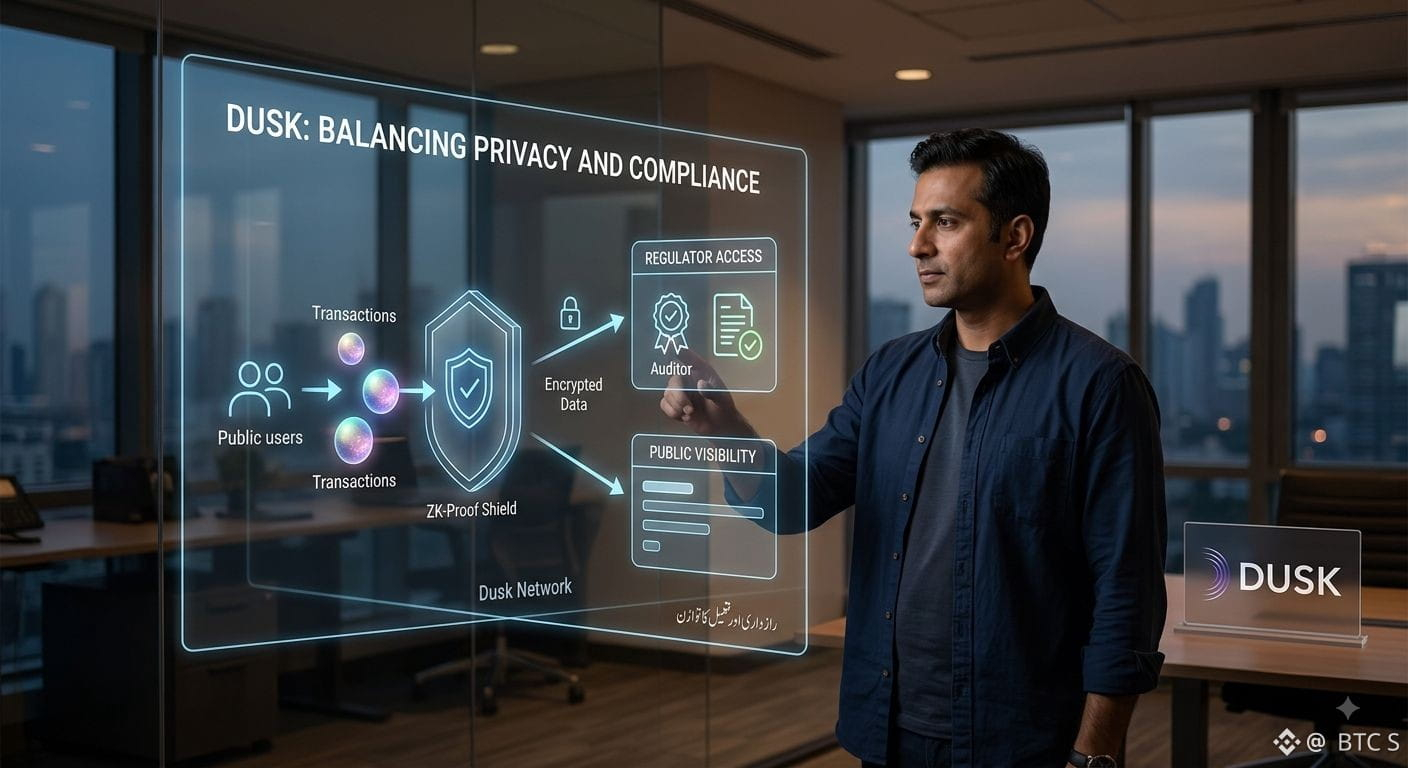
3
1
2
119
·
--
Alcista
#dusk $DUSK @Dusk_Foundation
Aquí tienes un patrón que notarás si miras este espacio el tiempo suficiente: casi toda institución seria que se mete con blockchain termina construyendo en silencio una versión privada de ello. Una cadena de consorcio aquí, un libro mayor con permisos allá. Nadie hace un gran anuncio al respecto: simplemente sigue ocurriendo, y hay una razón.
Las cadenas públicas lo muestran todo por defecto. La privacidad se añade más tarde, como una excepción especial, normalmente porque algún cliente no dio su visto bueno si no existía. Pero eso va al revés. En finanzas, mantener la mano oculta no es un complemento agradable: es básicamente como funciona el sistema. Los tamaños de las operaciones, las contrapartes, los saldos: no se supone que nada de eso sea visible para nadie excepto para quienes están involucrados, y además para quien realmente tenga legitimación legal para mirar. Y los reguladores tampoco quieren un flujo público, por mucho que la gente asuma lo contrario. Quieren poder observar cuando haya una razón—no una ventana permanente a los asuntos de todo el mundo todo el tiempo.
Añadir la privacidad “a posteriori” te deja básicamente con dos opciones, ambas malas: mezcladores dudosos que nadie termina de confiar, o transparencia total que en realidad nadie quería. Ninguna de las dos sobrevive mucho tiempo al contacto con dinero real.
Por eso, conviene echarle un vistazo a los contratos confidenciales de Dusk Network. La idea es invertir el predeterminado: la privacidad es el estado base, y la divulgación es algo que se concede, no algo que se fuga y luego tiene que “lavarse” después. Eso se parece mucho más a cómo funciona la conformidad en la práctica: selectiva, con permisos y auditable bajo demanda, en lugar de transmitirse al mundo entero de una sola vez.
Si en realidad aguanta es otra cuestión. Los costos, la latencia, si los reguladores alguna vez confiarán en matemáticas que no pueden auditar personalmente—todo sigue estando, de verdad, en el aire. Si este enfoque llega a prosperar, serán instituciones resolviendo cosas en el trasfondo, no gente persiguiendo un titular. Y muere en el momento en que ejecutarlo cuesta más de lo que se supone que evita.
{spot}(DUSKUSDT)
#dusk $DUSK @Dusk
Aquí tienes un patrón que notarás si miras este espacio el tiempo suficiente: casi toda institución seria que se mete con blockchain termina construyendo en silencio una versión privada de ello. Una cadena de consorcio aquí, un libro mayor con permisos allá. Nadie hace un gran anuncio al respecto: simplemente sigue ocurriendo, y hay una razón.
Las cadenas públicas lo muestran todo por defecto. La privacidad se añade más tarde, como una excepción especial, normalmente porque algún cliente no dio su visto bueno si no existía. Pero eso va al revés. En finanzas, mantener la mano oculta no es un complemento agradable: es básicamente como funciona el sistema. Los tamaños de las operaciones, las contrapartes, los saldos: no se supone que nada de eso sea visible para nadie excepto para quienes están involucrados, y además para quien realmente tenga legitimación legal para mirar. Y los reguladores tampoco quieren un flujo público, por mucho que la gente asuma lo contrario. Quieren poder observar cuando haya una razón—no una ventana permanente a los asuntos de todo el mundo todo el tiempo.
Añadir la privacidad “a posteriori” te deja básicamente con dos opciones, ambas malas: mezcladores dudosos que nadie termina de confiar, o transparencia total que en realidad nadie quería. Ninguna de las dos sobrevive mucho tiempo al contacto con dinero real.
Por eso, conviene echarle un vistazo a los contratos confidenciales de Dusk Network. La idea es invertir el predeterminado: la privacidad es el estado base, y la divulgación es algo que se concede, no algo que se fuga y luego tiene que “lavarse” después. Eso se parece mucho más a cómo funciona la conformidad en la práctica: selectiva, con permisos y auditable bajo demanda, en lugar de transmitirse al mundo entero de una sola vez.
Si en realidad aguanta es otra cuestión. Los costos, la latencia, si los reguladores alguna vez confiarán en matemáticas que no pueden auditar personalmente—todo sigue estando, de verdad, en el aire. Si este enfoque llega a prosperar, serán instituciones resolviendo cosas en el trasfondo, no gente persiguiendo un titular. Y muere en el momento en que ejecutarlo cuesta más de lo que se supone que evita.
Aquí tienes un patrón que notarás si miras este espacio el tiempo suficiente: casi toda institución seria que se mete con blockchain termina construyendo en silencio una versión privada de ello. Una cadena de consorcio aquí, un libro mayor con permisos allá. Nadie hace un gran anuncio al respecto: simplemente sigue ocurriendo, y hay una razón.
Las cadenas públicas lo muestran todo por defecto. La privacidad se añade más tarde, como una excepción especial, normalmente porque algún cliente no dio su visto bueno si no existía. Pero eso va al revés. En finanzas, mantener la mano oculta no es un complemento agradable: es básicamente como funciona el sistema. Los tamaños de las operaciones, las contrapartes, los saldos: no se supone que nada de eso sea visible para nadie excepto para quienes están involucrados, y además para quien realmente tenga legitimación legal para mirar. Y los reguladores tampoco quieren un flujo público, por mucho que la gente asuma lo contrario. Quieren poder observar cuando haya una razón—no una ventana permanente a los asuntos de todo el mundo todo el tiempo.
Añadir la privacidad “a posteriori” te deja básicamente con dos opciones, ambas malas: mezcladores dudosos que nadie termina de confiar, o transparencia total que en realidad nadie quería. Ninguna de las dos sobrevive mucho tiempo al contacto con dinero real.
Por eso, conviene echarle un vistazo a los contratos confidenciales de Dusk Network. La idea es invertir el predeterminado: la privacidad es el estado base, y la divulgación es algo que se concede, no algo que se fuga y luego tiene que “lavarse” después. Eso se parece mucho más a cómo funciona la conformidad en la práctica: selectiva, con permisos y auditable bajo demanda, en lugar de transmitirse al mundo entero de una sola vez.
Si en realidad aguanta es otra cuestión. Los costos, la latencia, si los reguladores alguna vez confiarán en matemáticas que no pueden auditar personalmente—todo sigue estando, de verdad, en el aire. Si este enfoque llega a prosperar, serán instituciones resolviendo cosas en el trasfondo, no gente persiguiendo un titular. Y muere en el momento en que ejecutarlo cuesta más de lo que se supone que evita.
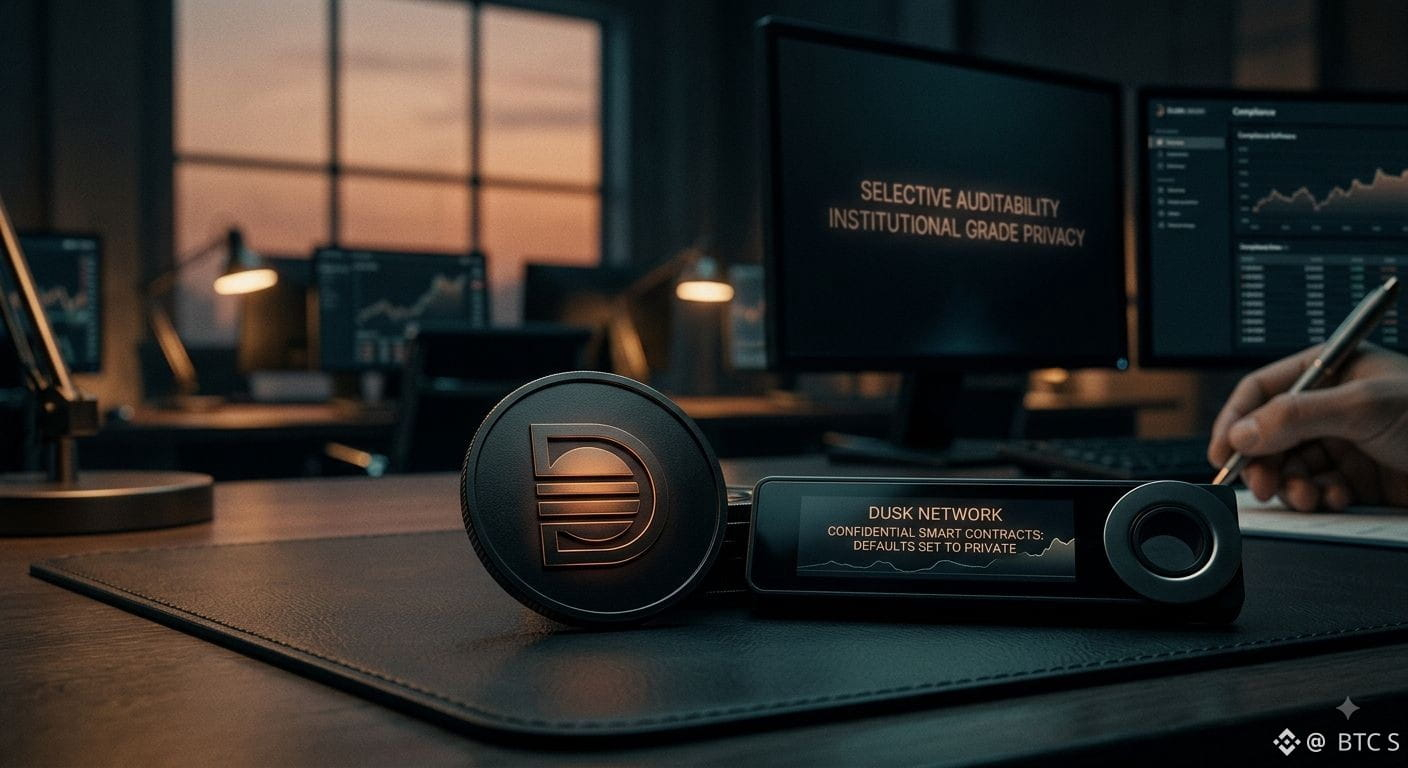
10
10
114
·
--
Alcista
#baby $BABY @babylonlabs_io
Intenté explicárselo a alguien la semana pasada y me quedé atascado en la misma frase: "el Bitcoin en realidad no se mueve". Me miraron como si eso no pudiera ser toda la historia. Y honestamente, no lo es — pero lo que sigue es más interesante que lo que suena impresionante.
Cada vez que el Bitcoin aparece en DeFi, algo tiene que ceder. Normalmente es la custodia. Envuelves la moneda, o se la entregas a un puente, y lo que te queda en las manos es un recibo: una promesa de que en algún lugar, alguien todavía tiene tu BTC. Esa promesa se ha roto con la suficiente frecuencia como para que "confía en el puente" dejara de ser una petición razonable hace tiempo.
Babylon propone algo menos agradable al oído pero quizá más honesto: en vez de mover la moneda, hace que Ethereum vaya a comprobar. El BTC se mantiene bloqueado en Bitcoin bajo las propias reglas de Bitcoin, y lo que se verifica en otro lugar es prueba — un UTXO, un timelock, evidencia de la que Bitcoin mismo puede dar fe. Nadie está reteniendo tus monedas como rehén. Nadie tiene que hacerlo.
La trampa es la paciencia. Bitcoin no declara las cosas como finales de inmediato — aún pueden ocurrir reorganizaciones durante un tiempo después de que cae un bloque — así que cualquier sistema que lea Bitcoin con honestidad tiene que convivir con cierta incertidumbre antes de tratar ese BTC como bloqueado y seguro. No es un filo áspero que haya que pulir. Es, simplemente, lo que pasa cuando reemplazas a una parte de confianza por un periodo de espera.
Lo cual probablemente te dice para quién es en realidad. No para la persona que quiere que su Bitcoin funcione en un pool de DeFi para la hora de comer. Más bien para el fondo o validador dispuesto a dejar el capital quieto un rato, si quedarse quieto es lo que lo hace real. Si ese es un intercambio justo sigue siendo una pregunta abierta — creo que depende menos de la tecnología y más de cuánta paciencia le queda al mercado.
#baby $BABY @BabylonLabs_io
Intenté explicárselo a alguien la semana pasada y me quedé atascado en la misma frase: "el Bitcoin en realidad no se mueve". Me miraron como si eso no pudiera ser toda la historia. Y honestamente, no lo es — pero lo que sigue es más interesante que lo que suena impresionante.
Cada vez que el Bitcoin aparece en DeFi, algo tiene que ceder. Normalmente es la custodia. Envuelves la moneda, o se la entregas a un puente, y lo que te queda en las manos es un recibo: una promesa de que en algún lugar, alguien todavía tiene tu BTC. Esa promesa se ha roto con la suficiente frecuencia como para que "confía en el puente" dejara de ser una petición razonable hace tiempo.
Babylon propone algo menos agradable al oído pero quizá más honesto: en vez de mover la moneda, hace que Ethereum vaya a comprobar. El BTC se mantiene bloqueado en Bitcoin bajo las propias reglas de Bitcoin, y lo que se verifica en otro lugar es prueba — un UTXO, un timelock, evidencia de la que Bitcoin mismo puede dar fe. Nadie está reteniendo tus monedas como rehén. Nadie tiene que hacerlo.
La trampa es la paciencia. Bitcoin no declara las cosas como finales de inmediato — aún pueden ocurrir reorganizaciones durante un tiempo después de que cae un bloque — así que cualquier sistema que lea Bitcoin con honestidad tiene que convivir con cierta incertidumbre antes de tratar ese BTC como bloqueado y seguro. No es un filo áspero que haya que pulir. Es, simplemente, lo que pasa cuando reemplazas a una parte de confianza por un periodo de espera.
Lo cual probablemente te dice para quién es en realidad. No para la persona que quiere que su Bitcoin funcione en un pool de DeFi para la hora de comer. Más bien para el fondo o validador dispuesto a dejar el capital quieto un rato, si quedarse quieto es lo que lo hace real. Si ese es un intercambio justo sigue siendo una pregunta abierta — creo que depende menos de la tecnología y más de cuánta paciencia le queda al mercado.
Intenté explicárselo a alguien la semana pasada y me quedé atascado en la misma frase: "el Bitcoin en realidad no se mueve". Me miraron como si eso no pudiera ser toda la historia. Y honestamente, no lo es — pero lo que sigue es más interesante que lo que suena impresionante.
Cada vez que el Bitcoin aparece en DeFi, algo tiene que ceder. Normalmente es la custodia. Envuelves la moneda, o se la entregas a un puente, y lo que te queda en las manos es un recibo: una promesa de que en algún lugar, alguien todavía tiene tu BTC. Esa promesa se ha roto con la suficiente frecuencia como para que "confía en el puente" dejara de ser una petición razonable hace tiempo.
Babylon propone algo menos agradable al oído pero quizá más honesto: en vez de mover la moneda, hace que Ethereum vaya a comprobar. El BTC se mantiene bloqueado en Bitcoin bajo las propias reglas de Bitcoin, y lo que se verifica en otro lugar es prueba — un UTXO, un timelock, evidencia de la que Bitcoin mismo puede dar fe. Nadie está reteniendo tus monedas como rehén. Nadie tiene que hacerlo.
La trampa es la paciencia. Bitcoin no declara las cosas como finales de inmediato — aún pueden ocurrir reorganizaciones durante un tiempo después de que cae un bloque — así que cualquier sistema que lea Bitcoin con honestidad tiene que convivir con cierta incertidumbre antes de tratar ese BTC como bloqueado y seguro. No es un filo áspero que haya que pulir. Es, simplemente, lo que pasa cuando reemplazas a una parte de confianza por un periodo de espera.
Lo cual probablemente te dice para quién es en realidad. No para la persona que quiere que su Bitcoin funcione en un pool de DeFi para la hora de comer. Más bien para el fondo o validador dispuesto a dejar el capital quieto un rato, si quedarse quieto es lo que lo hace real. Si ese es un intercambio justo sigue siendo una pregunta abierta — creo que depende menos de la tecnología y más de cuánta paciencia le queda al mercado.
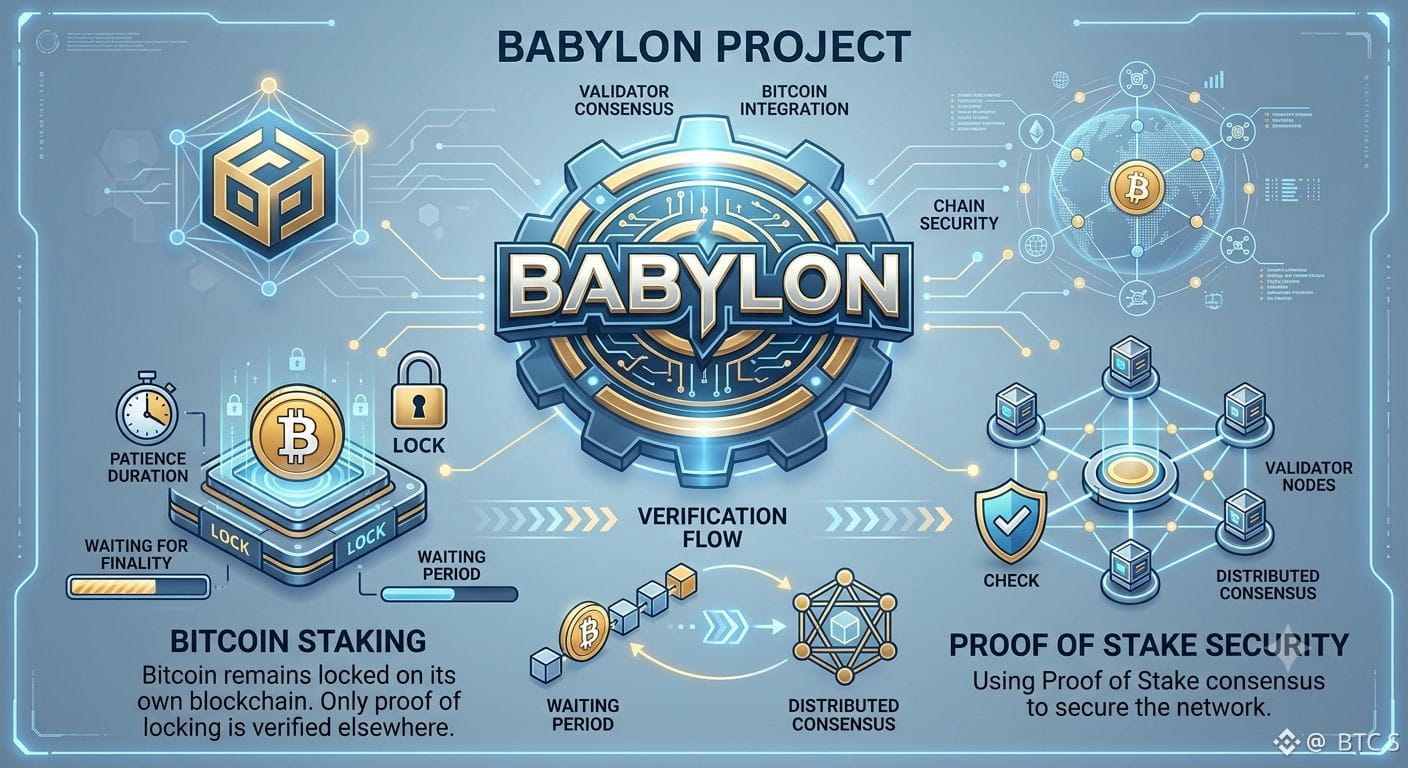
18
8
146
Inicia sesión para explorar más contenidos
Únete a usuarios globales de criptomonedas en Binance Square
⚡️ Obtén información útil y actualizada sobre criptos.
💬 Avalado por el mayor exchange de criptomonedas en el mundo.
👍 Descubre perspectivas reales de creadores verificados.
Email/número de teléfono
Temas populares
CanMicrosoftDeliverOnAI
150,368 vistas
1,196 están debatiendo
Sesión 3 de la temporada de resultados: ¿Superarán Google y Microsoft las expectativas?
Binance Square Official
·85 me gusta
·23.5k vistas
CanGoogleDefindItsCore
75,909 vistas
833 están debatiendo
FOMCWatch
9.1M vistas
28,474 están debatiendo