
Crypto_juju
232 Publicaciones

Crypto_juju
Denunciar
Bloquear usuario
Uniquely me, but crypto has my heart, ohh am in love with defi and am here to let everyone know about it
0 Siguiendo
9 Seguidores
53 Me gusta
Publicaciones
·
--
Ver traducción
$HYPE has been pretty quiet for a while, while $ZEC is still gaining momentum. 👀 On the other hand, I’ve been thinking about **GEMSTON** for a while. When I first came across it, I honestly wondered what the real use case would be when **STON** already exists. But the more I look at **Stoncat**, the more it starts to make sense. GEMSTON isn’t trying to replace STON. It has a different role inside the @ston_fi ecosystem, especially around Stoncat and its utility. You can use GEMSTON to feed your Stoncat, unlock Purrks, customize it and level it up. That made me see GEMSTON a little differently. It’s one thing to have a token sitting in an ecosystem. It’s another when there’s an actual reason to use it. Still early, but I’ll be watching how this develops from here.
$HYPE has been pretty quiet for a while, while $ZEC is still gaining momentum. 👀 On the other hand, I’ve been thinking about **GEMSTON** for a while. When I first came across it, I honestly wondered what the real use case would be when **STON** already exists. But the more I look at **Stoncat**, the more it starts to make sense. GEMSTON isn’t trying to replace STON. It has a different role inside the @ston_fi ecosystem, especially around Stoncat and its utility. You can use GEMSTON to feed your Stoncat, unlock Purrks, customize it and level it up. That made me see GEMSTON a little differently. It’s one thing to have a token sitting in an ecosystem. It’s another when there’s an actual reason to use it. Still early, but I’ll be watching how this develops from here.
19
·
--
Ver traducción
Robinhood Chain is now live on @stonfi. I’ve been watching @ston_fi push further into cross-chain swaps, and this one caught my attention. You can now access **USDG on Robinhood Chain** from TON, TRON and supported EVM networks through Stonfi cross-chain flow. What I find interesting isn’t just another chain being added. It’s the direction Stonfi is taking. Instead of thinking about DeFi as separate ecosystems where you constantly have to figure out bridges, networks and where to move your assets first, the goal is starting to look more like: **I have an asset here. I want an asset there. Just give me a route. That’s where Omniston comes in, handling the routing and atomic execution behind the cross-chain swap. Robinhood Chain being added is another small step toward that more connected DeFi experience. More chains, more liquidity sources, fewer walls between ecosystems. That’s the part I’m watching. $AVAAI $XRP
Robinhood Chain is now live on @stonfi. I’ve been watching @ston_fi push further into cross-chain swaps, and this one caught my attention. You can now access **USDG on Robinhood Chain** from TON, TRON and supported EVM networks through Stonfi cross-chain flow. What I find interesting isn’t just another chain being added. It’s the direction Stonfi is taking. Instead of thinking about DeFi as separate ecosystems where you constantly have to figure out bridges, networks and where to move your assets first, the goal is starting to look more like: **I have an asset here. I want an asset there. Just give me a route. That’s where Omniston comes in, handling the routing and atomic execution behind the cross-chain swap. Robinhood Chain being added is another small step toward that more connected DeFi experience. More chains, more liquidity sources, fewer walls between ecosystems. That’s the part I’m watching. $AVAAI $XRP
23
·
--
Ver traducción
$XRP is heating up. Always a delight to see a token I like start making its moves. $STONK is also putting in some work, so the market has been giving me a few things to watch. Meanwhile, I came across something interesting from @ston_fi . They’re running a campaign called “One Swap. Across Chains.” The idea is pretty simple: learn how moving crypto between different networks works, including TON, TRON and other major chains, while completing a few simple tasks along the way. If you join the waitlist before it closes on September 15 at 00:00 UTC, you get **1,000 bonus miles right away. I actually like the educational angle here. Cross-chain swaps can still feel confusing when you’re dealing with different networks, tokens and routes, so anything that makes that process easier to understand is worth checking out. And with stonfi already working on cross-chain swaps through Omniston, this feels like a good way to get familiar with the idea before the bigger missions start. If you’ve been meaning to understand cross-chain swaps better, this might be worth a look.
$XRP is heating up. Always a delight to see a token I like start making its moves. $STONK is also putting in some work, so the market has been giving me a few things to watch. Meanwhile, I came across something interesting from @ston_fi . They’re running a campaign called “One Swap. Across Chains.” The idea is pretty simple: learn how moving crypto between different networks works, including TON, TRON and other major chains, while completing a few simple tasks along the way. If you join the waitlist before it closes on September 15 at 00:00 UTC, you get **1,000 bonus miles right away. I actually like the educational angle here. Cross-chain swaps can still feel confusing when you’re dealing with different networks, tokens and routes, so anything that makes that process easier to understand is worth checking out. And with stonfi already working on cross-chain swaps through Omniston, this feels like a good way to get familiar with the idea before the bigger missions start. If you’ve been meaning to understand cross-chain swaps better, this might be worth a look.

30
·
--
Ver traducción
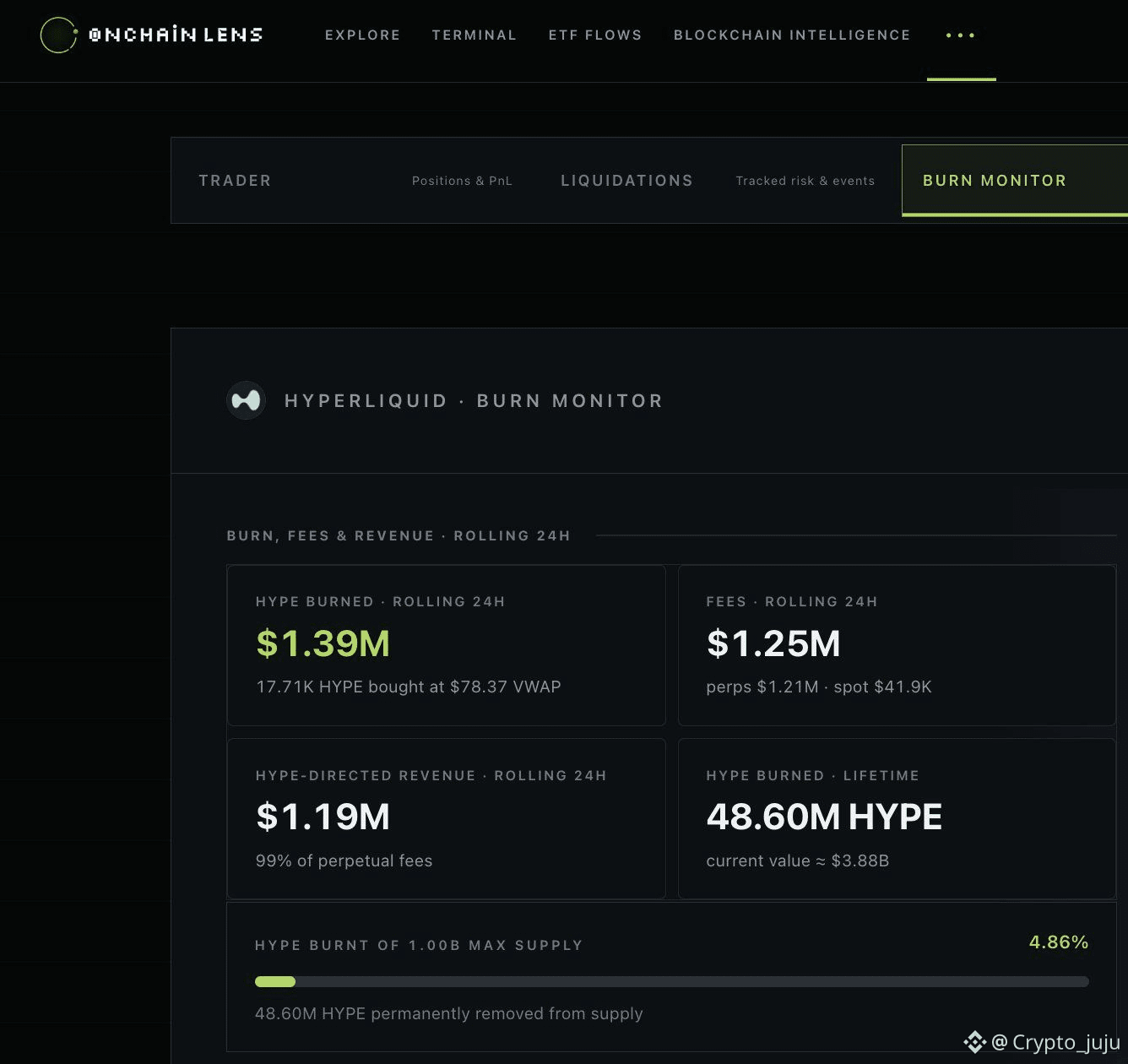
$HYPE is starting to catch my attention again Hyperliquid just bought and burned another 17.7K HYPE, worth around $1.39M, pushing total burned supply to roughly 48.6M HYPE. That’s almost 4.9% of the original 1B max supply permanently gone. What I find interesting is the FOMO side of this. We’ve already seen traders rotate into names like $PUMP when momentum starts picking up. If HYPE keeps getting this kind of supply pressure alongside strong sentiment, I wouldn’t be surprised to see more attention rotate here too. Not saying it’s guaranteed to pump, but this is definitely one I’m watching closely.
$HYPE is starting to catch my attention again Hyperliquid just bought and burned another 17.7K HYPE, worth around $1.39M, pushing total burned supply to roughly 48.6M HYPE. That’s almost 4.9% of the original 1B max supply permanently gone. What I find interesting is the FOMO side of this. We’ve already seen traders rotate into names like $PUMP when momentum starts picking up. If HYPE keeps getting this kind of supply pressure alongside strong sentiment, I wouldn’t be surprised to see more attention rotate here too. Not saying it’s guaranteed to pump, but this is definitely one I’m watching closely.
50
·
--
Interesante crecimiento en el $XRP Ledger Ahora es la **11.ª cadena de stablecoins más grande**, con la oferta de stablecoins siguiendo en aumento. $RLUSD acaba de alcanzar un nuevo ATH de $2.44B**, mientras que las stablecoins nativas en el XRP Ledger llegaron a alrededor de $1.15B. Esa es una señal bastante interesante sobre la actividad de stablecoins y la construcción de liquidez en torno al ecosistema de XRP.
Interesante crecimiento en el $XRP Ledger Ahora es la **11.ª cadena de stablecoins más grande**, con la oferta de stablecoins siguiendo en aumento. $RLUSD acaba de alcanzar un nuevo ATH de $2.44B**, mientras que las stablecoins nativas en el XRP Ledger llegaron a alrededor de $1.15B. Esa es una señal bastante interesante sobre la actividad de stablecoins y la construcción de liquidez en torno al ecosistema de XRP.
64
·
--
$PUMP todavía tiene buena pinta, y $ZEC se mantiene bastante bien también. Ahora mismo, solo hay algunos tokens a los que quieres tener un poco de exposición y seguir vigilando. Mientras tanto, he estado echándole un vistazo a la Stoncat mint en @ston_fi Probablemente ya conoces Stoncat por los stickers, los visuales y los memes, pero ahora puedes acuñar la tuya propia. Lo divertido es que no solo se queda ahí como un NFT. Puedes alimentar a tu Stoncat con GEMSTON, desbloquear Purrks y usarlos para cambiar cómo se ve tu gato y mejorar su rareza mientras sube de nivel. Cuanto más raros sean los Purrks, más raro puede llegar a ser tu Stoncat, e incluso puedes subir en el ranking de rareza. Ya he acuñado algunos, así que ahora solo estoy viendo hasta dónde puedo llevarlos. El mercado se mueve, Stoncat está evolucionando… Veamos cuál me sorprende primero.
$PUMP todavía tiene buena pinta, y $ZEC se mantiene bastante bien también. Ahora mismo, solo hay algunos tokens a los que quieres tener un poco de exposición y seguir vigilando. Mientras tanto, he estado echándole un vistazo a la Stoncat mint en @ston_fi Probablemente ya conoces Stoncat por los stickers, los visuales y los memes, pero ahora puedes acuñar la tuya propia. Lo divertido es que no solo se queda ahí como un NFT. Puedes alimentar a tu Stoncat con GEMSTON, desbloquear Purrks y usarlos para cambiar cómo se ve tu gato y mejorar su rareza mientras sube de nivel. Cuanto más raros sean los Purrks, más raro puede llegar a ser tu Stoncat, e incluso puedes subir en el ranking de rareza. Ya he acuñado algunos, así que ahora solo estoy viendo hasta dónde puedo llevarlos. El mercado se mueve, Stoncat está evolucionando… Veamos cuál me sorprende primero.
50
·
--
$LSK fue el tema de conversación de ayer. Hace unas semanas, era $USELESS . Ahora me tiene pensando… ¿qué token va a ser el próximo? 👀 Da la sensación de que la liquidez está volviendo lentamente a las altcoins, y cuando eso empieza a pasar, prefiero fijarme en hacia dónde se mueve la actividad en vez de perseguir algo que ya se disparó. Eso fue lo que me llevó a revisar la parte de farming de @ston_fi esta semana. Un par de pools llamaron mi atención: STON/USDT 10,000 STON/mes, en curso sin bloqueo de LP, con hasta un impulso de 2× del APR hasta el 30 de septiembre. JETTON/USDT + JETTON/GRAM 200,000 JETTON/mes entre cualquiera de los pools, funcionando hasta el 31 de diciembre sin bloqueo de LP. STORM/GRAM 30,000 STORM/día, en curso sin bloqueo de LP. No digo que todos los farms valgan la pena para saltar de cabeza; todavía hay volatilidad del token, pérdida impermanente y riesgo de incentivos a considerar. Para mí, se trata más de estar atento a hacia dónde va la liquidez. LSK ayer, USELESS antes de eso… Veamos quién recibe el foco a continuación.
$LSK fue el tema de conversación de ayer. Hace unas semanas, era $USELESS . Ahora me tiene pensando… ¿qué token va a ser el próximo? 👀 Da la sensación de que la liquidez está volviendo lentamente a las altcoins, y cuando eso empieza a pasar, prefiero fijarme en hacia dónde se mueve la actividad en vez de perseguir algo que ya se disparó. Eso fue lo que me llevó a revisar la parte de farming de @ston_fi esta semana. Un par de pools llamaron mi atención: STON/USDT 10,000 STON/mes, en curso sin bloqueo de LP, con hasta un impulso de 2× del APR hasta el 30 de septiembre. JETTON/USDT + JETTON/GRAM 200,000 JETTON/mes entre cualquiera de los pools, funcionando hasta el 31 de diciembre sin bloqueo de LP. STORM/GRAM 30,000 STORM/día, en curso sin bloqueo de LP. No digo que todos los farms valgan la pena para saltar de cabeza; todavía hay volatilidad del token, pérdida impermanente y riesgo de incentivos a considerar. Para mí, se trata más de estar atento a hacia dónde va la liquidez. LSK ayer, USELESS antes de eso… Veamos quién recibe el foco a continuación.
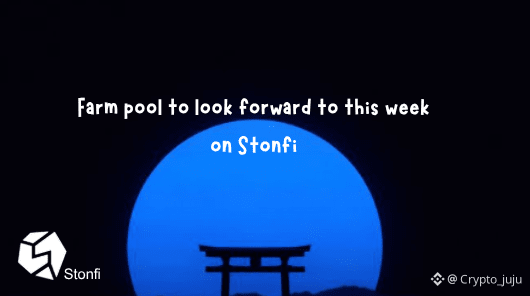
71
·
--
$STONK ahora está integrado con @ston_fi , y de verdad me gusta lo que esto aporta al ecosistema DeFi de TON. Para contexto, Stonks es un ecosistema de lanzamiento impulsado por IA donde los proyectos pueden lanzar tokens, usar curvas de bonos personalizadas, sembrar liquidez o ejecutar preventas. La parte interesante para mí es lo que ocurre después de que un token empieza a ganar tracción. En lugar de que la liquidez se convierta en un problema separado más adelante, los tokens pueden pasar de la curva de bonos a un pool de Stonfi , mientras que los usuarios también pueden intercambiar tokens de Stonfi directamente a través de la terminal de Stonks y el bot de Telegram. Y antes de la migración, Omniston puede ayudar a enrutar intercambios entre las fuentes de liquidez disponibles para encontrar una mejor ejecución. Así que, básicamente, tienes un camino de: **Lanzamiento → Curva de Bonos → Liquidez → Stonfi → Intercambios Ese tipo de continuidad es importante para TON. Como alguien que pasa mucho tiempo observando cómo se mueve la liquidez por el ecosistema, me gusta ver que distintas piezas empiecen a funcionar juntas en vez de que cada proyecto construya su propio setup aislado. Aún es temprano, pero integraciones como esta son el tipo de infraestructura que me gusta ver más en TON. $USELESS #Altcoin Season#
$STONK ahora está integrado con @ston_fi , y de verdad me gusta lo que esto aporta al ecosistema DeFi de TON. Para contexto, Stonks es un ecosistema de lanzamiento impulsado por IA donde los proyectos pueden lanzar tokens, usar curvas de bonos personalizadas, sembrar liquidez o ejecutar preventas. La parte interesante para mí es lo que ocurre después de que un token empieza a ganar tracción. En lugar de que la liquidez se convierta en un problema separado más adelante, los tokens pueden pasar de la curva de bonos a un pool de Stonfi , mientras que los usuarios también pueden intercambiar tokens de Stonfi directamente a través de la terminal de Stonks y el bot de Telegram. Y antes de la migración, Omniston puede ayudar a enrutar intercambios entre las fuentes de liquidez disponibles para encontrar una mejor ejecución. Así que, básicamente, tienes un camino de: **Lanzamiento → Curva de Bonos → Liquidez → Stonfi → Intercambios Ese tipo de continuidad es importante para TON. Como alguien que pasa mucho tiempo observando cómo se mueve la liquidez por el ecosistema, me gusta ver que distintas piezas empiecen a funcionar juntas en vez de que cada proyecto construya su propio setup aislado. Aún es temprano, pero integraciones como esta son el tipo de infraestructura que me gusta ver más en TON. $USELESS #Altcoin Season#
38
·
--
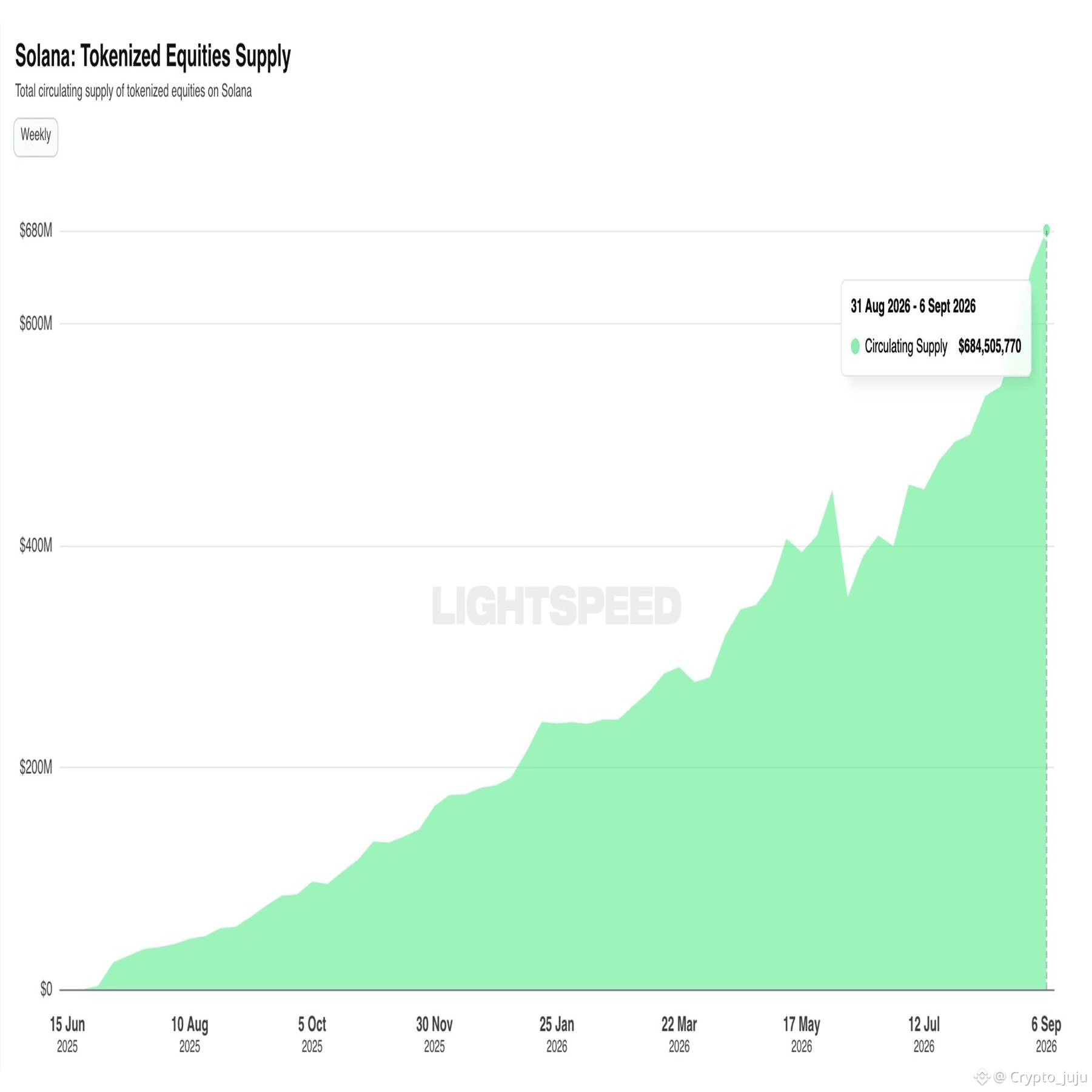
Las acciones tokenizadas en $SOL acaban de alcanzar un récord de $684M. Eso es un salto del 47% en solo tres semanas. Cuantos más números como este veo, más siento que la tokenización apenas está empezando. Acciones, bonos, fondos, RWAs poniendo activos tradicionales en la cadena está pasando de ser un “y si…” a ser un “cuándo”. Y sinceramente, me he estado preguntando cómo podría ser ese futuro, así que he estado echando un vistazo a algunos de los xStocks de @ston_fi por mi cuenta. Poder ver activos como estos representados onchain e interactuar con ellos a través de una interfaz DeFi todavía se siente un poco diferente. Ahora imagina dónde podrían estar las acciones tokenizadas dentro de 10 años**. Esa es la parte que realmente me interesa. Quizás solo estemos viendo la versión inicial de lo que eventualmente se convertirá en los mercados financieros onchain. $HBAR #Altcoin Season#
Las acciones tokenizadas en $SOL acaban de alcanzar un récord de $684M. Eso es un salto del 47% en solo tres semanas. Cuantos más números como este veo, más siento que la tokenización apenas está empezando. Acciones, bonos, fondos, RWAs poniendo activos tradicionales en la cadena está pasando de ser un “y si…” a ser un “cuándo”. Y sinceramente, me he estado preguntando cómo podría ser ese futuro, así que he estado echando un vistazo a algunos de los xStocks de @ston_fi por mi cuenta. Poder ver activos como estos representados onchain e interactuar con ellos a través de una interfaz DeFi todavía se siente un poco diferente. Ahora imagina dónde podrían estar las acciones tokenizadas dentro de 10 años**. Esa es la parte que realmente me interesa. Quizás solo estemos viendo la versión inicial de lo que eventualmente se convertirá en los mercados financieros onchain. $HBAR #Altcoin Season#
65
·
--
En un día normal, probablemente verás XRP en algún lugar de las noticias cripto. En realidad, me encanta cómo Ripple sigue encontrando formas de mantenerse relevante. Ahora, la SEC ha aprobado $XRP para los Nasdaq Texas Commodity Trusts, con la presentación que enumera XRP junto con Bitcoin, Ethereum y Solana. Las reglas propuestas también permiten que hasta el 15% de los activos de un fideicomiso quede fuera de los criterios estándar de elegibilidad. XRP siempre parece encontrar el camino de vuelta a la conversación. Y hablando de cosas que se construyen en silencio en segundo plano, también ha habido algunos avances por el lado de $GRAM. El 25 de agosto, Omniston procesó aproximadamente $150K en volumen de swaps entre cadenas en un solo día.** 150,000 kilómetros es suficiente para viajar alrededor de la Tierra aproximadamente 3.5 veces. Aún es temprano, pero estos son los hitos que me gusta seguir: se está construyendo el volumen, se están usando más rutas y más personas están experimentando con swaps entre cadenas. Grandes gracias a todos por intercambiar, probar rutas y empujar el volumen hacia arriba. Ustedes son parte de la razón por la que esto sigue avanzando. #Ripple
En un día normal, probablemente verás XRP en algún lugar de las noticias cripto. En realidad, me encanta cómo Ripple sigue encontrando formas de mantenerse relevante. Ahora, la SEC ha aprobado $XRP para los Nasdaq Texas Commodity Trusts, con la presentación que enumera XRP junto con Bitcoin, Ethereum y Solana. Las reglas propuestas también permiten que hasta el 15% de los activos de un fideicomiso quede fuera de los criterios estándar de elegibilidad. XRP siempre parece encontrar el camino de vuelta a la conversación. Y hablando de cosas que se construyen en silencio en segundo plano, también ha habido algunos avances por el lado de $GRAM. El 25 de agosto, Omniston procesó aproximadamente $150K en volumen de swaps entre cadenas en un solo día.** 150,000 kilómetros es suficiente para viajar alrededor de la Tierra aproximadamente 3.5 veces. Aún es temprano, pero estos son los hitos que me gusta seguir: se está construyendo el volumen, se están usando más rutas y más personas están experimentando con swaps entre cadenas. Grandes gracias a todos por intercambiar, probar rutas y empujar el volumen hacia arriba. Ustedes son parte de la razón por la que esto sigue avanzando. #Ripple
52
·
--
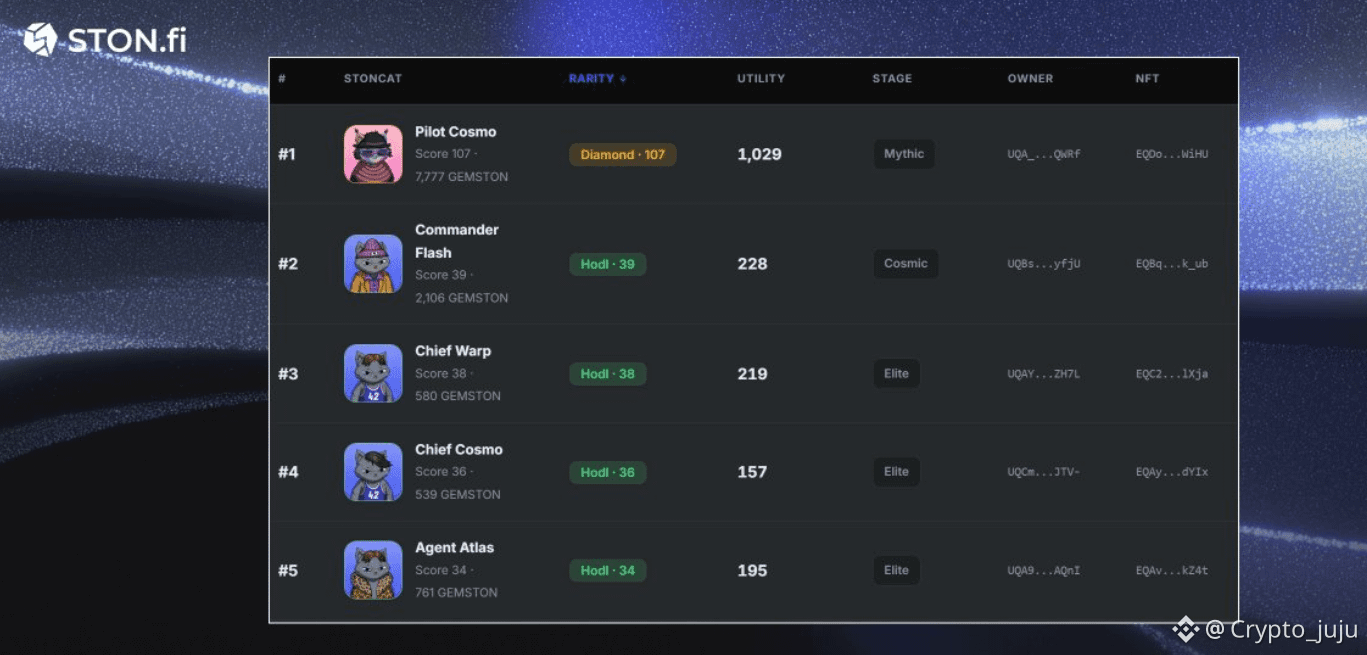
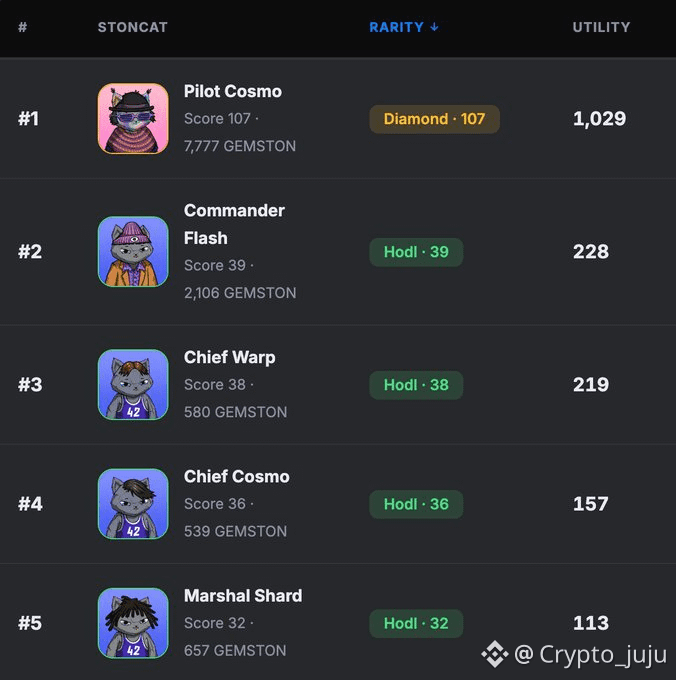
$SOL y $HYPE me están dando la sensación de que podría venir un pump Todavía no me meto en nada, solo mantengo ambos en el radar y observo cómo se desarrollan. Mientras revisaba el mercado, también noté que un holder de Diamond STONCAT está en la cima del leaderboard Y honestamente, me gusta ver que la competencia se está poniendo seria La colección @ston_fi también está haciendo que GEMSTON sea un poco más interesante. En lugar de que GEMSTON sea solo algo que ganas por hacer staking, ahora puedes usarlo para vestir y mejorar tu STONCAT. Cuanto más alto llegue tu STONCAT, más puedes trabajar para conseguir diferentes rasgos y looks más raros, que es lo que hace que ese leaderboard sea divertido de ver. Al parecer, se necesitan alrededor de $801 en GEMSTON para llegar al nivel Diamond. Eso es una cantidad decente de GEMSTON para que esté en un solo STONCAT. Ver a alguien ya en la cima me hace pensar que necesito mejorar mi propio juego de STONCAT. Hora de vestir el mío también. #Altcoin Season#
$SOL y $HYPE me están dando la sensación de que podría venir un pump Todavía no me meto en nada, solo mantengo ambos en el radar y observo cómo se desarrollan. Mientras revisaba el mercado, también noté que un holder de Diamond STONCAT está en la cima del leaderboard Y honestamente, me gusta ver que la competencia se está poniendo seria La colección @ston_fi también está haciendo que GEMSTON sea un poco más interesante. En lugar de que GEMSTON sea solo algo que ganas por hacer staking, ahora puedes usarlo para vestir y mejorar tu STONCAT. Cuanto más alto llegue tu STONCAT, más puedes trabajar para conseguir diferentes rasgos y looks más raros, que es lo que hace que ese leaderboard sea divertido de ver. Al parecer, se necesitan alrededor de $801 en GEMSTON para llegar al nivel Diamond. Eso es una cantidad decente de GEMSTON para que esté en un solo STONCAT. Ver a alguien ya en la cima me hace pensar que necesito mejorar mi propio juego de STONCAT. Hora de vestir el mío también. #Altcoin Season#
61
·
--
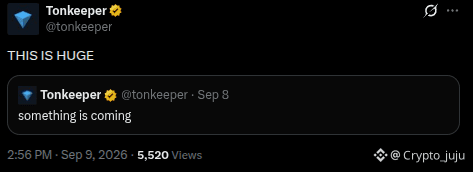
$GRAM ha estado un poco callado últimamente, pero Ton keeper una wallet en Ton ha estado insinuando que algo grande está por llegar. Con el mercado empezando a recuperarse de nuevo, definitivamente tengo curiosidad por ver en qué termina resultando esta actualización y, más importante, qué impacto podría tener en todo el ecosistema de TON. Ya ha habido mucho pasando también del lado de @ston_fi, así que el momento es bastante interesante. Entre las mejoras recientes de infraestructura y campañas como **“One Swap. Across Chains”**, donde unirte a la lista de espera te da **1,000 puntos de bonificación**, ha habido bastante para estar atento. Parece como si TON estuviera construyéndose lentamente hacia algo. Ahora solo estoy esperando para ver cuál es el gran anuncio. $HYPE
$GRAM ha estado un poco callado últimamente, pero Ton keeper una wallet en Ton ha estado insinuando que algo grande está por llegar. Con el mercado empezando a recuperarse de nuevo, definitivamente tengo curiosidad por ver en qué termina resultando esta actualización y, más importante, qué impacto podría tener en todo el ecosistema de TON. Ya ha habido mucho pasando también del lado de @ston_fi, así que el momento es bastante interesante. Entre las mejoras recientes de infraestructura y campañas como **“One Swap. Across Chains”**, donde unirte a la lista de espera te da **1,000 puntos de bonificación**, ha habido bastante para estar atento. Parece como si TON estuviera construyéndose lentamente hacia algo. Ahora solo estoy esperando para ver cuál es el gran anuncio. $HYPE
27
·
--
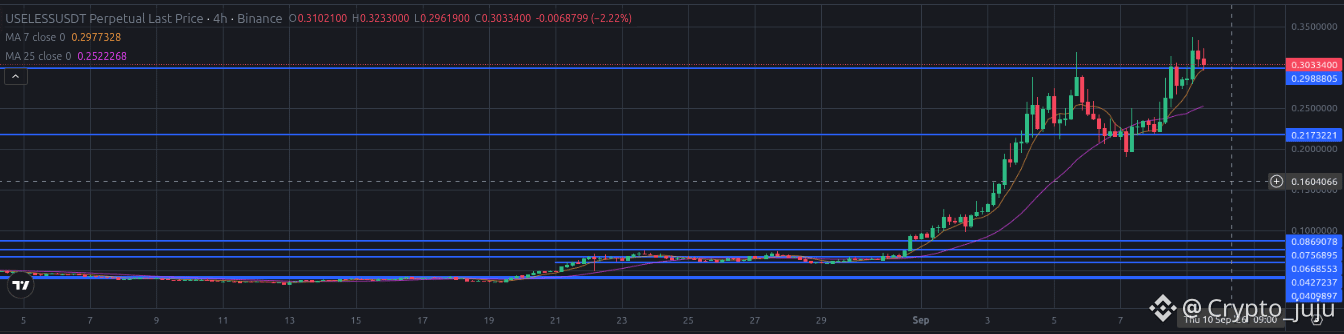
Imagina vender tus bolsas $USELESS para comprar $LAPTOP , solo para que Hunter tire sus bolsas justo después. Hombre, eso está duro. Mientras tanto, he estado prestando más atención a lo que está pasando con GEMSTON en @ston_fi . Con la Colección Stonfi ya disponible, GEMSTON está empezando a encontrar otro uso interesante y, honestamente, es bastante genial verlo. Todavía estoy haciendo más staking de Ston y acumulando mi GEMSTON. Ojalá veamos cosas buenas salir de todo esto.
Imagina vender tus bolsas $USELESS para comprar $LAPTOP , solo para que Hunter tire sus bolsas justo después. Hombre, eso está duro. Mientras tanto, he estado prestando más atención a lo que está pasando con GEMSTON en @ston_fi . Con la Colección Stonfi ya disponible, GEMSTON está empezando a encontrar otro uso interesante y, honestamente, es bastante genial verlo. Todavía estoy haciendo más staking de Ston y acumulando mi GEMSTON. Ojalá veamos cosas buenas salir de todo esto.
45
·
--
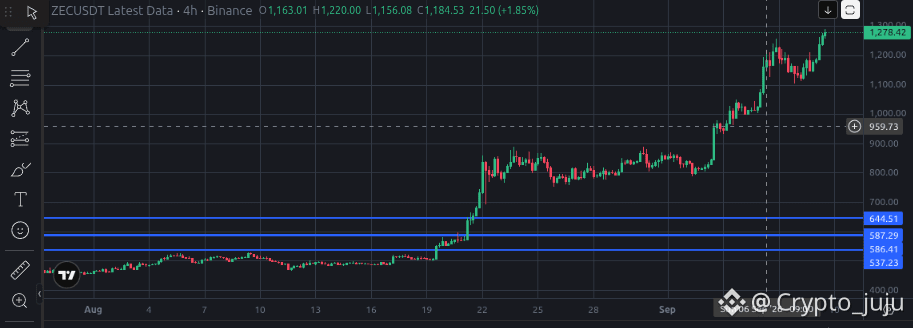
$ZEC está en una vía rápida hacia $1,500 Ojalá lleguemos pronto. Mientras tanto, $XRP también ha estado captando algo de esa liquidez, así que he estado vigilando ambas cosas. Y este es, de hecho, un buen ejemplo de cómo se ve la mejora del lado de la infraestructura. Omniston ahora escanea los pools DeDust v2 y Tonco v2, lo que significa que las versiones más recientes de los pools de ambos protocolos ya están admitidas. Más fuentes de liquidez para que Omniston compare significa que se pueden encontrar mejores rutas para swaps en TON, sin que los usuarios tengan que saltar manualmente entre diferentes pools. Nada demasiado llamativo, pero este tipo de mejoras es lo que importa a medida que la liquidez sigue creciendo. Así es como se ve la mejora. Haz swap en @ston_fi
$ZEC está en una vía rápida hacia $1,500 Ojalá lleguemos pronto. Mientras tanto, $XRP también ha estado captando algo de esa liquidez, así que he estado vigilando ambas cosas. Y este es, de hecho, un buen ejemplo de cómo se ve la mejora del lado de la infraestructura. Omniston ahora escanea los pools DeDust v2 y Tonco v2, lo que significa que las versiones más recientes de los pools de ambos protocolos ya están admitidas. Más fuentes de liquidez para que Omniston compare significa que se pueden encontrar mejores rutas para swaps en TON, sin que los usuarios tengan que saltar manualmente entre diferentes pools. Nada demasiado llamativo, pero este tipo de mejoras es lo que importa a medida que la liquidez sigue creciendo. Así es como se ve la mejora. Haz swap en @ston_fi
49
·
--
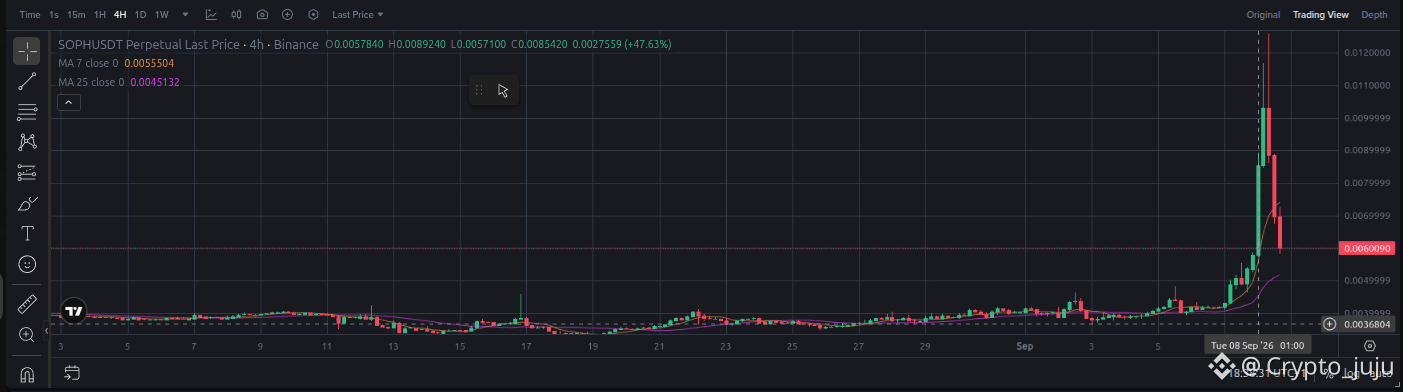
Interesante… el mercado está en llamas ahora mismo. Dormir empieza a sentirse como un crimen. $BNB está haciendo movimientos serios, y $SOPH por un lado acaba de recibir un deep man masivo. Definitivamente es de esos momentos en los que quieres estar atento a las gráficas. Mientras tanto, también hay algunos avances interesantes ocurriendo del lado de @ston_fi. **Omniston acaba de superar $3M+ en volumen total de swaps cross-chain (intercambio entre cadenas). No es un mal hito en absoluto. Lo que me gusta de la perspectiva más amplia es que la liquidez cross-chain está volviéndose, poco a poco, más fácil de acceder. En lugar de tener activos y liquidez completamente aislados en redes diferentes, infraestructura como Omniston está ayudando a conectar esos ecosistemas. Y ahora también está **“One Swap. Across Chains”**, una campaña de exploración guiada por Sronfi sobre swaps cross-chain. Así que mientras el mercado nos mantiene despiertos, mejor veamos qué está pasando también en el lado de la infraestructura 😂 BNB , SOPH y DeFi cross-chain hay bastante para vigilar esta noche
Interesante… el mercado está en llamas ahora mismo. Dormir empieza a sentirse como un crimen. $BNB está haciendo movimientos serios, y $SOPH por un lado acaba de recibir un deep man masivo. Definitivamente es de esos momentos en los que quieres estar atento a las gráficas. Mientras tanto, también hay algunos avances interesantes ocurriendo del lado de @ston_fi. **Omniston acaba de superar $3M+ en volumen total de swaps cross-chain (intercambio entre cadenas). No es un mal hito en absoluto. Lo que me gusta de la perspectiva más amplia es que la liquidez cross-chain está volviéndose, poco a poco, más fácil de acceder. En lugar de tener activos y liquidez completamente aislados en redes diferentes, infraestructura como Omniston está ayudando a conectar esos ecosistemas. Y ahora también está **“One Swap. Across Chains”**, una campaña de exploración guiada por Sronfi sobre swaps cross-chain. Así que mientras el mercado nos mantiene despiertos, mejor veamos qué está pasando también en el lado de la infraestructura 😂 BNB , SOPH y DeFi cross-chain hay bastante para vigilar esta noche
41
·
--
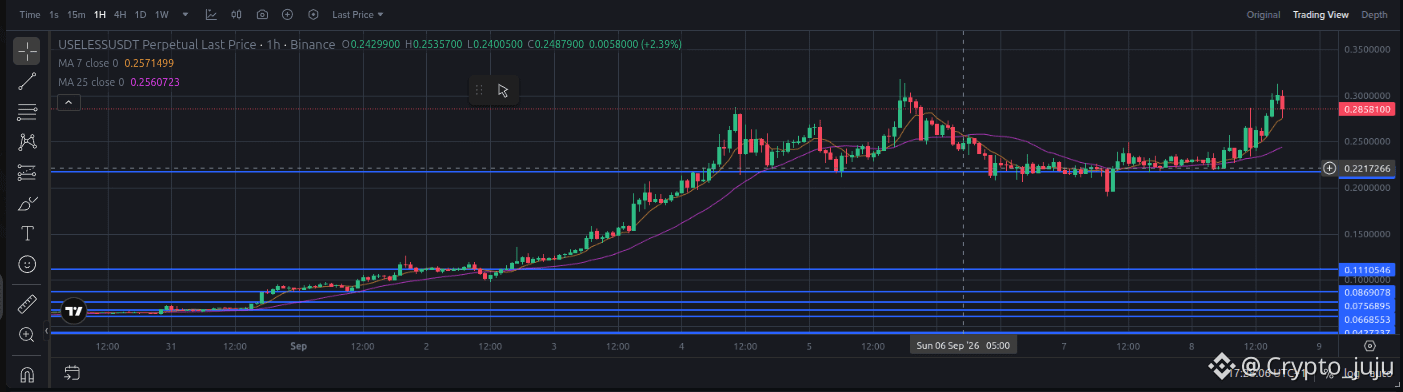
Justo cuando crees que el impulso $USELESS está empezando a desacelerarse, ¡un listado de $HYPE en un mercado Liquido cae! Esto realmente no quiere enfriarse. Definitivamente estaré atento al gráfico para ver hasta dónde puede llegar realmente este impulso. Mientras tanto, del lado de TON, aquí está mi granja de @ston_fi para la semana 🔥 USD₮/JETTON — ~93% APR 🔥 GRAM/JETTON — ~54% APR 🔥 STON/USD₮ — ~14% APR ⚡ STON/USD₮ Boost Farm — ~27% APR Números bastante interesantes, especialmente las pools de JETTON. Por supuesto, los APR pueden cambiar, y un APR alto no significa automáticamente una buena operación. El movimiento del precio del token, la liquidez y la pérdida impermanente siguen siendo cosas que tendría en cuenta antes de lanzarme a cualquier granja. Solo comparto lo que tengo en la mira esta semana. El cripto de verdad te da algo nuevo para vigilar cada pocas horas #Hypeliquid
Justo cuando crees que el impulso $USELESS está empezando a desacelerarse, ¡un listado de $HYPE en un mercado Liquido cae! Esto realmente no quiere enfriarse. Definitivamente estaré atento al gráfico para ver hasta dónde puede llegar realmente este impulso. Mientras tanto, del lado de TON, aquí está mi granja de @ston_fi para la semana 🔥 USD₮/JETTON — ~93% APR 🔥 GRAM/JETTON — ~54% APR 🔥 STON/USD₮ — ~14% APR ⚡ STON/USD₮ Boost Farm — ~27% APR Números bastante interesantes, especialmente las pools de JETTON. Por supuesto, los APR pueden cambiar, y un APR alto no significa automáticamente una buena operación. El movimiento del precio del token, la liquidez y la pérdida impermanente siguen siendo cosas que tendría en cuenta antes de lanzarme a cualquier granja. Solo comparto lo que tengo en la mira esta semana. El cripto de verdad te da algo nuevo para vigilar cada pocas horas #Hypeliquid
36
·
--
la Palabra es $BTC pero el botón ya está en supongo que es hora de poner mis ojos en los lugares correctos $XRP HYPE y ZEC
la Palabra es $BTC pero el botón ya está en supongo que es hora de poner mis ojos en los lugares correctos $XRP HYPE y ZEC
43
·
--
$INJ acaba de alcanzar un nuevo máximo histórico en tokens en staking. Ahora, más de 58.8M de INJ están bloqueados on-chain. Eso es una señal bastante sólida de un compromiso en crecimiento con el ecosistema de Injective. $HYPE
$INJ acaba de alcanzar un nuevo máximo histórico en tokens en staking. Ahora, más de 58.8M de INJ están bloqueados on-chain. Eso es una señal bastante sólida de un compromiso en crecimiento con el ecosistema de Injective. $HYPE
43
·
--
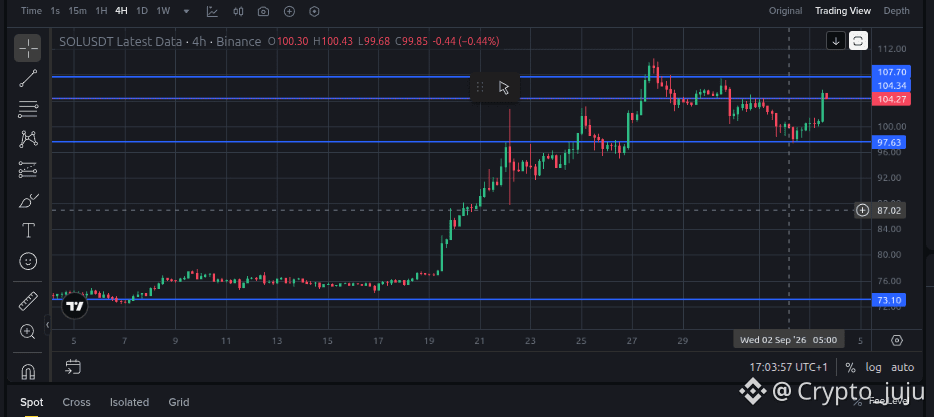
$SOL se dirige nuevamente hacia $112, me encanta cómo se ve el gráfico. Es hora de echar un vistazo a cómo se ven los gráficos de $XRP
$SOL se dirige nuevamente hacia $112, me encanta cómo se ve el gráfico. Es hora de echar un vistazo a cómo se ven los gráficos de $XRP
39
·
--
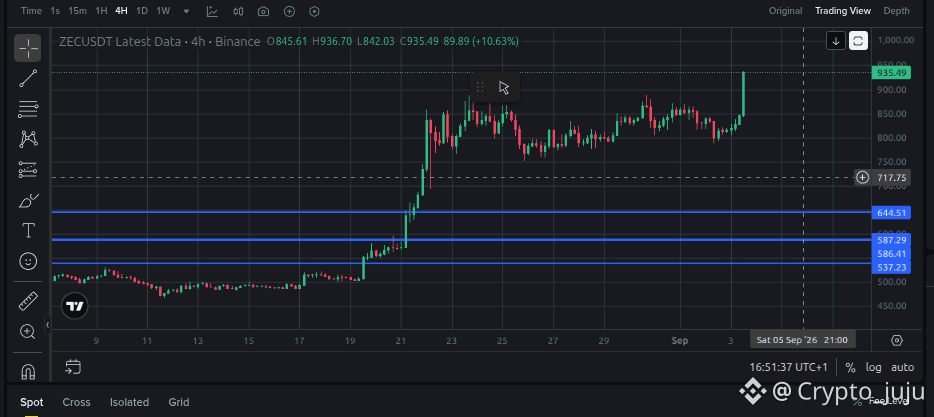
$ZEC acaba de hacer un movimiento enorme esta semana y se ve muy bien, tengo los ojos puestos en $HYPE
$ZEC acaba de hacer un movimiento enorme esta semana y se ve muy bien, tengo los ojos puestos en $HYPE
70
Inicia sesión para explorar más contenidos
Únete a usuarios globales de criptomonedas en Binance Square
⚡️ Obtén información útil y actualizada sobre criptos.
💬 Avalado por el mayor exchange de criptomonedas en el mundo.
👍 Descubre perspectivas reales de creadores verificados.
Email/número de teléfono
Temas populares
BitcoinHoldsAbove$77000
64 vistas
31 están debatiendo
$BTC : $80K se ve más cerca, pero los alcistas aún necesitan demostrarse. 🔥
En $78,118, la recuperación en 4 horas muestra un impulso en mejora, con el RSI cerca de 57. Un cierre confirmado por encima de $78,500 y un retesteo exitoso fortalecerían el avance hacia $79,200, y luego $80,000.
$77,500 es el nivel que hay que defender. Si se pierde el soporte, vuelve a entrar en foco $76,400–$76,050. Al romper por debajo de $76,050, $75,000 se convierte en un objetivo serio.
La configuración favorece $80K primero mientras se mantenga $77,500. Una vela verde llama la atención. Una ruptura confirmada gana convicción.
#BitcoinHoldsAbove$77000
Snip7r
·0 me gusta
·13 vistas
FedHikeOddsRiseTo89%
0 vistas
2 están debatiendo
BitcoinCrosses$78000
2,047 vistas
124 están debatiendo