

Kaan Kaya 1
395 Publicaciones

Kaan Kaya 1
Denunciar
Bloquear usuario
Web3 strategist | On-chain analyst Building new projects, sharing smart money insights 📊 Open to collaborations with teams creating real value.
0 Siguiendo
1 Seguidores
17 Me gusta
Publicaciones
·
--
Ver traducción
Aave Might Finally Give Its Token a Direct Link to Protocol Revenue Aave founder Stani Kulechov says the upcoming Aavenomics 3.0 could include a token-burn mechanism. The comment helped $AAVE jump around 13% over 24 hours, making it one of the strongest large DeFi movers on Tuesday. The idea matters because Aave has always had this slightly weird split between the protocol and the token. People can borrow, lend and generate fees through Aave without that activity necessarily translating neatly into demand for $AAVE. A burn wouldn't magically fix that, and the actual design still matters a lot. But it would make the conversation around $AAVE much simpler: if the protocol makes more money, some of that value could potentially be used to remove tokens from circulation. Crypto spent years building protocols first and figuring out what the token was actually supposed to do later. Aave might be entering the “okay, now what do we do with all this revenue?” phase. #Macro Insights# #Altcoin Season#
Aave Might Finally Give Its Token a Direct Link to Protocol Revenue Aave founder Stani Kulechov says the upcoming Aavenomics 3.0 could include a token-burn mechanism. The comment helped $AAVE jump around 13% over 24 hours, making it one of the strongest large DeFi movers on Tuesday. The idea matters because Aave has always had this slightly weird split between the protocol and the token. People can borrow, lend and generate fees through Aave without that activity necessarily translating neatly into demand for $AAVE. A burn wouldn't magically fix that, and the actual design still matters a lot. But it would make the conversation around $AAVE much simpler: if the protocol makes more money, some of that value could potentially be used to remove tokens from circulation. Crypto spent years building protocols first and figuring out what the token was actually supposed to do later. Aave might be entering the “okay, now what do we do with all this revenue?” phase. #Macro Insights# #Altcoin Season#
46
·
--
Ver traducción
Zcash Is Trying To Make Private Payments Much Faster Privacy coins have always had an awkward trade-off: hiding transaction details is useful, but the cryptography behind it can make everything heavier and slower. Zcash developers are now moving code from Project Tachyon into Zakura Common, part of an effort aimed at eventually pushing private-payment processing beyond 50,000 transactions per second. The work is focused on accelerating the zero-knowledge proof infrastructure behind shielded transactions. And the timing is kind of funny. $ZEC has been having a rough few days, it fell another 9% on Tuesday after already sliding sharply, while its U.S. fund was the only crypto ETF in CoinDesk's Monday dataset to record a net outflow. So the chart and the engineering story are basically having two completely different weeks. That's crypto, I guess. A token can be getting dumped while the people building the thing are quietly trying to make it substantially better. #Macro Insights# #Altcoin Season#
Zcash Is Trying To Make Private Payments Much Faster Privacy coins have always had an awkward trade-off: hiding transaction details is useful, but the cryptography behind it can make everything heavier and slower. Zcash developers are now moving code from Project Tachyon into Zakura Common, part of an effort aimed at eventually pushing private-payment processing beyond 50,000 transactions per second. The work is focused on accelerating the zero-knowledge proof infrastructure behind shielded transactions. And the timing is kind of funny. $ZEC has been having a rough few days, it fell another 9% on Tuesday after already sliding sharply, while its U.S. fund was the only crypto ETF in CoinDesk's Monday dataset to record a net outflow. So the chart and the engineering story are basically having two completely different weeks. That's crypto, I guess. A token can be getting dumped while the people building the thing are quietly trying to make it substantially better. #Macro Insights# #Altcoin Season#

66
·
--
Ver traducción
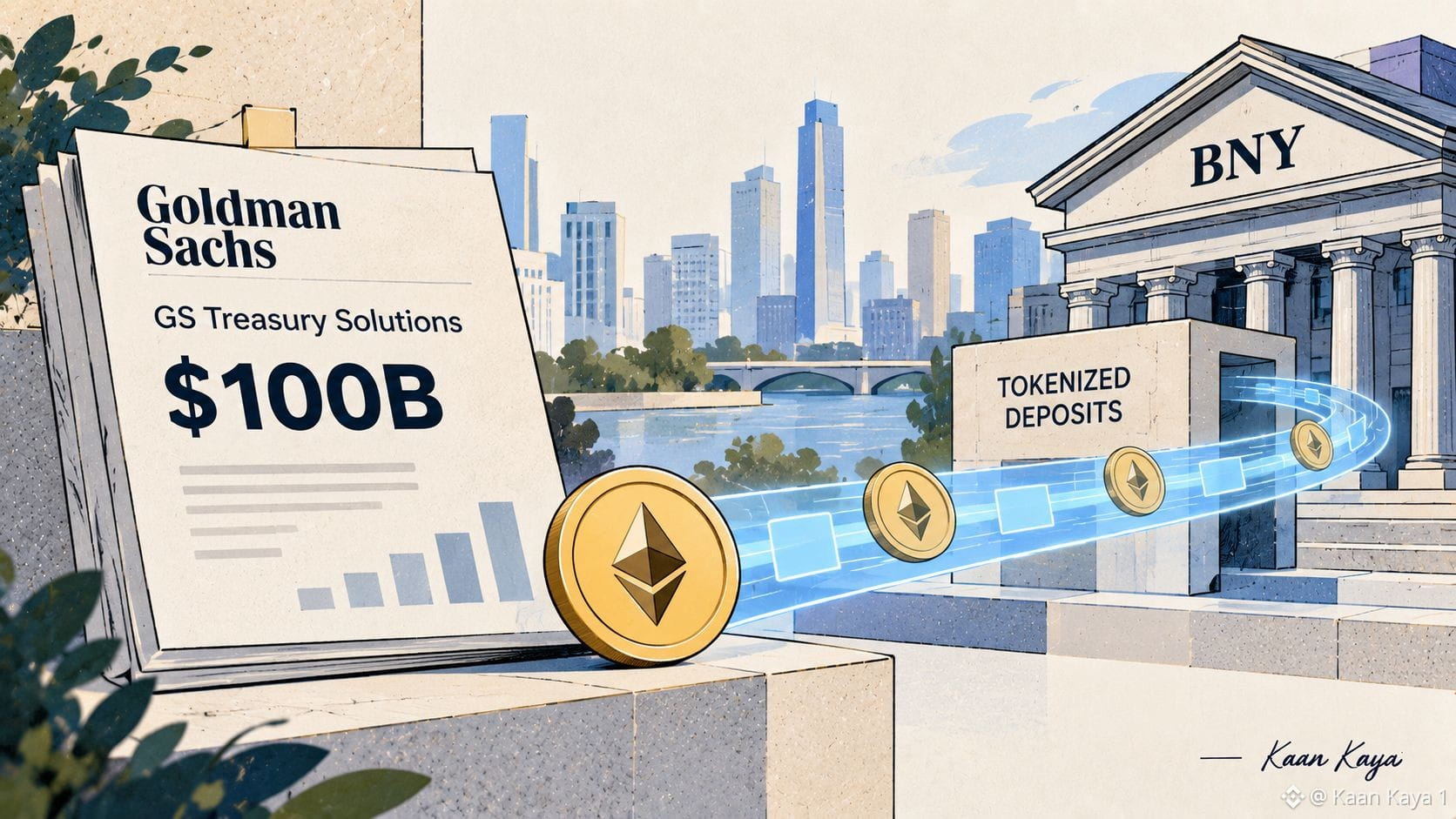
A $100 Billion Treasury Fund Just Moved Into Crypto Plumbing Goldman Sachs Asset Management has connected its roughly $100 billion GS Treasury Solutions fund to BNY's tokenized-deposit infrastructure, allowing institutional clients to use blockchain rails around shares of a traditional money-market fund. The underlying investment isn't suddenly crypto; the interesting bit is how ownership and settlement are being handled. We've spent years talking about tokenization as if every asset eventually needs a shiny new token. This is a less dramatic version: keep the familiar fund, then upgrade some of the infrastructure underneath it. That's probably closer to how a lot of Wall Street ends up using blockchain. Not “everything moves to $ETH tomorrow.” More like someone in operations realizes a process can settle faster at 11 p.m. and asks why they're still waiting for Tuesday morning. #ETHBlockchain #ETHFoundation
A $100 Billion Treasury Fund Just Moved Into Crypto Plumbing Goldman Sachs Asset Management has connected its roughly $100 billion GS Treasury Solutions fund to BNY's tokenized-deposit infrastructure, allowing institutional clients to use blockchain rails around shares of a traditional money-market fund. The underlying investment isn't suddenly crypto; the interesting bit is how ownership and settlement are being handled. We've spent years talking about tokenization as if every asset eventually needs a shiny new token. This is a less dramatic version: keep the familiar fund, then upgrade some of the infrastructure underneath it. That's probably closer to how a lot of Wall Street ends up using blockchain. Not “everything moves to $ETH tomorrow.” More like someone in operations realizes a process can settle faster at 11 p.m. and asks why they're still waiting for Tuesday morning. #ETHBlockchain #ETHFoundation
79
·
--
Ver traducción
On the Way In, No One Asks. On the Way Out, Everyone Does. Selling $BTC is usually the easy part; getting the proceeds into your company's bank account at real size is where a crypto ramp actually gets tested. On the way in, nobody asks many questions. On the way out, withdrawal limits, source-of-funds checks, and the banking rail itself all come into play at once. That's also exactly where informal options like P2P stop being usable for a business. I wrote a longer piece on why the off-ramp deserves to be evaluated before the on-ramp. It also looks at how Stripe, WhiteBIT and OpenPayd approach that harder direction in quite different ways. If a quarter-end settlement is somewhere on your horizon, it's worth a read before you pick a provider. https://medium.com/@kkayaann456/on-ramp-and-off-ramp-are-not-the-same-operation-run-backwards-2f9c7fe638c8?postPublishedType=initial #BTC Price Analysis# #Bitcoin Price Prediction: What is Bitcoins next move?#
On the Way In, No One Asks. On the Way Out, Everyone Does. Selling $BTC is usually the easy part; getting the proceeds into your company's bank account at real size is where a crypto ramp actually gets tested. On the way in, nobody asks many questions. On the way out, withdrawal limits, source-of-funds checks, and the banking rail itself all come into play at once. That's also exactly where informal options like P2P stop being usable for a business. I wrote a longer piece on why the off-ramp deserves to be evaluated before the on-ramp. It also looks at how Stripe, WhiteBIT and OpenPayd approach that harder direction in quite different ways. If a quarter-end settlement is somewhere on your horizon, it's worth a read before you pick a provider. https://medium.com/@kkayaann456/on-ramp-and-off-ramp-are-not-the-same-operation-run-backwards-2f9c7fe638c8?postPublishedType=initial #BTC Price Analysis# #Bitcoin Price Prediction: What is Bitcoins next move?#

56
·
--
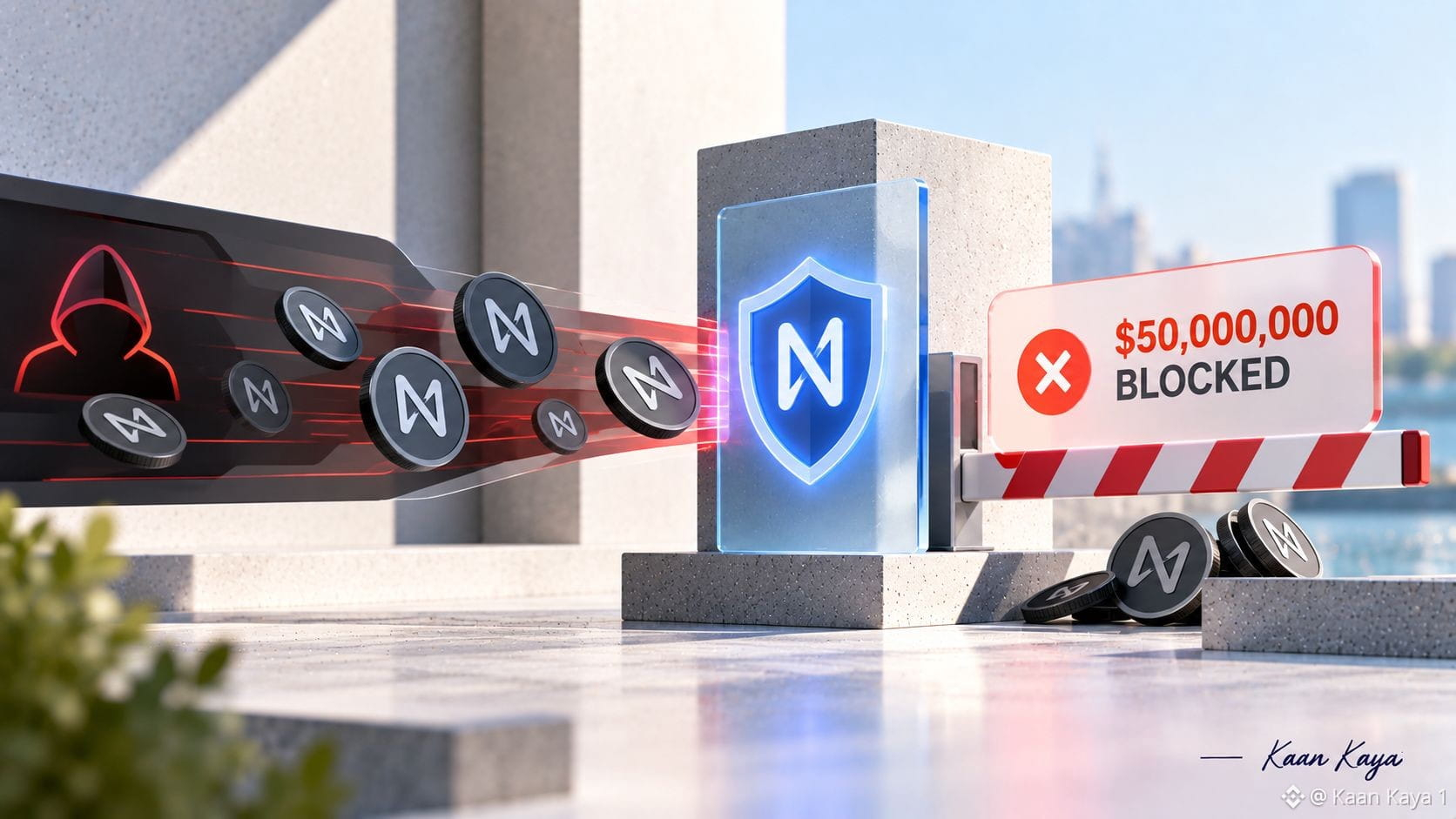
Un puente cripto acaba de detener 50 millones de dólares de moverse Esta es una de esas historias en las que la noticia es que la transacción no ocurrió. $NEAR Intents afirma que bloqueó aproximadamente 50 millones de dólares vinculados al hacker de Bitget para que no se pudieran intercambiar a través de su infraestructura. Según el proyecto, su sistema identificó los fondos mediante un filtrado de riesgos en tiempo real y rechazó las transacciones antes de que pudieran procesarse. Eso plantea una pregunta un poco incómoda para la infraestructura cripto. Por lo general, juzgamos los puentes y los sistemas entre cadenas por qué tan bien y sin problemas mueven activos. Pero cuando entran en juego fondos robados, poder decir “no” puede volverse igual de importante que la velocidad. Y sí, del otro lado hay un debate obvio: cuanto más capacidad de filtrado tenga la infraestructura, más gente preguntará quién controla el filtro. No creo que haya una respuesta limpia aquí. Pero detener 50 millones de dólares es una forma bastante buena de hacer que ese debate sea mucho menos teórico. #Macro Insights# #Altcoin Season#
Un puente cripto acaba de detener 50 millones de dólares de moverse Esta es una de esas historias en las que la noticia es que la transacción no ocurrió. $NEAR Intents afirma que bloqueó aproximadamente 50 millones de dólares vinculados al hacker de Bitget para que no se pudieran intercambiar a través de su infraestructura. Según el proyecto, su sistema identificó los fondos mediante un filtrado de riesgos en tiempo real y rechazó las transacciones antes de que pudieran procesarse. Eso plantea una pregunta un poco incómoda para la infraestructura cripto. Por lo general, juzgamos los puentes y los sistemas entre cadenas por qué tan bien y sin problemas mueven activos. Pero cuando entran en juego fondos robados, poder decir “no” puede volverse igual de importante que la velocidad. Y sí, del otro lado hay un debate obvio: cuanto más capacidad de filtrado tenga la infraestructura, más gente preguntará quién controla el filtro. No creo que haya una respuesta limpia aquí. Pero detener 50 millones de dólares es una forma bastante buena de hacer que ese debate sea mucho menos teórico. #Macro Insights# #Altcoin Season#
60
·
--
Los pagos privados de Ethereum han vuelto después de tres años zk.mоney ha regresado. Aztec cerró la aplicación original de privacidad en 2023. Ahora la ha relanzado en la Red Aztec, brindando a los usuarios de $ETH una forma de realizar pagos en los que el remitente, el destinatario y el monto pueden ocultarse de la vista pública. Los depósitos que llegan desde Ethereum siguen siendo visibles, pero la actividad dentro del entorno privado no se expone de la misma manera. Me parece que el momento es bastante notable. Durante años, la mayoría de las conversaciones sobre escalado de Ethereum trataban básicamente de hacer que las transacciones fueran más baratas y rápidas. Ahora la privacidad vuelve a colarse en la conversación como una función de producto real, en lugar de una filosofía cripto de nicho. Y hay una pregunta extraña de UX aquí: las blockchains le enseñaron a todos que la transparencia era una característica. Pero si la cripto alguna vez gestiona los salarios diarios, las suscripciones o los pagos de negocios, ¿de verdad queremos que cada transacción permanezca en público para siempre? $ETH no necesita volverse privado por defecto para que esa pregunta importe; solo necesita que empiece a haber suficientes usuarios como para exigir una opción privada. #ETHBlockchain #ETHFoundation
Los pagos privados de Ethereum han vuelto después de tres años zk.mоney ha regresado. Aztec cerró la aplicación original de privacidad en 2023. Ahora la ha relanzado en la Red Aztec, brindando a los usuarios de $ETH una forma de realizar pagos en los que el remitente, el destinatario y el monto pueden ocultarse de la vista pública. Los depósitos que llegan desde Ethereum siguen siendo visibles, pero la actividad dentro del entorno privado no se expone de la misma manera. Me parece que el momento es bastante notable. Durante años, la mayoría de las conversaciones sobre escalado de Ethereum trataban básicamente de hacer que las transacciones fueran más baratas y rápidas. Ahora la privacidad vuelve a colarse en la conversación como una función de producto real, en lugar de una filosofía cripto de nicho. Y hay una pregunta extraña de UX aquí: las blockchains le enseñaron a todos que la transparencia era una característica. Pero si la cripto alguna vez gestiona los salarios diarios, las suscripciones o los pagos de negocios, ¿de verdad queremos que cada transacción permanezca en público para siempre? $ETH no necesita volverse privado por defecto para que esa pregunta importe; solo necesita que empiece a haber suficientes usuarios como para exigir una opción privada. #ETHBlockchain #ETHFoundation

63
·
--
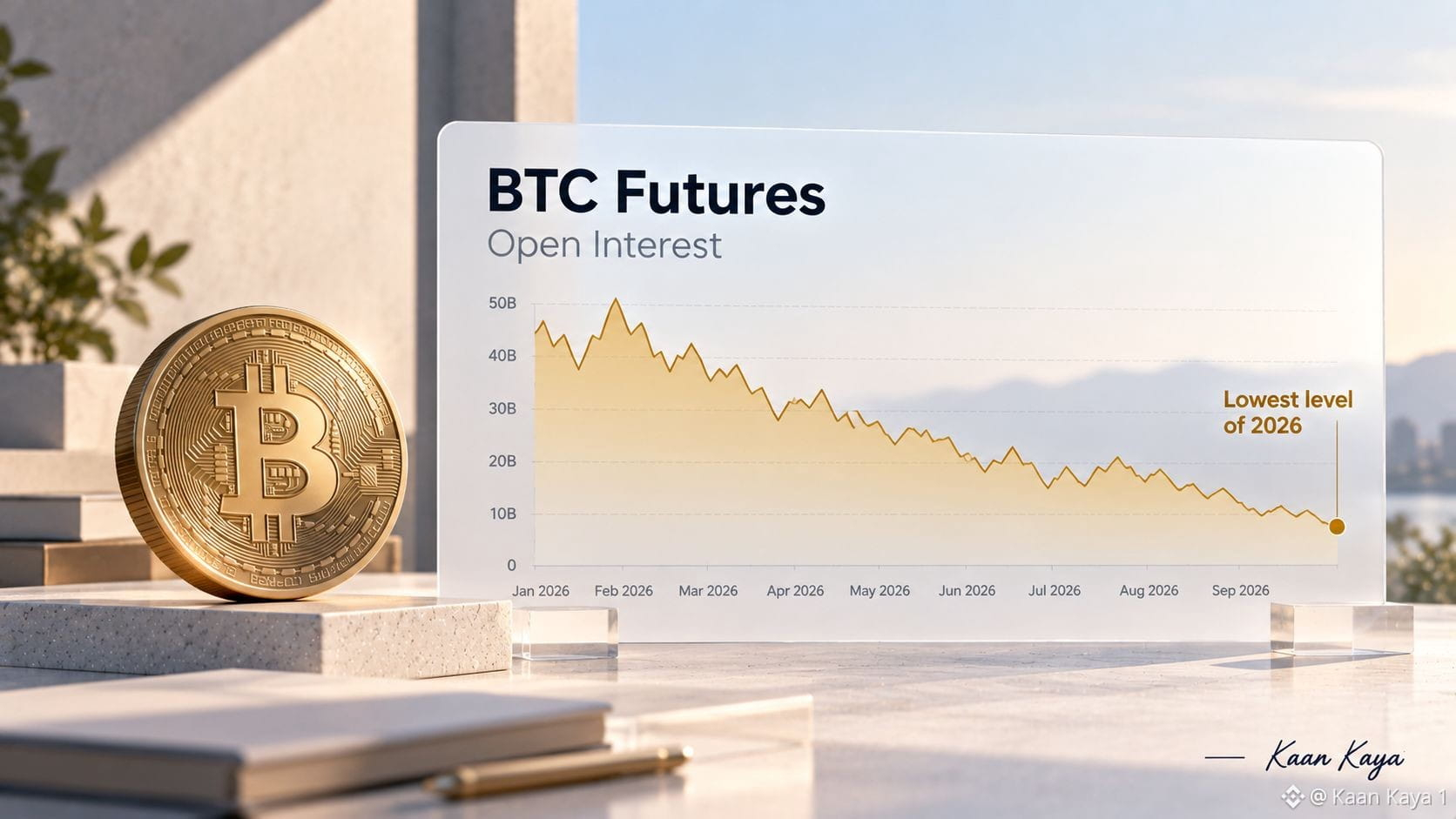
La apalancamiento de Bitcoin acaba de caer hasta su nivel más bajo de 2026. Aquí hay una cifra que se ve un poco extraña junto a Bitcoin, que ronda los $84K: el interés abierto de los futuros de $BTC ha caído hasta su nivel más bajo del año. El mercado se recuperó con fuerza durante el último mes, pero los traders no han respondido aumentando el apalancamiento. Eso es bastante diferente del escenario que a menudo se ve después de un movimiento rápido. Un alza de precios junto con un aumento acelerado del interés abierto normalmente significa que se están sumando más posiciones apalancadas a la operación. Esta vez, en cambio, gran parte de ese exceso de apalancamiento se ha eliminado mientras que BTC ha mantenido la mayor parte de sus ganancias recientes. Hay otro contraste por debajo. Las medidas de volatilidad implícita a 30 días de Bitcoin y Ether todavía se mantienen cerca de los mínimos de 2026, lo que significa que los traders de opciones no están fijando movimientos especialmente drásticos. Así que $BTC está cerca de $84K, el apalancamiento se ha “limpiado” y la volatilidad esperada sigue siendo inusualmente tranquila. Es una estructura de mercado mucho más limpia de lo que cabría esperar después del tipo de corrida que tuvo Bitcoin. #BTC Price Analysis# #Bitcoin Price Prediction: What is Bitcoins next move?#
La apalancamiento de Bitcoin acaba de caer hasta su nivel más bajo de 2026. Aquí hay una cifra que se ve un poco extraña junto a Bitcoin, que ronda los $84K: el interés abierto de los futuros de $BTC ha caído hasta su nivel más bajo del año. El mercado se recuperó con fuerza durante el último mes, pero los traders no han respondido aumentando el apalancamiento. Eso es bastante diferente del escenario que a menudo se ve después de un movimiento rápido. Un alza de precios junto con un aumento acelerado del interés abierto normalmente significa que se están sumando más posiciones apalancadas a la operación. Esta vez, en cambio, gran parte de ese exceso de apalancamiento se ha eliminado mientras que BTC ha mantenido la mayor parte de sus ganancias recientes. Hay otro contraste por debajo. Las medidas de volatilidad implícita a 30 días de Bitcoin y Ether todavía se mantienen cerca de los mínimos de 2026, lo que significa que los traders de opciones no están fijando movimientos especialmente drásticos. Así que $BTC está cerca de $84K, el apalancamiento se ha “limpiado” y la volatilidad esperada sigue siendo inusualmente tranquila. Es una estructura de mercado mucho más limpia de lo que cabría esperar después del tipo de corrida que tuvo Bitcoin. #BTC Price Analysis# #Bitcoin Price Prediction: What is Bitcoins next move?#
75
·
--
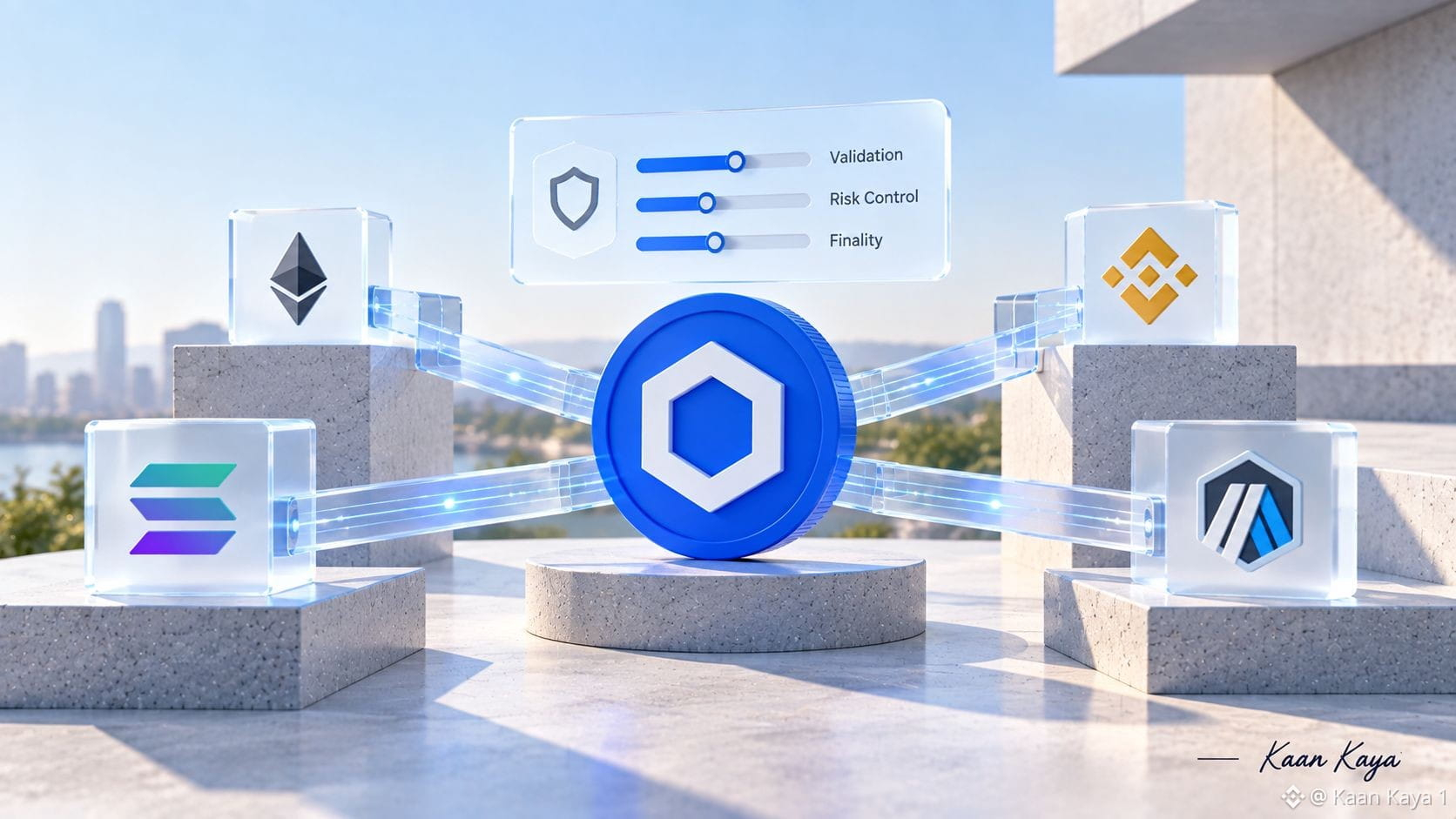
Chainlink está permitiendo que las apps elijan su propio modelo de seguridad Chainlink acaba de lanzar una nueva versión de CCIP, su infraestructura entre cadenas, y un cambio llamó especialmente mi atención: ahora las aplicaciones pueden personalizar más la seguridad sobre cómo los activos y los mensajes se mueven entre blockchains. Eso suena bastante técnico, pero aborda una parte incómoda de la interoperabilidad. Dos apps pueden usar la misma infraestructura de puente mientras tienen cantidades de dinero en riesgo completamente distintas, escenarios de fallo diferentes y perspectivas muy diferentes sobre lo que cuenta como una seguridad aceptable. Con la nueva arquitectura, los desarrolladores pueden agregar mecanismos de verificación independientes junto con la configuración existente de Chainlink, en lugar de depender de exactamente la misma configuración para cada caso de uso. Para $LINK, esto es un recordatorio útil de que la carrera entre cadenas no se trata solo de conectar el mayor número de redes. A medida que se transfiere un valor más serio entre cadenas, la forma en que esas conexiones fallan y quién obtiene el poder de diseñar las salvaguardas se convierte en parte del producto en sí. #Macro Insights# #Altcoin Season#
Chainlink está permitiendo que las apps elijan su propio modelo de seguridad Chainlink acaba de lanzar una nueva versión de CCIP, su infraestructura entre cadenas, y un cambio llamó especialmente mi atención: ahora las aplicaciones pueden personalizar más la seguridad sobre cómo los activos y los mensajes se mueven entre blockchains. Eso suena bastante técnico, pero aborda una parte incómoda de la interoperabilidad. Dos apps pueden usar la misma infraestructura de puente mientras tienen cantidades de dinero en riesgo completamente distintas, escenarios de fallo diferentes y perspectivas muy diferentes sobre lo que cuenta como una seguridad aceptable. Con la nueva arquitectura, los desarrolladores pueden agregar mecanismos de verificación independientes junto con la configuración existente de Chainlink, en lugar de depender de exactamente la misma configuración para cada caso de uso. Para $LINK, esto es un recordatorio útil de que la carrera entre cadenas no se trata solo de conectar el mayor número de redes. A medida que se transfiere un valor más serio entre cadenas, la forma en que esas conexiones fallan y quién obtiene el poder de diseñar las salvaguardas se convierte en parte del producto en sí. #Macro Insights# #Altcoin Season#
27
·
--
Puedes cobrar en cripto sin una cuenta en un exchange No sé si esta historia te servirá. Pero al menos quédate por la foto al final: ¡vale la pena 😏 Mi amigo fabrica piezas personalizadas para coches de drift y se las envía a clientes en el extranjero. Apenas había usado cripto antes, así que cuando un cliente le ofreció pagar en $USDT , me escribió. Hasta entonces, su conocimiento sobre cripto básicamente terminaba en saber que existía $BTC. Exchanges, wallets, direcciones: todo eso se sentía como mucho para averiguar para una sola transacción. Así que, en lugar de convertir un pago en una sesión completa de onboarding en cripto, usamos un WB Check. El cliente lo creó, me pasó el enlace y mi amigo pudo recibir el $USDT usando mi dirección de wallet sin tener que registrarse en WhiteBIT por su cuenta https://bit.ly/4iJkoEE Normalmente esperaba unos días para los pagos desde el extranjero. Con este, tardó minutos. Se suponía que era un truco puntual. Luego otro cliente pagó de la misma manera. Y en algún momento dejó de ser un truco y se convirtió en una de las formas en que le pagan internacionalmente. Y ahora lo importante. Mira por lo que la gente le está pagando 👇 Aviso: Esto no es asesoramiento financiero ni de inversión. Investiga por tu cuenta (DYOR) antes de tomar cualquier decisión. Úsalo bajo tu propio riesgo. #BTC Price Analysis# #Bitcoin Price Prediction: ¿Cuál es el próximo movimiento de Bitcoins?#
Puedes cobrar en cripto sin una cuenta en un exchange No sé si esta historia te servirá. Pero al menos quédate por la foto al final: ¡vale la pena 😏 Mi amigo fabrica piezas personalizadas para coches de drift y se las envía a clientes en el extranjero. Apenas había usado cripto antes, así que cuando un cliente le ofreció pagar en $USDT , me escribió. Hasta entonces, su conocimiento sobre cripto básicamente terminaba en saber que existía $BTC. Exchanges, wallets, direcciones: todo eso se sentía como mucho para averiguar para una sola transacción. Así que, en lugar de convertir un pago en una sesión completa de onboarding en cripto, usamos un WB Check. El cliente lo creó, me pasó el enlace y mi amigo pudo recibir el $USDT usando mi dirección de wallet sin tener que registrarse en WhiteBIT por su cuenta https://bit.ly/4iJkoEE Normalmente esperaba unos días para los pagos desde el extranjero. Con este, tardó minutos. Se suponía que era un truco puntual. Luego otro cliente pagó de la misma manera. Y en algún momento dejó de ser un truco y se convirtió en una de las formas en que le pagan internacionalmente. Y ahora lo importante. Mira por lo que la gente le está pagando 👇 Aviso: Esto no es asesoramiento financiero ni de inversión. Investiga por tu cuenta (DYOR) antes de tomar cualquier decisión. Úsalo bajo tu propio riesgo. #BTC Price Analysis# #Bitcoin Price Prediction: ¿Cuál es el próximo movimiento de Bitcoins?#

·
--
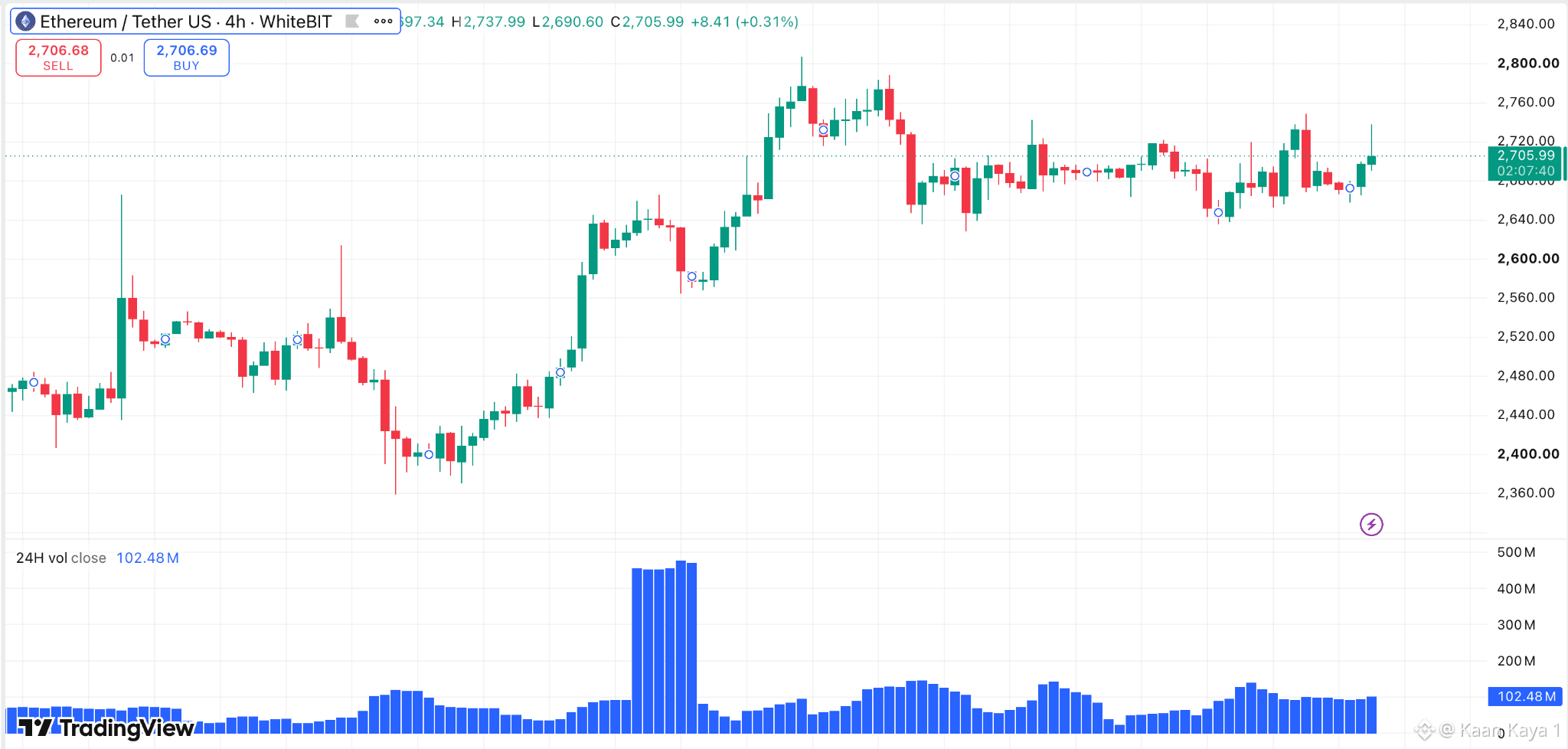
$ETH Está de vuelta cerca de $2,700, y lo voy a dejar en paz pero por ahora $ETH ha recorrido un buen trecho desde $2,400. Casi llegó a $2,800, retrocedió, y ahora está pasando bastante tiempo alrededor de $2,700. Me gustaría ver otra subida, pero estos últimos movimientos no me han dado mucho motivo para correr. Las caídas hacia $2,640 han encontrado compradores, mientras que los intentos de entrar en la zona de $2,720-$2,740 siguen chocando con ventas. Hay suficiente movimiento como para que sigas mirando el teléfono, y luego te das cuenta de que el precio está prácticamente donde lo dejaste 😅 He estado revisando algunas parejas WhiteBIT TradFi en TradingView entre las comprobaciones de $ETH también. Mi lista de seguimiento solía ser casi totalmente cripto, así que ha sido interesante tener algunas configuraciones de mercado tradicional en la mezcla. Para ETH, me siento cómodo esperando a que haya un movimiento más claro saliendo de este rango. Preferiblemente uno que siga ahí cuando vuelva a mirarlo unas horas después. #ETHBlockchain #ETHFoundation
$ETH Está de vuelta cerca de $2,700, y lo voy a dejar en paz pero por ahora $ETH ha recorrido un buen trecho desde $2,400. Casi llegó a $2,800, retrocedió, y ahora está pasando bastante tiempo alrededor de $2,700. Me gustaría ver otra subida, pero estos últimos movimientos no me han dado mucho motivo para correr. Las caídas hacia $2,640 han encontrado compradores, mientras que los intentos de entrar en la zona de $2,720-$2,740 siguen chocando con ventas. Hay suficiente movimiento como para que sigas mirando el teléfono, y luego te das cuenta de que el precio está prácticamente donde lo dejaste 😅 He estado revisando algunas parejas WhiteBIT TradFi en TradingView entre las comprobaciones de $ETH también. Mi lista de seguimiento solía ser casi totalmente cripto, así que ha sido interesante tener algunas configuraciones de mercado tradicional en la mezcla. Para ETH, me siento cómodo esperando a que haya un movimiento más claro saliendo de este rango. Preferiblemente uno que siga ahí cuando vuelva a mirarlo unas horas después. #ETHBlockchain #ETHFoundation
44
·
--
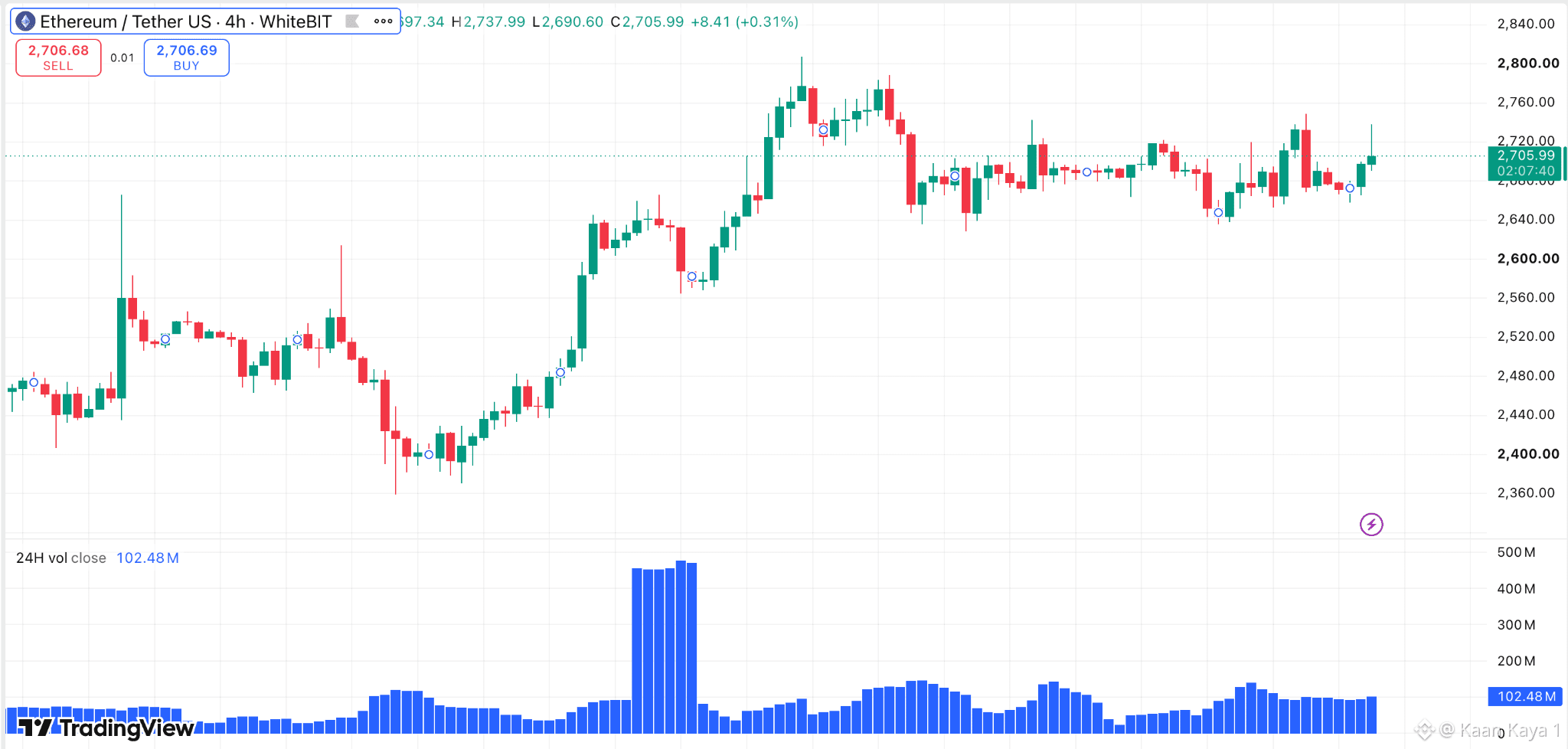
$ETH Está de vuelta cerca de $2,700, Y por ahora lo voy a dejar en paz $ETH ha avanzado bastante desde $2,400. Casi llegó a $2,800, retrocedió y ahora pasa mucho tiempo alrededor de $2,700. Me gustaría ver otro tramo al alza, pero estos últimos movimientos no me han dado muchas razones para tener prisa. Las caídas hacia $2,640 han encontrado compradores, mientras que los empujes hacia la zona $2,720-$2,740 siguen topando con ventas. Hay suficiente movimiento como para que te den ganas de revisar el móvil, y luego te das cuenta de que el precio está prácticamente donde lo dejaste 😅 También he estado mirando algunas parejas WhiteBIT TradFi en TradingView entre chequeo y chequeo de ETH. Antes mi lista de seguimiento era casi por completo cripto, así que ha sido interesante tener algunos montajes de mercado tradicionales en la mezcla. Para ETH, me siento cómodo esperando un movimiento más claro que salga de este rango. Preferiblemente que siga ahí cuando vuelva a comprobarlo unas horas más tarde. #ETHBlockchain #ETHFoundation
$ETH Está de vuelta cerca de $2,700, Y por ahora lo voy a dejar en paz $ETH ha avanzado bastante desde $2,400. Casi llegó a $2,800, retrocedió y ahora pasa mucho tiempo alrededor de $2,700. Me gustaría ver otro tramo al alza, pero estos últimos movimientos no me han dado muchas razones para tener prisa. Las caídas hacia $2,640 han encontrado compradores, mientras que los empujes hacia la zona $2,720-$2,740 siguen topando con ventas. Hay suficiente movimiento como para que te den ganas de revisar el móvil, y luego te das cuenta de que el precio está prácticamente donde lo dejaste 😅 También he estado mirando algunas parejas WhiteBIT TradFi en TradingView entre chequeo y chequeo de ETH. Antes mi lista de seguimiento era casi por completo cripto, así que ha sido interesante tener algunos montajes de mercado tradicionales en la mezcla. Para ETH, me siento cómodo esperando un movimiento más claro que salga de este rango. Preferiblemente que siga ahí cuando vuelva a comprobarlo unas horas más tarde. #ETHBlockchain #ETHFoundation
56
·
--
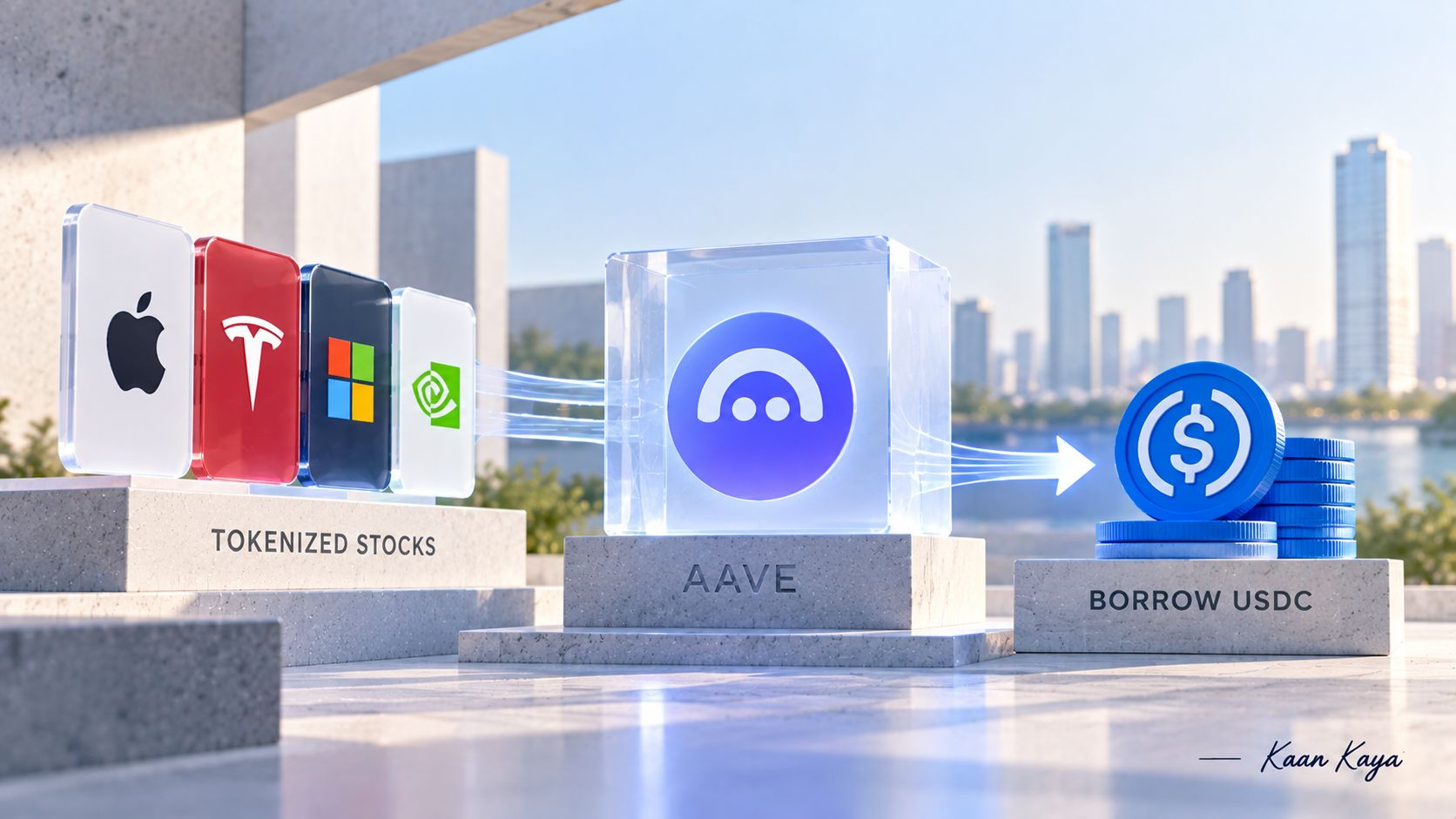
Las acciones tokenizadas acaban de convertirse en garantía DeFi Aave V4 en Base ha añadido como colateral los valores tokenizados de Coinbase, lo que significa que los usuarios pueden pedir prestado USDC contra versiones en cadena de acciones sin tener que venderlas primero. La integración inicial cubre los activos emitidos a través de la infraestructura de tokenización de acciones de Coinbase. Eso crea una combinación que en una cuenta de corretaje tradicional parecería bastante extraña: tener acciones tokenizadas, depositarlas en un protocolo de préstamos y usar la posición para acceder a liquidez en dólares onchain. Para $AAVE , la historia más grande no es simplemente otro tipo de colateral. El lending DeFi comenzó en gran medida con activos nativos de cripto como ETH y las stablecoins. A medida que los valores tokenizados se mueven onchain, los protocolos de préstamos podrían obtener un grupo totalmente nuevo de colateral con el que trabajar. Por supuesto, hay nuevos riesgos asociados a ello. Una acción tokenizada todavía depende de su emisor, de la estructura del mercado y de la seguridad subyacente; colocarlo en un protocolo DeFi no elimina ninguna de esas capas. Pero la frontera entre “activos DeFi” y “activos tradicionales” se está haciendo cada vez más difícil de trazar. #Macro Insights# #Altcoin Season#
Las acciones tokenizadas acaban de convertirse en garantía DeFi Aave V4 en Base ha añadido como colateral los valores tokenizados de Coinbase, lo que significa que los usuarios pueden pedir prestado USDC contra versiones en cadena de acciones sin tener que venderlas primero. La integración inicial cubre los activos emitidos a través de la infraestructura de tokenización de acciones de Coinbase. Eso crea una combinación que en una cuenta de corretaje tradicional parecería bastante extraña: tener acciones tokenizadas, depositarlas en un protocolo de préstamos y usar la posición para acceder a liquidez en dólares onchain. Para $AAVE , la historia más grande no es simplemente otro tipo de colateral. El lending DeFi comenzó en gran medida con activos nativos de cripto como ETH y las stablecoins. A medida que los valores tokenizados se mueven onchain, los protocolos de préstamos podrían obtener un grupo totalmente nuevo de colateral con el que trabajar. Por supuesto, hay nuevos riesgos asociados a ello. Una acción tokenizada todavía depende de su emisor, de la estructura del mercado y de la seguridad subyacente; colocarlo en un protocolo DeFi no elimina ninguna de esas capas. Pero la frontera entre “activos DeFi” y “activos tradicionales” se está haciendo cada vez más difícil de trazar. #Macro Insights# #Altcoin Season#
64
·
--
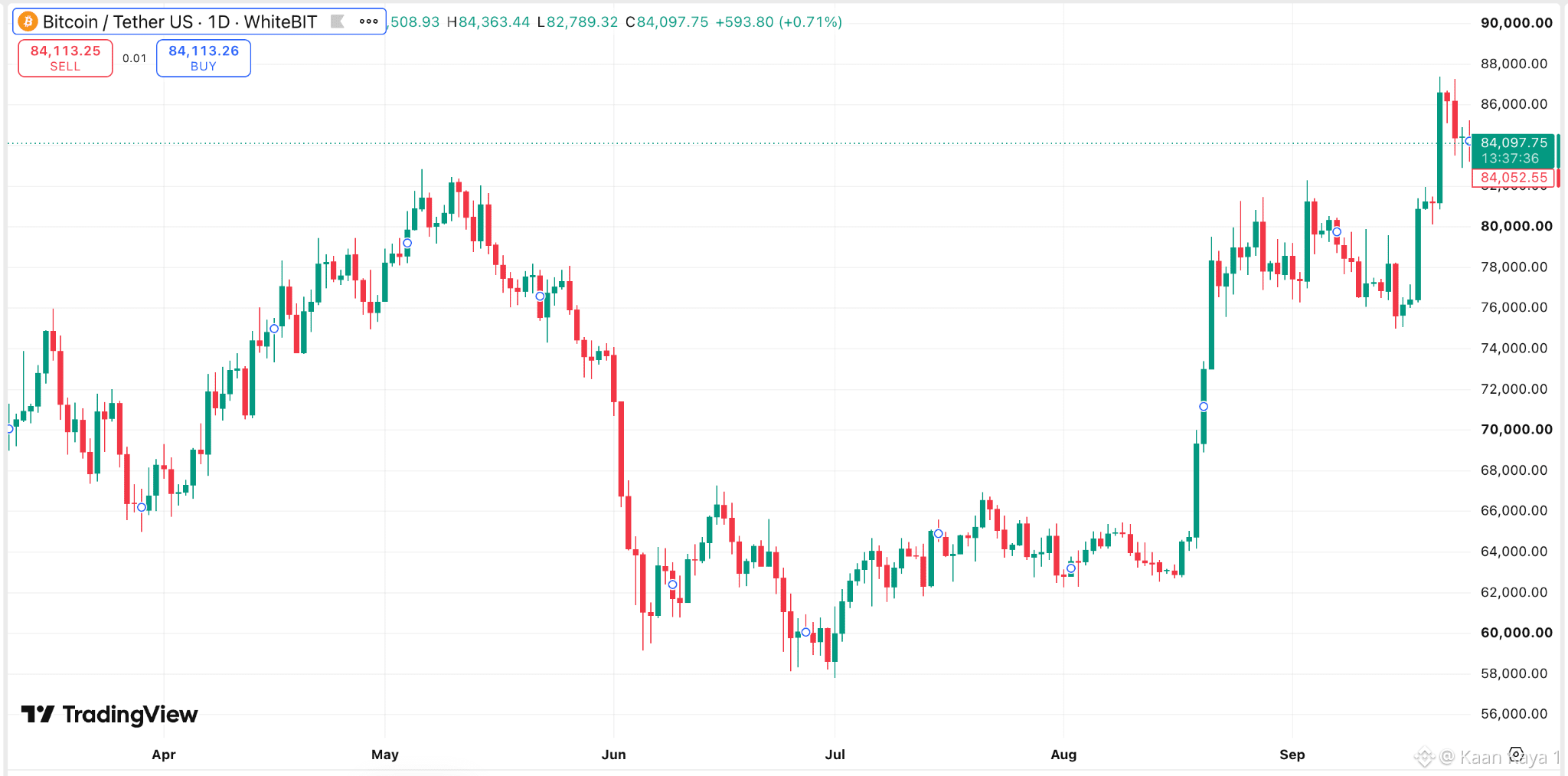
$BTC Retrocedió desde $87K. Las próximas pocas velas diarias importan más. $BTC se movió desde aproximadamente $76K hasta casi $87K en un tiempo bastante corto. Ahora está alrededor de $84K, y el ambiente ya cambió de “¿hasta dónde llega esto?” a “¿fue ese todo el movimiento?” El cripto realmente no le da a nadie mucho tiempo para disfrutar una subida 😅 El retroceso en sí no parece tan inusual después de un salto como ese. Estoy observando si los compradores siguen apareciendo alrededor de $84K en los próximos días. Mantenerse aquí haría que el movimiento por encima del antiguo rango de negociación se vea más convincente; retroceder hacia los bajos $80K lo volvería mucho más enredado. También he estado revisando algunos escenarios tradicionales en TradingView mientras el BTC se estabiliza. WhiteBIT TradFi ya está disponible allí, así que puedo chequear eso junto con el cripto sin tener que cambiar entre una docena de pestañas. Me interesa saber si la disposición al riesgo se ve igual de fuerte fuera del cripto como sugiere este movimiento reciente de BTC. Por ahora, no interpretaría demasiado una sola jornada en rojo. Las próximas pocas velas diarias deberían decirnos más sobre si los compradores están tomando un respiro o si empiezan a perder interés. #BTC Price Analysis# #Bitcoin Price Prediction: ¿Cuál es el próximo movimiento de Bitcoin?#
$BTC Retrocedió desde $87K. Las próximas pocas velas diarias importan más. $BTC se movió desde aproximadamente $76K hasta casi $87K en un tiempo bastante corto. Ahora está alrededor de $84K, y el ambiente ya cambió de “¿hasta dónde llega esto?” a “¿fue ese todo el movimiento?” El cripto realmente no le da a nadie mucho tiempo para disfrutar una subida 😅 El retroceso en sí no parece tan inusual después de un salto como ese. Estoy observando si los compradores siguen apareciendo alrededor de $84K en los próximos días. Mantenerse aquí haría que el movimiento por encima del antiguo rango de negociación se vea más convincente; retroceder hacia los bajos $80K lo volvería mucho más enredado. También he estado revisando algunos escenarios tradicionales en TradingView mientras el BTC se estabiliza. WhiteBIT TradFi ya está disponible allí, así que puedo chequear eso junto con el cripto sin tener que cambiar entre una docena de pestañas. Me interesa saber si la disposición al riesgo se ve igual de fuerte fuera del cripto como sugiere este movimiento reciente de BTC. Por ahora, no interpretaría demasiado una sola jornada en rojo. Las próximas pocas velas diarias deberían decirnos más sobre si los compradores están tomando un respiro o si empiezan a perder interés. #BTC Price Analysis# #Bitcoin Price Prediction: ¿Cuál es el próximo movimiento de Bitcoin?#
55
·
--
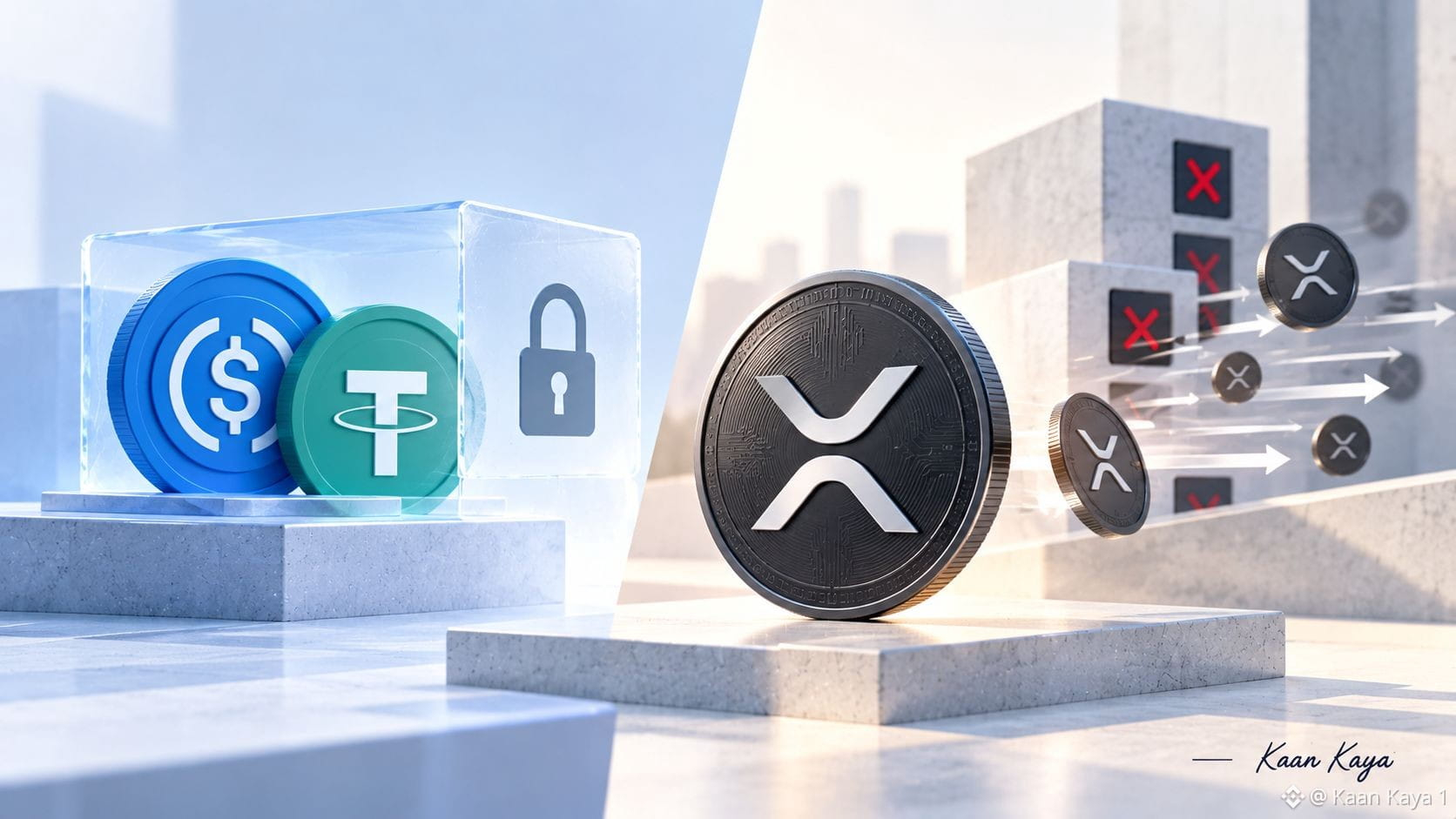
$XRP Acabamos de recibir una lección bastante clara sobre lo que realmente significa “congelable” Tras la reciente brecha de Bitget, el atacante movió alrededor de $83 millones en $XRP desde varias billeteras de custodia. Aproximadamente $75 millones permanecieron en las cuentas originales al momento de la publicación, pero hay un detalle importante: Ripple en sí no puede simplemente congelar el XRP nativo que está en una billetera controlada por el atacante. Eso es muy diferente a la forma en que funcionan las stablecoins con control del emisor. Circle y Tether pudieron congelar cerca de $320,000 en stablecoins relacionadas porque esos tokens incluyen controles que pueden poner direcciones en lista negra. El $XRP nativo no funciona así; las bolsas pueden restringir cuentas que reciben fondos robados, pero la red no le da a Ripple un interruptor incorporado para impedir que el atacante mueva las monedas. Creo que esta distinción se difumina mucho cada vez que la gente habla de activos “centralizados” versus “descentralizados”. La pregunta más útil suele ser mucho más limitada: ¿quién tiene realmente la autoridad para detener una transferencia una vez que el activo está en una billetera? En este caso, la respuesta depende en gran medida del propio activo. Esa es una diferencia mucho más práctica que las etiquetas sobre las que normalmente discute la gente. #Macro Insights# #Altcoin Season#
$XRP Acabamos de recibir una lección bastante clara sobre lo que realmente significa “congelable” Tras la reciente brecha de Bitget, el atacante movió alrededor de $83 millones en $XRP desde varias billeteras de custodia. Aproximadamente $75 millones permanecieron en las cuentas originales al momento de la publicación, pero hay un detalle importante: Ripple en sí no puede simplemente congelar el XRP nativo que está en una billetera controlada por el atacante. Eso es muy diferente a la forma en que funcionan las stablecoins con control del emisor. Circle y Tether pudieron congelar cerca de $320,000 en stablecoins relacionadas porque esos tokens incluyen controles que pueden poner direcciones en lista negra. El $XRP nativo no funciona así; las bolsas pueden restringir cuentas que reciben fondos robados, pero la red no le da a Ripple un interruptor incorporado para impedir que el atacante mueva las monedas. Creo que esta distinción se difumina mucho cada vez que la gente habla de activos “centralizados” versus “descentralizados”. La pregunta más útil suele ser mucho más limitada: ¿quién tiene realmente la autoridad para detener una transferencia una vez que el activo está en una billetera? En este caso, la respuesta depende en gran medida del propio activo. Esa es una diferencia mucho más práctica que las etiquetas sobre las que normalmente discute la gente. #Macro Insights# #Altcoin Season#
69
·
--
La privacidad de Bitcoin podría no necesitar una actualización de Bitcoin Una nueva propuesta está explorando algo que suena ligeramente contraintuitivo: ofrecer a los usuarios de $BTC transacciones privadas estilo Zcash sin cambiar en absoluto las reglas de consenso de Bitcoin. Investigadores de Cornell y de varias otras instituciones publicaron Shielded CSV, un diseño que permitiría a los usuarios bloquear BTC en contratos y luego comerciar de forma privada usando un sistema blindado por separado. La red de Bitcoin seguiría encargándose de la liquidación, pero no tendría que entender toda la actividad privada que ocurre por encima. Esa es una distinción importante porque cambiar el propio Bitcoin es notoriamente difícil. Las mejoras de privacidad se han debatido durante años, pero cualquier cosa que toque el consenso tiene que superar un listón muy alto con desarrolladores, mineros, operadores de nodos y usuarios. Shielded CSV toma otra ruta: dejar la capa base intacta y construir la funcionalidad adicional alrededor de ella. Si este diseño en particular logra una adopción significativa es otra cuestión. Pero la idea más amplia merece la pena seguirla. La capa base de Bitcoin, que avanza lentamente, no necesariamente significa que todo lo construido en torno a $BTC tenga que evolucionar al mismo ritmo. #Análisis del Precio de BTC# #Predicción del Precio de Bitcoin: ¿Cuál será el próximo movimiento de Bitcoin?#
La privacidad de Bitcoin podría no necesitar una actualización de Bitcoin Una nueva propuesta está explorando algo que suena ligeramente contraintuitivo: ofrecer a los usuarios de $BTC transacciones privadas estilo Zcash sin cambiar en absoluto las reglas de consenso de Bitcoin. Investigadores de Cornell y de varias otras instituciones publicaron Shielded CSV, un diseño que permitiría a los usuarios bloquear BTC en contratos y luego comerciar de forma privada usando un sistema blindado por separado. La red de Bitcoin seguiría encargándose de la liquidación, pero no tendría que entender toda la actividad privada que ocurre por encima. Esa es una distinción importante porque cambiar el propio Bitcoin es notoriamente difícil. Las mejoras de privacidad se han debatido durante años, pero cualquier cosa que toque el consenso tiene que superar un listón muy alto con desarrolladores, mineros, operadores de nodos y usuarios. Shielded CSV toma otra ruta: dejar la capa base intacta y construir la funcionalidad adicional alrededor de ella. Si este diseño en particular logra una adopción significativa es otra cuestión. Pero la idea más amplia merece la pena seguirla. La capa base de Bitcoin, que avanza lentamente, no necesariamente significa que todo lo construido en torno a $BTC tenga que evolucionar al mismo ritmo. #Análisis del Precio de BTC# #Predicción del Precio de Bitcoin: ¿Cuál será el próximo movimiento de Bitcoin?#

69
·
--
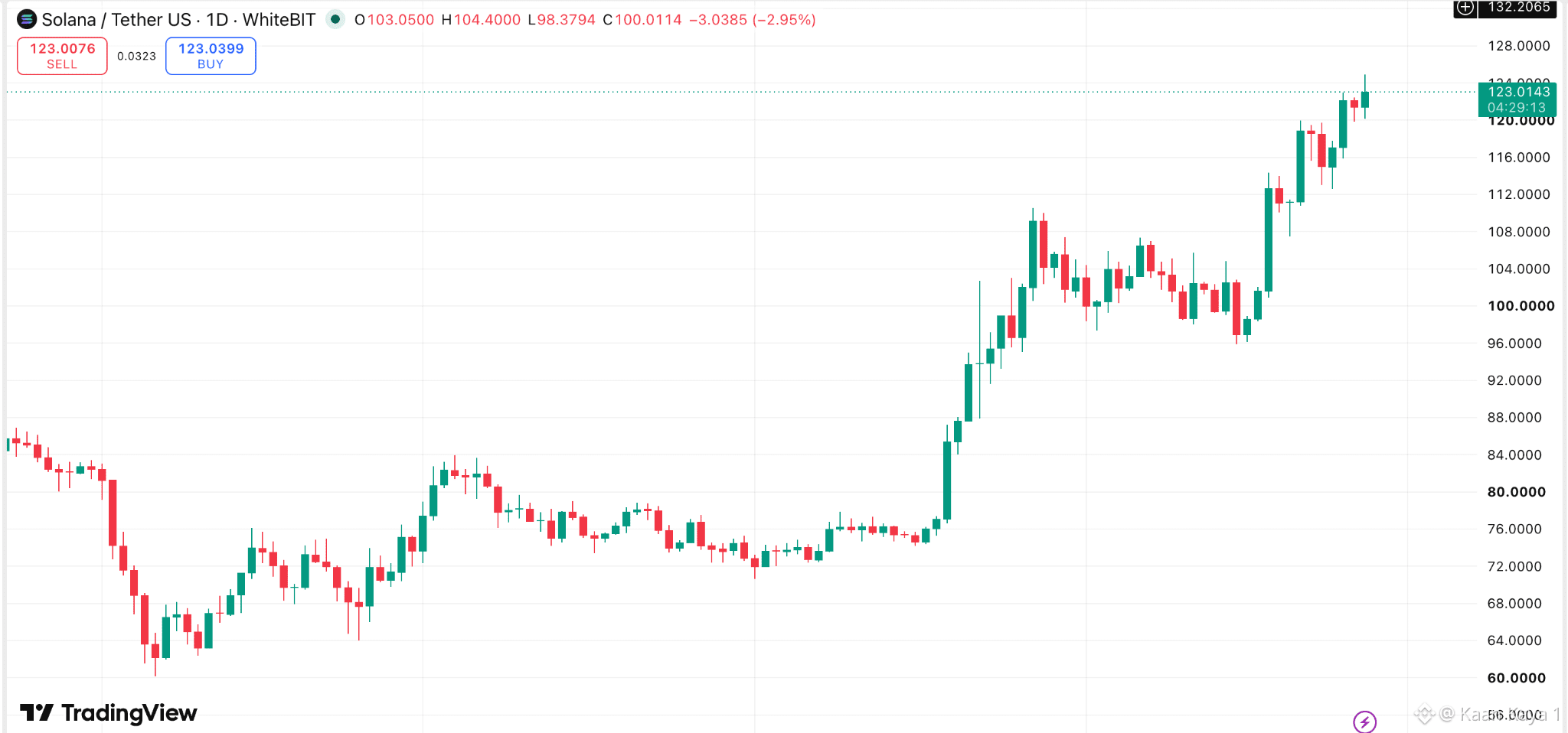
$SOL Vuelve a estar por encima de $120, pero el gráfico no cuenta toda la historia Este gráfico de $SOL ha cambiado bastante rápido. Después de pasar gran parte del periodo anterior alrededor de $70–$80, Solana se abrió paso por encima de $100 y ahora cotiza cerca de $123, con el último tramo llegando tras una consolidación relativamente corta alrededor de la zona de $100. También está apareciendo una demanda fresca fuera del gráfico spot. Los ETFs spot de Solana en EE. UU. registraron 86,7 millones de dólares de entradas netas el viernes, su mayor día individual desde su lanzamiento. Las entradas semanales llegaron a 188,2 millones, mientras que los activos combinados subieron hasta un récord de 1,5 mil millones de dólares. Esto hace que el movimiento reciente sea un poco más interesante que solo el precio. $SOL ha roto al alza mientras, simultáneamente, se está construyendo exposición a través de productos regulados con una nueva reserva de capital. El gráfico ya está incorporando bastante optimismo. Después de un movimiento tan rápido, yo prestaría menos atención a si $SOL puede imprimir otra vela verde y más a si los compradores siguen apareciendo cuando llegue el primer retroceso adecuado. He estado manteniendo este escenario al lado de algunos gráficos de TradFi en TradingView últimamente. Los pares TradFi de WhiteBIT también ya están disponibles allí, así que $BTC y el resto de mis gráficos por fin pueden vivir en una sola pestaña en lugar de mi habitual zoológico de navegadores 😅 #Macro Insights# #Altcoin Season#
$SOL Vuelve a estar por encima de $120, pero el gráfico no cuenta toda la historia Este gráfico de $SOL ha cambiado bastante rápido. Después de pasar gran parte del periodo anterior alrededor de $70–$80, Solana se abrió paso por encima de $100 y ahora cotiza cerca de $123, con el último tramo llegando tras una consolidación relativamente corta alrededor de la zona de $100. También está apareciendo una demanda fresca fuera del gráfico spot. Los ETFs spot de Solana en EE. UU. registraron 86,7 millones de dólares de entradas netas el viernes, su mayor día individual desde su lanzamiento. Las entradas semanales llegaron a 188,2 millones, mientras que los activos combinados subieron hasta un récord de 1,5 mil millones de dólares. Esto hace que el movimiento reciente sea un poco más interesante que solo el precio. $SOL ha roto al alza mientras, simultáneamente, se está construyendo exposición a través de productos regulados con una nueva reserva de capital. El gráfico ya está incorporando bastante optimismo. Después de un movimiento tan rápido, yo prestaría menos atención a si $SOL puede imprimir otra vela verde y más a si los compradores siguen apareciendo cuando llegue el primer retroceso adecuado. He estado manteniendo este escenario al lado de algunos gráficos de TradFi en TradingView últimamente. Los pares TradFi de WhiteBIT también ya están disponibles allí, así que $BTC y el resto de mis gráficos por fin pueden vivir en una sola pestaña en lugar de mi habitual zoológico de navegadores 😅 #Macro Insights# #Altcoin Season#
87
·
--
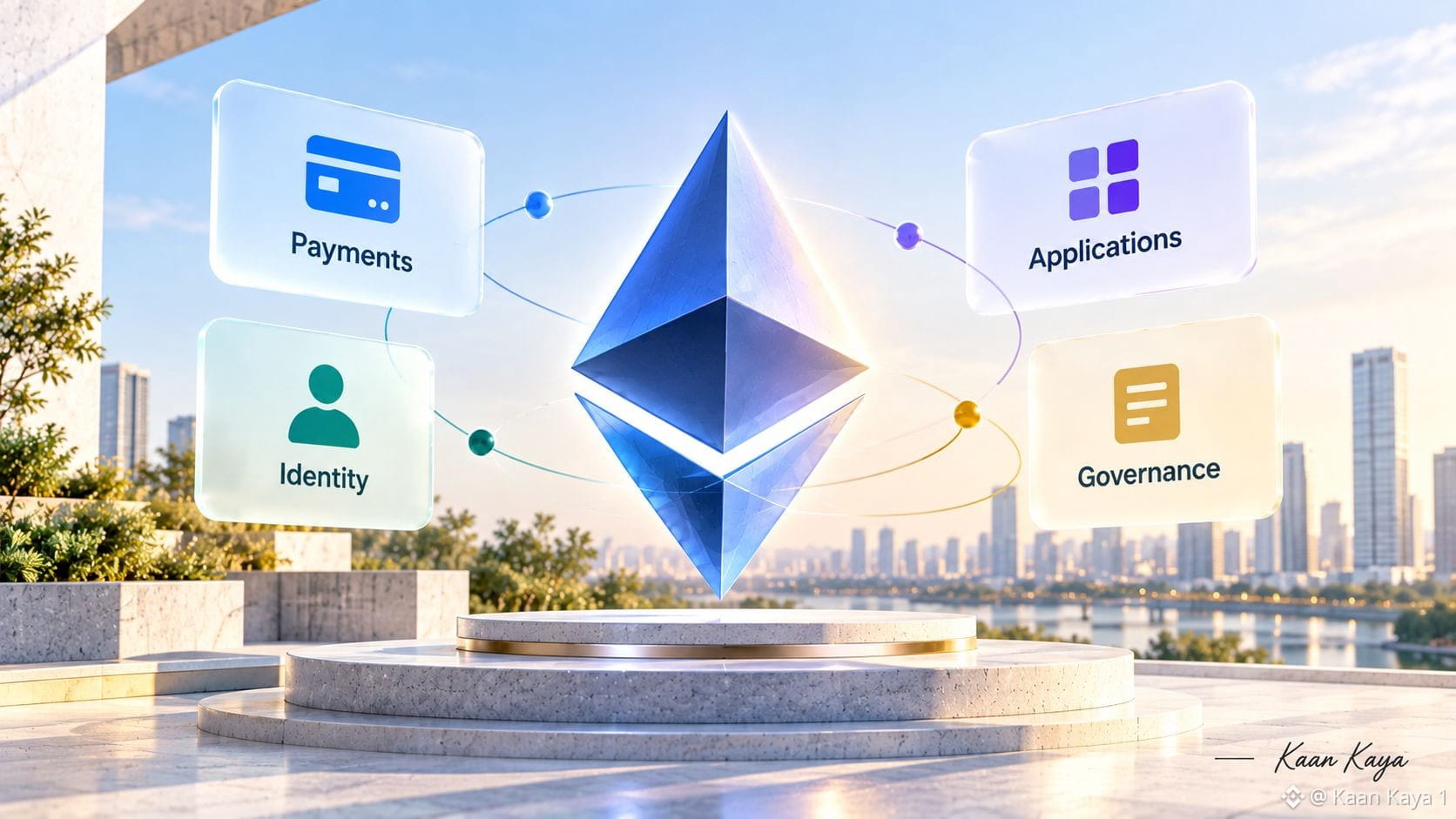
La próxima actualización de Ethereum podría ser más grande que otro impulso de velocidad Vitalik Buterin trazó una dirección bastante ambiciosa para $ETH este fin de semana: para 2030, se supone que Ethereum funcione menos como una sola blockchain y más como un conjunto más amplio de protocolos que puedan respaldar pagos, identidad, gobernanza y aplicaciones sin obligar a todo a pasar por la misma capa. Una parte llamó mi atención: la hoja de ruta separa cada vez más lo que Ethereum necesita hacer por sí mismo de lo que puede ocurrir a su alrededor. En lugar de hacer que la cadena base sea responsable de cada interacción del usuario, la idea es mantener a Ethereum enfocado en la seguridad y el asentamiento, mientras que otras capas gestionan gran parte de la actividad real. Eso suena arquitectónico, pero también cambia la manera en que yo miraría a $ETH como un activo. Si Ethereum tiene éxito, una parte cada vez mayor de su ecosistema podría volverse casi invisible para el usuario promedio. Las personas podrían interactuar con billeteras, aplicaciones y sistemas de pago sin pensar demasiado en qué cadena está realizando el asentamiento subyacente. La cripto pasó años compitiendo sobre qué blockchain notarían más los usuarios. Ethereum parece estar cada vez más interesado en convertirse en la que los usuarios no necesitan notar en absoluto. #ETHBlockchain #ETHFoundation
La próxima actualización de Ethereum podría ser más grande que otro impulso de velocidad Vitalik Buterin trazó una dirección bastante ambiciosa para $ETH este fin de semana: para 2030, se supone que Ethereum funcione menos como una sola blockchain y más como un conjunto más amplio de protocolos que puedan respaldar pagos, identidad, gobernanza y aplicaciones sin obligar a todo a pasar por la misma capa. Una parte llamó mi atención: la hoja de ruta separa cada vez más lo que Ethereum necesita hacer por sí mismo de lo que puede ocurrir a su alrededor. En lugar de hacer que la cadena base sea responsable de cada interacción del usuario, la idea es mantener a Ethereum enfocado en la seguridad y el asentamiento, mientras que otras capas gestionan gran parte de la actividad real. Eso suena arquitectónico, pero también cambia la manera en que yo miraría a $ETH como un activo. Si Ethereum tiene éxito, una parte cada vez mayor de su ecosistema podría volverse casi invisible para el usuario promedio. Las personas podrían interactuar con billeteras, aplicaciones y sistemas de pago sin pensar demasiado en qué cadena está realizando el asentamiento subyacente. La cripto pasó años compitiendo sobre qué blockchain notarían más los usuarios. Ethereum parece estar cada vez más interesado en convertirse en la que los usuarios no necesitan notar en absoluto. #ETHBlockchain #ETHFoundation
67
·
--
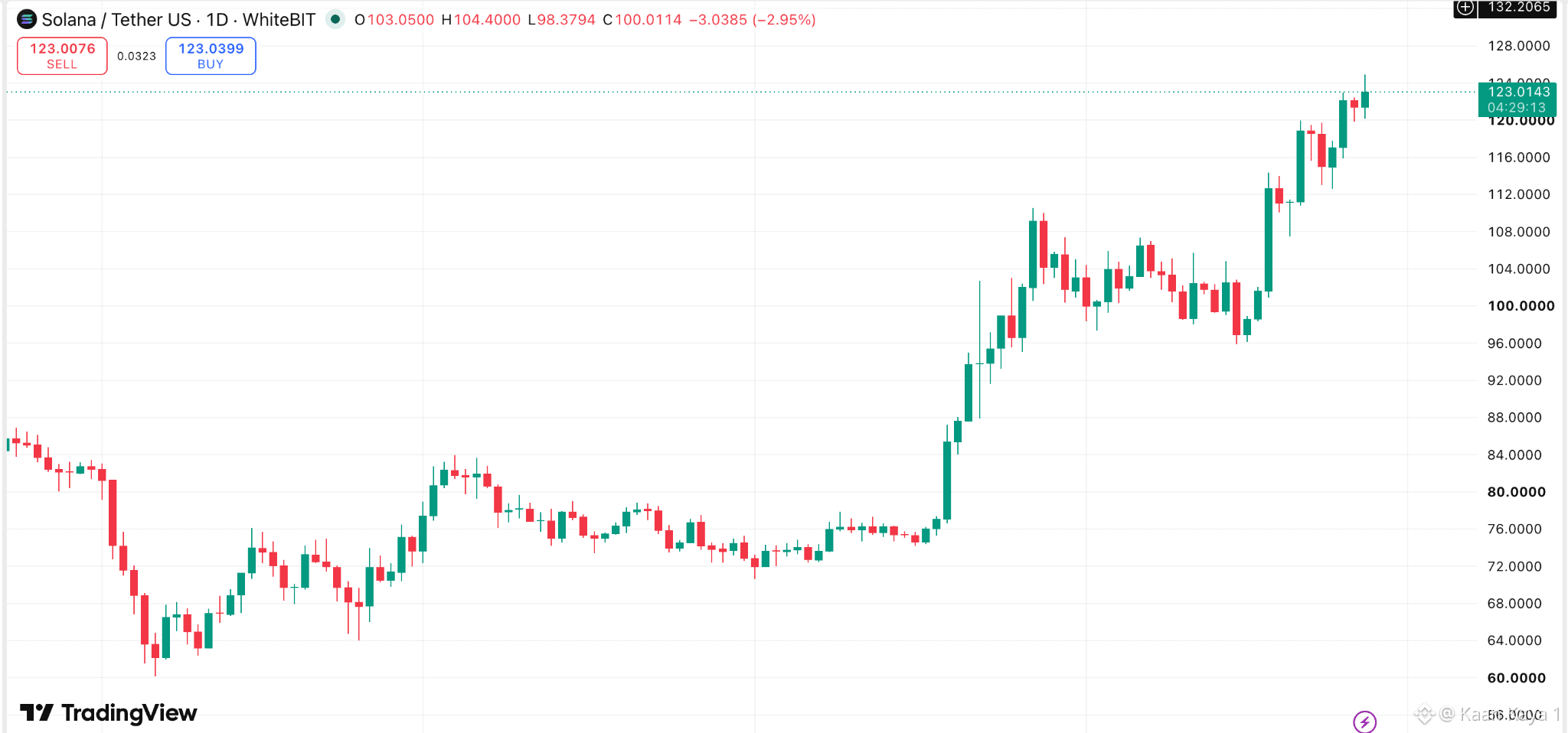
$SOL Vuelve a Estar Por Encima de $120, Pero El Gráfico No Cuenta Toda la Historia Este gráfico de $SOL ha cambiado bastante rápido. Después de pasar gran parte del período anterior alrededor de $70–$80, Solana superó $100 y ahora cotiza cerca de $123, y el tramo más reciente llegó tras una consolidación relativamente corta alrededor de la zona de $100. También aparece una demanda nueva fuera del gráfico spot. Los ETFs spot de Solana en EE. UU. registraron 86.7 millones de dólares de entradas netas el viernes, su mayor día individual desde su lanzamiento. Las entradas semanales llegaron a 188.2 millones, mientras que los activos combinados subieron hasta un récord de 1.5 mil millones de dólares. Eso hace que el movimiento reciente sea un poco más interesante que solo el precio. $SOL ha roto al alza mientras, simultáneamente, se está construyendo exposición a través de productos regulados mediante un nuevo fondo de capital. El gráfico ya está incorporando bastante optimismo. Después de un movimiento tan rápido, yo prestaría menos atención a si $SOL puede imprimir otra vela verde y más a si los compradores siguen apareciendo cuando llegue el primer retroceso adecuado. #Macro Insights# #Altcoin Season#
$SOL Vuelve a Estar Por Encima de $120, Pero El Gráfico No Cuenta Toda la Historia Este gráfico de $SOL ha cambiado bastante rápido. Después de pasar gran parte del período anterior alrededor de $70–$80, Solana superó $100 y ahora cotiza cerca de $123, y el tramo más reciente llegó tras una consolidación relativamente corta alrededor de la zona de $100. También aparece una demanda nueva fuera del gráfico spot. Los ETFs spot de Solana en EE. UU. registraron 86.7 millones de dólares de entradas netas el viernes, su mayor día individual desde su lanzamiento. Las entradas semanales llegaron a 188.2 millones, mientras que los activos combinados subieron hasta un récord de 1.5 mil millones de dólares. Eso hace que el movimiento reciente sea un poco más interesante que solo el precio. $SOL ha roto al alza mientras, simultáneamente, se está construyendo exposición a través de productos regulados mediante un nuevo fondo de capital. El gráfico ya está incorporando bastante optimismo. Después de un movimiento tan rápido, yo prestaría menos atención a si $SOL puede imprimir otra vela verde y más a si los compradores siguen apareciendo cuando llegue el primer retroceso adecuado. #Macro Insights# #Altcoin Season#
74
·
--
Convertir "Solo agrega rendimiento" en una llamada a la API Durante un tiempo, cada vez que un cliente le pedía a uno de los ingenieros de backend de un proveedor de carteras cripto que "solo agregara rendimiento" a la cartera, a él se le revolvía un poco el estómago. En su cabeza, esa solicitud siempre terminaba convirtiéndose en seis meses de trabajo: construir una mesa de préstamos o, peor aún, rediseñar toda la pila de custodia para que los activos realmente pudieran moverse y generar ganancias. Esa es la parte que la gente fuera de operaciones nunca termina de entender. Agregar una función como el rendimiento solía significar re-archivar cómo se mantenían los fondos, no simplemente acoplar algo a la interfaz. Para una sola función, es un proyecto desproporcionadamente grande. Lo que realmente podría cambiar las cosas es que la integración no tuviera que tocar la custodia en absoluto, limitándose por completo al nivel de la API. Una opción que vale la pena mirar es el Yield-as-a-Service (Rendimiento como Servicio) de WhiteBIT, donde su trabajo de ingeniería podría reducirse a la configuración de la cuenta, la autenticación y la conciliación. 🔧 https://institutional.whitebit.com/yield-as-a-service?utm_source=coinmarketcap&utm_medium=yaaaaskaaan&utm_campaign=post En esencia, la custodia no tendría que moverse: los usuarios podrían asignar $BTC y otros saldos a planes Fijos o Flexibles sin salir de la aplicación, y nadie tendría que reconstruir las tuberías que hay debajo. Lo que no esperaba era lo sencillo (sin tantos riesgos) que podía sentirse un despliegue de este tipo. Al implementarse como un incremento en lugar de una reescritura de plataforma, podía probarse en un segmento de usuarios y desactivarse si los números no lucían bien, sin riesgo estructural acechando sobre la decisión. Todavía se sorprende a sí mismo esperando el "pero aquí está el problema de seis meses" y, hasta ahora, no ha encontrado ninguno. Aviso: Esto no es asesoramiento financiero ni de inversión. Haz tu propia investigación antes de tomar cualquier decisión. Úsalo bajo tu propio riesgo. #Análisis del precio de BTC# #Predicción del precio de Bitcoin: ¿cuál es el siguiente movimiento de Bitcoin?#
Convertir "Solo agrega rendimiento" en una llamada a la API Durante un tiempo, cada vez que un cliente le pedía a uno de los ingenieros de backend de un proveedor de carteras cripto que "solo agregara rendimiento" a la cartera, a él se le revolvía un poco el estómago. En su cabeza, esa solicitud siempre terminaba convirtiéndose en seis meses de trabajo: construir una mesa de préstamos o, peor aún, rediseñar toda la pila de custodia para que los activos realmente pudieran moverse y generar ganancias. Esa es la parte que la gente fuera de operaciones nunca termina de entender. Agregar una función como el rendimiento solía significar re-archivar cómo se mantenían los fondos, no simplemente acoplar algo a la interfaz. Para una sola función, es un proyecto desproporcionadamente grande. Lo que realmente podría cambiar las cosas es que la integración no tuviera que tocar la custodia en absoluto, limitándose por completo al nivel de la API. Una opción que vale la pena mirar es el Yield-as-a-Service (Rendimiento como Servicio) de WhiteBIT, donde su trabajo de ingeniería podría reducirse a la configuración de la cuenta, la autenticación y la conciliación. 🔧 https://institutional.whitebit.com/yield-as-a-service?utm_source=coinmarketcap&utm_medium=yaaaaskaaan&utm_campaign=post En esencia, la custodia no tendría que moverse: los usuarios podrían asignar $BTC y otros saldos a planes Fijos o Flexibles sin salir de la aplicación, y nadie tendría que reconstruir las tuberías que hay debajo. Lo que no esperaba era lo sencillo (sin tantos riesgos) que podía sentirse un despliegue de este tipo. Al implementarse como un incremento en lugar de una reescritura de plataforma, podía probarse en un segmento de usuarios y desactivarse si los números no lucían bien, sin riesgo estructural acechando sobre la decisión. Todavía se sorprende a sí mismo esperando el "pero aquí está el problema de seis meses" y, hasta ahora, no ha encontrado ninguno. Aviso: Esto no es asesoramiento financiero ni de inversión. Haz tu propia investigación antes de tomar cualquier decisión. Úsalo bajo tu propio riesgo. #Análisis del precio de BTC# #Predicción del precio de Bitcoin: ¿cuál es el siguiente movimiento de Bitcoin?#

3
·
--
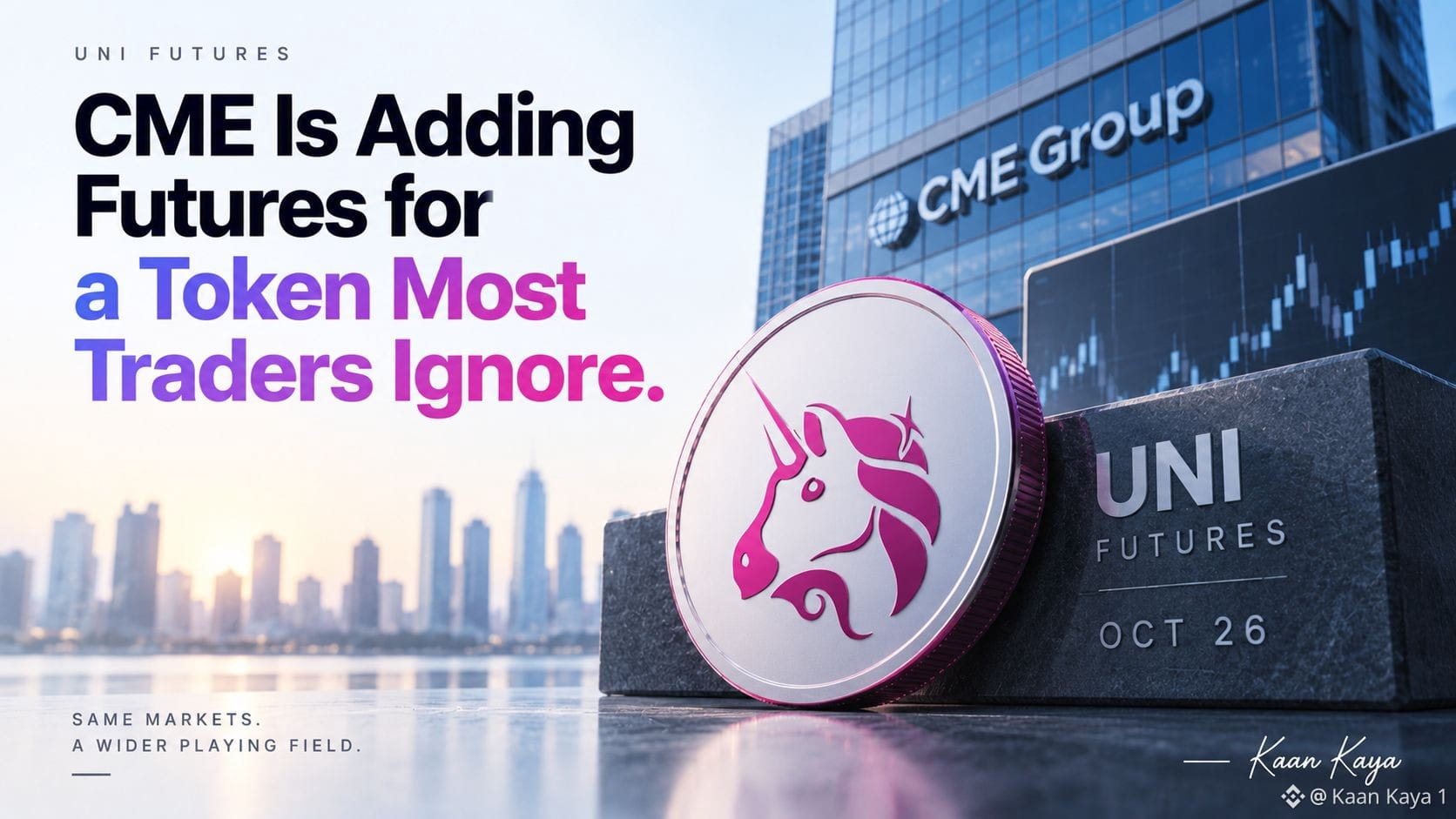
CME Está Añadiendo Futuros para un Token que la Mayoría de los Traders Ignora CME Group agregará futuros de $UNI el 26 de octubre, junto con nuevos futuros de Bitcoin Cash. Eso coloca el token de Uniswap en el mismo centro regulado de derivados que ya ofrece futuros vinculados a BTC, ETH, SOL y XRP. Lo interesante no es si los traders de pronto se vuelven alcistas con UNI. Un contrato de la CME le da a las instituciones otra forma de cubrir la exposición, operar la base y tomar posiciones sin tener que manejar el token directamente. También significa que UNI ha llegado a un punto en el que un gran exchange tradicional de derivados ve suficiente potencial de demanda como para construir un mercado a su alrededor. Y eso es un hito ligeramente distinto al de otro récord de volumen en DEX. Uniswap ha pasado años convirtiéndose en infraestructura importante para el comercio de cripto, mientras la gente debatía si ese éxito realmente repercute en los titulares de $UNI. Ahora, el propio token se está convirtiendo en un producto de derivados de TradFi. Me pregunto si el mercado de futuros termina atendiendo principalmente a los escritorios cripto existentes, o si introduce a un grupo completamente diferente de traders en UNI. #Macro Insights# #Altcoin Season#
CME Está Añadiendo Futuros para un Token que la Mayoría de los Traders Ignora CME Group agregará futuros de $UNI el 26 de octubre, junto con nuevos futuros de Bitcoin Cash. Eso coloca el token de Uniswap en el mismo centro regulado de derivados que ya ofrece futuros vinculados a BTC, ETH, SOL y XRP. Lo interesante no es si los traders de pronto se vuelven alcistas con UNI. Un contrato de la CME le da a las instituciones otra forma de cubrir la exposición, operar la base y tomar posiciones sin tener que manejar el token directamente. También significa que UNI ha llegado a un punto en el que un gran exchange tradicional de derivados ve suficiente potencial de demanda como para construir un mercado a su alrededor. Y eso es un hito ligeramente distinto al de otro récord de volumen en DEX. Uniswap ha pasado años convirtiéndose en infraestructura importante para el comercio de cripto, mientras la gente debatía si ese éxito realmente repercute en los titulares de $UNI. Ahora, el propio token se está convirtiendo en un producto de derivados de TradFi. Me pregunto si el mercado de futuros termina atendiendo principalmente a los escritorios cripto existentes, o si introduce a un grupo completamente diferente de traders en UNI. #Macro Insights# #Altcoin Season#
75
Inicia sesión para explorar más contenidos
Únete a usuarios globales de criptomonedas en Binance Square
⚡️ Obtén información útil y actualizada sobre criptos.
💬 Avalado por el mayor exchange de criptomonedas en el mundo.
👍 Descubre perspectivas reales de creadores verificados.
Email/número de teléfono
Temas populares
ZcashETFPostsFirstWeeklyOutflow$93.6M
37,654 vistas
123 están debatiendo
#ZcashETFPostsFirstWeeklyOutflow$93.6M
🚨🚨🚨🚨🚨🚨🚨🚨🚨🚨🚨🚨🚨🚨🚨✅ 🚨 ¡LAS ENTRADAS/SALIDAS DEL ETF DE ZCASH PASAN A NEGATIVO POR PRIMERA VEZ! 📉
$ZEC está enfrentando un cambio notable en los flujos de fondos institucionales, ya que los productos de inversión en Zcash registraron su primera salida neta semanal desde su lanzamiento en agosto.
Según los datos de flujos, durante la última semana se retiraron aproximadamente 93,6 millones de dólares de los productos de Zcash, mientras que la acción del precio de ZEC también se enfrió significativamente.
📊 ¿QUÉ PASÓ?
• Salida semanal del ETF de Zcash: 93,6M
• Salida diaria del 30 de septiembre: 30,25M
• ZCSH previamente atrajo alrededor de 98,2M en una semana
• ZEC cotiza cerca de $1,300
• Máximo reciente: alrededor de $1,690
• Caída semanal: aproximadamente 17%+
🔍 NIVELES A VIGILAR
🟢 Soporte: $1,280–$1,300
🔴 Resistencia: $1,450–$1,500
La pregunta clave ahora es si la zona de $1,300 puede mantenerse y atraer a compradores nuevos.
Los flujos institucionales también serán importantes. Un regreso de entradas positivas constantes podría señalar confianza renovada, mientras que las salidas continuas podrían mantener la presión sobre $ZEC .
👀 ¿Es simplemente toma de ganancias después del gran rally de ZEC, o podríamos ver otro retroceso más profundo antes de que regresen los compradores?
Comparte tu opinión abajo. 👇
#Zcash #ZEC #ZcashETF #Crypto
#analysis
owhggwiohsjowve
·0 me gusta
·172 vistas
GreekPoliceBustCryptoScamRingArrest17
85,205 vistas
734 están debatiendo
BitcoinRejectedAt$87K
126,735 vistas
181 están debatiendo