

ZEN ARLO
10.5k Publicaciones

ZEN ARLO
 Verificado Plus de Binance Square
Denunciar
Bloquear usuario
Code by day, charts by night. Sleep? Rarely. I try not to FOMO. LFG 🥂
31 Siguiendo
34.1K+ Seguidores
54.5K+ Me gusta
Publicaciones
Todo
Live
·
--
Parcialmente cierto
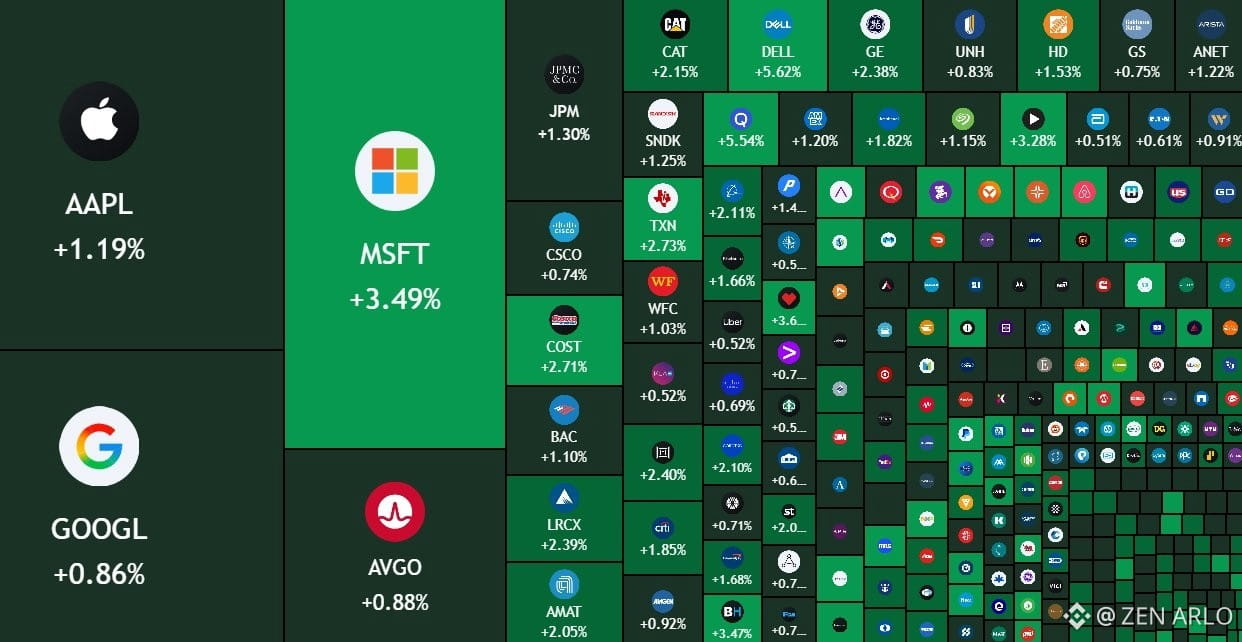
$450 MIL MILLONES EN 30 MINUTOS.
Casi 450.000 millones de dólares habrían sido añadidos al mercado de valores de EE. UU. en tan solo 30 minutos, según informaciones surgidas de que las conversaciones entre EE. UU. e Irán habrían entrado en una fase técnica.
Las acciones subieron mientras el petróleo caía aproximadamente un 3% hacia $91,70, ya que los operadores reaccionaron a la esperanza de avances diplomáticos y a un menor riesgo geopolítico.
Un titular. 30 minutos. Cientos de miles de millones de vuelta a las acciones.
La geopolítica está moviendo los mercados RÁPIDO.
$450 MIL MILLONES EN 30 MINUTOS.
Casi 450.000 millones de dólares habrían sido añadidos al mercado de valores de EE. UU. en tan solo 30 minutos, según informaciones surgidas de que las conversaciones entre EE. UU. e Irán habrían entrado en una fase técnica.
Las acciones subieron mientras el petróleo caía aproximadamente un 3% hacia $91,70, ya que los operadores reaccionaron a la esperanza de avances diplomáticos y a un menor riesgo geopolítico.
Un titular. 30 minutos. Cientos de miles de millones de vuelta a las acciones.
La geopolítica está moviendo los mercados RÁPIDO.
Casi 450.000 millones de dólares habrían sido añadidos al mercado de valores de EE. UU. en tan solo 30 minutos, según informaciones surgidas de que las conversaciones entre EE. UU. e Irán habrían entrado en una fase técnica.
Las acciones subieron mientras el petróleo caía aproximadamente un 3% hacia $91,70, ya que los operadores reaccionaron a la esperanza de avances diplomáticos y a un menor riesgo geopolítico.
Un titular. 30 minutos. Cientos de miles de millones de vuelta a las acciones.
La geopolítica está moviendo los mercados RÁPIDO.
18
3
59
53.4k
·
--
Alcista
Verificado
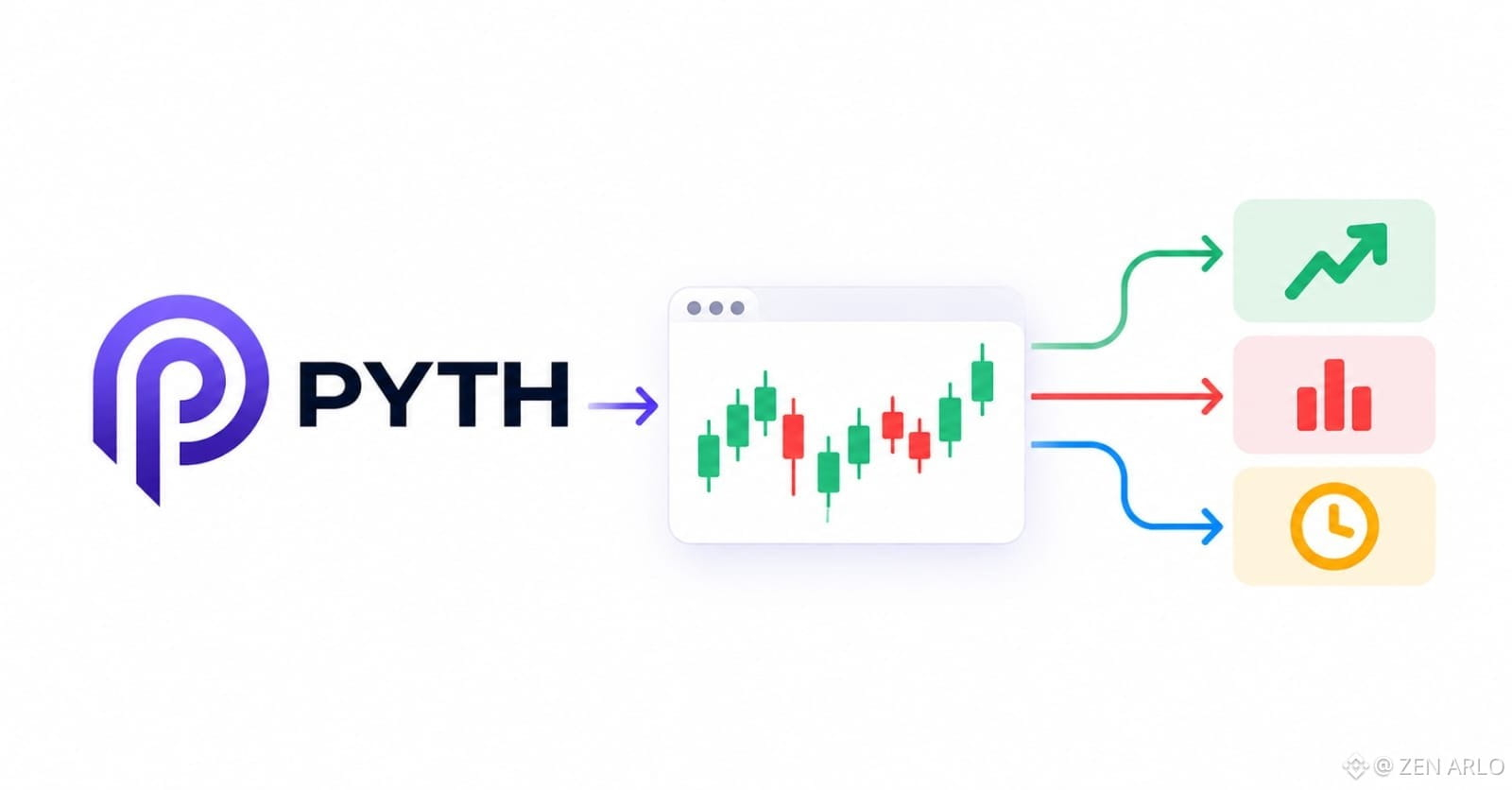
Pyth acaba de abrir una nueva puerta para los datos en tiempo real del mercado de EE. UU.
Pyth ha sido aprobado como distribuidor externo de Nasdaq Basic.
Esto permite acceder a cotizaciones y datos de operaciones de acciones de EE. UU. en tiempo real a través del Pyth Data Marketplace.
Nasdaq Basic cubre todos los valores estadounidenses listados en bolsa.
Incluye la mejor oferta y demanda con tamaño, el precio de la última operación y su tamaño, además de los precios oficiales de apertura y cierre.
Para los usuarios habituales, esto importa porque el software y las aplicaciones nativas de blockchain ahora tienen otra vía para obtener datos de mercado profesionales.
Los publicadores también conservan el crédito y el control comercial sobre sus datos.
Los clientes aún deben licenciar directamente con Nasdaq y recibir la aprobación previa por escrito antes de consumir el feed.
Esto amplía $PYTH más allá de la fijación de precios nativa de cripto y fortalece su objetivo más amplio de construir infraestructura para el “precio de todo”.
Solo información, no asesoramiento financiero.
#Pyth #PYTH #Crypto
Pyth acaba de abrir una nueva puerta para los datos en tiempo real del mercado de EE. UU.
Pyth ha sido aprobado como distribuidor externo de Nasdaq Basic.
Esto permite acceder a cotizaciones y datos de operaciones de acciones de EE. UU. en tiempo real a través del Pyth Data Marketplace.
Nasdaq Basic cubre todos los valores estadounidenses listados en bolsa.
Incluye la mejor oferta y demanda con tamaño, el precio de la última operación y su tamaño, además de los precios oficiales de apertura y cierre.
Para los usuarios habituales, esto importa porque el software y las aplicaciones nativas de blockchain ahora tienen otra vía para obtener datos de mercado profesionales.
Los publicadores también conservan el crédito y el control comercial sobre sus datos.
Los clientes aún deben licenciar directamente con Nasdaq y recibir la aprobación previa por escrito antes de consumir el feed.
Esto amplía $PYTH más allá de la fijación de precios nativa de cripto y fortalece su objetivo más amplio de construir infraestructura para el “precio de todo”.
Solo información, no asesoramiento financiero.
#Pyth #PYTH #Crypto
Pyth ha sido aprobado como distribuidor externo de Nasdaq Basic.
Esto permite acceder a cotizaciones y datos de operaciones de acciones de EE. UU. en tiempo real a través del Pyth Data Marketplace.
Nasdaq Basic cubre todos los valores estadounidenses listados en bolsa.
Incluye la mejor oferta y demanda con tamaño, el precio de la última operación y su tamaño, además de los precios oficiales de apertura y cierre.
Para los usuarios habituales, esto importa porque el software y las aplicaciones nativas de blockchain ahora tienen otra vía para obtener datos de mercado profesionales.
Los publicadores también conservan el crédito y el control comercial sobre sus datos.
Los clientes aún deben licenciar directamente con Nasdaq y recibir la aprobación previa por escrito antes de consumir el feed.
Esto amplía $PYTH más allá de la fijación de precios nativa de cripto y fortalece su objetivo más amplio de construir infraestructura para el “precio de todo”.
Solo información, no asesoramiento financiero.
#Pyth #PYTH #Crypto
59
65
30.6k
·
--
Alcista
Verificado
Aevo está ejecutando un modelo de token que más traders deberían entender.
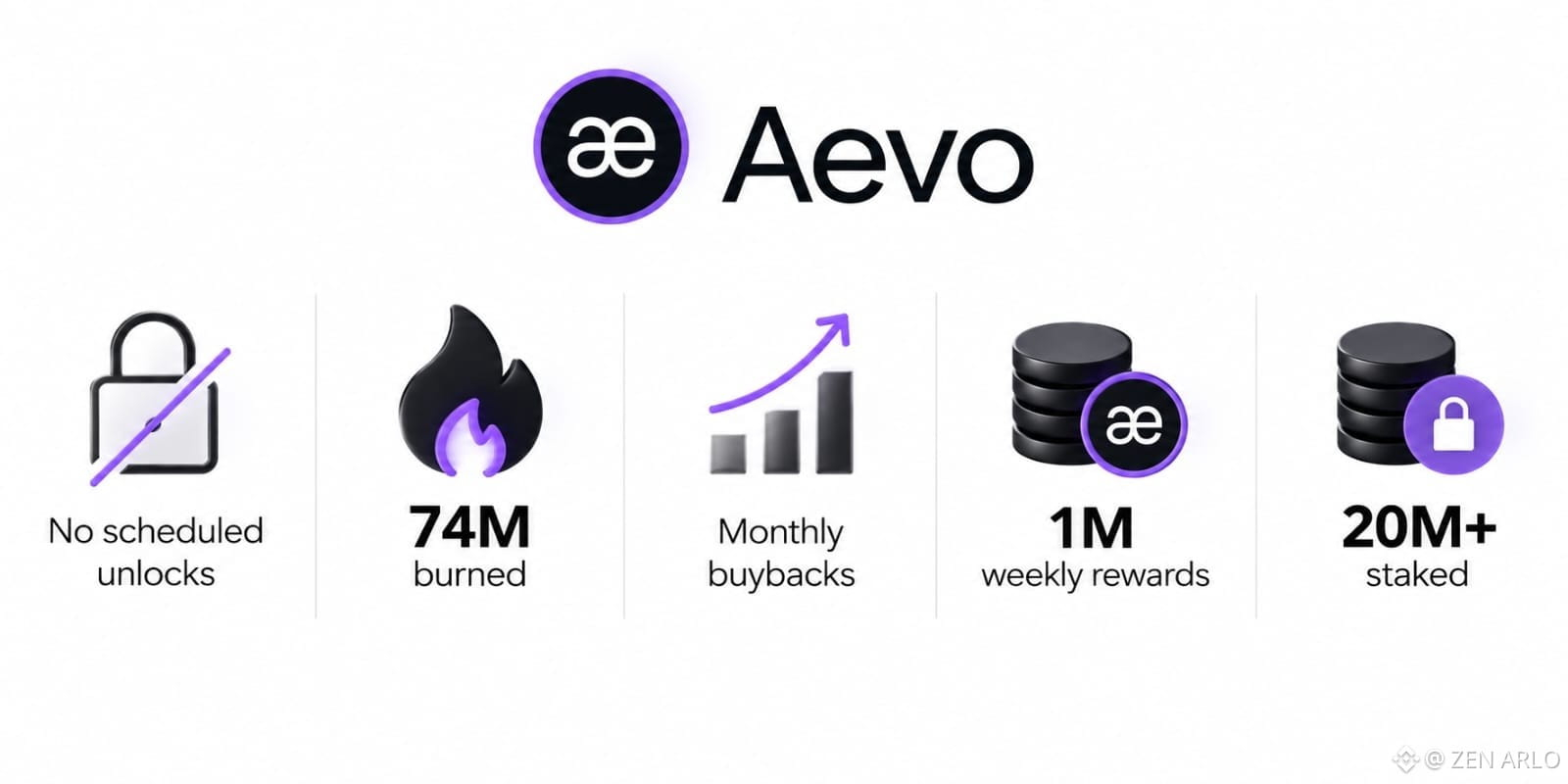
$AEVO no tiene desbloqueos programados restantes.
Ya se han quemado 74M tokens, con recompras mensuales utilizando comisiones de trading para comprar AEVO en el mercado y eliminarlo de forma permanente.
Los traders también reciben 1M de AEVO en recompensas por epoch semanal.
El detalle importante es que estas recompensas provienen del suministro fijo de 1B. No es una emisión nueva.
Entonces, la actividad de trading hace dos cosas.
Premia a los traders activos mientras también genera comisiones que financian las recompras mensuales.
También hay más de 20M de AEVO en staking en este momento.
Mientras $AAVE y $AVAX repiensan las estructuras de los tokens, y $LIT y $ASTER compiten por la actividad de los traders, Aevo ya tiene un modelo que conecta el uso con la reducción de suministro.
La pregunta más grande es si este tipo de estructura se vuelve el estándar para los protocolos cripto maduros.
Solo información, no asesoramiento financiero
#AEVO #DeFi #Crypto
Aevo está ejecutando un modelo de token que más traders deberían entender.
$AEVO no tiene desbloqueos programados restantes.
Ya se han quemado 74M tokens, con recompras mensuales utilizando comisiones de trading para comprar AEVO en el mercado y eliminarlo de forma permanente.
Los traders también reciben 1M de AEVO en recompensas por epoch semanal.
El detalle importante es que estas recompensas provienen del suministro fijo de 1B. No es una emisión nueva.
Entonces, la actividad de trading hace dos cosas.
Premia a los traders activos mientras también genera comisiones que financian las recompras mensuales.
También hay más de 20M de AEVO en staking en este momento.
Mientras $AAVE y $AVAX repiensan las estructuras de los tokens, y $LIT y $ASTER compiten por la actividad de los traders, Aevo ya tiene un modelo que conecta el uso con la reducción de suministro.
La pregunta más grande es si este tipo de estructura se vuelve el estándar para los protocolos cripto maduros.
Solo información, no asesoramiento financiero
#AEVO #DeFi #Crypto
$AEVO no tiene desbloqueos programados restantes.
Ya se han quemado 74M tokens, con recompras mensuales utilizando comisiones de trading para comprar AEVO en el mercado y eliminarlo de forma permanente.
Los traders también reciben 1M de AEVO en recompensas por epoch semanal.
El detalle importante es que estas recompensas provienen del suministro fijo de 1B. No es una emisión nueva.
Entonces, la actividad de trading hace dos cosas.
Premia a los traders activos mientras también genera comisiones que financian las recompras mensuales.
También hay más de 20M de AEVO en staking en este momento.
Mientras $AAVE y $AVAX repiensan las estructuras de los tokens, y $LIT y $ASTER compiten por la actividad de los traders, Aevo ya tiene un modelo que conecta el uso con la reducción de suministro.
La pregunta más grande es si este tipo de estructura se vuelve el estándar para los protocolos cripto maduros.
Solo información, no asesoramiento financiero
#AEVO #DeFi #Crypto
56
51
31.1k
·
--
Alcista
Verificado
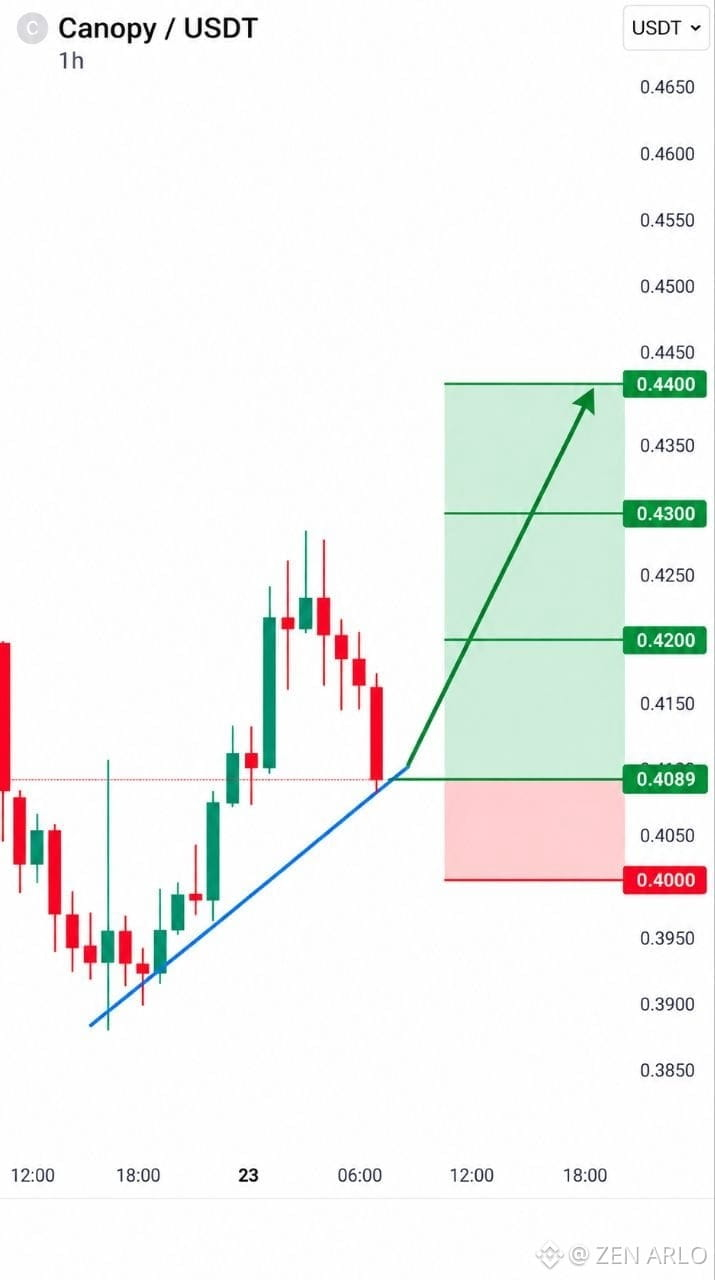
$CNPY la verdadera prueba comienza ahora.
Canopy ha entrado en mainnet, pasando de la experimentación a una actividad onchain real.
Su testnet registró previamente 1M+ despliegues y más de 10B de CNPY de prueba en volumen.
La visión es sencilla: hacer que construir aplicaciones onchain sea más fácil.
Los desarrolladores pueden crear cadenas específicas de aplicaciones usando lenguajes de programación familiares y desarrollo asistido por IA, mientras que Canopy se encarga de gran parte de la compleja infraestructura blockchain que hay debajo.
$CNPY es el token nativo que ayuda a impulsar este ecosistema.
Es compatible con staking y la seguridad de la red, permitiendo que los validadores ayuden a asegurar las cadenas de aplicaciones construidas a través de Canopy.
Para los usuarios cotidianos, una infraestructura más simple podría significar que los desarrolladores dediquen menos tiempo a lidiar con la complejidad de blockchain y más tiempo a crear aplicaciones que la gente realmente pueda usar.
El testnet demostró la demanda de experimentar. Mainnet es donde comienza a importar la adopción real.
Solo información, no asesoramiento financiero
#CNPY #Canopy #Crypto
$CNPY la verdadera prueba comienza ahora.
Canopy ha entrado en mainnet, pasando de la experimentación a una actividad onchain real.
Su testnet registró previamente 1M+ despliegues y más de 10B de CNPY de prueba en volumen.
La visión es sencilla: hacer que construir aplicaciones onchain sea más fácil.
Los desarrolladores pueden crear cadenas específicas de aplicaciones usando lenguajes de programación familiares y desarrollo asistido por IA, mientras que Canopy se encarga de gran parte de la compleja infraestructura blockchain que hay debajo.
$CNPY es el token nativo que ayuda a impulsar este ecosistema.
Es compatible con staking y la seguridad de la red, permitiendo que los validadores ayuden a asegurar las cadenas de aplicaciones construidas a través de Canopy.
Para los usuarios cotidianos, una infraestructura más simple podría significar que los desarrolladores dediquen menos tiempo a lidiar con la complejidad de blockchain y más tiempo a crear aplicaciones que la gente realmente pueda usar.
El testnet demostró la demanda de experimentar. Mainnet es donde comienza a importar la adopción real.
Solo información, no asesoramiento financiero
#CNPY #Canopy #Crypto
Canopy ha entrado en mainnet, pasando de la experimentación a una actividad onchain real.
Su testnet registró previamente 1M+ despliegues y más de 10B de CNPY de prueba en volumen.
La visión es sencilla: hacer que construir aplicaciones onchain sea más fácil.
Los desarrolladores pueden crear cadenas específicas de aplicaciones usando lenguajes de programación familiares y desarrollo asistido por IA, mientras que Canopy se encarga de gran parte de la compleja infraestructura blockchain que hay debajo.
$CNPY es el token nativo que ayuda a impulsar este ecosistema.
Es compatible con staking y la seguridad de la red, permitiendo que los validadores ayuden a asegurar las cadenas de aplicaciones construidas a través de Canopy.
Para los usuarios cotidianos, una infraestructura más simple podría significar que los desarrolladores dediquen menos tiempo a lidiar con la complejidad de blockchain y más tiempo a crear aplicaciones que la gente realmente pueda usar.
El testnet demostró la demanda de experimentar. Mainnet es donde comienza a importar la adopción real.
Solo información, no asesoramiento financiero
#CNPY #Canopy #Crypto
48
35
10.2k
·
--
Bajista
Parcialmente cierto
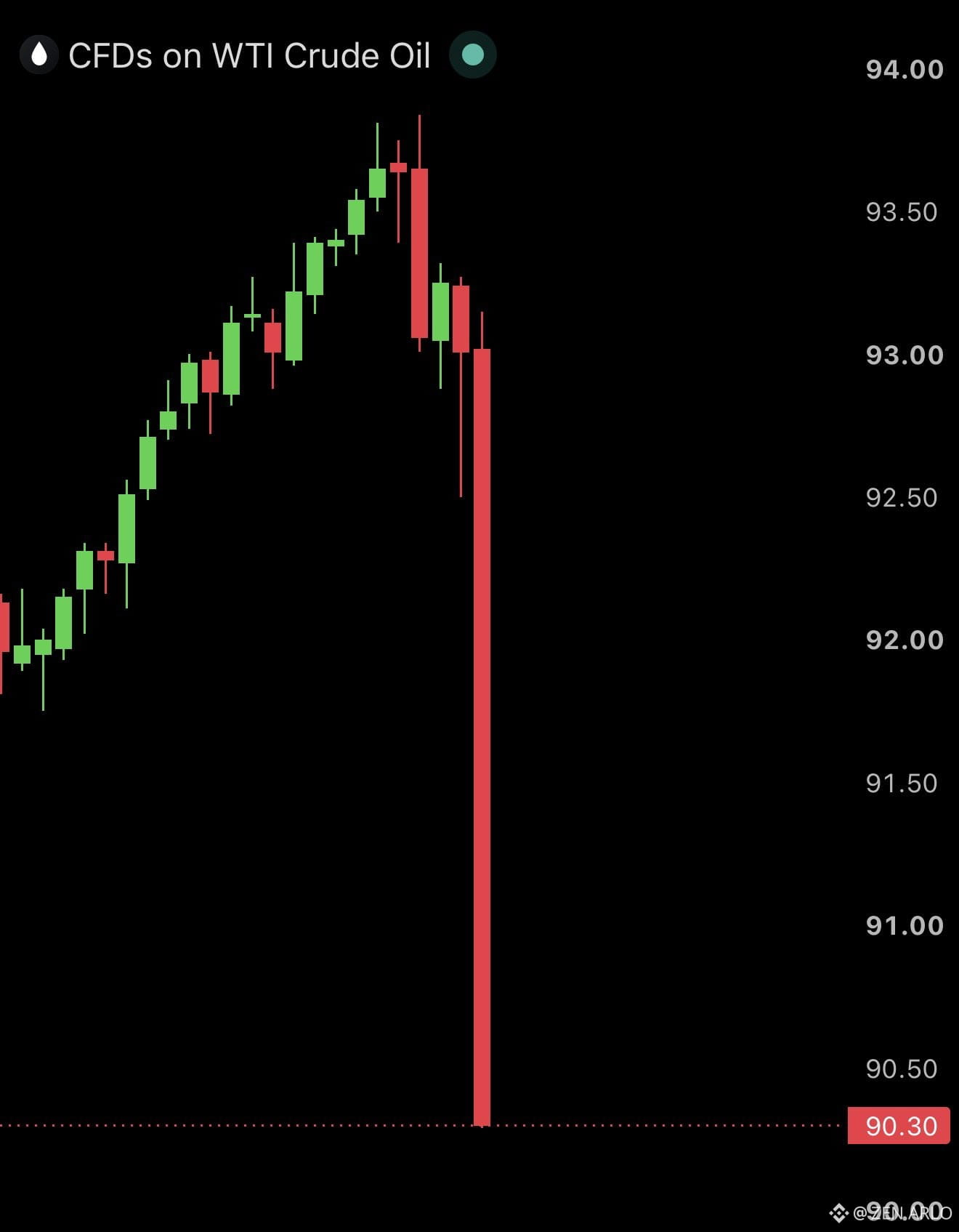
🚨 ALERTA DE CAÍDA DEL PETRÓLEO:
El petróleo se desplomó un 3% en solo 60 minutos, rompiendo por debajo del nivel crítico de 91 USD por barril.
Un movimiento tan brusco señala una presión vendedora agresiva golpeando el mercado energético. Perder los 91 USD mantiene a los operadores en alerta ante otra ola de volatilidad si los compradores no logran recuperar el nivel con rapidez.
El petróleo se mueve RÁPIDO: todas las miradas están puestas en la próxima reacción.
🚨 ALERTA DE CAÍDA DEL PETRÓLEO:
El petróleo se desplomó un 3% en solo 60 minutos, rompiendo por debajo del nivel crítico de 91 USD por barril.
Un movimiento tan brusco señala una presión vendedora agresiva golpeando el mercado energético. Perder los 91 USD mantiene a los operadores en alerta ante otra ola de volatilidad si los compradores no logran recuperar el nivel con rapidez.
El petróleo se mueve RÁPIDO: todas las miradas están puestas en la próxima reacción.
El petróleo se desplomó un 3% en solo 60 minutos, rompiendo por debajo del nivel crítico de 91 USD por barril.
Un movimiento tan brusco señala una presión vendedora agresiva golpeando el mercado energético. Perder los 91 USD mantiene a los operadores en alerta ante otra ola de volatilidad si los compradores no logran recuperar el nivel con rapidez.
El petróleo se mueve RÁPIDO: todas las miradas están puestas en la próxima reacción.
4
33
36.7k
·
--
Alcista
La información se mueve rápido. Ahora los traders pueden, de verdad, operar con ella.
Polymarket convierte eventos del mundo real en mercados que cubren cripto, IA, economía, geopolítica, deportes, entretenimiento y más.
Elige un mercado, investiga el evento y toma una postura de SÍ o NO según cómo creas que se desarrollará el resultado.
En lugar de solo observar tokens como $ARB , $APT , $NEAR o SEI move, los traders pueden usar conocimientos de temas que ya entienden.
La incorporación basada en billetera y la financiación en cripto hacen que empezar sea sencillo, mientras que los precios del mercado se ajustan continuamente a medida que llega nueva información.
Con 250K–500K traders activos mensuales, 17M+ visitas mensuales y un volumen de trading proyectado para 2025 de $18B destacado en el resumen de la campaña, los mercados de predicción están empezando a ser difíciles de ignorar.
Para los usuarios de a pie, la diferencia clave es simple: la investigación y el conocimiento del tema pueden convertirse en parte de tu ventaja de trading.
Solo información, no asesoría financiera
#Polymarket #PredictionMarkets #Web3
La información se mueve rápido. Ahora los traders pueden, de verdad, operar con ella.
Polymarket convierte eventos del mundo real en mercados que cubren cripto, IA, economía, geopolítica, deportes, entretenimiento y más.
Elige un mercado, investiga el evento y toma una postura de SÍ o NO según cómo creas que se desarrollará el resultado.
En lugar de solo observar tokens como $ARB , $APT , $NEAR o SEI move, los traders pueden usar conocimientos de temas que ya entienden.
La incorporación basada en billetera y la financiación en cripto hacen que empezar sea sencillo, mientras que los precios del mercado se ajustan continuamente a medida que llega nueva información.
Con 250K–500K traders activos mensuales, 17M+ visitas mensuales y un volumen de trading proyectado para 2025 de $18B destacado en el resumen de la campaña, los mercados de predicción están empezando a ser difíciles de ignorar.
Para los usuarios de a pie, la diferencia clave es simple: la investigación y el conocimiento del tema pueden convertirse en parte de tu ventaja de trading.
Solo información, no asesoría financiera
#Polymarket #PredictionMarkets #Web3
Polymarket convierte eventos del mundo real en mercados que cubren cripto, IA, economía, geopolítica, deportes, entretenimiento y más.
Elige un mercado, investiga el evento y toma una postura de SÍ o NO según cómo creas que se desarrollará el resultado.
En lugar de solo observar tokens como $ARB , $APT , $NEAR o SEI move, los traders pueden usar conocimientos de temas que ya entienden.
La incorporación basada en billetera y la financiación en cripto hacen que empezar sea sencillo, mientras que los precios del mercado se ajustan continuamente a medida que llega nueva información.
Con 250K–500K traders activos mensuales, 17M+ visitas mensuales y un volumen de trading proyectado para 2025 de $18B destacado en el resumen de la campaña, los mercados de predicción están empezando a ser difíciles de ignorar.
Para los usuarios de a pie, la diferencia clave es simple: la investigación y el conocimiento del tema pueden convertirse en parte de tu ventaja de trading.
Solo información, no asesoría financiera
#Polymarket #PredictionMarkets #Web3
51
41
14.1k
·
--
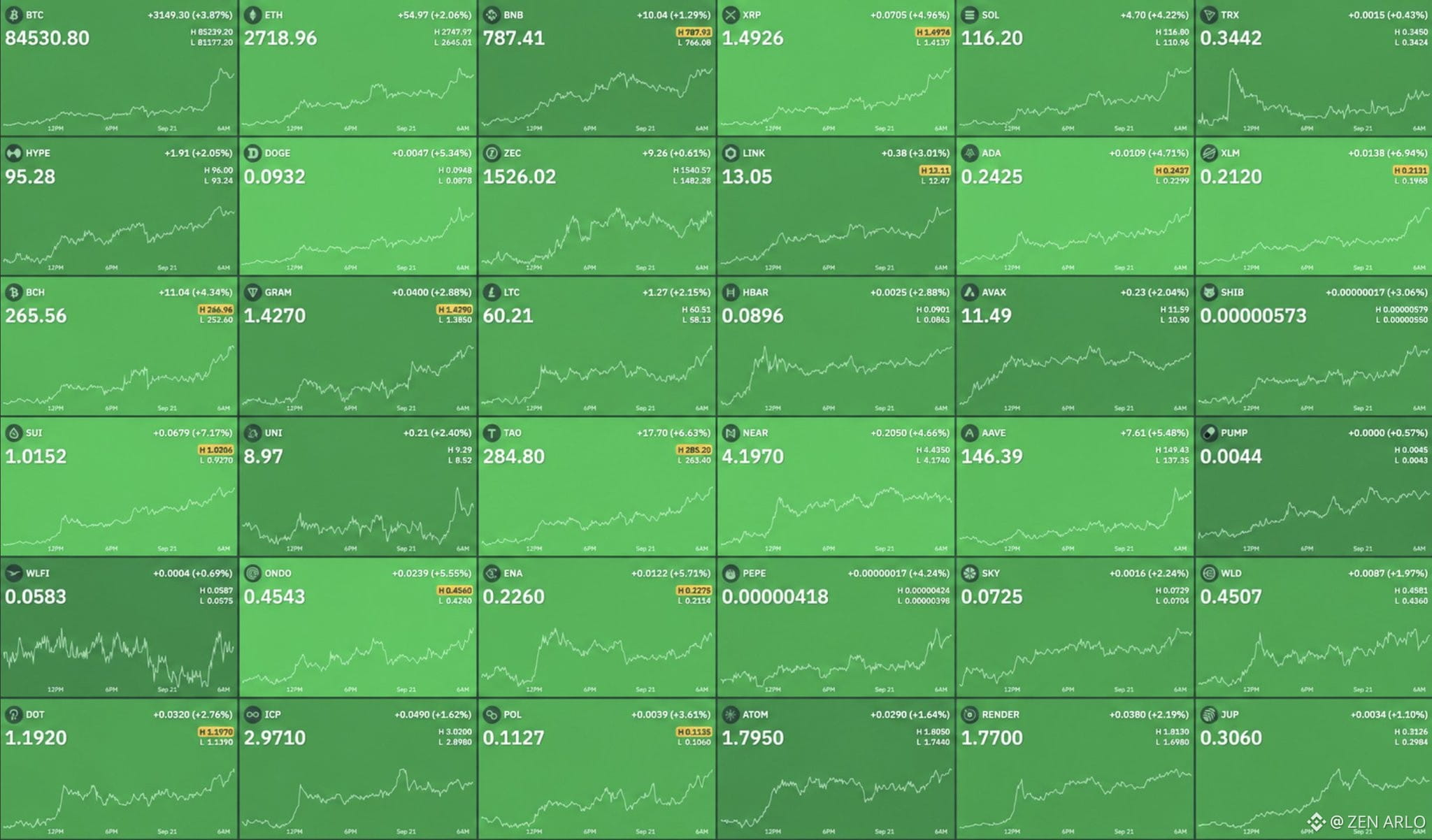
¡ALERTA: 300.000 MILLONES de dólares han entrado en el mercado cripto en solo 4 días.
El capital está regresando a toda velocidad: Bitcoin y Ethereum están subiendo, y la capitalización total del mercado cripto ahora ronda los 2,9 BILLONES de dólares.
El impulso se está acelerando rápidamente.
EL CRIPTO SE ESTÁ DESPERTANDO.
¡ALERTA: 300.000 MILLONES de dólares han entrado en el mercado cripto en solo 4 días.
El capital está regresando a toda velocidad: Bitcoin y Ethereum están subiendo, y la capitalización total del mercado cripto ahora ronda los 2,9 BILLONES de dólares.
El impulso se está acelerando rápidamente.
EL CRIPTO SE ESTÁ DESPERTANDO.
El capital está regresando a toda velocidad: Bitcoin y Ethereum están subiendo, y la capitalización total del mercado cripto ahora ronda los 2,9 BILLONES de dólares.
El impulso se está acelerando rápidamente.
EL CRIPTO SE ESTÁ DESPERTANDO.
15
1
86
102.6k
·
--
Alcista
¿Y si la privacidad en blockchain no significara ocultarlo todo, sino demostrar exactamente lo que importa sin exponer el resto?
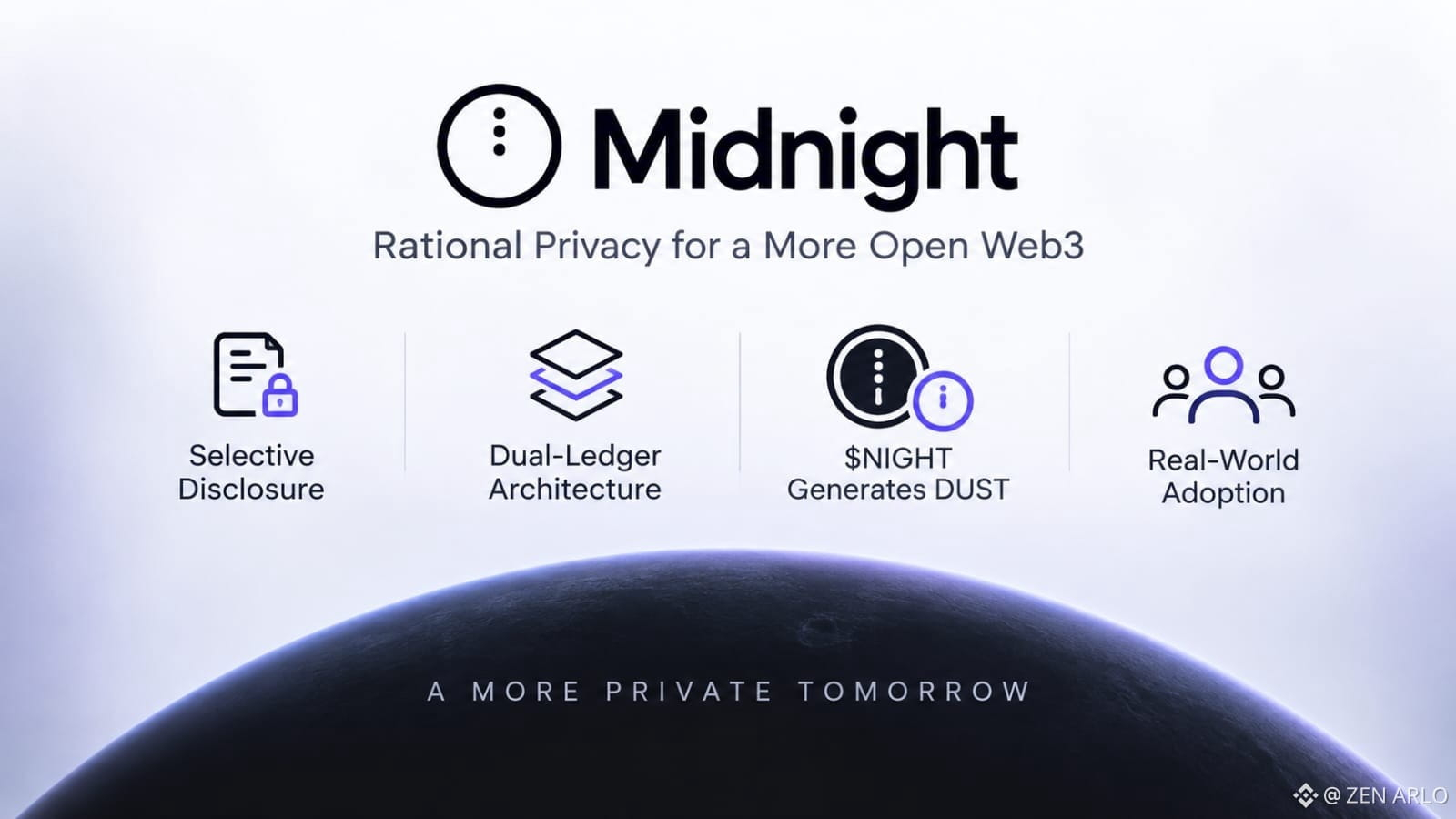
Midnight es una Layer 1 independiente diseñada para una privacidad programable y racional en Web3.
Su idea central es la divulgación selectiva mediante pruebas de conocimiento cero: demostrar que una afirmación es verdadera sin revelar los datos subyacentes.
Piensa en probar que tienes más de 21 años sin revelar tu fecha de nacimiento, dirección ni identidad completa.
Midnight combina una capa pública de coordinación con ejecución encriptada, manteniendo la información necesaria verificable mientras los detalles sensibles permanecen privados.
El modelo de doble token separa también los roles de red.
$NIGHT es el activo público de gobernanza y valor, mientras que al mantener NIGHT se genera automáticamente DUST, un recurso no transferible y regenerativo que se utiliza para transacciones privadas.
Ese enfoque importa a medida que evoluciona la privacidad en blockchain. $ZEC , $ZAMA y $ADA representan distintas partes de la conversación más amplia sobre privacidad, criptografía y blockchain, mientras que NIGHT se centra en una privacidad programable con divulgación selectiva.
La pregunta más grande no es si las blockchains deben ser completamente públicas o completamente privadas.
Es si los usuarios pueden demostrar lo que importa sin revelar todo lo demás.
Solo información, no asesoramiento financiero
#MidnightNetwork #RationalPrivacy #Web3
¿Y si la privacidad en blockchain no significara ocultarlo todo, sino demostrar exactamente lo que importa sin exponer el resto?
Midnight es una Layer 1 independiente diseñada para una privacidad programable y racional en Web3.
Su idea central es la divulgación selectiva mediante pruebas de conocimiento cero: demostrar que una afirmación es verdadera sin revelar los datos subyacentes.
Piensa en probar que tienes más de 21 años sin revelar tu fecha de nacimiento, dirección ni identidad completa.
Midnight combina una capa pública de coordinación con ejecución encriptada, manteniendo la información necesaria verificable mientras los detalles sensibles permanecen privados.
El modelo de doble token separa también los roles de red.
$NIGHT es el activo público de gobernanza y valor, mientras que al mantener NIGHT se genera automáticamente DUST, un recurso no transferible y regenerativo que se utiliza para transacciones privadas.
Ese enfoque importa a medida que evoluciona la privacidad en blockchain. $ZEC , $ZAMA y $ADA representan distintas partes de la conversación más amplia sobre privacidad, criptografía y blockchain, mientras que NIGHT se centra en una privacidad programable con divulgación selectiva.
La pregunta más grande no es si las blockchains deben ser completamente públicas o completamente privadas.
Es si los usuarios pueden demostrar lo que importa sin revelar todo lo demás.
Solo información, no asesoramiento financiero
#MidnightNetwork #RationalPrivacy #Web3
Midnight es una Layer 1 independiente diseñada para una privacidad programable y racional en Web3.
Su idea central es la divulgación selectiva mediante pruebas de conocimiento cero: demostrar que una afirmación es verdadera sin revelar los datos subyacentes.
Piensa en probar que tienes más de 21 años sin revelar tu fecha de nacimiento, dirección ni identidad completa.
Midnight combina una capa pública de coordinación con ejecución encriptada, manteniendo la información necesaria verificable mientras los detalles sensibles permanecen privados.
El modelo de doble token separa también los roles de red.
$NIGHT es el activo público de gobernanza y valor, mientras que al mantener NIGHT se genera automáticamente DUST, un recurso no transferible y regenerativo que se utiliza para transacciones privadas.
Ese enfoque importa a medida que evoluciona la privacidad en blockchain. $ZEC , $ZAMA y $ADA representan distintas partes de la conversación más amplia sobre privacidad, criptografía y blockchain, mientras que NIGHT se centra en una privacidad programable con divulgación selectiva.
La pregunta más grande no es si las blockchains deben ser completamente públicas o completamente privadas.
Es si los usuarios pueden demostrar lo que importa sin revelar todo lo demás.
Solo información, no asesoramiento financiero
#MidnightNetwork #RationalPrivacy #Web3
49
30
11.5k
·
--
Alcista
Polymarket — negocia lo que pasa después.
Los mercados de predicción aportan una dimensión diferente a las criptomonedas.
En lugar de solo negociar activos, Polymarket permite a los usuarios negociar su visión sobre resultados del mundo real.
El concepto es sencillo.
Elige un mercado. Estudia la información. Toma una posición de SÍ o de NO.
Los precios se mueven a medida que llega nueva información, creando una representación en vivo de cómo los traders valoran un resultado.
Los mercados abarcan cripto, deportes, economía, tecnología, cultura y grandes eventos globales.
Si bien tokens como $PENGU , $DOOD , $KAITO y $IP representan diferentes narrativas cripto emergentes, Polymarket se centra en algo distinto: hacer negociables la información y los resultados del mundo real.
Los usuarios pueden aplicar el conocimiento de los temas que ya siguen y convertir esa información en posiciones de mercado.
Las posiciones también pueden negociarse antes de la resolución final, mientras que las órdenes limitadas ofrecen más control sobre las entradas y salidas.
Para los usuarios de a pie, crea otra forma de participar en el mundo cripto sin centrarse solo en los movimientos del precio del token.
Polymarket está haciendo que la probabilidad forme parte de la experiencia de negociación.
Solo información, no es asesoramiento financiero
#Polymarket #PredictionMarkets #Crypto
Polymarket — negocia lo que pasa después.
Los mercados de predicción aportan una dimensión diferente a las criptomonedas.
En lugar de solo negociar activos, Polymarket permite a los usuarios negociar su visión sobre resultados del mundo real.
El concepto es sencillo.
Elige un mercado. Estudia la información. Toma una posición de SÍ o de NO.
Los precios se mueven a medida que llega nueva información, creando una representación en vivo de cómo los traders valoran un resultado.
Los mercados abarcan cripto, deportes, economía, tecnología, cultura y grandes eventos globales.
Si bien tokens como $PENGU , $DOOD , $KAITO y $IP representan diferentes narrativas cripto emergentes, Polymarket se centra en algo distinto: hacer negociables la información y los resultados del mundo real.
Los usuarios pueden aplicar el conocimiento de los temas que ya siguen y convertir esa información en posiciones de mercado.
Las posiciones también pueden negociarse antes de la resolución final, mientras que las órdenes limitadas ofrecen más control sobre las entradas y salidas.
Para los usuarios de a pie, crea otra forma de participar en el mundo cripto sin centrarse solo en los movimientos del precio del token.
Polymarket está haciendo que la probabilidad forme parte de la experiencia de negociación.
Solo información, no es asesoramiento financiero
#Polymarket #PredictionMarkets #Crypto
Los mercados de predicción aportan una dimensión diferente a las criptomonedas.
En lugar de solo negociar activos, Polymarket permite a los usuarios negociar su visión sobre resultados del mundo real.
El concepto es sencillo.
Elige un mercado. Estudia la información. Toma una posición de SÍ o de NO.
Los precios se mueven a medida que llega nueva información, creando una representación en vivo de cómo los traders valoran un resultado.
Los mercados abarcan cripto, deportes, economía, tecnología, cultura y grandes eventos globales.
Si bien tokens como $PENGU , $DOOD , $KAITO y $IP representan diferentes narrativas cripto emergentes, Polymarket se centra en algo distinto: hacer negociables la información y los resultados del mundo real.
Los usuarios pueden aplicar el conocimiento de los temas que ya siguen y convertir esa información en posiciones de mercado.
Las posiciones también pueden negociarse antes de la resolución final, mientras que las órdenes limitadas ofrecen más control sobre las entradas y salidas.
Para los usuarios de a pie, crea otra forma de participar en el mundo cripto sin centrarse solo en los movimientos del precio del token.
Polymarket está haciendo que la probabilidad forme parte de la experiencia de negociación.
Solo información, no es asesoramiento financiero
#Polymarket #PredictionMarkets #Crypto
60
38
11.9k
·
--
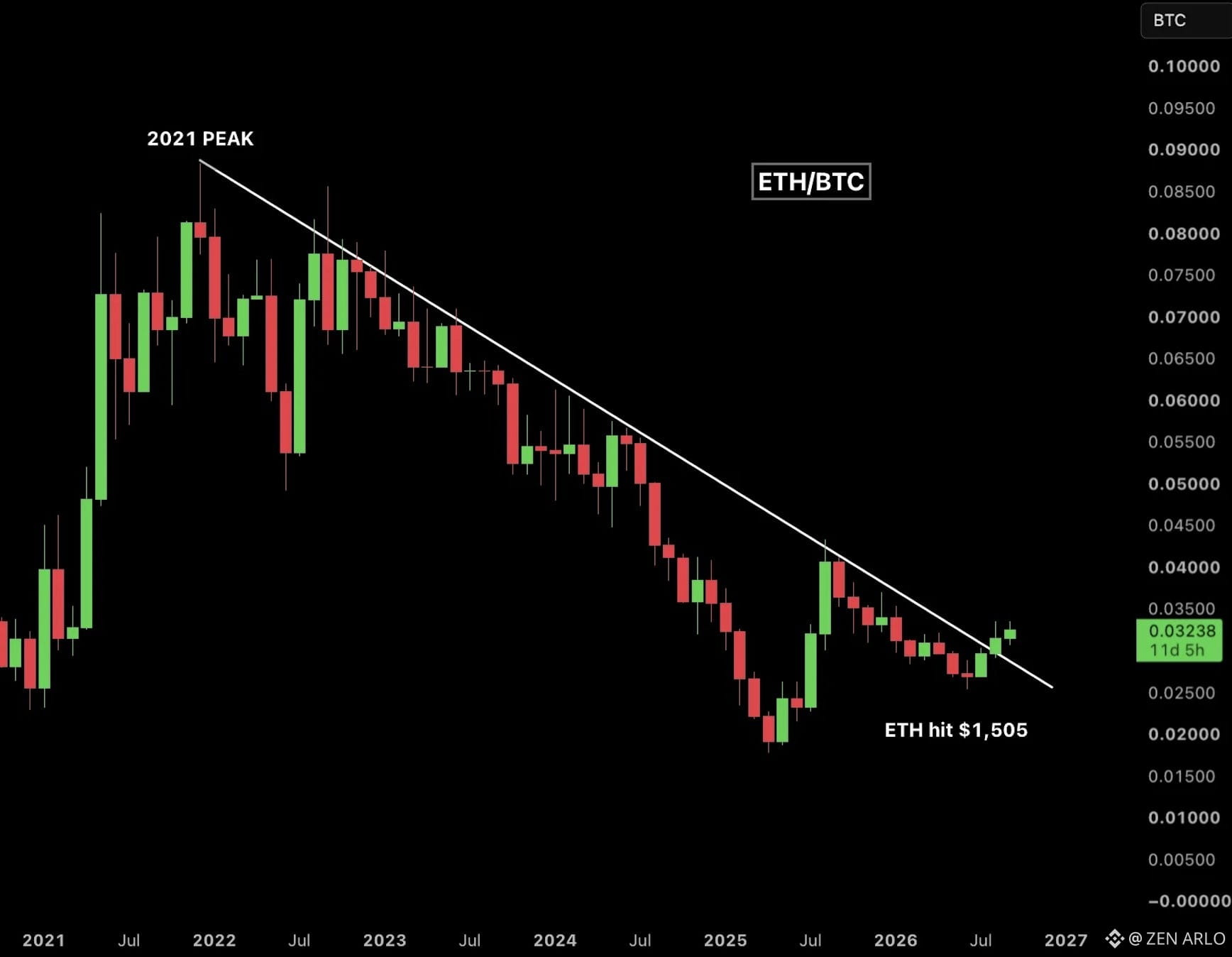
ETH/BTC acaba de concretar una ruptura que los traders de criptomonedas llevaban años esperando.
Ethereum está superando su larga tendencia bajista frente a Bitcoin, señalando un cambio importante en la fuerza relativa. Un análisis reciente también muestra que el par ETH/BTC está subiendo con fuerza desde sus mínimos de junio y poniendo a prueba una resistencia clave en torno a la zona 0.033–0.034.
Esto es importante porque una ratio de ETH/BTC al alza significa que ETH está superando a BTC: históricamente, es un ingrediente clave cuando el capital comienza a rotar más allá de Bitcoin.
Pero la confirmación es lo que cuenta. Mantenerse por encima de la estructura de tendencia rota reforzaría el escenario de reversión; volver a caer por debajo de ella podría convertir esto en otra ruptura fallida.
Después de años de dominio de BTC, ETH por fin está respondiendo.
ETH/BTC es el gráfico que hay que vigilar.
ETH/BTC acaba de concretar una ruptura que los traders de criptomonedas llevaban años esperando.
Ethereum está superando su larga tendencia bajista frente a Bitcoin, señalando un cambio importante en la fuerza relativa. Un análisis reciente también muestra que el par ETH/BTC está subiendo con fuerza desde sus mínimos de junio y poniendo a prueba una resistencia clave en torno a la zona 0.033–0.034.
Esto es importante porque una ratio de ETH/BTC al alza significa que ETH está superando a BTC: históricamente, es un ingrediente clave cuando el capital comienza a rotar más allá de Bitcoin.
Pero la confirmación es lo que cuenta. Mantenerse por encima de la estructura de tendencia rota reforzaría el escenario de reversión; volver a caer por debajo de ella podría convertir esto en otra ruptura fallida.
Después de años de dominio de BTC, ETH por fin está respondiendo.
ETH/BTC es el gráfico que hay que vigilar.
Ethereum está superando su larga tendencia bajista frente a Bitcoin, señalando un cambio importante en la fuerza relativa. Un análisis reciente también muestra que el par ETH/BTC está subiendo con fuerza desde sus mínimos de junio y poniendo a prueba una resistencia clave en torno a la zona 0.033–0.034.
Esto es importante porque una ratio de ETH/BTC al alza significa que ETH está superando a BTC: históricamente, es un ingrediente clave cuando el capital comienza a rotar más allá de Bitcoin.
Pero la confirmación es lo que cuenta. Mantenerse por encima de la estructura de tendencia rota reforzaría el escenario de reversión; volver a caer por debajo de ella podría convertir esto en otra ruptura fallida.
Después de años de dominio de BTC, ETH por fin está respondiendo.
ETH/BTC es el gráfico que hay que vigilar.
4
7.1k
·
--
Alcista
Verificado
Pyth Network está cambiando la forma en que los datos financieros llegan a los mercados nativos de internet.
La mayor parte de los datos de mercado llega aguas abajo. $PYTH va aguas arriba, obteniendo precios directamente de las instituciones y traders que los crean.
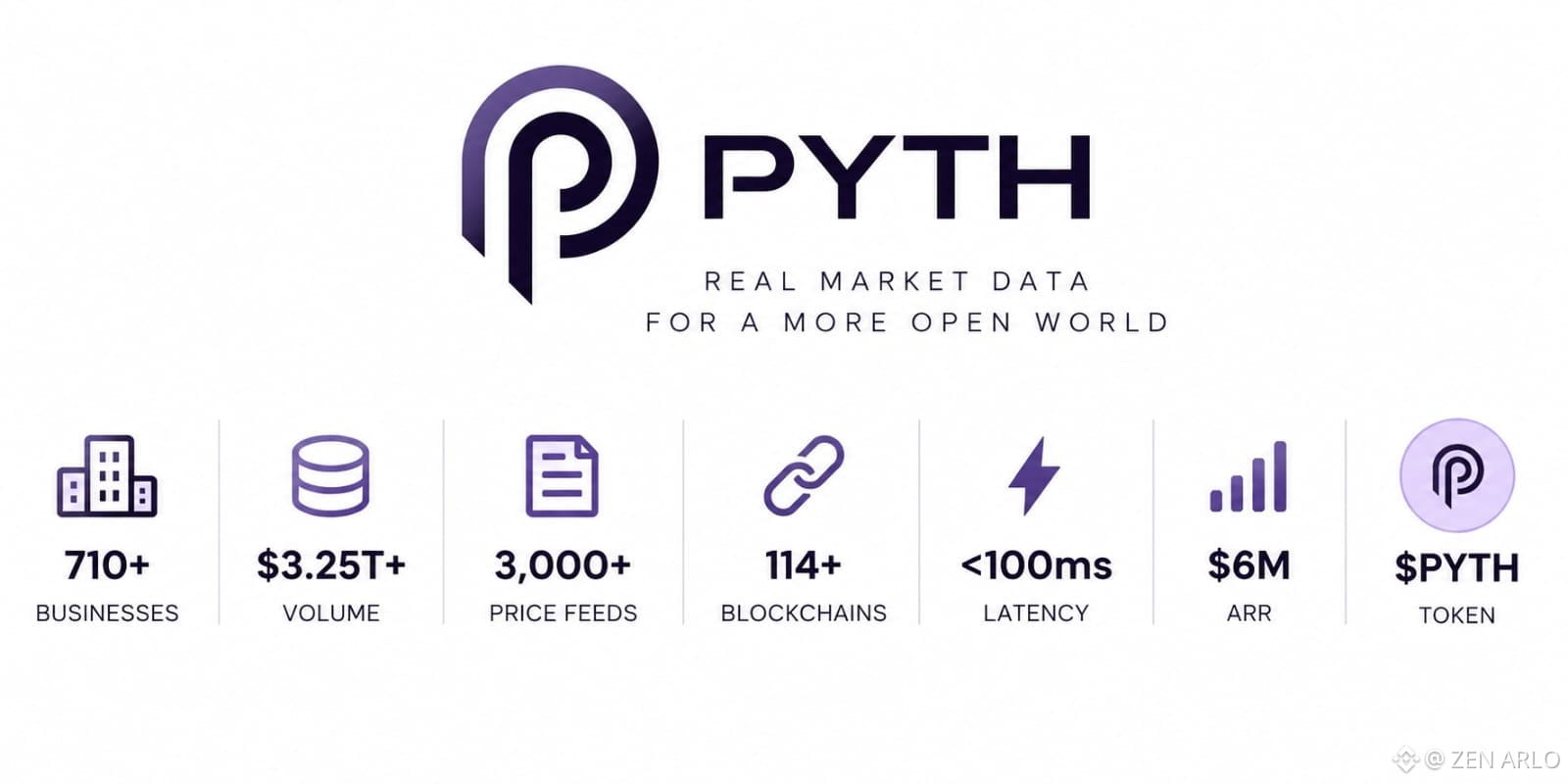
Ya, 710+ empresas usan datos de Pyth, con $3.25T+ en volumen acumulado asegurado.
Admite el 60% del mercado de perps onchain, con 125+ publicadores institucionales, 114+ blockchains y 3,000+ feeds de precios.
Pyth Pro entrega 2,200+ instrumentos multi-activo a través de una sola integración, con latencia sub-100 ms y garantías de disponibilidad del 99.99%.
Pyth Terminal facilita explorar feeds en vivo, comparar precios con benchmarks e inspeccionar los publicadores detrás de los datos.
El Data Marketplace ofrece a las instituciones una capa de distribución nativa de internet para datos propietarios.
Pyth Indices aporta precios siempre activos a mercados 24/7, mientras que Pyth Pro para Agentes de IA proporciona datos de mercado para finanzas autónomas.
La demanda comercial también está creciendo.
Pyth Pro superó $6M $ARR en cuestión de meses desde su lanzamiento. El ARR por suscripciones creció 109% QoQ, con tres meses consecutivos por encima de $1M en ARR bruto nuevo, según el último briefing de Pyth.
Para los usuarios normales, lo importante es simple: los datos confiables de primera parte pueden mejorar la infraestructura que impulsa RWA, mercados de predicción, perps y otros productos financieros 24/7.
Si bien $API3, $BAND, $RED y $DIA cubren áreas adyacentes, Pyth está impulsando datos de mercado de primera parte como una capa fundamental para las finanzas nativas de internet.
En el centro del ecosistema está el token Pyth, conectando el crecimiento de la red con su gobernanza descentralizada y un ecosistema más amplio.
A medida que Pyth se expande en datos institucionales, DeFi, mercados 24/7 y finanzas impulsadas por IA, Pyth sigue siendo el token nativo que sustenta la red.
Solo información, no asesoramiento financiero.
#PythNetwork #PYTH #DeFi
Pyth Network está cambiando la forma en que los datos financieros llegan a los mercados nativos de internet.
La mayor parte de los datos de mercado llega aguas abajo. $PYTH va aguas arriba, obteniendo precios directamente de las instituciones y traders que los crean.
Ya, 710+ empresas usan datos de Pyth, con $3.25T+ en volumen acumulado asegurado.
Admite el 60% del mercado de perps onchain, con 125+ publicadores institucionales, 114+ blockchains y 3,000+ feeds de precios.
Pyth Pro entrega 2,200+ instrumentos multi-activo a través de una sola integración, con latencia sub-100 ms y garantías de disponibilidad del 99.99%.
Pyth Terminal facilita explorar feeds en vivo, comparar precios con benchmarks e inspeccionar los publicadores detrás de los datos.
El Data Marketplace ofrece a las instituciones una capa de distribución nativa de internet para datos propietarios.
Pyth Indices aporta precios siempre activos a mercados 24/7, mientras que Pyth Pro para Agentes de IA proporciona datos de mercado para finanzas autónomas.
La demanda comercial también está creciendo.
Pyth Pro superó $6M $ARR en cuestión de meses desde su lanzamiento. El ARR por suscripciones creció 109% QoQ, con tres meses consecutivos por encima de $1M en ARR bruto nuevo, según el último briefing de Pyth.
Para los usuarios normales, lo importante es simple: los datos confiables de primera parte pueden mejorar la infraestructura que impulsa RWA, mercados de predicción, perps y otros productos financieros 24/7.
Si bien $API3, $BAND, $RED y $DIA cubren áreas adyacentes, Pyth está impulsando datos de mercado de primera parte como una capa fundamental para las finanzas nativas de internet.
En el centro del ecosistema está el token Pyth, conectando el crecimiento de la red con su gobernanza descentralizada y un ecosistema más amplio.
A medida que Pyth se expande en datos institucionales, DeFi, mercados 24/7 y finanzas impulsadas por IA, Pyth sigue siendo el token nativo que sustenta la red.
Solo información, no asesoramiento financiero.
#PythNetwork #PYTH #DeFi
La mayor parte de los datos de mercado llega aguas abajo. $PYTH va aguas arriba, obteniendo precios directamente de las instituciones y traders que los crean.
Ya, 710+ empresas usan datos de Pyth, con $3.25T+ en volumen acumulado asegurado.
Admite el 60% del mercado de perps onchain, con 125+ publicadores institucionales, 114+ blockchains y 3,000+ feeds de precios.
Pyth Pro entrega 2,200+ instrumentos multi-activo a través de una sola integración, con latencia sub-100 ms y garantías de disponibilidad del 99.99%.
Pyth Terminal facilita explorar feeds en vivo, comparar precios con benchmarks e inspeccionar los publicadores detrás de los datos.
El Data Marketplace ofrece a las instituciones una capa de distribución nativa de internet para datos propietarios.
Pyth Indices aporta precios siempre activos a mercados 24/7, mientras que Pyth Pro para Agentes de IA proporciona datos de mercado para finanzas autónomas.
La demanda comercial también está creciendo.
Pyth Pro superó $6M $ARR en cuestión de meses desde su lanzamiento. El ARR por suscripciones creció 109% QoQ, con tres meses consecutivos por encima de $1M en ARR bruto nuevo, según el último briefing de Pyth.
Para los usuarios normales, lo importante es simple: los datos confiables de primera parte pueden mejorar la infraestructura que impulsa RWA, mercados de predicción, perps y otros productos financieros 24/7.
Si bien $API3, $BAND, $RED y $DIA cubren áreas adyacentes, Pyth está impulsando datos de mercado de primera parte como una capa fundamental para las finanzas nativas de internet.
En el centro del ecosistema está el token Pyth, conectando el crecimiento de la red con su gobernanza descentralizada y un ecosistema más amplio.
A medida que Pyth se expande en datos institucionales, DeFi, mercados 24/7 y finanzas impulsadas por IA, Pyth sigue siendo el token nativo que sustenta la red.
Solo información, no asesoramiento financiero.
#PythNetwork #PYTH #DeFi
52
39
12.2k
·
--
Alcista
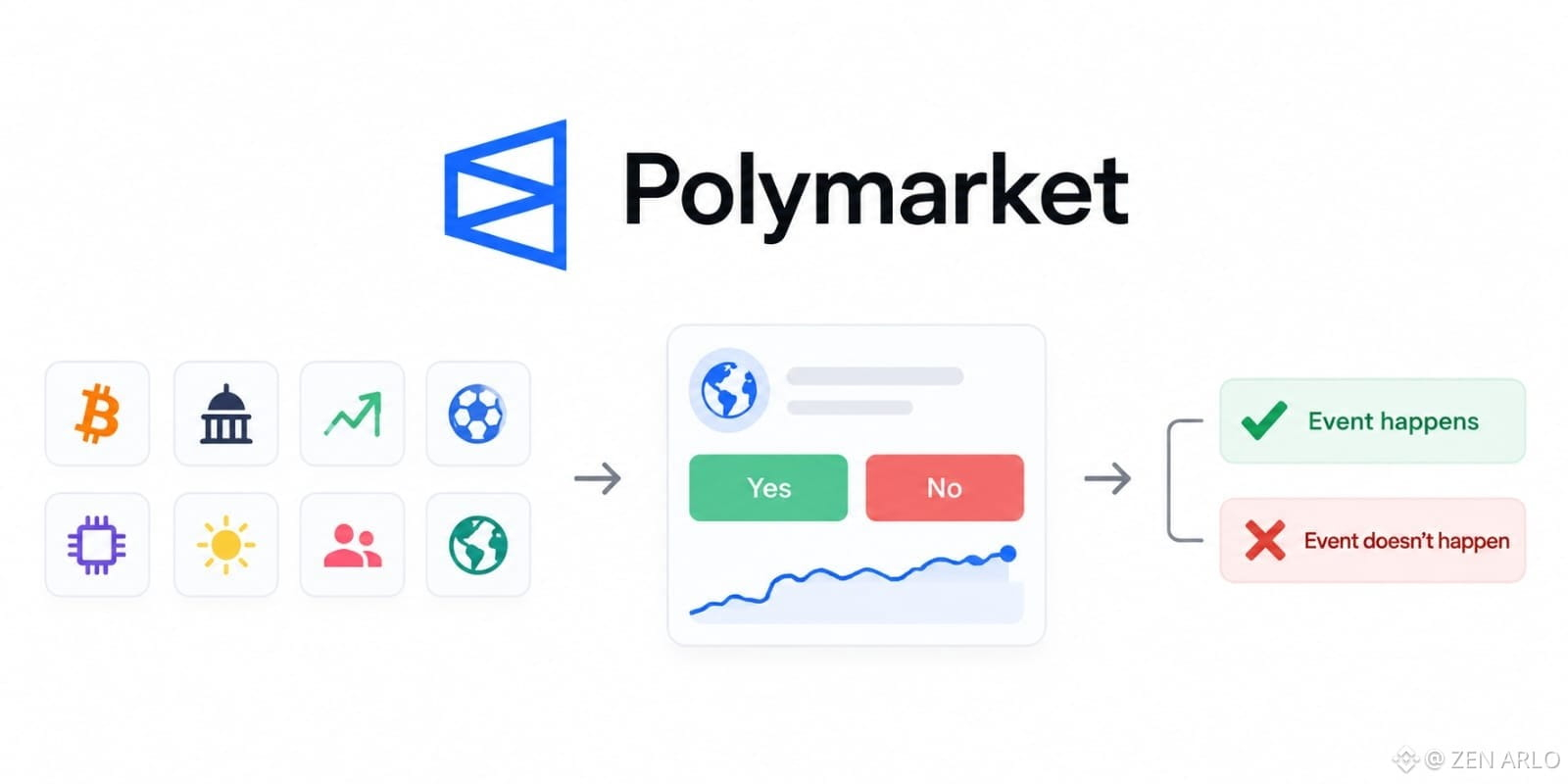
El verdadero poder de Polymarket está en operar eventos, no en perseguir la especulación con tokens.
Polymarket ofrece a los usuarios mercados de predicción que cubren cripto, deportes, finanzas, tecnología, economía, cultura, clima y eventos globales importantes.
Cada mercado se construye en torno a resultados posibles. Los traders pueden tomar una posición en función de lo que consideren más o menos probable que ocurra.
Los precios del mercado reflejan la probabilidad que asignan los participantes. A medida que llega nueva información y cambian las expectativas, esos precios pueden moverse con el mercado.
Los usuarios también pueden salir de posiciones antes de que se resuelva un evento cuando hay liquidez disponible. Las órdenes límite brindan un control adicional sobre los precios de entrada y salida.
Esto hace que la investigación sea importante. Entender el evento, las reglas del mercado, las condiciones de resolución y la liquidez disponible importa antes de tomar una posición.
Para los usuarios familiarizados con $BTC , $ETH , $SOL y $LINK, los mercados de predicción ofrecen una experiencia diferente. En lugar de comerciar solo precios de activos, los usuarios pueden operar su visión sobre resultados del mundo real.
Polymarket está mostrando cómo la infraestructura cripto puede convertir información, probabilidad y convicción de mercado en un producto negociable.
Solo información, no es asesoramiento financiero
#Polymarket #PredictionMarkets #Crypto
El verdadero poder de Polymarket está en operar eventos, no en perseguir la especulación con tokens.
Polymarket ofrece a los usuarios mercados de predicción que cubren cripto, deportes, finanzas, tecnología, economía, cultura, clima y eventos globales importantes.
Cada mercado se construye en torno a resultados posibles. Los traders pueden tomar una posición en función de lo que consideren más o menos probable que ocurra.
Los precios del mercado reflejan la probabilidad que asignan los participantes. A medida que llega nueva información y cambian las expectativas, esos precios pueden moverse con el mercado.
Los usuarios también pueden salir de posiciones antes de que se resuelva un evento cuando hay liquidez disponible. Las órdenes límite brindan un control adicional sobre los precios de entrada y salida.
Esto hace que la investigación sea importante. Entender el evento, las reglas del mercado, las condiciones de resolución y la liquidez disponible importa antes de tomar una posición.
Para los usuarios familiarizados con $BTC , $ETH , $SOL y $LINK, los mercados de predicción ofrecen una experiencia diferente. En lugar de comerciar solo precios de activos, los usuarios pueden operar su visión sobre resultados del mundo real.
Polymarket está mostrando cómo la infraestructura cripto puede convertir información, probabilidad y convicción de mercado en un producto negociable.
Solo información, no es asesoramiento financiero
#Polymarket #PredictionMarkets #Crypto
Polymarket ofrece a los usuarios mercados de predicción que cubren cripto, deportes, finanzas, tecnología, economía, cultura, clima y eventos globales importantes.
Cada mercado se construye en torno a resultados posibles. Los traders pueden tomar una posición en función de lo que consideren más o menos probable que ocurra.
Los precios del mercado reflejan la probabilidad que asignan los participantes. A medida que llega nueva información y cambian las expectativas, esos precios pueden moverse con el mercado.
Los usuarios también pueden salir de posiciones antes de que se resuelva un evento cuando hay liquidez disponible. Las órdenes límite brindan un control adicional sobre los precios de entrada y salida.
Esto hace que la investigación sea importante. Entender el evento, las reglas del mercado, las condiciones de resolución y la liquidez disponible importa antes de tomar una posición.
Para los usuarios familiarizados con $BTC , $ETH , $SOL y $LINK, los mercados de predicción ofrecen una experiencia diferente. En lugar de comerciar solo precios de activos, los usuarios pueden operar su visión sobre resultados del mundo real.
Polymarket está mostrando cómo la infraestructura cripto puede convertir información, probabilidad y convicción de mercado en un producto negociable.
Solo información, no es asesoramiento financiero
#Polymarket #PredictionMarkets #Crypto
49
29
11.5k
·
--
Alcista
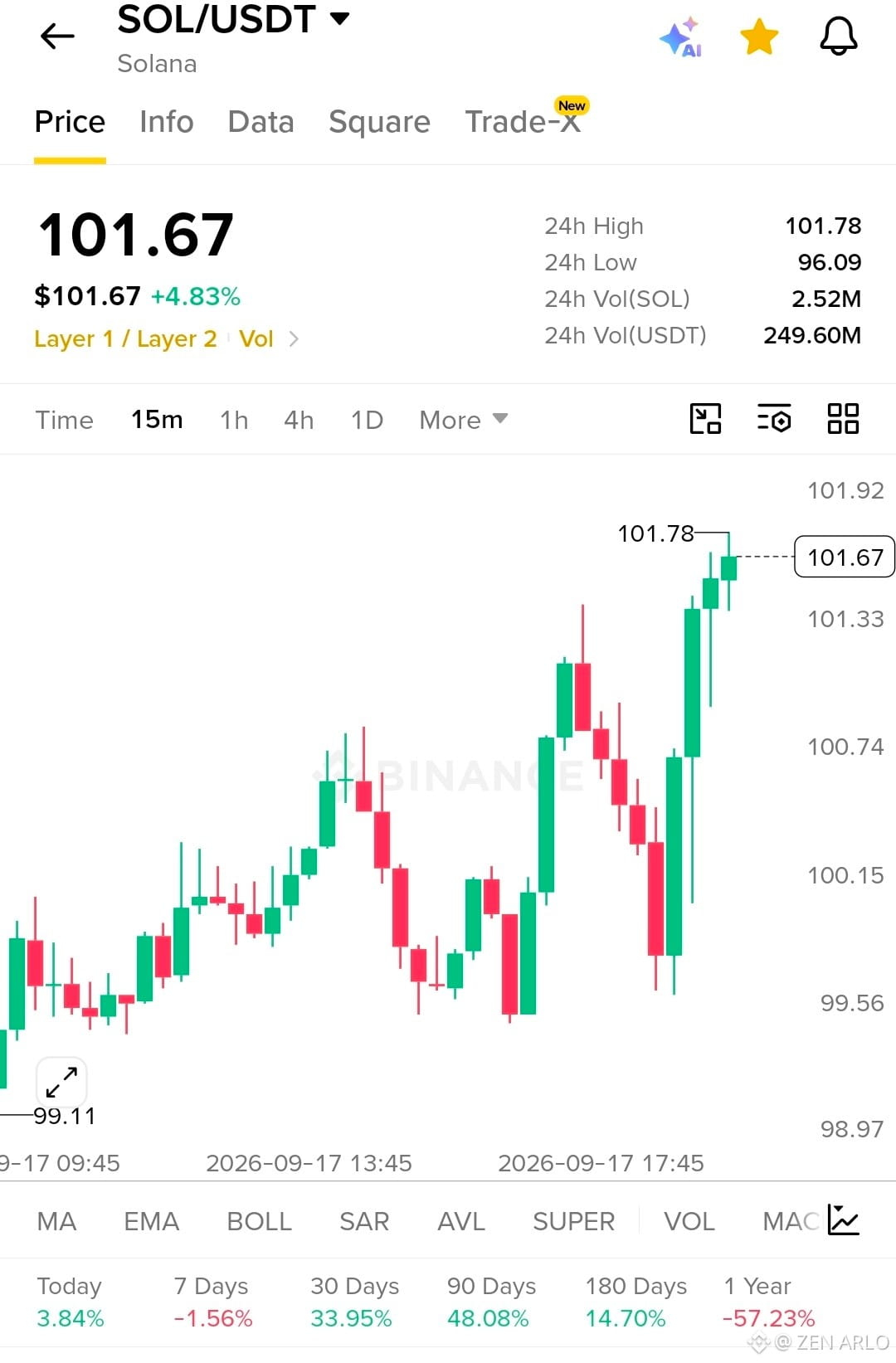
$SOL muestra un fuerte impulso alcista. Los compradores siguen manteniendo el control mientras el precio se mantiene cerca del máximo de 24 h.
EP $101.30–$101.60
TP $101.78 $102.20 $102.65
SL $100.70
La liquidez se está acumulando cerca de $101.78 después de una fuerte reacción desde la zona de $99.56. Mantenerse por encima de $101.30 mantiene intacta la estructura alcista y respalda la continuación después de una ruptura limpia de liquidez.
¡Vamos $SOL
$SOL muestra un fuerte impulso alcista. Los compradores siguen manteniendo el control mientras el precio se mantiene cerca del máximo de 24 h.
EP $101.30–$101.60
TP $101.78 $102.20 $102.65
SL $100.70
La liquidez se está acumulando cerca de $101.78 después de una fuerte reacción desde la zona de $99.56. Mantenerse por encima de $101.30 mantiene intacta la estructura alcista y respalda la continuación después de una ruptura limpia de liquidez.
¡Vamos $SOL
EP $101.30–$101.60
TP $101.78 $102.20 $102.65
SL $100.70
La liquidez se está acumulando cerca de $101.78 después de una fuerte reacción desde la zona de $99.56. Mantenerse por encima de $101.30 mantiene intacta la estructura alcista y respalda la continuación después de una ruptura limpia de liquidez.
¡Vamos $SOL
8
14
8.4k
·
--
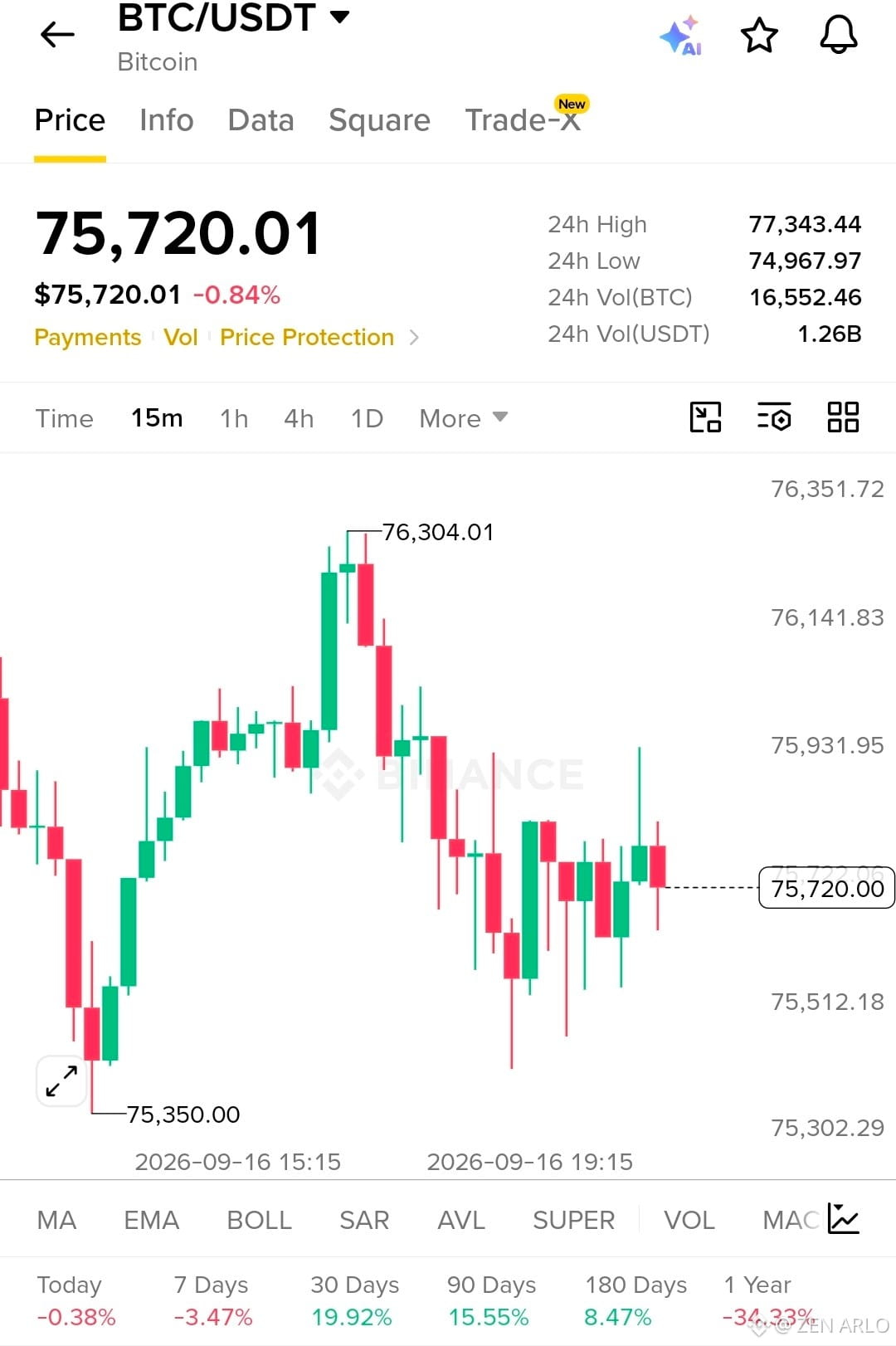
$BTC is mostrando fuerza después de defender la zona de liquidez inferior.
Los compradores están recuperando el control a corto plazo por encima del mínimo de reacción de $75,350.
EP $75,600–$75,750
TP $75,932 $76,142 $76,304
SL $75,350
La liquidez se barrió alrededor del rango inferior antes de una fuerte reacción desde $75,350. Mantener la zona de entrada mantiene intacta la estructura de recuperación, mientras que la aceptación por encima de $75,932 puede reabrir el impulso hacia los máximos anteriores de liquidez.
Vamos $BTC
{future}(BTCUSDT)
$BTC is mostrando fuerza después de defender la zona de liquidez inferior.
Los compradores están recuperando el control a corto plazo por encima del mínimo de reacción de $75,350.
EP $75,600–$75,750
TP $75,932 $76,142 $76,304
SL $75,350
La liquidez se barrió alrededor del rango inferior antes de una fuerte reacción desde $75,350. Mantener la zona de entrada mantiene intacta la estructura de recuperación, mientras que la aceptación por encima de $75,932 puede reabrir el impulso hacia los máximos anteriores de liquidez.
Vamos $BTC
Los compradores están recuperando el control a corto plazo por encima del mínimo de reacción de $75,350.
EP $75,600–$75,750
TP $75,932 $76,142 $76,304
SL $75,350
La liquidez se barrió alrededor del rango inferior antes de una fuerte reacción desde $75,350. Mantener la zona de entrada mantiene intacta la estructura de recuperación, mientras que la aceptación por encima de $75,932 puede reabrir el impulso hacia los máximos anteriores de liquidez.
Vamos $BTC
9
10
4.5k
·
--
Alcista
Parcialmente cierto
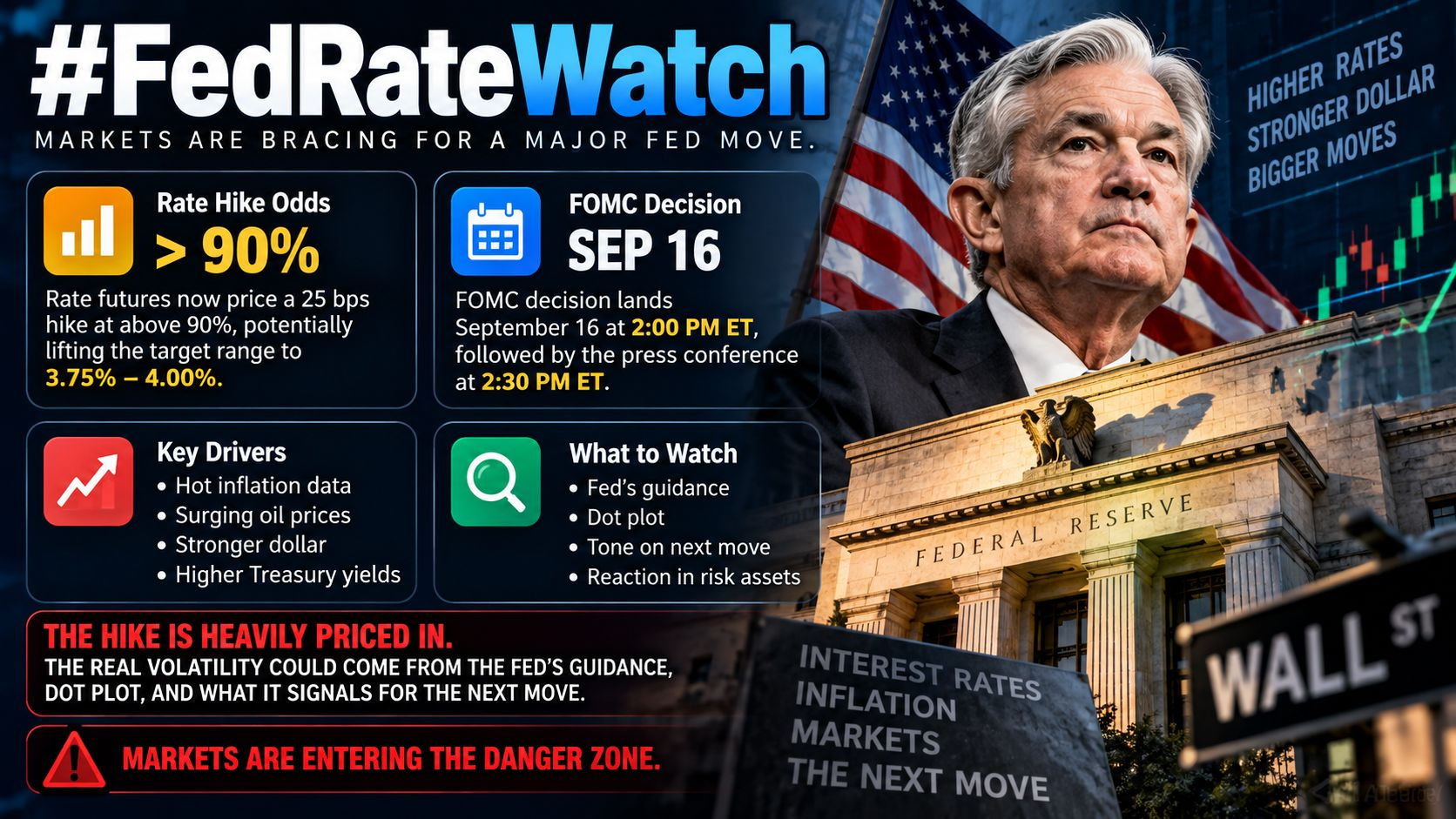
Los mercados se preparan para un gran movimiento de la Fed.
Los futuros de tipos ahora cotizan una subida de 25 puntos básicos por encima del 90%, lo que podría elevar el rango objetivo al 3.75%–4.00%.
La decisión del FOMC llega el 16 de septiembre a las 2:00 p. m. (ET), seguida de la conferencia de prensa a las 2:30 p. m. (ET).
La inflación caliente y el repunte de los precios del petróleo han invertido por completo las expectativas hacia una política más restrictiva.
La subida está descontada en gran medida. La volatilidad real podría venir de la orientación de la Fed, el gráfico de puntos y lo que señala sobre el próximo movimiento.
Los mercados están entrando en la zona de peligro.
#FedRateWatch
Los mercados se preparan para un gran movimiento de la Fed.
Los futuros de tipos ahora cotizan una subida de 25 puntos básicos por encima del 90%, lo que podría elevar el rango objetivo al 3.75%–4.00%.
La decisión del FOMC llega el 16 de septiembre a las 2:00 p. m. (ET), seguida de la conferencia de prensa a las 2:30 p. m. (ET).
La inflación caliente y el repunte de los precios del petróleo han invertido por completo las expectativas hacia una política más restrictiva.
La subida está descontada en gran medida. La volatilidad real podría venir de la orientación de la Fed, el gráfico de puntos y lo que señala sobre el próximo movimiento.
Los mercados están entrando en la zona de peligro.
#FedRateWatch
Los futuros de tipos ahora cotizan una subida de 25 puntos básicos por encima del 90%, lo que podría elevar el rango objetivo al 3.75%–4.00%.
La decisión del FOMC llega el 16 de septiembre a las 2:00 p. m. (ET), seguida de la conferencia de prensa a las 2:30 p. m. (ET).
La inflación caliente y el repunte de los precios del petróleo han invertido por completo las expectativas hacia una política más restrictiva.
La subida está descontada en gran medida. La volatilidad real podría venir de la orientación de la Fed, el gráfico de puntos y lo que señala sobre el próximo movimiento.
Los mercados están entrando en la zona de peligro.
#FedRateWatch
12
37
3.8k
·
--
Alcista
Verificado
Aevo simplemente hace que la gestión de riesgo de posiciones perp normales parezca incompleta.
La mayoría de los traders perp en $BTC , $ETH , $HYPE o en mercados junto con nombres como $ASTER y $LIT conocen el problema con los stops.
Un solo wick violento puede cerrar una posición incluso cuando la tesis original eventualmente se cumple.
$AEVO construyó PERPS+ para resolver ese problema.
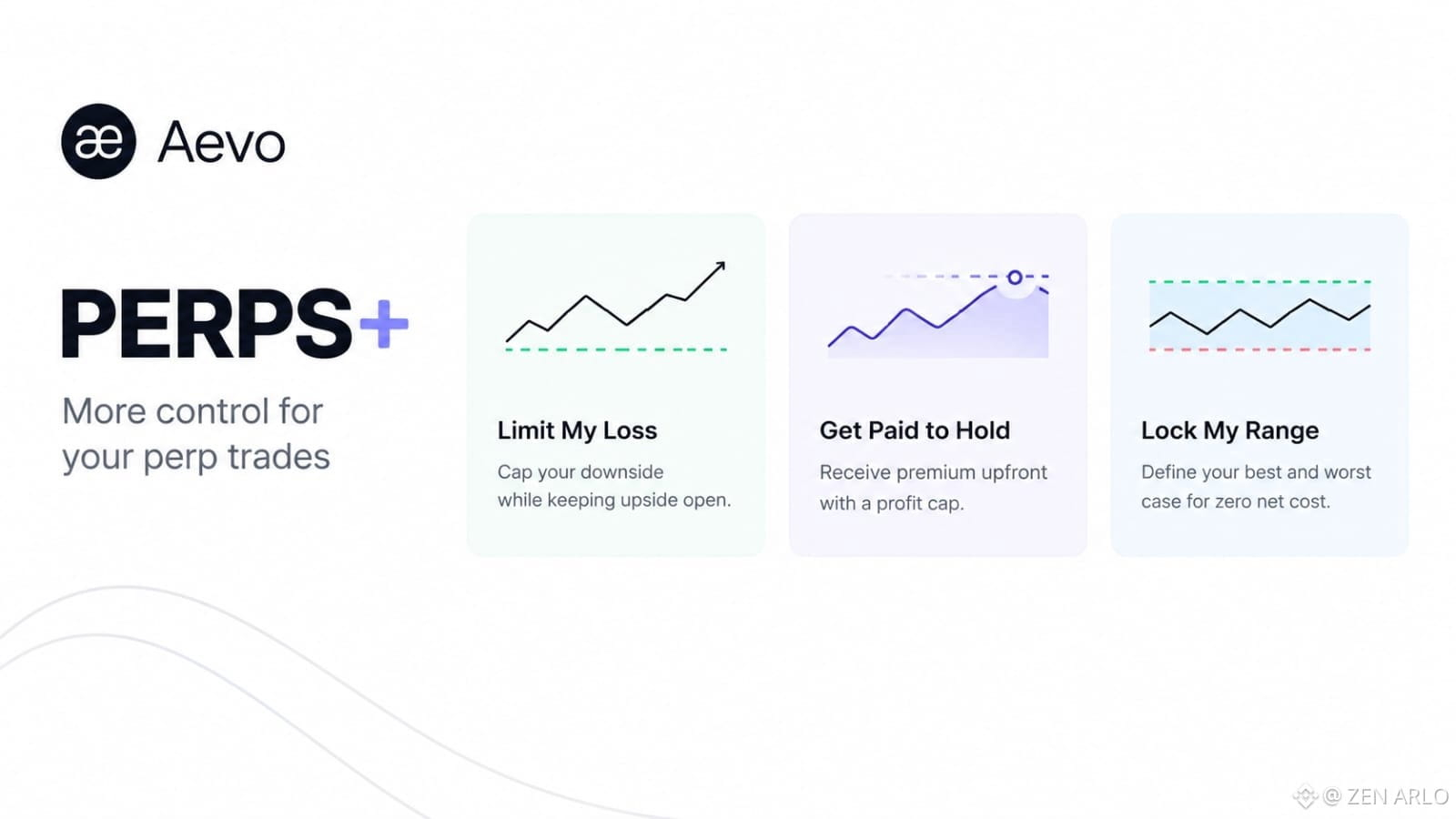
“Limit My Loss” permite que los traders de perp de BTC y ETH limiten su pérdida máxima para una duración elegida, manteniendo el upside abierto. La protección está integrada en la posición, por lo que no hay un stop tradicional esperando activarse por un wick.
“Get Paid to Hold” toma otra ruta. Recibes prima por adelantado a cambio de poner un tope al beneficio potencial, ayudando a subsidiar el funding en lugar de eliminarlo.
“Lock My Range” define los límites del mejor y peor de los casos por un costo neto de aproximadamente cero.
Las tres opciones se seleccionan al entrar en la operación, y no necesitas entender la mecánica de opciones para usarlas.
Eso es lo que hace interesante PERPS+ para los traders perp habituales. Toma resultados normalmente asociados con opciones y los convierte en adiciones de un solo clic a una posición perp familiar de BTC o ETH.
Quizá la próxima evolución del trading perp no sea añadir más apalancamiento.
Quizá sea darles a los traders más control sobre lo que sucede cuando el mercado se mueve en su contra.
Solo información, no asesoramiento financiero
#AEVO #PERPS #Crypto
Aevo simplemente hace que la gestión de riesgo de posiciones perp normales parezca incompleta.
La mayoría de los traders perp en $BTC , $ETH , $HYPE o en mercados junto con nombres como $ASTER y $LIT conocen el problema con los stops.
Un solo wick violento puede cerrar una posición incluso cuando la tesis original eventualmente se cumple.
$AEVO construyó PERPS+ para resolver ese problema.
“Limit My Loss” permite que los traders de perp de BTC y ETH limiten su pérdida máxima para una duración elegida, manteniendo el upside abierto. La protección está integrada en la posición, por lo que no hay un stop tradicional esperando activarse por un wick.
“Get Paid to Hold” toma otra ruta. Recibes prima por adelantado a cambio de poner un tope al beneficio potencial, ayudando a subsidiar el funding en lugar de eliminarlo.
“Lock My Range” define los límites del mejor y peor de los casos por un costo neto de aproximadamente cero.
Las tres opciones se seleccionan al entrar en la operación, y no necesitas entender la mecánica de opciones para usarlas.
Eso es lo que hace interesante PERPS+ para los traders perp habituales. Toma resultados normalmente asociados con opciones y los convierte en adiciones de un solo clic a una posición perp familiar de BTC o ETH.
Quizá la próxima evolución del trading perp no sea añadir más apalancamiento.
Quizá sea darles a los traders más control sobre lo que sucede cuando el mercado se mueve en su contra.
Solo información, no asesoramiento financiero
#AEVO #PERPS #Crypto
La mayoría de los traders perp en $BTC , $ETH , $HYPE o en mercados junto con nombres como $ASTER y $LIT conocen el problema con los stops.
Un solo wick violento puede cerrar una posición incluso cuando la tesis original eventualmente se cumple.
$AEVO construyó PERPS+ para resolver ese problema.
“Limit My Loss” permite que los traders de perp de BTC y ETH limiten su pérdida máxima para una duración elegida, manteniendo el upside abierto. La protección está integrada en la posición, por lo que no hay un stop tradicional esperando activarse por un wick.
“Get Paid to Hold” toma otra ruta. Recibes prima por adelantado a cambio de poner un tope al beneficio potencial, ayudando a subsidiar el funding en lugar de eliminarlo.
“Lock My Range” define los límites del mejor y peor de los casos por un costo neto de aproximadamente cero.
Las tres opciones se seleccionan al entrar en la operación, y no necesitas entender la mecánica de opciones para usarlas.
Eso es lo que hace interesante PERPS+ para los traders perp habituales. Toma resultados normalmente asociados con opciones y los convierte en adiciones de un solo clic a una posición perp familiar de BTC o ETH.
Quizá la próxima evolución del trading perp no sea añadir más apalancamiento.
Quizá sea darles a los traders más control sobre lo que sucede cuando el mercado se mueve en su contra.
Solo información, no asesoramiento financiero
#AEVO #PERPS #Crypto
68
42
11.9k
·
--
Alcista
Los acontecimientos del mundo real se están convirtiendo en mercados negociables.
Polymarket convierte acontecimientos del mundo real en criptografía, política, deportes, finanzas, tecnología y más en mercados de predicción negociables.
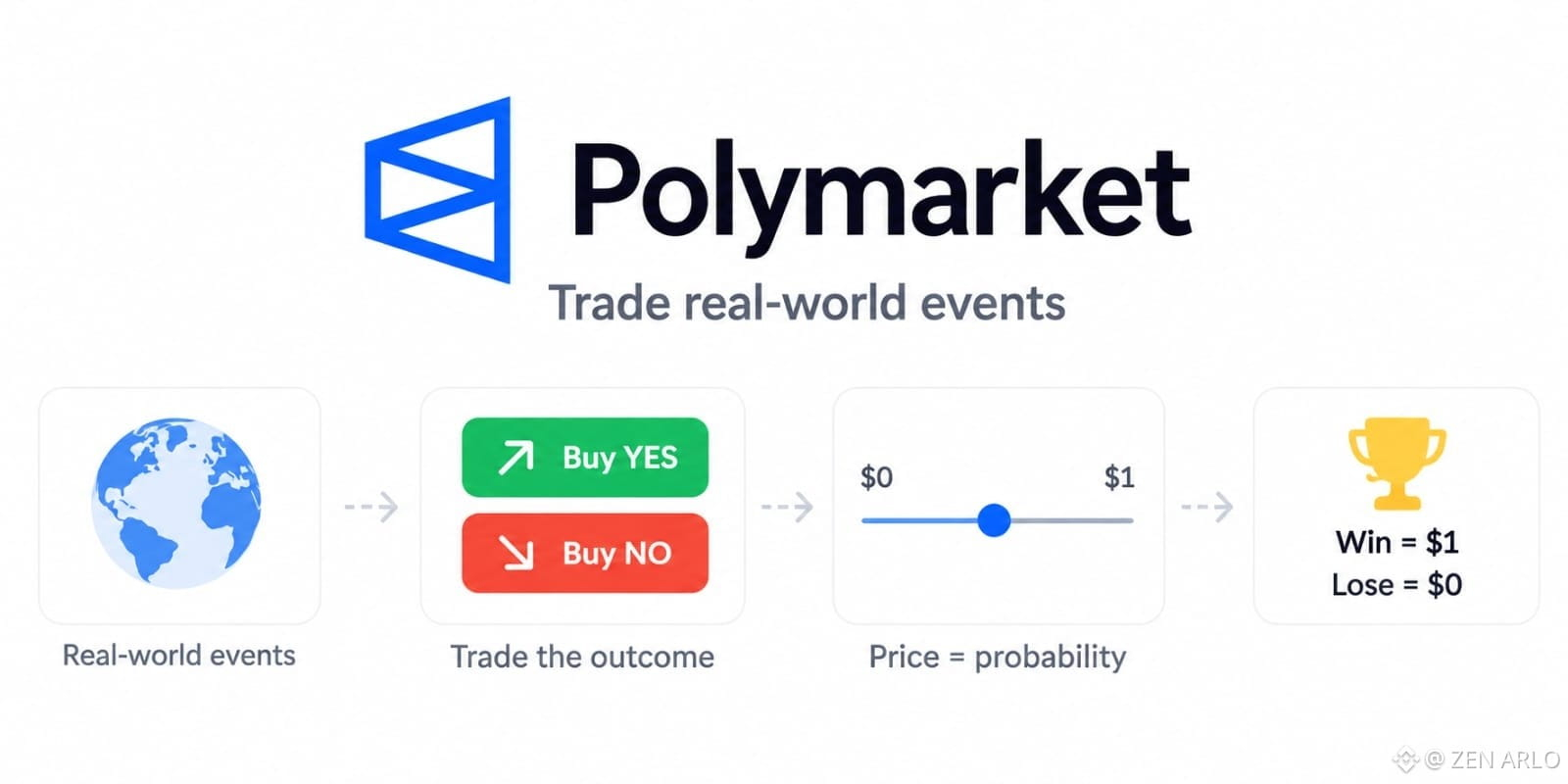
Cada resultado cotiza entre $0 y $1, mostrando de manera efectiva la probabilidad que los operadores están asignando a ese resultado. Una acción YES en $0.40 representa aproximadamente una probabilidad de mercado del 40%.
¿Crees que la probabilidad es demasiado baja? Compra YES.
¿Crees que es demasiado alta? Compra NO.
Tampoco siempre necesitas esperar el resultado final. Las posiciones pueden venderse antes de la resolución si el mercado se mueve a tu favor o si cambia tu opinión.
Las órdenes límite te dan más control sobre el precio de entrada, mientras que las órdenes inmediatas operan contra la liquidez disponible.
Cuando el evento se resuelve, el resultado ganador vale $1 por acción, mientras que el lado perdedor pasa a $0.
Por eso, entender las reglas de resolución, la liquidez y la profundidad del libro de órdenes es tan importante como predecir el evento en sí.
Para usuarios de cripto que ya están siguiendo ecosistemas alrededor de $UMA , $GNO y $LINK , los mercados de predicción añaden otro enfoque: operar información y probabilidades en lugar de simplemente apostar por la dirección del precio del token.
La pregunta más grande es si, con el tiempo, los mercados de predicción se convierten en una de las herramientas más útiles de la cripto para medir lo que la gente realmente cree que ocurrirá.
Solo información, no asesoramiento financiero
#Polymarket #PredictionMarkets #Crypto
Los acontecimientos del mundo real se están convirtiendo en mercados negociables.
Polymarket convierte acontecimientos del mundo real en criptografía, política, deportes, finanzas, tecnología y más en mercados de predicción negociables.
Cada resultado cotiza entre $0 y $1, mostrando de manera efectiva la probabilidad que los operadores están asignando a ese resultado. Una acción YES en $0.40 representa aproximadamente una probabilidad de mercado del 40%.
¿Crees que la probabilidad es demasiado baja? Compra YES.
¿Crees que es demasiado alta? Compra NO.
Tampoco siempre necesitas esperar el resultado final. Las posiciones pueden venderse antes de la resolución si el mercado se mueve a tu favor o si cambia tu opinión.
Las órdenes límite te dan más control sobre el precio de entrada, mientras que las órdenes inmediatas operan contra la liquidez disponible.
Cuando el evento se resuelve, el resultado ganador vale $1 por acción, mientras que el lado perdedor pasa a $0.
Por eso, entender las reglas de resolución, la liquidez y la profundidad del libro de órdenes es tan importante como predecir el evento en sí.
Para usuarios de cripto que ya están siguiendo ecosistemas alrededor de $UMA , $GNO y $LINK , los mercados de predicción añaden otro enfoque: operar información y probabilidades en lugar de simplemente apostar por la dirección del precio del token.
La pregunta más grande es si, con el tiempo, los mercados de predicción se convierten en una de las herramientas más útiles de la cripto para medir lo que la gente realmente cree que ocurrirá.
Solo información, no asesoramiento financiero
#Polymarket #PredictionMarkets #Crypto
Polymarket convierte acontecimientos del mundo real en criptografía, política, deportes, finanzas, tecnología y más en mercados de predicción negociables.
Cada resultado cotiza entre $0 y $1, mostrando de manera efectiva la probabilidad que los operadores están asignando a ese resultado. Una acción YES en $0.40 representa aproximadamente una probabilidad de mercado del 40%.
¿Crees que la probabilidad es demasiado baja? Compra YES.
¿Crees que es demasiado alta? Compra NO.
Tampoco siempre necesitas esperar el resultado final. Las posiciones pueden venderse antes de la resolución si el mercado se mueve a tu favor o si cambia tu opinión.
Las órdenes límite te dan más control sobre el precio de entrada, mientras que las órdenes inmediatas operan contra la liquidez disponible.
Cuando el evento se resuelve, el resultado ganador vale $1 por acción, mientras que el lado perdedor pasa a $0.
Por eso, entender las reglas de resolución, la liquidez y la profundidad del libro de órdenes es tan importante como predecir el evento en sí.
Para usuarios de cripto que ya están siguiendo ecosistemas alrededor de $UMA , $GNO y $LINK , los mercados de predicción añaden otro enfoque: operar información y probabilidades en lugar de simplemente apostar por la dirección del precio del token.
La pregunta más grande es si, con el tiempo, los mercados de predicción se convierten en una de las herramientas más útiles de la cripto para medir lo que la gente realmente cree que ocurrirá.
Solo información, no asesoramiento financiero
#Polymarket #PredictionMarkets #Crypto
69
43
10.6k
·
--
$BTC está en un nivel decisivo.
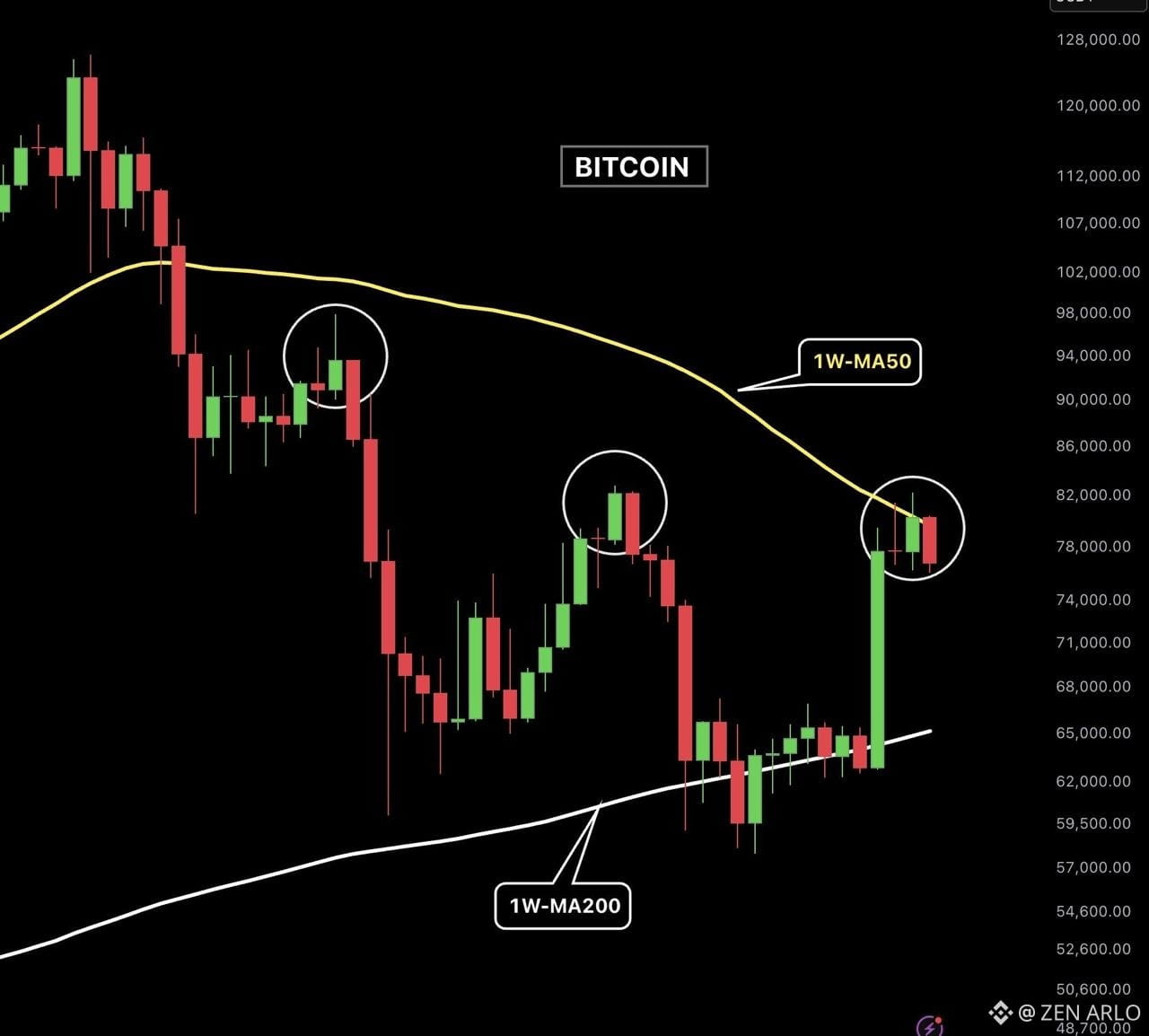
Bitcoin acaba de ser rechazado por la media móvil de 50W, y los dos últimos rechazos aquí fueron seguidos por caídas importantes.
Los alcistas necesitan un cierre semanal de nuevo por encima de la media móvil de 50W para fortalecer el argumento de que $57K fue el mínimo.
Si BTC cierra por debajo, $75,500 es el siguiente nivel de soporte clave. Si se pierde, la media móvil de 200W cerca de $65K se convierte en el nivel principal a vigilar.
Este cierre semanal podría decidir el siguiente gran movimiento de Bitcoin.
$BTC está en un nivel decisivo.
Bitcoin acaba de ser rechazado por la media móvil de 50W, y los dos últimos rechazos aquí fueron seguidos por caídas importantes.
Los alcistas necesitan un cierre semanal de nuevo por encima de la media móvil de 50W para fortalecer el argumento de que $57K fue el mínimo.
Si BTC cierra por debajo, $75,500 es el siguiente nivel de soporte clave. Si se pierde, la media móvil de 200W cerca de $65K se convierte en el nivel principal a vigilar.
Este cierre semanal podría decidir el siguiente gran movimiento de Bitcoin.
Bitcoin acaba de ser rechazado por la media móvil de 50W, y los dos últimos rechazos aquí fueron seguidos por caídas importantes.
Los alcistas necesitan un cierre semanal de nuevo por encima de la media móvil de 50W para fortalecer el argumento de que $57K fue el mínimo.
Si BTC cierra por debajo, $75,500 es el siguiente nivel de soporte clave. Si se pierde, la media móvil de 200W cerca de $65K se convierte en el nivel principal a vigilar.
Este cierre semanal podría decidir el siguiente gran movimiento de Bitcoin.
9
15
2.9k
·
--
Alcista
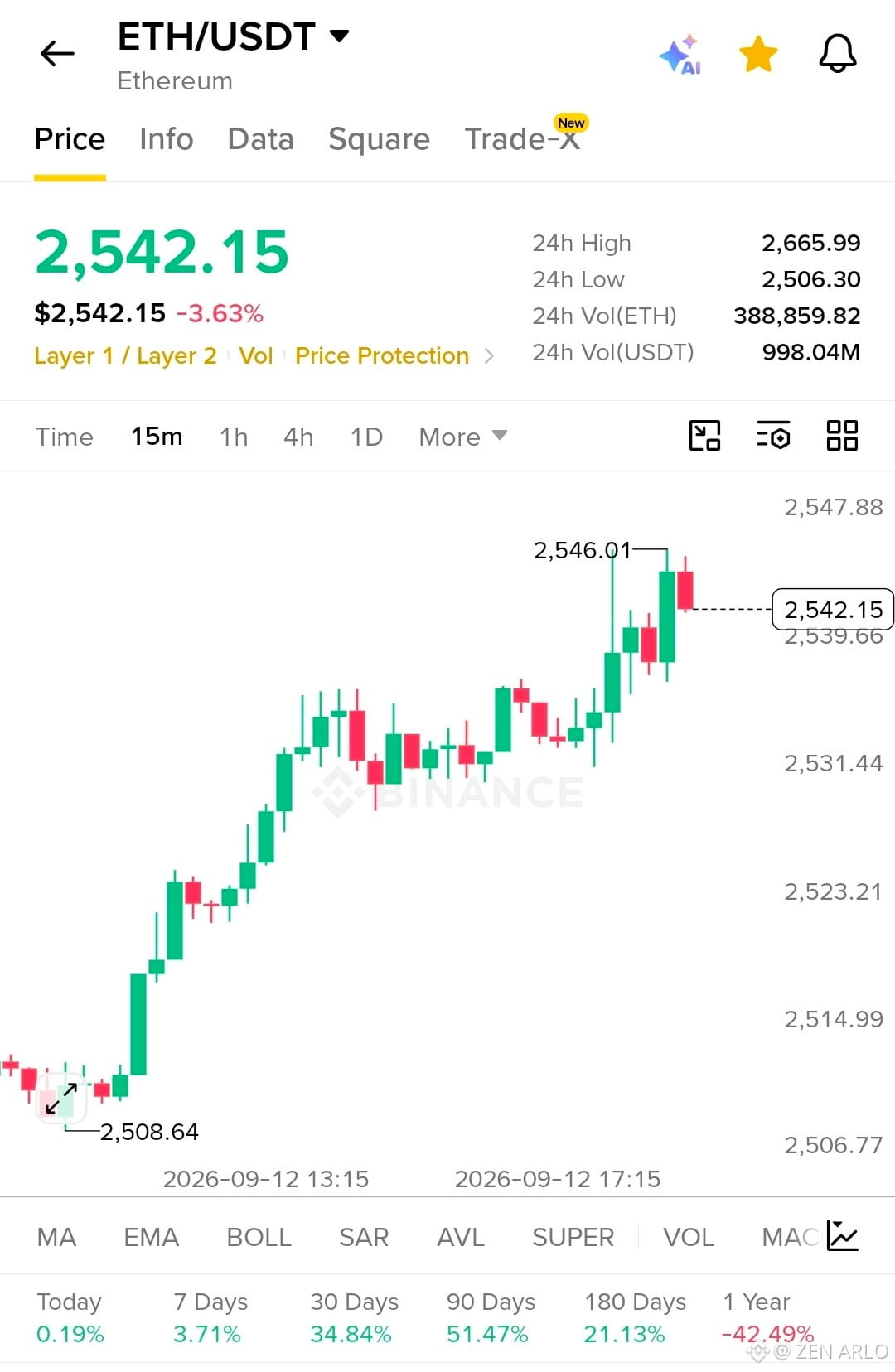
$ETH muestra una fuerte recuperación a corto plazo. Los compradores siguen teniendo el control por encima de la estructura recuperada.
EP $2,539.66–$2,542.15
TP $2,546.01 $2,547.88 $2,555.00
SL $2,531.44
Se está formando liquidez por encima del máximo reciente, mientras que las reacciones desde la zona recuperada continúan respaldando la estructura alcista.
Vamos $ETH
{future}(ETHUSDT)
$ETH muestra una fuerte recuperación a corto plazo. Los compradores siguen teniendo el control por encima de la estructura recuperada.
EP $2,539.66–$2,542.15
TP $2,546.01 $2,547.88 $2,555.00
SL $2,531.44
Se está formando liquidez por encima del máximo reciente, mientras que las reacciones desde la zona recuperada continúan respaldando la estructura alcista.
Vamos $ETH
EP $2,539.66–$2,542.15
TP $2,546.01 $2,547.88 $2,555.00
SL $2,531.44
Se está formando liquidez por encima del máximo reciente, mientras que las reacciones desde la zona recuperada continúan respaldando la estructura alcista.
Vamos $ETH
9
15
4.4k
·
--
Alcista
Verificado
La inflación de EE. UU. vuelve a estar en el centro de atención.
Previsión del IPC de agosto:
Titular: +0.4% MoM, +3.4% interanual
IPC subyacente: +0.2% MoM, +2.4% interanual
La gasolina promedió $4.192 por galón en agosto, mientras que el petróleo por encima de $100 ha intensificado la presión inflacionaria. El PPI de agosto ya saltó 0.4% MoM y 5.4% interanual.
Los mercados están valorando aproximadamente una probabilidad del 70% de una subida de 25 pb de la Fed en la reunión del 15–16 de septiembre.
Un IPC caliente podría afectar a las acciones, las criptomonedas y el oro, mientras empuja los rendimientos y el dólar al alza. Un dato más suave podría desencadenar un fuerte movimiento de alivio para los activos de riesgo.
Este IPC podría moverlo todo.
#CPIWatch
La inflación de EE. UU. vuelve a estar en el centro de atención.
Previsión del IPC de agosto:
Titular: +0.4% MoM, +3.4% interanual
IPC subyacente: +0.2% MoM, +2.4% interanual
La gasolina promedió $4.192 por galón en agosto, mientras que el petróleo por encima de $100 ha intensificado la presión inflacionaria. El PPI de agosto ya saltó 0.4% MoM y 5.4% interanual.
Los mercados están valorando aproximadamente una probabilidad del 70% de una subida de 25 pb de la Fed en la reunión del 15–16 de septiembre.
Un IPC caliente podría afectar a las acciones, las criptomonedas y el oro, mientras empuja los rendimientos y el dólar al alza. Un dato más suave podría desencadenar un fuerte movimiento de alivio para los activos de riesgo.
Este IPC podría moverlo todo.
#CPIWatch
Previsión del IPC de agosto:
Titular: +0.4% MoM, +3.4% interanual
IPC subyacente: +0.2% MoM, +2.4% interanual
La gasolina promedió $4.192 por galón en agosto, mientras que el petróleo por encima de $100 ha intensificado la presión inflacionaria. El PPI de agosto ya saltó 0.4% MoM y 5.4% interanual.
Los mercados están valorando aproximadamente una probabilidad del 70% de una subida de 25 pb de la Fed en la reunión del 15–16 de septiembre.
Un IPC caliente podría afectar a las acciones, las criptomonedas y el oro, mientras empuja los rendimientos y el dólar al alza. Un dato más suave podría desencadenar un fuerte movimiento de alivio para los activos de riesgo.
Este IPC podría moverlo todo.
#CPIWatch

10
3
69
80.7k
Inicia sesión para explorar más contenidos
Únete a usuarios globales de criptomonedas en Binance Square
⚡️ Obtén información útil y actualizada sobre criptos.
💬 Avalado por el mayor exchange de criptomonedas en el mundo.
👍 Descubre perspectivas reales de creadores verificados.
Email/número de teléfono
Temas populares
CircleMints500MUSDCOnSolana
58,368 vistas
1,437 están debatiendo
#CircleMints500MUSDCOnSolana
Circle emite 500 millones de nuevos USDC en la red Solana.
Los datos en cadena muestran que la Tesorería USDC de Circle acuñó 500 millones de nuevos tokens USDC en Solana en dos transacciones el 26 de septiembre de 2026.
Esta medida responde al creciente interés en la inclusión de nuevos tokens en las principales blockchains y la rápida finalización y las bajas comisiones de Solana siguen atrayendo la actividad de las stablecoins.
Según información: Hoy a las 5:42 y a las 11:04, hora de Pekín, la Tesorería de USDC de Circle acuñó 250 millones de USDC cada una en la red Solana, para un total de 500 millones de USDC recién acuñados.
$CIRC.US
$GOOGL.US
$NVDA.US
ManuelRD
·2 me gusta
·145 vistas
PolymarketBankFailureBetsDrawFDICConcern
71,560 vistas
1,453 están debatiendo
BlackRockBuildsTokenizedPortfoliosForOndo
57,826 vistas
1,009 están debatiendo