

waseembarcha
593 Publicaciones

waseembarcha
Denunciar
Bloquear usuario
Software Engineer | Crypto Enthusiast | Web3 & Blockchain Developer
Trader frecuente
1.6 año(s)
2.1K+ Siguiendo
1.9K+ Seguidores
2.7K+ Me gusta
Publicaciones
Todo
Citas
Videos
Live
·
--
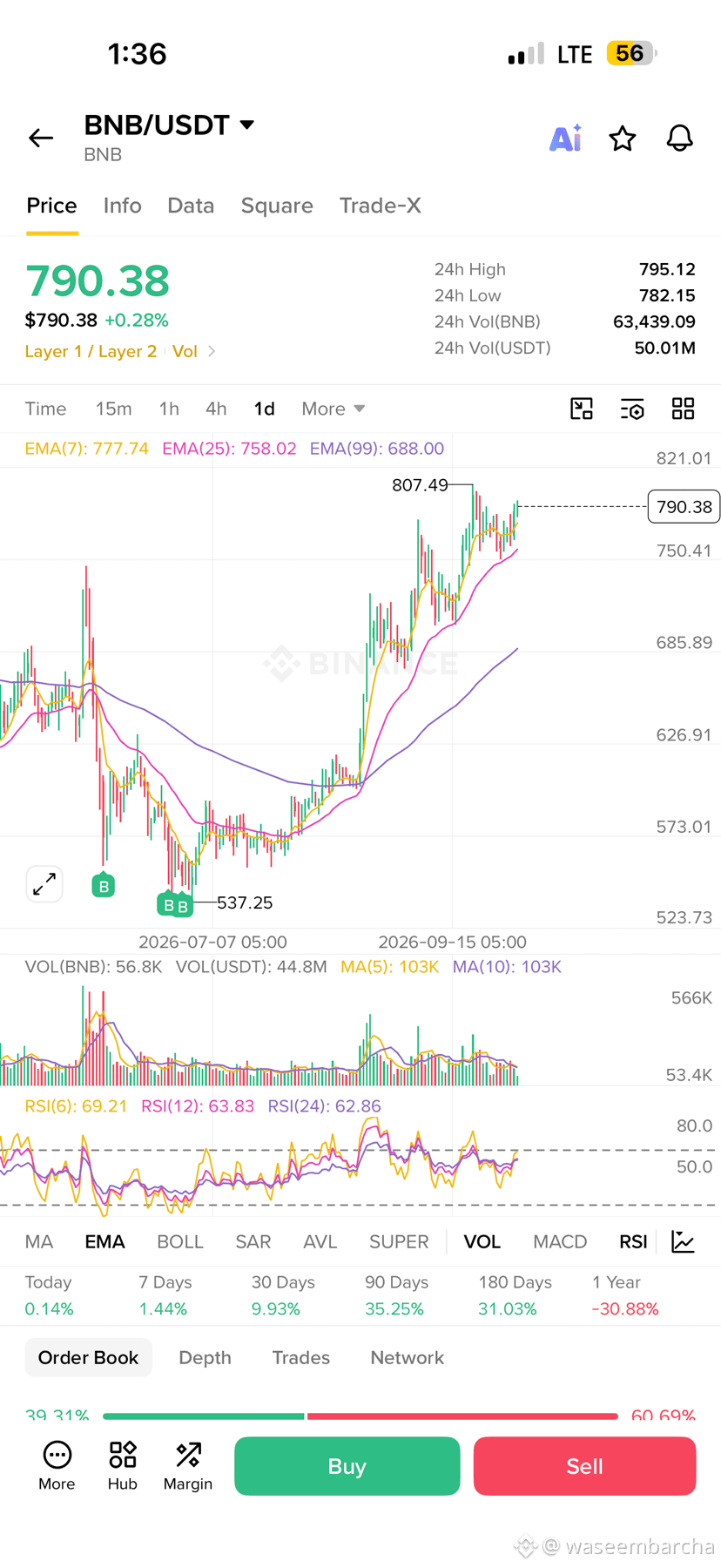
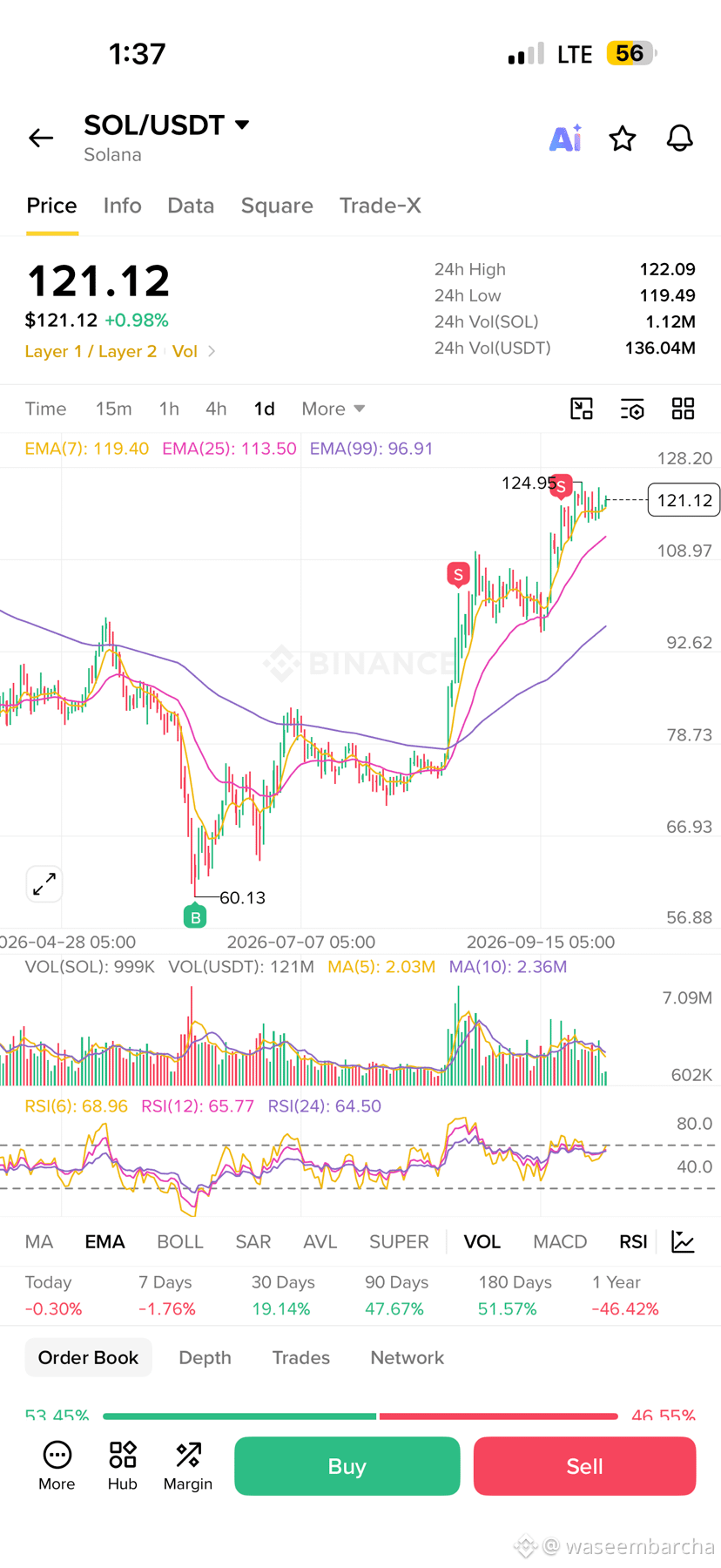
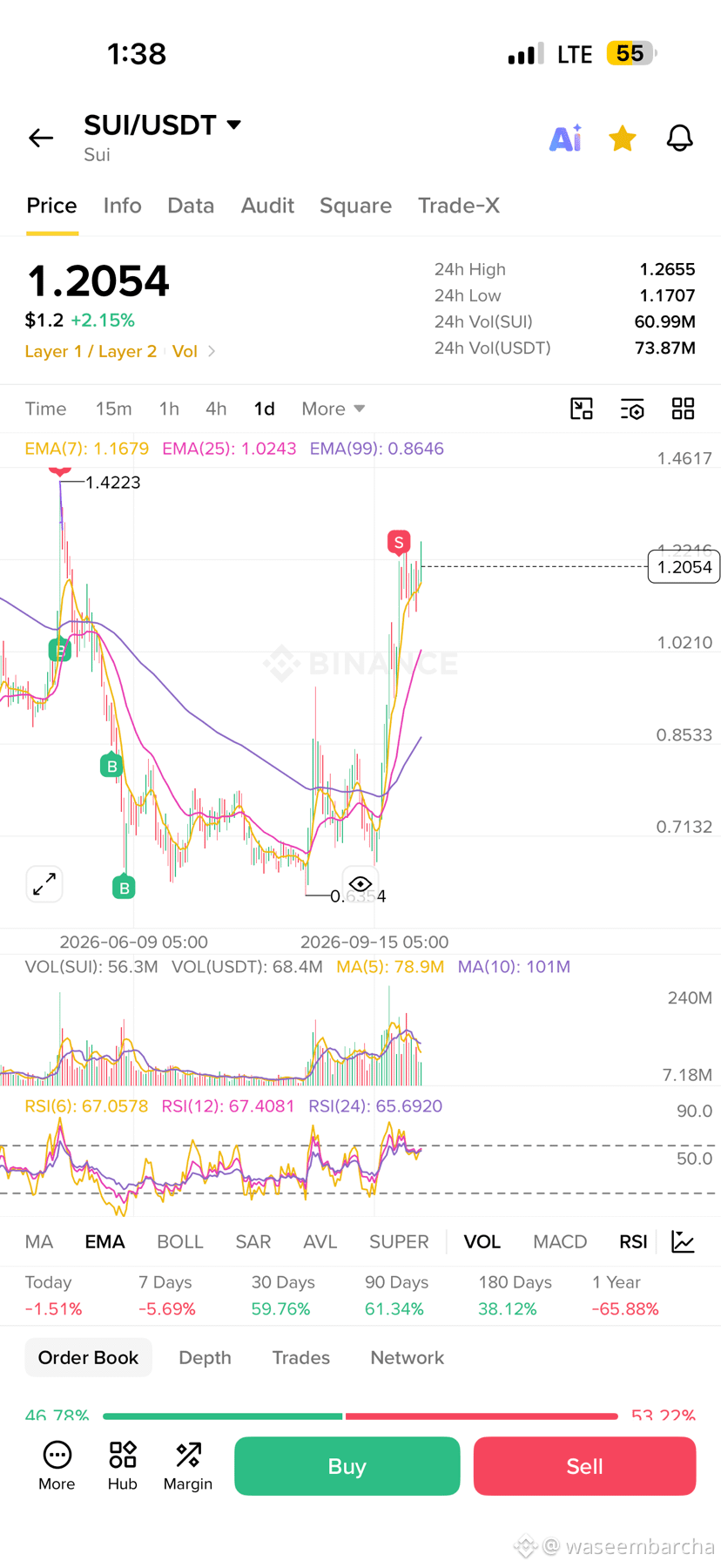
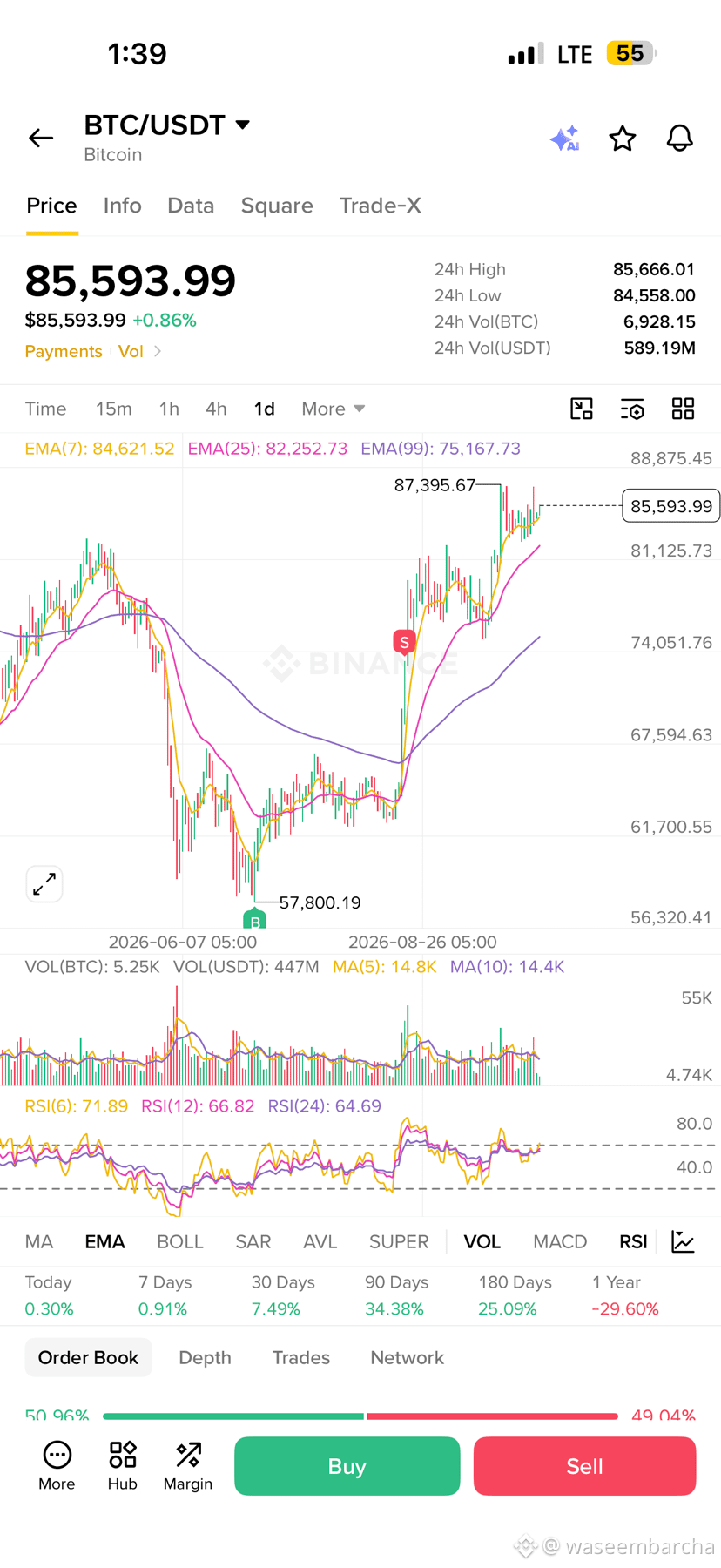
Todo el mundo dijo que las cripto estaban muertas. Yo seguí comprando. 👇
Compré la caída, recorté un poco, pero sigo manteniendo la mayor parte.
🟠 $BTC: (+48%)
🟡 $BNB: (+47%)
🟣 $SOL: (+101%)
🔵 $SUI: (+90%)
Lo que aprendí:
✅ El miedo aparece cuando llegan las mejores entradas
✅ Mantenerse, aburrido y paciente, gana a perseguir cada subida
✅ Tomar un poco de ganancias me permite seguir manteniendo el resto con calma
¿Qué moneda estás manteniendo durante este ciclo? Déjala abajo 👇
No es asesoramiento financiero. Haz tu propia investigación.
#BNBSurpasses$790
#HODL
Todo el mundo dijo que las cripto estaban muertas. Yo seguí comprando. 👇
Compré la caída, recorté un poco, pero sigo manteniendo la mayor parte.
🟠 $BTC: (+48%)
🟡 $BNB: (+47%)
🟣 $SOL: (+101%)
🔵 $SUI: (+90%)
Lo que aprendí:
✅ El miedo aparece cuando llegan las mejores entradas
✅ Mantenerse, aburrido y paciente, gana a perseguir cada subida
✅ Tomar un poco de ganancias me permite seguir manteniendo el resto con calma
¿Qué moneda estás manteniendo durante este ciclo? Déjala abajo 👇
No es asesoramiento financiero. Haz tu propia investigación.
#BNBSurpasses$790
#HODL
Compré la caída, recorté un poco, pero sigo manteniendo la mayor parte.
🟠 $BTC: (+48%)
🟡 $BNB: (+47%)
🟣 $SOL: (+101%)
🔵 $SUI: (+90%)
Lo que aprendí:
✅ El miedo aparece cuando llegan las mejores entradas
✅ Mantenerse, aburrido y paciente, gana a perseguir cada subida
✅ Tomar un poco de ganancias me permite seguir manteniendo el resto con calma
¿Qué moneda estás manteniendo durante este ciclo? Déjala abajo 👇
No es asesoramiento financiero. Haz tu propia investigación.
#BNBSurpasses$790
#HODL
167
·
--
Uno de esos momentos que hacen que valga la pena toda la investigación, el análisis y la publicación.
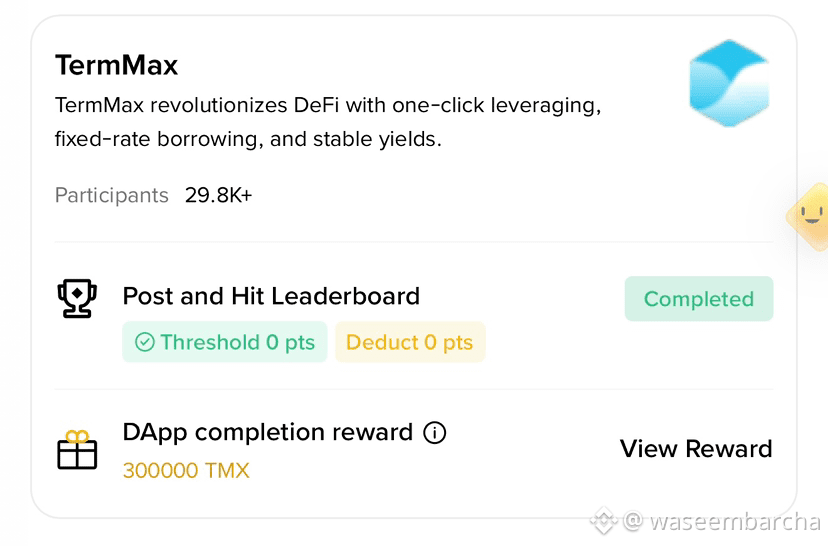
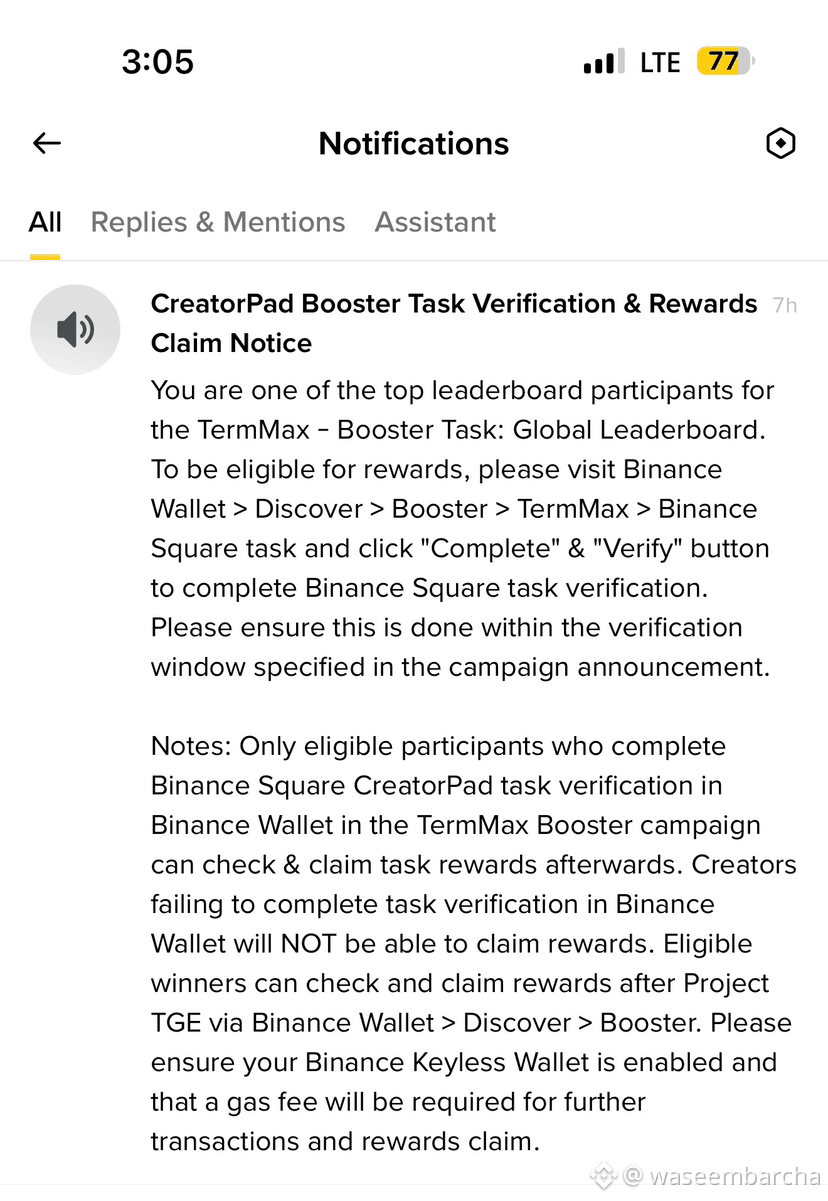
Me enorgullece compartir que he llegado al top de los participantes en la TermMax Booster Task en Binance CreatorPad. 🏆
El recorrido fue más que simplemente publicar contenido. Pasé tiempo entendiendo TermMax, desde el préstamo y el endeudamiento con tasa fija hasta sus mecanismos DeFi, e intenté compartir mi propia investigación y perspectiva en el camino.
Ahora la tarea figura como Completada, con un fondo de recompensas por la finalización de la DApp de 300,000 TMX. 🎉
Un gran hito para mí, y definitivamente más motivación para seguir aprendiendo, investigando y creando mejor contenido.
Gracias a todos los que interactuaron con mis publicaciones y siguieron el recorrido. A por la siguiente. 🚀
#TermMax #creatorpad
Uno de esos momentos que hacen que valga la pena toda la investigación, el análisis y la publicación.
Me enorgullece compartir que he llegado al top de los participantes en la TermMax Booster Task en Binance CreatorPad. 🏆
El recorrido fue más que simplemente publicar contenido. Pasé tiempo entendiendo TermMax, desde el préstamo y el endeudamiento con tasa fija hasta sus mecanismos DeFi, e intenté compartir mi propia investigación y perspectiva en el camino.
Ahora la tarea figura como Completada, con un fondo de recompensas por la finalización de la DApp de 300,000 TMX. 🎉
Un gran hito para mí, y definitivamente más motivación para seguir aprendiendo, investigando y creando mejor contenido.
Gracias a todos los que interactuaron con mis publicaciones y siguieron el recorrido. A por la siguiente. 🚀
#TermMax #creatorpad
Me enorgullece compartir que he llegado al top de los participantes en la TermMax Booster Task en Binance CreatorPad. 🏆
El recorrido fue más que simplemente publicar contenido. Pasé tiempo entendiendo TermMax, desde el préstamo y el endeudamiento con tasa fija hasta sus mecanismos DeFi, e intenté compartir mi propia investigación y perspectiva en el camino.
Ahora la tarea figura como Completada, con un fondo de recompensas por la finalización de la DApp de 300,000 TMX. 🎉
Un gran hito para mí, y definitivamente más motivación para seguir aprendiendo, investigando y creando mejor contenido.
Gracias a todos los que interactuaron con mis publicaciones y siguieron el recorrido. A por la siguiente. 🚀
#TermMax #creatorpad
1
413
·
--
#termmax @termmax
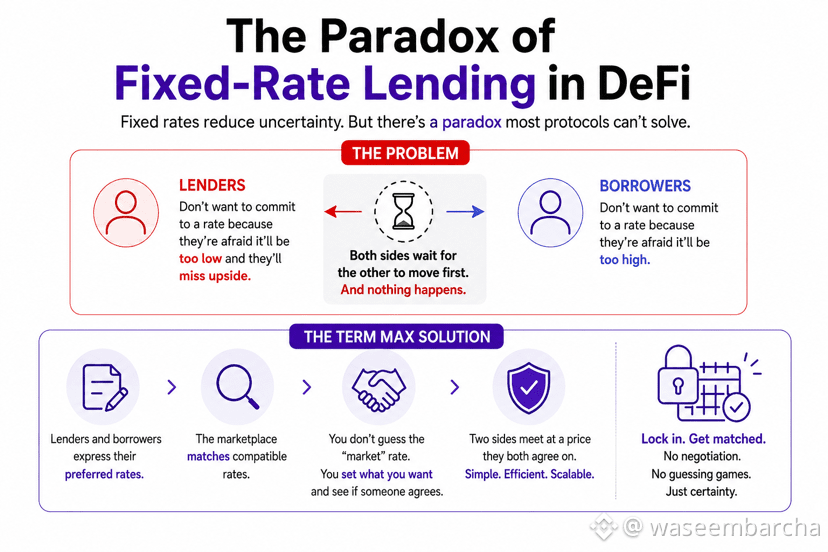
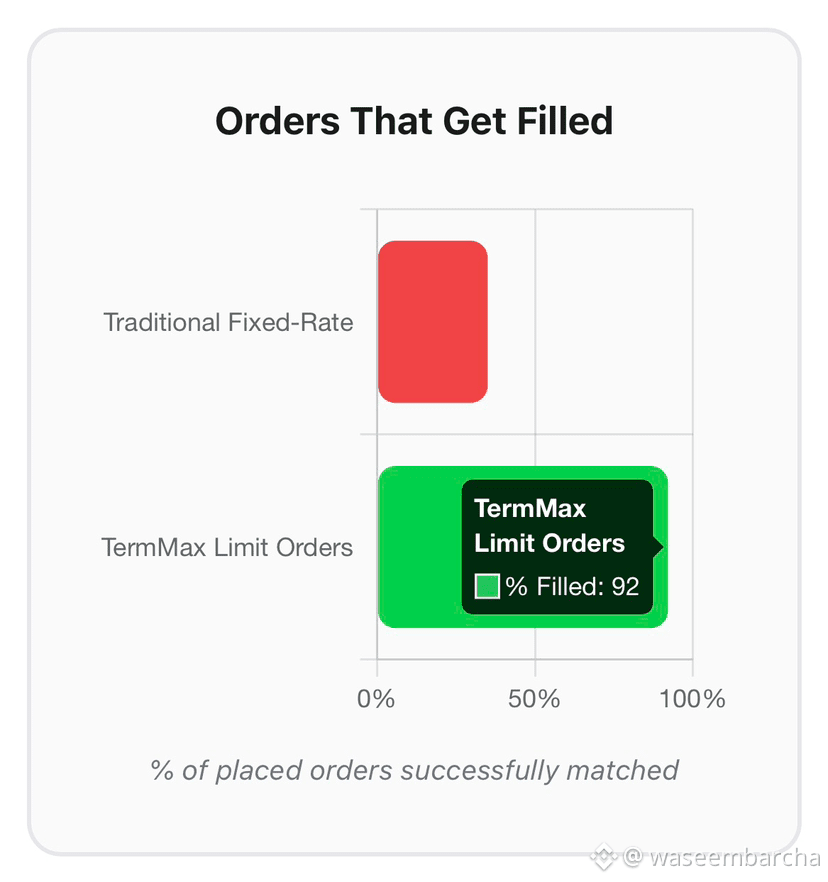
He estado pensando en por qué los préstamos a tasa fija son tan difíciles de hacer bien en DeFi, y me di cuenta de una paradoja con la que la mayoría de los protocolos simplemente se rinden.
Las tasas fijas deberían reducir la incertidumbre. Fijas tu tasa y sabes lo que te llevas. Suena simple. Excepto que no lo es, porque los mercados de tasa fija tienen este problema de incentivos raro: nadie quiere establecer la tasa primero.
Los prestamistas no quieren comprometerse con una tasa porque temen que sea demasiado baja y que se pierdan el potencial al alza. Los prestatarios no quieren comprometerse con una tasa porque temen que sea demasiado alta. Entonces, ambos lados se quedan esperando a que el otro se mueva primero, y no pasa nada.
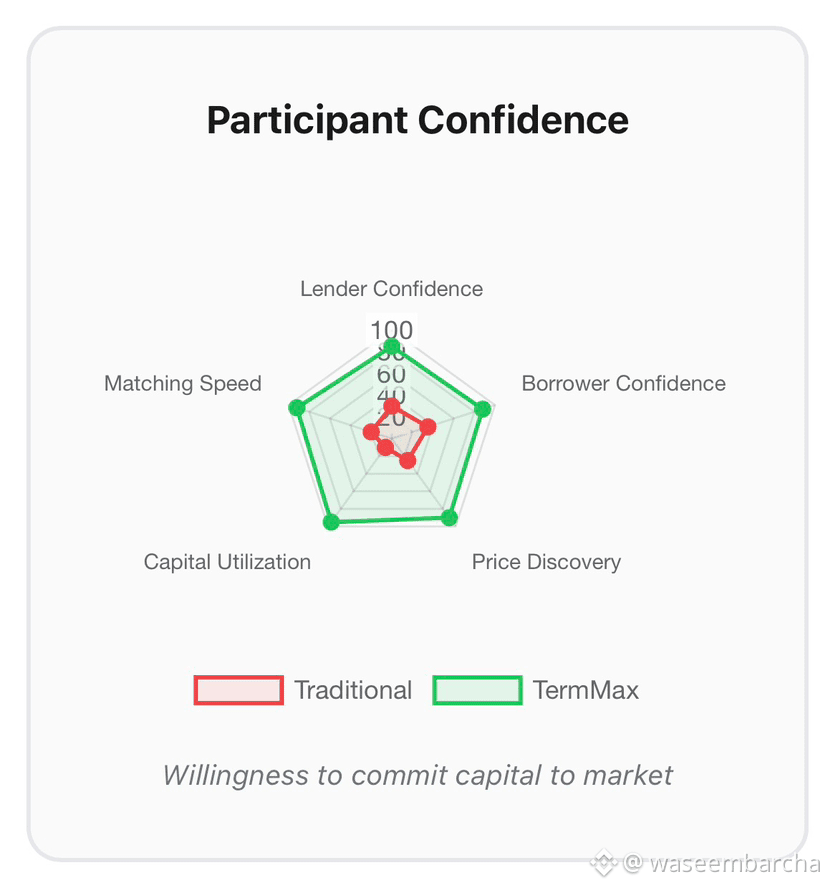
Lo que me parece interesante de TermMax no es solo la integración con Morpho o la mecánica del apalancamiento. Es la estructura del mercado: los prestamistas y los prestatarios pueden expresar sus tasas preferidas y luego esperar a que haya una coincidencia. No tienes que adivinar cuál es la tasa “del mercado”; solo dices lo que quieres y ves si alguien está de acuerdo.
Eso es todo. Esa es la función. Y suena aburrida hasta que te das cuenta de que es uno de los mecanismos que puede hacer que el préstamo a tasa fija sea mucho más fácil de coordinar a escala.
Fijé una tasa que me pareció razonable y me emparejaron en cuestión de horas. Sin negociación, sin juegos de adivinanzas. Solo dos partes que se encuentran en un precio en el que ambos estuvieron de acuerdo. Eso no debería sentirse revolucionario, pero en DeFi, aparentemente lo es.
#TermMax
#termmax @TermMax
He estado pensando en por qué los préstamos a tasa fija son tan difíciles de hacer bien en DeFi, y me di cuenta de una paradoja con la que la mayoría de los protocolos simplemente se rinden.
Las tasas fijas deberían reducir la incertidumbre. Fijas tu tasa y sabes lo que te llevas. Suena simple. Excepto que no lo es, porque los mercados de tasa fija tienen este problema de incentivos raro: nadie quiere establecer la tasa primero.
Los prestamistas no quieren comprometerse con una tasa porque temen que sea demasiado baja y que se pierdan el potencial al alza. Los prestatarios no quieren comprometerse con una tasa porque temen que sea demasiado alta. Entonces, ambos lados se quedan esperando a que el otro se mueva primero, y no pasa nada.
Lo que me parece interesante de TermMax no es solo la integración con Morpho o la mecánica del apalancamiento. Es la estructura del mercado: los prestamistas y los prestatarios pueden expresar sus tasas preferidas y luego esperar a que haya una coincidencia. No tienes que adivinar cuál es la tasa “del mercado”; solo dices lo que quieres y ves si alguien está de acuerdo.
Eso es todo. Esa es la función. Y suena aburrida hasta que te das cuenta de que es uno de los mecanismos que puede hacer que el préstamo a tasa fija sea mucho más fácil de coordinar a escala.
Fijé una tasa que me pareció razonable y me emparejaron en cuestión de horas. Sin negociación, sin juegos de adivinanzas. Solo dos partes que se encuentran en un precio en el que ambos estuvieron de acuerdo. Eso no debería sentirse revolucionario, pero en DeFi, aparentemente lo es.
#TermMax
He estado pensando en por qué los préstamos a tasa fija son tan difíciles de hacer bien en DeFi, y me di cuenta de una paradoja con la que la mayoría de los protocolos simplemente se rinden.
Las tasas fijas deberían reducir la incertidumbre. Fijas tu tasa y sabes lo que te llevas. Suena simple. Excepto que no lo es, porque los mercados de tasa fija tienen este problema de incentivos raro: nadie quiere establecer la tasa primero.
Los prestamistas no quieren comprometerse con una tasa porque temen que sea demasiado baja y que se pierdan el potencial al alza. Los prestatarios no quieren comprometerse con una tasa porque temen que sea demasiado alta. Entonces, ambos lados se quedan esperando a que el otro se mueva primero, y no pasa nada.
Lo que me parece interesante de TermMax no es solo la integración con Morpho o la mecánica del apalancamiento. Es la estructura del mercado: los prestamistas y los prestatarios pueden expresar sus tasas preferidas y luego esperar a que haya una coincidencia. No tienes que adivinar cuál es la tasa “del mercado”; solo dices lo que quieres y ves si alguien está de acuerdo.
Eso es todo. Esa es la función. Y suena aburrida hasta que te das cuenta de que es uno de los mecanismos que puede hacer que el préstamo a tasa fija sea mucho más fácil de coordinar a escala.
Fijé una tasa que me pareció razonable y me emparejaron en cuestión de horas. Sin negociación, sin juegos de adivinanzas. Solo dos partes que se encuentran en un precio en el que ambos estuvieron de acuerdo. Eso no debería sentirse revolucionario, pero en DeFi, aparentemente lo es.
#TermMax
1
4
417
·
--
#termmax @termmax
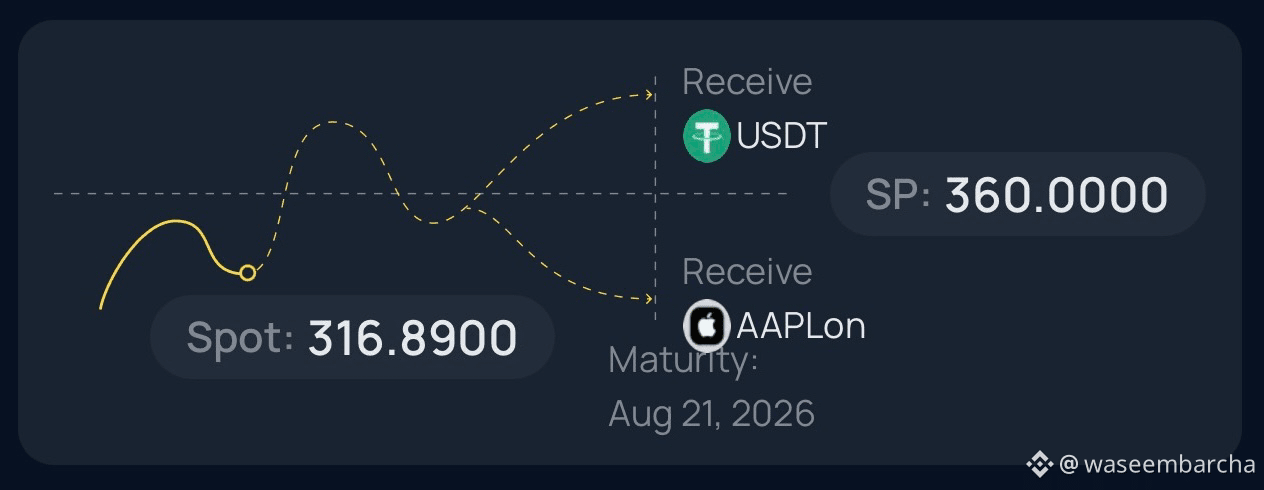
He estado mirando la bóveda de AAPLon/USDT en @termmax durante más tiempo del que probablemente necesitaba 😂
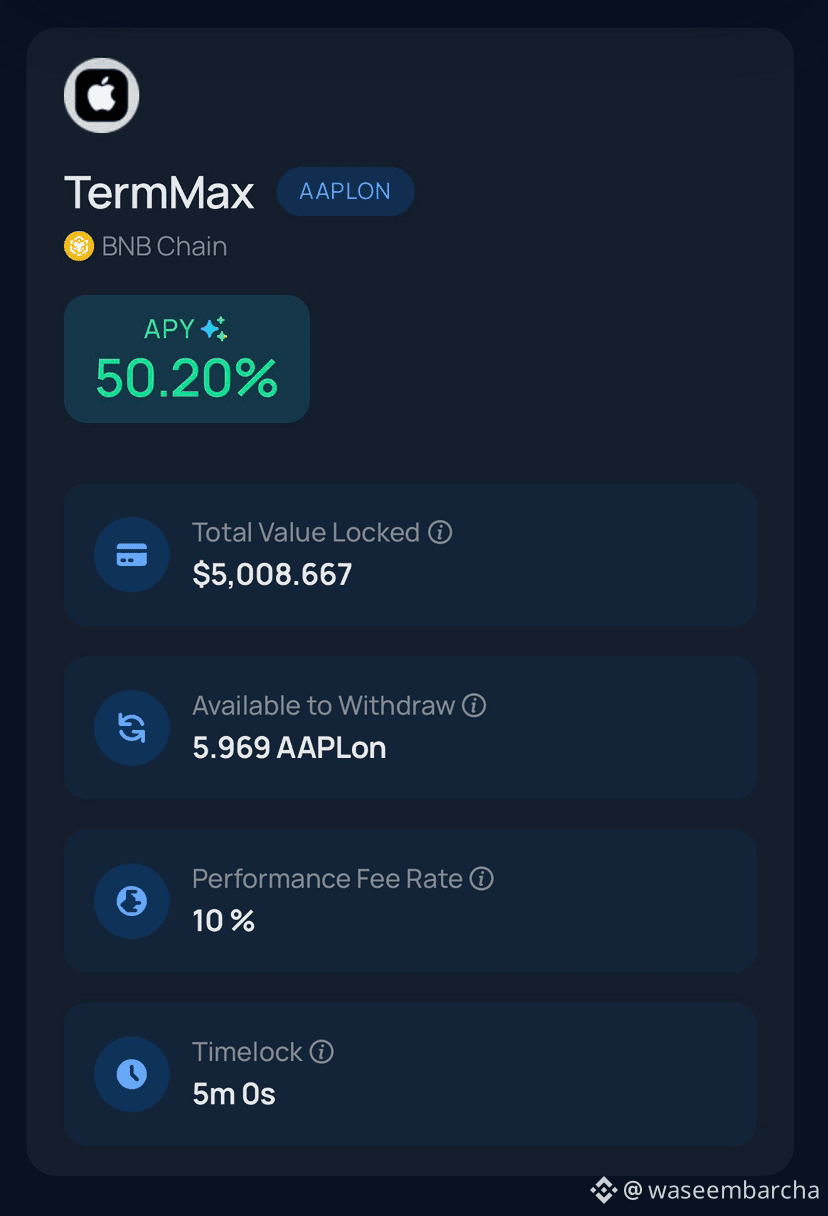
El 50,20% de APY fue lo primero que llamó mi atención, pero honestamente, esa también fue la razón por la que empecé a revisar todo lo que había debajo.
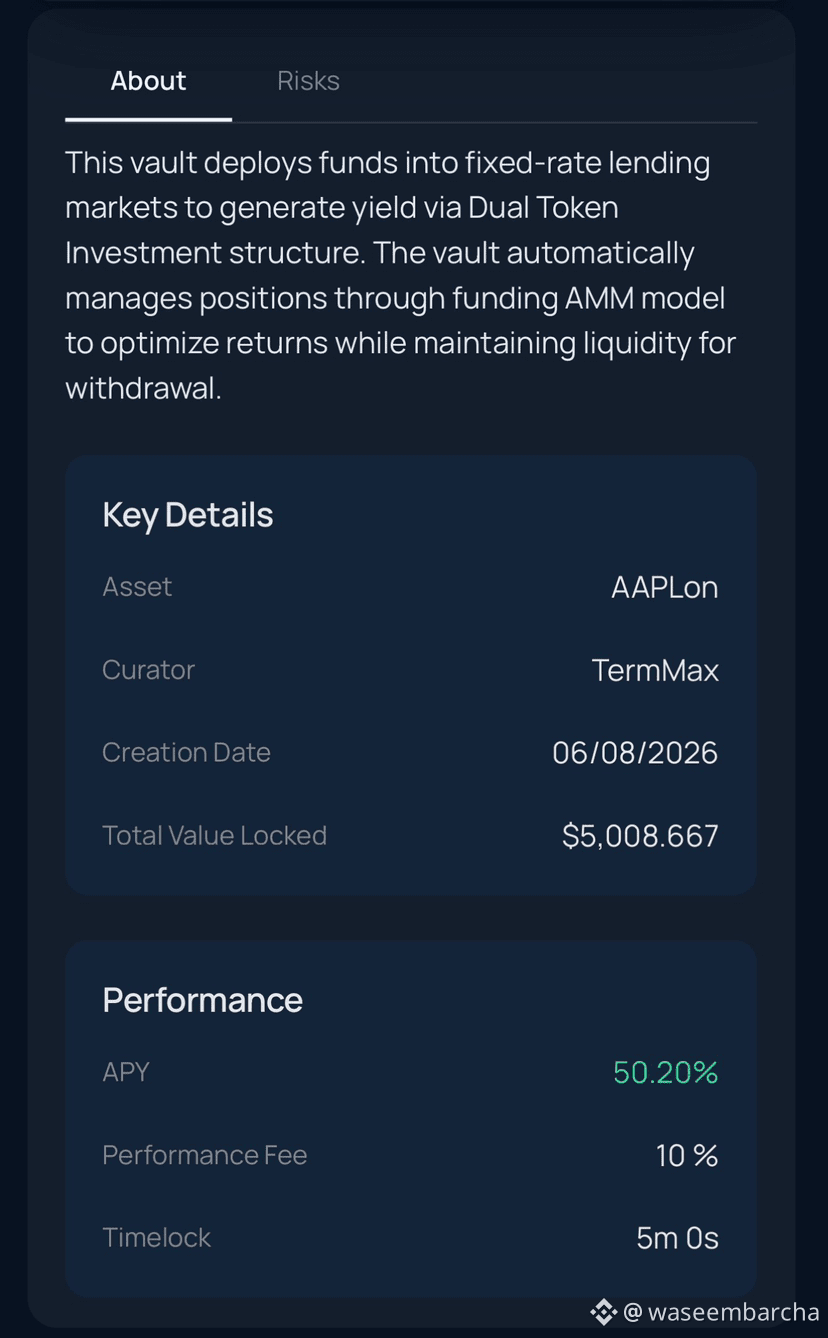
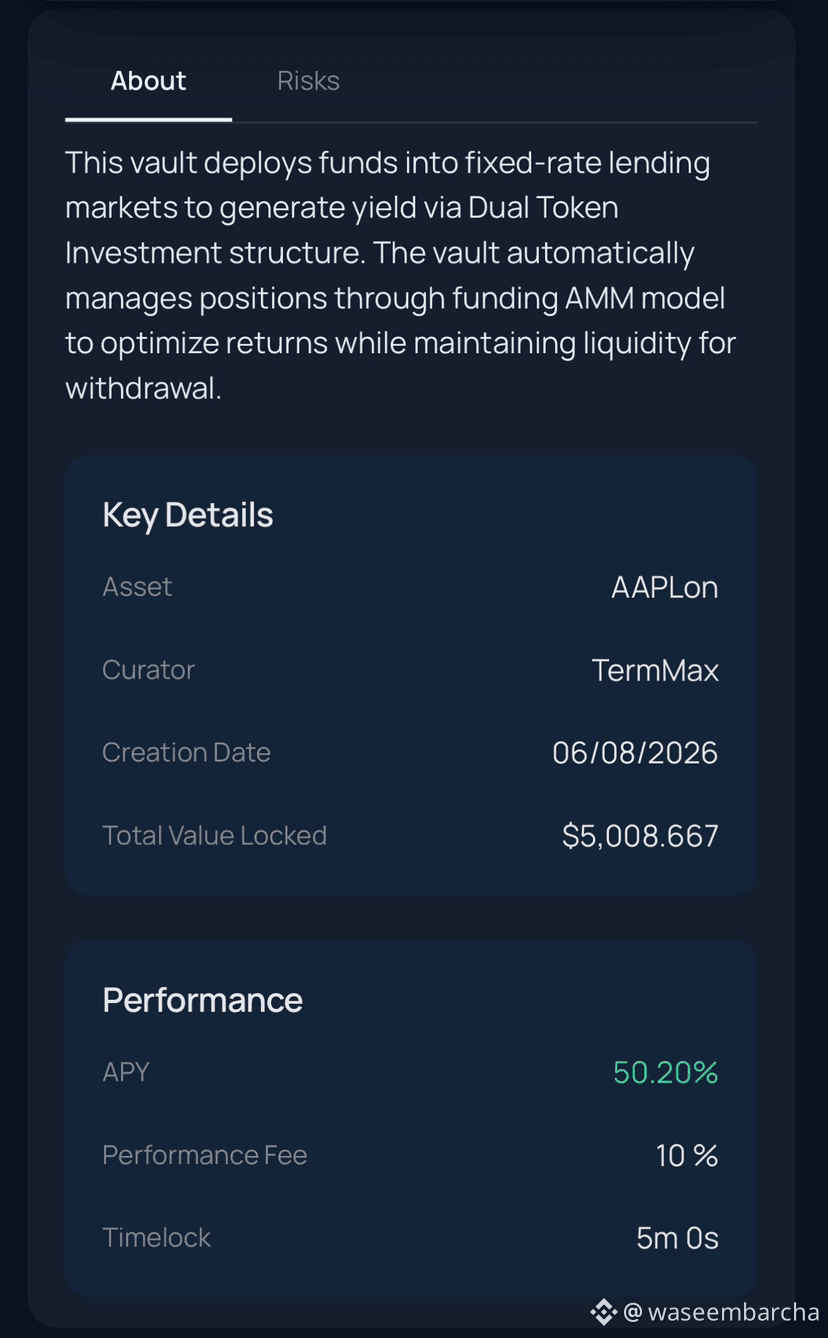
Se trata de una estructura de inversión con Doble Token: la bóveda despliega en mercados de préstamos a tasa fija y usa su modelo de AMM de financiación como parte de la estrategia. Así que no quería mirar el APY de forma aislada y fingir que esa era toda la historia.
La bóveda muestra alrededor de $5,008 de TVL, con aproximadamente un 61% utilizado y un 39% actualmente ocioso. Eso no prueba que el rendimiento sea sostenible, pero al menos hay capital real en la bóveda y la utilización me da algo más que vigilar además del APY en el titular.
El mercado subyacente de AAPLon/USDT muestra un 96% de LLTV, con vencimiento el 21 de agosto de 2026. La bóveda en sí solo se lanzó el 6 de agosto, así que esto sigue siendo un mercado relativamente nuevo.
También noté la comisión de performance del 10% y el timelock de 5 minutos. Lo segundo es algo que a mí personalmente me gusta ver, porque significa que los retiros no quedan en espera detrás de un periodo de espera de varios días.
TermMax también aparece listado como el curador aquí. Yo no tomaría eso solo como una razón para confiar en la bóveda, pero sí me hace estar más interesado en entender cómo se gestiona la estrategia.
Por ahora, no estoy persiguiendo el APY del 50,20%.
Estoy observando la utilización, el TVL y lo que realmente sucede a medida que se acerca el vencimiento.
Un gran APY capta mi atención. Los números que están debajo de él deciden si sigo mirando.
#TermMax
#termmax @TermMax
He estado mirando la bóveda de AAPLon/USDT en @TermMax durante más tiempo del que probablemente necesitaba 😂
El 50,20% de APY fue lo primero que llamó mi atención, pero honestamente, esa también fue la razón por la que empecé a revisar todo lo que había debajo.
Se trata de una estructura de inversión con Doble Token: la bóveda despliega en mercados de préstamos a tasa fija y usa su modelo de AMM de financiación como parte de la estrategia. Así que no quería mirar el APY de forma aislada y fingir que esa era toda la historia.
La bóveda muestra alrededor de $5,008 de TVL, con aproximadamente un 61% utilizado y un 39% actualmente ocioso. Eso no prueba que el rendimiento sea sostenible, pero al menos hay capital real en la bóveda y la utilización me da algo más que vigilar además del APY en el titular.
El mercado subyacente de AAPLon/USDT muestra un 96% de LLTV, con vencimiento el 21 de agosto de 2026. La bóveda en sí solo se lanzó el 6 de agosto, así que esto sigue siendo un mercado relativamente nuevo.
También noté la comisión de performance del 10% y el timelock de 5 minutos. Lo segundo es algo que a mí personalmente me gusta ver, porque significa que los retiros no quedan en espera detrás de un periodo de espera de varios días.
TermMax también aparece listado como el curador aquí. Yo no tomaría eso solo como una razón para confiar en la bóveda, pero sí me hace estar más interesado en entender cómo se gestiona la estrategia.
Por ahora, no estoy persiguiendo el APY del 50,20%.
Estoy observando la utilización, el TVL y lo que realmente sucede a medida que se acerca el vencimiento.
Un gran APY capta mi atención. Los números que están debajo de él deciden si sigo mirando.
#TermMax
He estado mirando la bóveda de AAPLon/USDT en @TermMax durante más tiempo del que probablemente necesitaba 😂
El 50,20% de APY fue lo primero que llamó mi atención, pero honestamente, esa también fue la razón por la que empecé a revisar todo lo que había debajo.
Se trata de una estructura de inversión con Doble Token: la bóveda despliega en mercados de préstamos a tasa fija y usa su modelo de AMM de financiación como parte de la estrategia. Así que no quería mirar el APY de forma aislada y fingir que esa era toda la historia.
La bóveda muestra alrededor de $5,008 de TVL, con aproximadamente un 61% utilizado y un 39% actualmente ocioso. Eso no prueba que el rendimiento sea sostenible, pero al menos hay capital real en la bóveda y la utilización me da algo más que vigilar además del APY en el titular.
El mercado subyacente de AAPLon/USDT muestra un 96% de LLTV, con vencimiento el 21 de agosto de 2026. La bóveda en sí solo se lanzó el 6 de agosto, así que esto sigue siendo un mercado relativamente nuevo.
También noté la comisión de performance del 10% y el timelock de 5 minutos. Lo segundo es algo que a mí personalmente me gusta ver, porque significa que los retiros no quedan en espera detrás de un periodo de espera de varios días.
TermMax también aparece listado como el curador aquí. Yo no tomaría eso solo como una razón para confiar en la bóveda, pero sí me hace estar más interesado en entender cómo se gestiona la estrategia.
Por ahora, no estoy persiguiendo el APY del 50,20%.
Estoy observando la utilización, el TVL y lo que realmente sucede a medida que se acerca el vencimiento.
Un gran APY capta mi atención. Los números que están debajo de él deciden si sigo mirando.
#TermMax
11
11
453
·
--
Verificado
Casi me salté un mercado @termmax la semana pasada porque mis fondos estaban en la cadena equivocada.
Honestamente, estaba medio despierto y definitivamente no tenía ganas de puentear fondos manualmente antes incluso de tomar café 😂
Normalmente, ahí es donde pensaría “ya lo haré luego” y cerraría la app. Para cuando vuelvo, probablemente ya se fue la tasa que quería.
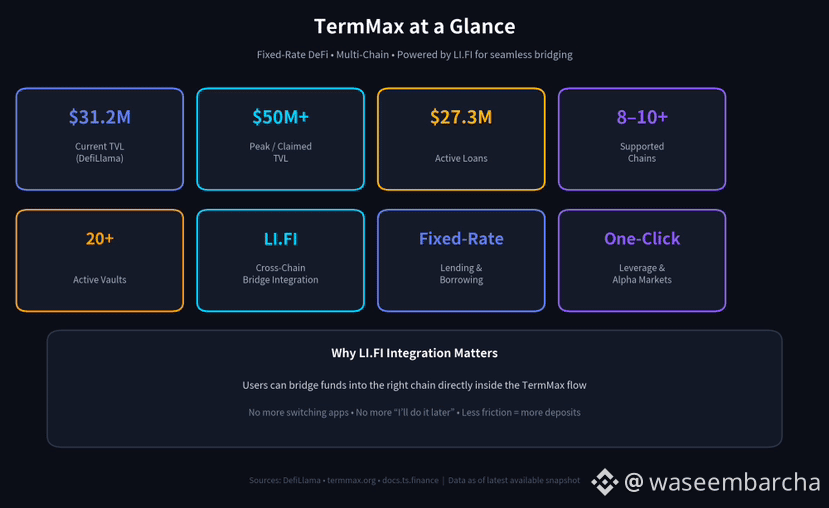
Lo que me sorprendió esta vez fue que no tuve que tratar el puente como un paso completamente separado. TermMax tiene LI.FI integrado, así que pude mover los fondos a la cadena correcta directamente dentro del flujo en lugar de abrir otra app, hacer el puente manualmente, esperar y luego volver para comprobar todo otra vez.
Solo me ahorró un par de minutos, pero ese es el punto.
En DeFi, los pequeños obstáculos se acumulan rápido. Si para llevar los fondos a la cadena correcta se necesitan varios pasos extra, hay muchas más probabilidades de que simplemente no lo haga.
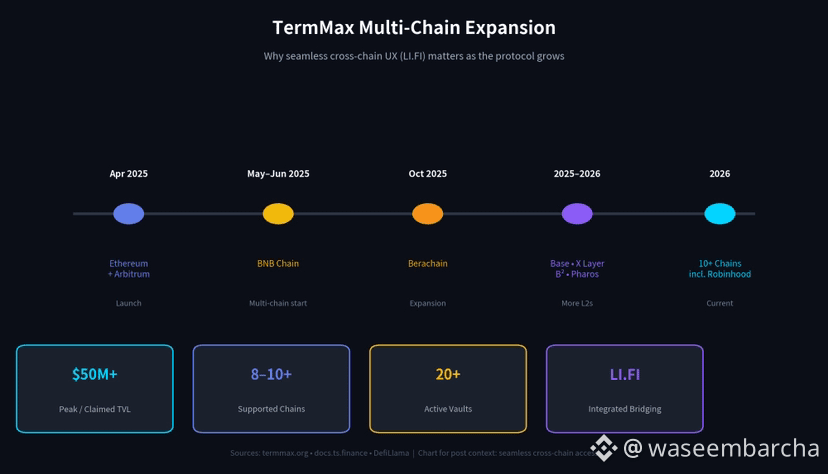
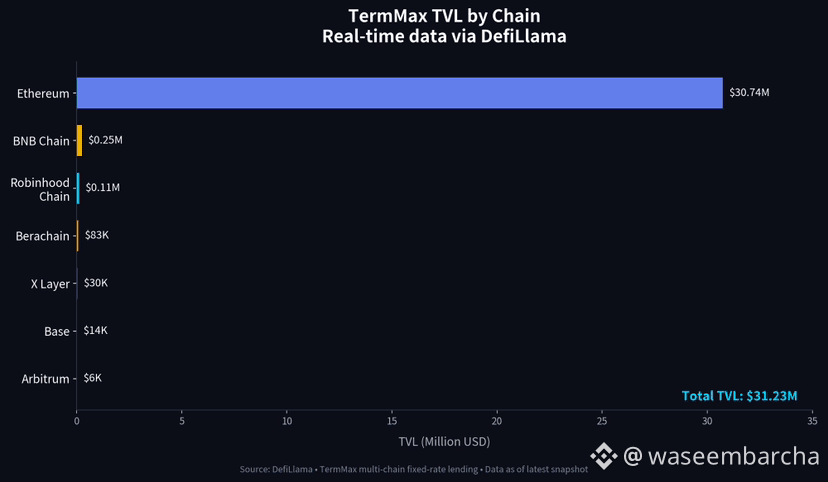
Y como TermMax admite Ethereum, Arbitrum, BNB Chain y varias redes más, puedo ver por qué este tipo de experiencia cross-chain se vuelve más útil a medida que el protocolo se expande.
Al final deposité más de lo que había planeado originalmente porque el proceso fue más fácil de lo que esperaba.
No es una gran función sobre el papel. Pero eliminar esas pequeñas cosas que te hacen abandonar una operación está infravalorado.
@termmax #TermMax $TMX
Casi me salté un mercado @TermMax la semana pasada porque mis fondos estaban en la cadena equivocada.
Honestamente, estaba medio despierto y definitivamente no tenía ganas de puentear fondos manualmente antes incluso de tomar café 😂
Normalmente, ahí es donde pensaría “ya lo haré luego” y cerraría la app. Para cuando vuelvo, probablemente ya se fue la tasa que quería.
Lo que me sorprendió esta vez fue que no tuve que tratar el puente como un paso completamente separado. TermMax tiene LI.FI integrado, así que pude mover los fondos a la cadena correcta directamente dentro del flujo en lugar de abrir otra app, hacer el puente manualmente, esperar y luego volver para comprobar todo otra vez.
Solo me ahorró un par de minutos, pero ese es el punto.
En DeFi, los pequeños obstáculos se acumulan rápido. Si para llevar los fondos a la cadena correcta se necesitan varios pasos extra, hay muchas más probabilidades de que simplemente no lo haga.
Y como TermMax admite Ethereum, Arbitrum, BNB Chain y varias redes más, puedo ver por qué este tipo de experiencia cross-chain se vuelve más útil a medida que el protocolo se expande.
Al final deposité más de lo que había planeado originalmente porque el proceso fue más fácil de lo que esperaba.
No es una gran función sobre el papel. Pero eliminar esas pequeñas cosas que te hacen abandonar una operación está infravalorado.
@TermMax #TermMax $TMX
Honestamente, estaba medio despierto y definitivamente no tenía ganas de puentear fondos manualmente antes incluso de tomar café 😂
Normalmente, ahí es donde pensaría “ya lo haré luego” y cerraría la app. Para cuando vuelvo, probablemente ya se fue la tasa que quería.
Lo que me sorprendió esta vez fue que no tuve que tratar el puente como un paso completamente separado. TermMax tiene LI.FI integrado, así que pude mover los fondos a la cadena correcta directamente dentro del flujo en lugar de abrir otra app, hacer el puente manualmente, esperar y luego volver para comprobar todo otra vez.
Solo me ahorró un par de minutos, pero ese es el punto.
En DeFi, los pequeños obstáculos se acumulan rápido. Si para llevar los fondos a la cadena correcta se necesitan varios pasos extra, hay muchas más probabilidades de que simplemente no lo haga.
Y como TermMax admite Ethereum, Arbitrum, BNB Chain y varias redes más, puedo ver por qué este tipo de experiencia cross-chain se vuelve más útil a medida que el protocolo se expande.
Al final deposité más de lo que había planeado originalmente porque el proceso fue más fácil de lo que esperaba.
No es una gran función sobre el papel. Pero eliminar esas pequeñas cosas que te hacen abandonar una operación está infravalorado.
@TermMax #TermMax $TMX
13
13
176
·
--
Parcialmente cierto
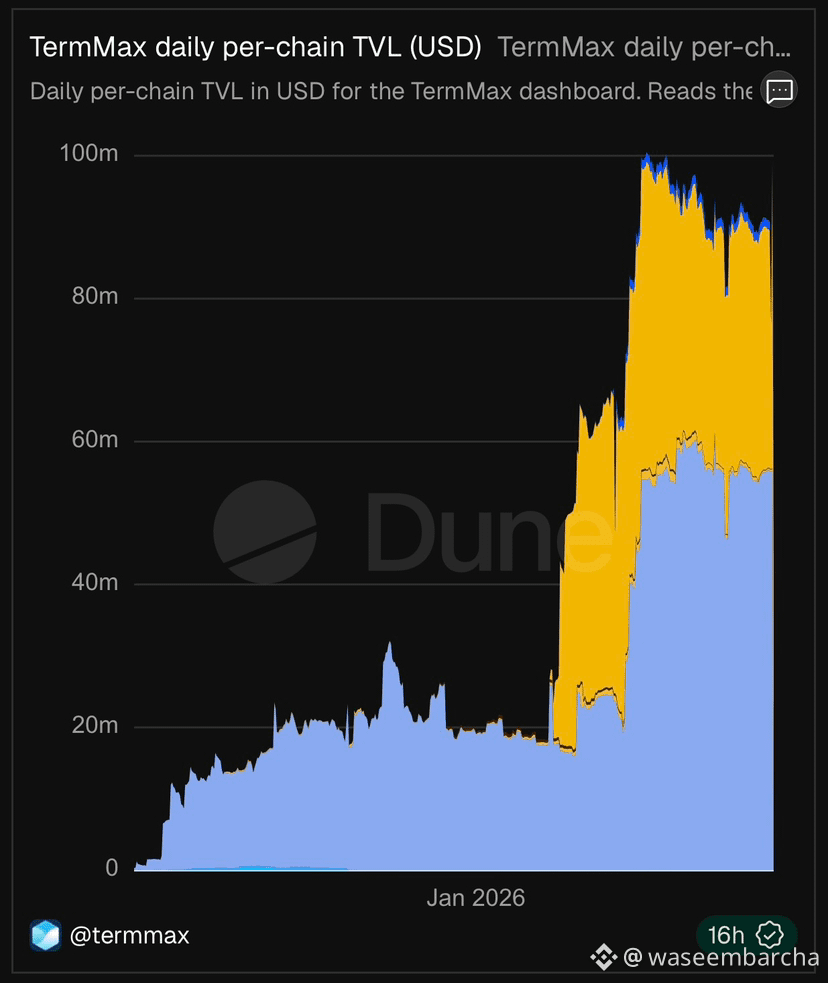
Estaba mirando el panel de Dune de TermMax y una cosa honestamente me tomó por sorpresa.
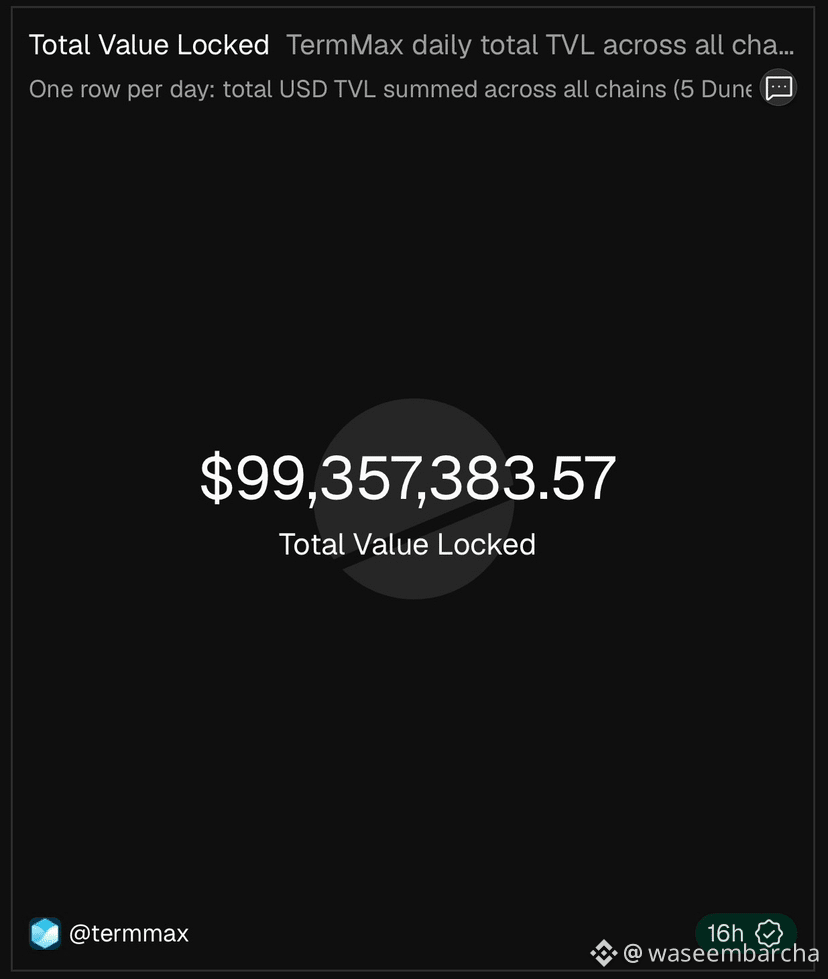
El TVL está ahora alrededor de $99.3M. Al mirar los datos por cadena, pasó mucho tiempo en el rango de $20–30M antes de subir con fuerza este año y superar $80M y luego $100M.
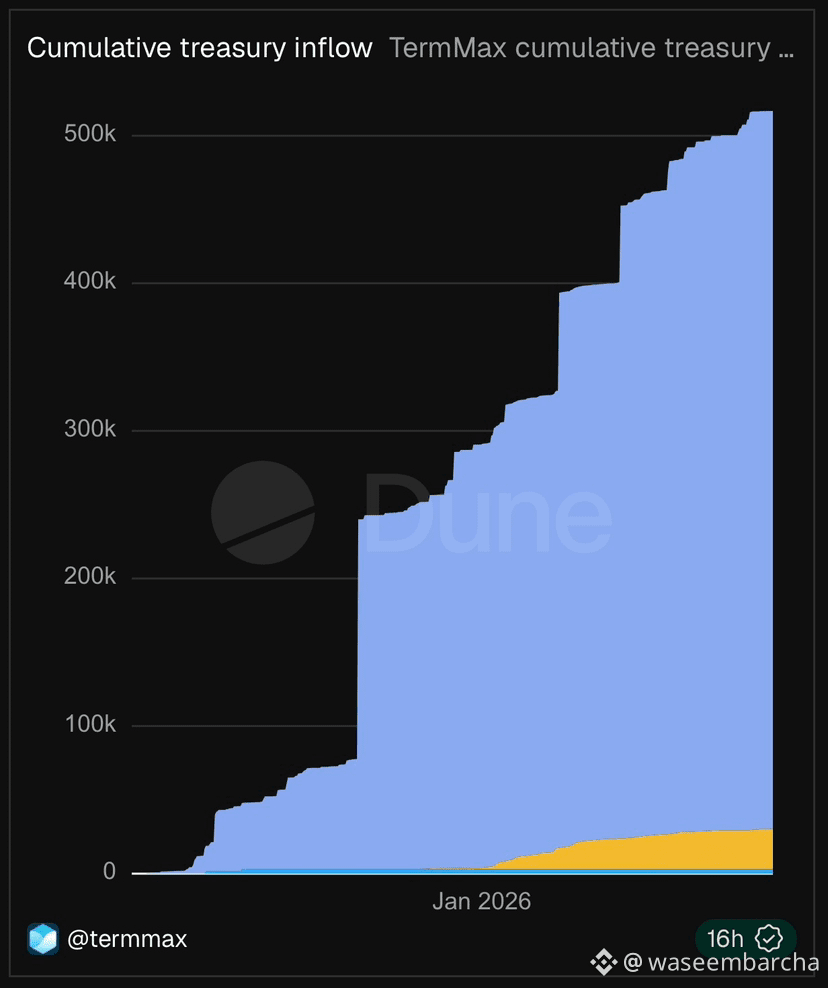
El lado del tesoro se está moviendo en la misma dirección. Las entradas acumuladas ya están por encima de $500K, y la curva se ha vuelto notablemente más pronunciada.
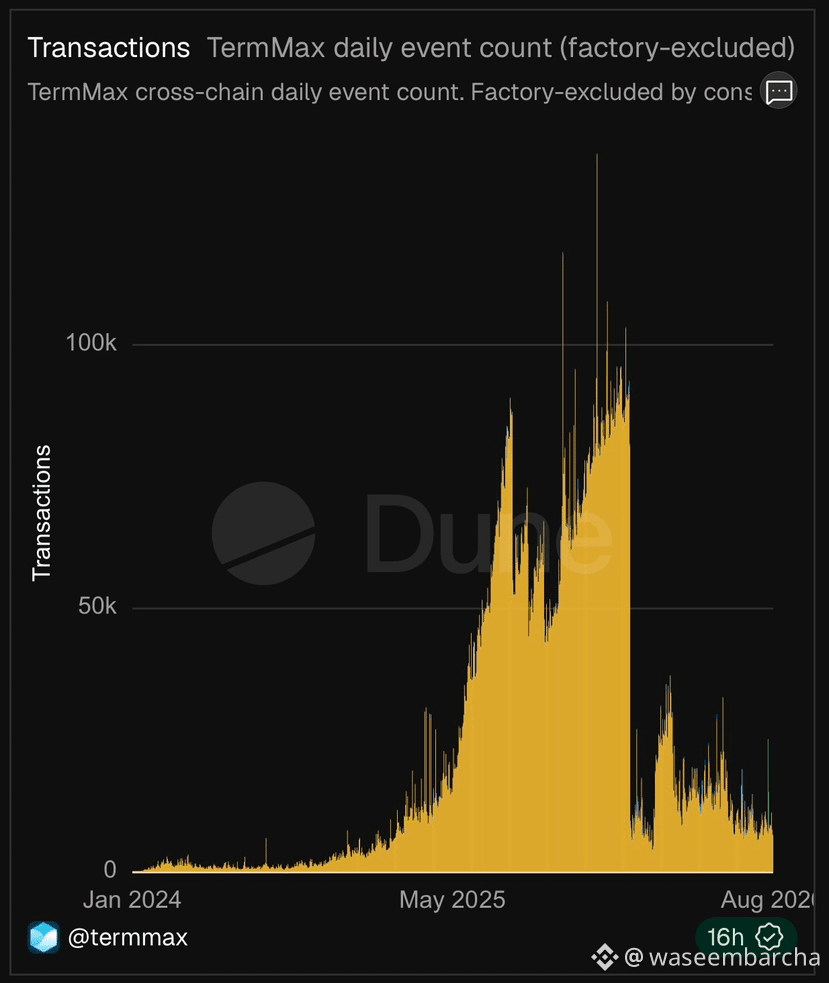
Pero entonces revisé el gráfico de transacciones.
Esa parte se ve completamente diferente.
Las transacciones diarias eran mucho más altas a mediados de 2025, pero desde entonces han caído y ahora están en un rango mucho más tranquilo. Así que ahora mismo, el TVL está subiendo mientras la actividad de transacciones está bajando.
No lo veo automáticamente como algo malo.
De hecho, me hace pensar que @termmax puede estar atrayendo un tipo de capital diferente al que inicialmente esperaba. Los mercados de plazo fijo no necesariamente necesitan miles de usuarios pequeños moviendo fondos constantemente. Un número menor de posiciones más grandes puede mantener el TVL alto incluso cuando la frecuencia de transacciones es relativamente baja.
Pero tampoco llamaría a eso una prueba de “smart money”. Esa es la parte que me gustaría ver confirmada con datos futuros.
Para mí, la pregunta interesante ahora es si la actividad eventualmente se pone al día con el TVL, o si TermMax sigue operando con un capital relativamente alto y una frecuencia de transacciones más baja.
Esa es una señal mucho más interesante para vigilar que simplemente celebrar la cifra de $99M de TVL.
Estoy compartiendo los datos reales del panel porque la divergencia entre TVL y transacciones fue lo que más me llamó la atención.
@termmax #TermMax
Estaba mirando el panel de Dune de TermMax y una cosa honestamente me tomó por sorpresa.
El TVL está ahora alrededor de $99.3M. Al mirar los datos por cadena, pasó mucho tiempo en el rango de $20–30M antes de subir con fuerza este año y superar $80M y luego $100M.
El lado del tesoro se está moviendo en la misma dirección. Las entradas acumuladas ya están por encima de $500K, y la curva se ha vuelto notablemente más pronunciada.
Pero entonces revisé el gráfico de transacciones.
Esa parte se ve completamente diferente.
Las transacciones diarias eran mucho más altas a mediados de 2025, pero desde entonces han caído y ahora están en un rango mucho más tranquilo. Así que ahora mismo, el TVL está subiendo mientras la actividad de transacciones está bajando.
No lo veo automáticamente como algo malo.
De hecho, me hace pensar que @TermMax puede estar atrayendo un tipo de capital diferente al que inicialmente esperaba. Los mercados de plazo fijo no necesariamente necesitan miles de usuarios pequeños moviendo fondos constantemente. Un número menor de posiciones más grandes puede mantener el TVL alto incluso cuando la frecuencia de transacciones es relativamente baja.
Pero tampoco llamaría a eso una prueba de “smart money”. Esa es la parte que me gustaría ver confirmada con datos futuros.
Para mí, la pregunta interesante ahora es si la actividad eventualmente se pone al día con el TVL, o si TermMax sigue operando con un capital relativamente alto y una frecuencia de transacciones más baja.
Esa es una señal mucho más interesante para vigilar que simplemente celebrar la cifra de $99M de TVL.
Estoy compartiendo los datos reales del panel porque la divergencia entre TVL y transacciones fue lo que más me llamó la atención.
@TermMax #TermMax
El TVL está ahora alrededor de $99.3M. Al mirar los datos por cadena, pasó mucho tiempo en el rango de $20–30M antes de subir con fuerza este año y superar $80M y luego $100M.
El lado del tesoro se está moviendo en la misma dirección. Las entradas acumuladas ya están por encima de $500K, y la curva se ha vuelto notablemente más pronunciada.
Pero entonces revisé el gráfico de transacciones.
Esa parte se ve completamente diferente.
Las transacciones diarias eran mucho más altas a mediados de 2025, pero desde entonces han caído y ahora están en un rango mucho más tranquilo. Así que ahora mismo, el TVL está subiendo mientras la actividad de transacciones está bajando.
No lo veo automáticamente como algo malo.
De hecho, me hace pensar que @TermMax puede estar atrayendo un tipo de capital diferente al que inicialmente esperaba. Los mercados de plazo fijo no necesariamente necesitan miles de usuarios pequeños moviendo fondos constantemente. Un número menor de posiciones más grandes puede mantener el TVL alto incluso cuando la frecuencia de transacciones es relativamente baja.
Pero tampoco llamaría a eso una prueba de “smart money”. Esa es la parte que me gustaría ver confirmada con datos futuros.
Para mí, la pregunta interesante ahora es si la actividad eventualmente se pone al día con el TVL, o si TermMax sigue operando con un capital relativamente alto y una frecuencia de transacciones más baja.
Esa es una señal mucho más interesante para vigilar que simplemente celebrar la cifra de $99M de TVL.
Estoy compartiendo los datos reales del panel porque la divergencia entre TVL y transacciones fue lo que más me llamó la atención.
@TermMax #TermMax
10
11
734
·
--
#termmax @termmax
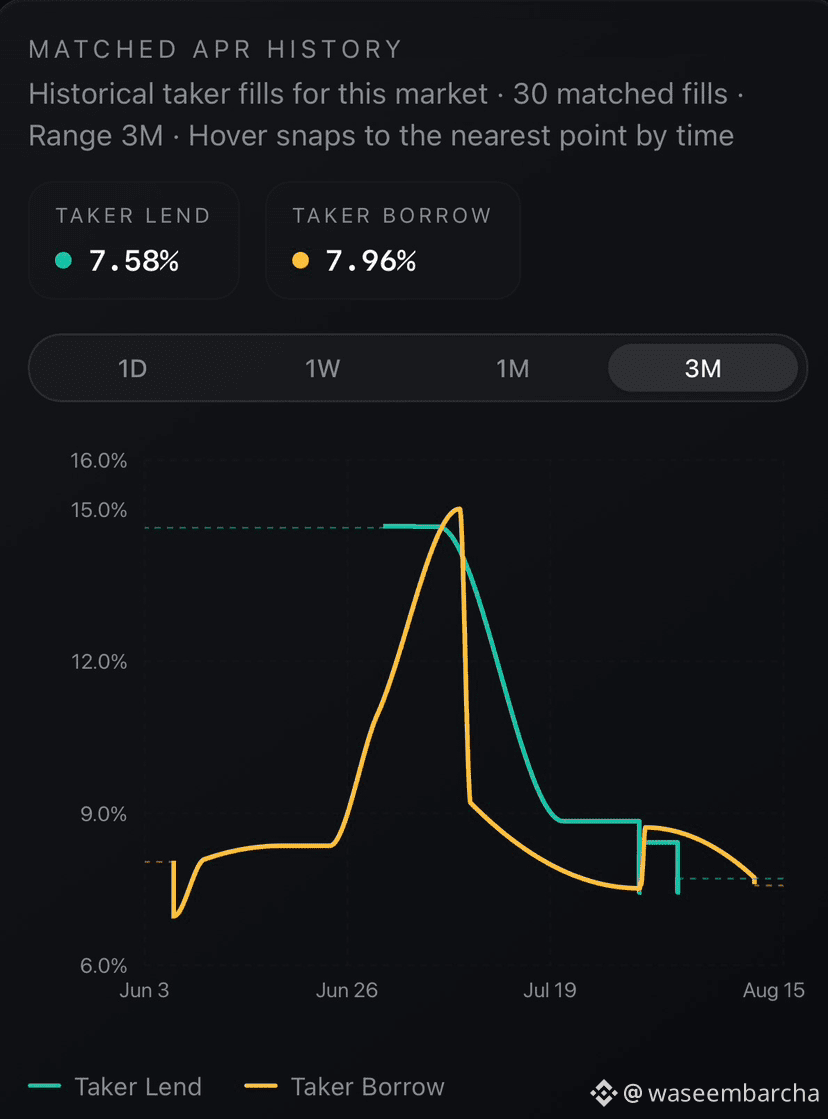
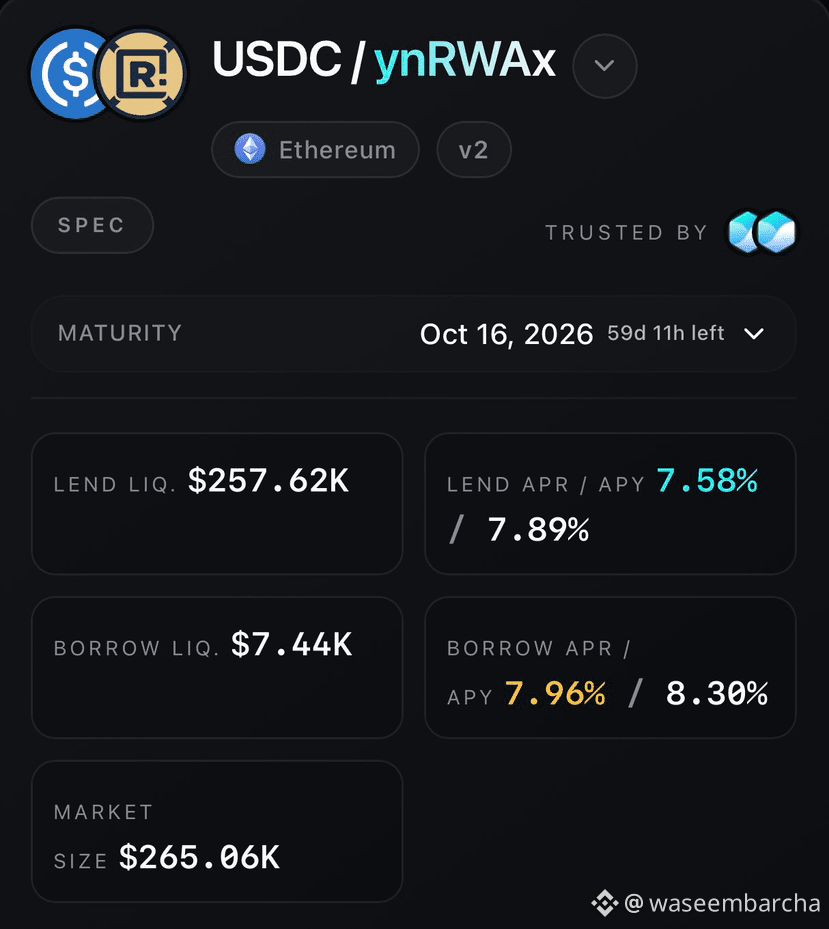
Pasé un rato esta mañana realmente fijando una tasa en TermMax en lugar de solo leer sobre ello. Una cosa que me parece interesante es el enfoque en mercados de tasa fija y plazo fijo.
Puse 50 USDT en un mercado de tasa fija alrededor de 8% por dos semanas.
Sinceramente, el atractivo es aburrido, pero en el buen sentido: sé exactamente lo que recibo el día del vencimiento, sin tener que adivinar según lo que la tasa variable del pool decida hacer esa semana.
La mayoría de los mercados de préstamos que he usado antes, miras el APY, te vas, y al día siguiente es otro número.
Todavía no sé si la tasa que fijé se verá bien o mal con el tiempo, pero esa es precisamente la idea: cambiar la posibilidad de ganancia por certeza.
$TMX
#termmax @TermMax
Pasé un rato esta mañana realmente fijando una tasa en TermMax en lugar de solo leer sobre ello. Una cosa que me parece interesante es el enfoque en mercados de tasa fija y plazo fijo.
Puse 50 USDT en un mercado de tasa fija alrededor de 8% por dos semanas.
Sinceramente, el atractivo es aburrido, pero en el buen sentido: sé exactamente lo que recibo el día del vencimiento, sin tener que adivinar según lo que la tasa variable del pool decida hacer esa semana.
La mayoría de los mercados de préstamos que he usado antes, miras el APY, te vas, y al día siguiente es otro número.
Todavía no sé si la tasa que fijé se verá bien o mal con el tiempo, pero esa es precisamente la idea: cambiar la posibilidad de ganancia por certeza.
$TMX
Pasé un rato esta mañana realmente fijando una tasa en TermMax en lugar de solo leer sobre ello. Una cosa que me parece interesante es el enfoque en mercados de tasa fija y plazo fijo.
Puse 50 USDT en un mercado de tasa fija alrededor de 8% por dos semanas.
Sinceramente, el atractivo es aburrido, pero en el buen sentido: sé exactamente lo que recibo el día del vencimiento, sin tener que adivinar según lo que la tasa variable del pool decida hacer esa semana.
La mayoría de los mercados de préstamos que he usado antes, miras el APY, te vas, y al día siguiente es otro número.
Todavía no sé si la tasa que fijé se verá bien o mal con el tiempo, pero esa es precisamente la idea: cambiar la posibilidad de ganancia por certeza.
$TMX
12
15
393
·
--
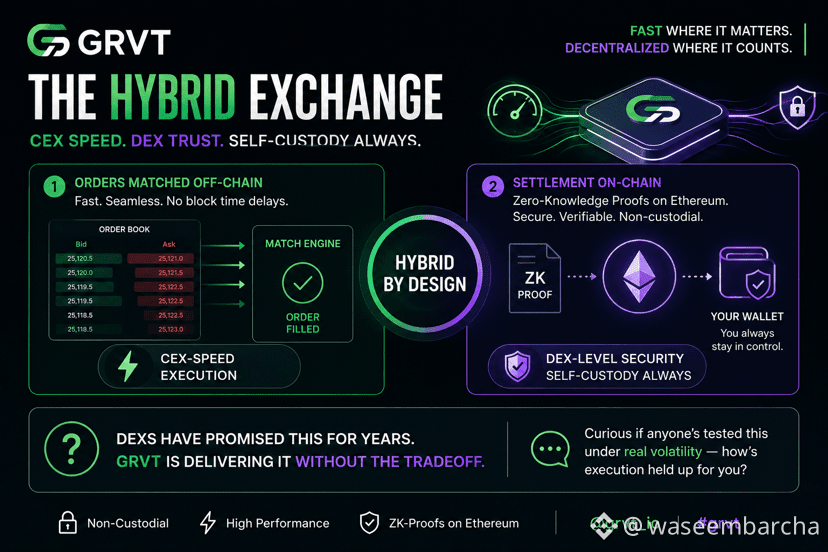
Aquí hay algo que tardé un minuto en entender realmente sobre @grvt_io , y una vez que encajó, entendí por qué la gente lo llama un intercambio “híbrido”.
Tus órdenes se emparejan fuera de la cadena (así es rápido, sin esperar a que se confirmen bloques para que se ejecute). Pero la liquidación ocurre on-chain mediante pruebas de conocimiento cero en Ethereum. Traducción: obtienes una ejecución a la velocidad de un CEX, pero el exchange nunca realmente tiene tus fondos; autocustodia todo el tiempo.
Es lo que los DEX han estado prometiendo durante años y rara vez entregan sin algún tipo de compromiso.
¿Te interesa saber si alguien lo ha probado bajo volatilidad real? ¿Cómo se ha mantenido la ejecución para ti? #grvt #creatorpad
Aquí hay algo que tardé un minuto en entender realmente sobre @grvt_io , y una vez que encajó, entendí por qué la gente lo llama un intercambio “híbrido”.
Tus órdenes se emparejan fuera de la cadena (así es rápido, sin esperar a que se confirmen bloques para que se ejecute). Pero la liquidación ocurre on-chain mediante pruebas de conocimiento cero en Ethereum. Traducción: obtienes una ejecución a la velocidad de un CEX, pero el exchange nunca realmente tiene tus fondos; autocustodia todo el tiempo.
Es lo que los DEX han estado prometiendo durante años y rara vez entregan sin algún tipo de compromiso.
¿Te interesa saber si alguien lo ha probado bajo volatilidad real? ¿Cómo se ha mantenido la ejecución para ti? #grvt #creatorpad
Tus órdenes se emparejan fuera de la cadena (así es rápido, sin esperar a que se confirmen bloques para que se ejecute). Pero la liquidación ocurre on-chain mediante pruebas de conocimiento cero en Ethereum. Traducción: obtienes una ejecución a la velocidad de un CEX, pero el exchange nunca realmente tiene tus fondos; autocustodia todo el tiempo.
Es lo que los DEX han estado prometiendo durante años y rara vez entregan sin algún tipo de compromiso.
¿Te interesa saber si alguien lo ha probado bajo volatilidad real? ¿Cómo se ha mantenido la ejecución para ti? #grvt #creatorpad
25
22
960
·
--
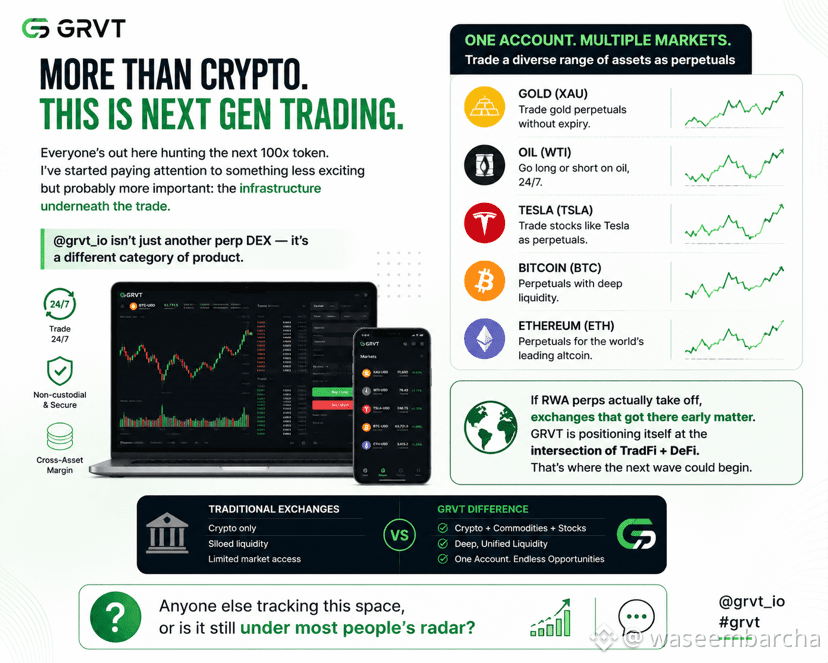
Todos por aquí están cazando el próximo token 100x. Yo he empezado a prestar atención a algo menos emocionante pero probablemente más importante: la infraestructura que hay debajo del trading.
@grvt_io no es solo otro DEX perp: puedes operar oro, petróleo e incluso acciones como Tesla como perpetuos, junto con BTC y ETH, todo desde una sola cuenta.
Eso es otra categoría de producto que “otro intercambio cripto más”.
Si los perps de RWA despegan de verdad, las bolsas que llegaron temprano importan. ¿Alguien más está siguiendo este sector, o todavía está fuera del radar de la mayoría? #grvt
Todos por aquí están cazando el próximo token 100x. Yo he empezado a prestar atención a algo menos emocionante pero probablemente más importante: la infraestructura que hay debajo del trading.
@grvt_io no es solo otro DEX perp: puedes operar oro, petróleo e incluso acciones como Tesla como perpetuos, junto con BTC y ETH, todo desde una sola cuenta.
Eso es otra categoría de producto que “otro intercambio cripto más”.
Si los perps de RWA despegan de verdad, las bolsas que llegaron temprano importan. ¿Alguien más está siguiendo este sector, o todavía está fuera del radar de la mayoría? #grvt
@grvt_io no es solo otro DEX perp: puedes operar oro, petróleo e incluso acciones como Tesla como perpetuos, junto con BTC y ETH, todo desde una sola cuenta.
Eso es otra categoría de producto que “otro intercambio cripto más”.
Si los perps de RWA despegan de verdad, las bolsas que llegaron temprano importan. ¿Alguien más está siguiendo este sector, o todavía está fuera del radar de la mayoría? #grvt
6
12
519
·
--
@grvt_io #grvt
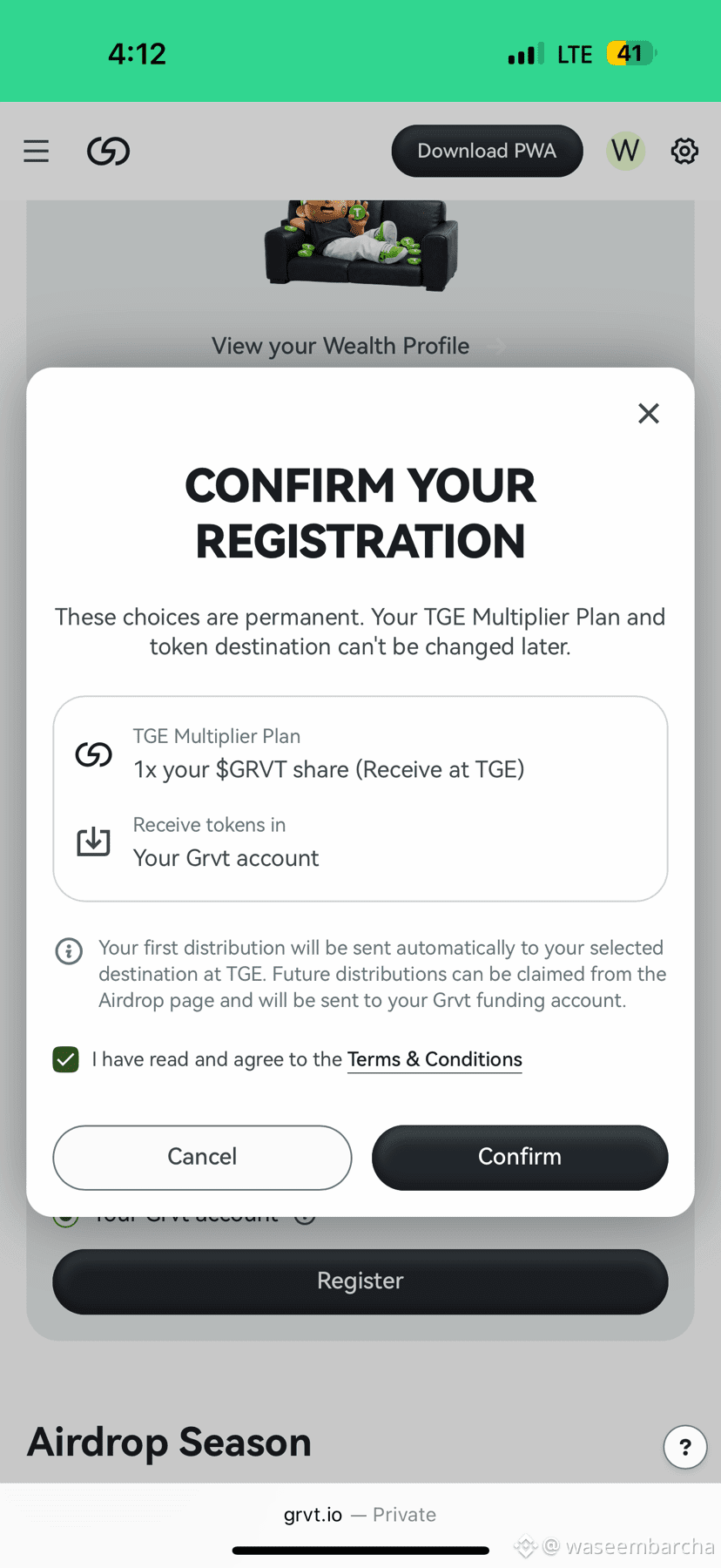
🚨 ¡Date prisa! El registro para el airdrop GRVT ya está activo y solo toma unos minutos completarlo.
Aquí tienes una guía rápida paso a paso:
✅ Paso 1: Visita grvt.io
✅ Paso 2: Abre el ☰ Menú → Rewards → GRVT Airdrop
✅ Paso 3: Completa tu Wealth Profile para desbloquear el proceso de registro.
✅ Paso 4: Elige tu multiplicador preferido:
• 1× – Recibe en el TGE
• 2× – Recibe después de 4 meses
• 4× – Recibe después de 8 meses para una asignación mayor
✅ Paso 5: Selecciona dónde te gustaría recibir tus tokens $GRVT (cuenta GRVT, BNB Smart Chain o Ethereum) y luego confirma tu registro.
¡Listo! 🎉
Me decidí por el multiplicador 4× porque me gusta esperar un poco más para una asignación potencialmente mayor.
¿Qué opción estás eligiendo: 1×, 2× o 4×? ¡Comparte tu estrategia abajo! 👇
#AirdropAlert
@grvt_io #grvt
🚨 ¡Date prisa! El registro para el airdrop GRVT ya está activo y solo toma unos minutos completarlo.
Aquí tienes una guía rápida paso a paso:
✅ Paso 1: Visita grvt.io
✅ Paso 2: Abre el ☰ Menú → Rewards → GRVT Airdrop
✅ Paso 3: Completa tu Wealth Profile para desbloquear el proceso de registro.
✅ Paso 4: Elige tu multiplicador preferido:
• 1× – Recibe en el TGE
• 2× – Recibe después de 4 meses
• 4× – Recibe después de 8 meses para una asignación mayor
✅ Paso 5: Selecciona dónde te gustaría recibir tus tokens $GRVT (cuenta GRVT, BNB Smart Chain o Ethereum) y luego confirma tu registro.
¡Listo! 🎉
Me decidí por el multiplicador 4× porque me gusta esperar un poco más para una asignación potencialmente mayor.
¿Qué opción estás eligiendo: 1×, 2× o 4×? ¡Comparte tu estrategia abajo! 👇
#AirdropAlert
🚨 ¡Date prisa! El registro para el airdrop GRVT ya está activo y solo toma unos minutos completarlo.
Aquí tienes una guía rápida paso a paso:
✅ Paso 1: Visita grvt.io
✅ Paso 2: Abre el ☰ Menú → Rewards → GRVT Airdrop
✅ Paso 3: Completa tu Wealth Profile para desbloquear el proceso de registro.
✅ Paso 4: Elige tu multiplicador preferido:
• 1× – Recibe en el TGE
• 2× – Recibe después de 4 meses
• 4× – Recibe después de 8 meses para una asignación mayor
✅ Paso 5: Selecciona dónde te gustaría recibir tus tokens $GRVT (cuenta GRVT, BNB Smart Chain o Ethereum) y luego confirma tu registro.
¡Listo! 🎉
Me decidí por el multiplicador 4× porque me gusta esperar un poco más para una asignación potencialmente mayor.
¿Qué opción estás eligiendo: 1×, 2× o 4×? ¡Comparte tu estrategia abajo! 👇
#AirdropAlert

8
10
226
·
--
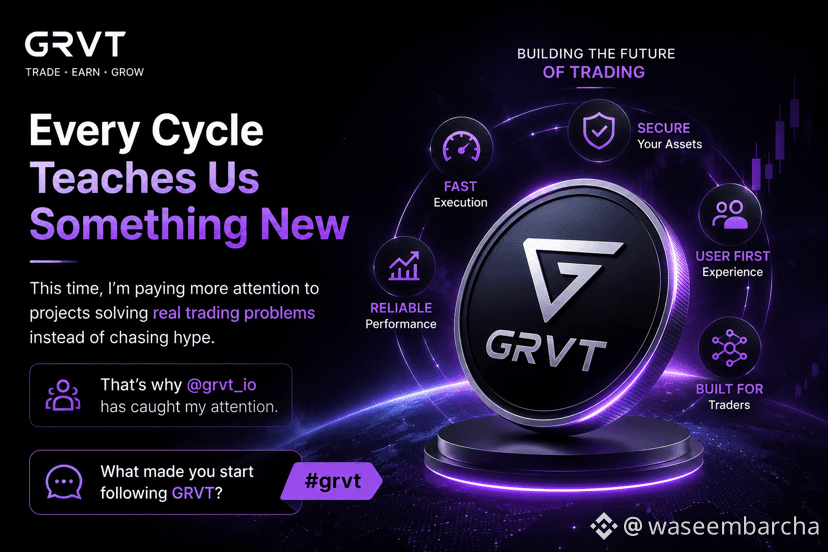
La mayoría de los traders de cripto se enfoca en encontrar el siguiente token, pero creo que importa aún más la infraestructura de trading.
Por eso sigo lo que @grvt_io está construyendo. Si la ejecución, la seguridad y la experiencia de usuario siguen mejorando juntas, podría atraer a muchos traders serios.
¿Qué función te importa más? #grvt #creatorpad
La mayoría de los traders de cripto se enfoca en encontrar el siguiente token, pero creo que importa aún más la infraestructura de trading.
Por eso sigo lo que @grvt_io está construyendo. Si la ejecución, la seguridad y la experiencia de usuario siguen mejorando juntas, podría atraer a muchos traders serios.
¿Qué función te importa más? #grvt #creatorpad
Por eso sigo lo que @grvt_io está construyendo. Si la ejecución, la seguridad y la experiencia de usuario siguen mejorando juntas, podría atraer a muchos traders serios.
¿Qué función te importa más? #grvt #creatorpad

2
8
115
·
--
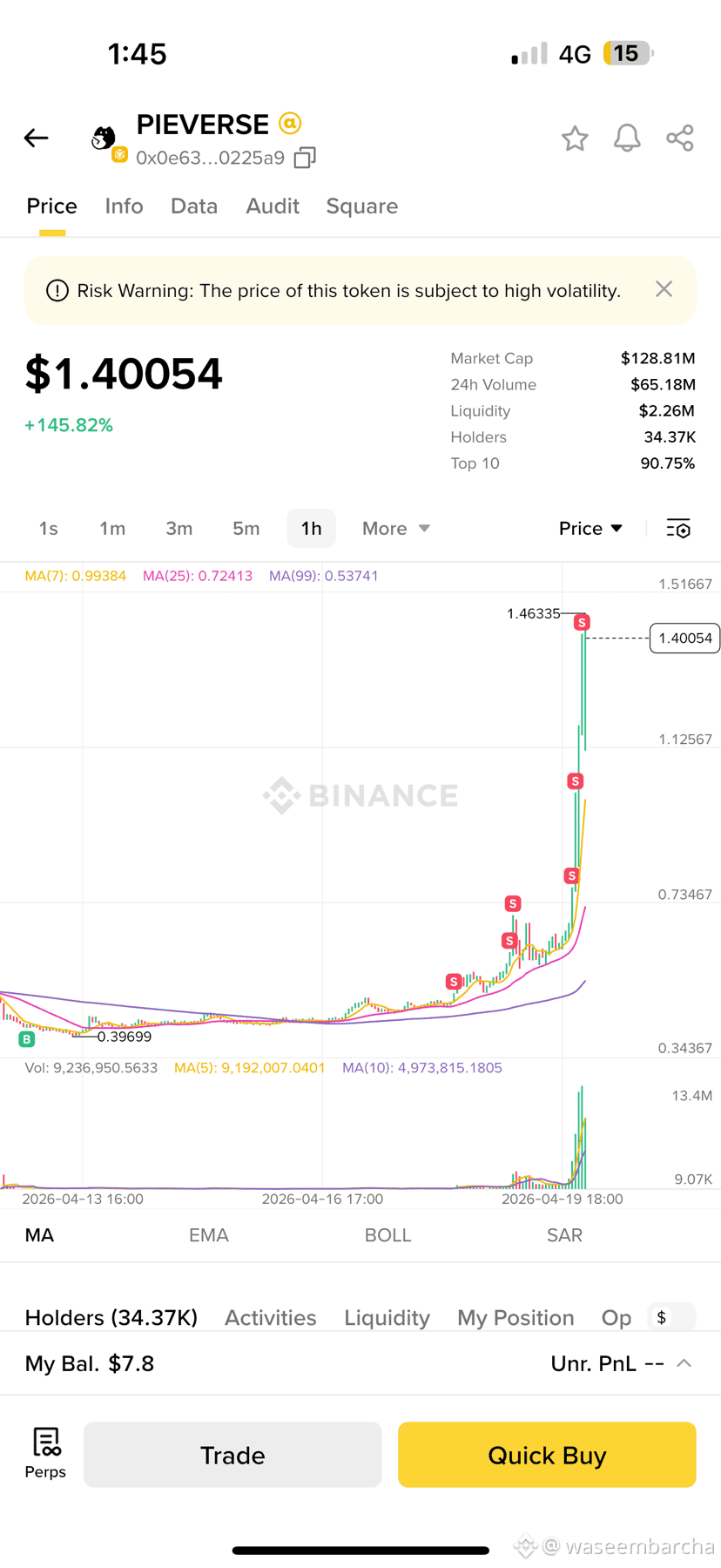
$PIEVERSE se volvió loco 🚀
+145% movimiento y ya estaba dentro.
Entré a $0.41
TP’s => 0.50, 0.62, 0.78, 0.88, 0.97, 1.28
Próximos TP’s => 1.58, 1.92, 2.2 (25% restante)
No persiguiendo. No FOMO.
Solo entrada limpia + paciencia.
Esta es la diferencia. 🎯
$PIEVERSE se volvió loco 🚀
+145% movimiento y ya estaba dentro.
Entré a $0.41
TP’s => 0.50, 0.62, 0.78, 0.88, 0.97, 1.28
Próximos TP’s => 1.58, 1.92, 2.2 (25% restante)
No persiguiendo. No FOMO.
Solo entrada limpia + paciencia.
Esta es la diferencia. 🎯
+145% movimiento y ya estaba dentro.
Entré a $0.41
TP’s => 0.50, 0.62, 0.78, 0.88, 0.97, 1.28
Próximos TP’s => 1.58, 1.92, 2.2 (25% restante)
No persiguiendo. No FOMO.
Solo entrada limpia + paciencia.
Esta es la diferencia. 🎯
7
468
·
--
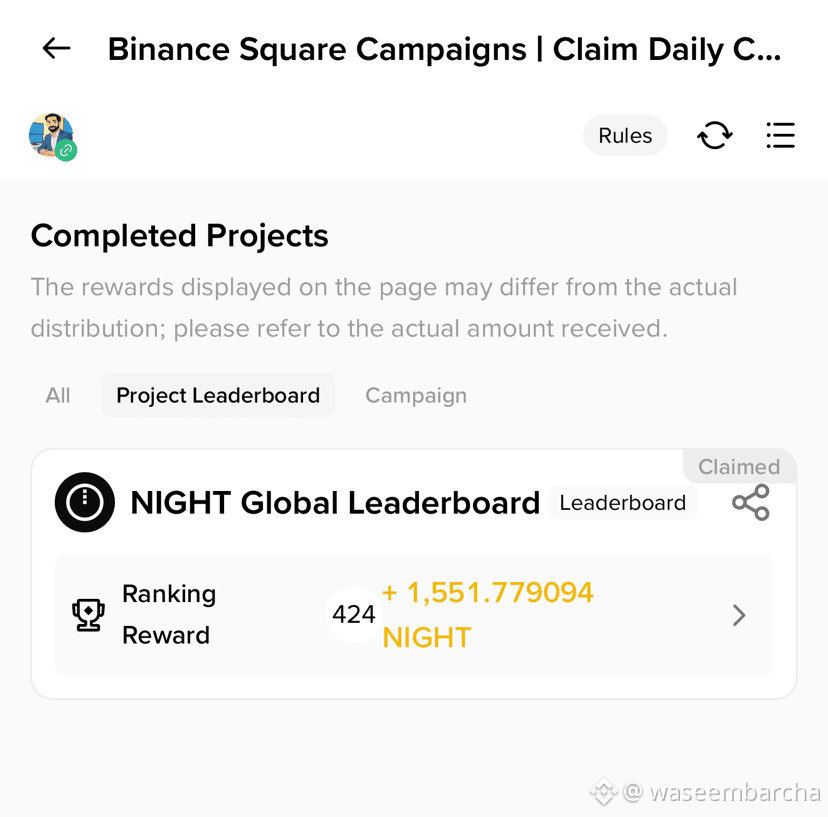
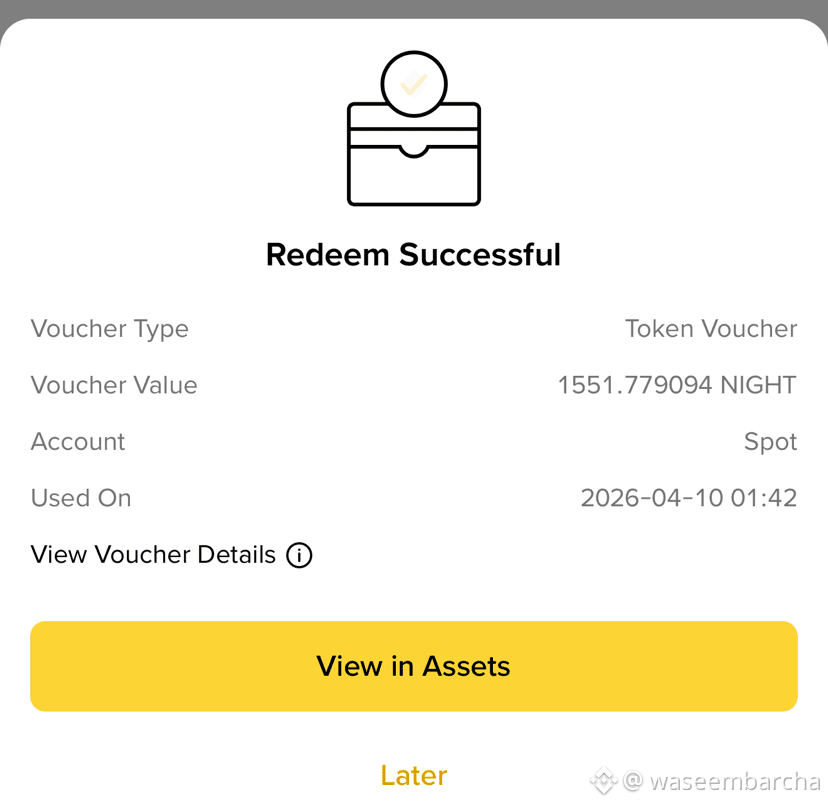
Binance Square me acaba de pagar centavos por DÍAS de esfuerzo… 💀
Rango 424 en el tablero de líderes GLOBAL de NIGHT → +1,551 NIGHT (alrededor de $60)
Hermano, esta fue mi PRIMER recompensa en el tablero de líderes. Realmente pensé que valdría la pena.
Esto es directamente insultante. Mi primera bolsa y se siente como polvo.
"Camping Nocturno" dijeron? Más como Desperdicio Nocturno 😂
Nunca más. Mi tiempo vale mucho más que esta recompensa basura.
¿Quién más fue completamente engañado por estas campañas de bajo nivel? Deja tus recompensas decepcionantes abajo 👇
$NIGHT
#night #CryptoAirdrop
Binance Square me acaba de pagar centavos por DÍAS de esfuerzo… 💀
Rango 424 en el tablero de líderes GLOBAL de NIGHT → +1,551 NIGHT (alrededor de $60)
Hermano, esta fue mi PRIMER recompensa en el tablero de líderes. Realmente pensé que valdría la pena.
Esto es directamente insultante. Mi primera bolsa y se siente como polvo.
"Camping Nocturno" dijeron? Más como Desperdicio Nocturno 😂
Nunca más. Mi tiempo vale mucho más que esta recompensa basura.
¿Quién más fue completamente engañado por estas campañas de bajo nivel? Deja tus recompensas decepcionantes abajo 👇
$NIGHT
#night #CryptoAirdrop
Rango 424 en el tablero de líderes GLOBAL de NIGHT → +1,551 NIGHT (alrededor de $60)
Hermano, esta fue mi PRIMER recompensa en el tablero de líderes. Realmente pensé que valdría la pena.
Esto es directamente insultante. Mi primera bolsa y se siente como polvo.
"Camping Nocturno" dijeron? Más como Desperdicio Nocturno 😂
Nunca más. Mi tiempo vale mucho más que esta recompensa basura.
¿Quién más fue completamente engañado por estas campañas de bajo nivel? Deja tus recompensas decepcionantes abajo 👇
$NIGHT
#night #CryptoAirdrop
7
20
·
--
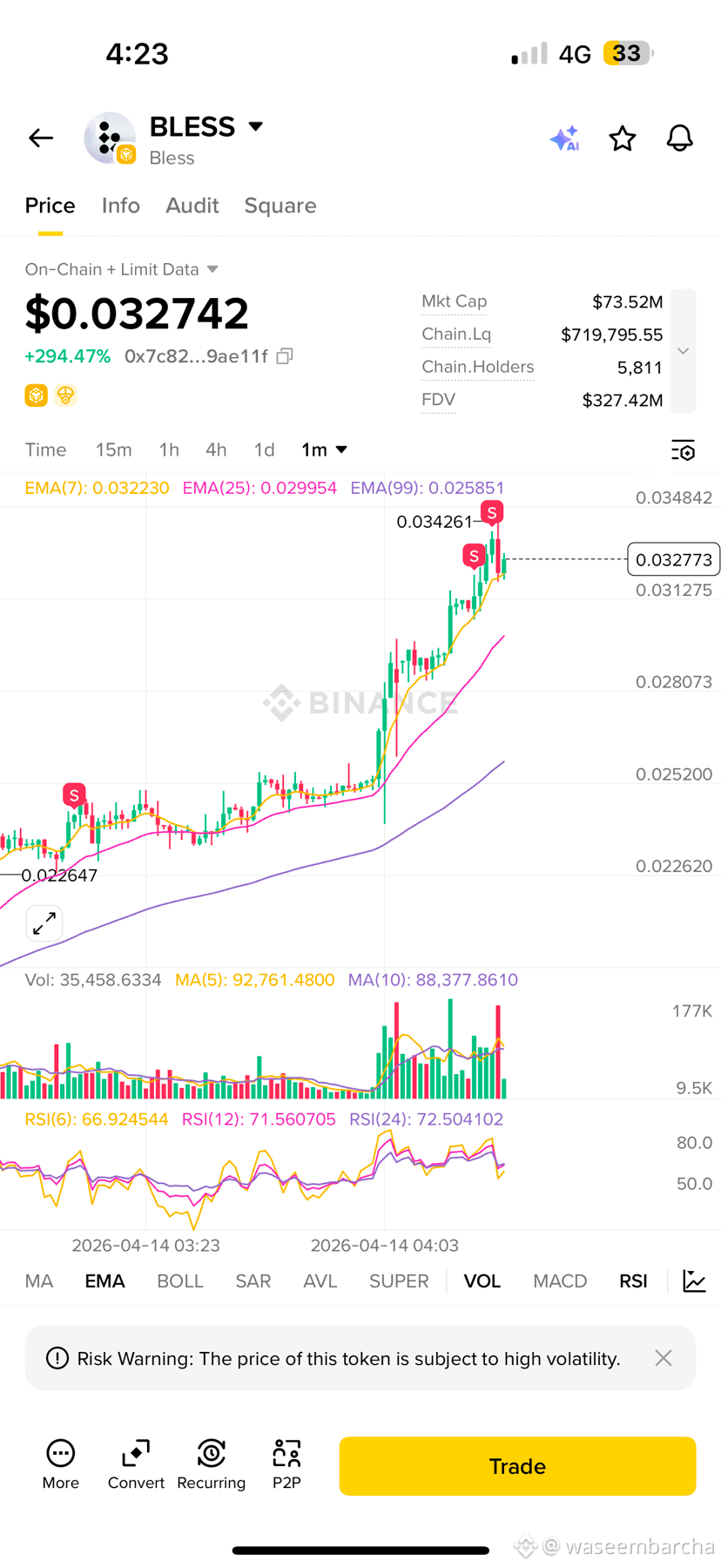
$BLESS just hit +290%… y sí, cerré más de mi posición aquí.
No emocional. No aleatorio. Solo ejecución.
Carrera parabólica ✔️
Pico de volumen ✔️
Primer retroceso real comenzando ✔️
Aquí es donde el juego cambia.
Ya aseguré 3x antes…
y ahora he tomado más en la fortaleza.
Sin arrepentimientos. Sin “¿qué pasa si sube más?”
Porque no estoy aquí para atrapar el pico —
Estoy aquí para salir con ganancias.
La disciplina siempre gana al final.
¿Qué estás haciendo con movimientos de +200%+?
#MarketCorrectionBuyOrHODL? #Bless
$BLESS just hit +290%… y sí, cerré más de mi posición aquí.
No emocional. No aleatorio. Solo ejecución.
Carrera parabólica ✔️
Pico de volumen ✔️
Primer retroceso real comenzando ✔️
Aquí es donde el juego cambia.
Ya aseguré 3x antes…
y ahora he tomado más en la fortaleza.
Sin arrepentimientos. Sin “¿qué pasa si sube más?”
Porque no estoy aquí para atrapar el pico —
Estoy aquí para salir con ganancias.
La disciplina siempre gana al final.
¿Qué estás haciendo con movimientos de +200%+?
#MarketCorrectionBuyOrHODL? #Bless
No emocional. No aleatorio. Solo ejecución.
Carrera parabólica ✔️
Pico de volumen ✔️
Primer retroceso real comenzando ✔️
Aquí es donde el juego cambia.
Ya aseguré 3x antes…
y ahora he tomado más en la fortaleza.
Sin arrepentimientos. Sin “¿qué pasa si sube más?”
Porque no estoy aquí para atrapar el pico —
Estoy aquí para salir con ganancias.
La disciplina siempre gana al final.
¿Qué estás haciendo con movimientos de +200%+?
#MarketCorrectionBuyOrHODL? #Bless
5
780
·
--
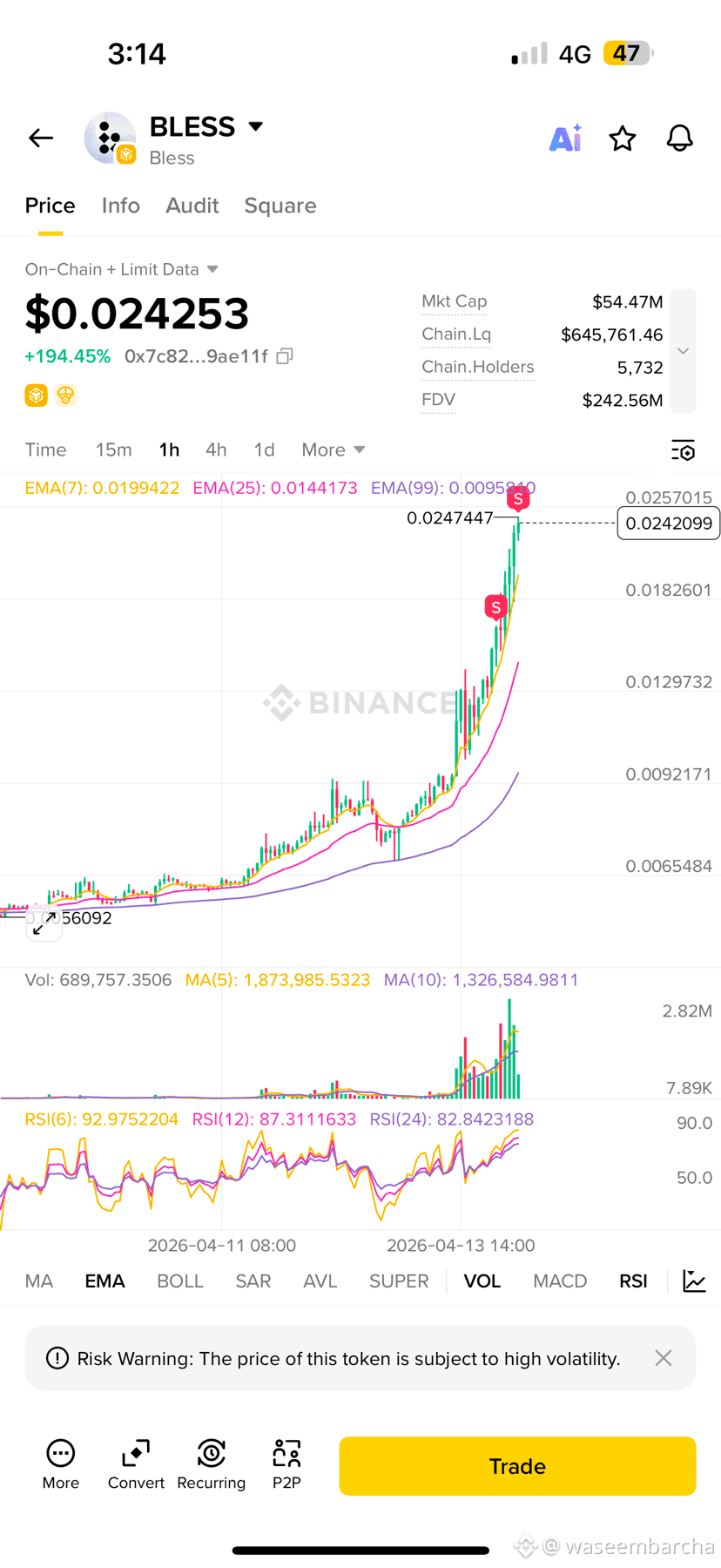
$BLESS just fue +190% en un solo día 🚀
Este es exactamente donde la mayoría de las personas quedan atrapadas…
Aseguré ganancias a 3x — no porque dude de ello,
sino porque movimientos parabólicos como este no vienen sin riesgo.
Cuando el precio se vuelve vertical, el dinero inteligente se vuelve cauteloso.
Sigo sosteniendo una bolsa para más alza,
pero la presión se ha aliviado ahora.
¿Cuál es tu movimiento aquí? 👀
#bless
$BLESS just fue +190% en un solo día 🚀
Este es exactamente donde la mayoría de las personas quedan atrapadas…
Aseguré ganancias a 3x — no porque dude de ello,
sino porque movimientos parabólicos como este no vienen sin riesgo.
Cuando el precio se vuelve vertical, el dinero inteligente se vuelve cauteloso.
Sigo sosteniendo una bolsa para más alza,
pero la presión se ha aliviado ahora.
¿Cuál es tu movimiento aquí? 👀
#bless
Este es exactamente donde la mayoría de las personas quedan atrapadas…
Aseguré ganancias a 3x — no porque dude de ello,
sino porque movimientos parabólicos como este no vienen sin riesgo.
Cuando el precio se vuelve vertical, el dinero inteligente se vuelve cauteloso.
Sigo sosteniendo una bolsa para más alza,
pero la presión se ha aliviado ahora.
¿Cuál es tu movimiento aquí? 👀
#bless
4
399
·
--
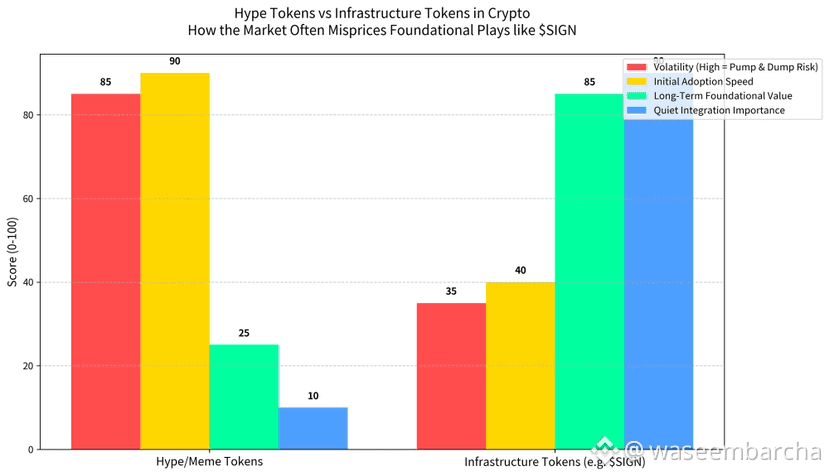
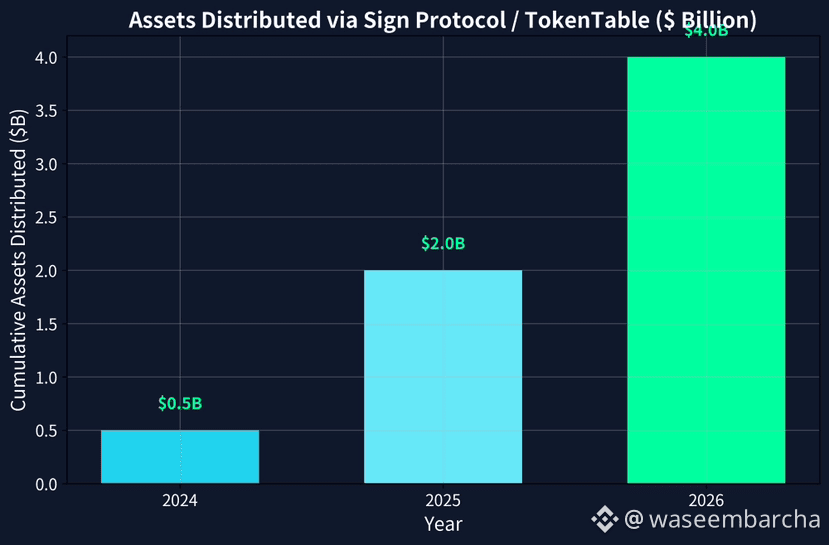
Creo que el mercado está valorando $SIGN completamente mal en este momento.
No porque esté subestimado de la manera habitual de “el precio subirá”, sino porque las personas lo están colocando en la categoría mental equivocada.
La mayoría de los tokens se juzgan así:
👉 ¿Qué hace?
👉 ¿Qué tan rápido puede crecer?
👉 ¿Dónde está el alboroto?
Pero la infraestructura no funciona así.
No lo notas cuando está funcionando.
Solo lo notas cuando se rompe y para entonces, ya es demasiado importante.
Esa es la parte extraña sobre @SignOfficial
Si realmente se convierte en parte de las capas de verificación + confianza, entonces la adopción no se ve como un aumento.
Se ve como una integración silenciosa y esos son los que las personas suelen perderse al principio.
He cometido ese error antes persiguiendo narrativas más ruidosas.
No estoy apurado aquí, solo observando más cuidadosamente esta vez.
¿Crees que las inversiones en infraestructura son más difíciles de valorar en crypto?
#SignDigitalSovereignInfra @SignOfficial $SIGN
Creo que el mercado está valorando $SIGN completamente mal en este momento.
No porque esté subestimado de la manera habitual de “el precio subirá”, sino porque las personas lo están colocando en la categoría mental equivocada.
La mayoría de los tokens se juzgan así:
👉 ¿Qué hace?
👉 ¿Qué tan rápido puede crecer?
👉 ¿Dónde está el alboroto?
Pero la infraestructura no funciona así.
No lo notas cuando está funcionando.
Solo lo notas cuando se rompe y para entonces, ya es demasiado importante.
Esa es la parte extraña sobre @SignOfficial
Si realmente se convierte en parte de las capas de verificación + confianza, entonces la adopción no se ve como un aumento.
Se ve como una integración silenciosa y esos son los que las personas suelen perderse al principio.
He cometido ese error antes persiguiendo narrativas más ruidosas.
No estoy apurado aquí, solo observando más cuidadosamente esta vez.
¿Crees que las inversiones en infraestructura son más difíciles de valorar en crypto?
#SignDigitalSovereignInfra @SignOfficial $SIGN
No porque esté subestimado de la manera habitual de “el precio subirá”, sino porque las personas lo están colocando en la categoría mental equivocada.
La mayoría de los tokens se juzgan así:
👉 ¿Qué hace?
👉 ¿Qué tan rápido puede crecer?
👉 ¿Dónde está el alboroto?
Pero la infraestructura no funciona así.
No lo notas cuando está funcionando.
Solo lo notas cuando se rompe y para entonces, ya es demasiado importante.
Esa es la parte extraña sobre @SignOfficial
Si realmente se convierte en parte de las capas de verificación + confianza, entonces la adopción no se ve como un aumento.
Se ve como una integración silenciosa y esos son los que las personas suelen perderse al principio.
He cometido ese error antes persiguiendo narrativas más ruidosas.
No estoy apurado aquí, solo observando más cuidadosamente esta vez.
¿Crees que las inversiones en infraestructura son más difíciles de valorar en crypto?
#SignDigitalSovereignInfra @SignOfficial $SIGN
3
10
258
·
--
Artículo
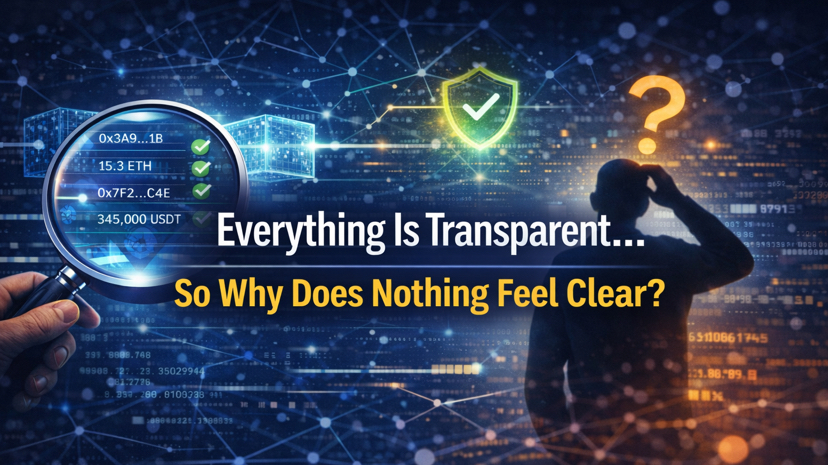
Todo es Transparente… ¿Entonces por qué nada se siente claro?Hay algo sobre las criptomonedas que me ha estado molestando últimamente.
Se supone que debemos tener el sistema financiero más transparente jamás construido. Cada billetera, cada transacción, cada movimiento es visible en la blockchain. Puedes rastrearlo todo en tiempo real. En papel, suena como la claridad definitiva.
Pero, ¿en realidad? A menudo se siente todo menos claro.
Me he encontrado haciendo esto demasiadas veces: abro un explorador de bloques, desplazo páginas de transacciones, me concentro en ciertas billeteras y me convenzo de que entiendo lo que está sucediendo. Diez minutos después, cierro la pestaña sintiéndome más confundido que cuando comencé.
Todo es Transparente… ¿Entonces por qué nada se siente claro?
Hay algo sobre las criptomonedas que me ha estado molestando últimamente.
Se supone que debemos tener el sistema financiero más transparente jamás construido. Cada billetera, cada transacción, cada movimiento es visible en la blockchain. Puedes rastrearlo todo en tiempo real. En papel, suena como la claridad definitiva.
Pero, ¿en realidad? A menudo se siente todo menos claro.
Me he encontrado haciendo esto demasiadas veces: abro un explorador de bloques, desplazo páginas de transacciones, me concentro en ciertas billeteras y me convenzo de que entiendo lo que está sucediendo. Diez minutos después, cierro la pestaña sintiéndome más confundido que cuando comencé.
Se supone que debemos tener el sistema financiero más transparente jamás construido. Cada billetera, cada transacción, cada movimiento es visible en la blockchain. Puedes rastrearlo todo en tiempo real. En papel, suena como la claridad definitiva.
Pero, ¿en realidad? A menudo se siente todo menos claro.
Me he encontrado haciendo esto demasiadas veces: abro un explorador de bloques, desplazo páginas de transacciones, me concentro en ciertas billeteras y me convenzo de que entiendo lo que está sucediendo. Diez minutos después, cierro la pestaña sintiéndome más confundido que cuando comencé.
2
10
122
·
--
$SIGN : EL INTERCAMBIO OCULTO EN LOS SISTEMAS DE VERIFICACIÓN
Aquí hay algo que ha estado atrapado en mi cabeza últimamente.
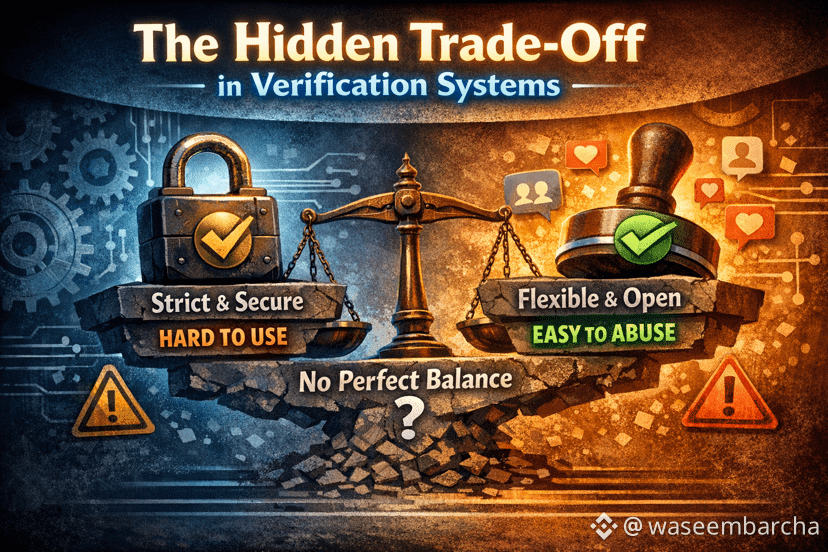
Cada sistema de verificación tiene este intercambio silencioso del que nadie habla.
👉 Hacerlo estricto → más difícil de usar
👉 Hacerlo flexible → más fácil de abusar
No hay un medio perfecto.
Cuando miré más de cerca @SignOfficial , este equilibrio se volvió realmente obvio.
Si $SIGN hace que las atestaciones sean demasiado rígidas, los desarrolladores no lo usarán.
Pero si es demasiado abierto, corres el riesgo de que atestaciones de baja calidad o engañosas inunden el sistema.
Eso no es un problema técnico. Es una cuestión de filosofía de diseño. Y, honestamente, creo que aquí es donde la mayoría de los protocolos o tienen éxito silenciosamente o fallan lentamente.
No hay un colapso dramático. Simplemente pierde fiabilidad con el tiempo. La gente deja de confiar en él sin saber realmente por qué. Luego, un día miras hacia arriba y ya nadie lo está usando.
Todavía estoy tratando de descubrir cómo Sign maneja este equilibrio. No tengo la respuesta. Pero sé que cualquiera que pretenda que es simple no ha pensado realmente en ello. Porque "más verificación" suena bien en teoría. Pero en la práctica? Demasiada verificación mata la adopción tan rápido como muy poca.
¿Hacia dónde te inclinarías, sistemas estrictos que se sienten seguros pero torpes, o sistemas flexibles que se sienten fáciles pero arriesgados? 👇
#SignDigitalSovereignInfra $SIGN
$SIGN : EL INTERCAMBIO OCULTO EN LOS SISTEMAS DE VERIFICACIÓN
Aquí hay algo que ha estado atrapado en mi cabeza últimamente.
Cada sistema de verificación tiene este intercambio silencioso del que nadie habla.
👉 Hacerlo estricto → más difícil de usar
👉 Hacerlo flexible → más fácil de abusar
No hay un medio perfecto.
Cuando miré más de cerca @SignOfficial , este equilibrio se volvió realmente obvio.
Si $SIGN hace que las atestaciones sean demasiado rígidas, los desarrolladores no lo usarán.
Pero si es demasiado abierto, corres el riesgo de que atestaciones de baja calidad o engañosas inunden el sistema.
Eso no es un problema técnico. Es una cuestión de filosofía de diseño. Y, honestamente, creo que aquí es donde la mayoría de los protocolos o tienen éxito silenciosamente o fallan lentamente.
No hay un colapso dramático. Simplemente pierde fiabilidad con el tiempo. La gente deja de confiar en él sin saber realmente por qué. Luego, un día miras hacia arriba y ya nadie lo está usando.
Todavía estoy tratando de descubrir cómo Sign maneja este equilibrio. No tengo la respuesta. Pero sé que cualquiera que pretenda que es simple no ha pensado realmente en ello. Porque "más verificación" suena bien en teoría. Pero en la práctica? Demasiada verificación mata la adopción tan rápido como muy poca.
¿Hacia dónde te inclinarías, sistemas estrictos que se sienten seguros pero torpes, o sistemas flexibles que se sienten fáciles pero arriesgados? 👇
#SignDigitalSovereignInfra $SIGN
Aquí hay algo que ha estado atrapado en mi cabeza últimamente.
Cada sistema de verificación tiene este intercambio silencioso del que nadie habla.
👉 Hacerlo estricto → más difícil de usar
👉 Hacerlo flexible → más fácil de abusar
No hay un medio perfecto.
Cuando miré más de cerca @SignOfficial , este equilibrio se volvió realmente obvio.
Si $SIGN hace que las atestaciones sean demasiado rígidas, los desarrolladores no lo usarán.
Pero si es demasiado abierto, corres el riesgo de que atestaciones de baja calidad o engañosas inunden el sistema.
Eso no es un problema técnico. Es una cuestión de filosofía de diseño. Y, honestamente, creo que aquí es donde la mayoría de los protocolos o tienen éxito silenciosamente o fallan lentamente.
No hay un colapso dramático. Simplemente pierde fiabilidad con el tiempo. La gente deja de confiar en él sin saber realmente por qué. Luego, un día miras hacia arriba y ya nadie lo está usando.
Todavía estoy tratando de descubrir cómo Sign maneja este equilibrio. No tengo la respuesta. Pero sé que cualquiera que pretenda que es simple no ha pensado realmente en ello. Porque "más verificación" suena bien en teoría. Pero en la práctica? Demasiada verificación mata la adopción tan rápido como muy poca.
¿Hacia dónde te inclinarías, sistemas estrictos que se sienten seguros pero torpes, o sistemas flexibles que se sienten fáciles pero arriesgados? 👇
#SignDigitalSovereignInfra $SIGN
5
14
121
·
--
Artículo
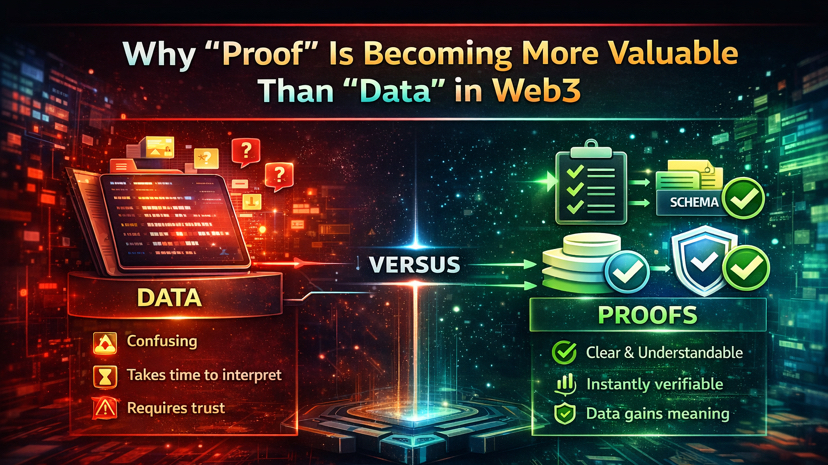
Por qué "Prueba" podría volverse más valiosa que "Datos" en Web3He estado en cripto el tiempo suficiente para saber que amamos los datos. Transacciones, actividad de billetera, métricas en la cadena.
Todo registrado, todo "transparente." Pero últimamente me he estado preguntando algo que me está incomodando: ¿por qué todavía me siento perdido la mitad del tiempo?
Los datos están en todas partes. Pero, ¿la comprensión? Eso sigue siendo raro. Y, honestamente, esa brecha está empezando a molestarme más de lo que esperaba.
En papel, la blockchain resolvió la transparencia. Puedes ver transacciones, verificar saldos, rastrear movimientos. Pero seamos realistas por un segundo. ¿Cuándo fue la última vez que miraste un explorador de bloques y realmente supiste lo que estabas viendo sin que alguien te guiara?
Por qué "Prueba" podría volverse más valiosa que "Datos" en Web3
He estado en cripto el tiempo suficiente para saber que amamos los datos. Transacciones, actividad de billetera, métricas en la cadena.
Todo registrado, todo "transparente." Pero últimamente me he estado preguntando algo que me está incomodando: ¿por qué todavía me siento perdido la mitad del tiempo?
Los datos están en todas partes. Pero, ¿la comprensión? Eso sigue siendo raro. Y, honestamente, esa brecha está empezando a molestarme más de lo que esperaba.
En papel, la blockchain resolvió la transparencia. Puedes ver transacciones, verificar saldos, rastrear movimientos. Pero seamos realistas por un segundo. ¿Cuándo fue la última vez que miraste un explorador de bloques y realmente supiste lo que estabas viendo sin que alguien te guiara?
Todo registrado, todo "transparente." Pero últimamente me he estado preguntando algo que me está incomodando: ¿por qué todavía me siento perdido la mitad del tiempo?
Los datos están en todas partes. Pero, ¿la comprensión? Eso sigue siendo raro. Y, honestamente, esa brecha está empezando a molestarme más de lo que esperaba.
En papel, la blockchain resolvió la transparencia. Puedes ver transacciones, verificar saldos, rastrear movimientos. Pero seamos realistas por un segundo. ¿Cuándo fue la última vez que miraste un explorador de bloques y realmente supiste lo que estabas viendo sin que alguien te guiara?
4
11
269
Inicia sesión para explorar más contenidos
Únete a usuarios globales de criptomonedas en Binance Square
⚡️ Obtén información útil y actualizada sobre criptos.
💬 Avalado por el mayor exchange de criptomonedas en el mundo.
👍 Descubre perspectivas reales de creadores verificados.
Email/número de teléfono
Temas populares
BinanceLaunchesBinanceIntelligence
94,147 vistas
1,040 están debatiendo
#binancelaunchesbinanceintelligence Binance lanzó oficialmente su suite tecnológica "Binance Intelligence" el 5 de octubre de 2026, una ambiciosa capa de inteligencia artificial integrada directamente en su ecosistema para cerrar la brecha de conocimiento entre los usuarios minoristas y los profesionales del mercado. Presentada en una transmisión global por el Co-CEO Richard Teng y el VP de Producto Jeff Li, esta infraestructura divide sus soluciones en tres pilares clave: Binance AI, un asistente personal gratuito con interfaces adaptativas mediante una pestaña personalizada "For You"; Binance AI Pro, un potente agente conversacional enfocado en finanzas que convierte instrucciones de lenguaje natural en estrategias de trading visualizadas y automatizadas sin necesidad de código (con costo de 19.99 USDC mensuales para el nivel premium); y Binance Agent OS, la plataforma de desarrollo que permite conectar aplicaciones externas de IA directamente con la liquidez, API de datos y pasarelas de pago de la casa de intercambio.$BNB $BTC
WorldWideWeb The World ARPANET Archie EFF
·9 me gusta
·15.9k vistas
StriveBuys2000BTCFor$169M
2,423 vistas
46 están debatiendo
EvernorthXRPTreasuryCompletesSPACMerger
66,025 vistas
711 están debatiendo