
Space Crypto01
102 Publicaciones

Space Crypto01
Denunciar
Bloquear usuario
I am helping beginners understand Crypto and how to use Binance and earn with its different options
2 Siguiendo
28 Seguidores
73 Me gusta
Publicaciones
Todo
Citas
El comercio P2P no se trata de encontrar el mejor precio.
Se trata de consistencia.
Diferenciales pequeños.
Ejecución repetida.
Errores controlados.
La mayoría de las personas fracasan no porque el método sea malo.
Sino porque lo tratan como comercio —
en lugar de un sistema.
👉 ¿Estás comerciando P2P — o gestionándolo?
#P2P #CryptoStrategy #BinanceP2P #CryptoEducation #Binance
$USDT $BTC $BNB
El comercio P2P no se trata de encontrar el mejor precio.
Se trata de consistencia.
Diferenciales pequeños.
Ejecución repetida.
Errores controlados.
La mayoría de las personas fracasan no porque el método sea malo.
Sino porque lo tratan como comercio —
en lugar de un sistema.
👉 ¿Estás comerciando P2P — o gestionándolo?
#P2P #CryptoStrategy #BinanceP2P #CryptoEducation #Binance
$USDT $BTC $BNB
Se trata de consistencia.
Diferenciales pequeños.
Ejecución repetida.
Errores controlados.
La mayoría de las personas fracasan no porque el método sea malo.
Sino porque lo tratan como comercio —
en lugar de un sistema.
👉 ¿Estás comerciando P2P — o gestionándolo?
#P2P #CryptoStrategy #BinanceP2P #CryptoEducation #Binance
$USDT $BTC $BNB
9
Artículo
Por qué el comercio P2P parece fácil, pero no lo es.El comercio P2P a menudo se presenta como un simple arbitraje.
Compra más bajo.
Vende más alto.
Repetir.
Pero la realidad es más compleja.
Las ganancias no provienen de la dirección del precio.
Proviene de la ejecución.
La liquidez es el primer desafío.
Si no puedes mover el tamaño de manera consistente,
tu ventaja no escala.
La competencia es el segundo.
Los márgenes se reducen rápidamente cuando demasiados participantes entran.
Lo que funcionó ayer
puede desaparecer mañana.
La confianza es el tercer factor.
P2P no es solo comercio.
Es interacción.
Reputación, velocidad y fiabilidad
Por qué el comercio P2P parece fácil, pero no lo es.
El comercio P2P a menudo se presenta como un simple arbitraje.
Compra más bajo.
Vende más alto.
Repetir.
Pero la realidad es más compleja.
Las ganancias no provienen de la dirección del precio.
Proviene de la ejecución.
La liquidez es el primer desafío.
Si no puedes mover el tamaño de manera consistente,
tu ventaja no escala.
La competencia es el segundo.
Los márgenes se reducen rápidamente cuando demasiados participantes entran.
Lo que funcionó ayer
puede desaparecer mañana.
La confianza es el tercer factor.
P2P no es solo comercio.
Es interacción.
Reputación, velocidad y fiabilidad
Compra más bajo.
Vende más alto.
Repetir.
Pero la realidad es más compleja.
Las ganancias no provienen de la dirección del precio.
Proviene de la ejecución.
La liquidez es el primer desafío.
Si no puedes mover el tamaño de manera consistente,
tu ventaja no escala.
La competencia es el segundo.
Los márgenes se reducen rápidamente cuando demasiados participantes entran.
Lo que funcionó ayer
puede desaparecer mañana.
La confianza es el tercer factor.
P2P no es solo comercio.
Es interacción.
Reputación, velocidad y fiabilidad
17
Todos están buscando formas de ganar sin comerciar.
Pero la mayoría de la gente no quiere "sin comercio".
Quieren sin responsabilidad.
Por eso saltan de:
Ganar → Copiar → Señales → Bots
No porque no conozcan las opciones.
Sino porque no quieren gestionar el riesgo.
👉 ¿Qué es lo que realmente estás evitando — comerciar, o responsabilidad?
#Crypto #TradingPsychology #Cryptomindset #Binance #Investing
$BTC $ETH $BNB
Todos están buscando formas de ganar sin comerciar.
Pero la mayoría de la gente no quiere "sin comercio".
Quieren sin responsabilidad.
Por eso saltan de:
Ganar → Copiar → Señales → Bots
No porque no conozcan las opciones.
Sino porque no quieren gestionar el riesgo.
👉 ¿Qué es lo que realmente estás evitando — comerciar, o responsabilidad?
#Crypto #TradingPsychology #Cryptomindset #Binance #Investing
$BTC $ETH $BNB
Pero la mayoría de la gente no quiere "sin comercio".
Quieren sin responsabilidad.
Por eso saltan de:
Ganar → Copiar → Señales → Bots
No porque no conozcan las opciones.
Sino porque no quieren gestionar el riesgo.
👉 ¿Qué es lo que realmente estás evitando — comerciar, o responsabilidad?
#Crypto #TradingPsychology #Cryptomindset #Binance #Investing
$BTC $ETH $BNB
15
La mayoría de los traders no pierden porque estaban equivocados.
Pierden porque estaban demasiado confiados demasiado pronto.
Unos pocos buenos trades se sienten como prueba.
El tamaño de la posición aumenta.
Las reglas se vuelven flexibles.
El mercado no castiga la confianza.
Castiga la sobreconfianza.
Por eso muchas cuentas no colapsan de repente.
Se debilitan lentamente antes de la pérdida final.
👉 ¿Qué duele más a los traders: estar equivocados o estar demasiado seguros de que tienen razón?
#CryptoTrading #tradingpsychology #RiskManagement #CryptoMindset #BİNANCE
$BTC $ETH $BNB
La mayoría de los traders no pierden porque estaban equivocados.
Pierden porque estaban demasiado confiados demasiado pronto.
Unos pocos buenos trades se sienten como prueba.
El tamaño de la posición aumenta.
Las reglas se vuelven flexibles.
El mercado no castiga la confianza.
Castiga la sobreconfianza.
Por eso muchas cuentas no colapsan de repente.
Se debilitan lentamente antes de la pérdida final.
👉 ¿Qué duele más a los traders: estar equivocados o estar demasiado seguros de que tienen razón?
#CryptoTrading #tradingpsychology #RiskManagement #CryptoMindset #BİNANCE
$BTC $ETH $BNB
Pierden porque estaban demasiado confiados demasiado pronto.
Unos pocos buenos trades se sienten como prueba.
El tamaño de la posición aumenta.
Las reglas se vuelven flexibles.
El mercado no castiga la confianza.
Castiga la sobreconfianza.
Por eso muchas cuentas no colapsan de repente.
Se debilitan lentamente antes de la pérdida final.
👉 ¿Qué duele más a los traders: estar equivocados o estar demasiado seguros de que tienen razón?
#CryptoTrading #tradingpsychology #RiskManagement #CryptoMindset #BİNANCE
$BTC $ETH $BNB
22
Artículo
De qué no te protege Binance EarnBinance Earn a menudo se ve como el “lado seguro” de crypto.
No hay gráficos.
No hay apalancamiento.
No hay toma de decisiones constante.
Solo bloquea fondos, gana rendimiento y deja que el tiempo trabaje para ti.
Pero la seguridad en crypto rara vez es absoluta.
Siempre es condicional.
La Ilusión de la Seguridad Pasiva
El rendimiento se siente como protección.
Cuando tus activos están generando rendimientos, crea una comodidad psicológica.
Te sientes productivo sin estar activo.
Pero el rendimiento no elimina el riesgo del mercado.
Solo cambia cómo lo experimentas.
Si el mercado cae mientras tus fondos están bloqueados,
De qué no te protege Binance Earn
Binance Earn a menudo se ve como el “lado seguro” de crypto.
No hay gráficos.
No hay apalancamiento.
No hay toma de decisiones constante.
Solo bloquea fondos, gana rendimiento y deja que el tiempo trabaje para ti.
Pero la seguridad en crypto rara vez es absoluta.
Siempre es condicional.
La Ilusión de la Seguridad Pasiva
El rendimiento se siente como protección.
Cuando tus activos están generando rendimientos, crea una comodidad psicológica.
Te sientes productivo sin estar activo.
Pero el rendimiento no elimina el riesgo del mercado.
Solo cambia cómo lo experimentas.
Si el mercado cae mientras tus fondos están bloqueados,
No hay gráficos.
No hay apalancamiento.
No hay toma de decisiones constante.
Solo bloquea fondos, gana rendimiento y deja que el tiempo trabaje para ti.
Pero la seguridad en crypto rara vez es absoluta.
Siempre es condicional.
La Ilusión de la Seguridad Pasiva
El rendimiento se siente como protección.
Cuando tus activos están generando rendimientos, crea una comodidad psicológica.
Te sientes productivo sin estar activo.
Pero el rendimiento no elimina el riesgo del mercado.
Solo cambia cómo lo experimentas.
Si el mercado cae mientras tus fondos están bloqueados,
1
34
La mayoría de los traders no pierden por culpa del mercado.
Pierden porque aumentan el riesgo lentamente mientras se sienten seguros.
Menor apalancamiento.
Mayor posición.
Más confianza.
Menos disciplina.
Las explosiones rara vez son repentinas.
Se construyen comercio por comercio.
La supervivencia es una estrategia.
Todo lo demás viene después.
#Futures #RiskManagement #TradingPsychology #cryptoeducation #BİNANCE
$BTC $ETH $BNB
La mayoría de los traders no pierden por culpa del mercado.
Pierden porque aumentan el riesgo lentamente mientras se sienten seguros.
Menor apalancamiento.
Mayor posición.
Más confianza.
Menos disciplina.
Las explosiones rara vez son repentinas.
Se construyen comercio por comercio.
La supervivencia es una estrategia.
Todo lo demás viene después.
#Futures #RiskManagement #TradingPsychology #cryptoeducation #BİNANCE
$BTC $ETH $BNB
Pierden porque aumentan el riesgo lentamente mientras se sienten seguros.
Menor apalancamiento.
Mayor posición.
Más confianza.
Menos disciplina.
Las explosiones rara vez son repentinas.
Se construyen comercio por comercio.
La supervivencia es una estrategia.
Todo lo demás viene después.
#Futures #RiskManagement #TradingPsychology #cryptoeducation #BİNANCE
$BTC $ETH $BNB
9
La mayoría de los traders no pierden sus cuentas por el apalancamiento.
Las pierden por una falsa sensación de seguridad.
Un apalancamiento más bajo se siente responsable.
Pero si el tamaño de la posición crece al mismo tiempo…
el riesgo no disminuyó — solo cambió de forma.
El control real del riesgo no es emocional.
Es matemático.
Al mercado no le importa lo que se siente seguro.
Solo lo que es seguro.
#FuturesTrading #RiskControl #CryptoRisk #TradingMindset #BİNANCE
$BTC $ETH $BNB
La mayoría de los traders no pierden sus cuentas por el apalancamiento.
Las pierden por una falsa sensación de seguridad.
Un apalancamiento más bajo se siente responsable.
Pero si el tamaño de la posición crece al mismo tiempo…
el riesgo no disminuyó — solo cambió de forma.
El control real del riesgo no es emocional.
Es matemático.
Al mercado no le importa lo que se siente seguro.
Solo lo que es seguro.
#FuturesTrading #RiskControl #CryptoRisk #TradingMindset #BİNANCE
$BTC $ETH $BNB
Las pierden por una falsa sensación de seguridad.
Un apalancamiento más bajo se siente responsable.
Pero si el tamaño de la posición crece al mismo tiempo…
el riesgo no disminuyó — solo cambió de forma.
El control real del riesgo no es emocional.
Es matemático.
Al mercado no le importa lo que se siente seguro.
Solo lo que es seguro.
#FuturesTrading #RiskControl #CryptoRisk #TradingMindset #BİNANCE
$BTC $ETH $BNB
17
Artículo
Por qué la mayoría de los traders de futuros piensan que entienden el riesgo, pero en realidad no lo hacen.La mayoría de los traders de futuros creen que el riesgo se trata de apalancamiento.
No lo es.
El riesgo se trata de exposición.
Puedes operar con un apalancamiento de 3x y aún estar extremadamente expuesto.
Puedes operar 20x y estar relativamente seguro, si el tamaño de la posición está controlado.
El problema no es la herramienta.
Así es como se utiliza la herramienta.
Muchos traders reducen el apalancamiento pero aumentan el tamaño de la posición.
Se sienten más seguros, pero el riesgo de su cuenta se mantiene igual o incluso crece.
Esto crea la ilusión de disciplina.
Otro peligro oculto es la escalabilidad emocional.
Después de algunas operaciones ganadoras, la confianza crece más rápido que la habilidad.
Por qué la mayoría de los traders de futuros piensan que entienden el riesgo, pero en realidad no lo hacen.
La mayoría de los traders de futuros creen que el riesgo se trata de apalancamiento.
No lo es.
El riesgo se trata de exposición.
Puedes operar con un apalancamiento de 3x y aún estar extremadamente expuesto.
Puedes operar 20x y estar relativamente seguro, si el tamaño de la posición está controlado.
El problema no es la herramienta.
Así es como se utiliza la herramienta.
Muchos traders reducen el apalancamiento pero aumentan el tamaño de la posición.
Se sienten más seguros, pero el riesgo de su cuenta se mantiene igual o incluso crece.
Esto crea la ilusión de disciplina.
Otro peligro oculto es la escalabilidad emocional.
Después de algunas operaciones ganadoras, la confianza crece más rápido que la habilidad.
No lo es.
El riesgo se trata de exposición.
Puedes operar con un apalancamiento de 3x y aún estar extremadamente expuesto.
Puedes operar 20x y estar relativamente seguro, si el tamaño de la posición está controlado.
El problema no es la herramienta.
Así es como se utiliza la herramienta.
Muchos traders reducen el apalancamiento pero aumentan el tamaño de la posición.
Se sienten más seguros, pero el riesgo de su cuenta se mantiene igual o incluso crece.
Esto crea la ilusión de disciplina.
Otro peligro oculto es la escalabilidad emocional.
Después de algunas operaciones ganadoras, la confianza crece más rápido que la habilidad.
1
58
No pierdes tu cuenta en una mala operación.
La pierdes a través de pequeñas decisiones que parecían inofensivas.
Mover un stop "solo esta vez."
Aumentar el tamaño después de una victoria.
Mantenerse más tiempo porque antes tenías razón.
Nada se rompe de inmediato.
Por eso es peligroso.
Las mayores pérdidas rara vez provienen de un solo error.
Provienen de hábitos que dejaste de cuestionar.
👉 ¿Cuál es la pequeña decisión que más perjudica tu trading?
#crypto #tradingpsychology #RiskManagement #cryptotrading #Discipline
$BTC $ETH $BNB
No pierdes tu cuenta en una mala operación.
La pierdes a través de pequeñas decisiones que parecían inofensivas.
Mover un stop "solo esta vez."
Aumentar el tamaño después de una victoria.
Mantenerse más tiempo porque antes tenías razón.
Nada se rompe de inmediato.
Por eso es peligroso.
Las mayores pérdidas rara vez provienen de un solo error.
Provienen de hábitos que dejaste de cuestionar.
👉 ¿Cuál es la pequeña decisión que más perjudica tu trading?
#crypto #tradingpsychology #RiskManagement #cryptotrading #Discipline
$BTC $ETH $BNB
La pierdes a través de pequeñas decisiones que parecían inofensivas.
Mover un stop "solo esta vez."
Aumentar el tamaño después de una victoria.
Mantenerse más tiempo porque antes tenías razón.
Nada se rompe de inmediato.
Por eso es peligroso.
Las mayores pérdidas rara vez provienen de un solo error.
Provienen de hábitos que dejaste de cuestionar.
👉 ¿Cuál es la pequeña decisión que más perjudica tu trading?
#crypto #tradingpsychology #RiskManagement #cryptotrading #Discipline
$BTC $ETH $BNB
72
Un apalancamiento más bajo no significa automáticamente un riesgo más bajo.
Muchos traders reducen el apalancamiento —
para luego aumentar el tamaño de la posición para “compensar”.
El número cambia.
La exposición permanece igual.
El riesgo real no está en la configuración del apalancamiento.
Está en cuánto de tu cuenta está realmente en juego.
👉 Cuando entras en una operación, ¿calculas la exposición — o solo ajustas el apalancamiento?
#crypto #futurestrading #riskmanagement #tradingpsychology #cryptotrading
$BTC $ETH $BNB
Un apalancamiento más bajo no significa automáticamente un riesgo más bajo.
Muchos traders reducen el apalancamiento —
para luego aumentar el tamaño de la posición para “compensar”.
El número cambia.
La exposición permanece igual.
El riesgo real no está en la configuración del apalancamiento.
Está en cuánto de tu cuenta está realmente en juego.
👉 Cuando entras en una operación, ¿calculas la exposición — o solo ajustas el apalancamiento?
#crypto #futurestrading #riskmanagement #tradingpsychology #cryptotrading
$BTC $ETH $BNB
Muchos traders reducen el apalancamiento —
para luego aumentar el tamaño de la posición para “compensar”.
El número cambia.
La exposición permanece igual.
El riesgo real no está en la configuración del apalancamiento.
Está en cuánto de tu cuenta está realmente en juego.
👉 Cuando entras en una operación, ¿calculas la exposición — o solo ajustas el apalancamiento?
#crypto #futurestrading #riskmanagement #tradingpsychology #cryptotrading
$BTC $ETH $BNB

26
Artículo
El riesgo de futuros no está en el apalancamiento, está en la exposiciónPregunta a la mayoría de los traders qué hace que el trading de futuros sea peligroso.
La respuesta común siempre es la misma:
Apalancamiento.
10x se siente arriesgado.
20x se siente extremo.
50x suena como una liquidación garantizada.
Pero el apalancamiento en sí no es lo que destruye cuentas.
La exposición es.
La diferencia que la mayoría de los traders no ve
El apalancamiento solo determina cuánto capital necesitas para abrir una posición.
La exposición determina cuánto de tu cuenta está realmente en riesgo.
Dos traders pueden usar ambos 10x de apalancamiento.
Uno arriesga el 1% de su cuenta.
El otro riesgo es del 40%.
El mismo apalancamiento.
El riesgo de futuros no está en el apalancamiento, está en la exposición
Pregunta a la mayoría de los traders qué hace que el trading de futuros sea peligroso.
La respuesta común siempre es la misma:
Apalancamiento.
10x se siente arriesgado.
20x se siente extremo.
50x suena como una liquidación garantizada.
Pero el apalancamiento en sí no es lo que destruye cuentas.
La exposición es.
La diferencia que la mayoría de los traders no ve
El apalancamiento solo determina cuánto capital necesitas para abrir una posición.
La exposición determina cuánto de tu cuenta está realmente en riesgo.
Dos traders pueden usar ambos 10x de apalancamiento.
Uno arriesga el 1% de su cuenta.
El otro riesgo es del 40%.
El mismo apalancamiento.
La respuesta común siempre es la misma:
Apalancamiento.
10x se siente arriesgado.
20x se siente extremo.
50x suena como una liquidación garantizada.
Pero el apalancamiento en sí no es lo que destruye cuentas.
La exposición es.
La diferencia que la mayoría de los traders no ve
El apalancamiento solo determina cuánto capital necesitas para abrir una posición.
La exposición determina cuánto de tu cuenta está realmente en riesgo.
Dos traders pueden usar ambos 10x de apalancamiento.
Uno arriesga el 1% de su cuenta.
El otro riesgo es del 40%.
El mismo apalancamiento.
27
La mayoría de los traders piensan que tienen una estrategia.
Lo que en realidad tienen es una buena fase.
Unas pocas victorias se sienten como prueba.
La confianza crece.
El riesgo aumenta sin darse cuenta.
Hasta que una mala semana reinicia todo.
La consistencia no se construye sobre rachas ganadoras.
Se construye sobre cuán estable se mantiene tu comportamiento cuando los resultados cambian.
👉 ¿Confías en tu estrategia — o solo en tus resultados recientes?
#crypto #tradingpsychology #RiskManagement #cryptotrading #Discipline
$BTC $ETH $BNB
La mayoría de los traders piensan que tienen una estrategia.
Lo que en realidad tienen es una buena fase.
Unas pocas victorias se sienten como prueba.
La confianza crece.
El riesgo aumenta sin darse cuenta.
Hasta que una mala semana reinicia todo.
La consistencia no se construye sobre rachas ganadoras.
Se construye sobre cuán estable se mantiene tu comportamiento cuando los resultados cambian.
👉 ¿Confías en tu estrategia — o solo en tus resultados recientes?
#crypto #tradingpsychology #RiskManagement #cryptotrading #Discipline
$BTC $ETH $BNB
Lo que en realidad tienen es una buena fase.
Unas pocas victorias se sienten como prueba.
La confianza crece.
El riesgo aumenta sin darse cuenta.
Hasta que una mala semana reinicia todo.
La consistencia no se construye sobre rachas ganadoras.
Se construye sobre cuán estable se mantiene tu comportamiento cuando los resultados cambian.
👉 ¿Confías en tu estrategia — o solo en tus resultados recientes?
#crypto #tradingpsychology #RiskManagement #cryptotrading #Discipline
$BTC $ETH $BNB
1
1
13
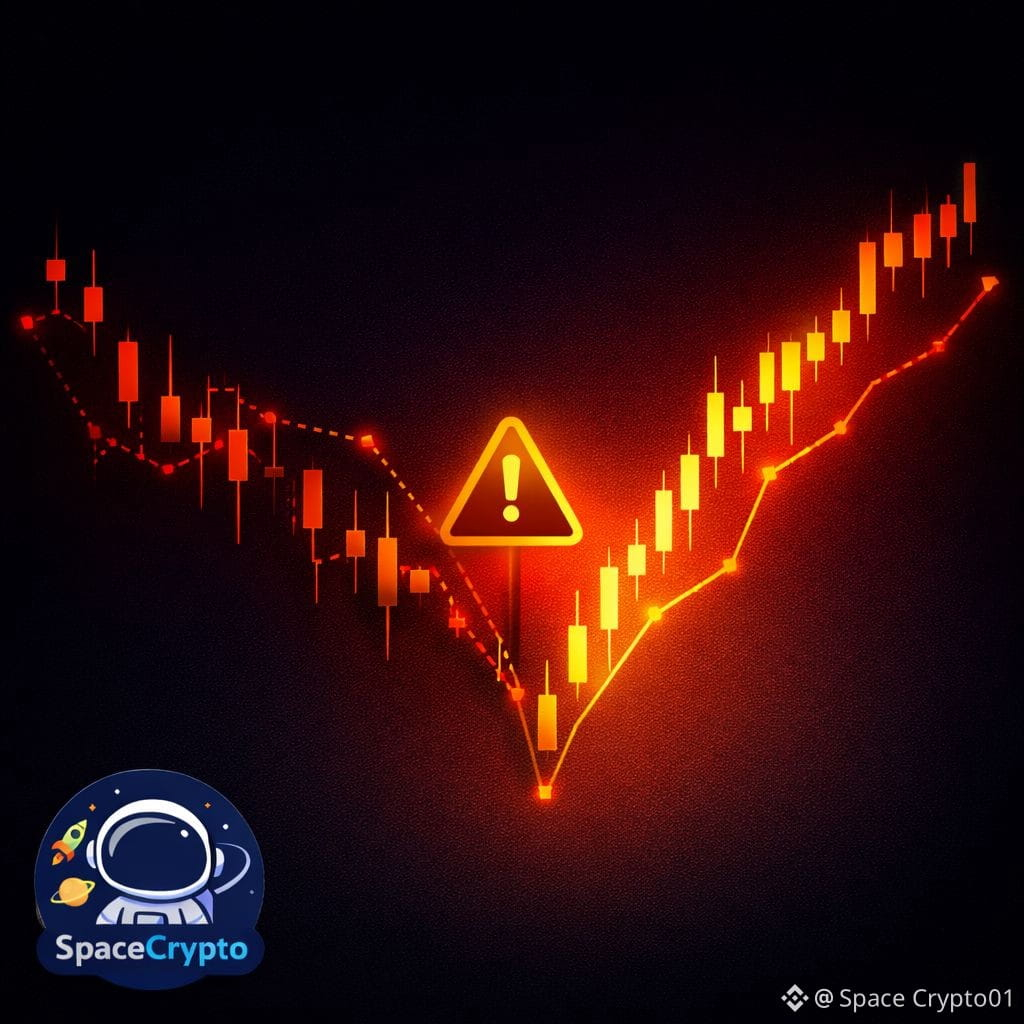
La mayoría de los traders no pierden porque su estrategia dejó de funcionar.
Pierden porque su comportamiento cambió.
Una ventaja no se prueba cuando ganas.
Se prueba cuando nada cambia después de que pierdes.
Mismo riesgo.
M mismas reglas.
M misma ejecución.
Si tu confianza crece después de las ganancias y desaparece después de las pérdidas —
tu ventaja es emocional, no estructural.
El mercado no prueba tu estrategia primero.
Prueba tu consistencia.
#trading #psychology #risk #Discipline #strategy
$BTC $ETH $BNB
La mayoría de los traders no pierden porque su estrategia dejó de funcionar.
Pierden porque su comportamiento cambió.
Una ventaja no se prueba cuando ganas.
Se prueba cuando nada cambia después de que pierdes.
Mismo riesgo.
M mismas reglas.
M misma ejecución.
Si tu confianza crece después de las ganancias y desaparece después de las pérdidas —
tu ventaja es emocional, no estructural.
El mercado no prueba tu estrategia primero.
Prueba tu consistencia.
#trading #psychology #risk #Discipline #strategy
$BTC $ETH $BNB
Pierden porque su comportamiento cambió.
Una ventaja no se prueba cuando ganas.
Se prueba cuando nada cambia después de que pierdes.
Mismo riesgo.
M mismas reglas.
M misma ejecución.
Si tu confianza crece después de las ganancias y desaparece después de las pérdidas —
tu ventaja es emocional, no estructural.
El mercado no prueba tu estrategia primero.
Prueba tu consistencia.
#trading #psychology #risk #Discipline #strategy
$BTC $ETH $BNB
25
Artículo
Por qué la mayoría de los traders no conocen realmente su ventajaLa mayoría de los traders creen que tienen una ventaja.
Tienen una configuración.
Una estrategia.
Un sistema en el que confían.
Pero si les haces una pregunta simple —
“¿Qué exactamente te da tu ventaja?”
La mayoría de las respuestas se vuelven vagas.
Porque lo que ellos llaman una ventaja a menudo es solo un patrón que notaron durante una buena fase.
Una ventaja no es una idea de operación.
No es una señal.
Ni siquiera es una estrategia.
Una ventaja es una ventaja conductual repetible bajo incertidumbre.
Aquí es donde la mayoría de los traders fallan en definirlo.
Ellos piensan que el mercado les da oportunidades.
Por qué la mayoría de los traders no conocen realmente su ventaja
La mayoría de los traders creen que tienen una ventaja.
Tienen una configuración.
Una estrategia.
Un sistema en el que confían.
Pero si les haces una pregunta simple —
“¿Qué exactamente te da tu ventaja?”
La mayoría de las respuestas se vuelven vagas.
Porque lo que ellos llaman una ventaja a menudo es solo un patrón que notaron durante una buena fase.
Una ventaja no es una idea de operación.
No es una señal.
Ni siquiera es una estrategia.
Una ventaja es una ventaja conductual repetible bajo incertidumbre.
Aquí es donde la mayoría de los traders fallan en definirlo.
Ellos piensan que el mercado les da oportunidades.
Tienen una configuración.
Una estrategia.
Un sistema en el que confían.
Pero si les haces una pregunta simple —
“¿Qué exactamente te da tu ventaja?”
La mayoría de las respuestas se vuelven vagas.
Porque lo que ellos llaman una ventaja a menudo es solo un patrón que notaron durante una buena fase.
Una ventaja no es una idea de operación.
No es una señal.
Ni siquiera es una estrategia.
Una ventaja es una ventaja conductual repetible bajo incertidumbre.
Aquí es donde la mayoría de los traders fallan en definirlo.
Ellos piensan que el mercado les da oportunidades.
19
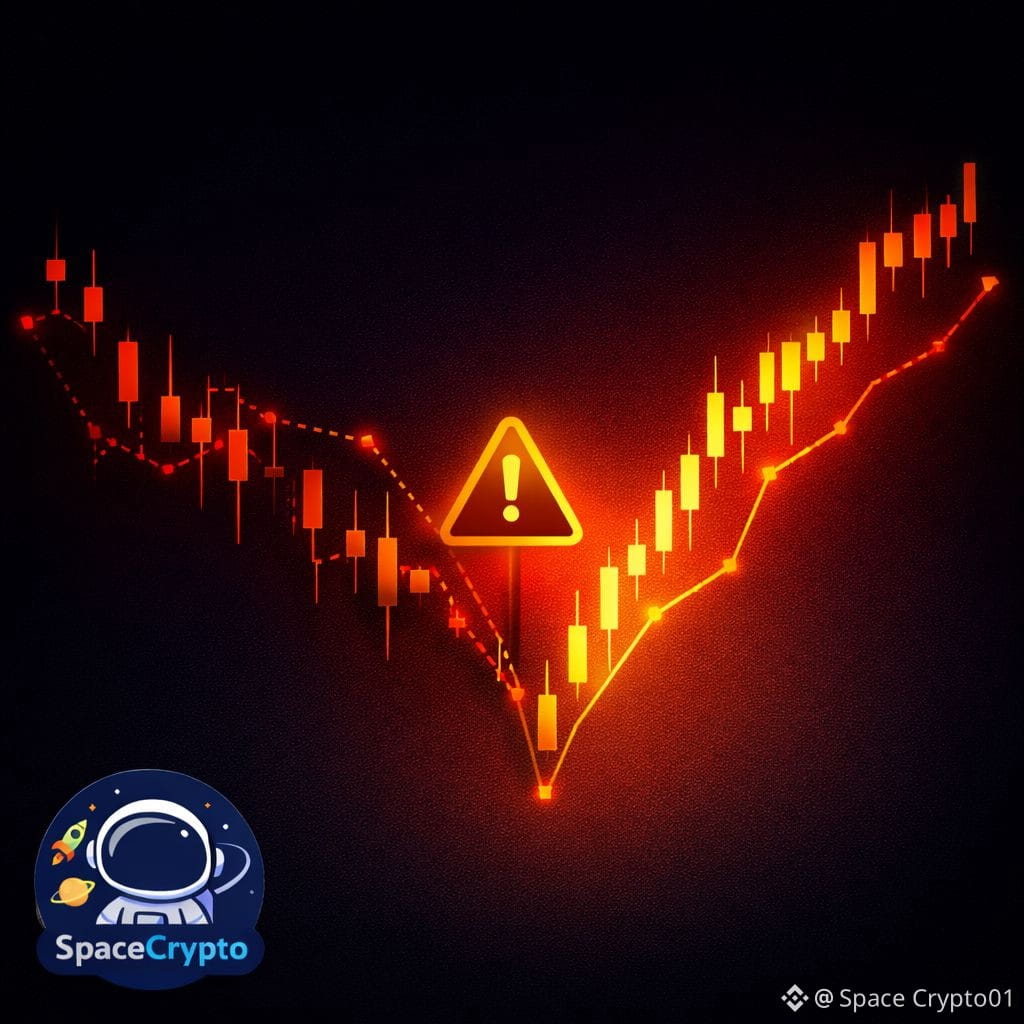
La mayoría de los traders piensan que el mercado es su mayor oponente.
No lo es.
Tu mayor oponente es la versión de ti que aparece después de algunas victorias.
La confianza crece.
El tamaño de la posición aumenta.
Las reglas comienzan a sentirse opcionales.
Y es entonces cuando la disciplina desaparece silenciosamente.
El mercado no necesita engañarte.
Solo necesita esperar hasta que te sientas demasiado cómodo.
👉 ¿Cuándo fue la última vez que redujiste el riesgo después de una racha ganadora?
#crypto #tradingpsychology #riskmanagement #discipline #CryptoTrading.
$BTC $ETH $BNB
La mayoría de los traders piensan que el mercado es su mayor oponente.
No lo es.
Tu mayor oponente es la versión de ti que aparece después de algunas victorias.
La confianza crece.
El tamaño de la posición aumenta.
Las reglas comienzan a sentirse opcionales.
Y es entonces cuando la disciplina desaparece silenciosamente.
El mercado no necesita engañarte.
Solo necesita esperar hasta que te sientas demasiado cómodo.
👉 ¿Cuándo fue la última vez que redujiste el riesgo después de una racha ganadora?
#crypto #tradingpsychology #riskmanagement #discipline #CryptoTrading.
$BTC $ETH $BNB
No lo es.
Tu mayor oponente es la versión de ti que aparece después de algunas victorias.
La confianza crece.
El tamaño de la posición aumenta.
Las reglas comienzan a sentirse opcionales.
Y es entonces cuando la disciplina desaparece silenciosamente.
El mercado no necesita engañarte.
Solo necesita esperar hasta que te sientas demasiado cómodo.
👉 ¿Cuándo fue la última vez que redujiste el riesgo después de una racha ganadora?
#crypto #tradingpsychology #riskmanagement #discipline #CryptoTrading.
$BTC $ETH $BNB
1
1
39
La mayoría de las personas comienzan a copiar operaciones porque no confían en sus propias decisiones.
Pero copiar a alguien más no elimina el riesgo.
Solo cambia de dónde proviene el riesgo.
En lugar de preguntar “¿Fue correcta mi operación?”
comienzas a preguntar “¿Puedo confiar en este trader?”
Y cuando aparecen las pérdidas, esa pregunta se vuelve aún más difícil.
Porque la estrategia no es tuya, pero el resultado aún afecta tu cuenta.
👉 ¿Preferirías confiar en tu propia estrategia o seguir las operaciones de alguien más?
#crypto #copytrading #tradingpsychology #riskmanagement #cryptotrading
$BTC $ETH $BNB
La mayoría de las personas comienzan a copiar operaciones porque no confían en sus propias decisiones.
Pero copiar a alguien más no elimina el riesgo.
Solo cambia de dónde proviene el riesgo.
En lugar de preguntar “¿Fue correcta mi operación?”
comienzas a preguntar “¿Puedo confiar en este trader?”
Y cuando aparecen las pérdidas, esa pregunta se vuelve aún más difícil.
Porque la estrategia no es tuya, pero el resultado aún afecta tu cuenta.
👉 ¿Preferirías confiar en tu propia estrategia o seguir las operaciones de alguien más?
#crypto #copytrading #tradingpsychology #riskmanagement #cryptotrading
$BTC $ETH $BNB
Pero copiar a alguien más no elimina el riesgo.
Solo cambia de dónde proviene el riesgo.
En lugar de preguntar “¿Fue correcta mi operación?”
comienzas a preguntar “¿Puedo confiar en este trader?”
Y cuando aparecen las pérdidas, esa pregunta se vuelve aún más difícil.
Porque la estrategia no es tuya, pero el resultado aún afecta tu cuenta.
👉 ¿Preferirías confiar en tu propia estrategia o seguir las operaciones de alguien más?
#crypto #copytrading #tradingpsychology #riskmanagement #cryptotrading
$BTC $ETH $BNB
24
Artículo
El Copy Trading Parece Fácil — Hasta Que Comienzan las PérdidasEl copy trading suena simple.
Encuentra un trader rentable.
Haz clic en copiar.
Deja que el sistema siga sus operaciones.
Al principio, se siente como la forma más fácil de participar en el mercado.
Pero la realidad es más complicada.
La Ilusión del Beneficio Sin Esfuerzo
Cuando las personas miran el rendimiento de un trader, generalmente se enfocan en una cosa:
Beneficio.
Pero ignoran algo igual de importante: la caída.
Cada estrategia tiene períodos de pérdidas.
Cuando copias las operaciones de otra persona, también estás copiando esas pérdidas.
La diferencia es que no tomaste la decisión tú mismo.
El Copy Trading Parece Fácil — Hasta Que Comienzan las Pérdidas
El copy trading suena simple.
Encuentra un trader rentable.
Haz clic en copiar.
Deja que el sistema siga sus operaciones.
Al principio, se siente como la forma más fácil de participar en el mercado.
Pero la realidad es más complicada.
La Ilusión del Beneficio Sin Esfuerzo
Cuando las personas miran el rendimiento de un trader, generalmente se enfocan en una cosa:
Beneficio.
Pero ignoran algo igual de importante: la caída.
Cada estrategia tiene períodos de pérdidas.
Cuando copias las operaciones de otra persona, también estás copiando esas pérdidas.
La diferencia es que no tomaste la decisión tú mismo.
Encuentra un trader rentable.
Haz clic en copiar.
Deja que el sistema siga sus operaciones.
Al principio, se siente como la forma más fácil de participar en el mercado.
Pero la realidad es más complicada.
La Ilusión del Beneficio Sin Esfuerzo
Cuando las personas miran el rendimiento de un trader, generalmente se enfocan en una cosa:
Beneficio.
Pero ignoran algo igual de importante: la caída.
Cada estrategia tiene períodos de pérdidas.
Cuando copias las operaciones de otra persona, también estás copiando esas pérdidas.
La diferencia es que no tomaste la decisión tú mismo.
1
1
36
La mayoría de los traders se centran en encontrar la entrada perfecta.
Pero el mercado rara vez recompensa el momento perfecto.
Lo que importa más es lo que sucede después de la entrada.
¿Cortas la pérdida cuando te equivocas?
¿Mantienes el tamaño controlado?
¿Sigues el plan cuando aparecen las emociones?
Las entradas atraen atención.
La gestión del riesgo protege la cuenta.
Y con el tiempo, la protección importa más que la precisión.
👉 ¿Pasas más tiempo planificando entradas — o planificando el riesgo?
#crypto #tradingmindset #riskmanagement #cryptotrading #discipline
$BTC $ETH $BNB
La mayoría de los traders se centran en encontrar la entrada perfecta.
Pero el mercado rara vez recompensa el momento perfecto.
Lo que importa más es lo que sucede después de la entrada.
¿Cortas la pérdida cuando te equivocas?
¿Mantienes el tamaño controlado?
¿Sigues el plan cuando aparecen las emociones?
Las entradas atraen atención.
La gestión del riesgo protege la cuenta.
Y con el tiempo, la protección importa más que la precisión.
👉 ¿Pasas más tiempo planificando entradas — o planificando el riesgo?
#crypto #tradingmindset #riskmanagement #cryptotrading #discipline
$BTC $ETH $BNB
Pero el mercado rara vez recompensa el momento perfecto.
Lo que importa más es lo que sucede después de la entrada.
¿Cortas la pérdida cuando te equivocas?
¿Mantienes el tamaño controlado?
¿Sigues el plan cuando aparecen las emociones?
Las entradas atraen atención.
La gestión del riesgo protege la cuenta.
Y con el tiempo, la protección importa más que la precisión.
👉 ¿Pasas más tiempo planificando entradas — o planificando el riesgo?
#crypto #tradingmindset #riskmanagement #cryptotrading #discipline
$BTC $ETH $BNB
21
La mayoría de los traders creen que llegar temprano al cripto es una ventaja.
Pero llegar temprano a menudo significa algo más.
Significa que estás proporcionando liquidez para alguien que entró incluso antes.
En mercados de rápido movimiento, especialmente con monedas más pequeñas, la primera ola de compradores a menudo se convierte en la salida para la anterior.
Por eso muchas “oportunidades tempranas” se sienten geniales al principio.
El precio se mueve rápidamente.
La confianza aumenta.
El tamaño de la posición crece.
Hasta que el impulso se detiene.
El mercado no recompensa a quien llegó primero.
Recompensa a quien gestiona el riesgo cuando el movimiento termina.
Llegar temprano no es una estrategia.
Gestionar la posición después de la entrada sí lo es.
👉 Cuando entras en una operación, ¿estás pensando en llegar temprano — o en dónde te has equivocado?
#crypto #tradingpsychology #riskmanagement #cryptotrading #MarketBehavior
$BTC $ETH $BNB
La mayoría de los traders creen que llegar temprano al cripto es una ventaja.
Pero llegar temprano a menudo significa algo más.
Significa que estás proporcionando liquidez para alguien que entró incluso antes.
En mercados de rápido movimiento, especialmente con monedas más pequeñas, la primera ola de compradores a menudo se convierte en la salida para la anterior.
Por eso muchas “oportunidades tempranas” se sienten geniales al principio.
El precio se mueve rápidamente.
La confianza aumenta.
El tamaño de la posición crece.
Hasta que el impulso se detiene.
El mercado no recompensa a quien llegó primero.
Recompensa a quien gestiona el riesgo cuando el movimiento termina.
Llegar temprano no es una estrategia.
Gestionar la posición después de la entrada sí lo es.
👉 Cuando entras en una operación, ¿estás pensando en llegar temprano — o en dónde te has equivocado?
#crypto #tradingpsychology #riskmanagement #cryptotrading #MarketBehavior
$BTC $ETH $BNB
Pero llegar temprano a menudo significa algo más.
Significa que estás proporcionando liquidez para alguien que entró incluso antes.
En mercados de rápido movimiento, especialmente con monedas más pequeñas, la primera ola de compradores a menudo se convierte en la salida para la anterior.
Por eso muchas “oportunidades tempranas” se sienten geniales al principio.
El precio se mueve rápidamente.
La confianza aumenta.
El tamaño de la posición crece.
Hasta que el impulso se detiene.
El mercado no recompensa a quien llegó primero.
Recompensa a quien gestiona el riesgo cuando el movimiento termina.
Llegar temprano no es una estrategia.
Gestionar la posición después de la entrada sí lo es.
👉 Cuando entras en una operación, ¿estás pensando en llegar temprano — o en dónde te has equivocado?
#crypto #tradingpsychology #riskmanagement #cryptotrading #MarketBehavior
$BTC $ETH $BNB
13
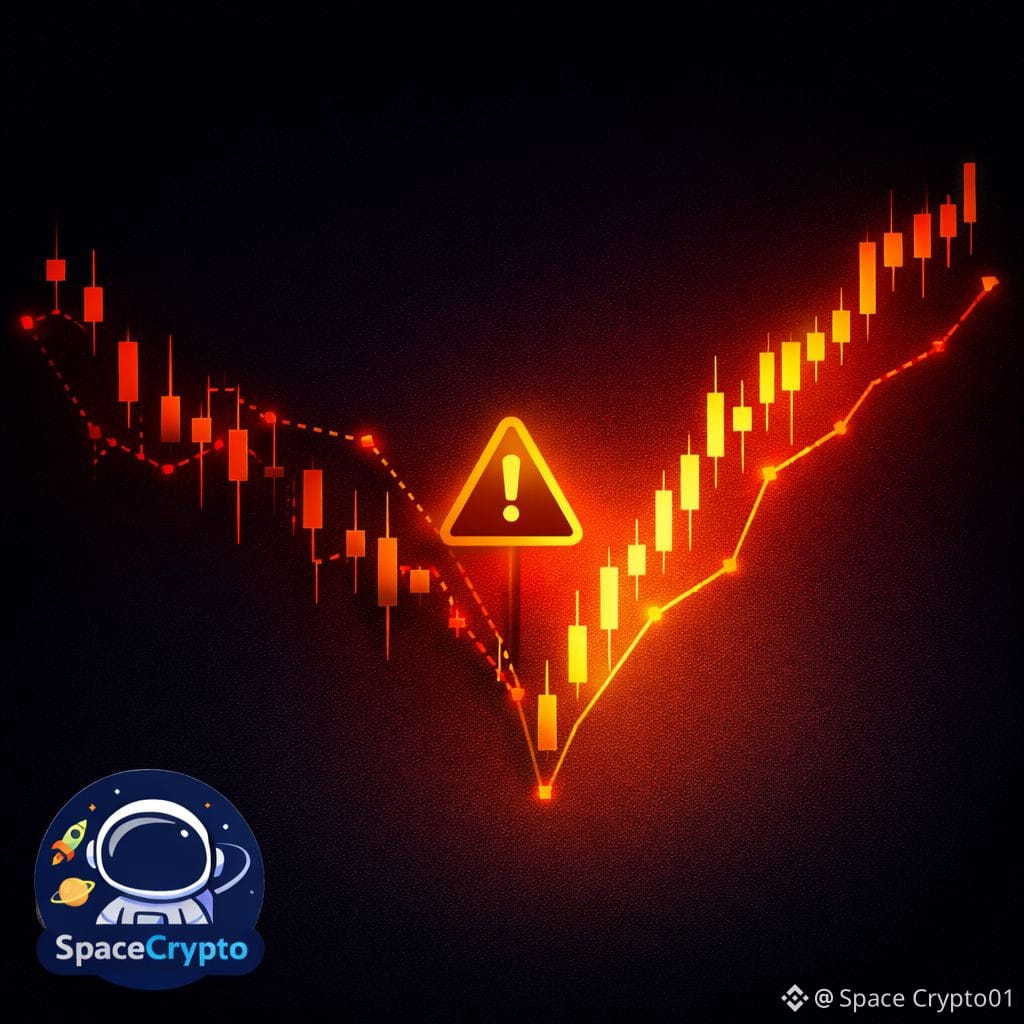
La mayoría de los traders intentan resolver el riesgo reduciendo el apalancamiento.
Pero luego aumentan el tamaño de la posición.
Y de repente, la operación se siente “más segura”.
El problema es que el riesgo no se preocupa solo por el apalancamiento.
Se preocupa por cuánto de tu cuenta está expuesto.
Puedes usar un alto apalancamiento con un tamaño controlado.
También puedes perderlo todo con bajo apalancamiento y posiciones sobredimensionadas.
El apalancamiento no es el verdadero peligro.
Ignorar el tamaño de la posición lo es.
👉 Cuando abres una operación, ¿qué revisas primero — apalancamiento o riesgo?
#crypto #futurestrading #riskmanagement #tradingpsychology #cryptotrading
$BTC $ETH $BNB
La mayoría de los traders intentan resolver el riesgo reduciendo el apalancamiento.
Pero luego aumentan el tamaño de la posición.
Y de repente, la operación se siente “más segura”.
El problema es que el riesgo no se preocupa solo por el apalancamiento.
Se preocupa por cuánto de tu cuenta está expuesto.
Puedes usar un alto apalancamiento con un tamaño controlado.
También puedes perderlo todo con bajo apalancamiento y posiciones sobredimensionadas.
El apalancamiento no es el verdadero peligro.
Ignorar el tamaño de la posición lo es.
👉 Cuando abres una operación, ¿qué revisas primero — apalancamiento o riesgo?
#crypto #futurestrading #riskmanagement #tradingpsychology #cryptotrading
$BTC $ETH $BNB
Pero luego aumentan el tamaño de la posición.
Y de repente, la operación se siente “más segura”.
El problema es que el riesgo no se preocupa solo por el apalancamiento.
Se preocupa por cuánto de tu cuenta está expuesto.
Puedes usar un alto apalancamiento con un tamaño controlado.
También puedes perderlo todo con bajo apalancamiento y posiciones sobredimensionadas.
El apalancamiento no es el verdadero peligro.
Ignorar el tamaño de la posición lo es.
👉 Cuando abres una operación, ¿qué revisas primero — apalancamiento o riesgo?
#crypto #futurestrading #riskmanagement #tradingpsychology #cryptotrading
$BTC $ETH $BNB
16
Inicia sesión para explorar más contenidos
Únete a usuarios globales de criptomonedas en Binance Square
⚡️ Obtén información útil y actualizada sobre criptos.
💬 Avalado por el mayor exchange de criptomonedas en el mundo.
👍 Descubre perspectivas reales de creadores verificados.
Email/número de teléfono