

Ruumii
197 Publicaciones

Ruumii
Denunciar
Bloquear usuario
I am a beginner trader 📈💸 and want to make profit on Binanace, 🎁
Abrir trade
Trader frecuente
2.7 año(s)
133 Siguiendo
86 Seguidores
320 Me gusta
Publicaciones
Cartera
Todo
Citas
Videos
·
--
Petróleo crudo rechazado en 104,44 $, los alcistas defienden 97,54:
🛢️ Actualización del mercado de Petróleo Crudo WTI
El Petróleo Crudo WTI recientemente se enfrentó a una fuerte resistencia alrededor de 104,44 $ y fue rechazado desde ese nivel. El precio ha retrocedido, pero los compradores aún intentan proteger la importante zona de soporte de 97,54 $.
En mi opinión, el mercado se encuentra actualmente en un punto importante. Si los alcistas logran defender 97,54 $, podríamos ver otro intento de avanzar. Sin embargo, si este soporte se rompe, la presión vendedora podría aumentar y el precio podría caer aún más.
📈 Resistencia: $104.44
📉 Soporte clave: $97.54
El próximo movimiento dependerá de si los compradores pueden mantener el control por encima del nivel de soporte. 🛢️📊
Petróleo crudo rechazado en 104,44 $, los alcistas defienden 97,54:
🛢️ Actualización del mercado de Petróleo Crudo WTI
El Petróleo Crudo WTI recientemente se enfrentó a una fuerte resistencia alrededor de 104,44 $ y fue rechazado desde ese nivel. El precio ha retrocedido, pero los compradores aún intentan proteger la importante zona de soporte de 97,54 $.
En mi opinión, el mercado se encuentra actualmente en un punto importante. Si los alcistas logran defender 97,54 $, podríamos ver otro intento de avanzar. Sin embargo, si este soporte se rompe, la presión vendedora podría aumentar y el precio podría caer aún más.
📈 Resistencia: $104.44
📉 Soporte clave: $97.54
El próximo movimiento dependerá de si los compradores pueden mantener el control por encima del nivel de soporte. 🛢️📊
🛢️ Actualización del mercado de Petróleo Crudo WTI
El Petróleo Crudo WTI recientemente se enfrentó a una fuerte resistencia alrededor de 104,44 $ y fue rechazado desde ese nivel. El precio ha retrocedido, pero los compradores aún intentan proteger la importante zona de soporte de 97,54 $.
En mi opinión, el mercado se encuentra actualmente en un punto importante. Si los alcistas logran defender 97,54 $, podríamos ver otro intento de avanzar. Sin embargo, si este soporte se rompe, la presión vendedora podría aumentar y el precio podría caer aún más.
📈 Resistencia: $104.44
📉 Soporte clave: $97.54
El próximo movimiento dependerá de si los compradores pueden mantener el control por encima del nivel de soporte. 🛢️📊

1
247
·
--
#BitcoinETFsBiggestDailyInflowSinceJanuary
{spot}(BTCUSDT)
BTC $BTC cotiza a $79,766.00 al 2026-09-06, con una caída de -0.32% desde su apertura de 24 horas de $80,025.95. El rango de hoy ha sido relativamente estrecho: $79,233.00–$80,107.99.
Eso sitúa a BTC ligeramente por debajo del área de $80K después de no lograr mantenerse por encima durante esta sesión. Para el recorrido a corto plazo, las variables clave son si el precio puede recuperar el máximo de la sesión con una actividad más fuerte, y si el mínimo del día sigue aguantando; una ruptura fuera de este rango podría señalar un aumento de la volatilidad, pero la dirección sigue siendo incierta.
#BitcoinETFsBiggestDailyInflowSinceJanuary
BTC $BTC cotiza a $79,766.00 al 2026-09-06, con una caída de -0.32% desde su apertura de 24 horas de $80,025.95. El rango de hoy ha sido relativamente estrecho: $79,233.00–$80,107.99.
Eso sitúa a BTC ligeramente por debajo del área de $80K después de no lograr mantenerse por encima durante esta sesión. Para el recorrido a corto plazo, las variables clave son si el precio puede recuperar el máximo de la sesión con una actividad más fuerte, y si el mínimo del día sigue aguantando; una ruptura fuera de este rango podría señalar un aumento de la volatilidad, pero la dirección sigue siendo incierta.
BTC $BTC cotiza a $79,766.00 al 2026-09-06, con una caída de -0.32% desde su apertura de 24 horas de $80,025.95. El rango de hoy ha sido relativamente estrecho: $79,233.00–$80,107.99.
Eso sitúa a BTC ligeramente por debajo del área de $80K después de no lograr mantenerse por encima durante esta sesión. Para el recorrido a corto plazo, las variables clave son si el precio puede recuperar el máximo de la sesión con una actividad más fuerte, y si el mínimo del día sigue aguantando; una ruptura fuera de este rango podría señalar un aumento de la volatilidad, pero la dirección sigue siendo incierta.
1
72
·
--
Artículo
Ethereum sube 📈11% mientras Trump presiona al Congreso para aprobar legislación cripto 🎯#ETHSurpasses$2300 #TrumpPressesCongressToPassClarityAct
Ethereum sube 11% mientras gana impulso la legislación sobre cripto 📈
Ethereum$ETH ha subido alrededor de un 11%, impulsado por el creciente optimismo sobre una nueva legislación de criptomonedas en Estados Unidos.
Según el informe que se muestra en la captura de pantalla, el presidente Donald Trump está presionando al Congreso para que apruebe legislación relacionada con las criptomonedas, aumentando las expectativas de regulaciones más claras y de una mayor confianza institucional en los activos digitales.
La perspectiva regulatoria positiva ha ayudado a mejorar el sentimiento del mercado hacia Ethereum $ETH y hacia el mercado más amplio de criptomonedas. Si el avance legislativo continúa, Ethereum podría atraer un mayor interés de compra.
Ethereum sube 📈11% mientras Trump presiona al Congreso para aprobar legislación cripto 🎯
#ETHSurpasses$2300 #TrumpPressesCongressToPassClarityAct
Ethereum sube 11% mientras gana impulso la legislación sobre cripto 📈
Ethereum$ETH ha subido alrededor de un 11%, impulsado por el creciente optimismo sobre una nueva legislación de criptomonedas en Estados Unidos.
Según el informe que se muestra en la captura de pantalla, el presidente Donald Trump está presionando al Congreso para que apruebe legislación relacionada con las criptomonedas, aumentando las expectativas de regulaciones más claras y de una mayor confianza institucional en los activos digitales.
La perspectiva regulatoria positiva ha ayudado a mejorar el sentimiento del mercado hacia Ethereum $ETH y hacia el mercado más amplio de criptomonedas. Si el avance legislativo continúa, Ethereum podría atraer un mayor interés de compra.
Ethereum sube 11% mientras gana impulso la legislación sobre cripto 📈
Ethereum$ETH ha subido alrededor de un 11%, impulsado por el creciente optimismo sobre una nueva legislación de criptomonedas en Estados Unidos.
Según el informe que se muestra en la captura de pantalla, el presidente Donald Trump está presionando al Congreso para que apruebe legislación relacionada con las criptomonedas, aumentando las expectativas de regulaciones más claras y de una mayor confianza institucional en los activos digitales.
La perspectiva regulatoria positiva ha ayudado a mejorar el sentimiento del mercado hacia Ethereum $ETH y hacia el mercado más amplio de criptomonedas. Si el avance legislativo continúa, Ethereum podría atraer un mayor interés de compra.
1
117
·
--
Bajista
#RedditToJoinSP500 #SP500ClosesAtRecordHigh
Actualización XRP/USDT 📊
{future}(XRPUSDT)
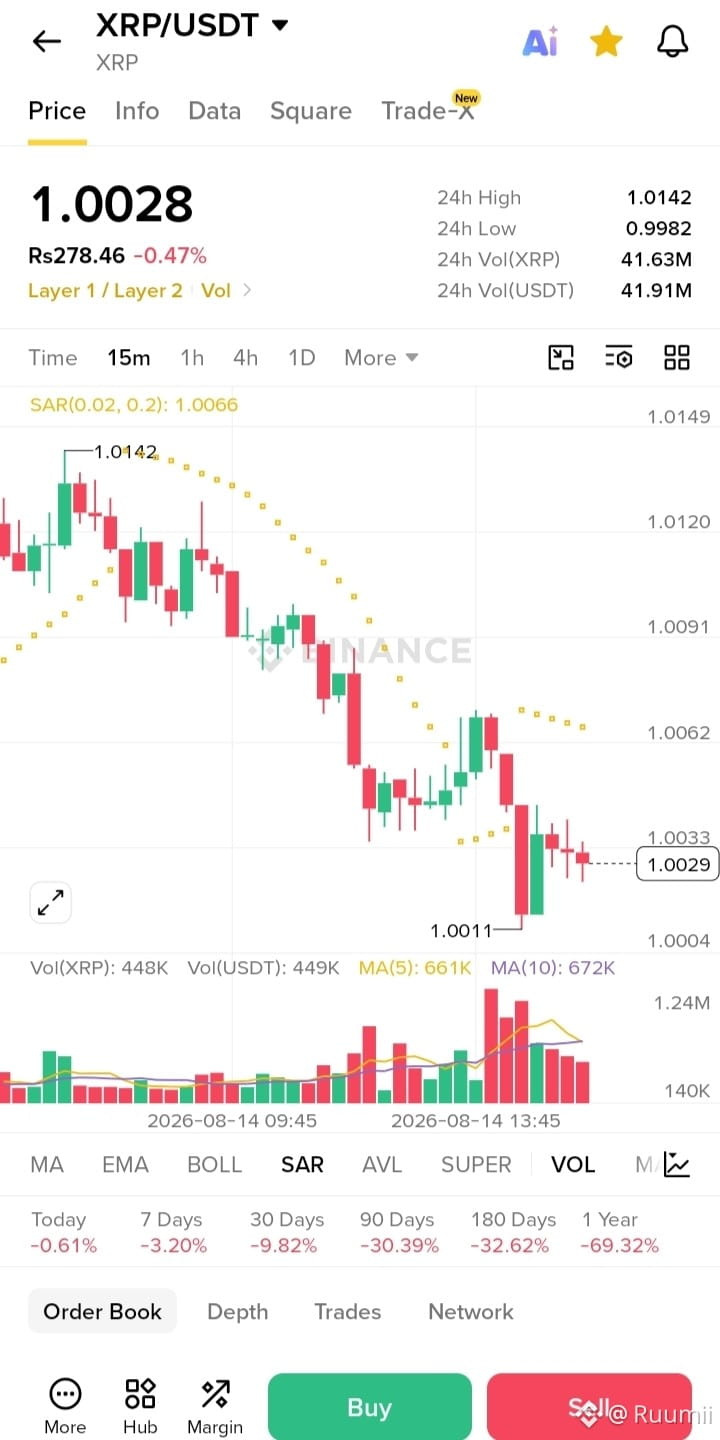
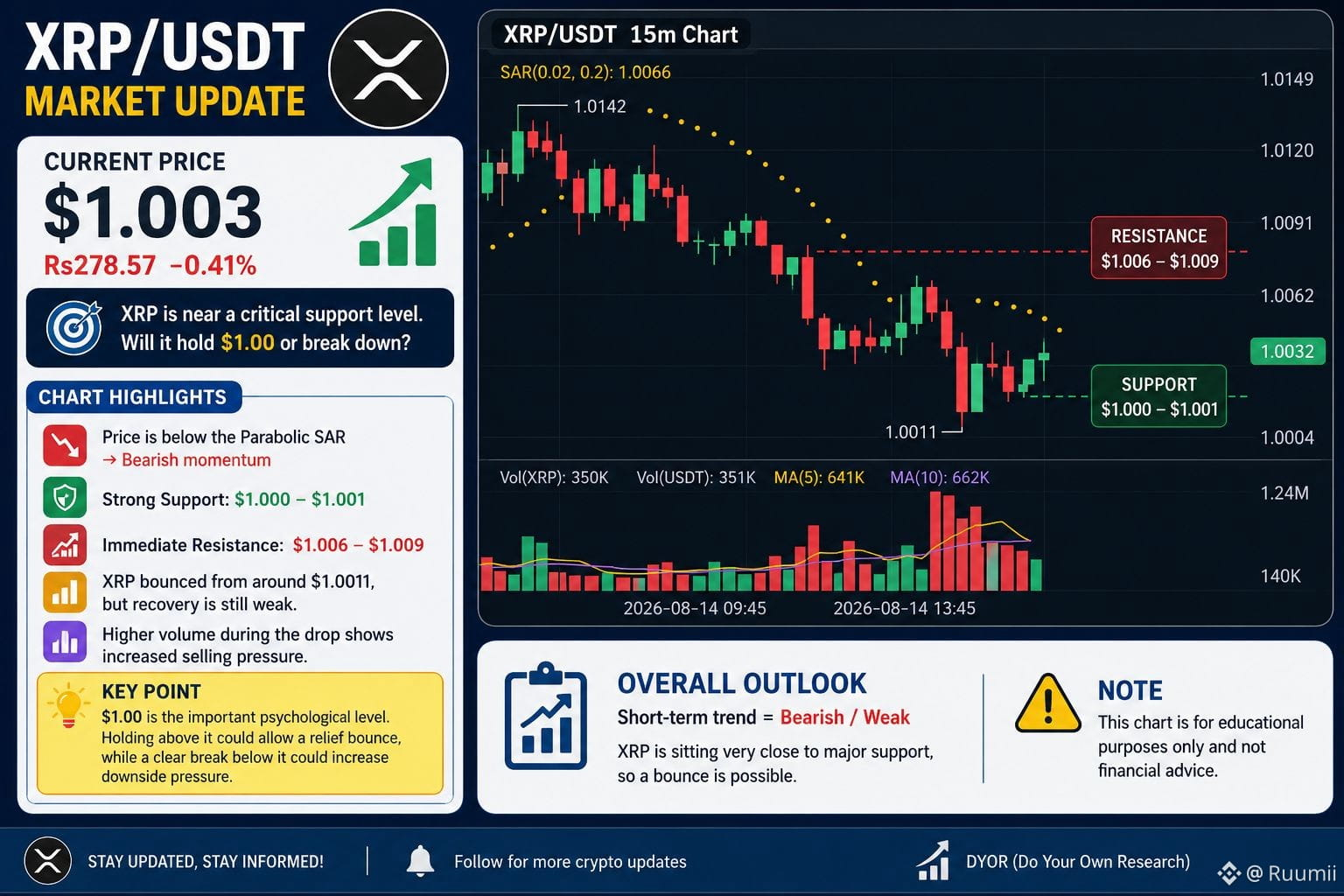
$XRP se mantiene alrededor de 1.003 dólares, con el gráfico de 15 minutos mostrando una presión bajista a corto plazo que continúa.
🔴 Señales del gráfico:
• El precio permanece por debajo del SAR Parabólico → momento bajista
• Fuerte soporte: 1.000–1.001 dólares
• Resistencia inmediata: 1.006–1.009 dólares
• XRP rebotó desde alrededor de 1.0011, pero la recuperación aún es débil
• Apareció un volumen más alto durante la caída reciente, lo que muestra un aumento de la actividad vendedora
📌 Punto clave: 1.00 es el nivel psicológico importante. Mantenerse por encima podría permitir un rebote de alivio, mientras que una ruptura clara por debajo podría aumentar la presión a la baja.
En general: Tendencia a corto plazo = Bajista/débil, pero XRP está muy cerca de un soporte importante, así que es posible un rebote. Este gráfico por sí solo no confirma una reversión.
Comentario educativo del mercado — no es asesoramiento financiero.
#RedditToJoinSP500 #SP500ClosesAtRecordHigh
Actualización XRP/USDT 📊
$XRP se mantiene alrededor de 1.003 dólares, con el gráfico de 15 minutos mostrando una presión bajista a corto plazo que continúa.
🔴 Señales del gráfico:
• El precio permanece por debajo del SAR Parabólico → momento bajista
• Fuerte soporte: 1.000–1.001 dólares
• Resistencia inmediata: 1.006–1.009 dólares
• XRP rebotó desde alrededor de 1.0011, pero la recuperación aún es débil
• Apareció un volumen más alto durante la caída reciente, lo que muestra un aumento de la actividad vendedora
📌 Punto clave: 1.00 es el nivel psicológico importante. Mantenerse por encima podría permitir un rebote de alivio, mientras que una ruptura clara por debajo podría aumentar la presión a la baja.
En general: Tendencia a corto plazo = Bajista/débil, pero XRP está muy cerca de un soporte importante, así que es posible un rebote. Este gráfico por sí solo no confirma una reversión.
Comentario educativo del mercado — no es asesoramiento financiero.
Actualización XRP/USDT 📊
$XRP se mantiene alrededor de 1.003 dólares, con el gráfico de 15 minutos mostrando una presión bajista a corto plazo que continúa.
🔴 Señales del gráfico:
• El precio permanece por debajo del SAR Parabólico → momento bajista
• Fuerte soporte: 1.000–1.001 dólares
• Resistencia inmediata: 1.006–1.009 dólares
• XRP rebotó desde alrededor de 1.0011, pero la recuperación aún es débil
• Apareció un volumen más alto durante la caída reciente, lo que muestra un aumento de la actividad vendedora
📌 Punto clave: 1.00 es el nivel psicológico importante. Mantenerse por encima podría permitir un rebote de alivio, mientras que una ruptura clara por debajo podría aumentar la presión a la baja.
En general: Tendencia a corto plazo = Bajista/débil, pero XRP está muy cerca de un soporte importante, así que es posible un rebote. Este gráfico por sí solo no confirma una reversión.
Comentario educativo del mercado — no es asesoramiento financiero.
122
·
--
#DollarSetForBestDayInTwoWeeks $NVDA.US
{spot}(NVDABUSDT)
🚀 Actualización del mercado cripto
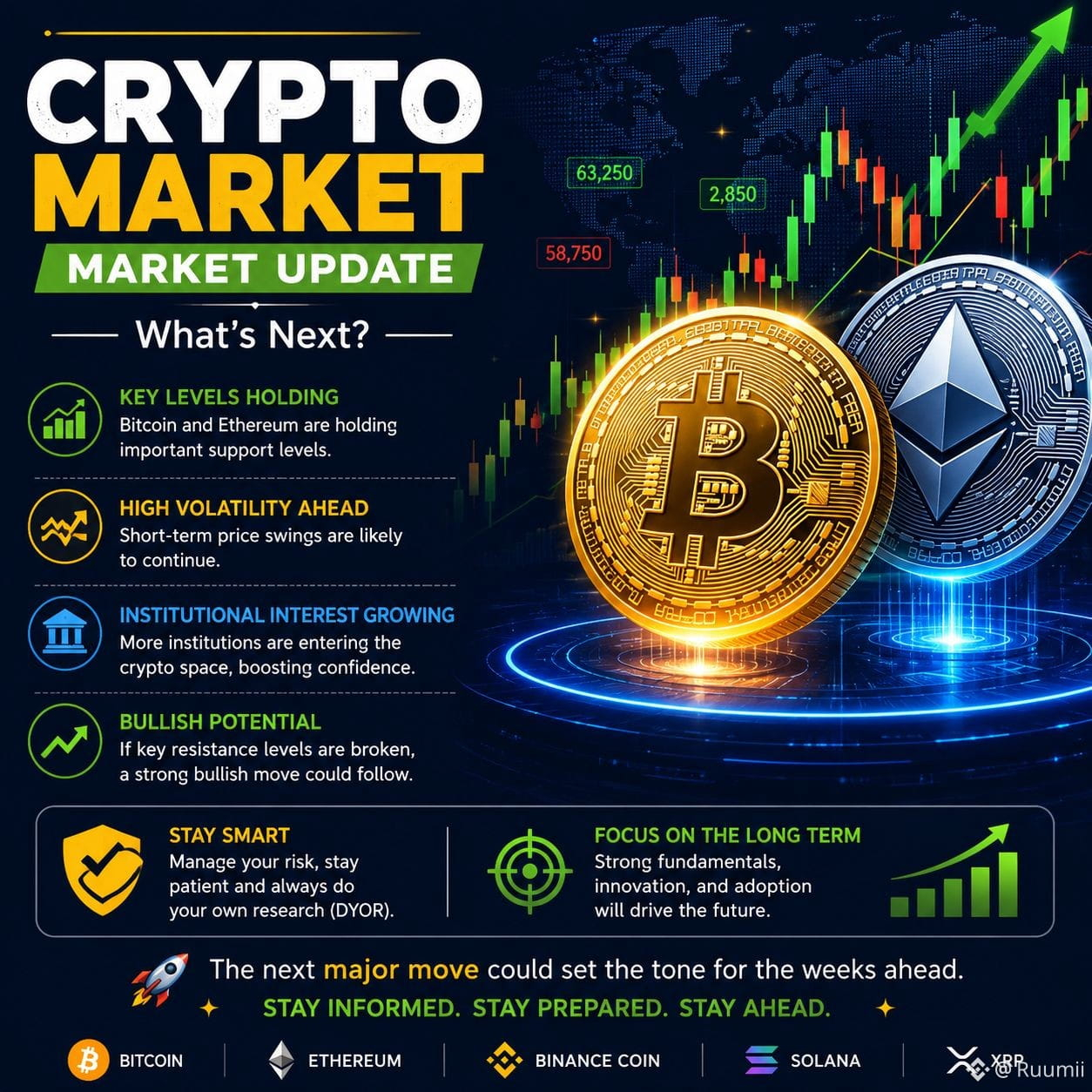
El mercado cripto está entrando en una fase crucial. Bitcoin y Ethereum se mantienen en niveles de soporte clave mientras los inversores esperan el próximo rompimiento. Es probable que las oscilaciones de precio a corto plazo sigan siendo altas, pero el creciente interés institucional y la mejora del sentimiento del mercado podrían respaldar un movimiento alcista si se superan los niveles de resistencia.
📊 Mantén la paciencia, gestiona tu riesgo y haz siempre tu propia investigación (DYOR). El próximo gran movimiento podría marcar el tono para las próximas semanas.
#Crypto #Bitcoin #Ethereum #CryptoNews #Blockchain #Trading #Investing #Bullish #MarketUpdate
#DollarSetForBestDayInTwoWeeks $NVDA.US
🚀 Actualización del mercado cripto
El mercado cripto está entrando en una fase crucial. Bitcoin y Ethereum se mantienen en niveles de soporte clave mientras los inversores esperan el próximo rompimiento. Es probable que las oscilaciones de precio a corto plazo sigan siendo altas, pero el creciente interés institucional y la mejora del sentimiento del mercado podrían respaldar un movimiento alcista si se superan los niveles de resistencia.
📊 Mantén la paciencia, gestiona tu riesgo y haz siempre tu propia investigación (DYOR). El próximo gran movimiento podría marcar el tono para las próximas semanas.
#Crypto #Bitcoin #Ethereum #CryptoNews #Blockchain #Trading #Investing #Bullish #MarketUpdate
🚀 Actualización del mercado cripto
El mercado cripto está entrando en una fase crucial. Bitcoin y Ethereum se mantienen en niveles de soporte clave mientras los inversores esperan el próximo rompimiento. Es probable que las oscilaciones de precio a corto plazo sigan siendo altas, pero el creciente interés institucional y la mejora del sentimiento del mercado podrían respaldar un movimiento alcista si se superan los niveles de resistencia.
📊 Mantén la paciencia, gestiona tu riesgo y haz siempre tu propia investigación (DYOR). El próximo gran movimiento podría marcar el tono para las próximas semanas.
#Crypto #Bitcoin #Ethereum #CryptoNews #Blockchain #Trading #Investing #Bullish #MarketUpdate
1
97
·
--
Artículo
🚨 Alerta de Etherium ⚠️ ¿ETH listo para un movimiento fuerte? Predicción de ETH para la próxima semana 📈#BitcoinLitecoinHolderLoses$282M #etheriumbreakout
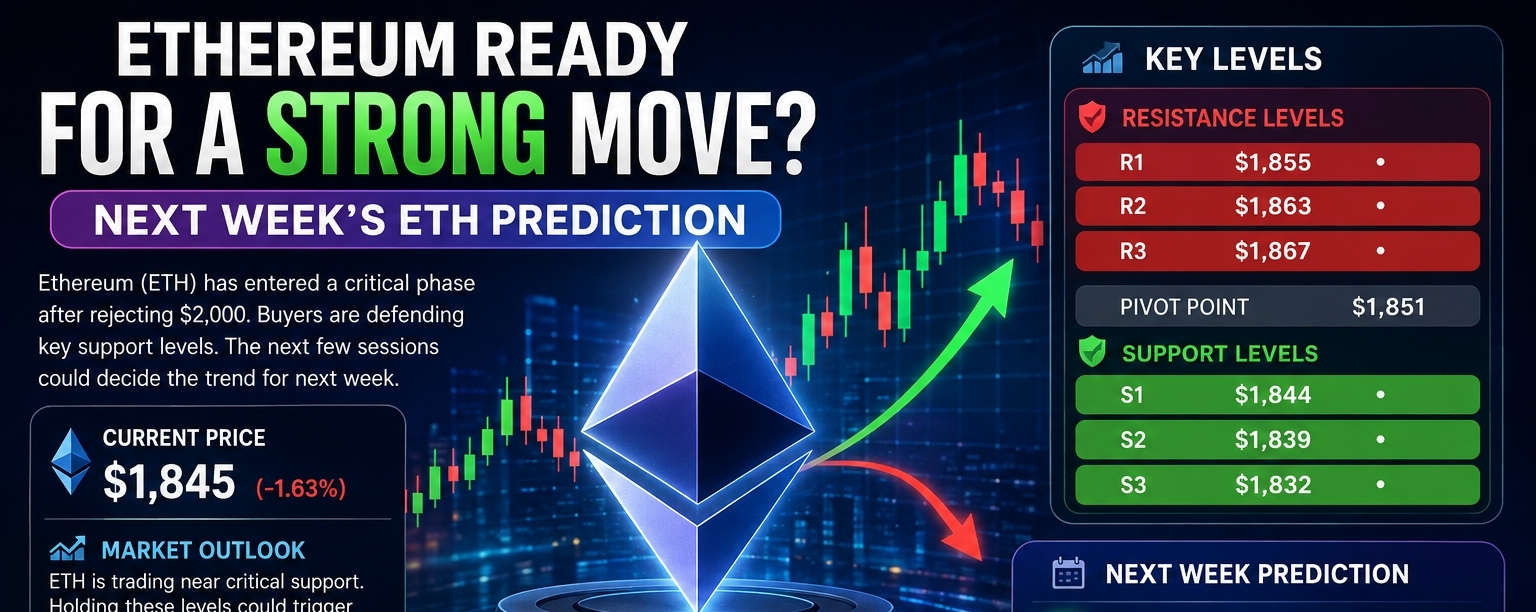
Ethereum $ETH (ETH) ha entrado en una fase crítica después de no lograr mantenerse por encima de la importante resistencia psicológica de $2,000. Los vendedores empujaron rápidamente el precio a la baja, mostrando que los compradores aún están luchando por mantener el control. Sin embargo, a pesar del rechazo, Ethereum continúa cotizando por encima de varias zonas de soporte a largo plazo, lo que significa que la tendencia general aún no se ha vuelto completamente bajista. �
CryptoRank +1
Situación actual del mercado
Basado en los niveles técnicos que se muestran en tus capturas:
🚨 Alerta de Etherium ⚠️ ¿ETH listo para un movimiento fuerte? Predicción de ETH para la próxima semana 📈
#BitcoinLitecoinHolderLoses$282M #etheriumbreakout
Ethereum $ETH (ETH) ha entrado en una fase crítica después de no lograr mantenerse por encima de la importante resistencia psicológica de $2,000. Los vendedores empujaron rápidamente el precio a la baja, mostrando que los compradores aún están luchando por mantener el control. Sin embargo, a pesar del rechazo, Ethereum continúa cotizando por encima de varias zonas de soporte a largo plazo, lo que significa que la tendencia general aún no se ha vuelto completamente bajista. �
CryptoRank +1
Situación actual del mercado
Basado en los niveles técnicos que se muestran en tus capturas:
Ethereum $ETH (ETH) ha entrado en una fase crítica después de no lograr mantenerse por encima de la importante resistencia psicológica de $2,000. Los vendedores empujaron rápidamente el precio a la baja, mostrando que los compradores aún están luchando por mantener el control. Sin embargo, a pesar del rechazo, Ethereum continúa cotizando por encima de varias zonas de soporte a largo plazo, lo que significa que la tendencia general aún no se ha vuelto completamente bajista. �
CryptoRank +1
Situación actual del mercado
Basado en los niveles técnicos que se muestran en tus capturas:
1
105
·
--
Artículo
Alerta Cripto ⚠️El mercado cripto se estabiliza en un soporte clave, pero persisten riesgos a la baja 📉🚨#BitcoinETFs #Write2Earn #Bitcoin❗ $BTC $ETH
El mercado cripto se estabiliza en un soporte clave, pero persisten riesgos a la baja
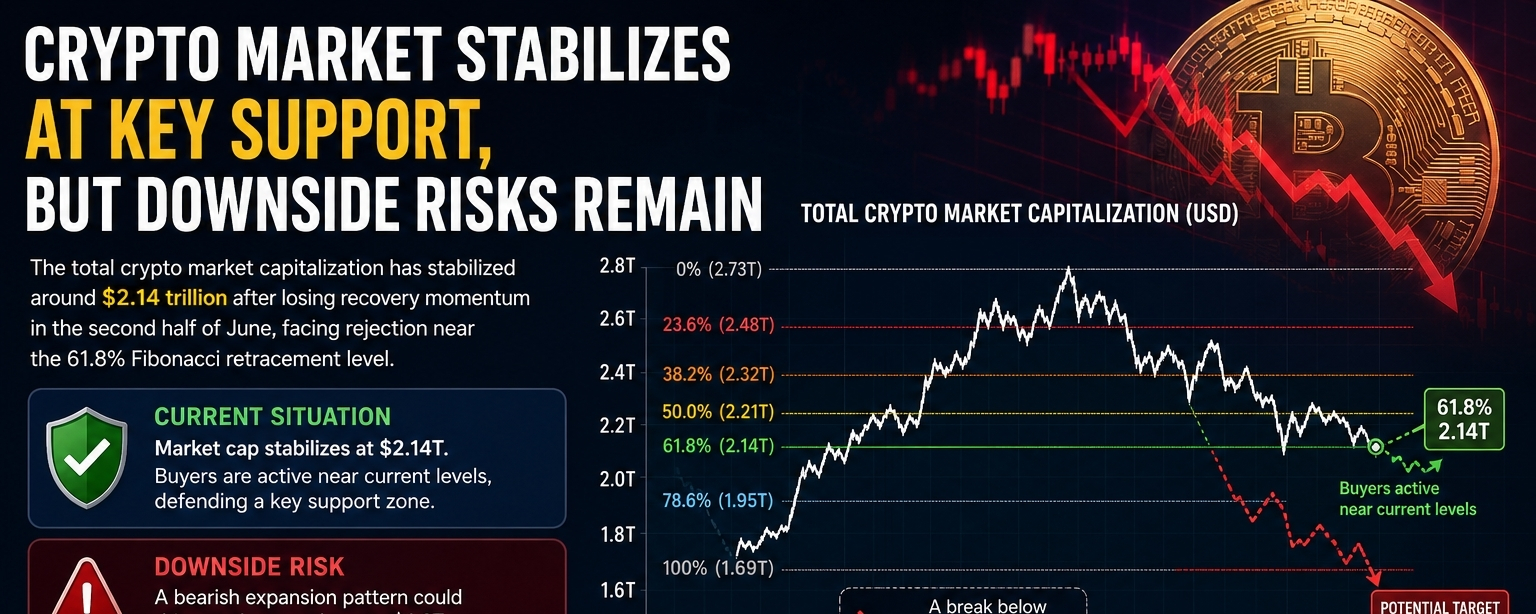
El mercado de criptomonedas ha entrado en un periodo de consolidación después de perder su impulso de recuperación durante la segunda mitad de junio. La capitalización total del mercado cripto se ha estabilizado alrededor de 2,14 billones de dólares, tras un rechazo en el nivel de retroceso de Fibonacci del 61,8%, una resistencia técnica clave que a menudo vigilan los traders.
Si bien la estabilización actual sugiere que los compradores están defendiendo esta zona de soporte, la perspectiva técnica general sigue siendo cautelosa. Los analistas advierten que podría estar desarrollándose un patrón de expansión bajista, lo que potencialmente haría que la capitalización total del mercado baje hasta aproximadamente 1,6 billones de dólares—lo que representaría una caída de casi 25% respecto a los niveles actuales.
Alerta Cripto ⚠️El mercado cripto se estabiliza en un soporte clave, pero persisten riesgos a la baja 📉🚨
#BitcoinETFs #Write2Earn #Bitcoin❗ $BTC $ETH
El mercado cripto se estabiliza en un soporte clave, pero persisten riesgos a la baja
El mercado de criptomonedas ha entrado en un periodo de consolidación después de perder su impulso de recuperación durante la segunda mitad de junio. La capitalización total del mercado cripto se ha estabilizado alrededor de 2,14 billones de dólares, tras un rechazo en el nivel de retroceso de Fibonacci del 61,8%, una resistencia técnica clave que a menudo vigilan los traders.
Si bien la estabilización actual sugiere que los compradores están defendiendo esta zona de soporte, la perspectiva técnica general sigue siendo cautelosa. Los analistas advierten que podría estar desarrollándose un patrón de expansión bajista, lo que potencialmente haría que la capitalización total del mercado baje hasta aproximadamente 1,6 billones de dólares—lo que representaría una caída de casi 25% respecto a los niveles actuales.
El mercado cripto se estabiliza en un soporte clave, pero persisten riesgos a la baja
El mercado de criptomonedas ha entrado en un periodo de consolidación después de perder su impulso de recuperación durante la segunda mitad de junio. La capitalización total del mercado cripto se ha estabilizado alrededor de 2,14 billones de dólares, tras un rechazo en el nivel de retroceso de Fibonacci del 61,8%, una resistencia técnica clave que a menudo vigilan los traders.
Si bien la estabilización actual sugiere que los compradores están defendiendo esta zona de soporte, la perspectiva técnica general sigue siendo cautelosa. Los analistas advierten que podría estar desarrollándose un patrón de expansión bajista, lo que potencialmente haría que la capitalización total del mercado baje hasta aproximadamente 1,6 billones de dólares—lo que representaría una caída de casi 25% respecto a los niveles actuales.
93
·
--
$BTC
{future}(BTCUSDT)
$Liga de Traders de Binance Temporada 3: Enfréntate a Desafíos de Trading Multitrack y Gana tu Parte de $3M+ en Recompensas! https://www.binance.com/activity/trading-competition/202606tradersleague3?ref=837959403
$BTC
$Liga de Traders de Binance Temporada 3: Enfréntate a Desafíos de Trading Multitrack y Gana tu Parte de $3M+ en Recompensas! https://www.binance.com/activity/trading-competition/202606tradersleague3?ref=837959403
$Liga de Traders de Binance Temporada 3: Enfréntate a Desafíos de Trading Multitrack y Gana tu Parte de $3M+ en Recompensas! https://www.binance.com/activity/trading-competition/202606tradersleague3?ref=837959403
24
·
--
Artículo
⚠️¿Se Está Volviendo la Criptomoneda Demasiado Peligrosa 🚨para los traders?#BitcoinDropsBelow$60KWorstWeekSinceJuly2024 $ETH $USDC
El mercado de criptomonedas 📊 siempre ha sido conocido por su emoción, grandes ganancias y sorpresas inesperadas. Pero en el mercado de hoy, muchos traders se están haciendo una pregunta difícil:
"¿Se está volviendo el cripto demasiado peligroso porque nadie sabe cuándo subirán los precios?"
La verdad es que la criptomoneda sigue siendo uno de los mercados financieros más impredecibles del mundo. Una moneda puede subir un 20% en unas pocas horas y luego perder esas ganancias tan rápido como vino. Las noticias, regulaciones, la actividad de los ballenas, eventos económicos globales e incluso publicaciones en redes sociales pueden impactar dramáticamente los precios.
⚠️¿Se Está Volviendo la Criptomoneda Demasiado Peligrosa 🚨para los traders?
#BitcoinDropsBelow$60KWorstWeekSinceJuly2024 $ETH $USDC
El mercado de criptomonedas 📊 siempre ha sido conocido por su emoción, grandes ganancias y sorpresas inesperadas. Pero en el mercado de hoy, muchos traders se están haciendo una pregunta difícil:
"¿Se está volviendo el cripto demasiado peligroso porque nadie sabe cuándo subirán los precios?"
La verdad es que la criptomoneda sigue siendo uno de los mercados financieros más impredecibles del mundo. Una moneda puede subir un 20% en unas pocas horas y luego perder esas ganancias tan rápido como vino. Las noticias, regulaciones, la actividad de los ballenas, eventos económicos globales e incluso publicaciones en redes sociales pueden impactar dramáticamente los precios.
El mercado de criptomonedas 📊 siempre ha sido conocido por su emoción, grandes ganancias y sorpresas inesperadas. Pero en el mercado de hoy, muchos traders se están haciendo una pregunta difícil:
"¿Se está volviendo el cripto demasiado peligroso porque nadie sabe cuándo subirán los precios?"
La verdad es que la criptomoneda sigue siendo uno de los mercados financieros más impredecibles del mundo. Una moneda puede subir un 20% en unas pocas horas y luego perder esas ganancias tan rápido como vino. Las noticias, regulaciones, la actividad de los ballenas, eventos económicos globales e incluso publicaciones en redes sociales pueden impactar dramáticamente los precios.
1
151
·
--
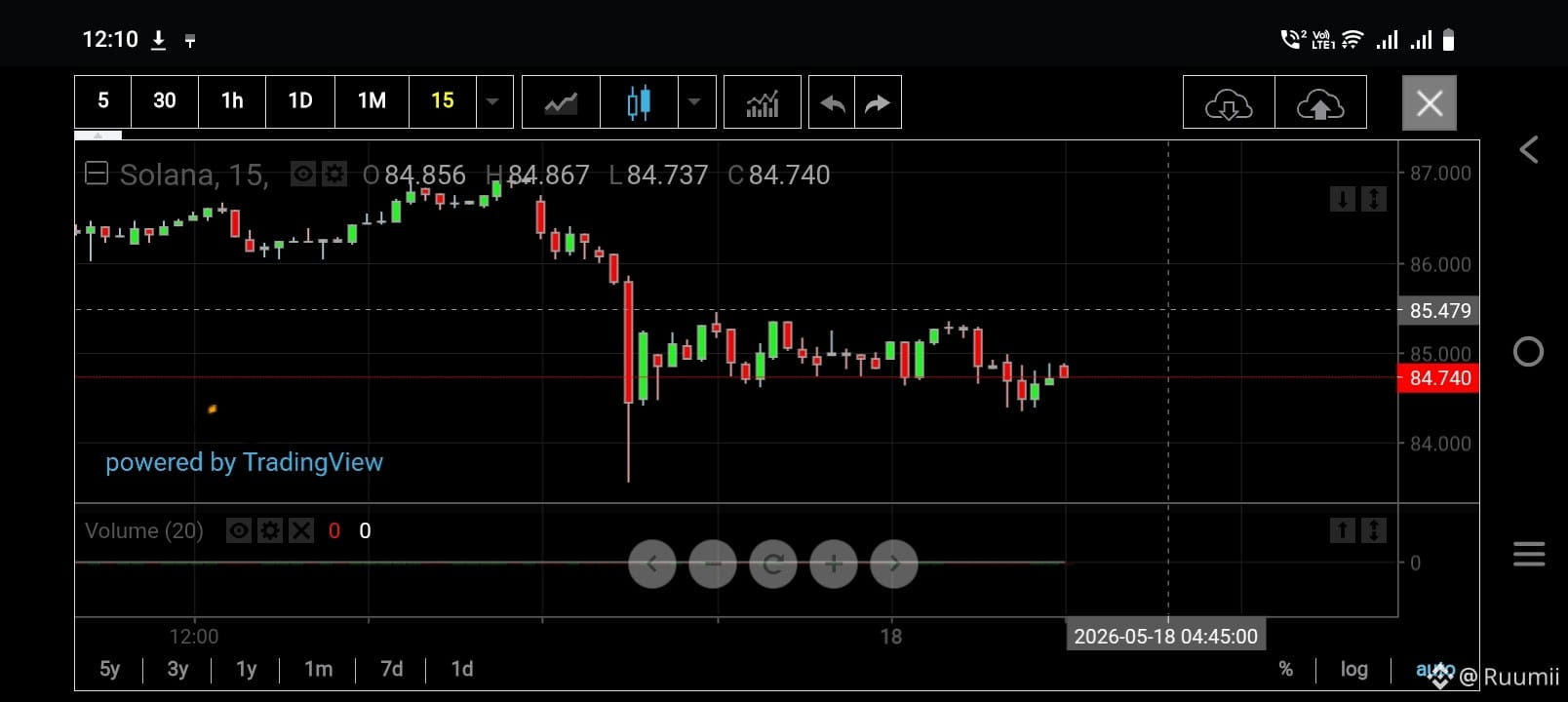
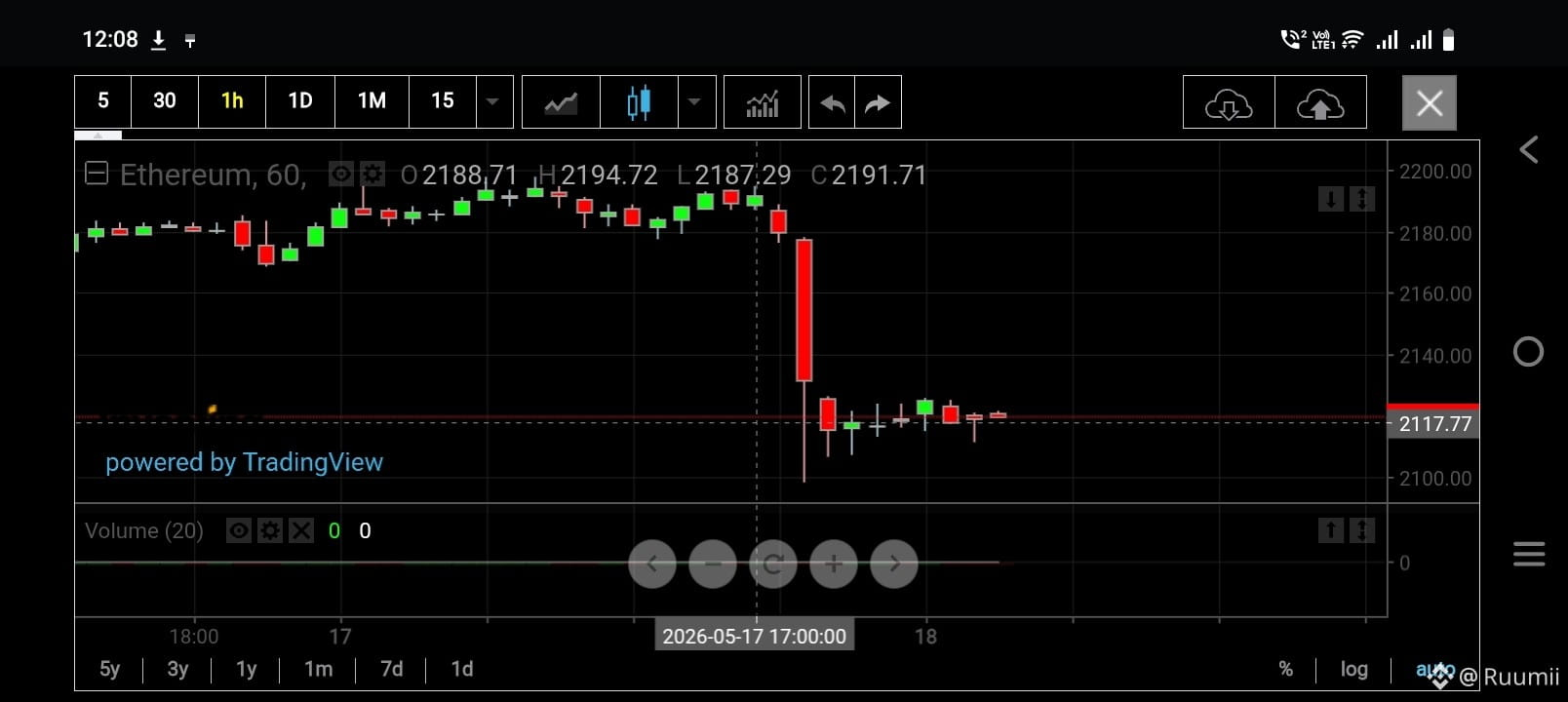
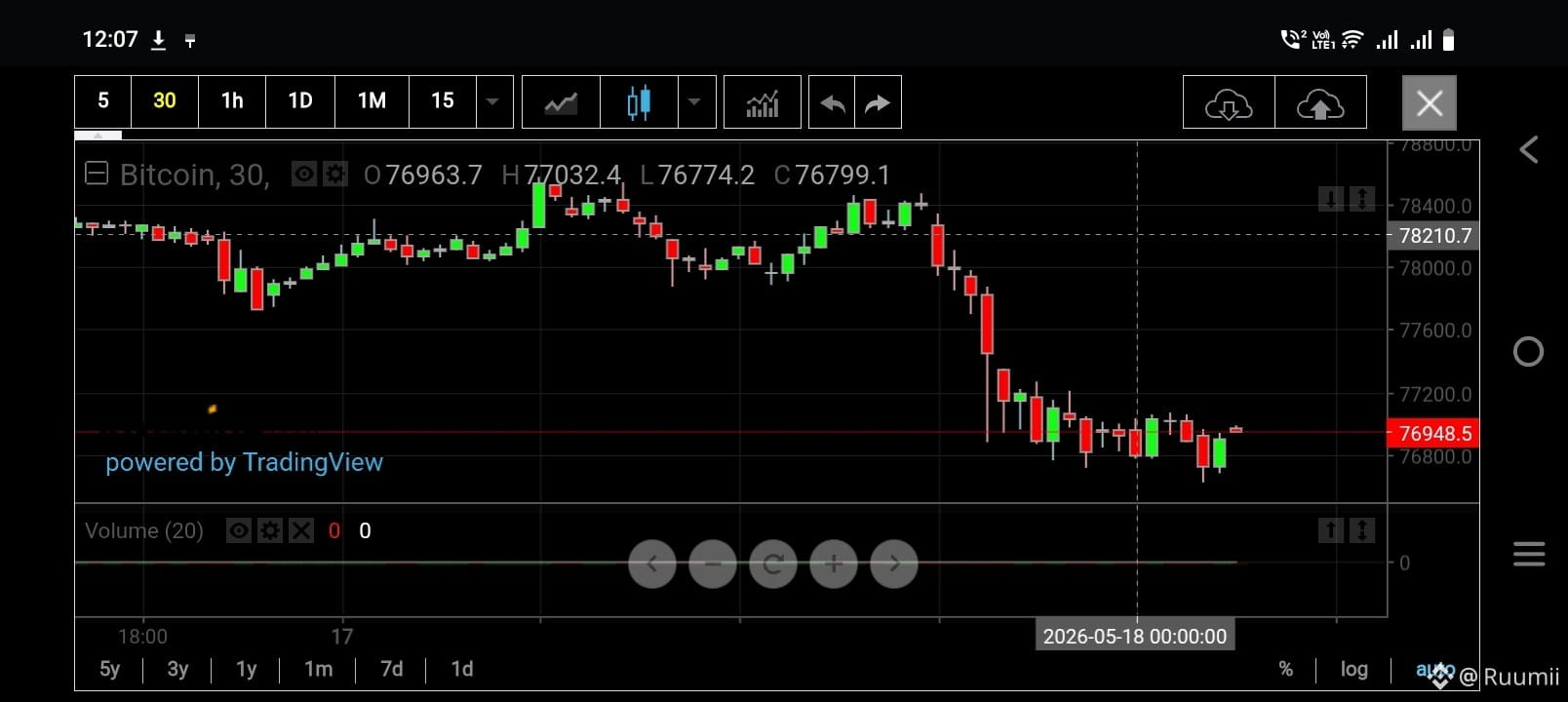
🎯Precio de cripto hoy: las altcoins se repliegan en medio de un ambiente de aversión al riesgo📉🚨
#CryptoBearishMomentum #BinanceSquareTalks $ETH $XRP $SOL
La mayoría de las altcoins también cayeron el lunes, siguiendo la tendencia global de aversión al riesgo.
La criptomoneda número 2 del mundo, Ethereum, perdió un 3% a $2,122.12.
La criptomoneda número 3 del mundo, XRP, cayó un 1.5% a $1.395.
Solana bajó un 2%, mientras que Cardano y Polygon disminuyeron un 1.5% cada una.
Entre los tokens meme, Dogecoin se deslizó un 2.8%.
🎯Precio de cripto hoy: las altcoins se repliegan en medio de un ambiente de aversión al riesgo📉🚨
#CryptoBearishMomentum #BinanceSquareTalks $ETH $XRP $SOL
La mayoría de las altcoins también cayeron el lunes, siguiendo la tendencia global de aversión al riesgo.
La criptomoneda número 2 del mundo, Ethereum, perdió un 3% a $2,122.12.
La criptomoneda número 3 del mundo, XRP, cayó un 1.5% a $1.395.
Solana bajó un 2%, mientras que Cardano y Polygon disminuyeron un 1.5% cada una.
Entre los tokens meme, Dogecoin se deslizó un 2.8%.
#CryptoBearishMomentum #BinanceSquareTalks $ETH $XRP $SOL
La mayoría de las altcoins también cayeron el lunes, siguiendo la tendencia global de aversión al riesgo.
La criptomoneda número 2 del mundo, Ethereum, perdió un 3% a $2,122.12.
La criptomoneda número 3 del mundo, XRP, cayó un 1.5% a $1.395.
Solana bajó un 2%, mientras que Cardano y Polygon disminuyeron un 1.5% cada una.
Entre los tokens meme, Dogecoin se deslizó un 2.8%.
1
1
123
·
--
🚨Precio de cripto hoy: las altcoins se desploman después de un largo flush 🚨📉
Los ETFs de Bitcoin ven $131M en entradas netas
Los precios de las altcoins también se desplomaron debido al flush generalizado en el cripto.
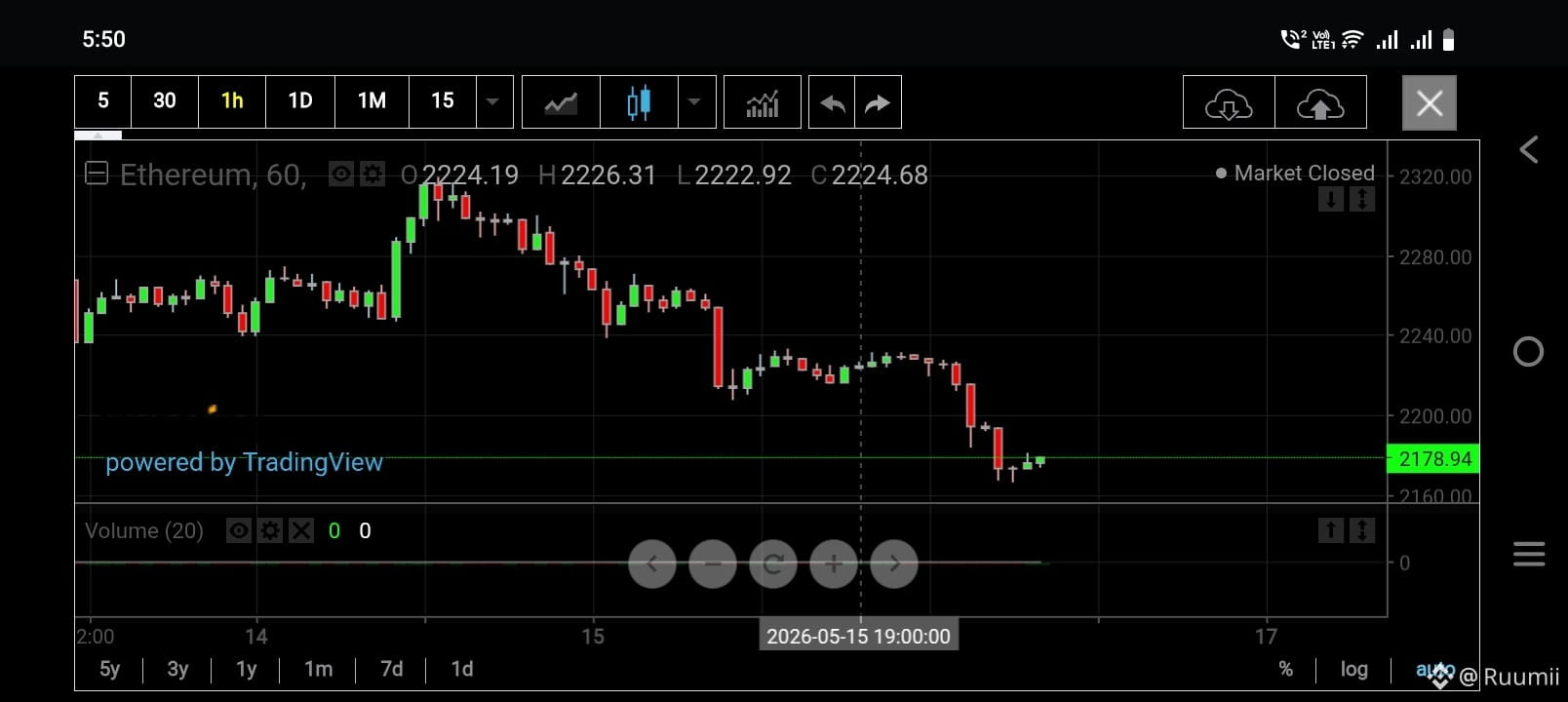
La criptomoneda número 2 en el mundo, Ether, cayó un 3.57% a $2,173.76, mientras que XRP bajó un 4.13% a $1.4041.
Solana perdió un 5.46%, y BNB se deshizo un 4.51%, mientras que Cardano estuvo un 4.81% más bajo.
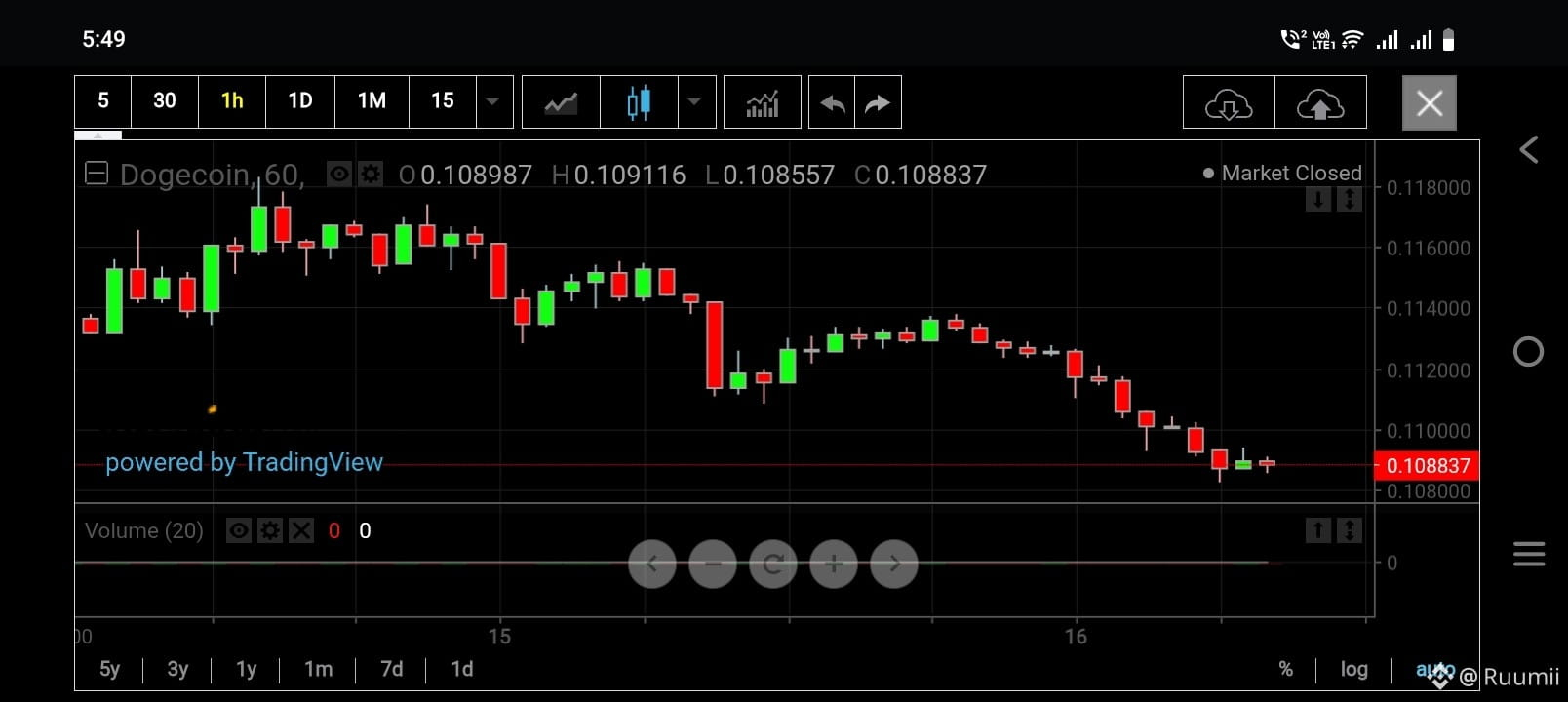
Entre los memecoins, Dogecoin retrocedió un 4.31%, y $TRUMP se desplomó un 8.02%.
🚨Precio de cripto hoy: las altcoins se desploman después de un largo flush 🚨📉
Los ETFs de Bitcoin ven $131M en entradas netas
Los precios de las altcoins también se desplomaron debido al flush generalizado en el cripto.
La criptomoneda número 2 en el mundo, Ether, cayó un 3.57% a $2,173.76, mientras que XRP bajó un 4.13% a $1.4041.
Solana perdió un 5.46%, y BNB se deshizo un 4.51%, mientras que Cardano estuvo un 4.81% más bajo.
Entre los memecoins, Dogecoin retrocedió un 4.31%, y $TRUMP se desplomó un 8.02%.
Los ETFs de Bitcoin ven $131M en entradas netas
Los precios de las altcoins también se desplomaron debido al flush generalizado en el cripto.
La criptomoneda número 2 en el mundo, Ether, cayó un 3.57% a $2,173.76, mientras que XRP bajó un 4.13% a $1.4041.
Solana perdió un 5.46%, y BNB se deshizo un 4.51%, mientras que Cardano estuvo un 4.81% más bajo.
Entre los memecoins, Dogecoin retrocedió un 4.31%, y $TRUMP se desplomó un 8.02%.
1
1
334
·
--
Artículo
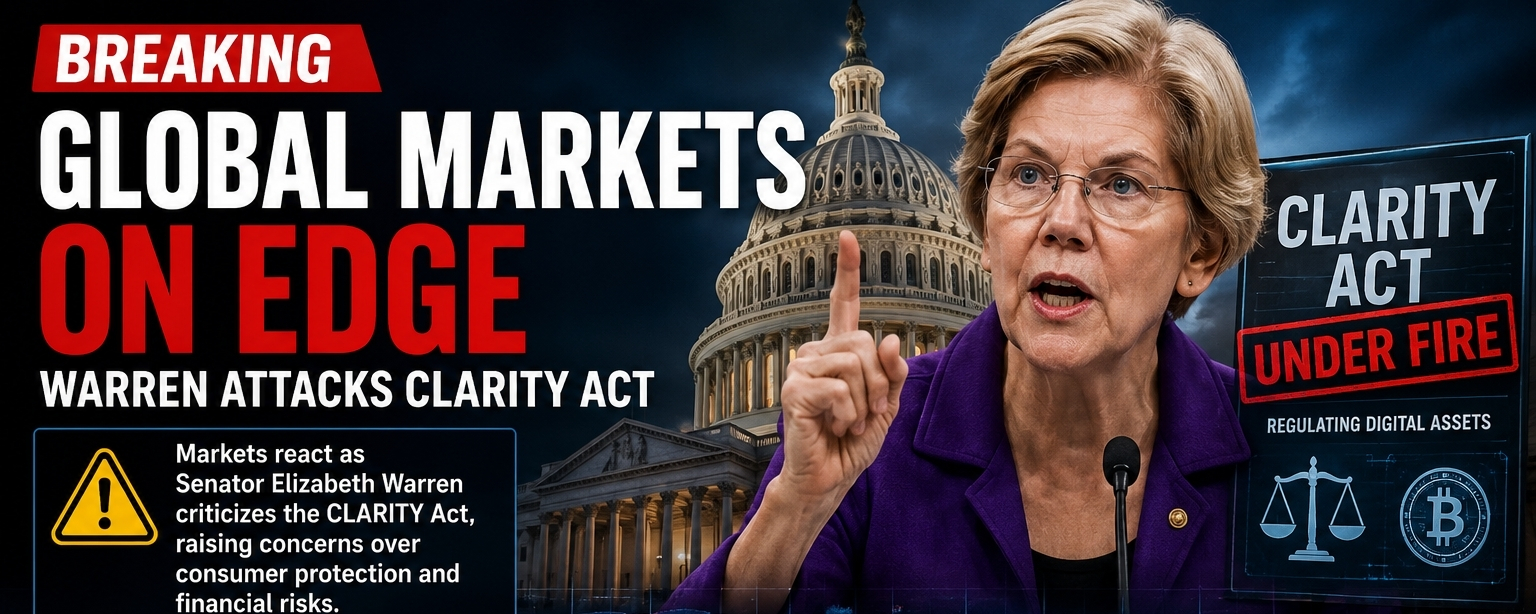
🚨 Última Hora: 🌍 Mercado Global en Tensión 📊 La Senadora Elizabeth Warren Apunta a La Ley Clarity 🎯#ElizabethWarren #ClarityActUpdates
$BNB $DOGE
Los mercados financieros alrededor del mundo están observando de cerca la creciente batalla política en Washington mientras la controvertida Ley CLARITY avanza en el Senado de EE. UU. Los inversores, traders de cripto y grandes instituciones están reaccionando de manera contundente después de que la senadora Elizabeth Warren criticara fuertemente el proyecto de ley, advirtiendo que podría crear "lagunas peligrosas" en la regulación de activos digitales. �
Reuters +1
La legislación propuesta está diseñada para traer reglas claras a la industria de criptomonedas al definir qué activos digitales caen bajo la autoridad de la SEC y cuáles pertenecen a la CFTC. Los partidarios creen que el proyecto de ley podría finalmente poner fin a años de confusión que han ralentizado la innovación y asustado a los inversores del mercado estadounidense. �
🚨 Última Hora: 🌍 Mercado Global en Tensión 📊 La Senadora Elizabeth Warren Apunta a La Ley Clarity 🎯
#ElizabethWarren #ClarityActUpdates
$BNB $DOGE
Los mercados financieros alrededor del mundo están observando de cerca la creciente batalla política en Washington mientras la controvertida Ley CLARITY avanza en el Senado de EE. UU. Los inversores, traders de cripto y grandes instituciones están reaccionando de manera contundente después de que la senadora Elizabeth Warren criticara fuertemente el proyecto de ley, advirtiendo que podría crear "lagunas peligrosas" en la regulación de activos digitales. �
Reuters +1
La legislación propuesta está diseñada para traer reglas claras a la industria de criptomonedas al definir qué activos digitales caen bajo la autoridad de la SEC y cuáles pertenecen a la CFTC. Los partidarios creen que el proyecto de ley podría finalmente poner fin a años de confusión que han ralentizado la innovación y asustado a los inversores del mercado estadounidense. �
$BNB $DOGE
Los mercados financieros alrededor del mundo están observando de cerca la creciente batalla política en Washington mientras la controvertida Ley CLARITY avanza en el Senado de EE. UU. Los inversores, traders de cripto y grandes instituciones están reaccionando de manera contundente después de que la senadora Elizabeth Warren criticara fuertemente el proyecto de ley, advirtiendo que podría crear "lagunas peligrosas" en la regulación de activos digitales. �
Reuters +1
La legislación propuesta está diseñada para traer reglas claras a la industria de criptomonedas al definir qué activos digitales caen bajo la autoridad de la SEC y cuáles pertenecen a la CFTC. Los partidarios creen que el proyecto de ley podría finalmente poner fin a años de confusión que han ralentizado la innovación y asustado a los inversores del mercado estadounidense. �
1
101
·
--
Artículo
Noticia de Última Hora 🚨📈 Precios del Petróleo Hoy 🛢️💸#USIranSpikeOil #OilMarketWatch
$ETH $USDC
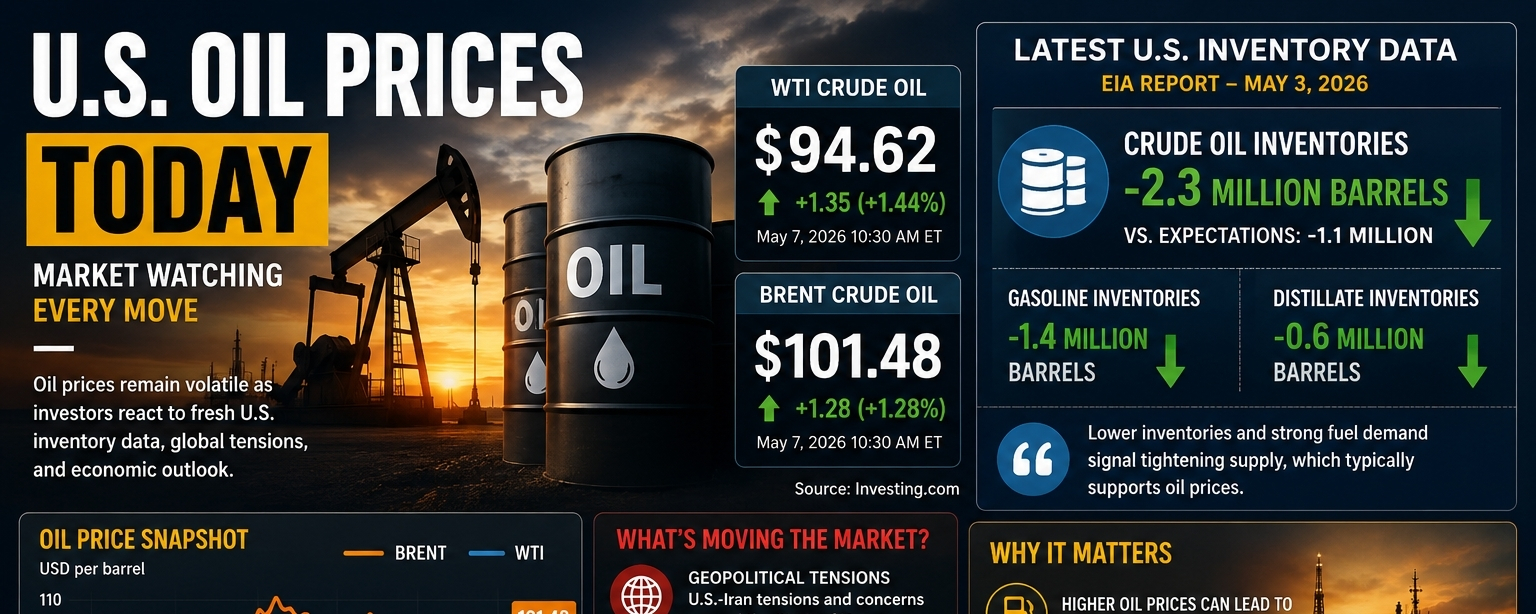
🛢️ Precios del Petróleo en EE. UU. Hoy — El Mercado Observando Cada Movimiento 👀
Los mercados globales de petróleo están nuevamente bajo presión, ya que los precios del crudo en EE. UU. siguen siendo altamente volátiles. Inversores, traders y empresas energéticas están observando de cerca los últimos datos de inventario de petróleo y los desarrollos geopolíticos para entender hacia dónde podrían dirigirse los precios a continuación.
Hoy, el mercado del petróleo reaccionó fuertemente después de que nuevos datos de inventario de EE. UU. mostraran una caída en las reservas de crudo. Según el último informe de la Administración de Información Energética de EE. UU. (EIA), las reservas de crudo en EE. UU. cayeron en casi 2.3 millones de barriles, lo que indica que la demanda de combustible sigue siendo fuerte. �
Noticia de Última Hora 🚨📈 Precios del Petróleo Hoy 🛢️💸
#USIranSpikeOil #OilMarketWatch
$ETH $USDC
🛢️ Precios del Petróleo en EE. UU. Hoy — El Mercado Observando Cada Movimiento 👀
Los mercados globales de petróleo están nuevamente bajo presión, ya que los precios del crudo en EE. UU. siguen siendo altamente volátiles. Inversores, traders y empresas energéticas están observando de cerca los últimos datos de inventario de petróleo y los desarrollos geopolíticos para entender hacia dónde podrían dirigirse los precios a continuación.
Hoy, el mercado del petróleo reaccionó fuertemente después de que nuevos datos de inventario de EE. UU. mostraran una caída en las reservas de crudo. Según el último informe de la Administración de Información Energética de EE. UU. (EIA), las reservas de crudo en EE. UU. cayeron en casi 2.3 millones de barriles, lo que indica que la demanda de combustible sigue siendo fuerte. �
$ETH $USDC
🛢️ Precios del Petróleo en EE. UU. Hoy — El Mercado Observando Cada Movimiento 👀
Los mercados globales de petróleo están nuevamente bajo presión, ya que los precios del crudo en EE. UU. siguen siendo altamente volátiles. Inversores, traders y empresas energéticas están observando de cerca los últimos datos de inventario de petróleo y los desarrollos geopolíticos para entender hacia dónde podrían dirigirse los precios a continuación.
Hoy, el mercado del petróleo reaccionó fuertemente después de que nuevos datos de inventario de EE. UU. mostraran una caída en las reservas de crudo. Según el último informe de la Administración de Información Energética de EE. UU. (EIA), las reservas de crudo en EE. UU. cayeron en casi 2.3 millones de barriles, lo que indica que la demanda de combustible sigue siendo fuerte. �
2
197
·
--
🎯Parece claramente una posición de compra 📈💰
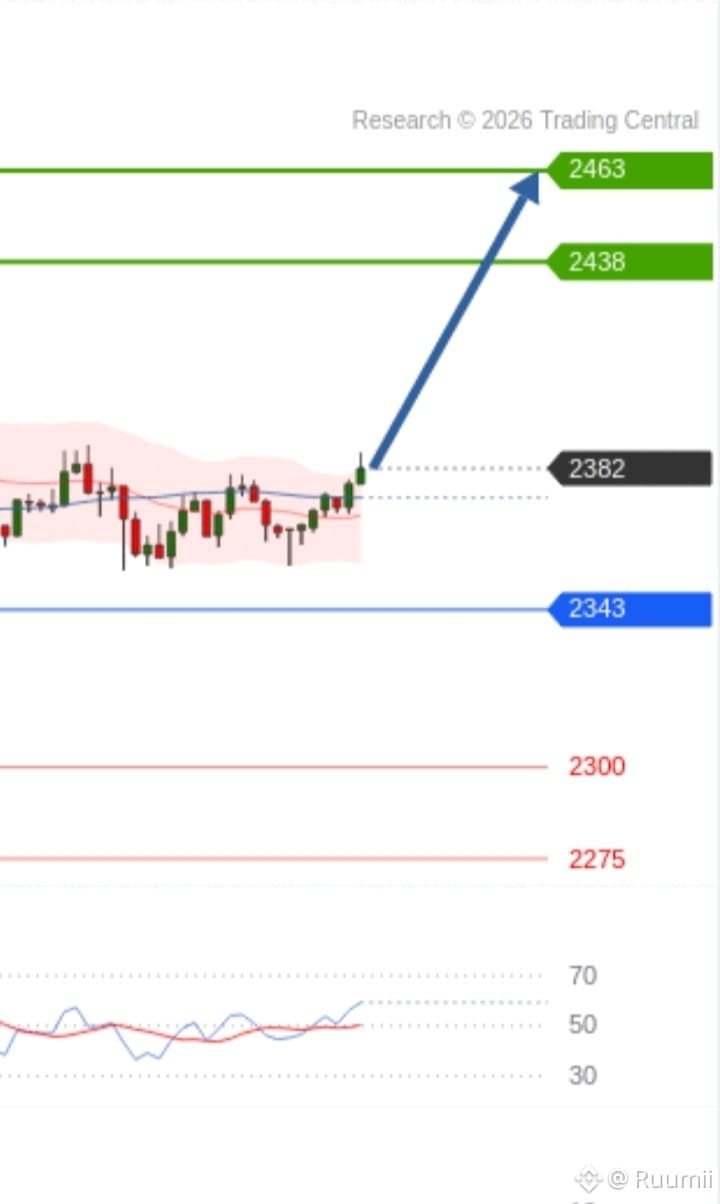
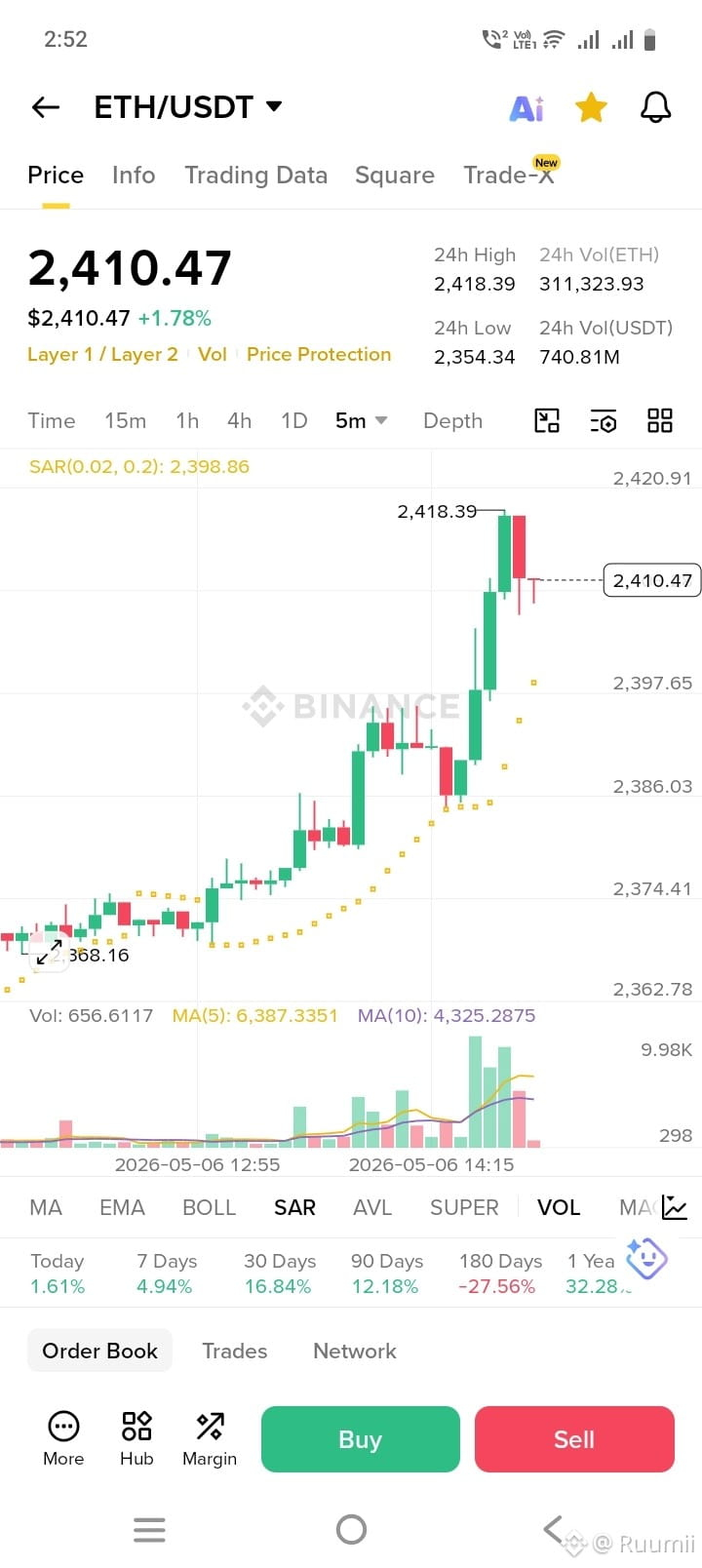
🚀 Ethereum rompe por encima de $2400 — ¡el momentum claramente se está construyendo!
📈 Si los compradores se mantienen fuertes, el próximo objetivo inmediato se sitúa alrededor de $2440.50. Un empujón limpio por encima de este nivel podría abrir la puerta a más ganancias a corto plazo.
⚠️ Mantén un ojo en el volumen y el sentimiento del mercado — un soporte fuerte por encima de $2400 será clave para sostener este movimiento.
$ETH
{future}(ETHUSDT)
#Ethcross2400 #BinanceSquareTalks
🎯Parece claramente una posición de compra 📈💰
🚀 Ethereum rompe por encima de $2400 — ¡el momentum claramente se está construyendo!
📈 Si los compradores se mantienen fuertes, el próximo objetivo inmediato se sitúa alrededor de $2440.50. Un empujón limpio por encima de este nivel podría abrir la puerta a más ganancias a corto plazo.
⚠️ Mantén un ojo en el volumen y el sentimiento del mercado — un soporte fuerte por encima de $2400 será clave para sostener este movimiento.
$ETH
#Ethcross2400 #BinanceSquareTalks
🚀 Ethereum rompe por encima de $2400 — ¡el momentum claramente se está construyendo!
📈 Si los compradores se mantienen fuertes, el próximo objetivo inmediato se sitúa alrededor de $2440.50. Un empujón limpio por encima de este nivel podría abrir la puerta a más ganancias a corto plazo.
⚠️ Mantén un ojo en el volumen y el sentimiento del mercado — un soporte fuerte por encima de $2400 será clave para sostener este movimiento.
$ETH
#Ethcross2400 #BinanceSquareTalks
1
105
·
--

Artículo
🎯 El Mercado Cripto está en Llamas 🔥 ¿Es Esta Tu Oportunidad para Recuperar Pérdidas?🚀📈#BTCSurpasses$80K #ETH🔥🔥🔥🔥🔥🔥
$ETH $RIVER
El mercado cripto ha vuelto a la acción — y esta vez, se siente diferente 💥
Después de un largo periodo de miedo, velas rojas y incertidumbre, el mercado finalmente muestra señales fuertes de recuperación. Grandes nombres como Bitcoin y Ethereum$ETH están ganando impulso nuevamente, trayendo nueva esperanza a los inversores que estaban atrapados en pérdidas 📈
💡 Un Punto de Inflexión para los Inversores
Muchos traders que entraron al mercado en el momento equivocado enfrentaron pérdidas significativas. Pero ahora, con el actual impulso alcista, hay una creciente creencia:
🎯 El Mercado Cripto está en Llamas 🔥 ¿Es Esta Tu Oportunidad para Recuperar Pérdidas?🚀📈
#BTCSurpasses$80K #ETH🔥🔥🔥🔥🔥🔥
$ETH $RIVER
El mercado cripto ha vuelto a la acción — y esta vez, se siente diferente 💥
Después de un largo periodo de miedo, velas rojas y incertidumbre, el mercado finalmente muestra señales fuertes de recuperación. Grandes nombres como Bitcoin y Ethereum$ETH están ganando impulso nuevamente, trayendo nueva esperanza a los inversores que estaban atrapados en pérdidas 📈
💡 Un Punto de Inflexión para los Inversores
Muchos traders que entraron al mercado en el momento equivocado enfrentaron pérdidas significativas. Pero ahora, con el actual impulso alcista, hay una creciente creencia:
$ETH $RIVER
El mercado cripto ha vuelto a la acción — y esta vez, se siente diferente 💥
Después de un largo periodo de miedo, velas rojas y incertidumbre, el mercado finalmente muestra señales fuertes de recuperación. Grandes nombres como Bitcoin y Ethereum$ETH están ganando impulso nuevamente, trayendo nueva esperanza a los inversores que estaban atrapados en pérdidas 📈
💡 Un Punto de Inflexión para los Inversores
Muchos traders que entraron al mercado en el momento equivocado enfrentaron pérdidas significativas. Pero ahora, con el actual impulso alcista, hay una creciente creencia:
1
185
·
--
Artículo
📊La Fed Mantiene las Tasas de Interés💰🎯 Sin Cambios - Lo Que Significa Hoy 📈#FedRatesUnchanged #FedRatesAndCrypto
$ETH $PEPE
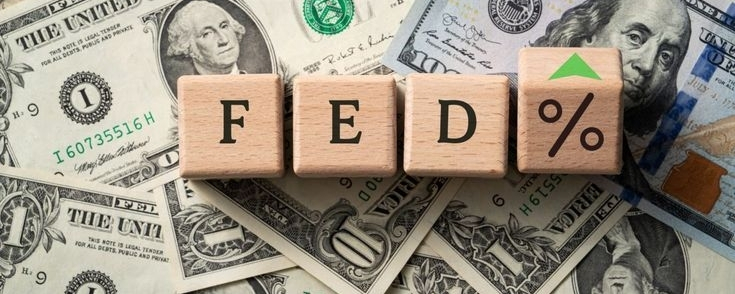
La Reserva Federal ha decidido mantener las tasas de interés sin cambios en su último anuncio de política, señalando un enfoque cauteloso mientras la economía global sigue enfrentando incertidumbre.
💬 ¿Qué pasó?
En la reunión de hoy, la Fed optó por mantener las tasas estables en lugar de aumentarlas o recortarlas. Este movimiento fue en gran medida esperado por los mercados, ya que la inflación ha comenzado a enfriarse un poco, pero no lo suficiente como para declarar la victoria.
📉 ¿Por qué hizo pausa la Fed?
El banco central está tratando de equilibrar dos objetivos principales:
📊La Fed Mantiene las Tasas de Interés💰🎯 Sin Cambios - Lo Que Significa Hoy 📈
#FedRatesUnchanged #FedRatesAndCrypto
$ETH $PEPE
La Reserva Federal ha decidido mantener las tasas de interés sin cambios en su último anuncio de política, señalando un enfoque cauteloso mientras la economía global sigue enfrentando incertidumbre.
💬 ¿Qué pasó?
En la reunión de hoy, la Fed optó por mantener las tasas estables en lugar de aumentarlas o recortarlas. Este movimiento fue en gran medida esperado por los mercados, ya que la inflación ha comenzado a enfriarse un poco, pero no lo suficiente como para declarar la victoria.
📉 ¿Por qué hizo pausa la Fed?
El banco central está tratando de equilibrar dos objetivos principales:
$ETH $PEPE
La Reserva Federal ha decidido mantener las tasas de interés sin cambios en su último anuncio de política, señalando un enfoque cauteloso mientras la economía global sigue enfrentando incertidumbre.
💬 ¿Qué pasó?
En la reunión de hoy, la Fed optó por mantener las tasas estables en lugar de aumentarlas o recortarlas. Este movimiento fue en gran medida esperado por los mercados, ya que la inflación ha comenzado a enfriarse un poco, pero no lo suficiente como para declarar la victoria.
📉 ¿Por qué hizo pausa la Fed?
El banco central está tratando de equilibrar dos objetivos principales:
1
138
·
--
¡Atención! 🚨#BinanceIslamabadUnited Prepárate para ganar en grande con Binance e Islamabad United en el desafío Powerplay de $25,000. Completa acciones simples, gana Runs y sube en la tabla de posiciones para ganar una parte de las recompensas. https://www.binance.com/activity/trading-competition/2026-powerplay?ref=837959403
$ETH $BNB
{future}(BNBUSDT)
{future}(ETHUSDT)
¡Atención! 🚨#BinanceIslamabadUnited Prepárate para ganar en grande con Binance e Islamabad United en el desafío Powerplay de $25,000. Completa acciones simples, gana Runs y sube en la tabla de posiciones para ganar una parte de las recompensas. https://www.binance.com/activity/trading-competition/2026-powerplay?ref=837959403
$ETH $BNB
$ETH $BNB
1
18
·
--
🚨 Alerta Cripto 🚨 China Vs EE. UU. 🇨🇳🎌🇺🇲 Mercado en Alta Alerta#cryptomarketcrashtoday #USandChinaTrade $ETH $XRP #Bearish #BEARISH📉
En este momento, el mercado global está observando de cerca las tensiones entre China y Estados Unidos — y sí, el mercado cripto está sintiendo la presión.
Ambos países tienen una gran influencia sobre la economía mundial, y siempre que hay incertidumbre entre ellos, los inversores se vuelven cautelosos. Esto es exactamente lo que está sucediendo ahora.
📉 ¿Qué Está Pasando?
Estados Unidos continúa con su enfoque estricto hacia la regulación cripto, intentando controlar los intercambios y proteger a los inversores. Por otro lado, China aún mantiene su postura dura sobre el trading y la minería cripto, aunque hay rumores de posibles movimientos más suaves en el futuro.
🚨 Alerta Cripto 🚨 China Vs EE. UU. 🇨🇳🎌🇺🇲 Mercado en Alta Alerta
#cryptomarketcrashtoday #USandChinaTrade $ETH $XRP #Bearish #BEARISH📉
En este momento, el mercado global está observando de cerca las tensiones entre China y Estados Unidos — y sí, el mercado cripto está sintiendo la presión.
Ambos países tienen una gran influencia sobre la economía mundial, y siempre que hay incertidumbre entre ellos, los inversores se vuelven cautelosos. Esto es exactamente lo que está sucediendo ahora.
📉 ¿Qué Está Pasando?
Estados Unidos continúa con su enfoque estricto hacia la regulación cripto, intentando controlar los intercambios y proteger a los inversores. Por otro lado, China aún mantiene su postura dura sobre el trading y la minería cripto, aunque hay rumores de posibles movimientos más suaves en el futuro.
En este momento, el mercado global está observando de cerca las tensiones entre China y Estados Unidos — y sí, el mercado cripto está sintiendo la presión.
Ambos países tienen una gran influencia sobre la economía mundial, y siempre que hay incertidumbre entre ellos, los inversores se vuelven cautelosos. Esto es exactamente lo que está sucediendo ahora.
📉 ¿Qué Está Pasando?
Estados Unidos continúa con su enfoque estricto hacia la regulación cripto, intentando controlar los intercambios y proteger a los inversores. Por otro lado, China aún mantiene su postura dura sobre el trading y la minería cripto, aunque hay rumores de posibles movimientos más suaves en el futuro.
1
128
·
--
Artículo
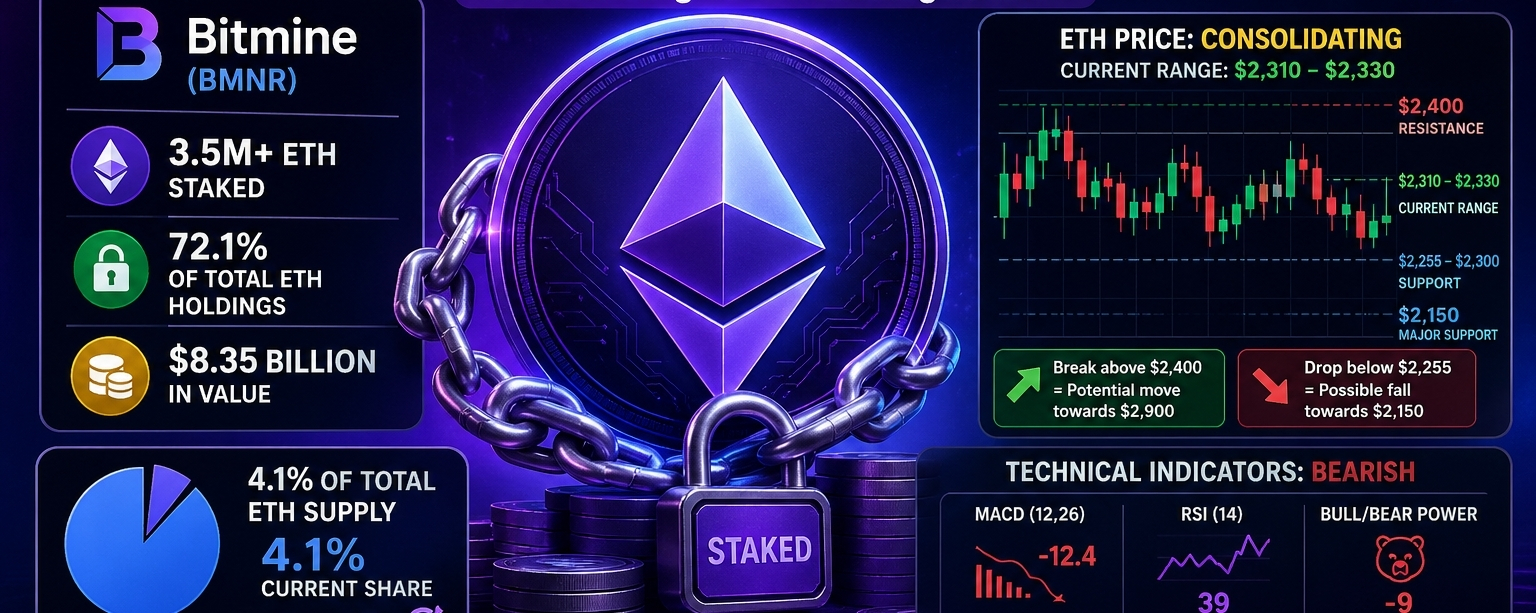
🚀Bitmine Apuesta el 72.1% de sus Tenencias, Acumulando Más de 3.5M 💰ETH mientras el Precio se Consolida 📊#ETHETFsApproved #binanacesquare
Bitmine Apuesta 3.5 Millones de ETH Mientras el Precio se Mantiene Estable 📊
Recientemente, una plataforma de análisis cripto llamada Lookonchain compartió que Bitmine ha apostado más de 3.5 millones de Ethereum (ETH). Esto representa aproximadamente el 72% de todo el ETH que poseen.
Esto muestra que Bitmine ya no solo está acumulando ETH; ahora lo están utilizando para generar ingresos pasivos a través de staking. Esto es interesante porque el precio de Ethereum no está moviéndose mucho en estos días y se mantiene en un rango.
El Gran Movimiento de Bitmine en Ethereum 🚀
🚀Bitmine Apuesta el 72.1% de sus Tenencias, Acumulando Más de 3.5M 💰ETH mientras el Precio se Consolida 📊
#ETHETFsApproved #binanacesquare
Bitmine Apuesta 3.5 Millones de ETH Mientras el Precio se Mantiene Estable 📊
Recientemente, una plataforma de análisis cripto llamada Lookonchain compartió que Bitmine ha apostado más de 3.5 millones de Ethereum (ETH). Esto representa aproximadamente el 72% de todo el ETH que poseen.
Esto muestra que Bitmine ya no solo está acumulando ETH; ahora lo están utilizando para generar ingresos pasivos a través de staking. Esto es interesante porque el precio de Ethereum no está moviéndose mucho en estos días y se mantiene en un rango.
El Gran Movimiento de Bitmine en Ethereum 🚀
Bitmine Apuesta 3.5 Millones de ETH Mientras el Precio se Mantiene Estable 📊
Recientemente, una plataforma de análisis cripto llamada Lookonchain compartió que Bitmine ha apostado más de 3.5 millones de Ethereum (ETH). Esto representa aproximadamente el 72% de todo el ETH que poseen.
Esto muestra que Bitmine ya no solo está acumulando ETH; ahora lo están utilizando para generar ingresos pasivos a través de staking. Esto es interesante porque el precio de Ethereum no está moviéndose mucho en estos días y se mantiene en un rango.
El Gran Movimiento de Bitmine en Ethereum 🚀
1
93
Inicia sesión para explorar más contenidos
Únete a usuarios globales de criptomonedas en Binance Square
⚡️ Obtén información útil y actualizada sobre criptos.
💬 Avalado por el mayor exchange de criptomonedas en el mundo.
👍 Descubre perspectivas reales de creadores verificados.
Email/número de teléfono
Temas populares
ZcashETFPostsFirstWeeklyOutflow$93.6M
20,272 vistas
62 están debatiendo
#ZcashETFPostsFirstWeeklyOutflow$93.6M 📊 El ETF de Spot de Grayscale para Zcash (ZEC) registra $93,6M en salidas netas semanales
Los flujos de capital institucional están mostrando una nueva dinámica. El ETF spot de Zcash de Grayscale acaba de publicar su primera gran salida neta semanal, marcando un cambio notable frente al fuerte impulso de su lanzamiento inicial.
🔹Las cifras El ETF spot de ZEC de Grayscale (ticker: ZCSH) registró aproximadamente $93,6 millones en salidas netas durante la semana pasada, con retiros destacados a finales de septiembre y principios de octubre.
🔹 El contexto Esto ocurre después de un periodo inicial sólido. Tras la conversión desde el Grayscale Zcash Trust y su cotización en NYSE Arca a finales de agosto, el fondo previamente había alcanzado entradas netas acumuladas de $271 millones a mediados de septiembre.
💡 Análisis del impacto en el mercado
•Dinámicas a corto plazo Las salidas de grandes ETF pueden introducir una presión vendedora temporal sobre el activo subyacente mientras el fondo ajusta sus tenencias para cumplir con las solicitudes de reembolso.
• Sentimiento & Rebalanceo Este retroceso podría reflejar toma de ganancias habitual o un reequilibrio de cartera por parte de los primeros inversores institucionales, en lugar de un cambio fundamental en la utilidad a largo plazo de Zcash o en su propuesta de valor centrada en la privacidad.
• Observación del ecosistema Los participantes del mercado vigilarán si esto es un evento aislado para ZCSH o si indica un enfriamiento más amplio del apetito institucional por los activos digitales orientados a la privacidad.
💬 ¿Qué opinas? ¿Consideras estas salidas netas semanales como una corrección sana del mercado tras un lanzamiento fuerte, o como una señal de un cambio en el sentimiento institucional hacia las monedas de privacidad? ¡Comparte tus ideas en los comentarios a continuación!
#Zcash #ZEC #CryptoETF #InstitutionalCrypto #MarketUpdate
Esto es solo con fines educativos. No es Asesoramiento Financiero (NFA). Haz siempre tu Propia Investigación (DYOR).
$GLMR $QI $ONE
piknkkk
·0 me gusta
·36 vistas
GreekPoliceBustCryptoScamRingArrest17
28,198 vistas
333 están debatiendo
BitcoinRejectedAt$87K
96,782 vistas
123 están debatiendo