

Mr Crypto_ 加密先生
9.6k Publicaciones

Mr Crypto_ 加密先生
Crypto journey in progress 📈 Binance Square Creator | IT Professional • Trading, Learning, Building the Future

Holder de SOL
Trader ocasional
2.7 año(s)
129 Siguiendo
29.1K+ Seguidores
13.8K+ Me gusta
Publicaciones
Todo
Citas
Videos
Live
🎙️ Conversaciones sobre la situación del mercado en las criptomonedas; ¡respuesta a preguntas de principiantes!✅ ¡Persistir en la construcción de la comunidad 🦅difundir la idea de libertad! ¡Mantener el equilibrio ecológico!
Finalizado
03 h 13 m 03 s
8.6k
63
🎙️ Bienvenido al cuarto de transmisión en vivo de Tangbao: ven a charlar sobre el código de riqueza de web3

Finalizado
03 h 30 m 19 s
3.5k
58
🎙️ Bienvenido al directo de Tangbao: hablemos y descifremos juntos los secretos de la riqueza de web3

Finalizado
03 h 35 m 52 s
4.4k
76
🎙️ Construye la Plaza Binance, mantén BNB|El martes, el mercado está completamente en rojo; ¿ha llegado la oportunidad de comprar en el fondo? Hablemos~

Finalizado
04 h 51 m 58 s
11.2k
51
🎙️ Construye la Plaza Binance, mantén BNB | ¿Habrá un buen movimiento este nuevo lunes? ¡Hablemos~

Finalizado
05 h 07 m 41 s
12.6k
41
🎙️ Conversaciones sobre el mercado de cripto; Respuestas a preguntas para principiantes ✅ Construyamos la Plaza Binance 🦅 ¡Difundamos la idea de la libertad! ¡Mantengamos el equilibrio del ecosistema!
Finalizado
03 h 09 m 11 s
9.4k
63
🎙️ Conversación sobre el mercado de cripto; respuestas a preguntas de principiantes ✅ ¡Construyamos juntos la Plaza Binance 🦅 y difundamos la idea de la libertad! ¡Mantener el equilibrio del ecosistema!
Finalizado
03 h 17 m 05 s
8.1k
64
🎙️ Construye la Plaza Binance en <a>Binance</a>, mantén BNB|Viernes, cuando coincide con el tradicional Festival del Medio Otoño de China, ¡les deseamos unas felices fiestas! En el fin del mundo, compartimos este momento~

Finalizado
05 h 09 m 12 s
14.9k
50
🎙️ Conversaciones sobre el mercado de criptomonedas; Resolución de dudas para principiantes ✅ Construyamos la Plaza de Binance 🦅 ¡Difundamos la idea de la libertad! ¡Mantengamos el equilibrio ecológico!
Finalizado
03 h 14 m 10 s
8.1k
57
🎙️ Construye la Plaza Binance, y mantén BNB|El jueves, tu selección de monedas se puso toda en verde, ¿la cima de nuevo se fue? ¡Hablemos!~

Finalizado
05 h 04 m 49 s
10.2k
48
🎙️ Bienvenido al directo de Tangbao, te esperamos para charlar sobre el código de riqueza de web3

Finalizado
03 h 50 m 44 s
4.2k
63
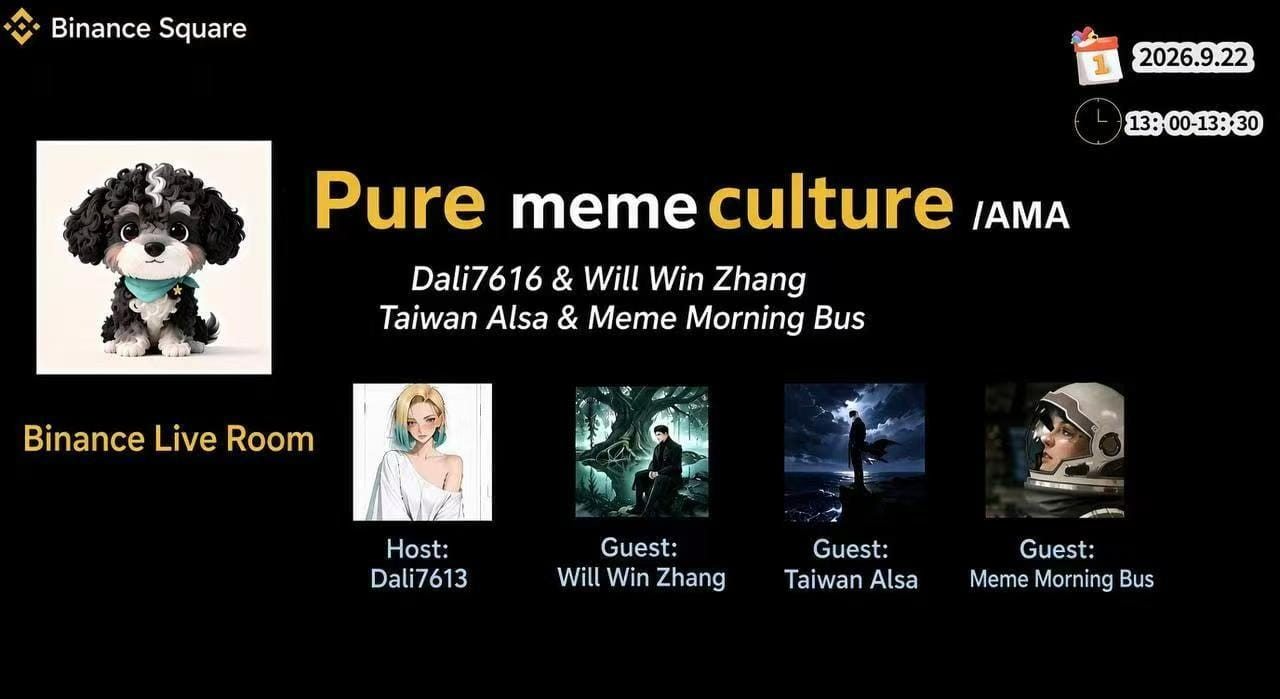
🎙️ Construyendo la Plaza Binance, mantén BNB|El martes, BTC vuelve a cruzar los 86.000, todo en verde, ¿realmente ha vuelto el toro? ¡Hablemos~

Finalizado
04 h 57 m 33 s
9.6k
37
🎙️ Conversación sobre el mercado de criptomonedas; respuestas a preguntas de principiantes ✅ ¡Construyamos la Plaza Binance🦅 y difundamos la idea de la libertad! ¡Mantener el equilibrio del ecosistema!
Finalizado
03 h 16 m 06 s
8.5k
58
🎙️ Conversación sobre la situación del mercado en el mundo de las criptomonedas; respuestas a preguntas de nuevos ✅ ¡Persiste en la construcción de la comunidad 🦅 difundiendo la idea de la libertad! ¡Mantén el equilibrio del ecosistema!
Finalizado
03 h 17 m 11 s
8.2k
63
🎙️ ¡El dinero es soplado por el viento! Me despierto y ya gano otra vez
Finalizado
02 h 11 m 07 s
5.8k
12
🎙️ Cuando entrenas hasta el punto de no preocuparte por 50 puntos, entonces ya has empezado a entrar en el camino bnb
Finalizado
02 h 06 m 51 s
4.4k
13
🎙️ Bienvenido al cuarto de transmisión en vivo de Tangbao, ven a charlar sobre el “código de riqueza” de Web3
Finalizado
03 h 38 m 23 s
3.6k
82
🎙️ Conversaciones sobre el mercado de criptomonedas; respuestas a preguntas para recién llegados ✅ ¡Construyamos la Plaza Binance 🦅 y difundamos la idea de la libertad! ¡Mantengamos el equilibrio ecológico!
Finalizado
03 h 11 m 41 s
9.1k
57
Inicia sesión para explorar más contenidos