

MrRUHUL
13.8k Publicaciones
 LIVE
LIVEMrRUHUL
 Verificado Plus de Binance Square
Denunciar
Bloquear usuario
Twitter X:( @MrRUHUL77 ) News, Memes, Charts, Hopium, Market analysis and Latest crypto updates !
Abrir trade
Traders de alta frecuencia
4.3 año(s)
318 Siguiendo
86.5K+ Seguidores
70.0K+ Me gusta
Publicaciones
Cartera
Todo
Citas
Videos
Live
PINNED
·
--
Gracias, chicos. Si todavía no han votado hoy, ¡vamos, vamos, vamos! Se acaba el tiempo...@MrCryptoAnalyst
[Vote Now First](https://app.binance.com/uni-qr/cact26user/665?uc=app_square_share_link&us=copylink) 🏆
Y muchas gracias, chicos, por su apoyo 💛🌹
Gracias, chicos. Si todavía no han votado hoy, ¡vamos, vamos, vamos! Se acaba el tiempo...@MrRUHUL
Vote Now First 🏆
Y muchas gracias, chicos, por su apoyo 💛🌹
Vote Now First 🏆
Y muchas gracias, chicos, por su apoyo 💛🌹
360
7
25
590
PINNED
·
--
Verificado
¿Quién puede decir «no» cuando dos agentes de IA hacen un trato?
Creo que hay un desafío en la economía de los agentes que merece más atención: la confianza entre agentes de IA.
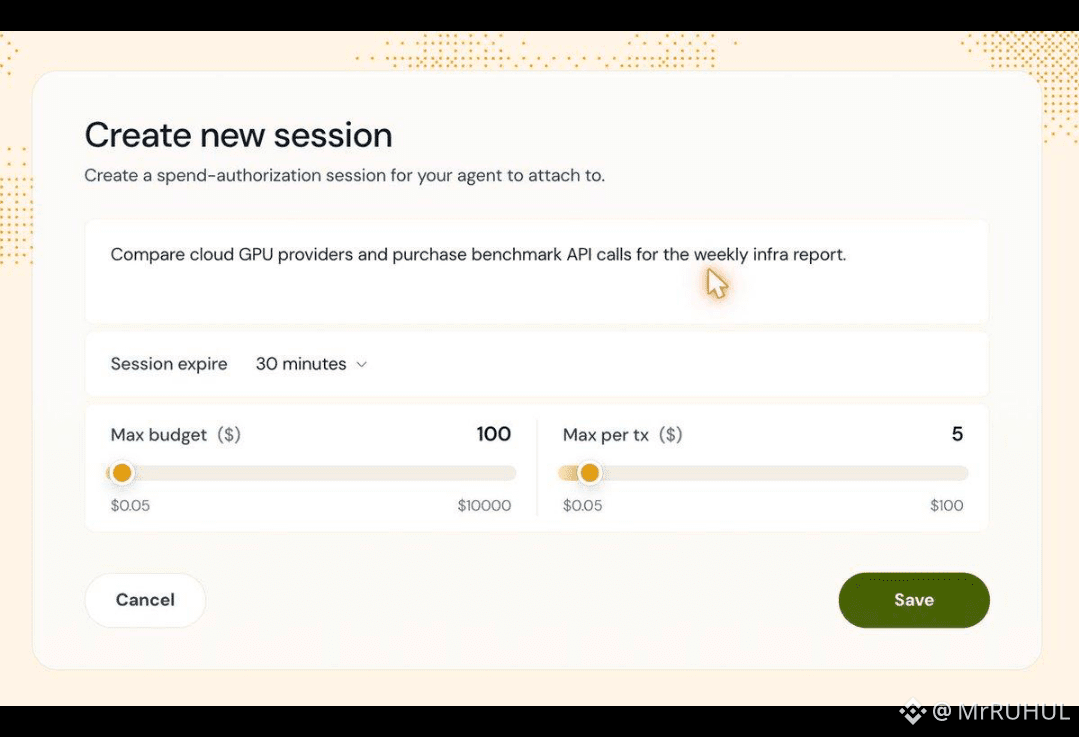
Imagina que un agente contrata a otro para completar una tarea, pero el precio supera su presupuesto. ¿Debería seguir adelante o debería tener límites claros sobre lo que puede aprobar?
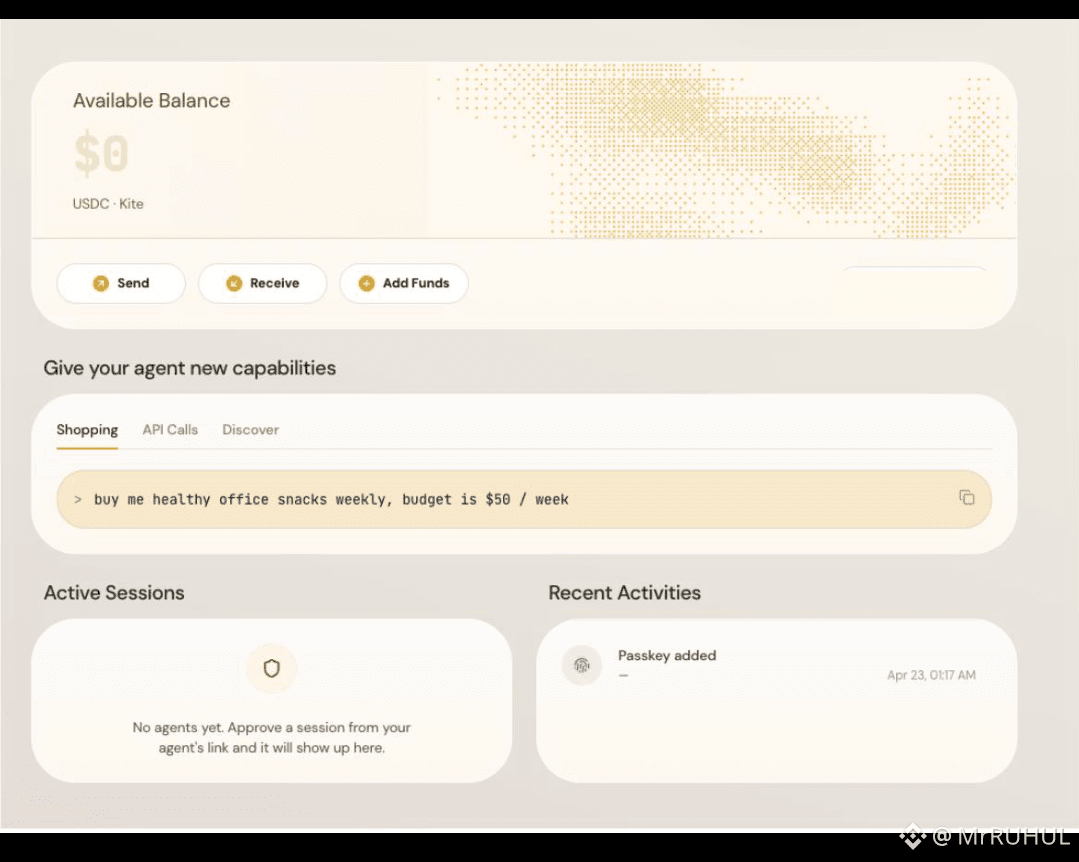
Aquí es donde Kite AI me parece interesante. Su enfoque en la identidad de los agentes y los controles de pago programables podría ayudar a que estos realicen transacciones dentro de permisos definidos.
Pero los pagos por sí solos no lo resolverán todo. La rendición de cuentas, la seguridad y la gestión justa de las disputas seguirán siendo importantes a medida que evolucionen estos sistemas.
Para mí, el verdadero progreso no consiste solo en permitir que los agentes de IA realicen transacciones de forma independiente. Se trata de asegurarse de que puedan hacerlo sin tener más autoridad de la que deberían.
¿Qué opinan, chicos? ¿Cuánta libertad deberían tener los agentes de IA cuando hay dinero de por medio?
#KİTE #KiteBBW $KITE @GoKiteAI
¿Quién puede decir «no» cuando dos agentes de IA hacen un trato?
Creo que hay un desafío en la economía de los agentes que merece más atención: la confianza entre agentes de IA.
Imagina que un agente contrata a otro para completar una tarea, pero el precio supera su presupuesto. ¿Debería seguir adelante o debería tener límites claros sobre lo que puede aprobar?
Aquí es donde Kite AI me parece interesante. Su enfoque en la identidad de los agentes y los controles de pago programables podría ayudar a que estos realicen transacciones dentro de permisos definidos.
Pero los pagos por sí solos no lo resolverán todo. La rendición de cuentas, la seguridad y la gestión justa de las disputas seguirán siendo importantes a medida que evolucionen estos sistemas.
Para mí, el verdadero progreso no consiste solo en permitir que los agentes de IA realicen transacciones de forma independiente. Se trata de asegurarse de que puedan hacerlo sin tener más autoridad de la que deberían.
¿Qué opinan, chicos? ¿Cuánta libertad deberían tener los agentes de IA cuando hay dinero de por medio?
#KİTE #KiteBBW $KITE @KITE AI 中文
Creo que hay un desafío en la economía de los agentes que merece más atención: la confianza entre agentes de IA.
Imagina que un agente contrata a otro para completar una tarea, pero el precio supera su presupuesto. ¿Debería seguir adelante o debería tener límites claros sobre lo que puede aprobar?
Aquí es donde Kite AI me parece interesante. Su enfoque en la identidad de los agentes y los controles de pago programables podría ayudar a que estos realicen transacciones dentro de permisos definidos.
Pero los pagos por sí solos no lo resolverán todo. La rendición de cuentas, la seguridad y la gestión justa de las disputas seguirán siendo importantes a medida que evolucionen estos sistemas.
Para mí, el verdadero progreso no consiste solo en permitir que los agentes de IA realicen transacciones de forma independiente. Se trata de asegurarse de que puedan hacerlo sin tener más autoridad de la que deberían.
¿Qué opinan, chicos? ¿Cuánta libertad deberían tener los agentes de IA cuando hay dinero de por medio?
#KİTE #KiteBBW $KITE @KITE AI 中文
11
5
27
1k
·
--
🎙️ Hola, querida familia Web3. ¡Démosle la bienvenida a BBW3 🏆😅!
 EN VIVO
4.8k escuchan

HOLO/USDT
Limit/Venta
0%
4
3
·
--
Configuración larga (recomendada en retrocesos)
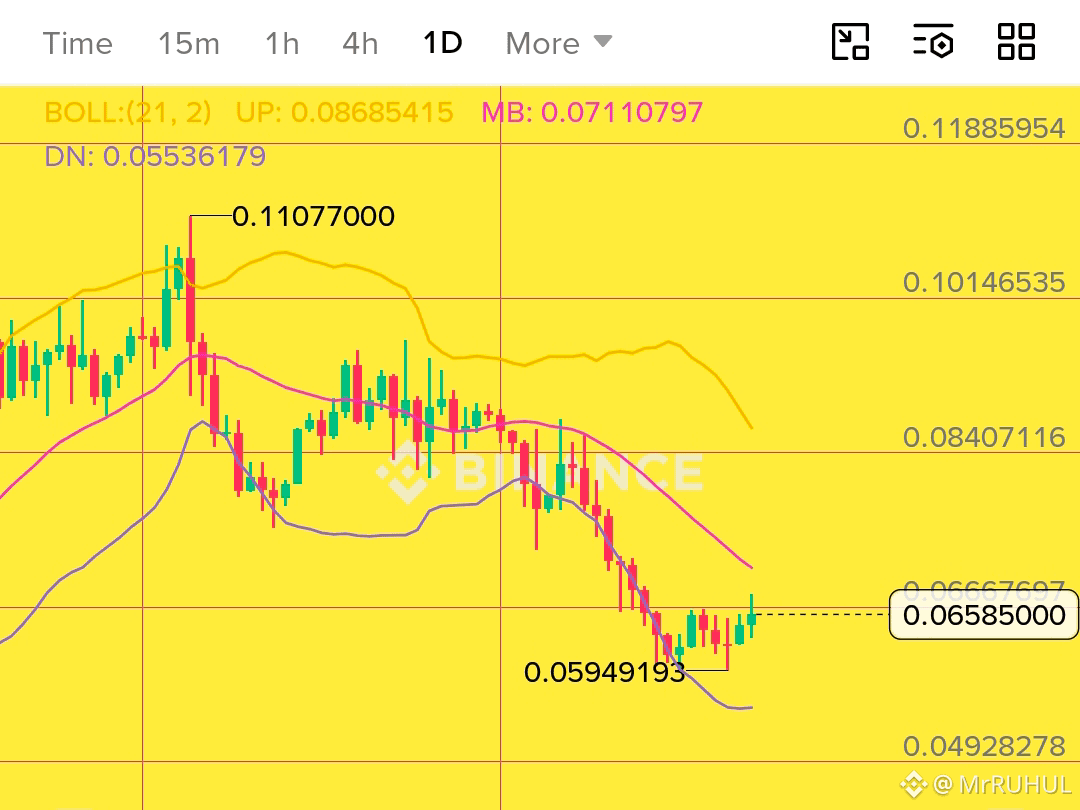
Este $YB retrocedió desde 0.111 y se encuentra alrededor de 0.066 cerca de la banda de Bollinger inferior. Buscando una entrada en una caída.
Entrada $YB : 0.060 – 0.064
SL: 0.055
TP1: 0.078
TP2: 0.085
Configuración larga (recomendada en retrocesos)
Este $YB retrocedió desde 0.111 y se encuentra alrededor de 0.066 cerca de la banda de Bollinger inferior. Buscando una entrada en una caída.
Entrada $YB : 0.060 – 0.064
SL: 0.055
TP1: 0.078
TP2: 0.085
Este $YB retrocedió desde 0.111 y se encuentra alrededor de 0.066 cerca de la banda de Bollinger inferior. Buscando una entrada en una caída.
Entrada $YB : 0.060 – 0.064
SL: 0.055
TP1: 0.078
TP2: 0.085
1
3
1.5k
·
--
Configuración larga (recomendada en retrocesos) $TA
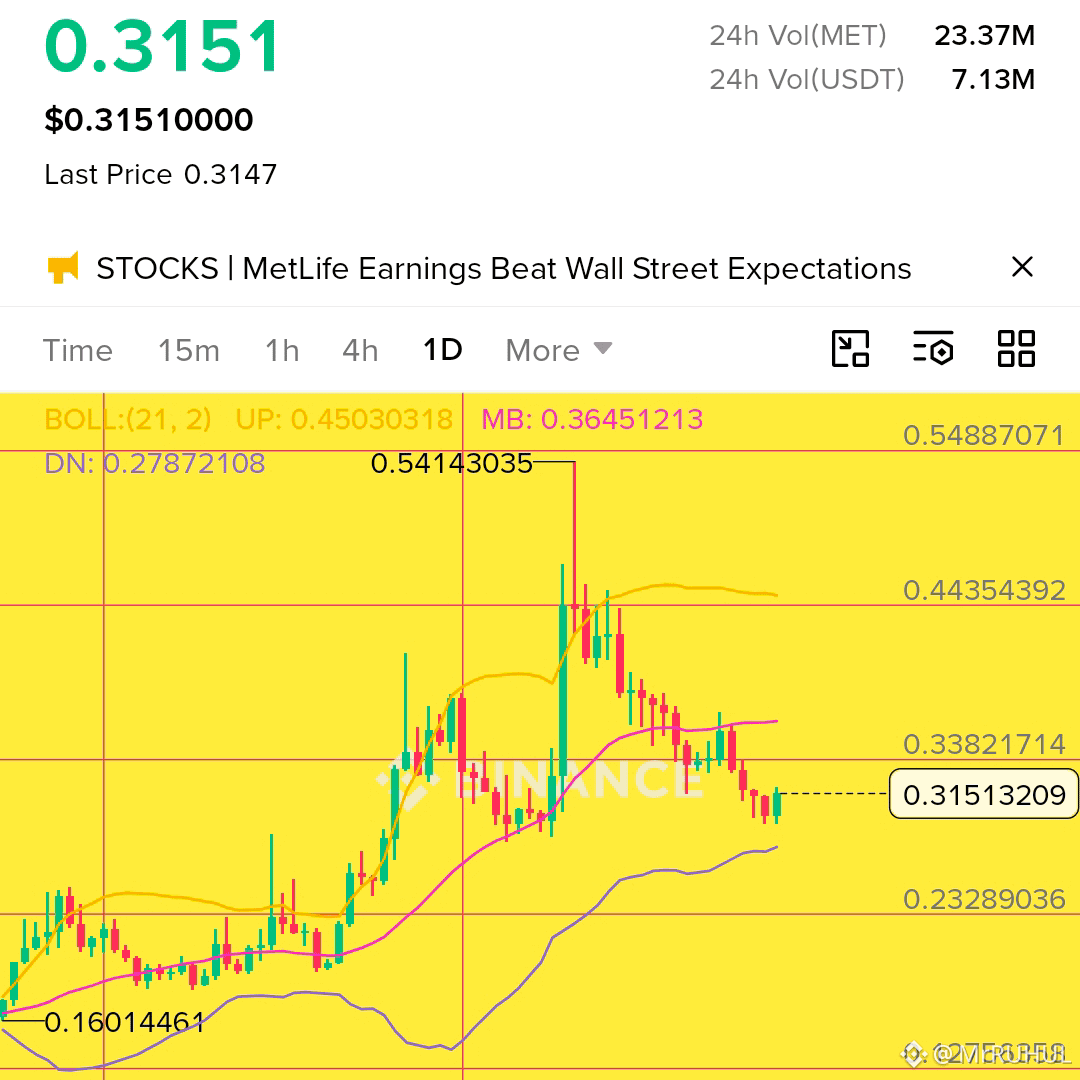
Este $MET retrocedió desde 0.54 y se encuentra cerca de 0.315, en la zona media-baja de las bandas de Bollinger. Busco una entrada en retroceso.
Entrada $MET : 0.290 – 0.310
SL: 0.265
TP1: 0.380
TP2: 0.420
Configuración larga (recomendada en retrocesos) $TA
Este $MET retrocedió desde 0.54 y se encuentra cerca de 0.315, en la zona media-baja de las bandas de Bollinger. Busco una entrada en retroceso.
Entrada $MET : 0.290 – 0.310
SL: 0.265
TP1: 0.380
TP2: 0.420
Este $MET retrocedió desde 0.54 y se encuentra cerca de 0.315, en la zona media-baja de las bandas de Bollinger. Busco una entrada en retroceso.
Entrada $MET : 0.290 – 0.310
SL: 0.265
TP1: 0.380
TP2: 0.420
3
590
·
--
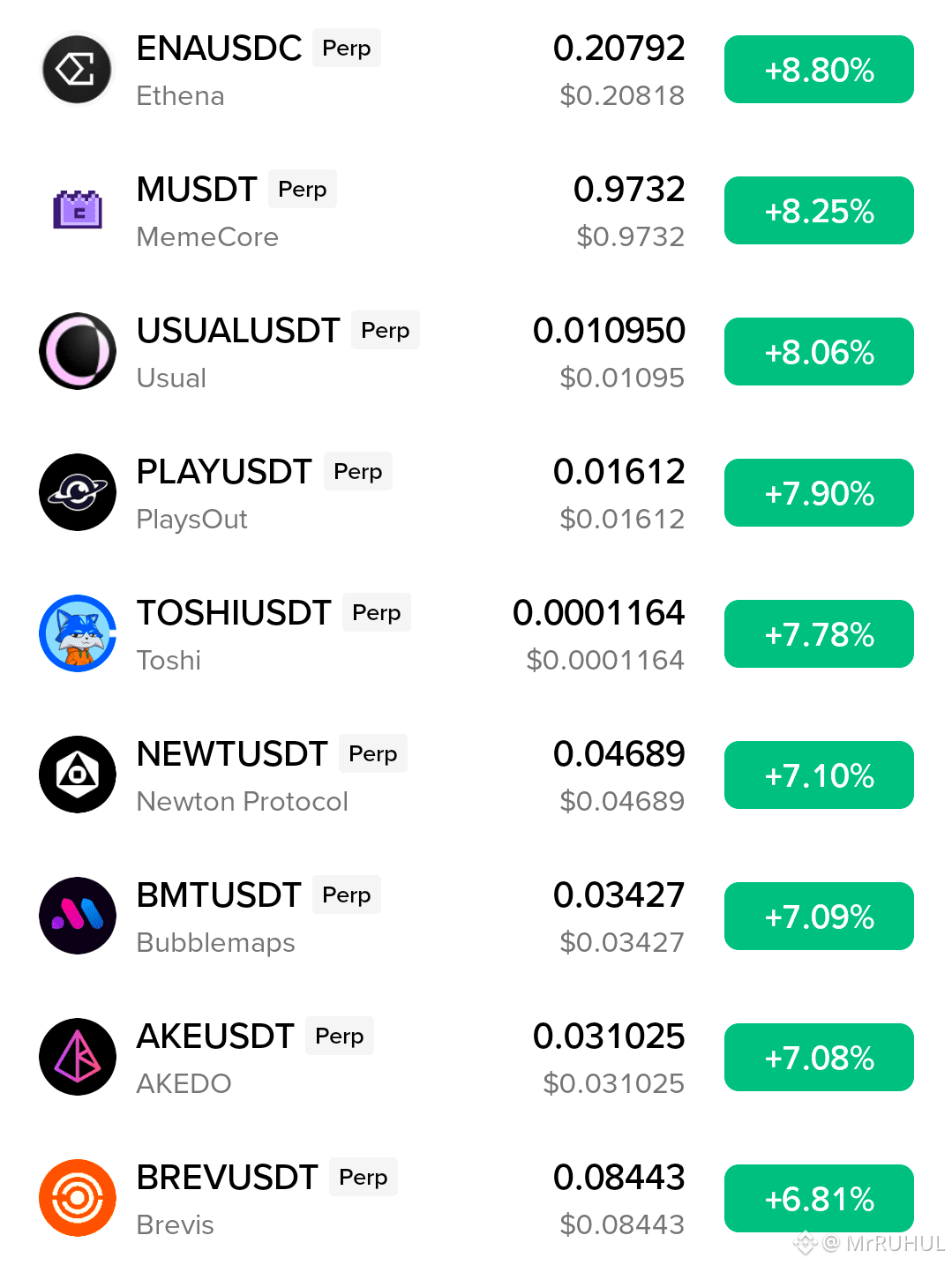
Chicos, pueden mirar este token... $TOSHI
$NEWT
$AKE
Chicos, pueden mirar este token... $TOSHI
$NEWT
$AKE
$NEWT
$AKE
1.3k
·
--
Vota por @MrCryptoAnalyst
Vota por @MrRUHUL
Mêraj Nêzami
·
--
Hola, chicos, ¿cómo están?
Espero que estén sanos y muy bien.
Acepten mis pequeños regalos 🧧
Por favor, respondan «Sí» y también vuelvan a publicar.
¡Gracias, chicos! 😁
🧧Recompensa en USDC🧧
ESTRELLA EN ASCENSO ⭐ VOTEN POR @MrRUHUL
Vote Now
Espero que estén sanos y muy bien.
Acepten mis pequeños regalos 🧧
Por favor, respondan «Sí» y también vuelvan a publicar.
¡Gracias, chicos! 😁
🧧Recompensa en USDC🧧
ESTRELLA EN ASCENSO ⭐ VOTEN POR @MrRUHUL
Vote Now
2
1.1k
·
--
🎙️ ¡Hola, querida familia! Bienvenidos a BBW 2026 🏆🚀
Finalizado
04 h 01 m 22 s
7.1k
HOLO/USDT
Limit/Venta
0%
8
3
·
--
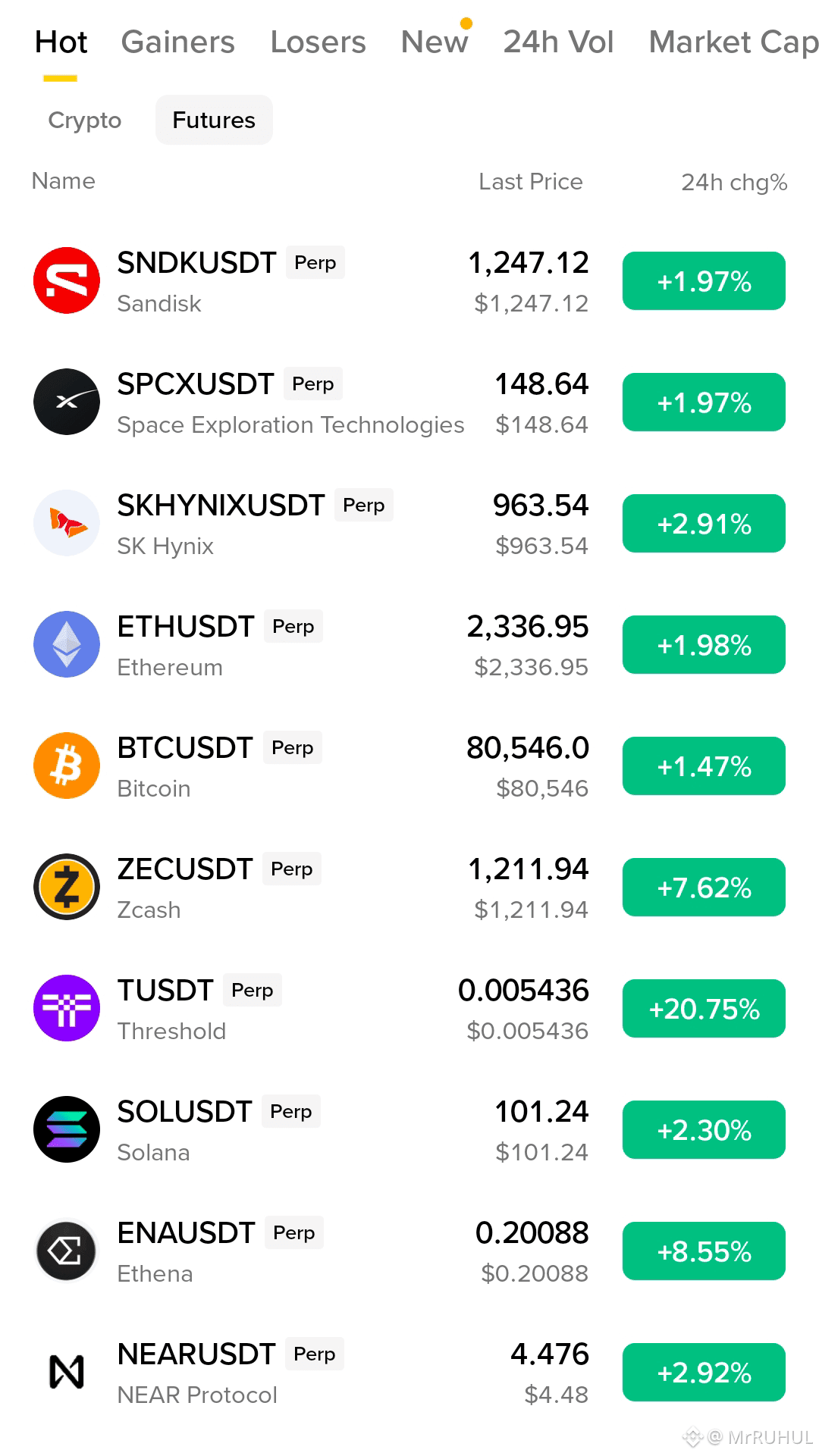
Lista caliente 🔥 verde verde guau $ETH
$BTC $SOL
Lista caliente 🔥 verde verde guau $ETH
$BTC $SOL
$BTC $SOL
2
1.1k
·
--
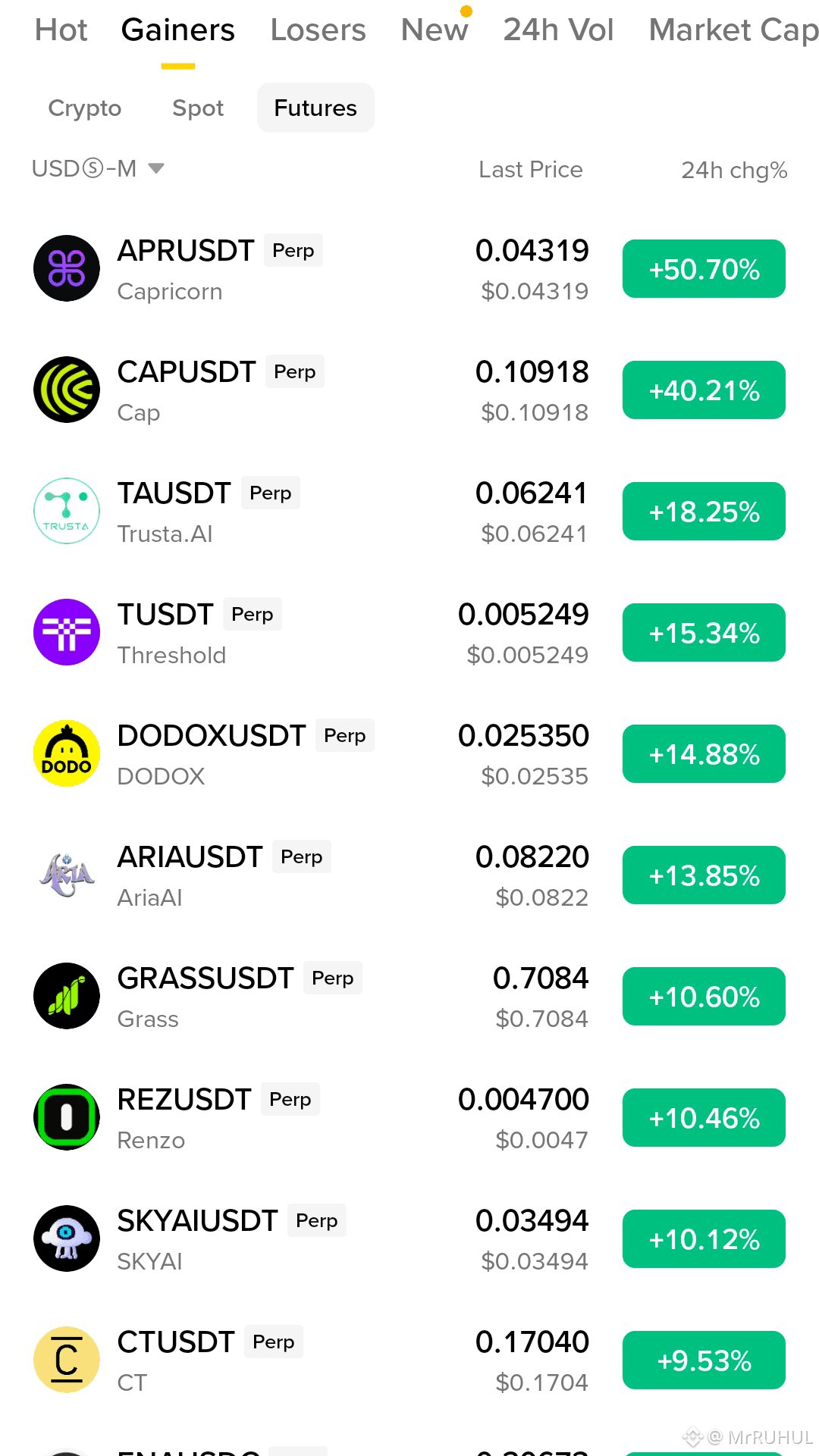
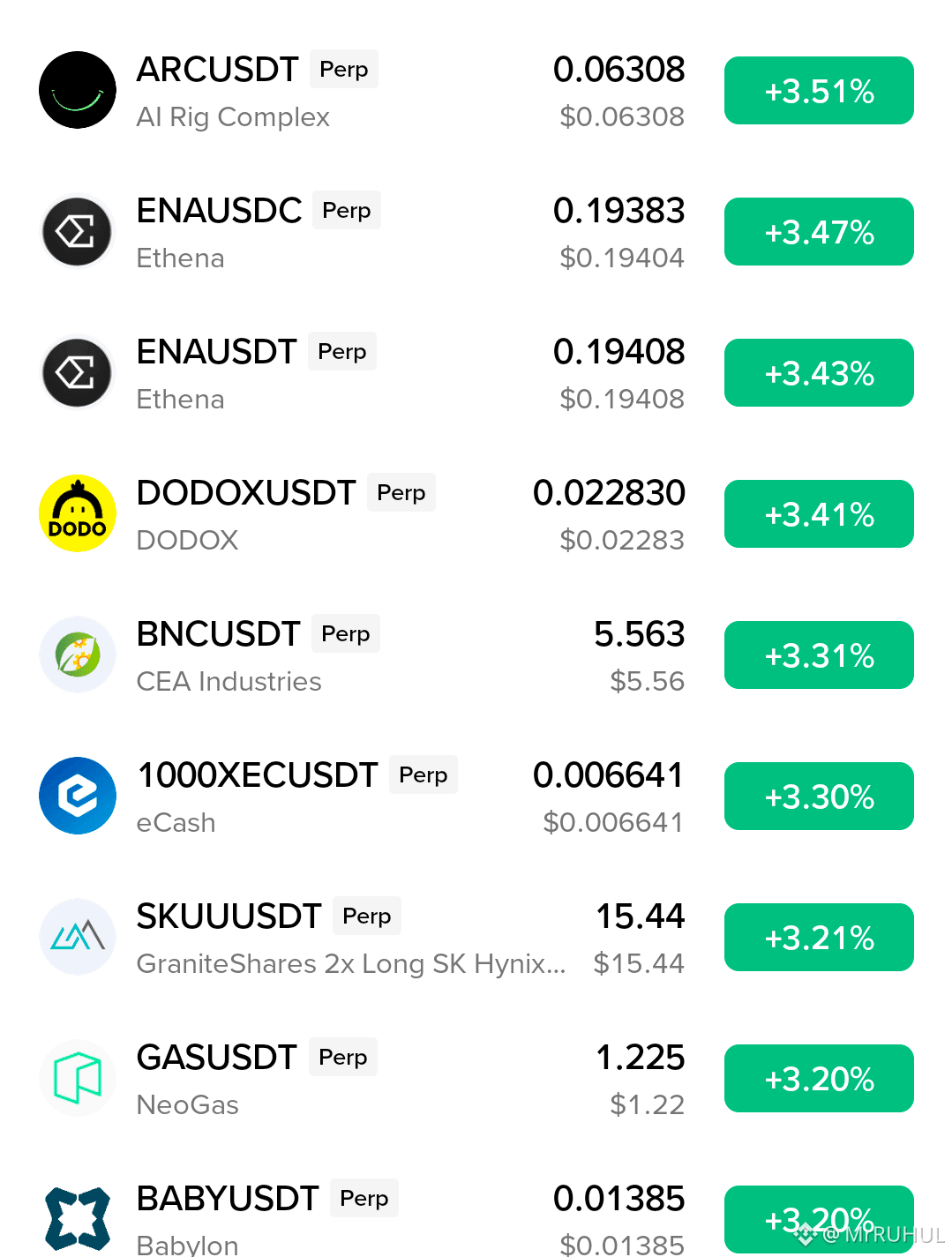
Algunos de los valores con mayores subidas, seleccionados para ti para ir en largo .... $DODOX
$GAS
$BABY
Algunos de los valores con mayores subidas, seleccionados para ti para ir en largo .... $DODOX
$GAS
$BABY
$GAS
$BABY
1
1
1.4k
·
--
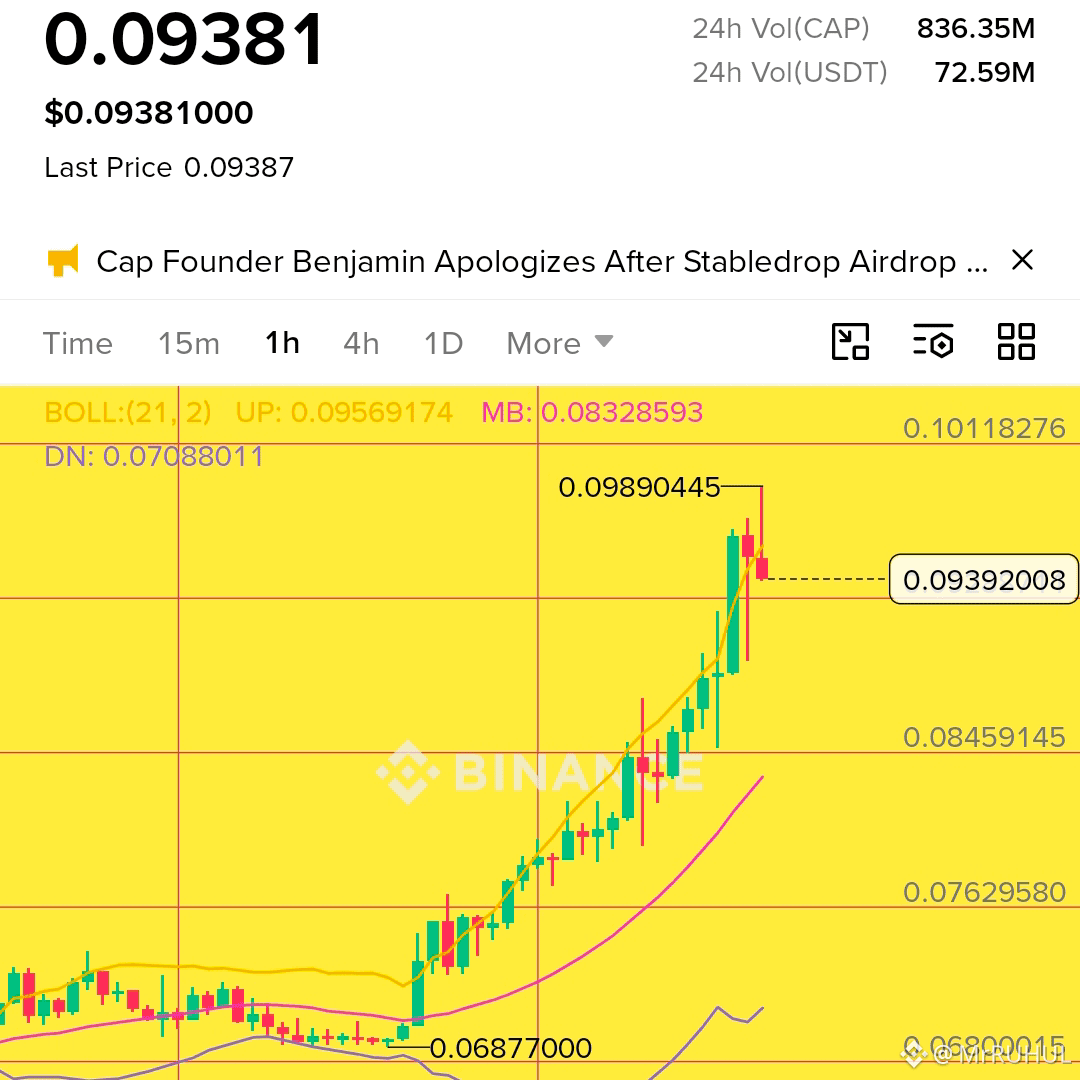
$CAP CONFIGURACIÓN DE CORTO — ¡Atención a la corrección!
[cast ur vote today](https://app.binance.com/uni-qr/cact26user/665?uc=app_square_share_link&us=copylink)
$CAP ha subido más del 36 % y está encontrando resistencia cerca de $0.09726. Podría producirse un retroceso si los compradores pierden el control.
Entrada $CAP : $0.0940 – $0.0970
TP1: $0.0900
TP2: $0.0850
TP final: $0.0800
Stop Loss: $0.1055
Si se rompe el nivel de $0.0920, la presión vendedora podría empujar el precio hacia $0.085–$0.080. Pero una ruptura por encima de $0.0973 podría retrasar la corrección.
No entren en la operación por FOMO, chicos. Esperen confirmación y gestionen el riesgo. ¡Hagan su propia investigación!
$CAP CONFIGURACIÓN DE CORTO — ¡Atención a la corrección!
cast ur vote today
$CAP ha subido más del 36 % y está encontrando resistencia cerca de $0.09726. Podría producirse un retroceso si los compradores pierden el control.
Entrada $CAP : $0.0940 – $0.0970
TP1: $0.0900
TP2: $0.0850
TP final: $0.0800
Stop Loss: $0.1055
Si se rompe el nivel de $0.0920, la presión vendedora podría empujar el precio hacia $0.085–$0.080. Pero una ruptura por encima de $0.0973 podría retrasar la corrección.
No entren en la operación por FOMO, chicos. Esperen confirmación y gestionen el riesgo. ¡Hagan su propia investigación!
cast ur vote today
$CAP ha subido más del 36 % y está encontrando resistencia cerca de $0.09726. Podría producirse un retroceso si los compradores pierden el control.
Entrada $CAP : $0.0940 – $0.0970
TP1: $0.0900
TP2: $0.0850
TP final: $0.0800
Stop Loss: $0.1055
Si se rompe el nivel de $0.0920, la presión vendedora podría empujar el precio hacia $0.085–$0.080. Pero una ruptura por encima de $0.0973 podría retrasar la corrección.
No entren en la operación por FOMO, chicos. Esperen confirmación y gestionen el riesgo. ¡Hagan su propia investigación!
447
·
--
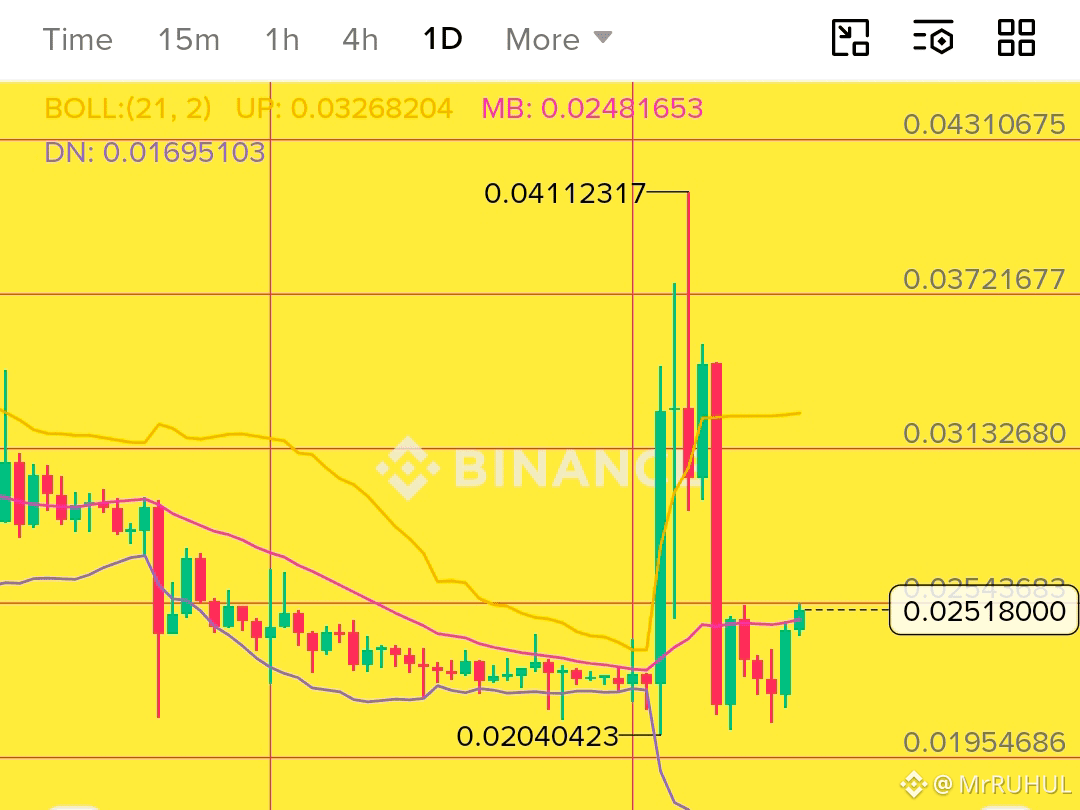
Configuración en largo (recomendada en retrocesos)
Este $SIREN subió hasta 0.041 y retrocedió hasta alrededor de 0.025, cerca de la banda media de Bollinger. Busco una entrada en el retroceso.
Entrada $SIREN : 0.022 – 0.024
SL: 0.019
TP1: 0.032
TP2: 0.036
Configuración en largo (recomendada en retrocesos)
Este $SIREN subió hasta 0.041 y retrocedió hasta alrededor de 0.025, cerca de la banda media de Bollinger. Busco una entrada en el retroceso.
Entrada $SIREN : 0.022 – 0.024
SL: 0.019
TP1: 0.032
TP2: 0.036
Este $SIREN subió hasta 0.041 y retrocedió hasta alrededor de 0.025, cerca de la banda media de Bollinger. Busco una entrada en el retroceso.
Entrada $SIREN : 0.022 – 0.024
SL: 0.019
TP1: 0.032
TP2: 0.036
1
4
1.4k
·
--
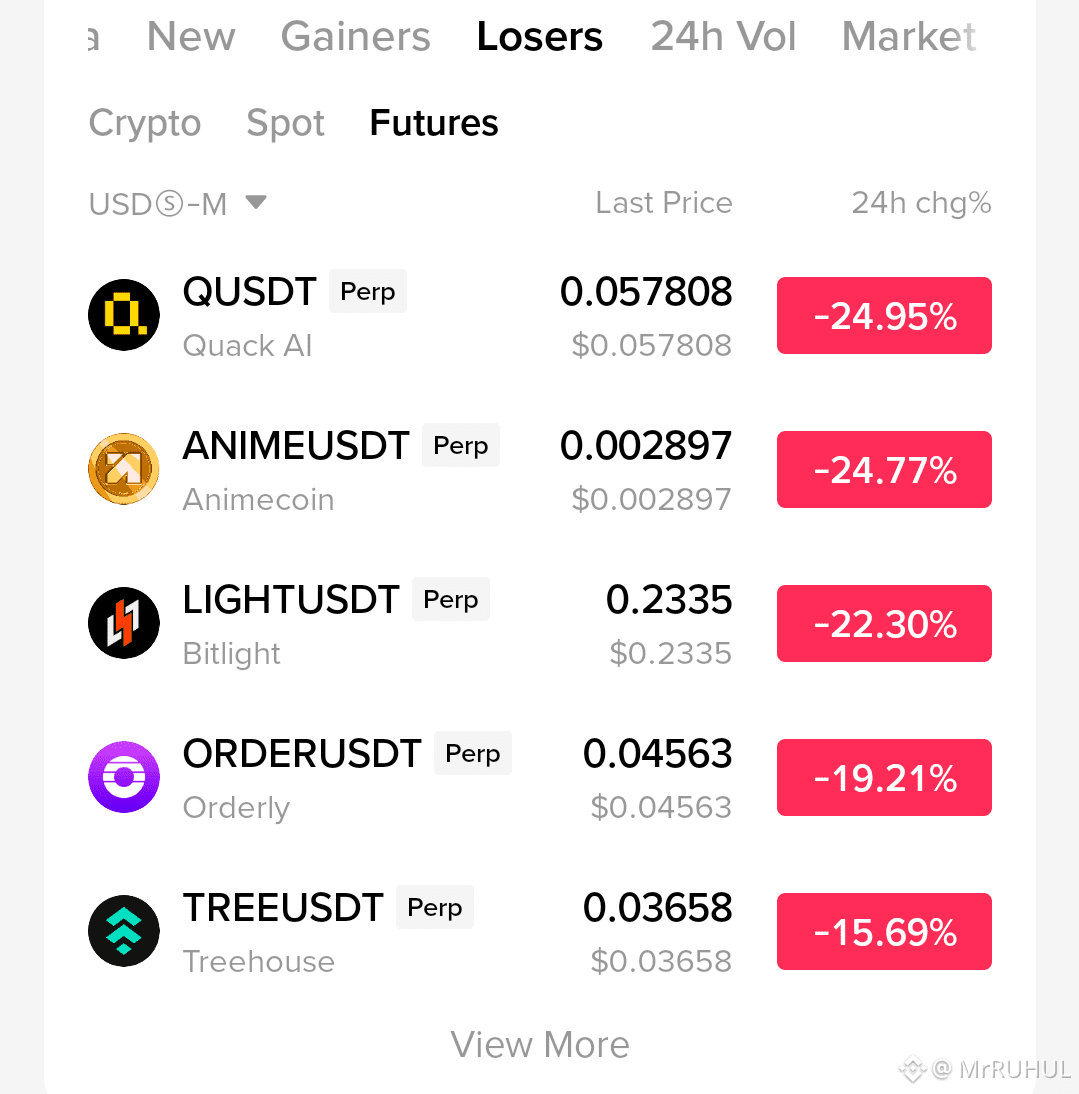
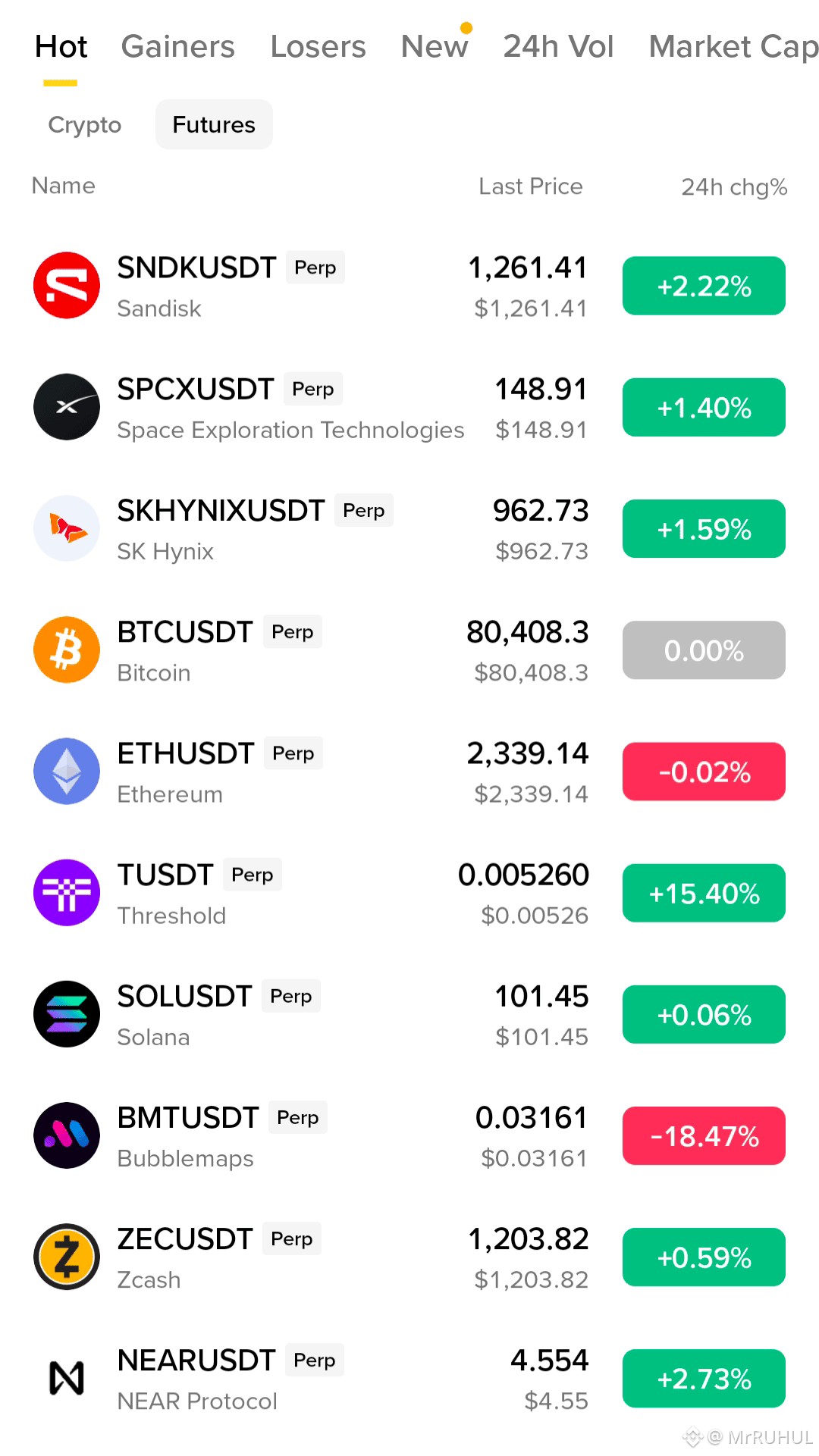
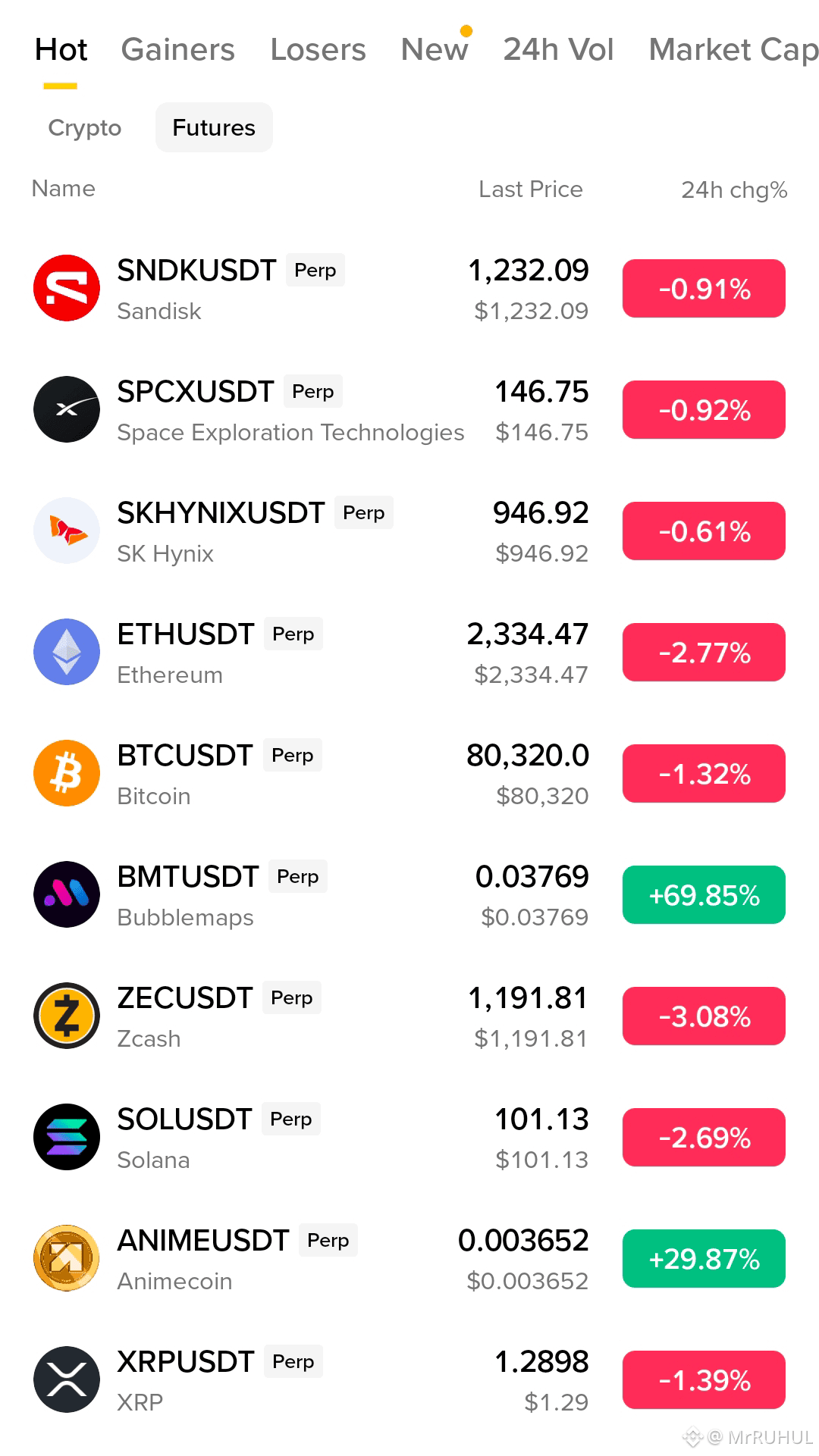
Lista popular de hoy, rojo rojo ... $SNDK $BTC
$BMT
Lista popular de hoy, rojo rojo ... $SNDK $BTC
$BMT
$BMT
3
2k
·
--
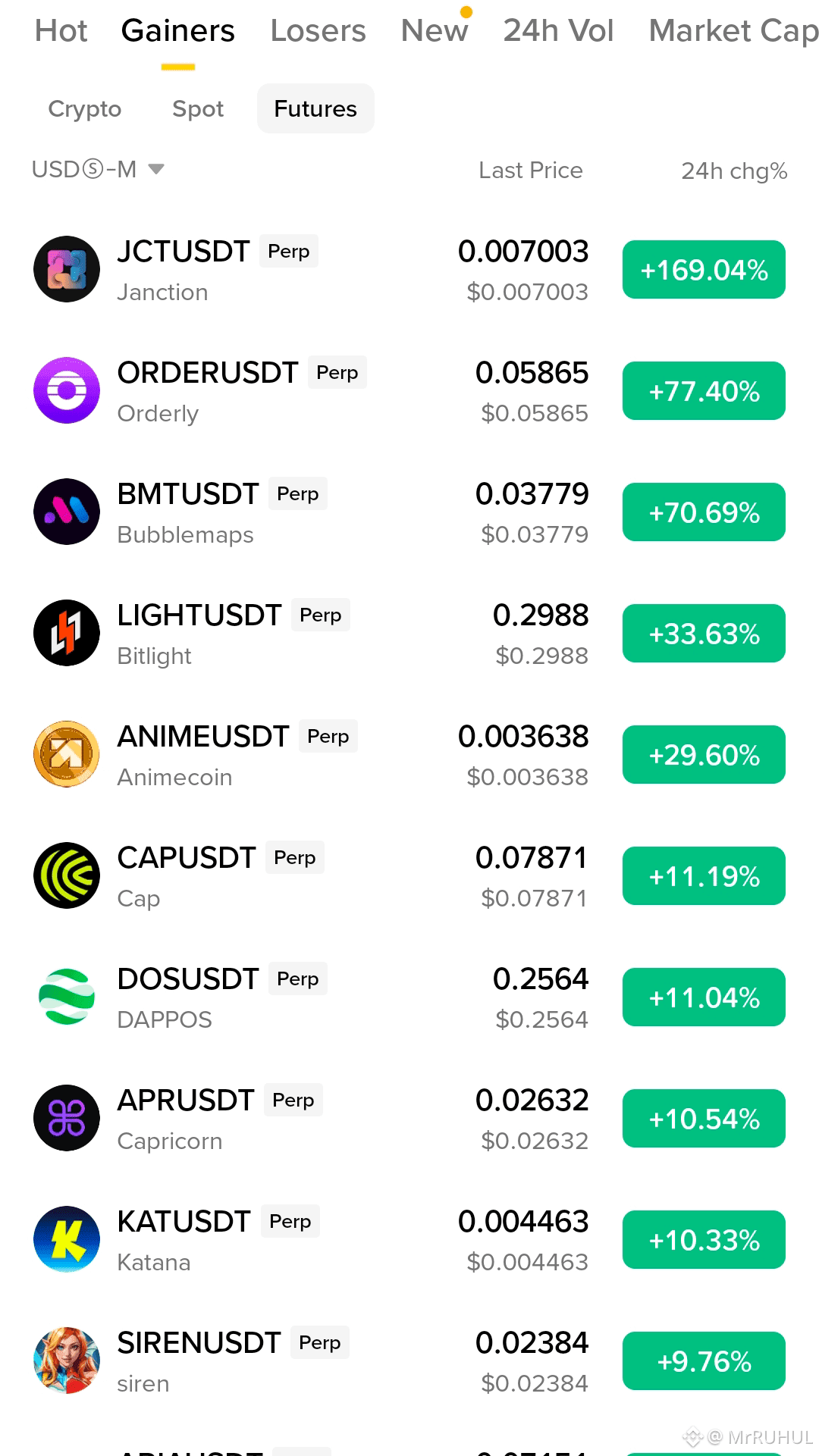
Los que más suben hoy...
El mercado de futuros se está calentando, con $JCT ,
$ORDER y $BMT liderando el repunte. 🚀
Pero después de subidas tan bruscas, perseguir velas verdes es arriesgado. Yo esperaría un retroceso y
una confirmación antes de entrar. Un impulso fuerte es positivo, pero proteger el capital es lo primero. Nada de FOMO, especialmente con apalancamiento.
Los que más suben hoy...
El mercado de futuros se está calentando, con $JCT ,
$ORDER y $BMT liderando el repunte. 🚀
Pero después de subidas tan bruscas, perseguir velas verdes es arriesgado. Yo esperaría un retroceso y
una confirmación antes de entrar. Un impulso fuerte es positivo, pero proteger el capital es lo primero. Nada de FOMO, especialmente con apalancamiento.
El mercado de futuros se está calentando, con $JCT ,
$ORDER y $BMT liderando el repunte. 🚀
Pero después de subidas tan bruscas, perseguir velas verdes es arriesgado. Yo esperaría un retroceso y
una confirmación antes de entrar. Un impulso fuerte es positivo, pero proteger el capital es lo primero. Nada de FOMO, especialmente con apalancamiento.
1.3k
·
--
🎙️ ¡Bienvenida, familia! Hagámoslo juntos: BBW 2026 🏆🚀
Finalizado
02 h 54 m 53 s
2.8k
HOLO/USDT
Limit/Venta
0%
4
2
·
--
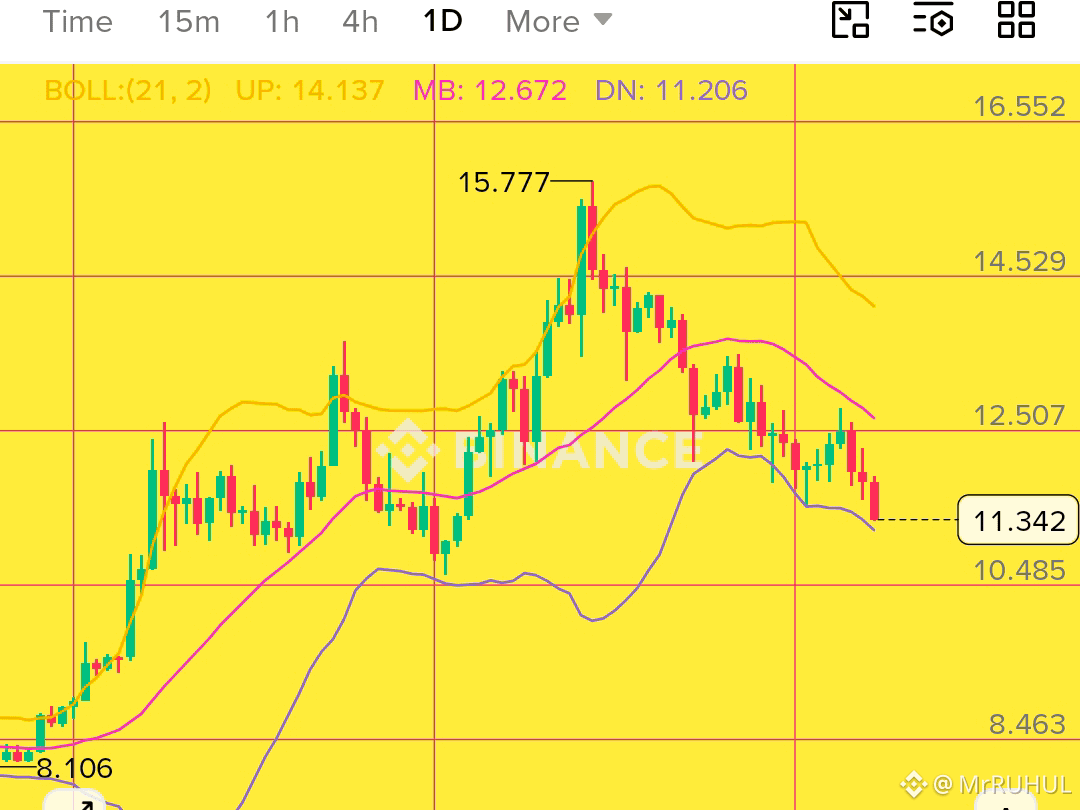
Operación larga (recomendada en retrocesos)
Este $LINK retrocedió desde 15.77 y se encuentra alrededor de 11.34, cerca de la banda inferior de Bollinger. Buscando una entrada en el retroceso.
Entrada $LINK : 11.00 – 11.30
SL: 10.40
TP1: 13.00
TP2: 14.00
Operación larga (recomendada en retrocesos)
Este $LINK retrocedió desde 15.77 y se encuentra alrededor de 11.34, cerca de la banda inferior de Bollinger. Buscando una entrada en el retroceso.
Entrada $LINK : 11.00 – 11.30
SL: 10.40
TP1: 13.00
TP2: 14.00
Este $LINK retrocedió desde 15.77 y se encuentra alrededor de 11.34, cerca de la banda inferior de Bollinger. Buscando una entrada en el retroceso.
Entrada $LINK : 11.00 – 11.30
SL: 10.40
TP1: 13.00
TP2: 14.00
2
1
4
2.2k
Inicia sesión para explorar más contenidos
Únete a usuarios globales de criptomonedas en Binance Square
⚡️ Obtén información útil y actualizada sobre criptos.
💬 Avalado por el mayor exchange de criptomonedas en el mundo.
👍 Descubre perspectivas reales de creadores verificados.
Email/número de teléfono
Temas populares
BinancePick
2.9M vistas
150,946 están debatiendo
¡Únete a #TemporadaDeResultados: predice resultados en Binance Pick y comparte tu opinión en Binance Square!
Binance Square Official
·407 me gusta
·342k vistas
EarningsSeason
5.2M vistas
25,700 están debatiendo
AnthropicTTMRevenueGrewAbout1200%
14,419 vistas
293 están debatiendo