

Shaheen Star
9.2k Publicaciones

Shaheen Star
Denunciar
Bloquear usuario
376 Siguiendo
22.3K+ Seguidores
7.6K+ Me gusta
Publicaciones
Todo
Citas
Live
PINNED
·
--
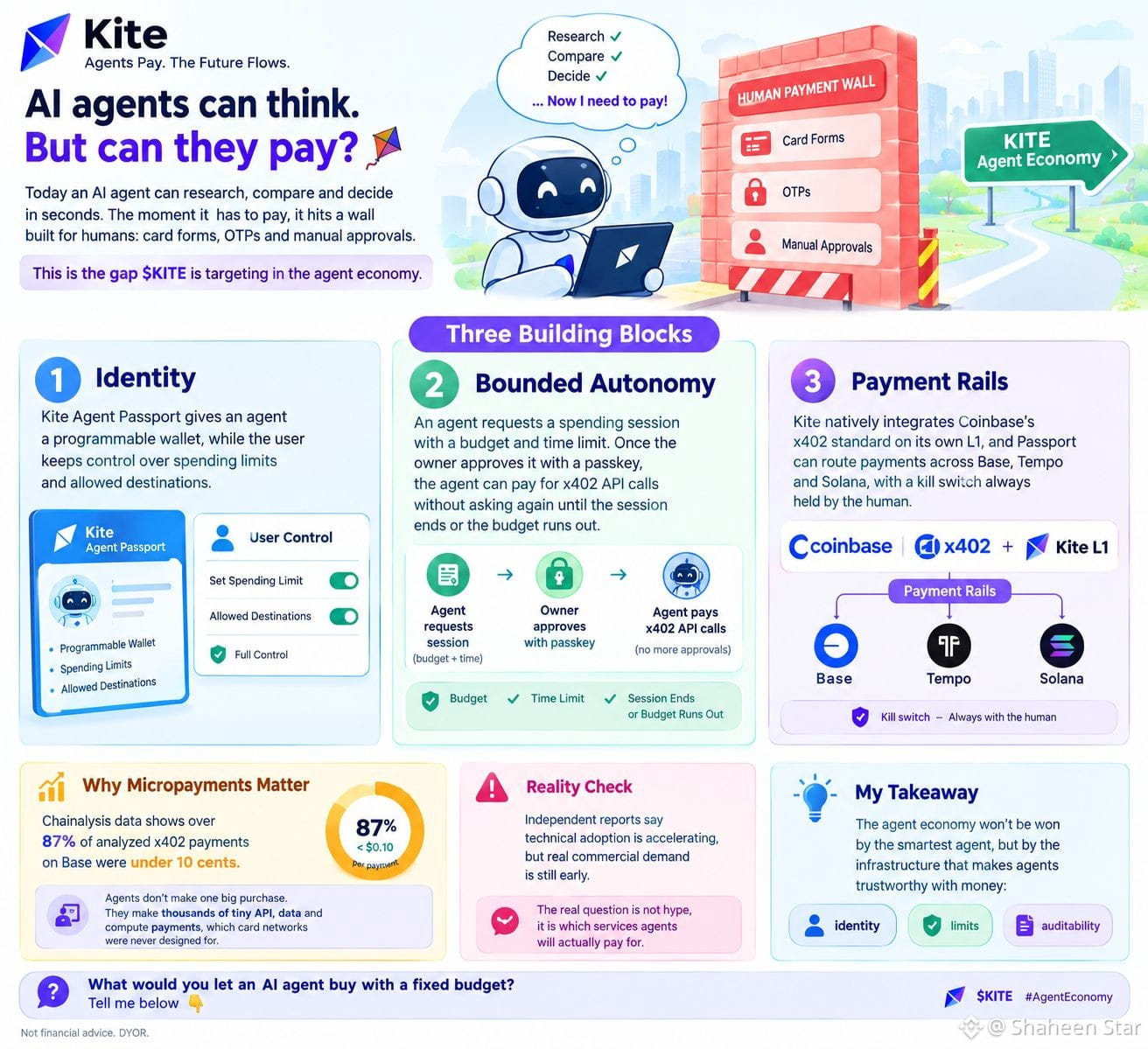
Los agentes de IA pueden pensar. Pero ¿pueden pagar?
Hoy, un agente de IA puede investigar, comparar y decidir en segundos. En cuanto tiene que pagar, se topa con un muro diseñado para humanos: formularios de tarjeta, códigos OTP y aprobaciones manuales. Esta es la brecha que $KITE está abordando en la economía de los agentes.
Tres componentes clave que destacan:
Identidad: Kite Agent Passport proporciona al agente una cartera programable, mientras que el usuario mantiene el control sobre los límites de gasto y los destinos permitidos.
Autonomía limitada: el agente solicita una sesión de gasto con un presupuesto y un límite de tiempo. Una vez que el propietario la aprueba con una clave de acceso, el agente puede pagar llamadas a API x402 sin volver a pedir permiso hasta que termine la sesión o se agote el presupuesto.
Rieles de pago: Kite integra de forma nativa el estándar x402 de Coinbase en su propia L1, y Passport puede canalizar pagos a través de Base, Tempo y Solana, con un interruptor de emergencia siempre bajo el control de una persona.
Por qué importan los micropagos: los datos de Chainalysis muestran que más del 87 % de los pagos x402 analizados en Base fueron inferiores a 10 centavos. Los agentes no hacen una sola compra grande. Realizan miles de pequeños pagos por API, datos y capacidad de cómputo, algo para lo que las redes de tarjetas nunca fueron diseñadas.
Una evaluación sincera de la realidad: informes independientes indican que la adopción técnica se está acelerando, pero la demanda comercial real aún está en una fase temprana. La verdadera pregunta no es si hay exageración, sino por qué servicios estarán dispuestos a pagar los agentes.
Mi conclusión: la economía de los agentes no la ganará el agente más inteligente, sino la infraestructura que permita confiarles dinero: identidad, límites y capacidad de auditoría.
¿Qué dejarías que comprara un agente de IA con un presupuesto fijo? Cuéntamelo abajo 👇
Esto no es asesoramiento financiero. Haz tu propia investigación.
#KiteBBW $KITE @GoKiteAI
{spot}(KITEUSDT)
Los agentes de IA pueden pensar. Pero ¿pueden pagar?
Hoy, un agente de IA puede investigar, comparar y decidir en segundos. En cuanto tiene que pagar, se topa con un muro diseñado para humanos: formularios de tarjeta, códigos OTP y aprobaciones manuales. Esta es la brecha que $KITE está abordando en la economía de los agentes.
Tres componentes clave que destacan:
Identidad: Kite Agent Passport proporciona al agente una cartera programable, mientras que el usuario mantiene el control sobre los límites de gasto y los destinos permitidos.
Autonomía limitada: el agente solicita una sesión de gasto con un presupuesto y un límite de tiempo. Una vez que el propietario la aprueba con una clave de acceso, el agente puede pagar llamadas a API x402 sin volver a pedir permiso hasta que termine la sesión o se agote el presupuesto.
Rieles de pago: Kite integra de forma nativa el estándar x402 de Coinbase en su propia L1, y Passport puede canalizar pagos a través de Base, Tempo y Solana, con un interruptor de emergencia siempre bajo el control de una persona.
Por qué importan los micropagos: los datos de Chainalysis muestran que más del 87 % de los pagos x402 analizados en Base fueron inferiores a 10 centavos. Los agentes no hacen una sola compra grande. Realizan miles de pequeños pagos por API, datos y capacidad de cómputo, algo para lo que las redes de tarjetas nunca fueron diseñadas.
Una evaluación sincera de la realidad: informes independientes indican que la adopción técnica se está acelerando, pero la demanda comercial real aún está en una fase temprana. La verdadera pregunta no es si hay exageración, sino por qué servicios estarán dispuestos a pagar los agentes.
Mi conclusión: la economía de los agentes no la ganará el agente más inteligente, sino la infraestructura que permita confiarles dinero: identidad, límites y capacidad de auditoría.
¿Qué dejarías que comprara un agente de IA con un presupuesto fijo? Cuéntamelo abajo 👇
Esto no es asesoramiento financiero. Haz tu propia investigación.
#KiteBBW $KITE @KITE AI 中文
Hoy, un agente de IA puede investigar, comparar y decidir en segundos. En cuanto tiene que pagar, se topa con un muro diseñado para humanos: formularios de tarjeta, códigos OTP y aprobaciones manuales. Esta es la brecha que $KITE está abordando en la economía de los agentes.
Tres componentes clave que destacan:
Identidad: Kite Agent Passport proporciona al agente una cartera programable, mientras que el usuario mantiene el control sobre los límites de gasto y los destinos permitidos.
Autonomía limitada: el agente solicita una sesión de gasto con un presupuesto y un límite de tiempo. Una vez que el propietario la aprueba con una clave de acceso, el agente puede pagar llamadas a API x402 sin volver a pedir permiso hasta que termine la sesión o se agote el presupuesto.
Rieles de pago: Kite integra de forma nativa el estándar x402 de Coinbase en su propia L1, y Passport puede canalizar pagos a través de Base, Tempo y Solana, con un interruptor de emergencia siempre bajo el control de una persona.
Por qué importan los micropagos: los datos de Chainalysis muestran que más del 87 % de los pagos x402 analizados en Base fueron inferiores a 10 centavos. Los agentes no hacen una sola compra grande. Realizan miles de pequeños pagos por API, datos y capacidad de cómputo, algo para lo que las redes de tarjetas nunca fueron diseñadas.
Una evaluación sincera de la realidad: informes independientes indican que la adopción técnica se está acelerando, pero la demanda comercial real aún está en una fase temprana. La verdadera pregunta no es si hay exageración, sino por qué servicios estarán dispuestos a pagar los agentes.
Mi conclusión: la economía de los agentes no la ganará el agente más inteligente, sino la infraestructura que permita confiarles dinero: identidad, límites y capacidad de auditoría.
¿Qué dejarías que comprara un agente de IA con un presupuesto fijo? Cuéntamelo abajo 👇
Esto no es asesoramiento financiero. Haz tu propia investigación.
#KiteBBW $KITE @KITE AI 中文
17
17
387
·
--
Alcista
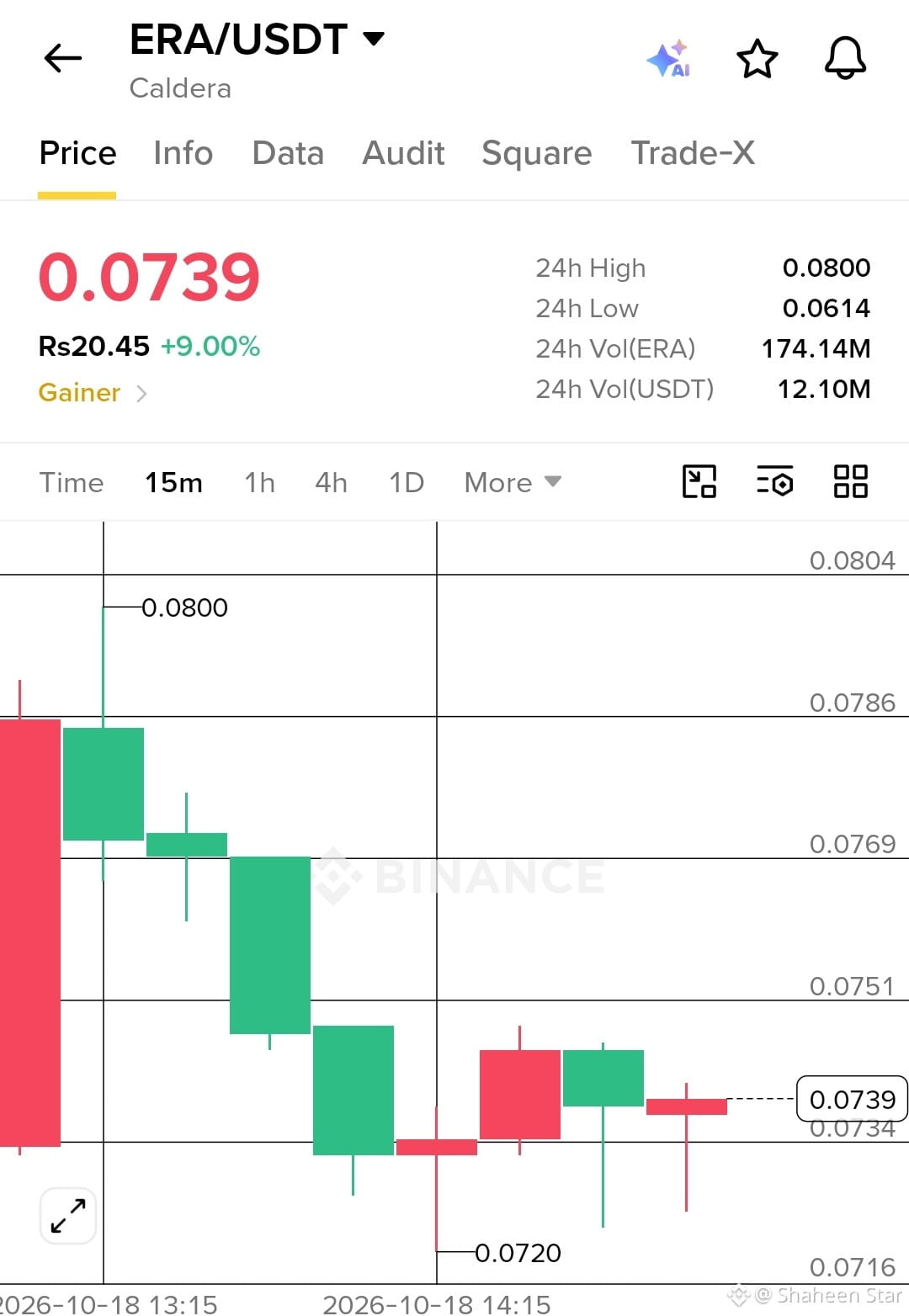
🚨🔻 $ERA ¡LOS BAJISTAS ESTÁN TOMANDO EL CONTROL!
❌ ¡Rechazo en la resistencia de $0.080! Las velas rojas consecutivas en el gráfico de 15M indican una presión vendedora creciente. ¿Podrán los bajistas hacer que el precio caiga aún más? 🐻📉
🔴 ENTRADA EN CORTO: $0.0744–$0.0750
🎯 TP1: $0.0725
🎯 TP2: $0.0700
🚀 TP3: $0.0685
🛑 STOP LOSS: $0.0802
⚠️ Nivel clave: Una ruptura confirmada por debajo de $0.074 podría acelerar el movimiento bajista. Una recuperación por encima de $0.080 invalida la estrategia.
🔥 Espera la confirmación. ¡Opera con inteligencia y gestiona el riesgo!
#ERA #CryptoTrading #ShortSetup #Altcoins #TradingSignals
🚨🔻 $ERA ¡LOS BAJISTAS ESTÁN TOMANDO EL CONTROL!
❌ ¡Rechazo en la resistencia de $0.080! Las velas rojas consecutivas en el gráfico de 15M indican una presión vendedora creciente. ¿Podrán los bajistas hacer que el precio caiga aún más? 🐻📉
🔴 ENTRADA EN CORTO: $0.0744–$0.0750
🎯 TP1: $0.0725
🎯 TP2: $0.0700
🚀 TP3: $0.0685
🛑 STOP LOSS: $0.0802
⚠️ Nivel clave: Una ruptura confirmada por debajo de $0.074 podría acelerar el movimiento bajista. Una recuperación por encima de $0.080 invalida la estrategia.
🔥 Espera la confirmación. ¡Opera con inteligencia y gestiona el riesgo!
#ERA #CryptoTrading #ShortSetup #Altcoins #TradingSignals
❌ ¡Rechazo en la resistencia de $0.080! Las velas rojas consecutivas en el gráfico de 15M indican una presión vendedora creciente. ¿Podrán los bajistas hacer que el precio caiga aún más? 🐻📉
🔴 ENTRADA EN CORTO: $0.0744–$0.0750
🎯 TP1: $0.0725
🎯 TP2: $0.0700
🚀 TP3: $0.0685
🛑 STOP LOSS: $0.0802
⚠️ Nivel clave: Una ruptura confirmada por debajo de $0.074 podría acelerar el movimiento bajista. Una recuperación por encima de $0.080 invalida la estrategia.
🔥 Espera la confirmación. ¡Opera con inteligencia y gestiona el riesgo!
#ERA #CryptoTrading #ShortSetup #Altcoins #TradingSignals
2
173
·
--
Alcista
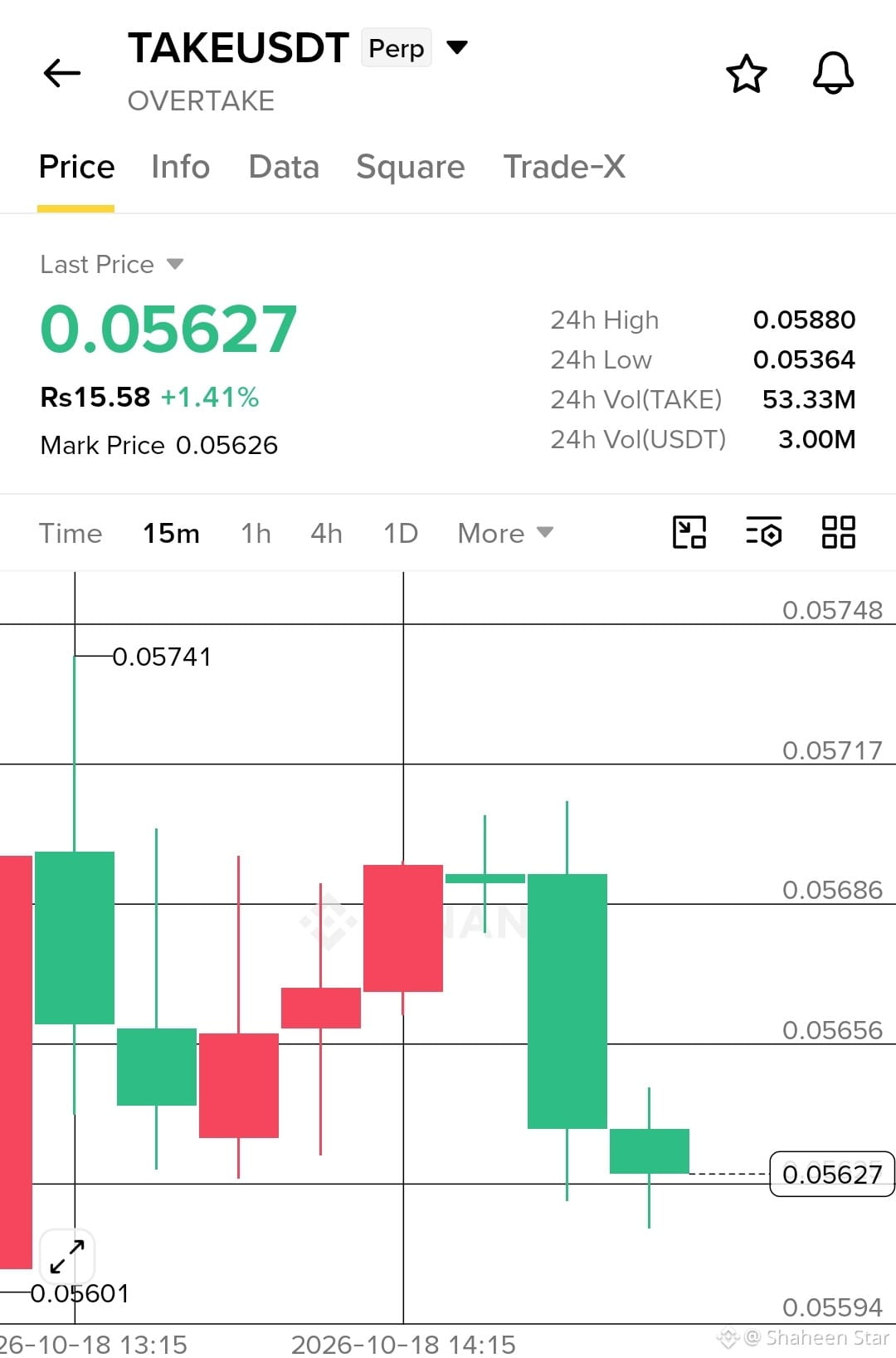
🚀🔥 $TAKE ¡RUPTURA ALCISTA EN CAMINO! 🐂📈
¡Los compradores están defendiendo la línea de tendencia ascendente y el impulso va en aumento! ¡Atentos al objetivo de $0.060! 🎯
🟢 ENTRADA EN LARGO: $0.05650 – $0.05720
🎯 TP1: $0.05800
🎯 TP2: $0.05880
🚀 TP3: $0.06000
🛑 STOP LOSS: $0.05480
💎 Los alcistas están tomando impulso: ¿superará $TAKE la resistencia? ¡Mantente alerta y gestiona el riesgo! ⚡🔥
#TAKE #Cripto #Altcoins #SeñalesDeTrading #Alcista
🚀🔥 $TAKE ¡RUPTURA ALCISTA EN CAMINO! 🐂📈
¡Los compradores están defendiendo la línea de tendencia ascendente y el impulso va en aumento! ¡Atentos al objetivo de $0.060! 🎯
🟢 ENTRADA EN LARGO: $0.05650 – $0.05720
🎯 TP1: $0.05800
🎯 TP2: $0.05880
🚀 TP3: $0.06000
🛑 STOP LOSS: $0.05480
💎 Los alcistas están tomando impulso: ¿superará $TAKE la resistencia? ¡Mantente alerta y gestiona el riesgo! ⚡🔥
#TAKE #Cripto #Altcoins #SeñalesDeTrading #Alcista
¡Los compradores están defendiendo la línea de tendencia ascendente y el impulso va en aumento! ¡Atentos al objetivo de $0.060! 🎯
🟢 ENTRADA EN LARGO: $0.05650 – $0.05720
🎯 TP1: $0.05800
🎯 TP2: $0.05880
🚀 TP3: $0.06000
🛑 STOP LOSS: $0.05480
💎 Los alcistas están tomando impulso: ¿superará $TAKE la resistencia? ¡Mantente alerta y gestiona el riesgo! ⚡🔥
#TAKE #Cripto #Altcoins #SeñalesDeTrading #Alcista
2
348
·
--
Alcista
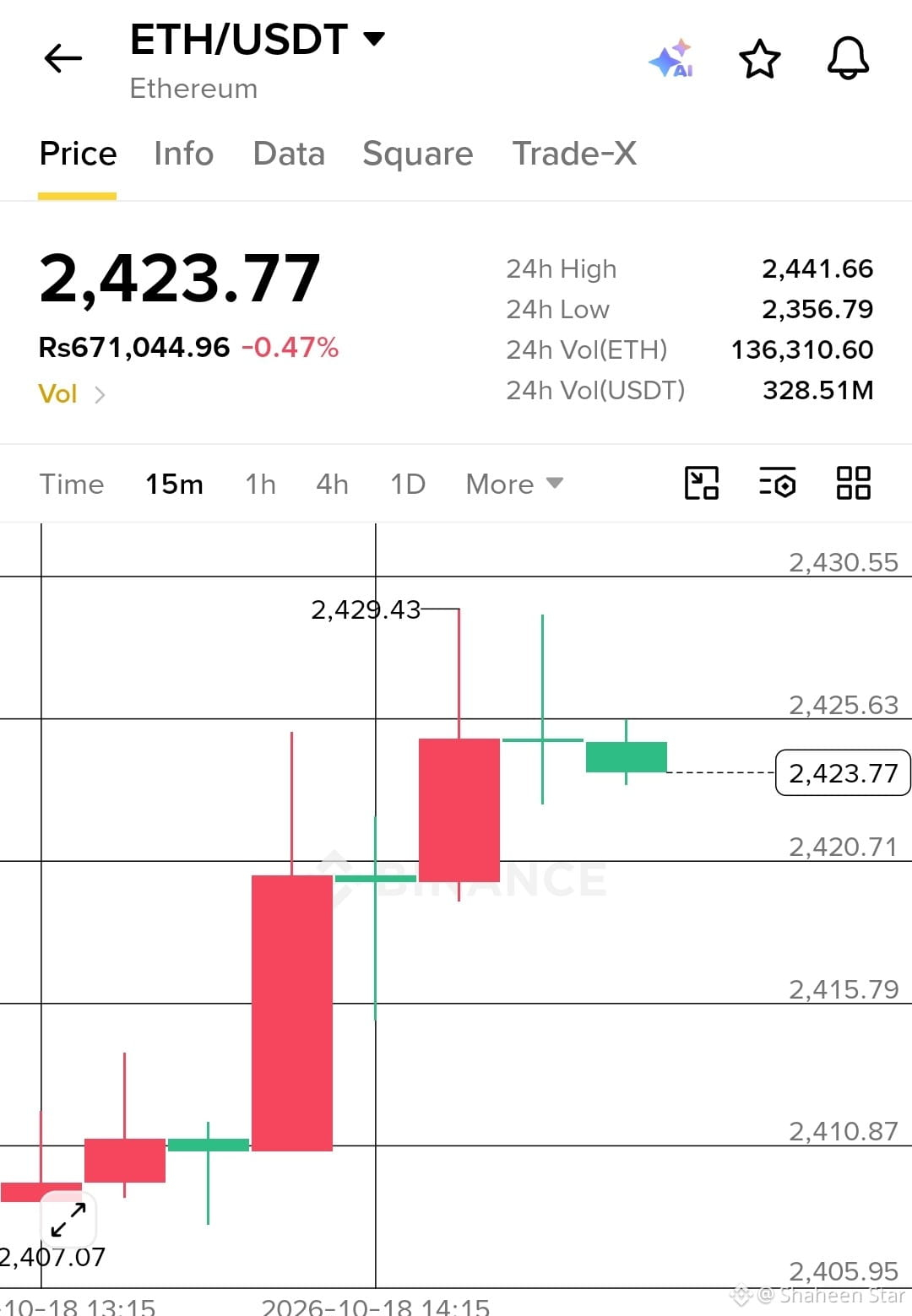
🚀🔥 $ETH ¡LOS TOROS ESTÁN TOMANDO EL CONTROL!
📈 ¡Se está acumulando un nuevo impulso mientras entran los compradores! Atención a los próximos objetivos alcistas. 🎯
🟢 Operación: LARGO
📍 Entrada: 2420.8 – 2423.2
🛑 Stop loss: 2417.8
🎯 TP1: 2428.7
🎯 TP2: 2433.0
🚀 TP3: 2437.3
💎 ¡Mantente alerta, gestiona el riesgo y deja que la estrategia se desarrolle! ¡Buena suerte, traders! 🍀🔥
#ETH #ETHUSDT #TradingDeCriptomonedas #SeñalesDeTrading #Alcista
🚀🔥 $ETH ¡LOS TOROS ESTÁN TOMANDO EL CONTROL!
📈 ¡Se está acumulando un nuevo impulso mientras entran los compradores! Atención a los próximos objetivos alcistas. 🎯
🟢 Operación: LARGO
📍 Entrada: 2420.8 – 2423.2
🛑 Stop loss: 2417.8
🎯 TP1: 2428.7
🎯 TP2: 2433.0
🚀 TP3: 2437.3
💎 ¡Mantente alerta, gestiona el riesgo y deja que la estrategia se desarrolle! ¡Buena suerte, traders! 🍀🔥
#ETH #ETHUSDT #TradingDeCriptomonedas #SeñalesDeTrading #Alcista
📈 ¡Se está acumulando un nuevo impulso mientras entran los compradores! Atención a los próximos objetivos alcistas. 🎯
🟢 Operación: LARGO
📍 Entrada: 2420.8 – 2423.2
🛑 Stop loss: 2417.8
🎯 TP1: 2428.7
🎯 TP2: 2433.0
🚀 TP3: 2437.3
💎 ¡Mantente alerta, gestiona el riesgo y deja que la estrategia se desarrolle! ¡Buena suerte, traders! 🍀🔥
#ETH #ETHUSDT #TradingDeCriptomonedas #SeñalesDeTrading #Alcista
1
69
·
--
Alcista
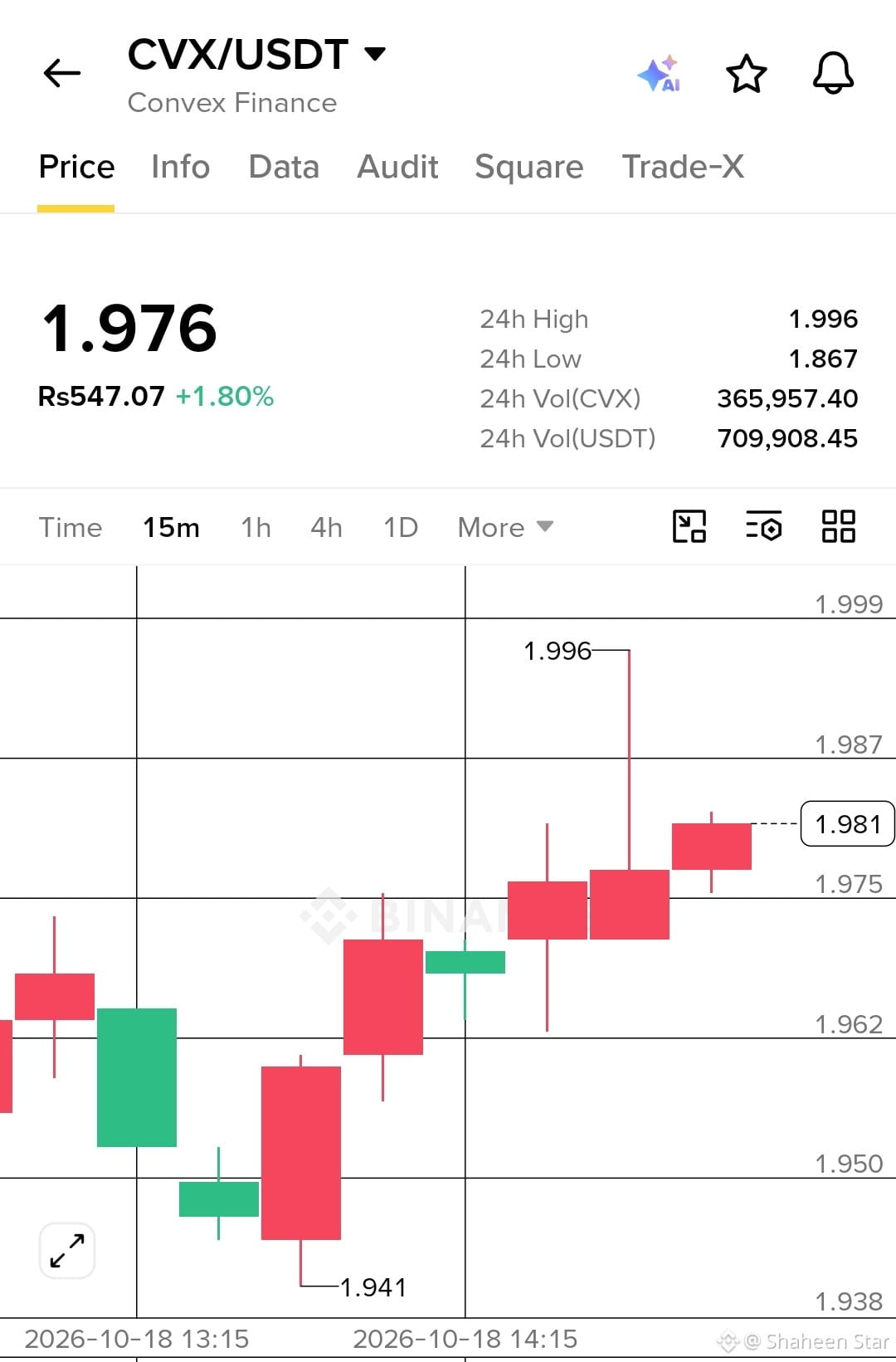
🚀 $CVX USDT — ¡PREPARANDO UNA RUPTURA ALCISTA! 🧨📈
🐂 ¡Los vendedores se han agotado y los compradores están entrando! Un fuerte rebote desde el soporte podría impulsar el próximo movimiento hacia $2.180.
📍 Entrada: $1.950–$1.985
💰 Precio actual: $1.978
🎯 Objetivo: $2.180
🛑 Stop loss: $1.864
⚡ Gestión del riesgo: Considera mover el SL al punto de equilibrio después de obtener un +3–4% de ganancias.
🔥 ¡Mi entrada ya está activa! ¿Listo para el próximo movimiento? ¡Deja un ⚡ abajo! 👇
#CVX #CVXUSDT #DeFi #CryptoTrading #Altcoins
🚀 $CVX USDT — ¡PREPARANDO UNA RUPTURA ALCISTA! 🧨📈
🐂 ¡Los vendedores se han agotado y los compradores están entrando! Un fuerte rebote desde el soporte podría impulsar el próximo movimiento hacia $2.180.
📍 Entrada: $1.950–$1.985
💰 Precio actual: $1.978
🎯 Objetivo: $2.180
🛑 Stop loss: $1.864
⚡ Gestión del riesgo: Considera mover el SL al punto de equilibrio después de obtener un +3–4% de ganancias.
🔥 ¡Mi entrada ya está activa! ¿Listo para el próximo movimiento? ¡Deja un ⚡ abajo! 👇
#CVX #CVXUSDT #DeFi #CryptoTrading #Altcoins
🐂 ¡Los vendedores se han agotado y los compradores están entrando! Un fuerte rebote desde el soporte podría impulsar el próximo movimiento hacia $2.180.
📍 Entrada: $1.950–$1.985
💰 Precio actual: $1.978
🎯 Objetivo: $2.180
🛑 Stop loss: $1.864
⚡ Gestión del riesgo: Considera mover el SL al punto de equilibrio después de obtener un +3–4% de ganancias.
🔥 ¡Mi entrada ya está activa! ¿Listo para el próximo movimiento? ¡Deja un ⚡ abajo! 👇
#CVX #CVXUSDT #DeFi #CryptoTrading #Altcoins
1
114
·
--
Alcista
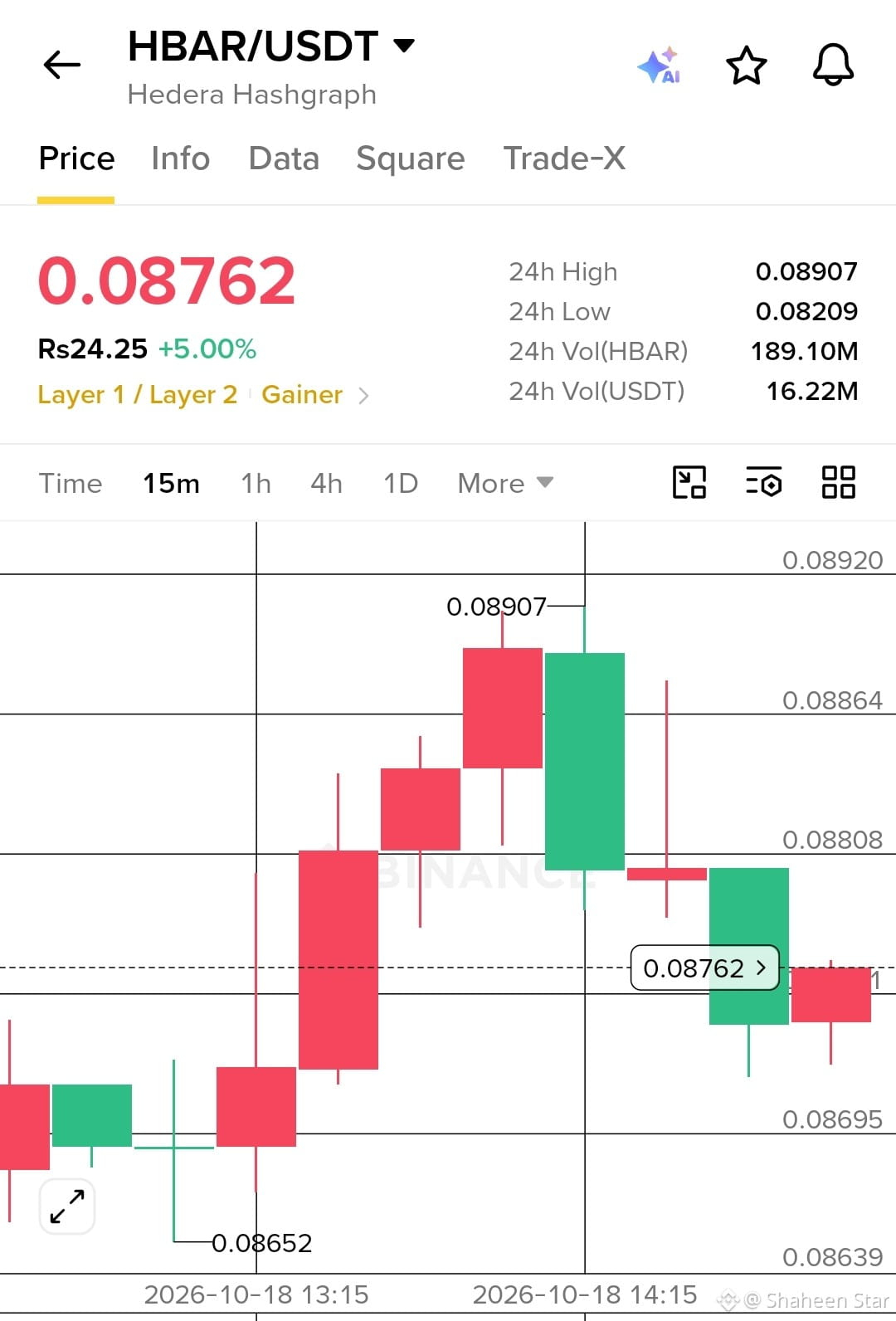
🚀 $HBAR ¡IMPULSO ALCISTA! 🔥
📈 ¡8s sigue subiendo en el gráfico de 4H tras rebotar desde el soporte de $0.0827!
🎯 Entrada: $0.08272
✅ TP1: $0.08600 — ALCANZADO
🎯 TP2: $0.08900
🚀 TP3: $0.09252
🛑 Stop loss: $0.07968
💎 ¡El precio ha subido hasta $0.0885! Si los compradores mantienen el control, $0.09252 podría ser el próximo objetivo. ¡Los alcistas están tomando la iniciativa! 🐂🔥
#HBAR #Cripto #Altcoins #Trading #Alcista
🚀 $HBAR ¡IMPULSO ALCISTA! 🔥
📈 ¡8s sigue subiendo en el gráfico de 4H tras rebotar desde el soporte de $0.0827!
🎯 Entrada: $0.08272
✅ TP1: $0.08600 — ALCANZADO
🎯 TP2: $0.08900
🚀 TP3: $0.09252
🛑 Stop loss: $0.07968
💎 ¡El precio ha subido hasta $0.0885! Si los compradores mantienen el control, $0.09252 podría ser el próximo objetivo. ¡Los alcistas están tomando la iniciativa! 🐂🔥
#HBAR #Cripto #Altcoins #Trading #Alcista
📈 ¡8s sigue subiendo en el gráfico de 4H tras rebotar desde el soporte de $0.0827!
🎯 Entrada: $0.08272
✅ TP1: $0.08600 — ALCANZADO
🎯 TP2: $0.08900
🚀 TP3: $0.09252
🛑 Stop loss: $0.07968
💎 ¡El precio ha subido hasta $0.0885! Si los compradores mantienen el control, $0.09252 podría ser el próximo objetivo. ¡Los alcistas están tomando la iniciativa! 🐂🔥
#HBAR #Cripto #Altcoins #Trading #Alcista
145
·
--
Alcista
#nil $NIL @nillionnetwork
He estado siguiendo Nillion durante unas semanas, y lo que me llamó la atención no fue el gráfico de precios, sino el problema que intenta resolver. Las cadenas de bloques son excelentes para ofrecer transparencia, precisamente por eso les cuesta manejar datos sensibles. Estrategias de trading, memoria de agentes, conjuntos de datos privados: nada de eso puede almacenarse en un libro mayor público sin perder valor.
La propuesta de Nillion es la computación ciega, lo que significa que los datos permanecen cifrados mientras están almacenados y mientras se procesan. Si esto funciona a escala, abre una vía para los agentes de IA y las aplicaciones onchain que ahora mismo no pueden acceder a información de gran valor. Es una carencia real de infraestructura, no un relato inventado para un ciclo de mercado.
Aun así, intento ser realista con respecto al mercado. Los temas de privacidad e IA atraen la atención por oleadas, y la liquidez rota rápidamente cuando la historia pierde fuerza. La competencia de otras redes de privacidad y computación es real, y las afirmaciones sobre el rendimiento criptográfico solo importan cuando los desarrolladores realmente construyen sobre ellas.
Mis preguntas pendientes: ¿cuánta sobrecarga generan en cargas de trabajo reales y elegirán los equipos esta opción en lugar de alternativas más sencillas? Los datos de adopción me dirán más que cualquier anuncio.
¿Estás siguiendo las métricas de uso de la infraestructura de privacidad o te fijas sobre todo en el relato?
#nil $NIL @Nillion
He estado siguiendo Nillion durante unas semanas, y lo que me llamó la atención no fue el gráfico de precios, sino el problema que intenta resolver. Las cadenas de bloques son excelentes para ofrecer transparencia, precisamente por eso les cuesta manejar datos sensibles. Estrategias de trading, memoria de agentes, conjuntos de datos privados: nada de eso puede almacenarse en un libro mayor público sin perder valor.
La propuesta de Nillion es la computación ciega, lo que significa que los datos permanecen cifrados mientras están almacenados y mientras se procesan. Si esto funciona a escala, abre una vía para los agentes de IA y las aplicaciones onchain que ahora mismo no pueden acceder a información de gran valor. Es una carencia real de infraestructura, no un relato inventado para un ciclo de mercado.
Aun así, intento ser realista con respecto al mercado. Los temas de privacidad e IA atraen la atención por oleadas, y la liquidez rota rápidamente cuando la historia pierde fuerza. La competencia de otras redes de privacidad y computación es real, y las afirmaciones sobre el rendimiento criptográfico solo importan cuando los desarrolladores realmente construyen sobre ellas.
Mis preguntas pendientes: ¿cuánta sobrecarga generan en cargas de trabajo reales y elegirán los equipos esta opción en lugar de alternativas más sencillas? Los datos de adopción me dirán más que cualquier anuncio.
¿Estás siguiendo las métricas de uso de la infraestructura de privacidad o te fijas sobre todo en el relato?
He estado siguiendo Nillion durante unas semanas, y lo que me llamó la atención no fue el gráfico de precios, sino el problema que intenta resolver. Las cadenas de bloques son excelentes para ofrecer transparencia, precisamente por eso les cuesta manejar datos sensibles. Estrategias de trading, memoria de agentes, conjuntos de datos privados: nada de eso puede almacenarse en un libro mayor público sin perder valor.
La propuesta de Nillion es la computación ciega, lo que significa que los datos permanecen cifrados mientras están almacenados y mientras se procesan. Si esto funciona a escala, abre una vía para los agentes de IA y las aplicaciones onchain que ahora mismo no pueden acceder a información de gran valor. Es una carencia real de infraestructura, no un relato inventado para un ciclo de mercado.
Aun así, intento ser realista con respecto al mercado. Los temas de privacidad e IA atraen la atención por oleadas, y la liquidez rota rápidamente cuando la historia pierde fuerza. La competencia de otras redes de privacidad y computación es real, y las afirmaciones sobre el rendimiento criptográfico solo importan cuando los desarrolladores realmente construyen sobre ellas.
Mis preguntas pendientes: ¿cuánta sobrecarga generan en cargas de trabajo reales y elegirán los equipos esta opción en lugar de alternativas más sencillas? Los datos de adopción me dirán más que cualquier anuncio.
¿Estás siguiendo las métricas de uso de la infraestructura de privacidad o te fijas sobre todo en el relato?
7
108
·
--
Alcista
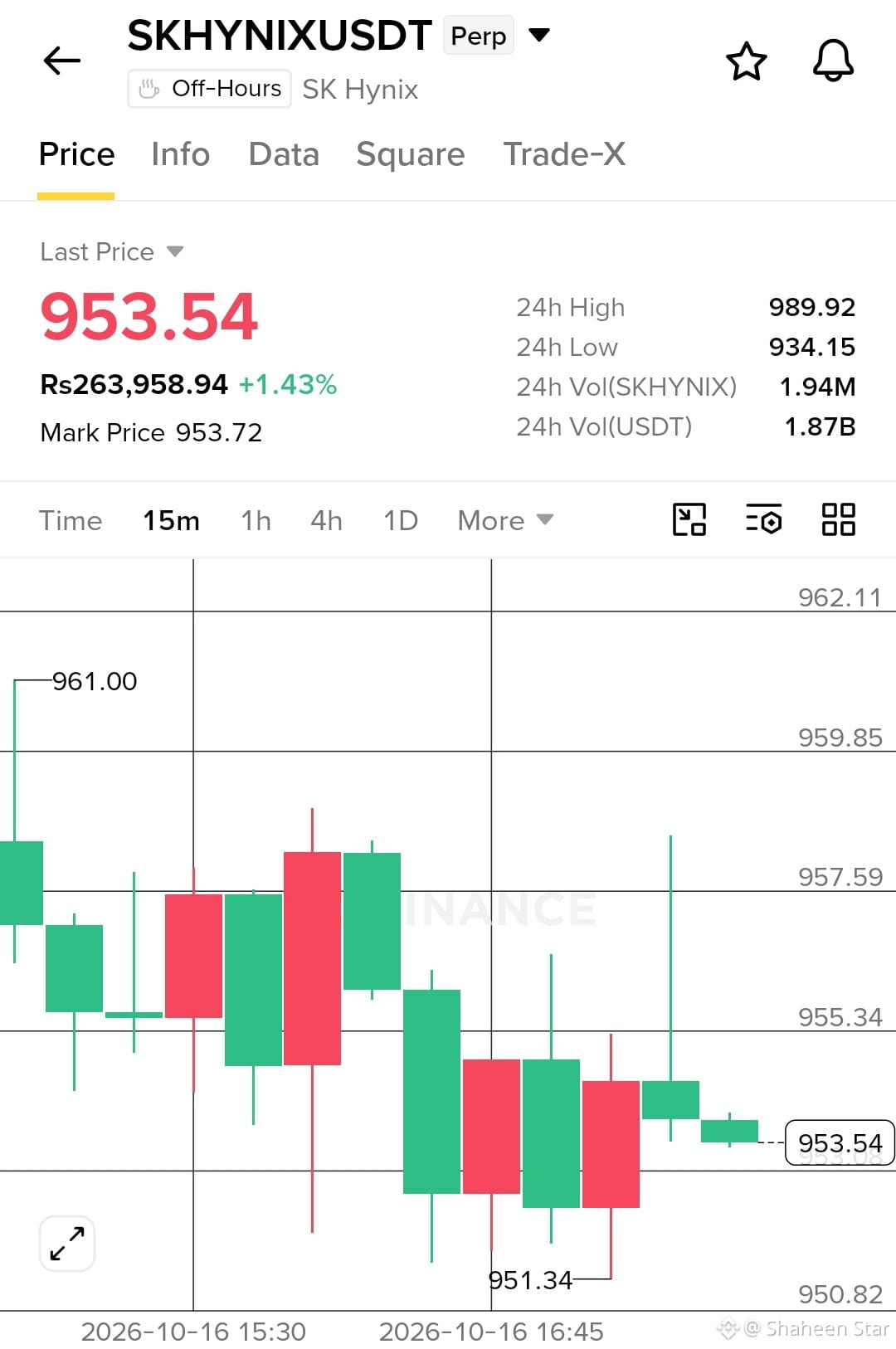
🚀💎 $SKHYNIX ¡LOS ALCISTAS SE ESTÁN PREPARANDO! 🔥
⚡ Apalancamiento: 30x
📈 Entrada: 952.06–957.79
🛑 Stop loss: 923.20
🎯 TP1: 976.41
🎯 TP2: 988.10
🚀 TP3: 1005.41
🐂 El impulso está creciendo: ¿SKHYNIX alcanzará el próximo objetivo? ¡Atentos al movimiento! 👀🔥
👉 ¡OPERA AHORA Y MANTÉN LA DISCIPLINA!
#SKHYNIX #BTC #ETH #CryptoTrading
🚀💎 $SKHYNIX ¡LOS ALCISTAS SE ESTÁN PREPARANDO! 🔥
⚡ Apalancamiento: 30x
📈 Entrada: 952.06–957.79
🛑 Stop loss: 923.20
🎯 TP1: 976.41
🎯 TP2: 988.10
🚀 TP3: 1005.41
🐂 El impulso está creciendo: ¿SKHYNIX alcanzará el próximo objetivo? ¡Atentos al movimiento! 👀🔥
👉 ¡OPERA AHORA Y MANTÉN LA DISCIPLINA!
#SKHYNIX #BTC #ETH #CryptoTrading
⚡ Apalancamiento: 30x
📈 Entrada: 952.06–957.79
🛑 Stop loss: 923.20
🎯 TP1: 976.41
🎯 TP2: 988.10
🚀 TP3: 1005.41
🐂 El impulso está creciendo: ¿SKHYNIX alcanzará el próximo objetivo? ¡Atentos al movimiento! 👀🔥
👉 ¡OPERA AHORA Y MANTÉN LA DISCIPLINA!
#SKHYNIX #BTC #ETH #CryptoTrading
1
824
·
--
Alcista
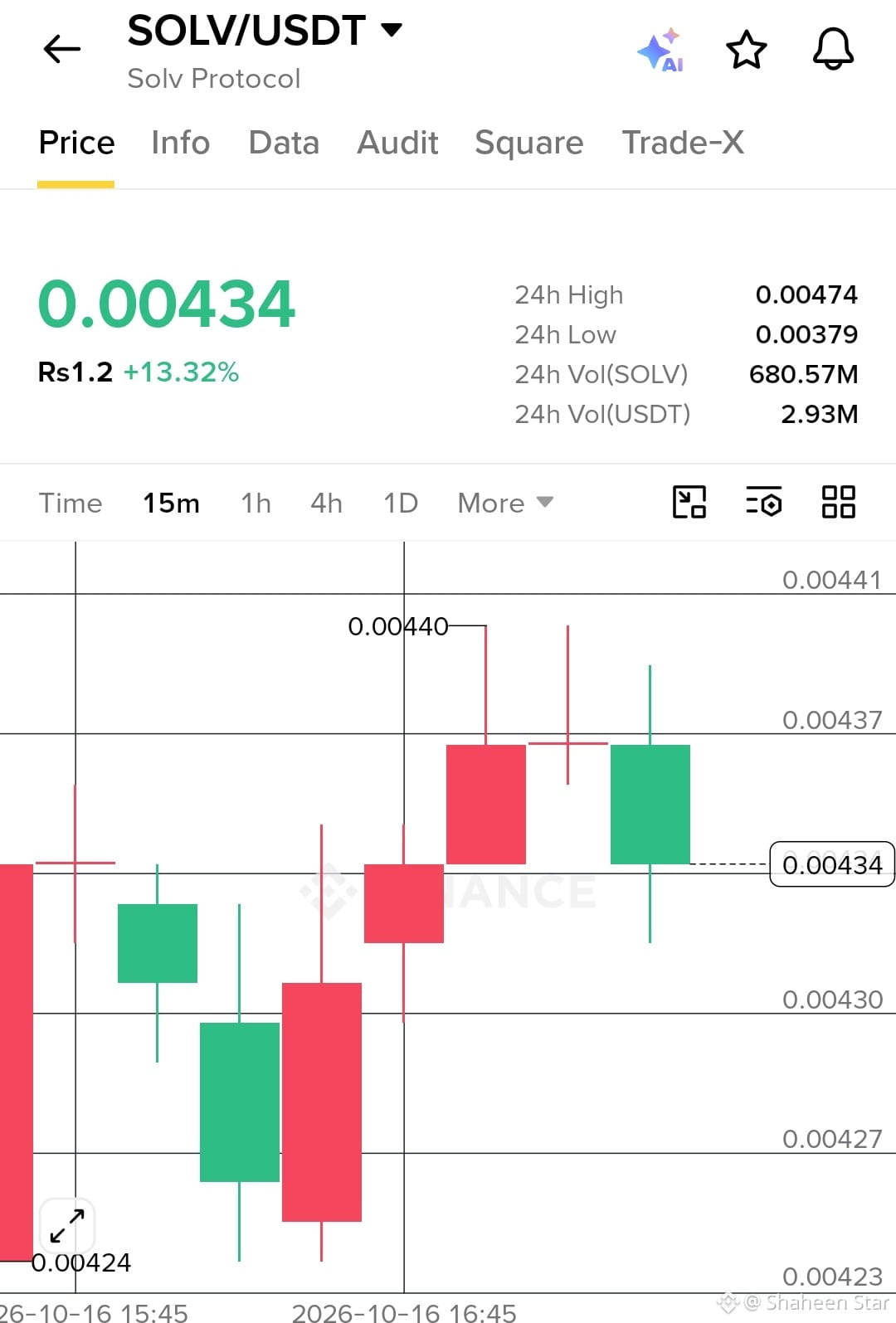
🚀 $SOLV ¿LISTO PARA EXPLOTAR? 🔥 ¡LOS ALCISTAS APUNTAN A UNA RUPTURA! 🐂
💰 Zona actual: $0.00440
🎯 Entrada: $0.00435–$0.00440
🥇 TP1: $0.00445
🥈 TP2: $0.00455
🥉 TP3: $0.00470
🛑 Stop loss: $0.00425
⚡ ¡Una subida por encima de $0.00450 podría encender el próximo rally! ¿$SOLV hará despegar a los alcistas? 👀📈
🔥 COMPRA Y OPERA $SOLV
#SOLV #Crypto #Altcoins #Binance
🚀 $SOLV ¿LISTO PARA EXPLOTAR? 🔥 ¡LOS ALCISTAS APUNTAN A UNA RUPTURA! 🐂
💰 Zona actual: $0.00440
🎯 Entrada: $0.00435–$0.00440
🥇 TP1: $0.00445
🥈 TP2: $0.00455
🥉 TP3: $0.00470
🛑 Stop loss: $0.00425
⚡ ¡Una subida por encima de $0.00450 podría encender el próximo rally! ¿$SOLV hará despegar a los alcistas? 👀📈
🔥 COMPRA Y OPERA $SOLV
#SOLV #Crypto #Altcoins #Binance
💰 Zona actual: $0.00440
🎯 Entrada: $0.00435–$0.00440
🥇 TP1: $0.00445
🥈 TP2: $0.00455
🥉 TP3: $0.00470
🛑 Stop loss: $0.00425
⚡ ¡Una subida por encima de $0.00450 podría encender el próximo rally! ¿$SOLV hará despegar a los alcistas? 👀📈
🔥 COMPRA Y OPERA $SOLV
#SOLV #Crypto #Altcoins #Binance
152
·
--
Alcista
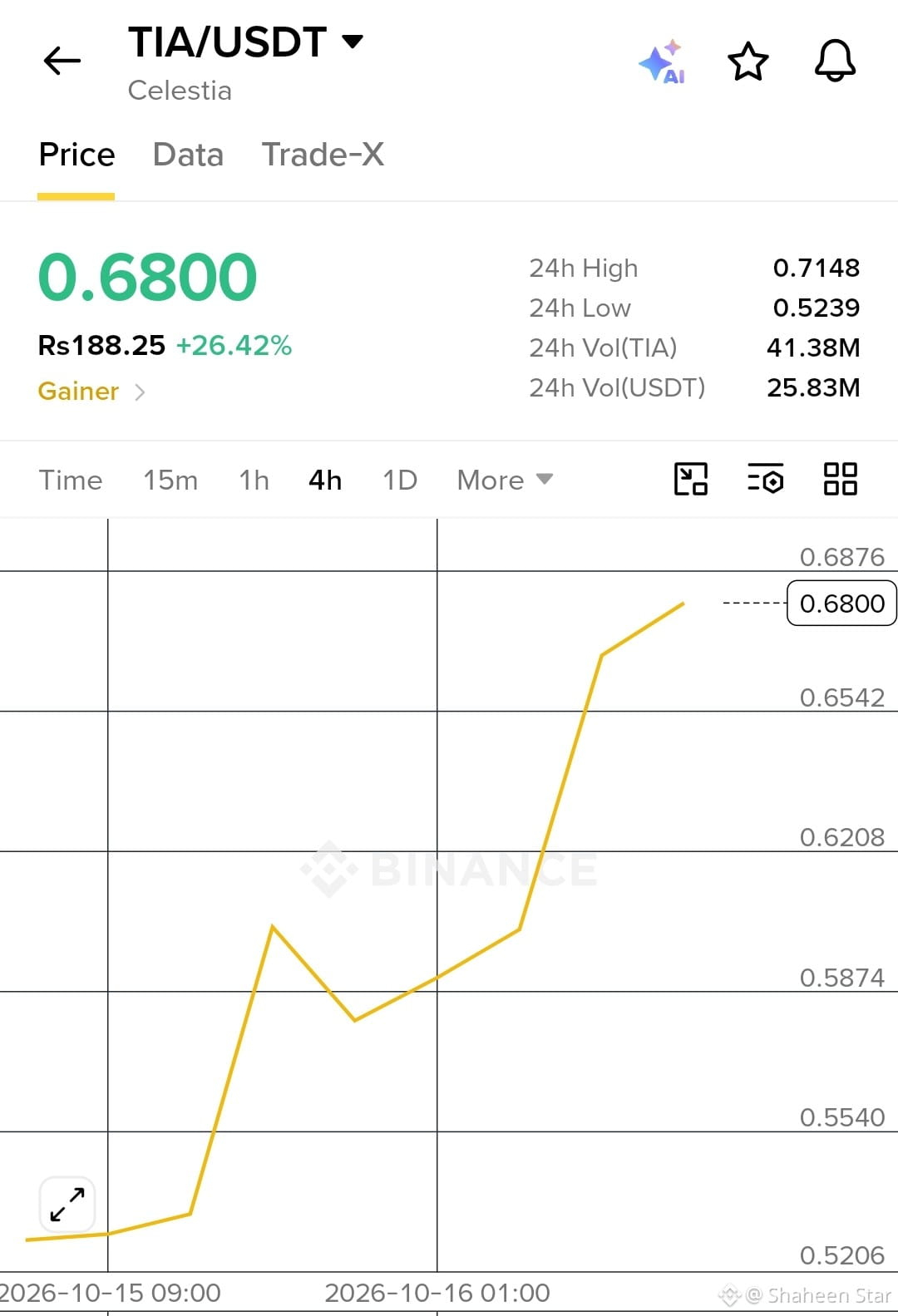
🚀🔥 $TIA CONFIGURACIÓN LONG — ALCISTAS, ¿ESTÁN LISTOS? 🐂📈
💰 Zona de entrada: $0.6880 – $0.6910
🎯 TP1: $0.7145
🎯 TP2: $0.7300
🛑 Stop loss: $0.6400
⚡ ¡Atentos a $TIA! Si se activa el impulso alcista, ¡podríamos apuntar a niveles más altos! 🚀💚
⚠️ ¡Opera con cabeza, gestiona el riesgo e investiga por tu cuenta!
#TIA #Cripto #Binance #Write2Earn #ConfiguraciónLong #Altcoins
🚀🔥 $TIA CONFIGURACIÓN LONG — ALCISTAS, ¿ESTÁN LISTOS? 🐂📈
💰 Zona de entrada: $0.6880 – $0.6910
🎯 TP1: $0.7145
🎯 TP2: $0.7300
🛑 Stop loss: $0.6400
⚡ ¡Atentos a $TIA ! Si se activa el impulso alcista, ¡podríamos apuntar a niveles más altos! 🚀💚
⚠️ ¡Opera con cabeza, gestiona el riesgo e investiga por tu cuenta!
#TIA #Cripto #Binance #Write2Earn #ConfiguraciónLong #Altcoins
💰 Zona de entrada: $0.6880 – $0.6910
🎯 TP1: $0.7145
🎯 TP2: $0.7300
🛑 Stop loss: $0.6400
⚡ ¡Atentos a $TIA ! Si se activa el impulso alcista, ¡podríamos apuntar a niveles más altos! 🚀💚
⚠️ ¡Opera con cabeza, gestiona el riesgo e investiga por tu cuenta!
#TIA #Cripto #Binance #Write2Earn #ConfiguraciónLong #Altcoins
171
·
--
Alcista
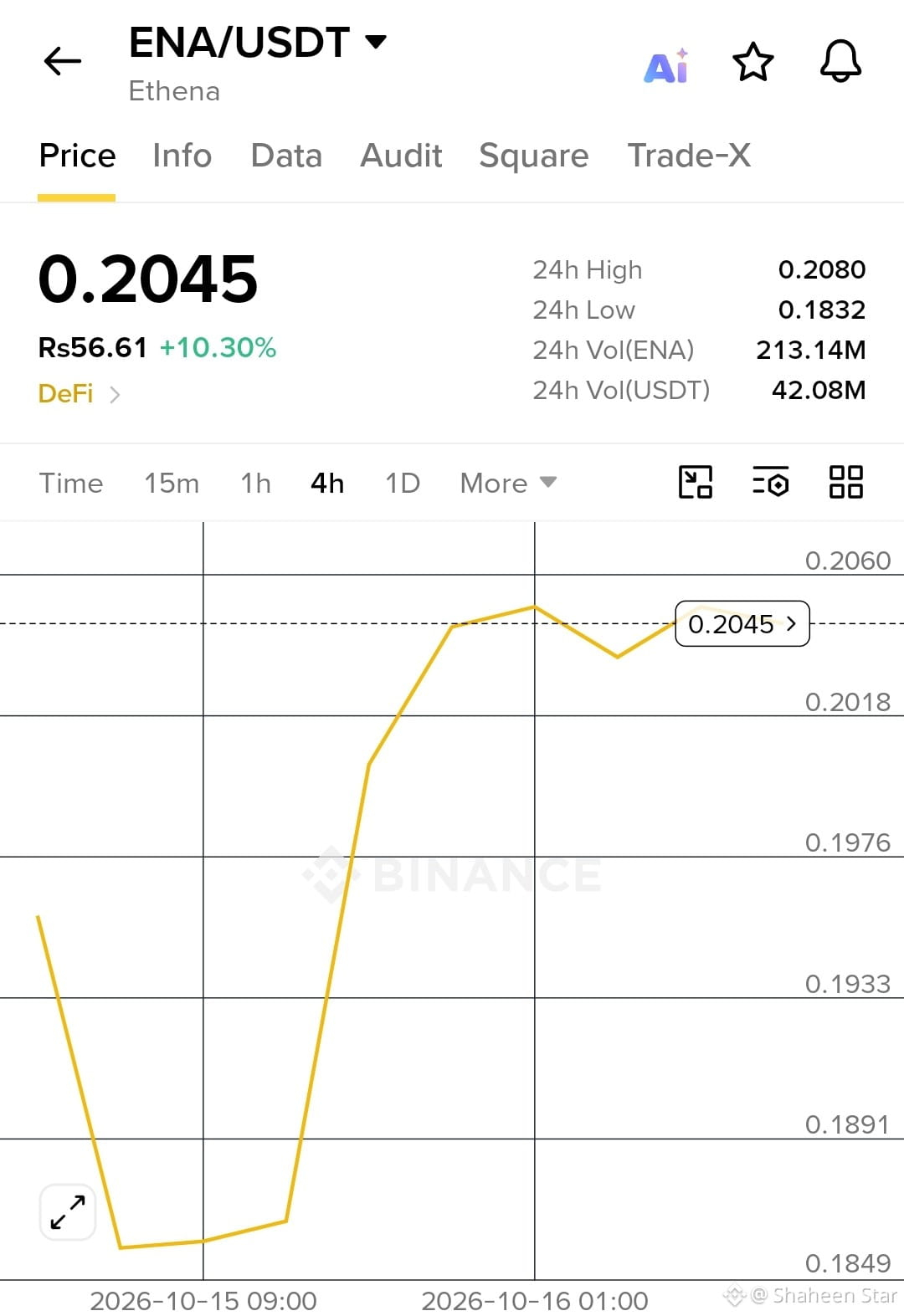
🚨 $ENA CONFIGURACIÓN EN CORTO 🔻🔥
⚠️ ¡La misma resistencia y rechazo repetido! Puede que los bajistas estén listos para tomar el control. 👀
📉 Detalles de la operación:
🔴 Entrada: $0.2039 – $0.2062
🎯 TP1: $0.1948
🎯 TP2: $0.1856
🎯 TP3: $0.1763
🛑 Stop loss: $0.2138
⚡ Apalancamiento: 32x
¡La zona de resistencia es clave! Si los vendedores mantienen la presión, $ENA podría acercarse a nuestros objetivos. 📉💥
⚠️ Un apalancamiento alto implica un riesgo elevado. ¡Gestiona tu posición con cuidado y usa siempre un stop loss!
¿Quién está atento a esta operación en corto? 🐻🔥
#ENA #Write2Earn #Binance #Crypto #FuturesTrading #ShortSetup
🚨 $ENA CONFIGURACIÓN EN CORTO 🔻🔥
⚠️ ¡La misma resistencia y rechazo repetido! Puede que los bajistas estén listos para tomar el control. 👀
📉 Detalles de la operación:
🔴 Entrada: $0.2039 – $0.2062
🎯 TP1: $0.1948
🎯 TP2: $0.1856
🎯 TP3: $0.1763
🛑 Stop loss: $0.2138
⚡ Apalancamiento: 32x
¡La zona de resistencia es clave! Si los vendedores mantienen la presión, $ENA podría acercarse a nuestros objetivos. 📉💥
⚠️ Un apalancamiento alto implica un riesgo elevado. ¡Gestiona tu posición con cuidado y usa siempre un stop loss!
¿Quién está atento a esta operación en corto? 🐻🔥
#ENA #Write2Earn #Binance #Crypto #FuturesTrading #ShortSetup
⚠️ ¡La misma resistencia y rechazo repetido! Puede que los bajistas estén listos para tomar el control. 👀
📉 Detalles de la operación:
🔴 Entrada: $0.2039 – $0.2062
🎯 TP1: $0.1948
🎯 TP2: $0.1856
🎯 TP3: $0.1763
🛑 Stop loss: $0.2138
⚡ Apalancamiento: 32x
¡La zona de resistencia es clave! Si los vendedores mantienen la presión, $ENA podría acercarse a nuestros objetivos. 📉💥
⚠️ Un apalancamiento alto implica un riesgo elevado. ¡Gestiona tu posición con cuidado y usa siempre un stop loss!
¿Quién está atento a esta operación en corto? 🐻🔥
#ENA #Write2Earn #Binance #Crypto #FuturesTrading #ShortSetup
347
·
--
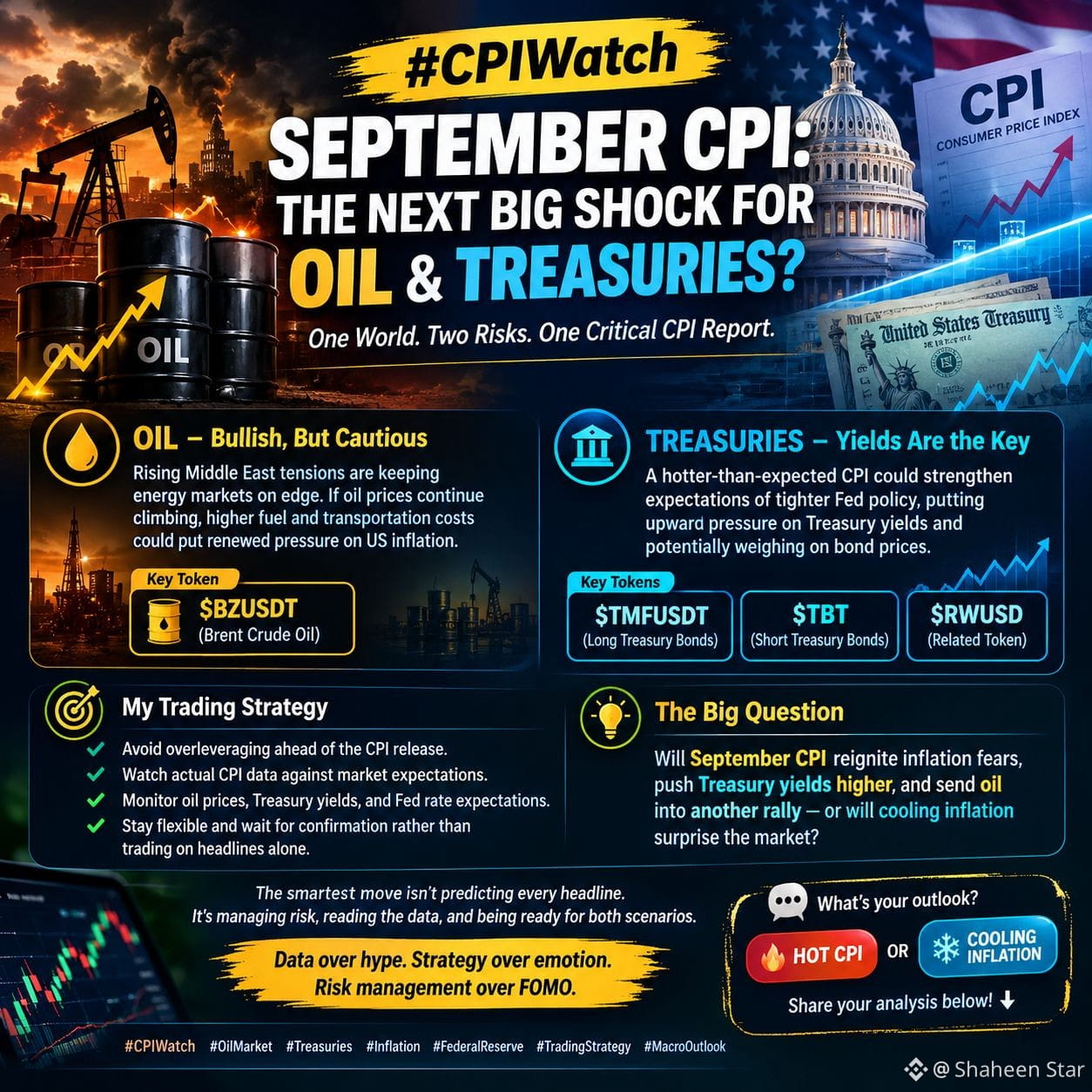
🔥 IPC DE SEPTIEMBRE: ¿EL PRÓXIMO GRAN SHOCK PARA EL PETRÓLEO Y LOS BONOS DEL TESORO? 📊
#CPIWatch
🌍 Un mundo. Dos riesgos. Un informe crucial del IPC.
El aumento de las tensiones en Oriente Medio mantiene en vilo a los mercados energéticos. Si los precios del petróleo siguen subiendo, el encarecimiento del combustible y del transporte podría volver a ejercer presión sobre la inflación en EE. UU.
📈 Mi perspectiva del mercado:
🛢️ PETRÓLEO — Alcista, pero con cautela
Los riesgos geopolíticos podrían mantener elevados los precios del petróleo. Sin embargo, una distensión de las tensiones o una menor demanda podrían provocar un giro brusco. Antes de sumarme al repunte, observaría la evolución del precio del crudo y los datos de inflación.
🇺🇸 BONOS DEL TESORO — Los rendimientos son la clave
Un IPC más alto de lo esperado podría reforzar las expectativas de una política más restrictiva por parte de la Fed, presionando al alza los rendimientos de los bonos del Tesoro y posiblemente afectando sus precios. Un IPC más moderado podría hacer bajar los rendimientos y favorecer los precios de los bonos del Tesoro.
🎯 Mi estrategia de trading
• Evita apalancarte demasiado antes de la publicación del IPC.
• Compara el dato real del IPC con las expectativas del mercado.
• Sigue de cerca los precios del petróleo, los rendimientos de los bonos del Tesoro y las expectativas sobre las tasas de la Fed.
• Mantente flexible y espera confirmación en lugar de operar basándote únicamente en los titulares.
💡 La gran pregunta:
¿Reavivará el IPC de septiembre los temores inflacionarios, impulsará al alza los rendimientos de los bonos del Tesoro y provocará otro repunte del petróleo, o sorprenderá al mercado una inflación que se modera?
La decisión más inteligente no es predecir cada titular. Es gestionar el riesgo, interpretar los datos y estar preparado para ambos escenarios.
📊 Datos por encima del ruido. Estrategia por encima de la emoción. Gestión del riesgo por encima del FOMO.
¿Cuál es tu perspectiva: IPC CALIENTE 🔥 o INFLACIÓN A LA BAJA ❄️?
¡Comparte tu análisis abajo! 👇
#CPIWatch #OilMarket #Treasuries #Inflation #FederalReserve
$BZUSDT $TMFUSDT $TBT $RWUSD
🔥 IPC DE SEPTIEMBRE: ¿EL PRÓXIMO GRAN SHOCK PARA EL PETRÓLEO Y LOS BONOS DEL TESORO? 📊
#CPIWatch
🌍 Un mundo. Dos riesgos. Un informe crucial del IPC.
El aumento de las tensiones en Oriente Medio mantiene en vilo a los mercados energéticos. Si los precios del petróleo siguen subiendo, el encarecimiento del combustible y del transporte podría volver a ejercer presión sobre la inflación en EE. UU.
📈 Mi perspectiva del mercado:
🛢️ PETRÓLEO — Alcista, pero con cautela
Los riesgos geopolíticos podrían mantener elevados los precios del petróleo. Sin embargo, una distensión de las tensiones o una menor demanda podrían provocar un giro brusco. Antes de sumarme al repunte, observaría la evolución del precio del crudo y los datos de inflación.
🇺🇸 BONOS DEL TESORO — Los rendimientos son la clave
Un IPC más alto de lo esperado podría reforzar las expectativas de una política más restrictiva por parte de la Fed, presionando al alza los rendimientos de los bonos del Tesoro y posiblemente afectando sus precios. Un IPC más moderado podría hacer bajar los rendimientos y favorecer los precios de los bonos del Tesoro.
🎯 Mi estrategia de trading
• Evita apalancarte demasiado antes de la publicación del IPC.
• Compara el dato real del IPC con las expectativas del mercado.
• Sigue de cerca los precios del petróleo, los rendimientos de los bonos del Tesoro y las expectativas sobre las tasas de la Fed.
• Mantente flexible y espera confirmación en lugar de operar basándote únicamente en los titulares.
💡 La gran pregunta:
¿Reavivará el IPC de septiembre los temores inflacionarios, impulsará al alza los rendimientos de los bonos del Tesoro y provocará otro repunte del petróleo, o sorprenderá al mercado una inflación que se modera?
La decisión más inteligente no es predecir cada titular. Es gestionar el riesgo, interpretar los datos y estar preparado para ambos escenarios.
📊 Datos por encima del ruido. Estrategia por encima de la emoción. Gestión del riesgo por encima del FOMO.
¿Cuál es tu perspectiva: IPC CALIENTE 🔥 o INFLACIÓN A LA BAJA ❄️?
¡Comparte tu análisis abajo! 👇
#CPIWatch #OilMarket #Treasuries #Inflation #FederalReserve
$BZUSDT $TMFUSDT $TBT $RWUSD
#CPIWatch
🌍 Un mundo. Dos riesgos. Un informe crucial del IPC.
El aumento de las tensiones en Oriente Medio mantiene en vilo a los mercados energéticos. Si los precios del petróleo siguen subiendo, el encarecimiento del combustible y del transporte podría volver a ejercer presión sobre la inflación en EE. UU.
📈 Mi perspectiva del mercado:
🛢️ PETRÓLEO — Alcista, pero con cautela
Los riesgos geopolíticos podrían mantener elevados los precios del petróleo. Sin embargo, una distensión de las tensiones o una menor demanda podrían provocar un giro brusco. Antes de sumarme al repunte, observaría la evolución del precio del crudo y los datos de inflación.
🇺🇸 BONOS DEL TESORO — Los rendimientos son la clave
Un IPC más alto de lo esperado podría reforzar las expectativas de una política más restrictiva por parte de la Fed, presionando al alza los rendimientos de los bonos del Tesoro y posiblemente afectando sus precios. Un IPC más moderado podría hacer bajar los rendimientos y favorecer los precios de los bonos del Tesoro.
🎯 Mi estrategia de trading
• Evita apalancarte demasiado antes de la publicación del IPC.
• Compara el dato real del IPC con las expectativas del mercado.
• Sigue de cerca los precios del petróleo, los rendimientos de los bonos del Tesoro y las expectativas sobre las tasas de la Fed.
• Mantente flexible y espera confirmación en lugar de operar basándote únicamente en los titulares.
💡 La gran pregunta:
¿Reavivará el IPC de septiembre los temores inflacionarios, impulsará al alza los rendimientos de los bonos del Tesoro y provocará otro repunte del petróleo, o sorprenderá al mercado una inflación que se modera?
La decisión más inteligente no es predecir cada titular. Es gestionar el riesgo, interpretar los datos y estar preparado para ambos escenarios.
📊 Datos por encima del ruido. Estrategia por encima de la emoción. Gestión del riesgo por encima del FOMO.
¿Cuál es tu perspectiva: IPC CALIENTE 🔥 o INFLACIÓN A LA BAJA ❄️?
¡Comparte tu análisis abajo! 👇
#CPIWatch #OilMarket #Treasuries #Inflation #FederalReserve
$BZUSDT $TMFUSDT $TBT $RWUSD
155
·
--
🎙️ Construye Binance Square, mantén BNB|Lunes: comienza una nueva semana, ¿tendremos un buen mercado? ¡Hablemos~

Finalizado
04 h 43 m 40 s
10.1k
34
48
·
--
🎙️ Intercambio sobre el mercado cripto y respuestas a las preguntas de principiantes ✅ ¡Construyamos juntos Binance Square 🦅, difundamos los ideales de libertad y mantengamos el equilibrio del ecosistema!

Finalizado
03 h 13 m 42 s
10.1k
27
75
·
--
🎙️ Construyamos Binance Square y mantengamos BNB|¡Conmemoración del primer aniversario del 10/11! ¿Recuerdan qué pasó hoy hace un año? ¡Vengan a charlar! Espero que quienes seguimos en la mesa podamos aprender de lo ocurrido.

Finalizado
04 h 44 m 20 s
10.8k
44
40
·
--
Alcista
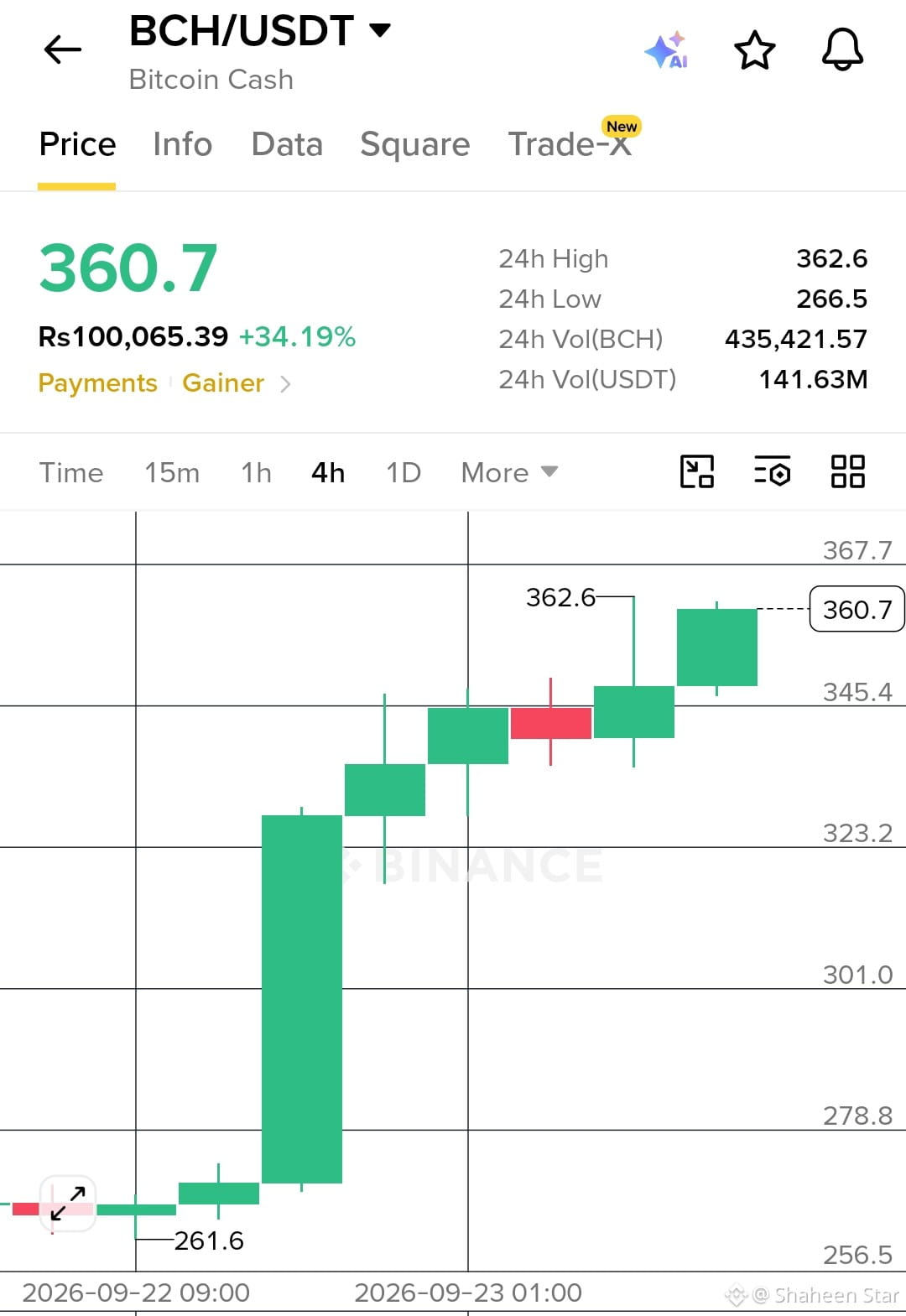
🚀 $BCH /USDT SEÑAL LONG 💯🔥
🟢 Entrada: 356–360
🎯 TP1: 363
🎯 TP2: 375
🎯 TP3: 390
🛑 SL: 348
📈 Fuerte impulso alcista + ¡~$1.14B en volumen USDT!
⚡ Resistencia: 362.73 — un rompimiento limpio y mantener por encima de 363 podría abrir más recorrido al alza.
❌ Por debajo de 348 = Configuración inválida
Opera con una gestión de riesgo adecuada. ⚠️
#BCH #BitcoinCash #Crypto #Trading #Binance
🚀 $BCH /USDT SEÑAL LONG 💯🔥
🟢 Entrada: 356–360
🎯 TP1: 363
🎯 TP2: 375
🎯 TP3: 390
🛑 SL: 348
📈 Fuerte impulso alcista + ¡~$1.14B en volumen USDT!
⚡ Resistencia: 362.73 — un rompimiento limpio y mantener por encima de 363 podría abrir más recorrido al alza.
❌ Por debajo de 348 = Configuración inválida
Opera con una gestión de riesgo adecuada. ⚠️
#BCH #BitcoinCash #Crypto #Trading #Binance
🟢 Entrada: 356–360
🎯 TP1: 363
🎯 TP2: 375
🎯 TP3: 390
🛑 SL: 348
📈 Fuerte impulso alcista + ¡~$1.14B en volumen USDT!
⚡ Resistencia: 362.73 — un rompimiento limpio y mantener por encima de 363 podría abrir más recorrido al alza.
❌ Por debajo de 348 = Configuración inválida
Opera con una gestión de riesgo adecuada. ⚠️
#BCH #BitcoinCash #Crypto #Trading #Binance
88
·
--
Alcista
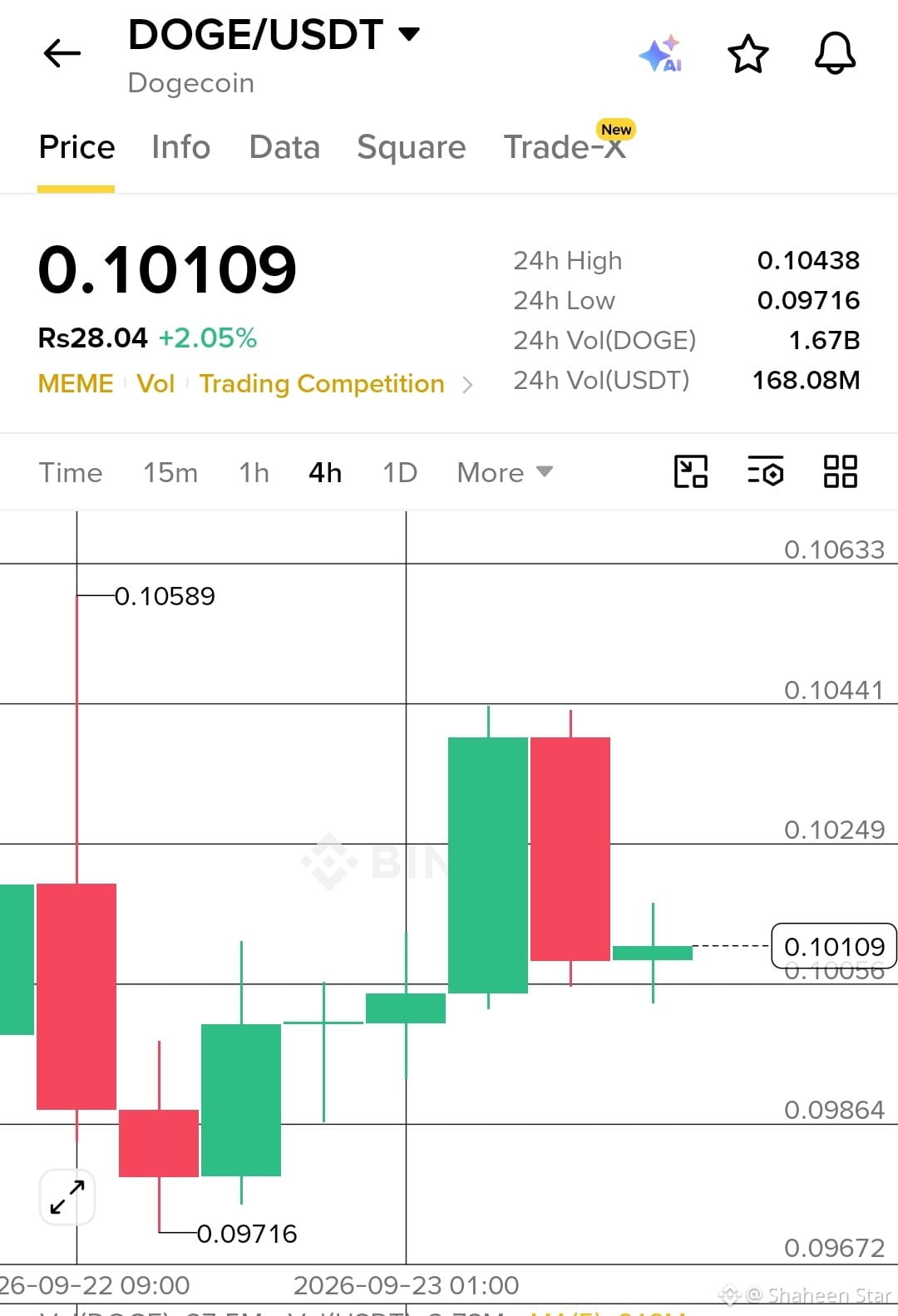
🚀 $DOGE MANTENIÉNDOSE FIRME! 🐕🔥
De ~0,085 → ahora ~0,1025, los alcistas están buscando otra ruptura! 👀
📍 Resistencia: 0,104–0,105
🎯 Objetivos de ruptura: 0,108 → 0,110 → 0,115
🔄 Zona de re-test: 0,098–0,100
El impulso es fuerte — pero no persigas cerca de la resistencia. ⚠️
🔥 Compra y opera $DOGE
#DOGE #Dogecoin #Cripto #Trading #Binance
🚀 $DOGE MANTENIÉNDOSE FIRME! 🐕🔥
De ~0,085 → ahora ~0,1025, los alcistas están buscando otra ruptura! 👀
📍 Resistencia: 0,104–0,105
🎯 Objetivos de ruptura: 0,108 → 0,110 → 0,115
🔄 Zona de re-test: 0,098–0,100
El impulso es fuerte — pero no persigas cerca de la resistencia. ⚠️
🔥 Compra y opera $DOGE
#DOGE #Dogecoin #Cripto #Trading #Binance
De ~0,085 → ahora ~0,1025, los alcistas están buscando otra ruptura! 👀
📍 Resistencia: 0,104–0,105
🎯 Objetivos de ruptura: 0,108 → 0,110 → 0,115
🔄 Zona de re-test: 0,098–0,100
El impulso es fuerte — pero no persigas cerca de la resistencia. ⚠️
🔥 Compra y opera $DOGE
#DOGE #Dogecoin #Cripto #Trading #Binance
126
·
--
Alcista
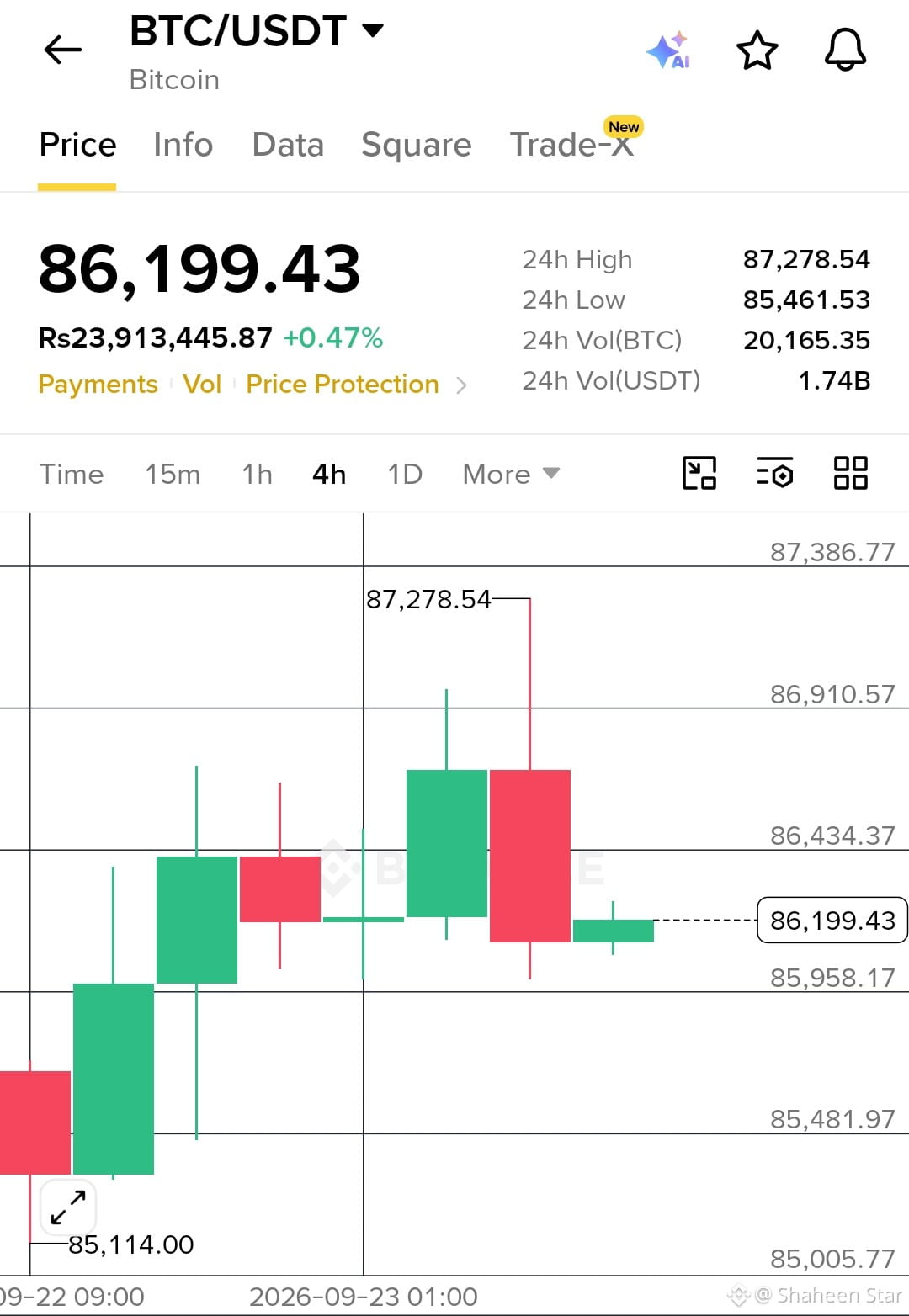
🚨 $BTC LONG SETUP 🚨
Confía en el setup: observa el siguiente impulso 📈🔥
🟢 Entrada: $86,200 – $86,300
🎯 TP1: $86,500
🎯 TP2: $86,650
🎯 TP3: $86,840
🛑 SL: $85,897
Gestiona el riesgo. Aplica tu propio plan. ⚠️
#BTC #Bitcoin #Crypto #Trading #Binance
🚨 $BTC LONG SETUP 🚨
Confía en el setup: observa el siguiente impulso 📈🔥
🟢 Entrada: $86,200 – $86,300
🎯 TP1: $86,500
🎯 TP2: $86,650
🎯 TP3: $86,840
🛑 SL: $85,897
Gestiona el riesgo. Aplica tu propio plan. ⚠️
#BTC #Bitcoin #Crypto #Trading #Binance
Confía en el setup: observa el siguiente impulso 📈🔥
🟢 Entrada: $86,200 – $86,300
🎯 TP1: $86,500
🎯 TP2: $86,650
🎯 TP3: $86,840
🛑 SL: $85,897
Gestiona el riesgo. Aplica tu propio plan. ⚠️
#BTC #Bitcoin #Crypto #Trading #Binance
116
·
--
Alcista
Verificado
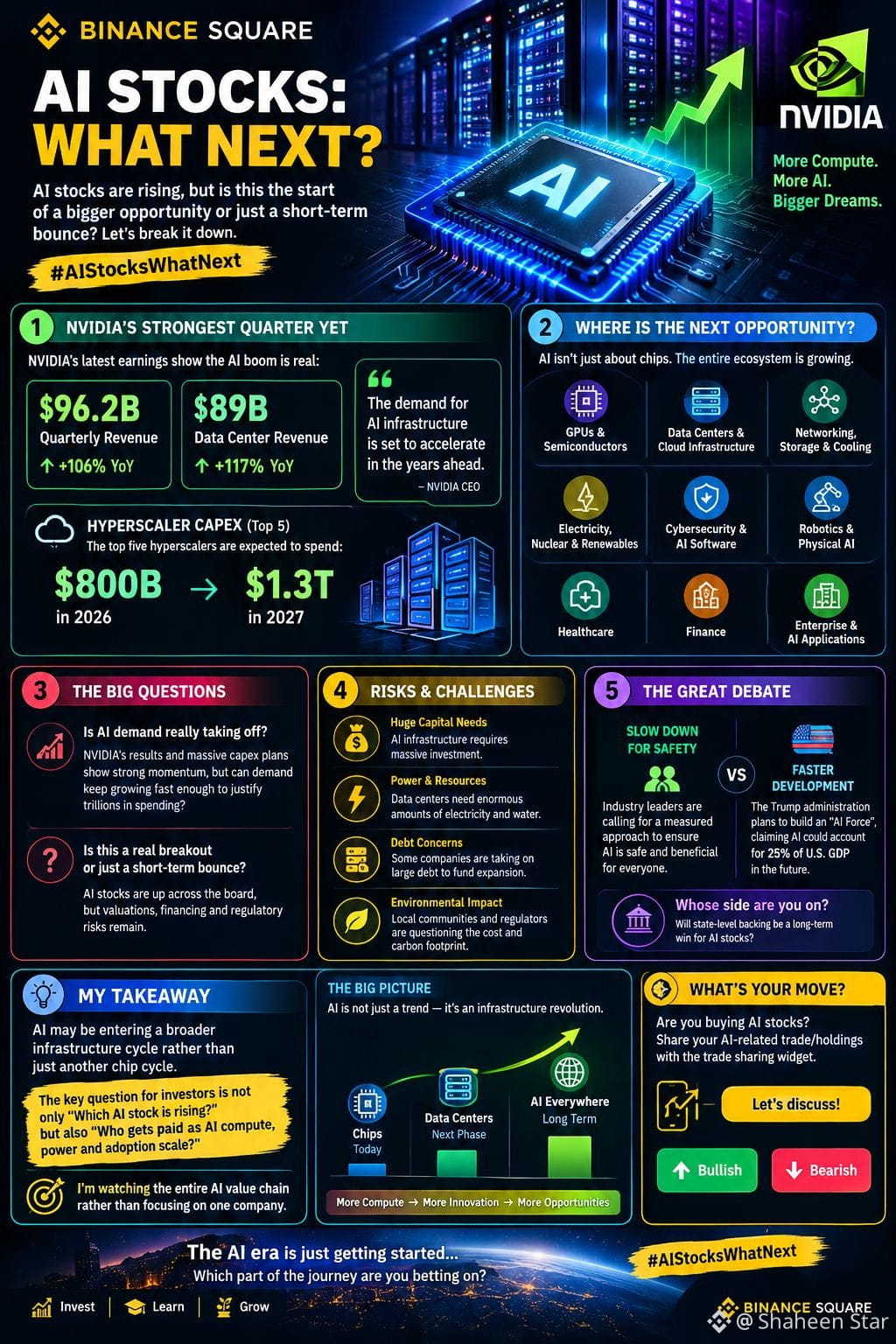
¡Las acciones de IA están subiendo, pero! ¿Dónde está la próxima oportunidad?
Soy moderadamente optimista a largo plazo con el tema de la IA, pero creo que la siguiente fase puede ser mucho más grande que simplemente comprar acciones de semiconductores.
Los últimos resultados de NVIDIA muestran lo potente que se ha vuelto el ciclo de demanda: los ingresos trimestrales alcanzaron $96.2B, un 106% más año tras año, mientras que los ingresos del segmento de Data Center llegaron a $89B, un 117% más. Al mismo tiempo, los hiperescaladores están preparando presupuestos de infraestructura enormes, y se espera que los cinco principales gasten cerca de $800B en capex en 2026 y alrededor de $1.3T en 2027.
Pero aquí está la pregunta importante: ¿la demanda de IA puede seguir creciendo con la suficiente rapidez como para justificar este nivel de gasto?
La oportunidad se está ampliando en toda la cadena de suministro de la IA:
🔹 GPU y semiconductores avanzados
🔹 Centros de datos e infraestructura de nube para IA
🔹 Redes, almacenamiento y refrigeración
🔹 Electricidad, energía nuclear y renovable
🔹 Ciberseguridad y software de IA
🔹 Robótica e IA física
🔹 Aplicaciones de IA en salud, finanzas y empresas
También hay riesgos reales. La infraestructura de IA requiere grandes cantidades de capital, electricidad y capacidad de centros de datos. Algunas empresas ya están aumentando cantidades significativas de deuda para financiar la expansión, mientras que los reguladores y las comunidades locales están cuestionando cada vez más el costo y el impacto ambiental de los centros de datos.
Otro gran debate que se está gestando es el siguiente: ¿debe acelerarse el desarrollo de la IA o debe marcarse un ritmo para la seguridad? Varios líderes importantes de IA han apoyado recientemente medidas de seguridad más estrictas, mientras que los responsables de políticas en EE. UU. están enfatizando el liderazgo tecnológico y la competencia.
Mi conclusión: es posible que la IA esté entrando en un ciclo de infraestructura más amplio, en lugar de ser simplemente otro ciclo de chips. La pregunta clave para los inversionistas no es solo “¿Qué acción de IA está subiendo?” sino también “¿Quién cobra por el cómputo, la energía y la adopción de la IA a escala?”
📊 Estoy siguiendo toda la cadena de valor de la IA en lugar de enfocarme en una sola empresa.
¿Cuál es tu opinión: alcista o bajista sobre las acciones de IA desde aquí?
#AIStocksWhatNext
$MUBARAK
{spot}(MUBARAKUSDT)
$KERNEL
{spot}(KERNELUSDT)
$COOKIE
{spot}(COOKIEUSDT)
¡Las acciones de IA están subiendo, pero! ¿Dónde está la próxima oportunidad?
Soy moderadamente optimista a largo plazo con el tema de la IA, pero creo que la siguiente fase puede ser mucho más grande que simplemente comprar acciones de semiconductores.
Los últimos resultados de NVIDIA muestran lo potente que se ha vuelto el ciclo de demanda: los ingresos trimestrales alcanzaron $96.2B, un 106% más año tras año, mientras que los ingresos del segmento de Data Center llegaron a $89B, un 117% más. Al mismo tiempo, los hiperescaladores están preparando presupuestos de infraestructura enormes, y se espera que los cinco principales gasten cerca de $800B en capex en 2026 y alrededor de $1.3T en 2027.
Pero aquí está la pregunta importante: ¿la demanda de IA puede seguir creciendo con la suficiente rapidez como para justificar este nivel de gasto?
La oportunidad se está ampliando en toda la cadena de suministro de la IA:
🔹 GPU y semiconductores avanzados
🔹 Centros de datos e infraestructura de nube para IA
🔹 Redes, almacenamiento y refrigeración
🔹 Electricidad, energía nuclear y renovable
🔹 Ciberseguridad y software de IA
🔹 Robótica e IA física
🔹 Aplicaciones de IA en salud, finanzas y empresas
También hay riesgos reales. La infraestructura de IA requiere grandes cantidades de capital, electricidad y capacidad de centros de datos. Algunas empresas ya están aumentando cantidades significativas de deuda para financiar la expansión, mientras que los reguladores y las comunidades locales están cuestionando cada vez más el costo y el impacto ambiental de los centros de datos.
Otro gran debate que se está gestando es el siguiente: ¿debe acelerarse el desarrollo de la IA o debe marcarse un ritmo para la seguridad? Varios líderes importantes de IA han apoyado recientemente medidas de seguridad más estrictas, mientras que los responsables de políticas en EE. UU. están enfatizando el liderazgo tecnológico y la competencia.
Mi conclusión: es posible que la IA esté entrando en un ciclo de infraestructura más amplio, en lugar de ser simplemente otro ciclo de chips. La pregunta clave para los inversionistas no es solo “¿Qué acción de IA está subiendo?” sino también “¿Quién cobra por el cómputo, la energía y la adopción de la IA a escala?”
📊 Estoy siguiendo toda la cadena de valor de la IA en lugar de enfocarme en una sola empresa.
¿Cuál es tu opinión: alcista o bajista sobre las acciones de IA desde aquí?
#AIStocksWhatNext
$MUBARAK
$KERNEL
$COOKIE
Soy moderadamente optimista a largo plazo con el tema de la IA, pero creo que la siguiente fase puede ser mucho más grande que simplemente comprar acciones de semiconductores.
Los últimos resultados de NVIDIA muestran lo potente que se ha vuelto el ciclo de demanda: los ingresos trimestrales alcanzaron $96.2B, un 106% más año tras año, mientras que los ingresos del segmento de Data Center llegaron a $89B, un 117% más. Al mismo tiempo, los hiperescaladores están preparando presupuestos de infraestructura enormes, y se espera que los cinco principales gasten cerca de $800B en capex en 2026 y alrededor de $1.3T en 2027.
Pero aquí está la pregunta importante: ¿la demanda de IA puede seguir creciendo con la suficiente rapidez como para justificar este nivel de gasto?
La oportunidad se está ampliando en toda la cadena de suministro de la IA:
🔹 GPU y semiconductores avanzados
🔹 Centros de datos e infraestructura de nube para IA
🔹 Redes, almacenamiento y refrigeración
🔹 Electricidad, energía nuclear y renovable
🔹 Ciberseguridad y software de IA
🔹 Robótica e IA física
🔹 Aplicaciones de IA en salud, finanzas y empresas
También hay riesgos reales. La infraestructura de IA requiere grandes cantidades de capital, electricidad y capacidad de centros de datos. Algunas empresas ya están aumentando cantidades significativas de deuda para financiar la expansión, mientras que los reguladores y las comunidades locales están cuestionando cada vez más el costo y el impacto ambiental de los centros de datos.
Otro gran debate que se está gestando es el siguiente: ¿debe acelerarse el desarrollo de la IA o debe marcarse un ritmo para la seguridad? Varios líderes importantes de IA han apoyado recientemente medidas de seguridad más estrictas, mientras que los responsables de políticas en EE. UU. están enfatizando el liderazgo tecnológico y la competencia.
Mi conclusión: es posible que la IA esté entrando en un ciclo de infraestructura más amplio, en lugar de ser simplemente otro ciclo de chips. La pregunta clave para los inversionistas no es solo “¿Qué acción de IA está subiendo?” sino también “¿Quién cobra por el cómputo, la energía y la adopción de la IA a escala?”
📊 Estoy siguiendo toda la cadena de valor de la IA en lugar de enfocarme en una sola empresa.
¿Cuál es tu opinión: alcista o bajista sobre las acciones de IA desde aquí?
#AIStocksWhatNext
$MUBARAK
$KERNEL
$COOKIE
1
6
563
·
--
Alcista
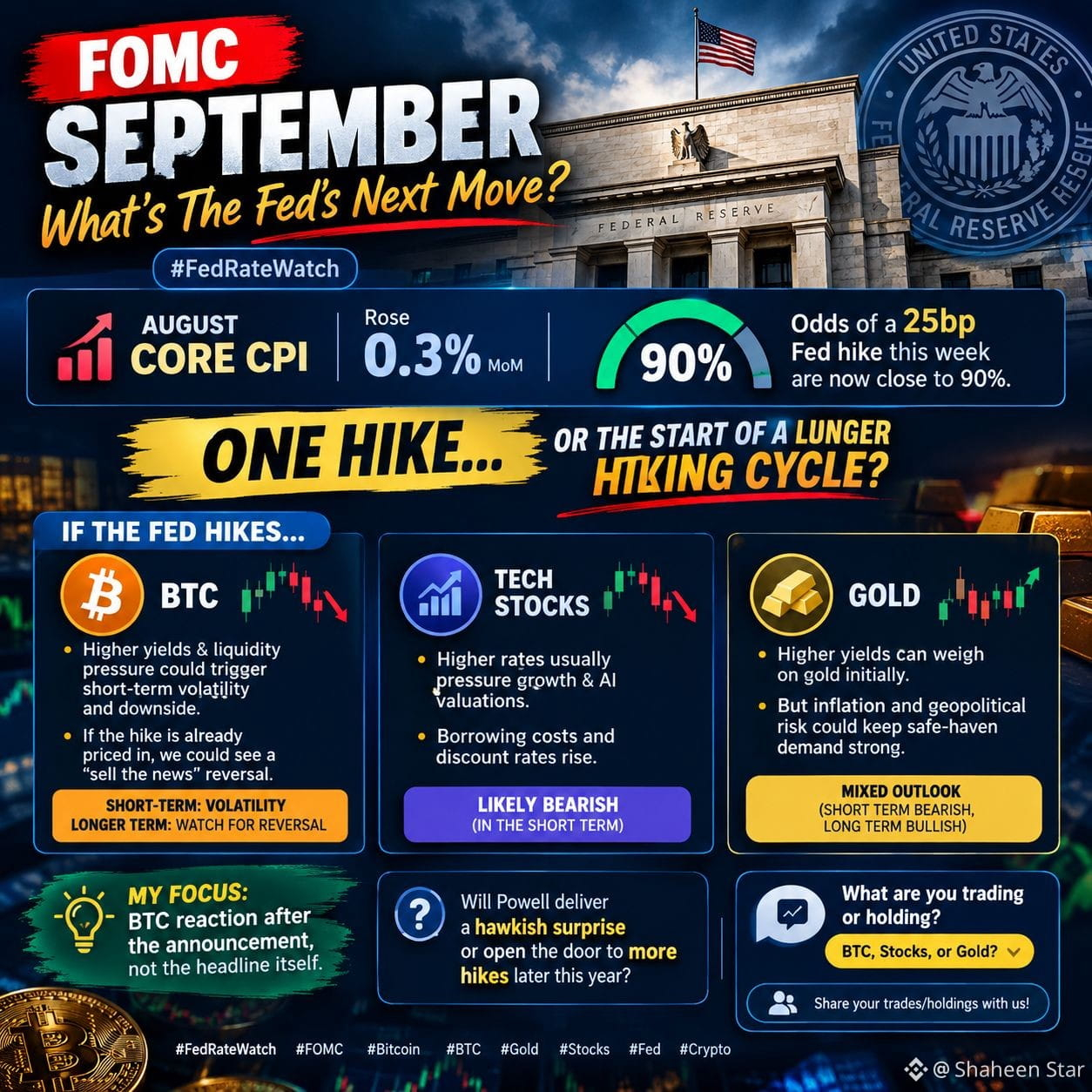
FOMC SEPTIEMBRE: ¿EL PRÓXIMO GRAN MOVIMIENTO DEL MERCADO?
El IPC subyacente de agosto salió caliente a +0.3% MoM, empujando las expectativas del mercado para una subida de 25 pb de la Fed esta semana hacia el 90%.
Pero la pregunta real es: ¿UNA SUBIDA… O EL INICIO DE UN NUEVO CICLO DE ALZAS? 👀
Si la Fed sube las tasas:
₿ BTC: Los mayores rendimientos/presión de liquidez podrían provocar volatilidad a corto plazo y una caída, pero un movimiento hawkish que ya estaba descontado podría generar una reversión tipo “vende la noticia”.
Acciones tecnológicas: Las tasas más altas normalmente presionan las valoraciones de crecimiento/IA a medida que suben los costos de endeudamiento y las tasas de descuento.
Oro: Los mayores rendimientos pueden pesar sobre el oro inicialmente, pero la inflación y el riesgo geopolítico podrían mantener fuerte la demanda de refugio.
Mi enfoque: la reacción del BTC después del anuncio, no el titular en sí.
¿Powell entregará una sorpresa hawkish o abrirá la puerta a más subidas más adelante este año?
👇 ¿Qué estás operando o manteniendo: BTC, Acciones u Oro?
#FedRateWatch
$AKE
{future}(AKEUSDT)
$AIN
{future}(AINUSDT)
$POWER
{future}(POWERUSDT)
FOMC SEPTIEMBRE: ¿EL PRÓXIMO GRAN MOVIMIENTO DEL MERCADO?
El IPC subyacente de agosto salió caliente a +0.3% MoM, empujando las expectativas del mercado para una subida de 25 pb de la Fed esta semana hacia el 90%.
Pero la pregunta real es: ¿UNA SUBIDA… O EL INICIO DE UN NUEVO CICLO DE ALZAS? 👀
Si la Fed sube las tasas:
₿ BTC: Los mayores rendimientos/presión de liquidez podrían provocar volatilidad a corto plazo y una caída, pero un movimiento hawkish que ya estaba descontado podría generar una reversión tipo “vende la noticia”.
Acciones tecnológicas: Las tasas más altas normalmente presionan las valoraciones de crecimiento/IA a medida que suben los costos de endeudamiento y las tasas de descuento.
Oro: Los mayores rendimientos pueden pesar sobre el oro inicialmente, pero la inflación y el riesgo geopolítico podrían mantener fuerte la demanda de refugio.
Mi enfoque: la reacción del BTC después del anuncio, no el titular en sí.
¿Powell entregará una sorpresa hawkish o abrirá la puerta a más subidas más adelante este año?
👇 ¿Qué estás operando o manteniendo: BTC, Acciones u Oro?
#FedRateWatch
$AKE
$AIN
$POWER
El IPC subyacente de agosto salió caliente a +0.3% MoM, empujando las expectativas del mercado para una subida de 25 pb de la Fed esta semana hacia el 90%.
Pero la pregunta real es: ¿UNA SUBIDA… O EL INICIO DE UN NUEVO CICLO DE ALZAS? 👀
Si la Fed sube las tasas:
₿ BTC: Los mayores rendimientos/presión de liquidez podrían provocar volatilidad a corto plazo y una caída, pero un movimiento hawkish que ya estaba descontado podría generar una reversión tipo “vende la noticia”.
Acciones tecnológicas: Las tasas más altas normalmente presionan las valoraciones de crecimiento/IA a medida que suben los costos de endeudamiento y las tasas de descuento.
Oro: Los mayores rendimientos pueden pesar sobre el oro inicialmente, pero la inflación y el riesgo geopolítico podrían mantener fuerte la demanda de refugio.
Mi enfoque: la reacción del BTC después del anuncio, no el titular en sí.
¿Powell entregará una sorpresa hawkish o abrirá la puerta a más subidas más adelante este año?
👇 ¿Qué estás operando o manteniendo: BTC, Acciones u Oro?
#FedRateWatch
$AKE
$AIN
$POWER
9
13
115
Inicia sesión para explorar más contenidos
Únete a usuarios globales de criptomonedas en Binance Square
⚡️ Obtén información útil y actualizada sobre criptos.
💬 Avalado por el mayor exchange de criptomonedas en el mundo.
👍 Descubre perspectivas reales de creadores verificados.
Email/número de teléfono
Temas populares
BinancePick
3M vistas
152,200 están debatiendo
¡Únete a #TemporadaDeResultados: predice resultados en Binance Pick y comparte tu opinión en Binance Square!
Binance Square Official
·409 me gusta
·342.7k vistas
EarningsSeason
5.3M vistas
25,859 están debatiendo
AnthropicTTMRevenueGrewAbout1200%
23,672 vistas
358 están debatiendo