

Ruoxi 若曦
1.2k Publicaciones

Ruoxi 若曦
Denunciar
Bloquear usuario
365 Siguiendo
22.1K+ Seguidores
1.4K+ Me gusta
Publicaciones
Todo
Citas
Live
·
--
Verificado
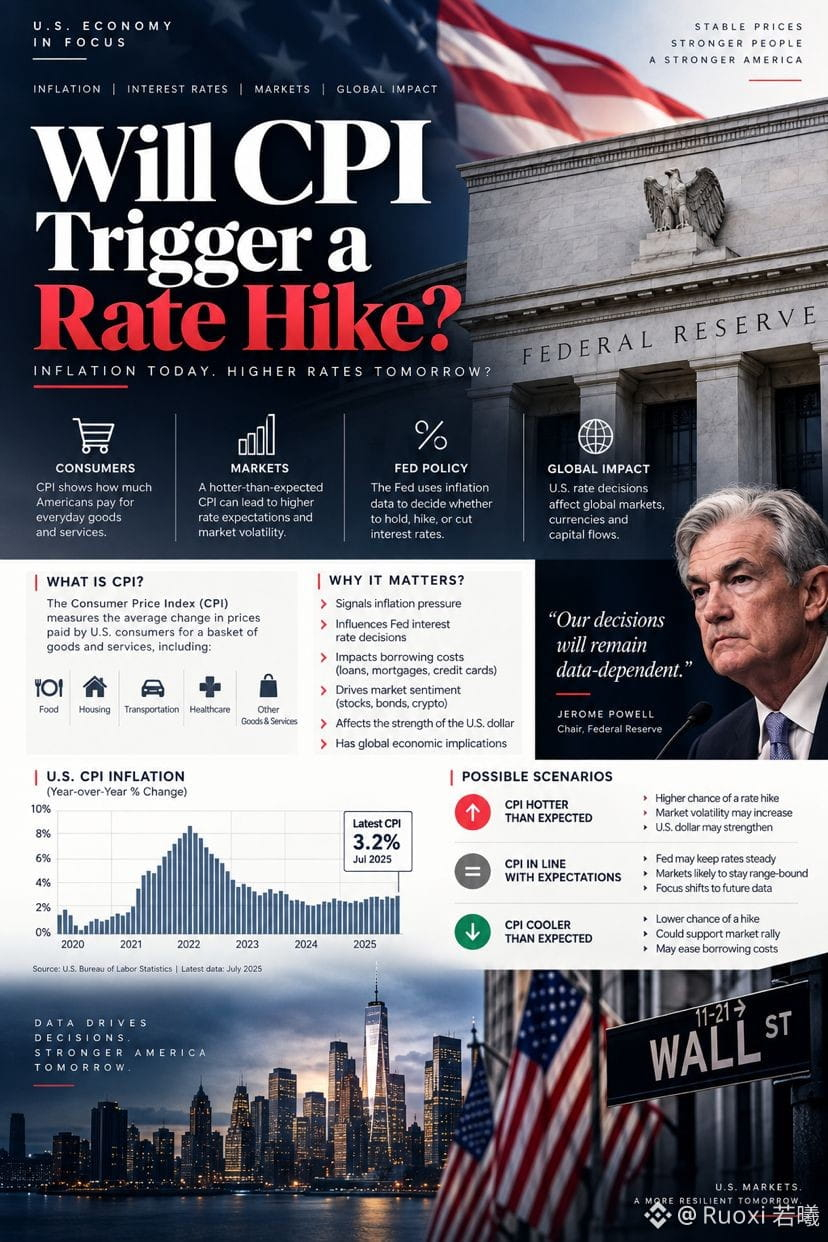
¿El IPC provocará una subida de tasas?
He estado observando este escenario de cerca porque esta vez algo se siente un poco diferente.
Los datos de empleo llegaron más fuertes de lo esperado y ahora todos esperan que el IPC le dé a la Fed su próxima excusa, o quizá su próxima razón para mantenerse cautelosa.
Personalmente, no estoy convencido de que la Fed vaya a lanzarse a cualquier cosa. Un dato fuerte no cambia todo el panorama, pero una inflación persistente definitivamente podría volver a poner nervioso al mercado.
Lo que más me preocupa es la reacción después del IPC. Podríamos ver que las acciones caen, que las rentabilidades suben y que el oro se mueve con fuerza en cuestión de minutos. Y, honestamente, el primer movimiento no siempre es el que confío.
Por ahora, me mantengo cauto con las acciones y observo el oro de cerca. Prefiero perderme la primera vela que perseguir un movimiento que se revierte cinco minutos después.
Así es como lo veo.
¿Qué esperas: una subida de la Fed o que se mantenga? ¿Alcista o bajista?
#CPIWatch
¿El IPC provocará una subida de tasas?
He estado observando este escenario de cerca porque esta vez algo se siente un poco diferente.
Los datos de empleo llegaron más fuertes de lo esperado y ahora todos esperan que el IPC le dé a la Fed su próxima excusa, o quizá su próxima razón para mantenerse cautelosa.
Personalmente, no estoy convencido de que la Fed vaya a lanzarse a cualquier cosa. Un dato fuerte no cambia todo el panorama, pero una inflación persistente definitivamente podría volver a poner nervioso al mercado.
Lo que más me preocupa es la reacción después del IPC. Podríamos ver que las acciones caen, que las rentabilidades suben y que el oro se mueve con fuerza en cuestión de minutos. Y, honestamente, el primer movimiento no siempre es el que confío.
Por ahora, me mantengo cauto con las acciones y observo el oro de cerca. Prefiero perderme la primera vela que perseguir un movimiento que se revierte cinco minutos después.
Así es como lo veo.
¿Qué esperas: una subida de la Fed o que se mantenga? ¿Alcista o bajista?
#CPIWatch
He estado observando este escenario de cerca porque esta vez algo se siente un poco diferente.
Los datos de empleo llegaron más fuertes de lo esperado y ahora todos esperan que el IPC le dé a la Fed su próxima excusa, o quizá su próxima razón para mantenerse cautelosa.
Personalmente, no estoy convencido de que la Fed vaya a lanzarse a cualquier cosa. Un dato fuerte no cambia todo el panorama, pero una inflación persistente definitivamente podría volver a poner nervioso al mercado.
Lo que más me preocupa es la reacción después del IPC. Podríamos ver que las acciones caen, que las rentabilidades suben y que el oro se mueve con fuerza en cuestión de minutos. Y, honestamente, el primer movimiento no siempre es el que confío.
Por ahora, me mantengo cauto con las acciones y observo el oro de cerca. Prefiero perderme la primera vela que perseguir un movimiento que se revierte cinco minutos después.
Así es como lo veo.
¿Qué esperas: una subida de la Fed o que se mantenga? ¿Alcista o bajista?
#CPIWatch
131
·
--
@termmax I sigo mirando el lado menos glamuroso de DeFi, porque normalmente es donde más aprendo. TermMax tiene un programa de bug bounty que pone un valor real en encontrar problemas serios de smart contracts antes de que lo haga un atacante.
Para un bug crítico, la recompensa es el 10% de los fondos directamente afectados, con un tope de 50.000 USD y un mínimo de 10.000 USD. Creo que es un incentivo significativo para que los whitehats se pronuncien a tiempo.
Lo que captó mi atención fue la regla de ataque repetido. Si un contrato puede pausarse o actualizarse, solo puede contar el ataque inicial. Si no se puede detener, puede considerarse el daño acumulado por la explotación repetida. Eso se siente mucho más cerca de cómo podría desarrollarse un exploit real.
TermMax combina préstamos y depósitos con tasa fija con curvas de precios de AMM personalizables, así que la seguridad no es algo que yo trataría a la ligera. Además, el bounty exige una prueba de concepto y las pruebas se restringen a forks locales en lugar de código en mainnet en vivo o en testnets públicas.
Aun así, una recompensa de 50.000 USD no convierte mágicamente un protocolo en seguro. Pueden quedar bugs sin descubrir, y DeFi tiene muchos riesgos además de los smart contracts.
Personalmente, veo el bounty como una señal de seguridad, no como una garantía.
¿Un bug bounty sólido influiría en tu decisión de usar TermMax?
#TermMax
$GALA
{spot}(GALAUSDT)
$BCH
{spot}(BCHUSDT)
@TermMax I sigo mirando el lado menos glamuroso de DeFi, porque normalmente es donde más aprendo. TermMax tiene un programa de bug bounty que pone un valor real en encontrar problemas serios de smart contracts antes de que lo haga un atacante.
Para un bug crítico, la recompensa es el 10% de los fondos directamente afectados, con un tope de 50.000 USD y un mínimo de 10.000 USD. Creo que es un incentivo significativo para que los whitehats se pronuncien a tiempo.
Lo que captó mi atención fue la regla de ataque repetido. Si un contrato puede pausarse o actualizarse, solo puede contar el ataque inicial. Si no se puede detener, puede considerarse el daño acumulado por la explotación repetida. Eso se siente mucho más cerca de cómo podría desarrollarse un exploit real.
TermMax combina préstamos y depósitos con tasa fija con curvas de precios de AMM personalizables, así que la seguridad no es algo que yo trataría a la ligera. Además, el bounty exige una prueba de concepto y las pruebas se restringen a forks locales en lugar de código en mainnet en vivo o en testnets públicas.
Aun así, una recompensa de 50.000 USD no convierte mágicamente un protocolo en seguro. Pueden quedar bugs sin descubrir, y DeFi tiene muchos riesgos además de los smart contracts.
Personalmente, veo el bounty como una señal de seguridad, no como una garantía.
¿Un bug bounty sólido influiría en tu decisión de usar TermMax?
#TermMax
$GALA
$BCH
Para un bug crítico, la recompensa es el 10% de los fondos directamente afectados, con un tope de 50.000 USD y un mínimo de 10.000 USD. Creo que es un incentivo significativo para que los whitehats se pronuncien a tiempo.
Lo que captó mi atención fue la regla de ataque repetido. Si un contrato puede pausarse o actualizarse, solo puede contar el ataque inicial. Si no se puede detener, puede considerarse el daño acumulado por la explotación repetida. Eso se siente mucho más cerca de cómo podría desarrollarse un exploit real.
TermMax combina préstamos y depósitos con tasa fija con curvas de precios de AMM personalizables, así que la seguridad no es algo que yo trataría a la ligera. Además, el bounty exige una prueba de concepto y las pruebas se restringen a forks locales en lugar de código en mainnet en vivo o en testnets públicas.
Aun así, una recompensa de 50.000 USD no convierte mágicamente un protocolo en seguro. Pueden quedar bugs sin descubrir, y DeFi tiene muchos riesgos además de los smart contracts.
Personalmente, veo el bounty como una señal de seguridad, no como una garantía.
¿Un bug bounty sólido influiría en tu decisión de usar TermMax?
#TermMax
$GALA
$BCH
Bounty Hunt 🟠
100%
Treasure Hunt 🟣
0%
4 Voto(s) • Votación cerrada
1
1
460
·
--
Parcialmente cierto
@termmax Una cosa que se me quedó inmediatamente clara al leer el desglose de XP de TermMax: el multiplicador no es igual para cada posición.
Los depósitos en bóveda reciben 30x de XP, las tenencias de FT reciben 15x y las tenencias de GT reciben 2x según el valor del activo de la deuda. También hay un componente de referidos equivalente al 10% del XP de los usuarios referidos, excluyendo el propio bono por referidos.
Honestamente, me gusta más esta lógica que una campaña simple de “haz 100 transacciones”.
Le da al sistema de incentivos una conexión con distintos roles dentro de TermMax.
Y esos roles sí importan porque TermMax usa cosas como Fixed-Rate Tokens y Gearing Tokens para estructurar el endeudamiento y el préstamo alrededor de plazos fijos.
Aun así, 30x puede parecer emocionante sobre el papel y volverse menos impresionante si demasiados usuarios se agrupan en la misma estrategia.
Esa es la parte que vigilaría.
¿Crees que la XP basada en multiplicadores crea mejores usuarios, o solo más competencia por el mismo airdrop?
#TermMax
$ACE
{spot}(ACEUSDT)
$ONG
{spot}(ONGUSDT)
@TermMax Una cosa que se me quedó inmediatamente clara al leer el desglose de XP de TermMax: el multiplicador no es igual para cada posición.
Los depósitos en bóveda reciben 30x de XP, las tenencias de FT reciben 15x y las tenencias de GT reciben 2x según el valor del activo de la deuda. También hay un componente de referidos equivalente al 10% del XP de los usuarios referidos, excluyendo el propio bono por referidos.
Honestamente, me gusta más esta lógica que una campaña simple de “haz 100 transacciones”.
Le da al sistema de incentivos una conexión con distintos roles dentro de TermMax.
Y esos roles sí importan porque TermMax usa cosas como Fixed-Rate Tokens y Gearing Tokens para estructurar el endeudamiento y el préstamo alrededor de plazos fijos.
Aun así, 30x puede parecer emocionante sobre el papel y volverse menos impresionante si demasiados usuarios se agrupan en la misma estrategia.
Esa es la parte que vigilaría.
¿Crees que la XP basada en multiplicadores crea mejores usuarios, o solo más competencia por el mismo airdrop?
#TermMax
$ACE
$ONG
Los depósitos en bóveda reciben 30x de XP, las tenencias de FT reciben 15x y las tenencias de GT reciben 2x según el valor del activo de la deuda. También hay un componente de referidos equivalente al 10% del XP de los usuarios referidos, excluyendo el propio bono por referidos.
Honestamente, me gusta más esta lógica que una campaña simple de “haz 100 transacciones”.
Le da al sistema de incentivos una conexión con distintos roles dentro de TermMax.
Y esos roles sí importan porque TermMax usa cosas como Fixed-Rate Tokens y Gearing Tokens para estructurar el endeudamiento y el préstamo alrededor de plazos fijos.
Aun así, 30x puede parecer emocionante sobre el papel y volverse menos impresionante si demasiados usuarios se agrupan en la misma estrategia.
Esa es la parte que vigilaría.
¿Crees que la XP basada en multiplicadores crea mejores usuarios, o solo más competencia por el mismo airdrop?
#TermMax
$ACE
$ONG
Bullish Token Volatility 🟢
73%
Bearish Token Volatility 🔴
27%
11 Voto(s) • Votación cerrada
3
868
·
--
@termmax Una cosa que ahora observo sobre los protocolos DeFi es un poco diferente.
Una puntuación PQR de DeFiSafety del 93% en TermMax me llamó la atención, pero no veo el 93% como “seguro, hecho, sigo adelante”. Lo veo como una razón para mirar más a fondo, honestamente. La puntuación cubre código, documentación, pruebas, seguridad, controles de administración y oráculos.
TermMax obtuvo 100% en Código y Equipo,
94% en Seguridad, 97% en Controles de Administración y 100% en Oráculos. Las pruebas llegaron a 89%, mientras que la documentación fue del 70%. Ese último número es, en realidad, la parte que me gustaría entender mejor.
Creo que así deberían usarse las puntuaciones de seguridad.
No como una luz verde, sino como un punto de partida para la investigación. TermMax también describe pruebas unitarias, fuzzing, pruebas de mutación y pruebas de integración.
Aun así, el riesgo de los contratos inteligentes nunca desaparece por completo en DeFi.
Así que estoy observando ese 93% con interés, no con confianza ciega.Para un protocolo que gestiona préstamos, empréstitos y productos estructurados, la seguridad no es una función secundaria: es el juego completo.
¿Un puntaje PQR del 93% cambiaría tu forma de ver un protocolo DeFi?
#TermMax
$CLO
{future}(CLOUSDT)
$ACE
{spot}(ACEUSDT)
@TermMax Una cosa que ahora observo sobre los protocolos DeFi es un poco diferente.
Una puntuación PQR de DeFiSafety del 93% en TermMax me llamó la atención, pero no veo el 93% como “seguro, hecho, sigo adelante”. Lo veo como una razón para mirar más a fondo, honestamente. La puntuación cubre código, documentación, pruebas, seguridad, controles de administración y oráculos.
TermMax obtuvo 100% en Código y Equipo,
94% en Seguridad, 97% en Controles de Administración y 100% en Oráculos. Las pruebas llegaron a 89%, mientras que la documentación fue del 70%. Ese último número es, en realidad, la parte que me gustaría entender mejor.
Creo que así deberían usarse las puntuaciones de seguridad.
No como una luz verde, sino como un punto de partida para la investigación. TermMax también describe pruebas unitarias, fuzzing, pruebas de mutación y pruebas de integración.
Aun así, el riesgo de los contratos inteligentes nunca desaparece por completo en DeFi.
Así que estoy observando ese 93% con interés, no con confianza ciega.Para un protocolo que gestiona préstamos, empréstitos y productos estructurados, la seguridad no es una función secundaria: es el juego completo.
¿Un puntaje PQR del 93% cambiaría tu forma de ver un protocolo DeFi?
#TermMax
$CLO
$ACE
Una puntuación PQR de DeFiSafety del 93% en TermMax me llamó la atención, pero no veo el 93% como “seguro, hecho, sigo adelante”. Lo veo como una razón para mirar más a fondo, honestamente. La puntuación cubre código, documentación, pruebas, seguridad, controles de administración y oráculos.
TermMax obtuvo 100% en Código y Equipo,
94% en Seguridad, 97% en Controles de Administración y 100% en Oráculos. Las pruebas llegaron a 89%, mientras que la documentación fue del 70%. Ese último número es, en realidad, la parte que me gustaría entender mejor.
Creo que así deberían usarse las puntuaciones de seguridad.
No como una luz verde, sino como un punto de partida para la investigación. TermMax también describe pruebas unitarias, fuzzing, pruebas de mutación y pruebas de integración.
Aun así, el riesgo de los contratos inteligentes nunca desaparece por completo en DeFi.
Así que estoy observando ese 93% con interés, no con confianza ciega.Para un protocolo que gestiona préstamos, empréstitos y productos estructurados, la seguridad no es una función secundaria: es el juego completo.
¿Un puntaje PQR del 93% cambiaría tu forma de ver un protocolo DeFi?
#TermMax
$CLO
$ACE
Bullish Volatile 🟢
67%
Bearish Volatile 🔴
33%
3 Voto(s) • Votación cerrada
340
·
--
Verificado
@termmax Sigo mirando el lado de la liquidación de DeFi, porque ahí es donde muchas ideas de préstamos se prueban de verdad.
Un protocolo puede ofrecer tasas atractivas, pero ¿qué pasa cuando el mercado se mueve repentinamente un 30%?
TermMax tiene una respuesta interesante: entrega física. En ciertas situaciones de liquidación, la garantía puede entregarse a los prestamistas en lugar de depender únicamente de vender activos en un mercado delgado. El diseño también pretende hacer que garantías como activos de menor liquidez y algunas RWAs sean más viables.
Creo que esta es una de las partes menos llamativas de TermMax, pero probablemente una de las más importantes.
Si la liquidez desaparece durante un movimiento brusco, simplemente decir “liquidarlo” no garantiza que el prestamista obtenga una recuperación justa.
Pero la entrega física tampoco es un escudo mágico. La propia garantía aún puede perder valor.
¿Confiarías más en la entrega física que en una liquidación tradicional del mercado durante una volatilidad extrema?
#TermMax
$GPS
{spot}(GPSUSDT)
$TUT
{spot}(TUTUSDT)
@TermMax Sigo mirando el lado de la liquidación de DeFi, porque ahí es donde muchas ideas de préstamos se prueban de verdad.
Un protocolo puede ofrecer tasas atractivas, pero ¿qué pasa cuando el mercado se mueve repentinamente un 30%?
TermMax tiene una respuesta interesante: entrega física. En ciertas situaciones de liquidación, la garantía puede entregarse a los prestamistas en lugar de depender únicamente de vender activos en un mercado delgado. El diseño también pretende hacer que garantías como activos de menor liquidez y algunas RWAs sean más viables.
Creo que esta es una de las partes menos llamativas de TermMax, pero probablemente una de las más importantes.
Si la liquidez desaparece durante un movimiento brusco, simplemente decir “liquidarlo” no garantiza que el prestamista obtenga una recuperación justa.
Pero la entrega física tampoco es un escudo mágico. La propia garantía aún puede perder valor.
¿Confiarías más en la entrega física que en una liquidación tradicional del mercado durante una volatilidad extrema?
#TermMax
$GPS
$TUT
Un protocolo puede ofrecer tasas atractivas, pero ¿qué pasa cuando el mercado se mueve repentinamente un 30%?
TermMax tiene una respuesta interesante: entrega física. En ciertas situaciones de liquidación, la garantía puede entregarse a los prestamistas en lugar de depender únicamente de vender activos en un mercado delgado. El diseño también pretende hacer que garantías como activos de menor liquidez y algunas RWAs sean más viables.
Creo que esta es una de las partes menos llamativas de TermMax, pero probablemente una de las más importantes.
Si la liquidez desaparece durante un movimiento brusco, simplemente decir “liquidarlo” no garantiza que el prestamista obtenga una recuperación justa.
Pero la entrega física tampoco es un escudo mágico. La propia garantía aún puede perder valor.
¿Confiarías más en la entrega física que en una liquidación tradicional del mercado durante una volatilidad extrema?
#TermMax
$GPS
$TUT
Bullish volatility 🟢
33%
Bearish volatility 🔴
67%
12 Voto(s) • Votación cerrada
1.3k
·
--
@Dusk_Foundation I sigo mirando la conversación sobre IA + cripto y algo se siente incompleto. Todo el mundo habla de agentes que generan código, ejecutan tareas y avanzan más rápido. Muy pocas personas se preguntan qué pasa cuando el agente sigue una especificación desactualizada que nadie recordó que estaba desactualizada.
Pituitary es el intento de Dusk de resolver ese problema más silencioso. Observa la relación entre especificaciones, documentación, decisiones y código, en lugar de tratar cada archivo como una cosa aislada. Puede buscar especificaciones, compararlas, encontrar documentación obsoleta y revisar el impacto.
Honestamente, ese es el tipo de herramientas de IA que encuentro más interesantes. No otro chatbot que le diga a los desarrolladores qué código escribir, sino un sistema que ayuda a los desarrolladores a evitar perder la intención original del proyecto. Especialmente para la infraestructura financiera, donde la privacidad y el cumplimiento pueden formar parte de la lógica de la aplicación.
Aun así, aquí también hay un riesgo. Demasiadas alertas automatizadas podrían convertirse en ruido, y los equipos eventualmente podrían empezar a ignorarlas. La herramienta tiene que demostrar que sus señales son útiles.
Pero si la IA va a escribir más de nuestro código, ¿no deberíamos construir mejores sistemas para recordar las reglas que el código debe seguir?
#dusk $DUSK
$PORTAL
{spot}(PORTALUSDT)
$DOLO
{spot}(DOLOUSDT)
@Dusk I sigo mirando la conversación sobre IA + cripto y algo se siente incompleto. Todo el mundo habla de agentes que generan código, ejecutan tareas y avanzan más rápido. Muy pocas personas se preguntan qué pasa cuando el agente sigue una especificación desactualizada que nadie recordó que estaba desactualizada.
Pituitary es el intento de Dusk de resolver ese problema más silencioso. Observa la relación entre especificaciones, documentación, decisiones y código, en lugar de tratar cada archivo como una cosa aislada. Puede buscar especificaciones, compararlas, encontrar documentación obsoleta y revisar el impacto.
Honestamente, ese es el tipo de herramientas de IA que encuentro más interesantes. No otro chatbot que le diga a los desarrolladores qué código escribir, sino un sistema que ayuda a los desarrolladores a evitar perder la intención original del proyecto. Especialmente para la infraestructura financiera, donde la privacidad y el cumplimiento pueden formar parte de la lógica de la aplicación.
Aun así, aquí también hay un riesgo. Demasiadas alertas automatizadas podrían convertirse en ruido, y los equipos eventualmente podrían empezar a ignorarlas. La herramienta tiene que demostrar que sus señales son útiles.
Pero si la IA va a escribir más de nuestro código, ¿no deberíamos construir mejores sistemas para recordar las reglas que el código debe seguir?
#dusk $DUSK
$PORTAL
$DOLO
Pituitary es el intento de Dusk de resolver ese problema más silencioso. Observa la relación entre especificaciones, documentación, decisiones y código, en lugar de tratar cada archivo como una cosa aislada. Puede buscar especificaciones, compararlas, encontrar documentación obsoleta y revisar el impacto.
Honestamente, ese es el tipo de herramientas de IA que encuentro más interesantes. No otro chatbot que le diga a los desarrolladores qué código escribir, sino un sistema que ayuda a los desarrolladores a evitar perder la intención original del proyecto. Especialmente para la infraestructura financiera, donde la privacidad y el cumplimiento pueden formar parte de la lógica de la aplicación.
Aun así, aquí también hay un riesgo. Demasiadas alertas automatizadas podrían convertirse en ruido, y los equipos eventualmente podrían empezar a ignorarlas. La herramienta tiene que demostrar que sus señales son útiles.
Pero si la IA va a escribir más de nuestro código, ¿no deberíamos construir mejores sistemas para recordar las reglas que el código debe seguir?
#dusk $DUSK
$PORTAL
$DOLO
Bullish Time 🟢
100%
Bearish Time 🔴
0%
3 Voto(s) • Votación cerrada
297
·
--
Verificado
@Dusk_Foundation Una cosa que noté al leer la documentación de Dusk es que los contratos inteligentes se están convirtiendo en parte de la economía de la red, no solo en sus aplicaciones.
El Protocolo Económico de Dusk permite que los contratos inteligentes cobren comisiones, paguen gas y operen de forma autónoma. Eso suena como una mejora técnica pequeña hasta que piensas en cómo funcionan realmente las aplicaciones financieras. Un contrato puede tener su propio comportamiento económico en lugar de depender de que cada usuario gestione manualmente cada paso.
Luego, la Abstracción de Stake añade otra capa.
Un contrato puede participar en el staking, gestionar el unstaking y recibir recompensas de staking. Así que el contrato no se limita a ejecutar lógica financiera: también puede administrar parte de la economía de la red alrededor de esa lógica. Ahí es donde creo que las cosas se ponen bastante interesantes.
Esto podría hacer que la infraestructura de staking sea mucho más componible. Pero la componibilidad siempre trae otra pregunta: ¿quién controla el contrato y qué pasa si el código tiene un error?
Dusk puede proporcionar la infraestructura, pero el riesgo a nivel de aplicación sigue perteneciendo a los desarrolladores y a los usuarios.
¿Usarías un contrato inteligente que hace staking automáticamente y gestiona tu DUSK?
#dusk $DUSK
$COW
{spot}(COWUSDT)
$HEMI
{spot}(HEMIUSDT)
@Dusk Una cosa que noté al leer la documentación de Dusk es que los contratos inteligentes se están convirtiendo en parte de la economía de la red, no solo en sus aplicaciones.
El Protocolo Económico de Dusk permite que los contratos inteligentes cobren comisiones, paguen gas y operen de forma autónoma. Eso suena como una mejora técnica pequeña hasta que piensas en cómo funcionan realmente las aplicaciones financieras. Un contrato puede tener su propio comportamiento económico en lugar de depender de que cada usuario gestione manualmente cada paso.
Luego, la Abstracción de Stake añade otra capa.
Un contrato puede participar en el staking, gestionar el unstaking y recibir recompensas de staking. Así que el contrato no se limita a ejecutar lógica financiera: también puede administrar parte de la economía de la red alrededor de esa lógica. Ahí es donde creo que las cosas se ponen bastante interesantes.
Esto podría hacer que la infraestructura de staking sea mucho más componible. Pero la componibilidad siempre trae otra pregunta: ¿quién controla el contrato y qué pasa si el código tiene un error?
Dusk puede proporcionar la infraestructura, pero el riesgo a nivel de aplicación sigue perteneciendo a los desarrolladores y a los usuarios.
¿Usarías un contrato inteligente que hace staking automáticamente y gestiona tu DUSK?
#dusk $DUSK
$COW
$HEMI
El Protocolo Económico de Dusk permite que los contratos inteligentes cobren comisiones, paguen gas y operen de forma autónoma. Eso suena como una mejora técnica pequeña hasta que piensas en cómo funcionan realmente las aplicaciones financieras. Un contrato puede tener su propio comportamiento económico en lugar de depender de que cada usuario gestione manualmente cada paso.
Luego, la Abstracción de Stake añade otra capa.
Un contrato puede participar en el staking, gestionar el unstaking y recibir recompensas de staking. Así que el contrato no se limita a ejecutar lógica financiera: también puede administrar parte de la economía de la red alrededor de esa lógica. Ahí es donde creo que las cosas se ponen bastante interesantes.
Esto podría hacer que la infraestructura de staking sea mucho más componible. Pero la componibilidad siempre trae otra pregunta: ¿quién controla el contrato y qué pasa si el código tiene un error?
Dusk puede proporcionar la infraestructura, pero el riesgo a nivel de aplicación sigue perteneciendo a los desarrolladores y a los usuarios.
¿Usarías un contrato inteligente que hace staking automáticamente y gestiona tu DUSK?
#dusk $DUSK
$COW
$HEMI
Buying Bullish 🟢
80%
Selling Bearish 🔴
20%
5 Voto(s) • Votación cerrada
4
1
642
·
--
@Dusk_Foundation Una cosa que sigo mirando al Atardecer, y la historia del ecosistema ahora se siente diferente.
Lo que llamó mi atención no es solo el ángulo de la privacidad. Es cómo Atardecer está construyendo varias piezas en torno a las finanzas reguladas, desde DuskVM y DuskEVM hasta la identidad, la liquidación y los flujos de activos. Eso hace que la red se sienta más como infraestructura que como un solo producto.
La documentación de Atardecer ahora muestra integraciones con nombres como Chainlink, NPEX, Quantoz y Cordial Systems, cada una tocando una parte distinta de las finanzas. Chainlink aporta mensajería y datos entre cadenas mediante CCIP, mientras que NPEX se conecta directamente con la actividad de activos del mundo real y valores regulados.
Creo que aquí es donde Atardecer se vuelve interesante. Las instituciones financieras normalmente no necesitan otra blockchain solo porque sea rápida o barata. Necesitan privacidad, cumplimiento, liquidación e interoperabilidad trabajando juntas, sin obligar a todo a encerrarse en un sistema completamente cerrado.
Aun así, queda una gran pregunta: las integraciones en el papel no son lo mismo que una adopción sostenida. Atardecer necesita usuarios reales, volumen real de activos y
aplicaciones reales para demostrar que este ecosistema puede crecer más allá de las asociaciones.
De todos modos, por lo que he visto, la dirección se está volviendo más clara. Atardecer parece estar construyendo primero las vías y dejando que las aplicaciones sigan.
¿Crees que este enfoque centrado en infraestructura puede realmente traer más activos regulados on-chain?
#dusk $DUSK
$ACE
{spot}(ACEUSDT)
$HEI
{spot}(HEIUSDT)
@Dusk Una cosa que sigo mirando al Atardecer, y la historia del ecosistema ahora se siente diferente.
Lo que llamó mi atención no es solo el ángulo de la privacidad. Es cómo Atardecer está construyendo varias piezas en torno a las finanzas reguladas, desde DuskVM y DuskEVM hasta la identidad, la liquidación y los flujos de activos. Eso hace que la red se sienta más como infraestructura que como un solo producto.
La documentación de Atardecer ahora muestra integraciones con nombres como Chainlink, NPEX, Quantoz y Cordial Systems, cada una tocando una parte distinta de las finanzas. Chainlink aporta mensajería y datos entre cadenas mediante CCIP, mientras que NPEX se conecta directamente con la actividad de activos del mundo real y valores regulados.
Creo que aquí es donde Atardecer se vuelve interesante. Las instituciones financieras normalmente no necesitan otra blockchain solo porque sea rápida o barata. Necesitan privacidad, cumplimiento, liquidación e interoperabilidad trabajando juntas, sin obligar a todo a encerrarse en un sistema completamente cerrado.
Aun así, queda una gran pregunta: las integraciones en el papel no son lo mismo que una adopción sostenida. Atardecer necesita usuarios reales, volumen real de activos y
aplicaciones reales para demostrar que este ecosistema puede crecer más allá de las asociaciones.
De todos modos, por lo que he visto, la dirección se está volviendo más clara. Atardecer parece estar construyendo primero las vías y dejando que las aplicaciones sigan.
¿Crees que este enfoque centrado en infraestructura puede realmente traer más activos regulados on-chain?
#dusk $DUSK
$ACE
$HEI
Lo que llamó mi atención no es solo el ángulo de la privacidad. Es cómo Atardecer está construyendo varias piezas en torno a las finanzas reguladas, desde DuskVM y DuskEVM hasta la identidad, la liquidación y los flujos de activos. Eso hace que la red se sienta más como infraestructura que como un solo producto.
La documentación de Atardecer ahora muestra integraciones con nombres como Chainlink, NPEX, Quantoz y Cordial Systems, cada una tocando una parte distinta de las finanzas. Chainlink aporta mensajería y datos entre cadenas mediante CCIP, mientras que NPEX se conecta directamente con la actividad de activos del mundo real y valores regulados.
Creo que aquí es donde Atardecer se vuelve interesante. Las instituciones financieras normalmente no necesitan otra blockchain solo porque sea rápida o barata. Necesitan privacidad, cumplimiento, liquidación e interoperabilidad trabajando juntas, sin obligar a todo a encerrarse en un sistema completamente cerrado.
Aun así, queda una gran pregunta: las integraciones en el papel no son lo mismo que una adopción sostenida. Atardecer necesita usuarios reales, volumen real de activos y
aplicaciones reales para demostrar que este ecosistema puede crecer más allá de las asociaciones.
De todos modos, por lo que he visto, la dirección se está volviendo más clara. Atardecer parece estar construyendo primero las vías y dejando que las aplicaciones sigan.
¿Crees que este enfoque centrado en infraestructura puede realmente traer más activos regulados on-chain?
#dusk $DUSK
$ACE
$HEI
Buying Time Long 🟢
0%
Selling Time Short 🔴
0%
Hold and Wait 🟠
0%
0 Voto(s) • Votación cerrada
1
254
·
--
@Dusk_Foundation Una cosa a la que no dejo de mirar en DUSK y preguntarme una cosa: ¿puede una L1 más pequeña empezar a captar atención mientras Bitcoin sigue siendo el principal punto de referencia del mercado?
Lo que llamó mi atención es la dirección de Dusk. No está intentando reemplazar a Bitcoin. Está construyendo en torno a las finanzas reguladas, la privacidad, la divulgación selectiva y el settlement on-chain. Esa es una apuesta muy diferente.
Lo interesante es la combinación de Moonlight y Phoenix. Uno mantiene las transacciones públicas, mientras que el otro respalda transferencias protegidas. Para mí, eso se siente más práctico para aplicaciones financieras donde no siempre es útil la transparencia total.
Y DuskEVM le da a los desarrolladores una ruta familiar de Solidity/EVM. Creo que eso importa porque la buena infraestructura todavía necesita creadores, no solo una narrativa sólida.
Pero no diría que esto sea todavía un cambio de tendencia confirmado. CMC muestra DUSK alrededor de 0,06 $ con un market cap de aproximadamente 30 M $, así que la liquidez y la adopción siguen siendo riesgos reales.
Aun así, me quedo con lo simple: si DUSK logra mantener fortaleza cuando Bitcoin se ralentiza, entonces es cuando empezaría a prestar mucha más atención.
¿Crees que DUSK está mostrando señales tempranas de moverse de manera diferente a Bitcoin?
#dusk $DUSK
$AKE
{future}(AKEUSDT)
$ACU
{future}(ACUUSDT)
@Dusk Una cosa a la que no dejo de mirar en DUSK y preguntarme una cosa: ¿puede una L1 más pequeña empezar a captar atención mientras Bitcoin sigue siendo el principal punto de referencia del mercado?
Lo que llamó mi atención es la dirección de Dusk. No está intentando reemplazar a Bitcoin. Está construyendo en torno a las finanzas reguladas, la privacidad, la divulgación selectiva y el settlement on-chain. Esa es una apuesta muy diferente.
Lo interesante es la combinación de Moonlight y Phoenix. Uno mantiene las transacciones públicas, mientras que el otro respalda transferencias protegidas. Para mí, eso se siente más práctico para aplicaciones financieras donde no siempre es útil la transparencia total.
Y DuskEVM le da a los desarrolladores una ruta familiar de Solidity/EVM. Creo que eso importa porque la buena infraestructura todavía necesita creadores, no solo una narrativa sólida.
Pero no diría que esto sea todavía un cambio de tendencia confirmado. CMC muestra DUSK alrededor de 0,06 $ con un market cap de aproximadamente 30 M $, así que la liquidez y la adopción siguen siendo riesgos reales.
Aun así, me quedo con lo simple: si DUSK logra mantener fortaleza cuando Bitcoin se ralentiza, entonces es cuando empezaría a prestar mucha más atención.
¿Crees que DUSK está mostrando señales tempranas de moverse de manera diferente a Bitcoin?
#dusk $DUSK
$AKE
$ACU
Lo que llamó mi atención es la dirección de Dusk. No está intentando reemplazar a Bitcoin. Está construyendo en torno a las finanzas reguladas, la privacidad, la divulgación selectiva y el settlement on-chain. Esa es una apuesta muy diferente.
Lo interesante es la combinación de Moonlight y Phoenix. Uno mantiene las transacciones públicas, mientras que el otro respalda transferencias protegidas. Para mí, eso se siente más práctico para aplicaciones financieras donde no siempre es útil la transparencia total.
Y DuskEVM le da a los desarrolladores una ruta familiar de Solidity/EVM. Creo que eso importa porque la buena infraestructura todavía necesita creadores, no solo una narrativa sólida.
Pero no diría que esto sea todavía un cambio de tendencia confirmado. CMC muestra DUSK alrededor de 0,06 $ con un market cap de aproximadamente 30 M $, así que la liquidez y la adopción siguen siendo riesgos reales.
Aun así, me quedo con lo simple: si DUSK logra mantener fortaleza cuando Bitcoin se ralentiza, entonces es cuando empezaría a prestar mucha más atención.
¿Crees que DUSK está mostrando señales tempranas de moverse de manera diferente a Bitcoin?
#dusk $DUSK
$AKE
$ACU
Buying Long 🟢
64%
Selling Short 🔴
36%
11 Voto(s) • Votación cerrada
1
1
270
·
--
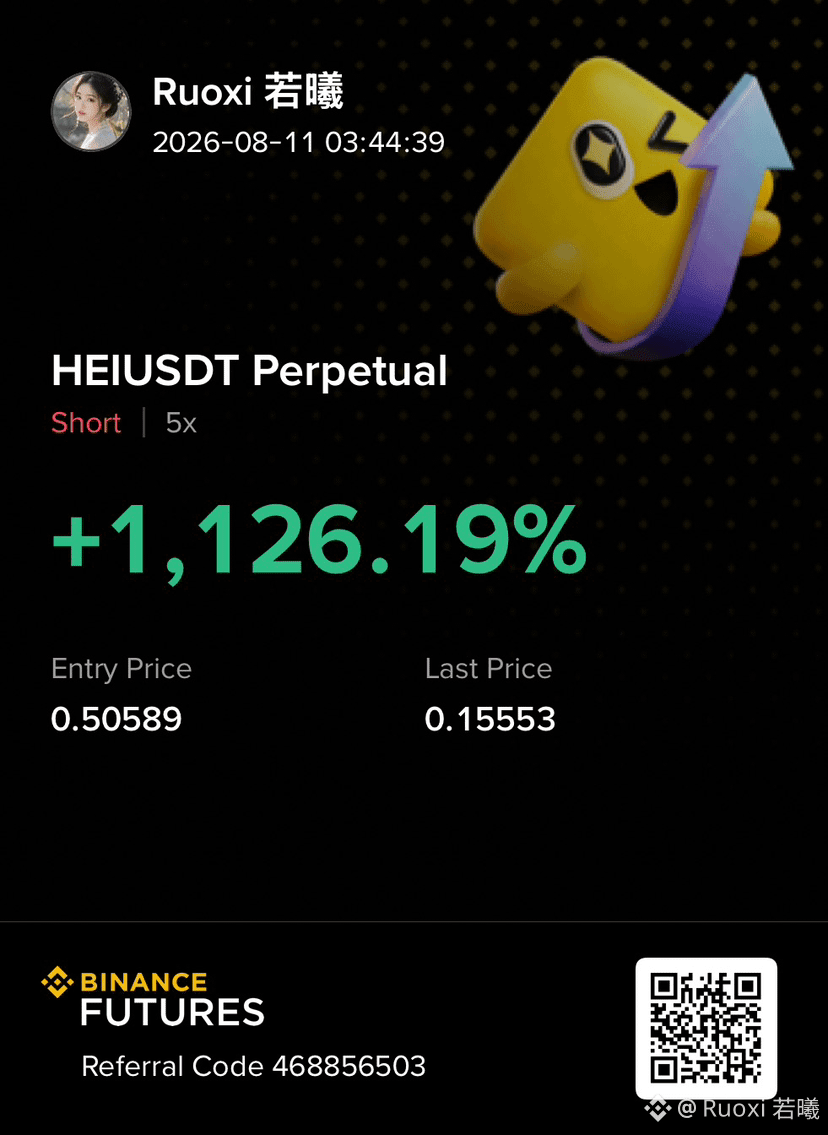
$HEI va genial 🔥
La operación avanza bien, pero aún la mantengo simple: sin perseguir, sin exceso de confianza.
Lo que más me gusta ahora mismo es el impulso. Si $HEI puede mantener esta fuerza y seguir construyendo niveles más altos con un volumen saludable, el planteamiento podría seguir siendo interesante.
Para mí, la clave es la paciencia. Deja que el gráfico confirme el movimiento en lugar de forzar una entrada.
Buena operación hasta ahora. Veamos cómo $HEI maneja el siguiente movimiento. 👀📈
$HEI va genial 🔥
La operación avanza bien, pero aún la mantengo simple: sin perseguir, sin exceso de confianza.
Lo que más me gusta ahora mismo es el impulso. Si $HEI puede mantener esta fuerza y seguir construyendo niveles más altos con un volumen saludable, el planteamiento podría seguir siendo interesante.
Para mí, la clave es la paciencia. Deja que el gráfico confirme el movimiento en lugar de forzar una entrada.
Buena operación hasta ahora. Veamos cómo $HEI maneja el siguiente movimiento. 👀📈
La operación avanza bien, pero aún la mantengo simple: sin perseguir, sin exceso de confianza.
Lo que más me gusta ahora mismo es el impulso. Si $HEI puede mantener esta fuerza y seguir construyendo niveles más altos con un volumen saludable, el planteamiento podría seguir siendo interesante.
Para mí, la clave es la paciencia. Deja que el gráfico confirme el movimiento en lugar de forzar una entrada.
Buena operación hasta ahora. Veamos cómo $HEI maneja el siguiente movimiento. 👀📈
301
·
--
@babylonlabs_io Una cosa que noté después de ver la llamada de Founders de Babylon del Q4 2025 fue cuánto ha cambiado la conversación.
Hace un año, la mayoría hablaba sobre el staking de Bitcoin. Ahora el equipo se enfoca en hacer que Bitcoin sea realmente utilizable en DeFi, sin activos envueltos ni renunciar a la autocustodia. Creo que ese es un cambio más grande de lo que mucha gente se da cuenta.
Lo que me llamó la atención fueron los Bóvedas de Bitcoin sin confianza (Trustless Bitcoin Vaults).
La idea suena sorprendentemente simple. Tu BTC se mantiene bajo tu control mientras se convierte en garantía para préstamos y otros casos de uso en DeFi. Si Babylon lo hace bien, podría eliminar una de las razones más grandes por las que los tenedores de Bitcoin han evitado las finanzas en cadena.
También me gustó que los fundadores no fingieran que todo era perfecto.
Hablaron abiertamente sobre la presión de venta de BABY, mejorando la utilidad del token, y por qué los productos reales deberían crear valor antes de que la tokenómica intente capturarlo. Sinceramente, ese es el camino más difícil, y el éxito dependerá de la adopción más que de los anuncios.
Por lo que he visto, Babylon está intentando mantener Bitcoin fiel a su filosofía original mientras le da un uso más práctico.
Ese es un objetivo ambicioso, pero la ejecución lo es todo. Si la experiencia de usuario no es lo bastante simple, incluso la mejor tecnología puede tener dificultades para ganar tracción.
¿Crees que las Bóvedas de Bitcoin sin confianza podrían convertirse en la función que finalmente lleve más Bitcoin a DeFi?
#baby $BABY
$HOME
{spot}(HOMEUSDT)
$BLESS
{future}(BLESSUSDT)
@BabylonLabs_io Una cosa que noté después de ver la llamada de Founders de Babylon del Q4 2025 fue cuánto ha cambiado la conversación.
Hace un año, la mayoría hablaba sobre el staking de Bitcoin. Ahora el equipo se enfoca en hacer que Bitcoin sea realmente utilizable en DeFi, sin activos envueltos ni renunciar a la autocustodia. Creo que ese es un cambio más grande de lo que mucha gente se da cuenta.
Lo que me llamó la atención fueron los Bóvedas de Bitcoin sin confianza (Trustless Bitcoin Vaults).
La idea suena sorprendentemente simple. Tu BTC se mantiene bajo tu control mientras se convierte en garantía para préstamos y otros casos de uso en DeFi. Si Babylon lo hace bien, podría eliminar una de las razones más grandes por las que los tenedores de Bitcoin han evitado las finanzas en cadena.
También me gustó que los fundadores no fingieran que todo era perfecto.
Hablaron abiertamente sobre la presión de venta de BABY, mejorando la utilidad del token, y por qué los productos reales deberían crear valor antes de que la tokenómica intente capturarlo. Sinceramente, ese es el camino más difícil, y el éxito dependerá de la adopción más que de los anuncios.
Por lo que he visto, Babylon está intentando mantener Bitcoin fiel a su filosofía original mientras le da un uso más práctico.
Ese es un objetivo ambicioso, pero la ejecución lo es todo. Si la experiencia de usuario no es lo bastante simple, incluso la mejor tecnología puede tener dificultades para ganar tracción.
¿Crees que las Bóvedas de Bitcoin sin confianza podrían convertirse en la función que finalmente lleve más Bitcoin a DeFi?
#baby $BABY
$HOME
$BLESS
Hace un año, la mayoría hablaba sobre el staking de Bitcoin. Ahora el equipo se enfoca en hacer que Bitcoin sea realmente utilizable en DeFi, sin activos envueltos ni renunciar a la autocustodia. Creo que ese es un cambio más grande de lo que mucha gente se da cuenta.
Lo que me llamó la atención fueron los Bóvedas de Bitcoin sin confianza (Trustless Bitcoin Vaults).
La idea suena sorprendentemente simple. Tu BTC se mantiene bajo tu control mientras se convierte en garantía para préstamos y otros casos de uso en DeFi. Si Babylon lo hace bien, podría eliminar una de las razones más grandes por las que los tenedores de Bitcoin han evitado las finanzas en cadena.
También me gustó que los fundadores no fingieran que todo era perfecto.
Hablaron abiertamente sobre la presión de venta de BABY, mejorando la utilidad del token, y por qué los productos reales deberían crear valor antes de que la tokenómica intente capturarlo. Sinceramente, ese es el camino más difícil, y el éxito dependerá de la adopción más que de los anuncios.
Por lo que he visto, Babylon está intentando mantener Bitcoin fiel a su filosofía original mientras le da un uso más práctico.
Ese es un objetivo ambicioso, pero la ejecución lo es todo. Si la experiencia de usuario no es lo bastante simple, incluso la mejor tecnología puede tener dificultades para ganar tracción.
¿Crees que las Bóvedas de Bitcoin sin confianza podrían convertirse en la función que finalmente lleve más Bitcoin a DeFi?
#baby $BABY
$HOME
$BLESS
Bullish Buying 🟢
100%
Bearish Selling 🔴
0%
1 Voto(s) • Votación cerrada
1
147
·
--
@babylonlabs_io Una cosa que sigo mirando y preguntándome sobre Bitcoin es por qué usarlo en DeFi siempre ha significado renunciar a algo.
Leer los documentos de Babylon cambió un poco esa perspectiva. Con la Public Testnet, el BTC nativo puede bloquearse dentro de un Trustless Bitcoin Vault y usarse como colateral a través de Aave v4. Tu Bitcoin no está envuelto ni se entrega a un custodio, y sinceramente eso se siente mucho más cercano al espíritu original de Bitcoin.
Creo que eso es un paso significativo para BTCFi. Aun así, solo es una testnet, y el proceso de peg-in, el tiempo de confirmación y el comportamiento ante la liquidación deben demostrarse bajo presión real del mercado antes de que yo confíe plenamente.
Si Bitcoin puede mantenerse nativo mientras desbloquea liquidez, podría ser un cambio mayor de lo que la mayoría de la gente espera.
¿Pedirías prestado contra BTC nativo, o prefieres solo seguir manteniéndolo?
#baby $BABY
$1000SATS
{spot}(1000SATSUSDT)
$IDOL
{future}(IDOLUSDT)
@BabylonLabs_io Una cosa que sigo mirando y preguntándome sobre Bitcoin es por qué usarlo en DeFi siempre ha significado renunciar a algo.
Leer los documentos de Babylon cambió un poco esa perspectiva. Con la Public Testnet, el BTC nativo puede bloquearse dentro de un Trustless Bitcoin Vault y usarse como colateral a través de Aave v4. Tu Bitcoin no está envuelto ni se entrega a un custodio, y sinceramente eso se siente mucho más cercano al espíritu original de Bitcoin.
Creo que eso es un paso significativo para BTCFi. Aun así, solo es una testnet, y el proceso de peg-in, el tiempo de confirmación y el comportamiento ante la liquidación deben demostrarse bajo presión real del mercado antes de que yo confíe plenamente.
Si Bitcoin puede mantenerse nativo mientras desbloquea liquidez, podría ser un cambio mayor de lo que la mayoría de la gente espera.
¿Pedirías prestado contra BTC nativo, o prefieres solo seguir manteniéndolo?
#baby $BABY
$1000SATS
$IDOL
Leer los documentos de Babylon cambió un poco esa perspectiva. Con la Public Testnet, el BTC nativo puede bloquearse dentro de un Trustless Bitcoin Vault y usarse como colateral a través de Aave v4. Tu Bitcoin no está envuelto ni se entrega a un custodio, y sinceramente eso se siente mucho más cercano al espíritu original de Bitcoin.
Creo que eso es un paso significativo para BTCFi. Aun así, solo es una testnet, y el proceso de peg-in, el tiempo de confirmación y el comportamiento ante la liquidación deben demostrarse bajo presión real del mercado antes de que yo confíe plenamente.
Si Bitcoin puede mantenerse nativo mientras desbloquea liquidez, podría ser un cambio mayor de lo que la mayoría de la gente espera.
¿Pedirías prestado contra BTC nativo, o prefieres solo seguir manteniéndolo?
#baby $BABY
$1000SATS
$IDOL
Bullish Buying 🟢
83%
Bearish Selling 🔴
17%
6 Voto(s) • Votación cerrada
1
244
·
--
@babylonlabs_io Una idea me seguía viniendo a la mente mientras comparaba TBV con Bitcoin envuelto y puentes: tal vez estemos resolviendo el problema equivocado.
En lugar de mover Bitcoin a todas partes, ¿y si la mejor solución fuera dejarlo donde ya tiene la seguridad más sólida?
Por eso, la TBV de Babylon me llamó la atención. No depende de un custodio centralizado que mantenga las monedas ni de una federación de puentes que controle los reembolsos. El Bitcoin permanece en su propia cadena, mientras que las pruebas criptográficas lo conectan con la actividad basada en Ethereum.
Aun así, veo limitaciones. El tiempo adicional de espera no es ideal, y la tecnología es más reciente que los métodos tradicionales de envoltura, así que la adopción tomará tiempo.
Reflexión: prefiero esperar un poco más antes de introducir otra capa de custodia entre yo y mi BTC.
Si tuvieras que elegir hoy, ¿en quién confiarías: en un custodio, en un puente o en un vault con confianza minimizada?
#baby $BABY
$AXTIB
{spot}(AXTIBUSDT)
$SNXXB
{spot}(SNXXBUSDT)
@BabylonLabs_io Una idea me seguía viniendo a la mente mientras comparaba TBV con Bitcoin envuelto y puentes: tal vez estemos resolviendo el problema equivocado.
En lugar de mover Bitcoin a todas partes, ¿y si la mejor solución fuera dejarlo donde ya tiene la seguridad más sólida?
Por eso, la TBV de Babylon me llamó la atención. No depende de un custodio centralizado que mantenga las monedas ni de una federación de puentes que controle los reembolsos. El Bitcoin permanece en su propia cadena, mientras que las pruebas criptográficas lo conectan con la actividad basada en Ethereum.
Aun así, veo limitaciones. El tiempo adicional de espera no es ideal, y la tecnología es más reciente que los métodos tradicionales de envoltura, así que la adopción tomará tiempo.
Reflexión: prefiero esperar un poco más antes de introducir otra capa de custodia entre yo y mi BTC.
Si tuvieras que elegir hoy, ¿en quién confiarías: en un custodio, en un puente o en un vault con confianza minimizada?
#baby $BABY
$AXTIB
$SNXXB
En lugar de mover Bitcoin a todas partes, ¿y si la mejor solución fuera dejarlo donde ya tiene la seguridad más sólida?
Por eso, la TBV de Babylon me llamó la atención. No depende de un custodio centralizado que mantenga las monedas ni de una federación de puentes que controle los reembolsos. El Bitcoin permanece en su propia cadena, mientras que las pruebas criptográficas lo conectan con la actividad basada en Ethereum.
Aun así, veo limitaciones. El tiempo adicional de espera no es ideal, y la tecnología es más reciente que los métodos tradicionales de envoltura, así que la adopción tomará tiempo.
Reflexión: prefiero esperar un poco más antes de introducir otra capa de custodia entre yo y mi BTC.
Si tuvieras que elegir hoy, ¿en quién confiarías: en un custodio, en un puente o en un vault con confianza minimizada?
#baby $BABY
$AXTIB
$SNXXB
Bullish Zone 🟢
100%
Bearish Zone 🔴
0%
2 Voto(s) • Votación cerrada
5
1
113
·
--
Verificado
@babylonlabs_io Sigo mirando Bitcoin DeFi y hay algo que no me deja en paz.
Bitcoin es el activo más grande en cripto, pero solo alrededor del 1% de BTC se usa en DeFi. No es porque la gente no quiera rendimientos. La mayoría de los tenedores simplemente no quiere entregar sus monedas a un puente, a un custodio o a un token envuelto. Por lo que he visto, la seguridad siempre va primero.
Las Babylon’s Trustless Bitcoin Vaults TBV parecen un enfoque diferente. En lugar de mover BTC fuera de Bitcoin, TBV te permite bloquear tu BTC nativo dentro de una bóveda Taproot auto-controlada, mientras las aplicaciones de Ethereum lo reconocen como garantía. Sin BTC envuelto. Sin un puente que tenga tus fondos. La confianza se desplaza hacia la criptografía y las redes de Bitcoin y Ethereum, en lugar de hacia una empresa.
Creo que esa es la verdadera innovación. Bitcoin no deja de ser Bitcoin solo porque quieras pedir un préstamo con él o usarlo en DeFi. Se mantiene en su propia cadena, mientras el protocolo demuestra lo que ocurrió entre cadenas mediante verificación criptográfica. Ese es un gran cambio de mentalidad frente a los modelos que hemos usado durante años.
Dicho esto, todavía es pronto. TBV está funcionando hoy en Bitcoin Signet y en la testnet de Ethereum, y el diseño es más complejo que simplemente envolver BTC. Como cualquier protocolo nuevo, la adopción en el mundo real, las revisiones de seguridad y la integración de desarrolladores importarán tanto como la tecnología en sí.
Babylon ya demostró que el staking de Bitcoin auto-custodiado puede funcionar. Si TBV cumple con la misma filosofía para DeFi respaldado por Bitcoin, creo que podría desbloquear un futuro completamente diferente para BTC.
¿Confiarías en la criptografía en lugar de en un custodio al poner tu Bitcoin a trabajar en DeFi?
#baby $BABY
$GRVT
{alpha}(560x46f2564e0fa8248d15125e7e54173cfbdef91be7)
$SNXXB
{spot}(SNXXBUSDT)
@BabylonLabs_io Sigo mirando Bitcoin DeFi y hay algo que no me deja en paz.
Bitcoin es el activo más grande en cripto, pero solo alrededor del 1% de BTC se usa en DeFi. No es porque la gente no quiera rendimientos. La mayoría de los tenedores simplemente no quiere entregar sus monedas a un puente, a un custodio o a un token envuelto. Por lo que he visto, la seguridad siempre va primero.
Las Babylon’s Trustless Bitcoin Vaults TBV parecen un enfoque diferente. En lugar de mover BTC fuera de Bitcoin, TBV te permite bloquear tu BTC nativo dentro de una bóveda Taproot auto-controlada, mientras las aplicaciones de Ethereum lo reconocen como garantía. Sin BTC envuelto. Sin un puente que tenga tus fondos. La confianza se desplaza hacia la criptografía y las redes de Bitcoin y Ethereum, en lugar de hacia una empresa.
Creo que esa es la verdadera innovación. Bitcoin no deja de ser Bitcoin solo porque quieras pedir un préstamo con él o usarlo en DeFi. Se mantiene en su propia cadena, mientras el protocolo demuestra lo que ocurrió entre cadenas mediante verificación criptográfica. Ese es un gran cambio de mentalidad frente a los modelos que hemos usado durante años.
Dicho esto, todavía es pronto. TBV está funcionando hoy en Bitcoin Signet y en la testnet de Ethereum, y el diseño es más complejo que simplemente envolver BTC. Como cualquier protocolo nuevo, la adopción en el mundo real, las revisiones de seguridad y la integración de desarrolladores importarán tanto como la tecnología en sí.
Babylon ya demostró que el staking de Bitcoin auto-custodiado puede funcionar. Si TBV cumple con la misma filosofía para DeFi respaldado por Bitcoin, creo que podría desbloquear un futuro completamente diferente para BTC.
¿Confiarías en la criptografía en lugar de en un custodio al poner tu Bitcoin a trabajar en DeFi?
#baby $BABY
$GRVT
$SNXXB
Bitcoin es el activo más grande en cripto, pero solo alrededor del 1% de BTC se usa en DeFi. No es porque la gente no quiera rendimientos. La mayoría de los tenedores simplemente no quiere entregar sus monedas a un puente, a un custodio o a un token envuelto. Por lo que he visto, la seguridad siempre va primero.
Las Babylon’s Trustless Bitcoin Vaults TBV parecen un enfoque diferente. En lugar de mover BTC fuera de Bitcoin, TBV te permite bloquear tu BTC nativo dentro de una bóveda Taproot auto-controlada, mientras las aplicaciones de Ethereum lo reconocen como garantía. Sin BTC envuelto. Sin un puente que tenga tus fondos. La confianza se desplaza hacia la criptografía y las redes de Bitcoin y Ethereum, en lugar de hacia una empresa.
Creo que esa es la verdadera innovación. Bitcoin no deja de ser Bitcoin solo porque quieras pedir un préstamo con él o usarlo en DeFi. Se mantiene en su propia cadena, mientras el protocolo demuestra lo que ocurrió entre cadenas mediante verificación criptográfica. Ese es un gran cambio de mentalidad frente a los modelos que hemos usado durante años.
Dicho esto, todavía es pronto. TBV está funcionando hoy en Bitcoin Signet y en la testnet de Ethereum, y el diseño es más complejo que simplemente envolver BTC. Como cualquier protocolo nuevo, la adopción en el mundo real, las revisiones de seguridad y la integración de desarrolladores importarán tanto como la tecnología en sí.
Babylon ya demostró que el staking de Bitcoin auto-custodiado puede funcionar. Si TBV cumple con la misma filosofía para DeFi respaldado por Bitcoin, creo que podría desbloquear un futuro completamente diferente para BTC.
¿Confiarías en la criptografía en lugar de en un custodio al poner tu Bitcoin a trabajar en DeFi?
#baby $BABY
$GRVT
$SNXXB
Bullish Time Zone 🟢
50%
Bearish Time Zone 🔴
0%
Unpredictable Zone 🟠
50%
2 Voto(s) • Votación cerrada
2
186
·
--
Verificado
@babylonlabs_io Una cosa que sigo observando son los proyectos que intentan llevar Bitcoin a DeFi, y honestamente, la mayoría terminan dependiendo de activos tokenizados o de que alguien tenga las llaves. Nunca me pareció la respuesta real para mí.
La integración de Babylon con Aave v4 se siente diferente.
Tu BTC se mantiene bloqueado en Bitcoin dentro de una Trustless Bitcoin Vault, mientras que Aave v4 reconoce ese BTC bloqueado como garantía mediante un adaptador dedicado. Puedes pedir prestados activos sin puentear ni envolver tu Bitcoin, y creo que esto es un cambio bastante significativo. Es un diseño más limpio de lo que esperaba.
Una idea que sigo teniendo es que esto no se trata de hacer que Bitcoin “se mueva”. Se trata de hacer que Bitcoin sea útil mientras se mantiene exactamente en el lugar al que pertenece. Por lo que he visto en la documentación, la bóveda se crea específicamente para la aplicación de Aave, y un token contable interno (vaultBTC) representa la garantía solo dentro del protocolo; no es un token envuelto en BTC negociable.
Por supuesto, yo seguiría siendo prudente. La integración se está implementando a través de la testnet pública, pedir prestado todavía conlleva riesgo de liquidación y cada nuevo modelo de préstamos necesita tiempo para demostrarse en condiciones reales de mercado. Incluso los diseños sólidos no están inmunes a casos límite inesperados.
Creo que Babylon está intentando resolver un problema del que muchos titulares de BTC han hablado durante años: usar Bitcoin en DeFi sin renunciar a la autocustodia.
¿Pedirías prestado respaldándote en BTC nativo si nunca tuviera que salir de la red de Bitcoin?
#baby $BABY
$COTI
{spot}(COTIUSDT)
$UAI
{future}(UAIUSDT)
@BabylonLabs_io Una cosa que sigo observando son los proyectos que intentan llevar Bitcoin a DeFi, y honestamente, la mayoría terminan dependiendo de activos tokenizados o de que alguien tenga las llaves. Nunca me pareció la respuesta real para mí.
La integración de Babylon con Aave v4 se siente diferente.
Tu BTC se mantiene bloqueado en Bitcoin dentro de una Trustless Bitcoin Vault, mientras que Aave v4 reconoce ese BTC bloqueado como garantía mediante un adaptador dedicado. Puedes pedir prestados activos sin puentear ni envolver tu Bitcoin, y creo que esto es un cambio bastante significativo. Es un diseño más limpio de lo que esperaba.
Una idea que sigo teniendo es que esto no se trata de hacer que Bitcoin “se mueva”. Se trata de hacer que Bitcoin sea útil mientras se mantiene exactamente en el lugar al que pertenece. Por lo que he visto en la documentación, la bóveda se crea específicamente para la aplicación de Aave, y un token contable interno (vaultBTC) representa la garantía solo dentro del protocolo; no es un token envuelto en BTC negociable.
Por supuesto, yo seguiría siendo prudente. La integración se está implementando a través de la testnet pública, pedir prestado todavía conlleva riesgo de liquidación y cada nuevo modelo de préstamos necesita tiempo para demostrarse en condiciones reales de mercado. Incluso los diseños sólidos no están inmunes a casos límite inesperados.
Creo que Babylon está intentando resolver un problema del que muchos titulares de BTC han hablado durante años: usar Bitcoin en DeFi sin renunciar a la autocustodia.
¿Pedirías prestado respaldándote en BTC nativo si nunca tuviera que salir de la red de Bitcoin?
#baby $BABY
$COTI
$UAI
La integración de Babylon con Aave v4 se siente diferente.
Tu BTC se mantiene bloqueado en Bitcoin dentro de una Trustless Bitcoin Vault, mientras que Aave v4 reconoce ese BTC bloqueado como garantía mediante un adaptador dedicado. Puedes pedir prestados activos sin puentear ni envolver tu Bitcoin, y creo que esto es un cambio bastante significativo. Es un diseño más limpio de lo que esperaba.
Una idea que sigo teniendo es que esto no se trata de hacer que Bitcoin “se mueva”. Se trata de hacer que Bitcoin sea útil mientras se mantiene exactamente en el lugar al que pertenece. Por lo que he visto en la documentación, la bóveda se crea específicamente para la aplicación de Aave, y un token contable interno (vaultBTC) representa la garantía solo dentro del protocolo; no es un token envuelto en BTC negociable.
Por supuesto, yo seguiría siendo prudente. La integración se está implementando a través de la testnet pública, pedir prestado todavía conlleva riesgo de liquidación y cada nuevo modelo de préstamos necesita tiempo para demostrarse en condiciones reales de mercado. Incluso los diseños sólidos no están inmunes a casos límite inesperados.
Creo que Babylon está intentando resolver un problema del que muchos titulares de BTC han hablado durante años: usar Bitcoin en DeFi sin renunciar a la autocustodia.
¿Pedirías prestado respaldándote en BTC nativo si nunca tuviera que salir de la red de Bitcoin?
#baby $BABY
$COTI
$UAI
Bullish Buying 🟢
33%
Bearish Selling 🔴
67%
6 Voto(s) • Votación cerrada
2
612
·
--
@babylonlabs_io Una cosa que sigo mirando de forma diferente los últimos tiempos son los airdrops.
Durante mucho tiempo pensé que reclamar un airdrop era solo conectar una wallet y esperar tokens. Luego pasé un tiempo leyendo la documentación de Babylon, y un pequeño detalle llamó mi atención.
Para recibir el airdrop de BABY, los usuarios elegibles deben aceptar los Términos del Airdrop y la Política de Privacidad y comprobar esa aceptación firmando un mensaje criptográfico con su wallet de BABY. No es una transacción en blockchain ni un pago de gas. Es simplemente una firma de la wallet que confirma que entiendes las reglas antes de reclamar.
En realidad, me gusta este enfoque porque crea un registro claro de que cada participante acordó las mismas condiciones. Babylon está intentando construir seguridad respaldada por Bitcoin para cadenas PoS mediante el staking de BTC con autocustodia, así que tener un proceso de reclamación transparente se siente coherente con esa filosofía.
Aun así, hay un pensamiento que se me queda en la mente. La mayoría de personas hace clic en “Aceptar” sin leer ni una sola línea. Si más adelante importa la elegibilidad, las restricciones regionales o el manejo de datos, ese hábito fácilmente podría convertirse en un problema. Creo que vale más la pena dedicar dos minutos a leer los términos que apresurarse a reclamar.
¿Leerías los Términos & la Política de Privacidad de un airdrop antes de firmar, o normalmente confías en el proceso y haces clic en Aceptar?
#baby $BABY
$ESP $BABYSHARK
{spot}(ESPUSDT)
{alpha}(560x777bf78ad4546b61607a17bf4a1977dbbea98c28)
@BabylonLabs_io Una cosa que sigo mirando de forma diferente los últimos tiempos son los airdrops.
Durante mucho tiempo pensé que reclamar un airdrop era solo conectar una wallet y esperar tokens. Luego pasé un tiempo leyendo la documentación de Babylon, y un pequeño detalle llamó mi atención.
Para recibir el airdrop de BABY, los usuarios elegibles deben aceptar los Términos del Airdrop y la Política de Privacidad y comprobar esa aceptación firmando un mensaje criptográfico con su wallet de BABY. No es una transacción en blockchain ni un pago de gas. Es simplemente una firma de la wallet que confirma que entiendes las reglas antes de reclamar.
En realidad, me gusta este enfoque porque crea un registro claro de que cada participante acordó las mismas condiciones. Babylon está intentando construir seguridad respaldada por Bitcoin para cadenas PoS mediante el staking de BTC con autocustodia, así que tener un proceso de reclamación transparente se siente coherente con esa filosofía.
Aun así, hay un pensamiento que se me queda en la mente. La mayoría de personas hace clic en “Aceptar” sin leer ni una sola línea. Si más adelante importa la elegibilidad, las restricciones regionales o el manejo de datos, ese hábito fácilmente podría convertirse en un problema. Creo que vale más la pena dedicar dos minutos a leer los términos que apresurarse a reclamar.
¿Leerías los Términos & la Política de Privacidad de un airdrop antes de firmar, o normalmente confías en el proceso y haces clic en Aceptar?
#baby $BABY
$ESP $BABYSHARK
Durante mucho tiempo pensé que reclamar un airdrop era solo conectar una wallet y esperar tokens. Luego pasé un tiempo leyendo la documentación de Babylon, y un pequeño detalle llamó mi atención.
Para recibir el airdrop de BABY, los usuarios elegibles deben aceptar los Términos del Airdrop y la Política de Privacidad y comprobar esa aceptación firmando un mensaje criptográfico con su wallet de BABY. No es una transacción en blockchain ni un pago de gas. Es simplemente una firma de la wallet que confirma que entiendes las reglas antes de reclamar.
En realidad, me gusta este enfoque porque crea un registro claro de que cada participante acordó las mismas condiciones. Babylon está intentando construir seguridad respaldada por Bitcoin para cadenas PoS mediante el staking de BTC con autocustodia, así que tener un proceso de reclamación transparente se siente coherente con esa filosofía.
Aun así, hay un pensamiento que se me queda en la mente. La mayoría de personas hace clic en “Aceptar” sin leer ni una sola línea. Si más adelante importa la elegibilidad, las restricciones regionales o el manejo de datos, ese hábito fácilmente podría convertirse en un problema. Creo que vale más la pena dedicar dos minutos a leer los términos que apresurarse a reclamar.
¿Leerías los Términos & la Política de Privacidad de un airdrop antes de firmar, o normalmente confías en el proceso y haces clic en Aceptar?
#baby $BABY
$ESP $BABYSHARK
Buying long 🟢 💯
50%
Selling Short 🔴 💯
50%
4 Voto(s) • Votación cerrada
1
1
223
·
--
@babylonlabs_io Una cosa que he estado observando es cómo las stablecoins están encontrando un uso real en Babylon Genesis, y Noble USDC me parece más útil de lo que esperaba.
Antes pensaba que era solo otra forma de estacionar fondos. Después de leer los documentos de Babylon, noté que en realidad te ayuda a moverte por el ecosistema con poca fricción. Puedes intercambiar Noble USDC en Tower DEX, hacer puente (bridge) a través de Eureka hacia cadenas compatibles como Arbitrum, e incluso usar otros puentes como Union y Axelar cuando haga falta.
Una idea a la que siempre vuelvo es que la liquidez estable a menudo importa más que las funciones llamativas. Una vez que tienes Noble USDC en Babylon Genesis, es más fácil acceder al staking de BABY o explorar opciones de liquid staking como cBABY, eBABY y milkBABY, permaneciendo dentro del ecosistema en lugar de estar cambiando de redes constantemente.
Dicho esto, no diría que es perfecto. El ecosistema de Babylon aún es joven; las apps disponibles y la liquidez están creciendo, pero todavía no han alcanzado el nivel de cadenas más establecidas. Eso es algo que siempre tengo en cuenta antes de mover cantidades más grandes.
Creo que es el tipo de infraestructura que mejora la experiencia de usuario en silencio. No es la función principal, pero hace que todo el DeFi respaldado por Bitcoin se sienta un poco más conectado.
Si hoy tuvieras Noble USDC en Babylon Genesis, ¿intercambiarías, harías bridge o harías staking primero?
#baby $BABY
$EUL
{spot}(EULUSDT)
$DIA
{spot}(DIAUSDT)
@BabylonLabs_io Una cosa que he estado observando es cómo las stablecoins están encontrando un uso real en Babylon Genesis, y Noble USDC me parece más útil de lo que esperaba.
Antes pensaba que era solo otra forma de estacionar fondos. Después de leer los documentos de Babylon, noté que en realidad te ayuda a moverte por el ecosistema con poca fricción. Puedes intercambiar Noble USDC en Tower DEX, hacer puente (bridge) a través de Eureka hacia cadenas compatibles como Arbitrum, e incluso usar otros puentes como Union y Axelar cuando haga falta.
Una idea a la que siempre vuelvo es que la liquidez estable a menudo importa más que las funciones llamativas. Una vez que tienes Noble USDC en Babylon Genesis, es más fácil acceder al staking de BABY o explorar opciones de liquid staking como cBABY, eBABY y milkBABY, permaneciendo dentro del ecosistema en lugar de estar cambiando de redes constantemente.
Dicho esto, no diría que es perfecto. El ecosistema de Babylon aún es joven; las apps disponibles y la liquidez están creciendo, pero todavía no han alcanzado el nivel de cadenas más establecidas. Eso es algo que siempre tengo en cuenta antes de mover cantidades más grandes.
Creo que es el tipo de infraestructura que mejora la experiencia de usuario en silencio. No es la función principal, pero hace que todo el DeFi respaldado por Bitcoin se sienta un poco más conectado.
Si hoy tuvieras Noble USDC en Babylon Genesis, ¿intercambiarías, harías bridge o harías staking primero?
#baby $BABY
$EUL
$DIA
Antes pensaba que era solo otra forma de estacionar fondos. Después de leer los documentos de Babylon, noté que en realidad te ayuda a moverte por el ecosistema con poca fricción. Puedes intercambiar Noble USDC en Tower DEX, hacer puente (bridge) a través de Eureka hacia cadenas compatibles como Arbitrum, e incluso usar otros puentes como Union y Axelar cuando haga falta.
Una idea a la que siempre vuelvo es que la liquidez estable a menudo importa más que las funciones llamativas. Una vez que tienes Noble USDC en Babylon Genesis, es más fácil acceder al staking de BABY o explorar opciones de liquid staking como cBABY, eBABY y milkBABY, permaneciendo dentro del ecosistema en lugar de estar cambiando de redes constantemente.
Dicho esto, no diría que es perfecto. El ecosistema de Babylon aún es joven; las apps disponibles y la liquidez están creciendo, pero todavía no han alcanzado el nivel de cadenas más establecidas. Eso es algo que siempre tengo en cuenta antes de mover cantidades más grandes.
Creo que es el tipo de infraestructura que mejora la experiencia de usuario en silencio. No es la función principal, pero hace que todo el DeFi respaldado por Bitcoin se sienta un poco más conectado.
Si hoy tuvieras Noble USDC en Babylon Genesis, ¿intercambiarías, harías bridge o harías staking primero?
#baby $BABY
$EUL
$DIA
Bullish Time 🟢
67%
Bearish Time 🔴
33%
6 Voto(s) • Votación cerrada
1
726
Inicia sesión para explorar más contenidos
Únete a usuarios globales de criptomonedas en Binance Square
⚡️ Obtén información útil y actualizada sobre criptos.
💬 Avalado por el mayor exchange de criptomonedas en el mundo.
👍 Descubre perspectivas reales de creadores verificados.
Email/número de teléfono
Temas populares
SECHaltsCryptoETFReviewsAmidFundingLapse
90,683 vistas
860 están debatiendo
#SECHaltsCryptoETFReviewsAmidFundingLapse
La SEC congela las revisiones de ETFs de criptomonedas tras un vacío presupuestario en EE. UU.
La Comisión de Bolsa y Valores de Estados Unidos (SEC) ha suspendido temporalmente el proceso de revisión y aprobación de nuevas solicitudes de fondos cotizados (ETF) basados en criptomonedas. La medida entra en vigor tras el inicio del nuevo año fiscal estadounidense sin que el Congreso aprobara a tiempo el presupuesto federal, lo que provocó una interrupción de fondos (funding lapse) y el envío a licencia del personal no esencial.
Alcance de la medida: ¿Qué se paraliza y qué continúa?
La aplicación del plan de contingencia por falta de asignación presupuestaria ha cambiado la dinámica operativa de la agencia:
Solicitudes de nuevos ETF en pausa: Los expedientes en trámite bajo los formularios 19b-4 y S-1/N-1A han quedado congelados. La SEC no emitirá declaraciones de efectividad ni cartas de comentarios mientras dure la paralización.
Más de 90 solicitudes afectadas: Más de noventa productos financieros pendientes de aprobación —que incluyen propuestas para diversos activos digitales y estrategias compuestas— han visto pausados sus calendarios de revisión.
Los ETF existentes siguen operativos: Los fondos de contado de Bitcoin y Ethereum previamente aprobados y cotizando en bolsa (como el IBIT de BlackRock o el FBTC de Fidelity) continúan negociándose con normalidad en los mercados secundarios.
Próximos pasos a monitorear
El reinicio de los análisis de la SEC depende de la resolución política en el Congreso de los Estados Unidos. Tan pronto como se apruebe una resolución de continuidad (Continuing Resolution) o el presupuesto definitivo, la SEC reanudará sus operaciones habituales y procesará las solicitudes acumuladas según el orden de presentación.
$BTC
$ETH
$ZEC
Joseph RRG S7
·1 me gusta
·1.5k vistas
ZcashETFPostsFirstWeeklyOutflow$93.6M
68,672 vistas
216 están debatiendo
GreekPoliceBustCryptoScamRingArrest17
238,611 vistas
1,655 están debatiendo