

CoinQuest
25.9k Publicaciones

CoinQuest
 Verificado Plus de Binance Square
Denunciar
Bloquear usuario
Crypto trader sharing my trades, setups & market thoughts 📊 Always Plan before you Enter | X: @CQuestOfficial_

#BinanceTurns7

Top Voices
Trader frecuente
3.6 año(s)
410 Siguiendo
126.0K+ Seguidores
229.0K+ Me gusta
2 Insignias
Publicaciones
Todo
Citas
Videos
Live
·
--
Las acciones tokenizadas se están apoderando de la narrativa de RWA 🫢
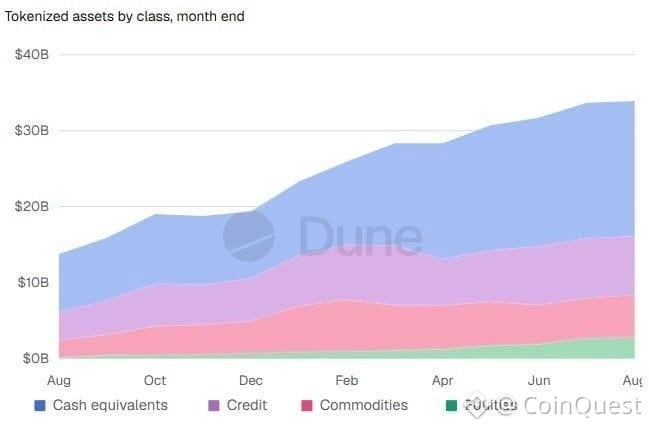
El mercado de RWA tokenizadas ya superó los $34B, pero la parte realmente interesante es lo que está pasando con las acciones tokenizadas...
Dune descubrió que las acciones tokenizadas crecieron más de un 2.000%, con titulares activos superando 1 millón 🥂
Aún más alucinante: las acciones tokenizadas solo representaban alrededor del 8% del valor de RWA, pero generaron aproximadamente el 93% del volumen de negociación spot de agosto 🧐
Las acciones se están moviendo lentamente hacia el mundo onchain, con acceso 24/7 y liquidación mediante blockchain
¿En realidad negociarías acciones tokenizadas? 🤔
#EtherGains70.9%InQ3
Las acciones tokenizadas se están apoderando de la narrativa de RWA 🫢
El mercado de RWA tokenizadas ya superó los $34B, pero la parte realmente interesante es lo que está pasando con las acciones tokenizadas...
Dune descubrió que las acciones tokenizadas crecieron más de un 2.000%, con titulares activos superando 1 millón 🥂
Aún más alucinante: las acciones tokenizadas solo representaban alrededor del 8% del valor de RWA, pero generaron aproximadamente el 93% del volumen de negociación spot de agosto 🧐
Las acciones se están moviendo lentamente hacia el mundo onchain, con acceso 24/7 y liquidación mediante blockchain
¿En realidad negociarías acciones tokenizadas? 🤔
#EtherGains70.9%InQ3
El mercado de RWA tokenizadas ya superó los $34B, pero la parte realmente interesante es lo que está pasando con las acciones tokenizadas...
Dune descubrió que las acciones tokenizadas crecieron más de un 2.000%, con titulares activos superando 1 millón 🥂
Aún más alucinante: las acciones tokenizadas solo representaban alrededor del 8% del valor de RWA, pero generaron aproximadamente el 93% del volumen de negociación spot de agosto 🧐
Las acciones se están moviendo lentamente hacia el mundo onchain, con acceso 24/7 y liquidación mediante blockchain
¿En realidad negociarías acciones tokenizadas? 🤔
#EtherGains70.9%InQ3
1
1.4k
·
--
$NEAR parece fuerte, pero la fortaleza por debajo de la resistencia no es confirmación...
$5.58 es el nivel que decide si esta configuración se activa.
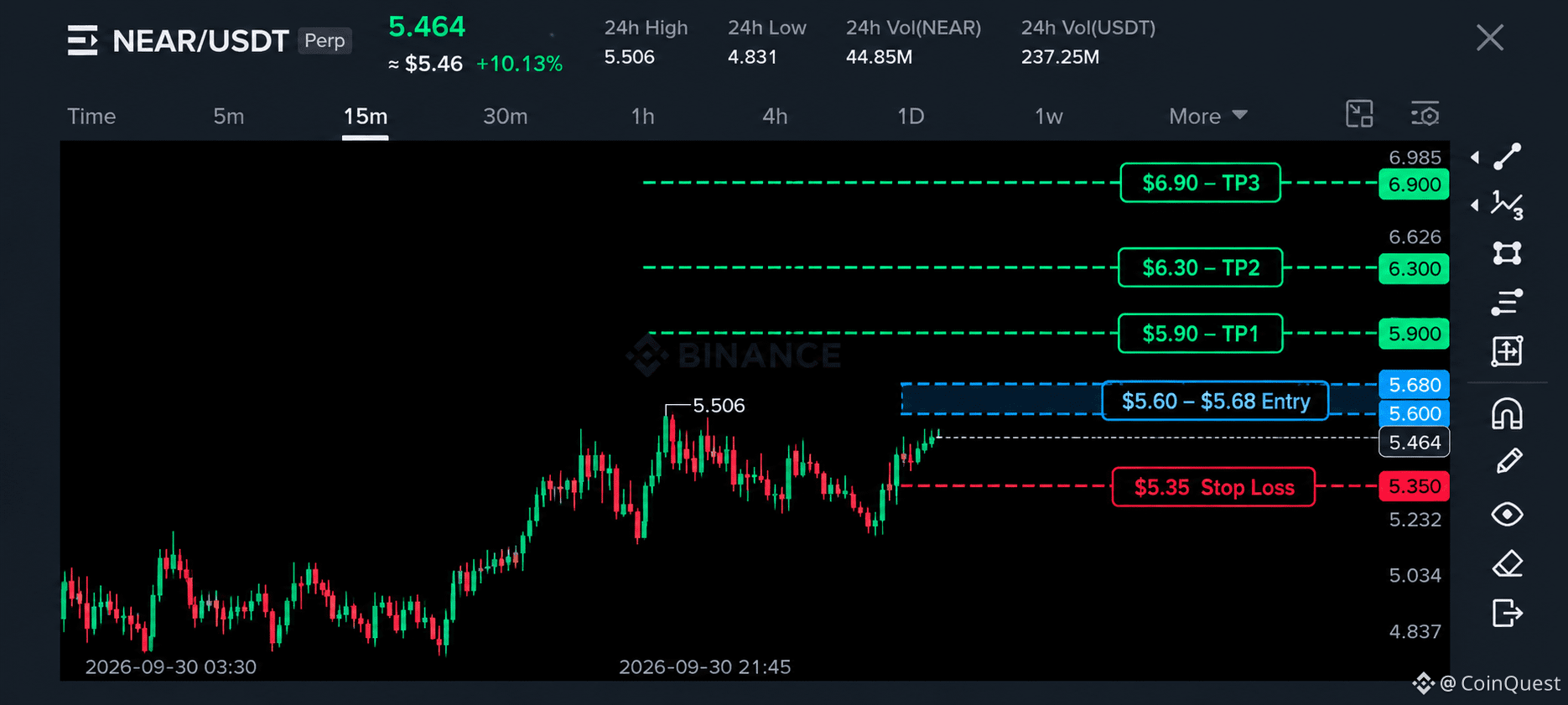
NEAR/USDT está sosteniendo una estructura HTF constructiva, con el precio ahora presionando el máximo reciente alrededor de $5.58.
No lo estoy siguiendo por debajo de ese nivel.
Quiero ver compradores:
✅ Romper $5.58
✅ Mantenerse por encima de eso
✅ Defender el retroceso
Solo entonces la configuración de ruptura se vuelve válida.
Zona de entrada: $5.60–$5.68
Invalidación: ruptura fallida + pérdida de $5.35
Niveles de subida: $5.90 → $6.30 → $6.90
Si el precio rechaza y cae de nuevo por debajo de $5.35, cerraré mi operación.
Sin ruptura. Sin confirmación. Sin entrada.
Sin DCA...
la estructura de abajo no ofrece una entrada de menor riesgo lo suficientemente limpia.
Esto no se trata de forzar una posición.
Se trata de dejar que el gráfico califique la operación.
Sigue el plan...
{future}(NEARUSDT)
#near
$NEAR parece fuerte, pero la fortaleza por debajo de la resistencia no es confirmación...
$5.58 es el nivel que decide si esta configuración se activa.
NEAR/USDT está sosteniendo una estructura HTF constructiva, con el precio ahora presionando el máximo reciente alrededor de $5.58.
No lo estoy siguiendo por debajo de ese nivel.
Quiero ver compradores:
✅ Romper $5.58
✅ Mantenerse por encima de eso
✅ Defender el retroceso
Solo entonces la configuración de ruptura se vuelve válida.
Zona de entrada: $5.60–$5.68
Invalidación: ruptura fallida + pérdida de $5.35
Niveles de subida: $5.90 → $6.30 → $6.90
Si el precio rechaza y cae de nuevo por debajo de $5.35, cerraré mi operación.
Sin ruptura. Sin confirmación. Sin entrada.
Sin DCA...
la estructura de abajo no ofrece una entrada de menor riesgo lo suficientemente limpia.
Esto no se trata de forzar una posición.
Se trata de dejar que el gráfico califique la operación.
Sigue el plan...
#near
$5.58 es el nivel que decide si esta configuración se activa.
NEAR/USDT está sosteniendo una estructura HTF constructiva, con el precio ahora presionando el máximo reciente alrededor de $5.58.
No lo estoy siguiendo por debajo de ese nivel.
Quiero ver compradores:
✅ Romper $5.58
✅ Mantenerse por encima de eso
✅ Defender el retroceso
Solo entonces la configuración de ruptura se vuelve válida.
Zona de entrada: $5.60–$5.68
Invalidación: ruptura fallida + pérdida de $5.35
Niveles de subida: $5.90 → $6.30 → $6.90
Si el precio rechaza y cae de nuevo por debajo de $5.35, cerraré mi operación.
Sin ruptura. Sin confirmación. Sin entrada.
Sin DCA...
la estructura de abajo no ofrece una entrada de menor riesgo lo suficientemente limpia.
Esto no se trata de forzar una posición.
Se trata de dejar que el gráfico califique la operación.
Sigue el plan...
#near
2
5
1.7k
·
--
Alcista
Uptober ha vuelto🔥🤙
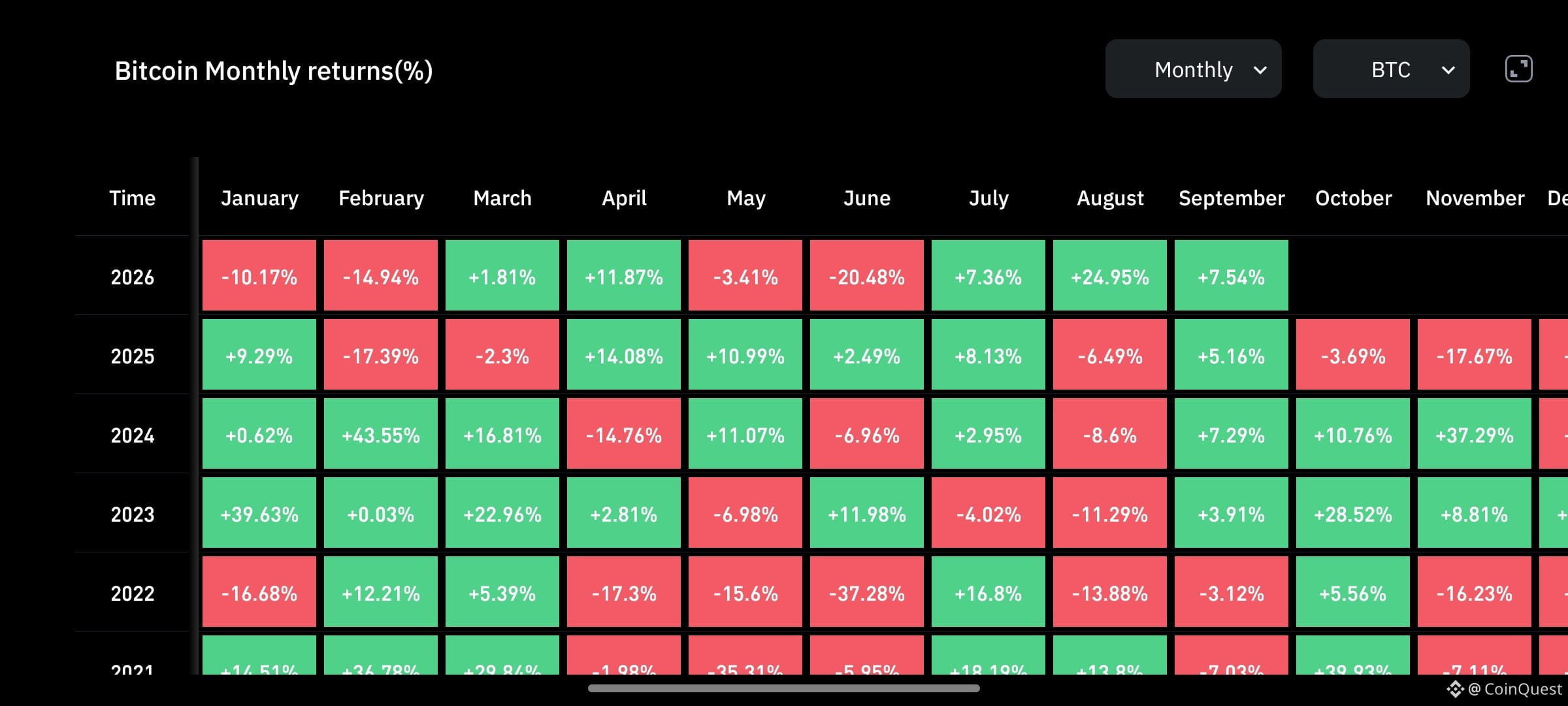
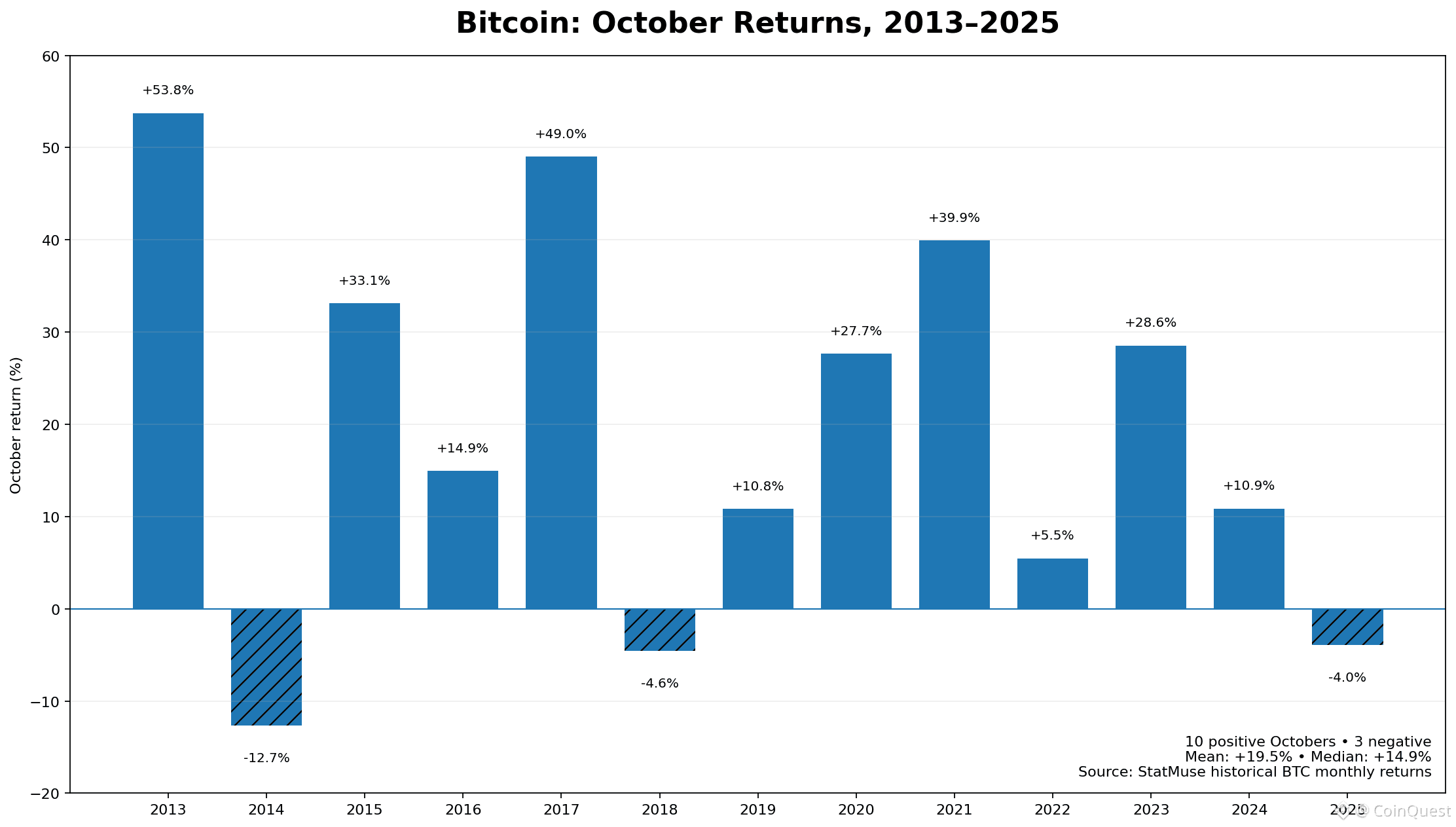
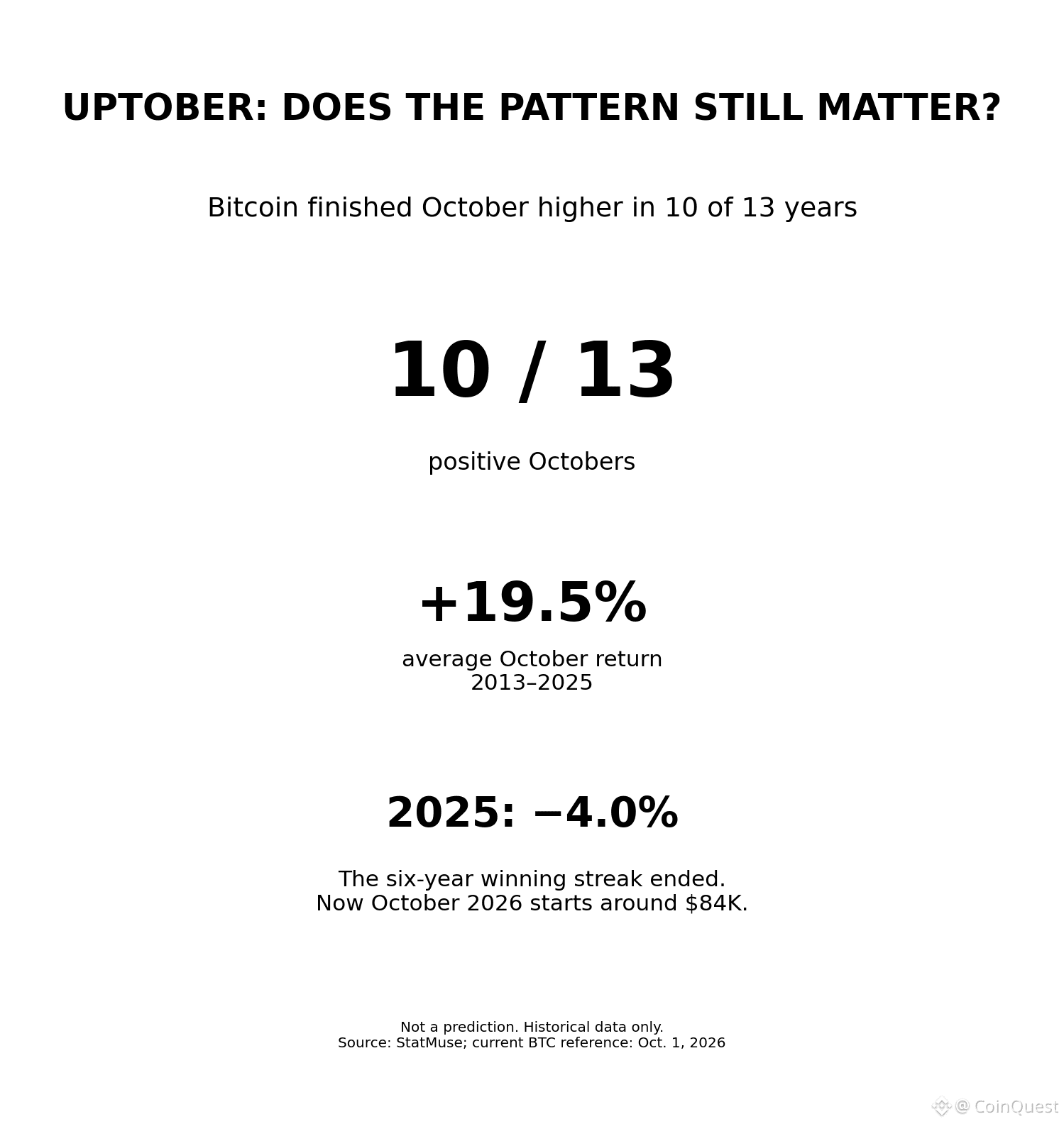
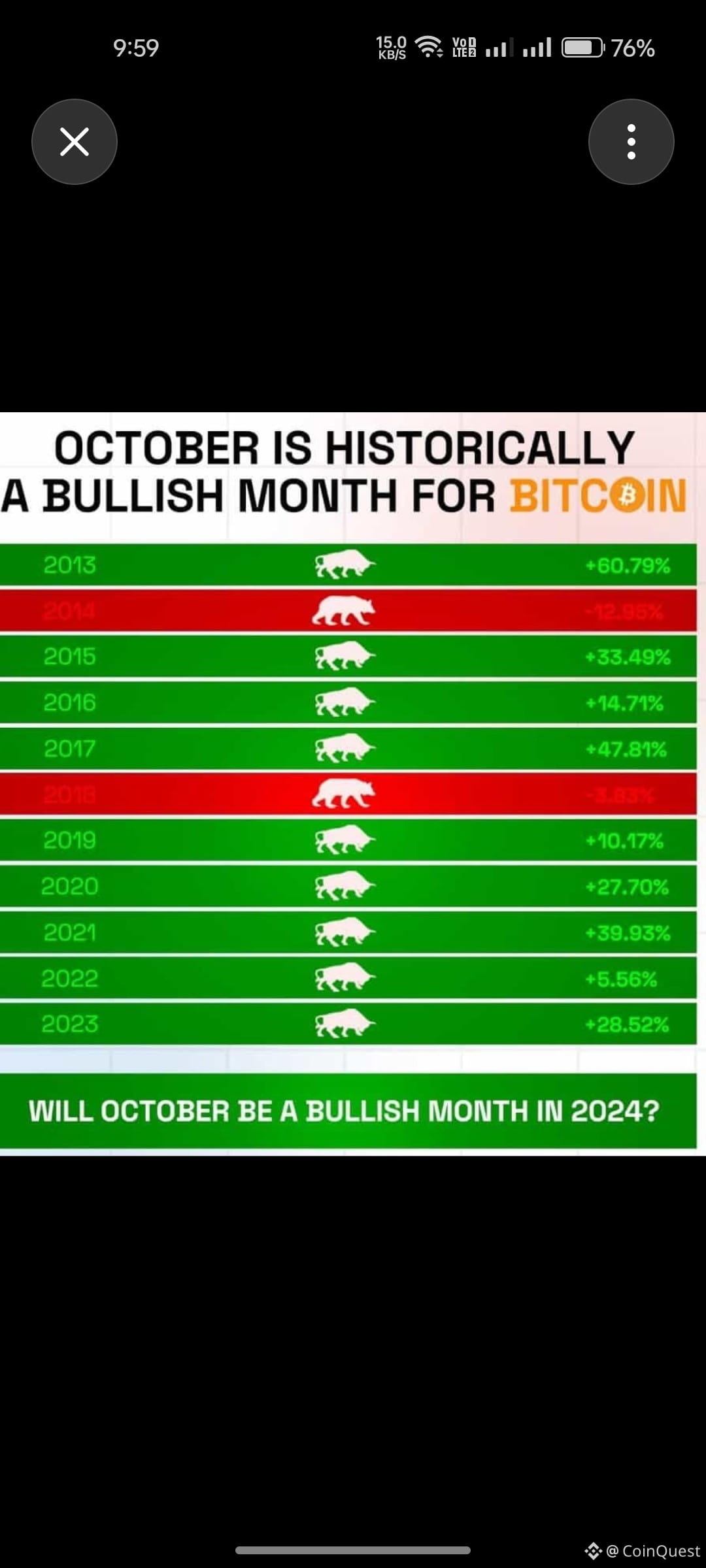
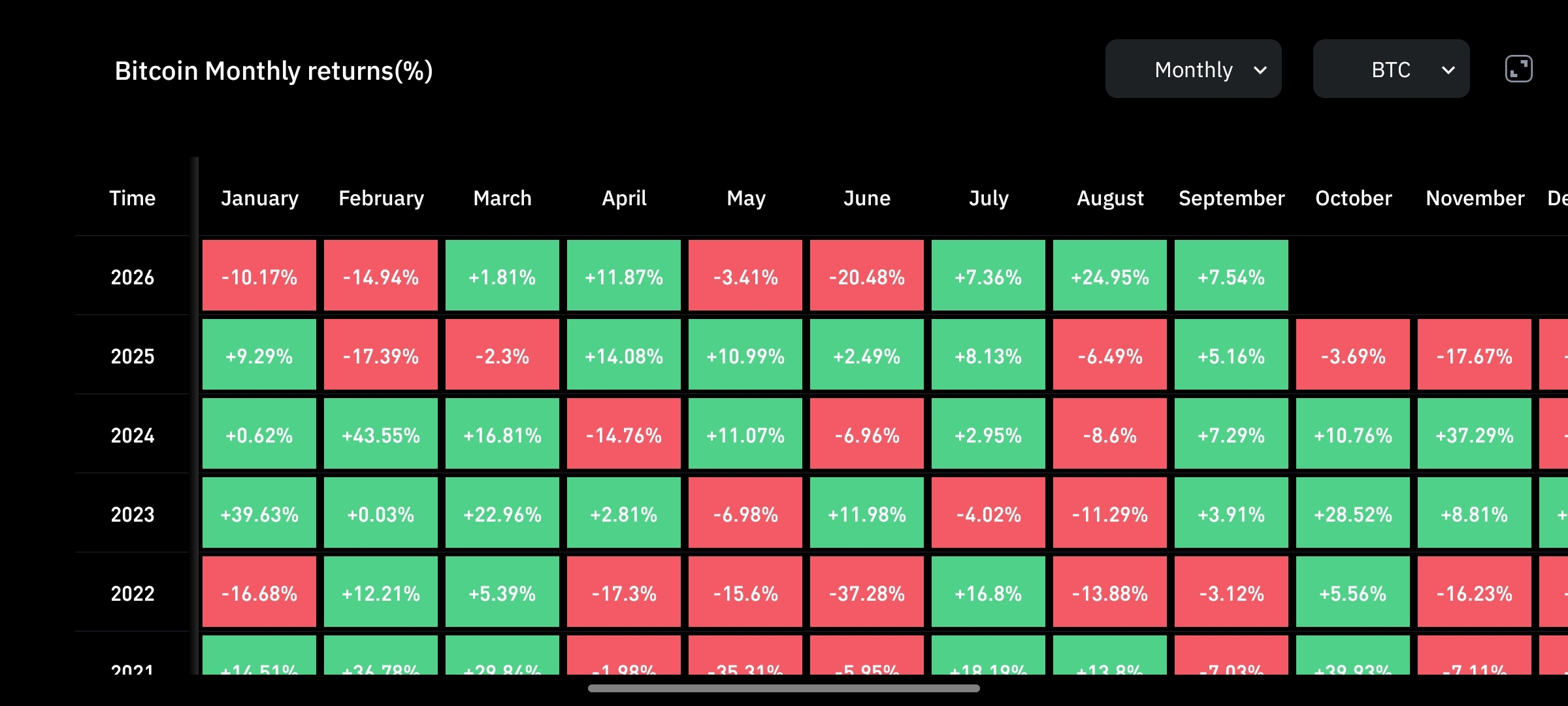
$BTC ha terminado octubre en verde en 10 de los últimos 13 años
Suena alcista hasta que miras los 3 años que fallaron
2014
2018
2025
Los tres octubres rojos fueron
2014 → aproximadamente −11.6%
2018 → aproximadamente −4.7%
2025 → aproximadamente −3.9%
La parte interesante es que esos no fueron solo meses rojos aleatorios
2014 y 2018 ocurrieron durante entornos de mercado bajista mucho más grandes.2025 fue diferente...
BTC en realidad marcó un nuevo ATH por encima de $126K en octubre antes de que el mes se pusiera rojo después de un gran evento de liquidación
Ahora octubre de 2026 comienza con BTC alrededor de $84K
Así que me interesa menos simplemente decir que Uptober es alcista
Quiero ver si este octubre puede realmente construir sobre la recuperación de agosto y septiembre
La historia nos da un patrón.El precio todavía tiene que demostrarlo...
{future}(BTCUSDT)
#BTC
Uptober ha vuelto🔥🤙
$BTC ha terminado octubre en verde en 10 de los últimos 13 años
Suena alcista hasta que miras los 3 años que fallaron
2014
2018
2025
Los tres octubres rojos fueron
2014 → aproximadamente −11.6%
2018 → aproximadamente −4.7%
2025 → aproximadamente −3.9%
La parte interesante es que esos no fueron solo meses rojos aleatorios
2014 y 2018 ocurrieron durante entornos de mercado bajista mucho más grandes.2025 fue diferente...
BTC en realidad marcó un nuevo ATH por encima de $126K en octubre antes de que el mes se pusiera rojo después de un gran evento de liquidación
Ahora octubre de 2026 comienza con BTC alrededor de $84K
Así que me interesa menos simplemente decir que Uptober es alcista
Quiero ver si este octubre puede realmente construir sobre la recuperación de agosto y septiembre
La historia nos da un patrón.El precio todavía tiene que demostrarlo...
#BTC
$BTC ha terminado octubre en verde en 10 de los últimos 13 años
Suena alcista hasta que miras los 3 años que fallaron
2014
2018
2025
Los tres octubres rojos fueron
2014 → aproximadamente −11.6%
2018 → aproximadamente −4.7%
2025 → aproximadamente −3.9%
La parte interesante es que esos no fueron solo meses rojos aleatorios
2014 y 2018 ocurrieron durante entornos de mercado bajista mucho más grandes.2025 fue diferente...
BTC en realidad marcó un nuevo ATH por encima de $126K en octubre antes de que el mes se pusiera rojo después de un gran evento de liquidación
Ahora octubre de 2026 comienza con BTC alrededor de $84K
Así que me interesa menos simplemente decir que Uptober es alcista
Quiero ver si este octubre puede realmente construir sobre la recuperación de agosto y septiembre
La historia nos da un patrón.El precio todavía tiene que demostrarlo...
#BTC
1
2
1.5k
·
--
$BTC acaba de cerrar la vela mensual por encima de un nivel que indica un CAMBIO DE TENDENCIA🤯
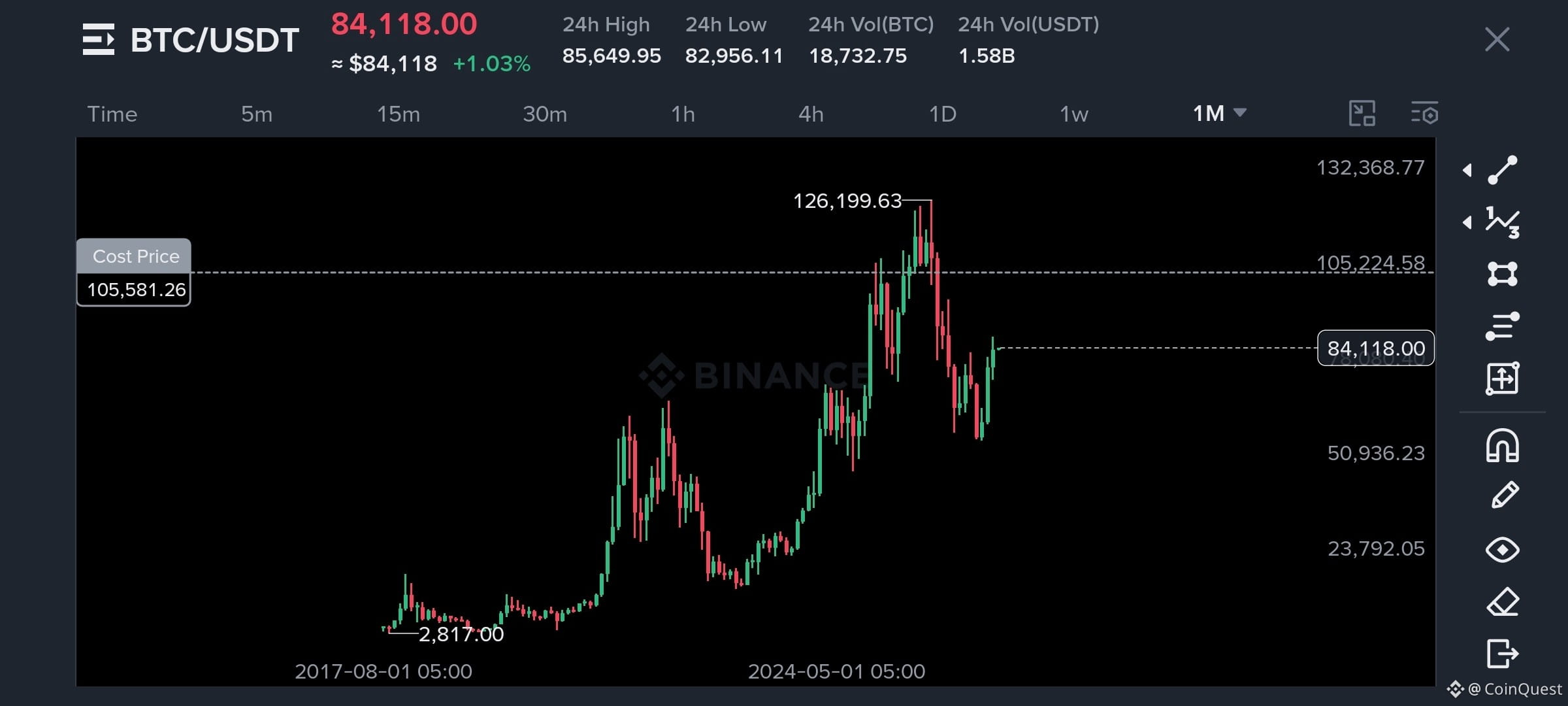
Septiembre terminó con BTC alrededor de $84K y de vuelta por encima de la EMA7 mensual, EMA25
Esto es una mejora interesante después del retroceso reciente
Pero todavía no estoy diciendo que la tendencia macro completa se haya invertido...
BTC todavía tiene que lidiar con la resistencia más grande alrededor de $105K
Uptober se ve interesante...
¿Puede BTC sostener esta zona & seguir construyendo más alto o primero obtenemos otro retroceso?
$BTC
$BTC acaba de cerrar la vela mensual por encima de un nivel que indica un CAMBIO DE TENDENCIA🤯
Septiembre terminó con BTC alrededor de $84K y de vuelta por encima de la EMA7 mensual, EMA25
Esto es una mejora interesante después del retroceso reciente
Pero todavía no estoy diciendo que la tendencia macro completa se haya invertido...
BTC todavía tiene que lidiar con la resistencia más grande alrededor de $105K
Uptober se ve interesante...
¿Puede BTC sostener esta zona & seguir construyendo más alto o primero obtenemos otro retroceso?
$BTC
Septiembre terminó con BTC alrededor de $84K y de vuelta por encima de la EMA7 mensual, EMA25
Esto es una mejora interesante después del retroceso reciente
Pero todavía no estoy diciendo que la tendencia macro completa se haya invertido...
BTC todavía tiene que lidiar con la resistencia más grande alrededor de $105K
Uptober se ve interesante...
¿Puede BTC sostener esta zona & seguir construyendo más alto o primero obtenemos otro retroceso?
$BTC
817
·
--
Alcista
El rebote de septiembre de $BTC está en marcha... ¿Cambio de estructura o otra trampa?
Es el 4.º septiembre consecutivo en verde; ahora es el turno de Uptober 🤙😅❤️
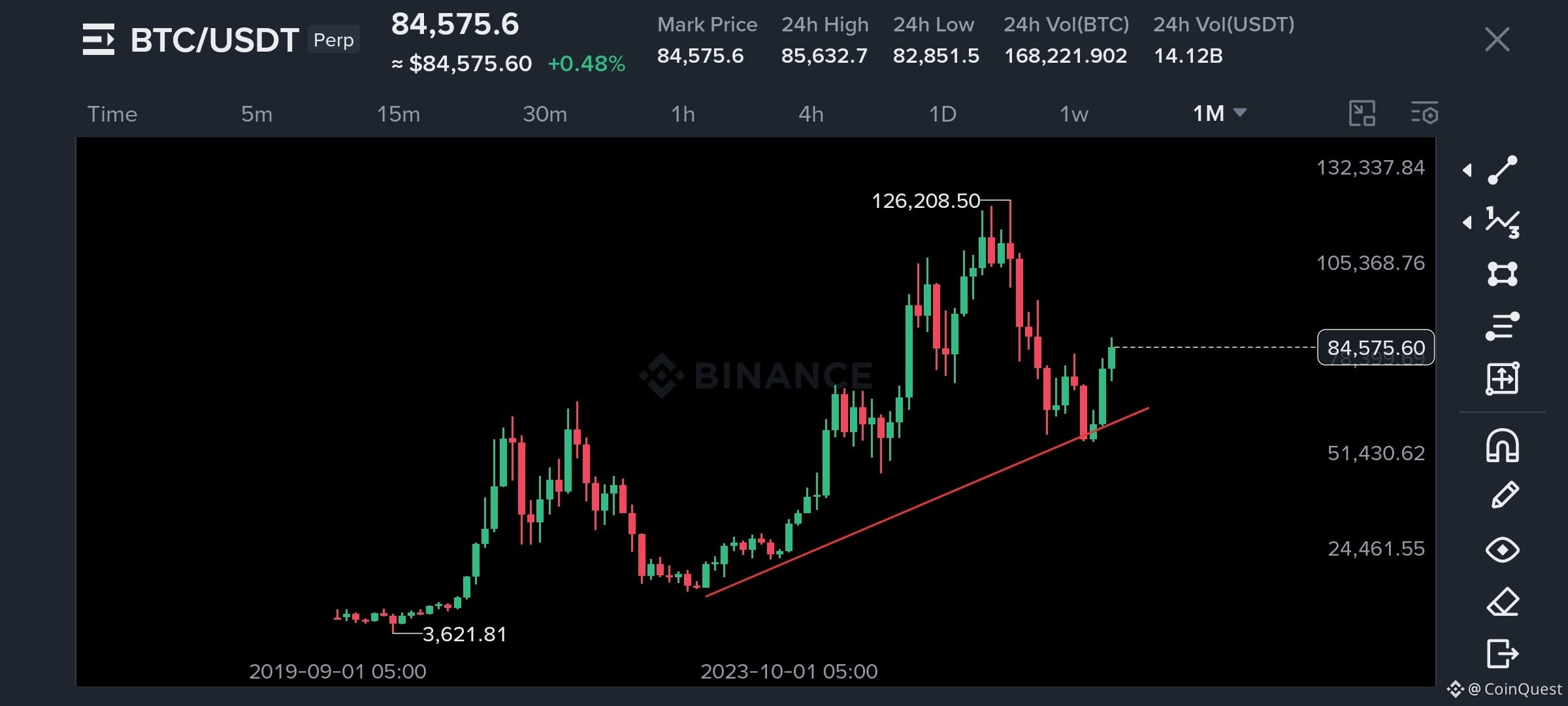
Septiembre se está cerrando con el BTC de vuelta alrededor de $84K, con cambio de tendencia semanal a alcista.
La pregunta más grande ahora es si este movimiento mensual puede convertirse en un cambio real de la estructura del mercado, como ocurrió con el semanal.
Uptober comienza en 5 horas.
Veamos si el BTC puede construir sobre este movimiento o si septiembre fue solo otro rebote.
#BTC
El rebote de septiembre de $BTC está en marcha... ¿Cambio de estructura o otra trampa?
Es el 4.º septiembre consecutivo en verde; ahora es el turno de Uptober 🤙😅❤️
Septiembre se está cerrando con el BTC de vuelta alrededor de $84K, con cambio de tendencia semanal a alcista.
La pregunta más grande ahora es si este movimiento mensual puede convertirse en un cambio real de la estructura del mercado, como ocurrió con el semanal.
Uptober comienza en 5 horas.
Veamos si el BTC puede construir sobre este movimiento o si septiembre fue solo otro rebote.
#BTC
Es el 4.º septiembre consecutivo en verde; ahora es el turno de Uptober 🤙😅❤️
Septiembre se está cerrando con el BTC de vuelta alrededor de $84K, con cambio de tendencia semanal a alcista.
La pregunta más grande ahora es si este movimiento mensual puede convertirse en un cambio real de la estructura del mercado, como ocurrió con el semanal.
Uptober comienza en 5 horas.
Veamos si el BTC puede construir sobre este movimiento o si septiembre fue solo otro rebote.
#BTC
5
4.9k
·
--
Alcista
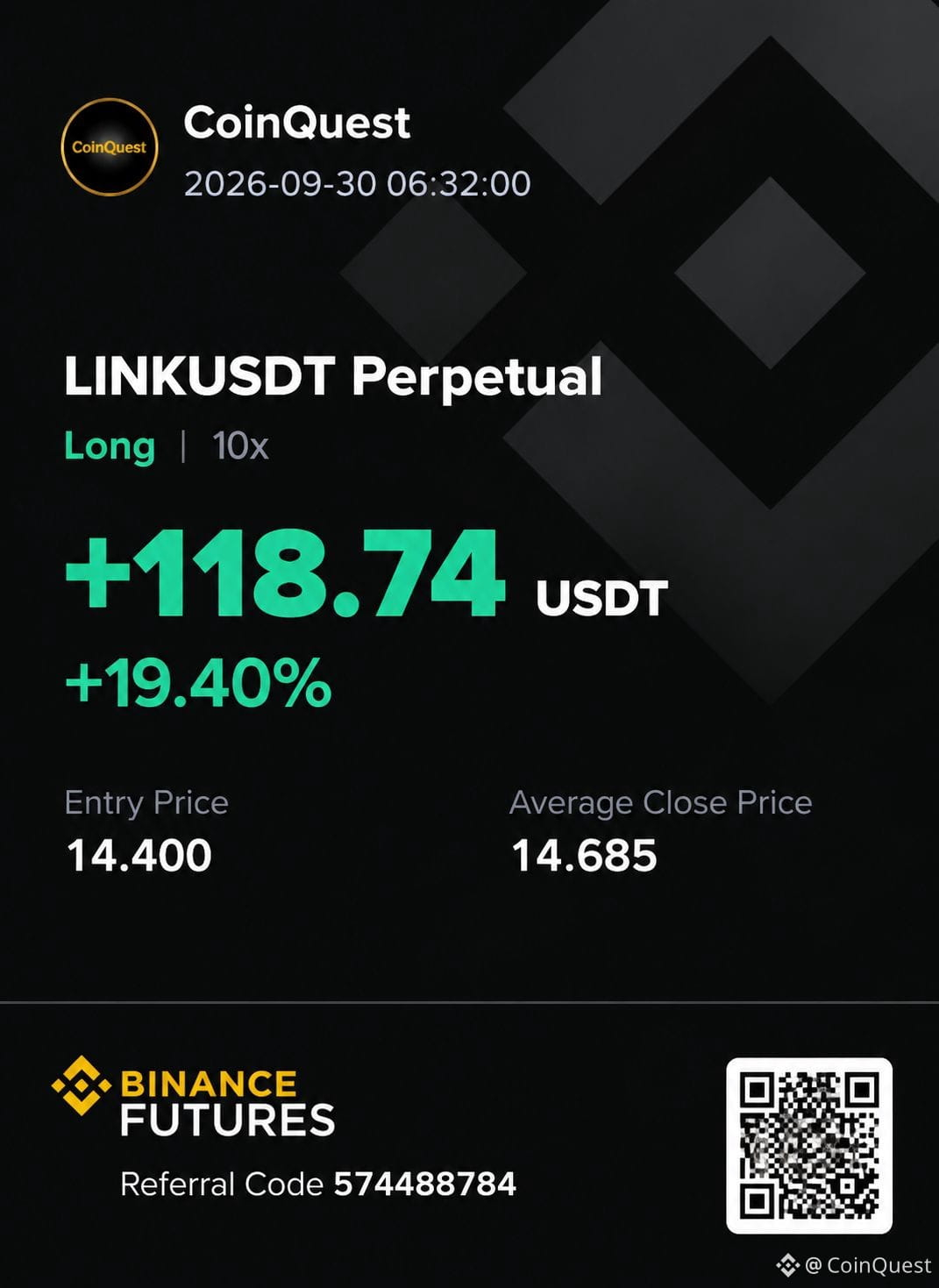
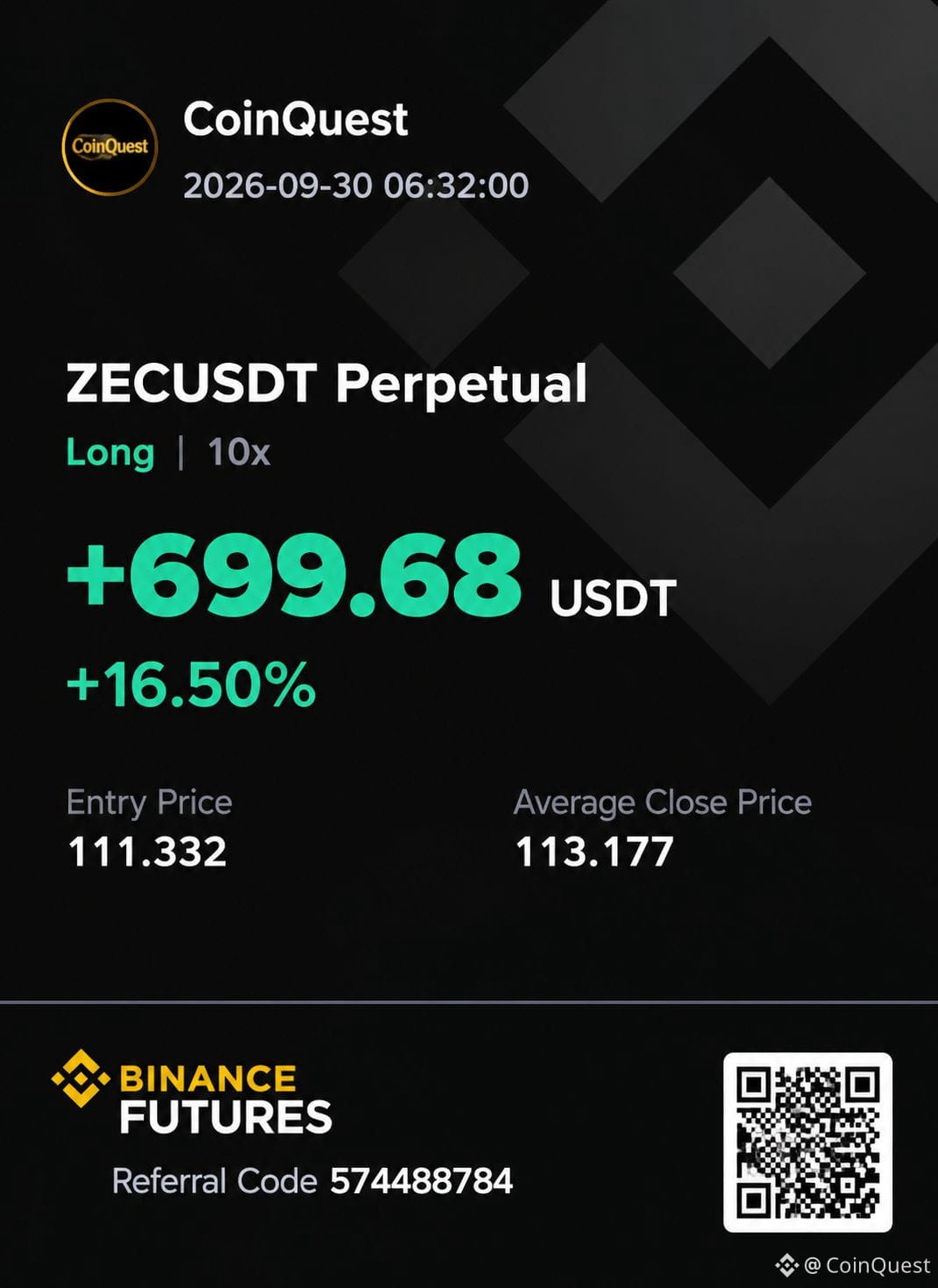
$LINK & $ZEC entra a nuestras zonas de compra. Los setups de trading ya están en vivo. ¿Quién más atrapó esta entrada conmigo?
No hay tiempo de espera.
ZEC recupera la estructura alcista en TFs pequeños. Los TFs más grandes ya están fuertes. Es una buena oportunidad para aprovecharlo antes de que cruce el objetivo de $1800
Se borró el enlace de los long tardíos & ahora es momento de Short Squeeze. Retroceso saludable.. El siguiente objetivo es $16+
{future}(LINKUSDT)
{future}(ZECUSDT)
#ZECUSDT #LINK
$LINK & $ZEC entra a nuestras zonas de compra. Los setups de trading ya están en vivo. ¿Quién más atrapó esta entrada conmigo?
No hay tiempo de espera.
ZEC recupera la estructura alcista en TFs pequeños. Los TFs más grandes ya están fuertes. Es una buena oportunidad para aprovecharlo antes de que cruce el objetivo de $1800
Se borró el enlace de los long tardíos & ahora es momento de Short Squeeze. Retroceso saludable.. El siguiente objetivo es $16+
#ZECUSDT #LINK
No hay tiempo de espera.
ZEC recupera la estructura alcista en TFs pequeños. Los TFs más grandes ya están fuertes. Es una buena oportunidad para aprovecharlo antes de que cruce el objetivo de $1800
Se borró el enlace de los long tardíos & ahora es momento de Short Squeeze. Retroceso saludable.. El siguiente objetivo es $16+
#ZECUSDT #LINK
2
1k
·
--
Alcista
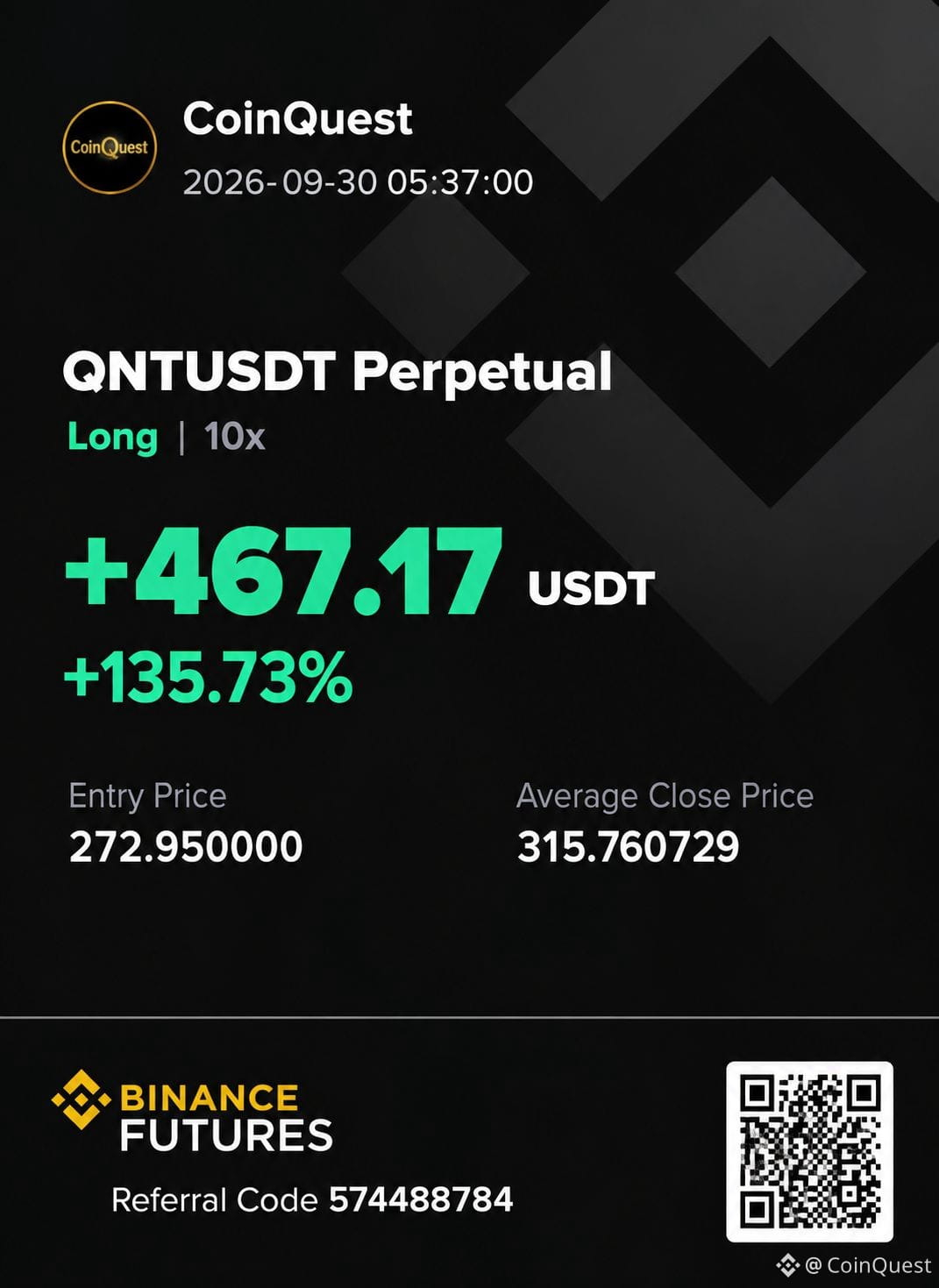
$QNT next el objetivo podría ser de $500?
No sé si va a ser de $500 o $600, pero mientras tanto ganaré dinero todo lo que pueda 😭😅
¿Qué sigue?
Acabo de cerrar el 25% de mi posición de trading
25% Cerrado
75% Manteniendo
SL movida a punto de equilibrio
{future}(QNTUSDT)
#QNT/USDT
$QNT next el objetivo podría ser de $500?
No sé si va a ser de $500 o $600, pero mientras tanto ganaré dinero todo lo que pueda 😭😅
¿Qué sigue?
Acabo de cerrar el 25% de mi posición de trading
25% Cerrado
75% Manteniendo
SL movida a punto de equilibrio
#QNT/USDT
No sé si va a ser de $500 o $600, pero mientras tanto ganaré dinero todo lo que pueda 😭😅
¿Qué sigue?
Acabo de cerrar el 25% de mi posición de trading
25% Cerrado
75% Manteniendo
SL movida a punto de equilibrio
#QNT/USDT
CoinQuest
·
--
Alcista$QNT configuración de pullback: observando $264–268, no estoy persiguiendo cerca de $280 ...
QNT sigue siendo estructuralmente fuerte en el marco de tiempo más alto, pero el precio se acerca a una zona clave de resistencia alrededor de $280 después de un movimiento brusco.
Estoy esperando un pullback controlado hacia $264–268.
Confirmación • reacción alcista en 15M dentro de la zona
• recuperar y mantenerse por encima de $268
Invalidación • aceptación en 15M/4H por debajo de $255
La idea es simple: un pullback defendido podría mantener la estructura de continuación fuerte mientras no haya reacción del comprador, no hay operación....
Sin reacción = sin entrada. no sigas por encima de $280.
QNT sigue siendo estructuralmente fuerte en el marco de tiempo más alto, pero el precio se acerca a una zona clave de resistencia alrededor de $280 después de un movimiento brusco.
Estoy esperando un pullback controlado hacia $264–268.
Confirmación • reacción alcista en 15M dentro de la zona
• recuperar y mantenerse por encima de $268
Invalidación • aceptación en 15M/4H por debajo de $255
La idea es simple: un pullback defendido podría mantener la estructura de continuación fuerte mientras no haya reacción del comprador, no hay operación....
Sin reacción = sin entrada. no sigas por encima de $280.
3
950
·
--
Bajista
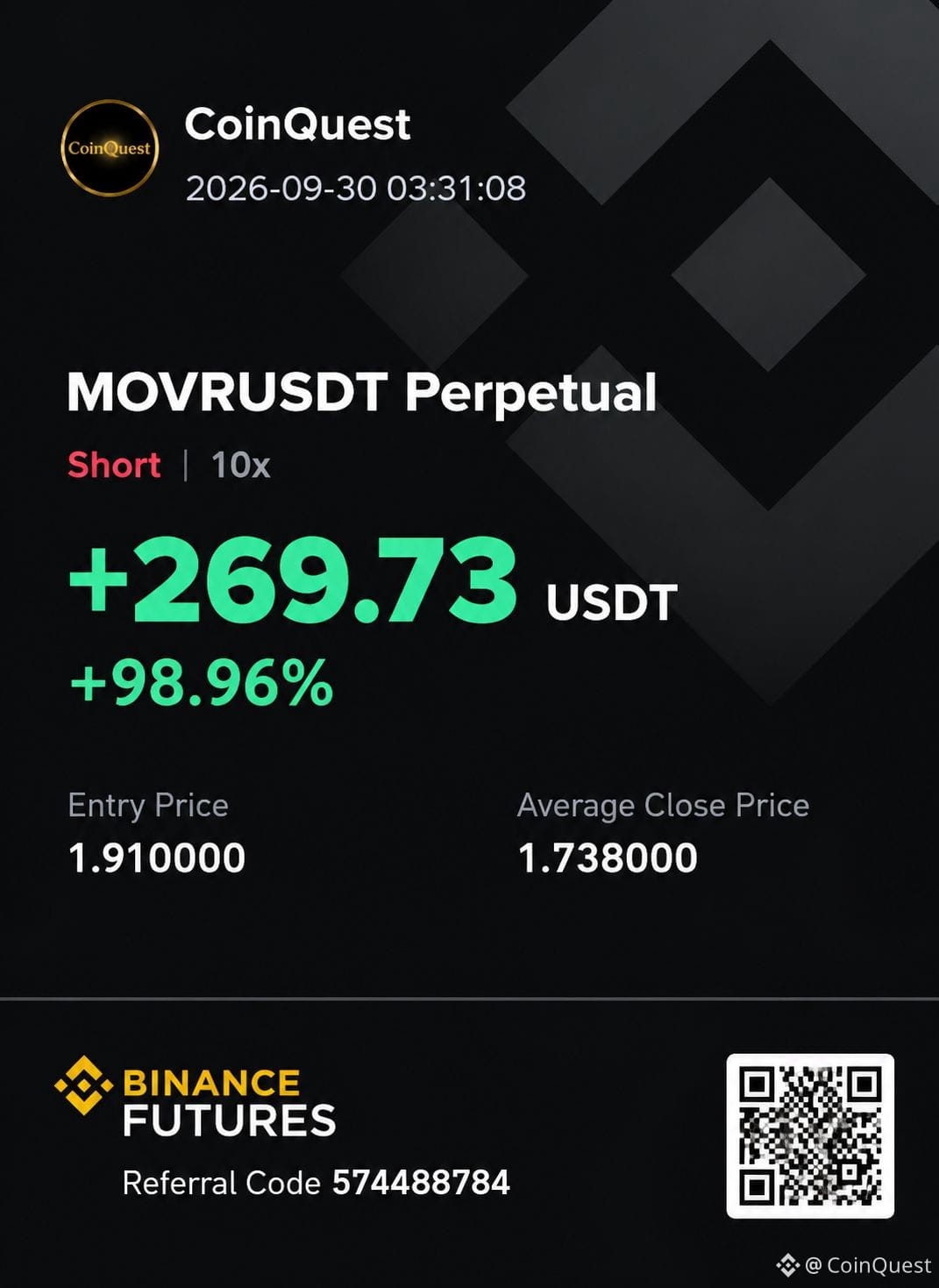
$MOVR ¿Precio se desplomó o corrección saludable?
El precio probó una zona de oferta crucial donde los vendedores dominan a los Toros.
2.05 es una resistencia crucial.
Ahora, ¿qué?
Cierra 25% de la operación
Mantén 75% de la operación
SL en punto de equilibrio
Disfruta, amigos.. Disfruta❤️😘
Recuerda: Romper por encima de 1.91 puede convertirlo en una corrección saludable.
{future}(MOVRUSDT)
$MOVR ¿Precio se desplomó o corrección saludable?
El precio probó una zona de oferta crucial donde los vendedores dominan a los Toros.
2.05 es una resistencia crucial.
Ahora, ¿qué?
Cierra 25% de la operación
Mantén 75% de la operación
SL en punto de equilibrio
Disfruta, amigos.. Disfruta❤️😘
Recuerda: Romper por encima de 1.91 puede convertirlo en una corrección saludable.
El precio probó una zona de oferta crucial donde los vendedores dominan a los Toros.
2.05 es una resistencia crucial.
Ahora, ¿qué?
Cierra 25% de la operación
Mantén 75% de la operación
SL en punto de equilibrio
Disfruta, amigos.. Disfruta❤️😘
Recuerda: Romper por encima de 1.91 puede convertirlo en una corrección saludable.
CoinQuest
·
--
Bajista$MOVR acaba de alcanzar una resistencia crucial que estoy vigilando de cerca🔎
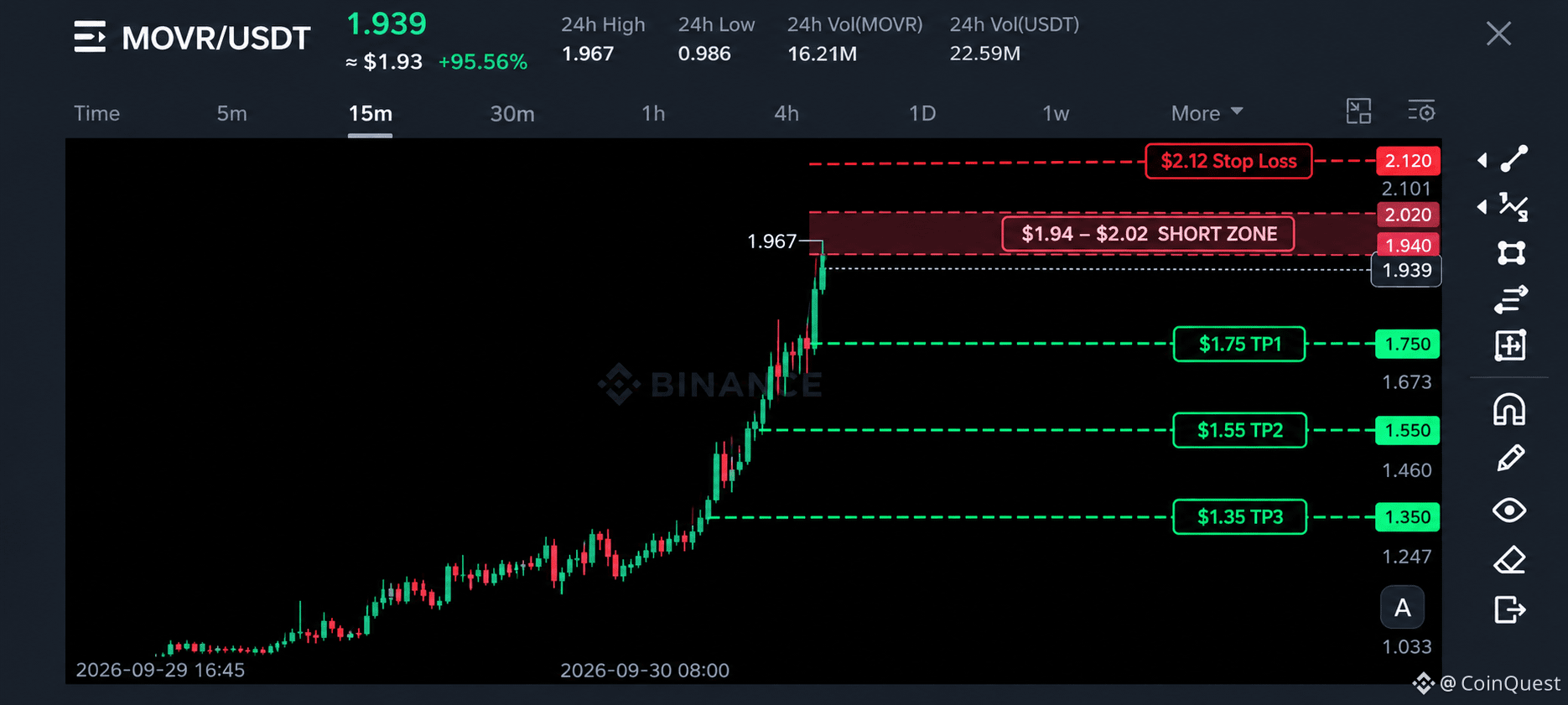
La resistencia crucial 3D está situada alrededor de $2.01 y el precio acaba de hacer un movimiento enorme hacia ahí
Estoy vigilando $1.94 – $2.02 para una posible reacción/Rechazo
Si entran los vendedores aquí, estoy mirando
$1.75
$1.55
$1.35
Stop Loss $2.12
Si MOVR rompe por encima de $2.02 y se mantiene en el TF de 15m, entonces;cerraré esta operación corta
No quiero hacer short solo porque el precio está alto😉Quiero ver primero que aparezcan los vendedores
La resistencia crucial 3D está situada alrededor de $2.01 y el precio acaba de hacer un movimiento enorme hacia ahí
Estoy vigilando $1.94 – $2.02 para una posible reacción/Rechazo
Si entran los vendedores aquí, estoy mirando
$1.75
$1.55
$1.35
Stop Loss $2.12
Si MOVR rompe por encima de $2.02 y se mantiene en el TF de 15m, entonces;cerraré esta operación corta
No quiero hacer short solo porque el precio está alto😉Quiero ver primero que aparezcan los vendedores
1
739
·
--
Bajista
$MOVR acaba de alcanzar una resistencia crucial que estoy vigilando de cerca🔎
La resistencia crucial 3D está situada alrededor de $2.01 y el precio acaba de hacer un movimiento enorme hacia ahí
Estoy vigilando $1.94 – $2.02 para una posible reacción/Rechazo
Si entran los vendedores aquí, estoy mirando
$1.75
$1.55
$1.35
Stop Loss $2.12
Si MOVR rompe por encima de $2.02 y se mantiene en el TF de 15m, entonces;cerraré esta operación corta
No quiero hacer short solo porque el precio está alto😉Quiero ver primero que aparezcan los vendedores
{future}(MOVRUSDT)
$MOVR acaba de alcanzar una resistencia crucial que estoy vigilando de cerca🔎
La resistencia crucial 3D está situada alrededor de $2.01 y el precio acaba de hacer un movimiento enorme hacia ahí
Estoy vigilando $1.94 – $2.02 para una posible reacción/Rechazo
Si entran los vendedores aquí, estoy mirando
$1.75
$1.55
$1.35
Stop Loss $2.12
Si MOVR rompe por encima de $2.02 y se mantiene en el TF de 15m, entonces;cerraré esta operación corta
No quiero hacer short solo porque el precio está alto😉Quiero ver primero que aparezcan los vendedores
La resistencia crucial 3D está situada alrededor de $2.01 y el precio acaba de hacer un movimiento enorme hacia ahí
Estoy vigilando $1.94 – $2.02 para una posible reacción/Rechazo
Si entran los vendedores aquí, estoy mirando
$1.75
$1.55
$1.35
Stop Loss $2.12
Si MOVR rompe por encima de $2.02 y se mantiene en el TF de 15m, entonces;cerraré esta operación corta
No quiero hacer short solo porque el precio está alto😉Quiero ver primero que aparezcan los vendedores
1
3
1k
·
--
Alcista
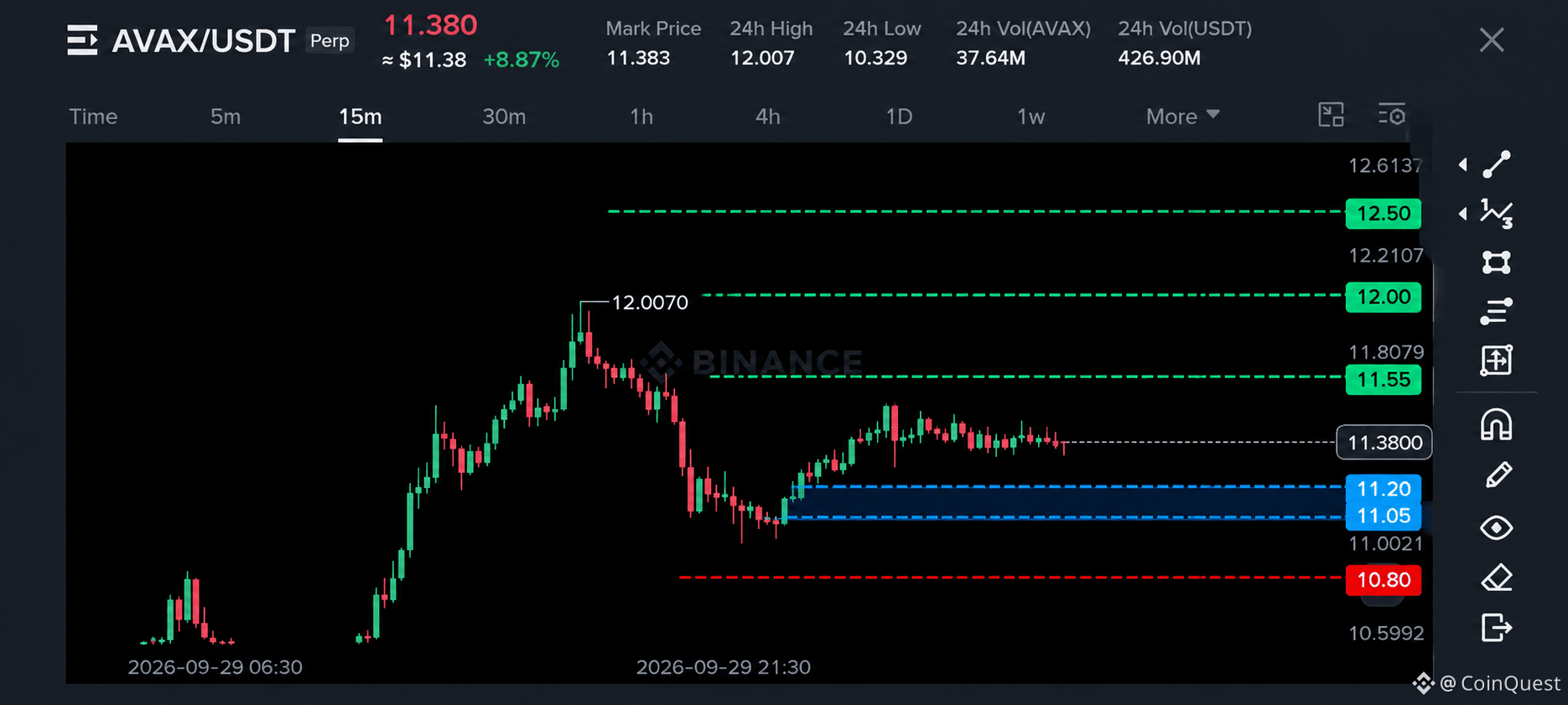
Todo el mundo está mirando la $AVAX bomba pero
yo estoy esperando el nivel que viene DESPUÉS de eso....
Estoy mirando $11.05 – $11.20
Si los compradores vuelven, yo estaría buscando
$11.55
$12
$12.50
Stop Loss $10.80
Pero si $11 cae sin que aparezcan compradores
Me quedo fuera
No hace falta forzar nuestras entradas en velas grandes 😅
{future}(AVAXUSDT)
#avax
Todo el mundo está mirando la $AVAX bomba pero
yo estoy esperando el nivel que viene DESPUÉS de eso....
Estoy mirando $11.05 – $11.20
Si los compradores vuelven, yo estaría buscando
$11.55
$12
$12.50
Stop Loss $10.80
Pero si $11 cae sin que aparezcan compradores
Me quedo fuera
No hace falta forzar nuestras entradas en velas grandes 😅
#avax
yo estoy esperando el nivel que viene DESPUÉS de eso....
Estoy mirando $11.05 – $11.20
Si los compradores vuelven, yo estaría buscando
$11.55
$12
$12.50
Stop Loss $10.80
Pero si $11 cae sin que aparezcan compradores
Me quedo fuera
No hace falta forzar nuestras entradas en velas grandes 😅
#avax
2
1.9k
·
--
Alcista
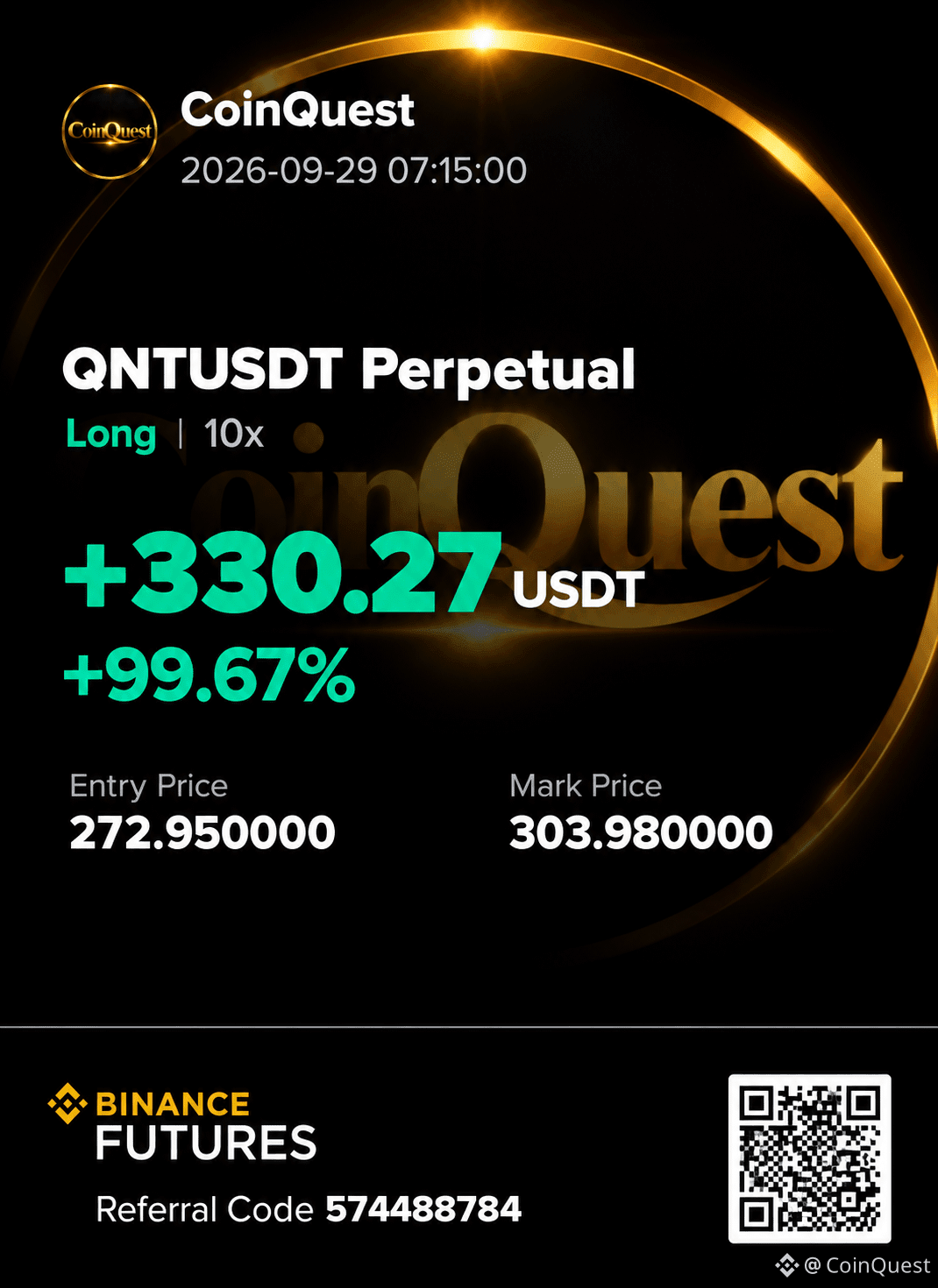
$QNT Perfecto llamado 😅🤝
¿Qué debemos hacer ahora?
Cerrar 25% de la posición
Mover el SL a punto de equilibrio
Mantener 75% de la posición
Esperar mi próxima llamada
#QNT
$QNT Perfecto llamado 😅🤝
¿Qué debemos hacer ahora?
Cerrar 25% de la posición
Mover el SL a punto de equilibrio
Mantener 75% de la posición
Esperar mi próxima llamada
#QNT
¿Qué debemos hacer ahora?
Cerrar 25% de la posición
Mover el SL a punto de equilibrio
Mantener 75% de la posición
Esperar mi próxima llamada
#QNT
CoinQuest
·
--
Alcista$QNT configuración de pullback: observando $264–268, no estoy persiguiendo cerca de $280 ...
QNT sigue siendo estructuralmente fuerte en el marco de tiempo más alto, pero el precio se acerca a una zona clave de resistencia alrededor de $280 después de un movimiento brusco.
Estoy esperando un pullback controlado hacia $264–268.
Confirmación • reacción alcista en 15M dentro de la zona
• recuperar y mantenerse por encima de $268
Invalidación • aceptación en 15M/4H por debajo de $255
La idea es simple: un pullback defendido podría mantener la estructura de continuación fuerte mientras no haya reacción del comprador, no hay operación....
Sin reacción = sin entrada. no sigas por encima de $280.
QNT sigue siendo estructuralmente fuerte en el marco de tiempo más alto, pero el precio se acerca a una zona clave de resistencia alrededor de $280 después de un movimiento brusco.
Estoy esperando un pullback controlado hacia $264–268.
Confirmación • reacción alcista en 15M dentro de la zona
• recuperar y mantenerse por encima de $268
Invalidación • aceptación en 15M/4H por debajo de $255
La idea es simple: un pullback defendido podría mantener la estructura de continuación fuerte mientras no haya reacción del comprador, no hay operación....
Sin reacción = sin entrada. no sigas por encima de $280.
2
571
·
--
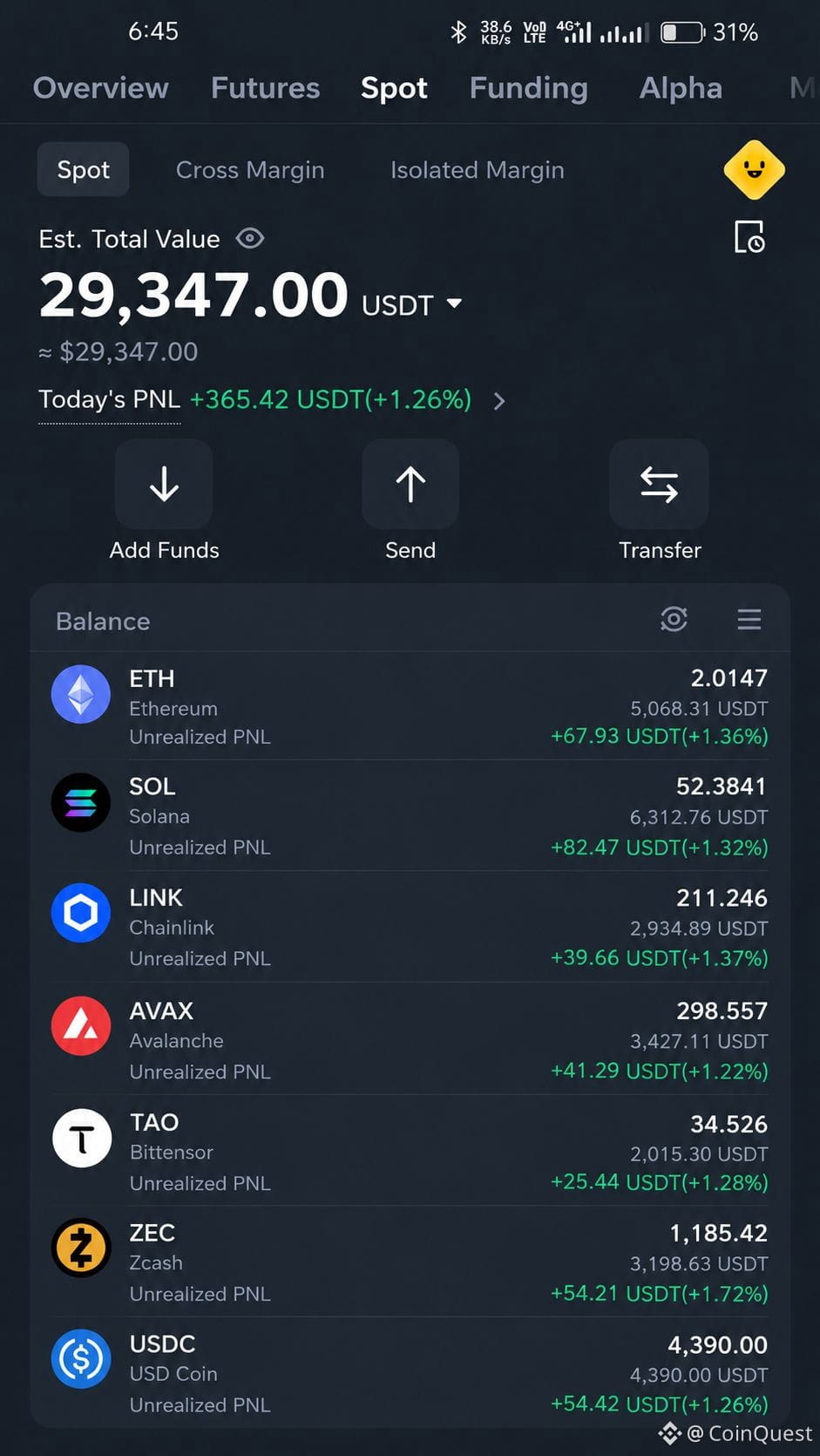
Si realmente comienza la temporada Alt, estas son las narrativas con las que yo en realidad estoy apostando...
$ETH → Core large cap
$SOL → Mayor riesgo con un ecosistema fuerte
$LINK → RWA + cadena cruzada
$AVAX → Tokenización + narrativa institucional
$TAO → Exposición a IA
$ZEC → Narrativa de privacidad
No estoy diciendo que estos sean los únicos coins que pueden subir. Solo me estoy alineando con menos riesgo que el típico bullshit de retornos 3-5x😅
Estoy observando dónde empieza primero la rotación de liquidez...
Si realmente comienza la temporada Alt, estas son las narrativas con las que yo en realidad estoy apostando...
$ETH → Core large cap
$SOL → Mayor riesgo con un ecosistema fuerte
$LINK → RWA + cadena cruzada
$AVAX → Tokenización + narrativa institucional
$TAO → Exposición a IA
$ZEC → Narrativa de privacidad
No estoy diciendo que estos sean los únicos coins que pueden subir. Solo me estoy alineando con menos riesgo que el típico bullshit de retornos 3-5x😅
Estoy observando dónde empieza primero la rotación de liquidez...
$ETH → Core large cap
$SOL → Mayor riesgo con un ecosistema fuerte
$LINK → RWA + cadena cruzada
$AVAX → Tokenización + narrativa institucional
$TAO → Exposición a IA
$ZEC → Narrativa de privacidad
No estoy diciendo que estos sean los únicos coins que pueden subir. Solo me estoy alineando con menos riesgo que el típico bullshit de retornos 3-5x😅
Estoy observando dónde empieza primero la rotación de liquidez...
1
817
·
--
Alcista
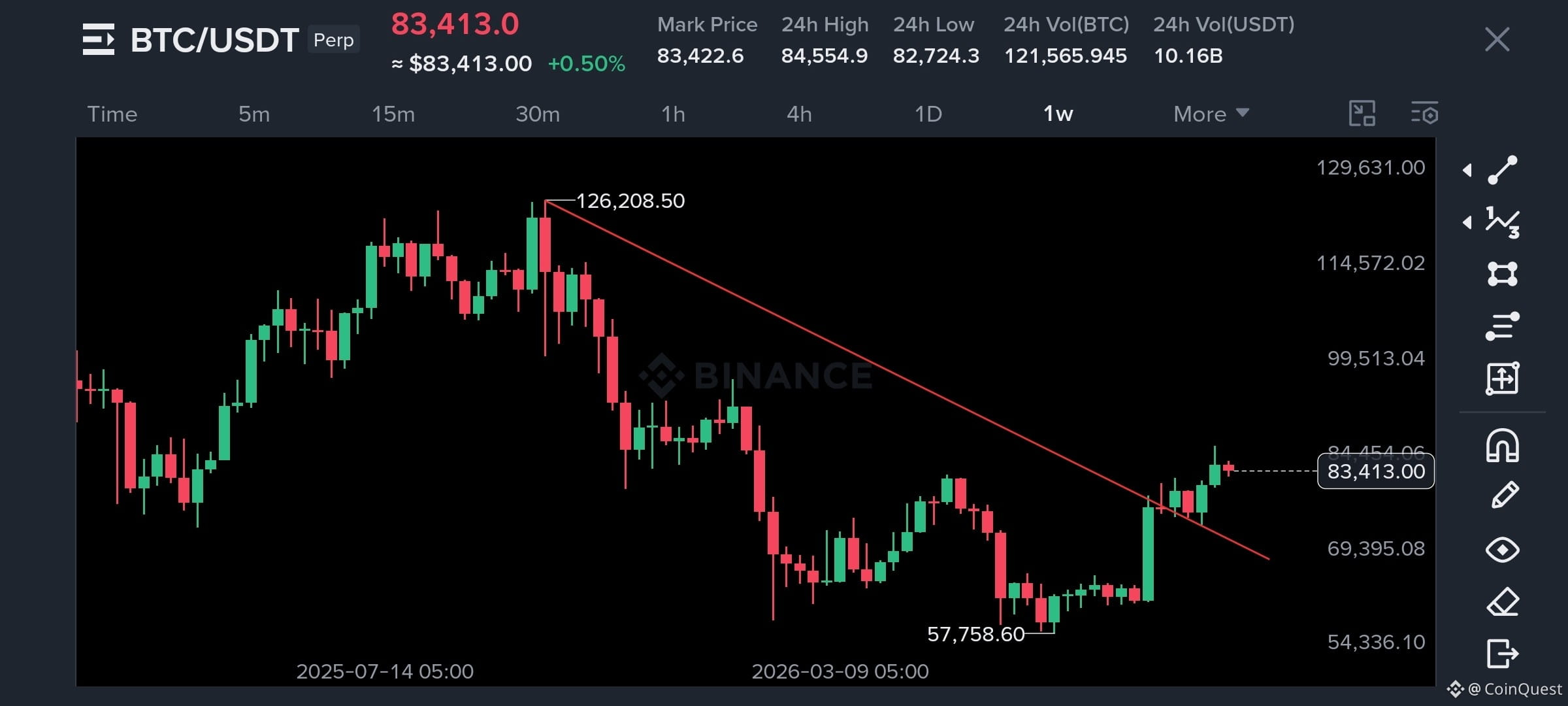
$BTC estructura semanal acaba de cambiar🤯
El BTC ahora ha cerrado por encima del área del swing high principal anterior y también está cotizando por encima de la tendencia bajista de largo plazo.
La vela de ruptura no es enorme, pero lo importante es que el BTC realmente ha atravesado un nivel que antes mantenía rechazando el precio
Ahora estoy observando cómo se comporta el BTC por encima de esta zona
Si los compradores pueden seguir manteniendo estos niveles, entonces la estructura general del mercado empieza a verse mucho más interesante
Por ahora no busco una entrada aleatoria.
Solo estoy observando si el BTC puede construir a partir de esta ruptura o si vuelve al rango anterior
#BTC
$BTC estructura semanal acaba de cambiar🤯
El BTC ahora ha cerrado por encima del área del swing high principal anterior y también está cotizando por encima de la tendencia bajista de largo plazo.
La vela de ruptura no es enorme, pero lo importante es que el BTC realmente ha atravesado un nivel que antes mantenía rechazando el precio
Ahora estoy observando cómo se comporta el BTC por encima de esta zona
Si los compradores pueden seguir manteniendo estos niveles, entonces la estructura general del mercado empieza a verse mucho más interesante
Por ahora no busco una entrada aleatoria.
Solo estoy observando si el BTC puede construir a partir de esta ruptura o si vuelve al rango anterior
#BTC
El BTC ahora ha cerrado por encima del área del swing high principal anterior y también está cotizando por encima de la tendencia bajista de largo plazo.
La vela de ruptura no es enorme, pero lo importante es que el BTC realmente ha atravesado un nivel que antes mantenía rechazando el precio
Ahora estoy observando cómo se comporta el BTC por encima de esta zona
Si los compradores pueden seguir manteniendo estos niveles, entonces la estructura general del mercado empieza a verse mucho más interesante
Por ahora no busco una entrada aleatoria.
Solo estoy observando si el BTC puede construir a partir de esta ruptura o si vuelve al rango anterior
#BTC
6
1.7k
·
--
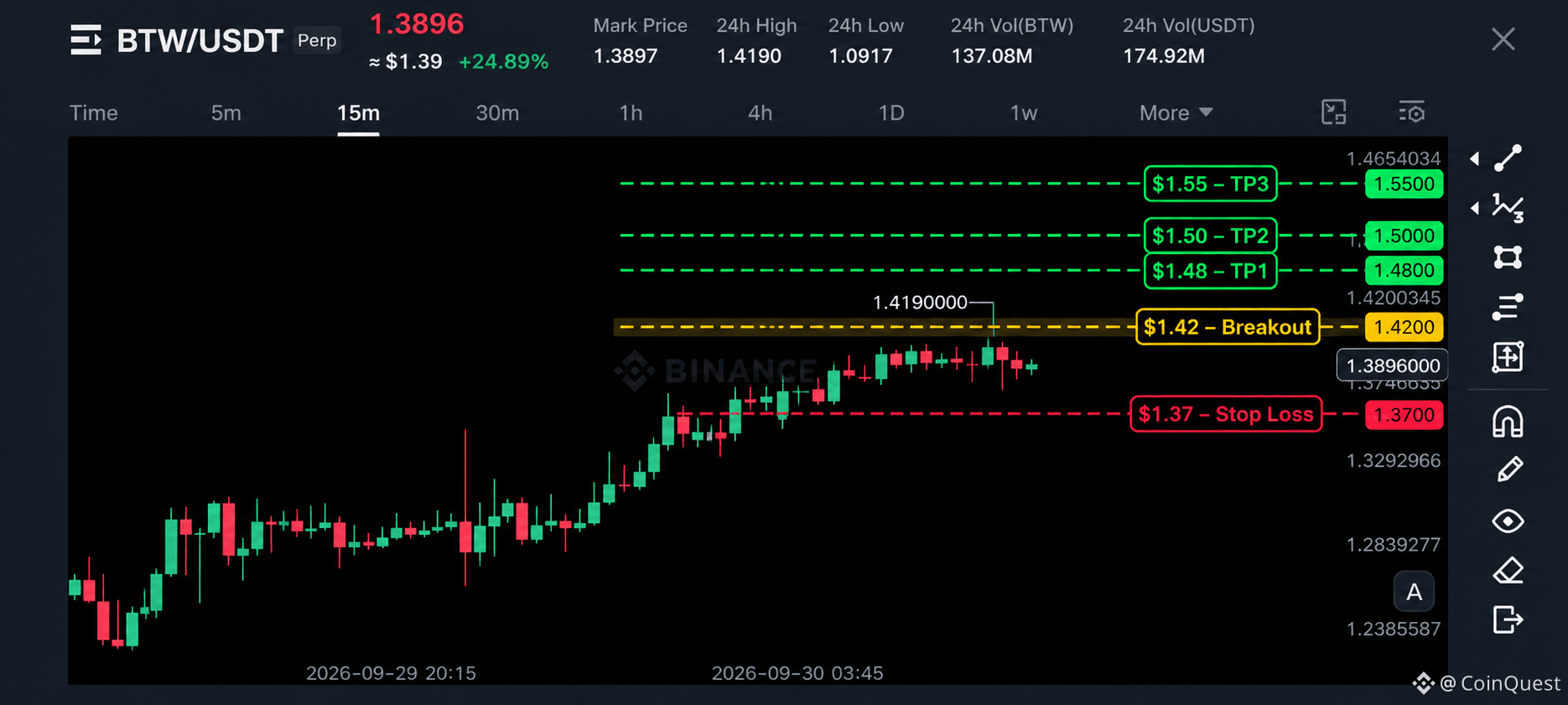
$BTW está sentada bajo un nivel que podría decidir la próxima jugada...
Por cierto, ya hice un recorrido enorme y ahora está presionando contra $1.42
Si los compradores finalmente logran superar $1.42 y mantenerla por encima, estaré observando
$1.48
$1.50
$1.55
Buscaría una entrada alrededor de $1.42 a $1.43 después de que la ruptura se mantenga
Stop Loss $1.37
Pero si BTW es rechazado desde $1.42 y cae de nuevo por debajo de $1.37, entonces me quedaré fuera
No quiero adivinar la ruptura
deja que el gráfico la muestre primero😘😅
{future}(BTWUSDT)
$BTW está sentada bajo un nivel que podría decidir la próxima jugada...
Por cierto, ya hice un recorrido enorme y ahora está presionando contra $1.42
Si los compradores finalmente logran superar $1.42 y mantenerla por encima, estaré observando
$1.48
$1.50
$1.55
Buscaría una entrada alrededor de $1.42 a $1.43 después de que la ruptura se mantenga
Stop Loss $1.37
Pero si BTW es rechazado desde $1.42 y cae de nuevo por debajo de $1.37, entonces me quedaré fuera
No quiero adivinar la ruptura
deja que el gráfico la muestre primero😘😅
Por cierto, ya hice un recorrido enorme y ahora está presionando contra $1.42
Si los compradores finalmente logran superar $1.42 y mantenerla por encima, estaré observando
$1.48
$1.50
$1.55
Buscaría una entrada alrededor de $1.42 a $1.43 después de que la ruptura se mantenga
Stop Loss $1.37
Pero si BTW es rechazado desde $1.42 y cae de nuevo por debajo de $1.37, entonces me quedaré fuera
No quiero adivinar la ruptura
deja que el gráfico la muestre primero😘😅
4
2k
·
--
Alcista
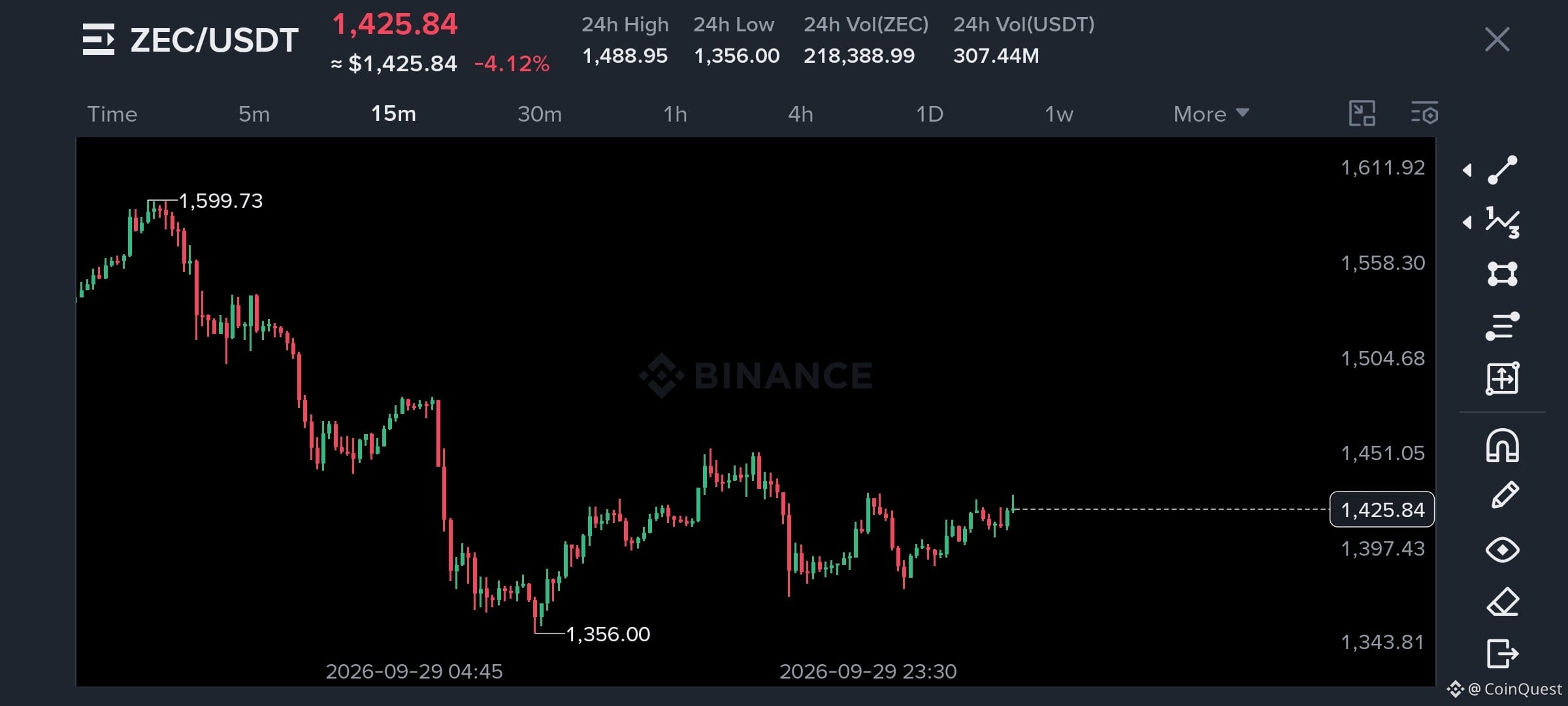
$ZEC LARGO 📊
Entrada 1445 a 1455
Espera a que el precio suba por encima de 1445 y manténlo en 15M
Stop Loss 1400
TP1 1490
TP2 1530
TP3 1585
Si el precio es rechazado alrededor de 1445 y vuelve a caer por debajo de 1415, no haré la operación
La idea aquí es simple
ZEC ya se barrió hacia abajo hasta 1356 y los compradores lo impulsaron de regreso
Ahora quiero ver que 1445 se recupere y se mantenga
Si eso ocurre, las próximas zonas que estoy monitoreando son 1490 1530 y luego 1585
Sin recuperación = no hay entrada
{future}(ZECUSDT)
#zec
$ZEC LARGO 📊
Entrada 1445 a 1455
Espera a que el precio suba por encima de 1445 y manténlo en 15M
Stop Loss 1400
TP1 1490
TP2 1530
TP3 1585
Si el precio es rechazado alrededor de 1445 y vuelve a caer por debajo de 1415, no haré la operación
La idea aquí es simple
ZEC ya se barrió hacia abajo hasta 1356 y los compradores lo impulsaron de regreso
Ahora quiero ver que 1445 se recupere y se mantenga
Si eso ocurre, las próximas zonas que estoy monitoreando son 1490 1530 y luego 1585
Sin recuperación = no hay entrada
#zec
Entrada 1445 a 1455
Espera a que el precio suba por encima de 1445 y manténlo en 15M
Stop Loss 1400
TP1 1490
TP2 1530
TP3 1585
Si el precio es rechazado alrededor de 1445 y vuelve a caer por debajo de 1415, no haré la operación
La idea aquí es simple
ZEC ya se barrió hacia abajo hasta 1356 y los compradores lo impulsaron de regreso
Ahora quiero ver que 1445 se recupere y se mantenga
Si eso ocurre, las próximas zonas que estoy monitoreando son 1490 1530 y luego 1585
Sin recuperación = no hay entrada
#zec
1
1.3k
·
--
Alcista
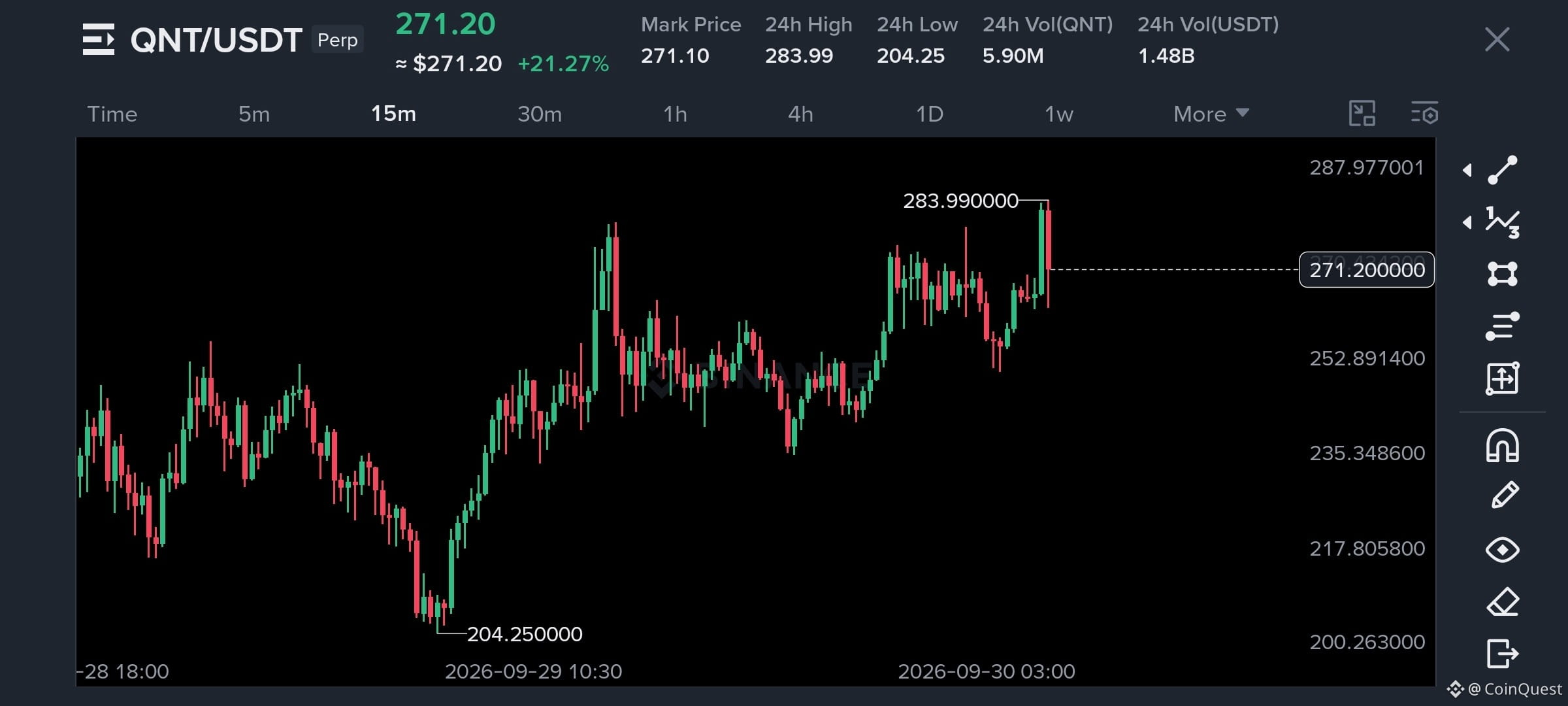
$QNT configuración de pullback: observando $264–268, no estoy persiguiendo cerca de $280 ...
QNT sigue siendo estructuralmente fuerte en el marco de tiempo más alto, pero el precio se acerca a una zona clave de resistencia alrededor de $280 después de un movimiento brusco.
Estoy esperando un pullback controlado hacia $264–268.
Confirmación • reacción alcista en 15M dentro de la zona
• recuperar y mantenerse por encima de $268
Invalidación • aceptación en 15M/4H por debajo de $255
La idea es simple: un pullback defendido podría mantener la estructura de continuación fuerte mientras no haya reacción del comprador, no hay operación....
Sin reacción = sin entrada. no sigas por encima de $280.
{future}(QNTUSDT)
$QNT configuración de pullback: observando $264–268, no estoy persiguiendo cerca de $280 ...
QNT sigue siendo estructuralmente fuerte en el marco de tiempo más alto, pero el precio se acerca a una zona clave de resistencia alrededor de $280 después de un movimiento brusco.
Estoy esperando un pullback controlado hacia $264–268.
Confirmación • reacción alcista en 15M dentro de la zona
• recuperar y mantenerse por encima de $268
Invalidación • aceptación en 15M/4H por debajo de $255
La idea es simple: un pullback defendido podría mantener la estructura de continuación fuerte mientras no haya reacción del comprador, no hay operación....
Sin reacción = sin entrada. no sigas por encima de $280.
QNT sigue siendo estructuralmente fuerte en el marco de tiempo más alto, pero el precio se acerca a una zona clave de resistencia alrededor de $280 después de un movimiento brusco.
Estoy esperando un pullback controlado hacia $264–268.
Confirmación • reacción alcista en 15M dentro de la zona
• recuperar y mantenerse por encima de $268
Invalidación • aceptación en 15M/4H por debajo de $255
La idea es simple: un pullback defendido podría mantener la estructura de continuación fuerte mientras no haya reacción del comprador, no hay operación....
Sin reacción = sin entrada. no sigas por encima de $280.
2
1.9k
·
--
THORChain se negó a bloquear al hacker de Bitget de $388M 😳 ¿Defender la cripto o habilitar a los hackers?
Esto es lo que pasó detrás de escena 👇
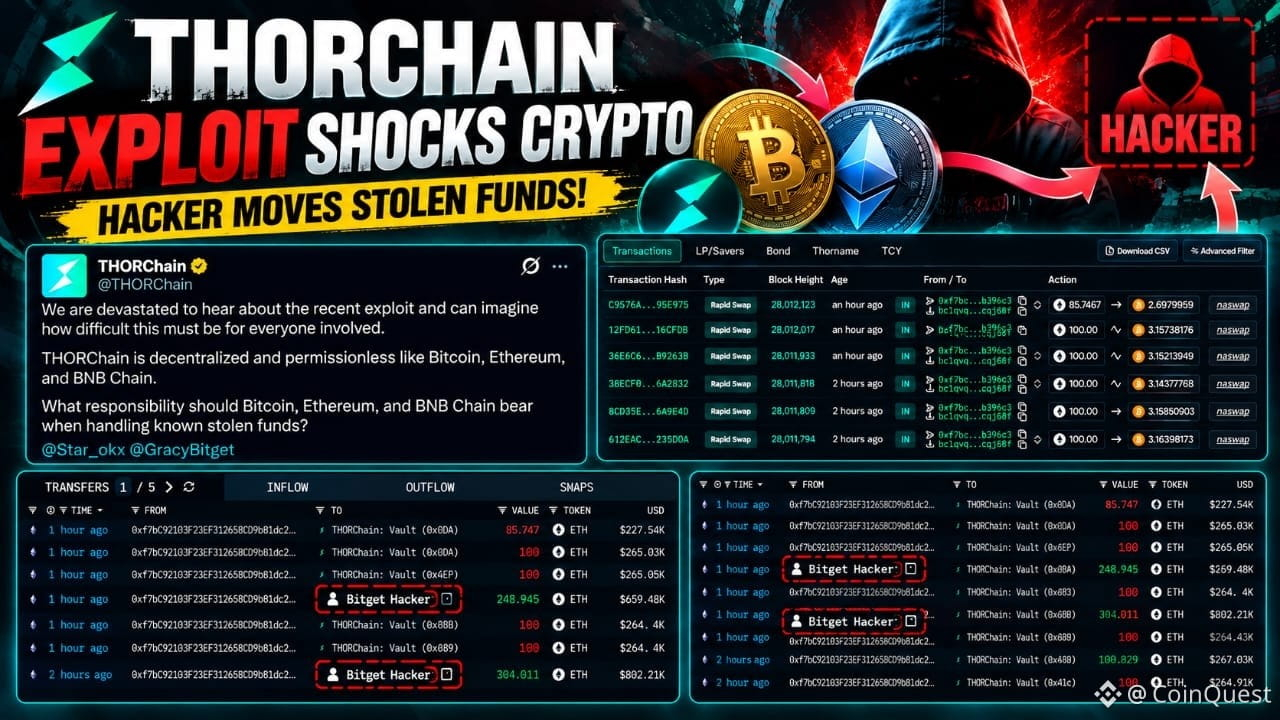
Ahora mismo, Bitget fue víctima de una brecha de seguridad el 24 de septiembre, con los activos afectados totales luego revisados a alrededor de $387.5M. Pero Bitget también dijo que cubriría por completo el impacto financiero del incidente, protegiendo a los usuarios de las pérdidas causadas por la brecha. El atacante entonces empezó a mover parte de los fondos robados por diferentes rutas, incluyendo THORChain.
La CEO de Bitget, Gracy Chen, le pidió a THORChain que bloqueara las direcciones vinculadas al hacker, pero THORChain se negó, diciendo que sus controles de emergencia están pensados para proteger el protocolo en su conjunto en lugar de bloquear selectivamente carteras específicas.
Y mientras ese debate sigue en marcha, el dinero todavía se está moviendo. Alrededor de 2,390 $ETH se intercambiaron por 75.2 $BTC a través de THORChain en 27 intercambios exitosos, con un valor de aproximadamente $6.3M.
Ahí es donde las cosas se ponen interesantes para DeFi. Si todos saben que los fondos están robados, ¿un protocolo sin permisos debería aún procesarlos? ¿O bloquear carteras específicas contradice la idea de una infraestructura sin permisos?
¿Qué harías si estuvieras ejecutando THORChain?
#EarningsSeason #BitgetHackerFailsToMoveStolenFunds
THORChain se negó a bloquear al hacker de Bitget de $388M 😳 ¿Defender la cripto o habilitar a los hackers?
Esto es lo que pasó detrás de escena 👇
Ahora mismo, Bitget fue víctima de una brecha de seguridad el 24 de septiembre, con los activos afectados totales luego revisados a alrededor de $387.5M. Pero Bitget también dijo que cubriría por completo el impacto financiero del incidente, protegiendo a los usuarios de las pérdidas causadas por la brecha. El atacante entonces empezó a mover parte de los fondos robados por diferentes rutas, incluyendo THORChain.
La CEO de Bitget, Gracy Chen, le pidió a THORChain que bloqueara las direcciones vinculadas al hacker, pero THORChain se negó, diciendo que sus controles de emergencia están pensados para proteger el protocolo en su conjunto en lugar de bloquear selectivamente carteras específicas.
Y mientras ese debate sigue en marcha, el dinero todavía se está moviendo. Alrededor de 2,390 $ETH se intercambiaron por 75.2 $BTC a través de THORChain en 27 intercambios exitosos, con un valor de aproximadamente $6.3M.
Ahí es donde las cosas se ponen interesantes para DeFi. Si todos saben que los fondos están robados, ¿un protocolo sin permisos debería aún procesarlos? ¿O bloquear carteras específicas contradice la idea de una infraestructura sin permisos?
¿Qué harías si estuvieras ejecutando THORChain?
#EarningsSeason #BitgetHackerFailsToMoveStolenFunds
Esto es lo que pasó detrás de escena 👇
Ahora mismo, Bitget fue víctima de una brecha de seguridad el 24 de septiembre, con los activos afectados totales luego revisados a alrededor de $387.5M. Pero Bitget también dijo que cubriría por completo el impacto financiero del incidente, protegiendo a los usuarios de las pérdidas causadas por la brecha. El atacante entonces empezó a mover parte de los fondos robados por diferentes rutas, incluyendo THORChain.
La CEO de Bitget, Gracy Chen, le pidió a THORChain que bloqueara las direcciones vinculadas al hacker, pero THORChain se negó, diciendo que sus controles de emergencia están pensados para proteger el protocolo en su conjunto en lugar de bloquear selectivamente carteras específicas.
Y mientras ese debate sigue en marcha, el dinero todavía se está moviendo. Alrededor de 2,390 $ETH se intercambiaron por 75.2 $BTC a través de THORChain en 27 intercambios exitosos, con un valor de aproximadamente $6.3M.
Ahí es donde las cosas se ponen interesantes para DeFi. Si todos saben que los fondos están robados, ¿un protocolo sin permisos debería aún procesarlos? ¿O bloquear carteras específicas contradice la idea de una infraestructura sin permisos?
¿Qué harías si estuvieras ejecutando THORChain?
#EarningsSeason #BitgetHackerFailsToMoveStolenFunds
1
1.4k
·
--
Alcista
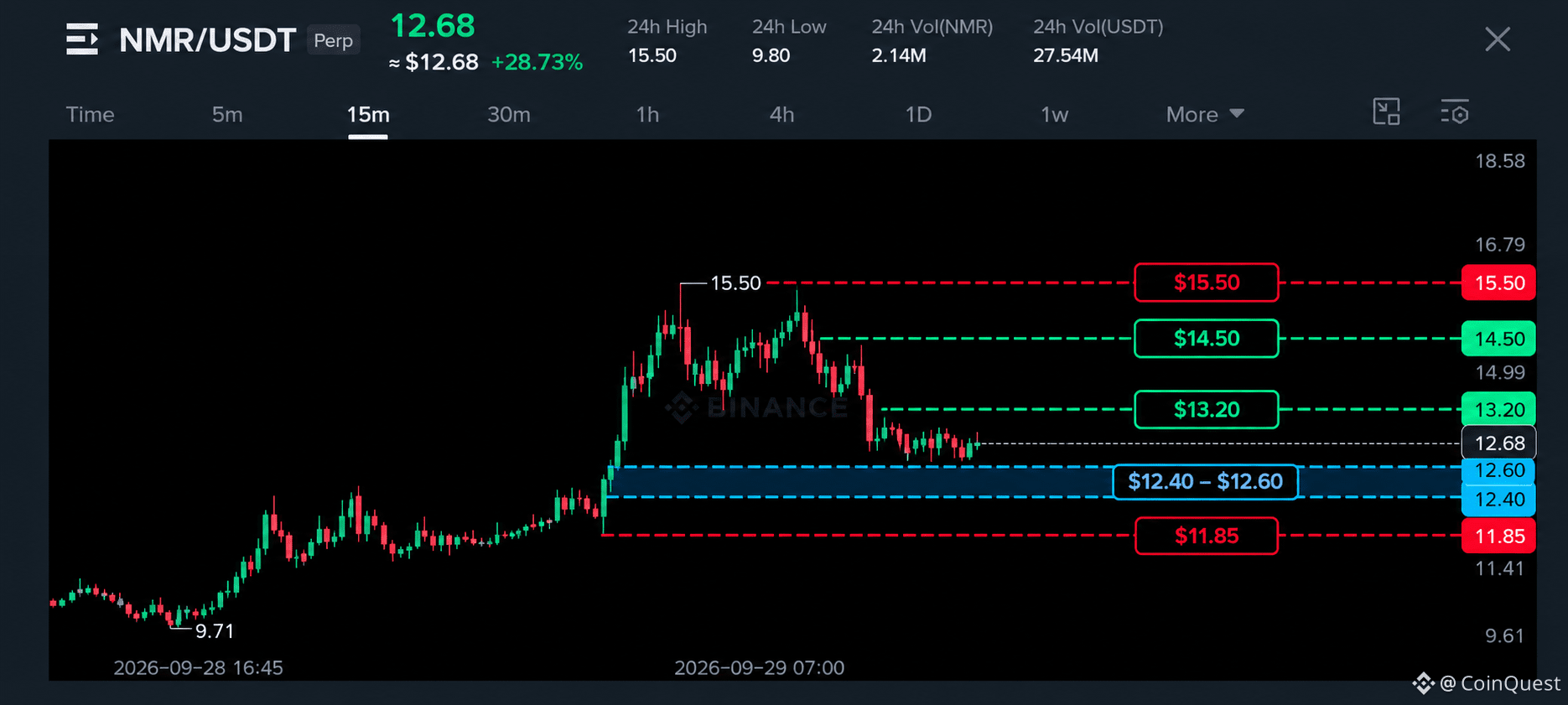
$NMR bombeó fuerte, pero no estoy persiguiendo $12.70 😭
El movimiento de $9 a $15.50 fue una locura; ahora el precio se está enfriando alrededor de $12.7
Estoy vigilando $12.4 a $12.6 aquí. Si los compradores lo defienden y NMR vuelve a subir por encima de $13.1, me gusta la parte larga
Tipo de operación: SWING LONG
Entrada: $12.5 a $12.8
Stop Loss: $11.85
TP1: $13.2
TP2: $14.5
TP3: $15.5
Si $12.4 se rompe de manera adecuada, no forzaré la compra larga
¿Comprarías el retroceso o esperarías a que se recupere $13.1?
{future}(NMRUSDT)
#nmr
$NMR bombeó fuerte, pero no estoy persiguiendo $12.70 😭
El movimiento de $9 a $15.50 fue una locura; ahora el precio se está enfriando alrededor de $12.7
Estoy vigilando $12.4 a $12.6 aquí. Si los compradores lo defienden y NMR vuelve a subir por encima de $13.1, me gusta la parte larga
Tipo de operación: SWING LONG
Entrada: $12.5 a $12.8
Stop Loss: $11.85
TP1: $13.2
TP2: $14.5
TP3: $15.5
Si $12.4 se rompe de manera adecuada, no forzaré la compra larga
¿Comprarías el retroceso o esperarías a que se recupere $13.1?
#nmr
El movimiento de $9 a $15.50 fue una locura; ahora el precio se está enfriando alrededor de $12.7
Estoy vigilando $12.4 a $12.6 aquí. Si los compradores lo defienden y NMR vuelve a subir por encima de $13.1, me gusta la parte larga
Tipo de operación: SWING LONG
Entrada: $12.5 a $12.8
Stop Loss: $11.85
TP1: $13.2
TP2: $14.5
TP3: $15.5
Si $12.4 se rompe de manera adecuada, no forzaré la compra larga
¿Comprarías el retroceso o esperarías a que se recupere $13.1?
#nmr
1
3
979
·
--
Alcista
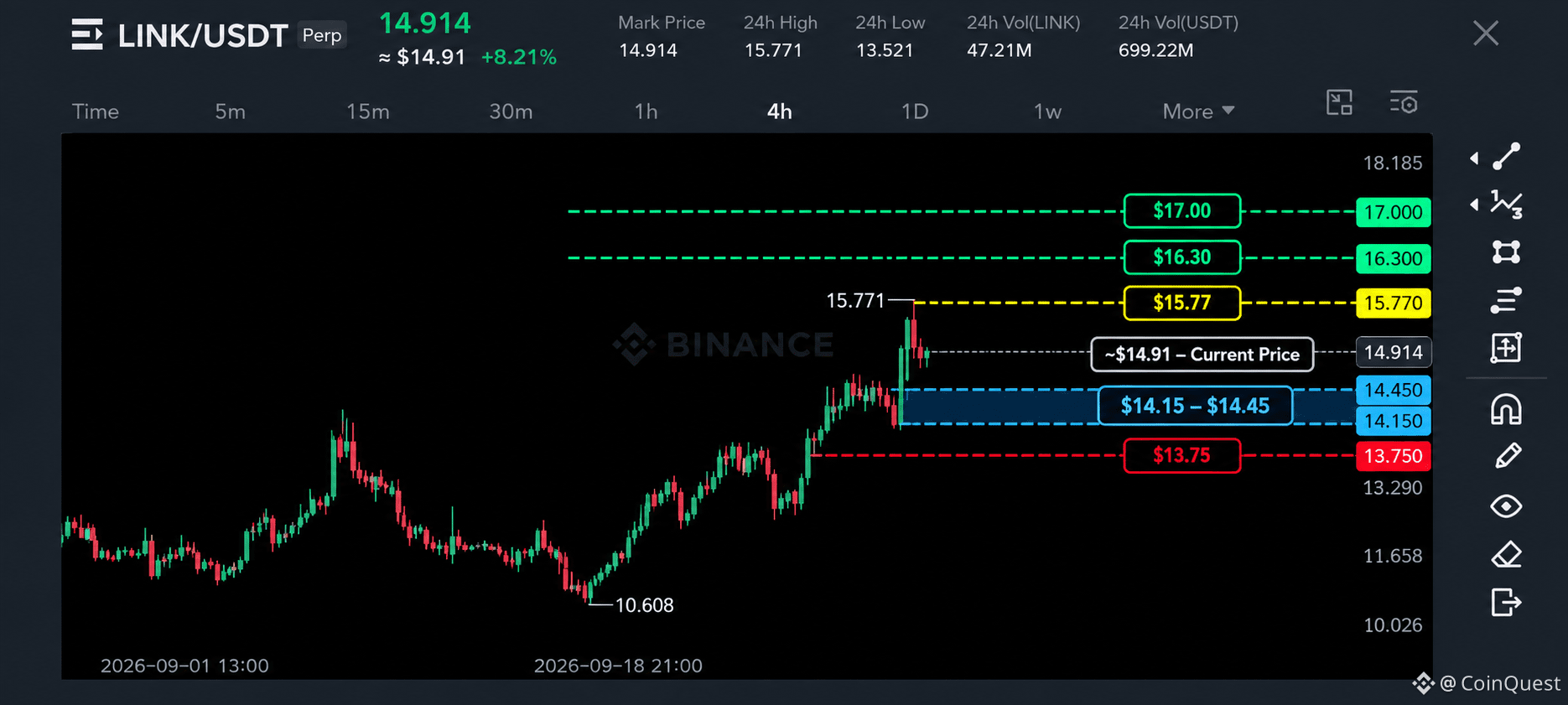
$LINK por fin está despertando 😭
Se rompió por encima de $14 y ahora está rondando $15. No estoy persiguiendo este movimiento
El área que de verdad quiero ver es de $14.15 a $14.45. Si los compradores vuelven allí y defienden la ruptura, buscaría más impulso...
Idea de compra
Entrada $14.15 a $14.45
Stop Loss $13.75
TP $15.77 / $16.30 / $17+
Si se rompe $13.75 hacia abajo, entonces me voy
Que el retroceso venga hacia nosotros 🤙
{future}(LINKUSDT)
#LINK
$LINK por fin está despertando 😭
Se rompió por encima de $14 y ahora está rondando $15. No estoy persiguiendo este movimiento
El área que de verdad quiero ver es de $14.15 a $14.45. Si los compradores vuelven allí y defienden la ruptura, buscaría más impulso...
Idea de compra
Entrada $14.15 a $14.45
Stop Loss $13.75
TP $15.77 / $16.30 / $17+
Si se rompe $13.75 hacia abajo, entonces me voy
Que el retroceso venga hacia nosotros 🤙
#LINK
Se rompió por encima de $14 y ahora está rondando $15. No estoy persiguiendo este movimiento
El área que de verdad quiero ver es de $14.15 a $14.45. Si los compradores vuelven allí y defienden la ruptura, buscaría más impulso...
Idea de compra
Entrada $14.15 a $14.45
Stop Loss $13.75
TP $15.77 / $16.30 / $17+
Si se rompe $13.75 hacia abajo, entonces me voy
Que el retroceso venga hacia nosotros 🤙
#LINK
2
1.5k
·
--
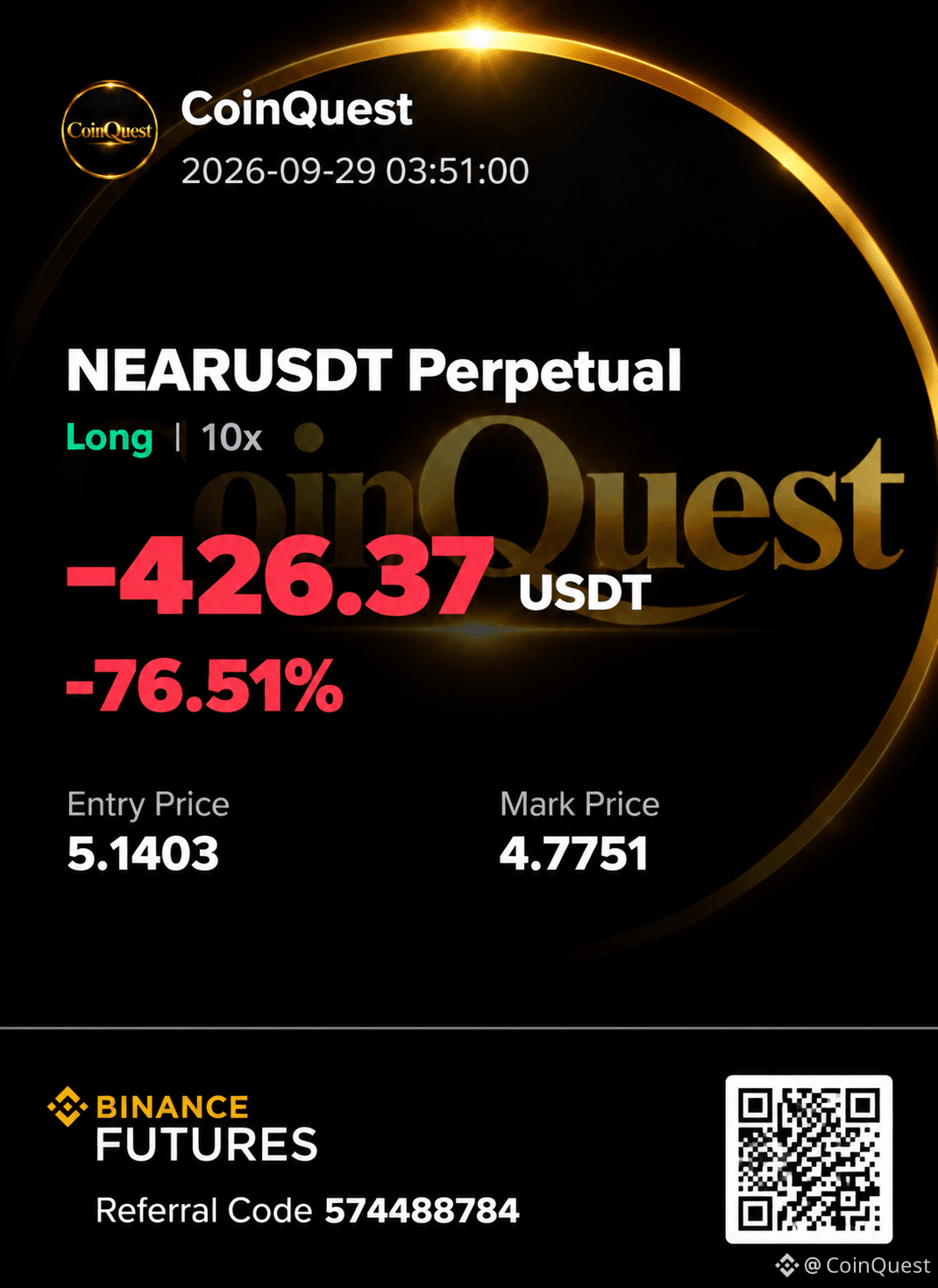
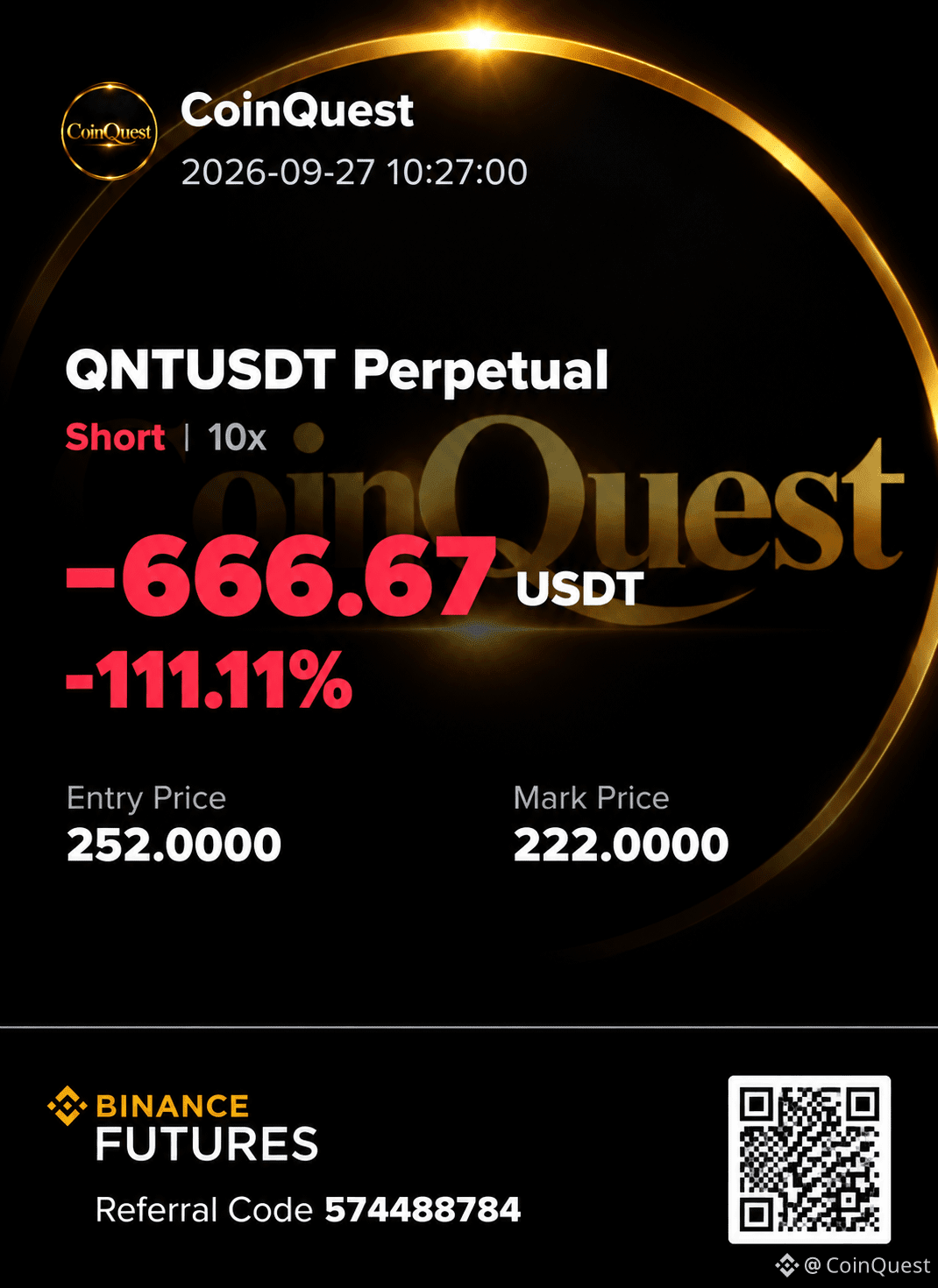
Actualización rápida de mí 🤝
Ayer estuve demasiado ocupado en la ciudad, así que solo compartí 2 operaciones y sí… las dos salieron mal 😭
Sin excusas, eso sí. Las pérdidas forman parte del trading & prefiero mostrar también estas malas decisiones en vez de solo publicar los ganadores 😉
Vuelvo hoy con la cabeza clara. Más oportunidades, más paciencia...
{future}(NEARUSDT)
{future}(QNTUSDT)
Actualización rápida de mí 🤝
Ayer estuve demasiado ocupado en la ciudad, así que solo compartí 2 operaciones y sí… las dos salieron mal 😭
Sin excusas, eso sí. Las pérdidas forman parte del trading & prefiero mostrar también estas malas decisiones en vez de solo publicar los ganadores 😉
Vuelvo hoy con la cabeza clara. Más oportunidades, más paciencia...
Ayer estuve demasiado ocupado en la ciudad, así que solo compartí 2 operaciones y sí… las dos salieron mal 😭
Sin excusas, eso sí. Las pérdidas forman parte del trading & prefiero mostrar también estas malas decisiones en vez de solo publicar los ganadores 😉
Vuelvo hoy con la cabeza clara. Más oportunidades, más paciencia...
762
Inicia sesión para explorar más contenidos
Únete a usuarios globales de criptomonedas en Binance Square
⚡️ Obtén información útil y actualizada sobre criptos.
💬 Avalado por el mayor exchange de criptomonedas en el mundo.
👍 Descubre perspectivas reales de creadores verificados.
Email/número de teléfono
Temas populares
NFPWatch
10.4M vistas
16,589 están debatiendo
Se Espera que los Datos de Empleo No Agrícola de Agosto en EE.UU. Influyan en el Sentimiento del Mercado
Binance News
·31 me gusta
·11.8k vistas
AmazonPlansToSell$8BNvidiaChips
411 vistas
23 están debatiendo
NEARFallsToAround$4.70Down14%
27,903 vistas
58 están debatiendo