

BlockchainBaller
72.5k Publicaciones

BlockchainBaller
 Verificado Plus de Binance Square
Denunciar
Bloquear usuario
Trader || X (Twitter): @bl_ockchain || Binance KOL || Trade Setups are my Personal Opinions || DYOR

Blockchain 100 2025 — Trader

Creator Awards 2024

Top Voices
Trader ocasional
5.1 año(s)
64 Siguiendo
247.4K+ Seguidores
726.1K+ Me gusta
3 Insignias
Publicaciones
Todo
Citas
Videos
Live
PINNED
·
--
Alcista
Hey Fam, necesito que me dediquen solo 2 minutos sobre un tema serio que todos ustedes están enfrentando.
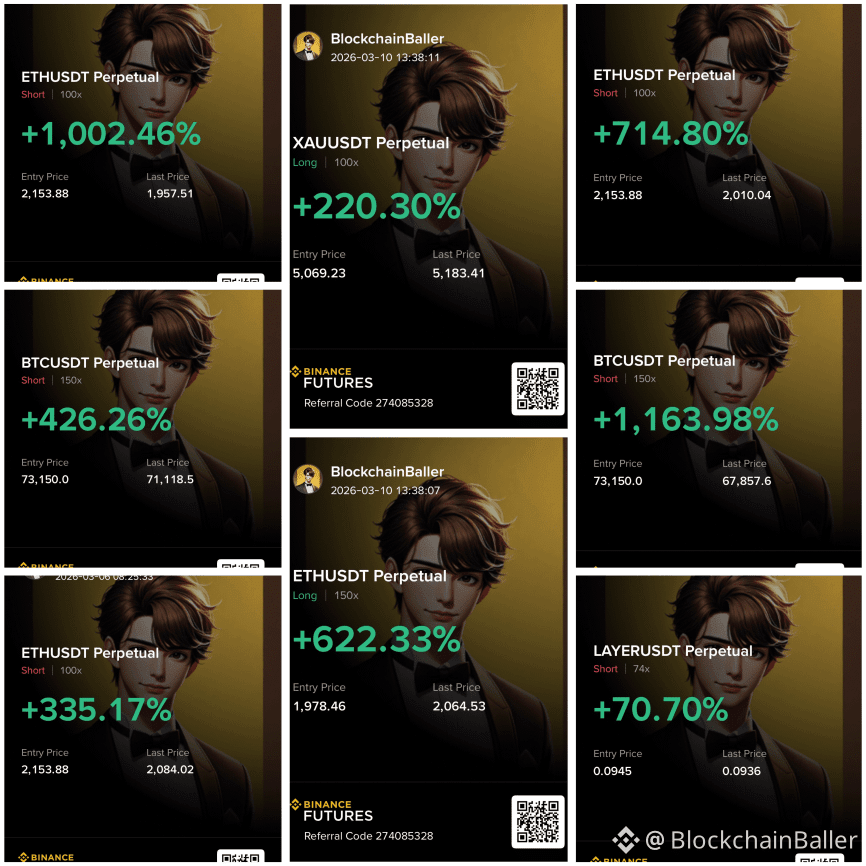
La mayoría de ustedes han estado siguiendo mis llamadas... y han visto cómo las configuraciones se ejecutan en tiempo real. Pero antes de eso, cuando la publicación llegó a ustedes, ya se lo habían perdido o los liquidaron. Pero ahora tengo la solución...
Acabo de lanzar el grupo premium BlockchainBaller en Binance Square. [Click here to join or Scan QR](https://app.binance.com/uni-qr/group-chat-landing?channelToken=0prEXOlryZcOq9s9Qimohg&type=1&entrySource=sharing_link)
Eso es lo que realmente te hace ganar dinero sin perderte ninguna operación.
Probé grupos gratuitos dos veces. ambos se convirtieron en spam de paquetes rojos y enlaces aleatorios. cero traders serios. así que construí algo solo para los ambiciosos.
Lo que obtienes adentro:
🚀 Configuraciones de operaciones en tiempo real con Entrada / TP / SL exactos antes de que se hagan públicas
🚀 Alpha temprano en narrativas antes de que se vuelvan tendencia
🚀 Mis movimientos personales y tamaño de posición
🚀 Acceso directo para preguntarme cualquier cosa
🚀 Prueba gratuita de 7 días
6 años de trading. Top 5 de Binance Blockchain 100. 235K+ fam vieron las llamadas que publico. ahora puedes operar junto a mí.
Hey Fam, necesito que me dediquen solo 2 minutos sobre un tema serio que todos ustedes están enfrentando.
La mayoría de ustedes han estado siguiendo mis llamadas... y han visto cómo las configuraciones se ejecutan en tiempo real. Pero antes de eso, cuando la publicación llegó a ustedes, ya se lo habían perdido o los liquidaron. Pero ahora tengo la solución...
Acabo de lanzar el grupo premium BlockchainBaller en Binance Square. Click here to join or Scan QR
Eso es lo que realmente te hace ganar dinero sin perderte ninguna operación.
Probé grupos gratuitos dos veces. ambos se convirtieron en spam de paquetes rojos y enlaces aleatorios. cero traders serios. así que construí algo solo para los ambiciosos.
Lo que obtienes adentro:
🚀 Configuraciones de operaciones en tiempo real con Entrada / TP / SL exactos antes de que se hagan públicas
🚀 Alpha temprano en narrativas antes de que se vuelvan tendencia
🚀 Mis movimientos personales y tamaño de posición
🚀 Acceso directo para preguntarme cualquier cosa
🚀 Prueba gratuita de 7 días
6 años de trading. Top 5 de Binance Blockchain 100. 235K+ fam vieron las llamadas que publico. ahora puedes operar junto a mí.
La mayoría de ustedes han estado siguiendo mis llamadas... y han visto cómo las configuraciones se ejecutan en tiempo real. Pero antes de eso, cuando la publicación llegó a ustedes, ya se lo habían perdido o los liquidaron. Pero ahora tengo la solución...
Acabo de lanzar el grupo premium BlockchainBaller en Binance Square. Click here to join or Scan QR
Eso es lo que realmente te hace ganar dinero sin perderte ninguna operación.
Probé grupos gratuitos dos veces. ambos se convirtieron en spam de paquetes rojos y enlaces aleatorios. cero traders serios. así que construí algo solo para los ambiciosos.
Lo que obtienes adentro:
🚀 Configuraciones de operaciones en tiempo real con Entrada / TP / SL exactos antes de que se hagan públicas
🚀 Alpha temprano en narrativas antes de que se vuelvan tendencia
🚀 Mis movimientos personales y tamaño de posición
🚀 Acceso directo para preguntarme cualquier cosa
🚀 Prueba gratuita de 7 días
6 años de trading. Top 5 de Binance Blockchain 100. 235K+ fam vieron las llamadas que publico. ahora puedes operar junto a mí.
276
50
646
48.7k
PINNED
·
--
Alcista
𝐇𝐨𝐧𝐨𝐫𝐞𝐝 𝐭𝐨 𝐁𝐞 𝐀𝐦𝐨𝐧𝐠 𝐭𝐡𝐞 𝐁𝐥𝐨𝐜𝐤𝐜𝐡𝐚𝐢𝐧 𝟏𝟎𝟎 — 𝐍𝐨𝐰 𝐢𝐧 𝐭𝐡𝐞 𝐓𝐨𝐩 𝟓 𝐓𝐫𝐚𝐝𝐞𝐫 𝐂𝐚𝐭𝐞𝐠𝐨𝐫𝐲!
Estoy verdaderamente agradecido con todos los que apoyaron, votaron y creyeron en mí a lo largo de este viaje. Estar clasificado en el Top 5 Traders entre los Blockchain 100 por Binance es un gran hito — y no habría sido posible sin esta increíble comunidad.
Su confianza y participación me impulsan cada día a compartir mejores ideas, análisis más sólidos y valor real. El viaje continúa — esto es solo el comienzo. Gracias, fam.
𝐇𝐨𝐧𝐨𝐫𝐞𝐝 𝐭𝐨 𝐁𝐞 𝐀𝐦𝐨𝐧𝐠 𝐭𝐡𝐞 𝐁𝐥𝐨𝐜𝐤𝐜𝐡𝐚𝐢𝐧 𝟏𝟎𝟎 — 𝐍𝐨𝐰 𝐢𝐧 𝐭𝐡𝐞 𝐓𝐨𝐩 𝟓 𝐓𝐫𝐚𝐝𝐞𝐫 𝐂𝐚𝐭𝐞𝐠𝐨𝐫𝐲!
Estoy verdaderamente agradecido con todos los que apoyaron, votaron y creyeron en mí a lo largo de este viaje. Estar clasificado en el Top 5 Traders entre los Blockchain 100 por Binance es un gran hito — y no habría sido posible sin esta increíble comunidad.
Su confianza y participación me impulsan cada día a compartir mejores ideas, análisis más sólidos y valor real. El viaje continúa — esto es solo el comienzo. Gracias, fam.
Estoy verdaderamente agradecido con todos los que apoyaron, votaron y creyeron en mí a lo largo de este viaje. Estar clasificado en el Top 5 Traders entre los Blockchain 100 por Binance es un gran hito — y no habría sido posible sin esta increíble comunidad.
Su confianza y participación me impulsan cada día a compartir mejores ideas, análisis más sólidos y valor real. El viaje continúa — esto es solo el comienzo. Gracias, fam.

326
231
1.4k
16.3k
$BTC SE VE DÉBIL ...
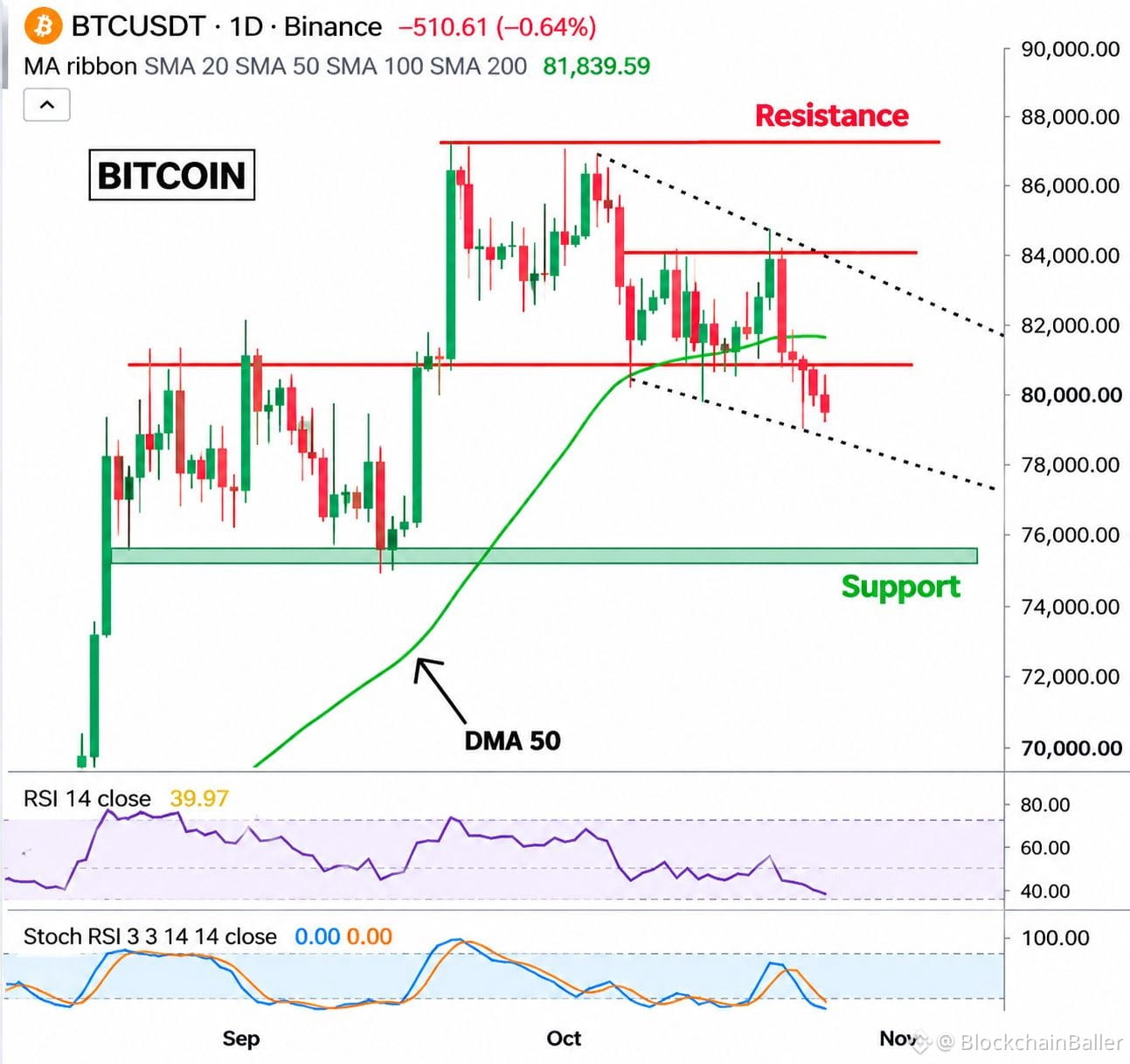
$BTC ha estado cayendo durante 5 días y el gráfico diario no pinta bien.
- $81,800: BTC necesita volver a superar este nivel
- $84,800–$85,000: Primera gran resistencia.
- $87,500: Siguiente resistencia.
- $75,000: Soporte importante.
La decisión de la Fed, las elecciones, los resultados de las grandes tecnológicas, el PIB y los datos del PCE podrían provocar grandes movimientos en el mercado.
Estoy siguiendo de cerca los $81,800. Si BTC vuelve a superar los $85,000, los compradores podrían recuperar fuerza. Hasta entonces, mantendré la cautela.
$BTC SE VE DÉBIL ...
$BTC ha estado cayendo durante 5 días y el gráfico diario no pinta bien.
- $81,800: BTC necesita volver a superar este nivel
- $84,800–$85,000: Primera gran resistencia.
- $87,500: Siguiente resistencia.
- $75,000: Soporte importante.
La decisión de la Fed, las elecciones, los resultados de las grandes tecnológicas, el PIB y los datos del PCE podrían provocar grandes movimientos en el mercado.
Estoy siguiendo de cerca los $81,800. Si BTC vuelve a superar los $85,000, los compradores podrían recuperar fuerza. Hasta entonces, mantendré la cautela.
$BTC ha estado cayendo durante 5 días y el gráfico diario no pinta bien.
- $81,800: BTC necesita volver a superar este nivel
- $84,800–$85,000: Primera gran resistencia.
- $87,500: Siguiente resistencia.
- $75,000: Soporte importante.
La decisión de la Fed, las elecciones, los resultados de las grandes tecnológicas, el PIB y los datos del PCE podrían provocar grandes movimientos en el mercado.
Estoy siguiendo de cerca los $81,800. Si BTC vuelve a superar los $85,000, los compradores podrían recuperar fuerza. Hasta entonces, mantendré la cautela.
1
17
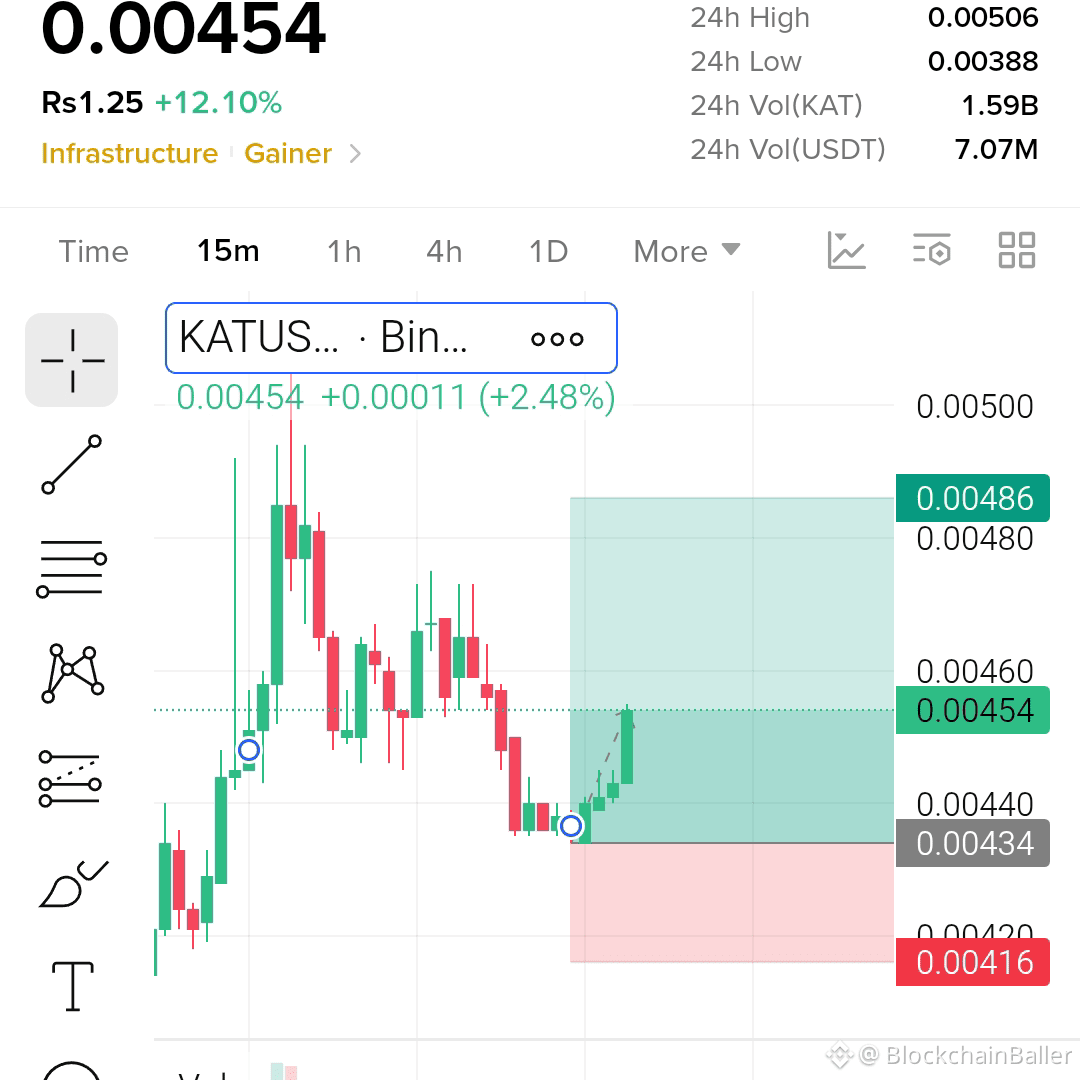
$KAT configuración de operación en largo
entrada: 0.00440–0.00454
TP1: 0.00465
TP2: 0.00475
TP3: 0.00486
SL: 0.00416
$KAT configuración de operación en largo
entrada: 0.00440–0.00454
TP1: 0.00465
TP2: 0.00475
TP3: 0.00486
SL: 0.00416
entrada: 0.00440–0.00454
TP1: 0.00465
TP2: 0.00475
TP3: 0.00486
SL: 0.00416
1
391
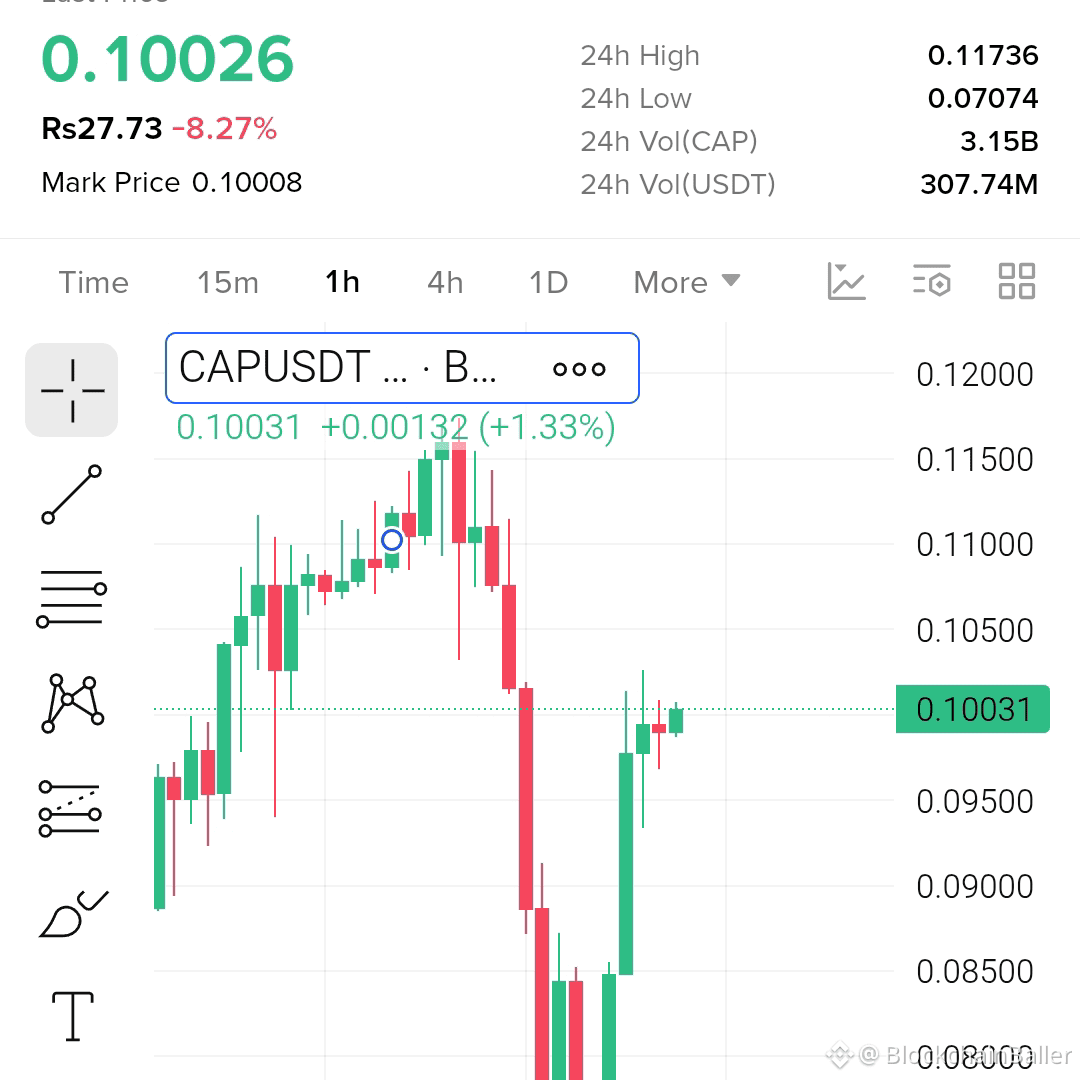
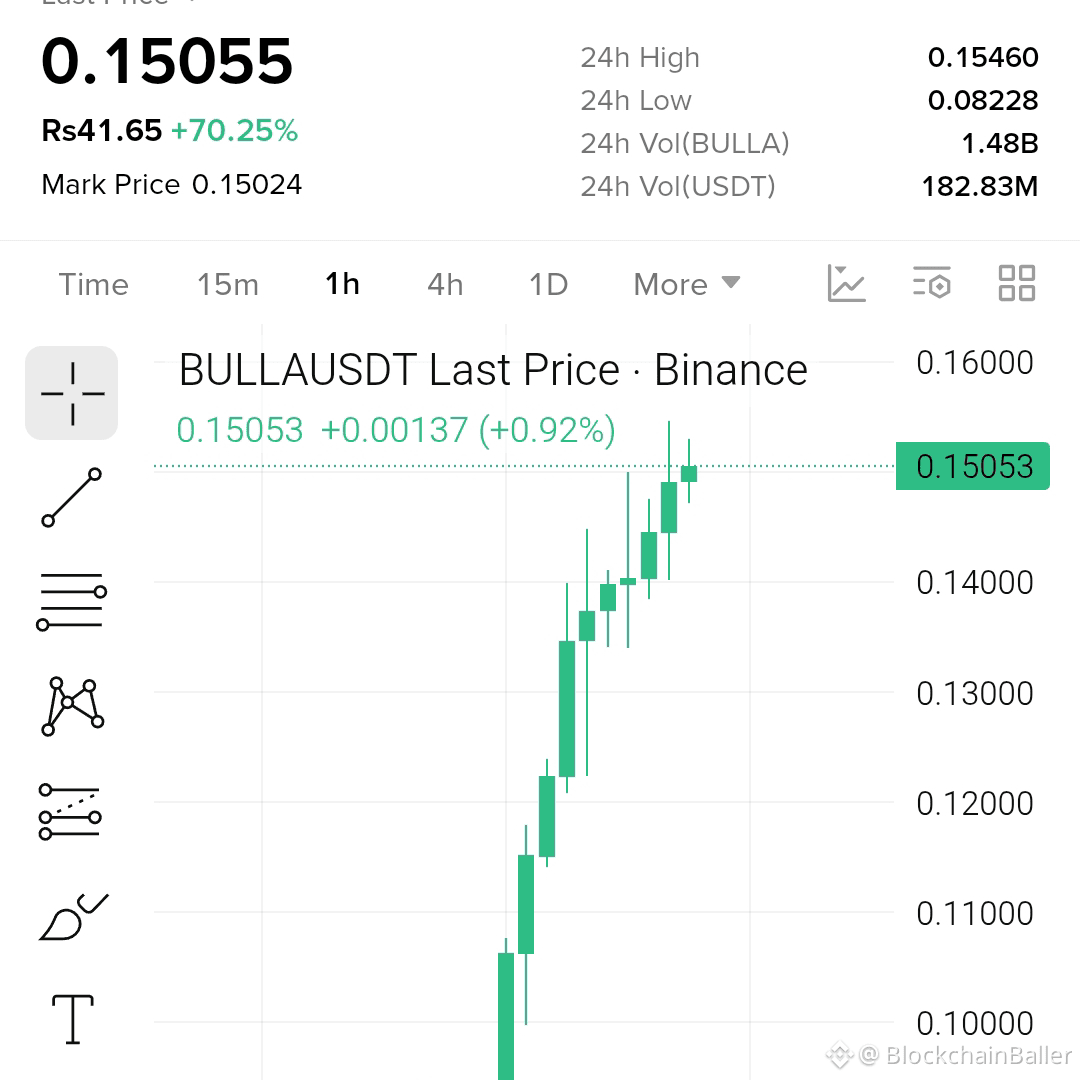
$CAP VS $BULLA ... VIGILA ESTOS NIVELES....
guy's $CAP Cayó a $0.071 y ahora volvió a $0.100.
Necesita superar $0.105–$0.110 para seguir subiendo
#Bulla Subió un 70%, ahora está cerca de $0.150
La próxima resistencia está en $0.155–$0.160
Mi opinión:
No persigas la subida....
Espera a que se confirme....
$CAP VS $BULLA ... VIGILA ESTOS NIVELES....
guy's $CAP Cayó a $0.071 y ahora volvió a $0.100.
Necesita superar $0.105–$0.110 para seguir subiendo
#Bulla Subió un 70%, ahora está cerca de $0.150
La próxima resistencia está en $0.155–$0.160
Mi opinión:
No persigas la subida....
Espera a que se confirme....
guy's $CAP Cayó a $0.071 y ahora volvió a $0.100.
Necesita superar $0.105–$0.110 para seguir subiendo
#Bulla Subió un 70%, ahora está cerca de $0.150
La próxima resistencia está en $0.155–$0.160
Mi opinión:
No persigas la subida....
Espera a que se confirme....
2
589
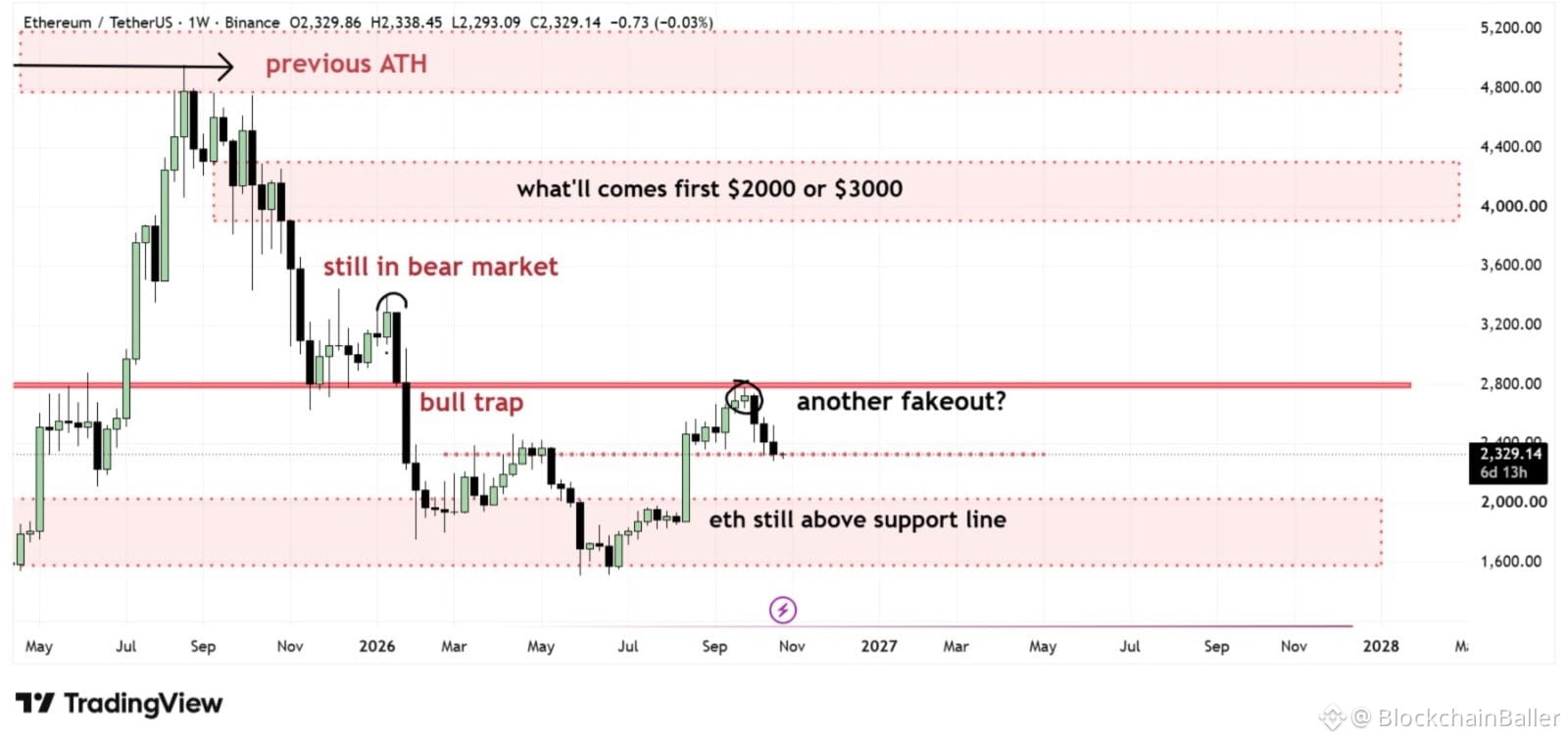
$ETH panorama a largo plazo... ¿los próximos objetivos son $2000 o $3000?
$ETH sigue cotizando cerca de $2330 tras otro rechazo de la zona de resistencia de $2800.
En mi opinión, el gráfico semanal se ve débil, pero los alcistas siguen defendiendo la importante zona de soporte entre $2000 y $2100.
Si esta zona se mantiene, podríamos ver una recuperación hacia $2500 y $2800.
Pero perder los $2000 podría abrir el camino hacia los $1800–$1600. ¡Los alcistas primero tienen que recuperar los $2380!
$ETH panorama a largo plazo... ¿los próximos objetivos son $2000 o $3000?
$ETH sigue cotizando cerca de $2330 tras otro rechazo de la zona de resistencia de $2800.
En mi opinión, el gráfico semanal se ve débil, pero los alcistas siguen defendiendo la importante zona de soporte entre $2000 y $2100.
Si esta zona se mantiene, podríamos ver una recuperación hacia $2500 y $2800.
Pero perder los $2000 podría abrir el camino hacia los $1800–$1600. ¡Los alcistas primero tienen que recuperar los $2380!
$ETH sigue cotizando cerca de $2330 tras otro rechazo de la zona de resistencia de $2800.
En mi opinión, el gráfico semanal se ve débil, pero los alcistas siguen defendiendo la importante zona de soporte entre $2000 y $2100.
Si esta zona se mantiene, podríamos ver una recuperación hacia $2500 y $2800.
Pero perder los $2000 podría abrir el camino hacia los $1800–$1600. ¡Los alcistas primero tienen que recuperar los $2380!
2
476
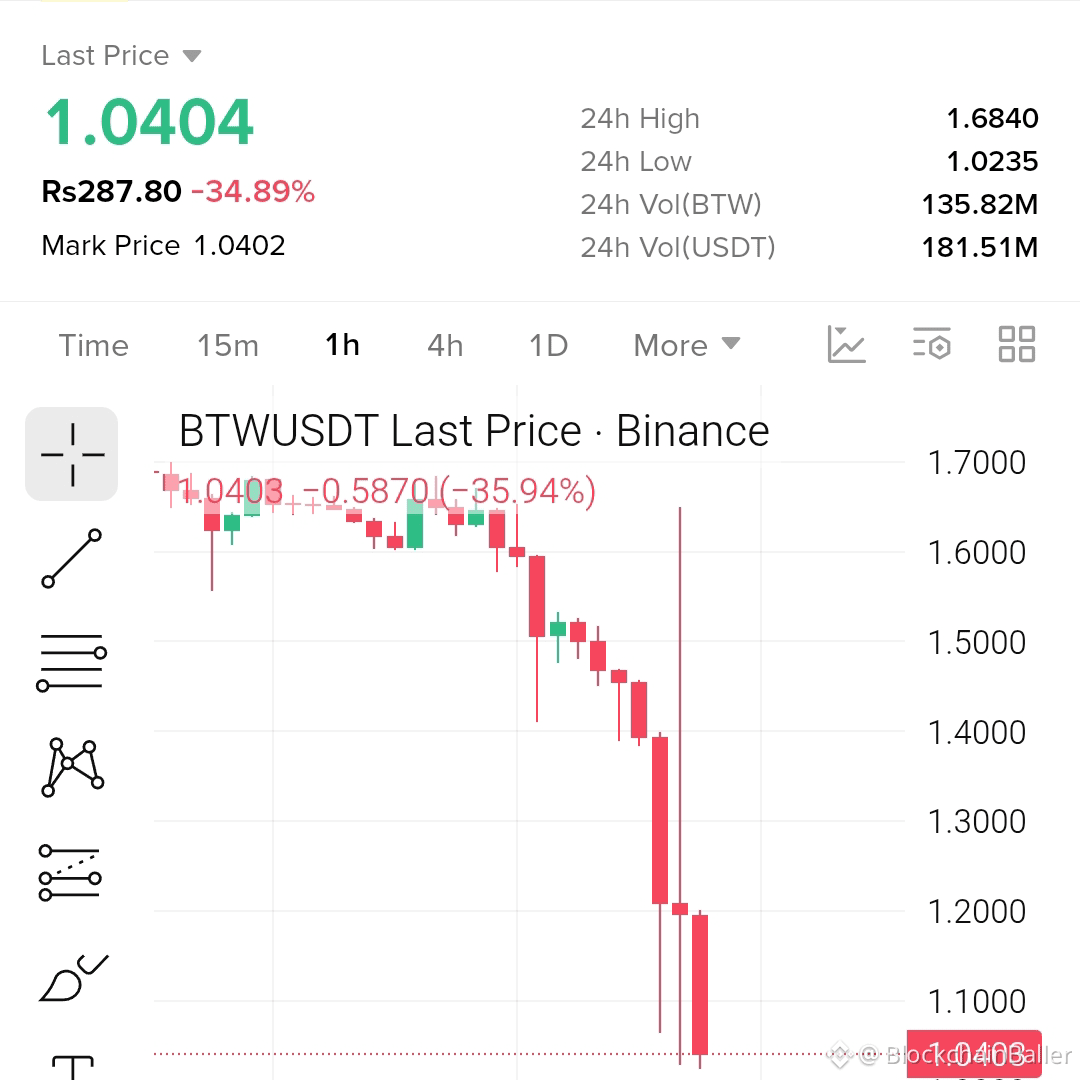
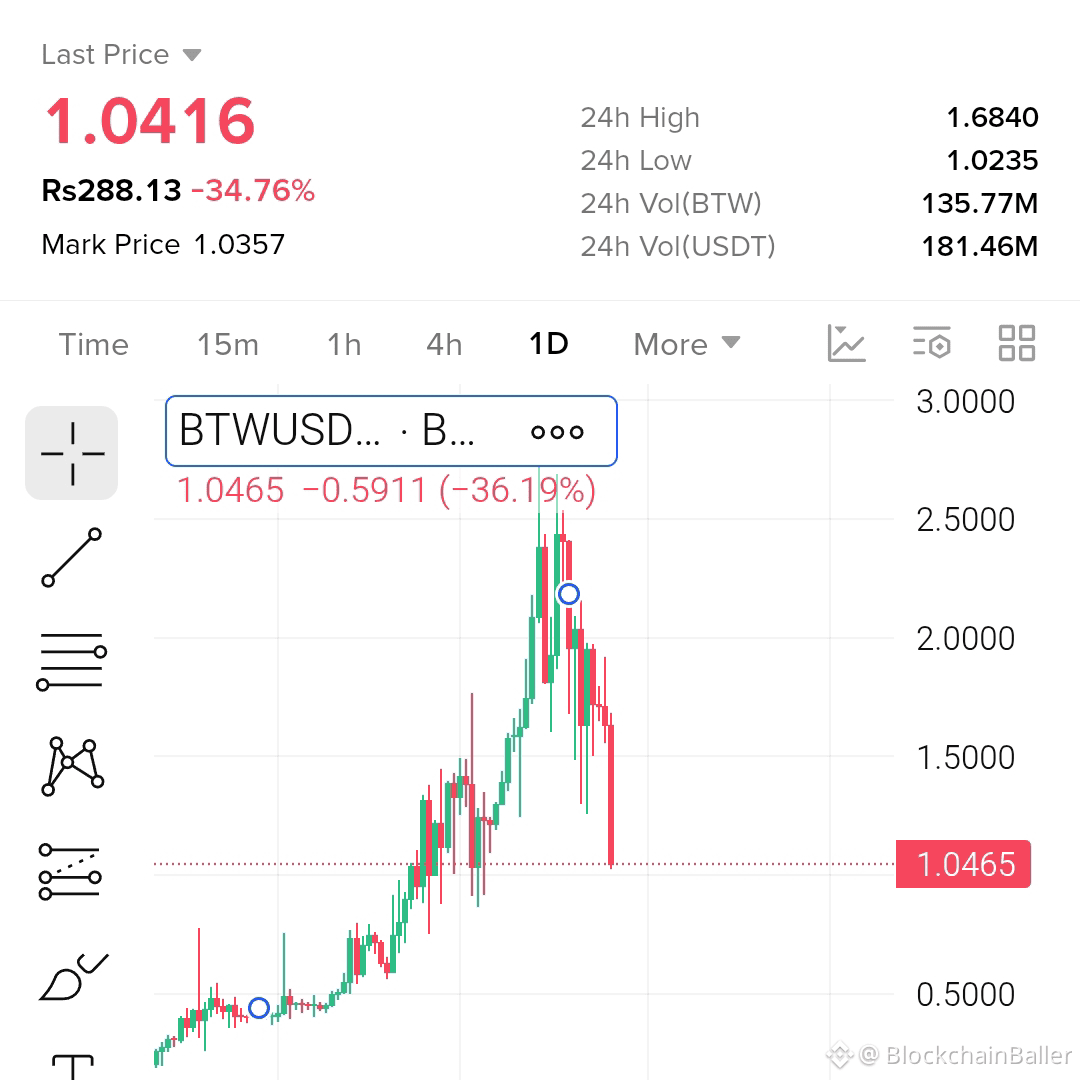
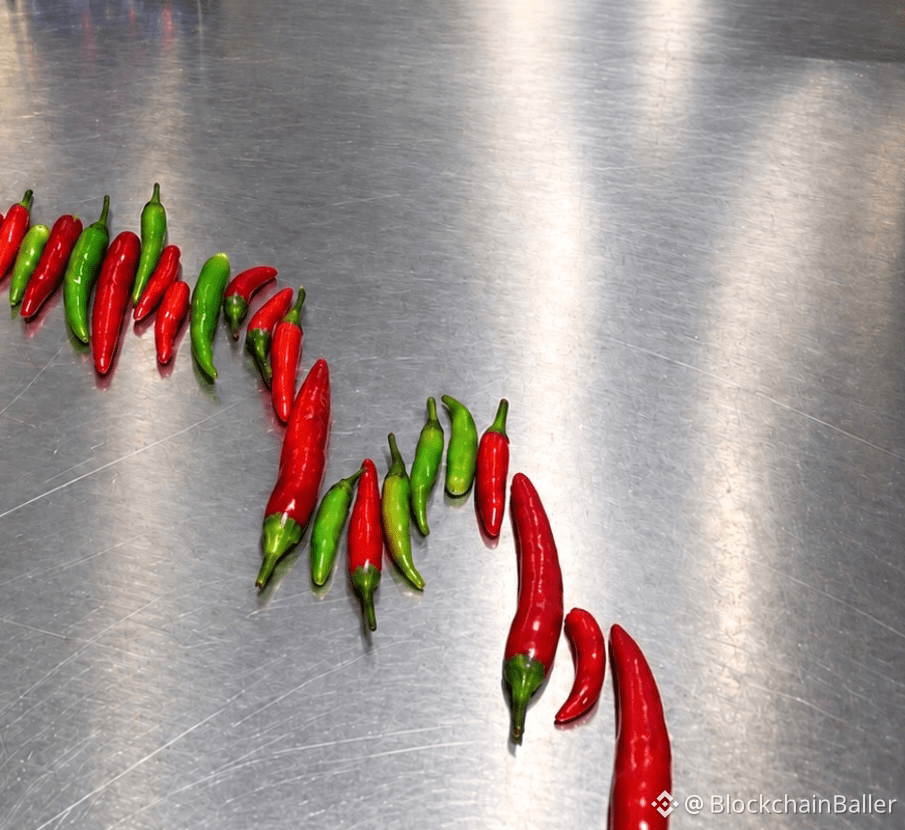
$BTW SE DESPLOMÓ de $1.6 A $1 ... ¡EXACTAMENTE COMO ADVERTÍ‼️‼️
Advertí claramente sobre la estructura bajista cuando $BTW cotizaba cerca de $1.69 y mencioné que perder el soporte podría desencadenar una corrección mayor....
Mira lo que pasó
Por cierto, se desplomó hasta casi $1.04, cayendo más de un 38% desde ese nivel.
La presión vendedora era real y la advertencia se cumplió. ¡Por eso siempre digo que no persigas las subidas sin confirmación!
$BTW SE DESPLOMÓ de $1.6 A $1 ... ¡EXACTAMENTE COMO ADVERTÍ‼️‼️
Advertí claramente sobre la estructura bajista cuando $BTW cotizaba cerca de $1.69 y mencioné que perder el soporte podría desencadenar una corrección mayor....
Mira lo que pasó
Por cierto, se desplomó hasta casi $1.04, cayendo más de un 38% desde ese nivel.
La presión vendedora era real y la advertencia se cumplió. ¡Por eso siempre digo que no persigas las subidas sin confirmación!
Advertí claramente sobre la estructura bajista cuando $BTW cotizaba cerca de $1.69 y mencioné que perder el soporte podría desencadenar una corrección mayor....
Mira lo que pasó
Por cierto, se desplomó hasta casi $1.04, cayendo más de un 38% desde ese nivel.
La presión vendedora era real y la advertencia se cumplió. ¡Por eso siempre digo que no persigas las subidas sin confirmación!
2
605
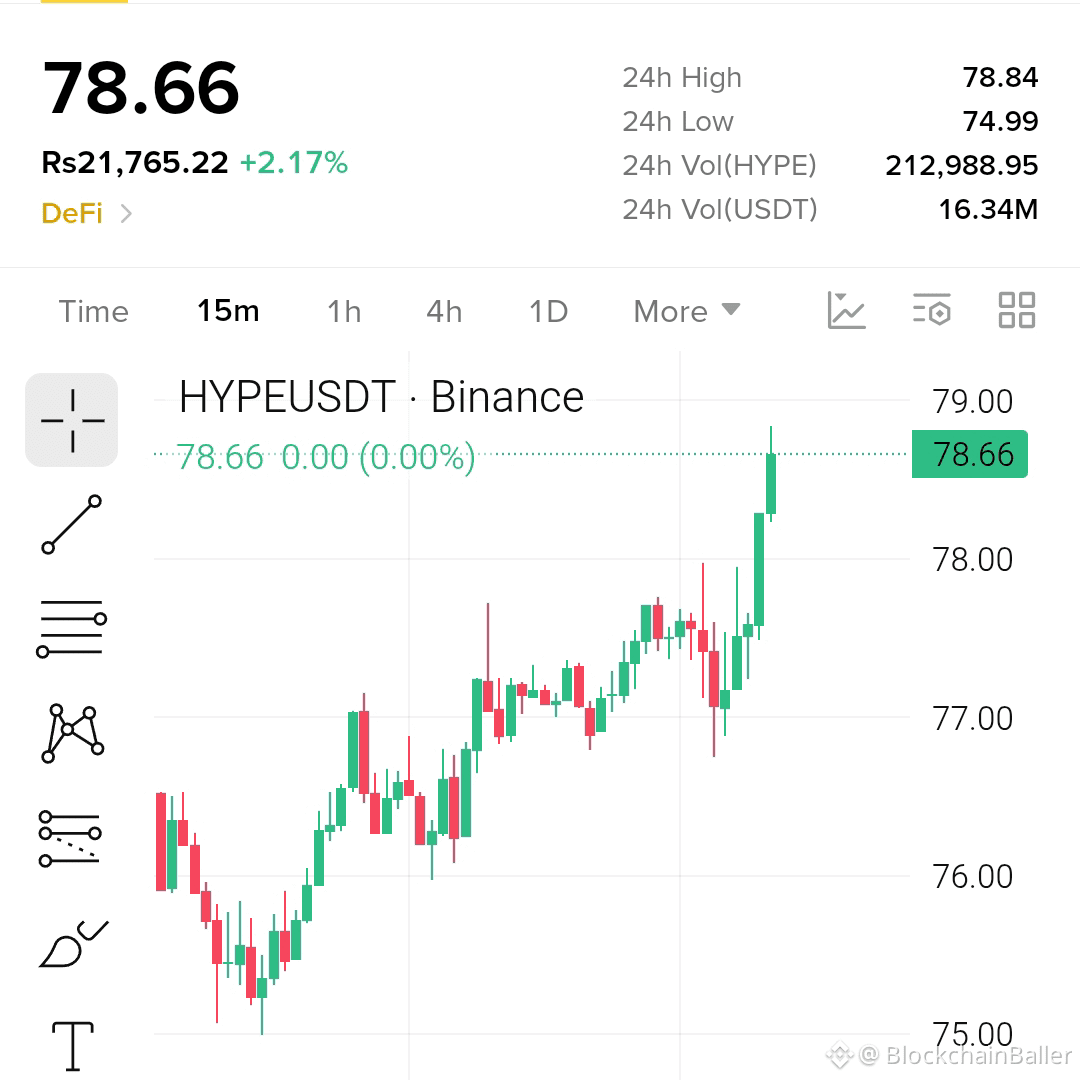
$HYPE OPERACIÓN EN LARGO ‼️🤝♥️
Entrada: 78.00–78.66
TP1: 79.50
TP2: 81.00
TP3: 83.00
SL: 76.80
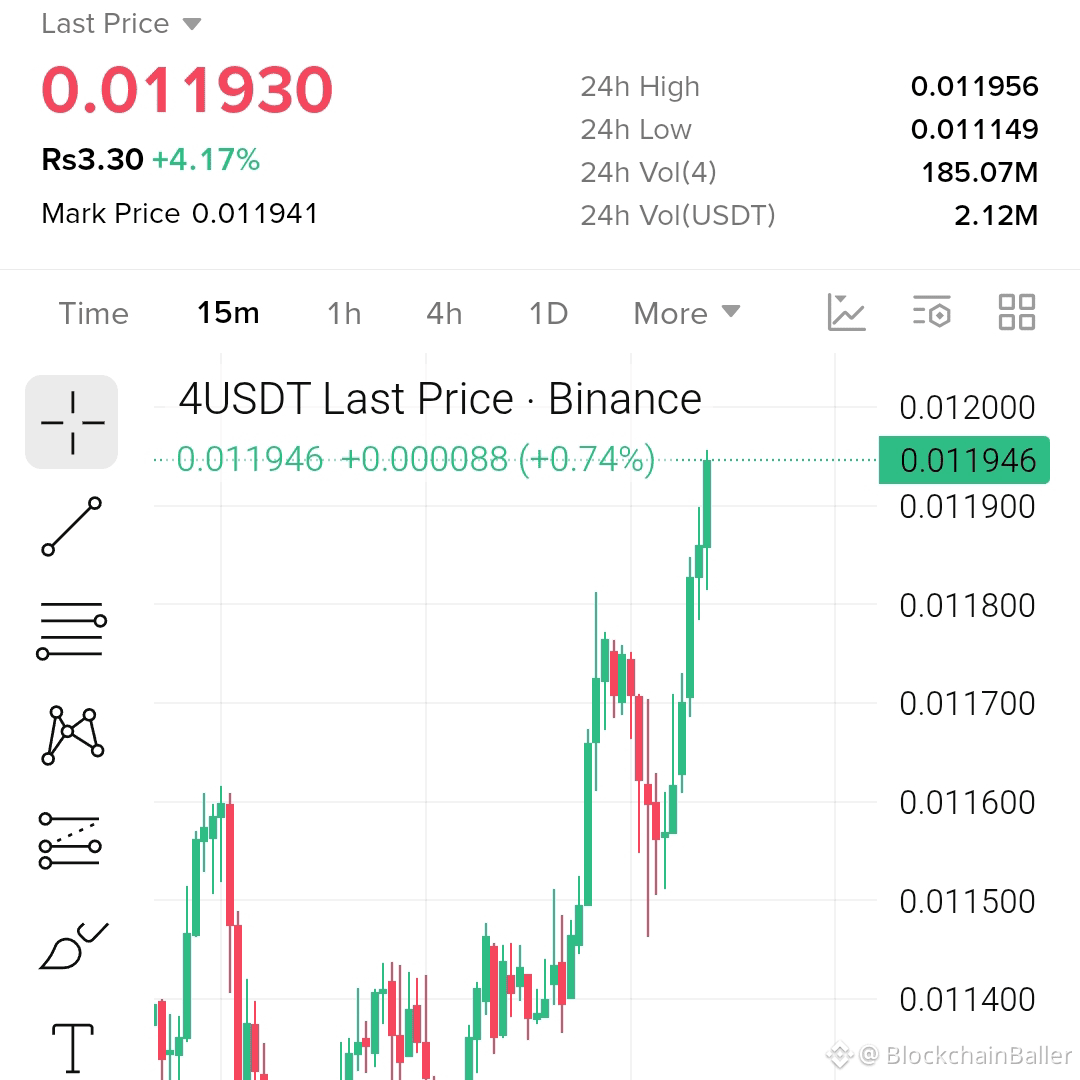
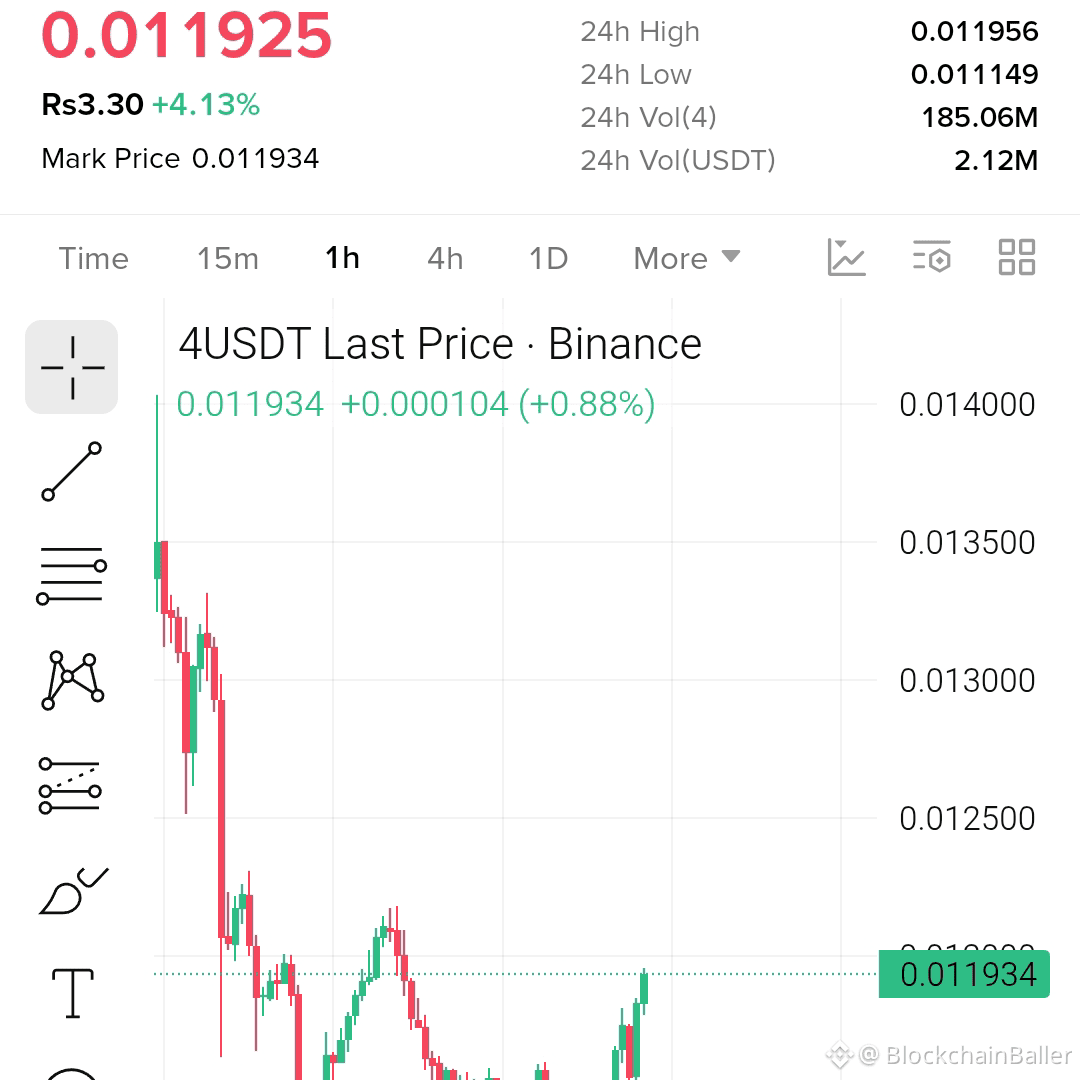
$4 OPERACIÓN EN LARGO
Entrada: 0.01175–0.01195
TP1: 0.01220
TP2: 0.01250
TP3: 0.01300
SL: 0.01135
Se está formando una recuperación alcista. Espera una confirmación por encima de 0.01200.
$HYPE OPERACIÓN EN LARGO ‼️🤝♥️
Entrada: 78.00–78.66
TP1: 79.50
TP2: 81.00
TP3: 83.00
SL: 76.80
$4 OPERACIÓN EN LARGO
Entrada: 0.01175–0.01195
TP1: 0.01220
TP2: 0.01250
TP3: 0.01300
SL: 0.01135
Se está formando una recuperación alcista. Espera una confirmación por encima de 0.01200.
Entrada: 78.00–78.66
TP1: 79.50
TP2: 81.00
TP3: 83.00
SL: 76.80
$4 OPERACIÓN EN LARGO
Entrada: 0.01175–0.01195
TP1: 0.01220
TP2: 0.01250
TP3: 0.01300
SL: 0.01135
Se está formando una recuperación alcista. Espera una confirmación por encima de 0.01200.
3
981
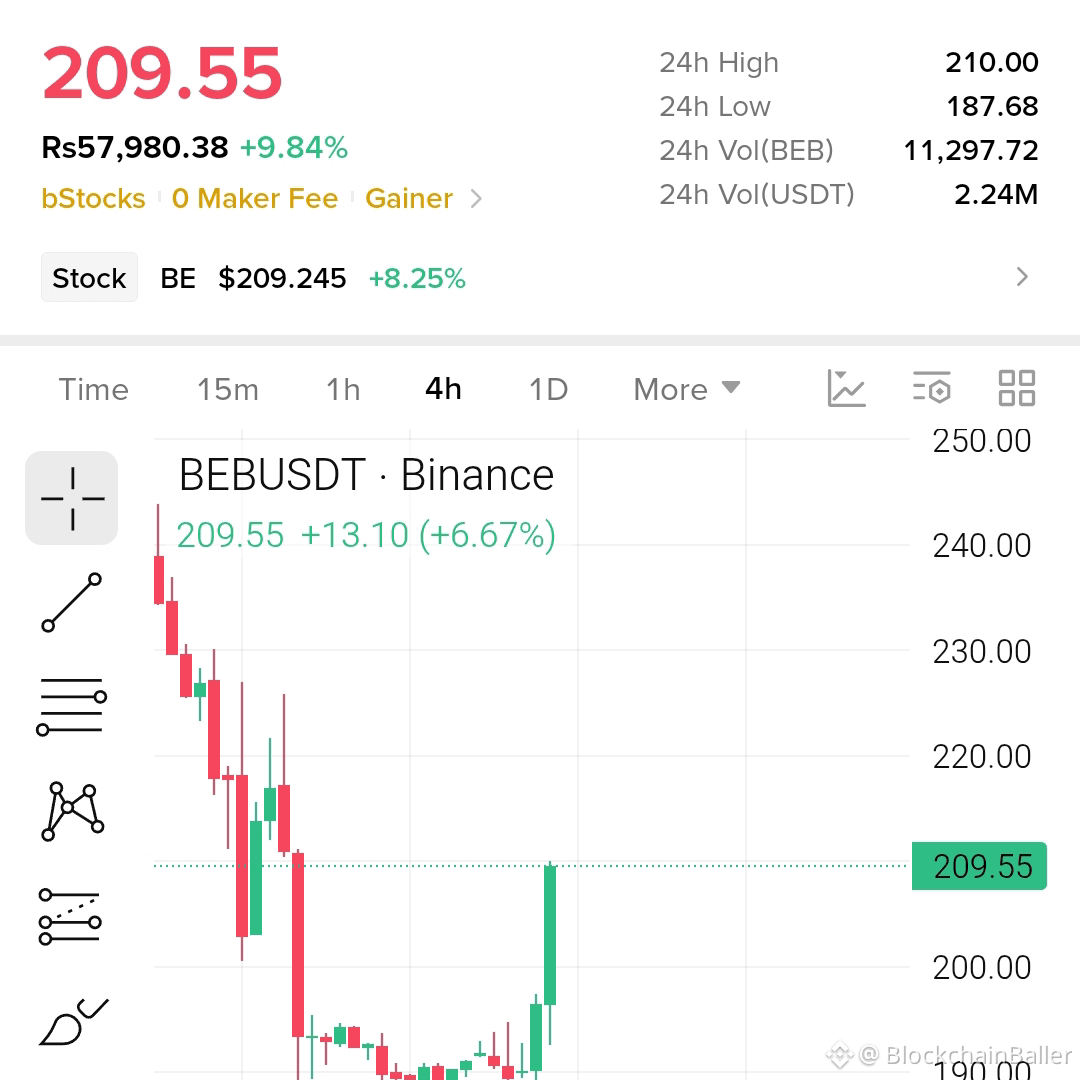
$BEB OPERACIÓN LARGA
Entrada: 207.00–209.55
TP1: 215.00
TP2: 222.00
TP3: 230.00
SL: 199.00
Fuerte recuperación con aumento del volumen. Espera una confirmación por encima de 210.00 antes de entrar.
$BEB OPERACIÓN LARGA
Entrada: 207.00–209.55
TP1: 215.00
TP2: 222.00
TP3: 230.00
SL: 199.00
Fuerte recuperación con aumento del volumen. Espera una confirmación por encima de 210.00 antes de entrar.
Entrada: 207.00–209.55
TP1: 215.00
TP2: 222.00
TP3: 230.00
SL: 199.00
Fuerte recuperación con aumento del volumen. Espera una confirmación por encima de 210.00 antes de entrar.
1
910
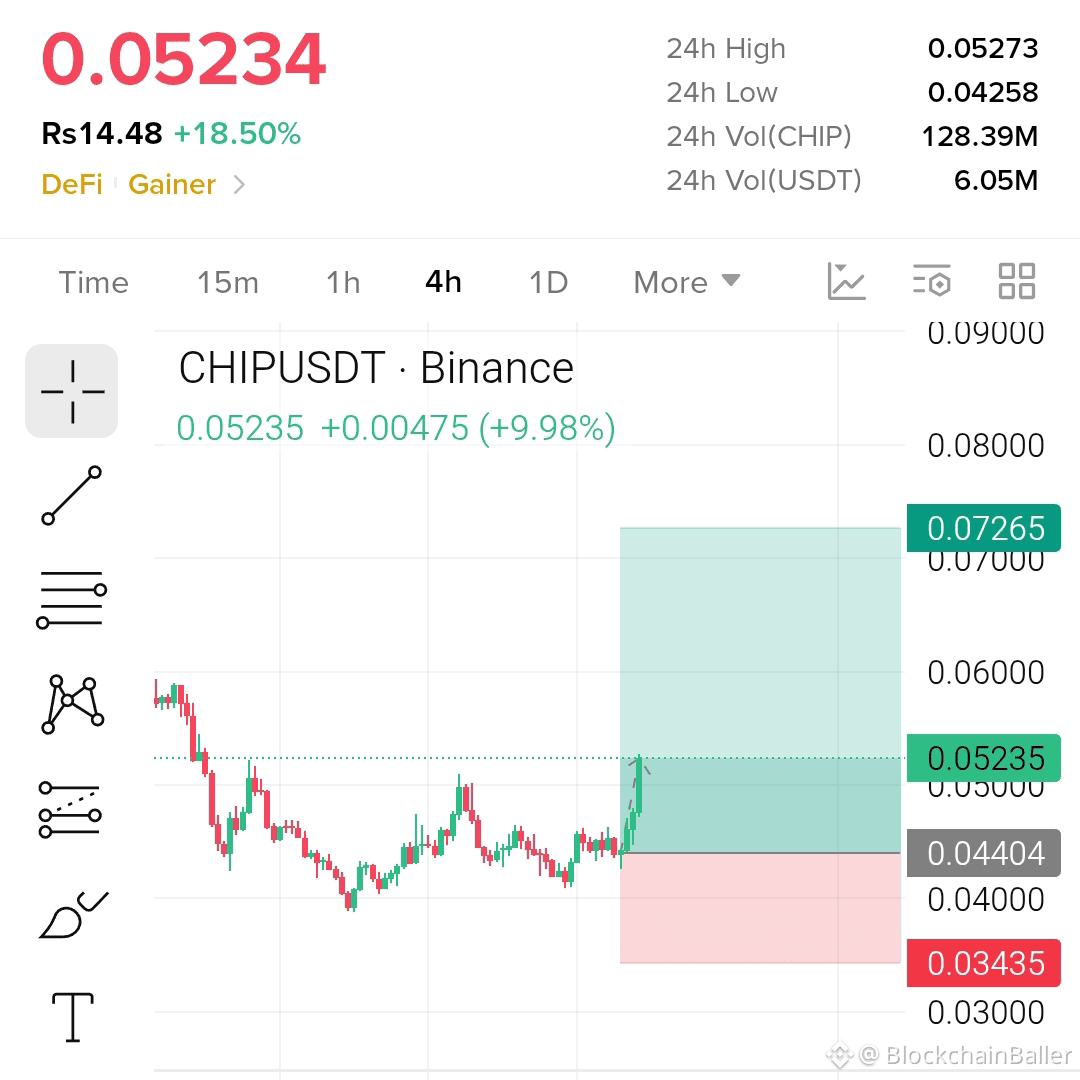
$CHIP OPERACIÓN LARGA
Entrada: 0.05150–0.05235
TP1: 0.05700
TP2: 0.06400
TP3: 0.07265
SL: 0.04404
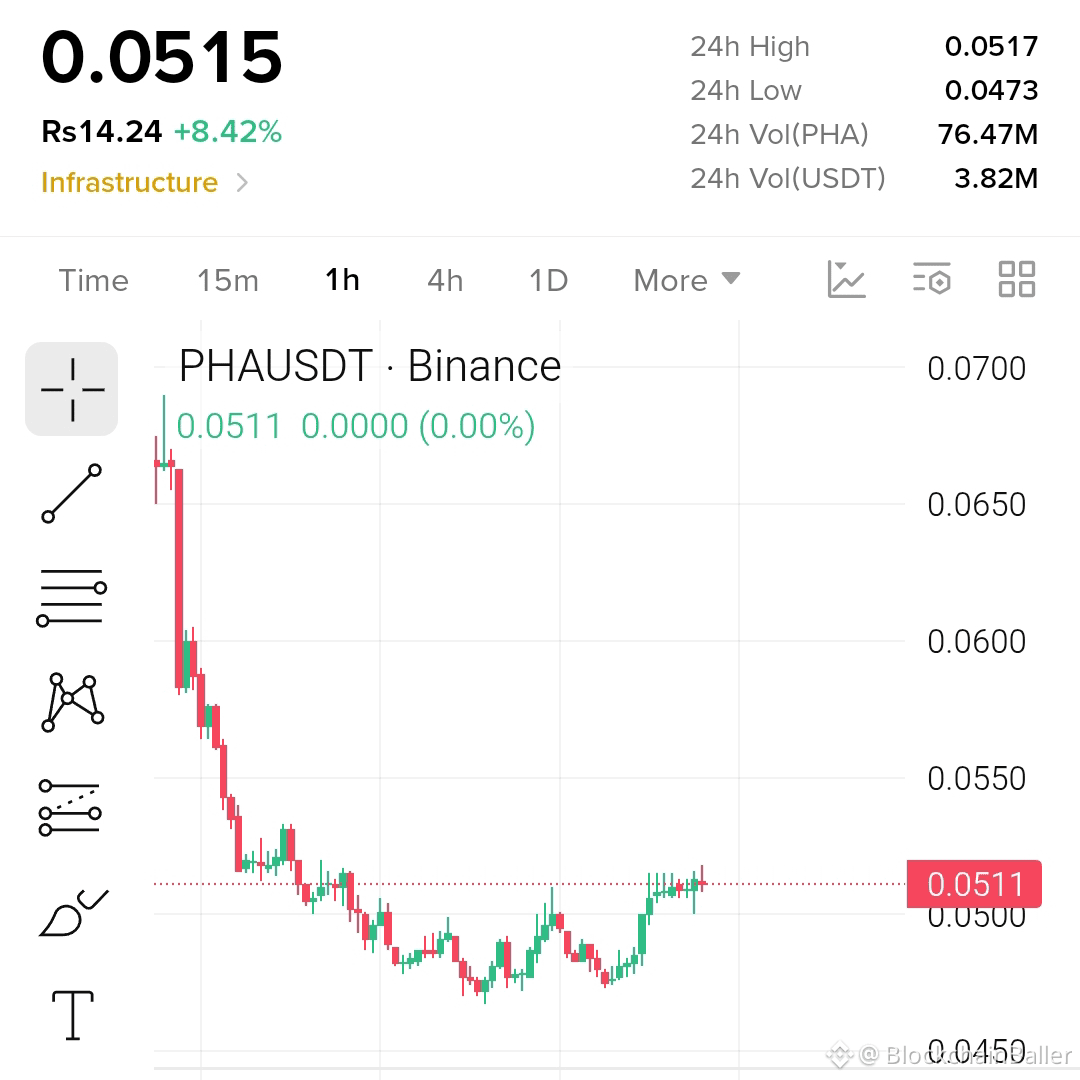
$PHA OPERACIÓN LARGA
Entrada: 0.05080–0.05150
TP1: 0.05300
TP2: 0.05550
TP3: 0.05800
Se está formando una recuperación alcista. Atento a una ruptura por encima de 0.05170.
$CHIP OPERACIÓN LARGA
Entrada: 0.05150–0.05235
TP1: 0.05700
TP2: 0.06400
TP3: 0.07265
SL: 0.04404
$PHA OPERACIÓN LARGA
Entrada: 0.05080–0.05150
TP1: 0.05300
TP2: 0.05550
TP3: 0.05800
Se está formando una recuperación alcista. Atento a una ruptura por encima de 0.05170.
Entrada: 0.05150–0.05235
TP1: 0.05700
TP2: 0.06400
TP3: 0.07265
SL: 0.04404
$PHA OPERACIÓN LARGA
Entrada: 0.05080–0.05150
TP1: 0.05300
TP2: 0.05550
TP3: 0.05800
Se está formando una recuperación alcista. Atento a una ruptura por encima de 0.05170.
3
1.3k
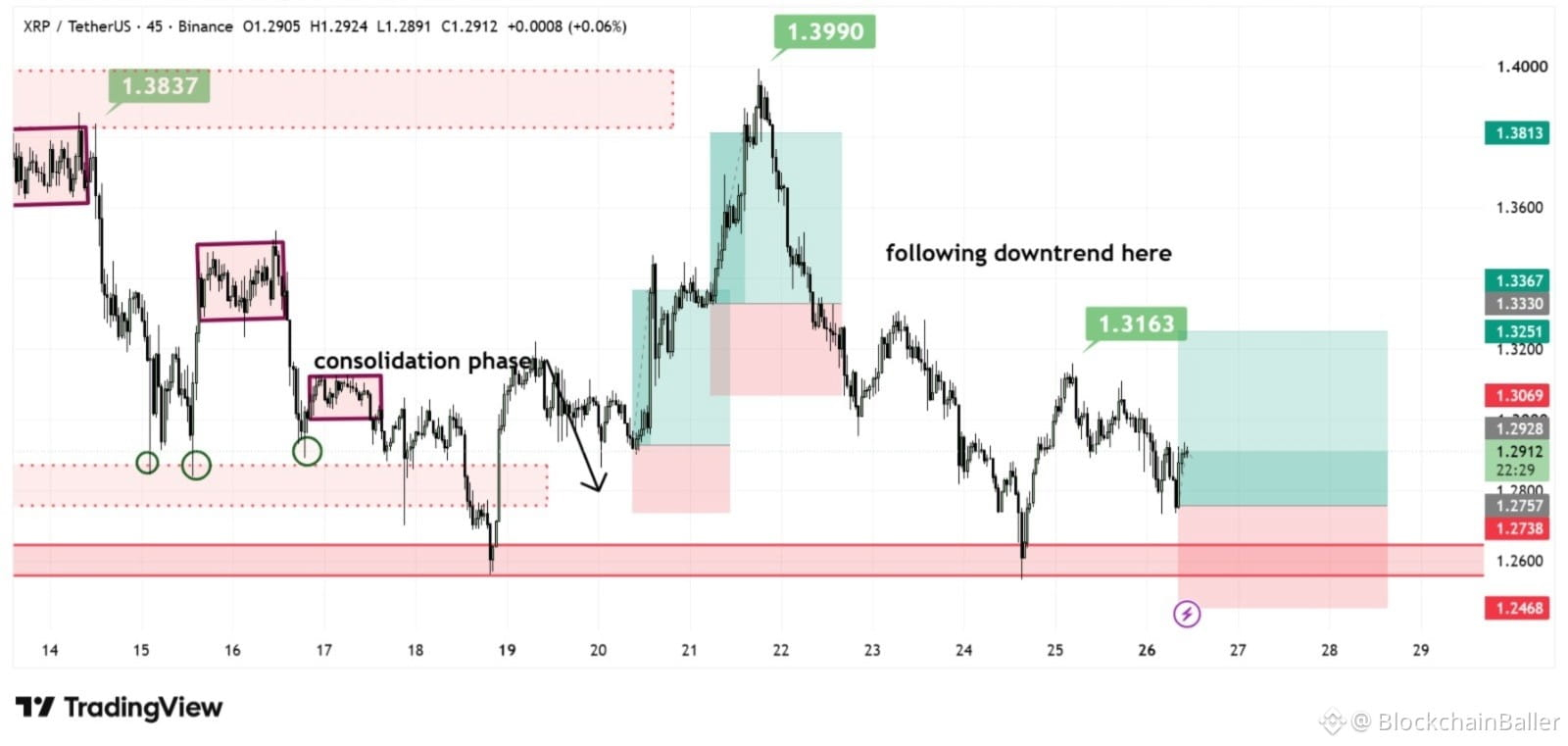
$XRP está intentando rebotar, ¡pero la tendencia bajista no ha terminado!
estoy observando la zona de soporte de $1.275–$1.280. si los compradores mantienen esta zona, $XRP podría moverse primero hacia $1.316, seguido de $1.325.
pero si se rompe $1.273, es posible otra caída hacia $1.260–$1.247. ¡los alcistas necesitan mostrar más fuerza aquí!
$XRP está intentando rebotar, ¡pero la tendencia bajista no ha terminado!
estoy observando la zona de soporte de $1.275–$1.280. si los compradores mantienen esta zona, $XRP podría moverse primero hacia $1.316, seguido de $1.325.
pero si se rompe $1.273, es posible otra caída hacia $1.260–$1.247. ¡los alcistas necesitan mostrar más fuerza aquí!
estoy observando la zona de soporte de $1.275–$1.280. si los compradores mantienen esta zona, $XRP podría moverse primero hacia $1.316, seguido de $1.325.
pero si se rompe $1.273, es posible otra caída hacia $1.260–$1.247. ¡los alcistas necesitan mostrar más fuerza aquí!
1
601
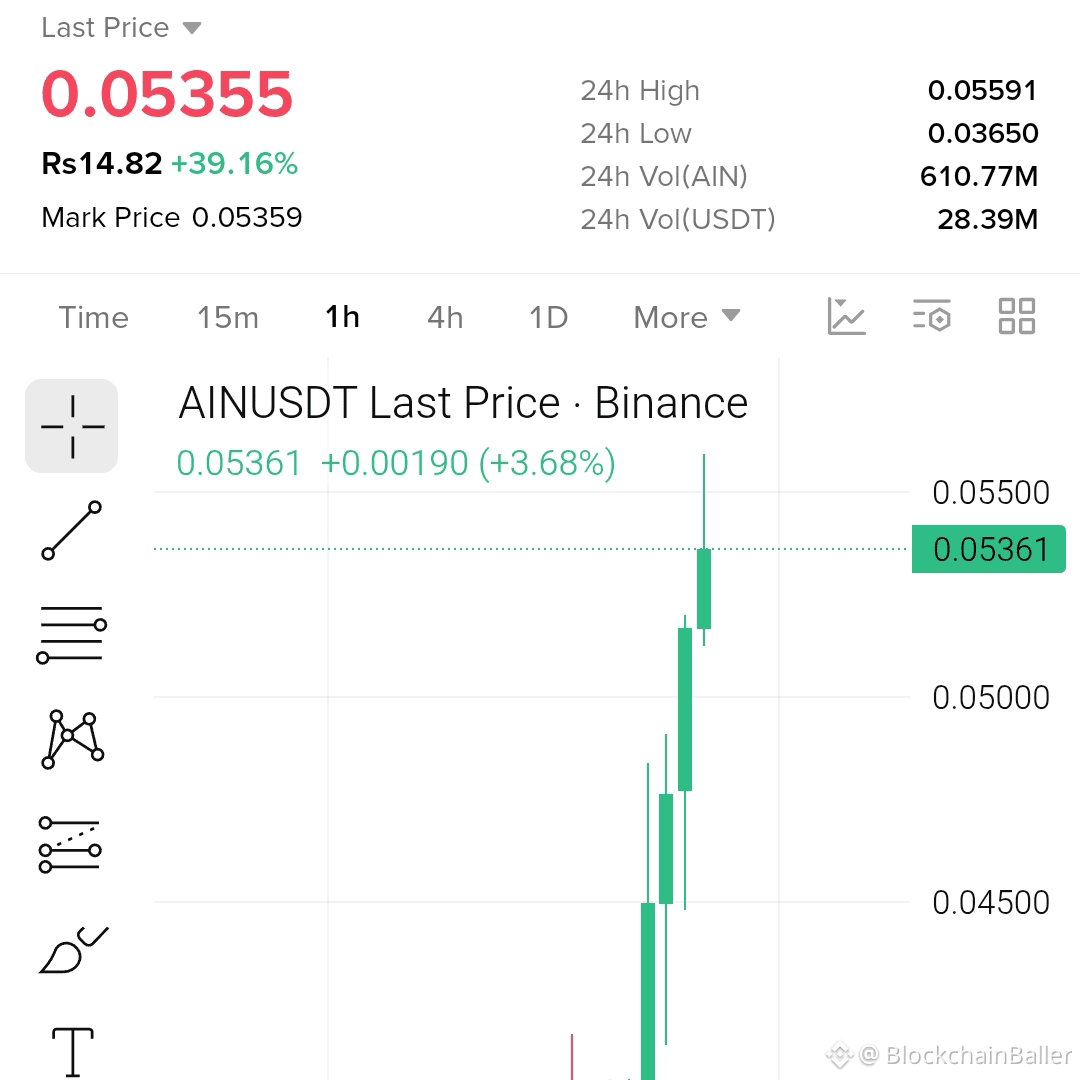
check de chico otra moneda caliente $AIN ♥️🤝
tp1 destruido
Ganamos de nuevo después de $BULLA y $DOOD
[click here and join my premium community](https://app.binance.com/uni-qr/QvAXwhBB)
check de chico otra moneda caliente $AIN ♥️🤝
tp1 destruido
Ganamos de nuevo después de $BULLA y $DOOD
click here and join my premium community
tp1 destruido
Ganamos de nuevo después de $BULLA y $DOOD
click here and join my premium community
BlockchainBaller
·
--
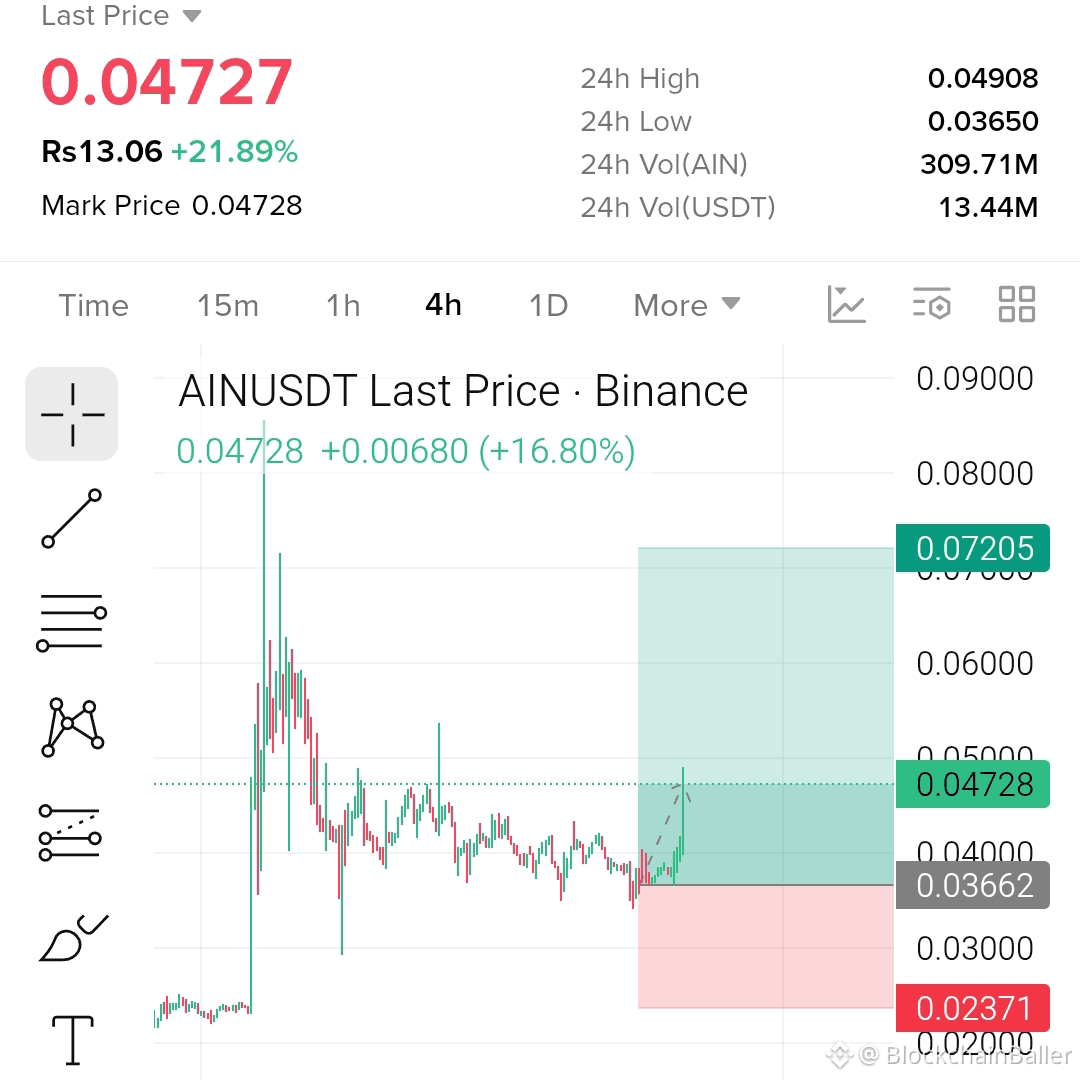
$AIN OPERACIÓN EN LARGO ‼️♥️🤝
Entrada: 0.04650–0.04730
TP1: 0.05200
TP2: 0.06000
TP3: 0.07205
SL: 0.03662
Entrada: 0.04650–0.04730
TP1: 0.05200
TP2: 0.06000
TP3: 0.07205
SL: 0.03662
1
1
1
1.3k
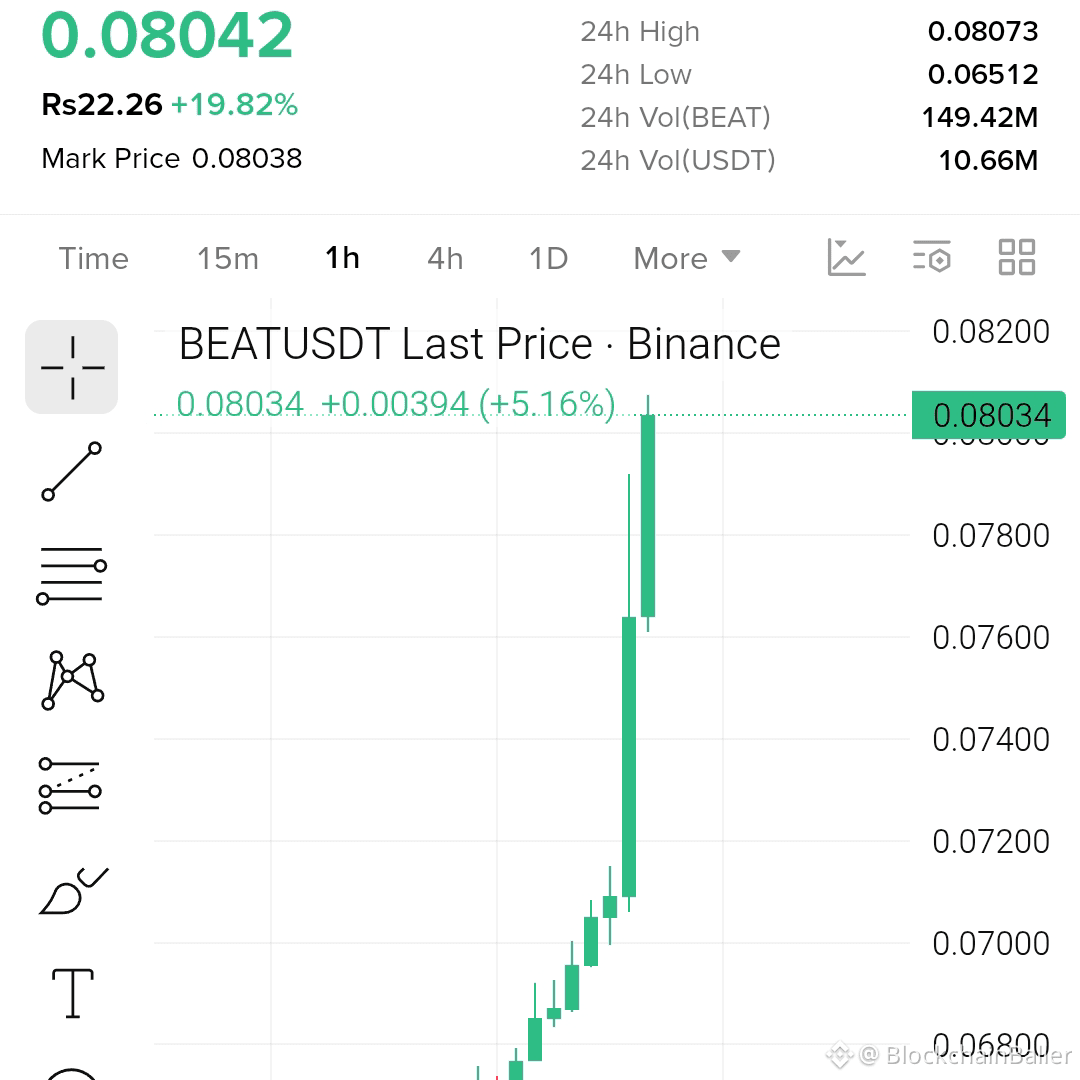
Mira, $BEAT está en auge a $0.08+, como dije ♥️🤝
Ganancia rápida
Subida masiva
Gran beneficio asegurado
Volvemos a ganar
Mira, $BEAT está en auge a $0.08+, como dije ♥️🤝
Ganancia rápida
Subida masiva
Gran beneficio asegurado
Volvemos a ganar
Ganancia rápida
Subida masiva
Gran beneficio asegurado
Volvemos a ganar
BlockchainBaller
·
--
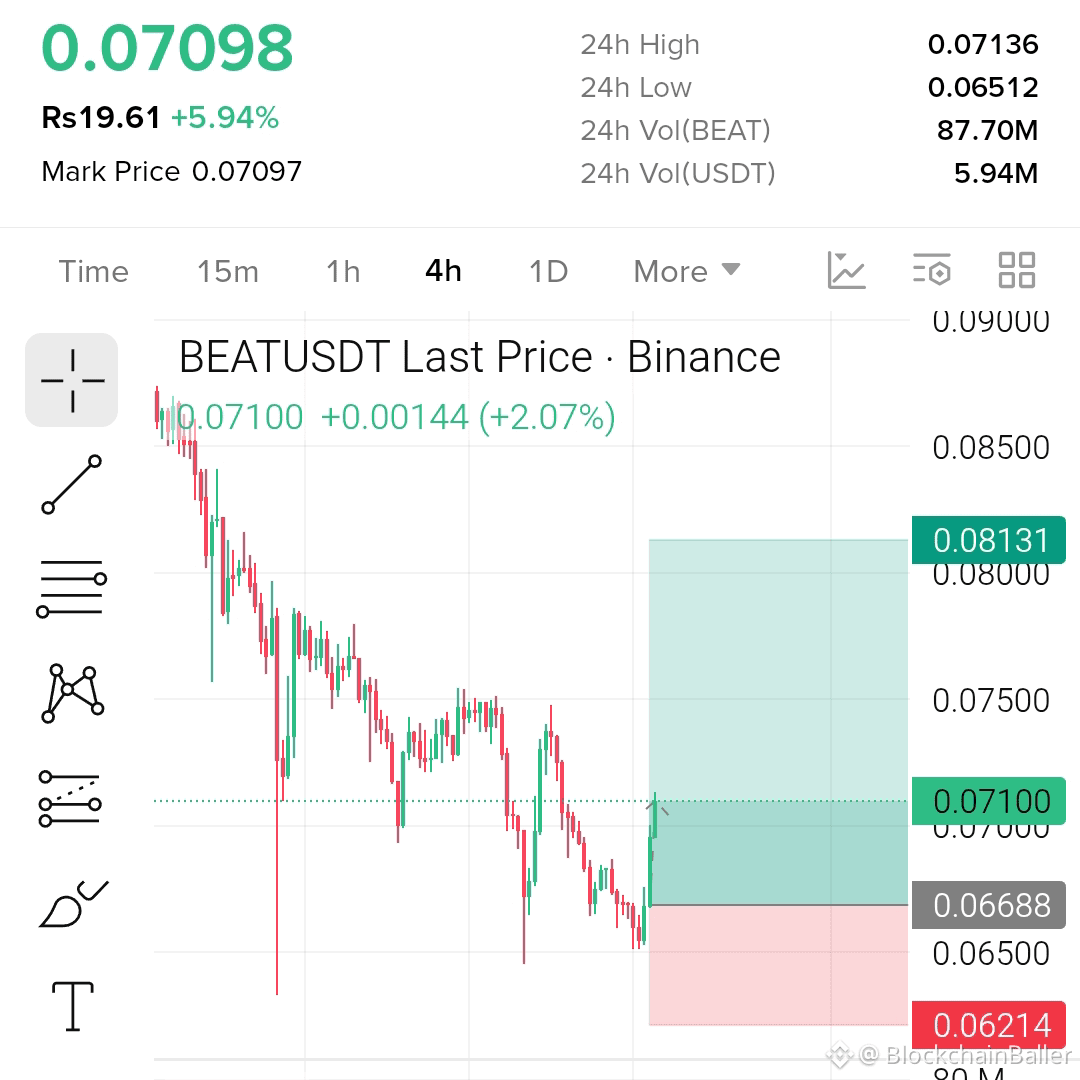
$BEAT CONFIGURACIÓN DE OPERACIÓN EN LARGO ‼️♥️🤝
Entrada: 0.07000–0.07100
TP1: 0.07400
TP2: 0.07800
TP3: 0.08131
SL: 0.06214
La recuperación alcista está en marcha, pero la tendencia general sigue siendo bajista.
Entrada: 0.07000–0.07100
TP1: 0.07400
TP2: 0.07800
TP3: 0.08131
SL: 0.06214
La recuperación alcista está en marcha, pero la tendencia general sigue siendo bajista.
2
5
660
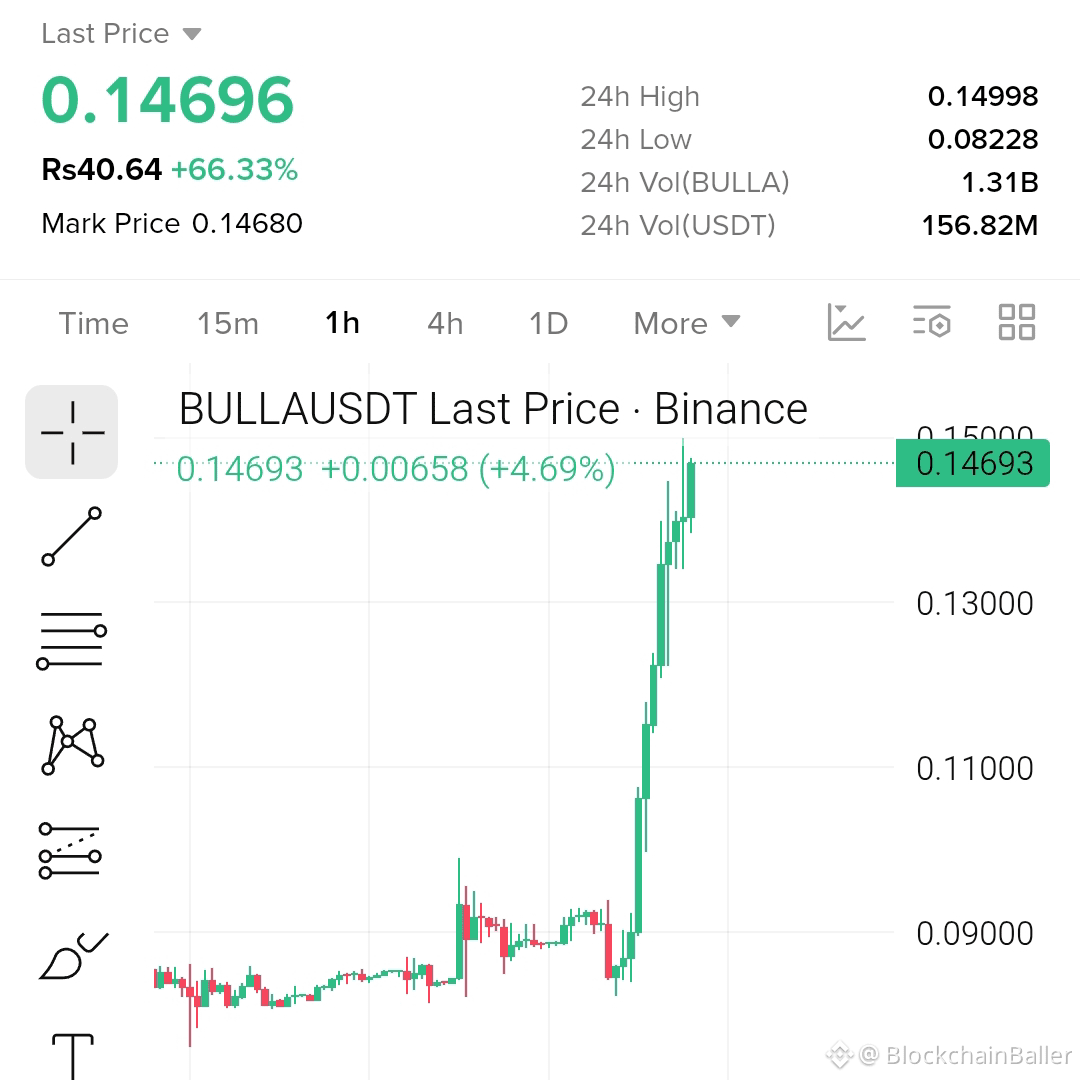
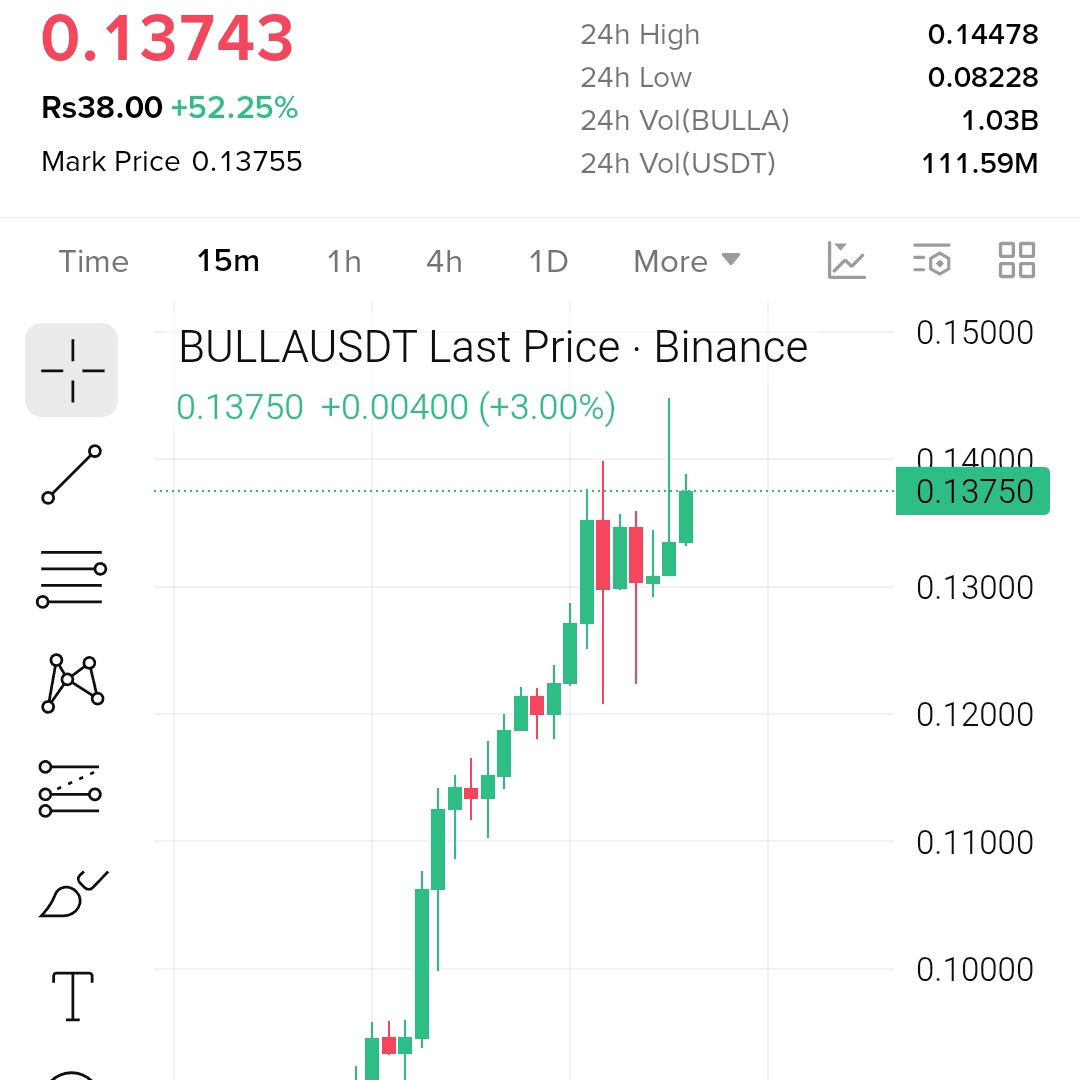
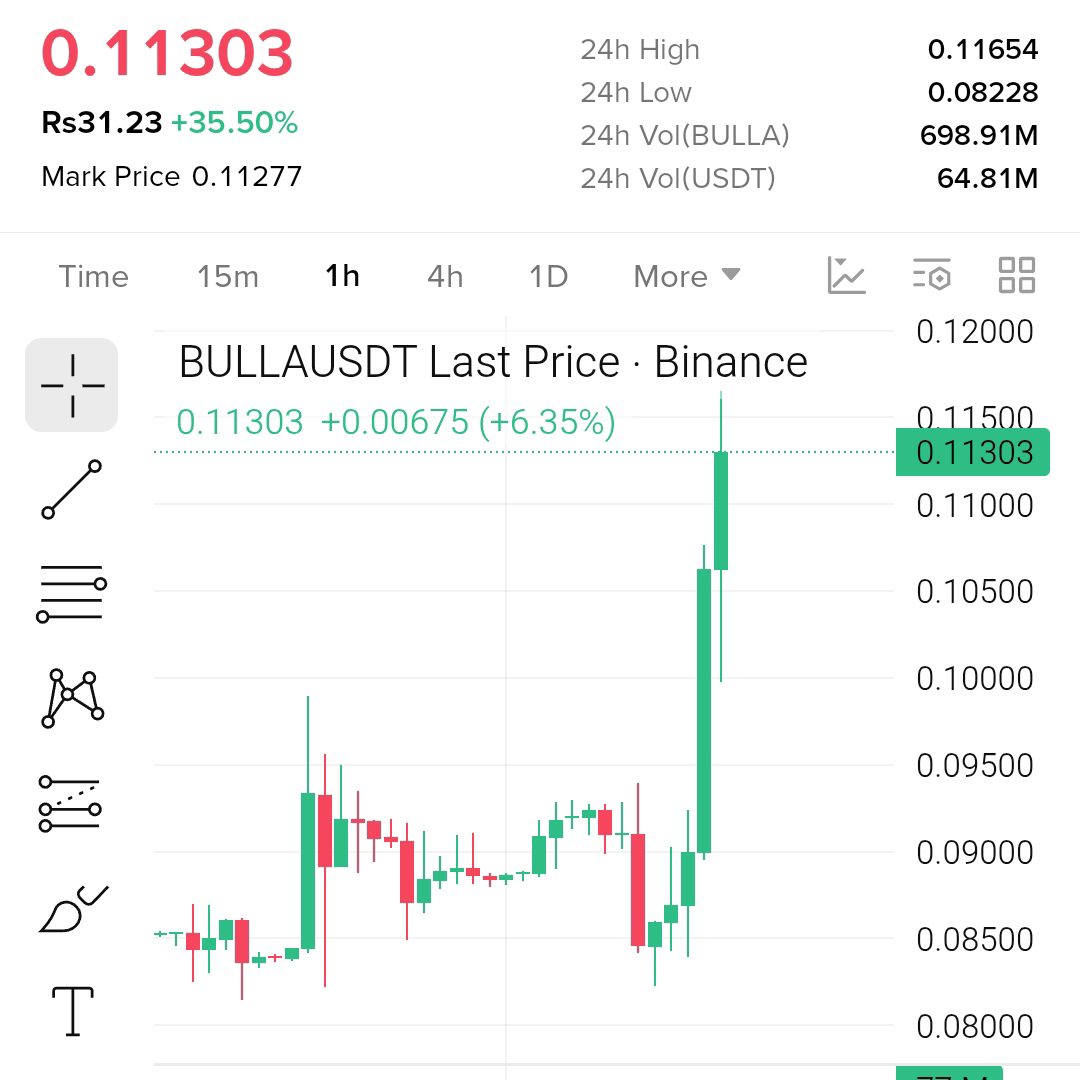
$BULLA ESTÁ VOLANDO... NO PERSIGAS LA SUBIDA
Hoy sube más de un 66%...
No repitas el mismo error que cometiste con $CAP y $IRYS .
Te sugiero esperar a que se confirme en vez de lanzarte cuando está en máximos...
Protege tu dinero ante todo...
$BULLA ESTÁ VOLANDO... NO PERSIGAS LA SUBIDA
Hoy sube más de un 66%...
No repitas el mismo error que cometiste con $CAP y $IRYS .
Te sugiero esperar a que se confirme en vez de lanzarte cuando está en máximos...
Protege tu dinero ante todo...
Hoy sube más de un 66%...
No repitas el mismo error que cometiste con $CAP y $IRYS .
Te sugiero esperar a que se confirme en vez de lanzarte cuando está en máximos...
Protege tu dinero ante todo...
3
2
776
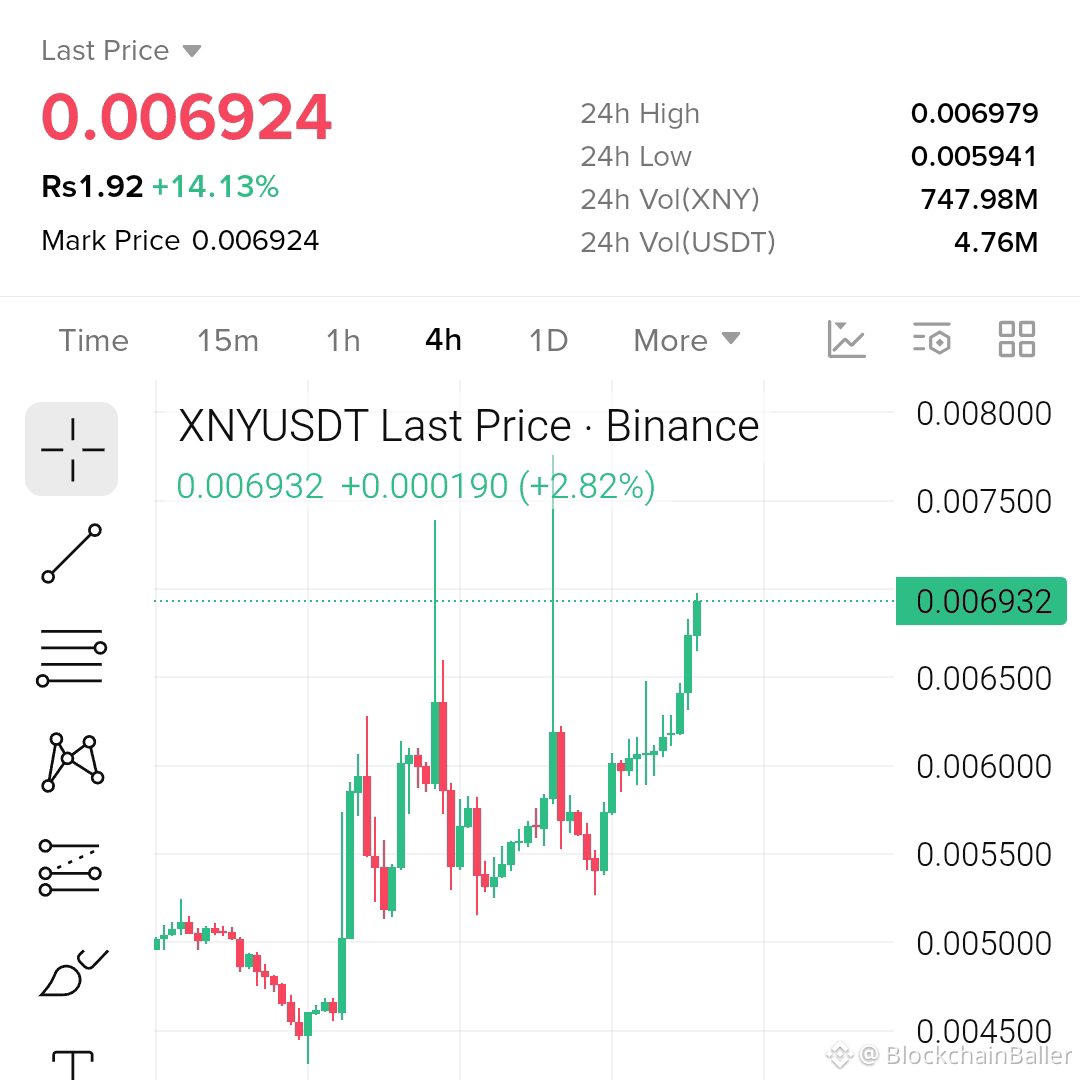
$XNY CONFIGURACIÓN DE OPERACIÓN EN LARGO
Entrada: 0.00680–0.00695
TP1: 0.00720
TP2: 0.00750
TP3: 0.00780
SL: 0.00640
[click here and join my premium community](https://app.binance.com/uni-qr/QvAXwhBB)
$XNY CONFIGURACIÓN DE OPERACIÓN EN LARGO
Entrada: 0.00680–0.00695
TP1: 0.00720
TP2: 0.00750
TP3: 0.00780
SL: 0.00640
click here and join my premium community
Entrada: 0.00680–0.00695
TP1: 0.00720
TP2: 0.00750
TP3: 0.00780
SL: 0.00640
click here and join my premium community
6
1.1k
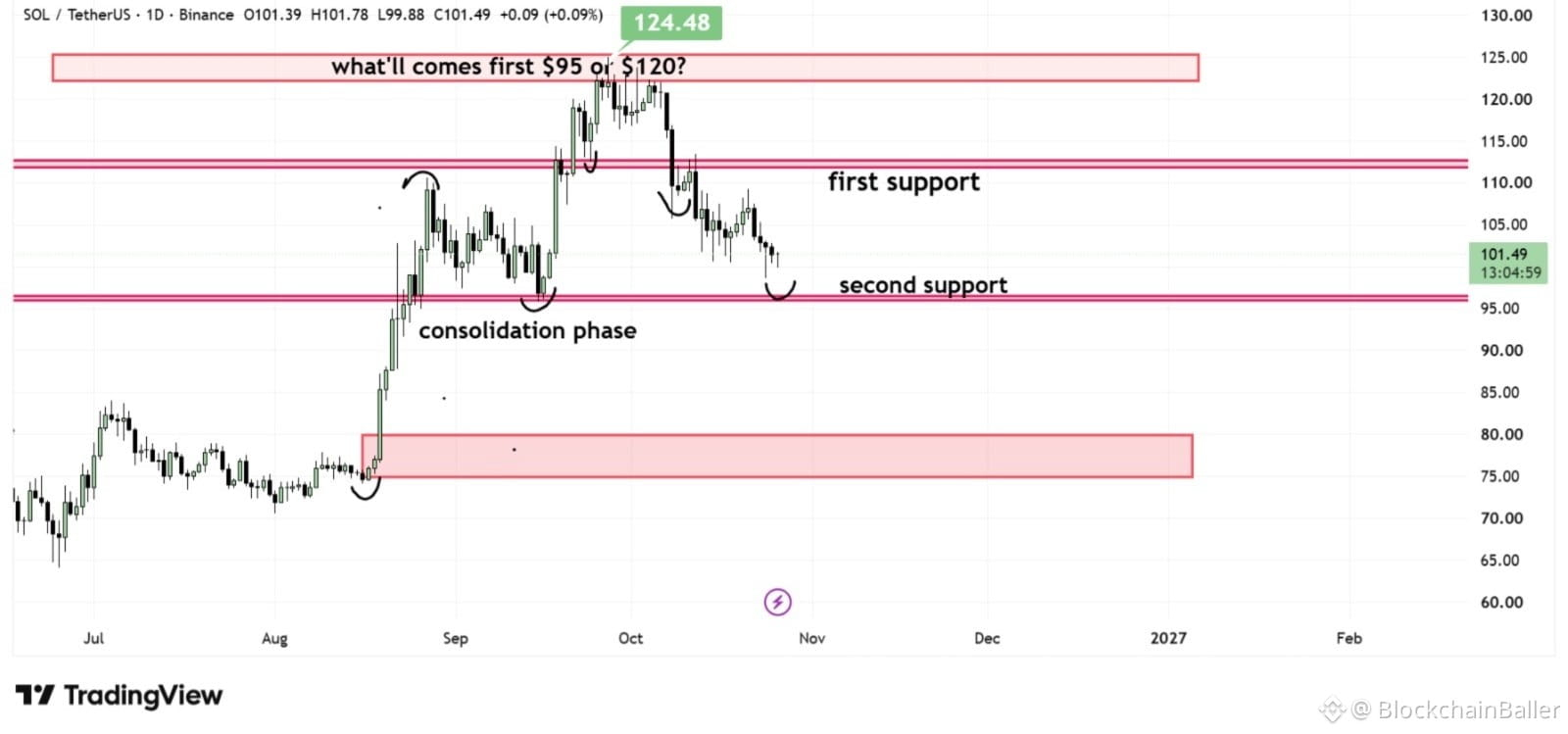
$SOL en un nivel clave... ¿los próximos objetivos son $95 o $120?
$SOL cotiza cerca de $101, y creo que los alcistas realmente necesitan defender la zona de soporte de $95–$96.
Si este nivel se mantiene, podríamos ver un rebote hacia $112 y luego hasta $120. Pero perder los $95 podría generar más presión vendedora. ¡Esta es una zona importante para SOL!
$SOL en un nivel clave... ¿los próximos objetivos son $95 o $120?
$SOL cotiza cerca de $101, y creo que los alcistas realmente necesitan defender la zona de soporte de $95–$96.
Si este nivel se mantiene, podríamos ver un rebote hacia $112 y luego hasta $120. Pero perder los $95 podría generar más presión vendedora. ¡Esta es una zona importante para SOL!
$SOL cotiza cerca de $101, y creo que los alcistas realmente necesitan defender la zona de soporte de $95–$96.
Si este nivel se mantiene, podríamos ver un rebote hacia $112 y luego hasta $120. Pero perder los $95 podría generar más presión vendedora. ¡Esta es una zona importante para SOL!
3
610
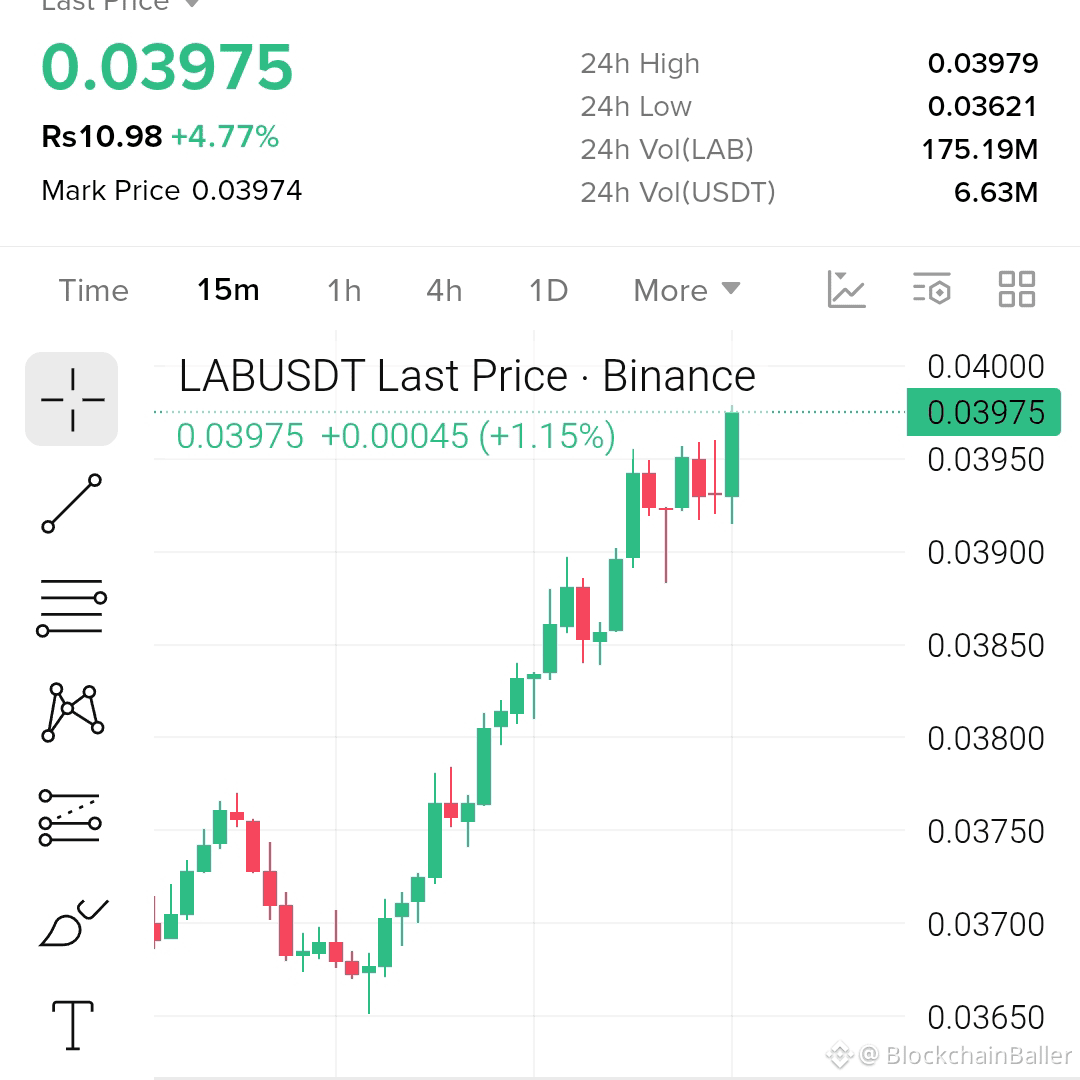
$LAB CONFIGURACIÓN DE OPERACIÓN EN LARGO ‼️
Entrada: 0.03930–0.03975
TP1: 0.04050
TP2: 0.04150
TP3: 0.04300
SL: 0.03850
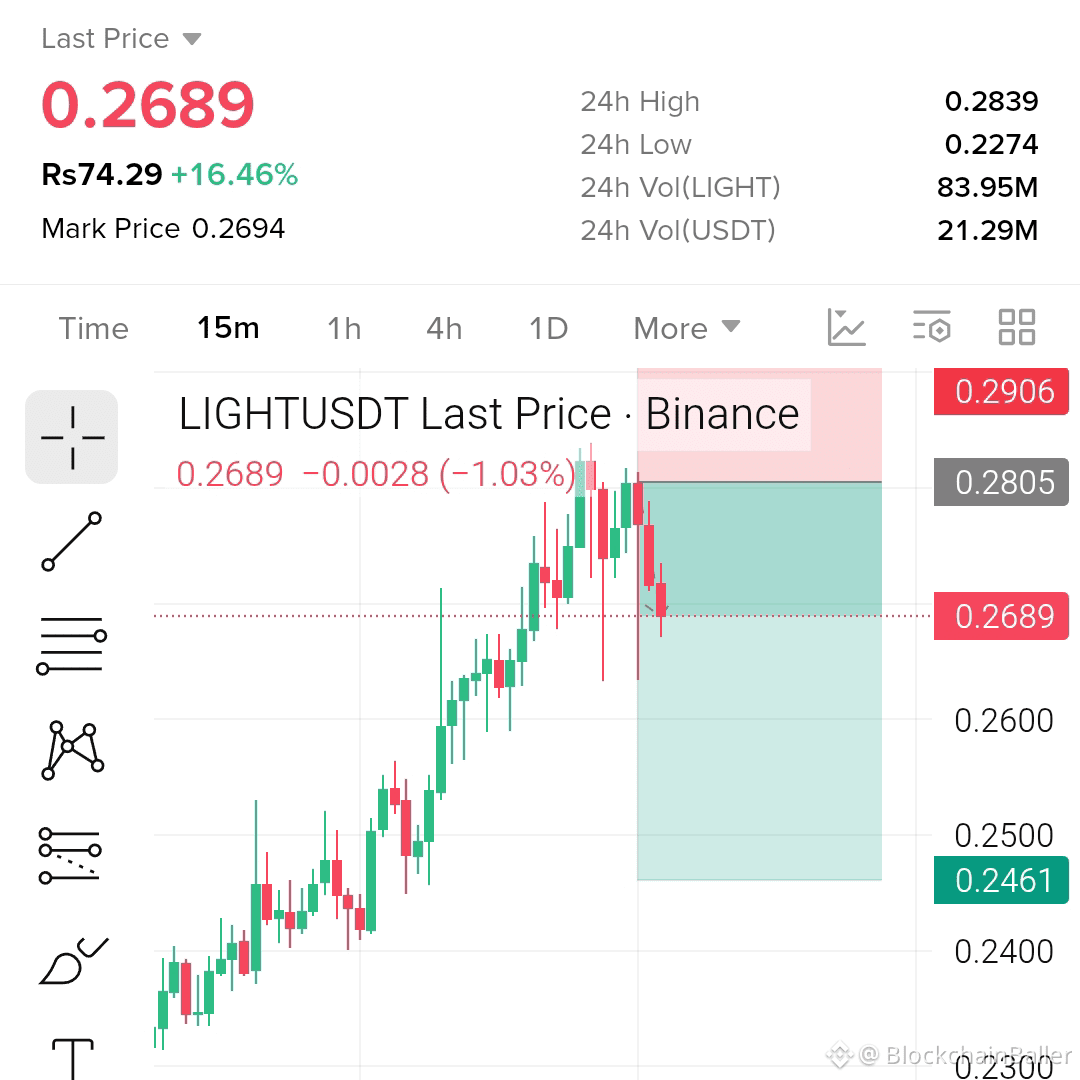
$LIGHT CONFIGURACIÓN DE OPERACIÓN EN CORTO ‼️
Entrada: 0.2689–0.2805
TP1: 0.2600
TP2: 0.2530
TP3: 0.2461
SL: 0.2906
[Click to Cast your today Vote](https://app.binance.com/uni-qr/QvAXwhBB)
$LAB CONFIGURACIÓN DE OPERACIÓN EN LARGO ‼️
Entrada: 0.03930–0.03975
TP1: 0.04050
TP2: 0.04150
TP3: 0.04300
SL: 0.03850
$LIGHT CONFIGURACIÓN DE OPERACIÓN EN CORTO ‼️
Entrada: 0.2689–0.2805
TP1: 0.2600
TP2: 0.2530
TP3: 0.2461
SL: 0.2906
Click to Cast your today Vote
Entrada: 0.03930–0.03975
TP1: 0.04050
TP2: 0.04150
TP3: 0.04300
SL: 0.03850
$LIGHT CONFIGURACIÓN DE OPERACIÓN EN CORTO ‼️
Entrada: 0.2689–0.2805
TP1: 0.2600
TP2: 0.2530
TP3: 0.2461
SL: 0.2906
Click to Cast your today Vote
2
942
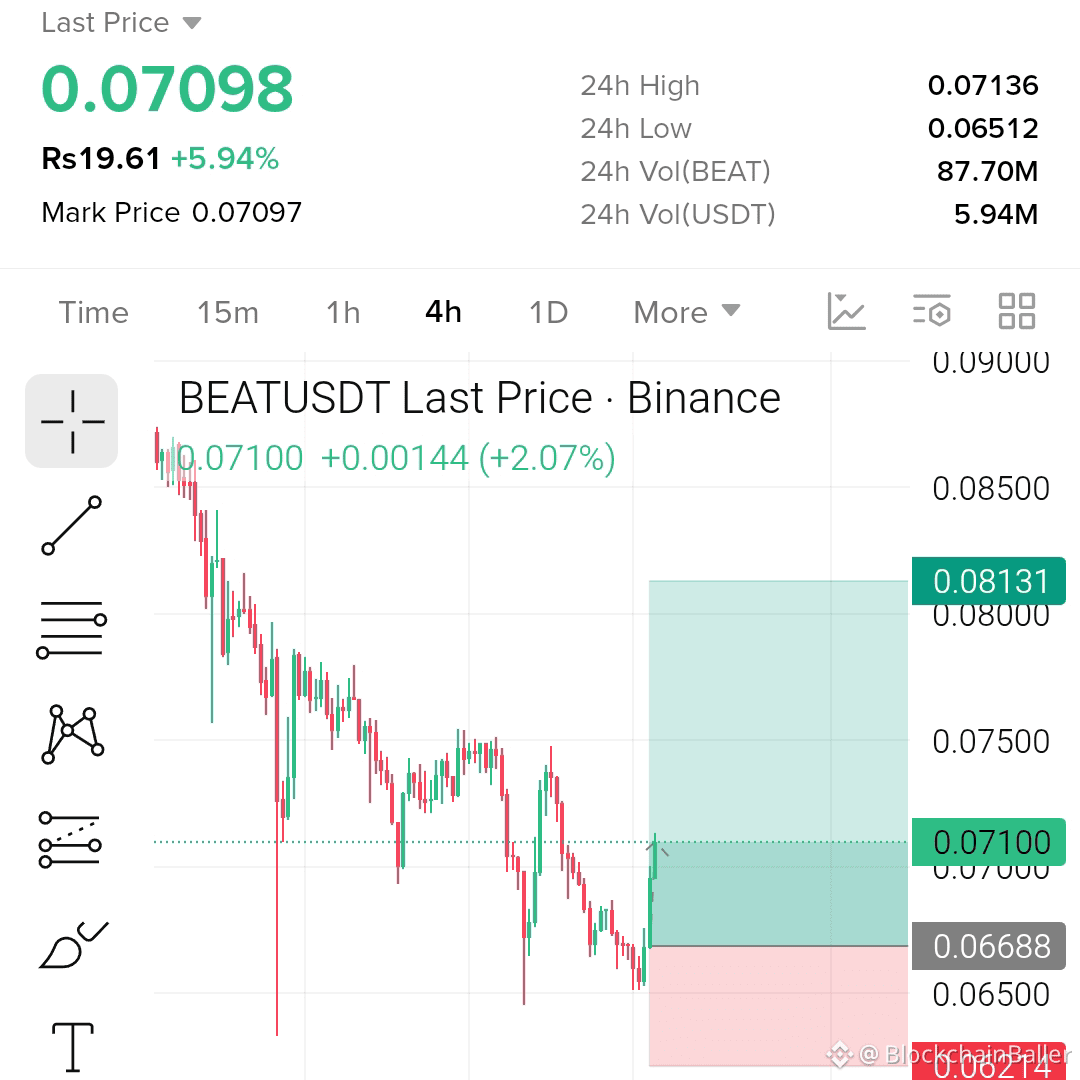
$BEAT CONFIGURACIÓN DE OPERACIÓN EN LARGO ‼️♥️🤝
Entrada: 0.07000–0.07100
TP1: 0.07400
TP2: 0.07800
TP3: 0.08131
SL: 0.06214
La recuperación alcista está en marcha, pero la tendencia general sigue siendo bajista.
$BEAT CONFIGURACIÓN DE OPERACIÓN EN LARGO ‼️♥️🤝
Entrada: 0.07000–0.07100
TP1: 0.07400
TP2: 0.07800
TP3: 0.08131
SL: 0.06214
La recuperación alcista está en marcha, pero la tendencia general sigue siendo bajista.
Entrada: 0.07000–0.07100
TP1: 0.07400
TP2: 0.07800
TP3: 0.08131
SL: 0.06214
La recuperación alcista está en marcha, pero la tendencia general sigue siendo bajista.
2
2
1.1k
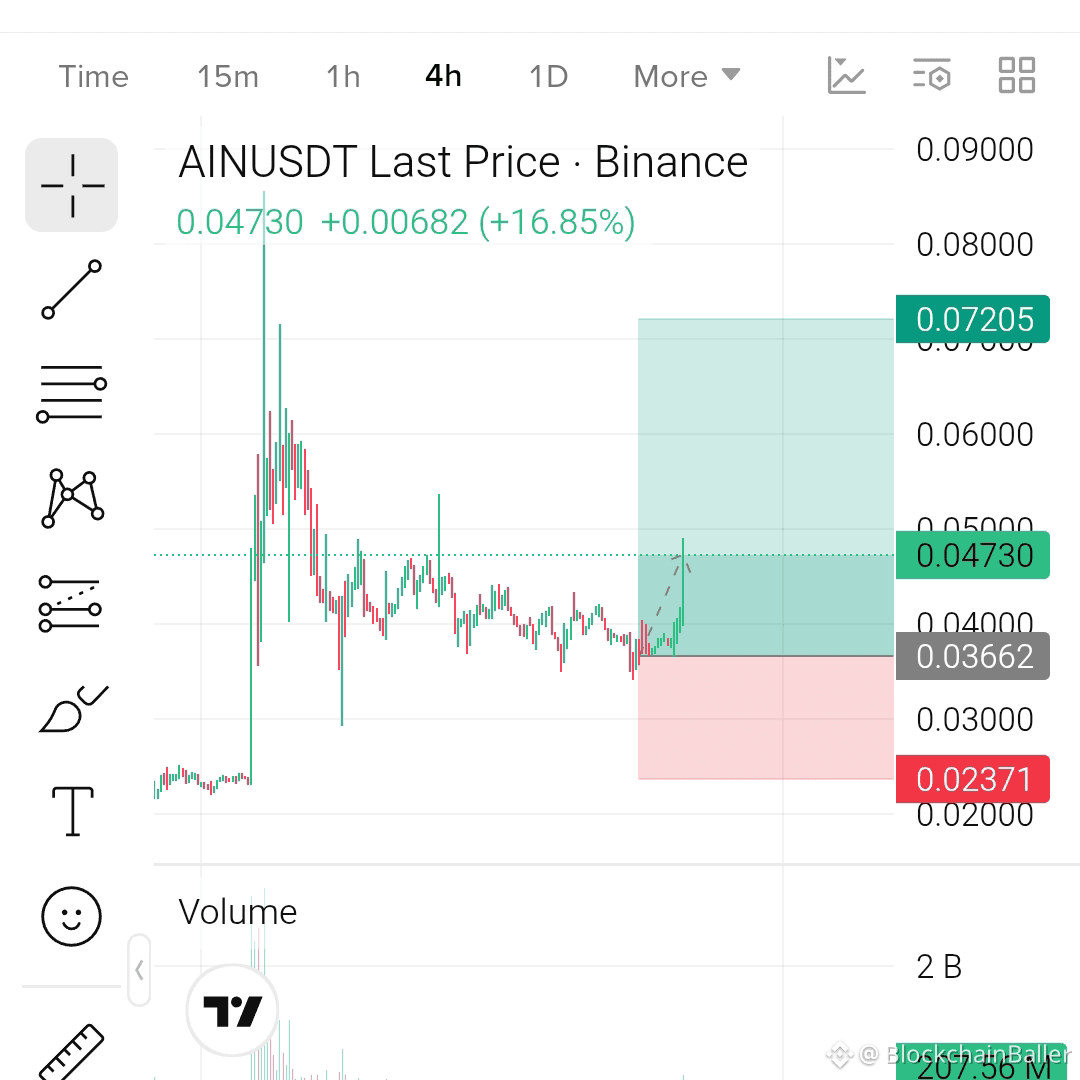
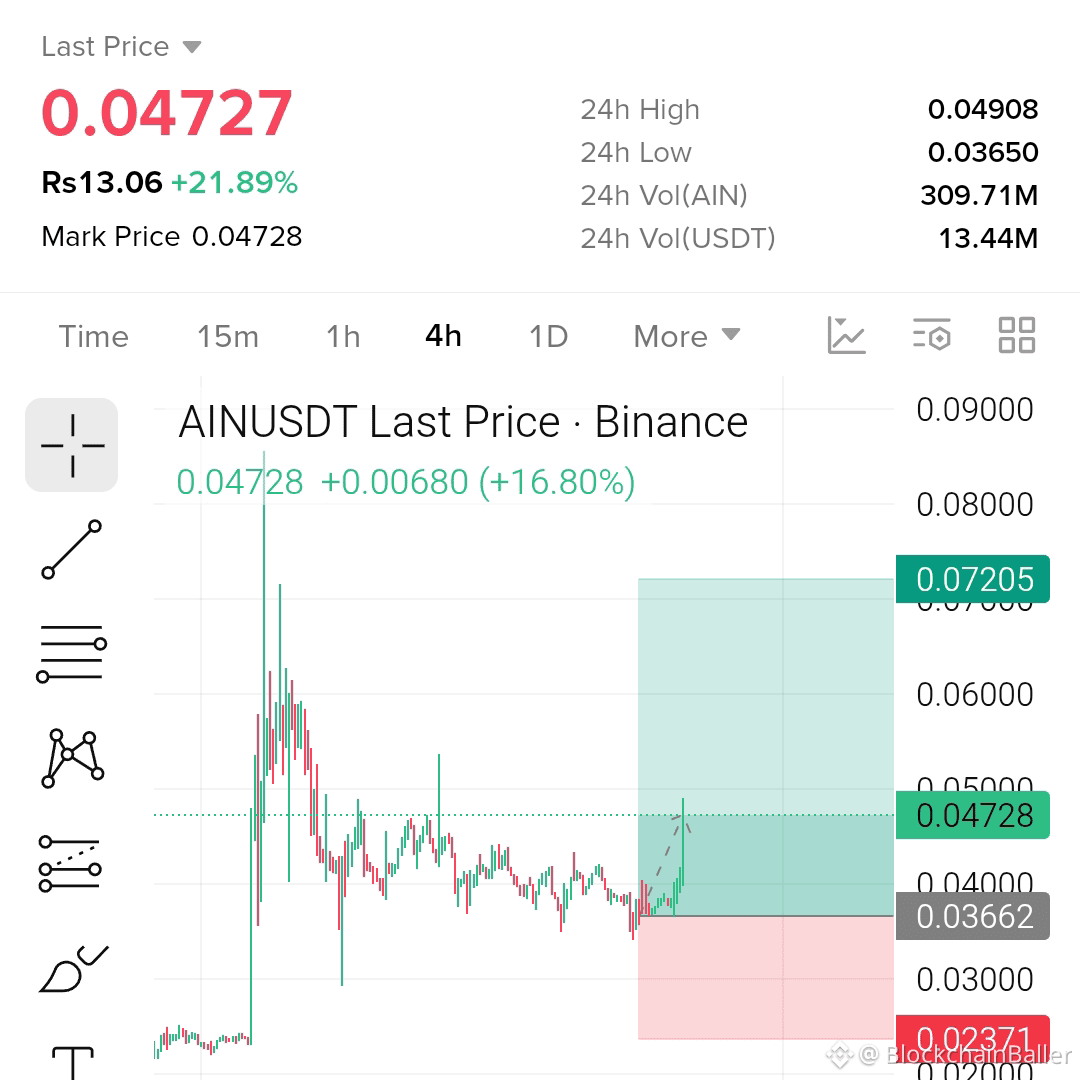
$AIN OPERACIÓN EN LARGO ‼️♥️🤝
Entrada: 0.04650–0.04730
TP1: 0.05200
TP2: 0.06000
TP3: 0.07205
SL: 0.03662
$AIN OPERACIÓN EN LARGO ‼️♥️🤝
Entrada: 0.04650–0.04730
TP1: 0.05200
TP2: 0.06000
TP3: 0.07205
SL: 0.03662
Entrada: 0.04650–0.04730
TP1: 0.05200
TP2: 0.06000
TP3: 0.07205
SL: 0.03662
1
2
1.3k
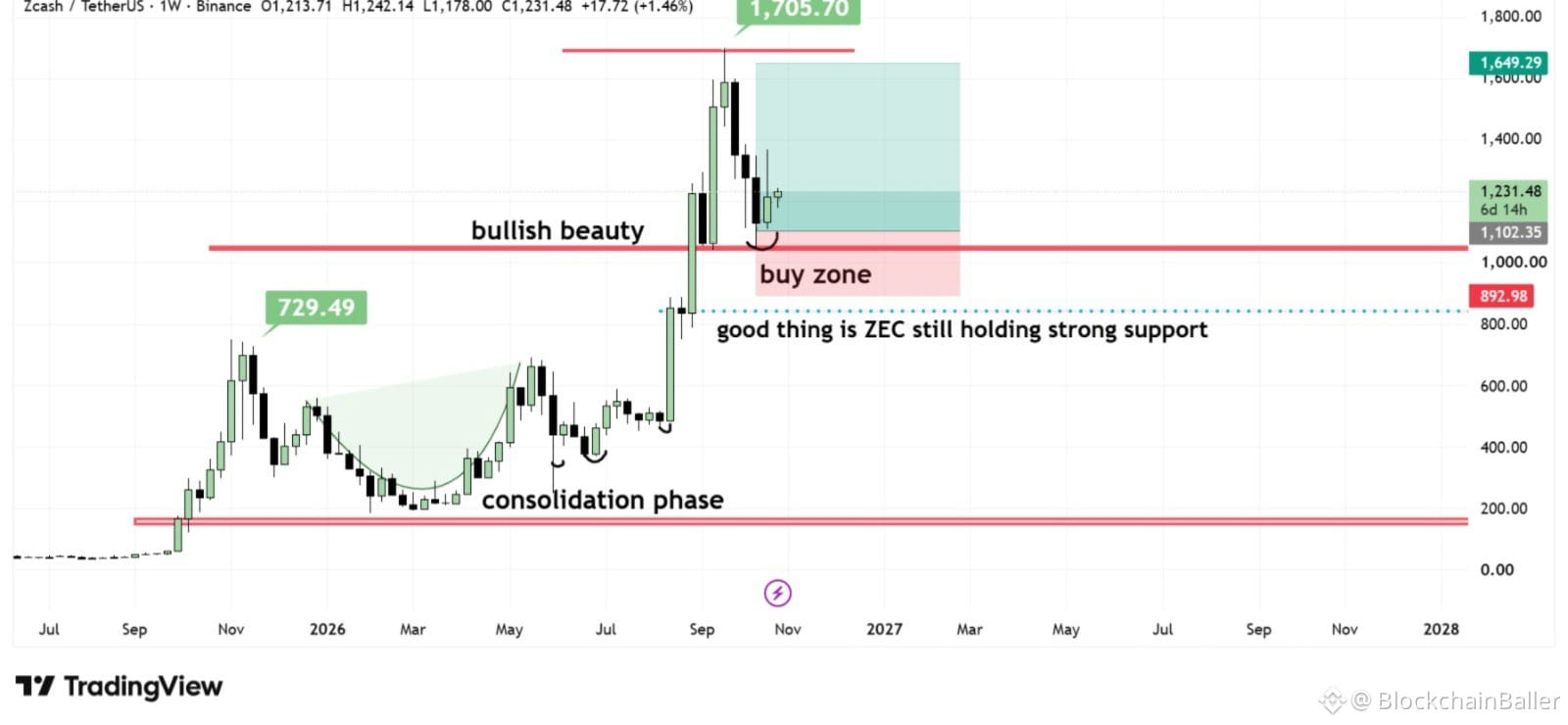
$ZEC está mostrando quién es más fuerte que $btc y $eth!
Mientras $BTC y $ETH tienen dificultades, $zec se mantiene firme cerca de $1,230.
Me gusta cómo los compradores están defendiendo la zona de soporte de $1,100.
Si este nivel se mantiene, podríamos ver otro movimiento hacia $1,400 y luego $1,650. Perder los $1,100 podría debilitar esta configuración alcista...
$ZEC está mostrando quién es más fuerte que $btc y $eth!
Mientras $BTC y $ETH tienen dificultades, $zec se mantiene firme cerca de $1,230.
Me gusta cómo los compradores están defendiendo la zona de soporte de $1,100.
Si este nivel se mantiene, podríamos ver otro movimiento hacia $1,400 y luego $1,650. Perder los $1,100 podría debilitar esta configuración alcista...
Mientras $BTC y $ETH tienen dificultades, $zec se mantiene firme cerca de $1,230.
Me gusta cómo los compradores están defendiendo la zona de soporte de $1,100.
Si este nivel se mantiene, podríamos ver otro movimiento hacia $1,400 y luego $1,650. Perder los $1,100 podría debilitar esta configuración alcista...
2
811
Inicia sesión para explorar más contenidos
Únete a usuarios globales de criptomonedas en Binance Square
⚡️ Obtén información útil y actualizada sobre criptos.
💬 Avalado por el mayor exchange de criptomonedas en el mundo.
👍 Descubre perspectivas reales de creadores verificados.
Email/número de teléfono
Temas populares
BinancePick
2.9M vistas
149,321 están debatiendo
¡Únete a #TemporadaDeResultados: predice resultados en Binance Pick y comparte tu opinión en Binance Square!
Binance Square Official
·405 me gusta
·341.5k vistas
EarningsSeason
5.2M vistas
25,491 están debatiendo
AnthropicTTMRevenueGrewAbout1200%
7,725 vistas
224 están debatiendo