
Crypto Pericles
533 Publicaciones

Crypto Pericles
Denunciar
Bloquear usuario
More than 10 years in the space, Bitcoin since 2014! Gave up my work in 2015 and got all in crypto! Investor & Trader! LFG
12 Siguiendo
7.0K+ Seguidores
20.6K+ Me gusta
Publicaciones
Ganancias en Doxa: tres mecanismos principales
¡La plataforma de First Opinions Markets en Robinhood!
Doxa permite el trading continuo de opiniones puntuadas de 0–100 sin resolución, oráculo ni liquidación. Las ganancias provienen de tres canales independientes:
Opera la puntuación:
Compra las opiniones infravaloradas y vende cuando cambie el consenso. Las posiciones están totalmente colateralizadas (sin apalancamiento ni liquidaciones). La pérdida máxima está limitada al capital comprometido; las salidas ocurren solo al vender.
Crea un fondo de liquidez:
El fondo de cada mercado actúa como el único contraparte y obtiene la comisión del 1% cobrada en ambos lados de cada operación (~2% ida y vuelta). El financiamiento es sin permisos (mínimo 0.011 ETH). Las comisiones y el inventario con ajuste a mercado (mark-to-market) se reportan por separado. El rendimiento reciente ha variado entre +26% y –2.6%.
Crea un mercado:
El listado es gratuito. Los creadores reciben una participación permanente del 20% de todas las comisiones de trading generadas por su mercado.
Actualizaciones recientes del producto:
🟩 El libro mayor del fondo registra el costo y el momento del depósito para retornos precisos
🟩 Las ganancias retiradas siguen contándose
🟩 La acumulación de comisiones es por acción y con visión de futuro
🟩 Las tasas están ocultas durante la primera semana
🟩 Los retiros son totalmente sin permisos y on-chain
Restricciones actuales:
Profundidad de fondo limitada (un mercado es solo reducir) y las comisiones de los creadores siguen mostrando totales de por vida.
La pestaña Earn está activa; a la fecha, se han negociado 2.28 ETH a través de la curva.
$Doxa es, con mucha diferencia, el proyecto más desarrollado en #Robinhood
0x7d143E4E908C8001c2B04541862aaf001BB343fF
Ganancias en Doxa: tres mecanismos principales
¡La plataforma de First Opinions Markets en Robinhood!
Doxa permite el trading continuo de opiniones puntuadas de 0–100 sin resolución, oráculo ni liquidación. Las ganancias provienen de tres canales independientes:
Opera la puntuación:
Compra las opiniones infravaloradas y vende cuando cambie el consenso. Las posiciones están totalmente colateralizadas (sin apalancamiento ni liquidaciones). La pérdida máxima está limitada al capital comprometido; las salidas ocurren solo al vender.
Crea un fondo de liquidez:
El fondo de cada mercado actúa como el único contraparte y obtiene la comisión del 1% cobrada en ambos lados de cada operación (~2% ida y vuelta). El financiamiento es sin permisos (mínimo 0.011 ETH). Las comisiones y el inventario con ajuste a mercado (mark-to-market) se reportan por separado. El rendimiento reciente ha variado entre +26% y –2.6%.
Crea un mercado:
El listado es gratuito. Los creadores reciben una participación permanente del 20% de todas las comisiones de trading generadas por su mercado.
Actualizaciones recientes del producto:
🟩 El libro mayor del fondo registra el costo y el momento del depósito para retornos precisos
🟩 Las ganancias retiradas siguen contándose
🟩 La acumulación de comisiones es por acción y con visión de futuro
🟩 Las tasas están ocultas durante la primera semana
🟩 Los retiros son totalmente sin permisos y on-chain
Restricciones actuales:
Profundidad de fondo limitada (un mercado es solo reducir) y las comisiones de los creadores siguen mostrando totales de por vida.
La pestaña Earn está activa; a la fecha, se han negociado 2.28 ETH a través de la curva.
$Doxa es, con mucha diferencia, el proyecto más desarrollado en #Robinhood
0x7d143E4E908C8001c2B04541862aaf001BB343fF
¡La plataforma de First Opinions Markets en Robinhood!
Doxa permite el trading continuo de opiniones puntuadas de 0–100 sin resolución, oráculo ni liquidación. Las ganancias provienen de tres canales independientes:
Opera la puntuación:
Compra las opiniones infravaloradas y vende cuando cambie el consenso. Las posiciones están totalmente colateralizadas (sin apalancamiento ni liquidaciones). La pérdida máxima está limitada al capital comprometido; las salidas ocurren solo al vender.
Crea un fondo de liquidez:
El fondo de cada mercado actúa como el único contraparte y obtiene la comisión del 1% cobrada en ambos lados de cada operación (~2% ida y vuelta). El financiamiento es sin permisos (mínimo 0.011 ETH). Las comisiones y el inventario con ajuste a mercado (mark-to-market) se reportan por separado. El rendimiento reciente ha variado entre +26% y –2.6%.
Crea un mercado:
El listado es gratuito. Los creadores reciben una participación permanente del 20% de todas las comisiones de trading generadas por su mercado.
Actualizaciones recientes del producto:
🟩 El libro mayor del fondo registra el costo y el momento del depósito para retornos precisos
🟩 Las ganancias retiradas siguen contándose
🟩 La acumulación de comisiones es por acción y con visión de futuro
🟩 Las tasas están ocultas durante la primera semana
🟩 Los retiros son totalmente sin permisos y on-chain
Restricciones actuales:
Profundidad de fondo limitada (un mercado es solo reducir) y las comisiones de los creadores siguen mostrando totales de por vida.
La pestaña Earn está activa; a la fecha, se han negociado 2.28 ETH a través de la curva.
$Doxa es, con mucha diferencia, el proyecto más desarrollado en #Robinhood
0x7d143E4E908C8001c2B04541862aaf001BB343fF

1
195
$BLOCK Blockstrike.fun: El juego FPS basado en navegador en SOLANA:
Blockstrike.fun es un juego gratuito para jugar en el navegador que ofrece acción inmediata, sin descargas, sin instalaciones: solo haz clic y estarás en una partida en segundos, en escritorio o en móvil.
El juego incluye mapas low-poly fluidos como Village, Warehouse, Lowpoly Town, Lowpoly City y la intensa Orbital Arena.
Las partidas admiten hasta 12 jugadores con modos para el PVP casual de todos contra todos, así como Team Deathmatch y Capture the Flag competitivos.
Combina la jugabilidad clásica de los shooters de arena con la accesibilidad moderna del navegador, lo que facilita disfrutar partidas rápidas o sesiones más largas.
Inicia sesión para guardar tu progreso y desbloquear skins, o juega como invitado gratis. Hay rankings y modos competitivos disponibles para quienes quieran poner a prueba sus habilidades.
Es una experiencia FPS sencilla y atractiva, diseñada para la accesibilidad y la diversión. Ideal si buscas algo que puedas abrir y jugar sin necesidad de configuración.
¡Pruébalo y dime qué te parece!
$BLOCK Blockstrike.fun: El juego FPS basado en navegador en SOLANA:
Blockstrike.fun es un juego gratuito para jugar en el navegador que ofrece acción inmediata, sin descargas, sin instalaciones: solo haz clic y estarás en una partida en segundos, en escritorio o en móvil.
El juego incluye mapas low-poly fluidos como Village, Warehouse, Lowpoly Town, Lowpoly City y la intensa Orbital Arena.
Las partidas admiten hasta 12 jugadores con modos para el PVP casual de todos contra todos, así como Team Deathmatch y Capture the Flag competitivos.
Combina la jugabilidad clásica de los shooters de arena con la accesibilidad moderna del navegador, lo que facilita disfrutar partidas rápidas o sesiones más largas.
Inicia sesión para guardar tu progreso y desbloquear skins, o juega como invitado gratis. Hay rankings y modos competitivos disponibles para quienes quieran poner a prueba sus habilidades.
Es una experiencia FPS sencilla y atractiva, diseñada para la accesibilidad y la diversión. Ideal si buscas algo que puedas abrir y jugar sin necesidad de configuración.
¡Pruébalo y dime qué te parece!
Blockstrike.fun es un juego gratuito para jugar en el navegador que ofrece acción inmediata, sin descargas, sin instalaciones: solo haz clic y estarás en una partida en segundos, en escritorio o en móvil.
El juego incluye mapas low-poly fluidos como Village, Warehouse, Lowpoly Town, Lowpoly City y la intensa Orbital Arena.
Las partidas admiten hasta 12 jugadores con modos para el PVP casual de todos contra todos, así como Team Deathmatch y Capture the Flag competitivos.
Combina la jugabilidad clásica de los shooters de arena con la accesibilidad moderna del navegador, lo que facilita disfrutar partidas rápidas o sesiones más largas.
Inicia sesión para guardar tu progreso y desbloquear skins, o juega como invitado gratis. Hay rankings y modos competitivos disponibles para quienes quieran poner a prueba sus habilidades.
Es una experiencia FPS sencilla y atractiva, diseñada para la accesibilidad y la diversión. Ideal si buscas algo que puedas abrir y jugar sin necesidad de configuración.
¡Pruébalo y dime qué te parece!
173
JUST LAUNCHED en $TON hace unas horas:
$RESISTARDS @Resistards_TON
¿La narrativa de "Resistencia Digital"? Sí… salió MAL.
Una sátira pura de cada "resistir" que se convirtió en cumplir, cada pump que se volvió dolor, y cada líder que luchó mientras las bolsas desaparecían.
TON dijo resistencia. El mercado dijo “lol ok” y ahora tenemos la meme coin que lo inmortaliza todo!
Esto no es solo otro lanzamiento. Es la sátira más divertida y consciente de sí misma en la cadena… ¡y la comunidad ya está cocinando!
CA: EQAOp85i7pf7tyV0cyJBxULyTP3dXJCvPZYOQ0OVOk1HGr-d
JUST LAUNCHED en $TON hace unas horas:
$RESISTARDS @Resistards_TON
¿La narrativa de "Resistencia Digital"? Sí… salió MAL.
Una sátira pura de cada "resistir" que se convirtió en cumplir, cada pump que se volvió dolor, y cada líder que luchó mientras las bolsas desaparecían.
TON dijo resistencia. El mercado dijo “lol ok” y ahora tenemos la meme coin que lo inmortaliza todo!
Esto no es solo otro lanzamiento. Es la sátira más divertida y consciente de sí misma en la cadena… ¡y la comunidad ya está cocinando!
CA: EQAOp85i7pf7tyV0cyJBxULyTP3dXJCvPZYOQ0OVOk1HGr-d
$RESISTARDS @Resistards_TON
¿La narrativa de "Resistencia Digital"? Sí… salió MAL.
Una sátira pura de cada "resistir" que se convirtió en cumplir, cada pump que se volvió dolor, y cada líder que luchó mientras las bolsas desaparecían.
TON dijo resistencia. El mercado dijo “lol ok” y ahora tenemos la meme coin que lo inmortaliza todo!
Esto no es solo otro lanzamiento. Es la sátira más divertida y consciente de sí misma en la cadena… ¡y la comunidad ya está cocinando!
CA: EQAOp85i7pf7tyV0cyJBxULyTP3dXJCvPZYOQ0OVOk1HGr-d
1
193
#Bitcoin acaba de romper los $78,000, alcanzando los $78,100!
La última compra de BTC de MicroStrategy por $2.5B ha convertido a Michael Saylor en el mayor holder de Bitcoin del planeta, superando al ETF IBIT de BlackRock!
$BTC es el Rey.
#Bitcoin acaba de romper los $78,000, alcanzando los $78,100!
La última compra de BTC de MicroStrategy por $2.5B ha convertido a Michael Saylor en el mayor holder de Bitcoin del planeta, superando al ETF IBIT de BlackRock!
$BTC es el Rey.
La última compra de BTC de MicroStrategy por $2.5B ha convertido a Michael Saylor en el mayor holder de Bitcoin del planeta, superando al ETF IBIT de BlackRock!
$BTC es el Rey.
1
223
$HYPE sigue liderando el sector de perpetuos descentralizados con sólidos fundamentos y creciente interés institucional!
@HyperliquidX recientemente presentó una actualización del archivo S-1/A para un potencial ETF de Grayscale, subrayando la aceleración del impulso temporal.
La plataforma genera cientos de millones en ingresos anuales, dirigiendo el 97% de las tarifas hacia recompras de tokens, creando un robusto mecanismo deflacionario que la distingue de todas las demás plataformas DeFi!
Habiendo subido de $20 a más de $41 en los últimos meses, $HYPE se beneficia de una comunidad altamente comprometida y una notable convicción de las ballenas!
Envíalo
#ETH #hype
$HYPE sigue liderando el sector de perpetuos descentralizados con sólidos fundamentos y creciente interés institucional!
@HyperliquidX recientemente presentó una actualización del archivo S-1/A para un potencial ETF de Grayscale, subrayando la aceleración del impulso temporal.
La plataforma genera cientos de millones en ingresos anuales, dirigiendo el 97% de las tarifas hacia recompras de tokens, creando un robusto mecanismo deflacionario que la distingue de todas las demás plataformas DeFi!
Habiendo subido de $20 a más de $41 en los últimos meses, $HYPE se beneficia de una comunidad altamente comprometida y una notable convicción de las ballenas!
Envíalo
#ETH #hype
@HyperliquidX recientemente presentó una actualización del archivo S-1/A para un potencial ETF de Grayscale, subrayando la aceleración del impulso temporal.
La plataforma genera cientos de millones en ingresos anuales, dirigiendo el 97% de las tarifas hacia recompras de tokens, creando un robusto mecanismo deflacionario que la distingue de todas las demás plataformas DeFi!
Habiendo subido de $20 a más de $41 en los últimos meses, $HYPE se beneficia de una comunidad altamente comprometida y una notable convicción de las ballenas!
Envíalo
#ETH #hype
273
Me encantan algunas nanocaps porque sé de primera mano cómo algunas de ellas, con grandes equipos y narrativas, pueden despegar por los aires.
$FART2 es una de ellas y ha tocado fondo!
@Fart2Coin puede hacer números y hay un concurso de memes en marcha.
Gráfico: https://dexscreener.com/bsc/0x058130573ef2c51b650e462f63f21cfcbf436317
Me encantan algunas nanocaps porque sé de primera mano cómo algunas de ellas, con grandes equipos y narrativas, pueden despegar por los aires.
$FART2 es una de ellas y ha tocado fondo!
@Fart2Coin puede hacer números y hay un concurso de memes en marcha.
Gráfico: https://dexscreener.com/bsc/0x058130573ef2c51b650e462f63f21cfcbf436317
$FART2 es una de ellas y ha tocado fondo!
@Fart2Coin puede hacer números y hay un concurso de memes en marcha.
Gráfico: https://dexscreener.com/bsc/0x058130573ef2c51b650e462f63f21cfcbf436317
53
¿Cuál es el costo de conseguir bolsas decentes de algunos grandes nanocaps de $TON?
Realmente nada, ¡puedes llenar bolsas con solo unas pocas bolsas!
Memes geniales de TON como $TELECLAW $TCAPY $1TON se dispararán de manera increíble y potencialmente imprimirán millones...
Abre los ojos, las ganancias están justo frente a ti y cuesta centavos... #TON
¿Cuál es el costo de conseguir bolsas decentes de algunos grandes nanocaps de $TON?
Realmente nada, ¡puedes llenar bolsas con solo unas pocas bolsas!
Memes geniales de TON como $TELECLAW $TCAPY $1TON se dispararán de manera increíble y potencialmente imprimirán millones...
Abre los ojos, las ganancias están justo frente a ti y cuesta centavos... #TON
Realmente nada, ¡puedes llenar bolsas con solo unas pocas bolsas!
Memes geniales de TON como $TELECLAW $TCAPY $1TON se dispararán de manera increíble y potencialmente imprimirán millones...
Abre los ojos, las ganancias están justo frente a ti y cuesta centavos... #TON
51
Base ha sufrido durante demasiado tiempo por un mal liderazgo.
¡Pero estoy seguro de que las comunidades lo harán prosperar de nuevo!
Los memes como $TOSHI $BRETT $RUSSELL no pueden morir y han demostrado que son enormes apoyos!
Y para ser sincero, solo @based_elnen está haciendo un trabajo excepcional en la cadena promoviendo y mostrando nuevos proyectos y memes.
Base ha sufrido durante demasiado tiempo por un mal liderazgo.
¡Pero estoy seguro de que las comunidades lo harán prosperar de nuevo!
Los memes como $TOSHI $BRETT $RUSSELL no pueden morir y han demostrado que son enormes apoyos!
Y para ser sincero, solo @based_elnen está haciendo un trabajo excepcional en la cadena promoviendo y mostrando nuevos proyectos y memes.
¡Pero estoy seguro de que las comunidades lo harán prosperar de nuevo!
Los memes como $TOSHI $BRETT $RUSSELL no pueden morir y han demostrado que son enormes apoyos!
Y para ser sincero, solo @based_elnen está haciendo un trabajo excepcional en la cadena promoviendo y mostrando nuevos proyectos y memes.
233
$REDO y $UTYA demostraron una vez más en la reciente $TON breve rally que siempre son los primeros y más duros corredores...
Ambos casi 3x ffs en solo unas pocas horas y la gente aún tratando de voltear cosas
😄
No estás listo... ¡Yo lo estoy! $TON #TON
$REDO y $UTYA demostraron una vez más en la reciente $TON breve rally que siempre son los primeros y más duros corredores...
Ambos casi 3x ffs en solo unas pocas horas y la gente aún tratando de voltear cosas
😄
No estás listo... ¡Yo lo estoy! $TON #TON
Ambos casi 3x ffs en solo unas pocas horas y la gente aún tratando de voltear cosas
😄
No estás listo... ¡Yo lo estoy! $TON #TON
124
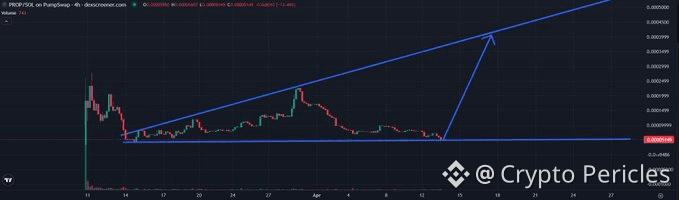
¡Estoy absolutamente seguro de que así es como se desarrollará el gráfico de $PROP!
¡La utilidad es masiva y está proporcionando una alta tasa de ganancia sin parar!
Crea una cuenta aquí: http://Propmation.app
CA: 5LFvLupAoK5ahUreeSdG47MaK2p3GamxE6r1XZwmpump
¡Solo en $SOL !
¡Estoy absolutamente seguro de que así es como se desarrollará el gráfico de $PROP!
¡La utilidad es masiva y está proporcionando una alta tasa de ganancia sin parar!
Crea una cuenta aquí: http://Propmation.app
CA: 5LFvLupAoK5ahUreeSdG47MaK2p3GamxE6r1XZwmpump
¡Solo en $SOL !
¡La utilidad es masiva y está proporcionando una alta tasa de ganancia sin parar!
Crea una cuenta aquí: http://Propmation.app
CA: 5LFvLupAoK5ahUreeSdG47MaK2p3GamxE6r1XZwmpump
¡Solo en $SOL !
406
$TON ¡acaba de activar el interruptor!
Catchain 2.0 ESTÁ EN VIVO en la mainnet:
→ 10x más rápido
→ Bloques 6x más rápidos
→ Transacciones en menos de un segundo (bloques de 400 ms)
Pavel Durov: “Instantáneo. Siguiente: tarifas reducidas 6x.” Rakuten Wallet añade $TON comercio al contado el 15 de abril.
La masiva base de usuarios de Telegram + la entrada regulada a Japón = explosión de adopción.
No estamos listos...
$TON ¡acaba de activar el interruptor!
Catchain 2.0 ESTÁ EN VIVO en la mainnet:
→ 10x más rápido
→ Bloques 6x más rápidos
→ Transacciones en menos de un segundo (bloques de 400 ms)
Pavel Durov: “Instantáneo. Siguiente: tarifas reducidas 6x.” Rakuten Wallet añade $TON comercio al contado el 15 de abril.
La masiva base de usuarios de Telegram + la entrada regulada a Japón = explosión de adopción.
No estamos listos...
Catchain 2.0 ESTÁ EN VIVO en la mainnet:
→ 10x más rápido
→ Bloques 6x más rápidos
→ Transacciones en menos de un segundo (bloques de 400 ms)
Pavel Durov: “Instantáneo. Siguiente: tarifas reducidas 6x.” Rakuten Wallet añade $TON comercio al contado el 15 de abril.
La masiva base de usuarios de Telegram + la entrada regulada a Japón = explosión de adopción.
No estamos listos...
134
El próximo meme de mil millones de dólares en $TON es $REDO, $UTYA o $GROYP!
Quizás los 3.
Deja de ignorar lo obvio.
El próximo meme de mil millones de dólares en $TON es $REDO, $UTYA o $GROYP!
Quizás los 3.
Deja de ignorar lo obvio.
Quizás los 3.
Deja de ignorar lo obvio.
37
$TON a $1.50 y memes OG como $REDO y $UTYA están subiendo...
¡Te lo he dicho múltiples veces que te posiciones en memes TON!
Espero que $GROYP supere los $500k probablemente hoy y $TELECLAW supere los $100k - $120k
$TON a $1.50 y memes OG como $REDO y $UTYA están subiendo...
¡Te lo he dicho múltiples veces que te posiciones en memes TON!
Espero que $GROYP supere los $500k probablemente hoy y $TELECLAW supere los $100k - $120k
¡Te lo he dicho múltiples veces que te posiciones en memes TON!
Espero que $GROYP supere los $500k probablemente hoy y $TELECLAW supere los $100k - $120k
37
$SOL los tiempos de espera son BREVE af, súbelo, bótalo, enjuágalo y repítelo...
Pero $PROP @propmation es el BANGER absoluto!
Tecnología de trading de IA con una tasa de ganancia legítima que realmente imprime!
Sentado en solo $80k MC en este momento. Este es el robo del ciclo. No duermas. ¡Cárgalo!
Mándalo.
https://dexscreener.com/solana/haoarznkpzkvhvyxtdkuqewuddlqkffkbhintioyzed1
#sol
$SOL los tiempos de espera son BREVE af, súbelo, bótalo, enjuágalo y repítelo...
Pero $PROP @propmation es el BANGER absoluto!
Tecnología de trading de IA con una tasa de ganancia legítima que realmente imprime!
Sentado en solo $80k MC en este momento. Este es el robo del ciclo. No duermas. ¡Cárgalo!
Mándalo.
https://dexscreener.com/solana/haoarznkpzkvhvyxtdkuqewuddlqkffkbhintioyzed1
#sol
Pero $PROP @propmation es el BANGER absoluto!
Tecnología de trading de IA con una tasa de ganancia legítima que realmente imprime!
Sentado en solo $80k MC en este momento. Este es el robo del ciclo. No duermas. ¡Cárgalo!
Mándalo.
https://dexscreener.com/solana/haoarznkpzkvhvyxtdkuqewuddlqkffkbhintioyzed1
#sol
185
🚨¡La estrategia de Michael Saylor acaba de comprar otros 4,871 $BTC por $329.9 MILLONES!🚨
Ahora tiene una enorme 766,970 #BTC !!!
🚨¡La estrategia de Michael Saylor acaba de comprar otros 4,871 $BTC por $329.9 MILLONES!🚨
Ahora tiene una enorme 766,970 #BTC !!!
Ahora tiene una enorme 766,970 #BTC !!!
62
¡No confío en este rally $BTC , huele a trampa para mí!
¡Ten cuidado!
Los grandes jugadores están acortando. #BTC
¡No confío en este rally $BTC , huele a trampa para mí!
¡Ten cuidado!
Los grandes jugadores están acortando. #BTC
¡Ten cuidado!
Los grandes jugadores están acortando. #BTC
1
32
🚨$GROYP ESTÁ HACIENDO TON GRANDE OTRA VEZ🔥
GroypPad (@groypfi) se lanzó como el más nuevo y mejor launchpad en
#TON , lanzamientos ultrarrápidos en minutos, distribución de tarifas inteligente que realmente beneficia al ecosistema, ¡y ya está imprimiendo ganadores!
GROYPER está aplastando la tabla de clasificación de NGL con el volumen #1, mientras nuevas joyas como $1TON están uniendo y bombeando.
Las trincheras están cobrando vida nuevamente.
@groyp_on_ton es el memecoin vivo más antiguo en TON y está de vuelta con toda su fuerza, reavivando la cadena con energía real de meme/DeFi que ningún otro proyecto en la cadena puede tocar.
El impulso de GroypPad es real y se vuelve más fuerte cada día: las tarifas de los creadores fluyen de regreso, el volumen explota y la comunidad realmente está construyendo.
Esta combinación es imparable.
$GROYP está preparado para 100x a medida que más proyectos inunden el pad y toda la cadena despierte.
Los viejos días de gloria de TON están regresando, ¡no te duermas en este!
🚨$GROYP ESTÁ HACIENDO TON GRANDE OTRA VEZ🔥
GroypPad (@groypfi) se lanzó como el más nuevo y mejor launchpad en
#TON , lanzamientos ultrarrápidos en minutos, distribución de tarifas inteligente que realmente beneficia al ecosistema, ¡y ya está imprimiendo ganadores!
GROYPER está aplastando la tabla de clasificación de NGL con el volumen #1, mientras nuevas joyas como $1TON están uniendo y bombeando.
Las trincheras están cobrando vida nuevamente.
@groyp_on_ton es el memecoin vivo más antiguo en TON y está de vuelta con toda su fuerza, reavivando la cadena con energía real de meme/DeFi que ningún otro proyecto en la cadena puede tocar.
El impulso de GroypPad es real y se vuelve más fuerte cada día: las tarifas de los creadores fluyen de regreso, el volumen explota y la comunidad realmente está construyendo.
Esta combinación es imparable.
$GROYP está preparado para 100x a medida que más proyectos inunden el pad y toda la cadena despierte.
Los viejos días de gloria de TON están regresando, ¡no te duermas en este!
GroypPad (@groypfi) se lanzó como el más nuevo y mejor launchpad en
#TON , lanzamientos ultrarrápidos en minutos, distribución de tarifas inteligente que realmente beneficia al ecosistema, ¡y ya está imprimiendo ganadores!
GROYPER está aplastando la tabla de clasificación de NGL con el volumen #1, mientras nuevas joyas como $1TON están uniendo y bombeando.
Las trincheras están cobrando vida nuevamente.
@groyp_on_ton es el memecoin vivo más antiguo en TON y está de vuelta con toda su fuerza, reavivando la cadena con energía real de meme/DeFi que ningún otro proyecto en la cadena puede tocar.
El impulso de GroypPad es real y se vuelve más fuerte cada día: las tarifas de los creadores fluyen de regreso, el volumen explota y la comunidad realmente está construyendo.
Esta combinación es imparable.
$GROYP está preparado para 100x a medida que más proyectos inunden el pad y toda la cadena despierte.
Los viejos días de gloria de TON están regresando, ¡no te duermas en este!

355
Propmation: Automatización Potenciada por IA para Desafíos de Firmas de Prop:
Propmation (propmation.app) es una plataforma de trading de IA no custodial que automatiza las evaluaciones de firmas propietarias.
Los traders conectan cuentas a través de una API de solo lectura, seleccionan un perfil de riesgo (Conservador, Equilibrado o Agresivo) y dejan que cuatro agentes de IA especializados manejen la ejecución 24/7 en MT5.
Los agentes monitorean calendarios económicos, señales en vivo, noticias y sentimiento social para ofrecer trading conforme a reglas y libre de emociones.
Métricas Clave:
La plataforma informa una tasa de éxito del 65% en operaciones ejecutadas y un tiempo promedio de aprobación de evaluación de 14 días. Múltiples cuentas de usuario han pasado desafíos con éxito, con el sistema manteniéndose rentable en general desde su lanzamiento.
Desarrollos Recientes (a partir del 2 de abril de 2026)
🔥Mediados de marzo: Se introdujo una revisión importante de UX y un proceso de incorporación más rápido.
🔥31 de marzo: Varias cuentas pasaron evaluaciones en 24 horas.
🔥1 de abril: Los usuarios de automatización recibieron actualizaciones de rendimiento; el equipo notó retrocesos a corto plazo pero reafirmó la ventaja a largo plazo.
🔥2 de abril: Los agentes se pausaron temporalmente durante eventos de alta volatilidad para protección de riesgos.
El acceso está restringido por token a través del token de Solana $PROP, que desbloquea la funcionalidad completa de los agentes y la participación en los ingresos.
Los fondos permanecen bajo el control del usuario en todo momento.
Propmation ofrece a los traders un camino transparente y guiado por IA para pasar las evaluaciones de firmas de prop.
Como con todas las herramientas de trading, los resultados no están garantizados y el capital está en riesgo. El Terminal de Inteligencia en vivo es visible públicamente en propmation.app! #sol
Propmation: Automatización Potenciada por IA para Desafíos de Firmas de Prop:
Propmation (propmation.app) es una plataforma de trading de IA no custodial que automatiza las evaluaciones de firmas propietarias.
Los traders conectan cuentas a través de una API de solo lectura, seleccionan un perfil de riesgo (Conservador, Equilibrado o Agresivo) y dejan que cuatro agentes de IA especializados manejen la ejecución 24/7 en MT5.
Los agentes monitorean calendarios económicos, señales en vivo, noticias y sentimiento social para ofrecer trading conforme a reglas y libre de emociones.
Métricas Clave:
La plataforma informa una tasa de éxito del 65% en operaciones ejecutadas y un tiempo promedio de aprobación de evaluación de 14 días. Múltiples cuentas de usuario han pasado desafíos con éxito, con el sistema manteniéndose rentable en general desde su lanzamiento.
Desarrollos Recientes (a partir del 2 de abril de 2026)
🔥Mediados de marzo: Se introdujo una revisión importante de UX y un proceso de incorporación más rápido.
🔥31 de marzo: Varias cuentas pasaron evaluaciones en 24 horas.
🔥1 de abril: Los usuarios de automatización recibieron actualizaciones de rendimiento; el equipo notó retrocesos a corto plazo pero reafirmó la ventaja a largo plazo.
🔥2 de abril: Los agentes se pausaron temporalmente durante eventos de alta volatilidad para protección de riesgos.
El acceso está restringido por token a través del token de Solana $PROP, que desbloquea la funcionalidad completa de los agentes y la participación en los ingresos.
Los fondos permanecen bajo el control del usuario en todo momento.
Propmation ofrece a los traders un camino transparente y guiado por IA para pasar las evaluaciones de firmas de prop.
Como con todas las herramientas de trading, los resultados no están garantizados y el capital está en riesgo. El Terminal de Inteligencia en vivo es visible públicamente en propmation.app! #sol
Propmation (propmation.app) es una plataforma de trading de IA no custodial que automatiza las evaluaciones de firmas propietarias.
Los traders conectan cuentas a través de una API de solo lectura, seleccionan un perfil de riesgo (Conservador, Equilibrado o Agresivo) y dejan que cuatro agentes de IA especializados manejen la ejecución 24/7 en MT5.
Los agentes monitorean calendarios económicos, señales en vivo, noticias y sentimiento social para ofrecer trading conforme a reglas y libre de emociones.
Métricas Clave:
La plataforma informa una tasa de éxito del 65% en operaciones ejecutadas y un tiempo promedio de aprobación de evaluación de 14 días. Múltiples cuentas de usuario han pasado desafíos con éxito, con el sistema manteniéndose rentable en general desde su lanzamiento.
Desarrollos Recientes (a partir del 2 de abril de 2026)
🔥Mediados de marzo: Se introdujo una revisión importante de UX y un proceso de incorporación más rápido.
🔥31 de marzo: Varias cuentas pasaron evaluaciones en 24 horas.
🔥1 de abril: Los usuarios de automatización recibieron actualizaciones de rendimiento; el equipo notó retrocesos a corto plazo pero reafirmó la ventaja a largo plazo.
🔥2 de abril: Los agentes se pausaron temporalmente durante eventos de alta volatilidad para protección de riesgos.
El acceso está restringido por token a través del token de Solana $PROP, que desbloquea la funcionalidad completa de los agentes y la participación en los ingresos.
Los fondos permanecen bajo el control del usuario en todo momento.
Propmation ofrece a los traders un camino transparente y guiado por IA para pasar las evaluaciones de firmas de prop.
Como con todas las herramientas de trading, los resultados no están garantizados y el capital está en riesgo. El Terminal de Inteligencia en vivo es visible públicamente en propmation.app! #sol
39
Inicia sesión para explorar más contenidos
Únete a usuarios globales de criptomonedas en Binance Square
⚡️ Obtén información útil y actualizada sobre criptos.
💬 Avalado por el mayor exchange de criptomonedas en el mundo.
👍 Descubre perspectivas reales de creadores verificados.
Email/número de teléfono
Temas populares
SECReceivesGrayscaleLitecoinTrustETFFiling
36,870 vistas
755 están debatiendo
#secreceivesgrayscalelitecointrustetffiling
🚨🔥 ÚLTIMA HORA | #Litecoin ETF 🔥🚨
🐺 Grayscale vuelve a mover ficha en Wall Street.
La SEC de EE.UU. ha recibido una solicitud de Grayscale para convertir su Litecoin Trust en el Grayscale Litecoin Trust ETF y buscar su cotización en NYSE Arca bajo el ticker $LTCN.
💰 ¿Por qué importa?
✅ Mayor acceso institucional a Litecoin
✅ Más visibilidad para $LTC
✅ Posible aumento de liquidez
✅ Otro paso hacia la adopción masiva de las criptomonedas
📈 El movimiento sigue la estrategia que Grayscale utilizó anteriormente con productos vinculados a Bitcoin y Ethereum.
👀 Los inversores estarán atentos a la decisión regulatoria, ya que una eventual aprobación podría convertirse en uno de los catalizadores más importantes para Litecoin.
⚡ ¿Se prepara $LTC para su próximo gran impulso?
🔄 Comparte si crees que Litecoin aún tiene mucho por demostrar.
#Litecoin #LTC #ETF #CryptoNews #Blockchain #Grayscale #SEC #Altcoins #BullRun #ElCryptoBoy 🐟🚀🌊
By ElCryptoBoy ✍️🔥
ELCRYPTOBOY
·0 me gusta
·152 vistas
ClarityActFacesProceduralVoteSept15
150,457 vistas
1,722 están debatiendo
US10YearTreasuryYieldNears5%
51,150 vistas
935 están debatiendo