
D E E N A
4.3k Publicaciones

D E E N A
Denunciar
Bloquear usuario
Crypto Lover
Abrir trade
Trader frecuente
1.1 año(s)
222 Siguiendo
17.1K+ Seguidores
4.2K+ Me gusta
Publicaciones
Cartera
Todo
Citas
Live
·
--
🚨 COMPETENCIA DE PUMP!
$G USDT: +73.82% a $0.007337
$ONE : +72.85% a $0.0018028
🔥 ¡Solo un 0.97% las separa!
¿Quién toma el liderazgo después?
{spot}(ONEUSDT)
{spot}(GUSDT)
#BOJHikesRatesTo31YearHigh
#InjectiveLaunchesINJOnSolana
#SECGrantsInnovationExemptionForTokenizedStocks
#XRPGains3%AsRippleAddsMPPSupport
#XRPGains3%AsRippleAddsMPPSupport
🚨 COMPETENCIA DE PUMP!
$G USDT: +73.82% a $0.007337
$ONE : +72.85% a $0.0018028
🔥 ¡Solo un 0.97% las separa!
¿Quién toma el liderazgo después?
#BOJHikesRatesTo31YearHigh
#InjectiveLaunchesINJOnSolana
#SECGrantsInnovationExemptionForTokenizedStocks
#XRPGains3%AsRippleAddsMPPSupport
#XRPGains3%AsRippleAddsMPPSupport
$G USDT: +73.82% a $0.007337
$ONE : +72.85% a $0.0018028
🔥 ¡Solo un 0.97% las separa!
¿Quién toma el liderazgo después?
#BOJHikesRatesTo31YearHigh
#InjectiveLaunchesINJOnSolana
#SECGrantsInnovationExemptionForTokenizedStocks
#XRPGains3%AsRippleAddsMPPSupport
#XRPGains3%AsRippleAddsMPPSupport
$GUSDT — +73.82%
$ONE — +72.85%
🟢 $GUSDT
🔵 $ONE
20 hora(s) restante(s)
1.8k
·
--
Babylon (BABY): La apuesta de staking de BTC que nadie está valorando del todo
He estado siguiendo Babylon desde que comenzó a calentarse la narrativa del staking de BTC, y es una de las tensiones más interesantes que he visto en cripto ahora mismo. El protocolo en sí es genuinamente impresionante: haces staking de Bitcoin nativo directamente, sin wrapping, sin puentes, sin custodios, y ha atraído más de $5B en BTC en staking en su punto máximo: más de un tercio de todo el suministro de BTC envuelto, sin necesidad de ningún wrapping. Eso es una demanda real de rendimiento sin custodia.
Pero el token ha contado una historia completamente distinta. BABY tocó un máximo histórico cerca de $0.17 en abril de 2025 y ahora cotiza alrededor de $0.012–0.015, con un retroceso aproximado del 92%. La capitalización bursátil se sitúa cerca de $50-55M frente a miles de millones de tokens que aún están bloqueados. Los desbloqueos para inversores iniciales comenzaron en mayo de 2026, liberando porciones mensuales hasta 2029; eso significa presión de dilución sostenida independientemente de lo fuertes que sean los fundamentos del protocolo.
Así que observo dos cosas de cerca: si el crecimiento de TVL e integraciones como Aave V4 siguen superando el calendario de desbloqueos, y si el mercado alguna vez valora la brecha entre la fortaleza del protocolo y el suministro del token. No es asesoramiento financiero, solo lo que estoy viendo en los datos.
#BrentCrudeFallsAbout6%
#OilDropsAbout6%
#USStorageStocksExtendLosses
#KRXHaltsKOSPIAfterChipSelloff
#SKHynixSlumps11%OnAIChipSelloff
$COTI
{spot}(COTIUSDT)
$SNXX
{future}(SNXXUSDT)
$DIA
{spot}(DIAUSDT)
Babylon (BABY): La apuesta de staking de BTC que nadie está valorando del todo
He estado siguiendo Babylon desde que comenzó a calentarse la narrativa del staking de BTC, y es una de las tensiones más interesantes que he visto en cripto ahora mismo. El protocolo en sí es genuinamente impresionante: haces staking de Bitcoin nativo directamente, sin wrapping, sin puentes, sin custodios, y ha atraído más de $5B en BTC en staking en su punto máximo: más de un tercio de todo el suministro de BTC envuelto, sin necesidad de ningún wrapping. Eso es una demanda real de rendimiento sin custodia.
Pero el token ha contado una historia completamente distinta. BABY tocó un máximo histórico cerca de $0.17 en abril de 2025 y ahora cotiza alrededor de $0.012–0.015, con un retroceso aproximado del 92%. La capitalización bursátil se sitúa cerca de $50-55M frente a miles de millones de tokens que aún están bloqueados. Los desbloqueos para inversores iniciales comenzaron en mayo de 2026, liberando porciones mensuales hasta 2029; eso significa presión de dilución sostenida independientemente de lo fuertes que sean los fundamentos del protocolo.
Así que observo dos cosas de cerca: si el crecimiento de TVL e integraciones como Aave V4 siguen superando el calendario de desbloqueos, y si el mercado alguna vez valora la brecha entre la fortaleza del protocolo y el suministro del token. No es asesoramiento financiero, solo lo que estoy viendo en los datos.
#BrentCrudeFallsAbout6%
#OilDropsAbout6%
#USStorageStocksExtendLosses
#KRXHaltsKOSPIAfterChipSelloff
#SKHynixSlumps11%OnAIChipSelloff
$COTI
$SNXX
$DIA
He estado siguiendo Babylon desde que comenzó a calentarse la narrativa del staking de BTC, y es una de las tensiones más interesantes que he visto en cripto ahora mismo. El protocolo en sí es genuinamente impresionante: haces staking de Bitcoin nativo directamente, sin wrapping, sin puentes, sin custodios, y ha atraído más de $5B en BTC en staking en su punto máximo: más de un tercio de todo el suministro de BTC envuelto, sin necesidad de ningún wrapping. Eso es una demanda real de rendimiento sin custodia.
Pero el token ha contado una historia completamente distinta. BABY tocó un máximo histórico cerca de $0.17 en abril de 2025 y ahora cotiza alrededor de $0.012–0.015, con un retroceso aproximado del 92%. La capitalización bursátil se sitúa cerca de $50-55M frente a miles de millones de tokens que aún están bloqueados. Los desbloqueos para inversores iniciales comenzaron en mayo de 2026, liberando porciones mensuales hasta 2029; eso significa presión de dilución sostenida independientemente de lo fuertes que sean los fundamentos del protocolo.
Así que observo dos cosas de cerca: si el crecimiento de TVL e integraciones como Aave V4 siguen superando el calendario de desbloqueos, y si el mercado alguna vez valora la brecha entre la fortaleza del protocolo y el suministro del token. No es asesoramiento financiero, solo lo que estoy viendo en los datos.
#BrentCrudeFallsAbout6%
#OilDropsAbout6%
#USStorageStocksExtendLosses
#KRXHaltsKOSPIAfterChipSelloff
#SKHynixSlumps11%OnAIChipSelloff
$COTI
$SNXX
$DIA
₿ Native BTC Staking
0%
📉 92% Token Drawdown
0%
🔓 Ongoing Unlock Pressure
0%
⚖️ Protocol vs Token Gap
0%
0 Voto(s) • Votación cerrada
486
·
--
🚀 $ON ¡está despegando!
$ON /USDT Perp (Orochi Network) está subiendo +29.65% en 24h, cotizando a $0.19198
📊 Máximo 24h: $0.23712
📉 Mínimo 24h: $0.14064
💰 Volumen 24h: 1.26B ON ($236.58M)
Fuerte rally desde $0.14064 hasta un máximo de $0.23712, seguido de un retroceso: la volatilidad está alta en esta 🔥
Grandes movimientos significan grandes oportunidades: opera con inteligencia y gestiona tu riesgo.
Vamos — opera ahora $ON
{future}(ONUSDT)
🚀 $ON ¡está despegando!
$ON /USDT Perp (Orochi Network) está subiendo +29.65% en 24h, cotizando a $0.19198
📊 Máximo 24h: $0.23712
📉 Mínimo 24h: $0.14064
💰 Volumen 24h: 1.26B ON ($236.58M)
Fuerte rally desde $0.14064 hasta un máximo de $0.23712, seguido de un retroceso: la volatilidad está alta en esta 🔥
Grandes movimientos significan grandes oportunidades: opera con inteligencia y gestiona tu riesgo.
Vamos — opera ahora $ON
$ON /USDT Perp (Orochi Network) está subiendo +29.65% en 24h, cotizando a $0.19198
📊 Máximo 24h: $0.23712
📉 Mínimo 24h: $0.14064
💰 Volumen 24h: 1.26B ON ($236.58M)
Fuerte rally desde $0.14064 hasta un máximo de $0.23712, seguido de un retroceso: la volatilidad está alta en esta 🔥
Grandes movimientos significan grandes oportunidades: opera con inteligencia y gestiona tu riesgo.
Vamos — opera ahora $ON
BULLISH 💚
60%
BEARISH ♥️
40%
5 Voto(s) • Votación cerrada
165
·
--
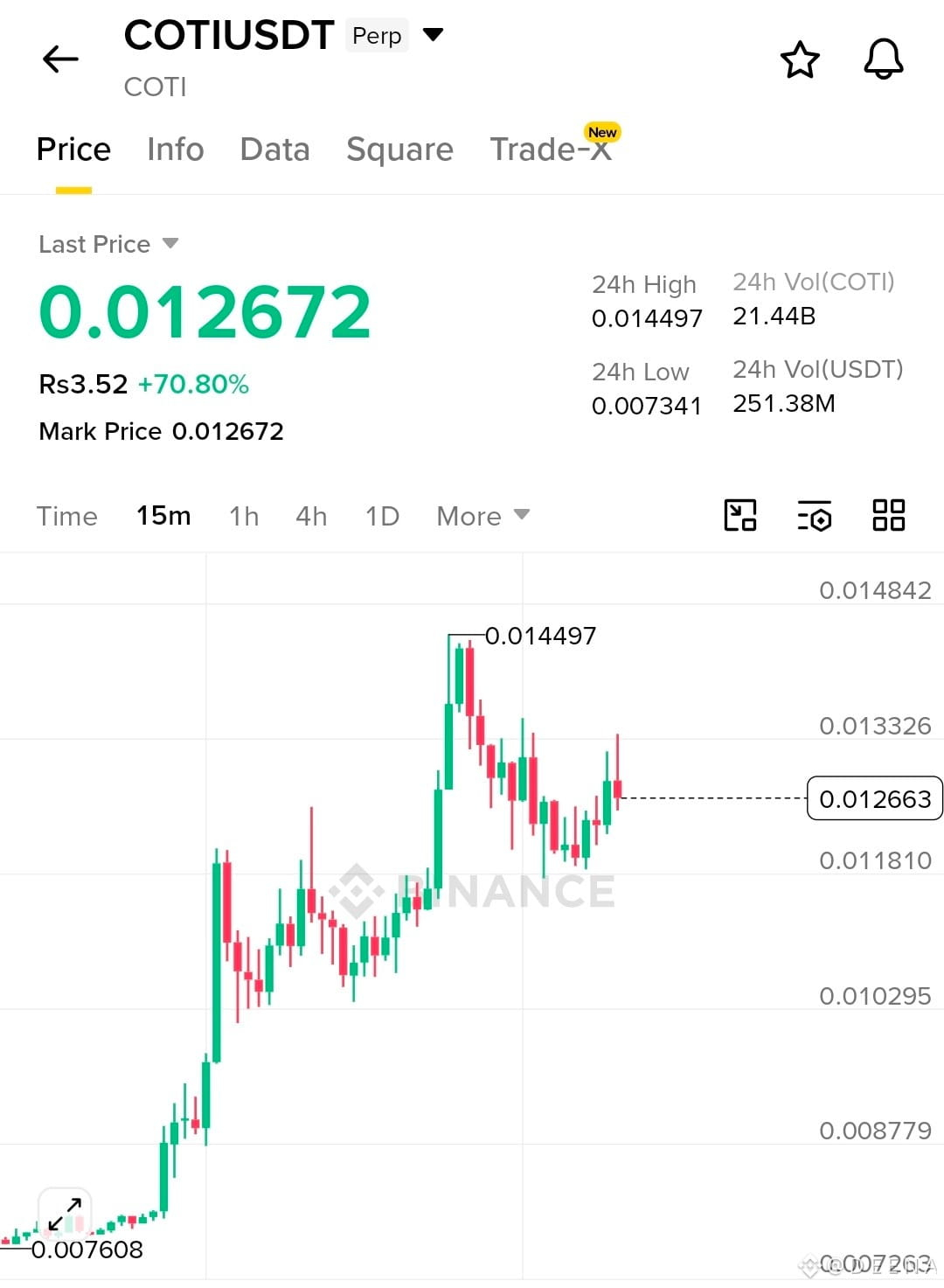
🚀 $COTI está ON FIRE ahora mismo!
$COTI /USDT Perp está subiendo +70.80% en 24h, cotizando a $0.012672
📊 Máximo 24h: $0.014497
📉 Mínimo 24h: $0.007341
💰 Volumen 24h: 21.44B COTI ($251.38M)
De $0.007608 a un máximo de $0.014497 — eso es casi un movimiento de 2x en un solo día. El impulso está claramente con los alcistas ahora mismo 🔥
Esta alta volatilidad significa gran oportunidad — y gran riesgo. Siempre opera con una gestión de riesgos adecuada.
¡Vamos — opera ahora $COTI
{spot}(COTIUSDT)
🚀 $COTI está ON FIRE ahora mismo!
$COTI /USDT Perp está subiendo +70.80% en 24h, cotizando a $0.012672
📊 Máximo 24h: $0.014497
📉 Mínimo 24h: $0.007341
💰 Volumen 24h: 21.44B COTI ($251.38M)
De $0.007608 a un máximo de $0.014497 — eso es casi un movimiento de 2x en un solo día. El impulso está claramente con los alcistas ahora mismo 🔥
Esta alta volatilidad significa gran oportunidad — y gran riesgo. Siempre opera con una gestión de riesgos adecuada.
¡Vamos — opera ahora $COTI
$COTI /USDT Perp está subiendo +70.80% en 24h, cotizando a $0.012672
📊 Máximo 24h: $0.014497
📉 Mínimo 24h: $0.007341
💰 Volumen 24h: 21.44B COTI ($251.38M)
De $0.007608 a un máximo de $0.014497 — eso es casi un movimiento de 2x en un solo día. El impulso está claramente con los alcistas ahora mismo 🔥
Esta alta volatilidad significa gran oportunidad — y gran riesgo. Siempre opera con una gestión de riesgos adecuada.
¡Vamos — opera ahora $COTI
127
·
--
Alcista
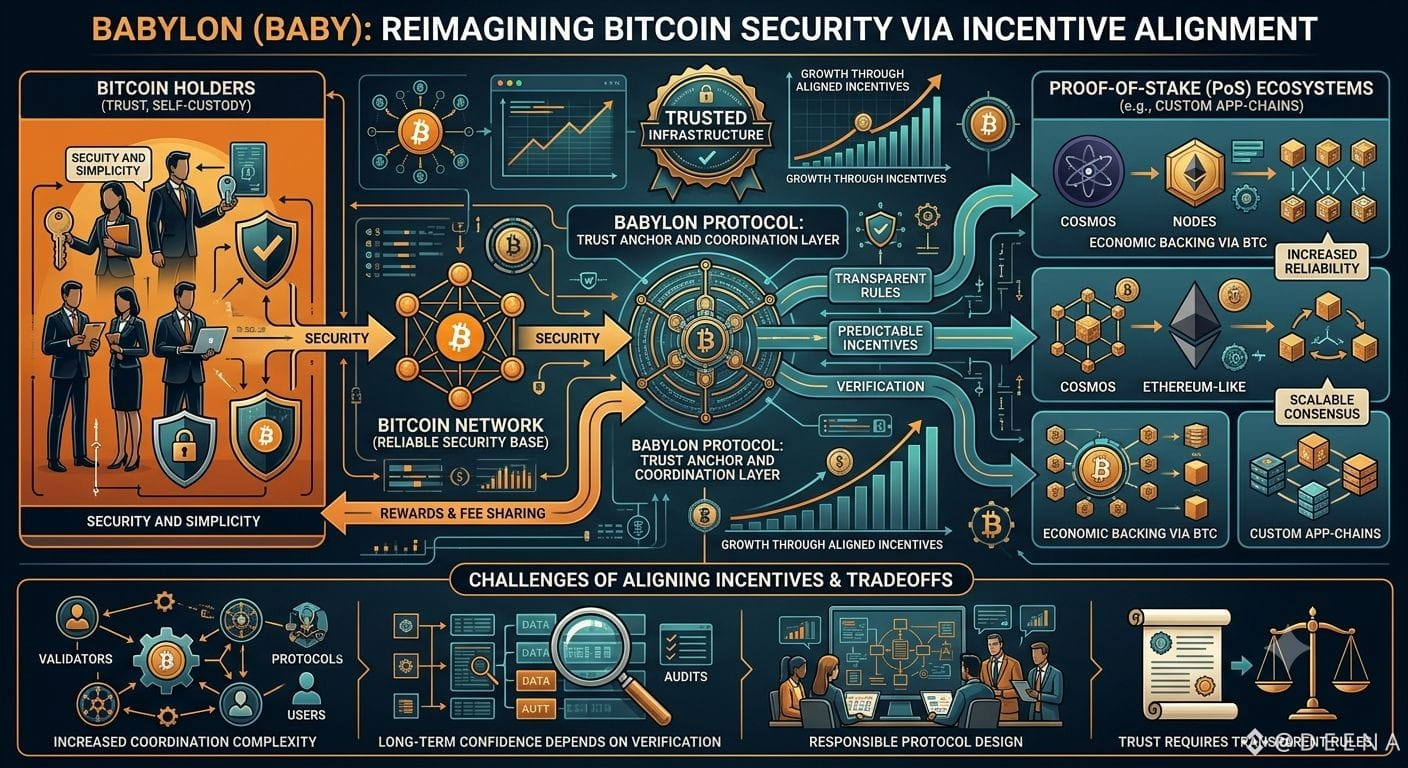
Lo que más me llama la atención sobre Babylon ($BABY ) es que en realidad no intenta cambiar Bitcoin. En cambio, Babylon está explorando cómo la seguridad existente de Bitcoin puede respaldar ecosistemas de Proof-of-Stake, permitiendo al mismo tiempo que los titulares de BTC sigan manteniendo el control de sus activos. Eso se siente como una conversación distinta a la atención habitual en torno a las recompensas por staking o la eficiencia de capital.
Lo que hace interesante a Babylon es el reto de alinear incentivos entre participantes muy diferentes. Los titulares de Bitcoin quieren seguridad y simplicidad, mientras que las redes PoS necesitan un respaldo económico fiable. Juntar esos intereses requiere más que una tecnología sólida. Depende de reglas transparentes, incentivos predecibles y un sistema que la gente siga confiando mucho tiempo después de que se desvanezca la emoción inicial.
También creo que hay un intercambio (tradeoff) importante del que no se habla lo suficiente. A medida que Bitcoin forma parte de la seguridad de otras redes, la coordinación entre usuarios, validadores y protocolos naturalmente se vuelve más compleja. La autocustodia resuelve un problema, pero la confianza a largo plazo aún depende de la verificación, incentivos claros y un diseño de protocolo responsable.
Por eso sigo observando Babylon como un proyecto de infraestructura y no como una narrativa de mercado. Si puede mantener la confianza mientras expande el papel de Bitcoin más allá de su propia cadena, podría demostrar que la infraestructura blockchain duradera se construye mediante la alineación de incentivos, no solo mediante la innovación técnica. La pregunta real es si esos incentivos se mantendrán fuertes a medida que crezca el ecosistema.
#baby @babylonlabs_io $BABY
Lo que más me llama la atención sobre Babylon ($BABY ) es que en realidad no intenta cambiar Bitcoin. En cambio, Babylon está explorando cómo la seguridad existente de Bitcoin puede respaldar ecosistemas de Proof-of-Stake, permitiendo al mismo tiempo que los titulares de BTC sigan manteniendo el control de sus activos. Eso se siente como una conversación distinta a la atención habitual en torno a las recompensas por staking o la eficiencia de capital.
Lo que hace interesante a Babylon es el reto de alinear incentivos entre participantes muy diferentes. Los titulares de Bitcoin quieren seguridad y simplicidad, mientras que las redes PoS necesitan un respaldo económico fiable. Juntar esos intereses requiere más que una tecnología sólida. Depende de reglas transparentes, incentivos predecibles y un sistema que la gente siga confiando mucho tiempo después de que se desvanezca la emoción inicial.
También creo que hay un intercambio (tradeoff) importante del que no se habla lo suficiente. A medida que Bitcoin forma parte de la seguridad de otras redes, la coordinación entre usuarios, validadores y protocolos naturalmente se vuelve más compleja. La autocustodia resuelve un problema, pero la confianza a largo plazo aún depende de la verificación, incentivos claros y un diseño de protocolo responsable.
Por eso sigo observando Babylon como un proyecto de infraestructura y no como una narrativa de mercado. Si puede mantener la confianza mientras expande el papel de Bitcoin más allá de su propia cadena, podría demostrar que la infraestructura blockchain duradera se construye mediante la alineación de incentivos, no solo mediante la innovación técnica. La pregunta real es si esos incentivos se mantendrán fuertes a medida que crezca el ecosistema.
#baby @BabylonLabs_io $BABY
Lo que hace interesante a Babylon es el reto de alinear incentivos entre participantes muy diferentes. Los titulares de Bitcoin quieren seguridad y simplicidad, mientras que las redes PoS necesitan un respaldo económico fiable. Juntar esos intereses requiere más que una tecnología sólida. Depende de reglas transparentes, incentivos predecibles y un sistema que la gente siga confiando mucho tiempo después de que se desvanezca la emoción inicial.
También creo que hay un intercambio (tradeoff) importante del que no se habla lo suficiente. A medida que Bitcoin forma parte de la seguridad de otras redes, la coordinación entre usuarios, validadores y protocolos naturalmente se vuelve más compleja. La autocustodia resuelve un problema, pero la confianza a largo plazo aún depende de la verificación, incentivos claros y un diseño de protocolo responsable.
Por eso sigo observando Babylon como un proyecto de infraestructura y no como una narrativa de mercado. Si puede mantener la confianza mientras expande el papel de Bitcoin más allá de su propia cadena, podría demostrar que la infraestructura blockchain duradera se construye mediante la alineación de incentivos, no solo mediante la innovación técnica. La pregunta real es si esos incentivos se mantendrán fuertes a medida que crezca el ecosistema.
#baby @BabylonLabs_io $BABY
3
2
115
·
--
Alcista
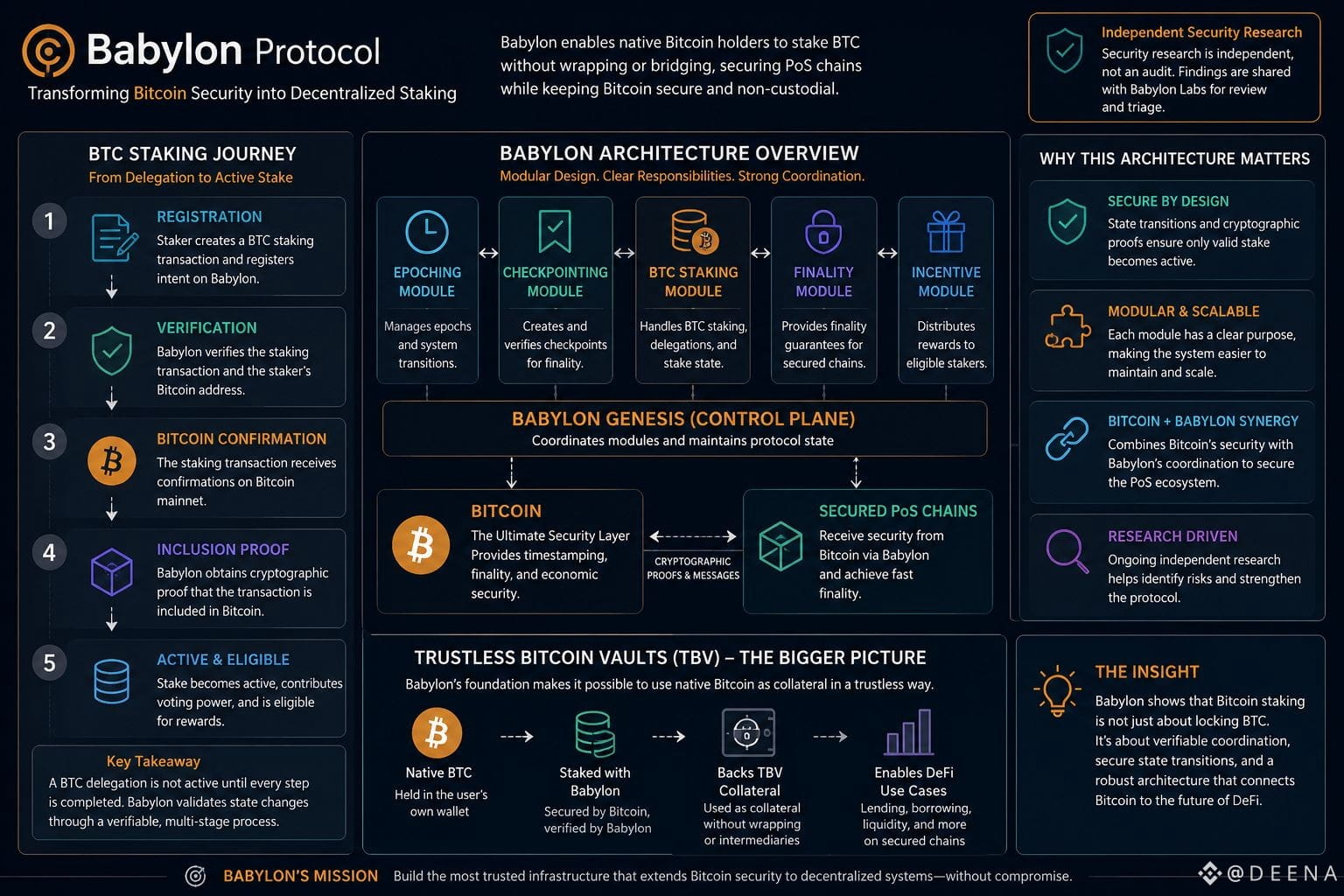
Mientras profundizaba en Babylon, me di cuenta de que había estado pensando en el staking de Bitcoin de una manera mucho más simple de lo que realmente funciona el protocolo. Lo que me llamó la atención no fue una métrica destacada ni una afirmación contundente: fue cómo Babylon trata cada evento de staking como una serie de cambios de estado verificados, en lugar de asumir que todo está completo desde el momento en que se crea una transacción.
Lo que captó mi atención fue el recorrido que realiza una delegación de BTC antes de volverse activa. Pasa por registro, verificación, confirmaciones de Bitcoin y una prueba de inclusión antes de que pueda aportar poder de voto u obtener recompensas. Eso podría sonar como un detalle técnico, pero creo que es una de las partes más importantes del diseño, porque muestra cuánta importancia le da Babylon a la verificación en lugar de a las suposiciones.
La idea que se me quedó es que Babylon no solo está creando una forma de hacer staking de Bitcoin. Está construyendo la capa de coordinación que hace que el staking de Bitcoin sea confiable entre distintos componentes del protocolo. Al observar la arquitectura, entendí por qué módulos como Epoching, Checkpointing, BTC Staking y Finality están separados en lugar de agruparse.
Las conversaciones cripto a menudo se centran en el potencial futuro, pero para mí la historia más interesante es la de lo que un protocolo ya está demostrando hoy. A medida que Babylon siga evolucionando, ¿la participación verificada se convertirá en la métrica que más importa, en lugar de simplemente cuánto BTC se deposita?
#baby @babylonlabs_io $BABY
Mientras profundizaba en Babylon, me di cuenta de que había estado pensando en el staking de Bitcoin de una manera mucho más simple de lo que realmente funciona el protocolo. Lo que me llamó la atención no fue una métrica destacada ni una afirmación contundente: fue cómo Babylon trata cada evento de staking como una serie de cambios de estado verificados, en lugar de asumir que todo está completo desde el momento en que se crea una transacción.
Lo que captó mi atención fue el recorrido que realiza una delegación de BTC antes de volverse activa. Pasa por registro, verificación, confirmaciones de Bitcoin y una prueba de inclusión antes de que pueda aportar poder de voto u obtener recompensas. Eso podría sonar como un detalle técnico, pero creo que es una de las partes más importantes del diseño, porque muestra cuánta importancia le da Babylon a la verificación en lugar de a las suposiciones.
La idea que se me quedó es que Babylon no solo está creando una forma de hacer staking de Bitcoin. Está construyendo la capa de coordinación que hace que el staking de Bitcoin sea confiable entre distintos componentes del protocolo. Al observar la arquitectura, entendí por qué módulos como Epoching, Checkpointing, BTC Staking y Finality están separados en lugar de agruparse.
Las conversaciones cripto a menudo se centran en el potencial futuro, pero para mí la historia más interesante es la de lo que un protocolo ya está demostrando hoy. A medida que Babylon siga evolucionando, ¿la participación verificada se convertirá en la métrica que más importa, en lugar de simplemente cuánto BTC se deposita?
#baby @BabylonLabs_io $BABY
Lo que captó mi atención fue el recorrido que realiza una delegación de BTC antes de volverse activa. Pasa por registro, verificación, confirmaciones de Bitcoin y una prueba de inclusión antes de que pueda aportar poder de voto u obtener recompensas. Eso podría sonar como un detalle técnico, pero creo que es una de las partes más importantes del diseño, porque muestra cuánta importancia le da Babylon a la verificación en lugar de a las suposiciones.
La idea que se me quedó es que Babylon no solo está creando una forma de hacer staking de Bitcoin. Está construyendo la capa de coordinación que hace que el staking de Bitcoin sea confiable entre distintos componentes del protocolo. Al observar la arquitectura, entendí por qué módulos como Epoching, Checkpointing, BTC Staking y Finality están separados en lugar de agruparse.
Las conversaciones cripto a menudo se centran en el potencial futuro, pero para mí la historia más interesante es la de lo que un protocolo ya está demostrando hoy. A medida que Babylon siga evolucionando, ¿la participación verificada se convertirá en la métrica que más importa, en lugar de simplemente cuánto BTC se deposita?
#baby @BabylonLabs_io $BABY
2
2
111
·
--
Bajista
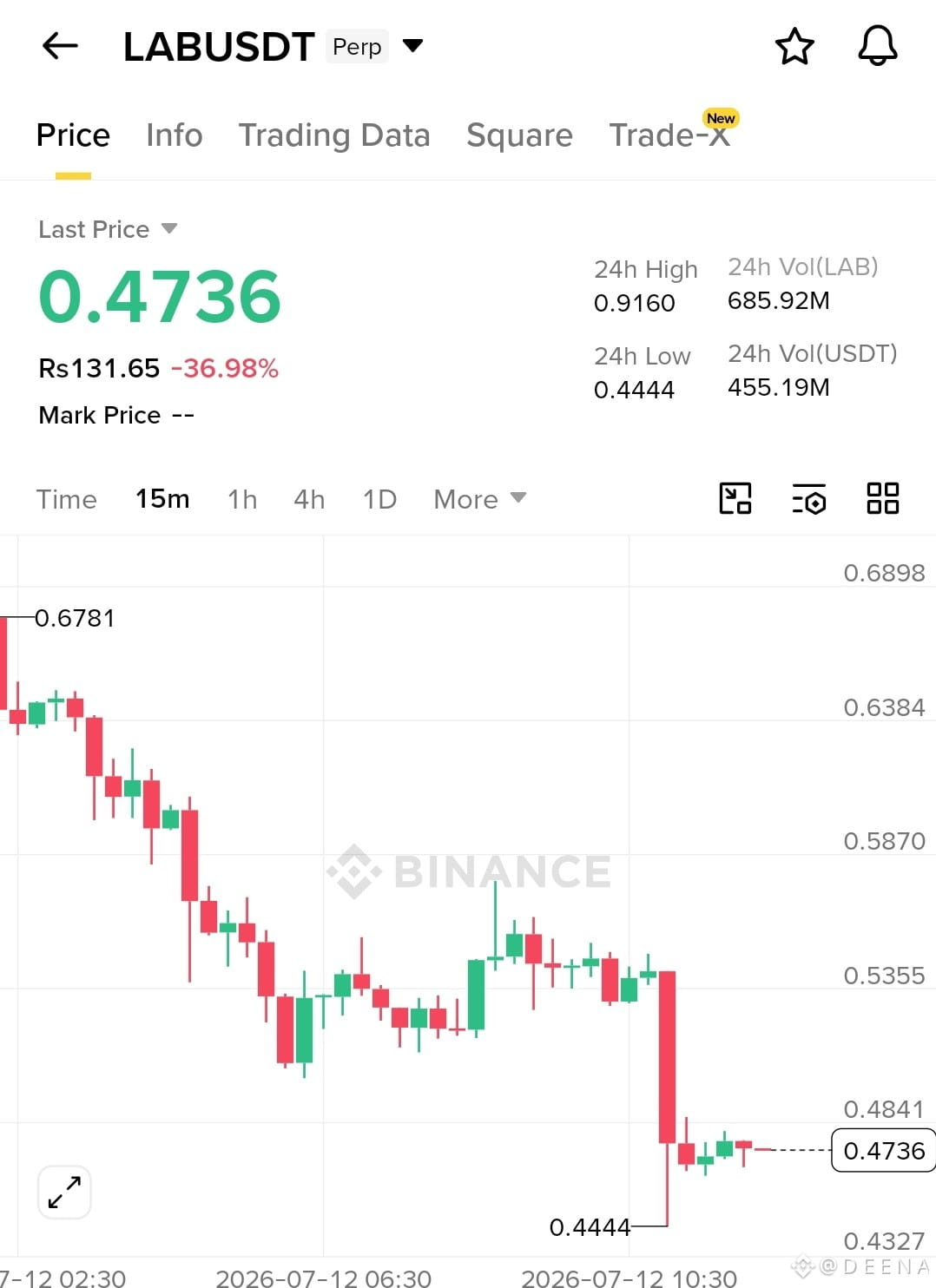
🚨 $LAB está bajo presión. ¡Precio actual: $0.4736 después de un movimiento del -36.98% en las últimas 24H.
📉 Máximo 24H: $0.9160 📍 Mínimo 24H: $0.4444 💰 Volumen masivo: 685.92M $LAB | 455.19M $USDT
La volatilidad está aquí, y es en este punto donde se crean oportunidades reales. Mantén la disciplina, gestiona tu riesgo y observa el soporte clave alrededor de $0.4444.
¡Vamos! Opera ahora $LAB 🚀📈
{future}(LABUSDT)
#BitcoinPlansECashHardFork
#SpaceXAnthropicOpenAIIPOsMayTopVCExitsSince2000
#MorganStanleyAdds1000BTC
#GOPSeeksSenateVoteOnCLARITYActWeekOfJuly20
#BPISeeksToInterveneInNoahDoeCase
🚨 $LAB está bajo presión. ¡Precio actual: $0.4736 después de un movimiento del -36.98% en las últimas 24H.
📉 Máximo 24H: $0.9160 📍 Mínimo 24H: $0.4444 💰 Volumen masivo: 685.92M $LAB | 455.19M $USDT
La volatilidad está aquí, y es en este punto donde se crean oportunidades reales. Mantén la disciplina, gestiona tu riesgo y observa el soporte clave alrededor de $0.4444.
¡Vamos! Opera ahora $LAB 🚀📈
#BitcoinPlansECashHardFork
#SpaceXAnthropicOpenAIIPOsMayTopVCExitsSince2000
#MorganStanleyAdds1000BTC
#GOPSeeksSenateVoteOnCLARITYActWeekOfJuly20
#BPISeeksToInterveneInNoahDoeCase
📉 Máximo 24H: $0.9160 📍 Mínimo 24H: $0.4444 💰 Volumen masivo: 685.92M $LAB | 455.19M $USDT
La volatilidad está aquí, y es en este punto donde se crean oportunidades reales. Mantén la disciplina, gestiona tu riesgo y observa el soporte clave alrededor de $0.4444.
¡Vamos! Opera ahora $LAB 🚀📈
#BitcoinPlansECashHardFork
#SpaceXAnthropicOpenAIIPOsMayTopVCExitsSince2000
#MorganStanleyAdds1000BTC
#GOPSeeksSenateVoteOnCLARITYActWeekOfJuly20
#BPISeeksToInterveneInNoahDoeCase
1
213
·
--
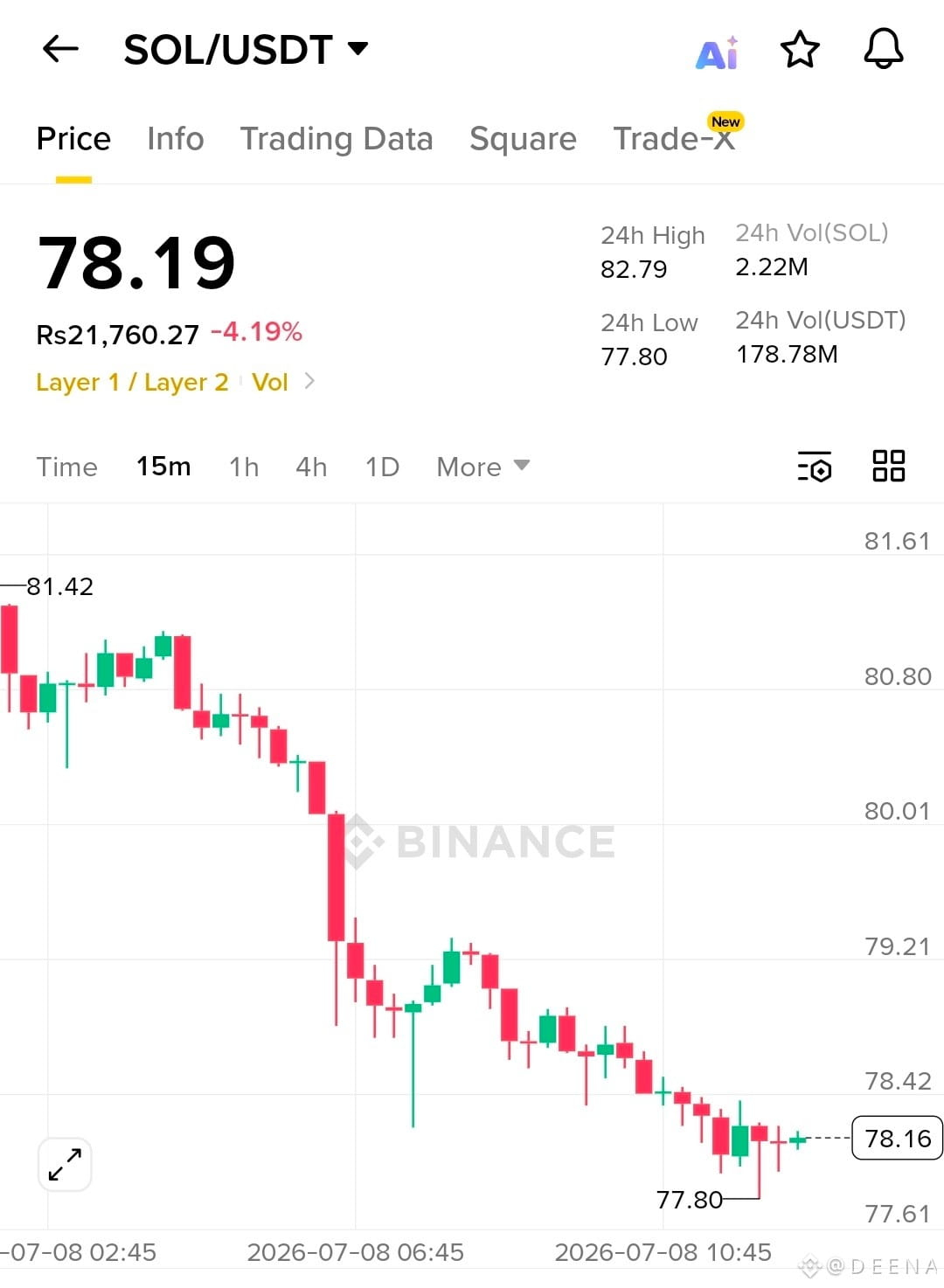
Título emocionante para Trading Post:
⚡ Actualización SOL/USDT ⚡
🔻 Los bajistas siguen teniendo el control.
📉 Precio: $78.19
🎯 Soporte clave: $77.80
🚀 Un rebote desde el soporte podría activar una recuperación a corto plazo.
❌ Si se rompe $77.80, espera más caída.
Opera con inteligencia, gestiona tu riesgo y nunca FOMO. 💯
#SOL #Solana #Crypto #Binance #Trading #PriceAction #CryptoTrading #TechnicalAnalysis #BullOrBear
Título emocionante para Trading Post:
⚡ Actualización SOL/USDT ⚡
🔻 Los bajistas siguen teniendo el control.
📉 Precio: $78.19
🎯 Soporte clave: $77.80
🚀 Un rebote desde el soporte podría activar una recuperación a corto plazo.
❌ Si se rompe $77.80, espera más caída.
Opera con inteligencia, gestiona tu riesgo y nunca FOMO. 💯
#SOL #Solana #Crypto #Binance #Trading #PriceAction #CryptoTrading #TechnicalAnalysis #BullOrBear
⚡ Actualización SOL/USDT ⚡
🔻 Los bajistas siguen teniendo el control.
📉 Precio: $78.19
🎯 Soporte clave: $77.80
🚀 Un rebote desde el soporte podría activar una recuperación a corto plazo.
❌ Si se rompe $77.80, espera más caída.
Opera con inteligencia, gestiona tu riesgo y nunca FOMO. 💯
#SOL #Solana #Crypto #Binance #Trading #PriceAction #CryptoTrading #TechnicalAnalysis #BullOrBear
1
110
·
--
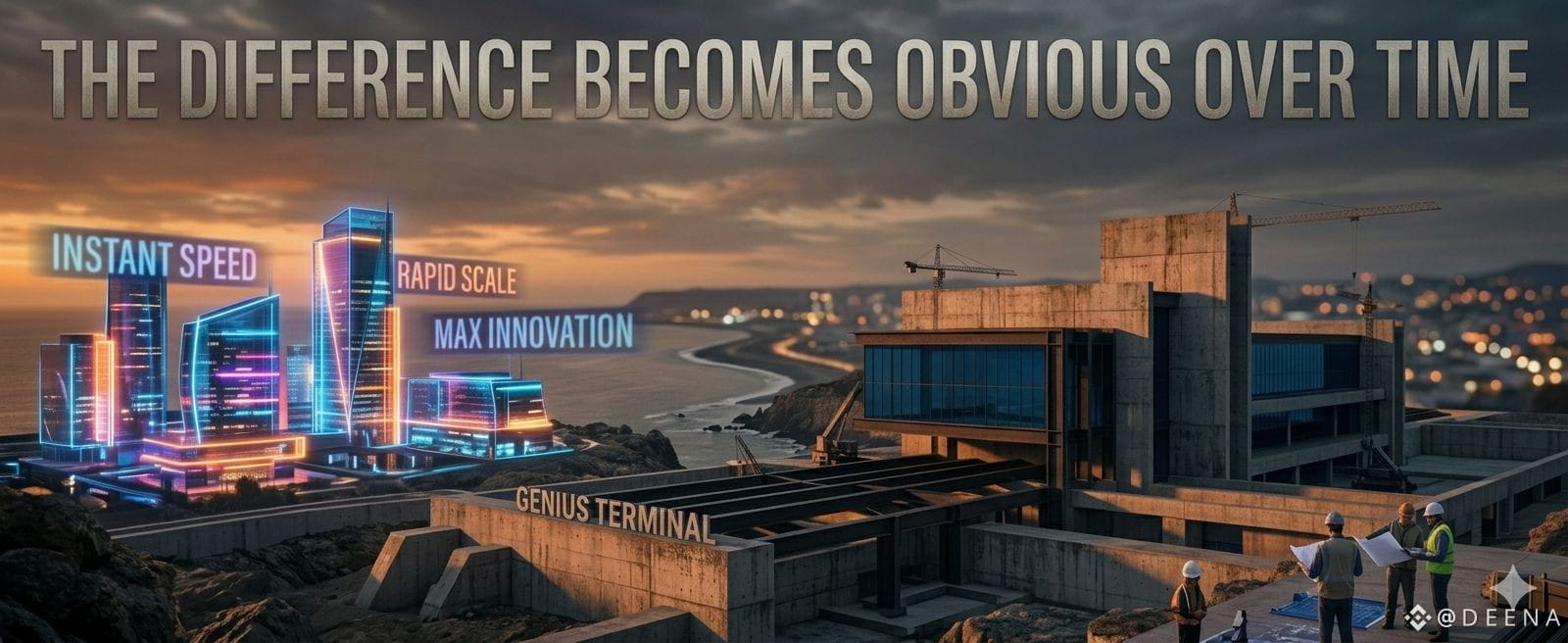
La Diferencia se Vuelve Obvia con el Tiempo
He visto innumerables productos que prometen velocidad, escalabilidad e innovación, pero muy pocos dejan la impresión de que fueron construidos con una verdadera permanencia en mente.
Genius Terminal inmediatamente me pareció diferente.
No porque intente dominar la atención, sino por cómo controlada e intencional se siente toda la experiencia. Todo parece estructurado con claridad. Sin complejidades innecesarias. Sin posicionamientos exagerados. Solo una fuerte comprensión de cómo debería lucir la infraestructura a largo plazo cuando la disciplina guía el proceso.
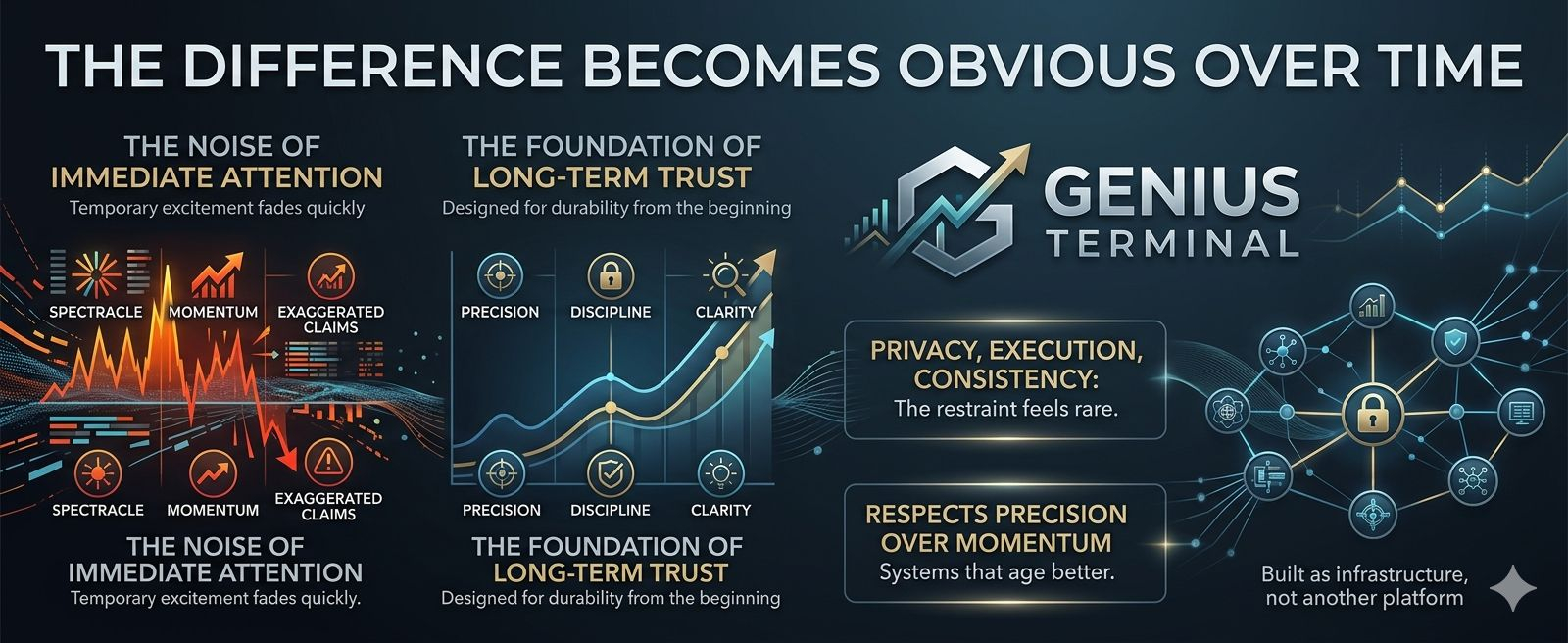
Lo que más destaca es el equilibrio entre privacidad, ejecución y consistencia. En un espacio abarrotado de ruido, ese tipo de restricción se siente raro. El producto no depende de un espectáculo constante para probar su relevancia. Su dirección ya habla a través de la calidad de la fundación que se está construyendo.
Respeto los proyectos que entienden el valor de la precisión sobre el impulso. Los sistemas construidos de esta manera suelen envejecer mejor porque están diseñados para la durabilidad desde el principio, no para la emoción temporal.
Cuanto más observo Genius Terminal, más siento que se asemeja menos a otra plataforma y más a una infraestructura que se posiciona silenciosamente para una importancia a largo plazo.
Algunos productos exigen atención de inmediato.
Los más fuertes ganan confianza con el tiempo.
#genius @GeniusOfficial $GENIUS
{spot}(GENIUSUSDT)
$STRAX
$GUN
La Diferencia se Vuelve Obvia con el Tiempo
He visto innumerables productos que prometen velocidad, escalabilidad e innovación, pero muy pocos dejan la impresión de que fueron construidos con una verdadera permanencia en mente.
Genius Terminal inmediatamente me pareció diferente.
No porque intente dominar la atención, sino por cómo controlada e intencional se siente toda la experiencia. Todo parece estructurado con claridad. Sin complejidades innecesarias. Sin posicionamientos exagerados. Solo una fuerte comprensión de cómo debería lucir la infraestructura a largo plazo cuando la disciplina guía el proceso.
Lo que más destaca es el equilibrio entre privacidad, ejecución y consistencia. En un espacio abarrotado de ruido, ese tipo de restricción se siente raro. El producto no depende de un espectáculo constante para probar su relevancia. Su dirección ya habla a través de la calidad de la fundación que se está construyendo.
Respeto los proyectos que entienden el valor de la precisión sobre el impulso. Los sistemas construidos de esta manera suelen envejecer mejor porque están diseñados para la durabilidad desde el principio, no para la emoción temporal.
Cuanto más observo Genius Terminal, más siento que se asemeja menos a otra plataforma y más a una infraestructura que se posiciona silenciosamente para una importancia a largo plazo.
Algunos productos exigen atención de inmediato.
Los más fuertes ganan confianza con el tiempo.
#genius @GeniusOfficial $GENIUS
$STRAX
$GUN
He visto innumerables productos que prometen velocidad, escalabilidad e innovación, pero muy pocos dejan la impresión de que fueron construidos con una verdadera permanencia en mente.
Genius Terminal inmediatamente me pareció diferente.
No porque intente dominar la atención, sino por cómo controlada e intencional se siente toda la experiencia. Todo parece estructurado con claridad. Sin complejidades innecesarias. Sin posicionamientos exagerados. Solo una fuerte comprensión de cómo debería lucir la infraestructura a largo plazo cuando la disciplina guía el proceso.
Lo que más destaca es el equilibrio entre privacidad, ejecución y consistencia. En un espacio abarrotado de ruido, ese tipo de restricción se siente raro. El producto no depende de un espectáculo constante para probar su relevancia. Su dirección ya habla a través de la calidad de la fundación que se está construyendo.
Respeto los proyectos que entienden el valor de la precisión sobre el impulso. Los sistemas construidos de esta manera suelen envejecer mejor porque están diseñados para la durabilidad desde el principio, no para la emoción temporal.
Cuanto más observo Genius Terminal, más siento que se asemeja menos a otra plataforma y más a una infraestructura que se posiciona silenciosamente para una importancia a largo plazo.
Algunos productos exigen atención de inmediato.
Los más fuertes ganan confianza con el tiempo.
#genius @GeniusOfficial $GENIUS
$STRAX
$GUN
1
2
109
·
--
Pensé que Genius era solo otra terminal de trading. Luego miré más de cerca.
Cuando encontré por primera vez Genius, lo clasifiqué en la misma categoría que incontables otros productos cripto.
Una terminal de trading.
Un lugar para ver velas, ejecutar trades, gestionar posiciones y seguir adelante.
Pero cuanto más tiempo pasé observando lo que realmente está construyendo Genius, más sentí que esa descripción se perdía el punto.
Lo que me llamó la atención no fue la experiencia de trading en sí.
Fue todo lo que la rodea.
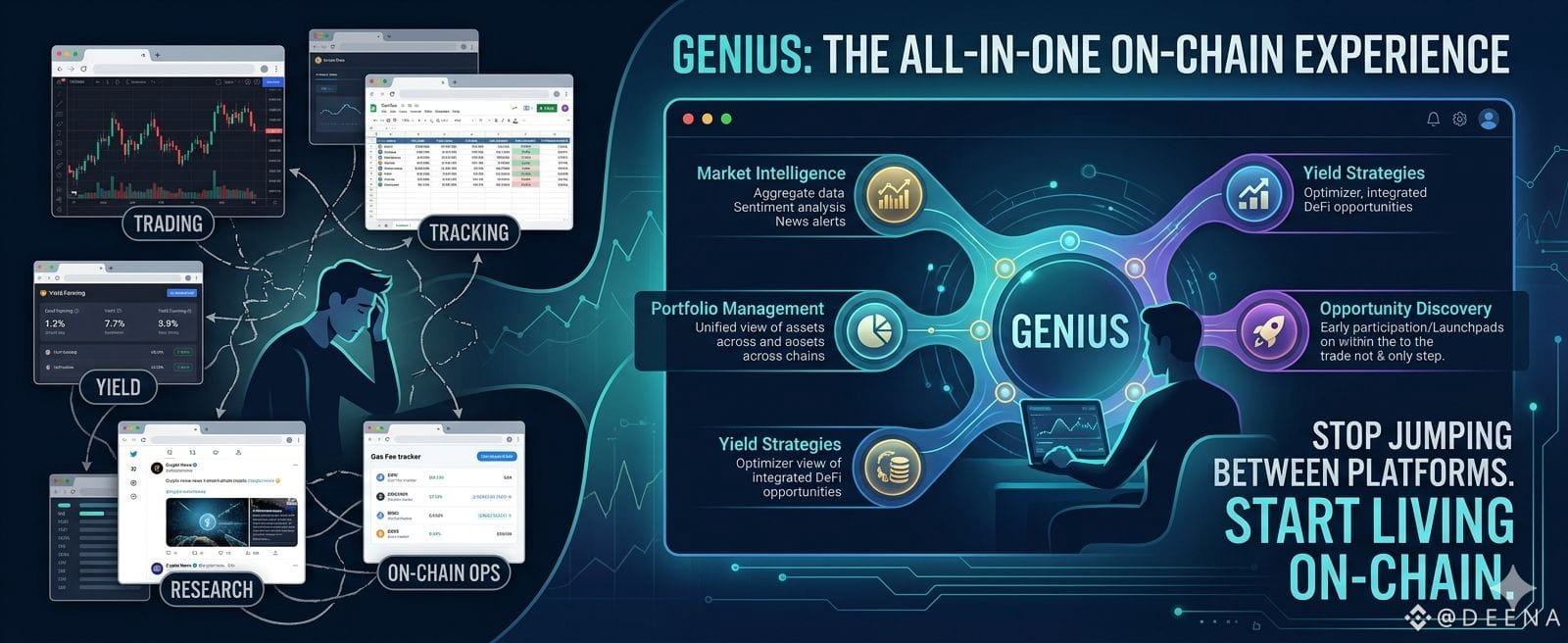
Me di cuenta de que la mayor parte de mi tiempo en cripto no se pasa presionando el botón de comprar o vender. Se pasa buscando oportunidades, rastreando portafolios, monitoreando mercados, investigando nuevas narrativas, explorando estrategias de rendimiento y tratando de mantenerse al día con el cambio constante.
El trade es a menudo el paso final.
El verdadero desafío es gestionar todo lo que lleva hasta él.
Por eso creo que Genius está abordando un problema mucho más grande.
En lugar de tratar el trading, la gestión de portafolios, el descubrimiento de mercados, las oportunidades de rendimiento y la participación temprana como experiencias separadas, veo una plataforma que intenta reunirlas bajo un mismo techo.
Para mí, eso es mucho más interesante que agregar otra función de trading.
El cripto no sufre de falta de herramientas.
Sufre de fragmentación.
Constantemente me encuentro saltando entre plataformas solo para mantener el contexto.
Lo que veo en Genius es un intento de reducir esa fricción.
Y si tiene éxito, la gente puede eventualmente dejar de pensar en ello como una terminal de trading por completo.
Pueden empezar a verlo como el lugar donde vive toda su experiencia en la cadena.
$STG
$PORTAL
#genius @GeniusOfficial $GENIUS
{spot}(GENIUSUSDT)
Pensé que Genius era solo otra terminal de trading. Luego miré más de cerca.
Cuando encontré por primera vez Genius, lo clasifiqué en la misma categoría que incontables otros productos cripto.
Una terminal de trading.
Un lugar para ver velas, ejecutar trades, gestionar posiciones y seguir adelante.
Pero cuanto más tiempo pasé observando lo que realmente está construyendo Genius, más sentí que esa descripción se perdía el punto.
Lo que me llamó la atención no fue la experiencia de trading en sí.
Fue todo lo que la rodea.
Me di cuenta de que la mayor parte de mi tiempo en cripto no se pasa presionando el botón de comprar o vender. Se pasa buscando oportunidades, rastreando portafolios, monitoreando mercados, investigando nuevas narrativas, explorando estrategias de rendimiento y tratando de mantenerse al día con el cambio constante.
El trade es a menudo el paso final.
El verdadero desafío es gestionar todo lo que lleva hasta él.
Por eso creo que Genius está abordando un problema mucho más grande.
En lugar de tratar el trading, la gestión de portafolios, el descubrimiento de mercados, las oportunidades de rendimiento y la participación temprana como experiencias separadas, veo una plataforma que intenta reunirlas bajo un mismo techo.
Para mí, eso es mucho más interesante que agregar otra función de trading.
El cripto no sufre de falta de herramientas.
Sufre de fragmentación.
Constantemente me encuentro saltando entre plataformas solo para mantener el contexto.
Lo que veo en Genius es un intento de reducir esa fricción.
Y si tiene éxito, la gente puede eventualmente dejar de pensar en ello como una terminal de trading por completo.
Pueden empezar a verlo como el lugar donde vive toda su experiencia en la cadena.
$STG
$PORTAL
#genius @GeniusOfficial $GENIUS
Cuando encontré por primera vez Genius, lo clasifiqué en la misma categoría que incontables otros productos cripto.
Una terminal de trading.
Un lugar para ver velas, ejecutar trades, gestionar posiciones y seguir adelante.
Pero cuanto más tiempo pasé observando lo que realmente está construyendo Genius, más sentí que esa descripción se perdía el punto.
Lo que me llamó la atención no fue la experiencia de trading en sí.
Fue todo lo que la rodea.
Me di cuenta de que la mayor parte de mi tiempo en cripto no se pasa presionando el botón de comprar o vender. Se pasa buscando oportunidades, rastreando portafolios, monitoreando mercados, investigando nuevas narrativas, explorando estrategias de rendimiento y tratando de mantenerse al día con el cambio constante.
El trade es a menudo el paso final.
El verdadero desafío es gestionar todo lo que lleva hasta él.
Por eso creo que Genius está abordando un problema mucho más grande.
En lugar de tratar el trading, la gestión de portafolios, el descubrimiento de mercados, las oportunidades de rendimiento y la participación temprana como experiencias separadas, veo una plataforma que intenta reunirlas bajo un mismo techo.
Para mí, eso es mucho más interesante que agregar otra función de trading.
El cripto no sufre de falta de herramientas.
Sufre de fragmentación.
Constantemente me encuentro saltando entre plataformas solo para mantener el contexto.
Lo que veo en Genius es un intento de reducir esa fricción.
Y si tiene éxito, la gente puede eventualmente dejar de pensar en ello como una terminal de trading por completo.
Pueden empezar a verlo como el lugar donde vive toda su experiencia en la cadena.
$STG
$PORTAL
#genius @GeniusOfficial $GENIUS
1
206
·
--
Creo que OpenLedger está apostando por la parte de la IA que la mayoría de los modelos quieren olvidar
Solía pensar que la carrera de la IA terminaría con la inteligencia misma. Mejor razonamiento, salidas más rápidas, sistemas multimodales más limpios, benchmarks más sólidos. Pero últimamente, siento que toda esa competencia está perdiendo algo más profundo debajo de ella.
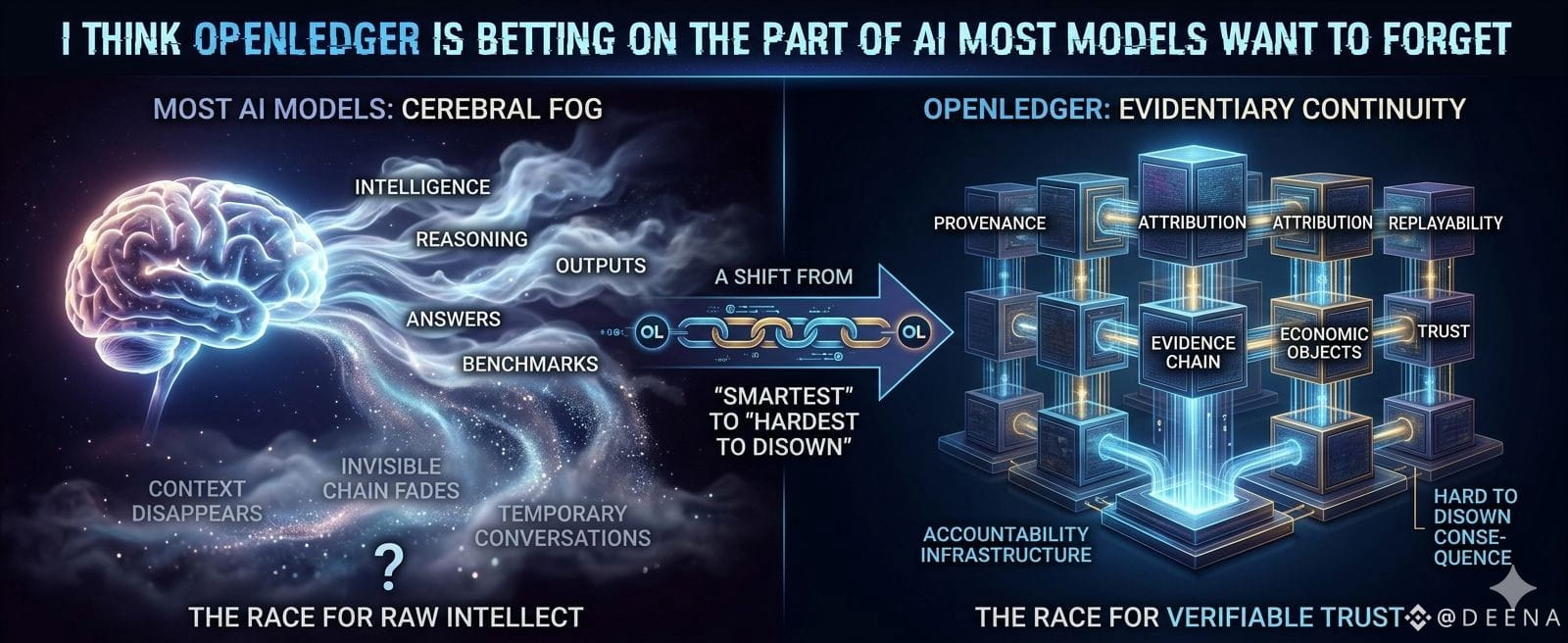
La mayoría de los modelos de IA hoy en día son increíblemente buenos produciendo respuestas, pero muy malos preservando la cadena invisible que produjo la respuesta en primer lugar. La salida sobrevive. El contexto desaparece.
Y creo que eso se convierte en un problema serio una vez que las salidas de la IA dejan de comportarse como conversaciones temporales y comienzan a comportarse como objetos económicos que se mueven entre sistemas.
Los motores de búsqueda las clasifican. Los sistemas de recomendación las amplifican. Las economías de creadores las absorben. Otros modelos las entrenan de nuevo. Los mercados reaccionan a ellas. Las instituciones comienzan a confiar en ellas lentamente.
Pero casi nadie pregunta qué desapareció antes de que la respuesta se estabilizara.
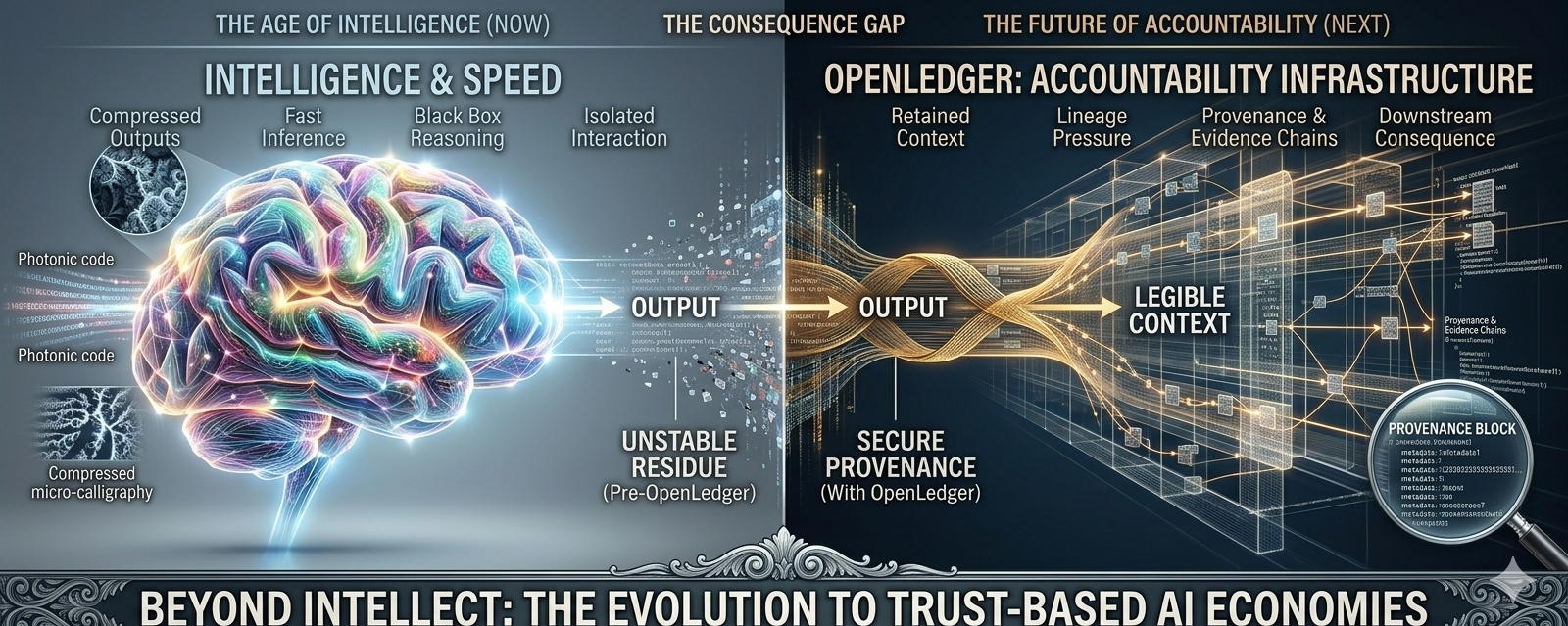
Por eso OpenLedger me parece interesante. No porque esté tratando de hacer que la IA sea "más inteligente", sino porque parece centrarse en preservar la responsabilidad después de que se genera. Procedencia. Atribución. Rejugabilidad. Continuidad de la evidencia.
Cuanto más pienso en ello, más siento que la inteligencia puede convertirse en una mercancía más rápido que la infraestructura de responsabilidad.
Y tal vez la futura competencia en IA no será:
"¿Qué modelo suena más inteligente?"
Tal vez se convierta en:
"¿Qué modelo es más difícil de desentender una vez que llega la consecuencia?"
#openledger @Openledger $OPEN
{spot}(OPENUSDT)
$HEI
$ID
Creo que OpenLedger está apostando por la parte de la IA que la mayoría de los modelos quieren olvidar
Solía pensar que la carrera de la IA terminaría con la inteligencia misma. Mejor razonamiento, salidas más rápidas, sistemas multimodales más limpios, benchmarks más sólidos. Pero últimamente, siento que toda esa competencia está perdiendo algo más profundo debajo de ella.
La mayoría de los modelos de IA hoy en día son increíblemente buenos produciendo respuestas, pero muy malos preservando la cadena invisible que produjo la respuesta en primer lugar. La salida sobrevive. El contexto desaparece.
Y creo que eso se convierte en un problema serio una vez que las salidas de la IA dejan de comportarse como conversaciones temporales y comienzan a comportarse como objetos económicos que se mueven entre sistemas.
Los motores de búsqueda las clasifican. Los sistemas de recomendación las amplifican. Las economías de creadores las absorben. Otros modelos las entrenan de nuevo. Los mercados reaccionan a ellas. Las instituciones comienzan a confiar en ellas lentamente.
Pero casi nadie pregunta qué desapareció antes de que la respuesta se estabilizara.
Por eso OpenLedger me parece interesante. No porque esté tratando de hacer que la IA sea "más inteligente", sino porque parece centrarse en preservar la responsabilidad después de que se genera. Procedencia. Atribución. Rejugabilidad. Continuidad de la evidencia.
Cuanto más pienso en ello, más siento que la inteligencia puede convertirse en una mercancía más rápido que la infraestructura de responsabilidad.
Y tal vez la futura competencia en IA no será:
"¿Qué modelo suena más inteligente?"
Tal vez se convierta en:
"¿Qué modelo es más difícil de desentender una vez que llega la consecuencia?"
#openledger @OpenLedger $OPEN
$HEI
$ID
Solía pensar que la carrera de la IA terminaría con la inteligencia misma. Mejor razonamiento, salidas más rápidas, sistemas multimodales más limpios, benchmarks más sólidos. Pero últimamente, siento que toda esa competencia está perdiendo algo más profundo debajo de ella.
La mayoría de los modelos de IA hoy en día son increíblemente buenos produciendo respuestas, pero muy malos preservando la cadena invisible que produjo la respuesta en primer lugar. La salida sobrevive. El contexto desaparece.
Y creo que eso se convierte en un problema serio una vez que las salidas de la IA dejan de comportarse como conversaciones temporales y comienzan a comportarse como objetos económicos que se mueven entre sistemas.
Los motores de búsqueda las clasifican. Los sistemas de recomendación las amplifican. Las economías de creadores las absorben. Otros modelos las entrenan de nuevo. Los mercados reaccionan a ellas. Las instituciones comienzan a confiar en ellas lentamente.
Pero casi nadie pregunta qué desapareció antes de que la respuesta se estabilizara.
Por eso OpenLedger me parece interesante. No porque esté tratando de hacer que la IA sea "más inteligente", sino porque parece centrarse en preservar la responsabilidad después de que se genera. Procedencia. Atribución. Rejugabilidad. Continuidad de la evidencia.
Cuanto más pienso en ello, más siento que la inteligencia puede convertirse en una mercancía más rápido que la infraestructura de responsabilidad.
Y tal vez la futura competencia en IA no será:
"¿Qué modelo suena más inteligente?"
Tal vez se convierta en:
"¿Qué modelo es más difícil de desentender una vez que llega la consecuencia?"
#openledger @OpenLedger $OPEN
$HEI
$ID
1
180
·
--
Artículo
OpenLedger y el Futuro de la Responsabilidad en IADurante mucho tiempo, realmente creí que la carrera de la IA eventualmente se reduciría a una sola cosa: la inteligencia. El modelo que razonara mejor ganaría. El modelo con salidas más nítidas, conversaciones más limpias, inferencias más rápidas, un comportamiento multimodal más fuerte y números de referencia más altos dominaría naturalmente el mercado. Esa suposición parecía obvia porque casi toda conversación sobre IA aún gira en torno a la capacidad en sí. ¿Quién es más inteligente? ¿Quién es más rápido? ¿Qué modelo suena más humano? ¿Qué sistema puede resolver tareas más difíciles con menos errores? Pero cuanto más miro proyectos como OpenLedger, más incompleta empieza a sentirse toda esa conceptualización para mí. No está completamente equivocada. Simplemente le falta algo más profundo bajo la superficie.
OpenLedger y el Futuro de la Responsabilidad en IA
Durante mucho tiempo, realmente creí que la carrera de la IA eventualmente se reduciría a una sola cosa: la inteligencia. El modelo que razonara mejor ganaría. El modelo con salidas más nítidas, conversaciones más limpias, inferencias más rápidas, un comportamiento multimodal más fuerte y números de referencia más altos dominaría naturalmente el mercado. Esa suposición parecía obvia porque casi toda conversación sobre IA aún gira en torno a la capacidad en sí. ¿Quién es más inteligente? ¿Quién es más rápido? ¿Qué modelo suena más humano? ¿Qué sistema puede resolver tareas más difíciles con menos errores? Pero cuanto más miro proyectos como OpenLedger, más incompleta empieza a sentirse toda esa conceptualización para mí. No está completamente equivocada. Simplemente le falta algo más profundo bajo la superficie.
284
·
--
La diferencia se hace evidente con el tiempo
He visto innumerables productos que prometen velocidad, escalabilidad e innovación, pero muy pocos dejan la impresión de haber sido construidos con una verdadera permanencia en mente.
Genius Terminal inmediatamente me pareció diferente.
No porque intente dominar la atención, sino por lo controlado e intencional que se siente toda la experiencia. Todo parece estructurado con claridad. Sin complejidades innecesarias. Sin posicionamiento exagerado. Solo una fuerte comprensión de cómo debería ser la infraestructura a largo plazo cuando la disciplina guía el proceso.
Lo que más destaca es el equilibrio entre privacidad, ejecución y consistencia. En un espacio saturado de ruido, ese tipo de contención se siente raro. El producto no depende de un espectáculo constante para demostrar su relevancia. Su dirección ya habla a través de la calidad de la base que se está construyendo.
Respeto los proyectos que entienden el valor de la precisión sobre el impulso. Los sistemas construidos de esta manera suelen envejecer mejor porque están diseñados para la durabilidad desde el principio, no para una emoción temporal.
Cuanto más observo Genius Terminal, más siento que es menos una plataforma y más una infraestructura que se posiciona silenciosamente para una relevancia a largo plazo.
Algunos productos exigen atención de inmediato.
Los más fuertes ganan confianza con el tiempo.
#genius @GeniusOfficial $GENIUS
{spot}(GENIUSUSDT)
$HEI
$ID
La diferencia se hace evidente con el tiempo
He visto innumerables productos que prometen velocidad, escalabilidad e innovación, pero muy pocos dejan la impresión de haber sido construidos con una verdadera permanencia en mente.
Genius Terminal inmediatamente me pareció diferente.
No porque intente dominar la atención, sino por lo controlado e intencional que se siente toda la experiencia. Todo parece estructurado con claridad. Sin complejidades innecesarias. Sin posicionamiento exagerado. Solo una fuerte comprensión de cómo debería ser la infraestructura a largo plazo cuando la disciplina guía el proceso.
Lo que más destaca es el equilibrio entre privacidad, ejecución y consistencia. En un espacio saturado de ruido, ese tipo de contención se siente raro. El producto no depende de un espectáculo constante para demostrar su relevancia. Su dirección ya habla a través de la calidad de la base que se está construyendo.
Respeto los proyectos que entienden el valor de la precisión sobre el impulso. Los sistemas construidos de esta manera suelen envejecer mejor porque están diseñados para la durabilidad desde el principio, no para una emoción temporal.
Cuanto más observo Genius Terminal, más siento que es menos una plataforma y más una infraestructura que se posiciona silenciosamente para una relevancia a largo plazo.
Algunos productos exigen atención de inmediato.
Los más fuertes ganan confianza con el tiempo.
#genius @GeniusOfficial $GENIUS
$HEI
$ID
He visto innumerables productos que prometen velocidad, escalabilidad e innovación, pero muy pocos dejan la impresión de haber sido construidos con una verdadera permanencia en mente.
Genius Terminal inmediatamente me pareció diferente.
No porque intente dominar la atención, sino por lo controlado e intencional que se siente toda la experiencia. Todo parece estructurado con claridad. Sin complejidades innecesarias. Sin posicionamiento exagerado. Solo una fuerte comprensión de cómo debería ser la infraestructura a largo plazo cuando la disciplina guía el proceso.
Lo que más destaca es el equilibrio entre privacidad, ejecución y consistencia. En un espacio saturado de ruido, ese tipo de contención se siente raro. El producto no depende de un espectáculo constante para demostrar su relevancia. Su dirección ya habla a través de la calidad de la base que se está construyendo.
Respeto los proyectos que entienden el valor de la precisión sobre el impulso. Los sistemas construidos de esta manera suelen envejecer mejor porque están diseñados para la durabilidad desde el principio, no para una emoción temporal.
Cuanto más observo Genius Terminal, más siento que es menos una plataforma y más una infraestructura que se posiciona silenciosamente para una relevancia a largo plazo.
Algunos productos exigen atención de inmediato.
Los más fuertes ganan confianza con el tiempo.
#genius @GeniusOfficial $GENIUS
$HEI
$ID
240
·
--
Infraestructura Silenciosa
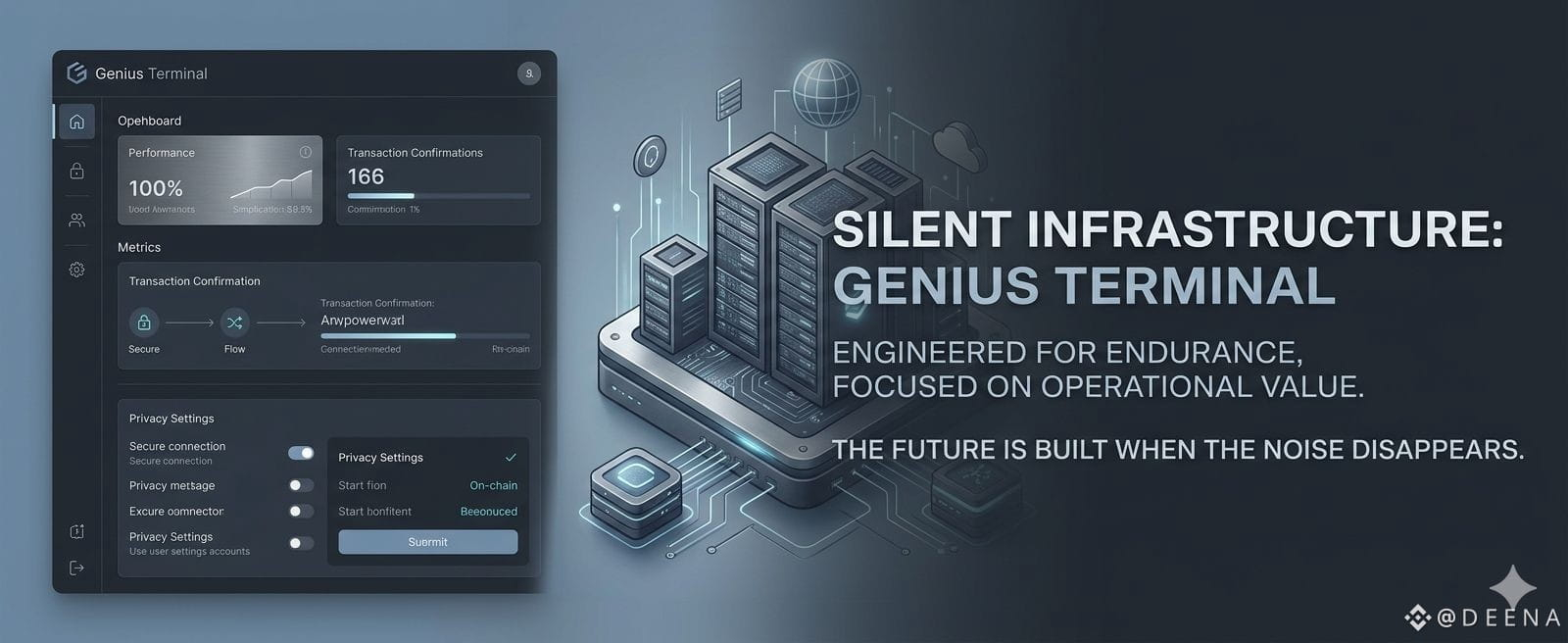
He pasado suficiente tiempo alrededor de productos en cadena para reconocer la diferencia entre plataformas construidas para llamar la atención y plataformas construidas para la resistencia.
Genius Terminal inmediatamente me dio la segunda impresión.
Lo primero que Noté fue la moderación. Sin complejidad innecesaria. Sin ruido agresivo. Sin intento de forzar el impulso a través del espectáculo. Todo se siente intencional, desde la estructura hasta el flujo de ejecución. Lleva ese tipo de confianza que generalmente proviene de equipos enfocados más en el rendimiento que en la visibilidad.
Lo que más me llamó la atención fue la forma en que la privacidad se siente integrada en la experiencia en lugar de añadirse como una capa narrativa después. Eso cambia completamente la atmósfera. El terminal se siente controlado, enfocado y diseñado para personas que valoran la precisión sobre la reacción.
También respeto lo limpio que se siente toda la dirección. En un espacio donde muchos productos compiten por la relevancia a corto plazo, Genius Terminal parece estar posicionado para un valor operativo a largo plazo. La arquitectura sugiere disciplina. La interfaz sugiere claridad. La presencia general sugiere madurez.
Creo que la próxima generación de infraestructura en cadena no estará definida por quién habla más fuerte.
Estará definida por quién construye sistemas capaces de permanecer esenciales cuando el ruido desaparece.
Genius Terminal ya se siente alineado con ese futuro.
$ALLO
$NIGHT
#genius @GeniusOfficial $GENIUS
{spot}(GENIUSUSDT)
Infraestructura Silenciosa
He pasado suficiente tiempo alrededor de productos en cadena para reconocer la diferencia entre plataformas construidas para llamar la atención y plataformas construidas para la resistencia.
Genius Terminal inmediatamente me dio la segunda impresión.
Lo primero que Noté fue la moderación. Sin complejidad innecesaria. Sin ruido agresivo. Sin intento de forzar el impulso a través del espectáculo. Todo se siente intencional, desde la estructura hasta el flujo de ejecución. Lleva ese tipo de confianza que generalmente proviene de equipos enfocados más en el rendimiento que en la visibilidad.
Lo que más me llamó la atención fue la forma en que la privacidad se siente integrada en la experiencia en lugar de añadirse como una capa narrativa después. Eso cambia completamente la atmósfera. El terminal se siente controlado, enfocado y diseñado para personas que valoran la precisión sobre la reacción.
También respeto lo limpio que se siente toda la dirección. En un espacio donde muchos productos compiten por la relevancia a corto plazo, Genius Terminal parece estar posicionado para un valor operativo a largo plazo. La arquitectura sugiere disciplina. La interfaz sugiere claridad. La presencia general sugiere madurez.
Creo que la próxima generación de infraestructura en cadena no estará definida por quién habla más fuerte.
Estará definida por quién construye sistemas capaces de permanecer esenciales cuando el ruido desaparece.
Genius Terminal ya se siente alineado con ese futuro.
$ALLO
$NIGHT
#genius @GeniusOfficial $GENIUS
He pasado suficiente tiempo alrededor de productos en cadena para reconocer la diferencia entre plataformas construidas para llamar la atención y plataformas construidas para la resistencia.
Genius Terminal inmediatamente me dio la segunda impresión.
Lo primero que Noté fue la moderación. Sin complejidad innecesaria. Sin ruido agresivo. Sin intento de forzar el impulso a través del espectáculo. Todo se siente intencional, desde la estructura hasta el flujo de ejecución. Lleva ese tipo de confianza que generalmente proviene de equipos enfocados más en el rendimiento que en la visibilidad.
Lo que más me llamó la atención fue la forma en que la privacidad se siente integrada en la experiencia en lugar de añadirse como una capa narrativa después. Eso cambia completamente la atmósfera. El terminal se siente controlado, enfocado y diseñado para personas que valoran la precisión sobre la reacción.
También respeto lo limpio que se siente toda la dirección. En un espacio donde muchos productos compiten por la relevancia a corto plazo, Genius Terminal parece estar posicionado para un valor operativo a largo plazo. La arquitectura sugiere disciplina. La interfaz sugiere claridad. La presencia general sugiere madurez.
Creo que la próxima generación de infraestructura en cadena no estará definida por quién habla más fuerte.
Estará definida por quién construye sistemas capaces de permanecer esenciales cuando el ruido desaparece.
Genius Terminal ya se siente alineado con ese futuro.
$ALLO
$NIGHT
#genius @GeniusOfficial $GENIUS
1
199
·
--
Solía pensar que la mayoría de los proyectos de IA eran solo un hype reciclado con una marca cara. Las mismas promesas. Las mismas palabras de moda. La misma narrativa de “el futuro de la inteligencia” repetida hasta que nadie la cuestiona. Pero cuanto más profundizaba en OpenLedger, más me daba cuenta de que la verdadera historia no es la IA en sí — es la propiedad.
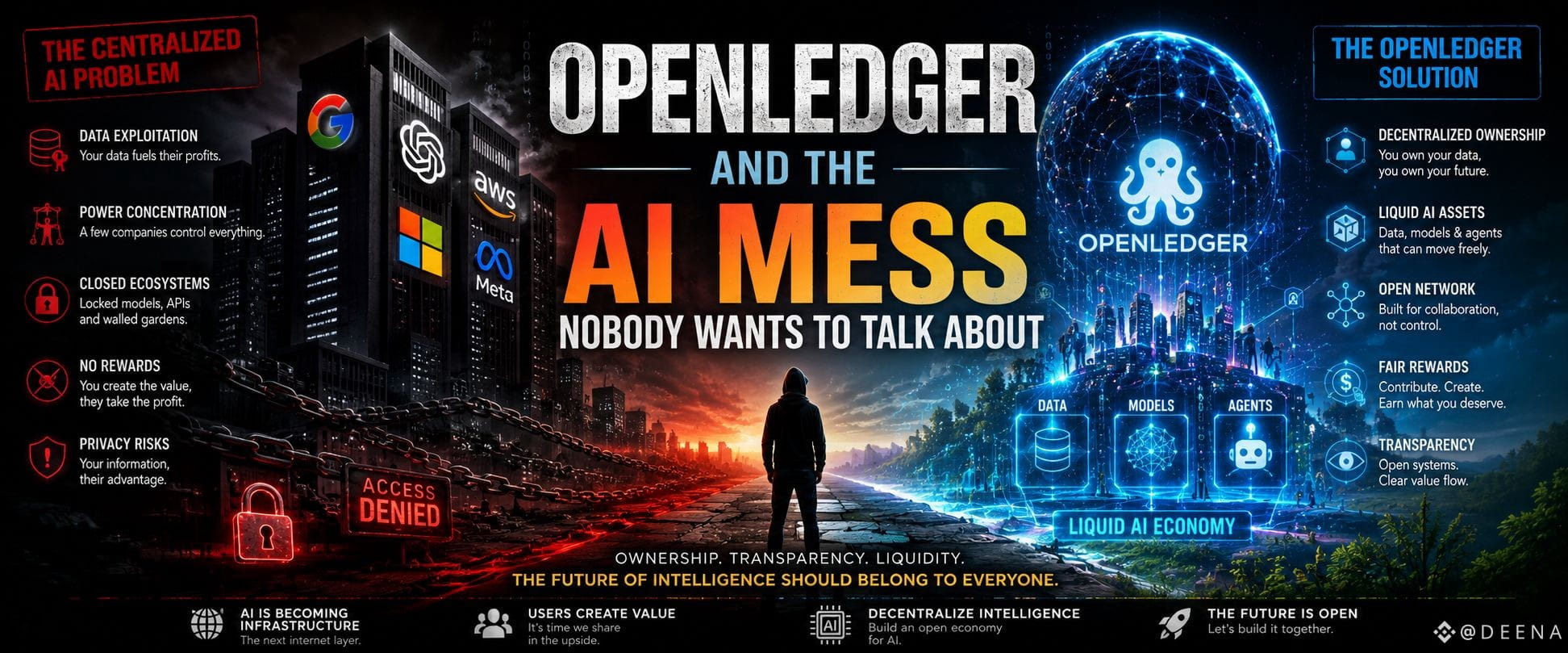
En este momento, unas pocas empresas gigantes controlan casi todo. Modelos. Datos. Infraestructura. Distribución. Mientras tanto, los usuarios normales alimentan estos sistemas todos los días de forma gratuita sin darse cuenta del valor que están creando. Esa es la parte que me parece rota.
Lo que llamó mi atención sobre OpenLedger es que realmente está apuntando al problema de infraestructura en lugar de cultivar participación con narrativas vacías de IA. La idea de que los datos, modelos y agentes de IA deberían moverse a través de una economía abierta en lugar de quedar atrapados dentro de muros corporativos tiene mucho más sentido de lo que la gente se da cuenta.
Y honestamente, creo que la mayoría de las personas todavía subestiman lo grande que se está convirtiendo este cambio.
La IA ya no es solo software.
Se está convirtiendo en infraestructura económica.
La verdadera batalla no será sobre quién construye el chatbot más inteligente.
Será sobre quién posee las vías debajo de la inteligencia misma.
#openledger @Openledger $OPEN
{spot}(OPENUSDT)
$XLM
$ALLO
Solía pensar que la mayoría de los proyectos de IA eran solo un hype reciclado con una marca cara. Las mismas promesas. Las mismas palabras de moda. La misma narrativa de “el futuro de la inteligencia” repetida hasta que nadie la cuestiona. Pero cuanto más profundizaba en OpenLedger, más me daba cuenta de que la verdadera historia no es la IA en sí — es la propiedad.
En este momento, unas pocas empresas gigantes controlan casi todo. Modelos. Datos. Infraestructura. Distribución. Mientras tanto, los usuarios normales alimentan estos sistemas todos los días de forma gratuita sin darse cuenta del valor que están creando. Esa es la parte que me parece rota.
Lo que llamó mi atención sobre OpenLedger es que realmente está apuntando al problema de infraestructura en lugar de cultivar participación con narrativas vacías de IA. La idea de que los datos, modelos y agentes de IA deberían moverse a través de una economía abierta en lugar de quedar atrapados dentro de muros corporativos tiene mucho más sentido de lo que la gente se da cuenta.
Y honestamente, creo que la mayoría de las personas todavía subestiman lo grande que se está convirtiendo este cambio.
La IA ya no es solo software.
Se está convirtiendo en infraestructura económica.
La verdadera batalla no será sobre quién construye el chatbot más inteligente.
Será sobre quién posee las vías debajo de la inteligencia misma.
#openledger @OpenLedger $OPEN
$XLM
$ALLO
En este momento, unas pocas empresas gigantes controlan casi todo. Modelos. Datos. Infraestructura. Distribución. Mientras tanto, los usuarios normales alimentan estos sistemas todos los días de forma gratuita sin darse cuenta del valor que están creando. Esa es la parte que me parece rota.
Lo que llamó mi atención sobre OpenLedger es que realmente está apuntando al problema de infraestructura en lugar de cultivar participación con narrativas vacías de IA. La idea de que los datos, modelos y agentes de IA deberían moverse a través de una economía abierta en lugar de quedar atrapados dentro de muros corporativos tiene mucho más sentido de lo que la gente se da cuenta.
Y honestamente, creo que la mayoría de las personas todavía subestiman lo grande que se está convirtiendo este cambio.
La IA ya no es solo software.
Se está convirtiendo en infraestructura económica.
La verdadera batalla no será sobre quién construye el chatbot más inteligente.
Será sobre quién posee las vías debajo de la inteligencia misma.
#openledger @OpenLedger $OPEN
$XLM
$ALLO
1
2
160
·
--
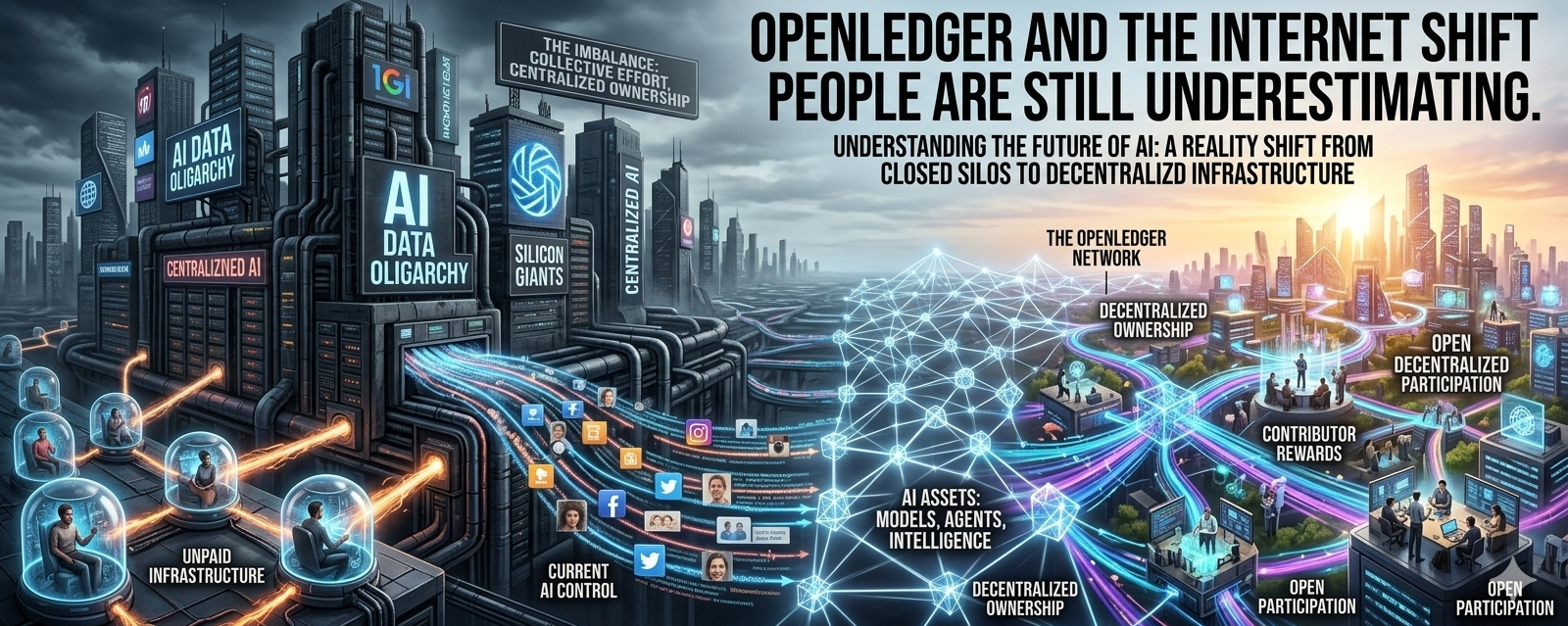
Artículo
OPENLEDGER Y EL CAMBIO EN INTERNET QUE LA GENTE SIGUE SUBESTIMANDOLa mayoría de los proyectos de IA en este momento se sienten vacíos tan pronto como miras más allá del marketing. Las mismas promesas recicladas por todas partes. Los mismos hilos dramáticos sobre “cambiar el futuro”. Las mismas páginas web pulidas llenas de palabras que nadie usa en la vida real. Cada proyecto de repente dice que está construyendo la próxima generación de inteligencia, pero cuando realmente indagas, la mayoría de ellos solo están reempaquetando los mismos sistemas centralizados con una etiqueta de cripto encima. Por eso tanta gente dejó de interesarse. La emoción se desvaneció porque el espacio se inundó de ruido. Demasiados fundadores intentando fabricar hype. Demasiados tokens pretendiendo ser tecnología. Demasiada gente persiguiendo tendencias sin siquiera entender qué problema se supone que deben resolver ya.
OPENLEDGER Y EL CAMBIO EN INTERNET QUE LA GENTE SIGUE SUBESTIMANDO
La mayoría de los proyectos de IA en este momento se sienten vacíos tan pronto como miras más allá del marketing. Las mismas promesas recicladas por todas partes. Los mismos hilos dramáticos sobre “cambiar el futuro”. Las mismas páginas web pulidas llenas de palabras que nadie usa en la vida real. Cada proyecto de repente dice que está construyendo la próxima generación de inteligencia, pero cuando realmente indagas, la mayoría de ellos solo están reempaquetando los mismos sistemas centralizados con una etiqueta de cripto encima. Por eso tanta gente dejó de interesarse. La emoción se desvaneció porque el espacio se inundó de ruido. Demasiados fundadores intentando fabricar hype. Demasiados tokens pretendiendo ser tecnología. Demasiada gente persiguiendo tendencias sin siquiera entender qué problema se supone que deben resolver ya.
1
2
134
·
--
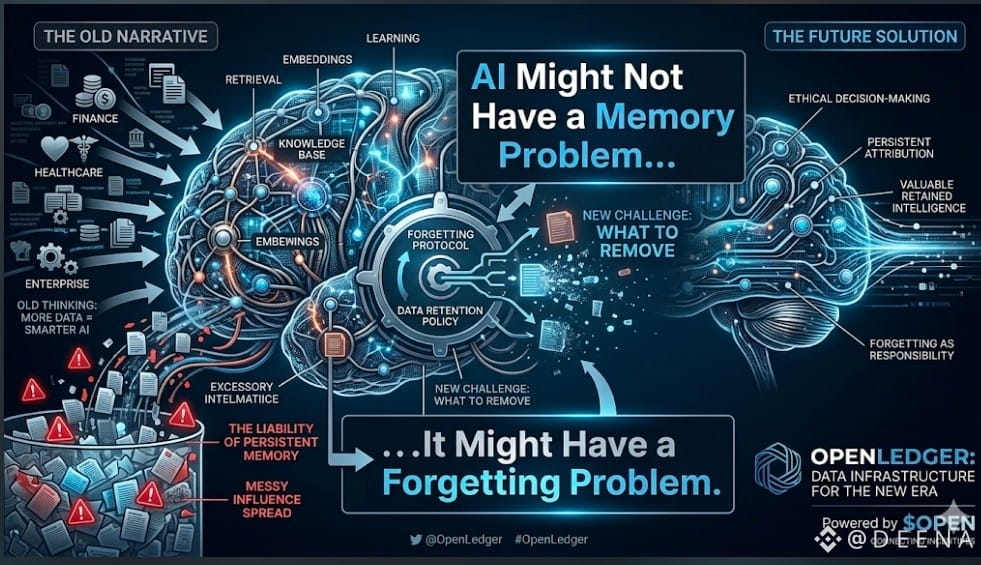
La IA podría no tener un problema de memoria... Podría tener un problema de olvido
He empezado a pensar en la IA de manera muy diferente últimamente. Durante años, toda la industria trató la memoria como una ventaja ilimitada. Cuanta más data un sistema podía recolectar, almacenar y aprender, más inteligente se volvía. Pero a medida que la IA se adentra en finanzas, salud, operaciones empresariales y toma de decisiones reales, siento que el verdadero desafío se está desplazando silenciosamente.
No creo que el futuro pertenezca a los sistemas que recuerdan todo para siempre.
Creo que podría pertenecer a los sistemas que entienden qué ya no debería ser recordado.
Por eso OpenLedger llamó mi atención.
La mayoría de la gente lo describe como una infraestructura de datos de IA donde los contribuyentes proporcionan información, los modelos mejoran, y $OPEN conecta los incentivos. Pero creo que hay una capa más profunda formándose debajo de esa narrativa. Una vez que la información entra en los sistemas de IA, eliminar su influencia se vuelve extremadamente difícil. Los datos se esparcen a través del entrenamiento, embeddings, sistemas de recuperación y patrones de comportamiento de maneras que son mucho más desordenadas de lo que la gente se da cuenta.
Y una vez que la IA comienza a tocar flujos de trabajo sensibles, la memoria misma se convierte en responsabilidad.
Eso cambia completamente la economía.
Si la atribución se vuelve persistente y valiosa, entonces la inteligencia retenida deja de ser infraestructura gratuita. De repente, olvidar se vuelve tan importante como aprender.
Y honestamente, no creo que el mercado haya valorado eso por completo aún.
#OpenLedger @Openledger $OPEN
{spot}(OPENUSDT)
La IA podría no tener un problema de memoria... Podría tener un problema de olvido
He empezado a pensar en la IA de manera muy diferente últimamente. Durante años, toda la industria trató la memoria como una ventaja ilimitada. Cuanta más data un sistema podía recolectar, almacenar y aprender, más inteligente se volvía. Pero a medida que la IA se adentra en finanzas, salud, operaciones empresariales y toma de decisiones reales, siento que el verdadero desafío se está desplazando silenciosamente.
No creo que el futuro pertenezca a los sistemas que recuerdan todo para siempre.
Creo que podría pertenecer a los sistemas que entienden qué ya no debería ser recordado.
Por eso OpenLedger llamó mi atención.
La mayoría de la gente lo describe como una infraestructura de datos de IA donde los contribuyentes proporcionan información, los modelos mejoran, y $OPEN conecta los incentivos. Pero creo que hay una capa más profunda formándose debajo de esa narrativa. Una vez que la información entra en los sistemas de IA, eliminar su influencia se vuelve extremadamente difícil. Los datos se esparcen a través del entrenamiento, embeddings, sistemas de recuperación y patrones de comportamiento de maneras que son mucho más desordenadas de lo que la gente se da cuenta.
Y una vez que la IA comienza a tocar flujos de trabajo sensibles, la memoria misma se convierte en responsabilidad.
Eso cambia completamente la economía.
Si la atribución se vuelve persistente y valiosa, entonces la inteligencia retenida deja de ser infraestructura gratuita. De repente, olvidar se vuelve tan importante como aprender.
Y honestamente, no creo que el mercado haya valorado eso por completo aún.
#OpenLedger @OpenLedger $OPEN
He empezado a pensar en la IA de manera muy diferente últimamente. Durante años, toda la industria trató la memoria como una ventaja ilimitada. Cuanta más data un sistema podía recolectar, almacenar y aprender, más inteligente se volvía. Pero a medida que la IA se adentra en finanzas, salud, operaciones empresariales y toma de decisiones reales, siento que el verdadero desafío se está desplazando silenciosamente.
No creo que el futuro pertenezca a los sistemas que recuerdan todo para siempre.
Creo que podría pertenecer a los sistemas que entienden qué ya no debería ser recordado.
Por eso OpenLedger llamó mi atención.
La mayoría de la gente lo describe como una infraestructura de datos de IA donde los contribuyentes proporcionan información, los modelos mejoran, y $OPEN conecta los incentivos. Pero creo que hay una capa más profunda formándose debajo de esa narrativa. Una vez que la información entra en los sistemas de IA, eliminar su influencia se vuelve extremadamente difícil. Los datos se esparcen a través del entrenamiento, embeddings, sistemas de recuperación y patrones de comportamiento de maneras que son mucho más desordenadas de lo que la gente se da cuenta.
Y una vez que la IA comienza a tocar flujos de trabajo sensibles, la memoria misma se convierte en responsabilidad.
Eso cambia completamente la economía.
Si la atribución se vuelve persistente y valiosa, entonces la inteligencia retenida deja de ser infraestructura gratuita. De repente, olvidar se vuelve tan importante como aprender.
Y honestamente, no creo que el mercado haya valorado eso por completo aún.
#OpenLedger @OpenLedger $OPEN
97
·
--
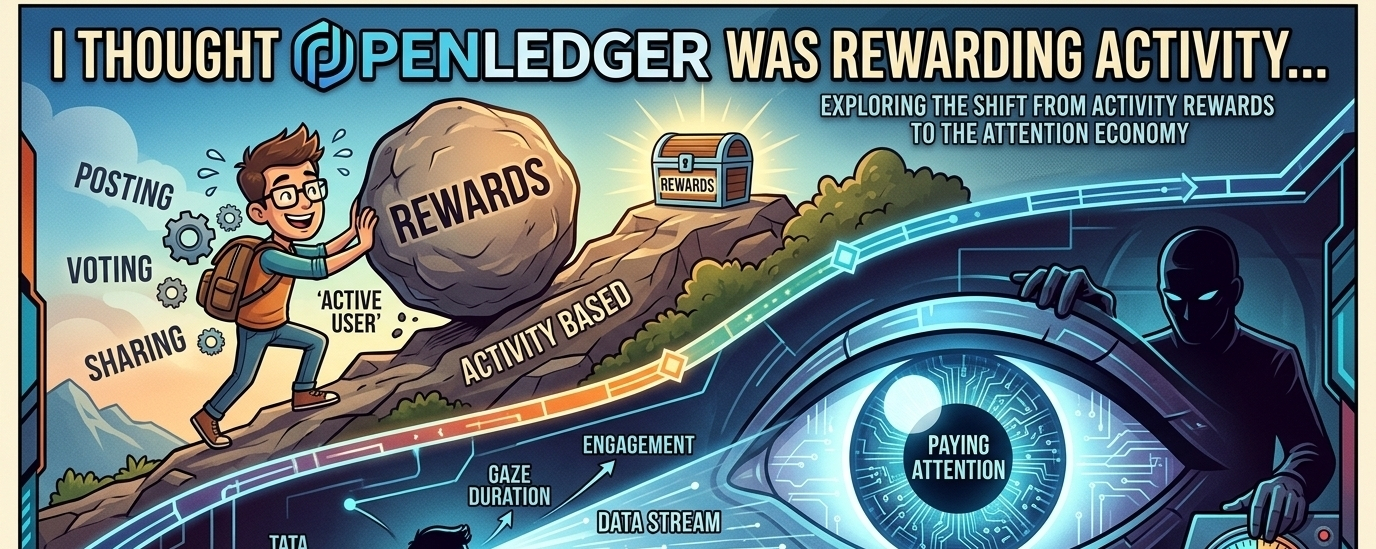
Artículo
Pensé que OpenLedger recompensaba la actividad… Hasta que me di cuenta de que prestaba atención a otra cosa
Cuando empecé a usar OpenLedger, pensé que entendía el sistema bastante rápido.
Se sentía similar a muchos otros ecosistemas que he visto antes. Mantente activo, completa tareas, participa consistentemente, vuelve mañana, repite. La estructura se sentía lo suficientemente familiar como para que no pensara demasiado en ello al principio. Honestamente, asumí que toda la idea era simple: cuanto más visible eres, más valor creas dentro de la red.
Y durante un tiempo, esa creencia tenía sentido para mí.
Porque los sistemas en línea generalmente nos entrenan a pensar que la actividad equivale a importancia. Si publicas más, interactúas más y te mantienes presente constantemente, eventualmente el sistema te nota. Así es como funcionan la mayoría de las plataformas ahora, así que naturalmente llevé la misma mentalidad a OpenLedger también.
Cuando empecé a usar OpenLedger, pensé que entendía el sistema bastante rápido.
Se sentía similar a muchos otros ecosistemas que he visto antes. Mantente activo, completa tareas, participa consistentemente, vuelve mañana, repite. La estructura se sentía lo suficientemente familiar como para que no pensara demasiado en ello al principio. Honestamente, asumí que toda la idea era simple: cuanto más visible eres, más valor creas dentro de la red.
Y durante un tiempo, esa creencia tenía sentido para mí.
Porque los sistemas en línea generalmente nos entrenan a pensar que la actividad equivale a importancia. Si publicas más, interactúas más y te mantienes presente constantemente, eventualmente el sistema te nota. Así es como funcionan la mayoría de las plataformas ahora, así que naturalmente llevé la misma mentalidad a OpenLedger también.
Pensé que OpenLedger recompensaba la actividad… Hasta que me di cuenta de que prestaba atención a otra cosa
Cuando empecé a usar OpenLedger, pensé que entendía el sistema bastante rápido.
Se sentía similar a muchos otros ecosistemas que he visto antes. Mantente activo, completa tareas, participa consistentemente, vuelve mañana, repite. La estructura se sentía lo suficientemente familiar como para que no pensara demasiado en ello al principio. Honestamente, asumí que toda la idea era simple: cuanto más visible eres, más valor creas dentro de la red.
Y durante un tiempo, esa creencia tenía sentido para mí.
Porque los sistemas en línea generalmente nos entrenan a pensar que la actividad equivale a importancia. Si publicas más, interactúas más y te mantienes presente constantemente, eventualmente el sistema te nota. Así es como funcionan la mayoría de las plataformas ahora, así que naturalmente llevé la misma mentalidad a OpenLedger también.
100
·
--
Por qué creo que Genius Terminal está cambiando silenciosamente la forma en que se siente el trading en la cadena
Solía pensar que la mayoría de las terminales en cadena eran básicamente lo mismo con diferentes interfaces, diferente branding y promesas de ejecución ligeramente más rápidas. Pero cuanto más tiempo pasé observando cómo los traders realmente se mueven en los mercados, más me di cuenta de que la verdadera brecha no es solo la velocidad. Se trata de privacidad, simplicidad y la sensación de control mientras todo a tu alrededor se mueve en caos. Ahí es donde Genius Terminal comenzó a destacar para mí.
Lo que llamó mi atención es la idea de ser la primera terminal en cadena privada y final. En cripto, la gente habla constantemente sobre la transparencia, pero muy pocos hablan sobre el costo de exponer cada movimiento antes de la ejecución. El mercado observa todo. Las wallets son rastreadas. Las estrategias se convierten en patrones públicos. Con el tiempo, eso cambia el comportamiento del trader mismo. Creo que Genius Terminal entiende esa fricción oculta mejor que la mayoría de las plataformas.
Lo que hace esto interesante no es el hype o el marketing llamativo. Es la dirección. La terminal se siente construida en torno al enfoque en la ejecución en lugar del ruido. Flujo más limpio. Menos distracción. Más control sobre cómo los usuarios interactúan con la liquidez y la información en cadena.
Creo que la próxima fase de la infraestructura cripto pertenecerá a productos que reducen la fricción silenciosamente mientras los usuarios apenas se dan cuenta de que está sucediendo. Genius Terminal se siente como uno de esos sistemas.
#genius @GeniusOfficial $GENIUS
{spot}(GENIUSUSDT)
Por qué creo que Genius Terminal está cambiando silenciosamente la forma en que se siente el trading en la cadena
Solía pensar que la mayoría de las terminales en cadena eran básicamente lo mismo con diferentes interfaces, diferente branding y promesas de ejecución ligeramente más rápidas. Pero cuanto más tiempo pasé observando cómo los traders realmente se mueven en los mercados, más me di cuenta de que la verdadera brecha no es solo la velocidad. Se trata de privacidad, simplicidad y la sensación de control mientras todo a tu alrededor se mueve en caos. Ahí es donde Genius Terminal comenzó a destacar para mí.
Lo que llamó mi atención es la idea de ser la primera terminal en cadena privada y final. En cripto, la gente habla constantemente sobre la transparencia, pero muy pocos hablan sobre el costo de exponer cada movimiento antes de la ejecución. El mercado observa todo. Las wallets son rastreadas. Las estrategias se convierten en patrones públicos. Con el tiempo, eso cambia el comportamiento del trader mismo. Creo que Genius Terminal entiende esa fricción oculta mejor que la mayoría de las plataformas.
Lo que hace esto interesante no es el hype o el marketing llamativo. Es la dirección. La terminal se siente construida en torno al enfoque en la ejecución en lugar del ruido. Flujo más limpio. Menos distracción. Más control sobre cómo los usuarios interactúan con la liquidez y la información en cadena.
Creo que la próxima fase de la infraestructura cripto pertenecerá a productos que reducen la fricción silenciosamente mientras los usuarios apenas se dan cuenta de que está sucediendo. Genius Terminal se siente como uno de esos sistemas.
#genius @GeniusOfficial $GENIUS
Solía pensar que la mayoría de las terminales en cadena eran básicamente lo mismo con diferentes interfaces, diferente branding y promesas de ejecución ligeramente más rápidas. Pero cuanto más tiempo pasé observando cómo los traders realmente se mueven en los mercados, más me di cuenta de que la verdadera brecha no es solo la velocidad. Se trata de privacidad, simplicidad y la sensación de control mientras todo a tu alrededor se mueve en caos. Ahí es donde Genius Terminal comenzó a destacar para mí.
Lo que llamó mi atención es la idea de ser la primera terminal en cadena privada y final. En cripto, la gente habla constantemente sobre la transparencia, pero muy pocos hablan sobre el costo de exponer cada movimiento antes de la ejecución. El mercado observa todo. Las wallets son rastreadas. Las estrategias se convierten en patrones públicos. Con el tiempo, eso cambia el comportamiento del trader mismo. Creo que Genius Terminal entiende esa fricción oculta mejor que la mayoría de las plataformas.
Lo que hace esto interesante no es el hype o el marketing llamativo. Es la dirección. La terminal se siente construida en torno al enfoque en la ejecución en lugar del ruido. Flujo más limpio. Menos distracción. Más control sobre cómo los usuarios interactúan con la liquidez y la información en cadena.
Creo que la próxima fase de la infraestructura cripto pertenecerá a productos que reducen la fricción silenciosamente mientras los usuarios apenas se dan cuenta de que está sucediendo. Genius Terminal se siente como uno de esos sistemas.
#genius @GeniusOfficial $GENIUS
90
·
--
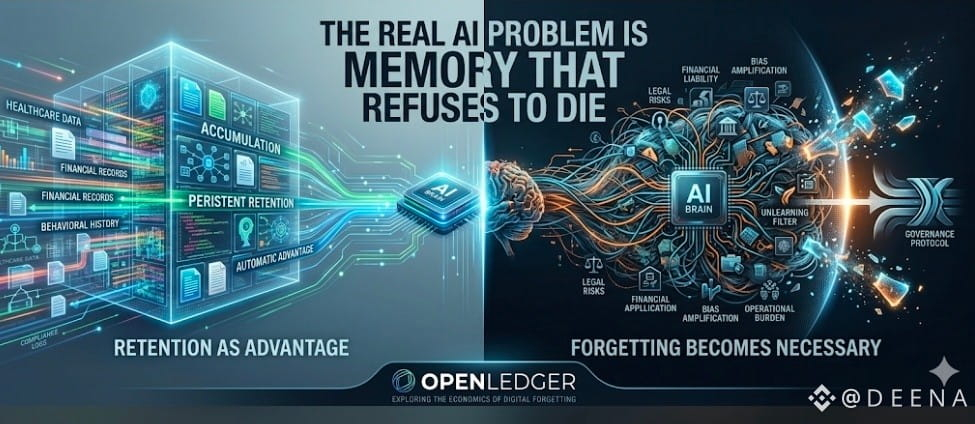
El verdadero problema de la IA puede no ser la inteligencia... sino la memoria que se niega a morir
Sigo volviendo a un pensamiento incómodo sobre la IA.
El verdadero problema puede no ser la inteligencia en absoluto. Puede ser la memoria.
Durante años, la industria tecnológica trató la retención como una ventaja automática. Almacena más datos. Rastrea más comportamientos. Conserva más historia. La suposición era simple: más memoria crea mejores sistemas.
Pero cuanto más profundo se adentra la IA en la salud, las finanzas, el cumplimiento, las operaciones al cliente y la toma de decisiones, más difícil se vuelve ignorar el lado negativo de esa lógica.
Porque la IA realmente no “olvida”.
Una vez que la información entra en un pipeline de entrenamiento, capa de recuperación o sistema de comportamiento, se dispersa por el modelo de maneras que son difíciles de aislar después. Eliminar un archivo es fácil. Eliminar la influencia de la información de la inteligencia misma es mucho más difícil.
Ese cambio es parte de por qué OpenLedger comenzó a parecerme más interesante.
Al principio lo vi como otra narrativa de infraestructura de IA centrada en la atribución y la coordinación de datos. Pero la capa más profunda puede ser algo completamente diferente.
Una vez que la atribución se vuelve persistente y económicamente significativa, la memoria deja de ser infraestructura gratuita. Se convierte en un pasivo, un activo y, eventualmente, en un problema de gobernanza, todo a la vez.
Y en el momento en que la memoria lleva peso legal, financiero y operativo, olvidar deja de parecer ineficiente.
Empieza a parecer necesario.
#openledger @Openledger $OPEN
{spot}(OPENUSDT)
El verdadero problema de la IA puede no ser la inteligencia... sino la memoria que se niega a morir
Sigo volviendo a un pensamiento incómodo sobre la IA.
El verdadero problema puede no ser la inteligencia en absoluto. Puede ser la memoria.
Durante años, la industria tecnológica trató la retención como una ventaja automática. Almacena más datos. Rastrea más comportamientos. Conserva más historia. La suposición era simple: más memoria crea mejores sistemas.
Pero cuanto más profundo se adentra la IA en la salud, las finanzas, el cumplimiento, las operaciones al cliente y la toma de decisiones, más difícil se vuelve ignorar el lado negativo de esa lógica.
Porque la IA realmente no “olvida”.
Una vez que la información entra en un pipeline de entrenamiento, capa de recuperación o sistema de comportamiento, se dispersa por el modelo de maneras que son difíciles de aislar después. Eliminar un archivo es fácil. Eliminar la influencia de la información de la inteligencia misma es mucho más difícil.
Ese cambio es parte de por qué OpenLedger comenzó a parecerme más interesante.
Al principio lo vi como otra narrativa de infraestructura de IA centrada en la atribución y la coordinación de datos. Pero la capa más profunda puede ser algo completamente diferente.
Una vez que la atribución se vuelve persistente y económicamente significativa, la memoria deja de ser infraestructura gratuita. Se convierte en un pasivo, un activo y, eventualmente, en un problema de gobernanza, todo a la vez.
Y en el momento en que la memoria lleva peso legal, financiero y operativo, olvidar deja de parecer ineficiente.
Empieza a parecer necesario.
#openledger @OpenLedger $OPEN
Sigo volviendo a un pensamiento incómodo sobre la IA.
El verdadero problema puede no ser la inteligencia en absoluto. Puede ser la memoria.
Durante años, la industria tecnológica trató la retención como una ventaja automática. Almacena más datos. Rastrea más comportamientos. Conserva más historia. La suposición era simple: más memoria crea mejores sistemas.
Pero cuanto más profundo se adentra la IA en la salud, las finanzas, el cumplimiento, las operaciones al cliente y la toma de decisiones, más difícil se vuelve ignorar el lado negativo de esa lógica.
Porque la IA realmente no “olvida”.
Una vez que la información entra en un pipeline de entrenamiento, capa de recuperación o sistema de comportamiento, se dispersa por el modelo de maneras que son difíciles de aislar después. Eliminar un archivo es fácil. Eliminar la influencia de la información de la inteligencia misma es mucho más difícil.
Ese cambio es parte de por qué OpenLedger comenzó a parecerme más interesante.
Al principio lo vi como otra narrativa de infraestructura de IA centrada en la atribución y la coordinación de datos. Pero la capa más profunda puede ser algo completamente diferente.
Una vez que la atribución se vuelve persistente y económicamente significativa, la memoria deja de ser infraestructura gratuita. Se convierte en un pasivo, un activo y, eventualmente, en un problema de gobernanza, todo a la vez.
Y en el momento en que la memoria lleva peso legal, financiero y operativo, olvidar deja de parecer ineficiente.
Empieza a parecer necesario.
#openledger @OpenLedger $OPEN
90
Inicia sesión para explorar más contenidos
Únete a usuarios globales de criptomonedas en Binance Square
⚡️ Obtén información útil y actualizada sobre criptos.
💬 Avalado por el mayor exchange de criptomonedas en el mundo.
👍 Descubre perspectivas reales de creadores verificados.
Email/número de teléfono
Temas populares
HYPEJumpsOver11%
5,358 vistas
279 están debatiendo
🚨 EL HYPE ACABA DE VOLTEAR EL MERCADO
$HYPE +11% en 7 Días
Mientras $XRP y $ETH estaban sangrando...
HYPE entró al TOP 10 y sacó a Cardano.
¿Por qué?
-\u003e $1.3B+ Interés Abierto
-\u003e Entradas a ETFs superando a los ETFs de BTC & ETH
-\u003e Quema masiva de suministro en progreso
Esto no es solo un pump. Esto es dominio.
¿Lo estás viendo o ESTÁS DENTRO? 👇
#HYPE #Hyperliquid #Crypto #BinanceSquare#hypejumpsover11%
True News
·3 me gusta
·1.7k vistas
ZcashDevelopersTargetNU7MainnetActivationNov5
0 vistas
2 están debatiendo
BitcoinSpotETFsNetInflow$159M
1,707 vistas
73 están debatiendo