
CoinPhoton
7.8k Publicaciones
CoinPhoton
 Verificado Plus de Binance Square
Denunciar
Bloquear usuario

Creator of the Year

Level 2 Creator
Abrir trade
Trader ocasional
7.5 año(s)
15 Siguiendo
146.5K+ Seguidores
146.6K+ Me gusta
2 Insignias
Publicaciones
Cartera
Todo
Citas
Videos
Live
·
--
StoneX ha iniciado la cobertura de Robinhood con una calificación de Compra y un precio objetivo de 170 dólares, lo que sugiere aproximadamente un 45% de subida desde el cierre del martes.
El analista Mark Palmer dijo que casi todos los principales indicadores operativos en Robinhood se están acelerando, destacando la cadena de Robinhood y los mercados de predicción como motores clave de crecimiento.
StoneX estima que la cadena de Robinhood podría generar hasta 980 millones de dólares en ingresos anuales para el año fiscal 2029, con un margen del 85%. La red de Capa 2 se ha clasificado recientemente entre las cadenas de Ethereum que generan las comisiones más altas.
Los mercados de predicción son otro impulsor importante. Robinhood registró 13.600 millones de contratos de eventos negociados en el 2T, generando alrededor de 156 millones de dólares en ingresos, un 50% más trimestre a trimestre.
La llamada alcista sigue al reciente precio objetivo de 160 dólares de Bernstein, reforzando el optimismo creciente de Wall Street sobre la expansión de Robinhood más allá del trading minorista tradicional.
StoneX ha iniciado la cobertura de Robinhood con una calificación de Compra y un precio objetivo de 170 dólares, lo que sugiere aproximadamente un 45% de subida desde el cierre del martes.
El analista Mark Palmer dijo que casi todos los principales indicadores operativos en Robinhood se están acelerando, destacando la cadena de Robinhood y los mercados de predicción como motores clave de crecimiento.
StoneX estima que la cadena de Robinhood podría generar hasta 980 millones de dólares en ingresos anuales para el año fiscal 2029, con un margen del 85%. La red de Capa 2 se ha clasificado recientemente entre las cadenas de Ethereum que generan las comisiones más altas.
Los mercados de predicción son otro impulsor importante. Robinhood registró 13.600 millones de contratos de eventos negociados en el 2T, generando alrededor de 156 millones de dólares en ingresos, un 50% más trimestre a trimestre.
La llamada alcista sigue al reciente precio objetivo de 160 dólares de Bernstein, reforzando el optimismo creciente de Wall Street sobre la expansión de Robinhood más allá del trading minorista tradicional.
El analista Mark Palmer dijo que casi todos los principales indicadores operativos en Robinhood se están acelerando, destacando la cadena de Robinhood y los mercados de predicción como motores clave de crecimiento.
StoneX estima que la cadena de Robinhood podría generar hasta 980 millones de dólares en ingresos anuales para el año fiscal 2029, con un margen del 85%. La red de Capa 2 se ha clasificado recientemente entre las cadenas de Ethereum que generan las comisiones más altas.
Los mercados de predicción son otro impulsor importante. Robinhood registró 13.600 millones de contratos de eventos negociados en el 2T, generando alrededor de 156 millones de dólares en ingresos, un 50% más trimestre a trimestre.
La llamada alcista sigue al reciente precio objetivo de 160 dólares de Bernstein, reforzando el optimismo creciente de Wall Street sobre la expansión de Robinhood más allá del trading minorista tradicional.
189
·
--
Verificado
El primer ETF de criptomonedas en Estados Unidos vinculado a Tron en modalidad de staking está previsto para lanzarse el miércoles bajo el ticker TRXS, brindando a los inversores exposición a TRX a través de mercados tradicionales.
El ETF de TRX en staking de Canary también capturará las recompensas de staking generadas mediante la red de prueba de participación (proof-of-stake) de Tron, con esas recompensas reflejadas en el valor liquidativo del fondo.
TRX actualmente tiene una capitalización de mercado de aproximadamente 32.1 mil millones de dólares, lo que lo convierte en la octava criptomoneda más grande.
Canary Capital dijo que el producto está dirigido a inversores que buscan exposición no solo a TRX en sí, sino también al crecimiento más amplio de la red de Tron, que se utiliza ampliamente para pagos y liquidaciones de stablecoins. $TRX
{future}(TRXUSDT)
El primer ETF de criptomonedas en Estados Unidos vinculado a Tron en modalidad de staking está previsto para lanzarse el miércoles bajo el ticker TRXS, brindando a los inversores exposición a TRX a través de mercados tradicionales.
El ETF de TRX en staking de Canary también capturará las recompensas de staking generadas mediante la red de prueba de participación (proof-of-stake) de Tron, con esas recompensas reflejadas en el valor liquidativo del fondo.
TRX actualmente tiene una capitalización de mercado de aproximadamente 32.1 mil millones de dólares, lo que lo convierte en la octava criptomoneda más grande.
Canary Capital dijo que el producto está dirigido a inversores que buscan exposición no solo a TRX en sí, sino también al crecimiento más amplio de la red de Tron, que se utiliza ampliamente para pagos y liquidaciones de stablecoins. $TRX
El ETF de TRX en staking de Canary también capturará las recompensas de staking generadas mediante la red de prueba de participación (proof-of-stake) de Tron, con esas recompensas reflejadas en el valor liquidativo del fondo.
TRX actualmente tiene una capitalización de mercado de aproximadamente 32.1 mil millones de dólares, lo que lo convierte en la octava criptomoneda más grande.
Canary Capital dijo que el producto está dirigido a inversores que buscan exposición no solo a TRX en sí, sino también al crecimiento más amplio de la red de Tron, que se utiliza ampliamente para pagos y liquidaciones de stablecoins. $TRX
1
1.5k
·
--
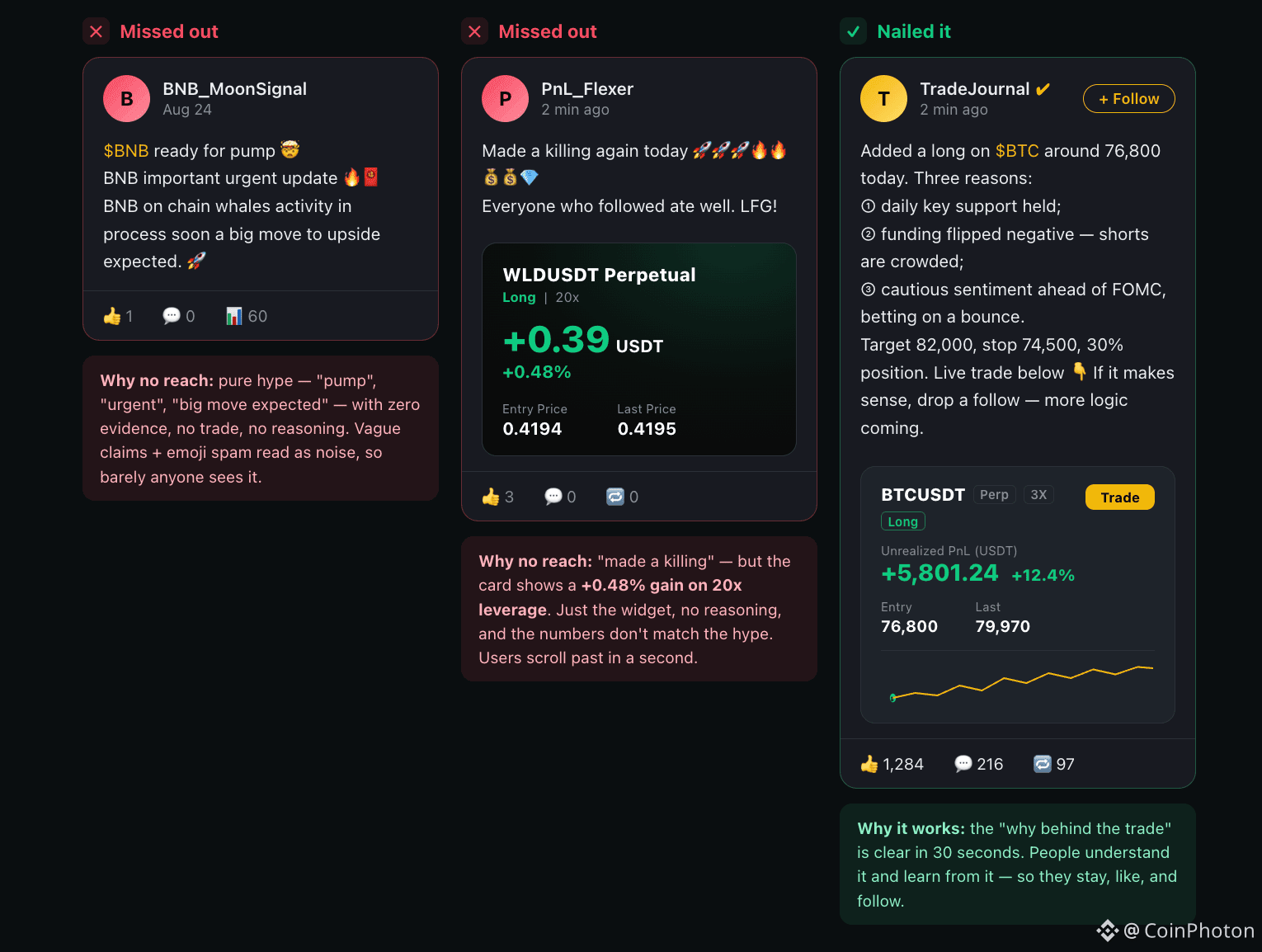
¿Publicas mucho en Binance Square pero aun así obtienes pocas vistas? Puede que te falte lo único que la plataforma claramente quiere: tu propia opinión.
La Creator Academy de Binance Square compartió una guía útil para conseguir más alcance. La idea principal es sencilla: publicar solo noticias o ticks candentes no es suficiente.
Para mejorar el rendimiento:
Publicaciones de trading: Llama la jugada → explica tu punto de vista → muestra lo que hiciste → añade un CTA.
Si compartes operaciones, mantenlas reales. Capturas falsas, posiciones que no coinciden o actividad artificial pueden perjudicar el alcance de tu cuenta.
Para publicaciones de noticias, no te limites a republicar el titular. Agrega al menos 50 palabras de tu propio análisis: ¿Por qué importa? ¿Qué token o sector podría beneficiarse? ¿Qué estás siguiendo o haciendo a continuación?
Los primeros 3 segundos son los más importantes. Un gancho débil puede arruinar una publicación que, por lo demás, sería sólida.
Evita el spam de tickers, las noticias repetitivas, los emojis excesivos y el cebo forzado de “BREAKING”.
Cierra de forma natural con un CTA para que te sigan si quieres construir una audiencia con el tiempo.
Mi mayor conclusión: Binance Square parece premiar a los creadores que aportan criterio y acción, no a las cuentas que simplemente reciclan noticias.
Dos personas pueden publicar la misma historia, pero la que explica por qué importa y lo que planea hacer al respecto tiene muchas más probabilidades de mantener a los lectores interesados y convertir vistas en seguidores.
Me voy a enfocar más en noticias + impacto en el mercado + mi postura personal, en lugar de solo publicar titulares.
Sígueme para más noticias de cripto, análisis del mercado y actualizaciones centradas en trading.
#CreatorAcademy #BinanceSquare #crypto #bitcoin #trading $BNB
{future}(BNBUSDT)
¿Publicas mucho en Binance Square pero aun así obtienes pocas vistas? Puede que te falte lo único que la plataforma claramente quiere: tu propia opinión.
La Creator Academy de Binance Square compartió una guía útil para conseguir más alcance. La idea principal es sencilla: publicar solo noticias o ticks candentes no es suficiente.
Para mejorar el rendimiento:
Publicaciones de trading: Llama la jugada → explica tu punto de vista → muestra lo que hiciste → añade un CTA.
Si compartes operaciones, mantenlas reales. Capturas falsas, posiciones que no coinciden o actividad artificial pueden perjudicar el alcance de tu cuenta.
Para publicaciones de noticias, no te limites a republicar el titular. Agrega al menos 50 palabras de tu propio análisis: ¿Por qué importa? ¿Qué token o sector podría beneficiarse? ¿Qué estás siguiendo o haciendo a continuación?
Los primeros 3 segundos son los más importantes. Un gancho débil puede arruinar una publicación que, por lo demás, sería sólida.
Evita el spam de tickers, las noticias repetitivas, los emojis excesivos y el cebo forzado de “BREAKING”.
Cierra de forma natural con un CTA para que te sigan si quieres construir una audiencia con el tiempo.
Mi mayor conclusión: Binance Square parece premiar a los creadores que aportan criterio y acción, no a las cuentas que simplemente reciclan noticias.
Dos personas pueden publicar la misma historia, pero la que explica por qué importa y lo que planea hacer al respecto tiene muchas más probabilidades de mantener a los lectores interesados y convertir vistas en seguidores.
Me voy a enfocar más en noticias + impacto en el mercado + mi postura personal, en lugar de solo publicar titulares.
Sígueme para más noticias de cripto, análisis del mercado y actualizaciones centradas en trading.
#CreatorAcademy #BinanceSquare #crypto #bitcoin #trading $BNB
La Creator Academy de Binance Square compartió una guía útil para conseguir más alcance. La idea principal es sencilla: publicar solo noticias o ticks candentes no es suficiente.
Para mejorar el rendimiento:
Publicaciones de trading: Llama la jugada → explica tu punto de vista → muestra lo que hiciste → añade un CTA.
Si compartes operaciones, mantenlas reales. Capturas falsas, posiciones que no coinciden o actividad artificial pueden perjudicar el alcance de tu cuenta.
Para publicaciones de noticias, no te limites a republicar el titular. Agrega al menos 50 palabras de tu propio análisis: ¿Por qué importa? ¿Qué token o sector podría beneficiarse? ¿Qué estás siguiendo o haciendo a continuación?
Los primeros 3 segundos son los más importantes. Un gancho débil puede arruinar una publicación que, por lo demás, sería sólida.
Evita el spam de tickers, las noticias repetitivas, los emojis excesivos y el cebo forzado de “BREAKING”.
Cierra de forma natural con un CTA para que te sigan si quieres construir una audiencia con el tiempo.
Mi mayor conclusión: Binance Square parece premiar a los creadores que aportan criterio y acción, no a las cuentas que simplemente reciclan noticias.
Dos personas pueden publicar la misma historia, pero la que explica por qué importa y lo que planea hacer al respecto tiene muchas más probabilidades de mantener a los lectores interesados y convertir vistas en seguidores.
Me voy a enfocar más en noticias + impacto en el mercado + mi postura personal, en lugar de solo publicar titulares.
Sígueme para más noticias de cripto, análisis del mercado y actualizaciones centradas en trading.
#CreatorAcademy #BinanceSquare #crypto #bitcoin #trading $BNB
2
1.3k
·
--
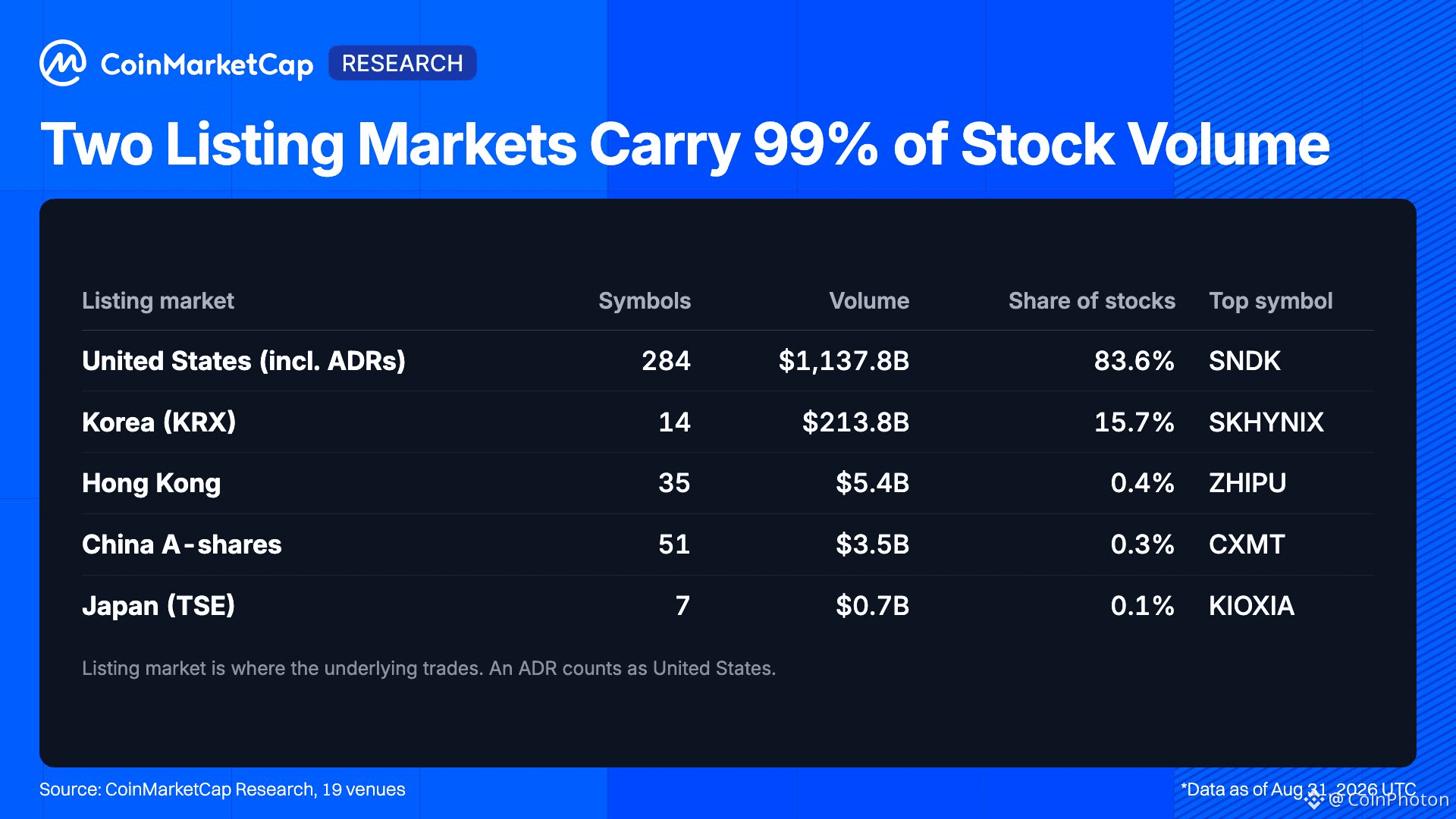
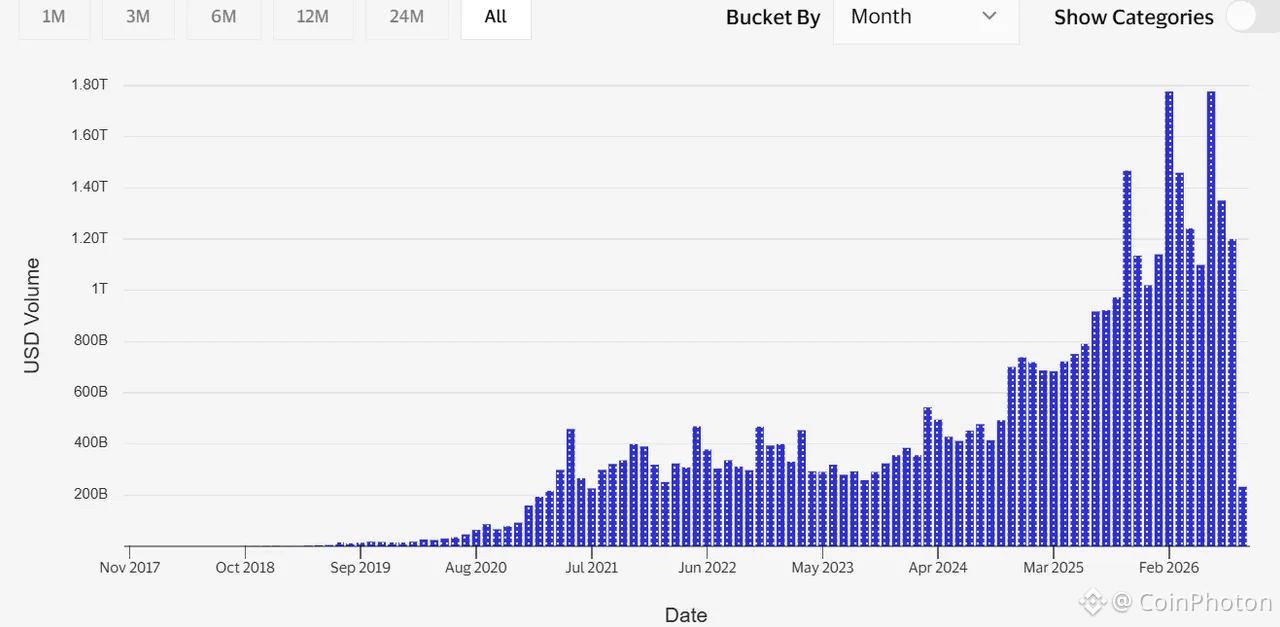
Las acciones de EE. UU. y Corea representan más del 99% del volumen total de negociación de acciones perpetuas RWA, lo que pone de relieve la extrema concentración del mercado emergente.
Las acciones listadas en EE. UU., incluidas las ADR, generaron aproximadamente 1,14 billones de dólares en 284 símbolos, lo que representa el 83,6% del volumen total de stock-perp. Corea ocupó el segundo lugar con 213,8 mil millones de dólares, a pesar de que la actividad está concentrada en apenas 14 tickers.
En conjunto, EE. UU. y Corea suman el 99,3% del mercado, mientras que Hong Kong, las acciones A de China y Tokio, en conjunto, representan menos del 1%, aunque aportan 93 símbolos adicionales.
La actividad coreana está particularmente concentrada: la mayor parte del volumen está impulsado por el comercio de chips de memoria más que por una exposición amplia al mercado bursátil del país.
Las acciones de EE. UU. y Corea representan más del 99% del volumen total de negociación de acciones perpetuas RWA, lo que pone de relieve la extrema concentración del mercado emergente.
Las acciones listadas en EE. UU., incluidas las ADR, generaron aproximadamente 1,14 billones de dólares en 284 símbolos, lo que representa el 83,6% del volumen total de stock-perp. Corea ocupó el segundo lugar con 213,8 mil millones de dólares, a pesar de que la actividad está concentrada en apenas 14 tickers.
En conjunto, EE. UU. y Corea suman el 99,3% del mercado, mientras que Hong Kong, las acciones A de China y Tokio, en conjunto, representan menos del 1%, aunque aportan 93 símbolos adicionales.
La actividad coreana está particularmente concentrada: la mayor parte del volumen está impulsado por el comercio de chips de memoria más que por una exposición amplia al mercado bursátil del país.
Las acciones listadas en EE. UU., incluidas las ADR, generaron aproximadamente 1,14 billones de dólares en 284 símbolos, lo que representa el 83,6% del volumen total de stock-perp. Corea ocupó el segundo lugar con 213,8 mil millones de dólares, a pesar de que la actividad está concentrada en apenas 14 tickers.
En conjunto, EE. UU. y Corea suman el 99,3% del mercado, mientras que Hong Kong, las acciones A de China y Tokio, en conjunto, representan menos del 1%, aunque aportan 93 símbolos adicionales.
La actividad coreana está particularmente concentrada: la mayor parte del volumen está impulsado por el comercio de chips de memoria más que por una exposición amplia al mercado bursátil del país.
1
422
·
--
El interés abierto total de Hyperliquid ha vuelto a subir hasta los 14.300 millones de dólares, situándose a un 3% de los niveles observados justo antes del histórico desplome del 10 de octubre de 2025.
Durante ese desplome, el interés abierto (OI) de Hyperliquid cayó aproximadamente un 56% en un solo día, de 14.700 millones de dólares a 6.500 millones de dólares. La recuperación se impulsó inicialmente por los mercados de HIP-3, que representaron cerca del 30% del crecimiento del OI de la plataforma en los últimos seis meses.
Más recientemente, sin embargo, el crecimiento se ha desplazado de nuevo hacia los mercados principales de cripto perpetuos de Hyperliquid. Entre los posibles catalizadores se incluyen el enrutamiento de usuarios de Base App a Hyperliquid por parte de Coinbase y las expectativas de que los reguladores de EE. UU. podrían eventualmente habilitar el acceso regulado desde el país.
Ese cambio es especialmente importante para HYPE porque aproximadamente el 97% de las comisiones generadas por los perps de cripto core de Hyperliquid se destina a recompras de HYPE, haciendo que el crecimiento en los mercados principales sea más valioso para el token que la actividad de HIP-3.
HYPE ha subido más de un 50% este mes, alcanzando un máximo histórico cercano a 88 dólares y una capitalización de mercado de casi 20.000 millones de dólares. $HYPE
{future}(HYPEUSDT)
El interés abierto total de Hyperliquid ha vuelto a subir hasta los 14.300 millones de dólares, situándose a un 3% de los niveles observados justo antes del histórico desplome del 10 de octubre de 2025.
Durante ese desplome, el interés abierto (OI) de Hyperliquid cayó aproximadamente un 56% en un solo día, de 14.700 millones de dólares a 6.500 millones de dólares. La recuperación se impulsó inicialmente por los mercados de HIP-3, que representaron cerca del 30% del crecimiento del OI de la plataforma en los últimos seis meses.
Más recientemente, sin embargo, el crecimiento se ha desplazado de nuevo hacia los mercados principales de cripto perpetuos de Hyperliquid. Entre los posibles catalizadores se incluyen el enrutamiento de usuarios de Base App a Hyperliquid por parte de Coinbase y las expectativas de que los reguladores de EE. UU. podrían eventualmente habilitar el acceso regulado desde el país.
Ese cambio es especialmente importante para HYPE porque aproximadamente el 97% de las comisiones generadas por los perps de cripto core de Hyperliquid se destina a recompras de HYPE, haciendo que el crecimiento en los mercados principales sea más valioso para el token que la actividad de HIP-3.
HYPE ha subido más de un 50% este mes, alcanzando un máximo histórico cercano a 88 dólares y una capitalización de mercado de casi 20.000 millones de dólares. $HYPE
Durante ese desplome, el interés abierto (OI) de Hyperliquid cayó aproximadamente un 56% en un solo día, de 14.700 millones de dólares a 6.500 millones de dólares. La recuperación se impulsó inicialmente por los mercados de HIP-3, que representaron cerca del 30% del crecimiento del OI de la plataforma en los últimos seis meses.
Más recientemente, sin embargo, el crecimiento se ha desplazado de nuevo hacia los mercados principales de cripto perpetuos de Hyperliquid. Entre los posibles catalizadores se incluyen el enrutamiento de usuarios de Base App a Hyperliquid por parte de Coinbase y las expectativas de que los reguladores de EE. UU. podrían eventualmente habilitar el acceso regulado desde el país.
Ese cambio es especialmente importante para HYPE porque aproximadamente el 97% de las comisiones generadas por los perps de cripto core de Hyperliquid se destina a recompras de HYPE, haciendo que el crecimiento en los mercados principales sea más valioso para el token que la actividad de HIP-3.
HYPE ha subido más de un 50% este mes, alcanzando un máximo histórico cercano a 88 dólares y una capitalización de mercado de casi 20.000 millones de dólares. $HYPE
283
·
--
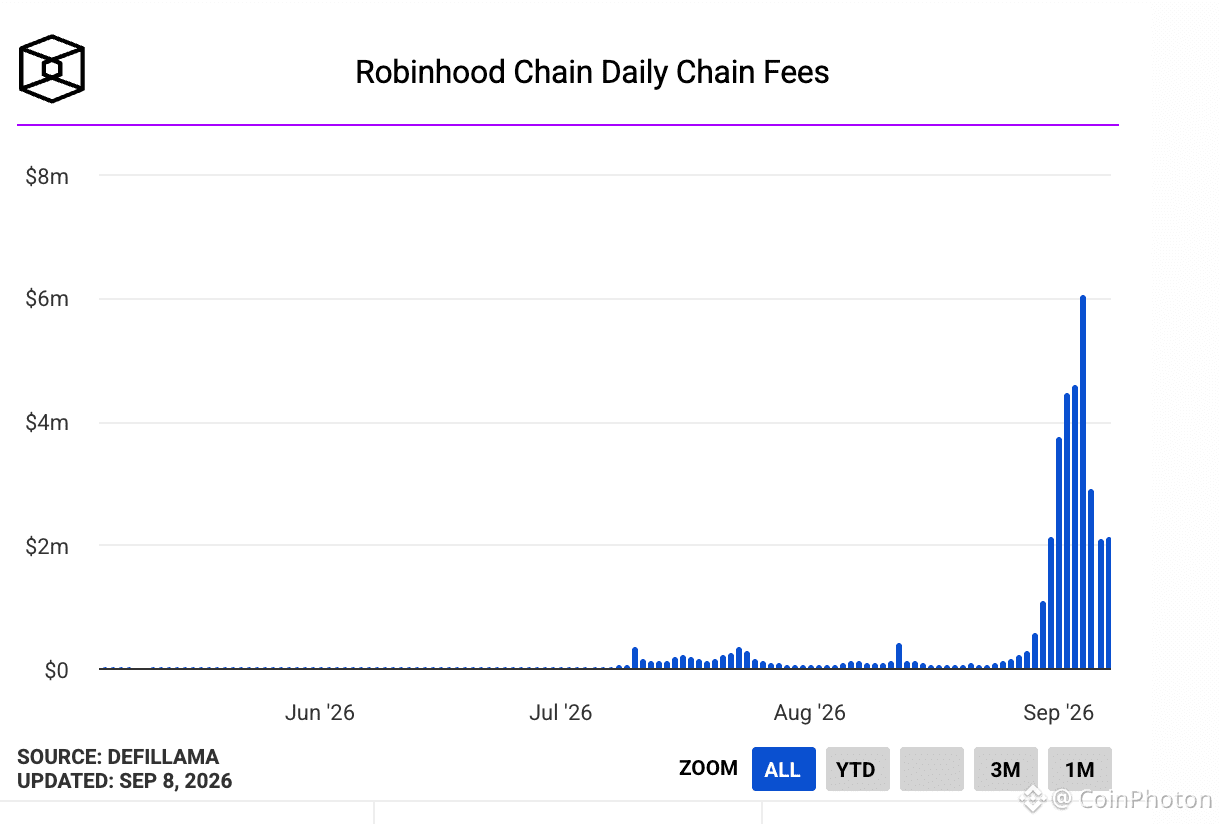
PONS se disparó hasta alcanzar una valoración histórica máxima por encima de 970 millones de dólares cuando la actividad en la cadena de Robinhood explotó, impulsando las comisiones semanales de la red hasta multiplicarse por 17.
La cadena de Robinhood generó un récord de 6 millones de dólares en comisiones el 4 de septiembre, mientras que las comisiones de siete días alcanzaron aproximadamente 25 millones de dólares, en comparación con solo 1,4 millones la semana anterior. El volumen semanal de DEX también se duplicó con creces hasta llegar a 12,4 mil millones de dólares.
El impulso se debió en gran medida a Pons, ahora el principal “token launchpad” (plataforma de lanzamiento de tokens) de la cadena de Robinhood. Solo el 3 de septiembre, Pons generó casi 6 millones de dólares en comisiones, superando tanto a Pump.fun como a Hyperliquid ese día.
PONS ha ganado más de 200% en una semana. Alrededor del 80% de los ingresos de Pons se utiliza para recomprar tokens, mientras que más del 28% del suministro de tokens ya se ha quemado, creando un sólido mecanismo de recompra y quema vinculado directamente con la actividad de la plataforma.
PONS se disparó hasta alcanzar una valoración histórica máxima por encima de 970 millones de dólares cuando la actividad en la cadena de Robinhood explotó, impulsando las comisiones semanales de la red hasta multiplicarse por 17.
La cadena de Robinhood generó un récord de 6 millones de dólares en comisiones el 4 de septiembre, mientras que las comisiones de siete días alcanzaron aproximadamente 25 millones de dólares, en comparación con solo 1,4 millones la semana anterior. El volumen semanal de DEX también se duplicó con creces hasta llegar a 12,4 mil millones de dólares.
El impulso se debió en gran medida a Pons, ahora el principal “token launchpad” (plataforma de lanzamiento de tokens) de la cadena de Robinhood. Solo el 3 de septiembre, Pons generó casi 6 millones de dólares en comisiones, superando tanto a Pump.fun como a Hyperliquid ese día.
PONS ha ganado más de 200% en una semana. Alrededor del 80% de los ingresos de Pons se utiliza para recomprar tokens, mientras que más del 28% del suministro de tokens ya se ha quemado, creando un sólido mecanismo de recompra y quema vinculado directamente con la actividad de la plataforma.
La cadena de Robinhood generó un récord de 6 millones de dólares en comisiones el 4 de septiembre, mientras que las comisiones de siete días alcanzaron aproximadamente 25 millones de dólares, en comparación con solo 1,4 millones la semana anterior. El volumen semanal de DEX también se duplicó con creces hasta llegar a 12,4 mil millones de dólares.
El impulso se debió en gran medida a Pons, ahora el principal “token launchpad” (plataforma de lanzamiento de tokens) de la cadena de Robinhood. Solo el 3 de septiembre, Pons generó casi 6 millones de dólares en comisiones, superando tanto a Pump.fun como a Hyperliquid ese día.
PONS ha ganado más de 200% en una semana. Alrededor del 80% de los ingresos de Pons se utiliza para recomprar tokens, mientras que más del 28% del suministro de tokens ya se ha quemado, creando un sólido mecanismo de recompra y quema vinculado directamente con la actividad de la plataforma.
446
·
--
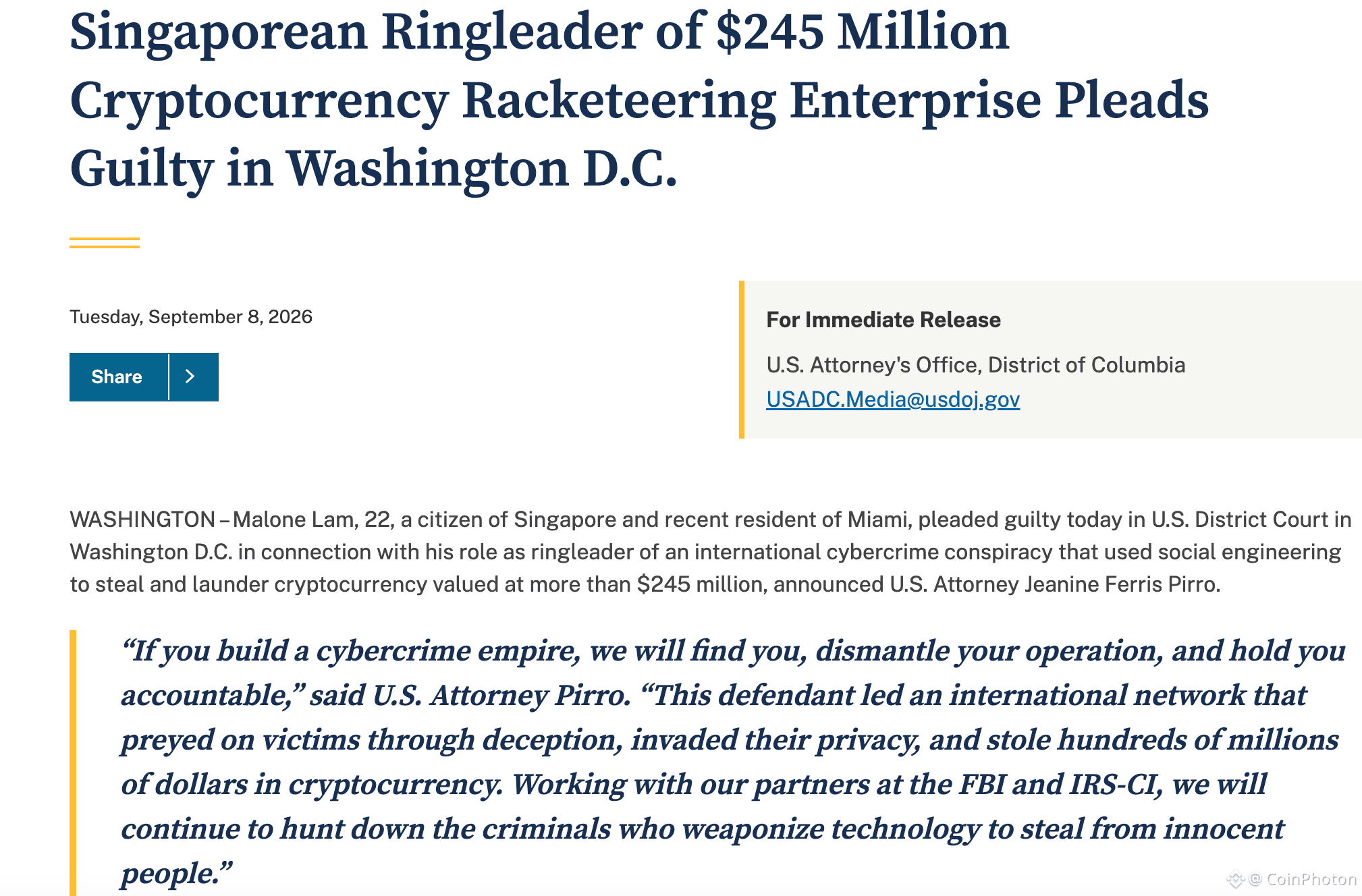
Un hombre singapurense de 22 años se declaró culpable de liderar una operación internacional de ingeniería social que robó y blanqueó más de 245 millones de dólares en criptomonedas.
Malone Lam, que utilizó alias como “Anne Hathaway”, “$$$” y “King Greavy”, se declaró culpable de un cargo de conspiración federal de racketeering, según la Oficina del Fiscal de Estados Unidos para el Distrito de Columbia.
Los fiscales dijeron que Lam identificó a las víctimas y coordinó a los miembros del esquema. Los fondos robados supuestamente se gastaron en autos de lujo, relojes, bolsos, propiedades de alquiler de alta gama y facturas de clubes nocturnos que se acercaban a los 500.000 dólares por noche.
Lam se enfrenta a hasta 20 años de prisión, con una audiencia de situación programada para el 8 de diciembre.
Un hombre singapurense de 22 años se declaró culpable de liderar una operación internacional de ingeniería social que robó y blanqueó más de 245 millones de dólares en criptomonedas.
Malone Lam, que utilizó alias como “Anne Hathaway”, “$$$” y “King Greavy”, se declaró culpable de un cargo de conspiración federal de racketeering, según la Oficina del Fiscal de Estados Unidos para el Distrito de Columbia.
Los fiscales dijeron que Lam identificó a las víctimas y coordinó a los miembros del esquema. Los fondos robados supuestamente se gastaron en autos de lujo, relojes, bolsos, propiedades de alquiler de alta gama y facturas de clubes nocturnos que se acercaban a los 500.000 dólares por noche.
Lam se enfrenta a hasta 20 años de prisión, con una audiencia de situación programada para el 8 de diciembre.
Malone Lam, que utilizó alias como “Anne Hathaway”, “$$$” y “King Greavy”, se declaró culpable de un cargo de conspiración federal de racketeering, según la Oficina del Fiscal de Estados Unidos para el Distrito de Columbia.
Los fiscales dijeron que Lam identificó a las víctimas y coordinó a los miembros del esquema. Los fondos robados supuestamente se gastaron en autos de lujo, relojes, bolsos, propiedades de alquiler de alta gama y facturas de clubes nocturnos que se acercaban a los 500.000 dólares por noche.
Lam se enfrenta a hasta 20 años de prisión, con una audiencia de situación programada para el 8 de diciembre.
399
·
--
Block, Inc., fundada por Jack Dorsey, ha presentado una solicitud para establecer un banco fiduciario nacional con regulación federal llamado Builders Bank & Trust, N.A.
La empresa de pagos presentó su solicitud ante la Oficina del Contralor de la Moneda (OCC). Si se aprueba, el banco fiduciario nacional no asegurado brindaría servicios de custodia y fiduciarios, incluido el apoyo para Bitcoin y las stablecoins.
Block dijo que una carta federal le daría a la empresa un marco nacional más claro para la custodia de activos digitales y las actividades relacionadas que ya ofrece.
El movimiento llega en un momento en que más empresas de fintech y cripto buscan cartas bancarias federales. Empresas como Coinbase, Paxos, BitGo, Ripple, Circle y Revolut también han solicitado o recibido aprobaciones, ya que la OCC amplía su participación con el sector de activos digitales. $BTC
{future}(BTCUSDT)
Block, Inc., fundada por Jack Dorsey, ha presentado una solicitud para establecer un banco fiduciario nacional con regulación federal llamado Builders Bank & Trust, N.A.
La empresa de pagos presentó su solicitud ante la Oficina del Contralor de la Moneda (OCC). Si se aprueba, el banco fiduciario nacional no asegurado brindaría servicios de custodia y fiduciarios, incluido el apoyo para Bitcoin y las stablecoins.
Block dijo que una carta federal le daría a la empresa un marco nacional más claro para la custodia de activos digitales y las actividades relacionadas que ya ofrece.
El movimiento llega en un momento en que más empresas de fintech y cripto buscan cartas bancarias federales. Empresas como Coinbase, Paxos, BitGo, Ripple, Circle y Revolut también han solicitado o recibido aprobaciones, ya que la OCC amplía su participación con el sector de activos digitales. $BTC
La empresa de pagos presentó su solicitud ante la Oficina del Contralor de la Moneda (OCC). Si se aprueba, el banco fiduciario nacional no asegurado brindaría servicios de custodia y fiduciarios, incluido el apoyo para Bitcoin y las stablecoins.
Block dijo que una carta federal le daría a la empresa un marco nacional más claro para la custodia de activos digitales y las actividades relacionadas que ya ofrece.
El movimiento llega en un momento en que más empresas de fintech y cripto buscan cartas bancarias federales. Empresas como Coinbase, Paxos, BitGo, Ripple, Circle y Revolut también han solicitado o recibido aprobaciones, ya que la OCC amplía su participación con el sector de activos digitales. $BTC
377
·
--
Visa está integrando el préstamo en cadena (onchain) con su red de liquidación, ofreciendo a los programas de tarjetas vinculados a stablecoins una nueva forma de acceder a capital de trabajo.
El gigante de los pagos indicó que los datos de VisaNet se combinarán con infraestructura de préstamo basada en blockchain, lo que permitirá a los prestamistas evaluar a los prestatarios usando tanto los registros de liquidación de Visa como los datos de transacciones onchain, y posteriormente financiar sus obligaciones de pago.
Visa destacó a Credit Coop como un ejemplo temprano. El protocolo de préstamo en blockchain ha financiado más de 2.500 millones de dólares en volumen de liquidación acumulado desde 2023, a través de más de 3.000 eventos de endeudamiento.
El movimiento llega mientras se acelera el negocio de stablecoins de Visa. Ahora operan en su red más de 160 programas de tarjetas vinculadas a stablecoins, con un volumen de pagos que ha aumentado casi un 200% interanual, mientras que el volumen de liquidación de stablecoins ha superado una tasa anualizada de 20.000 millones de dólares.
Visa está integrando el préstamo en cadena (onchain) con su red de liquidación, ofreciendo a los programas de tarjetas vinculados a stablecoins una nueva forma de acceder a capital de trabajo.
El gigante de los pagos indicó que los datos de VisaNet se combinarán con infraestructura de préstamo basada en blockchain, lo que permitirá a los prestamistas evaluar a los prestatarios usando tanto los registros de liquidación de Visa como los datos de transacciones onchain, y posteriormente financiar sus obligaciones de pago.
Visa destacó a Credit Coop como un ejemplo temprano. El protocolo de préstamo en blockchain ha financiado más de 2.500 millones de dólares en volumen de liquidación acumulado desde 2023, a través de más de 3.000 eventos de endeudamiento.
El movimiento llega mientras se acelera el negocio de stablecoins de Visa. Ahora operan en su red más de 160 programas de tarjetas vinculadas a stablecoins, con un volumen de pagos que ha aumentado casi un 200% interanual, mientras que el volumen de liquidación de stablecoins ha superado una tasa anualizada de 20.000 millones de dólares.
El gigante de los pagos indicó que los datos de VisaNet se combinarán con infraestructura de préstamo basada en blockchain, lo que permitirá a los prestamistas evaluar a los prestatarios usando tanto los registros de liquidación de Visa como los datos de transacciones onchain, y posteriormente financiar sus obligaciones de pago.
Visa destacó a Credit Coop como un ejemplo temprano. El protocolo de préstamo en blockchain ha financiado más de 2.500 millones de dólares en volumen de liquidación acumulado desde 2023, a través de más de 3.000 eventos de endeudamiento.
El movimiento llega mientras se acelera el negocio de stablecoins de Visa. Ahora operan en su red más de 160 programas de tarjetas vinculadas a stablecoins, con un volumen de pagos que ha aumentado casi un 200% interanual, mientras que el volumen de liquidación de stablecoins ha superado una tasa anualizada de 20.000 millones de dólares.
128
·
--
Dos sospechosos del homicidio de cuatro personas en México supuestamente llevaron a cabo el ataque mientras buscaban una “cold wallet” (billetera fría) que creían que contenía millones de dólares en Bitcoin.
Los fiscales dicen que las víctimas incluían a Camilo Séptimo, el tecladista Jonathan Meléndez, su esposa embarazada, su hija y un empleado en su domicilio en Atizapán de Zaragoza. También mataron al perro de la familia.
Se informó que uno de los sospechosos era un socio comercial de una de las víctimas y, presuntamente, utilizó esa relación para obtener acceso a la propiedad.
El caso surge en medio de un fuerte aumento de los llamados ataques con “crypto wrench”, en los que los delincuentes usan violencia física o amenazas para robar activos digitales. CertiK registró 52 de esos ataques en todo el mundo en la primera mitad de 2026, un 33% más que el año anterior, mientras que Chainalysis estima que más de 30 millones de dólares en cripto fueron robados mediante estos incidentes durante el periodo. $BTC
{future}(BTCUSDT)
Dos sospechosos del homicidio de cuatro personas en México supuestamente llevaron a cabo el ataque mientras buscaban una “cold wallet” (billetera fría) que creían que contenía millones de dólares en Bitcoin.
Los fiscales dicen que las víctimas incluían a Camilo Séptimo, el tecladista Jonathan Meléndez, su esposa embarazada, su hija y un empleado en su domicilio en Atizapán de Zaragoza. También mataron al perro de la familia.
Se informó que uno de los sospechosos era un socio comercial de una de las víctimas y, presuntamente, utilizó esa relación para obtener acceso a la propiedad.
El caso surge en medio de un fuerte aumento de los llamados ataques con “crypto wrench”, en los que los delincuentes usan violencia física o amenazas para robar activos digitales. CertiK registró 52 de esos ataques en todo el mundo en la primera mitad de 2026, un 33% más que el año anterior, mientras que Chainalysis estima que más de 30 millones de dólares en cripto fueron robados mediante estos incidentes durante el periodo. $BTC
Los fiscales dicen que las víctimas incluían a Camilo Séptimo, el tecladista Jonathan Meléndez, su esposa embarazada, su hija y un empleado en su domicilio en Atizapán de Zaragoza. También mataron al perro de la familia.
Se informó que uno de los sospechosos era un socio comercial de una de las víctimas y, presuntamente, utilizó esa relación para obtener acceso a la propiedad.
El caso surge en medio de un fuerte aumento de los llamados ataques con “crypto wrench”, en los que los delincuentes usan violencia física o amenazas para robar activos digitales. CertiK registró 52 de esos ataques en todo el mundo en la primera mitad de 2026, un 33% más que el año anterior, mientras que Chainalysis estima que más de 30 millones de dólares en cripto fueron robados mediante estos incidentes durante el periodo. $BTC
62
·
--
Verificado
StablecoinX ha nombrado como CEO al ex ejecutivo de activos digitales de Franklin Templeton, Christopher Jensen, poniéndolo al frente del mayor tenedor corporativo del token ENA de Ethena.
Jensen sucede a Ted Chen, quien lideró StablecoinX durante su salida a bolsa en Nasdaq en junio y seguirá siendo presidente del consejo.
StablecoinX, que cotiza bajo el ticker $USDE
{spot}(USDEUSDT)
, tiene aproximadamente 3.03 mil millones $ENA
{future}(ENAUSDT)
tokens, equivalente a alrededor del 20% del suministro total de ENA.
Jensen anteriormente se desempeñó como gestor de carteras y director de investigación de activos digitales en Franklin Templeton, donde ayudó a desarrollar el negocio de activos digitales de la firma y obtuvo una exposición temprana a Ethena a través de su inversión semilla.
El nombramiento llega mientras Ethena amplía su ecosistema con Ethena Pay, mientras que ENA ha subido más de un 80% durante el último mes hasta rondar los 0,16 dólares, a pesar de seguir cerca de un 20% por debajo en lo que va de año.
StablecoinX ha nombrado como CEO al ex ejecutivo de activos digitales de Franklin Templeton, Christopher Jensen, poniéndolo al frente del mayor tenedor corporativo del token ENA de Ethena.
Jensen sucede a Ted Chen, quien lideró StablecoinX durante su salida a bolsa en Nasdaq en junio y seguirá siendo presidente del consejo.
StablecoinX, que cotiza bajo el ticker $USDE
, tiene aproximadamente 3.03 mil millones $ENA
tokens, equivalente a alrededor del 20% del suministro total de ENA.
Jensen anteriormente se desempeñó como gestor de carteras y director de investigación de activos digitales en Franklin Templeton, donde ayudó a desarrollar el negocio de activos digitales de la firma y obtuvo una exposición temprana a Ethena a través de su inversión semilla.
El nombramiento llega mientras Ethena amplía su ecosistema con Ethena Pay, mientras que ENA ha subido más de un 80% durante el último mes hasta rondar los 0,16 dólares, a pesar de seguir cerca de un 20% por debajo en lo que va de año.
Jensen sucede a Ted Chen, quien lideró StablecoinX durante su salida a bolsa en Nasdaq en junio y seguirá siendo presidente del consejo.
StablecoinX, que cotiza bajo el ticker $USDE
, tiene aproximadamente 3.03 mil millones $ENA
tokens, equivalente a alrededor del 20% del suministro total de ENA.
Jensen anteriormente se desempeñó como gestor de carteras y director de investigación de activos digitales en Franklin Templeton, donde ayudó a desarrollar el negocio de activos digitales de la firma y obtuvo una exposición temprana a Ethena a través de su inversión semilla.
El nombramiento llega mientras Ethena amplía su ecosistema con Ethena Pay, mientras que ENA ha subido más de un 80% durante el último mes hasta rondar los 0,16 dólares, a pesar de seguir cerca de un 20% por debajo en lo que va de año.
627
·
--
El bitcoin cayó brevemente por debajo de los $78,000 el martes, ya que la reanudación de las tensiones en Oriente Medio presionó a los activos de riesgo a nivel global y envió los precios del petróleo con fuerza al alza.
El BTC cayó hasta $77,600, su nivel más débil desde el 3 de septiembre, mientras que el S&P 500 y el Nasdaq también retrocedieron tras reportes de ataques de los hutíes en ciudades de Arabia Saudita y en infraestructura petrolera.
Los mercados del petróleo reaccionaron con fuerza: el crudo WTI se acercaba a los $95 por barril, un máximo de tres meses, mientras que el Brent se movía hacia los $100. Los precios más altos de la energía están aumentando las preocupaciones por la inflación de cara al informe del IPC de EE. UU. del viernes.
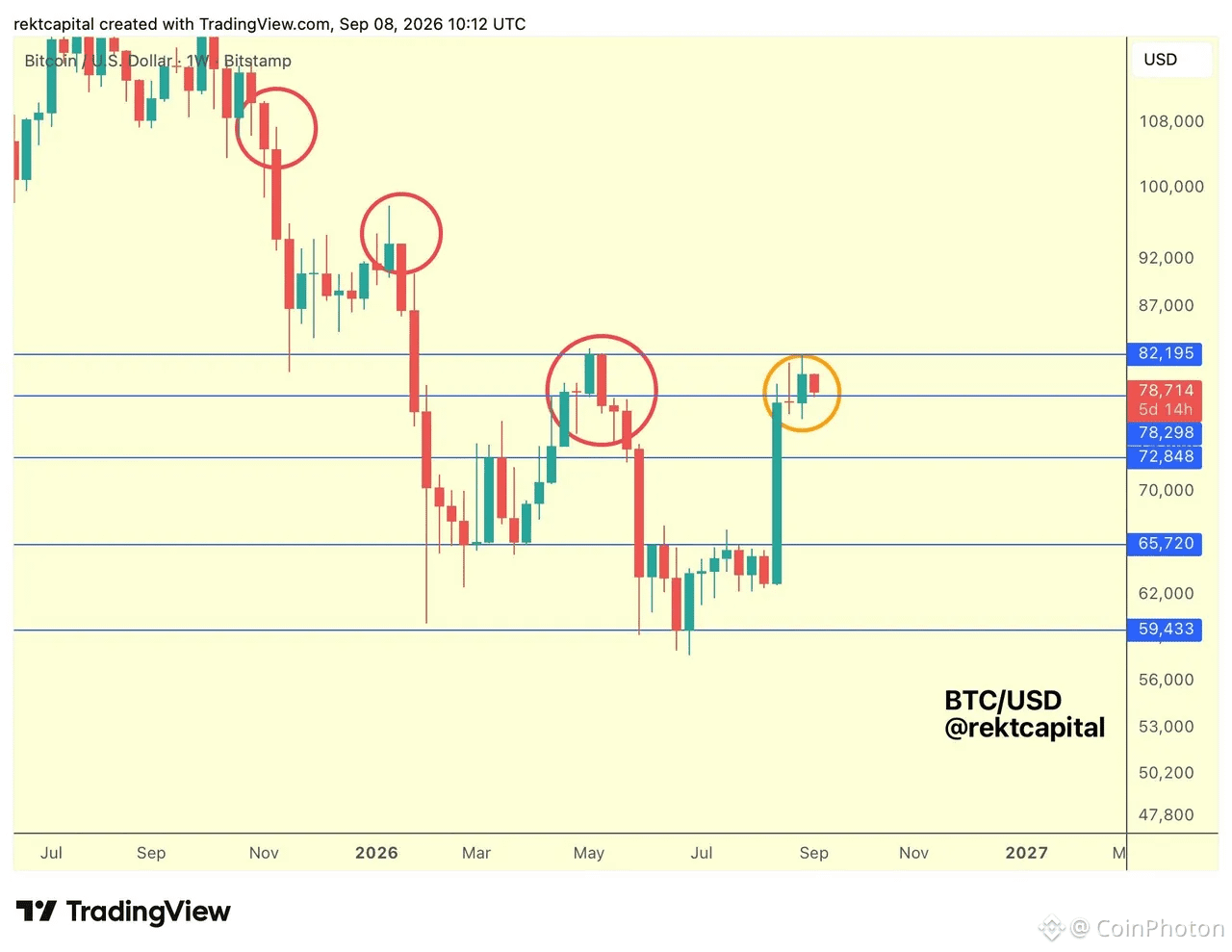
Ahora, el bitcoin está poniendo a prueba un área clave de soporte alrededor de los $78,300. El analista Rekt Capital advirtió que un cierre semanal por debajo de este nivel, seguido de un retesteo fallido, podría confirmar otra ruptura similar a la de mayo, cuando el BTC finalmente cayó hacia los $57,000. $BTC
{future}(BTCUSDT)
El bitcoin cayó brevemente por debajo de los $78,000 el martes, ya que la reanudación de las tensiones en Oriente Medio presionó a los activos de riesgo a nivel global y envió los precios del petróleo con fuerza al alza.
El BTC cayó hasta $77,600, su nivel más débil desde el 3 de septiembre, mientras que el S&P 500 y el Nasdaq también retrocedieron tras reportes de ataques de los hutíes en ciudades de Arabia Saudita y en infraestructura petrolera.
Los mercados del petróleo reaccionaron con fuerza: el crudo WTI se acercaba a los $95 por barril, un máximo de tres meses, mientras que el Brent se movía hacia los $100. Los precios más altos de la energía están aumentando las preocupaciones por la inflación de cara al informe del IPC de EE. UU. del viernes.
Ahora, el bitcoin está poniendo a prueba un área clave de soporte alrededor de los $78,300. El analista Rekt Capital advirtió que un cierre semanal por debajo de este nivel, seguido de un retesteo fallido, podría confirmar otra ruptura similar a la de mayo, cuando el BTC finalmente cayó hacia los $57,000. $BTC
El BTC cayó hasta $77,600, su nivel más débil desde el 3 de septiembre, mientras que el S&P 500 y el Nasdaq también retrocedieron tras reportes de ataques de los hutíes en ciudades de Arabia Saudita y en infraestructura petrolera.
Los mercados del petróleo reaccionaron con fuerza: el crudo WTI se acercaba a los $95 por barril, un máximo de tres meses, mientras que el Brent se movía hacia los $100. Los precios más altos de la energía están aumentando las preocupaciones por la inflación de cara al informe del IPC de EE. UU. del viernes.
Ahora, el bitcoin está poniendo a prueba un área clave de soporte alrededor de los $78,300. El analista Rekt Capital advirtió que un cierre semanal por debajo de este nivel, seguido de un retesteo fallido, podría confirmar otra ruptura similar a la de mayo, cuando el BTC finalmente cayó hacia los $57,000. $BTC
3
3
588
·
--
Uzbekistán ha lanzado una prueba piloto para evaluar los pagos mediante HUMO, una stablecoin vinculada 1:1 al som uzbeko y respaldada por valores gubernamentales.
La Agencia Nacional de Proyectos Prospectivos registró Humo Digital bajo un régimen regulatorio especial, supervisado conjuntamente con el banco central. El piloto probará la emisión, circulación y redención de HUMO, con más de 20 comerciantes preparados para aceptar el token para bienes y servicios.
Los bancos participantes integrarán sus sistemas de procesamiento de pagos con la infraestructura blockchain, mientras que la bolsa de criptomonedas con licencia Asterium actuará como socio del proyecto.
La prueba inicial se realizará durante 12 meses, y el proyecto general estará limitado a tres años. Los reguladores evaluarán las salvaguardas de los colaterales, la ciberseguridad, la protección al consumidor, los controles contra el lavado de dinero y los riesgos potenciales para la estabilidad financiera y de precios.
Uzbekistán ha lanzado una prueba piloto para evaluar los pagos mediante HUMO, una stablecoin vinculada 1:1 al som uzbeko y respaldada por valores gubernamentales.
La Agencia Nacional de Proyectos Prospectivos registró Humo Digital bajo un régimen regulatorio especial, supervisado conjuntamente con el banco central. El piloto probará la emisión, circulación y redención de HUMO, con más de 20 comerciantes preparados para aceptar el token para bienes y servicios.
Los bancos participantes integrarán sus sistemas de procesamiento de pagos con la infraestructura blockchain, mientras que la bolsa de criptomonedas con licencia Asterium actuará como socio del proyecto.
La prueba inicial se realizará durante 12 meses, y el proyecto general estará limitado a tres años. Los reguladores evaluarán las salvaguardas de los colaterales, la ciberseguridad, la protección al consumidor, los controles contra el lavado de dinero y los riesgos potenciales para la estabilidad financiera y de precios.
La Agencia Nacional de Proyectos Prospectivos registró Humo Digital bajo un régimen regulatorio especial, supervisado conjuntamente con el banco central. El piloto probará la emisión, circulación y redención de HUMO, con más de 20 comerciantes preparados para aceptar el token para bienes y servicios.
Los bancos participantes integrarán sus sistemas de procesamiento de pagos con la infraestructura blockchain, mientras que la bolsa de criptomonedas con licencia Asterium actuará como socio del proyecto.
La prueba inicial se realizará durante 12 meses, y el proyecto general estará limitado a tres años. Los reguladores evaluarán las salvaguardas de los colaterales, la ciberseguridad, la protección al consumidor, los controles contra el lavado de dinero y los riesgos potenciales para la estabilidad financiera y de precios.
87
·
--
La estrategia de Michael Saylor pausó sus compras semanales de Bitcoin y, en su lugar, gastó 176,3 millones de dólares en recomprar acciones preferentes de STRC.
Entre el 31 de agosto y el 7 de septiembre, Strategy recompró 1,8 millones de acciones de STRC y duplicó su Programa de Recompra de Valores de Crédito Digital hasta 2 mil millones de dólares.
Sin una nueva adquisición de Bitcoin, Strategy continúa manteniendo 845.050 BTC, comprados por aproximadamente 63,6 mil millones de dólares a un precio promedio de 75.412 dólares por BTC.
El movimiento ocurre mientras STRC cotiza por debajo de su valor nominal de 100 dólares, lo que limita la capacidad de Strategy de captar capital fresco mediante ventas de acciones preferentes. STRC es uno de los principales vehículos de financiación de la empresa para su estrategia de acumulación de Bitcoin a largo plazo.
La estrategia de Michael Saylor pausó sus compras semanales de Bitcoin y, en su lugar, gastó 176,3 millones de dólares en recomprar acciones preferentes de STRC.
Entre el 31 de agosto y el 7 de septiembre, Strategy recompró 1,8 millones de acciones de STRC y duplicó su Programa de Recompra de Valores de Crédito Digital hasta 2 mil millones de dólares.
Sin una nueva adquisición de Bitcoin, Strategy continúa manteniendo 845.050 BTC, comprados por aproximadamente 63,6 mil millones de dólares a un precio promedio de 75.412 dólares por BTC.
El movimiento ocurre mientras STRC cotiza por debajo de su valor nominal de 100 dólares, lo que limita la capacidad de Strategy de captar capital fresco mediante ventas de acciones preferentes. STRC es uno de los principales vehículos de financiación de la empresa para su estrategia de acumulación de Bitcoin a largo plazo.
Entre el 31 de agosto y el 7 de septiembre, Strategy recompró 1,8 millones de acciones de STRC y duplicó su Programa de Recompra de Valores de Crédito Digital hasta 2 mil millones de dólares.
Sin una nueva adquisición de Bitcoin, Strategy continúa manteniendo 845.050 BTC, comprados por aproximadamente 63,6 mil millones de dólares a un precio promedio de 75.412 dólares por BTC.
El movimiento ocurre mientras STRC cotiza por debajo de su valor nominal de 100 dólares, lo que limita la capacidad de Strategy de captar capital fresco mediante ventas de acciones preferentes. STRC es uno de los principales vehículos de financiación de la empresa para su estrategia de acumulación de Bitcoin a largo plazo.
1
203
·
--
Nueve empresas suizas han iniciado pruebas en un entorno sandbox de CHFD, una stablecoin en francos suizos diseñada para pagos programables y la liquidación de activos digitales.
El piloto explorará si los pagos programables pueden ayudar a reducir el fraude en mercados en línea, mejorar el acceso equitativo a entradas para eventos y hacer que los pagos del sector público sean más eficientes.
El operador de infraestructura de mercados financieros SIX y la aplicación de pagos TWINT se han sumado a la iniciativa, que se lanzó por primera vez en abril.
El proyecto se suma al impulso más amplio de Suiza para probar dinero tokenizado e infraestructura de pagos basada en blockchain en aplicaciones financieras del mundo real.
Nueve empresas suizas han iniciado pruebas en un entorno sandbox de CHFD, una stablecoin en francos suizos diseñada para pagos programables y la liquidación de activos digitales.
El piloto explorará si los pagos programables pueden ayudar a reducir el fraude en mercados en línea, mejorar el acceso equitativo a entradas para eventos y hacer que los pagos del sector público sean más eficientes.
El operador de infraestructura de mercados financieros SIX y la aplicación de pagos TWINT se han sumado a la iniciativa, que se lanzó por primera vez en abril.
El proyecto se suma al impulso más amplio de Suiza para probar dinero tokenizado e infraestructura de pagos basada en blockchain en aplicaciones financieras del mundo real.
El piloto explorará si los pagos programables pueden ayudar a reducir el fraude en mercados en línea, mejorar el acceso equitativo a entradas para eventos y hacer que los pagos del sector público sean más eficientes.
El operador de infraestructura de mercados financieros SIX y la aplicación de pagos TWINT se han sumado a la iniciativa, que se lanzó por primera vez en abril.
El proyecto se suma al impulso más amplio de Suiza para probar dinero tokenizado e infraestructura de pagos basada en blockchain en aplicaciones financieras del mundo real.
111
·
--
DBS y Citi han completado el primer fin de semana de pago en USD entre Singapur y Estados Unidos utilizando depósitos tokenizados a través del Digital Ledger de Swift.
La transacción del 5 de septiembre entre DBS y la oficina de Citi en Nueva York se liquidó en minutos, en comparación con hasta dos días hábiles para los pagos transfronterizos convencionales.
El sistema permite a las instituciones mover USD 24/7, evitando los retrasos causados por los fines de semana, el horario bancario y las diferencias de huso horario. DBS indicó que la tecnología podría ser especialmente útil para empresas globales como las de comercio electrónico y las de servicios digitales.
Citi se unió al piloto de depósitos tokenizados de Swift en julio, mientras que DBS ha estado ampliando su infraestructura bancaria basada en blockchain desde que lanzó DBS Treasury Tokens en 2024.
El hito muestra cómo los depósitos bancarios tokenizados están pasando de las pruebas al uso en el mundo real en pagos globales siempre activos.
DBS y Citi han completado el primer fin de semana de pago en USD entre Singapur y Estados Unidos utilizando depósitos tokenizados a través del Digital Ledger de Swift.
La transacción del 5 de septiembre entre DBS y la oficina de Citi en Nueva York se liquidó en minutos, en comparación con hasta dos días hábiles para los pagos transfronterizos convencionales.
El sistema permite a las instituciones mover USD 24/7, evitando los retrasos causados por los fines de semana, el horario bancario y las diferencias de huso horario. DBS indicó que la tecnología podría ser especialmente útil para empresas globales como las de comercio electrónico y las de servicios digitales.
Citi se unió al piloto de depósitos tokenizados de Swift en julio, mientras que DBS ha estado ampliando su infraestructura bancaria basada en blockchain desde que lanzó DBS Treasury Tokens en 2024.
El hito muestra cómo los depósitos bancarios tokenizados están pasando de las pruebas al uso en el mundo real en pagos globales siempre activos.
La transacción del 5 de septiembre entre DBS y la oficina de Citi en Nueva York se liquidó en minutos, en comparación con hasta dos días hábiles para los pagos transfronterizos convencionales.
El sistema permite a las instituciones mover USD 24/7, evitando los retrasos causados por los fines de semana, el horario bancario y las diferencias de huso horario. DBS indicó que la tecnología podría ser especialmente útil para empresas globales como las de comercio electrónico y las de servicios digitales.
Citi se unió al piloto de depósitos tokenizados de Swift en julio, mientras que DBS ha estado ampliando su infraestructura bancaria basada en blockchain desde que lanzó DBS Treasury Tokens en 2024.
El hito muestra cómo los depósitos bancarios tokenizados están pasando de las pruebas al uso en el mundo real en pagos globales siempre activos.
1
137
·
--
Cronos confirmó que un atacante pidió prestados 120,4 millones de dólares usando garantías manipuladas durante el exploit de Tectonic del 30 de agosto, antes de que los validadores detuvieran la red.
Según un informe posterior, el atacante infló artificialmente el precio del token TONIC de Tectonic, que se negocia poco, y lo usó como garantía para pedir prestados activos en nueve mercados.
Más tarde, Cronos revirtió la blockchain por casi dos horas, revirtiendo aproximadamente 111,2 millones de dólares en fondos afectados. Sin embargo, ya se habían transferido 9,19 millones de dólares fuera de la cadena y aún no se han recuperado.
La reversión descartó 10.961 bloques, revirtiendo todas las transacciones durante ese período, incluidas las que no estaban relacionadas con el ataque. Cronos reanudó la producción de bloques aproximadamente 11 horas después de que comenzara el exploit y dijo que los usuarios actualmente no necesitan tomar ninguna acción.
Cronos confirmó que un atacante pidió prestados 120,4 millones de dólares usando garantías manipuladas durante el exploit de Tectonic del 30 de agosto, antes de que los validadores detuvieran la red.
Según un informe posterior, el atacante infló artificialmente el precio del token TONIC de Tectonic, que se negocia poco, y lo usó como garantía para pedir prestados activos en nueve mercados.
Más tarde, Cronos revirtió la blockchain por casi dos horas, revirtiendo aproximadamente 111,2 millones de dólares en fondos afectados. Sin embargo, ya se habían transferido 9,19 millones de dólares fuera de la cadena y aún no se han recuperado.
La reversión descartó 10.961 bloques, revirtiendo todas las transacciones durante ese período, incluidas las que no estaban relacionadas con el ataque. Cronos reanudó la producción de bloques aproximadamente 11 horas después de que comenzara el exploit y dijo que los usuarios actualmente no necesitan tomar ninguna acción.
Según un informe posterior, el atacante infló artificialmente el precio del token TONIC de Tectonic, que se negocia poco, y lo usó como garantía para pedir prestados activos en nueve mercados.
Más tarde, Cronos revirtió la blockchain por casi dos horas, revirtiendo aproximadamente 111,2 millones de dólares en fondos afectados. Sin embargo, ya se habían transferido 9,19 millones de dólares fuera de la cadena y aún no se han recuperado.
La reversión descartó 10.961 bloques, revirtiendo todas las transacciones durante ese período, incluidas las que no estaban relacionadas con el ataque. Cronos reanudó la producción de bloques aproximadamente 11 horas después de que comenzara el exploit y dijo que los usuarios actualmente no necesitan tomar ninguna acción.
2
374
·
--
Verificado
La Ethereum Foundation apunta a diciembre de 2029 para que la Capa 1 de Ethereum sea completamente resistente al post-cuantum, según un nuevo roadmap presentado por su Protocol Cluster. El objetivo abarca los tres componentes centrales de Ethereum: la ejecución, el consenso y la disponibilidad de datos.
La Fundación se está preparando para la posibilidad de que, alrededor de 2030, puedan surgir computadoras cuánticas lo suficientemente potentes como para poner en riesgo algunos de los sistemas criptográficos actuales. La hoja de ruta incluye la introducción de firmas post-cuantum junto con cambios importantes en la arquitectura de transacciones de Ethereum, el mecanismo de consenso y la infraestructura de datos.
Tras la actualización Glamsterdam, esperada para diciembre de 2026, Ethereum podría necesitar aproximadamente cinco hard forks adicionales para lograr una resistencia total al post-cuantum. La actualización Hegotá, posterior, también se espera que sirva como una base importante para la transición a largo plazo de Ethereum hacia la seguridad post-cuantum. $ETH
{future}(ETHUSDT)
La Ethereum Foundation apunta a diciembre de 2029 para que la Capa 1 de Ethereum sea completamente resistente al post-cuantum, según un nuevo roadmap presentado por su Protocol Cluster. El objetivo abarca los tres componentes centrales de Ethereum: la ejecución, el consenso y la disponibilidad de datos.
La Fundación se está preparando para la posibilidad de que, alrededor de 2030, puedan surgir computadoras cuánticas lo suficientemente potentes como para poner en riesgo algunos de los sistemas criptográficos actuales. La hoja de ruta incluye la introducción de firmas post-cuantum junto con cambios importantes en la arquitectura de transacciones de Ethereum, el mecanismo de consenso y la infraestructura de datos.
Tras la actualización Glamsterdam, esperada para diciembre de 2026, Ethereum podría necesitar aproximadamente cinco hard forks adicionales para lograr una resistencia total al post-cuantum. La actualización Hegotá, posterior, también se espera que sirva como una base importante para la transición a largo plazo de Ethereum hacia la seguridad post-cuantum. $ETH
La Fundación se está preparando para la posibilidad de que, alrededor de 2030, puedan surgir computadoras cuánticas lo suficientemente potentes como para poner en riesgo algunos de los sistemas criptográficos actuales. La hoja de ruta incluye la introducción de firmas post-cuantum junto con cambios importantes en la arquitectura de transacciones de Ethereum, el mecanismo de consenso y la infraestructura de datos.
Tras la actualización Glamsterdam, esperada para diciembre de 2026, Ethereum podría necesitar aproximadamente cinco hard forks adicionales para lograr una resistencia total al post-cuantum. La actualización Hegotá, posterior, también se espera que sirva como una base importante para la transición a largo plazo de Ethereum hacia la seguridad post-cuantum. $ETH
778
·
--
ACTUALIZACIÓN: Los presuntos hackers de “sombrero blanco” detrás del incidente de Liquid Network han devuelto 3.400 BTC, o aproximadamente el 85% de los fondos, a la billetera de la Federación después de negociaciones onchain con Blockstream.
El grupo parece haber retenido aproximadamente 598 BTC, con un valor de unos 47 millones de dólares, como presunta recompensa.
El desarrollo marca una gran recuperación después de que inicialmente se retiraran unos 4.000 BTC de la billetera de la federación de Liquid, lo que obligó a la sidechain de Bitcoin a pausar sus operaciones.
ACTUALIZACIÓN: Los presuntos hackers de “sombrero blanco” detrás del incidente de Liquid Network han devuelto 3.400 BTC, o aproximadamente el 85% de los fondos, a la billetera de la Federación después de negociaciones onchain con Blockstream.
El grupo parece haber retenido aproximadamente 598 BTC, con un valor de unos 47 millones de dólares, como presunta recompensa.
El desarrollo marca una gran recuperación después de que inicialmente se retiraran unos 4.000 BTC de la billetera de la federación de Liquid, lo que obligó a la sidechain de Bitcoin a pausar sus operaciones.
El grupo parece haber retenido aproximadamente 598 BTC, con un valor de unos 47 millones de dólares, como presunta recompensa.
El desarrollo marca una gran recuperación después de que inicialmente se retiraran unos 4.000 BTC de la billetera de la federación de Liquid, lo que obligó a la sidechain de Bitcoin a pausar sus operaciones.
743
·
--
Verificado
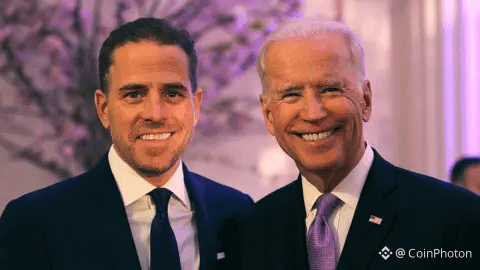
Hunter Biden, hijo del ex presidente de Estados Unidos Joe Biden, dijo que planea lanzar una memecoin llamada LAPTOP, en referencia a la computadora portátil que se convirtió en una gran controversia política antes de las elecciones presidenciales de 2020 en EE. UU.
Se espera que el token $LAPTOP se lance el miércoles con un suministro total de 1.000 millones de tokens. Según The Wall Street Journal, alrededor del 20% del suministro se distribuirá entre suscriptores de Substack, miembros de listas de correo y inversionistas de la memecoin TRUMP de Donald Trump.
Los fundadores supuestamente planean conservar el 30% del suministro, con hasta un 30% de los tokens potencialmente quemados en función de ciertos hitos, incluida una victoria presidencial demócrata en 2028, que Bitcoin alcance un nuevo máximo histórico o que la valoración totalmente diluida de LAPTOP supere la de TRUMP.
El lanzamiento llega en un momento en el que Hunter Biden se ha vuelto cada vez más explícito con respecto a las criptomonedas, al mismo tiempo que critica la participación de la familia Trump en la industria a través de World Liberty Financial.
Si se lanza según lo planeado, LAPTOP podría volver a poner de relieve la creciente intersección entre la política de Estados Unidos y las memecoins, mientras los legisladores se preparan para una votación de cloture el 15 de septiembre sobre la Ley CLARITY.
Hunter Biden, hijo del ex presidente de Estados Unidos Joe Biden, dijo que planea lanzar una memecoin llamada LAPTOP, en referencia a la computadora portátil que se convirtió en una gran controversia política antes de las elecciones presidenciales de 2020 en EE. UU.
Se espera que el token $LAPTOP se lance el miércoles con un suministro total de 1.000 millones de tokens. Según The Wall Street Journal, alrededor del 20% del suministro se distribuirá entre suscriptores de Substack, miembros de listas de correo y inversionistas de la memecoin TRUMP de Donald Trump.
Los fundadores supuestamente planean conservar el 30% del suministro, con hasta un 30% de los tokens potencialmente quemados en función de ciertos hitos, incluida una victoria presidencial demócrata en 2028, que Bitcoin alcance un nuevo máximo histórico o que la valoración totalmente diluida de LAPTOP supere la de TRUMP.
El lanzamiento llega en un momento en el que Hunter Biden se ha vuelto cada vez más explícito con respecto a las criptomonedas, al mismo tiempo que critica la participación de la familia Trump en la industria a través de World Liberty Financial.
Si se lanza según lo planeado, LAPTOP podría volver a poner de relieve la creciente intersección entre la política de Estados Unidos y las memecoins, mientras los legisladores se preparan para una votación de cloture el 15 de septiembre sobre la Ley CLARITY.
Se espera que el token $LAPTOP se lance el miércoles con un suministro total de 1.000 millones de tokens. Según The Wall Street Journal, alrededor del 20% del suministro se distribuirá entre suscriptores de Substack, miembros de listas de correo y inversionistas de la memecoin TRUMP de Donald Trump.
Los fundadores supuestamente planean conservar el 30% del suministro, con hasta un 30% de los tokens potencialmente quemados en función de ciertos hitos, incluida una victoria presidencial demócrata en 2028, que Bitcoin alcance un nuevo máximo histórico o que la valoración totalmente diluida de LAPTOP supere la de TRUMP.
El lanzamiento llega en un momento en el que Hunter Biden se ha vuelto cada vez más explícito con respecto a las criptomonedas, al mismo tiempo que critica la participación de la familia Trump en la industria a través de World Liberty Financial.
Si se lanza según lo planeado, LAPTOP podría volver a poner de relieve la creciente intersección entre la política de Estados Unidos y las memecoins, mientras los legisladores se preparan para una votación de cloture el 15 de septiembre sobre la Ley CLARITY.
1
6
9.6k
Inicia sesión para explorar más contenidos
Únete a usuarios globales de criptomonedas en Binance Square
⚡️ Obtén información útil y actualizada sobre criptos.
💬 Avalado por el mayor exchange de criptomonedas en el mundo.
👍 Descubre perspectivas reales de creadores verificados.
Email/número de teléfono
Temas populares
CPIWatch
86.1M vistas
498,934 están debatiendo
Comparte y gana recompensas de tráfico en nuestra campaña de hashtags en tendencia
✨Tema: ¿El CPI activará una subida de la tasa?
👉Cómo participar:
Publica una publicación corta o un artículo con el hashtag #CPIWatch
Crea contenido basado en los dos enfoques siguientes:
- Los datos de nóminas no agrícolas superan las expectativas y el CPI está a la vuelta de la esquina; ¿crees que la Fed subirá o mantendrá la tasa?
- ¿Alcista o bajista? Comparte tu opinión y muestra tus acciones o tu trading de oro/tenencias con nuestro widget de compartir operaciones.
🚀Periodo de la campaña:
- 2026-09-11 3:00 - 2026-09-12 9:00 UTC
🎁Recompensa:
- Las publicaciones que cumplan con las pautas anteriores y contengan más de 100 palabras se revisarán y pueden recibir un impulso aleatorio de tráfico de 500 a 3,000 vistas. Recibirás una notificación de tu secretaria de feed si tu publicación se selecciona.
- Obtén la oportunidad de que tu artículo aparezca destacado en Binance Square Official
¿Necesitas ideas para tu publicación? Visita la página del tema #CPIWatch o la Square Guide on How to Post for Better Reach.
Binance Square Official
·182 me gusta
·287.1k vistas
USToSanctionBigBankMonday
0 vistas
6 están debatiendo
TrumpDeclinesSaudiRequestToStrikeHouthis
4,902 vistas
145 están debatiendo