
Zyra Vale
3.4k Publicaciones

Zyra Vale
Denunciar
Bloquear usuario
Catching waves before they break. Join the journey to the next big thing. | Meme Coins Lover | Market Analyst | X: @Chain_pilot1
323 Siguiendo
10.6K+ Seguidores
20.0K+ Me gusta
Publicaciones
Todo
Citas
Live
·
--
Artículo
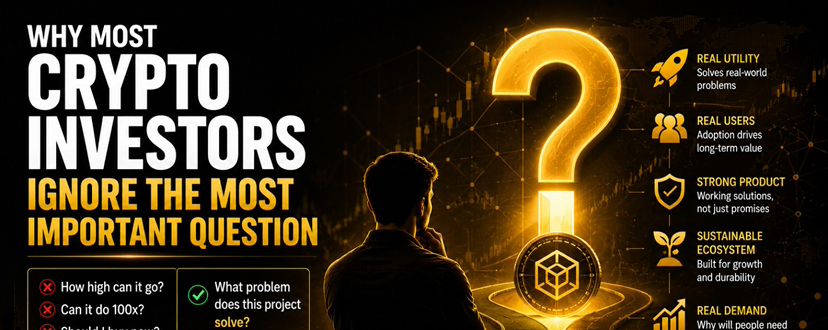
Por qué la mayoría de los inversionistas en cripto ignoran la pregunta más importanteCuando la gente descubre una nueva criptomoneda, normalmente pregunta:
❌ "¿Qué tan alto puede llegar?"
❌ "¿Puede hacer 100x?"
❌ "¿Debería comprar ahora?"
Pero los inversionistas experimentados a menudo empiezan con una pregunta diferente:
✅ "¿Qué problema resuelve este proyecto?"
Este simple cambio de mentalidad puede cambiar por completo la forma en que evalúas los proyectos de cripto.
Las redes blockchain, los tokens y las aplicaciones descentralizadas no son valiosos solo porque sean populares. El valor a largo plazo normalmente se crea cuando un proyecto resuelve un problema real: ya sea habilitar pagos más rápidos, mejorar la seguridad, respaldar las finanzas descentralizadas o impulsar la propiedad digital.
Por qué la mayoría de los inversionistas en cripto ignoran la pregunta más importante
Cuando la gente descubre una nueva criptomoneda, normalmente pregunta:
❌ "¿Qué tan alto puede llegar?"
❌ "¿Puede hacer 100x?"
❌ "¿Debería comprar ahora?"
Pero los inversionistas experimentados a menudo empiezan con una pregunta diferente:
✅ "¿Qué problema resuelve este proyecto?"
Este simple cambio de mentalidad puede cambiar por completo la forma en que evalúas los proyectos de cripto.
Las redes blockchain, los tokens y las aplicaciones descentralizadas no son valiosos solo porque sean populares. El valor a largo plazo normalmente se crea cuando un proyecto resuelve un problema real: ya sea habilitar pagos más rápidos, mejorar la seguridad, respaldar las finanzas descentralizadas o impulsar la propiedad digital.
❌ "¿Qué tan alto puede llegar?"
❌ "¿Puede hacer 100x?"
❌ "¿Debería comprar ahora?"
Pero los inversionistas experimentados a menudo empiezan con una pregunta diferente:
✅ "¿Qué problema resuelve este proyecto?"
Este simple cambio de mentalidad puede cambiar por completo la forma en que evalúas los proyectos de cripto.
Las redes blockchain, los tokens y las aplicaciones descentralizadas no son valiosos solo porque sean populares. El valor a largo plazo normalmente se crea cuando un proyecto resuelve un problema real: ya sea habilitar pagos más rápidos, mejorar la seguridad, respaldar las finanzas descentralizadas o impulsar la propiedad digital.
1
148
·
--
Artículo
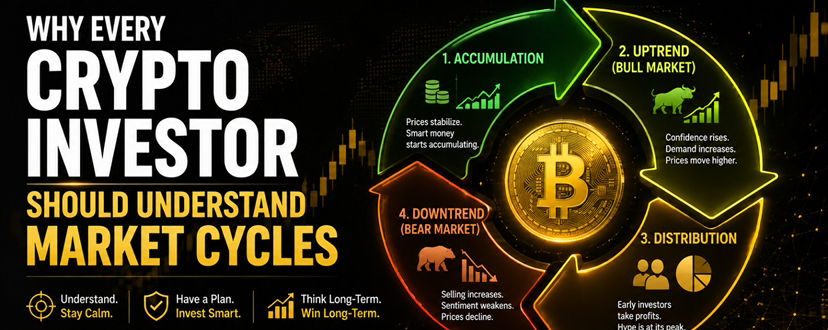
Por qué todo inversor en criptomonedas debería entender los ciclos de mercado¿Has notado que los mercados de cripto a menudo pasan de la euforia extrema al miedo extremo?
Un mes, todos hablan de nuevos máximos y ganancias que cambian la vida. Unos meses después, la gente empieza a decir que las criptomonedas se acabaron. Sin embargo, este patrón se ha repetido muchas veces a lo largo de la historia de las criptomonedas.
Estos cambios se conocen como ciclos de mercado.
Un ciclo típico consta de cuatro fases:
📈 Acumulación: los precios se estabilizan después de una caída, y los inversores a largo plazo comienzan a comprar en silencio.
🚀 Tendencia alcista (mercado alcista) – Vuelve la confianza, aumenta la demanda y los precios suben.
Por qué todo inversor en criptomonedas debería entender los ciclos de mercado
¿Has notado que los mercados de cripto a menudo pasan de la euforia extrema al miedo extremo?
Un mes, todos hablan de nuevos máximos y ganancias que cambian la vida. Unos meses después, la gente empieza a decir que las criptomonedas se acabaron. Sin embargo, este patrón se ha repetido muchas veces a lo largo de la historia de las criptomonedas.
Estos cambios se conocen como ciclos de mercado.
Un ciclo típico consta de cuatro fases:
📈 Acumulación: los precios se estabilizan después de una caída, y los inversores a largo plazo comienzan a comprar en silencio.
🚀 Tendencia alcista (mercado alcista) – Vuelve la confianza, aumenta la demanda y los precios suben.
Un mes, todos hablan de nuevos máximos y ganancias que cambian la vida. Unos meses después, la gente empieza a decir que las criptomonedas se acabaron. Sin embargo, este patrón se ha repetido muchas veces a lo largo de la historia de las criptomonedas.
Estos cambios se conocen como ciclos de mercado.
Un ciclo típico consta de cuatro fases:
📈 Acumulación: los precios se estabilizan después de una caída, y los inversores a largo plazo comienzan a comprar en silencio.
🚀 Tendencia alcista (mercado alcista) – Vuelve la confianza, aumenta la demanda y los precios suben.
1
156
·
--
Artículo
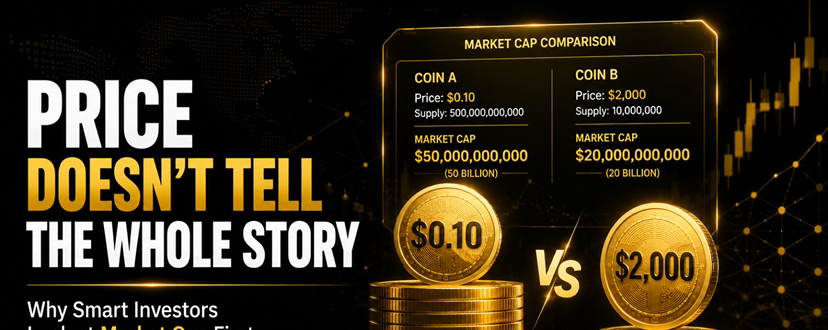
Por qué la capitalización bursátil importa más que el precio de la monedaUno de los errores más grandes que cometen los nuevos inversores en cripto es pensar que una moneda barata tiene más potencial que una cara.
Pero en la práctica, el precio por sí solo no cuenta toda la historia.
Imagina dos criptomonedas:
La moneda A cuesta 0,10 $
La moneda B cuesta 2000 $
A primera vista, la moneda A podría parecer la mejor oportunidad.
Sin embargo, lo que realmente importa es la capitalización bursátil (market cap): el valor total de todas las monedas en circulación.
La capitalización bursátil = el precio actual × la oferta circulante
Por ejemplo, si un token cuesta 0,10 $ pero tiene 500 mil millones de monedas en circulación, su capitalización bursátil ya es enorme. Eso significa que podría requerir una cantidad masiva de nueva inversión para aumentar significativamente su valor.
Por qué la capitalización bursátil importa más que el precio de la moneda
Uno de los errores más grandes que cometen los nuevos inversores en cripto es pensar que una moneda barata tiene más potencial que una cara.
Pero en la práctica, el precio por sí solo no cuenta toda la historia.
Imagina dos criptomonedas:
La moneda A cuesta 0,10 $
La moneda B cuesta 2000 $
A primera vista, la moneda A podría parecer la mejor oportunidad.
Sin embargo, lo que realmente importa es la capitalización bursátil (market cap): el valor total de todas las monedas en circulación.
La capitalización bursátil = el precio actual × la oferta circulante
Por ejemplo, si un token cuesta 0,10 $ pero tiene 500 mil millones de monedas en circulación, su capitalización bursátil ya es enorme. Eso significa que podría requerir una cantidad masiva de nueva inversión para aumentar significativamente su valor.
Pero en la práctica, el precio por sí solo no cuenta toda la historia.
Imagina dos criptomonedas:
La moneda A cuesta 0,10 $
La moneda B cuesta 2000 $
A primera vista, la moneda A podría parecer la mejor oportunidad.
Sin embargo, lo que realmente importa es la capitalización bursátil (market cap): el valor total de todas las monedas en circulación.
La capitalización bursátil = el precio actual × la oferta circulante
Por ejemplo, si un token cuesta 0,10 $ pero tiene 500 mil millones de monedas en circulación, su capitalización bursátil ya es enorme. Eso significa que podría requerir una cantidad masiva de nueva inversión para aumentar significativamente su valor.
2
205
·
--
Artículo
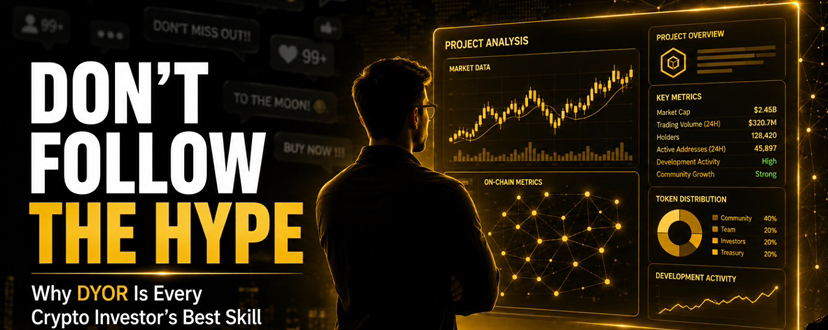
Por qué "HAGA SU PROPIA INVESTIGACIÓN" (DYOR) importa más que nuncaSi has pasado algún tiempo en las criptomonedas, probablemente hayas visto a personas decir:
"HAGA SU PROPIA INVESTIGACIÓN."
Suena simple, pero es uno de los hábitos más valiosos que puedes desarrollar como inversor.
Cada día, en las redes sociales hay predicciones, objetivos de precio y recomendaciones de "la próxima moneda 100x". Si bien algunos creadores comparten información útil, otros pueden estar impulsados por el hype o por intereses personales. Seguir consejos de inversión sin comprender el proyecto puede exponerte a riesgos innecesarios.
Hacer tu propia investigación no significa que tengas que leer cientos de páginas de documentos técnicos. Empieza por lo básico:
Por qué "HAGA SU PROPIA INVESTIGACIÓN" (DYOR) importa más que nunca
Si has pasado algún tiempo en las criptomonedas, probablemente hayas visto a personas decir:
"HAGA SU PROPIA INVESTIGACIÓN."
Suena simple, pero es uno de los hábitos más valiosos que puedes desarrollar como inversor.
Cada día, en las redes sociales hay predicciones, objetivos de precio y recomendaciones de "la próxima moneda 100x". Si bien algunos creadores comparten información útil, otros pueden estar impulsados por el hype o por intereses personales. Seguir consejos de inversión sin comprender el proyecto puede exponerte a riesgos innecesarios.
Hacer tu propia investigación no significa que tengas que leer cientos de páginas de documentos técnicos. Empieza por lo básico:
"HAGA SU PROPIA INVESTIGACIÓN."
Suena simple, pero es uno de los hábitos más valiosos que puedes desarrollar como inversor.
Cada día, en las redes sociales hay predicciones, objetivos de precio y recomendaciones de "la próxima moneda 100x". Si bien algunos creadores comparten información útil, otros pueden estar impulsados por el hype o por intereses personales. Seguir consejos de inversión sin comprender el proyecto puede exponerte a riesgos innecesarios.
Hacer tu propia investigación no significa que tengas que leer cientos de páginas de documentos técnicos. Empieza por lo básico:
2
181
·
--
Artículo
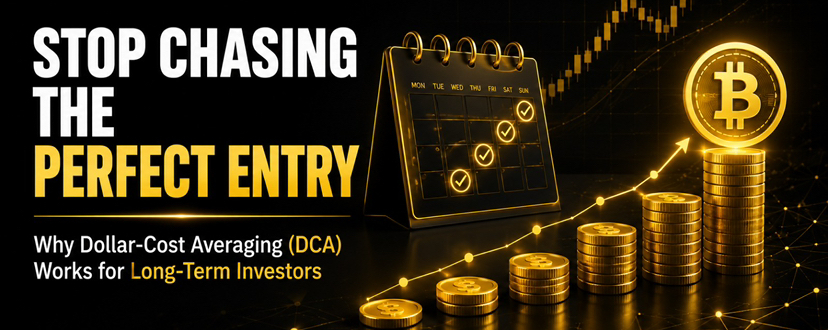
Por qué el Promedio de Costos en Dólares (DCA) es una de las estrategias más simples de las criptomonedas¿Alguna vez has comprado una criptomoneda solo para ver cómo el precio baja al día siguiente?
Le ocurre a casi todo inversor.
Intentar comprar en el momento perfecto suena genial, pero en la realidad es extremadamente difícil, incluso para traders experimentados. Por eso muchos inversores a largo plazo usan una estrategia llamada Promedio de Costos en Dólares (DCA).
DCA simplemente significa invertir una cantidad fija de dinero en intervalos regulares, independientemente de si el mercado está subiendo o bajando. Por ejemplo, en lugar de invertir 1.200 dólares de una sola vez, podrías invertir 100 dólares cada mes.
Por qué el Promedio de Costos en Dólares (DCA) es una de las estrategias más simples de las criptomonedas
¿Alguna vez has comprado una criptomoneda solo para ver cómo el precio baja al día siguiente?
Le ocurre a casi todo inversor.
Intentar comprar en el momento perfecto suena genial, pero en la realidad es extremadamente difícil, incluso para traders experimentados. Por eso muchos inversores a largo plazo usan una estrategia llamada Promedio de Costos en Dólares (DCA).
DCA simplemente significa invertir una cantidad fija de dinero en intervalos regulares, independientemente de si el mercado está subiendo o bajando. Por ejemplo, en lugar de invertir 1.200 dólares de una sola vez, podrías invertir 100 dólares cada mes.
Le ocurre a casi todo inversor.
Intentar comprar en el momento perfecto suena genial, pero en la realidad es extremadamente difícil, incluso para traders experimentados. Por eso muchos inversores a largo plazo usan una estrategia llamada Promedio de Costos en Dólares (DCA).
DCA simplemente significa invertir una cantidad fija de dinero en intervalos regulares, independientemente de si el mercado está subiendo o bajando. Por ejemplo, en lugar de invertir 1.200 dólares de una sola vez, podrías invertir 100 dólares cada mes.
1
202
·
--
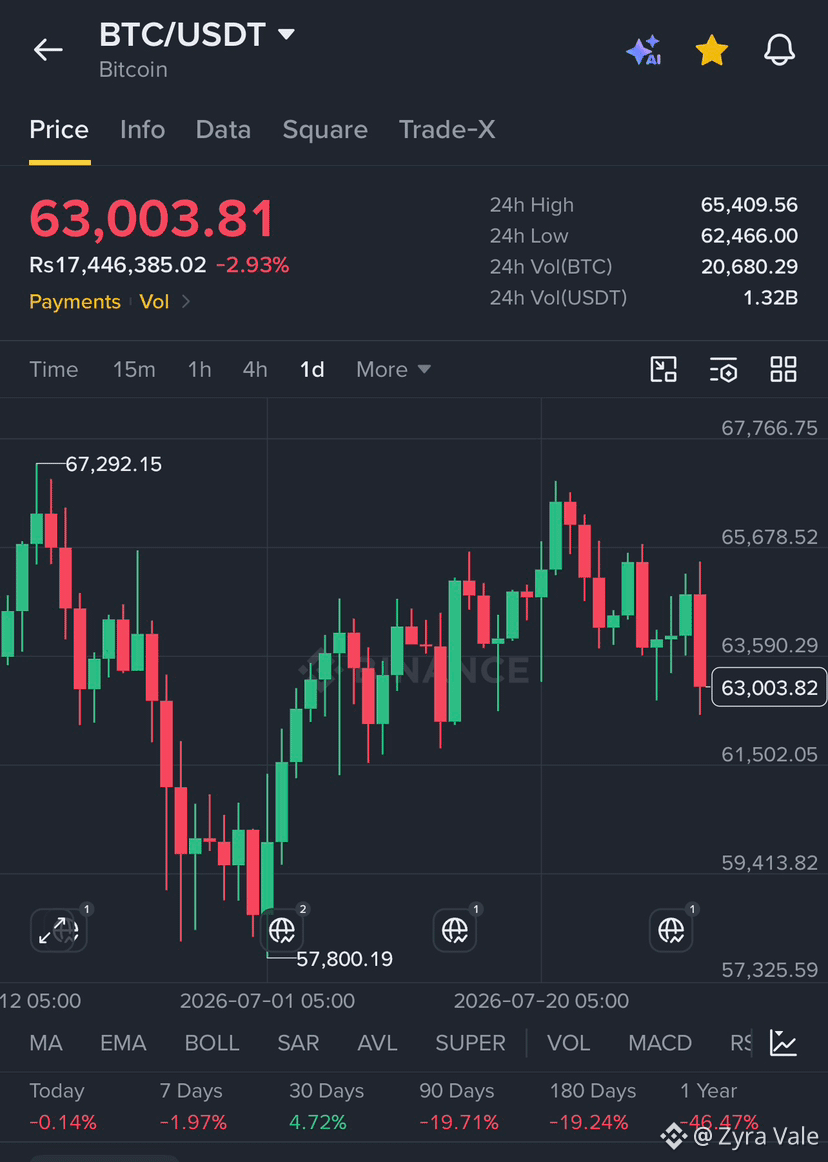
$BTC is actualmente consolidando alrededor de $63,003, con una caída del 2.93% después de retroceder desde un máximo de 24 horas de $65,409.
El volumen de operaciones sigue siendo sólido, en $1.32B USDT, lo que refleja una participación activa mientras el precio prueba niveles intermedios clave.
BTC se mantiene por encima de su mínimo de 24 horas de $62,466, equilibrándose entre la resistencia cerca de $65,500 y el nivel de soporte estructural principal en $57,800.
Recuperar la zona de $64,500–$65,000 será esencial para que los compradores recuperen el impulso alcista, mientras que una ruptura por debajo de $62,400 podría llevar a una relectura más profunda hacia el soporte macro.
#BTC #BTC70K✈️
$BTC is actualmente consolidando alrededor de $63,003, con una caída del 2.93% después de retroceder desde un máximo de 24 horas de $65,409.
El volumen de operaciones sigue siendo sólido, en $1.32B USDT, lo que refleja una participación activa mientras el precio prueba niveles intermedios clave.
BTC se mantiene por encima de su mínimo de 24 horas de $62,466, equilibrándose entre la resistencia cerca de $65,500 y el nivel de soporte estructural principal en $57,800.
Recuperar la zona de $64,500–$65,000 será esencial para que los compradores recuperen el impulso alcista, mientras que una ruptura por debajo de $62,400 podría llevar a una relectura más profunda hacia el soporte macro.
#BTC #BTC70K✈️
El volumen de operaciones sigue siendo sólido, en $1.32B USDT, lo que refleja una participación activa mientras el precio prueba niveles intermedios clave.
BTC se mantiene por encima de su mínimo de 24 horas de $62,466, equilibrándose entre la resistencia cerca de $65,500 y el nivel de soporte estructural principal en $57,800.
Recuperar la zona de $64,500–$65,000 será esencial para que los compradores recuperen el impulso alcista, mientras que una ruptura por debajo de $62,400 podría llevar a una relectura más profunda hacia el soporte macro.
#BTC #BTC70K✈️
1
96
·
--
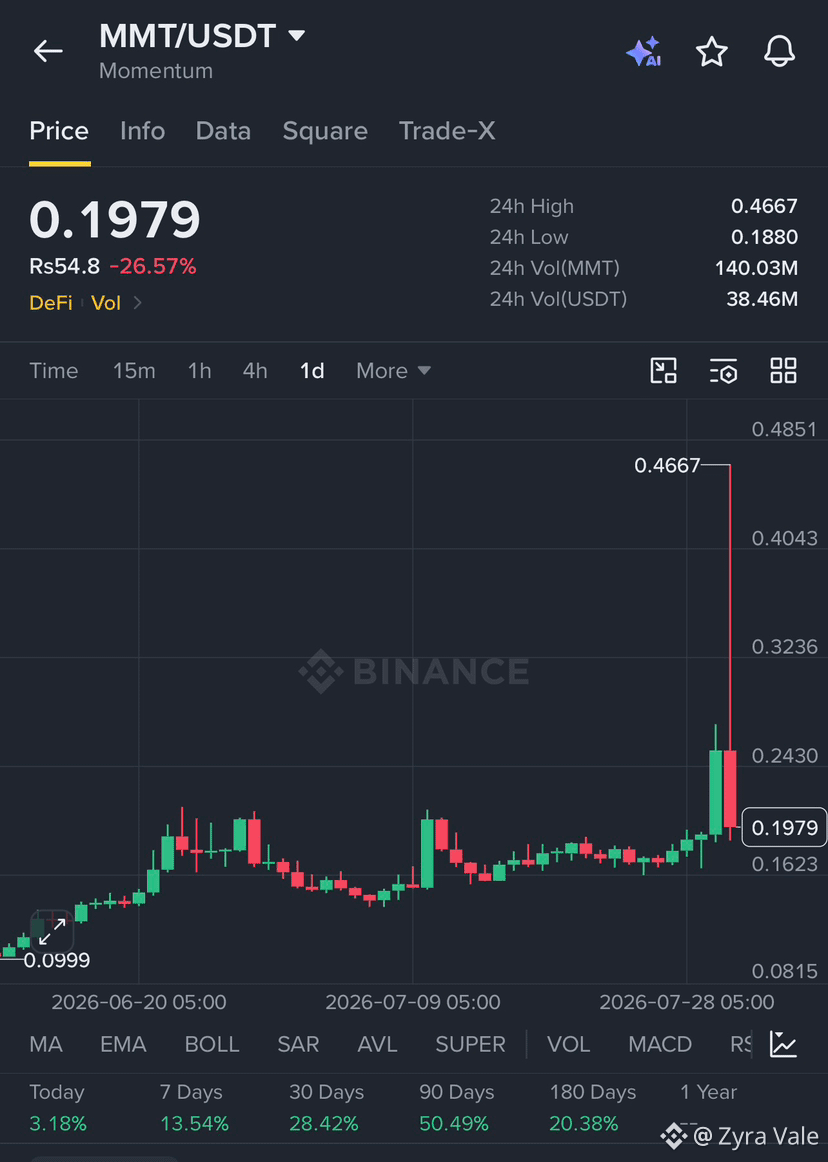
$MMT hoy se registró una volatilidad extrema, con un pico local de $0.4667 antes de que una fuerte toma de ganancias llevara el precio de vuelta a $0.1979, una caída del 26% con un alto volumen de operaciones de más de $38 millones USDT.
Este retroceso devuelve el token a su zona de acumulación estable entre $0.1623 y $0.2000.
A pesar de la caída de un solo día, MMT sigue subiendo más de un 28% durante el mes.
Niveles clave a vigilar incluyen el soporte inmediato en $0.1880, con una resistencia importante por encima entre $0.2430 y $0.2500.
#MMT #Actualización_del_Mercado
$MMT hoy se registró una volatilidad extrema, con un pico local de $0.4667 antes de que una fuerte toma de ganancias llevara el precio de vuelta a $0.1979, una caída del 26% con un alto volumen de operaciones de más de $38 millones USDT.
Este retroceso devuelve el token a su zona de acumulación estable entre $0.1623 y $0.2000.
A pesar de la caída de un solo día, MMT sigue subiendo más de un 28% durante el mes.
Niveles clave a vigilar incluyen el soporte inmediato en $0.1880, con una resistencia importante por encima entre $0.2430 y $0.2500.
#MMT #Actualización_del_Mercado
Este retroceso devuelve el token a su zona de acumulación estable entre $0.1623 y $0.2000.
A pesar de la caída de un solo día, MMT sigue subiendo más de un 28% durante el mes.
Niveles clave a vigilar incluyen el soporte inmediato en $0.1880, con una resistencia importante por encima entre $0.2430 y $0.2500.
#MMT #Actualización_del_Mercado
1
302
·
--

Artículo
Tu billetera de cripto no es una inversión: es tu bóveda digitalLa mayoría de las personas pasan horas investigando qué criptomoneda comprar.
Pero muy pocas personas pasan la misma cantidad de tiempo pensando en dónde lo guardarán.
Ese es un error que todo inversor en criptomonedas debería evitar.
Cuando tienes criptomonedas, tu billetera es lo que te da acceso a tus activos. Ya sea que estés manteniendo Bitcoin, BNB u otros activos digitales, entender la diferencia entre billeteras calientes y billeteras frías es una de las primeras lecciones que todo inversor debería aprender.
Una billetera caliente está conectada a internet. Es conveniente para las transacciones del día a día, para operar y para interactuar con aplicaciones descentralizadas. Como siempre está en línea, es más fácil acceder, pero también requiere una atención extra en materia de seguridad.
Tu billetera de cripto no es una inversión: es tu bóveda digital
La mayoría de las personas pasan horas investigando qué criptomoneda comprar.
Pero muy pocas personas pasan la misma cantidad de tiempo pensando en dónde lo guardarán.
Ese es un error que todo inversor en criptomonedas debería evitar.
Cuando tienes criptomonedas, tu billetera es lo que te da acceso a tus activos. Ya sea que estés manteniendo Bitcoin, BNB u otros activos digitales, entender la diferencia entre billeteras calientes y billeteras frías es una de las primeras lecciones que todo inversor debería aprender.
Una billetera caliente está conectada a internet. Es conveniente para las transacciones del día a día, para operar y para interactuar con aplicaciones descentralizadas. Como siempre está en línea, es más fácil acceder, pero también requiere una atención extra en materia de seguridad.
Pero muy pocas personas pasan la misma cantidad de tiempo pensando en dónde lo guardarán.
Ese es un error que todo inversor en criptomonedas debería evitar.
Cuando tienes criptomonedas, tu billetera es lo que te da acceso a tus activos. Ya sea que estés manteniendo Bitcoin, BNB u otros activos digitales, entender la diferencia entre billeteras calientes y billeteras frías es una de las primeras lecciones que todo inversor debería aprender.
Una billetera caliente está conectada a internet. Es conveniente para las transacciones del día a día, para operar y para interactuar con aplicaciones descentralizadas. Como siempre está en línea, es más fácil acceder, pero también requiere una atención extra en materia de seguridad.
1
247
·
--
Por qué cada inversor en criptomonedas debería comprender los ciclos del mercado?¿Alguna vez te has preguntado por qué la gente se entusiasma con las criptomonedas cerca de la cima del mercado y se vuelve temerosa cerca del fondo?
La respuesta a menudo se reduce a la psicología del mercado.
Los precios de las criptomonedas no se mueven solo por la tecnología o las noticias. Las emociones como el miedo, la codicia, el optimismo y el pánico también influyen en cómo la gente compra y vende. Comprender estos ciclos de mercado puede ayudarte a tomar decisiones más racionales en lugar de reaccionar de forma emocional.
Un ciclo típico de mercado comienza con el optimismo, donde la confianza se va construyendo poco a poco. A medida que los precios siguen subiendo, la emoción crece y entran muchos nuevos inversores al mercado. Eventualmente, la confianza excesiva puede llevar a expectativas irreales y, cuando los precios empiezan a caer, el miedo reemplaza al optimismo. Algunos inversores entran en pánico y venden con pérdidas, mientras que los inversores con experiencia suelen aprovechar este periodo para reevaluar las oportunidades.
Por qué cada inversor en criptomonedas debería comprender los ciclos del mercado?
¿Alguna vez te has preguntado por qué la gente se entusiasma con las criptomonedas cerca de la cima del mercado y se vuelve temerosa cerca del fondo?
La respuesta a menudo se reduce a la psicología del mercado.
Los precios de las criptomonedas no se mueven solo por la tecnología o las noticias. Las emociones como el miedo, la codicia, el optimismo y el pánico también influyen en cómo la gente compra y vende. Comprender estos ciclos de mercado puede ayudarte a tomar decisiones más racionales en lugar de reaccionar de forma emocional.
Un ciclo típico de mercado comienza con el optimismo, donde la confianza se va construyendo poco a poco. A medida que los precios siguen subiendo, la emoción crece y entran muchos nuevos inversores al mercado. Eventualmente, la confianza excesiva puede llevar a expectativas irreales y, cuando los precios empiezan a caer, el miedo reemplaza al optimismo. Algunos inversores entran en pánico y venden con pérdidas, mientras que los inversores con experiencia suelen aprovechar este periodo para reevaluar las oportunidades.
La respuesta a menudo se reduce a la psicología del mercado.
Los precios de las criptomonedas no se mueven solo por la tecnología o las noticias. Las emociones como el miedo, la codicia, el optimismo y el pánico también influyen en cómo la gente compra y vende. Comprender estos ciclos de mercado puede ayudarte a tomar decisiones más racionales en lugar de reaccionar de forma emocional.
Un ciclo típico de mercado comienza con el optimismo, donde la confianza se va construyendo poco a poco. A medida que los precios siguen subiendo, la emoción crece y entran muchos nuevos inversores al mercado. Eventualmente, la confianza excesiva puede llevar a expectativas irreales y, cuando los precios empiezan a caer, el miedo reemplaza al optimismo. Algunos inversores entran en pánico y venden con pérdidas, mientras que los inversores con experiencia suelen aprovechar este periodo para reevaluar las oportunidades.
121
·
--
¿Por qué algunos proyectos cripto tienen éxito mientras otros desaparecen?Cada semana, entran al mercado nuevos proyectos cripto. Algunos atraen a miles de inversores, mientras que otros desaparecen en cuestión de meses. Entonces, ¿qué separa a los ganadores del resto?
La respuesta no siempre es un precio de token más alto o un marketing llamativo. Los proyectos sólidos suelen construirse sobre tres fundamentos clave.
1. Resuelven un problema real.
Los proyectos blockchain más exitosos no se crean solo para lanzar un token. Ofrecen soluciones que la gente realmente usa, ya sea para hacer los pagos más rápidos, mejorar las finanzas descentralizadas (DeFi), habilitar el gaming o respaldar aplicaciones de IA.
¿Por qué algunos proyectos cripto tienen éxito mientras otros desaparecen?
Cada semana, entran al mercado nuevos proyectos cripto. Algunos atraen a miles de inversores, mientras que otros desaparecen en cuestión de meses. Entonces, ¿qué separa a los ganadores del resto?
La respuesta no siempre es un precio de token más alto o un marketing llamativo. Los proyectos sólidos suelen construirse sobre tres fundamentos clave.
1. Resuelven un problema real.
Los proyectos blockchain más exitosos no se crean solo para lanzar un token. Ofrecen soluciones que la gente realmente usa, ya sea para hacer los pagos más rápidos, mejorar las finanzas descentralizadas (DeFi), habilitar el gaming o respaldar aplicaciones de IA.
La respuesta no siempre es un precio de token más alto o un marketing llamativo. Los proyectos sólidos suelen construirse sobre tres fundamentos clave.
1. Resuelven un problema real.
Los proyectos blockchain más exitosos no se crean solo para lanzar un token. Ofrecen soluciones que la gente realmente usa, ya sea para hacer los pagos más rápidos, mejorar las finanzas descentralizadas (DeFi), habilitar el gaming o respaldar aplicaciones de IA.
134
·
--
Todo el mundo habla de cómo la IA se vuelve más inteligente.
Muy pocos hablan de dónde proviene realmente esa inteligencia.
Los modelos no mejoran en un vacío.
Mejoran porque alguien contribuye con datos, conocimiento, retroalimentación y experiencia detrás de escena.
Eso plantea una pregunta interesante:
Si los datos se están convirtiendo en uno de los activos más valiosos en la economía de la IA, ¿quién recibe recompensas por proporcionarlos?
Por eso proyectos como Genius son interesantes de seguir.
Están explorando un futuro donde la creación de inteligencia se convierte en una economía abierta en lugar de un sistema cerrado controlado por un puñado de empresas.
Los contribuyentes aportan valor.
Las redes lo coordinan.
Las recompensas fluyen de vuelta a las personas que ayudan a mejorar el ecosistema.
La carrera a largo plazo en IA puede no ser sobre construir el modelo más grande.
Puede ser sobre construir el mejor sistema de incentivos alrededor de la inteligencia misma.
Ahí es donde se crea la verdadera ventaja competitiva.
#genius $GENIUS @GeniusOfficial
Todo el mundo habla de cómo la IA se vuelve más inteligente.
Muy pocos hablan de dónde proviene realmente esa inteligencia.
Los modelos no mejoran en un vacío.
Mejoran porque alguien contribuye con datos, conocimiento, retroalimentación y experiencia detrás de escena.
Eso plantea una pregunta interesante:
Si los datos se están convirtiendo en uno de los activos más valiosos en la economía de la IA, ¿quién recibe recompensas por proporcionarlos?
Por eso proyectos como Genius son interesantes de seguir.
Están explorando un futuro donde la creación de inteligencia se convierte en una economía abierta en lugar de un sistema cerrado controlado por un puñado de empresas.
Los contribuyentes aportan valor.
Las redes lo coordinan.
Las recompensas fluyen de vuelta a las personas que ayudan a mejorar el ecosistema.
La carrera a largo plazo en IA puede no ser sobre construir el modelo más grande.
Puede ser sobre construir el mejor sistema de incentivos alrededor de la inteligencia misma.
Ahí es donde se crea la verdadera ventaja competitiva.
#genius $GENIUS @GeniusOfficial
Muy pocos hablan de dónde proviene realmente esa inteligencia.
Los modelos no mejoran en un vacío.
Mejoran porque alguien contribuye con datos, conocimiento, retroalimentación y experiencia detrás de escena.
Eso plantea una pregunta interesante:
Si los datos se están convirtiendo en uno de los activos más valiosos en la economía de la IA, ¿quién recibe recompensas por proporcionarlos?
Por eso proyectos como Genius son interesantes de seguir.
Están explorando un futuro donde la creación de inteligencia se convierte en una economía abierta en lugar de un sistema cerrado controlado por un puñado de empresas.
Los contribuyentes aportan valor.
Las redes lo coordinan.
Las recompensas fluyen de vuelta a las personas que ayudan a mejorar el ecosistema.
La carrera a largo plazo en IA puede no ser sobre construir el modelo más grande.
Puede ser sobre construir el mejor sistema de incentivos alrededor de la inteligencia misma.
Ahí es donde se crea la verdadera ventaja competitiva.
#genius $GENIUS @GeniusOfficial
1
3
160
·
--
La mayoría de los protocolos DeFi están compitiendo por liquidez.
Bedrock está compitiendo por capital inactivo.
Ese es un juego mucho más grande.
La razón por la que el liquid restaking sigue ganando atención no es solo por el APY. Es porque los usuarios están cansados de elegir entre seguridad, rendimiento y flexibilidad. El capital que está inactivo es básicamente un peso muerto en este mercado.
Bedrock se está posicionando alrededor de ese cambio de comportamiento exacto.
En lugar del modelo antiguo:
stakear activos → bloquearlos → esperar
el modelo más nuevo está convirtiéndose en:
stakear activos → mantener liquidez → reutilizar capital a través de ecosistemas
Eso cambia completamente la psicología del usuario.
Los protocolos que reducen la "fricción de capital" suelen crecer más rápido porque se alinean con cómo las personas realmente usan cripto durante mercados volátiles. Los usuarios quieren exposición, opciones y rendimiento al mismo tiempo.
Y honestamente, aquí es donde mucha gente aún subestima a BR.
Los mayores ganadores en el próximo ciclo pueden no ser las cadenas más ruidosas o los memes más llamativos. Podría ser la infraestructura que silenciosamente hace que el capital sea más eficiente por debajo de todo lo demás.
Esa capa acumula valor lentamente hasta que de repente todos dependen de ella.
#genius $GENIUS @GeniusOfficial
La mayoría de los protocolos DeFi están compitiendo por liquidez.
Bedrock está compitiendo por capital inactivo.
Ese es un juego mucho más grande.
La razón por la que el liquid restaking sigue ganando atención no es solo por el APY. Es porque los usuarios están cansados de elegir entre seguridad, rendimiento y flexibilidad. El capital que está inactivo es básicamente un peso muerto en este mercado.
Bedrock se está posicionando alrededor de ese cambio de comportamiento exacto.
En lugar del modelo antiguo:
stakear activos → bloquearlos → esperar
el modelo más nuevo está convirtiéndose en:
stakear activos → mantener liquidez → reutilizar capital a través de ecosistemas
Eso cambia completamente la psicología del usuario.
Los protocolos que reducen la "fricción de capital" suelen crecer más rápido porque se alinean con cómo las personas realmente usan cripto durante mercados volátiles. Los usuarios quieren exposición, opciones y rendimiento al mismo tiempo.
Y honestamente, aquí es donde mucha gente aún subestima a BR.
Los mayores ganadores en el próximo ciclo pueden no ser las cadenas más ruidosas o los memes más llamativos. Podría ser la infraestructura que silenciosamente hace que el capital sea más eficiente por debajo de todo lo demás.
Esa capa acumula valor lentamente hasta que de repente todos dependen de ella.
#genius $GENIUS @GeniusOfficial
Bedrock está compitiendo por capital inactivo.
Ese es un juego mucho más grande.
La razón por la que el liquid restaking sigue ganando atención no es solo por el APY. Es porque los usuarios están cansados de elegir entre seguridad, rendimiento y flexibilidad. El capital que está inactivo es básicamente un peso muerto en este mercado.
Bedrock se está posicionando alrededor de ese cambio de comportamiento exacto.
En lugar del modelo antiguo:
stakear activos → bloquearlos → esperar
el modelo más nuevo está convirtiéndose en:
stakear activos → mantener liquidez → reutilizar capital a través de ecosistemas
Eso cambia completamente la psicología del usuario.
Los protocolos que reducen la "fricción de capital" suelen crecer más rápido porque se alinean con cómo las personas realmente usan cripto durante mercados volátiles. Los usuarios quieren exposición, opciones y rendimiento al mismo tiempo.
Y honestamente, aquí es donde mucha gente aún subestima a BR.
Los mayores ganadores en el próximo ciclo pueden no ser las cadenas más ruidosas o los memes más llamativos. Podría ser la infraestructura que silenciosamente hace que el capital sea más eficiente por debajo de todo lo demás.
Esa capa acumula valor lentamente hasta que de repente todos dependen de ella.
#genius $GENIUS @GeniusOfficial
2
169
·
--
Por qué OpenLedger se siente diferente de la mayoría de las narrativas de IA en este momentoÚltimamente he notado que la mayoría de las discusiones sobre IA en crypto aún giran en torno a los mismos temas.
Mejores modelos.
Más automatización.
Salidas más rápidas.
Y, honestamente, tiene sentido porque esas son las mejoras más fáciles de notar de inmediato.
Pero cuanto más tiempo observo el desarrollo del sector de IA, más siento que otra capa se está volviendo importante también.
La capa de coordinación debajo de todas las salidas.
Principalmente:
cómo se rastrean las contribuciones,
cómo se organiza la data,
y cómo los ecosistemas gestionan la participación a medida que escalan.
Por qué OpenLedger se siente diferente de la mayoría de las narrativas de IA en este momento
Últimamente he notado que la mayoría de las discusiones sobre IA en crypto aún giran en torno a los mismos temas.
Mejores modelos.
Más automatización.
Salidas más rápidas.
Y, honestamente, tiene sentido porque esas son las mejoras más fáciles de notar de inmediato.
Pero cuanto más tiempo observo el desarrollo del sector de IA, más siento que otra capa se está volviendo importante también.
La capa de coordinación debajo de todas las salidas.
Principalmente:
cómo se rastrean las contribuciones,
cómo se organiza la data,
y cómo los ecosistemas gestionan la participación a medida que escalan.
Mejores modelos.
Más automatización.
Salidas más rápidas.
Y, honestamente, tiene sentido porque esas son las mejoras más fáciles de notar de inmediato.
Pero cuanto más tiempo observo el desarrollo del sector de IA, más siento que otra capa se está volviendo importante también.
La capa de coordinación debajo de todas las salidas.
Principalmente:
cómo se rastrean las contribuciones,
cómo se organiza la data,
y cómo los ecosistemas gestionan la participación a medida que escalan.
3
120
·
--
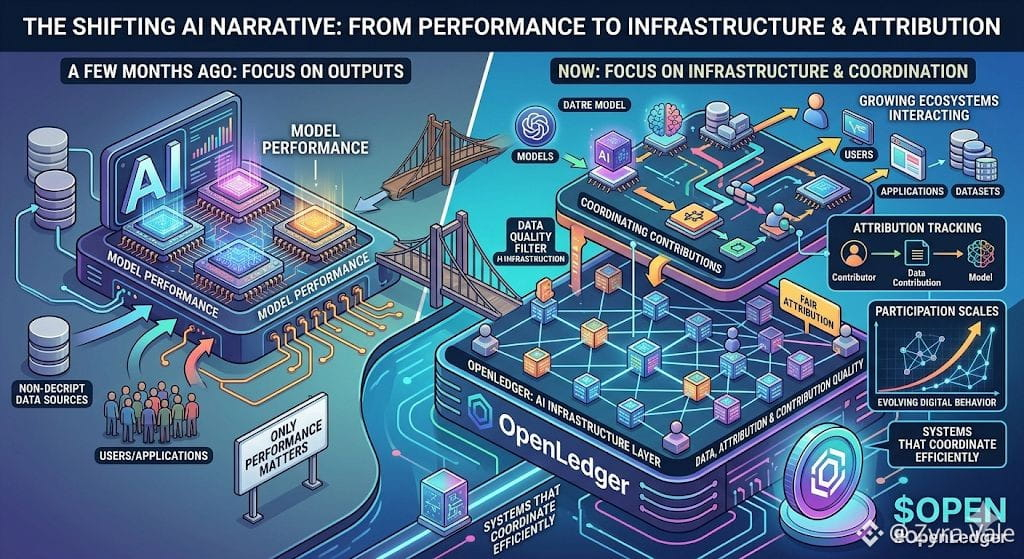
Siento que la narrativa de la IA está cambiando lentamente últimamente.
hace unos meses, a la mayoría de la gente solo le importaba el rendimiento del modelo.
ahora estoy notando más conversaciones sobre datos, atribución y calidad de contribución también.
esa es parte de la razón por la que OpenLedger ha comenzado a destacar para mí recientemente.
el proyecto se siente enfocado en una capa de infraestructura de IA que probablemente se vuelva más importante a medida que los ecosistemas crezcan.
especialmente una vez que más usuarios, aplicaciones y conjuntos de datos empiecen a interactuar a través de redes.
el cripto ya mostró qué tan rápido evoluciona el comportamiento digital una vez que la participación escala.
así que los sistemas que pueden coordinar contribuciones y atribuciones de manera más eficiente podrían terminar convirtiéndose en una parte bastante importante del ecosistema de IA más adelante.
obviamente todavía es temprano.
pero siento que el mercado está comenzando gradualmente a prestar más atención a la infraestructura subyacente de la IA en lugar de solo a los resultados.
esa es principalmente la razón por la que he estado observando $OPEN últimamente.
#openledger $OPEN @Openledger
Siento que la narrativa de la IA está cambiando lentamente últimamente.
hace unos meses, a la mayoría de la gente solo le importaba el rendimiento del modelo.
ahora estoy notando más conversaciones sobre datos, atribución y calidad de contribución también.
esa es parte de la razón por la que OpenLedger ha comenzado a destacar para mí recientemente.
el proyecto se siente enfocado en una capa de infraestructura de IA que probablemente se vuelva más importante a medida que los ecosistemas crezcan.
especialmente una vez que más usuarios, aplicaciones y conjuntos de datos empiecen a interactuar a través de redes.
el cripto ya mostró qué tan rápido evoluciona el comportamiento digital una vez que la participación escala.
así que los sistemas que pueden coordinar contribuciones y atribuciones de manera más eficiente podrían terminar convirtiéndose en una parte bastante importante del ecosistema de IA más adelante.
obviamente todavía es temprano.
pero siento que el mercado está comenzando gradualmente a prestar más atención a la infraestructura subyacente de la IA en lugar de solo a los resultados.
esa es principalmente la razón por la que he estado observando $OPEN últimamente.
#openledger $OPEN @OpenLedger
hace unos meses, a la mayoría de la gente solo le importaba el rendimiento del modelo.
ahora estoy notando más conversaciones sobre datos, atribución y calidad de contribución también.
esa es parte de la razón por la que OpenLedger ha comenzado a destacar para mí recientemente.
el proyecto se siente enfocado en una capa de infraestructura de IA que probablemente se vuelva más importante a medida que los ecosistemas crezcan.
especialmente una vez que más usuarios, aplicaciones y conjuntos de datos empiecen a interactuar a través de redes.
el cripto ya mostró qué tan rápido evoluciona el comportamiento digital una vez que la participación escala.
así que los sistemas que pueden coordinar contribuciones y atribuciones de manera más eficiente podrían terminar convirtiéndose en una parte bastante importante del ecosistema de IA más adelante.
obviamente todavía es temprano.
pero siento que el mercado está comenzando gradualmente a prestar más atención a la infraestructura subyacente de la IA en lugar de solo a los resultados.
esa es principalmente la razón por la que he estado observando $OPEN últimamente.
#openledger $OPEN @OpenLedger
2
177
·
--
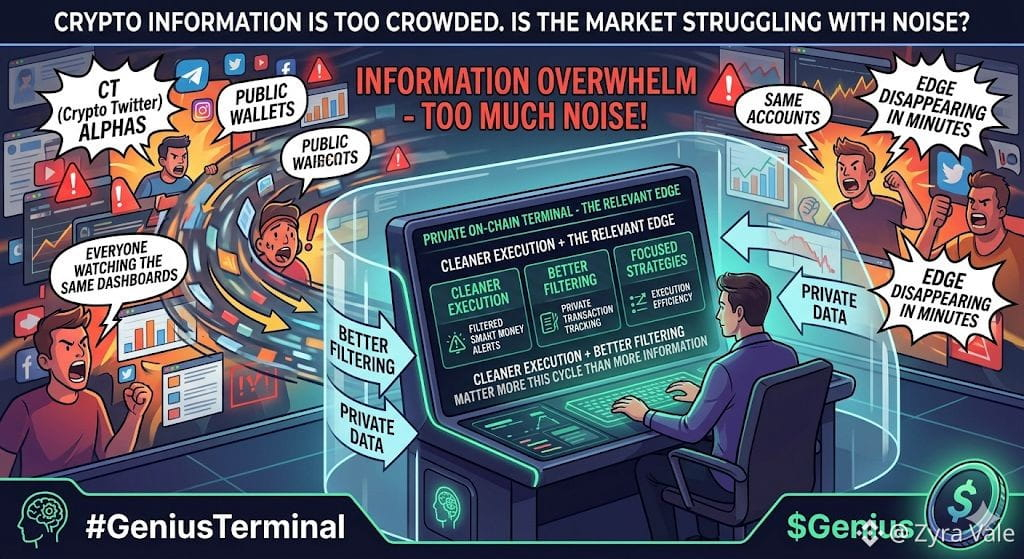
Siento que el mundo cripto se ha vuelto demasiado concurrido desde el punto de vista de la información últimamente.
todos observando las mismas wallets.
los mismos dashboards.
las mismas cuentas de “alpha”.
A veces, las noticias se propagan por CT tan rápido que cualquier ventaja desaparece en minutos.
Esa es en parte la razón por la que Genius Terminal ha empezado a tener más sentido para mí recientemente.
La perspectiva del terminal privado en la cadena de bloques se siente bastante relevante en este entorno.
Porque el mercado ya no está luchando con la falta de datos.
Si acaso, probablemente hay demasiado ruido ahora.
Y, honestamente, una ejecución más limpia + un mejor filtrado podrían importar más en este ciclo que simplemente tener más información.
Siento que más traders están dándose cuenta de eso poco a poco.
Esa es principalmente la razón por la que he estado observando $GENIUS últimamente.
#genius $GENIUS @GeniusOfficial
Siento que el mundo cripto se ha vuelto demasiado concurrido desde el punto de vista de la información últimamente.
todos observando las mismas wallets.
los mismos dashboards.
las mismas cuentas de “alpha”.
A veces, las noticias se propagan por CT tan rápido que cualquier ventaja desaparece en minutos.
Esa es en parte la razón por la que Genius Terminal ha empezado a tener más sentido para mí recientemente.
La perspectiva del terminal privado en la cadena de bloques se siente bastante relevante en este entorno.
Porque el mercado ya no está luchando con la falta de datos.
Si acaso, probablemente hay demasiado ruido ahora.
Y, honestamente, una ejecución más limpia + un mejor filtrado podrían importar más en este ciclo que simplemente tener más información.
Siento que más traders están dándose cuenta de eso poco a poco.
Esa es principalmente la razón por la que he estado observando $GENIUS últimamente.
#genius $GENIUS @GeniusOfficial
todos observando las mismas wallets.
los mismos dashboards.
las mismas cuentas de “alpha”.
A veces, las noticias se propagan por CT tan rápido que cualquier ventaja desaparece en minutos.
Esa es en parte la razón por la que Genius Terminal ha empezado a tener más sentido para mí recientemente.
La perspectiva del terminal privado en la cadena de bloques se siente bastante relevante en este entorno.
Porque el mercado ya no está luchando con la falta de datos.
Si acaso, probablemente hay demasiado ruido ahora.
Y, honestamente, una ejecución más limpia + un mejor filtrado podrían importar más en este ciclo que simplemente tener más información.
Siento que más traders están dándose cuenta de eso poco a poco.
Esa es principalmente la razón por la que he estado observando $GENIUS últimamente.
#genius $GENIUS @GeniusOfficial
2
134
·
--
Artículo
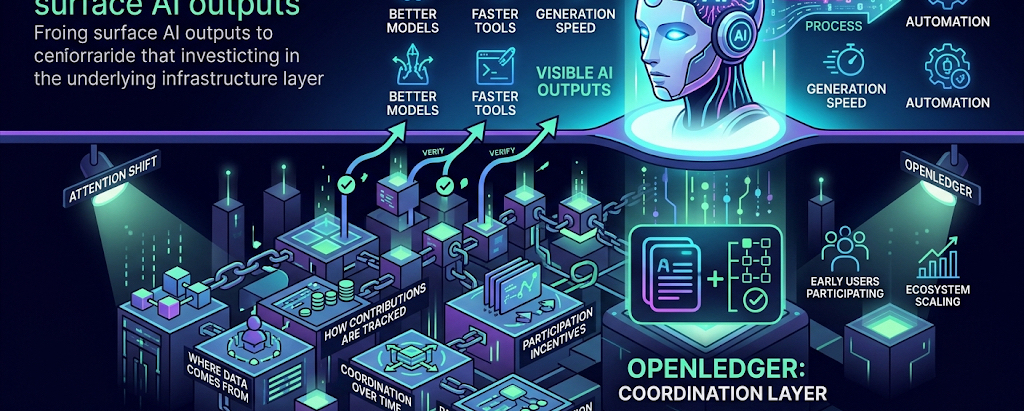
Por qué OpenLedger comenzó a captar mi atención recientementeHe notado algo últimamente en las discusiones sobre IA en cripto.
Casi todos se enfocan en las mismas cosas:
mejores modelos,
herramientas más rápidas,
más automatización.
Lo cual tiene sentido porque esa es la parte más fácil de notar.
Pero cuanto más crece la adopción de IA, más pienso en la capa subyacente a todo esto.
Principalmente:
de dónde provienen los datos,
cómo se rastrean las contribuciones,
y cómo los ecosistemas coordinan la participación a lo largo del tiempo.
Esa es sinceramente una razón por la que OpenLedger comenzó a destacar para mí últimamente.
El tema de la atribución se siente subestimado en este momento.
Por qué OpenLedger comenzó a captar mi atención recientemente
He notado algo últimamente en las discusiones sobre IA en cripto.
Casi todos se enfocan en las mismas cosas:
mejores modelos,
herramientas más rápidas,
más automatización.
Lo cual tiene sentido porque esa es la parte más fácil de notar.
Pero cuanto más crece la adopción de IA, más pienso en la capa subyacente a todo esto.
Principalmente:
de dónde provienen los datos,
cómo se rastrean las contribuciones,
y cómo los ecosistemas coordinan la participación a lo largo del tiempo.
Esa es sinceramente una razón por la que OpenLedger comenzó a destacar para mí últimamente.
El tema de la atribución se siente subestimado en este momento.
Casi todos se enfocan en las mismas cosas:
mejores modelos,
herramientas más rápidas,
más automatización.
Lo cual tiene sentido porque esa es la parte más fácil de notar.
Pero cuanto más crece la adopción de IA, más pienso en la capa subyacente a todo esto.
Principalmente:
de dónde provienen los datos,
cómo se rastrean las contribuciones,
y cómo los ecosistemas coordinan la participación a lo largo del tiempo.
Esa es sinceramente una razón por la que OpenLedger comenzó a destacar para mí últimamente.
El tema de la atribución se siente subestimado en este momento.
1
119
·
--
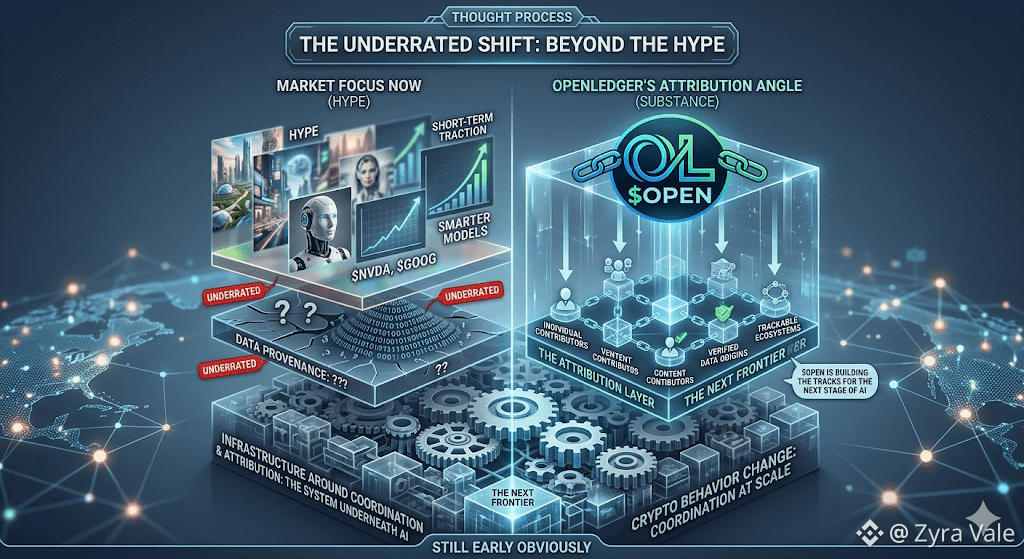
OpenLedger es uno de los pocos proyectos de IA últimamente que realmente me hizo pausar un momento.
No por el hype.
Principalmente porque el ángulo de atribución se siente más importante cuanto más lo pienso.
Todo el mundo sigue hablando de modelos de IA más inteligentes.
Pero una vez que el contenido de IA se vuelva omnipresente, la gente probablemente se preocupará mucho más por:
de dónde proviene la data,
quién contribuyó,
y cómo se rastrea la contribución.
Siento que ese lado de la IA aún está subestimado.
El cripto ya mostró cuán rápido cambia el comportamiento en línea una vez que los ecosistemas crecen.
Así que la infraestructura alrededor de la coordinación y la atribución podría convertirse en un tema mucho más grande más adelante.
Aún es temprano, obviamente.
Pero creo que el mercado está prestando mucha más atención a los outputs de IA que a los sistemas que los respaldan.
Esa es principalmente la razón por la que he estado mirando $OPEN recientemente.
$OPEN #OpenLedger @Openledger
OpenLedger es uno de los pocos proyectos de IA últimamente que realmente me hizo pausar un momento.
No por el hype.
Principalmente porque el ángulo de atribución se siente más importante cuanto más lo pienso.
Todo el mundo sigue hablando de modelos de IA más inteligentes.
Pero una vez que el contenido de IA se vuelva omnipresente, la gente probablemente se preocupará mucho más por:
de dónde proviene la data,
quién contribuyó,
y cómo se rastrea la contribución.
Siento que ese lado de la IA aún está subestimado.
El cripto ya mostró cuán rápido cambia el comportamiento en línea una vez que los ecosistemas crecen.
Así que la infraestructura alrededor de la coordinación y la atribución podría convertirse en un tema mucho más grande más adelante.
Aún es temprano, obviamente.
Pero creo que el mercado está prestando mucha más atención a los outputs de IA que a los sistemas que los respaldan.
Esa es principalmente la razón por la que he estado mirando $OPEN recientemente.
$OPEN #OpenLedger @OpenLedger
No por el hype.
Principalmente porque el ángulo de atribución se siente más importante cuanto más lo pienso.
Todo el mundo sigue hablando de modelos de IA más inteligentes.
Pero una vez que el contenido de IA se vuelva omnipresente, la gente probablemente se preocupará mucho más por:
de dónde proviene la data,
quién contribuyó,
y cómo se rastrea la contribución.
Siento que ese lado de la IA aún está subestimado.
El cripto ya mostró cuán rápido cambia el comportamiento en línea una vez que los ecosistemas crecen.
Así que la infraestructura alrededor de la coordinación y la atribución podría convertirse en un tema mucho más grande más adelante.
Aún es temprano, obviamente.
Pero creo que el mercado está prestando mucha más atención a los outputs de IA que a los sistemas que los respaldan.
Esa es principalmente la razón por la que he estado mirando $OPEN recientemente.
$OPEN #OpenLedger @OpenLedger
3
187
·
--
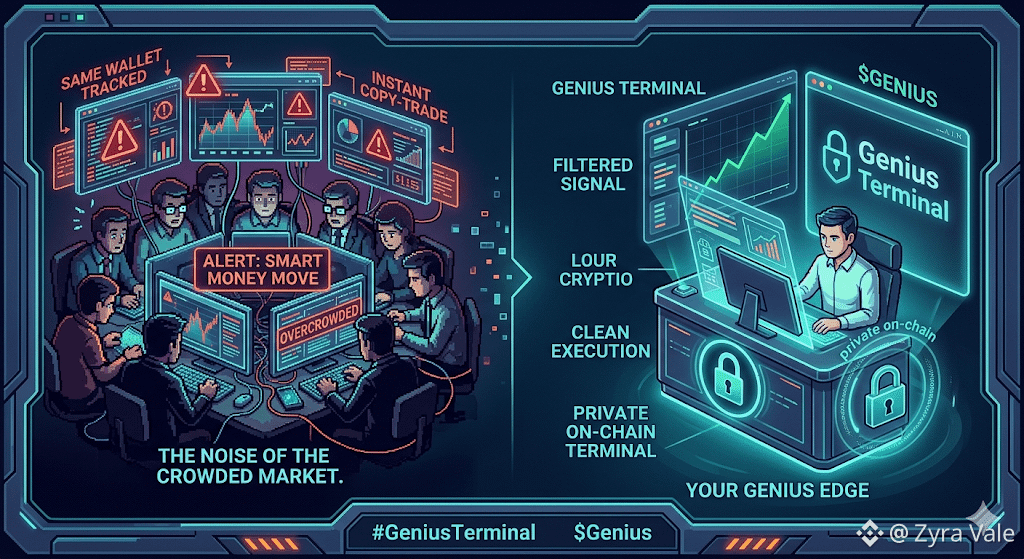
aquí parece que todos en crypto están mirando las mismas wallets, jaja
mismos dashboards
mismas alertas
mismas cuentas de smart money
a veces parece que todo el mercado reacciona a la misma información al mismo tiempo.
esa es parte de la razón por la que Genius Terminal llamó mi atención recientemente.
la perspectiva del terminal privado en la cadena realmente se siente más relevante este ciclo de lo que la gente se da cuenta.
porque una vez que los mercados se saturan de observadores, tener una ejecución más limpia y menos ruido en la toma de decisiones empieza a importar mucho más.
no lo digo desde la perspectiva de un gurú del trading.
simplemente se siente más difícil mantener cualquier ventaja real cuando cada movimiento se rastrea al instante en CT.
parece que las herramientas que ayudan a los usuarios a filtrar mejor las señales podrían volverse mucho más útiles en el futuro.
esa es principalmente la perspectiva que he estado observando con $GENIUS últimamente.
#Genius @GeniusOfficial
aquí parece que todos en crypto están mirando las mismas wallets, jaja
mismos dashboards
mismas alertas
mismas cuentas de smart money
a veces parece que todo el mercado reacciona a la misma información al mismo tiempo.
esa es parte de la razón por la que Genius Terminal llamó mi atención recientemente.
la perspectiva del terminal privado en la cadena realmente se siente más relevante este ciclo de lo que la gente se da cuenta.
porque una vez que los mercados se saturan de observadores, tener una ejecución más limpia y menos ruido en la toma de decisiones empieza a importar mucho más.
no lo digo desde la perspectiva de un gurú del trading.
simplemente se siente más difícil mantener cualquier ventaja real cuando cada movimiento se rastrea al instante en CT.
parece que las herramientas que ayudan a los usuarios a filtrar mejor las señales podrían volverse mucho más útiles en el futuro.
esa es principalmente la perspectiva que he estado observando con $GENIUS últimamente.
#Genius @GeniusOfficial
mismos dashboards
mismas alertas
mismas cuentas de smart money
a veces parece que todo el mercado reacciona a la misma información al mismo tiempo.
esa es parte de la razón por la que Genius Terminal llamó mi atención recientemente.
la perspectiva del terminal privado en la cadena realmente se siente más relevante este ciclo de lo que la gente se da cuenta.
porque una vez que los mercados se saturan de observadores, tener una ejecución más limpia y menos ruido en la toma de decisiones empieza a importar mucho más.
no lo digo desde la perspectiva de un gurú del trading.
simplemente se siente más difícil mantener cualquier ventaja real cuando cada movimiento se rastrea al instante en CT.
parece que las herramientas que ayudan a los usuarios a filtrar mejor las señales podrían volverse mucho más útiles en el futuro.
esa es principalmente la perspectiva que he estado observando con $GENIUS últimamente.
#Genius @GeniusOfficial
170
·
--
La mayoría de las plataformas "geniales" no fracasan porque la gente no sea lo suficientemente inteligente.
Fracasán porque todos comienzan a optimizar para *verse* inteligentes.
Ese cambio ocurre rápido.
Al principio, obtienes pensamiento real. Ideas crudas, enfoques imperfectos, esfuerzo real.
Luego aparecen los incentivos.
Y de repente, todo son hilos pulidos, ideas recicladas y enfoques seguros que funcionan bien.
Se ve mejor.
Se pone peor.
Así que cuando miro a Genius, no estoy preguntando cuántas personas contribuyen.
Estoy observando qué tipo de pensamiento sobrevive bajo presión.
Si recompensa la profundidad, construye algo raro.
Si recompensa la apariencia, se convierte en solo otro bucle de contenido.
$GENIUS #genius @GeniusOfficial
La mayoría de las plataformas "geniales" no fracasan porque la gente no sea lo suficientemente inteligente.
Fracasán porque todos comienzan a optimizar para *verse* inteligentes.
Ese cambio ocurre rápido.
Al principio, obtienes pensamiento real. Ideas crudas, enfoques imperfectos, esfuerzo real.
Luego aparecen los incentivos.
Y de repente, todo son hilos pulidos, ideas recicladas y enfoques seguros que funcionan bien.
Se ve mejor.
Se pone peor.
Así que cuando miro a Genius, no estoy preguntando cuántas personas contribuyen.
Estoy observando qué tipo de pensamiento sobrevive bajo presión.
Si recompensa la profundidad, construye algo raro.
Si recompensa la apariencia, se convierte en solo otro bucle de contenido.
$GENIUS #genius @GeniusOfficial
Fracasán porque todos comienzan a optimizar para *verse* inteligentes.
Ese cambio ocurre rápido.
Al principio, obtienes pensamiento real. Ideas crudas, enfoques imperfectos, esfuerzo real.
Luego aparecen los incentivos.
Y de repente, todo son hilos pulidos, ideas recicladas y enfoques seguros que funcionan bien.
Se ve mejor.
Se pone peor.
Así que cuando miro a Genius, no estoy preguntando cuántas personas contribuyen.
Estoy observando qué tipo de pensamiento sobrevive bajo presión.
Si recompensa la profundidad, construye algo raro.
Si recompensa la apariencia, se convierte en solo otro bucle de contenido.
$GENIUS #genius @GeniusOfficial
1
171
·
--
El verdadero riesgo en la IA descentralizada no es el fallo del modelo. Es la decadencia de los datos.No lo tomé en serio al principio
Todos estaban enfocados en los modelos.
Más grande, más rápido, más barato. Esa era la carrera.
La IA descentralizada llegó con un enfoque diferente. Más datos, más contribuyentes, participación abierta.
Sonaba sólido.
Estuve en esa idea por un tiempo.
Entonces empecé a pensar en lo que realmente sucede cuando abres las compuertas.
Más contribuyentes no significa mejor datos.
Generalmente significa lo contrario.
No de inmediato. Al principio, obtienes entradas reales. Gente experimentando, probando cosas, añadiendo valor.
El verdadero riesgo en la IA descentralizada no es el fallo del modelo. Es la decadencia de los datos.
No lo tomé en serio al principio
Todos estaban enfocados en los modelos.
Más grande, más rápido, más barato. Esa era la carrera.
La IA descentralizada llegó con un enfoque diferente. Más datos, más contribuyentes, participación abierta.
Sonaba sólido.
Estuve en esa idea por un tiempo.
Entonces empecé a pensar en lo que realmente sucede cuando abres las compuertas.
Más contribuyentes no significa mejor datos.
Generalmente significa lo contrario.
No de inmediato. Al principio, obtienes entradas reales. Gente experimentando, probando cosas, añadiendo valor.
Todos estaban enfocados en los modelos.
Más grande, más rápido, más barato. Esa era la carrera.
La IA descentralizada llegó con un enfoque diferente. Más datos, más contribuyentes, participación abierta.
Sonaba sólido.
Estuve en esa idea por un tiempo.
Entonces empecé a pensar en lo que realmente sucede cuando abres las compuertas.
Más contribuyentes no significa mejor datos.
Generalmente significa lo contrario.
No de inmediato. Al principio, obtienes entradas reales. Gente experimentando, probando cosas, añadiendo valor.
2
3
84
Inicia sesión para explorar más contenidos
Únete a usuarios globales de criptomonedas en Binance Square
⚡️ Obtén información útil y actualizada sobre criptos.
💬 Avalado por el mayor exchange de criptomonedas en el mundo.
👍 Descubre perspectivas reales de creadores verificados.
Email/número de teléfono
Temas populares
FedRateWatch
1.3M vistas
6,014 están debatiendo
Comparte y gana recompensas de tráfico en nuestra campaña de hashtag en tendencia
✨Tema: FOMC septiembre, ¿cuál será el próximo movimiento de la Fed?
👉Cómo unirte:
Publica una publicación breve o un artículo con el hashtag #FedRateWatch
Crea contenido basado en los siguientes enfoques:
- El CPI subyacente de agosto aumentó 0.3% mes a mes, y las probabilidades de una subida de 25 pb esta semana ahora están cerca del 90%. ¿Anticipas una subida de tasas esta semana? ¿Es algo puntual o el inicio de un ciclo de subidas más largo?
- Si la subida ocurre, ¿cómo se desarrolla para BTC, acciones tecnológicas y oro? ¿Alcista o bajista?
- ¿Cómo planeas operar a continuación? Comparte tu operación/tenencias de BTC, acciones u oro con nuestro widget para compartir operaciones.
⏰Periodo de la campaña:
- 2026-09-15 11:00 - 2026-09-17 3:00 UTC
🎁Recompensa:
- Las publicaciones que cumplan con las pautas anteriores y tengan más de 100 palabras serán revisadas y podrían recibir un impulso aleatorio de tráfico de 500 a 3,000 visitas. Recibirás una notificación de tu secretario/a de feed si tu publicación es seleccionada.
- Obtén la oportunidad de que tu artículo aparezca destacado en Binance Square Official
¿Necesitas ideas para tu publicación? Visita la página del tema #FedRateWatch o la Square Guide on How to Post for Better Reach.
Binance Square Official
·614 me gusta
·1.5M vistas
ZcashRises6%
20,806 vistas
370 están debatiendo
XRPSinks10%
12,280 vistas
241 están debatiendo