
Spores Labs 1
23 Publicaciones

Spores Labs 1
Denunciar
Bloquear usuario
Welcome to Spores Labs ,We are here for introducing your project in the world🌎 our agency services AMA | Pin post | Airdrop |Giveaway Founder: @lewis0720
0 Siguiendo
1 Seguidores
0 Me gusta
Publicaciones
Ver traducción
🚀 CyreneAI ($CYAI) — Interesting One to Watch
@CyreneAI is building on Solana around AI + tokenization + on-chain capital formation.
🔥 Launchpad & tokenized projects
🤖 AI-powered tools
🌐 RWA/tokenization narrative
🏛️ Community & DAO-driven ecosystem
What catches my attention?
It’s targeting more than just another launchpad — bringing capital, builders and communities on-chain.
Still early, but definitely one to keep on the radar. 👀
#CYAI @SporesLABS
🚀 CyreneAI ($CYAI) — Interesting One to Watch
@CyreneAI is building on Solana around AI + tokenization + on-chain capital formation.
🔥 Launchpad & tokenized projects
🤖 AI-powered tools
🌐 RWA/tokenization narrative
🏛️ Community & DAO-driven ecosystem
What catches my attention?
It’s targeting more than just another launchpad — bringing capital, builders and communities on-chain.
Still early, but definitely one to keep on the radar. 👀
#CYAI @SporesLABS
@CyreneAI is building on Solana around AI + tokenization + on-chain capital formation.
🔥 Launchpad & tokenized projects
🤖 AI-powered tools
🌐 RWA/tokenization narrative
🏛️ Community & DAO-driven ecosystem
What catches my attention?
It’s targeting more than just another launchpad — bringing capital, builders and communities on-chain.
Still early, but definitely one to keep on the radar. 👀
#CYAI @SporesLABS
77
Ver traducción
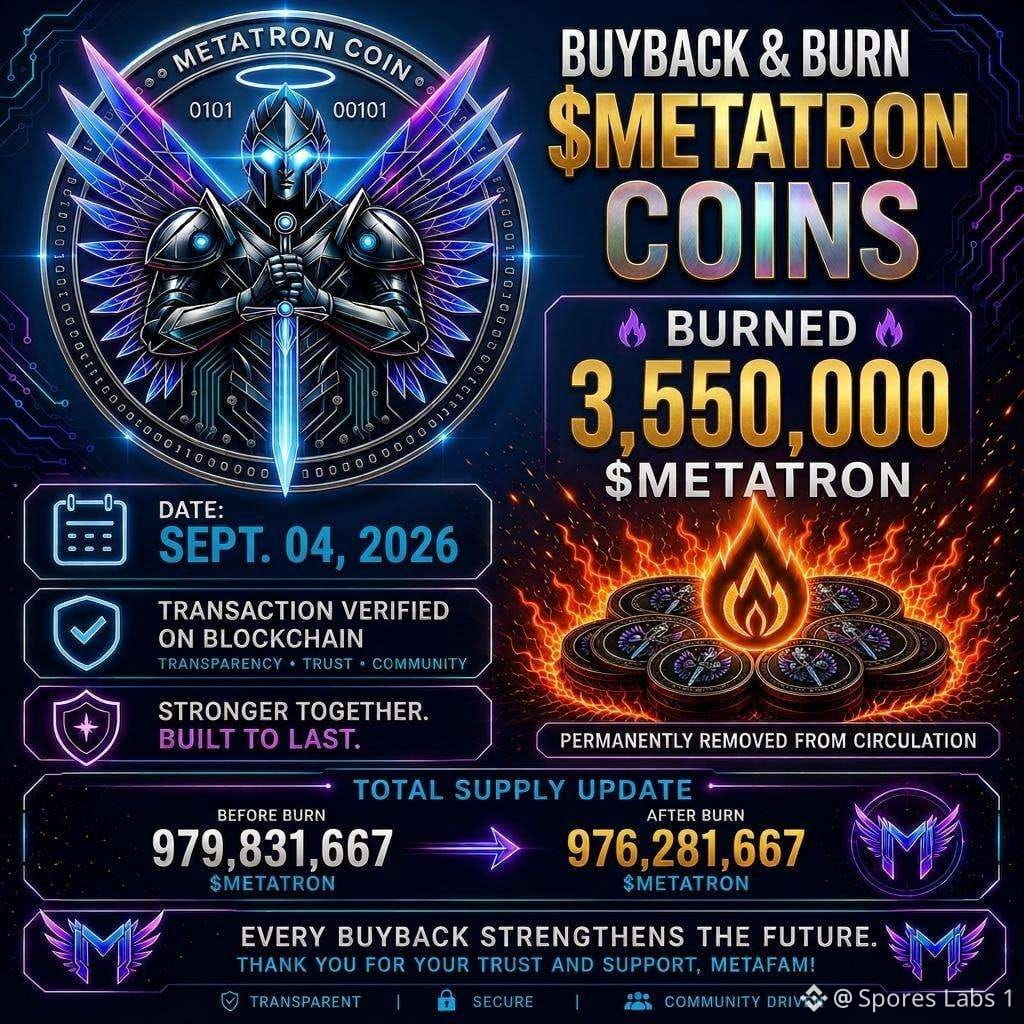
⚔️🔥 $METATRON — WEEKLY BUYBACK & BURN COMPLETE
This week's execution:
✅ 6,469,971 $METATRON bought back
🔥 3,550,000 permanently burned
💧 2,905,632 added to liquidity
🔒 New LP locked — Fee Key → Treasury
Supply: 979.8M → 976.3M
📉 3.55M less supply. More scarcity. Stronger foundation.
📊 Full transparency: View the Registry https://themetatron.xyz/tokenomics/#metatron_registry
The foundation strengthens every week. Are you in? 🚀
⚔️🔥 $METATRON — WEEKLY BUYBACK & BURN COMPLETE
This week's execution:
✅ 6,469,971 $METATRON bought back
🔥 3,550,000 permanently burned
💧 2,905,632 added to liquidity
🔒 New LP locked — Fee Key → Treasury
Supply: 979.8M → 976.3M
📉 3.55M less supply. More scarcity. Stronger foundation.
📊 Full transparency: View the Registry https://themetatron.xyz/tokenomics/#metatron_registry
The foundation strengthens every week. Are you in? 🚀
This week's execution:
✅ 6,469,971 $METATRON bought back
🔥 3,550,000 permanently burned
💧 2,905,632 added to liquidity
🔒 New LP locked — Fee Key → Treasury
Supply: 979.8M → 976.3M
📉 3.55M less supply. More scarcity. Stronger foundation.
📊 Full transparency: View the Registry https://themetatron.xyz/tokenomics/#metatron_registry
The foundation strengthens every week. Are you in? 🚀
60
Ver traducción
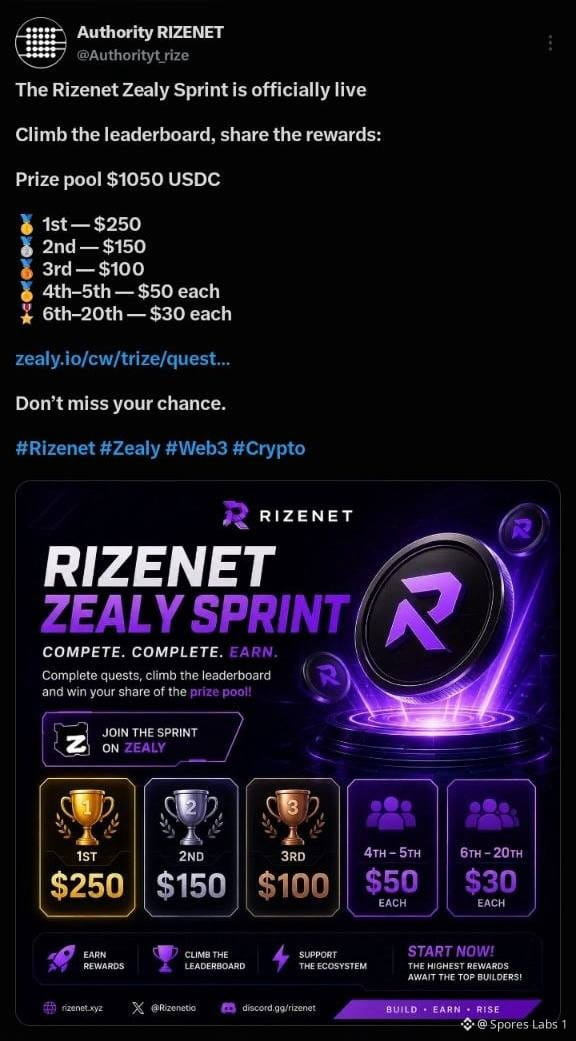
🚨 SECURITY ALERT: SCAM WARNING 🚨
A fraudulent post promoting a “Rizenet Zealy Sprint” with a $1,050 USDC prize pool is currently circulating on X (Twitter).
⚠️ THIS CAMPAIGN IS NOT OFFICIAL.
Please be advised:
❌ Rizenet has NO ongoing Zealy campaign or sprint at this time.
❌ Do not connect your wallet, click the link, or complete any tasks in the post.
❌ Do not share or engage with the fraudulent campaign.
The post above is being used by scammers to impersonate Rizenet and deceive community members.
🚨 If you come across this post:
• Report it immediately.
• Ignore all links associated with it.
• Warn other community members to stay away.
We will always announce official campaigns through our verified communication channels.
Your security is our top priority. Stay vigilant, verify before interacting, and help us keep the community safe. 🛡️
🚨 SECURITY ALERT: SCAM WARNING 🚨
A fraudulent post promoting a “Rizenet Zealy Sprint” with a $1,050 USDC prize pool is currently circulating on X (Twitter).
⚠️ THIS CAMPAIGN IS NOT OFFICIAL.
Please be advised:
❌ Rizenet has NO ongoing Zealy campaign or sprint at this time.
❌ Do not connect your wallet, click the link, or complete any tasks in the post.
❌ Do not share or engage with the fraudulent campaign.
The post above is being used by scammers to impersonate Rizenet and deceive community members.
🚨 If you come across this post:
• Report it immediately.
• Ignore all links associated with it.
• Warn other community members to stay away.
We will always announce official campaigns through our verified communication channels.
Your security is our top priority. Stay vigilant, verify before interacting, and help us keep the community safe. 🛡️
A fraudulent post promoting a “Rizenet Zealy Sprint” with a $1,050 USDC prize pool is currently circulating on X (Twitter).
⚠️ THIS CAMPAIGN IS NOT OFFICIAL.
Please be advised:
❌ Rizenet has NO ongoing Zealy campaign or sprint at this time.
❌ Do not connect your wallet, click the link, or complete any tasks in the post.
❌ Do not share or engage with the fraudulent campaign.
The post above is being used by scammers to impersonate Rizenet and deceive community members.
🚨 If you come across this post:
• Report it immediately.
• Ignore all links associated with it.
• Warn other community members to stay away.
We will always announce official campaigns through our verified communication channels.
Your security is our top priority. Stay vigilant, verify before interacting, and help us keep the community safe. 🛡️
62
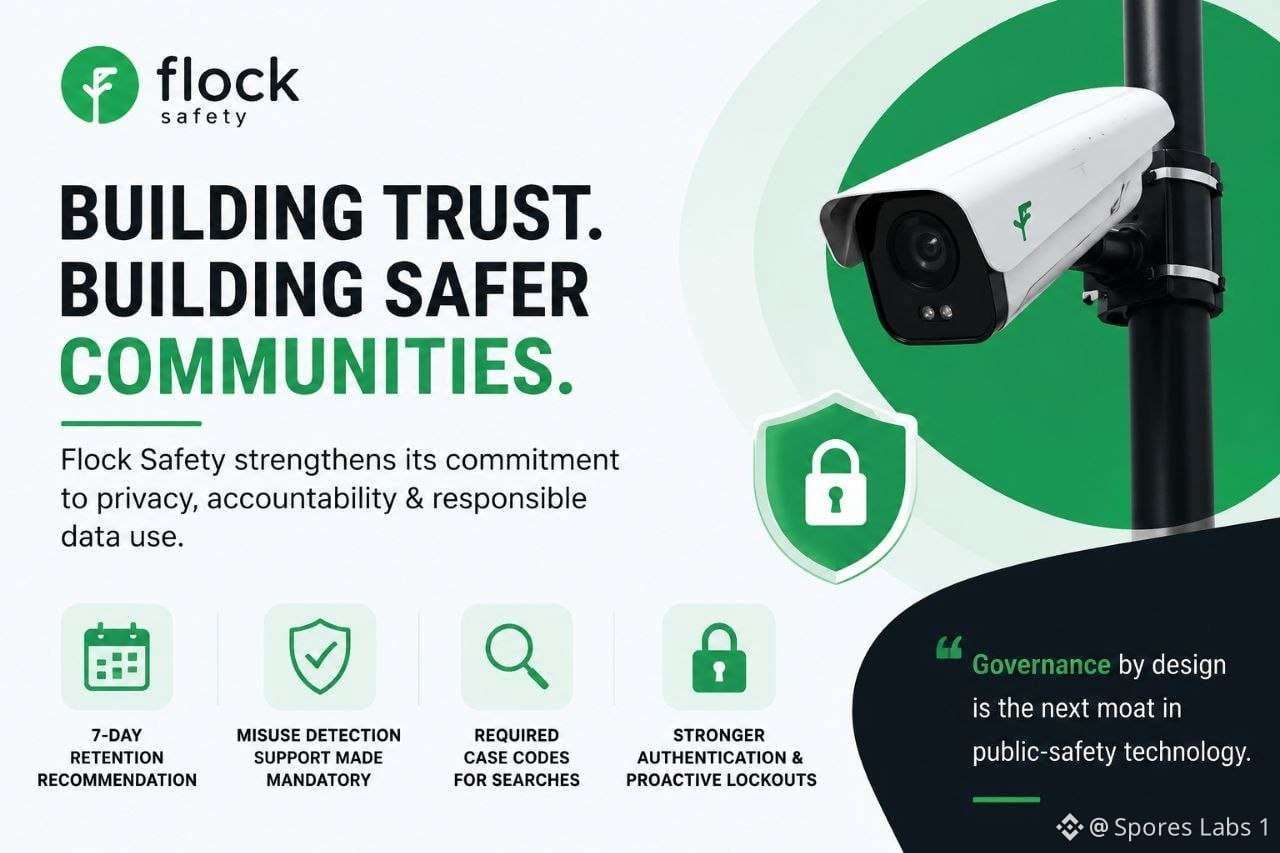
🔐📷 La tecnología de vigilancia está entrando en una nueva fase: la confianza importa tanto como la capacidad.
Los últimos cambios de Flock Safety resaltan un cambio importante: menor retención de datos, autenticación más sólida, detección de uso indebido y mayor rendición de cuentas sobre las búsquedas.
¿Cuál es la lección más grande? 👇
Para la tecnología de seguridad pública, la precisión y la cobertura ya no son suficientes.
Compradores, reguladores y comunidades quieren saber:
• ¿Quién accedió a los datos?
• ¿Por qué se accedió a ellos?
• ¿Cuánto tiempo se mantuvieron?
• ¿Qué ocurre cuando se detecta una actividad inusual?
La próxima ventaja competitiva puede ser la gobernanza por diseño: construir sistemas que puedan demostrar cómo se usan los datos, y no solo recopilar más. 🛡️
#Privacidad #TecnologíaDeVigilancia #GovTech #Ciberseguridad
🔐📷 La tecnología de vigilancia está entrando en una nueva fase: la confianza importa tanto como la capacidad.
Los últimos cambios de Flock Safety resaltan un cambio importante: menor retención de datos, autenticación más sólida, detección de uso indebido y mayor rendición de cuentas sobre las búsquedas.
¿Cuál es la lección más grande? 👇
Para la tecnología de seguridad pública, la precisión y la cobertura ya no son suficientes.
Compradores, reguladores y comunidades quieren saber:
• ¿Quién accedió a los datos?
• ¿Por qué se accedió a ellos?
• ¿Cuánto tiempo se mantuvieron?
• ¿Qué ocurre cuando se detecta una actividad inusual?
La próxima ventaja competitiva puede ser la gobernanza por diseño: construir sistemas que puedan demostrar cómo se usan los datos, y no solo recopilar más. 🛡️
#Privacidad #TecnologíaDeVigilancia #GovTech #Ciberseguridad
Los últimos cambios de Flock Safety resaltan un cambio importante: menor retención de datos, autenticación más sólida, detección de uso indebido y mayor rendición de cuentas sobre las búsquedas.
¿Cuál es la lección más grande? 👇
Para la tecnología de seguridad pública, la precisión y la cobertura ya no son suficientes.
Compradores, reguladores y comunidades quieren saber:
• ¿Quién accedió a los datos?
• ¿Por qué se accedió a ellos?
• ¿Cuánto tiempo se mantuvieron?
• ¿Qué ocurre cuando se detecta una actividad inusual?
La próxima ventaja competitiva puede ser la gobernanza por diseño: construir sistemas que puedan demostrar cómo se usan los datos, y no solo recopilar más. 🛡️
#Privacidad #TecnologíaDeVigilancia #GovTech #Ciberseguridad
69
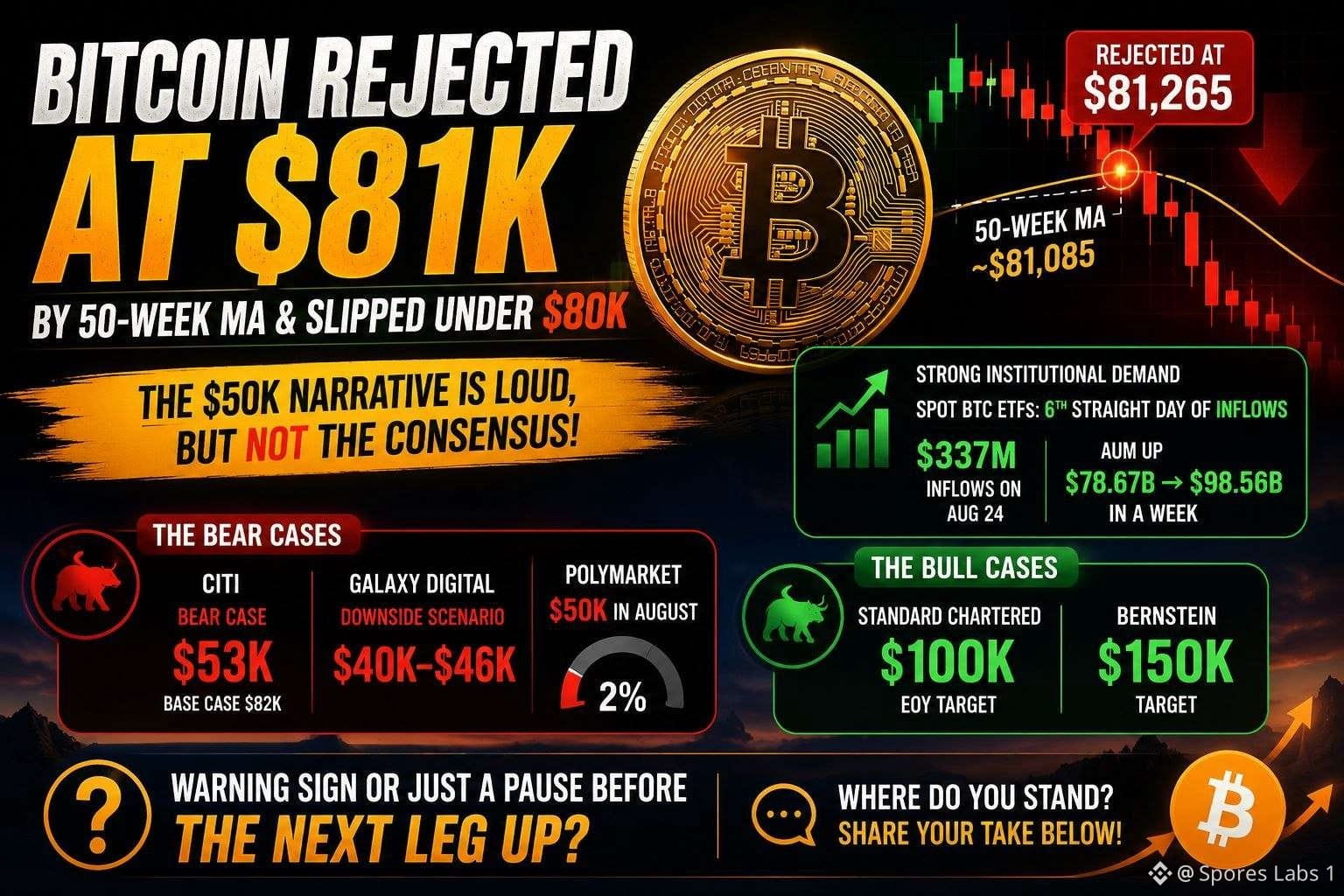
🚨 Bitcoin rechazado en 81K — ¿Pero realmente lo próximo es 50K?
BTC subió hasta 81.265 dólares antes de ser rechazado cerca de la media móvil de 50 semanas alrededor de 81.085 dólares, y volvió a caer por debajo de los 80K.
Pero la narrativa de los 50K podría estar ganando fuerza más que el consenso real 👀
📊 Los ETF spot de BTC registraron 6 días consecutivos de entradas, con 337M entrando el 24 de agosto.
🔻 Casos bajistas:
• Citi: 53K bajista / 82K base
• Galaxy: 40K–46K de caída
• Polymarket: solo ~2% de probabilidad de 50K en agosto
🚀 Casos alcistas:
• Standard Chartered: 100K a fin de año
• Bernstein: 150K
Así que, ¿este rechazo es una advertencia de una corrección más profunda o simplemente una pausa antes del siguiente tramo al alza?
¿Cuál es tu opinión? 👇
#Bitcoin #BTC #Crypto #BitcoinETF #CryptoMarket
🚨 Bitcoin rechazado en 81K — ¿Pero realmente lo próximo es 50K?
BTC subió hasta 81.265 dólares antes de ser rechazado cerca de la media móvil de 50 semanas alrededor de 81.085 dólares, y volvió a caer por debajo de los 80K.
Pero la narrativa de los 50K podría estar ganando fuerza más que el consenso real 👀
📊 Los ETF spot de BTC registraron 6 días consecutivos de entradas, con 337M entrando el 24 de agosto.
🔻 Casos bajistas:
• Citi: 53K bajista / 82K base
• Galaxy: 40K–46K de caída
• Polymarket: solo ~2% de probabilidad de 50K en agosto
🚀 Casos alcistas:
• Standard Chartered: 100K a fin de año
• Bernstein: 150K
Así que, ¿este rechazo es una advertencia de una corrección más profunda o simplemente una pausa antes del siguiente tramo al alza?
¿Cuál es tu opinión? 👇
#Bitcoin #BTC #Crypto #BitcoinETF #CryptoMarket
BTC subió hasta 81.265 dólares antes de ser rechazado cerca de la media móvil de 50 semanas alrededor de 81.085 dólares, y volvió a caer por debajo de los 80K.
Pero la narrativa de los 50K podría estar ganando fuerza más que el consenso real 👀
📊 Los ETF spot de BTC registraron 6 días consecutivos de entradas, con 337M entrando el 24 de agosto.
🔻 Casos bajistas:
• Citi: 53K bajista / 82K base
• Galaxy: 40K–46K de caída
• Polymarket: solo ~2% de probabilidad de 50K en agosto
🚀 Casos alcistas:
• Standard Chartered: 100K a fin de año
• Bernstein: 150K
Así que, ¿este rechazo es una advertencia de una corrección más profunda o simplemente una pausa antes del siguiente tramo al alza?
¿Cuál es tu opinión? 👇
#Bitcoin #BTC #Crypto #BitcoinETF #CryptoMarket
65
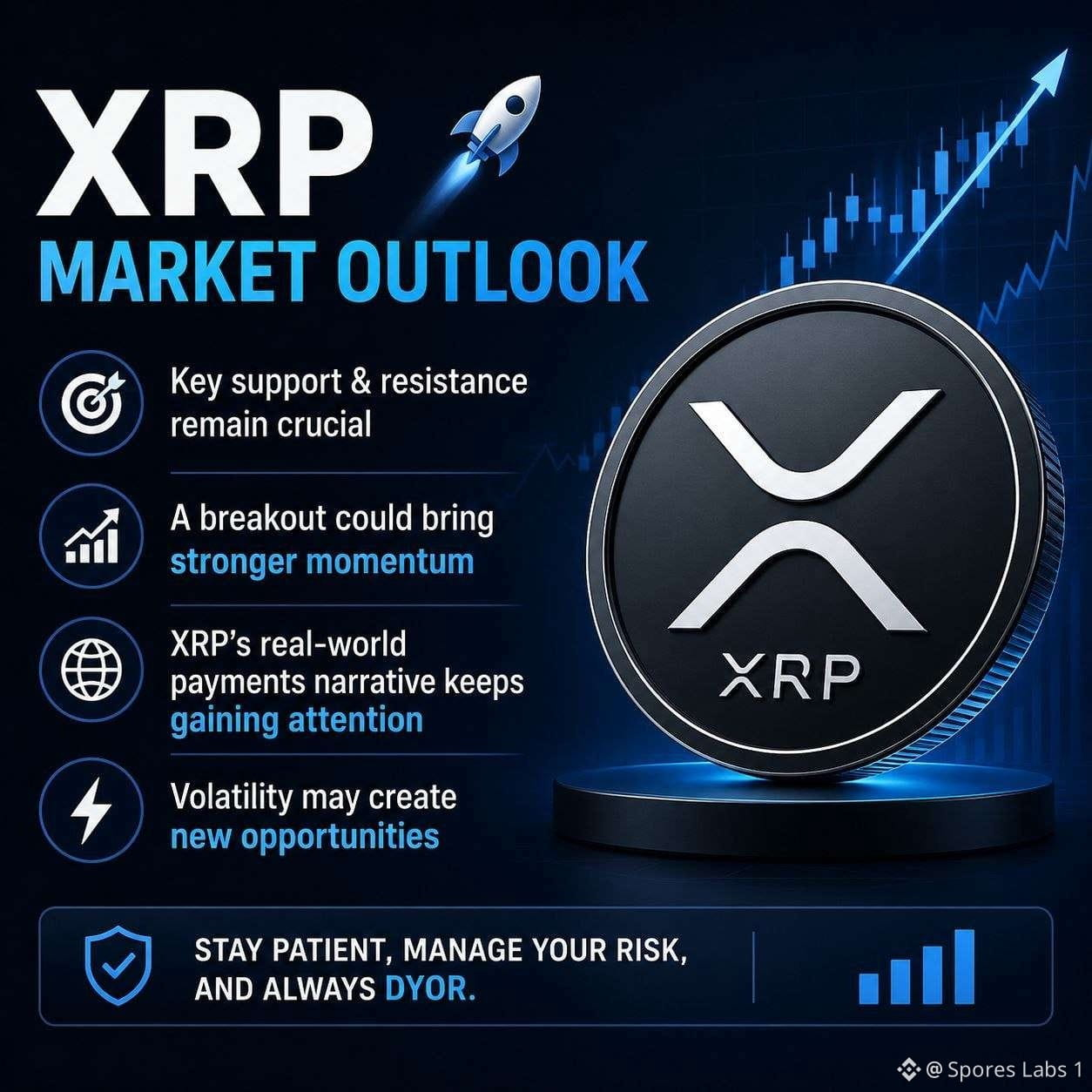
🚀 Perspectiva del mercado de XRP
XRP sigue manteniéndose en el radar de los traders a medida que se desarrolla el impulso del mercado.
📌 Los soportes & resistencias clave siguen siendo cruciales
📈 Una ruptura podría traer un impulso más fuerte
🌐 La narrativa de pagos en el mundo real de XRP sigue ganando atención
⚡ La volatilidad puede crear nuevas oportunidades
Mantén la paciencia, gestiona el riesgo y haz siempre tu propia investigación (DYOR).
#XRP #Ripple #Crypto #CryptoMarket #Trading
🚀 Perspectiva del mercado de XRP
XRP sigue manteniéndose en el radar de los traders a medida que se desarrolla el impulso del mercado.
📌 Los soportes & resistencias clave siguen siendo cruciales
📈 Una ruptura podría traer un impulso más fuerte
🌐 La narrativa de pagos en el mundo real de XRP sigue ganando atención
⚡ La volatilidad puede crear nuevas oportunidades
Mantén la paciencia, gestiona el riesgo y haz siempre tu propia investigación (DYOR).
#XRP #Ripple #Crypto #CryptoMarket #Trading
XRP sigue manteniéndose en el radar de los traders a medida que se desarrolla el impulso del mercado.
📌 Los soportes & resistencias clave siguen siendo cruciales
📈 Una ruptura podría traer un impulso más fuerte
🌐 La narrativa de pagos en el mundo real de XRP sigue ganando atención
⚡ La volatilidad puede crear nuevas oportunidades
Mantén la paciencia, gestiona el riesgo y haz siempre tu propia investigación (DYOR).
#XRP #Ripple #Crypto #CryptoMarket #Trading
67
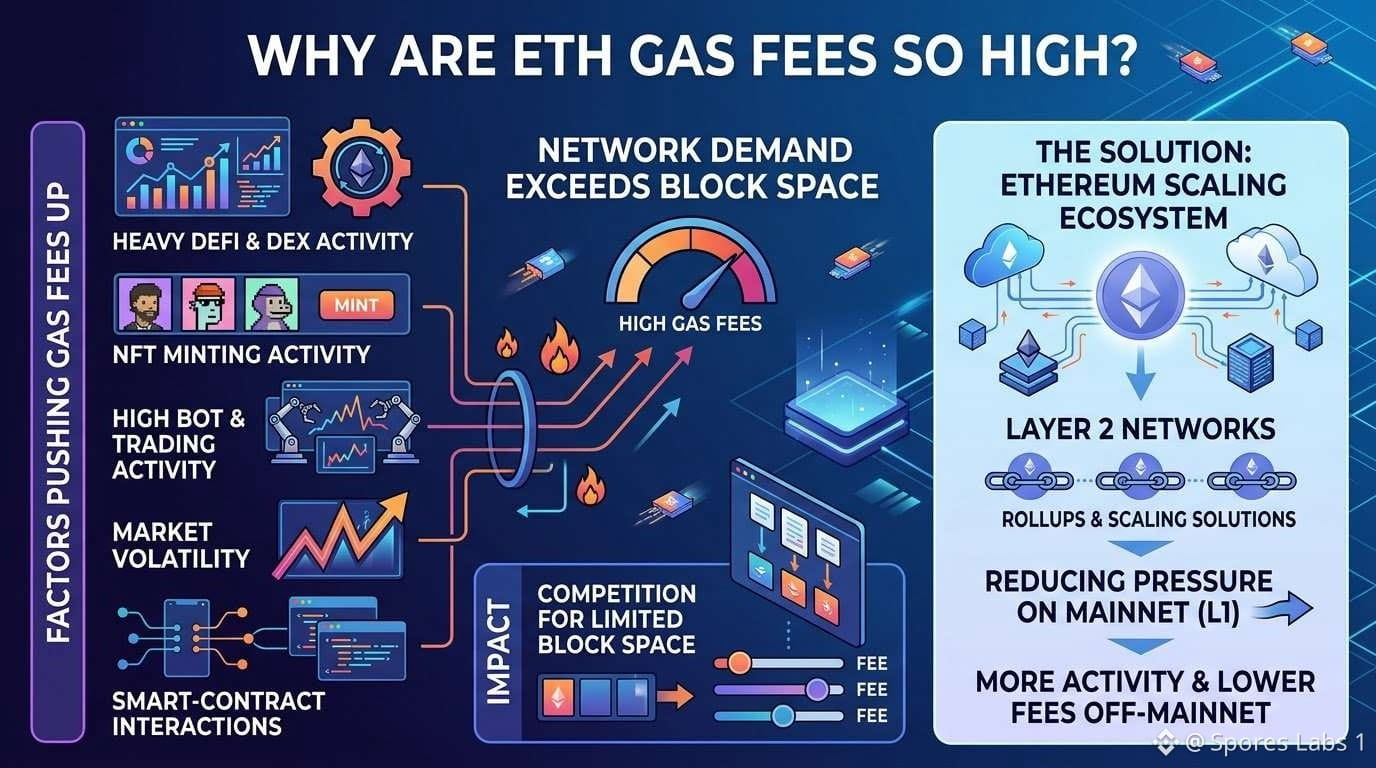
🔥 ¿Por qué las tarifas de gas de ETH son tan altas?
Las tarifas de gas de Ethereum suben cuando la demanda de la red supera el espacio de bloque disponible.
Cuando más usuarios compiten para ejecutar swaps, acuñar NFTs, interactuar con apps de DeFi o mover tokens, compiten por un espacio de bloque limitado. Los usuarios dispuestos a pagar más gas pueden conseguir que sus transacciones se procesen antes. ⛽️
Otros factores también pueden hacer que las tarifas suban:
• 📈 Mucha actividad en DeFi y DEX
• 🖼️ Actividad de NFTs/acuñación
• 🤖 Bots on-chain altos y actividad de trading
• 🚀 Repentina volatilidad del mercado
• 🔄 Mayor número de interacciones con contratos inteligentes
¿La buena noticia? El ecosistema de escalado de Ethereum, incluidas las redes de Capa 2, está diseñado para mover más actividad fuera de la red principal de Ethereum y reducir la presión en la Capa 1.
Así que las tarifas de gas altas no son simplemente un “problema de ETH”: a menudo son una señal de una demanda fuerte que compite por un espacio de bloque limitado.
#Ethereum #ETH #Crypto #DeFi
🔥 ¿Por qué las tarifas de gas de ETH son tan altas?
Las tarifas de gas de Ethereum suben cuando la demanda de la red supera el espacio de bloque disponible.
Cuando más usuarios compiten para ejecutar swaps, acuñar NFTs, interactuar con apps de DeFi o mover tokens, compiten por un espacio de bloque limitado. Los usuarios dispuestos a pagar más gas pueden conseguir que sus transacciones se procesen antes. ⛽️
Otros factores también pueden hacer que las tarifas suban:
• 📈 Mucha actividad en DeFi y DEX
• 🖼️ Actividad de NFTs/acuñación
• 🤖 Bots on-chain altos y actividad de trading
• 🚀 Repentina volatilidad del mercado
• 🔄 Mayor número de interacciones con contratos inteligentes
¿La buena noticia? El ecosistema de escalado de Ethereum, incluidas las redes de Capa 2, está diseñado para mover más actividad fuera de la red principal de Ethereum y reducir la presión en la Capa 1.
Así que las tarifas de gas altas no son simplemente un “problema de ETH”: a menudo son una señal de una demanda fuerte que compite por un espacio de bloque limitado.
#Ethereum #ETH #Crypto #DeFi
Las tarifas de gas de Ethereum suben cuando la demanda de la red supera el espacio de bloque disponible.
Cuando más usuarios compiten para ejecutar swaps, acuñar NFTs, interactuar con apps de DeFi o mover tokens, compiten por un espacio de bloque limitado. Los usuarios dispuestos a pagar más gas pueden conseguir que sus transacciones se procesen antes. ⛽️
Otros factores también pueden hacer que las tarifas suban:
• 📈 Mucha actividad en DeFi y DEX
• 🖼️ Actividad de NFTs/acuñación
• 🤖 Bots on-chain altos y actividad de trading
• 🚀 Repentina volatilidad del mercado
• 🔄 Mayor número de interacciones con contratos inteligentes
¿La buena noticia? El ecosistema de escalado de Ethereum, incluidas las redes de Capa 2, está diseñado para mover más actividad fuera de la red principal de Ethereum y reducir la presión en la Capa 1.
Así que las tarifas de gas altas no son simplemente un “problema de ETH”: a menudo son una señal de una demanda fuerte que compite por un espacio de bloque limitado.
#Ethereum #ETH #Crypto #DeFi
71
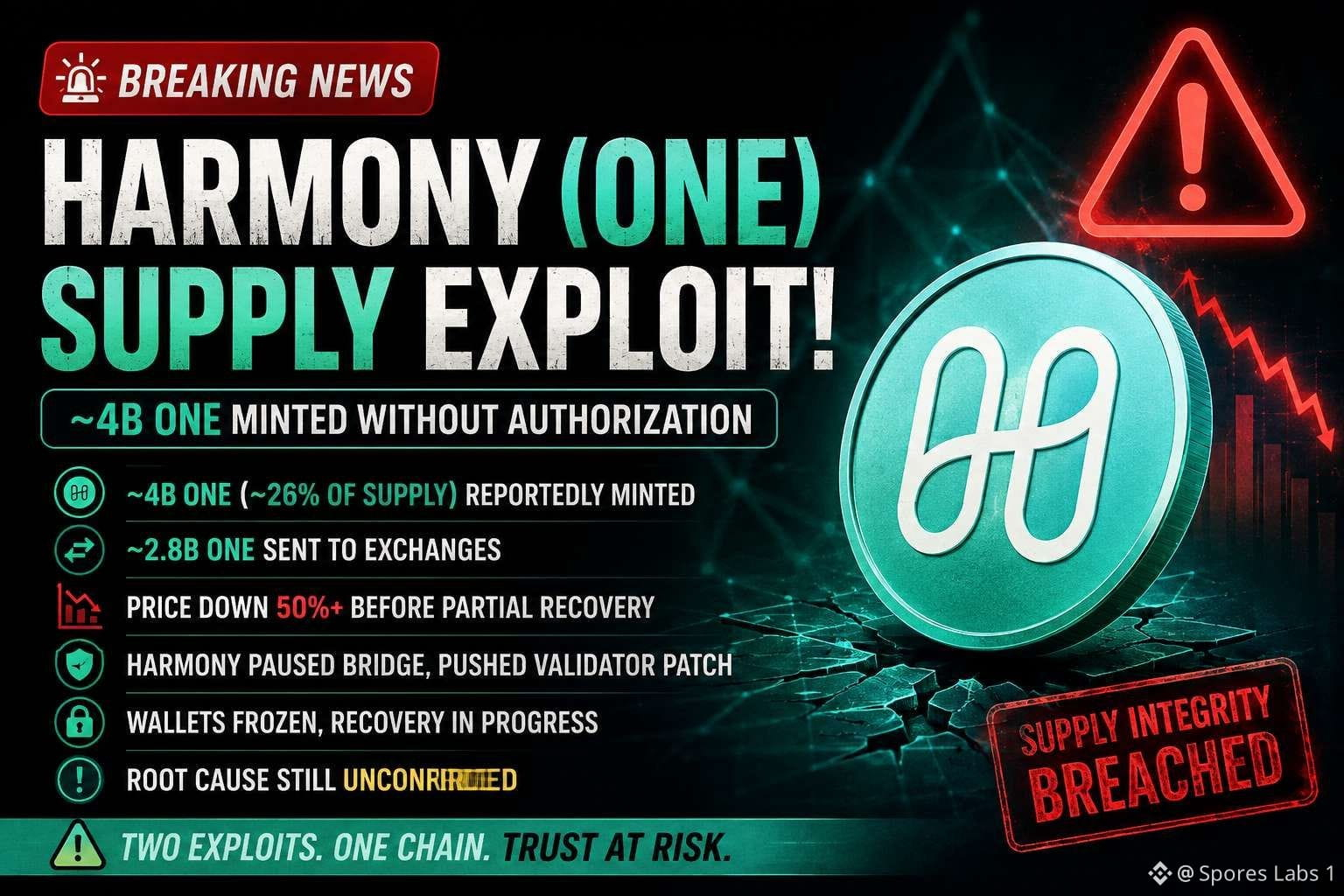
🚨 El suministro ONE de Harmony acaba de recibir un golpe masivo
Se alega que un exploit reportado habría creado ~4 MIL MILLONES de tokens ONE sin autorización — aproximadamente el 26% del suministro circulante de Harmony.
Según el analista on-chain Juiceberg:
→ ~4B ONE presuntamente acuñados
→ ~2.8B ONE presuntamente enviados hacia exchanges
→ ONE cayó 50%+ antes de recuperarse parcialmente
→ Harmony pausó el puente y lanzó un parche para validadores
→ Congelación de carteras y esfuerzos de recuperación estarían en marcha
→ La causa raíz aún no está confirmada
La pregunta más grande no es solo “¿Por qué cayó ONE?”
Es esta:
¿Cómo fue posible crear suministro no autorizado en primer lugar?
Si las reglas de suministro de una blockchain pueden eludirse, el daño va mucho más allá del precio de un solo token.
Y hay otra capa en esta historia.
Harmony sufrió previamente el hack del puente Horizon de ~$100M en 2022, lo que hace que el incidente de hoy sea una prueba especialmente seria de la seguridad de la red y del proceso de recuperación.
⚠️ Importante: Las cifras 4B/2.8B se basan en análisis on-chain y no deben considerarse definitivas hasta que sean confirmadas de forma independiente por Harmony.
¿Fallo de protocolo, debilidad de validadores o algo más profundo?
La respuesta podría determinar si esto es simplemente un gran exploit o una crisis de confianza mucho mayor para Harmony.
¿Qué opinas? 👇
#Harmony #ONE #Crypto #CryptoNews
🚨 El suministro ONE de Harmony acaba de recibir un golpe masivo
Se alega que un exploit reportado habría creado ~4 MIL MILLONES de tokens ONE sin autorización — aproximadamente el 26% del suministro circulante de Harmony.
Según el analista on-chain Juiceberg:
→ ~4B ONE presuntamente acuñados
→ ~2.8B ONE presuntamente enviados hacia exchanges
→ ONE cayó 50%+ antes de recuperarse parcialmente
→ Harmony pausó el puente y lanzó un parche para validadores
→ Congelación de carteras y esfuerzos de recuperación estarían en marcha
→ La causa raíz aún no está confirmada
La pregunta más grande no es solo “¿Por qué cayó ONE?”
Es esta:
¿Cómo fue posible crear suministro no autorizado en primer lugar?
Si las reglas de suministro de una blockchain pueden eludirse, el daño va mucho más allá del precio de un solo token.
Y hay otra capa en esta historia.
Harmony sufrió previamente el hack del puente Horizon de ~$100M en 2022, lo que hace que el incidente de hoy sea una prueba especialmente seria de la seguridad de la red y del proceso de recuperación.
⚠️ Importante: Las cifras 4B/2.8B se basan en análisis on-chain y no deben considerarse definitivas hasta que sean confirmadas de forma independiente por Harmony.
¿Fallo de protocolo, debilidad de validadores o algo más profundo?
La respuesta podría determinar si esto es simplemente un gran exploit o una crisis de confianza mucho mayor para Harmony.
¿Qué opinas? 👇
#Harmony #ONE #Crypto #CryptoNews
Se alega que un exploit reportado habría creado ~4 MIL MILLONES de tokens ONE sin autorización — aproximadamente el 26% del suministro circulante de Harmony.
Según el analista on-chain Juiceberg:
→ ~4B ONE presuntamente acuñados
→ ~2.8B ONE presuntamente enviados hacia exchanges
→ ONE cayó 50%+ antes de recuperarse parcialmente
→ Harmony pausó el puente y lanzó un parche para validadores
→ Congelación de carteras y esfuerzos de recuperación estarían en marcha
→ La causa raíz aún no está confirmada
La pregunta más grande no es solo “¿Por qué cayó ONE?”
Es esta:
¿Cómo fue posible crear suministro no autorizado en primer lugar?
Si las reglas de suministro de una blockchain pueden eludirse, el daño va mucho más allá del precio de un solo token.
Y hay otra capa en esta historia.
Harmony sufrió previamente el hack del puente Horizon de ~$100M en 2022, lo que hace que el incidente de hoy sea una prueba especialmente seria de la seguridad de la red y del proceso de recuperación.
⚠️ Importante: Las cifras 4B/2.8B se basan en análisis on-chain y no deben considerarse definitivas hasta que sean confirmadas de forma independiente por Harmony.
¿Fallo de protocolo, debilidad de validadores o algo más profundo?
La respuesta podría determinar si esto es simplemente un gran exploit o una crisis de confianza mucho mayor para Harmony.
¿Qué opinas? 👇
#Harmony #ONE #Crypto #CryptoNews
71
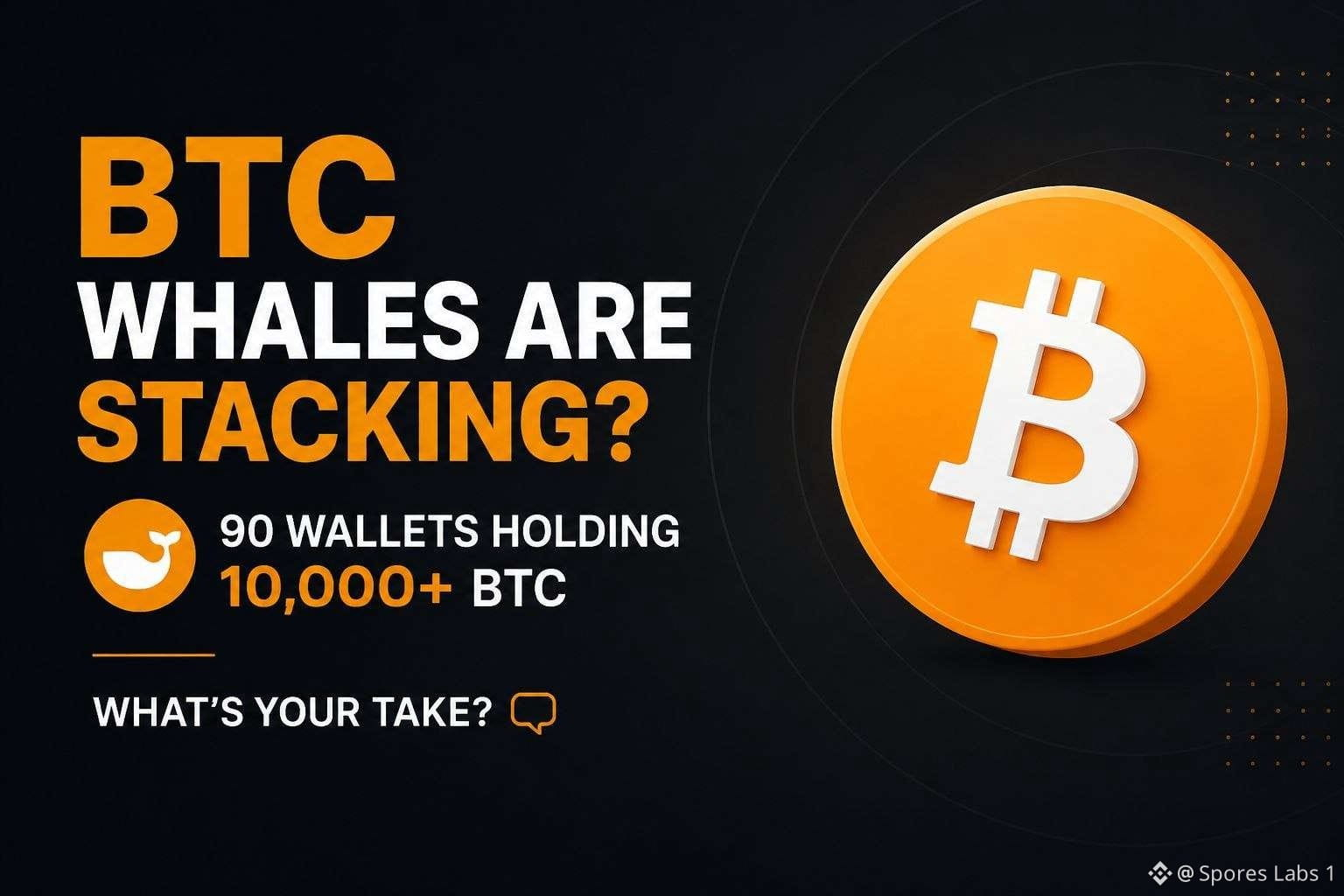
🐋 ¿Los ballenas de BTC están acumulando?
90 billeteras ahora tienen 10,000+ BTC — un máximo de 6 meses, con 6 miembros nuevos añadidos en solo 8 semanas.
Las billeteras medianas a grandes han acumulado ~$1.5B desde el 29 de julio, mientras que las micro-billeteras siguen encogiéndose.
¿Esto es una acumulación real o solo una reasignación de almacenamiento en frío después del exploit de Coldcard?
¿Y por qué el retail está vendiendo por el FUD mientras las ballenas siguen sumando?
👇 ¿Cuál es tu opinión?
#Bitcoin #BTC #Crypto #Whales #BTCAnalysis
🐋 ¿Los ballenas de BTC están acumulando?
90 billeteras ahora tienen 10,000+ BTC — un máximo de 6 meses, con 6 miembros nuevos añadidos en solo 8 semanas.
Las billeteras medianas a grandes han acumulado ~$1.5B desde el 29 de julio, mientras que las micro-billeteras siguen encogiéndose.
¿Esto es una acumulación real o solo una reasignación de almacenamiento en frío después del exploit de Coldcard?
¿Y por qué el retail está vendiendo por el FUD mientras las ballenas siguen sumando?
👇 ¿Cuál es tu opinión?
#Bitcoin #BTC #Crypto #Whales #BTCAnalysis
90 billeteras ahora tienen 10,000+ BTC — un máximo de 6 meses, con 6 miembros nuevos añadidos en solo 8 semanas.
Las billeteras medianas a grandes han acumulado ~$1.5B desde el 29 de julio, mientras que las micro-billeteras siguen encogiéndose.
¿Esto es una acumulación real o solo una reasignación de almacenamiento en frío después del exploit de Coldcard?
¿Y por qué el retail está vendiendo por el FUD mientras las ballenas siguen sumando?
👇 ¿Cuál es tu opinión?
#Bitcoin #BTC #Crypto #Whales #BTCAnalysis
81
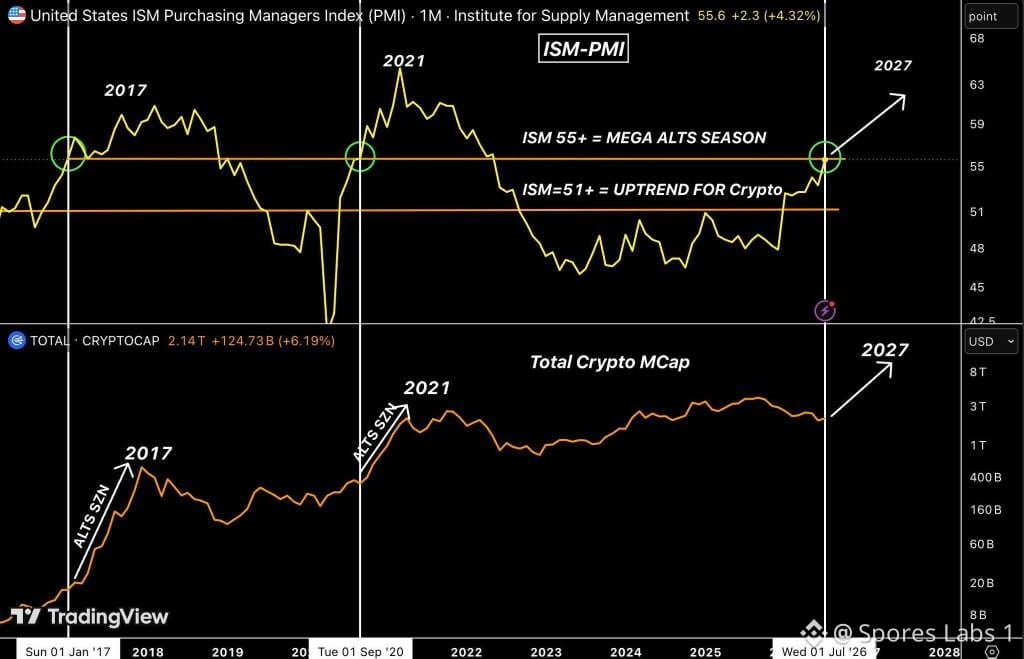
La misma señal que provocó el auge alcista de las criptomonedas en 2017 y 2021 vuelve a estar aquí.
ISM acaba de marcar 55.6, el nivel más alto desde 2022.
ISM por encima de 51 señala una economía en crecimiento, una liquidez que mejora y un mayor apetito por el riesgo.
Cada vez que ISM se ha mantenido por encima de 55, las altcoins han entrado en modo parabólico.
Si la historia se repite, el Altseason podría ya estar en marcha para 2027.
La misma señal que provocó el auge alcista de las criptomonedas en 2017 y 2021 vuelve a estar aquí.
ISM acaba de marcar 55.6, el nivel más alto desde 2022.
ISM por encima de 51 señala una economía en crecimiento, una liquidez que mejora y un mayor apetito por el riesgo.
Cada vez que ISM se ha mantenido por encima de 55, las altcoins han entrado en modo parabólico.
Si la historia se repite, el Altseason podría ya estar en marcha para 2027.
ISM acaba de marcar 55.6, el nivel más alto desde 2022.
ISM por encima de 51 señala una economía en crecimiento, una liquidez que mejora y un mayor apetito por el riesgo.
Cada vez que ISM se ha mantenido por encima de 55, las altcoins han entrado en modo parabólico.
Si la historia se repite, el Altseason podría ya estar en marcha para 2027.
44
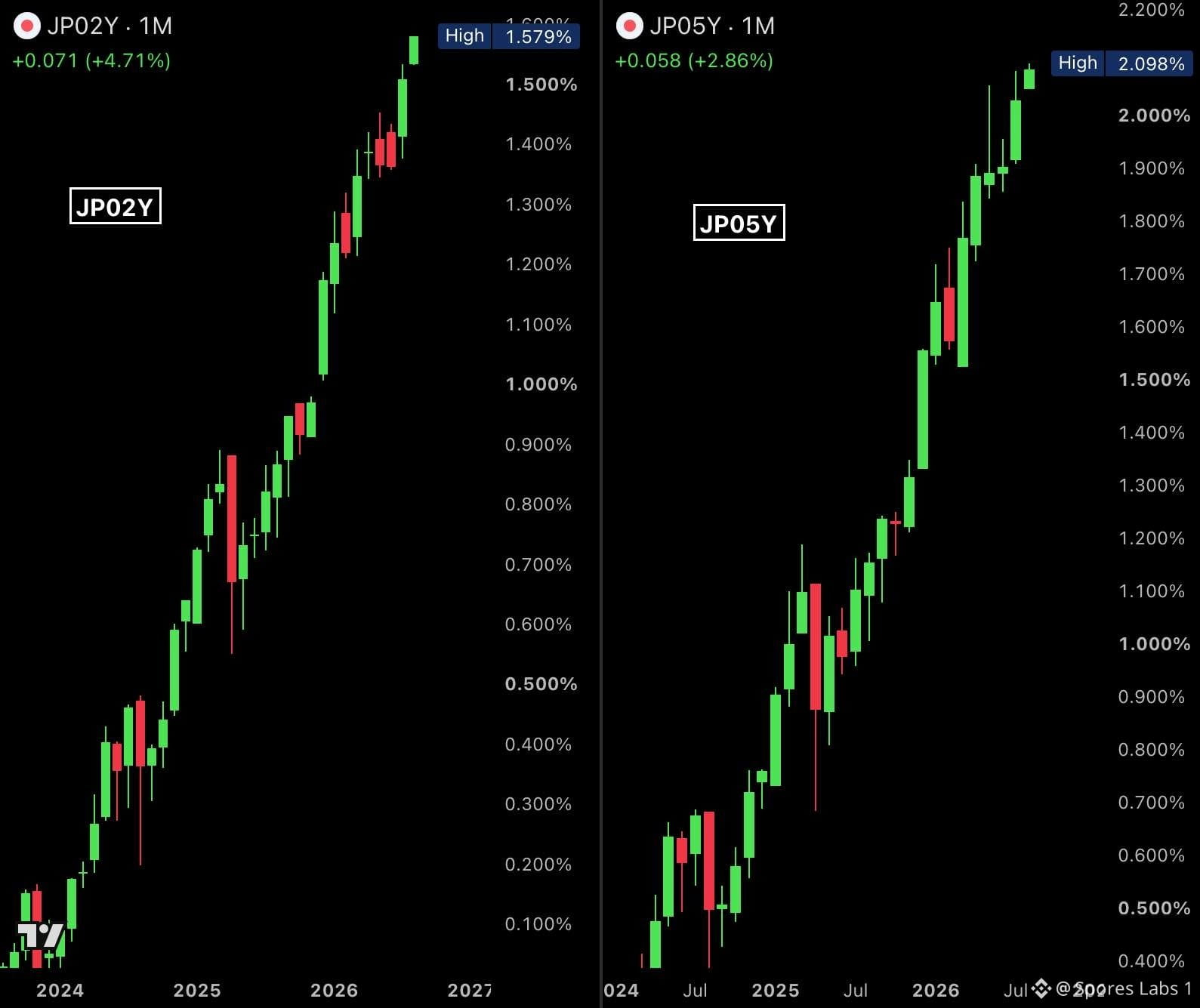
🚨 ÚLTIMA HORA: Los rendimientos de los bonos a 2 años y a 5 años de Japón acaban de alcanzar sus niveles más altos en 31 años.
El de 2 años está en 1.579% y el de 5 años en 2.098%.
Ambos estaban cerca de cero hace solo dos años.
La crisis del mercado de bonos de Japón no deja de empeorar.
🚨 ÚLTIMA HORA: Los rendimientos de los bonos a 2 años y a 5 años de Japón acaban de alcanzar sus niveles más altos en 31 años.
El de 2 años está en 1.579% y el de 5 años en 2.098%.
Ambos estaban cerca de cero hace solo dos años.
La crisis del mercado de bonos de Japón no deja de empeorar.
El de 2 años está en 1.579% y el de 5 años en 2.098%.
Ambos estaban cerca de cero hace solo dos años.
La crisis del mercado de bonos de Japón no deja de empeorar.
64
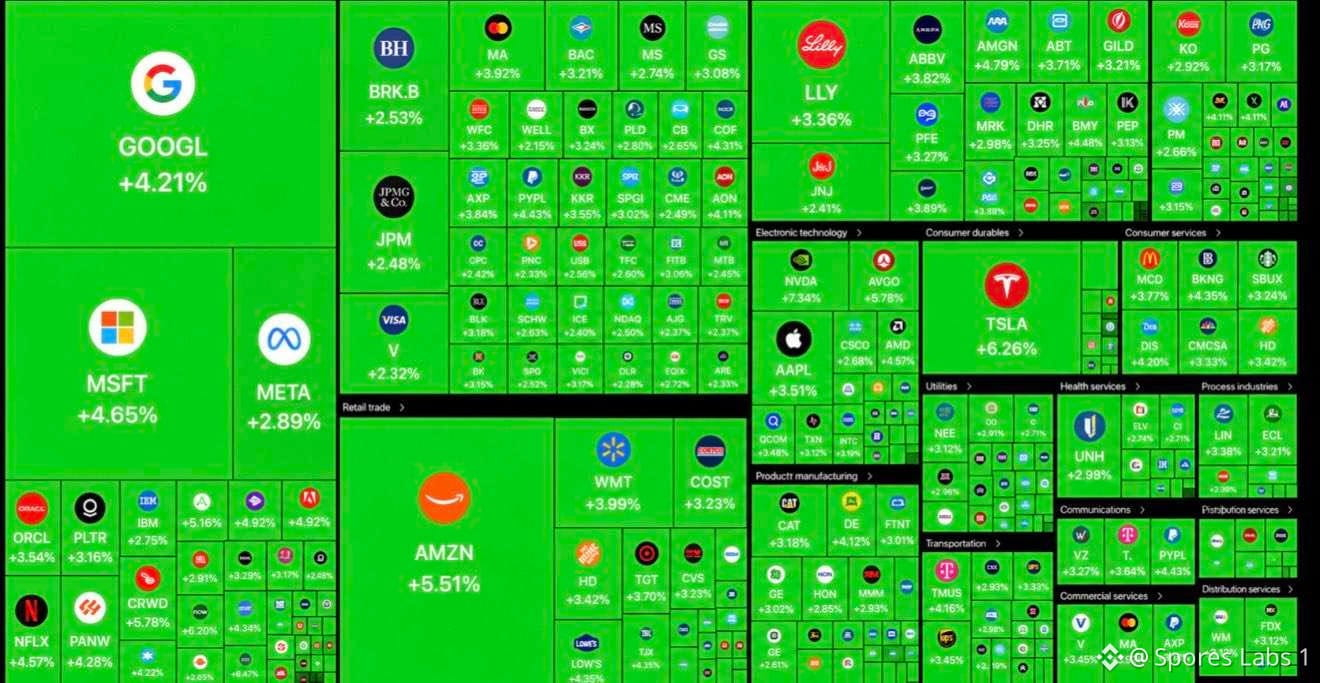
INSANO: $1 BILLÓN se ha agregado a la bolsa de valores de EE. UU. después de que la actividad manufacturera del ISM se disparara hasta su máximo en cuatro años.
El S&P 500 ahora está a solo un 0.4% de un nuevo máximo histórico. 🚀
INSANO: $1 BILLÓN se ha agregado a la bolsa de valores de EE. UU. después de que la actividad manufacturera del ISM se disparara hasta su máximo en cuatro años.
El S&P 500 ahora está a solo un 0.4% de un nuevo máximo histórico. 🚀
El S&P 500 ahora está a solo un 0.4% de un nuevo máximo histórico. 🚀
62
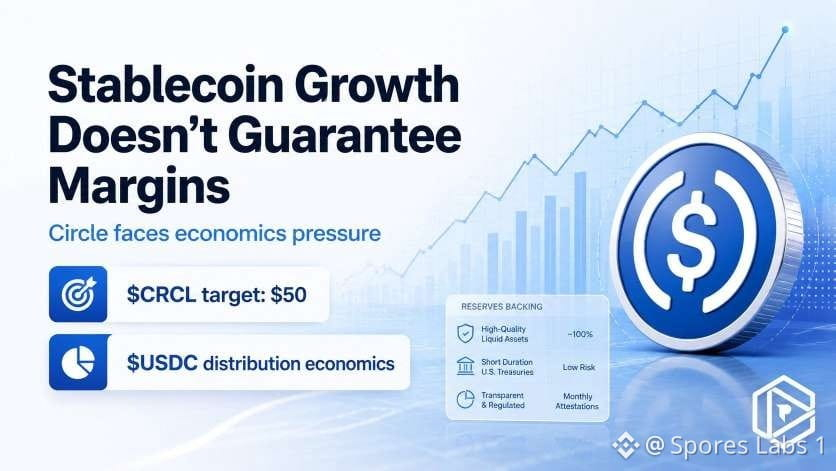
⚖️ EL CRECIMIENTO DE LAS STABLECOINS NO GARANTIZA AUTOMÁTICAMENTE LOS MÁRGENES DEL EMISOR
Según se informa, las acciones de Circle han caído más de un 75% desde su máximo anterior.
Posteriormente, Mizuho redujo su precio objetivo para $CRCL a $50 y le asignó una calificación de Underperform.
La firma citó varias preocupaciones:
🔹 Creciente competencia entre emisores de stablecoins
🔹 Presión sobre la economía de la distribución
🔹 Dependencia de los ingresos generados por las reservas
🔹 Posibles cambios en los acuerdos de reparto de ingresos
🔹 Una estimación de EBITDA ajustado para 2027 de aproximadamente $699 millones, alrededor de un 25% por debajo del consenso en ese momento
El análisis resalta una distinción importante.
El volumen de transacciones de $USDC puede crecer, mientras que la economía retenida por Circle enfrenta presión de los distribuidores, cambios en las tasas de interés y la infraestructura de stablecoins competidora.
⚠️ Las proyecciones de los analistas son inciertas y pueden revisarse. Solo con fines informativos, no constituye asesoramiento de inversión.
@circle
#Circle #USDC #Stablecoins #CRCL
⚖️ EL CRECIMIENTO DE LAS STABLECOINS NO GARANTIZA AUTOMÁTICAMENTE LOS MÁRGENES DEL EMISOR
Según se informa, las acciones de Circle han caído más de un 75% desde su máximo anterior.
Posteriormente, Mizuho redujo su precio objetivo para $CRCL a $50 y le asignó una calificación de Underperform.
La firma citó varias preocupaciones:
🔹 Creciente competencia entre emisores de stablecoins
🔹 Presión sobre la economía de la distribución
🔹 Dependencia de los ingresos generados por las reservas
🔹 Posibles cambios en los acuerdos de reparto de ingresos
🔹 Una estimación de EBITDA ajustado para 2027 de aproximadamente $699 millones, alrededor de un 25% por debajo del consenso en ese momento
El análisis resalta una distinción importante.
El volumen de transacciones de $USDC puede crecer, mientras que la economía retenida por Circle enfrenta presión de los distribuidores, cambios en las tasas de interés y la infraestructura de stablecoins competidora.
⚠️ Las proyecciones de los analistas son inciertas y pueden revisarse. Solo con fines informativos, no constituye asesoramiento de inversión.
@circle
#Circle #USDC #Stablecoins #CRCL
Según se informa, las acciones de Circle han caído más de un 75% desde su máximo anterior.
Posteriormente, Mizuho redujo su precio objetivo para $CRCL a $50 y le asignó una calificación de Underperform.
La firma citó varias preocupaciones:
🔹 Creciente competencia entre emisores de stablecoins
🔹 Presión sobre la economía de la distribución
🔹 Dependencia de los ingresos generados por las reservas
🔹 Posibles cambios en los acuerdos de reparto de ingresos
🔹 Una estimación de EBITDA ajustado para 2027 de aproximadamente $699 millones, alrededor de un 25% por debajo del consenso en ese momento
El análisis resalta una distinción importante.
El volumen de transacciones de $USDC puede crecer, mientras que la economía retenida por Circle enfrenta presión de los distribuidores, cambios en las tasas de interés y la infraestructura de stablecoins competidora.
⚠️ Las proyecciones de los analistas son inciertas y pueden revisarse. Solo con fines informativos, no constituye asesoramiento de inversión.
@circle
#Circle #USDC #Stablecoins #CRCL
96
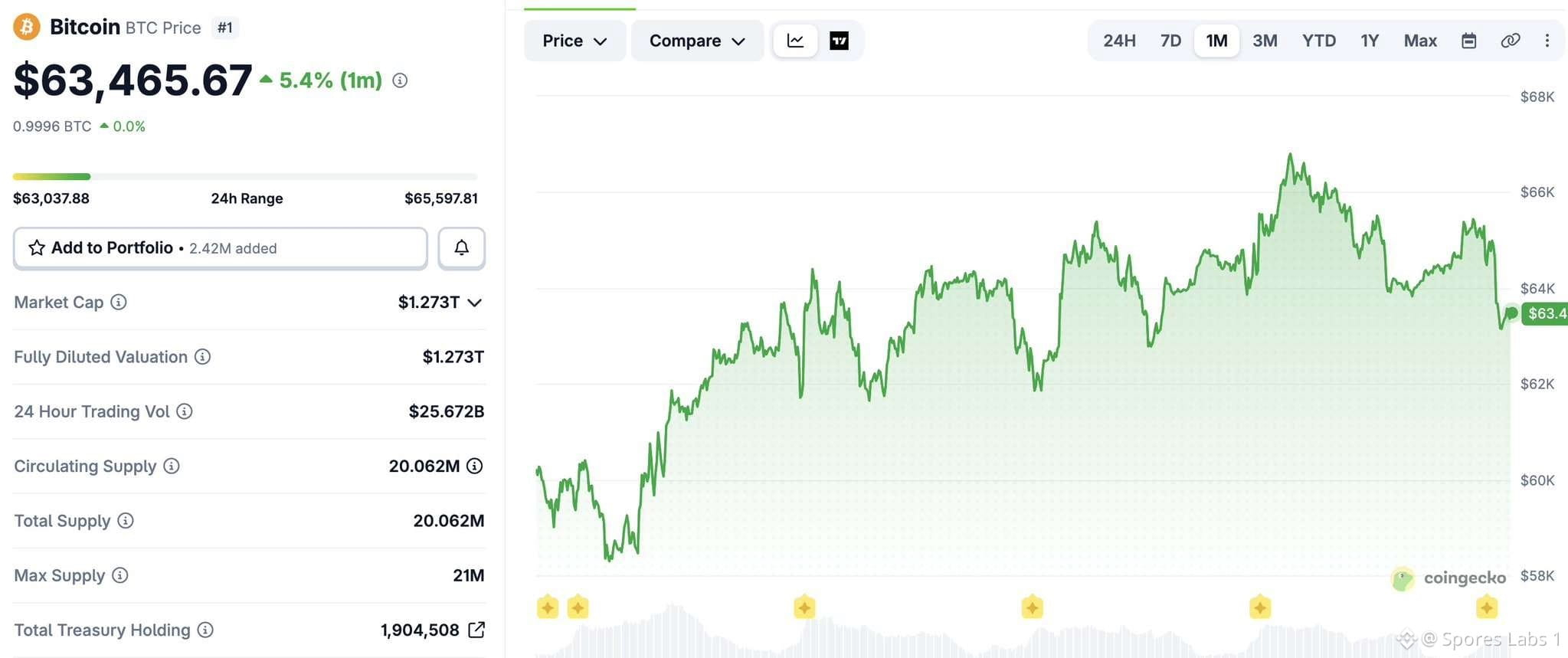
🚨 Bitcoin vuelve a caer por debajo de $64K — ahora en $63,455 — mientras se aceleran las liquidaciones.
~$100M eliminados en 1 hora, marcando el 3º “flush” de la semana.
En las últimas 24h: 135,336 traders liquidaron, por un total de $601.89M (CoinGlass).
Los $64K siguen siendo el campo de batalla clave. Todas las miradas ahora están en la Fed.
🚨 Bitcoin vuelve a caer por debajo de $64K — ahora en $63,455 — mientras se aceleran las liquidaciones.
~$100M eliminados en 1 hora, marcando el 3º “flush” de la semana.
En las últimas 24h: 135,336 traders liquidaron, por un total de $601.89M (CoinGlass).
Los $64K siguen siendo el campo de batalla clave. Todas las miradas ahora están en la Fed.
~$100M eliminados en 1 hora, marcando el 3º “flush” de la semana.
En las últimas 24h: 135,336 traders liquidaron, por un total de $601.89M (CoinGlass).
Los $64K siguen siendo el campo de batalla clave. Todas las miradas ahora están en la Fed.
76
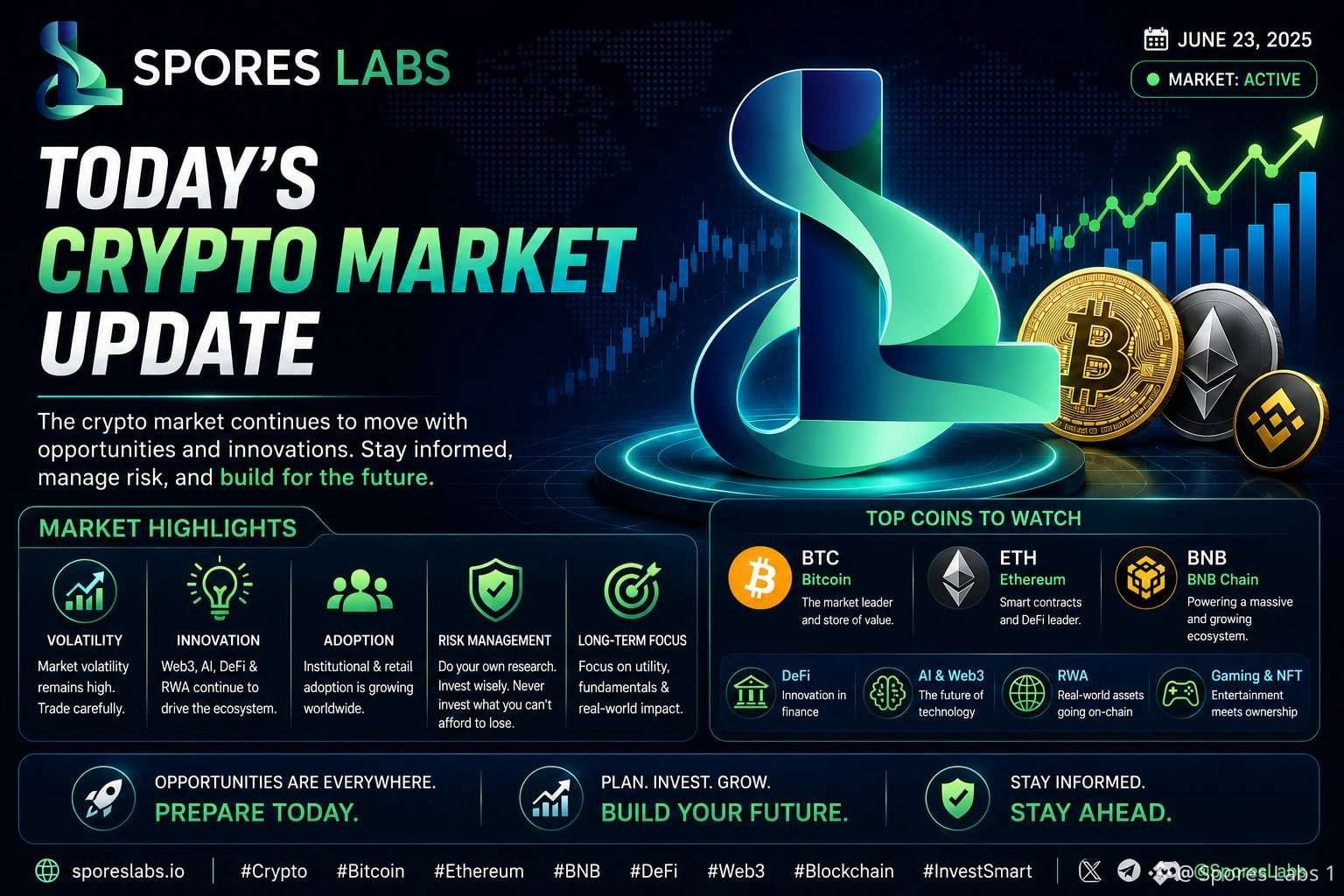
📊 Vigilancia del mercado de criptomonedas
El mercado de las criptomonedas sigue recompensando la paciencia, la investigación y la gestión disciplinada del riesgo. Aunque la volatilidad a corto plazo crea oportunidades, la innovación a largo plazo sigue siendo la fuerza impulsora de la industria.
Mantente atento a: 🔸 Bitcoin (BTC) 🔸 Ethereum (ETH) 🔸 Ecosistema de BNB Chain 🔸 Proyectos de IA y DeFi 🔸 Adopción de activos del mundo real (RWA)
Mantente informado. Gestiona tu riesgo. Construye para el futuro. 🚀
#Crypto #Web3 #Altcoins #CryptoNews
📊 Vigilancia del mercado de criptomonedas
El mercado de las criptomonedas sigue recompensando la paciencia, la investigación y la gestión disciplinada del riesgo. Aunque la volatilidad a corto plazo crea oportunidades, la innovación a largo plazo sigue siendo la fuerza impulsora de la industria.
Mantente atento a: 🔸 Bitcoin (BTC) 🔸 Ethereum (ETH) 🔸 Ecosistema de BNB Chain 🔸 Proyectos de IA y DeFi 🔸 Adopción de activos del mundo real (RWA)
Mantente informado. Gestiona tu riesgo. Construye para el futuro. 🚀
#Crypto #Web3 #Altcoins #CryptoNews
El mercado de las criptomonedas sigue recompensando la paciencia, la investigación y la gestión disciplinada del riesgo. Aunque la volatilidad a corto plazo crea oportunidades, la innovación a largo plazo sigue siendo la fuerza impulsora de la industria.
Mantente atento a: 🔸 Bitcoin (BTC) 🔸 Ethereum (ETH) 🔸 Ecosistema de BNB Chain 🔸 Proyectos de IA y DeFi 🔸 Adopción de activos del mundo real (RWA)
Mantente informado. Gestiona tu riesgo. Construye para el futuro. 🚀
#Crypto #Web3 #Altcoins #CryptoNews
78
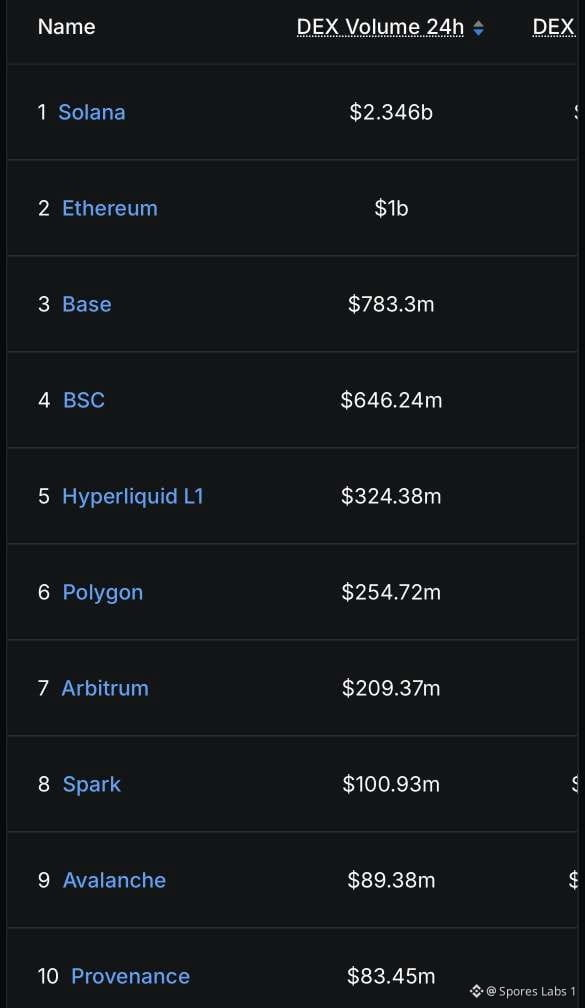
🚨ÚLTIMA HORA: EN LAS ÚLTIMAS 24H SOLANA HA GENERADO MÁS VOLUMEN DE DEX QUE ETHEREUM, TRON, BNB Y HYPERLIQUID JUNTOS!!!🚨
🚨ÚLTIMA HORA: EN LAS ÚLTIMAS 24H SOLANA HA GENERADO MÁS VOLUMEN DE DEX QUE ETHEREUM, TRON, BNB Y HYPERLIQUID JUNTOS!!!🚨
70
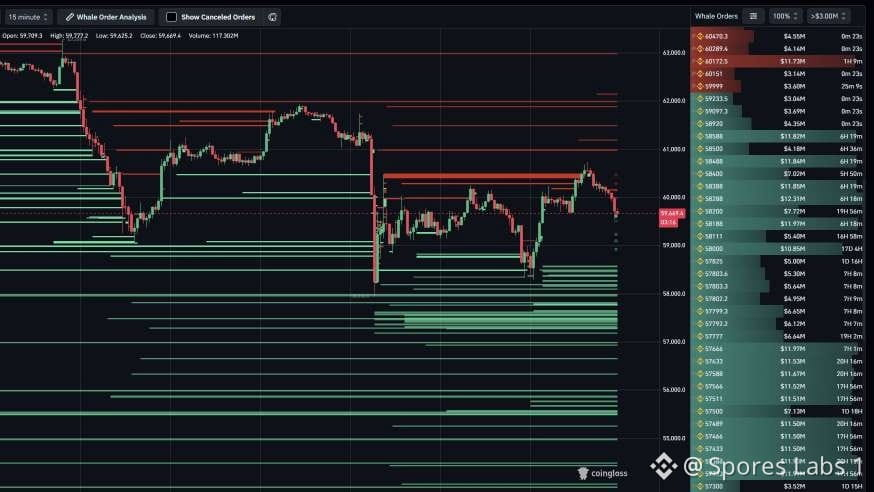
#Actualización de la orden del book de ballenas de BTC (15m)
El precio fue rechazado cerca de $60.5K, con muros de venta aún situados alrededor de $60.17K–$61.2K.
La zona de soporte clave ahora es $58.5K–$57.3K, donde hay grandes órdenes de compra apiladas.
Mientras el BTC se mantenga por debajo de $60.5K, la dirección a corto plazo sigue siendo débil.
Recupera $60.5K y los alcistas pueden empujar de nuevo hacia $61K+.
#Actualización de la orden del book de ballenas de BTC (15m)
El precio fue rechazado cerca de $60.5K, con muros de venta aún situados alrededor de $60.17K–$61.2K.
La zona de soporte clave ahora es $58.5K–$57.3K, donde hay grandes órdenes de compra apiladas.
Mientras el BTC se mantenga por debajo de $60.5K, la dirección a corto plazo sigue siendo débil.
Recupera $60.5K y los alcistas pueden empujar de nuevo hacia $61K+.
El precio fue rechazado cerca de $60.5K, con muros de venta aún situados alrededor de $60.17K–$61.2K.
La zona de soporte clave ahora es $58.5K–$57.3K, donde hay grandes órdenes de compra apiladas.
Mientras el BTC se mantenga por debajo de $60.5K, la dirección a corto plazo sigue siendo débil.
Recupera $60.5K y los alcistas pueden empujar de nuevo hacia $61K+.
66
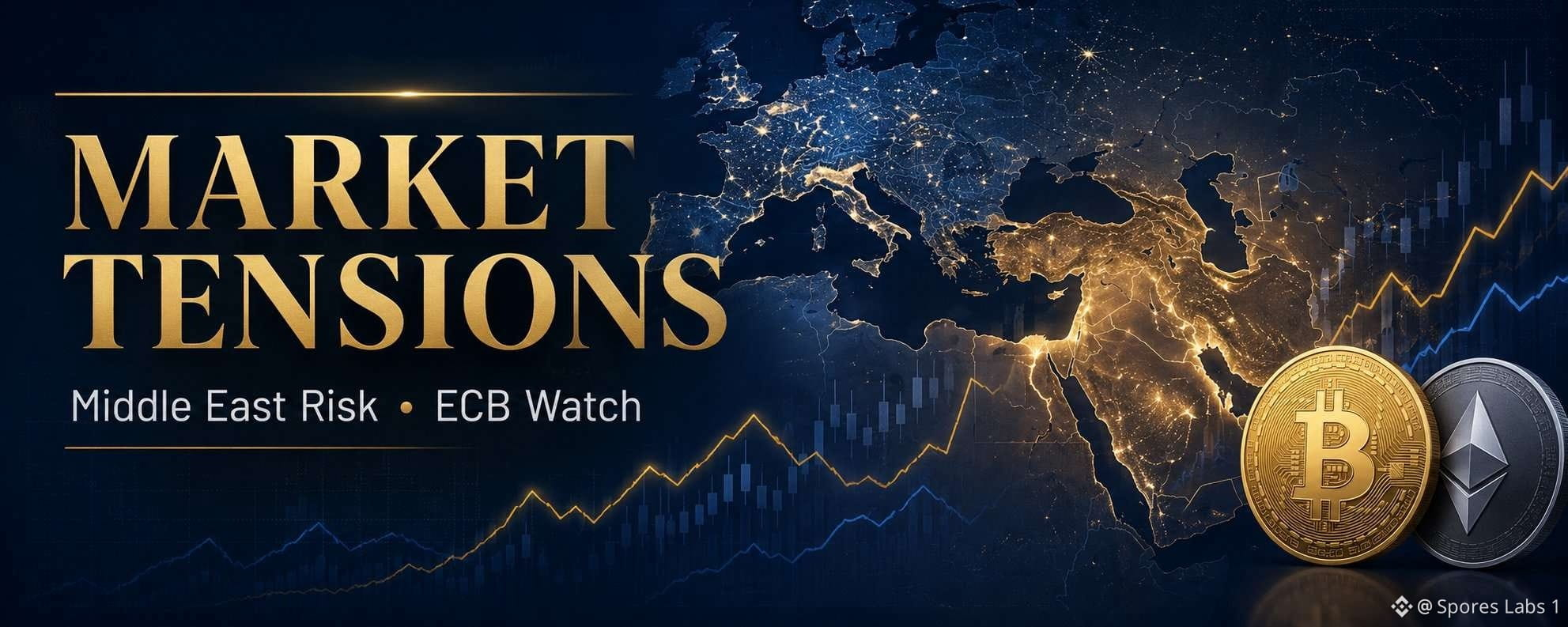
LAS CRIPTOMONEDAS ENTRAN EN UNA VENTANA MACRO CRÍTICA
LOS MERCADOS CRIPTO YA NO ESTÁN IMPULSADOS SOLO POR NOTICIAS DE BLOCKCHAIN Y HYPE.
Bitcoin, Ethereum y otros activos digitales están reaccionando cada vez más a fuerzas macroeconómicas globales, incluyendo tasas de interés, inflación, precios del petróleo, flujos de ETF y desarrollos geopolíticos.
Uno de los mayores riesgos en este momento es la creciente tensión en el Medio Oriente. Los precios del petróleo más altos podrían empujar la inflación hacia arriba, dificultando que los bancos centrales recorten tasas. Un período prolongado de política monetaria ajustada típicamente crea presión sobre los activos de riesgo, incluyendo las criptos.
Al mismo tiempo, los inversores están observando de cerca al BCE y la Reserva Federal. Cualquier señal agresiva podría fortalecer los rendimientos de los bonos y reducir el apetito por el riesgo en los mercados financieros.
La regulación también se está convirtiendo en un gran motor del mercado. Desde MiCA en Europa hasta los esfuerzos regulatorios en curso en los Estados Unidos y Asia, las criptos se están integrando cada vez más en el sistema financiero global.
📌 Factores clave a seguir: • Desarrollos en el Medio Oriente
• Volatilidad de precios del petróleo
• Decisiones del BCE y la Fed
• Flujos/salidas de ETF
• Liquidez de stablecoins
• Titulares regulatorios
• Liquidaciones de apalancamiento
El mensaje es simple: el próximo movimiento de las criptos puede depender más de las condiciones macroeconómicas que de la especulación. Si la inflación se enfría y los bancos centrales se vuelven más acomodaticios, los activos de riesgo podrían beneficiarse. Hasta entonces, la gestión del riesgo y la paciencia siguen siendo esenciales.
No es un consejo financiero.
#Bitcoin #Ethereum #Crypto #BTC #ETH
LAS CRIPTOMONEDAS ENTRAN EN UNA VENTANA MACRO CRÍTICA
LOS MERCADOS CRIPTO YA NO ESTÁN IMPULSADOS SOLO POR NOTICIAS DE BLOCKCHAIN Y HYPE.
Bitcoin, Ethereum y otros activos digitales están reaccionando cada vez más a fuerzas macroeconómicas globales, incluyendo tasas de interés, inflación, precios del petróleo, flujos de ETF y desarrollos geopolíticos.
Uno de los mayores riesgos en este momento es la creciente tensión en el Medio Oriente. Los precios del petróleo más altos podrían empujar la inflación hacia arriba, dificultando que los bancos centrales recorten tasas. Un período prolongado de política monetaria ajustada típicamente crea presión sobre los activos de riesgo, incluyendo las criptos.
Al mismo tiempo, los inversores están observando de cerca al BCE y la Reserva Federal. Cualquier señal agresiva podría fortalecer los rendimientos de los bonos y reducir el apetito por el riesgo en los mercados financieros.
La regulación también se está convirtiendo en un gran motor del mercado. Desde MiCA en Europa hasta los esfuerzos regulatorios en curso en los Estados Unidos y Asia, las criptos se están integrando cada vez más en el sistema financiero global.
📌 Factores clave a seguir: • Desarrollos en el Medio Oriente
• Volatilidad de precios del petróleo
• Decisiones del BCE y la Fed
• Flujos/salidas de ETF
• Liquidez de stablecoins
• Titulares regulatorios
• Liquidaciones de apalancamiento
El mensaje es simple: el próximo movimiento de las criptos puede depender más de las condiciones macroeconómicas que de la especulación. Si la inflación se enfría y los bancos centrales se vuelven más acomodaticios, los activos de riesgo podrían beneficiarse. Hasta entonces, la gestión del riesgo y la paciencia siguen siendo esenciales.
No es un consejo financiero.
#Bitcoin #Ethereum #Crypto #BTC #ETH
LOS MERCADOS CRIPTO YA NO ESTÁN IMPULSADOS SOLO POR NOTICIAS DE BLOCKCHAIN Y HYPE.
Bitcoin, Ethereum y otros activos digitales están reaccionando cada vez más a fuerzas macroeconómicas globales, incluyendo tasas de interés, inflación, precios del petróleo, flujos de ETF y desarrollos geopolíticos.
Uno de los mayores riesgos en este momento es la creciente tensión en el Medio Oriente. Los precios del petróleo más altos podrían empujar la inflación hacia arriba, dificultando que los bancos centrales recorten tasas. Un período prolongado de política monetaria ajustada típicamente crea presión sobre los activos de riesgo, incluyendo las criptos.
Al mismo tiempo, los inversores están observando de cerca al BCE y la Reserva Federal. Cualquier señal agresiva podría fortalecer los rendimientos de los bonos y reducir el apetito por el riesgo en los mercados financieros.
La regulación también se está convirtiendo en un gran motor del mercado. Desde MiCA en Europa hasta los esfuerzos regulatorios en curso en los Estados Unidos y Asia, las criptos se están integrando cada vez más en el sistema financiero global.
📌 Factores clave a seguir: • Desarrollos en el Medio Oriente
• Volatilidad de precios del petróleo
• Decisiones del BCE y la Fed
• Flujos/salidas de ETF
• Liquidez de stablecoins
• Titulares regulatorios
• Liquidaciones de apalancamiento
El mensaje es simple: el próximo movimiento de las criptos puede depender más de las condiciones macroeconómicas que de la especulación. Si la inflación se enfría y los bancos centrales se vuelven más acomodaticios, los activos de riesgo podrían beneficiarse. Hasta entonces, la gestión del riesgo y la paciencia siguen siendo esenciales.
No es un consejo financiero.
#Bitcoin #Ethereum #Crypto #BTC #ETH
60
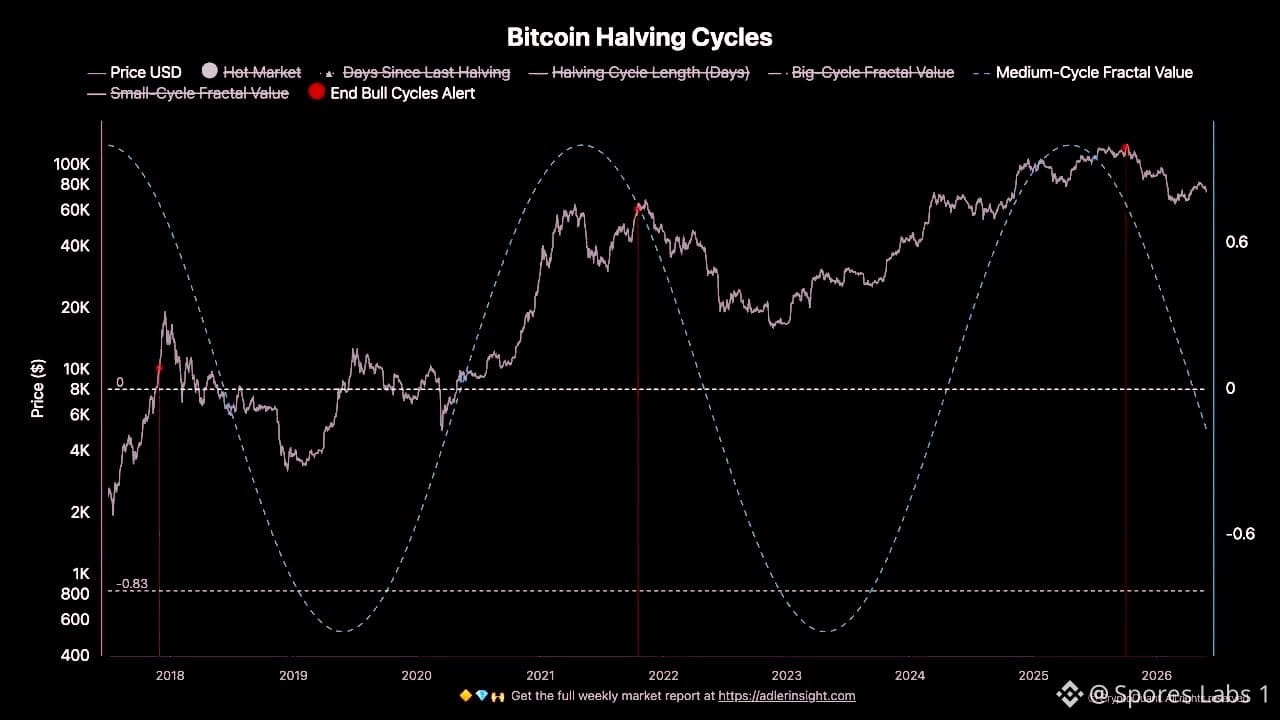
El fractal de medio ciclo de $BTC ha vuelto a una zona que anteriormente ha llevado a grandes retrocesos.
Aunque esto no confirma un fondo todavía, sugiere que el riesgo a la baja y la volatilidad siguen siendo altos.
El mercado aún puede tener más caída antes de que se forme un verdadero fondo.
El fractal de medio ciclo de $BTC ha vuelto a una zona que anteriormente ha llevado a grandes retrocesos.
Aunque esto no confirma un fondo todavía, sugiere que el riesgo a la baja y la volatilidad siguen siendo altos.
El mercado aún puede tener más caída antes de que se forme un verdadero fondo.
Aunque esto no confirma un fondo todavía, sugiere que el riesgo a la baja y la volatilidad siguen siendo altos.
El mercado aún puede tener más caída antes de que se forme un verdadero fondo.
79
🚨 XRP Ledger sigue expandiendo su uso institucional.
✅ Liquidación rápida
✅ Bajas comisiones de transacción
✅ Funciones de cumplimiento integradas
✅ Ecosistema de stablecoins en crecimiento
A medida que más instituciones exploran la infraestructura blockchain, XRPL se está posicionando como un fuerte competidor.
¿Cuál es tu perspectiva sobre XRPL para los próximos 12 meses? 👇
#XRP #XRPL #Crypto #Blockchain
🚨 XRP Ledger sigue expandiendo su uso institucional.
✅ Liquidación rápida
✅ Bajas comisiones de transacción
✅ Funciones de cumplimiento integradas
✅ Ecosistema de stablecoins en crecimiento
A medida que más instituciones exploran la infraestructura blockchain, XRPL se está posicionando como un fuerte competidor.
¿Cuál es tu perspectiva sobre XRPL para los próximos 12 meses? 👇
#XRP #XRPL #Crypto #Blockchain
✅ Liquidación rápida
✅ Bajas comisiones de transacción
✅ Funciones de cumplimiento integradas
✅ Ecosistema de stablecoins en crecimiento
A medida que más instituciones exploran la infraestructura blockchain, XRPL se está posicionando como un fuerte competidor.
¿Cuál es tu perspectiva sobre XRPL para los próximos 12 meses? 👇
#XRP #XRPL #Crypto #Blockchain
68
Inicia sesión para explorar más contenidos
Únete a usuarios globales de criptomonedas en Binance Square
⚡️ Obtén información útil y actualizada sobre criptos.
💬 Avalado por el mayor exchange de criptomonedas en el mundo.
👍 Descubre perspectivas reales de creadores verificados.
Email/número de teléfono
Temas populares
US10YTreasuryYieldHitsHighestSinceNov2023
498 vistas
22 están debatiendo
#us10ytreasuryyieldhitshighestsincenov2023 No puedes inventarte esto.
El
Tesoro de EE. UU.
acaba de anunciar que está triplicando las recompras a largo plazo hasta los 6.000 millones de dólares, y los rendimientos AÚN subieron con la noticia.
Eso significa que el
Tesoro de EE. UU.
pasó de duplicar, a "al menos duplicar", a triplicar las recompras de bonos a largo plazo y los rendimientos siguen en aumento.
Esto sitúa el rendimiento de la Nota a 10 años por encima del 4,85% por primera vez desde noviembre de 2023, con +15 puntos básicos por encima de los niveles previos al anuncio.
El mercado de bonos literalmente está luchando contra el Tesoro de EE. UU. mientras continúa la guerra en Irán, con el rendimiento de la Nota a 10 años acercándose a un movimiento de +100 puntos básicos desde que comenzó la guerra.
Sin un final de la guerra en Irán, vamos camino a ver el rendimiento de la Nota a 10 años por encima del 5,00% para la próxima semana.
Los consumidores estadounidenses, los compradores de vivienda y los prestatarios se preparan para un despertar desagradable.$KAT $MINA $NET
Isabella-I
·0 me gusta
·30 vistas
USTreasuryToBuyBackUpTo$6BLongDatedDebt
7,538 vistas
121 están debatiendo
BitcoinSurpasses$79K
50,484 vistas
243 están debatiendo