
Bit Brix
6.4k Publicaciones

Bit Brix
 Verificado Plus de Binance Square
Early. Patient. Convicted. Built on-chain...
487 Siguiendo
30.1K+ Seguidores
10.0K+ Me gusta
Publicaciones
Todo
Live
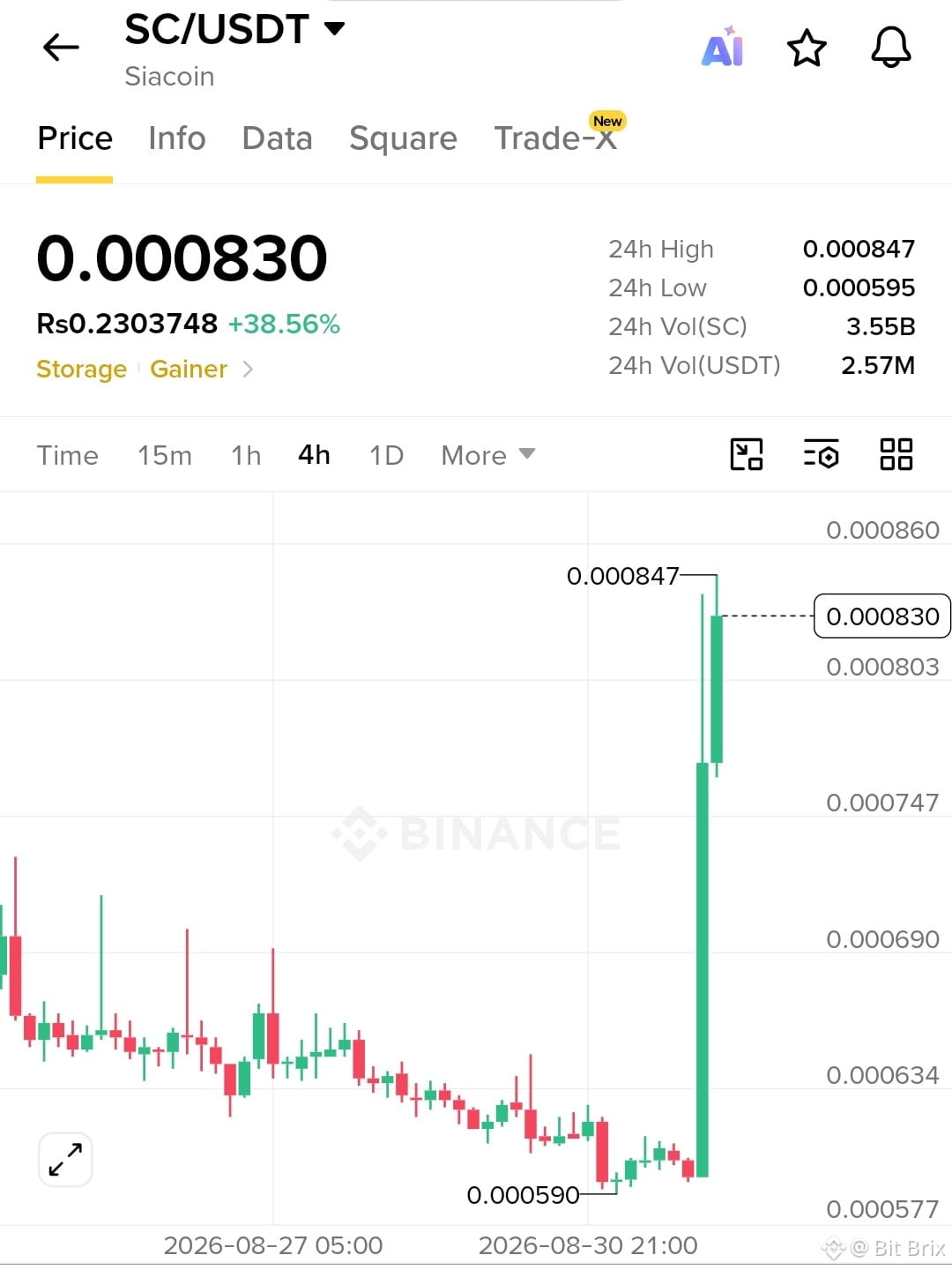
$SC muestra un fuerte impulso después de un brusco rompimiento desde la zona de 0.00059.
Entrada: 0.00078–0.00080
TP: 0.000847 → 0.00090
SL: 0.000745
No persigas la vela. Deja que el retest confirme la fuerza y luego ejecuta.
Entrada: 0.00078–0.00080
TP: 0.000847 → 0.00090
SL: 0.000745
No persigas la vela. Deja que el retest confirme la fuerza y luego ejecuta.
·
--
🎙️ Hablemos sobre la tendencia del mercado e invirtamos de forma periódica en BNB al contado
Finalizado
03 h 36 m 24 s
17.3k
39
·
--
🎙️ ¿Los jefes siguen registrando operaciones hoy en Dusk, más o menos?
Finalizado
02 h 45 m 19 s
11k
20
$KII
— EP 0.050229 | TP 0.0527 / 0.0552 | SL 0.0477
$DOS
— EP 0.22376 | TP 0.2350 / 0.2460 | SL 0.2125
$QUID
— EP 0.064961 | TP 0.0682 / 0.0715 | SL 0.0617
Mercado rojo, pero estos niveles se están poniendo interesantes.
¡Vamos $
— EP 0.050229 | TP 0.0527 / 0.0552 | SL 0.0477
$DOS
— EP 0.22376 | TP 0.2350 / 0.2460 | SL 0.2125
$QUID
— EP 0.064961 | TP 0.0682 / 0.0715 | SL 0.0617
Mercado rojo, pero estos niveles se están poniendo interesantes.
¡Vamos $
$KII
55%
$DOS
35%
$QUID
10%
62 Voto(s) • Votación cerrada
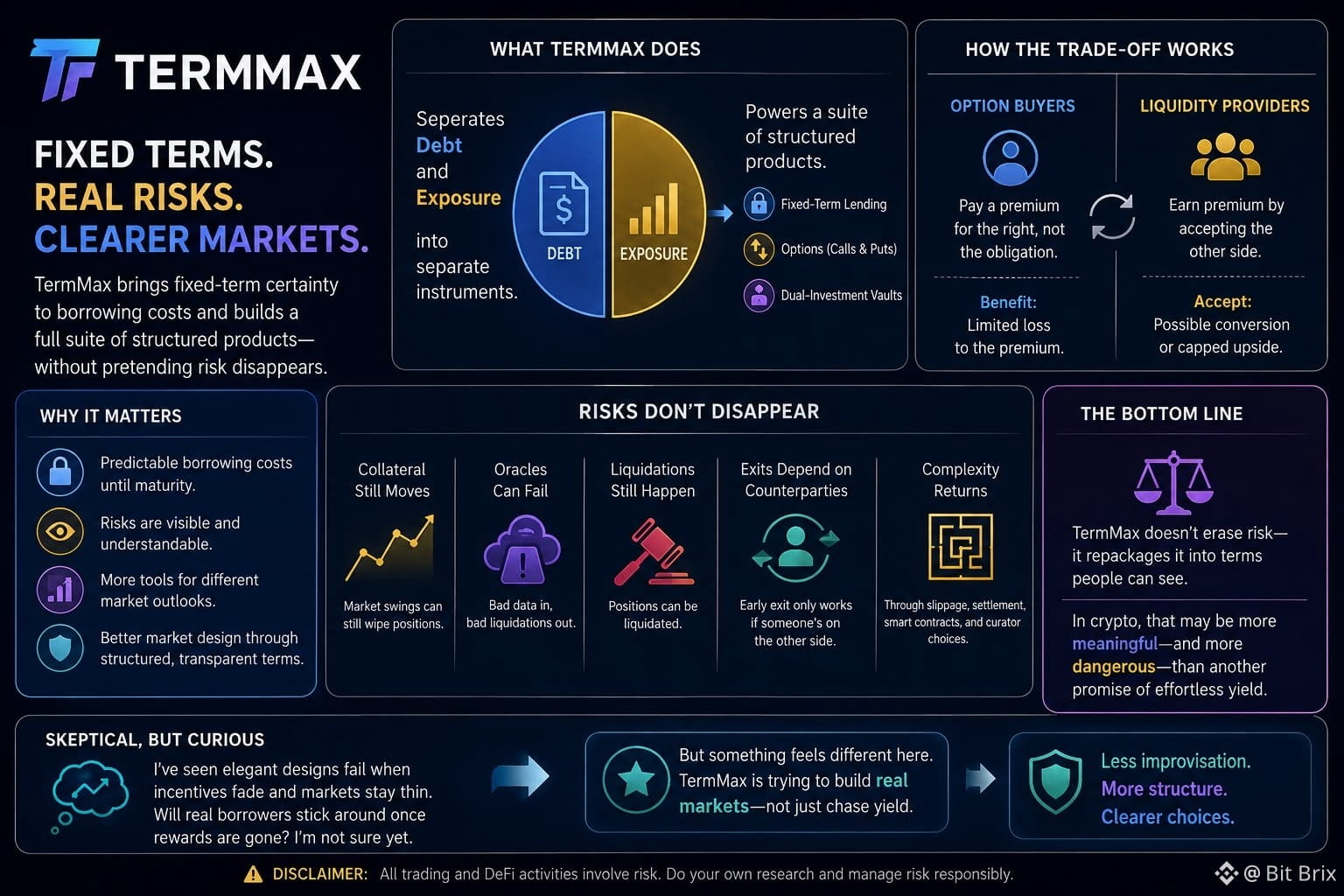
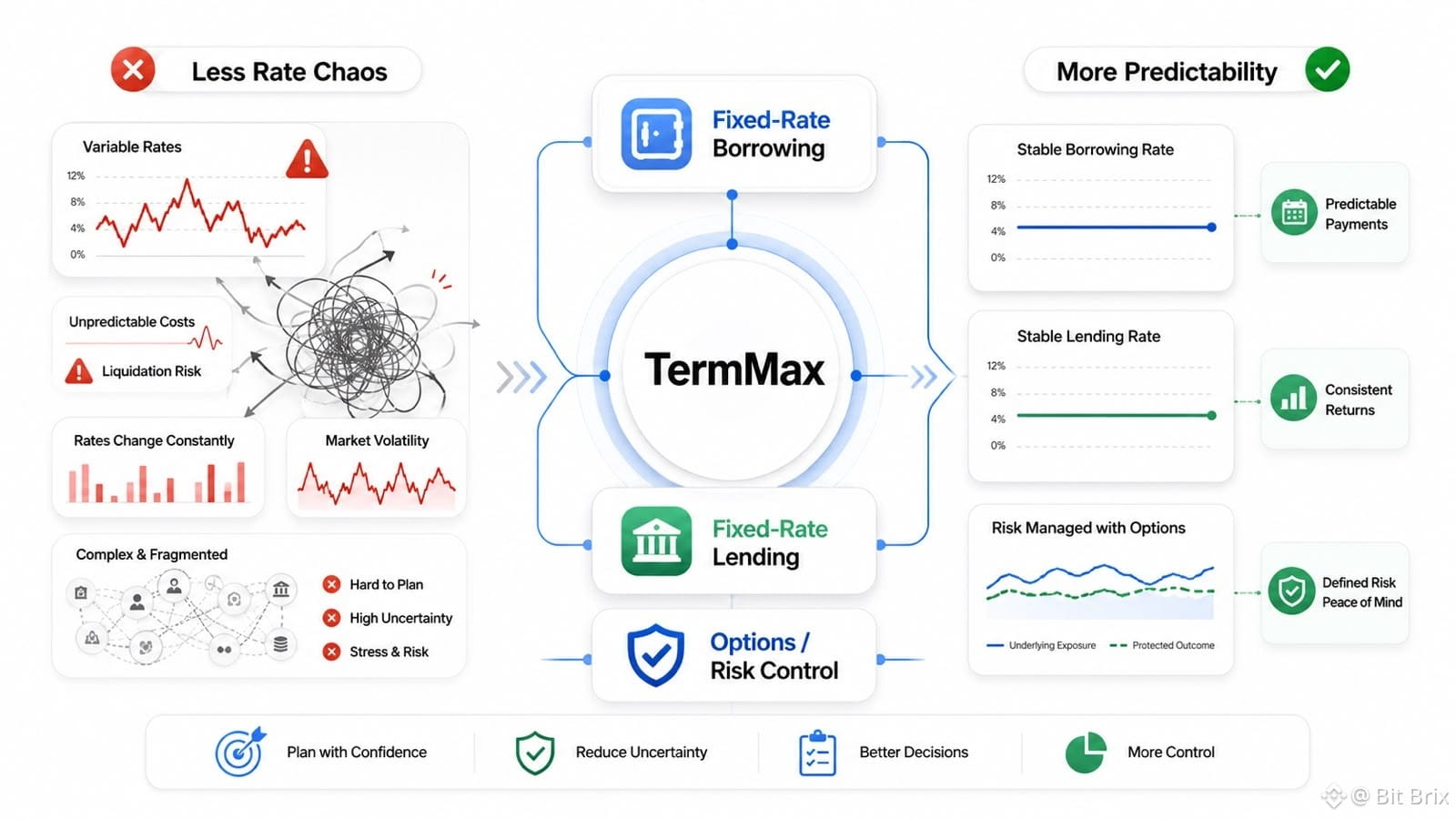
Estoy notando TermMax por una razón que no esperaba: está intentando hacer que las criptomonedas se sientan menos improvisadas. He visto protocolos de préstamos vender “certeza” antes, solo para que las tasas, los incentivos o la liquidez se rompan en el momento en que el mercado se vuelve incómodo. Un costo fijo de endeudamiento hasta el vencimiento es realmente útil, pero no hace que el resto de la posición quede fijo. El colateral aún se mueve. Los oráculos aún fallan. Las liquidaciones aún ocurren. Y si quieres salir antes, la salida solo es tan real como la contraparte que espera del otro lado.
Lo que vuelve a atraer mi atención es la forma en que TermMax convierte la deuda y la exposición en instrumentos separados, y luego empuja la misma maquinaria hacia calls, puts y bóvedas de inversión dual. Los compradores de opciones pueden limitar su pérdida a la prima; los proveedores de liquidez ganan esa prima aceptando el lado más feo del trato: ser convertidos en un token que cae o vender la subida cuando el precio avanza. Ese intercambio se siente honesto, al menos sobre el papel.
He visto esto antes: diseño de tokens elegante, mercados delgados, recompensas que ocultan una demanda orgánica débil. La liquidez a plazo fijo se fragmenta con facilidad, y la complejidad tiene la costumbre de regresar a través del deslizamiento, la liquidación, los contratos inteligentes y las decisiones del curador. No confío del todo en ello, y aún no estoy seguro de que suficientes prestatarios reales se mantengan cuando los incentivos se desvanezcan. Pero algo de esto se siente diferente. TermMax no está fingiendo que el riesgo desaparece; lo está reempaquetando en términos que la gente realmente puede ver. En cripto, eso puede ser más significativo —y más peligroso— que otra promesa de rentabilidad sin esfuerzo.
#TermMax @TermMax
Lo que vuelve a atraer mi atención es la forma en que TermMax convierte la deuda y la exposición en instrumentos separados, y luego empuja la misma maquinaria hacia calls, puts y bóvedas de inversión dual. Los compradores de opciones pueden limitar su pérdida a la prima; los proveedores de liquidez ganan esa prima aceptando el lado más feo del trato: ser convertidos en un token que cae o vender la subida cuando el precio avanza. Ese intercambio se siente honesto, al menos sobre el papel.
He visto esto antes: diseño de tokens elegante, mercados delgados, recompensas que ocultan una demanda orgánica débil. La liquidez a plazo fijo se fragmenta con facilidad, y la complejidad tiene la costumbre de regresar a través del deslizamiento, la liquidación, los contratos inteligentes y las decisiones del curador. No confío del todo en ello, y aún no estoy seguro de que suficientes prestatarios reales se mantengan cuando los incentivos se desvanezcan. Pero algo de esto se siente diferente. TermMax no está fingiendo que el riesgo desaparece; lo está reempaquetando en términos que la gente realmente puede ver. En cripto, eso puede ser más significativo —y más peligroso— que otra promesa de rentabilidad sin esfuerzo.
#TermMax @TermMax
TermMax llamó mi atención por una razón bastante simple.
He visto demasiadas operaciones de cripto salir mal porque el activo no era el problema: el financiamiento sí lo era.
Entras en una posición cuando pedir prestado es barato.
Luego el mercado se llena.
Las tasas se mueven.
De repente, la operación necesita salir bien solo para pagarse por sí misma.
Ese es el dolor de cabeza que TermMax intenta eliminar.
En lugar de dejar los costos de endeudamiento flotando, TermMax crea mercados a tasa fija alrededor de activos y vencimientos específicos. Sabes cuál se supone que es el costo del financiamiento antes de comprometerte.
Suena aburrido.
Honestamente, por eso es que me gusta.
Por debajo, se vuelve mucho más interesante: deuda futura tokenizada, precios basados en rangos, bóvedas gestionadas, posiciones apalancadas y una capa de opciones construida sobre un riesgo definido.
No es perfecto. Lo difícil es la liquidez, la ejecución, la gestión del riesgo y demostrar que los usuarios se quedan cuando los incentivos desaparecen.
Pero esa es la parte que estoy observando.
Porque en DeFi, los productos llamativos son fáciles.
¿Construir infraestructura que siga funcionando cuando el mercado se pone feo?
Eso es mucho más difícil.
TermMax apuesta a que saber el precio del dinero de mañana vale más que fingir que mañana se verá como hoy.
#TermMax @TermMax
He visto demasiadas operaciones de cripto salir mal porque el activo no era el problema: el financiamiento sí lo era.
Entras en una posición cuando pedir prestado es barato.
Luego el mercado se llena.
Las tasas se mueven.
De repente, la operación necesita salir bien solo para pagarse por sí misma.
Ese es el dolor de cabeza que TermMax intenta eliminar.
En lugar de dejar los costos de endeudamiento flotando, TermMax crea mercados a tasa fija alrededor de activos y vencimientos específicos. Sabes cuál se supone que es el costo del financiamiento antes de comprometerte.
Suena aburrido.
Honestamente, por eso es que me gusta.
Por debajo, se vuelve mucho más interesante: deuda futura tokenizada, precios basados en rangos, bóvedas gestionadas, posiciones apalancadas y una capa de opciones construida sobre un riesgo definido.
No es perfecto. Lo difícil es la liquidez, la ejecución, la gestión del riesgo y demostrar que los usuarios se quedan cuando los incentivos desaparecen.
Pero esa es la parte que estoy observando.
Porque en DeFi, los productos llamativos son fáciles.
¿Construir infraestructura que siga funcionando cuando el mercado se pone feo?
Eso es mucho más difícil.
TermMax apuesta a que saber el precio del dinero de mañana vale más que fingir que mañana se verá como hoy.
#TermMax @TermMax
La cripto ha cansado a la gente de las grandes promesas.
Demasiados tokens.
Demasiadas narrativas.
Demasiados proyectos que se ven vivos hasta que se detienen las recompensas.
Por eso, TermMax se siente diferente al mirarlo.
No es perfecto. No está garantizado. Solo es diferente.
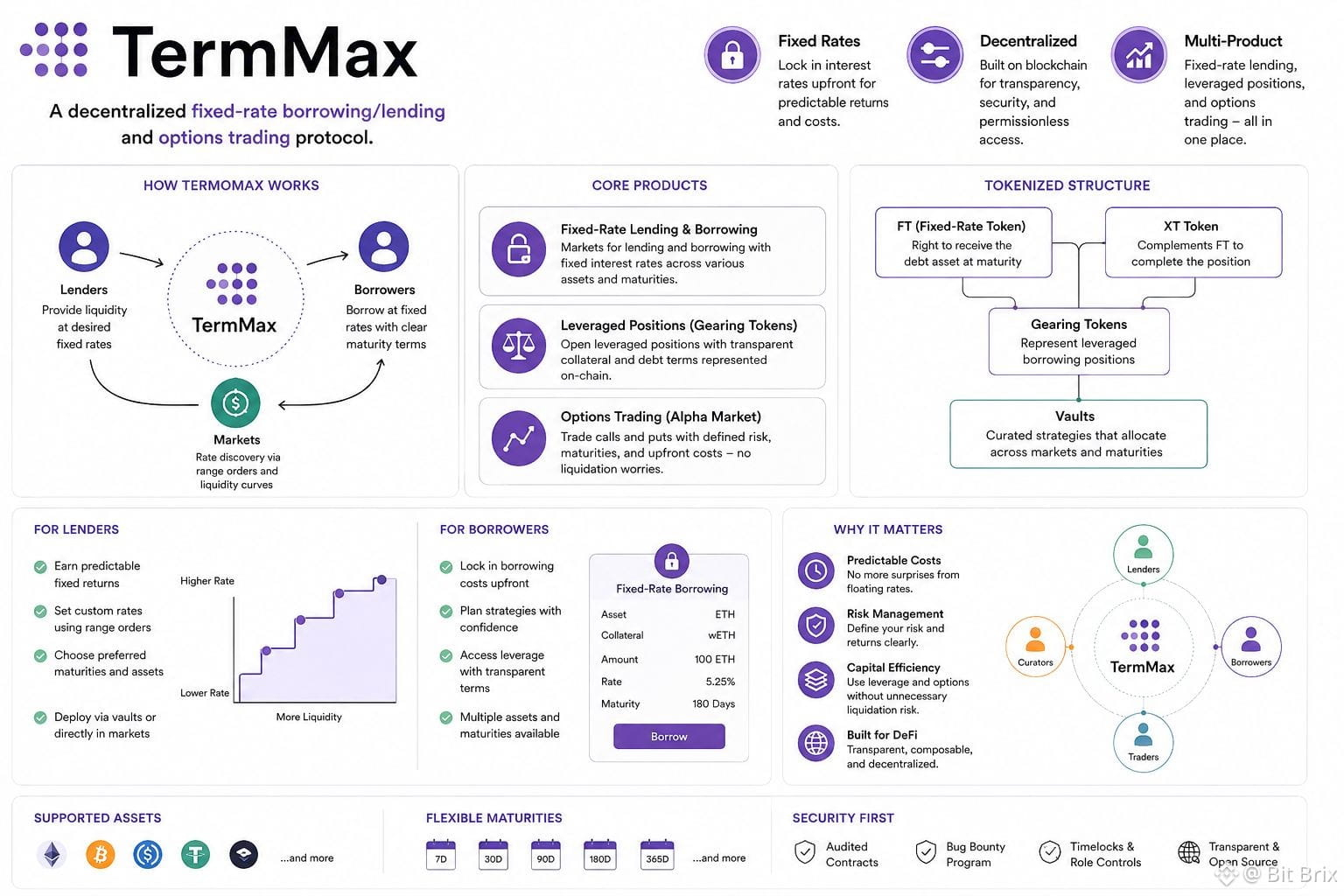
No está intentando hacerse notar. Está funcionando sobre el endeudamiento, el préstamo y el trading de opciones con tasa fija: la plomería aburrida de DeFi que la mayoría ignora hasta que el mercado se pone complicado.
Y sinceramente, lo aburrido quizá sea la clave.
Cuando las tasas de endeudamiento se mueven demasiado rápido, los usuarios lo sienten.
Cuando desaparece la liquidez, los usuarios lo sienten.
Cuando el riesgo se oculta bajo paneles limpios, los usuarios lo sienten.
TermMax está intentando abordar ese problema.
Quizá funcione.
Quizá tome tiempo.
Quizá el mercado aún no le preste atención.
Pero al menos se enfoca en algo real: hacer que DeFi sea menos caótico por dentro.
Nada de hype por mi parte.
Solo curiosidad cautelosa.
#termmax @TermMax
Demasiados tokens.
Demasiadas narrativas.
Demasiados proyectos que se ven vivos hasta que se detienen las recompensas.
Por eso, TermMax se siente diferente al mirarlo.
No es perfecto. No está garantizado. Solo es diferente.
No está intentando hacerse notar. Está funcionando sobre el endeudamiento, el préstamo y el trading de opciones con tasa fija: la plomería aburrida de DeFi que la mayoría ignora hasta que el mercado se pone complicado.
Y sinceramente, lo aburrido quizá sea la clave.
Cuando las tasas de endeudamiento se mueven demasiado rápido, los usuarios lo sienten.
Cuando desaparece la liquidez, los usuarios lo sienten.
Cuando el riesgo se oculta bajo paneles limpios, los usuarios lo sienten.
TermMax está intentando abordar ese problema.
Quizá funcione.
Quizá tome tiempo.
Quizá el mercado aún no le preste atención.
Pero al menos se enfoca en algo real: hacer que DeFi sea menos caótico por dentro.
Nada de hype por mi parte.
Solo curiosidad cautelosa.
#termmax @TermMax
TermMax se siente diferente porque no intenta vender un sueño.
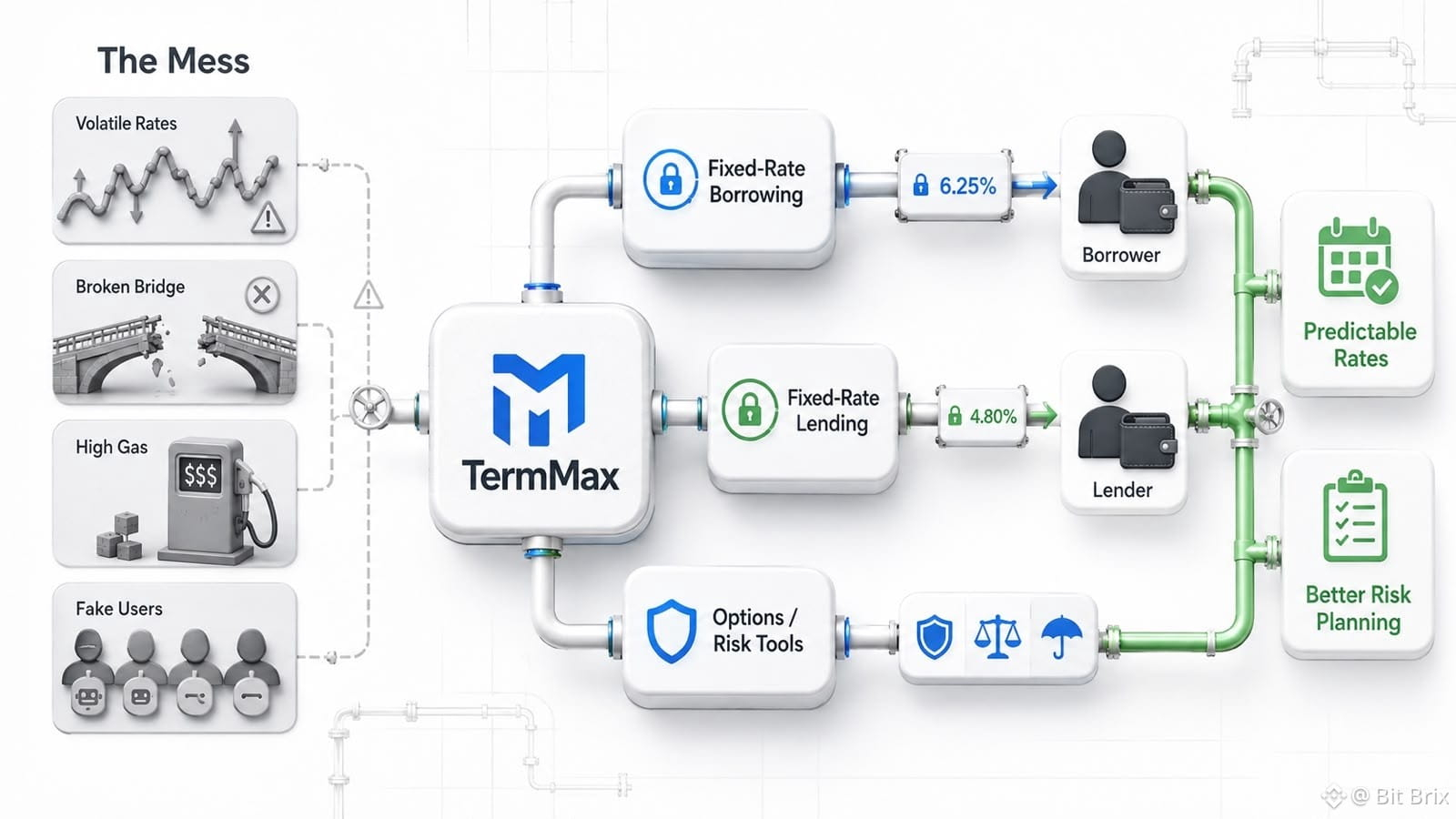
Se ocupa del aburrido desastre que hay bajo el capó de DeFi: tasas de préstamo, riesgo de préstamo, opciones, liquidez y toda la incertidumbre que los usuarios normalmente ignoran hasta que el mercado se pone feo.
Honestamente, eso es lo que la hace valer la pena ver.
Cualquiera que haya pedido prestado en DeFi conoce el estrés. Las tasas se mueven. Las posiciones se vuelven incómodas. El gas sube en el peor momento. El riesgo de repente se siente muy real.
TermMax intenta hacer que parte de eso sea más predecible con préstamos y préstamos con tasa fija.
Eso suena simple, pero no es fácil.
Necesita usuarios reales, liquidez real y la suficiente confianza para que la gente realmente la use cuando no hay una campaña de hype empujándolos.
Quizá funcione. Quizá tarde. Quizá el mercado lo ignore hasta que la gente sienta el mismo dolor otra vez.
Pero al menos TermMax está señalando un problema real.
Y en cripto, eso ya hace que me ponga atención.
#TermMax @TermMax
Se ocupa del aburrido desastre que hay bajo el capó de DeFi: tasas de préstamo, riesgo de préstamo, opciones, liquidez y toda la incertidumbre que los usuarios normalmente ignoran hasta que el mercado se pone feo.
Honestamente, eso es lo que la hace valer la pena ver.
Cualquiera que haya pedido prestado en DeFi conoce el estrés. Las tasas se mueven. Las posiciones se vuelven incómodas. El gas sube en el peor momento. El riesgo de repente se siente muy real.
TermMax intenta hacer que parte de eso sea más predecible con préstamos y préstamos con tasa fija.
Eso suena simple, pero no es fácil.
Necesita usuarios reales, liquidez real y la suficiente confianza para que la gente realmente la use cuando no hay una campaña de hype empujándolos.
Quizá funcione. Quizá tarde. Quizá el mercado lo ignore hasta que la gente sienta el mismo dolor otra vez.
Pero al menos TermMax está señalando un problema real.
Y en cripto, eso ya hace que me ponga atención.
#TermMax @TermMax
$KII
salta 6.60% a $0.068412
$DOS
cae 10.67% a $0.22817
$QUID
gana 1.82% a $0.074666
Acción mixta en el mercado: el impulso es fuerte, pero la volatilidad sigue siendo alta. Opera con cuidado y siempre haz tu propia investigación (DYOR).
salta 6.60% a $0.068412
$DOS
cae 10.67% a $0.22817
$QUID
gana 1.82% a $0.074666
Acción mixta en el mercado: el impulso es fuerte, pero la volatilidad sigue siendo alta. Opera con cuidado y siempre haz tu propia investigación (DYOR).
$KII
16%
$DOS
74%
$QUID
10%
73 Voto(s) • Votación cerrada
¡Movimientos mixtos en el mercado!
$KII
sube 4.78% a $0.06744
$QUID
gana 2.08% a $0.07446
$DOS
cae 9.91% a $0.22837
El impulso está creciendo, pero la volatilidad sigue siendo alta. ¡Opera con cuidado y siempre haz tu propia investigación (DYOR)!
$KII
sube 4.78% a $0.06744
$QUID
gana 2.08% a $0.07446
$DOS
cae 9.91% a $0.22837
El impulso está creciendo, pero la volatilidad sigue siendo alta. ¡Opera con cuidado y siempre haz tu propia investigación (DYOR)!
Sinceramente, estoy cansado de que cada proyecto de cripto afirme que cambiará todo.
Demasiados tokens. Demasiadas narrativas recicladas. Demasiados proyectos persiguiendo atención en lugar de resolver algo real.
Por eso Babylon llamó mi atención—no porque espere un 100x, sino porque el problema realmente parece digno de pensarse.
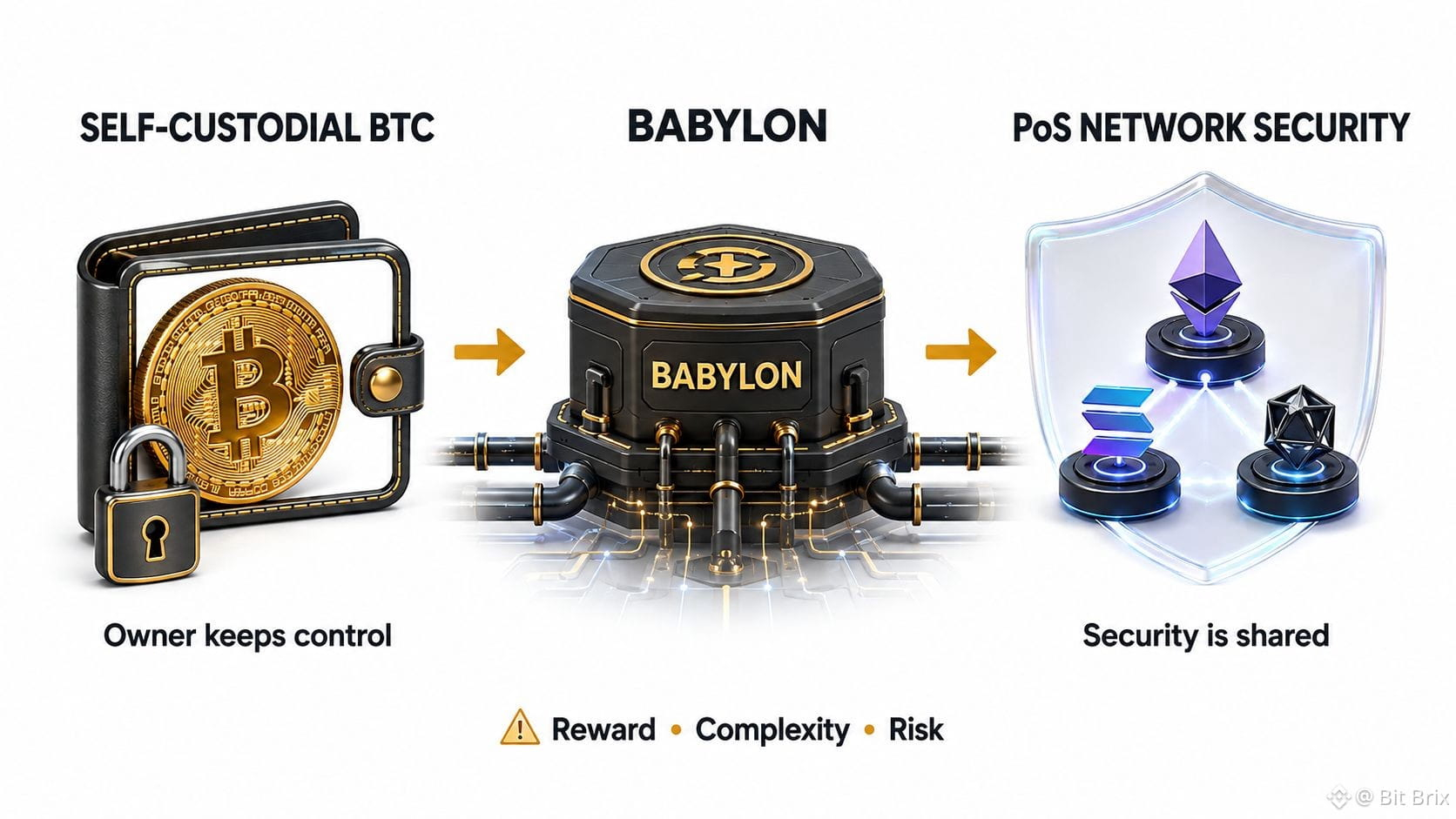
Babylon intenta permitir que las personas hagan staking de su BTC sin renunciar a la custodia, mientras usa ese Bitcoin para ayudar a asegurar redes de proof-of-stake.
No es algo vistoso. Es infraestructura. El tipo de “plomería” que nadie nota hasta que se rompe.
Aun así, tengo preguntas.
¿Los tenedores de Bitcoin aceptarán un riesgo adicional por las recompensas? ¿Las redes más pequeñas realmente necesitan seguridad respaldada por Bitcoin? ¿Y si Bitcoin aporta el peso económico, qué tan necesario es el token BABY?
La autocustodia suena mejor que confiar en otra plataforma, pero no elimina todos los riesgos. Más conexiones también pueden significar más lugares donde algo puede salir mal.
Esa es la parte que la gente suele ignorar cuando las recompensas parecen atractivas.
Tal vez Babylon se vuelva una infraestructura útil. Tal vez los usuarios decidan que la complejidad no vale la pena. Sinceramente, no lo sé.
Pero al menos está intentando resolver un problema real en lugar de crear otro token con una historia adjunta.
La idea podría importar.
La ejecución será difícil.
Y el mercado quizá no le preste atención.
Por ahora, una curiosidad cautelosa se siente más honesta que el hype.
#baby @BabylonLabs_io $BABY
Demasiados tokens. Demasiadas narrativas recicladas. Demasiados proyectos persiguiendo atención en lugar de resolver algo real.
Por eso Babylon llamó mi atención—no porque espere un 100x, sino porque el problema realmente parece digno de pensarse.
Babylon intenta permitir que las personas hagan staking de su BTC sin renunciar a la custodia, mientras usa ese Bitcoin para ayudar a asegurar redes de proof-of-stake.
No es algo vistoso. Es infraestructura. El tipo de “plomería” que nadie nota hasta que se rompe.
Aun así, tengo preguntas.
¿Los tenedores de Bitcoin aceptarán un riesgo adicional por las recompensas? ¿Las redes más pequeñas realmente necesitan seguridad respaldada por Bitcoin? ¿Y si Bitcoin aporta el peso económico, qué tan necesario es el token BABY?
La autocustodia suena mejor que confiar en otra plataforma, pero no elimina todos los riesgos. Más conexiones también pueden significar más lugares donde algo puede salir mal.
Esa es la parte que la gente suele ignorar cuando las recompensas parecen atractivas.
Tal vez Babylon se vuelva una infraestructura útil. Tal vez los usuarios decidan que la complejidad no vale la pena. Sinceramente, no lo sé.
Pero al menos está intentando resolver un problema real en lugar de crear otro token con una historia adjunta.
La idea podría importar.
La ejecución será difícil.
Y el mercado quizá no le preste atención.
Por ahora, una curiosidad cautelosa se siente más honesta que el hype.
#baby @BabylonLabs_io $BABY
Pasé un tiempo leyendo sobre Babilonia y, honestamente, me llamó la atención.
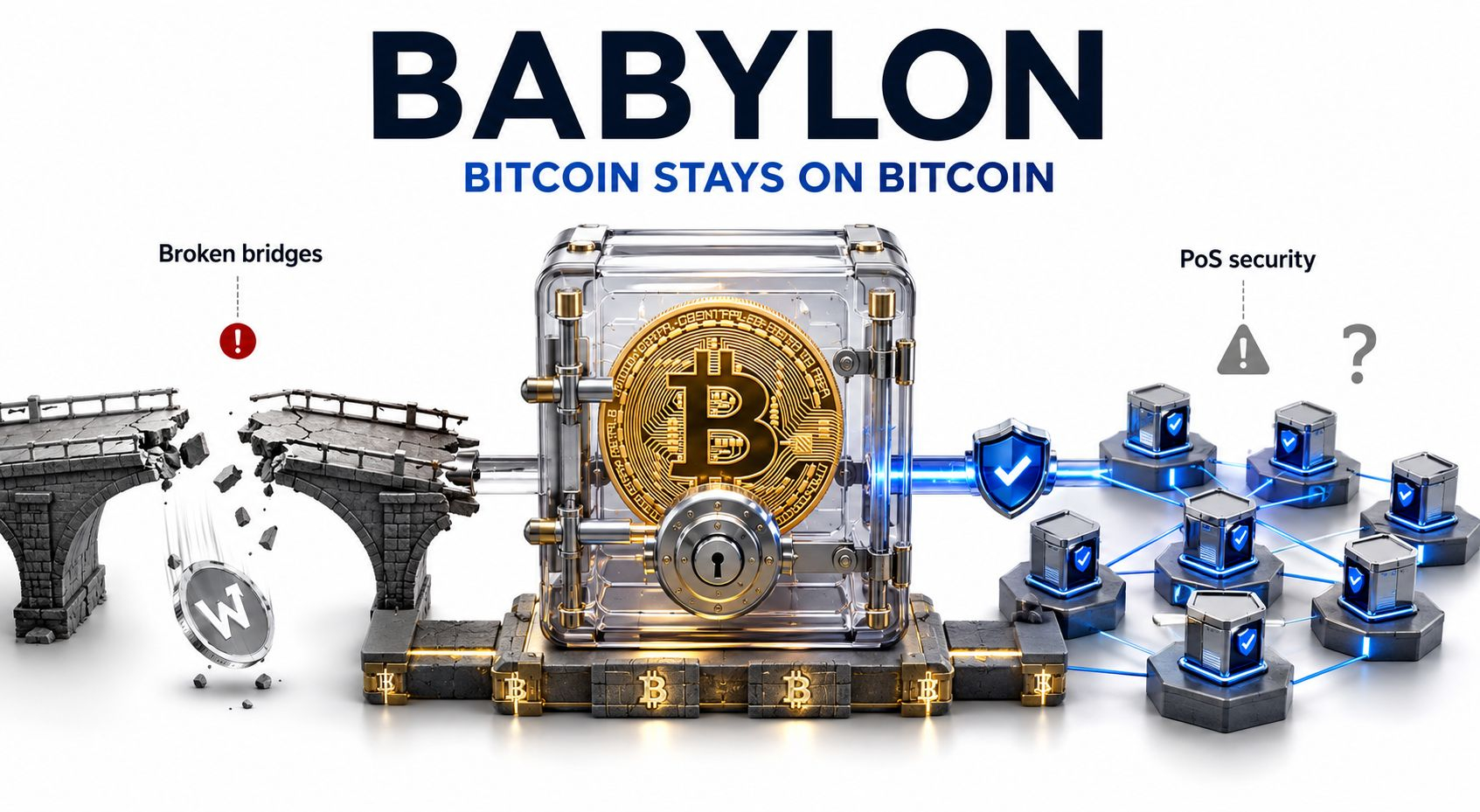
Crypto nos ha dado demasiados puentes rotos, activos envueltos, usuarios falsos y sistemas de recompensas que desaparecen cuando se acaban los incentivos.
Babilonia intenta algo diferente: permitir que el BTC ayude a asegurar redes de prueba de participación (proof-of-stake) sin moverlo fuera de Bitcoin.
Eso importa.
No porque cada Bitcoin necesite generar rendimiento. A veces, mantener el BTC intocado en una billetera es el objetivo. Pero usar Bitcoin sin envolverlo ni hacer puentes podría eliminar uno de los riesgos más antiguos de las criptomonedas.
La pregunta real es la demanda.
¿Las cadenas de proof-of-stake realmente necesitan seguridad respaldada por Bitcoin y podrán pagarla de forma sostenible? ¿O todo dependerá de recompensas temporales y la emisión de tokens?
Luego está BABY. Quizá el token sea necesario para ejecutar la red. Quizá se convierta en otro token que constantemente busca más utilidad.
No lo sé.
Babilonia no es llamativa. Es infraestructura: de la que nadie se da cuenta hasta que se rompe.
El problema es real, pero la ejecución será difícil.
Quizá funcione, quizá no.
Por ahora, una curiosidad cautelosa se siente más honesta que el hype.
#baby @BabylonLabs_io $BABY
Crypto nos ha dado demasiados puentes rotos, activos envueltos, usuarios falsos y sistemas de recompensas que desaparecen cuando se acaban los incentivos.
Babilonia intenta algo diferente: permitir que el BTC ayude a asegurar redes de prueba de participación (proof-of-stake) sin moverlo fuera de Bitcoin.
Eso importa.
No porque cada Bitcoin necesite generar rendimiento. A veces, mantener el BTC intocado en una billetera es el objetivo. Pero usar Bitcoin sin envolverlo ni hacer puentes podría eliminar uno de los riesgos más antiguos de las criptomonedas.
La pregunta real es la demanda.
¿Las cadenas de proof-of-stake realmente necesitan seguridad respaldada por Bitcoin y podrán pagarla de forma sostenible? ¿O todo dependerá de recompensas temporales y la emisión de tokens?
Luego está BABY. Quizá el token sea necesario para ejecutar la red. Quizá se convierta en otro token que constantemente busca más utilidad.
No lo sé.
Babilonia no es llamativa. Es infraestructura: de la que nadie se da cuenta hasta que se rompe.
El problema es real, pero la ejecución será difícil.
Quizá funcione, quizá no.
Por ahora, una curiosidad cautelosa se siente más honesta que el hype.
#baby @BabylonLabs_io $BABY
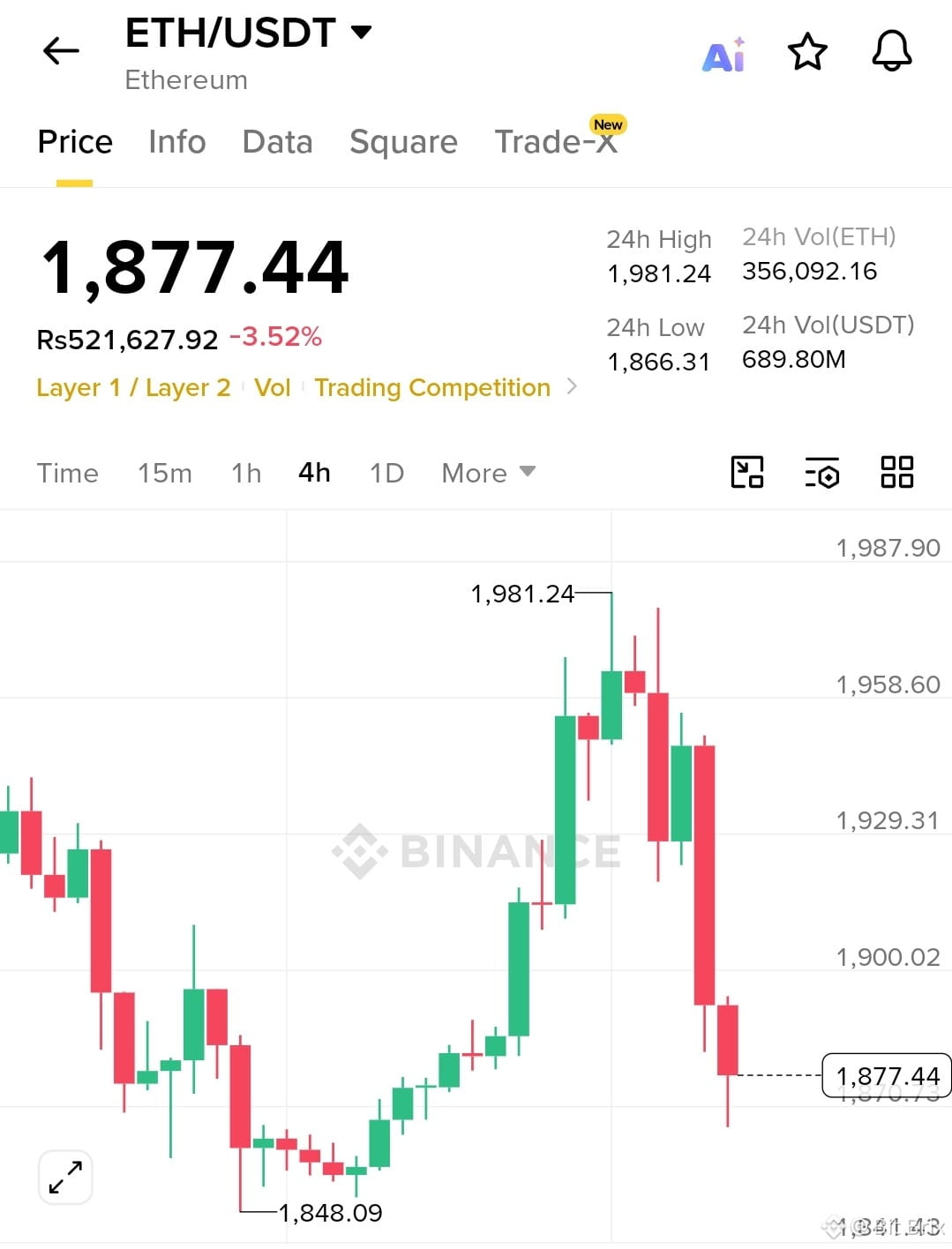
$ETH os osos están tomando el control después de un rechazo contundente.
EP: $1,875–$1,885
TP1: $1,860
TP2: $1,848
TP3: $1,825
SL: $1,902
La presión del quiebre está aumentando. El siguiente movimiento podría ser brutal.
Vamos $ETH
EP: $1,875–$1,885
TP1: $1,860
TP2: $1,848
TP3: $1,825
SL: $1,902
La presión del quiebre está aumentando. El siguiente movimiento podría ser brutal.
Vamos $ETH
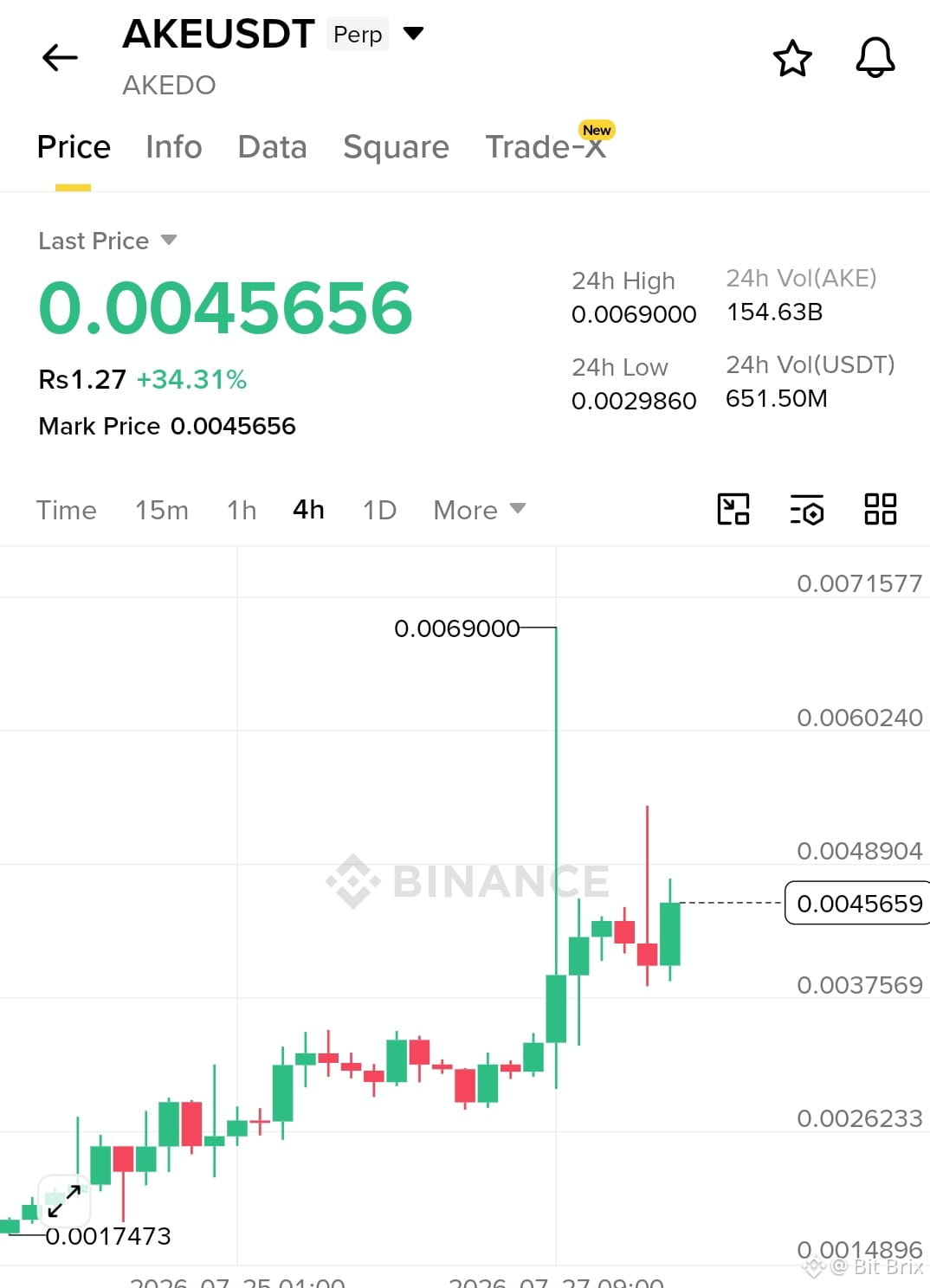
$AKE está ganando un impulso serio después de una poderosa ruptura.
EP: $0.00435–$0.00455
TP1: $0.00490
TP2: $0.00550
TP3: $0.00620
SL: $0.00375
Los alcistas están presionando con fuerza. Mantén la ruptura y el siguiente tramo podría moverse rápido.
¡Vamos $AKE
EP: $0.00435–$0.00455
TP1: $0.00490
TP2: $0.00550
TP3: $0.00620
SL: $0.00375
Los alcistas están presionando con fuerza. Mantén la ruptura y el siguiente tramo podría moverse rápido.
¡Vamos $AKE
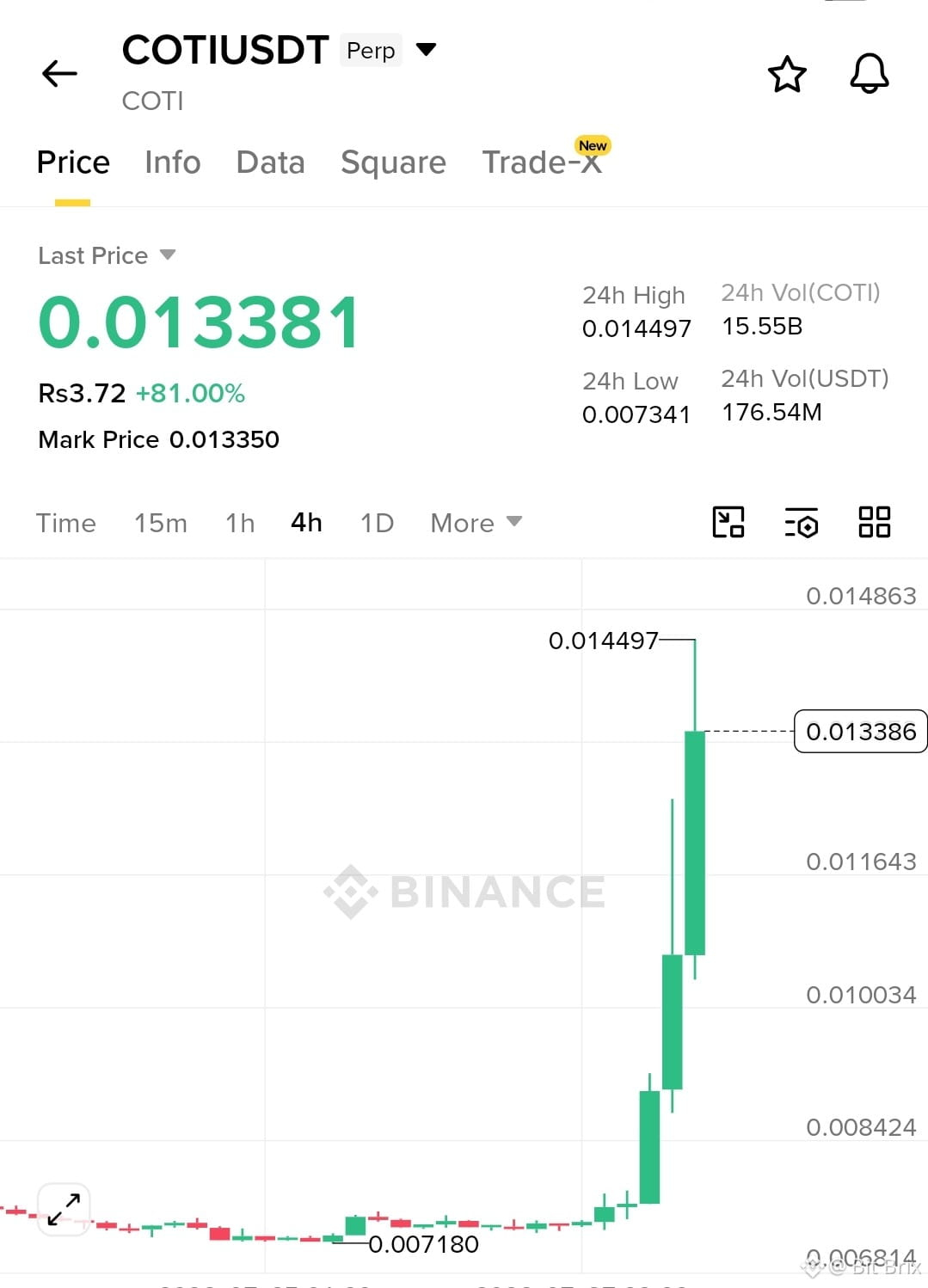
$COTI está explotando después de un aumento del 81%, con fuerte volumen y un impulso alcista en formación en el gráfico de 4H.
EP: $0.0128–$0.0133
TP1: $0.0145
TP2: $0.0160
TP3: $0.0180
SL: $0.0116
Alta volatilidad: gestiona el riesgo con cuidado.
¡Vamos $COTI
EP: $0.0128–$0.0133
TP1: $0.0145
TP2: $0.0160
TP3: $0.0180
SL: $0.0116
Alta volatilidad: gestiona el riesgo con cuidado.
¡Vamos $COTI
He estado en las criptomonedas el tiempo suficiente como para que las palabras “seguridad económica” apenas signifiquen algo. Cada cadena PoS dice alguna versión de eso. Luego cae el token, la gente pierde interés y la seguridad de la que todo el mundo hablaba, de pronto, parece mucho menos sólida.
Babylon sí me hizo frenar un poco.
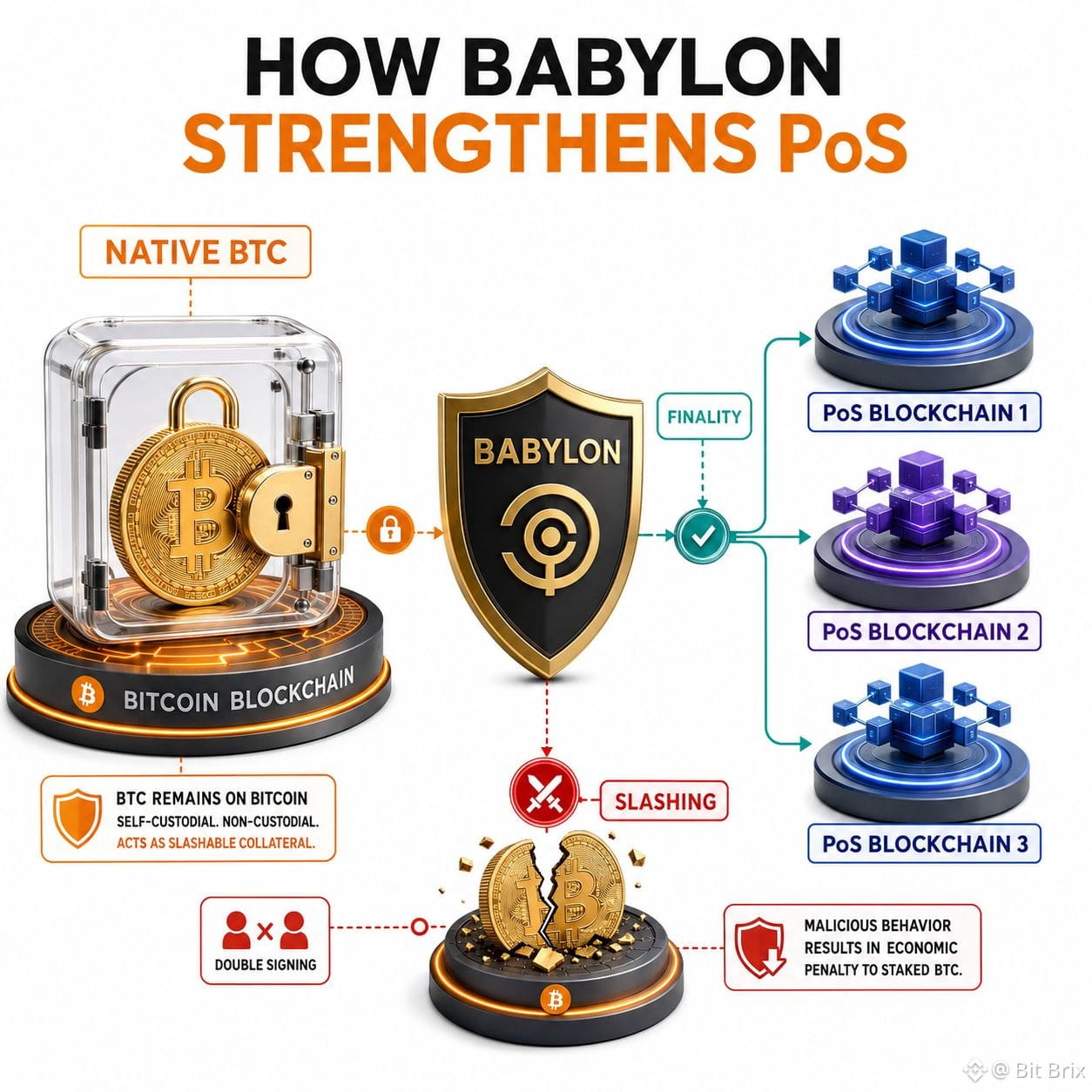
La idea no es especialmente llamativa. Bitcoin se queda donde está, en lugar de convertirse en otra promesa envuelta. El BTC respalda a los proveedores de finalidad y puede ser recortado (slashed) si firman bloques en conflicto. Los checkpoints de Bitcoin también hacen que las historias antiguas de PoS sea más difícil reescribirlas en silencio.
Pero ya he visto este patrón antes. La versión simple cabe en un solo párrafo. La versión real requiere signatarios de convenios, vigilantes, gestión de claves, reglas de recompensas y que varias piezas móviles se mantengan sincronizadas entre dos redes. Ahí es donde normalmente las ideas limpias empiezan a acumular problemas muy humanos.
Soy cuidadoso con la frase “asegurado por Bitcoin”. Los mineros no están vigilando estas cadenas PoS. El BTC es colateral dentro de otro sistema. Esa diferencia probablemente se perderá cuando empiece el marketing.
Aún no confío plenamente. Tiene que aparecer suficiente bitcoin. Los proveedores de finalidad no pueden convertirse en otro club pequeño. El recorte (slashing) tiene que funcionar durante el momento desagradable en que todos lo necesitan, no solo en una prueba.
Tal vez Babylon haga que los ataques sean más caros. Eso importa. Aun así, no puede arreglar la mala gobernanza, la demanda débil o una cadena que nadie necesita. Supongo que por eso me interesa, pero no estoy convencido.
#baby @BabylonLabs_io $BABY
Babylon sí me hizo frenar un poco.
La idea no es especialmente llamativa. Bitcoin se queda donde está, en lugar de convertirse en otra promesa envuelta. El BTC respalda a los proveedores de finalidad y puede ser recortado (slashed) si firman bloques en conflicto. Los checkpoints de Bitcoin también hacen que las historias antiguas de PoS sea más difícil reescribirlas en silencio.
Pero ya he visto este patrón antes. La versión simple cabe en un solo párrafo. La versión real requiere signatarios de convenios, vigilantes, gestión de claves, reglas de recompensas y que varias piezas móviles se mantengan sincronizadas entre dos redes. Ahí es donde normalmente las ideas limpias empiezan a acumular problemas muy humanos.
Soy cuidadoso con la frase “asegurado por Bitcoin”. Los mineros no están vigilando estas cadenas PoS. El BTC es colateral dentro de otro sistema. Esa diferencia probablemente se perderá cuando empiece el marketing.
Aún no confío plenamente. Tiene que aparecer suficiente bitcoin. Los proveedores de finalidad no pueden convertirse en otro club pequeño. El recorte (slashing) tiene que funcionar durante el momento desagradable en que todos lo necesitan, no solo en una prueba.
Tal vez Babylon haga que los ataques sean más caros. Eso importa. Aun así, no puede arreglar la mala gobernanza, la demanda débil o una cadena que nadie necesita. Supongo que por eso me interesa, pero no estoy convencido.
#baby @BabylonLabs_io $BABY
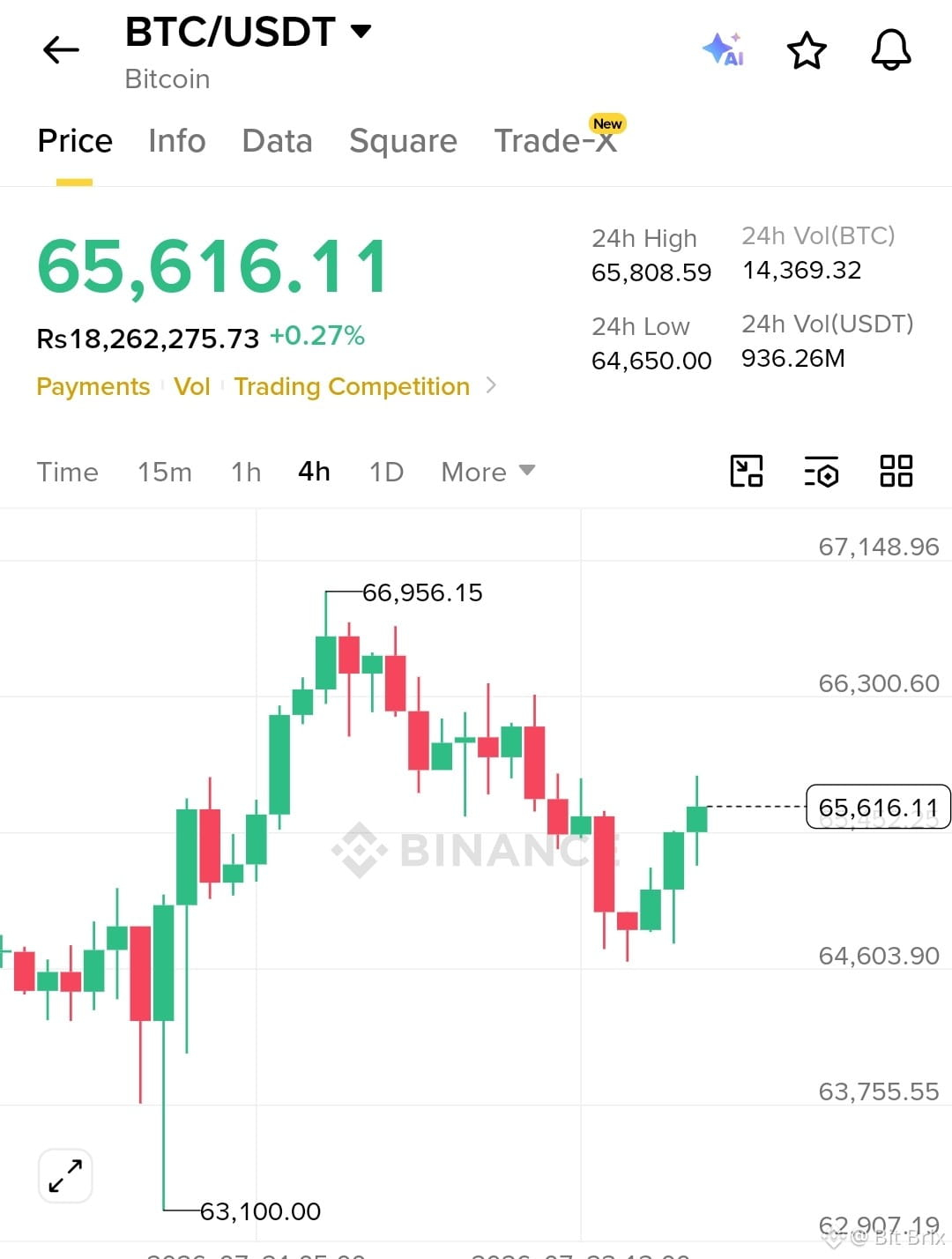
$BTC está rebotando con fuerza y los toros están tomando el control.
EP: $65,400–$65,650
TP: $66,300 / $66,950 / $67,500
SL: $64,600
El siguiente rompimiento podría ser explosivo. Vamos $BTC
EP: $65,400–$65,650
TP: $66,300 / $66,950 / $67,500
SL: $64,600
El siguiente rompimiento podría ser explosivo. Vamos $BTC
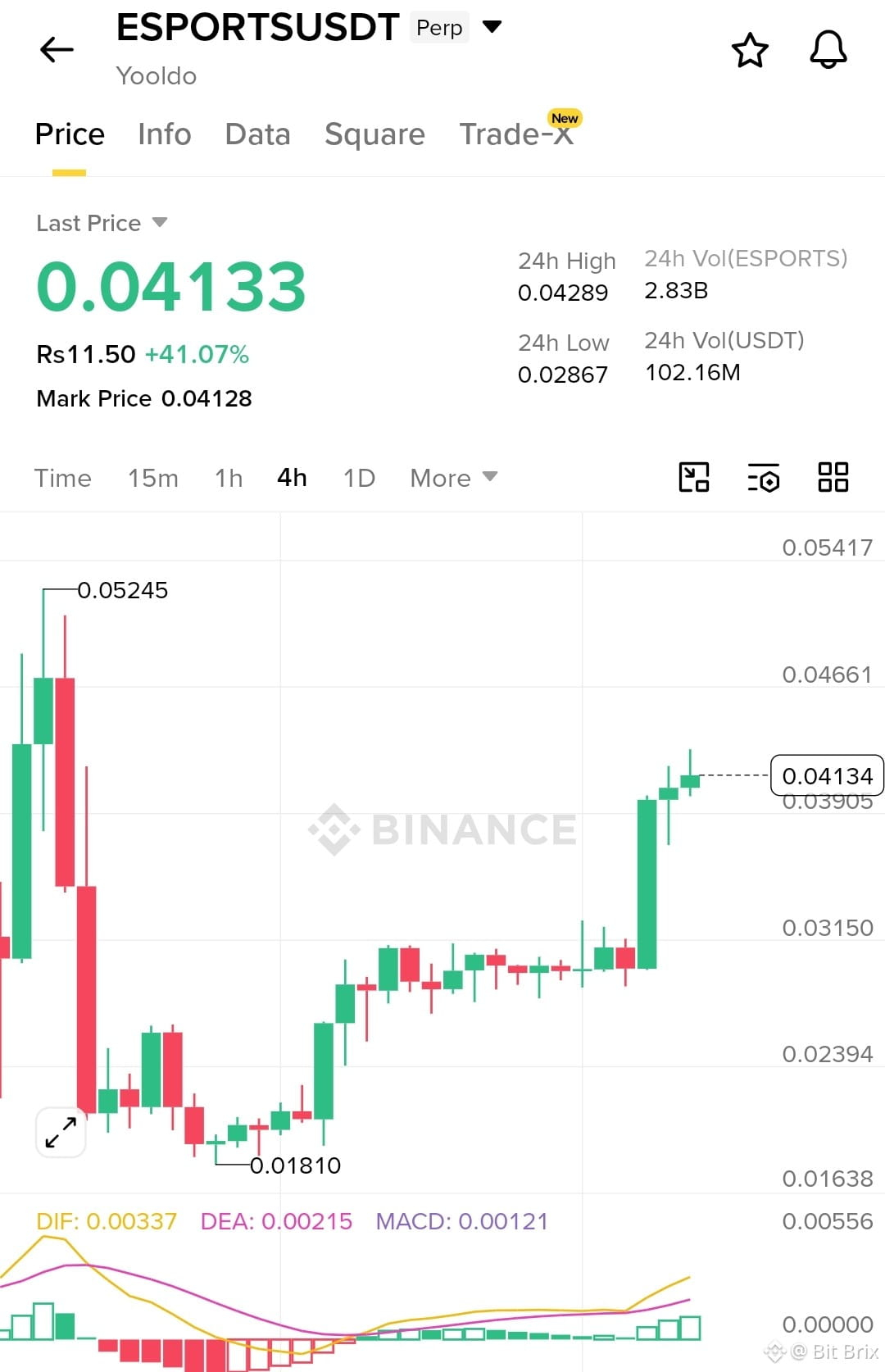
$ESPORTS está aumentando con una potente ruptura en 4H.
EP: $0.0395–$0.0413
TP: $0.0466 / $0.0524 / $0.0580
SL: $0.0368
El impulso se está calentando. Vamos con $ESPORTS
EP: $0.0395–$0.0413
TP: $0.0466 / $0.0524 / $0.0580
SL: $0.0368
El impulso se está calentando. Vamos con $ESPORTS
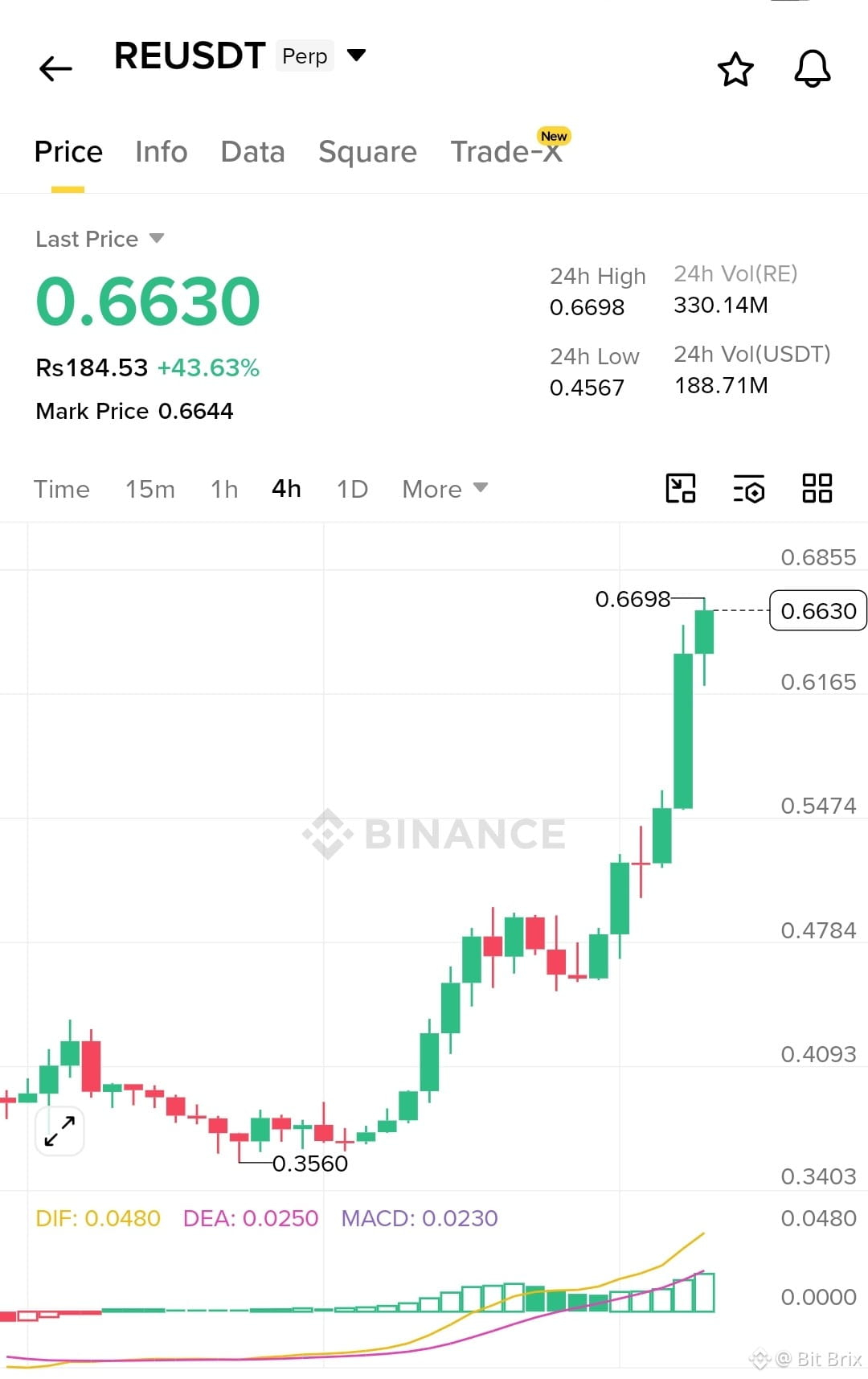
$RE está rompiendo con fuerza en el gráfico de 4H.
EP: $0.6500–$0.6630
TP: $0.7000 / $0.7400 / $0.7800
SL: $0.6150
El impulso es explosivo—¡vamos $RE
EP: $0.6500–$0.6630
TP: $0.7000 / $0.7400 / $0.7800
SL: $0.6150
El impulso es explosivo—¡vamos $RE
EP: 0.00071326
TP: 0.00095000
SL: 0.00062000
AKE está liderando con un impulso explosivo. Los toros están totalmente al mando y el próximo rompimiento podría llegar rápido.
Vamos $AKE
$ESIM
$RAVE
TP: 0.00095000
SL: 0.00062000
AKE está liderando con un impulso explosivo. Los toros están totalmente al mando y el próximo rompimiento podría llegar rápido.
Vamos $AKE
$ESIM
$RAVE
AkE♥️
63%
ESIM💪
14%
RAVE💖
23%
30 Voto(s) • Votación cerrada
Inicia sesión para explorar más contenidos