
Billionaire guy
43 Publicaciones
Billionaire guy
let's earn passive income together 🥂
21 Siguiendo
40 Seguidores
30 Me gusta
Publicaciones
Todo
Citas
🔥 ESCALADA EN GUERRA + CRIPTO: ¿DEBERÍAN LOS TRADERS PREOCUPARSE?
Las tensiones geopolíticas pueden mover los mercados cripto RÁPIDO. ⚠️📉
Cuando el conflicto se intensifica, los inversores a menudo se desplazan hacia activos más seguros, mientras que los activos de riesgo como BTC, ETH y las altcoins pueden experimentar una volatilidad repentina.
Pero aquí está lo interesante 👇
🟢 Bitcoin: Puede enfrentar presión vendedora a corto plazo, pero algunos inversores lo ven como una cobertura ante la inestabilidad financiera.
🟡 Altcoins: Usualmente conllevan un riesgo mayor y pueden ver movimientos más bruscos.
🔴 Stablecoins: La demanda puede aumentar cuando los traders se alejan al margen.
📊 Observa estas señales:
• Precios del petróleo y la energía ⛽
• Oro 🥇
• DXY (Índice del Dólar de EE. UU.) 💵
• Dominancia de BTC
• Liquidez global
• Expectativas de la Fed/tasas
La gran pregunta:
Si las tensiones geopolíticas se intensifican, ¿Bitcoin eventualmente se convierte en un activo refugio o cotiza como cualquier otro activo de riesgo?
👇 ¿Cuál es tu predicción: BTC ARRIBA 🚀 o BTC ABAJO 📉?
#Bitcoin #BTC #Crypto #BinanceSquare #Ethereum #Altcoins #Trading #Geopolitics #CryptoNewsCommunity
Las tensiones geopolíticas pueden mover los mercados cripto RÁPIDO. ⚠️📉
Cuando el conflicto se intensifica, los inversores a menudo se desplazan hacia activos más seguros, mientras que los activos de riesgo como BTC, ETH y las altcoins pueden experimentar una volatilidad repentina.
Pero aquí está lo interesante 👇
🟢 Bitcoin: Puede enfrentar presión vendedora a corto plazo, pero algunos inversores lo ven como una cobertura ante la inestabilidad financiera.
🟡 Altcoins: Usualmente conllevan un riesgo mayor y pueden ver movimientos más bruscos.
🔴 Stablecoins: La demanda puede aumentar cuando los traders se alejan al margen.
📊 Observa estas señales:
• Precios del petróleo y la energía ⛽
• Oro 🥇
• DXY (Índice del Dólar de EE. UU.) 💵
• Dominancia de BTC
• Liquidez global
• Expectativas de la Fed/tasas
La gran pregunta:
Si las tensiones geopolíticas se intensifican, ¿Bitcoin eventualmente se convierte en un activo refugio o cotiza como cualquier otro activo de riesgo?
👇 ¿Cuál es tu predicción: BTC ARRIBA 🚀 o BTC ABAJO 📉?
#Bitcoin #BTC #Crypto #BinanceSquare #Ethereum #Altcoins #Trading #Geopolitics #CryptoNewsCommunity
Ver traducción
usdt ...lets go

Best Wishes!
De Billionaire guy
Ver traducción
#BTCSurpasses$72000
🚨📊 VIGILANCIA DE VELAS CRYPTO — NO LO IGNOREN 👀
El mercado puede cambiar de dirección RÁPIDO.
Una vela puede activar el FOMO.
La siguiente puede borrarlo todo. 😳
Así que antes de perseguir el próximo impulso, pregúntate:
🟢 ¿RUPTURA?
🔴 ¿FALSA RUPTURA?
🐻 ¿REVERSIÓN?
Estoy iniciando una Vigilancia diaria de Velas aquí en Binance Square — desglosando configuraciones interesantes, catalizadores del mercado y los niveles que los traders deberían vigilar. 📈
🔥 PROBEMOS A LA COMUNIDAD:
Si BTC de repente rompe una resistencia con fuerte volumen, ¿qué esperas?
🚀 IMPULSO
📉 FALSA RUPTURA
⏳ LATERAL
Comenta tu predicción 👇
Sígueme si quieres ver la configuración de mañana y descubrir quién acertó. 👀
#BinanceSquare #Crypto #Bitcoin #BTC #Trading #CryptoTrading #Candlestick #Altcoins #CryptoCommunity
El mercado puede cambiar de dirección RÁPIDO.
Una vela puede activar el FOMO.
La siguiente puede borrarlo todo. 😳
Así que antes de perseguir el próximo impulso, pregúntate:
🟢 ¿RUPTURA?
🔴 ¿FALSA RUPTURA?
🐻 ¿REVERSIÓN?
Estoy iniciando una Vigilancia diaria de Velas aquí en Binance Square — desglosando configuraciones interesantes, catalizadores del mercado y los niveles que los traders deberían vigilar. 📈
🔥 PROBEMOS A LA COMUNIDAD:
Si BTC de repente rompe una resistencia con fuerte volumen, ¿qué esperas?
🚀 IMPULSO
📉 FALSA RUPTURA
⏳ LATERAL
Comenta tu predicción 👇
Sígueme si quieres ver la configuración de mañana y descubrir quién acertó. 👀
#BinanceSquare #Crypto #Bitcoin #BTC #Trading #CryptoTrading #Candlestick #Altcoins #CryptoCommunity
🚨🇺🇸 TRUMP ACABA DE PONER EL CRYPTO OTRA VEZ EN EL CENTRO DE LA ATENCIÓN — ESTO ES LO QUE IMPORTA 👀
El presidente Donald Trump recibió en la Casa Blanca, el 19 de agosto, a importantes líderes de la industria cripto, presionando al Congreso para que apruebe la Ley CLARITY: una legislación diseñada para aportar reglas más claras al mercado estadounidense de activos digitales.
Pero aquí está la imagen más grande 👇
🇺🇸 El enfoque cripto de Trump
→ Regulación a favor de la innovación
→ Convertir a EE. UU. en un hub cripto global
→ Mayor claridad regulatoria para los activos digitales
→ Apoyo para blockchain y la infraestructura de activos digitales
📅 PRÓXIMO CATALIZADOR A SEGUIR
El Comité Asesor de Innovación de la CFTC se está reuniendo mientras la administración continúa impulsando la política cripto. Mientras tanto, la Ley CLARITY sigue siendo un catalizador importante del mercado si el Congreso logra avanzar con ella.
💡 Mi visión:
La noticia más grande tal vez no sean los comentarios de Trump en sí.
La cuestión es si EE. UU. puede convertir la retórica pro-cripto → reglas reales → adopción institucional.
Si eso sucede, el impacto podría extenderse mucho más allá de BTC.
Piensa en:
BTC → ETH → stablecoins → DeFi → tokenización → infraestructura cripto.
🔥 Pregunta para Binance Square:
Si EE. UU. se convierte en la economía grande más amigable con las criptomonedas del mundo…
¿Qué sector se BENEFICIA MÁS?
🟠 Bitcoin
🔵 Ethereum
💵 Stablecoins
🌐 DeFi
🚀 Altcoins
Deja tu elección abajo 👇
#Binance #Crypto #Bitcoin #Trump #Ethereum #BTC #DeFi #Stablecoins #CryptoNews #Blockchain #BinanceSquare
El presidente Donald Trump recibió en la Casa Blanca, el 19 de agosto, a importantes líderes de la industria cripto, presionando al Congreso para que apruebe la Ley CLARITY: una legislación diseñada para aportar reglas más claras al mercado estadounidense de activos digitales.
Pero aquí está la imagen más grande 👇
🇺🇸 El enfoque cripto de Trump
→ Regulación a favor de la innovación
→ Convertir a EE. UU. en un hub cripto global
→ Mayor claridad regulatoria para los activos digitales
→ Apoyo para blockchain y la infraestructura de activos digitales
📅 PRÓXIMO CATALIZADOR A SEGUIR
El Comité Asesor de Innovación de la CFTC se está reuniendo mientras la administración continúa impulsando la política cripto. Mientras tanto, la Ley CLARITY sigue siendo un catalizador importante del mercado si el Congreso logra avanzar con ella.
💡 Mi visión:
La noticia más grande tal vez no sean los comentarios de Trump en sí.
La cuestión es si EE. UU. puede convertir la retórica pro-cripto → reglas reales → adopción institucional.
Si eso sucede, el impacto podría extenderse mucho más allá de BTC.
Piensa en:
BTC → ETH → stablecoins → DeFi → tokenización → infraestructura cripto.
🔥 Pregunta para Binance Square:
Si EE. UU. se convierte en la economía grande más amigable con las criptomonedas del mundo…
¿Qué sector se BENEFICIA MÁS?
🟠 Bitcoin
🔵 Ethereum
💵 Stablecoins
🌐 DeFi
🚀 Altcoins
Deja tu elección abajo 👇
#Binance #Crypto #Bitcoin #Trump #Ethereum #BTC #DeFi #Stablecoins #CryptoNews #Blockchain #BinanceSquare
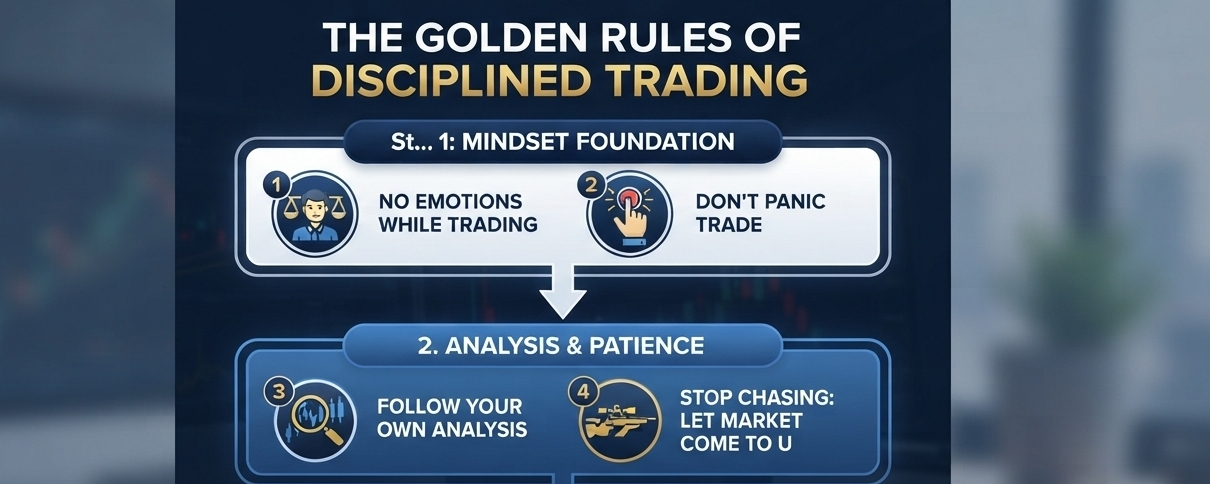
🕯️ Comerciantes de DOGE — ¿Qué Están Diciendo Estas Velas?
DOGE puede moverse rápido, pero el gráfico de velas a menudo cuenta la historia antes de que lo haga la multitud. 👀🐕
Al observar DOGE/USDT, fíjate en:
🟢 Impulso alcista
🔴 Presión vendedora
🕯️ Mechas largas y rechazo
📍 Soporte y resistencia
📈 Intentos de ruptura
📉 Rupturas fallidas
📊 Confirmación de volumen
La pregunta es simple:
Si DOGE mostrara ahora mismo una vela de ruptura fuerte, ¿COMPRARÍAS, VENDERÍAS o ESPERARÍAS?
🟢 COMPRAR
🔴 VENDER
🟡 ESPERAR CONFIRMACIÓN
Deja tu elección y explica lo que ves en las velas. 👇
Veamos quién puede leer el gráfico de DOGE sin dejarse distraer por el hype. 🐕📈
#DOGE #Dogecoin #Binance #CryptoTrading #Candlestick #TechnicalAnalysis #DOGEUSDT #WriteToEarn
DOGE puede moverse rápido, pero el gráfico de velas a menudo cuenta la historia antes de que lo haga la multitud. 👀🐕
Al observar DOGE/USDT, fíjate en:
🟢 Impulso alcista
🔴 Presión vendedora
🕯️ Mechas largas y rechazo
📍 Soporte y resistencia
📈 Intentos de ruptura
📉 Rupturas fallidas
📊 Confirmación de volumen
La pregunta es simple:
Si DOGE mostrara ahora mismo una vela de ruptura fuerte, ¿COMPRARÍAS, VENDERÍAS o ESPERARÍAS?
🟢 COMPRAR
🔴 VENDER
🟡 ESPERAR CONFIRMACIÓN
Deja tu elección y explica lo que ves en las velas. 👇
Veamos quién puede leer el gráfico de DOGE sin dejarse distraer por el hype. 🐕📈
#DOGE #Dogecoin #Binance #CryptoTrading #Candlestick #TechnicalAnalysis #DOGEUSDT #WriteToEarn
🕯️ Operadores de XRP — ¿Qué Ves?
XRP es uno de esos activos en los que las velas pueden contar una historia muy distinta a la de los titulares. 👀
Cuando mires el gráfico de XRP/USDT, fíjate en:
🟢 Velas alcistas fuertes
🔴 Velas de venta intensa
🕯️ Mechas largas superiores/inferiores
📍 Zonas de soporte y resistencia
📈 Intentos de ruptura
📉 Rupturas fallidas
La gran pregunta no es solo “¿Subirá XRP?”
Es:
¿Qué te está diciendo la estructura de las velas en este momento?
👇 Operadores de XRP, elige una:
🟢 COMPRA — setup alcista
🔴 VENTA — setup bajista
🟡 ESPERA — necesita confirmación
Y cuéntanos qué vela o patrón te hizo elegirlo.
Veamos cómo la comunidad de Binance lee XRP. 🚀
#XRP #Ripple #Binance #CryptoTrading #Candlestick #TechnicalAnalysis #XRPUSDT #WriteToEarn
XRP es uno de esos activos en los que las velas pueden contar una historia muy distinta a la de los titulares. 👀
Cuando mires el gráfico de XRP/USDT, fíjate en:
🟢 Velas alcistas fuertes
🔴 Velas de venta intensa
🕯️ Mechas largas superiores/inferiores
📍 Zonas de soporte y resistencia
📈 Intentos de ruptura
📉 Rupturas fallidas
La gran pregunta no es solo “¿Subirá XRP?”
Es:
¿Qué te está diciendo la estructura de las velas en este momento?
👇 Operadores de XRP, elige una:
🟢 COMPRA — setup alcista
🔴 VENTA — setup bajista
🟡 ESPERA — necesita confirmación
Y cuéntanos qué vela o patrón te hizo elegirlo.
Veamos cómo la comunidad de Binance lee XRP. 🚀
#XRP #Ripple #Binance #CryptoTrading #Candlestick #TechnicalAnalysis #XRPUSDT #WriteToEarn
Ver traducción
🕯️ What Is the Chart Really Telling You?
A lot of traders look at a candlestick chart and immediately ask:
“Is it going up or down?”
But experienced traders look deeper. 👀
🟢 Strong bullish candles
🔴 Strong bearish candles
📈 Breakouts
📉 Rejections
🕯️ Long wicks showing where buyers or sellers fought back
The interesting part? One candle doesn’t tell the whole story.
Context matters: support, resistance, volume, trend, and what happened before that candle appeared.
So here’s the challenge for Binance traders:
If you saw this candlestick pattern on a chart, would you BUY, SELL, or WAIT? 🤔
Drop your answer below — and most importantly, explain why.
Let’s see how the community reads the market. 👇
#Binance #WriteToEarn #Candlestick #Trading #CryptoTrading #TechnicalAnalysis #Bitcoin #CryptoCommunity
A lot of traders look at a candlestick chart and immediately ask:
“Is it going up or down?”
But experienced traders look deeper. 👀
🟢 Strong bullish candles
🔴 Strong bearish candles
📈 Breakouts
📉 Rejections
🕯️ Long wicks showing where buyers or sellers fought back
The interesting part? One candle doesn’t tell the whole story.
Context matters: support, resistance, volume, trend, and what happened before that candle appeared.
So here’s the challenge for Binance traders:
If you saw this candlestick pattern on a chart, would you BUY, SELL, or WAIT? 🤔
Drop your answer below — and most importantly, explain why.
Let’s see how the community reads the market. 👇
#Binance #WriteToEarn #Candlestick #Trading #CryptoTrading #TechnicalAnalysis #Bitcoin #CryptoCommunity
Ver traducción
The Crypto Mindset That Changes Everything 🧠
Most people enter crypto asking:
“Which coin will make me rich?”
I think the better question is:
“What can I learn here that makes me better at investing?”
Markets will pump. Markets will crash. Narratives will change. New projects will appear every day.
But skills like research, patience, risk management, and understanding market psychology stay valuable.
Imagine looking back 5 years from now. Would you rather have chased every pump—or actually learned how the market works?
💬 What’s ONE crypto lesson you learned the hard way?
Share it below. Someone reading your comment might avoid the same mistake.
#Binance #WriteToEarn #Crypto #Web3 #Trading #CryptoEducation #bitcoin
Most people enter crypto asking:
“Which coin will make me rich?”
I think the better question is:
“What can I learn here that makes me better at investing?”
Markets will pump. Markets will crash. Narratives will change. New projects will appear every day.
But skills like research, patience, risk management, and understanding market psychology stay valuable.
Imagine looking back 5 years from now. Would you rather have chased every pump—or actually learned how the market works?
💬 What’s ONE crypto lesson you learned the hard way?
Share it below. Someone reading your comment might avoid the same mistake.
#Binance #WriteToEarn #Crypto #Web3 #Trading #CryptoEducation #bitcoin
La pregunta cripto que nadie quiere responder
¿Qué pasa si el mayor error en las criptomonedas no es comprar la moneda equivocada…
…sino vender demasiado pronto? 👀
En cada ciclo, la gente dice que está aquí para el largo plazo. Luego el mercado cae un 20% y de repente el plan cambia.
Así que quiero saber:
¿Qué PROYECTO cripto te quedarías sosteniendo si el mercado colapsara mañana — y POR QUÉ?
Nada de “porque va a moon”. 😂
Dame tu razonamiento real.
Veamos en qué proyectos de verdad cree la comunidad de Binance. 👇
#Crypto #Binance #Web3 #Bitcoin #Altcoins #CryptoCommunity
¿Qué pasa si el mayor error en las criptomonedas no es comprar la moneda equivocada…
…sino vender demasiado pronto? 👀
En cada ciclo, la gente dice que está aquí para el largo plazo. Luego el mercado cae un 20% y de repente el plan cambia.
Así que quiero saber:
¿Qué PROYECTO cripto te quedarías sosteniendo si el mercado colapsara mañana — y POR QUÉ?
Nada de “porque va a moon”. 😂
Dame tu razonamiento real.
Veamos en qué proyectos de verdad cree la comunidad de Binance. 👇
#Crypto #Binance #Web3 #Bitcoin #Altcoins #CryptoCommunity
Ver traducción
Exploring what @OpenGradient is building has been fascinating. OpenGradient Chat highlights how AI can become more open, transparent, and community-driven while giving users greater control over their data and interactions. The combination of decentralized infrastructure and practical AI applications could help shape the next generation of intelligent services. Looking forward to seeing the ecosystem grow and how developers continue to innovate around these tools. $OPG #OPG
Ver traducción
#opg $OPG Exploring what @OpenGradient is building has been fascinating. OpenGradient Chat highlights how AI can become more open, transparent, and community-driven while giving users greater control over their data and interactions. The combination of decentralized infrastructure and practical AI applications could help shape the next generation of intelligent services. Looking forward to seeing the ecosystem grow and how developers continue to innovate around these tools. $OPG #OPG

Ver traducción
#openledger $OPEN The OpenLedger native token (OPEN) is the economic foundation of a decentralized AI blockchain network. It powers an ecosystem built on the OP Stack, designed to reward users for data contributions.
Instead of corporate tech monopolies controlling datasets, OpenLedger leverages "Proof of Attribution" to reward creators fairly. This unique protocol calculates the exact impact that a specific dataset has on an AI model's training or final output.
The OPEN utility token acts as network gas. It handles staking, protocol governance, and data licensing transactions seamlessly. Ultimately, it creates a sustainable, "Payable AI" infrastructure for fair digital ownership.
Instead of corporate tech monopolies controlling datasets, OpenLedger leverages "Proof of Attribution" to reward creators fairly. This unique protocol calculates the exact impact that a specific dataset has on an AI model's training or final output.
The OPEN utility token acts as network gas. It handles staking, protocol governance, and data licensing transactions seamlessly. Ultimately, it creates a sustainable, "Payable AI" infrastructure for fair digital ownership.
Ver traducción
Hmstr Will be going crazy soon✅✅✅
Dăn Tây À
·
--
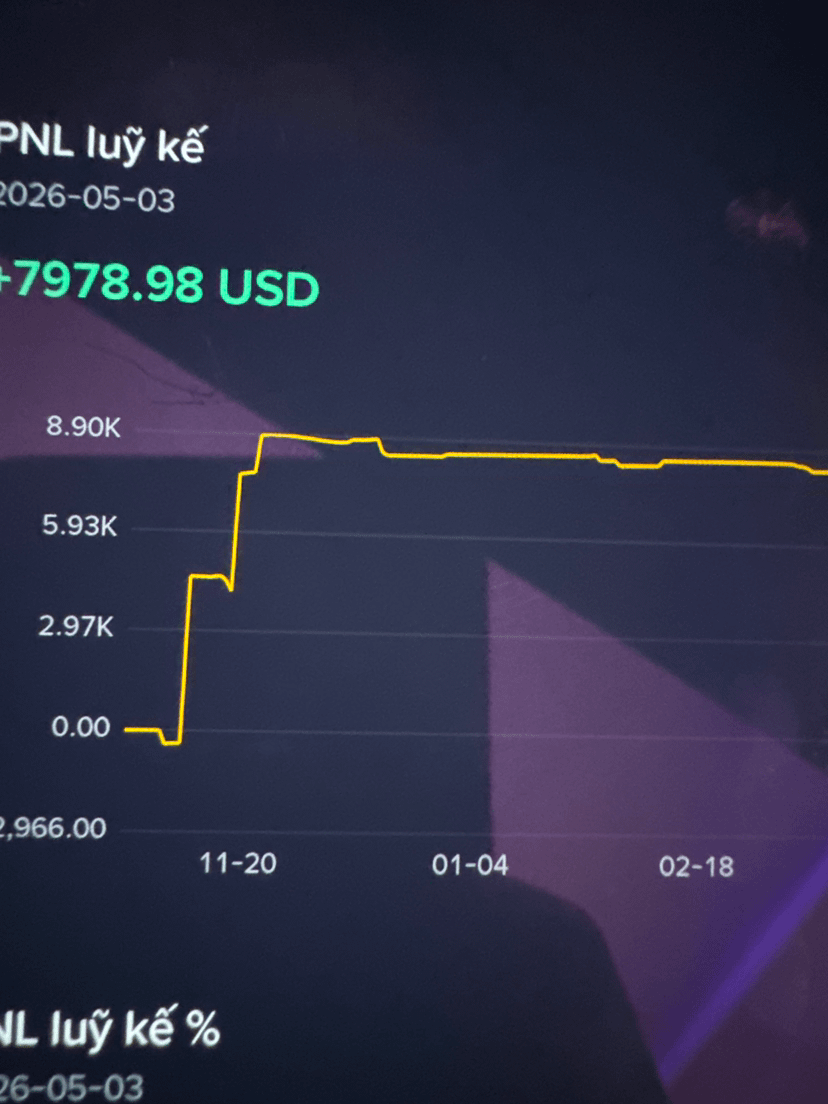
sigue firme, ganar dinero es cosa de cientos de años, así que gástalo para que tus hijos y nietos ganen 😂 $RAVE
Inicia sesión para explorar más contenidos