

Kaan Kaya 1
429 Publicaciones

Kaan Kaya 1
Denunciar
Bloquear usuario
Web3 strategist | On-chain analyst Building new projects, sharing smart money insights 📊 Open to collaborations with teams creating real value.
0 Siguiendo
1 Seguidores
17 Me gusta
Publicaciones
·
--
XRP tiene una ventaja en velocidad. Pero ¿sigue siendo suficiente? ¿Recuerdas cuando las transferencias rápidas y baratas eran un gran argumento de venta en el mundo cripto? Básicamente, esa ha sido la propuesta de $XRP durante años. Pero ahora tenemos $SOL, stablecoins en múltiples redes y muchas otras formas de mover dinero sin pagar demasiado. Así que me pregunto cuál es hoy la mayor ventaja de XRP. ¿La tecnología, las alianzas de pago o simplemente ser un nombre que la gente ya reconoce? No digo que XRP vaya a desaparecer. Simplemente parece que la competencia se ha puesto al día en algunos aspectos. ¿Alguien sigue usando XRP para hacer transferencias o hoy en día la mayoría solo lo conserva? #PerspectivasMacro# #TemporadaDeAltcoins#
XRP tiene una ventaja en velocidad. Pero ¿sigue siendo suficiente? ¿Recuerdas cuando las transferencias rápidas y baratas eran un gran argumento de venta en el mundo cripto? Básicamente, esa ha sido la propuesta de $XRP durante años. Pero ahora tenemos $SOL, stablecoins en múltiples redes y muchas otras formas de mover dinero sin pagar demasiado. Así que me pregunto cuál es hoy la mayor ventaja de XRP. ¿La tecnología, las alianzas de pago o simplemente ser un nombre que la gente ya reconoce? No digo que XRP vaya a desaparecer. Simplemente parece que la competencia se ha puesto al día en algunos aspectos. ¿Alguien sigue usando XRP para hacer transferencias o hoy en día la mayoría solo lo conserva? #PerspectivasMacro# #TemporadaDeAltcoins#

66
·
--
Ver traducción
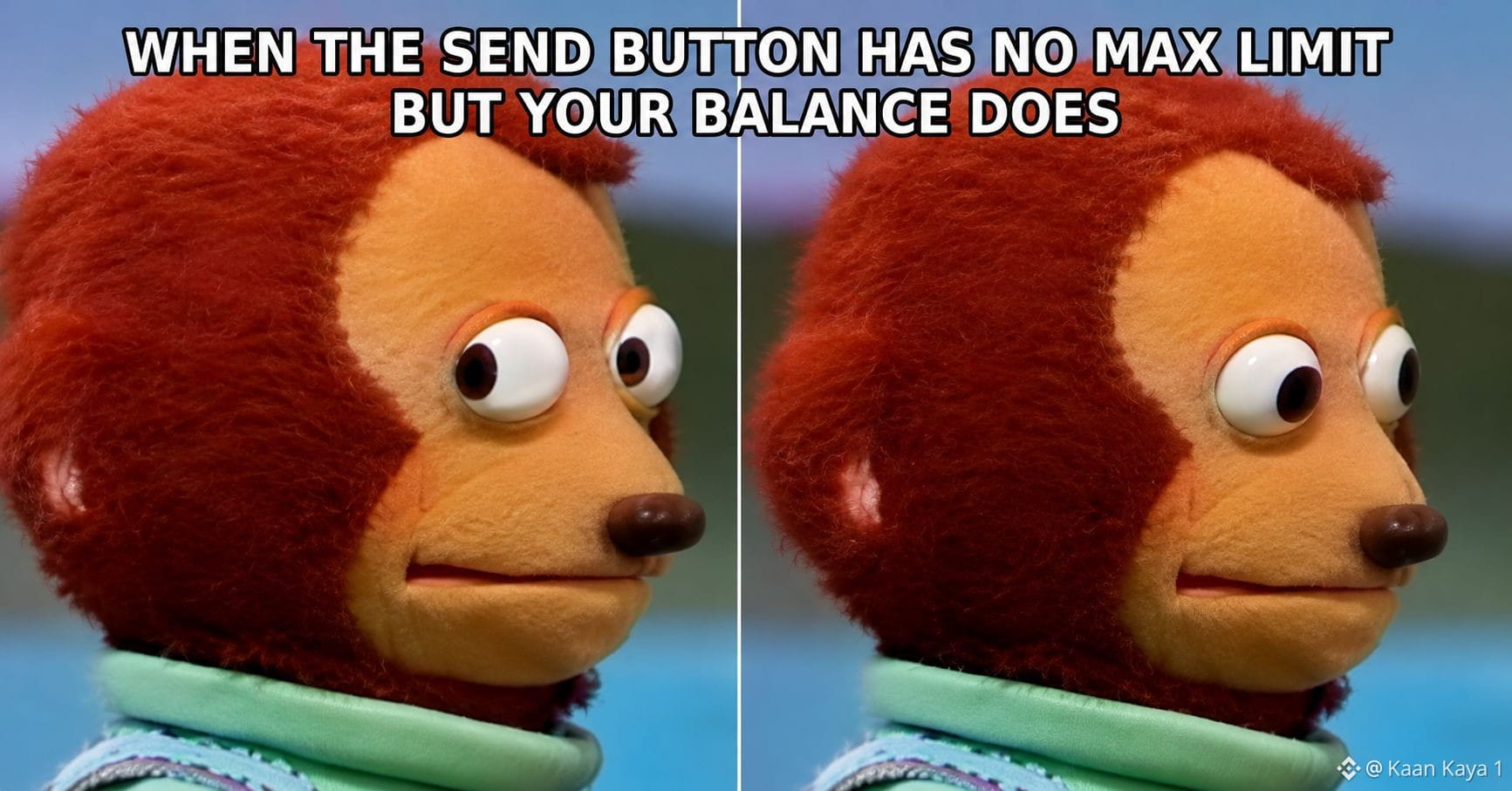
🔍 I Went Looking for Transfer Limit and Hit My Own Balance First I’ve used enough $BTC wallets and exchange apps to expect every “send” button to come with a catch. Usually it’s a minimum that makes small transfers pointless or a daily cap that kicks in right when you need to move more 🙃 So when I opened QuickSend in the WhiteBIT app, I did what I always do with a new transfer feature and went looking for the edges before sending anything real. https://bit.ly/4dBD8CM First I tried the smallest amount, and it went down to the equivalent of 1 USDT. Then I typed a number far bigger than anything I’d actually send and waited for the usual “limit exceeded” message. It never came, because QuickSend has no maximum limit, and the only thing that stopped me was my own balance 😅 The rest works the way you’d expect from a messenger. You pick the person by nickname or scan their QR code, the money arrives right away, and there are 10 seconds to cancel if you hit send by mistake. It made me look at the other transfer tools on my phone differently. Most of them quietly pick one job. Some are built for splitting lunch, with tiny amounts and low caps, and others for moving serious money, with minimums high enough that you’d never send a friend a few dollars through them. Here the same screen handles a coffee for a colleague and a much bigger transfer without switching apps. I spent a minute testing the limits and ended up thinking about how much those numbers say about who a tool is meant for. Next time I need to send someone a few dollars or move a larger amount, it’ll be the same button 🙂 Disclaimer: This is not financial or investment advice. Do your own research before making any decisions. Use at your own risk. #BTC Price Analysis# #Bitcoin Price Prediction: What is Bitcoins next move?#
🔍 I Went Looking for Transfer Limit and Hit My Own Balance First I’ve used enough $BTC wallets and exchange apps to expect every “send” button to come with a catch. Usually it’s a minimum that makes small transfers pointless or a daily cap that kicks in right when you need to move more 🙃 So when I opened QuickSend in the WhiteBIT app, I did what I always do with a new transfer feature and went looking for the edges before sending anything real. https://bit.ly/4dBD8CM First I tried the smallest amount, and it went down to the equivalent of 1 USDT. Then I typed a number far bigger than anything I’d actually send and waited for the usual “limit exceeded” message. It never came, because QuickSend has no maximum limit, and the only thing that stopped me was my own balance 😅 The rest works the way you’d expect from a messenger. You pick the person by nickname or scan their QR code, the money arrives right away, and there are 10 seconds to cancel if you hit send by mistake. It made me look at the other transfer tools on my phone differently. Most of them quietly pick one job. Some are built for splitting lunch, with tiny amounts and low caps, and others for moving serious money, with minimums high enough that you’d never send a friend a few dollars through them. Here the same screen handles a coffee for a colleague and a much bigger transfer without switching apps. I spent a minute testing the limits and ended up thinking about how much those numbers say about who a tool is meant for. Next time I need to send someone a few dollars or move a larger amount, it’ll be the same button 🙂 Disclaimer: This is not financial or investment advice. Do your own research before making any decisions. Use at your own risk. #BTC Price Analysis# #Bitcoin Price Prediction: What is Bitcoins next move?#
·
--
Ver traducción
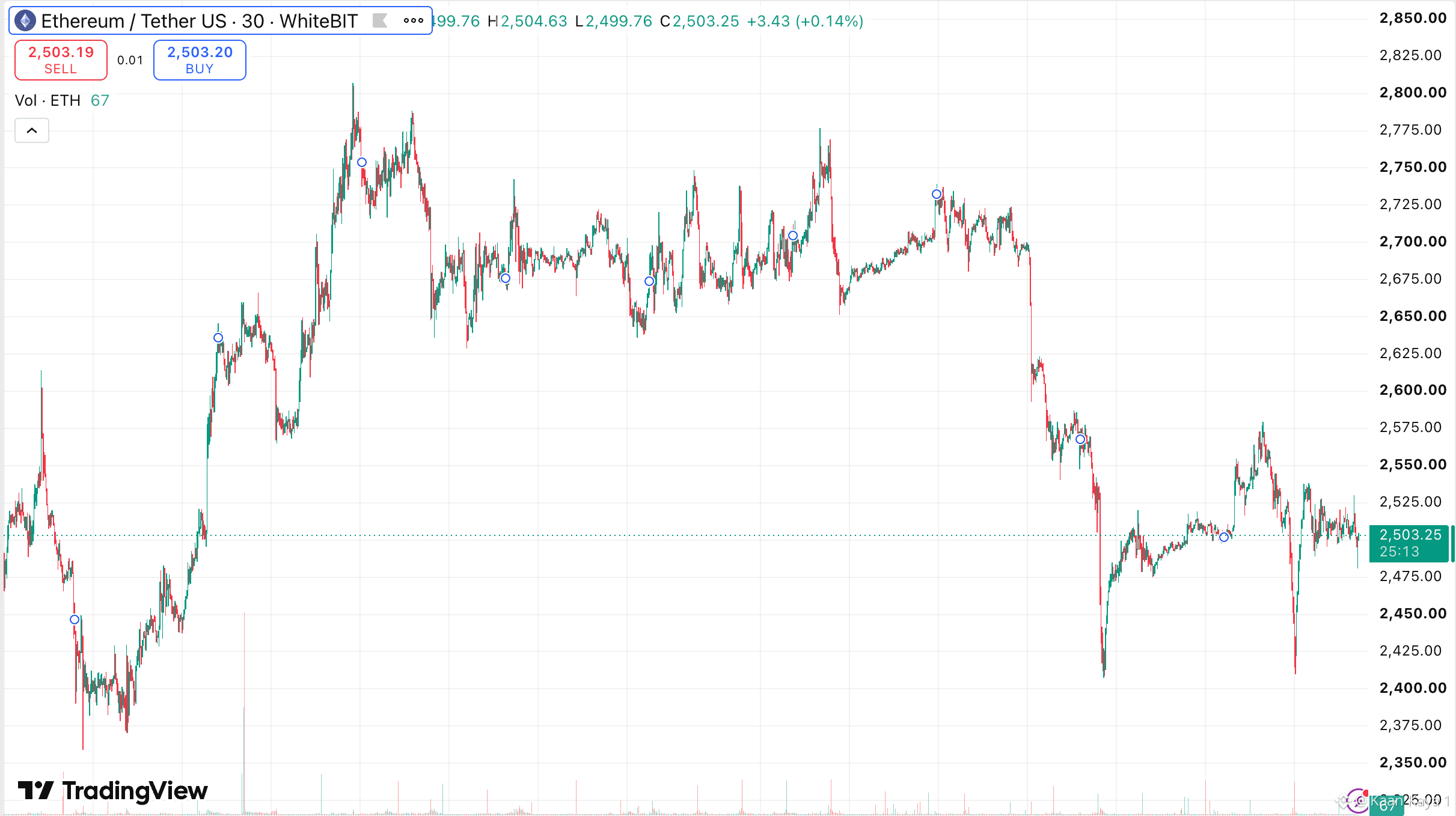
Everyone Wants the Next Altcoin Season. But Who's Actually Buying? Every time Bitcoin slows down for a few days, the altcoin season predictions start appearing again. Someone posts an ETH/BTC chart, someone else finds a forgotten 2021 pattern, and suddenly half the timeline is talking about a rotation. 😂 But there's one thing I'd want to see before getting excited: are people actually putting new money into altcoins, or just moving the same capital around? Imagine $BTC stays flat while $ETH gains 5%, then traders take profits and move into $SOL , which gains another 8%. A handful of charts look great, but that doesn't necessarily mean the overall market has attracted much fresh capital. And there's nothing wrong with rotations. They're part of how crypto markets work. I just think there's a difference between a few popular tokens outperforming and hundreds of smaller projects finding sustained demand. For now, I'd be watching whether trading volume broadens beyond the usual names and whether rallies hold up after the first wave of excitement. Because calling an altcoin season after three green candles is easy. Actually making money through one is a completely different experience. #BTC Price Analysis# #Bitcoin Price Prediction: What is Bitcoins next move?#
Everyone Wants the Next Altcoin Season. But Who's Actually Buying? Every time Bitcoin slows down for a few days, the altcoin season predictions start appearing again. Someone posts an ETH/BTC chart, someone else finds a forgotten 2021 pattern, and suddenly half the timeline is talking about a rotation. 😂 But there's one thing I'd want to see before getting excited: are people actually putting new money into altcoins, or just moving the same capital around? Imagine $BTC stays flat while $ETH gains 5%, then traders take profits and move into $SOL , which gains another 8%. A handful of charts look great, but that doesn't necessarily mean the overall market has attracted much fresh capital. And there's nothing wrong with rotations. They're part of how crypto markets work. I just think there's a difference between a few popular tokens outperforming and hundreds of smaller projects finding sustained demand. For now, I'd be watching whether trading volume broadens beyond the usual names and whether rallies hold up after the first wave of excitement. Because calling an altcoin season after three green candles is easy. Actually making money through one is a completely different experience. #BTC Price Analysis# #Bitcoin Price Prediction: What is Bitcoins next move?#
65
·
--
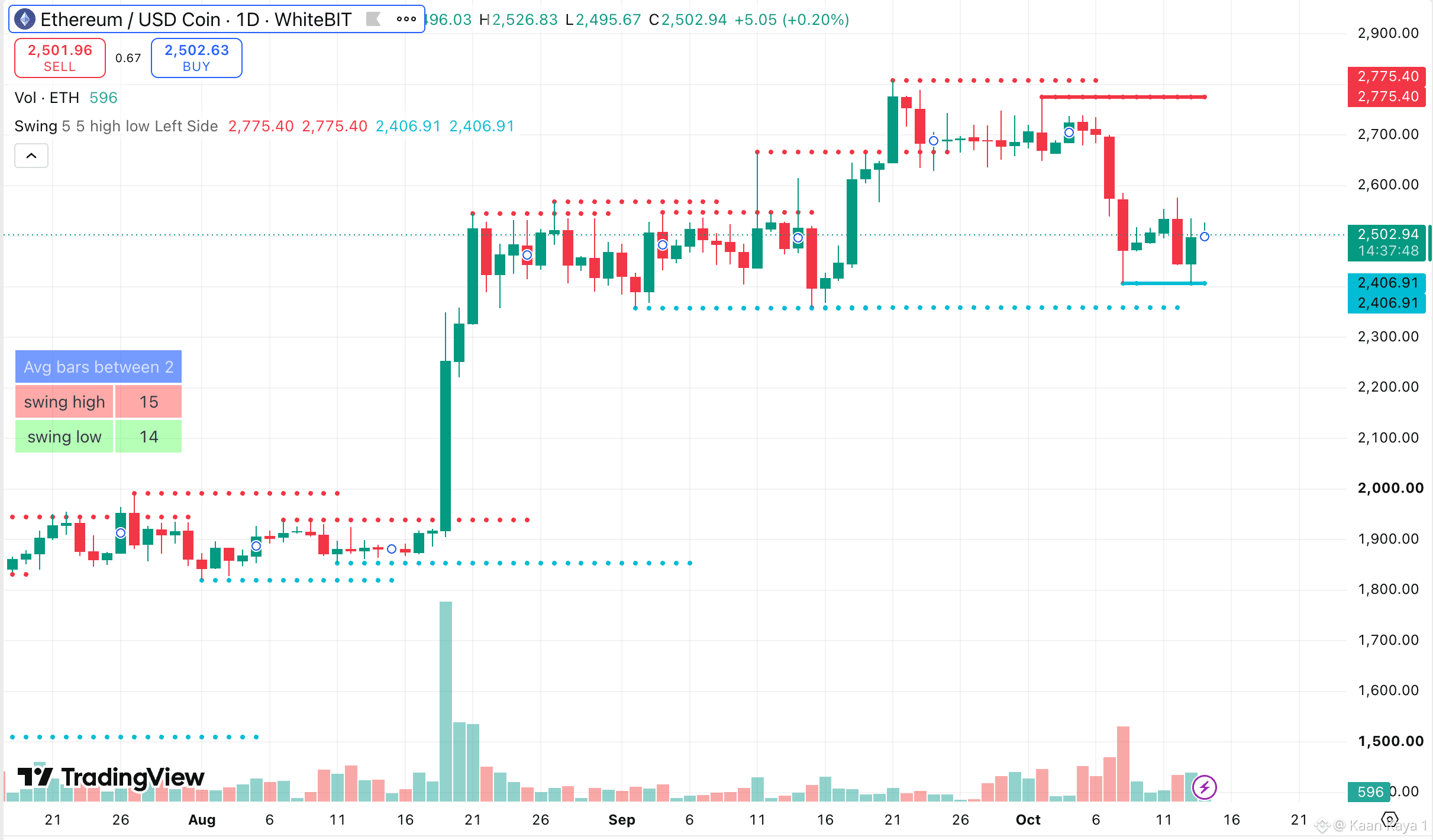
Todo el mundo quiere la próxima temporada de altcoins. Pero ¿quién está comprando de verdad? Cada vez que Bitcoin se toma un respiro durante unos días, vuelven a aparecer las predicciones sobre la temporada de altcoins. Alguien publica un gráfico de ETH/BTC, otra persona encuentra un patrón olvidado de 2021 y, de repente, medio timeline habla de una rotación. 😂 Pero hay algo que me gustaría ver antes de emocionarme: ¿la gente está invirtiendo dinero nuevo en altcoins o simplemente está moviendo el mismo capital de un lado a otro? Imagina que $BTC se mantiene estable mientras $ETH sube un 5%; luego los traders recogen beneficios y pasan a $SOL , que sube otro 8%. Un puñado de gráficos se ve genial, pero eso no significa necesariamente que el mercado en general haya atraído mucho capital nuevo. Y las rotaciones no tienen nada de malo. Son parte del funcionamiento de los mercados cripto. Simplemente creo que hay una diferencia entre que unos cuantos tokens populares tengan un rendimiento superior y que cientos de proyectos más pequeños encuentren una demanda sostenida. Por ahora, observaría si el volumen de negociación se extiende más allá de los nombres de siempre y si las subidas se mantienen después de la primera oleada de entusiasmo. Porque anunciar una temporada de altcoins después de tres velas verdes es fácil. Ganar dinero de verdad durante una es una experiencia completamente distinta. #ETHBlockchain #ETHFoundation
Todo el mundo quiere la próxima temporada de altcoins. Pero ¿quién está comprando de verdad? Cada vez que Bitcoin se toma un respiro durante unos días, vuelven a aparecer las predicciones sobre la temporada de altcoins. Alguien publica un gráfico de ETH/BTC, otra persona encuentra un patrón olvidado de 2021 y, de repente, medio timeline habla de una rotación. 😂 Pero hay algo que me gustaría ver antes de emocionarme: ¿la gente está invirtiendo dinero nuevo en altcoins o simplemente está moviendo el mismo capital de un lado a otro? Imagina que $BTC se mantiene estable mientras $ETH sube un 5%; luego los traders recogen beneficios y pasan a $SOL , que sube otro 8%. Un puñado de gráficos se ve genial, pero eso no significa necesariamente que el mercado en general haya atraído mucho capital nuevo. Y las rotaciones no tienen nada de malo. Son parte del funcionamiento de los mercados cripto. Simplemente creo que hay una diferencia entre que unos cuantos tokens populares tengan un rendimiento superior y que cientos de proyectos más pequeños encuentren una demanda sostenida. Por ahora, observaría si el volumen de negociación se extiende más allá de los nombres de siempre y si las subidas se mantienen después de la primera oleada de entusiasmo. Porque anunciar una temporada de altcoins después de tres velas verdes es fácil. Ganar dinero de verdad durante una es una experiencia completamente distinta. #ETHBlockchain #ETHFoundation

80
·
--
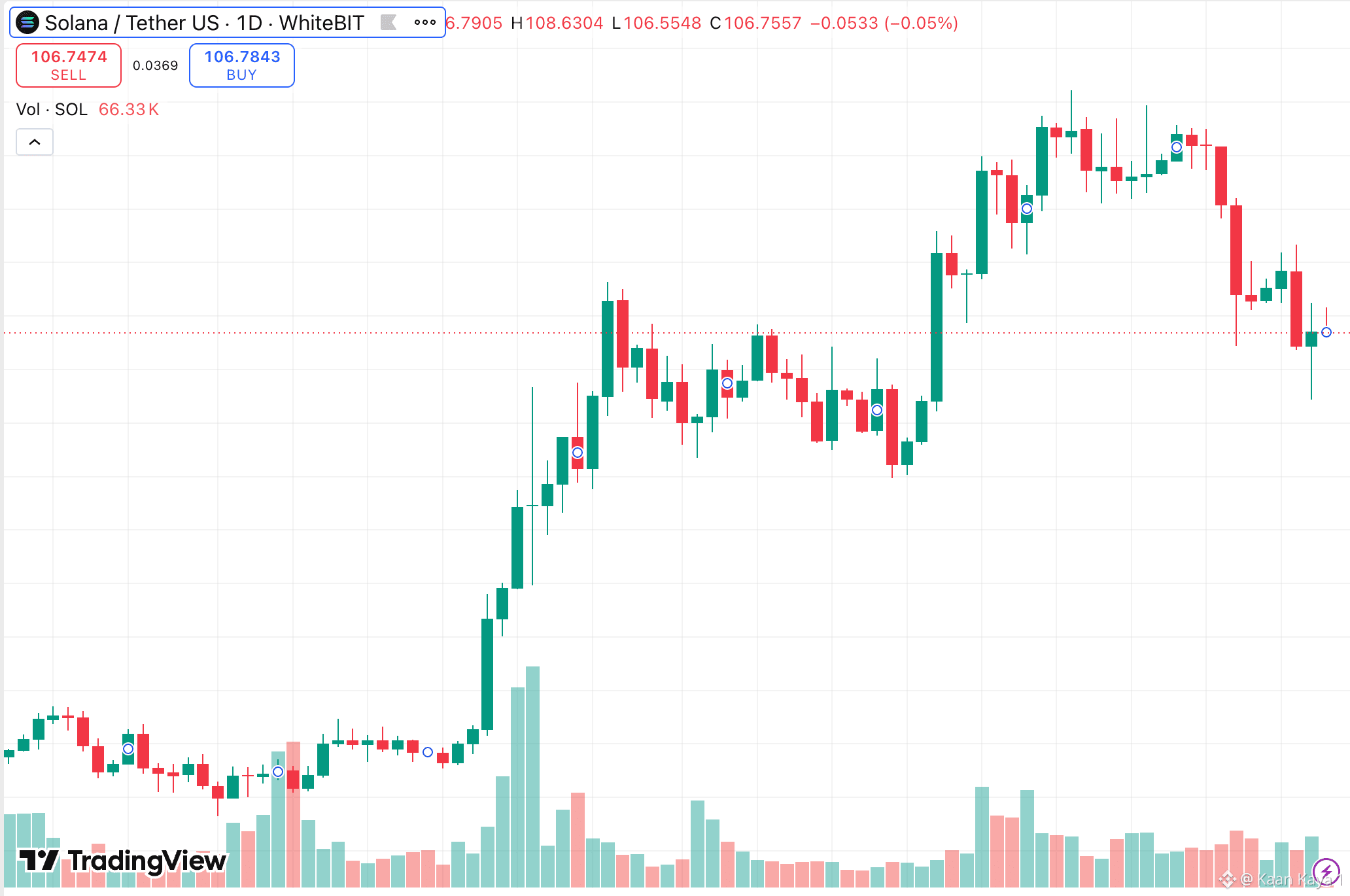
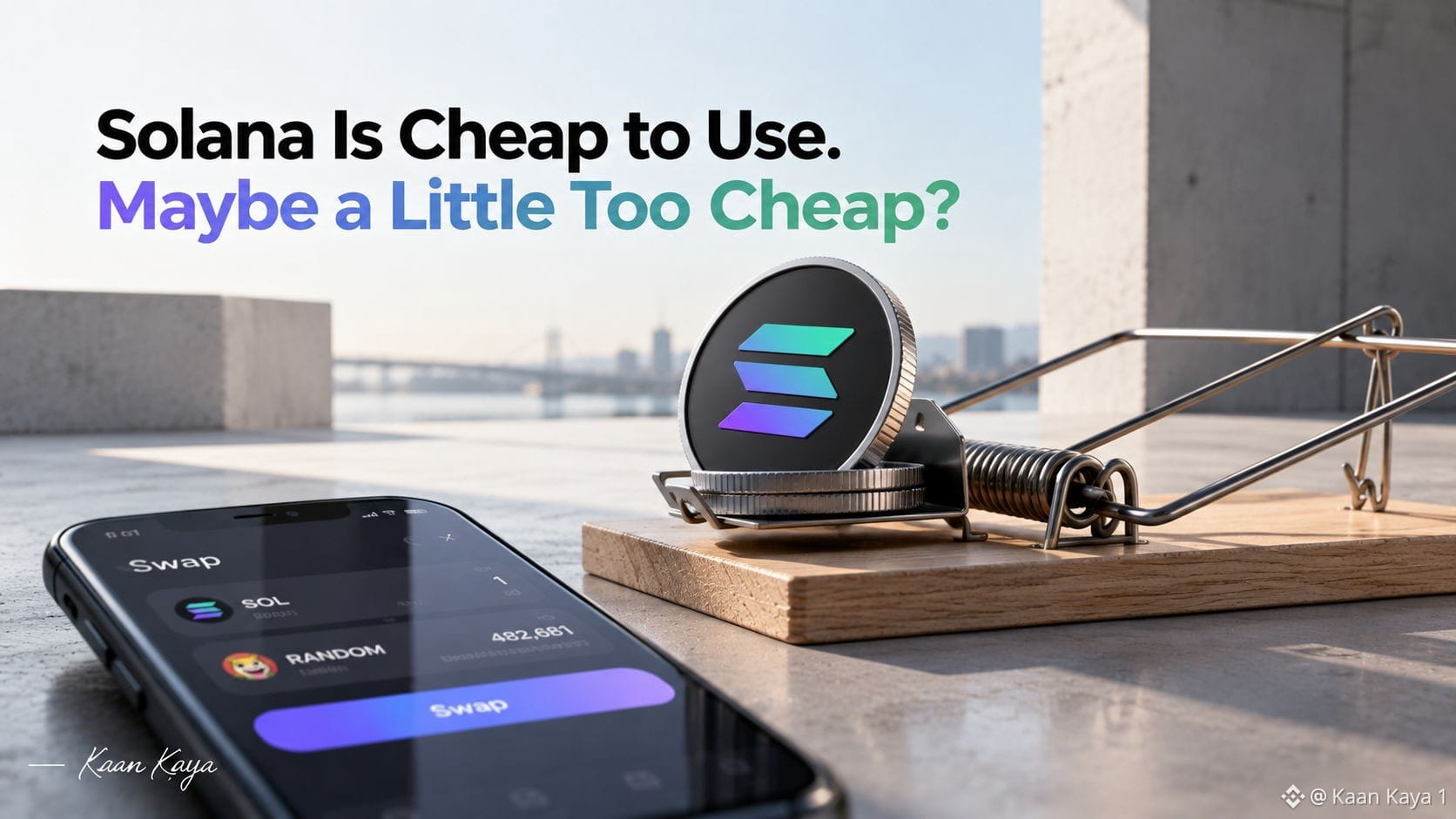
Solana es barata de usar. ¿Quizá demasiado barata? 😉 Una cosa que me hace gracia de $SOL es lo fácil que es operar con algo que probablemente no deberías. 😂 Las comisiones son tan bajas que hacer otro intercambio apenas parece una decisión. ¿Ves un token cualquiera que empieza a ser tendencia? Dos clics y ya estás dentro. Es genial para la adopción, pero me pregunto cuánta actividad proviene de gente que realmente usa Solana y cuánta de traders que pasan el día saltando de una memecoin a otra. No me quejo de que las transacciones sean baratas, obviamente. Solo me pregunto si hacer que operar sea más fácil también hace que la tentación de operar en exceso sea demasiado grande. ¿Alguien más se ha dado cuenta? #Perspectivas macro# #Temporada de altcoins#
Solana es barata de usar. ¿Quizá demasiado barata? 😉 Una cosa que me hace gracia de $SOL es lo fácil que es operar con algo que probablemente no deberías. 😂 Las comisiones son tan bajas que hacer otro intercambio apenas parece una decisión. ¿Ves un token cualquiera que empieza a ser tendencia? Dos clics y ya estás dentro. Es genial para la adopción, pero me pregunto cuánta actividad proviene de gente que realmente usa Solana y cuánta de traders que pasan el día saltando de una memecoin a otra. No me quejo de que las transacciones sean baratas, obviamente. Solo me pregunto si hacer que operar sea más fácil también hace que la tentación de operar en exceso sea demasiado grande. ¿Alguien más se ha dado cuenta? #Perspectivas macro# #Temporada de altcoins#
47
·
--
Dogecoin no tiene una hoja de ruta para dominar el mundo. Y no pasa nada. Es gracioso lo en serio que algunas personas intentan analizar $DOGE a veces. 😂 Verás análisis de diez páginas sobre la tokenómica, escenarios de adopción y objetivos de precios a largo plazo para una moneda que literalmente empezó como una broma. Pero quizá por eso Dogecoin ha sobrevivido tanto tiempo. No necesita fingir que está reinventando las finanzas. La gente sabe exactamente en qué se está metiendo. No digo que eso lo convierta en una buena inversión, obviamente. Solo que, a veces, una comunidad sólida y un meme reconocible pueden mantener una moneda vigente más tiempo que un sofisticado informe técnico. ¿Seguirías teniendo DOGE en 2030? #Perspectivas Macro# #Temporada de Altcoins#
Dogecoin no tiene una hoja de ruta para dominar el mundo. Y no pasa nada. Es gracioso lo en serio que algunas personas intentan analizar $DOGE a veces. 😂 Verás análisis de diez páginas sobre la tokenómica, escenarios de adopción y objetivos de precios a largo plazo para una moneda que literalmente empezó como una broma. Pero quizá por eso Dogecoin ha sobrevivido tanto tiempo. No necesita fingir que está reinventando las finanzas. La gente sabe exactamente en qué se está metiendo. No digo que eso lo convierta en una buena inversión, obviamente. Solo que, a veces, una comunidad sólida y un meme reconocible pueden mantener una moneda vigente más tiempo que un sofisticado informe técnico. ¿Seguirías teniendo DOGE en 2030? #Perspectivas Macro# #Temporada de Altcoins#

70
·
--
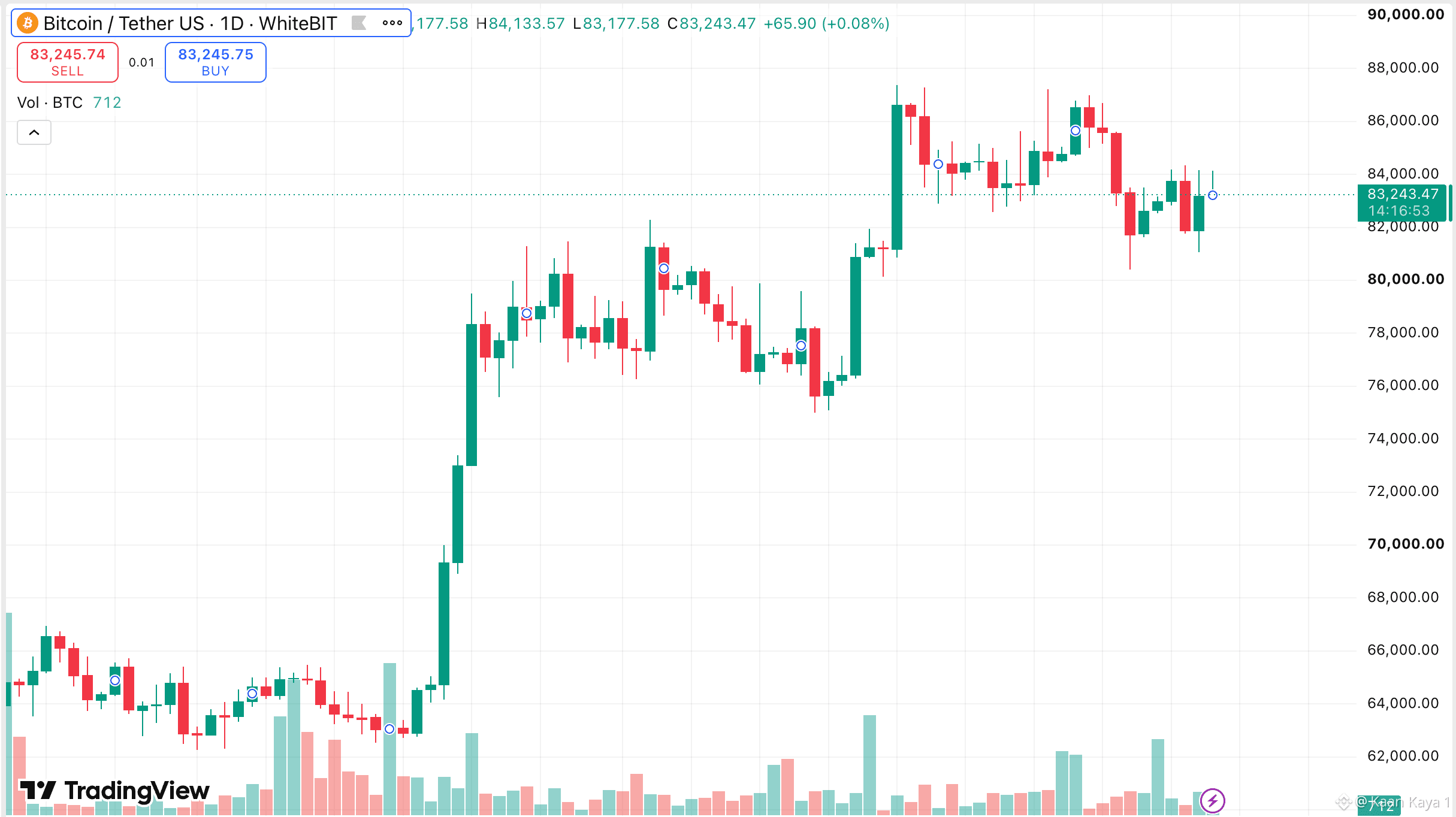
La mayor virtud de Bitcoin quizá sea lo aburrido que se está volviendo ¿Recuerdas cuando un movimiento del 10 % en $BTC apenas sorprendía a alguien? Ahora los traders pasan horas debatiendo sobre una vela del 2 % como si fuera un acontecimiento histórico. 😂 Quizá así es como se ve un mercado de Bitcoin más maduro. Más instituciones, más holders a largo plazo y menos gente que espera que cada martes les cambie la vida. Por supuesto, Bitcoin todavía puede sorprender a todos cuando vuelva la volatilidad. Pero me pregunto si algunos traders en secreto extrañan más el caos que las ganancias. ¿Preferirías un $BTC más tranquilo o el Bitcoin salvaje de 2021? #Análisis del precio de BTC# #Predicción del precio de Bitcoin: ¿Cuál será el próximo movimiento de Bitcoin?#
La mayor virtud de Bitcoin quizá sea lo aburrido que se está volviendo ¿Recuerdas cuando un movimiento del 10 % en $BTC apenas sorprendía a alguien? Ahora los traders pasan horas debatiendo sobre una vela del 2 % como si fuera un acontecimiento histórico. 😂 Quizá así es como se ve un mercado de Bitcoin más maduro. Más instituciones, más holders a largo plazo y menos gente que espera que cada martes les cambie la vida. Por supuesto, Bitcoin todavía puede sorprender a todos cuando vuelva la volatilidad. Pero me pregunto si algunos traders en secreto extrañan más el caos que las ganancias. ¿Preferirías un $BTC más tranquilo o el Bitcoin salvaje de 2021? #Análisis del precio de BTC# #Predicción del precio de Bitcoin: ¿Cuál será el próximo movimiento de Bitcoin?#

43
·
--
¿Se está convirtiendo Litecoin en la historia de éxito más aburrida del mundo cripto? Ya casi nadie habla de $LTC, lo cual es curioso si tenemos en cuenta que sigue aquí después de todos estos años. 😅 Sin hype interminable ni una narrativa nueva cada semana. Solo una red que la gente puede usar para mover criptomonedas. A veces me pregunto si nos hemos obsesionado tanto con encontrar la próxima criptomoneda que multiplique su valor por 100 que olvidamos que también hay valor en las cosas que simplemente funcionan. ¿Alguien por aquí sigue usando Litecoin o ha desaparecido por completo de su radar? #Perspectivas macro# #Temporada de altcoins#
¿Se está convirtiendo Litecoin en la historia de éxito más aburrida del mundo cripto? Ya casi nadie habla de $LTC, lo cual es curioso si tenemos en cuenta que sigue aquí después de todos estos años. 😅 Sin hype interminable ni una narrativa nueva cada semana. Solo una red que la gente puede usar para mover criptomonedas. A veces me pregunto si nos hemos obsesionado tanto con encontrar la próxima criptomoneda que multiplique su valor por 100 que olvidamos que también hay valor en las cosas que simplemente funcionan. ¿Alguien por aquí sigue usando Litecoin o ha desaparecido por completo de su radar? #Perspectivas macro# #Temporada de altcoins#

51
·
--
🚨 ¿Vas a añadir criptomonedas a tu EMI? No desarrolles el backend desde cero. Imagínate esto: tus usuarios no paran de pedir $BTC, $ETH, todas las criptomonedas, y alguien propone crear tu propia infraestructura de custodia y trading. Entonces llegan las estimaciones: ingenieros, auditorías de seguridad, licencias para cada mercado en el que operes y plazos que se miden en trimestres. Para cuando esté todo listo, el mercado ya habrá seguido adelante 😬 Si buscas una forma más rápida de hacerlo, podría valer la pena echar un vistazo a Crypto as a Service de Notbank. En teoría, permite a una empresa integrar operaciones con criptomonedas, custodia, stablecoins y transferencias internacionales de dinero a través de una sola API, con SDK para Python, Java y Node que agilizan el proceso 🌍 https://www.notbank.com/en/crypto-as-a-service?utm_source=coinmarketcap&utm_medium=caaaaskkk&utm_campaign=post Es probable que los equipos de cumplimiento normativo se fijen sobre todo en el aspecto de la seguridad. Notbank cuenta con la certificación ISO/IEC 27001:2013 y opera a través de entidades reguladas en Chile, Argentina, Brasil, Colombia y Perú, por lo que una EMI podría comprobar cómo se aplican esas autorizaciones a sus propios mercados. 🛡 Solicitar una demo sería un primer paso sensato para ver cómo podría encajar en tu infraestructura 🚀 Aviso legal: Esto no constituye asesoramiento financiero ni de inversión. Investiga por tu cuenta antes de tomar cualquier decisión. Úsalo bajo tu propia responsabilidad. #Análisis del precio de BTC# #Predicción del precio de Bitcoin: ¿Cuál será el próximo movimiento de Bitcoin?#
🚨 ¿Vas a añadir criptomonedas a tu EMI? No desarrolles el backend desde cero. Imagínate esto: tus usuarios no paran de pedir $BTC, $ETH, todas las criptomonedas, y alguien propone crear tu propia infraestructura de custodia y trading. Entonces llegan las estimaciones: ingenieros, auditorías de seguridad, licencias para cada mercado en el que operes y plazos que se miden en trimestres. Para cuando esté todo listo, el mercado ya habrá seguido adelante 😬 Si buscas una forma más rápida de hacerlo, podría valer la pena echar un vistazo a Crypto as a Service de Notbank. En teoría, permite a una empresa integrar operaciones con criptomonedas, custodia, stablecoins y transferencias internacionales de dinero a través de una sola API, con SDK para Python, Java y Node que agilizan el proceso 🌍 https://www.notbank.com/en/crypto-as-a-service?utm_source=coinmarketcap&utm_medium=caaaaskkk&utm_campaign=post Es probable que los equipos de cumplimiento normativo se fijen sobre todo en el aspecto de la seguridad. Notbank cuenta con la certificación ISO/IEC 27001:2013 y opera a través de entidades reguladas en Chile, Argentina, Brasil, Colombia y Perú, por lo que una EMI podría comprobar cómo se aplican esas autorizaciones a sus propios mercados. 🛡 Solicitar una demo sería un primer paso sensato para ver cómo podría encajar en tu infraestructura 🚀 Aviso legal: Esto no constituye asesoramiento financiero ni de inversión. Investiga por tu cuenta antes de tomar cualquier decisión. Úsalo bajo tu propia responsabilidad. #Análisis del precio de BTC# #Predicción del precio de Bitcoin: ¿Cuál será el próximo movimiento de Bitcoin?#

67
·
--
Uniswap tiene un desafío mayor que encontrar la próxima moneda que haga un 10x Todo el mundo está buscando la próxima moneda meme, pero a mí me interesa más saber si la gente sigue usando los exchanges donde las intercambia. 😅 Pensemos en Uniswap. A la mayoría de quienes intercambian $ETH por USDC no les importa la gobernanza ni la tecnología sofisticada. Solo quieren un buen precio, comisiones bajas y que la transacción funcione. Y ahí es donde las cosas se ponen interesantes para $UNI. Un mayor volumen de operaciones no significa automáticamente más valor para el token. Preferiría ver que los traders vuelven cada semana, en vez de un enorme pico de volumen porque alguna moneda meme aleatoria se volvió viral. ¿Qué creen que importa más para un DEX: el volumen de operaciones o los usuarios fieles? #PerspectivasMacro# #TemporadaAltcoin#
Uniswap tiene un desafío mayor que encontrar la próxima moneda que haga un 10x Todo el mundo está buscando la próxima moneda meme, pero a mí me interesa más saber si la gente sigue usando los exchanges donde las intercambia. 😅 Pensemos en Uniswap. A la mayoría de quienes intercambian $ETH por USDC no les importa la gobernanza ni la tecnología sofisticada. Solo quieren un buen precio, comisiones bajas y que la transacción funcione. Y ahí es donde las cosas se ponen interesantes para $UNI. Un mayor volumen de operaciones no significa automáticamente más valor para el token. Preferiría ver que los traders vuelven cada semana, en vez de un enorme pico de volumen porque alguna moneda meme aleatoria se volvió viral. ¿Qué creen que importa más para un DEX: el volumen de operaciones o los usuarios fieles? #PerspectivasMacro# #TemporadaAltcoin#

48
·
--
¿Prestar o mantener? Cómo podría elegir un equipo de tesorería entre ambas opciones La mayoría de las conversaciones de la junta directiva sobre las criptomonedas en la tesorería terminan con un encogimiento de hombros. «Depende». Quería ver cómo sería la respuesta al dejar la regla por escrito. Así que preparé un caso ficticio, pero realista: una empresa con 10 millones de dólares en $BTC y stablecoins, una junta que quiere un colchón claro y un equipo de tesorería que necesita margen para colocar el resto en planes de depósito. El artículo explica cómo se define la política, qué lugar ocupan los préstamos y el staking, y por qué la persona que puede mover el dinero importa tanto como la cifra. También analizo cómo podrían encajar WhiteBIT, BitGo y Kraken en ese panorama. Es una lectura breve y el final es deliberadamente poco emocionante. Esa es, en cierto modo, la idea. 👉 Lee el artículo completo: https://medium.com/coinmonks/ten-million-in-stablecoins-three-million-untouchable-now-what-1aea741787ab #Análisis del precio de BTC# #Predicción del precio de Bitcoin: ¿Cuál será el próximo movimiento de Bitcoin?#
¿Prestar o mantener? Cómo podría elegir un equipo de tesorería entre ambas opciones La mayoría de las conversaciones de la junta directiva sobre las criptomonedas en la tesorería terminan con un encogimiento de hombros. «Depende». Quería ver cómo sería la respuesta al dejar la regla por escrito. Así que preparé un caso ficticio, pero realista: una empresa con 10 millones de dólares en $BTC y stablecoins, una junta que quiere un colchón claro y un equipo de tesorería que necesita margen para colocar el resto en planes de depósito. El artículo explica cómo se define la política, qué lugar ocupan los préstamos y el staking, y por qué la persona que puede mover el dinero importa tanto como la cifra. También analizo cómo podrían encajar WhiteBIT, BitGo y Kraken en ese panorama. Es una lectura breve y el final es deliberadamente poco emocionante. Esa es, en cierto modo, la idea. 👉 Lee el artículo completo: https://medium.com/coinmonks/ten-million-in-stablecoins-three-million-untouchable-now-what-1aea741787ab #Análisis del precio de BTC# #Predicción del precio de Bitcoin: ¿Cuál será el próximo movimiento de Bitcoin?#

76
·
--
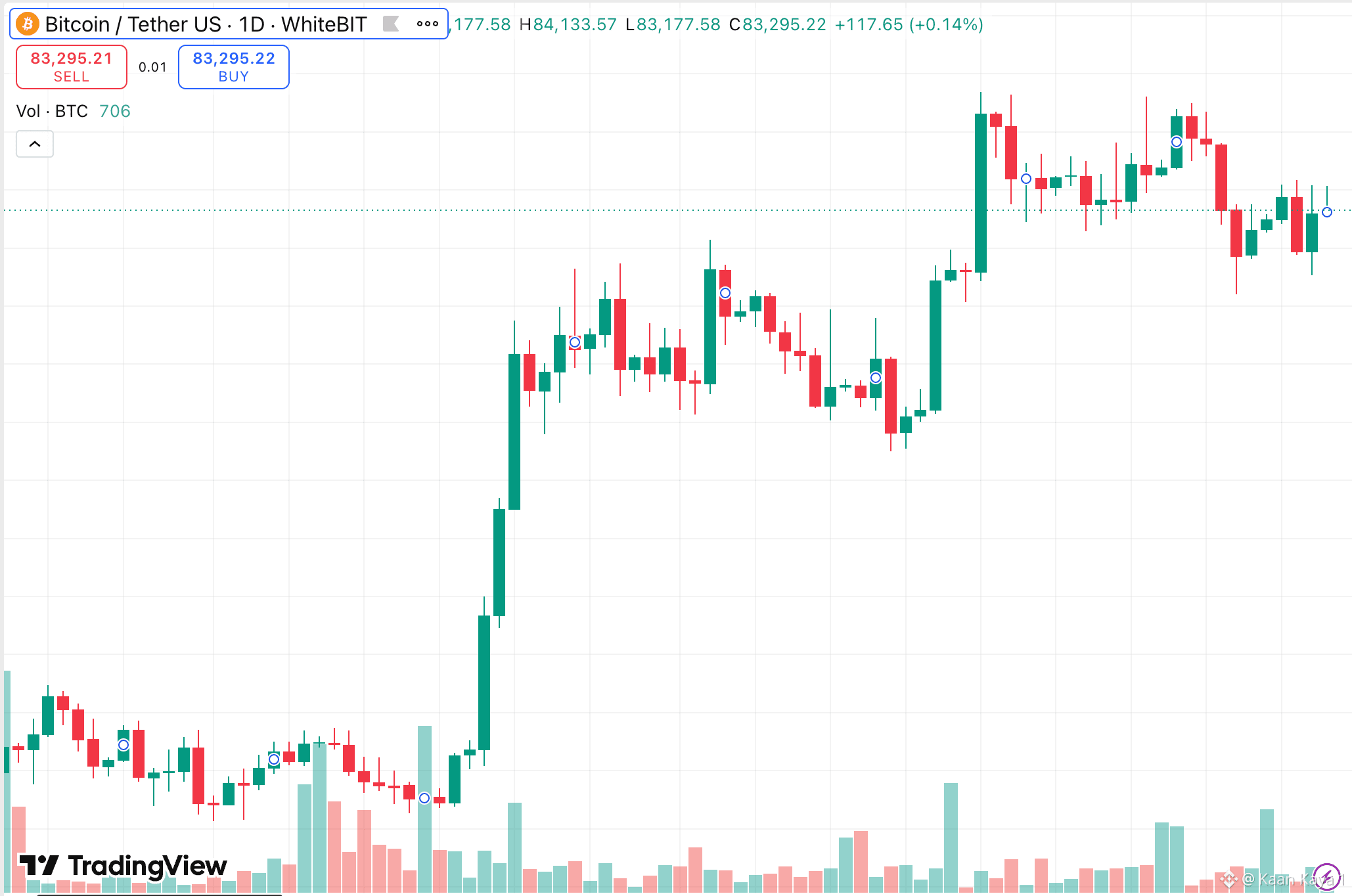
El movimiento más molesto de Bitcoin quizá sea no moverse en absoluto 👀 Todo el mundo espera que Bitcoin haga algo drástico, pero, sinceramente, los mercados laterales pueden ser más agotadores que las caídas de verdad. 😅 Hay una pequeña subida, empiezas a pensar que por fin llegó la ruptura y, dos horas después, $BTC está justo donde empezó. Lo curioso es que no hacer nada también es una decisión de trading. No tienes que aprovechar cada pequeño movimiento solo porque tengas el gráfico abierto. Sin duda, he visto a gente perder más dinero intentando operar en un mercado aburrido que el que habría perdido simplemente esperando una buena oportunidad. ¿A alguien más se le da cada vez mejor quedarse de brazos cruzados, o seguimos fingiendo que cada vela verde es el comienzo de algo? #Análisis del precio de BTC# #Predicción del precio de Bitcoin: ¿cuál será el próximo movimiento de Bitcoin?#
El movimiento más molesto de Bitcoin quizá sea no moverse en absoluto 👀 Todo el mundo espera que Bitcoin haga algo drástico, pero, sinceramente, los mercados laterales pueden ser más agotadores que las caídas de verdad. 😅 Hay una pequeña subida, empiezas a pensar que por fin llegó la ruptura y, dos horas después, $BTC está justo donde empezó. Lo curioso es que no hacer nada también es una decisión de trading. No tienes que aprovechar cada pequeño movimiento solo porque tengas el gráfico abierto. Sin duda, he visto a gente perder más dinero intentando operar en un mercado aburrido que el que habría perdido simplemente esperando una buena oportunidad. ¿A alguien más se le da cada vez mejor quedarse de brazos cruzados, o seguimos fingiendo que cada vela verde es el comienzo de algo? #Análisis del precio de BTC# #Predicción del precio de Bitcoin: ¿cuál será el próximo movimiento de Bitcoin?#

61
·
--
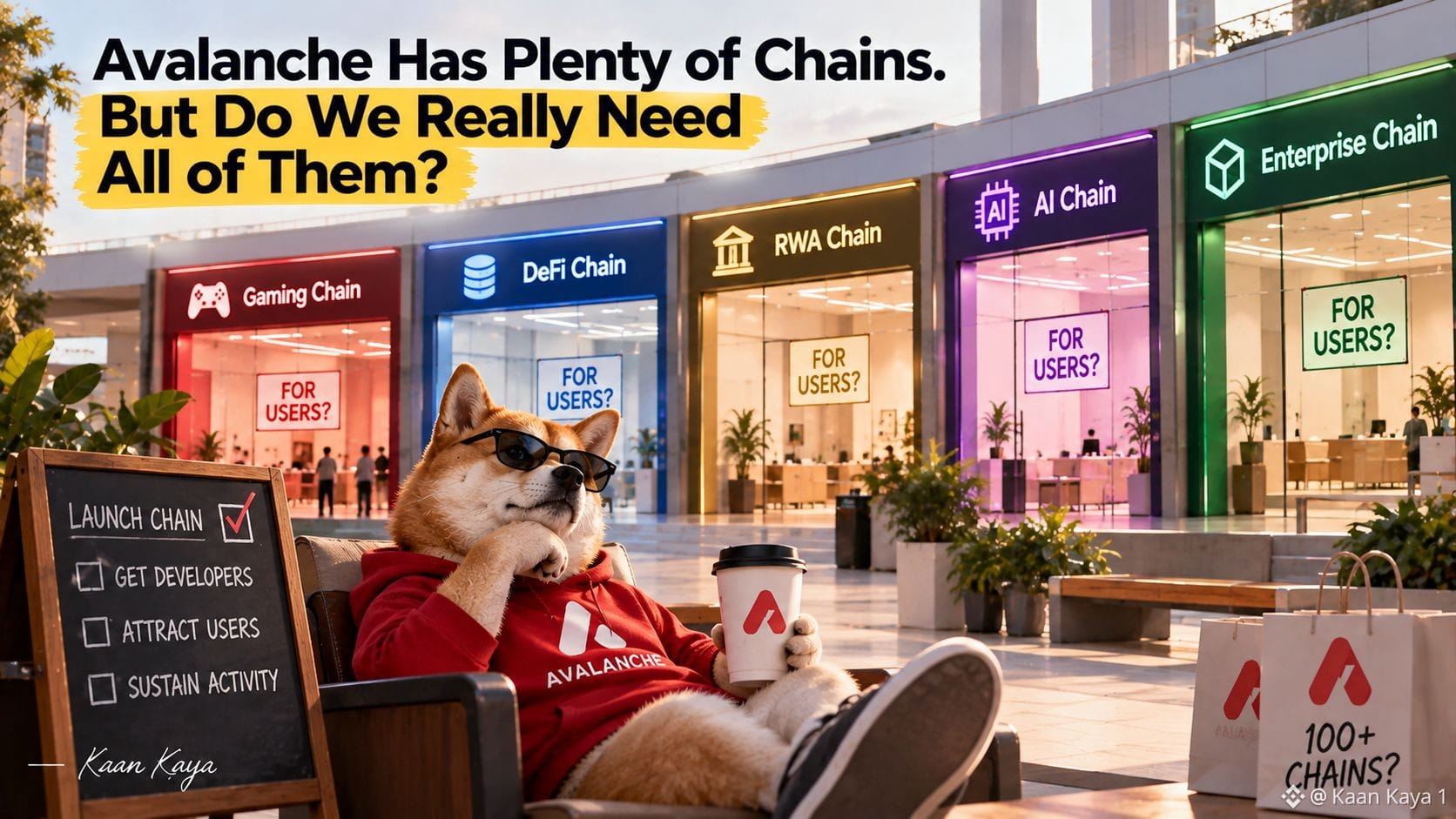
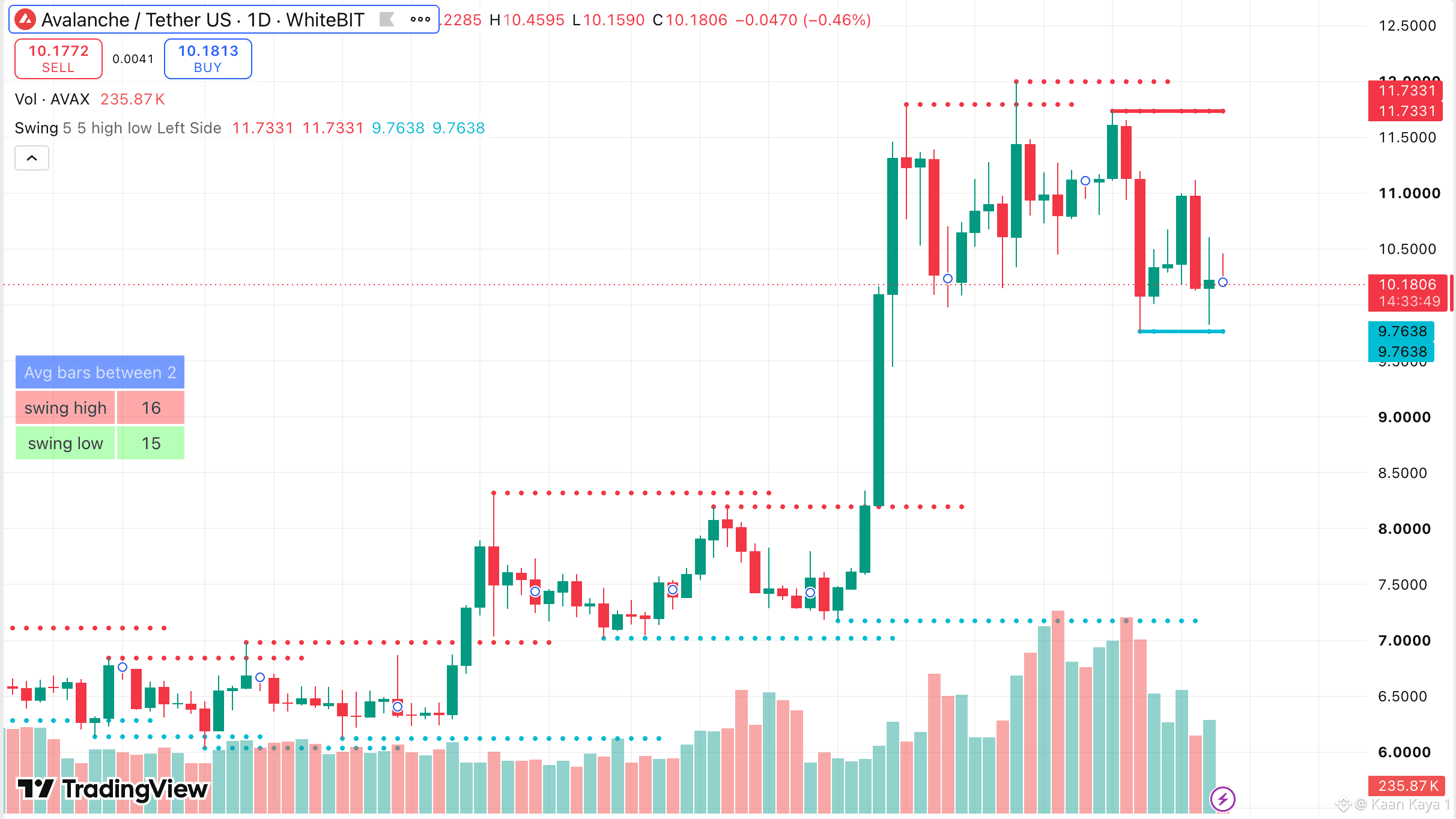
Avalanche tiene un montón de cadenas. Pero ¿de verdad las necesitamos todas? ¿Recuerdas cuando todos los proyectos cripto querían tener su propio token? Ahora parece que todos quieren tener su propia blockchain también. 😅 Avalanche lleva tiempo impulsando la idea de que las empresas, los juegos y las plataformas financieras pueden operar en redes dedicadas, en lugar de meterlo todo a presión en una sola cadena compartida. Y entiendo el atractivo. Probablemente, una empresa de videojuegos no quiera que sus transacciones compitan con las liquidaciones de DeFi. Puede que una institución financiera necesite reglas específicas para los validadores, los permisos y el cumplimiento normativo. Pero aquí es donde empiezo a tener mis dudas. Cada vez es más fácil lanzar una blockchain. Darle a la gente un motivo para usarla sigue siendo increíblemente difícil. Una empresa puede tener sus propios validadores, comisiones personalizadas y un ecosistema con un diseño precioso. Nada de eso garantiza que los desarrolladores creen proyectos ahí ni que aparezcan usuarios. Si tuviera $AVAX, estaría pendiente de si estas redes dedicadas generan actividad sostenida y de cómo se traduce esa actividad en demanda del token. Contar solo las cadenas lanzadas no nos dice lo suficiente. Es un poco como abrir cincuenta centros comerciales. Suena impresionante, hasta que los visitas un sábado y te das cuenta de que la mayoría de las tiendas están vacías. Preferiría ver diez redes concurridas que cien que existen principalmente en anuncios de alianzas. #Perspectivas macro# #Temporada de altcoins#
Avalanche tiene un montón de cadenas. Pero ¿de verdad las necesitamos todas? ¿Recuerdas cuando todos los proyectos cripto querían tener su propio token? Ahora parece que todos quieren tener su propia blockchain también. 😅 Avalanche lleva tiempo impulsando la idea de que las empresas, los juegos y las plataformas financieras pueden operar en redes dedicadas, en lugar de meterlo todo a presión en una sola cadena compartida. Y entiendo el atractivo. Probablemente, una empresa de videojuegos no quiera que sus transacciones compitan con las liquidaciones de DeFi. Puede que una institución financiera necesite reglas específicas para los validadores, los permisos y el cumplimiento normativo. Pero aquí es donde empiezo a tener mis dudas. Cada vez es más fácil lanzar una blockchain. Darle a la gente un motivo para usarla sigue siendo increíblemente difícil. Una empresa puede tener sus propios validadores, comisiones personalizadas y un ecosistema con un diseño precioso. Nada de eso garantiza que los desarrolladores creen proyectos ahí ni que aparezcan usuarios. Si tuviera $AVAX, estaría pendiente de si estas redes dedicadas generan actividad sostenida y de cómo se traduce esa actividad en demanda del token. Contar solo las cadenas lanzadas no nos dice lo suficiente. Es un poco como abrir cincuenta centros comerciales. Suena impresionante, hasta que los visitas un sábado y te das cuenta de que la mayoría de las tiendas están vacías. Preferiría ver diez redes concurridas que cien que existen principalmente en anuncios de alianzas. #Perspectivas macro# #Temporada de altcoins#
75
·
--
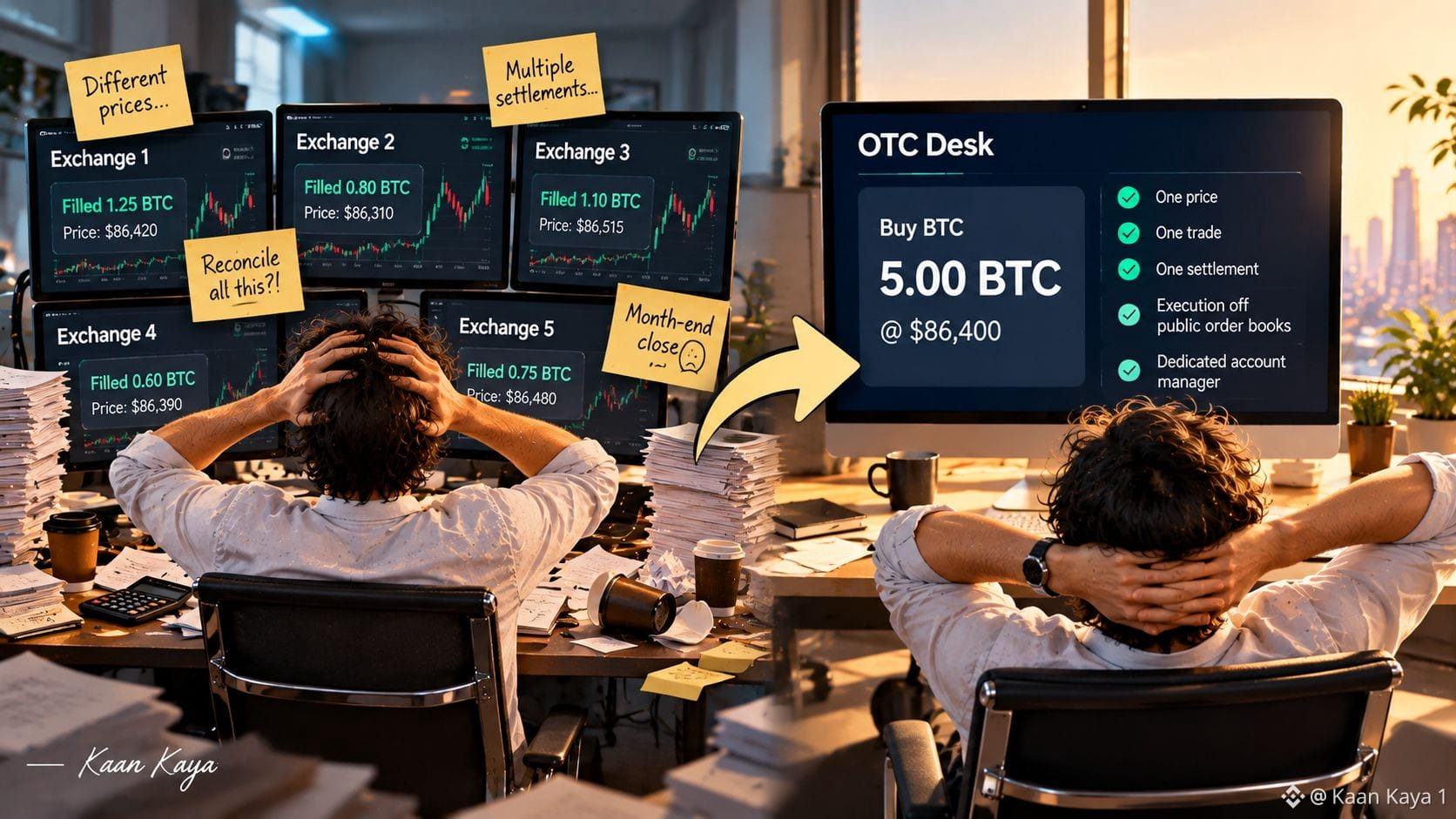
Tu gran orden de $BTC se está dividiendo en cinco partes. ¿Debería ser así? Dividir una orden grande parece inteligente hasta que eres tú quien tiene que cuadrar cinco cuentas, cinco precios y cinco liquidaciones a fin de mes 😩. Si necesitas mover una cantidad considerable de $BTC y ningún exchange tiene suficiente profundidad para aceptarla toda, esa es justamente la clase de situación para la que existen las mesas OTC. Ponen en contacto directo a grandes compradores y vendedores, así que a menudo se puede gestionar una gran operación de una sola vez, en lugar de dividirla en partes. La mesa de WhiteBIT es un buen ejemplo de cómo funciona. Admite operaciones sin límite máximo, mantiene la ejecución en privado, fuera de los libros de órdenes públicos, y ofrece cotizaciones en tiempo real y un gestor de cuenta al que puedes escribir directamente. https://institutional.whitebit.com/otc?utm_source=coinmarketcap&utm_medium=otcdkkk&utm_campaign=post También puede operar con USD, EUR, GBP, CHF, USDT y USDC, con un mínimo que suele rondar los 100.000 $. La alternativa habitual es dividir la orden. Una parte va a una plataforma, otra a una segunda mesa y una tercera a otro lugar. Cada ejecución tiene su propio precio y su propia liquidación, y luego alguien del equipo de operaciones tiene que cuadrarlo todo. Quienes hayan hecho un cierre de fin de mes saben cómo va eso. Una sola operación OTC queda mucho más ordenada. Acordáis un precio, firmáis un acuerdo y terminas con un único registro que archivar. Si una mesa puede absorber el importe completo, eso podría ahorrarte muchos quebraderos de cabeza. Dividir la orden sigue teniendo sentido cuando ninguna plataforma puede manejar ese volumen. Así que, en realidad, la pregunta es qué tan grande es tu orden en comparación con lo que puede aceptar una sola mesa 🤝. Aviso: Esto no es asesoramiento financiero ni de inversión. Investiga por tu cuenta antes de tomar cualquier decisión. Úsalo bajo tu propia responsabilidad. #Análisis del precio de BTC# #Predicción del precio de Bitcoin: ¿Cuál será el próximo movimiento de Bitcoin?#
Tu gran orden de $BTC se está dividiendo en cinco partes. ¿Debería ser así? Dividir una orden grande parece inteligente hasta que eres tú quien tiene que cuadrar cinco cuentas, cinco precios y cinco liquidaciones a fin de mes 😩. Si necesitas mover una cantidad considerable de $BTC y ningún exchange tiene suficiente profundidad para aceptarla toda, esa es justamente la clase de situación para la que existen las mesas OTC. Ponen en contacto directo a grandes compradores y vendedores, así que a menudo se puede gestionar una gran operación de una sola vez, en lugar de dividirla en partes. La mesa de WhiteBIT es un buen ejemplo de cómo funciona. Admite operaciones sin límite máximo, mantiene la ejecución en privado, fuera de los libros de órdenes públicos, y ofrece cotizaciones en tiempo real y un gestor de cuenta al que puedes escribir directamente. https://institutional.whitebit.com/otc?utm_source=coinmarketcap&utm_medium=otcdkkk&utm_campaign=post También puede operar con USD, EUR, GBP, CHF, USDT y USDC, con un mínimo que suele rondar los 100.000 $. La alternativa habitual es dividir la orden. Una parte va a una plataforma, otra a una segunda mesa y una tercera a otro lugar. Cada ejecución tiene su propio precio y su propia liquidación, y luego alguien del equipo de operaciones tiene que cuadrarlo todo. Quienes hayan hecho un cierre de fin de mes saben cómo va eso. Una sola operación OTC queda mucho más ordenada. Acordáis un precio, firmáis un acuerdo y terminas con un único registro que archivar. Si una mesa puede absorber el importe completo, eso podría ahorrarte muchos quebraderos de cabeza. Dividir la orden sigue teniendo sentido cuando ninguna plataforma puede manejar ese volumen. Así que, en realidad, la pregunta es qué tan grande es tu orden en comparación con lo que puede aceptar una sola mesa 🤝. Aviso: Esto no es asesoramiento financiero ni de inversión. Investiga por tu cuenta antes de tomar cualquier decisión. Úsalo bajo tu propia responsabilidad. #Análisis del precio de BTC# #Predicción del precio de Bitcoin: ¿Cuál será el próximo movimiento de Bitcoin?#
·
--
Chainlink tiene un problema que la mayoría de los proyectos cripto desearían tener. Chainlink es uno de esos proyectos que no recibe ni de lejos tanta atención como la última moneda meme, a pesar de estar involucrado en algunas partes bastante importantes de la infraestructura cripto. Oráculos, mensajería entre cadenas, activos tokenizados... la lista no deja de crecer. Pero hay algo en lo que he estado pensando: que un proyecto se vuelva más útil no significa automáticamente que su token vaya a ganar valor. Los bancos podrían integrar la tecnología de Chainlink, los protocolos DeFi podrían depender de sus fuentes de datos y las instituciones podrían usar su infraestructura para mover activos tokenizados entre redes. Genial para la adopción. Pero ¿qué significa eso para alguien que tiene $LINK? Ahí es donde dedicaría más tiempo a analizar cómo el uso de la red se traduce en demanda del token, comisiones e incentivos, en lugar de limitarme a contar anuncios de alianzas. No me malinterpretes: creo que vale la pena seguir de cerca la adopción de infraestructura. Simplemente me parecen más interesantes los aspectos económicos que hay detrás que otro titular sobre una gran institución experimentando con la cadena de bloques. El anuncio de una alianza puede entusiasmar a los traders durante un día. La demanda sostenible es una conversación mucho más larga. #Perspectivas macroeconómicas# #Temporada de altcoins#
Chainlink tiene un problema que la mayoría de los proyectos cripto desearían tener. Chainlink es uno de esos proyectos que no recibe ni de lejos tanta atención como la última moneda meme, a pesar de estar involucrado en algunas partes bastante importantes de la infraestructura cripto. Oráculos, mensajería entre cadenas, activos tokenizados... la lista no deja de crecer. Pero hay algo en lo que he estado pensando: que un proyecto se vuelva más útil no significa automáticamente que su token vaya a ganar valor. Los bancos podrían integrar la tecnología de Chainlink, los protocolos DeFi podrían depender de sus fuentes de datos y las instituciones podrían usar su infraestructura para mover activos tokenizados entre redes. Genial para la adopción. Pero ¿qué significa eso para alguien que tiene $LINK? Ahí es donde dedicaría más tiempo a analizar cómo el uso de la red se traduce en demanda del token, comisiones e incentivos, en lugar de limitarme a contar anuncios de alianzas. No me malinterpretes: creo que vale la pena seguir de cerca la adopción de infraestructura. Simplemente me parecen más interesantes los aspectos económicos que hay detrás que otro titular sobre una gran institución experimentando con la cadena de bloques. El anuncio de una alianza puede entusiasmar a los traders durante un día. La demanda sostenible es una conversación mucho más larga. #Perspectivas macroeconómicas# #Temporada de altcoins#

47
·
--
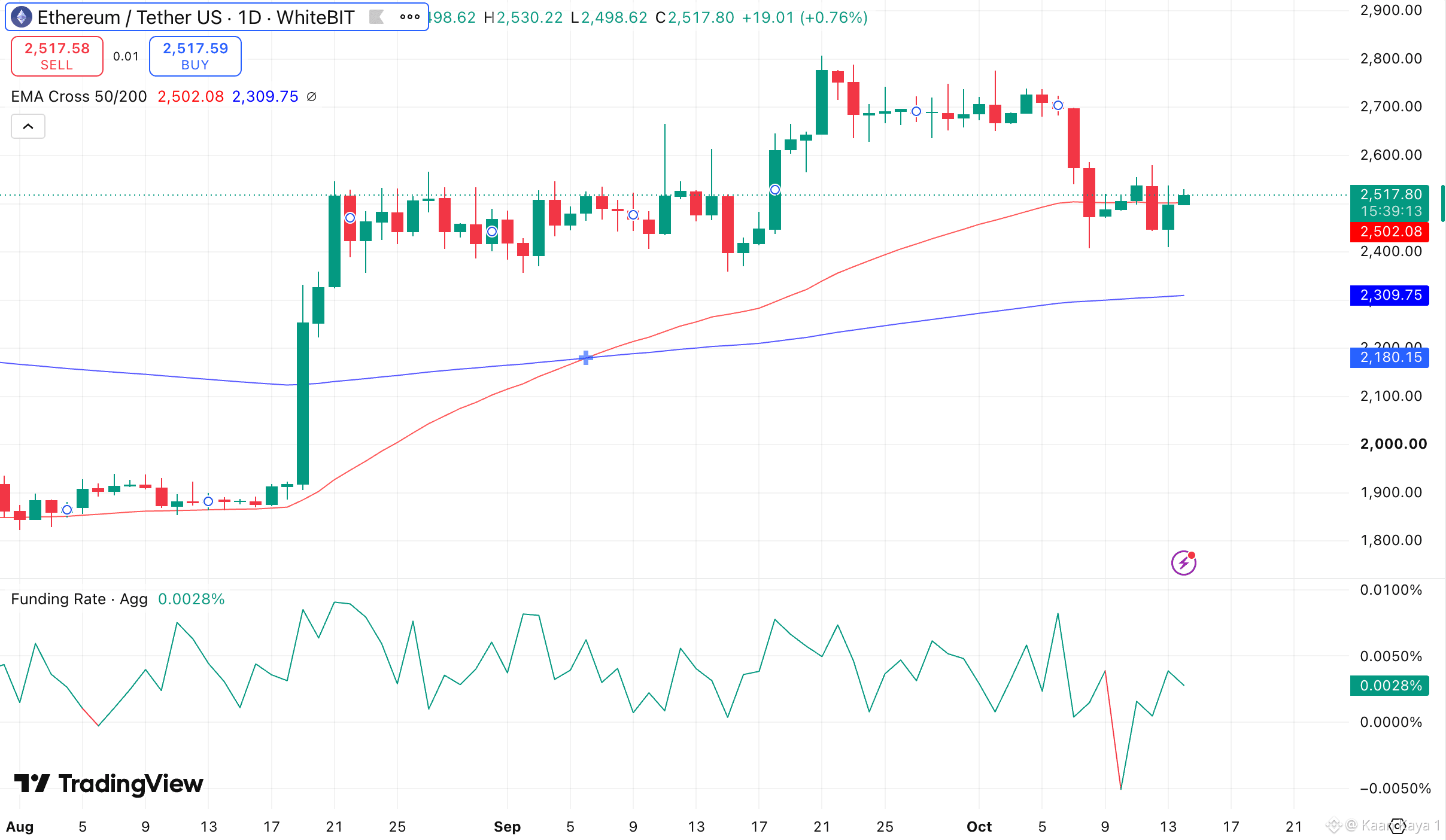
Usar Ethereum es cada vez más barato. Entonces, ¿por qué la gente sigue quejándose? ¿Recuerdas cuando enviar 20 $ en criptomonedas podía costar otros 15 $ en gas? Ethereum ha avanzado mucho desde entonces, sobre todo si usas redes de capa 2. Pero hay algo que sigo notando: la gente no necesariamente siente que las criptomonedas sean más fáciles de usar. Todavía tienes que averiguar en qué red están tus fondos, si un exchange admite esa red y por qué el mismo token aparece a veces en cinco lugares distintos. Y ni se te ocurra enviar algo por la red equivocada 😅 Ese es el curioso dilema de la estrategia de escalabilidad de Ethereum. Hemos abaratado las transacciones al repartir la actividad entre distintas redes, pero también hemos complicado la experiencia para quienes aún no están familiarizados con las criptomonedas. No creo que $ETH necesite otra impresionante comparación de velocidad de transacciones para convencer a los usuarios de a pie. Necesita más aplicaciones que permitan enviar dinero, operar o pagar algo sin tener que pensar en qué cadena se encarga de hacerlo. Las transacciones baratas son geniales. No tener que explicárselas a tus amigos sería aún mejor. #ETHBlockchain #ETHFoundation
Usar Ethereum es cada vez más barato. Entonces, ¿por qué la gente sigue quejándose? ¿Recuerdas cuando enviar 20 $ en criptomonedas podía costar otros 15 $ en gas? Ethereum ha avanzado mucho desde entonces, sobre todo si usas redes de capa 2. Pero hay algo que sigo notando: la gente no necesariamente siente que las criptomonedas sean más fáciles de usar. Todavía tienes que averiguar en qué red están tus fondos, si un exchange admite esa red y por qué el mismo token aparece a veces en cinco lugares distintos. Y ni se te ocurra enviar algo por la red equivocada 😅 Ese es el curioso dilema de la estrategia de escalabilidad de Ethereum. Hemos abaratado las transacciones al repartir la actividad entre distintas redes, pero también hemos complicado la experiencia para quienes aún no están familiarizados con las criptomonedas. No creo que $ETH necesite otra impresionante comparación de velocidad de transacciones para convencer a los usuarios de a pie. Necesita más aplicaciones que permitan enviar dinero, operar o pagar algo sin tener que pensar en qué cadena se encarga de hacerlo. Las transacciones baratas son geniales. No tener que explicárselas a tus amigos sería aún mejor. #ETHBlockchain #ETHFoundation

83
·
--
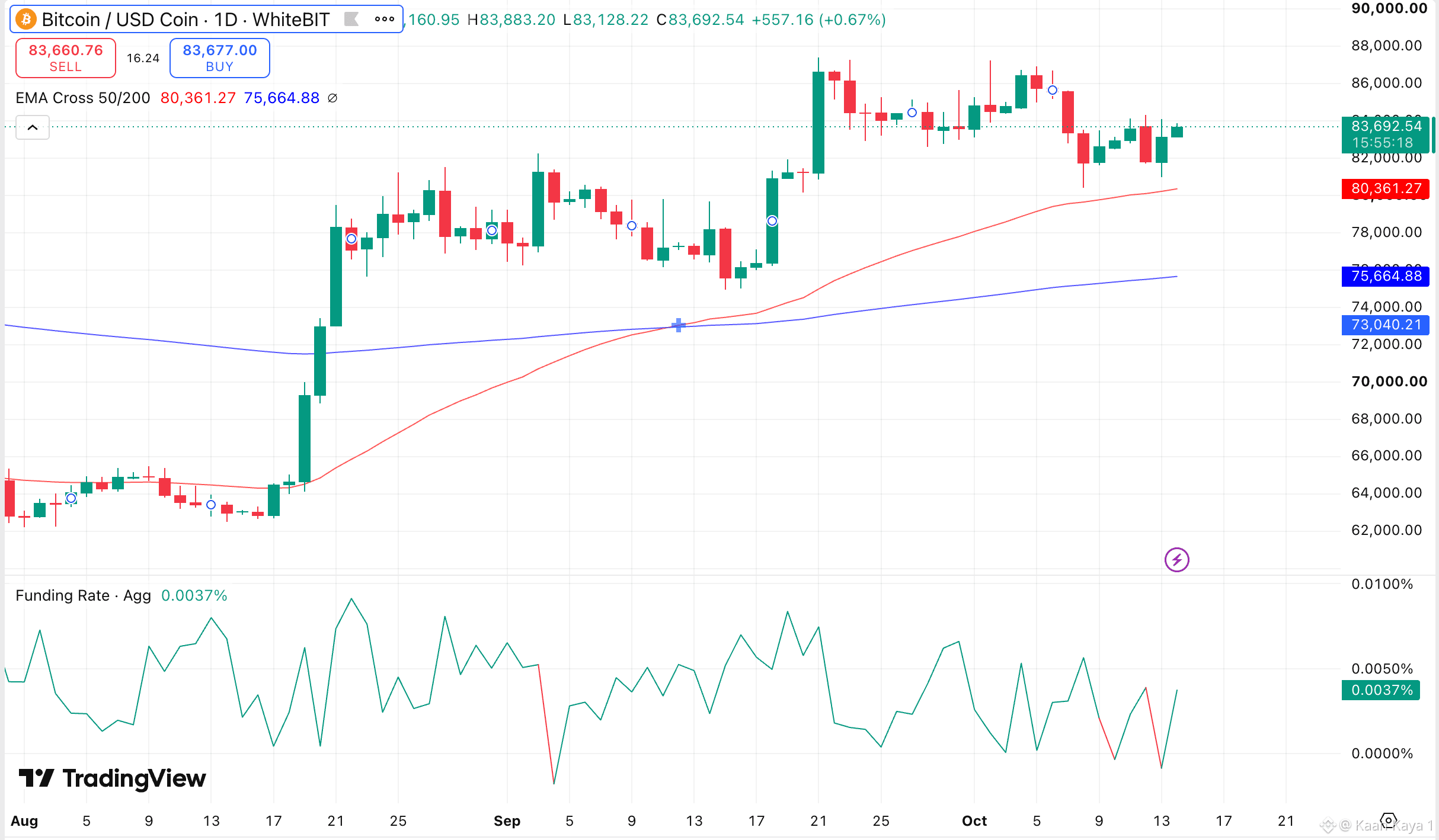
Todos quieren que Bitcoin se mueva. Nadie se pone de acuerdo sobre qué pasará después. Crypto Twitter es divertido cuando Bitcoin empieza a moverse lateralmente. La mitad del timeline está convencida de que se acerca una ruptura, mientras que la otra mitad ya se prepara para otra caída. Y, de alguna manera, ambos bandos tienen gráficos que parecen convincentes 😂 Creo que lo más difícil de operar con $BTC ahora mismo no es encontrar una posible oportunidad. Es decidir qué señales realmente merecen tu atención. Unas cuantas velas verdes pueden hacer que un nivel de resistencia parezca débil. Una vela roja repentina puede hacer que todo el mercado vuelva a parecer bajista. Ninguna de las dos cosas te dice mucho, a menos que el volumen, la liquidez y la continuación del movimiento lo respalden. En lo personal, prefiero perderme el primer 2 % de un repunte antes que pasar los tres días siguientes defendiendo una entrada que hice porque todo el mundo en X se emocionó de repente. Me gustaría saber cómo lo están afrontando los demás. ¿Están operando los movimientos más pequeños o esperan a que Bitcoin elija una dirección? #Análisis del precio de BTC# #Predicción del precio de Bitcoin: ¿Cuál será el próximo movimiento de Bitcoin?#
Todos quieren que Bitcoin se mueva. Nadie se pone de acuerdo sobre qué pasará después. Crypto Twitter es divertido cuando Bitcoin empieza a moverse lateralmente. La mitad del timeline está convencida de que se acerca una ruptura, mientras que la otra mitad ya se prepara para otra caída. Y, de alguna manera, ambos bandos tienen gráficos que parecen convincentes 😂 Creo que lo más difícil de operar con $BTC ahora mismo no es encontrar una posible oportunidad. Es decidir qué señales realmente merecen tu atención. Unas cuantas velas verdes pueden hacer que un nivel de resistencia parezca débil. Una vela roja repentina puede hacer que todo el mercado vuelva a parecer bajista. Ninguna de las dos cosas te dice mucho, a menos que el volumen, la liquidez y la continuación del movimiento lo respalden. En lo personal, prefiero perderme el primer 2 % de un repunte antes que pasar los tres días siguientes defendiendo una entrada que hice porque todo el mundo en X se emocionó de repente. Me gustaría saber cómo lo están afrontando los demás. ¿Están operando los movimientos más pequeños o esperan a que Bitcoin elija una dirección? #Análisis del precio de BTC# #Predicción del precio de Bitcoin: ¿Cuál será el próximo movimiento de Bitcoin?#

78
·
--
🔍 ¿Estrategia o solución provisional? Auditando mi propio bot Hace unos días estaba ordenando la configuración de un bot antiguo: uno de esos trabajos de «si funciona, no lo toques». 😅 Me di cuenta de cuántas líneas solo estaban ahí para que no superara el límite de solicitudes de la API. Agrupaba solicitudes, consultaba el libro de órdenes de $BTC con menos frecuencia y descartaba algunos métodos porque los números no cuadraban. Durante años, pensé que eso era una buena práctica. Luego aumentó mi límite de solicitudes con el programa VIP de WhiteBIT y empecé a ver esas reglas antiguas de otra manera. ¿Era realmente parte de la estrategia o solo una solución provisional? https://whitebit.com/vip-program?utm_source=coinmarketcap&utm_medium=post&utm_campaign=kaannViP El momento de enviar las órdenes fue lo más fácil de detectar. Espaciaba las órdenes por el límite de solicitudes y luego empecé a tratarlo como parte de mi estrategia. Al cabo de un tiempo, olvidé por completo de dónde había salido esa regla. ⚙️ El límite de solicitudes ampliado fue lo que me hizo darme cuenta. La conectividad sencilla con la API ayuda; las comisiones de trading más bajas —de hasta -0.001%, según el nivel VIP y las condiciones— marcan la diferencia a escala, y el soporte personalizado resulta útil cuando los bots funcionan con regularidad. Lo curioso es que ninguna «gran funcionalidad» por sí sola lo cambió todo. Simplemente me di cuenta de cuánto había decidido por mí el límite anterior. Resultó que la mitad de lo que yo llamaba mi filosofía de trading no era más que una forma de sortear un límite de solicitudes. Aviso legal: Esto no es asesoramiento financiero ni de inversión. Investiga por tu cuenta antes de tomar cualquier decisión. Utilízalo bajo tu propia responsabilidad. #Análisis del precio de BTC# #Predicción del precio de Bitcoin: ¿Cuál será el próximo movimiento de Bitcoin?#
🔍 ¿Estrategia o solución provisional? Auditando mi propio bot Hace unos días estaba ordenando la configuración de un bot antiguo: uno de esos trabajos de «si funciona, no lo toques». 😅 Me di cuenta de cuántas líneas solo estaban ahí para que no superara el límite de solicitudes de la API. Agrupaba solicitudes, consultaba el libro de órdenes de $BTC con menos frecuencia y descartaba algunos métodos porque los números no cuadraban. Durante años, pensé que eso era una buena práctica. Luego aumentó mi límite de solicitudes con el programa VIP de WhiteBIT y empecé a ver esas reglas antiguas de otra manera. ¿Era realmente parte de la estrategia o solo una solución provisional? https://whitebit.com/vip-program?utm_source=coinmarketcap&utm_medium=post&utm_campaign=kaannViP El momento de enviar las órdenes fue lo más fácil de detectar. Espaciaba las órdenes por el límite de solicitudes y luego empecé a tratarlo como parte de mi estrategia. Al cabo de un tiempo, olvidé por completo de dónde había salido esa regla. ⚙️ El límite de solicitudes ampliado fue lo que me hizo darme cuenta. La conectividad sencilla con la API ayuda; las comisiones de trading más bajas —de hasta -0.001%, según el nivel VIP y las condiciones— marcan la diferencia a escala, y el soporte personalizado resulta útil cuando los bots funcionan con regularidad. Lo curioso es que ninguna «gran funcionalidad» por sí sola lo cambió todo. Simplemente me di cuenta de cuánto había decidido por mí el límite anterior. Resultó que la mitad de lo que yo llamaba mi filosofía de trading no era más que una forma de sortear un límite de solicitudes. Aviso legal: Esto no es asesoramiento financiero ni de inversión. Investiga por tu cuenta antes de tomar cualquier decisión. Utilízalo bajo tu propia responsabilidad. #Análisis del precio de BTC# #Predicción del precio de Bitcoin: ¿Cuál será el próximo movimiento de Bitcoin?#

·
--
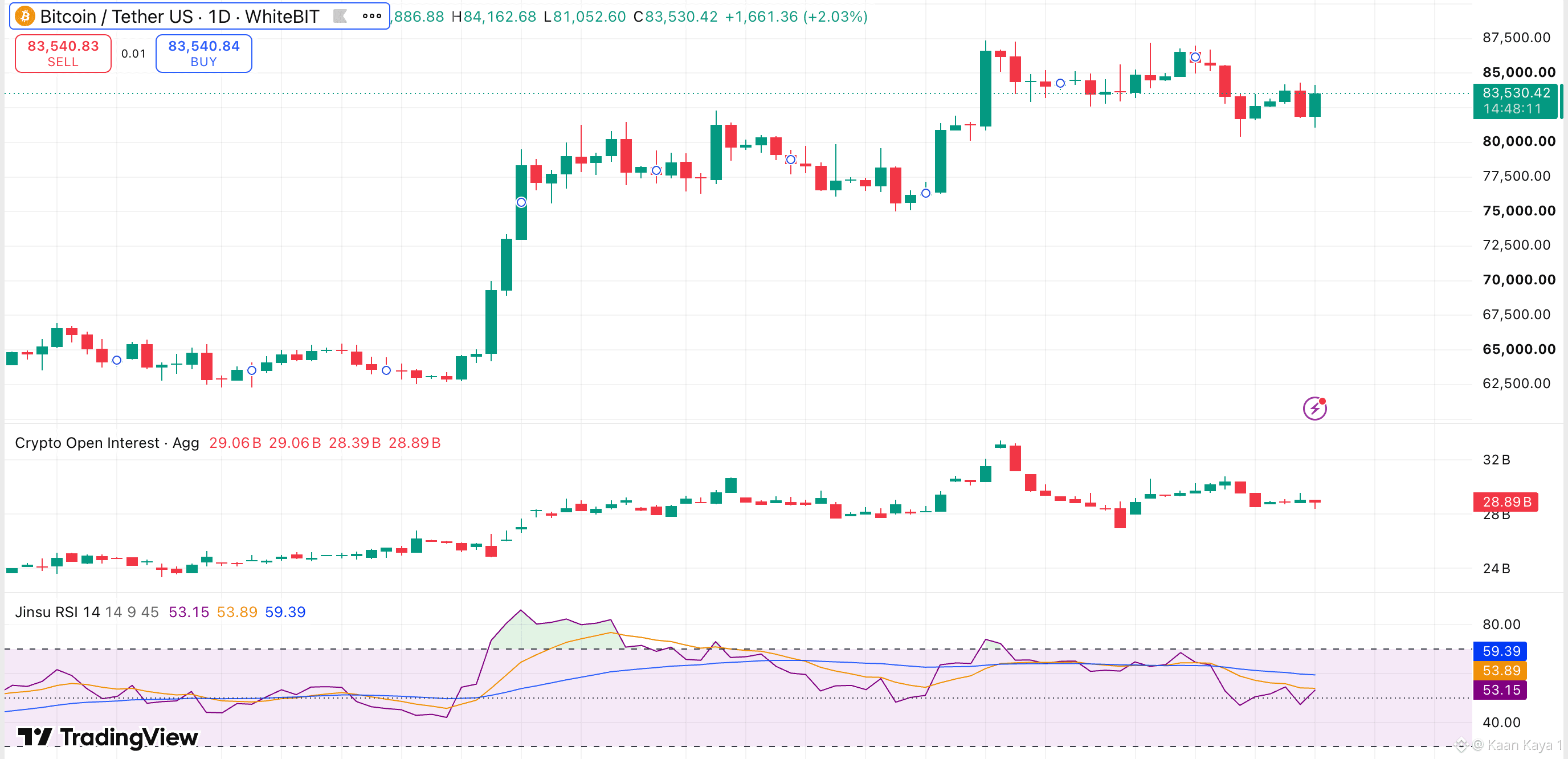
Bitcoin no necesita mucho para volver a entusiasmar a los traders 👀 Es curioso lo rápido que cambia el ánimo en torno a $BTC. Bastan un par de velas verdes para que, de repente, todo el mundo empiece a hablar de la próxima gran ruptura alcista. Pero hay una diferencia entre un rebote rápido y un mercado que realmente está listo para subir. Me interesa más saber si los compradores seguirán apareciendo cuando se desvanezca el entusiasmo inicial. Normalmente, es entonces cuando descubres cuánta convicción hay realmente detrás de un movimiento. ¿Alguien más está pendiente de Bitcoin, pero todavía no siente ganas de entrar? #Análisis del precio de BTC# #Predicción del precio de Bitcoin: ¿cuál será el próximo movimiento de Bitcoin?#
Bitcoin no necesita mucho para volver a entusiasmar a los traders 👀 Es curioso lo rápido que cambia el ánimo en torno a $BTC. Bastan un par de velas verdes para que, de repente, todo el mundo empiece a hablar de la próxima gran ruptura alcista. Pero hay una diferencia entre un rebote rápido y un mercado que realmente está listo para subir. Me interesa más saber si los compradores seguirán apareciendo cuando se desvanezca el entusiasmo inicial. Normalmente, es entonces cuando descubres cuánta convicción hay realmente detrás de un movimiento. ¿Alguien más está pendiente de Bitcoin, pero todavía no siente ganas de entrar? #Análisis del precio de BTC# #Predicción del precio de Bitcoin: ¿cuál será el próximo movimiento de Bitcoin?#

79
·
--
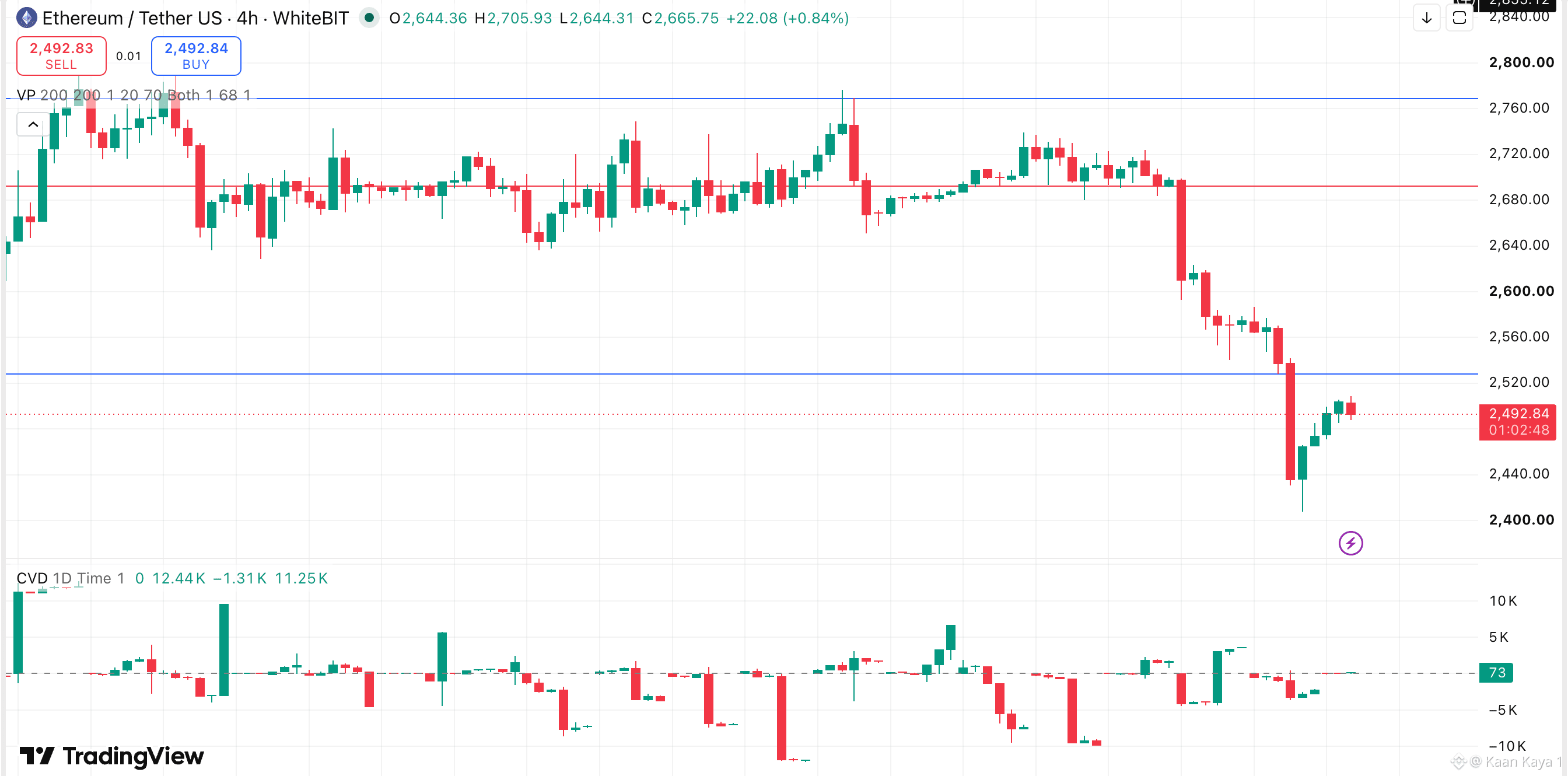
Las redes L2 de Ethereum son cada vez más baratas. Entonces, ¿quién gana dinero realmente? ¿Recuerdas cuando pagar 30 $ETH por una transacción se consideraba algo bastante normal para un martes? Ahora puedes mover fondos en algunas redes de capa 2 por unos pocos centavos, a veces incluso menos. Genial para los usuarios. Una conversación un poco más incómoda para las empresas que gestionan esas redes. Este es el punto: las comisiones más bajas no significan automáticamente una mejor economía. Una L2 puede procesar millones de transacciones, mantener contentos a los usuarios y aun así tener dificultades para generar ingresos significativos una vez que se tienen en cuenta la infraestructura, la disponibilidad de datos y los incentivos del ecosistema. Y hay otra complicación. Si varias redes ofrecen básicamente las mismas transferencias baratas y acceso a aplicaciones similares, ¿por qué alguien debería quedarse con una de ellas? Llevamos años preguntándonos si Ethereum puede escalar. Quizá la siguiente pregunta sea si todas estas redes de escalado pueden crear negocios que valga la pena mantener. No me sorprendería que la próxima gran competencia entre las L2 tuviera menos que ver con quién ofrece las comisiones más bajas y más con quién logra que los usuarios vuelvan por voluntad propia, sin pagarles para que lo hagan. #ETHBlockchain #ETHFoundation
Las redes L2 de Ethereum son cada vez más baratas. Entonces, ¿quién gana dinero realmente? ¿Recuerdas cuando pagar 30 $ETH por una transacción se consideraba algo bastante normal para un martes? Ahora puedes mover fondos en algunas redes de capa 2 por unos pocos centavos, a veces incluso menos. Genial para los usuarios. Una conversación un poco más incómoda para las empresas que gestionan esas redes. Este es el punto: las comisiones más bajas no significan automáticamente una mejor economía. Una L2 puede procesar millones de transacciones, mantener contentos a los usuarios y aun así tener dificultades para generar ingresos significativos una vez que se tienen en cuenta la infraestructura, la disponibilidad de datos y los incentivos del ecosistema. Y hay otra complicación. Si varias redes ofrecen básicamente las mismas transferencias baratas y acceso a aplicaciones similares, ¿por qué alguien debería quedarse con una de ellas? Llevamos años preguntándonos si Ethereum puede escalar. Quizá la siguiente pregunta sea si todas estas redes de escalado pueden crear negocios que valga la pena mantener. No me sorprendería que la próxima gran competencia entre las L2 tuviera menos que ver con quién ofrece las comisiones más bajas y más con quién logra que los usuarios vuelvan por voluntad propia, sin pagarles para que lo hagan. #ETHBlockchain #ETHFoundation

67
Inicia sesión para explorar más contenidos
Únete a usuarios globales de criptomonedas en Binance Square
⚡️ Obtén información útil y actualizada sobre criptos.
💬 Avalado por el mayor exchange de criptomonedas en el mundo.
👍 Descubre perspectivas reales de creadores verificados.
Email/número de teléfono
Temas populares
BitcoinSlipsBelow$80KAgain
67 vistas
10 están debatiendo
#BitcoinSlipsBelow$80KAgain
El precio de Bitcoin volvió a caer por debajo del nivel de 80.000 $
📉 Fuerte caída: Aumentó la presión vendedora en los mercados de criptomonedas. ₿ Bitcoin (BTC): No logró mantenerse por encima del umbral de 80.000 $, un importante nivel de soporte psicológico. 🔻 Retroceso: Bajo la presión de los bajistas, los precios se deslizaron hacia terreno negativo. 💸 Inquietud entre los inversores: En el mercado se observan tomas de ganancias a corto plazo y ventas de pánico.
$BTC $BR $ZEC
Sat_Stacker
·0 me gusta
·92 vistas
ThailandLaunchesWORPTStablecoinToQRPaymentApp
0 vistas
0 están debatiendo
StrategySkipsBitcoinPurchasesSpends$205MOnSTRCBuybacks
2,659 vistas
64 están debatiendo