

Aadi33
6.4k Publicaciones

Aadi33
Denunciar
Bloquear usuario
Observe. Adapt. Execute. KITE-717952
Abrir trade
Traders de alta frecuencia
5.7 año(s)
797 Siguiendo
8.2K+ Seguidores
7.1K+ Me gusta
Publicaciones
Cartera
Todo
Citas
Live
·
--
Alcista
LOS ARCHIVOS CRIPTO #002
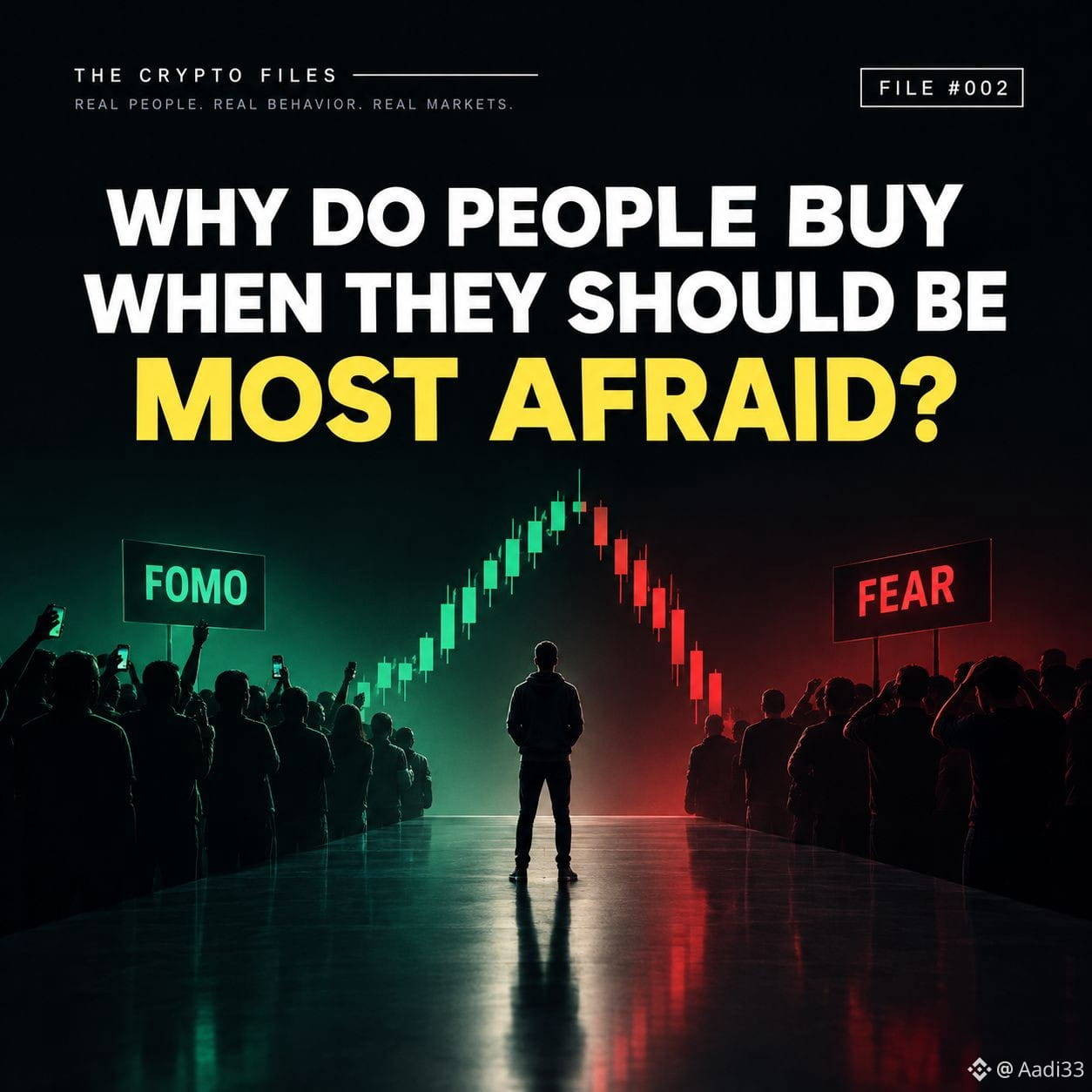
¿POR QUÉ COMPRA LA GENTE CUANDO DEBERÍA TENER MÁS MIEDO?*
Cuando los precios suben, el miedo a quedarse fuera se apodera de todos.
Cuando los precios se desploman, de repente todo el mundo se convierte en gestor de riesgos.
¿Lo curioso? El mismo activo puede parecer una oportunidad de oro a 100 y una pésima inversión a 60, aunque nada haya cambiado en sus fundamentos.
Los mercados no se mueven solo por la información. También se mueven según cómo reacciona la gente ante ella.
A veces, el mayor riesgo no es perderse el próximo repunte.
Es dejar que los demás decidan cuándo deberías comprar y cuándo deberías entrar en pánico.
ARCHIVO #002 : ¿Estás leyendo el mercado o simplemente reaccionando a él?
#TheCryptoFiles #Crypto
$JCT $BMT
{future}(BMTUSDT)
LOS ARCHIVOS CRIPTO #002
¿POR QUÉ COMPRA LA GENTE CUANDO DEBERÍA TENER MÁS MIEDO?*
Cuando los precios suben, el miedo a quedarse fuera se apodera de todos.
Cuando los precios se desploman, de repente todo el mundo se convierte en gestor de riesgos.
¿Lo curioso? El mismo activo puede parecer una oportunidad de oro a 100 y una pésima inversión a 60, aunque nada haya cambiado en sus fundamentos.
Los mercados no se mueven solo por la información. También se mueven según cómo reacciona la gente ante ella.
A veces, el mayor riesgo no es perderse el próximo repunte.
Es dejar que los demás decidan cuándo deberías comprar y cuándo deberías entrar en pánico.
ARCHIVO #002 : ¿Estás leyendo el mercado o simplemente reaccionando a él?
#TheCryptoFiles #Crypto
$JCT $BMT
¿POR QUÉ COMPRA LA GENTE CUANDO DEBERÍA TENER MÁS MIEDO?*
Cuando los precios suben, el miedo a quedarse fuera se apodera de todos.
Cuando los precios se desploman, de repente todo el mundo se convierte en gestor de riesgos.
¿Lo curioso? El mismo activo puede parecer una oportunidad de oro a 100 y una pésima inversión a 60, aunque nada haya cambiado en sus fundamentos.
Los mercados no se mueven solo por la información. También se mueven según cómo reacciona la gente ante ella.
A veces, el mayor riesgo no es perderse el próximo repunte.
Es dejar que los demás decidan cuándo deberías comprar y cuándo deberías entrar en pánico.
ARCHIVO #002 : ¿Estás leyendo el mercado o simplemente reaccionando a él?
#TheCryptoFiles #Crypto
$JCT $BMT
3
6
1.3k
·
--
LOS ARCHIVOS CRIPTO #001
Un proyecto puede triunfar mientras su token pierde valor.
Millones de usuarios. Miles de millones en transacciones. Ingresos en crecimiento.
Entonces, ¿por qué podría seguir teniendo dificultades el token?
Porque la adopción del producto no genera automáticamente demanda del token.
Los ingresos no garantizan valor para quienes poseen tokens. Y un protocolo exitoso no siempre significa una inversión exitosa.
El mercado suele celebrar el crecimiento sin plantearse la pregunta más importante:
Si este proyecto tiene éxito, ¿qué ganan realmente quienes poseen sus tokens?
Ahí comienza nuestra investigación.
Te damos la bienvenida a LOS ARCHIVOS CRIPTO.
Sin exageraciones. Solo pruebas, detalles que pasan desapercibidos y preguntas incómodas.
#TheCryptoFiles $ARK $SENT $PEPE
LOS ARCHIVOS CRIPTO #001
Un proyecto puede triunfar mientras su token pierde valor.
Millones de usuarios. Miles de millones en transacciones. Ingresos en crecimiento.
Entonces, ¿por qué podría seguir teniendo dificultades el token?
Porque la adopción del producto no genera automáticamente demanda del token.
Los ingresos no garantizan valor para quienes poseen tokens. Y un protocolo exitoso no siempre significa una inversión exitosa.
El mercado suele celebrar el crecimiento sin plantearse la pregunta más importante:
Si este proyecto tiene éxito, ¿qué ganan realmente quienes poseen sus tokens?
Ahí comienza nuestra investigación.
Te damos la bienvenida a LOS ARCHIVOS CRIPTO.
Sin exageraciones. Solo pruebas, detalles que pasan desapercibidos y preguntas incómodas.
#TheCryptoFiles $ARK $SENT $PEPE
Un proyecto puede triunfar mientras su token pierde valor.
Millones de usuarios. Miles de millones en transacciones. Ingresos en crecimiento.
Entonces, ¿por qué podría seguir teniendo dificultades el token?
Porque la adopción del producto no genera automáticamente demanda del token.
Los ingresos no garantizan valor para quienes poseen tokens. Y un protocolo exitoso no siempre significa una inversión exitosa.
El mercado suele celebrar el crecimiento sin plantearse la pregunta más importante:
Si este proyecto tiene éxito, ¿qué ganan realmente quienes poseen sus tokens?
Ahí comienza nuestra investigación.
Te damos la bienvenida a LOS ARCHIVOS CRIPTO.
Sin exageraciones. Solo pruebas, detalles que pasan desapercibidos y preguntas incómodas.
#TheCryptoFiles $ARK $SENT $PEPE

2
8
369
·
--
#blockchain100awards
Los premios para creadores de contenido sobre criptomonedas se están convirtiendo en concursos de popularidad donde pedir votos importa más que saber algo sobre cripto.**
Algunos creadores se esfuerzan más por conseguir votos que por investigar proyectos. Reciclan contenido, usan términos de moda sobre criptomonedas y se presentan como expertos sin ofrecer análisis significativo.
¿Dónde está la investigación de verdad? ¿La comprensión técnica? ¿La perspectiva original que realmente ayuda a las personas a tomar decisiones informadas?
Un perfil llamativo, miles de seguidores y una insignia de premio no demuestran conocimientos sobre cripto.
Si la popularidad es el único requisito, dejen de llamarlo premio para creadores y llámenlo concurso de popularidad.
El mundo cripto necesita creadores que eduquen, investiguen, cuestionen las exageraciones y verifiquen los hechos, no personas que confundan la interacción con la experiencia.
**Premien el conocimiento. Reconozcan la investigación. Respeten la credibilidad.
Porque en el mundo cripto, la influencia sin comprensión no es más que ruido.
¿Qué debería importar más en los premios para creadores: los votos que consigues o el valor que aportas?
#TheBlockchain100 #ContentCreation $BTC
#blockchain100awards
Los premios para creadores de contenido sobre criptomonedas se están convirtiendo en concursos de popularidad donde pedir votos importa más que saber algo sobre cripto.**
Algunos creadores se esfuerzan más por conseguir votos que por investigar proyectos. Reciclan contenido, usan términos de moda sobre criptomonedas y se presentan como expertos sin ofrecer análisis significativo.
¿Dónde está la investigación de verdad? ¿La comprensión técnica? ¿La perspectiva original que realmente ayuda a las personas a tomar decisiones informadas?
Un perfil llamativo, miles de seguidores y una insignia de premio no demuestran conocimientos sobre cripto.
Si la popularidad es el único requisito, dejen de llamarlo premio para creadores y llámenlo concurso de popularidad.
El mundo cripto necesita creadores que eduquen, investiguen, cuestionen las exageraciones y verifiquen los hechos, no personas que confundan la interacción con la experiencia.
**Premien el conocimiento. Reconozcan la investigación. Respeten la credibilidad.
Porque en el mundo cripto, la influencia sin comprensión no es más que ruido.
¿Qué debería importar más en los premios para creadores: los votos que consigues o el valor que aportas?
#TheBlockchain100 #ContentCreation $BTC
Los premios para creadores de contenido sobre criptomonedas se están convirtiendo en concursos de popularidad donde pedir votos importa más que saber algo sobre cripto.**
Algunos creadores se esfuerzan más por conseguir votos que por investigar proyectos. Reciclan contenido, usan términos de moda sobre criptomonedas y se presentan como expertos sin ofrecer análisis significativo.
¿Dónde está la investigación de verdad? ¿La comprensión técnica? ¿La perspectiva original que realmente ayuda a las personas a tomar decisiones informadas?
Un perfil llamativo, miles de seguidores y una insignia de premio no demuestran conocimientos sobre cripto.
Si la popularidad es el único requisito, dejen de llamarlo premio para creadores y llámenlo concurso de popularidad.
El mundo cripto necesita creadores que eduquen, investiguen, cuestionen las exageraciones y verifiquen los hechos, no personas que confundan la interacción con la experiencia.
**Premien el conocimiento. Reconozcan la investigación. Respeten la credibilidad.
Porque en el mundo cripto, la influencia sin comprensión no es más que ruido.
¿Qué debería importar más en los premios para creadores: los votos que consigues o el valor que aportas?
#TheBlockchain100 #ContentCreation $BTC

3
9
833
·
--
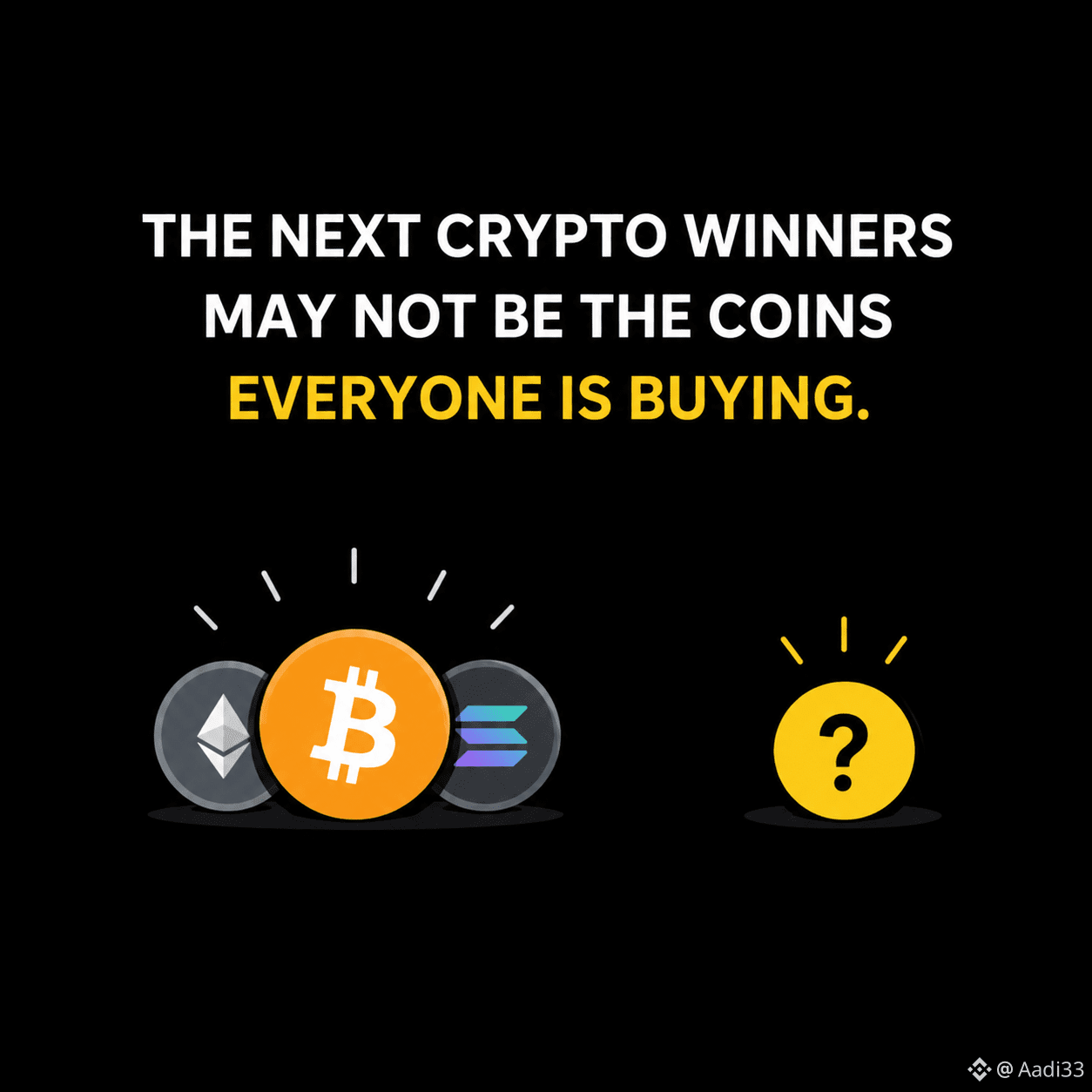
LOS PRÓXIMOS CRIPTOGANADORES QUIZÁ NO SEAN LAS MONEDAS QUE TODO EL MUNDO ESTÁ COMPRANDO.
Y precisamente por eso, la mayoría podría pasarlos por alto.
En cada ciclo, la multitud sigue el mismo patrón.
Bitcoin sube. Todo el mundo se vuelve optimista.
El dinero rota hacia las altcoins. Todo el mundo empieza a buscar monedas que puedan multiplicar su valor por 100.
Los precios se disparan. De repente, todos los proyectos tienen una historia convincente.
Pero aquí está la incómoda verdad:
Para cuando una narrativa cripto se vuelve evidente, puede que la oportunidad fácil ya haya desaparecido.
La pregunta más interesante no es qué moneda está de moda hoy.
Es qué problema le importará al mercado mañana.
Yo prestaría atención a cinco cosas:
1. Demanda real: ¿La gente está usando realmente el protocolo?
2. Captura de valor: ¿La actividad genera una demanda significativa del token?
3. Presión de oferta: ¿Los desbloqueos y las emisiones están superando silenciosamente a los compradores?
4. Rotación de capital: ¿Está entrando dinero en el sector o están subiendo los precios con poca liquidez?
5. Capacidad de permanencia: ¿Seguiría importando el proyecto si desapareciera su narrativa actual?
Una gran tecnología no convierte automáticamente algo en una gran inversión.
Un ecosistema en crecimiento no garantiza que el precio del token vaya a subir.
Y que un token se dispare un 100 % no significa que hayas llegado temprano.
El próximo ciclo podría recompensar a quienes investigan lo que otros pasan por alto, en lugar de a quienes simplemente siguen lo que ya es popular.
Mi pregunta es sencilla:
Si tuvieras que mantener UN activo cripto durante los próximos 3 años, ¿cuál elegirías y qué pruebas concretas respaldan tu convicción?
No solo un precio objetivo. No solo una predicción alcista.
Dime el ticker y la razón más sólida detrás de tu elección.
Quiero ver qué argumentos resisten un análisis minucioso.
#Bitcoin #altcoins #BinanceSquare
$XMR $NEAR
{future}(NEARUSDT)
LOS PRÓXIMOS CRIPTOGANADORES QUIZÁ NO SEAN LAS MONEDAS QUE TODO EL MUNDO ESTÁ COMPRANDO.
Y precisamente por eso, la mayoría podría pasarlos por alto.
En cada ciclo, la multitud sigue el mismo patrón.
Bitcoin sube. Todo el mundo se vuelve optimista.
El dinero rota hacia las altcoins. Todo el mundo empieza a buscar monedas que puedan multiplicar su valor por 100.
Los precios se disparan. De repente, todos los proyectos tienen una historia convincente.
Pero aquí está la incómoda verdad:
Para cuando una narrativa cripto se vuelve evidente, puede que la oportunidad fácil ya haya desaparecido.
La pregunta más interesante no es qué moneda está de moda hoy.
Es qué problema le importará al mercado mañana.
Yo prestaría atención a cinco cosas:
1. Demanda real: ¿La gente está usando realmente el protocolo?
2. Captura de valor: ¿La actividad genera una demanda significativa del token?
3. Presión de oferta: ¿Los desbloqueos y las emisiones están superando silenciosamente a los compradores?
4. Rotación de capital: ¿Está entrando dinero en el sector o están subiendo los precios con poca liquidez?
5. Capacidad de permanencia: ¿Seguiría importando el proyecto si desapareciera su narrativa actual?
Una gran tecnología no convierte automáticamente algo en una gran inversión.
Un ecosistema en crecimiento no garantiza que el precio del token vaya a subir.
Y que un token se dispare un 100 % no significa que hayas llegado temprano.
El próximo ciclo podría recompensar a quienes investigan lo que otros pasan por alto, en lugar de a quienes simplemente siguen lo que ya es popular.
Mi pregunta es sencilla:
Si tuvieras que mantener UN activo cripto durante los próximos 3 años, ¿cuál elegirías y qué pruebas concretas respaldan tu convicción?
No solo un precio objetivo. No solo una predicción alcista.
Dime el ticker y la razón más sólida detrás de tu elección.
Quiero ver qué argumentos resisten un análisis minucioso.
#Bitcoin #altcoins #BinanceSquare
$XMR $NEAR
Y precisamente por eso, la mayoría podría pasarlos por alto.
En cada ciclo, la multitud sigue el mismo patrón.
Bitcoin sube. Todo el mundo se vuelve optimista.
El dinero rota hacia las altcoins. Todo el mundo empieza a buscar monedas que puedan multiplicar su valor por 100.
Los precios se disparan. De repente, todos los proyectos tienen una historia convincente.
Pero aquí está la incómoda verdad:
Para cuando una narrativa cripto se vuelve evidente, puede que la oportunidad fácil ya haya desaparecido.
La pregunta más interesante no es qué moneda está de moda hoy.
Es qué problema le importará al mercado mañana.
Yo prestaría atención a cinco cosas:
1. Demanda real: ¿La gente está usando realmente el protocolo?
2. Captura de valor: ¿La actividad genera una demanda significativa del token?
3. Presión de oferta: ¿Los desbloqueos y las emisiones están superando silenciosamente a los compradores?
4. Rotación de capital: ¿Está entrando dinero en el sector o están subiendo los precios con poca liquidez?
5. Capacidad de permanencia: ¿Seguiría importando el proyecto si desapareciera su narrativa actual?
Una gran tecnología no convierte automáticamente algo en una gran inversión.
Un ecosistema en crecimiento no garantiza que el precio del token vaya a subir.
Y que un token se dispare un 100 % no significa que hayas llegado temprano.
El próximo ciclo podría recompensar a quienes investigan lo que otros pasan por alto, en lugar de a quienes simplemente siguen lo que ya es popular.
Mi pregunta es sencilla:
Si tuvieras que mantener UN activo cripto durante los próximos 3 años, ¿cuál elegirías y qué pruebas concretas respaldan tu convicción?
No solo un precio objetivo. No solo una predicción alcista.
Dime el ticker y la razón más sólida detrás de tu elección.
Quiero ver qué argumentos resisten un análisis minucioso.
#Bitcoin #altcoins #BinanceSquare
$XMR $NEAR
1
5
472
·
--
Alcista
Verificado
Literalmente, pensaba que darle una cartera a un agente de IA significaba darle mi dinero y esperar que no hiciera ninguna tontería.
Resulta que la verdadera pregunta no es si un agente puede gastar dinero, sino quién controla lo que ocurre antes de que el dinero se mueva.
Eso fue lo que me llevó a fijarme más en Kite.
Un agente no es una persona. Si toma una mala decisión de gasto, no siempre puedes deshacer el pago. Por eso, los límites tienen que estar establecidos antes de que empiece a trabajar.
Así es como funciona Kite.
Instalas Kite Passport en un agente que ya usas, como Claude Code. Cargas fondos en una cartera y luego apruebas una sesión con un presupuesto, límites de gasto y un alcance definido.
A partir de ahí, el agente opera dentro de esas reglas. Cada pago se verifica antes de ejecutarse, y puedes revocar el acceso si algo parece estar mal.
Kite Chain gestiona la liquidación en monedas estables, mientras que Passport controla los permisos.
Así, el agente obtiene autonomía, pero solo dentro de los límites que tú apruebas.
Eso es lo que me parece interesante. Más libertad no siempre es mejor si no puedes controlar lo que pasa cuando algo sale mal.
Supongamos que el agente alcanza su límite de gasto a mitad de una tarea. Se rechaza el pago y hay que aprobar una nueva sesión.
¿Retoma desde donde se quedó o se interrumpe todo el flujo de trabajo?
Ese detalle podría importar más que la velocidad de pago cuando los agentes autónomos vayan más allá de las demostraciones.
¿Confiarías hoy en un agente con un presupuesto fijo o la recuperación fiable sigue siendo un factor decisivo?
$KITE #KiteBBW @GoKiteAI
{future}(KITEUSDT)
Literalmente, pensaba que darle una cartera a un agente de IA significaba darle mi dinero y esperar que no hiciera ninguna tontería.
Resulta que la verdadera pregunta no es si un agente puede gastar dinero, sino quién controla lo que ocurre antes de que el dinero se mueva.
Eso fue lo que me llevó a fijarme más en Kite.
Un agente no es una persona. Si toma una mala decisión de gasto, no siempre puedes deshacer el pago. Por eso, los límites tienen que estar establecidos antes de que empiece a trabajar.
Así es como funciona Kite.
Instalas Kite Passport en un agente que ya usas, como Claude Code. Cargas fondos en una cartera y luego apruebas una sesión con un presupuesto, límites de gasto y un alcance definido.
A partir de ahí, el agente opera dentro de esas reglas. Cada pago se verifica antes de ejecutarse, y puedes revocar el acceso si algo parece estar mal.
Kite Chain gestiona la liquidación en monedas estables, mientras que Passport controla los permisos.
Así, el agente obtiene autonomía, pero solo dentro de los límites que tú apruebas.
Eso es lo que me parece interesante. Más libertad no siempre es mejor si no puedes controlar lo que pasa cuando algo sale mal.
Supongamos que el agente alcanza su límite de gasto a mitad de una tarea. Se rechaza el pago y hay que aprobar una nueva sesión.
¿Retoma desde donde se quedó o se interrumpe todo el flujo de trabajo?
Ese detalle podría importar más que la velocidad de pago cuando los agentes autónomos vayan más allá de las demostraciones.
¿Confiarías hoy en un agente con un presupuesto fijo o la recuperación fiable sigue siendo un factor decisivo?
$KITE #KiteBBW @KITE AI 中文
Resulta que la verdadera pregunta no es si un agente puede gastar dinero, sino quién controla lo que ocurre antes de que el dinero se mueva.
Eso fue lo que me llevó a fijarme más en Kite.
Un agente no es una persona. Si toma una mala decisión de gasto, no siempre puedes deshacer el pago. Por eso, los límites tienen que estar establecidos antes de que empiece a trabajar.
Así es como funciona Kite.
Instalas Kite Passport en un agente que ya usas, como Claude Code. Cargas fondos en una cartera y luego apruebas una sesión con un presupuesto, límites de gasto y un alcance definido.
A partir de ahí, el agente opera dentro de esas reglas. Cada pago se verifica antes de ejecutarse, y puedes revocar el acceso si algo parece estar mal.
Kite Chain gestiona la liquidación en monedas estables, mientras que Passport controla los permisos.
Así, el agente obtiene autonomía, pero solo dentro de los límites que tú apruebas.
Eso es lo que me parece interesante. Más libertad no siempre es mejor si no puedes controlar lo que pasa cuando algo sale mal.
Supongamos que el agente alcanza su límite de gasto a mitad de una tarea. Se rechaza el pago y hay que aprobar una nueva sesión.
¿Retoma desde donde se quedó o se interrumpe todo el flujo de trabajo?
Ese detalle podría importar más que la velocidad de pago cuando los agentes autónomos vayan más allá de las demostraciones.
¿Confiarías hoy en un agente con un presupuesto fijo o la recuperación fiable sigue siendo un factor decisivo?
$KITE #KiteBBW @KITE AI 中文
6
1
8
700
·
--
Alcista
#nil $NIL @nillionnetwork
Siempre pensé que un stop-loss en cadena era simplemente un número público. Lo configuras, ahí se queda, y cualquiera que esté mirando puede ver exactamente cuándo sales.
@nillionnetwork s Dusk funciona de otra manera, y el motivo es simple cuando lo entiendes. Un stop solo funciona si nadie lo conoce. Así que no basta con ocultarlo: tiene que permanecer bloqueado hasta el instante exacto en que deba activarse.
Entonces, tu instrucción se divide en partes, cada una cifrada para un nodo distinto de un comité, y se publica en Ethereum. Todo el mundo puede ver que existe un covenant. Nadie puede ver qué contiene. Cuando un feed de precios en tiempo real alcanza tu nivel, suficientes nodos lo desbloquean al mismo tiempo y se ejecuta. No hay ningún keeper que tome decisiones.
Lo curioso es que el bloqueo lo oculta de todos, incluso de ti. Una vez publicado, no se puede cancelar.
Lo que no pude averiguar es qué pasa si el feed muestra un precio erróneo durante un segundo. ¿Se activa de todos modos?
#nil $NIL @Nillion
Siempre pensé que un stop-loss en cadena era simplemente un número público. Lo configuras, ahí se queda, y cualquiera que esté mirando puede ver exactamente cuándo sales.
@Nillion s Dusk funciona de otra manera, y el motivo es simple cuando lo entiendes. Un stop solo funciona si nadie lo conoce. Así que no basta con ocultarlo: tiene que permanecer bloqueado hasta el instante exacto en que deba activarse.
Entonces, tu instrucción se divide en partes, cada una cifrada para un nodo distinto de un comité, y se publica en Ethereum. Todo el mundo puede ver que existe un covenant. Nadie puede ver qué contiene. Cuando un feed de precios en tiempo real alcanza tu nivel, suficientes nodos lo desbloquean al mismo tiempo y se ejecuta. No hay ningún keeper que tome decisiones.
Lo curioso es que el bloqueo lo oculta de todos, incluso de ti. Una vez publicado, no se puede cancelar.
Lo que no pude averiguar es qué pasa si el feed muestra un precio erróneo durante un segundo. ¿Se activa de todos modos?
Siempre pensé que un stop-loss en cadena era simplemente un número público. Lo configuras, ahí se queda, y cualquiera que esté mirando puede ver exactamente cuándo sales.
@Nillion s Dusk funciona de otra manera, y el motivo es simple cuando lo entiendes. Un stop solo funciona si nadie lo conoce. Así que no basta con ocultarlo: tiene que permanecer bloqueado hasta el instante exacto en que deba activarse.
Entonces, tu instrucción se divide en partes, cada una cifrada para un nodo distinto de un comité, y se publica en Ethereum. Todo el mundo puede ver que existe un covenant. Nadie puede ver qué contiene. Cuando un feed de precios en tiempo real alcanza tu nivel, suficientes nodos lo desbloquean al mismo tiempo y se ejecuta. No hay ningún keeper que tome decisiones.
Lo curioso es que el bloqueo lo oculta de todos, incluso de ti. Una vez publicado, no se puede cancelar.
Lo que no pude averiguar es qué pasa si el feed muestra un precio erróneo durante un segundo. ¿Se activa de todos modos?
8
23
1k
·
--
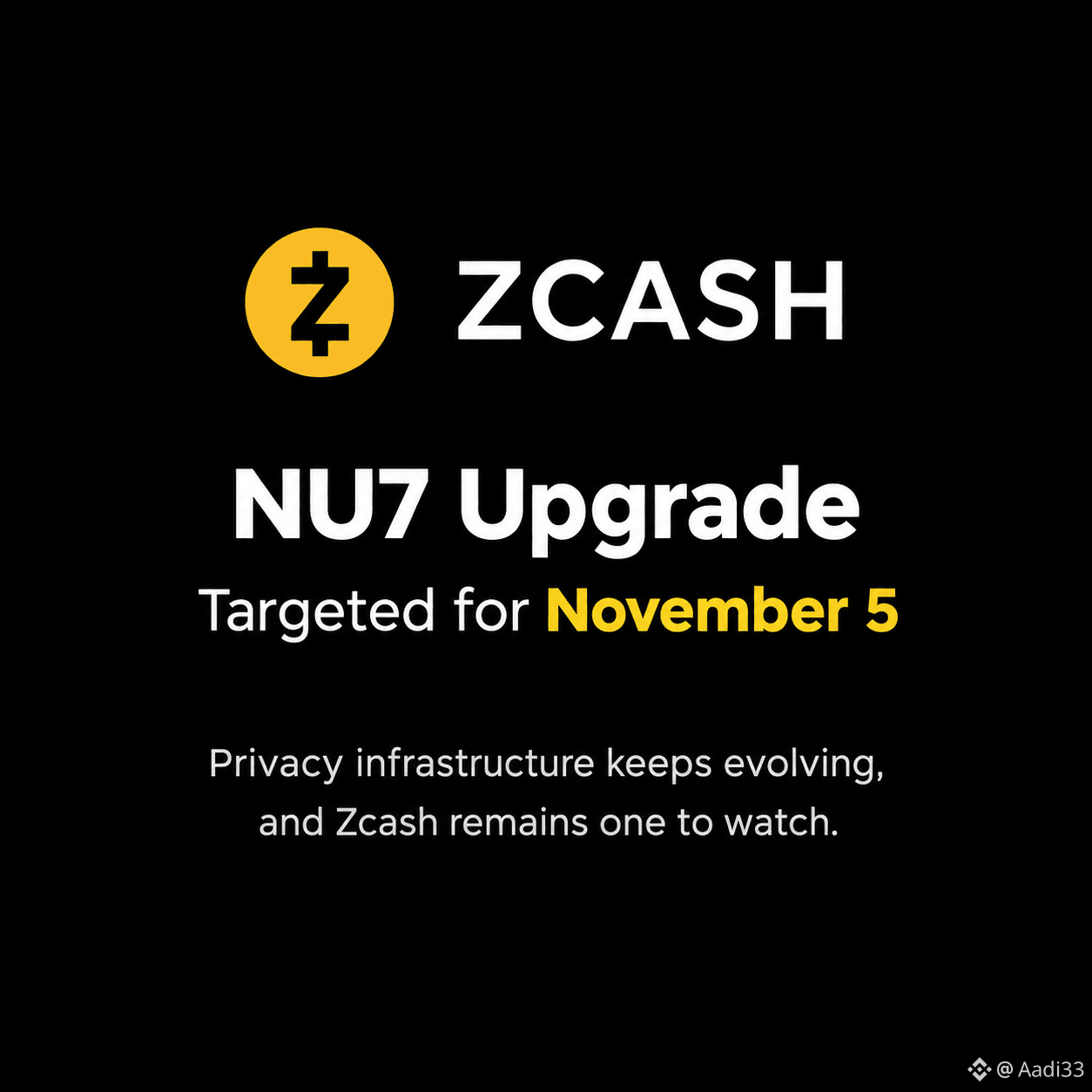
Zcash se dirige hacia otra actualización importante.
NU7 actualmente está prevista para el 5 de noviembre, lo que traerá cambios importantes a la red de Zcash.
La infraestructura de privacidad sigue evolucionando, y Zcash sigue siendo uno de los proyectos que vale la pena seguir de cerca.
$ZEC #zec
Zcash se dirige hacia otra actualización importante.
NU7 actualmente está prevista para el 5 de noviembre, lo que traerá cambios importantes a la red de Zcash.
La infraestructura de privacidad sigue evolucionando, y Zcash sigue siendo uno de los proyectos que vale la pena seguir de cerca.
$ZEC #zec
NU7 actualmente está prevista para el 5 de noviembre, lo que traerá cambios importantes a la red de Zcash.
La infraestructura de privacidad sigue evolucionando, y Zcash sigue siendo uno de los proyectos que vale la pena seguir de cerca.
$ZEC #zec
7
325
·
--
Alcista
Verificado
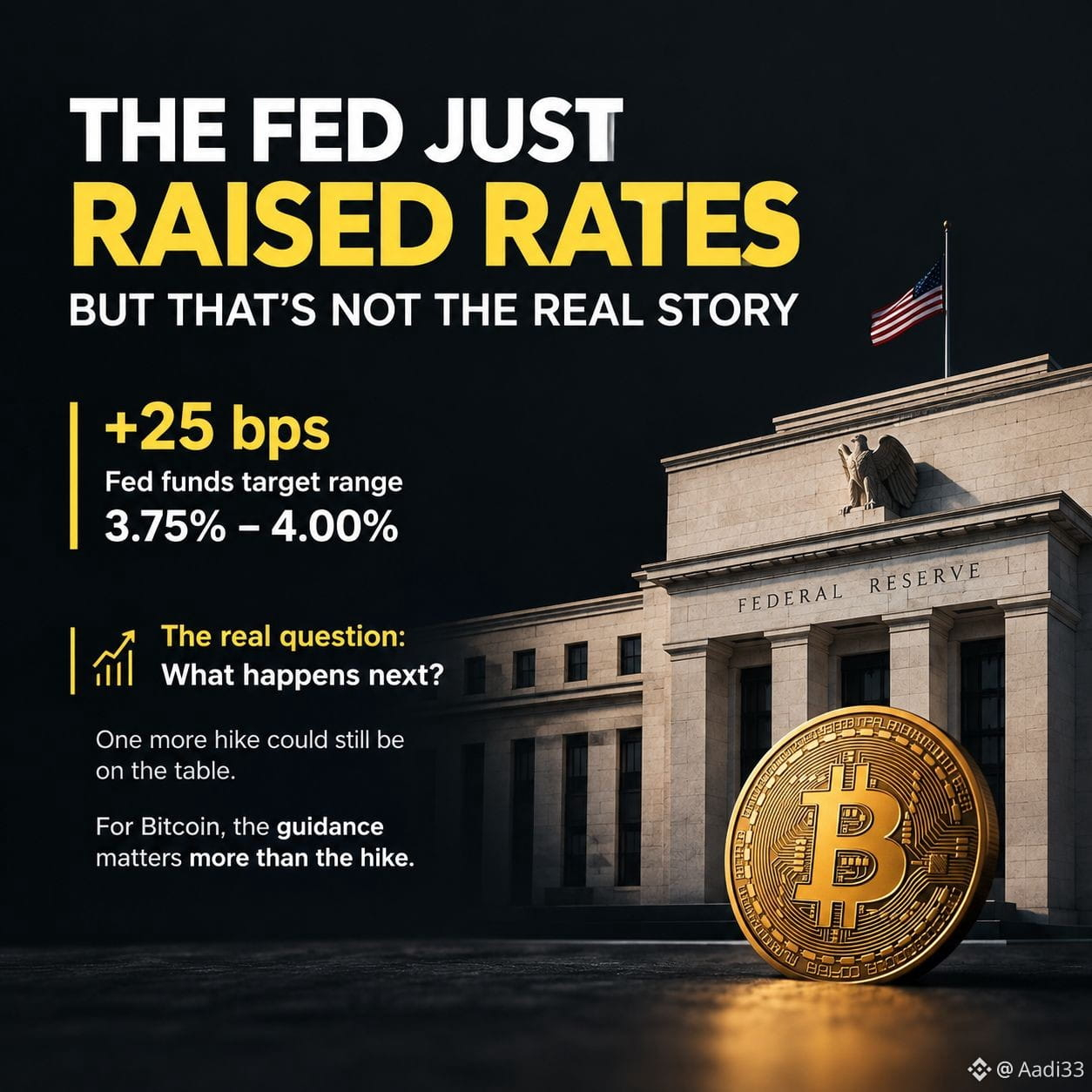
LA FED ACABA DE SUBIR LAS TASAS — PERO ESA NO ES LA HISTORIA REAL
+25 pb.
Ahora las tasas están en 3.75%–4.00%.
Y, sinceramente, el aumento en sí no fue la sorpresa. El mercado ya lo tenía descontado.
La señal real es lo que la Fed dice sobre el siguiente movimiento.
Todavía podría haber una subida adicional sobre la mesa.
Para Bitcoin, eso crea un escenario muy diferente según cómo los mercados interpreten la orientación.
Una subida de tasas es bajista a primera vista.
Pero si los inversores lo ven como el tramo final del endurecimiento, la reacción puede cambiar rápidamente.
No mires el titular.
Mira el camino.
Ahí es donde podría surgir la volatilidad real.
$BTC $ETH $ZEC
#Fed
LA FED ACABA DE SUBIR LAS TASAS — PERO ESA NO ES LA HISTORIA REAL
+25 pb.
Ahora las tasas están en 3.75%–4.00%.
Y, sinceramente, el aumento en sí no fue la sorpresa. El mercado ya lo tenía descontado.
La señal real es lo que la Fed dice sobre el siguiente movimiento.
Todavía podría haber una subida adicional sobre la mesa.
Para Bitcoin, eso crea un escenario muy diferente según cómo los mercados interpreten la orientación.
Una subida de tasas es bajista a primera vista.
Pero si los inversores lo ven como el tramo final del endurecimiento, la reacción puede cambiar rápidamente.
No mires el titular.
Mira el camino.
Ahí es donde podría surgir la volatilidad real.
$BTC $ETH $ZEC
#Fed
+25 pb.
Ahora las tasas están en 3.75%–4.00%.
Y, sinceramente, el aumento en sí no fue la sorpresa. El mercado ya lo tenía descontado.
La señal real es lo que la Fed dice sobre el siguiente movimiento.
Todavía podría haber una subida adicional sobre la mesa.
Para Bitcoin, eso crea un escenario muy diferente según cómo los mercados interpreten la orientación.
Una subida de tasas es bajista a primera vista.
Pero si los inversores lo ven como el tramo final del endurecimiento, la reacción puede cambiar rápidamente.
No mires el titular.
Mira el camino.
Ahí es donde podría surgir la volatilidad real.
$BTC $ETH $ZEC
#Fed
8
923
·
--
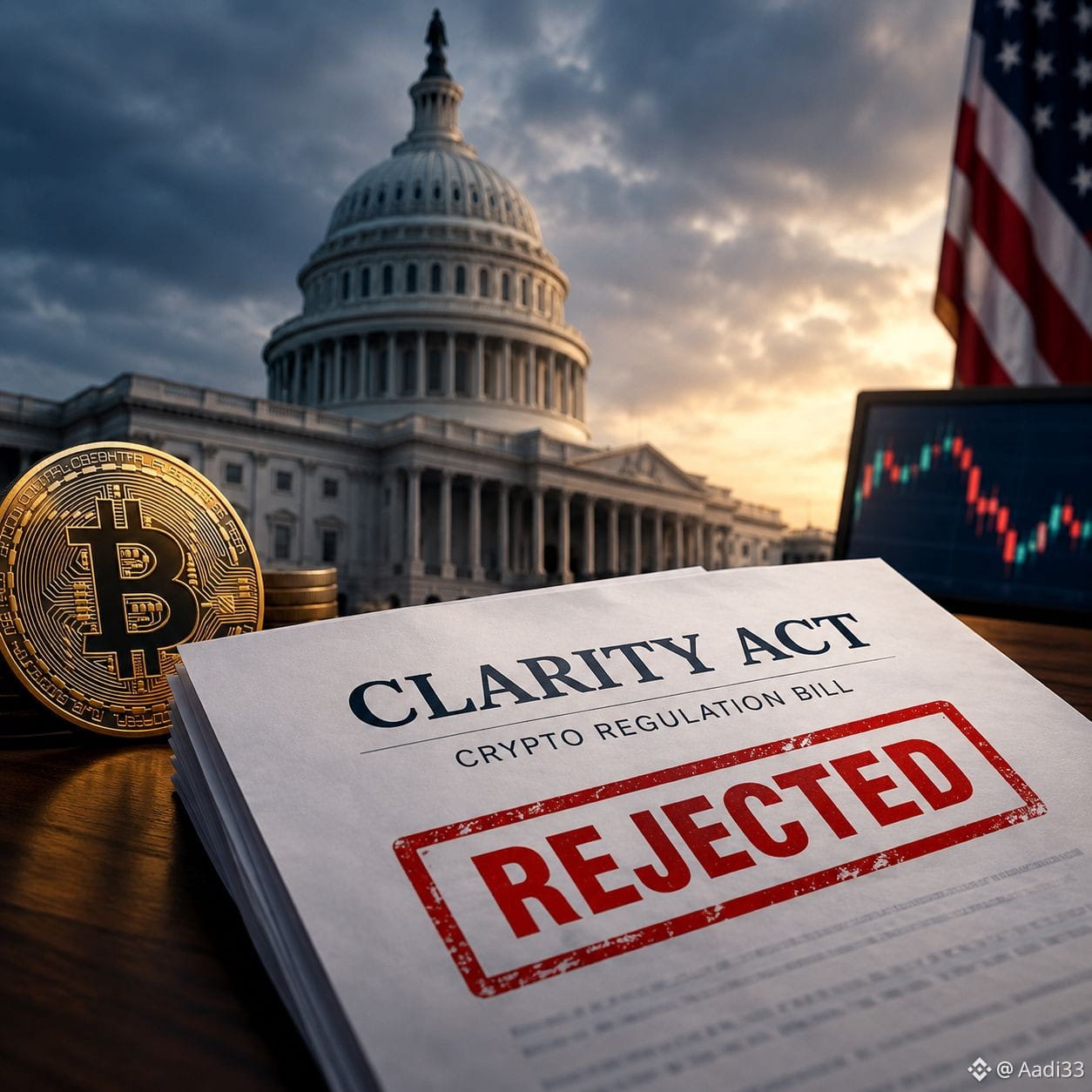
La ley CLARITY acaba de fracasar en el Senado de EE. UU.
La votación fue de 49–50.
El proyecto de ley debía aclarar las normas sobre las criptomonedas.
Pero los legisladores no pudieron ponerse de acuerdo sobre las normas, las preocupaciones éticas y los intereses de las criptomonedas.
¿La parte irónica?
Un proyecto de ley llamado “CLARITY” acaba de crear más incertidumbre para las criptomonedas.
¿Qué crees que pasará después?
$BTC $ETH #Clarity
La ley CLARITY acaba de fracasar en el Senado de EE. UU.
La votación fue de 49–50.
El proyecto de ley debía aclarar las normas sobre las criptomonedas.
Pero los legisladores no pudieron ponerse de acuerdo sobre las normas, las preocupaciones éticas y los intereses de las criptomonedas.
¿La parte irónica?
Un proyecto de ley llamado “CLARITY” acaba de crear más incertidumbre para las criptomonedas.
¿Qué crees que pasará después?
$BTC $ETH #Clarity
La votación fue de 49–50.
El proyecto de ley debía aclarar las normas sobre las criptomonedas.
Pero los legisladores no pudieron ponerse de acuerdo sobre las normas, las preocupaciones éticas y los intereses de las criptomonedas.
¿La parte irónica?
Un proyecto de ley llamado “CLARITY” acaba de crear más incertidumbre para las criptomonedas.
¿Qué crees que pasará después?
$BTC $ETH #Clarity
3
11
3.3k
·
--
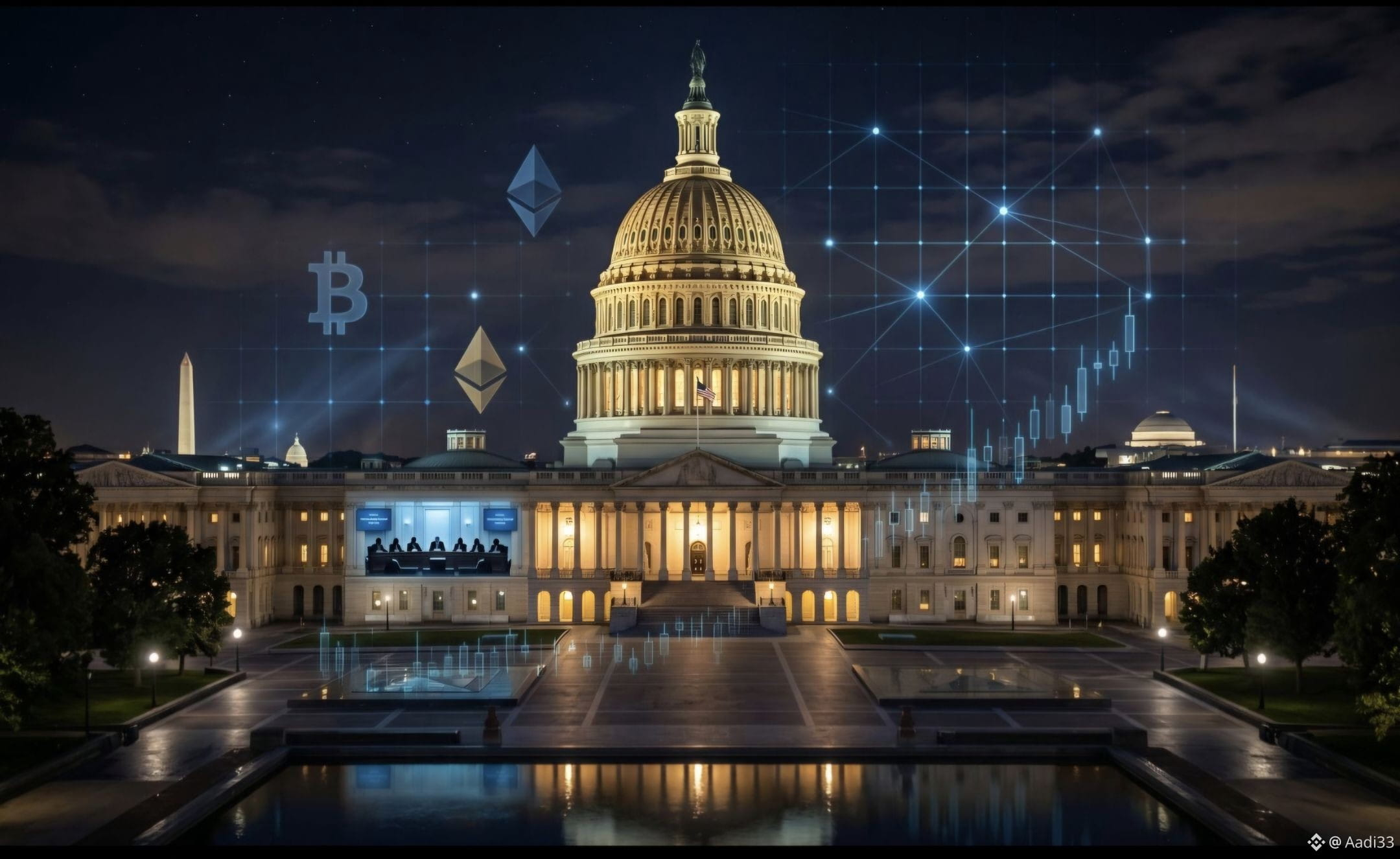
Votación del Senado hoy, pero no es la votación real. Es solo una votación sobre si se les permite comenzar a debatir el proyecto de ley en el pleno.
Este asunto lleva meses trabado. Aprobó la Cámara en 2025. Luego se quedó en el Senado. Se archivó en julio, de nuevo en agosto. Ahora vuelve porque los republicanos hicieron más de 120 cambios durante el fin de semana, en su mayoría sobre cuestiones de ética vinculadas a los tratos de Trump con las criptomonedas.
Incluso si hoy avanza, nada cambia realmente todavía. Sigue necesitando 60 votos para algo real, todavía tiene que coincidir con la versión de la Cámara y todavía necesita una firma. Y la Cámara se va de DC esta semana hasta después de las elecciones de medio mandato. Así que incluso una victoria hoy no significa mucho tiempo que quede para terminar esto en 2026.
He visto suficientes días de “gran noticia” como para saber que el mercado normalmente reacciona al titular, no a lo que el titular realmente significa. Que hoy se apruebe solo significa que se les permite seguir hablando de ello. Eso es todo.
$BTC $ETH $XRP
Votación del Senado hoy, pero no es la votación real. Es solo una votación sobre si se les permite comenzar a debatir el proyecto de ley en el pleno.
Este asunto lleva meses trabado. Aprobó la Cámara en 2025. Luego se quedó en el Senado. Se archivó en julio, de nuevo en agosto. Ahora vuelve porque los republicanos hicieron más de 120 cambios durante el fin de semana, en su mayoría sobre cuestiones de ética vinculadas a los tratos de Trump con las criptomonedas.
Incluso si hoy avanza, nada cambia realmente todavía. Sigue necesitando 60 votos para algo real, todavía tiene que coincidir con la versión de la Cámara y todavía necesita una firma. Y la Cámara se va de DC esta semana hasta después de las elecciones de medio mandato. Así que incluso una victoria hoy no significa mucho tiempo que quede para terminar esto en 2026.
He visto suficientes días de “gran noticia” como para saber que el mercado normalmente reacciona al titular, no a lo que el titular realmente significa. Que hoy se apruebe solo significa que se les permite seguir hablando de ello. Eso es todo.
$BTC $ETH $XRP
Este asunto lleva meses trabado. Aprobó la Cámara en 2025. Luego se quedó en el Senado. Se archivó en julio, de nuevo en agosto. Ahora vuelve porque los republicanos hicieron más de 120 cambios durante el fin de semana, en su mayoría sobre cuestiones de ética vinculadas a los tratos de Trump con las criptomonedas.
Incluso si hoy avanza, nada cambia realmente todavía. Sigue necesitando 60 votos para algo real, todavía tiene que coincidir con la versión de la Cámara y todavía necesita una firma. Y la Cámara se va de DC esta semana hasta después de las elecciones de medio mandato. Así que incluso una victoria hoy no significa mucho tiempo que quede para terminar esto en 2026.
He visto suficientes días de “gran noticia” como para saber que el mercado normalmente reacciona al titular, no a lo que el titular realmente significa. Que hoy se apruebe solo significa que se les permite seguir hablando de ello. Eso es todo.
$BTC $ETH $XRP
2
8
476
·
--
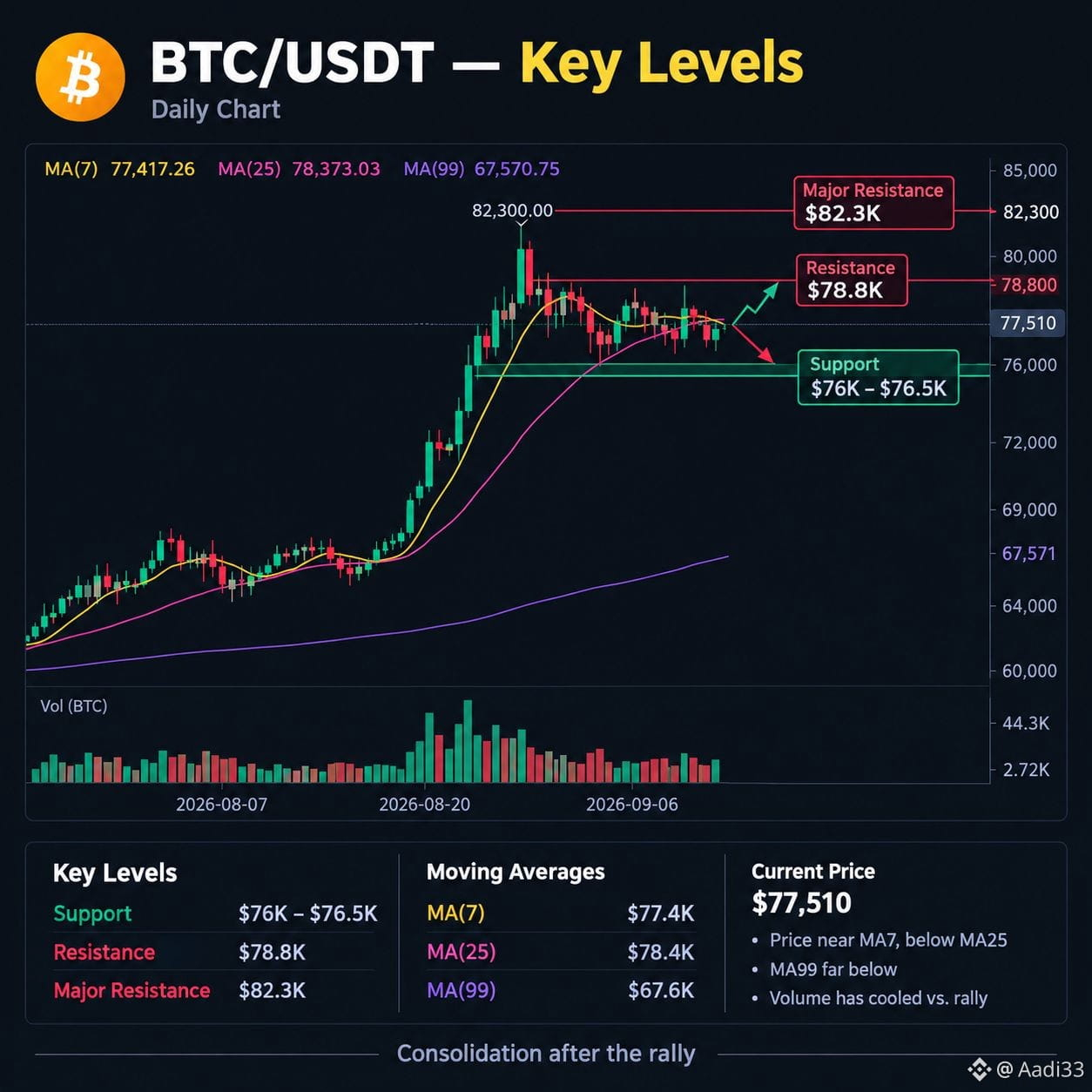
BTC está poniendo a prueba la paciencia del mercado.
El fuerte soporte + la devolución de liquidez podrían preparar el próximo gran movimiento.
Estoy siguiendo BTC de cerca aquí.
Paquete rojo adjunto. Reclámalo si llegas temprano.
$BTC
BTC está poniendo a prueba la paciencia del mercado.
El fuerte soporte + la devolución de liquidez podrían preparar el próximo gran movimiento.
Estoy siguiendo BTC de cerca aquí.
Paquete rojo adjunto. Reclámalo si llegas temprano.
$BTC
El fuerte soporte + la devolución de liquidez podrían preparar el próximo gran movimiento.
Estoy siguiendo BTC de cerca aquí.
Paquete rojo adjunto. Reclámalo si llegas temprano.
$BTC
11
7
55
·
--
Bajista
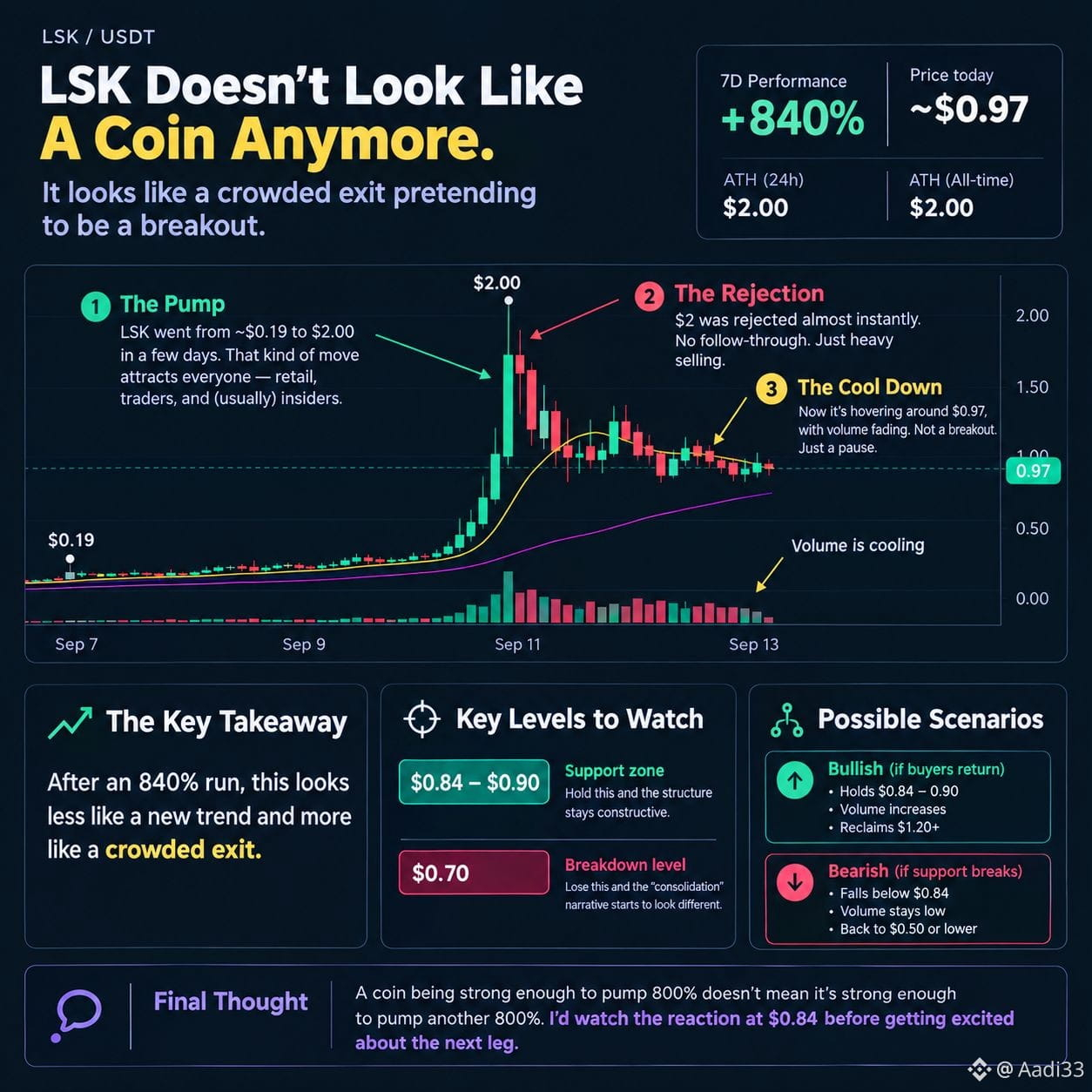
LSK ya no parece una moneda.
Parece una salida abarrotada haciéndose pasar por una ruptura.
$0.19 → $2.00.
Ahora ~$0.97.
La pregunta interesante no es “¿Puede LSK volver a $2?”
Es:
¿Quién sigue comprando después de que todos ya conocen la historia?
Ahí es donde este gráfico se vuelve peligroso.
$LSK #LSK #pumpingsoon
{future}(LSKUSDT)
LSK ya no parece una moneda.
Parece una salida abarrotada haciéndose pasar por una ruptura.
$0.19 → $2.00.
Ahora ~$0.97.
La pregunta interesante no es “¿Puede LSK volver a $2?”
Es:
¿Quién sigue comprando después de que todos ya conocen la historia?
Ahí es donde este gráfico se vuelve peligroso.
$LSK #LSK #pumpingsoon
Parece una salida abarrotada haciéndose pasar por una ruptura.
$0.19 → $2.00.
Ahora ~$0.97.
La pregunta interesante no es “¿Puede LSK volver a $2?”
Es:
¿Quién sigue comprando después de que todos ya conocen la historia?
Ahí es donde este gráfico se vuelve peligroso.
$LSK #LSK #pumpingsoon
7
541
·
--
#CPIWatch
Todo el mundo habla de si los aumentos de CPI subirán las tasas. Nadie habla del hecho de que el mercado ya tuvo esto en cuenta desde hace semanas.
Esa es la parte real a la que sigo volviendo. Para cuando la cifra baja, la reacción suele ser menor de lo que la gente espera, porque ya no es información nueva: es una confirmación.
Así que mi lectura es que el movimiento real no está en el dato de CPI en sí. Está en los 10 minutos después, cuando la gente se da cuenta de que coincidió con las expectativas y deshace sus coberturas.
Preferiría observar lo que ocurre después del pico inicial en lugar de reaccionar al titular.
#CPIWatch
#CPIWatch
Todo el mundo habla de si los aumentos de CPI subirán las tasas. Nadie habla del hecho de que el mercado ya tuvo esto en cuenta desde hace semanas.
Esa es la parte real a la que sigo volviendo. Para cuando la cifra baja, la reacción suele ser menor de lo que la gente espera, porque ya no es información nueva: es una confirmación.
Así que mi lectura es que el movimiento real no está en el dato de CPI en sí. Está en los 10 minutos después, cuando la gente se da cuenta de que coincidió con las expectativas y deshace sus coberturas.
Preferiría observar lo que ocurre después del pico inicial en lugar de reaccionar al titular.
#CPIWatch
Todo el mundo habla de si los aumentos de CPI subirán las tasas. Nadie habla del hecho de que el mercado ya tuvo esto en cuenta desde hace semanas.
Esa es la parte real a la que sigo volviendo. Para cuando la cifra baja, la reacción suele ser menor de lo que la gente espera, porque ya no es información nueva: es una confirmación.
Así que mi lectura es que el movimiento real no está en el dato de CPI en sí. Está en los 10 minutos después, cuando la gente se da cuenta de que coincidió con las expectativas y deshace sus coberturas.
Preferiría observar lo que ocurre después del pico inicial en lugar de reaccionar al titular.
#CPIWatch

2
12
252
·
--
Alcista
Configuración ZEC LONG
ZEC está cerca de $1,075 después de un movimiento brusco de liquidación hacia la zona de $1,066. El gráfico de 1H aún es bajista, pero el rechazo desde el mínimo ofrece una posible configuración para una reversión a corto plazo.
Entrada: $1,065–$1,085
SL: $1,035
TP1: $1,130
TP2: $1,170
Nivel clave: $1,095. Recuperarlo con volumen reforzaría la tesis alcista. Por debajo de $1,066, la configuración se debilita significativamente.
$ZEC #zec
Configuración ZEC LONG
ZEC está cerca de $1,075 después de un movimiento brusco de liquidación hacia la zona de $1,066. El gráfico de 1H aún es bajista, pero el rechazo desde el mínimo ofrece una posible configuración para una reversión a corto plazo.
Entrada: $1,065–$1,085
SL: $1,035
TP1: $1,130
TP2: $1,170
Nivel clave: $1,095. Recuperarlo con volumen reforzaría la tesis alcista. Por debajo de $1,066, la configuración se debilita significativamente.
$ZEC #zec
ZEC está cerca de $1,075 después de un movimiento brusco de liquidación hacia la zona de $1,066. El gráfico de 1H aún es bajista, pero el rechazo desde el mínimo ofrece una posible configuración para una reversión a corto plazo.
Entrada: $1,065–$1,085
SL: $1,035
TP1: $1,130
TP2: $1,170
Nivel clave: $1,095. Recuperarlo con volumen reforzaría la tesis alcista. Por debajo de $1,066, la configuración se debilita significativamente.
$ZEC #zec

1
8
223
·
--
ZEC no está simplemente subiendo.
Está devorando a los cortos.
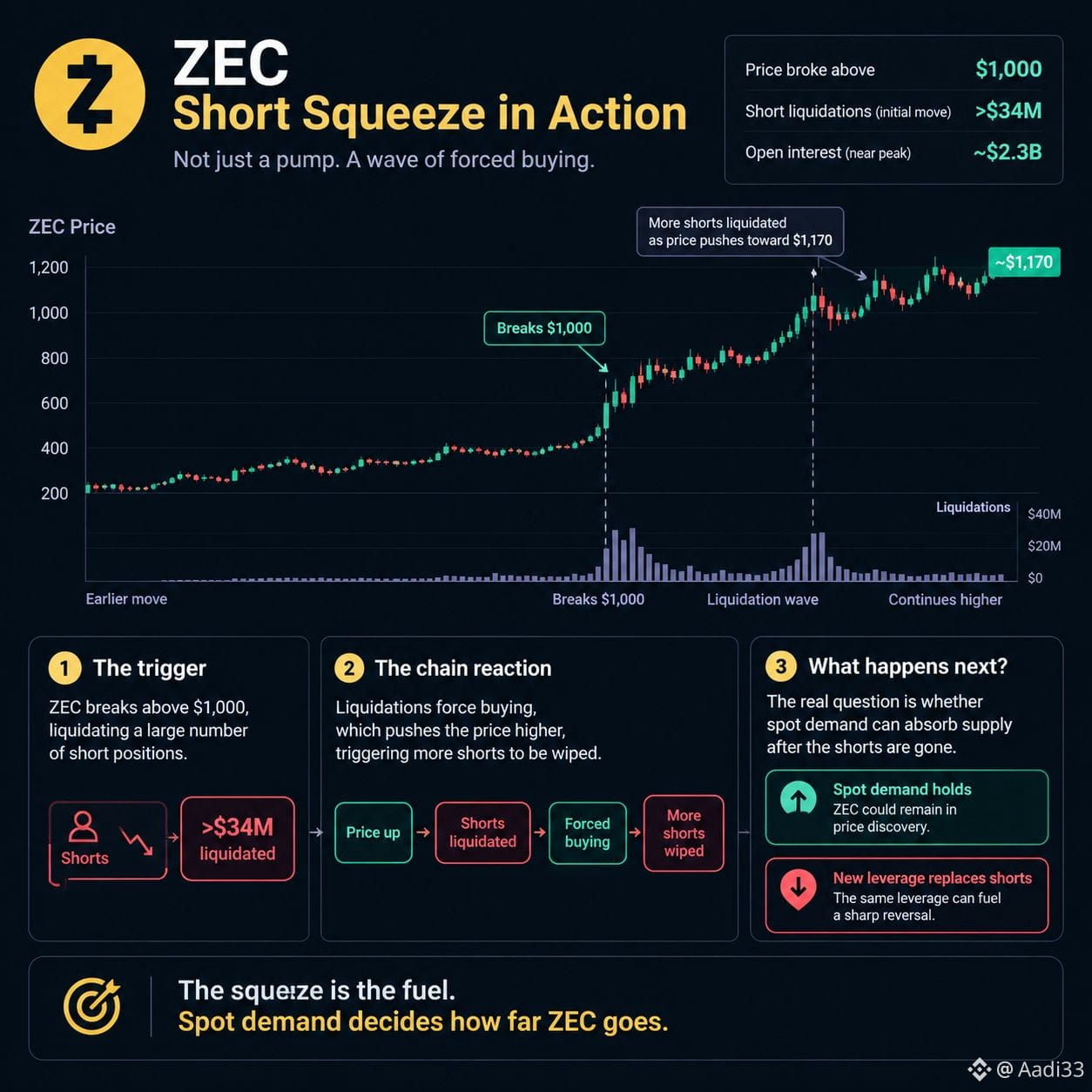
ZEC rompió por encima de los $1,000 y convirtió una operación bajista muy concurrida en compras forzadas. Más de $34M en posiciones cortas de ZEC fueron liquidadas durante la ruptura inicial, mientras el interés abierto se acercaba a $2.3B. Otra ola de liquidaciones siguió cuando ZEC avanzó hacia $1,170.
El mecanismo es simple:
El precio sube → los cortos son liquidados → las compras forzadas empujan el precio más arriba → se borran más cortos.
Pero la parte interesante es que el squeeze no fue el movimiento original. ZEC ya había subido con fuerza antes de que el apalancamiento lo acelerara.
Ahora comienza la verdadera prueba.
Si la demanda al contado sigue absorbiendo la oferta después de que desaparezcan los cortos, esto puede seguir siendo una auténtica fase de descubrimiento de precios.
Si el nuevo apalancamiento simplemente reemplaza a los cortos liquidados, la reversión podría ser igual de violenta.
Así que estoy observando el interés abierto más que el precio titular.
La pregunta no es por qué ZEC está subiendo.
Es cuánto más puede subir una vez que queden menos cortos por liquidar?
$ZEC #ZECRally #ZECUSDT $ZEC
ZEC no está simplemente subiendo.
Está devorando a los cortos.
ZEC rompió por encima de los $1,000 y convirtió una operación bajista muy concurrida en compras forzadas. Más de $34M en posiciones cortas de ZEC fueron liquidadas durante la ruptura inicial, mientras el interés abierto se acercaba a $2.3B. Otra ola de liquidaciones siguió cuando ZEC avanzó hacia $1,170.
El mecanismo es simple:
El precio sube → los cortos son liquidados → las compras forzadas empujan el precio más arriba → se borran más cortos.
Pero la parte interesante es que el squeeze no fue el movimiento original. ZEC ya había subido con fuerza antes de que el apalancamiento lo acelerara.
Ahora comienza la verdadera prueba.
Si la demanda al contado sigue absorbiendo la oferta después de que desaparezcan los cortos, esto puede seguir siendo una auténtica fase de descubrimiento de precios.
Si el nuevo apalancamiento simplemente reemplaza a los cortos liquidados, la reversión podría ser igual de violenta.
Así que estoy observando el interés abierto más que el precio titular.
La pregunta no es por qué ZEC está subiendo.
Es cuánto más puede subir una vez que queden menos cortos por liquidar?
$ZEC #ZECRally #ZECUSDT $ZEC
Está devorando a los cortos.
ZEC rompió por encima de los $1,000 y convirtió una operación bajista muy concurrida en compras forzadas. Más de $34M en posiciones cortas de ZEC fueron liquidadas durante la ruptura inicial, mientras el interés abierto se acercaba a $2.3B. Otra ola de liquidaciones siguió cuando ZEC avanzó hacia $1,170.
El mecanismo es simple:
El precio sube → los cortos son liquidados → las compras forzadas empujan el precio más arriba → se borran más cortos.
Pero la parte interesante es que el squeeze no fue el movimiento original. ZEC ya había subido con fuerza antes de que el apalancamiento lo acelerara.
Ahora comienza la verdadera prueba.
Si la demanda al contado sigue absorbiendo la oferta después de que desaparezcan los cortos, esto puede seguir siendo una auténtica fase de descubrimiento de precios.
Si el nuevo apalancamiento simplemente reemplaza a los cortos liquidados, la reversión podría ser igual de violenta.
Así que estoy observando el interés abierto más que el precio titular.
La pregunta no es por qué ZEC está subiendo.
Es cuánto más puede subir una vez que queden menos cortos por liquidar?
$ZEC #ZECRally #ZECUSDT $ZEC
1
4
467
·
--
Bajista
Trade de 30d $ZEC 2.3K USDT
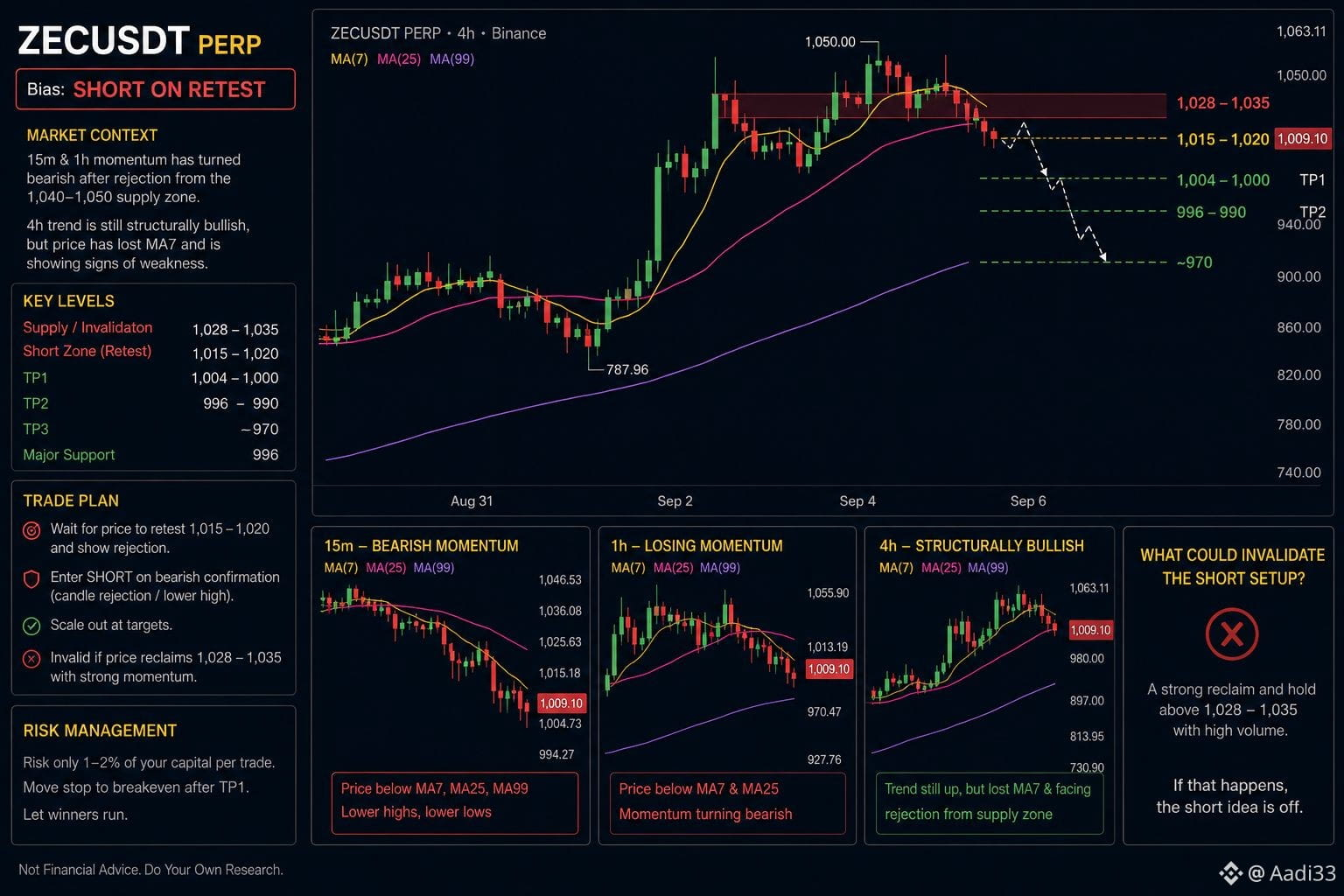
ZEC parece más favorable para una posición corta por ahora, pero no perseguiría el movimiento en 1009.
El gráfico de 15m se ha vuelto claramente bajista, con el precio por debajo de la MA7, MA25 y MA99. El de 1h también está perdiendo impulso, mientras que la estructura de 4h sigue siendo técnicamente alcista tras el reciente breakout.
Eso hace que la zona actual sea delicada.
Observaría 1015–1020 para un retest. Si el precio llega a esa zona y es rechazado, la configuración de corto se vuelve más atractiva.
Zona de corto: 1015–1020
Invalidación: 1028–1035
Objetivos: 1004 → 996 → 970
El nivel clave es 996. Una ruptura limpia por debajo podría abrir mucho más recorrido a la baja.
Si ZEC recupera 1028–1035 con fuerza, invalidaría la idea de corto en lugar de forzar la operación.
Para mí, la configuración es CORTO en el rechazo, no CORTO a cualquier precio.
$ZEC #zec
{future}(ZECUSDT)
ZEC parece más favorable para una posición corta por ahora, pero no perseguiría el movimiento en 1009.
El gráfico de 15m se ha vuelto claramente bajista, con el precio por debajo de la MA7, MA25 y MA99. El de 1h también está perdiendo impulso, mientras que la estructura de 4h sigue siendo técnicamente alcista tras el reciente breakout.
Eso hace que la zona actual sea delicada.
Observaría 1015–1020 para un retest. Si el precio llega a esa zona y es rechazado, la configuración de corto se vuelve más atractiva.
Zona de corto: 1015–1020
Invalidación: 1028–1035
Objetivos: 1004 → 996 → 970
El nivel clave es 996. Una ruptura limpia por debajo podría abrir mucho más recorrido a la baja.
Si ZEC recupera 1028–1035 con fuerza, invalidaría la idea de corto en lugar de forzar la operación.
Para mí, la configuración es CORTO en el rechazo, no CORTO a cualquier precio.
$ZEC #zec
El gráfico de 15m se ha vuelto claramente bajista, con el precio por debajo de la MA7, MA25 y MA99. El de 1h también está perdiendo impulso, mientras que la estructura de 4h sigue siendo técnicamente alcista tras el reciente breakout.
Eso hace que la zona actual sea delicada.
Observaría 1015–1020 para un retest. Si el precio llega a esa zona y es rechazado, la configuración de corto se vuelve más atractiva.
Zona de corto: 1015–1020
Invalidación: 1028–1035
Objetivos: 1004 → 996 → 970
El nivel clave es 996. Una ruptura limpia por debajo podría abrir mucho más recorrido a la baja.
Si ZEC recupera 1028–1035 con fuerza, invalidaría la idea de corto en lugar de forzar la operación.
Para mí, la configuración es CORTO en el rechazo, no CORTO a cualquier precio.
$ZEC #zec
2
8
404
·
--
¿Por qué Binance está impulsando estas 'shitcoins'?
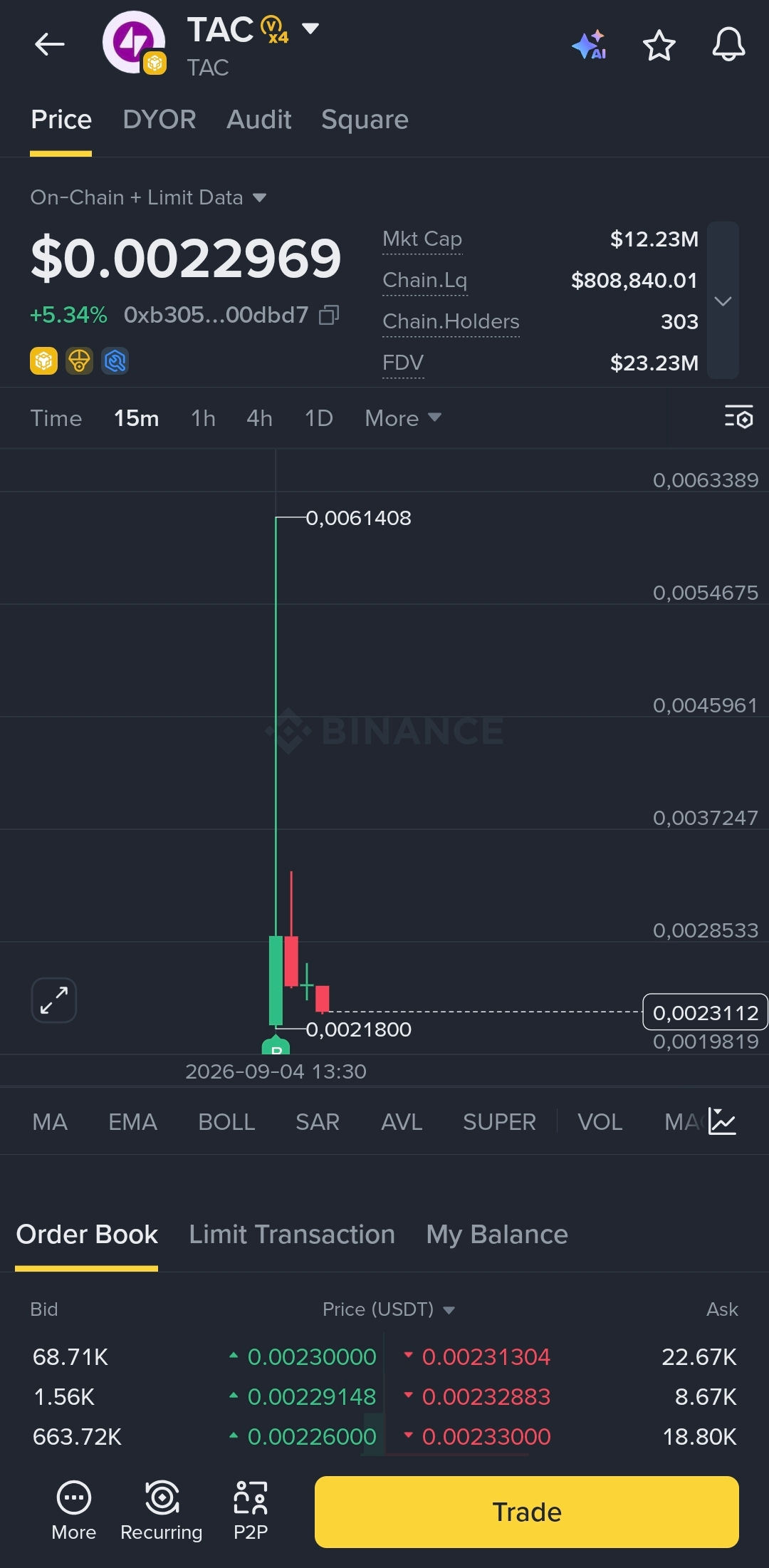
TAC está alrededor de una capitalización de mercado de 12.6M dólares con solo ~820K de liquidez y 303 titulares, pero aun así obtiene una visibilidad enorme en Binance Alpha.
Un solo listado puede crear mucha atención y volatilidad, pero la atención no es adopción.
¿Estas plataformas ayudan a descubrir proyectos tempranos, o solo están dando liquidez de salida para retail?
$TAC
{future}(TACUSDT)
¿Por qué Binance está impulsando estas 'shitcoins'?
TAC está alrededor de una capitalización de mercado de 12.6M dólares con solo ~820K de liquidez y 303 titulares, pero aun así obtiene una visibilidad enorme en Binance Alpha.
Un solo listado puede crear mucha atención y volatilidad, pero la atención no es adopción.
¿Estas plataformas ayudan a descubrir proyectos tempranos, o solo están dando liquidez de salida para retail?
$TAC
TAC está alrededor de una capitalización de mercado de 12.6M dólares con solo ~820K de liquidez y 303 titulares, pero aun así obtiene una visibilidad enorme en Binance Alpha.
Un solo listado puede crear mucha atención y volatilidad, pero la atención no es adopción.
¿Estas plataformas ayudan a descubrir proyectos tempranos, o solo están dando liquidez de salida para retail?
$TAC
2
2
915
·
--
Alcista
BTC acaba de tocar los $82K. Lo que pase después importa más.
Bitcoin acaba de hacer el movimiento que todos estaban esperando.
Pero no diría que esto sea todavía una ruptura confirmada.
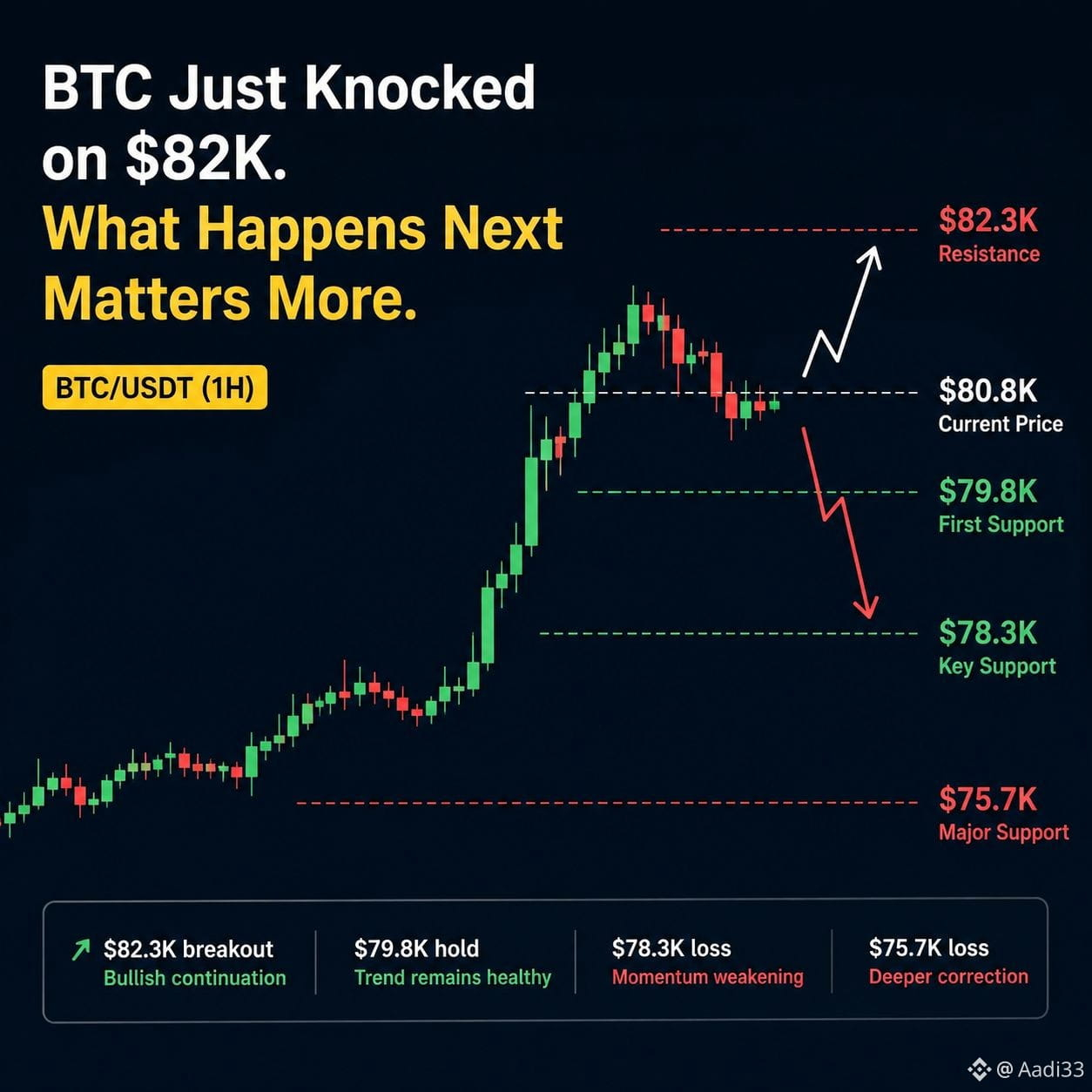
En el gráfico de 1H, BTC está alrededor de $80.8K después de tocar $82.3K. La estructura aún es constructiva:
MA(7): $80.98K
MA(25): $79.86K
MA(99): $78.35K
Eso me dice que la tendencia a corto plazo es alcista, pero el impulso ya se enfrió tras el movimiento vertical.
La zona importante es de $81K a $82.3K.
Ahí es donde ya han aparecido los vendedores. Una aceptación limpia en 1H/4H por encima de $82.3K cambiaría la estructura de forma considerable y podría abrir el camino hacia $90K. Reuters también identifica el área alrededor de $82.8K como una resistencia importante.
Del otro lado, $79.8K es el primer nivel que vigilaría.
Si se pierde, BTC podría volver fácilmente a $78.3K, donde actualmente se encuentra la MA de 99.
Hay otra variable que los traders no deberían ignorar hoy:
El último rally se ha visto favorecido por el descenso de los rendimientos de los bonos y por expectativas más suaves sobre la política de la Fed después de los comentarios de Christopher Waller. Pero los datos de empleo en EE. UU. de hoy pueden cambiar rápidamente ese relato.
Así que mi mapa de BTC es sencillo:
Ruptura de $82.3K → continuación alcista
Sostén de $79.8K → la tendencia se mantiene saludable
Pérdida de $78.3K → se debilita el impulso
Pérdida de $75.7K → podría volverse posible una corrección mucho más profunda
Lo interesante es que a BTC no le hace falta otra gran vela verde aquí.
Necesita demostrar que los compradores pueden absorber a los vendedores que están por encima de $82K.
Esa es la diferencia entre un short squeeze y una reversión de tendencia genuina.
¿Preferirías ver que BTC rompa $82.3K de inmediato, o que primero haga un retroceso a $79K y construya una base más sólida?
$BTC #BTC #bitcoin #BTCanalysis
{future}(BTCUSDT)
BTC acaba de tocar los $82K. Lo que pase después importa más.
Bitcoin acaba de hacer el movimiento que todos estaban esperando.
Pero no diría que esto sea todavía una ruptura confirmada.
En el gráfico de 1H, BTC está alrededor de $80.8K después de tocar $82.3K. La estructura aún es constructiva:
MA(7): $80.98K
MA(25): $79.86K
MA(99): $78.35K
Eso me dice que la tendencia a corto plazo es alcista, pero el impulso ya se enfrió tras el movimiento vertical.
La zona importante es de $81K a $82.3K.
Ahí es donde ya han aparecido los vendedores. Una aceptación limpia en 1H/4H por encima de $82.3K cambiaría la estructura de forma considerable y podría abrir el camino hacia $90K. Reuters también identifica el área alrededor de $82.8K como una resistencia importante.
Del otro lado, $79.8K es el primer nivel que vigilaría.
Si se pierde, BTC podría volver fácilmente a $78.3K, donde actualmente se encuentra la MA de 99.
Hay otra variable que los traders no deberían ignorar hoy:
El último rally se ha visto favorecido por el descenso de los rendimientos de los bonos y por expectativas más suaves sobre la política de la Fed después de los comentarios de Christopher Waller. Pero los datos de empleo en EE. UU. de hoy pueden cambiar rápidamente ese relato.
Así que mi mapa de BTC es sencillo:
Ruptura de $82.3K → continuación alcista
Sostén de $79.8K → la tendencia se mantiene saludable
Pérdida de $78.3K → se debilita el impulso
Pérdida de $75.7K → podría volverse posible una corrección mucho más profunda
Lo interesante es que a BTC no le hace falta otra gran vela verde aquí.
Necesita demostrar que los compradores pueden absorber a los vendedores que están por encima de $82K.
Esa es la diferencia entre un short squeeze y una reversión de tendencia genuina.
¿Preferirías ver que BTC rompa $82.3K de inmediato, o que primero haga un retroceso a $79K y construya una base más sólida?
$BTC #BTC #bitcoin #BTCanalysis
Bitcoin acaba de hacer el movimiento que todos estaban esperando.
Pero no diría que esto sea todavía una ruptura confirmada.
En el gráfico de 1H, BTC está alrededor de $80.8K después de tocar $82.3K. La estructura aún es constructiva:
MA(7): $80.98K
MA(25): $79.86K
MA(99): $78.35K
Eso me dice que la tendencia a corto plazo es alcista, pero el impulso ya se enfrió tras el movimiento vertical.
La zona importante es de $81K a $82.3K.
Ahí es donde ya han aparecido los vendedores. Una aceptación limpia en 1H/4H por encima de $82.3K cambiaría la estructura de forma considerable y podría abrir el camino hacia $90K. Reuters también identifica el área alrededor de $82.8K como una resistencia importante.
Del otro lado, $79.8K es el primer nivel que vigilaría.
Si se pierde, BTC podría volver fácilmente a $78.3K, donde actualmente se encuentra la MA de 99.
Hay otra variable que los traders no deberían ignorar hoy:
El último rally se ha visto favorecido por el descenso de los rendimientos de los bonos y por expectativas más suaves sobre la política de la Fed después de los comentarios de Christopher Waller. Pero los datos de empleo en EE. UU. de hoy pueden cambiar rápidamente ese relato.
Así que mi mapa de BTC es sencillo:
Ruptura de $82.3K → continuación alcista
Sostén de $79.8K → la tendencia se mantiene saludable
Pérdida de $78.3K → se debilita el impulso
Pérdida de $75.7K → podría volverse posible una corrección mucho más profunda
Lo interesante es que a BTC no le hace falta otra gran vela verde aquí.
Necesita demostrar que los compradores pueden absorber a los vendedores que están por encima de $82K.
Esa es la diferencia entre un short squeeze y una reversión de tendencia genuina.
¿Preferirías ver que BTC rompa $82.3K de inmediato, o que primero haga un retroceso a $79K y construya una base más sólida?
$BTC #BTC #bitcoin #BTCanalysis
3
124
·
--
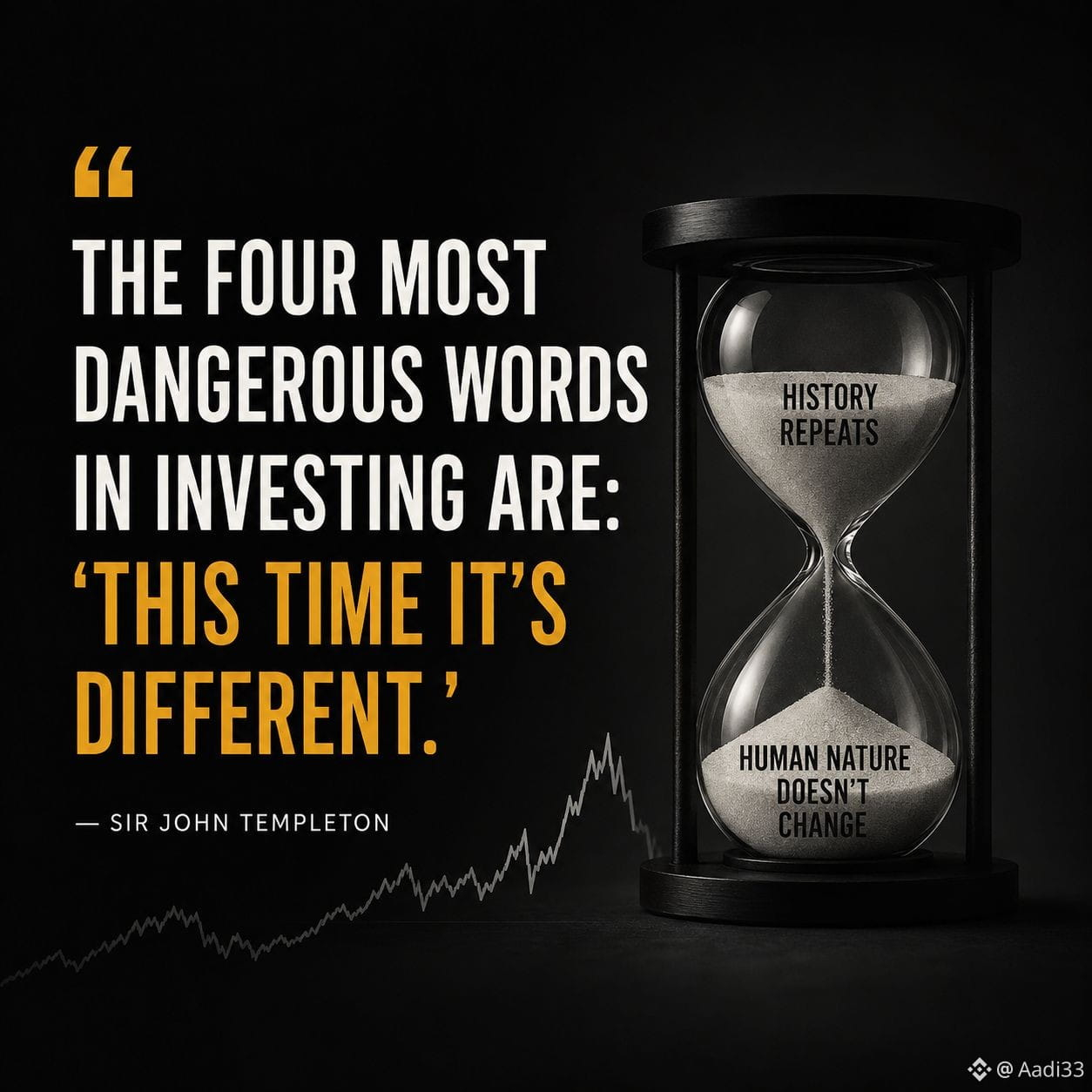
Las cuatro palabras más peligrosas al invertir son: “Esta vez es diferente”.
— Sir John Templeton
Esta frase se siente especialmente relevante ahora mismo.
Cada ciclo de mercado crea una nueva explicación de por qué las reglas anteriores ya no aplican.
Esta vez es el riesgo geopolítico.
Esta vez es la inflación.
Esta vez es la Fed.
Esta vez Bitcoin ha madurado.
Esta vez las instituciones seguirán comprando cada caída.
Pero los mercados tienen la costumbre de recordarles a los inversores que las variables cambian mientras que el comportamiento humano no.
Acabamos de ver que Bitcoin se recuperó con fuerza durante agosto, solo para entrar en septiembre con renovada presión, mientras sube el precio del petróleo, aumentan los rendimientos de los bonos y las expectativas de una política monetaria más restrictiva crecen. BTC vuelve a estar por debajo de $80K, y las acciones y otros activos de riesgo también sienten la presión.
La pregunta importante no es si esto es el inicio de otra gran corrección.
Nadie lo sabe con certeza.
La mejor pregunta es si el mercado realmente ha cambiado sus reglas subyacentes, o si los inversores una vez más están encontrando una nueva narrativa para justificar los precios que ya quieren creer.
Esa distinción importa.
Porque “esta vez es diferente” no es una tesis.
Es una advertencia para examinar tus supuestos con más cuidado.
Los mercados rara vez castigan a las personas por ser inciertas.
Castigan a quienes se vuelven seguros exactamente en el momento equivocado.
$BTC $ETH $SOL #Marketpsychology
{future}(SOLUSDT)
{future}(ETHUSDT)
{future}(BTCUSDT)
Las cuatro palabras más peligrosas al invertir son: “Esta vez es diferente”.
— Sir John Templeton
Esta frase se siente especialmente relevante ahora mismo.
Cada ciclo de mercado crea una nueva explicación de por qué las reglas anteriores ya no aplican.
Esta vez es el riesgo geopolítico.
Esta vez es la inflación.
Esta vez es la Fed.
Esta vez Bitcoin ha madurado.
Esta vez las instituciones seguirán comprando cada caída.
Pero los mercados tienen la costumbre de recordarles a los inversores que las variables cambian mientras que el comportamiento humano no.
Acabamos de ver que Bitcoin se recuperó con fuerza durante agosto, solo para entrar en septiembre con renovada presión, mientras sube el precio del petróleo, aumentan los rendimientos de los bonos y las expectativas de una política monetaria más restrictiva crecen. BTC vuelve a estar por debajo de $80K, y las acciones y otros activos de riesgo también sienten la presión.
La pregunta importante no es si esto es el inicio de otra gran corrección.
Nadie lo sabe con certeza.
La mejor pregunta es si el mercado realmente ha cambiado sus reglas subyacentes, o si los inversores una vez más están encontrando una nueva narrativa para justificar los precios que ya quieren creer.
Esa distinción importa.
Porque “esta vez es diferente” no es una tesis.
Es una advertencia para examinar tus supuestos con más cuidado.
Los mercados rara vez castigan a las personas por ser inciertas.
Castigan a quienes se vuelven seguros exactamente en el momento equivocado.
$BTC $ETH $SOL #Marketpsychology
— Sir John Templeton
Esta frase se siente especialmente relevante ahora mismo.
Cada ciclo de mercado crea una nueva explicación de por qué las reglas anteriores ya no aplican.
Esta vez es el riesgo geopolítico.
Esta vez es la inflación.
Esta vez es la Fed.
Esta vez Bitcoin ha madurado.
Esta vez las instituciones seguirán comprando cada caída.
Pero los mercados tienen la costumbre de recordarles a los inversores que las variables cambian mientras que el comportamiento humano no.
Acabamos de ver que Bitcoin se recuperó con fuerza durante agosto, solo para entrar en septiembre con renovada presión, mientras sube el precio del petróleo, aumentan los rendimientos de los bonos y las expectativas de una política monetaria más restrictiva crecen. BTC vuelve a estar por debajo de $80K, y las acciones y otros activos de riesgo también sienten la presión.
La pregunta importante no es si esto es el inicio de otra gran corrección.
Nadie lo sabe con certeza.
La mejor pregunta es si el mercado realmente ha cambiado sus reglas subyacentes, o si los inversores una vez más están encontrando una nueva narrativa para justificar los precios que ya quieren creer.
Esa distinción importa.
Porque “esta vez es diferente” no es una tesis.
Es una advertencia para examinar tus supuestos con más cuidado.
Los mercados rara vez castigan a las personas por ser inciertas.
Castigan a quienes se vuelven seguros exactamente en el momento equivocado.
$BTC $ETH $SOL #Marketpsychology
3
5
475
·
--
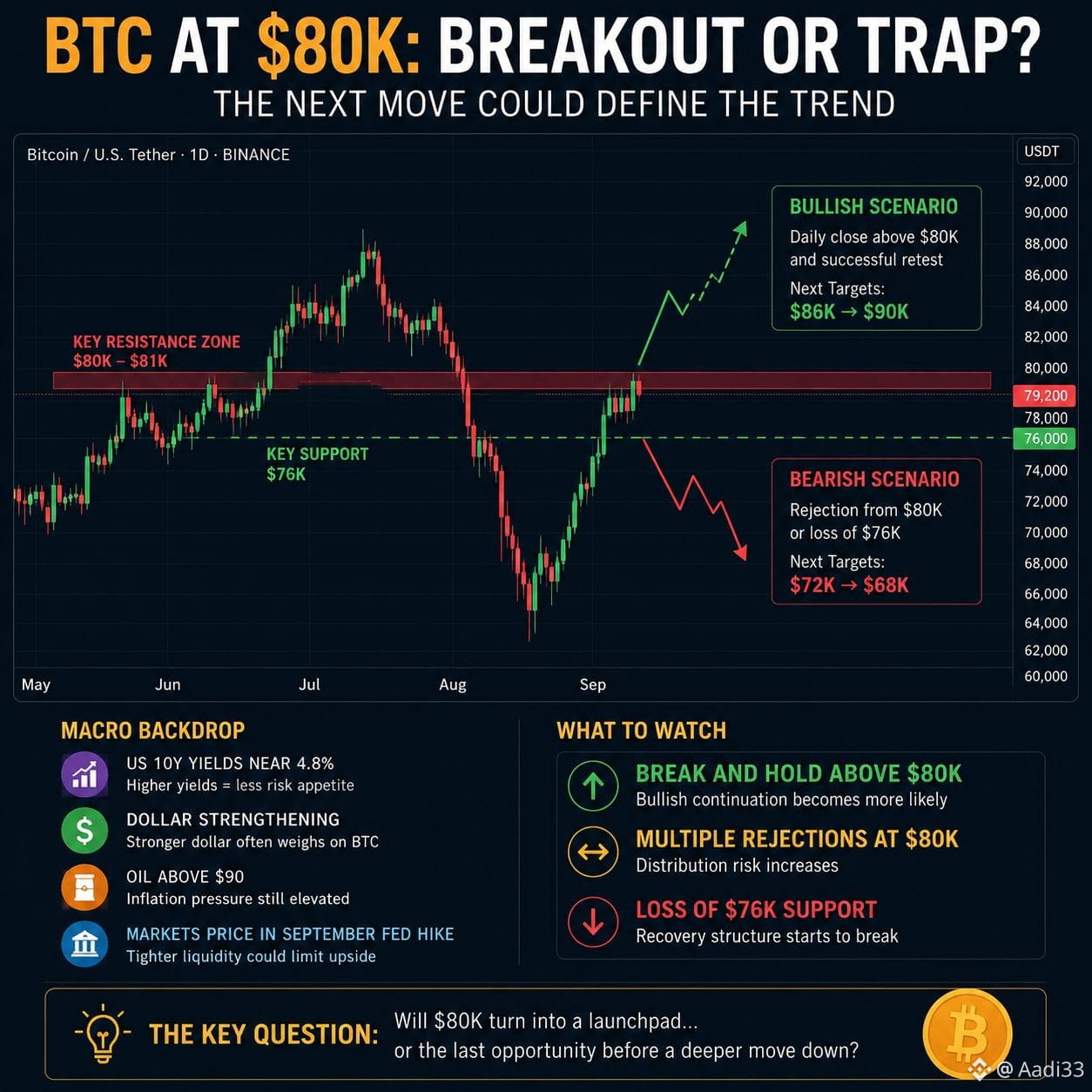
El movimiento del BTC que nadie está observando todavía…
Bitcoin está empujando hacia los $80K, pero hay algo interesante escondido debajo del panorama actual.
Recuperar $80K → $86K–$90K
Pérdida de $76K → la estructura de recuperación se debilita
Luego está septiembre…
Durante años, el BTC luchó repetidamente durante este mes. Luego el patrón cambió de repente.
¿La historia está preparando en silencio otro ciclo repetido o 2026 está a punto de romper el patrón por completo?
La pregunta real: ¿quién queda atrapado primero?
$BTC #BTC80K
{future}(BTCUSDT)
El movimiento del BTC que nadie está observando todavía…
Bitcoin está empujando hacia los $80K, pero hay algo interesante escondido debajo del panorama actual.
Recuperar $80K → $86K–$90K
Pérdida de $76K → la estructura de recuperación se debilita
Luego está septiembre…
Durante años, el BTC luchó repetidamente durante este mes. Luego el patrón cambió de repente.
¿La historia está preparando en silencio otro ciclo repetido o 2026 está a punto de romper el patrón por completo?
La pregunta real: ¿quién queda atrapado primero?
$BTC #BTC80K
Bitcoin está empujando hacia los $80K, pero hay algo interesante escondido debajo del panorama actual.
Recuperar $80K → $86K–$90K
Pérdida de $76K → la estructura de recuperación se debilita
Luego está septiembre…
Durante años, el BTC luchó repetidamente durante este mes. Luego el patrón cambió de repente.
¿La historia está preparando en silencio otro ciclo repetido o 2026 está a punto de romper el patrón por completo?
La pregunta real: ¿quién queda atrapado primero?
$BTC #BTC80K
4
125
Inicia sesión para explorar más contenidos
Únete a usuarios globales de criptomonedas en Binance Square
⚡️ Obtén información útil y actualizada sobre criptos.
💬 Avalado por el mayor exchange de criptomonedas en el mundo.
👍 Descubre perspectivas reales de creadores verificados.
Email/número de teléfono
Temas populares
BinancePick
3.3M vistas
161,733 están debatiendo
¡Únete a #TemporadaDeResultados: predice resultados en Binance Pick y comparte tu opinión en Binance Square!
Binance Square Official
·417 me gusta
·344.6k vistas
EarningsSeason
5.4M vistas
26,572 están debatiendo
StrategySkipsBitcoinPurchasesSpends$205MOnSTRCBuybacks
86 vistas
6 están debatiendo