

Eric Carson
5.9k Publicaciones

Eric Carson
 Verificado de Binance Square
Denunciar
Bloquear usuario
Crypto KOL | Content Creator | Trader | HODLer | Degen | Web3 & Market Insights | X: @xEric_OG
Abrir trade
Traders de alta frecuencia
4.2 año(s)
217 Siguiendo
38.9K+ Seguidores
30.2K+ Me gusta
Publicaciones
Cartera
Todo
Citas
Live
PINNED
·
--
Buenas noches 🌃
Camino al viaje de 50K 🚀
No te pierdas tu recompensa 🎁
Buenas noches 🌃
Camino al viaje de 50K 🚀
No te pierdas tu recompensa 🎁
Camino al viaje de 50K 🚀
No te pierdas tu recompensa 🎁

2.9k
4
142
2.9k
·
--
$ETHFI / USDT - Actualización
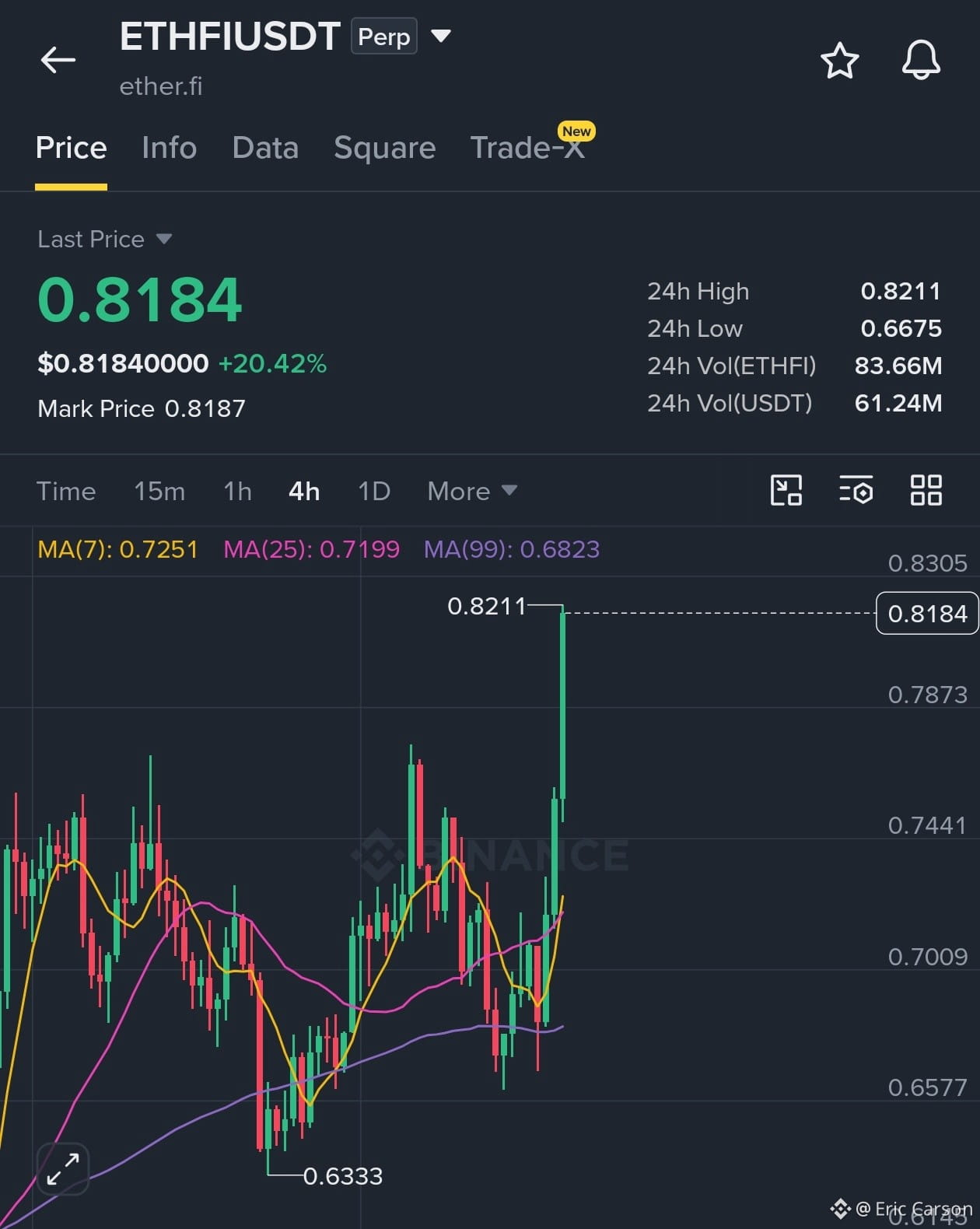
El precio ahora es 0.8184 (+20.42%) - la ruptura está activa. Después de semanas de consolidación por debajo de 0.76, el precio se expandió directamente hasta un máximo de 0.8211.
Esto no es aleatorio. El mínimo fue 0.6675, ahora 0.8211: ruptura del rango completo con un volumen de 83.66M ETHFI / 61.24M USDT. El impulso es real.
La alineación de medias confirma:
MA(7): 0.7251
MA(25): 0.7199
MA(99): 0.6823
Estructura alcista. El precio cotiza bien por encima de todas las medias.
La resistencia previa 0.76-0.78 ahora es un soporte fuerte. El impulso se mantiene alcista mientras 0.72 se sostenga.
- Zona de entrada: 0.8000 - 0.8184 (retest de la ruptura)
- TP1: 0.8200
- TP2: 0.8460
- TP3: 0.8700
- Stop-Loss: 0.7000
Mantenerse por encima de 0.80 abre 0.92 a continuación.
#ETHFI #WriteToEarnUpgrade
$ETHFI / USDT - Actualización
El precio ahora es 0.8184 (+20.42%) - la ruptura está activa. Después de semanas de consolidación por debajo de 0.76, el precio se expandió directamente hasta un máximo de 0.8211.
Esto no es aleatorio. El mínimo fue 0.6675, ahora 0.8211: ruptura del rango completo con un volumen de 83.66M ETHFI / 61.24M USDT. El impulso es real.
La alineación de medias confirma:
MA(7): 0.7251
MA(25): 0.7199
MA(99): 0.6823
Estructura alcista. El precio cotiza bien por encima de todas las medias.
La resistencia previa 0.76-0.78 ahora es un soporte fuerte. El impulso se mantiene alcista mientras 0.72 se sostenga.
- Zona de entrada: 0.8000 - 0.8184 (retest de la ruptura)
- TP1: 0.8200
- TP2: 0.8460
- TP3: 0.8700
- Stop-Loss: 0.7000
Mantenerse por encima de 0.80 abre 0.92 a continuación.
#ETHFI #WriteToEarnUpgrade
El precio ahora es 0.8184 (+20.42%) - la ruptura está activa. Después de semanas de consolidación por debajo de 0.76, el precio se expandió directamente hasta un máximo de 0.8211.
Esto no es aleatorio. El mínimo fue 0.6675, ahora 0.8211: ruptura del rango completo con un volumen de 83.66M ETHFI / 61.24M USDT. El impulso es real.
La alineación de medias confirma:
MA(7): 0.7251
MA(25): 0.7199
MA(99): 0.6823
Estructura alcista. El precio cotiza bien por encima de todas las medias.
La resistencia previa 0.76-0.78 ahora es un soporte fuerte. El impulso se mantiene alcista mientras 0.72 se sostenga.
- Zona de entrada: 0.8000 - 0.8184 (retest de la ruptura)
- TP1: 0.8200
- TP2: 0.8460
- TP3: 0.8700
- Stop-Loss: 0.7000
Mantenerse por encima de 0.80 abre 0.92 a continuación.
#ETHFI #WriteToEarnUpgrade
1
1
354
·
--
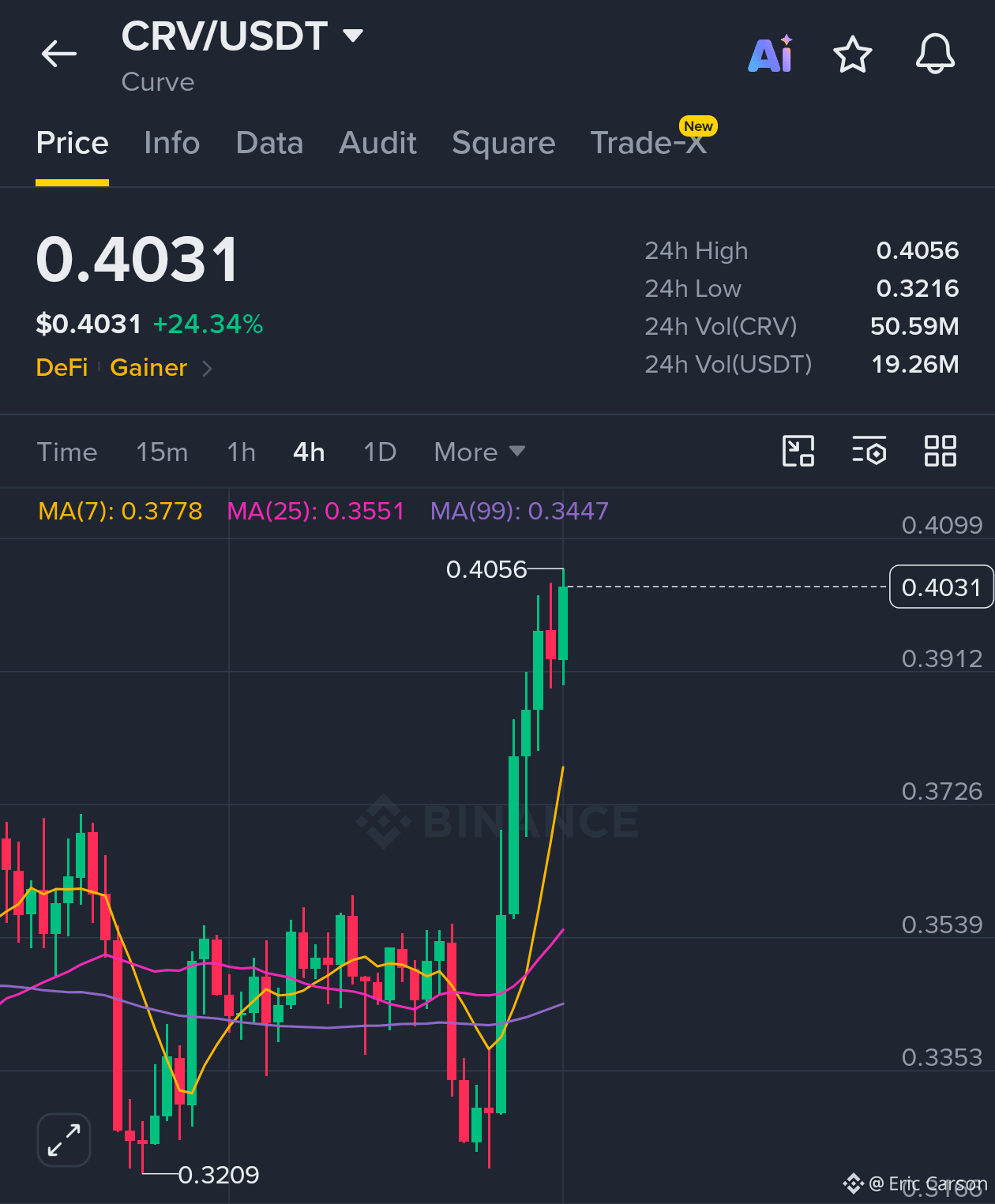
$CRV ha subido un 24% hoy, pero el gráfico me dice que tenga cautela, no emoción.
El precio está en $0.4031**, y el movimiento vino con un aumento de interés abierto hasta **$165M y tasas de financiación positivas. Eso me indica que los largos apalancados empujaron el movimiento, no compras spot. Que el interés abierto caiga un 10% mientras el precio se dispara también sugiere que el dinero inteligente se está distribuyendo en la fuerza, no acumulando.
Técnicamente, esto está sobreextendido. El Estocástico está en 99 y el histograma del MACD está plano en 0.0000 después de una vela de un solo día del 22%. El precio cotiza por encima de la Banda de Bollinger con %B en 1.19. Históricamente es una configuración de reversión a la media, no de continuación.
El volumen tampoco valida una tendencia nueva. $15M en volumen spot es aceptable, pero no es el tipo de “inundación” que justifica una ruptura estructural.
Niveles clave:
· Resistencia: $0.4056, el máximo de la sesión. Romper por encima abre $0.43.
· Soporte: $0.3778 (MA7). Primera línea de defensa.
· Invalidación: $0.3551 (MA25). Si se pierde, la subida se convierte en una ruptura fallida.
Me perdí la entrada en $0.32, y estoy bien con eso. Perseguir una vela vertical del 24% en $0.40 con un stop en $0.35 es mala matemática. Prefiero esperar un retroceso hacia $0.38–$0.39 con el volumen confirmando, o una base de consolidación por encima de $0.38. Hasta entonces, estoy plano.
¿Esta enorme vela aguanta como un nuevo mínimo más alto, o fue un “acaparamiento” de liquidez antes de que el precio vuelva a hundirse dentro del rango?
#crv #CRV/USDT #Write2Earn
$CRV ha subido un 24% hoy, pero el gráfico me dice que tenga cautela, no emoción.
El precio está en $0.4031**, y el movimiento vino con un aumento de interés abierto hasta **$165M y tasas de financiación positivas. Eso me indica que los largos apalancados empujaron el movimiento, no compras spot. Que el interés abierto caiga un 10% mientras el precio se dispara también sugiere que el dinero inteligente se está distribuyendo en la fuerza, no acumulando.
Técnicamente, esto está sobreextendido. El Estocástico está en 99 y el histograma del MACD está plano en 0.0000 después de una vela de un solo día del 22%. El precio cotiza por encima de la Banda de Bollinger con %B en 1.19. Históricamente es una configuración de reversión a la media, no de continuación.
El volumen tampoco valida una tendencia nueva. $15M en volumen spot es aceptable, pero no es el tipo de “inundación” que justifica una ruptura estructural.
Niveles clave:
· Resistencia: $0.4056, el máximo de la sesión. Romper por encima abre $0.43.
· Soporte: $0.3778 (MA7). Primera línea de defensa.
· Invalidación: $0.3551 (MA25). Si se pierde, la subida se convierte en una ruptura fallida.
Me perdí la entrada en $0.32, y estoy bien con eso. Perseguir una vela vertical del 24% en $0.40 con un stop en $0.35 es mala matemática. Prefiero esperar un retroceso hacia $0.38–$0.39 con el volumen confirmando, o una base de consolidación por encima de $0.38. Hasta entonces, estoy plano.
¿Esta enorme vela aguanta como un nuevo mínimo más alto, o fue un “acaparamiento” de liquidez antes de que el precio vuelva a hundirse dentro del rango?
#crv #CRV/USDT #Write2Earn
El precio está en $0.4031**, y el movimiento vino con un aumento de interés abierto hasta **$165M y tasas de financiación positivas. Eso me indica que los largos apalancados empujaron el movimiento, no compras spot. Que el interés abierto caiga un 10% mientras el precio se dispara también sugiere que el dinero inteligente se está distribuyendo en la fuerza, no acumulando.
Técnicamente, esto está sobreextendido. El Estocástico está en 99 y el histograma del MACD está plano en 0.0000 después de una vela de un solo día del 22%. El precio cotiza por encima de la Banda de Bollinger con %B en 1.19. Históricamente es una configuración de reversión a la media, no de continuación.
El volumen tampoco valida una tendencia nueva. $15M en volumen spot es aceptable, pero no es el tipo de “inundación” que justifica una ruptura estructural.
Niveles clave:
· Resistencia: $0.4056, el máximo de la sesión. Romper por encima abre $0.43.
· Soporte: $0.3778 (MA7). Primera línea de defensa.
· Invalidación: $0.3551 (MA25). Si se pierde, la subida se convierte en una ruptura fallida.
Me perdí la entrada en $0.32, y estoy bien con eso. Perseguir una vela vertical del 24% en $0.40 con un stop en $0.35 es mala matemática. Prefiero esperar un retroceso hacia $0.38–$0.39 con el volumen confirmando, o una base de consolidación por encima de $0.38. Hasta entonces, estoy plano.
¿Esta enorme vela aguanta como un nuevo mínimo más alto, o fue un “acaparamiento” de liquidez antes de que el precio vuelva a hundirse dentro del rango?
#crv #CRV/USDT #Write2Earn
1
252

·
--
$NMR
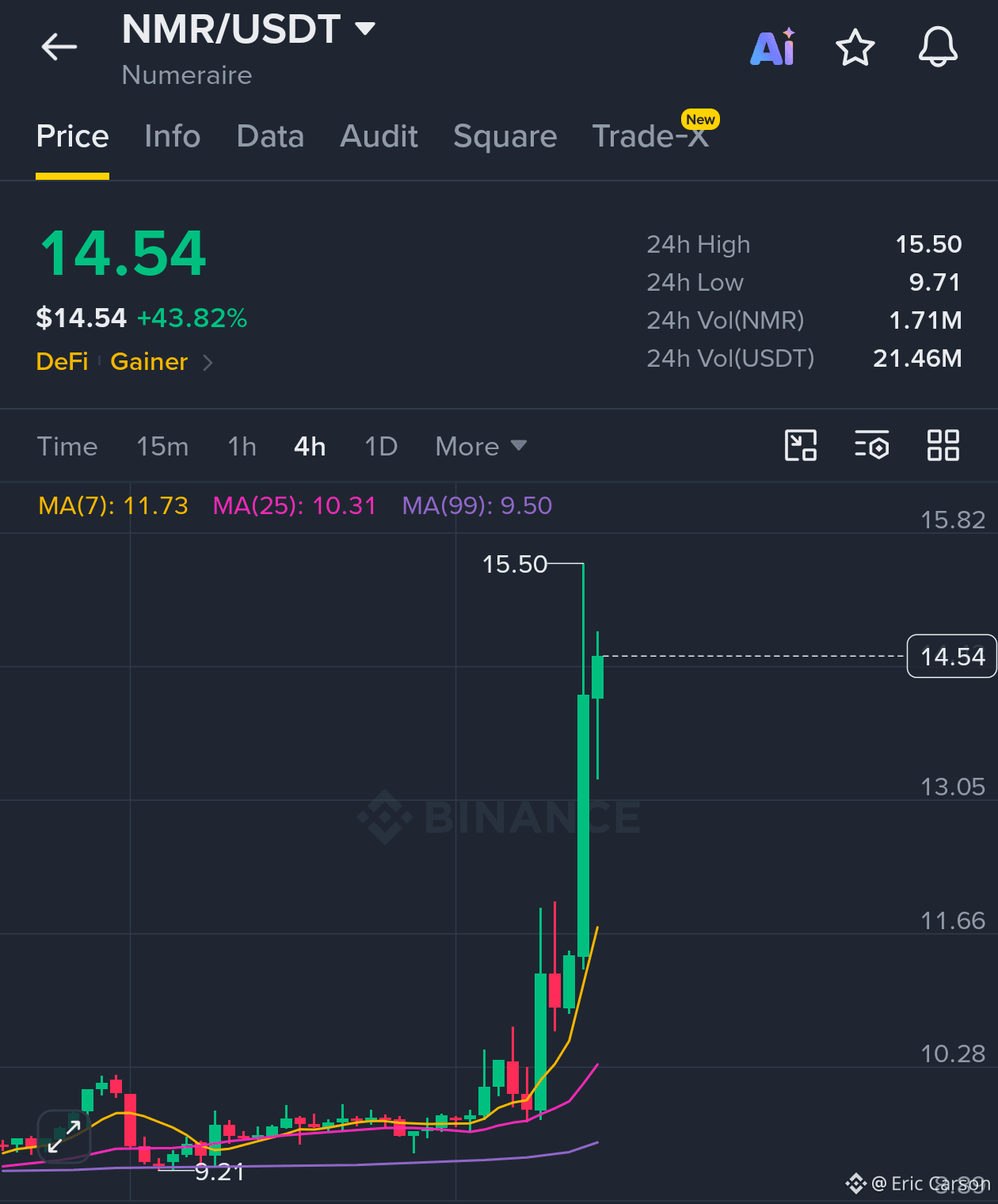
Expansión vertical masiva tras una consolidación prolongada de base alrededor de la zona de 9.50–10.00. El impulso es agresivamente alcista, con el precio operando bien extendido por encima de medias móviles clave (MA7 en 11.73, MA25 en 10.31).
La resistencia inmediata por encima se sitúa en el máximo reciente de la mecha en 15.50. Perseguir velas verdes directamente hacia una resistencia fuerte conlleva un alto riesgo de rechazo en la ruptura. La jugada de mayor probabilidad es esperar una consolidación o un retroceso hacia un soporte local para establecer la posición antes de la siguiente pierna al alza.
Niveles Clave:
• Zona de Entrada: 13.00 - 13.80
• TP1: 15.50
• TP2: 17.20
• TP3: 19.50
• Stop-Loss: 11.90
Gestiona tu riesgo y protege el capital en las extensiones.
#NMR #WriteToEarnUpgrade
$NMR
Expansión vertical masiva tras una consolidación prolongada de base alrededor de la zona de 9.50–10.00. El impulso es agresivamente alcista, con el precio operando bien extendido por encima de medias móviles clave (MA7 en 11.73, MA25 en 10.31).
La resistencia inmediata por encima se sitúa en el máximo reciente de la mecha en 15.50. Perseguir velas verdes directamente hacia una resistencia fuerte conlleva un alto riesgo de rechazo en la ruptura. La jugada de mayor probabilidad es esperar una consolidación o un retroceso hacia un soporte local para establecer la posición antes de la siguiente pierna al alza.
Niveles Clave:
• Zona de Entrada: 13.00 - 13.80
• TP1: 15.50
• TP2: 17.20
• TP3: 19.50
• Stop-Loss: 11.90
Gestiona tu riesgo y protege el capital en las extensiones.
#NMR #WriteToEarnUpgrade
Expansión vertical masiva tras una consolidación prolongada de base alrededor de la zona de 9.50–10.00. El impulso es agresivamente alcista, con el precio operando bien extendido por encima de medias móviles clave (MA7 en 11.73, MA25 en 10.31).
La resistencia inmediata por encima se sitúa en el máximo reciente de la mecha en 15.50. Perseguir velas verdes directamente hacia una resistencia fuerte conlleva un alto riesgo de rechazo en la ruptura. La jugada de mayor probabilidad es esperar una consolidación o un retroceso hacia un soporte local para establecer la posición antes de la siguiente pierna al alza.
Niveles Clave:
• Zona de Entrada: 13.00 - 13.80
• TP1: 15.50
• TP2: 17.20
• TP3: 19.50
• Stop-Loss: 11.90
Gestiona tu riesgo y protege el capital en las extensiones.
#NMR #WriteToEarnUpgrade
257
·
--
$NEAR acaba de hacer un movimiento fuerte, pero no lo persigo aquí.
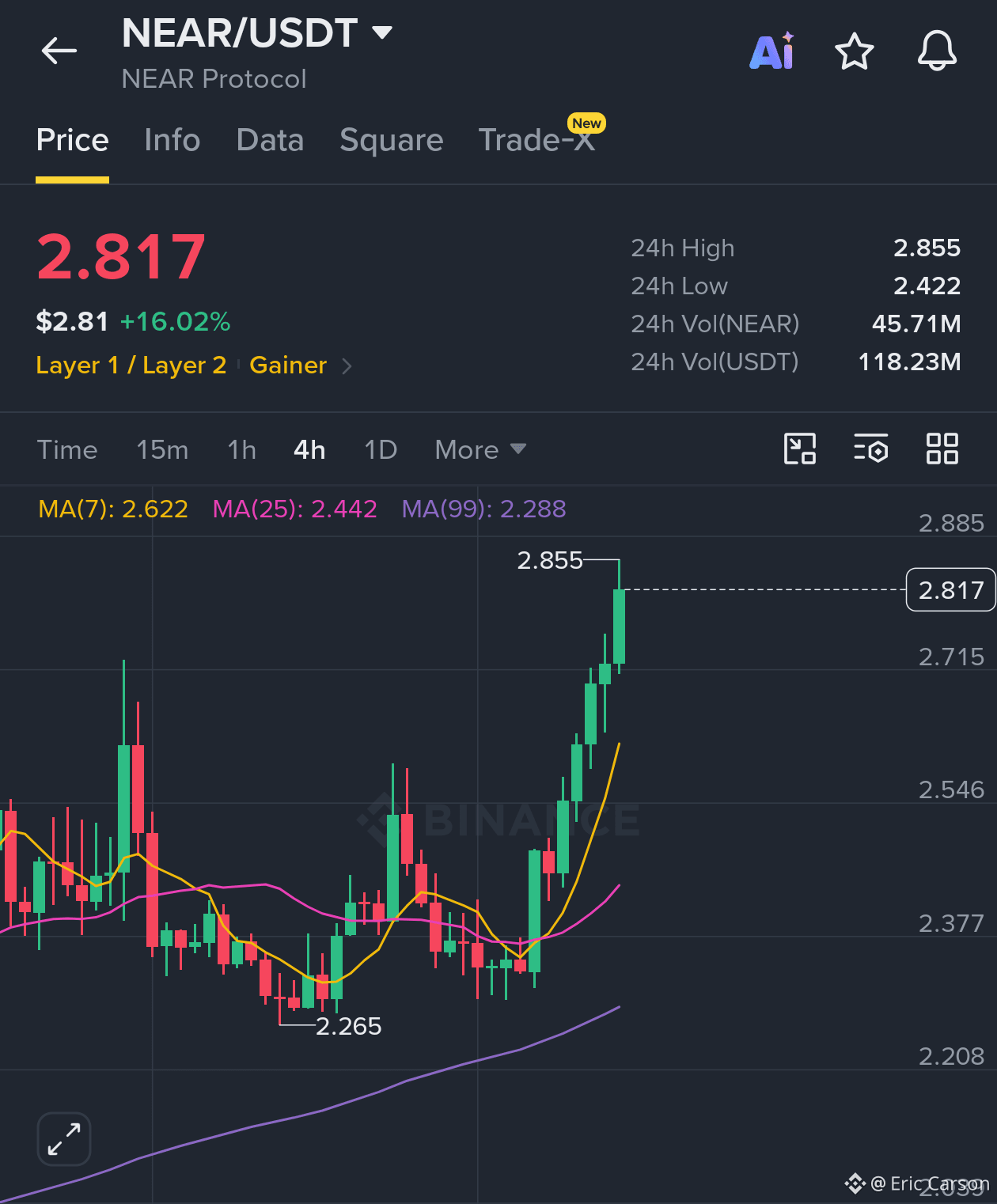
NEAR está alrededor de $2.81, con +16%+ en 24H, en un rango de $2.422–$2.855.
En 4H, la estructura se ha desplazado más arriba desde el mínimo de $2.26, con el precio ahora por encima de:
→ MA7: $2.622
→ MA25: $2.442
→ MA99: $2.288
Eso es constructivo, pero el precio ya está cerca de la resistencia de $2.855 después de una expansión brusca.
Lo que me gusta
◆ Fuerte momentum en 4H
◆ Estructura de máximos más altos
◆ Precio por encima de todas las MAs clave
Lo que no me gusta
La resistencia está demasiado cerca, lo que hace que una entrada nueva aquí tenga un R:R pobre.
Mi plan: ESPERAR.
Prefiero ver un retroceso hacia $2.62–$2.70, seguido de una reacción clara.
Soporte: $2.62–$2.70
Resistencia: $2.855
Invalidación: ~$2.54–$2.58
No hace falta perseguir un movimiento que ya se ha expandido. Que el precio llegue al nivel.
¿$NEAR mantendrá $2.62–$2.70, o el momentum se debilitará primero?
#NEAR🚀🚀🚀 #Binance #cryptotrading
$NEAR acaba de hacer un movimiento fuerte, pero no lo persigo aquí.
NEAR está alrededor de $2.81, con +16%+ en 24H, en un rango de $2.422–$2.855.
En 4H, la estructura se ha desplazado más arriba desde el mínimo de $2.26, con el precio ahora por encima de:
→ MA7: $2.622
→ MA25: $2.442
→ MA99: $2.288
Eso es constructivo, pero el precio ya está cerca de la resistencia de $2.855 después de una expansión brusca.
Lo que me gusta
◆ Fuerte momentum en 4H
◆ Estructura de máximos más altos
◆ Precio por encima de todas las MAs clave
Lo que no me gusta
La resistencia está demasiado cerca, lo que hace que una entrada nueva aquí tenga un R:R pobre.
Mi plan: ESPERAR.
Prefiero ver un retroceso hacia $2.62–$2.70, seguido de una reacción clara.
Soporte: $2.62–$2.70
Resistencia: $2.855
Invalidación: ~$2.54–$2.58
No hace falta perseguir un movimiento que ya se ha expandido. Que el precio llegue al nivel.
¿$NEAR mantendrá $2.62–$2.70, o el momentum se debilitará primero?
#NEAR🚀🚀🚀 #Binance #cryptotrading
NEAR está alrededor de $2.81, con +16%+ en 24H, en un rango de $2.422–$2.855.
En 4H, la estructura se ha desplazado más arriba desde el mínimo de $2.26, con el precio ahora por encima de:
→ MA7: $2.622
→ MA25: $2.442
→ MA99: $2.288
Eso es constructivo, pero el precio ya está cerca de la resistencia de $2.855 después de una expansión brusca.
Lo que me gusta
◆ Fuerte momentum en 4H
◆ Estructura de máximos más altos
◆ Precio por encima de todas las MAs clave
Lo que no me gusta
La resistencia está demasiado cerca, lo que hace que una entrada nueva aquí tenga un R:R pobre.
Mi plan: ESPERAR.
Prefiero ver un retroceso hacia $2.62–$2.70, seguido de una reacción clara.
Soporte: $2.62–$2.70
Resistencia: $2.855
Invalidación: ~$2.54–$2.58
No hace falta perseguir un movimiento que ya se ha expandido. Que el precio llegue al nivel.
¿$NEAR mantendrá $2.62–$2.70, o el momentum se debilitará primero?
#NEAR🚀🚀🚀 #Binance #cryptotrading
1
3
1.1k

·
--
🎙️ Hablemos de la tendencia del mercado y las inversiones periódicas en BNB

Finalizado
03 h 27 m 47 s
17.4k
45
40
·
--
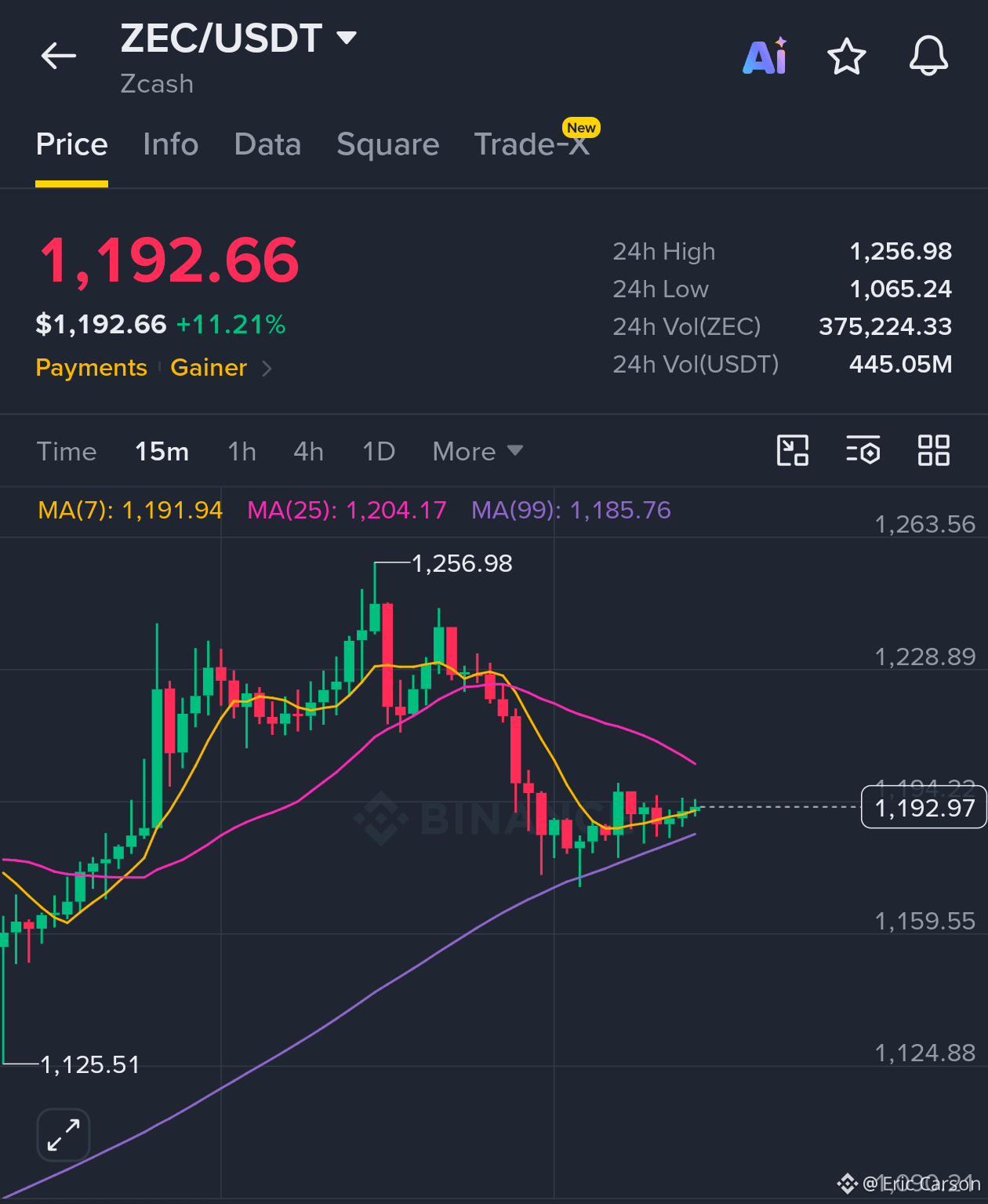
$ZEC parece agotado después de ese rechazo en $1,256, pero los compradores están tratando silenciosamente de defender $1,192.
Nos estamos comprimiendo fuertemente en una base ascendente entre la MA de 99 en $1,185 y la MA de 25 en $1,204 mientras el volumen se seca.
Si $1,185 cede, esperen una caída hacia $1,160, mientras que recuperar $1,204 abre otra subida.
Yo me quedo quieto hasta que este rango realmente se rompa.
#ZEC #crypto
$ZEC parece agotado después de ese rechazo en $1,256, pero los compradores están tratando silenciosamente de defender $1,192.
Nos estamos comprimiendo fuertemente en una base ascendente entre la MA de 99 en $1,185 y la MA de 25 en $1,204 mientras el volumen se seca.
Si $1,185 cede, esperen una caída hacia $1,160, mientras que recuperar $1,204 abre otra subida.
Yo me quedo quieto hasta que este rango realmente se rompa.
#ZEC #crypto
Nos estamos comprimiendo fuertemente en una base ascendente entre la MA de 99 en $1,185 y la MA de 25 en $1,204 mientras el volumen se seca.
Si $1,185 cede, esperen una caída hacia $1,160, mientras que recuperar $1,204 abre otra subida.
Yo me quedo quieto hasta que este rango realmente se rompa.
#ZEC #crypto
395
·
--
🎙️ ¡Hablemos de trading y de hacer DCA en spot de BNB!
Finalizado
03 h 30 m 44 s
17.7k
35
32
·
--
🎙️ ¿Cuál es el código de la riqueza? DCA en BNB y DCA en BTC
Finalizado
02 h 00 m 32 s
7.7k
16
20
·
--
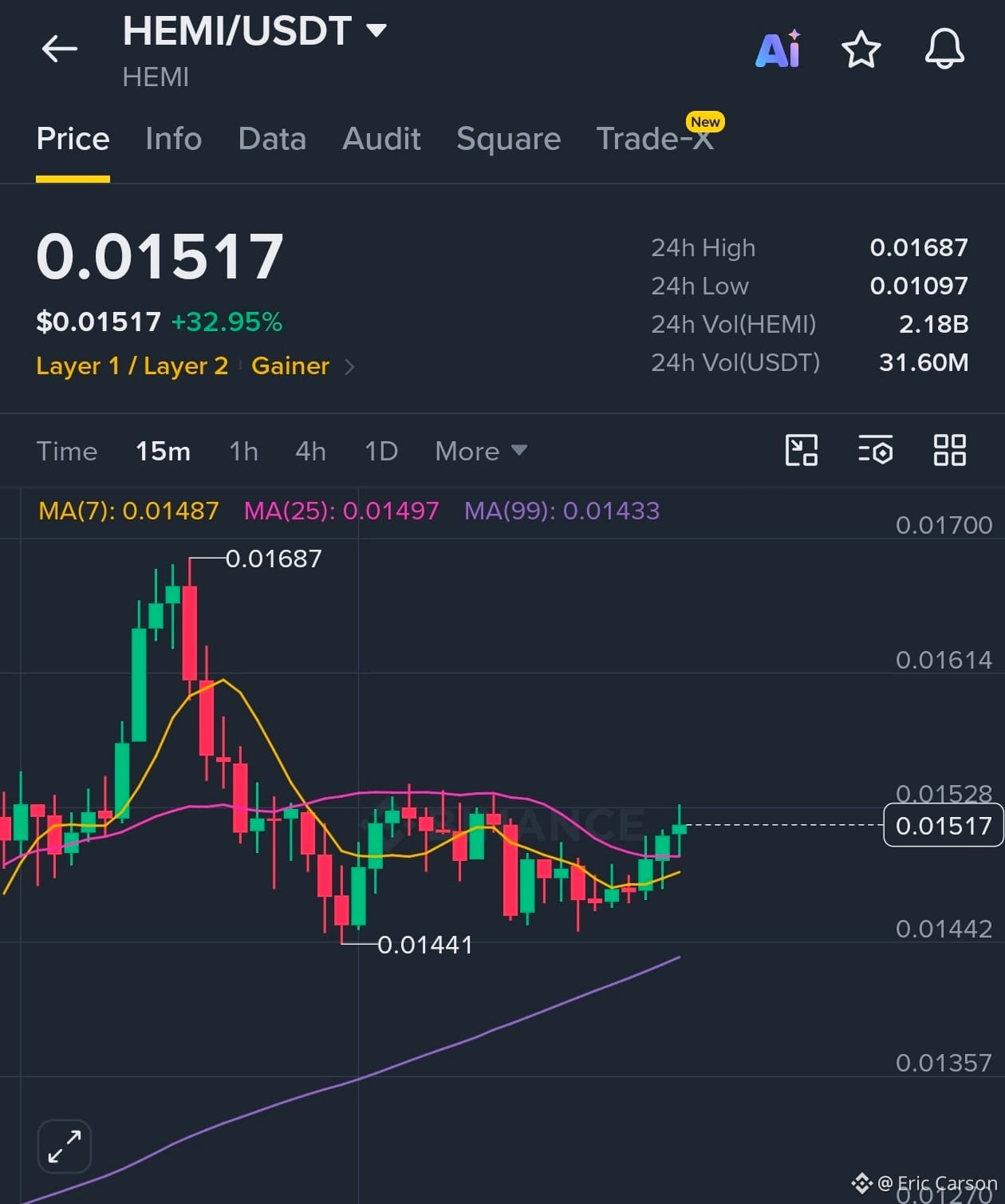
$HEMI Tras el impulso inicial, la mecha llegó a 0.01687; el mercado completó una fase de consolidación saludable, estableciendo una sólida base de doble suelo por encima de un soporte horizontal clave en 0.01441.
El impulso alcista está recuperando el control mientras el precio vuelve con claridad por encima de la 7 MA y la 25 MA en el marco temporal de 15m. La estructura general sigue estando fuertemente respaldada por la 99 MA en ascenso por debajo de la acción actual. Un avance sostenido a través de la resistencia local en 0.01530 confirma una fase de expansión con un riesgo de ruptura significativo al alza, apuntando a máximos del swing previos.
Parámetros de la operación
• Zona de entrada: 0.01485 - 0.01520
• TP1: 0.01585
• TP2: 0.01685
• TP3: 0.01820
• Stop-Loss: 0.01430
Gestiona el riesgo estrictamente y ajusta los stops a medida que se alcancen los objetivos.
#HEMI #WriteToEarnUpgrade
$HEMI Tras el impulso inicial, la mecha llegó a 0.01687; el mercado completó una fase de consolidación saludable, estableciendo una sólida base de doble suelo por encima de un soporte horizontal clave en 0.01441.
El impulso alcista está recuperando el control mientras el precio vuelve con claridad por encima de la 7 MA y la 25 MA en el marco temporal de 15m. La estructura general sigue estando fuertemente respaldada por la 99 MA en ascenso por debajo de la acción actual. Un avance sostenido a través de la resistencia local en 0.01530 confirma una fase de expansión con un riesgo de ruptura significativo al alza, apuntando a máximos del swing previos.
Parámetros de la operación
• Zona de entrada: 0.01485 - 0.01520
• TP1: 0.01585
• TP2: 0.01685
• TP3: 0.01820
• Stop-Loss: 0.01430
Gestiona el riesgo estrictamente y ajusta los stops a medida que se alcancen los objetivos.
#HEMI #WriteToEarnUpgrade
El impulso alcista está recuperando el control mientras el precio vuelve con claridad por encima de la 7 MA y la 25 MA en el marco temporal de 15m. La estructura general sigue estando fuertemente respaldada por la 99 MA en ascenso por debajo de la acción actual. Un avance sostenido a través de la resistencia local en 0.01530 confirma una fase de expansión con un riesgo de ruptura significativo al alza, apuntando a máximos del swing previos.
Parámetros de la operación
• Zona de entrada: 0.01485 - 0.01520
• TP1: 0.01585
• TP2: 0.01685
• TP3: 0.01820
• Stop-Loss: 0.01430
Gestiona el riesgo estrictamente y ajusta los stops a medida que se alcancen los objetivos.
#HEMI #WriteToEarnUpgrade
300
·
--
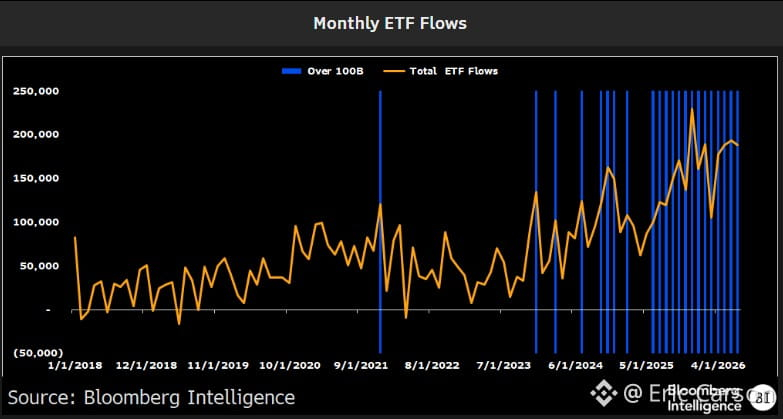
🔥 SEÑAL ALCISTA: $100B+ SE ESTÁ VOLVIENDO NORMAL
Las entradas a los ETF ya han superado los $100B durante 14 meses consecutivos, según Bloomberg Intelligence.
Eso no es solo una demanda fuerte.
Señala un cambio estructural en la asignación de capital.
Las instituciones no solo están entrando al mercado durante ciclos de euforia; cada vez más están tratando los ETF como un vehículo central para obtener exposición.
El mes de $100B se está convirtiendo en la nueva normalidad.
Y si esta tendencia continúa, la siguiente fase del mercado podría verse muy diferente. 📈
#BTC #ETF #EthereumFoundationDropsPoseidonForL1
🔥 SEÑAL ALCISTA: $100B+ SE ESTÁ VOLVIENDO NORMAL
Las entradas a los ETF ya han superado los $100B durante 14 meses consecutivos, según Bloomberg Intelligence.
Eso no es solo una demanda fuerte.
Señala un cambio estructural en la asignación de capital.
Las instituciones no solo están entrando al mercado durante ciclos de euforia; cada vez más están tratando los ETF como un vehículo central para obtener exposición.
El mes de $100B se está convirtiendo en la nueva normalidad.
Y si esta tendencia continúa, la siguiente fase del mercado podría verse muy diferente. 📈
#BTC #ETF #EthereumFoundationDropsPoseidonForL1
Las entradas a los ETF ya han superado los $100B durante 14 meses consecutivos, según Bloomberg Intelligence.
Eso no es solo una demanda fuerte.
Señala un cambio estructural en la asignación de capital.
Las instituciones no solo están entrando al mercado durante ciclos de euforia; cada vez más están tratando los ETF como un vehículo central para obtener exposición.
El mes de $100B se está convirtiendo en la nueva normalidad.
Y si esta tendencia continúa, la siguiente fase del mercado podría verse muy diferente. 📈
#BTC #ETF #EthereumFoundationDropsPoseidonForL1
2
318
·
--
🎙️ ¿Qué opinas del panorama del día de hoy? Construyamos BNB
Finalizado
02 h 28 m 18 s
16.1k
29
39
·
--
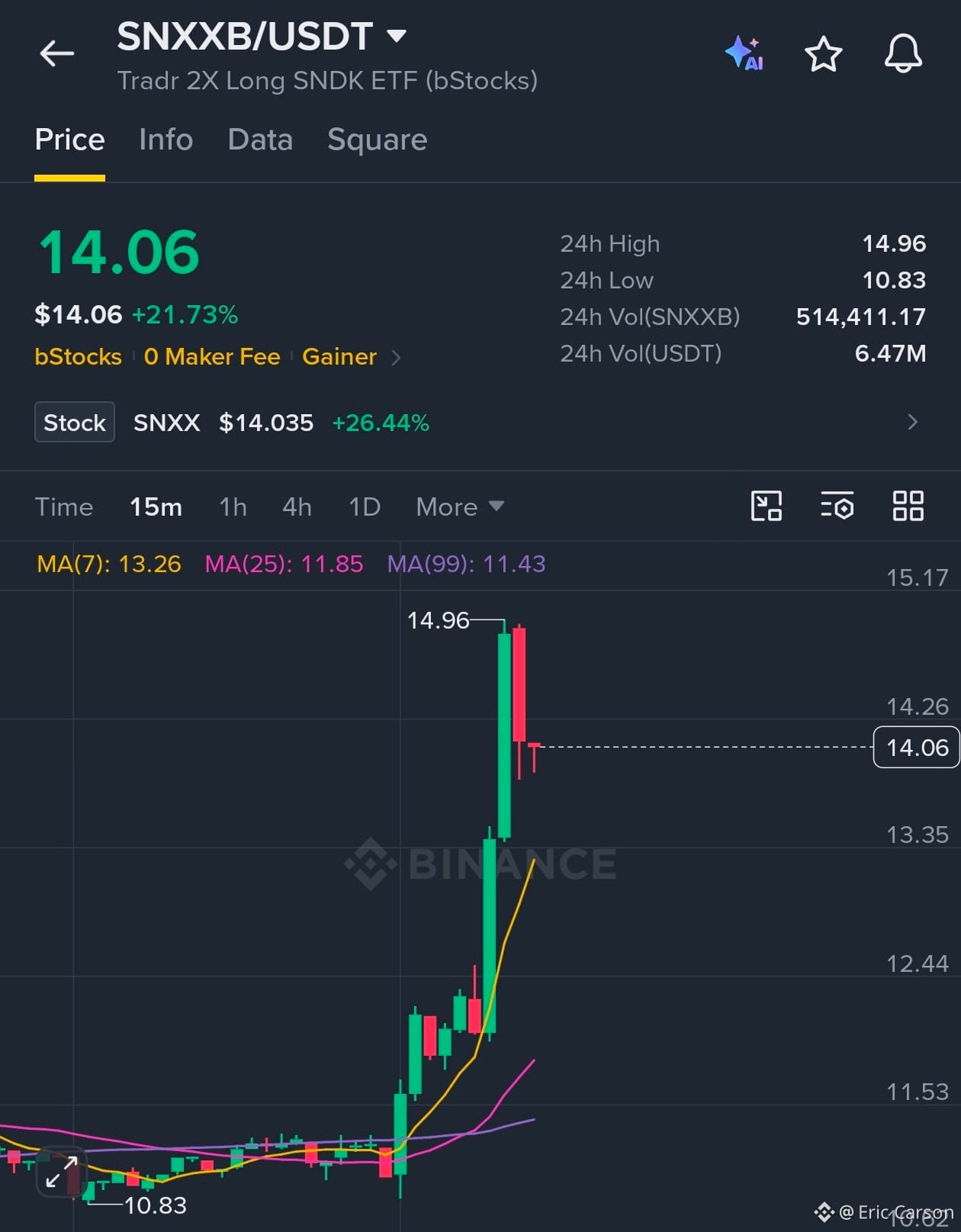
$SNXXB
Al observar el gráfico del 163464.jpg, estamos viendo un cambio de momentum de libro. Acabamos de imprimir una ruptura limpia y agresiva desde los mínimos, atravesando niveles previos con un volumen serio. El precio actualmente está en una fase de consolidación estrecha cerca del máximo local. Con las medias móviles apiladas y desplegadas, la tendencia general está firmemente en territorio alcista. El soporte inmediato está manteniendo la línea, y el riesgo de ruptura alcista es alto si los compradores vuelven a entrar para destrozar la resistencia local. Gestiona tu tamaño y ciñe al setup.
• Zona de entrada: 13.30 - 14.06 • TP1: 14.50, TP2: 14.96, TP3: 15.50 • Stop-Loss: 12.50
#SNXXB #WriteToEarnUpgrade
$SNXXB
Al observar el gráfico del 163464.jpg, estamos viendo un cambio de momentum de libro. Acabamos de imprimir una ruptura limpia y agresiva desde los mínimos, atravesando niveles previos con un volumen serio. El precio actualmente está en una fase de consolidación estrecha cerca del máximo local. Con las medias móviles apiladas y desplegadas, la tendencia general está firmemente en territorio alcista. El soporte inmediato está manteniendo la línea, y el riesgo de ruptura alcista es alto si los compradores vuelven a entrar para destrozar la resistencia local. Gestiona tu tamaño y ciñe al setup.
• Zona de entrada: 13.30 - 14.06 • TP1: 14.50, TP2: 14.96, TP3: 15.50 • Stop-Loss: 12.50
#SNXXB #WriteToEarnUpgrade
Al observar el gráfico del 163464.jpg, estamos viendo un cambio de momentum de libro. Acabamos de imprimir una ruptura limpia y agresiva desde los mínimos, atravesando niveles previos con un volumen serio. El precio actualmente está en una fase de consolidación estrecha cerca del máximo local. Con las medias móviles apiladas y desplegadas, la tendencia general está firmemente en territorio alcista. El soporte inmediato está manteniendo la línea, y el riesgo de ruptura alcista es alto si los compradores vuelven a entrar para destrozar la resistencia local. Gestiona tu tamaño y ciñe al setup.
• Zona de entrada: 13.30 - 14.06 • TP1: 14.50, TP2: 14.96, TP3: 15.50 • Stop-Loss: 12.50
#SNXXB #WriteToEarnUpgrade
152
·
--
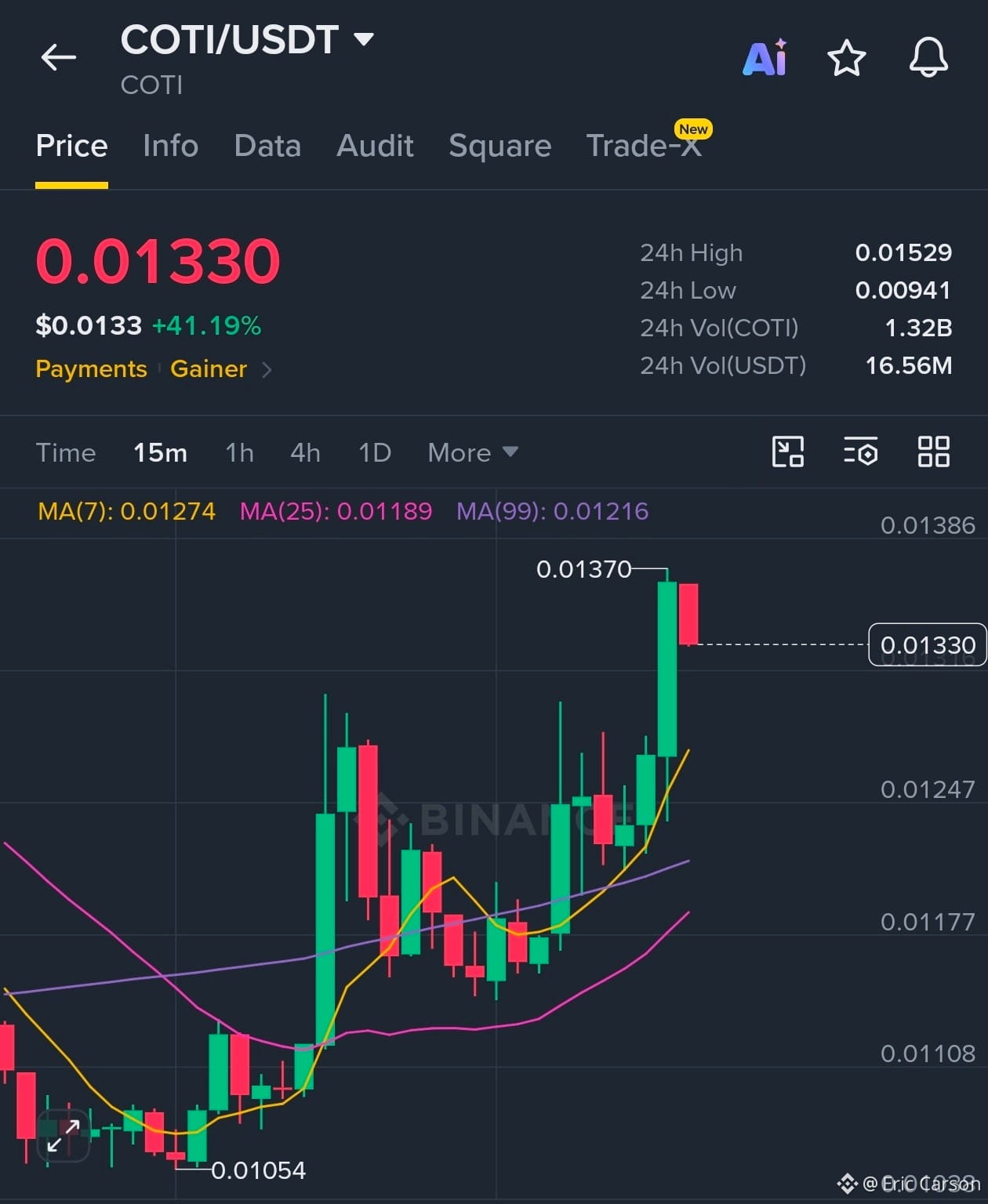
$COTI
Como se ve en el gráfico de 163462.jpg, estamos presenciando un enorme cambio de impulso. El precio acaba de imprimir una ruptura limpia y impulsiva desde la zona reciente de consolidación, dejando los niveles inferiores muy atrás. La tendencia general se mantiene firmemente alcista, con las medias móviles extendidas en total alineación y señalando una fuerte presión compradora.
Se ha establecido un soporte inmediato cerca del nivel 0.01270, que está manteniendo intacta la estructura actual del mercado. En este momento hay un riesgo serio de ruptura si el volumen vuelve a entrar para quebrar la resistencia local en 0.01370. Si este impulso mantiene su ritmo por encima de las medias móviles, el camino está despejado para un avance directo hacia el máximo de 24 horas. Gestiona tu riesgo y respeta los niveles.
Zona de entrada: 0.01270 - 0.01330
TP1: 0.01370, TP2: 0.01450, TP3: 0.01529
Stop-Loss: 0.01150
#COTI #WriteToEarnUpgrade
$COTI
Como se ve en el gráfico de 163462.jpg, estamos presenciando un enorme cambio de impulso. El precio acaba de imprimir una ruptura limpia y impulsiva desde la zona reciente de consolidación, dejando los niveles inferiores muy atrás. La tendencia general se mantiene firmemente alcista, con las medias móviles extendidas en total alineación y señalando una fuerte presión compradora.
Se ha establecido un soporte inmediato cerca del nivel 0.01270, que está manteniendo intacta la estructura actual del mercado. En este momento hay un riesgo serio de ruptura si el volumen vuelve a entrar para quebrar la resistencia local en 0.01370. Si este impulso mantiene su ritmo por encima de las medias móviles, el camino está despejado para un avance directo hacia el máximo de 24 horas. Gestiona tu riesgo y respeta los niveles.
Zona de entrada: 0.01270 - 0.01330
TP1: 0.01370, TP2: 0.01450, TP3: 0.01529
Stop-Loss: 0.01150
#COTI #WriteToEarnUpgrade
Como se ve en el gráfico de 163462.jpg, estamos presenciando un enorme cambio de impulso. El precio acaba de imprimir una ruptura limpia y impulsiva desde la zona reciente de consolidación, dejando los niveles inferiores muy atrás. La tendencia general se mantiene firmemente alcista, con las medias móviles extendidas en total alineación y señalando una fuerte presión compradora.
Se ha establecido un soporte inmediato cerca del nivel 0.01270, que está manteniendo intacta la estructura actual del mercado. En este momento hay un riesgo serio de ruptura si el volumen vuelve a entrar para quebrar la resistencia local en 0.01370. Si este impulso mantiene su ritmo por encima de las medias móviles, el camino está despejado para un avance directo hacia el máximo de 24 horas. Gestiona tu riesgo y respeta los niveles.
Zona de entrada: 0.01270 - 0.01330
TP1: 0.01370, TP2: 0.01450, TP3: 0.01529
Stop-Loss: 0.01150
#COTI #WriteToEarnUpgrade
1
1
433
·
--
🎙️ Inversión periódica en BTC, BNB y SOL: capturar la tendencia en cadena

Finalizado
03 h 06 m 12 s
11.5k
16
22
·
--
Buenos días ☀️
Gran camino hacia los 50K 🚀
No te pierdas tu recompensa 🎁
Buenos días ☀️
Gran camino hacia los 50K 🚀
No te pierdas tu recompensa 🎁
Gran camino hacia los 50K 🚀
No te pierdas tu recompensa 🎁

59
4
131
·
--
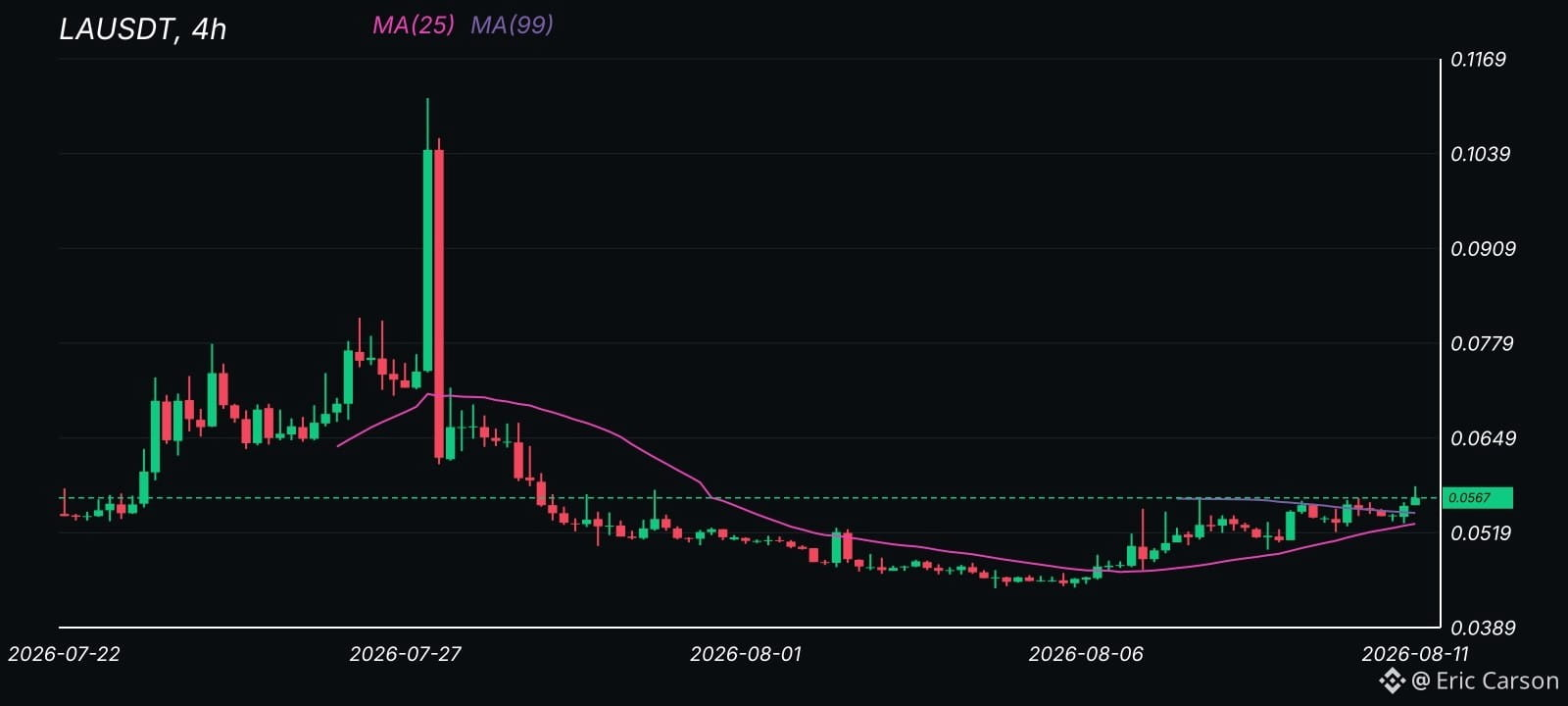
$LA
GRÁFICO 4H – RANGO LIMITADO CON SESGO ALCISTA
El precio opera en el rango medio tras una caída pronunciada desde 0.1169.
MA25 (0.0649) por encima, MA99 (0.0779) muy por encima: la estructura bajista aún se mantiene, pero el impulso se está desacelerando.
El nivel actual en 0.0565 actúa como pivote. Mantenerse por encima de 0.0532 mantiene viva la opción alcista.
El riesgo de ruptura es moderado. Necesita superar 0.0583 para un movimiento hacia 0.0649.
Si falla por debajo de 0.0532, se abre una re-prueba de 0.0519 y niveles inferiores.
• Zona de entrada: 0.0550 – 0.0565
• TP1: 0.0585
• TP2: 0.0649
• TP3: 0.0779
• Stop-Loss: 0.0530
Vigila el volumen en la ruptura. Convicción baja por debajo de 0.0583: entra de forma gradual con cautela.
Un cierre limpio por encima de MA25 inclina el impulso a favor de los compradores.
#LAUSDT #WriteToEarnUpgrade
$LA
GRÁFICO 4H – RANGO LIMITADO CON SESGO ALCISTA
El precio opera en el rango medio tras una caída pronunciada desde 0.1169.
MA25 (0.0649) por encima, MA99 (0.0779) muy por encima: la estructura bajista aún se mantiene, pero el impulso se está desacelerando.
El nivel actual en 0.0565 actúa como pivote. Mantenerse por encima de 0.0532 mantiene viva la opción alcista.
El riesgo de ruptura es moderado. Necesita superar 0.0583 para un movimiento hacia 0.0649.
Si falla por debajo de 0.0532, se abre una re-prueba de 0.0519 y niveles inferiores.
• Zona de entrada: 0.0550 – 0.0565
• TP1: 0.0585
• TP2: 0.0649
• TP3: 0.0779
• Stop-Loss: 0.0530
Vigila el volumen en la ruptura. Convicción baja por debajo de 0.0583: entra de forma gradual con cautela.
Un cierre limpio por encima de MA25 inclina el impulso a favor de los compradores.
#LAUSDT #WriteToEarnUpgrade
GRÁFICO 4H – RANGO LIMITADO CON SESGO ALCISTA
El precio opera en el rango medio tras una caída pronunciada desde 0.1169.
MA25 (0.0649) por encima, MA99 (0.0779) muy por encima: la estructura bajista aún se mantiene, pero el impulso se está desacelerando.
El nivel actual en 0.0565 actúa como pivote. Mantenerse por encima de 0.0532 mantiene viva la opción alcista.
El riesgo de ruptura es moderado. Necesita superar 0.0583 para un movimiento hacia 0.0649.
Si falla por debajo de 0.0532, se abre una re-prueba de 0.0519 y niveles inferiores.
• Zona de entrada: 0.0550 – 0.0565
• TP1: 0.0585
• TP2: 0.0649
• TP3: 0.0779
• Stop-Loss: 0.0530
Vigila el volumen en la ruptura. Convicción baja por debajo de 0.0583: entra de forma gradual con cautela.
Un cierre limpio por encima de MA25 inclina el impulso a favor de los compradores.
#LAUSDT #WriteToEarnUpgrade
1
286
·
--
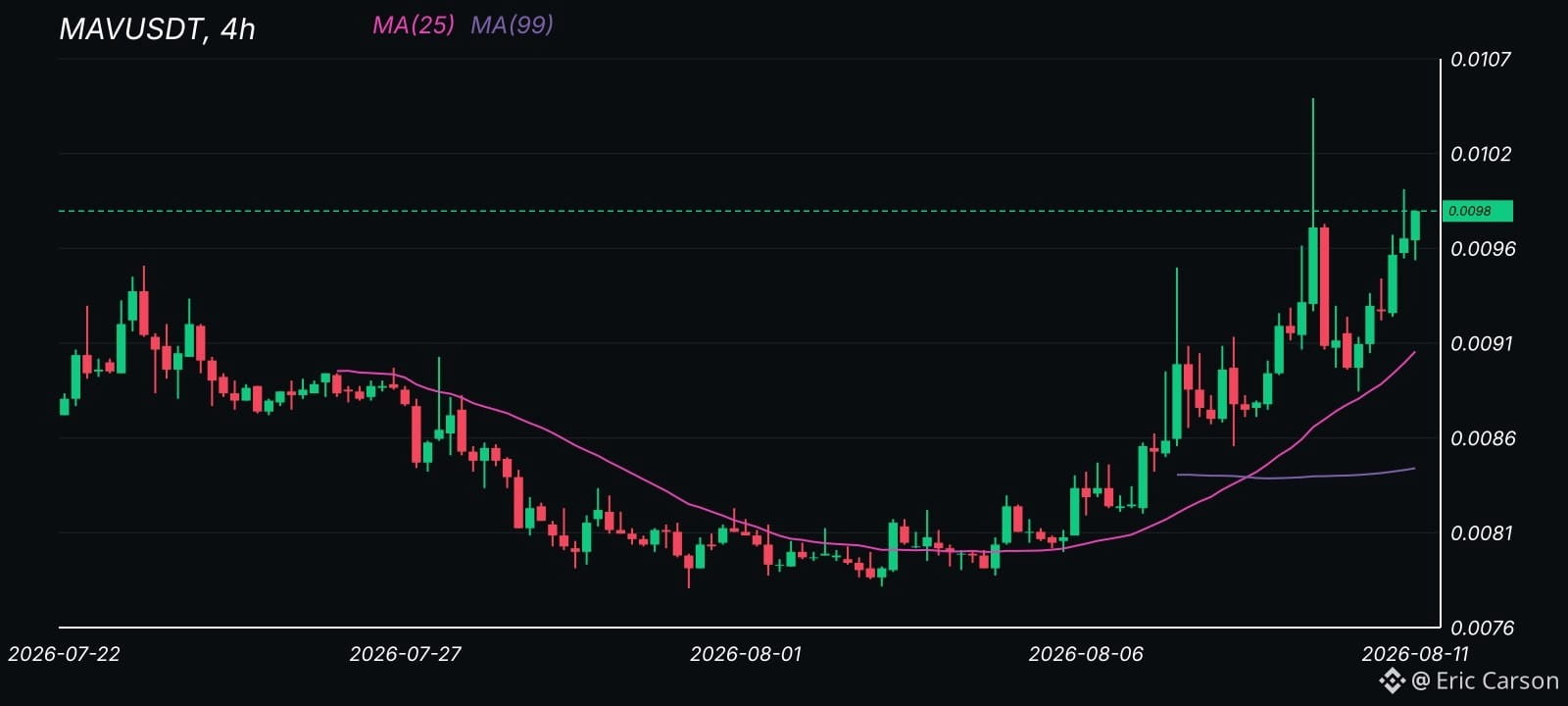
$MAV
4H CHART – RECHAZO LIMPIO EN MÍNIMOS
El precio se mantuvo en la zona 0.0086, barrió los mínimos y recuperó 0.00985.
Actualmente se está comprimiendo entre la MA25 (0.0097) y la MA99 (0.0102).
El volumen se está secando: consolidación antes de la siguiente pierna.
El riesgo de ruptura es alto. El momentum se está volviendo alcista en marcos de tiempo más bajos, pero necesita superar 0.0102 para continuar.
Un fallo por debajo de 0.0092 invalida la fortaleza a corto plazo.
• Zona de entrada: 0.0096 – 0.00985
• TP1: 0.0102
• TP2: 0.0107
• TP3: 0.0115
• Stop-Loss: 0.0091
Vigila un cierre 4H limpio por encima de 0.0102 para aumentar la posición.
Por debajo de 0.0092, espera un re-test de 0.0086.
#MAVUSDT #WriteToEarnUpgrade
$MAV
4H CHART – RECHAZO LIMPIO EN MÍNIMOS
El precio se mantuvo en la zona 0.0086, barrió los mínimos y recuperó 0.00985.
Actualmente se está comprimiendo entre la MA25 (0.0097) y la MA99 (0.0102).
El volumen se está secando: consolidación antes de la siguiente pierna.
El riesgo de ruptura es alto. El momentum se está volviendo alcista en marcos de tiempo más bajos, pero necesita superar 0.0102 para continuar.
Un fallo por debajo de 0.0092 invalida la fortaleza a corto plazo.
• Zona de entrada: 0.0096 – 0.00985
• TP1: 0.0102
• TP2: 0.0107
• TP3: 0.0115
• Stop-Loss: 0.0091
Vigila un cierre 4H limpio por encima de 0.0102 para aumentar la posición.
Por debajo de 0.0092, espera un re-test de 0.0086.
#MAVUSDT #WriteToEarnUpgrade
4H CHART – RECHAZO LIMPIO EN MÍNIMOS
El precio se mantuvo en la zona 0.0086, barrió los mínimos y recuperó 0.00985.
Actualmente se está comprimiendo entre la MA25 (0.0097) y la MA99 (0.0102).
El volumen se está secando: consolidación antes de la siguiente pierna.
El riesgo de ruptura es alto. El momentum se está volviendo alcista en marcos de tiempo más bajos, pero necesita superar 0.0102 para continuar.
Un fallo por debajo de 0.0092 invalida la fortaleza a corto plazo.
• Zona de entrada: 0.0096 – 0.00985
• TP1: 0.0102
• TP2: 0.0107
• TP3: 0.0115
• Stop-Loss: 0.0091
Vigila un cierre 4H limpio por encima de 0.0102 para aumentar la posición.
Por debajo de 0.0092, espera un re-test de 0.0086.
#MAVUSDT #WriteToEarnUpgrade
222
Inicia sesión para explorar más contenidos
Únete a usuarios globales de criptomonedas en Binance Square
⚡️ Obtén información útil y actualizada sobre criptos.
💬 Avalado por el mayor exchange de criptomonedas en el mundo.
👍 Descubre perspectivas reales de creadores verificados.
Email/número de teléfono
Temas populares
BNBSurpasses$790
16,689 vistas
140 están debatiendo
$BNB plan estratégico largo -> ENFOCAR AHORA
BNB ha creado 2 mínimos fuertes después de eliminar la liquidez interna
Espero un movimiento hacia el máximo de la oscilación $815-$830 y busco una compra en un retesteo de la caja verde
#BNBSurpasses$790 #bnb
Ghost Writer
·6 me gusta
·8.3k vistas
ZamaRises15.99%ToIntradayHigh$0.09
14,263 vistas
104 están debatiendo
BitcoinSpotETFsDraw$6.34BInflowsInQ3
5,533 vistas
89 están debatiendo