
#decentralizedcompute
decentralizedcompute
7,629 vistas
101 están debatiendo
Hot
Lo último

·
--

Artículo
Infraestructura de IA: OpenLedger ($OPEN) Redefine la Procedencia de Datos¿La enorme demanda de cómputo de la inteligencia artificial está superando a los clústeres de GPU centralizados? Actualmente, una transformación fundamental hacia la orquestación de IA descentralizada y en cadena está dominando la conversación en Binance Square, centrada en el protocolo OpenLedger y su token nativo $OPEN.
La discusión de moda bajo #OpenLedger destaca una evolución arquitectónica en cómo se entrenan y despliegan los modelos de IA. OpenLedger se posiciona como una capa de infraestructura descentralizada construida específicamente para trasladar todo el ciclo de vida de la IA—contribución de datos, ajuste de modelos y inferencia—hacia la blockchain. Al eliminar los "jardines amurallados" de las empresas tradicionales de IA, el protocolo permite una economía de IA transparente y de propiedad colectiva.
Infraestructura de IA: OpenLedger ($OPEN) Redefine la Procedencia de Datos
¿La enorme demanda de cómputo de la inteligencia artificial está superando a los clústeres de GPU centralizados? Actualmente, una transformación fundamental hacia la orquestación de IA descentralizada y en cadena está dominando la conversación en Binance Square, centrada en el protocolo OpenLedger y su token nativo $OPEN.
La discusión de moda bajo #OpenLedger destaca una evolución arquitectónica en cómo se entrenan y despliegan los modelos de IA. OpenLedger se posiciona como una capa de infraestructura descentralizada construida específicamente para trasladar todo el ciclo de vida de la IA—contribución de datos, ajuste de modelos y inferencia—hacia la blockchain. Al eliminar los "jardines amurallados" de las empresas tradicionales de IA, el protocolo permite una economía de IA transparente y de propiedad colectiva.
La discusión de moda bajo #OpenLedger destaca una evolución arquitectónica en cómo se entrenan y despliegan los modelos de IA. OpenLedger se posiciona como una capa de infraestructura descentralizada construida específicamente para trasladar todo el ciclo de vida de la IA—contribución de datos, ajuste de modelos y inferencia—hacia la blockchain. Al eliminar los "jardines amurallados" de las empresas tradicionales de IA, el protocolo permite una economía de IA transparente y de propiedad colectiva.
17

·
--
$AI TOKENS ROSTRO NUEVO CATALYST COMO FABLE 5 REQUIERE CRÉDITO SEPARADO 💎
El código de la app de Claude de Anthropic revela que el nuevo modelo Fable 5 impone un límite de crédito separado que solo puede añadirse después de la verificación de identidad, facturándose de forma independiente a la suscripción. Esta fricción de pago podría desviar la demanda hacia redes informáticas descentralizadas, donde no existe una barrera de identidad.
El momento coincide con el aumento de los costes del desarrollo de IA y las limitaciones de oferta de tokens en los exchanges de gama alta. ¿Estás siguiendo la narrativa de DePIN en busca de un cambio estructural?
No es asesoramiento financiero. Gestiona siempre tu riesgo.
#AI #CryptoAI #DecentralizedCompute #Altcoins
💎
$AI TOKENS ROSTRO NUEVO CATALYST COMO FABLE 5 REQUIERE CRÉDITO SEPARADO 💎
El código de la app de Claude de Anthropic revela que el nuevo modelo Fable 5 impone un límite de crédito separado que solo puede añadirse después de la verificación de identidad, facturándose de forma independiente a la suscripción. Esta fricción de pago podría desviar la demanda hacia redes informáticas descentralizadas, donde no existe una barrera de identidad.
El momento coincide con el aumento de los costes del desarrollo de IA y las limitaciones de oferta de tokens en los exchanges de gama alta. ¿Estás siguiendo la narrativa de DePIN en busca de un cambio estructural?
No es asesoramiento financiero. Gestiona siempre tu riesgo.
#AI #CryptoAI #DecentralizedCompute #Altcoins
💎
El código de la app de Claude de Anthropic revela que el nuevo modelo Fable 5 impone un límite de crédito separado que solo puede añadirse después de la verificación de identidad, facturándose de forma independiente a la suscripción. Esta fricción de pago podría desviar la demanda hacia redes informáticas descentralizadas, donde no existe una barrera de identidad.
El momento coincide con el aumento de los costes del desarrollo de IA y las limitaciones de oferta de tokens en los exchanges de gama alta. ¿Estás siguiendo la narrativa de DePIN en busca de un cambio estructural?
No es asesoramiento financiero. Gestiona siempre tu riesgo.
#AI #CryptoAI #DecentralizedCompute #Altcoins
💎
17

·
--
🤖 La Crisis Global de GPU: ¿Por qué el Crecimiento de IA Impulsa la Tesis Alcista para $RNDR 💸
El auge de la inteligencia artificial a nivel global enfrenta un gran obstáculo: una escasez extrema de unidades de procesamiento gráfico (GPUs) de alta gama. Render Network lo soluciona creando un mercado descentralizado para el poder de cómputo.
Los Motores Fundamentales:
🎬 Aumento de la Demanda Empresarial: Los generadores de video AI de nueva generación, artistas digitales y startups tecnológicas están esquivando los límites tradicionales de la nube para renderizar en la cadena.
🔥 Utilidad del Token: La utilización de la red escala directamente con las quemas de tokens y la velocidad del ecosistema, alineando el crecimiento del protocolo con la utilidad estructural del activo.
Comprar la capa de infraestructura de IA minimiza el riesgo de perseguir la euforia especulativa. ¿Estás sosteniendo el poder de cómputo del futuro? 🧠👇
👉 Revisa la profundidad del mercado actual y ejecuta tus parámetros de trading directamente aquí:
[Insertar $RNDR Widget de Trading / Cashtag $RNDR]
#RenderNetwork $RNDR #AICrypto #DecentralizedCompute #CryptoNews
🤖 La Crisis Global de GPU: ¿Por qué el Crecimiento de IA Impulsa la Tesis Alcista para $RNDR 💸
El auge de la inteligencia artificial a nivel global enfrenta un gran obstáculo: una escasez extrema de unidades de procesamiento gráfico (GPUs) de alta gama. Render Network lo soluciona creando un mercado descentralizado para el poder de cómputo.
Los Motores Fundamentales:
🎬 Aumento de la Demanda Empresarial: Los generadores de video AI de nueva generación, artistas digitales y startups tecnológicas están esquivando los límites tradicionales de la nube para renderizar en la cadena.
🔥 Utilidad del Token: La utilización de la red escala directamente con las quemas de tokens y la velocidad del ecosistema, alineando el crecimiento del protocolo con la utilidad estructural del activo.
Comprar la capa de infraestructura de IA minimiza el riesgo de perseguir la euforia especulativa. ¿Estás sosteniendo el poder de cómputo del futuro? 🧠👇
👉 Revisa la profundidad del mercado actual y ejecuta tus parámetros de trading directamente aquí:
[Insertar $RNDR Widget de Trading / Cashtag $RNDR]
#RenderNetwork $RNDR #AICrypto #DecentralizedCompute #CryptoNews
El auge de la inteligencia artificial a nivel global enfrenta un gran obstáculo: una escasez extrema de unidades de procesamiento gráfico (GPUs) de alta gama. Render Network lo soluciona creando un mercado descentralizado para el poder de cómputo.
Los Motores Fundamentales:
🎬 Aumento de la Demanda Empresarial: Los generadores de video AI de nueva generación, artistas digitales y startups tecnológicas están esquivando los límites tradicionales de la nube para renderizar en la cadena.
🔥 Utilidad del Token: La utilización de la red escala directamente con las quemas de tokens y la velocidad del ecosistema, alineando el crecimiento del protocolo con la utilidad estructural del activo.
Comprar la capa de infraestructura de IA minimiza el riesgo de perseguir la euforia especulativa. ¿Estás sosteniendo el poder de cómputo del futuro? 🧠👇
👉 Revisa la profundidad del mercado actual y ejecuta tus parámetros de trading directamente aquí:
[Insertar $RNDR Widget de Trading / Cashtag $RNDR]
#RenderNetwork $RNDR #AICrypto #DecentralizedCompute #CryptoNews
171

·
--
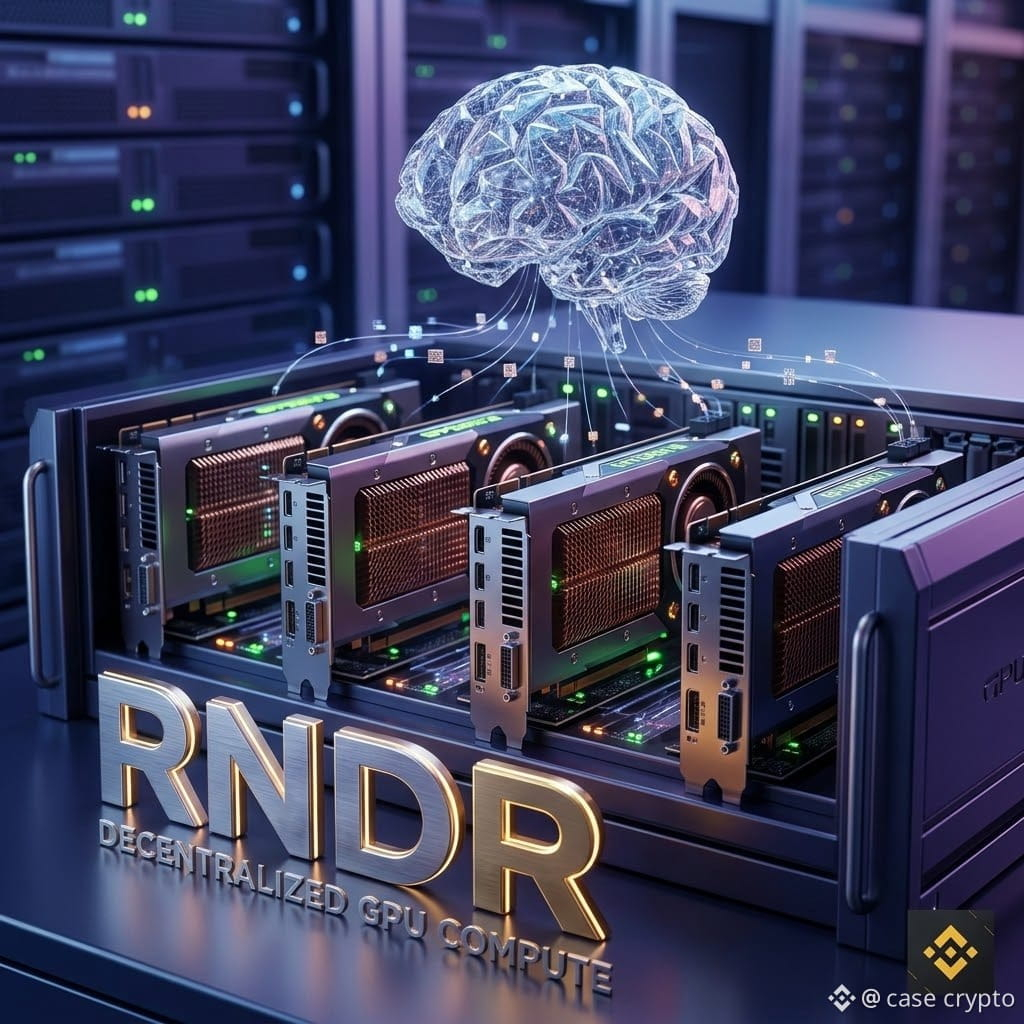
$RNDR La demanda de computación de IA se está disparando, y el mercado está adoptando rápidamente soluciones descentralizadas.
La narrativa en torno a $RNDR sigue siendo excepcionalmente sólida, ya que proporciona potencia de GPU ociosa para satisfacer las necesidades globales de renderizado.
Estamos viendo una actividad sostenida en cadena y un interés institucional en infraestructura de IA escalable.
Si la tendencia actual de la IA se mantiene, las redes de computación descentralizada serán grandes beneficiarias.
Mantén una estrecha vigilancia sobre los niveles técnicos clave y el impulso general del mercado antes de entrar.
#RNDR #crypto #BinanceSquare #DecentralizedCompute
$RNDR La demanda de computación de IA se está disparando, y el mercado está adoptando rápidamente soluciones descentralizadas.
La narrativa en torno a $RNDR sigue siendo excepcionalmente sólida, ya que proporciona potencia de GPU ociosa para satisfacer las necesidades globales de renderizado.
Estamos viendo una actividad sostenida en cadena y un interés institucional en infraestructura de IA escalable.
Si la tendencia actual de la IA se mantiene, las redes de computación descentralizada serán grandes beneficiarias.
Mantén una estrecha vigilancia sobre los niveles técnicos clave y el impulso general del mercado antes de entrar.
#RNDR #crypto #BinanceSquare #DecentralizedCompute
La narrativa en torno a $RNDR sigue siendo excepcionalmente sólida, ya que proporciona potencia de GPU ociosa para satisfacer las necesidades globales de renderizado.
Estamos viendo una actividad sostenida en cadena y un interés institucional en infraestructura de IA escalable.
Si la tendencia actual de la IA se mantiene, las redes de computación descentralizada serán grandes beneficiarias.
Mantén una estrecha vigilancia sobre los niveles técnicos clave y el impulso general del mercado antes de entrar.
#RNDR #crypto #BinanceSquare #DecentralizedCompute
3
66

·
--
Google justo mostró los músculos de Gemini, y justo después se filtró que Meta tiene “el cuello” de la potencia de cómputo que se queda trabada, demasiado real. Esta jugada es más dura que abrir el código directamente; controlar la potencia de cómputo aguas arriba es la verdadera muralla. La narrativa de la potencia de cómputo descentralizada vuelve a necesitar “soporte”. ¿Algún día las grandes tecnológicas, de verdad, se ven acorraladas y salen a pelear por GPUs por su cuenta? Ese sería el momento real de FOMO en este sector. ¿La potencia de cómputo descentralizada se convertirá en la próxima moneda dura? #DecentralizedCompute $RNDR $AKTS.US
{stock_us}(AKTS.US)
Google justo mostró los músculos de Gemini, y justo después se filtró que Meta tiene “el cuello” de la potencia de cómputo que se queda trabada, demasiado real. Esta jugada es más dura que abrir el código directamente; controlar la potencia de cómputo aguas arriba es la verdadera muralla. La narrativa de la potencia de cómputo descentralizada vuelve a necesitar “soporte”. ¿Algún día las grandes tecnológicas, de verdad, se ven acorraladas y salen a pelear por GPUs por su cuenta? Ese sería el momento real de FOMO en este sector. ¿La potencia de cómputo descentralizada se convertirá en la próxima moneda dura? #DecentralizedCompute $RNDR $AKTS.US

40

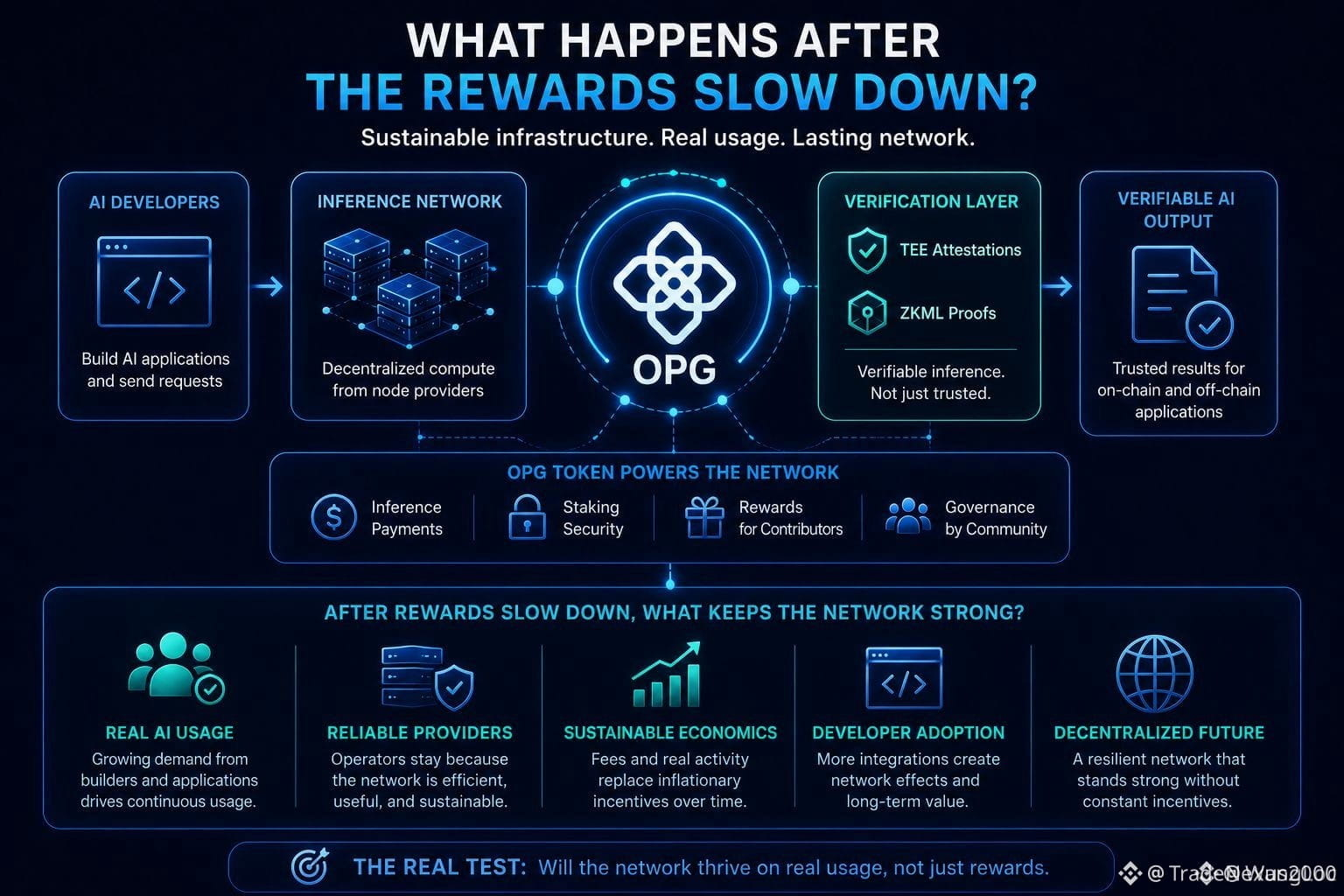
$OPG ¿QUÉ PASA DESPUÉS DE QUE SE APAGAN LAS RECOMPENSAS? 🔥
La red no solo está conectando GPUs inactivas: está construyendo cómputo verificable con staking e inferencia de IA que las aplicaciones pueden confiar. La mayoría de los proyectos de infraestructura dependen de incentivos generosos para atraer nodos, pero la retención requiere algo más que recompensas. La arquitectura de OpenGradient les da a los proveedores un motivo para quedarse a medida que crece el uso real de IA.
¿Los operadores de nodos se mantendrán cuando las tasas de incentivos se normalicen, o el valor del cómputo verificado los mantendrá comprometidos?
No es asesoramiento financiero. Gestiona siempre tu riesgo.
#OPG #AIInfrastructure #DecentralizedCompute #Crypto
⚡
$OPG ¿QUÉ PASA DESPUÉS DE QUE SE APAGAN LAS RECOMPENSAS? 🔥
La red no solo está conectando GPUs inactivas: está construyendo cómputo verificable con staking e inferencia de IA que las aplicaciones pueden confiar. La mayoría de los proyectos de infraestructura dependen de incentivos generosos para atraer nodos, pero la retención requiere algo más que recompensas. La arquitectura de OpenGradient les da a los proveedores un motivo para quedarse a medida que crece el uso real de IA.
¿Los operadores de nodos se mantendrán cuando las tasas de incentivos se normalicen, o el valor del cómputo verificado los mantendrá comprometidos?
No es asesoramiento financiero. Gestiona siempre tu riesgo.
#OPG #AIInfrastructure #DecentralizedCompute #Crypto
⚡
La red no solo está conectando GPUs inactivas: está construyendo cómputo verificable con staking e inferencia de IA que las aplicaciones pueden confiar. La mayoría de los proyectos de infraestructura dependen de incentivos generosos para atraer nodos, pero la retención requiere algo más que recompensas. La arquitectura de OpenGradient les da a los proveedores un motivo para quedarse a medida que crece el uso real de IA.
¿Los operadores de nodos se mantendrán cuando las tasas de incentivos se normalicen, o el valor del cómputo verificado los mantendrá comprometidos?
No es asesoramiento financiero. Gestiona siempre tu riesgo.
#OPG #AIInfrastructure #DecentralizedCompute #Crypto
⚡
240

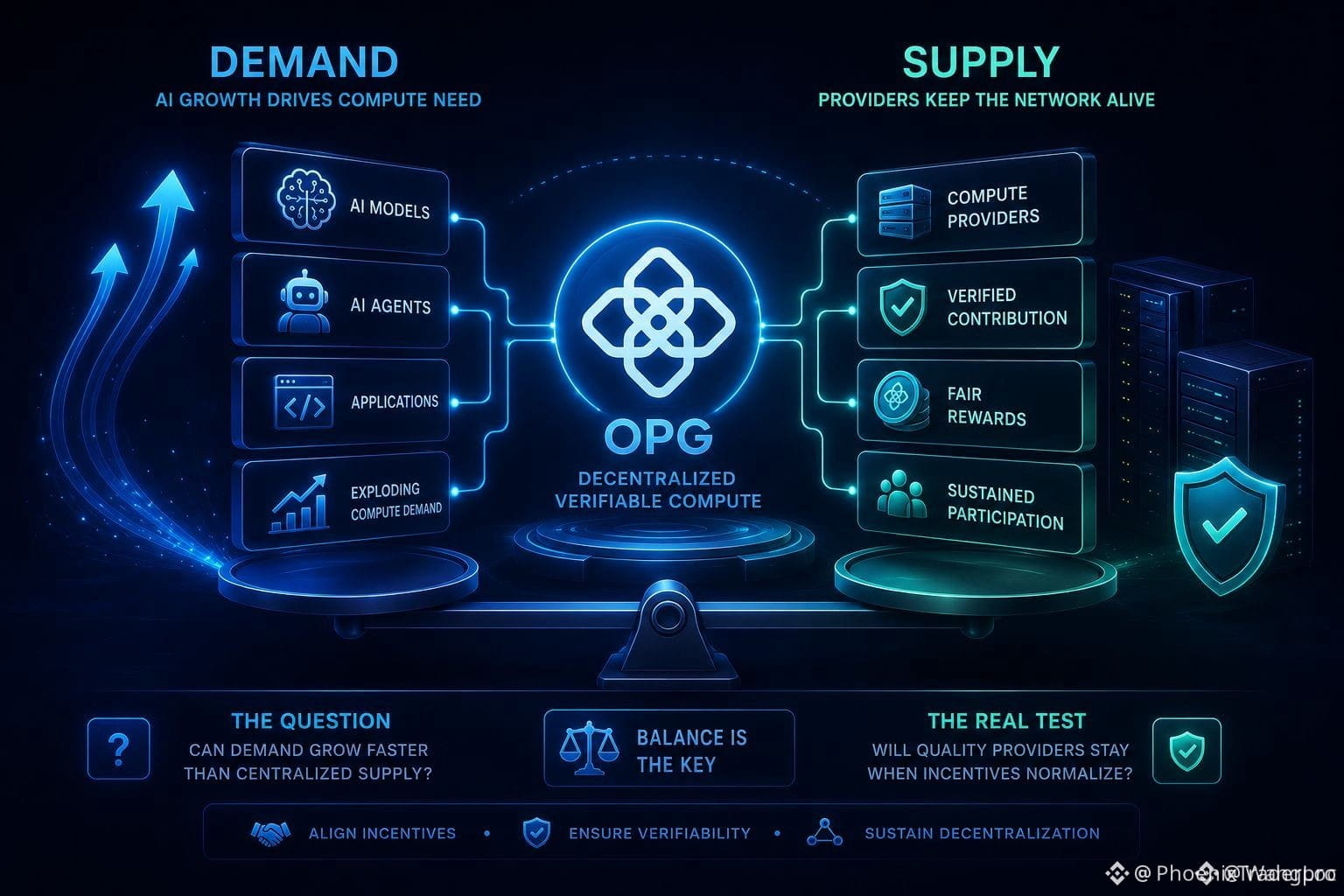
$OPG ESTÁ ENFRENTANDO UNA PRUEBA DE OFERTA COMO NINGUNA OTRA
🔥
Entrada: 0.50
El objetivo del proyecto de coordinar recursos de computación de manera descentralizada es ambicioso, y será interesante ver cómo se desarrolla, con el volumen aumentando ahora que más usuarios y proveedores se unen a la red.
Esta ventana se está cerrando rápido, ¿estarás pujado por $OPG aquí o esperarás un retroceso para entrar?
No es asesoría financiera. Maneja tu riesgo.
#OPG #DecentralizedCompute #LongSetup
⚡️
$OPG ESTÁ ENFRENTANDO UNA PRUEBA DE OFERTA COMO NINGUNA OTRA
🔥
Entrada: 0.50
El objetivo del proyecto de coordinar recursos de computación de manera descentralizada es ambicioso, y será interesante ver cómo se desarrolla, con el volumen aumentando ahora que más usuarios y proveedores se unen a la red.
Esta ventana se está cerrando rápido, ¿estarás pujado por $OPG aquí o esperarás un retroceso para entrar?
No es asesoría financiera. Maneja tu riesgo.
#OPG #DecentralizedCompute #LongSetup
⚡️
🔥
Entrada: 0.50
El objetivo del proyecto de coordinar recursos de computación de manera descentralizada es ambicioso, y será interesante ver cómo se desarrolla, con el volumen aumentando ahora que más usuarios y proveedores se unen a la red.
Esta ventana se está cerrando rápido, ¿estarás pujado por $OPG aquí o esperarás un retroceso para entrar?
No es asesoría financiera. Maneja tu riesgo.
#OPG #DecentralizedCompute #LongSetup
⚡️
2
43

·
--
$AKT IS SET TO BENEFIT FROM THE 2.8T PARAMETER AI MODEL WAVE 🔥
El modelo Kimi K3 de código abierto, con 2.8 billones de parámetros, no puede ejecutarse en hardware normal. El alojamiento en la nube es la única vía. La misma lógica aplica a redes de computación descentralizada como Akash: son los beneficiarios nativos de la cripto a medida que crecen los modelos de IA.
DigitalOcean ya aloja Kimi K2.6. Cuando los pesos completos se publiquen el 27 de julio, la demanda de cómputo podría dispararse. ¿Estás posicionado para este cambio en la narrativa?
No es asesoramiento financiero. Gestiona siempre tu riesgo.
#AKT #AI #DecentralizedCompute #Crypto
🔥
$AKT IS SET TO BENEFIT FROM THE 2.8T PARAMETER AI MODEL WAVE 🔥
El modelo Kimi K3 de código abierto, con 2.8 billones de parámetros, no puede ejecutarse en hardware normal. El alojamiento en la nube es la única vía. La misma lógica aplica a redes de computación descentralizada como Akash: son los beneficiarios nativos de la cripto a medida que crecen los modelos de IA.
DigitalOcean ya aloja Kimi K2.6. Cuando los pesos completos se publiquen el 27 de julio, la demanda de cómputo podría dispararse. ¿Estás posicionado para este cambio en la narrativa?
No es asesoramiento financiero. Gestiona siempre tu riesgo.
#AKT #AI #DecentralizedCompute #Crypto
🔥
El modelo Kimi K3 de código abierto, con 2.8 billones de parámetros, no puede ejecutarse en hardware normal. El alojamiento en la nube es la única vía. La misma lógica aplica a redes de computación descentralizada como Akash: son los beneficiarios nativos de la cripto a medida que crecen los modelos de IA.
DigitalOcean ya aloja Kimi K2.6. Cuando los pesos completos se publiquen el 27 de julio, la demanda de cómputo podría dispararse. ¿Estás posicionado para este cambio en la narrativa?
No es asesoramiento financiero. Gestiona siempre tu riesgo.
#AKT #AI #DecentralizedCompute #Crypto
🔥
49
·
--
AUMENTOS DE AWS EN COMPUTE DE NVIDIA 20% – SE REVELA DECENTRALIZADA ALT $RNDR EN EL FOCO 🔥
Un aumento del 20% en el precio de las instancias en la nube de NVIDIA por parte de AWS crea una ventaja clara de costos para redes informáticas alternativas. La capacidad que utiliza el chip Trainium de fabricación propia se excluye del incremento, lo que indica que Amazon está dirigiendo la carga de trabajo de los clientes hacia su propio silicio.
Esto amplía el foso competitivo para marketplaces de GPU descentralizados como $RNDR , donde los costos de cómputo no quedan fijados por ningún proveedor en particular. El cambio en la estructura de costos para empresas vale la pena monitorearlo para ver crecimiento en volumen y en el recuento de nodos activos.
¿Esta oportunidad de arbitraje traerá demanda nueva al cómputo descentralizado?
No es asesoramiento financiero. Gestiona siempre tu riesgo.
#RNDR #AICloud #DecentralizedCompute #NVIDIA
🔥
AUMENTOS DE AWS EN COMPUTE DE NVIDIA 20% – SE REVELA DECENTRALIZADA ALT $RNDR EN EL FOCO 🔥
Un aumento del 20% en el precio de las instancias en la nube de NVIDIA por parte de AWS crea una ventaja clara de costos para redes informáticas alternativas. La capacidad que utiliza el chip Trainium de fabricación propia se excluye del incremento, lo que indica que Amazon está dirigiendo la carga de trabajo de los clientes hacia su propio silicio.
Esto amplía el foso competitivo para marketplaces de GPU descentralizados como $RNDR , donde los costos de cómputo no quedan fijados por ningún proveedor en particular. El cambio en la estructura de costos para empresas vale la pena monitorearlo para ver crecimiento en volumen y en el recuento de nodos activos.
¿Esta oportunidad de arbitraje traerá demanda nueva al cómputo descentralizado?
No es asesoramiento financiero. Gestiona siempre tu riesgo.
#RNDR #AICloud #DecentralizedCompute #NVIDIA
🔥
Un aumento del 20% en el precio de las instancias en la nube de NVIDIA por parte de AWS crea una ventaja clara de costos para redes informáticas alternativas. La capacidad que utiliza el chip Trainium de fabricación propia se excluye del incremento, lo que indica que Amazon está dirigiendo la carga de trabajo de los clientes hacia su propio silicio.
Esto amplía el foso competitivo para marketplaces de GPU descentralizados como $RNDR , donde los costos de cómputo no quedan fijados por ningún proveedor en particular. El cambio en la estructura de costos para empresas vale la pena monitorearlo para ver crecimiento en volumen y en el recuento de nodos activos.
¿Esta oportunidad de arbitraje traerá demanda nueva al cómputo descentralizado?
No es asesoramiento financiero. Gestiona siempre tu riesgo.
#RNDR #AICloud #DecentralizedCompute #NVIDIA
🔥
76
·
--
$FET Y LOS TÓKENS DE IA EN EL CENTRO DE ATENCIÓN TRAS LA NOTICIA DE LA INVERSIÓN DEL 5% DE OPENAI 🔥
La propuesta de OpenAI de una participación gubernamental del 5% es una señal de alerta para cualquiera que dependa de la IA centralizada. Los expertos dicen que esto difumina la línea entre la supervisión y el control estatal, haciendo que las redes informáticas descentralizadas sean una alternativa necesaria.
El impulso está creciendo hacia tokens como $FET mientras los traders anticipan un cambio lejos de la infraestructura expuesta políticamente. La narrativa aún es temprana, pero el volumen ya empieza a reflejar la preocupación.
¿Te estás posicionando para una IA descentralizada o sigues en apuestas centralizadas?
No es asesoramiento financiero. Gestiona siempre tu riesgo.
#FET #AITokens #DecentralizedCompute #Crypto
💎
$FET Y LOS TÓKENS DE IA EN EL CENTRO DE ATENCIÓN TRAS LA NOTICIA DE LA INVERSIÓN DEL 5% DE OPENAI 🔥
La propuesta de OpenAI de una participación gubernamental del 5% es una señal de alerta para cualquiera que dependa de la IA centralizada. Los expertos dicen que esto difumina la línea entre la supervisión y el control estatal, haciendo que las redes informáticas descentralizadas sean una alternativa necesaria.
El impulso está creciendo hacia tokens como $FET mientras los traders anticipan un cambio lejos de la infraestructura expuesta políticamente. La narrativa aún es temprana, pero el volumen ya empieza a reflejar la preocupación.
¿Te estás posicionando para una IA descentralizada o sigues en apuestas centralizadas?
No es asesoramiento financiero. Gestiona siempre tu riesgo.
#FET #AITokens #DecentralizedCompute #Crypto
💎
La propuesta de OpenAI de una participación gubernamental del 5% es una señal de alerta para cualquiera que dependa de la IA centralizada. Los expertos dicen que esto difumina la línea entre la supervisión y el control estatal, haciendo que las redes informáticas descentralizadas sean una alternativa necesaria.
El impulso está creciendo hacia tokens como $FET mientras los traders anticipan un cambio lejos de la infraestructura expuesta políticamente. La narrativa aún es temprana, pero el volumen ya empieza a reflejar la preocupación.
¿Te estás posicionando para una IA descentralizada o sigues en apuestas centralizadas?
No es asesoramiento financiero. Gestiona siempre tu riesgo.
#FET #AITokens #DecentralizedCompute #Crypto
💎
93

·
--
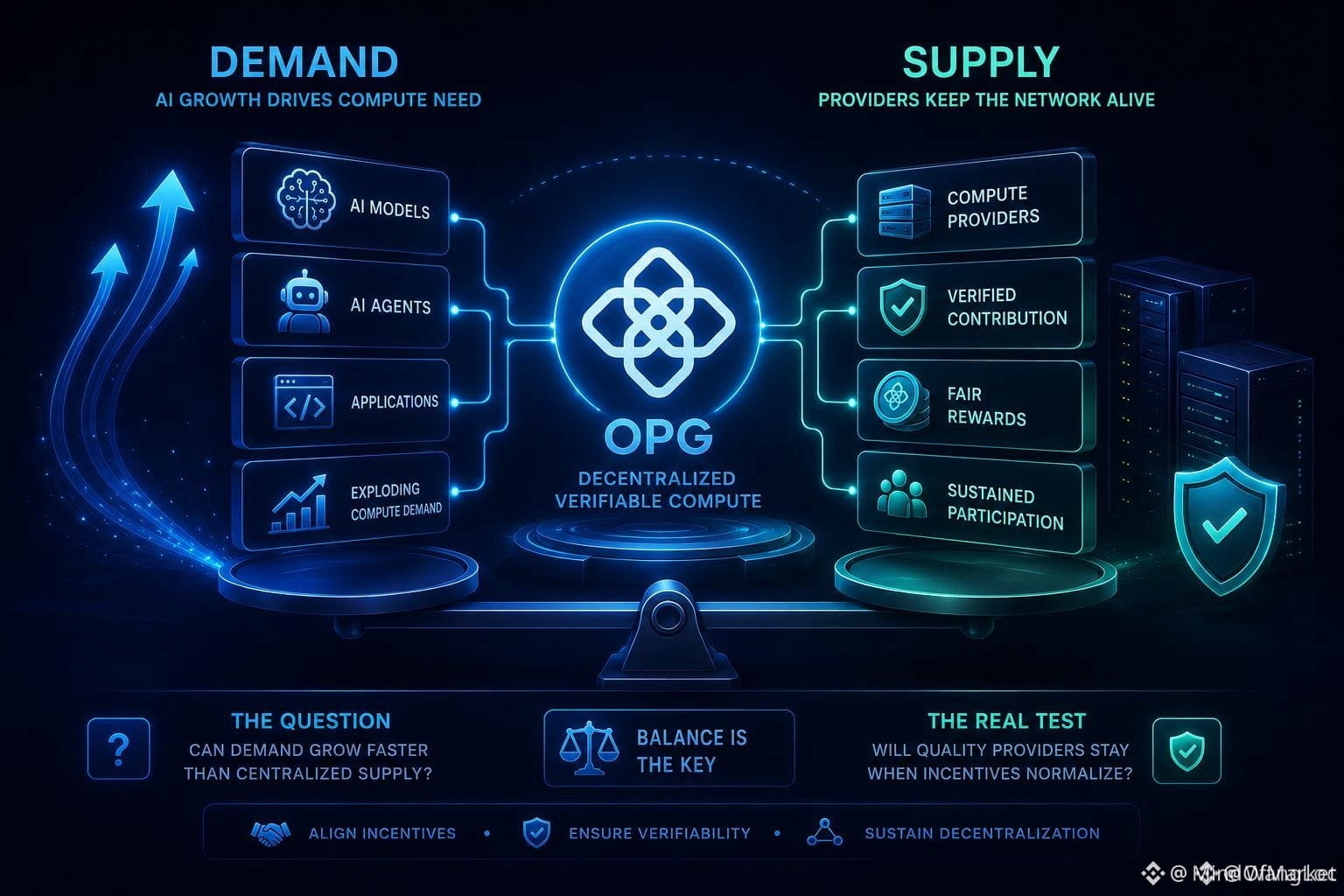
$OPG IS EN POSICIÓN DE PONER A PRUEBA LA RESILIENCIA DE SU CADENA DE SUMINISTRO
🔥
Entrada: 1.20
Objetivo: 1.80
Stop Loss: 1.05
La demanda de cómputo está creciendo rápidamente, con nuevos modelos y aplicaciones de IA surgiendo cada semana, y el enfoque descentralizado de OpenGradient es una solución interesante, pero la prueba real será si los proveedores de calidad continúan aportando recursos cuando los incentivos se normalicen: ¿puede el proyecto mantener un equilibrio entre oferta y demanda a medida que la red madure? ¿El modelo de incentivos será suficiente para mantener a los proveedores comprometidos?
No es asesoramiento financiero. Gestiona tu riesgo.
#OPG #DecentralizedCompute #LongSetup
⚡️
$OPG IS EN POSICIÓN DE PONER A PRUEBA LA RESILIENCIA DE SU CADENA DE SUMINISTRO
🔥
Entrada: 1.20
Objetivo: 1.80
Stop Loss: 1.05
La demanda de cómputo está creciendo rápidamente, con nuevos modelos y aplicaciones de IA surgiendo cada semana, y el enfoque descentralizado de OpenGradient es una solución interesante, pero la prueba real será si los proveedores de calidad continúan aportando recursos cuando los incentivos se normalicen: ¿puede el proyecto mantener un equilibrio entre oferta y demanda a medida que la red madure? ¿El modelo de incentivos será suficiente para mantener a los proveedores comprometidos?
No es asesoramiento financiero. Gestiona tu riesgo.
#OPG #DecentralizedCompute #LongSetup
⚡️
🔥
Entrada: 1.20
Objetivo: 1.80
Stop Loss: 1.05
La demanda de cómputo está creciendo rápidamente, con nuevos modelos y aplicaciones de IA surgiendo cada semana, y el enfoque descentralizado de OpenGradient es una solución interesante, pero la prueba real será si los proveedores de calidad continúan aportando recursos cuando los incentivos se normalicen: ¿puede el proyecto mantener un equilibrio entre oferta y demanda a medida que la red madure? ¿El modelo de incentivos será suficiente para mantener a los proveedores comprometidos?
No es asesoramiento financiero. Gestiona tu riesgo.
#OPG #DecentralizedCompute #LongSetup
⚡️
2
1
21
$BLESS Actualización de Coin: ¡Lo que necesitas saber!
¿Buscas el último chisme sobre $BLESS? Aquí tienes un resumen rápido de cómo están las cosas:
💡 ¿Qué es Bless?
Bless (antes conocido como Blockless) está construyendo una red de cómputo descentralizada impulsada por dispositivos cotidianos. Permite a los usuarios ejecutar nodos ligeros directamente desde sus navegadores web o smartphones, ganando recompensas mientras impulsan DePIN (Redes de Infraestructura Física Descentralizada).
📈 Aspectos destacados actuales
Crecimiento activo del ecosistema: Bless sigue incorporando a miles de operadores de nodos en todo el mundo mediante su extensión basada en la web.
Enfoque en DePIN & IA: Posicionado en la intersección entre cómputo descentralizado y IA, Bless permite que las dApps descarguen tareas complejas de forma eficiente.
Incentivo de la comunidad: Los primeros en ejecutar nodos y los participantes de la testnet están ganando activamente asignaciones de puntos que se conectan con la utilidad a largo plazo del ecosistema.
⚡ Bless está haciendo que el alojamiento de nodos sea accesible para todos—no se requieren costosos equipos de minería. ¡Mantente atento a los canales oficiales para próximas tokenomics y hitos de mainnet!
#BLESS #DePIN #Crypto #Web3 #DecentralizedCompute
$BLESS
{future}(BLESSUSDT)
$BLESS Actualización de Coin: ¡Lo que necesitas saber!
¿Buscas el último chisme sobre $BLESS ? Aquí tienes un resumen rápido de cómo están las cosas:
💡 ¿Qué es Bless?
Bless (antes conocido como Blockless) está construyendo una red de cómputo descentralizada impulsada por dispositivos cotidianos. Permite a los usuarios ejecutar nodos ligeros directamente desde sus navegadores web o smartphones, ganando recompensas mientras impulsan DePIN (Redes de Infraestructura Física Descentralizada).
📈 Aspectos destacados actuales
Crecimiento activo del ecosistema: Bless sigue incorporando a miles de operadores de nodos en todo el mundo mediante su extensión basada en la web.
Enfoque en DePIN & IA: Posicionado en la intersección entre cómputo descentralizado y IA, Bless permite que las dApps descarguen tareas complejas de forma eficiente.
Incentivo de la comunidad: Los primeros en ejecutar nodos y los participantes de la testnet están ganando activamente asignaciones de puntos que se conectan con la utilidad a largo plazo del ecosistema.
⚡ Bless está haciendo que el alojamiento de nodos sea accesible para todos—no se requieren costosos equipos de minería. ¡Mantente atento a los canales oficiales para próximas tokenomics y hitos de mainnet!
#BLESS #DePIN #Crypto #Web3 #DecentralizedCompute
$BLESS
¿Buscas el último chisme sobre $BLESS ? Aquí tienes un resumen rápido de cómo están las cosas:
💡 ¿Qué es Bless?
Bless (antes conocido como Blockless) está construyendo una red de cómputo descentralizada impulsada por dispositivos cotidianos. Permite a los usuarios ejecutar nodos ligeros directamente desde sus navegadores web o smartphones, ganando recompensas mientras impulsan DePIN (Redes de Infraestructura Física Descentralizada).
📈 Aspectos destacados actuales
Crecimiento activo del ecosistema: Bless sigue incorporando a miles de operadores de nodos en todo el mundo mediante su extensión basada en la web.
Enfoque en DePIN & IA: Posicionado en la intersección entre cómputo descentralizado y IA, Bless permite que las dApps descarguen tareas complejas de forma eficiente.
Incentivo de la comunidad: Los primeros en ejecutar nodos y los participantes de la testnet están ganando activamente asignaciones de puntos que se conectan con la utilidad a largo plazo del ecosistema.
⚡ Bless está haciendo que el alojamiento de nodos sea accesible para todos—no se requieren costosos equipos de minería. ¡Mantente atento a los canales oficiales para próximas tokenomics y hitos de mainnet!
#BLESS #DePIN #Crypto #Web3 #DecentralizedCompute
$BLESS
110
🚀 $SPCX REDEFINIENDO EL EDIFICIO DE CENTRO DE DATOS DE IA DE COHETE A ESTABLE 🌊
📊 El giro de SpaceX hacia un despliegue de centros de datos más medido indica un cambio de la pura velocidad hacia la eficiencia operativa. El equipo de ingenieros de cohetes ahora trata la infraestructura de IA como un fondo de liquidez, asegurando que la capacidad se llene sin sobreexponerse.
💡 Para las criptomonedas, la desaceleración reduce la demanda centralizada de IA, abriendo un nicho para capas de cómputo descentralizadas que puedan capturar la liquidez residual. Se espera una reasignación sutil de capital hacia proyectos que prometan servicios de IA sostenibles on-chain. 🌊
💬 ¿Cómo remodelará esta pausa estratégica el flujo de financiación hacia protocolos de IA descentralizada? 👇
⚠️ No es asesoramiento financiero. Gestiona siempre tu riesgo. 🛡️
🏷️ #SPCX #AIInfrastructure #CryptoLiquidity #DecentralizedCompute
🚀 ⚡
🚀 $SPCX REDEFINIENDO EL EDIFICIO DE CENTRO DE DATOS DE IA DE COHETE A ESTABLE 🌊
📊 El giro de SpaceX hacia un despliegue de centros de datos más medido indica un cambio de la pura velocidad hacia la eficiencia operativa. El equipo de ingenieros de cohetes ahora trata la infraestructura de IA como un fondo de liquidez, asegurando que la capacidad se llene sin sobreexponerse.
💡 Para las criptomonedas, la desaceleración reduce la demanda centralizada de IA, abriendo un nicho para capas de cómputo descentralizadas que puedan capturar la liquidez residual. Se espera una reasignación sutil de capital hacia proyectos que prometan servicios de IA sostenibles on-chain. 🌊
💬 ¿Cómo remodelará esta pausa estratégica el flujo de financiación hacia protocolos de IA descentralizada? 👇
⚠️ No es asesoramiento financiero. Gestiona siempre tu riesgo. 🛡️
🏷️ #SPCX #AIInfrastructure #CryptoLiquidity #DecentralizedCompute
🚀 ⚡
📊 El giro de SpaceX hacia un despliegue de centros de datos más medido indica un cambio de la pura velocidad hacia la eficiencia operativa. El equipo de ingenieros de cohetes ahora trata la infraestructura de IA como un fondo de liquidez, asegurando que la capacidad se llene sin sobreexponerse.
💡 Para las criptomonedas, la desaceleración reduce la demanda centralizada de IA, abriendo un nicho para capas de cómputo descentralizadas que puedan capturar la liquidez residual. Se espera una reasignación sutil de capital hacia proyectos que prometan servicios de IA sostenibles on-chain. 🌊
💬 ¿Cómo remodelará esta pausa estratégica el flujo de financiación hacia protocolos de IA descentralizada? 👇
⚠️ No es asesoramiento financiero. Gestiona siempre tu riesgo. 🛡️
🏷️ #SPCX #AIInfrastructure #CryptoLiquidity #DecentralizedCompute
🚀 ⚡

113
·
--
$GLM PROTOCOL EYES SURGE AS AI MODEL CRACKS GLOBAL TOP THREE AT 10X LOWER COST 🔥
No entry/target/stop provided for this setup.
GLM-5.2 acaba de ubicarse como tercero a nivel global en evaluaciones independientes, funcionando a aproximadamente $1.40 por millón de tokens de entrada: una décima parte de los sistemas estadounidenses competidores. Esa ventaja de costo por sí sola está invirtiendo la lealtad de los desarrolladores en Silicon Valley, donde los equipos que pagan $10k al mes por modelos cerrados ahora pueden realizar un trabajo comparable por una fracción de ese precio.
La arquitectura de pesos abiertos significa que cualquiera puede descargarlo, modificarlo y ejecutarlo en hardware privado, con una ventana de contexto de un millón de tokens. Si esta curva de adopción se parece al ascenso de 18 meses de DeepSeek, la demanda de infraestructura de cómputo descentralizada podría dispararse con fuerza. ¿Estás vigilando el mercado de tokens de IA por posibles shocks de oferta?
No es asesoramiento financiero. Siempre gestiona tu riesgo.
#GLM #AICrypto #DecentralizedCompute #Breakout
⚡
$GLM PROTOCOL EYES SURGE AS AI MODEL CRACKS GLOBAL TOP THREE AT 10X LOWER COST 🔥
No entry/target/stop provided for this setup.
GLM-5.2 acaba de ubicarse como tercero a nivel global en evaluaciones independientes, funcionando a aproximadamente $1.40 por millón de tokens de entrada: una décima parte de los sistemas estadounidenses competidores. Esa ventaja de costo por sí sola está invirtiendo la lealtad de los desarrolladores en Silicon Valley, donde los equipos que pagan $10k al mes por modelos cerrados ahora pueden realizar un trabajo comparable por una fracción de ese precio.
La arquitectura de pesos abiertos significa que cualquiera puede descargarlo, modificarlo y ejecutarlo en hardware privado, con una ventana de contexto de un millón de tokens. Si esta curva de adopción se parece al ascenso de 18 meses de DeepSeek, la demanda de infraestructura de cómputo descentralizada podría dispararse con fuerza. ¿Estás vigilando el mercado de tokens de IA por posibles shocks de oferta?
No es asesoramiento financiero. Siempre gestiona tu riesgo.
#GLM #AICrypto #DecentralizedCompute #Breakout
⚡
No entry/target/stop provided for this setup.
GLM-5.2 acaba de ubicarse como tercero a nivel global en evaluaciones independientes, funcionando a aproximadamente $1.40 por millón de tokens de entrada: una décima parte de los sistemas estadounidenses competidores. Esa ventaja de costo por sí sola está invirtiendo la lealtad de los desarrolladores en Silicon Valley, donde los equipos que pagan $10k al mes por modelos cerrados ahora pueden realizar un trabajo comparable por una fracción de ese precio.
La arquitectura de pesos abiertos significa que cualquiera puede descargarlo, modificarlo y ejecutarlo en hardware privado, con una ventana de contexto de un millón de tokens. Si esta curva de adopción se parece al ascenso de 18 meses de DeepSeek, la demanda de infraestructura de cómputo descentralizada podría dispararse con fuerza. ¿Estás vigilando el mercado de tokens de IA por posibles shocks de oferta?
No es asesoramiento financiero. Siempre gestiona tu riesgo.
#GLM #AICrypto #DecentralizedCompute #Breakout
⚡
40

$FET MAY SEE INFLOW COMO EL SUPERHUB DE IA DE ORACLE SE ENFRENTA A RETRASOS 💎
El superhub de Jupiter de Oracle, de 16.500 millones de dólares, en Nuevo México, se topó con trabas regulatorias relacionadas con permisos aéreos y oleoductos de combustible, elevando los costos en miles de millones. Esta fricción estructural en infraestructuras centralizadas de IA amplifica el relato de redes de cómputo descentralizadas como Fetch.ai.
El giro hacia el microgrid de 2,45 GW y los obstáculos legales en curso están generando impulso para una asignación alternativa de recursos de IA. A nivel sectorial, el volumen en $FET se ha estado consolidando cerca de una zona decisiva. ¿Estás posicionado para el cambio de narrativa o esperando una ruptura de estructura confirmada?
No es asesoramiento financiero. Gestiona siempre tu riesgo.
#FET #AITokens #Infrastructure #DecentralizedCompute
💎
$FET MAY SEE INFLOW COMO EL SUPERHUB DE IA DE ORACLE SE ENFRENTA A RETRASOS 💎
El superhub de Jupiter de Oracle, de 16.500 millones de dólares, en Nuevo México, se topó con trabas regulatorias relacionadas con permisos aéreos y oleoductos de combustible, elevando los costos en miles de millones. Esta fricción estructural en infraestructuras centralizadas de IA amplifica el relato de redes de cómputo descentralizadas como Fetch.ai.
El giro hacia el microgrid de 2,45 GW y los obstáculos legales en curso están generando impulso para una asignación alternativa de recursos de IA. A nivel sectorial, el volumen en $FET se ha estado consolidando cerca de una zona decisiva. ¿Estás posicionado para el cambio de narrativa o esperando una ruptura de estructura confirmada?
No es asesoramiento financiero. Gestiona siempre tu riesgo.
#FET #AITokens #Infrastructure #DecentralizedCompute
💎
El superhub de Jupiter de Oracle, de 16.500 millones de dólares, en Nuevo México, se topó con trabas regulatorias relacionadas con permisos aéreos y oleoductos de combustible, elevando los costos en miles de millones. Esta fricción estructural en infraestructuras centralizadas de IA amplifica el relato de redes de cómputo descentralizadas como Fetch.ai.
El giro hacia el microgrid de 2,45 GW y los obstáculos legales en curso están generando impulso para una asignación alternativa de recursos de IA. A nivel sectorial, el volumen en $FET se ha estado consolidando cerca de una zona decisiva. ¿Estás posicionado para el cambio de narrativa o esperando una ruptura de estructura confirmada?
No es asesoramiento financiero. Gestiona siempre tu riesgo.
#FET #AITokens #Infrastructure #DecentralizedCompute
💎
205
🚨 ANTHROPIC DESVÍA ACUERDO MATX DE 7B PARA ACELERAR EL SILICIO PERSONALIZADO DE IA $NVDA ⚡
🔍 Los flujos de capital institucional en el sector del hardware de IA están cambiando rápidamente mientras Anthropic se aleja de una adquisición MatX de 7 mil millones. En lugar de costosas compras, el capital inteligente se está redirigiendo hacia una arquitectura de chips internos y personalizados para reducir de forma sistemática la dependencia de los márgenes de los proveedores tradicionales.
💡 Con MatX ahora buscando $4 mil millones en financiación nueva, la diversificación de hardware se está convirtiendo en la tesis estructural principal para escalar modelos empresariales. 📊 Se espera que este giro hacia silicio personalizado interno desencadene reasignaciones de capital notables en protocolos informáticos descentralizados. 💬 ¿El silicio personalizado de IA logrará romper el monopolio de chips heredado para el próximo año? 👇
⚠️ No es asesoramiento financiero. Gestiona siempre tu riesgo. 🛡️
🏷️ #NVDA #AI #Crypto #DecentralizedCompute
🎯 🦈
🚨 ANTHROPIC DESVÍA ACUERDO MATX DE 7B PARA ACELERAR EL SILICIO PERSONALIZADO DE IA $NVDA ⚡
🔍 Los flujos de capital institucional en el sector del hardware de IA están cambiando rápidamente mientras Anthropic se aleja de una adquisición MatX de 7 mil millones. En lugar de costosas compras, el capital inteligente se está redirigiendo hacia una arquitectura de chips internos y personalizados para reducir de forma sistemática la dependencia de los márgenes de los proveedores tradicionales.
💡 Con MatX ahora buscando $4 mil millones en financiación nueva, la diversificación de hardware se está convirtiendo en la tesis estructural principal para escalar modelos empresariales. 📊 Se espera que este giro hacia silicio personalizado interno desencadene reasignaciones de capital notables en protocolos informáticos descentralizados. 💬 ¿El silicio personalizado de IA logrará romper el monopolio de chips heredado para el próximo año? 👇
⚠️ No es asesoramiento financiero. Gestiona siempre tu riesgo. 🛡️
🏷️ #NVDA #AI #Crypto #DecentralizedCompute
🎯 🦈
🔍 Los flujos de capital institucional en el sector del hardware de IA están cambiando rápidamente mientras Anthropic se aleja de una adquisición MatX de 7 mil millones. En lugar de costosas compras, el capital inteligente se está redirigiendo hacia una arquitectura de chips internos y personalizados para reducir de forma sistemática la dependencia de los márgenes de los proveedores tradicionales.
💡 Con MatX ahora buscando $4 mil millones en financiación nueva, la diversificación de hardware se está convirtiendo en la tesis estructural principal para escalar modelos empresariales. 📊 Se espera que este giro hacia silicio personalizado interno desencadene reasignaciones de capital notables en protocolos informáticos descentralizados. 💬 ¿El silicio personalizado de IA logrará romper el monopolio de chips heredado para el próximo año? 👇
⚠️ No es asesoramiento financiero. Gestiona siempre tu riesgo. 🛡️
🏷️ #NVDA #AI #Crypto #DecentralizedCompute
🎯 🦈
41

·
--
El acuerdo de infraestructura de IA de 2,5 gigavatios de AMD con Core Scientific ya se firmó—y esto es lo que importa para las criptomonedas.
Esto no es solo otro acuerdo de chips; es un cambio sísmico en la demanda de energía que impacta directamente a sectores que dependen de GPU, incluyendo el minado de IA y potencialmente, en el futuro, redes informáticas descentralizadas. La escala, de 500 MW a un potencial de 2,5 GW para 2027, señala una afluencia masiva de potencia de cómputo especializada, elevando la demanda de GPU de gama alta. ¿Recuerdas la escasez de GPU de 2020-2021? Esto podría ser un precedente de una dinámica similar, pero amplificada para la IA. El dinero inteligente ya está mirando los warrants de CORZ: una apuesta clara sobre su capacidad para capturar este auge de infraestructura de IA en crecimiento. #AICryptocurrency #GPUmining #DecentralizedCompute
Vigila la próxima llamada de resultados de CORZ para obtener indicios iniciales sobre su capacidad de expansión. Un avance sostenido por encima de $5 podría señalar una ejecución sólida. #CORZ
¿Estás posicionado para la próxima ola de demanda de infraestructura impulsada por IA en cripto?
El acuerdo de infraestructura de IA de 2,5 gigavatios de AMD con Core Scientific ya se firmó—y esto es lo que importa para las criptomonedas.
Esto no es solo otro acuerdo de chips; es un cambio sísmico en la demanda de energía que impacta directamente a sectores que dependen de GPU, incluyendo el minado de IA y potencialmente, en el futuro, redes informáticas descentralizadas. La escala, de 500 MW a un potencial de 2,5 GW para 2027, señala una afluencia masiva de potencia de cómputo especializada, elevando la demanda de GPU de gama alta. ¿Recuerdas la escasez de GPU de 2020-2021? Esto podría ser un precedente de una dinámica similar, pero amplificada para la IA. El dinero inteligente ya está mirando los warrants de CORZ: una apuesta clara sobre su capacidad para capturar este auge de infraestructura de IA en crecimiento. #AICryptocurrency #GPUmining #DecentralizedCompute
Vigila la próxima llamada de resultados de CORZ para obtener indicios iniciales sobre su capacidad de expansión. Un avance sostenido por encima de $5 podría señalar una ejecución sólida. #CORZ
¿Estás posicionado para la próxima ola de demanda de infraestructura impulsada por IA en cripto?
Esto no es solo otro acuerdo de chips; es un cambio sísmico en la demanda de energía que impacta directamente a sectores que dependen de GPU, incluyendo el minado de IA y potencialmente, en el futuro, redes informáticas descentralizadas. La escala, de 500 MW a un potencial de 2,5 GW para 2027, señala una afluencia masiva de potencia de cómputo especializada, elevando la demanda de GPU de gama alta. ¿Recuerdas la escasez de GPU de 2020-2021? Esto podría ser un precedente de una dinámica similar, pero amplificada para la IA. El dinero inteligente ya está mirando los warrants de CORZ: una apuesta clara sobre su capacidad para capturar este auge de infraestructura de IA en crecimiento. #AICryptocurrency #GPUmining #DecentralizedCompute
Vigila la próxima llamada de resultados de CORZ para obtener indicios iniciales sobre su capacidad de expansión. Un avance sostenido por encima de $5 podría señalar una ejecución sólida. #CORZ
¿Estás posicionado para la próxima ola de demanda de infraestructura impulsada por IA en cripto?
52

·
--
La demanda de cómputo de IA está convirtiéndose silenciosamente en uno de los impulsores más infravalorados del valor de las blockchains de Capa 1.
Mientras todos observan los precios al contado y los flujos de ETF, debajo está ocurriendo un cambio estructural: emergen mercados descentralizados de GPU, entornos de ejecución nativos para IA y capas de inferencia verificables como un nuevo “primitivo”. Las blockchains que pueden manejar verificación de cómputo de alto rendimiento y baja latencia —sin sacrificar la descentralización— se están posicionando como la capa de liquidación para cargas de trabajo de IA.
La idea clave que la mayoría pasa por alto: no se trata de ejecutar IA on-chain. Se trata de usar las cadenas para coordinar, verificar y fijar precios del cómputo off-chain. La cadena se convierte en un programador de tareas sin confianza y en una vía de liquidación. Esa propuesta de valor es fundamentalmente distinta a “smart contracts 2.0”.
$ETH todavía tiene el foso competitivo de desarrolladores más profundo para esta tesis, pero $SOL está compitiendo con fuerza en velocidad y coste. $BNB está en un lugar interesante también: Binance Smart Chain es más ligera, pero su ecosistema tiene una ventaja real de distribución.
¿El riesgo? La mayoría de los proyectos en este espacio están en fase temprana y muchos fracasarán. Pero la tesis de infraestructura —que la IA necesitará cripto para coordinar sin confianza— es duradera. Busca cadenas que estén entregando cómputo verificable real, no solo hojas de ruta con buzzwords de IA.
#AIxCrypto #Layer1 #CryptoInfrastructure #DecentralizedCompute #Web3AI
La demanda de cómputo de IA está convirtiéndose silenciosamente en uno de los impulsores más infravalorados del valor de las blockchains de Capa 1.
Mientras todos observan los precios al contado y los flujos de ETF, debajo está ocurriendo un cambio estructural: emergen mercados descentralizados de GPU, entornos de ejecución nativos para IA y capas de inferencia verificables como un nuevo “primitivo”. Las blockchains que pueden manejar verificación de cómputo de alto rendimiento y baja latencia —sin sacrificar la descentralización— se están posicionando como la capa de liquidación para cargas de trabajo de IA.
La idea clave que la mayoría pasa por alto: no se trata de ejecutar IA on-chain. Se trata de usar las cadenas para coordinar, verificar y fijar precios del cómputo off-chain. La cadena se convierte en un programador de tareas sin confianza y en una vía de liquidación. Esa propuesta de valor es fundamentalmente distinta a “smart contracts 2.0”.
$ETH todavía tiene el foso competitivo de desarrolladores más profundo para esta tesis, pero $SOL está compitiendo con fuerza en velocidad y coste. $BNB está en un lugar interesante también: Binance Smart Chain es más ligera, pero su ecosistema tiene una ventaja real de distribución.
¿El riesgo? La mayoría de los proyectos en este espacio están en fase temprana y muchos fracasarán. Pero la tesis de infraestructura —que la IA necesitará cripto para coordinar sin confianza— es duradera. Busca cadenas que estén entregando cómputo verificable real, no solo hojas de ruta con buzzwords de IA.
#AIxCrypto #Layer1 #CryptoInfrastructure #DecentralizedCompute #Web3AI
Mientras todos observan los precios al contado y los flujos de ETF, debajo está ocurriendo un cambio estructural: emergen mercados descentralizados de GPU, entornos de ejecución nativos para IA y capas de inferencia verificables como un nuevo “primitivo”. Las blockchains que pueden manejar verificación de cómputo de alto rendimiento y baja latencia —sin sacrificar la descentralización— se están posicionando como la capa de liquidación para cargas de trabajo de IA.
La idea clave que la mayoría pasa por alto: no se trata de ejecutar IA on-chain. Se trata de usar las cadenas para coordinar, verificar y fijar precios del cómputo off-chain. La cadena se convierte en un programador de tareas sin confianza y en una vía de liquidación. Esa propuesta de valor es fundamentalmente distinta a “smart contracts 2.0”.
$ETH todavía tiene el foso competitivo de desarrolladores más profundo para esta tesis, pero $SOL está compitiendo con fuerza en velocidad y coste. $BNB está en un lugar interesante también: Binance Smart Chain es más ligera, pero su ecosistema tiene una ventaja real de distribución.
¿El riesgo? La mayoría de los proyectos en este espacio están en fase temprana y muchos fracasarán. Pero la tesis de infraestructura —que la IA necesitará cripto para coordinar sin confianza— es duradera. Busca cadenas que estén entregando cómputo verificable real, no solo hojas de ruta con buzzwords de IA.
#AIxCrypto #Layer1 #CryptoInfrastructure #DecentralizedCompute #Web3AI
49

·
--
🌐 $BLESS (Bless Network) — Actualización de cómputo descentralizado | 28 de agosto de 2026
📊 Resumen en vivo del mercado (Futuros)
• Precio: $0.01085
• Cambio 24h: +4.99% ✅
• Volumen 24h: ~$44.8M USDT
• Máximo / Mínimo 24h: $0.01286 / $0.01001
📰 El relato de hoy
Bless Network está ganando tracción a medida que el sector de infraestructura física descentralizada (DePIN) despierta nuevamente el interés. Con la demanda de cómputo de IA en máximos históricos, los proyectos que ofrecen recursos distribuidos de GPU y ancho de banda — como Bless — están atrayendo flujos especulativos y también fundamentales. El movimiento de +5% de hoy viene con un volumen elevado (~$45M), lo que sugiere más atención institucional que un impulso solo minorista. El mercado cripto en general muestra un sentimiento de “risk-on”, con altcoins rotando desde el dominio de BTC. BLESS se monta en esa ola y, además, se beneficia del impulso narrativo de DePIN.
🔑 Niveles Técnicos Clave (Gráfico 4H)
Soporte:
• S1: $0.01000 — mínimo reciente de 24h, zona de fuerte demanda
• S2: $0.00940 — base de consolidación anterior (múltiples mechas)
Resistencia:
• R1: $0.01286 — máximo de hoy en 24h / pico intradía
• R2: $0.01170 — zona del swing alto previo en 4H
⚠️ Riesgo principal
BLESS tiene una profundidad de liquidez limitada fuera de los futuros. Una sola orden de venta grande cerca de R1 ($0.01286) podría provocar un retroceso brusco hacia S1. Los tokens DePIN también son muy sensibles a los movimientos macro de Bitcoin; si BTC corrige, la liquidez de altcoins se drena rápido. Opera con una gestión de riesgo estricta.
📣 Encuesta de la comunidad — ¿Cuál es tu $BLESS opinión para los próximos 7 días?
A) 🚀 Alcista — Rompiendo $0.013 y yendo hacia arriba
B) 📊 Lateral — Consolidándose entre $0.010–$0.013
C) 🐻 Bajista — Retroceso hacia el soporte en $0.009
Vota abajo y ¡comparte tu tesis! 👇
#BLESS #BlessNetwork #DePIN #DecentralizedCompute #CryptoMarkets
🌐 $BLESS (Bless Network) — Actualización de cómputo descentralizado | 28 de agosto de 2026
📊 Resumen en vivo del mercado (Futuros)
• Precio: $0.01085
• Cambio 24h: +4.99% ✅
• Volumen 24h: ~$44.8M USDT
• Máximo / Mínimo 24h: $0.01286 / $0.01001
📰 El relato de hoy
Bless Network está ganando tracción a medida que el sector de infraestructura física descentralizada (DePIN) despierta nuevamente el interés. Con la demanda de cómputo de IA en máximos históricos, los proyectos que ofrecen recursos distribuidos de GPU y ancho de banda — como Bless — están atrayendo flujos especulativos y también fundamentales. El movimiento de +5% de hoy viene con un volumen elevado (~$45M), lo que sugiere más atención institucional que un impulso solo minorista. El mercado cripto en general muestra un sentimiento de “risk-on”, con altcoins rotando desde el dominio de BTC. BLESS se monta en esa ola y, además, se beneficia del impulso narrativo de DePIN.
🔑 Niveles Técnicos Clave (Gráfico 4H)
Soporte:
• S1: $0.01000 — mínimo reciente de 24h, zona de fuerte demanda
• S2: $0.00940 — base de consolidación anterior (múltiples mechas)
Resistencia:
• R1: $0.01286 — máximo de hoy en 24h / pico intradía
• R2: $0.01170 — zona del swing alto previo en 4H
⚠️ Riesgo principal
BLESS tiene una profundidad de liquidez limitada fuera de los futuros. Una sola orden de venta grande cerca de R1 ($0.01286) podría provocar un retroceso brusco hacia S1. Los tokens DePIN también son muy sensibles a los movimientos macro de Bitcoin; si BTC corrige, la liquidez de altcoins se drena rápido. Opera con una gestión de riesgo estricta.
📣 Encuesta de la comunidad — ¿Cuál es tu $BLESS opinión para los próximos 7 días?
A) 🚀 Alcista — Rompiendo $0.013 y yendo hacia arriba
B) 📊 Lateral — Consolidándose entre $0.010–$0.013
C) 🐻 Bajista — Retroceso hacia el soporte en $0.009
Vota abajo y ¡comparte tu tesis! 👇
#BLESS #BlessNetwork #DePIN #DecentralizedCompute #CryptoMarkets
📊 Resumen en vivo del mercado (Futuros)
• Precio: $0.01085
• Cambio 24h: +4.99% ✅
• Volumen 24h: ~$44.8M USDT
• Máximo / Mínimo 24h: $0.01286 / $0.01001
📰 El relato de hoy
Bless Network está ganando tracción a medida que el sector de infraestructura física descentralizada (DePIN) despierta nuevamente el interés. Con la demanda de cómputo de IA en máximos históricos, los proyectos que ofrecen recursos distribuidos de GPU y ancho de banda — como Bless — están atrayendo flujos especulativos y también fundamentales. El movimiento de +5% de hoy viene con un volumen elevado (~$45M), lo que sugiere más atención institucional que un impulso solo minorista. El mercado cripto en general muestra un sentimiento de “risk-on”, con altcoins rotando desde el dominio de BTC. BLESS se monta en esa ola y, además, se beneficia del impulso narrativo de DePIN.
🔑 Niveles Técnicos Clave (Gráfico 4H)
Soporte:
• S1: $0.01000 — mínimo reciente de 24h, zona de fuerte demanda
• S2: $0.00940 — base de consolidación anterior (múltiples mechas)
Resistencia:
• R1: $0.01286 — máximo de hoy en 24h / pico intradía
• R2: $0.01170 — zona del swing alto previo en 4H
⚠️ Riesgo principal
BLESS tiene una profundidad de liquidez limitada fuera de los futuros. Una sola orden de venta grande cerca de R1 ($0.01286) podría provocar un retroceso brusco hacia S1. Los tokens DePIN también son muy sensibles a los movimientos macro de Bitcoin; si BTC corrige, la liquidez de altcoins se drena rápido. Opera con una gestión de riesgo estricta.
📣 Encuesta de la comunidad — ¿Cuál es tu $BLESS opinión para los próximos 7 días?
A) 🚀 Alcista — Rompiendo $0.013 y yendo hacia arriba
B) 📊 Lateral — Consolidándose entre $0.010–$0.013
C) 🐻 Bajista — Retroceso hacia el soporte en $0.009
Vota abajo y ¡comparte tu tesis! 👇
#BLESS #BlessNetwork #DePIN #DecentralizedCompute #CryptoMarkets
117
·
--
Los mercados de cómputo con IA son la próxima frontera de las criptomonedas
El próximo caso de uso de un billón de dólares para las criptomonedas puede no ser las finanzas: puede ser el cómputo.
La demanda de entrenamiento e inferencia de IA está explotando, y los proveedores centralizados como AWS y Azure ya están alcanzando límites de capacidad. Las redes de cómputo descentralizadas están entrando para cubrir el vacío, y están resolviendo todo en cadena.
He aquí por qué esto importa para las criptomonedas:
🔹 El tiempo de GPU se fija en precio, se subasta y se liquida en tokens cripto — creando una demanda real de rendimiento de blockchain y comisiones bajas
🔹 $ETH y $BNB están emergiendo como capas de infraestructura preferidas para liquidar en redes de cómputo de IA gracias a la componibilidad y el escrow programable
🔹 La finalización en menos de un segundo de $SOL lo hace atractivo para la facturación de inferencia en tiempo real — micropagos a velocidad de máquina
🔹 Pruebas verificadas de cómputo, salidas de modelos atestiguadas con ZK y SLA en cadena ya están en testnet en cadenas líderes
Esto no es especulativo. La infraestructura para una economía de IA sin confianza se está construyendo ahora mismo.
Los traders centrados en los gráficos de precios están perdiéndose la historia estructural más profunda: las criptomonedas se están convirtiendo en la capa de pago y coordinación para la economía de IA. Esa convergencia es un viento de cola de varios años — y apenas está comenzando.
$ETH $BNB $SOL
#AIxCrypto #DecentralizedCompute #CryptoInfrastructure #Web3AI #BinanceSquare
Los mercados de cómputo con IA son la próxima frontera de las criptomonedas
El próximo caso de uso de un billón de dólares para las criptomonedas puede no ser las finanzas: puede ser el cómputo.
La demanda de entrenamiento e inferencia de IA está explotando, y los proveedores centralizados como AWS y Azure ya están alcanzando límites de capacidad. Las redes de cómputo descentralizadas están entrando para cubrir el vacío, y están resolviendo todo en cadena.
He aquí por qué esto importa para las criptomonedas:
🔹 El tiempo de GPU se fija en precio, se subasta y se liquida en tokens cripto — creando una demanda real de rendimiento de blockchain y comisiones bajas
🔹 $ETH y $BNB están emergiendo como capas de infraestructura preferidas para liquidar en redes de cómputo de IA gracias a la componibilidad y el escrow programable
🔹 La finalización en menos de un segundo de $SOL lo hace atractivo para la facturación de inferencia en tiempo real — micropagos a velocidad de máquina
🔹 Pruebas verificadas de cómputo, salidas de modelos atestiguadas con ZK y SLA en cadena ya están en testnet en cadenas líderes
Esto no es especulativo. La infraestructura para una economía de IA sin confianza se está construyendo ahora mismo.
Los traders centrados en los gráficos de precios están perdiéndose la historia estructural más profunda: las criptomonedas se están convirtiendo en la capa de pago y coordinación para la economía de IA. Esa convergencia es un viento de cola de varios años — y apenas está comenzando.
$ETH $BNB $SOL
#AIxCrypto #DecentralizedCompute #CryptoInfrastructure #Web3AI #BinanceSquare
El próximo caso de uso de un billón de dólares para las criptomonedas puede no ser las finanzas: puede ser el cómputo.
La demanda de entrenamiento e inferencia de IA está explotando, y los proveedores centralizados como AWS y Azure ya están alcanzando límites de capacidad. Las redes de cómputo descentralizadas están entrando para cubrir el vacío, y están resolviendo todo en cadena.
He aquí por qué esto importa para las criptomonedas:
🔹 El tiempo de GPU se fija en precio, se subasta y se liquida en tokens cripto — creando una demanda real de rendimiento de blockchain y comisiones bajas
🔹 $ETH y $BNB están emergiendo como capas de infraestructura preferidas para liquidar en redes de cómputo de IA gracias a la componibilidad y el escrow programable
🔹 La finalización en menos de un segundo de $SOL lo hace atractivo para la facturación de inferencia en tiempo real — micropagos a velocidad de máquina
🔹 Pruebas verificadas de cómputo, salidas de modelos atestiguadas con ZK y SLA en cadena ya están en testnet en cadenas líderes
Esto no es especulativo. La infraestructura para una economía de IA sin confianza se está construyendo ahora mismo.
Los traders centrados en los gráficos de precios están perdiéndose la historia estructural más profunda: las criptomonedas se están convirtiendo en la capa de pago y coordinación para la economía de IA. Esa convergencia es un viento de cola de varios años — y apenas está comenzando.
$ETH $BNB $SOL
#AIxCrypto #DecentralizedCompute #CryptoInfrastructure #Web3AI #BinanceSquare
151
Inicia sesión para explorar más contenidos
Únete a usuarios globales de criptomonedas en Binance Square
⚡️ Obtén información útil y actualizada sobre criptos.
💬 Avalado por el mayor exchange de criptomonedas en el mundo.
👍 Descubre perspectivas reales de creadores verificados.
Email/número de teléfono
Temas populares
1
#FedRateWatch
1.4M vistas
6,567 están debatiendo
2
#ZcashRises6%
41,039 vistas
577 están debatiendo
3
#XRPSinks10%
27,691 vistas
381 están debatiendo
4
#BitcoinETFsShed$450M
4,658 vistas
78 están debatiendo
5
#CircleOpensArcMainnet
13,288 vistas
261 están debatiendo
6
#ZcashHoldersBackNU7Upgrade
24,163 vistas
428 están debatiendo
7
#MSTRTradingVolumeSurpassesMorganStanley
23,996 vistas
582 están debatiendo
8
#BitcoinFalls4%
49,382 vistas
899 están debatiendo
9
#SKHynixInTalksToMakeMemoryChipsInUS
20,084 vistas
358 están debatiendo
10
#OpenAIDiscussesNewFundingAt$1.2TValuation
4,871 vistas
57 están debatiendo