
郑哥说趋势
2.4k Posts

郑哥说趋势
Report
Block User
0 Following
1.3K+ Followers
2.6K+ Liked
Posts
All
Videos
PINNED
·
--
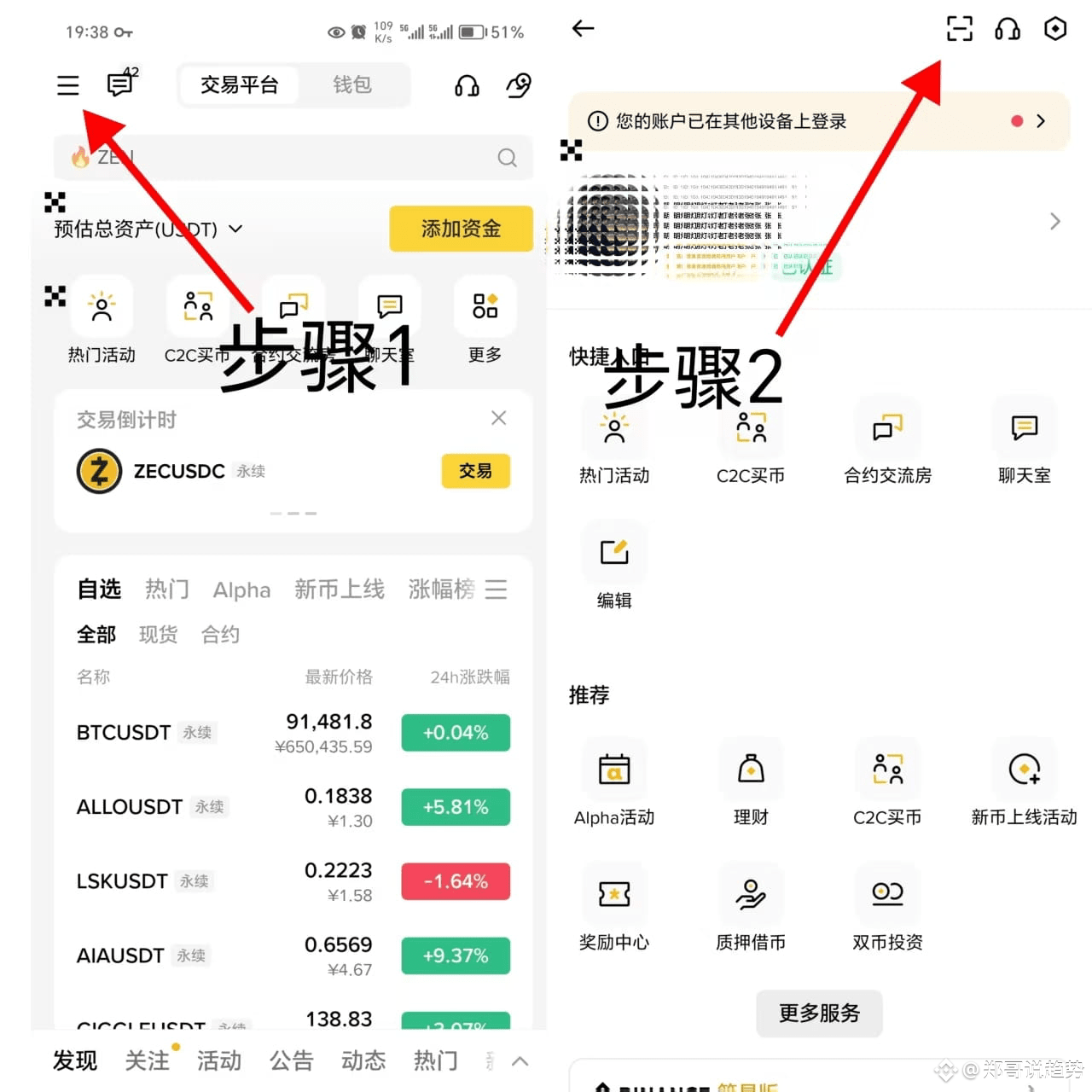
1. First, save the QR code below
2. Open the Binance homepage and search for the chat room
3. Tap the “+” at the top-right corner
4. Click Scan to scan the QR code
You can then add me as a friend.
Feel free to ask any questions!
1. First, save the QR code below
2. Open the Binance homepage and search for the chat room
3. Tap the “+” at the top-right corner
4. Click Scan to scan the QR code
You can then add me as a friend.
Feel free to ask any questions!
2. Open the Binance homepage and search for the chat room
3. Tap the “+” at the top-right corner
4. Click Scan to scan the QR code
You can then add me as a friend.
Feel free to ask any questions!

11
2
9
776
·
--
From 10,000 to 1 million in crypto: nine practical rules
1. If you have little capital, don't be greedy. Catching one big move a day is enough—don't try to stay fully invested all the time.
2. If major good news fails to move the price up that day, sell into the next day's opening rally. Good news can mark the top—don't wait for a drop and regret it.
3. News and holidays matter. Reduce your position ahead of major events, or go flat and wait until the next day before following the trend.
4. Keep positions light for medium-term trades and leave yourself room to maneuver. Don't bet big; build up gradually—that's the way to go.
5. For short-term trades, get in and out quickly. Once you're sure, act decisively; if you're wrong, get out immediately. Don't get greedy and end up stuck.
6. Follow the market's rhythm. Sometimes it's slow, sometimes fast—don't overthink it.
7. If your price level or direction is wrong, cut your losses. Don't stubbornly hold on. Stop-losses protect your money; don't wait until you've lost big to regret it.
8. For short-term trades, watch the 15-minute chart and use KDJ to find entry points.
9. Most important is your mindset. Volatility can be intense, so you need nerves of steel. Don't let price swings unsettle you—staying calm is key to lasting in the market.
Making money in crypto isn't easy, but understanding how it works can help you win.

1
75
·
--
If you don’t even have 1000U, don’t charge in blindly—listen to some real talk.
In crypto, you rely on rules, not guessing highs and lows. I took a beginner from 800U to 18,000 in two months and nearly 30,000, without blowing up, not by luck but by three hard rules.
1. Split your money into three parts. Don’t go all in recklessly. Keep one part for intraday trades in major coins and small swings—take profits when you can. Use one part for swing trades, waiting for bigger moves and holding for a few days to stay steady. Keep the rest as your backup card. When prices rise or fall and you stay calm, that’s what gives you the confidence to turn things around. If you put all a few hundred U into one trade, you’ll panic on dips and get carried away on pumps. Keeping some money aside is the only way to flip the game.
2. Only go after the big meat, don’t pick up crumbs. Most of the time, the market grinds and wears people down. Frequent trading just sends fees away. If there’s no trend, sit tight. When a trend comes, jump in again. Take half of your profit off the table and put it in your pocket—that’s the only way it counts as earned. Usually, play dead, and when the big opportunity comes, take a bite and run.
3. Use rules to suppress emotion. Cut losses when your stop is hit—don’t hope. When profits reach your target, take half off and let the rest run with a trailing stop. Never add to a losing position; the more you add, the deeper you get trapped. You don’t need to be right every time, but you do need to execute correctly every time. Let rules manage the trade—don’t let your brain burn through your account.
A small本金 isn’t scary. What’s scary is wanting to make it all back in one shot. Turning 800 into 30,000 is about not being greedy, not panicking, and sticking to the rules.

1
186
·
--
From 3,000U to nearly 40,000—not luck, but discipline
When a follower came to me, he had 3,000U left after starting with 20,000 and nearly losing it all. I told him to change his approach: never put more than 30% into a single position, take profits at 10–15%, cut losses within 4%, and stay out of unclear market conditions. He gritted his teeth and followed the plan, reviewing his trades every day. Three months later, his 3,000U had grown to nearly 40,000. He said discipline had saved him.
The hardest thing in crypto isn’t reading charts, following the news, or having talent—it’s sticking to your rhythm. These are the four essentials of compounding your capital:
1. Stay flexible with position sizes. Keep each position at a reasonable share so that if you’re wrong, you have room to recover instead of losing everything.
2. Take profits quickly. Once you hit your target, exit. Don’t wait for a huge win. When losses hit your limit, stop out—don’t give them a chance to spiral.
3. Follow the trend. Don’t predict or try to buy the bottom or sell the top. Wait for the direction to emerge before entering. It may seem slower, but your win rate will be steadier.
4. Review your trades daily. Fine-tune your rhythm, reflect on your decisions, and adjust your entry points. Discipline creates a positive cycle.
The market changes every day, but the principles don’t. If you can’t turn things around, it’s not because there are no opportunities—it’s because your mindset and methods keep you stuck in place. Put these principles into practice, and even a small account can grow steadily into real wealth.

1
154
·
--
Ten Practical Tips for Making 500,000 in a Year Trading Crypto
1. With a small amount of capital, catching one major uptrend a year is enough. If you have less than 200,000, don’t stay fully invested all the time.
2. Don’t expect to make money beyond your level of understanding. Practice with simulated trading first to train your mindset and courage. You can lose endlessly in a simulation; one loss in live trading could wipe you out.
3. When there’s major positive news, don’t sell that day. If the market opens higher the next day, sell. Once good news is priced in, it can turn into bad news.
4. Reduce your positions or go completely flat a week before major holidays. History shows that a lot can happen over the holidays.
5. For medium-term trading, keep plenty of cash on hand. Sell into rallies, buy back on dips, and repeat.
6. For short-term trading, watch volume and chart patterns. Trade actively moving markets with big swings; avoid inactive ones.
7. Slow declines bring slow rebounds; fast declines bring fast rebounds.
8. If you realize you bought wrong, cut your losses promptly. Preserving your capital is fundamental to survival.
9. For short-term trading, always check the 15-minute candlestick chart and KDJ to find entry and exit points.
10. There are countless technical methods. Mastering a few is enough—don’t try to learn too many.

1
84
·
--
Trading crypto full-time and living the life I want
I’ve never had a regular job since graduating, and my assets are worth tens of millions. I can withdraw money every month without affecting my lifestyle, and there’s no office politics. I get up early to cook and do yoga, then turn on my computer at nine to review the previous day’s trades. Trading volume is low in the morning, so I take a break and organize my trading records. Reviewing is very important.
I go for a run around four or five in the afternoon. I get home around seven or eight, just as the U.S. stock market opens and crypto trading picks up. I catch a few trades and hit my small targets. If there are no opportunities, I join community events, go out for meals, socialize, expand my network, and keep up with the market.
I study data and charts like a detective searching for opportunities, enjoying the freedom. After eight years of trading, including six full-time, I’ve learned to tame greed and fear and gone from huge losses to steady profits. I take care of my family as my account grows. My profits aren’t down to luck—they come from knowledge and execution.

1
30
·
--
With a small bankroll, master the game with three hard rules
Crypto runs on rules, not guesswork. A newcomer turned 800U into 19,000, nearly 30,000, in five months without getting liquidated—not through luck, but by following three hard rules.
One: Split your money into three parts. Randomly going all-in is a recipe for disaster. Trade small moves in major coins intraday, take a little profit, then exit. For swing trades, wait for a big move and hold for a few days. Keep the rest as your reserve and never touch it, whether prices rise or fall—that’s your foundation for turning things around. Go all-in with a few hundred U and you’ll get carried away when prices rise and panic when they fall. Keeping money aside is how you make it back.
Two: Go for the big wins; don’t pick up pennies. Most of the time, the market wears you down. Frequent trading just racks up fees. When there’s no trend, sit tight. Get back in when a trend appears. Once you’re in profit, take half off the table—only money in your pocket counts as profit. The rest of the time, stay out of it; when an opportunity comes, take a bite and get out.
Three: Let rules control your emotions so you don’t lose your head. When your stop-loss is hit, cut the loss—no hoping for a turnaround. When you’re in profit, take half off and let the rest run. If you’re losing, never add to your position; the more you add, the deeper you get stuck. You don’t have to be right every time, but you do have to follow your rules every time.
Don’t fear having little capital; fear trying to make it all back in one shot. Turning 800 into 30,000 takes discipline: don’t get greedy, don’t panic, and stick to your rules. Dollar-cost averaging is a good strategy too—position yourself for the future through bull and bear markets.

1
110
·
--
Crypto insomnia comes from dabbling in things you don’t understand.
You don’t know when to cut your losses, haven’t studied the fundamentals, and enter trades on gut instinct. How do you expect to win? This is gambling, not investing. You’re betting you’ll make it through the pullback, betting on the next green candle.
The market doesn’t owe you anything. When you make trades beyond your understanding and profit, you’re afraid of losing it all; when you lose, you want to win it back. You watch the charts and review your trades until you dream in candlesticks.
The solution, in one sentence: don’t touch what you don’t understand. If you don’t understand futures, stick to spot. If you don’t understand altcoins, stick to major coins. Don’t day-trade; take a longer-term view.
You can’t make money beyond your level of understanding. If you lack the skills, study. If you can’t master it, just hold what you have.

1
51
·
--
Three tricks for picking coins—useful in both bull and bear markets
1. Watch volume, not price. Price charts can be manipulated; volume represents money flowing in and is harder to fake. If a big bullish candle has lower volume than the previous five days, it may be a bull trap—stay away. At low levels, if volume keeps increasing but the price won’t fall, buyers may be stepping in; keep an eye on it. Rallies on no volume are nonsense; don’t buy into a high-volume drop.
2. Pick coins people actually trade. Look for high trading activity: add the top 20 coins by average daily volume over roughly the past two weeks to your watchlist. If nobody trades a coin, a market maker can pump it and leave you holding the bag. Mainstream coins have more participants and better liquidity, making them easier to buy and sell. Avoid low-volume altcoins.
3. Use weekly charts for the big picture and 4-hour charts for short-term trades. A weekly MACD golden cross below the zero line, or a turn up from the bottom, suggests potential on the larger timeframe. If the weekly trend is down, don’t touch it, no matter how cheap it looks. For short-term trades, switch to the 4-hour chart and wait for the moving averages to align bullishly and the price to reclaim a key level before acting. The larger timeframe sets the direction; the smaller one helps find entry points.
These three tricks aren’t hard, and they help you avoid pitfalls. Taking three minutes to pick a coin is more useful than listening to ten people shout their calls. In a bull market, hot coins rise quickly; in a bear market, coins with volume fall more slowly. The same applies to spot and futures: avoid coins with no volume, and when volume appears, wait for the right level.

1
191
·
--
From 2,800U to 68,000U in three months: I got just one thing right
Many people think it’s hard to grow a small account. The key is position sizing, pacing, and emotions. A follower with 2,800U wanted to go all in. I stopped them and shared three tips. Three months later, they had 68,000U with only a small drawdown.
First, protect your capital before growing it. Split 2,800U into four portions of 700U each. Limit yourself to two trades a day and aim for small, short-term trends. If the trend is unclear, don’t trade. Save some funds for a big move; if the conditions aren’t right, don’t enter. Keeping one portion in reserve gives you confidence after a losing streak. Your capital will still be there for the future.
Second, seek profits from trends and avoid choppy markets. Constantly trading every swing in a range eats into your profits. Wait for a breakout of a key level before entering. Once you’re in profit, take some off the table. Move the stop on the remaining position to breakeven and let your profits run.
Third, make decisions based on discipline, not emotion. Set a take-profit and stop-loss level before every trade, and follow through when either is reached. Once your profits hit your target, reduce your position. Stop trading after a losing streak. If you can’t control yourself, uninstall the app and take a day off.
The crypto market never lacks opportunities. What it lacks are people who can wait patiently, accept losses, and let profits run. Master these three principles, and your account can keep growing.

1
112
·
--
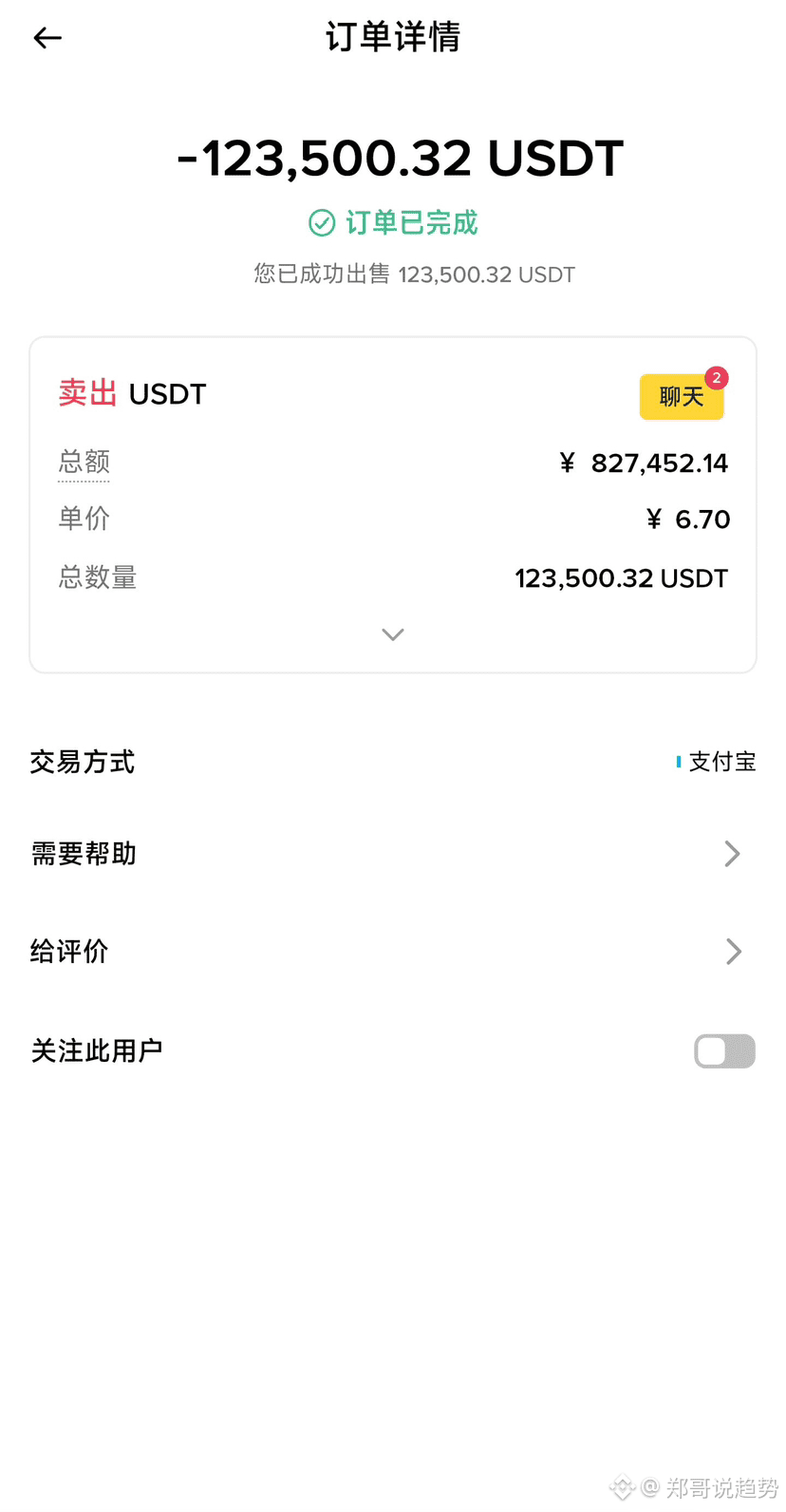
Getting liquidated hurts, but earning money you can’t withdraw is even more devastating.
You trade like crazy and finally make hundreds of thousands, thinking you’re in the clear—then your withdrawal gets stuck, your bank freezes your account for an unusual review, and your money is out of reach.
A large one-time withdrawal can get your card suspended. Frequent transfers across platforms may require you to explain where the money came from. You’re caught in a bind: earning money you can’t access is the real risk.
Being able to withdraw matters more than making a profit.
First, withdraw in batches. Don’t cash out everything at once; make smaller, more frequent withdrawals to reduce risk controls.
Second, keep a steady rhythm. Withdraw on a regular schedule, such as weekly or monthly, so the flow of funds looks more normal.
Third, keep accounts separate. Use a dedicated card to receive funds, then transfer them to your everyday account to avoid affecting your living expenses.
Maturity in crypto isn’t about how much you earn—it’s about safely securing your gains. Making money is just the beginning; being able to access it is what counts.

1
170
·
--
With under 2,000 U, learn how not to get wiped out before talking about turning things around.
It may sound harsh, but it can save you a lot of money. I once guided a young woman who turned 1,500 U into 42,000 U in three months without getting wiped out or losing half her capital. It wasn’t luck—she followed three simple rules.
First, never go all in. Split 1,500 into three parts and make short-term swing trades to stay safe. Go all in once and a pullback can knock you out. Keep some in reserve if you want a chance to turn things around.
Second, only trade when the outlook is clear. Don’t get trigger-happy in a sideways market. Most losses come from trading when the direction is unclear. Better to stay out and miss a gain than trade recklessly and lose. Wait for the trend to become clear before entering. There won’t be a good opportunity every day, but your capital can burn every day.
Third, use rules to control your emotions. Set a stop-loss for every trade and cut your losses when it’s hit. When your profit reaches the target, take half off the table. Once you’ve made a certain amount, move the gains into profit. Never add to a losing position—you’ll only dig yourself deeper.
Only when your capital is protected should you think about doubling it. Split your positions, wait for opportunities, and control your pace. It’s not exciting, but it can save you years of detours. In crypto, slow is fast.

1
27
·
--
How many people in crypto actually make money?
I’m 31 now. I got into crypto at 21 and made eight figures in 2023–24. Staying in high-end hotels and going out is more comfortable than running a business or an e-commerce shop—without all the hassle. When trading crypto, mindset comes first and technical skills second.
1. Bitcoin is the barometer. Its rises and falls set the tone for crypto. Ethereum sometimes moves independently; let the altcoins do their thing.
2. Keep an eye on USDT demand. Rising demand means more risk aversion, so watch out for a pullback.
3. There are often sudden wicks in the early hours. Volatility is high from midnight to 1 a.m., so place orders in advance and be ready for unexpected fills.
4. The market often sets its direction for the day between 6 and 8 a.m. Use that as a reference for your decisions.
5. When European and U.S. funds enter the market around 5 p.m., volatility picks up and there are more opportunities.
6. Pay attention on Fridays. The idea of “Black Friday” may not always hold true, but keep an eye on the news and market sentiment.
7. Don’t panic-sell. Major coins with strong trading volume often recover after a pullback, as long as the project itself is sound.
8. Long-term holding beats frequent trading. Most people lose by trading too often; big gains come from patiently holding quality assets.

1
129
·
--
The most likely path from 5,000 USDT to 100,000
Turning 700 USDT into 70,000 in a month isn’t about showing off—it’s about showing ordinary people a replicable way to turn their lives around. Multiplying a small account many times over depends not on your win rate, but on your risk-reward ratio.
1. To turn a small account around, you have to catch trends. Frequent small wins are unlikely to build substantial compound growth. Catch a single big move, make ten times your money, take profits, then wait for the next one. Frequent trading earns fees; trends make real money.
2. Bigger timeframes are where ordinary traders find opportunities. Smaller timeframes have more noise and make it easy to get caught chasing moves. You can’t outcompete algorithms, but you can win by following trends. Watching the big picture matters more than fixating on small fluctuations.
3. What determines your returns isn’t technical skill—it’s your mindset. Being able to wait for opportunities, withstand drawdowns, control your impulses, and follow through matters more than indicators.
4. Win rate isn’t important; risk-reward is. Successful traders may have a win rate of 30% to 50%, but they cut small losses quickly and let big winners run. A risk-reward ratio of 1:3 or better is enough to make consistent profits.
5. Compound growth comes from major market moves, not trading every day. Focus on a few key opportunities and maximize profits instead of frantically placing orders. When an opportunity comes, capture the entire trend. What determines your returns is your understanding of trends, position sizing, execution, and patience.

1
58
·
--
Five Golden Rules of Crypto That Matter More Than Skill
1. Protect your principal before chasing profits. The biggest risk isn’t missing an opportunity—it’s losing your principal. Opportunities will come again, but rebuilding your capital is hard. Survive first, earn later.
2. Follow the trend; don’t try to pick bottoms or tops. Buy with the uptrend and wait patiently through downturns. The market is always right. Following the trend matters more than proving yourself right.
3. Cut losses and let profits run. Most people don’t fail to make money because they can’t read the market; they fail because they can’t hold on. They hesitate to cut losses and rush to take profits. Pros do the opposite: accept small losses and hold on to big winners.
4. Position sizing can make or break you. Don’t go all in or bet everything on one trade. Keep cash and leave yourself a way out. Opportunities aren’t scarce; people who can afford to wait are.
5. Let discipline override emotion. Don’t panic-sell out of fear or chase highs out of greed. Use rules instead of feelings, and plans instead of impulses. In the long run, success comes down to execution, not technique.

1
165
·
--
From losing sleep over 2,500U to making over 100,000U
When she first got into crypto, her 2,500U balance had her thrilled when it went up and panicking when it fell. She watched the charts obsessively and lost sleep over every fluctuation. I told her to stop thinking about making 10x and focus on staying in the game. We set five hard-and-fast rules.
First, accept losses as soon as they happen. Don’t gamble to win it back. Once your stop-loss is hit, get out—don’t wait. A small loss is a cost; a big loss is a disaster.
Second, after consecutive losses, stop trading. Shut down the computer, go for a walk, and drink some water. You need to stop not just the losses in your account, but also the emotional spiral.
Third, take profits off the table. Don’t fall for the illusion of unrealized gains. Numbers on a screen aren’t wealth—only what’s actually in your account is yours.
Fourth, follow the trend; don’t try to predict it. If there’s a trend, follow it; if not, wait. Choppy markets drain your money and confidence. If you don’t understand the market, staying out can be more profitable.
Fifth, trade small to stay in the game. With a small account, risk only a small portion on each trade. A light position helps you stay calm and stick to the plan. Experts succeed through long-term compounding, not by getting rich overnight with oversized positions.
Later, her balance grew from 2,500U to over 100,000U. It wasn’t because she could predict the market—it was because she learned to control risk. Even when prices swung wildly, she could still sleep. With futures trading, lasting longer matters more than making money fast. Only by staying in the game do you get the chance to double your money.

1
114
·
--
How much have funding fees cost you?
When trading perpetual contracts, people often focus only on profits and losses and overlook funding fees—the hidden cost.
Perpetual contracts have no expiry date. Every 8 hours, longs and shorts pay each other a fee: when the rate is positive, longs pay shorts; when it's negative, shorts pay longs. The exchange isn't involved.
Let's do the math: a 1,000 USDT long position at a 0.01% funding rate costs 0.1 USDT per payment. Three payments a day add up to 0.3 USDT; that's 9 USDT a month and 109.5 USDT a year. It may not seem like much, but when rates fluctuate sharply, they can reach 0.1%—that would be 90 USDT a month. Leverage multiplies the cost: with 10x leverage on 100 USDT of margin, you'd pay 0.3 USDT a day, a significant annualized cost.
You can check funding rates on the contract page and view their history.
At its core, funding is a holding cost. It may not be steep, but it keeps adding up the longer you hold. Contracts aren't suitable for holding indefinitely like spot assets—leave a contract position open, and it keeps costing you. Have you ever calculated how much you've paid in a year?

1
40
·
--
If you have less than 1,000 U, don’t trade recklessly.
Crypto isn’t a casino. With a small bankroll, discipline and patience are what help you turn things around and stay in the game. Follow these three rules:
1. Split your funds into three parts: one for small short-term gains to rebuild your balance, one to wait for the overall trend without making impulsive moves, and one core position that you never touch to protect against being wiped out.
2. Only trade what you understand. Stay out of the market otherwise. Crypto is volatile, and frequent trading eats into your capital. Don’t open a position when there’s no clear trend, and take profits when you’re ahead.
3. Use rules to control your emotions. Always follow your stop-loss. Reduce your position when you’re in profit. Never average down. Reckless moves can be fatal when you have little capital. Trading is about execution, not being right or wrong.
The key isn’t to get rich quickly—it’s to avoid getting wiped out. Last long and protect what you have. With 1,000 U, it’s not about how much you have; it’s about whether you can hold on to it through discipline.

98
·
--
Learn the basics before entering crypto
In a four-player game where everyone’s cards are face up, you’re more likely to lose if you’re the only one not looking at your opponents’ cards. Trading is the same: beginners focus only on what to buy, hoping it’ll rise, and ignore the market.
Reading the market isn’t just about watching prices go up or down. You need to observe trends, volume, and sentiment, and look for patterns in historical data. People can read the same candlestick chart differently because they have different levels of understanding. If you’re new, your first step isn’t to make money—it’s to learn the basics. Placing trades without them is like paying tuition.
If you have limited funds, start with a small position. The goal isn’t to make money, but to experience the pace and volatility of the market. If you lose, don’t deposit more. Learn technical analysis first: choose one approach, such as moving averages, indicators, or naked charts, and study it in depth.
Review historical market data to see whether your approach works. Once you understand it, practice with a small amount of money.
Over time, you’ll realize that technical skills are only part of the picture. The real challenge is managing your emotions. With futures, manage risk, maintain a good risk-to-reward ratio, and set stop-losses. Aim for small losses and bigger gains if you want to last.
The same goes for spot trading. Don’t expect to get rich overnight through frequent trades. Good opportunities come with time and patience.

52
·
--
A 6-step method to grow from 1,000U to 50,000U without getting liquidated
Compounding isn’t gambling. If you’re starting with 1,000U, follow this. No get-rich-quick tricks—just a sensible approach.
1. Keep yourself in check. Don’t go all in. Cap your total at 500U and test the waters with 200–300U per position. A drawdown over 20% can wreck your mindset and lead to rash decisions.
2. If you’re unsure, sit it out. Only trade setups you understand at a glance, with clear support and resistance, a clear direction, and a 2:1 risk-reward ratio. Build confidence first.
3. Trading without a stop-loss is like sleepwalking. Set it as soon as you enter; don’t move it or cancel it. Risk only a small portion on each trade. Whether you want to gamble big or take it slow is up to you.
4. Don’t get greedy with take-profit. Small swings may bring dozens of points; bigger moves, hundreds. Hold mid-term trades for more, but don’t expect to sell at the very top—that’s wishful thinking.
5. Increase your position size only when your account has grown, and keep your risk reasonable. Small accounts need patience, medium-sized ones need consistency, and large accounts need discipline to protect capital.
6. Every time your account doubles, withdraw some profit and put it in your pocket. That’s when you’ve truly made money. Your account balance is just a number; withdrawing profits keeps your mindset grounded.
Stick with it for a month, and your equity curve will speak for itself.

1
55
Log in to explore more content
Join global crypto users on Binance Square
⚡️ Get latest and useful information about crypto.
💬 Trusted by the world’s largest crypto exchange.
👍 Discover real insights from verified creators.
Email / Phone number
Trending Topics
USPPIMissMayEaseBTCPressure
4,084 views
229 Discussing
US PPI Rises 6.5% a Year in October, Slightly Below 6.6% Forecast
Binance News
·10 Likes
·7.5k views
BitcoinCoreDisclosesTorTrafficVulnerability
1 views
29 Discussing
WhatWillDriveCryptoandStocks’NextRebound?
94,659 views
1,239 Discussing