
一生一心缠论说
867 Posts

一生一心缠论说
Report
Block User
易盈缠论,帮助千万用户养成盈利习惯! 弘扬缠论,惠泽众生! 微信及微信公众号同名
6 Following
1.7K+ Followers
2.0K+ Liked
Posts
All
Quotes
Videos
·
--
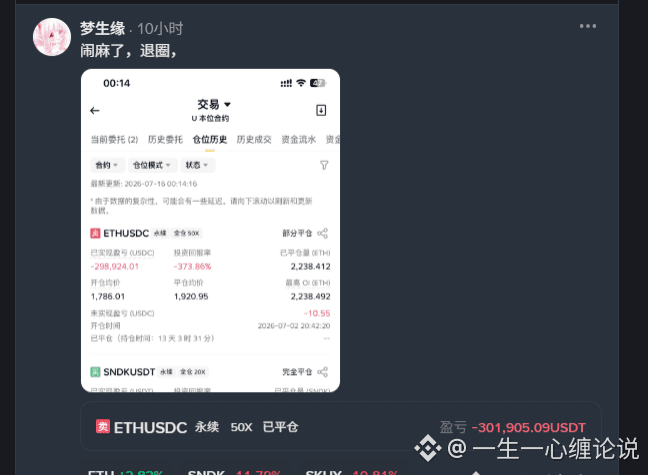
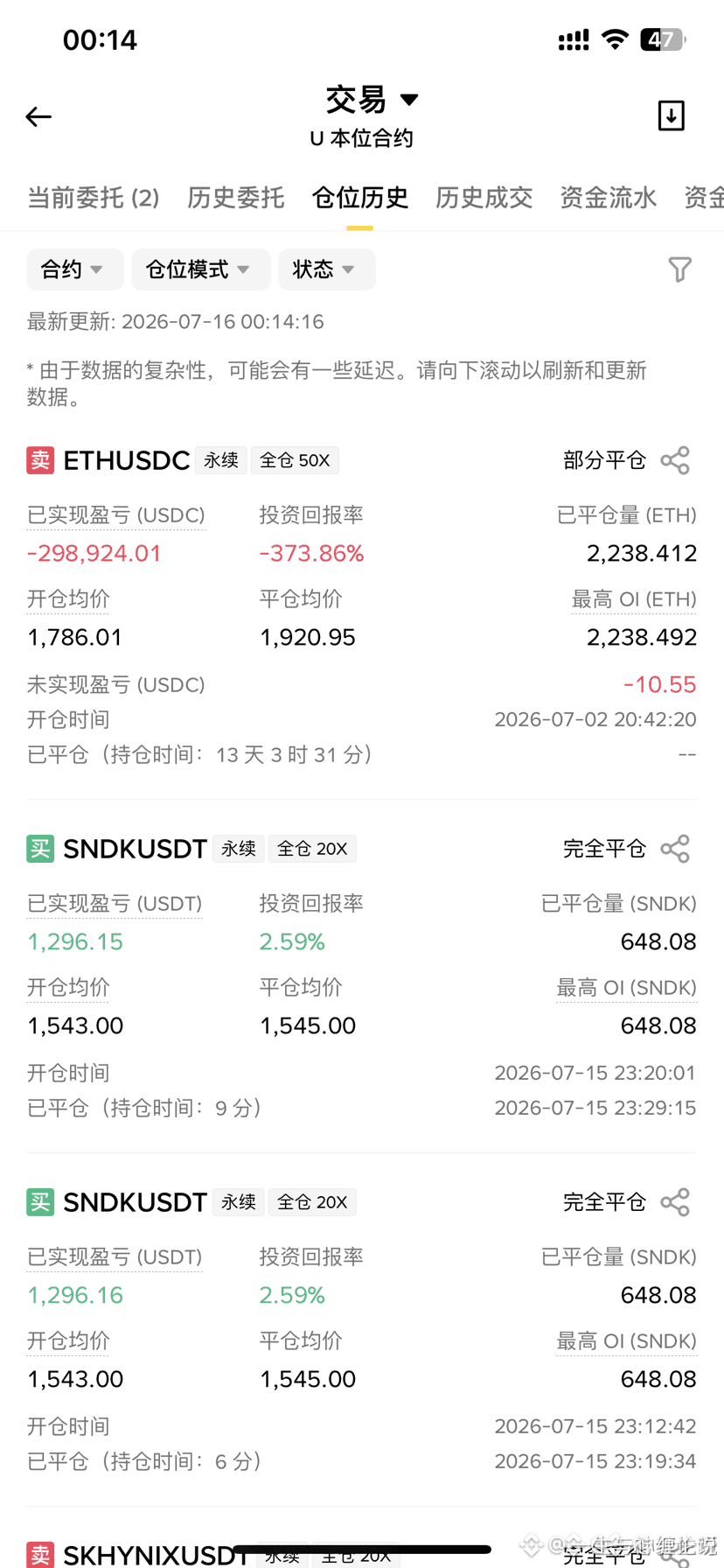
Before I got in touch with Chan theory, it was pretty much like this: when you make money, you really can make it, and when you lose, you really can lose. Salute every trader who has been able to lose money, because that’s experience others will never have—and all experience is your precious wealth.
If you’ve ever listened to your own experience, your world would definitely not be like it is now.
The consequences of not listening to experience are that you keep repeating it—again and again.
The cost of not listening to experience: we get trapped in a repeating cycle, unable to truly grow and evolve.
Before I got in touch with Chan theory, it was pretty much like this: when you make money, you really can make it, and when you lose, you really can lose. Salute every trader who has been able to lose money, because that’s experience others will never have—and all experience is your precious wealth.
If you’ve ever listened to your own experience, your world would definitely not be like it is now.
The consequences of not listening to experience are that you keep repeating it—again and again.
The cost of not listening to experience: we get trapped in a repeating cycle, unable to truly grow and evolve.
If you’ve ever listened to your own experience, your world would definitely not be like it is now.
The consequences of not listening to experience are that you keep repeating it—again and again.
The cost of not listening to experience: we get trapped in a repeating cycle, unable to truly grow and evolve.
493
·
--
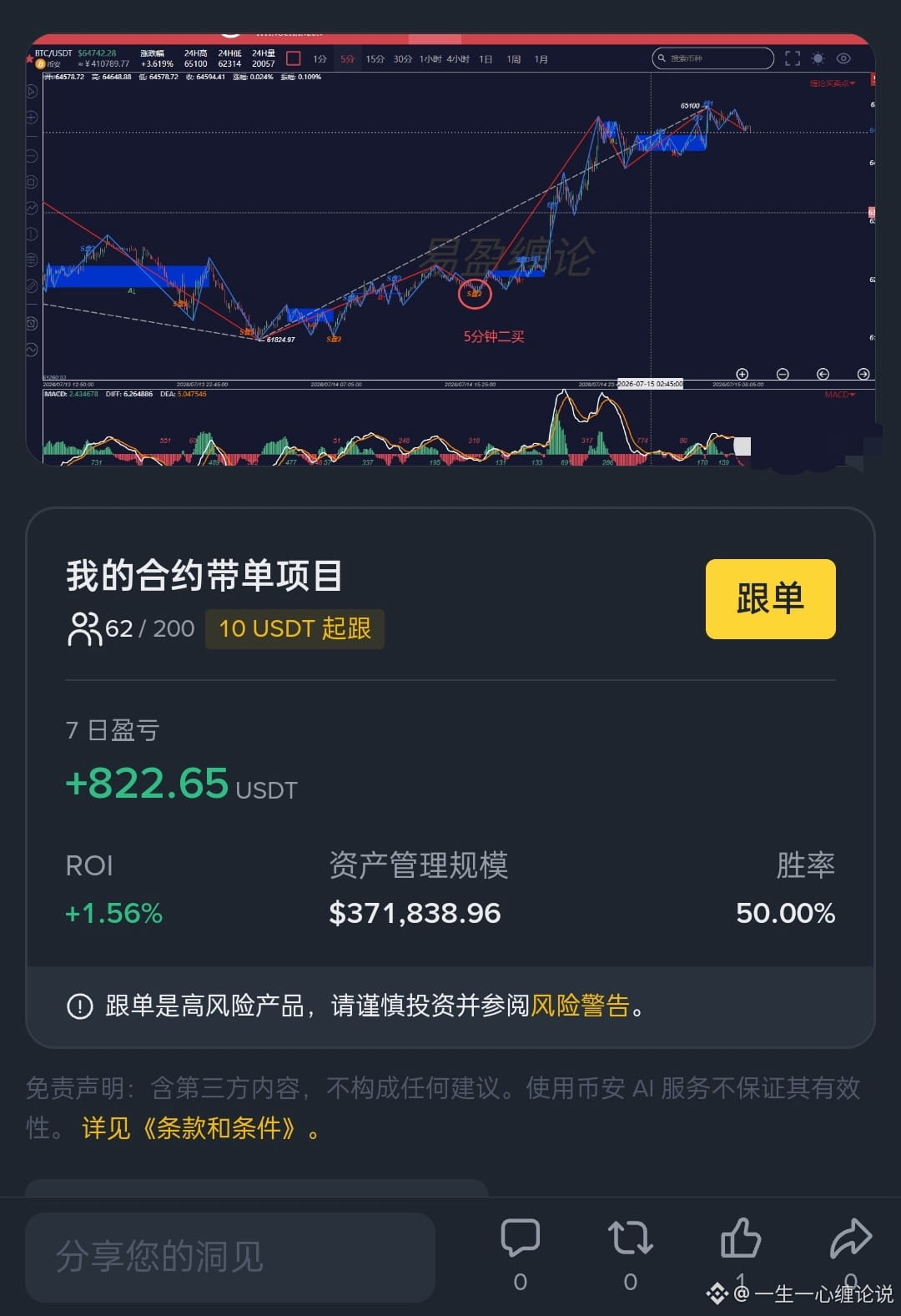
Continue from the previous one. If you can use the software appropriately, even if you can’t do much, at least you will place stop-loss on the empty order at a low level so you don’t end up suffering a catastrophic loss.
If you have a deeper understanding of Chan theory, going long is inevitable.#交易训练
Continue from the previous one. If you can use the software appropriately, even if you can’t do much, at least you will place stop-loss on the empty order at a low level so you don’t end up suffering a catastrophic loss.
If you have a deeper understanding of Chan theory, going long is inevitable.#交易训练
If you have a deeper understanding of Chan theory, going long is inevitable.#交易训练
182
·
--
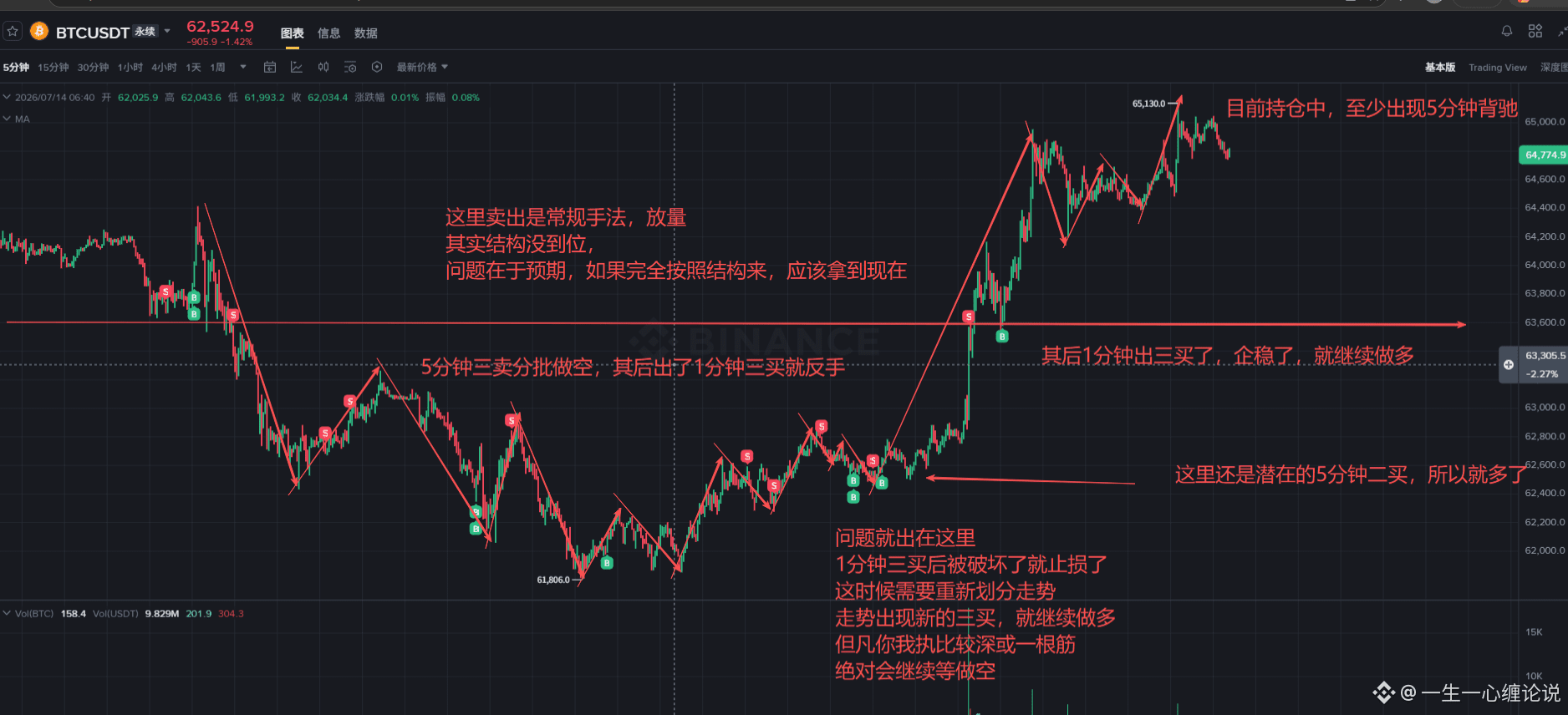
Yesterday, after stopping out on the short position, and then stopping out on the long position, the logic for continuing to go long is as shown in the chart:
The ability to earn consistently, your market intuition, and your trust in your trading system—those things have never been missing. They were just always covered up by the noise in your head.
"Master yourself" is the ultimate lesson: not mastering a certain indicator, but mastering the state of "I have already mastered it."
You are already that kind of trader who can earn steadily—you just don’t know it yet.
Your trading system is effective, your risk control is in place, and your discipline is acceptable—but you keep feeling like you’re "not enough" yet. You think you still need to learn one more trick, read one more book.
You’ve been postponing that moment of "I’ve got it," because you don’t dare to admit it—because I am the person you’ve been looking for.
Every trade you make is a brand-new choice; no past stories are holding you hostage, except the one you’ve put into your own mind.
What traders call "market feel" isn’t mysticism—it’s an ability everyone has.
Those phrases like "something doesn’t feel right," "there’s support at this level," "I think I should cut down on position size"—these aren’t illusions. It’s your soul speaking in its own language. The difference is: some people listen, and some people tune it out.#交易训练
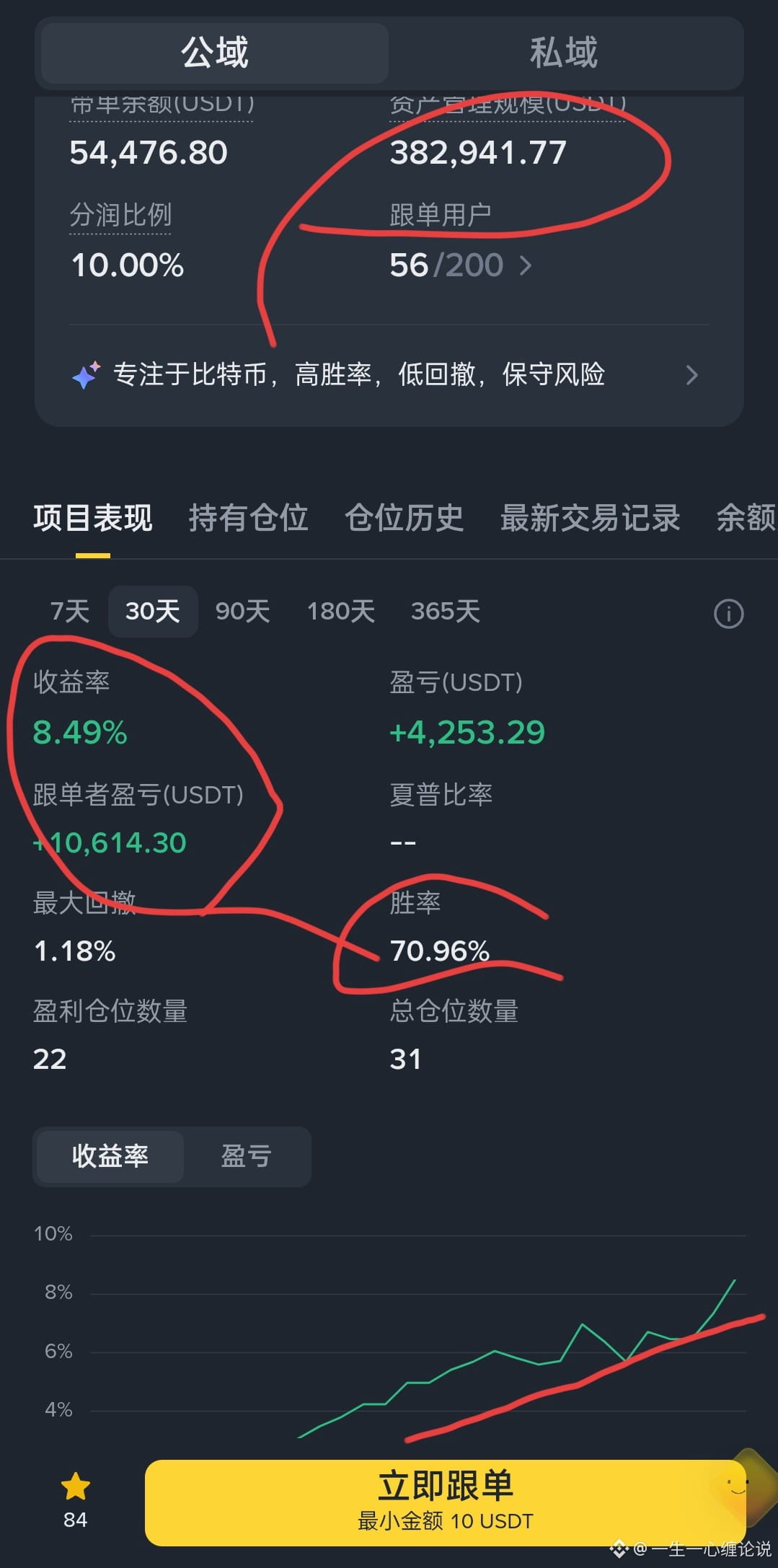
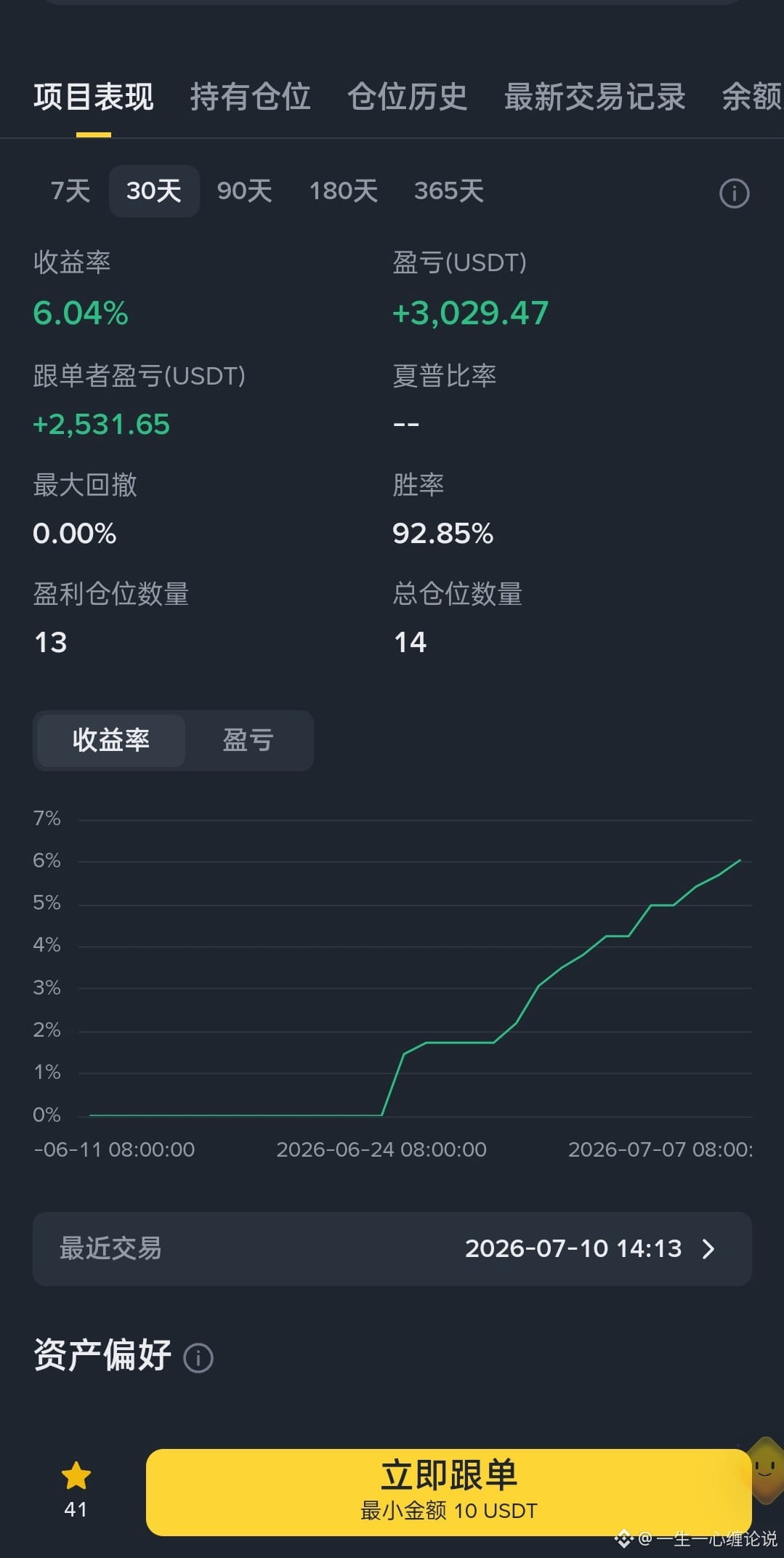
If you want to watch the live executions of top traders’ contracts, or if you want to copy trades directly, please click on this account’s profile picture to join the group chat and get the procedure.
Yesterday, after stopping out on the short position, and then stopping out on the long position, the logic for continuing to go long is as shown in the chart:
The ability to earn consistently, your market intuition, and your trust in your trading system—those things have never been missing. They were just always covered up by the noise in your head.
"Master yourself" is the ultimate lesson: not mastering a certain indicator, but mastering the state of "I have already mastered it."
You are already that kind of trader who can earn steadily—you just don’t know it yet.
Your trading system is effective, your risk control is in place, and your discipline is acceptable—but you keep feeling like you’re "not enough" yet. You think you still need to learn one more trick, read one more book.
You’ve been postponing that moment of "I’ve got it," because you don’t dare to admit it—because I am the person you’ve been looking for.
Every trade you make is a brand-new choice; no past stories are holding you hostage, except the one you’ve put into your own mind.
What traders call "market feel" isn’t mysticism—it’s an ability everyone has.
Those phrases like "something doesn’t feel right," "there’s support at this level," "I think I should cut down on position size"—these aren’t illusions. It’s your soul speaking in its own language. The difference is: some people listen, and some people tune it out.#交易训练
If you want to watch the live executions of top traders’ contracts, or if you want to copy trades directly, please click on this account’s profile picture to join the group chat and get the procedure.
The ability to earn consistently, your market intuition, and your trust in your trading system—those things have never been missing. They were just always covered up by the noise in your head.
"Master yourself" is the ultimate lesson: not mastering a certain indicator, but mastering the state of "I have already mastered it."
You are already that kind of trader who can earn steadily—you just don’t know it yet.
Your trading system is effective, your risk control is in place, and your discipline is acceptable—but you keep feeling like you’re "not enough" yet. You think you still need to learn one more trick, read one more book.
You’ve been postponing that moment of "I’ve got it," because you don’t dare to admit it—because I am the person you’ve been looking for.
Every trade you make is a brand-new choice; no past stories are holding you hostage, except the one you’ve put into your own mind.
What traders call "market feel" isn’t mysticism—it’s an ability everyone has.
Those phrases like "something doesn’t feel right," "there’s support at this level," "I think I should cut down on position size"—these aren’t illusions. It’s your soul speaking in its own language. The difference is: some people listen, and some people tune it out.#交易训练
If you want to watch the live executions of top traders’ contracts, or if you want to copy trades directly, please click on this account’s profile picture to join the group chat and get the procedure.
190
·
--
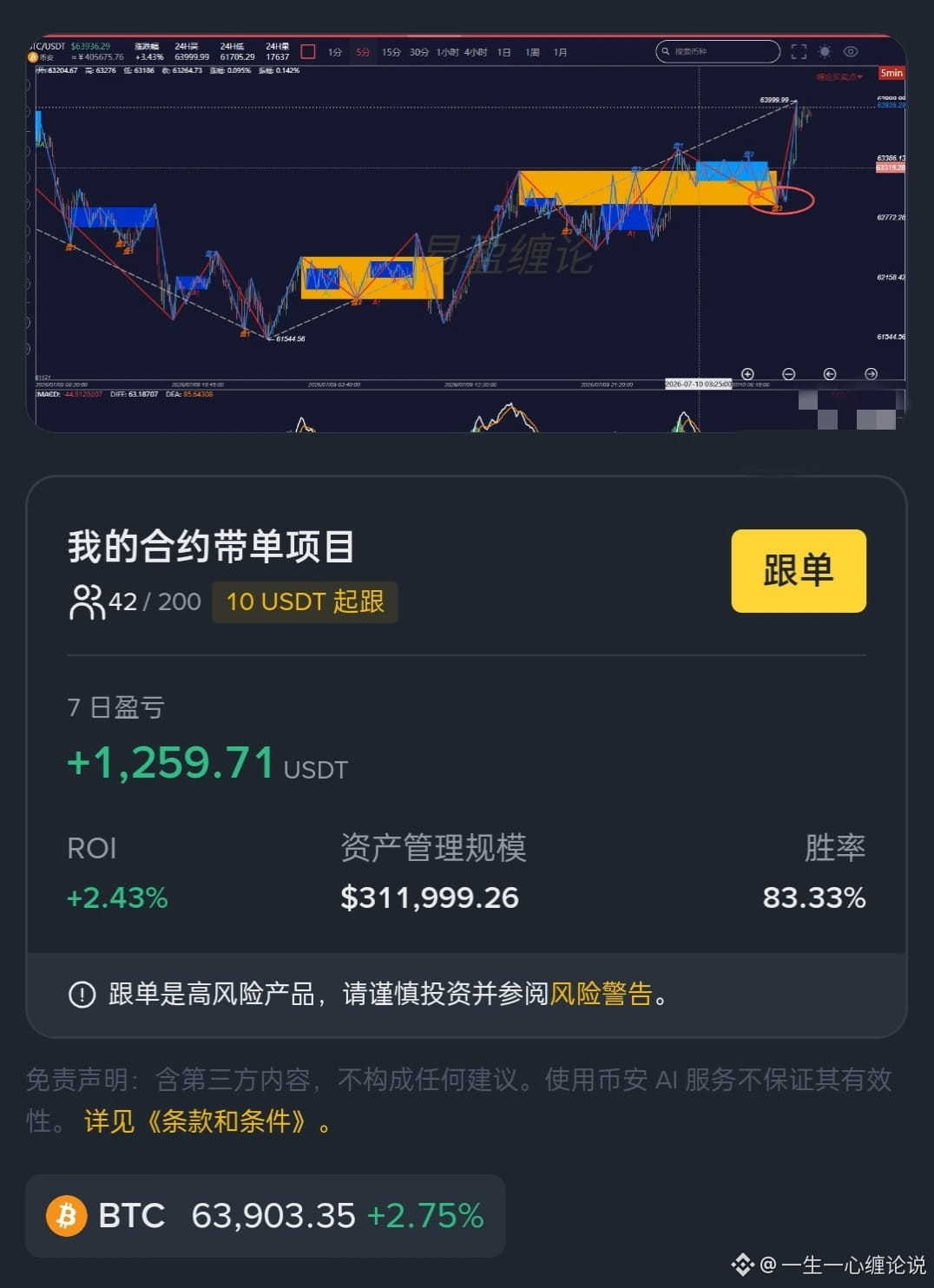
The logic behind the recent long entry is basically this……
Just look at the software, haha.
In the morning, the logic for being long was that the downside momentum was a bit too strong, so I just held flat.
Then when a buy point appeared, you just go back in again!
Whatever way the market moves, you trade accordingly $BTC
The logic behind the recent long entry is basically this……
Just look at the software, haha.
In the morning, the logic for being long was that the downside momentum was a bit too strong, so I just held flat.
Then when a buy point appeared, you just go back in again!
Whatever way the market moves, you trade accordingly $BTC
Just look at the software, haha.
In the morning, the logic for being long was that the downside momentum was a bit too strong, so I just held flat.
Then when a buy point appeared, you just go back in again!
Whatever way the market moves, you trade accordingly $BTC
223
Log in to explore more content
Join global crypto users on Binance Square
⚡️ Get latest and useful information about crypto.
💬 Trusted by the world’s largest crypto exchange.
👍 Discover real insights from verified creators.
Email / Phone number
Trending Topics
AIStocksWhatNext
1M views
7,065 Discussing
Share & Win Traffic Reward in our Trending Hashtag Campaign
✨Topic: What Other Investment Opportunities Remain as AI Stocks Keep Rising?
👉How to Join:
Publish a short post or article with hashtag #AIStocksWhatNext
Share whether you’re bullish or bearish, and post your AI stock holdings or trade — using the trade widget may improve your eligibility.
You can also strengthen your post by sharing data or charts, and avoiding AI-generated images.
✍️Create content based on the below angles:
- Nvidia says chip sales will double next year, and top AI companies keep hitting record revenue, the compute spend behind it is just as staggering. Is AI demand really taking off? And how long can it last? AI stocks are up across the board. Is this a real breakout, or just a short-term bounce?
- Industry leaders are calling to slow down AI development, while Trump plans to build an “AI Force”, claiming AI could account for 25% of U.S. GDP in the future. Whose side are you on? Will state-level backing be a long-term win for AI stocks?
- Are you buying AI stocks? Share your AI-related trade/holdings with our trade sharing widget.
⏰Campaign Period:
- 2026-09-22 7:00 - 2026-09-24 4:00 UTC
🎁Reward:
- Qualified posts that comply with the above guidelines and contain more than 100 words will be reviewed and may receive a random traffic boost of 500 to 3,000 views. You will receive a notification from your feed secretary if your post is selected.
- Get a chance to have your article featured on Binance Square Official
Need ideas for your post? Visit the topic page #AIStocksWhatNext or the Square Guide on How to Post for Better Reach.
Binance Square Official
·612 Likes
·1.8M views
BitcoinRejectedAt$87,300Twice
0 views
0 Discussing
BCHJumps28%OnCMEFuturesListing
26,328 views
685 Discussing