
Vink柒
816 Posts

Vink柒
不定时分享交易心得

哈基米 Holder
Frequent Trader
1.8 Years
22 Following
1.3K+ Followers
1.4K+ Liked
Posts
All
Quotes
Videos
Live
PINNED

In the past 3 days, the entire market’s sentiment has completed a “shock” → “doubt” → “belief” → “greed” cycle—something that usually takes weeks to play out—within a single burst...
It’s hard to believe that people would switch from a bear-market mindset to a bull-market mindset in just 3 days.
And the source of this rare phenomenon comes from Trump and the Treasury—this alone is enough for us to stay vigilant and tense.
I still believe that “being cautious when going long” is far safer than “going long recklessly.”
The emotional climax should occur at the end of a long position uptrend, not at the very first wave of action during a bottom bounce.
This isn’t a good place to chase longs. Honestly, this rally is really unusual—the slope is too steep, causing the sentiment of doubt to turn directly into greed.
Spot DCA has completely stopped. Let’s see whether there will be another opportunity to DCA later.
$BTC
It’s hard to believe that people would switch from a bear-market mindset to a bull-market mindset in just 3 days.
And the source of this rare phenomenon comes from Trump and the Treasury—this alone is enough for us to stay vigilant and tense.
I still believe that “being cautious when going long” is far safer than “going long recklessly.”
The emotional climax should occur at the end of a long position uptrend, not at the very first wave of action during a bottom bounce.
This isn’t a good place to chase longs. Honestly, this rally is really unusual—the slope is too steep, causing the sentiment of doubt to turn directly into greed.
Spot DCA has completely stopped. Let’s see whether there will be another opportunity to DCA later.
$BTC
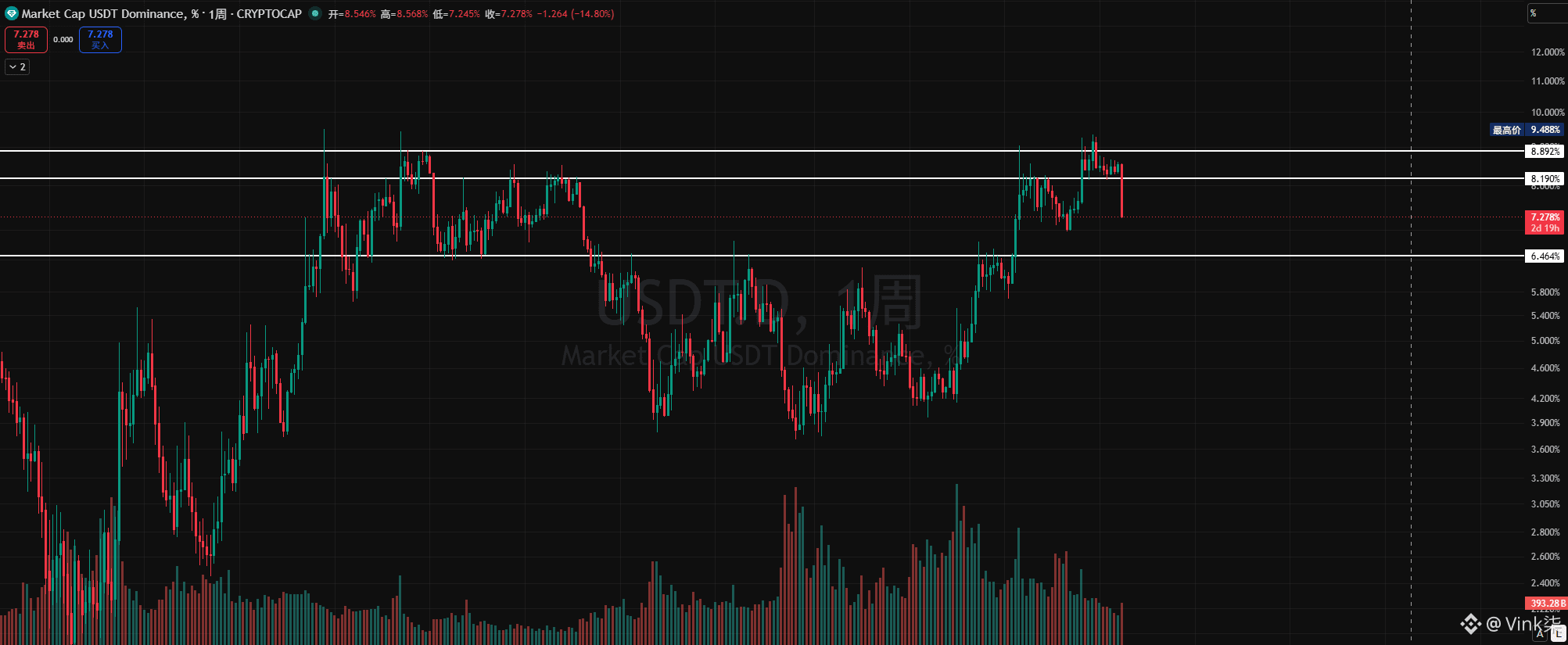
Picking up from the last episode, after a dip from the recent high point, the proportion is now down to 7.2%.
If there isn’t continued positive catalysts and capital inflow, the 7% level should see a rebound.
In other words, BTC will likely top out in the short term and then come into a pullback. This pullback will actually be another chance to get in—meaning the next lower point is expected to be around 6.8w–7w.
The pattern has shifted from falling consolidation to rising consolidation, and then into further upward movement. The smaller timeframe uptrend is gradually evolving into an uptrend over a larger cycle.
It’s still too early to say the bull market is just starting. Don’t expect to buy at the absolute lowest point—that’s basically impossible. If you do manage to buy at the lowest, then it’s simply good luck.
The best strategy is to do DCA during the late bear period, buying in multiple batches—such as below 6w (that is, if it drops to 3w, the average price after your DCA would still be over 4w).
Then add to your position in two phases during the bull market. After the upward consolidation and the move higher has fully played out, then add again.
If there isn’t continued positive catalysts and capital inflow, the 7% level should see a rebound.
In other words, BTC will likely top out in the short term and then come into a pullback. This pullback will actually be another chance to get in—meaning the next lower point is expected to be around 6.8w–7w.
The pattern has shifted from falling consolidation to rising consolidation, and then into further upward movement. The smaller timeframe uptrend is gradually evolving into an uptrend over a larger cycle.
It’s still too early to say the bull market is just starting. Don’t expect to buy at the absolute lowest point—that’s basically impossible. If you do manage to buy at the lowest, then it’s simply good luck.
The best strategy is to do DCA during the late bear period, buying in multiple batches—such as below 6w (that is, if it drops to 3w, the average price after your DCA would still be over 4w).
Then add to your position in two phases during the bull market. After the upward consolidation and the move higher has fully played out, then add again.
Vink柒
·
--
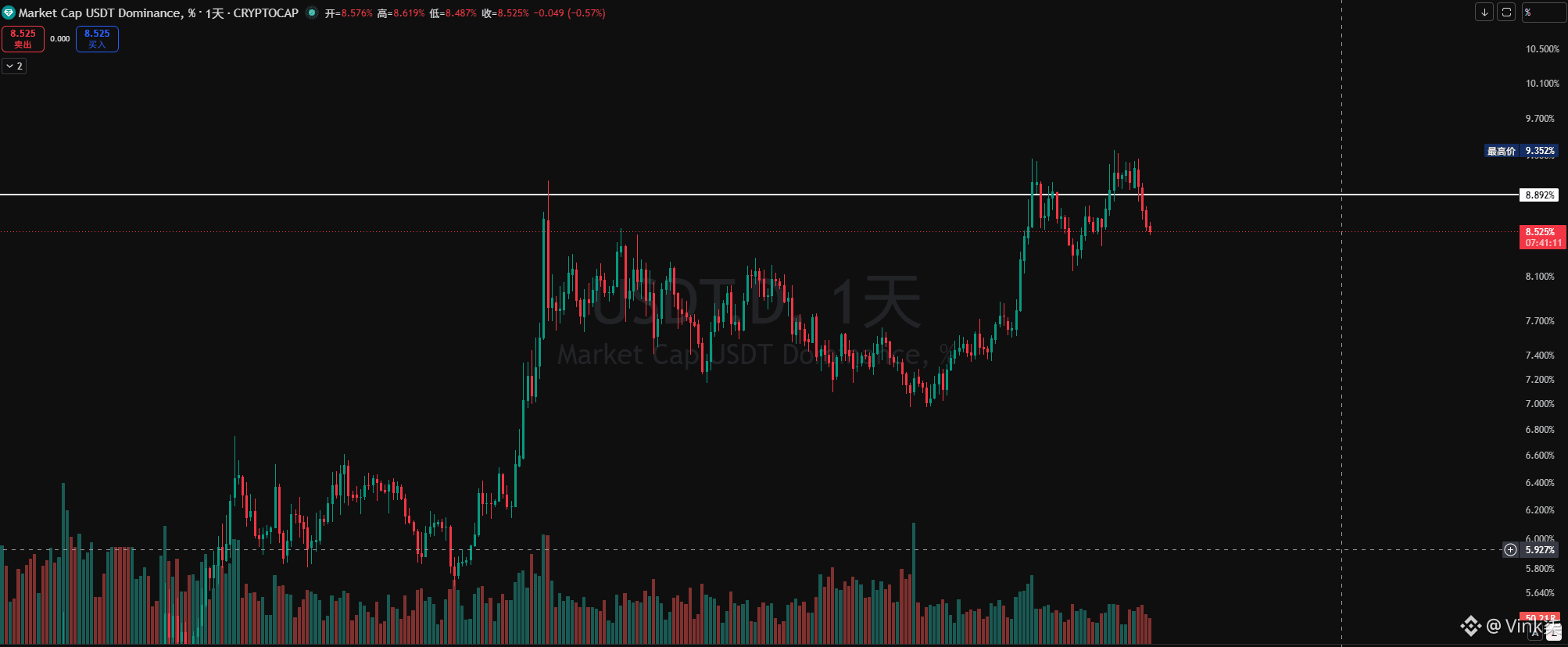
BullishWhenever the market share of USDT exceeds 8.8%, a pullback will follow—meaning BTC will bottom out in the short term.
Once the money has turned into U, it still can’t be held onto; after a while, people can’t help but switch it into BTC. That’s the market.
#BTC $BTC
Once the money has turned into U, it still can’t be held onto; after a while, people can’t help but switch it into BTC. That’s the market.
#BTC $BTC
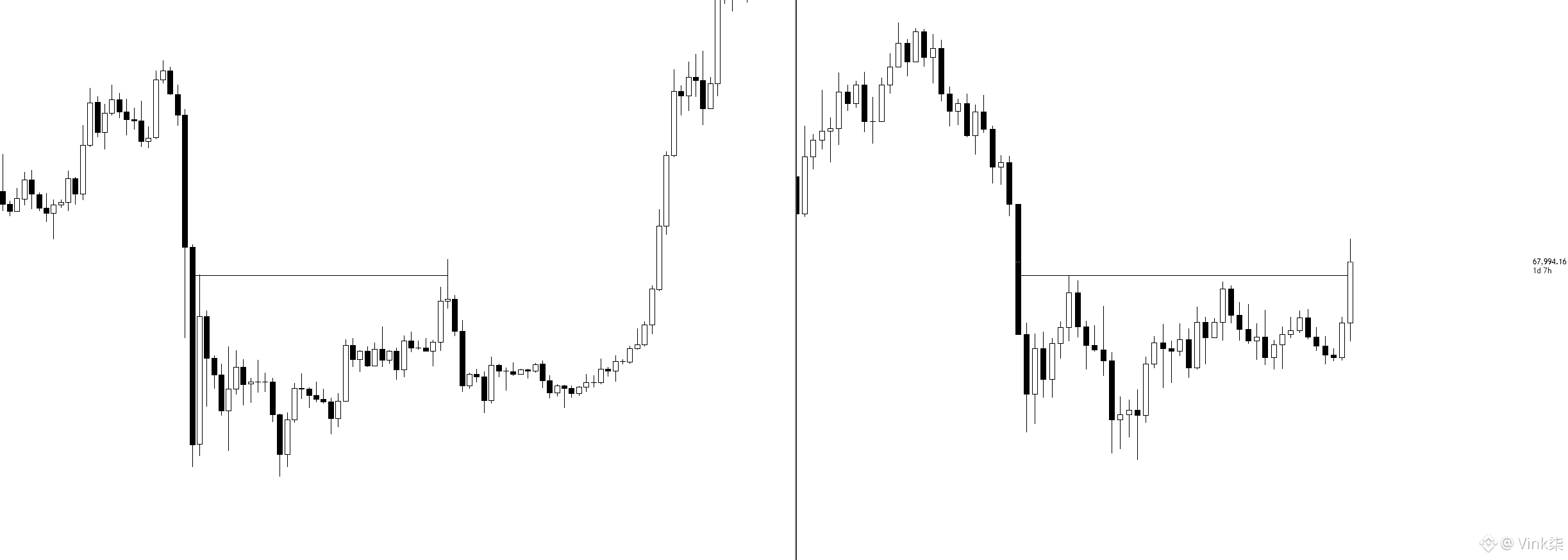
It feels like a cycle, I don’t know why, but it feels too similar to the trend in 2022.
Higher highs, higher lows.
And now it’s also almost the fourth quarter.
So there’ll be one more pullback forming a higher low, and this low won’t break below 65,000.
That’s the final point to get in.
$BTC
Higher highs, higher lows.
And now it’s also almost the fourth quarter.
So there’ll be one more pullback forming a higher low, and this low won’t break below 65,000.
That’s the final point to get in.
$BTC
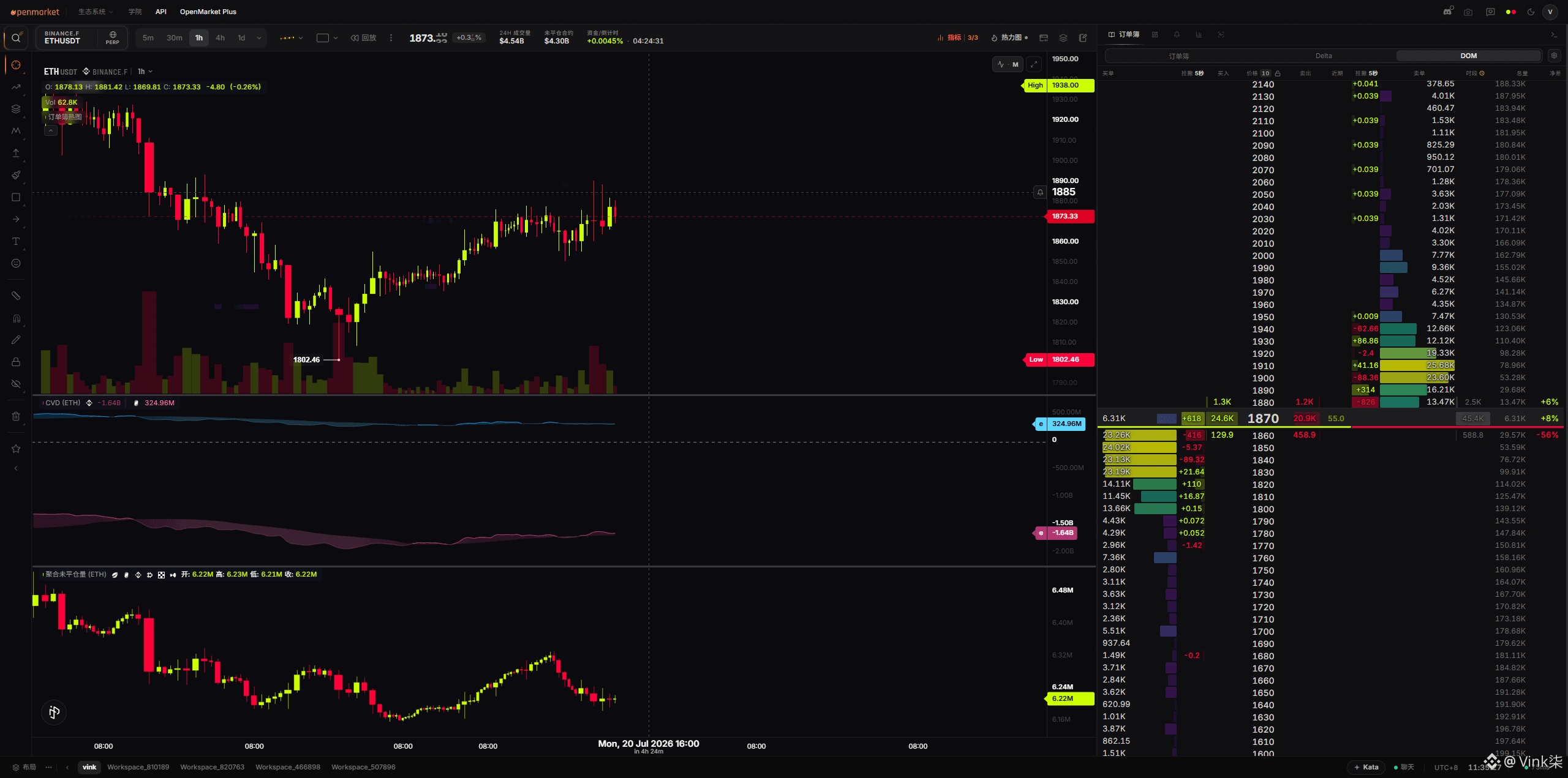
I recommend a charting app. It’s the best one I’ve used so far—it's a bit better than TV. OpenMarket—it's good for all kinds of styles.
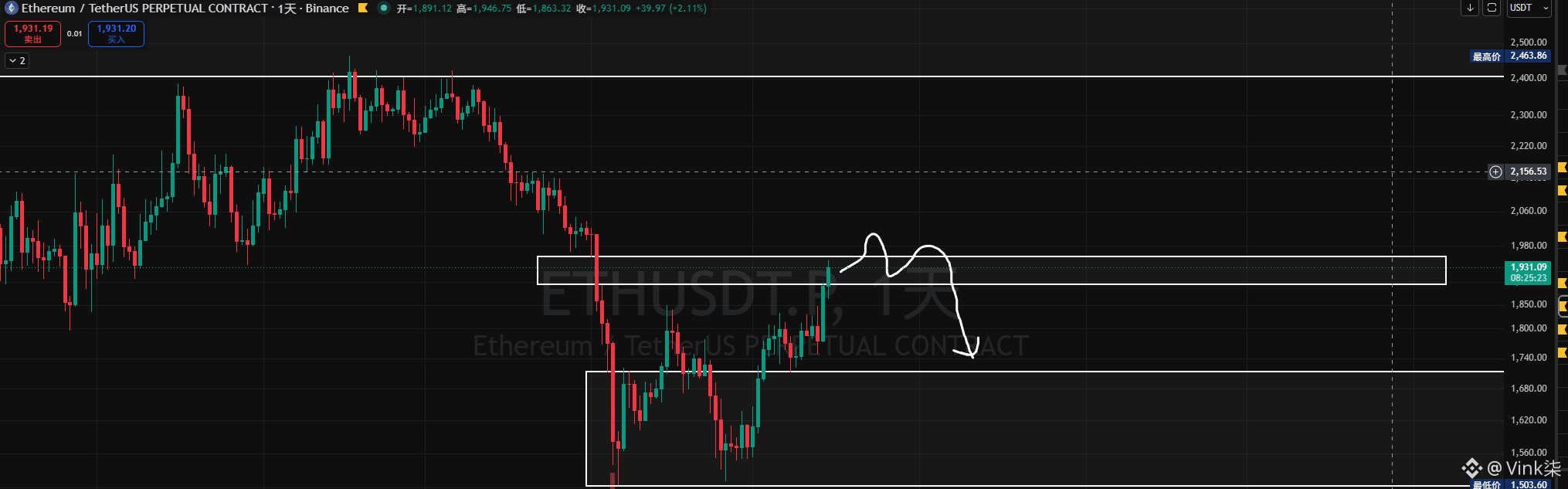
For ETH, I still think we should watch the pullback. It hasn’t reached a point where the upward trend is starting yet. Keep waiting for a bottom-fishing opportunity.
$ETH
For ETH, I still think we should watch the pullback. It hasn’t reached a point where the upward trend is starting yet. Keep waiting for a bottom-fishing opportunity.
$ETH
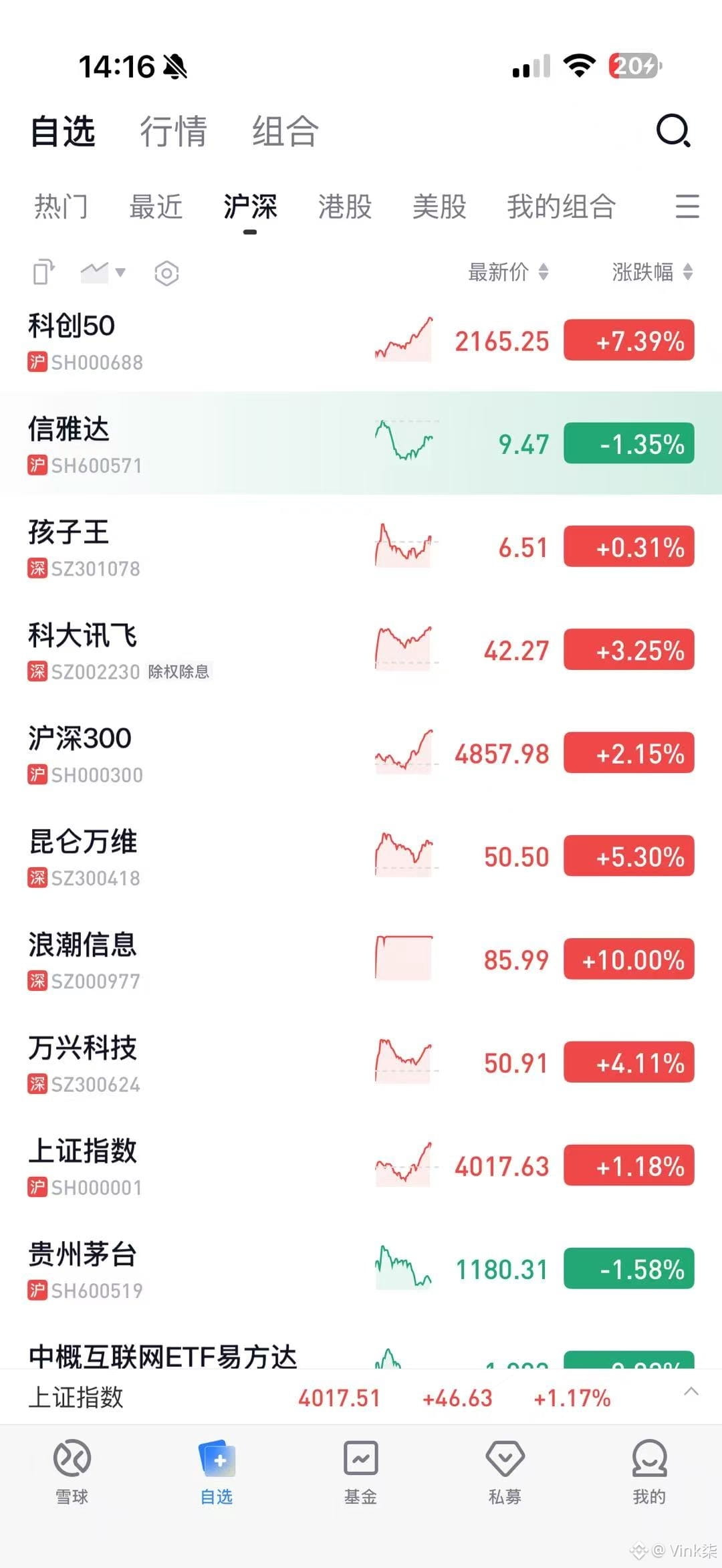
Some Xin’s update on the prospectus is coming out tonight
Second-quarter net profit explodes
All the related sectors are surging
Let’s see if we can get an allotment
Second-quarter net profit explodes
All the related sectors are surging
Let’s see if we can get an allotment
Verified
MicroStrategy started selling coins again. Sure enough, once it happened the first time, it happened countless more times—though the CTO has already given a lot to other institutions.

Verified
I reviewed the market again on July 1:
Meta is up, while chip stocks are down.
At first glance it looks like two separate directions, but the market is actually pricing the same thing:
With so much money burned by this AI run, how will it pay back?
When many people see that Meta might sell AI compute, their first reaction is: Did they buy too much?
But I don’t think it’s that simple.
Meta is both increasing capital expenditures and pushing the commercialization of its compute. This feels more like “funding the new with the old”: turning some older compute into cash flow, then continuing to invest in the next-generation compute that is even more scarce.
So the issue isn’t that AI compute isn’t wanted—it’s that compute across different generations is starting to be repriced.
Meta is up because the market sees the possibility that AI infrastructure could shift from a cost center into a revenue-producing asset.
Chip stocks are down because the market is starting to worry about the supply-demand inflection point for the previous generation of chips, as well as the valuation that has been stretched after share prices ran up earlier.
A stock drop doesn’t mean demand has collapsed.
More accurately, July 1 wasn’t the end of the AI narrative—it was an upgrade of it.
In the past, the market was looking at:
Who bought the most GPUs.
Now the market is starting to look at:
Who can turn GPUs into cash flow.
AI infrastructure is moving from a “capital expenditure race” into a “compute asset operations race.”
This is the real part of the market change that deserves attention.
$META.US
Meta is up, while chip stocks are down.
At first glance it looks like two separate directions, but the market is actually pricing the same thing:
With so much money burned by this AI run, how will it pay back?
When many people see that Meta might sell AI compute, their first reaction is: Did they buy too much?
But I don’t think it’s that simple.
Meta is both increasing capital expenditures and pushing the commercialization of its compute. This feels more like “funding the new with the old”: turning some older compute into cash flow, then continuing to invest in the next-generation compute that is even more scarce.
So the issue isn’t that AI compute isn’t wanted—it’s that compute across different generations is starting to be repriced.
Meta is up because the market sees the possibility that AI infrastructure could shift from a cost center into a revenue-producing asset.
Chip stocks are down because the market is starting to worry about the supply-demand inflection point for the previous generation of chips, as well as the valuation that has been stretched after share prices ran up earlier.
A stock drop doesn’t mean demand has collapsed.
More accurately, July 1 wasn’t the end of the AI narrative—it was an upgrade of it.
In the past, the market was looking at:
Who bought the most GPUs.
Now the market is starting to look at:
Who can turn GPUs into cash flow.
AI infrastructure is moving from a “capital expenditure race” into a “compute asset operations race.”
This is the real part of the market change that deserves attention.
$META.US
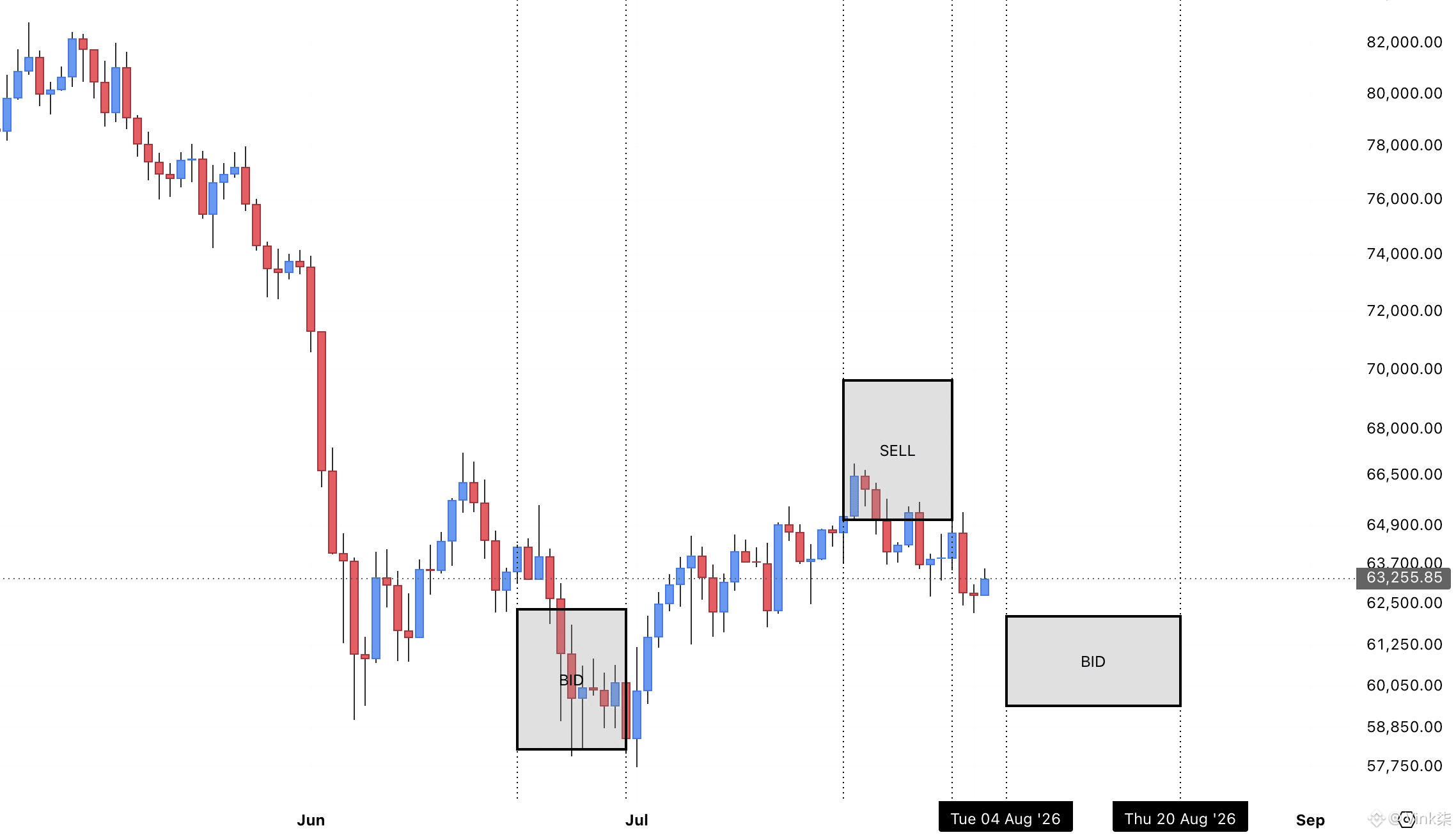
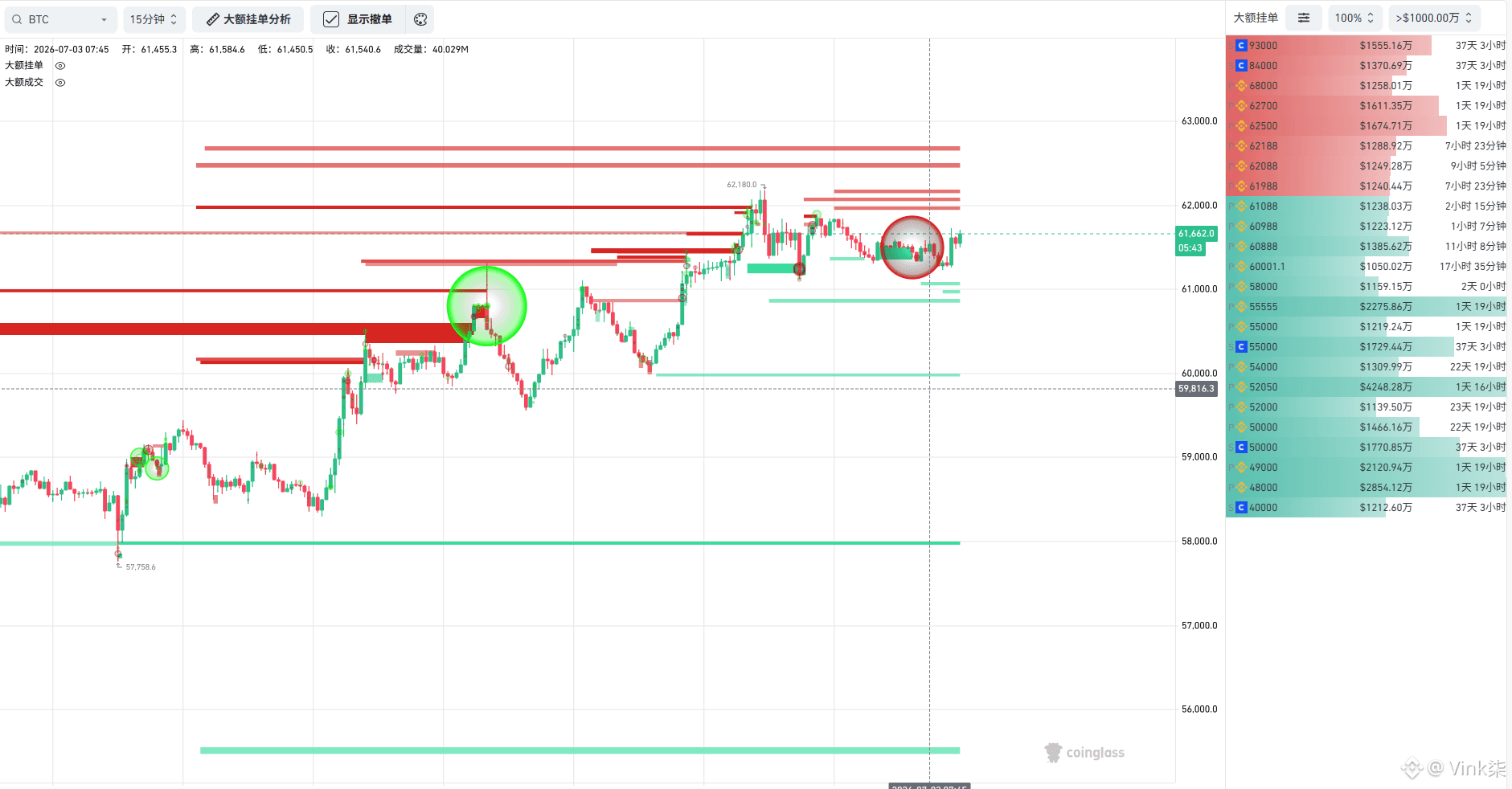
After a big batch of liquidity absorption below, we still saw an uptrend. Now orders are relatively steady and we’ve also reached a resistance level. At the beginning of the third quarter, there should first be a rebound, and then it may drop again. The overall trend in the fourth quarter will move upward.
It all depends on how exactly Wosh reduces its balance sheet—how will it cut it?
And as I said before, no matter how much it falls, it won’t fall much. At worst, you’d lose at most 50%, and upside would be 200%—a 1:4 risk-reward ratio.
$BTC
It all depends on how exactly Wosh reduces its balance sheet—how will it cut it?
And as I said before, no matter how much it falls, it won’t fall much. At worst, you’d lose at most 50%, and upside would be 200%—a 1:4 risk-reward ratio.
$BTC
Vink柒
·
--
BullishStop, Azu
Below is all bargain hunting, there’s no more room to stack it$BTC
Below is all bargain hunting, there’s no more room to stack it$BTC
The current main storyline
Layer 1: The super cloud giants pay NVIDIA.
Microsoft, Meta, Amazon, and Google, in order to build AI data centers, have massively purchased GPUs, complete systems, networking, and AI infrastructure.
As a result, NVIDIA first captures the largest incremental revenue and profit leverage—this is also the core pricing logic behind the AI bull market over the past two years.
Layer 2: NVIDIA’s growth turns storage into the new bottleneck.
The more GPUs are sold and the more AI servers are built, the greater the demand for HBM, high-end DRAM, NAND, and advanced packaging.
At this point, the profit pool begins to spread from “compute chips” to “storage supply.”
Micron, SK hynix, and Samsung aren’t rising just because the cycle is simply recovering—they’re rising because they have become indispensable links in the AI factories.
Layer 3: After storage companies start making money, they must keep expanding capacity.
To meet AI customers’ long-term orders, Micron, SK hynix, and Samsung have to increase capital expenditures—build plants, buy equipment, do advanced packaging, and improve yields. So new orders start flowing to
$AMAT.US
$LRCX.US
$KLAC.US
ASML and other equipment companies, as well as upstream materials, components, and facilities engineering firms.
The migration of profits doesn’t happen overnight—it passes along the industry chain, layer by layer.
In the first stage, the super cloud providers’ capital expenditures flow to NVIDIA, and GPUs become the first valuation anchor of the AI bull market.
In the second stage, as NVIDIA delivers more AI systems, HBM and high-end storage are pushed into the new bottleneck position, and Micron, SK hynix, and Samsung begin to capture the profit leverage.
In the third stage, storage companies, to lock in future orders, are forced to increase capital expenditures, and equipment and materials companies then stand at the entry point of the next round of order flow.
In other words,
first, capital buys the most visible leading players;
then, it buys the bottlenecks tightened by the leaders;
finally, it buys the shovels behind the bottleneck’s capacity expansion.
Layer 1: The super cloud giants pay NVIDIA.
Microsoft, Meta, Amazon, and Google, in order to build AI data centers, have massively purchased GPUs, complete systems, networking, and AI infrastructure.
As a result, NVIDIA first captures the largest incremental revenue and profit leverage—this is also the core pricing logic behind the AI bull market over the past two years.
Layer 2: NVIDIA’s growth turns storage into the new bottleneck.
The more GPUs are sold and the more AI servers are built, the greater the demand for HBM, high-end DRAM, NAND, and advanced packaging.
At this point, the profit pool begins to spread from “compute chips” to “storage supply.”
Micron, SK hynix, and Samsung aren’t rising just because the cycle is simply recovering—they’re rising because they have become indispensable links in the AI factories.
Layer 3: After storage companies start making money, they must keep expanding capacity.
To meet AI customers’ long-term orders, Micron, SK hynix, and Samsung have to increase capital expenditures—build plants, buy equipment, do advanced packaging, and improve yields. So new orders start flowing to
$AMAT.US
$LRCX.US
$KLAC.US
ASML and other equipment companies, as well as upstream materials, components, and facilities engineering firms.
The migration of profits doesn’t happen overnight—it passes along the industry chain, layer by layer.
In the first stage, the super cloud providers’ capital expenditures flow to NVIDIA, and GPUs become the first valuation anchor of the AI bull market.
In the second stage, as NVIDIA delivers more AI systems, HBM and high-end storage are pushed into the new bottleneck position, and Micron, SK hynix, and Samsung begin to capture the profit leverage.
In the third stage, storage companies, to lock in future orders, are forced to increase capital expenditures, and equipment and materials companies then stand at the entry point of the next round of order flow.
In other words,
first, capital buys the most visible leading players;
then, it buys the bottlenecks tightened by the leaders;
finally, it buys the shovels behind the bottleneck’s capacity expansion.
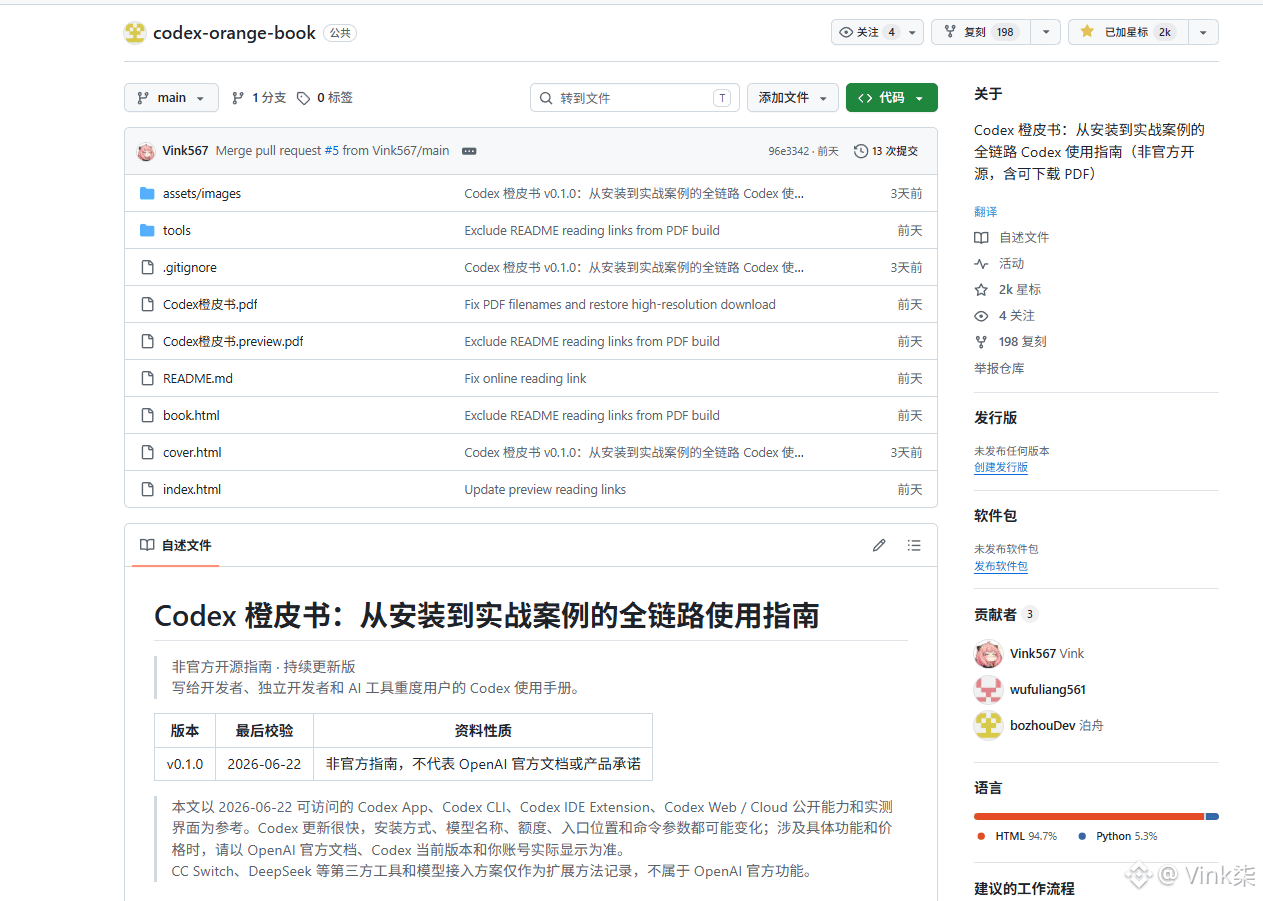
Codex Orange Skin Book also got a 2k star badge
Truly teaches you codex from scratch—so you can directly build your own stock-monitoring software. Find the data you need. If you want what you need, you can check my Twitter.
Truly teaches you codex from scratch—so you can directly build your own stock-monitoring software. Find the data you need. If you want what you need, you can check my Twitter.
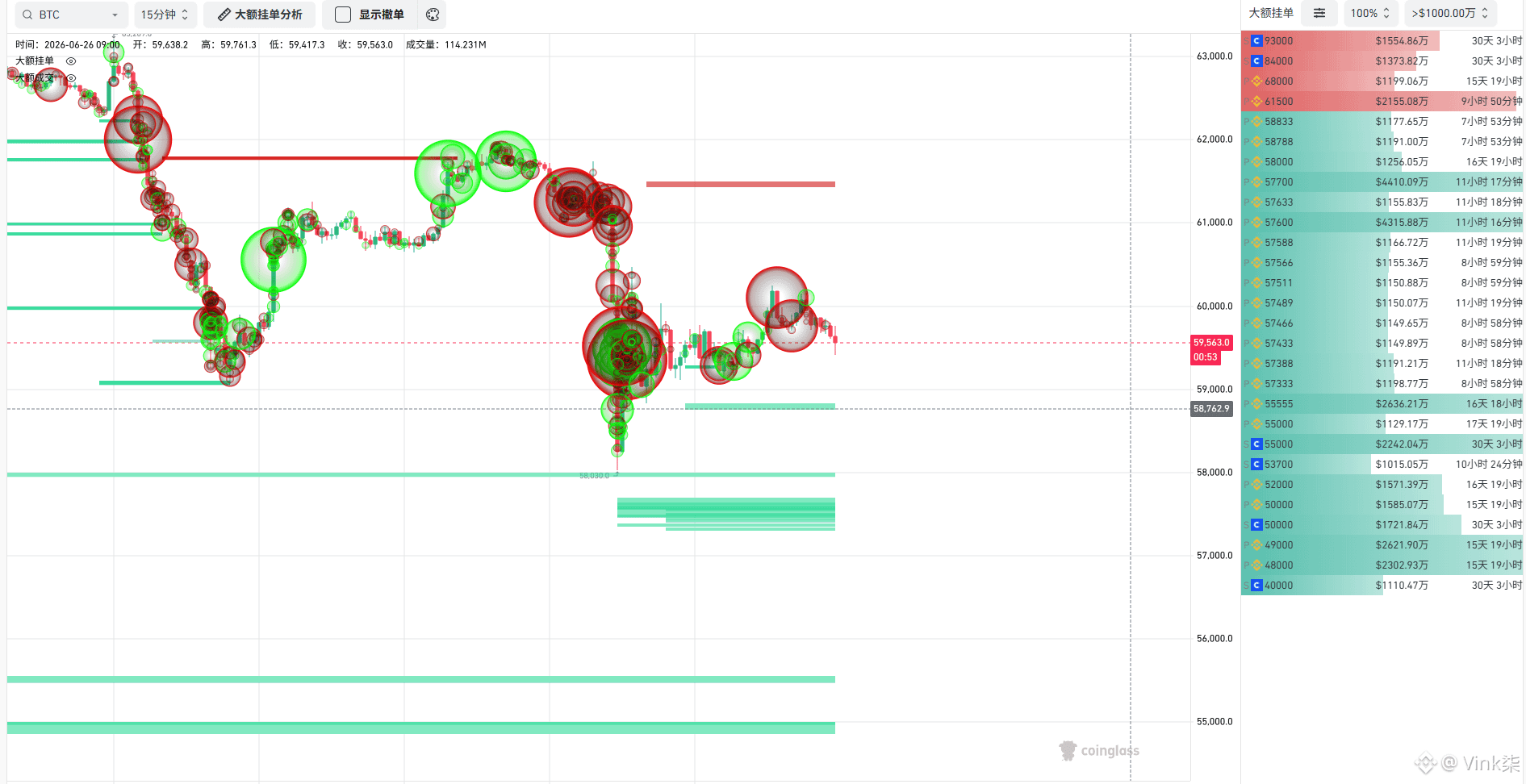
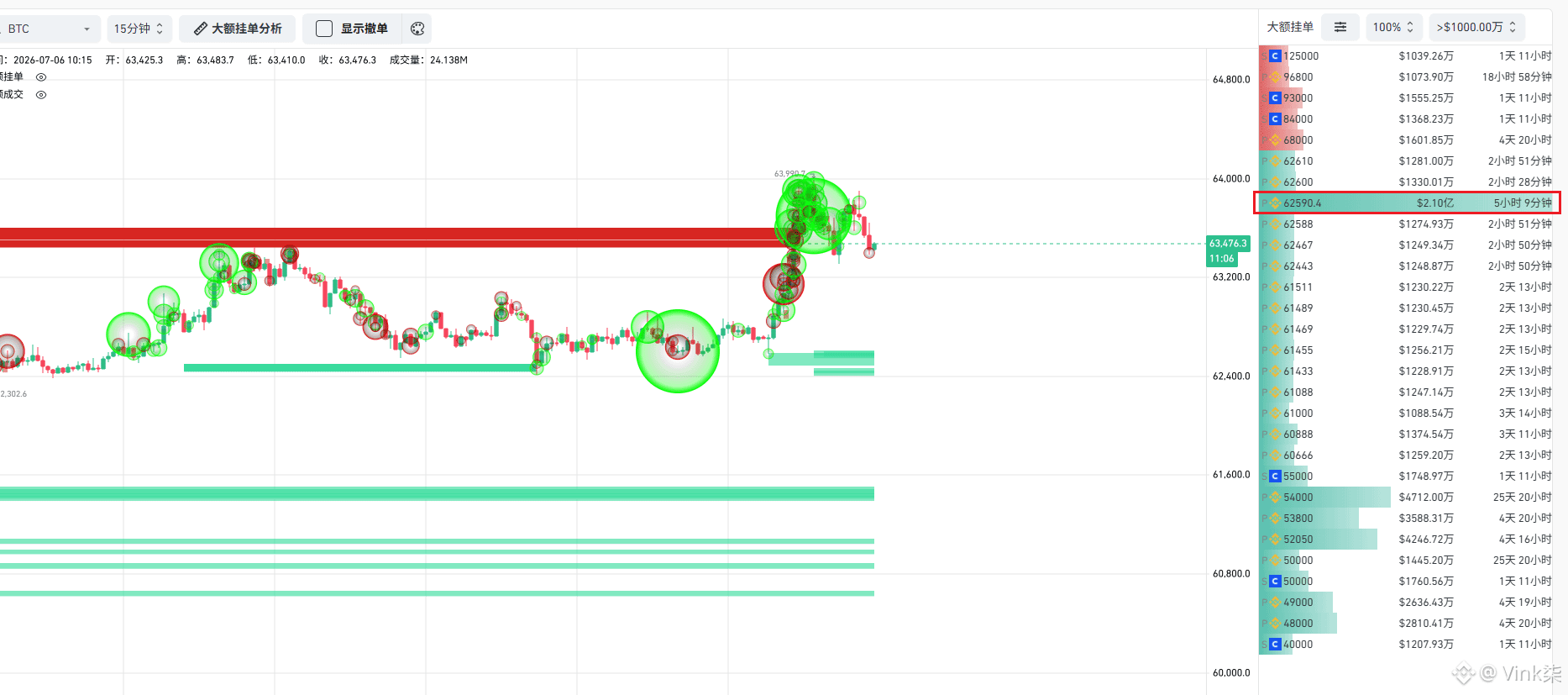
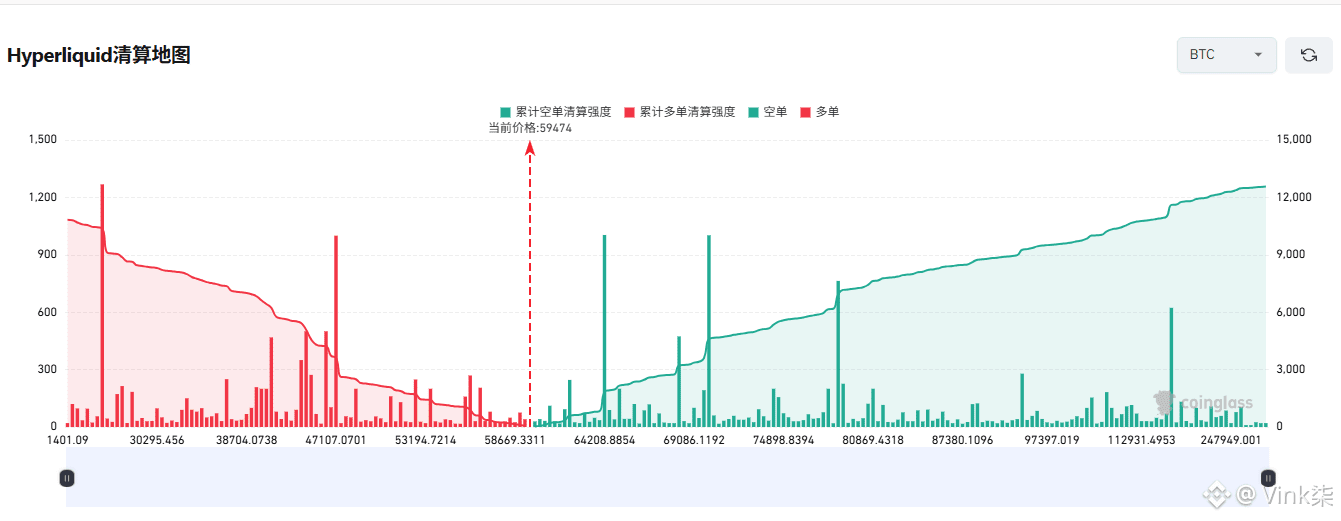
Look at the liquidation map and see at what price levels large liquidations occur. Then determine which price levels are most likely to become a short-term bottom or top. After the liquidations, price will consolidate for a while.
Below are the 40,600 and 17,000 levels where massive liquidations occur—today just triggered one large liquidation.
Above, the nearest is around 64,000 (from the nearby level), where there are 1,800 BTC to be liquidated.
Below are the 40,600 and 17,000 levels where massive liquidations occur—today just triggered one large liquidation.
Above, the nearest is around 64,000 (from the nearby level), where there are 1,800 BTC to be liquidated.
BeanBag Launches Pro Version
Standard Package Monthly 68 RMB, Annual Subscription 688 RMB
Enhanced Package Monthly 200 RMB, Annual Subscription 2048 RMB
Premium Package Monthly 500 RMB, Annual Subscription 5088 RMB
Can you HODL?
Standard Package Monthly 68 RMB, Annual Subscription 688 RMB
Enhanced Package Monthly 200 RMB, Annual Subscription 2048 RMB
Premium Package Monthly 500 RMB, Annual Subscription 5088 RMB
Can you HODL?

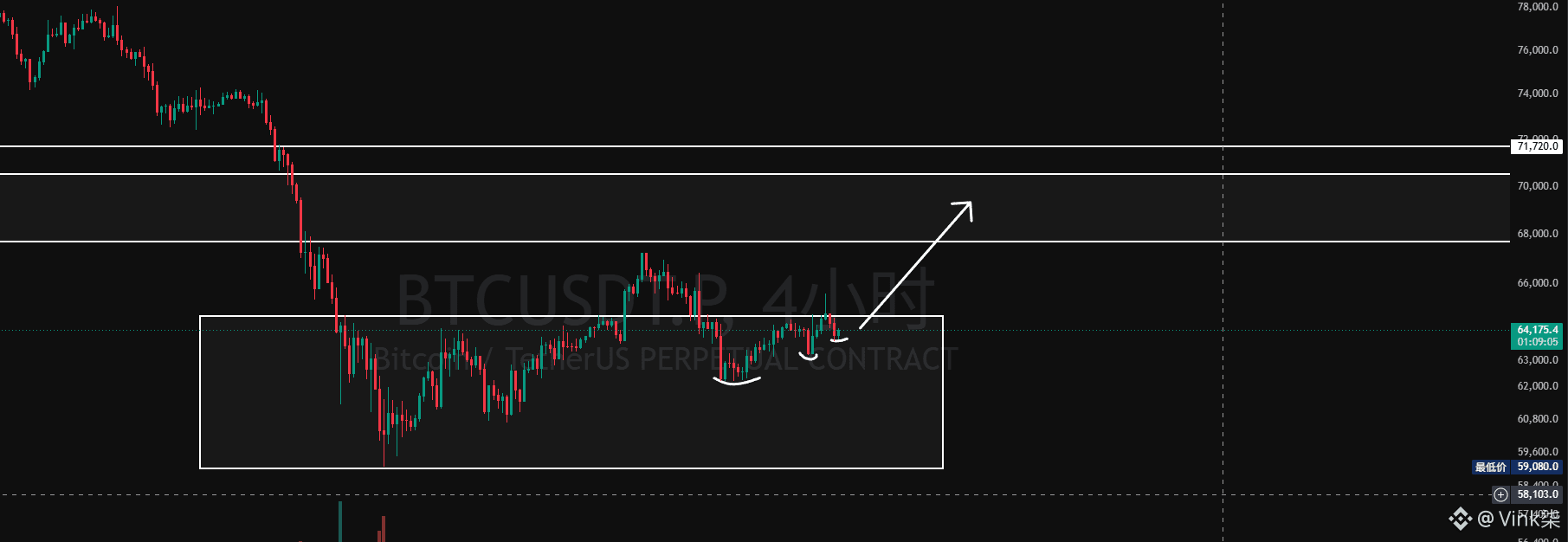
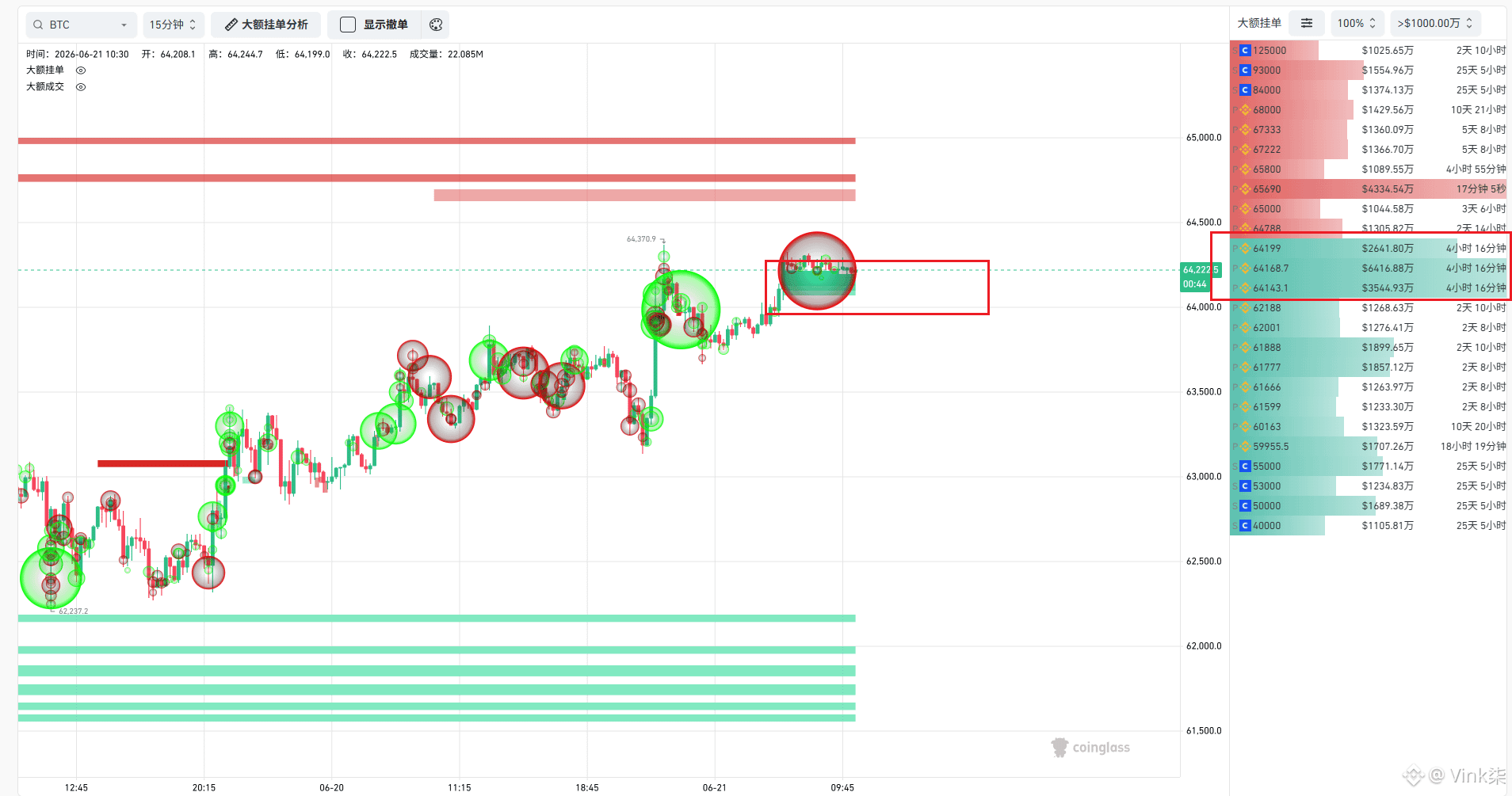
What does it mean to chase a buy order? Are we that eager?
But I don't want it to pump so quickly; a dip would be healthier. I haven't accumulated enough in my DCA yet.
$BTC
But I don't want it to pump so quickly; a dip would be healthier. I haven't accumulated enough in my DCA yet.
$BTC
Log in to explore more content