
云道瑞公子
543 Posts

云道瑞公子
Report
Block User
📈推特@YDZY8913🎆 每天发布实时市场动态。行情分析,在跌宕起伏的行情里,让我们拥有更多的比特币。YDZY8913

SAGA Holder
Frequent Trader
5.9 Years
25 Following
16.0K+ Followers
18.0K+ Liked
Posts
All
Quotes
Videos
PINNED
·
--
Uniswap is the first automated market-making trading protocol built on the Ethereum blockchain. In the blockchain world, there is a need to reshape centralized business models in a decentralized manner; exchanges are just one part of this. Meanwhile, centralized exchanges face risks such as regulatory power, hacking, and the potential for the exchange itself to run away, especially since asset control is not in the hands of ordinary users. For the concept of eliminating intermediaries and the need for trust in third parties, decentralized exchanges are an essential part of the more decentralized world. Before Uniswap introduced the AMM automated market-making model, the DEX (decentralized exchange) field continued traditional order book market-making and over-the-counter trading models, and was unable to support a large number of users in terms of trading speed, trading depth, etc., while also lacking incentive models $UNI #UNI .
Uniswap is the first automated market-making trading protocol built on the Ethereum blockchain. In the blockchain world, there is a need to reshape centralized business models in a decentralized manner; exchanges are just one part of this. Meanwhile, centralized exchanges face risks such as regulatory power, hacking, and the potential for the exchange itself to run away, especially since asset control is not in the hands of ordinary users. For the concept of eliminating intermediaries and the need for trust in third parties, decentralized exchanges are an essential part of the more decentralized world. Before Uniswap introduced the AMM automated market-making model, the DEX (decentralized exchange) field continued traditional order book market-making and over-the-counter trading models, and was unable to support a large number of users in terms of trading speed, trading depth, etc., while also lacking incentive models $UNI #UNI .
10
5
41
65.1k
·
--
Gold Live Trading Analysis 🧐 Trading Strategy Breakdown
Gold Live Trading Analysis 🧐 Trading Strategy Breakdown
2.2k
·
--
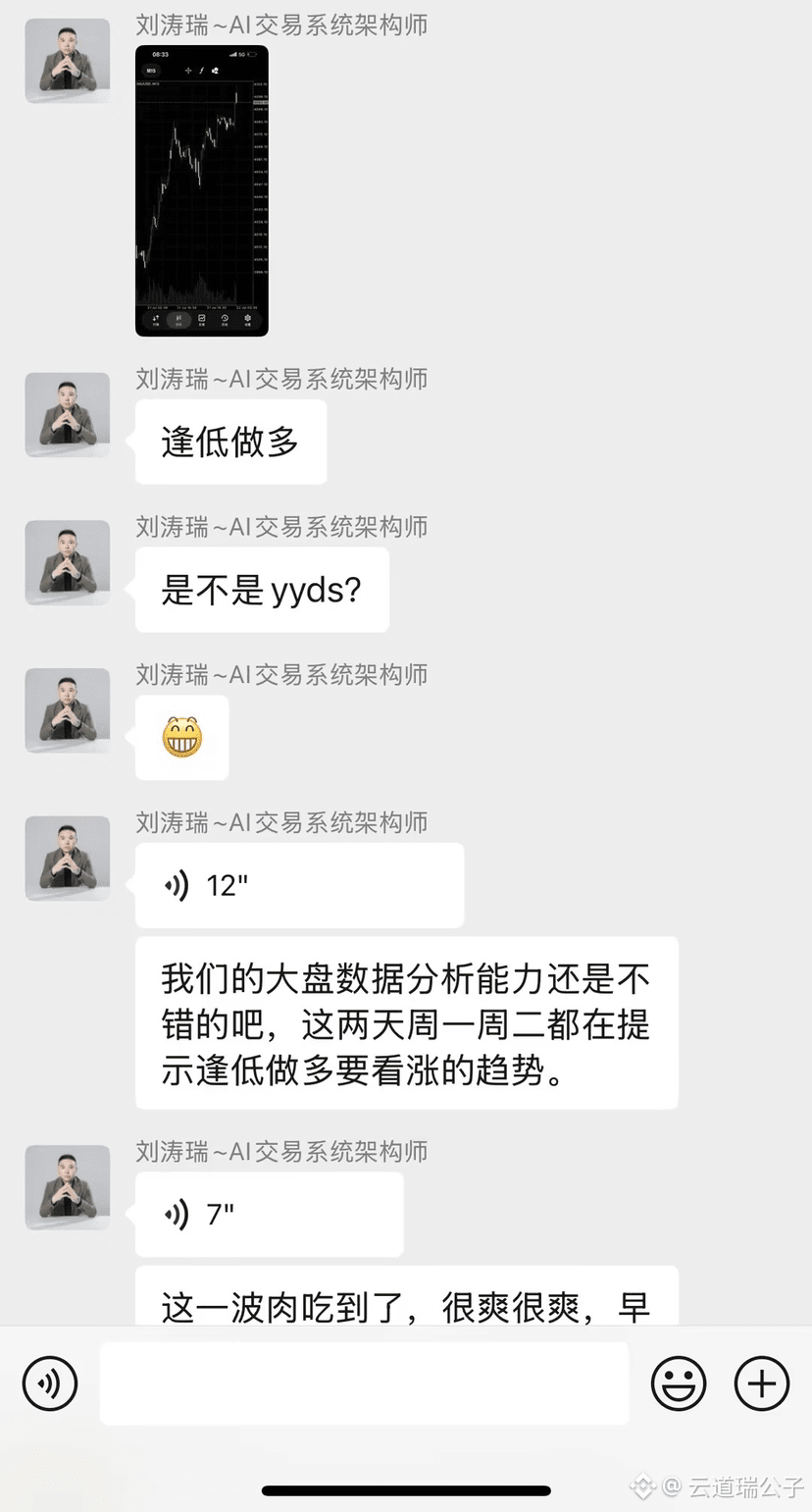
Trading should be a pretty easy thing.
Every trading opportunity is actually obvious.
The real problem lies in people's execution— and then, once the market starts moving, human-made “chaotic operations.”
Without fundamentally changing this behavior, trading will be hard to find a way out.
Trading should be a pretty easy thing.
Every trading opportunity is actually obvious.
The real problem lies in people's execution— and then, once the market starts moving, human-made “chaotic operations.”
Without fundamentally changing this behavior, trading will be hard to find a way out.
Every trading opportunity is actually obvious.
The real problem lies in people's execution— and then, once the market starts moving, human-made “chaotic operations.”
Without fundamentally changing this behavior, trading will be hard to find a way out.
369
·
--
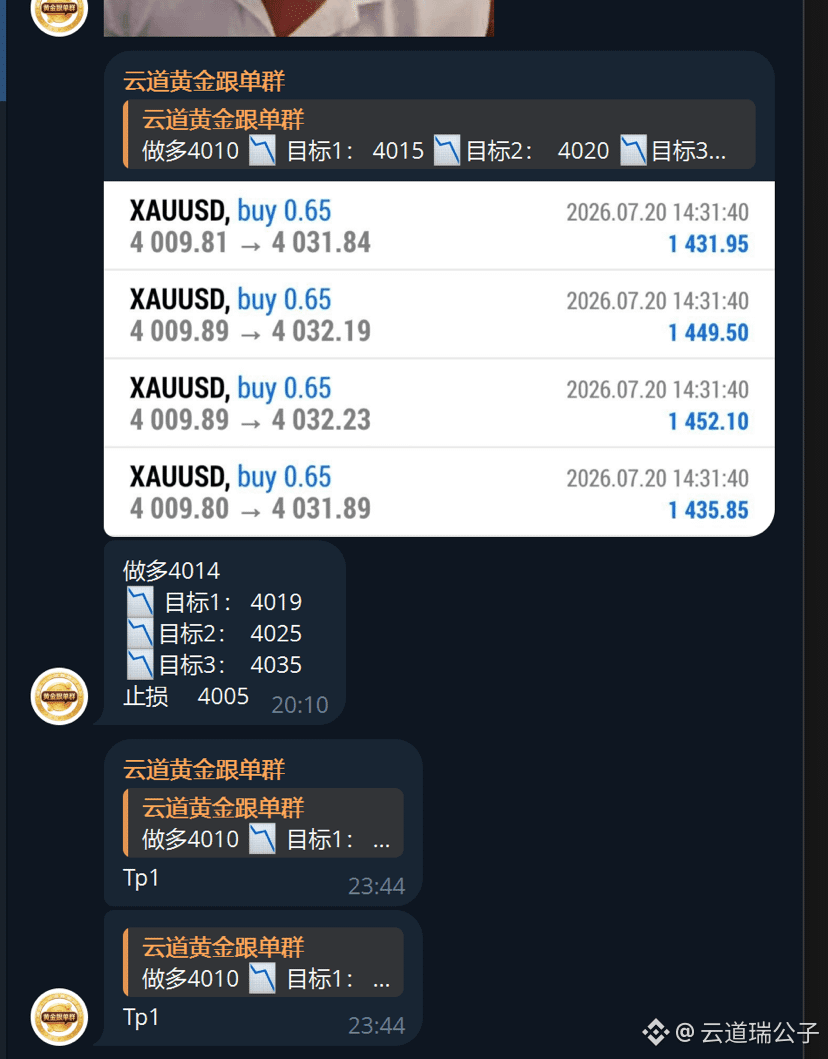
Investment Strategy for Gold Investments 4000+ Long Orders
Investment Strategy for Gold Investments 4000+ Long Orders
1
1
1
7.9k
·
--
Article
A gold trade where I forgot to close the position, which verified the underlying logic of tradingI forgot to close the position, which made me verify something again
Not every profitable trade is worth showing off, but every review is worth recording seriously.
Last Friday, according to my trading discipline, all positions should have been closed before the weekend.
Because the weekend means uncertainty in the news cycle, and it also means the risk of gaps. For a professional trader, in principle you don’t hold positions overnight, and you definitely don’t easily hold weekend positions.
But this time, a small twist happened.
I forgot to close the position.
At the time, my holdings were:
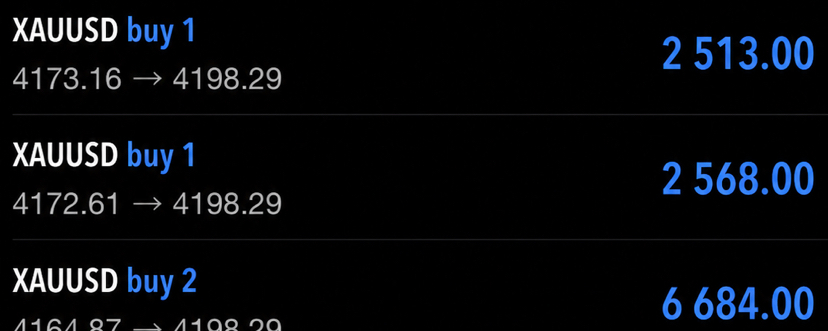
Bought 1 lot at 4173, bought 1 lot at 4172, and added 2 lots at 4164—totaling 4 lots of long gold positions.
A gold trade where I forgot to close the position, which verified the underlying logic of trading
I forgot to close the position, which made me verify something again
Not every profitable trade is worth showing off, but every review is worth recording seriously.
Last Friday, according to my trading discipline, all positions should have been closed before the weekend.
Because the weekend means uncertainty in the news cycle, and it also means the risk of gaps. For a professional trader, in principle you don’t hold positions overnight, and you definitely don’t easily hold weekend positions.
But this time, a small twist happened.
I forgot to close the position.
At the time, my holdings were:
Bought 1 lot at 4173, bought 1 lot at 4172, and added 2 lots at 4164—totaling 4 lots of long gold positions.
Not every profitable trade is worth showing off, but every review is worth recording seriously.
Last Friday, according to my trading discipline, all positions should have been closed before the weekend.
Because the weekend means uncertainty in the news cycle, and it also means the risk of gaps. For a professional trader, in principle you don’t hold positions overnight, and you definitely don’t easily hold weekend positions.
But this time, a small twist happened.
I forgot to close the position.
At the time, my holdings were:
Bought 1 lot at 4173, bought 1 lot at 4172, and added 2 lots at 4164—totaling 4 lots of long gold positions.
1
404
·
--

Article
To save a $5 transaction fee, he paid a price of 210,000A “fee lesson” worth 210,000: an on-chain security warning behind a single transfer mistake
In cryptocurrency asset transfers, the most expensive cost is sometimes not the transaction fee—but “a seemingly insignificant oversight.”
On June 25, a real case drew attention: a user from Yundao Academy, when making a USDT transfer of about $30,000 (about 210,000 RMB), due to an operational mistake, sent the funds to the wrong address and ultimately couldn’t recover them.
And the starting point of the entire incident was only to save a few dollars in on-chain transaction fees.
I. Incident overview: To save $5, he paid a price of $210,000
To save a $5 transaction fee, he paid a price of 210,000
A “fee lesson” worth 210,000: an on-chain security warning behind a single transfer mistake
In cryptocurrency asset transfers, the most expensive cost is sometimes not the transaction fee—but “a seemingly insignificant oversight.”
On June 25, a real case drew attention: a user from Yundao Academy, when making a USDT transfer of about $30,000 (about 210,000 RMB), due to an operational mistake, sent the funds to the wrong address and ultimately couldn’t recover them.
And the starting point of the entire incident was only to save a few dollars in on-chain transaction fees.
I. Incident overview: To save $5, he paid a price of $210,000
In cryptocurrency asset transfers, the most expensive cost is sometimes not the transaction fee—but “a seemingly insignificant oversight.”
On June 25, a real case drew attention: a user from Yundao Academy, when making a USDT transfer of about $30,000 (about 210,000 RMB), due to an operational mistake, sent the funds to the wrong address and ultimately couldn’t recover them.
And the starting point of the entire incident was only to save a few dollars in on-chain transaction fees.
I. Incident overview: To save $5, he paid a price of $210,000
1
384
·
--
Before trading, want to change your fate. After trading, want to save your life#MichaelSaylor暗示增持BTC #币安
Before trading, want to change your fate. After trading, want to save your life#MichaelSaylor暗示增持BTC #币安
1
2
9.2k
·
--
Article
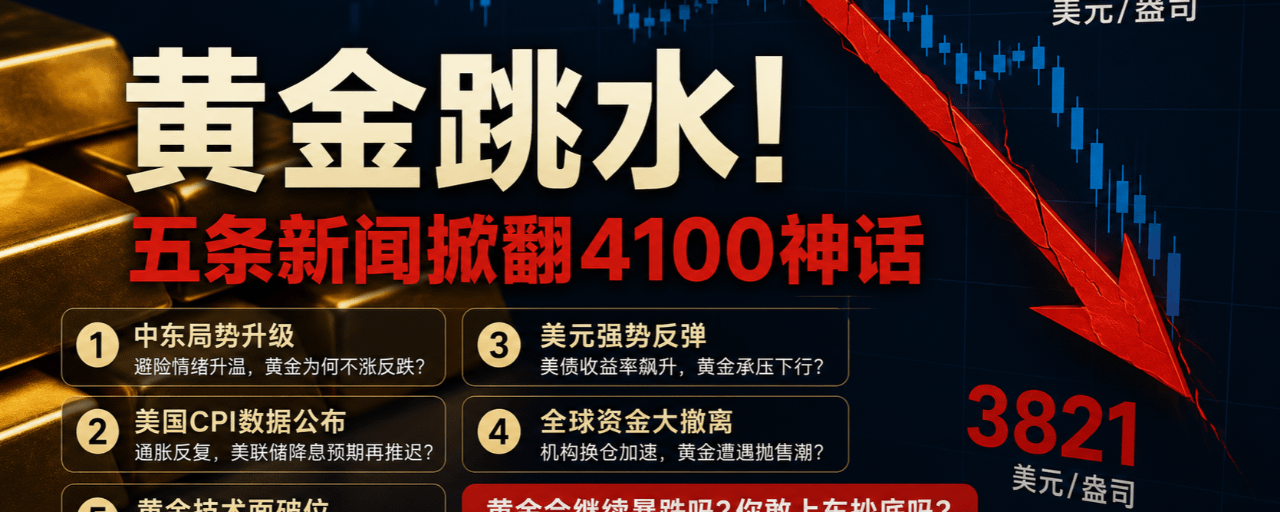
Global capital is being reshuffled! There’s a significant signal hidden behind gold, Bitcoin, and the US stock market.In the last couple of days, if you've been keeping an eye on the market, you might have noticed a strange phenomenon: gold is taking a dip, Bitcoin is starting to consolidate, and the US stock market is struggling at high levels. Many investors are scratching their heads, wondering why gold isn’t rallying despite ongoing global tensions. The AI hype is still heating up, so why is the US stock market starting to diverge? After years of development, why is Bitcoin still unable to break out of a one-sided trend?
Many people see price fluctuations, but what’s really worth paying attention to is the capital flow behind the prices. The market never moves without a reason; it doesn’t just rise or fall for no reason. Price is just the result, but the capital flow is the real story.
Global capital is being reshuffled! There’s a significant signal hidden behind gold, Bitcoin, and the US stock market.
In the last couple of days, if you've been keeping an eye on the market, you might have noticed a strange phenomenon: gold is taking a dip, Bitcoin is starting to consolidate, and the US stock market is struggling at high levels. Many investors are scratching their heads, wondering why gold isn’t rallying despite ongoing global tensions. The AI hype is still heating up, so why is the US stock market starting to diverge? After years of development, why is Bitcoin still unable to break out of a one-sided trend?
Many people see price fluctuations, but what’s really worth paying attention to is the capital flow behind the prices. The market never moves without a reason; it doesn’t just rise or fall for no reason. Price is just the result, but the capital flow is the real story.
Many people see price fluctuations, but what’s really worth paying attention to is the capital flow behind the prices. The market never moves without a reason; it doesn’t just rise or fall for no reason. Price is just the result, but the capital flow is the real story.
412
·
--

Article
Which core assets in A-shares are worth keeping an eye on over the next decade?Which core assets in A-shares are worth keeping an eye on over the next decade?
Many folks looking at A-shares fall into a trap: they obsess over daily price swings but overlook the real factors that dictate long-term value—industry trends, company moats, and core competitiveness.
First, let’s get into it.
Stock codes can’t be shared directly. I've got a screenshot here.
The number of listed companies in the A-shares market has already surpassed 5000, making it impossible for regular investors to research them all. So, a more reasonable approach is to filter out representative core companies from various industries and build your own watchlist.
Which core assets in A-shares are worth keeping an eye on over the next decade?
Which core assets in A-shares are worth keeping an eye on over the next decade?
Many folks looking at A-shares fall into a trap: they obsess over daily price swings but overlook the real factors that dictate long-term value—industry trends, company moats, and core competitiveness.
First, let’s get into it.
Stock codes can’t be shared directly. I've got a screenshot here.
The number of listed companies in the A-shares market has already surpassed 5000, making it impossible for regular investors to research them all. So, a more reasonable approach is to filter out representative core companies from various industries and build your own watchlist.
Many folks looking at A-shares fall into a trap: they obsess over daily price swings but overlook the real factors that dictate long-term value—industry trends, company moats, and core competitiveness.
First, let’s get into it.
Stock codes can’t be shared directly. I've got a screenshot here.
The number of listed companies in the A-shares market has already surpassed 5000, making it impossible for regular investors to research them all. So, a more reasonable approach is to filter out representative core companies from various industries and build your own watchlist.
471
·
--
China Continues to Crack Down on Offshore Gold and Forex Trading Platforms# China Continues to Crack Down on Offshore Gold and Forex Trading Platforms
## Is the Era of MT4 and MT5 Coming to an End?
Over the past two years, many investors in gold and forex have clearly felt:
Foreign brokers' official websites are down, MT4/MT5 are frequently disconnecting, deposits and withdrawals are getting tougher, WeChat and Alipay channels are blocked, and some platforms have gone completely dark.
Many people think this is just an industry cleanup.
But in reality, the essence is:
China is continuously strengthening its regulation of illegal offshore financial trading platforms.
Especially:
* Offshore Gold
* Forex Margin
* Contracts for Difference (CFD)
* High Leverage Trading
China Continues to Crack Down on Offshore Gold and Forex Trading Platforms
# China Continues to Crack Down on Offshore Gold and Forex Trading Platforms
## Is the Era of MT4 and MT5 Coming to an End?
Over the past two years, many investors in gold and forex have clearly felt:
Foreign brokers' official websites are down, MT4/MT5 are frequently disconnecting, deposits and withdrawals are getting tougher, WeChat and Alipay channels are blocked, and some platforms have gone completely dark.
Many people think this is just an industry cleanup.
But in reality, the essence is:
China is continuously strengthening its regulation of illegal offshore financial trading platforms.
Especially:
* Offshore Gold
* Forex Margin
* Contracts for Difference (CFD)
* High Leverage Trading
## Is the Era of MT4 and MT5 Coming to an End?
Over the past two years, many investors in gold and forex have clearly felt:
Foreign brokers' official websites are down, MT4/MT5 are frequently disconnecting, deposits and withdrawals are getting tougher, WeChat and Alipay channels are blocked, and some platforms have gone completely dark.
Many people think this is just an industry cleanup.
But in reality, the essence is:
China is continuously strengthening its regulation of illegal offshore financial trading platforms.
Especially:
* Offshore Gold
* Forex Margin
* Contracts for Difference (CFD)
* High Leverage Trading
503
·
--
Have you wrapped your head around the market predictions? Here’s the most detailed explanation video on Poly Macket in Chinese. #polymarket
Have you wrapped your head around the market predictions? Here’s the most detailed explanation video on Poly Macket in Chinese. #polymarket
5
8.4k
·
--
Solana Market Analysis from May 5th to May 18th
SOL showing weak signals, bulls lack strength, light long / heavy short
#solana $SOL
Solana Market Analysis from May 5th to May 18th
SOL showing weak signals, bulls lack strength, light long / heavy short
#solana $SOL
SOL showing weak signals, bulls lack strength, light long / heavy short
#solana $SOL
1
9.1k
·
--
Ethereum market analysis from May 5th to 18th
The Ethereum market is looking weak, with bulls struggling. Consider light longs / heavy shorts #以太坊ETF批准预期 $ETH
Ethereum market analysis from May 5th to 18th
The Ethereum market is looking weak, with bulls struggling. Consider light longs / heavy shorts #以太坊ETF批准预期 $ETH
The Ethereum market is looking weak, with bulls struggling. Consider light longs / heavy shorts #以太坊ETF批准预期 $ETH
5
10.4k
·
--
Bitcoin Market Analysis from May 5 to 18
The Bitcoin market is looking weak Bulls are struggling Light long / Heavy short
$BTC #比特币
Bitcoin Market Analysis from May 5 to 18
The Bitcoin market is looking weak Bulls are struggling Light long / Heavy short
$BTC #比特币
The Bitcoin market is looking weak Bulls are struggling Light long / Heavy short
$BTC #比特币
4
9.3k
·
--
Let's break it down
In this game, the ones who last in the market
Aren't always the smartest folks
But those who can ride out their emotions
Keep their rhythm
And stick to making the right choices
When it comes to trading
It's not just about the technicals
It's about discipline and mindset
Stay grounded, stay steady
This year
It's your turn to reap the rewards #黄金 <a>...</a> #热点话题 #btc $BTC $ETH
Let's break it down
In this game, the ones who last in the market
Aren't always the smartest folks
But those who can ride out their emotions
Keep their rhythm
And stick to making the right choices
When it comes to trading
It's not just about the technicals
It's about discipline and mindset
Stay grounded, stay steady
This year
It's your turn to reap the rewards #黄金 <a>...</a> #热点话题 #btc $BTC $ETH
In this game, the ones who last in the market
Aren't always the smartest folks
But those who can ride out their emotions
Keep their rhythm
And stick to making the right choices
When it comes to trading
It's not just about the technicals
It's about discipline and mindset
Stay grounded, stay steady
This year
It's your turn to reap the rewards #黄金 <a>...</a> #热点话题 #btc $BTC $ETH
1
8
8.4k
·
--
Happy Tuesday! The early bird gets the worm, but many folks end up as the early worm for the birds! Hehe 😁#特朗普5月13日至15日访华 gold #FinanceKnowledge #web3 #交易 $BTC $ETH
Happy Tuesday! The early bird gets the worm, but many folks end up as the early worm for the birds! Hehe 😁#特朗普5月13日至15日访华 gold #FinanceKnowledge #web3 #交易 $BTC $ETH
1
10.2k
·
--
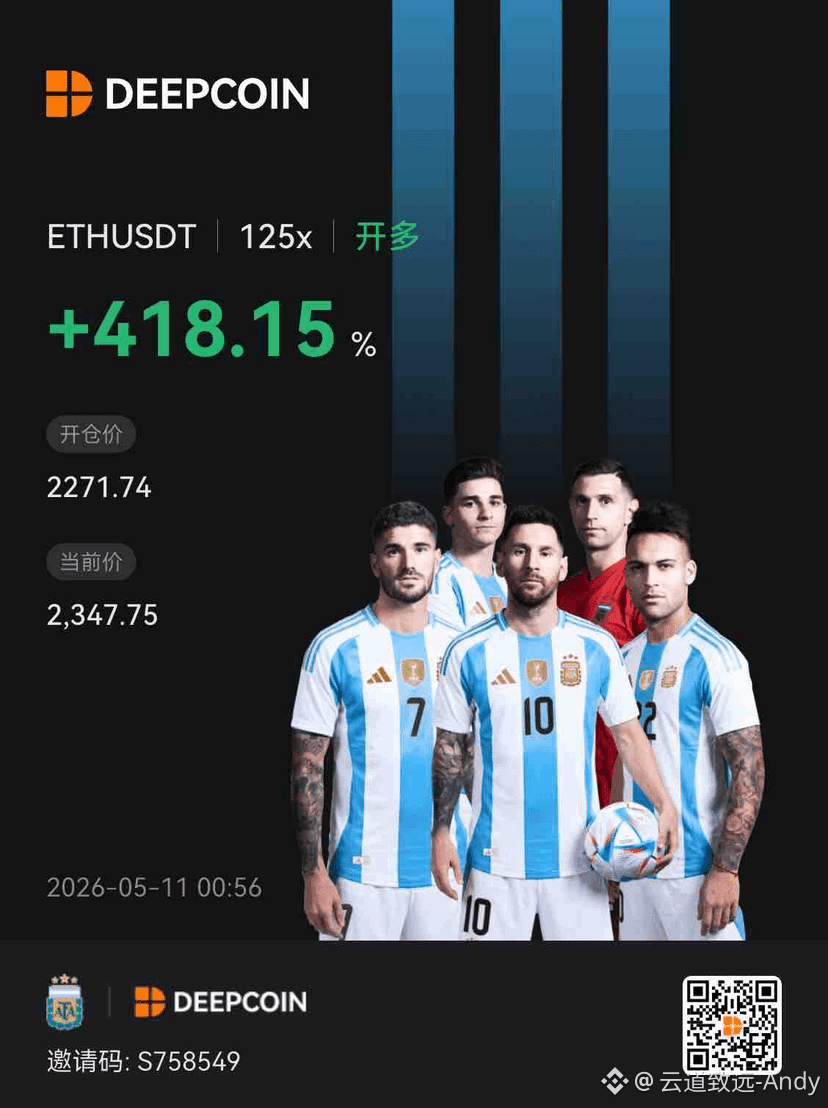
Market fluctuations aren't scary,
what's truly scary is when your emotions fluctuate with it.
Getting hyped over a small pump,
or panicking over a minor dip.
In this state, it’s tough to execute trades effectively.
A truly seasoned trader:
won't get cocky over a winning trade,
nor will they crumble after a loss.
Stabilizing your emotions
is more crucial than predicting market movements. #伊朗拒绝美国和平方案 $BTC $ETH
Market fluctuations aren't scary,
what's truly scary is when your emotions fluctuate with it.
Getting hyped over a small pump,
or panicking over a minor dip.
In this state, it’s tough to execute trades effectively.
A truly seasoned trader:
won't get cocky over a winning trade,
nor will they crumble after a loss.
Stabilizing your emotions
is more crucial than predicting market movements. #伊朗拒绝美国和平方案 $BTC $ETH
what's truly scary is when your emotions fluctuate with it.
Getting hyped over a small pump,
or panicking over a minor dip.
In this state, it’s tough to execute trades effectively.
A truly seasoned trader:
won't get cocky over a winning trade,
nor will they crumble after a loss.
Stabilizing your emotions
is more crucial than predicting market movements. #伊朗拒绝美国和平方案 $BTC $ETH
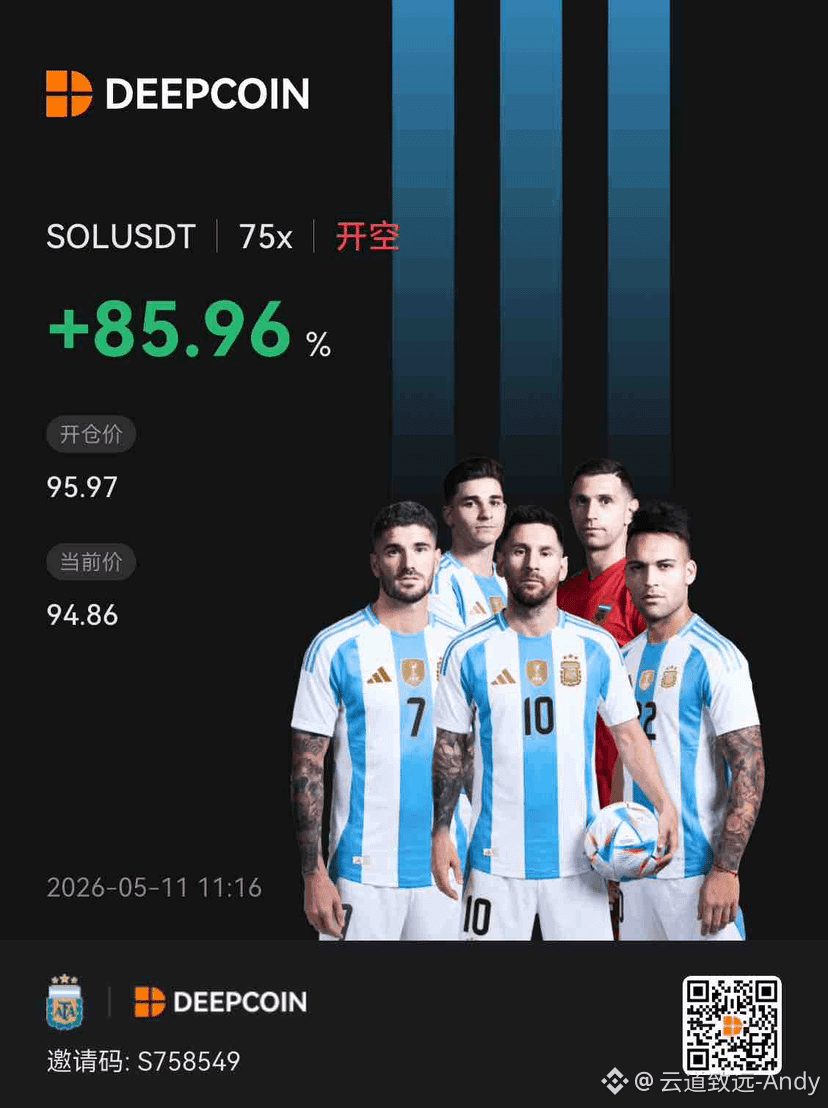
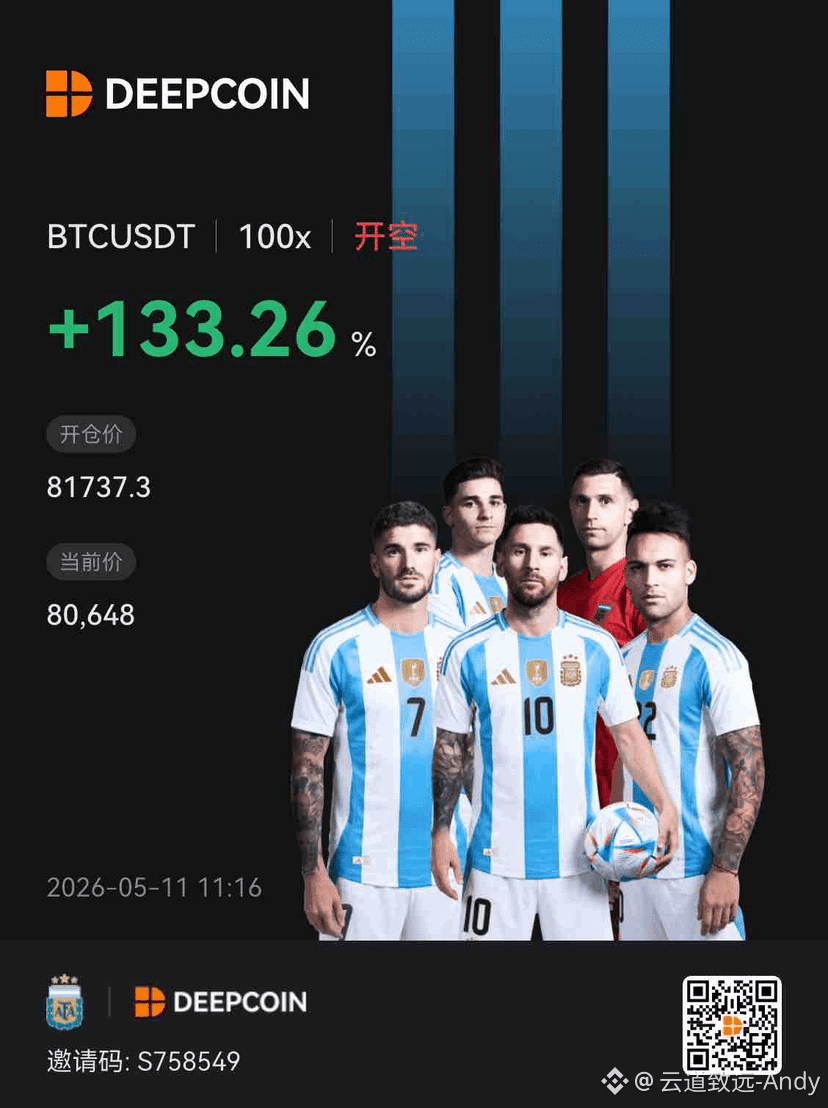
300
·
--
When many folks jump into the market, the first thing they do is dive into the tech, indicators, and strategies.
But in the end, what really determines your ability to consistently profit isn't just the tech—it's your mindset.
In the same market conditions, some traders can calmly execute their plans, while others panic at the slightest fluctuation.
When prices are pumping, they fear missing out and chase those highs like crazy;
When prices are dumping, they fear losses and hesitate to cut their losses;
During consolidation, they lack patience and over-trade.
A lot of losses aren't because they can't read the market, but because their emotions are out of control.
The biggest characteristic of the market is its ability to amplify human weaknesses.
Greed, fear, impatience, and reluctance can all get magnified in trading.
True seasoned traders don't feel invincible after a win, nor do they question their life after a loss.
They're more focused on:
Does this trade align with my system?
Did I strictly follow my plan?
Is my risk within a reasonable range?
Because they know, trading isn't a sprint—it's a long-term journey.
The market presents opportunities every day, and they never truly disappear.
But if your emotions are shot, you won't catch any great chances, no matter how good they are.
So, the first lesson in trading isn't how to score big profits.
It's about how to stay cool amidst the volatility.
Stabilizing your emotions leads to stable trading;
Stable trading opens the door to consistent profits. $BTC #伊朗拒绝美国和平方案
When many folks jump into the market, the first thing they do is dive into the tech, indicators, and strategies.
But in the end, what really determines your ability to consistently profit isn't just the tech—it's your mindset.
In the same market conditions, some traders can calmly execute their plans, while others panic at the slightest fluctuation.
When prices are pumping, they fear missing out and chase those highs like crazy;
When prices are dumping, they fear losses and hesitate to cut their losses;
During consolidation, they lack patience and over-trade.
A lot of losses aren't because they can't read the market, but because their emotions are out of control.
The biggest characteristic of the market is its ability to amplify human weaknesses.
Greed, fear, impatience, and reluctance can all get magnified in trading.
True seasoned traders don't feel invincible after a win, nor do they question their life after a loss.
They're more focused on:
Does this trade align with my system?
Did I strictly follow my plan?
Is my risk within a reasonable range?
Because they know, trading isn't a sprint—it's a long-term journey.
The market presents opportunities every day, and they never truly disappear.
But if your emotions are shot, you won't catch any great chances, no matter how good they are.
So, the first lesson in trading isn't how to score big profits.
It's about how to stay cool amidst the volatility.
Stabilizing your emotions leads to stable trading;
Stable trading opens the door to consistent profits. $BTC #伊朗拒绝美国和平方案
But in the end, what really determines your ability to consistently profit isn't just the tech—it's your mindset.
In the same market conditions, some traders can calmly execute their plans, while others panic at the slightest fluctuation.
When prices are pumping, they fear missing out and chase those highs like crazy;
When prices are dumping, they fear losses and hesitate to cut their losses;
During consolidation, they lack patience and over-trade.
A lot of losses aren't because they can't read the market, but because their emotions are out of control.
The biggest characteristic of the market is its ability to amplify human weaknesses.
Greed, fear, impatience, and reluctance can all get magnified in trading.
True seasoned traders don't feel invincible after a win, nor do they question their life after a loss.
They're more focused on:
Does this trade align with my system?
Did I strictly follow my plan?
Is my risk within a reasonable range?
Because they know, trading isn't a sprint—it's a long-term journey.
The market presents opportunities every day, and they never truly disappear.
But if your emotions are shot, you won't catch any great chances, no matter how good they are.
So, the first lesson in trading isn't how to score big profits.
It's about how to stay cool amidst the volatility.
Stabilizing your emotions leads to stable trading;
Stable trading opens the door to consistent profits. $BTC #伊朗拒绝美国和平方案
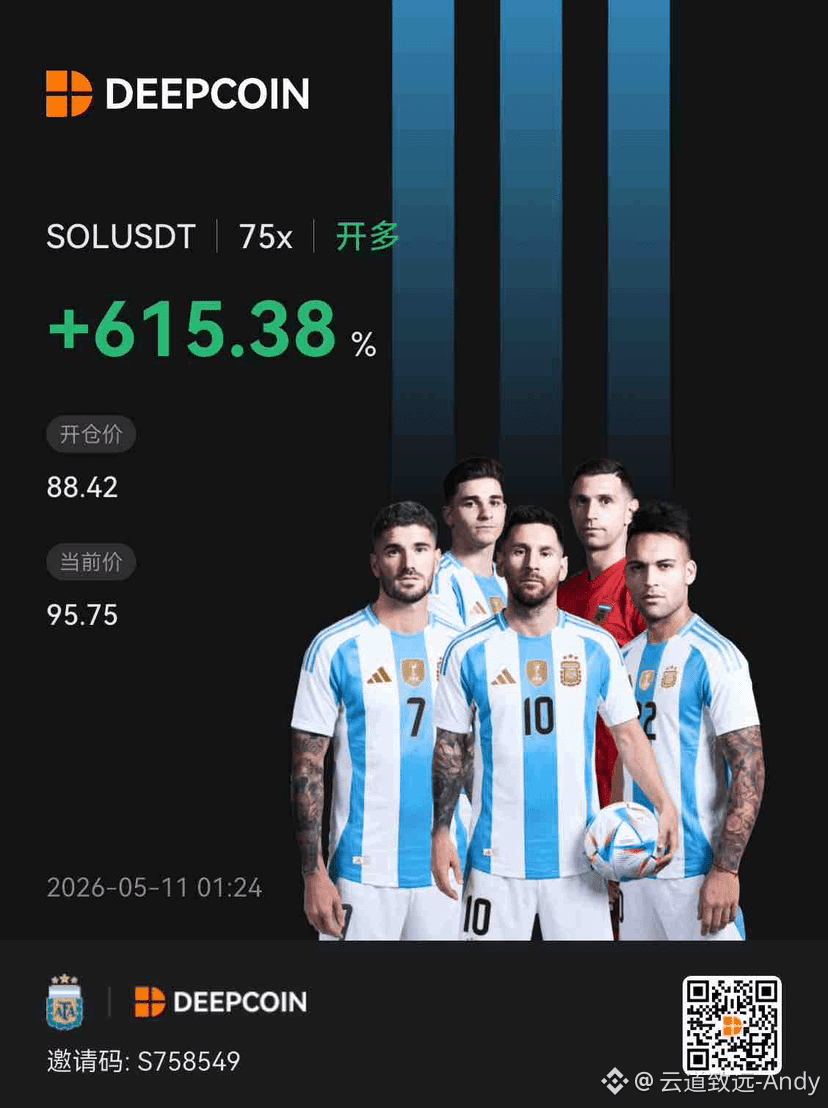
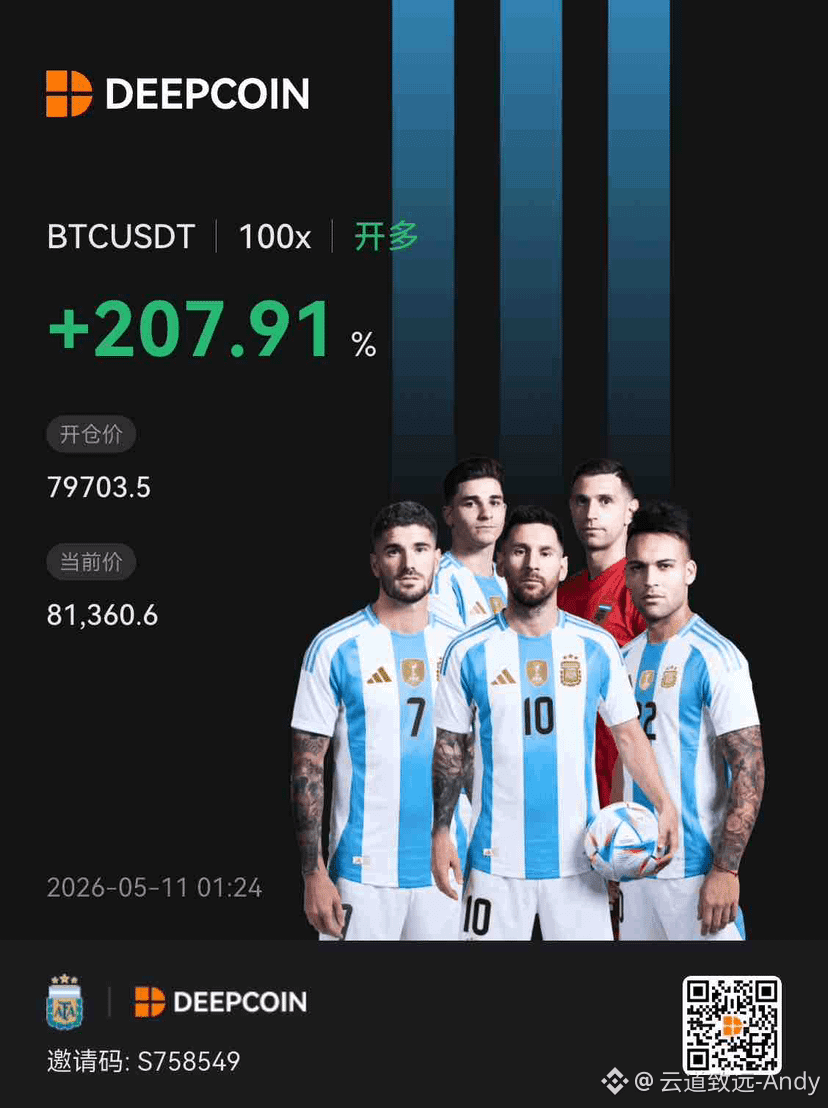
359
Log in to explore more content
Join global crypto users on Binance Square
⚡️ Get latest and useful information about crypto.
💬 Trusted by the world’s largest crypto exchange.
👍 Discover real insights from verified creators.
Email / Phone number
Trending Topics
AppleDebutsFoldablePhone
9,580 views
222 Discussing
#appledebutsfoldablephone I Got My Hands on the iPhone Duo, Apple’s First Foldable Phone. Here’s What Stands Out
The palm-size phone is Apple's boldest handset in years, with a 5.4-inch cover screen and a 7.6-inch main display. I spent some time with the Duo before its October launch.It’s finally here: Apple on Wednesday unveiled its first foldable iPhone, called the iPhone Duo.
iPhone Duo design and build
The iPhone Duo is compact, with a passport-size design. It has a 7.6-inch display on the inside and a 5.4-inch outer display. It fits squarely in my palm, with dimensions similar to Samsung’s Galaxy Z Fold 8, which has a 7.6-inch inner display and a 5.5-inch cover display.
Apple says the Duo is the thinnest iPhone ever when open, measuring 5.2mm. It’s 11.3mm thick when closed. A titanium frame keeps it lightweight at 254 grams.
One of the key differences in feel between Apple’s and Samsung’s phones is that the iPhone Duo has a matte, nano-textured finish on the inner display, which reduces the phone’s crease while also curbing reflections. It has a satisfying feel and really makes the crease virtually disappear when the screen is on. I find it even harder to notice than the Z Fold 8’s, which also has an anti-reflective display.$ONG $IMX $TAC
Isabella-I
·4 Likes
·934 views
EUExtendsCentralContactPointToCASPs
30 views
6 Discussing
US10YTreasuryYieldHitsHighestSinceNov2023
13,496 views
247 Discussing