

接盘侠
519 Posts

接盘侠
Report
Block User
24 Following
226 Followers
1.8K+ Liked
Posts
All
Quotes
PINNED
·
--
$XAN Is there any big shot who can explain what's going on with the watermelon eating at Changsha Jiefang West Square that everyone is talking about?
{future}(XANUSDT)
$XAN Is there any big shot who can explain what's going on with the watermelon eating at Changsha Jiefang West Square that everyone is talking about?


201
36
477
423.4k
·
--
Verified
$AVA $ONE Sun Ge Shili's Sun Yuchen Award.
{future}(ONEUSDT)
{future}(AVAUSDT)
$AVA $ONE Sun Ge Shili's Sun Yuchen Award.




2
729
·
--
#termmax @termmax TermMax’s recent expansion speed has been very fast. But if you only look at the number “10 EVM chains already live,” it’s easy to interpret the multi-chain strategy as nothing more than simple traffic expansion. In reality, for a fixed-rate protocol, the meaning of multi-chain is far more than adding a few deployment environments—it’s whether you can connect funds, assets, and genuine financing demand across different chains into the same fixed-term market system. The biggest difference between fixed-rate markets and ordinary liquidity mining is that it ultimately requires continuously existing borrowing demand, not just piling up TVL. Funding entering the protocol is only the first step; it’s finding the right financing needs that determines whether those funds can truly operate efficiently.
TermMax has expanded from Ethereum, BNB Chain, Arbitrum, and Base to Berachain, X Layer, Pharos, B2, HyperEVM, and Robinhood Chain. At its core, this is a continuous effort to locate funding needs across different ecosystems. Each chain has its own user structure and asset ecosystem: some chains have larger stablecoin volumes, some have more active trading users, some have begun to see Tokenized Equities and RWA, and some are more suitable for institutional capital to enter. For TermMax, the real value of multi-chain lies in the ability to build different fixed-term markets according to the characteristics of each ecosystem, rather than requiring all funds and assets to be concentrated on a single chain. #TermMax
#termmax @TermMax TermMax’s recent expansion speed has been very fast. But if you only look at the number “10 EVM chains already live,” it’s easy to interpret the multi-chain strategy as nothing more than simple traffic expansion. In reality, for a fixed-rate protocol, the meaning of multi-chain is far more than adding a few deployment environments—it’s whether you can connect funds, assets, and genuine financing demand across different chains into the same fixed-term market system. The biggest difference between fixed-rate markets and ordinary liquidity mining is that it ultimately requires continuously existing borrowing demand, not just piling up TVL. Funding entering the protocol is only the first step; it’s finding the right financing needs that determines whether those funds can truly operate efficiently.
TermMax has expanded from Ethereum, BNB Chain, Arbitrum, and Base to Berachain, X Layer, Pharos, B2, HyperEVM, and Robinhood Chain. At its core, this is a continuous effort to locate funding needs across different ecosystems. Each chain has its own user structure and asset ecosystem: some chains have larger stablecoin volumes, some have more active trading users, some have begun to see Tokenized Equities and RWA, and some are more suitable for institutional capital to enter. For TermMax, the real value of multi-chain lies in the ability to build different fixed-term markets according to the characteristics of each ecosystem, rather than requiring all funds and assets to be concentrated on a single chain. #TermMax
TermMax has expanded from Ethereum, BNB Chain, Arbitrum, and Base to Berachain, X Layer, Pharos, B2, HyperEVM, and Robinhood Chain. At its core, this is a continuous effort to locate funding needs across different ecosystems. Each chain has its own user structure and asset ecosystem: some chains have larger stablecoin volumes, some have more active trading users, some have begun to see Tokenized Equities and RWA, and some are more suitable for institutional capital to enter. For TermMax, the real value of multi-chain lies in the ability to build different fixed-term markets according to the characteristics of each ecosystem, rather than requiring all funds and assets to be concentrated on a single chain. #TermMax
2
1
79
·
--
#termmax @termmax TermMax What exactly has this journey done? First, let's look at a few more intuitive data points:
1. TVL exceeds $90 million
2. More than 1.5 million registered wallets
3. Daily active users exceed 90,000, with a peak above 170,000
4. Deployed across 10 EVM chains
5. Collaborations with ecosystems such as Morpho, Aave, Venus, Pendle, etc.
Beyond these numbers, I think what's even more worth seeing is what it has updated over the past few months.
In May: App V2 launched—bringing multi-chain support, different markets, and order placement into a single interface, making it much easier to use.
In June: It began extending fixed-rate strategies to more assets—bStocks launched on BNB Chain, allowing users to participate in yield strategies related to tokenized stocks. At the same time, TermPrime also launched, starting to explore fixed-term financing aimed at institutions.
In July: The ecosystem and capital scale continued to grow. RLUSD Vault saw deposits exceed $20 million within two days, and it unlocked 5 million TMX rewards for XP users.
In August: Updates accelerated noticeably. HyperEVM launched the HYPE options market; Robinhood Chain launched fixed-rate and fixed-term borrowing markets; and on Base, the AERO Put Vault added passive yield for idle USDC.
After following this path, I realized that TermMax has actually been working around one core idea: fixed rates + fixed terms + more assets and more scenarios. Because in most traditional DeFi, interest rates are floating. When the market is good, the returns can be high—but the capital cost and future yield are also difficult to determine in advance. TermMax aims to let both borrowers and lenders know their interest rate, term, and risk earlier. That's also why it keeps expanding across different chains, different assets, and different types of users.#TermMax
#termmax @TermMax TermMax What exactly has this journey done? First, let's look at a few more intuitive data points:
1. TVL exceeds $90 million
2. More than 1.5 million registered wallets
3. Daily active users exceed 90,000, with a peak above 170,000
4. Deployed across 10 EVM chains
5. Collaborations with ecosystems such as Morpho, Aave, Venus, Pendle, etc.
Beyond these numbers, I think what's even more worth seeing is what it has updated over the past few months.
In May: App V2 launched—bringing multi-chain support, different markets, and order placement into a single interface, making it much easier to use.
In June: It began extending fixed-rate strategies to more assets—bStocks launched on BNB Chain, allowing users to participate in yield strategies related to tokenized stocks. At the same time, TermPrime also launched, starting to explore fixed-term financing aimed at institutions.
In July: The ecosystem and capital scale continued to grow. RLUSD Vault saw deposits exceed $20 million within two days, and it unlocked 5 million TMX rewards for XP users.
In August: Updates accelerated noticeably. HyperEVM launched the HYPE options market; Robinhood Chain launched fixed-rate and fixed-term borrowing markets; and on Base, the AERO Put Vault added passive yield for idle USDC.
After following this path, I realized that TermMax has actually been working around one core idea: fixed rates + fixed terms + more assets and more scenarios. Because in most traditional DeFi, interest rates are floating. When the market is good, the returns can be high—but the capital cost and future yield are also difficult to determine in advance. TermMax aims to let both borrowers and lenders know their interest rate, term, and risk earlier. That's also why it keeps expanding across different chains, different assets, and different types of users.#TermMax
1. TVL exceeds $90 million
2. More than 1.5 million registered wallets
3. Daily active users exceed 90,000, with a peak above 170,000
4. Deployed across 10 EVM chains
5. Collaborations with ecosystems such as Morpho, Aave, Venus, Pendle, etc.
Beyond these numbers, I think what's even more worth seeing is what it has updated over the past few months.
In May: App V2 launched—bringing multi-chain support, different markets, and order placement into a single interface, making it much easier to use.
In June: It began extending fixed-rate strategies to more assets—bStocks launched on BNB Chain, allowing users to participate in yield strategies related to tokenized stocks. At the same time, TermPrime also launched, starting to explore fixed-term financing aimed at institutions.
In July: The ecosystem and capital scale continued to grow. RLUSD Vault saw deposits exceed $20 million within two days, and it unlocked 5 million TMX rewards for XP users.
In August: Updates accelerated noticeably. HyperEVM launched the HYPE options market; Robinhood Chain launched fixed-rate and fixed-term borrowing markets; and on Base, the AERO Put Vault added passive yield for idle USDC.
After following this path, I realized that TermMax has actually been working around one core idea: fixed rates + fixed terms + more assets and more scenarios. Because in most traditional DeFi, interest rates are floating. When the market is good, the returns can be high—but the capital cost and future yield are also difficult to determine in advance. TermMax aims to let both borrowers and lenders know their interest rate, term, and risk earlier. That's also why it keeps expanding across different chains, different assets, and different types of users.#TermMax
1
1
232
·
--
#termmax @termmax #TermMax Traditional DeFi lending (Aave, Compound) has interest rates that change every day, making borrowers’ costs uncontrollable and lenders’ returns hard to predict. TermMax directly solves this problem with fixed interest rates and fixed terms. It borrows the Range Order concept from Uniswap V3: it splits the debt into an FT (Fixed-income zero-coupon token) and an XT (interest token), then adds a GT leverage token to enable one-click leverage, range order placement, and anytime exit. Lenders lock in their returns, borrowers lock in their costs, and the Vault is managed by a professional Curator—while idle funds can still earn yield automatically. It’s already live on multiple chains (ETH, Arb, BNB, Base, Berachain, etc.). TVL has surged, and it has also integrated assets such as RWA and Pendle PT. Coming next is the $TMX TGE—an actually usable infrastructure in the DeFi fixed-income space. Fixed-rate interest isn’t just a slogan; it’s the answer TermMax is putting into practice.
#termmax @TermMax #TermMax Traditional DeFi lending (Aave, Compound) has interest rates that change every day, making borrowers’ costs uncontrollable and lenders’ returns hard to predict. TermMax directly solves this problem with fixed interest rates and fixed terms. It borrows the Range Order concept from Uniswap V3: it splits the debt into an FT (Fixed-income zero-coupon token) and an XT (interest token), then adds a GT leverage token to enable one-click leverage, range order placement, and anytime exit. Lenders lock in their returns, borrowers lock in their costs, and the Vault is managed by a professional Curator—while idle funds can still earn yield automatically. It’s already live on multiple chains (ETH, Arb, BNB, Base, Berachain, etc.). TVL has surged, and it has also integrated assets such as RWA and Pendle PT. Coming next is the $TMX TGE—an actually usable infrastructure in the DeFi fixed-income space. Fixed-rate interest isn’t just a slogan; it’s the answer TermMax is putting into practice.
1
100
·
--
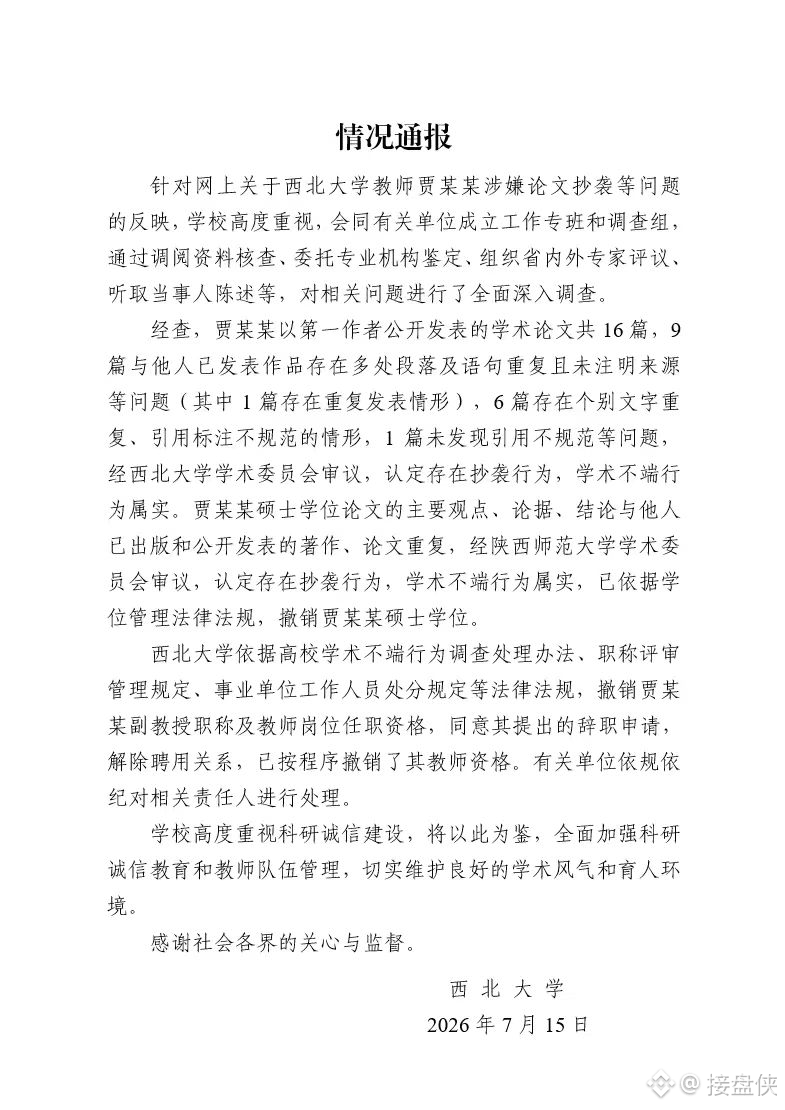
$ESPORTS $SKYAI Jia Pingwa's daughter Jia Qianqian and her poems.
{future}(ESPORTSUSDT)
$ESPORTS $SKYAI Jia Pingwa's daughter Jia Qianqian and her poems.

1
161
·
--
$AKE $US The 80s county magistrate Xu Liuwei, who directly clashed head-on with Wang Jianlin, has been taken down.
{future}(USUSDT)
{future}(AKEUSDT)
$AKE $US The 80s county magistrate Xu Liuwei, who directly clashed head-on with Wang Jianlin, has been taken down.


3
2
2.1k
·
--
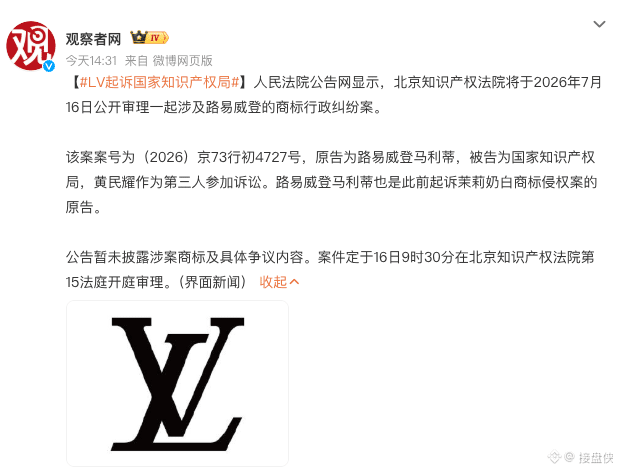
$AKE $US Who is suing this official from below?
{future}(USUSDT)
{future}(AKEUSDT)
$AKE $US Who is suing this official from below?
1
662
·
--
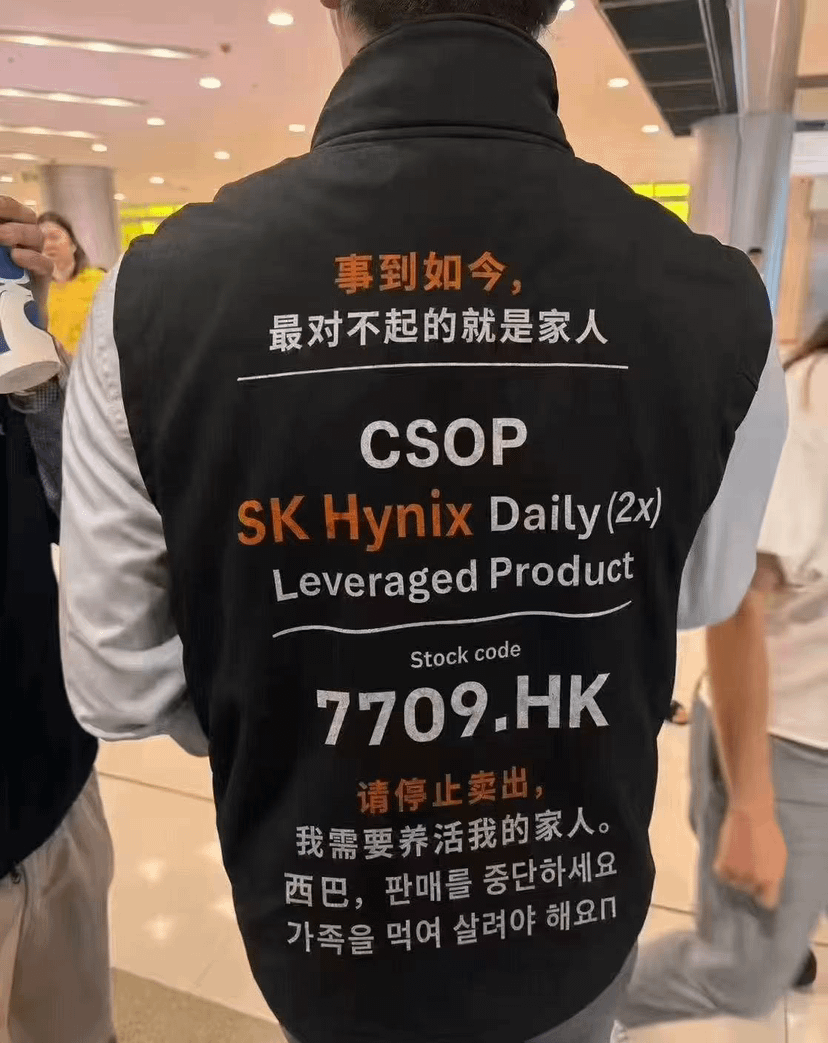
$T $SXT Koreans trading stocks is as crazy as trading crypto.
{future}(SXTUSDT)
{future}(TUSDT)
$T $SXT Koreans trading stocks is as crazy as trading crypto.
1
276
·
--
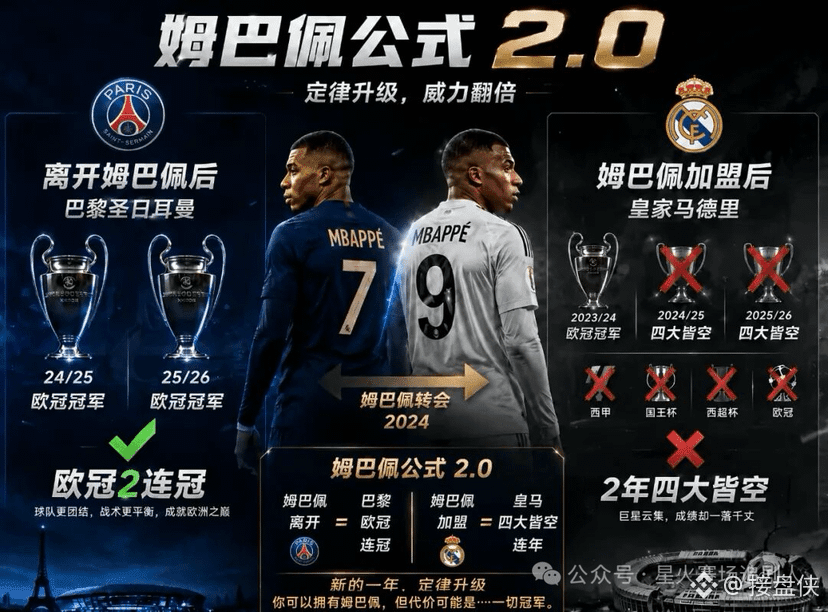
$PORTAL $H Known: PSG and Real Madrid have snagged five Champions League titles over the past five years, while Mbappé has played for both teams during that time.
Question: How many Champions League titles has Mbappé won in the last five years?
{future}(HUSDT)
{future}(PORTALUSDT)
$PORTAL $H Known: PSG and Real Madrid have snagged five Champions League titles over the past five years, while Mbappé has played for both teams during that time.
Question: How many Champions League titles has Mbappé won in the last five years?
Question: How many Champions League titles has Mbappé won in the last five years?

1
36
·
--
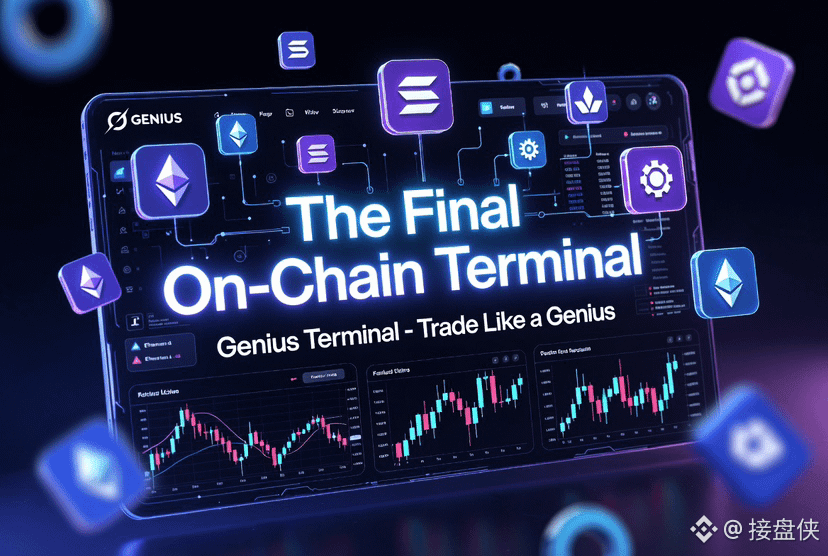
#genius In the era of DeFi fragmentation, switching chains, bridging assets, and juggling multiple DEX interfaces... these pain points have traders pulling their hair out. Genius Terminal is here, self-proclaimed as "The Final On-Chain Terminal," aiming to be the ultimate solution for on-chain trading.
Core Highlights:
• Unified Multi-Chain Interface: Supports 10+ blockchains (ETH, Solana, Base, Arbitrum, etc.), connecting to 150+ DEXs. No need to manually switch networks or bridge assets, just one-click cross-chain trading at speeds close to CEX.
• Signatureless & Chain-Invisible: No need for frequent wallet signatures; pre-authorized sessions allow for seamless execution. Assets flow across chains "invisibly," greatly enhancing efficiency.
• Ghost Order Privacy Orders: Utilizing MPC technology to split large orders into hundreds of temporary wallets for execution, reducing MEV attacks and slippage, perfect for whale-level trading. 
• All-in-One Dashboard: Spot trading, perpetual contracts, pre-launch tokens, yield farming, and unified portfolio management all in one. Built-in real-time analysis, limit orders, take profit, and stop loss tools.
GENIUS Token: The platform's native token used for governance, fee discounts, and ecosystem incentives. Currently ranked high in market cap with a circulating supply of about 335 million, catching the attention of traders. $GENIUS
Why It’s Worth Watching?
Genius is not just a simple aggregator; it's a "trading OS" crafted for professional users. It retains self-custody security while providing institutional-level execution power and privacy protection. During bear markets or high volatility, this efficient tool can significantly boost win rates. @GeniusOfficial
Whether you're a high-frequency trader or a narrative hunter, Genius Terminal is worth a shot: tradegenius.com
{future}(GENIUSUSDT)
#genius In the era of DeFi fragmentation, switching chains, bridging assets, and juggling multiple DEX interfaces... these pain points have traders pulling their hair out. Genius Terminal is here, self-proclaimed as "The Final On-Chain Terminal," aiming to be the ultimate solution for on-chain trading.
Core Highlights:
• Unified Multi-Chain Interface: Supports 10+ blockchains (ETH, Solana, Base, Arbitrum, etc.), connecting to 150+ DEXs. No need to manually switch networks or bridge assets, just one-click cross-chain trading at speeds close to CEX.
• Signatureless & Chain-Invisible: No need for frequent wallet signatures; pre-authorized sessions allow for seamless execution. Assets flow across chains "invisibly," greatly enhancing efficiency.
• Ghost Order Privacy Orders: Utilizing MPC technology to split large orders into hundreds of temporary wallets for execution, reducing MEV attacks and slippage, perfect for whale-level trading. 
• All-in-One Dashboard: Spot trading, perpetual contracts, pre-launch tokens, yield farming, and unified portfolio management all in one. Built-in real-time analysis, limit orders, take profit, and stop loss tools.
GENIUS Token: The platform's native token used for governance, fee discounts, and ecosystem incentives. Currently ranked high in market cap with a circulating supply of about 335 million, catching the attention of traders. $GENIUS
Why It’s Worth Watching?
Genius is not just a simple aggregator; it's a "trading OS" crafted for professional users. It retains self-custody security while providing institutional-level execution power and privacy protection. During bear markets or high volatility, this efficient tool can significantly boost win rates. @GeniusOfficial
Whether you're a high-frequency trader or a narrative hunter, Genius Terminal is worth a shot: tradegenius.com
Core Highlights:
• Unified Multi-Chain Interface: Supports 10+ blockchains (ETH, Solana, Base, Arbitrum, etc.), connecting to 150+ DEXs. No need to manually switch networks or bridge assets, just one-click cross-chain trading at speeds close to CEX.
• Signatureless & Chain-Invisible: No need for frequent wallet signatures; pre-authorized sessions allow for seamless execution. Assets flow across chains "invisibly," greatly enhancing efficiency.
• Ghost Order Privacy Orders: Utilizing MPC technology to split large orders into hundreds of temporary wallets for execution, reducing MEV attacks and slippage, perfect for whale-level trading. 
• All-in-One Dashboard: Spot trading, perpetual contracts, pre-launch tokens, yield farming, and unified portfolio management all in one. Built-in real-time analysis, limit orders, take profit, and stop loss tools.
GENIUS Token: The platform's native token used for governance, fee discounts, and ecosystem incentives. Currently ranked high in market cap with a circulating supply of about 335 million, catching the attention of traders. $GENIUS
Why It’s Worth Watching?
Genius is not just a simple aggregator; it's a "trading OS" crafted for professional users. It retains self-custody security while providing institutional-level execution power and privacy protection. During bear markets or high volatility, this efficient tool can significantly boost win rates. @GeniusOfficial
Whether you're a high-frequency trader or a narrative hunter, Genius Terminal is worth a shot: tradegenius.com
1
125
·
--
$GENIUS $FIGHT is officially closed the loop.
{future}(FIGHTUSDT)
{future}(GENIUSUSDT)
$GENIUS $FIGHT is officially closed the loop.

1
120
·
--
#genius In the DeFi space, users have long faced issues like multi-chain switching, complex bridging, high Gas fees, privacy breaches, and execution delays. Genius Terminal (referred to as Genius) has emerged as the 'first private and ultimate on-chain trading terminal,' aimed at providing professional traders with a CEX-level experience while maintaining the non-custodial security of DeFi.

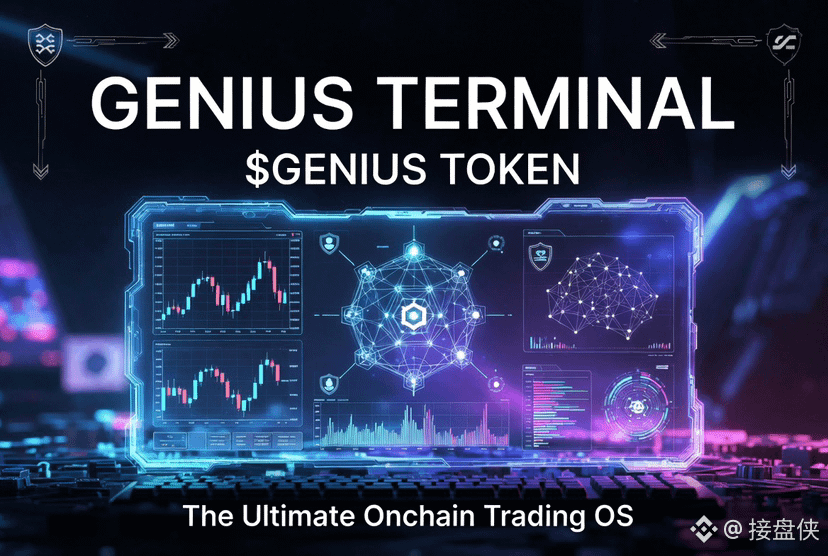
Genius Terminal aggregates over 300 decentralized exchanges (DEX), covering nine major networks like Solana, Ethereum, Base, Arbitrum, Optimism, BNB Chain, Polygon, and Avalanche. Users can perform spot trades, perpetual contracts, token pre-sales, and cross-chain swaps in one interface without the hassle of manually bridging assets or switching networks. Key highlights include:
• Signatureless execution: Atomic routing with no cumbersome pop-up confirmations, significantly lowering the UX barrier.
• Privacy protection: Supports Ghost Orders and splits large orders across up to 500 custodial wallets to conceal trading intentions.
• Chain invisibility: One-click cross-chain functionality, with professional-grade tools like advanced order types, candlestick analysis, and token filters all available.
The platform is expected to complete its TGE around April 2026, with $GENIUS officially launching as the native utility and governance token. The total supply is 1 billion tokens, with approximately 335 million in circulation, currently valued at around $230 million, fluctuating between $0.6 to $0.7, with 24-hour trading volumes often exceeding $40 million.
Token utility is robust:
• Holding and staking can yield significant trading fee discounts;
• Participate in governance voting to influence platform upgrade directions;
• Incentivize liquidity providers and active traders through the Genius Points system, with 70 million tokens airdropped in Season 1;
• Future expansion into more ecosystem incentives, such as propAMM and options protocols. @GeniusOfficial
Investment and growth potential: Genius is precisely targeting 'Power Users,' standing out in the DeFi aggregator space. Backed by supporters like YZi Labs, and with on-chain trading volumes continuing to explode and the multi-chain ecosystem maturing, $GENIUS is poised to capture value through fee generation and user growth. On the risk side, attention must be paid to market competition (like other terminal projects) and overall crypto volatility; this is a project worth keeping an eye on. {future}(GENIUSUSDT)
#genius In the DeFi space, users have long faced issues like multi-chain switching, complex bridging, high Gas fees, privacy breaches, and execution delays. Genius Terminal (referred to as Genius) has emerged as the 'first private and ultimate on-chain trading terminal,' aimed at providing professional traders with a CEX-level experience while maintaining the non-custodial security of DeFi.

Genius Terminal aggregates over 300 decentralized exchanges (DEX), covering nine major networks like Solana, Ethereum, Base, Arbitrum, Optimism, BNB Chain, Polygon, and Avalanche. Users can perform spot trades, perpetual contracts, token pre-sales, and cross-chain swaps in one interface without the hassle of manually bridging assets or switching networks. Key highlights include:
• Signatureless execution: Atomic routing with no cumbersome pop-up confirmations, significantly lowering the UX barrier.
• Privacy protection: Supports Ghost Orders and splits large orders across up to 500 custodial wallets to conceal trading intentions.
• Chain invisibility: One-click cross-chain functionality, with professional-grade tools like advanced order types, candlestick analysis, and token filters all available.
The platform is expected to complete its TGE around April 2026, with $GENIUS officially launching as the native utility and governance token. The total supply is 1 billion tokens, with approximately 335 million in circulation, currently valued at around $230 million, fluctuating between $0.6 to $0.7, with 24-hour trading volumes often exceeding $40 million.
Token utility is robust:
• Holding and staking can yield significant trading fee discounts;
• Participate in governance voting to influence platform upgrade directions;
• Incentivize liquidity providers and active traders through the Genius Points system, with 70 million tokens airdropped in Season 1;
• Future expansion into more ecosystem incentives, such as propAMM and options protocols. @GeniusOfficial
Investment and growth potential: Genius is precisely targeting 'Power Users,' standing out in the DeFi aggregator space. Backed by supporters like YZi Labs, and with on-chain trading volumes continuing to explode and the multi-chain ecosystem maturing, $GENIUS is poised to capture value through fee generation and user growth. On the risk side, attention must be paid to market competition (like other terminal projects) and overall crypto volatility; this is a project worth keeping an eye on.

Genius Terminal aggregates over 300 decentralized exchanges (DEX), covering nine major networks like Solana, Ethereum, Base, Arbitrum, Optimism, BNB Chain, Polygon, and Avalanche. Users can perform spot trades, perpetual contracts, token pre-sales, and cross-chain swaps in one interface without the hassle of manually bridging assets or switching networks. Key highlights include:
• Signatureless execution: Atomic routing with no cumbersome pop-up confirmations, significantly lowering the UX barrier.
• Privacy protection: Supports Ghost Orders and splits large orders across up to 500 custodial wallets to conceal trading intentions.
• Chain invisibility: One-click cross-chain functionality, with professional-grade tools like advanced order types, candlestick analysis, and token filters all available.
The platform is expected to complete its TGE around April 2026, with $GENIUS officially launching as the native utility and governance token. The total supply is 1 billion tokens, with approximately 335 million in circulation, currently valued at around $230 million, fluctuating between $0.6 to $0.7, with 24-hour trading volumes often exceeding $40 million.
Token utility is robust:
• Holding and staking can yield significant trading fee discounts;
• Participate in governance voting to influence platform upgrade directions;
• Incentivize liquidity providers and active traders through the Genius Points system, with 70 million tokens airdropped in Season 1;
• Future expansion into more ecosystem incentives, such as propAMM and options protocols. @GeniusOfficial
Investment and growth potential: Genius is precisely targeting 'Power Users,' standing out in the DeFi aggregator space. Backed by supporters like YZi Labs, and with on-chain trading volumes continuing to explode and the multi-chain ecosystem maturing, $GENIUS is poised to capture value through fee generation and user growth. On the risk side, attention must be paid to market competition (like other terminal projects) and overall crypto volatility; this is a project worth keeping an eye on.
1
117
·
--
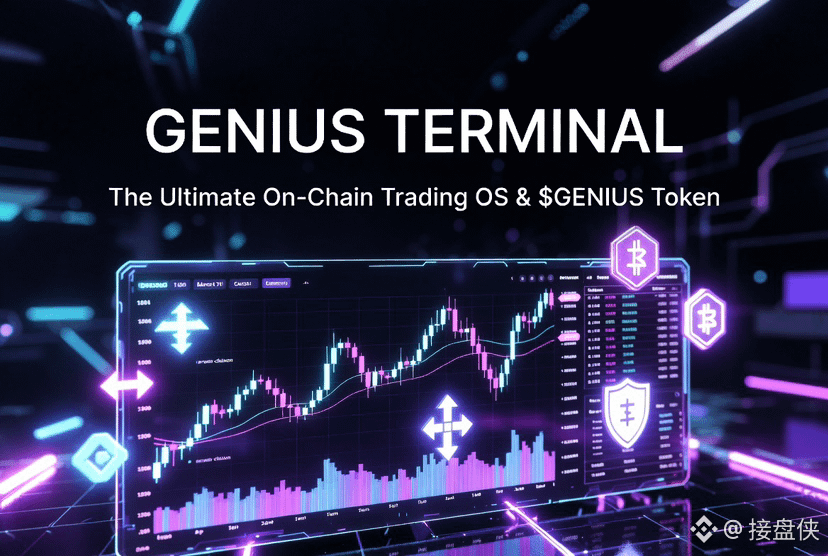
#genius Genius Terminal (tradegenius.com) is the highly anticipated non-custodial on-chain Trading OS set for 2026. It aggregates liquidity from over 300 DEXs, supporting 9+ chains like Solana, Ethereum, BSC, Base, and more, offering spot trading, perpetual contracts, cross-chain trading, and pre-launch token markets. Key highlights include:
• Signatureless execution: Enjoy a seamless CEX-level experience without constant signing.
• Ghost Orders: Privacy protection by splitting across multiple wallets to conceal true intentions.
• Seamless cross-chain: No manual bridging needed, execute multi-chain operations with a single click.
• Professional interface: Real-time candlestick charts, copy trading, and institutional-grade analysis tools.
The platform is backed by YZi Labs (formerly Binance Labs) and has reportedly caught the attention of big names like CZ, processing billions in transaction volume, positioning itself as the 'ultimate DeFi terminal'.
$GENIUS is the platform's native utility and governance token:
• Total supply: 1 billion tokens
• Circulating supply: Approximately 335 million tokens
• Current price: About $0.71 USD, with a market cap around $240 million (data fluctuates in real-time)
• Utility: Trading fee discounts, governance voting, Genius Points rewards redemption, liquidity incentives, and more.
Analysis: Genius Terminal effectively addresses the pain points of DeFi users—multiple chains, cumbersome operations, and insufficient privacy. It significantly lowers the barriers to professional trading while maintaining self-custody security. In a bull market, its high-frequency trading scenarios bring strong utility demand for $GENIUS . However, it faces competitive pressure from rivals like Hyperliquid and dYdX, as well as the inherent volatility risks of the crypto market. Long-term, if it continues to optimize its product and expand its ecosystem, Genius could become a foundational infrastructure project for on-chain trading.
For heavy DeFi users, Genius Terminal + $GENIUS is definitely worth keeping an eye on. @GeniusOfficial
{future}(GENIUSUSDT)
#genius Genius Terminal (tradegenius.com) is the highly anticipated non-custodial on-chain Trading OS set for 2026. It aggregates liquidity from over 300 DEXs, supporting 9+ chains like Solana, Ethereum, BSC, Base, and more, offering spot trading, perpetual contracts, cross-chain trading, and pre-launch token markets. Key highlights include:
• Signatureless execution: Enjoy a seamless CEX-level experience without constant signing.
• Ghost Orders: Privacy protection by splitting across multiple wallets to conceal true intentions.
• Seamless cross-chain: No manual bridging needed, execute multi-chain operations with a single click.
• Professional interface: Real-time candlestick charts, copy trading, and institutional-grade analysis tools.
The platform is backed by YZi Labs (formerly Binance Labs) and has reportedly caught the attention of big names like CZ, processing billions in transaction volume, positioning itself as the 'ultimate DeFi terminal'.
$GENIUS is the platform's native utility and governance token:
• Total supply: 1 billion tokens
• Circulating supply: Approximately 335 million tokens
• Current price: About $0.71 USD, with a market cap around $240 million (data fluctuates in real-time)
• Utility: Trading fee discounts, governance voting, Genius Points rewards redemption, liquidity incentives, and more.
Analysis: Genius Terminal effectively addresses the pain points of DeFi users—multiple chains, cumbersome operations, and insufficient privacy. It significantly lowers the barriers to professional trading while maintaining self-custody security. In a bull market, its high-frequency trading scenarios bring strong utility demand for $GENIUS . However, it faces competitive pressure from rivals like Hyperliquid and dYdX, as well as the inherent volatility risks of the crypto market. Long-term, if it continues to optimize its product and expand its ecosystem, Genius could become a foundational infrastructure project for on-chain trading.
For heavy DeFi users, Genius Terminal + $GENIUS is definitely worth keeping an eye on. @GeniusOfficial
• Signatureless execution: Enjoy a seamless CEX-level experience without constant signing.
• Ghost Orders: Privacy protection by splitting across multiple wallets to conceal true intentions.
• Seamless cross-chain: No manual bridging needed, execute multi-chain operations with a single click.
• Professional interface: Real-time candlestick charts, copy trading, and institutional-grade analysis tools.
The platform is backed by YZi Labs (formerly Binance Labs) and has reportedly caught the attention of big names like CZ, processing billions in transaction volume, positioning itself as the 'ultimate DeFi terminal'.
$GENIUS is the platform's native utility and governance token:
• Total supply: 1 billion tokens
• Circulating supply: Approximately 335 million tokens
• Current price: About $0.71 USD, with a market cap around $240 million (data fluctuates in real-time)
• Utility: Trading fee discounts, governance voting, Genius Points rewards redemption, liquidity incentives, and more.
Analysis: Genius Terminal effectively addresses the pain points of DeFi users—multiple chains, cumbersome operations, and insufficient privacy. It significantly lowers the barriers to professional trading while maintaining self-custody security. In a bull market, its high-frequency trading scenarios bring strong utility demand for $GENIUS . However, it faces competitive pressure from rivals like Hyperliquid and dYdX, as well as the inherent volatility risks of the crypto market. Long-term, if it continues to optimize its product and expand its ecosystem, Genius could become a foundational infrastructure project for on-chain trading.
For heavy DeFi users, Genius Terminal + $GENIUS is definitely worth keeping an eye on. @GeniusOfficial
1
108
·
--
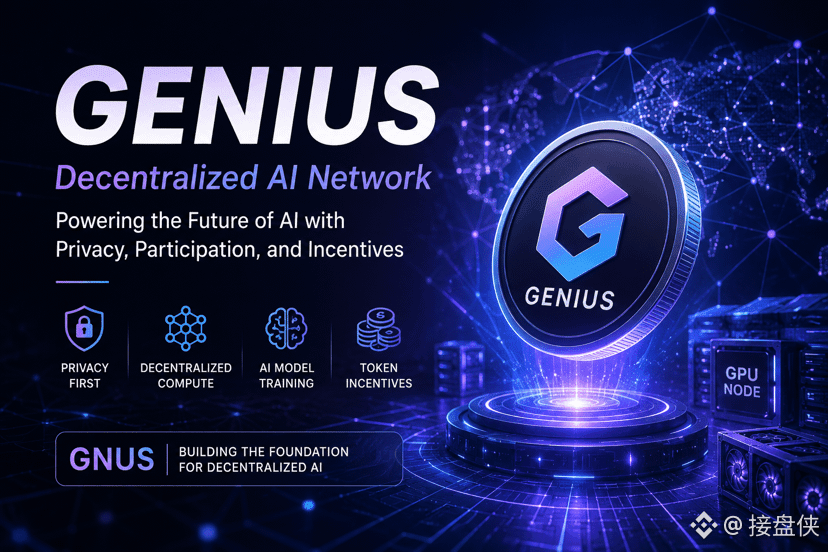
#genius AI's fusion with Crypto is entering a new phase of 'compute + data + privacy,' and Genius (GNUS) is trying to tap into this direction. The core idea of the project is to combine federated learning, decentralized GPU computing, and blockchain incentives to create a distributed AI network. Unlike traditional AI platforms that rely on centralized servers, Genius emphasizes privacy protection and community involvement, allowing idle GPU resources to contribute to AI training and inference. $GENIUS
As an ecosystem token, GNUS not only serves payment and incentive functions but also connects AI services, node earnings, and governance systems. With the continuous rise of AI Agents, DePIN, and on-chain AI narratives, these 'AI + compute network' projects are starting to gain more market attention.
However, Genius is still in a high-volatility, high-risk arena, and the scale of its ecosystem and real-world implementation capabilities still require time for validation. In the long run, if the demand for AI training continues to explode, decentralized compute networks might become a crucial direction for the next round of Web3 infrastructure, and Genius is attempting to position itself in this space ahead of time. @GeniusOfficial
{future}(GENIUSUSDT)
#genius AI's fusion with Crypto is entering a new phase of 'compute + data + privacy,' and Genius (GNUS) is trying to tap into this direction. The core idea of the project is to combine federated learning, decentralized GPU computing, and blockchain incentives to create a distributed AI network. Unlike traditional AI platforms that rely on centralized servers, Genius emphasizes privacy protection and community involvement, allowing idle GPU resources to contribute to AI training and inference. $GENIUS
As an ecosystem token, GNUS not only serves payment and incentive functions but also connects AI services, node earnings, and governance systems. With the continuous rise of AI Agents, DePIN, and on-chain AI narratives, these 'AI + compute network' projects are starting to gain more market attention.
However, Genius is still in a high-volatility, high-risk arena, and the scale of its ecosystem and real-world implementation capabilities still require time for validation. In the long run, if the demand for AI training continues to explode, decentralized compute networks might become a crucial direction for the next round of Web3 infrastructure, and Genius is attempting to position itself in this space ahead of time. @GeniusOfficial
As an ecosystem token, GNUS not only serves payment and incentive functions but also connects AI services, node earnings, and governance systems. With the continuous rise of AI Agents, DePIN, and on-chain AI narratives, these 'AI + compute network' projects are starting to gain more market attention.
However, Genius is still in a high-volatility, high-risk arena, and the scale of its ecosystem and real-world implementation capabilities still require time for validation. In the long run, if the demand for AI training continues to explode, decentralized compute networks might become a crucial direction for the next round of Web3 infrastructure, and Genius is attempting to position itself in this space ahead of time. @GeniusOfficial
1
90
·
--

Article
Open Ledger: Is the new order of data in the AI era the next infrastructure-level opportunity?In the past few years, the explosion of AI has thrown the global tech industry into a new cycle. From large models to AI Agents, and then to automated content generation, the whole industry is competing over the three core resources: 'compute power, models, and data'.$OPEN
But many folks overlook one thing:
What truly determines the ceiling for AI isn't just the model's capabilities, but the data.#OpenLedger
These days, most AI data ecosystems are still highly centralized. A ton of user data is under the control of big tech companies, and the model training process is opaque. Regular users, while they contribute data, hardly see any returns. In this context, Open Ledger is trying to redefine data ownership and value distribution in the AI era.#openledger
Open Ledger: Is the new order of data in the AI era the next infrastructure-level opportunity?
In the past few years, the explosion of AI has thrown the global tech industry into a new cycle. From large models to AI Agents, and then to automated content generation, the whole industry is competing over the three core resources: 'compute power, models, and data'.$OPEN
But many folks overlook one thing:
What truly determines the ceiling for AI isn't just the model's capabilities, but the data.#OpenLedger
These days, most AI data ecosystems are still highly centralized. A ton of user data is under the control of big tech companies, and the model training process is opaque. Regular users, while they contribute data, hardly see any returns. In this context, Open Ledger is trying to redefine data ownership and value distribution in the AI era.#openledger
But many folks overlook one thing:
What truly determines the ceiling for AI isn't just the model's capabilities, but the data.#OpenLedger
These days, most AI data ecosystems are still highly centralized. A ton of user data is under the control of big tech companies, and the model training process is opaque. Regular users, while they contribute data, hardly see any returns. In this context, Open Ledger is trying to redefine data ownership and value distribution in the AI era.#openledger
1
62
·
--
#openledger The core asset of the AI era isn't just computational power anymore; it's 'data ownership.' $OPEN
Open Ledger is trying to build a decentralized AI data network, allowing regular users, developers, and data providers to participate in AI model training and earn rewards through on-chain mechanisms. Compared to the traditional AI giants' 'closed data + black-box training' model, Open Ledger emphasizes data transparency, traceable contributions, and value sharing. #OpenLedger
The logic is pretty clear: the future competition in AI isn't just about the models, but the data ecosystems. Whoever can gather high-quality, diverse, and continuously updated data will hold the narrative power in the next round of the AI era.
Open Ledger's value lies in its attempt to free the production relationships of AI from centralized platforms. Whether it's data labeling, model training, or ecosystem governance, the community can get involved. This 'DataFi + AI + Web3' combo could become a crucial direction for the next phase of AI infrastructure.
If AI truly enters an era of collective collaboration, Open Ledger might become a vital underlying protocol connecting data, computational power, and incentive systems. @Openledger {future}(OPENUSDT)
#openledger The core asset of the AI era isn't just computational power anymore; it's 'data ownership.' $OPEN
Open Ledger is trying to build a decentralized AI data network, allowing regular users, developers, and data providers to participate in AI model training and earn rewards through on-chain mechanisms. Compared to the traditional AI giants' 'closed data + black-box training' model, Open Ledger emphasizes data transparency, traceable contributions, and value sharing. #OpenLedger
The logic is pretty clear: the future competition in AI isn't just about the models, but the data ecosystems. Whoever can gather high-quality, diverse, and continuously updated data will hold the narrative power in the next round of the AI era.
Open Ledger's value lies in its attempt to free the production relationships of AI from centralized platforms. Whether it's data labeling, model training, or ecosystem governance, the community can get involved. This 'DataFi + AI + Web3' combo could become a crucial direction for the next phase of AI infrastructure.
If AI truly enters an era of collective collaboration, Open Ledger might become a vital underlying protocol connecting data, computational power, and incentive systems. @OpenLedger
Open Ledger is trying to build a decentralized AI data network, allowing regular users, developers, and data providers to participate in AI model training and earn rewards through on-chain mechanisms. Compared to the traditional AI giants' 'closed data + black-box training' model, Open Ledger emphasizes data transparency, traceable contributions, and value sharing. #OpenLedger
The logic is pretty clear: the future competition in AI isn't just about the models, but the data ecosystems. Whoever can gather high-quality, diverse, and continuously updated data will hold the narrative power in the next round of the AI era.
Open Ledger's value lies in its attempt to free the production relationships of AI from centralized platforms. Whether it's data labeling, model training, or ecosystem governance, the community can get involved. This 'DataFi + AI + Web3' combo could become a crucial direction for the next phase of AI infrastructure.
If AI truly enters an era of collective collaboration, Open Ledger might become a vital underlying protocol connecting data, computational power, and incentive systems. @OpenLedger
1
75
·
--
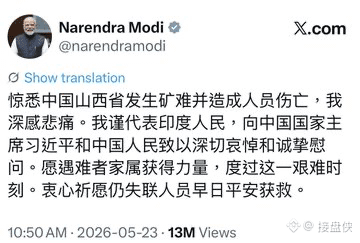
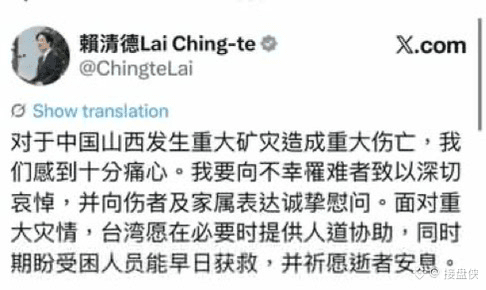
On May 23rd, $AGT $GRASS Lai Ching-te, Japan's Prime Minister Sanae Takaichi, and India's Prime Minister Modi shared their condolences and heartfelt sympathies regarding the mining disaster in Shanxi, China, which resulted in significant casualties and losses.
{future}(GRASSUSDT)
{future}(AGTUSDT)
On May 23rd, $AGT $GRASS Lai Ching-te, Japan's Prime Minister Sanae Takaichi, and India's Prime Minister Modi shared their condolences and heartfelt sympathies regarding the mining disaster in Shanxi, China, which resulted in significant casualties and losses.

1
217
·
--

Article
OpenLedger: How Blockchain is Reshaping the AI EconomyIn today's fast-paced world of AI, data, models, and computing power have become the most valuable assets. However, the traditional AI ecosystem is monopolized by a few tech giants, leaving data contributors often undercompensated and the model training process lacking transparency, leading to an increasing 'black box' problem. OpenLedger (shortened to OPEN), built specifically as blockchain infrastructure for AI, aims to tackle these issues. It's dubbed the 'AI Blockchain' with a core objective to leverage decentralized tech to create liquidity and monetization for data, models, and agents, building a fair, verifiable, and pay-per-use AI economy system.$OPEN
OpenLedger: How Blockchain is Reshaping the AI Economy
In today's fast-paced world of AI, data, models, and computing power have become the most valuable assets. However, the traditional AI ecosystem is monopolized by a few tech giants, leaving data contributors often undercompensated and the model training process lacking transparency, leading to an increasing 'black box' problem. OpenLedger (shortened to OPEN), built specifically as blockchain infrastructure for AI, aims to tackle these issues. It's dubbed the 'AI Blockchain' with a core objective to leverage decentralized tech to create liquidity and monetization for data, models, and agents, building a fair, verifiable, and pay-per-use AI economy system.$OPEN
1
58
·
--
#openledger OpenLedger (OPEN) is the blockchain infrastructure built specifically for artificial intelligence, hailed as the "AI blockchain." Its core mission is to unlock the liquidity of data, models, and agents, achieving true decentralized monetization. Unlike traditional blockchain projects, it is designed from the ground up for AI participants, addressing the long-standing issues of the "data black box" and unpaid labor for contributors in the AI industry. $OPEN
OpenLedger utilizes an EVM-compatible Layer 2 architecture, built on the OP Stack, enabling seamless integration into the Ethereum ecosystem. The platform innovatively introduces "Datanets," allowing the community to co-create high-quality, domain-specific datasets. Users can upload data, contribute training resources, and through Proof of Attribution technology, accurately trace the impact of data on model training, facilitating transparent and verifiable reward distribution. This transforms every data contribution into a continuous revenue stream, forming a "Payable AI" economic cycle. #OpenLedger
Key products include:
• ModelFactory: A no-code model training platform, allowing regular users to easily fine-tune LLMs.
• OpenLoRA: An efficient deployment framework, enabling a single GPU to serve thousands of customized models, significantly reducing inference costs.
• AI Agents: Support for on-chain deployment of composable agents, enabling automated execution and value capture.
Advantage Analysis:
1. Fair Incentives: Breaking the monopoly of centralized AI giants, contributors can receive real-time OPEN token rewards.
2. Transparency and Auditability: All training, inference, and usage records are on-chain, addressing the AI interpretability challenge.
3. Liquidity and Composability: Data and models become tradable assets, supporting DeFi-style financial operations.
4. Low Barrier, High Scalability: EVM compatibility lowers the entry barrier for developers, ideal for Web3 + AI innovators.
Currently, the total supply of OPEN tokens is 1 billion, with approximately 215 million in circulation and a circulating market cap around $40 million (data fluctuates in real-time). The project is supported by top-tier institutions like Polychain, and the ecosystem is rapidly expanding, including tools like OctoClaw.
In today’s fast-paced AI development, OpenLedger is not just infrastructure, but the cornerstone of building trust in AI. It brings "data sovereignty" back to individuals, promoting a shift from closed to open sharing in AI. @Openledger
{future}(OPENUSDT)
#openledger OpenLedger (OPEN) is the blockchain infrastructure built specifically for artificial intelligence, hailed as the "AI blockchain." Its core mission is to unlock the liquidity of data, models, and agents, achieving true decentralized monetization. Unlike traditional blockchain projects, it is designed from the ground up for AI participants, addressing the long-standing issues of the "data black box" and unpaid labor for contributors in the AI industry. $OPEN
OpenLedger utilizes an EVM-compatible Layer 2 architecture, built on the OP Stack, enabling seamless integration into the Ethereum ecosystem. The platform innovatively introduces "Datanets," allowing the community to co-create high-quality, domain-specific datasets. Users can upload data, contribute training resources, and through Proof of Attribution technology, accurately trace the impact of data on model training, facilitating transparent and verifiable reward distribution. This transforms every data contribution into a continuous revenue stream, forming a "Payable AI" economic cycle. #OpenLedger
Key products include:
• ModelFactory: A no-code model training platform, allowing regular users to easily fine-tune LLMs.
• OpenLoRA: An efficient deployment framework, enabling a single GPU to serve thousands of customized models, significantly reducing inference costs.
• AI Agents: Support for on-chain deployment of composable agents, enabling automated execution and value capture.
Advantage Analysis:
1. Fair Incentives: Breaking the monopoly of centralized AI giants, contributors can receive real-time OPEN token rewards.
2. Transparency and Auditability: All training, inference, and usage records are on-chain, addressing the AI interpretability challenge.
3. Liquidity and Composability: Data and models become tradable assets, supporting DeFi-style financial operations.
4. Low Barrier, High Scalability: EVM compatibility lowers the entry barrier for developers, ideal for Web3 + AI innovators.
Currently, the total supply of OPEN tokens is 1 billion, with approximately 215 million in circulation and a circulating market cap around $40 million (data fluctuates in real-time). The project is supported by top-tier institutions like Polychain, and the ecosystem is rapidly expanding, including tools like OctoClaw.
In today’s fast-paced AI development, OpenLedger is not just infrastructure, but the cornerstone of building trust in AI. It brings "data sovereignty" back to individuals, promoting a shift from closed to open sharing in AI. @OpenLedger
OpenLedger utilizes an EVM-compatible Layer 2 architecture, built on the OP Stack, enabling seamless integration into the Ethereum ecosystem. The platform innovatively introduces "Datanets," allowing the community to co-create high-quality, domain-specific datasets. Users can upload data, contribute training resources, and through Proof of Attribution technology, accurately trace the impact of data on model training, facilitating transparent and verifiable reward distribution. This transforms every data contribution into a continuous revenue stream, forming a "Payable AI" economic cycle. #OpenLedger
Key products include:
• ModelFactory: A no-code model training platform, allowing regular users to easily fine-tune LLMs.
• OpenLoRA: An efficient deployment framework, enabling a single GPU to serve thousands of customized models, significantly reducing inference costs.
• AI Agents: Support for on-chain deployment of composable agents, enabling automated execution and value capture.
Advantage Analysis:
1. Fair Incentives: Breaking the monopoly of centralized AI giants, contributors can receive real-time OPEN token rewards.
2. Transparency and Auditability: All training, inference, and usage records are on-chain, addressing the AI interpretability challenge.
3. Liquidity and Composability: Data and models become tradable assets, supporting DeFi-style financial operations.
4. Low Barrier, High Scalability: EVM compatibility lowers the entry barrier for developers, ideal for Web3 + AI innovators.
Currently, the total supply of OPEN tokens is 1 billion, with approximately 215 million in circulation and a circulating market cap around $40 million (data fluctuates in real-time). The project is supported by top-tier institutions like Polychain, and the ecosystem is rapidly expanding, including tools like OctoClaw.
In today’s fast-paced AI development, OpenLedger is not just infrastructure, but the cornerstone of building trust in AI. It brings "data sovereignty" back to individuals, promoting a shift from closed to open sharing in AI. @OpenLedger

1
56
Log in to explore more content
Join global crypto users on Binance Square
⚡️ Get latest and useful information about crypto.
💬 Trusted by the world’s largest crypto exchange.
👍 Discover real insights from verified creators.
Email / Phone number
Trending Topics
BitcoinClears$85200
5,581 views
158 Discussing
We got the move, and $BTC is standing exactly where we were before the data. That’s what actual patience for a trade looks like.
The data came in mixed but with some important numbers. ADP Non-Farm Employment Change came at 90K vs 73K forecast, while Core PCE came in at 0.2% vs 0.3% expected. Final GDP was also stronger at 2.2% vs 1.5% forecast, while Personal Spending came in at 0.9% vs 0.8% expected. At the same time, Personal Income missed at 0.2% vs 0.5% forecast.
BTC initially surged to $85,600 and is now back where it needs to be. I’m still looking toward the lower ranges at $82,759 and the $80,000 liquidity, because the overhead liquidity is done and dusted.
We had a live session during the data, and during that session we saw the market at $83,800, then $85,600, and then back toward $83,000 and we still didn’t enter a trade.
That’s what patience is.
We can’t force an entry when the market has no clear direction. The same range is still in focus, and we’ll wait for the market to give us the setup.
Let me know, guys, how was the session? And should we have more regular sessions with our respected members so we can have proper discussions regarding the market?
#BitcoinClears$85200 #AltcoinSeasonIndexHoldsAbove60For5Days #USADPAdds90000JobsInSeptember #BitcoinSlipsBelow$84000 #SECToClarifyOnChainFundraisingRules
Crypto_LUX
·24 Likes
·11.7k views
AltcoinSeasonIndexHoldsAbove60For5Days
32,353 views
929 Discussing
USADPAdds90000JobsInSeptember
14,236 views
530 Discussing