
我要成为web3高手
1.6k Posts

我要成为web3高手
Report
Block User
推特:@333lbn
Open Trade

ETH Holder
Occasional Trader
3.5 Years
206 Following
462 Followers
868 Liked
Posts
Portfolio
All
Quotes
Videos
Live
·
--
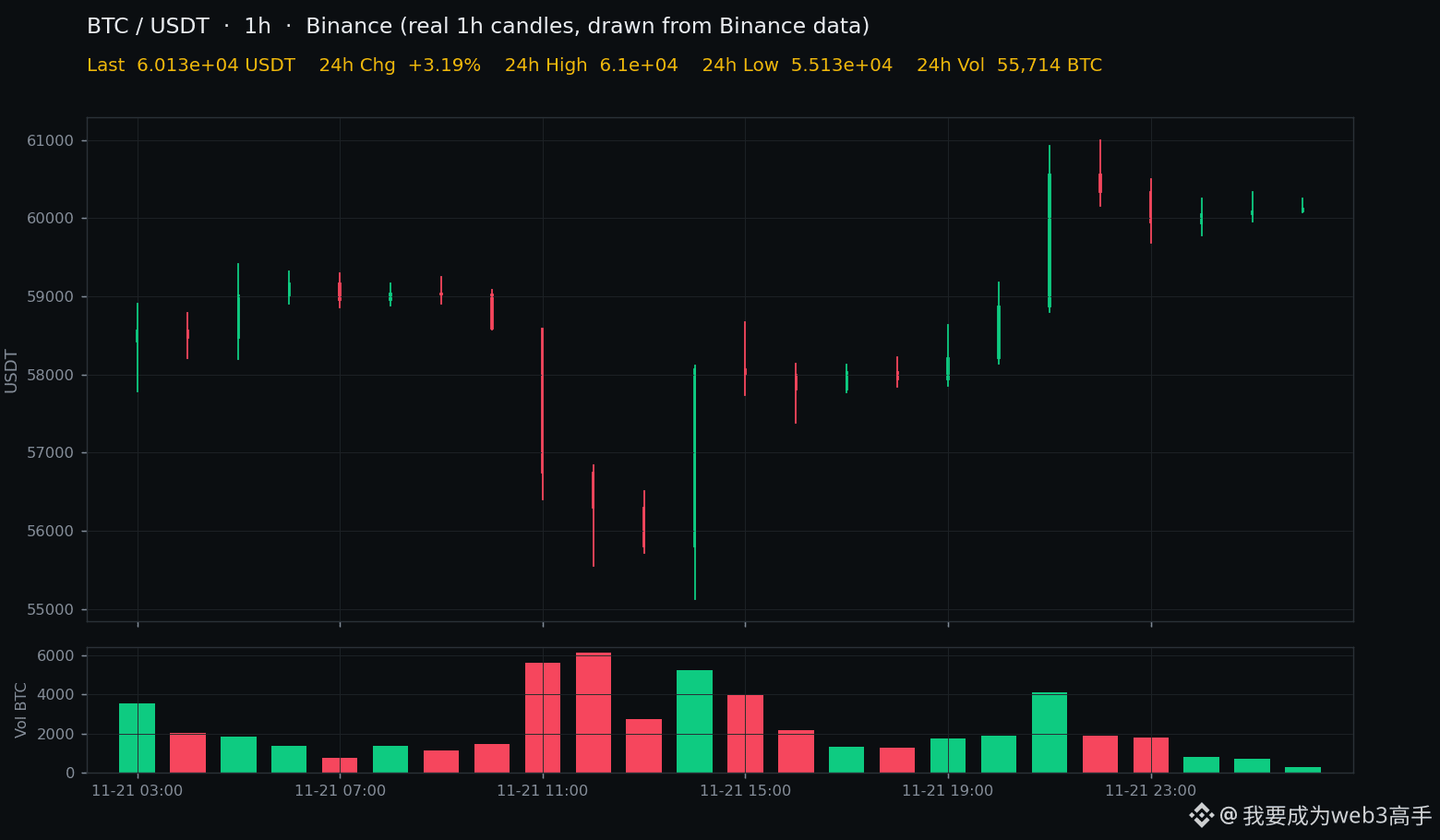
Abraxas Capital bought the dip yesterday: it bought 10,356 $BTC in one day, worth $607 million, at an average price of $58,651. The on-chain data was tracked by Lookonchain; the funds were withdrawn from Binance and Kraken hot wallets.
On the same day, an OG whale transferred $270 million in stablecoins to Binance. Some speculate it was also looking to buy the dip. To be clear, transferring coins doesn't mean buying them, but the timing was indeed after the low of $55,130.
Retail investors are redeeming ETF shares, while big players are accumulating on-chain. Current price: $60,128.
170
·
--
The diehard gold bull Peter Schiff said something yesterday that left the crypto community both amused and bewildered: If you're bullish on Bitcoin, buying $SOL is just as good. After all, major coins rise and fall together, so buying SOL lets you capture the upside too.
His logic is the reverse: Since you don't need to hold $BTC to capture BTC's gains, Bitcoin's scarcity narrative is diminished.
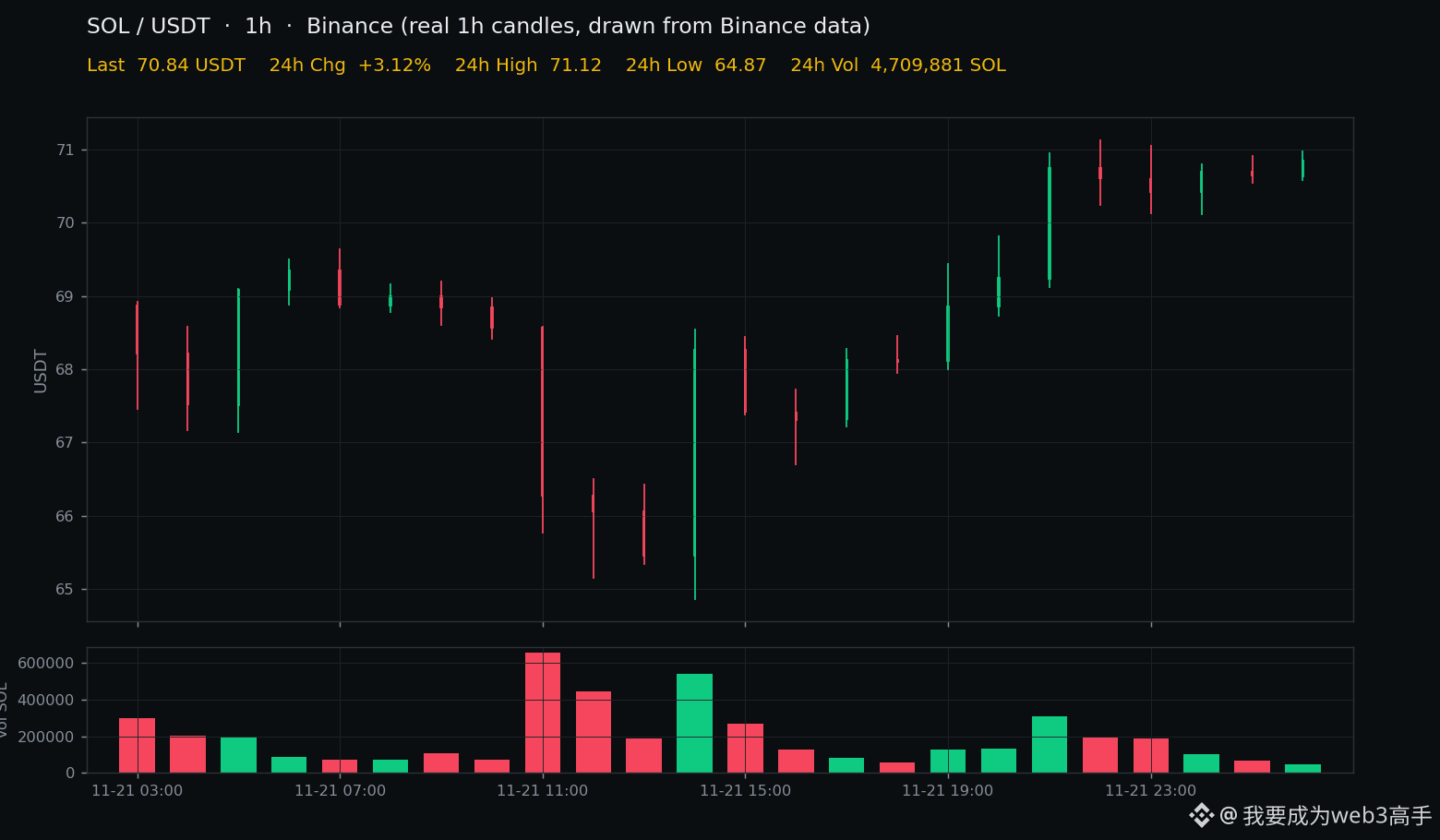
Interestingly, SOL ETFs have recently seen net inflows, while BTC and ETH ETFs have both seen net outflows. Current price: $SOL 70.82, 24h +3.12%.
His logic is the reverse: Since you don't need to hold $BTC to capture BTC's gains, Bitcoin's scarcity narrative is diminished.
Interestingly, SOL ETFs have recently seen net inflows, while BTC and ETH ETFs have both seen net outflows. Current price: $SOL 70.82, 24h +3.12%.
400
·
--
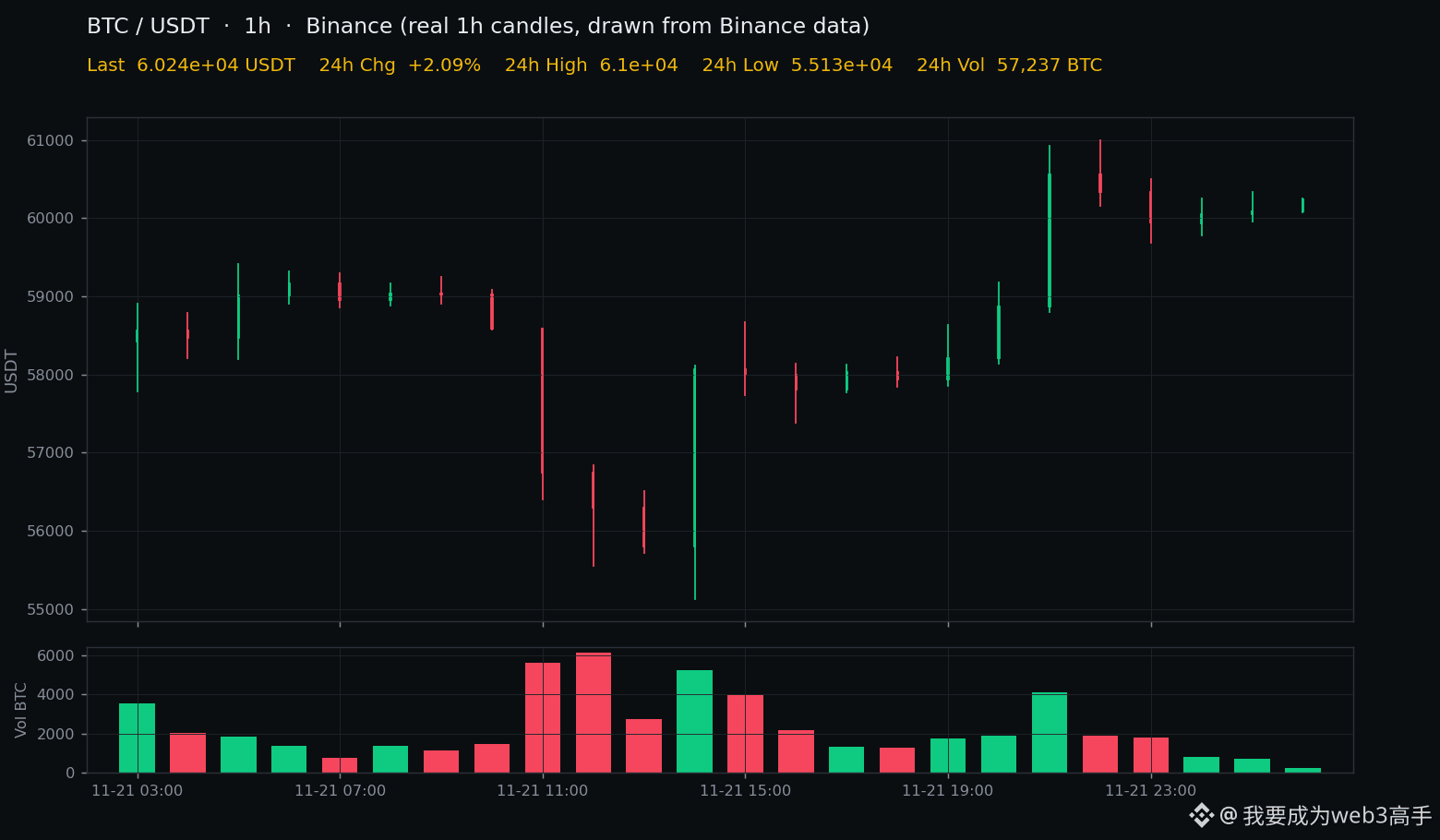
JPMorgan’s November 18 report: Mining one $BTC costs an average of about $86,000, while the current price is $60,245—30% lower. When the price hit a low of $55,130 yesterday, the gap widened to $30,000.
Miners with higher costs have started selling coins to recoup their expenses, either to keep operations running or pivot to AI. Mining stocks fell even harder than crypto on Friday: Hut 8 dropped nearly 15%, while Core Scientific, CleanSpark, and Bitdeer all fell more than 13%.
However, $86,000 is an estimate of the network-wide average, not the cost for every miner. CryptoQuant says MARA, the largest publicly traded miner, has a cost of $59,774 per coin and is still profitable. JPMorgan itself also says that production costs aren’t a floor—the price can stay below cost for a long time.
2
·
--
The most popular post on Twitter was from @TedPillows, with 770,000 views: BlackRock’s IBIT saw $541 million in outflows on November 19, its biggest single-day outflow since launch.
But that same day, another group was sharing third-quarter 13F filings: Wells Fargo doubled its IBIT holdings to $2.35 billion, becoming the largest disclosed holder; Brevan Howard tripled its holdings to $1.06 billion. Institutions are buying while retail investors are fleeing—that was yesterday’s hot narrative.
But there’s a timing difference worth clarifying: 13Fs are a snapshot as of September 30, while November’s outflows are happening now. Both figures are real, but they don’t refer to the same day. $BTC is now at 60,280, after hitting a low of 55,130 yesterday.
BTC+2.15%
IBITETF-4.95%
272
·
--
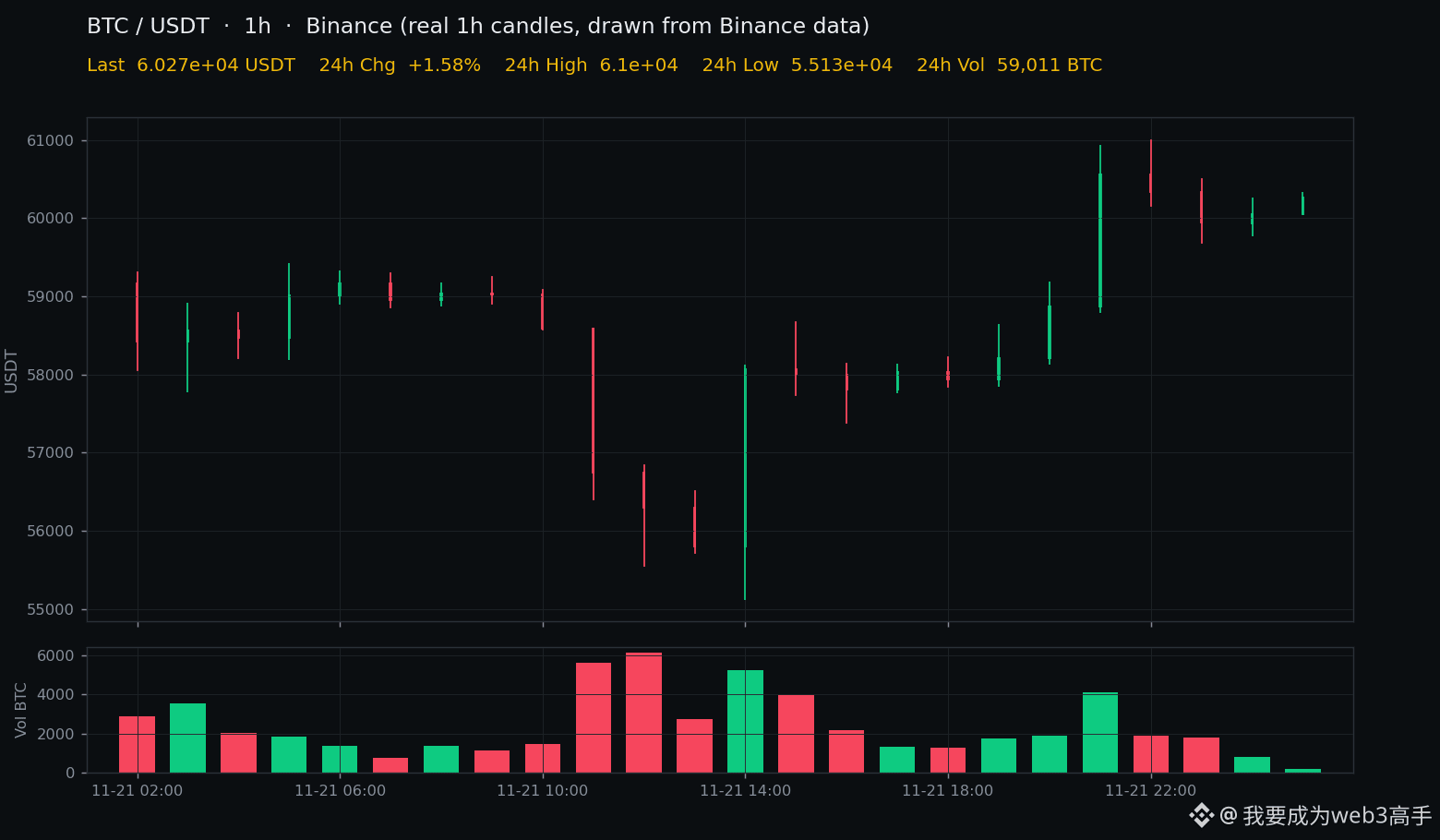
Today's hottest coincidence on Twitter: BTC's low in the last bear market was on November 21, 2022, at $15,476; this time, its low so far was also on November 21, at $55,130 yesterday. Four years apart, hitting bottom on the same day—someone joked that it's a simulation.
Someone else on Twitter said there are no bulls left on the timeline, and some people are taking that as a bottom signal. The Fear & Greed Index is at 9.7, falling below 10 for the first time since March this year.
Now $BTC has rebounded to $60,280, nearly 10% up from the low. No idea if this is the bottom or just a pit stop on the way down, but the date really is a coincidence.
303
·
--
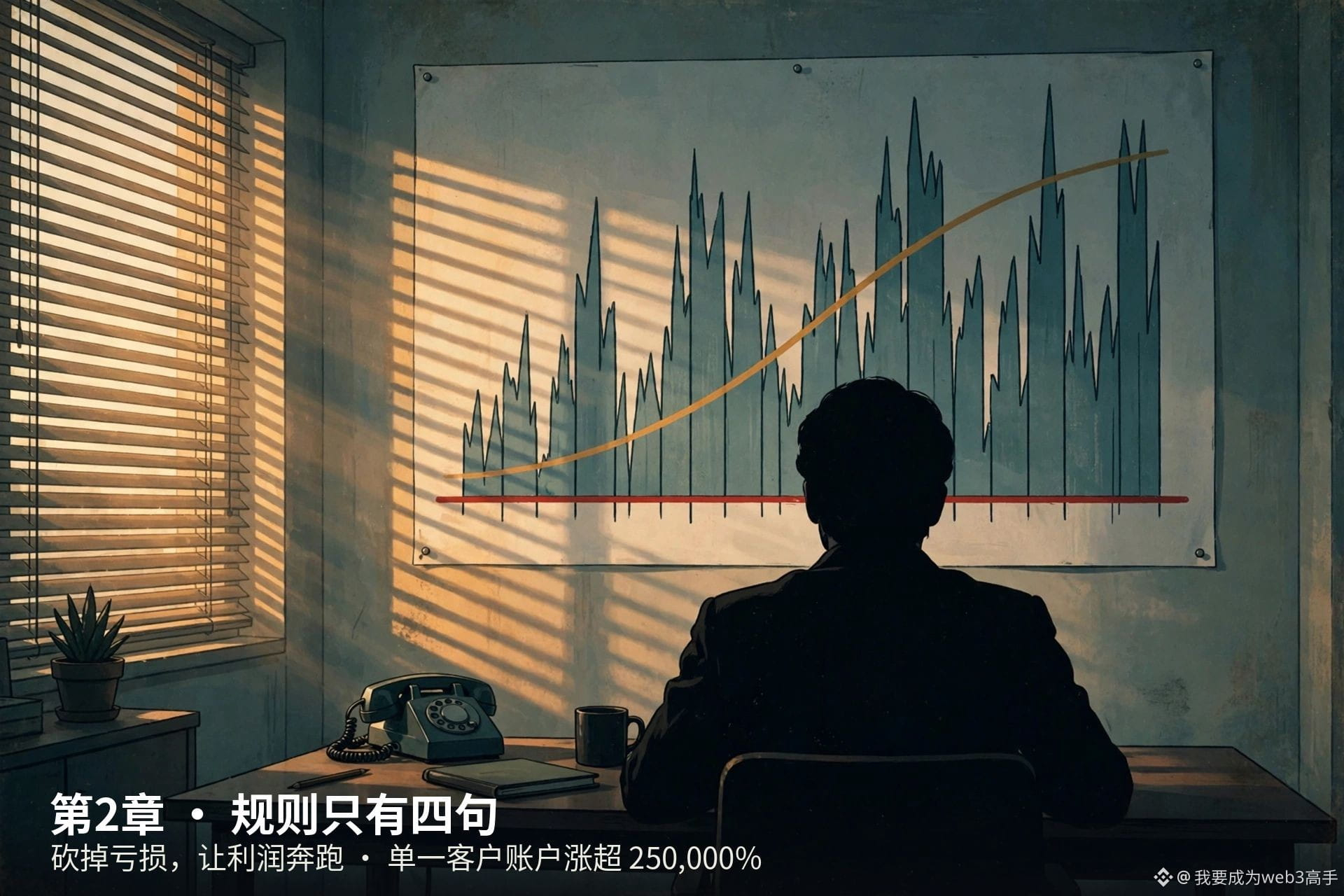
In 1972, a client gave Ed Seykota $5,000.
By mid-1988, the account had grown to around $15 million—a gain of more than 250,000%. The figures come from *Market Wizards* and refer to a single client account, with withdrawals made along the way, and no audit. Even allowing for some exaggeration, it’s one of the most astonishing curves in trading history.
Chapter 1 · Calculate First, Then Bet
Seykota was born on August 7, 1946, and graduated from MIT in 1969 with degrees in electrical engineering and management. In 1970, while working at a brokerage firm, he read a letter from Richard Donchian about mechanical trend-following. Most people would have nodded and moved on. But as an engineer, his first instinct was to test the math.
He wrote a program, fed it punch cards, and ran moving-average rules on an IBM mainframe. The results showed that Donchian was right. Along the way, he built the first commercial computerized trading system for the futures markets, managing real money for clients. Back then, others were still drawing charts by hand and placing trades by gut instinct.
Chapter 2 · The Rules Are Just Three Lines
Cut your losses, let your profits run, and bet small.
His first trade with real money was in silver. He got the direction right but was still stopped out twice. That lesson made him abandon “I think” for good and follow only the signals generated by the system.
Michael Marcus later said that Seykota taught him how to trade.
Seykota left behind a line that has been quoted for decades: Everyone gets from the market what they want.
$BTC $ETH $BNB


407
·
--
The first lesson in crypto: learn the lingo before you look at the charts.
YOLO: Go all in on one bet. Win, and it’s champagne and supermodels; lose, and you’re off to work at sea.
Diamond hands: Won’t sell even after a 50% drop. You lose so much you can’t be bothered to open the app, so you tell yourself it’s all about the faith.
Paper hands: Sell when it’s up 3%, sell when it’s down 3%. You can never hold on to anything.
Getting rekt: You keep saying you’re buying the dip, only to realize you’re the one getting dumped on.
Left holding the bag at the top: You bought at the peak, and now the chart is your permanent view.
Buying the bottom: You bought one floor, then found there’s a basement below it.
Airdrop: Free coins. Claiming them feels great; trying to sell them is another story.
FOMO: Watching other people make money hurts more than losing your own.
What other crypto slang have you heard? Drop one in the comments and let’s see who’s a real crypto veteran.
$BTC $ETH $BNB
40
·
--
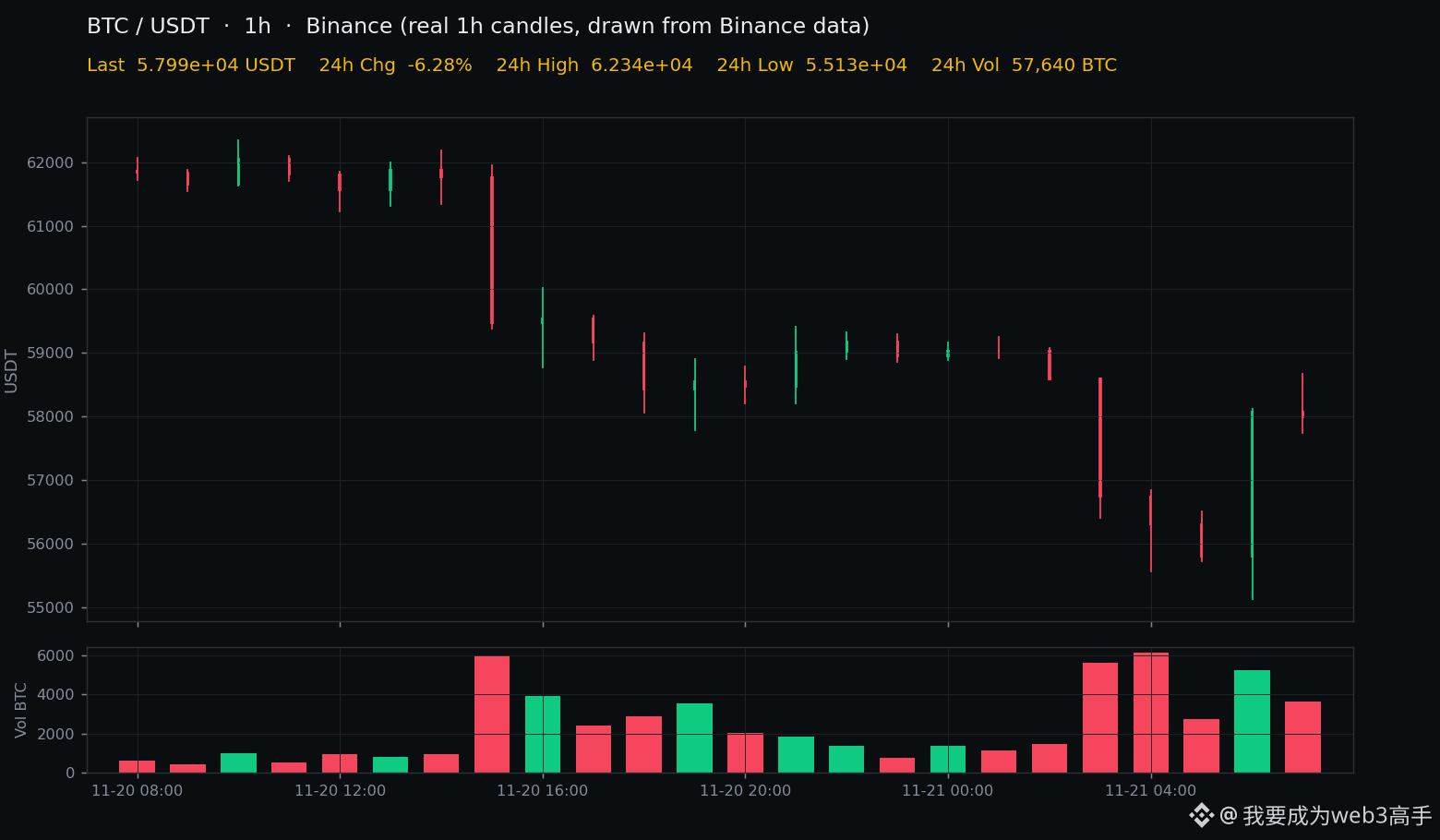
This morning I just said $BTC had broken through both 62000 and 60000, and during the day it plunged even further. It hit a low of 55130, and even the low of 57778 mentioned in this morning’s post didn’t hold. It’s now at 57968, down 6.3% in 24 hours.
$ETH 1632, $BNB 525, SOL at 67.6—all falling across the board. BNB took the biggest hit, down 8.1%.
After that dip to 55130, it bounced back to around 58000, but still hasn’t climbed back above 60000. Below 60000, there doesn’t seem to be any solid support, so don’t rush to catch a falling knife—wait for it to stabilize first. If you’re holding spot and your position is large, think about whether you can sleep at night. If not, trim your position a bit; don’t stubbornly ride it out.
53
·
--
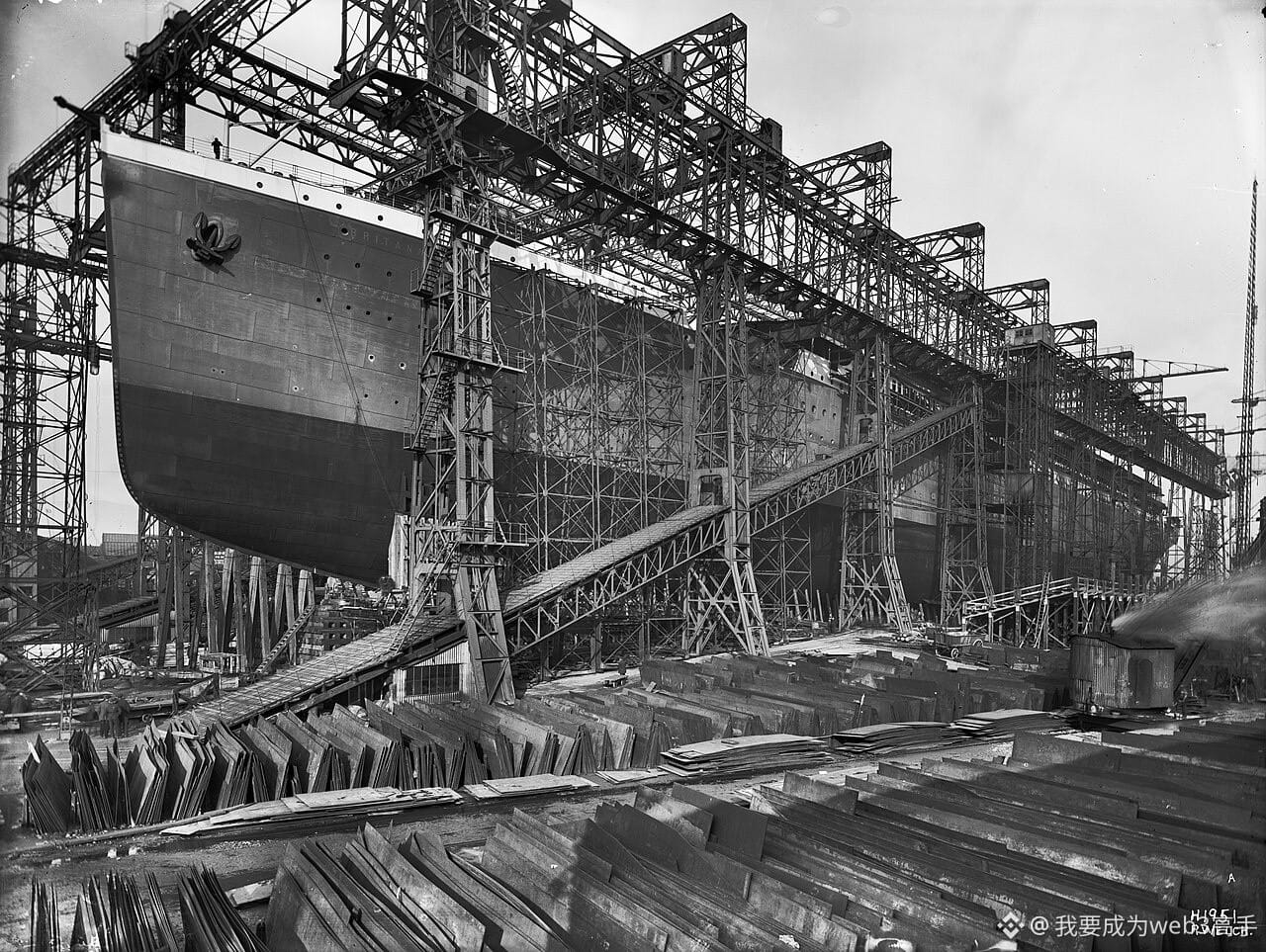
On November 21, 1916, exactly 110 years ago today, the Titanic’s sister ship Britannic struck a mine near the Greek island of Kea and sank in just 55 minutes.
Britannic was the youngest of White Star Line’s three Olympic-class sisters. At 48,158 gross tons and 269.1 meters long, she was launched in Belfast on February 26, 1914, and was even larger than Titanic. She was completed after Titanic sank, and a host of changes were made in light of that disaster: a double hull, higher watertight bulkheads, and 48 lifeboats with room for 3,600 people—more than the 3,309 people the ship could carry at full capacity. When World War I broke out, she never became an ocean liner; instead, she was converted into a hospital ship, painted white with a green stripe and red crosses, and entered service on December 23, 1915.
At 8:12 a.m. on November 21, 1916, the ship struck a mine laid by the German submarine U-73 in the Kea Channel. Captain Bartlett tried to beach her to save the ship and ordered the engines stopped and the lifeboats lowered. Two lifeboats were launched before the order was given and were sucked into the still-turning propellers. All 30 people in those two boats died.
At 9:07 a.m., the ship sank. It took just 55 minutes from striking the mine to reaching the seabed. Of the 1,066 people aboard—673 crew members, 315 Army medical personnel, and 77 nurses—1,036 survived. Only 30 died.
Titanic took 2 hours and 40 minutes to sink, and 1,517 people never made it off. Britannic sank much faster, yet the death toll was only a fraction of Titanic’s. There were enough lifeboats, and people were evacuated quickly.
A nurse named Violet Jessop was aboard. In 1911, she was on Olympic when it collided with Hawke. In 1912, Titanic sank, and she survived. In 1916, Britannic sank too, and she survived again. Three shipwrecks, three times she made it ashore; she died in her bed in 1971, aged 83.
She was the largest ship sunk during World War I. The wreck lay 122 meters below the surface for 59 years, until Cousteau found it in 1975.
Three sister ships built by the same shipyard: one hit an iceberg and 1,517 people died; another struck a mine and only 30 died in 55 minutes. What do you think made the difference?
#历史 #不列颠尼克号 #World War I



103
·
--
Overnight, $BTC broke through both of the key levels I mentioned yesterday.
62,000 didn’t hold, and neither did 60,000. The price bottomed at 57,778 and is now at 59,162, down 4.8% in 24 hours. ETH and BNB fell even harder, to 1,628 and 541 respectively, down 7.3% and 6.4% over 24 hours.
The trigger was still the Fed. The October minutes were hawkish, and Waller said a 50-basis-point rate hike in December was possible. AI stocks were also down in the US market: Anthropic rose 17% on its first day, then fell 10% the next; chip stocks dropped 8%, and AI mining stocks fell 15%. CoinGlass data shows $1.5 billion in liquidations across the market over the past 24 hours.
My take: 57,700 was the low of the bear-market cycle in June and July, and we’re now just one step away from it. Yesterday I said 62,000 was being tested for the third time this week, and that if it didn’t hold, 60,000 was next. Both levels broke overnight—the bears are really pressing their advantage. The 60,000 psychological level didn’t even hold for a day, which shows there’s very little appetite to buy the dip below it.
That said, around 57,700 is where the market held during both of this year’s previous tests of the lows. Whether buyers step in there will depend on ETF flows during the day. Spot ETFs saw net outflows of more than $300 million on Wednesday, so money is still flowing out.
This isn’t the time to guess where the bottom is. Let’s wait and see how 57,700 responds.
1
100
·
--
Before buying a coin, I usually check three things first. It takes less than two minutes.
Check the liquidity pool on DexScreener. The main pool for $PIEVERSE has a 24-hour volume of $300,000, and the current price is $1.16. If the pool’s volume is too low, it’s easy to get in and hard to get out.
Paste the contract into GoPlus and run a check. Is it a honeypot? Can you buy? Can you sell? You can tell at a glance. I just checked $CAKE : honeypot 0, buy disabled 0, open-source code, 1.9 million holders—looks clean.
You should also take a look at the holder distribution. $PIEVERSE has only 40 holders across the network. Work out for yourself how much the top few hold. That’s something I’ve learned to remember.
Only decide whether to buy after all three checks pass. Check first, then act—at least if you lose money, you’ll know why.
2
1.5k
·
--
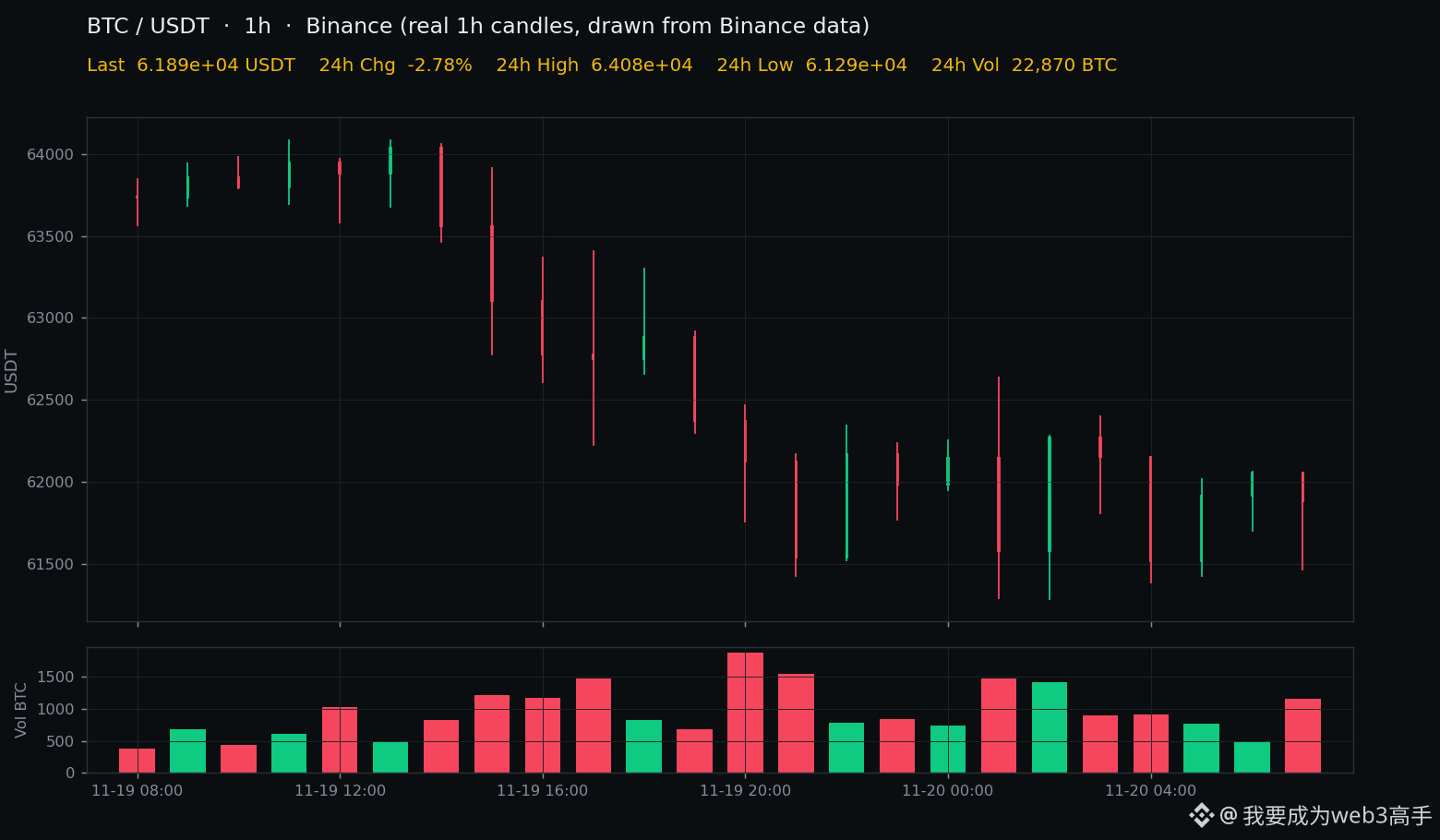
The 62,000 we talked about this morning still didn’t hold by the afternoon.
As I wrote this morning, 62,000 was tested for the third time this week: if it held, that would be the floor; if it didn’t, the next level to watch was 60,000. It broke in the afternoon, dipping as low as 61,291. $BTC is now hovering around 61,845, down 2.8% in 24 hours. $ETH 1,750 is down 2.9%, and BNB is at 571, down 3%—they’re all about the same.
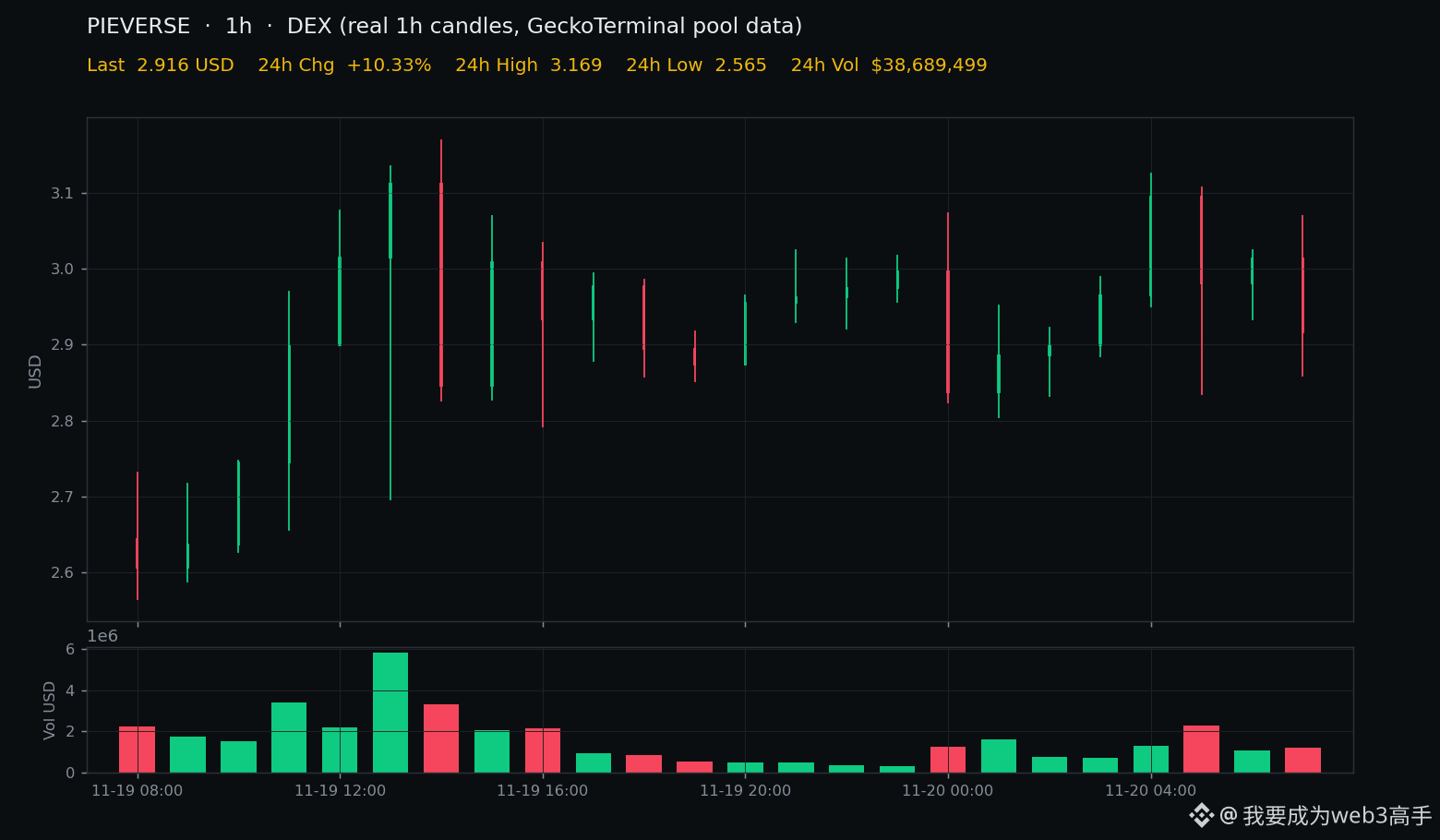
There was one exception while the broader market fell across the board. $PIEVERSE is still up today, gaining 11% in 24 hours, with a current price of 2.91 and 24-hour trading volume of $39 million. This coin was only at 0.95 at the end of October, and surged as high as 3.52 yesterday. It’s up nearly 1.9 times so far this November.
There are two factors that seem to explain the rally. In the November 14 unlock, 33.4 million tokens were distributed to private investors and insiders for the first time. The expected selling pressure never came, and shorts were squeezed instead. The project also launched a new feature in the last couple of days: Confidential Agents, offering hardware-level privacy.
But be careful about chasing it at this level. The RSI was already near 80 a couple of days ago, in overbought territory. The current price has pulled far away from the 20-day moving average, leaving little support underneath. The next unlock is on December 14: another 33.4 million tokens, with half again going to private investors and insiders.
62,000 has broken, so the next level to watch is the 60,000 mark. If that doesn’t hold, things will look pretty bad for the week.
57
·
--
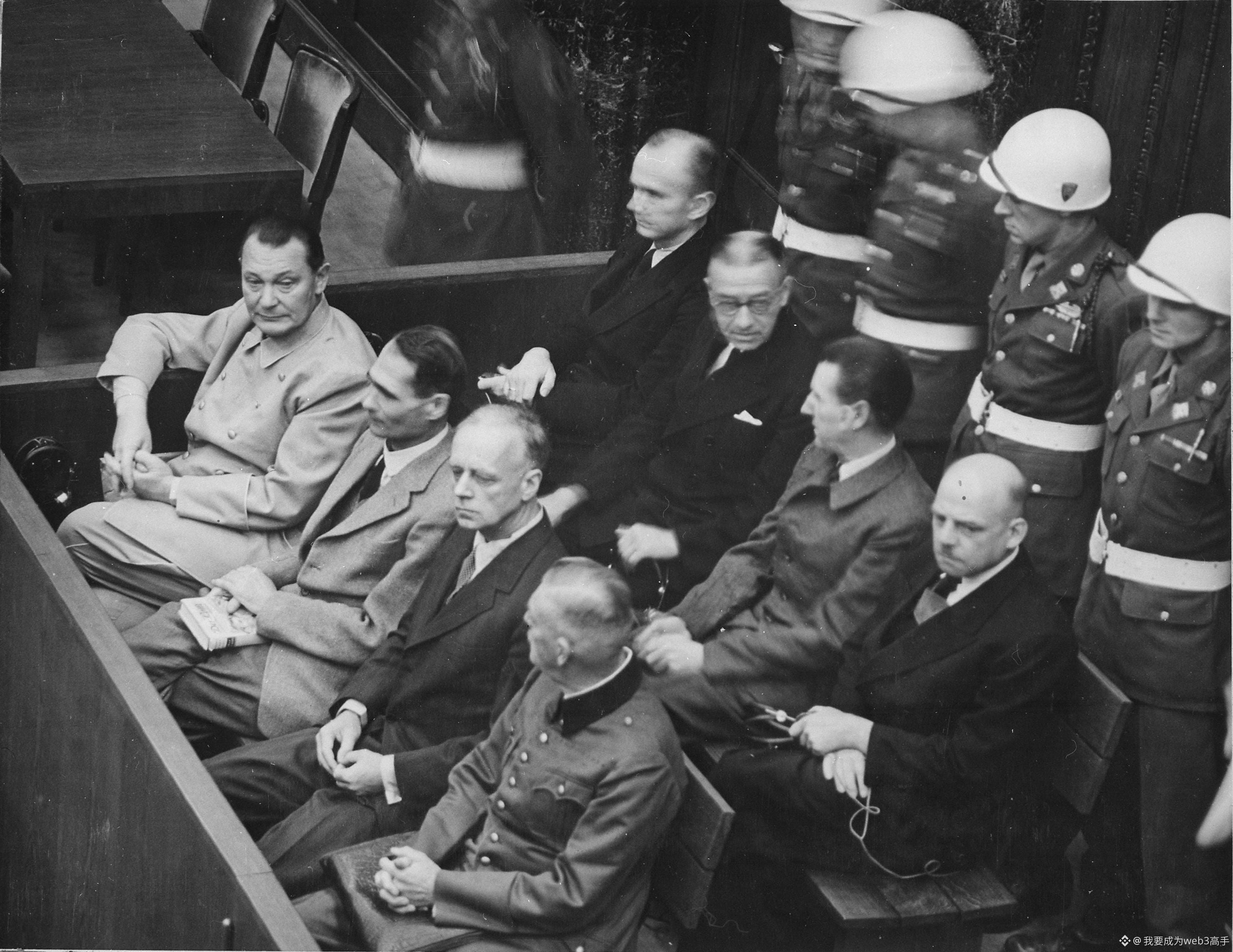
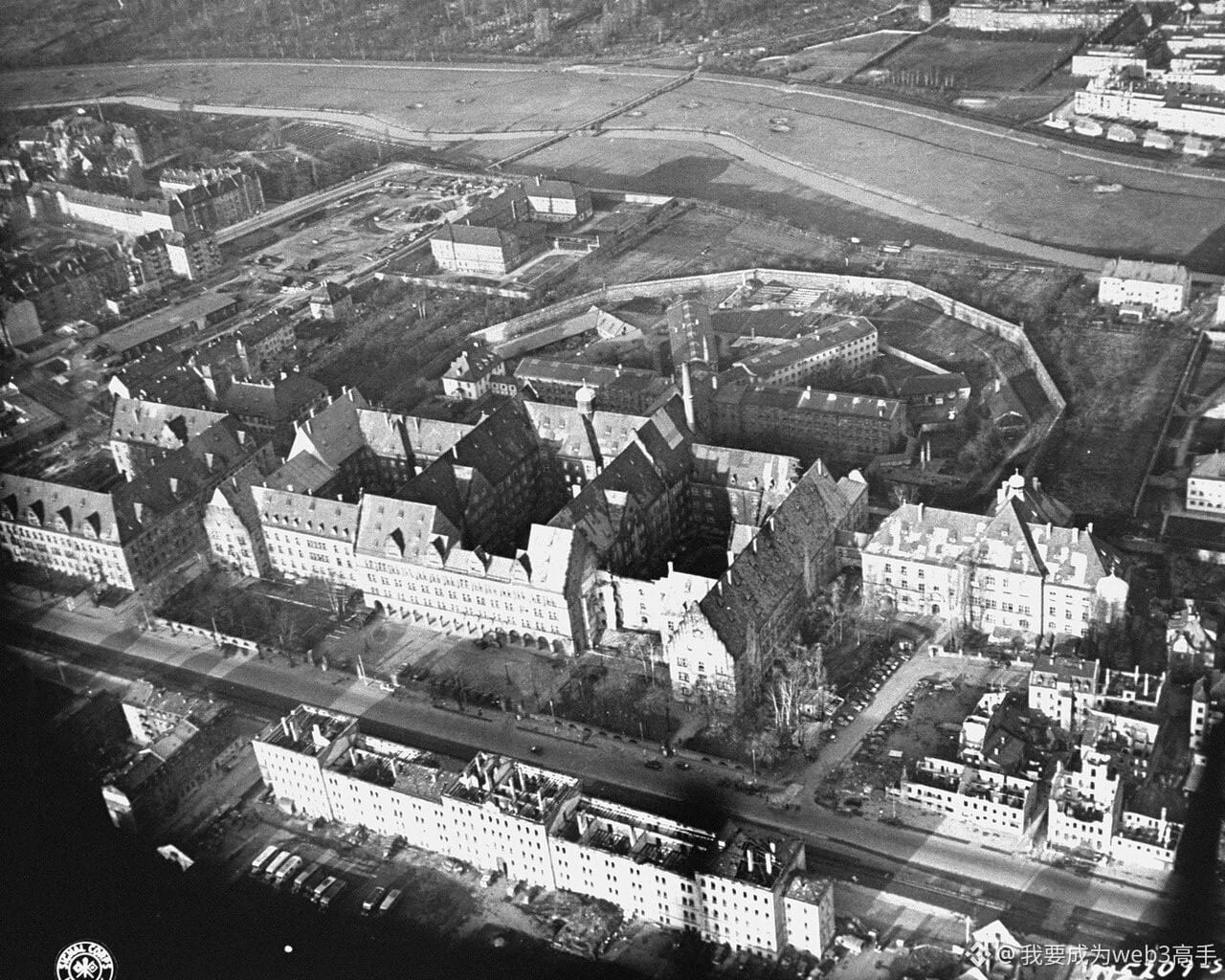
On November 20, 1945, 81 years ago today, the Nuremberg Trials opened in Courtroom 600 of the Palace of Justice in Nuremberg, Germany.
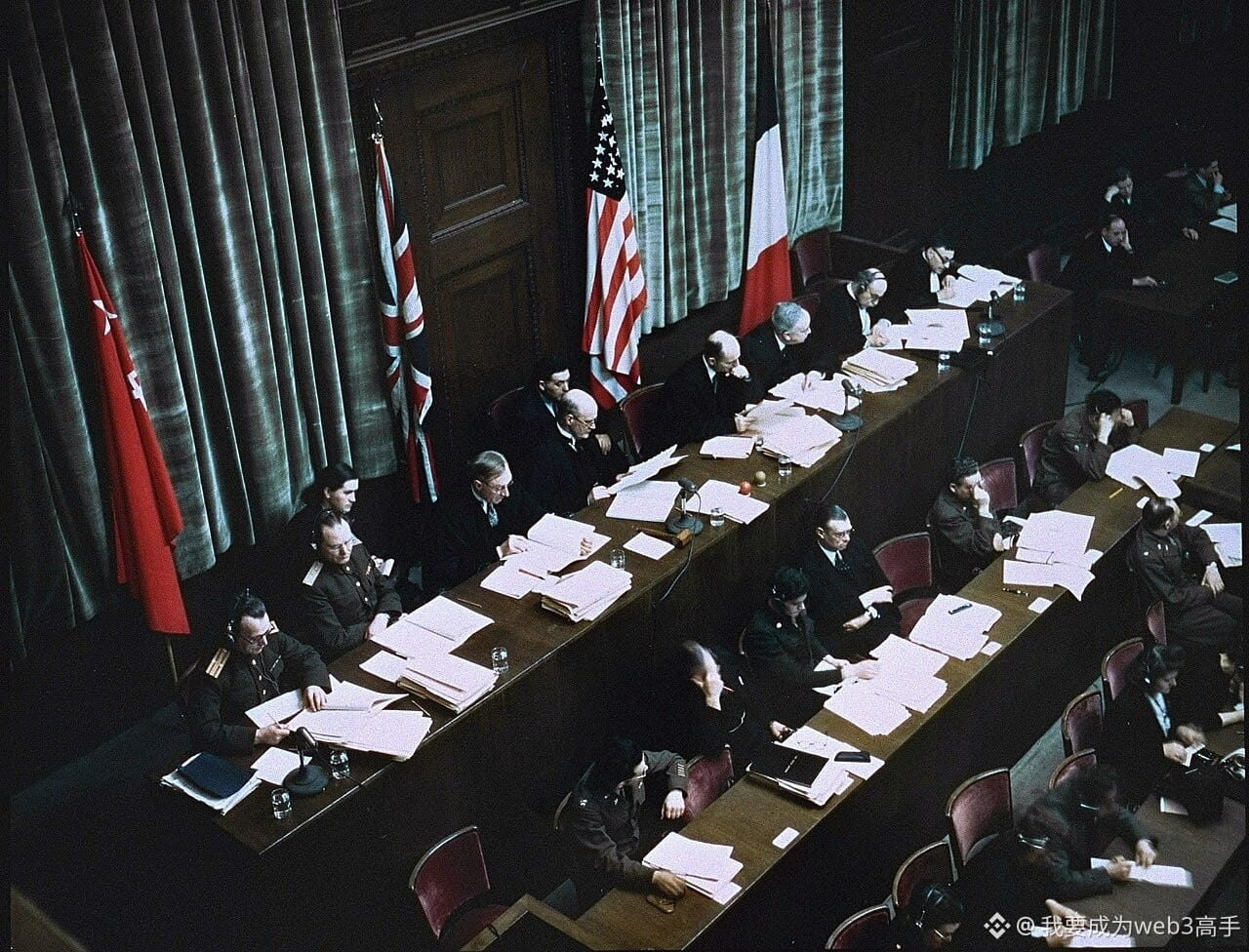
Judges from the United States, the Soviet Union, Britain, and France took their seats on the bench. Twenty-four people were indicted, and 22 stood in the dock. The first three of the four charges were crimes against peace, war crimes, and crimes against humanity; the fourth was conspiracy. A month before the trial began, on October 18, 1945, the indictment was read aloud in Berlin.
The trial lasted 315 days, and the verdicts were delivered on October 1, 1946. There were 216 hearings; the prosecution called 37 witnesses and the defense 83. The verdicts: 12 death sentences, three life sentences, four prison terms of 10 to 20 years, and three acquittals. Of the 12 sentenced to death, Göring took his own life on the eve of his execution, and Bormann was tried in absentia. The remaining 10 were executed in the gymnasium of Nuremberg Prison in the early hours of October 16, 1946.
What it left behind lasted longer than the verdicts themselves: individuals are responsible for violations of international law, and acting under orders is no defense. This principle later became a cornerstone of international criminal law.
Eighty-one years later, Courtroom 600 is still there, and the four flags behind the judges’ bench live on in photographs.
#历史 #纽伦堡审判 #World War II
98
·
--
Overnight, $BTC took another run at 62,000, hitting a low of 61,428. It’s now at 62,008, down 1.9% over 24 hours. $ETH 1,753 and $BNB 578 are in the red too.
The main culprit behind this drop is the Fed. The October meeting minutes were hawkish, and Waller told CNBC that a 50-basis-point rate hike in December may be on the table. The dollar surged to a 19-month high. U.S. spot BTC ETFs saw another outflow of more than $300 million on Wednesday, with money moving out.
Meanwhile, Anthropic’s IPO has been a big hit: priced at $83, it raised $81.3 billion in its public offering—the largest IPO in history—and gained 17% on its first day. People are still scrambling for AI stocks; it’s just that this latest frenzy hasn’t spilled over into crypto.
This is the third time this week that the price has tested the 62,000 level. If it holds, that’s a floor; if not, watch the 60,000 mark.
Sources: CoinDesk, KuCoin Daily
105
·
--
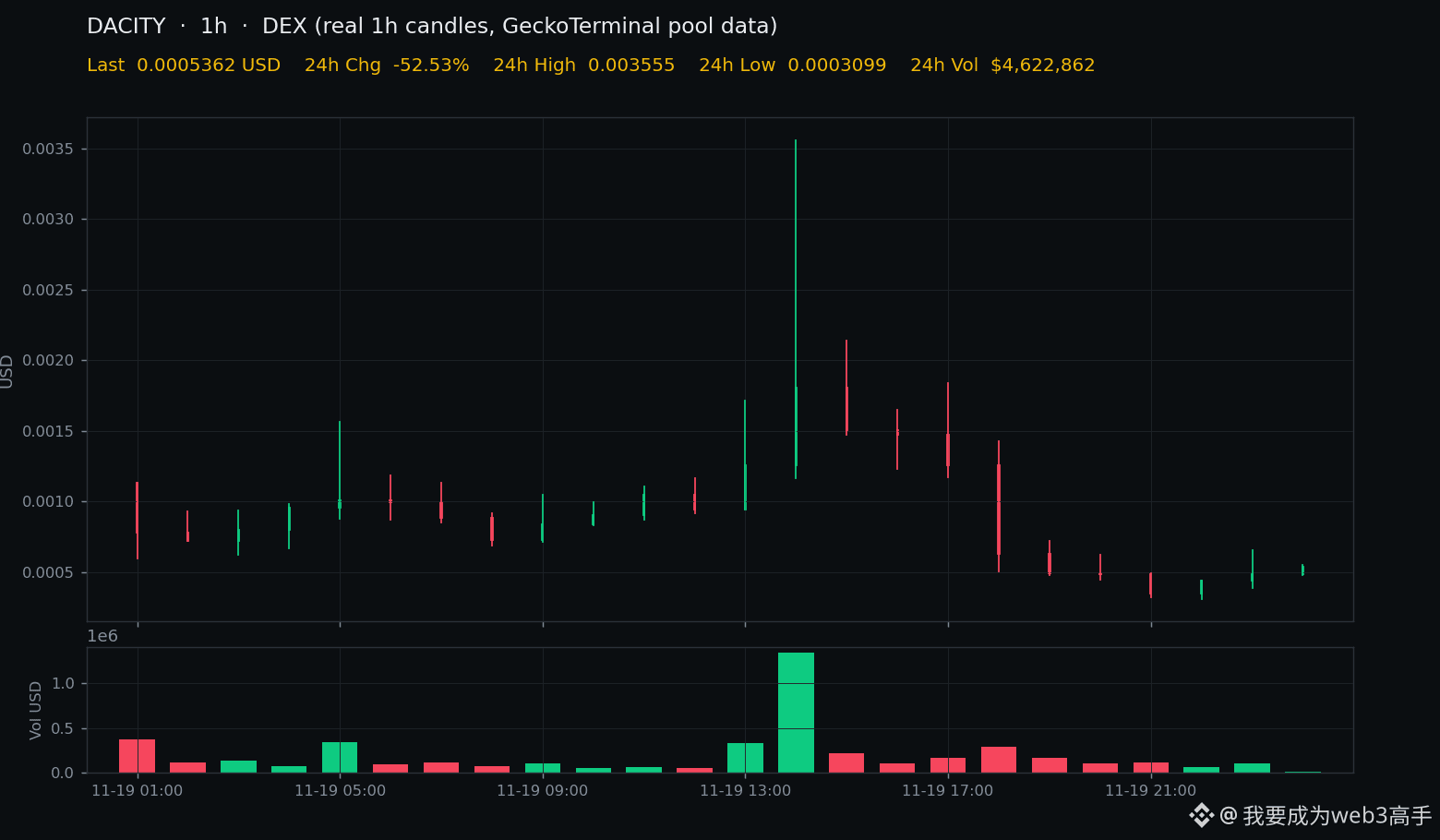
The answer to $DACITY, which I mentioned the day before yesterday, is in: sell the news. GTA 6 launched yesterday, and the token initially surged to 0.0035 before sliding all the way to 0.00055—a 93% drop from 0.0079. Its market cap fell from $7.6 million to $530,000. Trading volume topped $4 million over the past 24 hours, and it rebounded 31% in the last hour, but it’s still down 55% over six hours. The trailer hype ran out as soon as the game launched.
The answer to $DACITY, which I mentioned the day before yesterday, is in: sell the news. GTA 6 launched yesterday, and the token initially surged to 0.0035 before sliding all the way to 0.00055—a 93% drop from 0.0079. Its market cap fell from $7.6 million to $530,000. Trading volume topped $4 million over the past 24 hours, and it rebounded 31% in the last hour, but it’s still down 55% over six hours. The trailer hype ran out as soon as the game launched.
160
·
--
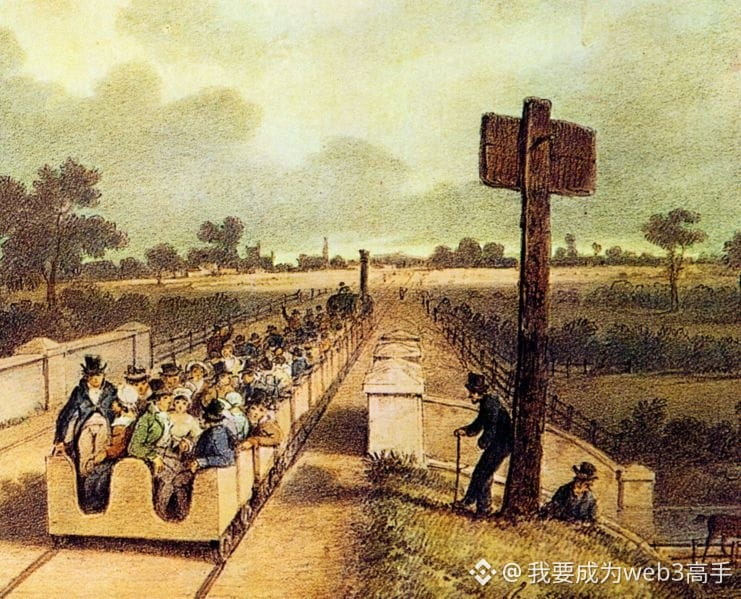
In 1845, the British staked their entire fortunes on the railways.
The Liverpool and Manchester Railway opened in 1830, covering 56 kilometers. Its dividends briefly reached 10%. Government bonds paid just 3%, while railways offered 7%—and the whole country went wild.
In 1844, Parliament received 63 applications to build railways; in 1845, 199; and in 1846, 572. At the peak, 1,763 railway schemes were seeking investment on the market, 1,394 of them for new companies. In 1846 alone, Parliament approved 272 railway acts, authorizing 4,540 miles of new lines. Between 1845 and 1847, it approved 8,590 miles of track—while in 1842 the entire national railway network had totaled just 2,000 miles.
Leading the charge was George Hudson, known as the Railway King, who controlled more than 1,000 miles of track. His trick was to pay dividends out of companies’ capital, keeping the books looking good.
The railway share index surged to 1,984 points in August 1845, then plunged to 673 by April 1850—a drop of 66%. Dividends fell from 7% in 1847 to 2.7% in 1850. In 1847 alone, railway investment amounted to 7% of British GDP.
But the railways really were built: by 1850, Britain had 6,621 miles of track, more than three times as much as in 1844. Many of the lines people in Britain travel on today were approved during that bubble.
The people who truly lost out in the bubble were those who bought at 1,984 points.
#历史 #铁路狂热 #Bubble

1
95
·
--
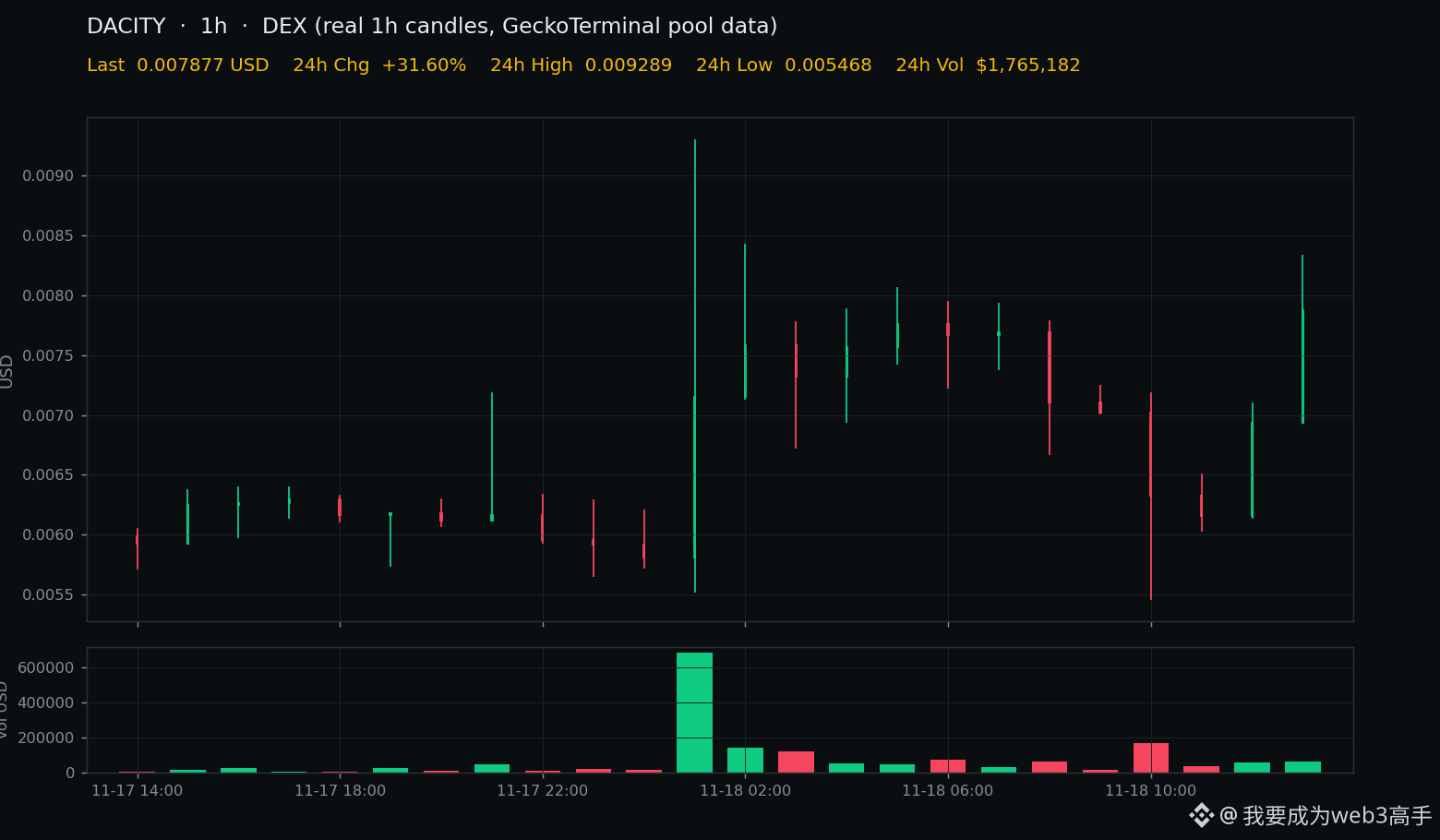
$DACITY is up 35% in a day, with a 25% surge in just the past hour. GTA6 launches tomorrow, and people have dug up that plane with DacityCoin printed on it from the trailer to hype it again. To be clear: this coin has absolutely no connection to Rockstar; it’s purely a community riding the hype. On the day the trailer dropped in October, it surged 29x in an hour, then gave back half its gains. Market cap: $7.6 million. Smart money net inflows on Solana rank first today, at $24,000. Once the game launches tomorrow, will they keep hyping it or sell the news? Keep an eye on it.
$DACITY is up 35% in a day, with a 25% surge in just the past hour. GTA6 launches tomorrow, and people have dug up that plane with DacityCoin printed on it from the trailer to hype it again. To be clear: this coin has absolutely no connection to Rockstar; it’s purely a community riding the hype. On the day the trailer dropped in October, it surged 29x in an hour, then gave back half its gains. Market cap: $7.6 million. Smart money net inflows on Solana rank first today, at $24,000. Once the game launches tomorrow, will they keep hyping it or sell the news? Keep an eye on it.
78
·
--
U.S. spot Bitcoin ETFs finally saw net inflows yesterday: $7.9 million. Not a big number, but it was the first day of inflows after seven straight trading days of outflows. BlackRock’s IBIT brought in $76.5 million, while Grayscale’s GBTC continued to see outflows, shedding $34.6 million. Selling pressure hasn’t gone away; it just eased for a moment. Last week, total outflows reached $1.07 billion.
Bitcoin is now at $64,700, down 0.5% over the past 24 hours, after dipping to a low of $63,336 last night. SOL is the strongest today, up 2.9% to $75.25, making it the only major coin to move higher. Glassnode says realized losses reached capitulation levels when the latest drop brought prices near $62,000. The $62,000–$66,000 range is the key zone for now. If the daily close falls below it, the next benchmark is the network-wide average cost basis of $53,700. TokenPost’s estimate is even more sobering: nearly half of Bitcoin in circulation is underwater, compared with less than a quarter at the end of September. The Fear and Greed Index is at 11, signaling extreme fear.
The $7.9 million figure doesn’t mean much on its own. If it tells us anything, it’s that the taut string of outflows relaxed a little. The market’s downward-driving forces haven’t changed over the past week: rate-hike expectations and a stronger dollar. Even Novogratz has changed his tune, saying a return to $90,000 by year-end is unlikely. What really matters is tonight: Nvidia’s earnings and the Fed minutes are due on the same day. Whichever one moves sentiment first could determine which way the $62,000–$66,000 range breaks. First, watch $65,447—the high for today. Let’s see if it can hold before looking further ahead.
$BTC $ETH $SOL
91
·
--
The market’s looking pretty interesting today: three of the four big coins are down, while $SOL is the only one going up.
Here’s the latest data from Binance: $BTC 64708, -0.46%; $ETH 1812, -1.52%; BNB 593, -0.36%; $SOL at 75.26, +2.9%.
There’s also some news. Yesterday at the Breakpoint conference in London, the Solana Foundation confirmed it had acquired a majority stake in CoinGecko. The price and exact percentage haven’t been disclosed. CoinGecko’s website and app may eventually offer Solana trading directly. Both CoinDesk and Unchained reported the news, so it’s not just a rumor.
What’s interesting is that the Fear and Greed Index is just 11 today—extreme fear. Everyone’s scared, but SOL has already taken a small step up. No idea how far it’ll go; let’s wait and see.
Trading involves risk. Invest with caution.
392
·
--
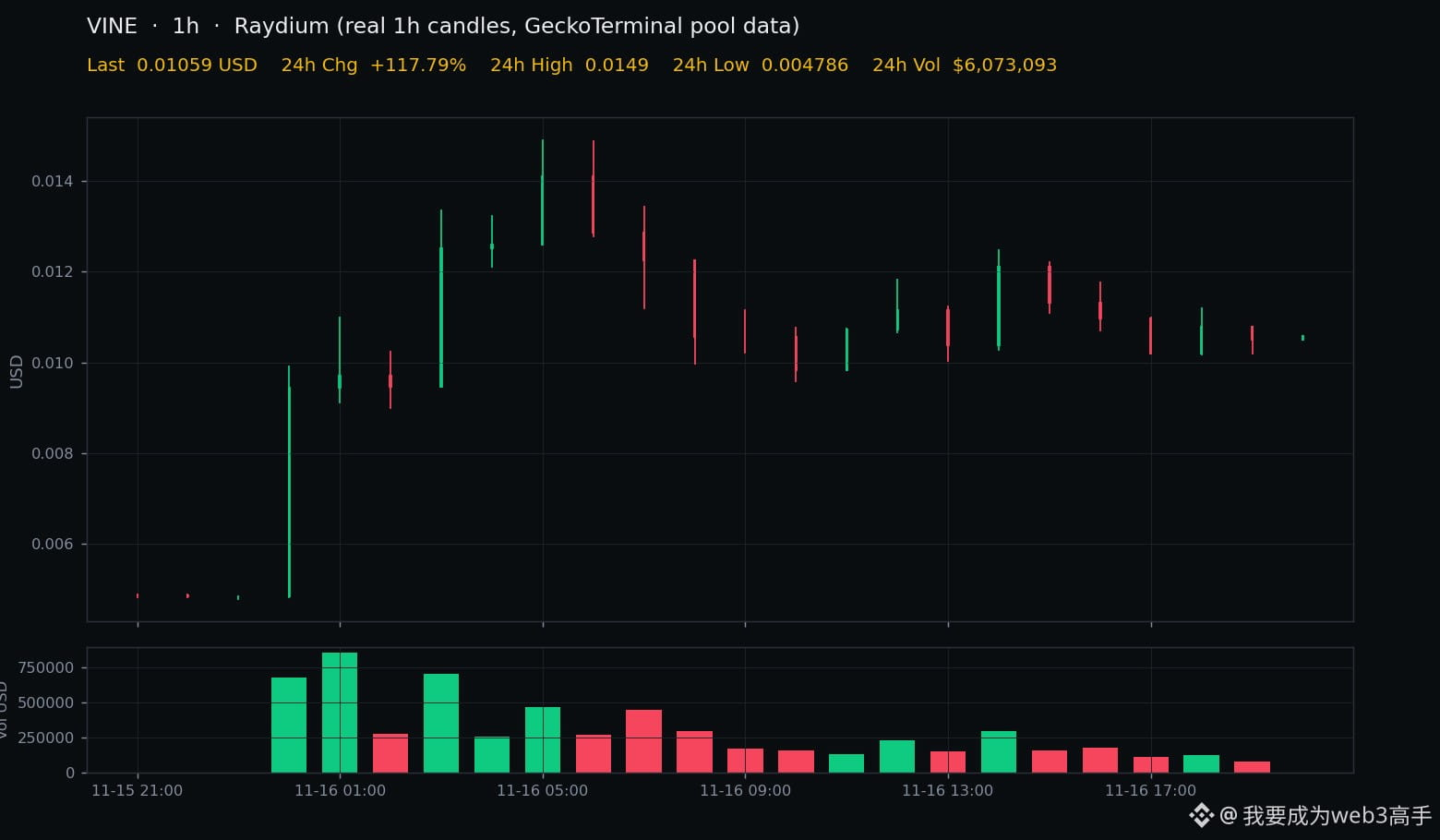
$VINE surged from 0.0044 to 0.0148 in one day, then fell back to 0.0106. X is once again hyping the old meme about Musk’s AI version of Vine, which has bounced from its all-time low. Volume is over $6 million, with more than 20,000 buys and 21,000 sells. It ranks first in smart-money net inflows, but that’s only $20,000 per address. It failed to break above 0.0123; the downside target is 0.0094, then 0.0063 if that level breaks.
$VINE surged from 0.0044 to 0.0148 in one day, then fell back to 0.0106. X is once again hyping the old meme about Musk’s AI version of Vine, which has bounced from its all-time low. Volume is over $6 million, with more than 20,000 buys and 21,000 sells. It ranks first in smart-money net inflows, but that’s only $20,000 per address. It failed to break above 0.0123; the downside target is 0.0094, then 0.0063 if that level breaks.
156
Log in to explore more content
Join global crypto users on Binance Square
⚡️ Get latest and useful information about crypto.
💬 Trusted by the world’s largest crypto exchange.
👍 Discover real insights from verified creators.
Email / Phone number
Trending Topics
NvidiaLoses$2.7TrillionInMonthAndAHalf
16,059 views
111 Discussing
Nvidia’s $2.7 Trillion Wipeout: When Narrative Overrides Numbers 📉
Crypto With Faisal
·7 Likes
·5k views
CanBTCReboundAfterFallingBelow60K?
728,345 views
2,918 Discussing
GlobalStocksFaceLongestLosingStreakSince2023
263,476 views
1,958 Discussing