

Zuyche
60 Posts

Zuyche
Report
Block User
Entérate al momento cuando los bancos venden dólares electrónicos. BCV, USDT y Binance en tiempo real Calcula comisiones. Descarga la App
Open Trade
1.3 Years
1 Following
92 Followers
130 Liked
Posts
Portfolio
·
--
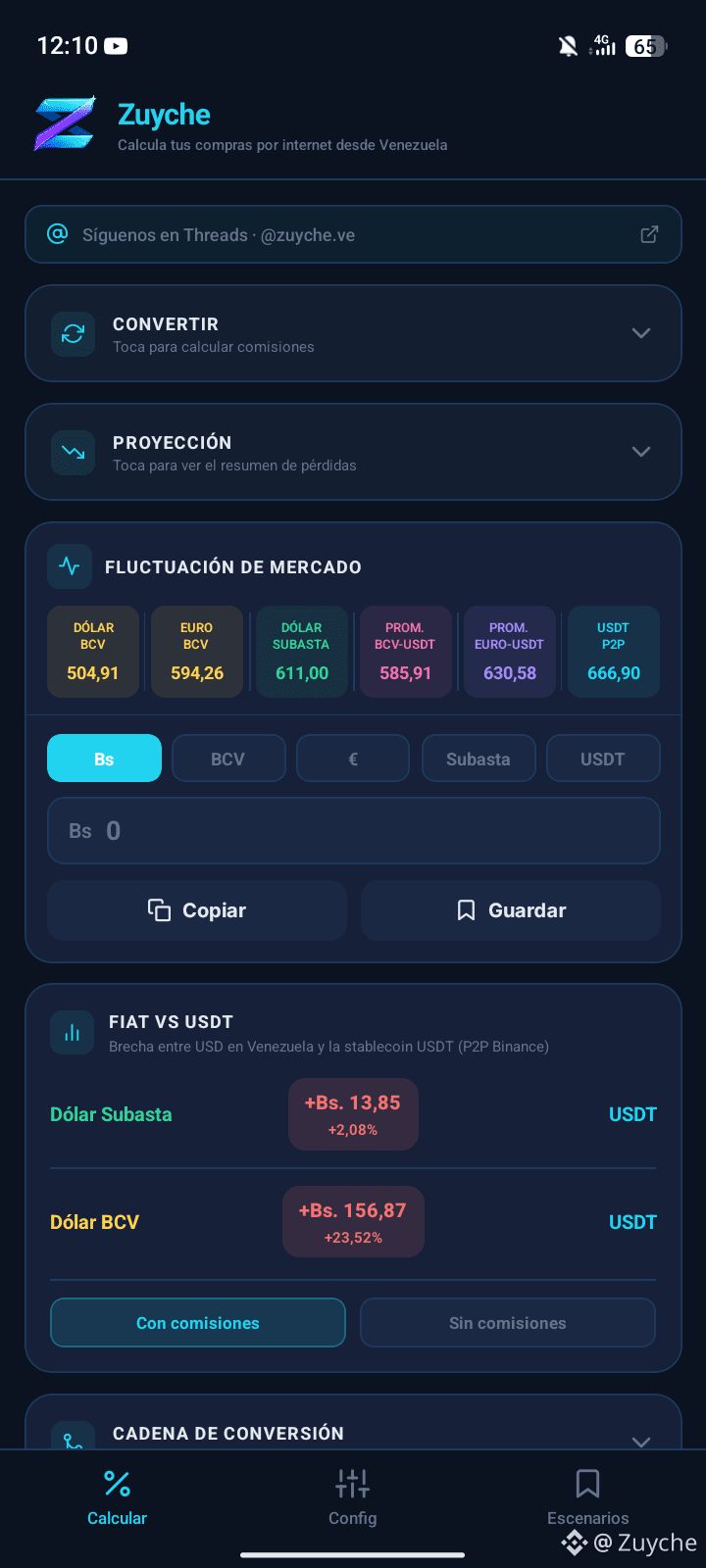
🙏✔️🩵 All set, I've managed to stabilize the app again. New features are dropping soon. Head over to Google Play Store and hit that update.
🙏✔️🩵 All set, I've managed to stabilize the app again. New features are dropping soon. Head over to Google Play Store and hit that update.
30
·
--
Donald Trump recently stated that Venezuela is now "a very happy country" and that citizens are "dancing in the streets" thanks to the cash flow from American oil companies. Do you agree that Venezuela is currently "a very happy country"?
Donald Trump recently stated that Venezuela is now "a very happy country" and that citizens are "dancing in the streets" thanks to the cash flow from American oil companies. Do you agree that Venezuela is currently "a very happy country"?
94
·
--
How is the "famous" Binance P2P USDT Rate calculated?
Imagine you want to know what the USDT dollar is worth in Venezuela today. There isn't just one price: on Binance, there are dozens of folks selling USDT at the same time, each at whatever price they feel like. Some sell cheap because they need cash fast, others sell at crazy prices hoping to catch an unsuspecting buyer, and a few are outright scammers. What Zuyche does is enter that marketplace, look at all those sellers, and pull a single honest number that represents what USDT really costs at that moment.
First, we ask Binance for the 20 sellers offering USDT for bolívares — that's the max we can see. From those 20, we filter out the junk: sellers with blocked accounts, those who paid to appear at the top (ads), those who fulfill less than 95% of the time when someone buys from them (i.e., they accept orders and then ghost), and those who have only completed a few trades in the month (small accounts that don’t reflect real market activity, just noise). This cleanup eliminates the baiters: people who post outrageous prices just to grab attention knowing they’re unlikely to close a deal.
With the ones who survive the filter — let’s say ten serious sellers remain — we sort them from the cheapest to the most expensive and discard the extremes: we toss the two lowest and the two highest prices. Why? Because even among the serious ones, the extremes tend to be rare cases (someone in a hurry, someone testing their luck) and don't represent the true market price. We stick with the middle block, where most of the money is actually flowing. We take the simple average of those six in the middle, round it to two decimals, and that’s the number you see in the Zuyche app.
In summary: we don't show you the price of a single seller (which could be a scam), we show you the average from the center of the market among sellers with good track records, after filtering out the sketchy ones and the extremes.
How is the "famous" Binance P2P USDT Rate calculated?
Imagine you want to know what the USDT dollar is worth in Venezuela today. There isn't just one price: on Binance, there are dozens of folks selling USDT at the same time, each at whatever price they feel like. Some sell cheap because they need cash fast, others sell at crazy prices hoping to catch an unsuspecting buyer, and a few are outright scammers. What Zuyche does is enter that marketplace, look at all those sellers, and pull a single honest number that represents what USDT really costs at that moment.
First, we ask Binance for the 20 sellers offering USDT for bolívares — that's the max we can see. From those 20, we filter out the junk: sellers with blocked accounts, those who paid to appear at the top (ads), those who fulfill less than 95% of the time when someone buys from them (i.e., they accept orders and then ghost), and those who have only completed a few trades in the month (small accounts that don’t reflect real market activity, just noise). This cleanup eliminates the baiters: people who post outrageous prices just to grab attention knowing they’re unlikely to close a deal.
With the ones who survive the filter — let’s say ten serious sellers remain — we sort them from the cheapest to the most expensive and discard the extremes: we toss the two lowest and the two highest prices. Why? Because even among the serious ones, the extremes tend to be rare cases (someone in a hurry, someone testing their luck) and don't represent the true market price. We stick with the middle block, where most of the money is actually flowing. We take the simple average of those six in the middle, round it to two decimals, and that’s the number you see in the Zuyche app.
In summary: we don't show you the price of a single seller (which could be a scam), we show you the average from the center of the market among sellers with good track records, after filtering out the sketchy ones and the extremes.
Imagine you want to know what the USDT dollar is worth in Venezuela today. There isn't just one price: on Binance, there are dozens of folks selling USDT at the same time, each at whatever price they feel like. Some sell cheap because they need cash fast, others sell at crazy prices hoping to catch an unsuspecting buyer, and a few are outright scammers. What Zuyche does is enter that marketplace, look at all those sellers, and pull a single honest number that represents what USDT really costs at that moment.
First, we ask Binance for the 20 sellers offering USDT for bolívares — that's the max we can see. From those 20, we filter out the junk: sellers with blocked accounts, those who paid to appear at the top (ads), those who fulfill less than 95% of the time when someone buys from them (i.e., they accept orders and then ghost), and those who have only completed a few trades in the month (small accounts that don’t reflect real market activity, just noise). This cleanup eliminates the baiters: people who post outrageous prices just to grab attention knowing they’re unlikely to close a deal.
With the ones who survive the filter — let’s say ten serious sellers remain — we sort them from the cheapest to the most expensive and discard the extremes: we toss the two lowest and the two highest prices. Why? Because even among the serious ones, the extremes tend to be rare cases (someone in a hurry, someone testing their luck) and don't represent the true market price. We stick with the middle block, where most of the money is actually flowing. We take the simple average of those six in the middle, round it to two decimals, and that’s the number you see in the Zuyche app.
In summary: we don't show you the price of a single seller (which could be a scam), we show you the average from the center of the market among sellers with good track records, after filtering out the sketchy ones and the extremes.
25
2
13
9.8k
·
--
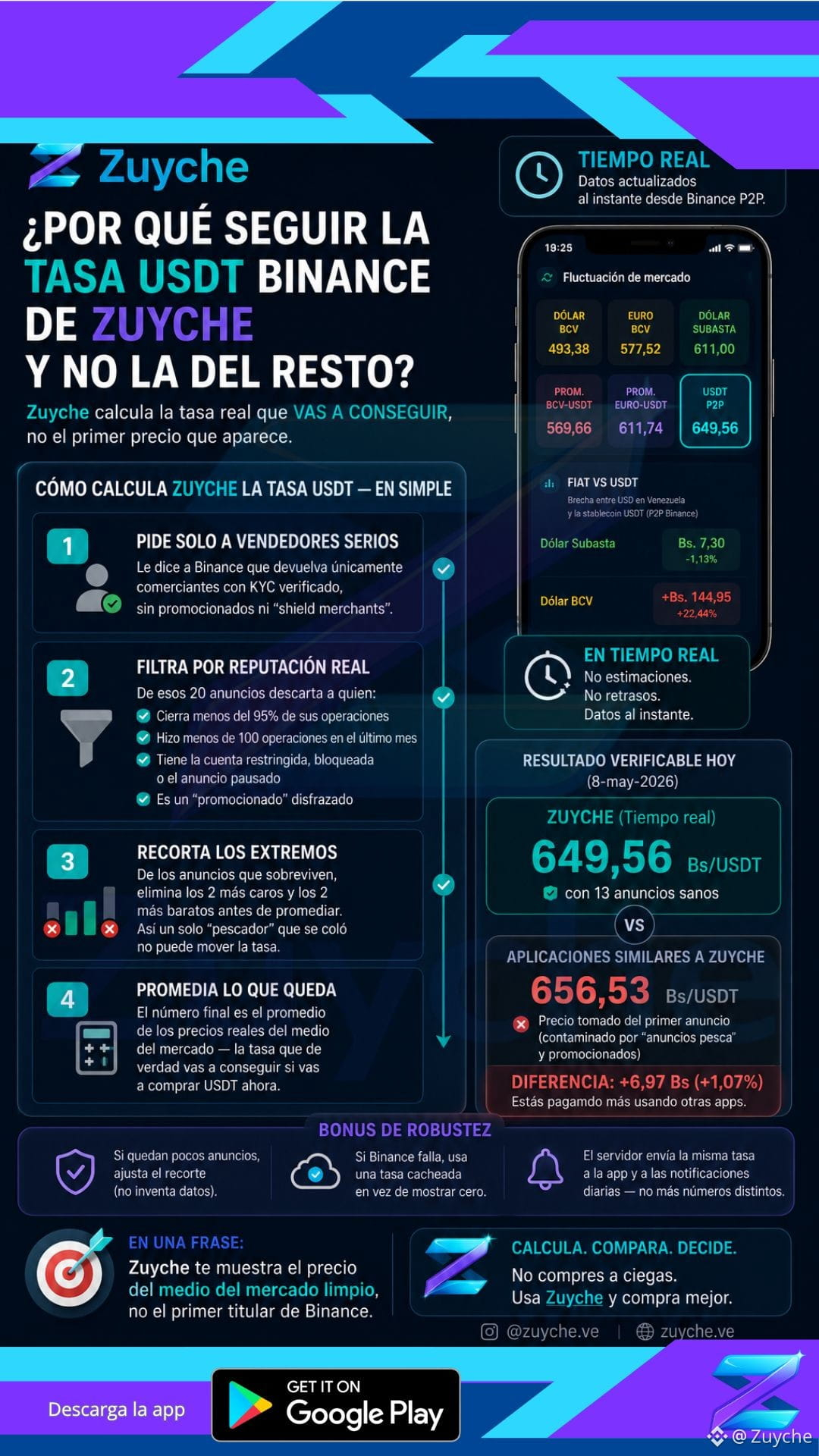
Many apps show the USDT rate by taking the first price that appears on Binance P2P.
The issue is that many of those listings have fake, promoted, or unrealistic prices to grab attention or manipulate the market.
That's why you end up paying more.
Zuyche operates differently:
• Filters real and verified sellers
• Eliminates misleading ads
• Discards extremely high or low prices
• Calculates the true market average
• All in real-time
That's why Zuyche shows a rate closer to what you’ll actually get when buying USDT.
Today for example:
• Zuyche: 649.56 Bs
• Other similar apps: 656.53 Bs
Difference: you’re paying more using other apps.
Don’t buy blindly.
Use Zuyche.
Many apps show the USDT rate by taking the first price that appears on Binance P2P.
The issue is that many of those listings have fake, promoted, or unrealistic prices to grab attention or manipulate the market.
That's why you end up paying more.
Zuyche operates differently:
• Filters real and verified sellers
• Eliminates misleading ads
• Discards extremely high or low prices
• Calculates the true market average
• All in real-time
That's why Zuyche shows a rate closer to what you’ll actually get when buying USDT.
Today for example:
• Zuyche: 649.56 Bs
• Other similar apps: 656.53 Bs
Difference: you’re paying more using other apps.
Don’t buy blindly.
Use Zuyche.
The issue is that many of those listings have fake, promoted, or unrealistic prices to grab attention or manipulate the market.
That's why you end up paying more.
Zuyche operates differently:
• Filters real and verified sellers
• Eliminates misleading ads
• Discards extremely high or low prices
• Calculates the true market average
• All in real-time
That's why Zuyche shows a rate closer to what you’ll actually get when buying USDT.
Today for example:
• Zuyche: 649.56 Bs
• Other similar apps: 656.53 Bs
Difference: you’re paying more using other apps.
Don’t buy blindly.
Use Zuyche.
2
·
--
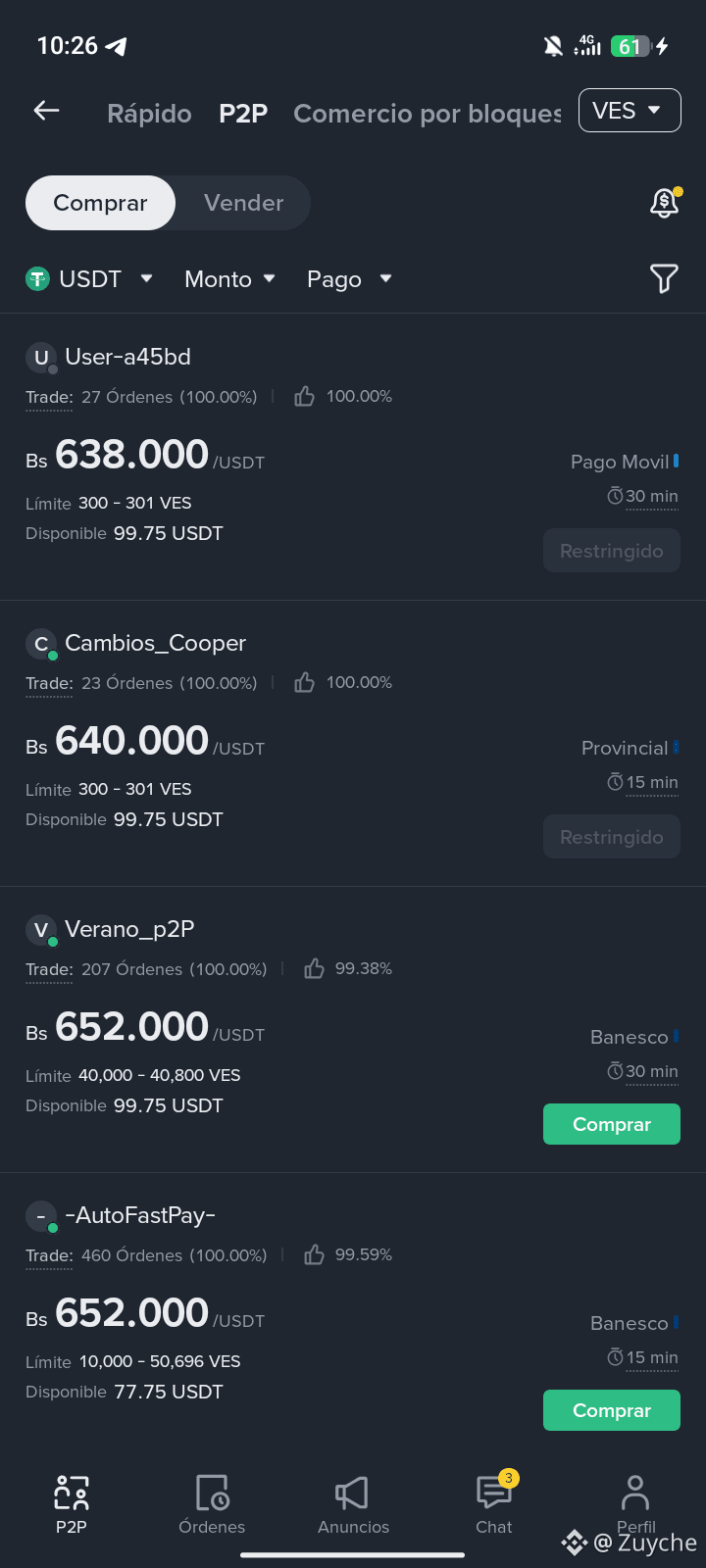
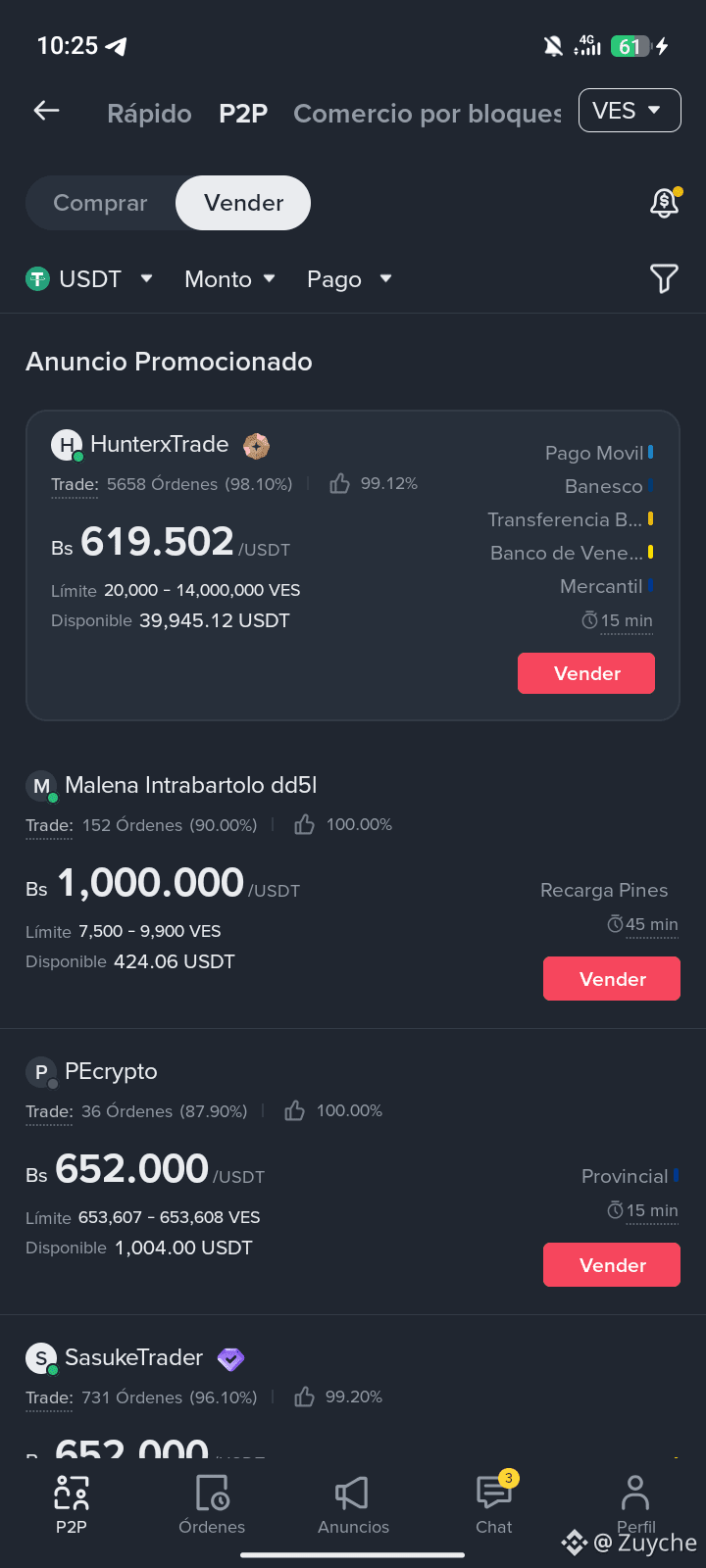
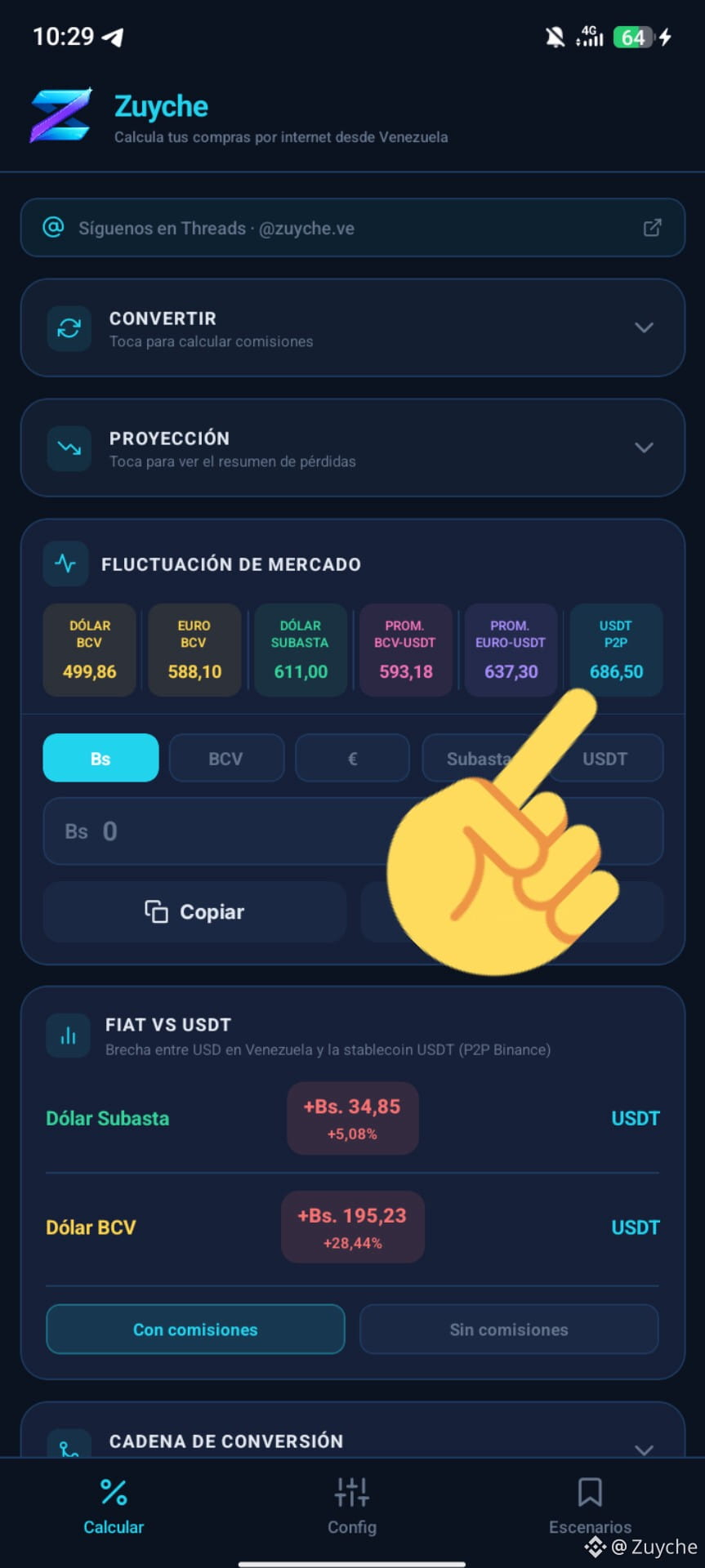
🚨🚨🚨🚨 ALERT: Malicious users have been detected on the Binance platform manipulating the buy and sell market for USDT in Venezuela. These traders are posting ads with prices far from reality and restricting trades, conditioning the position of the buyer or seller to a minimum of 1 BTC, which unfairly limits market participation. Exercise extreme caution.
🚨🚨🚨🚨 ALERT: Malicious users have been detected on the Binance platform manipulating the buy and sell market for USDT in Venezuela. These traders are posting ads with prices far from reality and restricting trades, conditioning the position of the buyer or seller to a minimum of 1 BTC, which unfairly limits market participation. Exercise extreme caution.
2
1
6
9.8k
·
--
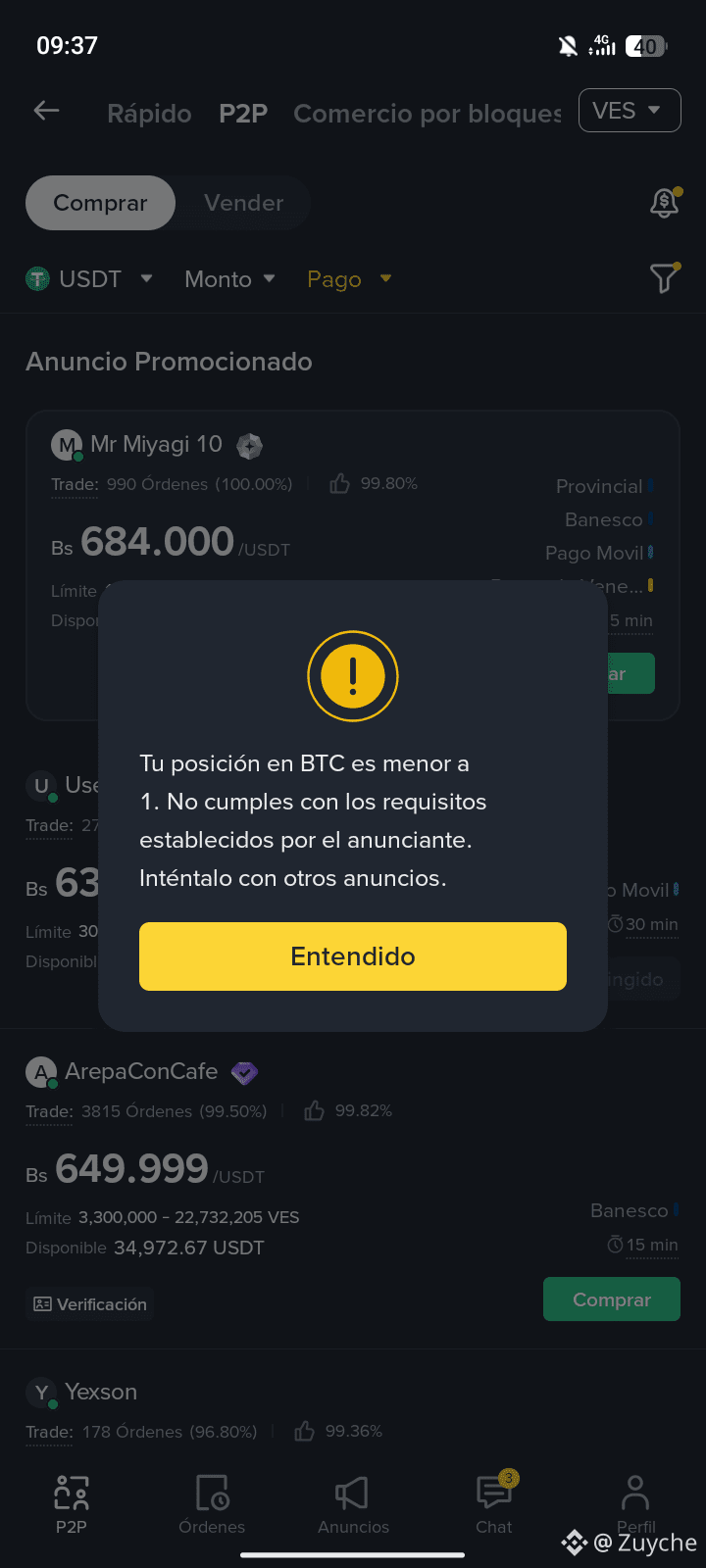
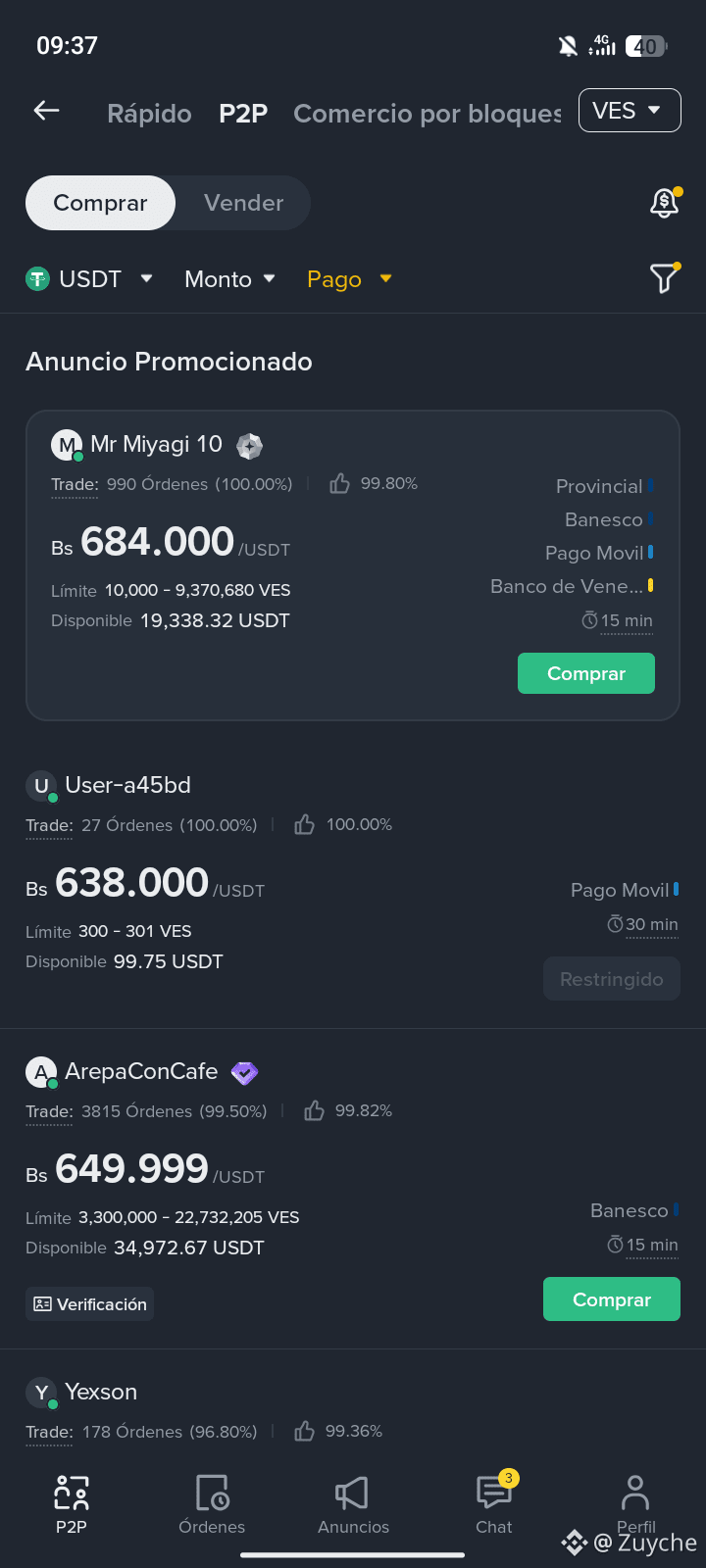
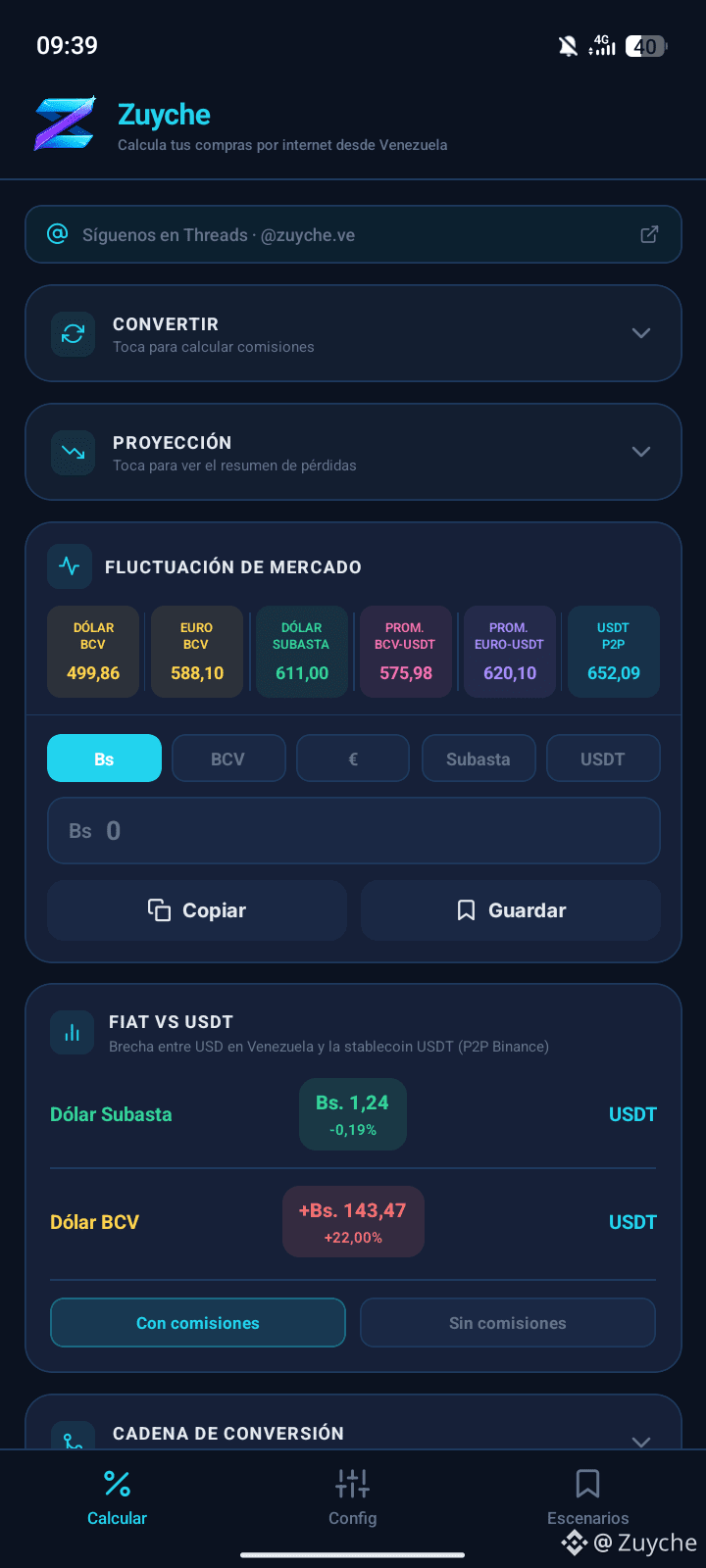
Clearly, this user is manipulating the buy and sell market for USDT. They post an ad at 638 bolívares, but restrict it only to those with a minimum position of 1 BTC, which is about $80,000. And all this just to sell 100 USDT. In Venezuela, no one looking to buy just 100 USDT is going to have that level of capital. So, what they're doing is distorting the reference price that we then use in conventional apps to calculate market rates. What do you think about this practice?
Clearly, this user is manipulating the buy and sell market for USDT. They post an ad at 638 bolívares, but restrict it only to those with a minimum position of 1 BTC, which is about $80,000. And all this just to sell 100 USDT. In Venezuela, no one looking to buy just 100 USDT is going to have that level of capital. So, what they're doing is distorting the reference price that we then use in conventional apps to calculate market rates. What do you think about this practice?
4
2
1.1k
·
--
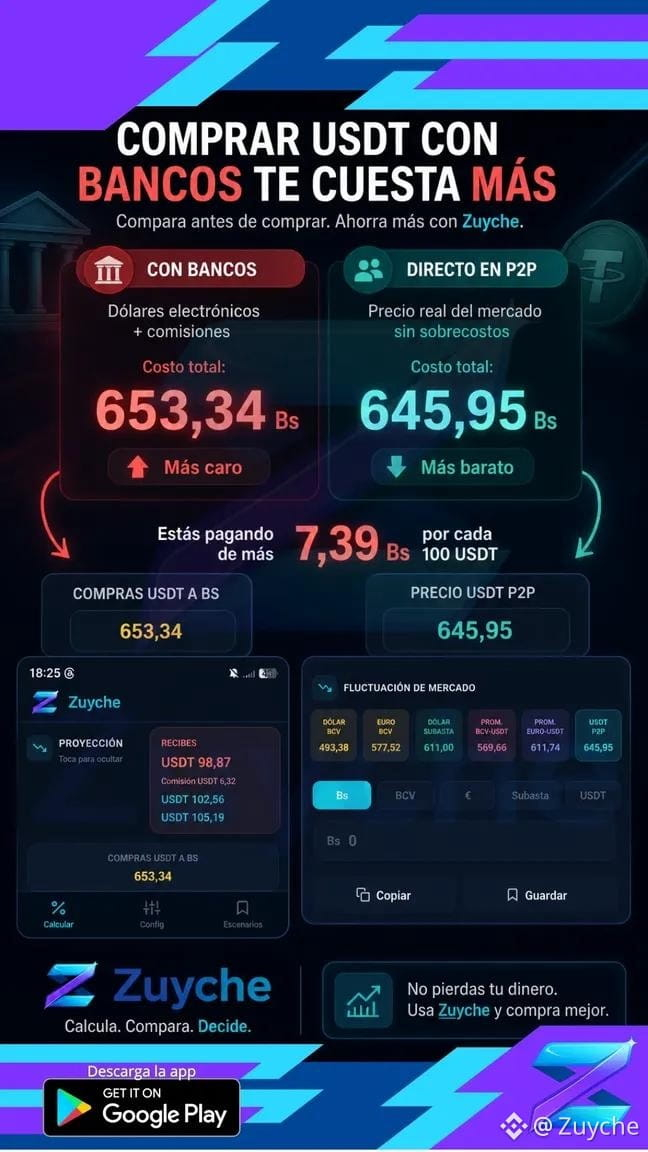
The game is over for 🚳. It's now pricier to buy USDT with Venezuelan bank cards than directly on BINANCE.
Buying USDT with electronic dollars from banks in Venezuela costs you today 653.34 Bs, while in P2P it's at 645.95 Bs.
Don’t go in blind. Calculate first with the ZUYCHE app.
#Zuyche #USDT #Venezuela #SmartFinance #Crypto P2P
The game is over for 🚳. It's now pricier to buy USDT with Venezuelan bank cards than directly on BINANCE.
Buying USDT with electronic dollars from banks in Venezuela costs you today 653.34 Bs, while in P2P it's at 645.95 Bs.
Don’t go in blind. Calculate first with the ZUYCHE app.
#Zuyche #USDT #Venezuela #SmartFinance #Crypto P2P
Buying USDT with electronic dollars from banks in Venezuela costs you today 653.34 Bs, while in P2P it's at 645.95 Bs.
Don’t go in blind. Calculate first with the ZUYCHE app.
#Zuyche #USDT #Venezuela #SmartFinance #Crypto P2P
2
9
·
--
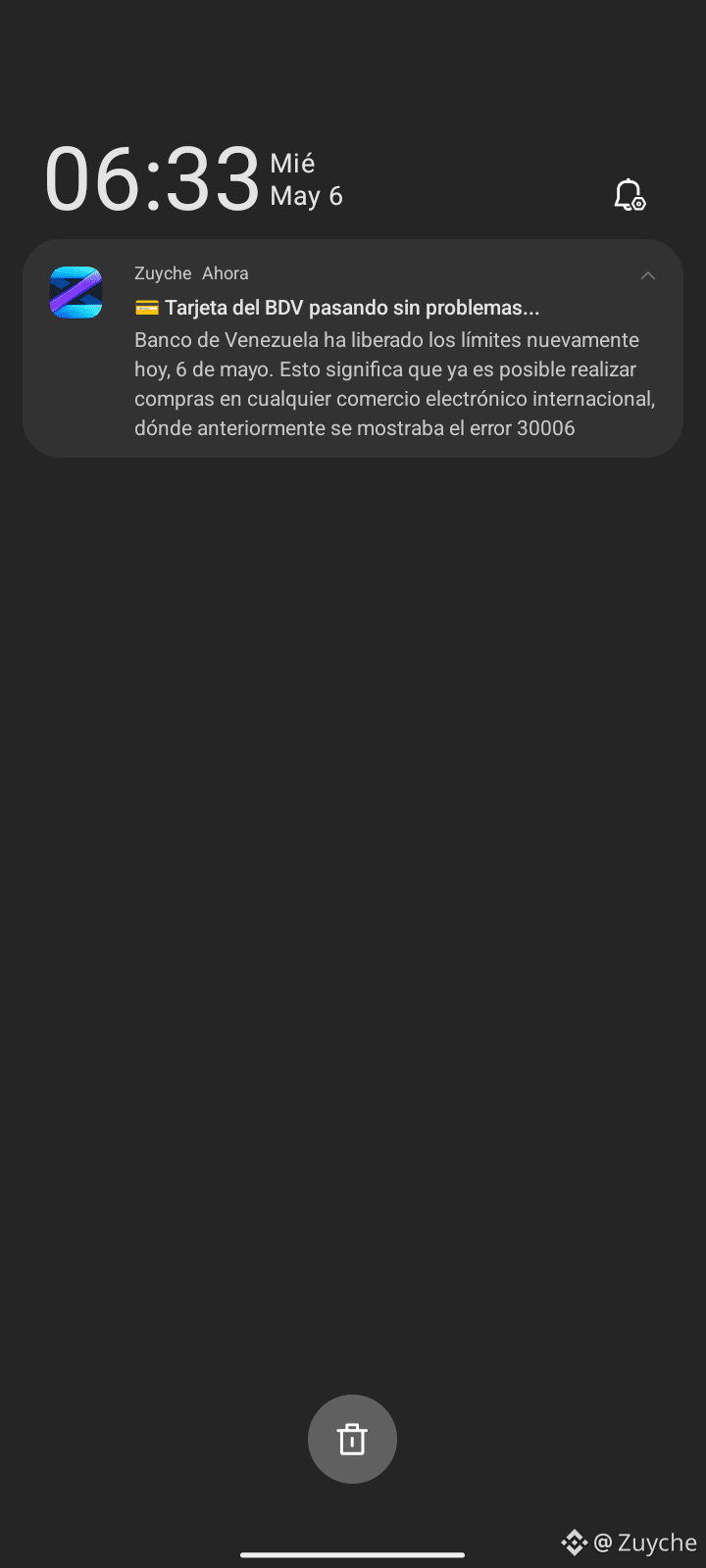
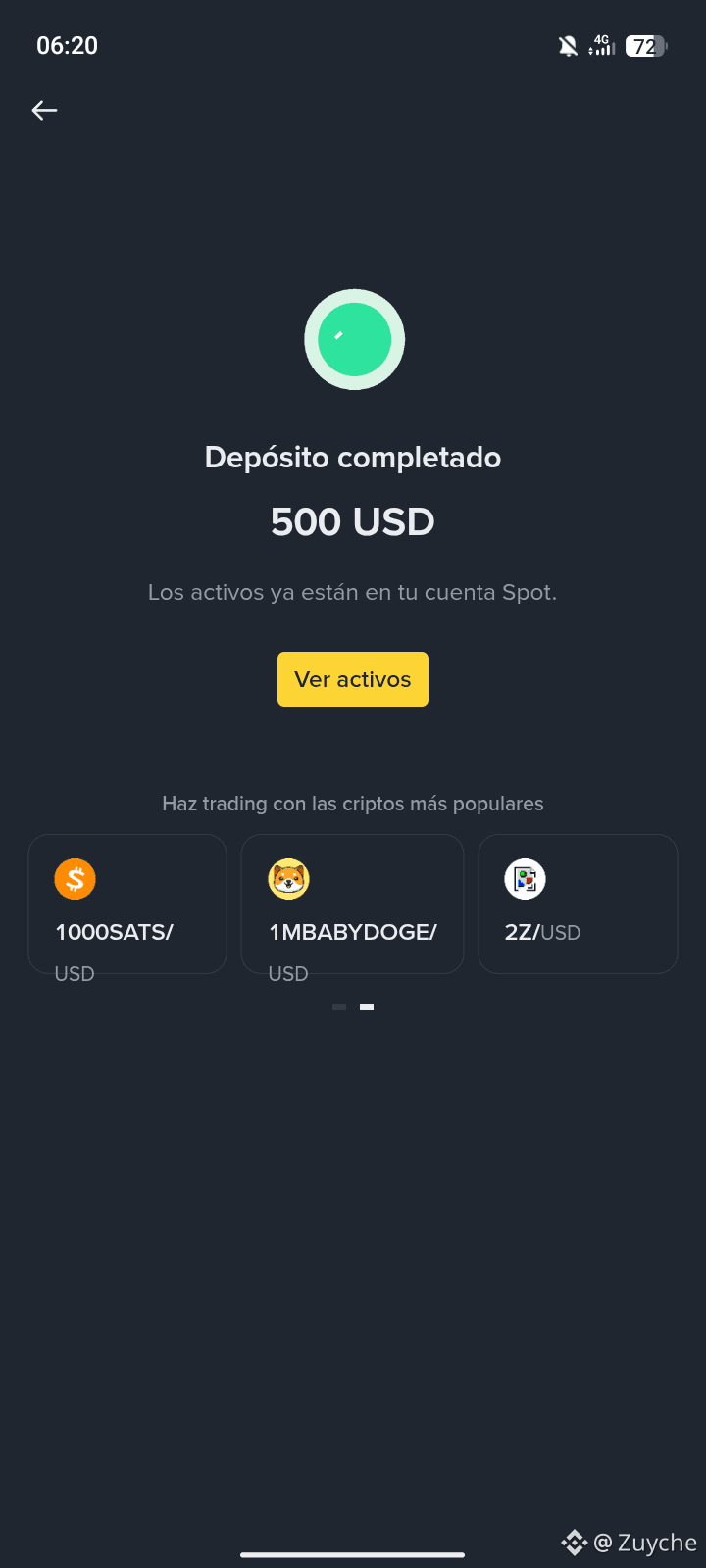
BDV Banco de Venezuela is lifting the limits again today, May 6, which means it's flowing through Binance Bpay without any issues. Finally! 🎉 For those who were getting card declines with error 30006. This also means it works at any other electronic point of sale. You can use your digital dollars without a hitch.
BDV Banco de Venezuela is lifting the limits again today, May 6, which means it's flowing through Binance Bpay without any issues. Finally! 🎉 For those who were getting card declines with error 30006. This also means it works at any other electronic point of sale. You can use your digital dollars without a hitch.
15
1
15
48.9k
·
--
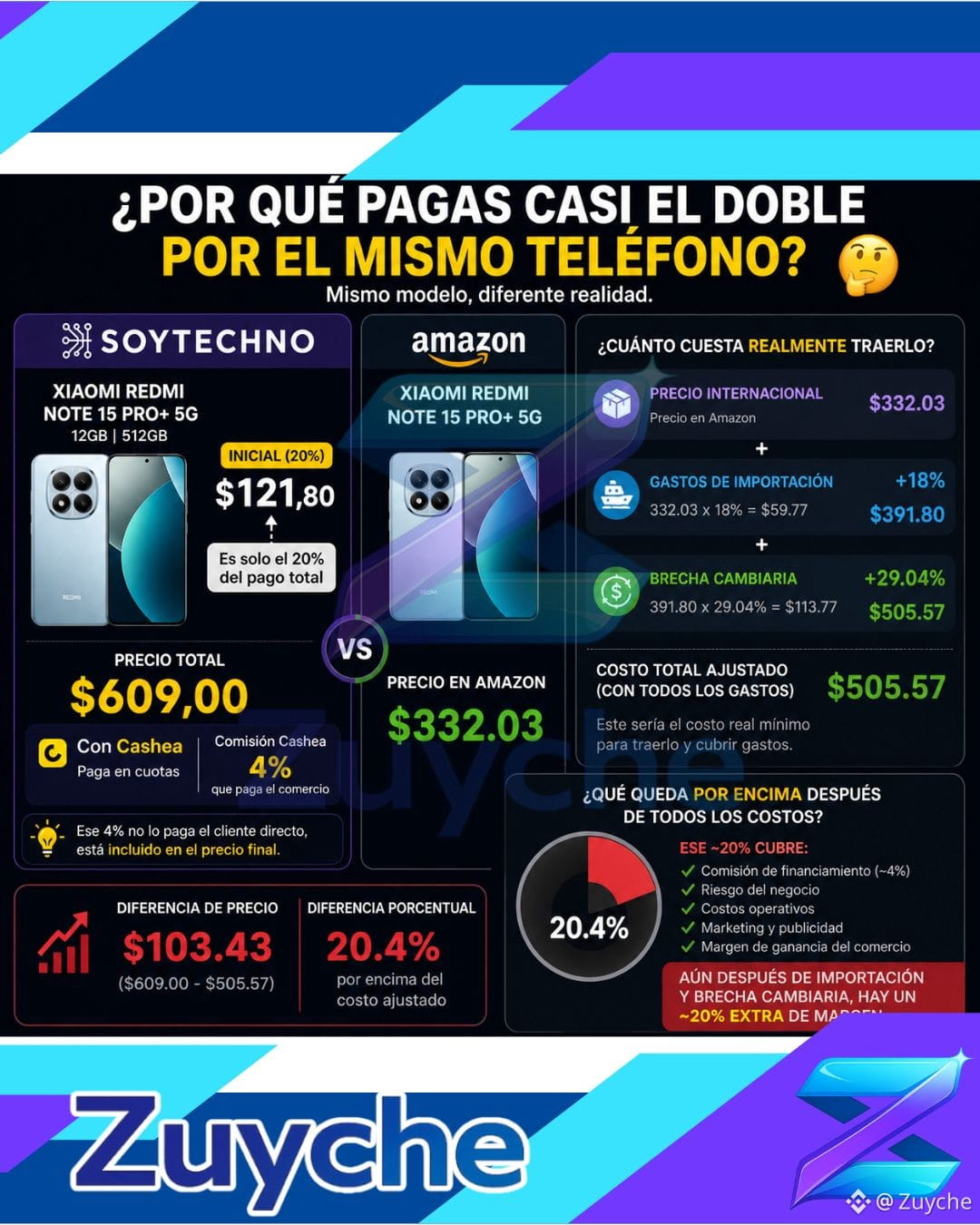
The not-so-clear part of buying with CASHEA: When you see "initial low" or "easy installments"... it seems like a win. But there's something almost nobody tells you: Financing does come at a cost. And that cost is already baked into the price. What does this mean in practice? The trader jacks up the price to cover the commission, adjusts the price to manage risk, and maintains that price for everyone.
• So here's the deal: If you buy in installments → you pay for the financing
And if you buy outright → you still pay for it > In other words: That 4% (or more) that CASHEA charges… it doesn't disappear, it doesn't get deducted, it's already included. Even if you don't use financing, you're paying a price designed for those who do. That's why, even after adding: import expenses, exchange rate gaps, and real costs: there's still an extra margin (more than 20%). You never see the real price of the product... You're looking at a price designed to make the installment seem "comfortable". And when the installment looks comfortable... often the price stops being comfortable.
The not-so-clear part of buying with CASHEA: When you see "initial low" or "easy installments"... it seems like a win. But there's something almost nobody tells you: Financing does come at a cost. And that cost is already baked into the price. What does this mean in practice? The trader jacks up the price to cover the commission, adjusts the price to manage risk, and maintains that price for everyone.
• So here's the deal: If you buy in installments → you pay for the financing
And if you buy outright → you still pay for it > In other words: That 4% (or more) that CASHEA charges… it doesn't disappear, it doesn't get deducted, it's already included. Even if you don't use financing, you're paying a price designed for those who do. That's why, even after adding: import expenses, exchange rate gaps, and real costs: there's still an extra margin (more than 20%). You never see the real price of the product... You're looking at a price designed to make the installment seem "comfortable". And when the installment looks comfortable... often the price stops being comfortable.
• So here's the deal: If you buy in installments → you pay for the financing
And if you buy outright → you still pay for it > In other words: That 4% (or more) that CASHEA charges… it doesn't disappear, it doesn't get deducted, it's already included. Even if you don't use financing, you're paying a price designed for those who do. That's why, even after adding: import expenses, exchange rate gaps, and real costs: there's still an extra margin (more than 20%). You never see the real price of the product... You're looking at a price designed to make the installment seem "comfortable". And when the installment looks comfortable... often the price stops being comfortable.
2
2
3.5k
·
--
The value of electronic dollars in Venezuela is pumping up.
The value of electronic dollars in Venezuela is pumping up.
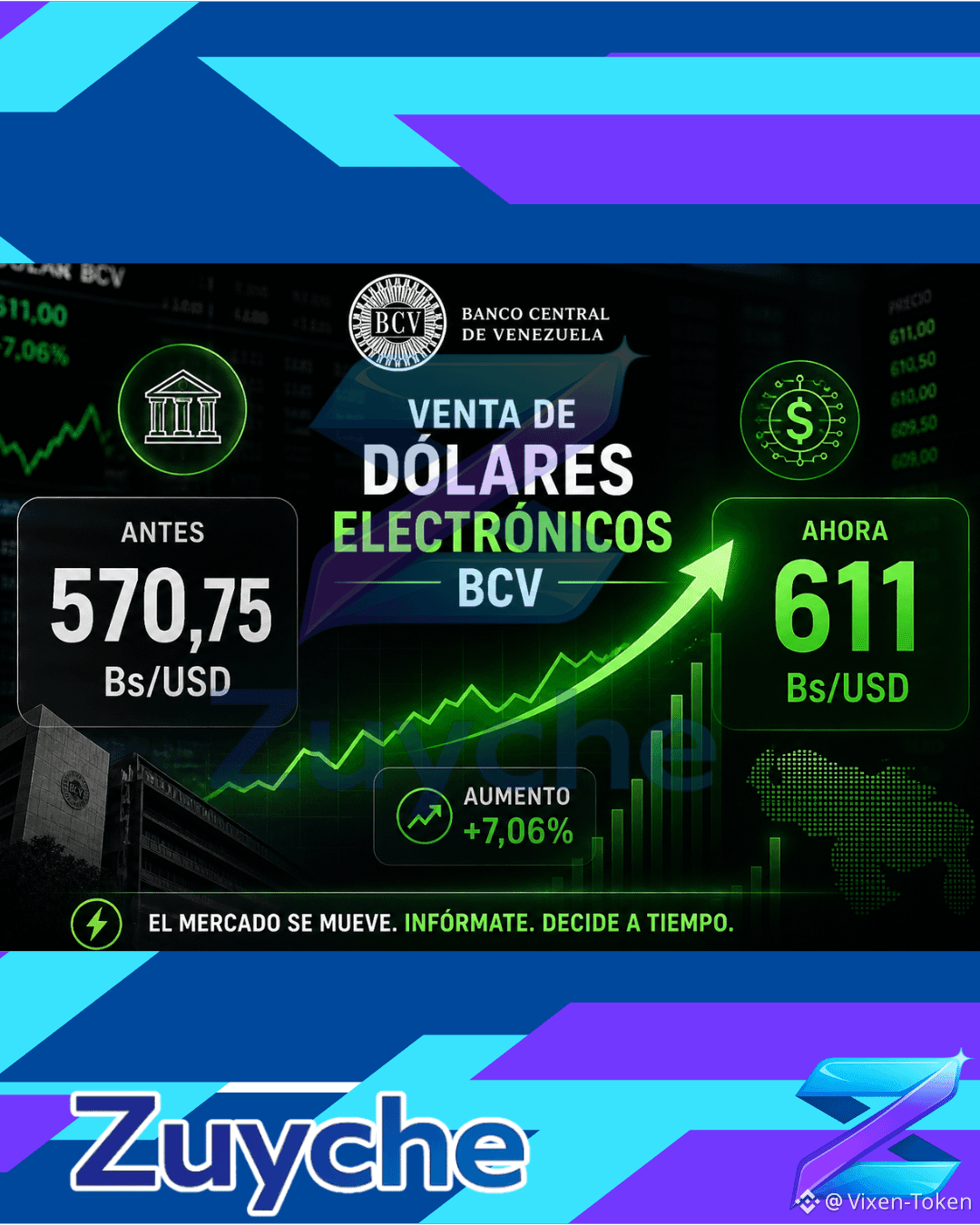
2
1.6k
·
--
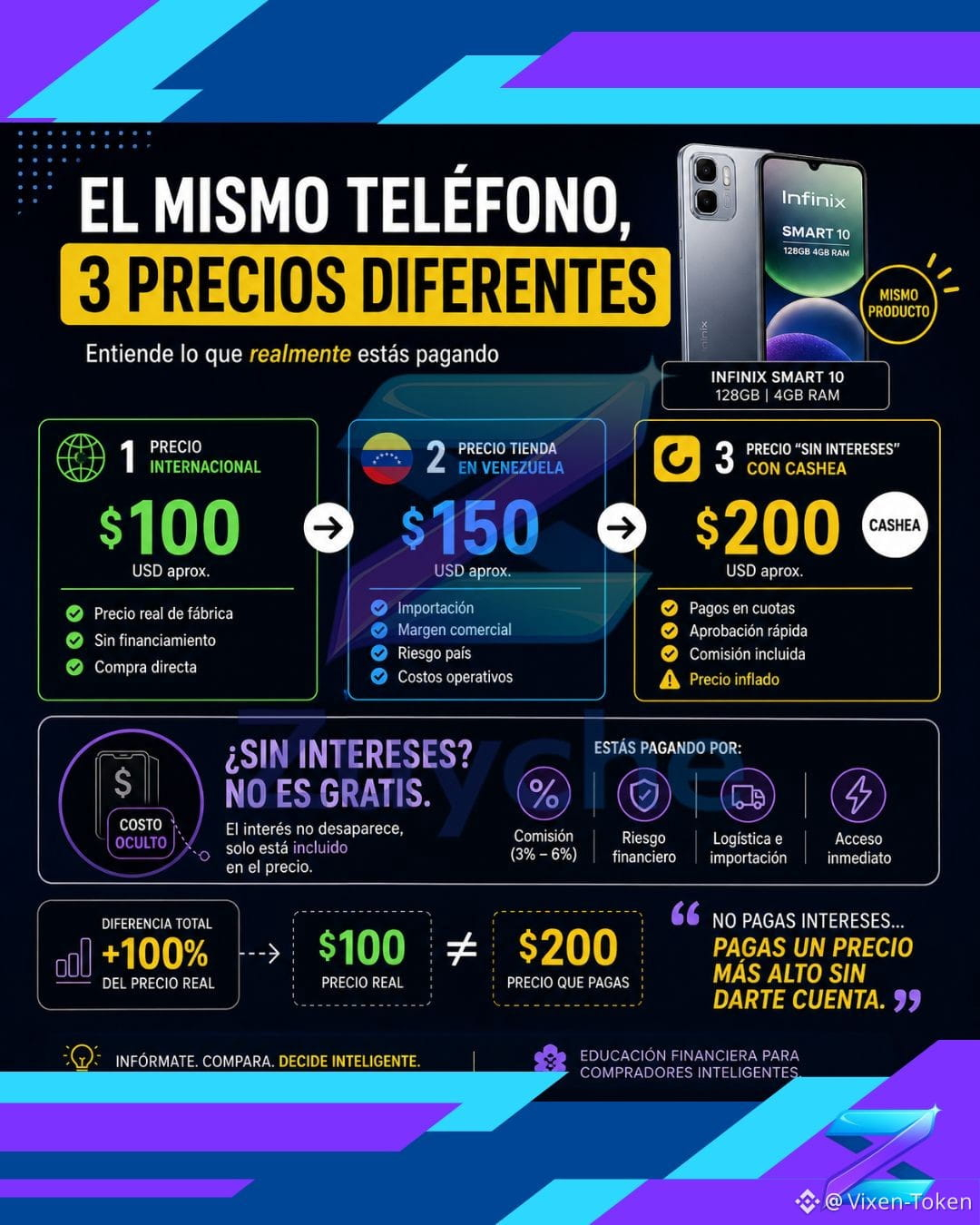
Does CASHEA really not charge INTEREST?
The reality: Cashea does charge...
but it's hidden in the product price. It's disguised interest. Yes, they charge interest... but not in the way you think.
Same phone
🌎 International: $100
🇻🇪 Store: $150
💳 Cashea "no interest": $200
So...
How does it really work? • The merchant pays a commission • The price adjusts upwards • You pay that adjustment without realizing it.
You don’t pay monthly interest...
you pay a higher price from the get-go.
Clear example:
You pay $200 for something worth $100.
That’s financing too, just in disguise.
It’s neither good nor bad...
but you need to understand it before buying.
Save this before making purchases on credit.
Comment: Is this convenience or a markup?
Follow us to understand money without filters.
#Zuyche #Cashea #PersonalFinance #FinancialEducation #SmartShopping Money Latam FinancialMindset NoInterest RealEconomy
Does CASHEA really not charge INTEREST?
The reality: Cashea does charge...
but it's hidden in the product price. It's disguised interest. Yes, they charge interest... but not in the way you think.
Same phone
🌎 International: $100
🇻🇪 Store: $150
💳 Cashea "no interest": $200
So...
How does it really work? • The merchant pays a commission • The price adjusts upwards • You pay that adjustment without realizing it.
You don’t pay monthly interest...
you pay a higher price from the get-go.
Clear example:
You pay $200 for something worth $100.
That’s financing too, just in disguise.
It’s neither good nor bad...
but you need to understand it before buying.
Save this before making purchases on credit.
Comment: Is this convenience or a markup?
Follow us to understand money without filters.
#Zuyche #Cashea #PersonalFinance #FinancialEducation #SmartShopping Money Latam FinancialMindset NoInterest RealEconomy
The reality: Cashea does charge...
but it's hidden in the product price. It's disguised interest. Yes, they charge interest... but not in the way you think.
Same phone
🌎 International: $100
🇻🇪 Store: $150
💳 Cashea "no interest": $200
So...
How does it really work? • The merchant pays a commission • The price adjusts upwards • You pay that adjustment without realizing it.
You don’t pay monthly interest...
you pay a higher price from the get-go.
Clear example:
You pay $200 for something worth $100.
That’s financing too, just in disguise.
It’s neither good nor bad...
but you need to understand it before buying.
Save this before making purchases on credit.
Comment: Is this convenience or a markup?
Follow us to understand money without filters.
#Zuyche #Cashea #PersonalFinance #FinancialEducation #SmartShopping Money Latam FinancialMindset NoInterest RealEconomy
33
4
22
16.6k
·
--
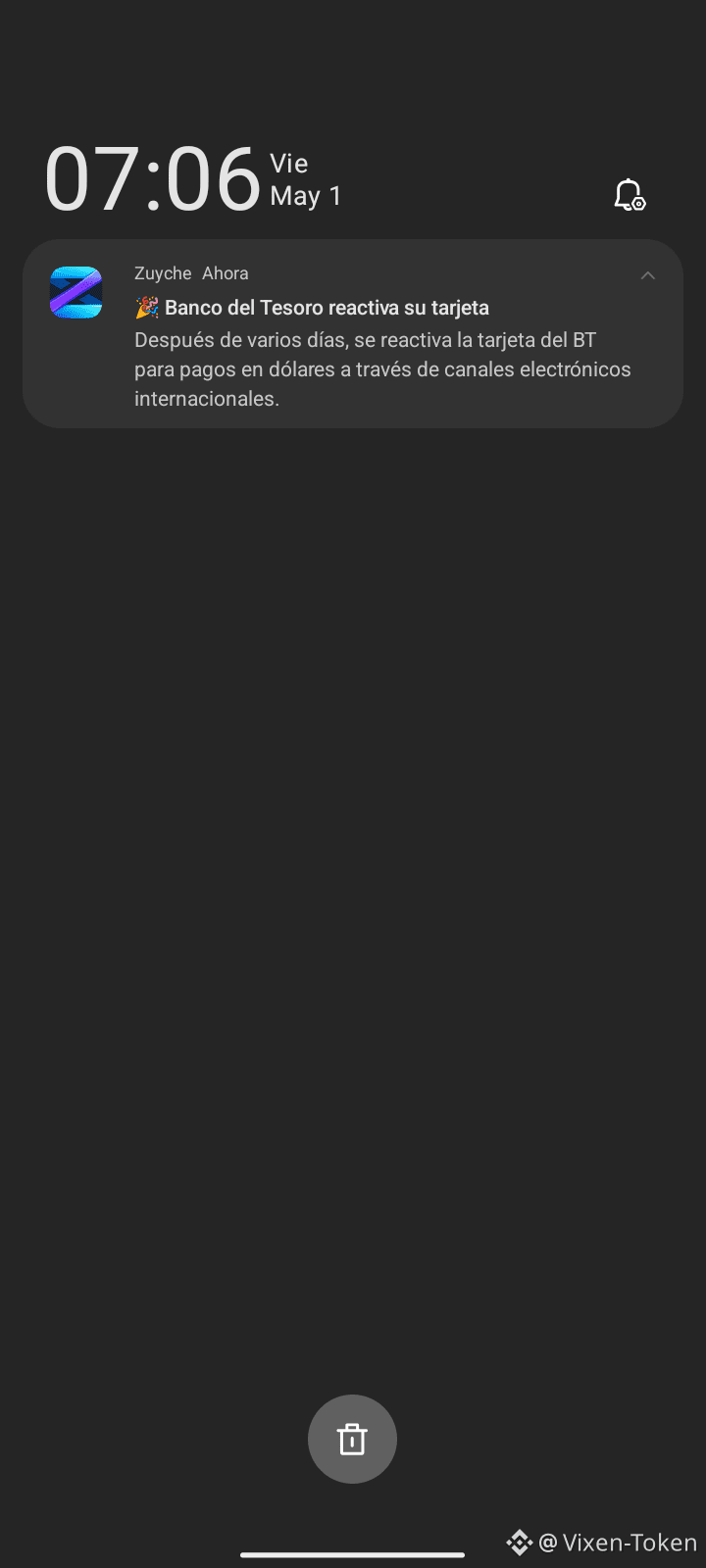
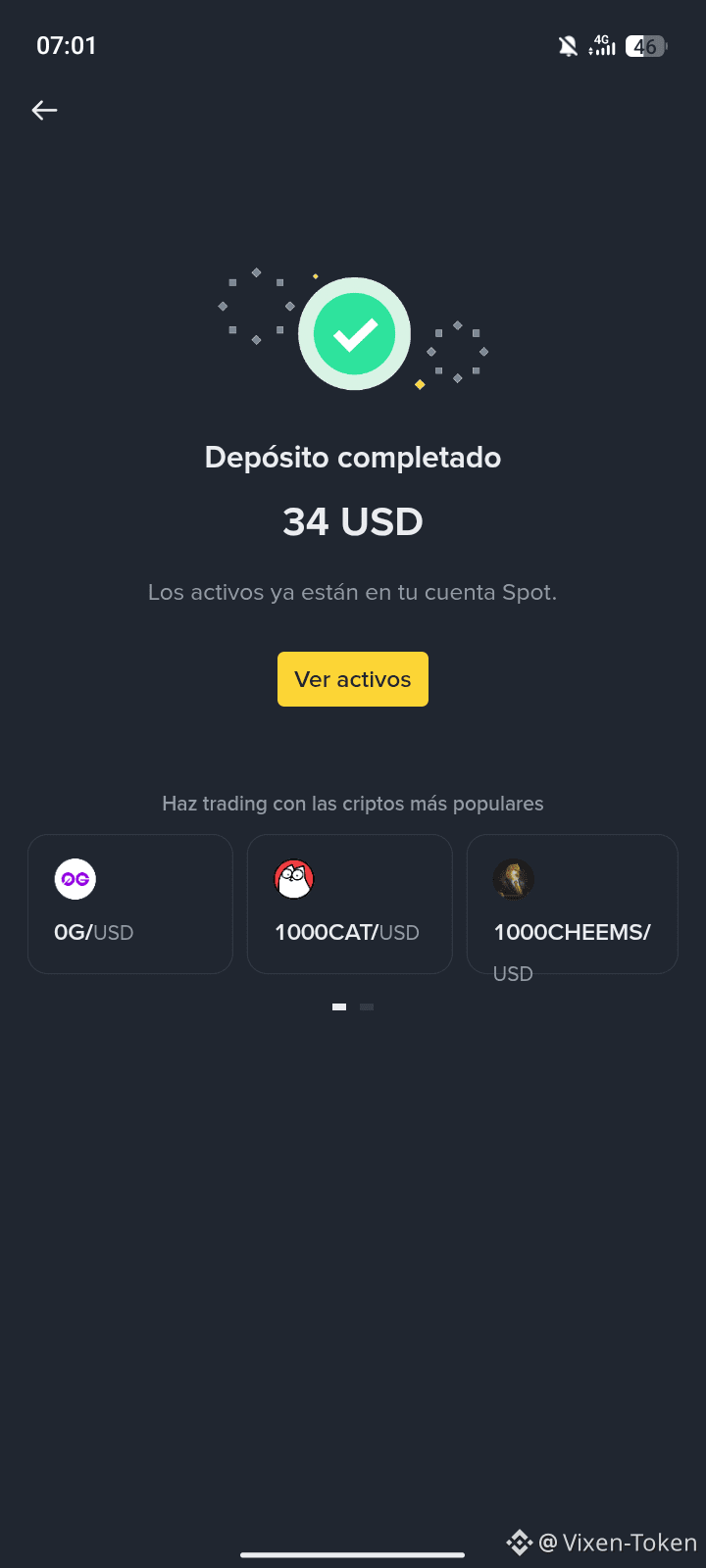
Treasury Bank (BT) is back in the game with its dollar payment card, enabling international electronic transactions after several days of downtime.
Treasury Bank (BT) is back in the game with its dollar payment card, enabling international electronic transactions after several days of downtime.
1
1.3k
·
--
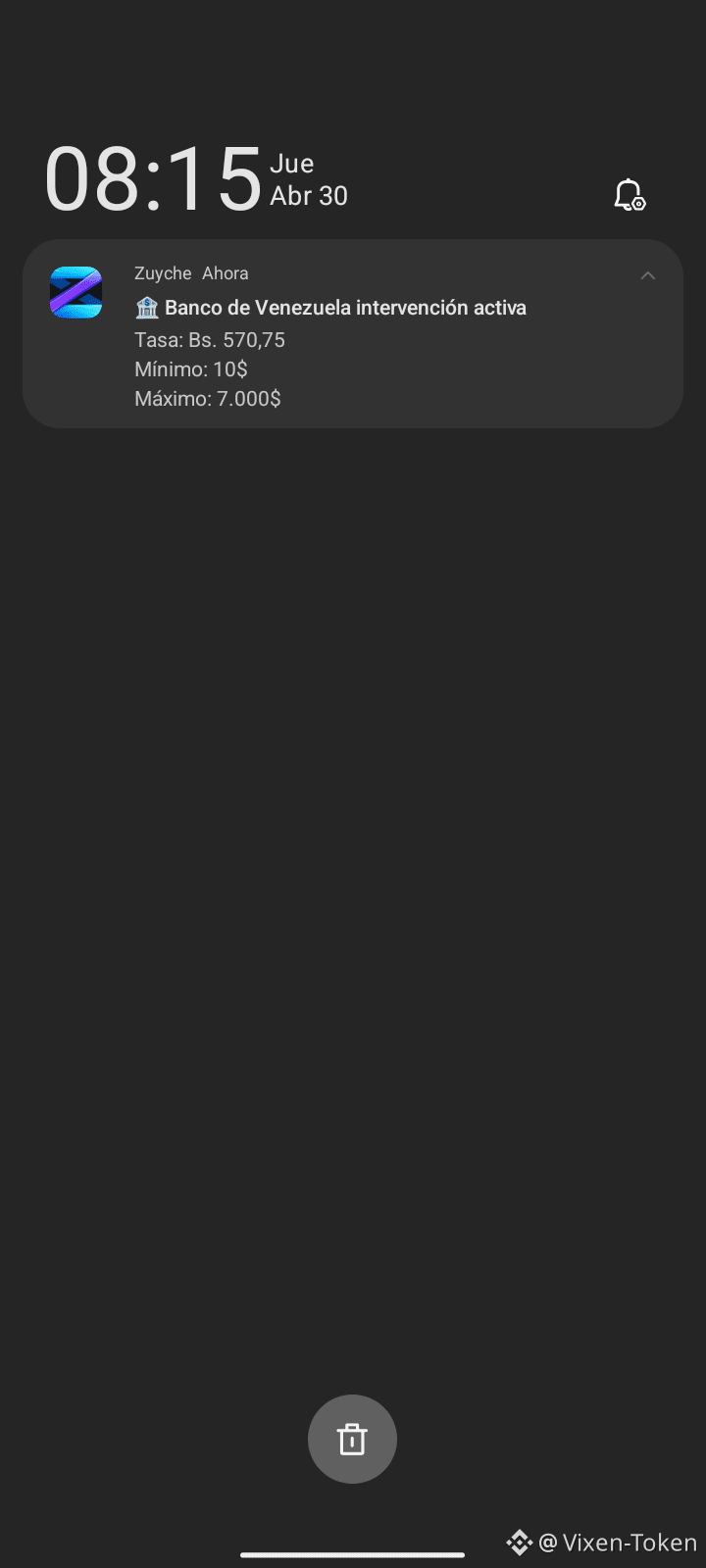
30/04: Banco de Venezuela is activating electronic dollar sales at this hour.
30/04: Banco de Venezuela is activating electronic dollar sales at this hour.
5
5
5.1k
·
--
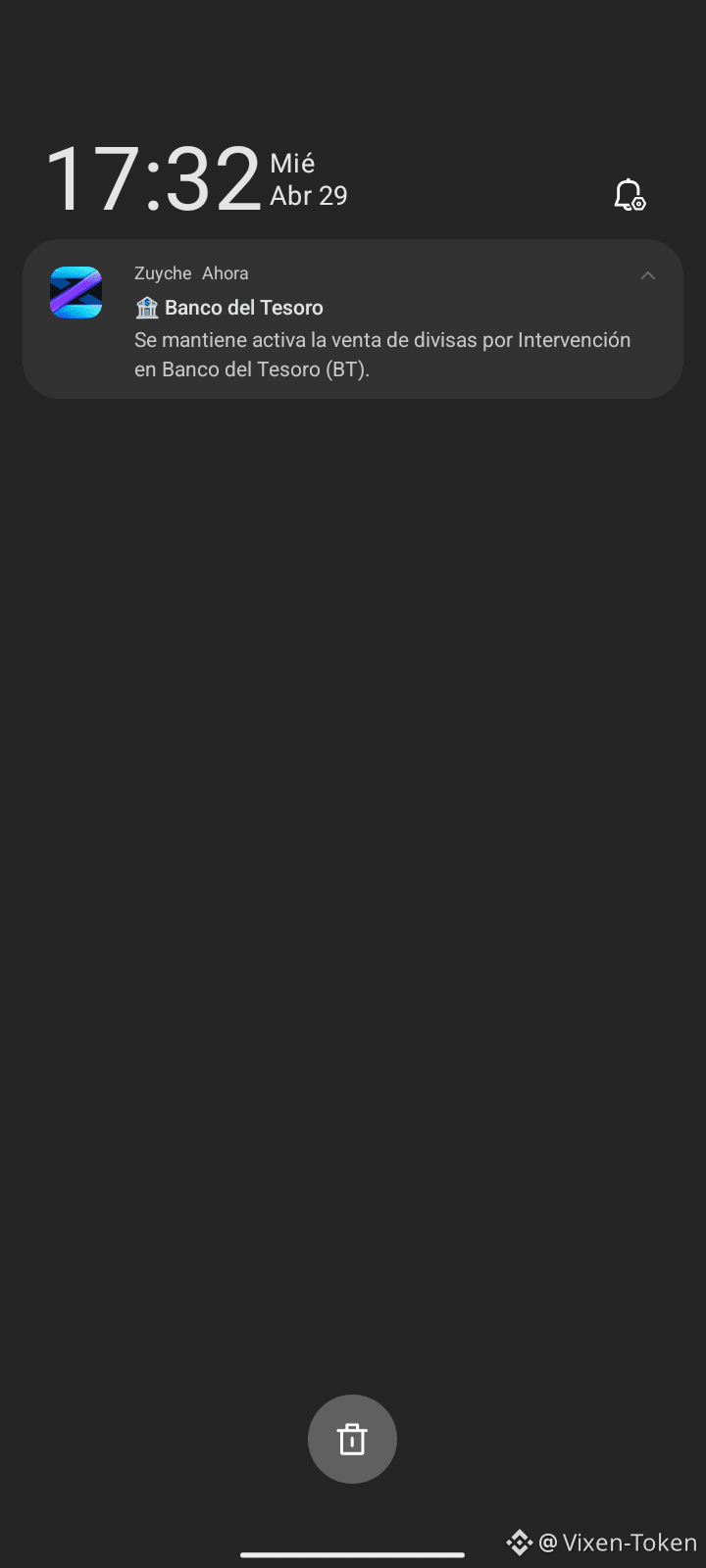
At this hour, the Treasury Bank BT is still selling electronic dollars at 570.75 bolívares per dollar.
At this hour, the Treasury Bank BT is still selling electronic dollars at 570.75 bolívares per dollar.
243
·
--
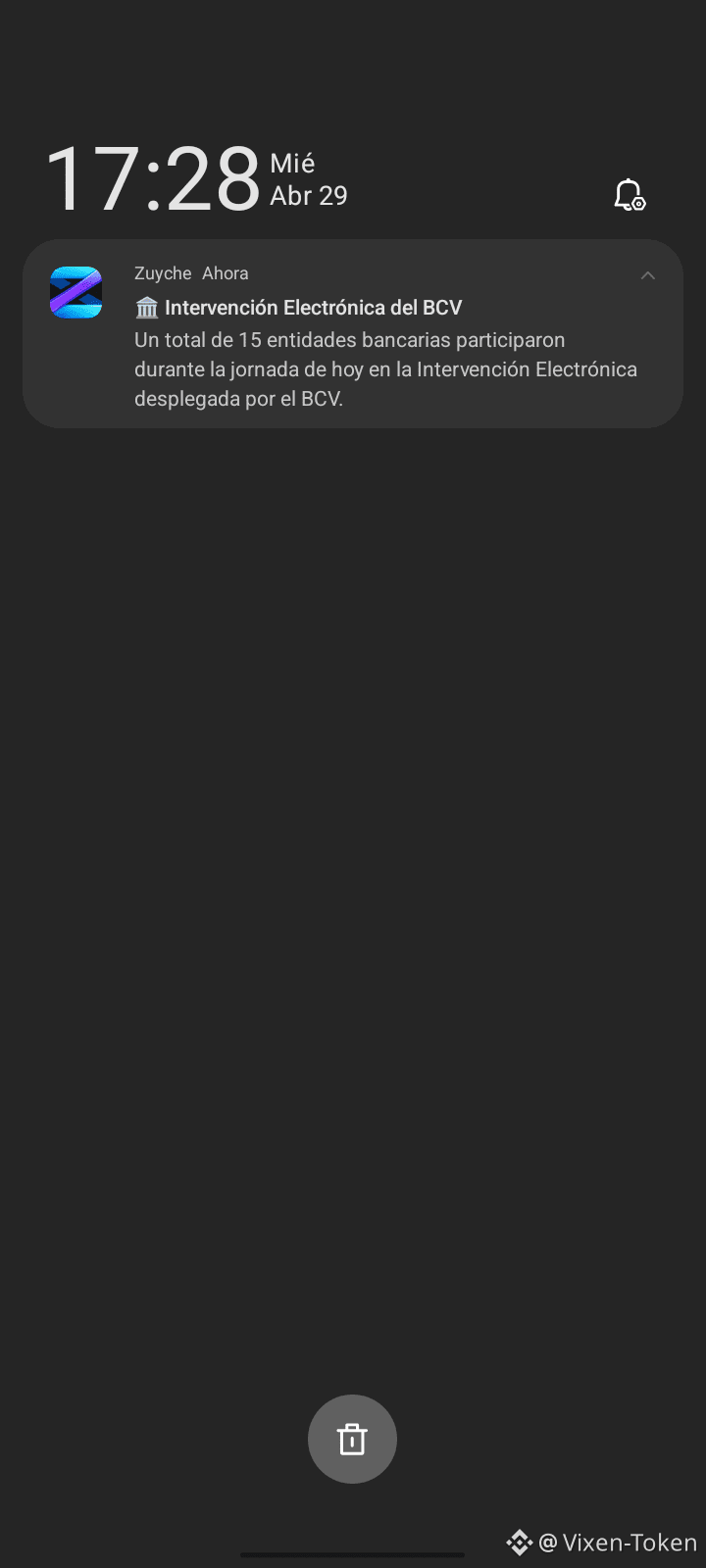
15 Venezuelan banks sold electronic dollars today at 570.75 bolívares per dollar
15 Venezuelan banks sold electronic dollars today at 570.75 bolívares per dollar
786
·
--
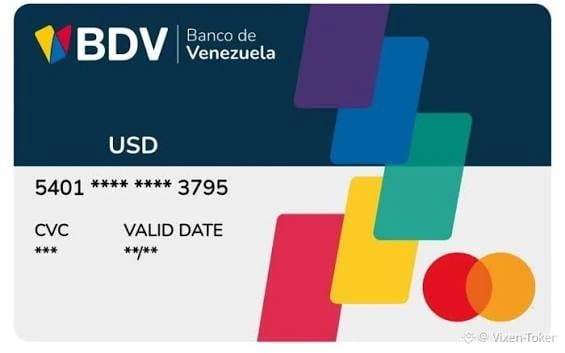
The possible origin of the recent glitches with Banco de Venezuela (BDV) cards could be linked to a complex process of technological and operational upgrades. This is because the entity, recently freed from international sanctions by the U.S. Treasury Department, is looking to fully reintegrate into the global financial system. This transition involves updating their systems to meet international standards and resolving operational inconsistencies, such as the fact that their international cards are mistakenly identified as "prepaid" by some payment processors, leading to declines in services like Google Play Store. In January 2026, BDV began activating a Virtual International Card for dollar purchases. It’s highly likely that the rollout of this product (which includes verification systems like 3DS) is causing the current technical issues.
The possible origin of the recent glitches with Banco de Venezuela (BDV) cards could be linked to a complex process of technological and operational upgrades. This is because the entity, recently freed from international sanctions by the U.S. Treasury Department, is looking to fully reintegrate into the global financial system. This transition involves updating their systems to meet international standards and resolving operational inconsistencies, such as the fact that their international cards are mistakenly identified as "prepaid" by some payment processors, leading to declines in services like Google Play Store. In January 2026, BDV began activating a Virtual International Card for dollar purchases. It’s highly likely that the rollout of this product (which includes verification systems like 3DS) is causing the current technical issues.
10
6
3.6k
·
--
Alleged data leak at Movilnet.
The group "L4TAMFUCKERS" claims to have breached Movilnet's servers, exposing data from over 200,000 lines.
Alleged data leak at Movilnet.
The group "L4TAMFUCKERS" claims to have breached Movilnet's servers, exposing data from over 200,000 lines.
The group "L4TAMFUCKERS" claims to have breached Movilnet's servers, exposing data from over 200,000 lines.
193
·
--
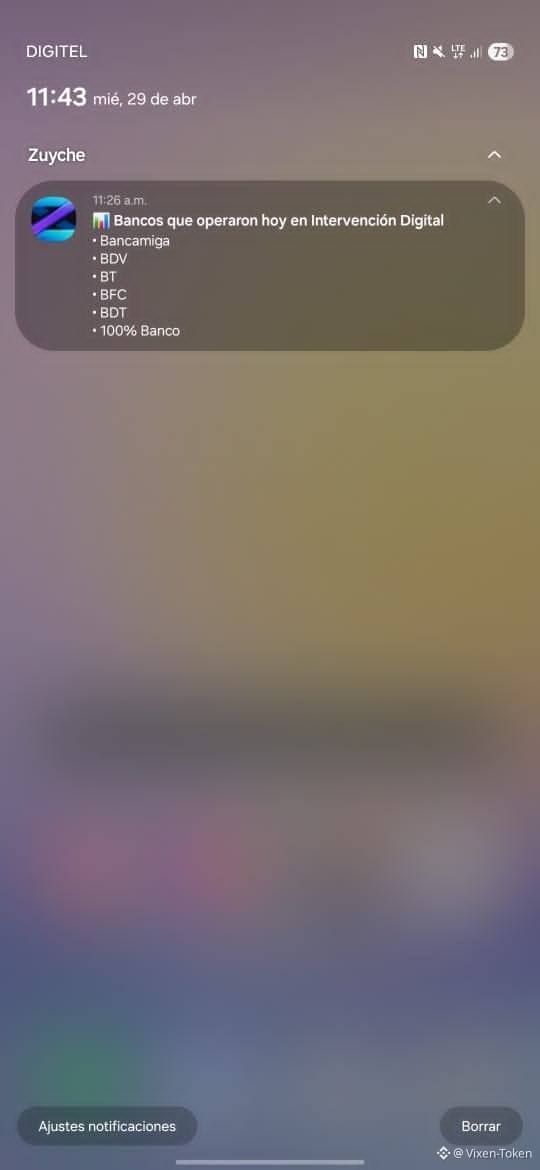
Venezuelan banks that sold electronic dollars today
Venezuelan banks that sold electronic dollars today
1.2k
Log in to explore more content
Join global crypto users on Binance Square
⚡️ Get latest and useful information about crypto.
💬 Trusted by the world’s largest crypto exchange.
👍 Discover real insights from verified creators.
Email / Phone number
Trending Topics
UKFCAWinsCourtOrderToRecover851400Pounds
2,307 views
253 Discussing
🚨 CRYPTO REGULATION JUST ENTERED A NEW PHASE: THEY’RE NOT ONLY WRITING RULES — THEY’RE TAKING MONEY BACK.
The UK’s FCA has secured another court-backed asset recovery, reinforcing a broader enforcement push against unauthorized financial and crypto-related activity.
And look at what’s happening simultaneously:
🇬🇧 FCA → enforcement + asset recovery
🇺🇸 SEC → clearer rules for functional crypto assets
🇺🇸 Fed → formal stablecoin supervision under the GENIUS Act
That combination matters.
Regulators are no longer debating whether crypto belongs inside the financial system.
They’re increasingly deciding who gets access, what rules they follow, and what happens when those rules are broken.
The next crypto cycle may not be “regulation vs innovation.”
It may be regulated crypto vs everyone who can’t meet the standard. 👀
$COIN $CRCL $BTC
#ukfcawinscourtordertorecover851400pounds #ChainlinkLaunchesCCIP2WithEnterpriseVerification #GoldFallsTo$4144 #QNTFallsOver40%FromMorningHigh #USDTAdds845900HoldersInPast7Days
KimHotbae
·1 Likes
·1.6k views
ChainlinkLaunchesCCIP2WithEnterpriseVerification
12,839 views
544 Discussing
GoldFallsTo$4144
6,268 views
106 Discussing